Prepared by
Danish Technological Institute (DTI) is an independent, nonprofit research and development institute approved as a GTS institute by the Minister for Higher Education and Science. Since 1906, DTI has worked to promote the utilization of technological advances for the benefit of industry and society through development, consulting, and dissemination. We fulfill this purpose by developing new knowledge through research and development activities, providing technological services on market terms.
Danish Technological Institute
Gregersensvej 1
2630 Taastrup
Technological Outlook · March 2026 · Executive Summary
The road to a PFAS-free future for Danish companies v.2026-04-14.02
All interviews conducted in connection with the case studies were carried out in Danish.
The original quotations are therefore in Danish and have been translated into English by the Danish Technological Institute for the English version of this report.
Authors: Stig Yding Sørensen, Christina Løth Andersen, Emil Damgaard-Møller, Arne Hørlück Høeg, Thomas Kjeldager Ryan, Danish Technological Institute
The following also contributed to this report: Rasmus Peter Thomsen Fallesen, as well as the 200 companies that agreed to be interviewed and answered questions. Thank you for your efforts.
Photos: Danish Technological Institute: s. 7.
AI-generated/modified Photos: Cover, s.10.
ISBN 97887-85411-11-2
The road to a PFASfree future for Danish companies
PFAS – useful substances with major problems
PFAS are a large group of man-made chemicals that became popular because of their unique properties. They are water and grease repellent, electrically insulating and can withstand high temperatures and strong chemicals among many other beneficial properties. Therefore, PFAS are widely used in the industry – from textiles and electronics to food packaging and medical equipment. Unfortunately, these properties have also made PFAS a serious environmental problem, as the substances do not degrade naturally. PFAS are present everywhere in the environment now, from drinking water and rainwater to food and animal feed, and they accumulate in the human body. This increases the risk of a number of diseases such as cancer and fetal damage.
New, stricter, EU regulations on PFAS are on the way. Danish Technological Institute has written Technological Outlook to provide an overview of the PFAS issue and to support Danish industrial companies in making the transition to PFAS-free solutions in time. We see a growing need for knowledge, tools and technological guidance. Our goal is to translate complex knowledge into practical insights and inspire action, create an overview and indicate opportunities. The transition will promote both innovation and green competitiveness in Danish industry.
PFAS regulation – a complex global situation
Due to health and environmental concerns, PFAS regulation is tightening worldwide, but there is considerable variation in the pace and scope of the regulation. The EU is considering the most far-reaching proposal; a near-total ban on PFAS with few exceptions. If adopted, this will have enormous consequences for many industrial sectors. The United States and countries in Asia are also tightening regulations, but often with a more cautious approach that varies greatly between states and regions. This creates a complex situation for Danish export companies, which must navigate many different rules and limit values.
In Denmark, a ban has been imposed on PFAS in cardboard and paper food packaging, as well as in clothing and impregnating agents for private use. The regulation is not only putting pressure on Danish companies to quickly find alternatives but also giving them the opportunity to position themselves early in a market where demand for PFAS-free solutions is rising significantly.
Danish companies’ experiences with PFAS
The report contains the results of a comprehensive survey of nearly 200 Danish industrial com-
panies. The survey shows that approximately one in four companies uses (or has used) PFAS directly or indirectly through suppliers. More than a quarter of the companies do not know for certain whether their products or processes contain PFAS, which highlights the complexity of the long supply chains and significant knowledge gaps that exist in the industry.
The main reason to use PFAS is the unique technical properties of these substances. Many companies find it difficult to find alternatives that meet the requirements for performance, durability, price, and availability. Only a few companies have managed to substitute PFAS effectively, and many find that the existing alternatives are inadequate or involve technical compromises. Economics also plays a role; alternatives can be more expensive or require large investments in conversion and testing.
Among the companies that use PFAS, at least two out of three obtain PFAS primarily through subcontractors e.g., in materials, components or other items. Suppliers typically design components that can be used widely across customers and applications – and therefore choose PFAS to ensure robust performance across many parameters. At the same time, suppliers rarely know the specific end use and therefore do not receive the signals needed to develop targeted alternatives. On the other hand, users of the components feel that "there are no alternatives" because they do not know what else to ask for or which specific requirements they should communicate to the supplier. The result is a kind of Gordian knot; no one can or dares to make the first move.
Small and medium-sized companies, in particular, face challenges in identifying and implementing alternatives. They often lack specialized knowledge about substitution, and many depend on consultants and suppliers. This lack of internal expertise makes companies more vulnerable to tighter regulation. The survey covered industrial companies with 10 to 1,000 employees. A large
proportion of Danish SMEs have fewer than 10 employees, and here it can be assumed that the lack of knowledge and expertise for PFAS substitution is even greater. The very large companies probably have stronger expertise, but there may be gaps in knowledge here as well.
Research into alternatives is growing – but the challenges are plentiful
Danish Technological Institute has mapped the scientific research into alternatives to PFAS through a detailed analysis of thousands of articles published between 2005 and 2025. This research focuses in particular on finding alternatives to properties such as water and oil repellency, heat resistance and chemical resistance. There has been a clear acceleration in the number of research projects, especially after 2015, reflecting increasing pressure from regulations and the market.
Proactive transition pays off
The report shows that Danish companies that actively phase out PFAS do it to meet legal requirements, as well as for ethical or strategic reasons. 65 % choose environment and health as central driving forces and mention close collaboration with suppliers as a crucial factor to develop effective PFAS-free alternatives.
At the same time, the pressure increases on those that hesitate. Insurance companies are raising premiums significantly or declining coverage for companies using PFAS, and international liability cases are growing in magnitude. Big players such as 3M are withdrawing themselves from the PFAS market, which is creating uncertainty about supply and prices.
In short, Danish companies that lead the way with documented PFAS-free solutions can
Danish status of PFAS alternatives
Status
Science
With nine publications, DTU ranks Denmark among the active nations conducting research into alternatives. Focus on energy materials, membrane technology, and fluorine-free functional materials.
Technology
Technology for substituting PFAS is being developed by foreign chemical giants. One Danish company has patented a PFAS substitute.
Market
33 percent of Danish companies are experiencing demand from the B2B segment for PFAS applications. Demand is much lower from both private and public customers than from corporate customers.
differentiate themselves positively in both the domestic and export markets.
Proposed actions to support Danish companies in substituting PFAS
Danish Technological Institute has three concrete proposals for actions that can support Danish industrial companies in their efforts to substitute PFAS:
Acquire knowledge – make it easy to act
There are many opportunities to find alternatives to PFAS, but Danish companies need more
Next step
Gather knowledge
There are many alternatives to PFAS. Companies lack knowledge, and knowledge is currently scattered. A national knowledge platform can provide companies with inspiration and access to knowledge about substitution.
Build capacity for action
Targeted financial support, technological advice and access to testing can help the SMEs that lack the skills and knowledge for substitution.
Increase transparency
New technology, strong partnerships and cross-industry learnings should be combined to create overview, knowledge sharing and collaboratively find solutions across the value chain.
than general warnings and regulations. They need concrete, practical knowledge that can be translated into action. Today, many companies find it difficult to find reliable information about where PFAS are found in their products and processes and which alternatives actually work. A national knowledge platform that collects and disseminates up-to-date knowledge about PFAS substitution is a good starting point. The platform should be easily accessible and target both technical staff and decision-makers in the industry. It should show how to identify PFAS in materials, what substitution solutions are available, how they are tested and documented, and what experiences other
companies have. Such a platform will not only provide information but also give companies the concrete tools they need to get started. Danish Technological Institute is ready with cases, standards, and industry-specific advice as a basis.
Give companies the competencies to act
Many companies are well aware that phasing out PFAS is necessary, but they lack the resources to do so. Small and medium-sized enterprises in particular do not have their own laboratories, development departments or materials specialists, and they take a substantial financial risk if they invest in poor alternatives. To make the transition possible, a targeted program could be set up to help companies develop, test and document PFASfree solutions. This is not just about financial support, but also access to advice, testing facilities, and certification assistance. With the right competencies, companies can take responsibility and act proactively – not just to comply with the law, but to create better and more sustainable products. Such efforts will pay off in the form of increased competitiveness, export opportunities, and green transition.
Enhance transparency in value chains
Many companies’ complex supply chains inadvertently introduce PFAS into their products. This happens through raw materials, semi-finished products and technical components, where PFAS are not always clearly visible in the
data sheet. Therefore, a large proportion of industrial companies do not know whether they use PFAS. As a result, it is difficult for companies and their customers to be proactive.
To change this situation, efforts should be made to create more transparency in the whole supply chain. The PFAS challenge is complex and rarely solved by one player. Manual tracking of PFAS is often unrealistic, especially for larger companies with many products and an insurmountable value chain.
Cross-industry collaboration can create scale, lower the transaction costs, increase demand and make PFAS alternatives realistic (even for SMEs). Using collective solutions and new technology creates overview and a driving force simultaneously. A strategic effort to enhance transparency is based on close collaborations and open dialog. Strengthen communication with suppliers to find and handle the most obvious problems first. Exploit digital tools and AI to collect, structuralize and verify supply information, crosscheck documentation, prioritize testing activities and monitor changes in real-time.
When companies and their customers know what the products contain, it becomes easier to take responsibility and make active choices. This is good for the environment and strengthens competitiveness concurrently with increasing documentation requirements and focus on green procurement.
PFAS regulation is tightening worldwide due to health and environmental concerns.
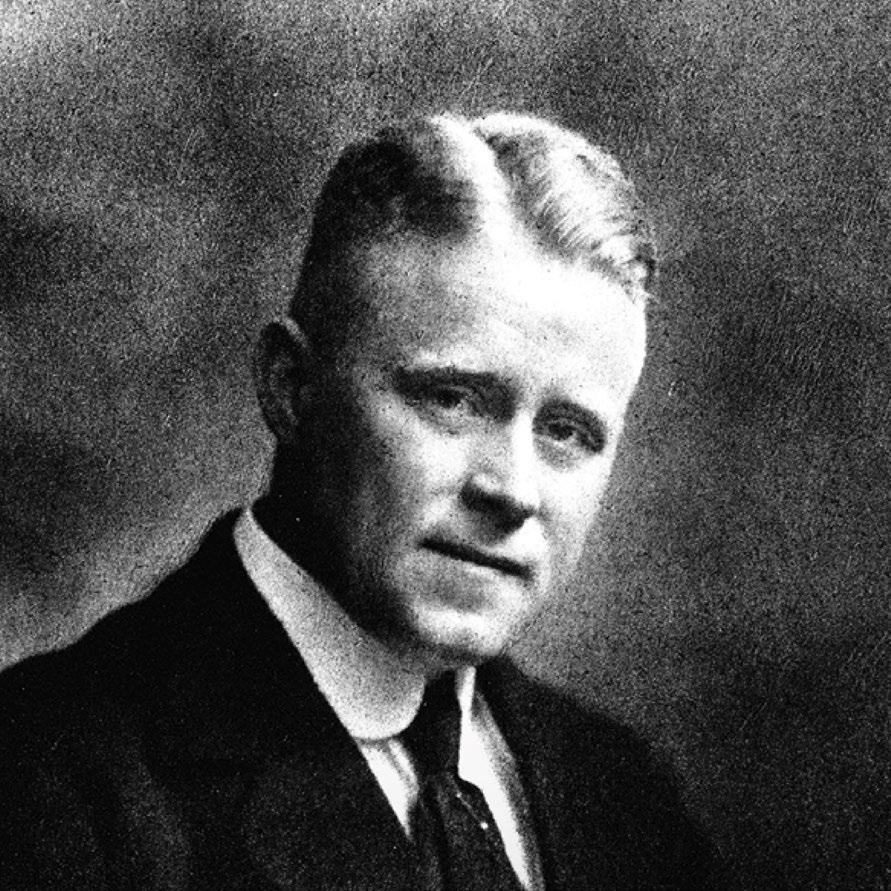
Look ahead, ahead! Look for the roads ahead that will pave the way for development and then place yourselves where you suspect the Institute’s help will be necessary. The path will often take unknown routes and shortcuts, and detours cannot be avoided.
Gunnar Gregersen, founder of Danish Technological Institute and director from 1906-1950
Three keypoints
For decades, PFAS have been a technological miracle cure. The chemicals make materials repel water, grease and dirt and are applied in everything from electronics to textiles. However, their strength is also the problem: PFAS do not degrade and therefore accumulate in the environment and in humans. Regulations are now being tightened globally. Especially in the EU, many applications are likely to be banned. Industrial companies must therefore be given the opportunity to act in time, which requires targeted support. Danish Technological Institute has three concrete proposals for action:
Acquire knowledge – make it easy to act
Danish companies need quick answers on where PFAS are used and what alternatives work in practice. We recommend establishing a national knowledge sharing platform where companies can find concrete cases, test results, and step-bystep guides for substitution. Danish Technological Institute is ready with cases, standards, and sector-specific advice as a basis.
Give companies the competence to develop alternatives
Small and medium-sized companies, in particular, cannot carry out the substitution work alone. A targeted support program could provide access to financial resources, testing facilities and impartial advice to enable more companies to develop, test, and document PFAS-free materials without significant risk. We have positive experience with network projects and can deliver best practice from concrete collaborations.
Enhance transparency in the value chains
Many companies unwittingly introduce PFAS through complex value chains. When manual traceability is inadequate, it makes sense to combine new technology, strong partnerships, and knowledge across industries. This creates collective solutions for the complex issue. With e.g. AI-driven tools to create overview, knowledge sharing and collaboration, solutions can be found across the value chain. This will strengthen responsibility, demand, and competitiveness in the market of the future.
Technological Outlook creates clarity in a complex landscape based on facts about technology, the market, trends, and mapping of players. We show the opportunities to strengthen the competitiveness of Danish companies through innovation, collaboration, and investment in technology. Our goal is to show the way to a groundbreaking, sustainable, and economically viable future. Let's build a better future together!
Juan Farré, CEO - Danish Technological Institute
Danish Technological Institute is an independent, non-profit research and development institute approved as a GTS institute by the Minister for Education and Research. Since 1906, the institute has worked to promote the use of technological advances for the benefit of industry and society through development, consulting, and dissemination. We fulfill this purpose by developing new knowledge through research and development activities, which are translated into technological services and made available on market terms.
www.dti.dk