Sunrise is a comprehensive, NCF 2022-based Early Childhood Education program that lays a solid foundation for lifelong well-being and holistic growth, encompassing physical, cognitive, and socio-emotional development. This semester book has been designed to especially develop the learner's literacy and numeracy skills, their understanding and general awareness about the world around them, as well as their love for reading and listening comprehension skills.
General Awareness
About the Book
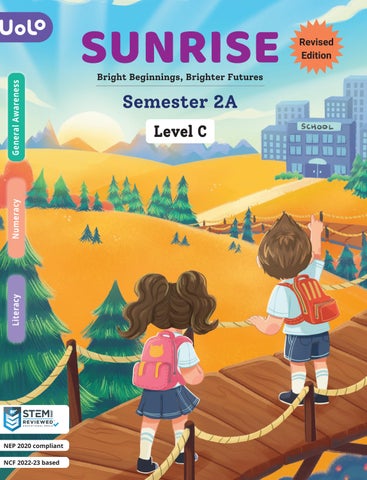
SUNRISE
Revised Edition
Bright Beginnings, Brighter Futures
Semester 2A Level C
• Play-based learning activities, which promote holistic development of the child in all ECE domains • School readiness, which is assured in the curriculum and learning design
• All-round development, in areas of physical, cognitive, cultural and socio-emotional domains
Numeracy
Key Features
• Supportive elements, like learning videos and teacher manuals, help maximise program quality and outcomes
Uolo partners with K-12 schools to provide technology-enabled learning programs. We believe that pedagogy and technology must come together to deliver scalable learning experiences that generate measurable outcomes. Uolo is trusted by over 15,000+ schools across India, Southeast Asia and the Middle East.
Literacy
About Uolo
hello@uolo.com
Not to be sold separately
ISBN 978-93-89789-92-8
NEP 2020 compliant Singapore
Sunrise_LC_UKG_Cover_Live.indd 8-10
|
Gurugram
|
Bengaluru
| © 2026 Uolo EdTech Pvt. Ltd. All rights reserved.
NCF 2022-23 based
03/11/25 11:22 AM
SUNRISE Semester 2A Level C Literacy
Numeracy
General Awareness
Name: Class: School:
Acknowledgements Academic Authors: Sneha Sharma, Chandni Bhargava, Bhawna Bisht Design & Production: Wajahat Khan, Bhavna Tripathi, Satish, Mangal Singh Rana, Vishesh Agarwal Project Lead: Sneha Sharma VP, Learning: Abhishek Bhatnagar All products and brand names used in this book are trademarks, registered trademarks or trade names of their respective owners. © Uolo EdTech Private Limited First edition 2025 Second edition 2026 This book is sold subject to the condition that it shall not by way of trade or otherwise, be lent, resold, hired out, or otherwise circulated without the publisher’s prior written consent in any form of binding or cover other than that in which it is published and without a similar condition including this condition being imposed on the subsequent purchaser and without limiting the rights under copyright reserved above, no part of this publication may be reproduced, stored in or introduced into a retrieval system, or transmitted in any form or by any means, electronic, mechanical, photocopying, recording or otherwise, without the prior written permission of both the copyright owner and the above-mentioned publisher of this book. Book Title: Sunrise Semester 2A Level C ISBN: 978-93-89789-92-8 Published by Uolo EdTech Private Limited Corporate Office Address: 91Springboard, 3rd Floor 145, Sector 44, Gurugram, Haryana 122003 CIN: U74999DL2017PTC322986 Printed by: Kumar Offset Printer Illustrations and images: www.shutterstock.com, www.stock.adobe.com and www.freepik.com All suggested use of the internet should be under adult supervision.
Preface W elcome to Sunrise, our comprehensive series for Early Childhood Education, meticulously crafted to align with the guidelines of the Foundational Stage as outlined in the National Education Policy (NEP) 2020 and the National Curriculum Framework for the Foundational Stage (NCF-FS) 2022.
Sunrise offers a rich blend of interactive and activity-based content to support each child’s physical, emotional, intellectual and spiritual growth. Our approach ensures that learning is enjoyable and meaningful, and caters to every child’s interests and abilities.
Inspired by the Panchakosha Framework, Sunrise offers a thoughtfully curated curriculum designed to nurture each child’s physical, emotional, intellectual and spiritual growth, and create engaging and meaningful learning experiences for all children and cultivate a lifelong love for learning. 1. Physical Development Through movement-based activities, action rhymes, gross and fine motor skill, exercises, yoga and simple meditation practices, children enhance their coordination, balance and self-regulation. 2. Social and Emotional Growth Discussions, role-plays, games, storytelling and collaborative activities encourage empathy, cooperation, self-expression and social awareness. 3. Intellectual Growth A structured, age-appropriate progression from concrete to abstract concepts builds strong problem-solving, logical thinking and cognitive skills. 4. Spiritual and Moral Development Stories, rhymes and reflective discussions teach values such as kindness and honesty. Yoga and meditation help children stay calm, focused and happy. The Sunrise curriculum is not merely a series of lessons, but a journey of discovery, growth and joy. The package comes with digital content, provided free of cost, to ensure a seamless and holistic learning experience for children. By providing a nurturing and stimulating environment, Sunrise lays the foundation for future success—preparing children not just for school, but for life. Thank you for embarking on this educational journey with us. Together, we can make the early childhood education a bright and promising start for every child.
iii
PRODUCT PACKAGE AT A GLANCE Sunrise is an activity-based learning programme covering all areas of Early Childhood Education. It includes content on English, Maths, General Awareness, and Rhymes & Stories, along with lesson plans and resources to support teachers. Digital tools like animated videos, phonics songs and interactive exercises further enrich classroom learning. Semester Books
Workbooks Rhymes and Stories Teacher Manual
Flashcards
TLM
lion
elephant
snake
Manipulatives
A B C
Stickers
D E F
bear
pigeon
deer
cow
peacock
rabbit
H I
Student app Teacher app Learning videos Interactive excercises
iv
DIGITAL RESOURCES
ICONS USED IN THE BOOK Art
Games
Hands-on
India
Health & Wellness
Holistic Learning
Teamwork
Scientific Temper
HOTS
Life Skills
Communication
SDG
SEL
v
KEY FEATURES OF THE BOOK Middle Sounds
/a/
Balanced literacy approach and phonics
Look at the pict ures
. Say the wor ds aloud.
ad
ab
lad
dad
bad sad
mad pad
ag
bag lag rag
jab
tab lab
dab nab
an
tag nag wag
16
UKG English CB.indd
cab
The language curriculum takes a balanced approach, focusing on oral language, vocabulary, phonemic awareness, and early reading and writing skills. The Skillbook helps children hear, identify, and manipulate sounds in CVC words and introduces blends and digraphs for decoding tricky words. The Workbook provides practice for each concept.
can
fan
ran pan
man van
16
29/09/25 3:11 PM
Foundational Mathematical Thinking and Skills
Helping My Fami
SEL
and talk
setting the tabl
e
Life Skills
watering plants
18
EVS UKG CB
cleaning things
bringing objects
taking down clot
hes
New.indd 18
27/10/25 11:16 AM
vi
balls are the
same.
different same
set. t in each ks differen
ng that loo
thi Circle the
1
09/10/25
UKG
Math CB.indd
1
ly
We should help our family. Loo k at the pictures about them.
giving water
Different
Two of the three balls. Look at the is different. ball The third
HOTS
The book curriculum builds strong thinking and problem-solving skills through a step-by-step approach. The Skillbook begins with pre-number ideas like big/small and more/less, then moves to numbers till 100, forward and backward counting, advanced shapes, skip counting, basic number operations, money, time and place value. The Workbook provides practice for each concept to strengthen learning.
Same and
Thematic Learning
Young children are introduced to the world around them through familiar and meaningful themes such as Myself, My Family, My Friends, My Body, Seasons, Plants, Animals, Community Helpers, Vehicles, Gadgets, Good and Bad touch, Celebrations, My computer and many more.
11:58 AM
Let's Talk How can we be kind to the people who help us in our daily life?
Child-Centric and Inquiry-Based
Let’s Talk provides regular opportunities for children to listen, retell, ask questions and express ideas confidently. Teacher Tip offers helpful guidance to build real-life connections and enhance concept delivery.
Digitally powered and application based
Play
es y. Some gam thy and happ us learn us strong, heal Games keep outdoors. Let ors and some are played indo r Games about them.
res. Write ‘O’ Look at the pictu or games. indo and ‘I’ for the
ludo
ers snakes and ladd
carrom
38
games
badminton
jigsaw puzzle
cricket
hopscotch
ludo
football hide-and-seek
TEACHER TIP some of their favourite indoor and some about e them to solve Let children talk You can also encourag outdoor games. games in the class. simple indoor puzzles or play
EVS UKG CB
for the outdoor
Outdoo
HOTS
Indoor Games
Games
After each concept, the fun begins with the Let’s Do It section—packed with simple and exciting activities to help children recall what they have learned. Plus, they can scan the QR codes to watch friendly concept videos and explore more through digital learning!
Games That We
Games
TEACHER TIP
Encourage children to talk about what they like doing at school.
cycling
chess
39
AM 27/10/25 11:12
AM 27/10/25 11:11
EVS UKG CB
New.indd 39
New.indd 38
Experiential and Multisensory learning
The book engages multiple senses through bright visuals, catchy rhymes, simple stories and hands-on activities. Fun Zone tasks such as mazes and puzzles, and sticker activities help build thinking and motor skills in an enjoyable way.
vii
Contents LITERACY SKILLBOOK Starting Blends–1 �������������������������������������������������������������������������� 1 Starting Blends–2 �������������������������������������������������������������������������� 3 Starting Blends–3 �������������������������������������������������������������������������� 5 Ending Blends–1 ���������������������������������������������������������������������������� 7 Ending Blends–2 ���������������������������������������������������������������������������� 9 Rainy Day ������������������������������������������������������������������������������������ 11 Position Words: In and On ���������������������������������������������������������� 14 Position Words: Under and Near ����������������������������������������������� 15 Position Words: In Front of and Behind �������������������������������������� 16 Starting Digraphs ����������������������������������������������������������������������� 18 Ending Digraphs–1 ����������������������������������������������������������������������� 20 Ending Digraphs–2 ����������������������������������������������������������������������� 22 Ending Digraphs–3 ����������������������������������������������������������������������� 24 More Ending Digraphs ���������������������������������������������������������������� 26 Opposites ������������������������������������������������������������������������������������� 27
NUMERACY SKILLBOOK Numbers from 51 to 60 ���������������������������������������������������������������� 31 Numbers from 61 to 70 ���������������������������������������������������������������� 32 Numbers from 71 to 80 ���������������������������������������������������������������� 33 Numbers from 81 to 90 ���������������������������������������������������������������� 34 Numbers from 91 to 100 �������������������������������������������������������������� 35 Star ���������������������������������������������������������������������������������������������� 36 Diamond �������������������������������������������������������������������������������������� 37 All Shapes ����������������������������������������������������������������������������������� 38 viii
Patterns ��������������������������������������������������������������������������������������� 39 Number Names from 1 to 10 ������������������������������������������������������� 40 Number Names from 11 to 20 ����������������������������������������������������� 41 What Comes After ����������������������������������������������������������������������� 42 What Comes Before ��������������������������������������������������������������������� 44 What Comes Between ���������������������������������������������������������������� 46 Backward Counting ��������������������������������������������������������������������� 48 Greater Than and Less Than ������������������������������������������������������� 50 Equal Numbers ���������������������������������������������������������������������������� 52
GENERAL AWARENESS Animals and Their Young Ones ���������������������������������������������������� 54 What Do Animals Eat? ���������������������������������������������������������������� 56 Water Animals ����������������������������������������������������������������������������� 57 Birds �������������������������������������������������������������������������������������������� 60 Insects Around Us ������������������������������������������������������������������������ 62 Animals and Their Sounds ����������������������������������������������������������� 64 Plants and Trees ��������������������������������������������������������������������������� 66 Uses of Plants ������������������������������������������������������������������������������ 68 From Seed to Plant ���������������������������������������������������������������������� 69 Flowers ���������������������������������������������������������������������������������������� 71 Fruits �������������������������������������������������������������������������������������������� 73 Fruit with Seeds ��������������������������������������������������������������������������� 75 Vegetables ����������������������������������������������������������������������������������� 76 Vegetables Eaten as Salad ���������������������������������������������������������� 77 Healthy and Unhealthy Food ������������������������������������������������������� 78 Our Earth ������������������������������������������������������������������������������������ 80 Uses of Water ������������������������������������������������������������������������������ 81 Sources of Water �������������������������������������������������������������������������� 83 ix
Literacy Skillbook Starting Blends–1 �������������������������������������������������������������������������� 1 Starting Blends–2 �������������������������������������������������������������������������� 3 Starting Blends–3 �������������������������������������������������������������������������� 5 Ending Blends–1 ���������������������������������������������������������������������������� 7 Ending Blends–2 ���������������������������������������������������������������������������� 9 Rainy Day ������������������������������������������������������������������������������������ 11 Position Words: In and On ���������������������������������������������������������� 14 Position Words: Under and Near ����������������������������������������������� 15 Position Words: In Front of and Behind �������������������������������������� 16 Starting Digraphs ����������������������������������������������������������������������� 18 Ending Digraphs–1 ����������������������������������������������������������������������� 20 Ending Digraphs–2 ����������������������������������������������������������������������� 22 Ending Digraphs–3 ����������������������������������������������������������������������� 24 More Ending Digraphs ���������������������������������������������������������������� 26 Opposites ������������������������������������������������������������������������������������� 27
Starting Blends–1 Blends are two or more consonants that come together, and you can still hear the sound of each letter, like ‘pl’ in plum or ‘cl’ in clap. Read the words that begin with cl, fl, pl, sl.
India
cl clip
clap
clam
flip
flap
flag
plum
plug
plus
slip
slab
slid
fl
pl
sl TEACHER TIP
Tell children about our national flag and discuss its three colours.
1
HOTS
Write the starting blends.
2
a
a
um
i
i
us
am
u
i
a
Starting Blends–2 These words begin with cr, dr, fr, pr. Read them aloud.
cr crab
crop
crib
drum
drop
drip
frog
frock
fruit
pram
press
pray
dr
fr
pr 3
HOTS
Write the starting blends.
4
um
o
o
ess
i
uit
ab
ay
am
ock
Starting Blends–3 These words begin with sp, sk, st, sn. Read them aloud.
sp spin
spot
spit
skip
skirt
skin
step
stop
stem
snip
snow
snap
sk
st
sn
5
HOTS
Write the starting blends.
6
in
i
i
ir
e
em
i
a
Ending Blends–1 These words end with ng, nt, nk, nd. Read them aloud.
ng king
ring
hang
plant
tent
mint
sink
pink
bank
pond
band
wind
nt
nk
nd
7
Match the words with the pictures.
1. king
HOTS
2. ring
3. tank
4. ant
5. hand
6. pink 8
Ending Blends–2 These words end with mp, ft, lt, sk, st. Read them aloud.
mp jump
camp
hump
left
lift
gift
belt
melt
salt
desk
mask
tusk
nest
rest
fist
ft
lt
sk
st
9
HOTS
Look at the pictures and complete the words.
10
me
u
e
i
qui
ve
ju
e
ne
sa
Scientific Temper
Hands-on
Communication
Rainy Day
Sunday afternoon is a rainy day. Anisha and Asif are happy.
They want to make paper boats. They make the boats with newspapers.
TEACHER TIP
Encourage and guide children to make a paper boat, and decorate it.
11
They wear their raincoats. They take their umbrellas. They wear their boots.
They go outside to float their boats.
12
They find a big puddle of water. They float their paper boats in it.
After a while, they go home. They enjoy warm milk and biscuits. They have a lot of fun.
Let's Talk 1. What sound do you hear when the rain falls? 2. What do you like to do on a rainy day? 3. What do we use to keep ourselves dry in the rain?
13
Position Words: In and On Position words tell us where things are, like on, under, in or near.
HOTS
The cat is in the cup. The cat is on the cup. Where is it? Write in or on.
14
The ball is
the box.
The ball is
the box.
The rat is
the hut.
The rat is
the hut.
The pen is
the table.
The pen is
the box.
Position Words: Under and Near
The top is under the cot.
The top is near the cot.
HOTS
Where is it? Write under or near.
The mop is
the bed. The mop is
the bed.
The bug is
the flower. The bug is
the flower.
The cat is
the table.
The cat is
the table. 15
Position Words: In Front of and Behind
HOTS
The pup is in front of the hut.
The pup is behind the hut.
Where is it? Write in front of or behind.
The bug is
the box. The bug is
the box.
The bug is
the net. The bug is
the net.
16
Look at the pictures and write the correct position words.
in
on
in front of
behind
under
near
1. The cat is ____________ the mat.
HOTS
2. The pup is ____________ the bus.
3. The bug is ____________ the kid.
4. The cub is ____________ the hut.
5. The dog is ____________ the cot.
6. The bag is ____________ the box. 17
Starting Digraphs A digraph is when two letters come together to make one sound, like ‘sh’ in ship or ‘ch’ in chair. These words begin with digraphs ch, sh, wh, th. Read them aloud.
ch chop
chick
chin
shop
ship
shut
whale
wheel
whisk
thick
thin
thumb
sh
wh
th 18
Name these pictures. Then, circle the correct starting digraph.
sh
th
wh
th
wh
sh
ch
th
wh
th
sh
sh
ch
ch
th
HOTS
ch
19
Ending Digraphs–1 These words end with the digraph ck. Read them aloud.
ack sack black rack
eck neck check peck
ick chick kick brick
ock rock block sock
uck duck truck pluck 20
Look at the pictures. Complete the words.
chi
ne
ck
HOTS
sa
c k
f r o
tru
ro
clo
b l o 21
Ending Digraphs–2 These words end with the digraph ll. Read them aloud.
all ball ba ll
fall fa ll
mall ma ll
bell be ll
well we ll
smell sme ll
bill bi ll
pill pi ll
fill fi ll
doll do ll
roll ro ll
poll po ll
ell
ill
oll
22
Look at the pictures. Complete the words.
fa
hi
bi
we
be
wa
ba
she
pi
HOTS
do
23
Ending Digraphs–3 These words end with the digraph ss. Read them aloud.
ass class
grass
glass
hiss
miss
kiss
mess
chess
dress
floss
toss
cross
iss
ess
oss
24
Look at the pictures. Complete the words.
hi
dre
to
cro
gla
ki
me
che
cla
HOTS
gra
25
More Ending Digraphs These words end with digraphs sh, ch, th. Read them aloud.
sh fish
brush
dish
peach
beach
teach
bath
teeth
moth
ch
th
26
Opposites Look at these words arranged side by side. They are opposites. Read them aloud.
day
night
up
down
inside
outside
fast
big
slow
small
27
28
clean
dirty
happy
sad
hot
cold
tall
short
fat
thin
HOTS
Look at the pictures. Read the words. Circle the correct opposite.
happy
sad
dirty
thin
hot
slow
big
cold
tall
outside
short
night
thin
slow
clean
fat
big
fast
small
up 29
Numeracy Skillbook Numbers from 51 to 60 ���������������������������������������������������������������� 31 Numbers from 61 to 70 ���������������������������������������������������������������� 32 Numbers from 71 to 80 ���������������������������������������������������������������� 33 Numbers from 81 to 90 ���������������������������������������������������������������� 34 Numbers from 91 to 100 �������������������������������������������������������������� 35 Star ���������������������������������������������������������������������������������������������� 36 Diamond �������������������������������������������������������������������������������������� 37 All Shapes ����������������������������������������������������������������������������������� 38 Patterns ��������������������������������������������������������������������������������������� 39 Number Names from 1 to 10 ������������������������������������������������������� 40 Number Names from 11 to 20 ����������������������������������������������������� 41 What Comes After ����������������������������������������������������������������������� 42 What Comes Before ��������������������������������������������������������������������� 44 What Comes Between ���������������������������������������������������������������� 46 Backward Counting ��������������������������������������������������������������������� 48 Greater Than and Less Than ������������������������������������������������������� 50 Equal Numbers ���������������������������������������������������������������������������� 52
Numbers from 51 to 60 and 5 groups of 10
1 more is
51
Count and write the numbers from 51 to 60.
50 and 1 more is 51. 50 and 2 more is 52. 50 and 3 more is 53. 50 and 4 more is 54. 50 and 5 more is 55. 50 and 6 more is 56. 50 and 7 more is 57. 50 and 8 more is 58. 50 and 9 more is 59. 6 groups of 10 is 60.
T O 5 1 5 2 5 3 5 4 5 5 5 6 5 7 5 8 5 9 6 0
T O
T O
31
Numbers from 61 to 70 and 6 groups of 10
1 more is
61
Count and write the numbers from 61 to 70.
60 and 1 more is 61. 60 and 2 more is 62. 60 and 3 more is 63. 60 and 4 more is 64. 60 and 5 more is 65. 60 and 6 more is 66. 60 and 7 more is 67. 60 and 8 more is 68. 60 and 9 more is 69. 7 groups of 10 is 70.
32
T O 6 1 6 2 6 3 6 4 6 5 6 6 6 7 6 8 6 9 7 0
T O
T O
Numbers from 71 to 80 and 7 groups of 10
1 more is
71
Count and write the numbers from 71 to 80.
70 and 1 more is 71. 70 and 2 more is 72. 70 and 3 more is 73. 70 and 4 more is 74. 70 and 5 more is 75. 70 and 6 more is 76. 70 and 7 more is 77. 70 and 8 more is 78. 70 and 9 more is 79. 8 groups of 10 is 80.
T O 7 1 7 2 7 3 7 4 7 5 7 6 7 7 7 8 7 9 8 0
T O
T O
33
Numbers from 81 to 90 and 8 groups of 10
1 more is
81
Count and write the numbers from 81 to 90.
80 and 1 more is 81. 80 and 2 more is 82. 80 and 3 more is 83. 80 and 4 more is 84. 80 and 5 more is 85. 80 and 6 more is 86. 80 and 7 more is 87. 80 and 8 more is 88. 80 and 9 more is 89. 9 groups of 10 is 90.
34
T O 8 1 8 2 8 3 8 4 8 5 8 6 8 7 8 8 8 9 9 0
T O
T O
Numbers from 91 to 100 and 9 groups of 10
1 more is
91
Count and write the numbers from 91 to 100 under H (Hundreds), T (Tens), and O (Ones).
90 and 1 more is 91. 90 and 2 more is 92. 90 and 3 more is 93. 90 and 4 more is 94. 90 and 5 more is 95. 90 and 6 more is 96. 90 and 7 more is 97. 90 and 8 more is 98. 90 and 9 more is 99. 10 groups of 10 is 100.
HT O 9 1 9 2 9 3 9 4 9 5 9 6 9 7 9 8 9 9 1 0 0
HT O
35
Star
This is a star. It has many slanting sides.
Art
We can see a star in these objects. Say the names aloud.
starfish
balloon
cushion
Trace the star and colour the starfish.
36
starfruit
Diamond
This is a diamond.
This is also a diamond.
HOTS
We can see a diamond in these objects. Say the names aloud.
earring
kite
brick trowel
kaju barfi
Count the small and big diamonds in the king’s crown. Write the numbers in the boxes.
big
small 37
All Shapes
HOTS
Art
Look at the patterns below. Draw what comes next in the empty box.
38
Patterns
HOTS
Art
Draw and colour to complete the pattern.
39
Number Names from 1 to 10 Let us learn and write the names of numbers from 1 to 10.
40
1 one
1
2 two
2
3 three
3
4 four
4
5 five
5
6 six
6
7 seven
7
8 eight
8
9 nine
9
1 0 ten
1 0
Number Names from 11 to 20 Let us learn and write the names of numbers from 11 to 20.
1 1 eleven
1 1
1 2 twelve
1 2
1 3 thirteen
1 3
1 4 fourteen
1 4
1 5 fifteen
1 5
1 6 sixteen
1 6
1 7 seventeen
1 7
1 8 eighteen
1 8
1 9 nineteen
1 9
2 0 twenty
2 0 41
What Comes After Look at the pictures and read the sentences.
The elephant comes after the lion. The dog comes after the elephant.
Look at the number track. To find the number that comes after, we move one step forward.
1
2
3
4
5
6
Number 5 comes after the number 4.
7 4
8
9
5
In the same way, number 8 comes after number 7.
7
8
Similarly, we can find the number that comes after any number by counting one step forward. Number 21 comes after the number 20. 42
20 21
10
HOTS
Art
Look at the picture. Draw the thing that comes after the given picture.
Count forward and write the number that comes after the given numbers.
5
7
9
23
44
56
62
71
88
43
What Comes Before Look at the pictures and read the sentences.
The bear comes before the monkey. The giraffe comes before the rat.
Look at the number track. To find the number that comes before, we move one step backward.
1
2
3
4
5
6
Number 5 comes before the number 6. Number 9 comes before the number 10.
7 5
8
9
9
10
6
Similarly, we can find the number that comes before any number by counting one step backward. Number 34 comes before the number 35. 44
34 35
10
HOTS
Art
Look at the picture. Draw the thing that comes before the given picture.
Count backward and write the number that comes before the given numbers.
7
23
31
45
58
64
70
78
92
45
What Comes Between Look at the pictures and read the sentences.
The bat comes in between the ball and the car. The clock comes in between the cake and the balloon. Between means in the middle of two things.
To find the number between two numbers, look for the number that comes after the first number and before the second number.
1
2
3
4
5
6
7
8
9
10
2
3
Number 2 comes in between the numbers 1 and 3.
1
Similarly, number Number 20 comes in between the numbers 19 and 21.
19 20 21
46
HOTS
Art
Look at the pictures and draw the thing that comes between the given things in each set.
Write the number that comes between the given numbers.
10
12
27
29
43
45
69
71
38
40
84
86 47
Backward Counting Look at how the numbers are arranged in order from 10 to 1. This is backward counting.
10 9 8 7 6 5 4 3 2 1
48
Start counting from number 10. Then write the numbers from 10 to 1 using backward counting.
10
1
Write the numbers to take the boy Write the numbers to take the girl down the ladder from 10 to 1. down the ladder from 20 to 11.
20
1
11
HOTS
10
49
Greater Than and Less Than To compare two groups, first count the things in each group. Then, draw the correct sign.
> 6
1
This shows that number 6 is greater than number 1.
< 2
4
This shows that number 2 is less than number 4. 50
HOTS
Count the things in each set and write the numbers in the squares. Use the correct sign (< or >) in the circle.
51
Equal Numbers To compare two groups, first count the things in each group. Then, draw the correct sign.
5
=
5
HOTS
This shows that both sides have an equal number of mangoes.
Count the things in each set and write the numbers in the squares. Use the correct sign in the circle.
52
General Awareness Animals and Their Young Ones ���������������������������������������������������� 54 What Do Animals Eat? ���������������������������������������������������������������� 56 Water Animals ����������������������������������������������������������������������������� 57 Birds �������������������������������������������������������������������������������������������� 60 Insects Around Us ������������������������������������������������������������������������ 62 Animals and Their Sounds ����������������������������������������������������������� 64 Plants and Trees ��������������������������������������������������������������������������� 66 Uses of Plants ������������������������������������������������������������������������������ 68 From Seed to Plant ���������������������������������������������������������������������� 69 Flowers ���������������������������������������������������������������������������������������� 71 Fruits �������������������������������������������������������������������������������������������� 73 Fruit with Seeds ��������������������������������������������������������������������������� 75 Vegetables ����������������������������������������������������������������������������������� 76 Vegetables Eaten as Salad ���������������������������������������������������������� 77 Healthy and Unhealthy Food ������������������������������������������������������� 78 Our Earth ������������������������������������������������������������������������������������ 80 Uses of Water ������������������������������������������������������������������������������ 81 Sources of Water �������������������������������������������������������������������������� 83
Animals and Their Young Ones Look at the pictures. Read the names of the animals and their young ones.
54
cow and calf
horse and foal
hen and chick
sheep and lamb
cat and kitten
elephant and calf
lion and cub
dog and puppy
Match each animal with its baby.
kitten
lion
calf
cat
lamb
cow
foal
horse
cub
HOTS
sheep
55
What Do Animals Eat? Some animals eat plants. Let us read their names.
cow
goat
giraffe
zebra
elephant
horse
deer
Some animals eat other animals. Let us read their names.
56
lion
fox
tiger
crocodile
snake
cat
Water Animals Many animals live in ponds, lakes, rivers and oceans. These are called water animals. Let us learn about them.
whale
octopus
SDG
fish
turtle shark jellyfish seahorse crab
starfish
TEACHER TIP
Encourage children not to throw garbage in water and to keep water bodies clean. This protects water animals.
57
HOTS
Look at the pictures and tick () the correct word.
58
shark
turtle
jellyfish
whale
octopus
fish
crab
shark
jellyfish
crab
starfish
octopus
seahorse
whale
dolphin
fish
Read the clues. Circle the animals. Animal that lays eggs.
HOTS
Animal that eats other animals.
Animal that we keep as a pet.
Animal that does not live in water.
59
Birds We see many birds around us. Some can fly and some cannot. Let us look at them.
Birds that can fly.
sparrow
pigeon
quail
eagle
owl
crow
vulture
mynah
Birds that cannot fly.
emu
60
penguin
ostrich
Look at the pictures. Write the names of the birds using the help box given below.
HOTS
sparrow eagle owl pigeon crow emu ostrich vulture penguin
61
Insects Around Us Insects are tiny animals. We often see them around us. Let us look at their pictures and say their names aloud.
mosquito housefly dragonfly
bee
Communication
butterfly
cockroach
grasshopper
spider
Let's Talk Which insects have you seen? Are you scared of any of them?
62
ladybird
ant
Look at the pictures. Write the names of the insects using the help box given below.
HOTS
housefly butterfly dragonfly mosquito grasshopper spider bee ladybird cockroach
63
Animals and Their Sounds
Animals make different sounds. Let us learn about some of them.
dog (barks)
lion (roars)
cat (meows)
cow (moos)
bird (chirps)
duck (quacks)
monkey (chatters)
elephant (trumpets)
owl (hoots)
hen (clucks) 64
snake (hisses)
Match the animals with their sounds.
trumpets
HOTS
meows
barks
moos
roars 65
Plants and Trees Big plants are called trees. Let us learn about the parts of a tree.
leaf
flower
SDG
fruit
branch
trunk
root
Let's Talk How are plants and trees useful to us?
66
Write the names of the parts of the tree.
Scientific Temper
HOTS
root fruit flower leaf trunk branch
67
Uses of Plants Plants are very useful. We get many things from them. Let us learn about them.
flower
Scientific Tempe
SDG
paper
wood fresh air
cotton
medicines
shade fruits TEACHER TIP
Encourage children to care for plants by watering them regularly, avoiding the picking of leaves or flowers, and showing kindness towards nature.
68
vegetables
From Seed to Plant
Fill a pot with soil.
Plant a seed in the soil.
Scientific Temper
SDG
Plants are good for us. We can also grow plants. Let us see how.
Place it in the open air and sunlight. Water it everyday.
TEACHER TIP
After a few days, a small plant grows.
In a few weeks, the plant grows big and strong.
Encourage children to grow plants at their home.
69
Tick () the things a plant needs to grow.
milk
medicine
soil
water
air
HOTS
sun
70
Flowers Flowers grow on plants and trees. They are colourful and have a nice smell. Let us learn the names of some common flowers.
rose
lotus
sunflower
hibiscus
tulip
lily
marigold
jasmine 71
HOTS
Match each flower with its shadow.
72
Fruits
Health & Wellness
Fruits are good for our health. We should eat them regularly. Let us learn their names and write them below.
73
Health & Wellness
Scientific Temper
Arrange the pictures in the correct order. One has been done for you.
Throw the peel in the dustbin.
Eat the banana.
I Wash your hands. TEACHER TIP
Remind children to wash their hands before and after eating to stay safe from germs.
74
Peel the banana.
Fruit with Seeds Fruit have seeds. Some have one. Some have many. Look at the examples to understand.
papaya
cherry many
one watermelon
HOTS
mango one
many
Write ‘one’ next to the fruit that has one seed and ‘many’ next to the fruit that has many seeds.
peach guava 75
Vegetables
Health & Wellness
Vegetables are good for our health. They keep us strong and healthy. Let us learn their names and write them below.
76
Vegetables Eaten as Salad
Health & Wellness
Eating salads keeps us healthy. Some vegetables can be eaten raw as salads. Let us look at them and read their names aloud.
onion
cucumber
radish
cabbage
carrot
tomato 77
Healthy and Unhealthy Food Some of the food items are healthy and can be eaten or drunk every day. Healthy food
Health & Wellness
fruits
vegetables
pulses
soup
rice
curd
chapati milk
coconut
water
Some food items are tasty but not healthy. We should only eat them once in a while. Unhealthy food
78
pizza
pastry
candy
noodles
biscuits
burger
chocolate
cold drink
Circle the pictures that show healthy habits.
Health & Wellness
Life Skills
Eat food that is clean and covered.
Drink water that is clean and covered.
Wash fruits and vegetables before eating.
79
Our Earth We live on the Earth. Earth has land and water. Colour 2 the picture of the Earth according to the code. 1 2
2 1 2
Art
Scientific Temper
2
2
2 1
2
The green part shows the land. The blue part shows water. 80
Uses of Water Water is important for us. We use water in many ways. Let us see how we use water in our daily life.
brushing
bathing
washing clothes
cooking
watering plants
bathing the pet
cleaning
washing fruits and vegetables
SDG
drinking
TEACHER TIP Talk about the importance of water and ways to save it.
81
HOTS
SDG
Cross () the pictures that show wastage of water.
82
Sources of Water We get water from different sources. Let us learn the names of some sources of water.
well
rain
river
lake
stream
handpump
seas and oceans 83
Art
Colour the rainy day picture.
84
Sunrise is a comprehensive, NCF 2022-based Early Childhood Education program that lays a solid foundation for lifelong well-being and holistic growth, encompassing physical, cognitive, and socio-emotional development. This semester book has been designed to especially develop the learner's literacy and numeracy skills, their understanding and general awareness about the world around them, as well as their love for reading and listening comprehension skills.
General Awareness
About the Book
SUNRISE
Revised Edition
Bright Beginnings, Brighter Futures
Semester 2A Level C
• Play-based learning activities, which promote holistic development of the child in all ECE domains • School readiness, which is assured in the curriculum and learning design
• All-round development, in areas of physical, cognitive, cultural and socio-emotional domains
Numeracy
Key Features
• Supportive elements, like learning videos and teacher manuals, help maximise program quality and outcomes
Uolo partners with K-12 schools to provide technology-enabled learning programs. We believe that pedagogy and technology must come together to deliver scalable learning experiences that generate measurable outcomes. Uolo is trusted by over 15,000+ schools across India, Southeast Asia and the Middle East.
Literacy
About Uolo
hello@uolo.com
Not to be sold separately
ISBN 978-93-89789-92-8
NEP 2020 compliant Singapore
Sunrise_LC_UKG_Cover_Live.indd 8-10
|
Gurugram
|
Bengaluru
| © 2026 Uolo EdTech Pvt. Ltd. All rights reserved.
NCF 2022-23 based
03/11/25 11:22 AM