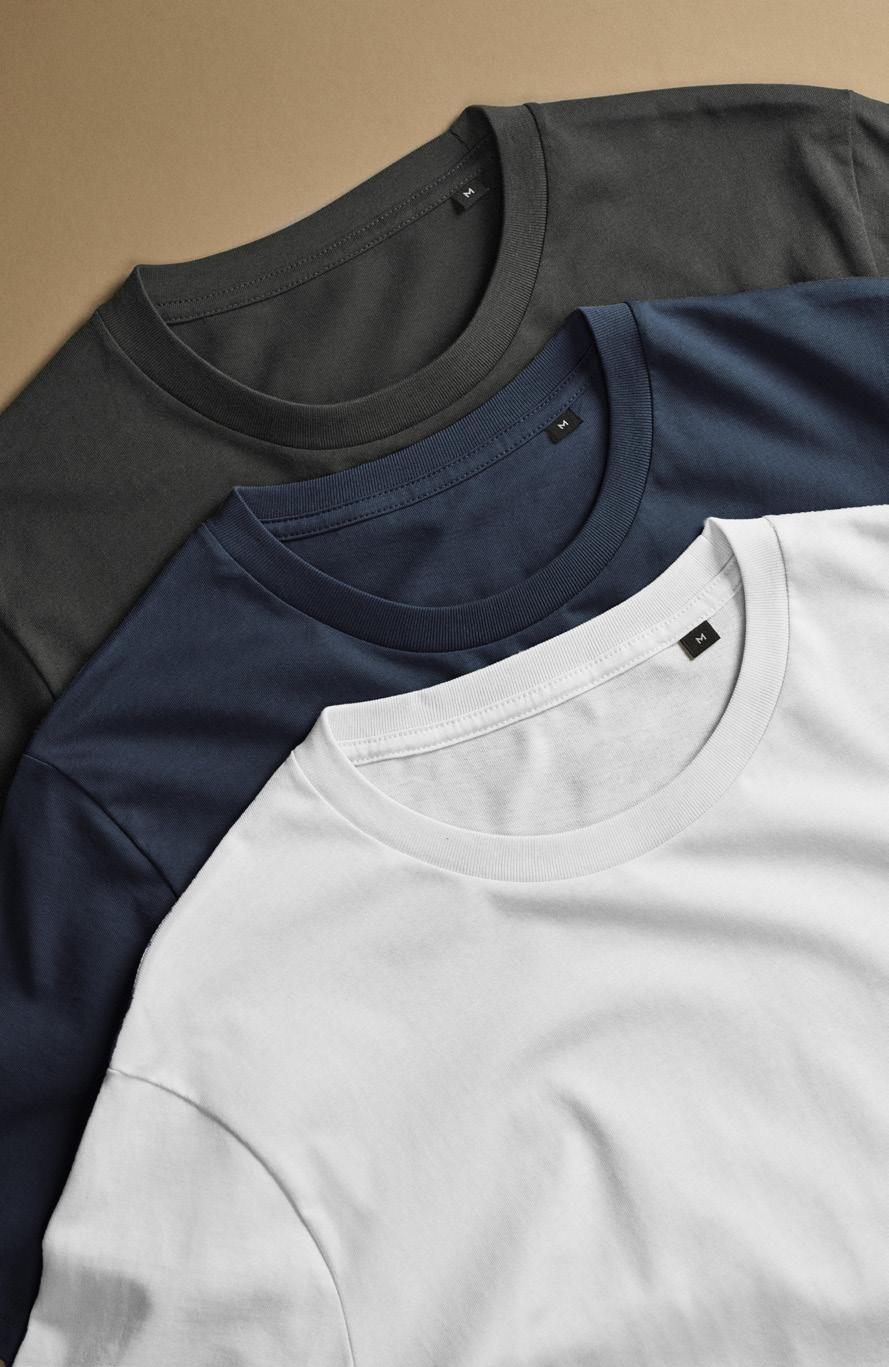
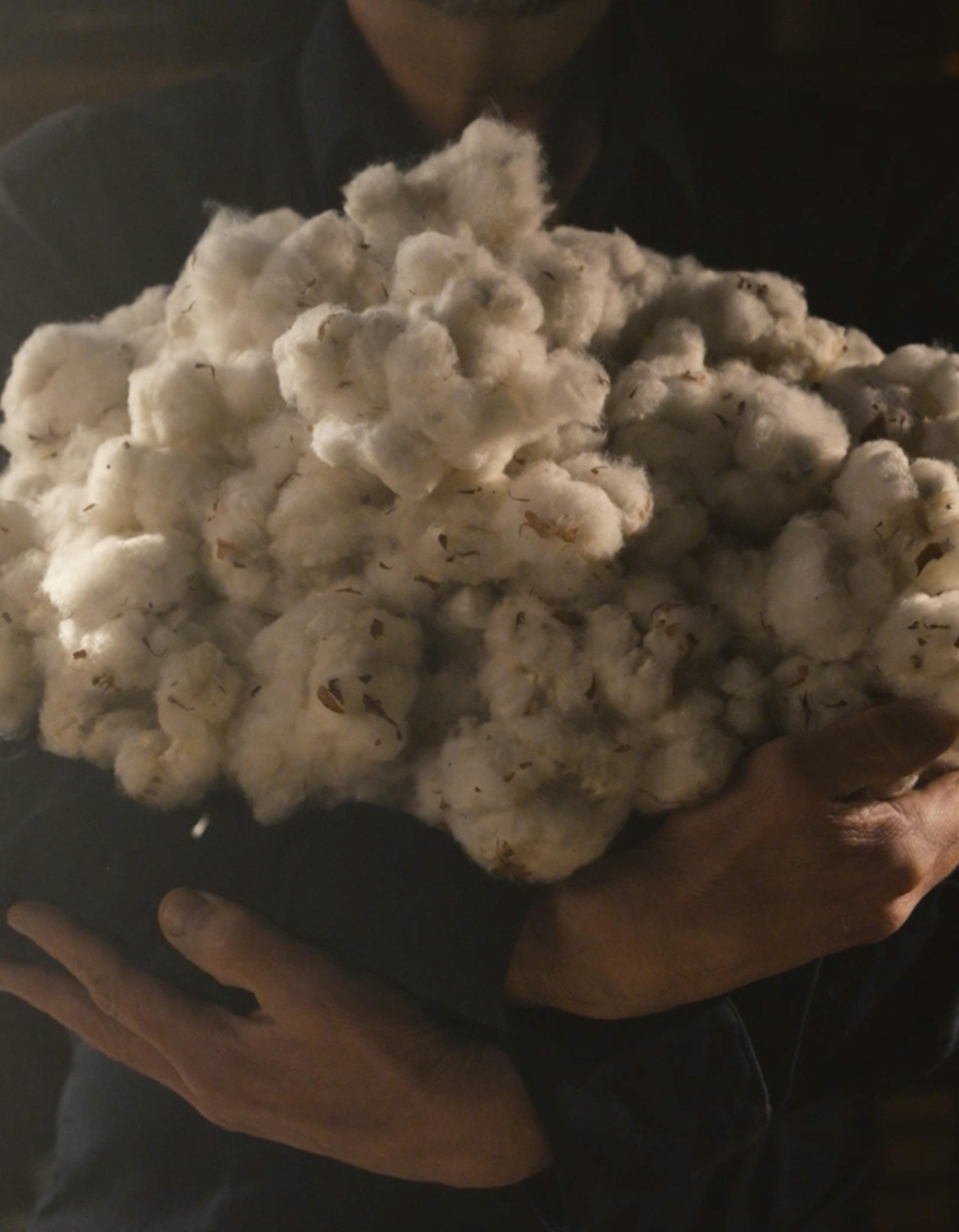
We increased the share of certified organic cotton, BCI-cotton and certified recycled polyester across our entire assortment.
TRACEABILITY
We introduced Digital Product Passport and QR codes for 100% of our collection
DOCUMENTATION
Life Cycle Analysis is initiated on three core garments, and data will be assessed and evaluated during 2026.
SUPPLY CHAIN
100% of our production covered by amfori BSCI monitoring; audit follow-up structured and reported by minimum rating C.
OPERATIONS
Renewable electricity measures forms basis for future improved utilization
ENVIRONMENT
Started reporting after new Danish national packaging regulation
PEOPLE
Structured onboarding, development focus and engagement
SUMMARY
At Tee Jays we integrate product quality with responsibility by ensuring durable, high-performance garments. We focus on reducing environmental impact, while new data tools, LCAs and Digital Product Passports enable transparent, comparable product information over the coming years.
This 2025 report sets out our progress, our near-term roadmap to 2026, and the data we will publish as they complete.
Letter from OUR CEO
As the CEO of Tee Jays, I have the great pleasure of introducing our 2025 ESG Report. At Tee Jays, we hold transparency and accountability in high regard, and our ESG report underscores our commitments to via responsibility including responsible business practices.
Our vision has been crystal clear from the very beginning: we want to produce the best t-shirts and polos. An ambitious vision that has given rise to high expectations from our customers and to ourselves. We know that outstanding ambitions require commitment, and we strive every day to fulfill them. That commitment is driven by our values of passion and quality. We know that the textile industry plays a big role in the overall pollution, and we have a huge responsibility in the effort of limiting the environmental impact. That’s why we are uncompromising in our work with quality which is the motive power of our love for durable materials and timeless designs.
We believe that the most effective means of reducing environmental impacts lies in the creation of high-quality, durable products designed to be worn again and again. This report provides a comprehensive overview of our efforts and achievements in environmental stewardship, social responsibility, and corporate governance over the past years. It highlights our progress, challenges, and future aspirations as we continue to integrate our responsibility into our core business strategy.
While looking into our achievements, we recognize that our journey towards higher focus on responsibility is ongoing, and there is always room for improvements. Your feedback and suggestions as customers and partners are invaluable as we strive to make a positive impact on the planet and communities. I encourage you to explore our ESG report and learn more about our initiatives and performance. Together, we can create a more sustainable future for generations to come.
Thank you for your continued support and partnership.
Peter Höfler Tee Jays’ CEO & Owner
Table of CONTENTS
Highlights 2025
Summary
Letter from our CEO
The purpose of our ESG report
Who we are
Our history–More than clothing
One brand, two concepts
Governance and responsibility
Our code of conduct
Our value chain
Sourcing countries
Going forward
Roadmap
2025 achievements
Goals towards 2026
U.N sustainable development goals (SDGs)
Licence to operate
Key regulatory requirements
Premium quality as a driver of responsibility
Due diligence priorities
Product &
Responsible
amfori BSCI–Social compliance monitoring
Quality as a driver of durability
Transition to responsible materials
Responsible journey overview
Life Cycle Analysis (LCA)
Statement on our LCA from Sustaina company
Considerations related to Life Cycle assessments
Introducing digital product passports (DPPs)
Preparing for the future of transparency
What this means for our customers
Our greatest asset. Our people
Statement from our HR Manager
Human Ressources
Partnerships
Supplier-driven initiatives
Your health is your wealth
Environmental footprint
Packaging ERP-based reporting
Energy, water, heating and waste–Baseline, data and insights
Electricity consumption and renewable energy production
Goals and progress going forward
Management and team commitment
The purpose of our ESG REPORT
It is essential for Tee Jays to document our efforts and ensure that we meet both regulatory requirements and the expectations of our dealers and end customers. With this ongoing ESG report, we aim to offer clear insight into our responsibility efforts – how we manage our obligations and how we continually refine our processes to ensure openness and credibility.
This reflects our current commitment, with further initiatives expected over time
Our “license to operate” in the textile industry increasingly requires documentation, and at the same time we see a growing demand for greater transparency and data from our valued dealers and customers. We all want a deeper insight into the products we choose and the values we stand for as a brand.
By strengthening our focus on responsibility, we not only reinforce our position in the market – we also contribute to a more sustainable and transparent upstream and downstream value chain.
This is why we care and want to improve every single focus area possible. The journey that requires consistency, continuous improvements and that will never end.
Enjoy reading!
Who WE ARE
Our history - More than Clothing
Tee Jays designs and manufacture premium everyday essentials for the B2B and B2C industry. Since the brand was founded in 1976, craftsmanship, and long-lasting quality design have been the defining principles behind every product.
The brand was established in Alabama in 1976, when Terry Wylie set out to create what he believed would be the best T-shirt on the market. His strong focus on quality and materials set the foundation for Tee Jays and shaped the brand’s early success.
In 2002, a new chapter began when Georg and Peter Høfler acquired the rights to Tee Jays’ brand and sub-brands like Sof Tee following many years of friendship and collaboration with Terry. Their partnership, which began at a trade show and grew from a shared passion for quality garments, continues to define the brand today. Despite significant development over the years, Tee Jays remains guided by the same core values: quality, fit, and timeless simplicity.
Today, our designers and technicians continuously develop fabrics, fits, and constructions to ensure consistent quality and performance. The result is a distinctive European collection of premium basics, combining durability, functionality, and value.
One brand. Two concepts.
Tee Jays premium wear is built around two distinct concepts.
The Signature Collection
The first is our Signature Collection. Scandinavian inspired styles, high-end classic garments given a fashionable twist and all with tailored fits.
The Unlabeled Collection
The second is our UNLABELED Collection. High-quality fashion basics, designed for merchandise and private label, offering a clean, unbranded canvas.
What both concepts have in common is the uncompromising Tee Jays’ quality and craftsmanship. We are dedicated to details, consistency in colours and sizing, ensuring long-lasting quality that stands the test of time.
Signature Collection
Unlabeled Collection
THE SIGNATURE COLLECTION
The Tee Jays Signature Collection has been refined over three generations and five decades, always focused on delivering the best product –whether you need a tee, polo, or shirt.
Our premium corporate wear features timeless, minimalistic design with long-lasting appeal. Using high-end yarns and carefully engineered fabrics, we craft unique and sophisticated responsible garments with attention to every detail.
This collection is the ideal choice for any corporate wardrobe.
THE UNLABELED COLLECTION
Discover our UNLABELED styles, where simplicity meets versatility. Free from visible branding, each piece offers clean lines and premium materials, ready for your logo.
Made in our renowned Tee Jays quality, the UNLABELED Collection delivers high-end merchandise essentials, including coordinated tees and sweats that form a strong foundation for any brand.
Explore bestselling basics and fashion pieces like loose-fit tees, hoods, and new two-tone shirts, crafted from certified organic cotton or a blend of certified organic cotton and certified recycled polyester.
Governance and responsibility
OVERSIGHT AND ACCOUNTABILITY
Sustainability and ESG matters at Tee Jays are governed through established management and oversight structures. Board, director and managers holds overall oversight responsibility for ESG related risks, opportunities and strategic priorities, including compliance with applicable legal and regulatory requirements. ESG topics are addressed as part of the Board’s regular oversight of business performance and risk management.
EXECUTIVE RESPONSIBILITY
Executive Management is responsible for integrating sustainability and ESG considerations into the company’s strategy, policies and business processes. This includes setting strategic direction, approving key ambitions and targets, and ensuring that relevant ESG topics are addressed within the organization’s operations. Management reviews progress on ESG related activities and ensures that necessary resources and competencies are available to support implementation.
OPERATIONAL IMPLEMENTATION
The ‘day to day’ coordination and implementation of sustainability and ESG activities is carried out by relevant functions across the organization. These functions contribute to implementation, data collection, monitoring and reporting within their respective areas of responsibility.
CROSS FUNCTIONAL COLLABORATION AND DATA MANAGEMENT
Responsibilities for data ownership and validation are distributed across the organization in line with subject matter expertise. Procedures are in place to support the quality, completeness and traceability of ESG information used for reporting and external disclosures.
MONITORING AND CONTINUOUS IMPROVEMENT
Tee Jays continuously develops its governance and management approach to sustainability and ESG in response to evolving regulatory requirements, stakeholder expectations and internal learnings. Governance arrangements are reviewed periodically to ensure they remain appropriate and proportionate to the company’s size, activities and risk profile.
Our code of conduct Our value chain
Tee Jays’ Code of Conduct is based on internationally recognized standards, including the International Bill of Human Rights, ILO Conventions, the UN Guiding Principles on Business and Human Rights, the OECD Guidelines for Multinational Enterprises, the OECD Due Diligence Guidance for Responsible Business Conduct, the UN Convention Against Corruption, the Rio Declaration on Environment and Development, and the UN Global Compact’s Ten Principles.
The Code of Conduct reflects our commitment to transparency, integrity,
and responsible business practices and defines theexpectations that guide our organization and supplier relationships.
All suppliers are required to comply with the Code of Conduct, and 100% of our suppliers have formally signed it.
In addition, all suppliers are expected to comply with applicable national legislation, regulations, and relevant industry standards as part of their business operations.
Key stages of the value chain include:
Design process
Raw materials
Our designers develop timeless styles with carefully balanced fit and functionality, intended for repeated use over long periods.
We select premium yarns and trims that meet high industry standards for quality, durability and performance.
Yarn and fabric
production
Long term partnerships with selected suppliers support consistency in quality and shared understanding of Tee Jays’ requirements.
Production
Manufacturing takes place under defined quality control procedures and with a focus on workplace safety.
Quality control and warehousing
Transport and logistics
Sales and distribution
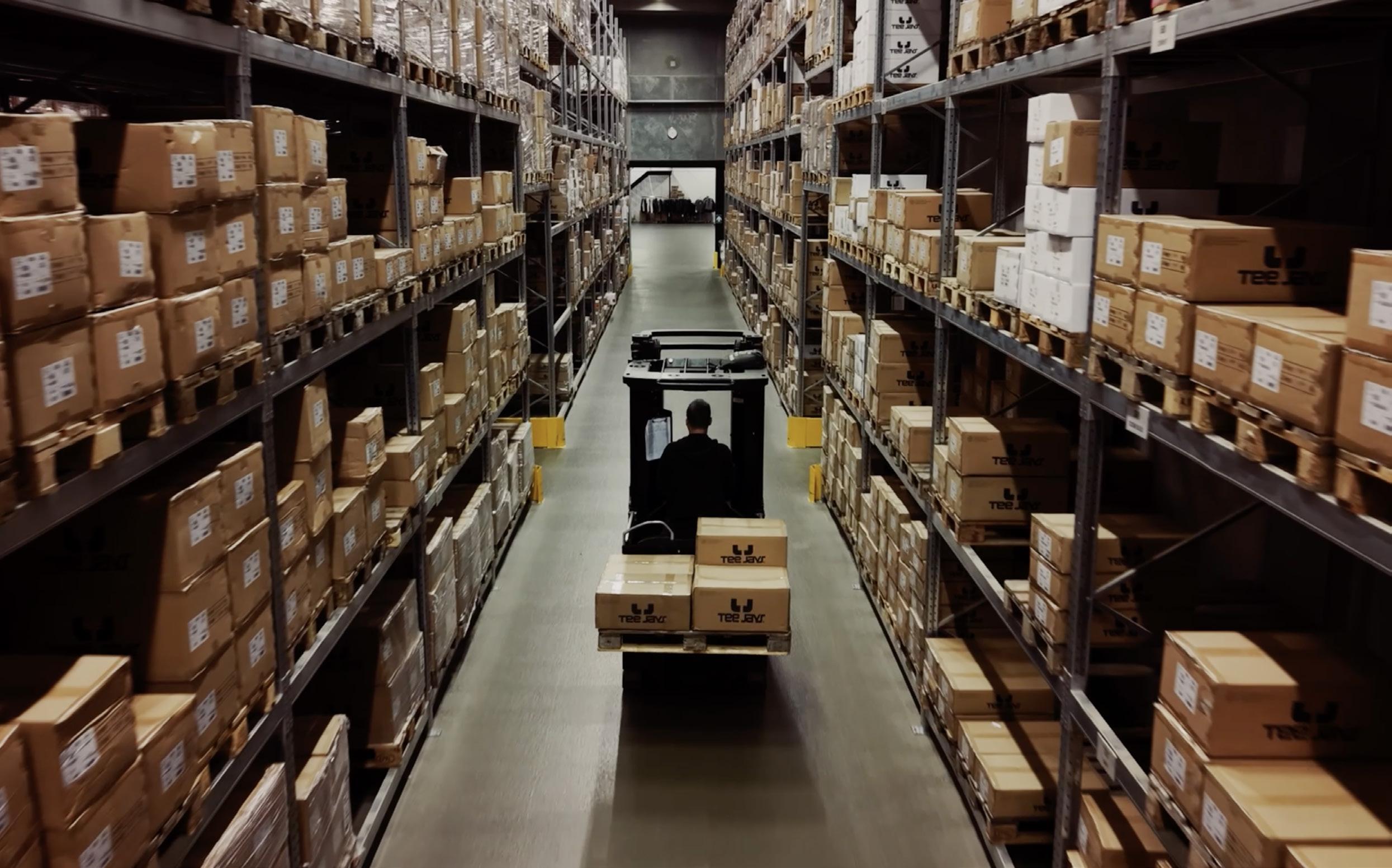
All consignments are inspected upon arrival at our warehouse, supported by regular testing carried out in cooperation with independent third party laboratories.
Approximately 99.5% of all goods are transported by sea, which is the most CO₂ efficient transport mode for large volumes.
Our collection is sold through a broad network of trusted distributors and partners across Europe, with a focus on transparency and fair business practices.
Sourcing countries
Tee Jays works with suppliers across selected sourcing countries in Asia. Bangladesh and China remain our primary sourcing countries, based on long-standing partnerships and experience. Thailand and Laos have been added to our sourcing footprint over the past decade.
Going FORWARD
Roadmap as a part of our commitment to long term We care for the environment. As part of our commitment to long-term sustainability, we continuously explore ways to offer less harmful and more responsible alternatives to conventional cotton.
Many of our styles are already made of certified organic cotton or recycled polyester and we are steadily increasing the number of organic cotton and recycled options in our collection.
THE FIRST ORGANIC TEE
We took our first step towards organic production with the launch of our very first T-shirt made from 100% organic cotton: Our single jersey style 8105 for men and 8150 for women.
TEE JAYS A/S OCS CERTIFIED
We introduce the power program in Organic Cotton Standard (OCS) to complement our Luxury Stretch and Interlock program in our range of products in organic cotton.
MEMBERS OF AMFORI-BSCI
Tee Jays proudly joined Amfori BSCI, demonstrating our commitment to improving working conditions throughout the global supply chain as part of our dedication to responsible business practices.
MEMBER OF THE BETTER COTTON INITIATIVE
Our Iconic Sof Tee is transitioned to cotton sourced through the Better Cotton Initiative combining its renowned quality with focus on sustainable and responsible cotton farming.
OEKO-TEX STANDARD 100 CERTIFIED
Achieving the Oeko-Tex Standard 100 certification ensuring our clothing is free from harmful substances.
TEE JAYS A/S RCS CERTIFIED
Our commitment to sustainability led to the introduction of our first collections made with RCS-certified recycled polyester: The Lite Series and the Club Series.
We introduce the first collections made with RCS recycled polyester: the Lite Series and the Club Series.
SWITCHED TO BIO-FRIENDLY FINISH
We investigate to increase the use of organic cotton and recycled polyester, ensuring high quality through intense testing. Additionally, we switched from VR6 finish on outerwear to BIONIC-FINISH® ECO by Rudolph.
INTRODUCED OUR UNLABELED COLLECTION + SOLAR PANELS INSTALLED”
As part of the construction of our new warehouse, Tee Jays invested in solar panels now providing a large part of the internal energy consumption.
The planning of our new Unlabeled collection commenced.
A decision is made to convert a majority of our outerwear products from conventional to recycled polyester, which will be fully integrated by spring 2025.
CERTIFIED COTTON
A higher share of SKU’s are transformed from conventional to certified organic cotton or recycled polyester.
Introduced our Unlabeled collection crafted from certified organic cotton or a mix of certified organic cotton and recycled polyester.
QR-codes are decided to be implemented on all products as part of preparation for our Digital Product Passports.
TRANSITION OF OUTERWEAR TO RECYCLED POLYESTER
Building on our sustainability goals, we initiated the transition of most of our outerwear to recycled polyester, aiming for full integration in 2026.
2025 Achievements
100% of our garments are products with Oeko-Tex certification
Tee Jays experienced growth and increased its use of Certified Organic Cotton from 33% in 2024 to 49% in 2025.
32% of our SKU’s are sourced through BCI – Better Cotton Initiative
By the end of 2025, out of all of our polyester items, 79% was certified recycled polyester
By 2025 all of our export cartons and polybags were produced containing a minimum of 50% recycled carton and plastic
100% of our garments are produced at factories covered by AMFORI audits
Tee Jays experienced growth and increased our use of certified organic cotton from 33% in 2024 to 49% in 2025.
These figures reflected the company’s continued commitment to more responsible sourcing. This development contributed to reducing the use of synthetic pesticides and fertilizers while supporting improved environmental practices in the supply chain. The increase resulted from closer supplier collaboration and more conscious material choices across the product portfolio. This was seen as an important step toward lowering the environmental footprint and strengthening transparency and responsibility in raw material sourcing.
Goals towards 2026
As a globally selling apparel brand, we recognize our responsibility to minimize environmental impact, support decent working conditions in our supply chain, and contribute to a fair and inclusive business environment.
Our existing ESG roadmap builds on long standing practices. Our Code of Conduct is aligned with international recognized standards, including social business compliance requirements, and is supported by the use of third-party product certifications. These frameworks support responsible sourcing, product safety and
transparency across our value chain. They provide a solid and credible baseline for our continued ESG development and serve as the foundation for a more structured and forward-looking ESG strategy.
Operating in a sector associated with complex environmental and social challenges, we are committed to continuous improvement and to strengthening our approach to environmental and social governance beyond minimum compliance requirements.
We want to implement strategies to minimize our environmental impact, including reducing energy consumption, optimizing water usage, and adopting sustainable materials and manufacturing processes.
We commit to fostering transparent and ethical governance practices, by regularly reporting on our progress towards more sustainable goals, disclosing key metrics and performance indicators, and holding ourselves accountable for our environmental, social and governance commitments.
We want to shift from conventional materials to ecofriendly alternatives, such as cotton, recycled polyester to reduce environmental impact and promote circularity in the textile industry.
U.N Sustainable DEVELOPMENT GOALS (SDGS)
At Tee Jays, we focus our efforts on where we can create the greatest positive impact and where our activities are most material to our business and value chain. Based on an assessment of the 17 United Nations Sustainable Development Goals, we have identified four priority SDGs where Tee Jays has the strongest leverage through our operations, sourcing practices, and partnerships.
Rather than addressing all SDGs with limited effect, we concentrate our resources and due diligence efforts on SDG 3, 7, 12, and 17, ensuring a focused and measurable contribution aligned with our business strategy.
SDG 3 Good Health and Well-Being
We prioritize the health, safety, and well-being of people throughout our value chain. This includes expectations towards safe working conditions, access to health-related initiatives, and respectful treatment of employees at supplier level. Our approach is embedded in our supplier requirements and social responsibility standards, recognizing that healthy and engaged workers are fundamental to long-term business resilience.
SDG 7 Affordable and Clean Energy
We work to reduce our climate impact by lowering energy consumption and increasing the share of renewable energy used in our own operations. A key focus area is the expansion of self-produced renewable energy, including solar power, contributing directly to reduced Scope 2 emissions.
SDG 12 Responsible Consumption and Production
Responsible production is central to Tee Jays’ business model. We strengthen our product and material standards through recognized frameworks and certifications, including Amfori BSCI, Better Cotton Initiative (BCI), OEKO TEX® STANDARD 100, Organic Content Standard (OCS), Recycled Claim Standard (RCS), and selected performance and finishing initiatives such as Bionic Finish. These partnerships support ethical conduct, improved environmental performance, and responsible chemical and material management across our supply chain.
SDG 17 Partnerships for the Goals
Strong and value-driven partnerships are essential to achieve our responsible objectives. We collaborate closely with suppliers and external partners who share our commitment to ethics, transparency, and continuous improvement. Through these partnerships, we work to enhance traceability, compliance, and long-term value creation across the supply chain. By anchoring a more sustainable strategy in these priority SDGs, Tee Jays aims to maximize our contribution to a more responsible, resilient, and sustainable textile industry.
Licence to OPERATE
Our license to operate–Responsibility, quality, and compliance
At Tee Jays, our license to operate is built on trust from customers, partners, suppliers, and the communities connected to our value chain. This trust is earned through responsible business conduct, consistent compliance with European legislation, and a strong commitment to product quality.
As a premium apparel brand, our legitimacy is defined not only by the products we deliver, but by the standards, processes, and controls applied throughout design, sourcing, and production.
Compliance with European Requirements for Textile Products
Placing textile products on the European market requires compliance with a comprehensive framework of mandatory regulations and harmonized standards covering product safety, chemical management, fibre composition, and performance.
Key regulatory requirements
Key regulatory requirements include:
CHEMICAL COMPLIANCE (REACH & PFAS)
Product safety is ensured in accordance with EU chemicals legislation (REACH), including compliance with current and upcoming EU and Danish restrictions on hazardous substances such as PFAS.
ECODESIGN & PRODUCT SUSTAINABILITY
Tee Jays actively monitors and prepares for new requirements under the Ecodesign for Sustainable Products Regulation (ESPR), which will introduce mandatory sustainability criteria for textiles.
DIGITAL PRODUCT PASSPORTS
Preparations are ongoing for future Digital Product Passport requirements, including structured collection of product level data, material composition and compliance information.
PACKAGING REGULATION (PPWR)
Packaging used for Tee Jays products is managed in line with the EU Packaging and Packaging Waste Regulation (PPWR), including packaging design requirements and technical documentation.
EXTENDED PRODUCER RESPONSIBILITY–PACKAGING
We fulfil national extended producer responsibility obligations for packaging where we have obligations, including registration, reporting and financial responsibility.
UPCOMING TEXTILE PRODUCER RESPONSIBILITY
We are preparing for future extended producer responsibility schemes for textiles at EU and national level.
CERTIFICATIONS & SUPPLIER DECLARATIONS
We are preparing for future extended producer responsibility schemes for textiles at EU and national level.
Compliance is supported through supplier declarations, certifications and structured document management processes (e.g. OEKO TEX®, OCS/RCS and where relevant).
Together, these frameworks form the foundation for safe, compliant, and high-performing textile products.
Premium quality as a driver of responsibility
Premium quality is not only our design principle but a core strategy of reaching a higher level of responsibility. High-quality garments are designed to last longer, maintain their appearance and functionality over time, and reduce the need for premature replacement.
This contributes to lower resource consumption and supports a more responsible and circular value chain.
We therefore select premium yarns and materials that ensure technical performance throughout the product
lifecycle—from manufacturing and repeated washing to daily use and end-of-life handling. Material compositions are carefully balanced to optimize comfort, fit, durability, and long-term functionality.
This approach aligns with the EU Strategy for Sustainable and Circular Textiles, which emphasizes durability, repairability, recyclability, and the elimination of hazardous substances as key requirements for future textile products.
A continuously renewed commitment
Our licence to operate is not static,it is maintained and renewed through daily practice.
By combining regulatory compliance with premium product quality, TEE JAYS strengthens both environmental responsibility and product excellence—two principles that define our brand and business approach.
Due diligence priorities
Our license to operate is supported by structured due diligence activities focusing on the following priority areas:
Environment reduced environmental impact through longevity and responsible sourcing Social Responsibility
Transparency documentation, traceability, and openness towards partners and customers
Compliance adherence to EU legislation, including REACH, product safety, and fibre labelling
Quality
premium materials, durability, and long product lifetimes
AN ICONIC STATEMENT
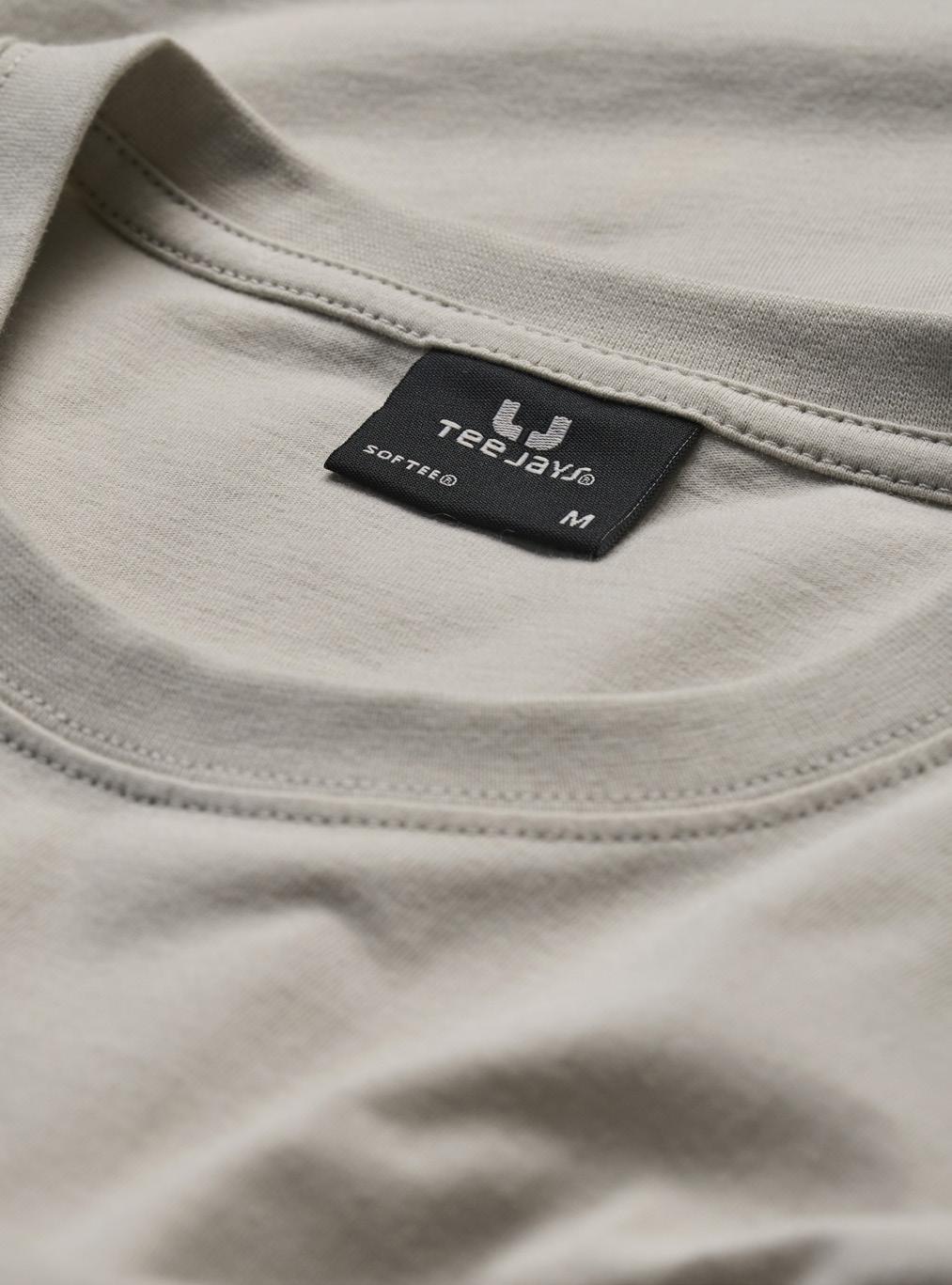
The story of our Sof Tee It all started with our Sof Tee. Our very first declaration of love. An idea which became an iconic T-shirt made to stand the test of time.
We’ve revolved around the fit, fabric and finish to create a timeless statement that lasts a lifetime—and never goes out of style.
Product and QUALITY
Responsible products across the value chain. Responsibility is integrated throughout Tee Jays’ value chain—from design and material selection to production, logistics, and sales.
All products must meet Tee Jays’ quality standards and comply with applicable requirements related to health, safety, and environmental responsibility.
We apply clear expectations to suppliers and manufacturing partners, including compliance with human rights, safe working conditions, social standards, and environmental considerations.
These requirements are embedded in our supplier relationships and sourcing decisions and form the basis for responsible and reliable production.
Certifications and memberships
Certifications and industry memberships play an important role in supporting Tee Jays’ due diligence processes. They provide independent verification of our social, environmental, and product-related practices and support transparency and continuous improvement across the value chain.
UN GLOBAL COMPACT
In 2026, Tee Jays became a participant of the United Nations Global Compact. The UN Global Compact is a voluntary global initiative that encourages
companies to align their operations and strategies with ten principles covering human rights, labour rights, environment and anti - corruption. By joining the initiative, Tee Jays commits to supporting these principles and to reporting annually through the Communication on Progress (CoP).
As a new participant, Tee Jays’ first mandatory CoP submission will take place in accordance with the UN Global Compact’s reporting requirements.
Tee Jays is a member of Amfori, the leading global business association for open and sustainable trade. Its mission is to enable each of its members to enhance human prosperity, use natural resources responsibly, and drive open trade globally. Tee Jays participates in Amfori BSCI in order to better monitor and improve the social performance within our supply chains. We endorse the eleven principles of the Amfori BSCI Code of Conduct and recognize that improving working conditions in our supply chains is a necessity for the overall resilience and performance of our business.
Tee Jays’ products are covered by STANDARD 100 OEKO-TEX® which is one of the best known labels for textiles and guarantees that the clothing does not contain harmful substances. It is the world’s leading independent testing institutes and regularly controls all testing for substances which are harmful to human health and the environment. Clothing that is certified by the STANDARD 100 OEKO-TEX® is subject to requirements covering pH value and the content of, for example, pesticides and heavy metals.
The Organic Content Standard/OCS verifies organically grown content and tracks it from the source to the final product. Products certified to the Organic Content Standard/OCS contain organically grown content that has been independently verified at each stage of the supply chain, from the farm to the finished product. The purchase of Organic Content Standard/OCS certified products demonstrates demand for organic agriculture. Organic cotton is produced and certified to organic agricultural standards, which require practices to sustain ecosystems.
The Recycled Claim Standard/RCS verifies recycled content and tracks it from the source to the final product. Products certified to the Recycled Claim Standard contain recycled content that has been independently verified at each stage of the supply chain, from the recycler to the finished product. The purchase of RCS certified products demonstrates demand for recycled content.
Tee Jays is a proud member of Better Cotton and we are committed to improving cotton farming practices globally with Better Cotton. Better Cotton is sourced via a system of Mass Balance and is not physically traceable to end products. More sustainable cotton includes Better Cotton and Organic cotton. Better Cotton connects people and organizations throughout the cotton sector, from field to store, to promote measurable and continuing improvements for the environment, farming communities and the economies of cotton-producing areas.
The OCS/RCS certificate is no longer valid when a product has undergone post processing such as embroidery or logoprint.
amfori BSCISocial compliance monitoring
Tee Jays has been a member of amfori BSCI since 2014. Amfori BSCI is a business-driven initiative that supports improved working conditions in global supply chains through a common Code of Conduct and a structured assessment framework
The amfori BSCI approach is built on three pillars:
Monitoring, Empowering, and Engaging.
Its Code of Conduct is aligned with ILO Conventions, the UN Universal Declaration of Human Rights, relevant UN conventions on children’s rights and non-discrimination, the UN Global Compact, and the OECD Guidelines for Multinational Enterprises.
Suppliers are required to ensure that these standards are also respected by subcontractors involved in final
Quality as a driver of durability
Quality is a key driver of durability and an essential part of Tee Jays’ responsibility as a textile brand. High-quality materials and construction extend product lifetime, ensure consistent performance through repeated washing and wear, and help reduce waste overtime.
production stages. Social compliance in our supply chain is monitored through supplier assessments, third-party audits, regular on site visits, and ongoing dialogue.
This provides insight into working conditions and management systems at supplier level and supports continuous improvement.
In our daily operations, we work closely with suppliers to strengthen overall ESG performance, with particular focus on suppliers with lower maturity levels.
Experience shows that strong social standards and well-functioning management systems are closely linked to stable production, consistent quality, and regulatory compliance.
Long-term collaboration and continuous improvement are therefore central to Tee Jays’ approach.
Our garments are designed to be worn again and again. We therefore do not compromise on material selection, construction, or finishing. All products are tested for durability and harmful substances and comply with applicable chemical regulations.
Key initiatives include:
Organic Cotton Standard (OCS certified)
The Organic Content Standard verifies the presence and percentage of organic cotton throughout the supply chain, ensuring traceability, mass balance control and third party verification.
Recycled polyester (RCS certified):
Transition to responsible materials
Tee Jays continuously work to improve material selection while maintaining the quality standards that define the brand.
Better Cotton (BCI):
The Recycled Claim Standard verifies recycled content and supports transparent and credible communication of recycled material use.
Due to limited global availability of organic cotton, Tee Jays uses Better Cotton to support more responsible cotton production worldwide. Cotton is sourced according to the mass balance principle, and through our membership we financially contribute to improved farming practices and working conditions.
BIONIC FINISH® ECO:
A fluorine free water repellent finish that maintains performance while reducing the environmental impact of chemical treatments.
OEKO TEX® Standard 100:
All Tee Jays products are certified according to OEKO TEX® Standard 100, ensuring compliance with global chemical safety and consumer protection requirements through independent third party verification.
Responsible journey
overview
RESPONSIBLE FABRICS, SMALLER FOOTPRINT
The journey is continuous, and the ambitions towering. We’re constantly working to improve our products to ensure that they meet our high quality demands. Our goal is for all our products to be responsible at SKU level, made from BCI, organic cotton, and recycled polyester.
Our total responsible journey
Responsible products based on total SKU count
RECYCLED
Life cycle analysis (LCA)
PURPOSE AND SCOPE
Tee Jays initiated LCA’s for three selected core products. Our LCA’s are to be developed based on internationally recognized ISO standardized methods for measuring a product’s environmental impact across its full life cycle—from raw materials and manufacturing to use and end of life—providing a scientific, data driven foundation for understanding the true footprint of our garments and for identifying where we can achieve the greatest CO₂ reductions.
By building LCAs on our key products, we will be able to offer customers clear and comparable CO₂ data when choosing between Tee Jays styles.
This transparency supports credible communication and helps avoid overstated claims, because the methodology is designed to produce comparable, verifiable impact data under standardized frameworks such as ISO 14040/14044.
Our Life Cycle Assessments (LCAs) are conducted in close collaboration with Sustaina Company — on data quality, methodology, and traceability in alignment with relevant standards and backed up with by Greenly who provides the digital database and methodological control.
Together they help to ensure that our data points, calculations, and documentation are aligned with recognized LCA standards and best practices. Their role of validating inputs, structuring the data model, and reviewing outputs is crucial to ensure that our product footprints are accurate, comparable, and decision useful.
This partnered approach is and still is central to our license to operate and to communicating credibly about product impacts.
We look forward to being able to present the LCA results for interested stakeholders 2026 on request.
Statement on our LCA from Sustaina Company
“We at Sustaina Company have assisted Tee Jays with Lifecycle Assessments (LCAs) spanning both Cradle-to-Gate as well as Cradle-to-Grave.
Conducting LCAs is no easy matter – it requires in-depth data about a product throughout its lifetime (Cradle-to-Grave). It has been an educational experience and has truly underlined the value of good data for Tee Jays and their suppliers. In fact, using a phased approach, focusing on TEE JAY’s three most popular products, we found that most of their suppliers had the necessary data at the ready, which indicates an environmental priority that not all suppliers out there have.
We can only applaud wanting to understand one’s products even better, becoming informed about the all-around impact of them. It shows a willingness to get one’s hands dirty in what is often a difficult process.
Of course, understanding the impact of Tee Jays’ products is only the first step for them – next comes acting on it and actually implementing improvements. But collecting data for and conducting LCAs is an amazing first step, especially when preparing for the upcoming Digital Product Passport. It reinforces transparency, trustworthiness, and readiness, benefitting any business partner.“
Sustainability Consultant
Sustaina Company
Considerations related to life cycle assessments
CRADLE TO GRAVE
Tee Jays recognizes LCA’s as an emerging tool for increased transparency but currently consider the market’s maturity and comparability of LCA’s within our product categories to be some limited.
Differences in methodologies, assumptions and data quality may result in carbon footprint figures that are not fully comparable across competitors or representative of actual performance.
There is a risk that premature or isolated disclosure of product-level CO₂ data could be misinterpreted by customers, potentially leading to deselection based on perceived impact rather than overall product quality, durability and responsible sourcing practices.
As a result, Tee Jays approaches LCA disclosure cautiously and consider it as a medium-to long-term development area.
Introducing DIGITAL PRODUCT PASSPORTS (DPP’S)
Preparing for the future of transparency.
At Tee Jays we have implemented Digital Product Passports (DPPs) for all products as part of our long-term commitment to transparency, regulatory compliance, and responsible product information.
Under the EU’s Ecodesign for Sustainable Products Regulation (ESPR),DPPs represent a fundamental shift in how responsibility and product information are documented and communicated.
The framework moves the textile sector away from broad sustainability claims toward verifiable, product-level, machine-readable data, covering areas such as material composition, supply chain information, environmental indicators, and end-of-life guidance. Textiles have been identified as a high-priority product group, and DPPs will increasingly function as a regulatory gateway for access to the EU market. Products placed on the market without a compliant DPP may face delays, restricted access, or exclusion.
By requiring standardized and verifiable data, DPPs are expected to strengthen traceability, support circularity, and reduce the risk of greenwashing—principles that align closely with Tee Jays’ approach to responsible and transparent business practices.
UPCOMING INDUSTRY DPP REQUIREMENTS
The EU has defined a phased rollout for DPP implementation, with key mile-stones including:
HOW TEE JAYS WILL STRENGTHEN ITS DPP DATA OVER TIME
Implementing DPPs and traceability via QR codes in our products is a starting point. Over the coming years, Tee Jays will focus on strengthening the quality, scope, and usability of DPP data by:
• expanding material and supplier traceability to meet future regulatory requirements
function as a living document throughout the product lifecycle
• strengthening digital infrastructure and interoperability in line with the EU’s central DPP systems
By investing early in DPP development and implementation in our garments, we aim to ensure smoother compliance, maintain market access, and build longterm customer trust.
Delegated Acts for textiles (expected 2027): specifying mandatory datasets such as material composition, chemical compliance, environmental indicators, and traceability
EU Central DPP Registry (2026): establishing the digital infrastructure for verification and customs control
Harmonized technical standards (2026): defining data formats, interoperability, and system requirements
Full implementation for textile products is expected from 2028 onward. However, preparation must begin well in advance, particularly regarding multi-tier supplier data and lifecycle documentation.
• integrating LCA-based environmental indicators to support more comparable climate data
• ensuring ongoing data updates, allowing each product passport to
What this means for our customers
For customers, the Digital Product Passport will provide a clear and accessible digital identity for each product, typically accessed via physical QR codes in our closing and online.
Over time, this will enable access to:
• Transparent information on material origins and composition
• Verified environmental data, where available
• Documentation on durability, repairability, and care instructions
This structured and transparent approach supports the overall premium experience we strive to deliver through our products —based on order, clarity, and reliability.
• Increased confidence in the authenticity and quality of Tee Jays products
By combining premium-quality materials, long product lifetimes, and verified product data, Tee Jays aims to provide fact-based product information — not marketing claims.
For Tee Jays, the DPP is not only a regulatory requirement. It is a strategic tool to strengthen transparency, support our license to operate, and enable customers to make informed and responsible product choices.
Our greatest asset OUR PEOPLE
Statement from our HR Manager
At Tee Jays, our people are our greatest strength. That is why we place strong emphasis on selecting the right individuals and giving them the best possible start through a thoughtful and thorough onboarding process.
The quality we invest in our people and training naturally shapes the way we collaborate, innovate and serve our customers. We want every employee to feel seen, valued and genuinely happy to come to work.
When our people thrive, the quality of our work thrives with them. That is what makes Tee Jays a workplace we are proud to be part of.
Gitte Møller Høfler HR Manager
Human resources
PEOPLE & COMMUNITY
At Tee Jays, we believe that social responsibility strengthens engagement —and engagement is key to long-term success. That is why we actively engage with our local community and continuously invest in our employees’ safety, well-being and satisfaction.
Our ambition is to create an inclusive workplace where people feel valued, supported and given the opportunity to grow—both personally and professionally.
INCLUSION, DIVERSITY & WELL-BEING
Our employees are our most valuable asset, and their health and well-being are a non-negotiable priority. We work systematically to create a safe, inclusive and motivating work environment that supports both physical and mental health.
To promote a healthy lifestyle and prevent work-related injuries and illnesses, we have introduced health initiatives such as wellness programs and access to fitness facilities.
In addition, flexible working arrangements allow employees to adapt their work schedules to personal needs, helping to reduce stress and improve work-life balance. Through continuous investment in health initiatives, new ways of working
and close collaboration with our employees, our goal is to reduce absenteeism by 10% within the next two years. Progress is reported regularly through our ESG reporting to ensure transparency and continuous improvement.
WORKPLACE SAFETY
Even though we have not experienced workplace accidents for several years, safety remains a key priority. We maintain clear safety procedures and guidelines and invest in ongoing training to strengthen awareness of risks in the work environment.
We continuously monitor workplace safety performance and report on developments in our ESG report to ensure that employee safety and well-being remain firmly anchored in our daily operations.
EMPLOYEE RETENTION & TURNOVER
At Tee Jays, our employees are a mix of people with 0–20+ years of experience in our company. We have a clear ambition to retain and develop our employees over the long term.
Reducing employee turnover is a key part of this ambition and reflects our commitment to creating a workplace where people want to stay and grow. To support this, we offer competitive compensation packages, flexible working hours and an attractive
working environment. We also work actively to increase diversity and ensure equal opportunities and inclusion throughout the organization.
Employee turnover is monitored continuously to support informed decisions and promote sustainable and responsible people practices.
EMPLOYEE SATISFACTION
Our commitment to employee satisfaction goes beyond traditional measures. We take a holistic approach to creating a workplace where individuals can thrive both personally and professionally. Employee satisfaction is measured every second year at Tee Jays.
We strive to foster an inclusive and diverse culture where employees from different backgrounds and cultures feel welcomed, respected and valued. Recognition, development opportunities and meaningful work are key elements in ensuring that our employees feel motivated and engaged.
We support continuous learning through education and career development opportunities, enabling our employees to grow alongside Tee Jays.
GENDER DIVERSITY
We are committed to building a diverse organization where all employees have equal opportunities and are treated fairly, regardless of gender. We believe that diversity in gender and background not only reflects our values but also
contributes to innovation and long-term success. We continuously measure our progress and adjust our initiatives to ensure that our organization reflects the diversity of society and provides equal opportunities for all employees.
SELECTING THE RIGHT PEOPLE
At Tee Jays, recruitment is more than filling positions – it is a long-term commitment to building a strong, healthy and supportive culture.
We seek individuals who not only bring the right skills and experience, but who also share our values, mindset and dedication to quality and collaboration.
Our goal is to create a workplace where every voice matters, and where personal and professional development can flourish. We actively foster an environment built on respect, teamwork and support, encouraging employees to contribute, challenge and grow.
By selecting the right people, we strengthen our culture, our community and our future. When the right people come together, we not only create better products – we create a better workplace.
Did you know?
We offer wellness programs, padel training, and health-promoting activities such as weekly massages and group workouts twice a week.
Gender distribution: 69 people
Our workforce demonstrates a balanced age distribution, supporting generational diversity, knowledge retention and long-term organizational resilience.
Partnerships
DANISH FASHION & TEXTILE
Through our membership of DM&T (Dansk Mode & Textil), Tee Jays gains access to industry specific knowledge, guidance and best practices related to compliance, sustainability and responsible business conduct.
SUSTAINA COMPANY
Partnership with Sustaina Company provides us with a structured platform for working systematically with ESG and sustainability. Through them, we gain access to tools and data that support documentation, reporting and continuous improvement.
Age distribution of employees:
Aged 20–29 (16 employees)
Aged 30–39 (21 employees)
Aged 40–49 (13 employees)
Aged 50–59 (15 employees) Aged 60+ (4 employees)
Total number of employees: 69
The membership supports our work with social responsibility, product compliance and regulatory requirements.
DM&T provides ongoing legislative updates, professional advisory services and relevant webinars, enabling us to stay informed and strengthen internal competencies and risk management across the value chain.
Sustaina Company contributes expert knowledge and standardized methodologies that strengthen the quality and consistency of our ESG efforts. In addition, networking and peer exchange with other companies support knowledge sharing and the implementation of best practices. Overall, this enhances our ability to work transparently, data driven and responsibly with ESG.
Supplier-driven initiatives
STATEMENT FROM A VALUED TEE JAYS SUPPLIER
We work closely with our suppliers to ensure that our partnerships extend beyond compliance and contribute to positive social impact. We see our long-term presence and continued production in countries such as Bangladesh as an important part of supporting local development, employment and social progress.
Through our supply chain, we see a growing commitment to initiatives that improve the well-being of factory workers and their families. At one of our partner factories in Bangladesh, a female managing director has initiated programs to support access to education for workers’ children, reflecting a broader cultural shift towards long-term development.
In addition, a forthcoming project will offer vision screenings for factory employees to support early identification of health-related needs.
Together, these initiatives demonstrate a collaborative approach to a higher level of sustainability, where long-term supplier partnerships play a key role in creating lasting social impact.
Your health is your wealth
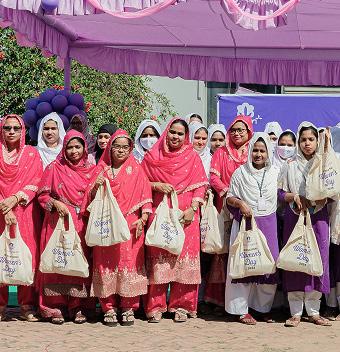
We have a strong emphasis on ensuring that the working conditions and welfare of our suppliers are exemplary. Recently, one of our partners hosted a Women’s Hygiene Seminar in connection to International Women’s Day to improve the lives of their workers.
A seminar which oozed of celebration, solidarity, and important initiatives with the purpose to provide essential knowledge and support to dedicated team members.
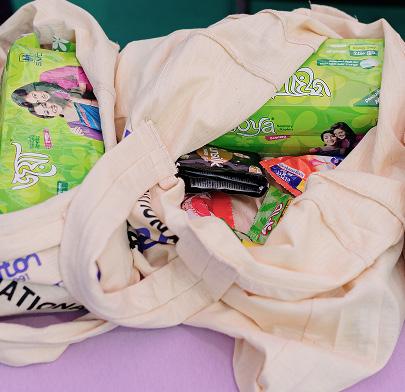
Each attendee received an up-cycled knit fabric goody bag filled with hygiene essentials such as shampoo, body wash, and pads, along with delightful treats and nutrient-dense foods vital for women during their period. The seminar included
a heartfelt and insightful talk from a doctor who underscored the importance of maintaining good hygiene and health for personal well-being.
With the words “Your health is your wealth”, the message highlighted that staying healthy and happy enables them to take better care of themselves and their families.
This initiative was not only well received but did also reinforce our supplier’s commitment to the well-being of their employees, showcasing the care and appreciation they have for the remarkable women who drive their success. At Tee Jays, we are proud to be collaborating with suppliers, who take important initiatives in that direction.
Environmental FOOTPRINT
Packaging ERP-based reporting
Lots of packages are leaving our warehouse every day. That’s a thing we cannot do without. But it leaves us with great responsibility when it comes to our packaging choices. We believe in the good old saying “less is more” when we prioritize responsible materials, reduce waste, and optimize our packaging designs.
We only use polybags when necessary to protect the goods. If it is possible, more goods are packed in the same master polybags. All cartons are designed to fit to reduce free space. It means that the same styles can have different carton sizes, but all will fit on to pallets sizes to optimize our warehouse and to reduce empty space during transportation. Whenever possible, we reuse the cartons at our warehouse to save paper, just like we advise our distributors to reuse and not recycle.
All polybags and cartons will be produced using minimum 50% recycled materials.
At Tee Jays we report packaging data in accordance with applicable national requirements. Our reporting supports compliance, transparency and a better understanding of packaging flows across markets.
Over time, the aim is to use this infor-mation to strengthen data quality, also towards our customers, and support more structured decision making related to packaging design, material choices and potential efficiency improvements, where relevant.
Energy, water, heating and waste –Baseline, data and insights
KEY PERFORMANCE INDICATORS (KPI)
FRAMEWORK AND BASELINE DEFINITION
At this stage, TEE JAYS focuses on establishing a reliable and comparable data foundation rather than setting formal reduction targets or performance benchmarks.
This approach reflects the company’s intention to build a sound basis for future prioritization, governance and potential efficiency initiatives as part of the upcoming responsibility strategy. making related to packaging design, material choices and potential efficiency improvements, where relevant.
OPERATIONAL CHANGES AND DATA CONSIDERATIONS
Variations in consumption across the reporting years are primarily driven by structural and operational changes. In 2023, significant energy consumption was related to the construction of a new warehouse facility.
From 2024 onwards, Tee Jays operates from two sites (HQ and warehouse), which explains the increase and subsequent stabilization in energy and heating consumption.
These changes are structural rather than efficiency related and should be viewed in that context when assessing year on year developments. Water, waste and energy consumption relate to office, warehouse and supporting facilities only.
DATA METHODOLOGY AND QUALITY
Energy and water consumption data is primarily based on supplier invoices and meter readings. Where full year measurements were not available, figures are estimated based on staggered measurement periods and extrapolated to annual values.
Data reliability is therefore assessed as medium for 2022–2023 and high for 2024–2025. Tee Jays continuously improves data completeness and expects full year, meter based measurements for all sites going forward.
Waste data is based on records from an external waste handler and reflects actual quantities collected. As systematic waste data has only been established from 2024 onwards, these figures represent the initial reference point for future monitoring.
Electricity consumption and renewable energy production
Electricity consumption includes electricity purchased from external energy providers and on site renewable electricity generated through rooftop solar installations.
A solar PV (photovoltaic) system was installed at Lansen 14 at the end of 2023 and has been in operation since 2024. In 2025, the solar installation produced approximately 44,000 kWh of renewable electricity.
Due to the electricity grid being divided between two locations, not all generated electricity could be consumed on site, and approximately 24,000 kWh was exported to the public grid. Tee Jays’ total electricity consumption in 2025 amounted to approximately 209,000 kWh, meaning that on site solar production covered around 21% of total electricity demand. While the ambition for 2025 was to cover a higher share of consumption through self produced renewable electricity, grid constraints limited direct utilization.
This insight highlights the importance of load optimization and potential future solutions such as energy storage, grid configuration adjustments or changes in operational patterns. These considerations will inform future renewable energy targets and investment decisions.
HEATING AND WATER CONSUMPTION
Heating consumption covers energy used for space heating at both sites and includes estimated values for years with partial measurements. Water consumption reflects total water used per location and is impacted by building activities during 2023–2024. No historical water data is available for Lansen 14 prior to 2024.
By maintaining visibility over water and energy use, Tee Jays aims to strengthen internal awareness of resource consumption and ensure readiness for more structured and responsible planning in the coming years.
WASTE GENERATION AND COMPOSITION
Waste data for Tee Jays’ entities at Lansen 14 and 16 has been established for the period 2024–2025, providing the first consolidated overview of total and nonreusable waste streams collected by an external waste handler. Total waste collected amounted to 37,514 kg in 2024, increasing to 39,884 kg in 2025. The increase may reflect changes in operational activity levels, improved data coverage, or variations in waste handling practices. As earlier years are not available, 2024 is considered the initial reference year for future waste trend analysis.
Non-reusable waste increased from 8,910 kg in 2024 to 9,510 kg in 2025 and represents approximately 24% of total waste in both years, indicating a relatively stable waste composition year on year.
The data provides a basis for identifying opportunities for improved waste sorting, increased reuse and potential waste reduction initiatives over time.
SCOPE AND FUTURE DEVELOPMENT
Electricity and heating consumption relate primarily to Scope 2 greenhouse gas emissions, while water consumption and waste generation represent direct operational resource use.
Any future targets or initiatives will be considered once data quality, relevance and comparability have been further assessed.
From future reporting periods, Tee Jays aims to complement absolute consumption figures with intensity based KPIs (e.g. per m² or per operational unit) to better reflect efficiency improvements and support structured planning.
Water consumption
(Baseline)
Lansen 14
Lansen 16
Total water used at Lansen 14
Supplier invoices
Electricity – Self produced (Solar)
Notes
• Estimated figures based on partial year measurements.
• Building activities affected 2023–2024 consumption at Lansen 16.
• No data available for Lansen 14 before 2024.
Electricity purchased from grid
(Baseline)
Lansen 14
Lansen 16
Lansen 14
Total water used at Lansen 16 Electricity supplied by external energy providers Electricity supplied by external energy providers (separate grid – Verdo)
Notes
• No data available for Lansen 14 before 2024.
Supplier invoices
Lansen 16
Notes
• No data available for Lansen 14 before 2024.
• No solar system on Lansen 16
electricity generated on site by solar installations
supplier Energy supplier (Verdo) invoices
Electricity – exported to grid
Lansen 14
(Baseline)
production Self produced electricity fed into the public grid when not consumed on site
Lansen 16
Notes
• No data available for Lansen 14 before 2024.
• No solar system on Lansen 16
export to grid
Heating consumption
Notes
• Estimated figures for 2022–2023.
• Limited measurements at Lansen 14.
• Construction activities affected electricity consumption.
our entities
Notes: No data available for Lansen 14 before 2024.
Goals and Progress GOING FORWARD
Looking ahead, Tee Jays is preparing to further structure and formalize responsibility efforts through the development of a strategy covering the period 2026–2031.
The roadmap will focus on identifying key ESG risks and opportunities, strengthening data quality and transparency, and prioritizing initiatives that are most relevant to our business model and value chain. Particularly, attention will be given to environmental impact, including energy and water use, waste, materials selection and manufacturing processes, as well as to ethical governance and accountable reporting practices.
Future actions will be designed to build incrementally on existing initiatives rather than introduce abrupt changes. This approach is intended to support continuous improvement over time, while ensuring that ambitions remain realistic, measurable and aligned with operational capabilities, regulatory developments and stakeholder expectations.
As part of this process, Tee Jays will work towards the development of a formal responsible strategy, planned to be introduced, hopefully, late 2026. The strategy will define long-term objectives, focus areas and governance structures, and serve as a strategic framework for integrating an even higher level of responsible considerations into core business processes, decision-making and compliance activities.
Notes: No data available for Lansen 14 before 2024.
In parallel, relevant and value-creating KPI goals will be established to monitor progress and performance across key areas. The KPIs will be selected based on their relevance to the company’s products, business model and value chain, ensuring that they support product quality, operational efficiency, risk management and long-term value creation, while enabling transparent and consistent reporting over time.
The initiatives and priorities described in our current ESG report build directly on the environmental, governance and materials-related goals defined in our ESG roadmap and reflects in our 2025 performance.
Overall, Tee Jays considers progress against the existing ESG goals to be advancing, particularly within certified materials and product safety, while other areas such as environmental impact data and KPI formalization remain under development.
Management and team commitment
Constant development is a shared responsibility and a strategic priority for Tee Jays’ management.
The executive management and our team are committed to ensuring that responsible considerations are integrated into business decisions, operations and long-term planning. This includes setting clear objectives, allocating appropriate resources, and following up on progress through defined governance structures and performance indicators.
We recognize that progress requires continuous effort, transparency and collaboration across the organization and value chain. Tee Jays is committed to monitoring developments, addressing identified risks and opportunities, and adjusting priorities as needed to meet regulatory requirements, stakeholder expectations and business needs.
Through this approach, management aims to support responsible growth and strengthen the company’s long-term resilience and value creation.