TECNO MAGAZINE
by TECNOPOL

by TECNOPOL
ARCHITECTURE AND TECHNOLOGY
04 — Barcelona, World Capital of Architecture 2026
12 — Waterproofing and architectural freedom
15 — Resilient architecture: designing to withstand the inevitable
18 — True sustainability: building to last
22 — Critical infrastructure: waterproofing of six bridge decks on the A-2
44 — Protection and waterproofing of biogas tanks
PRODUCT AND SYSTEM
28 — FIRST WET: eliminating the waiting time during substrate preparation
32 — TECNOBAND: a tailored solution for every specific requirement

35 — Customer Service: the team that brings people, schedules and projects together
46 — Training to ensure results
47 — New logistics infrastructure
48 — New technical tools for specification and design
49 — Quality as part of the process

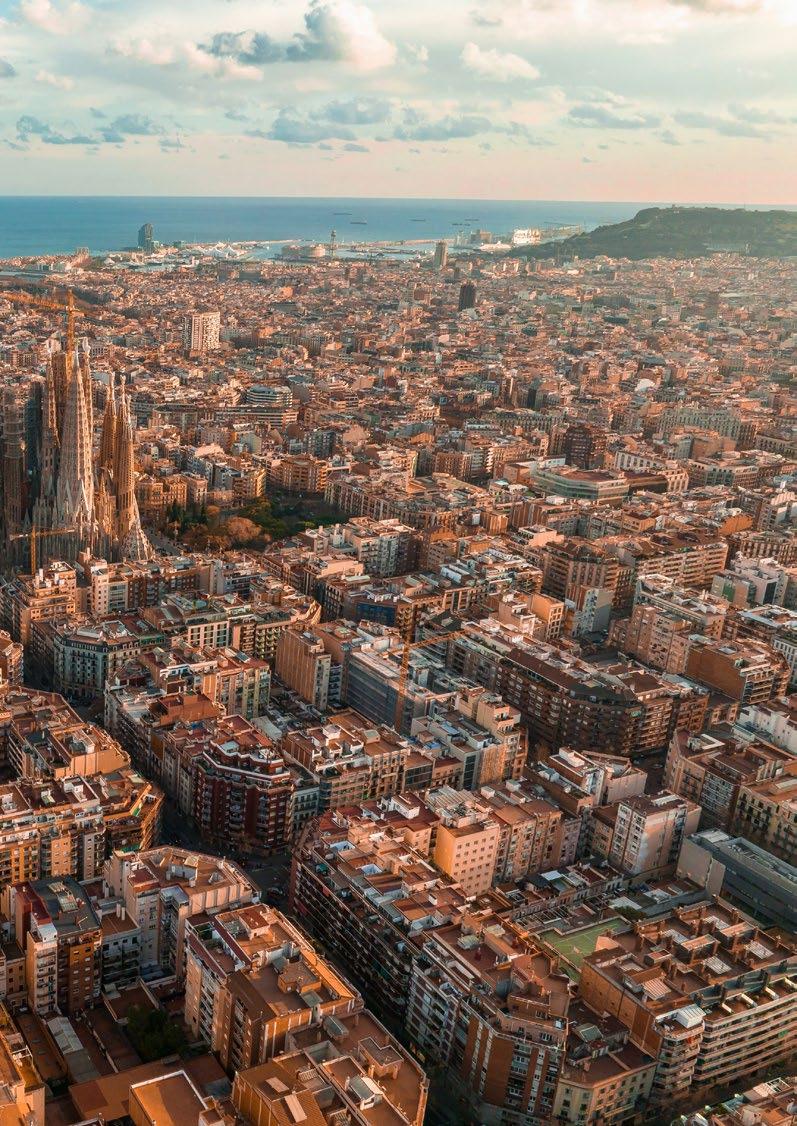
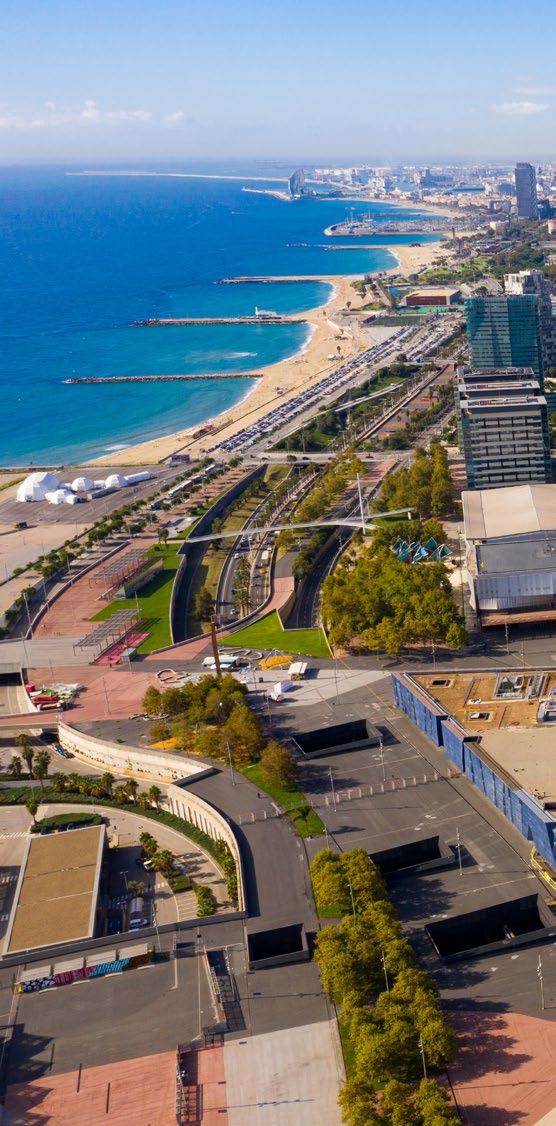
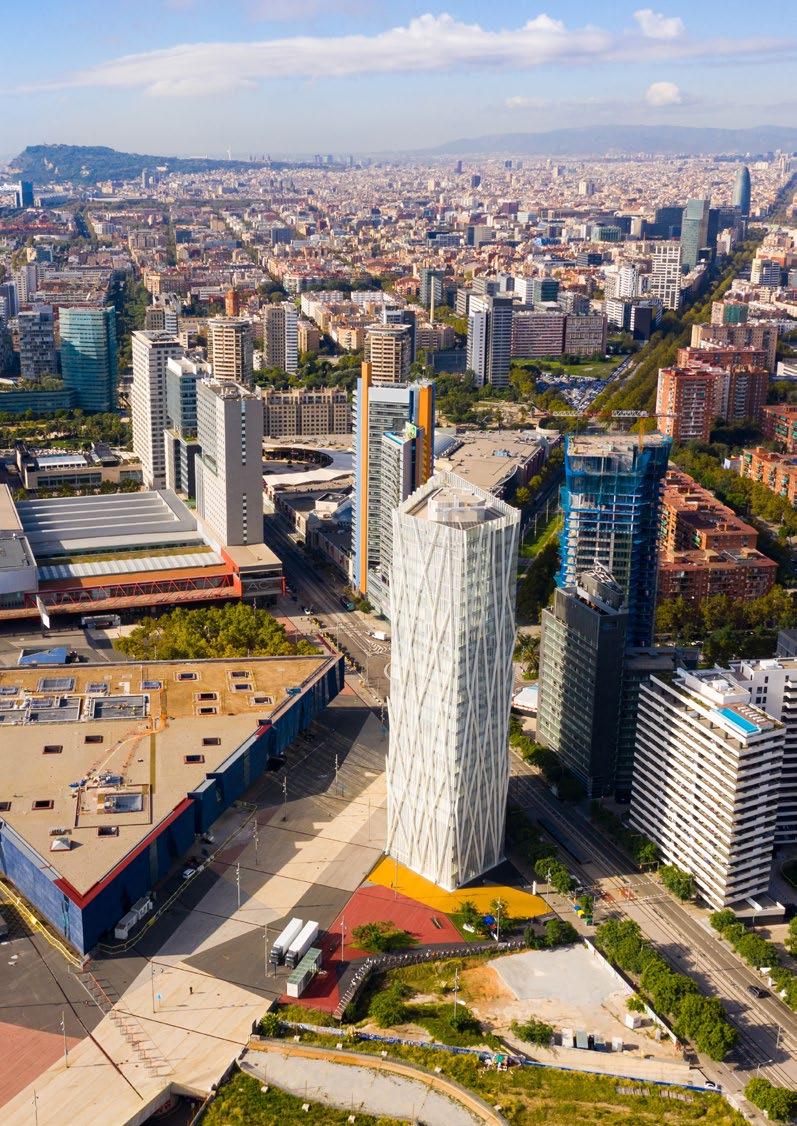
In 2026, Barcelona will establish itself as an international capital of architecture. More than just a symbolic recognition, this milestone places the city at the heart of contemporary architectural thought. It is a space where innovation, sustainability and building culture converge, and where the role of architecture is being redefined in the face of the challenges of the 21st century.
The city, with its long-standing association with experimentation and the dialogue between technology and design, becomes a living laboratory. A setting where new ways of living, new material solutions and new ways of understanding the relationship between architecture, the environment and time are explored.
However, in this narrative of innovation and creativity, there is one essential aspect that rarely takes centre stage: an architecture that remains unseen, that does not form part of the building’s visible language, yet profoundly determines its quality, durability and ability to stand the test of time.
It is invisible architecture.
Contemporary architecture communicates through what is visible: form, light, materials and the experience of space. But its true performance—its ability to withstand, adapt and endure— depends largely on what remains hidden.
Every building is, in essence, a complex system in which multiple layers work in coordination. Some are visible; others are not. And amongst the latter, waterproofing plays a central role.
It’s not just about preventing leaks; it’s about protecting the integrity of the whole system.
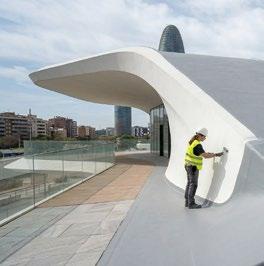
Walkable roofs, exposed structures, storage facilities, infrastructure, distinctive façades… all these elements share a common requirement: to ensure they remain functional over time in the face of one of the most persistent and demanding elements, water.
In this respect, waterproofing is not merely an optional extra. It is a structural requirement of the project.
For decades, waterproofing has been seen as a constraint. A necessary element, but one that took a back seat to design, forcing architects to simplify geometries and avoid structural complexities.
Traditional solutions, based on systems involving joints, overlaps and delicate connections, set out a clear principle: the simpler the shape, the greater the safety.
This approach has quietly shaped the development of many projects.
However, the development of new technologies has transformed this landscape.
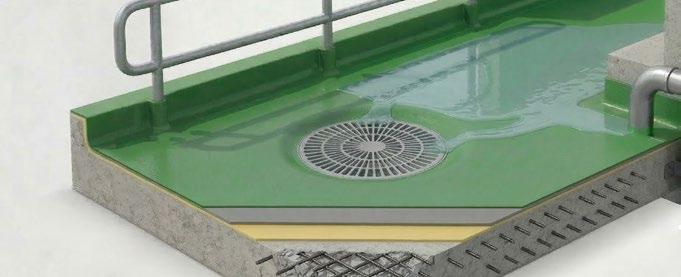
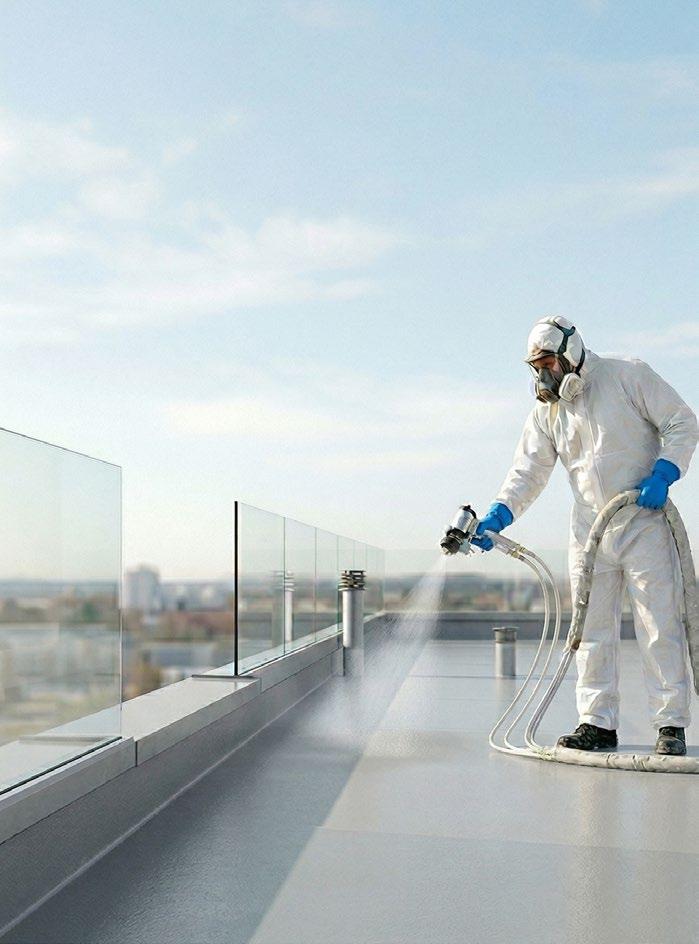
Continuous liquid systems operate on a different principle, as they are applied in situ to form a completely continuous membrane—with no joints or inherent weak points—that conforms precisely to any shape.
This adaptability changes the role of waterproofing within the project: it no longer acts as a constraint, but becomes an asset.
It enables the handling of complex surfaces, the resolution of unique junctions with greater reliability, and the support of architectural design without imposing formal constraints.
Technology no longer constrains creativity; instead, it makes it possible.
Contemporary architecture tends towards continuity: fluid spaces, integrated envelopes, and smooth transitions between materials and planes.
This trend reflects a quest for spatial coherence, but also a shift in the way the project is conceived as a unified system.
In this context, technical continuity takes on strategic importance.
Continuous waterproofing systems eliminate one of the main risk factors in any construction solution: discontinuity. Every joint is a potential point of failure. Every overlap is a potential weakness.
Continuity, on the other hand, brings stability.
It enables the creation of completely watertight surfaces, regardless of their geometric complexity. It reduces uncertainty and improves the overall performance of the system.
But it also establishes a direct link with contemporary architectural language.
Technology no longer follows architecture. It grows alongside it.
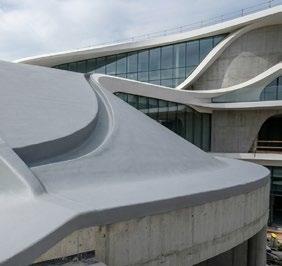
Invisible architecture is governed by a clear principle: it leaves no room for error.
Whilst visible elements may allow for a degree of aesthetic or material flexibility, technical systems require absolute precision. Their success is measured, precisely, by their ability to go unnoticed.
When they work, you don’t notice them, but when they fail, they affect everything.
This requirement makes waterproofing a highly specialised field, in which the quality of the materials, correct application and technical expertise are inextricably linked.
It’s not just about choosing the right system; it’s about ensuring it performs reliably over time.
And that entails a shared responsibility between design, specification and execution.
In today’s world, architecture can no longer be judged solely on its visual impact or formal
innovation. Durability has become a key indicator of quality.
A building is not just what is unveiled; it is what remains.
The challenges facing contemporary buildings— weather exposure, intensive use and regulatory requirements—call for solutions capable of maintaining their performance over long periods.
Waterproofing, as the first line of defence against external factors, plays a crucial role in this behaviour.
A durable system protects not only the surface to which it is applied, but the entire building structure: frameworks, insulation, finishes and installations.
When this layer fails, the deterioration is not sudden. It is gradual and cumulative.
On the contrary, when it works properly, it acts as a comprehensive protection system that extends the building’s lifespan.

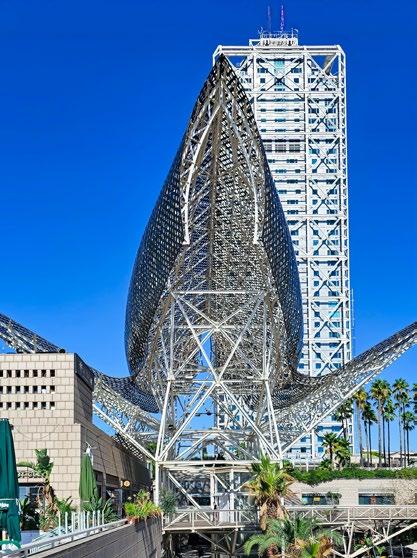
The debate on sustainability in architecture has evolved significantly in recent years. Beyond energy efficiency or the choice of materials, a key dimension is emerging strongly: sustainability linked to a building’s life cycle.
A sustainable building is not merely one that optimises resource consumption during its use, but one that is capable of maintaining its performance over time without requiring constant intervention. In this context, durability ceases to be a desirable attribute and becomes a central criterion of architectural quality.
Every repair avoided represents a direct saving in materials, energy and emissions. Every system that does not need to be replaced reduces the building’s cumulative environmental impact. From this perspective, waterproofing takes on a strategic role.
A high-performance system, capable of maintaining its performance over long periods, not only protects
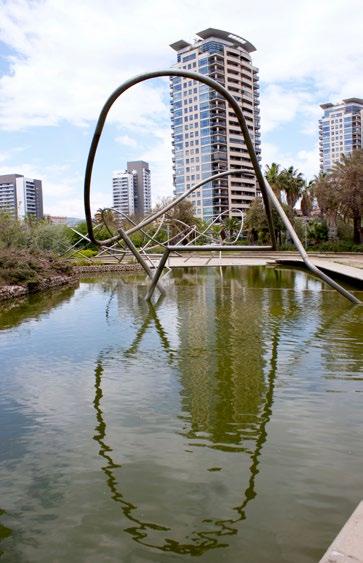
the building but actively contributes to the project’s overall sustainability. Not from a theoretical perspective, but based on actual performance under real-world conditions.
One of the least visible — yet most decisive — factors in this balance is the frequency of intervention throughout the building’s lifespan. Every maintenance operation involves resource consumption, waste generation, associated costs and, in many cases, disruptions to the use of the space.
Reducing this need for intervention therefore becomes a fundamental strategy. Durable waterproofing systems help stabilise the building’s performance over time, avoid repetitive repair cycles and minimise the uncertainty associated with maintenance.
Less maintenance is not merely an economic issue. It is a matter of efficiency, sustainability and, ultimately, rigour.
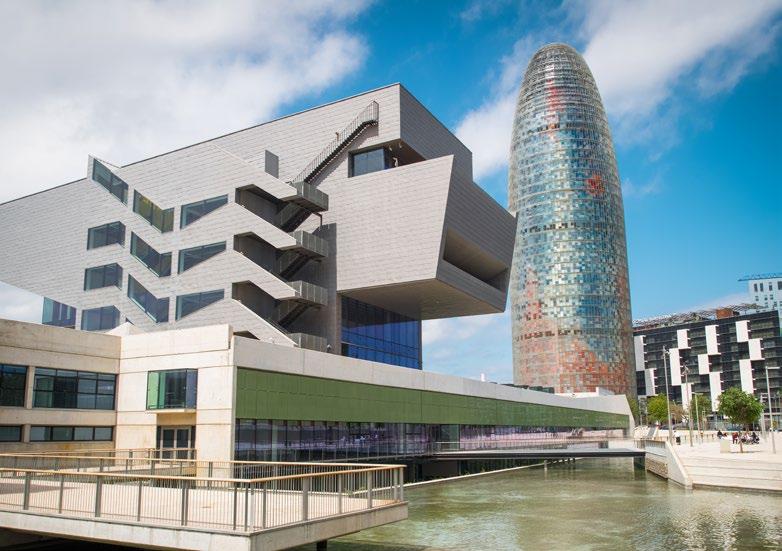
The evolution of waterproofing systems has responded to the new demands of contemporary architecture. Geometric complexity, speed of installation, safety and durability are now essential requirements.
In this context, continuous liquid systems—and particularly those based on advanced technologies such as polyurea—offer an effective solution.
Its continuous application, its ability to adapt to any substrate and its mechanical properties enable it to resolve complex situations with a high degree of reliability.
But beyond its technical specifications, what really matters is its impact on the architectural process.
They allow for greater design freedom.
They make construction safer.
They enable us to plan with a long-term perspective.
And in a context where architecture is called upon to be more responsible, this ability is essential.
One of the main challenges in architectural practice is to integrate technical systems from the earliest stages of the project.
Waterproofing is often addressed at a late stage, as a construction solution that comes after the design phase. This approach limits its potential and can lead to conflicts or less efficient solutions.
On the contrary, early integration enables:
࣋ Optimise construction details
࣋ Improve the consistency of the project
࣋ Minimising risks during implementation
࣋ Ensure better long-term performance
Visible and invisible architecture should not be developed independently. They form part of the same system.
And coordination is key to achieving a high-quality result.

Barcelona’s designation as the World Capital of Architecture in 2026 invites us to take a broader view of the discipline.
Beyond form, beyond appearance, contemporary architecture demands a profound reflection on how it is built, how it is maintained and how it endures.
In this context, invisible architecture takes on a renewed prominence.
Because it’s not just about innovating, but about sustaining that innovation over time.
It’s not just about designing something; it’s about ensuring that design will last for decades.
And in that equation, the quality of the hidden systems is a decisive factor.
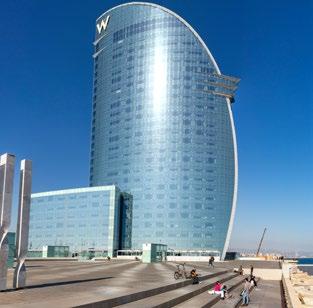
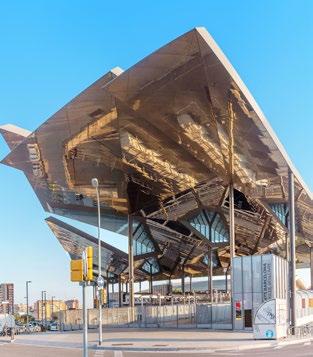
At a time when Barcelona is at the forefront of the global conversation on architecture, true progress lies not only in what we are able to imagine, but in how we are able to bring it to fruition and sustain it.
Because behind every project that inspires, there is a technical foundation that underpins it, protects it and ensures its longevity.
“ Good architecture moves people. Good waterproofing makes it possible.”
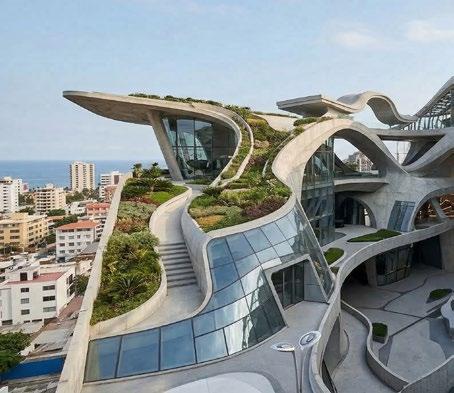
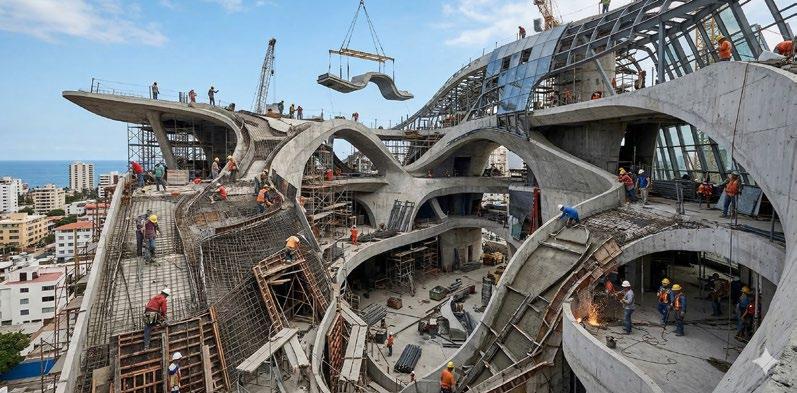
When technical constraints are removed, design reaches its full potential
In contemporary architecture, materials are no longer judged solely on their performance, but on their ability to integrate seamlessly into the creative process.
Waterproofing has traditionally been a compromise. Necessary, but secondary. An element that forced designers to simplify their choices, avoid formal risks and accept structural limitations.
However, for the most demanding projects, this approach is not enough.
Continuous polyurea and polyurethane systems introduce a new category: waterproofing as a design tool. Not because they contribute to the aesthetics, but because they remove the constraints that have historically limited them.
The difference lies not only in what they add, but in the limitations they eliminate.
In architecture, exposed joints have always been a compromise. A point where ideal continuity is interrupted by a technical necessity.
In terms of waterproofing, this interruption has also been a potential risk.
The logic behind continuous systems is radically different: to eliminate the joint as a structural concept.
“The best technical solution is one that doesn’t force the architect to think about it”
The liquid application creates a monolithic membrane that adheres completely to the substrate, transforming the surface into a single entity. There are no abrupt transitions, no overlaps, and no distinctions between different areas. This continuity does more than just improve technical performance. It changes the way we design.
Because when critical points disappear, so does the need to design around them.
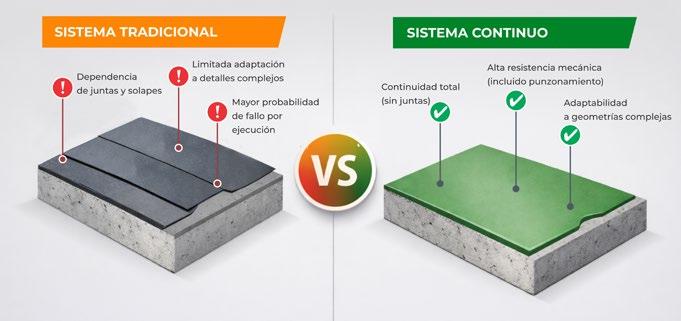
Contemporary architecture has long since moved beyond orthogonality as the norm. Curves, continuous surfaces, complex transitions and integrated elements are now part of the everyday vocabulary.
However, many technical solutions still follow the old way of thinking.
Continuous systems, installed on-site, operate on a different principle: adapting to the geometry without altering it.
There is no need to break down the form.
• There is no need to oversimplify things.
• There is no need to insert any intermediate parts.
• The membrane conforms to the built environment with absolute precision.
The membrane moves freely across its entire surface.
And in that gesture, the technique ceases to be a mere interpretation of the design and becomes its natural extension.
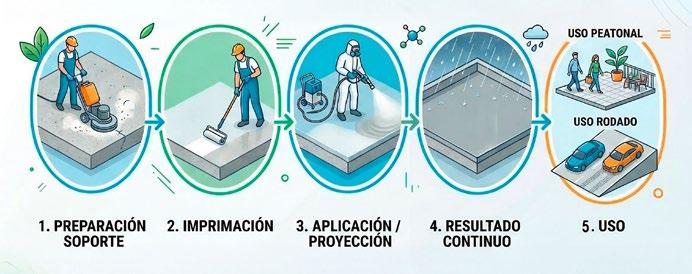
In technical discourse, durability is often treated as just another feature. In reality, it is the cornerstone upon which any decision should be based.
A system that lasts for decades does more than just reduce the need for maintenance. It completely reshapes the building’s impact over time.
Polyurea and polyurethane are particularly noted for their long-lasting stability. Their elastic properties, mechanical strength and permanent adhesion ensure consistent performance even under demanding conditions.
But durability is not just about resistance. It's best to avoid it.
• Avoid repairs.
• Avoid substitutions.
• Avoid repetitive cycles of intervention.
And in doing so, we can build genuine sustainability— free from empty rhetoric and grounded in performance.
In projects where architectural standards are particularly high, technical decisions are no longer a secondary consideration.
It’s not about solving problems, but about providing support.
It is not a question of adapting, but of allowing. When waterproofing no longer dictates the design, the design regains its original freedom.
“When the technical solution does not dictate the design, the architect can focus solely on creating”
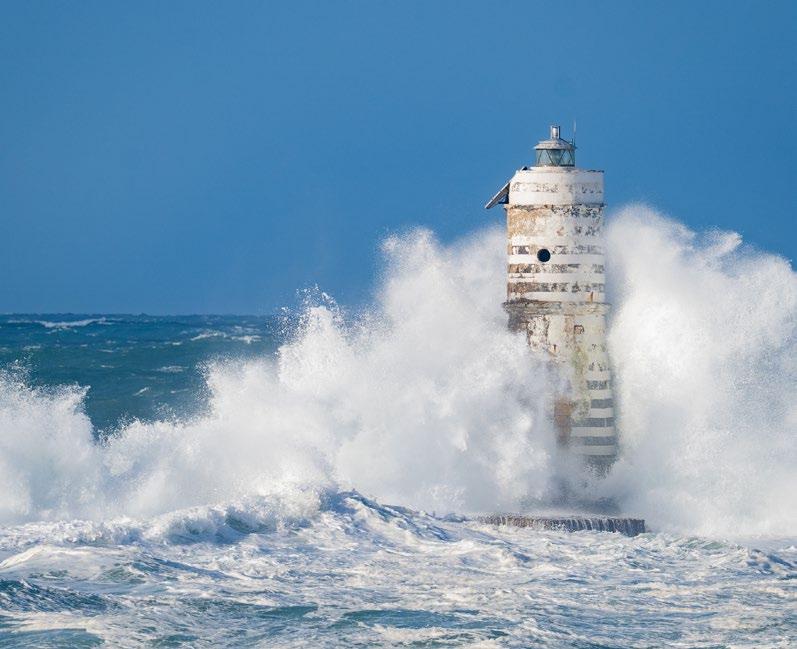
In contemporary architecture, the demands are no longer limited to form or function. Every project must respond to increasingly complex conditions: harsh environments, heavy loads, and constant exposure. Resilience is no longer merely a desirable quality; it has become a structural requirement.
For years, architecture has been assessed primarily on its ability to create space and evoke emotion. However, the current context calls for a broader perspective: architecture as a system subject to realworld conditions, which are often extreme.
࣋ Infrastructure subject to constant traffic.
࣋ Industrial environments containing aggressive chemicals.
࣋ Structures in constant contact with water or corrosive substances.
In this context, design is no longer enough; architecture must be resilient.
Resilience is not merely about withstanding adverse conditions. It involves maintaining performance over time, without significant degradation and without compromising the system’s operation.
This calls for solutions capable of operating in demanding conditions without becoming a weak link.
High-tech continuous systems, such as those developed by Tecnopol, address this need based on a clear principle: to eliminate vulnerabilities.
It’s not about shoring up weak spots; it’s about preventing them from arising in the first place.
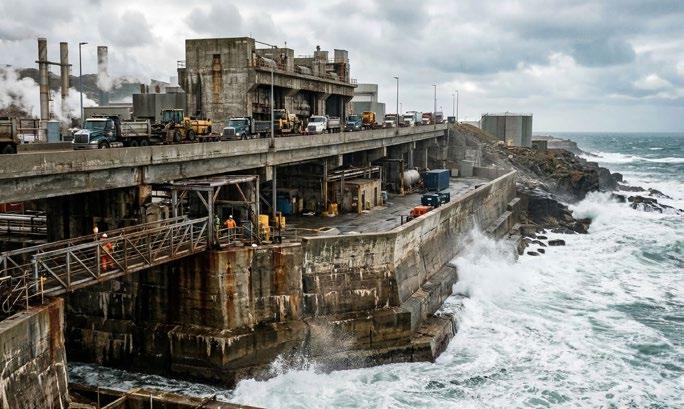
Industrial facilities represent one of the most demanding environments for any building system.
Exposure to chemicals, temperature fluctuations, constant abrasion and conditions of heavy use create an environment in which conventional materials quickly reach their limits.
In such cases, waterproofing ceases to be a passive form of protection and becomes an active layer, capable of withstanding constant wear and tear without deteriorating.
Chemical and mechanical resistance is becoming a basic requirement, not just an added bonus.
Car parks, walkable roofs, logistics platforms and traffic areas are spaces where wear and tear is not a possibility, but a constant.
Here, durability cannot depend on frequent maintenance.
The systems must be capable of absorbing impacts, withstanding abrasion and maintaining their integrity without any interruption in use.
In this context, resilience is measured in terms of operational continuity.
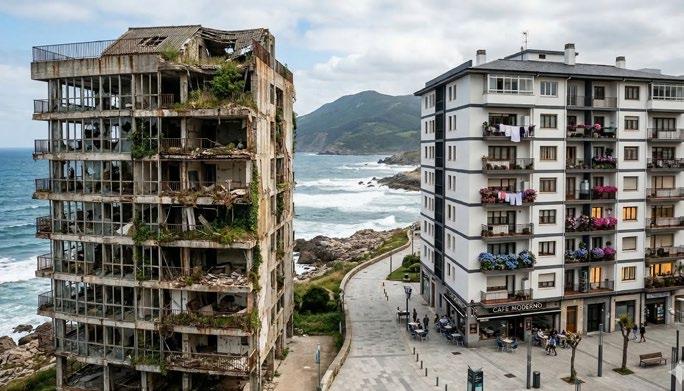
There are situations where the requirement is not obvious, but it is nonetheless crucial.
Tanks, pipework, hydraulic structures and confined spaces require solutions that ensure watertightness and durability under highly specific conditions.
In such cases, any failure has a direct impact on the system’s functionality.
Architecture ceases to exist as a visible object, but remains as a technical system.
And that is where the quality of the solution becomes a decisive factor.
Contemporary architecture cannot separate aesthetics from functionality. Both aspects form part of the same project.
A building that cannot stand loses its value, functionality and purpose.
Resilience should therefore not be seen as an afterthought, but as a design principle from the outset.
Designing today means anticipating future conditions.
This involves building with materials capable of withstanding demanding conditions.
This implies that architecture must not only be liveable, but also resilient.
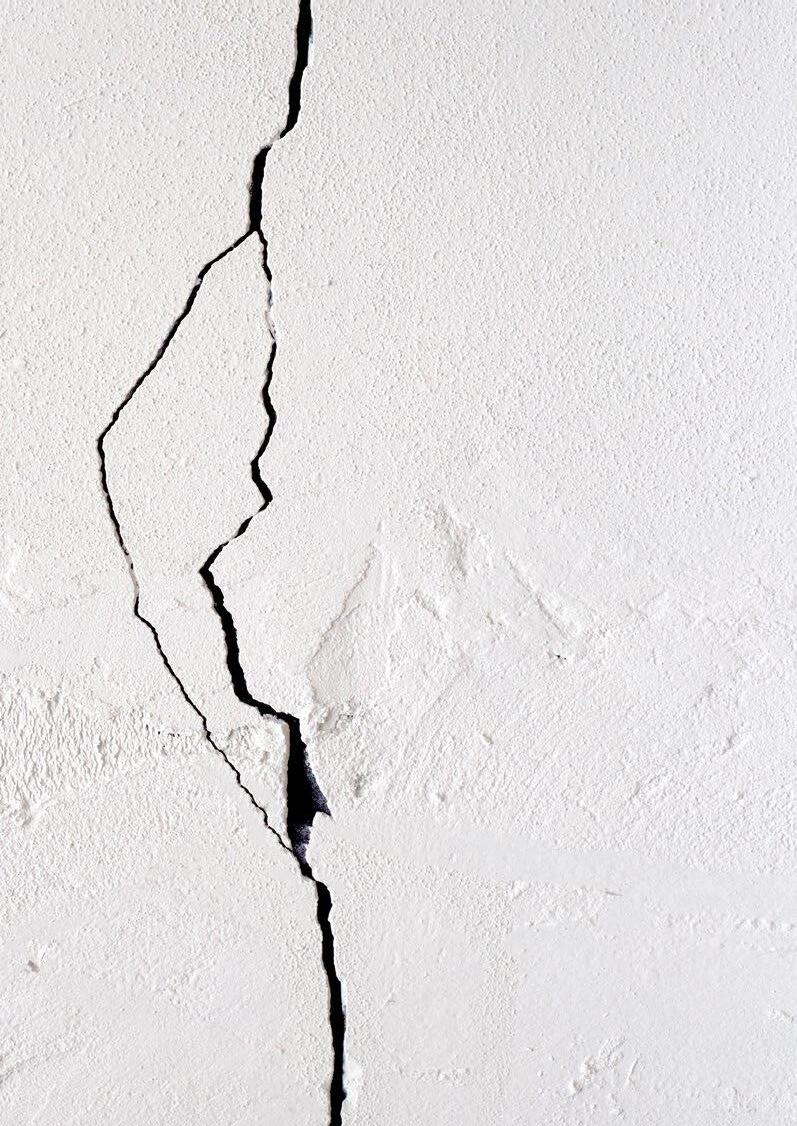
In an environment where conditions are becoming increasingly demanding, the true quality of a project is not measured solely by its form, but by its ability to stand the test of time.
Because architecture must not only be designed. It must also be able to withstand the test of time.

For years, sustainability in architecture has been associated with certifications, materials and energy efficiency. However, there is a deeper and more decisive aspect: a building’s ability to endure over time without requiring constant intervention.
The concept of sustainability has evolved into a complex narrative, often centred on visible or easily measurable indicators.
But true sustainability is not always obvious. It is not just a question of how a building is constructed, but of how long it retains its performance without needing to be repaired, replaced or renovated.
In this regard, durability emerges as the true environmental indicator.
Every alteration to a building has an environmental cost.
࣋ New materials.
࣋ Manufacturing processes.
࣋ Transport.
࣋ Energy.
࣋ Waste.
Reducing these interventions is not an improvement. It is a strategy.
A system that does not need to be replaced for decades directly reduces the building’s overall environmental footprint.
Sustainability is not just about what is added, but also about what is avoided.
One of the major problems in contemporary construction is the need to carry out work on buildings much earlier than planned.
Failures in technical systems, premature deterioration or short-lived solutions lead to cycles of renovation that have a direct impact on the environment.
These processes involve:
࣋ Waste generation
࣋ Resource consumption
࣋ Increase in emissions
࣋ Disruption to building use
Breaking this cycle is one of the sector’s biggest challenges.

Durability is the true measure of sustainability.
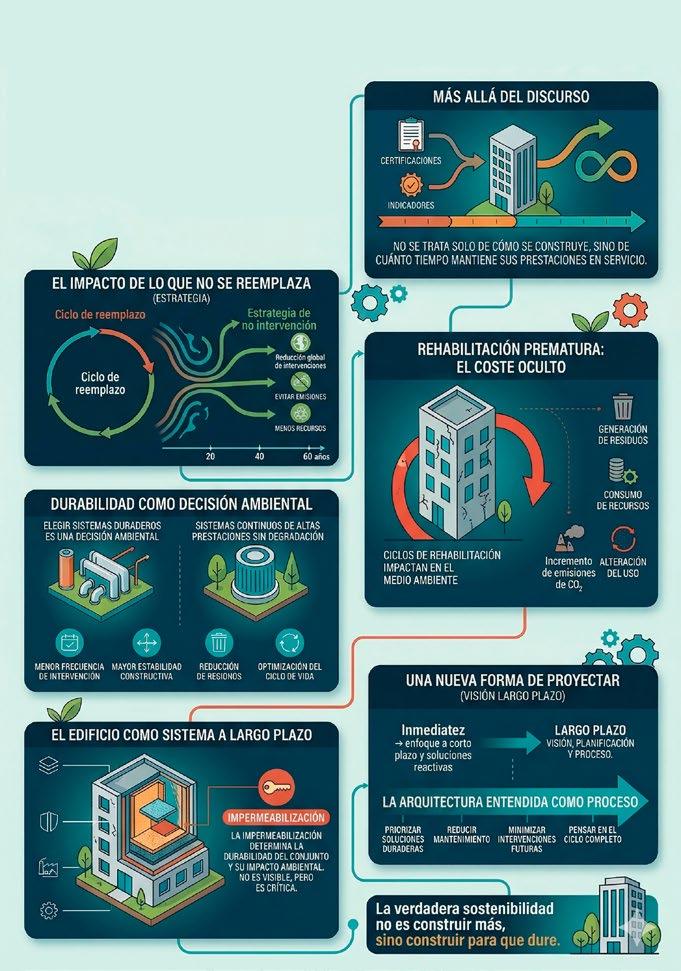
Choosing durable systems is not just a technical decision. It is an environmental decision.
High-performance continuous systems retain their properties over long periods without significant degradation.
This means:
࣋ Lower frequency of intervention
࣋ Greater stability of the building system
࣋ Waste reduction
࣋ Life-cycle optimisation
Sustainability is no longer merely an aspiration but a direct consequence of technical choices.
Architecture should not be seen as a finished product, but as an evolving system.
Every decision made during the design phase affects its future performance.
In this regard, waterproofing plays a key role.
It is not visible.
It does not define aesthetics.
But it determines the overall durability.
And, therefore, its environmental impact.
True sustainability requires a change of approach.
Less focused on the here and now.
More focused on the long term.
Designing with foresight involves:
࣋ Prioritise sustainable solutions
࣋ Reduce the need for maintenance
࣋ Minimise future interventions
࣋ Thinking about the building’s entire lifecycle
Architecture ceases to be an event and becomes a process.

At a time when sustainability has become the norm, what really sets a company apart is not just what it claims, but what it demonstrates over time.


Because the best environmental strategy is not to build more. It’s about building to last.
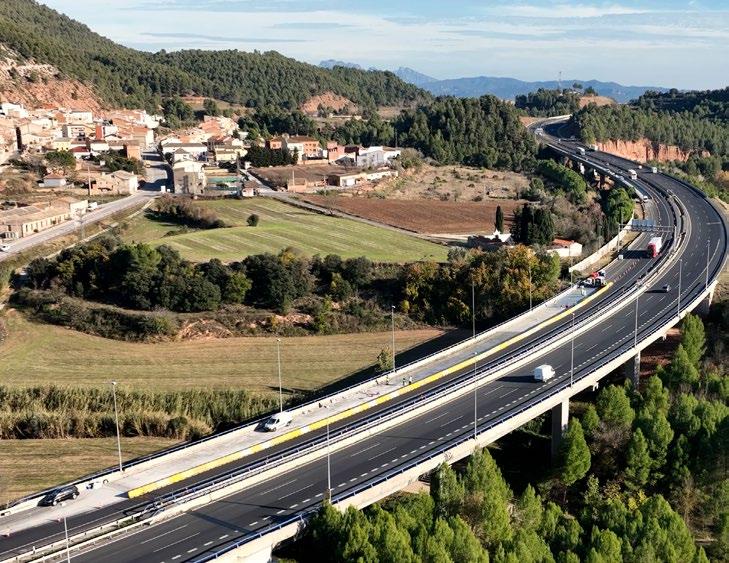
REFURBISHMENT AND WATERPROOFING OF SIX BRIDGE DECKS ON THE A-2 MOTORWAY ( , EL BRUC)
When waterproofing determines the lifespan of a piece of infrastructure. 25,000 m² of works on one of the country’s most challenging road networks
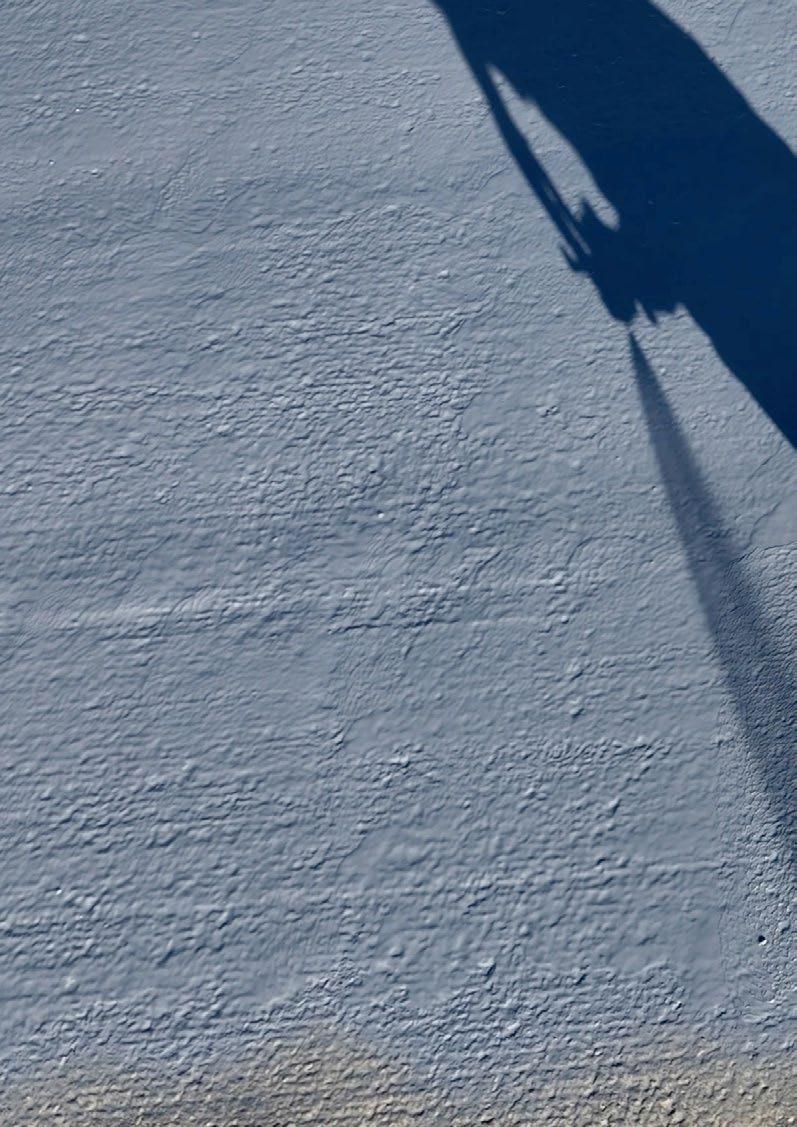
In the field of civil engineering, there are projects where architecture takes a back seat and engineering takes centre stage. Projects where the focus is not on aesthetics, but on structural integrity. Where every technical decision has a direct impact on the durability, safety and reliability of the system.
The refurbishment and waterproofing of six bridge decks on the A-2 motorway, near El Bruc, is one such example.
The A-2 motorway forms part of one of the main strategic corridors on the Iberian Peninsula, within the Pyrenean transport corridor. It is an environment where heavy traffic, variable weather conditions and constant exposure to harsh elements create an extremely demanding environment.
In this context, work on bridge decks is not merely a cosmetic measure. It is a critical operation in which waterproofing becomes the sole barrier between the road surface and the underlying concrete structure. Its function is not visible, but it is crucial.
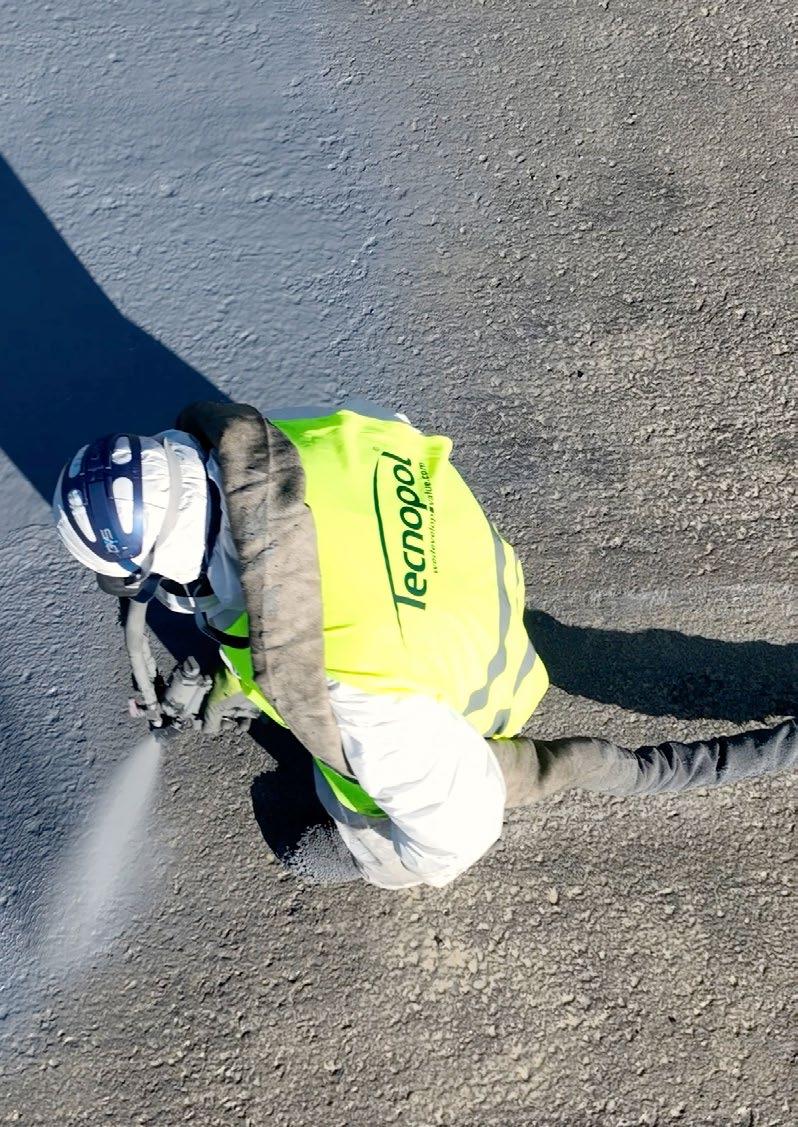
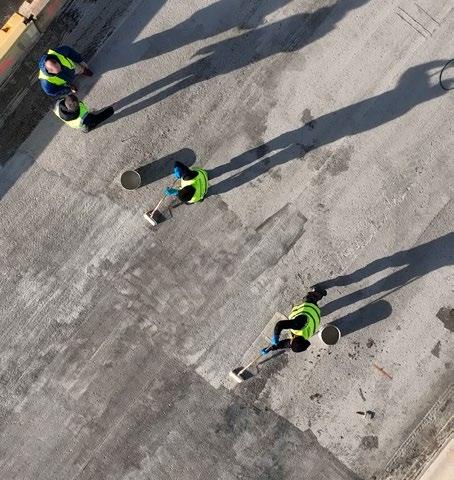
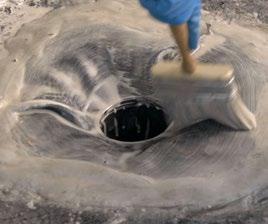
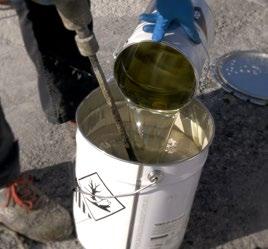
The waterproofing of a bridge deck must take into account a combination of factors that are rarely found together in other types of construction:
࣋ Constant dynamic loads caused by traffic Continuous passage of heavy goods vehicles
࣋ Sudden temperature changes
࣋ Paving of hot mix asphalt
࣋ Constant exposure to water and corrosive substances It’s not just about waterproofing; it’s also about durability.
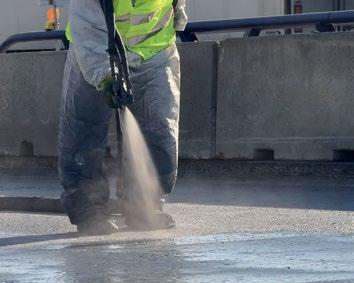
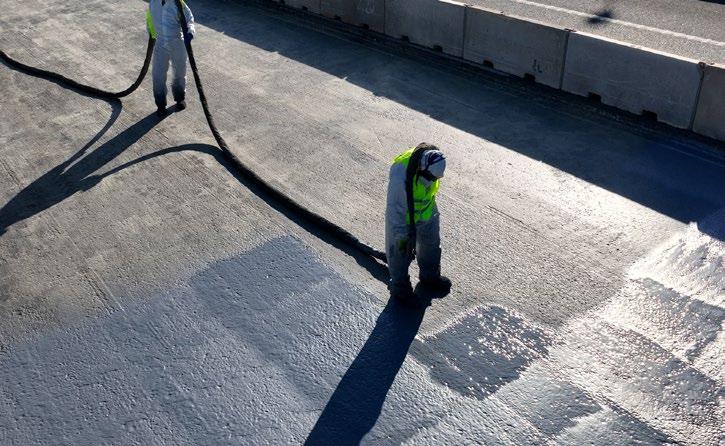
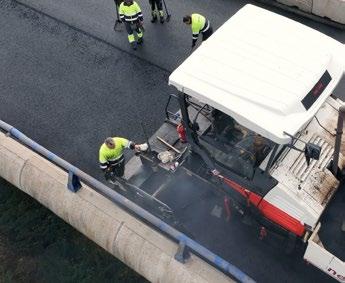
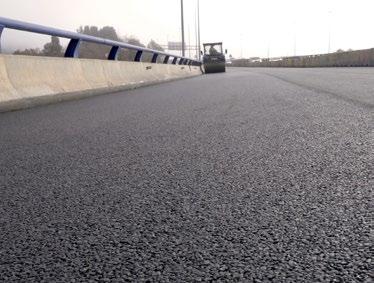
The system has a European Technical Assessment (ETA) in accordance with the EOTA guideline (EAD 030675-00-0107), specifically for bridge decks.
This certification validates critical aspects such as:
࣋ Water resistance
࣋ Crack-bridging capability
࣋ Resistance to dynamic loads
࣋ Long-term durability
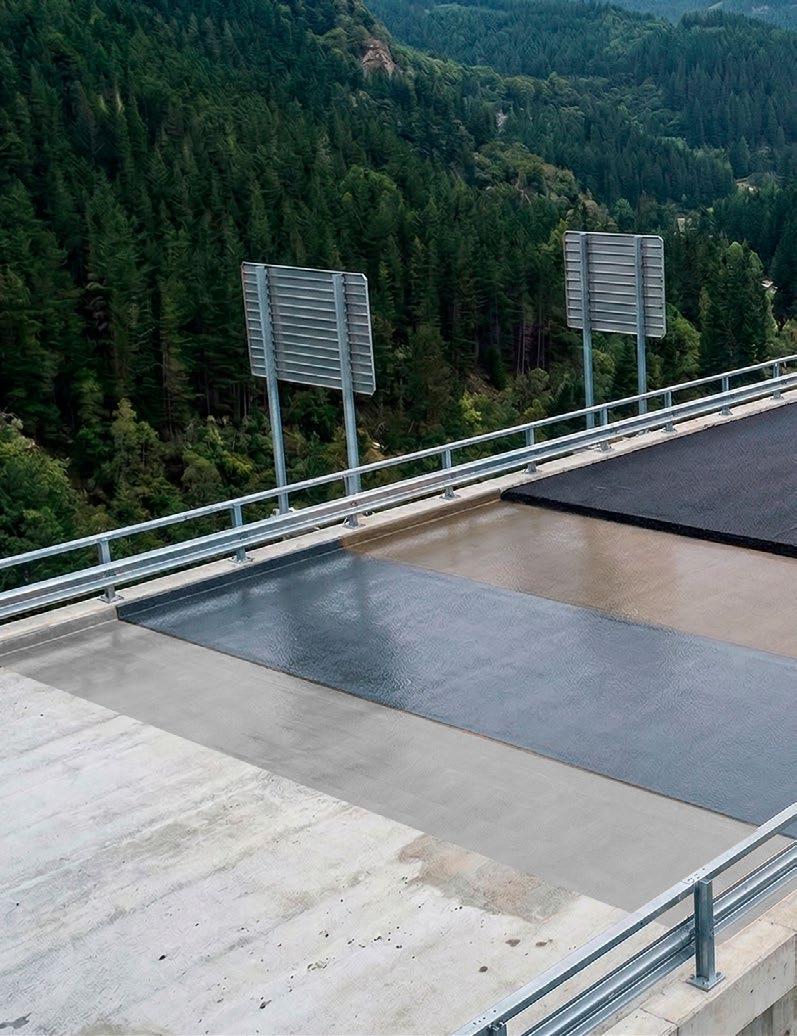

On infrastructure such as the A-2, where there is absolutely no margin for error, this validation is not simply an added bonus. It is an absolute necessity.

Watch the video showing the project in action by scanning this QR code

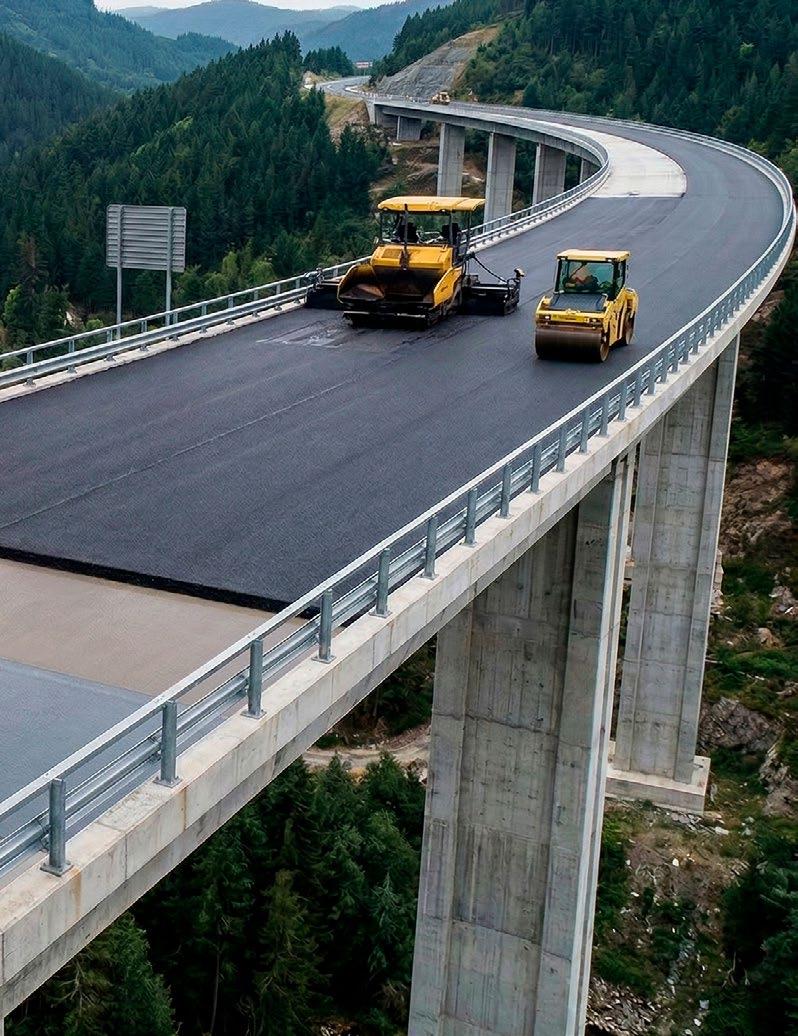
In critical infrastructure, quality is not measured by what is visible, but by what endures.
The waterproofing of the bridge deck is not part of the user experience. It is not noticed, not acknowledged, not questioned.
But that is what ensures that everything runs smoothly, that the structure remains intact, that the investment stands the test of time, and that the infrastructure continues to fulfil its purpose.
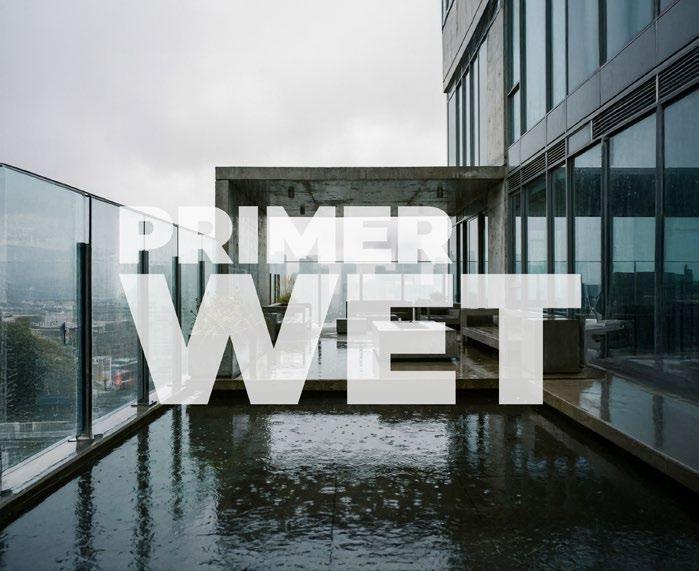
In most projects, delays do not arise from major decisions, but from the minor technical issues that recur at every stage.
Moisture within the substrate is one of them.
Invisible, difficult to control, and yet decisive.
EXTREME ADHESIONEven on damp surfaces (up to 98% humidity).
NEGATIVE PRESSURE RESISTANT Designed to withstand negative hydraulic pressure.
On a building site, time isn't just about planning. It's about risk.
Every delay brings uncertainty; every interruption disrupts coordination; every delay affects the whole.
Substrate preparation has traditionally been one of those moments when time seems to stand still. It is a process where the outcome is influenced by factors that are not always within the project’s control: residual moisture, environmental conditions and drying times.
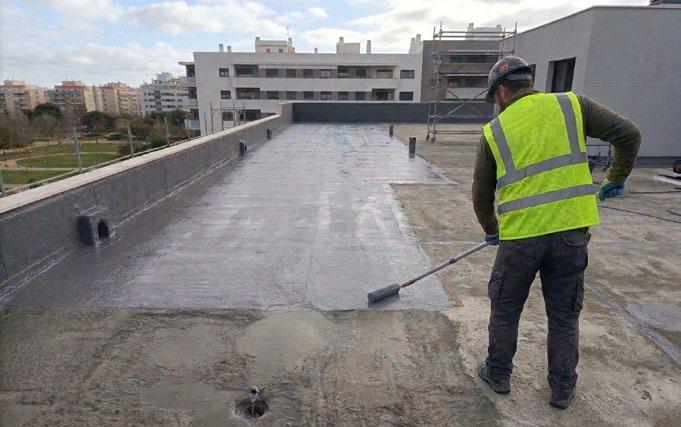
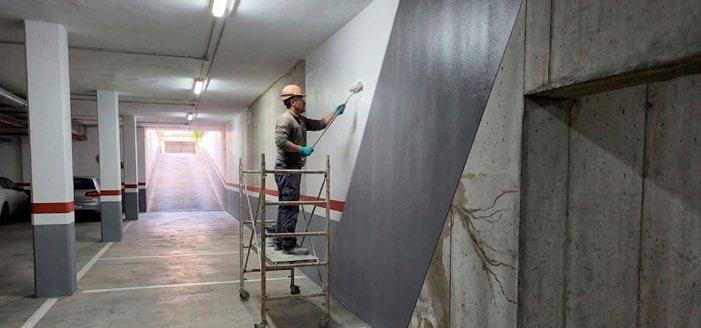
And where, all too often, the only option has been to wait, PRIMER WET is here to turn that on its head.
The ability to work on damp substrates is not just a technical improvement. It is an operational change.
VAPOUR BARRIERCompletely impermeable to water vapour
0% VOC, 100% SOLIDS A safe and environmentally friendly formula.
It enables uninterrupted operation, reduces downtime and eliminates reliance on external factors.
In projects with tight deadlines (infrastructure, refurbishments, critical works), this difference is crucial.
It’s not about going faster; it’s about not stopping.
“Efficiency on site isn’t achieved by rushing, but by eliminating delays”
PRIMER WET does not merely act as a bonding and levelling coat.
Its behaviour incorporates key functions within the system:
࣋ Vapour barrier, controlling rising damp and providing resistance to negative pressure.
࣋ Stability on substrates that are not fully dry.
࣋ Fully compatible with high-performance polyurea systems and all types of coating systems, including liquid membranes and floors subject to moisture.
࣋ Barrier against hydrostatic pressure.
This means you can not only apply it sooner, but also apply it more effectively.
One of the main issues in waterproofing is not the choice of system, but the condition of the substrate at the time of application.
Residual moisture can lead to significant adhesion failures, blistering and premature degradation of the system.
By eliminating this variable, PRIMER WET reduces
Application on damp substrates Up to 98% residual moisture
one of the most difficult risks to control on site; in short, it does not fix the problem, but prevents it from arising in the first place.
In continuous systems such as polyurea, the quality of the substrate is crucial.
PRIMER WET acts as a primer coat that stabilises the surface and enables the subsequent system to perform to its full potential.
It is not just an add-on; it is a strategic foundation.
In a context where planning is becoming increasingly demanding, the difference does not lie in doing more in less time.
It’s about getting rid of whatever is holding you back.
PRIMER WET doesn't speed up the work; it ensures it doesn't come to a standstill.
Barrier against negative pressure
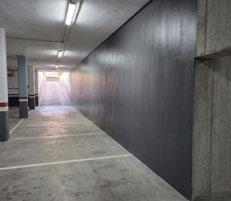
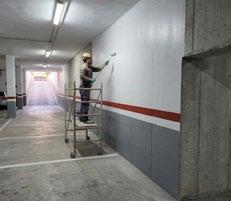
FIRST WET + TECNOTOP 2C two-component aliphatic finish
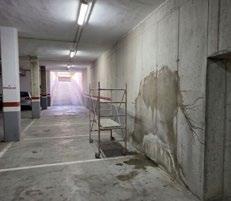
FIRST WET TECNOTOP 2C
Moisture caused by negative pressure
Swimming pool in just 2 coats WET primer + TECNOCOAT P-2049 AL aliphatic polyurea
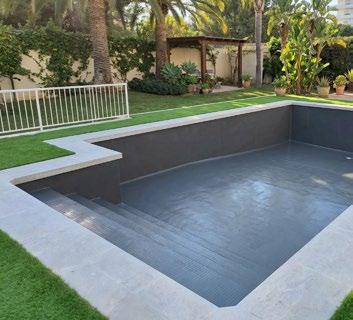
FIRST WET
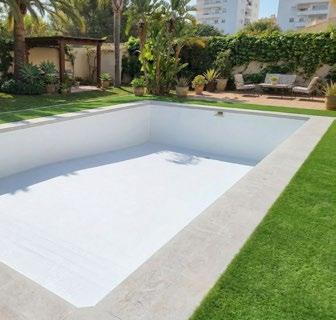
P-2049 AL
When it comes to waterproofing, the surface area is important, but it is the details that determine the outcome: joints, interfaces, cracks and changes in level. That is precisely where the system is put to the test.
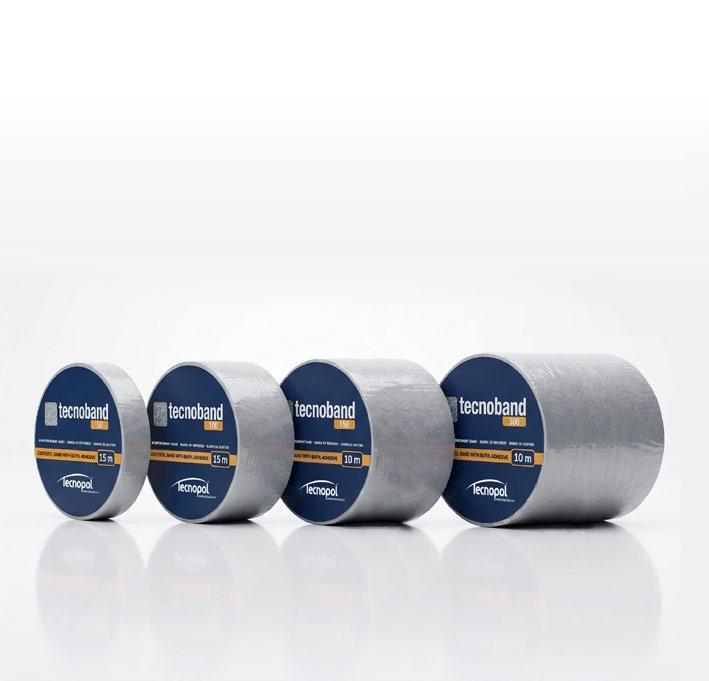
In any waterproofing system, problems do not usually arise on large surfaces, but rather in the details. Joints, intersections and changes in level are areas where movement, stress and discontinuities are concentrated.
For this reason, these specific points are always the most critical areas and require the greatest care during installation.
Tecnoband is specifically designed to address these issues effectively. The expanded range allows you to choose the right width for every situation:
This allows for adaptation to the specific conditions of the site, rather than forcing standard solutions. Every individual point now has its own suitable tape.
In these areas, it is essential to use materials that accommodate movement without compromising performance.
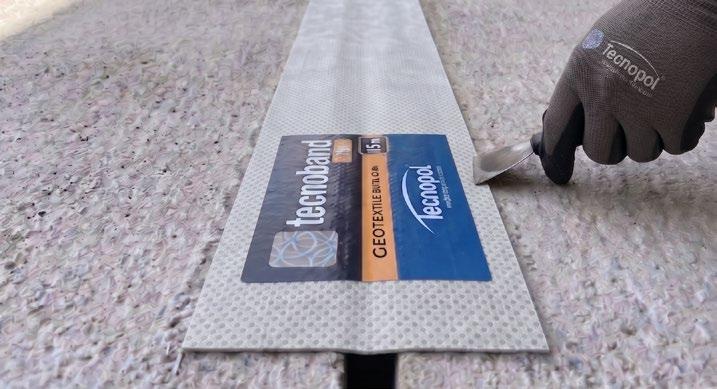
Tecnoband provides elasticity to absorb movement without cracking, and strength to maintain the integrity of the system
This makes it particularly effective in:
࣋ Structural joints
࣋ Cracks
࣋ Vertical-horizontal intersections
࣋ Intricate details
Furthermore, it provides reinforcement without adding stiffness, thereby avoiding the creation of new weak points.
Tecnoband does not function as a standalone element. It integrates directly with continuous liquid systems, forming part of the whole.
It reinforces without interrupting, adapts without modifying the system and maintains continuity at all times
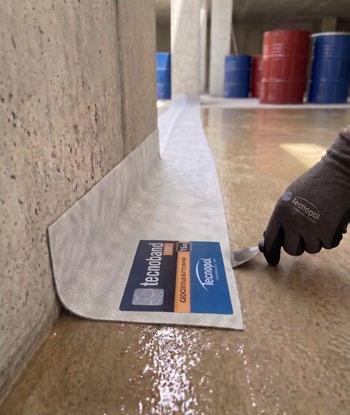
This facilitates application and ensures consistent performance across the entire surface.
Waterproofing is not measured solely in square metres applied; above all, it is defined by how the details are resolved.
Every joint, every connection and every transition counts, and it is here that good workmanship, together with the correct use of solutions such as Tecnoband, makes the difference between a system that works… and one that fails.
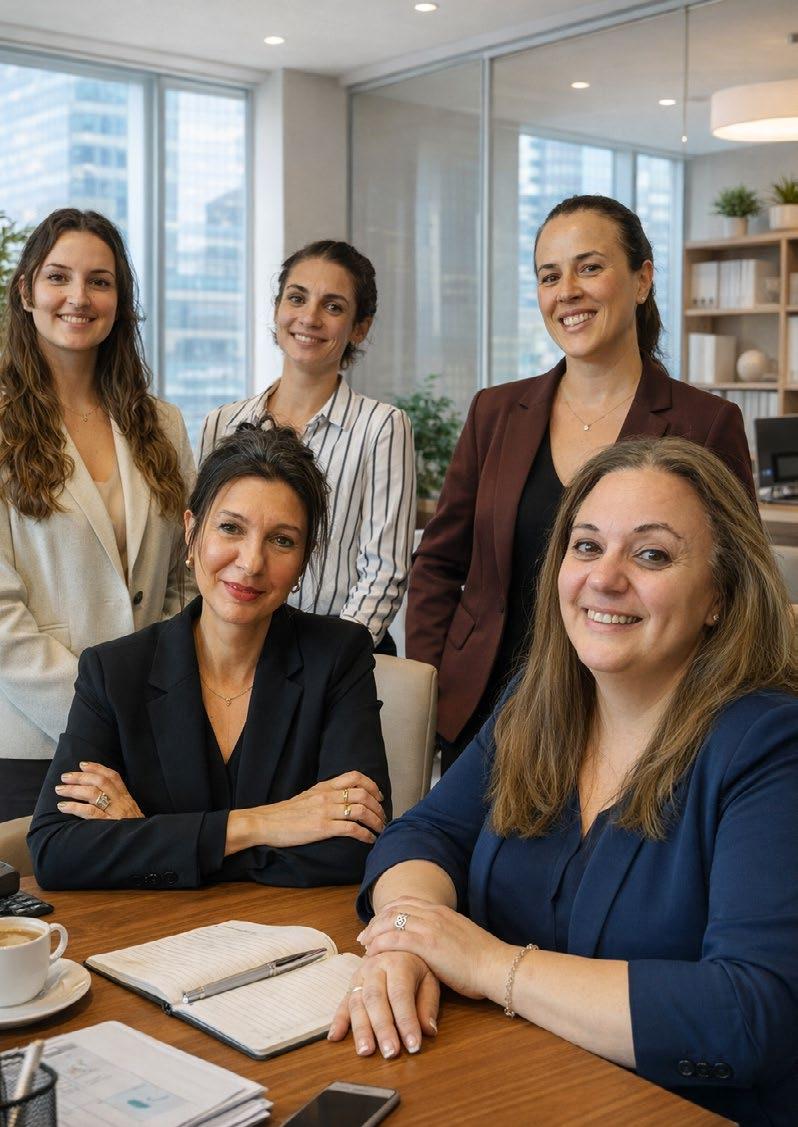
In a company where technical precision is part of everyday life, there is another, less visible but equally important form of precision: the ability to coordinate people, timelines and decisions.
Because behind every order delivered, every project completed and every solution implemented, there is a constant effort involving communication, foresight and organisation that is rarely seen from the outside.
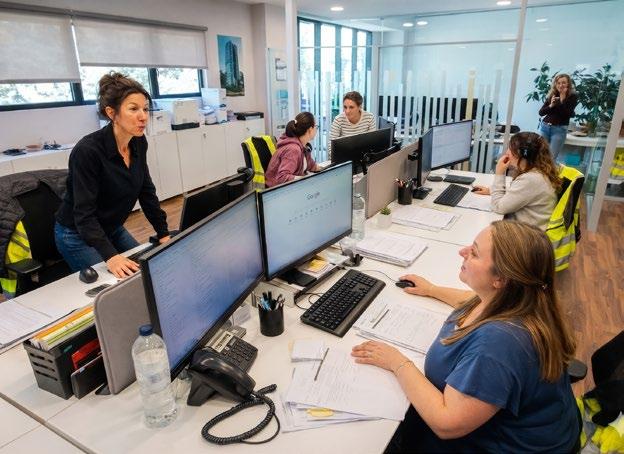
Tecnopol’s Customer Service department works precisely at that invisible point where everything must fit together.
Mónica, Eva, Judith, Mar and Agnieszka form a team where experience, adaptability, attention to detail and commitment come together to keep increasingly demanding national and international projects moving forward.
Work that often takes place far from the construction site, but which is essential to ensure everything arrives on time, in the right condition and with the necessary coordination between clients, production and logistics.
Because when a system works well, it is usually because there are people behind the scenes making sure everything runs smoothly even before problems arise.
There are people who naturally become key figures within a department.
Mónica embodies the expertise she has built up over years of management, coordination and direct contact with clients and projects of all kinds. Although much of her work focuses on the domestic market, her comprehensive understanding of processes and her ability to resolve complex situations make her one of the most forward-thinking figures within Customer Service.
Her experience enables her to identify needs quickly, make decisions with agility and understand how small details affect the project as a whole.
“Experience teaches you to understand the project beyond the scope of the brief”
After so many years in the department, how has the work of Customer Service evolved?
Things have changed dramatically. Processes used to be more linear and timelines longer. Now everything happens much faster and customers expect virtually immediate responses.
Coordination between departments and markets has also increased significantly. These days, it’s not enough just to process an order; you need to understand how any decision affects production, logistics or planning.
Experience helps you do just that: to gain a broader perspective and anticipate situations that perhaps weren’t so common a few years ago.
What do you consider most important in a relationship with a customer?
Trust and consistency.
Clients need to know that there is someone behind the scenes keeping an eye on their project and that they will receive a clear answer whenever they need one.
Often, the work involves resolving unforeseen issues, and that is where experience and communication make all the difference.
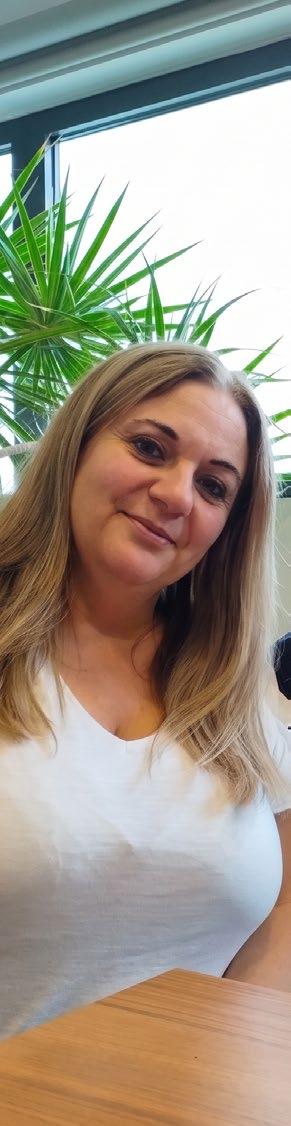
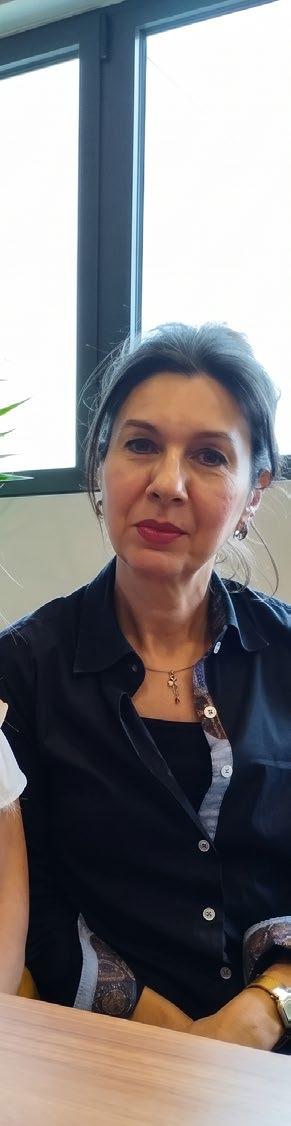
In sectors involving international markets, precision ceases to be merely a desirable quality and becomes a daily necessity.
Eva carries out much of her work in international management, where logistical coordination, deadlines and administrative details require constant attention.
Her profile stands out precisely because of this organisational ability and her particularly rigorous approach to work, where every detail contributes to the final result.
“At international level, every little detail can make all the difference”
What makes international management particularly complex?
The sheer number of variables involved.
Every country operates differently and every operation has its own specific requirements. There are different regulations, varying lead times, and working methods that differ greatly depending on the client.
That is why it is important to review everything carefully and maintain very clear communication at every stage of the process.
In international business, small mistakes can have significant consequences, so organisation and attention to detail are essential.
What do you value most in the way you work?
Accuracy.
I like to check things thoroughly and make sure all the information is properly coordinated before moving forward.
I believe that when you’re working on complex projects, this approach gives both the client and the rest of the team peace of mind.
Although she is one of the youngest members of the department, Judith has become a key figure within the team thanks to a combination of commitment, responsibility and adaptability.
Her profile stands out in particular for the maturity with which she tackles very different projects and markets, as well as for a way of working where responsibility is a natural part of her day-to-day routine.
In a dynamic and demanding environment, she brings energy, commitment and a great ability to constantly take on challenges.
“Responsibility has more to do with attitude than with age”
How do you cope with the responsibility that comes with working in such a fast-paced environment?
With a great deal of commitment.
From the outset, I understood that any detail can directly affect the progress of a project, so you always try to work with great care and a sense of responsibility.
I also believe it’s important to maintain an open mind so you can keep learning. Every project is different and new situations always arise that force you to adapt quickly.
The responsibility and the high standards required on a day-to-day basis.
Although many tasks form part of a highly structured routine, the job demands constant attention, control and responsiveness. That consistency and precision are part of the daily routine.
I also really value the sense of stability when processes run smoothly and everything proceeds in an orderly and efficient manner. Seeing that the work is well organised brings professional satisfaction.

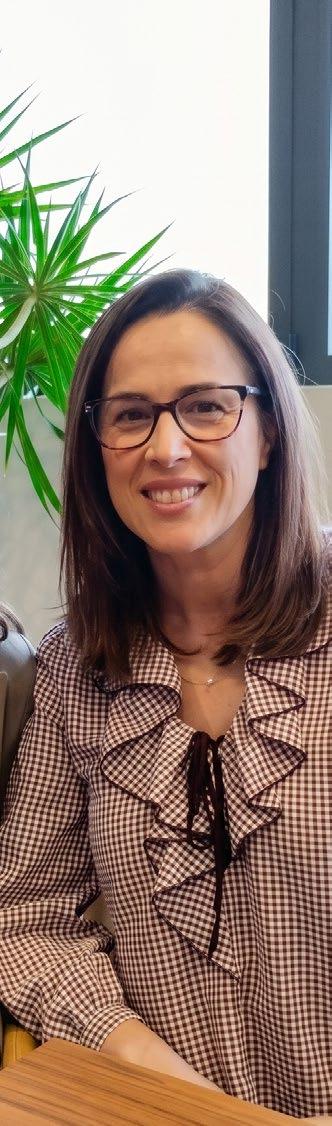
Sometimes talent emerges precisely through personal development.
Mar began her career at Tecnopol in backoffice roles, but she quickly demonstrated organisational skills, adaptability and a deep understanding of how internal processes work, which led to her joining the Customer Service department.
This career path has also given her a very practical insight into day-to-day work and a natural ability to coordinate different departments.
“Understanding processes from the inside helps you coordinate things more effectively”
How did you find the transition from back office to Customer Service?
It was a very natural and gradual progression because, right from the start, I was already combining back-office tasks with customer service duties.
Over time, I took on more and more responsibilities directly linked to client and project management, and that’s when I discovered a much more dynamic environment, where you need to have a much broader view of everything that’s going on.
I believe that having worked in different areas gives me a very comprehensive perspective on day-to-day work. You don’t just see one part of the process, but how every decision can affect production, logistics, planning or the client themselves.
What do you value most about the department?
Teamwork. I really value the trust that exists within the department.
It’s an environment where you need to collaborate constantly with others and where internal communication is essential for everything to run smoothly.
It isn't always easy to settle into a fast-paced department quickly.
However, Agnieszka has settled into the team with remarkable adaptability, quickly grasping the pace and demands of an environment where constant coordination is part of the daily routine.
Her organisational skills and proactive attitude have enabled him to take on responsibilities within the department very quickly.
“Adapting quickly is also part of the job”
What has joining the Customer Service team been like for you?
It has been a very intense challenge, but also a very rewarding one.
Right from the start, I realised that this is a department where things move very quickly and where you have to deal with a lot of information at the same time.
That requires the ability to adapt and a strong desire to keep learning.
Fortunately, the team’s support has been vital in helping me settle in quickly and feel part of the day-to-day running of the business right from the start.
What has surprised you most about the company?
The coordination that goes into every project
From the outside, you often don’t see all the organisation that goes into ensuring an order is delivered correctly, but once you start working on the inside, you realise just how many people and processes are constantly involved.
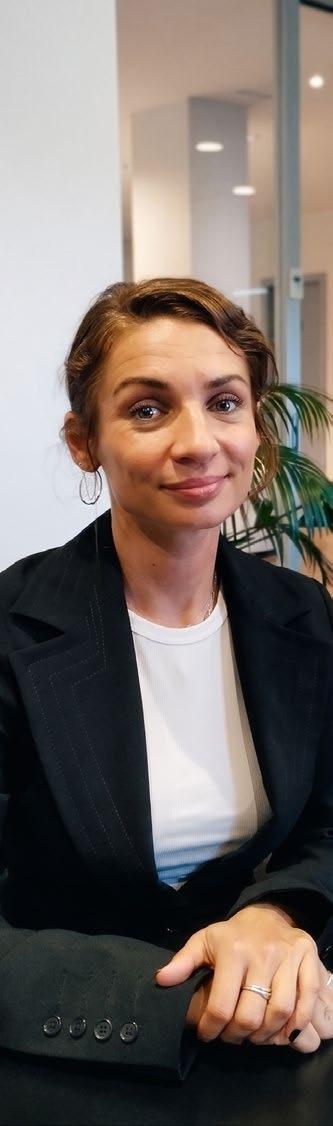
“Every project is different” What is the most difficult thing to coordinate in your day-to-day work?
Thesheernumber of factors that come into play at the same time.
There are projects where the challenge lies in the deadlines, others where the complexity is logistical, and others where the most important thing is to quickly coordinate different internal departments.
Often the main challenge is ensuring everything runs smoothly even when changes or unforeseen events arise.
“Internal communication is essential” How important is coordination between departments?
Absolutely. Customer Service is constantly in touch with production, logistics, planning and sales. If communication between departments isn’t working, it’s very difficult for the project to progress properly.
Much of the day-to-day work consists precisely of maintaining that constant coordination. “No two days are the same”
What makes your work so dynamic?
The fact that new situations always arise.
Every client works in a different way and every project has specific needs. That means you have to adapt constantly and maintain a very broad overview of everything that is happening.
That variety also makes the work very interesting.
“The client needs to feel supported” What do you value most in your relationship with the client?
Trust. Beyond resolving issues, the client needs to feel that there is constant support and that they can count on you throughout the process.
Often, the most important thing is to instil confidence and provide clarity, even in difficult times.
“Pressure is part of the job”
How do you manage the most demanding moments?
Through organisation and support within the team.
There are times when many urgent projects or unforeseen situations coincide, and that’s when internal coordination is essential.
When there is good communication between people, everything becomes much easier to manage.
“Shared experience strengthens the team”
What are the benefits of working with such a diverse range of profiles within the department?
A great deal. Everyone has different strengths and different ways of dealing with complex situations. That makes the team much more well-rounded and means we can constantly help one another.
The combination of experience, fresh perspectives and adaptability is one of the department’s greatest strengths.
“There’s much more to every order than meets the eye”
What would you like people to understand about your work?
Thatbehind every delivery there is a huge amount of coordination that often goes unseen.
There is planning, communication, follow-up and countless small decisions that ensure everything arrives correctly and at the right time.
When the customer receives the product and everything has gone smoothly, it usually means that a great deal of coordination has gone on behind the scenes.
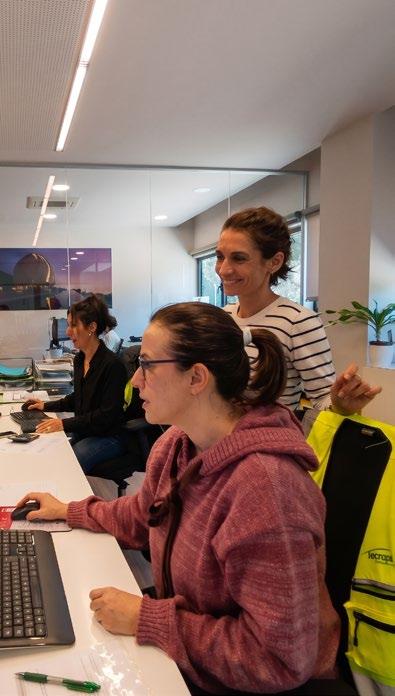
In sectors where technical expertise and performance are essential, there is another layer that is just as important but rarely takes centre stage: the people who coordinate everything that happens before a project is actually implemented.
Customer Service represents precisely that invisible part that underpins the day-today running of an increasingly global, dynamic and demanding business.
A department where experience, organisation, adaptability and teamwork constantly come together to turn complexity into coordination.
Because behind every project that moves
forward,
there are always people making sure everything fits together.

TECNOCOAT liquid waterproofing protects, reinforces and ensures the durability of contemporary architecture.
Technical reliability. Creative freedom.
Biogas production and storage facilities require waterproofing systems capable of withstanding highly aggressive environments, characterised by constant exposure to moisture, corrosive gases and chemical compounds resulting from fermentation.
In this type of infrastructure, watertightness is essential to ensure the structure’s durability, prevent premature deterioration and guarantee the proper functioning of the facility.
Biogas tanks operate continuously under chemical exposure, condensation and internal pressure; they therefore require systems with high chemical resistance, adhesion and long-term stability.
For this project in Molina de Segura, continuous, seamless polyurea systems were used, capable of creating a waterproof membrane that adheres closely to the substrate and offers excellent durability. Furthermore, they allow for rapid installation and reduced maintenance in demanding industrial environments.
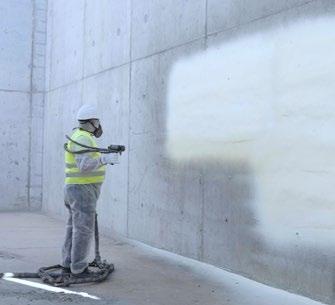
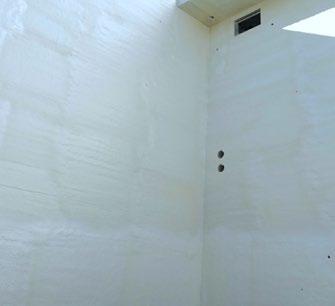
The concrete substrate exhibited high surface porosity and numerous potholes, which compromised the integrity of the waterproofing system. To optimise execution times and avoid extensive spot repairs with mortar, a continuous layer of TECNOFOAM G-2100 polyurethane foam was applied, acting simultaneously to seal irregularities, level the surface and provide a primer for the subsequent application of polyurea.
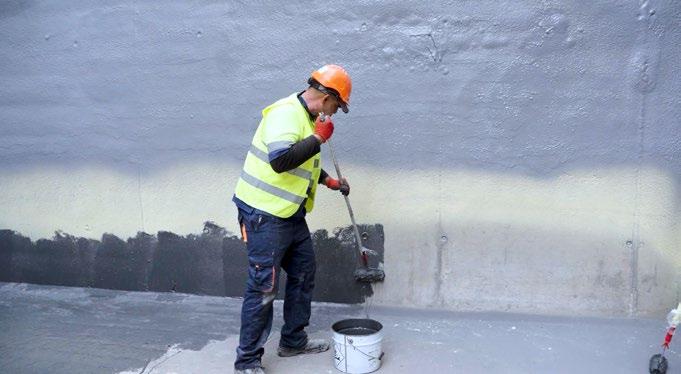
2. Damp-proofing in critical areas
On the horizontal surface and at the wall-floor junction up to a height of approximately 0.5 m, the PRIMER WET epoxy primer was applied to seal out any residual moisture or negative pressure from the ground. This treatment ensures optimum adhesion of the polyurea system to substrates that may contain moisture.
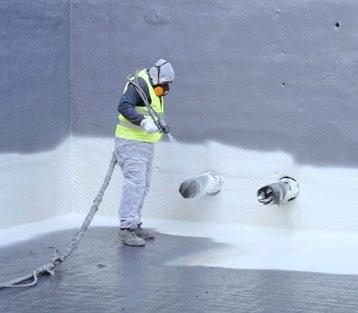
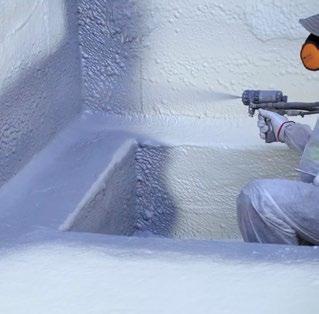
3. Application of the waterproofing membrane
On the substrate, which had previously been prepared with TECNOFOAM G-2100 and PRIMER WET, TECNOCOAT P-2049 pure polyurea was sprayed on, forming a continuous, elastic membrane with high chemical and mechanical resistance. The system provides complete, joint-free waterproofing, adapting perfectly to the geometry of the substrate and ensuring the continuity of the coating.
In waterproofing, the difference between a good system and a good result lies in the execution. The quality of a project depends not only on the product used, but also on how it is applied on site, the technical details and the experience of those involved in the process.
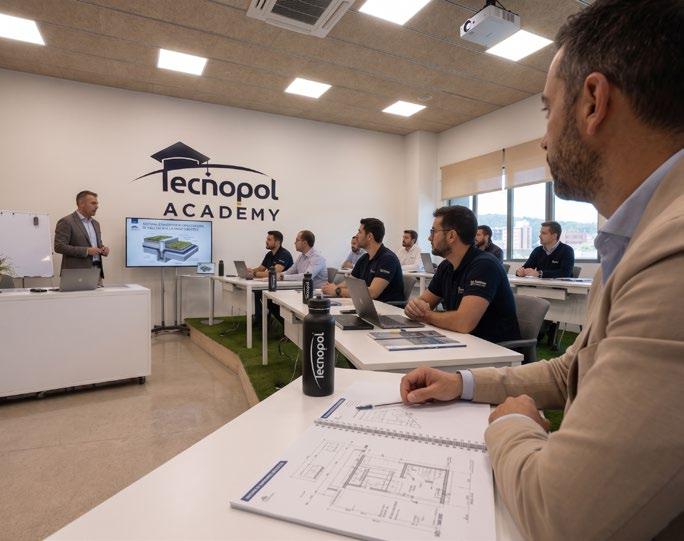
That is why, at Tecnopol, we see training as an essential part of the system itself. It is not merely an added value, but a key tool for ensuring performance, durability and reliability in every application.
We recently held a new training session at Tecnopol’s premises together with customers of our distributor in Romania. During the course, we covered fundamental aspects such as the advanced application of systems, onsite quality control, resolving real-life situations and technical best practices to optimise installation.
These training courses take a thoroughly practical and hands-on approach. We share best practices, analyse reallife case studies and work through scenarios that installers encounter in their day-to-day work, with the aim of improving results and standardising on-site processes.
In an international market, maintaining a consistent standard of quality is one of the greatest challenges. Training helps to reduce errors, optimise implementation and ensure that each system performs as intended. Above all, however, it helps to build trust: trust in the system, in its implementation and in the end result.
Because a high-performance system only reaches its full potential when it is implemented correctly.
A company’s growth does not depend solely on its production capacity. It also requires a logistics structure that is capable of responding efficiently, maintaining product availability and adapting to the needs of an increasingly broad and specialised market.
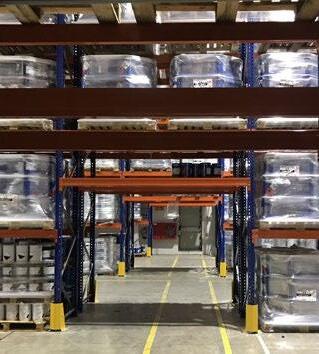
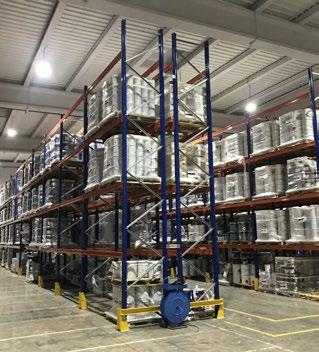
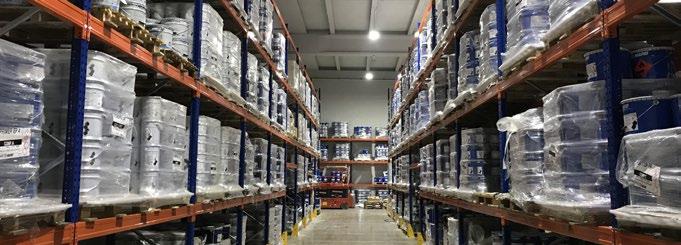
To this end, we have opened a new logistics warehouse designed to boost our operational capacity and optimise our storage and distribution processes.
This new facility enables us to increase our stock capacity, improve internal organisation and optimise order fulfilment and dispatch processes. The addition of this new space also facilitates more efficient management of product volumes and enhances our ability to respond to the needs of international customers and distributors.
Logistics plays an increasingly important role in industrial activity. It is not simply a matter of having storage space, but of having a structure in place that can support the company’s growth and ensure stable, coordinated operations across all the markets in which we operate.
The addition of this new warehouse also strengthens our ability to manage larger-scale projects and to continue adapting our infrastructure to the growth of our business and market developments.
Investment in infrastructure is part of our commitment to the continuous improvement of processes, operational capacity and service.
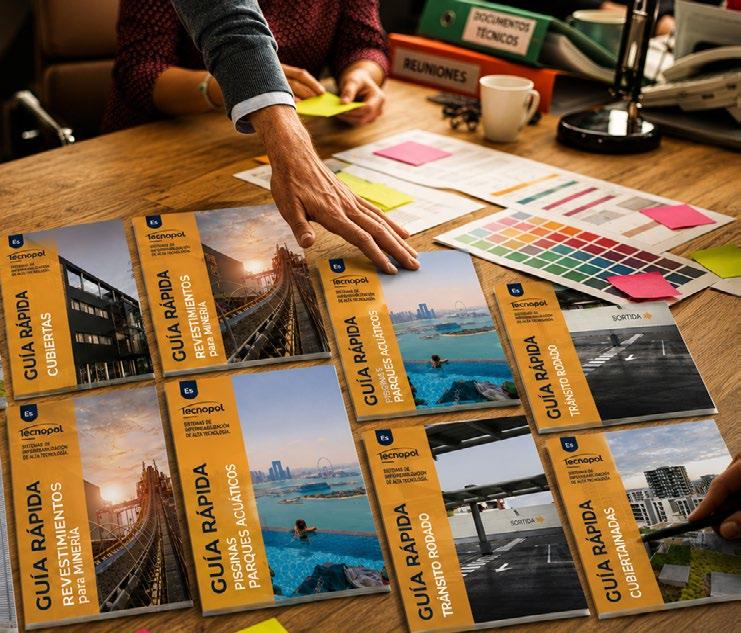
In architecture and engineering, having clear and well-structured technical information is essential for developing more accurate designs, optimising decisions and defining solutions tailored to each specific construction requirement.
With this in mind, we have developed new technical guides specialising in industrial waterproofing, designed to serve as reference tools for designers, engineering firms and industry professionals.
These new guidelines bring together information designed to facilitate both the specification phase and the technical design of the systems. They include recommended solutions tailored to different types of project, technical specifications, construction details and examples of their application in various industrial settings.
The aim is not merely to showcase products, but to provide technical criteria that help to identify requirements, compare solutions and design systems in a more efficient and structured manner.
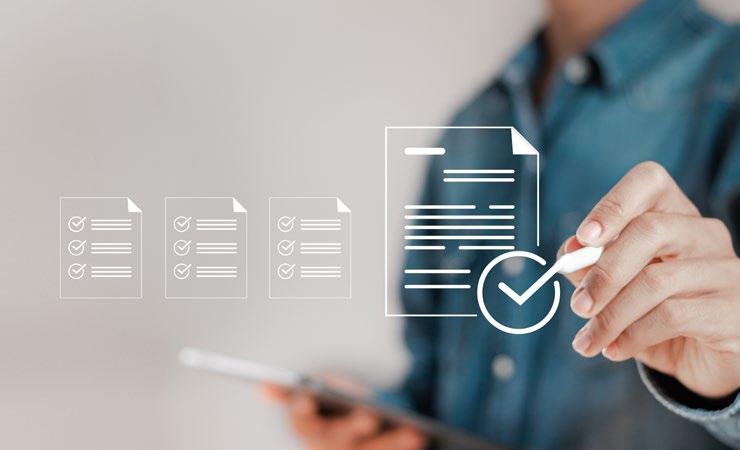
Technical documentation plays an increasingly important role in project development. Having clear and accessible information helps to improve decision-making, reduce uncertainties during the design phase and facilitate coordination between the various parties involved in each project.
These new guidelines form part of our commitment to developing useful technical tools designed to provide greater clarity and technical support at every stage of the project.
Quality does not depend solely on the end result. It is also linked to processes, internal organisation and the ability to maintain consistent standards across all areas of a company’s operations.
The renewal of our ISO 9001, ISO 14001 and ISO 45001 certifications reinforces our commitment to a working model based on audited processes, operational control and continuous improvement.
These certifications cover key areas such as quality management, environmental management and occupational health and safety. Maintaining them requires constant review of procedures, control systems and internal processes, with the aim of ensuring efficient operations that are in line with international standards.
Beyond regulatory compliance, these types of systems help to improve traceability, optimise work processes and maintain an organisational structure focused on prevention, control and continuous improvement.
Sustainability is also an integral part of this comprehensive approach. It is not limited to product development, but is embedded across various areas of activity, from resource management and production processes to operational planning and decision-making.
The renewal of these certifications reflects the ongoing implementation of a working system based on continuous assessment, process improvement and a commitment to responsible and structured management.

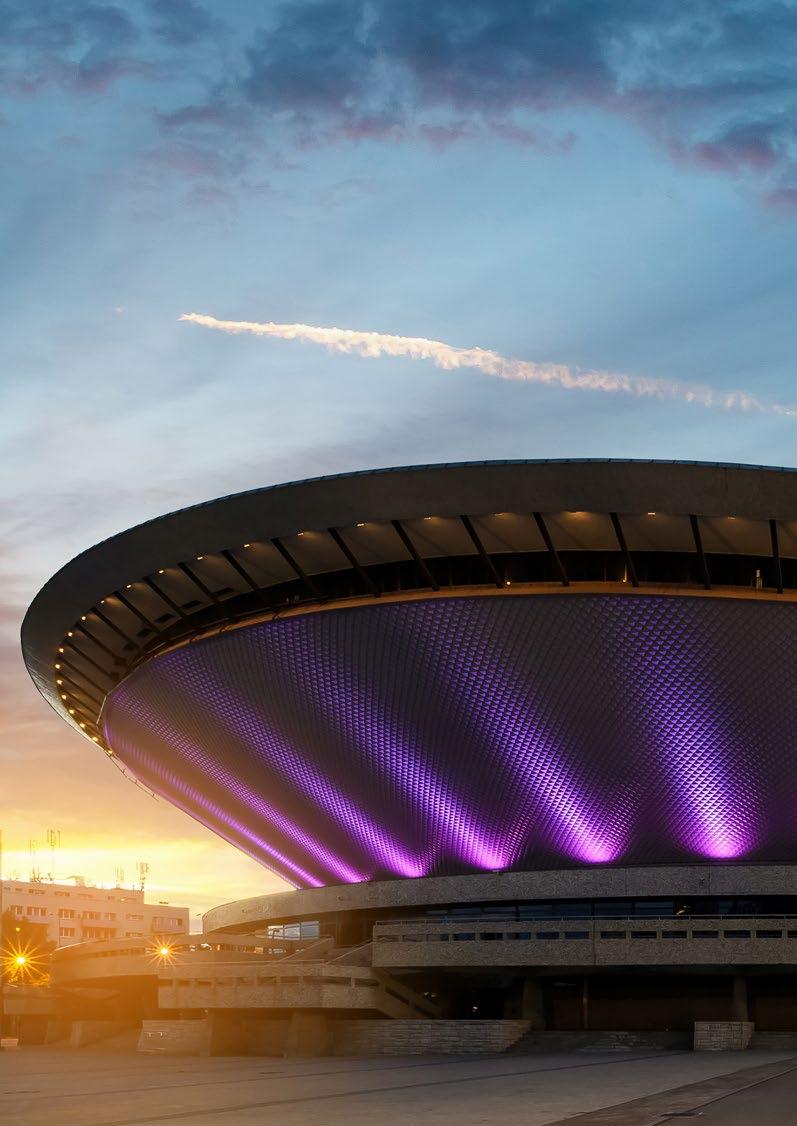
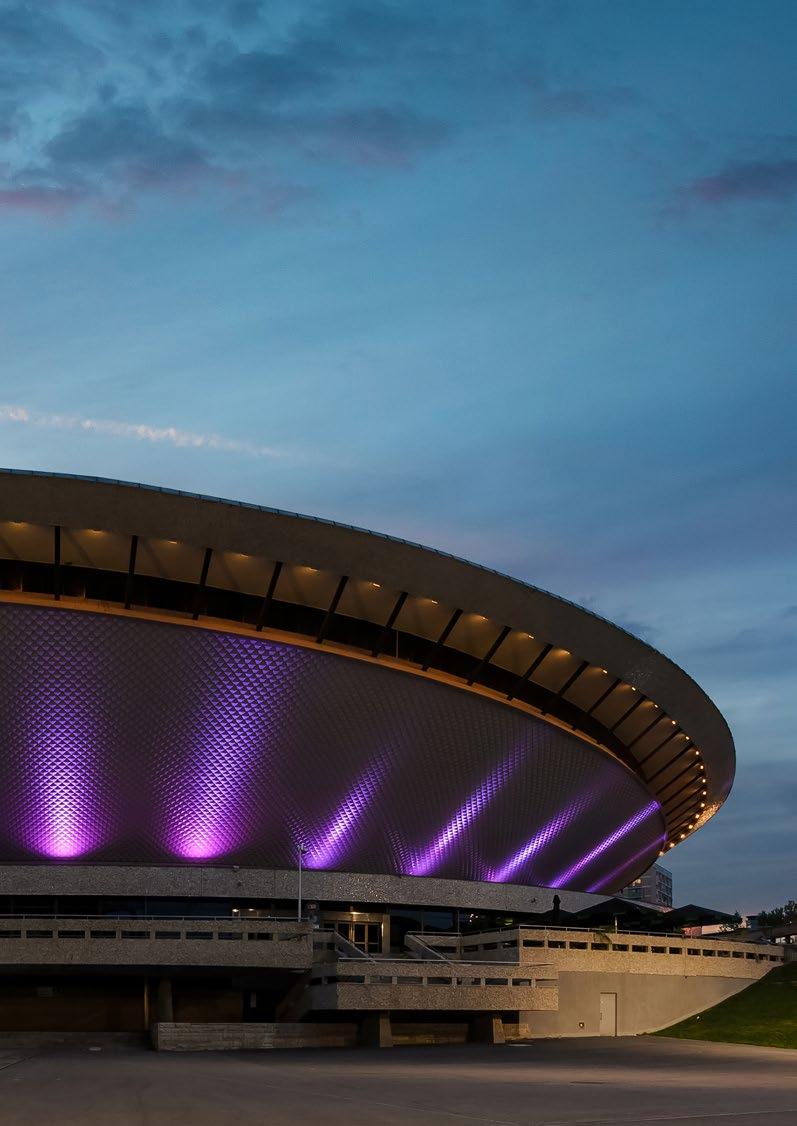
Waterproofing does not determine the shape of a building. It determines how long it can last.
08520 · Les Franqueses del Vallès · Barcelona (Spain) Tel. (+34) 93 568 21 11 · Fax. (+34) 93 568 02 11 e-mail: info@tecnopol.es · www.tecnopol.es