
AI in Software Development: Revolutionizing the Industry
Artificial Intelligence is transforming how we build software. It's making development faster, smarter, and more efficient.
Join us to explore how AI is reshaping software development and discover how your teaching can benefit from these innovations.

by Ozías Rondón
AI's Impact on Software Development
1 Automation
AI automates repetitive coding tasks. This frees developers to focus on complex problem-solving and innovation.
2 Decision Support
AI analyzes vast amounts of data to guide development decisions. It helps prioritize features and identify risks.
3 Quality Improvement
AI tools detect bugs, optimize code, and ensure consistency. This leads to more reliable, efficient software.

AI-Powered Code Generation



Intelligent Suggestions
AI predicts and suggests code as you type. It learns from patterns in millions of code repositories.
Time Savings
Developers complete projects faster with AI assistance. Routine code is generated automatically.
Productivity Boost
Teams deliver more value with fewer resources. AI handles boilerplate code while humans focus on creativity.

Intelligent Code Review and Debugging

Error Detection
AI scans code to find bugs before they reach production. It identifies issues humans might miss.

Code
Optimization
AI suggests performance improvements. It refactors code to run faster using fewer resources.

Security Enhancement
AI identifies potential vulnerabilities. It recommends fixes based on security best practices.

AI in Software Testing
Test Generation
AI creates comprehensive test cases
AI interprets test outcomes and suggests fixes

AI identifies potential failure points
AI runs tests automatically with each change
AI transforms testing from a manual process to a continuous, intelligent workflow. It ensures higher quality with less human
Machine Learning in Software Development



Project Management
ML predicts timelines and identifies risks. It forecasts project completion based on historical data.
Resource Optimization
ML allocates developers to tasks efficiently. It matches skills to requirements for optimal team performance.
Performance Forecasting
ML predicts software performance under various conditions. It helps build more scalable, reliable systems.
AI-Driven User Experience Design
Personalized Interfaces
AI adapts UIs to individual users. It learns preferences and creates custom experiences for each person.
Behavior Prediction
Automated Testing
AI conducts thousands of A/B tests simultaneously. It identifies winning designs without manual intervention.
AI analyzes user patterns to predict needs. It anticipates actions to create intuitive interfaces.
Challenges in Implementing AI in Software Development
Data Privacy
AI requires data but raises security concerns. Organizations must balance utility with protection of sensitive information.
System Integration
Incorporating AI into legacy systems is complex. Teams struggle with compatibility and technical debt.
Skills Gap
Many developers lack AI expertise. Companies must invest in training and new talent acquisition.

Case Studies: Successful AI Implementation



Reduced development time by 37% with AI code completion. Bug rates dropped by 48% using ML-based testing.
Microsoft Improved code quality by 42% with AI review tools. Developer productivity increased by 29%.
Amazon Decreased deployment failures by 53% with AI prediction. Resource utilization improved by 31%.
AI Ethics in Software Development
Transparency
Fairness
Ensure AI systems treat all users equitably. Test for and eliminate biases in algorithms and training data.
Make AI decision processes understandable. Users should know how and why systems make recommendations.
Accountability
Establish clear responsibility for AI actions. Create oversight mechanisms for AI systems.

Responsible Design
Consider societal impacts during development. Build AI that serves human needs ethically.
AI Tools for Software Developers
GitHub Copilot
AI pair programmer that suggests code in real-time
Tabnine
Code completion tool that learns your patterns
DeepCode
AI-powered code review that finds complex bugs
Kite AI assistant that integrates with multiple IDEs
CodeGuru Amazon's AI code reviewer and performance optimizer

The Role of Developers in the AI Era
Technology Adaption
1
2
Embrace new AI tools as they emerge
3
Problem-Solving Focus
Shift from coding to solving complex problems
Human-AI Collaboration
Learn to work alongside AI assistants effectively
The developer's role is evolving from writing code to orchestrating AI capabilities. Success comes from embracing AI as a partner, not viewing it as a replacement.
Introducing Teachere: Your AI-Powered Teaching Platform
1 Intelligent Content Creation Generate lesson plans and materials instantly. Customize for different learning styles and abilities.
2 Automated Assessment Grade assignments and provide feedback automatically. Track student progress with detailed analytics.
3 Seamless Integration Works with your existing digital tools. Import content from popular education platforms.


Build Your Teaching Platform in 7 Minutes




Sign Up
Create your account in seconds. No credit card required to start.
Choose Template
Select from curriculum-aligned templates. Math, science, languages, and more available.
Customize
Add your content or use AI suggestions. Tailor to your teaching style.
Launch
Share with students instantly. Monitor engagement in real-time.
Success Stories: Educators Using Teachere
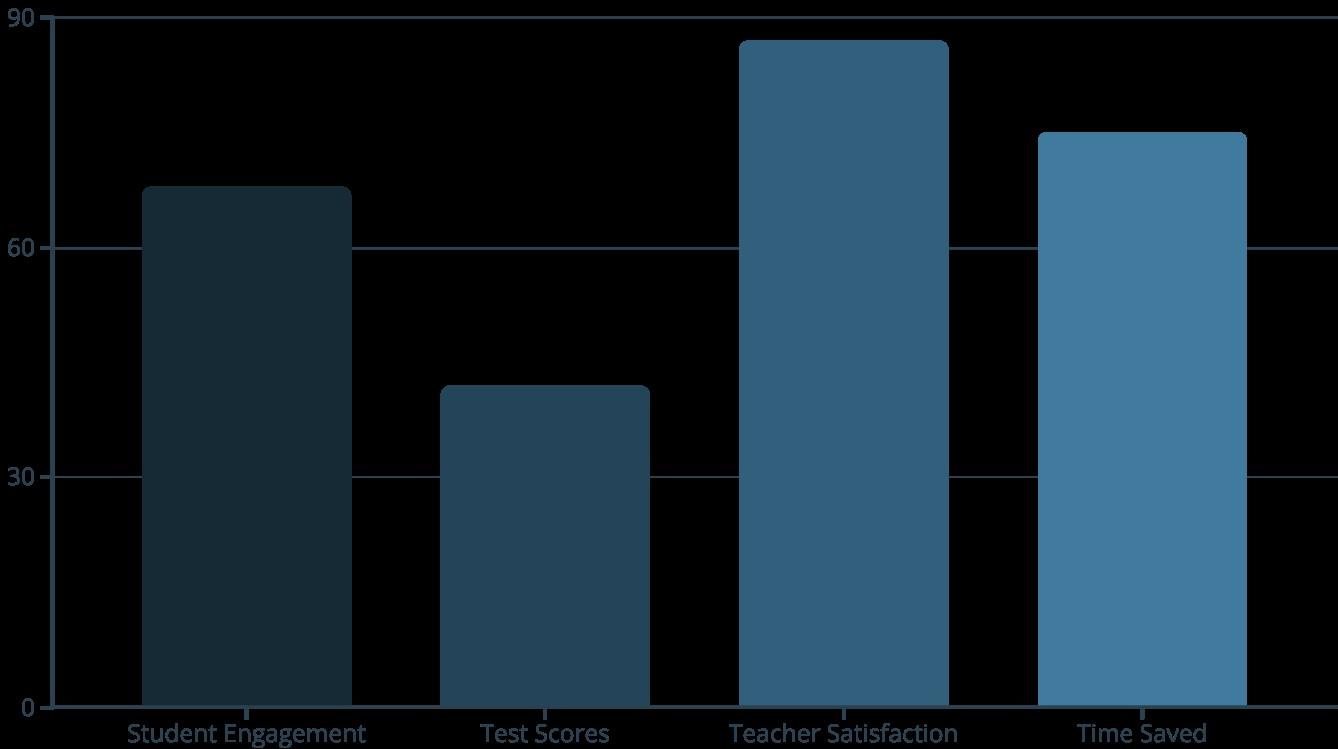
"Teachere helped me create engaging content in minutes instead of hours. My students love the interactive elements and I love the time saved." -
Maria S., High School