


The Enterprise Architecture (EA) team is responsible for overseeing the design of the City's technology landscape, to ensure efficiency and long-term sustainability. Central to this work is creating a unified map of all the City's technology and how its software, hardware, and data flows connect.
Over the past two years, the EA team has made many small-scale maps with free manual tools. More recently, a pilot program of enterprise-grade tool Ardoq was begun for mapping the more complex Oracle platform and its modules.
The City lacks a single, up-to-date view of its full technology portfolio.
Fragmented views of applications, hardware, integrations, data flows and business processes prevents the Enterprise Architecture Office from managing the portfolio effectively across the organization. Without a single source of truth, leadership faces slow, incomplete decisions on strategy, risk, costs, and compliance reporting.
• Incomplete visibility across the City's technology portfolio
• Inability to quickly identify shadow IT, end-of-life software or consolidation opportunities
• Manual, labor-intensive maintenance of fragmented diagrams & documentation
• Challenges producing accurate, consistent documentation for compliance frameworks, such as National Institute of Standards and Technology - Cybersecurity Framework (NIST CSF)
• No single unified map for the City's hardware, software, people & processes
• Unable to quickly identify shadow IT, end-of-life software or consolidation opportunities
• Manual diagrams too labor-intensive to maintain
• Difficult to produce accurate, consistent documentation for industry standard frameworks, such as National Institute of Standards and Technology - Cybersecurity Framework (NIST CSF)
• A single, authoritative map for City's software, hardware, people & processes
• Provide missing data source for portfolio rationalization, investment, divestment recommendations
• Visibility into all shadow IT, end-of-life software or consolidation opportunities
• Streamlined process for quick & regular updates
• Increased consistency & accuracy for industry standards framework documentation
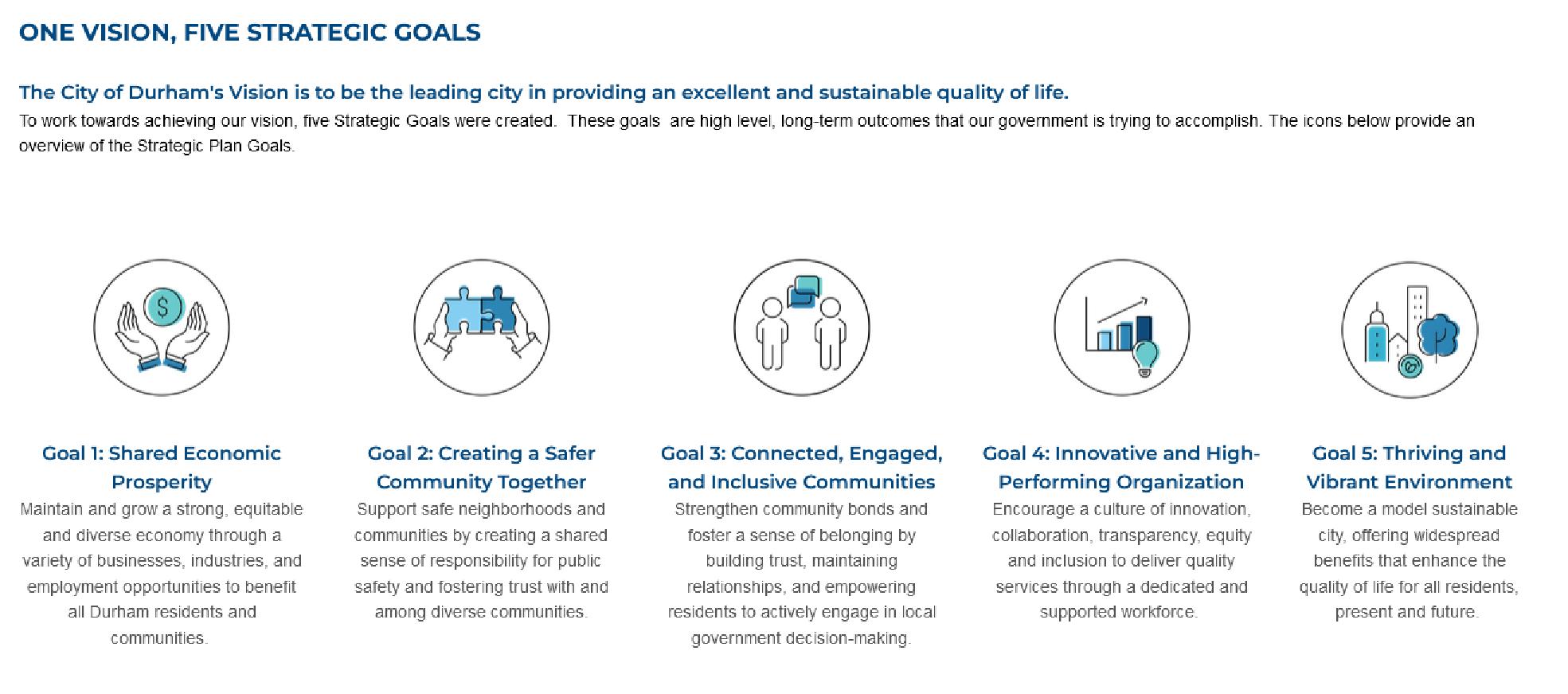

Objective: 4.3 Strengthen Interdepartmental Collaboration and Communications
- Post-Pilot Risk: if funding is not continued, we risk reverting to fragmented manual tools, furthering:
- incomplete visibility
- labor-intensive maintenance
- undetected shadow IT, end-of-life risks & consolidation opportunities
- inconsistent NIST CSF compliance documentation
- Alternative Options:
- Archi (current free tool) – revert to existing static diagrams; lacks full visibility & crowdsourced updates
- Value of continued funding:
- Enables proactive portfolio management posture
- Maintain full visibility into shadow IT & end-of-life risks
- Streamlined documentation of NIST adherence
Description
After a pilot test, scale Ardoq for full application, hardware, data, and operational mapping; otherwise, issue another RFP to select another EA tool
• Unified map of all technologies
• Ad hoc executive reporting
• Crowdsourced knowledge sharing to keep EA system current
• Visibility into shadow IT, sunsetting & consolidation opportunities
• N/A
Ardoq meets the standards of the TS Architecture Review. If a different tool is selected, it will undergo the standard TS Architecture Review.
Ardoq meets the standards of the Cybersecurity Review. If a different tool is selected, it will undergo the standard TS vCISO Review.
Our ask
We are asking the IT Governance Steering Committee to approve and score the business case to extend EA tool funding to improve TS' technology portfolio management. If approved, the business case will be submitted to the City Manager for final approval.