Spark the Change

Formerly: F2
Mission
To improve the quality of life for Airmen, Guardians, and their Families and ensure the mission effectiveness of our Air and Space Forces – strong Families, stronger Forces.
Vision
A thriving Total Force community where every Airman, Guardian, and Family member is supported and equipped to live well and serve well—today and for generations to come.
Thank You to This Edition’s ENGAGE Team
Senior Manager, Community Outreach: CHRISTINE NDAM • Senior Consultant: LYNDSEY AKERS, AKERS & CO • Graphic Designer: JENN MONTGOMERY, JEMOY CREATIVE • Feature Content
Development: SAVANNAH STEPHENS, BARBARA BRATTON, HEBA ABDELAAL, BRIAN ALVARADO, MELISSA SANDERSON, MONICA FULLERTON, MEHREEN “MEC” NAQVI-SHERAZEE

The AFA Perspective
Military Families are the Backbone of a Resilient Force
In the 38 plus years I’ve been associated with the U.S. military, two truths stand out:
1. Military spouses are the unsung heroes of readiness and continuity.
2. Military families provide the greatest source of purpose and meaning for uniformed service members.
When the home is in chaos, a service member’s focus is divided and resiliency is weakened. Likewise, when there is no personal beneficiary for one’s sacrifice, it’s much more difficult to pursue excellence in the midst of hardship. In short, family readiness is mission readiness. Military spouses and families enable the effectiveness of U.S. military personnel and provide them with a personal (and tangible) rationale to endure the hardships necessary for victory.
It’s also true that military families often take a back seat to the more obvious contributions of the military member. I can’t count the number of times someone thanked me for my service in the presence of my wife without ever acknowledging her service, leadership, commitment, or sacrifice as a critical enabler of my performance. Without question, she is a full-time leader across a range of activities. Thinking about it now, I sincerely regret not sharing the public’s accolades more deliberately or redirecting their appreciation to my spouse more consistently.
Sometimes I hear military members brag about the number of assignments, countries, and moves they’ve made during their careers. Yet, for all the challenges that frequent moves cause military members, they cause military spouses and families infinitely more. The military prides itself in providing a sponsor for each inbound troop to ease the transition. Upon signing into one’s unit, military members find a familiar chain of command and a supervisor charged with providing individual leadership, development, and care for their troops. There’s also familiarity in the job, an automatic collegi-
ality with one’s co-workers, and a shared passion for the mission.
None of these things are common for military families. The leadership challenges for military spouses are limitless. Spouses must often start afresh, finding new friends, new communities, new job opportunities, as well as new school districts, new mechanics, and new babysitters. They must lead their military children who face similar hurdles with new schools, new routines, new activities, new peer pressures, and new friends.
I’m so proud of AFA’s United Forces & Families program for igniting this change, and
...it’s impossible to OVER-appreciate military spouses or OVER-estimate the impact of their leadership.
I’m delighted that the Doolittle Leadership Center is now partnering with it to help fulfill AFA’s commitment to “honor and support our Airmen, Guardians, and their Families.” Military spouses are critical leaders in so many respects—leaders in their homes, their workplaces, and their communities; yet, there is very little “leadership training” available to enable their success. Despite their obvious leadership responsibilities, military spouses are expected to “figure it out” in the midst of chaos, over and over again.
To address this gap, the Doolittle Leadership Center is now offering spouse-exclusive Lead Develop Care workshops to interested military bases.
The nine-hour curriculum is based off Terry Cook’s Lead Develop Care leadership methodology that has helped leaders across a diverse range of organizations, roles, and industries become the leaders others WANT to follow. Several Key Support Liaisons (KSL) and military spouses have already been through the curriculum. One KSL had this to say at the culmination:
This workshop is so relevant for military spouses and KSLs, and I truly believe it can really help them grow. They already live at the intersection of leadership, development, and care, but there are times when they’re left without any formal authority or clear boundaries. This course gave me language for what I was already doing, but more importantly, it helped me see what I was missing. I learned that caring for people doesn’t mean carrying everything alone, and that real leadership sometimes means developing others and protecting your capacity so you can show up when it truly matters.
Life is HARD for military spouses, and we don’t appreciate them enough. To say it another way, it’s impossible to OVER-appreciate military spouses or OVER-estimate the impact of their leadership.
We look forward to partnering more fully with United Forces & Families in the future, and we are eager to bring this transformational (and practical) curriculum to a base (or virtual platform) near you! Interested? Reach out to United Forces & Families via a Connect Call to learn more!
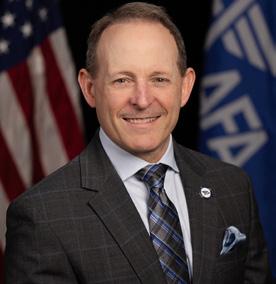
Patrick Donley is AFA’s Director, Doolittle Leadership Center. He is a retired Air Force Colonel and holds a Ph.D. in Economics.
Terry Cook’s Lead Develop Care Methodology
7k+ 2,200+ 9 hrs 74% 49%+
Has been implemented by 7,000+ leaders from 90 countries
2,200+ Airmen, Guardians, and Civilians have received training
9 hour curriculum over 2 days offered by the Doolittle Leadership Center
74% rated the workshop “extremely helpful”
49%+ noted an increase in self-rated leadership skills
Data Source: Doolittle Leadership Center Leader Development Workshops and Lead Develop Care website
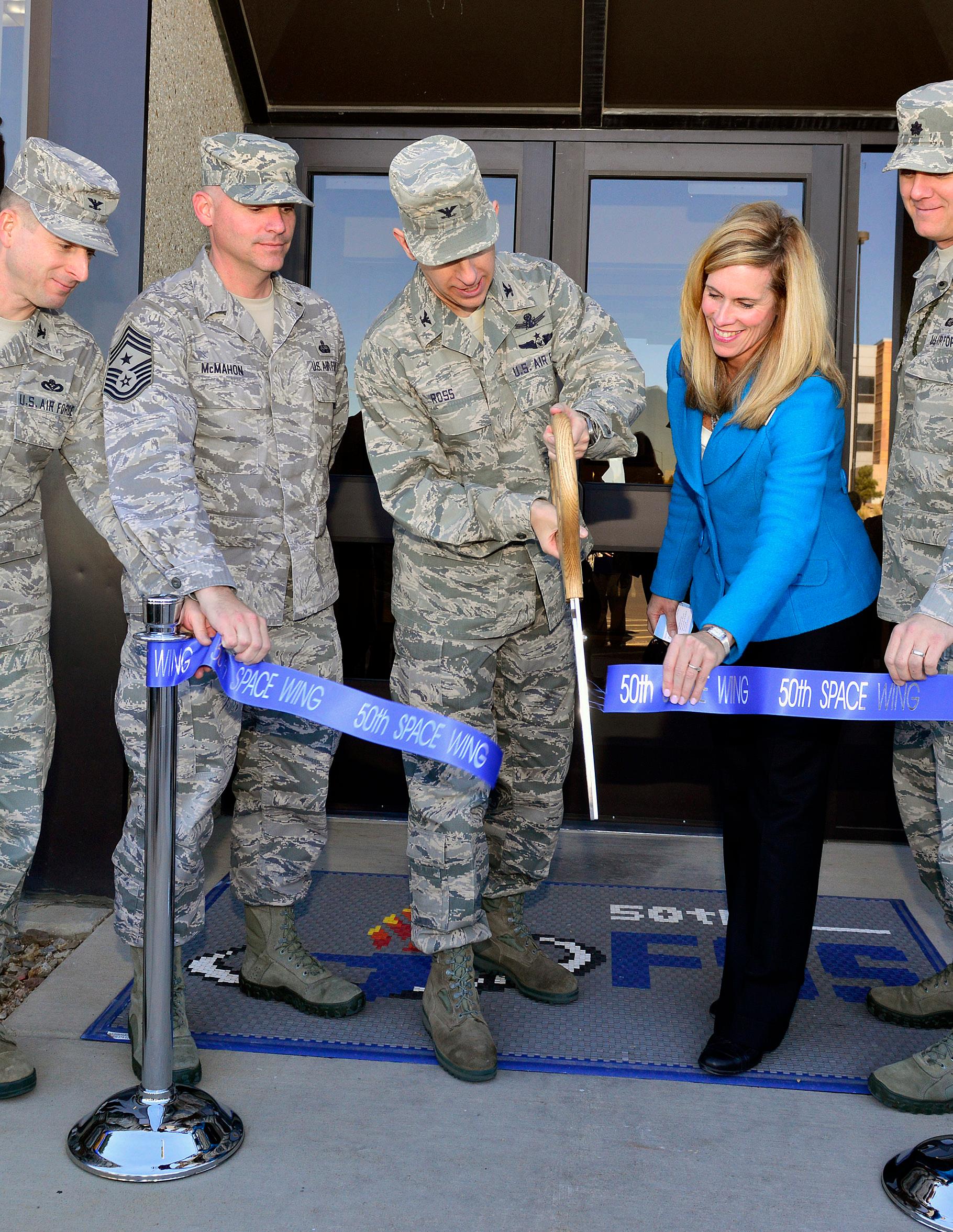
Col. James Ross honors the opening of the Schriever Airmen & Family Readiness Center.
Bill Evans, 2012
The ENGAGE Effect: Leading Through Connection Why Engage?
There is a quiet movement shaping quality of life across our installations and military towns. But it does not live in policy briefings or command directives. It lives, instead, in coffee meetups, playground conversations, sports bleachers, school parking lots, volunteer committees, base events, and neighborhood gatherings. It lives in the moments when military families show up for one another. It lives in each choice to participate, and every time an individual makes that choice the movement strengthens the daily experience of military life for everyone who serves and sacrifices.
While military life is built on service, military family life is built on connection.
Connection has never mattered more. At times, patriotism seems to be in decline. The civilian-military divide is widening. Loneliness has reached epidemic levels across America. Many civilians do not understand military life, and many military families feel isolated within it.
Frequent moves disrupt friendships.
Deployments strain relationships.
Careers are paused, even ended.
Roots are pulled up again and again.
Yet, within this constant motion lie some of our greatest opportunities to improve quality of life for military families—emotionally, socially, and culturally.
Military spouses and families are uniquely positioned to shape culture, build trust, and strengthen the fabric of both military and civilian communities. When we ENGAGE, when we show up, and, most of all, when we choose connection over isolation, we do not simply create friendships. We strengthen families. We support service members. We stabilize communities. We reinforce the foundation that allows our force, and our nation, to remain resilient and ready.
When we build connections—when we ENGAGE—we create continuity and belonging. And belonging changes everything.
But how do we, as military spouses, take that first, scary step toward creating that kind of impact? Do we step back and wait for others to go first? Do we wait until we feel more confident, more settled, more qualified?
What would happen if we choose to lead from where we are, in whatever season we are in, even if it is messy?
Leadership does not require a title, a platform, or anyone’s permission. Leadership begins the moment you choose to ENGAGE. When
you welcome a new spouse, you shape their first impression of military life. When you build relationships on and off base, you help close the civilian-military divide. And when you stay connected, you strengthen the support system that sustains both families and service members. The truth is, no one needs to tell you that you are a leader before you show up as one.
As each military spouse navigates their individual journeys, we are shaped by the ones who came before. Someone welcomed us, answered our questions, and helped us find our footing. Along the way, many of us met someone who showed us that we were not alone. Or, perhaps, we had an experience that showed us exactly how we never want another spouse to feel and we took that lesson to heart as we reached out to other military spouses. With each new introduction, each new connection, we create community.
As a military spouse, when you connect, your presence becomes someone else’s lifeline. Your leadership becomes someone else’s blueprint. Your courage becomes someone else’s permission.
This is how we build a stronger military community, not just for today, but for generations to come. We do it when we ENGAGE.
The hard reality is that these efforts will not eradicate the challenges of military life, but they can make us stronger. As military spouses we know what it’s like to be challenged, what it means to be resilient, both as individuals and as families. If we connect with one another, if we become united through what can make this life so hard, we can continue to move forward, making each today better than yesterday for all of us.
If you have been waiting for the right moment to act, this is it. If you have been questioning your place, let me answer you. You belong. And if you have been waiting for an invitation, consider this yours.
Lower your walls. Take the first step. Join the conversation. Build the community. Be the voice. Build the bridge.
And as for this publication series and those that follow:
ENGAGE is not just something you read. It is something you live.
The following articles are written by military spouses who lead with purpose, translating their values into action through their careers, daily lives, and service to their communities.

Lyndsey Akers is a Senior Consultant for AFA’s United Forces & Families Program. She is an Air Force spouse and a strategic communications advisor.
Our Theme for 2026
Ignite the Family Force is a national movement bringing together military families, communities, and partners to build the future of military quality of life. It recognizes families as leaders, readiness enablers, and force multipliers — and creates real, scalable solutions that strengthen the force from the home front forward.
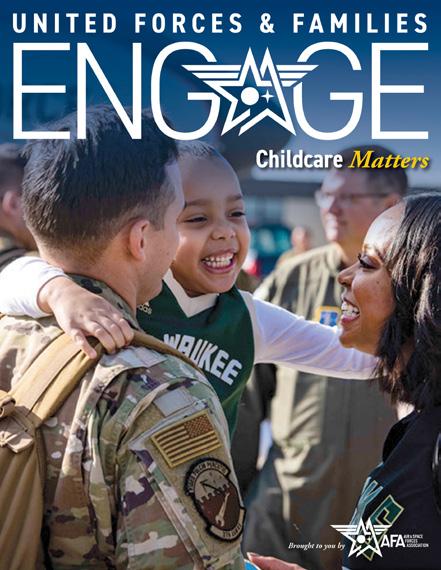
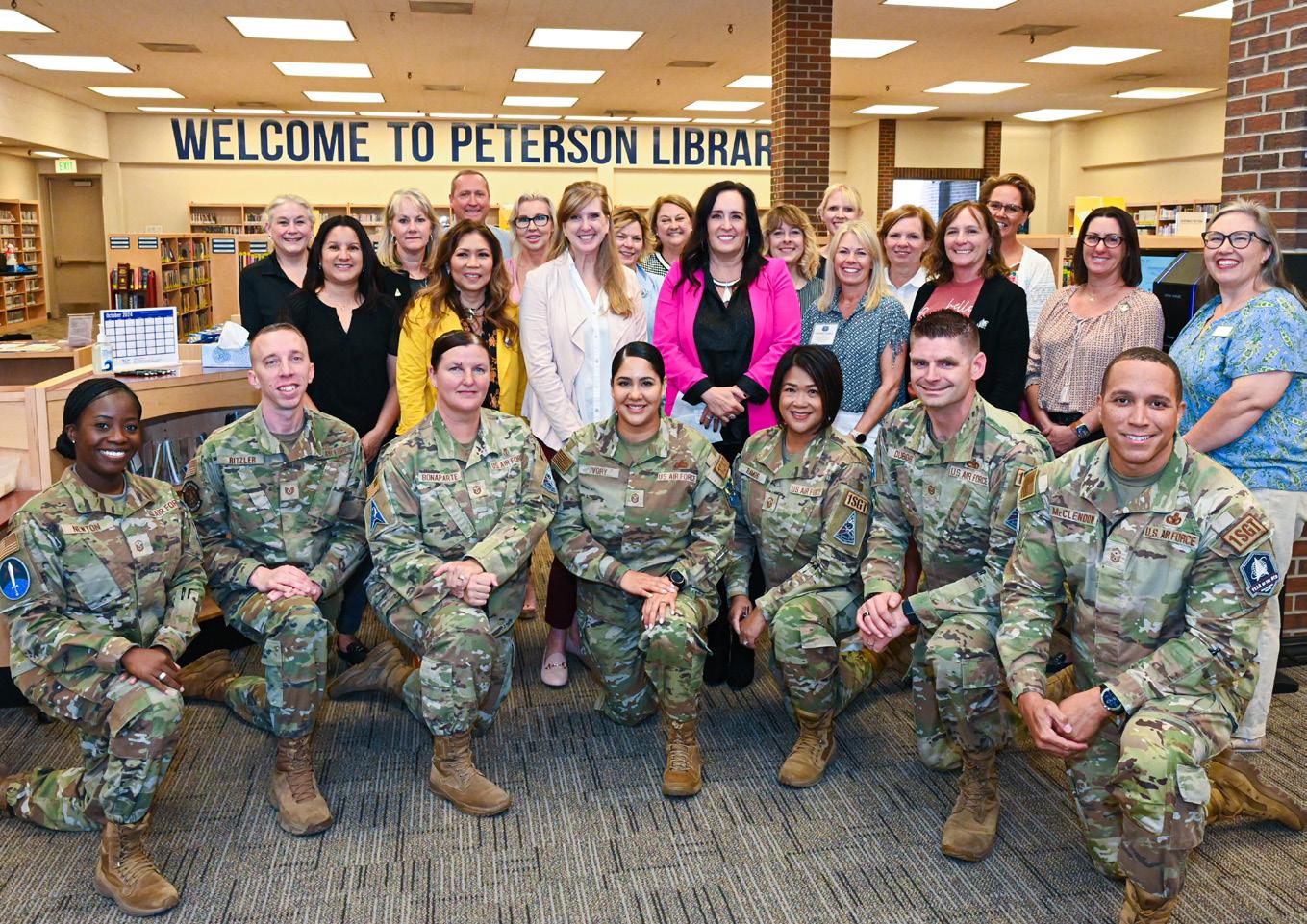

Peterson-Schriever First Sergeant Council partner with Corona Fall Space Force spouses// Senior Airman Justin Todd, 2024
A Family Mission Leadership on the Home Front
THE FIRST ACT OF LEADERSHIP
“I protect the family.” These words from my favorite singer go through my head every time I stand in front of a room of military spouses and children preparing to brief them on the things they should—and shouldn’t—say about their significant other’s deployment.
The air in the room is always the same—thick with a mixture of love, anxiety, and the unspoken questions that hang heavy between loved ones. My role as a Public Affairs Officer often places me in unique situations. I’m there both to acknowledge the difficulties they’re about to embrace and to discuss the operational security (OPSEC) concerns that can come with posting photos, sharing details on social media, and accepting that some things need to be left unsaid in conversations.
In those moments, standing in front of our military families, my first act of leadership on the home front begins with silence.
As I scan the room, I think of my own roles as a military spouse, member, and mom. I feel the weight of having been on the other side of the podium, preparing to say “see ya’ later” to my husband. I remember what it was like when, getting ready to deploy when I was active duty, I was the one saying goodbye to our one-year-old daughter. While the service member’s mission is on the frontline, the family’s mission begins on the home front. It’s a quiet, often thankless task, but efforts on the home front are direct contributions to the unit’s safety.
EMPOWERING THE LEADER WITHIN
Once the bland OPSEC rules have been laid out and the chocks have been pulled, the true test of leadership begins. The sudden weight of solo-parenting, managing finances, or fixing a garage door that just won’t open can feel overwhelming. But it’s in those spaces that I’ve seen the most incredible transformations.
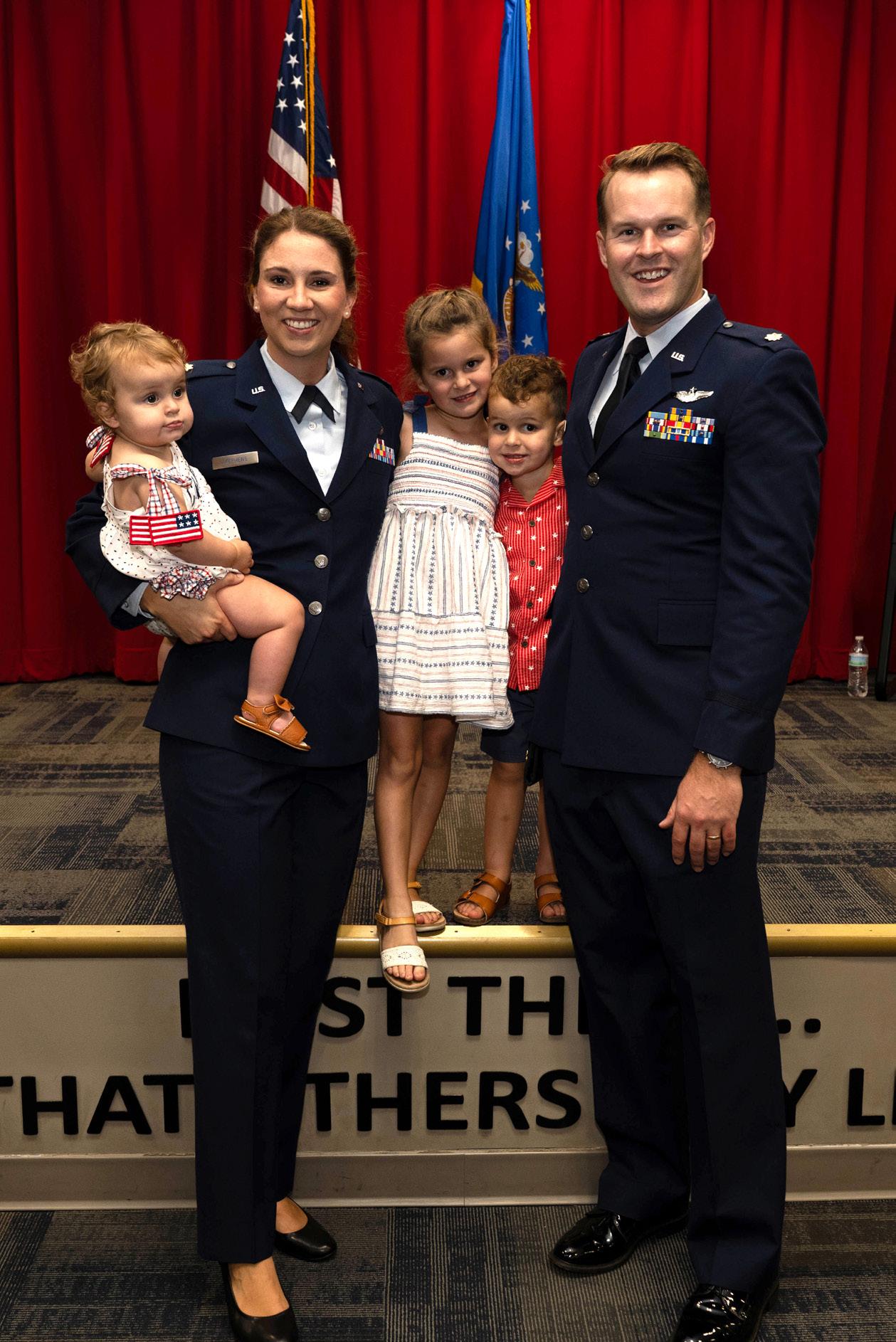
Leadership on the home front isn’t about just “holding down the fort”; it’s about the entire family building resiliency together.
How do we do this? We allow ourselves to be emotional about time away, deployments, and all the things that military lives can throw our way, while also making the most of it. We embrace the suck and actively use it to make ourselves, our families, and our communities stronger.
First, find your tribes, both for you and your kids. The military community is a ready-made support system, but you have to choose to use it. How? Active participation. Engagement. It’s easy to isolate and think you’re the only one struggling. Particularly during high tempo periods, it can seem easier to stay within your bubble. Don’t. My life has instantly been better anytime I put myself out there, especially when it’s felt overwhelming. The choice can be simple. Join a local running club, volunteer in the on base thrift shop, plan a play date with other families, or simply check your base’s Facebook page and attend an event hosted by
Stephens and her family
one of the local groups (reading, hiking, sewing, support, parent, dog-owner, etc.).
Simple does not mean easy, I know. As someone who doesn’t like to ask for help—at work or at home—I have to push myself to be vulnerable. I have to go to my small group at church and say that I’m struggling more than I thought I would be. I have to text my mom friend and say that the sleepless nights are really catching up with me. I have to ENGAGE.
Second, support yourself. Empowerment is about personal growth. Luckily for us, a deployment or a rough PCS is but a single chapter in our book, not the whole story. Enroll in that online class you’ve been considering, participate in family fun runs on base, or perhaps attend events put on by the local family readiness center. Whatever it is, do something for you.
in on our “daddy’s coming home” chart on the wall or their hugging my leg and saying “I miss daddy, too”—those moments made me realize I was not alone.
Leadership doesn’t always have to be formal or organized. It also doesn’t have to be big actions or grand gestures. In fact, it’s the small things that matter the most. It’s the family who organizes a meal train for a spouse in need. It’s the mom who steps up to provide childcare for a few hours to give someone else a break. It’s the teenager who plays with your kids so you can cook dinner. It’s the phone call answered when you just need to talk to someone who understands and will listen.
The military community is a ready-made support system, but you have to choose to use it.
These things aren’t just distractions; they are ways to build a support network for everyone in your family who is missing a piece of their heart.
By investing in yourself and your family, you are doing so much more than “passing the time.” You are redefining the narrative of this incredible life we get to live (even in the toughest moments!).
STEWARDS OF THE COMMUNITY
True home front leadership extends beyond the walls of your home. Our military families, and especially our amazing military children, are the unsung heroes of our Armed Forces. My kids have taught me more about myself during my husband’s deployments than I could’ve done alone. They constantly found everyday acts of compassion that bound us closer together. The excitement of coloring another box
Leadership isn’t about age or position but about action and empathy. By being good stewards of our community, military families create positive, supportive environments that allow service members to focus on our nation’s business, knowing their families are thriving, not just surviving.
When I finish my presentation, I look again across the auditorium. My audiences are no longer made up of merely individual spouses and children. Instead, I see the quiet guardians of our communities and the true leaders of the home front. I see people whose mission is just as critical, and their service just as honorable, as the men and women who proudly wear the uniforms of our country. I see the unsung heroes of the home front.
WAYS TO ENGAGE IN YOUR COMMUNITY AS A MILITARY SPOUSE
Help with meals when someone’s having a tough week
If a family is dealing with deployment, illness, or a rough season, dropping off a meal or helping organize a simple meal train can lift a huge weight.
Trade or offer a few hours of childcare
Watching someone’s kids for an afternoon — or teaming up for a babysitting swap — can give another spouse time to rest, run errands, or just breathe.
Start small traditions that keep families connected during deployments
Things like countdown calendars, care-note exchanges, or simple get-togethers remind everyone — especially kids — that they’re not alone.
Be the person who answers the text or phone call
Sometimes community looks like picking up the phone, listening without fixing, and saying “I get it — I’m here.”
Let your kids and teens be part of supporting others
Encourage older kids to play with younger ones, help neighbors, or pitch in — those small acts build connection and confidence for everyone.
Savannah Stephens is the spouse of an Air Force pilot, mom of three, and an Air Force Reservist who also serves as an Air Force Public Affairs civilian leader.
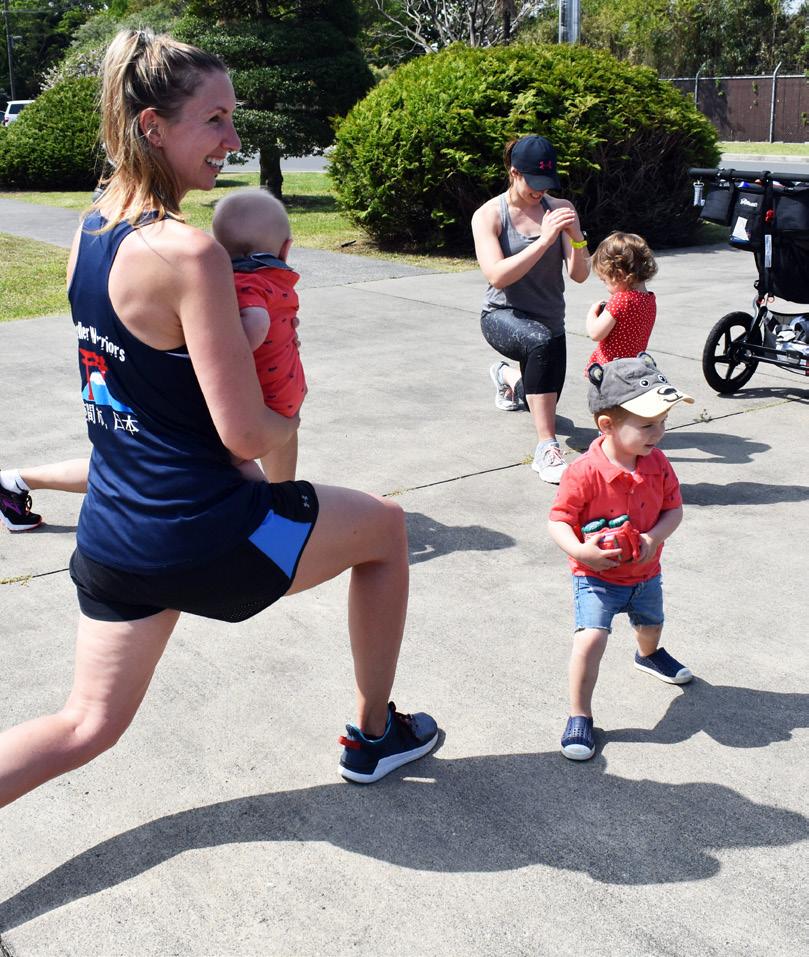
Morgan Hargus, coordinator for Camp Zama Stroller Warriors, does strength training // Winifred Brown, 2019
Leading with Purpose in Every Chapter
My journey as a military spouse has taken many twists and turns over the past 33 years. When my husband and I were first married, I was very shy and quiet around people I didn’t know well. I didn’t grow up in a military family and was unsure of the military culture and expectations, which made me even more nervous around other military spouses. I married my enlisted husband just a few weeks after graduation and, especially during those first few years, I was focused on finding my way and figuring out how to be a spouse, a mom, and a teacher.
I was first introduced to military spouse leadership in the 1990s, when my husband’s squadron took part in a pilot program designed to support and strengthen family readiness. That experience opened my eyes to the influence spouses can have within the military community. I started attending classes and events at the local Military Family
Readiness Center, which gave me a better understanding of our community resources and allowed me to learn more about supporting other spouses and our military community. Shortly after our first move to another state 9/11 happened. Suddenly, spouse leadership took on a whole new context as spouses came together to support each other and their military communities through some incredibly challenging times.
Over the past three-plus decades, what leadership has looked like for me has shifted with each season depending on whether I was teaching full-time or part-time, the needs of my family, where we were stationed, and the demands of my husband’s career. Some years I have been super involved in several activities and organizations, and some years I have focused on our family. I’ve been a Key Spouse, a Key Spouse Mentor, a volunteer youth group leader for our base chapel, an advisor for the local Air Force and Space Force spouses’ club, and a senior mentor for various command and spouse courses. I know I echo other senior Space Force spouses when I say it has been an honor to have these opportunities to support and mentor other military spouses.
One organization I am deeply proud to be involved with is Partners in PROMISE, which was founded in 2020 by Michelle Norman and three other military spouses who recognized a critical gap in support for military families with children who have disabilities and medical needs. Partners
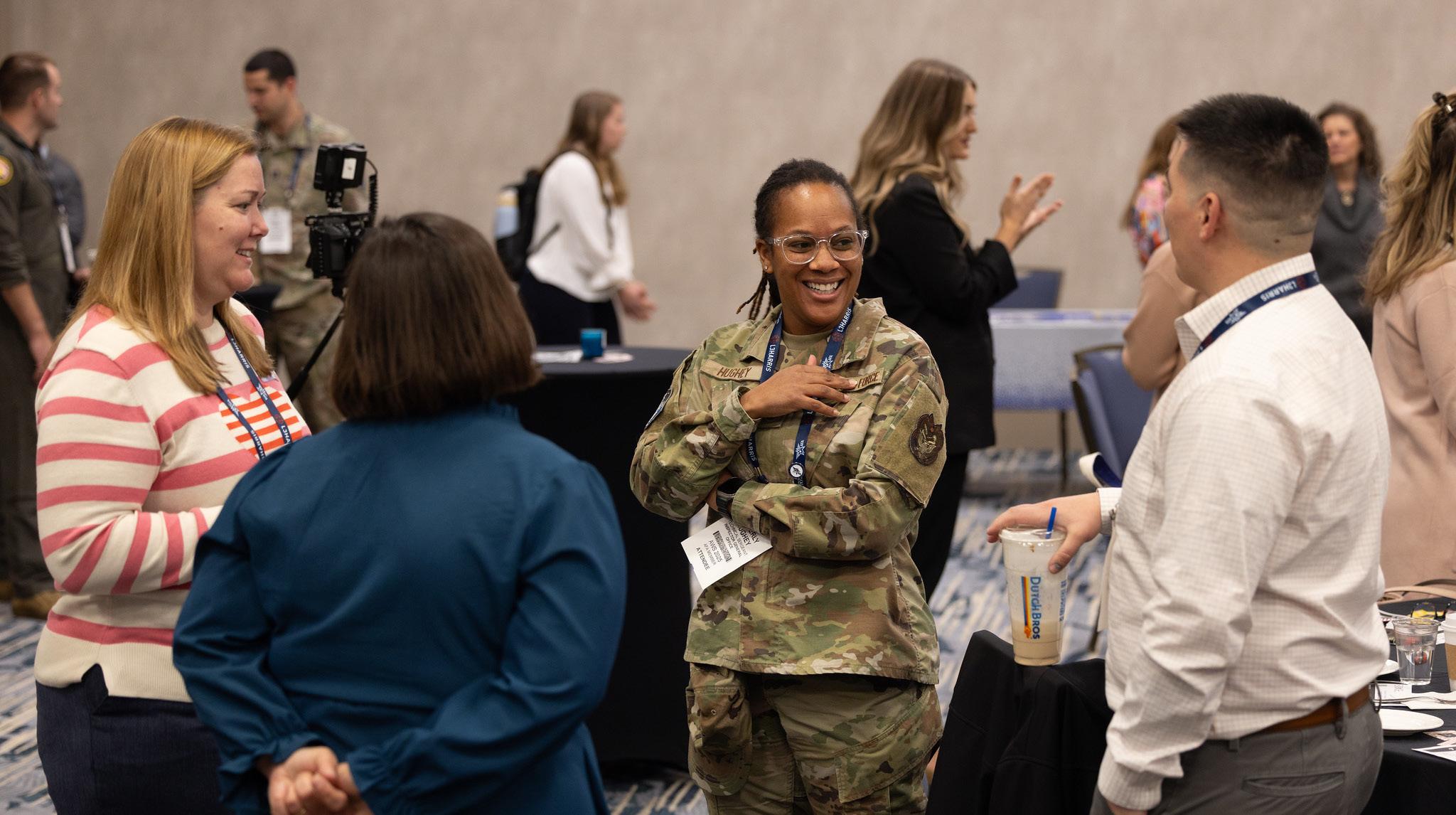
Attendees of the 2025 AFA Warfare Symposium // Jud McCrehin, AFA Staff
in PROMISE works to protect the educational rights of military-connected children in special education and to ensure that families have the tools, knowledge, and advocacy they need to navigate complex systems with confidence.
I serve with Partners in PROMISE as a Parent Mentor and Subject Matter Expert in special education. In this role, I support families one-on-one as they navigate the IEP (individual education program), 504, and evaluation processes, contributing my professional expertise as a special education educator and certified academic language therapist. Together, our team serves military families across every service branch, in all 50 states, and various OCONUS locations, providing trusted resources, webinars, training for military leadership, and advocacy education for families.
This engagement strengthens communities and improves quality of life. So, I ask you: What are you passionate about? And how might your gifts help strengthen the military community where you are today?
There are so many ways that military spouses can demonstrate leadership and strengthen families and communities. One of the things that I would like our Space Force spouses to know is that spouse leadership looks different for everyone. The important thing is to find something that you feel strongly about or are passionate about and ENGAGE there. Account for the season of life you are in and the needs of your family when you make your choice. For some, leadership could be volunteering a few hours each month at your local food bank, on base, or within your local community. For others, it could mean starting a social group for military families in your neighborhood (e.g., a book club, a Bible study, a monthly potluck). Leadership could mean volunteering at the base thrift shop or at your local church. It could be peer mentoring military spouses or becoming a Key Spouse for your squadron or Delta. For you, leadership could be advocating for policy changes that impact military families in your state. It could mean using your skill set to provide services to military families or starting your own nonprofit.
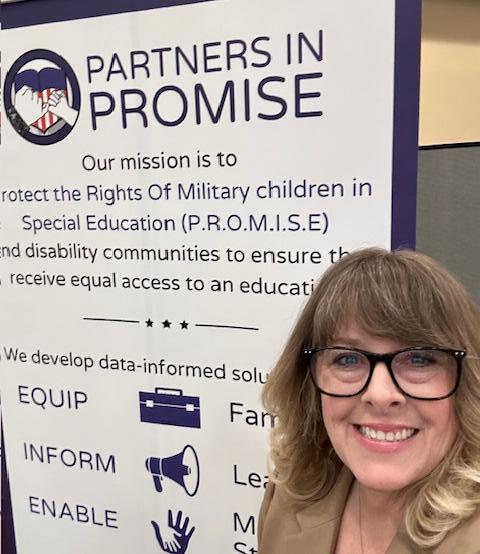
How might your gifts help strengthen the military community where you are today?
No matter what you choose to do, do something. We need you. We need your wisdom, experience, enthusiasm, and insight to help our communities grow stronger. Your participation helps build connection, one of the core Guardian values (the 4 C’s). As we continue to build our service, I invite you to learn more about the United States Space Force, our mission, and our values. Download the Guardian One app and check out spaceforce.mil for more information about the USSF!
Thank you for all you do, and Semper Supra!

Barbara Bratton is an author, mother, teacher, advisor, Certified Academic Language Therapist, and military spouse. She is the Spouse of the Vice Chief of Space Operations (VCSO) for the United States Space Force, Gen. Shawn Bratton.
Bratton and husband, VCSO General Bratton, hiking in CO
Bratton at an event // Supplied by Author
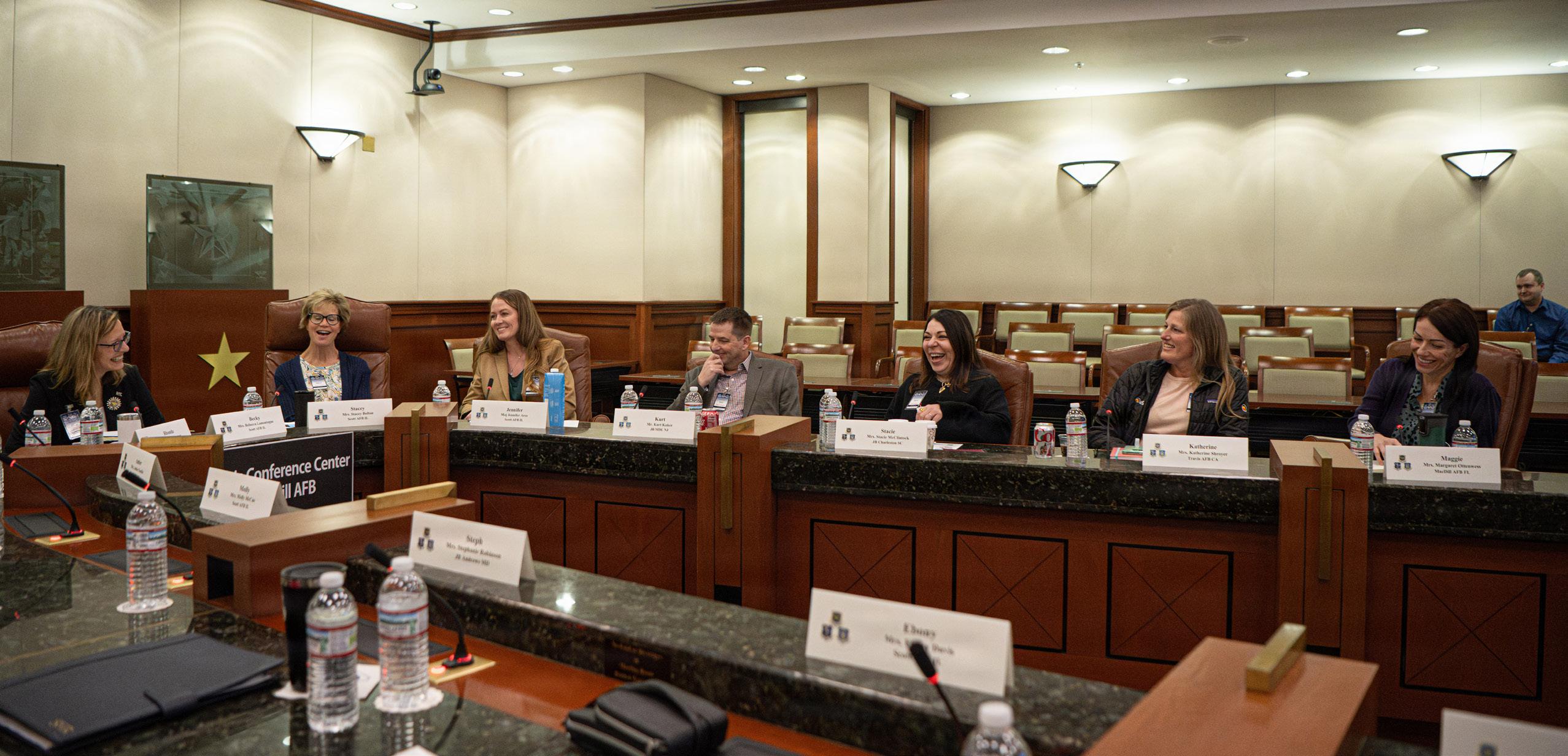
The Power of Purposeful Advocacy
Every single day I’m inspired by military spouses.
I am inspired by what they build, what they advance, and what they sustain—often quietly, often without a title or a platform, and rarely in ways that make headlines. Supporting one another isn’t just something we talk about; it’s something we do. I’ve learned all this from the people who have shown up for me at pivotal moments and who have helped shape the work I continue to do for military spouses, veterans, and those currently serving.
Before becoming a military spouse, I was working as a junior congressional staffer in Sen. John Boozman’s (R-AK) office in Washington, D.C. When I married my husband in 2018 and prepared to move to his first assignment at the U.S. Air Force Academy in Colorado Springs, I faced the questions familiar to so many military spouses: What does this mean for my career? How do I keep moving forward professionally while supporting my spouse’s service?
I was fortunate not to navigate that transition alone. A fellow military spouse, preparing to move overseas, connect-
ed me with Sen. Cory Gardner’s (R-CO) state director, an Army veteran, who helped me create a path forward. Their support was not loud or performative. It was intentional. And those simple, thoughtful actions made a meaningful difference at a pivotal moment in my career, and my life as a military spouse.
That experience taught me something I still carry with me today: there is nothing accidental about advocacy.
Advocacy requires paying attention, understanding someone’s lived experiences, and choosing to act when you are in a position to do so. Advocacy happens when people recognize an opportunity to support someone else and decide that doing so matters.
There is nothing accidental about advocacy.
During my time in the senator’s office, I worked on issues that directly affected military families, including efforts to expand professional licensure opportunities for spouses moving on military orders. That work sparked a belief I continue to carry with me: the most impactful policies, programs, and initiatives are those informed by the communities they are intended to support.
When lived experience is part of the policymaking process, the results are policies and programs that are better aligned with the realities families face and that more effectively address their needs.
6ARW hosts AMC total force leaders at Winter Phoenix
As my career continues to evolve, I am fortunate to work alongside leaders who understand that meaningful support, whether for military spouses or the broader military community, requires more than good intentions. It requires effort, trust, and action. Today, I have the privilege of supporting industry partners whose work enables our national security mission, helping them navigate policy and align strategies with Department of War priorities. At the same time, I work to elevate the voices and concerns of warfighters, their families, and veterans as decisions are made about military installations, infrastructure, and overall military quality of life. Advocacy in this context is not separate from the work I do—it is part of our military spouse culture of paying it forward.
Through every chapter of this journey, I’ve come to realize that advocacy does not belong to one role, one title, or one organization. It is not for only one person. Our lived experiences may look different, but each of us—military spouses, community leaders, industry partners, and members of the Air & Space Forces Association— has the same opportunity to make a positive impact.
For military spouses, that may look like advocating for one another, sharing your story, or helping someone see a path forward they didn’t yet know was possible. For leaders across the military community, it may look like creating space, opening doors, or making decisions that reflect the
realities families face every day. None of this is accidental. And all of it matters.
I am deeply proud of my spouse’s service, and we are one another’s biggest cheerleaders – supporting each other’s careers, callings, and commitments in different but deeply connected ways. That shared support is one of the military community’s greatest gifts.
To my fellow military spouses—thank you for the ways you show up, for what you build, for how you lead, and for offering your trust.
To the leaders and partners who support our Air Force and Space Forces families—thank you for paying attention, for listening, and for choosing to act. When we support our community with intention—wherever we are—we strengthen families, build resilient communities, and honor the service of those who wear the uniform and those who stand beside them.

Heba Abdelaal is a national security professional and Air Force spouse who serves as a director at The Dionne Company, a Washington, D.C.–based strategic consulting firm.
Advancing Economic Stability for Military Spouses Beyond Survival
Economic stability is foundational to the strength of military families. For spouses, meaningful employment is often described as more than income. It can represent independence, professional identity, and long-term security. While that is all true, it is not the whole truth.
Sometimes, employment is about something far more immediate. It is about making sure there is food on the table, rent is paid, and that there is a sense of stability during an already uncertain season of military life.
Both realities matter. Military families need access to immediate, reliable employment that meets basic needs, as well as pathways that allow spouses to grow, advance, and build careers over time. Treating these dual goals of economic stability—immediate economic needs and longer-term professional growth—as mutually exclusive overlooks the lived experience of military families and underestimates the urgency many spouses face.
As military spouses and leaders in employment advocacy, we have witnessed both the transformative power of economic opportunity and the persistent barriers that remain.
WHAT THIS WORK HAS TAUGHT US BRIAN ALVARADO
I came to military spouse employment advocacy through people, not policy. While serving as a Navy Ombudsman and Family Readiness Group Leader, I spent countless hours listening to spouses describe the same quiet frustration: repeatedly starting over, having careers stalled by moves outside their control,
SPOUSE
Gain real-world experience and professional connections with a paid 12-week fellowship. It includes:
• A paid, full-time, 12-week fellowship
• A competitive stipend
Hands-on experience with private-sector employers
• Professional training & mentoring
• Personalized SECO career coaching
• In-person or remote opportunities
Accepted applicants are matched with host employers both in the U.S. and overseas based on education, experience, and employer needs.
This program is open to spouses of active-duty service members across all brances, reserve, and National Guard members.
For questions, reach out to the SECO Career Center (myseco.militaryonesource.mil/portal)

https://myseco.militaryonesource.mil/portal/career-accelerator
SECO Paid Fellowship Information Provided by Military OneSource via AFA’s Spouse Ambassador Network Partnership. *Data Source: DOL.gov
Brig. Gen. Clark hosts a spouse town hall at Aviano Air Base // Senior Airman Jenna Bond, 2024
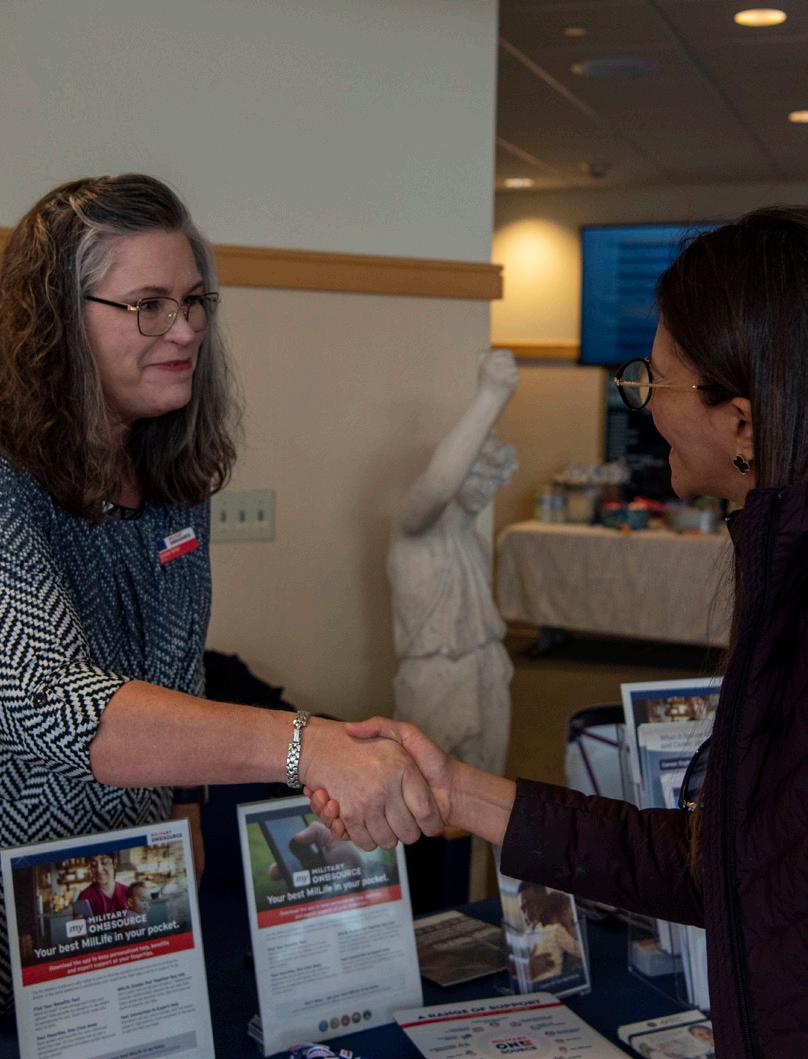
A military spouse speaks with a Military One Source representative during an employment empowerment summit at Fairchild AFB // Lillian Patterson, 2023
facing interrupted education plans, and seeing their talents left untapped.
One conversation in particular stays with me. At a family readiness event, I met a young spouse who had just relocated from her small hometown in Nevada to San Diego, California. She was motivated to work and continue her education, but the transition had left her disconnected and unsure where to begin. Moreover, she needed to work to afford the monthly expense of living in a military metropolis. This military spouse was not looking for sympathy; she was looking for action, for support. After I made a few intentional calls and introductions, she landed a role that both aligned with her immediate needs and that could grow with her through future PCS transitions. Watching that opportunity transform her confidence and her family’s stability clarified something for me.
Economic security is not a luxury for military families. It is foundational to readiness, retention, and well-being.
MELISSA SANDERSON
After a three-year career break due to an overseas PCS, I quickly learned that relaunching a career is far more complex than simply “returning to work.” It requires relearning workplace norms, rebuilding confidence, translating experiences, and reacclimating into a workforce that does not always recognize non-linear paths.
That experience underscored the critical importance of keeping skills sharp and connections strong during career transitions. It also broadened my perspective beyond military spouses. Women across the workforce step away for many reasons—raising children, caring for aging parents, pursuing education, or responding to life’s unavoidable demands. These breaks are not exits from ambition, capability, or leadership, but rather responses to unavoidable realities.
strength, leadership, and continuity, and they deserve the opportunity to grow and build work of lasting significance.
WHY MILITARY SPOUSE EMPLOYMENT MATTERS
Military spouse unemployment and underemployment remain persistent challenges, with rates consistently higher than national averages.* This reality extends far beyond statistics. It affects whether families can cover basic expenses today and whether spouses can build financial security for the future. Employment for military spouses is not a “nice to have.” It is a strategic necessity.
When spouses have access to both immediate work and long-term career pathways, families gain stability and confidence. That stability reduces stress, supports readiness, and strengthens the broader military community.
CALL TO ACTION AND A VISION FOR THE FUTURE
The path forward is clear. Continued progress requires innovation, collaboration, and a commitment to amplifying military spouse voices. For spouses, this means pursuing opportunities with confidence and sharing lived experiences that inform change. For employers and policymakers, it means investing in flexible, portable career pathways and recognizing the depth of talent within the military spouse community.
Economic stability is not simply an aspirational goal. It is a necessity for strong families and a strong force.
At the same time, progress does not come from lowered expectations or hiring military spouses out of goodwill alone. That is neither realistic nor what most spouses seek. Military spouses want the opportunity to compete, to be evaluated on merit, and to be recognized for the skills and experiences they bring to the table. This requires spouses to show up prepared, to communicate their value clearly, and to take ownership of their professional journeys. It also requires the U.S. business community to view military spouses not as a risk to manage, but rather as a workforce with proven adaptability, resilience, and leadership.
I believe deeply that women—military spouses and civilians alike—deserve opportunities to reestablish themselves, to pivot into new disciplines or industries, and to be welcomed back into the U.S. business community with intention and respect. Through my leadership roles, I have supported countless military spouses as they navigate employment disruption, workforce reentry, and career mobility.
At its core, this work is about transforming access to work into access to long-term growth. Everyone deserves financial security supported by pathways that turn jobs into careers. Military spouses are the caretakers of our nation’s
Economic stability is not simply an aspirational goal. It is a necessity for strong families and a strong force.
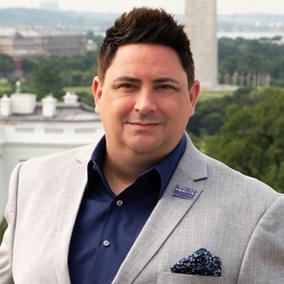

Both military spouses, Brian L. Alvarado is the Director of Military Spouse Programs at Hiring our Heroes and Melissa Sanderson is the Senior Director of the Military Spouse Program, an initiative of the United States Chamber of Commerce Foundation.
Igniting Purpose Through Entrepreneurship and NonTraditional Career Options
I always knew entrepreneurship would be part of my story. Even early on, before I had the language to describe it or a clear picture of what it would look like, I felt the pull to build something of my own, something meaningful, something that could create a greater impact beyond just me. What I did not know was how deeply that calling would intersect with my life as a military spouse.
Early in my career, I launched and worked on several ventures. They were valuable learning experiences and gave me confidence in my ability to build, problem solve, and lead. But, even at the time, they felt more like stepping stones than the final destination. I was gaining skills, but not yet fully understanding how they would all come together.
That clarity came through lived experience.
Military life has a way of sharpening your perspective. With every move, every transition, every restart, I became more aware of the gaps military spouses quietly navigate. Career interruptions. Underemployment. The constant need to explain why your resume does not follow a neat, linear path. The frustration of knowing you have so much to offer, yet feeling boxed in by systems that were never designed with you in mind.
At the same time, I was surrounded by incredibly capable military spouses who were resourceful, driven, and resilient. I watched them pivot again and again, often sacrificing their own professional growth for the needs of their families or of the mission. That tension between potential and limitation stayed with me.
It was both frustration and inspiration that finally pushed me to step fully into my entrepreneurial journey.
Entrepreneurship became the bridge between what I knew I was capable of and the life I was living as a military spouse. It allowed me to build something that could move with us, grow through change, and align with my desire to create real impact. More importantly, it gave me a platform to amplify others.
What started as a personal solution quickly became a leadership calling.
Leadership does not always show up as a formal role or title. Often, it begins with someone naming the problem out loud and deciding to do something about it.
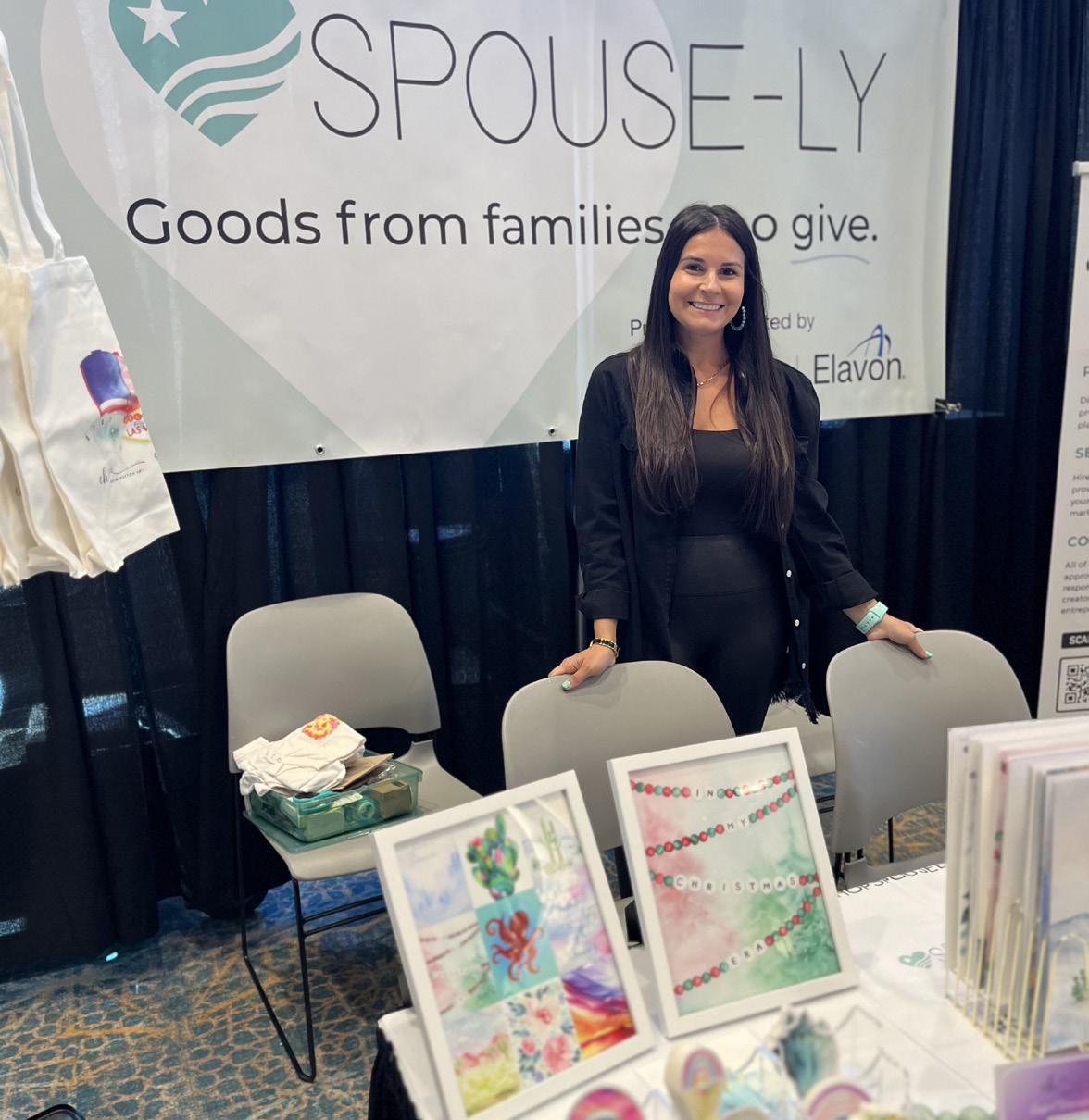
Author Fullerton at a vendor event representing Spouse-ly.
As I leaned into entrepreneurship, I began intentionally building alongside other military spouses. Some were launching businesses for the first time. Others were rediscovering themselves after years of putting their careers on hold. What I saw was not a lack of talent or ambition. It was a lack of access, support, and visibility.
This is where military spouse leadership matters most.
Leadership does not always show up as a formal role or title. Often, it begins with someone naming the problem out loud and deciding to do something about it. For me, that meant creating spaces, resources, and opportunities where military spouses could be seen, supported, and celebrated for the value they bring.
Entrepreneurship offers military spouses something powerful. Ownership. Flexibility. The ability to design work around life instead of constantly forcing life to fit around work. It is not the right path for everyone, but for many, it becomes a lifeline to career satisfaction and personal fulfillment.
When military spouses have access to meaningful work, families are stronger. Financial stability improves. Confidence grows. Children see what it looks like to adapt without losing yourself. The ripple effect is real and measurable.
Igniting the military family voice means acknowledging
that military spouses are not just supporting the mission. We are innovators, leaders, and builders in our own right. When our voices are included in conversations about quality of life, employment, and community building, solutions become more sustainable and more human.
Looking back, it makes sense now why entrepreneurship always felt like part of my path. It was never just about building a business. It was about building impact. It was about turning personal frustration into forward motion and using lived experience as fuel for change.
My hope is that more military spouses see their own stories as valid starting points. You do not need to wait until everything is figured out. Leadership often begins in uncertainty, in action, and in the willingness to try.
Entrepreneurship gave me the freedom to lead in alignment with my values and the opportunity to help others do the same. And in doing so, it ignited not just my own voice, but the collective strength of a community ready to be heard.

Monica Fullerton is an Air Force spouse and the founder of Spouse-ly, a marketplace to shop and support military spouses, veterans and first-responder creators, makers, and entrepreneurs.
“From squadron dinners in Albuquerque to supporting partner-nation families at Davis-Monthan, my journey as a Key Support Liaison has taught me that advocacy starts with listening. Every family has a story. When we show up with curiosity, compassion, and consistency, we build communities that last.”
Mehreen (Mec) Naqvi-Sherazee Air Force spouse, mother, and Air Force Recruiting Service (AFRS) Family Support Council (FSC) Community Coordinator.
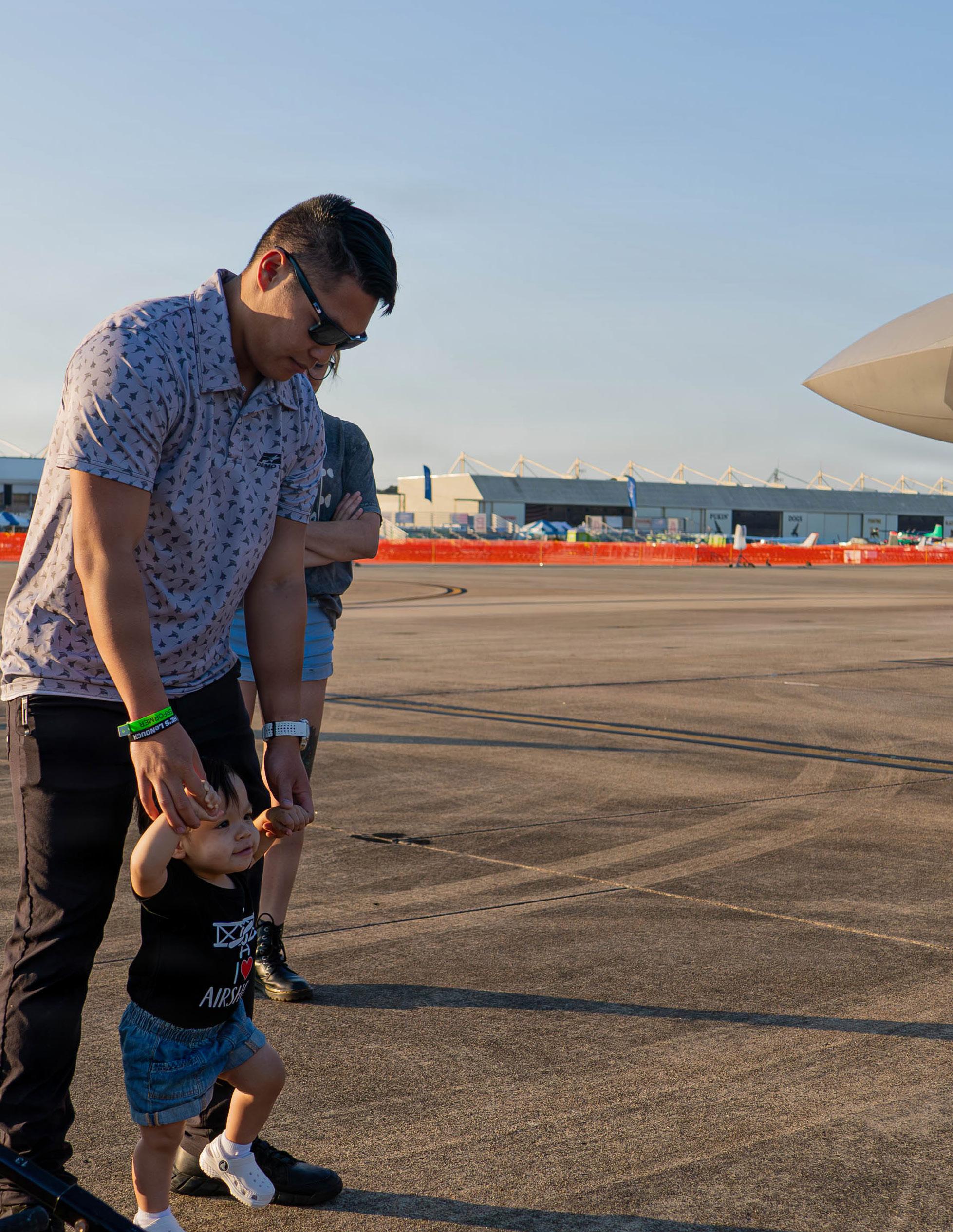
Senior Airman Phouangaphayvong walks with daughter at Naval Air Station Oceana airshow // Staff Sgt. Michael Bowman, 2024
Join AFA
Joining the Air & Space Forces Association’s Million Member Mission is a free and meaningful way for every member of the military family to strengthen their connection, influence, and impact within the community.
Members gain deeper engagement opportunities with AFA’s United Forces & Families program, helping elevate spouse and family perspectives, contribute to solutions that matter, and ensure their voices are heard in shaping programs and priorities.
Participation also opens the door to professional development and networking events, access to helpful resources such as grants and community support programs, and direct connections with leaders and peers across the Air Force and Space Force ecosystem.
Connect With Us
@airandspaceforcesassociation
@afa_air_space
@air-space-forces-association
@afa_air_space
Through local and national engagement opportunities, service members, military spouses, and family members can play an active role in improving quality of life for military families in their communities — all at no cost to join Activate Your Complementary Membership https://bit.ly/4a8y9rT Delta Dental Grants

SCHOLARSHIPS FOR SPOUSES

• Five $2,000 awards
• For spouses, dependents & transitioning service members
• Oral health & wellness Mike & Gail Donley Spouse Scholarships
• $2,500 annually
• For Air Force & Space Force spouses worldwide
• Higher education