

Te Puurongo aa Tau
a Te Ahiwaru 2026
Te Ahiwaru Trust Annual Report 2026
He Mihi
Teenei au te rutu nei
I te koopapa o tooku tupuna
Ko Papatuuaanuku i aitia nei e Rangi
Kia puta ki waho he atua
Kia puta ki waho he tangata
Kia puta ki waho ko au i taakina mai nei e Tangaroa
Ko au e whakatoongia nei ki te koopapa o tooku tupuna e i
Te Puketaapapatanga aa Hape te haaona kaha
Te Wai oo Ruarangi te oko horoi
Te Ihu oo Mataoho te tuurangawaewae
Makaurau Marae te manawa
Te Ahiwaru te ia toto
E Rangi Te Arikinui Kuini Nga wai hono i te po
Ketekete mai, ketekete atu, ngaa manu o te wao tapu
Whakaopeope mai ki te raakau o te kotahitanga
Mana motuhaketia, tino rangatiratangatia
Ka tupu ngaa peka, ko te reo, ko te taiao, ko te hauora, ko te paaharakeke
Kawea oratia Paimaarire ki a koe, Paimaarire ki too tongikura
Ngaa whakaaronui ki ngaa mate, te urunga tee taka, te moenga tee
whakaarahia haere, haere, haere atu raa
Raatou ki a raatou
Taatou ki a taatou
Paimaarire
- Ngaati Tahinga Wilson
(Co-Chair, Pou reo-Pou tikanga o Te Ahiwaru Trust)
Foreword: Our Story, Our Future
The story that opens this year’s annual report, centred on the Ooruarangi Awa, has been chosen with intention. It reminds us that our relationship with Ihumaatao has never been confined to a single generation, moment or struggle. The awa carries the memory of our tuupuna, the weight of what has been lost and the enduring responsibility to restore and protect what remains for those yet to come.
This year’s cover artwork sits alongside that story as a visual expression of Te Whakakitenga moo Ihumaatao - our collective 200-year vision shaped through more than 60 waananga over six years, guided by five generations of whaanau. Together, the story and the artwork speak to both memory and momentum: honouring where we have come from while imagining, with clarity and courage, the future we are building together.
This year’s report marks a shift in our journey towards transformation and regeneration. From disconnection and depletion toward a thriving papakaainga, restored whenua and waterways, and a future where our people flourish in the fullness of our identity. It is grounded in the principles that continue to guide our mahi: Hei pupuru i te whenua, hei puru i te toto, hei pupuru i te mana Maaori motuhake, protecting our whenua, strengthening our people, and upholding our rangatiratanga and self-determination.
Every page that follows is connected to this vision. Whether through environmental restoration, cultural revitalisation, education, enterprise, or housing, this report reflects our ongoing commitment to Ka puta, Ka ora - that together, our people and our whenua will thrive.
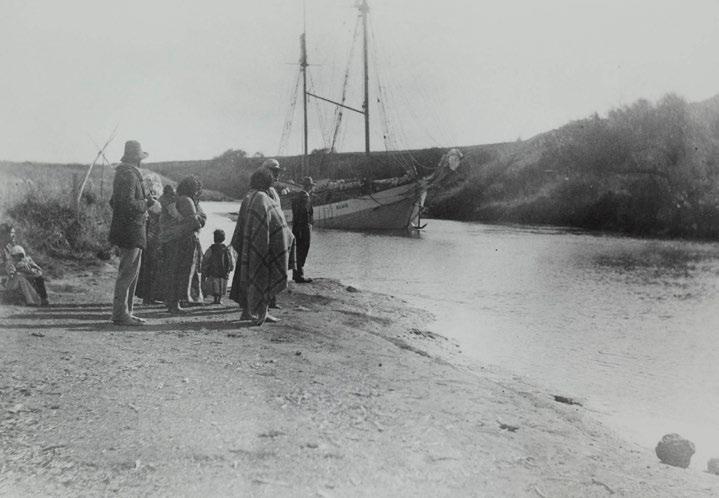
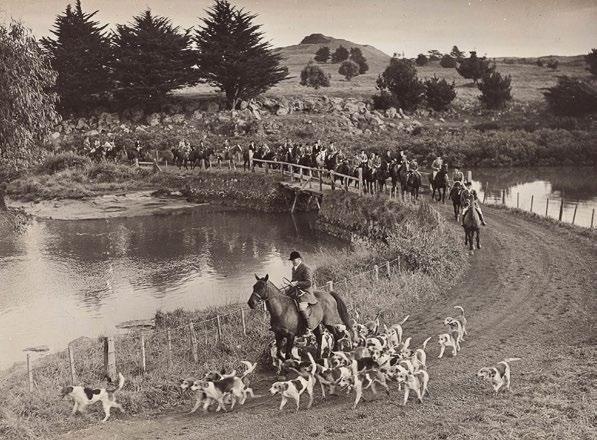
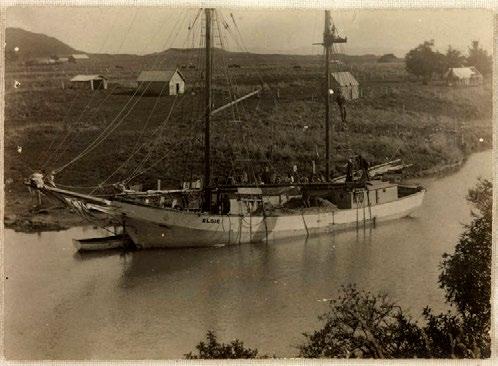
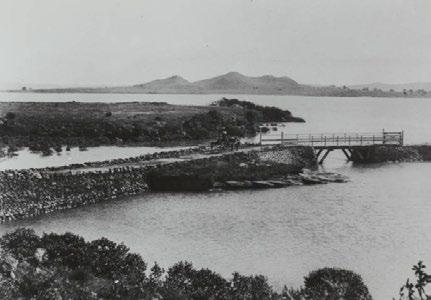
Historical photos credit: Auckland Libraries Heritage Collections, Footprints collection, reproduced courtesy of Maangere Historical Society.
Te Wai oo Ruarangi: healing waterways, healing whakapapa

Some remember the smell before they remember the water.
Many of today’s generations knew Te Wai oo Ruarangi (Ooruarangi awa) not as the thriving river our tupuna spoke about, but as something wounded. We knew the oxidation ponds. We knew the heavy air that drifted across the whenua. We knew what it felt like to have visitors wrinkle their noses and ask, “What’s that smell?” before they ever asked about our stories, our whakapapa or our home.
But our old people remembered something different. They remembered abundance.
They remembered Ooruarangi as a living artery that carried life through our whenua and into the Manukau Harbour. They remembered waters rich with tuna, koura, pipi, flounder and freshwater mussels. They remembered laying sacks of kaanga piirau and gathering kai with ease, moving with the rhythms of the maramataka, reading the tides, the winds and the stars with an intimacy that only comes from generations of relationship with place.
For Te Ahiwaru, our awa has never simply been water. It is whakapapa.
The name alone reminds us of our ties to patupaiarehe, and to early tuupuna - The waters of Ruarangi.
Our relationship with the taiao stretches back through the stories of our ancestors, through Te Waiohua, through te waka Tainui, through Hape, through the many descendants who lived, loved, cultivated and protected these lands long before Auckland city grew around us. The volcanic soils of Ihumaatao fed our people for generations. The harbour and waterways sustained us physically, spiritually and culturally.
The awa was part of our identity as ahi kaa, it helped our people keep the home fires burning.
Even through immense change, displacement and environmental destruction, those fires never went out.
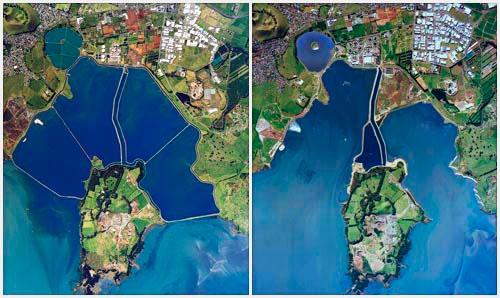
Over time, Ooruarangi suffered deeply. The awa was blocked to make way for the largest wastewater treatment plant in the southern hemisphere and the oxidation ponds that eventually desecrated our waterways.
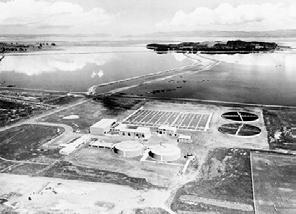
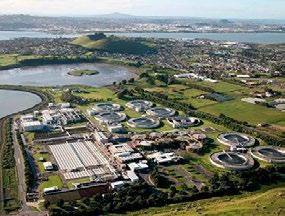
Stormwater and industrial discharge from encroaching factories and airport development flowed into our awa. Saltwater ecosystems shifted into degraded freshwater channels. Sediment built up. Species disappeared. Areas once known for gathering kai became places our people could no longer safely harvest from.
We inherited stories of abundance while standing in the middle of environmental decline.
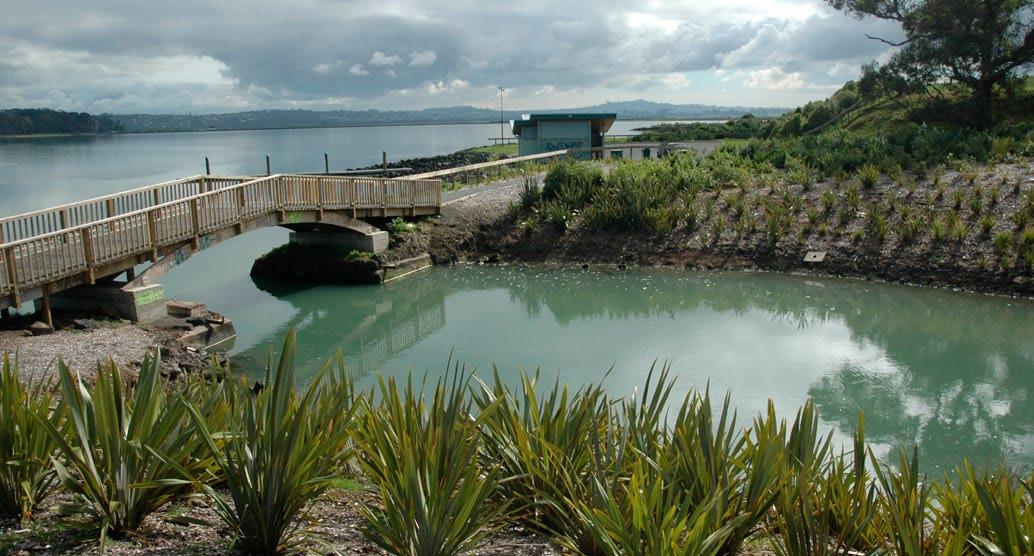
There is a particular kind of grief that comes from hearing your grandparents describe waters so alive, while looking out at something that barely resembles those memories.
And yet, despite everything, our people never disconnected from our awa.
That is the thing about whakapapa. Even when the water is polluted, even when the systems around you try to sever your relationship with whenua and wai, the connection remains. You still feel it calling to you.
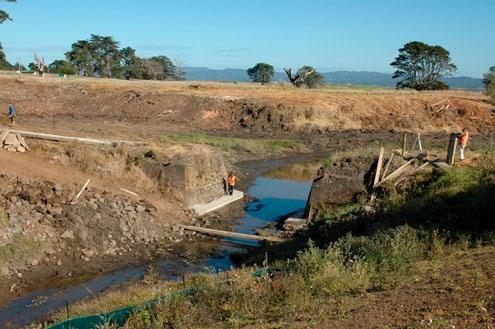

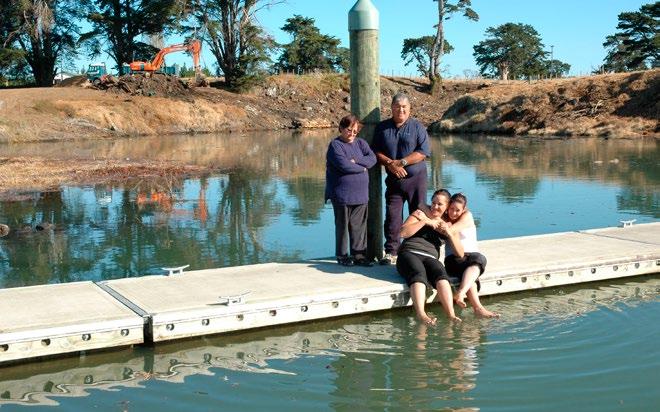
When the stopbanks were finally removed in 2004 and the river was allowed to breathe again, there was an emotion in our kaumaatua that many of us had never witnessed before. It felt as though the awa itself had exhaled after being held down for generations. Water flowed where it had once been trapped. Life slowly began returning.
For the first time, many of us could begin imagining what restoration might truly look like. Not just environmental restoration, but cultural restoration too.
Restoration only dreamed about in historic documents like the 1985 Wai 8 claim, the Manukau Claim, still sitting with the Crown awaiting to be heard.
Today, the work of Te Ahiwaru continues in that same spirit of intergenerational responsibility. Our people monitor the health of the awa, undertake planting projects, advocate against ongoing pollution, share knowledge with our tamariki and continue planning for the long-term regeneration of the whenua and waterways.
This work is not simply about conservation. It is about restoring relationships.
It is about ensuring our mokopuna grow up knowing our awa not as a drain or a contaminated channel, but as a living tupuna. It is about reclaiming the knowledge systems our ancestors carried so effortlessly, understanding the tides, the seasons, the migration of species and the delicate balance between people and environment.
It is also about refusing to accept degradation as normal.
For too long, Indigenous communities have been expected to lower our expectations of what healthy waterways should look like. Scientific benchmarks often measure success against already degraded environments. But our benchmarks are different because our memories are different.
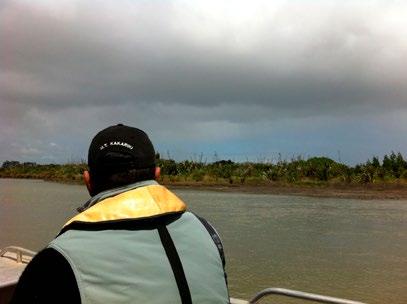

Success for us is not simply cleaner data. Success is the return of the tuna.
The return of the pipi.
The return of tamariki swimming safely in our awa.
The return of kai gathered for our tables.
The return of ecosystems abundant enough to sustain future generations.
That is what our tuupuna knew, and that is what we continue striving toward.
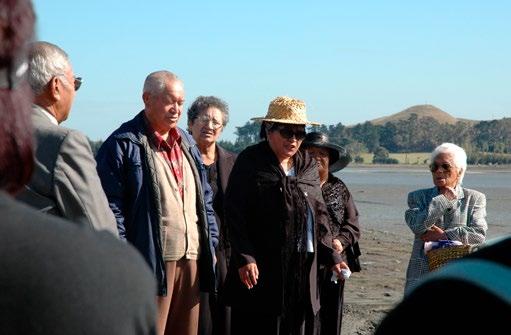
As ahi kaa, our role as kaitiaki does not end when things become difficult. In many ways, it becomes even more important.
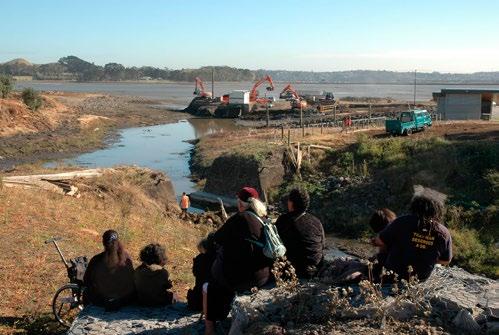
The responsibility to care for these places has been handed down to us through generations who endured colonisation, environmental destruction and disconnection, yet still held tightly to the belief that restoration is possible.
Every planting day, every submission, every community cleanup, every story shared with our tamariki is part of that continuation.
Ooruarangi Awa is still healing. So are we.
But when we stand beside the water now, we no longer see only loss. We see our people returning to practices our tuupuna never intended for us to abandon.
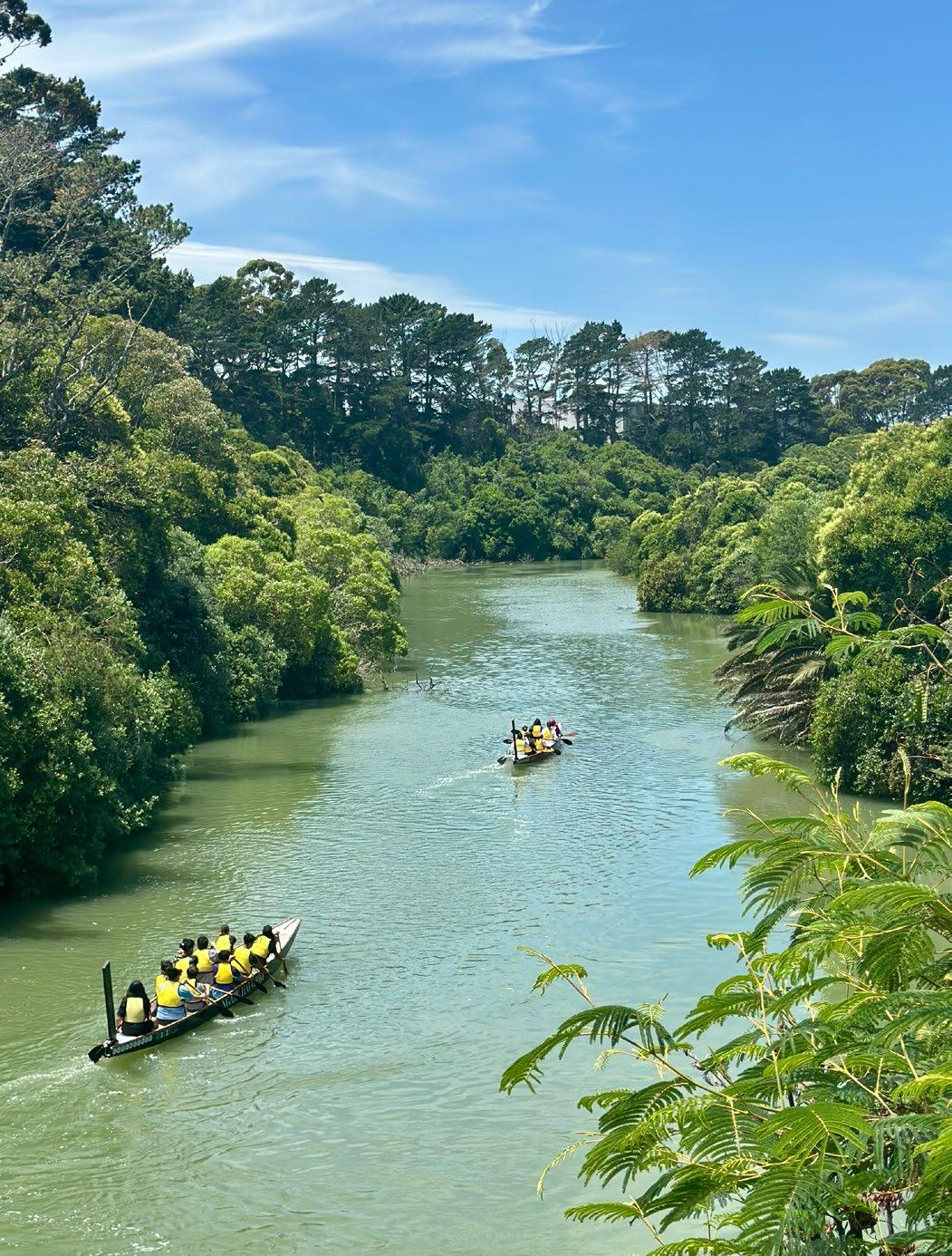
We see our rangatahi learning the names of species that nearly disappeared from these waters, we see them paddling waka along the bends. We see whaanau reclaiming relationships with the whenua. We see a future where our awa is once again a source of pride, nourishment and identity.
Most importantly, we see that the fires of Te Ahiwaru are still burning.
And as long as they burn, we will continue caring for this place.

Karakia Whakatuuwhera
Composed by Hakopa Ngapo and Ngaati Tahinga Wilson
Puuataata te rangi e tuu iho nei
Puuataata te papa e takoto nei
Puuataata kia mahea ngaa toimaha, ngaa poke o te waa
Puuataata ma te purangiaho
Kei matarehu, kia matatea, kia Mataoho
Nau mai te koronga aroaro, te whakatau tahi
Taamaua taku ahi tuutata, taku mata kiikoha
Whiti, whiti whiti ki te tika, whiti ki te rangimaarie
Rire, rire hau Pai maarire
Clear the way to the realm above
Clear the path to the foundation that grounds us
Clear and free us from burden and stress
So our minds are open and receiving
Let us not be obstructed but clear and open
We welcome focus, purpose and solution
Hold fast to the fire within, thus we be ready prepared
Let the truth and peace shine through
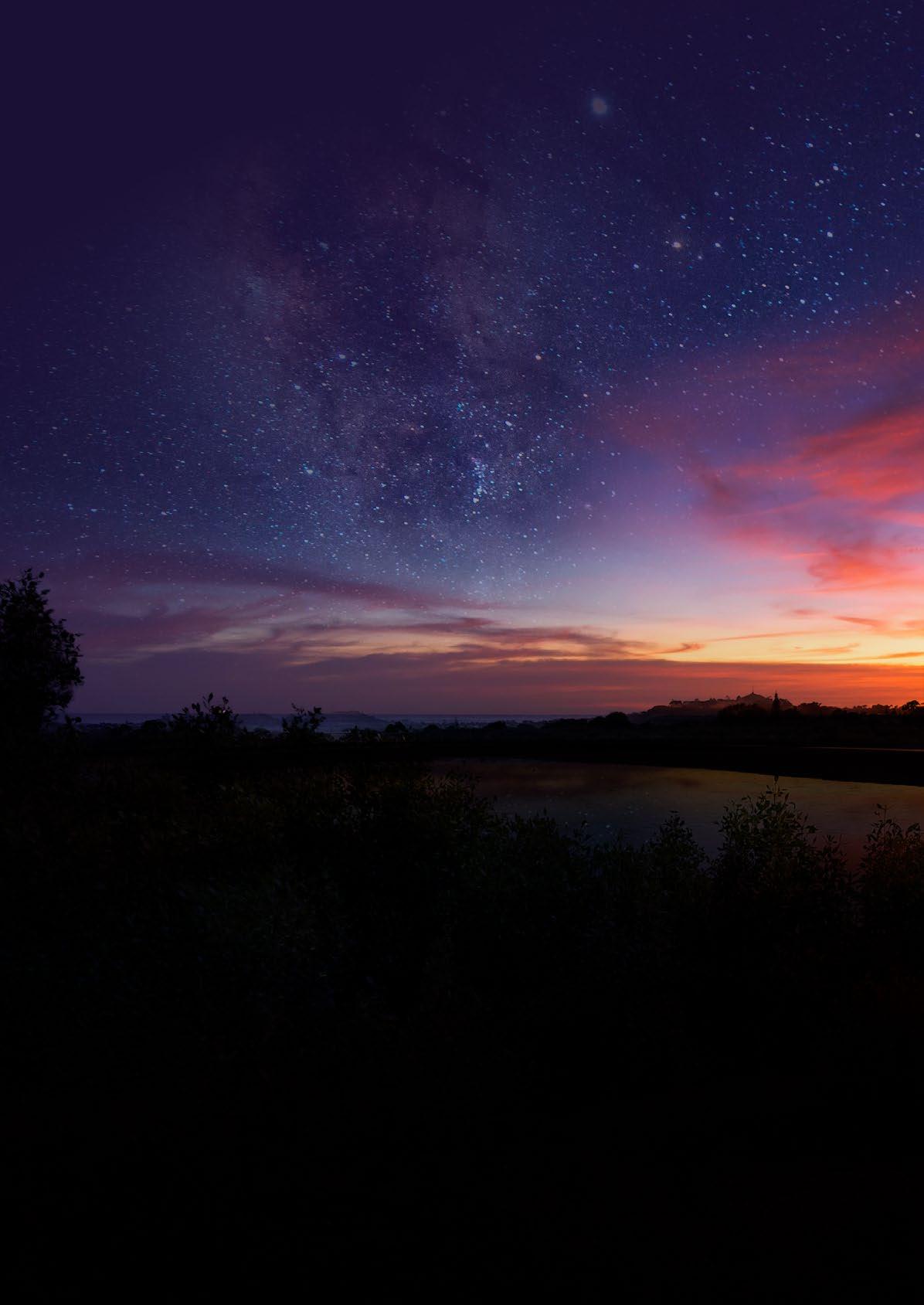
This karakia was composed to embrace the identity of our hapuu, Te Ahiwaru, weaving the imagery of fire with words of affirmation to create a positive and uplifting way to begin the day. It draws upon the essence of ahi, symbolising warmth, vitality and enduring strength, guiding us to stand grounded in who we are, focused in our intentions and open to all that lies ahead.
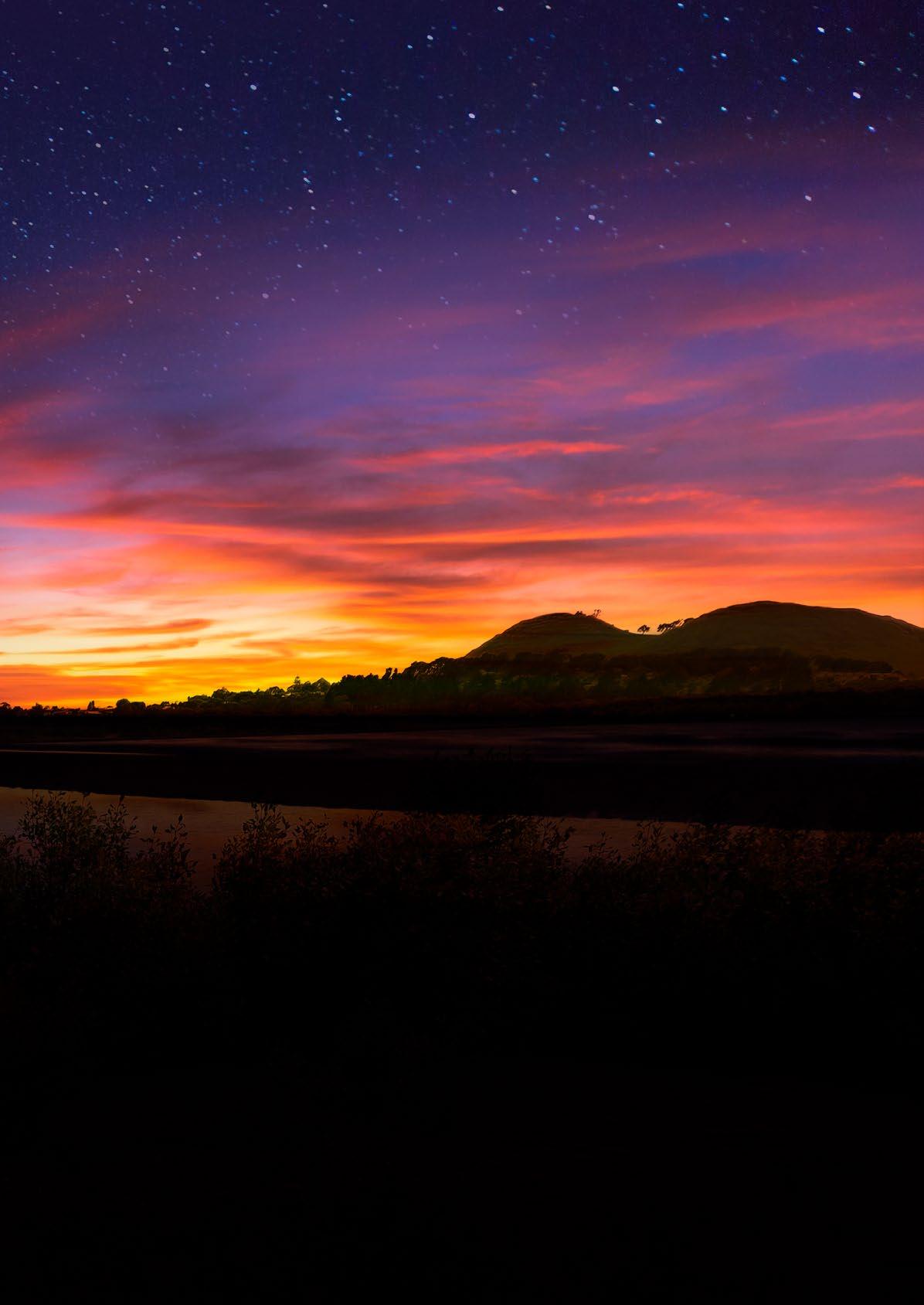
Taangia is a mooteatea that tells the story of the manaakitanga experienced by those who arrive at our marae. It reflects not only the warmth and care extended to our manuwhiri, but also serves as a reminder of the values our tuupuna have passed down, guiding us in how we uphold and express hospitality to all who cross our paths.
The kupu 'Taangia’ draws on the actions of our tuurehu Maki, evoking the image of her casting her net wide, gathering and embracing the many drawn to her. In this way, Taangia symbolises the reaching out, the welcoming in, and the binding together of people through aroha and manaakitanga.
Taangia
Composed by Kiki Kihi and Ngati Tahinga Wilson
Taamaki Aroharau e
Taangia
Taangia te reo whakaorau taangata
Te reo koorihi
Te reo taakoha
Taangia ngaa kupu whakataurangi e
Taangia
Taangia te mata ki te uhi
whakaohooho
E tuu ngaaueue, e tuu aanganga
Taangia ki te uhi tumataora e
Taangia
Taangia te aroha whakamaanawa
Te ngaakau whakaiti, te manawapopore
Taangia te reo aaumihi ki a haoaa e te kupenga e
Taamaki, beloved and cherished
Print, impress, express
Express the voice that revitalises people
The voice that sings like birdsong
The voice of giving / generosity
Imprint the words that inspire and uplift
Express it
Mark the face with the tattoo that inspires
Stand strong despite trembling, stand and stretch forward
Imprint with the tattoo of living fire / vitality
Imprint it
Express the love that honours / uplifts
The humble heart, the caring spirit
Voice a greeting to those caught in the net
Ko Mataoho te tupua
Ko Hape te tohunga
Ko Kaiwhare te taniwha
Ko Tainui te waka
Ko Te Maanukanuka oo Hoturoa te moana
Ko Manukau te whanga
Ko Te Wai oo Ruarangi te awa
Ko Te Puketaapapatanga aa Hape te maunga
Ko Puketaapapa-Ihumaatao te papakaainga
Ko Makaurau te marae
Ko Te Ahiwaru te hapuu
Trustees
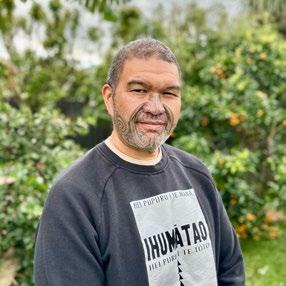


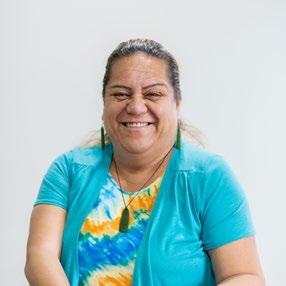
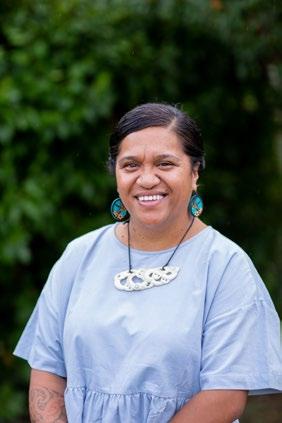
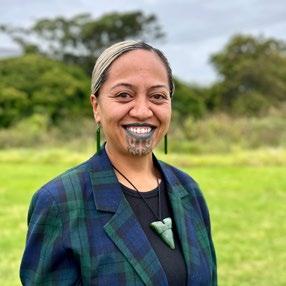
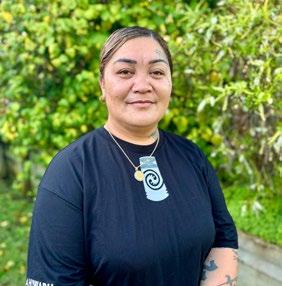
Ngaati Tahinga Wilson
Te Mamairangi Tuaiti
Dr Jenny Lee-Morgan
Natalie Martin
Tiria Flavell
Kylie Tawha
Report from the Co-Chairs
Te Mamairangi Tuaiti and Ngaati Tahinga Wilson
Tino Rangatiratanga too reo
Mana Motuhaketia te taiao
Tino Rangatiratanga too hauora
Mana Motuhaketia too paaharakeke”
— Naa Te Arikinui Kuini Nga wai hono i te po
Puuataata te rangi e tuu iho nei
Puuataata te papa e takoto nei
Puuataata kia mahea ngaa toimaha, ngaa poke o te waa
Puuataata mai te puurangiaho
Kei matarehu, kia matatea, kia mataoho
Nau mai te koronga aroaro, te whakatau tahi
Taamaua taku ahi tuutata, taku mata kiikoha
Whiti, whiti, whiti ki te tika, whiti ki te rangimaarie
Rire, rire, hau Paimaarie
Te Arikinui Kuini Nga wai hono i te po
Te whiitiki o te kotahitanga, hei aha
Hei pupuru i te whenua
Hei puru i te toto
Hei pupuru i te Mana Maaori Motuhake
Paimaarire
Kei ngaa ngarohanga o te ao, kei ngaa rironga o te poo
Haere ki te poo tuutanga nui o Pipiri ki te puutahitanga nui o Rehua
Haere ki te urunga, tee taka, ki te moenga, tee whakaarahia
Koutou te urupounamu, maatou ngaa waihotanga iho
Paimaarire
Teenaa taatou e ngaa waihotanga iho o raatou maa, noo maaua te hoonorenui ki te whakatakoto ngeenei tuhinga koorero ki a koutou i teenei hekenga o Matariki huanui. Ka rere ngaa kupu whakamaanawa ki te Manahautu o Te Ahiwaru koia ko Stephanie Tawha me ngoona pukengarau, me toona ngaakaunui ki too taatou whaanau whaanui, ki too taatou marae o Makaurau ka mutu ki too taatou hapuu o Te Ahiwaru, e kore ngaa kupu whakamaanawa e mutu ki a koe e te Iho puumanawa. Me te toowai i ngaa kupu whakamihi ki ngaa taatou kaimahi e whakapau kaha ana moo ngoo taatou uri whakatupu te take, nooreira teenaa taatou katoa. Ka tahuri atu ki ngaa huanui o teeraa Matariki.
Navigating
Matariki:
The year in reflection
As we reflect on the 2025/2026 year under the light of Matariki, we celebrate a season of growth and enduring resilience. Despite a shifting political and social landscape, we remain steadfast in our vision: Te Ahiwaru ka puta, ka ora. This year, we have woven together the essential strands of Tino Rangatiratanga - upholding our reo, restoring our taiao, nurturing our hauora, and strengthening the very foundations of whaanau.
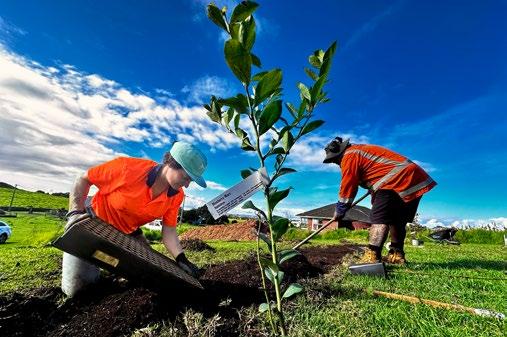
The Pulse of Our Trust: Our kaimahi
We extend our deepest gratitude to our Manahautu, Stephanie Tawha, whose visionary leadership and heart for our hapuu have been instrumental in navigating the complexities of the past twelve months. Her ability to weave the pukengarau within her care is a testament to her excellence and mastery.
To our Kaimahi: You are the hands and hearts that make Te Ahiwaru Trust a beacon of strength for our hapuu and haapori. Balancing technical excellence with an unwavering spirit of manaakitanga and aroha. Your dedication ensures that Te Ahiwaru Trust remains a vibrant hub where the aspirations of our people take flight and Te Ahiwaru uri continue to thrive.
He Taura Here Tangata: Acknowledging our partnerships
Our progress this year is a testament to the strength of our collective. We acknowledge our funders and strategic partners whose investment has enabled us to sustain our aspirations. Most importantly, we acknowledge Makaurau Marae, our tuurangawaewae and the cultural heart of our hapuu. Together, we continue to uphold the mana and legacy of our tuupuna. Kia mahia te mahi, hei painga moo te Iwi. committed to advocating for the resources needed to retain and grow our talented kaimahi.
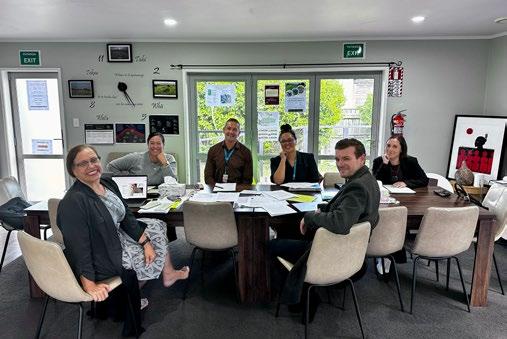
Strategic Milestones:
Vision inspired, kaupapa grounded
In 2026, we transitioned from establishing frameworks, to succession planning. We strengthened our governance and leadership capability, ensuring decision-making is both culturally grounded and professionally rigorous. This investment has allowed us to finalise the Te Ihu o Mataoho Framework, sharpening the tools required to deliver long-term direction. This positions Te Ahiwaru Trust to lead with greater clarity and guides our operations to deliver impactful outcomes necessary to secure our collective future.
Key governance highlights
• Regeneration and Settlement: This year we finalised the settlement of the Te Ihu o Mataoho Regeneration Trust. This settlement is symbolic of the work of previous and current Trustees. Securing $1.65 million dollars from Auckland Airport, dedicated specifically to the remediation and restoration of our ancestral landscapes.
• Mana Motuhaketia te Taiao: Mana motuhaketia te Taiao affirms our commitment to kaitiakitanga. The establishment of the Ahi Tahutahu team weaves together our Maatanga Taiao to lead our ecological aspirations, ensuring our role as kaitiaki remains sharp, proactive and sustainable.
• Hoki Whenua Mai: We continue to deliver on our strategic commitment to Pupuru i te whenua. Through the diligent work of Taapapa Ltd, we are pleased to report the successful acquisition of 517 Oruarangi Road and the return of whenua within the papakaainga to Te Ahiwaru.
• Mana Motuhaketia too Paa Harakeke: The Board has engaged in critical strategic discussions with Taapapa Ltd to advance papakaainga development on Te Ahiwaru-owned land. These efforts embed our commitment to return Te Ahiwaru Paa Harakeke to Ihumaatao.
• Strategic Excellence: We continue to refine our path through the Te Ihu o Mataoho framework, ensuring our governance structures remain robust, transparent and resilient as we navigate a change of guard.
A Change of Guard:
He rei ngaa niho, he paraaoa te kauwae
As we close this three-year term, we wish to acknowledge the profound impact of our Trustees. We are proud to have served alongside you all. Your governance has transcended strategy, anchored on the weight of mokopuna values. In acting with the wisdom and courage of tuupuna in the making, you have contributed to the legacy that ensures te mana motuhake of our paa harakeke.
Hei pupuru i te whenua, hei puru i te toto, hei pupuru i te mana Maaori motuhake" Paimaarire.
Manahautu General Manager Report
Five Years of
Development
This is an election year for Te Ahiwaru Trust, a time where beneficiaries are called to participate, to vote and to help shape the future leadership of our Trust. The establishment of the Hapuu Registry was central to that. It created a way for the beneficiaries of the Trust to be properly identified, connected and able to take part in decisions that affect us all. The registry is much more than a database. It is part of how we strengthen connection across our hapuu through whakapapa, participation and belonging, and how we give practical effect to Hei puru i te toto.
In 2021, the registry recorded 682 registered whaanau. As at May 2026, that number has grown to 933 registered whaanau, showing just how much that connection has deepened over time. That growth has not happened by accident. It has been upheld through the dedication of our Hapuu Registry team and Whaanau Connector, alongside the careful work of the Whakapapa Committee, who continue to review and recommend registrations to Trustees for final decision. In May 2026, a further nine registrations were recommended for acceptance, reflecting that this remains a living and active kaupapa, not a static register.
As we move towards the announcement of a new Board, for those of us who have been part of this journey, it is something to be genuinely proud of. It also feels important to acknowledge what has been built over this period. The journey has not always been straightforward, but through the strengthening of governance, the creation of core systems like the Hapuu Registry, and the steady building of infrastructure and capability, a much stronger foundation has emerged than the one we started with.
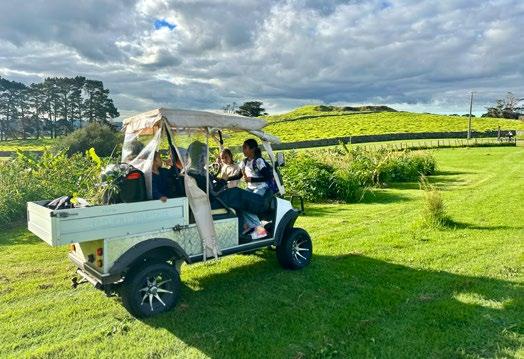
In 2021, one of our practical goals was simply to establish a kaainga for Te Ahiwaru Trust - a place from which to work, organise and grow. The annual report that year explicitly identified "Establish a kaainga for us" as a key action, and later noted that a new office space had been secured and fitted out ready for opening. At that time, we did not have a dedicated working base.
Today, Te Ahiwaru operates across multiple kaupapa sites, including our main operations tari at 24 Ruaiti Road, Ahi Tahutahu whenua operations at 543 Oruarangi Road, Te Kupenga (13 Waipouri Road) supporting the Here Ko Tukutuku mahi toi kaupapa, and Kaitiaki Village on Ihumaatao Quarry Road, supporting Te Ihu o Mataoho Tours alongside our syntropic and temperate food forests, maara kai and mahi toi hub. The physical footprint of the Trust now tells its own story about growth, stability and long-term intent - Hei pupuru i te whenua.
Our workforce has also grown in step with that development. In 2021, we were a small foundational team of six kaimahi, with contractor support around us. The 2021 annual report shows the early recruitment of key kaimahi into education, housing, operations, registry, communications and laundromat roles as part of building a stronger base for the Trust.
Today, reflecting the much greater scale and breadth of our delivery across kaupapa, we had 26 kaimahi as at 31 March 2026, and currently operate with a core team of 23 kaimahi, exclusive of our contractors.
At an organisational level, these shifts are also visible in the financial and asset base of the Trust. Our net worth (net assets) and total asset value have grown significantly over recent years, driven in part by the strategic acquisition of the 543 and 517 Oruarangi Road properties. While a full breakdown is provided in the financial section of this report, these highlevel figures show that Te Ahiwaru has continued to strengthen its foundation even as funding and delivery cycles have changed. Ultimately, this reflects more than financial management, it reflects the active building of capability, resilience and long-term stability for our hapuu.
This section does not attempt to retell every part of that journey. Rather, it offers a moment to pause and recognise that over this time, Te Ahiwaru has moved from establishing the basics of governance, connection and infrastructure, to holding a much stronger and more capable platform for the future.
As new Trustees are brought in, they inherit not just a Trust, but a foundation that has been carefully built - one that is now better placed to move from preparation into activation, and to carry our aspirations forward with strength - Hei pupuru i te mana Maaori motuhake.
Maimai Aroha - Whare Manaaki
As we acknowledge the growth of Te Ahiwaru, it is also important to mark the closing of kaupapa that have contributed significantly to this journey.
Whare Manaaki was established through collaboration with Watercare and the Central Interceptor project, with Te Ahiwaru taking on the role of delivery. While it sat within a wider partnership, it was carried on the ground by our whaanau, creating employment, building skills, and showing what kaupapa-driven enterprise could look like in practice.
The 2021 annual report recorded that by November 2021, Te Ahiwaru had become the preferred contractor to run the laundromat business, with four employees in place and a growing operational workload.
As this kaupapa now comes to an end, we acknowledge with deep appreciation the kaimahi who held it so strongly - Penny Roberts, Sheakanah Matapelu, Anita Roberts, and our beloved Fiona Tumai-Totorewa.
Fiona's leadership, humility and commitment shaped the kaupapa in its early stages, and after her passing, the team continued to hold Whare Manaaki with the same care, pride and consistency that she embodied. Their mahi mattered, and it sits within the wider foundation we continue to build on today.
1. Hapuu Registry Growth
2. Workforce Growth 2021: 2021: 2023: 682 6 28 2026: 933 2022: 19 2026: 26 KAIMAHI GROWTH: +251 (37%)
(with contractor support) (as at 31 March) +3 CONTRACTORS
5. Location
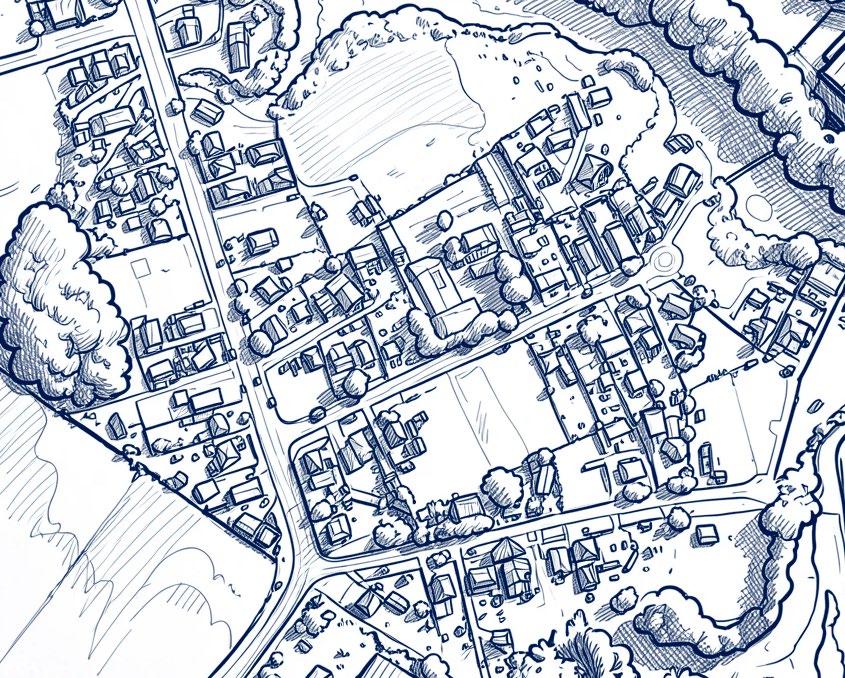
A: 24 Ruaiti Rd – Main Operations Office / Education Team
B: 543 Oruarangi Rd – Ahi Tahutahu Taiao / Whenua Maintenance / Hapuu Registry
C: Te Kupenga (13 Waipouri Rd) – Here Ko Tukutuku Toi Hub
D: Kaitiaki Village, Ihumaatao Quarry Rd – Tours + maara / food forests / mahi toi
E: 517 Oruarangi Rd – Trust owned rental premises
Meet the team
Supporting a vibrant, thriving whaanau! Through our broad range of projects Te Ahiwaru provides assistance, support and general benefit to all registered members of Te Ahiwaru Trust. We promote the broad aspirations of Te Ahiwaru Trust and ensure successful inter-generational outcomes for all uri now and, into the future. Meet our kaimahi.
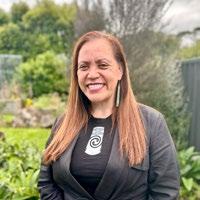
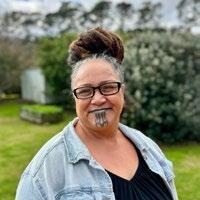

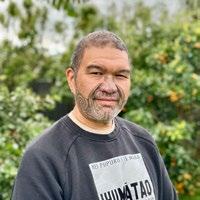
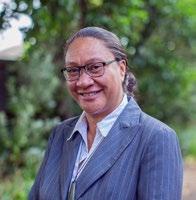
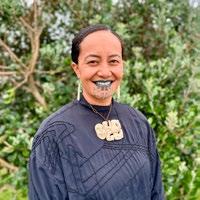
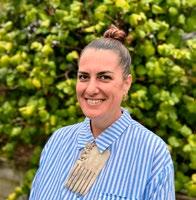
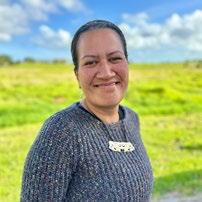
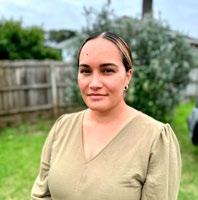
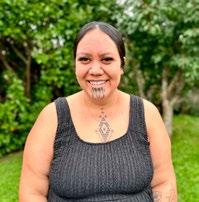

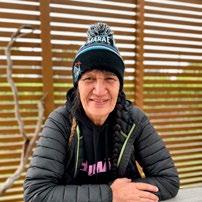

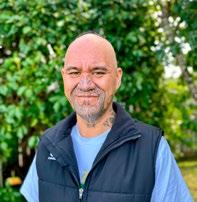


Stephanie Tawha General Manager
Nihia Tuki-Selwyn Executive Officer
Alcyone Baker Financial Operations Manager
Ngaati Tahinga Wilson Pou Reo/ Pou Tikanga
Kowhai Olsen Taiao/Resource Management Lead
Davika Wilson Education Lead
Qiane Matata-Sipu Enterprise Development Lead
Pania Newton Ahi Tahutahu/Housing Lead
Leilani Tawha Te Ihu o Mataoho Tours Lead
Moana Waa Beneficiary Registrar Here Ko Tukutuku Lead
Dale Munro Education team
Rihari Wilson Education team
Te Atakura Savage Education team
Candace Nicolson IT Officer
Donna Tawha-Allan Kaihaapai
Rachel King Hapuu Registry Whaanau Connector
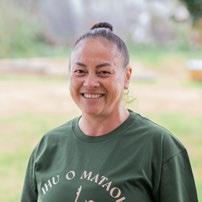

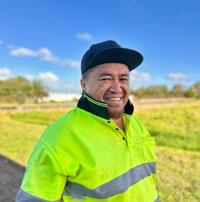

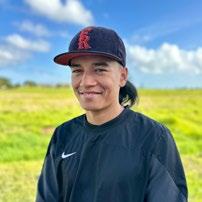
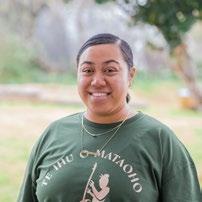



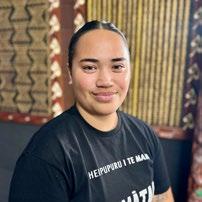
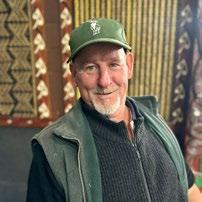
naa Ngaati Tahinga Wilson
This year we farewell:


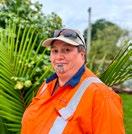
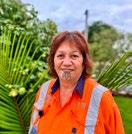


Jaylene Pratt Ahi Tahutahu team
Chap Selwyn Ahi Tahutahu team
Haki Wilson (Jnr) Te Ihu o Mataoho Tours
Haki Wilson Te Reo o Te Ahiwaru Kaiako
Aroha Baker Ahi Tahutahu team
Colten Ford Ahi Tahutahu team
Elleshia Aiono Te Ihu o Mataoho Tours
Tepeamouroa Wilson Te Reo o Te Ahiwaru Kaiako
Sophia Olo-Whaanga Taiao Advisor
Leasha Tuki Here Ko Tukutuku team
Michael Clegg Here Ko Tukutuku team
Ayla Roberts
Tiria Flavell Sheakanah Matapelu
Penny Roberts Anita Roberts Honey Olsen
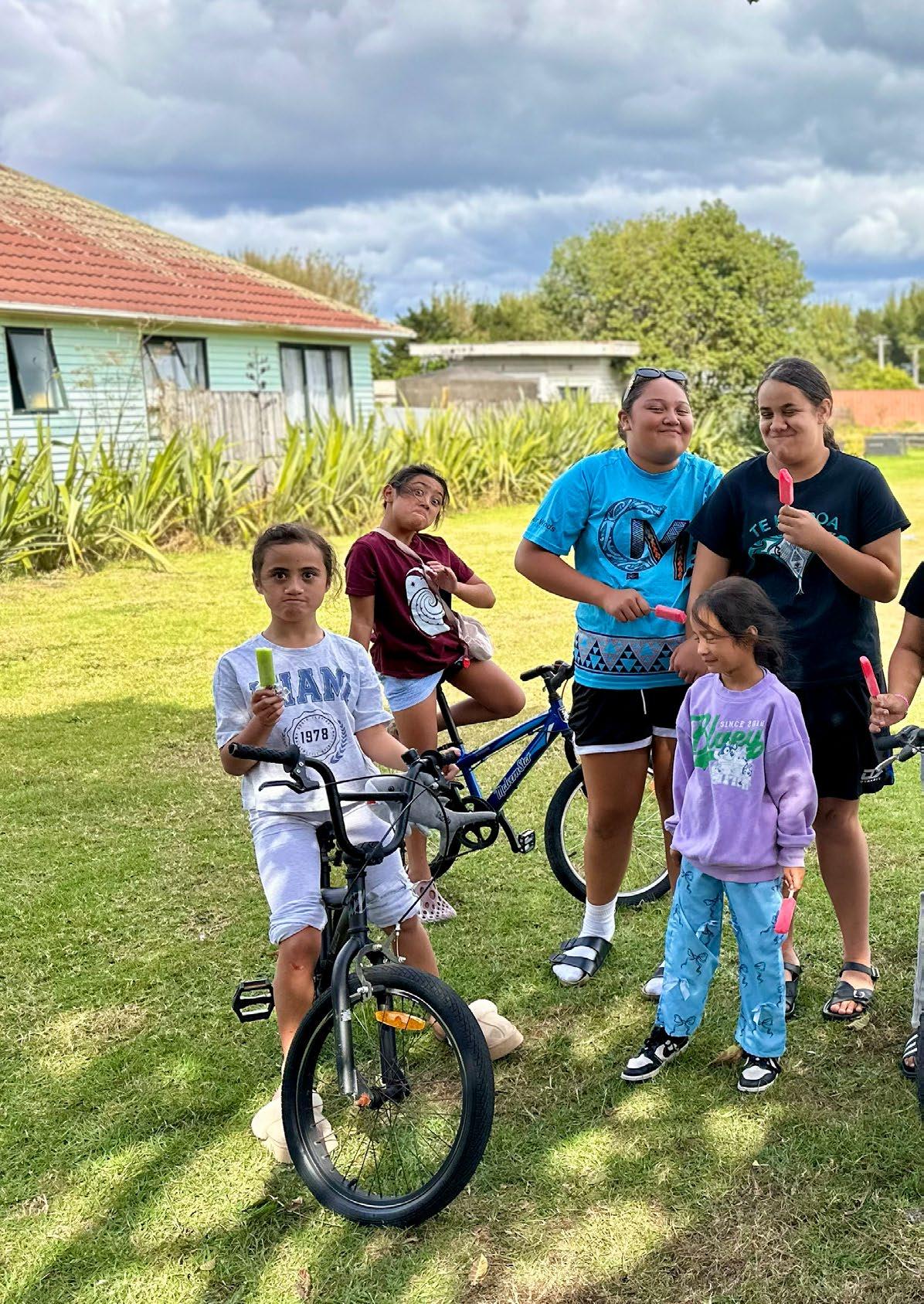
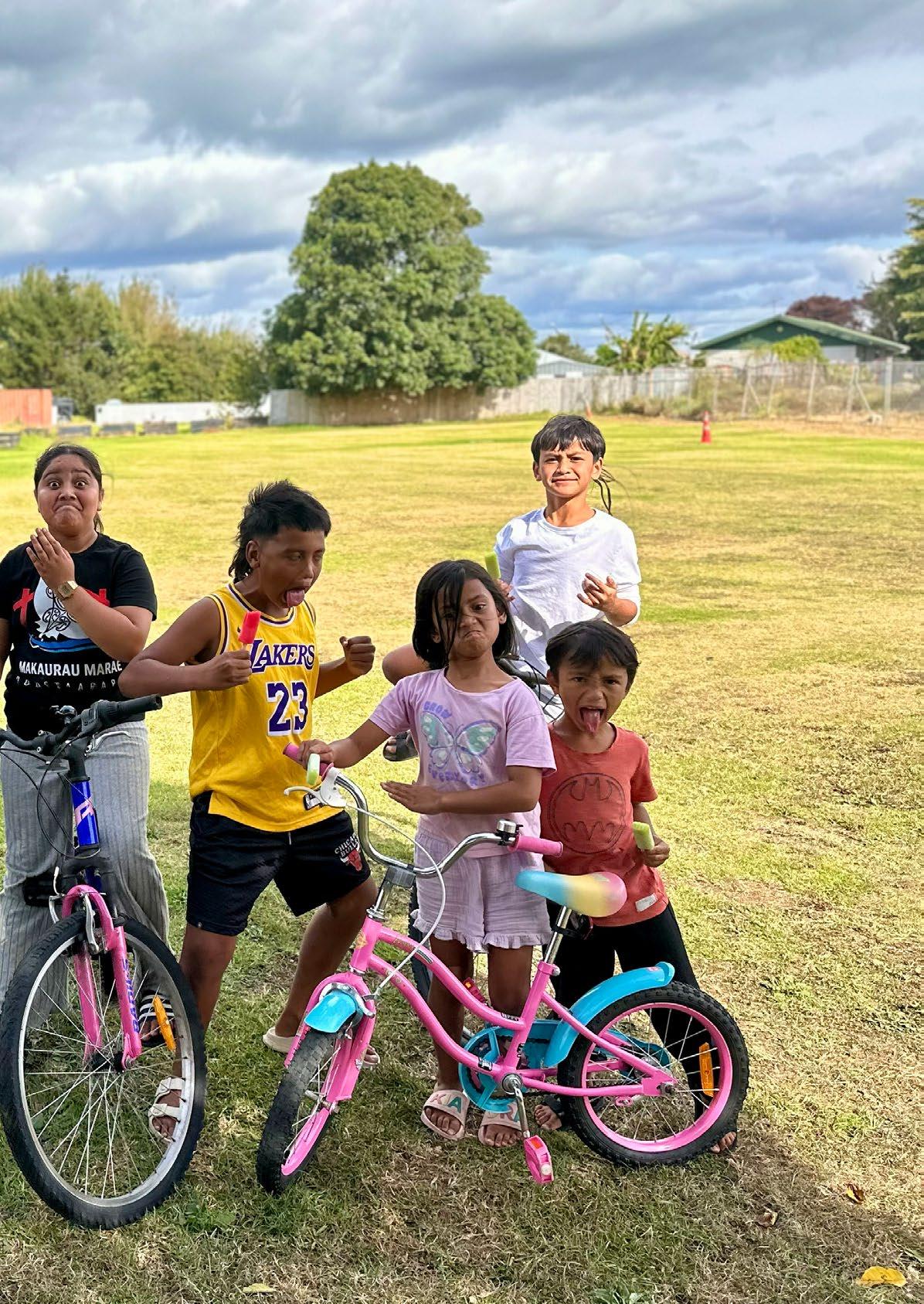
The Hapuu Registry is a vital tool that holds the contact information and whakapapa of registered Te Ahiwaru whaanau.
A foundation for our future
Keeping an accurate registry is a powerful way to protect and strengthen the future of our hapuu. A solid registry opens better ways to communicate and makes it easier for everyone to get involved. By keeping our whaanau informed, involved and empowered, we are building a connected and resilient hapuu that is sharp and ready to face any obstacles we may come across.
Celebrating our Whaanau Connector
A massive achievement over this past year has been the appointment of our Whaanau Connector, Rachel King. As the primary link between our database and our whaanau, Rachel’s natural ability to manaaki tangata has proved vital in removing barriers to connection. By bridging this gap, she ensures that every whaanau member feels informed, safe and supported throughout the entire registration process.
Keeping our links strong
Looking ahead, we’re excited to find new ways to celebrate who we are. Our goal is to make our collective identity something you can see and feel every day. Our team is committed to making sure the living story of our hapuu and whakapapa is accurately held and protected for all of us.
We’re asking every whaanau to start a simple tradition. Once a year, take a moment to check in and update your details. Think of it as a quick ‘wellness check’ for our whakapapa. It only takes a moment to scan the QR code to update your info.

While you’re at it, check in with your whaanau and those connected through whakapapa to see if they’re registered too. By taking this small step together, we ensure no one misses out on important paanui or kaupapa, and our bond remains unbreakable.
Our
whaanau
at a glance
We are thrilled to see our numbers growing. As of May 2026, we have a total of 933 whaanau registered with Te Ahiwaru.
Age demographics
Our registry shows a young, vibrant population. With nearly 46% of our registered members aged 18 and under, our focus on the future has never been more important.
Where in the world are we?
While our roots are firmly planted in the soil of Ihumaatao, our whaanau are making their mark across Aotearoa and across the ditch.
Taamaki Makaurau
671 of our whaanau reside in Taamaki Makaurau, with 434 living in Maangere and a strong presence in our home streets:
Ooruarangi Road – 41
Ruaiti Road – 74
Waipouri Road – 14
Outside of Auckland
Our largest concentrations are in the Waikato (66) and Waitaha (32) regions. We also have whaanau spanning from Te Tai Tokerau to Te Tauihu o Te Waka-aa-Maaui.
Across the Tasman:
Our Australian-based whaanau are a significant part of our collective, with the largest groups living in Queensland (43) and Western Australia (42).
Waahine: 470
Taane: 404
Unidentified: 59
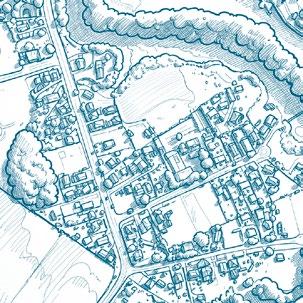
Ooruarangi Road – 41 Ruaiti Road – 74 Waipouri Road – 14
E TAUIHU O TE WAKA-AA MAAUI (NELSON REGION)
TE TAI TOKERAU (NORTHLAND) MANAWATUU-WHANGANUI
TAAMAKI MAKAURAU
We have a total of 829 whaanau across Aotearoa. 671 17
WAIARIKI (BAY OF PLENTY)
2 6 12 2 7
TE MAATAU-AA-MAUI (HAWKES BAY) TARANAKI
WAITAHA (CANTERBURY)
TE UPOKO O TE IKA-AA-MAAUI (WELLINGTON REGION)
Our whakapapa
The strength of Te Ahiwaru lies in our connection to our tuupuna. Many of our whaanau whakapapa to multiple tuupuna – keeping our bloodlines strong.
Note: This graph shows the breakdown of Te Ahiwaru descendants by tupuna. Total numbers will not match our overall registered membership as some individuals whakapapa to multiple tuupuna. The following tuupuna are currently represented on the registry but do not yet have registered uri: Te Owai Heemi, Mata Marepa, Ngaparaki Heemi, Hemanawa Toone, Harihari Totaea, Rangiaahu, Hemoauta Heemi, Te Ruaiti, Tangiaro Totaea, Tohukore, Te Rangitawaea Kahui, and Te Aumihi Toone.
207 97 72 52 40 34 31 25 23 19
Te Huia Rapata
Te Huia Toone
Taruke Kahui
Matehaere Totorewa
Tinihuia Toone
Te Arawaru Toone
Herekotukutuku
Wi Putini Kahui
Tonga Kokiri Kahui
Nuku Kahui
Ngahuia Tukapea
Hera Rapata
Te Paea
Kapereti Hohepa
Pinikeera Heemi
Te Kiriwera Heemi
Hairini Totaea
Te Kirihoorea
Kumete Tukapea
Tangitemapu Toone
Tukapea Tukapea
Eruera Marepa
Kapene Matenga
Ngahuia Mohi
Hurihia Rawiri
Te Taahuhutanga o te Waka Tainui
Te Taahuhutanga o te Waka Tainui is a kaupapa that commemorates the ancient portage of the Tainui waka between the Waitemataa and Manukau harbours. This journey recalls the pathways taken by our tuupuna to move waka, people and taonga across whenua, affirming deep relationships between whenua, moana and whaanau throughout Taamaki Makaurau. Retracing this journey is not only an act of remembrance, but a living expression of ahi kaa and continued connection to place.
For Te Ahiwaru hapuu, the 2026 Te Taahuhutanga o te Waka Tainui marked a significant milestone. This was our first time participating fully in the kaupapa, and we showed up across every aspect of the dayon the water, on the whenua and on the stage, as a visible and united hapuu and marae.
The journey began at Ookahu Bay, acknowledging the mana whenua of Ngaati Whaatua, where karakia were offered before the waka departed. As the waka continued, key stopping points along the route, including the tidal basin at Ngaa Hau Maiangi, reflected longstanding connections held within the whenua and waters of that place, and the mana whenua of Ngaati Paoa, who have upheld these portage pathways over generations.
A kaitautoko waka, carrying Te Kei o Te Waka Tainui kaumaatua, accompanied the crossing to provide cultural support for all participants. From Ngaa Hau Maiangi, additional kaumaatua support joined the
journey, following the waka through to Whakarongo Paa. At each stage the kaupapa was held correctly through karanga, waerea, karakia, and koorero, grounding the movement of the waka in tikanga and lived maatauranga, and affirming the strength of inter-iwi relationships along this ancestral route.
Our Te Ahiwaru Co - Chair, Ngaati Tahinga Wilson, sits on the organising committee for Te Taahuhutanga o te Waka Tainui and gifted the day its new name, re - centering the kaupapa on its ancestral foundation and affirming mana whenua leadership. Korus Tawha also attended planning hui to bring rangatahi whakaaro into the kaupapa, reinforcing the intergenerational intent of the journey.
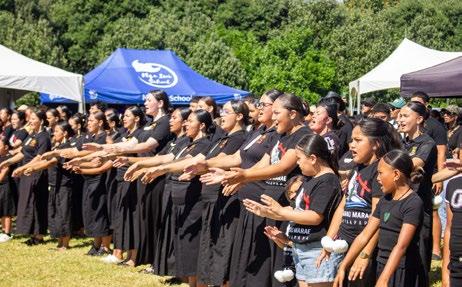
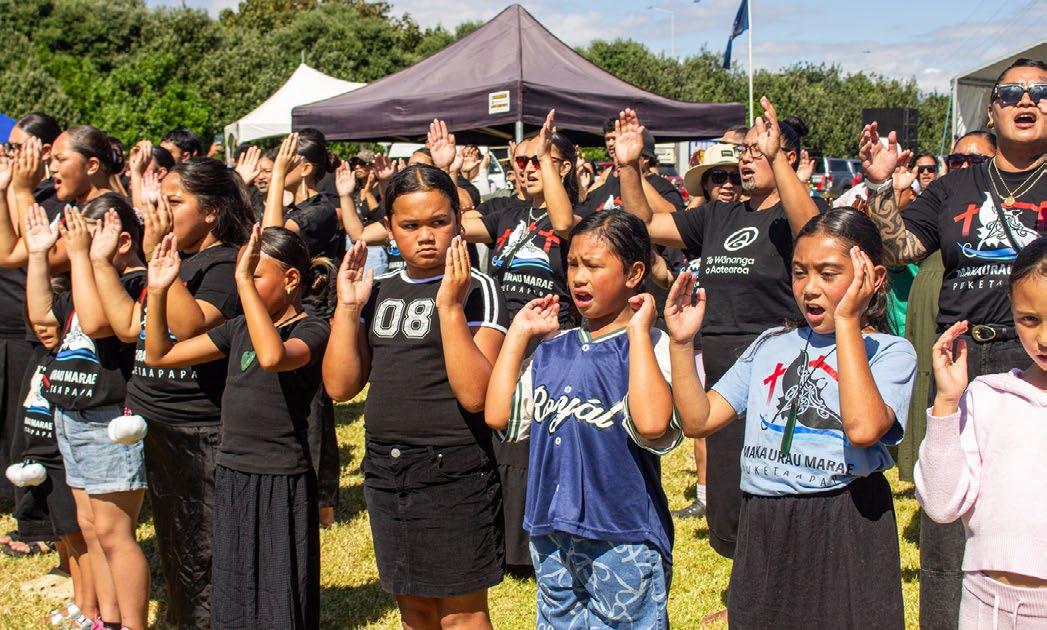
Throughout the day Te Ahiwaru and Makaurau Marae whaanau were present in the poowhiri, with our waahine taking their rightful place in the karanga line-up. When the waka were called onto the whenua, it was a deeply emotional and proud moment to see four generations of whaanau standing together in haka poowhiri, a powerful expression of continuity, connection and ahi kaa in action.
Makaurau was the only marae to put forward a kapa haka roopu, bringing our reo, waiata, movement and whakapapa to the main stage. Torerenui A Rua Wilson and Korus Tawha also stepped into visible leadership roles as MCs for the day, confidently holding the kaupapa and reflecting the strength of our rangatahi and the impact of intergenerational learning within our hapuu.
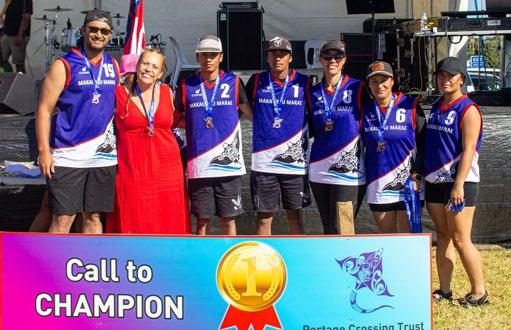
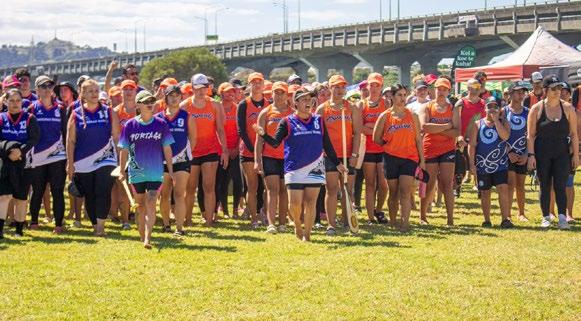
On the water, Makaurau Marae entered our first waka ama team in the novus section, paddling a double -hulled waka for the first time. The crew was made up of three generations of Te Ahiwaru whaanau, an embodiment of intergenerational strength and learning in motion. This significant first was rewarded with a Gold medal, marking not only a sporting achievement but a powerful symbol of whaanau unity, endurance and shared commitment. We acknowledge and thank the Portage Crossing Club for generously allowing our whaanau to use their waka for this kaupapa.
Makaurau Marae and the wider Te Ahiwaru team supported this kaupapa through coordination, sponsorship and strong visible unity. Whaanau proudly wore Makaurau Marae Sports Uniforms, representing both Makaurau Marae and Te Ahiwaru Trust throughout the day, reflecting the pride of our people in showing up together on a kaupapa of deep whakapapa significance.
Te Taahuhutanga o te Waka Tainui was more than an event for Te Ahiwaru. It was a moment of return, visibility and belonging. It was a powerful first in our collective participation, leadership and intergenerational presence within a kaupapa that speaks directly to who we are and where we come from. It marked a beginning, and we look forward to continuing to grow our involvement as Te Ahiwaru hapuu in the years ahead.
Te Motu a Hiaroa Charitable Trust
Over the past year Te Motu a Hiaroa Charitable Trust has continued to progress our vision of whaanau whakakaainga, whenua whakaora - reconnecting our people to the motu and restoring the health and wellbeing of the whenua for future generations.
Throughout the year more whaanau have returned to the motu through waananga, working bees, hiikoi, environmental kaupapa and shared events. These moments have strengthened connections between whaanau and the whenua, creating opportunities to learn, contribute and spend meaningful time together on the motu (island) once again.
At the same time significant focus has remained on restoring and caring for the taiao. Environmental monitoring, regeneration efforts and restoration planning have continued across the motu, helping to build a stronger long-term approach to protecting and enhancing the health of the land.

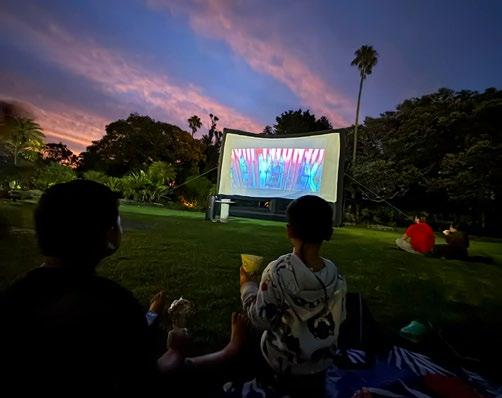

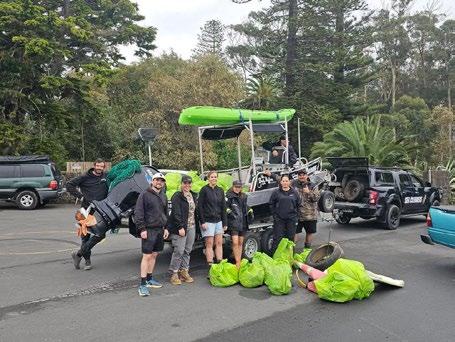
This mahi is supporting a future where the motu can continue to sustain both people and nature together.
Important progress has also been made to prepare the motu for greater future use and activity. Infrastructure improvements, planning work and site readiness initiatives are helping to create spaces that better support whaanau presence, learning opportunities and ongoing connection to place.
A key part of our mahi has included strengthening knowledge and koorero around wai, whenua and whaanau through the Puurangakura and Wai Ora Kaainga Ora kaupapa. This work continues to support deeper understanding of the motu while ensuring future planning is grounded in the aspirations and experiences of our people.
Looking ahead, the Trust remains focused on creating more opportunities for whaanau to reconnect with the motu, continuing restoration of the taiao and building pathways for future generations to actively participate in the care and life of Te Motu a Hiaroa.
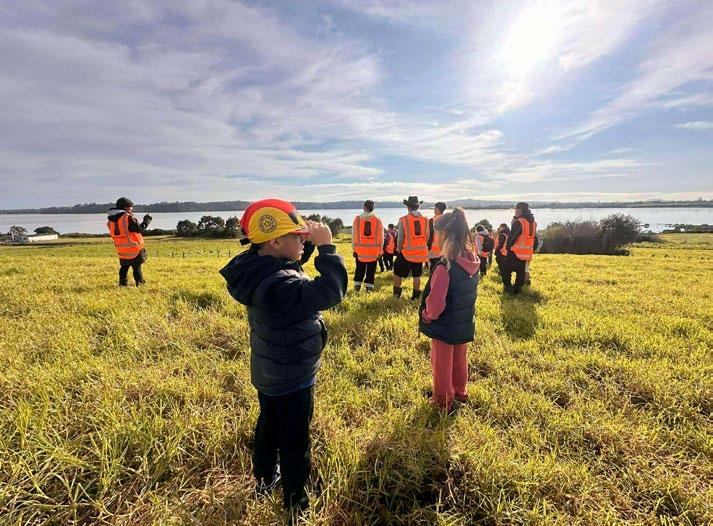

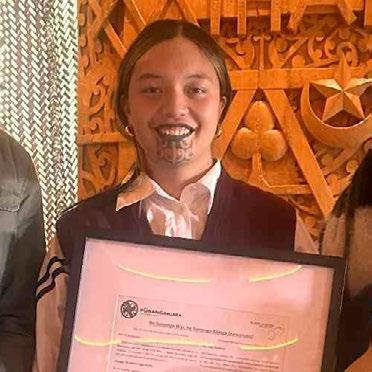
Wai Ora Kaainga Ora: Team spotlight
This year Torerenui A Rua Wilson (Kaainga based Kairangahau) has led important mahi through the Wai Ora, Kaainga Ora kaupapa with a strong focus on wai monitoring, reporting and restoration-related field practice across the motu.
A core part of her mahi has been supporting the development of environmental and tohu observations, helping to strengthen how wai data is captured, recorded, and used to inform restoration priorities. This has included working to ensure monitoring practices are practical on the ground, while also building a clearer and more structured picture of environmental change over time.
Through ongoing training, fieldwork and collaboration with partner networks and technical specialists, Torere has been building capability in restoration monitoring methods and learning how different approaches are applied across varied environments. She shared that this exposure has been important in deepening her understanding of how wai health is assessed and how restoration outcomes can be better measured and tracked.
One of the key highlights has been working alongside external partners and technical networks, seeing how shared approaches to environmental monitoring can strengthen both practice and decision-making. This learning is helping to build confidence in the way we can care for Te Motu a Hiaroa.
The kaupapa continues to strengthen as monitoring, reporting and restoration practices become more embedded in day-to-day mahi, supporting a clearer and more informed approach to the long-term care of the taiao.
Keep updated and follow our journey through our Facebook page search Te Motu a Hiaroa We’d also appreciate hearing from you if you have any interest or questions for the motu. Get in touch with us.
027 180 04806
He Whakakitenga moo te Whenua: Refreshing our 200-Year Vision
Ki te kore he whakakitenga, ka ngaro te iwi
Without foresight or vision, the people will perish
- Kiingi Tawhiao
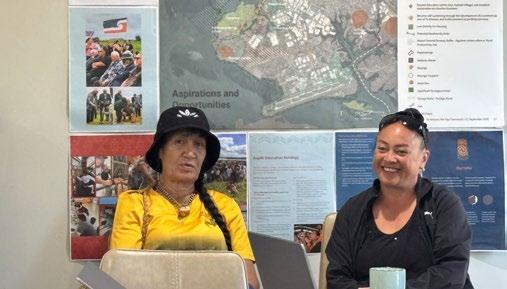
We are currently undertaking a review of He Whakakitenga moo te Whenua, our 200-year vision for the whenua and papakaainga at Ihumaatao. This mahi is being led through our Climate Resilience and Housing portfolios and is informed by, and connected to, all our mahi as a Trust, reflecting the aspirations of our whakatupuranga.
He Whakakitenga moo te Whenua is a long-term, intergenerational mahere grounded in the aspirations of whaanau. It has been shaped through more than sixty whaanau waananga since 2015, reflecting the whakaaro of five generations. The Whakakitenga sets out a holistic pathway to restore and regenerate the mauri of our taiao, uphold our ahi kaa, strengthen our rangatiratanga and create enduring outcomes for our mokopuna.
This refresh builds on that foundation through an ahi kaa-led, kaupapa Maaori, regenerative design process. It is informed by whenua-based site analysis, lived ahi kaa experiences, puuraakau-led design thinking and the exploration of multiple regenerative land-use scenarios. It responds carefully to the whakapapa and volcanic history of our whenua, puna and wetland systems, existing papakaainga, waahi tuupuna and the increasing pressures of climate change and industrial encroachment.
A key focus of the refresh is aligning ecological restoration with papakaainga wellbeing and long-term economic resilience. Kaupapa being explored include large-scale ngahere regeneration,
puna and repo restoration, maara kai and kai sovereignty, rongoaa, traffic safety measures, kura taiao and waananga spaces, renewable energy opportunities, and future papakaainga growth. These elements are framed within a regenerative economy approach that supports whaanau livelihoods while upholding tikanga, kaitiakitanga and mana motuhake.
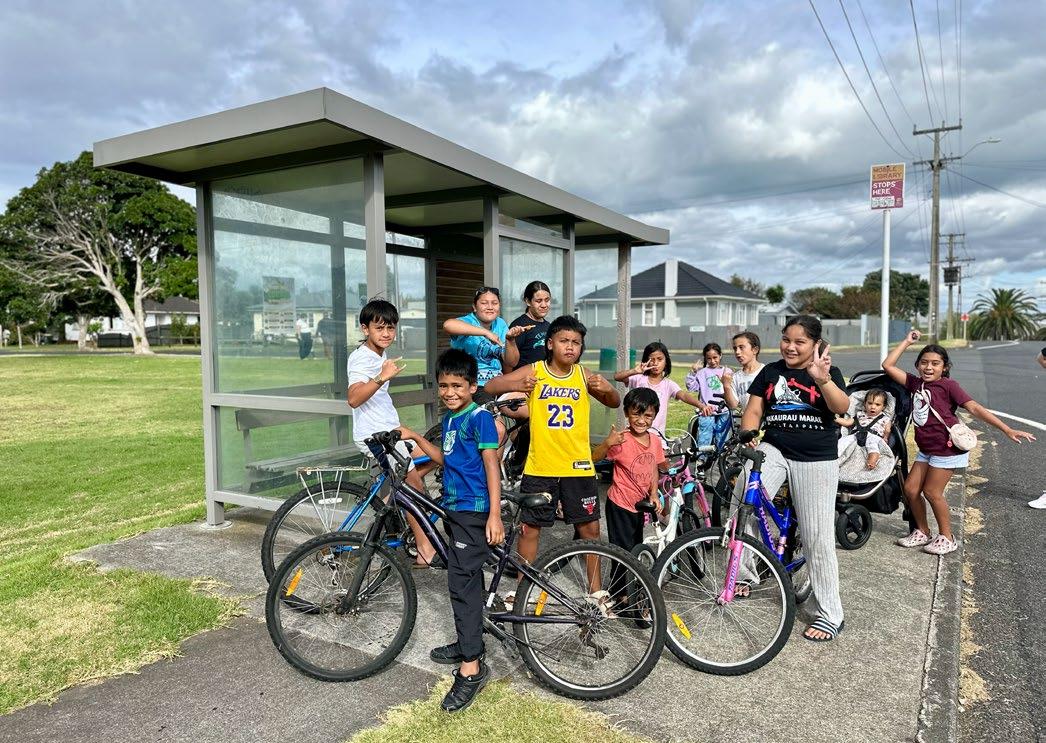
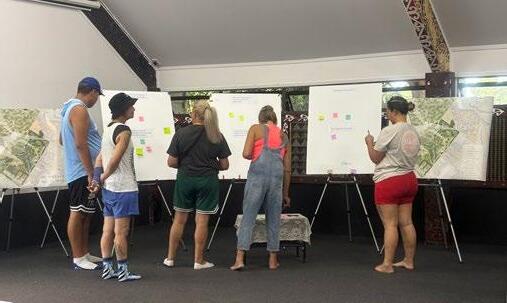
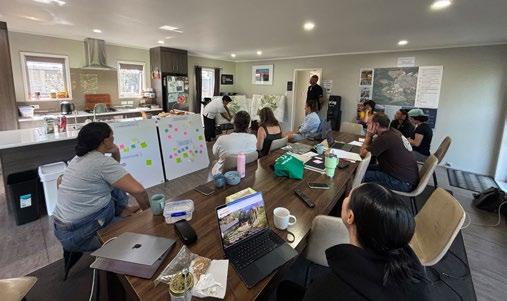
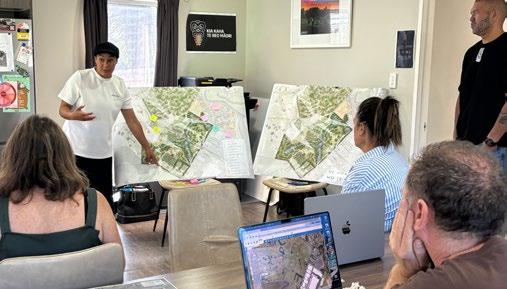
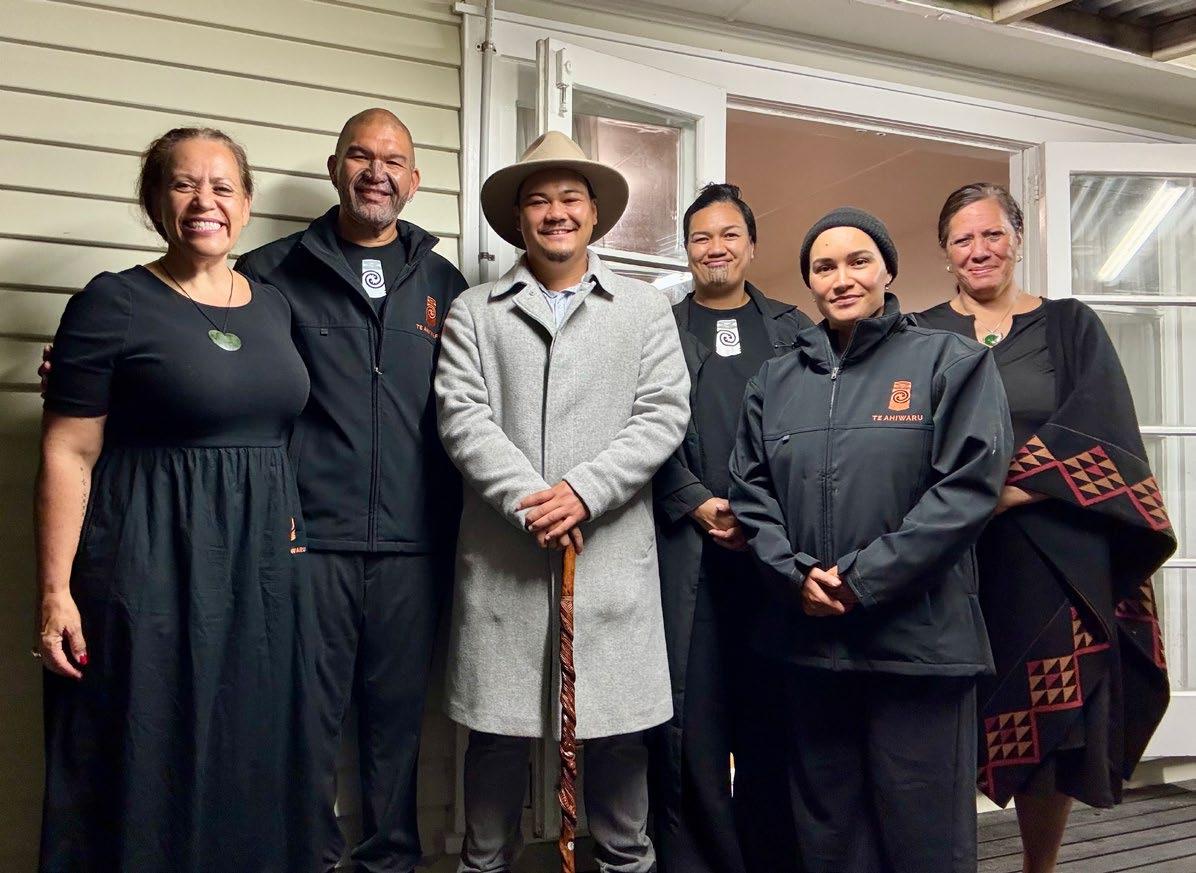
Whaanau engagement and co-design sit at the heart of this mahi. In March and April 2026 more than 12 hui, waananga and design sessions have taken place both online and in-person, involving more than 70 whaanau. Engagement has been intentionally intergenerational, with kaumaatua, rangatahi and tamariki all contributing to the whakaaro, priorities and aspirations shaping the refreshed Whakakitenga. This ensures the vision reflects lived experience across generations and remains grounded in whaanau reality, values and future hopes.
This refresh represents an important step in translating our long-held Whakakitenga into a visual map that is practical, includes staged pathways that will guide decision-making, investment and development, while strengthening the enduring relationship between our whaanau and the whenua we love for generations to come.
Ideations will be shared with whaanau over the Matariki period with the opportunity for more whaanau waananga to take place throughout the year. Stay connected so you can contribute to the next iteration of the Whakakitenga moo te Whenua map.
Taapapa Limited
Taapapa Limited is a wholly owned subsidiary of Te Ahiwaru Trust, established to progress whaanau led housing and kaainga development across Ihumaatao and Te Ahiwaru rohe. Taapapa holds and manages housing assets, supports papakaainga development, and undertakes tenancy and sector facing work to give effect to the Trust’s long term housing aspirations.
Taapapa Limited continues to give effect to Te Ahiwaru’s housing aspirations by supporting whaanau led kaainga that are grounded in whakapapa, mana motuhake and kaitiakitanga. Over the past year the Maaori housing and Community Housing Provider (CHP) landscape has continued to shift, and Taapapa has adapted accordingly while maintaining a clear focus on long term intergenerational outcomes for our whaanau of Te Ahiwaru and Taamaki Makaurau. Our mahi this year has been guided by four whaainga (goals), with key outcomes and achievements outlined below.
WHAAINGA 1:
Increase Adequate Housing Stock
Taapapa has continued to prioritise the return, protection and development of whenua for future kaainga.
Key outcomes this year include:
• Hoki Whenua Mai: Successfully facilitated the return and purchase of whenua and kaainga at 517 Oruarangi Road held by the Trust to support whaanau housing outcomes, with the property now tenanted by a Te Ahiwaru whaanau member.
• Kaainga: Progressing the groundwork for the purchase and transfer of whaanau-owned whenua at 541 Oruarangi Road. This ongoing mahi significantly strengthens Te Ahiwaru's ability to grow kaainga within the paa for future generations.
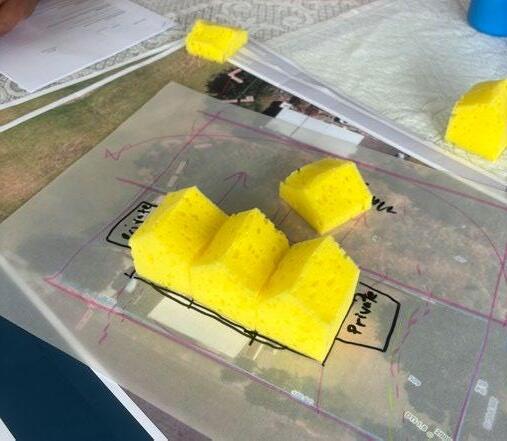
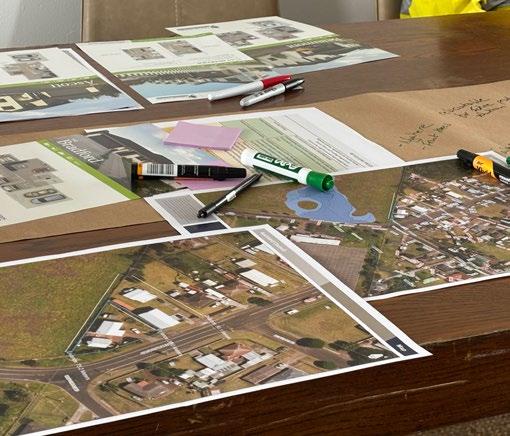
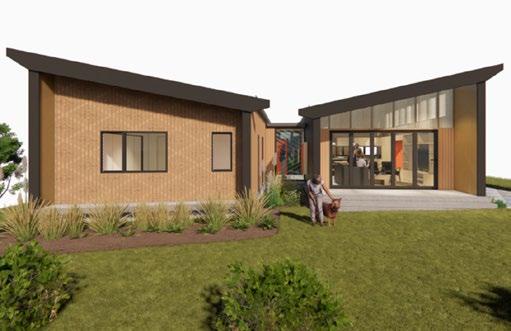
• Te Ahiwaru Oruarangi (541 & 543) Kaainga Development : completion of the feasibility study for 6-8 kaainga, with the project progressing toward resource consent readiness.
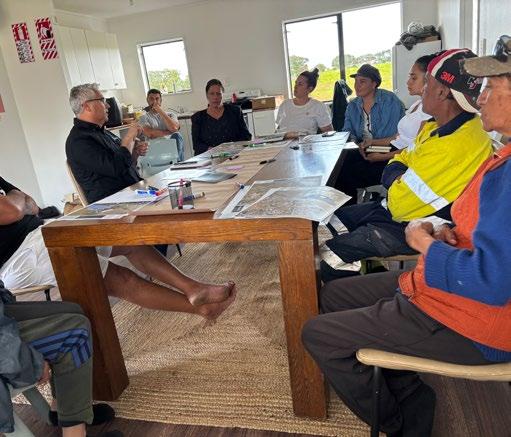
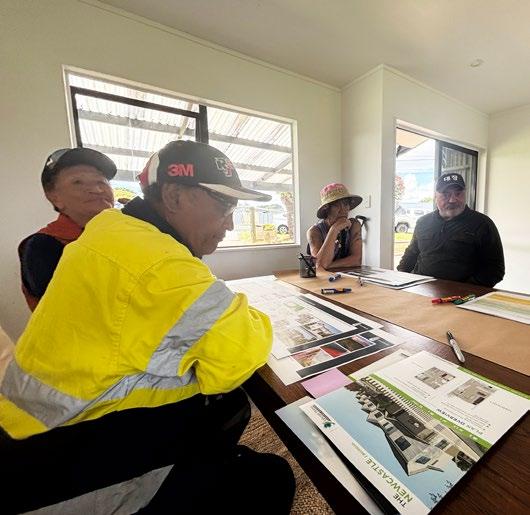
• Continued support: For whaanau led papakaainga developments, including feasibility studies, project management support and assistance with funding applications, resulting in whaanau returning to their whenua and new whare.
WHAAINGA 2: Support Whaanau into Safe, Warm and Affordable Kaainga
Taapapa has maintained a focus on practical, kaupapa aligned support which responds to the lived realities of whaanau seeking kaainga solutions.
Key outcomes this year include:
• Ongoing housing advocacy and pastoral support for whaanau navigating complex housing pathways.
• Supported more than seven Te Ahiwaru whaanau through the Te Puni Kōkiri Critical Maaori Housing Repairs Programme.
• Supported three whaanau through the Auckland Council Maaori Housing Fund application process.
• Submission of a Flexi Fund application to support the development of new kaainga and enable whaanau led housing solutions at Ihumaatao and across our rohe.
WHAAINGA 3:
Build Organisational Capacity and Long term Financial Sustainability
Recognising that strong systems and leadership are critical to delivering enduring outcomes, Taapapa invested in organisational capability and strategic planning.
Key outcomes this year include:
• Participation of Taapapa management and Directors in the Maaori Housing Leadership Conference in Waitangi, providing valuable sector insight, inspiration and relationship building.
• Review and refinement of Taapapa’s policies, annual and five year strategic plans to ensure alignment with sector changes and Te Ahiwaru’s long term aspirations.
WHAAINGA 4:
Manage Social Housing Tenancies in a Professional and Accountable Manner
While Taapapa is not currently managing permanent social housing tenancies, significant groundwork has been laid to support future growth in this area.
Key outcomes this year include:
• Successfully entering Taapapa’s first tenancy management arrangement, with additional tenancies scheduled to commence in the coming period.
• Maintenance of compliance as a Class 1 Community Housing Provider, meeting all CHRA requirements.
• Continued strengthening of policies, systems and relationships to support scalable, accountable tenancy management.
Partnerships and Sector Engagement
Taapapa has continued to work closely with strategic partners to strengthen outcomes, share knowledge and remain connected across the housing and community development sector.
Key relationships maintained and grown this year include:
• AUT School of Future Environments (Architecture Design Studio)
• MAU Studio
• CHP Assist
• Monte Cecilia
• Puurangakura
• Tindall Foundation
• Foundation North
• ASB
• Community Housing Aotearoa
These partnerships support both immediate project delivery and long term sector capability for Maaori led housing.
Governance and Accountability
Taapapa operates with its own Board and governance arrangements while remaining aligned to Te Ahiwaru Trust’s strategic direction.
Taapapa held its Annual General Meeting in September, reporting positively on organisational performance, compliance and future direction. The Board continues to provide strong governance oversight and strategic leadership.
Taapapa Limited Directors:
• John Whaanga
• Edwina Pirihi (Chairperson)
• Ngaati Tahinga Wilson
• Stephanie Tawha
Taapapa General Manager: Pania Newton
Looking Ahead
In the year ahead, Taapapa Limited looks forward to:
• Taking on additional tenancy management responsibilities.
• Continued organisational growth and strengthening.
• Advancing the development of new kaainga within Ihumaatao, grounded in Ahi Kaa and mana motuhake.
Acknowledgements
Taapapa Limited acknowledges the continued leadership and guidance of our Board and the tautoko of our funders and partners. We particularly acknowledge The Tindall Foundation (Resource Consent Preparedness), Te Puni Kōkiri (support for whaanau through the Critical Maaori Housing Repairs Programme), MAU Studio (operational and programming support), and Monte Cecilia for their advice, mentoring and support of our kaupapa. We also acknowledge the wider Te Ahiwaru whaanau whose aspirations continue to guide and ground our mahi.
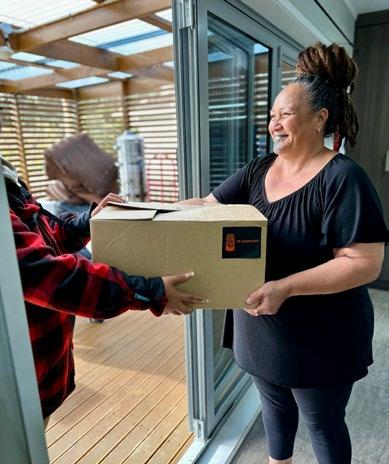
Kai Box Support
He kai kei aku ringa There is food in my hands
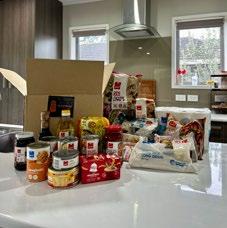
Our Kai Box Hub is a safe, confidential space designed to support our people during times of need. Built on the principle of manaakitanga, we believe that no whaanau should ever go hungry, and no one should ever feel whakamaa for seeking help.
For whaanau requiring immediate assistance, our pre-packed kai boxes have provided basic nourishment and financial relief, allowing household funds to be redirected toward other urgent needs like power or rent.
Our Kai Box Support sits within a wider Maaori led kai and care network. Our kai boxes are sourced through the Taumata Koorero collective and the Puku Kai Hub, a kaupapa established to strengthen food security for whaanau across Taamaki and beyond. This collective approach ensures kai is distributed with dignity, consistency and care, while supporting Maaori led systems of provision grounded in manaakitanga and reciprocity.
While the hub provides immediate relief, our ultimate goal is mana motuhake, supporting whaanau to become self-sustainable and selfsufficient. We want to move from dependency to food sovereignty, where our people have the skills and resources to feed themselves from the whenua.
To support this journey, we encourage whaanau to explore:
• Creating a maara kai: starting a small garden at home to grow fresh, healthy produce for your own table.
• Planting workshops: join our Ahi Tahutahu Taiao Wednesdays and Volunteer Sundays to upskill in planting, harvesting and storing fruit and vegetables.
• Resource sharing: connect with local networks for seeds, seedlings and composting support.
The whakataukii above reminds us that we all have the capability to create success and provide for our families through our own actions. By tending to the whenua, we don't just grow food, we restore our spiritual connection to the land and improve our overall hauora.
TO ACCESS KAI BOX SUPPORT:
Walk in at Te Ahiwaru tari Mon – Fri between 9am – 2.30pm Call 09 242 2068
Text 021 077 1311
Email nihia@teahiwaru.co.nz
Life Jacket Hub
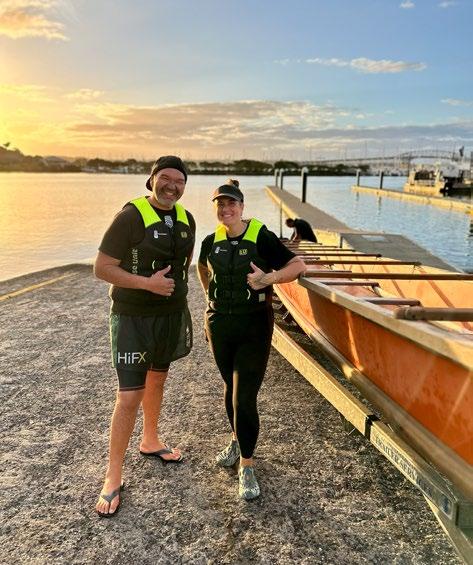
To support our whaanau to enjoy our awa and moana safely our mission is simple - remove any financial barriers to water safety and ensure that every person, from our peepi to our kaumaatua, comes home safe.
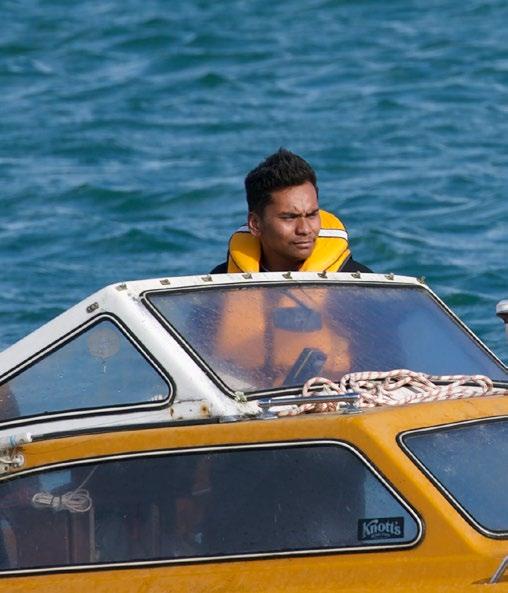
Te Ahiwaru, in partnership with Drowning Prevention Auckland, house 30 life jackets available to whaanau free, to use. Whether its for a day of swimming, kayaking, jet boating, waka adventures, or heading out on the boat, safety should never be a luxury.
How it Works:
We’ve made the booking process as easy as possible to encourage more whaanau to access:
1. Scan: Use the QR code on our flyer.
2. Select: Scroll down to ‘Te Ahiwaru’ and fill in your details and the dates you need.
3. Confirm: You’ll receive a response with a scheduled pick-up time.
Fitting
We provide a personalised fitting to ensure the jacket is secure and safe for each person.
All we ask is that the jackets are brought back dry and in the same condition as they left, so they are ready for the next whaanau to use. We have sizes for adults and children.
• Tamariki: Child Small, Medium and Large.
• Pakeke: Adult Small through to 2XL.
Our Impact
It has been rewarding to see our jackets being used across so many different activities and knowing that our hapuu is directly contributing to the safety of our whaanau on the water. We aren’t just lending equipment, we are providing peace of mind and protecting the future of our hapuu.

Aupiki ki te tihi Education Strategy
Aupiki ki te tihi Education Strategy
Tuumatakahuki #1 Goals
Weaving a sustainable papakaainga way of living.
Tihi #1
Priority
Tihi #2
Priority
Vision:
Vision
Every whare is adorned with maatauranga
Every whare is adorned with maatauranga
Mission:
Mission
Weave together the voices of our whaanau
Weave together the voices of our whaanau,
To carve futures of greatness
To carve futures of greatness.
Values
Values
• Manaakitanga
• Manaakitanga
• Whanaungatanga
• Whanaungatanga
• Kotahitanga
Create pathways to teach, learn and pass on Te Ahiwaru maatauranga, stories, tikanga, kawa and te reo Maaori.
Influence quality relationships between our whaanau/ hapuu and schools.
Ngaa Whenu Outcomes Ngaa Whenu Outcomes
Our paepae will have at least 15 kaikoorero and 15 kaikaranga
We will have a puna of Te Ahiwaru maatauranga
Our whaanau can confidently engage with schools to support and better understand the learning of their tamariki mokopuna .
Our whaanau have representation on local school Boards of Trustees.
• Kotahitanga
• Rangatiratanga
• Rangatiratanga
Our whaanau will have the knowledge to operate confidently in all areas of the marae and urupaa .
Our whaanau are confident speakers of te reo o Te Ahiwaru.
Te Ahiwaru Trust has meaningful relationships with schools
Development of Te Ahiwaru histories and leaders of local curriculum for Maangere schools.
Tuumatakahuki #2 Goals
Carving quality education pathways
Tihi #3
Priority
Influence quality teaching approaches in schools for our whaanau.
Ngaa Whenu Outcomes
Our tamariki mokopuna are successful at school.
We provide professional development for schools that ensure our tamariki mokopuna reach their fullest potential.
We provide educational advice and authentic outdoor experiences that share our Te Ahiwaru histories and stories.
Tihi #4
Priority
Tihi #5
Priority
Provide mentoring and support for education and learning navigation. Create sustainable education, training career pathways and employment opportunities.
Ngaa Whenu Outcomes
Mentoring to navigate successful schooling (study skills, stress, anxiety, time management, peer relationships, impacts of social media).
Career paths are visible from a young age and whaanau are an active part of it.
Build support systems for learners with special learning needs and their whaanau.
Ngaa Whenu Outcomes
We have strong support structures and partnerships for whaanau to access lifelong learning and career opportunities.
Increased whaanau achievement in higher education, training, employment & business.
Develop a Te Ahiwaru digital hub to provide innovative and modern learning opportunities
Provide educational opportunities that builds financial literacy
Te Reo o Te Ahiwaru
Taakiri tuu te kotahitanga, taakiri tuu te mana motuhake
Stand in solidarity on the path to self-determination
-
Naa Kiingi Tuheitia Pootatau Te Wherowhero tuawhitu
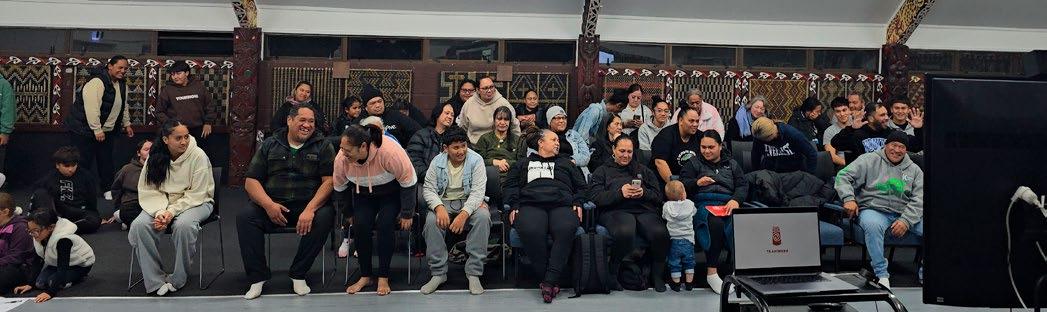
Te Reo o Te Ahiwaru, ahakoa kua panoni te ingoa, he kaupapa oorite, he kaupapa whakarauora i te reo Maaori me ngoona tikanga mo Te Ahiwaru hapuu me ngaa kongakonga oo Makaurau Marae ,me te whaanau whaanui o te papakaainga. He kaupapa whakamana i te hapori, he kaupapa whakaora anoo hoki. I timata te kaupapa nei i te tau 2023.
He kaupapa ora. E hake i te mea ka ako i te reo me ngoona tikanga anahe, engari ka ako i ngaa koorero tuku iho, mai te tupua a Mataoho me Maki te Tuurehu, ki te taenga mai aa Hape raaua ko Kaiwhare, me te hekenga mai o ngaa waka me ngaa tuutohu whenua e haangai ana ki a Te Ahiwaru ake. Ki te kore taatou e whakarauora i te reo me ngoona tikanga, ka ngaro.
Te Reo o Te Ahiwaru is one of the ways we work to bring the goals and aspirations of our hapuu to life. By providing a reo learning opportunity, the programme strengthens our whaanau reo Maaori capabilities, making te reo Maaori the prominent nurturing language at home. Te Reo o Te Ahiwaru also supports our aspirations to grow the capacity and capabilities of our pae koorero and pae karanga within our hapuu.
Te Reo Uukaipoo is a 30-week programme open to learners of all abilities. Whaanau develop a language plan for their home, learn karakia and waiata of
Te Ahiwaru and Waikato, and through different contexts, our language learning enables the use of simple, everyday words and phrases in all areas of the home.
Te Reo Kaakaho is a 30-week programme open to learners who have completed Te Reo Uukaipoo. Whaanau grow and develop their language skills and knowledge of tikanga Maaori. This programme is delivered in a total immersion te reo Maaori setting.
The units in this programme have been designed for those who have started their journey of learning te reo Maaori. However, it will also be beneficial to those who have a good understanding or those wanting to be involved in an immersion programme to strengthen language skills. The programme is suitable for learners across all adult age groups. Te Reo Kaakaho is delivered over 14 units across one year. Most units focus on strengthening reo Maaori, with the final two units dedicated to tikanga.
I tuu ai ngaa kura poo ki runga i too taatou marae o Makaurau me te kura o Te Piriti o Maangere. I teenei tau ka timata hei te mutunga o te marama o Huurae. Ka haangai te kaupapa nei ki te aranga o Matariki tae atu ki toona hekenga.
Te Taapapatanga a Hape (Achievements)
• Te haerenga ki Waahi Paa Marae ki te whakanui i te raa wairua tuatahi o Kiingi Tuheitia Pootatau Te Wherowhero te tuawhitu.
• Ngaa waananga mo Te Reo o Te Ahiwaru 2025 / 2026.
• Waananga 29-31 Akuwhata ki Makaurau Marae 2025.
• He waananga tuakiritanga.
• Te waananga tahi, ako tahi, kai tahi, moe tahi, koorero tahi i raro i te aahuru moowai o Taamaki Makaurau whare tuupuna, me Makaurau tuatahi, tuarua.
• Te manawauu o ngaa whaanau ka kaha tae atu ki ngaa kura poo.
• Te poo whakamaanawa.
Naa Te Maataawai me Waikato-Tainui ngaa puutea i whoomai ki te tutuki i teenei kaupapa.
Noo maatou hoki te whiwhinga nui ki te whakamahi i ngaa rauemi o Waikato-Tainui, ko te ingoa o ngaa rauemi ko Te Reo Uukaipoo me Te Reo Kaakaho
Ko Davika Wilson te Pouako mo Te Reo Kaakaho tau tuarua o Te Ahiwaru (Rangapuu tuatahi).
Ko Haki Wilson te Pouako mo Te Reo Kaakaho o Te Ahiwaru (Rangapuu tuarua).
Ko Te Pe’amouroa Wilson te Pouako mo Te Reo Uukaipo o Te Ahiwaru (Rangapuu tuatoru).
Te reo o Te Ahiwaru
Ko ngoona kaupapa
Rangapuu tuatahi: Te reo Kaakaho o Te Ahiwaru tau tuatoru
Taumata 4
Rangapuu tuarua: Te reo Kaakaho o Te Ahiwaru tau tuarua
Taumata 3
Rangapuu tuatoru: Te reo Kaakaho o Te Ahiwaru
Taumata 2
Rangapuu tuawha: Te reo Uukaipoo o Te Ahiwaru
Taumata 1
Whakapaa mai: Ngaati-Tahinga Wilson
For more information you can contact Ngaati-Tahinga Wilson
ngati-tahinga.wilson@teahiwaru.co.nz
Ngaa uri oo Hape (Participants)
mo Te reo Uukaipoo o Te Ahiwaru 40
ngaa whaanau i reehita
ngaa whaanau i reehita
mo Te reo Uukaipoo o Te Ahiwaru
ngaa whaanau i reehita
mo Te reo Kaakaho o Te Ahiwaru
ngaa whaanau i reehita
mo Te reo Uukaipoo o Te Ahiwaru
ngaa whaanau i reehita
mo Te reo Kaakaho o Te Ahiwaru
ngaa whaanau i reehita
mo Te reo Kaakaho tau tuarua o Te Ahiwaru
Te Karanga a Hape (Graduates)
ngaa whaanau i puta aa ihu mo Te reo Uukaipoo o Te Ahiwaru 12
- Waahine 2023
ngaa whaanau i puta aa ihu mo Te reo Uukaipoo o Te Ahiwaru 12
ngaa whaanau i puta aa ihu mo Te Ahiwaru te reo Kaakaho 6
ngaa whaanau i puta aa ihu mo Te reo Uukaipoo o Te Ahiwaru
10 ngaa whaanau i puta aa ihu mo Te reo Kaakaho o Te Ahiwaru
ngaa whaanau i puta aa ihu mo Te reo Kaakaho tau tuarua o Te Ahiwaru
2025/2026
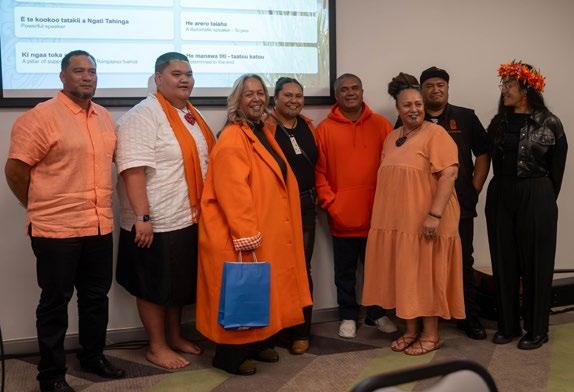
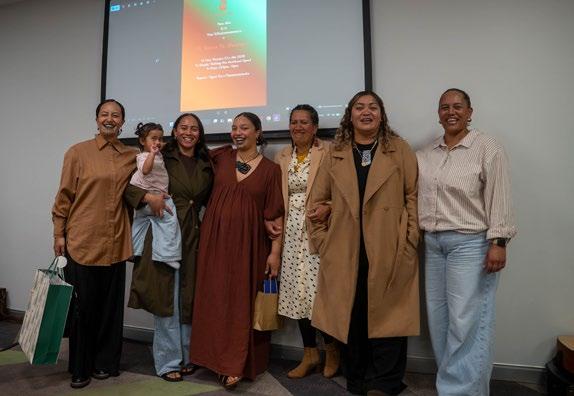
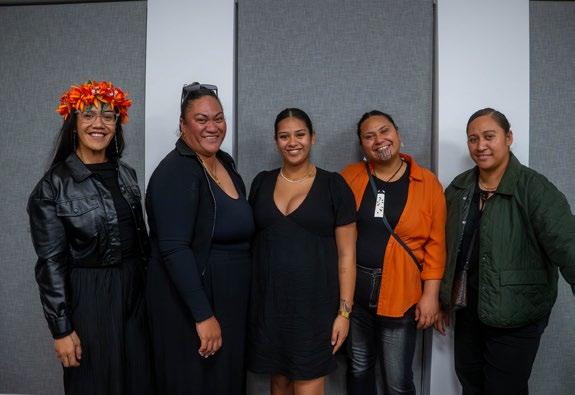
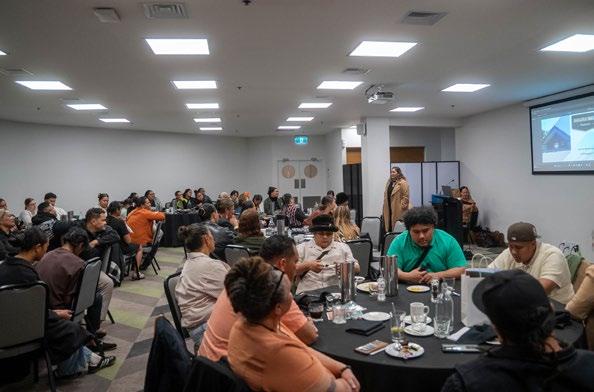
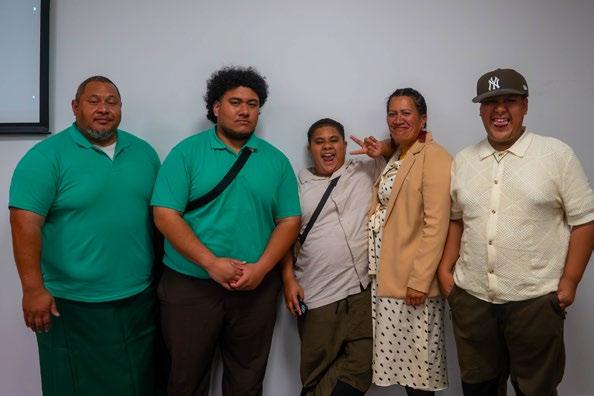
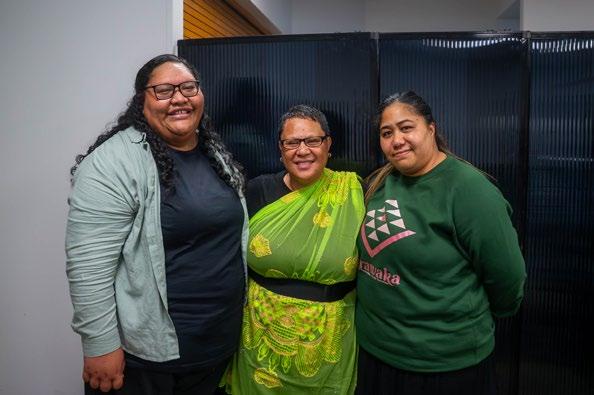
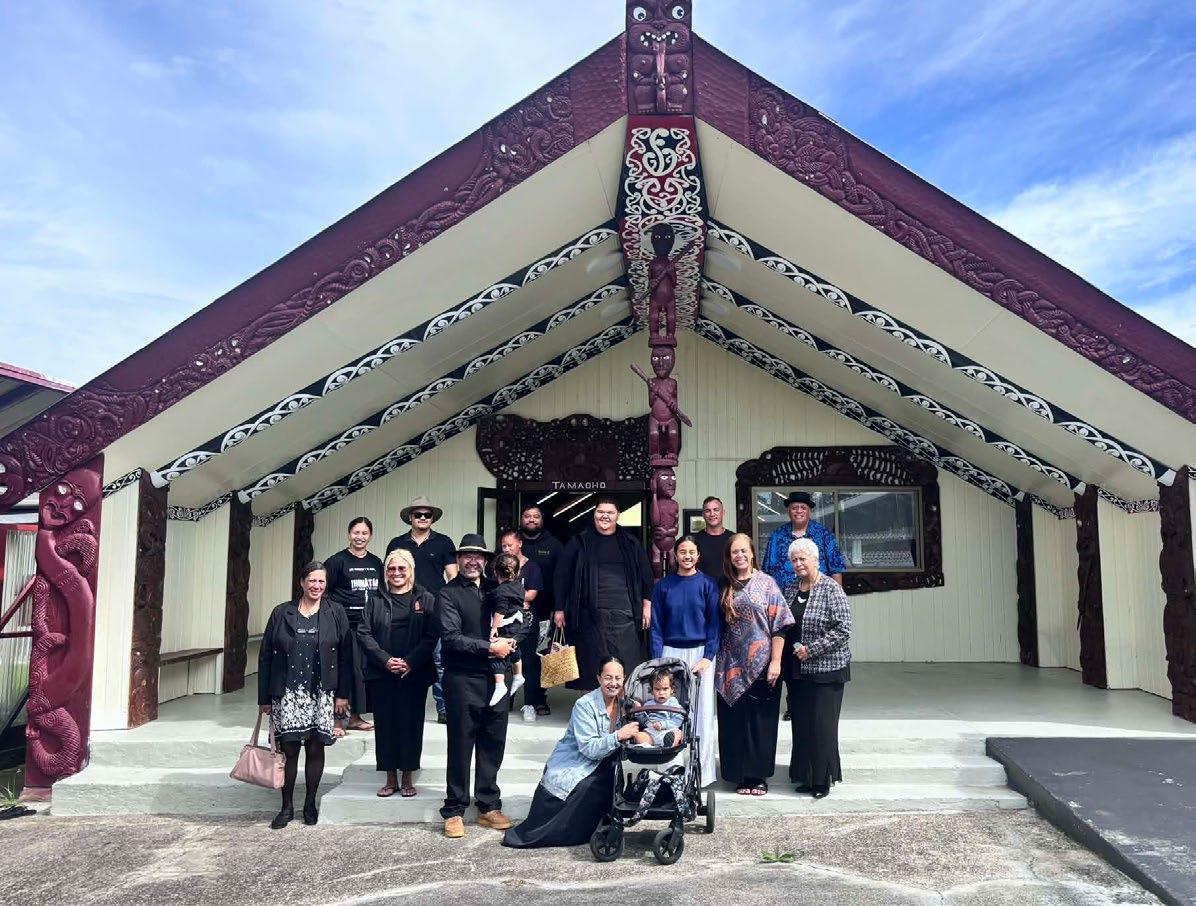
He Pae Koorero o Te Pae aa Maki
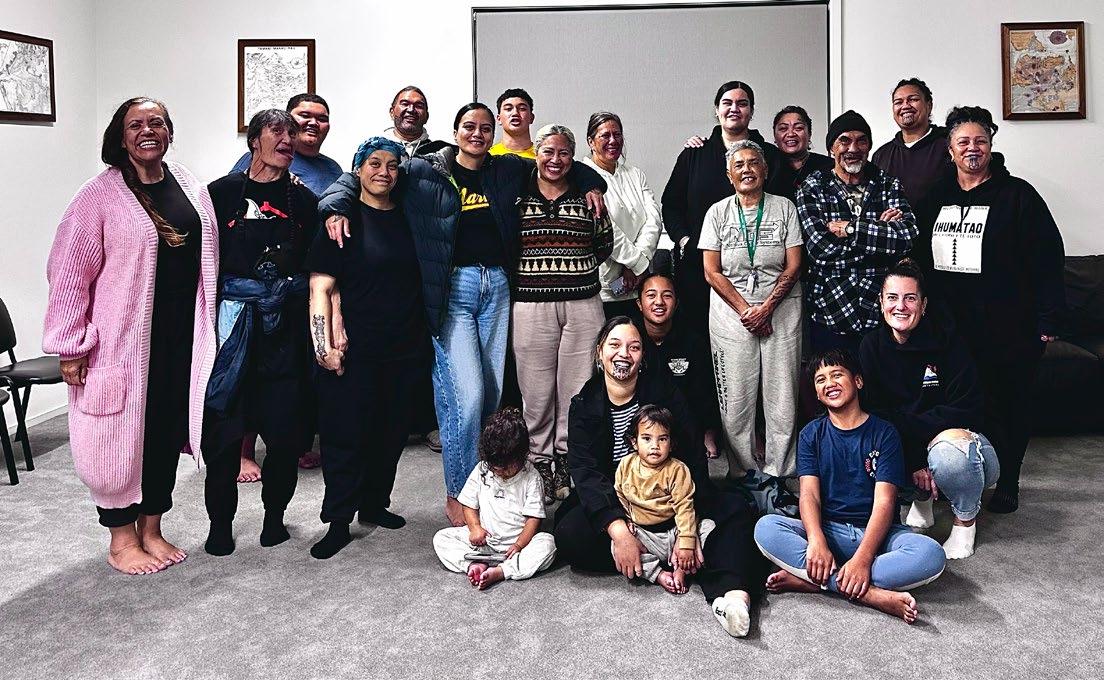
He kaupapa whakapakari i te pae koorero me te pae karanga o Makaurau Marae me ngoona hapuu, koia ko Te Ahiwaru, Te Waioohua me Ngaati Mahuta. He kaupapa e aro ana ki te reo me ngoona tikanga, ki te marae me toona kawa.
Whakamaarama mo te Matariki ki tua
Nau mai ki teenei kaupapa naa Te Ahiwaru hapuu me Makaurau Marae i waehanga hei whakawhaanui i te moohiotanga o ngaa maramara taipakeke nei o ngaa whaanau oo Te Ahiwaru me Makaurau Marae ki ngaa aahuatanga o te rohe whaanui oo Taamaki aatikanga, aa-koorero tuku iho, aa-hononga, aa-reo.
Maa wai te kaupapa nei?
I toona tau tuatahi, kua toro te ringa ki ngaa maramara oo Te Ahiwaru me Makaurau Marae e pepehangia nei:
Mataoho te tupua
Hape te tohunga
Kaiwhare te taniwha
Tainui te waka
Te Maanukanuka oo Hoturoa te moana Manukau te whanga
Te Wai oo Ruarangi te awa
Te Puketaapapatanga aa Hape te maunga
Puketaapapa-Ihumaatao te papakaainga Makaurau te marae
Te Ahiwaru te hapuu
Paearu
• He tangata maia ki too taatou reo Maaori me ngoona tikanga.
• He tangata kaha hiahia ki te kawe i ngaa haepapa o te pae koorero.
• He tangata kaha hiahia ki te whakawhaanui ake i ngoo moohiotanga.
• He tangata kaha hiahia ki te tuku i ngoo maatauranga anoo hoki.
• Me uu ki te kaupapa tae noa ki te mutunga.
Hei te waananga whakamutunga, ngaa mahi whakatutuki i te roanga o te tau. Kei aa koe te koowhiringa. Tuhi waiata, haka, pao, waiata tawhito, whakapuakanga me haangai ngaa mahi ki ngaa aakoranga o te tau.
Whaainga roa: Whakakaha ake te Pae Koorero 15 – 20 i roto i ngaa tau e rima
• Whakahokia mai te tuakiritanga me te reo Maaori me ngoona tikanga o Te Ahiwaru ake.
• Kia haapai tonu ngaa tikanga aa kui maa aa koro maa, kaa mutu me te whakarite he waahi mo ngaa uri whakatupu, kia tupu, kia ora i roto i ngeenei kawenga.
Whaainga poto
Kia whakatuu waananga i roto i te tau, ki ngaa whaa pito o Taamaki Makaurau, ki te whakawhaanui i te tirohanga kaa mutu ki whakawhanaunga atu ki ngaa marae me ngaahapuu o Te Waioohua.
• Whakawhanake te reo Maaori me ngoona tikanga.
• Whakawhanake ngaa pukenga aa ipurangi nei.
• Tauawhi i ngaa kaupapa huhua o Taamaki Makaurau meena e waatea ana.
Te reo tuhi o Te Ahiwaru
I ngaa rauemi a Waikato-Tainui ka kitea te puu takirua e rere ana, kaua te tohu too. He kaupapa here teenei e kawea ana e Waikato hei aawhina i te tangata kia tika tana whakahua i te kupu kua tuhia.
Ehakee teenei i te mita, he puunaha tuhituhi kee teenei naa Bruce Biggs i kookiri, naa Te Kotahi maa i haapai, aa, e haapaingia tonutia nei hei reo aa-tuhi moo Waikato.
Kia mataara, ka rapua koe ngaa kupu Maaori i te papakupu, rapua te kupu me te tohu too, waiho raanei hei puu kotahi, aakuanei maa reira e kitea ai te tikanga o te kupu.
Te Matariki kua hipa
• Te Hautapu o Te Ahiwaru: I whai waahi te pae koorero ki te tuku waerea ki ngaa whetuu o Matariki me ngaa mate o te tau.
• Te raa wairua tuatahi o Kiingi Tuheitia: I whai waahi te pae koorero ki te tuku i ngaa kupu whakaute, kupu poroporoaki ki te Uupoko tuawhitu o te Kiingitanga.
• Ngaa Poukai: I whai waahi te pae koorero ki te kawe i ngaa mate o Te Ahiwaru o Makaurau Marae ki runga ki ngaa marae Poukai.
• 40 tekau tau oo Taamaki Makaurau whare tuupuna: I whai waahi te pae koorero ki te tuku i ngaa kupu whakahoonore ki te whakaaro nui o ngaa tuupuna.
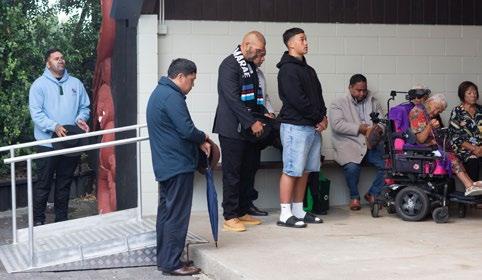
• Ngaa tuuwheratanga me ngaa tomo whare: I whai waahi te pae koorero ki te tuku waerea kia whakawaatea i ngaa ara, otira ki te hura i ngaa taonga, kaa mutu ki te tomo i ngaa whare hou kia waatea mo te ira taangata.
• Tangihanga: I whai waahi te pae koorero ki te kawe i ngaa haepapa nui ki runga i te pae tapu kia haapaI i ngaa tikanga aa kui maa aa koro maa.
• Te kawarua o Te Puea Marae: I whai waahi atu te pae koorero ki te tautoko i te kaupapa o te raa.
• Te Pae kaakaa: Toko wha o te Pae aa Maki i whai waahi atu ki teenei kaupapa nui whakaharahara. Ko Tepe’amouroa Wilson (jnr) raaua ko Torerenuia-Rua Wilson ngaa Ihopuumanawa o Makaurau Marae o Te Ahiwaru hapuu i teenei tau.
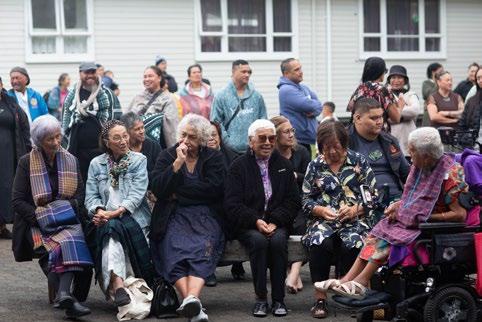
Ngaa whakaritenga me te whakahaere
Ko Ngaati-Tahinga Wilson te pouaarahi o te kaupapa nei. Ka tonoa hoki ngeetehi puukoorero o roto i ngaa whaitua o te rohe whaanui kia tae mai ki ngaa waananga ki te aawhina i te kaupapa.
Mo te taha ki ngaa whakaritenga i raro i te maru o Te Ahiwaru Trust.
Ngaati-Tahinga Wilson ngati-tahinga.wilson@teahiwaru.co.nz 021 280 5432
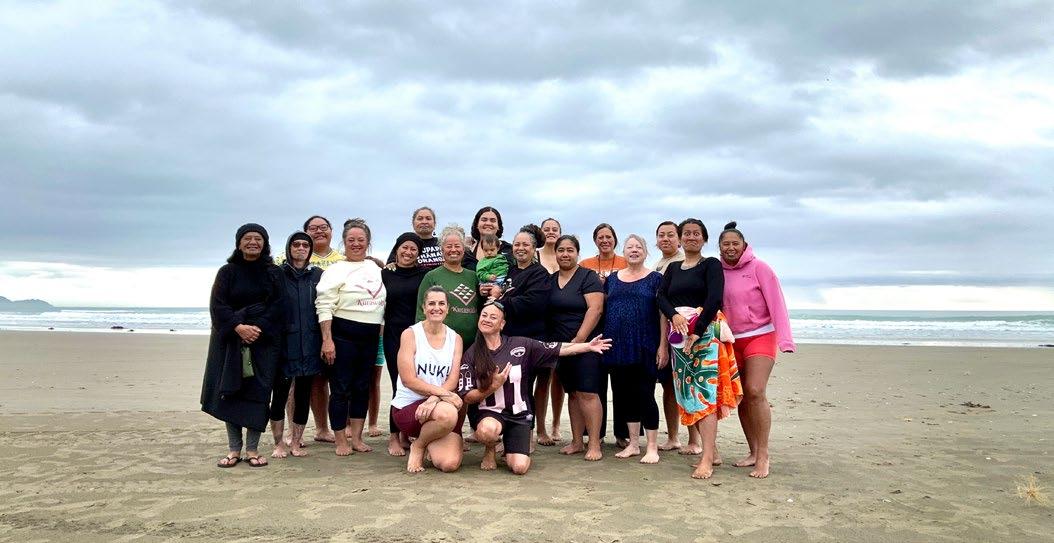
He Pae Karanga o Te Pae aa Maki
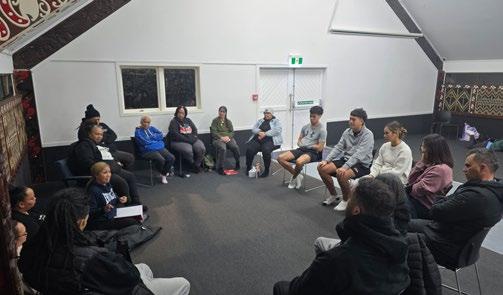
In January and March 2026, sixteen waahine from across our whaanau travelled to Porangahau to continue their journey in karanga through the E Tipu E Rea programme facilitated through Kurawaka. These waahine had previously completed the Whakatoo te Kaakano karanga waananga with Kurawaka and were selected to advance their learning through this intensive kaupapa.
The programme was delivered over two fourday waananga and focused specifically on strengthening karanga practices for tangihanga, hura kohatu and kawe mate, while also deepening participants’ understanding of composition, delivery, tikanga and vocal technique. The waananga created an environment where waahine could not only refine technical skill, but also strengthen confidence, spiritual connection and relationships with one another as kaikaranga.
This kaupapa forms part of a wider strategic aspiration shared by Makaurau Marae and Te Ahiwaru to actively strengthen our pae karanga over the next five years. Through this collective approach costs associated with the programme were sponsored by Makaurau Marae, with a goal of nurturing between 15–20 capable kaikaranga to carry these responsibilities into the future.
Organised by Qiane Matata-Sipu the group represented a range of whaanau, including respected stalwarts of our marae and hapuu, Edwina Pirihi and Karen Matata, whose presence, guidance and commitment added immense value to the kaupapa. The intergenerational nature of the waananga reflected the importance of succession planning within our cultural practices and the need to ensure these traditions remain living, visible and strong.
A significant highlight of this journey came during early 2026 as we celebrated 40 years of our whare tuupuna, Taamaki Makaurau. The growing cohort of waahine developing their karanga skills stood alongside others from across our whaanau to tuku karanga to our whare - a powerful line of women calling to our tuupuna, our tuutohu whenua and our whare tuupuna. It was a moving expression of learning in action and a visible reflection of the strength and growth of our pae karanga. The moment carried the hopes of those who came before us and affirmed the importance of continuing to invest in the revitalisation of these sacred cultural practices for generations to come.
From the pae:
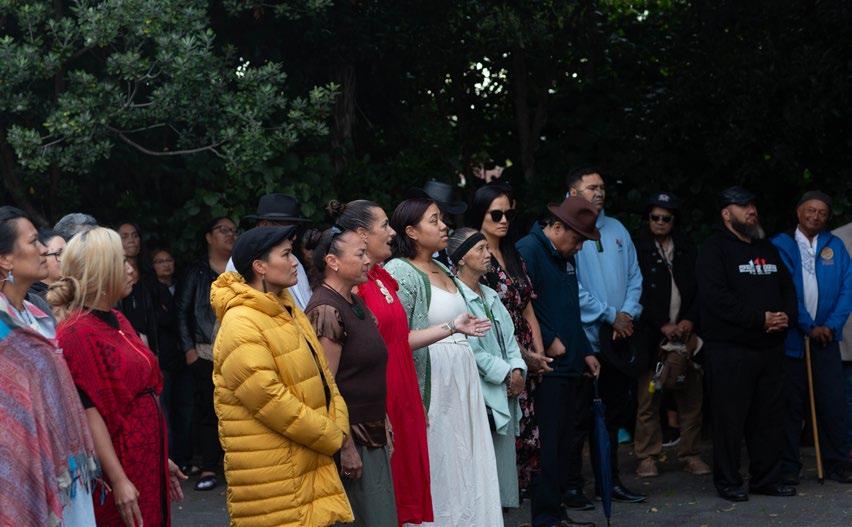
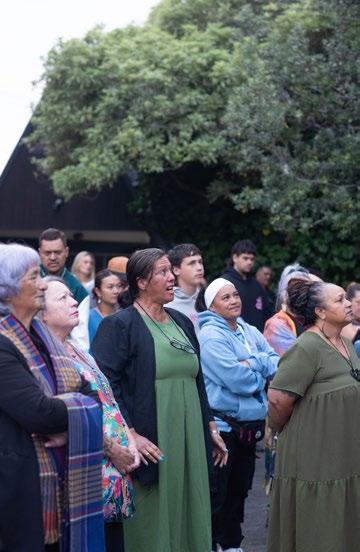
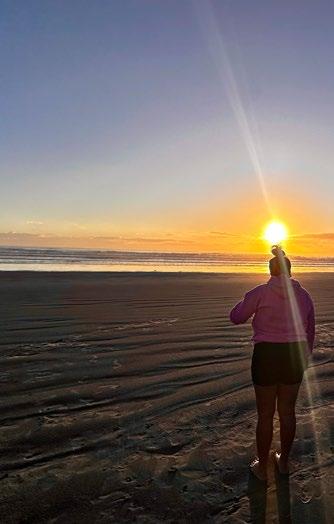
“The waananga pushed me far beyond my comfort zone, but it strengthened my courage and connection to our tikanga. Standing to karanga publicly for the first time during the 40th anniversary was emotional and empowering. It reminded me how important it is for waahine Maaori to reclaim these sacred spaces and continue growing in our reo and cultural knowledge.” Aroha Baker
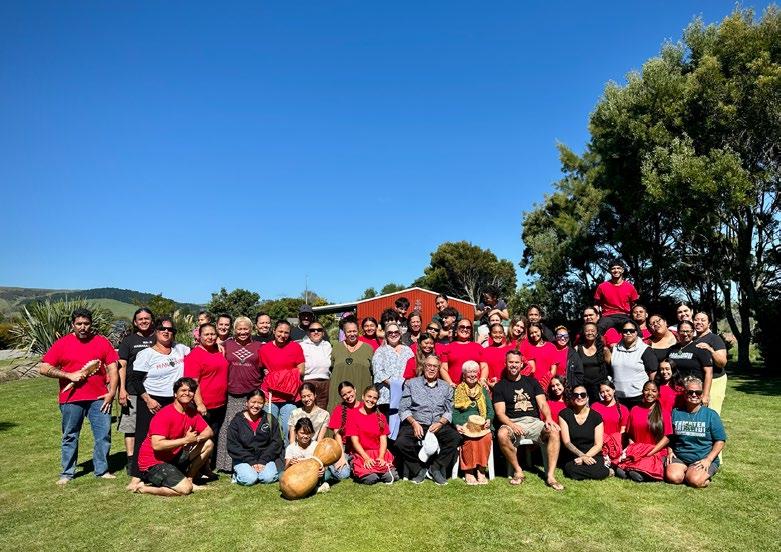
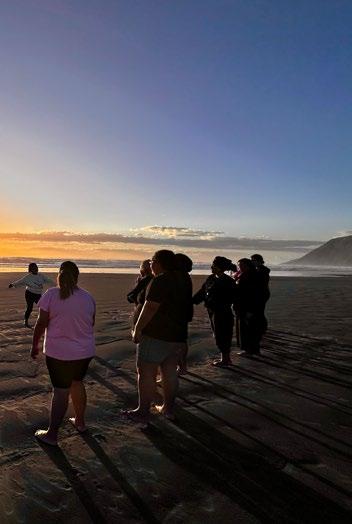
“Karanga brought us together as waahine - learning, laughing and building deeper relationships with one another. I never imagined I would be able to compose karanga myself, butthis journey showed me I can. Seeing so many waahine stand together on our pae during the 40th anniversary of our wharenui made our tuupuna dreams feel alive.” Karen Matata
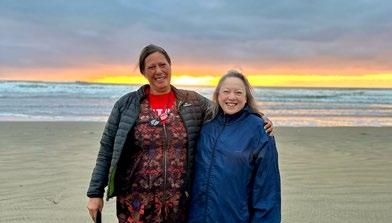
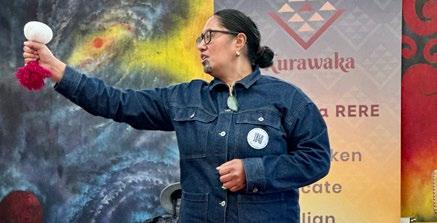
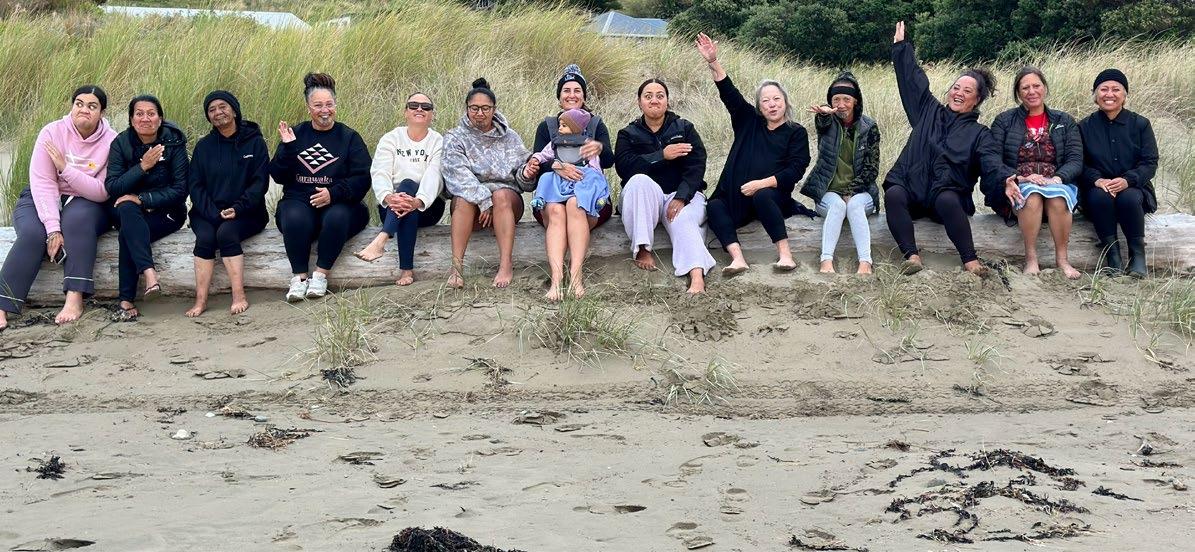
“This haerenga helped reconnect me to my maatauranga, my whaanau and myself. Being surrounded by waahine Atua in Porangahau was healing, grounding and uplifting. The experience deepened my confidence and reminded me of the power of our pae karanga and the importance of carrying these traditions forward together.”
Leanne Ngatai
Here Ko Tukutuku
A journey of healing and expertise
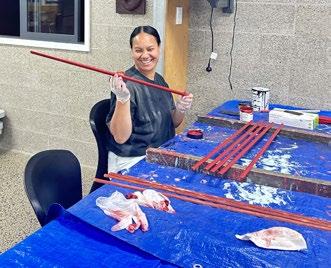
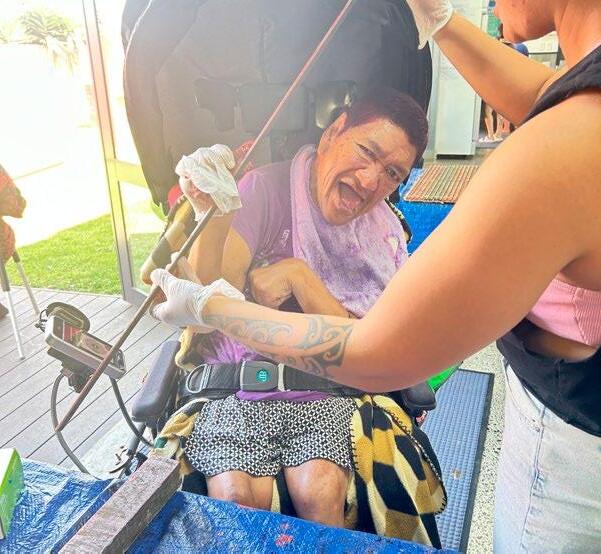
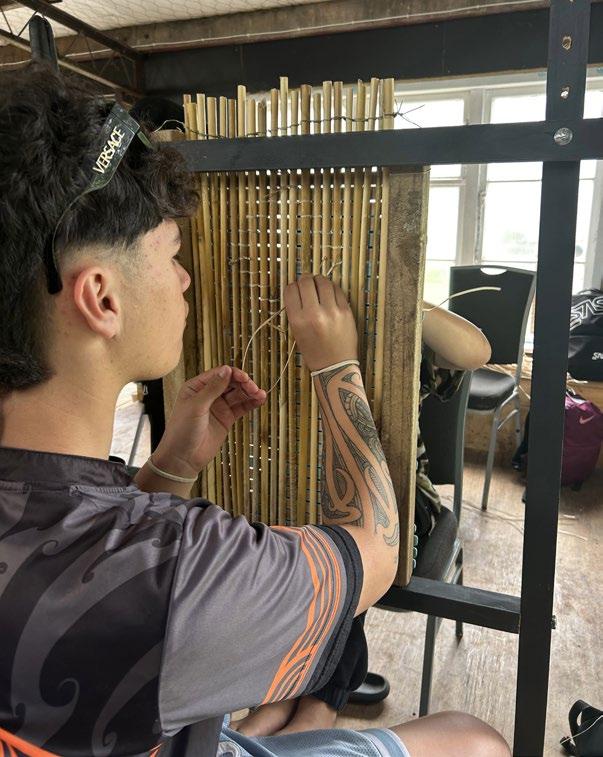
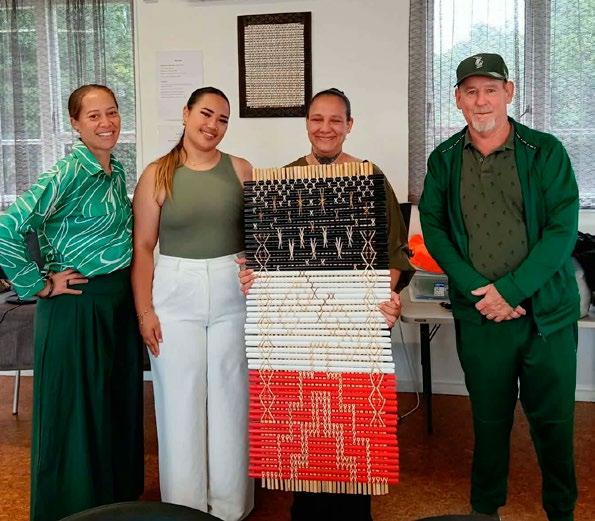
This past year the Here Ko Tukutuku team and our wider whaanau successfully restored 29 tukutuku and bordering whakairo in our whare tuupuna Taamaki Makaurau. While this mahi was visibly transformational for our whare, the real achievement was the shift in our people.
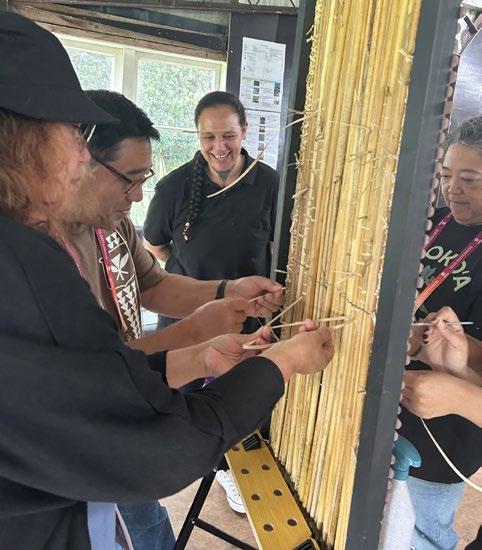
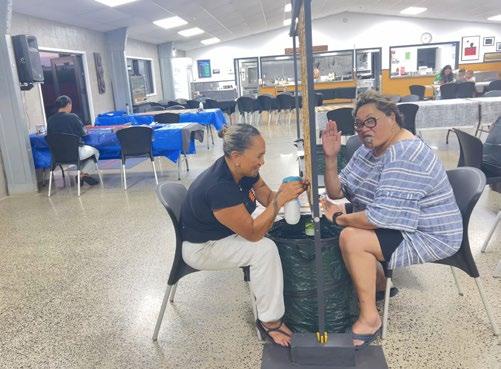
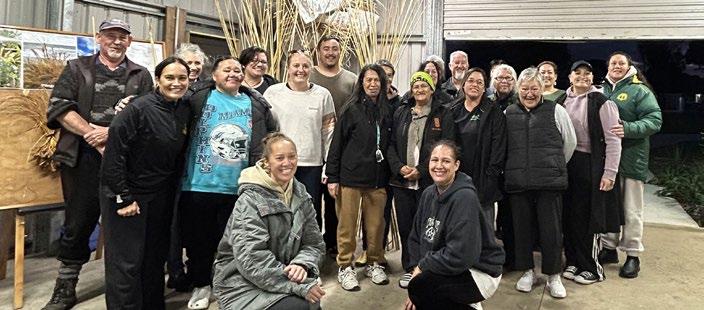
Beyond the technical skill gained, this kaupapa has served as a powerful space for healing. By returning to our traditional arts, many of our whaanau have found a sense of peace and belonging. The rhythm of the weave and the shared koorero has provided a place to reconnect with our roots and recover from the pressures of the outside world. This project has shown us that when we breathe life back into our traditions and our connections to one another, we restore ourselves.
The success of this mahi stands on a foundation of tremendous support from our whaanau at Ooraakei
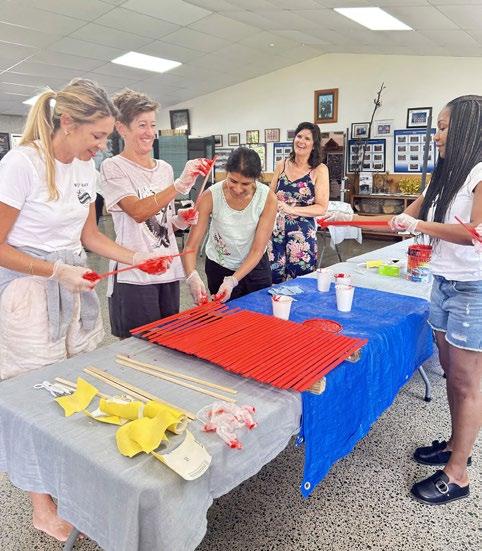
and Te Puaawai. Their guidance has supported our transition from learners into capable practitioners of tukutuku, helping us to reclaim, hold and pass this knowledge within Te Ahiwaru. The involvement of these mentors has provided the technical and cultural backbone for our growth, and they remain a pillar of our success today.
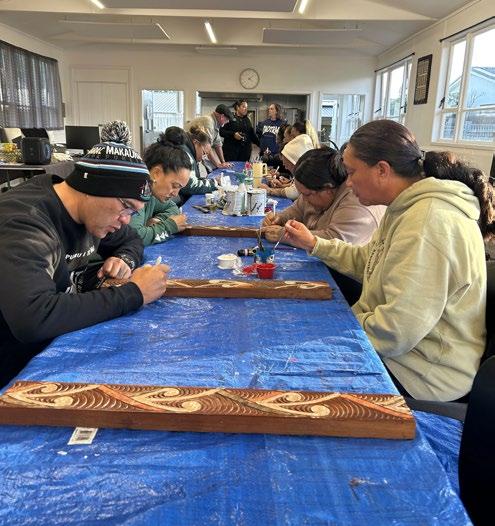
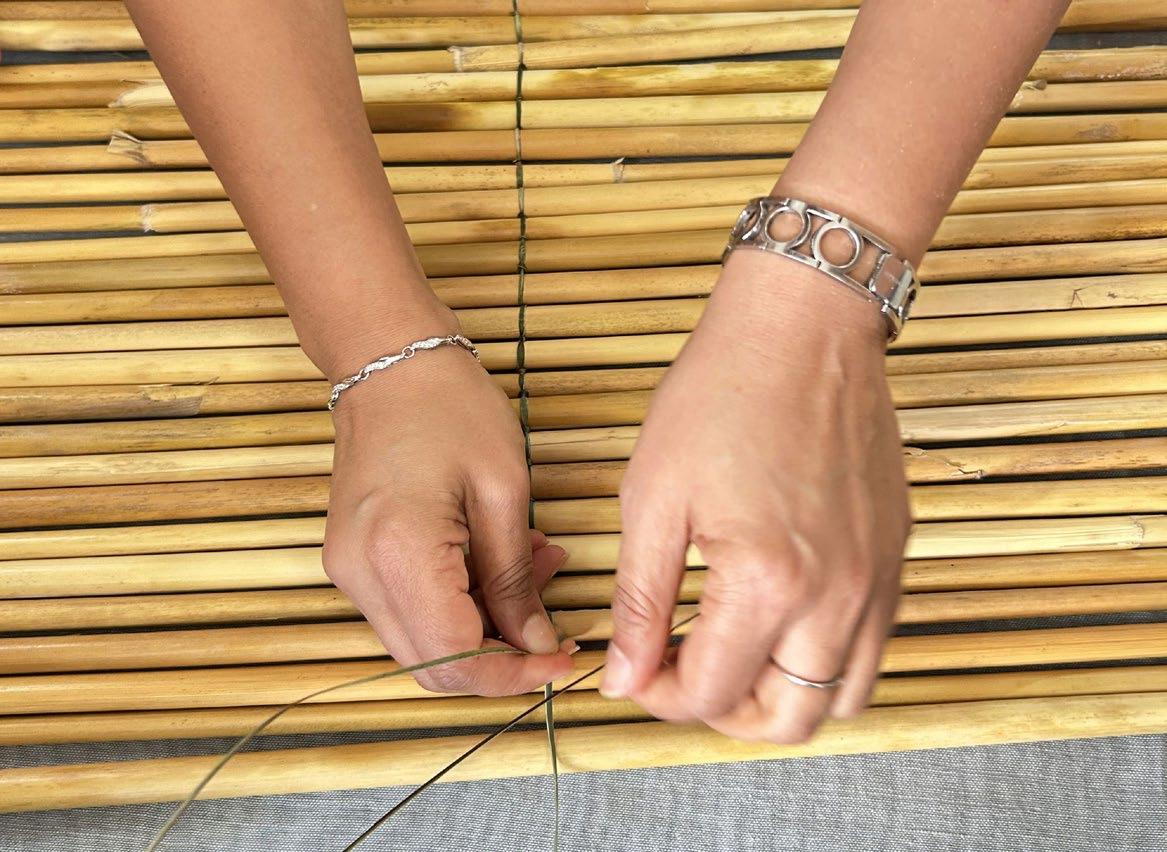
The Journey for rauemi
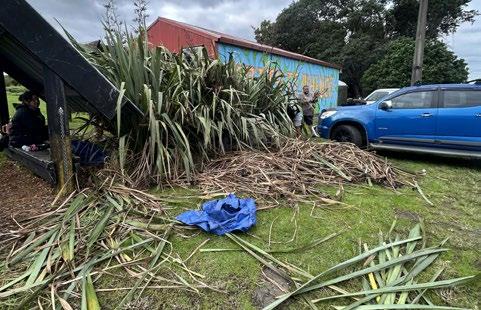
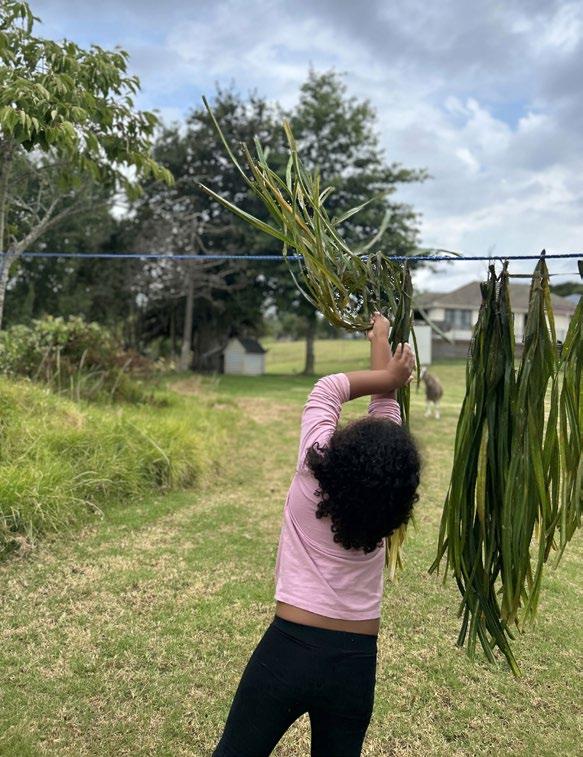
Our mahi often took us far beyond the papakaainga of Ihumaatao. Our collective travelled to places like Poutoo in Dargaville, Waimanawa Bay, and Ooraakei to harvest our rauemi (resources). These haerenga were a reminder of our connection to the wider landscape, but they also highlighted a vital goal for the coming year, to plant our own rauemi on our whenua. While rauemi are no longer readily available here, planting and nurturing these materials at Ihumaatao will help ensure long-term access for future generations.
OUR IMPACT (FEB 2025 – MAY
2026):
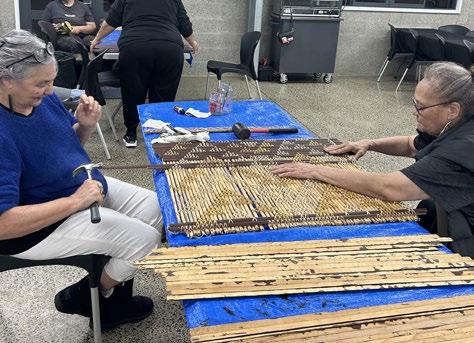
8 264 10 50 11 293 4 43
The path ahead 2026–2027
While grounded in the restoration of our whare tuupuna, the Here Ko Tukutuku kaupapa has also begun to extend beyond the marae into contemporary spaces. The skills and knowledge developed through this mahi are informing rangatahi engagement, external collaborations such as WIPCE and Global Women, and the creation of contemporary works that support the wider enterprise aspirations of Te Ahiwaru. Moving forward we will focus on planting our own materials, growing our paid workshops and creating art pieces to sell. We will also continue to provide spaces of deep learning. On Sunday 2 August 2026 we will gather at Makaurau Marae to celebrate this work and acknowledge those who guided us, and continue this journey together.
He mihi nui teenei ki ngaa kaituku puutea - your support fuelled the cultural revitalisation and the collective healing of Te Ahiwaru.
• Foundation North
• Makaurau Marae Reservation Trust
• Good in the Hood
• The Department of Internal Affairs
The past 12 months have been eventful for our team of Here Ko Tukutuku. We acknowledge the passing of Nanny Hina Maihi in early 2025. It was one of Nanny Hina’s deepest dreams to see our whaanau come together in tukutuku waananga, not just to fix panels, but to restore the koorero and the spirit of the tukutuku within our whare tuupuna Taamaki Makaurau. She believed that as we worked the materials, we would also be working on ourselves, reconnecting to our identity and to one another.
Every stitch made was an echo of her vision and we know she was with us through the entire experience, guiding our hands and hearts.
Ngaa Mihi
Honouring our people
Alongside Nanny Hina’s legacy, we celebrate Ayla-Maree Roberts, who helped lay the foundations of this journey. Ayla’s passion for our marae and taiao was a gift to the team, and though she has moved to Te Tai Tokerau to focus on her whaanau, her beaming energy remains woven into the mahi. We wish her and her beautiful whaanau the absolute best.
Education – Aupiki ki te Tihi (2025–2026)
The past year has been a significant and successful one for education at Te Ahiwaru, grounded in our commitment to uplifting our whaanau through learning that is by us, with us and for us. Since embarking on this journey in 2021 to develop our Aupiki education strategy, we have remained focused on creating a living, breathing framework that reflects the aspirations, voices and lived realities of our people.
Through deep engagement with whaanau, we captured whakaaro that shaped two overarching goals: weaving a sustainable papakaainga way of living, and carving quality education pathways, supported by five key priorities. Over the past year, we have seen these priorities come to life through waananga, kaupapa, partnerships and strengthened relationships, all contributing to growing confidence, capability and connection across our hapuu. This mahi continues to affirm that when education is grounded in whakapapa, tikanga, and whanaungatanga, our whaanau are better supported to thrive as learners and leaders.
Attendance: 35 rangatahi
Purpose: To strengthen hononga to our taiao, deepen cultural identity and build practical leadership skills through hands- on learning and whenua-based experiences.
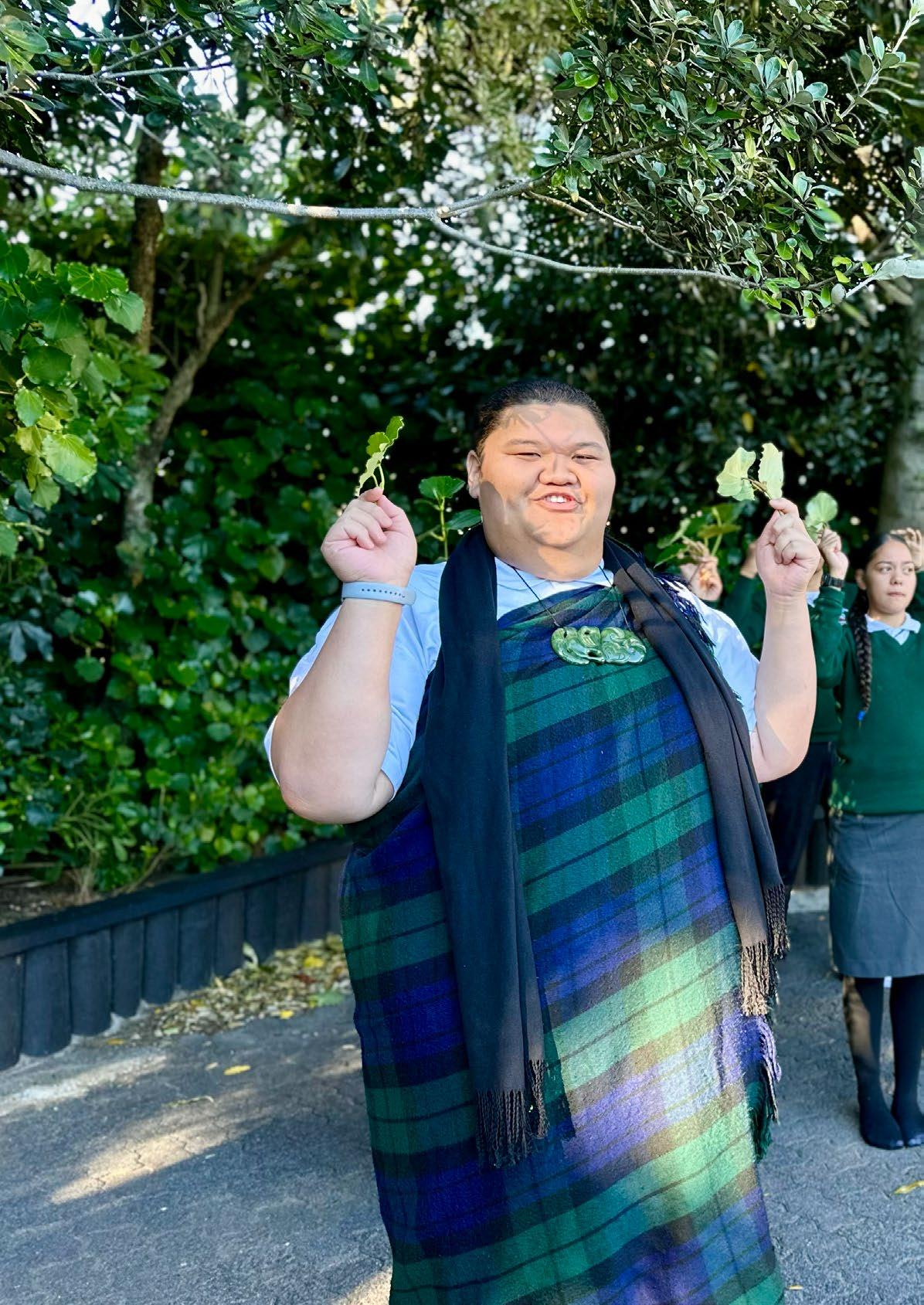
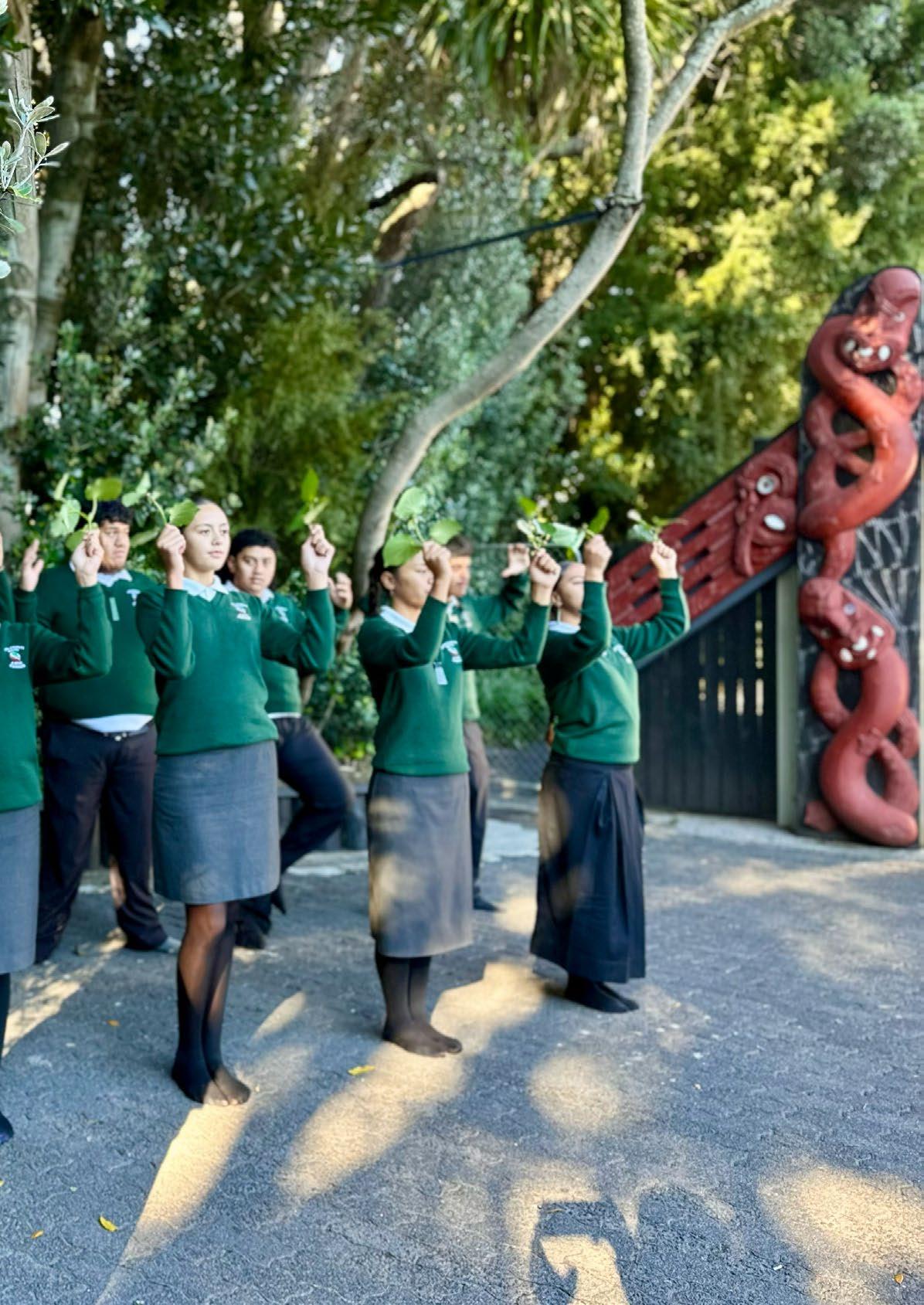
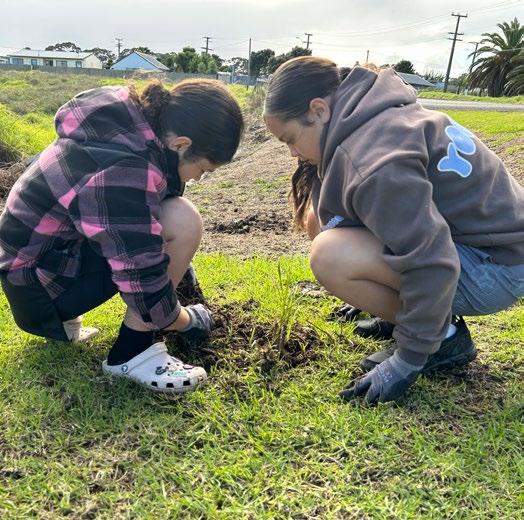
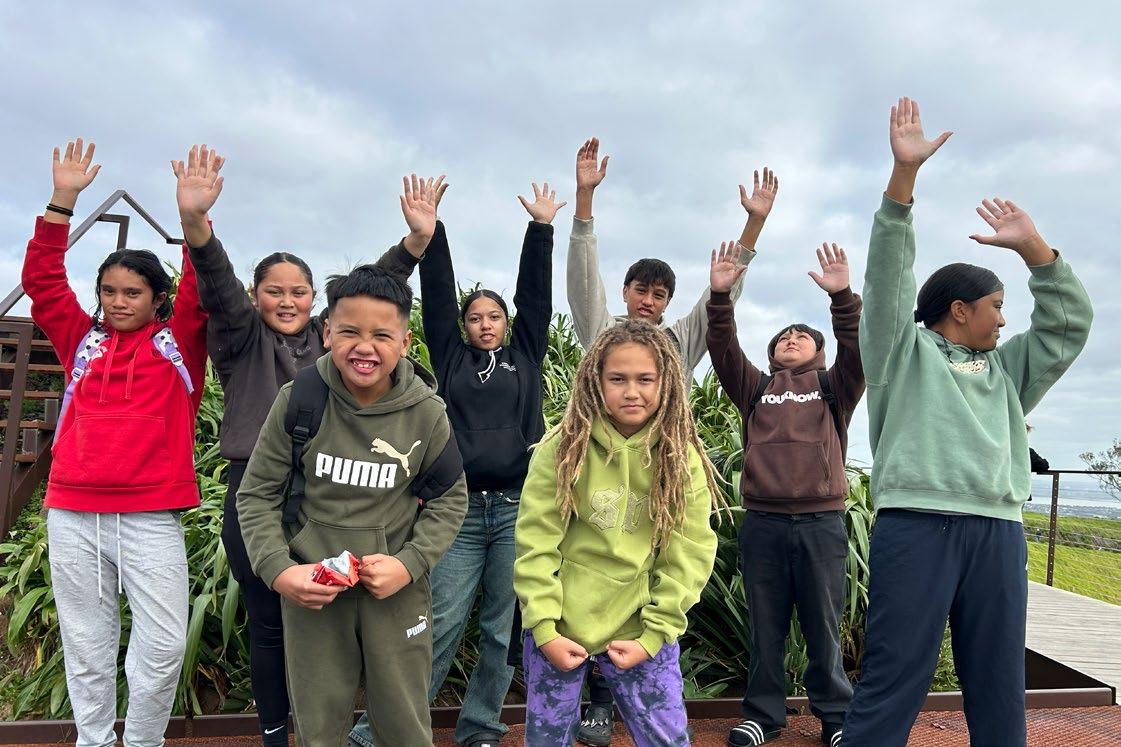
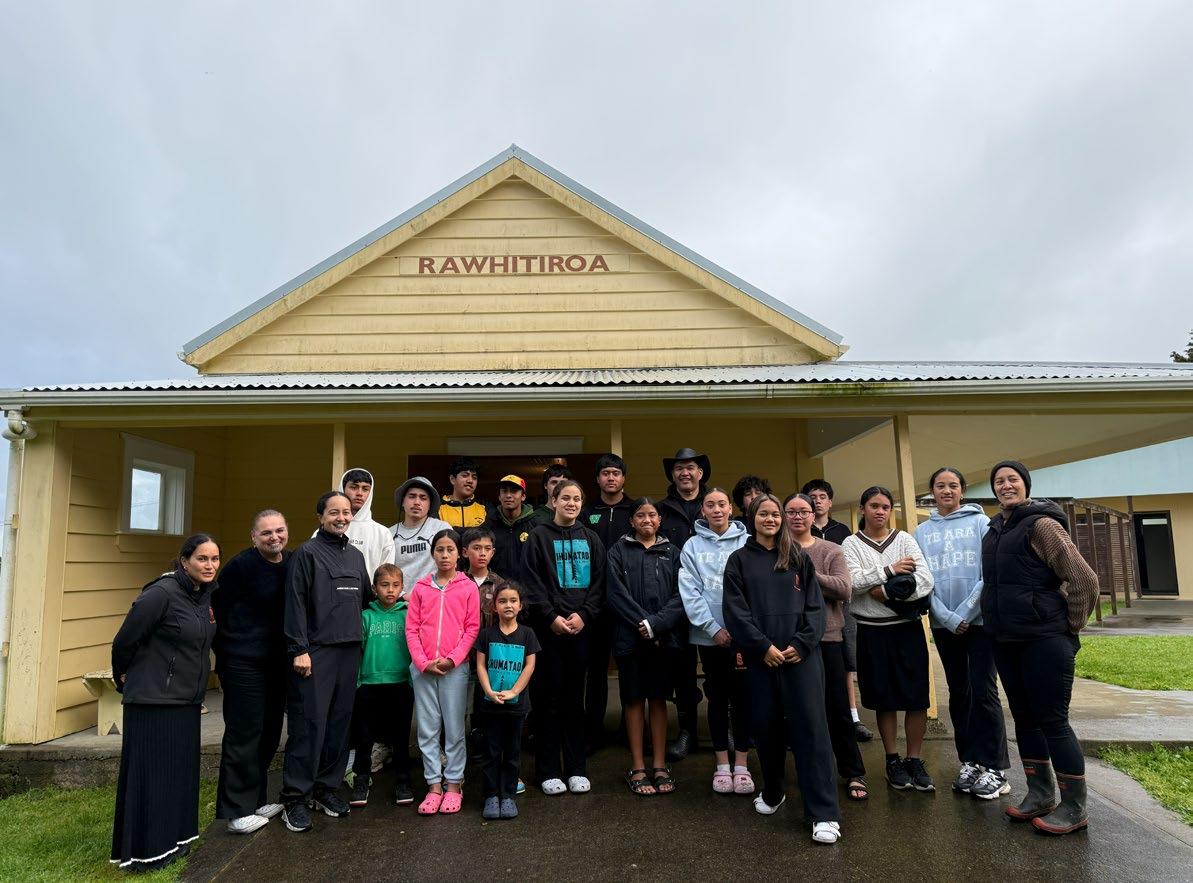
Across two days, 35 rangatahi participated in a Hootaka Hararei designed to develop environmental awareness, cultural capability and personal responsibility. The kaupapa combined kaitiakitanga practices, physical training and a guided takahi whenua across significant sites in Taamaki Makaurau.
Takahi Whenua: Hootaka Hararei (Years 4–8)
Day 1: Kaitiakitanga and Practical Skills
• Rangatahi engaged in activities focused on environmental restoration and everyday responsibilities, including:
• Climate change action: learning practical ways to reduce environmental impact.
• Manu restoration: understanding how to support the return of native birdlife to local ecosystems.
• Whenua restoration: hands- on involvement in caring for local environments.
• Life skills development: learning how to locate and use essential cleaning tools such as tea towels and brooms, reinforcing personal and collective responsibility.
• Whare Tuu Tauaa physical training: participating in mau raakau to build discipline, confidence and cultural strength.
Day 2: Takahi Whenua
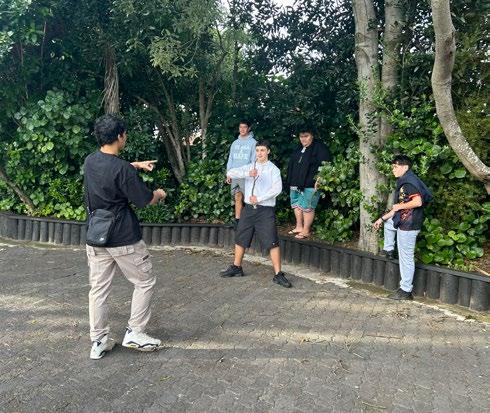
Rangatahi were taken on a personalised guided tour with Ngaati Tahinga Wilson, exploring the cultural, historical and environmental significance of sites from Te Ihu o Mataoho and across Taamaki Makaurau to Maungakiekie. This strengthened understanding of how hononga to whenua extends across the region through whakapapa, landscape and shared stories.
Outcomes
The kaupapa supported rangatahi to:
• Strengthen identity and cultural grounding.
• Build environmental awareness and kaitiaki responsibilities.
• Develop teamwork, discipline and personal responsibility deepen connection to whenua and local histories.
Takahi Whenua: Hootaka Hararei
(Years 9–13)
Attendance: 20 taiohi
Purpose: To deepen cultural identity, strengthen environmental awareness and expose taiohi to significant historical, cultural and environmental issues within their rohe, while developing teamwork, resilience and kaitiaki responsibilities.
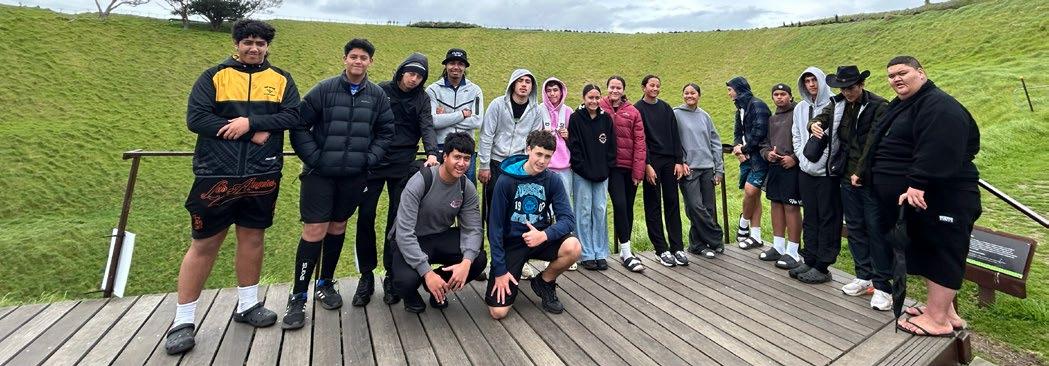
Across two days, 20 taiohi participated in Rangi 1 and 2 of the Year 9–13 Hootaka Hararei. The kaupapa was designed to challenge thinking, broaden awareness of local issues and provide hands- on opportunities to understand the importance of becoming kaitiaki today and into the future. Many taiohi were surprised to discover how much was happening right under their nose within Taamaki Makaurau.
Key Experiences
Te Ihu o Mataoho Tours: Bespoke Orienteering Experience
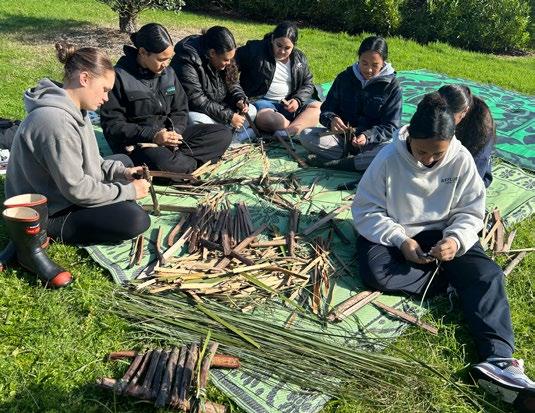
Taiohi were guided through a customised orienteering challenge that included weaving their own waka hourua and attempting to make it float, learning to read the taiao and engaging with maara kai practices. This reinforced the interconnectedness of people and place and highlighted the role of taiohi as emerging kaitiaki.
Escapade Escape Rooms
A high- engagement team challenge that strengthened communication, problem-solving, and collaboration under pressure.
Te Motu a Hiaroa
For most taiohi, this was their first time visiting the motu. They witnessed the desecration and ongoing environmental impact caused by biosolids being used to rebuild the maunga that once stood. This deepened understanding of environmental justice and the need for informed, active kaitiakitanga.
Te
Whare Tuu Tauaa o Aotearoa
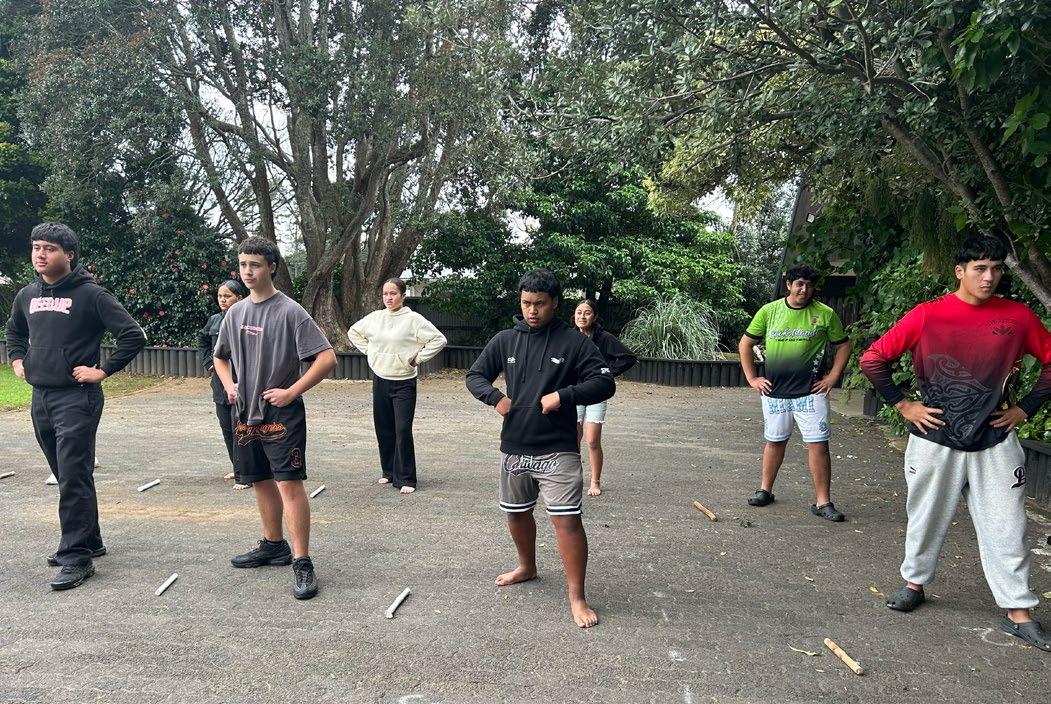
Taiohi were physically and mentally tested through mau raakau, building discipline, cultural strength and resilience.
Outcomes
The kaupapa supported taiohi to:
• Strengthen cultural identity and understanding of local histories.
• Build awareness of environmental issues within their rohe.
• Develop teamwork, leadership and problemsolving skills.
• Experience hands- on learning reinforcing kaitiaki responsibilities.
• Build resilience and confidence through physical and mental challenge.
Hootaka Hararei: Waananga Waka ki Te Taitokerau
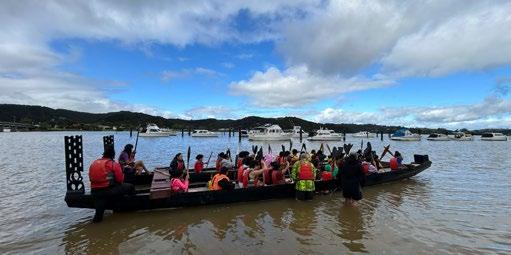
Te Ahiwaru were fortunate to collaborate with Te Kura Taiao oo Maataatoa to take 20 rangatahi on a week-long waka waananga in Te Tai Tokerau. Over the course of the waananga, rangatahi developed essential water safety knowledge, learnt the fundamentals of hoe waka and deepened understanding of collective responsibility on the water. They also learnt new waiata that strengthened confidence and supported the tikanga of the kaupapa.
A highlight for many was learning and playing the keemu Urutomo, as well as the opportunity to hoe a waka on the waters of Waitangi. These experiences reinforced teamwork, communication and unity, values that underpin safe practice in and around wai.
Equally significant was the whakawhanaungatanga that took place. Rangatahi were able to connect with those who have chosen Maataatoa as their learning pathway, building relationships that extend beyond the waananga itself.
This partnership continues to be invaluable for Te Ahiwaru. Through this relationship we have been able to access waka and reclaim our ability to hoe on our own awa, Ooruarangi, while strengthening cultural practice and connection to place.
Piki Ake Literacy Programme
Te Ahiwaru Trust partnered with Oceania Literacy Trust in the delivery of the Piki Ake literacy programme from 10 February to 10 August 2025. With weekly after-school sessions held at our tari, the kaupapa strengthened literacy outcomes for rangatahi while nurturing confidence, identity and cultural connection.
A total of 12 rangatahi enrolled, with 10 actively completing the programme and participating in both pre - and post-assessments.
Outcomes
The kaupapa achieved strong educational gains: 70% of participants improved in reading, with progress ranging from 3 months to over 3 years.
90% improved in spelling, with gains between 4.8 months and over 3 years.
Participants demonstrated increased confidence in reading, writing and oral communication
Whaanau Voice & Impact
Feedback from whaanau and participants highlighted:
greater confidence and enjoyment in learning
strengthened connection to te ao Maaori and cultural identity
improved communication skills and engagement at school
appreciation for the manaakitanga and safe, supportive environment provided
Whaanau noted visible growth in their tamariki over a relatively short timeframe and valued the opportunity to be part of their learning journey.
Contribution to Trust Outcomes
Piki Ake contributed to Te Ahiwaru aspirations by:
Supporting rangatahi success in education
Strengthening whaanau engagement in learning
Providing a culturally grounded, whakapapa-based learning environment
Building confidence and capability in our future leaders
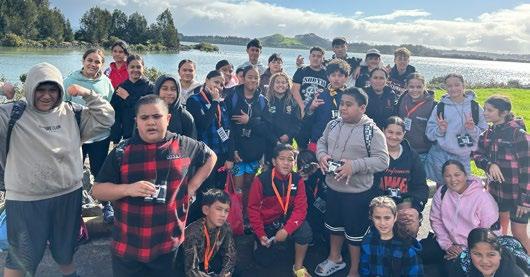
Extending Aupiki: Hika Pangarau
Building on the success of Piki Ake, Te Ahiwaru expanded learning pathways through the development of Hika Pangarau, supported through the Toikuranui Investment Fund and delivered in partnership with Massey University. Through this partnership, tauira have been able to access targeted pangarau support in a culturally grounded environment that strengthens confidence, capability and progression in mathematics.
The Toikuranui agreement (FY25/26) outlines objectives including accelerating academic achievement, strengthening partnerships between iwi/hapuu and kura, and strengthening whaanau confidence and capability to engage with the education system.
Delivery profile and early learning insights (Milestone reporting)
Programme delivery has commenced and is progressing well / on track, with enrolment exceeding expectations:
The kaupapa initially attracted 48 enrolments across Years 6–12, reflecting strong interest and demand. In practice, regular weekly attendance has settled at around 15 tauira on Mondays and 12–15 tauira on Tuesdays, which provides a more realistic picture of the groups currently engaging in the kaupapa.
Weekly delivery: 1.5 hours per cohort, once per week.
Planned: a week-long intensive during school holidays open to additional tauira.
A key early insight is that approximately 90% of participating aakonga were previously unaware of the level they were working at in mathematics. Through participation, tauira are gaining clarity about learning levels and building confidence in pangarau. Whaanau feedback has been highly positive and indicates strong unmet demand.
Barriers noted include ever- changing calendars, transition into sports, and high extracurricular commitments (including kapa haka nationals)requiring flexible, whaanau- centred delivery rather than rigid expectations.
Taku Ahi Tuutata
Alongside academic intervention, Te Ahiwaru has been progressing Taku Ahi Tuutata - a whaanau- centric navigation and learning model born from lived experience and whaanau insight. Its purpose is to transform whaanau journeys from frustration and isolation to empowerment and connection, shifting mahi from crisis response to early, preventative support for mokopuna who are neurodiverse or have unrecognised learning needs.
Key components of the model include:
• Delivery of a navigation service ( Kaihautuu Maatauranga) to walk alongside whaanau and support co-development of modified learning plans.
• Building Kaihautuu expertise and co - designing the model through self-study and engagement with leading Aotearoa models (e.g., Whaanau Ora, Mana Model, He Pikorua).
• Establishing an “Innovators’ Group” of principals, SENCOs and RTLB specialists to co - design a shareable learning model blending professional, iwi and lived- experience knowledge.
• Providing an immediate assessment/support fund to remove the “waiting game” barrier and fund/ coordinate assessments.
This kaupapa sits alongside Toikuranui academic support and is positioned as the holistic navigation layer that makes academic success more likely, moving whaanau from whakamaa to confidence through a non-judgemental, relational approach.
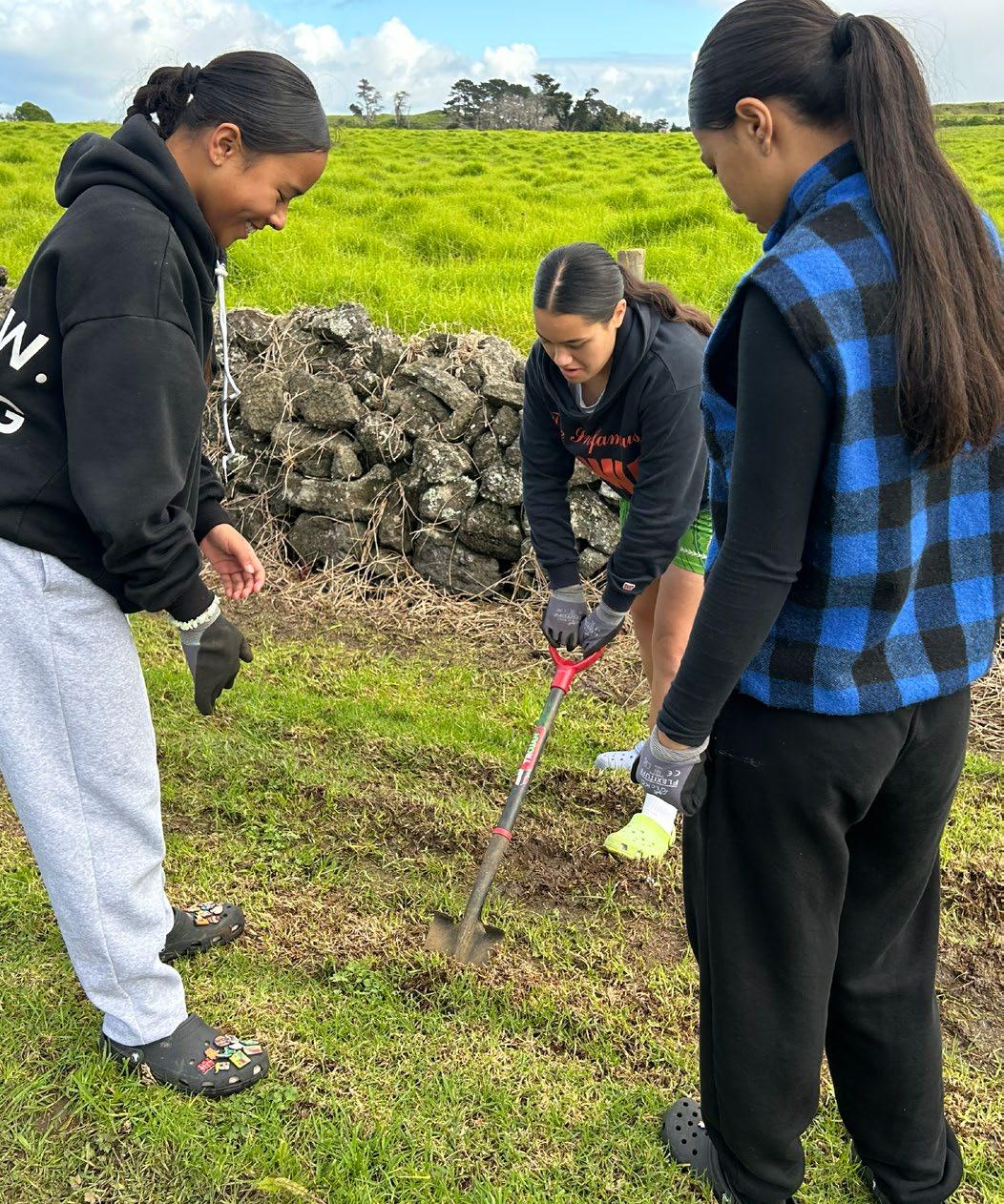
Partner-Supported Education and Whaanau Experiences
Kanorau Waananga
As part of this wider suite of partner-supported education experiences, Te Ahiwaru hosted Kanorau Waananga at Makaurau Marae, creating a warm and welcoming space for whaanau to deepen understanding of takiwaatanga and neurodiversity in culturally grounded ways. Made possible through support from Waikato-Tainui, the waananga brought together whaanau, kaimahi and professionals in a safe, kaupapa Maaori learning environment that encouraged reflection, connection and shared learning. Across two days, the kaupapa created meaningful opportunities for people to come together - with Day 1 centred on whaanau, and Day 2 focused on those walking alongside whaanau and tamariki in their learning and care journeys.
Ngaa Oho Ake: Manaaki Mokopuna/ Back to School Support
Te Ahiwaru Trust leads Ngaa Oho Ake on behalf of Taumata Koorero, working Taamaki-wide to support whaanau experiencing barriers to school attendance. The core kaupapa is to restore consistent engagement with education by providing practical, culturally grounded support, walking alongside whaanau to identify and respond to root causes impacting a child’s ability to attend schoolwhether social, emotional, behavioral or systemic. This mahi is strengthened through collaboration with key kaupapa Maaori partners including Te Puea Memorial Marae, Papakura Marae, Te Mahurehure Marae, Ngaa Koohanga Reo oo Taamaki, Hoani Waititi Marae and Turuki Healthcare.
Te Ahiwaru stewardship and mokopuna hub
Since 2024, Te Ahiwaru has taken on the role of mokopuna hub for Taumata Koorero, overseeing administration, accounts and purchases for the programme, streamlining referrals, data reporting and whaanau feedback loops to support a more responsive and value - driven service.
Te Ahiwaru has proudly supported Back-to -School initiatives as part of the Ngaa Oho Ake collective for 4 years, helping to reduce barriers that impact tamariki attendance, participation and wellbeing within education. Due to changes in Government funding, both the level of financial support available and the criteria for accessing this support have changed. While these changes affect how assistance is assessed, our commitment to supporting whaanau remains unchanged. Te Ahiwaru continues to provide advocacy and guidance for whaanau, including support with WINZ, scholarship applications and engagement alongside schools, principals and teachers.
Moving forward, Back-to -School financial assistance puutea is intended to assist whaanau who are experiencing genuine hardship or barriers impacting a child’s ability to regularly attend and engage with kura. As part of the assessment process, Te Ahiwaru considers a range of factors contributing to low or irregular attendance including financial hardship, employment/income change, health and wellbeing concerns, housing instability, and other whaanau challenges. School attendance information may be requested as one indicator to understand the level of need and identify where support may be most appropriately directed.
The following spend profile reflects Te Ahiwaru’s direct administration and support for whaanau through this kaupapa, alongside our leadership role within the wider collective.
Total Investment in Tamariki across Tamaki Makaurau (FY Apr 2025 – Mar 2026): $106,247.72
• Over 95% of investment directly supports school readiness - uniforms, transport and digital access.
• Major peaks occurred in January ($29,777) and February ($29,122), reflecting urgent whaanau need for uniforms, transport and devices at the beginning of the school year.
Te Ahiwaru beneficiary impact snapshot:
• Uniforms: most consistent and widespread support across whaanau
• Transport: high frequency, ongoing — enables daily attendance
• Devices: larger one - off investments (bulk purchases)
• Stationery + Fees: smaller but essential wrap -around support
• Other: hui, kai and engagement support
What the data shows:
Holistic support model: many tamariki receive multiple types of support (e.g., uniform + transport + fees together).
Frequent, targeted assistance: many smaller transactions rather than large grants, indicating responsive, needs-based support.
Transport is an ongoing barrier: hop card top-ups, bus fees, taxi reimbursements show attendance being enabled week-to-week.
This work also points clearly to where we need to go next. Alongside reducing practical barriers, our focus is on strengthening relationships with whaanau, kura and wider supports so tamariki can access the right help earlier and remain connected to learning. The opportunity ahead is to continue building an approach that is practical, culturally grounded and mana-enhancing, supporting. tamariki to participate fully in kura and thrive over time.
Auckland Zoo Whaanau Engagement Event
On 10 July 2025, Te Ahiwaru participated in Auckland Zoo’s Wellbeing in Nature Community Programme, funded by Taataki Auckland Unlimited. This created a valued opportunity for whaanau to enjoy free access to the Zoo, spend time together in nature, and support hauora in a positive and accessible way. Despite the weather, a committed group of whaanau attended and made the most of the day together.
Whaanau feedback reflected the real value of the day, with many describing it as an enjoyable and uplifting experience that gave them quality time together away from the usual pressures of everyday life. Being outdoors, moving through the Zoo, and sharing the day as a whaanau supported a sense of wellbeing, calm and connection, with many speaking about the happiness it brought and the chance to simply be together.
Whaanau also valued the strong presence of te reo Maaori and cultural narratives across the Zoo, which fostered pride and a sense of connection for tamariki and whaanau alike. For many, the day offered more than just an outing,
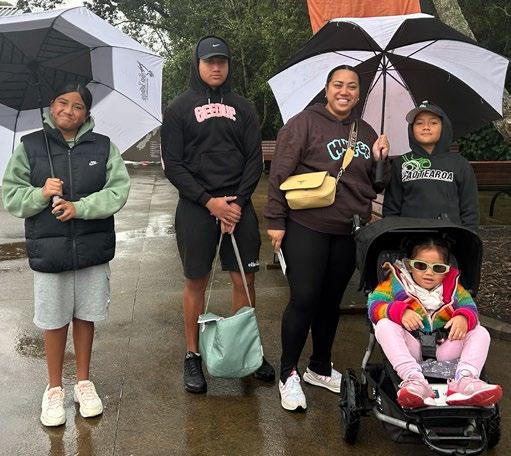
it created space for shared discovery, wonder and whakawhanaungatanga, while encouraging tamariki and rangatahi to engage with te taiao in new ways. Even with the rain, the experience left whaanau with happy memories, a sense of appreciation, and the feeling of having been part of something meaningful together.
100% of whaanau surveyed said the day was enjoyable and worthwhile.
100% said the experience supported whaanau wellbeing and connection.
89% said the use of te reo Maaori and cultural narratives enhanced the experience.
89% said they would be keen to participate in similar whaanau opportunities again.
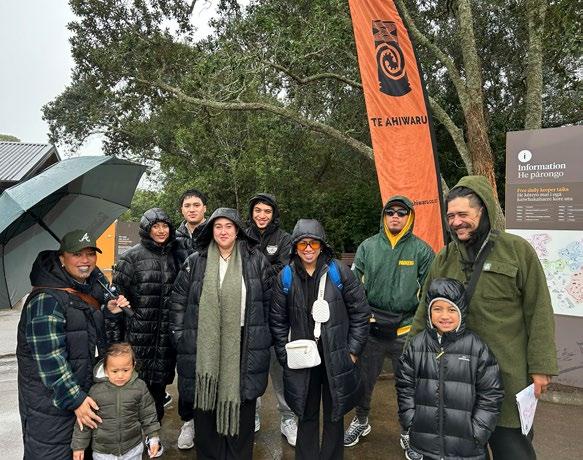
Looking Ahead: Te Ahiwaru Kura Taiao
Looking ahead, Te Ahiwaru is progressing the aspiration to establish our own Te Ahiwaru Kura Taiao - grounded in Te Ahiwaru knowledge systems, histories, reo, whakapapa, tikanga and our Whakakitenga moo te whenua. This is not simply an education model; it is succession planning that grows future leaders who can uphold ahi kaa and carry Te Ahiwaru forward.
Whaanau voice continues to emphasise the importance of ruumaki reo and deep connection to whenua, alongside strengthening the foundations of who we are. In the language of the Te Ahiwaru Ahi Kaa Framework, Ahi Koomau - our language, history, and identity - is “the soil that keeps our whaanau warm”, providing the key nutrients for whaanau to grow and prosper.
Alongside this, whaanau also emphasise the need for capability, independence and sustainability, reflected in the framework’s Ahi Toutou, which points to building strong foundations for mokopuna through learning that nurtures confidence, entrepreneurial skills and financial literacy. In this way, mokopuna are supported to grow into capable future leaders who can provide for themselves, their whaanau and iwi, strengthen collective wellbeing, and move toward greater mana motuhake and longterm prosperity.
As we enter this next phase, 2026 will be a year of reflection, reconnection and renewal for our education strategy. We look forward to engaging with whaanau, hearing their aspirations and whakaaro, and shaping the way forward together. This mahi will continue to strengthen an education direction that is grounded in who we are and focused on growing mokopuna who are secure in their identity, capable in their learning, and able to contribute to the wellbeing and future prosperity of their whaanau, hapuu and iwi.
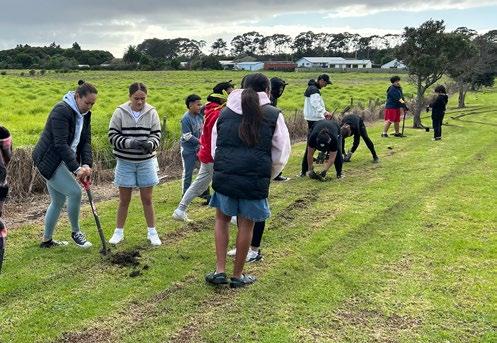
Future Focus
Our focus is to keep bringing the aspirations of Aupiki to life - strengthening pathways for the teaching and sharing of Te Ahiwaru maatauranga, walking alongside whaanau on their education journeys and deepening relationships with kura so our mokopuna are seen, valued and supported in ways that reflect who they are.
We remain committed to creating sustainable education and career pathways that open doors to meaningful training and employment, while supporting a thriving papakaainga way of living. Through this mahi, we continue to grow an education vision that is unapologetically ours, one that strengthens identity, builds capability and carries the hopes of Te Ahiwaru forward for generations to come.
Funder Acknowledgement
We acknowledge the Ministry of Education as a key funding partner supporting multiple parts of our education ecosystem - including Toikuranui investment that underpins Hiki Pangarau and related supports, and Whaanau Engagement funding that strengthens whaanau navigation and early intervention pathways.
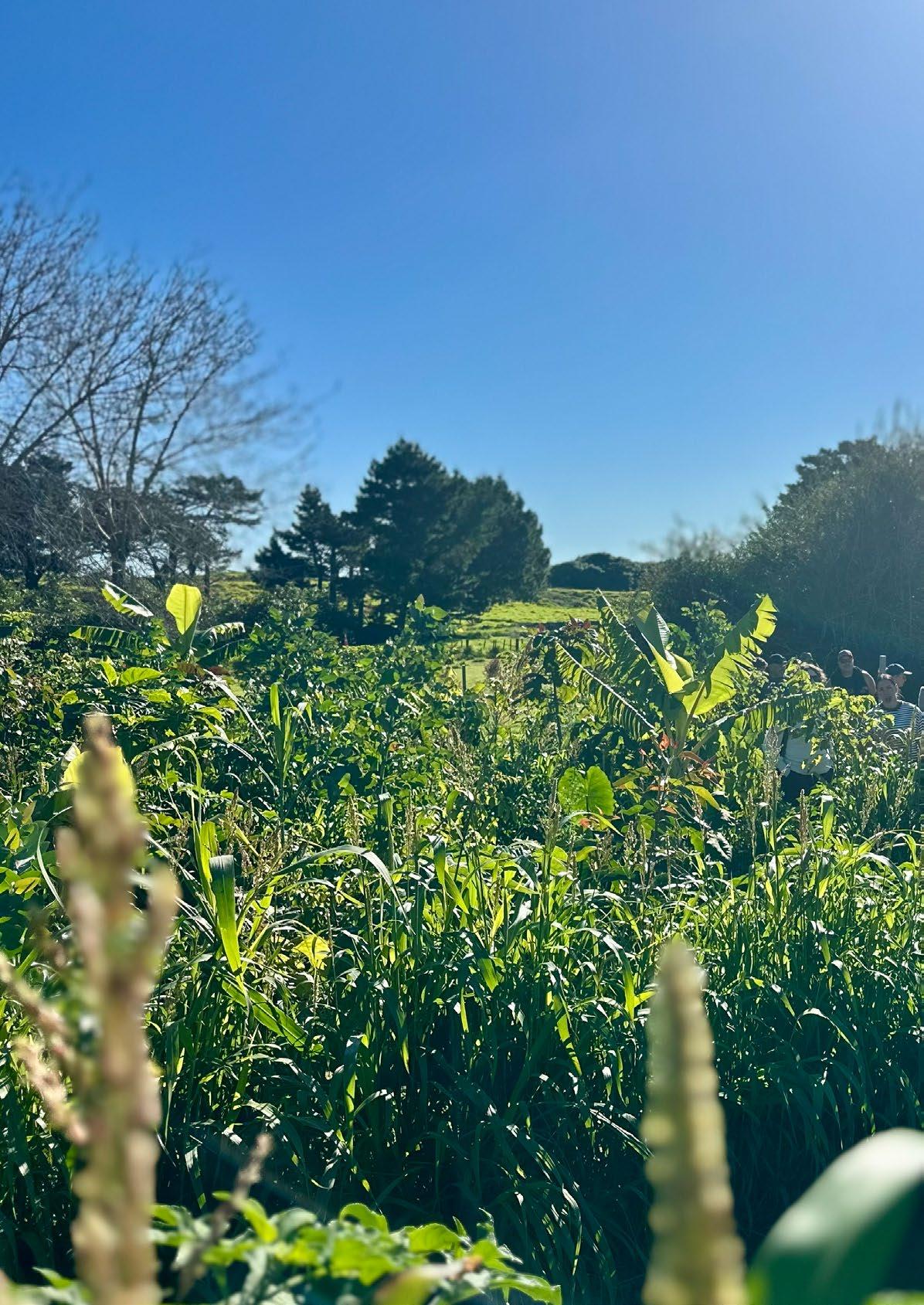
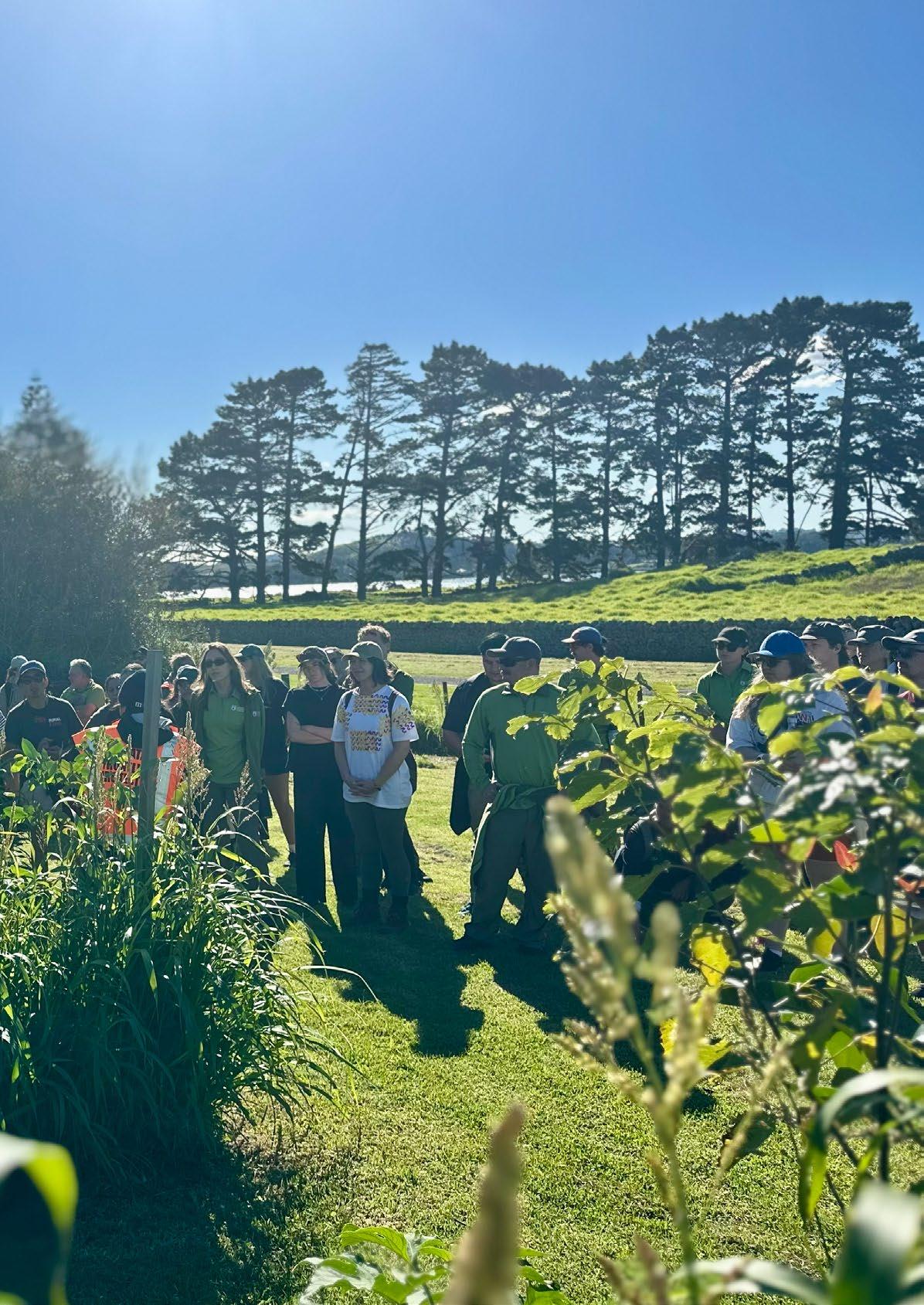
Ahi Tahutahu
Au ahi, au ora
When the home ffiires burn, there is life
Ahi Tahutahu was established in November 2025 to bring together collective taiao mahi focused on ecological restoration, kaitiakitanga, kai sovereignty, sustainability and whaanau capability across Ihumaatao and the wider Te Ahiwaru rohe. Ahi Tahutahu has since grown into Te Ahiwaru Trust’s whaanau-led taiao, climate resilience and whenua maintenance team. A key step in strengthening our operational base has been establishing the whare at 543 Oruarangi Road as a tari for Ahi Tahutahu activities.
The ingoa Ahi Tahutahu reflects the tikanga around maintaining ahi over time, a reminder of our collective responsibility as Te Ahiwaru to uphold our ahi kaa and the wellbeing and mauri of our whenua and taiao. Guided by our Ahi Kaa Framework, Ahi Tahutahu delivers integrated taiao mahi grounded in tikanga, intergenerational knowledge and our enduring relationships with our taiao.
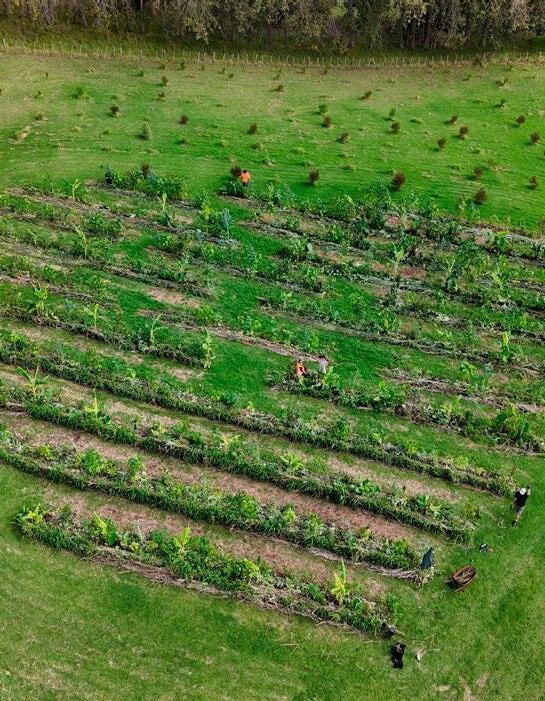
In just six months of formal operations, Ahi Tahutahu has achieved outcomes our whaanau can be incredibly proud of. These achievements have only been possible because of the dedication, vision and groundwork laid by the many project teams and whaanau who came before us. Bringing our taiao mahi together under Ahi Tahutahu has strengthened coordination, increased efficiency and enabled us to deliver more connected and impactful outcomes for our whenua, taiao and whaanau. The following pages highlight some of the key achievements and milestones from our first six months of operations, alongside highlights from the wider taiao kaupapa and the teams whose mahi helped shape and contribute to these outcomes during the reporting period.
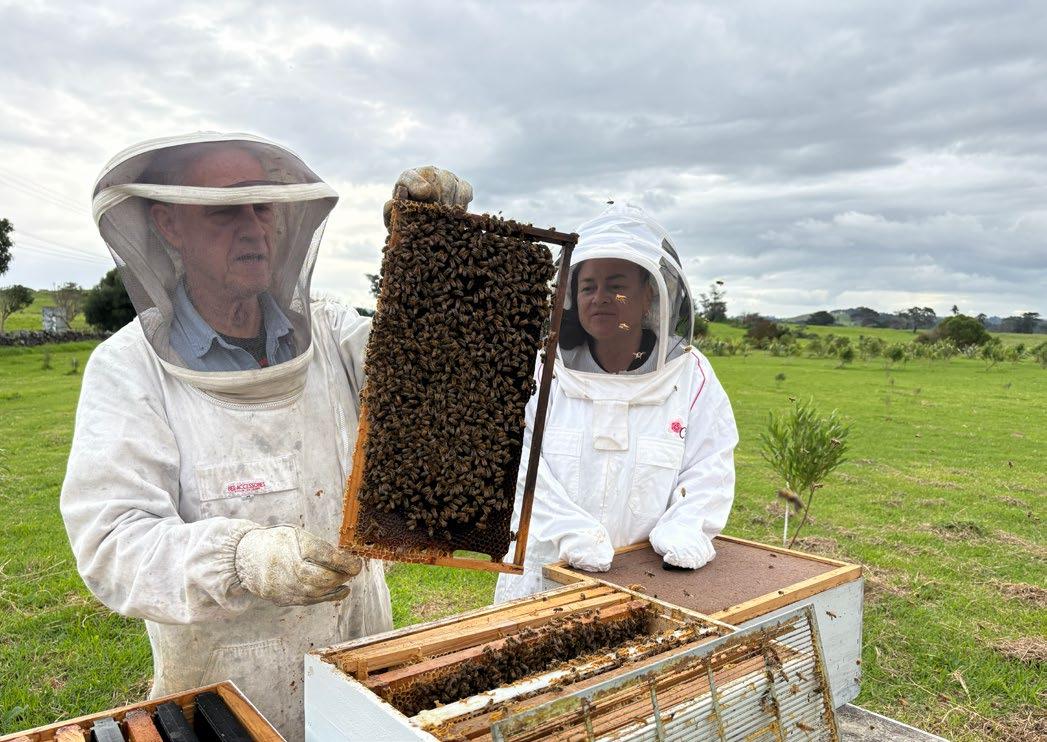
A core achievement this year was the establishment and development of a skilled team of kaupapa-led taiao champions. Alongside operational delivery, Ahi Tahutahu invested heavily in kaimahi wellbeing, training, leadership development and practical capability building.
Kaimahi undertook professional development across predator control, ecological monitoring, GIS and restoration planning, seed collection, health and safety, Growsafe certification and Maaori climate innovation. These investments strengthened operational delivery while creating meaningful employment and leadership pathways for whaanau and rangatahi.
Another key achievement was advancing the papakaainga Safety Champions kaupapa, with Ahi Tahutahu facilitating EPOD and response training, emergency simulations and practical
planning to support whaanau readiness and coordinated response in the event of severe weather.
The kaupapa also supported wider representation of Te Ahiwaru on national and international stages. Kaimahi represented our hapuu at forums and kaupapa as far as Hawai‘i and the United Kingdom, strengthening indigenous networks, sharing our kaupapa internationally and elevating the visibility of whaanau-led regeneration grounded in ahi kaa values.
These collective investments have strengthened the long-term capability of Te Ahiwaru to deliver taiao restoration internally, while supporting the emergence of a new generation of kaitiaki, environmental leaders and whenua practitioners.
Kaitiakitanga in action: Te Ahiwaru Taiao Champions
Pest Free Ihumaatao
Delivery of the Pest Free Ihumaatao initiative remained a major focus throughout the year, supporting biodiversity restoration and pest suppression across Ihumaatao and the Oruarangi Awa catchment.
Monitoring & Control Outcomes
92 active traps
27 bait stations Monitoring chew cards every two months (271 chew cards)
4 trail cameras deployed
76 possums captured
16 rats captured 9 mice captured 5 hedgehogs captured 2 stoats captured
Over 325kg of pest plants removed across 20 sites
These efforts have contributed to the suppression of predator populations impacting native biodiversity and ecological regeneration across our whenua. The team also strengthened taiao monitoring and evidence-based reporting through the implementation of Trap.NZ, QField, ArcGIS and customised field applications, improving the quality, consistency and accessibility of environmental data collection and monitoring.
Community Engagement & Taiao Activation
Reconnecting whaanau and community with our whenua has remained central to the kaupapa this past year. Through regular Taiao Wednesdays and Volunteer Sundays, Ahi Tahutahu has created accessible opportunities for whaanau, tamariki and community members to participate in planting, pest control, maara kai development, composting, seed collection, biodiversity education, monitoring and restoration activities.
Over the reporting period, more than 745 participants engaged in Ahi Tahutahu-led activities and events, including:
• Matariki planting initiatives
• Oruarangi Hoe Waka and Kayak Days
• Bilingual Sustainability Race
• Noho Taiao
• Hootaka Hararei
• Taiao workshops and restoration planning activities
• Corrections community work
The continued growth in participation reflects increasing community momentum and support for whaanau-led restoration initiatives grounded in mana whenua values.
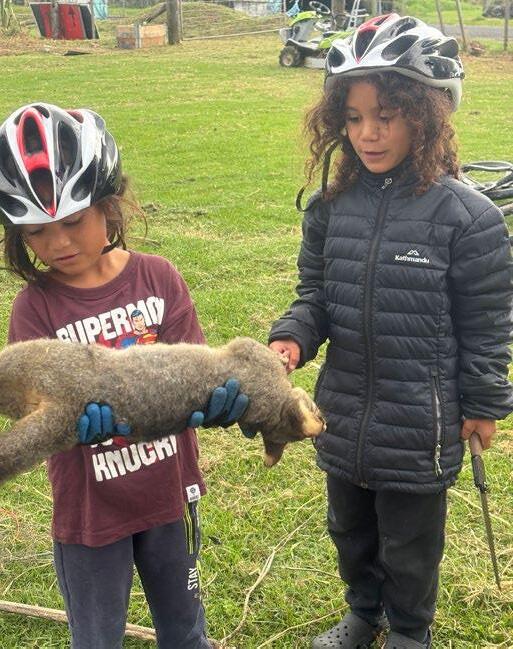
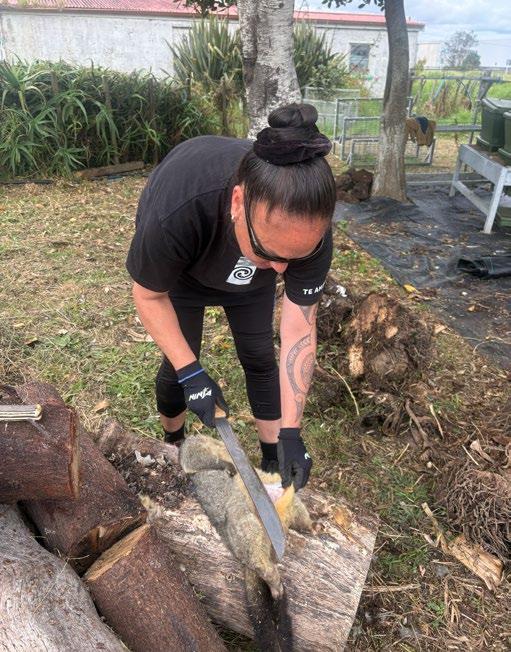
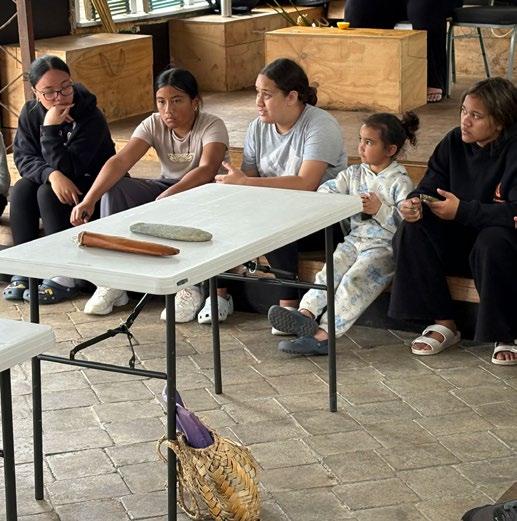
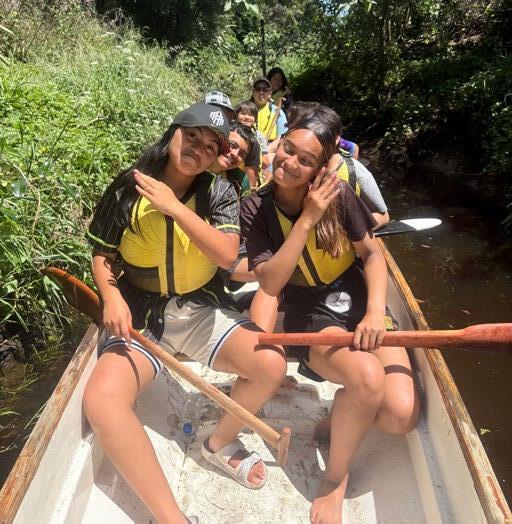
Maara Kai, Nursery & Whenua Maintenance
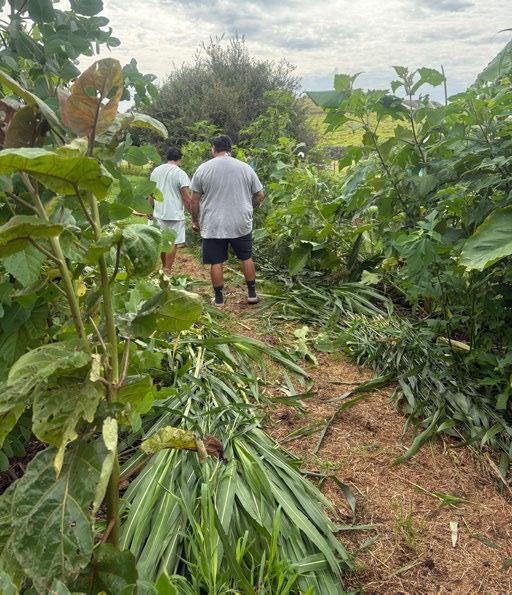
This year also saw significant progress across maara kai, food forest, apiary, kai nursery and whenua maintenance initiatives.
More than 3,500 native raakau have been planted across the whenua, with the majority sourced from Makaurau Marae Nursery. Wao ngahere (food forest), bee apiaries, and maara kai development exceeded expectations this year and further strengthened aspirations for kai sovereignty, climate resilience, biodiversity restoration and restoring the mauri of the whenua.
A major milestone for Ahi Tahutahu was the successful procurement and delivery of whenua maintenance contracts, including:
• Ootuataua Stonefields and Coastal track mowing services.
• Commercial contracts.
• Whaanau mowing services.
These contracts demonstrate the growing operational capability of Ahi Tahutahu to deliver high-quality commercial, parks, open space, whaanau land and whenua maintenance services grounded in Te Ahiwaru tikanga.
Building on this momentum, Ahi Tahutahu has also submitted an application to Auckland Council’s P27 Parks and Facilities Services procurement process, positioning the kaupapa for longer-term, sustainable service delivery opportunities that support local employment, enterprise development and whenuabased outcomes.
Ahi Tahutahu has also been collaborating with partners on a proposal for the Maangere-Ootaahuhu Community Recycling Centre. This opportunity has strengthened relationships and collaboration with key community partners who share similar aspirations around taiao restoration, waste minimisation, circular economies and community wellbeing. The kaupapa presents an exciting opportunity to further grow Ahi Tahutahu’s impact, creating pathways for local employment, education, enterprise and whaanau-led environmental outcomes while supporting a more sustainable future for our communities and taiao.
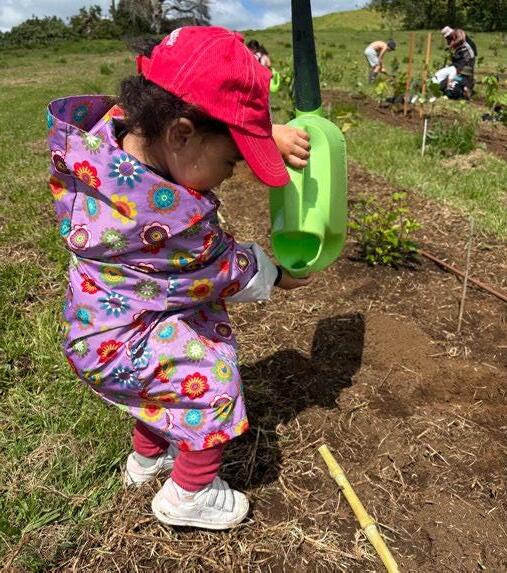
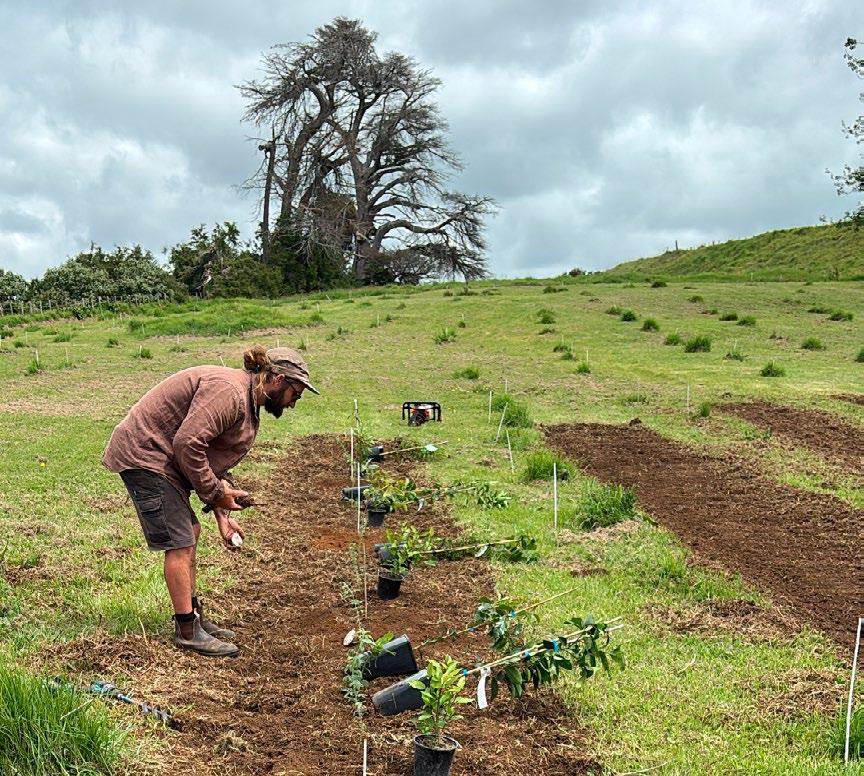
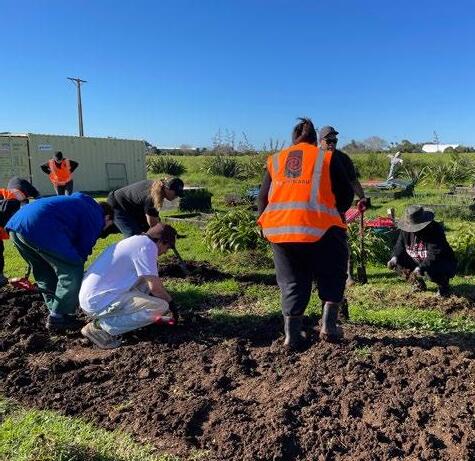
Looking ahead
Ahi Tahutahu will continue to focus on:
• Expanding pest suppression and ecological restoration efforts.
• Increasing whaanau and community participation in taiao activities.
• Strengthening rangatahi employment and training pathways.
• Building taiao monitoring and restoration capability.
• Facilitating accessible taiao educational and engagement opportunities.
• Expanding land-based service delivery and social enterprise initiatives.
• Supporting long-term climate resilience and biodiversity outcomes across the rohe.
As Ahi Tahutahu continues to grow, the kaupapa remains grounded in the vision of restoring and maintaining the mauri of the whenua while strengthening the capacity of Te Ahiwaru whaanau to enact kaitiakitanga for generations to come. Our aspiration is that Te Ahiwaru whaanau and researchers as well as other researchers, teachers, activists and policy makers will be able to access selected materials in the future, to study and learn from our campaign. We will explore funding opportunities to support this remaining mahi.
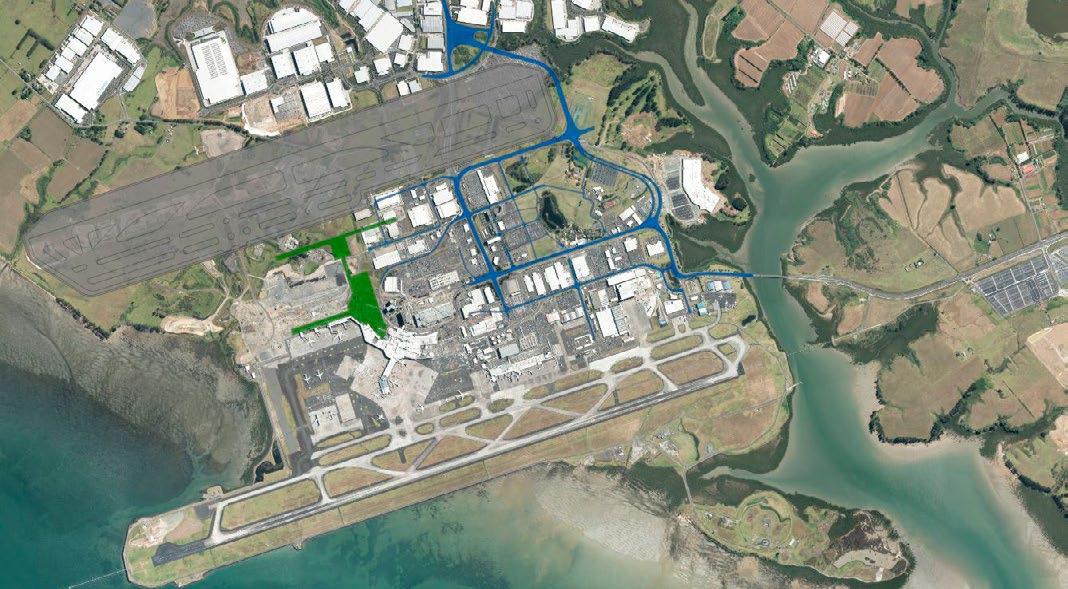
Te Ahiwaru continues to strengthen its role as kaitiaki and mana whenua across Taamaki Makaurau through a focused approach to:
• Protecting waahi tapu and taonga
• Influencing regional taiao policy and direction
• Engaging effectively with agencies and development activity
This reflects a shift toward proactive protection and strategic influence, rather than reactive engagement.
Ongoing reform of the Resource Management Act has created uncertainty across the planning system. In response, Te Ahiwaru has prioritised securing protections within the current legislation and Maaori engagement frameworks, ensuring our sites and interests are not lost during transition.
Key focus areas include:
• Progressing Sites of Significance.
• Advancing Alert Layer recognition.
• Strengthening early engagement rather than relying solely on formal planning processes.
Sites of Significance & Alert Layer
A Te Ahiwaru has secured formal protection for key sites within the Auckland Unitary Plan:
• Te Puna wai aa Hape (2019).
• Ooruarangi Awa (2025).
• Additional priority sites remain under active review and progression.
Through the Maaori Cultural Heritage Programme (MCHP), the Alert Layer has been identified as a critical mechanism to ensure sites are recognised within future Spatial Planning systems.
The review and approval of Site Summary documentation is now a key priority, providing a practical pathway to secure protection during legislative change.
Key Milestone: Koiwi Protocol
A significant achievement this year has been the development and sign-off of Koiwi protocols.
This provides:
• Clear tikanga-based guidance for the protection of ancestral remains.
• Certainty for agencies and developers.
• Strengthened rangatiratanga in culturally sensitive situations.
Manukau Harbour Policy Work (Auckland Council)
Te Ahiwaru has contributed to shaping longterm harbour outcomes through engagement with Georgi Hart and Auckland Council’s Natural Environment Strategy (NES) team, the team responsible for regional environmental policy and strategy.
Key positions advanced include:
• Reducing discharges into the harbour.
• Restoring mauri and ecological health.
• Embedding mana whenua values and monitoring frameworks.
• Supporting kaitiakitanga through practical resourcing.
Watercare Engagement
Engagement with Watercare continues across infrastructure and environmental kaupapa impacting the Manukau Harbour and local waterways.
Focus areas include:
• Discharge management and accountability.
• Alignment of infrastructure with environmental outcomes.
• Embedding cultural indicators alongside technical frameworks.
Stormwater Leadership
Kowhai Olsen represented Te Ahiwaru as:
• A panel guest at the Stormwater Conference
• A co-presenter with Healthy Waters
This reflects growing recognition of Te Ahiwaru leadership in technical and governance spaces.
Consents & Negotiations
Resource Management activity for the year includes:
• 37 consent listing reviews
• 3 new consent engagements (NZTA, Auckland Council)
• 3 partnership negotiations (AIAL, Goodman, Southpark)
Across all work, Te Ahiwaru has prioritised:
• Early engagement
• Protection of marae and whaanau
• Ensuring development aligns with tikanga and environmental expectations
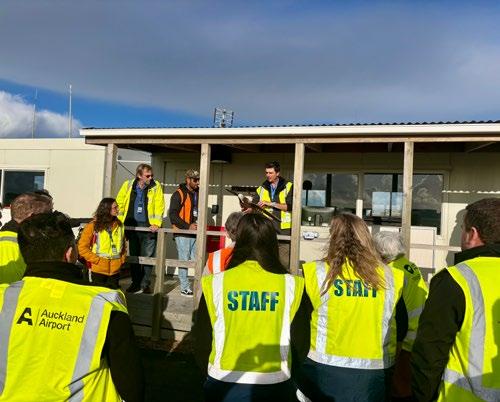
Plan Change 120 (PC120)
Te Ahiwaru participated in mana whenua collective hui on PC120, raising key issues including:
• Natural hazards and resilience
• Cultural landscapes and maunga viewshafts
• Cultural design recognition
• Reverse sensitivity impacts on marae
Following notification, PC120 moved into a formal submissions process, limiting informal engagement with Council.
This reinforces the importance of:
• Securing protections early (e.g. SoS and Alert Layer) rather than relying solely on formal planning processes
Resilient whaanau, resilient whenua
While the New Zealand Government is repealing and replacing the Resource Management Act 1991 (RMA). Many iwi across the motu are under intense strain defending more than three decades of hard work, dedication and partnership developed and strengthened through the implementation of this act. While there are challenges, Te Ahiwaru remains proactive and strategic through this time of significant system change, delivering:
• Real protection outcomes (Sites of Significance, Koiwi protocols)
• Regional influence (Manukau Harbour policy)
• Credible technical leadership (stormwater and infrastructure)
• Consistent advocacy for taiao and whaanau
Our focus remains: to uphold mana whenua, protect waahi tapu and taonga and restore the mauri of our whenua and wai for future generations.
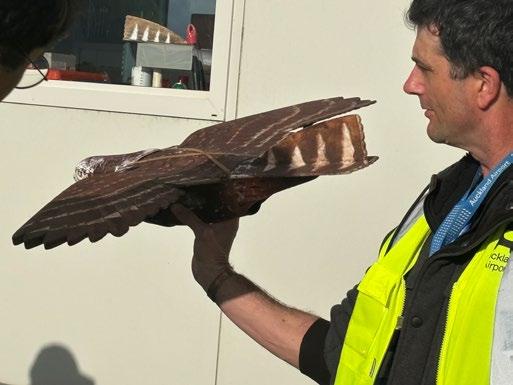
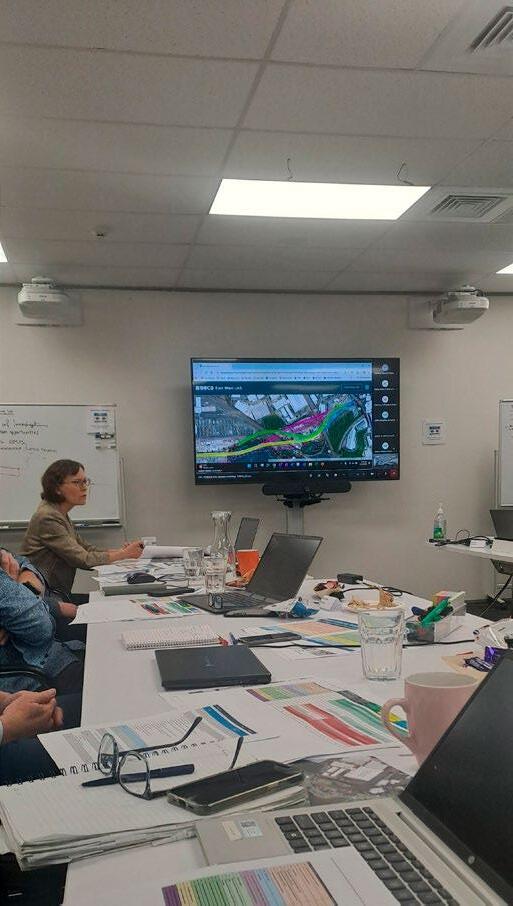
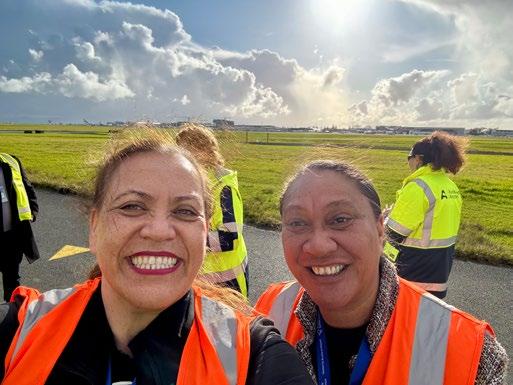
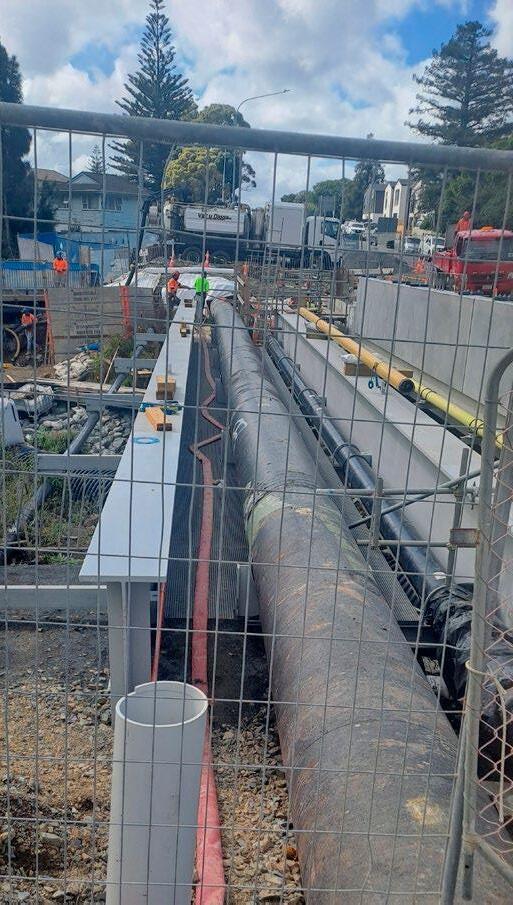
Parahanga Kore Ora te whenua, ora te tangata
If the land is well, we are well
Parahanga Kore (Zero Waste) is one of the many ways our whaanau are taking the lead in looking after our taiao (environment). This is a Te Ahiwaru designed and led kaupapa, co-piloted and supported by Auckland Council’s Wastewise Department. A dedicated team of four whaanau staff actively patrol our rohe by investigating, reporting and lodging the clearing of illegally dumped waste with our council partners.
Since July 2025 the team has covered a 30km loop including Ooruarangi, Ihumaatao (Including Ellett’s Beach), Renton, Kirkbride, Creamery, Greenwood, Ascot, Montgomerie and Island Roads.
You may have seen the bright orange stickers on dumped items. Those stickers are a message.
When we find a dump site, we investigate, bag the rubbish and tidy the area so it looks respectable again. Those orange stickers tell the culprits that we are onto them and fines are coming, while signalling to Council contractors that the site is ready for immediate collection. Even the loose litter scattered along the way gets picked up, because every bit matters.
The Te Ahiwaru Parahanga Kore programme has proven valuable and our statistics show evidencebased pursuit and enforcement of 35 jobs with evidence, 9 jobs with actionable evidence and 6 justified fines issued to date. Auckland Council are tightening their enforcement belt with measurable success through this pilot.
The aspiration for council now is to support other mana whenua of Taamaki Makaurau in active kaitiakitanga across their respective rohe.
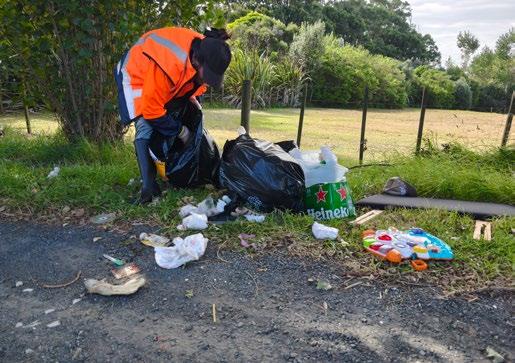
The mahi by the numbers
A snapshot of our frontline impact (July 2025 – May 2026):
263
Total jobs raised in the first quarter
178 Total jobs raised in the second quarter
240
Total jobs raised in the third quarter
681 TOTAL JOBS RAISED
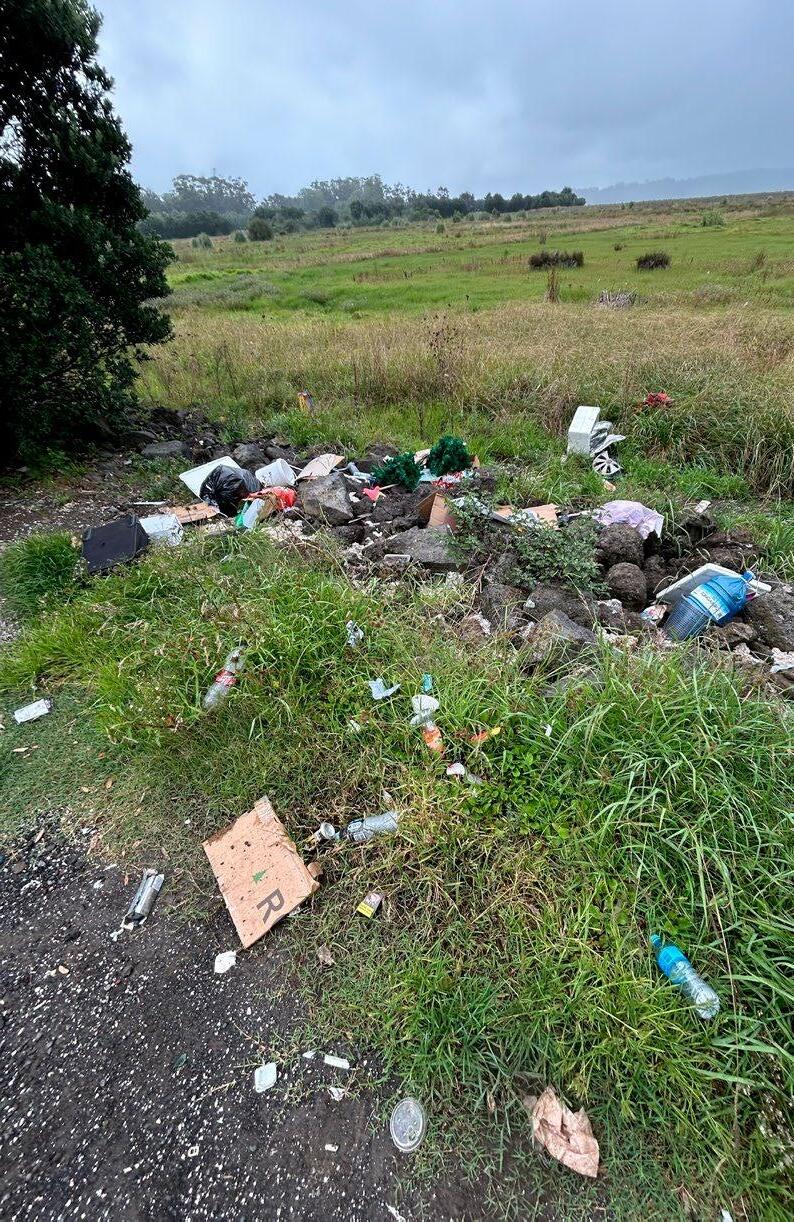
Mapping the challenge – site statistics
Total jobs attended on:
Island Road
Ihumaatao Road (includes Ellett's Beach)
Greenwood Road
Creamery Road
Kirkbride Road
Ooruarangi Road
Montgomerie Road
Ascot Road
Renton Road
TOTAL JOBS ATTENDED 583
Note: These figures reflect ‘Most common dumping sites’ only. Actual jobs per street are higher as we continue to improve our total data capture.
Why this mahi matters
We are doing this work for four simple reasons:
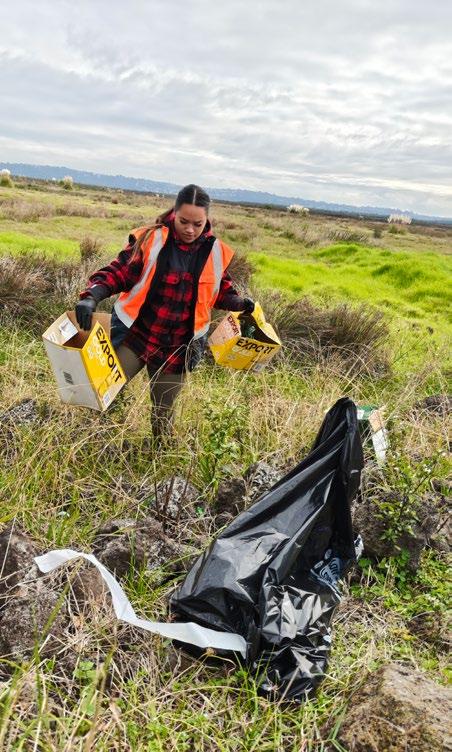
We are standing up for our whenua, moana and awa. For too long our rohe is treated with disrespect, rubbish is dumped illegally, laws are ignored and our taiao is harmed. This mahi says clearly: this behaviour is not acceptable here, and we will not look away.
We are protecting our haapori by holding people to account. By investigating, gathering evidence and working alongside Council, we are stopping harm, supporting enforcement and making sure those responsible are called out and dealt with properly.
We are gathering the evidence needed to demand better solutions. This data strengthens our voice, so that decisions are based on what is really happening on our whenua, not assumptions, and so solutions actually meet the needs of our people and our place.
We are restoring the mauri of our home for future generations. This mahi is about action today so our tamariki and mokopuna inherit a taiao that is healthy, respected, and protected - not one damaged by neglect.
What’s next for 2026–2028?
With the success of our pilot, we are thrilled to announce that we have secured a two-year funding agreement with Auckland Council. This allows us to move from a response phase to building long-term resilience because we know if the land is sick, we are too, and long-term environmental health means long-term health for our whaanau and uri.
• We want to deter offenders by educating the wider community on the deep cultural significance of this area. When people realise
this landscape is layered with our history, they’ll stop seeing a place to dump and start seeing a place to respect and cherish.
• We will be expanding our crew to strengthen our presence and provide even more employment opportunities for our whaanau.
• Our goal is to have a papakaainga where the whenua and waterways are clear of rubbish and the mauri of our home is restored.
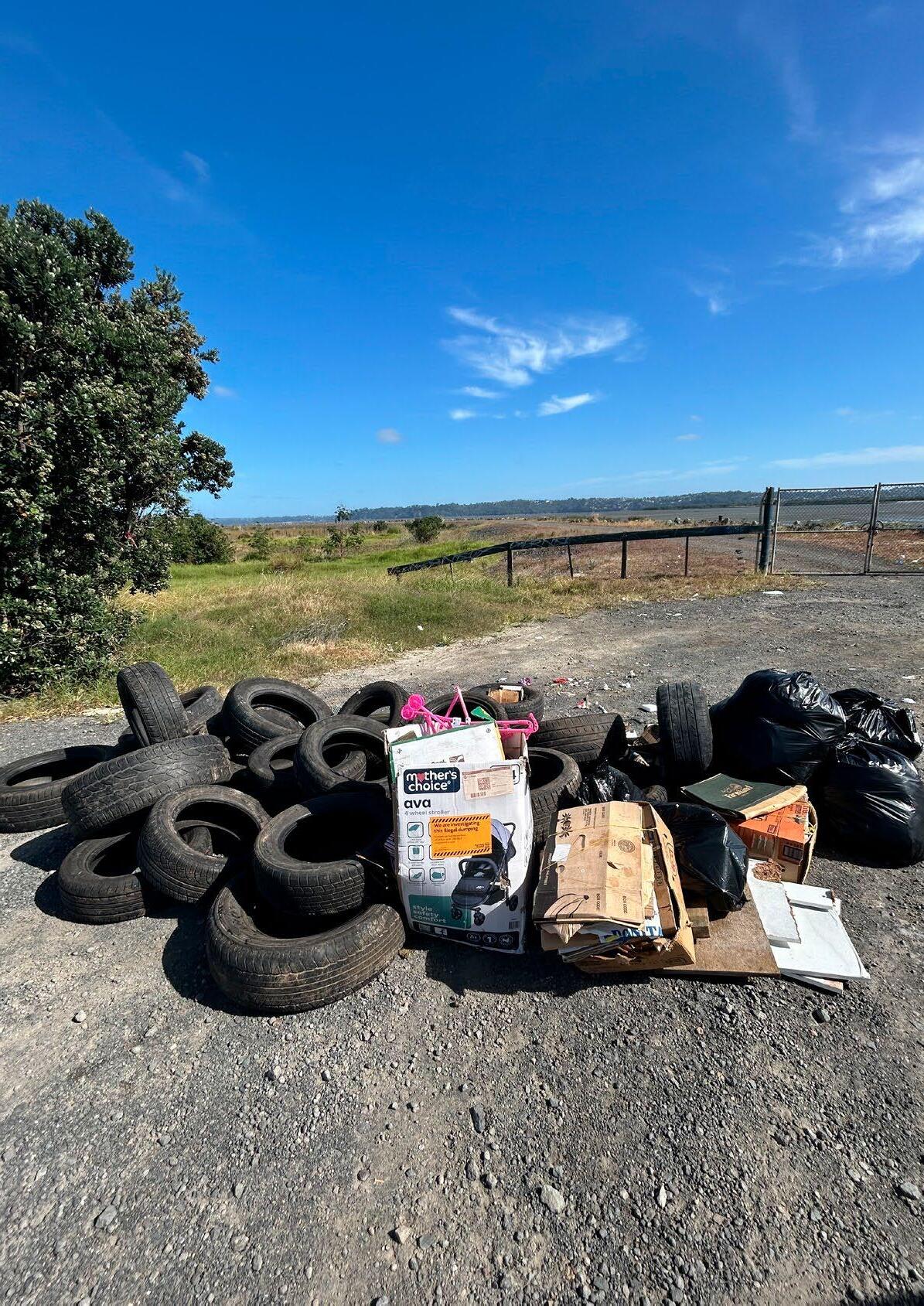
A huge shout out
A heartfelt thanks to the ongoing support we receive from the Wastewise team at Auckland Council who have worked closely with us to iron out any kinks in this pilot programme. We also share a special thank you to Charmaine Bailie and Uru Whakaaro , a dedicated taiao-based kaupapa, who generously sponsored our PPE gear, keeping our team safe and professional while they do the mahi.
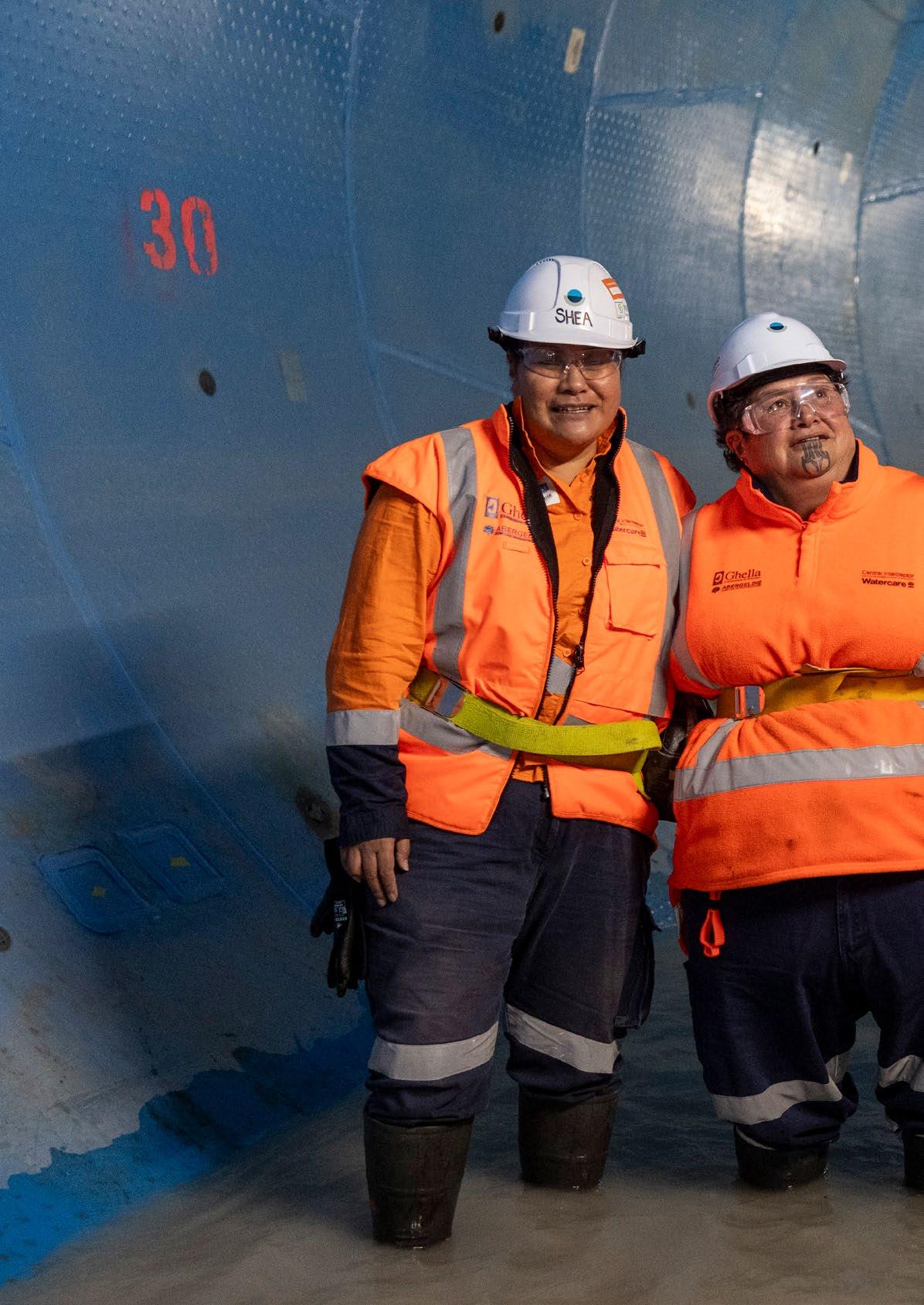
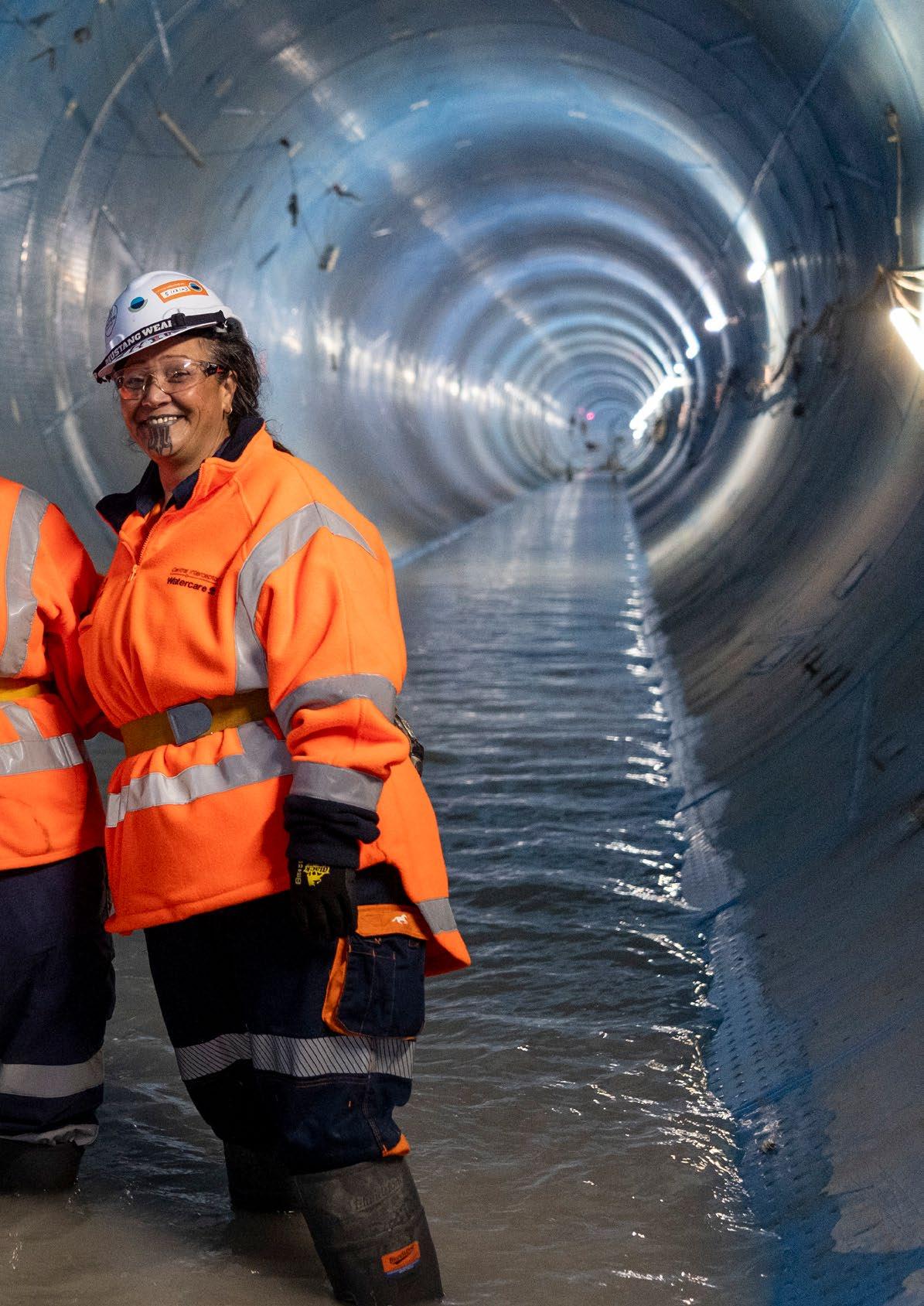
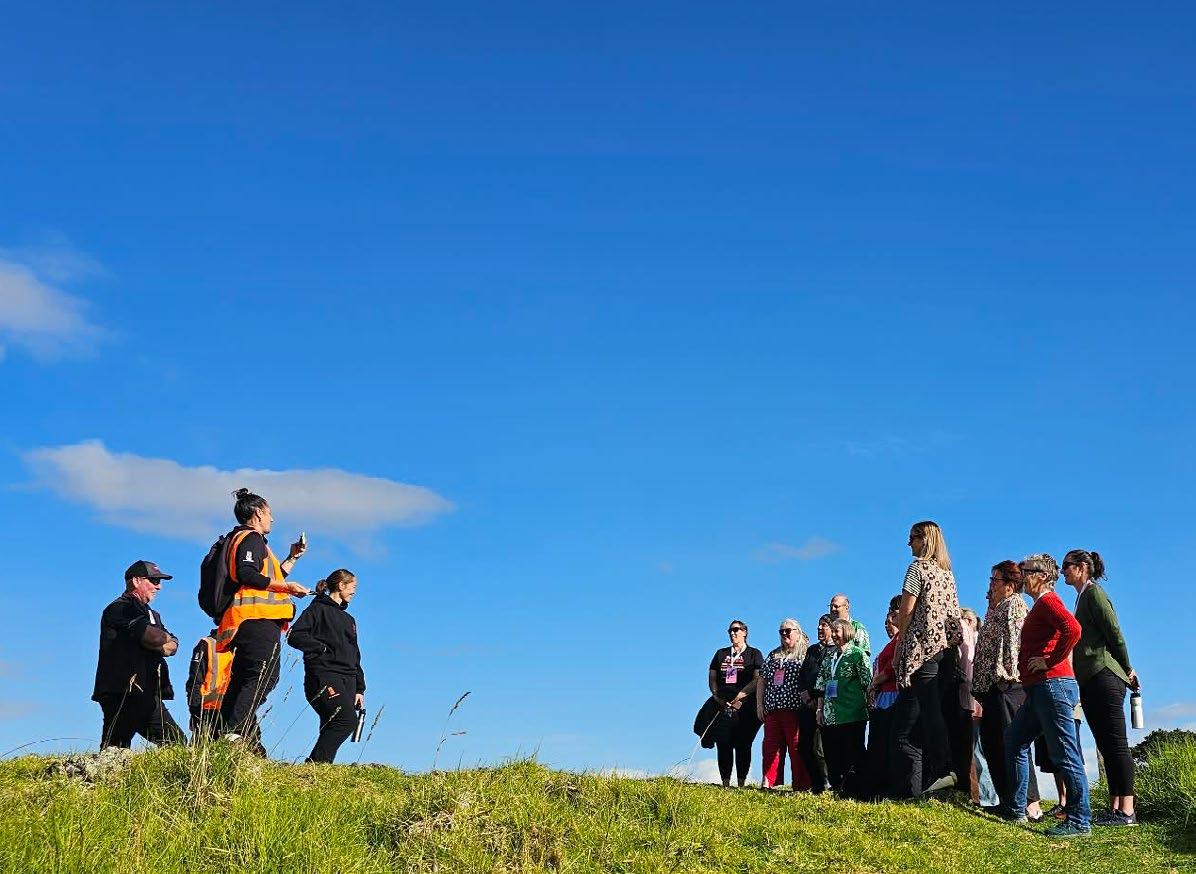
Growing our future through enterprise
Ko te pae tawhiti, whaaia kia tata;
ko te pae whakamauatata,kia tina
Seek out distant horizons and cherish those you attain
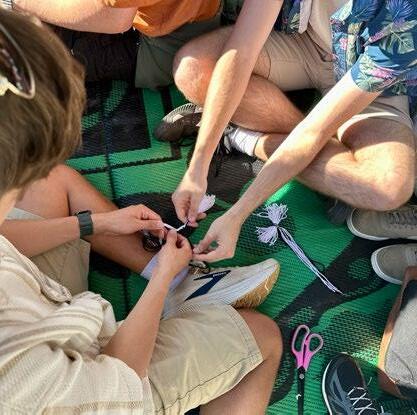
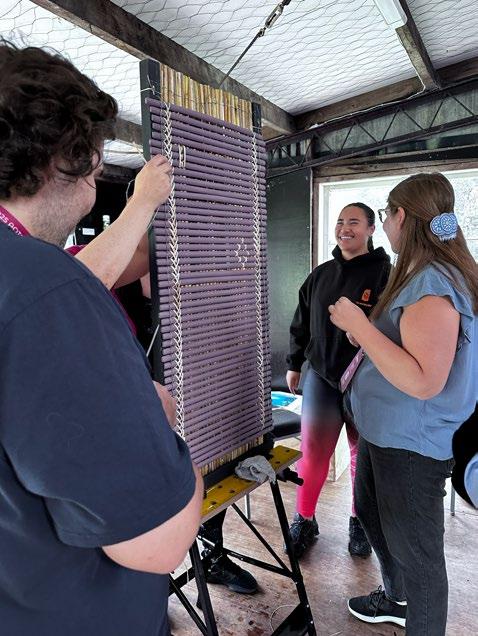
Grounded in whenua. Guided by whakapapa.
For generations the uri of Ihumaatao have carried the responsibility of protecting the mauri of our whenua, stories and people. Today, Te Ahiwaru is building on that responsibility through a stronger, more coordinated approach to enterprise development - one grounded in whakapapa, tikanga and long-term intergenerational wellbeing.
This direction recognises that sustainable enterprise is not just about economic growth; it is about rangatiratanga. As political, social and funding landscapes continue to shift, strengthening our own enterprise pathways allows us to reduce reliance on contestable funding while creating opportunities that are resilient, values-based and led by our people.
At the centre of this work are the unique strengths of Te Ahiwaru:
• Ihumaatao and our ancestral landscape.
• Reo, tikanga and maatauranga Maaori.
• Our living classroom and ahi kaa presence.
• Tourism, education and cultural storytelling.
• Maara, planting and environmental restoration.
• Creative and cultural practice through initiatives such as Here Ko Tukutuku.
Together, these offerings create authentic Ihumaatao experiences that cannot be replicated elsewhere.
Maaori enterprise in Aotearoa
The wider Maaori economy continues to demonstrate the importance and potential of Indigenous-led enterprise. Recent data shows the Maaori economy contributed approximately $32 billion to Aotearoa’s GDP in 2023, growing from $17 billion in just five years, while the Maori asset base increased to $126 billion.
This growth reflects the increasing strength of Maaori enterprise models that prioritise people, culture, environment and intergenerational wellbeing alongside economic return.
In a global climate marked by economic instability, rising inequity, cultural homogenisation and ongoing challenges to Indigenous rights and representation, Indigenous enterprise becomes a powerful tool for self-determination. Sustainable hapuu-led enterprise creates employment pathways, strengthens cultural transmission, revitalises language and reconnects whaanau to whenua and identity.
Looking Ahead
As Te Ahiwaru grows its enterprise activity, we are strategically positioning our offerings within a wider cultural, educational and tourism ecosystem. While schools and educational groups remain an important part of our kaupapa, there is growing opportunity within the national and international conference, delegation and cultural tourism sectors.
Increasingly, visiting groups to Aotearoa are seeking meaningful Indigenous-led experiences. Through Te Ihu o Mataoho Tours, Ahi Tahutahu, Here Ko Tukutuku and our education initiatives, Te Ahiwaru is uniquely positioned to meet this demand.
Moving forward, we aim to:
• Develop curated cultural and educational packages.
• Strengthen partnerships with hotels, transport providers and conference organisers.
• Build referral pathways with local businesses and mana whenua enterprises.
• Expand seasonal and place-based experiences.
• Create more sustainable employment and enterprise opportunities for whaanau.
Future offerings may include:
• Waka journeys along our awa and moana.
• Maara and kai sovereignty experiences.
• Native planting and climate resilience programmes.
• Hands-on cultural workshops.
• Interactive “living classroom” learning experiences. This approach ensures that enterprise growth also strengthens cultural transmission, environmental restoration and community wellbeing.
Highlights from the last year:Building meaningful partnerships
Over the last year Te Ahiwaru has already begun working in more integrated and collaborative ways across our teams and kaupapa.
A key highlight was hosting manuhiri connected to the World Indigenous Peoples’ Conference on Education (WIPCE) - an internationally recognised gathering of Indigenous educators, artists, leaders and knowledge holders. Welcoming these visitors onto our whenua created opportunities for international relationship-building, cultural exchange and the sharing of Indigenous knowledge systems grounded in place.
Importantly, this kaupapa showcased the strength of collaboration across our teams. Alongside guided hiikoi, storytelling and poi making with Te Ihu o Mataoho Tours, our Here Ko Tukutuku team facilitated tukutuku workshops that connected Maaori design, whakapapa and creative practice. Together, these experiences reflected the future direction of our enterprise: immersive, intergenerational and deeply connected.
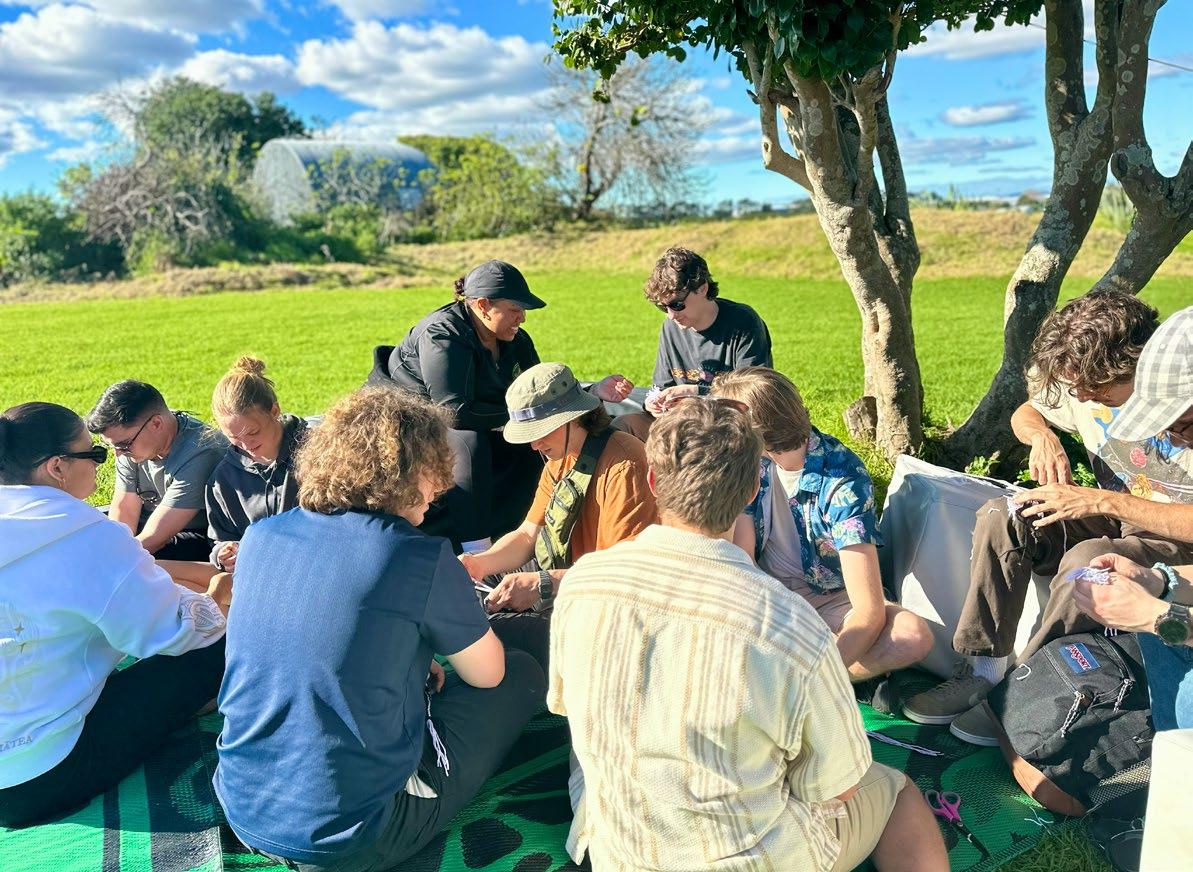
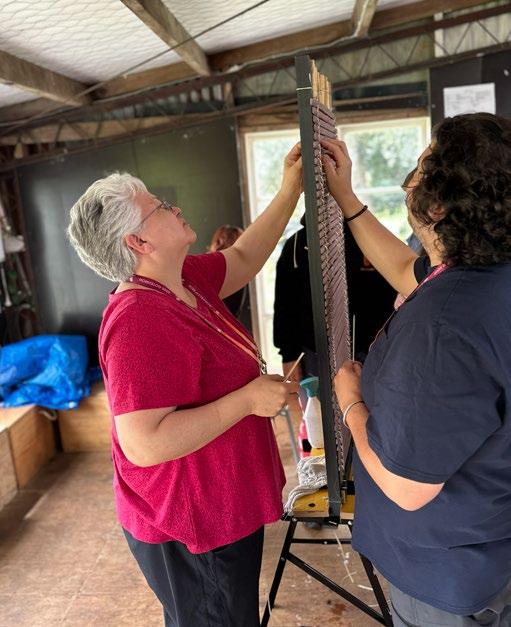
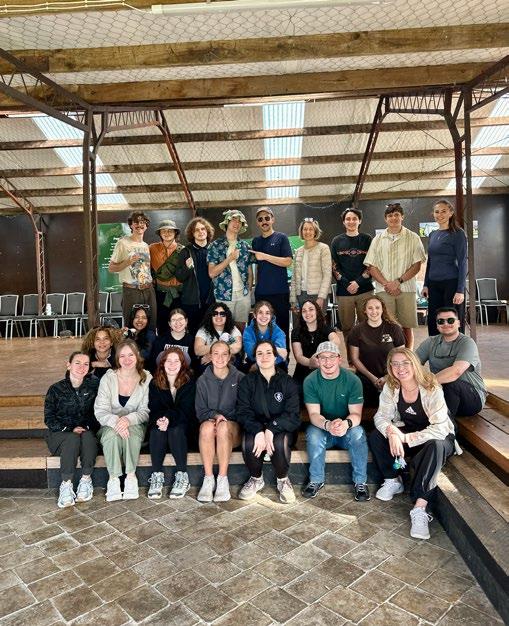
Expanding our hosting capability
This year also saw Te Ahiwaru host a range of impactful kaupapa supporting the professional and personal development of people across sectors of our community, including:
B.I.G Conference
In partnership with Tafa Ed., we welcomed a collective of educational leaders, kaiako and managers to provide real-world learning experiences that supported capability, leadership, and curriculum design while sharing tools to address inequities and disparities in education.
Global Women
We hosted the prestigious Breakthrough Leaders Programme by Global Women who stayed at Makaurau Marae for the final instalment in their 7-month series of retreats. As a collective of highcalibre decision-makers across the public, private and iwi sectors we curated experiences for them that centred on the uniqueness of ahi kaa, the importance of whanaungatanga and the impacts of kaitiakitanga. We also successfully trialled a new offering, the Te Ahi o Mataoho Fireside Experience, that included haangii, waiata and storytelling under the stars - highlighting future opportunities for premium packages.
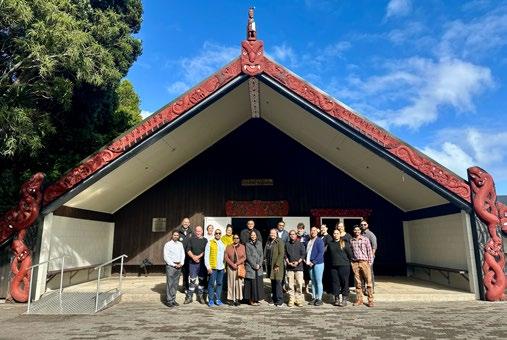
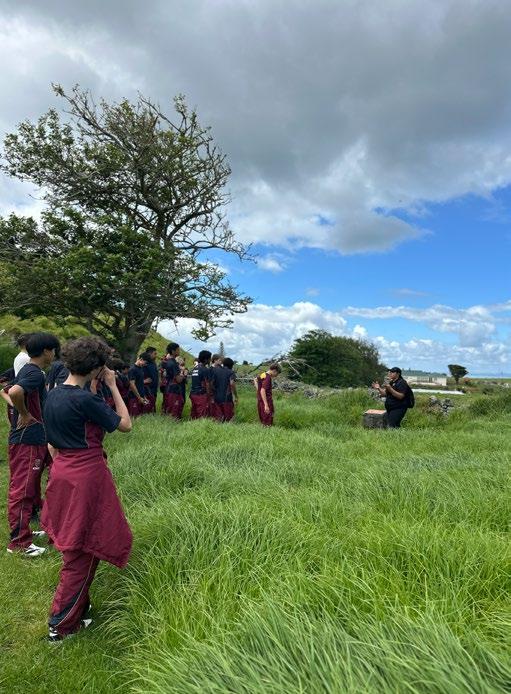
Ngaa Tumuaki o Aotearoa and Rural Principals / Teaching Principals
We supported educational leaders from across Aotearoa to experience the richness of Te Ahiwaru through hiikoi, storytelling and workshops that demonstrated the value of place-based learning grounded in mana whenua knowledge systems. This mahi highlighted the many curriculum areas our programmes naturally weave together while modelling what authentic relationships with mana whenua can look like in practice. These engagements also created an opportunity to strengthen connections between schools, communities and Te Ihu o Mataoho, showcasing pathways for future partnerships.
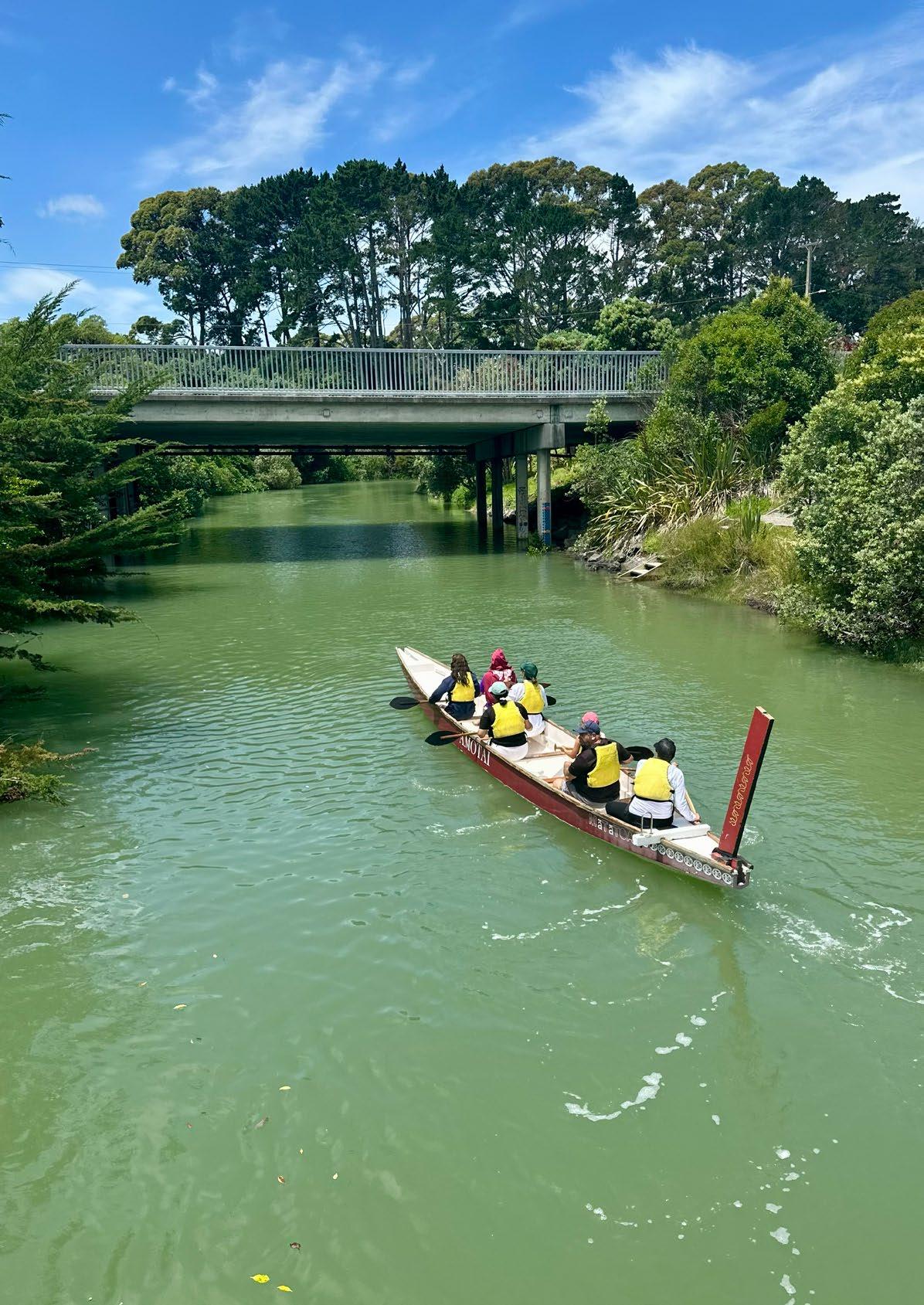
Moving forward
As you can see, what is emerging through our enterprise work is more than tourism or education alone. It is a connected ecosystem bringing together branches of our mahi under one coordinated enterprise approach. Te Ahiwaru is creating a sustainable pathway forward - one that invests back into our people while ensuring the stories, practices and landscapes of our tuupuna continue to thrive for generations to come
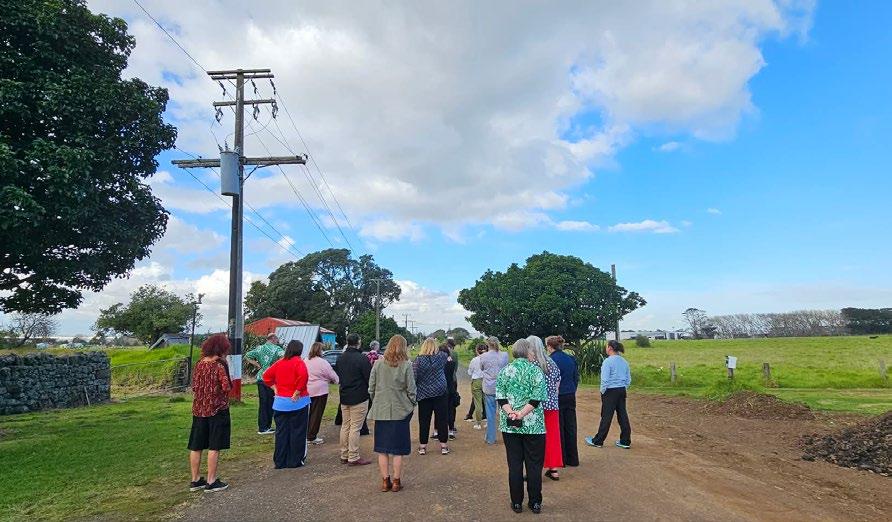
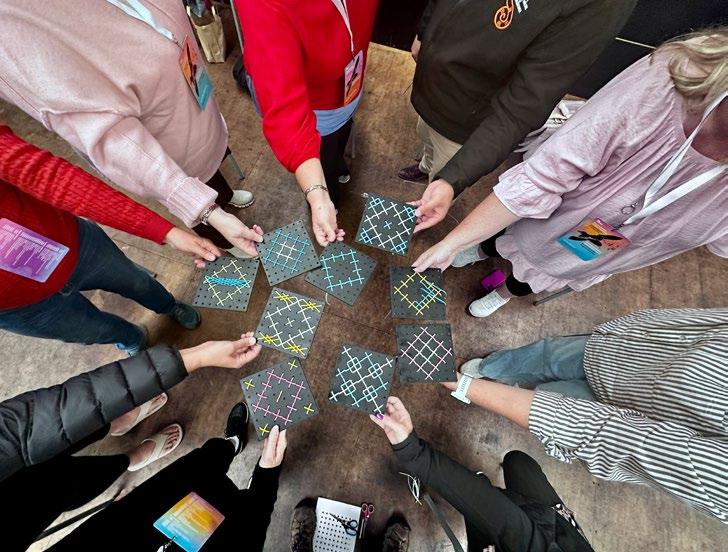
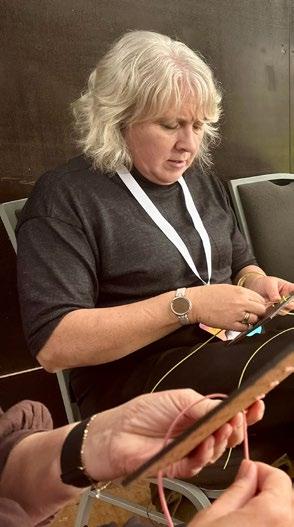
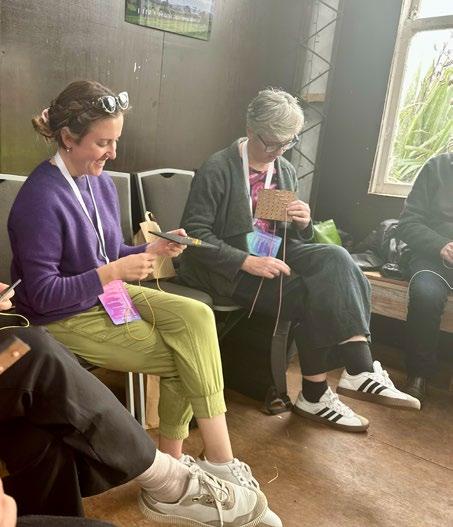
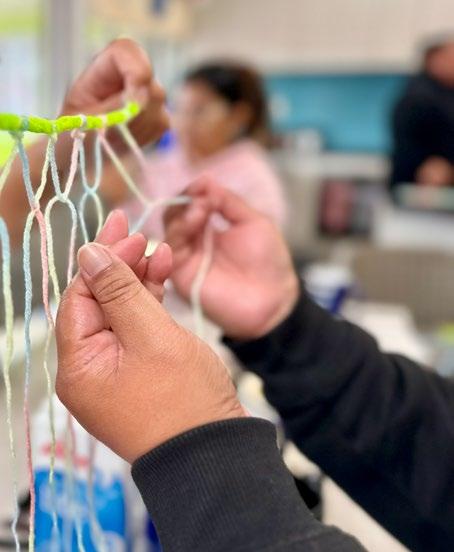
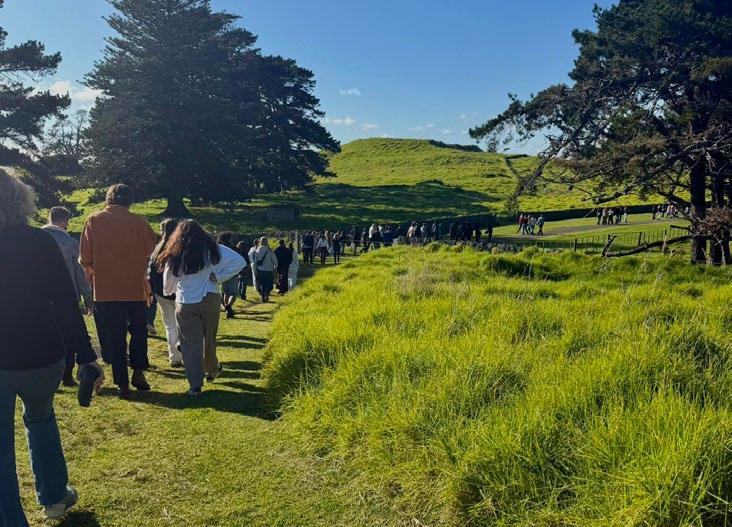
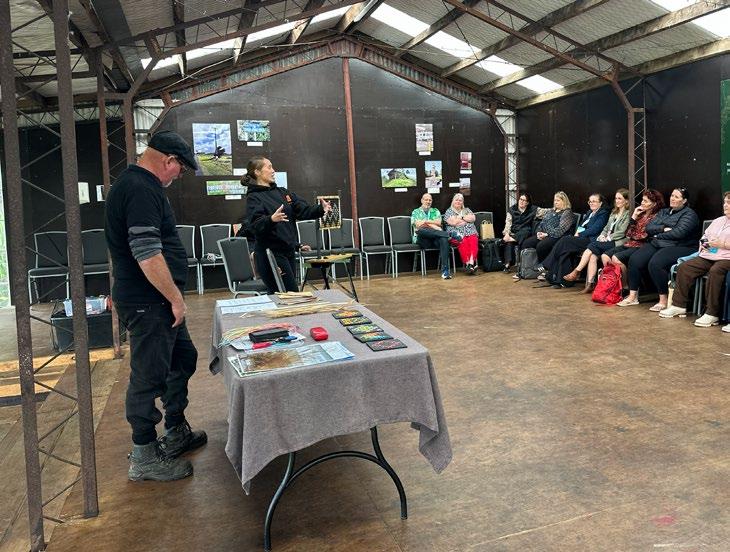
Funders, Partners and Supporters
We acknowledge the organisations who have supported Te Ahiwaru Trust over the past year through funding, collaboration, partnership and shared kaupapa.

Major Funding Partners Funding & Strategic Partners




Kaupapa & Service Partners







Our tohu
Our tohu
Our tohu
The tohu used in our logo is a toki that represents the strength and determination of Te Ahiwaru It is representative of a tool, a taonga, carving new for our people
The tohu used in our logo is a toki that represents the strength and determination of Te Ahiwaru It is representative of a tool, rather than a taonga, carving new pathways for our people
The tohu used in our logo is a toki that represents the strength and determination of Te Ahiwaru It is representative of a tool, rather than a taonga, carving new pathways for our people
As a hononga to our past , it speaks of our tuupuna who were gardeners and ahi kaa of one of the most fruitful areas in
As a hononga to our past , it speaks of our tuupuna who were gardeners and ahi kaa of one of the most fruitful areas in Taamaki Makaurau.
As a hononga to our past , it speaks of our tuupuna who were gardeners and ahi kaa of one of the most fruitful areas in Taamaki Makaurau.
The koru is a reflection of our commitment to supporting our people, our whaanau to thrive Koru are symbolic of whaanau and the circular pattern in it is also representative of the lava that carves through the whenua in both Ihumaatao and across Taamaki, a hononga to our whenua and our whakapapa in this volcanic landscape
The koru is a reflection of our commitment to supporting our people, our whaanau to thrive Koru are symbolic of whaanau and the circular pattern in it is also representative of the lava that carves through the whenua in both Ihumaatao and across Taamaki, a hononga to our whenua and our whakapapa in this volcanic landscape
The koru is a reflection of our commitment to supporting our people, our whaanau to thrive Koru are symbolic of whaanau and the circular pattern in it is also representative of the lava that carves through the whenua in both Ihumaatao and across Taamaki, a hononga to our whenua and our whakapapa in this volcanic landscape
The woven threads represent the coming together of Ngaati Rori, Ngaati Taangiaro, Ngaati Peehi and Ngaati Kaiaua as Te Ahiwaru
The woven threads represent the coming together of Ngaati Rori, Ngaati Taangiaro, Ngaati Peehi and Ngaati Kaiaua as Te Ahiwaru
The woven threads represent coming together of Ngaati Rori, Ngaati Taangiaro, Ngaati Ngaati Te Ahiwaru
The indents on the toki connect us to maunga and landscapes across our region and across our whakapapa
The indents on the toki connect us to maunga and landscapes across our region and across our whakapapa
The indents on the toki connect us to maunga and landscapes across our region and across our whakapapa
The grey colour of the toki is representative of volcanic rock and the strength of this element in our taiao
The grey colour of the toki is representative of volcanic rock and the strength of this element in our taiao
The grey colour of the toki is representative of volcanic rock and the strength of this element in our taiao