NOTES
The classroom is often where students begin to make sense of the world around them. In today’s interconnected society, young people encounter a constant stream of information online—everything from creative, inspirational content to headlines of grief and uncertainty. While navigating their own personal challenges, students are also asked to process global crises and rapidly evolving technologies like artificial intelligence. In moments like these, the classroom becomes an important space for reflection, discussion, and understanding. This issue offers guidance for educators facing these realities, providing thoughtful perspectives and relevant resources to help support students as they chart their own paths forward.
To begin, Glenna Silk’s article serves as a stark reflection on our current society. As a middle school English teacher, Silk wants her students to think critically about the world they live in. She achieves this by exploring the modern-day relevance of Ray Bradbury’s dystopian novel Fahrenheit 451, using it to facilitate debates around mindless consumption, our reliance on screens, and the value of independent thinking.
Literary consultant Kitty Llerandi builds on these themes in her article, “Re-Seeing Revision.” Here, she presents a middle school lesson plan that shows ELA teachers how to model ChatGPT as an effective revision partner, rather than a replacement for thought. When clear expectations are set around the use of AI in the classroom, Llerandi argues that it can become a valuable tool that actually encourages students to think more deeply, while also helping to strengthen the clarity and organization of their writing.
In “TikTok and Teenage Pedagogy,” educator Lesley Machon offers an invitation to teachers feeling the weight of what their students are carrying. Through her work outside of the classroom as an interfaith chaplin, serving at hospitals and hospices across her community, Machon is no stranger to trauma. After watching her students struggle with many of the same issues, she wanted to cultivate her psychology classroom as a safe space—one where her students could learn healthy strategies for engaging with their personal challenges. She shares how she was able to redesign her curriculum thanks to a collaboration with Dr. Christine Gibson, a family physician
whose popular TikTok content discusses trauma literacy and nervous system science in ways that are accessible for young people. Together, Machon and Gibson are helping students build inner resources that will support them through whatever adversities may lie ahead.
One form of trauma that is becoming increasingly common is environmental trauma. Whether students have personally experienced the impacts of natural disasters or extreme weather events, or merely witnessed these catastrophes through screens, the impacts can be intensely felt either way—often manifesting in the form of eco-anxiety. It’s easy for students to despair in the face of so much destruction, especially as the rate of climate change continues to accelerate. But that’s why hope is so important. In this issue’s Bookstuff, we share a collection of stories that focus on real people taking tangible action to address the climate crisis. Perhaps these books will even inspire students to do the same.
Karen Wilfrid adds a bit of levity through her piece, where she extols the hidden magic of meetings. A busy middle school English teacher, Wilfrid is used to days that are filled with unpredictability, split-second decisions, and the pressure to always do more. In the midst of everyday challenges and non-stop activity, meetings emerge as an oasis of predictability, respite, and passivity. A time to sit and listen, and politely zone out for a few minutes if necessary. Couldn’t we all use a few more moments like that? Wilfrid’s article serves as a reminder to cherish those opportunities when they come.
Lastly, there’s been a lot of hockey content in the news recently. Much of it a step forward for diversity and inclusivity in the sport but, regrettably, some of it moving backwards instead. Rabia Khokhar’s lesson plan for students in Grades 4-6 presents a timely and relevant way to raise the subject of representation in hockey.
However you choose to explore these ideas with your students, we hope this issue gives you something useful to take back to your classroom.
As always, thanks for reading. See you next time.
KELSEY MCCALLUM ASSOCIATE EDITOR
04 08 13 22
CLASSROOM PERSPECTIVES
Has This Dystopian Novel Become a Reality? Teaching the Modern-Day Relevance of Fahrenheit 451
Glenna Silk
TikTok and Teenage Pedagogy: Engaging Gen Z with Trauma and Nervous System Literacy
Lesley Machon
PUBLISHER AND EDITOR
Rabia Khokhar 16 20 26 As a Busy Teacher, I Actually Like Meetings. Here’s Why
Re-Seeing Revision: Using ChatGPT as a Partner, Not a Shortcut
Kitty Llerandi
Karen Wilfrid
COLUMNS
Teacher’s Pet
Bookstuff
10 Essential Climate Action Books for Kids
Kelsey McCallum
CURRICULA
Student Well-Being: Self-Image and Identity
AD INDEX 31
TEACH is published by 1454119 Ontario
Wili Liberman
MANAGING EDITOR
Lisa Tran
ASSOCIATE EDITORS
Kelsey McCallum
Raenu Sarathy
CONTRIBUTORS
Rabia Khokhar
Kitty Llerand
Lesley Machon
Glenna Silk
Karen Wilfrid
ART DIRECTOR
Pauline Lopez
EDITORIAL ADVISORY BOARD
Bernice Slotnick
Teacher (Retired)
John Myers
Curriculum Instructor, OISE (Retired)
Rose Dotten
CEO and Head Librarian, Shelburne Public Library
ON, M6P 3T1 E: info@teachmag.com T: (416) 537-2103. For subscription info, visit shop.teachmag.com. Unsolicited articles, photographs and artwork submitted are welcome but TEACH cannot accept responsibility for their return. Contents of this publication may be reproduced for teachers’ use in individual classrooms without permission. Others may not reproduce contents in any way unless given express consent by TEACH. Although every precaution is taken to ensure accuracy, TEACH, or any of its affiliates, cannot assume responsibility for the content, errors or opinions expressed in the articles or advertisements and hereby disclaim any liability to any party for any damages whatsoever. Canadian publication mail sales product agreement No. 43579512. ISSN No. 1198-7707.
TIKTOK AND TEENAGE PEDAGOGY: ENGAGING GEN Z WITH TRAUMA AND NERVOUS SYSTEM LITERACY
By Lesley Machon
As a teacher, when a fifteen-second video clip makes your students lean forward in their seats, listening intently with bright eyes and bated breath, you don’t take that kind of attentiveness for granted. In my case, that’s what happened when I first showed one of Dr. Christine Gibson’s enlightening TikTok videos.
It was an explanation of the nervous system and how somatic techniques can help us attend to our well-being. Easy to understand and digest, without inaccessible jargon, Dr. Gibson’s content cut through the social media clutter to reach my students, meeting them where they were in the vernacular of a generation accustomed to screens.
Engaging with Trauma
When I first began teaching a psychology elective course two years ago, my goal was to cultivate a learning environment that invited students into meaningful engagement with all kinds of personal challenges—from mental health diagnoses and neurodivergence to traumatic experiences and everyday stress. I wanted my classroom to be a space my students could, however briefly, put down all the heaviness they carry with them every day.
Aside from my work in education, I’ve also spent the last several years training and serving as an interfaith chaplain in hospitals, hospices, and addiction centers across my city. I sit with youth and adults in their most tender hours, in the blue glow of ICU monitors, in twilight rooms where their breath becomes laboured. Together, we wade into the quiet that follows confession, hurt, and grief.
I am no stranger to unresolved trauma, caused by anything from environmental catastrophe to personal loss, and how it can transform into a series of sleepless nights, hands that won’t stop moving, or a winter fog of the mind that hangs heavy, enduring. I’ve seen the same thing in my classroom, have watched students become disengaged and disconnected from themselves, from each other, and from the world around them; so many carrying pain that felt illegible to the systems meant to support them.
Although I have witnessed and felt, at the deepest level, how our inner worlds and outer crises are braided together, I didn’t yet know how to work that knowledge into my classroom in a way that would be meaningful to my students.
Then, I came across Dr. Christine Gibson’s content on TikTok.
A New Way to Reach Students
Dr. Gibson is a family physician who addresses trauma and toxic stress. Her TikTok presence (@tiktoktraumadoc) caught my attention because it discussed trauma in safe, accessible ways, and offered a sense of connection at the same time. It served as a reminder that all of us are struggling and that we can learn new ways to express this struggle.
The first thing that came to my mind after watching a few of Dr. Gibson’s videos was, I should show this to my students. Not only did her content embody a sense of psychological safety, it also offered practical skills in a way that kids could relate to. Her framework honoured the intelligence of young people, rather than talking down to them, and it offered a language with which to make sense of and connect to their nervous systems.
These days, the reality is that plenty of young people are learning about mental health online. It’s astonishing how many of them use TikTok for online searches. A UBC qualitative study uncovered that kids find TikTok easy to access, that it gives a sense of connection (and validation) and provides skills to cope with their challenges.
If this was the material my students related to, why not incorporate it into my teaching?
The initial positive reaction from my students after I showed them one of Dr. Gibson’s videos told me I was on the right track. So I took things one step further and tried designing a few lessons based on her book The Modern Trauma Toolkit. It provided just what I needed.
Those lessons were met with such enthusiasm from my students that I pulled apart my entire curriculum (activities, lesson plans, and all) and recreated it. Since then, I’ve had students showing up at lunch, after school, and even waiting outside my door before class begins. Their eagerness speaks to the success of this new approach, and I look forward to continuing on this path.
The River of Life
We started with water. The “River of Life” project, which came from the opening chapter of Dr. Gibson’s book, invited students to trace their life journeys—or those of an ancestor, character, or another figure whom they felt safe to explore.
The benefits of using an insurance broker
When shopping for insurance, it’s a good idea to compare your options to ensure you’re getting the best coverage at the best rate. That’s where an insurance broker can help.
Insurance brokers shop the market and work on your behalf to help you find the right coverage to suit your needs. An insurance broker also acts as your advocate with politicians, provincial regulators, and insurance companies. Read on to learn about the key benefits of using an insurance broker.
Save on your insurance rates
A broker works with several insurance partners in order to find the best deal on insurance coverage that’s right for you. They will assess your personal needs and make impartial recommendations that serve your interests – not the interests of the insurance providers. Additionally, since your insurance brokerage will have relationships with several insurance partners, they can negotiate competitive group rates and add applicable discounts.
Get advice from an experienced professional
It is your insurance broker’s job to provide you with personalized support so that they can advise you on the coverage options that are best suited to your particular needs. Unlike an insurance agent whose recommendations and experiences are limited to their own company’s products, a broker works with a range of products and services from multiple insurance partners. This provides your broker with a larger knowledgebase of product options and member experiences to draw from when advising you.
Receive faster claims payouts
In the event of a claim or a loss, your broker will help you through the process. They will be there to answer any questions that come up and, more importantly, to serve as your advocate in ensuring that the payout you receive is fair and delivered to you promptly.
Protect yourself from dishonest conduct
All insurance brokers in Ontario are licensed by the Registered Insurance Brokers of Ontario. This institution regulates the licensing, continuing education, professional competence, ethical conduct, and insurance related financial obligations of all insurance brokers in the province. Working with a broker allows you to feel confident that you will be treated fairly and that your broker will always represent your best interests.
A broker’s primary responsibility is to serve your insurance needs. They will ensure that you have the coverage you need at the best possible rate. They will work with you to answer your questions, make honest recommendations, be your advocate, and to always put your interests first.
If you’re shopping for car, home or leisure product insurance, contact an OTIP insurance broker today at otipinsurance.com/teach_save to get a quote and receive a $20 gift card of your choice! Or call us at 1-888-996-0017 to see the benefits of working with an insurance broker for yourself.

10 ESSENTIAL CLIMATE ACTION BOOKS FOR KIDS
BY KELSEY MCCALLUM
DFor teachers who are looking to do their own reading about climate change, be sure to check out our TEACHer’s Corner segment, featuring recommended books from members of the TEACH team.
id you know that over 65% of Canadian and American students report feeling anxious about climate change and 75% of youth worldwide are frightened for the future? Eco-anxiety is real, and kids are feeling it. That’s why hope matters. When students see authentic, tangible examples of people taking action—young activists, scientists, and communities creating solutions and fighting against environmental injustice—the climate crisis stops feeling overwhelming and starts feeling solvable.
These 10 books help educate students about the science of climate change, while also introducing them to everyday people all over the world who are working towards a more sustainable planet—and inspiring them to do the same.
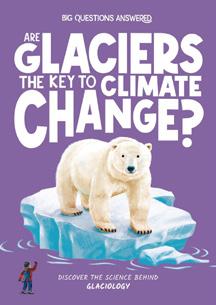
ARE GLACIERS THE KEY TO CLIMATE CHANGE? DISCOVER THE SCIENCE BEHIND GLACIOLOGY
BY OLIVIA WATSON, ILLUSTRATED BY DANIEL LIMON
Beetle Books (October 2025) | Grade Level: K-3
This non-fiction text offers young readers an easy introduction to glaciers and the people who study them. It explores questions like: How do glaciers change the shape of Earth? What can they tell us about our planet’s past, present, and future? And many more. The book includes back matter with glacier facts, as well as QR codes that link to downloadable teacher resources.
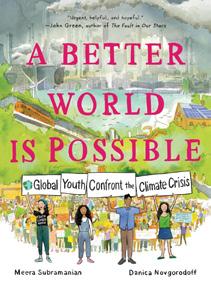
A BETTER WORLD IS POSSIBLE: GLOBAL YOUTH CONFRONT THE CLIMATE CRISIS
BY MEERA SUBRAMANIAN AND DANICA NOVGORODOFF
First Second (March 2026) | Grade Level: 9-12
Environmental journalist Meera Subramanian and best-selling illustrator Danica Novgorodoff have teamed up to create this graphic novel guide to climate change, and what today’s young people are doing about it. Through the stories of four youth activists, readers will learn about the science of our changing planet and what solutions are possible when we all come together to fight for a better world.
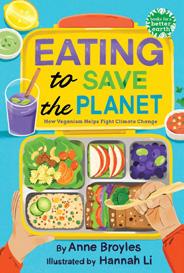
EATING TO SAVE THE PLANET: HOW VEGANISM HELPS FIGHT CLIMATE CHANGE BY
ANNE BROYLES,
ILLUSTRATED BY
HANNAH LI
Holiday House (August 2025) | Grade Level: 3-7
Eating to Save the Planet presents an accessible entry to plant-based diets for middle-grade readers. Its chapters delve into the environmental impact of eating meat and what terms like “vegan” and “plant-based” actually mean, while also encouraging kids to think about where their food comes from, why that matters, and small steps they can take to make a difference. Back matter includes nutritional information and a list of additional resources. A Teacher’s Guide is available as well.
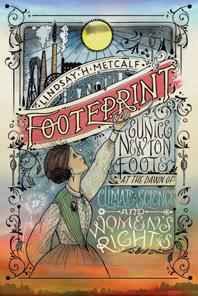
FOOTEPRINT: EUNICE NEWTON FOOTE AT THE DAWN OF CLIMATE SCIENCE AND WOMEN’S RIGHTS
BY LINDSAY H. METCALF
Charlesbridge Teen (February 2026) | Grade Level: 7–12
This historical YA novel-in-verse showcases the extraordinary discoveries of Eunice Newton Foote, the first woman to point to carbon dioxide as the cause of climate change—what’s now known as the “greenhouse effect.” When she initially shared her findings in 1865, they were largely ignored. In fact, the discovery of the greenhouse effect is often attributed to John Tyndall, who published his own research paper three years later. But today, Foote is finally getting the credit she deserves, as seen in this empowering story perfect for teens interested in STEM, women’s rights, and the history of the climate crisis.
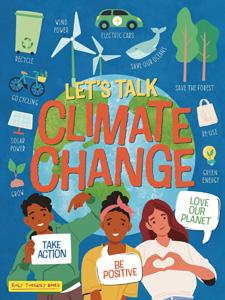
LET’S TALK CLIMATE CHANGE: TAKE ACTION, BE POSITIVE, LOVE OUR PLANET
BY RUTH OWEN
Ruby Tuesday Books (February 2026) | Grade Level: 2-5
In an era where there’s plenty of “doom and gloom” commentary related to the climate crisis, Let’s Talk Climate Change presents an open and honest narrative framed around optimism. After all, the best counter to the eco-anxiety that so many kids are experiencing is to help them understand the science of climate change, as well as what each of us can do to take action.
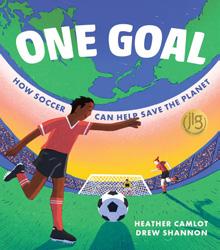
ONE
GOAL:
HOW SOCCER CAN HELP SAVE THE PLANET
BY HEATHER CAMLOT, ILLUSTRATED BY DREW SHANNON
Groundwood Books (April 2026) | Grade Level: 4-7
Publishing just a few months before the 2026 World Cup, One Goal looks at what soccer players, clubs, and fans around the world are doing to build a greener future. Whether by using soccer fields to collect and clean rainwater, making seats from recycled fish nets, or biking to and from games, there are plenty of ways that soccer can chart a path forward for sustainability in sports.