THECatholic Record Society wasfounded June 10, 1904, for printing and distributing to its Members original Records, both historicalandgenealogical, relative toEnglish Catholics since the Reformation
Allrightsreserved bythe Society
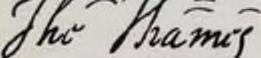
East Riding Whereas ShemardriftofHalsham intheEast oftheCountyRidingoftheCountyofYorkYeomanina ofYork .. RecevantandthereforebytheActofparliament cannotgoandtravelloutoftheCompassofFiveMiler from theusualplaceofhisabodeunlessuponnecessary Becavions onBusinessandfighttaking thebathand being Vicensedthere'sastheActofparliamentdirects AndwhereasthesaidThomar Owfthathrequested us Four ofhis MajestienJusticesofthepeaceforth saidRidingwiththeprivityandChrontofoneofthe DeputyLieutenantaforthesædRidingtogrant untohim aLicensetotravelfrom hisvaidurual Placeofabode16DraceintheWestRidingoftheCounty ofYorktoseehisWifswhoisveryillthereatthehouse ofhis SoninLawandhehaving madebaththersof astheActdirect Therearetherefore4Licensethe to vaidThomas siehttogoandtravellthisdayfrom hisusualSlavitationtoDrax aforesaidandtorehern tohis saidusualHabitation on WednesdaytheH FifteenthdayofJanuary nextorvomergiven- underourHandsandSealsthisEightsouthdayof December1745
Introduction, by the Right Rev. Abbot Gasquet, O.S.B.
I. Dr Nicholas Sanders , Report to Cardinal Moroni onthe change ofreligion in 1558-9 [1561]. From Autograph in the Vatican Archives Edited by the Rev. J. H. Pollen, S.J. Text Translation 24
II. Official Lists of Prisoners for Religion from 1562 to 1580 From originals in the Public Record Office and BritishMuseum . Edited by the Rev. J. H. Pollen, S.J.
III. Conclusion of the Autobiography of Fr WilliamWeston, S.J. , 1589-1603 . From Contemporary Copy in the Archives of the Society ofJesus Editedby the Rev. J. H. Pollen, S.J.
IV. Letterfrom theVen Christopher RobinsontotheRev. Richard Dudley,describing the MartyrdomoftheVen John Boste, 1594 . Communicatedby Lord Herriesfrom Everingham MS. 85
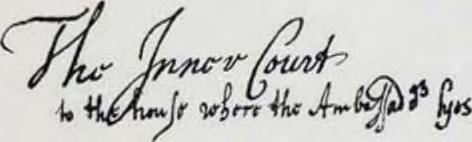
V. Papers concerning Catholics during the reignof K. Charles I. A. Relation of a brawl betweenthe King's officers and theservants of the French Ambassador, concerning the Catholics who resorted to Massat DurhamHouse, 1626. With contemporary plan ...
B. LetterfromSir JohnCoke to LordConway abouttheapprehension of a priest at Newington, 1626 ...
C. Letter of Protection for John Colleton, Priest, 1626 Communicatedby Miss Harting Originals in her possession .
VI. The Notebook ofJohn Southcote, D.D., 1628-36 Edited with permission of the Bishopof Southwark by the Rev.J. H. Pollen, S.J. , from original in the Diocesan Archives
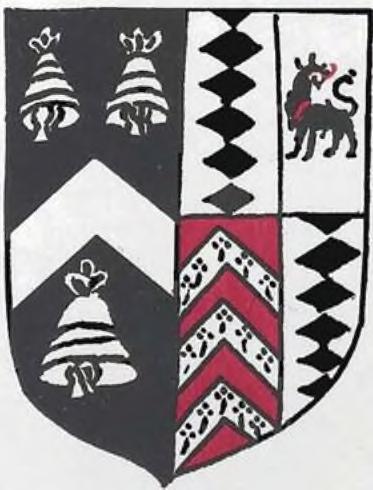
VII. Autobiographicaland Genealogical Notebook of the Ven . Arthur Bell, O.S.F. , 1638. Communicatedby D. Grissell, M.A. Original MS . in his possession With two coats ofarms
VIII. The Obituaryof Dom John Huddlestone, O.S.B., temp. the Civil War Communicatedfromthe originalinhispossession with briefannotationsby Joseph Gillow
IX. The Common-place Book of Edmund Napper of Holywell, Oxon. Extracts, with brief annotations, contributed from the original in his possession by Joseph Gillow
X. The OwstPermit...
Facsimile ofthe Permit. Contributed byJ.Nicholl
XI. Family Notes of the Smiths of Drax. Contributed by S. J. Nicholl. Edited byJ. S. Hansom ... ... 137 143
XII Family Notes of Wilks, Sherlock, Lewys, Whitmore&c. Contributed byJ. S. Hansom from the MSS . ofE. S. Wilks
XIII FamilyNote ofRoskell, etc. Contributed byJ. S. Hansom ... 147
XV. CatholicMission Registers of Cowdray House, 1745-1822 . Contributed by F.A. Crisp, F.S.A. Edited byJ. S. Hansom ... 244
XVI. Catholic Mission Register ofPerthîr . Contributedandedited by J.H. Matthews Index. By Mrs Seymour Spencer ... 271 ...297
INTRODUCTION
FEW people probably know that some fifty years ago an attempt was made to establish a Catholic Record Society. For many reasons the times seemed favourable for such an undertaking, and after much deliberation the late Lord Acton and others endeavoured to obtainthe support of the Catholic body for a society whichit was proposed to call the " Lingard Club, " very similar to the society which now presents its members with the first volume of its transactions The then Sir John Acton was keen and even enthusiastic on the matter, and he promised as his initial contribution to the work ofthe club, a list of printed books and documents dealing with Catholics and Catholic interests in the latter half of the sixteenth century and the first half of the seventeenth: a work which would have been invaluable , and which hisextensive and peculiarnot to say astonishingknowledge oftheliterature of that period rendered him especially qualified to undertake. According to the project, this was to have been accompaniedor followed by a similar catalogue of papers and documents ofinterest and importance for Catholic history during the same period, which were then still unprinted in the Public Record Office, the British Museum and elsewhere This list of manuscript sources would have been undertaken by Mr Richard Simpson, who by long and arduous researches in archives and libraries , both in England and abroad, had gathered togetherextensive collections illustrating the condition of Catholics under Elizabeth and James I, which would have enabled him not only to compile the invaluable catalogue suggested, but to havefollowed it up with transcriptsofpapers up to that time wholly unknown Unfortunatelythe project failedto elicitthe support of the Catholics, andthe " Lingard Club" wasstillborn in the minds ofthe small butbrilliant band ofscholars who had conceived the idea
Sincethat time, of course, much has been done by individual enterprise to make accessible many of the tracts and documents necessaryto understand the historyofCatholics in the early daysof religious persecution In this connection the names of thelate Fathers Knox, Bridgett and Morris, S.J., suggest themselves at once as pioneer toilers in this branch of our history ; whilst Br Foley's "Records, "andaboveall, Mr Gillow's invaluable "Biographical Dictionaryof the EnglishCatholics" are veritable storehousesof information. None ofthese, however, have donewhat it is now the sanguine hope of the Catholic Record Society to accomplish for the Catholic body, and which it certainlywill accomplish in time if itonly succeeds in securing adequatesupport
As to the utility and importance of the work proposedtobe done by the Society, there canhardlybe two opinions We should , indeed, be degenerate children of our forefathers ifwe did not take
an interest in the records of their sufferings to preserve the Catholic faith for their posterity. These records are scattered in various archives and libraries , public and private , and some or them have hitherto been quite inaccessible to the ordinaryworker. Many of the documents also are unknown , save to the few , and exist onlyin manuscripts frequentlydifficult, if not impossible tobe deciphered, except by the expert paleographer It is in orderto make these scattered materials for our Catholic history knownthat the Catholic Record Society has been called into existence , and appealsfor help to carry on its work and to extend it Anything, no matterwhat it may be, that will help us to realize those "brave days ofold , " when English Catholics took their lives intheirhands and kept the faith in spite ofthe rack and the gibbet, should surely be welcomed by all who have any love for the religion theyhave received, in part, at least, through their sufferings. It is not in any spirit of hostility to those who were the cause of those sufferings, whilst endeavouring to establish their forms of religious worship and practice, by stamping out the remnant of those who refused to conform,that welove to record andtoproclaim the trials andtroubles of their victims ; time, which has softened, if it has not altogether wiped out the tears and sorrows of those days, has taken, too, the bitterness from our hearts and memories To-day we are glad rather to rejoicein the possessionof a race of heroes for our Catholic ancestors in those valiant Englishmen who, by the issue of their combat, have won the right to be crowned as conquerors
The Catholic Record Society, then, as its name suggests, in the first place contemplates the publication of documents dealing with Catholic history Themain intentionof its founders and first directors is the transcriptionofpapers, registers, etc., in order to preserve them from the decay to which all such records aresubject, and to furnish material to the future historian of the Catholic religionofthis country. Editing is, of course, to some extent necessary, butit has been wisely determined to doaslittleofthis as possible, and to give only sufficient notes to explain difficulties in the text, toillustrateit, orto call the reader'sattentiontosome interesting fact connected with it
Another important feature in the work ofthe Society is the determination to print the whole of every document. Nothing can be more misleading than mere extracts Whattoone editor may appear to be oflittle consequence , to another mightseem most valuable, and a student might be looking for just the very part it has been thought proper to omit The same applies to the giving ofa mereprécis, and consequently the only safe and sound method worthy of a Record Society, is to print every item infull; and where a document is in Latin, to give both the original and a translation, ifit is thought desirable, but always to givethe original text. This sound rule is justified in the present volume, whereitmustbe borne in mind that the Latin document is the original, and that in more than oneparticularthe translationdoes not convey thesense ofwhat Nicholas Sander wrote
Thecontents ofthis first volume, ofwhatwe all hopemay prove
INTRODUCTION
tobe a long andcontinuousseries, gives certain promiseforthefuture. The documents printedare at once interesting , valuable,and,forthe mostpart, hithertounknown, or, at least, unused In this briefIntroduction it is possible, of course, merely to touch upon some few of the matters of interest contained in the papers ofthevolume. The firstpaperprinted is an importantreportmadeby DrNicholas Sander to Cardinal Moroni on the state of Catholics in England about the year 1561. The original document, of which a transcript is in our Record Office, is in the VaticanArchives. It is inLatin, butforthe sake ofthe general reader a translation , althoughnot a very satisfactory one, is furnished . The importance of the narrativeis that the authorwas a first-hand witness He had every opportunityof personally knowing the events he describes, and, althoughthere are somefew obvious inaccuracies, as, for example, the misplacing of events, e.g., putting the Westminster Conference before the opening of Parliament (pp 3, 7), in the main, the story of the first years of Elizabeth's reign would appear to be verifiable Nicholas Sander is chiefly known by hiswork on the "Origin andProgress of the Schism, "whichwaspublishedin 1585, three yearsafter hisdeath , byEdward Rishton, and by his " De Visibili Monarchia " Numerous editions ofhishistoryofthe Schismappeared: in fact it was re-edited no less than fifteen times within tenyears ofitsfirst appearance, and thestoryof the changeofreligion, as toldbySanderin this book, has been the basis of every Catholic history of the English Reformation since Although it was attacked by Burnet, Heylin , and others as a very tissue ofuntruths, Mr David Lewis, in the introductionto his translation of the book, and in the critical notes he furnished, did much to vindicate itsgeneral trustworthiness Toquote thewords of MrGillowin our days, "Fulljusticeis given toits accuracyandhonest intentbyrecent historians " The writer onSanderin the "Dictionary of National Biography" also says, inregard to Burnet's attack upon this work, against which, indeed, the "History ofthe Reformation " was written, "In almost every disputed point he has been proved right and Burnet wrong. " It is worth while remembering this in considering the value of the longpaperfromthe pen of Sander,now first printed, and which will be used in the Rev. Mr G. Phillips' importantworkon "The Extinctionofthe Ancient Hierarchy , "which which is to shortlyappear. "
"
The author, Nicholas Sander, was educatedat Winchesterand New College, Oxfordin the present paper he calls New "my" college and, in Mary's reign, he became Regius Professor ofCanon Law. After Elizabeth's defection from the Catholic faith, he fled abroad and was ordained priest at Rome by Bishop Goldwell of St Asaph, whoalso had escaped over the sea. It must have been in the early daysof his sojourn in Italythat Cardinal Moroni requested him to put down his recollections of what had happened in this country on the accession of Queen Elizabeth and for "two and a halfyears" afterwards
In this tract theauthor has preserved to us many details ofthe constancy in sufferingfor the faithshown by the bishops and other
INTRODUCTION
Catholics in the first years of Elizabeth. He regrets that his exile abroad has not allowed him to state exactly the date ofdeathin each case; but, with this exception, he has tried, in giving his information to Cardinal Moroni , tocarryout the advice and spirit of St Cyprian as setforth in one of his epistles "On the bodies, " he says, "ofall(who although they have not been torturedin prison,yet leave the stage [ofthis world] by a glorious death) let there be bestowed a most loving and watchfulcare. For their honourable constancy has been ample enough for them to be joined to the ranks of the blessed martyrs As far as they could they endured, because they were ready and eager to suffer He who in God's sight offered himself to torments and to death has sufferedall he wished to suffer; for he has not shrunk from tortures but rathertortures haveshrunkfrom him ; . . unto the very end they have preserved their meritorious virtues uncorrupted and stainless. Even to death have they come faithful, steadfast and unconquered Whento resolute desire , and totestimonyin prison and bonds , theirend comes in death, the glory of a martyr's crown is consummated." It is with these sentiments that Catholics ever since have regarded these men as martyrsand confessors for the faith. It may be said of them what St Jerome said ofSt John the Evangelist : "Martyrio omnium non defuisse, et bibisse calicem confessionis, quem et tres pueri in camino ignis biberunt , licet persecutor non fuderit sanguinem. "* Sander then proceeds to give an account ofthe sufferings of the Catholic bishops, deans, clergy and laymen, who, to his knowledge, had suffered in prison and in many other ways Considerable light is thrown in the courseof this narrative upon points of general interest connected with the change of religion on the accessionof Elizabeth. Forexample, the action ofBishop Oglethorpe ofCarlisle in consenting to crown Queen Elizabeth has been frequentlycriticized. In this report to Cardinal Moroni , Sander thus explains the act: " The Bishop of Carlisle at length undertook the ceremony, after many of the others had been asked in vain, not as a favourer of heresy but lest, if no one should anoint her, the queen should thereby be enraged and made more inclined to overthrowreligion Things, moreover, were not then so desperate as to prevent many from hopingthat she might be turned from her purpose" (p. 7). It has always been somewhat difficult from the account given by Il Schipanoya, as printed in the " Venetian Calendar of State Papers, " andthat ofan eyewitness printedin Nichols's " Progresses of Queen Elizabeth , " to make out what share the bishops generally tookintheceremonyof the coronation Sander, writing for Cardinal Moroni's information , says thatthe bishops"continued presentuntil they saw a departure made from the ancient rite of the Sacrifice of the Mass; for the queen had introduced a new kind of Mass, in which the consecrated Host wasnot held up for the adoration ofthe people. " We might be inclined, perhaps, to think that Sanderhad here confusedwith the coronation ceremony the incident of the previous Christmas Day in the royal chapel, but this is also recorded Migne, " Patr Lat , " xxvi, 143
INTRODUCTION
in the report, a few pagesfurther on (p. 11 ). It would seem , then , not improbable that QueenElizabeth gave the same order as to the elevation of the sacred Host at her coronation as she had done in her private chapel, and that the bishops left the Abbey after the gospel in a body, rather than be present at this mutilated service The Venetian ambassador expressly says they did not leave the church withthe queen, and, in his particular account of the subsequent festivities , he makes no mention of them. It must also be remembered that it was not Bishop Oglethorpe who celebrated the Mass, but George Carew, the dean ofthe queen'schapel It is most difficult to make any selection of matters of interest where there is so much; but we may be allowed, perhaps, merely to select one or two items almost at haphazard A point, which has hitherto been somewhat obscure, about Archbishop Heath, the chancellor, on Elizabeth's accession , is clearedup bythe laterversion ofthisnarrative . The archbishop resigned the chancellorship immediately after Mary's death. Of this there does not appear to be much room for doubt, but he still held the office of councillor, and it was from this and not from the chancellorship whichthe queen hesitated to remove him (p. 2) Of the same illustrious confessor Sander records that, whenthe Count de Feria visited him beforehis imprisonment , andaskedhis advice as towhatwas to bedoneinthe then state of affairs, he replied, " There is nothing to be done, but everything , whatever God maywill, to be endured " Itwas, indeed , properthat so glorious a confessorshould be cheerful evenin persecution. As he would neither crown the queen nor take the oath of supremacy to a woman, for a year and a few months after his deprivation hewasat one time leftfree, at another dragged back to prison; and leave to live where he liked would have been given him bythe queen and council if only he would havepromised to be present at theecclesiastical " services" (p. 15). His motto was oneworthy of St Augustine , " Quicquid est contra fidem Catholicam hæresis est; quicquid contra unitatem scismaest . "
Sander notes an interesting point as to the passing oftheAct of Uniformity. "Thefundamental lawofthe EnglishParliament is , " he says, "that nothingis voted whichis notthere freely determined bythethree estates, the spiritualitywhichconsists ofallthe bishops and abbots; the lords temporal consisting of the dukes, marquesses, earls, viscounts and simple barons, and of the commonalty, two burgesses from the cities and principal towns, as well as knights and 'prefects' of each shire
When, therefore, they came to vote , not a single bishop or abbot spoke against the Catholic religion, and thus one entire estate refused to assent to change it. It is, consequently, clear not only that the laws nowin force in England are wicked and impious, but that theyare not laws at all, nor need
* In thetranslation (p 25 and the note, ibid.) it would appearthatthehesitation to remove the archbishophad reference to the chancellorship The translation (p 38) misses the sense ofthe Latin when it says that "he was left at libertyfor a year and a few monthsafter his deprivation. "
they be revoked by Parliament since they were not passed by its authorityand aremeretyrannical ordinances passed by a few against the constitutionallaw of Parliament " (p. 9)
To pass on The second document, or rather series of documents, printed inthisvolume, contains the "Official ListsofPrisoners for Religion" during the reign of Queen Elizabeth Few of these, although used by historians of the period, havehithertofoundtheir way into print, notwithstandingtheir obviousutilityandimportance. The listsareintroduced by a useful noteexplainingwherethe various prisons such as the " King's Bench, " the " Fleet, " the " Marshalsea, , " the " Counter," the " Clinck, " etc. , were situated Looking down these lists the reader's attentionis arrestedconstantly bywellknown names. Inthe first, forexample,wefindamong "the bishops, doctors and pristes that were prisoners in the Flytte for Religion synsethe fyrsteyere of the raygne of quene Elizabeth anno domini 1558, " the record of the incarceration of Bishop Scott ofChester , and the two Harpesfields, Nicholas and John The readerwill also note the names of several ladies and gentlemen who were in the Fleet dungeons "for hyeryng ofMass. " ' In the returns of the London prisons, made at Midsummer 1561 , in the same way, we note the name of Bishop Bonner, in the Marshalsea "formatters ofreligion, "and that oftwo priests "for saying of Mass" and "for hearing of Mass "
The third document printed has special interest inasmuch as it forms the concluding portion ofthe " Autobiography of Father William Weston , S.J." The first part has long been wellknown, as it was published bythe late Father Morris in the secondseriesofhis " Troubles ofour Catholic Forefathers " The Stonyhurst MS ,from whichthis was taken, is incomplete, and it has been Father Pollen's fortuneto find " in a Jesuit archive " the entire narrative This is now printed ina translationsupplied by Father JosephRickaby, S.J. It takes up Father Weston's story from his deportation fromWisbeach to London, and describesthe discomforts of the journey and the hardships endured as a prisoner and a Jesuit in the handsoftwo pursuivants, who never left himfor a moment either bydayornight, eachwarning him against the treachery of the other Incidentally in this touchingnarrativewe have an account of the death ofoneof those almost namelessCatholic heroes , of whom there were doubtless many, who underwent the most terriblesufferings forconscience' sake " Before my eyes, " writes Father Weston, "there wascarried out for burial, in mean style enough, a Catholic who had endured this wretched prison [the Tower] withgreat vigourof mind andconstancy. His name was Humerston, as my keeper told me, he had a very stern man appointed to guard him, who, besides many other things, used to beat him and cudgel him most cruelly. Under these and the other almost endless miseries of his prisonfilth, confinement, solitude, hunger, scourges or cudgelshe hadgone out ofhis mind, and for utter prostration of body and limb for nearly three years before his death he had been so bedridden, that he could not even turn over on his side without help, and that was very seldom
INTRODUCTION
afforded him . " Not unlike this case, as FatherWeston says, was that of a Catholic officer whom "I found at my entrance, bearing his five years' imprisonment with constancy, though weighed down with much infirmity and want "
Following on Father Weston's narrative there are printed important papers relating to the martyrs for religion in the sixteenth and seventeenthcenturies The storyofthe martyrdomofthe Venerable John Boste in 1594 derives special interest, as it is told by the Venerable Christopher Robinson, another priest who was himself subsequently executed at Carlisle for his faith The "Notebook of John Southcote, D.D. , " from a MS in the possession of the Bishop of Southwark , and prepared for publication by the late Father John Morris, affords a great deal of varied informationabout thelifeand difficulties ofa priest on the Englishmission between the years 1623 and 1637. The section called " Brief Records, "gives many notices of events in England from the year 1623 ; the re-enactment ofthe penal laws against Catholics, and especially against priests, about this time, are recorded; a note in 1628 speaks of the martyrdom of Father Arrowsmith at Lancaster on August 28; and the writer that " one Harst, a layman, was executed about the same time for religionin the same place" (p. 104); the lists of " Dead friends and acquaintances, " not onlygive the names, but the placeswherethey resided and the dates oftheir deaths At p.114 is printedDr Southcote's " directions for sending letters, " which speak volumes about the difficulties ofcommunication in thosedaysexperienced, nodoubt, by all, but in particular by Catholics, who had necessarily to guard against the inquisitiveinquiries ofGovernment spies One example from this section may perhaps be allowed : "Ireland The Irish merchants ofDublin come into England against Easter. They be at Bosome's Inn, in St Lawrence Lane, Cheapside Also they come again at the beginning ofAugust Thomas Flemmin, Archbishop ofDublin James Talbot alias Eustach Vic-General Coel, priest, Luke Rochford, Parish priest" says Tho
It is impossible here even to suggest the most interesting items of information on Catholics and Catholic matters given in this first volume ofthe Catholic Record Society For genealogists the " Huddleston Obituaries , " edited by Mr Joseph Gillow , will afford much informationand pleasure The obits are noted in the calendar of a missal belonging to the Benedictine, Father John Denis Huddleston , whilst he was chaplain to the Prestons and Inglebys. The same may be said of other "FamilyNotes" printed as Nos IX, X, XI, XII and XIII of the volume No. XIVa long documentgives the " Registers of the Catholic Mission of Winchester " We are grateful to the Council of the Society for thus includingso important a specimenof our old Registers in their first issue. It is difficult to exaggerate the utility, and, indeed, importance of parochial registers for general and family history, and when the entries go back, as these do, to the early part of the eighteenth century, the registers becomeprecious records of those who keptthe faith during that very dark period, whenthe general ostra-
cism ofCatholics succeeded the even moretolerableactive persecution endured so nobly by their forefathers. In the introductorynote to this section ofthe volume the reader is told that the transcriptwas madebythe late Father Raymond Palmer, O.P. , for Mr F.A. Crisp, F.S.A., who has placeditatthe disposalofthe Catholic RecordSociety Besides the long lists of Catholic names furnished in these pages, incidentally there are to be found many items of general interest
To those who know the old cemetery of St James at Winchester, not the least important portion of these registers will be the record of those who were buried their from time to time In many ways, St James's is, for us Catholics, one of the most interesting spots in England From pre-Reformation days no one buta Catholic has been laid to rest in that sacred ground Whenin Elizabeth's days a Catholic gentleman, of the Tichbourne stock , died, and hisbody was denied burial in the Protestant churchyards, because he had refused to conform to the State religion , it was suggested by some fellow Catholics of the city, who rememberedSt James's in old Catholic days, to carrythe body thither and bury it there From that day to this the Catholics have held possessionof the ground, and the interments of many WinchesterCatholics and ofthose ofthe neighbourhood are entered in these pages. :
Among the"curiosities " tobefound in what manymay perhaps regard as a mere dry catalogue of names , may be noted the following On page 193 is givenby Bishop Milner the certificate ofthe baptism in 1796 offour natives of the Island of Java and of their execution. Dr Milner, in the Supplement to his " Lettersto a Prebendary, " has left us an account of this strange entry. It appears that four Lascars were condemnedto death at Winchester for the murder of one of their companions. Finding that nothing whatever was being done for their souls , Dr Milner obtained permission to offer them his servicesto prepare for their end. Forthe three days which intervened between this and their execution, the priest spent nearly all his time with those savages, and by thehelp of signs and the few words of English they knew, he succeeded in instructing them sufficiently in the essential mysteries of religion, and in the end they received baptism at his hands with evident consolation and devotion, taking the names of Matthew, Mark, Luke and John. When they came to the gallows they knelt down, and pointing to heaven, died with evident faith and resignation.
An entry of baptism on February 6, 1771, printed on p 170 , is that ofthe great DrLingard, the historian , and another entry, on p. 209, dated April 7, 1805, records the burial of Inigo Jones , aged 56, possibly a member of the family of the celebrated architect of that name
Towardsthe close of the eighteenth century this registercontains a good deal about the Frenchrefugees at the time ofthegreat revolutionand about the prisoners who were interred atWinchester . The Confirmation lists afford us many names of the pupils at the Benedictine Convent, then in the city opposite the Catholic Church, and now at East Bergholt in Suffolk; and also those at the Francis-
INTRODUCTION
can nunsthen living at Abbey House, whichconvent, in May, 1808 , removed to their present abodeat Taunton. The Register shows howcommon the punishment ofhanging was towards the closeofthe eighteenth century At p 187 aregiven the names often Catholics, most them, from their name, Irishmen , who were hanged at " Block House Point " This was in 1787 , and the following year is recorded the execution of two other Catholics , one of whom is declared in the Register to have been the victim of falsetestimony, and as an innocent manwas buried in the cemetery ofStJames's . In the list of those interred in the Catholicburial ground his name appears with the note, " Executed for a crime which he was not guilty of, "but there must be some mistake inthe date, asfrom the entryhewould seem to have been buried two days before he was executed
Under the date of February 14 , 1803, there is an entryofthe burialat St James's of a negress called Mary. Of her it is said that "after she had served" her master "faithfully for more than forty years, and for fifteen hadset anillustriousexample of every virtueto theCatholics"of Winchester , she died andwasthus buried Afervent hope is expressed that " she may have had her purgatory in this world, " but whether this is meant to be a reflection on the temper ofher master or not does not appear.
Enough and more than enough has been said to indicatethe interesting and valuable contents ofthis first volume issued bythe Catholic Record Society. If its future publications only maintain the high standard reached by this, the Society will have deserved the thanks of Catholics generally, and of the historians and genealogists in particular The promise could hardlyhave been greater; and it remains for Catholics who are proud of the sufferings and trials of their forefathers for the sake of religion and in vindication ofthe rights of conscience , to give the new Society theirbestwishes and, what is more important, their cordial support.
F. A. GASQUET.
No. 1
DR NICHOLAS SANDER'S
REPORT TO CARDINAL MORONI
N. d [? May, 1561.]
[THE original autograph of this document is in the Vatican Archives, Arm LXIV, vol 28, folios 252 to 274. It is here printed from a transcript madeby Father Joseph Stevenson, S.J. , which has also been collated with the copy among the Bliss Transcripts at the Record Office Stevenson's transcript was lent to the late Father T. E. Bridgett, C.SS. R., while preparing his True Story of the Catholic Hierarchy deposed by Queen Elizabeth, 1899 , and he wrote of it as follows in his preface : " In this valuable document , still unprinted and hitherto, I believe, unused, Sander tells what he had himself seen and what he had ascertainedfrom the relation of others.* There are a few inaccuracies in his narrative, as there always will be when a man tries to write down from memory the public events of which he has been an eye-witness , or in which he has been an actor He will not always observe the exact order of events , or mayattribute to one a speech made by another To any one who shall write a full history of the Reformation this authentic report of Sander's will be indispensable '
Father Bridgett drew up in MS a short list of the inaccuracies which he had in view , and his comments have been quoted in notes below, under his initialB. The translation is from the pen ofthe late Francis R. Ward, Esq ]
De iis quæ ab episcopis et clericis in Anglia communiterprofide Catholicagesta sunt.
ETSI nihil eorum quæ ad statum Angliæ pertinent amplitudinem tuam, non solum ab aliis accurate instructam sed etiam sua sponte de iis rebus interrogantem , latere queat, tamen, quia B. Antherus papa et martyr non contentus hoc scire quod pro Christo plurimi vita defuncti essent , gesta eorum diligenter exquisivit, eiusqueexemplum secutus item Papa et martyr Eutichianus trecentos quadraginta duos martyres propriis manibus sepelivit, multique deinceps Romani Pontifices rationem vitæ ac mortis eorum literis memoriæ mandandam curaverunt , judicavi ego te quoque Illme Cardinalis Morone , eorundemvestigiis inhærentem, præter communemnotitiamde episcoporumAngliæ constantia etiam gesta particulariacausasque singulorum nonillibenteraudire velle Nam cumipsanomina vinctorum a me petiisses, cogitabam multo magis dicta ipsorum factaque grata tibi fore ac jucunda Quomodoenim si hæc ejusmodi sunt, ut a Deo numerentur in coelis, certaque merces eorumsingulis reponatur, eadem a nobis in hac lachrimarum valle non omni memoria, non omni prædicatione digna censeantur? Quæ cum ita sint , fretus tua , Revime Cardinalis, bonitate, dignissima quæquerelatu quæ hoc biennio et sex mensibus apud nos acciderunt, brevius quam res tanta postulat, recensebo . Cum igitur, sublatis uno die maximis totius Angliæ ornamentis, regina Maria et Card. Polo, Deus bonorum fidem tentare, malorum cogitationes patefacere decrevisset, iamque in regnum suc-
See Sander's Conclusion
cedens Elizabetha Catholicum quemque e senatu ejicereLutheranos autem in eundem co-optare cepisset, neque obscurum deinceps cuique esset quid in animo de religione fixum ac statutum haberet , parvus ille grex episcoporum non baculo solum suo sed etiam luminibus orbatus, tacitein Deum se projiciens, eundem nobis tunc præsentibus animi sensum representare visus est, qui quondam in ecclesiaRomana fuisset, cum, BB apostolis Petro et Paulo eodem die martyriocoronatis, reliquorum perniciei sævissimushostis Nero immineret. Quid etiam quod eodem exemplo sese inter se consolati dicebant, in utroque Deum palam facerevoluisse quod sua veritas nec Romæ a Petro et Paulo nec in Anglia penderet a Reginaldo Polo et Maria. Fecerunt autem quod in tali tempore viri perfectissimi faceredebuerunt, ut in concionesubiqueprorumperent , fidemqueEcclesiæsanctæsuam, ac majorum suorum, principibus omnique plebi testificarentur Itaque et doctor Scotus Cestrensis episcopus et doctor Bainus Lichfildiensis ita de unitate Ecclesiæ, de sacrosancta Eucharistia , de principatu Romani Pontificis disseruerunt,ut nihil potuerit dici vehementius, nihil ad rem causamque illam accommodatius Processit in publicum paulo post doctor Vitus, Vintoniensis episcopus, qui cum videret omnia retro ferri atque in pejus ruere, præsentibus propter solemne funus reginæ Mariæ totiusregni primatibus audacter ac (253) libere prædicavit tum eadem quæ illi alteri, tum præterea se constitutum in specula, ut videret ne quid detrimenti Ecclesia Christi caperet Certiorem autem se redditum esse luporum e Geneva rabiem appropinquare ; iis ut ne quisquam crederet, neve usuram audientiæ præberet, per salutem animarum suarum, per gloriam futuræ patriæ, per divini Nominis contestationem, gravissime deprecabatur Quæ oratio sic affecit omnium animos, ut unus ex principibus qui aderant, finita jam concione, palam diceret, si in locum infernorumvellent sese ipsi præcipitare , ejus tamen immersionis hunc pontificem non modo non auctorem sed neque permissorem, quod in ipso esset, futurum Et illi quidem hæcpublice. Interim ne ulla ratio ipsorum officii prætermitteretur , doctor Hethus, archiepiscopus Eboracensis, omnium qui hoc tempore in Anglia sunt et prudentissimus et optimus, de fratrum suorum communi sententia, Elizabetham adivit, cujus a conciliis adhuc fuit, vel quia non potuit vir sapientissimus supremo cancellarii munere tam caste atque integre functus sine reginæ ipsius infamia removeri, vel etiam ut eo beneficio facilius eum a Catholica fide ad suas partes alliceret atque invitaret Is ergo reginam sic tunc remotis arbitris allocutus dicitur, ut in genua se provolvens, lachrimis plenus, per interpositum Jesu Christi Nomen rogaret , ne sacris mysteriis manum mulier admovere vellet Se per omnes scholægradus ad summum honoris fastigium ascendentem , cum et sub patre suo (253b) Henrico et subfratre Edouardo episcopus, et subsorore Mariaarchiepiscopus et regni cancellariusfuisset, præter studiorum rationem provectajam ætate usu ipso expertum esse, quantum mali reipublicæ proveniret ex frequente etiamlegum judicialium mutatione, quo minus idem in religione tentari debere, ubi summa commendatio solet esse anti-
quitatistestimonium . Jam vero id tentari non in aliqua ceremonia sed in summis mysteriis fidei, quæ magis (ut ipsum mysteriinomen docet) tacita quadam admiratione colendaquamdisceptatione populari agitanda forent, tanta inquam sacramenta in quæstionem post tot annorum spatia vocare, et in eo regno vocare unde per manifestum Dei miraculum non ita pridem schisma sublatum sit, quomodononipsi reginæ grave, non civibus molestum, nontoti reipublicæ periculosum videretur ? Ac veniam quidem clementmamprincipem sibi dare oportere, quoniam ista dicere multorum officiorum ratione teneretur. Nam nec principi suo deesse in re tam necessaria suum consiliarium , nec Eboracensi ecclesiæ ipsius episcopum, nec toti regno solum jam superstitem archiepiscopum debere. ergo (quod tamen, inquit, Deus omen avertat) sed si funesta in hoc regno religionis eversio contigerit, moneo, prædico, ante denuncio, me nequelatum quidem unquam in re quantumvis minima ab Ecclesiæ catholicæ decretis recessurum, eaque in causaomnibus et cæterorum et reginæ ipsius consiliis omni meo conatu ac studio usque ad ultimum vitæ meæ tempus restiturum'"د " Si
Quæ postquam dixisset, regina reverendum patrem, statim a principio erigere se jussum, pluribus in fine verbis consolata, (254) nihil se facturamasseverabat quod non multis prudentissimis viris (in quibus ipsum primas tenere confitebatur) imo quod toti regno in comitiis collecto non probaretur Ecce
Venerant jam e Geneva in Angliam lupi rapacissimi, et ita venerant ut omnia hereticæ factionis instrumenta studiosissime fabrefacta secum ipsi portarent Ecce in primis, Novum Testamentum in vulgarem linguamtranslatum . E Genevausque est hoc deinde officia ecclesiastica, non cogitatasolum qualia futura essent, sed jamimpressaet typis excusa Eccedeniquecommunesquosdam locos ad evertendum plebis animos e scripturis sanctis misere expressos Caput autem in his articulis erat illa pluribus ante annis præmeditata quæstio rectene officia ecclesiastica in ignota populo lingua celebrarentur Etquoniam in ea controversia regnare se arbitrabantur, egerunt apud suæfactionis consiliarios, ut quasdamdisputationes publicas instituerent , in quibus Lutherani judices considentes facile secundum hæreticos sententiam ferrent. Quid multis? Admonitisunt episcopi ut sese ad disputationes sexto deinceps die præpararent. Illi autem boni viri se tutos præscriptione legitimi temporis adversusquemcunquepetitorem responderunt. Hancenim religionem in qua ipsi manerent memoria patrum et majorum suorum pro catholica receptam sine ulla contradictione semper fuisse. Nolle igitur se partes actorum suscipere, quasi de jure suoincertos; sed contra, possessores cum essent , aliorum esse officium, ut si quid juris sibi esse in ecclesiæ instituta contenderent, id apud judicem legitimum probare deberent, qui judex quamquam adhucignoraretur, (254 ) se tamen causæ suæ non diffidentes in potestate senatus futuros. Lutheranorum ergo articuli proponuntur: 1. Officia ecclesiastica in ignota lingua celebrari est contra expressumDeiverbum, et contra consuetudinem antiquæ Ecclesiæ .
2. In Sacramento Eucharistiæ non transubstantiaturpanis in corpus, nec vinum in sanguinem Christi
3. Missa non est sacrificium propitiatorium pro vivis et defunctis. Dum hæconclusionesostenduntur, dies unus præterit. Postridie convenientesCatholici , eliguntex instituto scholarum quem pro ipsisoporteret quæstionemdefendere Elegerunt vero doctorem Colum, decanum D. Pauli apud Londinum Tertio demum die quæri coeptum est in qua linguadisputaretur , nam cum Lutheranivellent in vulgari, Catholici a regina postularunt ut Latine potius id fieret. Cumque impetrasse visi essent, rursus die quarto admonentur invulgari omnia esse tractanda ; jam coeperuntintelligereCatholici nihil aliudagi quam ut assidua singularum rerum mutatione opprimerentur adhuc imparati Postremo eo die quo disputandum erat, a Catholicis quæritur , haberenturne illa scripta quæ proposituriessent. Illi dicebantvalde quidem sibi placere, ut, quæ in disputationibus dici contingeret , vitanda calumniæ causa in scriptumredigerentur ; arbitrati scilicet hoc a certis notariis præsentibusfieri debere .
Die dicta in scholam utraque pars prodit Consident ex adverso quatuor episcopi cum totidem doctoribus, et octo Lutherani. Judex tribunal occupat. Lutheranus ipse (255) insignis, homo non tam nobilis quam notus, regii sigilli custos Ei consiliarii assident, inter quos erat Archiepiscopus Eboracensis Judex dicere Catholicos jubet quæ ad rem facere putarent Colus non tam se ut doceret aiebat venisse, quam ut quæ ab adversariis dicerentur ea refutaret Sic enim convenisse ut Catholici eo die defenderent, linguam Latinam qua in officiis ecclesiasticis nostra Ecclesia utitur, quamvis populo ignota sit, non tamen esse contra expressum Dei verbum aut contra consuetudinemantiquæ Ecclesiæ Quæ controversia, quoniam duplex caput haberet, de singulis breviter quid sentiret ex more se dicturum.
Ac de primo capite, in quo negatur usum ignotæ linguæ contra expressum Dei verbum esse, quia simplex negatio sit, hoc tantumdici posse id ab adversariis nunquam probatum iri ; neque vero eam vim in Apostoli verbis ( 1 Cor. xiv) quam illi arbitrarentur. Quod in disputationibus , inquit, manifestius apparebit.
"Ad secundum porro caput, in quo negamus ignotæ linguæ usum contra consuetudinem antiquæ Ecclesiæ esse, hoc interim respondeo, antiquam Ecclesiam necessario intelligi eam quæ ab ipsis Apostolis incoepta subsequentium annorum spatiis continuata sit Eam igitur duplicem ab initio fuisse; Græcorum unam , alteram Latinorum Illam alias Orientalem appellatam; hanc autem Occidentalem. Jam ipsa, inquit, nominatio Græcæ Latinaque ecclesiæ , quid aliud quam duas nobis linguas in iis usitatas proponit ? Etiam Græca ecclesiaerat quæ in officiis Græca lingua utebatur , (255 ) Latina etiam, in cujus officiis adhibebatur Latina lingua Et, ut in re fuisse probetur, quod in nomine dicitur, omnes Christi ecclesias singulis in regionibus animo perlustrate, non reperietis, neque in Hispania, neque in Galliis, neque in Germania, ullam linguam post institutam religionem in officiis publice adhibi-
tam præter Latinam. Fuerat enim cum Græca et Hebræa in titulo Crucis Christi sanctificata Sanctas enim res non nisi sancta decet lingua, et quemadmodum per parentum nostrorum rebellionem apud turrim Babel unica illa prior lingua in plures divisafuit, sic istæ plures per humilitatem Jesu Christi ad pauciores redactæ sacro Trinitatis mysterio in unitate fidei per totum terrarum orbem deserviunt
" Remota, inquit, prosequor Quid in hac AnglicanaEcclesia? Ullane lingua in officiis recepta fuit præter Latinam? Successionem episcoporum tenemus ab Augustino usque et Mileto, quos in Angliam Gregorius primus docendi Evangelii causa misit. Hi episcopi hanc linguam in his officiis majoribus nostris quasi de manu in manum tradiderunt Quod si mille anni ad præscriptionem legitimam sufficiunt, non est, opinor, hæc lingua tam antiqua contra antiquæ Ecclesiæconsuetudinem. Hanc cum religione accepimus, hujus igitur, nisi Christianæ quoque religionis pudeat, pudere nos non debet. Jam, inquit, expecto adversariorum in contrarium argumenta, quibus cum respondero, tum palam fiet (256) quam vera hæc sint quæ asserui.
Hic moderator Catholicos interrogavit an haberent aliquid aliud quod pro se allaturi essent in ea quæstione Illi negabant se aliud quippiam ante disputationem dicturos ; unicam enim præfationem sufficere Datus ergo locus est Lutheranis
Illi more suo fucato in genua sua procidentes precari coperunt. Idem faciebat judex, consiliarii , auditores pæne omnes Unus archiepiscopus Eboracensis neque de tribunali descendit, neque caput aperuitaut labia, sed erectus immotusque, considens, * canonem antiquum Laodiceni concilii ( 1 q 1 c "Non oportet") observavit, prohibentem hæreticorum benedictiones accipere aut cum illis orare; quod factum ejus episcopi et doctores Catholici secuti sunt. Finitis maledictionibus , prodit Horneus quidam (quod nomen apud nostrates a cornu deducitur) et prolato libro coepit de scripto recitare longam ex præmeditatione orationem de officiis ecclesiasticis in vulgari linguacelebrandis Summa rei hæc fuit; Paulum scripsisse Corinthiis orandum psallendumque esse et spiritu et mente, id est, ita ut intelligatur quod psallitur, nam alioqui"supplens locum idiotæ quomodo dicet Amen, super tuam benedictionem, quoniam quid dicas nescit?" Item, " quoties convenitis , omnia ad ædificationem fiant. " Addebat præterea orasse patres in primitiva ecclesia in lingua vulgari Denique secus qui facerent eos non solum in jus divinum et ecclesiasticum peccare, verum etiam in ipsum jus naturæ . Cumque perorasset, episcopi (quod hoc omnia vice proemii esse putarent ) argumenta in syllogismi formam collecta expectabant At moderator, quod erat inter ipsum et Lutheranos constitutum, postulabat utriusque partis orationem sibi dari "Quam inquiunt (256 ) Catholici , " orationem ? Nam quod Colus dixit non
In MS., considerans "
Thefull reference would be Decreti pars ii, causa I, quæst 1 , cap. lxvi
quasi totam rem explicaturus dixit, sed tantum declarandæ quæstionis causa, ut in disputationum principio fieri solet . " " Nihil ergo habetis in hoc argumento scriptum ? " Cumquerespondissent episcopi de scripto disputari non solere , atqui sic inter ipsos convenisse moderator intulit, episcopi fatebantur scriptionis factam esse mentionem, sed hoc sic ab ipsis intellectum, tanquam argumenta post ipsorum recitationem in scriptum referri deberent, ac non ut omnia in concionis modum continua oratione dicerentur. Ridens judex exprobrantisque speciem præ se ferens, quasi jam vicisset, scribere Catholicos jubet quæ dixissent, quæve dicturi essent . Illi spatium ad hoc dari, simulque adversariorum orationem sibi edi postulabant Dati sunt dies duo ad scribendum ea quæ ipsis viderentur in eodem argumento, et ut postea orationes utrarumque partiuminvicem adversariis traderentur convenit Jubebat præterea, ut de secundaquæstionein eundemdiem cogitarent. Ita est prima dies clausa sine ulla disputatione. Hoc igitur biduo Catholici (cura secundæ quæstionis mandata Joanni Harpsfildo , Londinensi Archidiacono ) ea collegerunt argumenta, quæ usum linguæ Latinæ in officiis ecclesiasticis et antiquum probarent, nec a verbo Dei abhorrentem. Sua die ad locum Mi- præstitutum reversi jubentur in secunda quæstione agere. rari episcopi, qui habebant quidem quod in secundadicerent, sed non nisi prima finita, debere ad secundam deveniri judicabant Ac primum supplices deprecabantur, uti, quoniam Lutherani suam superstitionem palam (257) pronunciassent, ex qua re populus in schisma perduci posset, sic etiam sibi liceret quæ jam attulissent scripta, eadem publice recitare Judex, si quid scriptum haberent, ut hoc apud se deponerent permisit , non autem ut eo loco aut die id legerent ; oportere enim illo tempore de secundaquæstione agi "Agetur, "Catholici respondent, " si tamen prima sit prius expedita. Neque vero præcipitare tantam rem oportet, aut integrumnobis est causamChristiet Ecclesiæisto modo prodere." Stomachari moderator et surrecturum se fingere, cum subito assedit et singulos interrogat vellentne agere in secunda quæstione, an non? Primus inter episcoposqui disputaturierant, sedit Wintoniensis, qui assurgens rogabat, si non permitteretur ipsis legere quæ scripsissent, saltem ut possetloqui pauca quæ ipse cogitasset Judex dicebat , "extra secundæ quæstionis argumentum non loqueris aliquid " Cogitaverat vero gravissimus pater non solum de injusto judice verum etiam de seipsis conqueri, quod præter Catholicam traditionem cum hæreticis disputare voluissent, cum illis præsertim qui tot monitiones totque correptiones Ecclesiæ sanctæ pastorumque ejus neglexissent ; postremo quod sub eo moderatore cum illis agerent, qui vehementior * in sua secta quoquam illorum esset ; in illo tamen condonari sibi oportere quod non eo venissent, ut de re quasi dubia quærerent, sed ut animos reginæ ac senatus, quos ipsi dubios fatebantur , confirmarent. Sed quia omnia hæc dicere non licuit, (257b) interrogationi moderatoris in hunc modum respondit, se non posse tantum præjudicii Catholicæ fidei afferre, ut,
In MS , vehementer
responsione ad argumenta hæreticorum omissa, ad alia progrederetur. InterrogatusdeindeLincolniensis, "Et quæ, " inquit, "æquitas est hæc , aut quæ disputationis vicissitudo , ut unius partisargumenta quiete audiantur, altera vero pars nihil omnino respondere permittatur? Jamque etiam hoc adjungiturut nos ipsi huic tantæ injuriæ assentiamus; quod equidem non faciam . " Tum Lichfildiensis episcopus, "Disputaturis, " inquit, " necessarium est ut saltem in certis principiis inter se conveniant, alioquin contra negantem omnia, nunquam recte instituetur disputatio Ut igitur certius disputare possimus, ego ab istis quærerem (quoniam ex nobis se non esse fatentur, imo nos oppugnant) ex qua tandem schola sint? Utrum se Lutheranos profiteantur , an Zwinglianos , an etiam Anabaptistas, aut denique ex triginta sectis quæ in Germania crescunt quam potissimam sibi arrogent ? Quod cum fecerint , sciemus et nos quæ principia concedant, et ex quibus redargui queant " Quæ cum pater doctissimus in sancta ira diceret, moderator ad quæstionem jussit eum respondere. " Respondebo , " inquit, "idem quod fecerunt fratres mei ante me. Ordine igitur cæteri Catholici eodem modo responderunt præter unum Fecnamium, abbatem Westmonasterii ; nam ille affirmabat esse quidem injustum hoc quod postulabatur , verumtamen ita se educatum, ut hæreticumtimere nunquam posset, itaque non recusare quin disputaret in secunda quæstione , a quo judicio cæteri merito dissentiebant, quia idem illis in secunda videbatur expectandum quod in prima fuissent experti " (258) Ita dissolutis comitiis episcopi et doctores Catholici paulo post in carcerem omnes conjecti sunt, multaque illis indicta, quod non obedissent moderatori tam egregio, qui argumentorum dissolvendorum quendam modum excogitasset, non qualem Aristoteles aut Plato , sed qualem Alexander Magnus invenerat cum Gordii nodum ferro non ingenio dissecavit. NeDie Parlamenti jam appropinquante, coronari prius reginam atque inungi oportuit. Quod cum facere archiepiscopusrecusasset, quia intelligebatin ea re schismatice aliquid factum iri, post multos frustra in eum finem rogatos, tandem Carleolensis episcopus eam functionem suscepit; non quod hæresi faveret, sed ne regina, indignata si a nemine ungeretur, eo facilius religionem everteret. que vero tam desperatæ adhuc res erant, quin posse illam a proposito deflecti multi sperarent Unctioni vero cæteri episcopi tamdiu affuerunt donec aliquid de ritu antiquo Sacrificii Missæ immutatum videbant. Introduxerat quippe regina novum genus Missæ , ut hostia consecratapopulo adoranda non proponeretur.
Copto autem Parlamento, episcopi, archidiaconi et archipresbyteri cum synodum eodem tempore convocassent, omnes hoc putarunt faciendum, ut laicis qui comitia tenebant, suas mentes ac sententias in certis rebus denunciarent. Scripserunt igitur quatuor conclusiones.
1. Se crederepræsentiamrealem et naturalem Corporis Christi in Eucharistia , idque pane in Corpus vino in Sanguinem transubstantiatis , eamque esse fidem Catholicam et secundum veritatem Evangelii
2. Se credereMissam esse sacrificium propitiatoriumprovivis et defunctis
(258) 3. Se credere Pontificem Romanum essecaput Ecclesiæ et Vicarium Christi
4. Laicos non debere sacras quæstiones tractare , et multo minus leges de eisdem ferre.
Quibus conclusionibus cum singuli subscripsissent ad comitia publica eas miserunt ut omnibus legerentur At sigilli publici custos, Parlamenti præses, cum sciret eam rem suæ sectæ nocere posse, conclusiones retinuit nec unquam promulgaripassus est Cum vero aliqua controversia de religione moveretur , protestatus est semper archiepiscopus Eboracensisillamquæstionemejus loci non esse; debere talia in synodo non in comitiis , ab episcopis non a laicis agitari
Tum ordine singuli episcopi dicebant idem sibi videri, ac ne unus quidem ulla in re unquam dissentiit ab altero.
Gravissime autem post ipsum archiepiscopum in hoc toto genere perorarunt episcopi Winton, Lincoln , Lichfild, Cestrensis , et abbas Westmonasterii; qui nullumarticulum passi sunt præterire quem non ita persequerentur, ut nunquam ipsorum orationibus responderi potuerit Erat res inaudita , cum nihil habuerint laici quod in ulla causa possent dicere, cumque in episcopis admirari se et ingenium et doctrinam faterentur, tamen semperab eisdem eos dissentire, non aliam ob rem quam quod aliud reginæ gratum esse intelligerent.
Illud autem accidit insigne in illis comitiis . Russellusquidam comes Bedfordiæ, qui Romæ fuerat ante annos paucos, tantaconvitia Sedi Apostolicæ fecit, ut diceret illam esse omnium scelerum sentinam et receptaculum malitiæ; cumque in oratione concaluisset, neque vellet videri sine testibus loqui, extento brachio Antonium Brunum, baronem clarissimum, qui cum episcopo Eliensi legatus Romam venerat, suorum dictorum testem citat, ac nominatim ab eo quærit (259) si, Romæ cum esset, meretrix non sit ad cubiculi sui fores delata, idque per unum ex cardinalibus. Erubescere Antonius coepit vehementiusque perturbari, erat enim vir optimus, et cum paucis aliis ita Catholicus ut nulli schismaticæ decisioni inillis comitiis assenserit; qui præterea toti Parlamento testatus antea fuerat, quomodo apud Sedem Apostolicam cum esset Pontifici promisisset, illud regnum nunquam iterum a sua obedientia et fide Catholica recessurum, ac propterea si coeteri fidem publice datam servare nollent, se tamen suo verbo privatim deesse non posse. Perturbatum Russellus videns eo acrius urget, ut respondeat, si vere Cardinalis meretricem ei obtulisset. Hoc enim erat vulgatum in ore hæreticorum, atque id pro vero habebant Antonius toties provocatus tandem surrexit, multisque verbis conquestus est quod cogeretur aut mentiri aut alterius quem coleret honorem lædere. Bene habebat Jam coeperant sperare pessimi quique hoc de honore Papæ dictum esse Sed quoniam," inquit Antonius, "publice provocor, ubi falso aliquid dicere turpissimumsit, fatendum est a multis me cardinalibus magna beneficia singularesque
benevolentiæ significationes accepisse , meretricem vero neque obtulit eorum quispiam neque verbum aut suspicionem de tali re fecit; atque unde hoc iste comes audiverit nescio, sed testificor vobis coram Deo et Angelis ejus me quod verum est dixisse. Russellus quid loqueretur aut quomodo taceret non habebat , sed præclare accidit, non enim honorem, etiamsi millies mentitus esset (259 ), perdere potuit, quem aut nunquam habuit aut multis ante annis perdidisset Sed revertamur ad parlamentum, cujus prima lex est, ut nihil ratum esse possit quod ibi libere non decernatur a tribus his ordinibus ; ab ordine spiritali qui est episcoporum omnium et certorum abbatum; ab ordine baronum temporalium qui sunt duces, marchiones, comites, vice-comites usque ad simplices barones; ab ordine plebeiorum, qui sunt ex civitatibus et præcipuis oppidis, duumviri, præter singulorum comitatuum equites et præfectos
Cum igitur ad suffragia veniendum esset, ac neque unus unquam episcopus aut abbas contra Catholicam religionem verbum diceret, ac propterea unus ordo totus de illa mutanda non consentiret, certum est non modo impias et iniquas esse leges quæ nunc proponuntur in Anglia, sed nequeleges quidem esse omnino, neque unquam in parlamento revocari eas necesse esse quæ per auctoritatem parlamenti latæ non sunt, sed tantum tyrannice a paucis contra leges parlamenti constitutæ . Utcumque quando quod regina volebat de religione cautum erat, oportebat secundum illam tyrannidem aut post certum tempus consentire aut dignitate spoliari Spoliati sunt episcopi omnes præter unum Landaffensem Cumque anno sequente libertas eis promitteretur, si tantum schismaticis officiis, etiam absque communicandi necessitate, interesse vellent, eadem constantia , qua dignitatem antea, nunc quoque libertatem recusarunt
Hactenus de iis quæ communiter gesta sunt, nunc autem singulorum dicta factaque narrabo, saltem quæ me audire contigit Finis
(260) De Singulorum rebus gestisquifidem Catholicam in Anglia defenderunt .
PRIMO agam de iis episcopis et decanis quos in custodia publica mori contigit, tum de iis qui adhuc in carcere detinentur , si tamen illud ex D. Cipriani epistolis præmisero l iii, ep 6
""Corporibus " inquit omnium (qui etsi torti non sunt incarcere, tamen gloriosoexitu mortis excedunt) impertiaturet vigilantia et cura propensior ; neque enim virtus eorum aut honor minor est quo minus ipsi quoque inter beatos martyres aggregentur : quod in illis est toleraverunt , quicquid tolerare parati aut promptifuerunt: et qui se tormentis et morti sub oculis Dei obtulit, passus est quicquid pati voluit; non enim ipse tormentis, sed tormenta ipsi defuerunt
"Sicut scriptum est (Mar. c. 8), 'qui in me confessusfuerit
* Matt x, 32
coram hominibus et ego in illo confitebor coram patre meo qui in coelis est. ' Confessi sunt Dicit dominus (Mar. c 10), ' qui toleraverit usquein finem hic salvus erit ' Toleraverunt , et ad finem usque incorrupta et immaculata virtutum suarum merita pertulerunt Et iterum scriptum est (Apoc c 2), 'esto fidelis usque ad mortem et dabo tibi coronam vitæ ' Usque ad mortem fideles et stabiles et inexpugnabiles perseveraverunt. Cum voluntati nostræ et confessioni in carcereet vinculis accedit moriendi terminus, consummata martyrisgloria est " Denique et dies eorum, quibus excedunt, annotate, ut commemorationes eorum intermemorias martyrumcelebrarepossimus. ' Hactenus Ciprianus, ex cujus verbis conjicere possumus non confessorum tantum sed et martyrumgesta nos nunc in manibus habere Unum molestum est quod peregre cum essemus , dies eorum non potuimus annotare
(260b) De iis episcopis quos in custodiamortuos accepimus.
Joannes Christoforsonus , episcopusCicestrensis Is quanquam non erat apprehensus a satellitibus , neque in vincula ductus, quia tamen religionem immutandam prospiciens eo animo fuitut mori pro fide cuperet, certe a nobis prætermitti non debuit . Fuit autem vir tantæ doctrinæ, ut cum multa ex Philone Judæo, tum Ecclesiasticam Historiam Eusebii totam, in linguam Latinamfelicissime converterit Qui cum Rmi Cardinalis Poli beatum funus prosequeretur, domum rediit totus febricitans , neque illam postea infirmitatem depellere unquam potuit Corpus igitur suum videns dissolvi, ob cæteras , inquit, causas nihil video cur velim vivere Unum est animo meo longe acerbissimum quod partem hujus tempestatis quæ fratribus meis pro religione imminet, mihi quoque sustinere cum illis non licebit His dictis, beatus exspiravit
EPITAPHIUM
Si sacra mens et mors efficiunt martyrem, Quid Christoforsonum , precor, nostrum vetat Inter sacratos connumerare milites?
Oglethorpus , Carleolensis episcopus. Cum moris esset ut in festo Natalis Christi episcoporum aliquis in regia capella sacrum faceret, ad eamque paratus Carliolensis ante altare constitisset , ecce, duo viri allegantura regina qui ne Hostiam consecratam elevet prohiberent Is obstupefactus rei novitate, tamen audacter dixit, deberetne apud illud altare Missam facere, annon, hoc in potestate reginæ esse. At quo ritu et quibus cerimoniis deberet eam facere, hoc se, (261) qui episcopus esset, probe scire nec immutare aliquid velle. Cumque nuncii discessissent , coepit celebrare, peregitque omnia more antiquo. Sed regina tanti sacramenti adorationem non ferens, post lectum Evangelium abierat, Missa (credo) Catechumenorum contenta quæ catechumenæ loco non erat digna Hanc insignem Carleolensis gloriam maculavit postea ejusdem reginæ co-
TO CARDINAL MORONI
ronatio Nam quod cæteri episcopi fere omnes detrectaverant , nescio qua spe deceptus, faciendum sibi judicavit, arbitrans forte isto humanitatis officio mitigari animum reginæ posse, ut non tam serio de innovandis ritibus cogitaret. Utcumque fuerit, pontificia dignitate ob confessionem fidei exutus atque in vincula conjectus mirum animi dolorem obcoronatam reginam omnibus contestabatur , atque adeo inde acceleratam esse diem beatæ mortis multi existimarunt
EPITAPHIUM
CARLEOLUM quid agis? dum das per scisma coronam perdes coronam gloriæ. Si deflebo datam : possum si mihi rettulit idem recuperare perditam. Corpus enim Christi qui vult extollere, Christus Hunc deprimi nunquam sinet. Exemploque tuo felix, quem non pudetilli
Cultum exhibere corpori
Rodulphus Bainus, Lichfildiensis episcopus
Hic linguam
Hebraicam Parisiis magna cum laude professus, commentarios doctissimos in Salomonis Proverbia scripsit . Idem consecratus episcopustanta fuit in hac persecutione animi constantia (261b) ut ad examinationem semper lætus accederet, recederet autem lætior Depositus autem et sub vadibus dismissus, cum in cathedra quadam sederet æger ac dolens, audivit vocem dicentem sibi "bono animo esto, martyrium enim patieris. " Rem ipse dum viveret testibus fide dignissimis narrasse fertur, non explicans tamen quod genus martyrii futurum esset. Fuit autem tale Decumbens ex intestinorum dolore tantam difficultatem reddendæ urinæ passus est ut sex dies continuos nihil emiserit Cumque dolores astantibus (inter quos erat episcopus Cestrensis et Decanus Divi Pauli) nimium intolerabiles viderentur, non ingemuit unquam, sed oculis partim ad coelum partim ad Crucifixumelevatis, nomenJesu repetiit usque ad ultimum beati spiritus exitum. Huic igitur vironeque sua tormenta defuerunt, quo minus ex omni parte pro martyre possit annotari.
EPITAPHIUM
Quo te Baine pater confers? Num quæris Iesum?
At vivo præsens hic tibi sempererat
Hic nisi tentato solatia magna tulisset , Per te qui poteras vincere tantamala?
At neque vicissem, dices , nisi mortuus essem , Qui vivit, nescit victor an esse queat.
Jam tandem sensi, sequeristu victor Iesum , Nec nisi qui certat victor abire potest.
Ergo ubi te quæramnovi: suspiria sume Nostra, precesqueDeo funde, benigne pater.
Cuthbertus Tunstallus , Dunelmensis episcopus. Cum de arithmetica insignem librum juvenis edidisset, senex autem alium
de veritate Corporis Christi in Sacramento Altaris, jam tandem decrepitus, tametsi ejus ætati vacatio data esset, ne ad Parlamentum necesse haberet venire, non modo venit festinato , sed etiam contra interdictum reginæ in itinere prædicans plebem suam exhortatus est ut in fide Catholica constans perseveraret Idem ubi ad conspectum reginæ productus esset sanctissimus pater severius eam coepit increpare quod religionis negotium in manus muliersumeret, quodque episcopis ejusmodi se spoliasset cujusmodi orbis Christianus vix haberet. Tum illa " Fateor " inquit " dolere me de Eboracensi et Eliensi " "Atquomodo, " inquit Tonstallus, "doles cum huic malo mederi queas ? Si vis Catholica esse, potes non modo illos habere a conciliis, verum alios prætereamultos " Idem a senatuadmonitus ut sententiam de religione mutaret , "Cum fidem," inquit, "publice docuerim presbyter et pontifex annis amplius quadraginta, æquum putatis ut post tanta studia, post tantum usum et experientiam in extrema jam senectute regulam fidei a junioribus laicis accipiam?"
Erubescere illi , et juramentum de primatu reginæ offerre coeperunt, quo recusato depositus est ab administratione pontificatus et custodiæ Cantuariensis pseudo-episcopi commissus, ubi post paucos dies expiravit beatissimus senex, non ob aliud, ut mihi videtur, tamdiu vivens quam ut qui confessor sæpe antea extitissettandem moreretur martyr.
EPITAPHIUM
CUR tantum properas, O nimium senex ? Dunelmi licuit vivere splendide
Londini quid agis ? Candida te fides
In molli thalamo stertere non sinit.
Illa est illa fides quæ iuvenescere
Fecit sancta senis membra trementia , Quam cum concilio principis impiæ
Confessus fueras Catholicus pater, Et iam deposito pontificisgradu
Constans in rigido carceredegeres. Commendas manibus mox animam Dei, In coelo cathedram pontificis tenens "
JoannesWhitus, Wintoniensisepiscopus, ingenio tam elegante fuit ut infinita scripserit epigrammata . Edidit librum sub titulo Dyacosio Martyrion, quod in eo ducenta Patrum testimonia pro veritate corporis Christi in Eucharistia contulisset Sub Edouardo VI in carcerem fidei causa conjectus, propterea duplicem a Maria honorem accepit, de Lincolniensi cathedra translatus ad Vintoniensem . Gloriante quodam nobili quod saltem episcopus Landaffensis ad Lutheranorumfactionem transisset, "Quid, " inquit, " unicum mente captum in ordine nostro esse non licet, quin vos eum vindicetis !" In carcerem bis ab Elizabetha impositus, posteaquedignitate spoliatus et sub fidejussorum sponsione ad certum locum relegatus, in febrim quatriduanam incidit, ex qua cum usque ad mortem laborare se videret, fidem publice professus, jussit corpus in ecclesia
Wintoniensiinter suos majores honestesepeliri ; voluitque ut in sepulchro inscriberetur " Hic est JoannesVitus, qui partem in ultima resurrectione sperat se cum prædecessoribussuis episcopisaccepturum, quia eorum fidem retinuit, eamque suis omnibus tenendam commendavit . "
EPITAPHIUM
Tu puerum quondam docuisti, maxime Vite ,
Sanderum: præses rexisti, et pastor eundem .
Quid tibi Sanderus referet ? Quæ premia reddet?
Non ego, Vite, breves elegos dabo, quod tibi longam
Esse scio vitam. Quisnam deflere beatum
Posset ? Longum ergo et lætum simul accipe carmen.
Candidus alma volat Vitus super astra, canitque
Dulce suo Christocarmen, non carmen iniquum, Quod nunc dactilico pede, nunc incedit iambo ,
Sed quale aut Moysesfacie splendente beatus, Aut chorus angelicus sacrata nocte canebat , Gloria in excelsis clamans, sit gloria Patri, Gloria sit Nato, et sanctum tibi gloria Flamen; Unus es et trinus, sit trino gloria et uni
(263) De iis Decanisquos in custodiamortuos accepimus
Rainoldus, Exoniensis ecclesiæ Decanus Vel ex hoc viro conjecturam sumere possumus quid sit de cæteris episcopis et gloriosis confessoribus cogitandum Quod enim hunc in ipso schismatis initio dicentem audivi , hoc idem non dubito reliquis omnibus ob oculos quotidiepropositum fuisse Nam cum ad eum invisendi causa me contulissem, ita mecum remotis arbitrisvir sapientissimus locutus est " Providentiam , " iniquit, "Dei erga suos negaresemper fuisset hominis mali, nunc autem eandem ultro non confiteri erit et ingrati et impii Ad nostram quippe utilitatem hoc schisma Deus operatus est Nam primumannis viginti continuis ab ecclesia divisos, pastori nos per Mariamreginam restituit Deinde cum luxuriare iterum coepissemus , jamque honoribus ambiendis etopibus cumulandis dediti essemus , quamprincipem Catholicorum causa Deus dedit, eandem quando ipsis oberat Catholicis , idem Deus et sibi et nobis abstulit Sibi, quia erat mulier valde bona, nobis , quia sub illa fuissemus pejores Denique venit nunc Elizabeta, non illa quidem sibi sed nobis tantummodo profutura Ex persecutionibus enim crescere, proprium est Ecclesiæ Dei " Atque hic apprehensa manu, " O , " inquit, "felices nos si hoc intelligimus, qui enim jam jam morituri per naturam poteramus de salute animarum nostrarum timere, possumusnunc, ex necessario malo bonum summe voluntarium elicientes, non modo eam purgare maculam quam sub Henrico Octavo, abiurato pastore, incurrebamus, verum etiam per gloriosam Catholicæ fidei confessionem altiorem quoque in celo mereri locum " Non potuit dici, quantum me illius viri gravis oratio consolabatur: audieram alios conquerentes, quod in tristissimistemporibus his nati essent, in quibus ecclesiam Deivide-
rent undique laceratam, et videbantur sane mihi non tantum prudenter, set et pie loqui, donec in apostolicum Rainoldi pectus incidens celestem quandam hausi sapientiam Tum coepi sentire quisnam sit ille fons aquæ vivæ salientis in vitam æternam . (263 ) Itaque ut opere compleret quod verbo dixerat, omnia primum abjicienda ratus quæ impedire martyrii gloriam possent, pecuniam, suppellectilem, bonaque omnia cognatis et pauperibus distribuit Cumque Exonia 200 fere millibus passuum a Londino abesset , non (ut alii) expectavit donec vocaretur, nec in partes regni extremas, aut etiam trans mare se recepit, sed Londinum statim se contulit, ne forte abesset cum confiteri fidem oporteret. Ibi consolans infirmos , reprehendens timidos , in omni sermone tam prudens extitit, ut omni hominum generi plurimum prodesset. Vocatus vero tam gloriosam confessionem exhibuitut beneficiis et dignitateprivatus in carcerem includeretur Simul ac jam venerat dies expectatus, vivere diutius vir sanctissimus non potuit; fructus enimmaturus adquid opus est, nisi ut in horreum celeste recondatur ?
EPITAPHIUM
NON Rainolde tua est; sapientia numinis ista est Velle mori vinctum, qui morituruseras.
Stuardus, Vintoniensis Decanus, senex venerandus , quam confessionem fidei Catholicæ sub Edouardo VI inceperat, nunc eandem consummaturus, et depositus est a gradu, et evectus in colum
EPITAPHIUM
CORDE fidem servans, confessus et ore coronam Justitiæ geminam percipis, alme pater
(264) Sethus Holandus, WigorniensisDecanus, qui in schismate sub Edouardo VI Romæfuerat , eandemqueiterum nunc visitare cupiebat, in ipso fugæ apparatu captus, in carcerem conjectus, patriam quidem reliquit sed Romam non venit, quia coelum utrique prætulit
EPITAPHIUM
SETHEfugis frustra, si vis ut tefateatur Christus, tu Christumconfiteare prior.
Henricus Colus, Londinensis Decanus, vir beatior quam putabam, numeratus enim est a me inter confessores , ille vero erat martyr Scripsi eum posterius inter viventes in terra, sed ille prius erat vivens in coelo, quia erat mortuus in carcere, si tamen mortuus est.
EPITAPHIUM INCOLUM, SIVE VIVUM SIVE MORTUUM
COLE nihil fallis, nam te vivum numeravi Et vere vivis; mors tua vita tibi est. Cole nihil fallis; seu vivas seu moriaris, Mortuus es mundo : vivis at usque Deo.
(264 ) De iis episcopis qui adhuc in carcere detinentur
Idem neque
Hethus, archiepiscopus Eboracensis tam venerandus pater vel ipsi Elizabethæ visus est, ut cum cancellarius regni esset, se (defuncta Maria) negaverit ab illo sigillum accepturam, nisi quia moris erat ; in quo tametsi dissimulare videatur, quia statimpoterat reddidisse, tamen hoc a multis recte animadversum est, quod in hunc usque diem nemo sit alius ad hoc officium electus, tantum loco cancellarii custos sigilli constituitur, et novus homo novo honorario titulo abutitur. Cum ad Eboracensem nondum custodia inclusum Illmus comes de Feria, Hispanus, accederet, interrogaretque, quid in isto rerum statu agere oporteret : "Agere, " inquit, "nihil, pati autem quæcumque Deus volet . " Sic decuit gloriosum confessorem etiam in persecutionibus hilarem esse . reginam coronare neque juramentum primatus feminei suscipere volens , annoque jam uno et paucis mensibus post spoliationem modo libere dimissus, modo in vincula retractus, ex reginæ senatusque auctoritatefacultatem oblatam habuit ubi vellet vivendi, si tamen se interfuturum officiis ecclesiasticis promitteret Quam ille conditionem nullo pacto accipere voluit " Et quare," inquit, " nolim, satis a me dictum senatus audivit sæpe in parlamento, quæ omnia possunt ad hanc summam referri Quicquid est contra fidem Catholicam hæresis est; quicquid contra unitatem scisma est. Cumque visitatores objicerent, ut liberum foret non recipere communionem: " Idem," inquit, " est, quoad rationem scismatis, aliquam partem et ipsum totum facere . (265) Ac propterea non tantum nullo verbo, sed neque facto aliquo meo quippiam eorum quæ geritis approbabo Nec volo ut ibi tergum conspiciatur ubi, cum cor ignoretur, scandalum oriri queat ' Supplicabat autem reginæut posset cum aliquo amico esse; nam alias præferrese dixit Turrim Londinensem cuicunque carceri; indicans quemcunque locum præscriptum carcerem esse . Quod ideo addebat quia solent Catholici pseudo-episcoporum custodiis committi, quorum ille consuetudinem ferre non potuit, quia non est conventio lucis ad tenebras, neque Christi ad Belial Hoc proprium est huic pontifici quod ceteri eum episcopi, tanquam monachi abbatem aut archimandritam aliquem, omnino sequuntur, et summa observantia colunt.
Thirlbæus, Eliensis episcopus. Cum in Galliis legatione fungens audiret quam inique affecta esset regina erga religionem, omnesque nunquam reversurum arbitrarentur, ultro domum rediit ut fidem Catholicam confiteretur Cumque contraria omnia Lutherani ab eo jam reverso expectassent, non modo fidem integer- rime tutatus est in parlamento, sed etiam seipsum purgavit quod aliquando in certis ritibus dissensisse a Catholicis visus est "At ego," inquit, " statui deinceps ab omni via inordinata cavere , ac matris Ecclesiæ meorumque majorum fidem illibatam servare " Eidem oblatum est ut exiret e carcere neque ad communionem cogeretur, modo ad publicas preces vellet accedere ; qui visitatoribus respondit, adhuc sibi suam conscientiam in ea re non satisfa-
cere
(265b) Supplicare autem se reginæ dicebat, ut ratione totius ætatis in legationibus et publicis negotiis regni transactæ ipsum in privata vita liberum agere permitteret Moti visitatores hæsitantia responsi dilationem ei dederunt in aliud tempus, quo tempore, quando eandem interrogationem iterum proposuissent, "Nisi dissimulare volo," inquit, " ad vestras preces accedere non possum '" Bonnerus, Londinensis episcopus Virtantamagnitudine animi præditus ut infinitas pertulerit persecutiones Nam et Catholicorum aliqui habentesmisericordiæ speciem ipsum sæpe reprehenderunt, quod tam vehemens in hæreticis puniendis fuisset, ut plures unus ab ecclesiarejecerit et brachio sæculari tradiderit quam omnes reliqui episcopi. Quibus virsapiens responderesolebat, misericordiæ plenam esse illam unius mortem quæ vitam multorum conservaret. In Republica non tam ad singulos respiciendum essequam ad totum corpus civium .
Cum sub Edouardo VI fuisset in vilissimocarcerequinque annis continuis, præfectusquecarceri ab eo aliquid acciperesperans minitatus esset severius ipsum posthac tractandumfore, lectumque in primis auferendum, fortissimus hic confessor " Si rem," inquit, 'hujusmodi attentaveris , ego recte novi quid faciam " "Quid, " inquit custos, expectans ut diceret alicui ex concilio querelam se propositurum . At ille, "Jacebo," inquit, "in terra. " Idque vere fecit, ablato per custodem lecto ; neque alicui de illa injuria conquestus est (266) Jam vero sub Elizabetha neque in publicum prodire potuit sine vitæ periculo, tam erat Lutheranis invisus Russellus comes Bedfordiæ cum videri vellet disertus, ac Bonnero gratiasin senatu egissetquod reginæ propositum in religione tantis studiis promoveret, retorquensepiscopusironiam , "Nonsum,"inquit, "tam cupidus laudis ut vituperium ejus appetendæ causa incurrere velim Quod si quæ religio in mea ecclesia proponatur quæ non sit catholica, non modo id inscio me fiet, sed etiam invito ' Si cui episcoporum mors aliquando inferetur, certum est hunc virum ei malo primum destinari Est ergo proximus martyrio. Watsonus , Lincolniensis episcopus Hic superat omnes memoria et doctrina Oblatam conditionem de libertate si vellet officiis interesse recusavit, nam si conscientia permitteret illis assentire, permitteret eadem opera et prædicare et communicare. Jussus a visitatoribus ut vir tam doctus causam suæ recusationis afferret, dicebat se doctum experientia esse ne in causa religionis disputaret , nisi judicem suum prius cognovisset.
Scotus, Cestrensis episcopus, qui cæterispar in constantia, omnibus in eloquentia est superior Nunquam ei oblatum fuit sub ulla conditione ut custodia solveretur Credo quia intellectis aliorum sententiis, illum eodemanimo futurum existimabant .
Burnus, Bathensis episcopus, interrogatus post ablatam dignitatem, an libertatem redimere vellet per accessionem ad publicas preces, negavit: id esse indicium per quod assensus ad totam religionem argui posset
(266 ) Pateus, Vigorniensis episcopus, post spoliationem admonitus ut publicis precibus adesset , respondit suam conscienciam,
quæ unicum jam sibi solatium restaret, hoc non pati Jussus rationem reddere, "Non," inquit, "audeo, ne disputando in legis, quæ hoc vetat, poenas incurram Mihi propositum est in ea fide mori in qua sum baptizatus. "
Polus, Petroburgensis episcopus, vir gravissimus, propter diuturnam infirmitatem morbi, et sero depositus est, nec unquam invitatus ut ipsorum maledictis horis schismaticis interesset. Goldevellus, Assaffensisepiscopus sedi Apostolicæ fidem suam et cæterorum episcoporum offerendamjudicavit, quæ, ut mater est omnium Ecclesiarum, sic nunquam confugientibus ad se gremium clausit
Landaffensis, de quo an episcopus haberi debeat ideoCatholici dubitant, quia, reconciliato sub Maria regno, solus dicitur confirmationem a sede Apostolica non postulasse, ut mirumjam non sit si et schismati cedat et pseudo-episcopos extra ecclesiam consecret Neque tamen sacer ille chorus episcoporum per ejus defectionem , qui episcopus legitimusnunquam fuit, contaminatur .
(267) De iis decanis quos adhuc in carcere detineriaccepimus
Henricus Colus, D. Pauli apud Londinumdecanus, in utroque jure, in philosophia, in theologia doctissimus, tantam præterea in cibo potu et somno parcimoniam adjunxit, ut nemo in vita privata feliciusvivere judicetur Hic est qui, quod hæreticis in primaquæstione se opposuit, multa gravissima coercebatur, idem et sub Edouardo VI et nunc beneficiis exutus fidem integerconfitetur.
[Confitetur autem in coelo, nam postquam scripsi hæc, illum e vita excessisse accepi.]*
Joannes Boxollus , Vindesorii arcis decanus, secretarius reginæ Mariæ, tam innocentur se gessit ut singularem laudem consecutus sit Neque aut alium regina Elizabetha magis volebat suum facere, aut alium habuit in religione gravioremadversarium. Cum valde infirmaretur in Turri , ac Senatus obtulisset ut in domo aut Cantuariensis aut Londinensis pseudo-episcoporum degeret, carcerem se dixit præferre. Frustra interim supplicans ut in privati alicujus ædes deferri posset, conditionem veniendi ad publicas preces omnino respuit
Joannes Harpsfildus, Noruicensis decanus , jussus centum viginti aureos, ob disputationes cum hæreticis habitas, solvere , ac liber esse cum pecuniam solvisset, non est dimissus Jubebat enim senatus fidejussorem dare quod honeste victurus esset, quod ille merito facere noluit, quia intelligebathonestatis interpretationem a senatu scismatico pendere Vir omni honore dignus ob probitatem et doctrinam
See note, p 37 , infra.
(267 ) De iis archidiaconis quos adhuc in carcere detineriaccepimus .
Nicholaus Harpsfildus , Cantuariensis Ecclesiæarchidiaconus , navim evadendi causa ingressurus deprehenditur, et in miserrimum carcerem inclusus egregia constantia fidem defendit. Vir in omni facultate linguarum, civili et theologica, doctus.
Langdalus , Cicestrensisarchidiaconus, scripsit contra Ridleum hæreticum, eamdemquefidem quam prius calamo propugnabat nunc dignitatis amissione tuetur.
Chedseus , Midelsexensis archidiaconus sub Edouardo VI Petrum Martirem, Zwinglianum, Oxonii publicis in disputationibus confutans, tum quoque, ut et nunc, in carcerem conjectus est.
Maruinus , Surriensis archidiaconus, fidem confessus honorem et libertatem amisit
Dracottus, Lincolniensis archdiaconus, statim ab initioregni Elizabethæ in custodia positus est, quod hæreticum noluit in cujusdam beneficii possessionem inducere
Fijamus , Tantonensis archidiaconus, relicta domo aufugit, neque adhuc scitur quo se contulerit.
Tres archidiaconi, trajecto mari, variis in locis degunt, obscuri omnes
(268) Canonici et alii Presbyteri insignes qui adhucincarcere detinentur
Thomas Hardingus , in ecclesia Sarisburiensi præcentor et in Wintoniensi canonicus Cum sub Edouardo VI paululum a fide Catholica declinasset, sub Maria conversus, insignem habuit Oxonii concionem, in qua originem patefecit et sui erroris (dum Hebraicæ linguæ causa legeret Germanorum commentarios) et conversionis, dum miraculum notaret, quod Deus in restituenda per MariamCatholica fide in Anglia operatus fuit. A visitatoribus nunc cum maxima illorum spe rogatus, ut suis dogmatibus subscriberet, "Prius," inquit, " manum perdam. " Itaque etiam in custodia manet confessorfidelis, et vir ob innocentiam vitæ, ingenium et doctrinam omni honore post fidem ita probatam dignissimus
Setonus, D. Theol , canonicusitemin ecclesiaWintoniæ, insignis poeta, concionator bonus et confessor venerandus. Hillus, item canonicus Wintoniensis , prædicator dulcis, qui, Caleto capto cujus pastor erat, cum hostes effugisset in Angliam, ad suos veniens ab Elizabeta spoliatus est.
Thomas Hidus , quartus est in eadem ecclesia Wintoniensi canonicus, qui post interdictumprædicansin carcere fidem egregie confitetur
Darbisherus, episcopi Londonensis cancellarius, et D. Pauli apud London canonicus, ab officio et beneficiis propter fidem remotus
Thomas Woddus , reginæ Mariæ capellanus, in ipso actu privationis populum obtestatus est ut ab hæresi et schismate caveret
Morganus, baccalaureus theologiæ, privandum se videns, "Bene, " inquit, "hoc aliquibus charo constabit. " Visitatores conjurationem detegendam rati, tandem intelligunt ipsum ad rem medicam , cui antea operam dederat, nunc iterum reversurum (268 ) Welsus, Dalbeus [Larkus ] Moroenus, Tomsonus, Fezardus , Burdettus, Hichinsus, prædicatores omnes , et ob fidei confessionem beneficiis spoliati, in custodia manent præter alios presbyterosinnumerabiles, quot me neque novisse contigit, neque de illis audivisse.
Hopkinsus , cancellarius Sarisburiensis, vir doctisimus . Cratfordus , Wellensis canonicus (mortuus in Hispania *) [Burfordus, Copsellus, Wellensis canonici, Slopadii agunt]
Thresamus, Doctor Th , canonicus in ecclesia Christi, Oxon , et sub Edouardo VI et nunc egregius confessor Atkinsonus post interdictum reginæ prædicavit intrepidus , nunc in custodia positus ad amicos scribit se exultare quod aliquid pro fide patiatur, sed minimum sibi videri quod patitur Habuit sempervir ille animum martyrio dignum.
Rambrigius doctor et Clips, cum multisaliis presbyteris nuper in Turrim Londinensem conjecti sunt, quod missam contra interdictum Reginæ et Parlamenti dixisset
(269) De iis religiosis qui aliquidfidei causa passisunt.
Fecnamus, abbas Westmonasterii prope Londinum, expulsus est e sua domo cum omnibus monachis, ipseque in Turrim Londinensem inclusus ; ubi cum ei promittereturvenia et libertas, idque sine communicandi necessitate, si tantum publicas preces audire in templo vellet, "Cum de vestra," inquit, " congregatione fuero, ad vestras preces accedam " Totus ergo S. Benedicti ordo sub hoc duce monasterio ejectus est, neque potuit a regina obtinere ut mare trajiceret
Carthusiani sub Chaseo, viro singulari , omnes in Flandriam obtenta principis venia trajecerunt
Franciscanis hoc in trajiciendo singulare accidit, quod cum iter illud a Londino in Antuerpiam plerumque tribus, ad mininum non nisi duobus diebus expediri soleat, illi viginti quatuor horis id confecerunt cum etiam impedirenturin via
Monachi et moniales ordinis S. Brigidæ sua domo ejecti in alienam in Flandriarecepti sunt
Moniales ordinis S. Dominici sub optimo patre Ricardo Dominicano trajecerunt , cum earum aliquæ octogesimum ætatis annum attigissent , inter quas est soror venerabilis episcopi Roffensis, venerabilis ipsa mulier
His omnibus e regno exeundi veniam impetravit Illmuscomes de Feria, Hispanus, Philippi tum in Anglia orator. Langtonus monachus S. Benedicti nuper evasit in Flandriam.
* Added later Cancelled
(270 ) Quid OxoniensisAcademia obfidem passa sit. Primum, sex magnorum collegiorum præsides ejecti sunt.
1. Rainoldus, Mertonensis præses, in custodia mortuus.
2. Belserus, S. Joannis præses et canonicus Ecclesiæ Christi in Oxonia
3. Slitherestus, Trinitatis præses, in carcere mortuus.
4. Chedseus , Corporis Christi præses
5. Henshaus, collegii Lincolnpræses.
6. Wrightus, Baliolensis coll præses
Deinde cum visitatores peterent confirmationem visitationis suæ ab Academia, procurator ejusdem, Edouardus Brumbrogus, liberrime dixit schismatica gesta se confirmari non passurum. Idem cum dicerent Simsonus, Dauxeus, Smitheus et Delahidus, Hibernus , hi quinque in carcere reclusi sunt. publica sunt . Atque hæc
Ad singula quæque collegia cum visitatores venissent, neque juramentum neque subscriptionem a vigesimo quoqueobtinere potuerunt Dicam quidin uno collegio accidit , quod mihi notissimum est, quia ex eodem fui, unde potest de cæteris fieri conjectura Collegium est B. Mariæ quod vulgo Novumdicitur. Ex eo primum discesserunt presbyteri decem capellani Deinde sex socii majoresnatu tam libere fidem confessisunt ut in custodiam ponerentur, Brumbrogus, Rastallus, Foxus, Giblett, Dirrhamus et Davisius, omnes docti et valde boni. Vocare autem alios visitatores noluerunt , quia eandem constantiam inquinquaginta aliis se reperturos audiverant ; ad blanditias igitur conversi orabant ut ad templum tantum accederent, et a juramento , subscriptione, omnibusque poenis immunes essent Trajecerunt mare ex eodem collegio quatuordecim Discesserunt præterea multi qui trajicere aut non potuerunt aut noluerunt. Denique ex centum personis quæ in choro sunt, nunquam adhuc vel decem in Paschate adducti sunt, ut communionem scismaticam acciperent.
(272) Quid Cantabrigiensis academia obfidem passa sit. Expulsi sunt præsides collegiorum quatuor.
1. Bullochus, præses collegiiS. Joannis
2. Tailerus , præses collegiiChristi. 3. Pecokus, præses collegii ejus quod ibi a Regina denominatur.
4. Iongus, D. Th., qui cum Buccero archihæretico sæpe sub Edouardo VI disputaverat, idem nunc præses Aulæ Pembruchensis ejectus est Discesserunt ex uno collegio S. Trinitatis presbyteri sedecem , ex quibus aliqui transierunt mare, cæteri ad amicos se contulerunt Multi præterea docti viri ex diversis collegiis discesserunt. Denique tanta visa est studiosorum in omni genere constantia, ut opusfuerit eos muneribus et blanditiis lucrari , atque etiam legibus publicis in hoc soluti sunt, ut, cum cæteris officiaecclesiasticain vulgari lingua proponantur, ipsis Latinamliceat retinere linguam.
Quid Ludimagistri obfidem passisunt
Thomas Hidus, maximæ scholæ Wintoniensis magister, ejectus est.
Fremannus, Londinensis scholæ magister, cum a visitatoribus admoneretur, ut juramento suscepto sibi et uxori prospiceret, prodiit uxor, "Atque ego, " inquit, " potius, mi vir, pro utroque nostrum mendicabo '
Harresius, Thomæ Mori secretarius, scholæ Bristoliensis magister, et officio et victu privatusest.
Benedictus, Salisburiensis scholæmagister, in magna paupertate, tamen ejici maluitquam fidem abjurare.
Sebastianus , qui organa pulsabat apud D. Paulum Londini, cum vellet ejici, tamen tum ita charus Elizabethæfuit ut nihil schismatice agens locum suum in ea ecclesiaretineat Hæ autem sunt maximæ scholæ , idemque cogitandum est de aliis multis.
(272 ) Quidlaici ob religionem passi sunt.
Totus ordo judicumeorum qui criminalia judiciaexercent , consentientevoce, a regina petiitut absolverentur a necessitateabjurandi Pontificis Romani primatum ; aliter cum id juramentum contra conscientiamesset, officio suo se fungi non posse Regina quod non habebat ex suis Lutheranis unde ordinem gravissimum suppleret, necessario coacta est eis jurandi necessitatem remittere.
Dierus quidam officium Summi Cancellariatus recusavit,quod in scismate id se administraturumnegaret.
Antonius Brunus, vicecomesclarissimus.
Edouardus Walgravus, qui fuit a conciliis Mariæ.
Thomas Whitus et Robertus Throgmortonus , qui erant a supplicibus libellis
Rastellus et Roperus, advocati
Frierus, Medicus
Storeus, juris civilis doctor, cum aliis valde multis, omnes partim officiis exuti sunt, partim in carcerem conjecti Storeus idem in Parlamento pro Pontificis Romani primatu insigni cum laude peroravit .
Ethrigius, Græcarum literarum Oxoniæ professor, a lectione remotus ob Catholicam fidem.
Hastingus , clarissimus baro, et Tho Wharton, Thomas Mordantus, Tho. Stradlingus , equites, omnes in carceremnuper conjecti quod Missam audivisse dicerentur.
Ricius, Largus , Poolicius, Feltonus, decem ex iis qui juri Anglico student in carcerem conjecti quod Missæ interfuerint , præter centum sexaginta plebeios.
Martinus, doctor Juris civilis, in custodiam fidei causa inclusus
Joannes Leus, eques, et Shelleus et Harveius, partim quasi exulant in Hispania, partim in Flandria, præter alios multos .
(273) Quid mulieres obfidem passæ sunt.
1. Domina Jana Dormera, quasi exulat Lovanii 2. Clementissa item Antwerpiacum liberis omnibus 3. Clarentia, Mariæ reginæ nutrix in Hispania exulat. 4. D. Walgrava 5. D. Argalla. 6. D. Whartona. 7. D. Hublethorna 8. D. Vicia, omnes equitum uxores, in carcerem injectæ, quod Missam audisse dicerentur, præter alias mulieres plebeias, quarum nomina propter ipsarum obscuritatem non scribuntur
Quomodo plebs affecta sit ergafidem catholicam .
Cum plebs Anglicana ex agricolis , pastoribus et opificibus consistat, agricolæ et pastores catholici sunt, nec opificum alii sunt infecti scismate quam sedentarii, ut textores et sutores, et quidam otiosi aulici Jamextremæ partes regni sunt ab hæresi alienissimæ , ut est Wallia, Devonia, Westmerlandia , Cumbria et Northumbria
Cum enim urbes in Anglia et parvæ sint et raræ, neque in rure hæresis habitet , ac ne quidem in urbibus extremis, constans prudentum opinio est centesimum quemque ex Anglis non esse infectum, unde et Lutherani suum gregem parvum appellant
Quid pueri ob fidem passi sunt.
In publica schola Wintoniensi cum ludimagisterin carcere maneret, præsesque collegii schismaticus ad schismaticam eos concionem convocaret, tantum abest ut parere voluerint, ut etiam a publicis precibus abstinentes in cubicula se incluserint Objicienteque illo ipsorum inobedientiam, quæsiverunt an vellet innocentum animas perdere Denique cum vim præses adhiberet, ducem militarem ex portu proximoin auxilium advocans, ex pueris fere duodecim e collegio aufugerunt ; cæteri publico metu coacti ad templum se postea invitissimi contulerunt Ita "ex ore infantium et lactentium perfecit Deus laudem suam , ' non enim ullus est ordo, non sexus, non ætas, quin fidem catholicam egregie in hac persecutione defenderit
(273 ) Quid ii obfidem passi sunt qui ad episcopatus nominabantur .
1. Joannes Danisterus, presbyter, primus merito numerabitur, quia fere solus est confessor ex iis qui a regno evaserunt Is enim cum trajicerevellet deprehensus , in carcere vilissimo fidem confessus est Cumque eodem fere tempore presbyter alius in eundem carcerem introductus per amicos impetrasset ut dimitteretur, ac præfectus carceris in persona errans Danistero potestatem exeundi faceret, vir integerrimus oblata facultate uti noluit, sed hominem demonstravit quem exire oportebat. Præfectus , hominis innocentiam admirans, non destitit cum concilio agere donec et Danisterum e vinculis liberasset Hic vir Vintoniæ puer, Oxoniæ adolescenseducatus, omnes semper æquales suos, puer in carmine componendoatque inomni repoetica, adolescens in studiis eloquentiæ
ac juriscivilis, demum nunc juvenis in re theologica superavit, cujus rei specimen Lovanii edidit , magna cum laude prædicans in Quadragesima ultima Jam tantæ gravitatis fuit semper, ut ei Catonis nomen impositum est.
2. Mauritius Clenock Quamvis licentiam exeundi e regno accepisset , postea tamen privatus fuit omnibus iis beneficiis quæ habebat in Anglia Vir summæ integritatis Jam quantum laboris fidei causa hic sumpserit nemini potest esse obscurum. Fuit per Mariam reginam et Polum cardinalem ad episcopatum Bangorensem nominatus Juris civilis doctor
3. Gilbertus Burfordus fuit ecclesiæ Wellensis canonicus. Oxoniæ operam dedit theologiæ. In scholastica doctrina Danisterum superat, ab eodem superatus in eloquentia et juris cognitione. Vir gravis et ad res agendas aptissimus.
(274) Gulielmus Tailerus, Cantabrigiæ in studio theologico valde profecit, ubi erat præses collegiiChristi Homo magni animi, nisi forte ab honoris expectatione vincatur.
5. Ægidius Capellus, ecclesiæ Wellensis canonicus, vir ob doctrinam non tam dignus honorequam eodem dignissimus obmiram modestiam et probitatem , est in theologia tamen satis doctus, et imperfectum scientiæ (ut dicit Innocentius Papa) supplet perfectio charitatis
6. Henricus Jolliffus , Bristoliensis ecclesiæ decanus, non indoctus, in quo summa laus est, zelus erga fidem catholicam, qui tamen communis est omnibus
Peroratio
Hæc pauca, Illme Cardinalis, breviterproposui, ut saltem de singulis ordinibus et gradibus aliquid scribens de similibus quid judicandum esset ostenderem. Non enim potui centesimum quemque ex presbyteris aut scholaribus nominare, jamquot millia plebeiorum esse putamus qui non curvaverunt genua Baal? Quæ autem vel de universis vel de singulis hic scripsi, puto verissima esse omnia Nam pleraque multis optimorum * literis contestata vidi, quædam sunt omnibus nota, pauca vero ab aliis fide dignis hominibus accepi
Reliquum est ut amplitudo tua nostræ nationis negotia, sicuti hactenusfecit, in omni re promoveat Nequeenim, secundum Deum et SSm . D. N. Pium Papam IV, alium jam habetAnglia protectorem, præter Illm Cardinalem Moronum , quibus utrisque ac patriæ nostræsalutem, pacem ac æternam felicitatemtribuat is qui singulis providet D. N. Jesus Christus Amen Tuus humilis et supplex ,
NICOLAUS SANDERUS
, presbyter tuo beneficio
* MS , Opinionum
TRANSLATION
DR SANDER'S REPORT TO CARDINAL MORONI [? May, 1561 ]
[PART 1 ]
What has been done by the Bishops and Clergy of England acting togetherin the cause of the Faith ALTHOUGHall that relates to the state ofreligion in England is well knowntoyourEminence, either through accurate informationfrom others, or from your own enquiries, yet even as blessed Antherus, pope and martyr, was not satisfied to knowthat those who suffered death for Christ were many, but diligently searched into the things that they had done. So too Eutichianus , pope and martyr, following his example, buried 342 martyrswith his own hands, and many Roman pontiffs after them , have taken care to preserve by their writings the accounts of the lives and deaths of the martyrs. So I, most reverend Cardinal Moroni , have thought that you following in their footsteps would not be unwilling to hear, in addition to what is generally known about the constancy of the English Bishops, some details concerning the cause and conduct of each of them.
As you have asked to know the names of the prisoners, it seemed to me, you would be still more pleased to hear of what they said and did For if things of this sort are remembered before God in heaven, and if a sure reward is there laid up for each, ought they not also to be devoutlykept in mind, and recounted by us in this valley of tears? I will, therefore, reverend cardinal, relying on your indulgence, but in brieferterms than so great a subject demands, run over such of those things that have happened to us in the lasttwoand a halfyears as are most worthy to be related. *
After the removal on one day of the two brightestfigures in all England, Queen Mary and Cardinal Pole , it pleased God totry the faith of the good, and to make manifest the evil designs of the wicked. Elizabeth , therefore, succeeding to the throne began to remove all the Catholics from the Council, and to replacethem by Lutherans, (252b) and it was no longer doubtfulto any one whatin her heart she had resolved and decided to do in religion Then the small band of Bishops, deprived both of their support and of their guide, silently casting themselves on God, seemed to us who were there, vividly to represent the state of things which existed in the RomanChurch, at the timewhenthefierce persecutor Nero, after makingmartyrsofthe blessed apostles Peter and Paul on one and the same day, threatened the rest with destruction Nay more, the Bishops, encouraging one another by this very precedent, said that in each case God intended openly to show that His truth depended
The letter was written thereforeabout the middle of 1561. [B.]
That MaryandPole diedon the same day is contraryto Machynand Burleigh and nearly all authorities, but it is proved to be true by Priuli, an eyewitness(Venetian Calendar) [B.]
not in Romeon the lives of Peter and Paul, nor in England on those of Reginald Pole and Queen Mary. They did, however, what in such a time their highest duty required, for they preached everywhere, and testified to princes and all the peopletheir faith in holy Church and that of their forefathers.
Thus Dr Scott, Bishop of Chester, and Dr Bayneof Lichfield, discoursed of the unity of the Church, of the blessed eucharist and the pope's supremacy, with a cogency and suitableness that left nothing to be desired * Shortly after, Dr. White, Bishop ofWinchester, seeing that things were goingfrom bad to worse, having among the audience, on the occasionof the solemnfuneralofQueen Mary, the principal people of the kingdom, (253) preached boldly, and freely repeated what the others had said, adding that he was placed as a watchman to see that the Church should sufferno injury, and that in view of the nowgreater certaintyof the approach ofthe rabid wolves from Geneva , he earnestly besought his audience in God'sname, bytheirsouls' salvation, and bythegloryofthe heavenly kingdom, not to give credenceto them, or to attend to their preaching This sermon so affected those who heard it, that one of the chief ofthem, when it was concluded, said openlythat iftheywould cast themselves into the infernal pit, it would not be the fault or with the consent of this Bishop, so far as he could prevent it These things they said publicly.
Meanwhile, in order not to omit any part of their duty, Dr Heath, Archbishop ofYork, one of the most prudent and best men living in England, by common consent of his episcopal brethren , went to visit the queen. He was still retained in her council, either because she could not without shameremove from his office of Lord High Chancellor one who was so wise, and who had performed his functions with such virtue and integrity, or else in the hope of enticing and persuading him by this favour to relinquish the Catholic faith without difficulty and to side with her.
On this occasion, being alone with the queen , he is said to have addressed her in this wise. § Falling on his knees, he invoked with tears the name of Jesus Christ, and begged that she, being a woman, wouldrefrainfrom interferingwith the sacred mysteries He had passed through every degree of the schools and reached the highest honours, having been a bishop under her father Henry and her brother Edward, (253b) and Archbishop and Lord Chancellor under Mary, and that he had learnt by experience in the course of a long life, to say nothing of what he knewfrom study,
* IfScottand Baynepreached , it must have beenin NovemberorDecember , for all preachingwassoon prohibited. Notlong after Mary's deatha sermon was preached at St Paul's cross, some say by the BishopofChichester(Christopherson), others by the Bishop of Chester(Scott). Scott spoke strongly in Parliament [B]. See below, p 38. Though not dismissed , Heath resignedhis Chancellorship on Elizabeth's accession. [B.]
§ We are not to suppose that these are meant to be verbatim reports of Heath's speech, or of the queen's answer But in substance they maybe true enough
How
that great mischief accrues to the State from frequent changes, even in the laws relating to the administrationof justice much lessthen ought alterations to be attempted in religion, where evidence of antiquity was accounted so great a commendation? Now it was proposed to attempt this, not with any ceremony, but with the highest mysteries of the faith, which mysteries (as the name itself implies) should be reverenced in silence, ratherthan be made the subject of popular debate To call in question such sacraments, after such a length of time, and to do this in a kingdom in which, by a manifest marvel of God's providence, the late schism was but just removed, how could this fail to be injurious to the queen herself, grievous to the citizens and perilous to the whole kingdom ? The most clement of princes, he said, should forgive him his freedom, for he was bound to speak on many accounts For in a matterwhich touched her so closely her councillor ought not to be wanting to his prince, or its bishop to the see of York , or to the whole nation the sole archbishop who survived.
" But if (which may God avert) religionshould unhappily be overthrownin this kingdom, I warn, I proclaim and declare beforehand, that I will not recede a nail's breadth in the least thingfrom the decrees of the Catholic Church, and in that quarrel I will resist every suggestion from others, and even from your Majesty, by every means in my power, to the last moment ofmy life . "
After he had said this, the queen, who had at once bidden him rise, comforted him with many words, (254) and ended by declaring that she would do nothingwhich should not be approved of by many prudent men (among whom she regarded him as chief) and by the whole nation assembled in parliament .
By now there had arrived in England from Geneva most ravenous wolves, and they had come furnished with every ingenious contrivance for propagating heretical faction. See in the first The place the New Testament translated intothe vulgartongue, and this all the way from Geneva Then Church offices , not merely proposed for future consideration, but already in type and printed. See too the hackneyed quotations, pitifully wrested from scripture, but well adapted to upset the minds of the people chief point in these articles was the questionanswers to which had been prepared long beforewhether the ecclesiastical offices ought properly to be celebrated in a tongue unknown to the people. And because in that controversy they thought they would have it all their own way, they moved some councillors belonging to their faction to institute public disputations , in which Lutherans should take the judges' seats, and without ado pass sentence in favour of the heretics. To be brief, the bishops were warned to prepare themselves for disputations in six days. But they, simple men , made answer that they were secure against all assailants, by a prescription which extended over the legal period, for the religion in which they stood had always within the recollection oftheir fathers and predecessors , been received as Catholic, without any contradiction . They would therefore not institute a controversy,
as plaintiffs, as if uncertain of their cause, but on the contrary, being in possession , would leave it to their opponents to bring proof before a lawful judge, if they contended that any ecclesiastical right was on their side And although the judge was not then known, yet confident in the goodnessof their cause (254 ) they left themselves in the hands of the council
The articles of the Lutherans are therefore propounded
I. The celebration of ecclesiastical offices in an unknown tongue is contrary to the express word of God and the custom of the early Church
2. In the sacrament of the Eucharist there is no transubstantiation of the bread into the Body, nor of the wine into the Blood ofChrist. *
3. The Mass is not a propitiatory sacrifice for the living and the dead
One day was occupied in exhibiting these propositions. The next day the Catholics met to choose, according to the custom of the schools, the person to defend the Catholic cause, and they elected Dr Cole, Dean of St Paul's in London On thethird day the question began to be considered in what language the discussion should be held For as the Lutherans wished it to be in the vulgar tongue, the Catholics applied to the queen that it might be in Latin, and when they seemed to have gained this point they were on the fourth day given to understand that all would be carried on in the vulgar tongue
Then the Catholics began to perceive that nothing was intended except that they were to be overcome by a constant change of proceeding while yet unprepared Lastly, on the day appointed for the disputation , the Catholics were asked whether their arguments would be written down They said they much wished that what passed in the discussion should, in order to avoid misrepresentation, be reduced to writing, believing that this would be done by notaries there present.
On the appointed day both parties appeared On one side were four Bishops and as many doctors, on the other eight Lutherans. (255) The judge occupied the tribunea distinguished Lutheran, and a man of note, though not a noblemanthe keeper of the royal seal. Some of the Council sat by his side, among whom was the Archbishop of York. The judge called on the Catholics to speak Cole observed that he had come not so much to speak as to refute what might be put forward on the opposite side For it had been settled that upon that day the Catholics should defend the proposition that the use of the Latin tongue in the ecclesiastical offices in our Church, although unknown to the people, was neither contrary to the express word of God nor against the custom of the ancient Church. And as that question had two heads, he would explain in brief what he thought on each.
* Sander is here misinformed The second proposition was entirely different. [B.] It affirmed that "Every church hath authority to change ceremonies , "&c Foxe, Acts andMonuments(ed Townsend), vol viii, p 680
" As tothefirst head, in whichit is denied that the use of an unknown tongue is against the express word of God, this being but a simple negation, one thing at least may be said: that the point will never be proved by our adversaries, nor indeed, in the Apostle's words (1 Cor. xiv) is there that force whichtheysuppose, as when we come to discussthem will clearly appear.
"As to the second head , in which we deny the use of an unknown tongue to be contraryto the custom of the ancient Church; to this, for the moment, I reply: By ancient Church is necessarily to be understood that which was established bythe apostles themselves, and continued during the years that followed It was therefore double from the beginning ; there was one of the Greeks , and one of the Latinsthe former was otherwise called the Eastern, the latter the Western Now that very nomenclature, the Greek and Latin Church, what else does it set before us but the use in them of two tongues? (255b) The Greek Church was that whichin its offices used the Greek tongue, the Latin in like manner that in whose offices the Latin tongue was employed
" To prove the objective truth of what has been said , look around at the Christian Churches of every country, you will not find any, whether in Spain or France or Germany, after the establishment of religion, in which any tongue but Latin is used in the public offices For that language was made sacred, together with the Greek and Hebrew, in the title of the Cross of Christ. A sacred tongue beseems sacred things; and although, through the rebellion of our fathers at the time of the Tower of Babel, the one aboriginaltongue became divided into several, so these many are by the humility ofJesus Christ reduced in number, and devoted throughout the world to the mystery of the Holy Trinity in the unity of the faith.
"Igo backto ancient times, " hesaid. " Look at this English church. Was any language but the Latin allowed in its offices ? We have a succession of Bishops from Augustine and Mellitus, whom Gregory I sent into England to teach the gospel. These Bishops in the solemn offices have delivered this language to our predecessors , and passed it from one to another . If a thousand years are sufficient for a lawful prescription , this so ancient a language is not, I think, contrary to the usage of the ancient Church We received it with the gospel, and we ought not to be ashamed of it, unless we are ashamed of the Christian religion. Now (he said) I await the arguments of our adversaries, to which, when I shall reply, it will be evident that what I have said is true " (256) Here the moderator [Sir N. Bacon] askedifthe Catholics had any further arguments to bringforwardon this question. They answered they had nothing further to say before the disputation ; one preface was enough. Place was then given to the Lutherans They, in their sanctimonious manner, falling on their knees, began to pray. The judge did the same ; so did the Council and almost all the audience. The Archbishop of York alone neither came down from the tribune, nor uncovered his head, nor moved
his lips, but erect and unmoved kept his seat, obeying the ancient canon of Laodicea, which declaresit unlawful to receive the blessing of heretics, or to pray with them, I q. I c "Non oportet"[i.e. Canon XXXII]. The Catholic bishops and doctors followed his example
The impious prayer being over, one Horne cameforward (the word in English is the equivalent of the Latin cornu), and began to read from a manuscript book a long and previously digested discourse on celebrating ecclesiastical offices in the vulgar tongue. The point of it was this: Paul wrote to the Corinthians that they should pray and sing with both spirit and understanding, thatis to say, that what is sung should also be understood . " Else how
" shall he that holdeth the place of the unlearned say 'Amen' to thy blessing, because heknoweth not whatthou sayest?" (1 Cor. xiv, 16). Again, "When you come together , let all things be done to edification" (ibid. 26). He added that in the primitive Church the fathers prayed in the vulgar tongue Lastly, that they who acted otherwise, sinned not only against the divine and ecclesiastical law , but against the law of nature . When he had finished, the Bishops, thinking that all these things were merely introductory, expected that he would have put the arguments into a syllogistic form. But the moderator, as had been settled between him and the Lutherans, demanded that the speeches of each side should be given to him. (256b) "What speech?" asked the Catholics ; "What Cole said, he delivered not as a complete exposition of his case , but merely as an opening with which disputations usually begin. ' " Have youthen nothing in writing on this topic? " When the Bishops had answered that it was not usual to debate in writing, the moderator replied : " But so it was agreed amongst you." The Bishops agreed that mention had been made of writing, but that they had understood differently, viz , that the arguments were to be reduced into writing after having been verballyrecited , and not that the whole was to be delivered in the form of a continuous speech The judge laughed scornfully, appearing as if he had already gained the victory, and ordered the Catholics to write what they had said and what they intended to say. The Bishops asked time to do this, and also that the speech of their opponents should beissued to them. Two days were given for writing out what they thoughtfit on that day's topic, and it was arranged that in future each party should afterwards deliver its speeches to the other. was further ordered that they should also prepare for the second question against the same day Thus the first day came to a close without any disputation
During the ensuing two days the Catholics (John Harpsfield, Archdeacon of London, having been entrusted with the prepara- tions for the second question) collected the arguments, showing that the use of Latin in ecclesiastical offices was ancient, and not opposed to the word ofGod.
On the day fixed, having again returned to the appointed place, they were told to address themselves to the second question.
DR SANDER'S REPORT
The Bishops were surprised at this, for though they had prepared what to say on the second question, they objected to enter upon it until the first was finished
In the first place they respectfully askedthat, as the Lutherans had (257) given public utterance totheir opinions, by which people might be led into schism, they might be allowed in like manner to read in public what they hadnow brought in writing. The judge replied that if they had anything written theymight leave it with him, but should not read it in thatplace or on that day, as they must now proceed with the second question. "It shall be proceededwith, "wasthe answer, "provided the previous question be first put in order, for there is no need to hurry in such a matter, nor is it allowable to us to betray in this way the causeof Christ and the Church "
The judge, feigning to be irritated, and to be on the point of rising, then suddenly resumed his seat, and asked each whether he would go on with the secondquestion or not. The Bishop of Winchester, who sat first among the Bishops taking part in the disputations, rose and askedthat, if they were not permitted to read what theyhad written, yet that at least he might say a few words that had occurred to him. The judge answered: " Except upon the subject ofthe second question you shall say nothing. "
The venerable father had intended to express his sorrow , not onlyfor the injustice of the judge, but also for the action of his own side in having consented, contraryto the Catholic tradition, to dispute with heretics, more especiallywith those who had neglected so many warningsand so many corrections of Holy Church and ofits pastors; because, in fine, they were dealing with them under a moderator who was [more] vehement in his sect than any of them Yet that they deservedpardon because they had not come to inquire, as if the matter were uncertain, but to confirm the minds of the queenand of her council, who had acknowledged themselves to be in doubt
But because the Bishop could not saythis, (257b) he answered the question of the moderator in this manner: " We cannot suffer so great a prejudice to be done to the Catholic faith, as to proceed further without giving an answer to the arguments of the heretics. "
Then the Bishop of Lincoln, being asked, replied: " What equity is this, or what just alternation of parties, that the arguments on one side should be quietly heard, and the other side should not be allowed to reply ? And now, in addition to this, we ourselves are expected to assentto this great injury, which, for my part, is what I will not do. "
Then the Bishop of Lichfield : " Those about to dispute must at least agree on some points There can never be a well regulated debate withone who denies everything In order, therefore , that we may dispute with greater certainty I would inquire of these (who confess they are not of us but oppose us) of what school theyare Are they Lutherans or Zwinglians or anabaptists, or to whichofthe thirty sects that flourish in Germany do theyreallybe-
long ? When they inform us on these points we shall know what principles they concede , and on what they may be confuted "
When the learned father had said these things with holy warmth , the moderator ordered him to answer the question "I will answer, " he said, " what my brethren before me have answered . " In due order the rest of the Catholics replied in thesame manner , except only Feckenham, Abbot of Westminster; for he , thoughdeclaring that the demand made to them was unjust, nevertheless, having been so brought up, that he could never fear a heretic, he would not refuse to dispute on the second question. The others, with reason, differed from this opinion, because they thoughttheyforesaw that what they had experienced on the first point they would also have to endure on the second.
(258) The conferences being thus dissolved, all the Bishops and Catholic Doctors were shortly afterwards fined and cast into prison, charged withdisobedienceto the excellent moderator , who had discovered a mode of arguing not according to the methods of Aristotle and Plato, but such as Alexander the Great invented, when he cutthe Gordian knot with his sword, not with his wit
The day for opening Parliament now drawing near , it was necessary that the queen should previously be crowned and anointed. The Archbishop refused to do this, having understood that something schismatical was going to be introduced into the ceremony Many requestsfor the same object were made to him , but in vain. Others ofthe Bishops also refused, but at length the Bishop of Carlisle undertook the function, not as a favourer of heresy , but lest the queen should be angryif no one would anoint her, and be more easily [moved] to overthrowreligion Nor at this time were things so desperate, but that many hoped it might still be possible to turn her from her purpose. The rest of the Bishops assistedat the anointing, until they sawthat part of the ancient rite in the celebration of the Mass was changed. For the queen had introduced a novelty, by ordering that the consecratedHost should not be elevated for the adoration ofthe people
Parliament havingcommencedits sittings, the Bishops, archdeacons and archpriests (forthey hadconvoked a synod at thesame time) all thought it expedient to act asfollows. In order to make known their mind and judgement on certain matters to thelaity, who were attendingParliament , they wrotefour articles:
1. That they believed that in the Eucharist there is a real and natural presence of the Body of Christ, the bread being transubstantiated into the Body and the wine into the Blood: that this is the Catholic Faith according to the truth ofthe Gospel
2. That the Mass is a propitiatory sacrifice for the living and the dead
All were fined, but onlythe Bishops of Lincoln and Winchester were castinto prison at that time The other Bishops had to attend on the Council, besides their fine; but they continued to vote and speak in Parliament, as Sanderalsorecords later on The general imprisonmentcame later [B.] This is inexact Parliament beganbefore the Conferences
(258b) 3. That the Roman Pontiff is the Head of theChurch and the Vicar of Christ
4. That the laity oughtnot to deal with sacredquestions, and still less to make laws concerning them
When all had severally subscribed these propositions, they sent them to the Parliament in order to be read to all But the keeper of the Great Seal, who presided in Parliament , foreseeing that the action of the Bishops might injure his sect, kept them backand never allowed them to be divulged. When any controversial question arose in Parliament , the Archbishop of York ever protested that it ought not to be debated there, but in Convocation, by the Bishops and not by the laity Then all the Bishops in successionsaid that they were of the same opinion, and not one of them ever differed in opinion from another . Following the Archbishop, the Bishops ofWinchester , Lincoln, * Lichfield and Chester and the Abbot of Westminster spoke in weightywords, suffering no article to be passed over, which they did not perseveringly follow up, so that no answer could be made to their speeches ; and yet (an unheard of thing), although the laity had nothing to say on any point, and avowed their admiration both of the ability and doctrine of the Bishops, yet they voted against them for no other reason than that the queen was understood to wish the contrary. A remarkable thing occurred in this Parliament. Russell, Earl of Bedford, who had been in Rome a few years before, made an abusive attack on the Holy See, saying it was a sink of crime and a cesspool of iniquity When he got thoroughlywarmin his speech, not willing to seem to be without witnesses, extending his arm he called upon AnthonyBrowne, a noble baron, who had gone to Rome as ambassador with the Bishop of Ely, to testifytothe truth of what (259) he had said, and even asked him by name whether, when he was at Rome, a harlot was not brought to his bedroom door by one of the cardinals. Anthony began to blush and to be greatly moved, for he was an excellent man, and so ex ceptionally Catholic that he did not assentin that Parliament to any schismatical measure He had, moreover, previously declared in open Parliament that when he was in Rome he had assured the Pope, that England would never againfall away from its obedience and from the Catholic faith, and therefore, if others were notwilling to keep the promise which had been publicly made, he in private could never be wanting to his word. Russell, seeing that he was disturbed , pressed him the more urgentlyto answer, whether a cardinalhadreallyofferedhim a harlot. Forthis was a commoncalumny ofthe heretics, and they believed it to be true Anthony, thus repeatedly attacked, at lengthrose, and complainedwith many words that he should be compelled to lie, or to injurethe honour of another whom he respected This delighted all the bad ones, who began to
* The Bishopof Lincoln took no part in the debates , nor was he present He was very sick both before and after the Conferences , and was then sent to the Tower [B.]
" But since , "
hope that this would touch the honour of the Pope said Anthony, "I am publicly challenged in a place where it would be disgraceful to say anythingthat was false , I must acknowledge that I have received from many cardinals benefits and special favours, but none of them ever brought me a harlot, nor spoke, nor gave a hint of such a thing; and I know not from whom our good Earl could have heard it; but I declare to you before God and his angels, that what I have said is true . "
Russell knew not what to answer or how to be silent The accident was a happy one, though he could not by a thousand lies lose his honour, who either never had any (259b) or hadlostityears before
But let us return to the Parliament, whose fundamental law is that nothing is valid which is not there freelydetermined by the three estates, the spirituality whichconsists of all the Bishops and Abbots, the lords temporal consisting of the dukes, marquesses, earls, viscounts and simple barons, and of the commonalty, two burgesses from the cities and principal towns, as well as knights and " prefects " ofeach shire.
Whentherefore they came to vote, and neither asingle Bishop nor Abbot gave his voice against the Catholic religion, one entire estate dissented from the change; and thus it is clear that the laws now in force in England are not only impious and unjust, but also arenot to be regarded as laws at all, nor need they be revoked by Parliament, since they were not passed by its authority, being merelytyrannicalordinances made by a few contraryto the constitutional laws. However this may be, when the queen's will in regard to religion had been secured, it was necessary , in accordance with these tyrannicalmeasures, either to conform or to be deprived of[ecclesiastical] dignities All the Bishops, therefore, were despoiled, except one, namely, the Bishop of Llandaff; and when , in the following year, they were offered their liberty, if they would simply assist at the schismatical offices without being required to communicate, they refused their liberty, with the same constancy they had previously displayed in relinquishing their dignities.
So much for what was done by all in common; I will now speakof the words and actions of individuals , as far as they have come to my knowledge.
[PART II]
(260) Of the individual actions ofthose who have defended religion in England .
FIRST, I will speak of those Bishops and Deanswho died in confinement, and then of those who are still detained in prison Butfirst I will quote a passage from the 6th epistle of the third book of St Cyprian's Letters.
"On the bodies, " says he, " of all (who although they have not been tortured in prison, yet leave the stage [of this world] by
a glorious death) let there be bestowed a very loving and watchful care For their honourable constancy has been ample enough for them to be joined to the ranks of the blessed martyrs As far as in them laythey have endured, in that they were eager and ready to endure. Hewho has in God's sight offered himself to torments and to death has suffered whatever he wished to suffer; for he has not shrunk from tortures but rather tortures have shrunkfrom him. " "It is written (Matthewx, 32) ' He that shall confess to Me before men, I will also confess to him before My Father who is in heaven.' They have confessed The Lord says (Matthew x) 'He that shall endure unto the end, he shall be saved. ' They have endured; and unto the very end they have preserved their meritorious virtuesuncorrupted and stainless. And again it is writteninthe Apocalypse ii : ' Be thou faithful unto death and I will give thee thecrownof life. ' Even to death have they come , faithful, steadfast and unconquered Whento our resolute will and to ourtestimony in prison and in bonds there comes the term of death, the glory ofmartyrdomis consummated Finally note down also their days on which they depart, that we may be able to keep their commemorations while celebrating the anniversaries of the martyrs "
Thus far Cyprian, from whose words we may conjecture that we have now in hand, not only the acts of confessorsbut those of martyrs One thing we must regret As we were in a foreign country, we were not able to take note ofthe days[oftheirdeaths]. (260b) Ofthe Bishops who have died inprison. We must certainlynot pass by John Christopherson, Bishop ofChichester, who, although he was not seized by pursuivants nor placed in bonds, yet foresaw the change in religion and was animated by the desire of death for the faith. He was a man of great learning, and had skilfully translated into Latin much from Philo the Jew, and the whole Ecclesiastical History of Eusebius Having taken part inthe funeral of Cardinal Pole of happy memory [beatum funus C. Poli] he came home in a fever, and was never afterwards able to throw off his illness. Seeing therefore that he was dying he said: " For no other reason but one do I wish to live, for one thing only I greatly grieve, that I am not permitted to bear a sharein the tempest which on account of religionimpendsover my brethren " Having said this, he peacefully expired. *
Oglethorpe , Bishop of Carlisle It having been customary that at the feast of the Nativity of Christ , one of the Bishopsshould say Massin the Royal Chapel, the Bishop of Carlisle being vested , stood at the altar, when two messengers deputed by the queen forbade him to elevate the sacred Host He was astonished at this novelty, but boldly replied that whether he should say Mass atthat altar or not , was as the queen pleased, but with what (261 ) rite, and with what ceremonies it should be said, he being a Bishop knew quite well, nor would he make any change. When the
ThompsonCooper, Athena Cantabrigienses , I, 189 , states that Christopherson died in prison for a sermon preached at Paul's Cross on November the 27th, 1558. Others do not mention it [B.]
messengers left, he began to celebrate and proceeded in all things according to the ancient rite But the queen not enduring to pay adoration to so great a sacrament, left after the reading of the Gospel , satisfied, as I suppose , with a mass of the catechumens , though unworthy to be a catechumen The Bishop stained the great glory he acquired on this occasion by afterwards consenting to crown the queen; for what nearly all the other Bishops declined, he, deluded by I know not what hope, thought it right to do , thinking perhaps by this act ofcivility to induce the queen to think less seriously of making ritual innovations. When however he was despoiled of his episcopal dignity on account of his confession ofthe faith and was cast into prison, he acknowledged to allhis great sorrow at having crowned the queen, and thereby, as many thought, hasted the day of his happy death (Epitaph, " Carleolum," etc., ut ante.)
Ralph Bayne, Bishop of Lichfield. He professed Hebrew at Paris with great distinction and wrotevery learned commentaries on the Proverbs of Solomon Having been consecrated Bishop he wasof such constancy of mind in this persecution (261b) that he always went with joy to any questioning, andreturned still happier. But having been deposed and sent away on bail, he was sitting both sick and sorrowful in his chair, when he heard a voice saying to him : " Be of good courage, for thou shalt suffer martyrdom " Whilst he lived, persons of credit said that he had related this circumstance, but without saying what kind of martyrdom he was to endure, but it was this: lying on his bed in great pain, he suffered suchdifficulty in passing water, that for six days he passed none. Whilst tothe bystanders (the Bishop ofChester and the Dean ofSt Paul's being among them), his pains seemed quiteunbearable, he nevergroaned, but lifting his eyes at one time to heaven, and at another resting them on a crucifix , he repeated the name ofJesusto the last moment of his life So with this man there was no lackof suffering to lessen in any respect his title to be accounted a martyr. (Epitaph, "Quo te, " etc. , vide supra .)
Cuthbert Tunstall , Bishop of Durham As a young man he brought out an excellent book on arithmetic , and as an old man one on the reality of the Body of Christ in the Sacrament of the Altar (262). Being at length in decrepitude, he was excused from attending Parliament , nevertheless, he not only came to it with speed, but preached on his journey, in spite of the prohibitionof the queen, exhortinghis people to remain constant in the Catholic faith. And when this worthy father came into the presence ofthe queen, he began severely to reprove her, because though a woman she had taken on herself to meddle in religion, and had deprived herself of Bishops the like of whom were hardly to be found in the Christian world. "I confess , " said she, "I am grieved for
There is no other recordthat the Bishop of Carlisle was ever cast into prison, and I am inclined to doubt Sander'saccuracyin this. [B.] Sanderis wrong here; Tunstall never came to Parliament. He reached London July 20, 1559, whereas Parliament was dissolved on May 8. [B.]
Yorkand Ely. " "But, " replied Tunstall, " How can you grieve, when you have the remedy in your own hands ? If you wish to be a Catholic , you can not only have these in your council, but many others besides . " Being then admonished in the council to change his religion, "Do you think,"he said, "that for me, who as a priest and a bishop have taught the faith for more than forty years, it would be right, after so many years of study, after such practice and experiences, on the very verge ofthe grave, to accept a ruleof faithfrom laymen my juniors?" They blushed, and beganto tender him the oath of the queen's supremacy On his refusing it he was deprived of his episcopal dignity, and committed to the charge of the pseudo-bishop of Canterbury, where after a few days the blessedold man expired. He lived so long for no other reason, as it seems to me, than that he might finally die a martyr, whohad so often been a confessor. (Epitaph, " Cur tantum, etc.)
(262 ) John White, Bishop ofWinchester, was a man ofsuch fine ability that he wrote a great number of epigrams. He published a book under the title of Diocosio -Martyrion, in which he collected two hundred testimonies from the Fathers in supportof the truth of the Body of Christ in the Eucharist Having been imprisoned for the faith in the time of Edward VI, he received a double honour under Mary, being translated from Lincoln to Winchester On some nobleman vauntingthat at any rate the Bishop of Llandaff had become a Lutheran, " What, " he said, " may we not have one witless member of our order, without your claiminghim as your own?" He was twice imprisoned by Elizabeth, and afterwards being despoiled of his dignity, and relegated under bail to a fixed place, he fell into a quartan fever. Seeing that he was sick unto death, he publicly professed the faith and ordered his body to be decently buried in Winchester Cathedral with his predecessors , with the following inscriptionon his tomb: " Here lies John White, who hopes for a part in the resurrection to come, together with the Bishops, his predecessors , whose faith he has kept, and recommended to be kept by all who belong to him. (Epitaph, " Tu puerum, " etc.)
(263) Of the Deans who have died in Prison.
REYNOLD , Dean of Exeter, a man from whom we may conjecture what we ought to think about the Bishops and other glorious confessors; for what I heard him say in the beginning of the schism, I doubt not that the others kept daily before their eyes For when I went to visit him, that learned man, when we were alone, spoke to me thus : "It was always," he said, " the sign of a bad man to deny the providence of God over His people, and nowit would be especially impious and ungrateful not to acknowledge this willingly, for God has brought about this schism forour good For, first of all, after we had been for twentyyears separated from the Church, He restored us to the shepherd through Queen Mary Then when we again began to run riot, and to be occupied with soliciting honours and gathering wealth, the queen, whom God gave for the sake of the Catholic cause, the same did
cutions "
God removefor her sake and ours, when her presence had become prejudicial For her sake, because she was a verygood woman; for ours, because under her we had becomeworse Then at length comes Elizabeth , not destined to benefit herself but us only For it is the privilegeof the Church of God to grow by means ofperseHere taking my hand, he said, " Happy should webe , ifwe understood this We who in the courseof nature were going to die soon , might have had to fear for the salvation of our souls. But now by a good choice, we may from a necessary evil bring forth a most voluntary good. We may not only cleanse the stain which we incurred under King Henry VIII by abjuring the Pope, but also by a glorious professionofthe Catholic faith merita higher place in heaven " It could not be expressed howgreat a solaceto me was that reverend man's speech. I had heard others bewailing that they had been born in these most woeful times, wherein they saw the Church of God so grievously wounded; and in sooth they seemed to me to speak not only wisely but also dutifully, until reclining on Reynold's apostolic breast, I drewfrom thence a draught ofheavenly wisdom Then I began to realize of whatnatureisthat fount ofliving waterwhich springs up unto eternal life (263 ) And so in order that hemightfulfil in deed whathehad spoken in word, he determined to cast away inthe first placeall that might be an obstacle to martyrdom , and distributed money, furniture and all to his relations and to the poor Then, as Exeter is nearlytwo hundred miles from London, he did not, like others, wait to be sent for, nor did he betake himself into distantpartsof the kingdom or across the sea, but went straightwayto London , lest heshould be absent when it might be his duty to confess the faith. There he consoled the sick and reproved the fearful Yet was he so discreet in all his speech, that he was of great service to every class of men . When summoned, he made so glorious a confession that being deprived of his benefices and dignity, he was shutup in prison Now that the looked-for day had come, the holyman could no longer endure to live, for of what use is ripe fruit unless it be gathered up into heaven's storehouse? (Epitaph, "Non Rainolde , "etc.)
(264) Stuart, Dean of Winchester, a venerable old man, having begun under Edward VI to make confession of the Catholic faith , was nowto consummate it. He was deprived of his dignity and promoted to heaven. (Epitaph, " Corde fidem , " etc.)
Seth Holland, Dean of Worcester , had been at Rome during the schism under Edward VI, and now desired to visit it again, but was arrested while preparing for flight. Being thrown into prison he left his country, but came not to Rome, for he preferred heaven to either place (Epitaph, " Sethefugis," etc.)
Henry Cole, Dean of London, a more fortunate man than Ithought, for I had placed him among the confessors , but in truth he was a martyr. I had described him below as still alive here on earth, but he was living in heaven, for he has died in prison (if indeed he is yet dead) .-(Epitaph, " Cole nihil, " etc )*
* See below, p 40. Cole in truth did not die till February 4, 1580
(264 ) Of the Bishops who are still detainedin Prison. Heath, Archbishop of York, appeared even to Elizabeth so reverend a Father, that on the death of Mary she refused, except for custom's sake, to take the seal from him, he being chancellor ofthe kingdom. In this, although she seems to have dissembled, for she might have restored it to him immediately, yet it has been well observed by many that no other person has, to this day, been appointed to that office; only, instead of a chancellor, a Keeper of the Seal has been appointed, and the upstart brings discredit on the new title of honour
When the illustrious Count de Feria, a Spaniard, visited the Archbishop beforehe was imprisoned and asked him what oughtto be done in the present state of affairs, he answered: " There is nothingto be done, but everything to be endured, whatsoever God may will. " It was well that this honoured confessorshould be in such good spirits even under persecution. As he would neither crown the queen nor take the oath of supremacy to a woman, he was left in freedom for a year and a few months after his deprivation, then placed in confinement; liberty of living where he pleased was offered to him by the queen and council if only he would promise to be present at the ecclesiastical offices . But he would on no terms accept this offer " The reason why I am unwilling to do so , the council have often enough heard me relate in Parliament . All of them may be summed up thus : Whatever is contrary to the Catholic faith is heresy ; whatever is contrary to unity is schism " And when the visitors interposed that he would not be required to receive communion, " It is the same thing," quoth he, (265) " so far as schism is concerned, to do a little or to do all Wherefore not onlynot by word, but also not by deed, will I approve of any part ofyour measures. Nor would I that even my back should be seen in a place, where, as the heart cannot be read, scandal might be given."
He petitioned the Queen that he might be allowed tostaywith some friend,for otherwise, he said, he would preferthe Tower of London to any prison, hinting that any appointed place was a prison He added this because Elizabeth's government was wont to commit Catholics to the custody of the pseudo-bishops, whose company he could not endure, for " there is nofellowship betweenlight and darkness, nor between Christ and Belial " It is characteristic of this Bishopthat the other Bishops, even as monks with theirabbot or some Archimandrite , followhim implicitly and treat him with the greatest respect
Thirlby, Bishop of Ely, when fulfilling an embassyin France, heard how iniquitouslythe Queen was disposedin regard to religion. Everyonenow thoughtthat he would neverreturn, but he cameback unsummonedin order to confess the Catholic faith And thoughthe Lutherans expected him on his return to have taken a very different course , not only did he most strenuously uphold the faith in Parliament, but also cleared himself in the matter of certain ceremonies, in which he once seemed to differfrom the Catholics "I am deter-
mined, " said he, "to shun for the future every inordinate course , and to keep inviolatethe faith of the Catholic Church and of my predecessors " He also was offered freedom from confinement without being obliged to receive the communion, if onlyhe would attend the public prayers He answered the visitors that his conscience wasnotyetsatisfied that hecould comply. (265 ) He also saidthat hebegged ofthe queenon account of his havingspent all his life in foreign embassies , and in the transaction of publicaffairsthat she would allow him to live in freedom though in retirement The visitors, moved by the hesitancy of his answer, granted him a respite till another time, when they again made the same offer. He said: " Unless I should be willing to dissemble, I cannot go to your prayers '
Bonner, Bishop of London A man endowedwith such greatness of mind that he has suffered infinite persecutions. For even some Catholics, assuming an air of pity, often found fault withhim for being so zealous in punishing heretics, havinghimselfalone expelled from the Church and delivered to the secular arm more than all the other Bishops To such this learned man was accustomed to answer that one death, by whichmany lives would be saved , was full of mercy In matters of State, individuals were not to be so much regarded as the whole body of the citizens Under Edward VI he had been confined for five continuous years in a very vile prison, and the keeper of the prison, hopingto get something from him, threatened that he should be treated more severely in future, and (to begin with) that his bed should be taken from him, he courageously replied: " If you attempt this, I know right well what I shall do . " " What ? " said the keeper, expecting him to say that he would complain to some of the Council The Bishop replied, "I shall lie on the ground " And so indeed, on the bed being removed, he did, and never complained ofthe injury. (266) Under Elizabeth, he was never able to go out publicly without risk to his life, so hated was he by the Lutherans When Russell, Earl of Bedford, wishingtogain a character for smartness, thanked Bonner in Council for havingby hisgreat zealadvancedthe queen's cause in religion , Bonner retorting the irony, replied: "Iam not so greedy of praise as to wish to incur reproach by seeking it; but if any religionthat is not Catholic is putforward in my Church, itwill be done, not onlywithout my knowledge but against my consent. " If any of the Bishops should be put to death, this man would certainly bethe first victim He is thereforethe nearestto martyrdom Watson, Bishop of Lincoln This Bishop surpasses all the rest in memory and learning. Being offered his liberty if he would attend the services, he refused, saying that if his consciencepermitted him to assent thus far, it would allow him both to preach and to communicate Being required bythe visitorsthat he should as a learned man give his reasons for refusal, he answered that experience had taught him not to dispute on religion without first knowing who was to be his judge
Scott, Bishop of Chester, He is equal to the rest in con-
stancy, and superior to all in eloquence He was never offered his liberty under any condition The reason, I think, was that having heard what the others had said, they thought he would be ofthe same mind
Bourne, Bishopof Bath, being asked, after having been deprived of his dignity, whether he would acceptliberty oncondition ofgoing to the prayers, refused. It would be an argument through which people might conclude that he agreed to the whole of the [Protestant] religion
(
266 ) Pate, Bishop of Worcester, being required after his deprivation to be present at service, answered that his conscience , which was now his only comfort, would not suffer him to do it, and being ordered to give his reason, replied, "I dare not, lest by disputing, I should incur the penalties of the law which forbids it; I am determined to die in that faith in which I was baptized "
Troblefield Bishop of Exeter, having been deprived of his bishopric, refused for conscience' sake to listen to the schismatical offices.
Pole , Bishop of Peterborough, a man of weight and importance On account of his prolonged sickness, his deposition was long put off. He was never required to be present attheiraccursed schismatical service.
Goldwell, Bishop of St Asaph, resolved to offer his own faith and that ofthe other Bishops to the apostolic see, which, being the mother ofall Churches, never closes its bosomto thosewho flytoit
The Bishop of Llandaff. Catholics doubt if he ought to be considered a Bishop, because after the reconciliation of the kingdom under Mary, he alone is said not to have sought confirmation from the apostolic see, and it is therefore not to be wondered at that he yields to the schism, and consecratespseudo-bishops outside the Church. Nor is that holy band of Bishops contaminated by his defection who never was a lawful Bishop. (267) Of the Deans who , wehear, are still detainedinprison
Henry Cole, Dean of St Paul's in London A man very learned in both laws, in philosophy and in theology He was moreover so abstemious in food, drink, and sleep, that no one was thoughtto have lived in private more blessedly (felicius). Itwas he, who having opposedthe heretics in the first debate, waspunished with a veryheavy fine ; and being now, as well as in the time of Edward VI, deprived of his benefices , he confessed thefaith. He now confesses it in heaven. Since I wrote, I have heard ofhis death .§
John Boxall, Dean of Windsor Castle, secretary of Queen Mary; he lived so innocent a life that everyone praised him. Nor was there any one whom Elizabeth would have preferred to bring
Turberville, called Troblefield by Machyn, was imprisoned in the Tower [B.]This saying is veryremarkable It cannotbe true, but still it musthave been a report What a hole-and-corneraffair the consecrationof Parker(ifhe was consecrated ), must have been, to allow such reports to get about! [B.] § This is an error. See previousnote, p 37 .
over to her side; nor had she in religion an adversary of greater weight When very ill in the Tower and having had an offer from the council to livewith the pseudo-bishop of Canterbury, or ofLondon, he said he preferred his prison Meanwhile he begged thathe might live in some private person's house, but in vain ; for he altogether declined the condition onwhichit would havebeen conceded , viz: that of coming to public prayers.
John Harpsfield, Dean of Norwich He was ordered to pay 120 crowns on account of disputations with heretics, and should have been freed on payment of these moneys; but he was not discharged, for he was ordered by the council to give bail to live honestly, whichhe rightly refused, because he knewthat the interpretation to be given to the word honestly would depend on the schismatical council
A man worthy of all esteem on account of his probity and learning.
(267 ) Ofthe Archdeacons who, we hear, are now detained in custody.
Nicholas Harpsfield , Archdeacon of Canterbury. He was apprehendedwhile about to take ship in order to escape, and being shut up in a vile prison, defended the faith with remarkable constancy. A man very learned in languages, in civil law and in theology
Langdale, Archdeacon of Chichester. He wrote against Ridley the heretic, and now after the loss of his dignities, he preserves the same faith, which he had previously defended with his pen
.
Chedsey, Archdeacon of Middlesex, having at Oxford in the reignof Edward VI refuted Peter Martyr, the Zwinglian, in public disputations, was then cast into prison, and is so now again.
Marvin, Archdeacon of Surrey, having confessed thefaith, was deprived of his honours and liberty.
Draycott, Archdeacon of Lincoln, was thrown into prison at the beginning of the reign of Elizabeth, for refusing to induct a heretic into the possessionof a benefice.
Foljambe, Archdeacon ofTaunton, having left his house , took to flight, and it is not now known where he went.
Three other Archdeacons, having crossed the sea , live in various places, all in obscurity .
(268) Canons and other distinguished priests who are now in prison
Thomas Harding, Precentor of Salisbury, and Canon ofWinchester, having under Edward VI somewhat fallen away from the Catholic faith, was converted under Mary, and preached at Oxford a remarkable sermon in which he made public the cause , first of his fall, through reading Germancommentators for thesake of the Hebrew, and next of his conversion, which he attributed to the miraculous character of the restoration of the Catholicfaith in England by Mary
Being now called upon by the visitors, who had much hope of his submission, to subscribe to their dogmas, he replied, "I will lose my head first, " So he remains a faithful
confessor in confinement. He is a man remarkable for innocency of life, ability and learning, most worthy of all honour after this trial of his faith
Seton, Doctor of Theology, and also a Canon ofWinchester Cathedral , a remarkable poet, a good preacher, and a venerated confessor.
Hill, also a Canon ofWinchester , an agreeablepreacher, who when Calais (of which he was pastor) was taken, fled from his enemies into Englandto his own countrymen, and was deprived by Elizabeth
Thomas Hide, who was the fourth Canon in the Church of Winchester, for preaching after the prohibition, is now a notable confessor of the faith in prison.
Darbyshire , Chancellor of the Bishop of London and Canon of St Paul's, was deprived of his office and his benefice on account of the faith. Thomas Woodhouse [Woddus], chaplain of Queen Mary, warned the people, at the very moment of his deprivation, to beware of heresy and schism.
Morgan , Bachelor in Theology, seeing that he was to be deprived, said, " Be it so: this will cost some people dear. " The visitors, imagining that there was a conspiracy to be detected , understood, at length, that he meant to return to the practice of medicine in which he had previously been engaged. (268) Wells, Dalbey [Larke], Morwen, Thomson, Fezarde , Burdett, Hitchins, all preachers having been deprived oftheir benefices for their profession of the faith, remain in custody besides a great many other priests I do not know, nor have I even heard their number.
Hopkins , Chancellor of Salisbury, a very learned man. Cratford, Canon ofWells, died in Spain. * [Burford and Copsell, Canons ofWells, live at (?)-] Tresham, Doctor of Divinity, Canon of Christ Church , Oxford, a distinguished confessor, both under Edward VI and now . Atkinson, notwithstanding the queen's prohibition, preached fearlessly Being now in confinement, he writes to his friends that he rejoices to suffer something for the faith, but what he suffers seems to him very little He always had a soul worthy of martyrdom . Rambridge, Doctor and [. .. ], with many other priests was lately thrown into the Tower of London, because he had said Mass contrary to the injunctions of the queen and parliament. (269) Of those Religious who have sufferedfor thefaith. Feckenham, Abbot of Westminster, near London, was expelled from his house with all his monks and himself shut up in the Tower of London On being offered pardon and his liberty without being obliged to communicate, if he would only attend at public prayers in church, he replied, "When I shall be of your sect I will attend yourprayers." Then the whole family ofSt Bene-
Cancelledin MS . * These words are addedlater
dict under this leader was ejected from its monastery, and was unable to get the queen's permission to cross thesea .
The Carthusians under Chauncey, a remarkable man, having obtained leave of the queen, all passed into Flanders
To the Franciscans, in going over the sea, this remarkable chance befell, that whereas the journey from London to Antwerp usually takes three days, or at least two, they accomplished it in twenty-four hours, even thoughthey were delayed on the way.
The monks and nuns ofthe Order ofSt Bridget, being turned out oftheir house, were received in Flanders into a house of other [religious]
The nuns of the Orderof St Dominic crossed over in charge of the excellent Father Richard, the Dominican , though some of them had attained the ageof eightyyears, among whom is the sister ofthe venerable Bishop of Rochester, herself a woman worthy ofrespect The illustrious Count of Feria, a Spaniard, ambassadorfor King Philip in England , obtained leave for all these to quit the kingdom
Langton, a Benedictine monk, has recently escaped into Flanders.
(270b) What the Universityof Oxfordhas sufferedforthefaith.
In the first place six heads of the greater collegeswere deprived:
1. Reynolds, warden of Merton , died in prison.
2. Belser, president of St John's and canon of Christ Church , Oxford
3. Slithurst, president ofTrinity, died in prison.
4. Chedsey, president of Corpus.
5. Henshaw, rector of Lincoln
6. Wright, master ofBalliol.
Secondly, when the visitors sought for confirmation of their visitation from the University, the proctor, Edward Bromborough, very freelystated that he would not approve schismatical doings Simpson, [Dawkins?], Smithand Delahide, an Irishman , spokeinthe same sense , and these five were shut up in prison These things were done in public.
On the visitors going to the colleges severally, theydid not obtain oath or subscription from one in twenty. I will relate what happened in one college which is very well known to me, because I belonged to it, and hence what happened in others may be conjectured. I speak of the College of the BlessedVirgin, commonly called " New. " From this, first of all, there departed ten priests, who were chaplains; then the six senior fellows professed the faith with suchfreedom that they wereplacedin custodyBromborough, Rastall, Fox, Giblett, Dirrham and Davis, all learned and very good men. The visitorswere unwilling to call more, because they heard that they would find the same constancy in fifty others. So, having recourse to flattery, they begged them merely to go to church, doing which they should be free from the oath, subscription and all penalties Fourteen have crossed the sea from this
college, and many others besides have left who were unable or unwilling to cross the sea .
Lastly, out ofa hundred persons who belonged to the choir, never yet have even ten been induced to receive the schismatical communion at Easter.
4. Young, D.D., who often under Edward VI disputed with the arch-heretic Bucer Now being Master of Pembroke Hall, he is ejected.
There withdrew from the single college of Trinity sixteen priests, some of whom went over the sea; others went to their friends, and many other learned men withdrewfrom other colleges. Lastly, there was manifested so much constancy of every kind in the students that bribes and flattery were needful to gain them. Even the laws were dispensed in their favour, so that while for others the ecclesiastical offices are said in the vulgar tongue, they are allowed to retain the Latin
What Schoolmasters sufferedfor thefaith.
Thomas Hide, head master ofthe great school at Winchester , was ejected.
Freeman, master of the London school, when the visitors suggested that by taking the oath he could provide for himself and his wife, she came forward and said: " My dear husband, I will beg for the two of us. '
Harris, who had been secretary to Sir Thomas More, and was master of Bristol School, was deprived of his post and of his living
Bennet, master of Salisbury School, though very poor, preferred to be ejected than to abjure the faith.
Sebastian, the organist of St Paul's in London, was willing to be turned out, but being a great favourite of Elizabeth, he was allowed to retain his post in the Church without doing anything schismatical
These are the principal schools, and the same may be understood of many others
(272 ) What Laymen have sufferedfor thefaith.
All the judges who act in criminal cases asked the queen with one voice to be absolved from the necessity of abjuring the supremacy of the Pope, otherwise as the oath was against their conscience they could not discharge the duties of their office. The queen, having none among her Lutherans to supply this very importantclass, was obliged to dispensethem from the oath
A certain Dyer refused the office of high chancellor because he would not administer it in schism.
Anthony Browne, a noble viscount [Lord Montague].
Edward Waldegrave , who had been one of Mary'scouncil,
Thomas White and Robert Throgmorton , MastersofRequests. Fryer, a doctor.
Storey, doctor of civil law, with a great many others, were in some cases deprived of their offices , and in others cast into prison. Storey won great praise for his speech in Parliament in favourofthe supremacy ofthePope.
Etheridge, professor of Greek literature at Oxford, was removed from his chair for being a Catholic.
Lord Hastings , Sir Thomas Wharton, Sir Thomas Mordaunt, Sir Thomas Stradling, knights, were all lately imprisoned because they are said to have heard Mass.
Rice, Large, [Pooleys], Felton, and ten students of English law, are in prison because they were present at Mass, as well as 160 of the common people.
Martin, a Doctor of Civil Law, is under custody on account ofthe faith.
Sir John [? Lee] Knight, Shelley and Hervey: Some of these live abroad in Spain, some in Flanders , and many others.
(273) What Women havesufferedforthefaith
1. Lady Jane Dormer lives in Louvain , as it were in exile.
2. Mistress Clements, similarly at Antwerp with all her children.
3. Mistress Clarence, nurse to Queen Mary, lives in banishment in Spain
4. Lady Waldegrave , 5. Lady [? Argall], 6. Lady Wharton , 7. Lady Hublethorne , 8. Lady [White], all of thesewives of knights, are in prison for hearing Mass, besides many others of people whosenames, on account oftheir having no rank, are not recorded. How the People are affected towardsthe Catholic faith.
The English common people consist of farmers , shepherds and artisans The two former are Catholic Of the others none are schismatics except those who have sedentary occupations, as weavers and shoemakers, and some idle people about the court. The remote parts of the kingdom are still very aversefrom heresy, as Wales, Devon and Westmorland, Cumberland and Northumberland. As the cities in England are few and small, and as there is no heresy in the country, nor even in the remoter cities, the firm opinion of those capable of judging is that hardlyone per cent . of the English people is infected Hence the Lutherans speak oftheir followers as " the little flock. "
What School-boys have sufferedforthefaith.
In Winchester school, when the head master was in prison, and the schismatical master called them to the schismatical sermons, they were so far from obeying that they kept away even from the public prayers, and shut themselves up in their dormitories When he found fault with their disobedience , theyasked if he wished to destroy the souls of innocents. Then when the master attempted force, and called in the military commanderfrom the nearest sea-port, about twelve of the boys took to flight; the
rest, influenced by the prevalent terror, went most unwillingly to the church Thus God "out of the mouth of babes and of sucklings has perfected praise"; for in this persecution there is no order, or sex, or age, that has not nobly defended the Catholic faith.
(273 ) What they sufferedfor the faith who were appointedto Bishoprics.
1. John Danister , priest, should first be mentioned, because he is the only confessor of those who left the kingdom In attempting to cross the sea he was apprehended and cast into a most foul prison, and confessed the faith. And when, at about the same time, another priest, who had been lodged in the same prison, had begged his liberty through his friends, the governor of the prison, mistakingthe persons, would have let Danistergo. But this most honourable man declined to make use of the permission whichwas offered, and pointed out the man who ought to be released. The governor, admiring his uprightness , continued to deal with the Council until he obtained freedom for Danister as well. This man, aWinchesterboy, who afterwards studied at Oxford, surpassedall his contemporaries in writing verse and poetry of all kinds. As a young man he surpassed in literary studies and in civil law, and nowfinally that he is grown up, he excels in theology Ofhis skill in this he gave an example at Louvain , where he preachedlast Lent with great applause On account of his gravity he was always called Cato
2. Maurice Clenock Although he had had licence to leave the kingdom, he was afterwards deprived of all his benefices. A man of the greatest integrity No one is unaware how much labour this man underwent for the faith He was named Bishop of Bangor by Queen Mary and Cardinal Pole He was a doctor of civil law.
3. Gilbert Burfurd, Canon ofWells He studied theologyat Oxford He was superior to Danister in scholastic learning, but inferior to him in eloquenceand knowledge of law . He was grave and an excellent man of business. (274) 4. WilliamTaylor madegreat progress in theology at Cambridge He was head of Christ's College A man of great soul, unless perchance he be overcome by prospects of promotion.
5. Giles Capel, a Canon of Wells, a man not less deserving of honour on account of learning than on account of his wonderful modesty and probity; yet in theology he was learned enough.
6. Henry Joliffe, Dean of Bristol; not unlearned, but chiefly praiseworthy for his zeal in the Catholic faith, though this may be said of all.
Conclusion
These few things , most illustrious Cardinal, I have briefly set down, that writing somewhat of each order and degree I might at least enable you to judge of similar cases As I could not name one in a hundred of the priests and scholars, how many thousands
of commoners are we to think that there are who "have not bent the knee to Baal"?
Ofthe things I have written, whether about many or of individuals, I believe them all to be most true. Most of the particulars are attested by numerous letters, which I have read, from excellent men; other details are knownto all, a few I have heard from witnesses worthy ofcredit.
It only remains that your Eminence should promote, as you have hitherto done, the interests of our nation in all things ; for at this time, after God and our Holy Father Pope Pius IV, England has no other protector than the most illustrious Cardinal Moroni. To both of you and to our countrymay Christ, who provides for all, grant welfare, peace and eternal felicity. Amen Your humble suppliant,
NICHOLAS SANDER ,
Priest by your beneficence .
OFFICIAL LISTS OF PRISONERS FOR RELIGION DURING THE REIGN OF QUEEN ELIZABETH
In order to obtain complete returns ofallthe confessors of the faithimprisoned duringthereign ofQueen Elizabeth, one would have had to consult the registers of the various prisons But the old prisons are now swept away, and their registers seem also to have perished . The fullest official returnsnowattainable are thereforethose contained in the various lists which are still to be found atthe RecordOffice and in the British Museum . Hardly anyofthese havebeen printed hitherto, and the object ofthe present collectionis to furnish a complete text ofall those which are inedited. It must not, however , be supposed that the Record Office series is complete Returnswereonly sent in by wardensand otherprisonauthorities tothe PrivyCouncilor the SecretaryofState, when special need arose fortransferring prisoners , orfor making changes in their diet, treatment, etc., or for arranging for their trials and executions . These special occasions occurredwhen there wassome recrudescence of persecution , as happened for instance in theyears 1561 , 1570, 1580. This explains why we have lists for these years and those immediatelyfollowingwhilst between them we find blanks in our series Itis notthattheseblanksmean that therewere no prisoners for religion during those times , but that the ordinary prison management was then sufficientfordealing with them without invoking the higher powers of the Privy Council or ofthe ChiefSecretary. As allthe prisonshere mentioned (except the Tower) havebeen destroyed, some ofthem for manyyears, a few words as to their nature and locality will be useful
Aconsiderablenumber ofprisons were in Southwark The King's Bench , underthe court of that name, was at the north of the junction of Newington Causewaywith Borough Road. Further up Borough Road to the south of MermaidCourt stood the Marshalsea , underthe jurisdiction of the Marshal of the Royal Household , withthe small WhiteLion Prisonclose by Continuing up the same roadtothejunction with Southwark Roadwe find CounterCourt marking the site ofthe Counter in Southwark Walkingnorth towards the riverone soon reaches ClinkStreet, so called from the Clink prison, originally part ofthe Bishop ofWinchester's palace (now WinchesterWharf). Ifwe cross the Thamesby Blackfriars Bridge, Bridewell prison would lie immediately to the left. Bridewell Police Station stands on part of its site Following Farringdon Street past Ludgate Hill, the Fleetprison would be on theright,extendingup to Old Baileyon the east, and to Fleet Lane on the north .
The line of Old Baileybrings one to Newgate, and thence passingdown Newgate Street to Cheapside one would have the Poultry at the end ofthe road and WoodStreet on the left In both the latter therewas a Counter prison,attached to the Counter or CompterCourt of the Lord Mayor As their name implies, they were intended for debtors The Counter in the Poultry was"some four doors west ofSt Mildred's.
The Gatehouse Prison was in the old gate to the close of Westminster Abbey, which faced the two westerntowers ofthe church.
I. PRISONERS IN THE FLEET FOR RELIGION 1559 TO 1567
British Museum, Harleian MSS ., vol 360, ff , 7 and 34
THIS contemporary document is very roughly written, on two half sheets of paperwhich are now bound apart from each other, and seem to have been torn from a book Notes are added to names which are exceptionally obscure or misleading
This ys the names of all the bishopes doctors & pristes that were prisoners in the Flytte for Religion synse the fyrste yere off the raygne of quene Elizabethe año dom. 1558 . priste
doctor priste priste + priste + a byshoppe
doctor prist
Mr John Moyne was comyttyd on the 22 day of februari 1558 .
Mr D. Nicolas harpssefilde on the xxth day of Awguste, 1559
Mr Hyll on the xi of february. Mr henshoe 3 July 1560.*
Mr Gyve 4 July[erased]
Mr Cutberte Skotte was comyttyd on ye 13 of May 1561.§
Mr D. Henry Cole was comyttyd on the xth of June 1561 .
Mr parphue archedeacon off Hereforde 22 Octobris 1561 . a pore priste
doctor
doctor doctor priste& electyd a bisshope
doctor
doctor
Sr Thomas Woodhowsse was commyttyd on y° 14 off
may 1561 .
Thomas darbishere was commyttyd on ye 21 of februari 1560
MrJohn Harpssefilde the 2 ofJuly 1561 .
Mr Edward Basskettfilde the xij ofJuli 1561
MrThomas Wood the xxth of November 1561 .
Mr Antony Draycote the 6 day of Auguste and hewas heretwysse.
Mr W. Chedseythe 6 ofAuguste 1562
Perhaps Henry Henshaw , Warden of Lincoln College, Oxford
Perhaps Henry Joliffe, Deanof Bristol § Cuthbert Scot, Bishop of Chester , was probably imprisoned 13 May, 1560(see below no v D.), not 1561. Bridgett , CatholicHierarchy, p. 73 . TJohn Parfew was not an Archdeacon , but a Prebendary.Wharton, ed Hardy, I, 517 .
prist + gent gentill gent gentill
MrW. Bowghton ye 15 off May 1567 .
Mr Larnse for hirynge off Masse at Ester 1567 .
Mr Morysse wt one eye, forhyrynge of masse ye same tyme
Mr perpowynte gentellman the 16 of desember for hiringe masse at ye imbasitors 1567
Mr MarkysCarrellfor the same matter.
f 34. This ys the names off all suche temporall men as were prisoners in the Flytte for religion sinsethe firsteyereofthe raygne ofquen Elizabeth 1558
Doctor Knight gent gent gent gent yewman A Ladi Knyghte
MrJohn Story the 20 ofMay 1559.
SrJohn Mordantte23 May 1560 .
Wyllyam Rysse
george Fellton
Arthure Pole
Thomas Larkes
Wyllyam Stevens
my Lady Huckellthorne )
All thes was committed the 22 day of Aprill 1561 for hyerying of Mass.
Sr Thomas Phizarbar [Fitzherbert] the 27 day of November 1561
Roberte Flettcher22 Maii gent
Esquier gent gentill
Mr Thomas Somersett the yearle of Worsseters brother was commytyd the x day of June 1562 .
Mr Smythe of Cornewall was commyttyd ye 14 of Aprill 1562.
MrWells gentill
A Lady
Mr Copengerj
For the B. of Wynchesters [Hornsinterlined] matters
My Ladi Carewe For hyering ofMass .
gentilwoman Mysteris Sackfilde )
Esquier
Esquier
Mr Rollston for hyerynge of Mass.
Mr John Rygmarden for hyringeofMass .
II. PRISONERS COMMITTED 20 APRIL 1561
Record Office, Domestic Elizabeth, vol xvi, n 55 .
THIS paperand the next are connected with the persecutions raisedatthe timeof the projected visit ofthe Envoy Girolamo Martinengo from Pope Pius IV , and in the same volumes from which our documents are drawn, much information maybe found as to the occasions of the arrests The paper is undated , and its conclusion shows that the series ofarrests was not yet completed
Prisoners committed XX° Aprilis 1561 :
Sir Edward Waldegrave
John Ramridge, Clerke.
William Jolye, Clerke
Henry Barker
The Lady Waldegrave
Gaywoods wife, of Maldon to the Tower.
(to remaine wth the leutenaunts wyfe at the Tower.
George Felton
Arthur Poole
Thomas Large Stephins
to the flete
Aleyn Chinery, a prest, to the Marshalsy.
Nicholas Busshe, clerke
John Hunter als Sherman Clerke
Robert Downes
Sir Thomas Wharton
Robert Dampvrte, sicke
Elizabeth Woorlington.
Margaret Williams
Barbara Poleys. Godfreye.
The Lady Hobblethorn
William Ryse
Mres Pooley, ofBoxted
to the Kings benche.
sent for to the Sherifof Essex.
L. Hastings , of Loughborough , committed to ye Erl. ofPenbrooks hous .
Richard Robson, parson of Candisshe .
Docterfrear.
III. PRISONERS AND THEIR EXAMINERS
Record Office, Domestic Elizabeth, vol xvi, n 65, another copy65A
IN this paperwe see the list of prisonershas increased It must, therefore, be subsequent to No. II The interrogatories, which the examiners here named , were to propose , are preserved , in the same volume , nn 66to68 .
Memorandum. To take Web To send to Caunterbury for Hunt, Langdon, Phillips To Hales and James Morice.
IV. PERSONS INDICTED AT ESSEX ASSIZES
3 JUNE , 1561
Ibid vol vii, n 19
THE additions in italics are in Sir William Cecil'shand. Essex. Theffecte of all that was done for the Q. matie at the last commission of oyer before the Erle of Oxforde and otherat Brentwoode thethirde ofJune A° regni Regine Eliz. iijtio
Theis pesones were indicted for their severall offenses committed after the last generall assises in Essex, and yet have not been put in answere, but remayn some in prison, and some at libertie as dothappere.
1. Sr Thomas Wharton, knight, in prisone. Towre
2. The ladie Anne his wifie
3. Elisabeth Gaywoode, in ye towre .
4. Elisabeth Worlington, not inprison.
5. MargaretWilliams, notinprison.
6. Margaret Felton wife to George Felton, at liberty.
7. Sr Edward Walgrave
8. Dame Frauncys his wife in prisone, Towre.
9. Anne Walgrave sister to Mr Walgrave: at liberty
10. Margerie, A nonne: At liberty.
11. Thomas Wyborde, servaunt to MrWalgrave: At liberty.
12. Elizabith, ladie Holberthorn: In yeflete.
13. Edmund Clerke, servaunt to MrWalgrave: In prisone in Essex in Colchester .
These persones were indicted for their severall offense commyted before the last general Assises in Essex and by the prouiso contained in the statute are not to be impeched for ther offenses , because they were not indicted beforethe laste Assises:
1. The L Hastings of Loughborough : In prisone Offence done
2. Arthur Pole, esquier: In prisone before the assiss .
3. Margaret perepointe: At liberty
4. Alane Chynrey, clerke who was put to answere after he was indicted and dyd confesse his offense , without taking any advantage of the statute for the tyme of his offense, but there is no iudgement given agenst hym, and so he remayneth in prisone: Marshalsea.
5. John Coxe, clerke : In prisone.
Theis personeswere indicted for their severall offenses committed after the last generall assises, and thervpon were put to their answers and dyd confesse their offenses and haue recyved iudgement according to the statute and do all remain in severall prisones:
1. George Felton : In yeflete
2, Thomas Large: Inyeflete.
3. Robert Damporte, who after his iudgement dyd declare hymself penitent for his offence openly: Colchester .
4. John Shereman , clerke
5. William Alewyn, Mr Walgrave manfalconer: Inyeflete.
6. Nichas Bushe, clerke, who after his iudgement dyd lyke wise openly declare hym self penytent : In ye Kings bench. hath a benefyce
7. William Jolye, clerke: Inyeflete
8. John Ramridge, clerke: In yeflete
9. Robert Downes: In Essex , Colchester .
10. Godfrey Barlow: In Essex , Colchester .
[At the end Sir William Cecil has added:]
Sir Thomas Stradlyng.
SirJhon Mordant
Mr. Wm Rice
Hodgkynssone [? Hodgkinson ] hiswife, Jhon
Doctorfrear .
D. Story, his wiffe.
Jhon Hunt, als Sherman, a prest. Langdon, a monk.
Sir Jhon Mordant, the prest to be brought before hym .
Sir Thomas Stradlyng.
[Endorsed bythe same], PrisonersforMass This
V. RETURNS OF THE LONDON PRISONS, MIDSUMMER
Record Office, Domestic Elizabeth, vol xviii, nn 1 , 2, 3 , 4, 5 .
1561
A. THE returns for Newgate (No. 4) give the names of thirty-six condemned for felony The particular offence is not stated, but there would seem to be no reasonfor supposingthat any ofthemwas confined for religion
B. The list of prisoners in King's Bench (No. 1) comprises seventy-one names. It is not stated of any that they were confined for religion, except the following :
Robert Downes, Nicholas Busshe and John Sharman; committed to warde by the Councells warrant and after that sent into Essex, toA sessionholden there, for that they had transgressed the queenes maiesties procedings concerning Religion, and so returned again to the King's Bench.
Thomas Price, prist, committed to warde, the xxvijth of April, Anno 1561 , upon the busshopp of London's commaundment
C. The Marshalsea list (No. 2) contains thirty-four names The last section containsthe names of the prisonersfor religion.
31. Doctor Bonner sent in the xx day of Aprill, 1560, vppon the commaundyment of the Lord Archebisshoppe ofCanterbury and others the Quene's Maiesties comissyoners, viz: for matters of Religion
32. Thomas Wood, clerk, sent in the xiij daye ofMaye, 1560, vppon the commaundyment of the Lord Archbisshoppe of Canterbury and others theQuenes Maiesties comissyoners, viz : for matters of Relygion.
33. John Devon als Cox, clerke, sent in the xv daie ofAprill 1561 ,
vpon my Lord of Londons commaundyment and others the Quenes Maiesties comissioners, viz: for saying of Masse and coniorynge.
34. Allyn Chynery, clerke, sent in the xx daie ofAprill, 1561 vppon the comaundyment of my lord keper, my lord marques of Northamptonand others of the Quenes Maiesties mosthonorable Councell, viz : for heringe ofMasse.
D. Prisoners in the Fleet
Ibid , No. 5.
Thes shalbe to certifie your honors I have received your letter wharein I do perseue your plesures ys to have knolegge of all the presoners here in the fflete, And there causeis Of their Imprisonment
First St John mordaunt, was committeid presoner to the fflete the last of May, Anno dni mDLxj, By your honors comaundem And his cawseys to me vnknoen.
Cutberd Scott, som tyme byschopp of Chester, was committeid presoner to the fflete the xiij of May, Anno dni mDLx , by the Quenes maiesties Comyssioners And his cause ys to me vnknoen
Henri Cole, some tyme deane of Poles here in London, was committeid presoner to the fflete the x of June, Anno dni mDLx , by the Quenes maiesties Comissioners And his cause ys to me vnknoen
Nicollas Harpsfeld, some tyme deane of Caunterberie, was committeid presoner to the fflete the xxv of August, Anno dni mDLix, by your honors Commaundment. And his cause ys for that he wold have fled the reaume
John harpsfeld, doctor of Devynite , was committeid presoner to the fflete the vii of June, Anno dni mDLxj, By my L Bischopp of London, mr badon and mr Weston, And his cause ys to me vnknoen
Mi ladie Hublethorne was comytteid presoner to the fflete the xxij of Aprill , Anno dni mDLxj And her cause ys vnknoen to me .
George ffelton, Arthur Pole, Thomas large, Wylliam Aldewyn, alias Sthephens, Whare committeid presonersto the fflete the xx of Aprill, Anno dni mDLxj, By your honors comdm' And ther cause ys to me vnknoen .
Christofer Lassells was committeid presoner to the fflete the xiij of Nouemb, Anno dni mDLx By my L Cheffe Barron of the exechequorAnd his cause ys for that he ys indetteid to the Quenes maiestie in C li And to my LA . . . . re in iije li and xijli
Robte Colte ofAldenam was committeid presoner to the fflete the xxiij of Nouember, Anno dni mDLx By the maiesters of the requestsfor brakeing of an order in ther corte for the payment of XL marcs
Wyllm Crowche was committeid presoner to the fflete the vij of ffebruary, Anno dni mDLx, out of the Ster Chambr And his cause ys for defameing of the Quenes maisties counsell.
Andro Wyse was committeid presoner to the fflete the xij of
PRISON LISTS
May, Anno dni, mDLiij , from the Counsell Chamb And his cause for arreyeis of acompt to the Quenesmaiestie.
Wyllm Wharton was committeid presoner to the fflete the ijde of May, Anno dni mDLxj , By my L Treseror out of the Exechequor for that he was indetteid to the Quenesmaiestie.
Richard Walwyn was committeid presoner to the fflete the xxx of May, Anno dni mDLxj , By my Lorde Kepar of the Seill, And his cause ys vnknoen to me.
Lucas Carow, servaunt vnto my L. Ambrose Dudley, was committeid presoner to the fflete the xij of June, Anno dni mDLxj, By my L. Kepar of the Seill And his cause as I suppose for makeing a fray
John Dymock was committeid presoner to the fflete thexxiiij of May, Anno dni, mDLxi, by my L of penbroke, and m* Secretory, And his cause ys vnknoen to me.
Edward Thurlandwas committeid presoner to the fflete the xij of June, Anno dni mDLxj By my L. Cheffe Barron out of the Exchequor, for that he ys condempedto Richard Kyng in iijc li
John more, committeid presoner to the fflete the xxix of Aprill, Anno dni, mDLxj, By my L Cheffe Barron of the Exechequor, And his cause ys for that he ys indetteid to m' Andrian Poneings in iije li for suertischip.
John lystor, committeid presoner to the fflete the xxvij of January, Anno dni, mDLx, BySrAmbrose Cave out of the Diuinitie Corte And his cause ys for Cli that on[e] Cade did demaunde ofhym.
Thomas Smithe, was comitteid presoner to the fflete the ixof october, Anno dni, mDLx, By my L CheffeJusteis of the Commen plece. And his cause ys for that he is indetted in lxxxli to Henri Shereington
Richard Blaston, was committeid presoner to the fflete the xij of ffebruary, Anno dni, mDLvj, by the L Chauncelor comaund , Byschopp of Yorke, And his cause ys for certen monies between doctor marten And hym.
Raffe Bolton, was committeid presoner to the fflete the xvijof May Anno dni mDLxj , By my L. Cheffe Barron of the Exechequor for that he was condempedto on[e] mathew Kyng in lx [sic]
Thomas Wodus, was commytteid presoner to the fflete the xiiij of may, Anno dni mDLxj, By m' Godrick And his cause ys for dysobeing of the Quenes maiesties Iniuncions.
Roberte Cole, was committeid presoner to the fflete the viij of July, Anno dni mDLx, By my L Kepar oftheSeill. And his cause ys for that he wold not suffer his mother to mynister his ffather's goods.
Edward Trauor was comitteid presoner to the fflete the xxij offfebruary, Anno dni mDLv, By my L Cheffe barron of the Exechequor, And his cause ys for that he ys condemyd in vcli
William Manley was committeid prisoner in the fflete be the Lorde Wrisley Lorde Chaunselor of Englond, A xvj yere Agoo, for that he wold not stond to my lorde ordear in the chauncerie
John panell was committeid presoner to the fflete by my L CheffeJusteis of the Comen plece A xxiiij yere Agoo, for that he was condempedin a cli there
E. Prisoners in the Tower , 3July, 1561. Ibid , No. 3 .
ANOTHER list had been sent in on the 26th of May (Ibid, vol xvii, n 13), containing the same names . But Sir Thomas Wharton andSir Thomas Stradling are not found on it, as they were not committed till the 28thand 29th Our document , therefore, representsboth lists A few phrases, found in the first list and not in the second, are here suppliedin roundbrackets .
The names of all the prisoners in the Tower the iij of Julie 1561 , wt the dayes of their committingethither and diverse of their cawses
Sir Thomas Wharton, knight committed ye xxix of May 1561 .
Sir Edwarde Walgrave, (my ladie Walgrave, committed) ye xx ofAprill, 1561 .
Sir Thomas Stradlyngknight, ye xxviij of Maye 1561 .
William Rice the xxiij of Aprill 1561 . John ffrior, Doctor ofphisicke
Elizabeth Gaywood, the xx of Aprill 1561
Thomas Parker, ye xx of Aprill 1561 .
John Ramrige and clerks, the xx ofAprill 1561
William Joly (MrWhartons preest)
Henrie Howarde was committed on Christmas daye was xij monethes(his faultes be knowen to your lordships well inoughe). Hugh Draper the xxj of Marche 1560.
(This man was brought in by the accusation of one John Man an astronomer, as a suspect of a Coniurer or sorcerer, and thereby to practise matter againste Sr William St lowe and my ladie And in his confession it aperithe that before time he hathe benbusieand doinge with such matters But he deniethe any matter of weight touchinge Sir William Sentlo or my ladie, and also affirmethe yt longe since he so misliked his science thathe burned all his bookes. He is presently verie sicke He semithe to be a man of goode wealthe, and kepithe a taverne in Bristowe and is of his neighbours well reported.)
Francis Cox, the xxv of Marche 1560. (He was broughtin also bythe accusation of ye saideJohn Man, as one privie to the practise ofthe saide Draper and others against SirWilliam St lowe and myladie.)
John Vandon Respoillie, ye firste ofJune 1560 . (This man was brought in with one Guillam Ogier a frenche man, ye whiche Guillam had made certen counterfeate spanishe mony in Cowdrymy Lord Montagues howse. And this John Vandom did helpe him to a pece of an oulde pewter disshe to make it of, and was privie vnto it The saide Guillam wascommitted toye kings benche and is broken prison longe since, and gone This poore man is a verie simple creature of no capacitie, so as it wer
greate charitie for ye Quenes Maiestie to grauntehim his pardon , and set him at libertieand the rather for that ye principall offender is escaped )
Ralphe Davis thefirste ofAprill 1561
(He is accused by Mr Sentlo his daughter that he shulde here one practise withye saide daughter for ye poisoninge of my ladie Sentlo The whichhe also deniethe.)
Mr Heathe (late bishop ofYorke) the xth of June 1560.
Mr Thirlby (late bishop ofEly) the iij ofJune 1560
Mr Watson (late bishop of Lincolne)
Mr Pates (late bishop ofWorcestre)
Mr Fecknam (late Abbot ofWestminstre)]
Mr Turbervill (late bishop of Excester)
Mr Bourne (late bishop of Bathe)
Mr Boxall thexx of Maye 1560 . the xviij of June 1560.
(Theise be all of those persons that your Lordeships late committed Ther faultes be well in your remembrance)
VI. QUESTIONS AS TO THE PRISONERSIN THE TOWER , PROPOSED BY THE LIEUTENANT
JUNE 14 , 1562
RecordOffice, Domestic Elizabeth, vol xxiii, 40
THERE are no returns ofprisonersduring theyear 1562 but this, and the listof prisoners in the Tower in September , which has already been printed in John Bayley, History and Antiquities of the Tower (1821), i, 91. This gives the names of the well-to-do prisonerswhowere ableto paytheir own expenses, viz , Lady CatherineGray and the Earls of Hertford and Lennox, Sir Thomas Stradling and Henry Howard, as alsoJohn Keyle, James Goldborne, Francis Saunders, Robert Godderde But John Poole and George Thorneton, mentionedbelow, had by then been released . Motions made to the Lordes of the Counsell by the Lieutenaunt ofthe Toure for prisoners there, ye xiiijth of June 1562
ffirste he puttithe yo' Lordeships in remembrancethat the late bishops wt mr ffecknam and mr Boxall beinge all viij in nombre, be close & severallie kept, ffor the which they continuallie call vppon him to make in their names humble sute to havemore libertie, informinge your Lordeships therewithhowe troublesome it is to serve so many persons severally so longetogither.
He hathe also in custodie Francis Yaxley, George Chamberlaine, Thomas Valenceand Arthure Lallarde, all close andseverallie kept and woulde knowe your pleasures if none of theise persons maye not be brought and served togither, or [if] not, wch of them maye be served togither.
He hath also Leonarde Bilson clerke, whoo, hathe made ij supplications to yor Lordeships not to yo" contentacions. He is deprived of the best of his livinges. If it might stande wt yor pleasures somethinge to beare wt him in respect of his longe enprisonment, I thinke it were a charitable deede.
He hathe also John Poole and George Thorneton to whome it hath pleased the Quenes male to grante her pardon, wch beinge drawen hathe remayned longe in the handes of the mr of ye
Requestsredie to be signed It maypleaseyo" Lordeships to helpe to further the same in respect oftheir longe enprisonment
Mystres Copynge my Ladie Katherins gentlewoman hathe diversethings verie necessarieof her owneto be done, and makithe humble sute that she maye have licens to goe and come , to doe the same , or ells that she maye have licence to departe and my Ladie to have some other in her place Ffor she shall ells not be able to live for want of orderinge of suche poore things as shehathe. Pleasithe it yor Lordeships to vnderstande, that for diverse of theise persons, their dietts dothe lie vppon my charge, and their long abode will make them never able to paye the same Wherof I have thought good to put you in remembrance , submittinge me to yor further ordre herin .
VII
PRISONERS IN THE TOWER
N.D. ABOUT APRIL 1570
Record Office, Domestic Elizabeth, vol lxvii, n 93
THE years 1563 to 1570 passed without any wholesale committals, and there are no prisonlists for this period at the Record Office After the Northern Rising, however , the prisons were again filled, and the following list must have been drawnup beforeMay the 27th, 1570 , when the Nortons were executed . The names of suche prisoners as are remayninge within the Q. Maiesties Tower
The Duke of Norff.
The Earle ofDesmond
SrJohn Desmond. StJohn Conwaie.
Docter Watson
Mr Feckenham.
Leonard Bylson.
William Pheare
William Tresham.
Edmond Standen.
Thomas Cobham.
Thomas Blackwell .
Hussey. Walter Paslewe
Mr Lother.
Mr Wod a prest.
Oswald Wikenson
Thomas Norton
William Norton
Christopher Norton.
Marmaduke Norton
Thomas Bates.
John Hamlyn
William Loves.
Tho. Bishopp [in Sir William Cecil's hand].
VIII. TOWER BILL,
FEBRUARYI TO APRIL 4, 1571
Record Office , Domestic Elizabeth, vol lxxvij n 46, vol lxxviiij 33, 34.
THE "Tower Bills" form an imperfect series most of which is preservedin the "Pipe Office , " but two bills for 1571 are found amongthe "State Papers, " the second ofwhich is already printed in J. Bayley's Tower of London, II, Ap lv The repetitions of details are so absolutelyuniform in these documents , thatit would not, ordinarily speaking, be worth while to reproduce them. But this document being the first examplethat occurs , is printed integrally .
The Demaundes of Sr Owin Hoopton , Knight Lieutenant of the Tower of London for the dyeots and chardges of certeyne prisoners there Remaynyng as herafter are perticvlerly declared , viz:
William Phaer: Item for the dyeot and chardges ofWilliam Phaer, beginnyng the ffyrst of ffebruarye 1570, and ending theiiijth
of Aprill, being ix weekes at xiijs. iiijd. the weke for him selfe , vjli; one keper at vs. the weke, xlvs.; fewell and candell at iiijs the weke, xxxvis , amownting to the svm ofxli, xiid
Thomas Hussye: Item for the dyeot and chardgis of Thomas Hussye, beginnyng the ffyrst offfebruary 1570, and ending theiiijth of Aprill being ix wekes at xiijs iiijd. the weke for him selfe , vjli; one keper at vs. the weke, xlvs.; fewell and candell iiijs the weke, xxxvjs. , amownting to the svme ofxli, xiid.
William Norton: Item for the dyeot and chardges ofWilliam Norton, beginnyng iiijth of ffebruarye, 1570, and ending the vijth of Aprill, being ix wekes at xiijs the weke for him selfe, vjli ; one keper at vs. the weke, xlvs.; ffewell and candell at iiijs. the weke, xxxvjs, amowntingto the svme ofxli, xijd
Marmaduke Norton: Item for the lyke dyeot and chardgis of Marmaduke Norton duringall the saydetyme andspace, amownting to the svm ofxli, xijd.
Thomas Bates: Item for the dyeot and chardgis of Thomas Bates beginnyng the Thyrd of ffebruarye, 1570, and ending the vjt of Aprill, being ix wekes at xiijs iiijd the weke for him selfe, vjli; one keper at vs. the weke, xlvs.; ffewell and candell at iiijs the weke, xxxvjs. , amownting to the svm ofxli, xiid
Oswald Wilkinson : Item for the dyeot and chardgis ofOswald Wilkinson, beginnyng the iiijth daye of ffebruarye, and ending the vijth of Aprill, 1571 , being ix wekes at xiijs iiijd the weke for him selfe, vjli; one keper at vs the weke, xlvs.; ffewell and candell at iiijs the weke, xxxvjs. , amownting to the svme ofxli, xiid.
Thomas Byshope: Item for the dyeot and chardgis of Thomas Byshope beginnyng the thyrde of ffebruarye 1570 and ending the vjt of Aprill being ix wekes at xiijs iiijd the weke forhim selfe vjli; one kept at vs the weke, xlvs; ffewell and candell at iiijs the weke , xxxvjs, amounting to the sum ofxli xijd
John Buckle : Item for the dyeot and chargis of John Buckle, beginnyng thethyrde dayeof ffebruarye, 1570, and ending thevjt of Aprill, beinge ix wekes at xiijs. iiijd the weke for him selfe, vjli; ffewell and candell at iiijs the weke, xxxvjs . , amounting to the svme of vijli xvis
Hugh Mvrton: Item for the dyeot and chardgis of Hugh mvrton, beginnyng the ffyrst of ffebruarye, 1570, and ending the vijth ofthe same moneth, being one weke for him selfe xiijs. iiijd. , ffewell and candell for that weke, iiijs, amownting to the svm ofxvijs iiijd
William Beado: Item for the dyeot and chardges of Willm Beado beginnyng the Thyrde of ffebruary, 1570, and ending the vjt of Aprill , being ix wekes at vjs viijd the weke for him selfe , iijli; ffewell and candell at ijs vjd the weke, xxxijs. vjd.: iiijli ijs vjd
William Parker: Item forthe dyeot and chardges ofWilliam Parker, beginnyng the Thyrde of ffebruarye, 1570, and ending the vjt of Aprill, being ix wekes at xiijs iiijd the weke for him selfe, vjli; one keper at vs. the weke, xlvs; ffewell and candell at iiijs. the weke, xxxvjs. , amounting to the svme ofx¹¹xijd.
Doctor Storye : Item for the dyeot and chardgis of Doctor Storye, beginnyng the iiijth of ffebruary, 1570, and ending thevijth of April, being ix wekes at xiijs iiijd the weke for him selfe , vjli; one kept at vs. the weke, xlvs.; ffewell and candell at iiijs the weke, xxxvjs, amounting to the svm of xli xijd. Svma totallis, ciijli iiijs. xd.
OWyn Hoopton.
IX.
PRISONERS IN THE TOWER, JUNE 14 , 1572 .
British Museum , Lansdowne MSS., vol lxxiij, No. 16
AFTER the so-called Ridolfi conspiracy the Tower was filled with prisoners, conservatives andfriends of Mary Stuart of both the religions, protestant as well as catholic Chief among these was the Duke of Norfolk, who was eventuallyexecuted Our paper was drawn up just after this to enable Lord Burghleighto decide what should done be withtheremainderofthe prisoners-and the notes printed in italics give his resolutions
In Bayley's History of the Tower vol ii, p lvii, another list is printed, composed somewhat later, but referring to the beginning of the year 1572 . It containsthe names of theDuke ofNorfolk , and those ofBarnersand Mathers, who were executed on the 11th of February and 2nd ofJune respectively, and are therefore absent from our list It does not contain the name of Queen Mary's adherent, ThomasMorgan, who was not imprisoned till March Dict Nat Biog.). It gives the names Mr Cantrell and Mr Jones, which may correspond with"the priest Allwey, " and " Barker's man," whocome last in our list In other respects the two lists agree.
Prisoners in the Tower, the xiiijt ofJune, 1572 .
The Earle of Southampton : Aforye Pardon
The L. Lvmley: Is endyted of misprision of treason , and is to be tryed by his peirs.
The Byshope of Rosse: Not endited, but stayd by hir Mats
Unlawfull dealing touchinge the Q. of Scoots.
Command .
Sr Henry Persie: Endited of a contempt, his case sence ye
pardon
SrThomas Stanley: A contemptaforye Pardon.
Sr Thomas Garrard.
Sr Edw . Stanley.
HenryGoodecre: A misdemeanor , and beforye Gener. Pardon. For Papistrie. Michaell Hare
Condempned of a contempt and Judgment stayde, Mr Powell, Mr
Condempned of high Treason . Bools Francys Rolston, + Mr Hall, Mr Barker, confessed, Mr Higford, confessed .
Indighted. Mr Banyster
For the Rebellion in the North.
Mr Hussie, to be sent to ye north.
Oswald Wilkinson, endited to be tryed in Middelsex.
Thomas Bates, to be sent down .
Marmaduke Norton, his case to be considered
Thomas Byshope, condemnedfortreason
Mr Lowther, touched by banister.
PRISON LISTS
Tho. Cobham, condemned to be pssed, wherof he claymeth
+ Mr Bartue, hisfact afterye pardon Mr Lassells, to delyvr lassells vppon bond
+ Mr Morgan, ye Erle of Shrewsburyes man . pardon. To have his brother to spek wt hym in presence ofye herle. The Irish byshope, to be examyned . Charles Balye, banished at all-hallowtyde.
The PrestAllwey, ye Erle of Southamptons. To take , Barkers man, to be delyvered. yeoth.
X. PRISONERS FOR RELIGION
Probably APRIL, 1580
British Museum, Harleian MSS, Vol 360, fol. 51
ANOTHERsection ofthis report gives the names ofCatholics notin confinement . persons remaynein the seuerallprisons under mentionyed: Theis
Fleete
Newgate.
George Cottonof Hampshire Esquier, William Evanson , Erasmus Saunder gent, D. Wyndham at the LL of the councells commaundement
John Hughes gent, Jerome Stephins gent, Ambros Edmonds gent, James Muryangent,Thomas Harrys, John Harvie Stacioner , Cicelie Lampley widowe
Counter in yePultrie.
Gatehowseat Westmynster .
Marshalsey.
Henry Crede merchaunt of London, Gregorie Avinclescolemaster
OneJohn Pynchin and his wief atturney at the common Lawe. One Rose, an old prist. John Giffard, gent. One Sampson, gent. William Carter, stacioner.
He was Late an Elizabeth Jonson, the wief of Thomas Jonson esquier, a yorkshire gent.
Wood ,Bilson, Bluet, + Cooke ,
White Lyon. Quenes bench.
PRISON LISTS
Jackson,
Allen , priests.
D. Yong , One Tompson,
Tho. Pound gente late of Hampshire, Mr Becker gent
One Grey ,Theobald Grene ,
Mr Cerrewe , MrPhillips, Willm Grene , gents.
Richard webster, scolemaster.
John Ludlowe, A gente of Hampshire.
Thomas Hobsone , gent.
Manyothers have byn convented before the Comissioners that havegevin bond for there conformytie and yet the same is very doubtfullto have byn pformed of many of them.
Doctor Iong, Doctor Watson wt the B. of Rochester .
XI LIST OF PRISONERS FOR ECCLESIASTICAL CAUSES
FROM 1577 TO 1580
Record Office, Domestic Elizabeth, vol 140 , nn 36, 37 , 38 , 39, 40; vol 141 , 1
DURING the summer of this year a return had been asked from the keepers of the prisonersfor ecclesiastical causes who had been committed during the last threeyears But the returns forthe Marshalseaappearto give only those who were actually in prison at the time Six returns remain in the Record Office Those for Newgate, the Fleet, the Clink and the Counter in Southwark are missing
A. PRISONERS IN THE GATEHOUSE No. 36
TO THE right honorable and his verie good Lordes of her maties moste honorable p'vie Counsell
ACERTIFICATE ofall suche prisoners as haveben remayninge and are remayninge in the Gatehowse since the date of oflorde god 1577 in the custodie of me the saide Moris Pickeringe Keaper of the Gatehouse unto the xxixth day ofJuly, 1580 . Master Worsleyand Master Ereswidge ofthe countie ofStaffs . comittede by yo honn'sand discharged by yo honnrs . Committed by my Lorde of London and the reste of the Commissioners as hereafter ffolloweth. Elizabethe Baram comittede of the [?] primmarieand by my Lorde of London under Bonde dischardgede by your honnors letters to the Bisshoppe of London . Mr Baggarde of hereforde Towne committed bymy Lord of London and under bonde by hym dischardgede George Browne my Ladie Brownes sonne comitted by my Lorde of London and under Bonde by hym discharged.
MasterOwen of the Countie of Oxen sente by my Lordeof London and under bonde by hym discharged
Master Brabrowke of the countie of Burks sent in by my Lorde of London and under bonde byhym discharged.
Mris Millesente of London gentlewom" sente in bymyLordeof London and under Bonde by hym dischargede
Thomas Doringtone of Shroppesshearesente in by my Lorde of London and under bonde by hym dischargede
Master Croley of the countie of Essexx sente in bymy Lorde of London and under bonde by hym dischargede.
Margerie ffoxx sente in by my Lorde of London and under bonde by hym dischargede.
Edwardes and his wiefe of the countie of Burks committede by my Lordeof London and under bonde by hym dischargede.
Mr Yates of the countie of Barks gent committed by my Lorde of London and under bonde by him discharged.
There are remaynynge in the saidegate howse at this p'nte tyme theis hereafter followingeby yor honnors comaundem .
A poore preiste taken at Arundell
One Pollerder Morganne
One Sherwood a boy wch was taken cominge over withe Noones ffyve that was taken cominge over at dov.
Theise remaynynge in the saide Gate howse at this pnte tyme by the comaundem of my Lorde of London and the reste of the commissioners.
John Pynson and his wiefe ofwestm" .
John Gefforde a Scholler .
John Combar of the countie of Oxen.
John Bilfeilde of westm' broughte in the xxtie daieofJulylaste Humffray Comburforde of Staffordshere brought in the xvj ofJuly.
Richarde Rosse a olde Preiste.
Elizabeth Johnsonn olde nortons daughter .
John Mormoth a poore Preiste
Mary heathe offfulhame broughte in the xxvijtie day ofJuly.
All theise that be Under Bondes discharged remayne in the custodie of the register unto my Lorde of London.
[Endorsed] 30 July 80. Morris Pyckering keper of the Gatehouse his certificate as well of suche prisoners as have bene comitted to his charge since A° 1577. as also of suche as are nowe remayning under his charge.
B. PRISONERS IN THE POULTRY COUNTER .
Ibid No. 37 . PULTRY COWNTER THE 29 OF JULY 1577. PULTRY COMPTER .
ABOUTE certen bookes Samuel Walker was comittid to the Compter of the pultry the 29 of July 1577 broughte in by Tho Norryspurcevant and was discharged by my Lorde of London the xxvijth daye of November 1577. By Xpofer grenesydes under Keper, his relacion
Abowte certen Bookes. henry Disley was comittid the xijth of Aug 1577 brought in by Norris purct And was dd the xxxjth of the Same monthe by warr ffrom Mr Bedill Register to the highe Comissioners.
Raphe Antropus comittid the xxx of Aug 1577 broughte in by Norris purc. And dd the ffirst of September 1577 by warr. ffrom Mr Bedil Register
Thomas Easte comittid the x of September 1577 broughte in by Norrys purc. and dd the xjth of the Same monthe by norris purcevant
FFOR Religion John Sandford comittid the 29 of July and broughte in by Norris and dd the vijth of December 1577 by warr. and Norrys purcevant.
Humffry Asheffilde comittid the 19 of November 1577 and was dd the xxvth of November 1577 beffore my L of London by the relacion ofXpof grensydes under Kep™
John Sawkins comittid 21 November 1577 and broughte in byNorryspurc and dd the xxvth of the same monthe bywarrtffrom Mr Bedil Register to the highe Comissioners.
John ffoster comittid the xxvj of november 1577 and broughte in by Norrys & dd by warrt ffrom Mr Bedill Register to the high Comissioners the 17 of December 1577 .
Wm Sawkins comittid the 29 of November 1577 and broughte in by Norrys and dd By warr ffrom Mr Bedill the ffirst of December 1577
FFOR Religion Allys gravett committed the 3 of December 1577 and dd the xjth daye of the same monthe by my L of London By the relacion of Xpofer grenesydes under Kep
John Nowell comitid the ix of December 1577 & broughte in byTo Norrys purc & was comittid to the fleete the 18 of Aprill 1577 by the comandat of the LL of the Cowncell By the relac of Robert gittyns Kep of the Compter
Roger Johnes comitted the xvth of December 1577& broughte in by Norrys and dd the xvijth of the same monthe By Norrys purcevant
Henry Rawlins comittid the xx of December 1577 & broughte in by Norrys purcevant and dd by him the xxjth of the same monthe.
Edmond Elveden comittidthe 4 ofJanuar 1577 & broughte in by NorrysAnd the vth of the same monthe was dicharged ffrom the Compter & comittyd to the fleete by the comandmt of my L of London by Rob Langley his Servant ffor religion. George Basford & John harvey comittid the xth ofJanuar 1577 & broughte in by Tho hodgkinson Underofficer to my Lorde of London.
The said george Basford was after comittid to the ffleete By Norrys purcevant the xijth ofJanuary 1577 .
The said John harvey was comittid to Newgate the xjth day ofthe same monthe by the fforesayd To hodgkinsson by the comandmt of my L of London,
ffor religion, James Berisford warecomittidthe x ofJanuary 1577 ffor religion , Richard Rowlande Upon my L of London his Comffor religion, Oswell Beresford andment by one Robert Brooke ffor religion, John Donn (ConstableTho hodgkinson & warr ffor religion , William Croshawe remaynyg in the handes of the fforreligion, ffredericke Berisford) said Robert Brooke Constable .
The affore said James Berisford was dd. the 19 of the same monthe by Wm Taylor Servant to my L of London
Richard Rowland was dd. by Norryspurc the xijthofthe same monthe
Oswelle Berisforde was dd. the xijth day of the samemonthe By Norrys purc.
John Donn was dd. by xpof grensyde UnderKep the xj day of the same monthe.
Wm Croshawe was dd the xiijth of the same monthe by Wm Taylor servant to my L of London . ffrederick Beresford was dd the xiijth of the Same monthe By Wm Taylor Servant to my L of London.
Thomas Garlande comittidthe xjthofJanuary &brought inby Norris purcevant & was dd the xvth of the same monthe Norrys. ffor religion, humffry Cottrell comittid close psoner the xjth of January 1577 & broughte in by Norris And the xvjth of the same monthe was comittid to the gate house by the Kep of the gate house By the comandment of my L of London.
John Purvey & Robert Alsopp ware comittid the 17 of Januar 1577 & brought in by John gilbert patour [apparitor ] to my L of London and ware dd the xxijth of same monthe by the said John gilbert
HenryKente comittid the xxiijthofJanuar 1577& broughtein By Norrys & was dd the xxxth of the same monthe by Thomas Cooke off to Mr Shreiffe ffor religion, John ffurbusher comittid the xxiiijth of January 1577 & broughte in by Norris purc & was dd the xiiijth ofJune 1578 by warr ffrom Mr Bedill Register to the highe Comiss. Thomas Chambers comittid the 28 of Januar 1577 & broughte in by Norris purcevant & was dd the 7 of ffebruary 1577 by the said Norrys.
Ann Wynn comittid the 9 of ffebruary 1577 & brought in by Norrys& dd. By Norrys the xxiijth ofthe same monthe.
John Rattell comittid the xjthofffebruary 1577 & broughtein by Norrys purcevant and dd the xxvijthofthe same monthe Bythe said Norrys. Thomas Banister comittidthe xjth offfebruary 1577& broughte in by Shawe purc & dd By the said Shaw the xijth of the same monthe
John Arnolde comittid the 28 of ffebruary & broughtein By Norris & dd the 4 of Marche by Norrys.
William Neame comittid the xiiijth of Marche 1578 and broughte in by Norrys & dd the xxvjth of the same monthe by warr ffrom Mr Bedill,
Edmond Wicke comittid the 17 of Aprill 1578 & brought in byNorris and dd By Norris the xxiiijth ofAprill 1578 .
Ann Brockhurste comittid the xxiiij of Aprill 1578& broughte in By Norrys& dd by John p'trey off to Mr Shriff the xxx of the same monthe.
Nicholas Boffi comittid thexxiiijth Aprill 1578 brought inby Norrys& dd by him the xxx of the same monthe.
William Mellowes comittid the xxxj of Maye 1578 & broughte in by Norrys& dd the xvthof June 1578 by the said Norrys
John More comittid the vth of June 1578 broughte in p* Wm Shawepurc & dd the 3 ofJuly 1578 by warr ffrom Mr Bedill
Tho Edwardes comittid the xx of June 1578 broughte in by Norrys purc & dd. by Norris the xxjth day of the same monthe
Roland Jenckes comittid the xx of Aug 1578 broughtein by Norrys purc and dd by Norrys the vth of September 1578 .
Henry Blower the yonger comittid the xxx of Aug 1578 broughte in by Tho Norrys and was the x of September 1578 comittidto the Tower by Comandmt ffrom the LL of the Councell
Richard Sebury comittid the iiijth of September 1578 broughte in by Norris And was comittid to the Towerthe xviijth of the same monthe by one ffelles officer to my L mayor.
Henry Blower thelder comittid the xth of September 1578 upon my L of London his comandmt by the Kept of the Counter and was comittid the 7 of October 1578 to the tower By Norrys purcevant.
Wm Carter comittid the xxiijth of Septemb 1578 broughte in by Norrys and was dd By warr ffrom Mr Bedill the 28 of October 1578 .
William hilliarde comittid the 24 of Septemb by Norrys and was dd by warrantthexvth of October 1578 .
John Comber comittid the ffirst of September 1578 broughte in byWarr and was committed to the gate hows by the comandm² of my L of London the xix ofJanuary 1578 .
James Sare committed the xth of January 1578 brought in by Norrys purcevant to my L of London And was dd by Warr ffrom Mr Bedillthe same day.
John Purcas comittid the xxvjth of January 1578 broughtein by Robert Buers servant to my L of London and dd . By warr ffrom Mr Bedill Register the xvith ofJuly 1578 .
John Mylles comittid the vjth of ffebruar 1578 broughte in by Norris purc and was comittid to Newgate the 7 of ffebruar 1578 by John Dawcey off to Mr Shriffe .
WmDrewett comittid the xiiijth of Marche 1578 broughte in by Roberte hyman servant to my L of London and was dd the viijth ofJuly 1579 by warr ffrom my L of London .
Agnes Monke comittid the 26 ofMarche 1579 broughte in by Norrys purc and was dd the xiijth of Aprill by warr from Mr Bedill Register
Agnes Blage comittidthe xxviij of Marche 1579 broughtein by Norris and was dd by him the samedaye.
PRISON LISTS
Thomas Hall comittid the xxviithof Marche 1579 broughtein by Norris and dd thexxxjth of the same monthe by Norrys
Nicholas Doringtoncomittid the xxvth ofAprill 1579broughte in by Tho hodgkinson and dd. by warr ffrom my L of London the xvth of October 1579 .
Edw Morrys comittid the xxix of Aprill 1579 and dd. by Norrys the same daye
Raphe Samon comittidthe 18 ofJune 1579 and dd. ByNorris thexxiiijth ofthe same monthe.
Michaell Curde comittid the xxviijthof June 1579 broughtein by Wm ThorntonConst and warr andwas dd the xiiijthofOctober 1579 by warr ffrom Docter Clerke Deane oftharches
Alexander Butcher comittid the xxix of June 1579 broughte in by warr and Thomas Crowther And was dd by warr ffrom Mr Bedillthexvj ofJuly 1579 .
John hadwin comittid the xix of October 1579 brought in by John gilbert patour[apparitor ] and dd. the xth of November 1579 by the said John Gilberte
John Mather comittid the xxiij of October 1579 and dd by Norrysthe xxij of November 1579.
Gregory Owinkle comittid the xxvjth of October 1579 broughte in by John Scrogges Bayley of Suthwarke And the x of June 1579 was comittid to the White Lyon by Warr ffrom my L of London .
Elizabeth Johnsson comittid the vth of November 1579 By warr ffrom the Cowncell by William Deyos officer brought ffrom Mr Alderman Dixey his house and was dd the xvth of ffebruary 1579 by warr ffrom my L of London
John harvey comittid the xij of November 1579 and broughte in by Shawe purc And after was sente to Newgate by Norrys the xvj of November 1579 .
Humfry Basforde comittid the xij of November 1579 and dd. by Norrysthe xvj ofthe samemonthe.
Paule Cuddington comittid the xx of December 1579broughte in by Norrys Purcevant and was dd. the vijth of Maye 1579 by Norrys.
Lewes Abowen comittid the xvth of January 1579 broughte in by Norris and was dd By him the xviij of the same monthe
Allys Capill comittid the ffirst of ffebruary1579 broute in By Norris purc and was dd by warr ffrom Mr Bedill register the xijth offfebruary 1579
Richard Waldron comittid the 29 of Aprill 1580 Upon the Councell Comandment broughte in by John Williamsson Const at St Magnus Corner, And the xvijth of Maye was comittid to the Towerby the LL of the Cowncell pr Norris purcevant.
Phillip Broade comittid the vij ofJune 1580 Upon the Cowncells Comandm by Norris And was comittid to the gate hous the 9 of June 1580 By Norrys purcevant.
The names of thes p'sson's ffollowenge ar as yett remayninge in the Compter ofthe Pultry.
Henry Creedecomittid to prisson the xxxthday ofAprill 1577 by the highe Comissioners By Norrys purcevant.
Henry Orton comittid the xijth day of July 1580 Upon my L Mayor his Comandment by John Smithe officer And Since his Comittinge he hathe ben examined Beffore Mr Docter Hamonde and Mr Norton whos examination is Sente to hir Mats Cowncell. Robert Johnsson comittid the same daye and ffor the same cawse who was examined beffore Mr Docter Hamonde and MrNorton whos Examinationis sent to hir Mats Cowncell.
Margarett Buckley wascomittid the xxxjth ofJuly 1580 Upon my L of London his Comandment pr Norrys purc And was dd. the ffirste ofAuguste by warr ffrom Mr Bedill Register
C. PRISONERS IN QUEEN'S BENCH
(Ibid No. 38)
A NOTE ofthe names as well of soche prysoners as doe presently remayne in chardge under the Mareshall of her Maiesties Benche for not conforminge theimselves in causes of Relygion
As of all others wch by the space of three yeares last past have for the lyke cause byn comittid
Wyllm Sherwood was comittid the xvth daie of June in the xixth yeare of her Mats Raigne bythe Justices of her Benche for certen trespaces and contempts And the xxiijth daie of January in the xxjth yeare of her Mts Raign by the seyd Justices at Westm was adiudged to ppetuall imprisonment , and so at this present he remaynesin chardge wththe Mareshall
Anthony Hoppes and Robt Collyn were comitted the sixte daie of february in the xxth yeare of her Maties Raigne by the Bushopp of London and others the Comissioners for causes eccliasticall to remaine till theire pleasure were forther knowen and the xviijth daie of the same monethe were dischardged by a warrant from the Register appointed for takinge of bandes in soche causes where uppon the Mareshall was dischardged.
Thomas Wells clarke was comitted the vijth daie offfebruary in the seyd xxth yeare by the Bushopp of London, and by warrant from the 11 of the Counsell had to the nexte assises holden for the countie of Kent, where by order of the Justices of Assise hewas delyvered over into the custodie of the Sheryf of the same countie whereupponthe Mareshall was dischardged.
John Yonge Docter of Dyvynitie was comitted the xxvijth daie of februar in the same xxth yeare by a warrant from the 11 of the pryvye Counsell and yet dothe still there remayne. RychardeTremayn ) were comitted the xxviijthdaie of Aprill in the Thomas harrysRychard hoore
John Willms
James humfrey
John Phillipps
John hodges and John Kempe
seyd xxth yeareby the Justices of her maiesties Benche at Westm' for certen trespases and contempts And in Trinitye terme nexte followinge by order of the same Justices they were all delyvered to the Sherif of Cornewall to be conveighed to his Gaole of launceston in the same Countie
ffrancys Eyreman was comittid the xxxth daie ofAprill in the said xxth yeare of her Maties Raigne by the Bushopp of London and others comissioners for eccliasticall causes till theire pleash" were forth knowen And the xvjth daie of Maye next followinge was dischardged byawarrfrom the Register appointedfor takinge of bandes in soche lyke causes whereupon the Mareshall was dischardged
Rycharde Owen esquier was comitted the xxiijth daie of January in the xxjth yeare of her Maties Raigne by the Bushopp of London and others the comissioners for causes ecclesiasticall And the xxxth daie of the same monthe the same Rycharde beinge by comaundement brought before the same comissioners in the Consystory was by them there comitted to the wardon of the ffleete and the Mareshall dischardged.
Rycharde hobson was comitted the viijth daie of Maie in the xxjth yeare of her Maties Raigne by the Bushopp of London and other the Comissioners for eccliasticall causes and there remayneth at this present.
Thomas Gunter was comitted the xiiijth daie of Maie in the xxith yeare of her Maties Raigne by the Bushopp of London and other the Comissioners for causes eccliasticall till theire pleash were forther knowen and the xixth of the same month was dischardged by a warrant from the Register as aforesaid.
Rycharde Lewys was comitted the xxiijth daie of Maye in the seyd xxjthyeare by the Bushopp of London and others the Commissioners aforesaid till theire pleash" were forther knowen And the xxvijth daie of the same month was dischardged by warrant from the Register accordinge to the forme before menconed .
ffrancys Tregeon was comitted the xxixth daie of August in the seyd xxjth yeare of her Maties Raigne by vertue of a writt of heas corpus retorned by the Keeper of the Gaole of Launceston in the Countie of Cornwall By the retorne of whiche writt it appered that he ys in execution by reason of a iudgement had agenst him in the case of premunire And after in hillary tearme followingethe same ffrauncs by order from the Justices of her Maties Benche at Westm was comitted to the Gardian of the ffleete there to remaine to satisfie the Lawe accordinge to the judgement aforesaid Thomas Metham clarke was comitted the xith daie of Maye last past by the Justices of her Maties Benche at Westm at wch tyme he dyd yeld his bodye for the savegarde of his suerties who before had entred into band that he sholde appere that tearme in the courte The cause appereth in the Crowne office with Mr Sandes and unknowen to the Mareshall in whosecustodye the seyd Thomas Metham remayneth at this present. ffrancys Stopforth was comitted the xxijth daie of June last past by vertue of the Queenes Maties writt of heas corpus wche was retorned by the baylyffe of the towne of Northto and by the retorne ofthe same writt it appereth that he was comitted into the custodye ofthe Keeper of the Gaole there by the comaundement of Edwarde Oneley and Xpofer Yelverton twoe of her Maties Justices of Peace in the same countie to remaine till he shold be delyvered either by
the 11 of the Counsell or by the comissioners for eccliasticall causes and upon the mencon of this retorne to the Justices ofthe Benche they comitted the same ffrauncs to the Mareshall to remaine under his chardge accordinge to the tenor of the same retorne where he noweys at this present. [Endorsed] 31 July 1580. Theprysoners of the Kings Benche and theire causes .
D. PRISONERS IN THE WHITE LION
(No. 39)
RIGHT honorable whereas I have receyvedyor honors Ire requiringe me thereby to sende unto yo honor a note of the names ofall suche prison's as p'sentlie dooe remayne under my charge and custodye for not conforminge them selfes to her Mats procedinges in causes Ecclesyasticall: together withe the names of suche whiche heretofore have bene comitted for the licke offence within theise three yeres laste passed , ytt maye pleaseyor honor to be advityzed
Thatfor so manye as I havenowe p'sentlie wthme theire names be heare Underwrytten And by whome they were comytted.
The Resydewethat are dischargede theire names likewise are subscribedby whome they were comytted and whoe enlarged them And so comittingeyo honor to the Tuission of Thallmightie whoe p'serve yo honor bothe nowe and ev to his will and pleasure White Lion in Southwarke this laste ofJuly 1580 yor honor most duetifull to comand During Lieff THO LEWYS
Prisoners nowe remayninge in the White Lionve John Ludlowe comytted by the Bishoppe of Winchesteryt diede laste.
Gregorie Awincleremoved by my Lof LondonfromtheCounter in the Poultrieto the White lion since .
Richard Samsoncomytted by my 1 of london iij weekes agoe. Robt Adyn comitted likewise by my 1 of london iij weeks
Thomas Crawley comitted by my 1 of london a Senightago. Prison's Discharged -iiij
Mr Persall comitted by my L ofWinchesterthatdied and by him likewise enlargede.
henry Shelley
Peter Tytchborne & John Beckensawe
(All three comitted by my L of Winchester that dead is and enlarged by my 1 of london as by the warraunts wch I have to showe doethe apperebut upon what bondes I am utterlie Ignoraunte.
[Addressed]To the Right honorable Sr ffrauncis Walsingham Knight her Mats Secratarye and on of her Mats moste honorable p'vye Councell, deliver these.
[Endorsed] 31 July 1580. From the Keeper of theWhyte lyon in Southwark What prisoners bee nowe or have bene lately in his custodie formatters of relligion.
E. PRISONERS IN THE MARSHALSEA
(No. 40)
THE names of all the prisonars that ar in the Marshalsay for papistryin A° 1580 .
Willm Grene sent in by my Lord of Lundon the 15 daye of June for papistry 1571 .
Thomas Wood clarck & Lenard Bilson clark cam in for Papistry being removed from the Tower by A warrant from the honorable Lords of the Counscell the 14 day of Octobar Ano 1571 . (mort) Thomas Cooke clark sent in by a warrant from winchester gayle by the comaundement of my Lord of Canterbury the xvjth of marche Ano 1572 .
Richard Webstar sent in by a warrant from the Bisshopp of Canterbury for papistrythe xxvthdaye of Marche 1574.
Thomas Pound gent sent in by a warrantfrom the Bisshop of winchester for papistry the xith of Marche Ano 1576.
John Gray sent in by warrant from the Bisshop of London the secondofJanuary Ano 1577
.
Theball Green sent in by warrantfrom the Bisshop of London for papistrythe xvth day of Maye Ano 1578 .
Peter Carow sent in by my Lord of London for papistrythe xvth of October Ano 1578 .
Thomas Blwet clarkWillmAllenclarke &Willm Phillipsgent wer sent in by my honorable lords of the prive counscell for papistry the vith ofNovember 1578
CristoferTomson clark sent in by the honorable counssell for papistrythe xithof November Ano 1578 .
Robart Becket gent sent in by the honorable counscell for papistrythe first of November Ano 1578
ffransis Irman sent in by the Bisshop of Lundon the third of June Ano 1580 .
Papists at libarty
Georg Brewster gent sent in by my Lord of London for papistry the first of Maye 1574 and was discharged by the sayd Bisshop the xxvijth ofAugust 1577
.
John Neall sent in by warrantfromthe Bisshopof Canturbury for papistry the 25 of Marche & was discharged by warrantfrom Mr Beddell the last day ofJuly 1577 .
Thomas hobson gent sent in by warrant from my lord of london the vijth ofNovember andwas discharged bythesayd Bisshop the third ofJuly 1577
.
Elizabeth Bludworth sent in by my lord of london thexxjthof January for papistry A 1577 and was discharged by the sayd lord Bisshop 28 of ffebruary Ano 1577 .
Sebastian Wescot sent in by comaundementfrom the honorable lords of the conscell for papistry 21 Descember A° 1577 and was discharged by my sayd lords of the Counscell the 19 daye of Marche A° 1577 . Simon Norwyche Esquiar sent in by the honorable lords of the Counscell for papistrythe 26 of Novembar 1578 & wasremovedfrom
thense by a warrantfrom the sayd lords to the fleet the 22 of ffebruary 1579. James Marten gent sent in by the Bisshop of London the vijth day of Maye for papistry A° 1579 & was discharged (by the sayd Bishop) by warrantthe xijth day of June A 1579
Anthony Bustard gent sent in by my lord of London for papistry the 23 ofJanuary & was discharged the 22 offfebruary Ano 1578 by Mr Beddell
Edward Burnell Irishman sent in by warrantfrom the honorable Lords ofthe Counscell the 24 ofAprill 1579 and discharged by Mr Secretary Wilson the 20 of Marche1579 .
Walter Blunt and Willm Tuckar sent in by the Bisshop of Lundon the 28 ofJuly for papistry 1580 .
Thomas Cottam close p'sonar by the comaundement of the honorable counscell the xxvijth ofJune for papistry Ano 1580 .
Thomas Jacson sent in by the honorable counscell the 8 of Aprill Ano 1580 forpapistry.
[Endorsed] A certificate of suche as remaine in prison in the Marshallsea for matters ofrelligion July 1580
F. PRISONERS IN THE WOOD STREET COUNTER
(No. 41)
My duetye unto yor honor most humblye remembred Uppon the recept of yo" Ltres I have caused all the bookes of prisoners names comytted to Woodstreete compter to be Sched and amongs them have made collecion of such as have byn comytted to the same Gaole by my L Busshoppof london andother her maties comissioners for causes ecclesiasticall whose names together wh the dayes of theyre comyttynge & Delyu'y I have herein underneth sett downe . But whether the same psons were comytted for not conformynge themselfes to her Maties pcedinges in causes of Relegion or not I knowe not bycause they were comytted by theire officer uppon theire comandem & not declaringe the cause, signefienge further unto yo honor that neyther any have byn comytted hither by any other for any such causes neyther Do any at thys present remayne here prisoner for any such As knoweththalmightye who preserve yor honor wthmuch happynes
London the first ofAugust 1580. Yo honor most humblye at commandement WILLM BLUNTE .
Rauff Ithell comytted iiijo Augusti 1578 & discharged iijo Decembris next after
Elizabeth Hill comytted xv ° Septebris 1578 & deliuredxvto Octobris pxo. John Stowers comitted ix° Marcij 1578 & deleured x° Marcij px° .
Henrye Davye & Elizabeth his wif comytted xviijo Octobris 1579 & she deluredthe same Day & he deliued the second of July followinge.
FATHER WESTON'S NARRATIVE
Crofer Cray comytted x° octobris 1579 Died in pson xxix° nowembris px°.
John Lichfeild comytted 20 Decembris & deliu'ed xxx° Aprilis tunc px°
Robert Smart comytted iijo ffebruarij & deliured v° ffebruary px°
Richard Atkyns comytted 18 Aprilis 1580 & deliured 21 Aprilis px°
Willm Mudge comytted 24 Maij & deliured the samedaye.
[Addressed] To the Right honorable Sr ffrancis Walsingham Knight principall Secretary to the Quenes Mtie one of her Matie most honorable privie Councell
[Endorsed] August 1580 from the Keeper of ye Compter in Wood streat Certificate what prisoners he hath for cawse of religion
III
THE CONCLUSION OF THE AUTOBIOGRAPHY OF FATHER WILLIAM WESTON, S.J.
[THE late Father John Morris, S.J., in the Second Series of his Troubles ofour Catholic Forefathers printed an English translation of the autobiography of Father Westonfrom the original autograph at Stonyhurst, as far as that manuscript went A considerable numberof pages, however, were missingattheend , andit was mygoodfortune to make up the loss, from a complete copypreserved in a Jesuit archiveabroad, Anglia Historica, vol 1 , p 550, etc. Thetranslation is from the pen of the Rev. Father Joseph Rickaby, S.J.
In the published portion ofhis autobiographyFather Weston -omitting all mentionof his birth at Maidstone in 1550 , and of his studies at Oxford, Paris, Rome, Cordova and Seville -begins his story with his landing in England in September , 1584. He describes his adventures , exorcisms, experiences , missionary labours, and finallyhis capture in 1586, examinationsand imprisonment first in the Clink, then, 1588, in WisbeachCastle Prisontreatment was at first severe , but on November 16 , 1592 (Acts ofPrivy Council), the régime was rearranged on the model of the Fleet, where prisonerswere better used A good deal ofliberty was now allowed, and in course of timethe majority ofthe priests, withWestonattheirhead, adopted a sort ofcollege life in prison Buttheminority strongly opposed this: sides were taken, and the divisiongradually deepened into thewell-known"WisbeachStirs " Itis from this pointthat thestoryis here taken up Wemust regret that, as indicatedin the thirdparagraph, the writer thought itbettertoleave the account ofthe troubles " to the narration ofothers. " --J.H.P.]
Iwaskeptin this prison [Wisbeach] nearly eleven whole years, of which for six or so , if I remember right, I was close shut up; the other five I spent in a little greater liberty in company with others When our former keeper had been removed by a hideous death, another was appointed in his place This man wanted to make himself out to be of gentle stock because he had been for some time in the householdofWilliam Cecilthe Treasurer, by whose favourand influence he had obtained a Government appointment as Justice ofthe Peace. This man I say got the care of looking after us , an office of no great labour, carryingwith it many rich yearly perquisites and revenues He took himselffor no mere keeper of the prison, but by virtue of the authority which he had over laymen he trusted that it was within his competenceand partof his duty to
FATHER WESTON'S NARRATIVE
hear and deal with us also and our cases, any that occurred. Nay he had alsosupporters whom he should nothave had, who favoured , not to say fostered, these attempts and designs of his, saying that all businesses and disputes of priestsapart I mean from causes of religionandfaithought tobe settledand composed bythe civillaws and the Queen's ordinances; and that consequently it should not appear strange if our governor, who was also a magistrate and a justice , should hear and decide such controversies. To many, and to me among them, this opinion and sentiment of theirs seemed more than unworthy and iniquitous , whether it was for winning grace and favour that they had taken it up, or whether they really thought so in their hearts; and this cause alienated me still further from the keeper and occasionedcomplaints of me to the Queen and her counsellors It was said besideslet them who invented this storysee what justice there is in itthat I had receivedfromCardinal Cajetan a secret dispatch, which was said to contain, amongst other matters, a plot for the murder of the Queen, and of another person, who was certainly neither a prince nor a principal man , except that the authorofthat lie thought he should not have made provision enough for the dignity ofthat manasthoughthe person in question were a second father and guardian of the republic and common wealunless along with the Queen's name he had his partnership in the common danger of death. [I do not care]toname the man, although his name has not gone unmentioned in this very connexion in a book printedand published in England
The pursuivants who conducted me with othersfrom Wisbeach to London ofwhichmatter presentlyassured me privately that the causes of my removal were that I was managing and favouring the Spanishinterest , andat the same time gave me the names ofthe men who were the authors of this accusation . The commissioners appointed to try the causes ofCatholics, when I was standing before them for examination , besides all these counts, brought up against me others, ofwhich I will speak presently in the proper place inthe order ofmy narrative I think it was the importunate complaints ofthesemalicious persons that cast me into that Tower[of London]. They thought that only when I was away and my mouth shut, could they freelyventure to resolve on any point of the designs they had on hand. So much for the affairs of Wisbeach.
In my next letter Your Reverence may look for some account of the preparation and manner of my journeyto the Tower of London, that putting an end at length to such a long narrative I may satisfy the command ofYour Reverenceand of our Father Superior. Any other things that may have happened at Wisbeach or in the Tower, and that I do not thinkgood toinsert here, had better either be omittedentirely, or I had rather leave the narration of them to others
At the end of the year '99, I think it was, the membersofthe royal council decreed that I and three others should be deported to London. They did this by sending a letter and a command to the
FATHER WESTON'S NARRATIVE
Justices to whom they had entrusted the care of visiting the prison when needful They watched for an hour and a time, as their way is, when they were most likely to catch us off our guard and suspecting nothing. It was just dinner time, we were all in the refectory, just sitting down, but having yet tasted nothing, when word came that the Justice was at the door with a great number of men. He did not enter the place, but showing himself standing at the door and putting in his head, he called me first, bidding me come out. When I came out, he handed me over to two or three of his retinue to lead away at once, and keep me faithfully in a secret place of the prison, so that none should have access to address or have any dealings with me Then he calls out two priests, Christopher Southworth and Giles Archer, and Thomas Pound a gentleman These also he handed over to thelike custody and not less vigilance in guarding them . Immediately he makes his way into every one's bedroom, and there they rummaged everything , books andletters, or anyother writings, or anything else they found in the way of relics and images, sparing nothing either sacred or profane However, they did not light on the sacred vestments or chalices, for of those things we always had great care and forethought, not to leave them in obvious and open places, but to lay them up in the utmost secrecyimmediately after the daily use and service We learnt a moderate amount of care from being quite accustomed to their craft by daily experience. Whenthey had searched and rummaged to their hearts' content , they gave us notice ofour journeyto London, that we should make ourselves readyto start by the morrow Allthat day and the following night we were severally kept in separate places under special guards The guards assigned to me let me know in a friendlyway that, immediately upon my arrival in London, I should be cast into the Tower of London, so that I might first meditate in my own mind anythingthat I should like to thinkof orconsiderbeforehand. In fact they treated meverykindly, and did not hinder any one who wanted to come to me or speak to me privately The morning dawned, on which again we were made a spectacle to theworld and to men , for a countless multitudeofpeopleflocked to the castle within and without to see the sight. Meanwhile horses were made ready, and nine or ten guards, who were to accompany us for the whole journey and conduct us to Court. It was also part of their office and care to prevent our holding privateconversations with one another, or speaking to one another except before witnesses. And when, afterthe attentions of those who busied themselves and laboured much about us, we had mounted our horses amid many spectators, and with many soldiers accompanying us, had done about half a league's journey, they sent a swift horseman to catch us up and despoil us of our bags, into which we had flung such things as gowns, shirts, and a few other absolute necessaries , a precious consignment considering that we had to make a stay. They thought we had carried off some things secretly; and, now thatwehad been caught unexpectedly, they hopedtheymust discover
We ceased not to contin ue our journey. The horseman, returned with the like speed with which he had come, along with our baggage We found that our breviaries alone had been made bootyof; for there was nothing else that could pleasethem, or was worth plundering. Not long after on the highway there met us two of those people called pursuivants, sent with authority from the Council for the very work that had been done upon us, of deporting us to London, and of searching most diligently the bedrooms of all and the courts of the prison Finding themselves anticipated in this business, they did not trouble to proceed further, but joined our company.
Henceforward I was given over to these two guardians They clung almost continually to my side and did not leave my room at night. It was wintertime, with a good dealof rain andcold: the roads were muddy; and whenever we came to our inn there was question ofwarming and drying our clothes. The rest of my companions also had each his separate bedroom, with special keepers appointed to look after him. I laid myself out to be civil to my keepers, biddingthem makethemselvesa good fire, and, while supper was being got ready, to have a cup of wine broughtthem or something else, and that I would pay all costs. We had laboured the whole day on a hard journey, without dinner and almost fasting. Also, while they were busy looking after the horses , I took their cloaks and spread them to the fire. By theseand similar attentions I gained the good will of both. " Beware of my mate," said one of them, "he is a great knave; don't trust him with anything that might turn to your injury": and the other told me as much about him. Theyalso brought against one another instances enough to create a just suspicion of singular knavery. To be sure, there was no need oftheir doing that, fortheir evil occupation of pursuivants for the persecution of Catholics was of itself enough to show how little goodness there was in either of them . One might without scruple of rash judgement think them wicked in no ordinary degree. They told me the reasons why I had been sent for, because I was much devoted to the Spanish interest, and had defended it privatelyand before company, even in publicdisputations ; and how the priests at Wisbeach were divided into divers factions touching the succession, some standing for the Spaniard, others for the Scot , and so were at variance. These most grievous heads of accusation forsooth, beyond which calumny could not go, had deservedly excited the members of the Council against me and caused my being sent for! They named also the principal parties, authors of the accusation, and mentioned many other things which certainlycould never have come to the ears of the heretics without the manifest betrayal of some. So in these conversations with them I spent a good part of thejourney ; and thanks to the favour that I had with them they allowed me to converse privately with others, so that they kept watch at the door while I heard someone's confession, protestingat the same time that they would not have it happenfor
agreat sum of money " that any of yon rascals should have found you talking privately together." Though I doubt not that they said thisby way ofexaggeratingthe small favour they did me ingranting this boon, still I was not ignorant that they had been most illbehaved to others in conducting themthey had been put in the companyof theirprisoners against the will of the latterfromwhich conducting they hoped to find an occasion of great gain, once this business of deportation was wholly entrusted to their sole care and management.
At last in three days we arrived at London, and were carried from our inn without delay to the Court; and, all bespattered with dirt and mud from our journey, I daresay we afforded the courtiers a sight. For two full hours at least we remained in suspense, waiting for a decision At last, after long deliberation, [theCouncil] sent us away without even seeingus. Here I cannot omit to mention a thing that happened there Mycompanions finding the delay long, one ofthem under stressof cold would sometimesinterrupt theprotracted sitting by putting in a short walk On my attemptingtodo this, some decayedcourtierwith his arms akimbo, as I waswalking in line between my two keepers, executed what he thought a highspirited charge upon me with the whole breadth of his person. Seeing the man coming, I stepped out of my place and made way for him As I returned, in the sight ofmany, he receivedme with the same rudeness. I yielded and retired, giving place to his ill-will Perhaps he thought that priests and Jesuits, who among them are more despised than the dregs of the rabble, and are so hateful to all ranks, had demeaned themselves too highly, considering they were at Court; and that not only they should not have dared to walk but not even to raise their eyes and look at anyone. On being dismissed to our inn, we returned with all our guard accompanying us.
When then we had come from the Court to our inn, and had had supper, andthe hour itself and protracted fatiguehad invitedus to retire to rest, two royal servants were suddenly sent from Court to hurry us off without delay to prison. One of them came to my room, with no small crowd of attendants, and laying his hands on me said: "I arrest you in the Queen's name . " Why, " said I, " there's no need of that ; I've been the Queen's prisoner these many years " Said he: "I must search you carefully, to see whether you carry any arms or letters with you or in your baggage. When he had done that, going over all parts and corners of my dress and bag, he fastened a rope about my arm and said: " Come along with me: you're to be taken to the Tower of London." They did the same thing in the same way with the priest Giles Archer Our other two companions were carried off to other and separate prisons We two, I going before, and he following with his guard, were thus led and dragged through a long street of the city At last we came to the Tower, and were presented before the lieutenant He asked me many questions, especially " The original here is confused, and has several erasures .
about Father Gerard, who had escaped from him a few months before, saying what a deal he would give to have been able to catch him again. Thereupon he called two keepers , and they assigned us to our proper wards So we embraced, and taking what we thought a last farewellof one another, we are led away. What happened to my companion I do not know ; but some strange lot of mine brought me into the hands of another plunderer For as soon as I was thrust into that place, at once there comes a fellow upto me; " You are Edmund," he says, " you are a Jesuit, and I serve the Queen, and have for my duty to use you and the like of you as you deserve Give up, to begin with, your cross ; for your sort are not wont to go about without crosses and rosaries and medals " And striking bothhands violentlyupon my breast, with one onset he rends my dress from the top to my feet. that cross?" he says, and most diligently searches the remainder of my person and clothes; "I will rather unstitch you than lose my chanceoffinding yourcross " He comes upon it at last, and, sated with his prey, ceases to vex mefurther . * " Whereis I was now wondering what new accusation they would bring against me, and whatwitnessesthey would produce But they gave me a long respite ; and, after some weeks of anxietyand care on my part as to what would happen, still nothing was done. When at last they summoned me and broughtme before commissioners,first ofall, after the usual interrogatories of my name, birthplace, place of education, where I had been ordained deacon and priest, they wanted to tender me an oath to answer truly and sincerely to the several enquiries that were tofollow . I told them to propose any question they liked, and that without any obligation on oath I would answer them in all lawful particulars ; as for the things unlawful, that I would not confess them even on oath "Come now, " they say, "our present business with you is not about religion, nor about your having come into the realm, priest and Jesuit as you are, against the provisions of the laws and the Queen's will, nor do we urge the Masses that you have said since your coming in, nor ask what houses youhave made yourway into, nor whom you have reconciled and led away from the Queento the Pope's party. We clear you offear and danger on all these counts; there is a graver matter of accusation against you, more nearly affecting your life " Then they put forward against me in order four chief heads of accusation: that I had kept in my possession seditious books treating perniciously of the state of the kingdom, especially that book ascribed to Father Persons, whichlaid down conclusions about the right and title of succession: that the priests ofWisbeach fostered parties and factions among themselves , yea and held public disputations and daily discourses on these titles,
The date of Fr. Weston'sconsignmentto the Tower maybefixed by the warrant of December19, 1599 in the Privy CouncilRegisters, addressed to the Lieutenant for his " close imprisonment On the 21st William Ball and six others received an order for 14 for their expenses in bringinghim up from Wisbeach On the 24th orders were given for Weston to be examinedwith " extraordinary care" (Ibid.)
some adhering to one successor , others to another, and that I was the head ofthe Spanish faction ; that I was awareof the approach of that hugefleet ofthe Spaniards against England, and did not disclose the same ; besides that, havinginformationbeforehand by messengers and letters of one or two other hostile naval descents oftheirs, now upon England, now upon Ireland , I held my peace. There were also other parts of the accusation like these, which neither mind nor memory can suffice to rehearse They told me many things of the troubles at Wisbeach , naming both facts and persons, thingswhichI should havewished certainlyto have been kept within the walls of the prison, dead and buried in silence, rather than have been brought to the knowledge of the heretics with so great note of infamyand scorn. Finally, being unable to extort any of the information that they desired or expected, they remanded me to prison with a load of insults and reproaches Though, considering the variety and multitude of their remarks , they showed themselves masters of the art of abusive language, still, I think, with that inborn hatred of theirs, they grieved that something was wanting and not enough had been said against me. Idonotspeak ofall of them , for there were some who kept their tongues quiet, if notfor modesty, still from a sense of the dignity of their character and position. Yet even of these, one who had wished to wear an air of more virtuous reserve, threatened to force blood from my nails and the ends of my fingers, a sufficient hint oftorture and the torment of the rack to frighten me. So I was shut up again in my place, and lay expecting every hour and every moment the sentence of death The time and place were well suited forprayer, and even for reading and study, had not my eyes failed me. I lost the sight of one of them altogether The other was more than half put out by a cloud that was forming over it Thus I was brought almost to the verge of blindness. Sleep too had nearly vanished in consequence of an inveterate headache . In fact I hardlygot any, so that for intervals of eight, nine, or ten days and more I only slept twoor three hours, and that by means of sleepingdraughts : thus I suffered frommost grievous and continual inflammation of head and eyes. Theseevils were to me the occasion of far greater calamity and pain than the weariness ofthe prison, or the narrowness ofits walls, or the intense solitude and entire exclusion and separation from worldly things
Before my eyes there was carried out for burial, in mean style enough, a Catholic who had endured this wretched prison with great vigour of mind and constancyif I am not mistakenfor eleven whole years His name was Humerston As my keeper told me, he had a very stern man appointed to guard him, who besides many other things used to beat him and cudgel him most cruelly. Under these and the other almost endless miseries ofthis prison filth, confinement, solitude, hunger, scourgesor cudgelshe had gone out of his mind, and for utter prostrationof body and limb for nearly three years before his death he had been so bedridden, that he could not even turn over on his side without help,
FATHER WESTON'S NARRATIVE
and that was very seldom afforded him . The same keeper further told me about this Humerston that his father, a heretic, had got leave of the Queen to take his son out of prison and bring him home But, for all his father's asking and repeated and urgent entreaties , he never could be induced to yield to his prayers, saying that he preferred to die gloriouslyin prison for the faith, in the midst of all those evils, with a more certain hope of salvation, than to live with a heretic, even a parent, not without danger to his salvation, an unavoidable danger among heretics, whose crafty persuasions, blandishments and other noxious arts he could not escape
Not unlikethis wasthe case of another gentleman, an example of excellenceoffaith, who was held captive in the cell next mine, thoughseparated by thick walls and many locks and bolts ofdoors. He had held a high command in the Catholic army against the heretics in Flanders, and had fought bravely for several years. Returning to England on business , he had fallen into the hands of the heretics, and on examination had answered as a Catholic, yet somewhat too boldly as a soldier, and so had been thrust into the Tower There I found him at my entrance, bearing his five years imprisonment with constancy, though weighed down with much infirmity and want. A little before my departure fromthe fortress, his mother wanted to take him out, having got leaveto that effect, after many labours and expenses and employment of intercessors with the Queen But he would not accept the favour, not to be forced to avow that he had offended against the Sovereign and her laws in departing from the kingdomwithout her leave, this avowal being the one condition fixed for his liberation from prison For whereas he had gone out in the cause of religionand conscience , in which he recognized no offence, he refused to declare himself penitent and sorryfor doing so. And so bravely did he stand to his resolution, that all the repeatedprayers and tears of his mother, sisters or friends, who visited him daily and tried to shake his constancy, could never turn him from his purpose.
I will tell a story, perhaps not altogether unamusing, though my narrative digresses to that extent out of its course. Let the credibility of the tale rest with the teller : I will tell it as it was told to me . After two years' confinement in this fortress I got another keeper, who used to visit me periodically and bring me necessaries Said I to him : "These are long nights, especially in this solitude and darkness, particularlynow in winter time : let me have the means of lighting a lamp, steel and tinder: I wonder that Trench " (so he was called) " my former keeper, when I asked him so often, refused me this favour " " No wonder he refused, and not without reason , was the reply; " for one of our prisoners not many months ago abused these means to contrive his escape " Then he began to tell me the story This man was a Catholic, though not imprisoned in this place for the Catholic faith After long and endless imprisonments , after his cause had been heard and examined, judgement apparently having fallen asleep, and the sen"
NARRATIVE
tence having slipped beyond the memory of man, thinking himself buried in the tomb and darkness of the prison, he began to revolve in his mind what counsels of art and industryhe should take up or put in execution by way of effecting his escape Being then a skilled workman, he made a toothed file ofwrought iron, and with this he began gradually to file and wear away the iron bars. At last, working at it every day, he opened to himselfa way ofgetting out, scaled thewalls, crossed the moat by swimming , and escaped Next day the keeper came in, observed his absence and flight, and gave notice The fact was cried all over the city, and diligent search was made Meanwhile he had accomplished by walking a distance oftwo leagues outside thecity. He stopped on the way in the shop ofa certain gloverto buy a pairof gloves. A passer-by, who had left London the same morning, looking at the man, and seeing him wet through, said, " The crier's voice was all over the city to-day, that some prisoner had escaped from the Tower: he could not have got off except by scaling the walls and swimming the moat: here I see a man with his clothes soaked; see whether he perhaps be the man. " They arrest him and lead him back. The fact is looked into and ascertained; and they once more shut him up laden with many irons; and besides they fasten him by a long chain to a wooden post set up in the midst of his cell He endured these evils constantly for many days with difficult and protracted patience Afterwards , whentheythoughthim sufficientlychastised forhis escapade, they released himfrom thechainsandirons and left him free in his cell The memory of the event was buried, and things seemed to have reverted to their formersituation.
But He however did not acquiesce , but began again to agitate new designs; and as the secret of the file had not yet been found out, by the same art as before, he opened to himselfa way. as thewall that he had to descend was higher than the other, he carried with him a ropewherever he got that from and thereby slips down. But as the rope was too short, and left a good distance to the surface of the water, he lets go and allows himselfto fall into the moat, not however without some splash and noise, which the watchmen on the other side heard in the silence of the night, and suspecting some one's escape from the Tower, theyrun hither and thither He watches his opportunitycarefully, comes out ofthe water, and takes to his heels. Feeling himself pursued, he begins to shout "This way, this way he goes " The pursuer who followed next on his footsteps, and rivalledhim for the credit ofthe capture of the runaway, runs the harder of the two, catches him up, and lays a hand on hisshoulder to hold him back a moment till he could get before him; but feeling his clothes wet, he says, "Why, you are the fellow, stop your running !" So they seize and drag him again, thrust him back into prison, and keep himwith much greater watchfulness and care But after a considerable length of time a new thought of art and stratagem occurs to him , ashewas a verydexterous man in designing and fashioning things. First ofall he took up a custom of never saluting his keeper as the
latter came in and went out, but would turn away his face to thewindowas iflostinthought Meanwhile he hadmanufactured forhimself many thingswhichhe thoughtwould be most useful for his purpose ofescape. When the day came for attempting his flight, he had made an image ofhimselfin a long gown, such as himself used to wear, and with the head covered with a hat or cap, leaning at the window, sothat when the keeper came in and saw that appearance, he should think it nothing unusual, but the same man who always stood there, dumb and with his face turned away. Meanwhile he turns himself into another man, the very image of a blacksmith, in dress and look, with tools partly carried in his hand , partly hanging from his belt. When the keeper came in at the usual time, and hastened to put the things that he was carrying in the customary place, he, who had been hiding behind the door, silently slips out, without the keeper knowing or being aware of the fraud , and makes for the stairs and goes down. But by chance a woman had passed that way. When she saw a man at a placeand a time at which no one was allowed, unless accompanied by a keeper, "And you, my good man," she says, "who are you, and where do you come from?" He answered that he had beendoing some smith's work upstairs. "But, "says she, "it's not customary to visit the cells of these prisoners except in company with their keepers: stand that we may see who you are. " During this conversation the keeper is summoned. Do you know," says the woman, "this man? He has just come downstairs by the same way as you." The keeper looking hard at him , and recognizing him at lengthwith difficultyfrom his altered habit and countenance , "Ho, ho," he says, "will you never give up your tricks ? come along with me Once more he is plunged into his prison, from which, however, after one ortwoyears, onhis keeper's giving security that he would be a loyal subject of the Queenfor he had been suspected of some crime and attempt against the governmenthe obtains his gratuitousdischarge "
I remained where I was until the death ofthe Queen, much enfeebled by loss of sight and sleep, so that neither were my days pleasant nor my nights tolerable. Utterlywearied as my mind and senses were by continued occupation and watching, such nights made death desirable for me ratherthan life. During this time, however, I got leavefrom the lieutenant of the Tower to mount sometimes on to the roof of my cell to get a little fresh air. He gave me the leave on condition of my pledging my word not to attempt to escape The lieutenant only saw me twice in the whole five years, and that not for my sake, but as he was on other business in that part of the prison There was no need of my promising, since the situation itself afforded abundant security against that danger, so that even if one did choose to throw himselfheadlong, he could not escape unhurt But thoughthis wassome boonto me, neverthelessitwasassociatedwith so manygreat inconveniences as not to be a pleasure I was actually shut out of my cell, often even farinto the night, exposedto cold, wind, rain, and even snow ,
with no means of escaping these inclemencies of the weather but the protection of a slight covering with many rents. I say nothing ofthefrequent peltings I came in for from coigns of vantage, and the hissings and the other signs of hatred and contempt thatwere given me when they saw me walking there Someone, however, catching sight of me from a high placeled by what sentiment or spirit I know notshowered on me some silver coins. I heard them jingling as theyfell near me, but let them lie, as not at all caringfor them or even looking at them . Then said he , "Won't you take them, sir?" Then thinking them to be a gift proceedfrom a friendly and benevolent soul, I returned thanks and began picking some ofthem up.
About this timewas excited and set on foot the tragedy ofthe earl of Essex, which was all dissolved and extinguished along with the same earl. I will say in a few words what happened before my eyes as I had a view of it from my cell. I was sitting solitary and faint in the further part ofmy room, when I heard an unwonted runningabout of crowds of hurrying men, and the clash of arms and mingled cries, as lances, coats of mail, and muskets were carried past. I went to the window to see the new event. Beneath me was the street that leads to the public magazine of all sorts of arms. I could make out a greatmultitudeof men coming and going, carrying different kinds of arms, with great display and all possible speed Threats were also interposed for this or that to be done as quickly as possible under pain of death. I could not sufficiently wonder at the business , whatthat suddenrunningabout meant, what was the danger of the Sovereign or of the city or of the fortress, what occasion called for such headlong haste and the dragging out of so much ammunition and brass cannon . Supper time at last came, and the keeper who brought me my usual meal appeared in helmet and shirt of mail, with a battleaxe in one hand and my dish in the other He was an amazing sight. "What is this new face and condition of things ? why this clash of arms and hurrying to and fro of armed men?" "We are undone, "he said ; " weareall betrayed together The earl ofEssex , with nearly all the nobility of the whole kingdom, has taken up wicked arms against the Queen " Thus much he said at agasp, put down my supper, and tore off In these domestic commotions, what else could I expect, if he had told me the truth, but the immediate siegeand capture of the Tower ? However, in a veryfew hours all this stage-effect ceased and was quelled. The man wassurrounded and captured in his own house, with some of the nobility. About the following midnight he was carried to the Tower After some days he was beheaded , not far out of view of my window. A large scaffold was erected, and he was led forth with two or three of his Gospel ministers They were at him all nightexhortinghim todie Hefirst made a long speech about the Queen's clemency to him , and his ingratitudeto her, and the crime that he had plotted ; and then laid his head on the block, paying the just penalty for his wicked life and youth. So the unhappy earl came to his end.
FATHER WESTON'S NARRATIVE
A few other partners to his conspiracy were executed in various places: many more redeemed their lives at a price. These times passed But the Queen was now an old woman , andthe number of heryears had exhausted alike the strengthofher body and the vices of her younger days; and, as I heard, grieffor the earl's death so weighed down her mind, that unable to rise up from so many afflictions she was fain to submit to death. I need not relate to Your Reverencethe events of those times and the circumstances of her death Even if I wished I could not tell much , so closely was I shut up away from the conversation of men and the knowledge ofthose affairs I could knownothing except what my keeper chose of his own accord to tell me I can only testifythat during those few days in which she lay dying and all hope was lost, a wonderful silence crept over the whole city, as thoughin time of interdict and cessation of divine offices , so that no sound was heard of bells or trumpets, of which they make veryfrequentuse. She died about midnight on the eve of the Annunciation of the Blessed VirginThe
very next day about the eighth or ninth hour, so carefully and expeditiously had the members of the Privy Council worked out the calculation , the new King James of Scotland was proclaimed in the principal street of London. Thence theycameto the Tower, repeating and publishing with great pomp the same proclamation The thing was done in view of my window, and [I could see] the order and manner of the proceedings Messengers meanwhile were dispatched to Scotland King James resolved to make no delay; and, quicklyputting the affairs of his kingdomand household in suchtimelyorder as he could, he hastened to England Meanwhile our Tower and fortress had to be prepared for him, as this is the most ancient seat and palace of the King. On the occasion sundry prisoners were released from prison, those especially whose causes had been better examined, and as it were put out of date by lapse of time Amongst others this was also my lot There came one of the King's household in the King's name, who signified the pleasure of the Sovereign that I should be released, bidding at the same time the keeper to allow my friends access to me till preparations for my departure were complete. He answered that he had taken me in charge not without a written warrant, bidding me to be kept in close custody till the lords of the Council resolved otherwise, and thatwithout a similarwarrant hecould not release me or give me any greater liberty So I stayed after that a whole month or more, until the funeral of the deceased Queen, which was celebrated with greatmagnificence, as befitted soaugust a Sovereign.
One day five of us were released The others had been confined for various causes, I was the only priest. My keeper invited me to dinner with the rest, entertained me honourably at his own table, spoke to me with affability; and, in some sort of compensation for the injury whereby he had detained me after the King's command , gave me eighty reals. He also got me a room within
FATHER WESTON'S NARRATIVE
the walls of the prison, where my friends could meet and welcome me When dinner was over, after my fifth year in the fortress, the seventeenth of my whole imprisonment , I went out in the midst of a great company, not however free, but under a triple guard as far as Calais. A
Meanwhile a ship had been made ready and awaited us in the river Thames, which flows just under the walls of the Tower. vast crowd gathered to the spectacle So I was led out of custody. There were not wanting some Catholics in presence of thatcrowd to fall at my knees and ask my blessing. With many Catholics accompanying me, I was placed in a neighbouring housetill thehour came for sailing. Coming in, I found the house packed with a great multitude of lookers-on ManyCatholics had come to salute and congratulate me after so many years of prison and solitude. Others sent me money by messengers . One thrust into my hands a casket, so full that it would scarcely shut I think it must have contained pretty nearly his whole substance. I admired hisprofuse liberality, but suspecting the man's poverty refusedthegift. I need say no more of the ready good will of these people It needed almost violence to repel their offers. I only took so much as I thought would be necessaryfor the expenses of my journey After two hours we said good-bye to our friends, and went aboard ship, they returning home.
We travelled to Dover, partly by water, partly by the more direct road overland We had to pass through Canterbury , where , as we stayed at the inn, I received a visit from an acquaintance of mine, an inhabitant of that city. While we were talking privately together in the separate part of the room where we were, mine hostess , coming graduallyfrom a distance, approached Seizing at length her opportunity, she comes nearer, and " Pray, sir, " she said, "have you a wife?" "Yes," I said, "and a large family." She suddenly becamesilent. I also held my peace for a little, and then I added: "Not as you suppose, since I am a priest and it is not lawfulfor us to touch woman; and as for the children I said I had, they are spiritual children, born of the seed of orthodox faith and sound doctrine," and a few other things to the same effect. She was much struck with my words and pleased and glad at heart; and, shaking my hand, she said: " Truly, I call you blessed men who do so; for as for our ministers," (knaves, I almost think she called them) "they are much given the other way; nothingwill dofor them but they must feed and dress their wives like so many ladies; their daughters too they bring up quite above their state, teaching them to think so much of themselvesthat they arenotcontent with ordinaryhusbands, and blush not to seek to marrynoblemen . " So she said, a woman who, I dare say, had never seen a priestor spoken to a Catholic . I relate this fact and these words to show howbeautifuland attractive, except to very corruptminds , is the doctrine and practice of the Catholic faith, once it is made known, even to heretical ears ; and how disposed that nation is to take up the faith, could it be freely preached We set out from
FATHER WESTON'S NARRATIVE
Canterbury and came the same day to Dover, and thence on the next day to Calais
All the way we, myself and two other priests, were accompanied by three guards, one pursuivant and two ofthe household servants of the King Our guards, having done their duty, returned to England, and we started on our journey to St Omer's
A little while before my releasefrom the Tower of London a prisoner had been broughtthere, who had been in the service ofthe chamberlain of the late Queen Immediately after the Queen's death he had had a conversation about King James, her successor , with a companion and acquaintance, who had drawn him into the conversation, saying what happy days they should now have, seeing that the King was a great zealot for the Gospel and a stern chastiser and persecutor of all Catholics " Hold your tongue, " he said to him;" you are not yet so sure of his mind and judgement about religion " These words the other reported to the Royal Council They, without delay, sent at once officers to arrest him. In arresting him they opened a box, and found a book of Father Persons called the Directory, but corrupted by a heretic. They drag the man off at once to the Tower of London, and lodged him immediately under my room in a pestilential place One day, in the presenceofhis keeper and mine, hearing me walking up and down above, he asked who it was that was walking The keeper answered thatit was a certain Jesuit. "I quite believe it, " he said, "for were he not a good man he would never see this place. And I," he went on to say, " have never yet seen a priest. However , when I get out, the first thing I shall do will be to search one of them out, and have an interviewwith him." At the same time he asked the keeper to salute me in his name, and sent me a little present of wax candles.
THE END
IV
THE MARTYRDOM OF THE VEN JOHN BOSTE
BY THE VENERABLE CHRISTOPHER ROBINSON [Probably August], 1594
[FROM a 17th century transcript at Everingham, Knaresborough MSS ., large folio, ff 500-509 The first and last paragraphs are, it is plain, added by the transcriber ]
The death of Mr Boost written by Mr Robinson priest, who shortly afterwards dyed in the same glorious manner at Carlile This letter was directed to Mr Dudley, Priest. REVEREND Father (and be it taken as it is spoken without flattery) my best beloved. I being desirous to see the valiant combat ofthe Blessed Martyr Mr Boost, ventured, because I was unknown, to ride of late into Durham, where I did not onely hear at the bar , but see at the Trees, their cruel proceeding against that happy martyr.
Whereof because you may be ignorant, being so far of, I thoughtit my duty (hearing of this bearer) to salute you with these few lines , wherein I will make no other relation of their speeches and cutthroatcruelty practised against that man of God, than I haveheard and saw . My duty, I say, especially being stirred up hereunto by those our friends, to whom in duty this I may not deny. On Tuesday the 23rd ofJuly I took my journey out of Westmoorland, thinkeingthat I should on the morrow after see at Durham that martyr dye And it happened that I could not win to Durham on Tuesday, but on Wednesday in the morningbyeightof the clockI came thither And I was no sooner come but presently I thought it my best to aske for the President, makeing as if I had to crave justice, as touching the slaughter of Steven Kirbridge, whereunto they answered that the President and Judges were set down and that they were about to receivethe verdictof the jurie as concerning two seminaries and other prisoners arrainged, which when I did hear I made the haste I could, till I came where Imight both hear & see their proceedings against them. Andwhen Icame to the bar the jurie was indeed giving in their verdict as they had told me before, for they were reading the names of the prisoners whereof four were found by the jurie guilty for felons, and threefor treason (as they spoke) but indeed for religion, which being don,& the jurie dismissed Judge Beamond stood up, & made this or such a like speech as followeth:
"I have not, " said he , " to speak to you all in general, because ye be committed for diverse matters, some for treasons, and some for felon[ies] But in particular, and first for you that be convicted for treason, you have behaved yourselves as undutifull and naughtie subjects, who have gon about by all means possible to withdraw from her Majesty's subjectstheirgood affection, obedience and loyalty which faithfull and loyal subjects oughtin conscienceto giveto their soveragne. And how do they steal into their bosoms , & withdraw their minds? They come into this realm with the Pope's Bulls forsooth& tell the people they are not bound anymore to be subject to her highness And why? Because Pius or Sixtus Quintus hath excommunicated our Queen long ago and deprived her, as you say, of all power of regiment whatsoever; nay, & hath commanded, say you, all her subjects to give no more obedience unto her under pain of excommunication This is thatyee preach in corners. This is your doctrine when yee come to men's houses , & this yee teach the people not onely in all places, where yee come in England, but in Ireland , in Spain, in Italy, and to be short through all Christendom For in Ireland Dr Sanders stirred up her people, by the means of the said excommunication unto a rebellion. In Spain there is one Parsons who stirreth up the king to make war against her Highness & carriethaway thatgood mind, whichotherwise he would bear unto her. And in Italy Cardinal Allen incenseth the Pope daily to address his forces and to exhaust the Church['s] treasures for the subversion of our country, pulling her out of her throneto the utter ruin of us all. All these , said he, are English-
men and therefore more to be hated, & their treasons more to be punished, behaveing themselves like filthy birds, sayd he, who defile their own nest. What said I ? Defile their own nest? Nay, who are cruell towards their own mother, seeking the destruction of their native country & therefore (turning himself towards the people) I would not have you to think, said he, that these men are to suffer for religion, but for treason, not for counterfeit piety, but for professed iniquitie against God, against their prince, against their friends and kinsfolks: yea against their own soyl and native country But said he (turning himself to the blessed martyrs) yee will perchance alledge for these your proceedings the Bishop of Rome's authoritie I will not dispute with you in divinity (I noted his words) for I know yee are learned I leave unto those that are divines to dispute withyou as touchinghis authoritie It is for me to urge the laws and statutes of this realm against you Nevertheless I have read that Lucius, king of England, being desirous to keep his subjects in some good order sent unto the Bishop of Rome to desire him if he would be pleased to send into this realm some good and godly laws as he might thereby govern his people in some better order than he had don in former times The Bishop of Rome, who would notsayd hetake unto him, being a very good man, norusurpe the name of Pope, writ back unto Lucius, who was then king of this realme (his epistle is yet extant) that he had within his own realme Bishops, men of sufficient learning to deal herein, & that he might know of them what was to be don in this matter. And besides, sayd he, in his epistle to the king 'Habes utramque paginam, ex his sumito tibi legemThou hast both the Old & new Testament, choose out of them to thyself a law.' By which epistle it is manifest (quoth Beamond the judge) that the Bishop of Rome gave then that authoritie to the Bishops of England whichnowyee give to the Pope, and that he wouldnot chalenge unto himselfe any authoritie within the diocess of other bishops. Yet notwithstandingallthis, I will not, as I sayd, dispute with you upon this argument, for yee be learned But I havetolay before you your treasons in stirring up her subjects against our Soveraigne, whom I beseech God long to preserve '
The people sayd, "Amen."
Then sayd the judge. " For these your unnaturalproceedings against your prince, & horrible treasons against yourcountry, I am nowto proceed in judgement against you, whichis this You shall be carryed to the place from whenceyee came ; & from thence ye shall be carryed either upon a sled, or upon a hurdle unto the place of execution, there yee shall be hanged by the necks , presently yee shall be cut down, & your members shall be cut from you, & cast into the fire even in your own sight (I noted his words even in your own sight), your bowels shall be pulled out of your bodys, & cast likewise into the fire, your heads shall be cut of, your bodys shall be quartered & the parts of your bodys shall be disposedas officers shall see occasion "
This cruel judgement was no sooner pronounced but Mr
Boost, that blessedmartyr, sung with a joyfull heart & cheerfull countenancethe first verse of the hymn which the Church of God singeth in times ofgreat and exceedingjoy. " Te Deum laudamus , te Dominum confitemurWe praise thee O God, we confess thee our Lord. " And Mr Engramanswered "Te æternum Patrem omnis terra veneratur .Thee, everlasting Father, all the earth dothworship " WhereuntoMr Boost did reply " Qui odit animam suamin hoc mundo in vitam æternam custodit eam .Who hateth his soul in this world conserveth it unto life everlasting. دو
Besides these two martyrs there was a layman condemned under the aforesayd judgement , which some time had been a minister; his name was Swallwell . This man laying aside his ministry became a Catholick , and persuaded diverse, as it is reported, to become Catholicks , whereof one caused him to be apprehended , examined and put in prison, and now at the Assize gave witness against him, and took his oath that he persuaded him to becomeCatholick; for which persuasion, because it was taken to be no less trespass than treason, he received the same judgement with the aforesayd martyrs. This layman fearing that he should dye, if he did not yield to their proceedings, desired the President and the residue to pardon him for what he had don, and he told them he would go to the Church, acknowledge the queen to be supream in spiritual matters, and (to be short) to do as they would have him to do This he did before the jurie had given in their end, and before he had received his final judgement with the rest. But now, sir, Mr Boost and Mr Engram seeing the other man to fail, and that he had received his final judgement , whichwould not be revoked, they spoke unto him and sayd: " Alass, dear brother, in what case are you? As you tender your own weal, pity your silly soul. You are to dye, for judgement will not be revoked. Profess that faith with your mouth, which we knowyou believe in your hart. Remember Corde creditur adjustitiam, ore autem confessio fit ad salutem:-In hart it is believed unto justice, and by the mouth confession is made unto health, ' that is to say, unto salvation . "
Which words and such like did so work in that good man's heart, that not long after in the presence of the President, of the Judges and the whole consistorie this same man cryed out "I am resolved, I am resolved." The Judge hearing him crye out, rose up and sayd, "Wherein art thou resolved? " " In matters of faith, " sayd he . " And by whom? " sayd the judge. " Even by these two," (pointing to Mr Boost and Mr Engram) sayd he , " martyrs before God," & repeating his words, " martyrs before God," sayd he " For tho' yee make as if they dyed for treason, yet in very truth they dye for religion, and if it were a thousand deaths, I am very well content, " sayd he, "with them to suffer." The President being somewhat moved hereat rose up, and talked with the Judges, and the Judges with the President, and every one with his next fellow. Insomuch that you would have laughed to hear the muttering of our enemies at the poor con-
demned prisoners. Mr Boost, Mr Engram and Swallwell were commanded presently to be carryed away, and truly they went away rejoyceing, that they were to receive such a severe judgement for God's cause, as might be very well gathered by their cheerfull countenances, whichdid joy my heart not a little, in seeing them take suchjoy in bearing up their irons.
Now to leave them in prison close at their prayers, till four of the clock. At four of the clock Robson the under-sheriffe came backfrom setting the President and the Judges from Durham towards Newcastle, and incontinent he fetched the prisoners forth , and layd Mr Boost in a cart and a little new pulled line * being layd under him, he layd along upon his back, holding his handsup towards the heavens , and so he was carryed towards the Trees , speaking nothing, but haveing his mind occupyed in meditation ; except onely yt he gave his blessing to two or three women, wchfell down upon their knees in the street, as I heard, whom the sheriffe commanded to be apprehended I heard this I say, for I left my guide to marke the things which happenedin the way betweenthe prison and the Trees, and I went myself to provide place at the Trees, before the sheriffe came, where I might both hear and see whatsoever did happen
Now when the martyr was brought unto the Trees, he raised up his body, for he had all this time layd upon his back, took of his night-cap and gave them thanks for their pains theyhad taken in bringing him unto that place A minister standing by, seeing him to take all things in good part, and to behave himselfe so patiently , accused him (being sore I think that he had behaved himself so orderly) of ill-behaviour, which a gentleman (whom I take to be Edward Musgrave of Allstone Moor) hearing, sayd unto the minister "My friend, say not so, for Mr Boost hath behaved himselfe very well, " and repeating his words, he said "Mr Boost hath behaved himselfe marvelous well. " Then they bid him come forth of the cart, which he did, and haveing stood a little while upon his feet, they bid him step up the ladder He paused a little, made the sign of the cross and said " Angelus Domini nunciavitMaria, et concepit de Spiritu Sancto "with an " Ave" etc. At the next step he paused and sayd "Ecce Ancilla Domini, fiat mihi secundum verbum tuum, " with an " Ave." And at the third step he sayd, "Et verbumcarofactum est,ethabitavitinnobis , "with an " Ave Maria."
Now by this being come allmost to the top of the ladder , he turned himselfe towards the people, made the sign of the cross , and offered to make a speech to the people But he was no sooner begun to speak, but the sheriff stayed him and commanded the hangman to do his office, and to put the rope about his neck , which being don the 'hangman would have turned the ladder, but the sheriff stayed him and bid the martyr that now he should speak But the martyr, offering again to make the aforesayd speech, because the people did expect somewhat of him, was * Line, " i.e., flax
OF " " And
stayed again and bidden make him fit for God and say his prayers. Then the blessed martyr said "I hope in God that if you will not suffer me to speak unto you in this world, that this my death will speake in your harts, that which I would have spoken " Atlast sayd he, "Seeing you will not suffer me to speak unto you, suffer me to speak unto my soul and to repeat the psalmes of the prophet David." "You may, " sayd the sheriff. Then sayd the martyr, holding up his hands towards the heavens , fixing his hart upon God, and lifting up his eyes to heavenwards, Convertere anima mea in requiem tuam quia Dominus bene fecit tibi. ' Return, O my soul, into thy rest, because God hath don well unto thee ' why hathGod don well unto thee? It followith, Quia eripuit animam meam a morte, oculos meos a lacrymis, pedes meos a lapsu. ' Because he hath delivered my soul from death.' From death What's that? From the sting of heresie, wherewith our country Alass ! is infected, plagued and pestered. " " So" sayd the sheriff , "keep your peace, and speak no more. " Alass " sayd he, "this is but the psalme ofthe prophet, and therefore cannot be hurtfull. " "Yea," sayd the sheriffe, "but you make a commentary upon it. Say it in Latin as oft as you will " Then the martyr, seeing it was not lawfull to speak English, repeated the words of the Prophet in Latin, untill he came to the end of the psalme Which when he had don, there was a fellow which bad him be sorry for his sins "As for my sins," says the martyr, "friend, I thinke I am not at your correction ; and indeed I suppose that both you and I had need to be sorryfor our sins. " Then sayd the sheriffe, " No more , you are at his correction " "Well, " sayd one, "let him be sorryfor his offences towards his prince." " I, " sayd the martyr, "I never offended her. " And when they urged he had offended her, he sayd, "I take it upon my death, I went never about to hurt her Yea, I wish to God," sayd the martyr, "that my blood may be in satisfaction for her sins. " " Dispatch, dispatch, " sayd the sheriff to the hangman Then the hangman turned the ladder, and the martyr went down saying, "In manustuas Domine commendo spiritum meum . " The hangman, haveing a knife in readinessto cut the rope, offered presently to cut it, as soon as the ladder was turned , but the sheriffe stayed him He haveing hungthe space of a Pater noster the sheriffe commanded the rope to be cut Then one takeing him by the feet, two or three keeping his body as it did fall, ran with it till they came at the fire, which was made a good space from the Trees But by that theyhad carryed him to the fire, he was well near revived, comed unto himselfe, and spoke. (Oh cruell butchers, to cut him down so soon), and prayed that God would forgive his bloody butcher, when he was riping his belly, saying, " God forgive yee for it, " even as Saint Stephen prayed for his persecutors saying "Ne statuas illis hoc peccatum. Lay not this sin, O God, to their charge.' To be short, for I see that I blot the paper with tears, they cut of his members and hurled them into the fire even in his own sight according as judgement was given, and pulled out his bowells in most butcherly manner, cut of his "
head, and mangled his sacred body in the quartering most pitifully. Neitherwas all this sufficient to satisfye their cruelty, unless they boyld the quarters of his body.
This is that cruell tragedy which I both heard and saw. Now to come to that whichI have by hearsay. They say that Mr Boost wouldnot be tryed by the countrybut by God and the Bench, saying that there should be no ignorantman guilty of his blood, but only the Bench whichsought his blood I heard that Mr Engram spoke much at his arraingement in Latin, and did offer disputation That they answered him in English, for they account Latin but Romish. I heard that the President accused Mr Boost for marrying a gentleman who wished upon the day of the marriage the death of the Prince " Yet, " sayd the President to Mr Boost , "you answered that you for your part had to deal [in] matters which belonged to your office and calling, and not in matters against your soveragne " I heard that Mr Boost took his heart in his hand, he was so lively when they took it out of his body, and that he lifted up his ha[nds] towards his head whenthat bloody butcher was cutting it of. This [is] that I have by hearsay. at Durham I durst not be inquisitive " But
W[hen] Mr Boost stood at the bar, and had received that theirjudgement , there came a minister to that blessed martyr and sayd, " Thou art not worthy to tread upon the earth." Whereunto Mr Boost sayd nothing again, but puting of his cap, he softly whispered. Edward Musgrave, hearing the minister revile the blessed martyr in this order, came unto the ministerand took him a sound knock upon the breast, saying, "Is it not sufficient to condemn him, but thus to revile him allso ?"
I will cease to trouble you: you may learn more of others I thinke I shall never see such resort of people as was at MrBoost's death, but especially of gentlemen and gentlewomen There was so many that one Banister, the President's man, sayd, confirming it with an oath, "I think, " sayd he, "that the devill is amongst the people here in Bishoprick , which flock togeather thus to see a traytor dye. I wish to God, " sayd he, " that all the rest of them were hanged up like dogs with him " And a minister seeing country gentlewomen at the execution, whereof there were not few , which grieved him not a little, sayd to them , "Gentlewomen, what should move you to come hither?" Whereofone replyed that they came to hear Mr Boost speak Then said he, "Why should we suffer him to speak, seeing that he will not so much as hear us speak?"
Well, I am too tedious; you shall have the rest when we meet, whichI wish should be shortly, for diverse be desirous to see you. Mr Engram suffered of late at Gateside Head, near to New Castle: & Swallwell at Darlington. Your friends be in health News here is none, but that Car remaineth at Newcastle, condemned. Commend me, I prayyou, to the rest of our friends.
Deo Gratias
Yours , C. A.
Notandum . That these words ensuing are annexed to the origi-
nal copy in an old and distinct charectir " The death of Mr Boost written by Mr Robinson, who suffered at Carlile shortly after. "
A dedicatory epistle to the truly vertuous genntlewoman Mrs Francis Thirwall of Newbigen in Northumberland , was prefixed to this copy by Paul Layton. The only material fact in it, is that Mr Boost was this lady's uncle .
V
THREE STATE LETTERS CONCERNING CATHOLICS DURING THE REIGN OF KING CHARLES I, 1626
[THESE letters are communicated by Miss Harting from the originals, which have passed from her father, the late James Vincent Harting, Esq, to her possession.
(A) The first is a correcteddraft, ofwhich a fair copymay be foundin the Record Office, Domestic Charles I, vol 21 , n 63. The calendarersays of that documentthatit was "probably preparedby Sir ThomasWilson " The plan, ofwhich mentionis made towards the end of the paper, is actually annexedto the Record Officecopy, of which I have supplied a tracing, with notes , after collating .J . H. P. ]
A true Relation ofthat which passed betwixtthe King's Officers, And the ffrench Embassadersffollowers by Occasion of Apprehending Englishe Subjects Papists, yt resorted daily to Masse to the Embassadr lying in Durham House
There being daily Resort of Multitudes of Englishe Subjects of more then a hundred at once to Masse at the French Embassadrs inDurhamHouse, not only when the Embassadr himselfe was there , but also when he was retyred into Greenwich, leaving some servants at Durham house; & that in this time of the Parliamt sitting. The Lords of the Councell, by His Matiesdirection , who tooke notice ofthe Said abuse, wrotetheir Letters to the Bp. of Durham and to all & every other the Justices of ye peace within the Countyof Mid , or the City or Liberties of Westminster , the Ten of wch letters was this-
After our very hearty Comendations to yo' Lops, His Maty hath been Informed that there is a great Liberty taken by diverse of his Subjects, which resort to the hearing of Masse at Durham House, whichas it is very scandalous to the Church & of ill Example to be suffered at any time, soe is it much more now in this time of Parliam and therefore wee cannot but take notice ofit, and doe hereby pray& require yo' Lops to take this into yo' care And although wee would not that any disturbance or trouble be made within the House of the Embassadr, yet such of his Maties Subjects as resorthither& shall be present at the Masse, wee wish you to apprehend, & to comitt them to prisson, untill by due course of Justice they shall be delivered, And to give us notice ofyo' Proceedings herein, & soe wee bid yor Lops very heartily farewell ―ffrom the Court atWhitehall, the 22d ffeb 1625
Subscribed by H. Manchester
CHARLES I
E. Worcester , J. Edmonds, Jo Suckling, J. Coke, Jul. Cæsar. Vpon the receipt of which Letters, ye Bp of Durham with an other Justice of peace, made a Warrant in this forme: Vid . Midd cum Civt et Libert Westm².
To all Constables and all others his Majesties Officers, to whom these may appertaineWhereas the Lords and others of his Majesties privy Councell have signified by their Letters that his Maty is informed of the great Liberty taken by many of his Subjects in resorting to hear Masse at the ffrench Ambassadrsat Durham House, and thereupon Commanded that all such as shall resort thither and be present at Masse bee apprehended& Comitted to prison. These are in his Maties Name to will & commandyou to have a diligent care in observeing & taking knowledge ofall suchof his Maties Subjects as shall resort to the said Masse & bring them before us whose names are hereunto Subscribed, or before some others of his Maties Justices of ye peace for the County, Citty or Liberty, That such Course may be takenwith them as by his Maties Laws is required, Provided that you make noe disturbance or trouble in the Embassadrs house, but to let them be apprehended when they are thence departed, either by Water or by Land And hereof faile not, as you will Answ the Contrary at yor Perrills, if you or any of you be found Negligent herein, ffrom Durham house , 26th ffeb. 1625 .
Subscribed by R. Dunelm Tho Wilson Vpon the receipt of wch Warrant for better Execution thereof , without Just offence to the ffrench Embassad' , direction was given tothe Pursuivants, Constables, and others attending that Service, that they should attend only without the Walls & Water Staires of Durham House on the Water Side, & without the Bp of Durham's Gate, without his outer Court, upon the Ground belonging to Brittan's Burse, in ye possession of my Lord of Salisbury, towards the street. Yea, soe carefull were the Makers ofthe saidWarrant togive noe offence to the ffrench Ambassad , that they gave a Straight comdmt to all ye Officers attending that Service, that noe man should offer to come within the Gate of the Bp. of Durham's great Court, nor any whom they should Apprehend as coming out from the Masse, be carryed to Sr Thomas Wilson's house to be examined, but to some other Justice of ye Peace dwellingwithout the great Gate of Brittan's Burse The Officers did accordingly, yet not knowing that the Ambassad himselfe was come the night beforeor early that morning to DurhamHouse, who (it may be conceived) came in a privateMann' to make a quarrell , of that which mightbe done on that day being Sunday the 26th ffeb., he having heard that on fryday before two Englishmen suspectedto have said Masse in Durham house Chappell that day, were apprehendedin an ale house , under the Burse, in one of the Earle of Salisbury's Tenements, & thence were comitted to Prison
On ye , said Sunday Morning 26th ffeb the Pursuivants, Constables and other offis attended without the Gate of ye Bp of Durham's great and outer Court, betwixt that Gate & the Burse
LETTERS CONCERNING CATHOLICS
great Gate to the high street, at the time that they thought the English popish Subjects would come outfrom Masse
The ffollowers ofthe ffrench Ambassad tooke upon them with their swords in their hands to carrythe English Papists by strong hand through the Watch, and when the Officers offered to lay hold on the sd English Papists only, the ffrench Embassadrs ffollowers smote at ye Officers, giveing a blow on the fface to one Griffin, a Pursivant , the marke whereof is yet there to be seen, & hitting another in the Leg, whereof the partie yet haltethand greatly complaineth, yet not being throughly satisfied, they laid hold of ye said Griffin with violence to have drawn him into the house, saying they would carryhim beforethe Embassadr,* whom ye Cunstables and Watchmen rescuing from them, they tooke from him his Cloake & his Hatt which were afterwards redelivered, And further the ffollowers of the Embassadr were soe forward then to have quar- relled & done mischeifthat one of them thrusting with a Rapier at the officers had slaine one Sr John Bath, an Irishman (thoughtto have come out ofye house from Masse), if by ye sudden clapping to ye Wicket of ye Gate, the thrust had not been diverted . Vntill ye sd violence offered to the said Pursivant Griffin , none of the Officers did offer to come within the Gate of the Bp. of Durham's outer greatCourt, but ye Inhabitants ofye street takeingnotice of this Violence done to ye officers, came in heaps to Durham House Gate with Bills & Clubs to vindicate the same, But ye Bp. of Durham comeing home at yt Instantfrom the Court, stayed and pacified them, caused them to retire to without ye Gate of ye outer Court, & likewise caused all the Embassadrs ffollowers to betake themselves intothe house, And takeingwith him SrThomasWilson, the Pursuivant , & ye other man who was smitten & hurt, wente to speake with the Embassad' , to whom the said Bp by SrThomas Wilson his Interpreter, said to this Effect : "Sr I here finde a great disorder, & that yor ffollowers have adventured to drawupon them a great dang , If any man have offered Violence or Injury to yor Selfe or any ofyors, his May and the Councell of State have their Ears open to yor complaints, and are ready to give satisfaction . " To which he gave this Answer, " That he wished hisffollowers had killed the Officers, and yt he was sorry they had not killed some of them, & that ye King his May should require reason of ye King of England for yt wch was done against the Law of Nations, And that he Expected noe Subject of England should be troubled forcomeing to Masse in his house. " And so in a kind of Scorn turned himselfe, & went away from the Bp. of Durham, & Sr Thomas Wilson, & his Servants in the presence of ye sd Bp. and Sr Thomas, did kicke, spurne & evill intreat the Pursuivant & the Man hurt in the Leg, notwithstanding all of which ye Officers were Instantly all discharged, & ye parties yt day laid hold on were released. It is requisite to be understood that his May haveing Lodged
* Note. It is said ye Embassadr stood all this while in a window looking into ye Outer Court, & sawallyt passed, without checking or seeming to take any notice of this disorder among his servants . •
CHARLES I
the Ambassad at his House of Hampton Court, & being desireous to accomodatehim with some convenient Lodging near Whitehall, at his removeing from Hampton Courtthither, he required the Bp. of Durhame to afford him some lodgeings in his House, which had stood free from Infection all ye sicknessetime, wchye sd Bp performed, crouding up himselfe and his whole ffamily (being great) into theworst and basest Roomes of ye House, leaving all ye good & large Roomesthereof, wthothers to ye number of 30, one wthanother, to ye Embassadrs use, yet reserveing to himselfe& his family passage throughye hall, & throughall the Gates and Doors leading either to ye Water or high StreetAnd neither the Ambassad or any ffollower or Servant of hys, will or can say, yt ye Bp of Durham or any of his have been other yn very kinde, respective, & servisable to ye Embr & all his Servants in all Occasionsdureing the time oftheir being in his House.
The ScituationofDurham House, ye distinctionofyeCourts, passages, Gate & wayes thereof, & thereto adjoyning, will be easily discerned by a rough draught and plott of ye same herewthsent.
[This paragraph erased.]
It is also to be noted that upon the Ambassadrs Complt by his Servants to the Lord President ofWrong done unto him herein, by the afforesaid Officers, The Lord President of the Councell, willing to satisfie him, gave Orders that ye Officers should attend upon a day pre-fixed to Answer such things as should be objected against them, withall wishingand desireing that some on the Embrs behalfe might be there also present, & ready to chardge them The Officers accordingly attended a whole afternoon at ye time appoynted & desired by ye Embassds Servants, but at the time appoynted nor never since, any from the Embassadrs cameabt it
If it be Informed that a ffrenchman that day was by the Officers Attacked and threatned to be Imprisoned, It is true , but confessed by himselfe, that he was not of the Embrsffamily, but an English Subject, that had lived 10 or 12 years here in England, and a married man, And this Man to avoid offence to the Ambassadr was released instantly, & never imprisoned or deteined soe muchas halfe a quarterof an hour, And moreover the Officers were soe willing to humor the Embassad' , that wittingly they suffered the Embrs Servants to let English Men Papists out at ye Water Gate by 6, 8 , 10, [or] 12 Boatfuls at once, without apprehending them
[The following passage at the end has been erased, and does not appear in the RecordOffice copy, and is here printed for what it is worth, rather than any suppression should appear The witnesses , on the face of it, do not deserve full credit
And further it is affirmed yt the officers have been in other occasions so Indulgent to all the Ambrs followers, that sundry times they haveing found some of them in Leud manner with divers base filthy women , they never molested themfor the same, but let themgo away in quiet And yt the AmbrsHarbinger having todoe wth a leud cunning Queane yt had cossened him ofmanyCrowns, the Officers assisted him to finde her out, and made her restorethe most ofthis money againe.J. H. P. ]
[
SECRETARY COKE TO LORD CONWAY
(B) This letter is entirelyin the handwriting ofSir John Coke The alleged Jesuit, who is said to have kept the small school at Newington, has not yet been identified, nor the Mr Heth who was arrestedby so unfortunatean oversight.] RIGHT HONORABLE ,-YesterdayI acquainted the Duke of Buckingham with that wch was descouerred by the mezengers I imploied for the apprehending a priest at Newington , where a house was taken by the Jesuits, and kept by 2 women, who had 3 or 4 yong children who were thought to bee of good sort, & brought up by these women under the goverment of the priests There was a fair Massing furnture found in the house, & all things thereto belonginge. A priest was in the house when the messengers entered, but escaped their hands One of the women was appre- hended, & committed by a justice of peace Whereupon one Heath was sent unto mee, from Mon' D. Escute, the Queen's late Threasurer, wth a letter, as hee said, on behalf of that woman For stead whereof hee delivered mee a letter under the hands of the said Escute & two or three others written to the Queen in the behalf ofthe said Heath, testifying that he was a sound catholique, & had done them faithful service, & therefore intreated her Mty to entertain him into her service. This my Lord Duke thought fitt to bee told his Mty that the entertainment of such a fellow may be prevented, wch I make bold to recomend to your Honor. You may
FurthermoreI must intreat you on the behalf of the Comissioners for his Mtys estate, to acquaint his Mty with the offer madeby Mr Tipper and Mr Gason for the draining of Marshes uppon the conditions hereinclosed, & uppon which wee al think it fitt that a grant may pass unto them according to their petition therefor be pleased to move his Maty in the name of his Commissioners that order may be given to Mr Attornneyto draw upthere Patent Lastly I have moved his Maty for a grant to the East India Company to build powder-mills in Kent & Sussex, instead of that wch his Maty will have discontinued in Winsor forest, & by his Maty's commandment I have given order to Mr Attornneyto make ready the booke for his Signature about wch Mr Attornneyhimself hath also received his Matys directions If the booke be brought to your Lordships I beseeche you to procure his Matys hand to it And so cravingpardon for theis trouble I rest Your Lordships
Humble Servant, John Coke
Whitehal, 5 Aug. , 1626
[Addressed] To the Right Honorable, the Lord Conway, principal Secretarie to his Maj , haste this.
[Endorsed] 5 August 1626. Mr George Coke, &c , &c Ld. Conway. Concerning a house at Newington searched for a priest One Heath recommended to Q. Known as a Catholick Tippers grant for draining marshes, also a bill for ye East India Company for making powder,
The HighStreet
ThePassagefrom the water'ssido
A N E
The High Street
ThegreatShootgute . St.Thomas
The BishopofDurham's outterCourt , common tohimselfandothersafroell astothe Embassadour .
TheAlehouse wherethe preeptwastaken Herewere . •C theofficers anno . farther The Bonds Sillian B Bricher's Houses Gateofhetherthepurforant . The B.of wasdrownsbythe Durham'soutter french Bishops . Court GardenGatö
Thomas Wilson's House
TheGateofthe B.ofDurham's InnerCourt
TheJuncoCust tothehouse wheretheAmbessedishijos
Chappell
ThePorchofthegroutHall
PROTECTION FOR JOHN COLLETON PRIEST
[(C) This interesting paper is beautifully engrossed on a double folio sheet ofpaperwith gilt edges, butis not signed There are some similar documents at the Record Office ofearlier and later dates (Domestic Charles I, vol xii, no. 87, vol xxxix, no 32 ), which make it clear that thefavour was asked several times, and was not granted, at least not immediately For particulars concerningColleton see Mr Gillow's Bibliographical Dictionary, I, 538. ]
22 October 1626.
Itis hisMa'ties will, and pleasure, in continuation offavour heretoforeextended to the sameperson by Q. Elizabeth & by his Ma'ties late Most roial Father King James , ofeuerglorious memorie thatnoman molest, or trouble this aged man, the bearerhereof,John Colleton , preist, for his preist-hode, or religion, hee otherwise demeaning himself ciuillie, untill his Ma'tie bee first moued therein , andhisroial plea-|-surefurthersignifide.
THE NOTE-BOOK OF JOHN SOUTHCOTE, D.D. FROM 1623 TO 1637
[THE MS. is in the possession of the Bishop of Southwark , amongst Canon Tierney's papers. The little volume is lettered at the back " Champney's MSS ., " but it has not a word ofChampney'sin it
The vacant spaces in the book are filled up by sermons, etc., in a hand which a pencil note by Canon Tierney says is that of Pett alias Clerk.
The transcript here followed is one which was prepared for the press by the late Father John Morris, S.J., who prefixed the above headingand description of the MS. For some account of the author, who was the second son of Sir John Southcote of Merstham, Surrey, and " had the reputation of a great scholarand a fine gentleman , " see J. Morris, Troubles, vol ii, p 385; H. Foley, Records S.J. , vol v, p 232 ; Dodd, Church History, vol. ii, p. 381. ]
(p. 25). 1628. DOMESTICALLOCCURRENCES AND OBSERVATIONS
Priesthood . John [Southcote erased] was made Priest in the yeare 1612 at Easter being 24 yeares of age at Rome in St John Laterans Church by the ordinary of Rome Caesar fidelis the Popes vicegerent in the time of Paulus quintus Pope.
Came into Englandfirst. He came first over into England after his priesthood in the year 1614 in the summer, and staied in England about the space of a twelmonth , and then he went over into flanders and stayed at Doway half a yeare and after that into france to Paris.
Second coming. He came into England the second time in the yeare 1621 in the company of Don Carlos Coloma Spanish Ambassador in may, and staied in England between 2 or 3 months only, & then retourned into flanders and went with the Earle of Argyle to the siege of Berghen.
Made Doctor. He was made Doctor in Divinity at Rhemes in france by Doctor Gifford Archbishop then of that see in July in the yeare 1623
Third coming over. He came into England the third time presently after the takeing of his degree in September 1623
Made Archdeacon He was made Archdeacon of Hartfordshire and Northamptonshire by Richard Smith Bishop of Chalcedon the 22 of may 1625
Made Protonotarius Apostolicus . He was made before that and sworne a Protonotarius Apostolicus in Bruxelles by Monsig+ Jo. franc. Bagni the Popes Nuncius there in the yeare 1623.
Sicknesse . Hefell dangerously sick in his way to Wingat the end ofAugustin the plague yeare 1625 and recouverednot him selfe fully till the next spring or sumerfollowing.
Discharged. His father writt to the Bishop for his discharge from the office of Archdeacon in August 1627
First coming to my La Aston He came to dwell with the Lady [dowager Aston? erased ] at Whitewebb's the 23 of September 1626 from thence he went with her to London, Greenwich &c
NephewJ. S. His nephew J. S. went from London towards Dover the 11 of may in the compaghny ofthe frenchAmbassador de Traines 1625 and presently after he arrived at St Omers (p 26) Neece M. S. cloathing and profession His neece M. S. went from London towards Dover the 6 of July 1625 in compaghny of her cozen Margher Roper and landed at Calais the 10 of July being Sunday, Stylo Veteri She was cloathed in the new monastery at Gand the 25 of November 1626. She was there professed the 8 of December 1627
Hen fludd MrMorley Fa Henry fludd leftdwellingat mestham the 14 of February 1625. Mr Morley came in his room presently, but went away againe at Christmasse next following.
Ploydon , Swinborne , Curtes In whose placecame Mr Ploidon's sonn and fa Simon Swinborne, and afterward the 2 of December 1626 Mr Thomas Curtes came thither to remaine.
Lady Aston. My Lady Aston Staied in the Earl of Westmerland's house in the Savoy from the 10 of April till the middle of August 1627. She staied at Greenwich from the 1 of August till the 4 of December the same yeare. She gott a pencion of 50% per annum from the King by the Duke of Buckingham's means in January 1628 . She began to dwell at Mrs Stubb's in Drury Lane the first day of February 1628. She was confirmed by the Bishop ofChalcedon the first of April 1627 . Things left at Mestham Left at mestham 1. Cabinett for letters and papers with two locks and keis; 2. a frame of bords putt togeather with a cubboard in the middste to lock. 3. an old wooden box 4. a wainscott frame or shutt to putt before a window.
Lady Lovel's conveiance my Lady Lovel left with me a convaiance in parchment about her daughter francis, 1622
Mesthamrents. Mestham rents are these Tho. wood-gol John wood-20% Tyler-20% . Anscom-347 . Morphee10% . Yeeldall14. nuett-4l. 10s. Sharp-4l fisher-4l. The sume is 200l 10s od. Expenses. Expenses at Mestham are these, Servants wages and liveries-50% Weekbills-120% . Wine and fruit-20l Sheep20% . Reparations Mault Fish, sope, candles 10l. Hay 10l The Smith's bill-10% The bailiff's bill-20l.
Mr Whitmore. Mr Thos. Curtes went againe from us to Mr Wells and Mr Richard Whitmore came in his room in October 1628
8ol p. annum . Assurance made of 8ol per annũ to my cos Will Petre & W. Sheldon for me during life 22 June 1629 . Foster Mr Foster came to Mestham in Mr Whitmore'splace (p. 27)Brainford Myfath. removedtoBrainford the 16ofOctob 1629 . Swinborne . Mr Foster removed again from my father in february 1630, and Mr Swinborne in his place, and after him Mr Gravener in Aprill 1630
Mestham. My father left Brainford and returned to Mestham in Aprill 1630. Mr Whitmore came again tomyfather.
My nephew came over a little before Christmasse 1631 .
(p. 81)
BRIEF RECORDS
1623
WILLIAM Bishop Doctorin Divinity was created Bishop of Chalcedon in theyear 1623, the fourth day of June in Paris He came into Englandin August the same year as ordinary of England and Scotland in the time of Gregory 15th. This Bishop was madebythe Procuration of John Bennett whom the English clergy sent as their Agentto Rome in the yeare 1622 by the help of Count Gandamer Spanish Ambassador in England, and at Rome bythe help ofCard. Bandini and the Dean of Luçon a frenchman Jhon Benett died the same yeare the Bishop came into England . The Prince Charles went secretly into Spaine in Marchwith the Duke of Buckingham and returned from thence in Septemberthe same yeare
The fall of two chambers in Blackfriars wherewith about threescore persons were slaine that were there assembledto heare Fr Robert Drury a Jesuit preach happened upon a Sunday in the afternoon being the 26 day ofOctober.
Upon the Prince his retourne out of Spaine Priests were released out of prison in October. Also the payment of recusants mony into the Exchequer was suspended that michelmas terme. The Bishop of Chalcedon set up a hierachie in the English clergy, by making Vicars generall, archdeacons, rurall deans, &c Thomas Rant a priest of the French Oratory was sent to be agent for the English Clergy at Romewherehe arrived in December. This Bishop made articles of agreement with the English Benedictine monkes in november .
Dame francis Gawen, D. Potentiana Dakens, & D. Vivina Yaxley were taken out of the monastery of Benedictine nuns at Bruxelles to begin a new house of the same order at Cambray in December under the monks.
The Stirrs in the English College at Rome begann this
yeare
Dame Lucy Knatchbull, D. Eugenia Poulton , D. Magdalen Digby, and D. Mary Rooper were taken out of the Benedictine nunnery at Bruxelles in January to beginn a new house of the same order at Gand, under the Bishop.
1624
William Bishop of Chalcedon died in April of sicknesse and age togeather at Bishopshall in Essex. (p. 82) The treaty of the Spanish match was dissolved and the Spanish Ambassador the Marquis of Inoiosa sent away disgracefully in June, about the same time begins the French treaty
Earls of Oxford, Southampton and Essex and the Lord Willoughby were sent with regiments into Holland in July The Lord Vaux gave over his regiment the same month, and the same was given presently to Sir Edward Parrham.
Three subsidies and fifteens were granted by the Parliament towards warr with Spaine to be levied in one yeare. Also at the same time there was a great contributionfrom the clergy
There was a great press of souldiers in november to be sent over with Count Mansfelt Bonfires were made in London for the conclusion of the french match
The death of the Earl of Southampton and his sonn in Holland
Holberstatcame into England in December and went away presently after, being made a Knight ofthe Garter Priests and lay Catholiques were delivered out of prison in December at the suite of the French King's ambassador Villoclerque after Christmasse
1625
Doctor Richard Smith was consecrated Bishop of Chalcedon in Paris by the nuncius the 12 of January.
Count Mansfelt went over into Holland from hence with 14m souldiers in february King James died at Theobalds upon a Sunday betweeneleven and twelve at noon the 27 of march being midlent Sunday.
King Charles came from thenceto London and was proclaimed the same day at 4 in the afternoon.
The Prince of Orange died at the Hague in Aprill
The Marquis Hamleton died in March a Catholique, a little before K. James The French marriage was made up in Paris upon the xthoftheir may
Richard Bishop of Chalcedon came over into England in the end ofAprill.
The Duke of Buckingham went into France about mid-may (p. 83) Breda was taken upon the 5 of June being the octave of Corpus Xti feast.
The french Lady arrived here upon a Sunday 12 of June
She arrived at London upon a Thursday 16 of June being our Corpus Xti day.
The Earle of Oxford died at the Hague in may.
The first Parliament under King Charles began on aSatturday the 18 ofJune
The great plague began in March Mr Tho More Agent in Rome for the sec clergy died there of sicknesseinAprill
The legate Card Barberino came to Paris in May, and Count Gandomar cameto Paris in June
The wars between Savoy and Genoa begann in March
A french Bishop and 14 of the french Oratory Priests came into England withthe Queen in June and Pére Berule the Queen's confessor with them.
The Parliament was put off from the 12 of July to the 1st of August to be kept at Oxford and there it was by the King soon after dissolved
Pére Berule went againe back into france in August
The great English fleet that went to Cales went out in October.
Michelmasse terme was kept at Redding and a severe commission under the great seale was given there to the judges to persecuteCatholiques with all rigor
The pursuivants Crosse and Tombles had commission in november to search Catholicke houses .
The Dukeof Buckingham went into Holland and retourned from thence in December following. He transported over the jewellsand plate of the crown to be pawned for moneytowardsthe maintaining of the wars to the German Princes.
Sir John Bath was sent by the King and councell into Ireland in October with particularorders forthe ease of Catholickes there. (p. 84) The great Englishfleet retourned back from Cales in December
The legat Barberino went from Paris discontented in October.
All the Catholik houses of England were searched and all their armour taken from them in november Many priests were taken at London in December.
The french Bishop went over into france in December and was presented with a jewellfrom the King.
Thomas Sacville, the Earle ofDorsett's Uncle, married a wife and took the communion with the King at Christmasse
Privy seals was sent generally through the kingdomto borrow moneyfor the King in November and December.
A Proclamation was sett forth to breake with Spaine in the end of December
1626
King Charles was crowned upon the 2 of february being Thursday with very little pompe
The second Parliament was called togeather and began upon munday the 6 of February.
Lord Vaux took the oath of alleageancein Parliament.
NOTE-BOOK OF
There were generall indightments and convictions of Catholicks of all sorts and degrees throughout England . There was never the like since persecution began Many conformed themselves , but the most of all sorts stood constant. february, march, Aprill, may.
The Earle of Arundele was comitted to the tower uponthe 5 of march, for marryinghiseldestsonnto the Dukeof Lennox daughter, whom the King had formerly appointed to be married to the Earlof Argyle'ssonn
A Persian Ambassador came into England in march. There was great opposition in the lower House of Parliament against the Duke of Bucking: in march andAprillbegunn chieflyby [?] Climme Cook and Doctor Turner&c.
A league was stroken betweenfrance and Spaine in march. Comissions were sent down into everycountrytoinquireupon the lands and goods of all recusants in march (p. 85) The french Bishop cameback into England in march and one of the Pope's nuncius his followers came with him who brought a breve from the Pope to the Queen, his name was Tantuccio he went over back again in Aprill with the french Ambassador Blainville. The french ambassador Blainville did carry himselfe very zealously and did solicit much for the Catholicks especially at his departure from hence.
The Duke of Buckingham was questioned in Parliamentfor poisoning K. James in Aprill.
The Earleof Bristolwas broughtto the parliamentas a delinmay quentin
A peace was concluded between the King of France and the Rochelloirs
Monsieur, the King of fraunce his brother was comitted to prison to Boys de Vincent for marryingwith the Prince of Condé his daughter in April
A great opposition was made in france by the Bishops and Clergy against the Regulars of that country.
Santarelli his book was burned in paris and anoath thereupon devised by the Parliament whichwas takenby the French Jesuits, Fa Cotton being Provincial of Paris at that time who died presently after as it is thought withgrief.
Sir Dudley Diggs and Sir John Eliott two of the lowerHouse were sent to the Tower the II of may for their invectives against the Duke.
Count Mansfelt had another great overthrowin Aprill upon the river Elbe on the frontiers of Saxony and Misney.
There happened a prodigious tempest at London upon the 12 day ofJune being Monday.
The Parliament was dissolved by the King suddenly the 17 of June a little after came news of the death of Holberstat.
A general fast was published by the King in July.
All the French were dismissed from court and sent out of England in August.
The King of Denmarkreceived a mightyoverthrowfromTilly the 27 ofAugust
A second fleet was sett forth under my Lord Willoughby, my lord of Denbigh and Captain Pennington in September it came home again in October.
(p 86) The Hollanders lost above a thousand horse in October .
The marquis Hamilton went away from court discontented and went post into Scotland in October
The judges refused to subscribe to the lawfulness of taking subsidies out of a Parliamentary way in november, whereupon Sir Randall Gew chief Justice was afterwards displaced and Sir Nicholas Hide put in his room .
There were five subsidiesgiven to the King bywayof benevolence at least out of a Parliamentary way.
The Priests were delivered out of prison and banished at the solicitation of Marshal Bassompierre french Ambassador in December
John Barnes an English Benedictine was sent fromParis with aguard tothe castle of Cambray in December and hence to Vilford Castle
Captain Pennington put to sea with 20 London ships in December and did much hurt to the French
All the English shipsofwine werestayedat Bordeaux byorder from the French King in November.
A new haven was begun in Britanny in France by Queen Motherabout the end of this year.
The Indian fleet came home into Spain with seventeen millions
1627
There was a commission drawnin January upon the suggestion of Sir John Savell to compound with the recusants.
The Valtelina was restored into the Pope's hands again in February.
There began a controversy about approbation between the Bishop and the Regulars, Jesuits and Benedictins chiefly, in April
A third fleet put to sea under the command of the Duke of Buckingham the 27 ofJune which went to the isle of Reewhere he landed and took St Martin's with the loss of some men &c
The town of Groll was taken by the Hollanders the 20 of August. upon the
A great fish called a granpos was taken at Woollich 13 ofAugust.
(p. 87) The first mission into Newfound land wasbegun by MrAnthonySmith and Mr Thos Longville priests of the secular clergy who put to sea the I ofJune and landed there the 23 of July with my lord of Baltimore.
TheEnglishwere beaten in the isle of Ree and the fleet returnedhome with the Duke of Buckingham in november
The factionof the Regulars against the Bishop of Chalcedon
NOTE-BOOK of
grew strong and hot and was earnestly prosecuted both at home and abroad
The Indian fleet came home into Spain with thirteen millions. The Emperor goeth about to set up a court of admiraltyfor the Baltic seas about Hambourg and Lubeck in December.
The Marquis Spinola went into Spain in December.
A proposition was made by Don Diego de Messia in August to the states of Flanders about uniting all the King of Spain's dominions &c
The King of England sold to the citizens of London land to the value of six score thousand pounds sterling The money was paid in December.
1628
A parliament was bidden for the 17 ofmarch and began upon monday the 17 of the said month
The Bishop of Chalcedon published a decree the7 of February for approving all the Regulars in England
The Bishop of Chalcedon made another proposition to the Regulars by order from superiors touching the three parochial sacraments, with offer to leave them free from asking approbation, in March, but the Regulars refused that motion as much as approbation itself
Upon Saturday the 15 of march two days before the Parliament began, happened the search of my lord of Shrewsbury's house in Clerkenwell where seven or eight Jesuits were taken with a great deal of household provision, rich Church stuff, books and money, &c
The Earl of Carlisle went over ambassador to Holland , Bruxelles, Loraine, Savoy, Venice &c in Aprill (p. 88) Doctor Lamb reputedcommonly a witchwasslain by apprentices coming from a play upon Friday the 13 ofJune.
A strict proclamation was set forth for taking of Priests and executing the penal laws against recusants the 3 of August
The Savoy ambassador went from hence into Holland the 12 ofAugust having been here nine months together He
Doctor Bosvile was sent extraordinary agent to Rome from the Bishop of Chalcedon and the secular clergy this summer. went over in company of the Savoy ambassadorthe 12 of August.
The Duke of Buckingham was slain with the stab of a knife into the breast by John Felton a cashiered Lieutenant at Portsmouth on Saturday the 23 ofAugust at 10 o'clock in the morning.
The Earl of Argile and his Lady returned back into England from Flanders in August. Fincham an English spy was taken in Paris and tortured in June.
A Priest called Harrowsmith student and priest of Doway College was executed in Lancaster the 28 of Augustby the appointment of Judge Yelverton by occasion of the late proclamation Also one Harst a layman was executed about the same time for religion in the same place.
The fleet went out the 6 of Septembertowards Rochelle returnedin November without success, many ships lost.
Rochelle taken by the French King All-hallow Eve
The Hollanders took a great prize from the Spaniards returning from the West Indies .
The Bishop of Chalcedon was declared guilty of high treason for exercising episcopal jurisdiction in England by a proclamation of the 11 of December.
Mr Edward More a Jesuit taken with others in Clerkenwell was condemned for being a Priest at Newgate sessions the 4 of December
Jesuits taken in Clerkenwell delivered out of prison December.
The Spanish fleet taken by the Hollander in October
The Palatines eldest son drowned in Holland , December.
1629
(p. 89) Parliament assembled in January again. Parliament dissolved by the King the 2 of March upon a tumult in the lower House, presently after five were sent to the Tower and others to other prisons
A second proclamation against the Bishop of Chalcedon upon the 24 March.
Mr George Fisher alias Muscot secular Priest condemned at Newgate for being a Priest but repreived 26 March
The King of France passed the Alpes with an army and forced the Duke ofSavoy to a peace in February. Peace made with France in April
Queendelivered of a boy, six weekes before her time
Mr Middleton , Priest, condemned at Lancaster assizes in March
Balduke [Bois-le-duc] beseiged in May.
Mr Joseph Haines, the first president in Lisboa College died there the 22 of February.
Dr Mayland his successor in that charge.
Dr John Roch Bishop of Farne in Ireland came into England at the end ofMay Also Sigr Gio. Battista Casali from the nonce in Paris
Rubens came over to treat a peace with Spain in May. A monitory sent by Mr Muscot to Mr Ploydon [Plowden] in May. Chasteauneuf came over French Ambassador extraordinary in June
Edmonds went ambassadorinto France at the same time. Mount Auban and the rest of the towns yielded in July tothe K. of France
Fleet street fight the 10 ofJuly.
D. Eugenia made abbess at Gaunt in August.
Great opposition made by the Jesuits against Dr Champney at Bruxelles in July and August&c.
-BOOK OF
Wesel taken by the Hollander in August. Peace with France swore at Windsor the 6 of September Balduke taken by the Hollanders in September.
Van-den-berg passed over the Issell into the Vellon (p 90) Sir Francis Cottingtonwent into Spain in October.
Cardinal Berule died in October in Paris
Cardinal Bandino and Mellino died in Rome in summer
ViscountAnthony Maria Mountague died the 29 of October.
Don Carlos Coloma came over ambassador extraordinary from Spain in Christmasse.
MonsigtBagni nonce in France made Cardinal in December
Sir Francis Cottington arrived at Lisboa the 14 of December
A jubilee printed and published in November.
Monsig* Bagni made a Cardinal
1630
Mr Will Clifford went from hence to Lisboa 6 february.
Eight Capucin Priests and two lay-brothers came into England to dwell with our Queen , in the company of the French ambassador Fontanay the 20 of February Item, two Capucins with him Leonard Superior
Dr Bosvile also returned at the same time February.
Mr Thos Blacklo immediately after his return from Rome to Doway in January went with Mr Will Clifford from thence to Lisboa
A Prohibitionfrom the Council to frequent the Queen's chapel and the chapels of Catholic ambassadors .
Prince Charles was born on Saturday 29 May 1630 christened on Sunday 27 June by Laud Bp of London fathers were the King of France and the Queen mother. Cardinals were declared to be Eminentissimi . He was The godCongregation de propaganda made a decree to dissolve the Jesuitesses
The Countess of Dorset made governess to the prince.
Bloody wars in Italy. Mantua taken by Imperialists . Great plague in Milan and Venice.
Spanish Peace proclaimed the 5 of December and sworn the 7 18 nuns excommunicated at Bruxelles for their rebellion
Death of Marquis Spinola in Italy.
1631
(p 91) A censure of two English Books the one called a Modest Discussion &c , and the other An Apology for the See Apostolic proceeding &c, made by 35 archbishops and bishops and the Sorbonne Doctors in January.
Declaration made by some lay Catholics against my lord Bishops authority in March
Queen Mother in hold at Compeghne in February.
Sir Francis Cottington returned and brought with him a great deal of bullion out of Spain
Earl of Castlehaven beheaded the 14thMay.
Queen Mother fled to Bruxelle July.
The English Carthusians sent Brother Kellamto get alms.
L'Abbé Peron sworn grand aulmosnier [almoner] to the Queen 4 July.
Mr Lawrence Plott went agent to Paris 15 August
Queen of Poland died in July.
Mr Fitton went agent to Rome from Paris their 25 August.
Lord Bishop went over 24 August
Dr Seton came over with Marshal d'Effiart's son July
MrThos Blacklo went to Madrid in July.
Polonian Ambassador Racoschi came into England inAugust.
Lady Aston sued for the rimasto of her pension by this Ambassador
Abbate Scaglia came over in September.
Mr HenryTailor came agent for the Infantain February.
Don Carlos Coloma went away in March .
Don N. Nicolaldo came resident for Spain in July
New exposition made by the Jesuits against Lisboa College.
The inquisitor maior refused to take the protection and forbid them to defend their conclusions de peccatis
Jesuittrices dissolved by a bull from the Pope in May.
A breve is sent over to decidethe controversy about approbation in May.
Peace made in Italy.
(p 92) A breve to annul professions made without novitiatemade in April published in November
MrFitton arrived in Rome as agent for the Bishop and clergy in October .
King of Sweden overthrew Tilly the 17 September and pursued his victory to the Palatinate &c took Mayence Frankfort&c
1632
Lord Arundelland his son met the 16 ofJanuary
The death of the King of Poland and the election of Ladislaus. Mons Vesuvius brake out by Naples with earthquakes. Mr David Chambers came over in February. came
Soranzo Venetian ambassadorwent away in March. Gussoni Jubily published in February made in December.
Revocatio oraculorum vivæ vocis made in December last Secretary Carleton died in February
A separation of the unquiet nuns at Bruxelles begun in April, Dame Mary Vavasour, Parsons, Philips , Eures [sic], Aurea James the five first.
Mr William Worthington caused Mr Gibbons alias Wakeman to be imprisoned in Gatehouseabout Lady Perkins daughter whom he carried over to be Religious being Worthington's wife as he pretends, in April.
Cardinal Borgia spake in public consistory to the Pope by commandment of the King ofSpain protestingthe King to be free
and the Pope to be to blame if any harm came to religionby the wars ofGermany, in March
Venloes and Ruremond taken by the Hollanders in June
Van den Berg declared himself against Spain in June
Hollier and Aurelius came forth in summer.
(p. 93) Breve of invalidatingProfessions made without novitiate . Breve of declaring Regulars to be included in all apostolical constitutions to be set forth hereafter &c.
Mastrick taken in August
Poppenhamcame down a little before.
Mr Blacklo came over in June.
Fa Will Baldwin died about Michaelmas.
Gustavus King of Sweden slain in battle on the 15 of November.
Poppenham also slain at the same time
Count Palatine died in November of the plague.
New congregation erected in Rome by Urban VIII for Regulars that leave their orders.
Hierom Weston Lord Treasurer's son sent ambassador to France and Italy in November 1632.
1633
Polonian ambassador came in February
London Bridge half burnt 12 February
Chasteauneuf Lord Keeper of France imprisoned &c Jan.
The Earl of Holland confined for challenging Lord Weston: but released within a month, April
Lord Weston returned from his ambassagein March.
The King went to Scotland in May.
Reinsberg beseiged by the Hollanders May and taken the 23 . Crequy went to Rome extraordinary ambassador May.
(p 94) The King returned from Scotland to Greenwich the 20 July
The Queen brought a bed of a duke of York 14 October.
Persecution against the Bishop and clergy about Arisnindes [Arismenes] in October.
Irish Dominican condemned for speaking treason 25 Novembris.
Duke ofYork christened the 24 November
MrThos Longvillewent to Brusselles25 November from hence
Infanta died the I of their december 1633
Arthur an Irish Dominican executed the 27 November 1633
1634
Ratispone taken by Imperialists in July 1634. Horne and Weymeroverthrown at Norlengham 6 September 20m slain &c
Mr Hart and Gilmer went to Lisbo by sea 7 Augusti
S Gregorio Panzani arrived here the 15 of our december 1634 sent by the Pope.
1635
(p. 95) Filisburg taken fromthe French and all put to the sword in January
Lord Treasurer Weston Earl of Portland died the 13 of March 1635 stylo Romano, Catolicamente.
Loraine beseiged by the French and Hollanders in June. Tirlemont and Diest taken before by them, outrages committed Piccolomini come down from Germany into Flanders in June.
Peace between Emperor and Saxon in May
Skinks sconce taken by the Cardinal Infantain July.
Queenwith child.
A navy of 26 ships put to sea in June .
The scholars of Lisbo College took the habit on St Peter and St Paul's day 1635. their rules were printed in May.
Eight more scholars destinated to Lisbo in July.
Crosse the famous pursevant died Catholick
Our Lady's life printed in London in October .
The Palsgrave arrived here 20 of November
Agreement between the clergy and Regulars 17 November
Arthur Brett deputed agent for the Queen at Rome, heparted about the middle of december 1635 . (p. 96) Thomas Parr a hundred and fifty twoyears old brought upto London out of Shropshire in summer, he died at the beginning of winter in London.
Queen brought a bed of a daughter 29 December 1635.
The Queen's new chapel used 8 Dec 1635 . 1636
Count Rupert the Palsgrave's brother came over February
Brett stayed by sickness in the west February, he died the 17 March 1636
Sir William Hamilton deputed to go agent for the Queento Rome in April he went in May and arrived in July
Earl of Arundell went extraordinary ambassador to the Emperor in April 1636 .
DoctorJuxton, Bishop of London, made Lord Treasurer in March 1636 .
Sig Georgio Coneo sent agent from Rome to the Queen, he arrived the 20 July 1636 .
The Card Infantetookplaces in Lombardy in JulyandAugust, repulsed by the French in October .
The seige of Dole levied a little before. French beaten in Italy
Conde d'Uñate Spanish ambassador here. he had first audienceat otlands 18 September 1636 (p. 97) Plague in London 800 a week and more in September
Sir John Thimbleby his man committed to the Towerin September
DoctorMayland came over in September 1636
Englishnuns at Paris boughta house in June 1636.
NOTE-BOOK OF
The Earl ofArundell returned out of Germany on Christmasse day with no satisfactory answer 1636
King of Hungary elected King of the Romans in December. Fa Edward Knott a Jesuit writ an offensivepamphlet in October 1636, called a direction&c.
Sig Gregorio Panzani on the 15 December went away towards Paris and so to Rome The clergy writ to Rome in his commendation and so did others Marquis of Pugin the ordinary french ambassadordied at Rigat [Reigate] the 30 ofDecember 1637
(p. 98) The Count Palatine set forth a manifestation orprotestation ; also a declaration of his religion in February 1637
Emperor Ferdinando died the 15 of February 1637.
(p 61)
1628. HISTORICAL NOTES
THE beginning of the English College at Rome was in the year 1578. Mr Charles Paget, Mr Thos Morgan, Mr Throgmorton began their opposition against F. Parsons and Sir Francis Ingle- field in Paris 1583 , 1584
The stirs in Wisbeach Castle began 1595 .
The names of 18 secular priests who were said to write to F. Garnet to have F. Edmond Weston a Jesuit made superior over them in Wisbeach were these 1. Ludovicus Barlous 2. Thomas Branstonus 3. Jacobus Powellus 4. Leonardus Hidus 5. Gulielmus Parius 6. Joannes Boltonus 7. Gulielmus Chadocus 8. Joannes Grineus 9. Robertus Nutterus 10. Alexander Gerardus. 11. Phillippus Stranguiseus. 12. Robertus Woodruffus 13. Thomas Haberlainus. 14. Rodolphus Bickleus. 15. Christophorus Drilandus . 16. Aegidius Archerus 17. Edmundus Braddocus 18. Christophorus Southwortus.
King James at his first entrance into England protested as followeth: 1. That he would have no blood spilt for religion 2. That he would have no soul money for conscience , contraryto the word of God 3. That he would review the laws made against Catholicks and give order for clearing them by reason in case they have been in times past further or more rigourously executed by the judges than the meaning of the law was.
In July 1603 before the King's coronation by special order from the King without any suite or motion of the Catholicks certain recusants of the best quality and ability out of divers parts of the realm were sent for to Hampton Court by the Lords of the Privy Council and were by them made assured that the King's pleasure was to exonerate the Catholics of England from henceforth of 20% . a month for recusancy and that they should so long enjoy this relaxation as they kept themselves upright in all Civil and true carriage towards the King and the state without contempt, expresly signifyingthat recusancy should be taken for no contempt ; and this they were willed to signify to all other Catholicks (p 62) Don Antonioby agreement with Queen Elizabeth upon his restoring to the crown of Portingall was to make all his Bishops of
the English nation, thereby to encourage the English clergy in a party against Spain.
The first students that went to Rome College were these, Mr William Holt priest afterwards a Jesuit, Mr Ralph Standish a young gentleman his pupil, Mr John Askew deacon, Mr Thomas Bell that afterwards in England became an Apostata, priest, Mr John Gower that after fell distracted. Mr William Law and Mr John Mush two young men Among these Mr Ascue Mr Bell and Mr Mush were the first that came to Rome.
FaParsons found in France or Spain an Englishman called Mr Robert Heighinson who had been in rebellion with the northern earls and was fled for that cause . This gentleman was very skilful in the Histories of England and had as is said compiled a Chronicle out ofwhichand by daily conferenceFa Parsons drew the pedigree ofall the competitors to the crown of England
Fa Parsons and Fa Campion coming into England changed theformercourse and by more public openand peremptory dealing sought to set forward Catholic religion and beat down heresy, whereupon F. Parsons assisted with divers priests and laymen which he drew to him, began to write divers books against the heretical ministers and got a print in England &c This greatlyexasperatedthe state and then theybegan to devise sharper laws than ever had been, and to shew more cruelty both against Priests and Catholicks ; the proceeding of Fa Parsons and his companion being judged very indiscreet unseasonableand turbulentby D. Watson Bishop of Lincoln and other wise and learned men of the old clergyalive yet in prison
Before Fa Parsons going out of England Fa Haywood was come in Fa Parsons went to Paris, thenceto Romein great speed, returned to Paris where he stayed for the most part out of their college some months and after went into Spain where he continued many years and wrought many feats against the English State Mr Cecill and some other EnglishPriests in Spain had procured some maintenancefor Englishstudents byfavour ofa Spanish Bishop, into this work Fa Parsons intruded himself andjoined with them and in short time he got the managing of the whole into his own hands, and shortlyafter he sent those others away and thus began the first English Seminary in Spain afterwhichtwo or three more were erected, but they were maintained by the Spaniards alms A little after Fa Parsons came out of England Fa Holtwent in . He lived awhile in the north parts and from thence passed into Scotland, whither were sent three old Jesuits of good reckoning, Fa Cryton, Fa Hay and Fa Gordon. These three Jesuits took another coursefor converting Scotland than the secular clergyof England had done for England , using more profane and corrupt policy. They gave the Catholicks leave to go to church with heretics and to communicate with them in their heretical service and sermons, teaching that there was no sin but scandal The drift was to savethe Catholicks from the loss of their livings but this brought all Catholicks of Scotland to great dissolution . Fa
Holt and Fa Ogleby a Scottish Jesuit could never be brought to consent to this impiety, but they were either commanded silenceor borne down by authority insomuch that few followed them.
Fa Haywood the Jesuit after Fa Parson'sdeparture lived alone in England but wasmuch honoured andloved by the secularpriests He was a good scholar but carried a haughty mind and a stirring head, not in state matters as Fa Parsons but other profane and ecclesiastical affairs He rode much in coach accompanied with many and in costly apparel His carriage seemed to be as of a legate a latere and he took upon him to assemble a great number of priests as it were in a provincial council; abrogated fasting on Fridays and our Lady's eves and other customs This displeased much both priests and Catholicks and DoctorAllen and the College at Rheims yea and Fa Parsons, who procured Fa Haywood to be recalled out of England but before he could be ready he was apprehended and cast into the Tower
Whilst Fa Haywood was prisoner in the Tower there was another Jesuit called Fa Bosgrave in durance there who had lived long in Poland or thereabouts. This man being apprehended yielded to go to Church thinking it to be as in Germany no distinctive sign. Afterward he recalled it again, and was sent back into Germany (p. 64) After Fa Campion's death came into England Fa Thomas Langdale a Jesuit having been in the Society 26 years He fell and became an Apostata, and afterward returned into Germany as is said, married some heretical woman and died in his Apostacy.
When the King of Spain prepared to invade England Fª Parsons went from Spain to Rome and DoctorAllen from Rheims was also called thither at the King of Spain's suite the Doctor was created Cardinal and Dr Lewis Bp of Cassano . Fa Holt after he had been in Scotland two or three years was taken and banished and then he went to Rome where he was made Rector of the English College after Fa Alphonso in which office Fa Holt gave much content to the scholars carrying himself very indifferentlyand hindered the enticing of them into the Society
After Fa Haywood was sent away by the favour of the Earl Dudley, Fa Edmond Weston came in
The names of the six first assistants to the Archpriest were these: 1. Dr John Baven 2. Dr Henry Henshaw 3. Mr Nicholas Tirwitt 4. Mr HenryShaw. 5. Mr George Birkett 6. Mr James Standish
The names of those priests that [were falsely said to have interlined] subscribed to Mr Preston's book of appeal in the Clinke werethese: 1. Rob Charnock S. theol Baccalaureus 2. Rodulphus Stanford 3. Richardus White 4. Christoph Thulis 5. Joannes Barker. 6. Joannes White 7. Thomas Leke 8. Edmundus Canon 9. Joannes Tomson. 10. Joannes Brian II. Joannes Farmer 12. Gulielmus Davis
The first beginners of the College of Lisbon in the year 1628
were Joseph Haines president, Dr Henry Mayland and Mark Harrington readers of Divinity with ten scholars
(p. 33) DEAD FRIENDS AND ACQUAINTANCE 1623. Women
Dame Christina Lovel 23 Nov. Bruxelles 1625. Men
Cousin Edward Gawen . 27July. Weston.
Sir Francis Stonor 1626 Men
Dr Clement.
Mr John Stonor.
Francis Daniel
John Benefield.
Dr Cecil
Dame Clare Curson.
Dame Placida Brook.
Dame Mary Kemp.
Sister Mary Fletcher .
Sister Benedict Bankes.
Ioan Hobson.
Eliz Clark
Jo Richardson als Capps.
Sir Lewis Leukener.
Dr Worthington.
Francis Headley
Women
Oct. Stonor
Aug. Brusselles
Aug. Loraine.
Aug. Acton
Aug. Bedlingfield 21 Dec. Paris
Bruxelles.
Bruxelles
Bruxelles
Bruxelles
Bruxelles.
Bruxelles. Eltham 1627. Men
4
March London. II March London Lancashire
Women
Lady Eliz Gilford. 1628. Men
Captaine Colby.
Lord Teinham
Sir Will. Rooper.
Edward Gage of Bently.
Gabrel Colford
Peeter Philips Pr.
March London 6 Aug. London. 21 January London . 27 Feby ledg [Liege]. 2 Aug. Rochester. 19 Sept. Bently. Bruxelles
Bruxelles.
Women
Lady Lovel. Oct. Bruges. 1629. Men
Joseph Haines. 22 Feb. Lisboa.
Sir George Petre 12 May London
Lord ViscountMontague . 23 Oct. London .
Women
Dame Lucy abbess at Gaunt. 5° AugustiGaunt 1630. Men
Mr Thomas Welles
Mr Richard Abinson. in Hampshire 31 Jan. in Norfolk 24 Feb.
Mrs Mabel Breton
Women in London 24 Januar
Lady Dormer
Lady Marquis Winchester .
in Sept. at Wing. 1631 at Basin May.
(p 27) 1628. PART OF MR SOUTHCOT'S WILL 23 JUNII 1615
" Item. Where I had a mortgage of certain lands in Weston in the county of Buckingham which were Mr Thomas Throgmorton's conveyed unto Sir William Petre Knt. , now Lord Petre , and Sir John Curson Knt , my nephew, in trust and confidence to myuse as aforesaid; I do herebydeclare myfull will, mind and intent and do bythesepresent signifythat the said land, nowforfeitedfor non payment of £1500 in November last, shall be and remain in them to the only use of my youngest son John Southcot, and if the land be sold by them any time hereafter then my mind and will is that my said son shall have all the moneywhatsoever the land shall be sold for,for a portion and estate of living for him to be disposed ofand employed by himselffor his present and future maintenance , and until the land shall be sold he to have the rent nowpaidforthe said land and meadows assured which is £110 yearly and this I signify to be my mind for the said land or money if the land besold , Sir Francis Fortescue Knt. havingpromised to buy the land andto pay the money agreed upon for the same the 20 day of November next
"And for future testimonyof my love &c. ut infra In consideration whereof I charge him to give unto my son John within one year after my decease the sum of £50 in current money if he then be living, for that I intended to have given him a bason and ewer of silver parcel-gilt now remaning at Mestham and divers other parcels of plate near to that value and I require him to be kind and loving to his said brother John, whichI doubt not but he will deserveand requite in all good offices towards him and his."
NOTES OF DIRECTION FOR SENDING LETTERS
(p. 28) Ireland. The Irish merchants of Dublin come into England against Easter They lie at Bosome's Inn in St Lawrence Lane Cheapside Also they come again at the beginning of August Tho. Flemmin Archbishop of Dublin. James Talbot alias Eustach Vic-general. Tho Coel Parish Priest, Luke Rochford Parish Priest. Havant The Carrier of Havantnear Mr Cotton's house at Bedhampton, lieth at the Queen's Head in Southwark and goeth upon Wednesday.
Winwick The carriers of Coleashby and Westhaddon in Northamptonshire lie at the Bell in Smithfield . The carriers' names are Kell and Perry. They pass by Winwick Thursday.
Wing. The carrier of Wing in Buckinghamshire lieth at the Bell over against Strand bridge he goeth upon Wednesday morning
Whitney. The carrier ofWhitney in Oxfordshirelieth at the Saracen's Head by St Sepulchre's Church he cometh on the Wednesdays and goes Thursdays
JOHN SOUTHCOTE , D.D.
Braintree The carrier of Braintree in Essex.
Bradnham. Street
Gratious
The carrier of Bradnham in Buckinghamshire .
Dene The carrier of Dene in Northamptonshire , Smithfield.
(p. 76)
DUNELM
Clerus Cuthbert Trollop, Will Ogle, Dr Rob. Blunston , Symon Skelton, Francis Ford, James Dalton, Jo Hodgson
Benedict. Jo. Hutton, Rob. Hungate , N. Beed.
Jesuit. Rich. Holby, Will. N., Francis Forcer, Francis Mason , Gerard Corbey.
NORTHUMBER
Clerus. Thomas Marten , Thomas Carter, Will St George, Thos Collingwood , George Douglas Scot. Benedict. Jo. Hartburne , Cuthbert Hartburne.
Franciscans James N.
Minims Tho Brown , Scot ; A. Seaton , Scot
Jesuit Will Palmes, John Strong
WESTMORELAND
Clerus. Francis Robinson, James Duckett, A. North.
CUMBERLAND
Clerus. Rob Sewell
Benedict Jo Worsley.
Jesuit . Thos Swinborne (p 76a)
LANCASHIRE
Clerus. Dr Mat Brettan, Jo Redman, Tho Ashton, Rich. Jackson, Tho Medcalf, Jo Haughton, Jo Sefton, Rich. Robinson, Rich. Beesly, Jo. Adamson, Jo. Butler, Oswald Chambers, Edward Bradell, Math Sherborne, Rich Sherborne, Th. Walker, James Sandes , Rich. Shaw, Ed. Dichfield , Ed. Banber, Jo. Saile, Ralf Melling, Alex. Parr, Th Daniel , Pet. Wetherby, Jo Chalenger, ThoClayton, Christoph. Totty, Jo Chadwick , Jo Robinson (affected to the Jesuits), N. Smith, Rich Langtree, N. Lambe, N. Baron Benedictins. Geo Hothershall , Rob Benson, Will Middleton , N. Gascoine, Lamb Clifton, N. Bold, James Anderton , Ed Barlow, Th. Sherborne, Will Latham. Franciscan Will Anderton. Jesuitæ Ed Squire, Henry Kirkam, Will Bannister, N. Bartlett, Hen Holland , Christoph Robinson, N. Harding, N. More, Rich Bradshaw, N. Thomson
(p. 77) English Seminaries 1. Doway ; 2. Rome; 3. Vaillodalid; 4. Sivil; 5. Madrid; 6. St Omers; 7. Lisbon
Residencesfor Engl. Priests 1. St Lucar in Spaine; 2. Aras College in Paris
Residencesfor Bened monkes 1. Doway; 2. Paris; 3. Chelles; 4. St Malo ; 5. Dolwart
Agents Ch Powell, Christ Lewis, Vincent, Will. Johnes, Hen Johnes, fran Hughes, Jo Chapperlin, Jo. Archer , RafeHenslow, Dr May, John Archer [erased], Rob Holt, fran Cape , Alex. Wye, Walt Hendly, Israel friar, Wilfred Brand, Sir Toby Mathews [erased], George Gage [erased], fran Rooper [erased], Rog. Woodhouse [erased ], Jo. Chandler, Mr Watson, Mr Greenbury, Tho Wigmore [erased], George Powell, James Clayton, Godard Oxenbridge. At homme Sir George Petre, Sir John Bath, Sir Basil Brook , Sir TobyMathew, George Gage, Mr Ploydon, Sr Mic fortiscue, Sr Thomas Lake [erased], Mr Vavisor, Georgefortiscue , Roger Woodhouse , Tho Roper, Edw Courtney, Sir Edw. Yates, Mr Fossett, Mr Kendall , Mrligons, SirWill Eluish, SirAnth Buggs, MrThetcher, George Gage [erased ], Philip Rooper, Mr Beckett, Sir fr. Manock, Will Sheldon, George Skinner, Will Peeter, Rog. Woodhouse , Austin Belson
Abroad. Earle of Westmerland [erased ], Sir Will Standley [erased], Sir Griph Markam, Sir Robert Dudley, Sir Urban Crofts [erased], Sir Tho Leeds , Sir Anth. Sherley, Mr Clifford, Mr Colford [erased ], M. Thracey, Mathew Pattesson, Jhon Hasel, George Parsons, Tho Alenson, Mr Hobson.
THE ARMS OF BEL, BELL OR DE BELNE AND BELL QUARTERING, 1 & 4 DANIEL, 2 DANIEL, 3 BAYNARD.
VII. A GENEALOGICAL NOTE-BOOK OF THE VENERABLE ARTHUR BELL, O.S.F., MARTYR, 1638
FROM the original manuscript, in my collection at Oxford It consists of 28 folios, vellum, each 4x 24 inches On folios 2 , 5, & 7 are blazons of arms; folios 24-29are blank The MS., which is written with hardly anyparagraphs, commences in a court hand, which changes, folio 17 into a cursive, after the author has noted that he was writing" to-day, 5 December , 1638. " The cover consists of a fragment ofan old English deed, dated 11 June 1589
Father Arthur, in religion Francis, Bell , or as he spelt it, Bel, had previously published the will ofhis father William The Testament ofWilliam Bel, gentleman , left written withhis owne Hand; with Annotations at the end, and sentencesby his sonne Francis Bel. Douay, 1632 (a copy in the British Museum) The account given in that book ofthe Bel family is curious and interesting, and shouldbestudied in connection withthefollowing documentH D. G.
In Nomine Jesu Christi , Amen
Gulielmus Bel filius Johannis: filii Johannis : filii Gulielmi qui vixit temporibus Regis Henrici 8 et possedit patrimonium , Blackgreve et Bells valoris ultra 100 Marcas per annum in KingsNorton, Comitatus Vigorniæ sub titulo de terris et tenimentis quondam Hugonis de Belne.
Ille Hugo vixit temporibus Edoardi I Regis et incoluit comitatum Vigorniæ, cujus rei memoria servatur in Rotulis curiæ maneriarum de Bromesgrove et Kingsnorton in turri Ecclesiæ de Bromesgrove
Ab Hugone de Belne in recta linea descenditJohannesBel qui genuit filium Gulielmum : filias Joannam, nuptam. [Here one folio remainsblank .]
Edoardus I Rex.
Thomas de Brotherton .
Margarita DucissaNorfolc.
Elizabeth Domina Segrave.
Thomas Dominus Moubrai
Margarita Hovvardi
Margarita Danielis.
Edmundus Daniel
Thomas Daniel
Edmundus Daniel
Dorothea Uxor Beli.
Edoardus Rex Angliæ huius nominis primus : duas habuit uxores: Eleanoram filiam Ferdinandi Regis Castellæ: ex qua series Regum Angliæ: et Margaritam filiam Philippi Regis Franciæ , secundam Uxorem, ex qua series et linea, sequens. Thomas de Brotherton, 2 filius Edoardi I, Comes Norfolciæ, et Marescallus Angliæ, accepit Aliciam filiam Rogeri Halys equitis, primam uxorem . Ex his genita est Margarita Ducissa Norfolcicefilia et hæres Thomæ de Brotherton , nupta Johanni Domino Segrave.
NOTE-BOOK OF
Hi genuere Elizabetham Dominam Segrave filiam et heredem Johannis Baronis Segrave, quæ nupta est Johanni Domino Moubray : comiti Marescallo Angliæiureuxoris.
Ex his genitus est Thomas Dominus Moubrai Dux Norfolciæ et comes Marescallus Angliæ, qui accepta in uxorem Elizabetha filia et coherede Richardi comitis de Arundel, Warren, et Surrey, genuit ex ea Margaritam
Haec nupta Roberto Howard equiti, filio Johannis Howardi equitis, progenuitJohannemHoward primum Ducem Norfolciæ eius nominis : Dominam Iaram Howard nuptam Edoardo Nevil Domino de Abergaveney: et Dominam Margaritam Howard nuptam Thomæ Daniel equiti : Hic anno 14 Regis Henrici 6 creatur Baro de Ratwire in Hybernia .
Edmundus filius Thomæ Daniel et hæres accepit uxorem Gratiam filiam et hæredem Richardi Baynard equitis, ex qua suscepitproles Edmundum filiumet hæredem : Johannem: Thomam: Georgium: Margaritam: Joannam: Elizabetham .
Ex his 7 prolibus Edmundus genuitJohannemfilium, et hæredem: is uxorem duxit Avis filiam Henrici Teril de Heron equitis etc. Margarita duxit Green de Wittam de comitatu Essex , generoJoanna juncta est Johanni Jermy equiti de Matisfeld in comitatuSuffolciæ, Elizabetha fuit Abbatissa de Mallin. sum
Thomas Daniel 3 filius primi Edmundi accepit uxorem Annam filiam Thomæ Lucie equitis de comitatu Warwick.
Edmundus filius Thomæ Daniel de Acton et hæres accepit uxorem Margaritam ex filiabus et coheredibus Edmundi West armigeri de comitatu Suffolciæ .
Hi liberos genuere Johannem hæredem , Thomam in bellis Flandriæ occisum, Edmundum, et Gulielmum in juventute raptos, Franciscum, qui in hæreditate post successit, Mariam, Graciolam , Elizabetham, Barbaram, Dorotheam , et Annam.
Ex his prolibus, Johannes duxit Margaritamfiliam et cohæredemEdmundi TirelArmigeri: et obiit sine prole, 15 die Septembris, 1597 . Maria nupta Bedinfield de Cavenham in comitatuNorfolciæ , proles habuit Franciscum, Henricum, Georgium et alios. Graciola data est in matrimonio Henrico filio Davidis Jones de Chepstow in comitatu de Monmouth gen , Anna infans moritur. Barbara matrimonio juncta Richardo filio Rogeri Martin 4 Julii 1586 : Moritur 27 Julii 1592. relicta prole Laurentio qui obiit 2 Decembris 1621 , et Maria nupta Johanni Digbie de Luffenham in comitatu Rutlandiæ quæ similiter obiit 3 Decembris 1632: relicta prole Jacobo et Martino, Maria, Venefrida et Cecilia
Thomas Wright et Elizabetha Daniel conjuncti sunt in matrimonio die 16 februarii, 1590 , hi genuerunt Edmundum , Johannem, Thomam, Franciscum, Christophorum filios: Margaritam et Annam filias, et mortui sunt; illa 24 Martii 1633, ille paulo minus 30 Annis ante Edmundus Wright obiit celebs 1638 Augusti 31: Johannes est sacerdos de Societate Jesu et superest
Thomas est supersteset celebs Franciscus sacerdos obiit Christophorus obiit. Margarita superstes adhuc celebs est Anna professa de ordine S. Claræ in claustro AnglarumGravelingæ obiit
Franciscus filius Edmundi Daniel accepit conjugem Margaritam filiam Rogeri ; sororem Richardi Martin de Melford incomitatu Southfolciæ. His nati sunt complures liberi, Johannes, Nicholaus, Petrus, Edmundus, Jacobus, et alii infantes rapti, Anna, Margarita, Brigida , Maria. duxit
Johannes Daniel Francisci filius natus 1591 Julii uxorem Mariam filiam Edoardi Yeluerton de comitatu Norfolciæ anno Domini 1614 , ex qua genuit Johannem et Mariam Illa defuncta, duxit Catherinam filiam Henrici Guildeford equitis : et genuitfilios Thomam et Johannem, filias Annam natam 7 die Junii 1629, Elizabetham 18 Julii 1632, Dorotheam 5 Januarii 1633. Obiit vero ipse 21 Septembris 1638, relicto hærede Thoma nato Septembris 27 die, 1636, hora 2 mane
Nicolaus secundus filius Francisci Daniel , uxorem accepit Franciscam Paris de Linton in comitatu Cantabrigiæ, ex ea genuit Franciscum, Franciscam, Barbaram, Elizabetham. Petrus tertius Francisci filius, celebs, alta ex turripræcipitatus moritur. Edmundus 4 superstesest et celebs
Jacobus 5 duxit uxorem Franciscam filiam Thomæ Skinner equitis de Lavenham in comitatu Suffolciæ, ex illa genuitThomam , Ursulam, Franciscum, Georgium
Anna filia Francisci Daniel Virgo annorum 29 obiit die II Januarii 1614 .
Margaritafilia 2. accepit sibi virum Barnabam Pollard Eboracensem .
Brigida filia 3. accepit virum Thomam Aprice de Tansworth Northamptoniensem et obiit die 9. Julii 1632. Relicto filio nomine Thoma.
[Added later]. Maria 4 filia accepit virum Georgium Clifford Lincolniensem de Brackenborough hæredemcomitis de Cumberland post mortem unius senis, a quo nec spes est nec timor prolis
Guliemus Bel et Dorothea Daniel filia Edmundi Matrimonio conjuncti sunt 7 die Maii 1582. Henrico Dingley, SamueleDunet aliis præsentibus per Thomam Heiwood presbyterum Hi genueerunt filios et filias:
Franciscum primogenitum qui natus feria 6 die 10 Maii 1583, hora 3 matutina, eodemque die baptizatus : sub glacie mersus puer novennis obit
Margarita nata est eis 14 Octobris 1584, feria4 hora 9 post meridiem. Nupta est Johanni Monei in Comitatu Lecestriæ reliquit prolem masculum Gulielmum et obiit 21 Maij, 1627
Edmundus natus est eis Actoni in Suffolcia, sicut et priores,
NOTE-BOOK OF
22 Januarii , 1585, in Sabbato, minut 30 post mediam noctem , is nuptus sine liberis moritur.
Gulielmus natvs est eis 2 Decembris 1589. Hic Adolescens moritur.
Arthurus natus est eis die 13 Januarii , anno 1590, feria 4, mane hora et 30 minutis ; fit frater minor
Georgius natus est eis 11 die Augusti 1592, is accepit uxorem Janam Roberts, de comitatu Staffordiæ; sed prolem non dedit eis Deus
Carolus natus die 6 Augusti anno 1593. Moritur celebs 161 [sic].
Maria nata, Georgio Rodes in Matrimonio data: Moritur anno 1637 . Dorothea nata 1598, vivit adhuc virgo.
Thomas tertius filius Edmundi : nepos Thomæ baronis Daniel : primus fuit hujus nominis qui incoluit Suffolciam: et ædificavit palatium Actoni juxta Melford ante annos 100 .
Daniel oriundus ex comitatuChesshire, domoClifton: Tablee: et Desberrie, non plus tribus aut sex miliaribusa Cestria
Savadge duxit uxorem Danielem filiam et hæredem deClifton: superquam hæreditatemfundavitRock Savadge. Familiæ Daniel hic est præsens status quantum potui intelligere hodie 5 decembris 1638.
Arthurus filius Guliemi Bel et Dorotheæ Daniel : nascitur, 13 die Januarii 1590, in Domo paterna, maneria Temple Broughton 6 milliaribus a Vigornia in parochia Handburie Baptizatur in Parochia Fekenham Susceptoribus Arthuro Bagsho et Raphaele Hunt. Eruditus lingua latina in Domo paterna sub pædagogis Johanne Coock, Gulielmo Childe, et Richardo Woodward successive: in tutela matris viduæ prudentissimæ, orbatus Patre anno 1598, mansi ad annum 1603, quando missum a matre recepit me Franciscus Daniel ejus frater in Suffolcia ad Palatium Actoni juxta Melford longum : circa festum nativitatis sanctæ Mariæ Virginis Cum hoc avunculo meo pari cum suis filiis educatione mansi triennio Anno Domini 1606 cum Proditione Pulveris omnes perterrerentur, et familia se exonerare cuperent timore eorum, quæ superventura adhuc suspicabantur, remissus sum ad matrem circa id tempus anni quo veneram. Anno Domini 1608 a Sto Johanne, ad Pascha 1609 Adhæsi Dominis Carolo et Petro Grevill, Melcoti in comitatu Warwick, Sezencoti et Lemingtoni in comitatu Glocestriæ Ab illo tempore servivi matri meæ deinceps Mense Martio anno 1611 Adhesi Domino Bonner in Comitatu Herefordiæ qui in Comitatu Docestriæ vocabatur Watkins. Mense Julio veni secundo in Suffolciam anno 1611 Ad D. Franciscum Daniel avunculum meum cum quo alio triennio mansi
Die 22 Augusti 1614 Appuli navi Gravelingas: in Artesias.
Die sequenti perveni Audomarum cymba, ibi per annum I studui
Rhetoricæ
Anno Domini 1615 .
Die 27 Julii. Relicto Audomaro ivi Aeriam
Die 28 Betunium.
29 Atrebatum
30 Ambianum, curru.
Deinde ad Clermont.
Inde Parisios.
Bituricum .
Estampes
Aurelianum
Descendendoligurim fluviumad Blois
Ambois
Turonum
Salmurum
Andegavum
Nanetum
Rupellam
Ad S. Nazarium
Bruage
Ad Roijan
Burdigalum
Bayonam
Ad S. Sebastianum
Ad Victoriam
Burgos
Die 22 Septembris perveni Vallisoletumin Hispaniis
Omnis, hæc via est leucarum leuca 20 . 309
Vallisoleti mansi in studio Philosophiæ triennio, ordinatus sacerdos die 14 Aprilis 1618. Salmanticæ a Rmo D. Pacieco Episcopo:sacrificavi primo Vallisoletiin Collegio S. Albani; die 22 Aprilis 1618. Patronum habui in prima missa R. P. T. Sylvestrem, R. P. Johannes Blackfan tradidit me Rdo P. fr Didaco de Sicilia Provinciali fratrum Minorum in Provincia Conceptionis, is recepit me in ordinem, 27 Julij 1618 ivi Segobiam.
Die 9 Augusti suscepi habitum fratrum minorum de manibus R. P. fr. Sebastiani de Salazar, P. fr Johanne De Vega tenente locum P. Francisci Galarça tunc absentis: qui magister novitiorum erat
El convento esta situado en el Assobejo adonde la puente es mas alta fundation Real.
A 8 de Setiembre de 1619hize la profession en manos de N. P. fr. Joseph de Sta Clara, que desde capitulo celebrado en Abrill era Guardian de Segobia: Siendo Provincial N. P. fr Acacio de Pastrana: maestro de novicios el P. fr Martin Bautista . Vicario de Segobia fr Hernando Hernandez.
En estos tiempos avia en Segobia moradores, N. P. Definitor, Ulloa
Letores fr Sebastian de Salazar, fr Francisco Guerra , fr. Miguel de Parrada.
Maestrode estudiantes , fr Nicolas Day de Oxonia, fr. Juan de Escobar, Vicariode coro .
Estudiantes. fr Ignaciode Segama, fr Luis Sanchez , fr. Juan de Obregon, fr. Luis de Ojeda, fr Domingo de Aspe, fr. Antonio Muñoz, fr. Gaspar Ponze de Leon, fr. Francisco Nieto , fr Jorge Rioxano etc.
Coristas fr Andres de Velasco, fr Juan Gonzalo, fr Juan de Murueta, fr Juan de Rada, fr Juan de Villaroel, fr Juan de Siguença Organista, fr Pedro Garcia, fr Juan de Burgos, fr. Martin de Proaño.
Confessores fr Juan de Vega, fr. Francisco de Ynistrosa, fr. Luis de Inistrosa
Legos. fr. Bartholome el Ropero, fr. Pedro Garcia Portero , fr. Juan de Montoya Refitolero, fr Miguel de Ximenez Cosinero , fr. Juan de Olmos limosnero .
Mancebos y Novicios , fr Francisco Martinez, fr Francisco
Mondragon , fr. Juan Capistrano, fr Juan de Angulo, fr Juan de Soto, fr Antonio Isidro, fr Sebastian Martinez , fr Pedro Garcia, fr. Antonio de la Conception, fr Andres de Guevarra, fr. Francisco
Velo, fr. Pablo del Arco
Estudiantes ano 1619. fr Juan de Citores, fr Gabriel Sanchez , fr. Augustin de Paredes , fr Martin Merino, fr Miguel de Bilbao , fr. Miguelde Castillo , fr Pedro Balbas , etc. fr Antonio Daça Guardian de Valladolid 1618 .
Por obediencia del Rmo P. fr Andres Asoto Comissario Generall de Flandez Ynglaterra, etc, llegue a Dunquerca por mar a 27 de Otubre de 1620. Aviendo hecho un año en la Theologia en Segobia, y por gracia de N. Rmo P. fr Juan Venido siendo ya Predicador.
P. Asoto posuit me Duaci in collegio S. Bonaventuræ Provinciæ Angliæ. Duaci Audivi duos alios annos Theologiæ a R. P.P. Benedictinis P. Rudicindo Barlo, Leandro a S. Martino, Thoma Torquato.
Anno 1622 positus sum confessarius Clarissarum Gravelingis
Anno 1623 factus confessarius sororum de Penitentia Bruxellis
Anno 1631 factus Definitor Provinciæ Angliæ: Guardianus S. Bonaventuræ Duaci et lectorlinguæ Hebraicæ.
Anno 1633 Missus Provincialis Scotiæ ad capitulum Generale Toletanum
Anno 1634 Missus sum in Angliam ad convertendum animas ad fidem Catholicam
VIII
THE HUDDLESTON OBITUARIES
EDITED BY JOSEPH GILLOW
ANNIVERSARIESnoted by Dom John Dionysius Huddleston, O.S.B., whilst chaplain to the Prestons and Inglebys, in the Kalendar of his Missal, nowin possession ofthe editor
Jan. 10, ( .. .) Wm. Hudleston , P[riest].B. at Seaton , Cumb., May 27, 1578, 5th s. of And Huddleston, vide May 8; went Douay Coll , thenceValladolid, whereadmit Sep. 14, 1593; proceeded Engl. Coll Seville Oct. 3, 1594, and there ord pr. & thence sent Engl mission; was residing with his bro Joseph at Farington Hall in 1603-4-
Jan. 15, ( ... ) Mris. Crofts,-probablywife of Edw . Crofte , ofClaughton Hall, Lanc., Esq., whose will pr. 1641 .
Jan. 28, (1638) Lady MaryHoward,-bapt. 16 Sep., 1602, d. of Sir Wm. Eure, 4th Lord Eure of Witton, by Lucy, d of Sir And Noel, of Dalby-on-the-Wold, co. Leicester, Knt , in 1621 became 2nd w. of Sir Wm Howard, vide below: she died at Firle, Sussex, seat of the Gage family
Jan. 29, (1643-4) SirWm Howard, Knt , b 1602, 5ths. of Lord Wm. Howard, " Belted Will, " vide Oct. 7; other authorities give Jan. 28 as date ofdeath.
Jan. 31, ( .... ) Fran Orfer (Orfeur),ofAllergarthinGilsland, 2nd. s. of Wm Orfeur, ofPlumland Hall
Feb. 4. ( .. .) Dorothy Hudleston , soror mea,-b. Oct. 19, 1605, 3rd d ofJoseph Huddleston, vide Nov. 9
Feb. 9,( ... ) Mr. Wm Pennington,-ofMuncaster,Cumb , & of Pennington , Lanc , Esq , m Bridget, d of Sir Jno Huddleston, ofMillom Castle, Cumb , & relict of Sir HughAskough, of Seyton, Cumb., Knt The Penningtons were several times intermarried with the Huddlestons.
Feb. 11 , (1639) Elen Huddleston , Mater mea .Eleanor , 2nd d ofCuth Sisson, of Kirkbarrow, Westm , Esq , w. ofAnd. Huddleston, vide Nov. 9 ; marriage settlement June, 1600 .
Feb. 16, ( ... ) Mr.James Lawson,-ofNeesham ,in Bishopric, 4th s. of Sir Ralph Lawson, of Brough Hall, co. York, Knt, m . Margt , d of Sir Robt. Ramsey; his sister Alice m Thos. Ingleby, of Lawkland.
Feb. 19, ( .) Joyce Caterike,-d. of Wm. Pennington, vide Feb.9; her grandmother , w. ofSirJno Huddleston, was Joyce, d and h of Jno Prickley, of Prickley , co. Worc She m Ant. Caterick(or Catherick), of Stanwick, co York, Esq.; her 2nd. s. Geo , ord. pr. at Douay, assumedname of Huddleston, cametothe mission 1623, became an archdeacon of the Chapter, & d 1667;
& her 7th s . Edmund Catherick alias Huddleston, ord pr at Douay, was martyred at York, Apr. 13 , 1642
Feb. 22, (1640) Lady Anne Ingleby,-d ofSirJas. Bellingham, Knt , of Levens Hall, Westm, was w ofSirWm. Ingleby, of Ripley, co York, Knt , created Bart 17 May, 1642, who was a volunteer at the battle of Marston Moor, & o.s.p.
Feb. 27, (1642-3), MrJohn Fleeming (Fleming),of Rydal, co Westm , high-sheriff of Lanc. , 1610-1, m 1° , Alice, d ofSir Fris Ducket, of Grayrigg, Westm ., Knt , and, she dying s.p. Mch. 23 , 1613, 2° , Bridget, d of Sir Wm Norres, of Speke Hall, Lanc. , K.B., & relict of Sir Thos Bold, of Bold Hall, Lanc , Knt , who also o.s.p., & 3° , Doro , d of Sir Thos Strickland, of Sizergh Castle , K.B., by whom he had an only s , Wm., vide May 12, and two daughters. He died aged 68, having been a staunch recusant for many years
Mar 4, (164-) Mr George Preston, junior,-lieut col in royal army, only s of Geo. Preston, vide Apr. 5, by his 2nd w.; slain at Bradford ; unmar.
Mrs. Downes was 3rd d of Jno Preston, vide Mar. 27, & w. of Fris. Downes, vide Mar. 9. She o.s.p. in 1648. Bridget Huddleston might either be the 3rd d. of And. Huddleston, vide May 8, b 1575, or Bridget, d ofJosephPennington, of Muncaster, Cumb , Esq., & w. of Wm. Huddleston , of Millom Castle The latter in her widowhood was residing with relatives at Farington Hall in 1599-1601, when she was fined for recusancy.
Mrs Waterton was probably Anne, d of Sir Hy Slingsby, of Scriven, co.York, Knt., & w. ofThos.Waterton, vide July3 & Oct. 30 . Mrs. Fres Brathwayte , d of Jas Lawson, vide Feb. 16, was w . of Rich. Brathwayte , of Burnishead, Westm., Esq.
Mar. 9, (1648), Mr. Fran. Downes,-bap at Eccles, July 19 , 1606, was eld s of Roger Downes, of Wardley Hall & Worsley Hall, co Lanc., Esq , barristerofGray's Inn & vice-chamberlain of Chester, by Anne, d of Jno Calvert or Calverley, of Cockerham Hall, Lanc., Esq., & his wife Jane, d of Roger Dalton, of Pilling, Esq Fris Downes succeeded to his father's extensive estates, & m. Eliz Preston, vide Mar. 5. His will, dated Feb. 20, 1642-3 , contains an account of his creed, property , library, & family settlements. It was pr at London Aug. 14, 1650, the estate passing to his bro John's son Roger, b. 1648, the year of his father's death Roger's sister & sole h , Penelope, became the w. of Rich. Savage, 4th Earl Rivers.
Mar.25,( ... ) Mris. AgnesAnderton.2nd d ofJno Preston, vide Mar. 27, becamethe first w. of Xfer. Anderton , of Lostock Hall, Lanc , Esq , her marriage being commemorated in verse by the eminent poet and controversialist Fr. Laurence Anderton , S.J., "Silver-mouthed Anderton , " alias "John Brereley, Priest"
Mar.26, (1645-16. .), Coll John Sayeret DorothySkelton. Lieut Col. Jno Sayer, ofWorsall, co. York, appearsin Thos . Blount's "Catalogue of those Catholicks that died and suffered for theire Loyalty, " as being slain at Naseby The battle of Naseby was fought June 14 , 1645, whichis at variance with Dom Huddleston's anniversary Col. Sayer m Eliz., 3rd d of Geo Preston , sen., vide Apr. 5. She m., 2ndly, Nathaniel West, of Borwick Hall, Lanc., grandson of Thos. West, 2nd Lord de la Warr, and 3rdly, George Leyburne, of Cunswick Hall, Westm , & of Nateby Hall, Lanc. , Esq
Doro Skelton, d of Geo Backhouse, of Morley, Westm., Esq., m. Jno. Skelton, vide Apr. 26
Mar.27, (1643), Mr. John Preston, senior,-of Preston Patrick, Westm., & ofThe Manor, Furness, Lanc , Esq.; will datedSept. 4, 1642; portrait at Holker Hall, seat of Duke of Devonshire; m Eliz , d & coh of Rich. Holland , Esq , of Denton, Lanc Heconverted & enlarged the abbot's appartments at Furness Abbey for his residence, henceforth knownas The Manor, & herein was the chapel at this period served by Fr. Huddleston . His son Sir Jno. Preston, born 1617, raised at his own expense a regiment in defence ofhis sovereign, wascreatedbart , Apr. 1 , 1644, wasfatallywounded in an engagement at Furness, & died in 1645. It is singular that his chaplain fails to note his anniversary, thoughthat ofLadyPreston appears under June 15 .
Mar. 31 , ( ... ), Mr. Worsley , P[riest].-
Possibly Dom Jno . Byfleet alias Worsley, O.S.B. , who died at Stourton, Wilts. , in 1652 .
April 3, ( ... ), Mris Eliz Selby,-probablyw. ofCharles Selby, of Biddleston , Northumb, Esq., & d of Jno Gillibrand, of Gillibrand Hall, Chorley, Lanc , Esq , by Jane, d ofRogerAnderton, ofLostock Hall, Esq
April 5, (1640), Mr. George Preston, senior,-of Holker Hall, co Lanc , s & h ofJno Preston, ofHolker, Esq , m 1° , Eliz , sister to Sir Ralph Ashton, of Great Lever, Lanc. , Knt , and 2º, Margt., d of Sir Thos. Strickland, of Sizergh Castle, Westm . , Knt.; bur at Cartmel Priory, to whichstately church hewasagreat benefactor, though certainlyin his later years he was a staunch recusant
April26, John Skelton ,-of High House, Cumb , Esq. , s. of Simon Skelton, ofthe sameplace, by his kinswoman Margt , d of Geo. Skelton, a scionof the familyofArmathwaiteCastle, m. Doro., vide Mar. 26, & was father ofSimon Skelton, vide Sep. 4. He was a royalist, and probably lost his life in the cause
May 3, (1637), Sr John Gasc :[oigne], of Lasingcroft, Parlington, & of Barnbow, created Bart. of Nova Scotia by Chas I. in 1635, m Anne Ingleby, vide June 2 , & had issueSir Thos , his successor , who was tried for his life during the Oates Plot, retired to the Engl. Benedictine Abbey at Lambspring , & there died May 12 , 1686, aged 90; Jno , Abbot of Lambspring ; Fris., sec. priest , d in Yorks 1689 ; Michael, O.S.B. , vide Oct. 4; Helen, w.
of Gilbert Stapleton, of Carlton; Mary, w of Wm. Hoghton, of Park Hall; Cath , O.S.B. , Abbess of Cambray, b 1600 & d. May21 , 1676; Anne, w. ofGeo. Twenge, of Kilton Castle; Margt , O.Š.B. , b. 1608, d 16 Aug., 1637, at Cambray; & Christiana , d in London on her way to become a Benedictine.
May 7, ( .. ..), Unkle Andrew Hudd :[leston], of Hutton John, Cumb., b 1581 at Muncaster, 6th s of And Huddleston, vide May 8; resided for some time at Farington Hall; possibly the major slain at York in 1644. Jno Huddleston alias Sandford, a sec pr , was one of his younger sons
May 8, (1601), Grandfa: Andr: Hudd :[leston],ofFarington Hall, Lanc., Esq., younger s of Sir Jno. Huddleston, ofMillom Castle, Cumb , Knt. , by his third w Joyce, d of Sir Jno Prickley, m . Mary Hutton, vide Sep. 2. Will dated May 4, pr. June 11 , 1601 .
May 12, (1649), Mr. Wm. Fleeming (Fleming),of Rydal, only s. of Jno , vide Feb. 27 ; b. Feb. 1 , 1628, d in London of smallpox, unm , when the estates passed to his cos Wm Fleming, of Coningston , Esq , whose sister Doro was the w. of Fr. Huddleston's eldest bro Andrew.
May13, (1649), Mr. Joseph Porter, ofWery Hall, Cumb. , m . Anne, d. of Lancelot Salkeld, vide July 9, & was father ofGeo. Porter, vide June 30 .
May 26, ( .. .) Mris. Eliz: Westby, junior,-only d. of Thos Westby, Esq., of MowbreckHall and Burn Hall, Lanc., by his 2nd . w . Eliz., vide Aug. 12 .
June2, ( .) Lady Anne Gasc:[oigne],d ofJno Ingleby, of Lawkland Hall, co York, Esq (by his 2nd w. Anne, d of Wm. [Clapham, of Beamsey, Esq. ), & w. of Sir Jno. Gascoigne, vide May 3
June 4, ( ... ), Mr. Wm Lassels (Lascelles),of Brackenborough, Yorks, eld s of Wm. Lascelles, Esq., of the same , by Eliz , d of Fris Tunstall, of ThurlandCastle, Lanc , Esq , aet 16 temp Visit Yorks 1612; m. Mary, d & h of Wm. Crofte (or Crofts), of Claughton Hall, Lanc , Esq , & his w. Mary, vide June 29 . His w. m. 2ndly Jno Leyburne, Esq , of Cunswick & Witherslack, Westm , whose son Thomas Leyburne (elder bro. of Bishop Jno Leyburne), by his 1st. w Cath , d of Xfer Carus, of Halton Hall, Esq , m. Wm Lascelles' only d & sole heiressDorothy Mrs. Jno Leyburne's eldest son Geo Leyburne, of Nateby Hall, Lanc., Esq., m . Eliz., d of Geo. Preston, of Holker. Lascelles' brothers Thomas, John, Richard, & Ralph were all priests ordained at Douay. Wm.
June 7, ( ... ) Sister Mary Hudd:[leston],b. Dec. 10, 1602, 2nd d. of Joseph Huddleston , vide Nov. 9.
June 8, ( ... ) Capt Ant. Aude et Rob:Temp :[est]. Anthony Orde, of the family of Orde and Longridge Hall, Northumb., a captain in the royal army, was slain in a sally from Newark
Robt Tempest, 6th s. of Sir Stephen Tempest, Knt , of
Broughton Hall, Yorks, by his 2nd w. Cath , d of Hen Lawson, of Neesham, co Durham, Esq., was captain in a regiment of foot in the service of Chas I., & was probably slain on the same occasion as Capt Orde, 1644 or 1645. He m Thomasine, relict ofNic. Michell, & d of Stephen Tempest of Eshton.
June 15, ( ... ), Lady Jane Preston,-d. & sole h of Thos. Morgan , of Heyford Hall, co Northamp., & of Weston-subWeathley, co Warwick, Esq , m in 1637 Sir Jno Preston , Ist. bart., vide under Mar. 27. Her son Sir John, 2nd. bart , was one of Fr. Huddleston's pupils at MoseleyHall, Staff., the seat ofThos. Whitgreave, Esq , when Chas. II. was concealed in the good Benedictine's room after the battleofWorcester , Sep. 3, 1651.
June 19, ( .. .), Hudd:[leston] Chiney .Huddleston Cheney, Philippa, & Iona Cheney, sprs , were residing with Joseph Huddleston at Farington Hall, & were all fined for recusancy in 1612. There was evidently some relationship not shewn in the pedigree.
June 28, (1643), Coll: Tho: Howard, junior,-b. 1618, was eld. s. of Col. Sir Fris Howard, of Corby Castle, Knt. , by his 1st w . Margt., d. of Jno Preston, ofThe Manor, Esq Hiscommission as captain-lieutenant (lieut -col ) in his father's regiment of hargobuçiers (dragoons) was signed by the Earl of Newcastle, Oct. 2 , 1642. To his valour is chiefly attributed the royalist victory at Atherton Moor, in Yorkshire, which cost him his life at the early age of25. Other authorities have given June 30 as thedate ofhis death
June 29, ( .. .) MaryCroft,-d. ofJno. Gascoigne, ofParlington, co York, m. in 1602 Wm Crofte, of Claughton Hall, in Lonsdale, Lanc , & their sole d. & h , Mary, m 1° Wm. Lascelles, & 2° Jno Leyburne, vide June 4.
June 30, (1649), Mr. George Porter , ofWery Hall, eld. s . of Joseph Porter, Esq., vide May 13, m. Anne, d of Rich. Hickson , of Preston in Bishopric, by whom he had 3 sonsJoseph, aet. 19 temp Visit Cumb 31 Martii, 1666, who in 1676 was professed a lay-bro. under the name of Dunstan at the Benedictine Monastery at Douay, & d there Oct. 2, 1706; George Alban , O.S.B., prof Lambspring 1664, & d on the mission in the North; & John
July 3, (1641), Mr. Tho: Waterton , ofWalton Hall, b 1583, eld s of Thos Waterton, of Walton Hall, Yorks, Esq , by Mary, d ofJno Draycott, of Paynsley Hall, co Stafford, Esq , succeeded his father, & m. 1° Anne Slingsby, vide Mar. 7 , & 2° Bridget, d. of Mr. Horde, of Tankersley, & relict of Chas Markham, of Ollerton, co. Notts, Esq He had 3 sons and 6 drs by his first wife, two of the drs being the wives of Sir Thos Smith, of Broxhall , bro. to Lord Carrington, and of Fris Middleton .
July 9, ( ... ), Mr. Lancelot Salk:[eld], ofWhitehall, Cumb., whose grandfather and namesake m. Margt , d of Rich. Huddleston, ofMillomCastle, (by Margt. , nat. d. of Rich Nevill, Earl ofWarwick), & sister and coh to Rich. Huddleston , Esq , m Eliz, d. & coh of Nic Bardsea, of Bardsea Hall, Lanc., Esq. For his dau. Anne vide May 13. Manypriests came of this family
July 15, (. .) Mris Alice Clapt:[ton],d of Jno. Clopton (or Clapton), of Yorkshire, Esq , by Eliz , d of Ralph Ashton, of Great Lever, Lanc , Esq Her bro Wm Clopton, of Sledwick , co. Durham, Esq., m his kinswoman Anne, d & coh ofWm Clopton, ofClopton, co. Warwick, Esq , whose sister and coh., Joyce, m . Geo Carew, Baron Carew of Clopton & Earl of Totnes nephew Cuth. Clopton was ord priest at Rome in 1634, & four of her nieces were nuns at Louvain, O.S.A. Her
July 17,( ... ), Mris Thomasin Thornb:[orough],d. of Sir Robt Bellingham , Knt , of Bellingham, Westm , byAnne, d of Sir Jas. Pickering, Knt , m. Wm. Thornborough , of Hampsfield, in Cartmel, co. Lanc. Their son Wm Thornborough , of Selside Hall & Whitwell Hall, co Westm , Esq., m. Fr. Huddleston's niece, Mary, d of Capt. Wm. Huddleston, of Hale Grange, Kirkby Thore, & had issue Wm Thornborough , President of DouayCollege. Wm Thornborough , the husband of Thomasin Bellingham , had an aunt Anne Thornboroughm to Thos Preston.
July26, ( ... ) Margaret Wilson, probably Margt., d. of Wm. Wolston or Wilson, of Over Stavely, Westm., Esq., by Margt., d. of Rowland Thornborough , of Hampsfield, Lanc , Esq., & his w. Margt., d. of Sir Geoffrey Middleton, of Middleton Hall, Westm., major-general to Hen VIII in his expedition to Boulogne
Aug. 4, (1643), Lady Mary Middl:[leton],eld. d. & coh of David Ingleby, vide under Nov. 11 , m. Sir Peter Middleton, of Stockeld, co York, Knt , who d 1645
Aug. 9. ( ... ) Mr. Ireland, P[riest],probablyidentical withWilliam Ireland, a priest at Douay in 1645. It is noteworthy that Fr. Huddleston's uncle, Dom Rich Huddleston, O.S.B., is said to have reconciled to the Church the Irelands of Crofton Hall, Yorks
Aug. 12, ( ... ) Mris Eliz: Westby, senior,-d. ofXfer. Preston, of Holker, Esq , by his 2nd w. Miss Jephson, m. 1° Edw. Tyldesley, & was mother of Sir Thos. Tyldesley, vide Aug. 25, & another son; 2° , Thos Lathom, of Parbold, Lanc., Esq., & hadtwo sons ; & 3º , as his 2nd w., Thos. Westby, of Burn Hall & Mowbreck Hall, co. Lanc. , & of Westby, co York, Esq , by whom she had six sons, all engaged in the civil wars, & from the eldest of whom descended the Westbys , of White Hall in Upper Rawcliffe, & of MowbreckHall
Aug. 19, (1663), Jo: Lawrence , priest, vide under Aug. 26 Aug. 25, (1651-1648), Sr Tho: Tildsley & Jo: Ingleby. Sir Thos. Tyldesley, Knt , major-general in the royalarmy,& governor of Lichfield, slain at Wigan, Lanc , in 1651 , & bur in the Tyldesley chancel at Leigh, was eld s of Edw Tyldesley, of Tyldesley, Morleys, & Myerscough, co Lanc , Esq , & his w. Eliz Preston, vide Aug. 12. He m . Frces., d of Ralph Standish, of Standish Hall, Lanc. , Esq., by Bridget, d. of Sir Rich. Molyneux, ofSefton, Bart , and sister of the first ViscountMolyneux. John Ingleby, of Lawkland Hall, lord of the manors of Lawk-
land, Clapham, Thorpe, and Wycliffe, co York, was s of Thos Ingleby and his w Alice, d of Sir Ralph Lawson, vide Feb 16. He m. 1° Margt., d and h of Nic Towneley, of Royle, co Lanc. , Esq. , and had two drs and cohrs , Isabel, w of Rich Sherburne, of Stonyhurst, Esq , and Kath , ob s pr.; 2° , Mary, d of Sir Thos. Lake, of Cannons, co Middx , Knt , sec of state to Jas I. , and had 5 sons, of whom Sir Charles Ingleby, Knt , of Austwick Hall, was a colonel temp Chas II and subsequently barrister-at-law. The Ingleby pedigree gives Nov. 28, 1648, as the date of Jno Ingleby'sdeath; he was buried at Clapham
Aug. 26, (1661), Ed: Walker,-priest.
This entry and that of Jno . Lawrence, Aug. 19 , appear at the end of the book, and are the only instances in which Fr. Huddleston has given the year. In another Missal of 1627, in the editor's library, these two obituarynotices are repeatedwith the addition of " Sacerdos" after each name The surnames are evidently aliases, and have not been identified .), Ed : Preston
Aug. 26, ( Aug. 30,(. .), LadyCatharin Riddell,-d ofSirHy.Wid- drington, vide Sep. 4, and w of Sir Wm Riddell , Knt , ofGateshead . She was sister to Lady Mary Howard, vide Sep. 1. Oneof her sonswas Fr. Peter Riddell , S.J. , b 1636, and d in Maryland in 1667 .
Sept. 1 , ( ), Lady Mary Howard,-sister to Lady Cath. Riddell above, was the 2nd w of Sir Fris Howard, of Corby Castle
Sept. 2, (1623), MyGrandmo : MaryHudd :[leston],3rd d ofCath Hutton, of Hutton John, Cumb , Esq (and sister and col of Thos. Hutton), by Eliz., d and coh. of Sir Robt Bellingham, of Burnishead. She m . (settlement dated Dec. 5, 1564) And . Huddleston, vide May 8. She was bur. on Sep. 3 . Sep. 4, ( drington. ), Simon Skelton P :[riest] & Sr HenryWid-
Simon Skelton , eld s of Jno and Doro Skelton, vide Apr. 26 and Mar. 26, was ord pr at Douay Coll and came to the mission in 1620. In 1632 he was stationed in co. Durham. His bro. Richard, b circa 1603 , m as his 2nd w. Fr. Huddleston's sister Eleanor (b. Dec. 23, 1622 ), who was living in Aug. 1697. Shehad four drs
Sir Hy Widdrington, of Widdrington Castle, Northumb, Knt., m. Mary, d of Sir Nic Curwen, ofWorkington Hall, Cumb., Knt. , by his 2nd . w. Eliz., d . and h. of Thos. Carus, of Kendal, Esq., and his w Anne, d and h of Wilfrid Preston, of Over Biggins, Westm , Esq Thos Carus' father, Sir Thos Carus, of Halton Hall, Lanc. , was Justice of the King's Bench, m. Kath , d of Thos Preston, of Preston Patrick, and d in 1571 .
Sept.17,(1644) Edward Killingbeck,-Esq. , b 20 Aug. 1599 , s. of Thos. Killingbeck, ofAllertonGrange, Yorks, Esq , succeeded his elder bro Robert, vide Oct. 4 ; m Isabella, d and coh of Clement Hodgshon, of Chapel Allerton, Esq His w. died Mar. 1 ,
1678-9; was succeeded by his s Thos , b Sep. 30, 1626, bur July 19 , 1677. Edw was probably slain in the royal cause
Sept. 22. ( ... ) Mris Eliz: Oglethorp,-d of Edw. Tyrwhitt, ofStanthorpe, co Linc , Esq , and widow ofWm Oglethorpe, ofRoundhay Grange, co York, Esq., videunder S. Tempest, Oct. 30
Oct. 4, (1628-1657), Rob : Killingbeck & Mr. Mich: Gasc: [oigne], P:[riest].
Robt. Killingbeck, Esq , of Allerton Grange, co York, b. 1598, s of Thos Killingbeck, Esq . , m Anne, d of Thos. Ingleby, of Lawkland Hall, Esq , by Alice , d of Sir Ralph Lawson, of Brough Hall, Knt The pedigree says he was bur Oct. 4, 1628 Vide under Sep. 17 . Dom Michael Gascoigne, O.S.B. , 4th s of Sir Jno Gascoigne, vide May 3, prof at St. Edmund's, Paris, for St. Gregory's, Douay, in 1622; stationed in the North; Secretary to the Chapter, 1641 ; and Procurator of the Province for many yrs.; died at Welton, Northumb., according to the necrology on Oct. 17 , 1657.
Oct. 5, ( ... ), Mris Eliz : Ducket,―d ofWm Leyburne, of Cunswick Hall, Westm , Esq , and w ofAnt Ducket, ofGrayrigg, Westm , Esq. , s and h of Sir Fris. Ducket , Knt , by Marion, d ofAlan Bellingham, of Helsington , Westm , Esq. Her son James was b. 1614, and her husband d in Mar. , 1661 .
Oct 7, (1640), Lord Wm . Howard , of Naworth Castle, known as 'Belted Will, ' b Dec. 19, 1563, 3rd s of Thos , 4th Duke ofNorfolk ; m Eliz Dacre vide Oct. 9.
Oct 8, ( . ), Mris Mary Ducket & Eliz: Ince
Mrs. Mary Ducket, d of Wm Sanders , of Sutton Court, Midx , Esq , was the 2nd w of Jas Ducket , vide Oct. 5, by whom she had 2 sons and 2 drs. Mr. Ducket's 1° w was Magdalen, d ofSir Hy. Curwen, ofWorkington, Cumb , Knt , and her son Ant Ducket, b in 1636, sold Grayrigg and Docker manors to the Lowthers in 1690. Mr. Ducket's 3rd. w was Eliz. , d. of Xfer. Walker, ofWorkington, by whom he had 2 sons and 3 drs Eliz Ince, d of Wm Ford, of Swinley, co Lanc , Esq., was w. of Thos Ince, of Ince Hall, near Wigan, Esq , who died about 1654
Oct. 9, (1639), His [Lord Wm's] Lady Eliz: Howard. Eliz. Dacre, 3rd d and coh of Thos , Lord Dacre of Gillesland, commonly called Lord Dacre of the North, by Eliz., d. of Sir James Leyburne, of Cunswick, was m to Lord Wm Howard (vide Oct. 7) at Audley End, Essex , Oct. 28, 1577. Her sister and coh , Anne, became the w. of LordWm's elder bro. Philip, Earl ofArundel . To strengthen the family compact their father the Duke of Norfolk came to the conclusion that he could not do better than take as his 3rd wife the coheiresses ' mother Eliz. The Duchess' mother was the d ofSir Thos Preston, of Levens, and m 2ndly Thos Stanley, 2nd Baron Monteagle; her paternal grandmother was a d of Sir Jno. Pennington of Muncaster ; and her paternal great grandmother was a d of Sir Hy Bellinghamall family connections of the Huddlestons.
Oct.12, ( .... ), Mris Marg: Strickland,-eld d and coh of Sir Wm. Alford, of Bylton in Cleveland, Meaux in Holderness, and Kilnwick ; m . Jan. 10 , 1618-9, Col. Sir Robt Strickland, of Sizergh Castle, Westm, and ThorntonBrigg, Yorks
Oct. 17, (. .), Greg: Walker.
Oct.30,( ... ), Mr.Stephen Tempest, ofBroughton Hall, Yorks, s and h of Sir Stephen Tempest, Knt , m 1° Susan, d and coh of Wm Oglethorpe , vide Sep. 22, by whom he had Sir Stephen and others, 2° , Frces , d of Sir Cotton Gargrave, Knt , of Nostel, co York He was a captain in the royal army, for whichhis estate ofBroughton wasforfeited to the Parliament Hisbro , Capt John, was slain at Drogheda Aug. 14 , 1649 .
Oct. 30, ( .... ), Mr. Rob: Waterton ,-eld s ofThos .Waterton, of Walton Hall, Yorks, Esq., by Anne Slingsby, vide Mar. 7 and July 3 , m Anne, d and h of Charles Markham, of Ollerton , Notts, but ob s p vitâ patris His widow m. 2° , Sir Jno Middleton, 2nd s of Sir Peter Middleton, of Stockeld, and 3º, Fris. Neville, of Chevett, co York, Esq. Walton Hall was taken bythe Cromwellians on June 3, 1644 .
Nov 8, ( ... ), Mr. Jno Ridman, P[riest], (Redman), - native of Lancashire, arrived at the Engl Coll at Rheims Oct. 31 , 1584 , which he left for that at Rome on Aug. 18 and was admitted there on Sep. 22, 1589, being then aged 22. He was ord. pr. at Rome, and thence left for the English mission Apr. 22 , 1592. A few years later he is found at Cansfield Hall or Robert Hall, seats ofthe Cansfield family, and it is probable that he died at the latter place He has frequently been confused with his namesake Dr. Jno Redman, s of Robt Redman and his w Bridget, d of Dr.Jno. Clement by his w. Margt. Giggs, so intimatelyconnected with the household of Sir Thomas More. TheseRedmanswere of Yorkshire, being descended from Edw . Redman, of Harewood Castle, and his w. Eliz., d. ofWm Huddleston, of Millom Castle. Nov.9, (1646), Joseph Hudd:[leston], Patermeus,-eld s. of And Huddleston, vide May 8, b Nov. 21 , 1565 at Seaton, resided at Farington Hall, in Leyland, Lanc , and Hutton John, Cumb He and various members of his family appear in the recusant rolls as of Farington Hall between 42 Eliz and 11 Car I, and probably earlier andlater In 1606, whilstresiding at Farington, heregistered other estates in Gloucestershire, late in the possession of Hen Huddleston, deceased. In June, 1600, he m Eleanor, vide Feb. 11 . Accordingto the pedigree he wasbur onNov. 19. He had6 sons,And , his successor, b 1603, Dom John, O.S.B. , the writer of these obituaries, Rich , b 1610, Cuth , b 1611 , Wm , b 1617, a captain in the royal army, and Ferdinando, b 1620 ,-and 10 drs , Mary, b. and d 1601 , Mary, vide June 7, Doro., b 1605, Jane, b. 1607, Margt., b 1612, Joyce, b. 1613, Bridget, b 1616, w. of Jno. Pattenson, of Bowsted Hill, Eliz , b and d 1619, Eleanor, b 1622 , w. of Rich Skelton, of High House, Cumb , Esq , and Eliz , b. 1625 . -w of Robt Nov. 11 , (. .), Mris. UrsulaWiddring:[ton], -
Widdrington, Esq., was the 3rd d. and coh. of David Ingleby, Esq , (2nd. s of Sir Wm Ingleby, of Ripley, Knt. , treasurer of Berwick, by Anne, d of Sir Wm. Mallory, of Studley, co. York), and his w the Lady Anne Nevill, youngest d of Charles 6th Earl ofWestmoreland and 9th Baron Nevill of Raby, byJane d of Hen Howard, Earl of Surrey.
Nov. (1641), Wm. Shafto,-bapt Feb. 10 , 1606, eld s. of Wm Shafto, of Swalwell and Whickham, co. Durham, Esq. , was bur Nov. 20, 1641 , and was succeeded by his nephew George.
Nov.26, (1655), Unkle Richard Hudd:[leston], P:[riest],b. 1583 at Farington Hall, 7th s of And Huddleston, vide May 8, was educated at Rheims, Douay, and the Engl. Coll at Rome, and was ord pr at Douay in 1607. After serving on the mission in England for several years, he returned to Italy, joined the Benedictines at Monte Cassino, was prof , and returned to Englandin 1619 . For some time he was stationed at Farington Hall, in Leyland, and reconciled to the Church many members of the leading families in that locality Thence he went to Yorkshire, and there continued his good work till his death at Stockeld Park, the seat of the Middletons He was authorof the 'Short and Plain Way to the Faith and Church, ' edited by his nephew, DomJohn Huddleston , in 1688
Dec. 2, (1642), Coll: [Sir] Tho: Howard, senior,-ofTursdale, b. Oct. 14, 1596, 4th s. of LordWm. Howard, vide Oct. 7, was slain at Pierse-Bridge, co Durham, and was interred at Cunniscliffe He m . Margt., d of SirWm. Eure, of Bradley, co Durham , Knt , (3rd s of Wm , 2nd Lord Eure, by Margt , d of Sir Edw. Dymock, of Scrivelsby, co Linc , Knt ), & her mother, LadyEure, was Cath., d of Sir Wm. Bowes, of Streatham , Knt , by Mary, onlyd ofSir Hen. Scrope, 9th Baron Scrope of Bolton , K.G.
Dec. 8 ( .. ) Mary Paver,-apparentlythe youngerofthe two drs. of Rich. Paver, of Braham, co York, Esq , by Jane, d of Robt. Oglethorpe, of Rawdon, Esq Her bro , Lieut -Col. Rich Paver, was slain in the King's service at Lincoln. Another bro , Fris Paver, went to Douay Coll , under the alias of Oglethorpe , and thence proceededto the Engl Coll at Lisbon, where he was admitted Nov. 14 , 1628 , and, having been ord priest on July 17 , 1633 , left for the English mission on the following Sept. 8 ; acting as chaplain in the royalist army, he was slain at the battle of Marston Moor, July 2, 1644, whilst attending to the wounded.
IX
THE NAPPER FAMILY REGISTER
EDITED BY JOSEPH GILLOW
EXTRACTSfrom thefolio common -place book of Edmund Napper, Esq , of the Manor-house, Holywell, Oxford, now in the libraryofthe editor
Sum Liber Edmundiex dono Christoferi Napperi.
EdmundusNapper natus 10 die Martii
An Dni 1579, 21 Eliz Eliz began her raine 17 Nov. 1558
In later times the name became Napier. GulielmusNapperfrater,filius Gul'i , baptizatus 12 Martii 1582. He m a Miss Gandy, according to the Visit Oxon 1634 , and had issue. He appears with his brother Christopher in the pilgrim-book of the English Hospital at Rome as from Oxford, "Jan. 27 , 1632, after a long quarantine at Civita Vecchia Dined in the refectory "
Edward [sic] Napperwas matriculated as a studentof Balioll Coll: the 24 of July 1590 : Dor James beinge then Vice-Chancellor: Ita TestorJo: Thimble.
J. N. natus die Lunæ in Vigil's Sti J. Baptistæ ante meridiem ejusdemdiei, An : Dni 1589
JoyceNaper borne Munday ye 23 of On June 23,1636. June1580, before noone ofthe sameday:Jshe is 47
She was the 2nd d ofJno Wakeman , Esq., of Beckford, co. Gloucester, by Ursula, d ofJno Giffard, of Chillington, co Staff, Esq., and m . Edm Napper in 1609
J. N. was indict: at SummerAssi: in the 9 yeare Reg: Jacob: [1611], & was comit atyeAss : in Lent nextfollowinge. Oct 22, 1612, J. N. went to Bamb:[ury] Cast:[le], & came forth the 17 ofAprill followinge .This wasfor recusancy, orfor harbouring priests, her husband's uncle, George Napper, having been martyred at Oxford as related below in Nov., 1610 , upon which occasion the vice-chancellor, proctors, and officials of the universityhad put themselves indecently forward Decessit 14 die Julii, 1643
Mrs. Napper was interred with other membersofthe familyin the chancel of Holywell church-"Joyce, the wife of Edm Napier, buried 12 [sic]Jul 1643, sister of Edward Wakeman , of Beckford in Gloucestershire "
Gulielmus Napper filius Edwardi et pater Edmi.obiit 30 Januarii, 1621 , ano 19 Jacobi
Wm. Napper, Esq. , was the s. and h. of Edward Napper, of Swyre, co Dorset , Esq , the first ofthe familyto reside at Holywell Manor, held under long leases from the warden and scholars of MertonCollege, copies of which are entered in Edm Napper's MS.
THE NAPPER FAMILY REGISTER
Edward , sometime fellow of All Souls, was buried in the church of St. Peter in the East, leaving by his second wife Anne, d of Sir Jno Peto, of Chesterton, co Warwick (brother of Cardinal Peto), William Napper, as above, a dau Joan, wife of Thos Greenwood , ofOxford, Esq., counsellor-at-law, and George The last studied at Oxford, Douay, and Rheims, and, havingbeen ordained priest in 1596, came to the mission in Oxfordin 1603, was apprehended on July 19, and martyred at Oxford for being a priest, Nov. 9, 1610 , his head being impaled on the steeple of Christ Church and his quarters upon thefour gates ofthecity.
Wm. Napper mar. Isabel, d of Edmund ap Howel , or Powell, of Sandford, co. Oxon, Esq. She was interred in the chancel at HolywellJuly 7, 1584, and he on Feb. 2, 1621-2
CHILDREN OF EDM AND JOYCE NAPPER
.
William Napper borne the 8 day of June, 1610:―and died in Augt: followinge.
Ursula Napper borneye 21 ofOctoberAnno Dni. 1611 , betwene 5 and 6 a clock in ye morninge, on a Munday Dorothy Powell hir godmothr. God make hir his servante: [added] and deceased on Thursd : Jan : 1 , 1645-6
She became a nun .
Edward Napper borneye 30 day of September , 1613: betweene 4 and 5 a clockein ye morninge, being Thursday. Mr. Edmund Powell and Mr. Edward Wakeman his god- fathers, and Mrs. MaryLapworth his godmother: God make him his servant
my cos.
Mary Lapworthwould be a relative of Edm Napper, as elsewhere (Nov. 3, 1626) He refers to Dr. Lapworth and " Ann Lapworth. " Anne, d and coh of Edward Lapworth, M.D. , ofOxford, married Wm. Lyde alias Joyner, gent , of Oxford, whose second son Wm Lyde alias Joyner, born in April, 1622, was the well-known dramatist .
William Napper was borne ye 6 of March Ano. Dni: 1615: beinge Munday about 6 of ye clocke in ye morninge. My Father[Wm. Napper] and my bro: Tho: Napperhis godfathers, Mrs. Peto [probably Eleanor, d of Sir Walter Aston, of Tixall, co Staff., and wife of Wm. Peto, of Chesterton, co Warw. , 2nd cos to Edm Napper She was aunt to the first Lord Aston ofForfar.] his godmother Sit sibi cordi servire Deo.
Wm Napper went to Douay, where he assumedthe surname of his greatgreat grandmother , Anne, d of Jno Russell, ofSwyre, co Dorset , a scion of the ducal house of Bedford His fathernotes his departure from home as follows: -
Wm Russl went June14, 1630.
He took the habit at the English Franciscan Monastery at Douay under the religious name of Marianus in 1639, and subsequently , during the Oates Plot, was indicted for high treason atthe Old Baileyunder the statute of 27 Eliz , and was condemned to deathfor beinga priest Thoughreprieved by the king, he wasde-
REGISTER
tained in prison till 1684, when he was exiled . Oct. 4, 1693
135 He died at Douay
George Napperbornethe 11 ofNovember1617 , betwene 5 and 6 ofthe clock upon a Teusday morninge, Mr. Hatton his godfather, and E. Pullen godm: benedicat ei Dns.
Geo Na[pper]went July 15, 1633 ,-to St. Omer's College
George Naper & MargaretArden were joyned in wedlock the 13 day of January [" being Thursday another entry says] Anno Dni 1647: fausta succedant omnia . She was delivered ofa boyabortiveye 25 day of August, being Thursday, between 7 and 8 in ye morning, Anno 1648.
MargaretArden was the second daughter of AnthonyArden, of Kirklington, co Oxon, Esq , by Margt , d of Walter Coxe , of Kirklington, and heiress to her bro Richard The register oftheir other children's births will follow later
John Napperborne the 16 ofJanuary, beingeSaterday, Ao 1618, between 5 and 6 in the morninge, Mr. Stany his godfather, and Mris Ann Molins his godmothr; benefaciat ei Dominus:-he sickned on Saterday ye 26 of Febru: and died the Saterday after, March the 4, 1619: secund's eo p: Augs'am . He was bur at Holywell on Mar. 7 . Mr. Stanyis probably identical with Fr.Wm Stanney, O.S.F., commissary-general of the Franciscan province in England.
Mrs. Anne Molyns, of Chinnor, was d of Sir Ant Molyns, and 3rd. w. ofWm. Molyns, ofMarkney, co Berks, Esq.
Mary Napper borne the 13 of Septembr, 1620, on Wensday between 11 and 12 of the clocke in the morninge: godmothers are Mrs. Mary Flexneyand MrsAnne Joyner: her godfather Mr. William Dillon:-e vita autem exiit19 die Maii Ano Dni 1621
The Flexneys were old Oxfordpeople Mrs. Anne Joyner, w. of Wm. Lyde alias Joyner, of Dorchester, and d. of Edw. Lapworth, Esq , M.D., of Oxford, was a cousin of Edm Napper, as also was Mr. Wm Dillon, whose mother Kath , w of John Dillon, was sister to Mr. Napper's mother.
Elizab: Napper borne in June, 1622, who died in Augt foll: godm: E. Flex[ney] and ye midwife
The register at Holywell church says that she was bur . Aug. 1 , 1622.
Francis Napperborne ye 4 of January, 1623, between 10 & 11 of ye clock in ye morninge, Mr. Har:[?] & Mr. Ch: Napper his godfa: & Mrs. Ma: Massing'r his godmother: det illi de de rore cœli: et benedicat ei.
Christopher Napper was a younger bro. of Edm. Napper. " Mr. Har:" was possibly Fr. Nic Hart alias Strange and Hammond, S.J., who served in the Oxforddistrictfor manyyears. Mrs. Mary Messenger, Edm . Napper's sister, was the wife of Jno. Messenger, of Gloucestershire, Esq.
Francis Napper became a Franciscan, and died onthe mission in England in 1680,
Edmund Napper borne July 29, Ano 1625, about 12 a clocke in the afternoone : Edmund Powell ye young'r and Mrs. Mary Nap: [per], of Cowley, godfath'rand godmoth'r. Edm Powell, jun., of Sandford, Oxon, Esq , cos. to Edm. Napper, mar Winifred, d of Jno. Throckmorton, of Coughton Court, co. Warw., Esq. Mrs. Mary Napper would be Edmund's sister-in-law. Edmund Napper, after studying humanities at St. Omer's College, entered the novitiate S.J. at Tournay, but had to leave on account of ill-health He then went to Rome, and was admitted into the Engl. College Oct. 22, 1652. He took the oaths May 1 , 1653, from which, however, he was dispensedon account of lameness contracted through weakness, which rendered him incapableof following his vocation Hence he left the college withtheintention ofreturning to England May 26, 1656. What becameof him does not appear . Mary Naper borne July 4, An Dni 1627, on a Wensday, at 8 a clock at night, Utty her godm: faciat eam Dn's ancillam sibi : she died on Friday, July 13 followinge.
Utty was the child's eldest sister Ursula, a nun. Charles Naper borne Septem: 1 , 1631 , beingeThursd: between 6 & 7 of the clocke in ye morninge: Edw: Naper his godf: [and eldest brother].
In another hand, under Edmund Napper's nativity, is written:Edmundus decessit ex hac vita 26° Februarii anno 1654. and the following epitaph is engraven " on a white marble of a diamond square at ye high altar" in Holywell Church:
bere lyeth the body of Edmund Mapier. Esq., who deceased the26, Feb. An Dom, 1654, aged 75.
The register of his son George's children continues: -
Margaret Naper borne the 30 day of August, being Thursdaybetwene 7 and 8 in the morning, Anno 1649 : faciat sibi ancilla Dom'us.
MaryNaperbornethe 15 day of September, being Sundayat II ofthe clock at noone, anno 1650. Francis Naper borneye 6 day of June, being Sunday at 10 in the morning, Anno 1652 .
On the south side of the church at Holywell, at the upper end , is thefollowing epitaph on a black marble table-monument affixed to the wall:
Demoriæ Sacrum
Georgii Mapier de bolywell, Armigeri, Edmundi Mapier filii, et GulielmiMapierMepotis, qui diem supre= mum obiit Septembris quarto, An. Dom. 1671 , et ætatis suæ quinquagesimo quarto bic obdormiscit Tres filiæ scil Dargareta , Daria, Francisca, ex Dargareta con= fuge, quas moriens reliquit bæredes, boc qualecunque
NAPPER FAMILY REGISTER 137 monumentum posuerunt; per solemnia bæc pietatis, et amoris sic contentæ parentare, affectui magno non aliter satisfacturæ.
In eodem tumulo sepulta jacet piissima Dna. Marga= reta, Georgii Mapier, Armigeri, amantissima confur, quæ debitum mortalitatis persolvit 24. Aprilis An. Dom 1675. Aetatis suæ, 64.
The arms on this monument are Arg , a saltire betw 4 roses gu. (Napier) impaling, Erm., a fess checky or and az. (Arden). Mary, the 2nd. dau. , died unmarried May 29, 1672 , aged 21 , and was buried besideher father
Frances, the 3rd. dau , married Mr. Wintour. Margaret, the eldest daughter and coheiress, married Henry Nevill, of Nevill Holt, co Leicester, Esq , who died June 28, 1728 , aged 85. She died in 1723. They had two sons and four daughters: George, born 1686-7, a lunatic, and Thomas, who mar Dame Frances Wintour, relict of Sir Chas Wintour of Lydney, co Gloucester, but died s p in 1722-3 ; Margaret, wife ofSir BaldwinConyers; Anne, died in 1701; Frances, wife of John Tasburgh, Esq , of Flixton Hall, co Suffolk; and Mary Nevill, who married the Rt Hon. Peter Joseph, Count Migliorucci, Knight of St. Stephens The countess died in 1742, leaving an only son and heir, Cosmas-Henry-Joseph-Nevill, born 1716, who inherited the estate of Nevill Holt, and married, July 31 , 1742 , the Lady Mary Lee, 2nd d of George-Henry, Earl of Lichfield
The Napper MS., which contains copies of the various leases ofthe family estates from an early date, besides other memoranda , was continued by the Countess Migliorucci as a common-place and private letter book .
X
THE OWST PERMIT
THE FRONTISPIECE
THIS document, granted to ThomasOwst, was handed downin his familyuntil it became the property of Miss Emily Owst Oldfield, who presentedit to the late Thomas J. Willson, another descendant Mr S. J. Nicholl, whose first wife wasalso a descendant , had it copied by the Autotype process, and has kindly presented the sole use ofthe negative to theSociety A copy ofit is printed in " Poulson's Holderness , " but is not quite correct.J. S. H.
XI
FAMILY NOTES OF THOMAS OWST'S DESCENDANTS THE SMITHS OF DRAX
THE following notes are taken from a red pocket book which was in the possession ofthe late Henry Smith who died at Leamington, Oct. 26. , 1891 , and formerly resided at DraxAbbey. (Contributed by Mr S. J. Nicholl )J.S.H. This book of Mr. Tessiman 22 June 1771 Wm Smith (On 1st leafA)
Directions to Jo A Monsieur Monsieur Smith
au Gouvernement a Bruges
Post pd to London 4d p. Ostende Flandre
(B.) The 1st of June 1771 began Steward for Mr. Stapleton of Carlton at Fifty Pounds a year and Board to have Mr. Bell's House as soon as he can leave it a cow kept a horse found and riding charges. William Smithafter being 32 years at Drax Abby.
Anno Etat: 56
sent
Bedale Rent Days
Lady Day Rents July 6th
Michss Do the Day after Tuesday Se'nights before Christmas Octr 21. 1776 I quitted my stewardship with general con-
Wm Smith
(C.) 16th Jan. 1772 An Account of the effects whichI haveat Carlton Hall besides wearing apparel Books
The ready Reckoner, last years Riders, Almanack bound, this years Ditto, the London Ledger, a Memorandum Book, Young's Night Thoughts , Hudibras , the first Volume of History of Variations of Prodestant Churches, (three crossed out) 4 Vols : of Mass Books, Quincys Dispensatory, Vesperse Book, a new Manual. Preparation for Death a
Salmons Gazeteer, Mr. Pullein's Negociators Magazine, two Razors, Soap Box, etc. , a case of Mathematical Instruments , Leathern Standidge, a pair of Fleams, 4 Knives, 2 Brushes, Silver Seal, Do Studs, Nail nippers, Rag Hone
(D.) About 11 o'clock forenoon Sundaythe 21st ofAugt 1774 my dear Father John Smith Dyed Cujus anima propetietur Deus in the 89th year of his age Wm Smith
On Wednesday the 7th of Octr 1778 I Wm Smith(and 18 more Mr. G. Ann ,* Mr. Barrow and Mr. Pile § in the number) took the OathofAllegiance to King George the third according to act of Parliament which enables Roman Catholicks to hold Estates, send their Children abroad to Educate teach school etc. (E.)
Genealogy
John Smith and Ann the Daughter of Edward and Grace Marshallwas married on Teusday the 29th ofAugust 1710
John their son born 26th of June 1711. died 21 Sept 1723 . Ann Do born 17th of May 1713. died 17 [8?] 5
IWilliam Do born 11th of April 1715 (died Dec 12. 1792)
Thefamily of Anne of Burgwallis formerly spelt the name with a de , andpresumablytook their name from Abbot's Ann in HantsJ.S.H.
Fr. Barrow, S.J., served the Mission at Tanshelf, Pontefract (Interlined by S.J.N.)
§ Fr. Henry Pile, S.J., was priest at Burghwallis in 1774. (Interlined)
Edward Do born 7th ofJuly 1717 died 20th ofJuly 1724
Thomas Do born 23rd of November 1719
Grace Do born 24 Jany 172½ the three last I believe died in two weeks Time ofye small Pox at Camblesforth Grange.
I William Smithwentto live at Drax Abby at LadyDay1739 and married Dorothy the Daughter of Thomas and Dorothy Owst at Halsham July 15th 1742 went thence to Carlton the 1st of June 1771 gave up my Business at Carlton 21st ofOct 1776 .
(F) and came home to Camblesforth
My dear MotherAnn Smithdied at ye Grange 15th Oct. 1757 and my dear Father John Smith died here 21st Augt 1774 Etat 89 and my dearest wife died here 23rd of October 1780 Etat 62
Our Children Born
William born 3rd Jany 1744
Mary born 15thJuly 1746
John born 14th ofOct 1748
Thomas 21st May 1751
Robert born Jany 19th 1755
Joseph born 31st ofMarch 1759
(G) [In another hand writing (HenrySmith)]
My Uncle William entered to Drax Abbey April 1771
My Father Robt Smithsucceeded him April 1784. married Oct. 17th 1791
Ann the Daughter of John and Ann Howe of Everingham Names oftheir children
Wm Smith born 26 Oct 1792
Ann
Robert
Mary
John
Charles
Joseph
Thomas
Do 25 May 1794
Do 29 April 1796 Died Dec 13. 1856
Do 14 June 1797. Died Sept* 9th 1818
Do 29 Sept 1798
D° 8 Jan 1800
Do9 June 1801
Do
Thomas HoweAugst 1806
I Henry born 5 Nov. 1811
George Do 27 Feby 1813
My dear Fatherdied at Drax
(H)-Abbey May 23rd 1831 aged 76
I Henry Smith entered to Drax Abbey Oct 1st 1833 the Farm having been managed by my Father's Exors for two years
Married Oct 6th 1835 Helen the Daughterof John and Elizabeth Furniss of Belle Vue near Sheffield
My MotherAnn Smith died at Brindle in Lancashire on the 21st December 1846
[Loose papers in the pocket book]
(I in the copy)
-
At Lady Day 1739 I Wm Smithin 26th year of age came to live at the Abby
June 1st 1771 left son Will at the Abby and came to Carlton to Steward for Mr Thos Stapleton,
Oct 21st 1776 left Mr Stapleton and came to Camblesforth. Ap 22nd 1785 compleated my 70th year. This world. Age. health Estate mony Children does not make me happy Oh! that I had spent this 70 years in the Love and service of my goodGod.
(J)
Stirps
Gulielmus Smith et Dorothy Owst * mariti erant 15 Julii 1742 SUBOLES
William bornJan 3rd 1744 Bap. ye 5th
Mary " July 15th 1746 " ,, 16th
John " Oct 14th 1748 " " 16th
Thomas May21st1751 ,, 23rd دو
Robert Jany19th 1755 دو
Joseph ,,
Dr Sr د , " د , "
SPONSORS
D° T. Owst, A. Smith
Do. Jno Smith& Dorothy Owst
Do. Tho. Owst jun and Mary Scott
Do. WmChampny& Grace Kirby
20th D° PhillipBarker&Mary Pulienne
March31st1759 , 3rd April 1759. Geo Smith and Ann Hollings [reverse of same paper] Camblesforth 21st March 1783
Yrs ofye 27 Feb: came to hand but not in due Time it was directed to be left at ye Geo: Inn instead ofye Kings Head but tisno matter as it brot no eclarshment (? éclaircissement). If you please Sr (you) may draw on me for £20 wch is all I can spare at present and rem Dr Sr yr very hble servt Wm Smith. Son Josh was born the 31st of March 1759
Copy ofanswer to Mr Shorts of Feb: 27. 1783
(K) My will is that my son give five guineas for prayers to be said for me after my death, none above one guinea none less than Half a guinay. I give to ye poore of Drax parish 20 shillings. Each Towne fiveshillings. I give to my gaskine one guinay. Witness my hand John Smith (L) Mr JosephSmith near the Halls
Louvain by Ostend Post pd to London 4d (reverse)
Hinc
Jacet Johannes Smithobiit 21 die Augusti 1774 Anno Etat: 89. Requiescat in Pace Amen (M in Manuscript) Borough of Pontefract in the West Riding ofYorkshire
* Dorothy dau ofThomasOwst was born 9 Nov. 1718. RegisterofHalsham in Holderness.
John and Joseph became Dominicanfriars
I whose name is hereunto subscribedbeing the CommonClerk and Clerk of the Peace ofthe Said Borough Do hereby certifythat William Smith of Camblesforth in the said Riding Farmer did on Wednesday the seventh Day of October Instant at the General Quarter Sessions of the Peace then held at the Moot Hall in andfor the said Borough Before Robert Davison Esquire Mayor, Joshua Willson Esquire Recorder, Samuel Saltonstall , William Perfect and other Aldermen of the said Borough, betweenthe hours ofnine and twelve in the Forenoon, publickly and openly in the said Court did take and subscribe the Oath mentioned and appointed in and byan Act of Parliament made and passed in the eighteenth year of the Reign ofhis present Majesty King George the third entitled "An Act [N]for relieving his Majestys subjects professing the Popish Religionfrom certain Penalties and Disabilities imposed on them by an Act made in the eleventh and twelfth years of the reign of King William the third intitulated " An Act for the further preventingthe growth of Popery. "
Witnessmy hand this twentieth Day of October in the year of our Lord One thousand seven Hundred and Seventy eight.
John Hepworth Com. Clk of this Borough
[On reverse]
Borough of Pontefract
The Town Clerks Certificate of Mr Wm Smith's taking and subscribing the Roman Catholic Oath in pursuance of the Stat 18 Geo: 3. c 60. (O) [Printed except those partsin italics] West Riding of YorkshireTo wit.
At the General Quarter Sessions of the Peace of the Lord King holden by adjournment at Leeds in and for the West Ridingof theCountyof Yorkthesixth Day of October in the thirtyfirst year of the Reign of our Sovereign Lord George the third, by theGrace of God, ofGreat Britain, France and Ireland King, Defender ofthe Faith and so forth Before the ReverendHenryZouch Clerk John Blaydis Esquireandother theirffellowsJustices ofthePeace (P) there present
I do hereby Certify, that William Smith of Camblesforthin the Parish ofDrax in the said Riding Yeoman did at the Sessions above said, personally appear, and in open Court between the hours of Nine in the Morning and Two in the Afternoon , take, make, and subscribe the Declaration and Oath prescribed in and by an Act of Parliament passed in the Thirty-first Year of the Reign of his Majesty King George the Third intitulated "An Act to relieve, upon Conditions and under Restrictions , the Personstherein described, from certain penalties, and Disabilities , to whichPapists orPersons professing the Popish Religion, are by Law subject, " as appears by the Records of the said Sessions
Witness my Hand Tho Sambourne Clerk ofthe Peacefor the said Riding
(Q) [Another Certificate of the same form except that the name inserted is Robert Smith of Drax Abbey in the Parish of Drax , Farmer ]
(R) I do hereby certify that Joseph Smith was baptized at Drax Abbey in the Parish of Drax and Countyof York according to the Rites of the Roman Catholick Church by Mr James Postlewait on the third Day ofApril 1759 . Sponsors George Smithand Anne Hollings.
GeorgeWitham. M.
Carlton Hall. Jan 28. 1783
This sent offnext day to son Joseph at Louvain A copy . Wm Smith
I underwrittenacknowledge to have received the Sum offifty pounds Sterling of Mr WilliamSmith, and in consideration of the said sum do oblige myself and my successors (S) in office to maintain Mr William Smith's son Joseph during the course of his Studies here, provided the said Joseph Smith makes use of his moderate endeavours to comply with the duties of piety and learning in their house.
In testimony ofwhichI subscribe my name
Bruges. May 31. 1771
Thoman Stanley
CarltonMay 13th 1771
Received ofMr Smith the sum of fifty pounds for the maintenanceofhis son Joseph Smith at Bruges during the time of his studies by me
Thomas Meynell
(T) and U) [A MS copy of the permit to Thomas Owst of 18 Dec. 1745, of whicha facsimile appears in this volume]
No. XII
FAMILY NOTES OF WILKS, SHERLOCK, LEWYS, ETC.
[COPIEDfrom a book of MS lent me by the late Mr Edward SherlockWilks . J. S. H.]
(1) Lawrence Sherlock of Liverpoole, Gent, Wrote this Book and Died 9th Oct 1731-
Alice Sherlock, Wife to ye above Laurence Sherlock, Diedthe 22nd Nov 1753
Elizabeth Jump, Daughter of the above Laurence Sherlock and Alice, Died ye 9th Octob² 1762
She was Married to Tho Jump of Nesson in Cheshire 7th Sep 1734, who Died the 26th of Sep 1736 .
Bartholomew Sherlock, Died 24th April 1760
Died
Eleonora Doran, ye wife of Capt Patrick DoranofLiverpoole, she was elder sister to ye above Eliz Jump
Laurence and Jn Sherlock Mariners sons of ye above Laurence and Alice.
Died in the West Indies (Back of page 1.*)
Mary Anne the daughter of James Keating byhis first wife Jane, Died the 10th day of July 1765. And was buried near her Mother in Stratford Church Yard on the left Hand Side of the Flaggd Walk, near the Grate and DbleGate
And me dearest Alice was also interrd in the same Grave.
My Brothers Christopher and Henry Keating Died in 1765 (2) Alice Sherlock, daughter of Laurence and Alice Sherlock of Liverpoole was Married at St Mary'sChurch, Warwick, the 19th dayof Sep 1765. Having first Breakfasted at Ld Dormers, with Mr Payne ; and came Home to Stratford same Morningto keep her WeddingwithJames Keating her Husband; withwhom she livd Thirteen years all but Four Days, when, by a ParalyticStroke , it pleased God to take Her abt 12 O'Clockon the Night ofthe 14th Sep 1778
Pray God have Mercy on her dear Soul and those of her Friends, Relations and Benefactors.
Edward and Ellen Wilks's Children
Teresa Elizabeth Wilks
John Wilks
JosephWilks
Lucy Wilks
Edward Wilks
Hellen Wilks
Alice Wilks
Bartholomew Sherlock Wilks
born Dec 9th 1767
born July 14th 1769
born March 16th 1771
born Sep 16. 1772
born June 26. 1774
born Feb 5. 1776
born April 25. 1778
born March 10. 1780
The writingseems to have been on one side of each sheet, but on the back ofthis are particulars of Keatings. FrAnselm Payne, O.S.B., who no doubt married them privately
Charles Wilks
Mary Wilks bornJan 5. 1782 born April 18. 1784
[Olderthan former]
(3) Wrote by Lawrence Sherlock of Liverpoole of whom God be merciful
[Still older and crossed by the two lines above ] Bartholomew Sherlocks book 1754
The youngest Daughter of the above Bartholemew named Eleanora married Edwd Wilks of Coughton in the County of Warwick by whom she had Children , viz.:
Teresa Born ye of 17
John Borne ye of 17
Joseph Do ye of 17
Lucy D° ye ot 17
Edward D° ye of 17
Eleonara D° ye of 17
Alice Do ye
Bartholomew SherlockWilksye
(4) Bridget Mag Sumner Millford Farm Coughton. married to Bartholomew Sherlock Wilks (his second wife) 1829 or 30 Their issue.
Mary TheresaWilks Born Sept 8th 1831
Julia Clare WilksBorn Augst 12. 1833
Francis Charles Wilks Born April 27. 1835
Benedict Bruno Wilks Born Oct 8. 1836
John Gregory Wilks Born April 12th 1841
Edward Sherlock Wilks Born June 4th 1843
(Back of p. 4)
(5) My dear Mother departed this life March 19th 1836. Also my dear FatherOct 26. 1836
Bridget May Sumner
Died Benedict Bruno Wilks June 4. 1839
Died Mary Teresa Wilks Septr8. 1839
Died Bartholomew Sherlock Wilks July 5. 1851
Died Bridget Mary Wilks April 15th 1860
Died John Gregory Wilks Feb 9th 1861
Died Julia Clare Wilks August 1867 .
(6) Edward Sherlock Wilks Married Maria Odlum only Daughter of Edward Odlum Farmer Cox Bank, Uttoxeter Nov 2 1868
Edward Sherlock Wilks Born Oct 27. 1869 and Died Nov 22 in sameyear
Frank Edward Wilks Born Feb 7. 1871
[Then follow four sheets of blank (8 pages ) and then a dedication of 164 pages of translation " in ye difference between things temporal and eternal "" (whichhath already passed there the test of ten editions) we owe to Spain and to ye pious and learned labours ofthe late Eusebius Nieremberg "
The dedication is torn but reads]: To the Most Excell of Catherine Queen ofgreat Britain
[It is signed] your majesties most humblydevoted in Christ Jesus J. W. (Fr John Warner S.J.)
[There are some loose scraps in the book as follows]:
[Loose scrap]
My Grandfather Thomas Lewys Departed this Life May 18th 1689
My Grand Mother Esther Lewys Departed this Life Septr 21st 1717
My Aunt Mary Lewys Departed this Life Sept 8th 1690
My Uncle Richard Lewys Departed this Life Sepbr 3th 1696
[Loose scrap]
MyGrand Father Robert Whitmore Departed this Life July 8th 1712 Aged 80
My Grand Mother Elizabeth Whitmore Departed this Life June 15th 1704 aged (? 43)
My Uncle WilliamWhitmore Departed this LifeDec 2th 1724 aged 35
My Uncle Thomas WhitmoreDeparted this LifeMay 3th 1728 aged 27
My Uncle Robert Whitmore Departed this Life March 3th 1728 aged 30 and his Wife Departed April 1th 1728
My Aunt Elizabeth Wilks Departed this Life Aperil 20th 1729 aged 36
My Aunt Alice Johnson Departed this Life Febry 2th 1753
My Uncle Richard WeelerDeparted this Life
[Back oflast]
My dear Father Ralph Lewys Departed this Life Decbr 26th 1738 aged 53 [the date of his will is 13 Dec. proved 21 May 1739]
My dear Mother Mary Lewys Departed this Life Janty 23th 1742 aged 53
My dear Brother Philip Lewys Departed this Life Octbr 12. 1744 aged 24
Mydear Brother Robert Lewys Departed this Life Decor30. 1749 aged 21
My dear Brother John Lewys Departed this Life Octor 29. 1740 aged 8
My dear Brother Ralph Lewys Departed this Life Octbr 3th 1735 aged 7
My dear Sister Dorethy Allen Departed this Life July 20th 1740 aged 26
WILKS FAMILY NOTES
My dear Sister Ann Lewys Departed this Life June 26th 1740 aged 22
Sweet Jesus have mercy on their Souls [Loose double sheet1]
Joseph Sherlock Wilks born May8th 1804 baptized 11th at Birmingham by the Revd Mr Sumner (Fr Richard Sumner O.S.F.) -Godfather Chas Wilks Godmother Francis Tidmarsh
John Wilks born Augst 19th 1805 baptized 20th at Alcester by Revd Thos Barr (Dom Thomas Bernard Barr O.S.B.)Sponsors
John MorganTeresa Wilks
Lucy Wilks born June 14th 1807 Baptized same day at Alcester by the Revd Thos BarrSponsors Richard MorganLucy Morgan
Helen Elizabeth born Dec 22. 1808 baptized 23d at Alcester by Revd Thos BarrWilliamGraftonHelen Bullen
Edward Wilks born June 12th 1810 bap 14th Revd T. BarrEdward WilksElizabeth MorganDied April 11th 1811. buried at Coughton
Born dead preserved by Bloxham
Barth: Sherlock Wilks born June 30th 1812 bap July 4th at Leamington by Revd Mr LavineRevd Mr LavineMary King. Died Dec 9th 1812. buried at Coughton
Charles Robert Wilksborn Augt 30th 1814. bap 31th at Coughton by Revd T. BarrJoseph DavisHelen ReeveDied Jany6th 1815 buried at Coughton
Place by Revd Mr Devereux Wilks born bap Foley buried at Coughton Wilks born bap Haymarket
Buried Coughton [Back of last2] Died by Revd Mr Died
Chas Morgan John Steward
It is a Holy and Wholesome 1811 married Mary Weetman May 12th 1823 married Mary SumnerJuly 5th 1818 [Nothing on page 3] [Back fly leaf4] thought to prayforthe Dead
April 19 MrsAlicia Gibson at Edge Hillaged 32 1817
March 22. Henry Robinson Esq. Liverpool in Nova Scotia (formerly7th Regt of Foot) aged 41 1819
Jany 3 Sir Jno ThrockmortonBart at Buckland
March 31 Willm ThrockmortonEsq aged 56
April 1 Rt Honble Charles Lord Dormer at Paris aged 67
Dec 5. RevdThos Potts. St Mary's College, Oscott 1820
March 22 Geo Eyston Esq. aged 62
ROSKELL
1821
March 26th Mrs Lucy Morgan . aged 41
May 1 MrsElizabeth Sherlock Wilks. aged 41 Lond: 3 MrsCatherine Agatha Gorman. Hampstead دو 1823
March 21. Mr Robt DaveyDorchester Oxonagd36
June 16 Mr Thos Cleghorn. Old Hall Greenagd75 1825
Feb7 Mr Edwd WilksVicarage Coughton . agd 81 1828
Oct. 20 MrsEleonora WilksAlcesteragd85 1833
Feb 21 Theresa Elizabeth Wilks Worcesteragd66
No. XIII.
FAMILY NOTES OF ROSKELL AND BLEASDALE
MEMORANDA written on three front fly-leaves of "A Sermon Preach'd before the King and Queen in their Majesties' Chappel at St James's upon the Annunciationof Our Blessed Lady. March 25. 1686. by Jo. Belham Doctor of Sorbon. Published by His Majesty's commandLondonPrintedby Henry Mills Printer to the King's most Excellent Majesty for his household and Chappel 1686. Sold by MatthewTurnor Bookseller, at the Lamb in High Holborn
[On the first page]
Deum time et mandata eius obserua, hocest enim omnis homo ecclesiastis 12. 13. 1688
Mother Dyed May 7th 1785
[On the second page]
father Dyed Dec 6th 1787
[On the third page]
George Roskell and Meary Bleasdal Maread 173*
Ann was Borne Oct ye 7: 1734
Thomas was Borne Jenuery y° 5: 1737
Meary was Borne Marche ye 8: 1739
Thomas was Borne November ye 18: 1741
Nicolas was Borne November ye 18 : 1744
Meary was Borne Marche ye 13: 1747
George was Borne Mayye 31: 1749
Cathering was Borne September ye 18: 1752
The last figure is missing, the paper being cut off. For pedigree see " Burke's Heraldic Illustrations, 99" and " Burke's Landed Gentry, 1847." The book is now the property of Mr Charles Roskell, who allowed me to collate a copy with the original.J. S. H.
No. XIV. THE REGISTERS OF THE CATHOLIC MISSION OF WINCHESTER , 1721-1826
[Thetranscript ofthese registerswas preparedby Rev.RaymundPalmer, O.P., for Mr. Frederick A. Crisp, F.S.A., who has placed it at the disposal of the Catholic Record Society In making the transcript, Father Palmer abbreviated it in the sense that he did not reproducethe full formula of each entry, but after giving one specimen entry in full confined himself subsequentlyto the names and dates He also arrangedthe entries chronologically, so thatthebaptisms for each year are followed by the marriages for the same twelvemonth, the beginning of the year being reckoned from March 25. The confirmation registers have also been insertedundertheir proper dates.E.B.]
LIBER PAROCHIALIS (A). PRO CIVITATE WINTONIENSI
Baptizati
ANNO Domini 1721. Die 3° mensis Aprilis Ego Robertus , Parochus Wintoniensis baptizavi infantem natum ex Ludovico et Susanna Bullock, conjugibus, hujus civitatis, cui impositum est nomen Gulielmus Patrini fuerunt Joannes Smith et Maria Lincoln
[This is the regularform ofthe baptismal entries, down to 1736. ] N.B. The Priest Robertmention'd above is Mr. Robert Berry, who succeeded Rev. Mr. Coddrington in the year 1720. Mr. Berry died in the year 1735 . JOHN LEE Ita, Bishop Milner
1721. 30 Nov. Jacobus, natus ex Gulielmo et N. Turbervil, conjugibus, hujus civitatis Patrini, Richardus Woodberyet Gratia Turbevil
MatrimonioConjuncti
Anno Domini 1721. Die 15to mensis Februarii Ego Robertus, Parochus Wintoniensis, cum nullum legitimum impedimentum detegeretur, interrogaviJacobum Higgins et Catharinam Andrews, eorumque mutuo consensu habito, per verba de præsenti, matrimonio conjunxi , presentibus testibus notis, Joanne Wyat et AnnâSpencer. [This is the regularform ofthe marriage entries.] .
Maria, nata ex Georgio et Mariâ Wright, Patrini, JoannesVin, Anna Tufton. Robertus, natus ex Roberto et Margaritâ Chamberlain, conj huj civ Patrini, Gulielmus Smith, Maria Belasyse
1721-2 . 25 Feb. Maria, nata ex Joanne et Hannâ Vin, conj huj civ . Patrini, Edmundus Whebell , Maria Mountain. MatrimonioConjuncti
1721-2 . 4 Feb. Gulielmus Carter et Maria Score Testibus , AugustinoWilliams, Annâ Spencer.
1722 .
23 Oct. Richardus Champ et Maria Eldridge. Testibus, Roberto Hardcastle et ipsius conjuge, apud Newberry
1723. 23 Apr.
vil, conj huj. civ.
Baptizati
Elizabetha, nata ex Gulielmo et N. TurberPatrini, Johannes Bartolomazi , Maria Lincoln
1724. 21 Jun.
Bullock, conj. huj civ
1724. 12 Jul.
lain, conj. huj. civ
Thomas, natus ex Ludovico et Susannâ Patrini, Carolus Aldridge, Maria Lincoln. Maria, nata ex Roberto et Mariâ ChamberPatrini, Gulielmus Moody, Maria Lincoln
1724. 10 Sept. Henricus , natus ex Georgio et MariâWright, huj civ. Patrini, Robertus Chamberlain, Sara Bartolomazi
MatrimonioConjuncti
1724. 30 Maii Edmundus Whebell et Maria Guy. Testibus, Johanne Smith, Annâ Spencer, Annâ Whebell, etc.
Baptizati
1725. 6 Apr. Anna, nata ex Rolando et Franciscâ Belasyse, conj. huj. civ. Patrini, Gulielmus Sheldon, Francisca Smith
1725. 31 Aug. Maria, nata ex Joanne et Hannâ Vin, conj. huj civ Patrini, Thomas Berry, Maria Lockyer.
1725. 4 Nov. Richardus, natus ex Richardo et Mariâ Champ, conj huj civ Patrini, Gulielmus Sheldon, Francisca Smith
1725. 19 Dec. Edmundus, natus ex Edmundo et Mariâ Whebell, conj huj civ Patrini, Henricus Belasyse, Elizabetha Sheldon
MatrimonioConjuncti
1725. 9 Jul. Gulielmus Ely et Eleanora Oliver Testibus, Joanne Grunsil, Annâ Spencer.
1725. 25 Jul. Gulielmus Moody et Anna Baverstock Testibus , Edwardo Bracher, Georgio Willy, Gratiâ Turbervil, Mariâ Whebell , etc.
1725. 18 Oct. Cornelius Lampard et Jana Dudmund. Testibus, Richardo Woodbery, Annâ Spencer, Annâ Woodbery , etc.
Baptizati .
1726. I Aug. Elizabetha, nata ex Gulielmo et Annâ Moody , conj huj civ. Patrini, Gulielmus Moody sen , Elizabetha Baverstock , sen 1726. 29 Sept. Martha, nata ex Joanne et Sarâ Silver , conj. huj civ. Patrini, Joannes Moody, MarthaHunter.
1726. 27 Dec. Maria, nata ex Richardo et Mariâ Champ, conj huj civ Patrini, Gulielmus Holman, Elizabetha Smith. MatrimonioConjuncti
1726. 27 Aug. Edwardus Bracher et Elizabetha Lincoln Testibus, Roberto Chamberlain, Mariâ Lincoln, Martha Lincoln, Mariâ Whebell, Mariâ Daniel, etc.
1726. 29 Oct. JoannesPrior et Martha Hunter. Testibus , Joanne Silver, Annâ Spencer, Annâ Woodbery , etc.
1727. 2 Apr.
conj huj civ.
Skeel, conj. huj civ coln jun
Baptizati
Maria, nata ex Georgio et Mariâ Wright, Thomas Æthiops , Maria Lockyer
Jacobus, natus ex Jacobo et Elizabethâ Patrini, Thomas Mountain , Maria LinPatrini, 1727. 15 Apr.
1727. 12 Maii Maria, nata ex Edmundo et Mariâ Whebell , conj huj civ Patrini, Gulielmus Guy, MariaWhebell 1727. 23 Maii Jacobus, natus ex Roberto et Margaritâ Chamberlain, conj huj civ Patrini, Ricardus Woodbery , Martha Lincoln 1727. 31 Jul
Bracher, conj huj. civ 1727. 28 Aug.
Jacobus, natus ex Edwardo et Elizabethâ Patrini, Jacobus Lincoln , Maria Champ.
Barbara, nata ex Johanne et Marthâ Prior, Franciscus Cottington, Barbara Belasyse
Richardus, natus ex Joanne et Marthâ Patrini, Richardus Wright, Maria Wright
Maria, nata ex Georgio et Annâ Willy, conj. huj civ. Patrini, Joannes Frost, Maria Whebell MatrimonioConjuncti . 1727. 4 Junii. Thomas Lee et Martha Lincoln Testibus , Roberto Chamberlain, Mariâ Lincoln , Elizabethâ Brachier, Annâ Spencer, Mariâ Sympson, Annâ Primmer 1727. 18 Aug. Georgius Willy et Anna Whebell Testibus , Edmundo Whebell sen , Maria Whebell. 1727. 17 Sept. Andreas Primmer et SaraClark. Testibus , Joanne Lane, Mariâ Primmer, Mariâ Daniel , Annâ Primmer , etc. 1727. 30 Nov. Thomas Mountain et Elizabetha Baverstock . Testibus, Cornelio Lampard, Joanne Bartolomasi cum ipsius uxore et filiâ, Elizabethâ Hounshill , Matronâ Thorp, et aliis.
1727-8. 15 Martii Baptizati
Edwardus Chatterton , natus ex Joanne et Mariâ Harrison, conj huj civ. Patrini, Franciscus Cottington, Francisca Smith.
1728. 26 Mar. Joannes, natus ex Gulielmo et Anna Moody, conj huj civ. Patrini, Joannes Belson, Maria Belasyse. 1728. 10 Apr. Elizabetha, nata ex Joanne et Hannâ Vin, conj. huj. civ Patrini, Carolus Aldridge, Maria Whebell
1728. 20 Jul. Jacobus, natus ex Thomâ et Mariâ Lee, conj. huj. civ. Patrini, Jacobus Lincoln , Mrs. Pessel. 1728. 20 Oct. Sara, nata ex Jacobo et Elizabethâ Skeel, conj huj civ. Patrini, Thomas Allen, Anna Messam . MatrimonioConjuncti
1727-8 . 20 Feb. Marcus Brown et Maria Sympson. Testibus, Gulielmo Widdrington, Francisco Pounds, Annâ Spencer, Annâ Primmer , Gerardo Woodbery.
1728. 30 Jun. Richardus Taylor et Francisca Primmer Testibus, Georgio Willy, Annâ Willy, Mariâ Primmer, Annâ Primmer , Maria Whebell , etc.
1728-9 II Jan. Rivers, conj huj civ
1728-9 28 Feb.
conj. huj. civ Patrini, lena Fisher
Baptizati . Gulielmus, natus ex Joanne et . . Patrini, Joannes Frost, Maria Lincoln.
Anna, nata ex Richardo et MariaChamp, Georgius Champ de Bedhampton, Magda-
1728-9 . 22 Mar. Anna, nata ex Joanne et Sarâ Silver, conj. huj. civ. Patrini, Richardus Woodbery , Anna Spencer.
1729. 2 Apr. Anna, nata ex Georgio et Anna Willy, conj huj. civ. Patrini, Joannes Weyborn , Brigitta Belasyse. 1729 . 26 Apr. Phillemandus, natus ex Gulielmo et Mariâ Monlass, scenicis vagabundis. Patrini, Thomas Roche, Catharina West.
1729. 7 Jun. Carolus, natus ex Carolo et Elizabethâ Newby, conj de Spashil Patrini, Franciscus Newby, Maria Lockyer
1729. 8 Aug. Gulielmus, natusex Georgio et Mariâ Wright, conj huj civ. Patrini, Gulielmus Wickware, MariaArnold. 1729. 17 Aug. Jacobus, natus ex Edmundo et Mariâ Whebel, conj huj civ Patrini, Georgius Willy, Sara Mezy. 1729. 31 Aug. Thomas, natus ex Thomâ et Marthâ Lee, conj huj civ. Patrini, Georgius Wright, MariaLincoln sen. 1729. 15 Oct. Edwardus, natus ex Edwardo et Elizabethâ Bracher, conj huj civ. Patrini, Carolus Aldridge, Maria Lincolnjun.
1729. 6 Oct.
Henrico Fisher, Annâ Lockyer, etc.
1729. 15 Nov. Basset de Alresford. MargaritâChamp.
MatrimonioConjuncti.
Henricus Moody et Sara Edwards Testibus, Spencer, Gulielmo Widdrington, Catharinâ
Carolus Goodwin de Titchborn et Anna Testibus, Thomâ Tufton, Annâ Spencer,
Nota
1729-30 II Jan. Sara Silver, uxor Joannis Silver, ab ipso derelicta cum filiâ infantulâ, et egestate oppressa, contulit se ad audiendas preces in templo Protestantium , ut sibi acquireret stipendium Parochiale per singulas hebdomadas.
1729-30. 8 Mar.
Moody, conj. huj civ
1729-30 16 Mar. Mountain , conj huj civ.
1730. II Aug.
conj huj. civ
Baptizati
Gulielmus, natus ex Gulielmo et Annâ
Patrini, Thomas Rey Niger, Maria Daniel. Maria, nata ex Thomâ et Elizabethâ Matrina, Elizabetha Baverstock .
1730. 3 Aug. Joannes, natus ex Joanne et Hannâ Vin, conj huj civ Patrini, Gulielmus Widdrington, Barbara Belasyse Richardus, natus ex Georgio et Annâ Willy, conj huj civ. Patrini, Richardus Huddleston, Francisca Belasyse. 1730. 26 Aug. Joannes, natus ex Joanne et Marthâ Prior, Patrini, Richardus Champ, Anna Spencer. MatrimonioConjuncti .
1730. 26 Apr. Joannes Pink et Maria Strong Testibus, Joanne Bartolomasi , Annâ Spencer, Gulielmo Widdrington, etc.
1730. 10 Maii. Nota. Anna Skeel, cum diffamata fuisset de prostituendo corpore suo, ivit ad conventum Protestantium , et reliquit Ecclesiam S. R. Catholicam.
1730-1 24 Jan. Anna Skeel, pœnitens, reversa est in gremium S. Matris Ecclesiæ .
Baptizati
1731. 4 Apr. Joannes, natus ex Thomâ et Marthâ Lee, conj huj civ Patrini, Samuel Alloway, Maria Lincoln
1731. 19 Apr. Bracher, conj huj Hounshill Joannes , natus ex Edwardo et Elizabethâ civ Patrini, Joannes Frost , Elizabetha
1731. 2 Jun. Anna Maria, nata ex Joanne et Margaritâ Moody, conj huj civ Patrini, JoannesWybarn, Anna Belson Maria, nata ex Michaele et Matrina, Anna Spencer
1731. 7 Jun Magdalen House Stacy de 1731. 4 Aug. Maria, nata ex Joanne et Sarâ Silver, conj huj. civ Patrini, Carolus Aldridge, Maria Primmer.
1731. I Nov. Mounteny, conj huj
Joannes, natus ex Thomâ et Elizabethâ civ. Patrini, Thomas Niger, Anna Spencer MatrimonioConjuncti . Rolandus Wilks et Anna Rumbold Testibus, Joanne Mesy, Annâ Spencer , Mariâ Oram, etc.
1731 9 Aug.
1731. 10 Oct. Joannes Heydon et Jana Pace de Barton Stacy. Testibus, Georgio Wright, Thomâ Reed , Annâ Spencer, Maria Primmer.
1731. 18 Nov. Richardus Page et Elizabetha Hamilton de Petersfield Testibus , Edwardo Bracher, Henrico Oliver, Annâ Spencer.
Baptizati
1732. 27 Mar. Maria , nata ex Thomâ et Marthâ Lee , conj huj. civ. Patrini, Jacobus Lincoln , Maria Champ. 1732. 8 Maii Jacobus, natus ex Gulielmo et Annâ Moody, conj huj civ Patrini, Edwardus Martin, Francisca Moody 1732. 25 Jul. Jacobus, natus ex Edwardo et Elizabethâ Bracher, conj huj civ Patrini, Jacobus Lincoln , Maria Barr 1732. 6 Aug. Richardus, natus ex Edmundo et Mariâ Whebell, conj huj civ Patrini, Richardus Champ, Maria Ford. 1732. 16 Sept. Joannes Josephus, natus ex Joanne et Margaritâ Moody, conj huj civ. Patrini, Gulielmus Sheldon Devereux
tate
MatrimonioConjuncti . 1732. 23 Apr. Josephus Barr et Maria Lincoln de hâc civiTestibus, Richardo Champ, Marthâ Lee, Annâ Spencer. 1732 . I Nov. Thomas Philips et Catharina West Testibus, Georgio Wright, Annâ Spencer, Mariâ Stubbington , etc.
Nota
1732. 31 Dec. Joannes Silver, qui aliquot retro annis de hæresi ad Catholicam fidem advenerat, iterum regressus est ad Protestantes, et cum eis oravit in eorum templo
1732-3 . 7 Feb. Baptizati
Josephus, natus ex Josepho, et Mariâ Bar , conj huj civ Patrini, Gulielmus Moody, Maria Wright.
1733. Infesto S. Joannis Baptistæ Joannes natus ex Thomâ et N. Swealing, conjugibus, Hibernis peregrinis Patrini, Joannes Vin, Anna Spencer
1733. 16 Jul. Thomas, natus ex Thomâ et Elizabethâ Mounteny. Patrini, JoannesVin, Elizabetha Philips .
1733- 22 Jul. Josephus, natus ex Joanne et Hannâ Vin, conj huj civ. Patrini, Edwardus Sheldon, Maria Belson
1733- II Sept. Joannes, natus ex Frederico et MariâWaggoner, conj huj civ Patrini, Joannes Wybarn, Anna Belson MatrimonioConjuncti .
1732-3 5 Feb. Gulielmus Bawdin et Sara Shefford. Testibus, Jacobo Lincoln, Joanne Harris, Mariâ Woodbery, etc.
1733- 25 Maii Robertus Philips et Elizabetha Hounshill Testibus, Thomâ Mounteny, Mariâ Carr, Annâ Messam , etc.
1733. 30 Sept. Gulielmus Orchard et Oliva Carr Testibus , Francisco Budden, Francisco Daniel , Annâ Spencer. 1733 8 Oct. Joannes Burges et Elizabetha Piercy. Testibus , Margaritâ Lacy, sen Margarita Lacy, jun., et fratre ipsius sponse bus
1733- I Dec. Ricardus Godwin et Anna Messam TestiMiles et ipsius uxore et filiâ Mariâ, et Annâ Spencer.
1733-4- I Jan. Baptizati
Maria, nata ex Josepho et Mariâ Barr, conj huj. civ Patrini, Joannes Vin, Maria Whebell
1733-4- 26 Jan. Joannes, natus ex Thomâ et Elizabethâ Turberville, conj de parochiâ S. Crucis. Patrinus, Gulielmus Turberville; Matrina, N. Faithful
1733-4 . 30Jan. Francisca, nata ex Michaele et N. Stacy, conj huj civ Patrini, Ricardus Cave, Francisca Mathews.
1734- In festo S. Jacobi, Apostoli Henricus, natus ex Gulielmo et Annâ Moody, conj huj civ Patrini, Henricus Moody, Maria Moody sen . 1734. 2 Aug. Anna, nata ex Joanne et Marthâ Prior, conj huj civ. Patrini, Joannes Mathews, Maria Mazy. 1734. 23 Aug. Joannes, natus ex Joanneet MariâHarrison, conj huj. civ. Patrini, Joannes Lane, Anna Spencer. 1734. 17 Nov. Elizabetha, nata ex Georgio et Mariâ Wright, conj. huj civ. Patrini, Alexander Wells, Elizabetha Smith
1734- 10 Dec. Maria, nata ex Joanne et Margaritâ Moody, conj huj civ. Patrini, Joannes Lane, Elizabetha Philips.
1734. 29 Dec. Whebell , conj huj. Catharina , nata ex Edmundo et Maria Patrini, Johannes Vin, Catharina Basset
1734: 30 Dec. conj de Barton Stacy
1733-4. 16 Jan. civ.
Joannes, natus ex Joanne et Janâ Heydon, Patrini, Edwardus Pace, Maria Pace. MatrimonioConjuncti
Ricardus Layton et Francisca Belson Testibus, Joanne Wybarn, Thomâ Belson, Annâ Belson, etc.
1734-5 19 Feb. Baptizati
Richardus, natus ex Richardo et Annâ Godwin, conj. huj civ Patrini, Joannes Mazy, Elizabetha Philips
1734-5 . 3 Mar. Gulielmus, natus ex Josephoet Mariâ Bar, conj. huj civ Patrini, Gulielmus Maria Mazy.
1734-5 . 7 Mar. Gulielmus, natus ex Thomâ et Elizabethâ Turberville, conj de Parochiâ Stæ. Crucis. Patrini, JoannesMazy, Anna Spencer
1735. In festo S. Georgii Catharina , nata ex Thomâ et Martha Lee, conj huj civ Patrini, Joannes Betts, Elizabetha Titchborn
1735 9 Jun Gulielmus, infans spurius natus ex Annâ Skeel Patrini, Joannes Vin , Margarita Mathews.
1735. 3 Aug. Franciscus, natus ex Joanne et Hannâ Vin, conj huj civ. Patrini, Robertus Berry, Elizabetha Philips. 1735. In festo SS Simonis et Judæ Winifreda, nata ex Roberto et Catharina Malpas, conjugibus peregrinis Patrini, Gulielmus Moody, Margarita Mathews. 1735. 29 Oct. Winifreda, nata ex Thomâ et Elizabetha Mounteny, conj. huj . civ Patrini, Ricardus Cave , Maria Mazy MatrimonioConjuncti. Testi-
1735. 13 Jul Thomas Spencer et Maria Whebell bus, Margarità Mathews, Ricardo Fiswick, Mariâ Daniel, etc. 1735. 3 Aug. Thomas Marshal et Maria Ford. Testibus, Joanne Turberville, Mariâ Spencer, Catharina Mathews
1735. I Oct. Gulielmus Brewer et Catharina Carter Testibus, Richardo Carter, Margaritâ Mathews, Catharinâ Mathews, Elizabethâ Smith . 1735. 4 Dec. Thomas Vaughn et Maria Cole. Testibus, Edward Martin et Margaritâ Mathews
Baptizati
1736. 20 Jun. R. D. Robertus Hyde, vicem supplens Parochi Wintoniensis, baptizavitinfantem, die 19° natum ex Thomâ et Mariâ Whebell, conj civ Winton , cui impositum est nomen Gulielmus Patrinus , Gulielmus Holman, armiger, de Longwood, in agro Hantoniensi ; Matrina, Brigitta Belasyse , filia Rowlandi, civ. Winton. , armigeri
1736. In festo Omnium Sanctorum. Ego Jacobus, Parochus Wintoniensis, baptizavi infantem natam ex Gulielmo et Annâ
Moody, conjugibus hujus civitatis, cui impositum est nomen Maria Patrinus , Joannes Moody; Matrina, Maria Baverstock . [Thisform of baptismal entries is continueddownto 1794.]
N.B. The person signing himselfJames from the year 1736 to the year 1746, was the Rev. James Shaw, who first attempted to make a Chapelforthe Congregation ofWinchester , Mass having been, before his coming, said in the House. Ita Rev. Dr. Milner
1736. 5 Nov. Richardus, natus ex Richardo et Catharinâ Fishwick, conj huj civ Patrini, Richardus Cave, Margarita Champ.
Rd Fishwick went to Doway College, was ordained Priest, was General Prefect forabove 7 years, came upon theMission , anddied atWorksopManor, Nottinghamshire , Anno D'ni
1736. 8 Nov. Joannes, natus ex Joanne et Mariâ Ford, conj huj. civ. Patrini, Joannes Moody, Maria Meacy. 1736-7 . BartonStacy. 10 Jan .... natus é Joanne et Joannâ Heiden de Patrini, Richardus Martin, Anna Martin
1736-7 . 24 Feb. Thomas, natus ex Thomâ et Mariâ Mountany, conj huj civ Patrini, Joannes Score, Maria Daniel.
1736-7 . 6 Mar. Thomas, natus ex Thomâ et Elizabethâ Turberville, conj de parochiæ S. Crucis Tantum Matrina, Catharina Turberville.
1737. In festo Annunciationis B. Mariæ. Jacobus , natus ex Jacobo et Mariâ Batcheldor, conj huj civ. Patrini, Rich Phiswick, Margaritha Champ.
1737 . 17 Apr. Elisabetha, nata ex Josepho et Mariâ Barr, conj. huj. civ. Patrini, Rich. Cave, Perpetua Jackson
1737. 28 Apr. Maria, nata ex Gulielmo et Hellenâ Buy, conj huj civ Patrini, Joannes Lane, Constantia Veil.
1737. 18 Maii Joannes, natus ex Nicolao et Franciscâ Spencer, conj huj civ Patrini, Jacobus Shaw, Anna Belasyse. 1737. 4Aug. Carolus, natus ex Joanneet Margaretâ Moody, conj huj civ Patrini, Henricus Moody, MariaVinckworth.
1737. Ult. Aug. Mathew, conj huj civ. Champ
1737. 24 Sept.
Maria, nata ex Joanne et Elisabethâ Patrini, Thomas Mountany, Margarita
Gulielmus, natus ex Thomâ et Mariâ Vaune, conj huj civ Patrini, Gulielmus Veteridge, Maria Newel
1737. 17 Oct. Anna, nata ex Edmundo et Mariâ Whebell , conj huj civ. Patrini, Thomas Berry, Maria Barr. 1737. 23 Nov. Thomas, natus ex Joanne et Marthâ Prior, conj. huj civ
1736-7 . 20 Feb. Richardus Cave et Maria Meacy Testibus, Mariâ Carr, Elisabethâ Mountany, Maria Oram.
1736-7 . 12 Mar. Jacobus Batchildour et Maria Miles. Testibus, Richardo Cave, Joanne Vin, et MariâSpencer.
1737 19 Apr. Joannes Pierson et Gratia Turberville. Testibus , Gulielmo Ford, Joanne Ford, et Mariâ Ford. 1737. In festo Stæ Annæ JoannesVin et Perpetua Jackson. Testibus, Annâ Howard, Brigittâ et Barbarâ Belasyse. 1737 25 Sept. Thomas Atkins et Margaretha Champ. Testibus , Richardo Champ, D. Joanne Adams. 1737. 27 Sept. Joannes Wheat et Elisabetha Fisher Testibus, Thomâ Mountany, Barbarâ Lockier. Baptizati
1737-8 8 Jan. Maria, nata ex Thomâ et Mariâ Spencer, conj. huj. civ Patrini, Gulielmus Cox, Maria Daniel .
1737-8. conj huj civ
26. Feb. Jacobus, natus ex Joanne et Maria Ford, Patrini, Richardus Morly, Prudentia Parsons.
1737-8. 20 Mar. R. D. Joannes Adams baptizavit Gulielmum, natum ex Richardo et Mariâ Cave, conj huj civ Patrini, Gulielmus Holman, Francisca Wells. 1737. 24 Mar. R. D. Joannes Adams baptizavit Carolum , natum ex Georgio et Winifredâ Nichols, conj huj civ Patrini, Franciscus Daniel , Francisca Moody
1738. 26 Apr. Joannes-Georgius, natus ex Thomâ et Margaretha Atkins, conj huj civ Patrini, Georgius Wright, Elizabetha Mathews 1738. 16 Maii. Gulielmus-Andræus, natus ex Thomâ et Mariâ Montany , conj huj civ Patrini, Joannes Lane, Anna Spencer 1738. 24 Jun. Maria, nata ex Thomâ et Elisabetha Turberville, conj de Parochiâ Stæ Crucis Patrini . . . . Wells, Maria Meazy.
1738. 24 Aug. Barbara, nata ex Michaele et N. Stacy, conj huj. civ Patrini, Richardus Cave, Barbara Vocum 1738. 24 Sept. Richardus bus Fountaine , Birgitta Belasyse. adultus Patrini, Jaco1738. I Oct. Birgitta , nata ex Gulielmo et Annâ Worrilow , conj. huj. civ Patrini, Michael Blount , Birgitta Belasyse 1738. 8 Oct. Anna, nata ex Roberto et Catharina Malpass, conj huj. civ. Patrini, Gulielmus Worilow, Perpetua Vin. 1738. In festo SS Simonis et Judæ Joanna, nata ex Gulielmo et . Gouteredge, conj huj civ. Patrini Shekelford, Susanna Parsons. 1738. In festo SS Innocentium Anna, nata ex Richardo et Catharinâ Phiswick , conj. huj civ. Patrini, Gulielmus Warrilow, Francisca Clerk.
1737-8 8 Jan. MatrimonioConjuncti Gulielmus Worrilow et Anna Tarleton Testibus, Richardo Manuel, Perpetuâ Vin. 1737-8 . 5 Feb. Carolus Moody et Francisca Nichols. Testibus , Richardo Phiswick , et Catharinâ ipsius uxore
1737-8 . 12 Feb. Jacobus Bellinger et Elisabetha Card Testibus, Thomâ Reid, et Mariâ ipsius uxore, et Barbarâ Lockier
1738. 9 Apr. Edwardus Wilson, et Anna Willis Testibus, Joanne Vin, Perpetuâ Vin, et Mariâ Daniel 1738. 2 Jul. Phillippus
Roberto Malpass, et Jacobo Lincoln. Baptizati et Anna West Testibus ,
1738-9 . 21 Jan. Josephus, natus ex Josephoet Mariâ Barr, conj huj. civ. Patrini, JoannesMeacy, Francisca Belasyse. 1738-9. 4 Mar. Sarah, nata ex Ricardo et . .. Lampard, conj huj civ. Patrini, Jacobus Lincoln , Maria Meazy.
1738-9. 11 Martii Francisca, nata ex Edmundo et Mariâ Whebell, conj. huj civ. Patrini, Gulielmus Moody jun , Elizabetha Mathews .
1739. 25 Mar. Rolandus, natus ex . .. . et .... Bishop, conj huj civ Patrini, Rolandus Belasyse, Elizabetha Dormer 1739. 27Mar. Maria, nata ex Joanne et Mariâ Ford, conj. huj civ. Patrini, Robertus Moody, Francisca Clerk.
1739. 23 Apr. Thomas, natus e Georgio et Winifredâ Nichols , conj huj civ Patrini, Joannes Mathews, Anna Nichols. 1739. 3 Jun. Richardus, natus e Richardo et Mariâ Cave , conj huj civ Patrini, Gulielmus Moody jun. , Maria Barr
1739. 24 Jun . . . natus ex et. . . . Uson, conj. huj civ. Patrini, Joannes Allen, Elizabetha Bradshaw . 1739. 26 Aug .... . nata e Thomâ et Mariâ Mountany, conj huj civ. Patrinus , Gulielmus Worrilow.
Thomas, natus ex Thomâ et Margarethâ Matrina, Maria Champ. Thomas, natus ex .. . . et Mariâ Vaughn, Thomas Cole, Catharina Cole MatrimonioConjuncti
1738-9. 27 Feb. Joannes Fleet de Stockbridge et Anna Dare. Testibus, Jacobo Lincoln, Joanne Dotteril.
1739. 25 Apr. Edwardus Ryal et Anna Chamberlain Testibus, Thomâ Mountany, Josepho Barr, et Elizabethâ Barr ipsius uxore 1739. 30 Apr. Gulielmus Glaspell de Twiford et Anna Ford de eâdem parochiâ. Testibus, Jacobo Lincoln, Thomâ Mountany, Joanne Dotteril
1739. In festo Omnium Sanctorum . Richardus Vin et Francisca Spencer. Testibus, Jacobo Cox, et Catharinâ ejus uxore .
1739-40. 11 Mar.
Moody, conj. huj civ
1739-40 17 Mar. conj huj civ Patrini, Baptizati
Carolus, natus è Carolo et Franciscâ Patrini, Joannes Meazy, Anna Spencer. Francisca , nataex . et .... Bishop, Gulielmus Worrilow, Francisca Belasyse.
1739-40 22 Mar. Franciscus, natus è Richardo et Catarinâ Phiswick , conj huj civ Patrini, Thomas Atkins, Barbara Vocum .
1740. Ult die Mar. Edwardus, natus ex Edwardo et Annâ Ryal, conj huj civ Patrini, Thomas Mountany, Maria Barr 1740. 5 Jun . Thomas, natus e Josepho et Mariâ Barr, conj. huj civ. Patrini, Thomas Mountany, Martha Lee
1740. In festo Sti Mathæi. Richardus, natus è Richardo et Francisca Vinn , conj Stæ Crucis prope Winton Patrini, Jacobus Vinn, Catharina Malpass.
1740. 23 Sept. Susanna, infans spuria nata ex Susannâ Parsons. Patrini, Thomas Atkins, Anna Parsons.
1740 19 Nov. Theresia, nata è Richardo et Mariâ Cave, conj. huj civ Patrini, Joannes Lane, Maria Theresia Whight MatrimonioConjuncti
1740. 29 Jun. Gulielmus Lowns et Maria . . . . Gulielmo Worrilow, Catarina Malpass.
Baptizati
Testibus , natus ex Thomâ et Elisabethâ Turberville, conj Stæ Crucis Patrini, Joannes Meazy, Maria Turberville
1740-1 . 8 Jan.
1740-1 . natus è Gulielmo et Annâ Moody, conj huj civ Patrinus , Joannes Meazy.
1741 . natum e et .
R. D. Richardus Kendal baptizavit infantem Uson, conj. huj civ Stacy, 1741. 2 Aug. Lucia, nata ex Michaele et . . . conj. huj. civ . Patrini, Edwardus Whebel jun , Maria Read 1741. Eodem die Thomas, natus è Gulielmo et Annâ Worrilow, conj huj civ Matrina, Elizabetha Barr 1741. 8 Nov. Richardus, natus è Thomâ et Margaritâ Atkins, conj. huj civ Patrini, Richardus Maria Champ. MatrimonioConjuncti 1741. In festo Sti Mathæi. , Robertus Kamblin et Martha Newbold . Testibus, Gulielmo Worrilow, Roberto Malpass.
Baptizati natus ex Edwardo et Annâ Ryal, conj huj civ. Patrinus, Petrus Carter 1742. 5 Apr. Francisca, nata ex Georgio et Winifredâ Nichols, conj. huj . civ . Patrini, Thomas Atkins, Anna Parsons 1742. 25 Jun. Thomas, natus ex Thomâ et Mariâ Spencer, conj huj civ. Patrini, Gulielmus Worrilow, Catharina Malpas MatrimonioConjuncti. 1742. 23 Maii. Petrus Carter et Anna Bracher, vidua. Testibus, Richardo Champ, Roberto Malpas, Catharinâ Malpas, etc. 1742. 21 Nov. Henricus Owen et MariaMathews de Otter-
1742. 1 Apr.
bourn Testibus, Francisco Anderson, Joanne Lincoln , Catharina Malpas.
Baptizati
1743. 17 Oct. Robertus et Francisca, infantes gemelli ex Edmundo et Mariâ Whebel, conj huj. civ Patrini, Roberti, Joannes Meazy, Barbara Vocum; Franciscæ, Georgius Nichols, Maria Shekelford.
1743. 21 Nov. Thomas, natus ex Gulielmo et Anna Moody , conj. huj civ Patrini, Joannes Moody, Dorcas Harris. MatrimonioConjuncti .
1743. 18 Oct. Henricus Marshal et Maria Shekelford. Testibus, Joanne Tourberville , . Shekelford, Joanne Crocker
Baptizati .
1743-4 13 Jan. Catharina , et Anna, infantes gemellæ natæ ex Josephoet Mariâ Barr, conj huj. civ Patrini Catharinæ , RoCatharina Malpas; Annæ, Gulielmus Lowns , bertus Mathews.
1744. 15 Maii Johanna, nata ex et Gager, conj de Worthy Patrini, Thomas Mountany , AnnaSpencer.
1744. In festo Nativitatis B.M.V. Maria, nata ex Mariâ et Marshall , conj huj civ Patrini, Joannes Moody, Maria Martin
174-peregrinis Patrini, 174-
natus ex
et
Nichols , Nichols, Francisca Clerk. natus ex Jacobo et Catharinâ Cox, conj huj. civ. Patrini, Richardus Manuel, Maria Newel.
MatrimonioConjuncti
1743-4 . 26 Jan. Franciscus Aldridge protestans et Anna Wright. Testibus, Henrico Goldney, Goldney ipsius uxore , Catharina Malpas. ....
1743-4 26 Feb. Joannes Hockley de Worthey et Martha Prior de hâc civitate Testibus , Jacobo Cox, Catharinâ Cox ipsius uxore, Catharina Malpas. 1744. In festo SS Philippi et Jacobi Samuel Stubbington de Upham protestans et Helena Baverstock de eâdem parochiâ. Testibus, Thomâ Mountany, Elizabethâ ipsius uxore , Roberto Carr 1744. 2 Oct. Nicholas protestans et Maria Swain de Sherfield . Testibus, Simone Goods et Martha Atwell de prædictâ parochia .
Baptizati
1745. -Junii R. D. Musson baptizavit infantem natam e Josepho et Mariâ Bar, conj huj civ. 1745. 7 Julii Thomas, natus ex Roberto et Catharina Malpas, conj. huj civ Patrini, Gulielmus Worrilow , Giles 1745. 9 Oct. Elisabeth, nata ex . . . . et . . . Atkins, conj. huj. civ Patrinus , . . Lane
WINCHESTER REGISTER
MatrimonioConjuncti et . de Shur- 1745.Jun
field Testibus, Richardo Manuel, Catharina Malpass, et Barbarâ Vocum .
[From 1741 , to this date, the entries are very incomplete, asthe blank spaces show . The Rev. Patrick T. Savage nowbecame "Ecclesie Wintoniensis Pastor, " and signed all his entries "Ita estP. T. Savage , " to the year 1766.]
1746. 28 Nov. Robertus Moody, filius Gulielmi et Mariæ huj. civ. et Martha, filia Roberti et Emiliæ Shearman ejusd. civ. Testibus, Jacobo et Catharinâ Cox, huj civ. Baptizati
1746-7 . 5 Jan. Anna, nata, die 4 ex Jacobo et Anna Vincy, conj ex loco et parochiâ SSmi Salvatoris, vulgo Christ Church huj civ. Patrini, Georgius Nichols , Maria Laens.
1746-7 . 17 Jan. Anna , nata die eadem, ex Gulielmo et Anna Waterhouse , conj. Patrinus , Edwardus Martin. 1746-7 . 9 Feb. Thomas-Edwardus, natus die 5 ex Jacobo et Catharinâ Cox, conj huj civ. Patrini, perillustris Dominus Edwardus Sheldon, perillustris domina Maria Metham.
1746-7 . 14 Feb. Joannes, natus die 28 Jan. ex Gulielmo et Mariâ Jones, conj huj civ Patrini, Richardus Martin et Anna Martin, ex loco dicto Bartonstacy.
1746-7 . 21 Feb. Thomas, natus eodem die ex Thomâ et Annâ Nichols, conj huj civ Patrini, Georgius Nichols , Juditha Shakelford, huj civ
1746-7 16 Mar. Maria, nata die ejusdem mensis ex Joanne et Mariâ Knight, conj. huj. civ Patrini, Franciscus de Ocean (cujus tamen loco stetit, infantemque de fonte levavit Edmundus Myndham) Anna Spencer. 1747. 21 Apr. ding, conj huj civ 1747. 21 Jun. fredâ Nichols, conj Mounteny. Anna, nata die II ex Richardo et Annâ GodPatrini, Jacobus Cox, Catharina Bulbeck . Maria, nata die 20 ex Georgio et Winihuj civ Patrini, Jacobus Cox, Elisabetha 1747. Au27 ug. Elisabetha, nata die 26 ex Benjamine et Mariâ Burghesscoj, prope hanc civ degentibus Patrini, Gulielmus Lounds, Dorcas Harris. 1747. 17 Sept. Robertus, natus die 16 ex Roberto et Marthâ Moody, conj. Patrini, Joannes Measy, Anna Martin. 1747. 19 Nov. Thomas, natus die 17 ex Henrico et Maria Marshal, conj. Patrini, Thomas Cambers, Winifreda Gudger. MatrimonioConjuncti. 1746-7 . 9 Feb. Daniel Ashen, filius Joannis et Annæ , et Francisca Cart, filia Thomæ et Mariæ, hujus Comitatûs Hantonensis, ex Little Sunborne Testibus , Jacobo Cooke, Samuele Shelton.
WINCHESTER REGISTERS
Nichols , conj. Patrini, Baptizati
1748. 20 Sept.
Maria, nata die 18 ex Thomâ et Annâ Petrus Carter, Anna Stacy. 1748. 20 Sept. Martha, nata die 11 ex Gulielmo et Annâ Waterhurst, conj Patrini , Gulielmus Moody, Anna Shakeford. 1748. 29 Sept. Benjamin, natus die 3 ex Richardo et Marthâ Edwards, conj. loci dicti Barton Stacy. Patrini, Ricardus Goldfinch, Johanna Hedan .
1748. 6 Nov. Francisca, nata eodem die ex Ricardo et Francisca Vinn, conj Patrini, Jacobus Cox, Susanna Marchant. 1748. 21 Nov. Anna, nata die 20 ex Benjamin et Mariâ
Burghess, conj Patrini, Jacobus Cox, MariaWentworth. 1748-9 . Jan. Jacobus, natus die . ex Jacobo et Amabili Janner, conj Patrini, Gulielmus Shakelford, Anna Pickernel
1749. 10 Jun Henricus, natus die 8 ex Henrico et Mariâ
Marshal, conj Patrini, Jacobus Rathi , Elisabetha Mathews. 1749. 14 Oct. Henricus, natus eodem die ex Edmundo et Martha Myndham, conj . Patrini, Gulielmus Shakelford, Dorcas Harris
MatrimonioConjuncti.
1749. 14 Jul. Thomas, filius Thomæ et Susannæ Andrews , et Catharina, filia Gulielmi et Mariæ Shakelford Testibus, Johanne Moody, Mariâ Shakelford.
Confirmati .
1749. 23 Jul. In ecclesiâ sive capellâ Catholicorum hujus civitatis Wintonensis , à Revmo Dno Ricardo Episcopo Deborensi, in Districtu Londinensi VicarioApostolico
JoannesMarshall
Gulielmus Mathews
Joannes Rowley
Joannes Horley
Jacobus Cox
ThomasEdvarduCox
ProsperGasparNotley
Robertus Notley.
Gulielmus Royal.
Thomas Moody
Ricardus Atkins
Ricardus Vin
JoannesTobberville
Helin
Winnifrida Constable
Maria Buller
Susanna Marsham.
Maria Lodder.
Anna Lodder
Maria Lodder.
Elisabetha Toberville . Elisabetha Lodder
Maria Batchelar.
Francisca Bynsted
MariaCox.
Maria Notley.
Maria Vinn. Joanna Guttridge
Francisca Nichols
Maria Syms.
Compater fuit Rev. Dnus. Patritius Thomas Savage
[The lists of the Confirmati down to 1748 are entered on loose papers, and are here insertedin chronologicalorder.]
Baptizati
1749-50 14 Feb. Catherina, nata die 13 ex Jacobo et Catherinâ Cox, conj Patrini, Robertus Moody, Barbara Prior
1749-50 15 Feb. Carolus Edwardus, natus die 12 ex Thomâ et Sarâ Haaly, conj peregrinis Patrini, Alexander Austin, Bridgita Bradshaw
1750. 4 Apr. Thomas, natus die 1 ex Johannâ et Catherinâ Moody, conj Patrini, Thomas Andrews , MariaShakelford.
1750. 25 Maii. Carolus, natus die 21 ex Johanne et Martha Horley, conj Patrini, Carolus Biddulph , Anna Spencer 1750. 22 Jun Susanna , nata die 18 ex Thomâ et Catherinâ Andrews, conj. Patrini, Edwardus Martin, MariaShakelford . 1750. 26 Aug. Barbara, nata die 20 ex Carolo et Barbarâ Fisher, loci dicti Stockbridge , conj Patrinus , Gulielmus Fisher 1750. 21 Nov. Charlotta , nata die 17, ex Thomâ et Annâ Nichols, conj Patrini, Josephus Edwards, Wright. 1750. 30 Dec. Gulielmus, natus die 26 ex Thomâ et Mariâ Marshal , conj Patrini, Gulielmus Shakelford , Dorcas Harris
1751. 30 Jul Maria, nata eodem die ex Gulielmo et Annâ Waterhouse, conj Matrina, Hannah Vinn
1751. 30 Jul. Anna, infans alia nata eodem die ex eisdem Gulielmo et Annâ Patrinus , Edwardus Martin Gemellæ sunt: Maria nata major 1751. 15 Aug. Laurentius, natus die 10 ex Gaspareet Johannâ Notley Patrini, Joannes Moody, Maria Boller 1751. 8 Dec. Carolus, natus die 5 ex Henrico et Mariâ Marshal, conj. huj civ Patrini, Ricardus Manuel, Maria Ford 1752. 4 Mar. Anna, nata die 1 ex Thomâ et Catharinâ Andrews, conj Patrini, Johannes Moody, Anna Pickernel 1752. 23 Apr. Gulielmus, natus die 20 ex Johanne et Marthâ Horley, conj Patrini, Thomas Nichols , Elisabetha Mathews 1752. 31 Maii Carolus, natus die 30 ex Jacobo et Catharinâ Cox, conj Patrini, Gulielmus Greenwood, Maria O'Neil 1752. 17 Jul. Carolus, natus die 16 ex Carolo et Elisabethâ Biddulph , conj Patrini, Henricus Biddulph (cujus loco stetit, infantemque de fonte levavit Edwardus Bedingfield) ; Cecilia, uxor Edwardi Sheldon
1752. 25 Aug. natus die 14 ex Michaele et Catharinâ Hynde, conj. Patrini, Edwardus Bedingfield, Illustrissima Dna Barbara Radclyffe
MatrimonioConjuncti.
1752. 9 Feb. Georgius, filius Gulielmi et Catharina Brewer , et Joanna, filia Joannis et Joannæ Viney. Testibus, Thomâ Mounteney, Johanne Measy, Elisabetha Mounteney.
1752. 10 Feb. Nicolaus, filius Gerrardi et Catherinæ Fleming, et Elizabetha, relicta Johannis Mathews Testibus, Catharinâ Mathews, Annâ Gollins, Mariâ Mathews, Martha Dane. 1752. 16 Oct. Robertus Collis et Anna Prior Testibus , Francisco Vinn, Annâ Arrundel
Baptizati
1753. 4 Mar. Robertus, natus 23 Feb. ex Roberto et Martha Moody, conj Patrini, Edmundus Myndham, Anna Pickernel. 1753. 8 Apr. Maria, nata die 6 ex Carolo et Rebeccâ Fisher, conj Patrini, Jacobus Cox, Maria Cave.
1753. 16 Apr. Johannes, natus eodem die ex Johanne et Annâ Wyke, conj. Matrina, Ellzabetha Mounteney. 1753. 28 Apr. Joannes, natus die 1 , in pago dicto Andover, ex Gulielmo et Mariâ Neal, conj. peregrinis. Patrini, Simon Smith, Anna Royal. 1753. 29 Apr. Joannes, natus die 28 ex Thomâ et Annâ Nichols, conj Patrini, Joannes Mashell (cujus loco stetit Jacobus Cox), Dorcas Harris. MatrimonioConjuncti
1753. I Nov. Jacobus Lodder et Maria relicta Thomæ Marshal. Testibus , Ricardo Woodberry, Maria Lodder, Maria Champ.
Confirmati .
1753. 15 Jul. In Ecclesiâ Catholicorum hujus civitatis Wintonensis, à Revmo. Dno Ricardo, Episcopo Deborensi, in Districtu Londinensi Vicario Apostolico.
Samuel Shelton
Ricardus Baverstoke
Robertus Bollenger. Gulielmus Scorbel Nicholaus Fleming.
Anna Shelton. Francisca Fisher.
Anna Marshall Scorbel
Martha Dane. Joice Downs Johanna Guttridge. Maria Marshall Martin. Francisca Nichols. Compater, Rev. Dnus Patritius Thomas Savage
Baptizati.
1754 4 Jan. Joannes, natus 28 elapsi Dec. ex Ricardo et Amabili Fields, conj. Patrini, Georgius Nichols, Maria Shakelford. 1754. 3 Maii. Joannes , natus eodem die ex Joanne et Annâ, Wyke, conj. Patrini, Joannes Marshall , Elizabetha Mounteney.
1755. 17 Jan. Carolus-Edwardus, natus die 8 ex Gulielmo et Maria Jones, conjug. Catholicis Patrini, Gulielmus Meder , Elisabethâ Barr.
1755. 17 Mar. Elisabetha, nata die 16 ex Henrico et Mariâ Marshall , conj. Patrini, Joannes Moody, Maria Kindol 1755. 9 Nov. Maria, nata eodem die ex Carolo et Elisabethâ Biddulph, conj Patrini, perillustris Dnus. Robertus Dormer, Illustrissima Dna. Maria Arrundel. 1755 ..... Nov. Francisca, nata die 7 ex Roberto et Martha Moody, conj. Patrini, JoannesVinn, Elisabetha Grousel. 1755. 15 Dec. Jacobus, natus eodem die ex Joanne et Annâ Wyke, conj Patrini, Joannes Marshall , Kieran Sophen Stacy. 1755. 26. Dec. Joannes, natus eodem die ex Joanne et Marthâ Frier, conj. Patrini, Joannes Moody, MariaMartin.
1756. 4 Jan. Josephus, natus die 1 ex Edwardo et Elisabethâ Charker , conj. Patrini, JoannesTucker, Maria Barr
1756. 8 Feb. Lucia, nata die 7 ex Ricardo et Susannâ Baverstoke, conj. Patrini, Gulielmus Meder, Anna Collins
1756. 11 Mar. Anna, nata die 10 in villâ Tichbourne ex Thomâ et Franciscâ Cole, conj Patrini, Carolus Freeman, Anna Warrington,
1756. 24 Jul Maria, nata die 18 ex Jacobo et Mariâ Willson, peregrinis . Patrini, Edwardus Royal, Elisabeth Toberville.
1757. 6 Mar. Gulielmus, natus 27 Feb. ex Edwardo et Elizabethâ Charker, conj Patrini, Gulielmus Barr, Francisca Sheppard
1757. 23 Mar. Gulielmus, natus die 22 ex Henrico et Mariâ Marshal, conj Patrini , Gulielmus Meder, Anna Marshall
1757 19 Maii Catharina, nata die 16 ex Ricardo et Penelope Atkins, conj Patrini, Gulielmus Mounteney, Elisabetha Laddar
1757. 12 Jul. Maria, nata eodem die ex Joanne et Marthâ Frier, conj Patrini, Christophorus Lanti, Maria Meder.
1757. 28 Jul Joannes, natus eodem die ex Joanne et Honorâ Bradshaw conj. Matrina, Maria Barr, uxorJosephi
1757. 15 Oct. Thomas, natus die 14 ex Thomâ et Catharina Decas, conj. Catholicis , Patrini, Robertus Throgmorton, Eques Auratus, cujus loco stetit Robertus Moody ; IllustrissimaDomina, Domina Montague, cujus loco stetit Maria Mesh
1758. 24 Apr. Anna, nata die 20 ex Edwardo et Elisabethâ Charker, conj Patrini, perillustris D. Edwardus Sheldon, cujus loco stetit Gulielmus Barr ; perillustris Dna. Maria Mettham, cujus loco stetit Maria Barr
1758. 18 Maii Maria, nata die 17 ex Edwardo et Mariâ Sheldon, conj. Patrini, Gulielmus Sheldon, cujus loco stetit Ricardus Manuel ; Illustrissima Domina , Domina Maria Arundel; cujus loco stetit Francisca Sheppard
1758. 20 Aug. Thomas, natus die eodem ex Christophoro et Elisabethâ Todd Patrini, Edmundus Myndham, Maria Barr.
1758. 4 Oct. Maria, nata 20 Sept. ex Samuele et Mariâ Wyke, conj. Patrini, Gulielmus Jones, MariaAyres
1758. 11 Nov. Catharina , nata eodem die ex Joanne et Martha Frier, conj Patrini, Gulielmus Meder, Catherina Decas
1758. 23 Dec. Nata est Sara, filia Roberti et Elizabethæ Barnet de Upham hujus comitatus quam sine cæremoniis baptizavit R. P. Hickins, O.S.F. Matrimonio Conjuncti.
1758. 6 Feb. Joannes Vinn et Elisabetha Munday Testibus, Gulielmo et Maria Jones
1758. 18 Nov. Joannes Whithead et Elisabetha Lodder Testibus, P. T. Savage, et Joanne et Mariâ Lodder, parentibus sponse.
Baptizati .
1759. 23 Jan. Maria, nata die 21 ex Henrico et Mariâ Marshall, conj Patrini, Robertus Carr, Maria Bar
1759. 29. Apr. Catherina, nata die 27 ex Thomâ et Catherina Andrews, conj Patrini , Henricus Marshall, Juditha Shakelford 1759. 7 Jul Thomas, natus die 6 ex Carolo et Elisabethâ
Biddulph , conj. Patrini, Thomas Stonor, cujus loco stetit Illustris Dnus, Everardus Arrundel; Illustrissima Dna Maria Lychfield, cujus loco stetit Maria Sheldon. 1759. 7 Jul Maria, nata eodem die ex Joanne et Elisabethâ Vinn, conj Patrini, Christophorus Lanti, Maria Moody. 1759. 16 Aug. Catharina , nata die 12 ex Gulielmo et Elisabethâ Morley, conj Patrini, Joannes Frier; Catharina Sanford, cujus loco stetit MariaMeader. 1759. 26 Nov. Robertus, natus die 16 ex Roberto et Martha Moody, conj Patrini, Joannes Bradshaw, Elizabetha Vinn 1759. 27 Dec. Sine cæremoniis, infans, natus ex Joanne et Martha Frier, conj.; qui statim postea mortuus est. 1759. Eodem tempore Elisabetha, nata eodem die ex eisdem MatrimonioConjuncti parentibus Patrini, Franciscus Boxer, Maria Moorley 1759. 20 Jun. Gulielmus Cave et Anna Broadway. Testibus, P. T. Savage, Joanne Measy, et Mariâ Cave sponsi matre.
1759. 29 Jun. Edwardus King et Juditha Shakelford Testibus, P. T. Savage, Henrico Marshall , Maria Marshall
Baptizati
1760. 27 Mar. Catharina, nata die 26 ex Henrico et Mariâ Marshall, conj Patrini, Edwardus King, Maria Meder. 1760. 9 Apr. Edwardus, natus die 7 ex Gulielmo et Annâ (Catholica) Waterhouse conj Patrini, Edwardus Martin, Anna Moody.
1760. 27 Jul Catherina, nata die 24 ex Thomâ et Catherinâ Decas , conj Catholicis Patrini , Thomas Tucker, Maria Lee.
1760. 29 Jul Henricus, natus die 4 ex Edwardo et Elisabethâ Charker, conj Patrini, Joannes Moody, Maria Hudson
1760. 22 Dec. Winifreda, nata die 21 ex Thomâ Stanford et Rebeccâ Fisher . Patrini , Richardus Cave, MariaCave.
1761. 27Jan. Martha, nata eodem die ex Joanne et Marthâ Frier, conj. Catholicis. Patrini, Gulielmus Cave, Maria Moody. 1761. 6 Jul. Maria, nata die 4 ex Joanne et SusannâHancock , conj. Patrini, Ricardus Cave, Maria Rivers 1761. 6 Jul Maria, nata eodemdie ex Gulielmo et Elisabethâ Morley , conj Patrini, Gulielmus Jones , Maria Marshall 1761. 10 Sept. Joannes, natus eodum die ex Thomâ et Annâ Roberts, conj. Patrini, Joannes Measey, Maria Lodder 1761. 15 Oct. Catherina, nata eodem die ex Edmundo et Mariâ Allen , conj Patrini, Jacobus Cox, Catherina Cox. 1761. 15 Nov. Joannes, natus die 14 ex Thomâ et Catherinâ Andrews , conj Patrini, Jacobus Cox, Maria Marshal
Confirmati.
1761. 26 Apr. In ecclesiâ sive capellâ Catholicorum hujus civitatis Wintonensis , à Revmo. Dno Jacobo, Episcopo Birthenensi, Revmi Dni Deborensis in Districtu Londinensi coadjutore. * Jacobus Episcopus Birthensis was Bishop James Talbot, coadjutorto Bishop Challoner.E. B.
Joannes Lodder.
Ricardus Atkins
Henricus Hinton
JoannesJones
Joannes Carter. Thomas Marshall .
Ignatius Jones
Joannes Wilks
Carolus Horley
WINCHESTER REGISTERS
Thomas Carter.
Henricus Marshal
Gulielmus Barker.
Carolus Marshall
Carolus Cox.
Joannes Field.
Elisabetha Biddulph
Elisabetha Hunter
Elisabetha Vin
Joanna Dane. Maria Barker. Maria Knight.
Julia Bolney. Catherina Cox.
Francisca Fisher
PenelopeAtkins
Compater fuit Patritius Thomas Savage.
1762. 22 Feb. Edwardus, natus die 1 , ex Edwardo et Elisabethâ Charker, conj Patrini, Gulielmus Barr; Illustrissima Dna Francesca Wells, cujus loco stetit Francisca Sheppard 1762. 28 Apr. Elisabetha, nata die 27 ex Joanne et Elisabethâ Vinn , conj Catholicis Patrini, Gulielmus Cave, Eleanora Kaighly.
1762. 17 Oct. Winifreda, nata die 16 ex Henrico et Mariâ Marshall, conj Patrini, Franciscus Boxell, Maria Cox 1762. 27 Oct. Maria, nata die 26 ex Joanne et Elisabethâ Whithead, conj Patrini, Robertus Kerr, Anna uxor Gulielmi Staple 1762. 31 Oct. Maria, nata die 30 ex Edwardo et Judithâ King, conj. Catholicis . Patrini, Gulielmus Meader, Maria Ayres. 1762. 14 Nov. Thomas, natus die 13 ex Thoma et Annâ Roberts, conj Patrini, Franciscus Boxal, Maria Spencer. MatrimonioConjuncti
1762. 27 Maii Gulielmus, filius Gulielmi Staple, et Anna, filiaJoannis et Maræ Lodder. Testibus, Joanne et Mariâ Lodder, parentibus, et Elisabethâ Whithead, sorore sponsæ.
Baptizati
1763. 14 Jan. Sara, nata eodem die ex Joanne et Marthâ Frier, conj. Patrini, Franciscus Boxel; Joanna Dane, cujus loco stetit Ursula Parsons
1763. Maii Elisabetha, nata die 22 Aprilis ex Edwardo et Elisabethâ Charker, conj Patrini, Gulielmus Meder, Elisabetha Hunt 1763. 22 Jul Gulielmus, natus 2 Maii ex Roberto et Elisabethâ Barnet, conj de Upham hujus comitatûs Patrini, Franciscus Boxel, Maria Moody 1763. 22 Aug. Saræ, natæ 23 Dec 1758, filiæ Roberti et Elisabethæ Barnet de Upham sacras cæremoniasPatricius, pastor ecclesiæ Wintoniensis adhibuit , et nomen imposuit Matrina, Eleanora Stubington
1763. 25 Aug. Jacobus, natus die 22 ex Thomâ et Catherinâ Akers, conj huj civ Patrini, Edmundus Mindham, Eleanor Batchler
1763. 30 Oct. Thomas, natus die 26 ex Gulielmo et Annâ Cave, conj. huj civ Patrini, Joannes Measy, Maria Ayres relicta Jacobi Ayres.
1763. 10 Nov. Joannes, natus die 9 ex Joanne et Elisabethâ Whithead, conj Patrini, Joannes Lodder, Elisabetha uxor Gulielmi Morley
1763. 6 Dec. Anna, nata die 5 ex Gulielmo et Annâ Staple, conj. Patrini, Joannes Elliot, Maria relictaJacobi Ayres. 1764. 10Jan. Gulielmus, natus die 9 ex Thomâ et Catherinâ
Andrews, conj Patrini , Ricardus Vin, Anna Champ. 1764. 1 Mar. Joannes, natus 29 Feb. ex Edwardo et Judithâ King, conj Catholicis Patrini, Joannes , Vin Maria Martin 1764. 15 Mar. Anna, nata 26 Jan. ex Gulielmo et Annâ
Dove, catholicis , de Upham. Matrina, Elisabetha Segrove 1764. 28 Apr. Maria, nata eodem die ex Petro et Mariâ Coleson, conj Patrini, Carolus Biddulph, cujus loco stetit Gulielmus Barr; Elisabetha Charker, cujus loco stetit Maria Lea. 1764. 6 Maii. Thomas, natus 23 Apr. ex Roberto et Marthâ Moody, conj Patrini, Franciscus Boxel, Maria Moody. 1764. 7 Aug. Jacobus, natus 26 Jul. ex Edwardo et Elisabethâ Charker, conj Patrini, Jacobus Wheble, cujus loco stetit Gulielmus Barr; Maria Mathews, cujus loco stetit Maria Barr. 1764. 2 Oct. Joannes, natus die I ex Joanne et Annâ Moody, conj Patrini, Carolus Moody, Maria uxor Gulielmi Meder. 1764. 20 Nov. Gulielmus natus die 18 ex Gulielmo et Annâ Staple, conj. Patrinus , Joannes Lodder, Maria uxor Joannis Rogers
1764. 26 Nov. Franciscus, natus die 25 ex Francisco et Mariâ Boxel, conj. Patrini, Thomas Higgison, Catherina Sanford. MatrimonioConjuncti
1764. 4 Jun Jacobus, filius Gulielmi et Annæ Moody, et Maria, filia Edwardi et Mariæ Martin Testibus, Edwardo Martin sponsæ avo, Carolo Moody sponsi fratre, Martha Waterhouse . 1764. 11 Jun. Franciscus, filius Edwardi et Joannæ Boxel, et Maria, filia Gulielmi et Annæ Moody Testibus, Ricardo Manuel, Jacobo et Mariâ Moody, Thomâ Moody.
Baptizati . 1765. I Jan. Carolus, natus eodem die ex Joanne Sutton et Mariâ Ayres. Patrini, Ricardus Cave, Catherina Cox
1765. 30 Jan. Sara, nata die 28 ex Joanne et Luciâ Godding , conj. Patrini, Gulielmus Meader, cujus loco stetit Jacobus Cox; Anna Wheble
1765. 24 Mar. Jacobus-Martinus , natus die 22 ex Jacobo et Mariâ Moody, conj Patrini, Jacobus Cox; MariaAyres, cujus loco stetit Maria Stacey.
1765. 17 Maii Robertus, natus 18 Apr. ex Ricardo et MariâGoldfinch, conj Catholicis Patrini, Carolus Moody, Maria Winifreda Smith.
1765. 28 Junii Joannes, natus eodem die ex Joanne et Elisabethâ Vinn, conj Patrini, Richardus Cave, Maria Coleson. 1765. 11 Aug. Gulielmus, natus die io in Otterbon ex
WINCHESTER REGISTERS
Joanne et Mariâ Cox, conj Patrini, Edwardus Cox, Francisca Mesh. 1765. 13 Aug. Carolus, natus die II ex Joanne et Hannâ Carter, conj Patrini, Thomas Higginson, Catherina Sanford 1765. 4 Sept. Jacobus, natus 22 Aug. ex Josepho et Mariâ Glaspole, conj Catholicis Patrini, Henricus Doughty, cujus loco stetit Gulielmus Meader de Boyat hujus comitatus; Maria Barret, cujus loco stetit Winifreda Glaspole. 1765. 19 Sept. Elisabetha, nata die 18 ex Joanne et Elisabethâ Whitehead , conj. Patrini, Robertus Carr, Anna Staple 1765. 7 Nov. Anna, nata 10 Oct. ex Roberto et Elisabethâ Barnet, conj de Upham Matrina, Elisabetha Stubington . 1765. 12 Dec. Margarita, nata die 11 ex Joanne et Marthâ Frier, conj. Patrini, Michael Martin, cujus loco stetit Franciscus Boxel; Margarita Morley, uxor Ricardi Morley 1765. 17 Dec. Carolus, natus die 8 ex Edwardo et Elisabethâ Charker, conj Patrini, Carolus Daniel ; Perillustris Dna Catherina, uxor Joannis Duthy, cujus loco stetit, infantemque de fonte levavit Maria, uxorJosephi Barr. 1765. 19 Dec. Gulielmus, natus eâdem die ex Joanne et Anna Moody, conjug. Patrini, Gulielmus Meader; Maria Moody, . . . Moody uxor ...
1766. 6 Jan. Maria, nata die 5 ex Petro et Mariâ Coleson , conj. Patrini, Thomas Akers, Maria Lee. 1766. 22 Jan. Maria, nata eodem die ex Thomâ et Catharinâ Akers, conj Catholicis Patrini, Joannes Measy, Maria Hudson 1766. 27 Feb. Joannes, natus die 2 ex Joanne et Annâ Glaspole, conj. de Bishopstoke. Patrini, Ricardus Glaspole, Elizabetha Lynes. 1766. 12 Mar. Edwardus, natus die 11 ex Edwardo etJudithâ King, conj Patrini, JoannesCarter, Maria Cox. 1766. 19 Apr. Margarita, nata die 6 ex Joanne_et Ruth Tilbury, conj. de Otterbon Patrini, Joannes Tucker, Francisca Durnford.
1766. 16 Maii Joannes, natus die 11 ex Joanne et Winifredâ Smith, conj de Alington hujus comitatûs Patrini, Carolus Mundy; Maria Lyons, cujus loco stetit Maria Ralti, infantis avia 1766. 16 Jul. Ego Patritius, vicem supplens R. D. Jacobi Nolan, Pastoris EcclesiæWintoniensis , baptizavi infantem natam die 14 ex Francisco et Mariâ Boxell, conjugibus, cui impositum est nomen Maria Patrinus fuitperillustrisDominus Edwardus Sheldon , cujus loco stetit perillus Dominus Joannes Stonor ; Matrina, Maria uxor perillustris Domini Thomæ Stonor Ita est, P. T. SAVAGE .
Confirmati
1766. 6 Jul. In capellâ Catholicorum Civitatis Wintonensis , à Revmo Dno Jacobo, Episcopo Birthenensi, coadjutore * Petrus Biddulf Jacobus Corfe.
Jacobus Tilburry. Maria Stourck.
* Bishop James Talbot. Elisabetha Atkins. Maria Vin
Joannes Carter
Thomas Vin
Joannes Frier.
Josephus Charker.
Daniel Aston.
WINCHESTER REGISTERS
Francisca Aston sen. Anna Carter.
Francisca Aston jun Maria Moody. ElisabethaBradshaw Johanna Lincolne. Lucia Baverstoke Elizabetha Marshal
Maria Frier
Compater fuit P. T. Savage. MatrimonioConjuncti
1766. 5 Jul. Robertus, filius Gulielmi et Mariæ Carr, et Elizabetha, filia Joannis et Elizabethæ Waight, solemniter Testibus, Joanne Frier, Ricardo Cave . Baptizati
1766. 21 Jul Lucia, filia Gulielmi Founder et Elizabethæ Sims, nata die 15. Patrini, Richardus Glaspole, Maria Sylvester
[From this time to 1776 each entry is signedJACOBUS NOLAN unless stated otherwise ]
1766. 10 Sept. Joannes Carr, filius Roberti et Elizabethæ , natus 8 Sept. Patrini, Joannes Maisey, Elizabetha Whitehead. 1766. 21 Sept. JoannesGodwin, filius Joannis et Luciæ , natus 19 Sept. Patrini, Georgius Glaspole, Anna Champ. 1766. 15 Dec. Sara Whitehead , filia Joannis et Elizabethæ . Patrini, Carolus Moody, Anna White.
1767. 21 Jan. Thomas Moody, filius Joannis et Mariæ, natus die 19. Patrini, Joannes Maisey, MariaHudson . 1767. 26 Jan. Bartholomæus Landy, filius Christophori et Mariæ, natus die 21. Patrini, Gulielmus Cave, Maria Boxall 1767. 8 Feb. Gulielmus Murphy, filius Malachiæ et Charitatis, natus 22 Dec. 1766. Patrini, Richardus Atkins, N. Vinn. 1767. 5 Mar. Maria Charker, filia Edvardi et Elizabethæ , nata 24 Feb. Patrini , Gulielmus Barr, Maria Cave RICH PRESCOTT
1767. 16 Mar. Anna Cave, filia Gulielmi et Annæ, nata die 7 . Patrini, Joannes Moody, Maria Meador. 1767. 14 Apr. Thomas Higinson, filius Thomæ et Catharina, natus die 14. Patrini, Rev. Dnus Richardus Prescott, nobilis matrona Francisca Bidulph 1767. 10 Jun. Gulielmus Morley, filius Gulielmi et Elizabethæ, natus die 10. Patrini, Jacobus Cox, MarthaMorley.THOMAS PHILLIPS , sac 1767. 31 Jul. Anna Boxell, filia Francisci et Mariæ , nata die 30. Patrini, Jacobus Moody, Maria Meader
1768. 25 Jan. Joannes Broadway, filius Joannis et Mariæ , natus die 24. Patrini, Richardus Cave, Elizabetha Morley. 1768. 10 Apr. MariaVinn, filia Thomæ et Mariæ, nata die 8. Patrini, Joannes Moody, Maria Meader 1768. 15 Apr. Elizabetha Carr, filia Roberti et Elizabethæ , nata die 13. Patrini, Richardus Cave, MariaAllen
WINCHESTER REGISTERS
1768. 8 Maii. Carolus Akers, filius Thomæ et Catharina, natus die 6. Patrini, Ricardus Cave, Maria Lee. 1768. 12 Jun Anna Whitehead , filia Joannis et Mariæ, nata die 8. Patrini, Joannes Frier, Maria Lodder. 1768. 25 Jul. Georgius Charker, filius Ricardi et Elizabethæ , natus die 18. Patrini, Georgius Stuart, Theresia Sheppard. RICHARDUS PRESCOTT .
1768. 15 Dec. Joannes Moody, filius Jacobi et Mariæ, natus die 14. Patrini, Joannes Moody, Maria Meader. 1768. 26 Dec. Elizabetha Fryer, filia Joannis et Marthæ , nata die 24. Patrini, Gulielmus Meader, Elizabetha Henly.
1769. 10Jan. Catharina Higinson, filia Thomæ et Catharina , nata die 9. Patrini, Josephus Freeman, Sarah Mortehod 1769. 11 Mar. Margarita Boxall, filia Francisci et Mariæ, nata die 10. Patrini, Edwardus Sheldon (cujus loco stetit Thomas Stonor), Margarita Sheldon. GULIELMUSMETCALFE . 1769. 19 Apr. Ricardus Cave, filius Gulielmi et Annæ , natus die 16. Sponsores, Ricardus Cave, MariaVinn. GULIELMUSMETCALFE .
1769. 8 Oct. Robertus Moody, filius Joannis et Annæ , natus die 5. Patrini, Robertus Moody, AnnaWheble 1769. 13 Nov. Ricardus Corffe, filius Jacobi et Edith, natus die 2. Patrini, Joannes Moody, Maria Belanger. 1770. 5 Jan. Thomas Charker, filius Eduardi et Elizabethæ , natus die 2. Patrini, Thomas Barr sacerdos (cujus loco stetit Thomas Vinn), Ursula Cowdry
1770. 18. Feb. Gulielmus Goodwin, filius Joannis et Luciæ , natus 14 Feb. Patrini, Ricardus Godwin, Maria Baldwin
1770. 2 Mar. Anna Vinn, filia Thomæ et Mariæ, nata 27 Feb. Patrini, Gulielmus Meader, Anna Heath. 1770. 21 Maii Jacobus Dumper, filius Caroli et Luciæ, natus die, 16° Patrini, Carolus Moody, Anna Champ die 1770. 11 Jul. Jacobus Moody, filius Jacobi et Mariæ, natus
9. Patrini, JoannesMoody, Maria Boxall
1770. 29 Jul Joannes Broadway, filius Joannis et Mariæ, natus die 26. Patrini, Isaacus Storir, Joanna Dean. 1770. 6 Aug. Maria Morley, filia Gulielmi et Elizabethæ , nata die 5. Patrini, Richardus Vinn, Maria Cox. THOMAS BARR, Sac O.S.B.
1770. 19 Sept. Elizabetha Edmonds, filia Benjamin et Saræ , nata 10 Aug. Patrini , Thomas Akers, Maria Balwin 1770. 30 Dec. Josephus Moody, filius Johannis et Annæ. Patrini, Thomas Vinn, N.N.
1771. 6 Feb. Joannes Lingard, filius Joannis et Elizabethæ , natus die 5. Patrini, Ricardus Vinn, Ursula Cowdry. *
* This is the baptismal entry of the great historian, Rev. John Lingard, D.D. Hedied in 1851 leaving behindhimnot onlyhis masterpiece , TheHistory ofEngland, and other learnedworks, but the Hymn, Hail, Queen of Heaven , the Ocean Star, which will preserve his memorywhen his other writings are forgotten.E B.
1771. 15 Feb. Francisca Boxal, filia Francisci et Mariæ, nata die 14. Patrini, Thomas Moody, Maria Moody
RICH PRESCOTT
1771. 23 Feb. Lucia Bernard, filia Roberti et Elizabethæ , nata 23 Jan. Patrini, Thomas Moody, Maria Moody. 1771. 14 Aug. Anna Fryer, filia Joannis et Marthæ , nata eodem die Patrini , Thomas Vinn, Maria Mathews. 1771. 30 Sept. Joannes Doran, filius Joannis et Mariæ, natus die 25. Patrini, Joannes Lingard, Anna Wheble. 1771. 6 Oct. Robertus Broadway, filius Joannis et Mariæ , natus die 1. Patrini, Thomas Akers, MarthaMarsh 1771. 18 Nov. Carolus Dumper, filius Caroli et Luciæ, natus die 16. Patrini, Philippus Langford, Joanna Gager. 1771. 22 Nov. Carolus Charker, filius Eduardi et Elizabethæ , natus die 19. Patrini, Thomas Vinn et, Francisca Kennedy. 1771. 5 Dec. Elizabetha Vinn, filia Thomæ et Mariæ , nata die 3. Patrini, Gulielmus Meader, Elizabetha Charker.
1772 .... Oct. Joannes Chandler, filius Joannis Chandler et Elizabethæ Stubbington, natus die 24. Patrini, Carolus Moody, Elizabetha Barnet.
Confirmati
1772. In capellâ Catholicorum hujus civitatis Wintonensis, à Revmo. Dno. Jacobo, Episcopo Birthoniensi , coadjutore. *
Anna Charker
Thomas Brown.
Maria Vinn
Catharina Morley.
Anna Marshall .
Anna Bellinger.
Thomas Akers
Michael Sweeney.
Henricus Williams. Samuel Stubbington
Maria Baverstock
Anna Dancastle
Martha Fryer. Catharina Marshall .
Margarita Thienney. Anastatia Miller. Compater fuit Jacobus Nolan , sacerdos.
1773. 11 Jan. Michael Charker, filius Edoardi et Elizabethæ , natus die 8. Patrini, Thomas Akers, CharlottaPrescott
1773. 31 Jan. Catharina Doran, filia Joannis et Mariæ , nata die 26. Patrini, Thomas Akers, Martha Marsh. 1773. 30 Aug. Maria Dumper, filia Caroli et Luciæ, nata die 28. Patrini, Jacobus Stubbington , Maria Cox . 1773.7 Sept. Thomas Carr, filius Roberti et Elizabethæ , natus die 2. Patrini, Carolus Moody, Martha Marsh 1773 2 Oct. Maria Boxel, filia Francisci et Mariæ, nata 30 Sept. Patrini , Jacobus Stubbington , Maria Hickman . 1773. 13 Nov. Joannes Cave, filius Gulielmi et Annæ, natus die 6. Patrini, Thomas Vinn, Maria Moody.
1773. 7 Dec. Maria Moody, filiaJacobi et Mariæ, nata die 2 Patrini, Carolus Moody, Anna Charker
1773. 30 Dec. Joannes Fryer, filius Joannis et Martha , natus eodem die Patrini, Joannes Hinton, MarthaMarsh
1774. 6 Maii Jacobus Moody, filius Joannis et Annæ , natus die 5. Patrini, Gulielmus Meader, Elizabetha Charker
BishopJames Talbot.
WINCHESTER
1774. 17 Aug. Maria Godwin, filia Joannis et Luciæ, nata die 14. Patrini, Jacobus Stubbington , Elizabetha Tucker. 1774. 20 Dec. Gulielmus Charker, filius Eduardi et Elizabethæ, natus die 16. Patrini, Michael Kennedy, AnnaCowdry
1775 12 Jul. Rosalia Rossi, filia Joannis et Marianæ,_nata circa initium mensis supradicti Patrini, Thomas Acres, Elisabetha Vinn
ROB TOMMING .
Confirmati
1775. 7 Maii, Dominica 3tia post Pascha, ab Illustrissimoet Reverendissimo Dno Jacobo episcopo Birtheniensi , * Revmi Domini Deborensis, in Districtu Londinensi Coadjutore.
Anastasia Williams.
Elizabetha Charker
Sara Godwin.
Jacobus Charker . JosephusCox.
Elizabetha Vinn
Sara Fryer.
Maria King.
Sara Bernard
Elizabetha Whitehead.
Margarita Fryer
Gracia McGrath
Catharina Hill.
Joanna Paterson.
Anna Brown
Maria Sparrow.
Theresa Ann Platford
Maria Evans.
Maria Lincoln
Maria Neal
MariaCampbell
SusannaAlmond Birgetta Higgins
Baptizati
Margarita Bellingham .
Margarita Roberts
Susanna Field
Sara Bailey.
Theresa Welcher
Winefrida Marshall
Esther Johnson . Anna Roarke
Catharina Cowdry.Francesca Cowdry. Anna Prince
die Compater fuit Jacobus Nolan, Sacerdos
1775 .... Oct .... filius . . . . et Mariæ Broadway, natus
Patrini, Richardus Emanuel, Maria Cowdry.
ROB TOMMING .
1776. 13 Jan. Maria Anna Hale, filia Roberti et Mariæ, nata die 9. Patrini, Gulielmus Meader, Elisabetha Bunter
1776. 13 Jan. Sara Moody, filia Joannis et Annæ, nata die 11 . Patrini, Gulielmus et Maria Meader.
1776. 26 Jan. Anna Moody, filiaJoannis et Mariæ, nata die 11 Patrini, Gulielmus Meader, MarthaFryer. 1776. 30 Jan. Teresia, filia Edwardi et Elizabethæ Charker , nata die 28. Patrini, Tho Vinn, Maria Meader. ROB TOMMING
1776. 6 Jul Jacobus Franciscus Burchet, filius Gabrielis et Elizabethæ, natus die 5. Patrini, Edwardus Charker, jun , Anna Cowdrey. ROB TOMMING . 1776. 11 Aug. Nicolaus Doran, filius Joannis et Mariæ, natus die 6. Patrini, Thomas Vin, et AnnaCharker. 1776. II Oct. Maria Burchet, filia Gabrielis Burchet et Mariæ Vinn, nata die 8. Patrini, Thomas Brown, Elizabetha Tucker
BishopJames Talbot
BishopChalloner
[Other entries relating to the years 1776 to 1779 will be found below following Bishop Milner'snote.-E. B.]
1779. I Oct. Gulielmus Broadway, natus 30 Sept., filius Joannis et Mariæ Broadway, conj. Patrini, Henricus Williams; MariaWilliams per procuratricem suam Elizabeth Bunter. A me JOANNE LINDOW, Missionarius Apostolicus
1780 . Feb. Antonius Gumbrell, natus 2 Jan. Susceptores non fuerunt, ex eo quod mortis periculum videbatur imminere.
A
me THOмA WALSH , Miss Ap
Ego Joannes Milner, missionarius apostolicus, et pro tempore vices supplens Parochi Wintoniensis Catholici , Testificorme invenisse attestationes sequentes Baptismales, in chartis quibusdam manu propriâpredecessorismei Domini Jacobi Nolan scriptas, eo fine (ut mihi constat) ut huic Libro inscriberentur , sed quas Morte improvisâ , dum sese impenderet in officiis charitatis erga captivos Gallicos in hâc urbe detentos, arreptus inserere minus potuit N.B. quædam ex his attestationibus forsitan supra habentur, sed ad majorem cautelam omnes hic inserui, quas simul collectas inveni Dictus D. J. Nolan, pastor Winton testatur se baptisasse: 1776. 13 Jan. Mariam Hale, filium Roberti et Mariæ, natam die 9. Patrini, Gulielmus Meader, Elizabeth Bunter 1776. 13 Jan. Saram Moody, filiam Joannis et Mariæ, natam die 11. Patrini, Gul et MariaMeader .
1776. 26 Jan. Annam Moody, filiam Jacobi et Mariæ, natam die 11. Patrini, Gulielmus Meader, Martha Fryar. 1777. 2 Jun. Michaelem Carr, filium Roberti et N. Carr, natum 30 Maii Sponsores, Ric Godwin, Anna Cowdry. 1777. 23 Jun Ricardum Gumbrel, filium Antonii et Annæ, natum die 21. Patrini, Ric. Atkins, . . . Lodder. 1777. 4 Jul. Thomam Baldwin, filium Thomæ et Sarah , natum 25 Junii Sponsores, Joan Baldwin , Anna Marsh. 1777. 12 Aug. Mariam Cave, filiam Gulielmi et Annæ Cave , natam die 4. Patrini, Thomas Akers , Elis Vinn 1777. 24 Sept. Mariam Fryar, filiam Joannes et Marthæ , natam die 23. Patrini, Franciscus Lievin, Maria Cowdry. 1778. 12 Apr. Jacobum Doran, filiumJoannis et Mariæ, natum die 8. Patrini, Joannes Moody, Eliz Vinn 1778. 13 Apr. Joannem Squires, filium Gul et Catharinæ, natum 25 Mar. Susceptores, Thomas Browne, Elisabeth Tucker. 1778. 28 Jun Elizabetham Whitmarsh, filiam Francisci et Marg Whitmarsh, natam 13 Maii Susceptores, Gul Meader, Sarah Baldwin
1778. 15 Aug. Joannem Hinton, filium Joannis et Annæ , natum die 5. Susceptores, Thom Brown, Maria Lodder 1778. 28 Oct. Mariam-Annam Gilbert, filiamJoan. et Marthæ , natam die 25. Patrini, Th Akers, Maria Baigeley.
WINCHESTER REGISTERS
1778. 29 Dec. Annam Dance, filiam Joan et Mariæ, natam die 20. Susceptores, Thomas Akers, Maria Cox
Item, dictus D. J. Nolan testatur se matrimonio conjunxisse die 19 Maii, 1777 , Ricardum Godwin et Catharinam Cox. Testes erant, Jacobus Cox, Martha Cox, et Anna Champ
Confirmati
1778. Mense.
In capellâ hujus Urbis Winton , Sacramentum Confirmationis acceperunt a Revmo et Illmo. Dno Jacobo
Birthanensi Episcopo, et Vicario Apostolico hujus districtûs*
JoannesSmith
Joannes Carr.
Gulielmus Morley. Joanna Giles.
Carolus Akers
Maria Charker
Joannes King Francisca Hopkins
Compater fuit
Rev. D'nus Jac Nolan
Maria Cox.
Ex Registro Episcopali extractumper JOAN. MILNER .
[This ends the list of entries transcribed by Dr. Milneras described in his note above .E.B.]
Baptizati .
1779. 15 Dec. Ego infrascriptus Missionarius Apostolicus baptizavi Elizabetham, filiam Ricardi et Mariæ Vinn, conjugum. Susceptores erant Samuel Stubbington et Elizabeth Browting, Upham JOAN MILNER .
[Substantially thisform is used to the end of this Register, and each entrysigned, JOANNES MILNER, MISS. APOST, except whereotherwisementioned]
1779. 19 Dec. Anna, filia Joannis et Mariæ Doran , conj. Patrini, Carolus Moody, Anna Hopkins
1780. 27Jan. Jacobus, filius Robertiet Joannæ Tanner , conj. natus eodem die 1780. 24 Apr. Joannes-Samuel Baldwin , filius Thomæ et Saræ, conj. natus 5 Mar. Susceptores, Joan Milner, Anna Marsh 1780. 4 Maii Joannes Line, filius Joannis Line et Mariæ Atkins, natus 29 Apr. Susceptrix, Cat Atkins. 1780. 8 Maii Josephus Barr, filius Gulielmi et Annæ , natus eodem die Susceptores, Thomas Brown, Elizabetha Barnard. THOMASWALSH, Miss in Winton 1780. 17 Aug. Margarita Hale, filia Roberti et Mariæ , conj. nata die 16. Patrini, Joan Lingard, Joanna Giles. MatrimonioConjuncti
1780. 30 Jan. Cum nullum legitimum impedimentum detegeretur, Ego Joannes Milner, Pastor domûs Sti Petri Wintoniæ, Interrogavi Gulielmum Barr et Annam Plann, eorumque mutuo
BishopJames Talbot, who, however, did not become Vicar-Apostolicof the District until the death of BishopChalloner in 1781.-E.B.
consensu habito per verba de præsenti, matrimonio conjunxi, testibus notis, Tho Vinn, Elizabeth Vinn.
[Substantially thisform is used to the end ofthis Register ]
1780. 30 Jan. Jacobus Stubbington et Martha Mayhew. Testibus, Samuel Stubbington , Elisabeth Mountenay. 1780. 10. Feb. Joannem Stubbington et Martham Cheeseman, in secundogradu cognatos, et jam in ecclesià Protestantium plures ante annos nulliter conjunctos, dispensatione speciali Smi. Dni Papæ Pii VI., nunc demum ritè et legitimèconjunxi Testibus, Thomâ Walsh, Miss Ap.; Samuel Stubbington . Confirmati
1780. 15. Oct. In capellâ Catholicâ hujus urbis Wintoniæ , ab Illmo. et Revmo Dno Jacobo, Episcopo Birthensi , Coadjutore Districtûs Meridionalis *
Anna Sainsbury.
Anna Gumbrel
Catharina Atkins.
Anna Barr.
Lucia Miller
Anna Teresa Vinn
Anna Teresa Whitehead
Eliz Francisca Fryar
Anna Fryar. Joannes Lingard
Maria Eliz Morly.
Lucia Barnet
Eliz. Carr. Francisca Boxal. Margarita Boxal
Carolus Joannes Charker
Patrinus , Joan Milner
Baptizati
Joannes Broadway. Robertus Broadway. Thomas Franciscus Charker.
Thomas Baldwin . Thomas Joannes Vaughan Franciscus Boxal
1781. Feb. Joannes Gilbert , filius Joannis et Martha , conj natus die 19. Patrini, Carolus Moody, MariaGilbert
1781. 8 Mar. Edwardus-Bayley Jones de Rumsey, filius Edwardi et Susannæ Jones, conj , natus 10 Feb. Susceptores, Gulielmus et Anna Ilsely per procuratricem ipsorum Eliz. Miller 1781. 20 Mar. Josephus Whitmarsh de Rumsey, filius . ... Whitmarsh, conj. Susceptrix, Lucia Miller. et .... 1781. 28 Mar. Joannem-Ricardum Tanner, filius Roberti et Joannæ, conj , natus die 27. Susceptores, Joan Lingard, Lodder, per procuratricem suam Catharinam Cox . 1781. 18 Apr. Gulielmus Walters, filius Georgii et Eliz. de Hunton prope Sutton, in Agro Hantoniensi , natus die 9. Patrini, JosephusSylvester, et Joanna Giles . 1781. 6 Maii Lucas Doran , filius Joannis et Mariæ, natus 30 Apr. Patrini, Gulielmus Meader, Anna Dancastle. 1781. 12 Aug. Jacobus Cox, filius Jac et Marthæ , conj., natus die 7. Susceptores, Ric Hopkins , Maria Hale.. 1781. 3 Oct. Joannes, filius Joannis et Mariæ Baisley, natus die 2. Patrini, Tho Akers , Maria Gilbert per procuratricem suam Martham Gilbert
BishopJames Talbot,
WINCHESTER REGISTERS
1781. 21 Oct. Eliz. filia Mariæ et Edwardi Ryley, conj , nata 22 Sept. Patrini , Franciscus Boxal, Eleanor Duff .
1781. 22 Oct. Gulielmus, filius Antonii et Annæ Gumbrel, conj natus die 21. Matrina, Anna Sainsbury. 1781 . conj nata die Dec. Sara, filia Joannis et Saræ Baldwin, . . Susceptor, AnnaMarsh. MatrimonioConjuncti
1781. 22 Jan. Georgius Glaspole et Maria Williams. Testibus, Lewis Shaw, Ann Charker.
1781. 14 Sept. Petrus Sims et Elizabetha Roff. Testibus , Ricardo Emanuel, MariaJones
Baptizati
1782. 10 Feb. Francisca, filia Thomæ et Mariæ Vinn, conj , nata die 7. Patrini, Josephus Charker, Francisca Smith per procuratricem suam Annam Charker.
1782. 23 Feb. Arthurus-St George, filius ... et . St. George, conj vagorum , natus die 22. Patrini, Joan Lingard per procuratorem suum Thomam Brown, Joanna Giles. die 1782. 15 Jun. Sara, filia Gulielmi et Annæ Bar, conj., nata
1782. 16 Jun. Joannes, filius militis cujusdam et Elizabethæ Vinn, natus eodem die.
1782. 25 Jun. Anna, filia Ignatii et Dinæ Jones, nata die 21 . Patrini, Anna Charker, Gul Cave
1782. 26 Sept. Martha, filia Joannis et Martha Gilbert , conj., nata die 23. Patrini, J. Clapentt, Catha. Godin.
Matrimonio Conjuncti .
1782. 17 Jan. Jacobus Tanner et Maria King. Testibus , Edwardo King, Eliz. Sears.
1782. 28 Sept. Patritius Megennis miles Hibernicus et Maria Coregan Testibus, Dnâ Elleanorâ Lynch, Dnâ. Rebeccâ Gorman
1782. 8 Oct. Ricardus Clapent et Anna . . . . Testibus , Jos. Clapent, Antonio Mathews
Confirmati
1782. 15 Sept. In ædibus Sti. Petri, ab Illmo. Episcopo Birthanensi , hujus dioecesis, Vicarius Apostolicus. * Joannes Batchellor Lucia Sims
Anna Batchelor. Elizabetha Vinn. Eleanora Batchellor . Carolus Dumper. Josephus Moody. Jacobus Dumper. Robertus Carr. Maria Barr. Carolus Sims
Antonius Mathews Gulielmus Cox. JoannesGiles. Gulielmus Keef. Patricius Muldoon. Lucia Mersh. Elizabetha Mersh.
Anna Coffin
Eliz. Sylvester
Anna Crick
Compater fuit Joan. Milner, Miss. Aplc'
Baptizati
1783. 2 Jan. Anna, filia Antonii et Annæ Gumbrel, conj , nata eodem die Susceptores, JoannesGilbert, Cath Godin. BishopJames Talbot.
1783. 15 Jan. Anna, filia Patritii et Mariæ M'Ginnis , conj. , nata die præcedente . Susceptores, Joan. Lingard, Maria 1783. 21 Feb. Joannes et Jacobus, gemelli , filii Joannis et Mariæ Baisley, nati eodem die. Patrini, Joannes Gilbert , Marg Friar
1783. 14 Mar. Maria, filia Edwardi et Susanna Jones, conj de Rumsey, nata 18 Feb. Matrina, Anna Miller.
1783. 18 Apr. Thomas, filius Joannis et Mariæ Broadway, conj natus eodem die Sponsores, Hen Mathews, Maria Lingard.
1783. 4 Maii. Louisa Cox, filia Jacobi et Marthæ, nata . Aprilis Patrini, Gulielmus Cave, Eliz Charker.
1783. 11 Maii Carolus, filius Joannis et Mariæ Doran, natus die 8. Sponsores, Joannes Greenwood, Eliz. Dolan. 1783. 6 Jul Franciscus M'Mahon , filius Joannis et Joannæ , natus 22 Jun Sponsores, Cratty, Stokes. 1783. 18 Jul. Maria Anna, filia Jacobi et Mariæ Tanner, nata die 17. Patrini, JosephusCox, Elizabetha Vine.
Per CAR. JULIAEUS, M.A. 1783. 7 Sept. Gulielmus Goodacre, filius Gulielmi et Catharinæ, natus 23 Jul. Susceptrix, Eliz . Charker
1783. 19 Oct. Carolus, filius Gul Moody et A. Barnet, natus pridie Patrini, Carolus Moony, Barnet
1783. 30 Oct. Maria, filia Thomæ et Mariæ Vinn, conj., nata die 28. Susceptores, G. Shaw, Maria Worgan. Matrimonio Conjuncti
1783. 11 Jan. Ricardus Baggs et Catharina Cox alias Godin vidua Testibus, Jacobo Cox, Marthâ Cox, Ursulâ Bludworth
1783. 30 Apr. Thomas Galton et Maria Weeks de Houghton in agro Hantoniensi Testibus dictæ puellæ patre et matre . Weeks.
Confirmati
1783. 14 Sept. In ædibus Sti Petri, ab Illmo Dno Jacobo , Episcopo Birthanensi * Andreas Collins. Maria Idney. Josephus Browne
Baptizati
1784. 10 Feb. Jacobus, filius Josephi et Annæ Mersh de Broughton in agro Hantonensi : ipse patrinus existens, defectu alius Natus est infans 4 Jan. 1784. 2 Mar. Gulielmus, filius Thomæ et Mariæ Galton, de Houghtonin agro Hant , natus 31 Jan. Sponsores, Gul. et Maria Weeks procuratores Jac et M. Weeks
1784. 16 Apr. Georgius, filius Georgii et Elizabethæ Waters, natus die 15. Patrini, Ricardus Akers, Maria 1784. 28 Apr. Anna, filia Gulielmi et Annæ Barr, nata die 27 . Patrini , JoannesCarr, MariaAkers.
BishopJames Talbot .
WINCHESTER REGISTERS
1784. 29 Jun. Carolus, filius Patricii et Annæ McIntire, conj , natus eodem die Patrini, Ricardus Akers, Lucia Doller. 1784 .... Sept. Josephus, filius .... et Sara Whitmersh Matrina, Sara junior Whitmersh. Matrimonio Conjuncti
1784. 15 Sept. Patritius Conolly et Eleanor Calahaen. Testibus, Eliz Mounteney, Jacobo Dunn
1784. 29 Sept. Gulielmus Voss et Anna Mersh Testibus , Mariâ Kennedy, Annâ Hopkins
Confirmati
Anna Pageant Gul. Idneyjun
Maria
Maria Hale Gul Idney, sen Joannes Gumbrel Ricardus Akers. Compater erat J. Milner.
1784. Ab eodem Illustrissimo Episcopo [See 1783 ]* Inigo Jones. Joannes Moody. Joannes Cave.
Baptizati
1785. 26 Jan. Henricus, filius Danielis et . Ashton, conj apud Samborn, natus . ... Dec. Sponsores, Joannes Fleet, Barridge
1785. 30Jan. Georgius, filius Caroli et . . . . Gumbrel, conj., natus die 27. Patrini, Franciscus Boxal, SusannahWatkins. 1785. 11 Mar. Jacobus, filius Jo'is et Martha Gilbert, conj. natus die præcedente Patrini, Petrus Fielder, Ursulla Bloodworth . 1785. 29 Mar. Maria, filia Ignatii et Dinæ Jones , conj. nata die 20. Patrini, JosephusCharker, Eliz Giles
1785. 7 Sept. Cæremonias supplevi circa Joannem Cox , filium Joannis et Mariæ, conj pridie natum, et ab aviâ, morte imminente, baptizatum Patrini, Maria Cox, Josephus Cox. 1785. 16 Sept. Joannes, filius Thomæ et Mariæ Galton de Houghton, natus 10 Julii Sponsores, Joannes Weeks per procuratorem suum Gulielmum et Mariam Weeks
1785. 18 Sept. Elizabetha, filia Mariæ Hedges et Ignoti cujusdam, nata die ejusdem anni Matrina, Susanna Watkins.
1785. I Nov. Josephus, filius Josephi et Marg Bray, conj peregrinorum, natus 19 Oct. Matrina, SusannaWatkins.
1785. 17 Nov. Jacobus, filius Jacobi et Mariæ Tanner King, conj natus pridie. Patrini, JosephusCox, Elizabetha Giles. MatrimonioConjuncti 1785 .....
Nathaniel Piercy et Elizabetha Whitehead . Testibus, D. Elleanora Lynch, Tho. Akers. 1785 . Gulielmus Cave et Anna Wheble Testibus, Gulielmo, Maria Meader.
1785. 9 Nov. Josephus Browne et Maria Buffin Testibus , Eleanora Lynch, Ursula Bloodworth . 1785. 15 Nov. Ricardus Martin et Maria Hall de Up Husborne, in agro Hant. Testibus, Elizabethâ Giles, Gul. Meader. BishopJames Talbot
1785 .
Ricardus Baker
Ricardus Gumbrel
JoannesDoran
WINCHESTER REGISTERS
Confirmati .
Ab eodem Illustrissimo Episcopo. [See 1783.]*
Nicholaus Doran . Eliz Barnet. Maria Fryar. Maria Boxal
Compater erat J. Milner
Baptizati filius Jacobi et Martha Cox, conj , natus die 16. Matrina, Maria Hale
1786. 18 Jan.
1786. 29 Jan. Gulielmus, filius Thomæ et . . Cox, conj. natus eodem die Patrini, Gul Cox, Eliz Cox. 1786. 2 Feb. Carolus, filius Caroli (suspensi) et Elizabethæ (incarcerata ) Dillon, conj , natus pridie. Matrina, Susannah Watkins.
1786. 12 Apr. Joannes, filius Danielis et Mariæ Ashton , conj., natus circa finem mensis præcedentis in agro Hanton Susceptrix, Burridgeper procuratricem suam . Moody. 1786. 18 Jul Cæremonias omissas supplevi circa Carolum , filium Samuelis et Kasiæ Stubbington , conj natum die 1. Patrini, Ric Knight, Martha Stubbington
1786. 20 Aug. Sara, filia Thomæ et Mariæ Browne, conj. nata die 18. Patrini, Carolus Sims, Anna Vinn
1786. 21 Aug. Anna Martin, nata 15 Aug. Compatrini Joannes Moody, Margarita Martin. GULIELMUSKNIGHT (O.S.F.)
1786. 7 Dec. Jacobus, filius Thomæ et Mariæ Hudson , conj , natus eodem die Patrini, Jacobus Akers, Eliza Percy, per procuratores Thomam et Mariam Akers. Matrimonio Conjuncti.
1786. 27 Feb. Thomas Hudson et Maria Akers Testibus, Eleanorâ Lynch, Ursulâ Bloodworth .
1786. 16 Apr. Samuel Stubbington et Kesia. MarthaStubbington . Teste, 1786. 15 Sept. Gul Morley et .. . . Mathews [No witness ]
1786. 30 Oct. Joannes Savage et Sara Baldwin Teste, Ursulâ Bloodworth .
1786. 18 Nov. Gulielmus Vinn et Catharina Morley Testibus , Gulielmo Morley, Ursulâ Bloodworth
1786. 31 Dec. Josephus Cox et Maria .. . Testibus , Roberto et Sarâ Barnes.
1786. Ab eodem Illmo. Dno (Episcopo). [See 1783. ]
Edmundus Gumbrel
Maria Browne Eodem compatre
Confirmati . Benjamin Bell
Baptizati Allen Davy
1787. 29 Mar. Francisca, filia Thomæ et Mariæ Galton , conj , BishopJames Talbot BishopJames Talbot.
WINCHESTER REGISTERS
natus duobus fere ante mensibus Patrini, Gulielmus Sheridan, Anna Herbage. 1787. 13 Maii Maria, filia Jacobi et Martha Cox, conj , nata die 7. Patrini, Carolus Moody, Maria Hale. 1787. 17 Maii. Teresa filia Thomæ et Mariæ Vinn, conj , nata die 15. Patrini, Gulielmus et Maria Meader 1787. 18 Maii Henricus, filius Henrici et Mariæ Williams, conj , natus die 16. Patrini , Gulielmus Cox, Joanna Williams 1787. 27 Maii Benjaminus, filius Caroli et Mariæ Sainsbury, conj., natus . . . ejusdem mensis Patrini, Gul Cox, Eliz. Herbarn.
1787 . Gul Henricus , filius Danielis et Mariæ Ashton, Burridge conj , de Leckford Patrini, JoannesFleet, 1787. 8 Aug. Jacobus, filius Jacobi et JoannaTanner, conj , natus die 5. Patrini, Franciscus Boxal, Joanna Williams 1787. 27 Aug. Georgius, filius Jacobi et Mariæ Tanner, conj. , natus die 25. Patrini, Franciscus Boxal, Eliz. Cox 1787. 6 Oct. Cath. filia Jo'is et Mariæ Beasley, conj. , nata die 1. Patrini, Thomas Cole, MarthaGilbert 1787. 4 Nov. Maria, filia Josephi et Margaritæ Bray, conj., peregrinorum , nata 14 Sept. Patrini, JoannesAvery, Eliz Charker
Confirmati
1787. 2 Sept. In ædibus Sti. Petri, ab Illmo. Dno. Episcopo Birthensi , Vic Ap * Compatre, J. Milner. Joannes Avery. Nomen confirmationis , Jacobus Godin.
Josephus Mersh . " "
Gulielmus Charker. " " Elisabetha Tichborne
Birgitta Avery.
Maria Berry.
Josephus Joannes. Josephus
Joannes
Maria
Birgitta. Anna.
Baptizati
1788. 28 Jan. Gulielmus, filius . . . . et Saræ Whitmersh, conj., de Totton, natus die 20. Susceptrix, Sara Whitmersh, filia supradictæ. 1788. 9 Apr. filius Gulielmi et Mariæ Caverner , conj., natus pridie Patrini, Allanus Davy, Marg . Boxal. Mortuus est 1788. 4 Jul Gulielmus, filius Henrici et Mariæ Williams, conj , natus eodem die Susceptores, Gulielmus Cox, Anastasia Williams 1788. 2 Sept. Duæ gemellæ, filiæ . . . . et . . . . Hill de Hursley, conj., Alicia, nata 25 Aug.; et Caroletta , 26 Aug. Patrini, Alanus Davy , Moody. 1788. 8 Sept. Gulielmus, filius Gulielmi et Eliza Edwards, conj., peregrinorum , natus 20 Aug. Patrini, D. Jacobus Barnes , Eliz Charker.
Bishop James Talbot.
1788. 16 Oct. Hannah, filia Samuelis et Kesiæ Stubbington, conj., nata pridie Patrini, Carolus Moody, MarthaStubbington . MatrimonioConjuncti
1788. 22 Aug. Edwardus Lover et Catharina Atkins. Testibus, Rev. Dno Rob Pointer, Eliz Herbarn. 1788 . Sept. Londini, Michael des Heurles et Maria Benoist, vidua Theodori Burgat. Testibus, R. D. Griffiths, R. D. J. Milner, M.A.
Confirmati
1788. 16 Nov. In ædibus Sti Petri, ab eodem Illmo Dno* [See 1787.]
Maria Cave.
Anna Cox.
Maria Anna Gilbert
Maria Boxal.
Maria Anna Whitmersh.
Maria Mahony .
Anna Mersh
Maria Mersh
Elizab Maria Bulbeck
Teresa Mersh
Maria Mersh.
Maria Silvester.
Baptizati
Jacobus Jos. Tanner
Abraham Jos Mersh.
Jacob . Joan Mersh
Sam Jos Baldwin
Ant. Jos. Gumbrel
Joan. Barr.
1789. 9 Jan. Anna, filia Danielis et Mariæ Ashton, conj., nata die 3. Sponsores, Jacobus Barnes, Maria Burridge 1783. 21 Apr. Henricus, filius Henrici et Joanna McLaine, conj., natus 10 Mar. Patrini, Jacobus Barnes, Elizabetha Giles. 1789. 26 Apr. Gulielmus, filius Joannis et Mariæ Tanner, conj , natus die 23. Patrini, Gulielmus Cox, Anastasia Williams. 1789. 4 Jul Maria, filia Ignatii et Eliza Jones , conj , nata eodem die Patrini, Thomas Browne, Eliza Herbarn.
1789. 4 Sept. Carolus, filius Joannis et Martha Gilbert , conj., natus eodem die Patrini, Carolus Mahany, Elizabetha Smallwood.
1789. 15 Sept. Maria, filia Henrici et Mariæ Williams, conj., nata pridie. Patrini, Franciscus Boxal, Joanna Williams.
1789. 4 Oct. Gulielmus, filius Henrici et Catharinæ Middleton, conj , natus pridie Patrini, Henricus Williams, Charlotte Lincoln .
1789. 13 Nov. Francisca, filia Gulielmi et Mariæ Caverner, conj., nata die 9. Patrini, Robertus Carr, Francisca Sheppard
1789. 15 Nov. Juliana, filia Thomæ et Mariæ Vinn, conj , nata die 13. Patrini, Dns Carolus Smith per procuratorem Gulielmum Meader, Elizabetha Vinn.
1789. 19 Nov. Joannes Woodward, filius Joannis et Mariæ Beasley, conj , de Overton, natus die 11. Patrini, Carolus Mahany, Maria Hickman
1789. 4 Dec. Jacobus-Thomas, filius Jacobi et Mariæ Cox , conj., natus die 1. Patrini, Gulielmus Cox, Ursulla Parsons. MatrimonioConjuncti
1789. 4 Apr. Joannes et Maria Browne, peregrini Teste , Josepho Browne.
Bishop James Talbot
1789. 29 Nov. Gulielmus Cox et Anna Hort Testibus, Jacobo Cox, Annâ Cox
Baptizati
1790. 7 Feb. Caroletta, filia Thomæ et Ruth Smith, conj , nata 28 Jan. Patrini, Alanus Davy, Caroletta Tilbury. 1790. 5 Mar. Carolus, filius Gulielmi et Helenæ Dean, conj , natus die 1. Patrini, Jacobus Barnes, Eliza Herborn. 1790. 24 Jun Joannes , filius Samuelis et Kesiæ Stubbington, conj., natus die 14. Patrini, Joannes Moody, Martha Stubbington. 1790. 6 Nov. Thomas, filius Joannis et Mariæ Doran, conj. , natus eodem die Patrini, Gulielmus Cave, Maria Egan MatrimonioConjuncti
1790. 12 Apr. Thomas Vaughan et Anastasia Williams. Testibus, Georgio Charker, Jacobo Barnes , Ursulâ Bloodworth
Baptizati
1791. 28 Jan. Gulielmus, filius Gulielmi et . McCarthy, vagæ, conj , natus die incerto Dec. 1790. Patrini, Dnus Jacobus Barnes, Elizabetha Giles
1791. 11 Feb. Jacobus , filius Thomæ et Mariæ Galton de Houghton, conj. , natus . . Jan. Patrini, Jacobus Weeks per sponsorem suum Gulielmum Weeks, Anna Mersh.
1791. 27 Feb. Elizabetha, filia Edwardi et Catherinæ Middleton, conj , nata die 25, Patrini, Mehony, Maria Hale, Per me JOAN SMYTH .
1791. 28 Feb. Elizabetha, filia Edwardi et Catharina Lover, conj , nata die . Patrini, Jacobus Barns, Elizabeth Giles
A me JOAN SMYTH.
1791. 20 Apr. Josephus, filius Roberti et Edithæ Goodman , conj , natus die 18. Patrini, Jacobus Barns, M. Browne
1791. 14 Maii Thomas, filius Ricardi et Elizabethæ Carr,natus eodem die. Patrini, Joannes Lingard , UrsullaBloodworth. 1791. 18 Sept. Caroletta, filia Ignatii et Dianæ Jones, conj , nata die 14. Patrini, Thomas Vaughan , Maria Hales
1791. 22 Nov. Caroletta , filia Joannis et Mariæ Beazley de Overton, conj , nata die 13. Patrini, Thomas Harbridge , Susanna Weeks
1791. 27 Nov. Maria Elizabetha, filia Thomæ et MariæElizabethæ Cox, conj , nata die 11. Patrini, Maria et Gulielmus Cox 1791. 20 Dec. Jacobus, filius Samuelis et Kesiæ Stubbington, conj , de Upham, natus die 16. Patrini, Jacobus Stubbington , Maria Hickman .
1791. 4 Sept. Ab Illmo et Revmo Episcopo Centuriaru, V.A. *
BishopDouglass, who succeeded as V.A. of the London District on the death of BishopTalbot in the precedingyear.-E.B.
WINCHESTER REGISTERS
Isaac Neil Thomas.
Elizabetha JonesAnna
Maria DavyElizabetha
Jacobus BrownThomas .
Francisca SturdyLucia
Gulielmus WatersPetrus.
JoannesTannerThomas
Maria Neil
Margaretta NeilAnna
Francisca VinnMaria.
Catharina Barr
Joannes BrowneLaurentius
Maria VineAnna.
Anna BrowneWinefrida.
Anna Sylvester. Thomas BrewerJacobus.
Maria HallAnna
Georgius Mersh
Jacobus Vinn
Patrinus pro omnibus, Joannes Milner, M.A.
Baptizati
1792. 8 Jan. Joannes, filius Joannis et Martha Gilbert, conj., natus die 3. Patrini, Thomas Vaughan, MargarettaFriarvice Mariæ Bramley
1792. 20 Maii Henricus, filius Joannis et Mariæ Doran , conj , natus eodem die. Susceptores, Elizabetha Charker, Joannes Cave.
1792. 13 Jun. Gulielmus, filius Gulielmi et MariæMorley, conj., natus eodem die Patrini, Franciscus Boxal, Maria Hale.
1792. 19 Dec. Per me infrascriptum baptizatus est PetrusMaria, natus ex conjugibus legitimis Francisco JosephoDe Labre ex parochiâ Sti Nicasii , diocesis Sti Audomari in Galliâ et Maria Prochet parochiæ Stæ Crucis, diocesis Metensis in Galliâ. Patrinis, Petro Arnaud et Mariâ Champion Datum Southampton à me F. TOUSSAINT DUVAL, O.S.F. Hoc testimonium scriptum manu Patris Toussaint mihi bene nota, à me ex Gallico in Latinum sermone versum est et hic insertum. JOANNES MILNER , M.A.
1793. 22 Mar. Henricus, filius Henrici et Mariæ Williams, conj , natus die 20. Patrini, Gulielmus Cox, Maria Hickman. 1793. 3 Jun ..... filiaThomæet MariæGalton, nata 22 Aprilis Patrini; JoannesWeeks , Anna Mersh. 1793. 24Jun Infans moribundus, filius cujusdam .... Leach anabaptisti secretò baptizatus à quodam sacordote Gallo privatim; tunc ætatem habuit 14 mensium.
1793. George Mary Ferron, son of the Rt Hon Celestin John Baptist Placidus Ferron, Knt and Count of Ferron, Counsellor in the Parliament of Brittany, and of the Rt Hon Lady Francis Nouail his wife, was born 3 July, 1793, and was baptized on the following day 4 July, by me, the undersigned Apostolical Missionary in England, and Catholic pastor of the city of Winchester: the Rt. Hon. Armand Francis, Count of Cillart, and the Most Noble Mary, Marchioness of Buckingham, being sponsors for the said child, as witness my hand JOHN MILNER, Miss Ap Past Wint
Witnesses [whose signaturesfollow]
ARMAND FRANCOIS MARIE, COMTE DE CILLART MARY NUGENT BUCKINGHAM LE BRITOND MESSINTILES DE MOUCHY JEAN MARIE
WINCHESTER REGISTERS
DE LA VILLEY. Frois NOUAIL, CH DE VILLEGILLE CELESTIN JEAN BAPTISTE PLACIDE FERRON ANNA WELSH M. NUGENT BOISSIÈRE DE KERAMPUIL DELANCË DE MOUCHY . HONORIE DE LANOË. BOISSIERE DE LANASCOL
1793. 7 Jul. Maria, filia Edwardi et Catharina Middleton , conj., nata 30Junii Patrini, Alanus Davy, Anna Sargeant. 1793. 7 Aug. Baptisavi Mariam Olympiam, filiam generosi ac prænobilis dni Francisci Caroli Celestini, Marchionis de la Moupaye, primi nominis et armorum equitis, domini de Carcouet , &c &c gradu insigniti, qui dicitur Brevet de Lt. Colonel au regiment desgardes Françoises ; et prænobilis dnæ Franciscæ Gabrielis Sophiæ Sourdille de Chambregais Gallorum, huc profugorum ob revolutionem : natum die quintâ ejusdem mensis et anni Susceptores erant, Prænobilis comes de la Chatre, Dux Legionis Gallorum Exulum , per procuratorem suum Dominum Mariam Cæsarem Joachim de Mouchi, centurionem Cohortis de Poictou; et Prænobilis Domina Marchio de Buckingham, qui mecum subsignarunt hoc testimonium . JOANNES MILNER, Miss Apost et Pastor Catholicus Urbis Wintoniensis .
M. C. J. DE MOUCHY , au nom de Monsieur DE COUTTEDE LA CHATRE, officier général au Service de France, commandant de la legion des Emigrés François MARY NUGENT BUCKINGHAM . MARGARET NUGENT MARY EGAN ANNA WELSH BOÏSSIERE DE LANASCOL NOUAIL FERRON DELANCË DE MOUCHY. LE Cte DE CILLART , officier general Le Mis DE COUÉ . LE Mis DE LANASCOL FERRON HENRY DE BÉVY JEAN DE GARDERA DE ST OURSY DE KEMAR G. BERTRAND , prêtre François 1793. 23 Oct. Apud Yevelton prope Lymington, Gulielmus, filius Jacobi et .... Ignoti et casu inventi erant
1793. 25 Oct. Jacobus, filius Samuelis et Kesiæ Stubbington, conj , de Upham, natus die 21. Patrini, Jacobus, et Matheas Stubbington
1793. 16 Dec. Baptizavi Mariam Carolettam Joannam Saisi de Kerampouil , filiam prænobilissimi Dni Caroli Mariæ Francisci Saisi, comitis de Kerampuil , et prænobilis Dnæ. Mariæ Juliæ de la Boissiere, comitissæ de Kerampuil , conjugum ; natam die decimâ quinta ejusdem mensis et anni Patrini erant prænobilis Dñus Jacobus Yvo Josephus Maria Quemper marchio de la Nascol, et prænobilis AgathaMaria Francisca Saisi, marchionissa de Beaucour per suam procuratricem Prænobilem dnam Paulinam Renatam Mariam de la Boissiere, marchionissam de Goisbriand JOANNES MILNER Miss Ap et Pastor Cath. Winton. J. QUEMPER , MARQUIS DE LANASCOL PAULINE DE LA BOISSIERE , MARQUISE DE LANASCOL . PAUL ALEXANDRE, Cte DU BOIS BERTHELOT . CHARLES MARIE FRANÇOIS SAISI Cte DE KERAMPUIL . MARY EGAN.
MatrimonioConjuncti 1793 . 28 Apr. Joannes Wheetman et Eliza Mole Testibus , Gulielmo Meader, Maria Meader
A Censuris absoluti
1793 ..... Maii De mandato speciali Dni, in Christo Patris Joannis Douglass, ab omni censurâ, propter jusjurandum ab ipso emissum vocatum Le Sermon Civic absolutus est M. Bringault, Rector Parochiæde Guitrancourtin diocesi de Rouen. 1793. 23 Sept. Thomas Dyonisius Deterville, Pro-rector Parochiæ Viducapin Vicar. de Fengrolle, diocesisBajocensis, ad cautelam ob dictam causam .
Item, Gulielmus Le Roux, Parochiæ de Hugueville, diocesis Coutances.
Item, Joannes Franciscus Ovidius Mantel, Curé de Fauveres , diocese d'Amiens
Baptizati
1794. 23 Feb.Joannes, filiusJoannis et Saræ Gunnaway, conj. , natus die 19. Patrini, Franciscus Boxal, Lucia Barnet 1794. 3 Mar. Joannes, filius Joannis etTeresa Weetman, conj., natum 27 Feb. Patrini, Thomas Charker, Elizabetha Mole. 1794. 27 Jul. Petrus Joannes Teresa, filius Thomæ Bartlett et Mariæ Sherref, conj natus 26 Dec. A.D. 1790. Patrinus , Dnus. Eustachius Baudry, per me Rectorem S. Petri D' Eurch Ita est. JOANNES MILNER
1794. 3 Aug. Joannes, filius Gulielmi et Mariæ Caverner , conj., natus 28 Jul Patrini, Thomas Charker , 1794. 19 Aug. Maria Louisa, filia Legari et Mariæ Borger, conj., nata die 11. Susceptores, Thomas Charker, Maria Louisa le Brun. 1794. 31 Aug. Francisca Louisa, filia Thomæ et Mariæ Brewer, conj., nata eodem die Patrini, Jacobus Cox, Elizabetha Charker
1794. 13 Sept. Joannes, filius Joannis et Mariæ Eades , natus 31 Aug. Patrina , Maria Hale
1794 Georgius, filius Georgii et Saræ Garaty, natus 14 Maii Patrini, Dyonisius Heanon, Anna Mersh.
1794. 5 Nov. Thomas, filius Thomæ et Mariæ Murdoch , conj , natus eodem die Patrini , Edwardus Cullen, Bridgitta Galinock. 1794. 16 Nov. Jacobus, filius Theophili et Mariæ M'Carthy, natus 4 Maii, 1791. Patrini, Daniel Burns, Elizabetha Prior 1794. 19 Dec. Joannes , filius Joannis et Elizabethæ Edwards, vagorum, natus 5 Nov. Patrina, Anna Mersh MatrimonioConjuncti.
1794. 19 Jan. Allanus Davy et Elizabetha Smallwood Testibus, Jacobo Cave, Ursulâ Bloodworth. A censuris absoluti Ad cautelam à suspensione et irregularitate absoluti, ob jusjurandum civicum, per me J. Milner, auctoritate Revmi Patris Joannis Episcopi Cent. *
1793. Gulielmus le Roux, Vicaire d'Hugeville, Dioc de Coutances . Bishop Douglas,
WINCHESTER REGISTERS
1794. 23 Mar. Joannesle Gagneur, Presbiter Dolensis, ad instantiam Dni Des Vaupons, Vic Gen. ejusdemDiocesis. 1794. 24 Apr. Mons Adrie, Curé de la Vacquerie, diocesis Bajocensis, ex mandato Dni Episcopi Sti Pauli Leonensis 1794. 2 Maii Julien le Verrier, vicarius de Avoise, Diocesis de Mans, ad instantiam Dni Bonet, Vicarii Generalis ejusdem diocesis
1794. 23 Maii Petrus Besenier, Curé de Chatillon, diocesis de Mans, ad instantiam ejusdemDni Bonet. Baptismata Conversorum . In synodo cui interfui, mense Augusti, 1792, statutum fuerit à Revmis Episcopis Rama, Acanthos, et Centurien, * imposterum omnes ad Catholicam fidem conversi, iterum sub conditione baptisentur, Ego J. Milner, conditionaliterbaptizavi, Annam Mersh, filiam Jos et Annæ. Dominam de 7 Aug., 1794. Josephum Brown Elizabetham Cooper. . . Cooper Prior . 21 Jun. Hannah Welsh
Baptizati
1795. 5 Feb. Susanna, filia Thomæ et Mariæ Galton , conj. in agro Hant. Sponsor, Gulielmus Weeks per procuratorem suum Gulielmum Weeks seniorem
Sepulti
A list of those who have been interred in St James's Churchyard since my arrival at Winchester , 15 Oct. 1779. Young children are not mentioned 1779. Tho. Dove .
Mary Turburville
MaryChamp. Hannah Vinn
Three French officers , at different times
Mary Grizzel.
Mrs Duncomb.
Hon Mr. T. Arundel
Mr. M. Fitzgerald.
Mary King.
Mrs. Constantia White, ob. Jun. 6, 1784 .
Mary Crafton.
Eliz. Bunter
Mrs. Measy.
Mrs. Wheble
Peter Dupree. Chas . Dumper.
1787. Mary Broadway. 1788. Mar. 22. Charles Sainsbury, executed for a crime which he was not guilty of Mr. Burgat Mortuus , 1 Apr. sepultus 7 ejusdem
Eliz Carr
Joan Fisher de Stoke. 1789. 3 Apr. Lucy Mersh.
MaryDaniel senior
Mary Daniel junior.
Rd. Moody. Tho Vinn de Otterburn.
T. T. Fleit de Stokbridge
Joannes Neal Niger
24 Oct. Dna Eliz. Maria Mannock.
Dr. Walmesleyof the Western, Dr. Gibson of the Northern, and Dr. Douglass ofthe London District.
WINCHESTER REGISTERS
Chas Charker
Mary Adams
Mary Burcher.
Marg
Martha Frances Mersh
Mrs. Boxal
Mr. Shaw
Rd Manuel.
Rob Carr.
Rob. Moody.
Eliz Vine
Mary Cox
Mary Baggs. Rd. Godwin
Fr. Storer
Rd Atkins
Eliz. Atkins.
Mary Gumbrel
Rd. Sainsbury
Mary Sainsbury.
Sarah Idney.
Mrs. Godin
Mrs. Morley.
1787. Eliz. Mountain
Ann Stacy. LucyVinn.
Mrs. Hine.
Mr. Dancastle
Mrs. Miller of Rumsey.
1790. 12 Jan. Helena Milner, M. pientissima
Feb. Francisca Moody
3 Apr. Maria Bell.
27 May D. Rob Barnes. 12 Aug. Jac Tanner. Eliz. Danty.
MariaAvery
Dennis hibernus
1791. 15 Dec. JosephusMoody 1792. 12 May MaryWoodbury.
Aug. John Fryar. Sept. Mr. Mathews.
Dec. Ignatius Gahagan. 1793. Ricardus Gumbrel.
Ursula Parsons
Gulielmus Morley. 1794. Joannes Ball
Maria Gannaway, æt 25
Martha Fryar.
17 Nov. Louisa Cox , nata
annos II
Dna Anna Maria Monington , æt 58
30 Nov. Infantulus , filius
Gul. Caverner
12 Dec. D. J. Glaspole 1796. 6 Feb. Michael Dupre.
Buried elsewhere
Dame Carte
Mr. Prowling
Mrs. Stubbington , Upham.
Mr. Charker.
Mrs. John Stubbington , Upham.
Sarah Baldwin Whitmersh
Suspendio necati prope hanc Urbem.
Joannes Bryran , homicida, cujus cadaver ad Block House Point suspenditur.
Jacobus Murphy
JoannesConnolly .}
Patricius Dillon
Jacobus Keefe
Joannes Macdonald.
Gulielmus Earl.
Jacobus Browne.
Joannes Adams. Joannes Muddle.
Joannes Quin, homicida, cujus cadaver apud Chirways. 1788. 24 Mar. Carolus Sainbury Calumniâ oppressus. Js Merret
1789. 28 Mar. Gulielmus Dungan.Patricius Flynn. 1794. 14 Aug. in Insulâ Vitensi Patricius
1796. 7 Mar. Mat Sarak, Marcus Raboo, Lucas Rabone , JoannesChumoo . *
Fundationes Missarum
Memorandum.
Jan. 19th, 1732-3, deposited in the hands of Mrs. Frances Smith one hundred pounds, who engaged to pay to Charles Aldridge four pounds per annum during his life, and afterwards the said hundred pounds belong to the secularpriestofSt. Peter's house . Her note I lodged in the hands of Mrs. Betty Smith. N.B. When this 100 comes payable to the secular priest, then the anniversaries of him the said Charles, of his Father and Mother, George, (unfinished)
Memorandum .
Quinquagesima Sunday, 1734-5, I recd half a year's interest of one hundred pound given to the Secular Priest of S. Peter's house for ever, with obligation of saying Mass once a month for the Benefactress, Mrs. Elizabeth Smith, as long as the interest of the said money shall be paid, and also to say a Mass of Requiem for the souls of her father and mother, her brothers and sisters on or near their anniversary days for ever, as long as the interest, &c. Mr. Hyde has the security for the principal. Her father, Bartholomew Smith. Her mother, Frances Smith. Her brothers, Bartholomew, William, James, Thomas Her sisters, Anastasia, Frances, Margaret , Isabella
A foundation of£100 at £4 per cent made by MrWhebleat Peter House, under the following obligations ofMasses.
Edm. Wheble , def., Aug. 19, 1747 . Mary Wheble , his widow, Mar. 17 , 1784.
James Wheble, brother to Edm , Sept. 1 , 1770
Rd Wheble , son to Edm., Dec. 8, 1762
Rd. Wheble, br to Edm , Oct. 31 , 1771 . Ann Wheble , his widow, Apr. 7, 1780 .
Wm. Wheble , another brother , Oct. 15 , 1783
Also the wife of the above
Also James the founder, Mary his wife, and James his son , to be prayedfor while living and their Anniversaries to be kept aftertheir decease
Paid by the Bp
Reducedto 3 per cent, 1825.
END.
For particulars ofthe baptism of these four Orientals see p 193 infra underdate 1796 , 7 MarchE.B
LIBER PAROCHIALIS (B)
PRO CATHOLICIS URBIS WINTONIENSIS
Continens Registra Baptismatum , Funer Confirmaoñ , Matrimon & c. dictorů Catho ab initio hujus anni 1795
This book forms the second MS . vol ofthe Register. Entered in pencilon the title page but withouta date is thefollowing recordapparently of a marriage.
" John Prendergast and Margaret Breen": and at thefoot ofthe pageis
Epitaph in the Cath. Buryinggroundcalled St. James' .
To
The Memory of the Revd Mr. James Nolan who died July 27 , 1779 . Courteous and benevolent in his private character, in his public, zealous and undaunted, he lived to delight, and died to serve, his fellow creatures, having lost his life in the gratuitousdischarge of his professional duties to the Prisoners of War Confined in this City, when under the scourge of a dreadful Contagion. R.I.P.
Pasted upon the binding of the volume is thefollowing Memorandum
Edmund Wheble
Mary Wheble, his widow
Richard Wheble, their son
Aug. 19 , 1747 . Mar. 17 , 1784 . Dec. 8, 1762 .
James Wheble , brotherto the above Edmund Sep. 1 , 1770.
Richard Wheble, another brother
Ann Wheble, his widow
William Wheble , another brother
Also the wife of the above William Wheble. Oct. 31 , 1771 . Apr. 7, 1780 Oct. 15 , 1783 .
MrJames Wheble the Founder died, June 9th, 1800. N.B. The Prayers are to be said in general for the Family during their Life, and one Regular Anniversaryfor each of them after their respective deaths, i.e. for James the founder, Mary his wife and James his son One Mass at any time for the founder James Wheble and family, and one anniversary for himself, andfor his wife, after their deaths .
WINCHESTER REGISTERS
Nomina Confirmatorum à R. R. D. Cent Ep° & V. A. Lond * die 20 Nov. 1796. Compatre, R. J. Milner, Past Cath Wint
From the Benedictines
Petrus Desiderius Goesbriand
Francisca Glaspole.
MarthaGilbert
Elizabetha Beesley.
Sarah Beesley.
Anna Jones .
Maria Cox
Catharina Beesley.
Maria Anna Brewer
Sarah Browne
Lucia Coffin
Anna Morley.
Maria Brown Sen.
Maria Brown Jun
Maria Glaspole.
Elizabetha Prior
Maria Prior
Jacobus Cox.
Jacobus Tanner (Gager).
Jacobus Tanner (King).
Thomas Broadway.
Jacobus Gilbert
Henricus Cooper, Jun
Josephus Prior.
Catharina Akers
AnnaCooper.
Henricus Cooper, sen .
Maria Vinn.
Teresa Vinn.
Francisca Jones
DinahJones .
Catharina Philips
Martha Silburne.
Anna Maria Darley.
Maria Anna Neale
Anna MariaCowslade.
Anna Rood.
Helena Goodwin.
Elizabetha Woolfe
Joanna Woolfe.
Francisca Greening.
Carolina Sissons
Maria Tayler.
Anna Browne
Cecilia Crean
Helena Brindle
Julia Michel. From the Abbey.
Caroletta Knight
Maria Lorymer.
Maria Conelly.
Maria Addis
Brigitta French.
Maria Phillis French. Brambridge.
Maria Anna Danells.
Anna Danells.
Anna Vinn
Francisca Vinn
Elizabetha Vinn Tichborne
Thomas Budd
CarolettaTilbury.
Elizabetha Mears. Vera copia: J. MILNER . Compat
Nomina Confirmatorum , ab eodem R. R. D. Ep Cent Vic
Ap. Lond. die 2 Aug. 1797 .
Joanna Brindle.
Anna MariaDuggins. Duggins.
Catharina Bulbec.
Sarah Pyke. Anna Couch.
Maria Couche
Anna Maria Gandolphi.
Louisa Gandolphi
Maria Farquar.
Constantia Baldwin .
Catharina Brewer
Elizabetha Stubbington
Maria Stubbington . Compater erat Joannes Milner
BishopDouglass.
Nomina Confirmatorum à Rev. admodum Dño.JoanneMilner, Episcopo Castabalensi, V. Apo Districtûs Medii, delegato ad hoc munus exequendum ab Illustrissimo Dño. Joanne Centianensi, V.
Ap. Londinensi
Die 12 Junii, 1804 .
Catharina Cordery: Maria.
Anna Campbell: Martha.
Elizabeth Sainsbury: Martha.
MariaMiddleton: MariaJosepha.
ElizabethaMiddleton : Catharina
Francisca Brewer: Barbara
Maria Glaspole: Carolina.
Anna Charker : Maria
Jacobus Dibsdale : Gulielmus
Carolus Gilbert : Laurentius
Gulielmus Morley: Petrus.
Ricardus Hubbard : Joannes
Ex Galliâ
Lainè, Josephus
Le Nillon, Carolus.
Duval, Julianus
Le Mercier, Gulielmus.
Le Couëre, Alexius
Racord, Juliana.
Gasquiet, Anna Maria
Bouis, Anna Maria.
Marrot, Maria
Jourand, Maria.
Ex Monasterio S. Benedicti.
MariaJohnson: Mary Ignatius.
Eliz Reeve : MariaJosephus
Anastasia O'Shee: Maria Benedictus.
Maria Bloodworth: Anna Josephus
Francisca Rayment : Maria Monica.
Anna Johnson : Maria Elizabetha
Sophia Taylor: MariaAnna.
Maria Kelly : Maria Cecilia
Francisca Hanore : Maria Cecilia
Margaret Brindle : MariaAnna
Maria Myrtle : Maria Barbara
Celia C. Lyndsay : MariaJosephus
Francisca Padbury :Maria Josephus
Brigitta Manby : Maria Anna.
Sarah Bloodworth: Anna Josephus.
Ex Monasterio S. Francisci
Elizabeth Bodenham: Francisca
Louisa Turvile : Josephina
Teresa Arundel: Augustina
Laura Arundel :Josephina
Lavinia Knight : Maria
Winefrida Mostyn :Maria.
DNUS. MILNER, M. Ap : Win. Compater.
Item. Catharina Bolton Sacramentum Confirmationis ab Illus°
Dňo Dño Joanne Milner, die 13° Dec. 1804, recepit Compatre, Joanne Lee. Nomen Confirmatæ, MariaAnna Ignatia
Quod Felix Faustumq. Sit
Hodie Mensis Augusti Septimo, Anno Domini Millesimo Octingentesimo Vigesimo-Septimo, Primum Lapidem Angularem parietes ad Septentrionem et Orientem versos connectentem intra fundamenta inceptæ S. Petri Domus collocavi, sub quo vas vitreum chartulam sequenti modo inscriptam includens deposui.
JAC DELANEby, Pres Miss. Ap.
WINCHESTER REGISTERS
In Nomine SSae Trinitatis, Patriset Filii et Spiritus Sancti.
Antiqua S. Petri Domo hic olim sita
Ruinam minitantefundituseversa , Hic Lapis
Primus in Fundamentis
Novæ S. Petri Domus, ad Dei Gloriam animarumque salutem , in Domiciliumpro Sacerdote Catholico Proximæ S. Petri Ecclesiæ Præposito
Construendæ
Positus est
Die VII Augusti, A.D. MDCCCXXVII , Leonis PP XII. anno IV. Regni Georgii IV anno VIII Districtum hunc Londinensem
Regente
cum Iurisdictionetamquam Ordinaria Sæ Sedis Apostcae Vicario Rmo . Dño Gulielmo Poynter Episcopo Haliensi, Jacobo Delaney Presbytero Misso Apostco munere pastorali Wintoniæfungente, Jacobo AntonioMurphyArchitecto.
[Up to the month of May 1803 (when Dr. Milner removed from Winchesterand was consecrated Bishop of Castabala in partibus) all the entries may be taken as signed "JoannesMilnerMiss. Ap. Pastor Eccl Winton. , " exceptions, together of course with anymatters of general interest, being all noted.J.O.P.]
Baptismata.
1795. Bapt 5 Feb. , nata 20 Dec. 1794. Susanna, filia Thomæ et Mariæ Galton, conjugum in agro Hantoniensi : Patrinus , Gulielmus Weeks jun per procuratorem suum Gul Weeks, sen 1795. Bapt. 25 April nat 17 Jan., Joannes f. Bernardi et Margtae . Saul, conj Patrinus , Joannes Welsh. 1795. 13 April., subconditione, MarthaSilburn, annosnata 13 . Matrina, Maria Cox
1795. 19 April nata 13 ejusdem mensis, Sarah, filia Edwardiet CatharineMiddleton , conj Sponsores, Jacobus Cox, MariaWilliams 1795. 12 Junii, nat 11° . ejusdem mensis , Thomas, filius Henrici et Marie Williams, conj. Sponsores, Alanus Davy, Anastatia Vaughan
1795. 6 Sept. Sub conditione, Constantia, filia Joannis et N. Baldwin , nata annos circiter 10. Matrina, Anna Mersh 1795 15 Sept., nat 17 Aug. Anna, filia Thomæ et Martha Baldwin , conj apud Lindhurst Sp Thomas Baldwin jun. , Sarah Baldwin
1795. 21 Sep. nat 13° Elizabetha, f Gulielmi et Mariæ Morley, conj Patrini, Gul. Cox per procuratorem suum Gul. Travey, et Maria Anna Hall
1795. 2 Oct. nat 29 Sept. Stephanus, f. Samuelis et Kesiæ Stubbington . Patrini, Jacobus et Stubbington per procurat. ipsorum Mariam Stubbington .
1795. 3 Nov., nat 22 Oct. Anna, f Joannis et Mariæ Crouch , apud Broughton in agro Hantoniensi Sp. Anna Mersh 1795. 23 Nov. Sub conditione, Maria Josepha Godwin , annos nata undecim, ad fidem Catholicam Conversa Sp , Augusta Michel
Conjuncti Matrimonio. 1795. 26 April Thomas Baldwin et Martha Hall : testibus , Thomâ Baldwin , jun, Mariâ Baldwin , Sarâ Baldwin 1795. 22 Sep. Gulielmus Keenan et Anna Pierce: testibus, PatricioCary et Judith Cary& Carolo O'Hara 1795. 7 Nov. Gulielmus Paine et Maria Morley: testibus , Roberto Hale et Mariâ Hickman . Sepulti
1795. 6 Feb. Depositum fuerat corpus Michaelis Dupre in CemeterioCathol Sancti Jacobi prope urbem Winton.
1795 17 Junii Depositum erat Corpus Pientissimæ Dominæ Eleanora Lynch (cujus memoria in benedictione est) in Cemeterio Catholicorum prope hanc urbem Wintoniensem dicto Sancti Jacobi. R.I.P.
[When not otherwise stated, it may be assumed that burials all took place in St James' Cemetery]
1795. 8 Julii Depositum erat corpus infantis filii Georgii Akers, nati 2 annis.
1795. I Nov. Inhumatum erat Corpus Mariæ Ravenscroft viduæ, ætatis 76 annorum, quæ pridie subito defuncta est, sicut et vir ejus et filius morbosi sunt R.I.P.
1795. 12 Nov. Deposita est in &c, Elizabetha Waters æt 48 .
Baptismata.
1796. 27 Jan., natus 25 Jan. Jacobus f Gul et Mariæ Paine Sp Gulielmus Barr et Maria Hickman.
1796. 11 Feb. Sara, filia Uncle, militis, et Mariæ Uncle, conj , nata 28 Jan. Matrina, AnnaMersh.
1796. 17 Feb. nat 16 Jan. , Catharina , f. Joannis et Margtae Haggarty: Sp MariaAnna Brewer.
1796. Hac die 7 Martii, Ego infrascriptus baptisavi in carcere hujus civitatis quatuor Indos orientales ex Insulâ Javâ oriun-. dos, quorum patrinus erat Michael Le Scelleur Horum nomina erant Sarak, æt circa 40: Raboo, æt circa 24: Rabone, æt. circ 20 et Chumoo, æt circa 18, quibus nomina sunt imposita, Mathæi, Marci, Lucæ et Joannis. N.B. Eodem die Suspendio ad patibulum sunt necati.
1796. 4 Apr. Josephus, filius Joannis et Martha Gilbert, conj. natus eodem die Patrini, Joannes Lingard, Anna Fryar.
[For further details of this interesting event, see Dr Husenbeth's"Life of Bishop Milner, " p 62.]
WINCHESTER REGISTERS
1796. 29 Apr. Cæremoniisomissis, Bridgitta, filia Francisci et Catharina Gainty, conj nata eodem die: quæ ceremoniæ suppletæ sunt, 5 Maii. Patrini, Hugo Calaghan, Cecilia Calagan 1796. 14 Maii Conditionaliter , ad cautelam, Maria Josepha Carolina Sessons , annos habens sexdecim Patrina, Placida Powell
1796. Cæremoniæbaptismales suppletæ sunt circa Mariamet Henricum filium et filiam Waterhouse, hujus urbis. 1796. 4 Aug. Maria Joanna, filia Legevis et Mariæ Boyer , conj., nata pridie Patrini, Joannes Baptista Camberlin, Maria Joanna Aiger. 1796. 13 Aug. Thomas, filius Thomæ et AnastasiaVaughan, conj. natus pridie. Sponsores, Michael Charker, Anastasia Charker 1796. 3 Sept. Cæremoniis omissis, Joannes filius Ricardi et Eliz Akers. Postridie cæremoniæ suppletæ sunt; dieque tertiâ ab ortu mortuus est idem infans, et sepultus est à me 1796. 14 Nov. Conditionaliter , Anna Maria Josepha Browne , annos nata decem Matrina, Sarah Powel 1796. 27 Nov. Cæremonias baptismales supplevi Catharinæ , filia Gulielmi et Martha Careless , conj natæ in Lyndhurst, die 15 et bapt die 20. Patrini, Jacobus Bennet, Helena McQuinney JOANNES LE CORRE , presbiter, Vera copia ex autographo. 1796. 14 Dec. Apud villam de Bishop's Waltham, Maria, filia D. Jacobi et Mariæ Farquarson, conj nata die 13. Patrini, Thomas Vinn, Francisca Vinn.
1796. 18 Dec. Ricardus, filius Ricardi Sale et Annæ Morley, natus die 16. Patrini, Josephus Browne, Maria Prior. Sepulti
1796. 12 Apr. J. Goldfinch de Fisher's Pond 1796. 14 Maii Religiosa fæmina Elizabetha Charker, incameterio Sti Jacobi, prope hanc urbem Wintoniæ quâ mortua est, die 10
1796. 17 Sept. In nostro cemeterio Sti Jacobi, JoannesVinn , mortuus Londini, die 14. 1796. 27 Sept. In cœmeterio Sti Jacobi, Benjamin Harle de Cheriton, prope Tichborne.
Baptismata
1797. 8 Jan. Thomas, filius Thomæ et Mariæ Daniel, conj natus die 2. Patrini, Thomas Story, Maria Hicks 1797. 8 Feb. Francisca Filia Gulielmi et Mariæ Paine, conj , pridie nata Susceptrix, MariaWilliams
1797. 1 Apr. In hâc capellâ Sti Petri , Elizabetha, filia Hugonis et Ciciliæ Calaghan, conj, nata pridie Sponsores, Thomas Browne, Maria Browne
1797. 2 Jun Apud Totton prope Vadum Arundinis (Redbridge), Gulielmus, filius Joannis et Mariæ Pollard, conj , natus prope die 16. Matrina, Sarah Whitmarsh. 1797. 2 Jun. Elizabetha, filia Thomæ et Martha Baldwin apud Clausentum, nata 5 Maii Matrina, Elizabetha Penny.
1797. 4 Jun Caroletta Maria, filia Joannis et Mariæ Eades , conj , nata 19 Maii Sponsores, Thomas Brewer, Anna Whitehead 1797. 6 Jun. Infans cujusdam militis, modo natus, cæremoniis omissis à quodam presbytero Gallo. Qui statim mortuus , in nostro cometeriosepultus est, eodem die 1797. 29 Jul Conditionaliter , Maria, infans cujusdam vaga, nata circa tres menses Susceptrix, Anna Mersh. 1797. 2 Aug. Infans periclitans , Elizabetha, filia Edwardi et Elizabethæ Waterhouse , conj nata eodem die Susceptor, R. D. Joannes Franciscus Cahors
1797. 16 Dec. Teresa, filia Henrici et Mariæ Williams, conj nata die 13. Patrini, Jacobus Tanner ; Elizabetha Charkerper procuratricem suam AnnamMarsh Sepulti
1797. 17 Jan. Sanctimonialis Domina Christina Stapleton, O.S.P. Benedicti, ætat 83 , professa60 annos ; in coemeterio S. Jacobi. Eâdem die, Catharina Sarah Glaspole, ætat 23. 1797. 8 Feb. Infans Brigitte Gainly. 1797. 27 Feb. Franciscus Cole de Cheriton, ætat. 14 . 1797. 27 Mar.In com. Sti Jacobi, Domina Francisca Kennedy de Tichborne , annos nata 76. 1797. 3 Apr. In coem Sti Jacobi, Rev. admodum Domina Margarita Tancred, de nobili Tancredorum in agro Eboracensi familia oriunda, in religione dictæ Mariæ Augustinæ, abbatissæ sanctimonialium O. S. Ben, nuper Bruxellis , nunc Wintoniæ degentium, quæ mortalem hanc vitam cum vitâ immortali commutavit, die 31 Martii 1797. 24 Apr. Maria Colson, ætat. 64 1797. 8 Maii In com. Sti Jacobi, Religiosa fæmina Monica Fitzsimons, O. S. Augustini, OlimLovanii, nunc in oppido Ambrosii (Amesbury), in agro Wiltonensi commorans. 1797. 8 Jul. Præsente L. D. De Mersis, corpus cujusdam senis de Cheriton 1797. 10 Dec. Maria Caverner, annos nata 35.
Baptismata. 1798. 29 Jan. Cæremoniisomissis, et conditionaliter , Maria, filia Josephi et Susanna Orton, conj nata 23 Aug, 1797. Patrini , Jacobus Tanner, Catharina Carey. 1798. 6 Maii Wilhelmus, filius Abraham et Saræ Silvester, conj natus die 2. Sponsores, Gulielmus Cox, Anastasia Vaughan. 1798. 27 Maii Teresa, filia Gulielmi et Mariæ Morley, conj nata die 7. Patrini, Jacobus et MarthaCox. 1798. 29 Maii. Franciscus Salesius, filius Joannis Weetman et Teresiæ uxoris suæ urbis Rumsei, natus die 24. Sponsores, Edwardus Jones, Elizabeth Mole ejusdem Romsey BARTHOLOMEUSLE PROVOST, PRESBITER
Ex autographo manuscripto Barth Le Provost. 1798. 22 Jul Maria, filia Georgii et Rosæ Scott, conj nata 3 Dec. 1797 in Insula de Granadâ. Matrina , Bridgetta Madan ,
WINCHESTER REGISTERS
1798. 9 Sept. Susanna Maria, filia Gulielmi et Mariæ Payne, conj nata die 7. Patrini, Georgius Charker, Maria Hale. Conjuncti Matrimonio. 1798. 17 Apr. Ricardus Hawes et Maria Geary. Testibus, Mariâ Slater, Ursula Bloodworth , Sarah Baldwin 1798. I Sept. Michael Cook et Margarita Anderson, in eorum habitaculo privatim et sine testibus, eo quod dictus Michael Cook in proximomortis periculo constitutus esse videretur , etquod aliunde causa sufficiens talis matrimonii constaret 1798. 5 Nov. Joannes Cave et Anna Vinn Testibus, Gulielmo Meader, Elizabethâ Young, Jacobo Cave Sepulti
1798. 13 Feb. Maria Williams supradicta, ætat. 41 . 1798. 14 Feb. Gulielmus Waters, ætat. 55. 1798. 29 Apr. In coem Sti Jacobi, Elizabetha Cox , ætat 40. 1798 Maii Maria Baldwin , de Beworth prope Cheriton
1798. 25 Jul Edwardus Vine, de Otterbourne, annos natus 84 . 1798. 4 Aug. In coem. Sti Jacobi, Gulielmus Barker, eodem die apud furcas suspensus, qui mortuus est piissime. 1798. 17 Sept. Infans filia HenriciWilliams, nomine Teresa 1798. 28 Sept. In com. Sti Jacobi, infans filia Edwardi et Susanne Waterhouse.
1798. 22 Nov. In eodem com. Dom Joannes Greenwood de Brize Norton, in com Ox ætat 36 . 1798. 26 Nov. Ibidem, Maria Lodder, ætat 86 1798. 21 Dec. Ibidem, Maria Savage, quondam Baldwin , de Beworth, ætat 86
Baptismata
1799. 3 Feb. Maria, filia Thomæ et Mariæ Blanchet, conj. nata pridie Patrini, Gulielmus Bar, Maria Beezley. 1799. 20 Mar. Romesiæ , Anna Magdalena, filia Mauritii et Barbara Lee, conj nata die 16. Sponsores , Petrus Bertin, Anna Magdalena Bertin, à Rev. dno Jacobo Poisson, Vic Gen. pro Gallis Romesiæexistentibus , ut ex autographo dicti Dni Poisson constat
1799. 4 Jun Thomas (eodem die natus) filium ThomæMagrath et Mariæ Heren, conj Patrini, JoannesCoffy, Catharina Moor. P. LE MARSIS 1799. 9 Jun Anna, filia Jacobi et Annæ Keogh, conj nata 6 Marcii, 1797. Patrini, Michael Dunleary , Eliz. McDonald. 1799. 27 Jun Conditionaliter , Africanus adultus dictus André, à Rev. D. Th. Mersis, cui impositumest nomen Brunonis. 1799. 2 Jul Jacobus, filius Hugonis et Cecilia Callagan, conj natus eodem die Patrini, Gulielmus Brewer, Anna Fryar 1799. 29 Aug. Carolus, filius Joannis et Theresia Weetman (olim Mole), conj natus die 20. Patrini, Edwardus Jones, Catharina Bayley, omnes urbis Romsei incolæ B. LE PREVOST . Vera copia.
1799. 24 Oct. Maria, filia Richardi et Catharinæ Akers, conj nata eâdem ipsâ die Sponsores, Thomas Akers , Elizabetha Prior 1799. 4 Dec. Anna Joanna, filia Huberti Nicloux et Annæ Mariæ Barbara Le Sage, conj. nata 20 Oct. Patrini, Jacobo Cave , Anna Cave.
Conjuncti Matrimonio
1799. 30 Oct. Henricus Baggs et Lucia Coffin Testibus , Josepho Browne, Thomâ Perrin , Luciâ Barnet Sepulti
1799. 11 Jan. In com Sti Jacobi, Winefrida Fuller, ætat 86 1799. 12 Jan. Ibidem, Spectatissima fæmina M. Rook, soror Andreæ Mathew de Heath House propè Petersfield, armigeri, ætat. 81 ; quæ mortua est Londini, die 3 ejusdem mensis. 1799. 27 Jan. Ibidem, Thomas Newel de Cheriton, ætat 23. 1799. 10 Feb. AnnaMackarel de Brambridge, ætat. 81. 1799. 12 Feb. Maria Molden de Soberton, ætat. 84. 1799. 23 Apr. In com Sti Jacobi, Maria Quin, ætat. 78 1799. I Maii. Ibidem, Maria Angela Ainsworth, soror conversa de Abbatiâ in hâc urbe, ætat . circa 64. 1799. Eodem die. Ibidem, Jacobus Vinn de Otterbourne , ætat circa 68 1799. 22 Maii Ibidem, R. Ford, ætat 75. 1799. Eodem die Willielmus, filius A. et Saræ Silvester ; ætat 52 mensium 1799. 25 Maii In coem Sti Jacobi D. Caia Rivers de Highbridge, ætat. 84 . 1799. 22 Jul Eliz. Roft, soror laica de Amesbury. 1799. 22 Nov. Apud S. Jacobum, Eliza Fleet de Stockbridge, ætat. 84 . 1799. 8 Dec. Ibidem, Mary Brown, who departed this life on the 5th 1799. 12 Dec. In com Sti Jacobi, Dna. Anna Maria Moore, oriunda de Fawley in com. Berrocensi, quæ mortua est, die 8, me præsente, JOANNE MILNER , pastore Catholico Urbis Winton dicti Coemeterii custode, Præsentibus etiam subdictis, quorum nomina hic subscripta sunt propriâ ipsorum manu, Wm. MEADER , citizen of Winchester : JOHN LINGARD, undertaker , etc.
Baptismata.
1800. 6 Feb. Anna Teresa, filia Joannis et Annæ Cave , conj. nata die 4. Patrini, Gulielmus Meader, Maria Farquar 1800. 28 Feb. Gulielmus, filius Abrahæ et Sarah Silvester , conj natus pridie Patrini, Gulielmus Cox, Elizabetha Collingridge. 1800. 5 Mar. Maria, filia Gulielmi et Catharinæ Downes, conj. nata 6 Jan. Patrini, Georgius Sullivan , Maria Fitzgerald.
A list of children belonging to the Irish Regiment of Tarbert Fencibles, who were baptised at Botley by Messrs Fleury and Puet, French priests, copied from the original of the said Mons Puet
John
Aug. 27, 1799
Aug. 30, 1799
Mary Brown
WINCHESTER REGISTERS
Andrew Kennedy, William Hallinor, and Catharine Murphy gossips, Tho. Favis,
Sept. 3 , 1799. Michael Laugnan gossips, Wm. Connor , Jane Connor
Sept. 8, 1799. Honora Connor : godfather, Michael Burne .
Sept. 13, 1799. Bridget Fitzgerald: gossips, Ant McRory, Mary McRoran
Sept. 29, 1799. Mary Hill : gossips, Jeremy O'Calahan, Jane Rahelly
Oct. 11 , 1799. Elizabeth Marshall :gossips, Thomas McCarthy, Helen More.
Oct. 17 , 1799. John Long gossips, Thomas Fahan, Margaret Collins.
Oct. 23, 1799. Dennis Cahell : gossips, Tho Dudley, Mary Connor
Oct. 25, 1799. John Dowling gossips, Tho. Fitzmorris, Mary Dowling
Oct. 25 , 1799. Patrick Wallace Sarah Donelly. gossips, John Dowling,
Oct. 27 , 1799. Helena Pendegrast goss, Felix Connor , Mary Doharty.
Oct. 27, 1799. James Dudley : goss. , John Fitzmorris, Eliz Fitzgerald
Nov. 21, 1799. Richard McCelcoray : goss. , Edw. Fitzmorrice, Mary Morgan.
Dec. 6, 1799. James Gullinan : goss , John O'Connor, Helena Delane
Dec. 28, 1799. Margaret Connor gossips, Tho. Sheey, Catharine Daly.
Dec. 28, 1799. David Giltman had the ceremonies supplied, having been previously baptized : gossips, William Connor, Honora Cain
Jan. 10, 1800. Margaret Kahen : goss , Tho Faris, Mary Brown
Feb. 5, 1800. Honora Healy gossips, James Mulhany, Eliz Collins. Ex autographo D. Pauli Puet Die 8 Martii, 1800, Maria, filia Michaelis et Margaritæ Connor Patrini, Felix Connor, Sarah Dareling PAULUS PUET , presbiter. 1800. 30 Mar. Supradictus D. Puet baptizavit Helenam , filiam Edwardi et Annæ Quin Patrini, Joannes Mathews, A. Megan. 1800. Eodem die, baptizavit Cornelium, filium Felicis et Margaritæ Connor, quemJacobus Collins et Elizabetha Fitzgerald susceperunt.
1800. 8 Mar. Dictus D. Puet baptizavit Mariam , filiam Michaelis et Margarita Collins, ut ex ipsius autographo constat,
1800. 2 Apr. D. P. Puet testatur se baptizasse Mariam (filiam) Jacobi et Margarita M'Laughlin, quam Jacobus Cave et Maria Brewer suscepêre
1800. 9 Apr. Catharina , filia Wilhelmi et Mariæ Payne, conj nata die 7. Sponsores , Joannes Lingard, Maria Ravenscroft 1800. D'nus Puet testatur se baptizasse, 8 Apr., Thomam , filium Joannis et Julia Morgan Susceptores , Jacobus M'Loughlin, Eliz. Kelly.
1800. 16 Apr. Conditionaliter , à D. P. Puet, Maria, filia Petri et Catharinæ Purcell Sponsores , Thomas Harney, Helena Brunning
1800. 16 Apr. Martha, filia Edwardi et Catharina Middleton, conj nato pridie Matrina, Maria Hinton per procuratricem suam Mariam Eades.
1800. 17 Apr. Jacobus, filius N. et N. Macanelly, conj. vagorum, natus die 7. Matrina, Maria Ryan.
1800. 19 Apr. Petrus, filius Huis et Joannæ Tully, conj quem Petrus Voide et Anna Hessay susceperunt; à D. P. Puet 1800. 26 Apr. Mari, filia Francisci et Elizabethæ Warren, à D. P. Puet Susceptores , Ric Dogharty, Catharina Carnus. 1800. 30 Apr. Elizabetha, filia Michaelis et Martha Welsh, ab eodem. Susceptores, Thomas Temsey, Rebecca Noble. Ex autographo R. D. Pauli Puet :
5 Maii, 1800, Catharina, filia Jacobi et Catharina Nowland, quam, Jacobus Macarty, Catharina Connor, suscepêre .
8 Maii, 1800. Gulielmus, filius Gulielmi et Judith Garlick, quem Joannes Farrel, Maria Fitzgerald, suscepêre
12 Maii, 1800. Patritius, filius Joannis et Saræ Mochohay, quem Patritius Torntam , Brigitta Adelin suscepêre
16 Maii, 1800. Maria, filia Joannis et Judith Connor quam Gulielmus Burke, Elizabetha Nolty, suscepêre.
21 Maii, 1800. Edwardus, filius Patricii et Annæ Quin, conj. quem Carolus Summers, Marg. M'Donald suscepêre. Ita testor, D. P. PUET
1800. 21 Maii Brigitta, Michaelis et Elizæ Macknamara , conj filia. Susceptores, Joannes Moore, Alicia Hogan. à D. P. PUET
1800. 22 Maii Maria, Edwardi et Joanna Woiland filia. Susceptores, Timotheus Fogarty, Eliz Meurnick à D. P. PUET.
1800. 31 Maii Patricius, filius Danielis et Mariæ Sherry. Susceptor, Pat Meurnit à D. P. PUET. M'Coffy.
1800. I Jun. Patricius, filius Patricii et . Susceptores , Daniel Flin, Sarah Mansel. ... à D. P. PUET .
1800. 4 Jun. Catharina, filia Jacobi et Elizabethæ Kelley. Susceptores, Patricius Slamon, Marg Kerrey. à D. P. PUET
1800. 5 Jun. Anna, filia Patricii et Mariæ Steel Susceptores, Michael Coniam, Joanna Fitzgerald. à D. P. PUET
1800. 5 Jun. Jacobus, filius Michaelis et Helenæ O'Laughlin, conj natus eodem die Patrini, Daniel Maddon, Maria Stuart
WINCHESTER REGISTERS
1800. 9 Jun Anna, filia Briani et Judith Corbet Susceptores, Joannes Gredy, Catharina Powel. à D. PUET
1800. 9 Jun. Josephus, filius Thomæ et Birgittæ Maid. Susceptores, Nat Moore, Maria Kenny. à D. P. PUET.
1800. 9 Jun. Joanna, filia Patricii et Margarita Jordan , conj nata die 8. Sponsores , Mauritius Fitzpatrick, Anna Landris LE MERSIS
1800. 16 Jun. Sub conditione, Ricardus, filius legitimus Joannis Kents, natus I Maii; quem Helena Develin suscepit à D. P. PUET
1800. 29 Jun Georgius Augustus , filius Gulielmi et Mariæ Morley, conj natus die 20. Sponsores, Edwardus Bradshaw , Maria Beasley.
1800. 30 Jun Maria, filia Hugonis Doer legitima, nata eodem die Sponsores, Patricius Conway, Joanna Calvany à D. P. PUET .
1800. 4 Jul Catharina, filia legitima Thomæ et N. Machern, eodem die nata Susceptores, David Connor, Maria Collins à D. P. PUET
1800. 3 Aug. Joannes, filius Joannis et Mariæ Eades, conj natus 29 Julii. Susceptrix, Elizabetha Akers.
1800. 9 Sept. Joannes, filius Gulielmi et Margarita Keating, natus 13 Aug. Susceptores, David Dobbins Helena Flinn à Rev. D. PETRO MERSIS
1800. 12 Sept. Petrus, filius legitimus Henrici Kerwin, eodem die natus Susceptores, Lud. Muloway, AnnaPower à R. D. PAUL PUET
1800. 8 Dec. Thomas, filius Thomæ et Mariæ Savage, conj. natus 22 Nov. Susceptores, Joannes Kerl , Jacobus Doom, Maria Hodgkins PAULUS PUET , presbyter
1800. 29 Dec. Maria, filia Jacobi Small et Elizabethæ Carr , nata die 20. Susceptores, Gulielmus Meader, Maria Anna Brewer. P. PUET, presbiter
Confirmati .
1800. 24 Aug. In Capellâ Sti Petri, urbis Wintonensis, à compatre, Joanne Milner, Pastore Wintonensi
Reverendissimo D'no D. Joanne Centuriarum episcopo , V.A. L .:* Ex Parochiâ Wintonensi .
Edw. Lover: (nomen conf )
Joannes
Edw. Bradshaw: Joannes.
Georgius Tanner : Josephus.
Joannes Gilbert : Thomas.
Joannes Beesley: Michael
JoannesJones : Gulielmus
Thomas Akers: Joannes.
Joannes Callagan: David
Hugo Callagan: Petrus.
Gulielmus Middleton : Petrus
Robertus Goodman: Thomas.
Henricus Akers : Petrus
Maria Stubbington: Elizabetha. Francisca Cavenah: Josepha Maria
Julia Vinn: Elizabetha Maria
Charlotta Beesley: Elizabetha. Elizabetha Lover: Elizabetha. Maria Pinnet : Elizabetha
Maria Goodman: Maria Teresa
Francisca Goldfinch: Sarah.
Martha Stubbington : Elizabetha
Joanna Stubbington : Winefrida
EleanoraStubbington: Catharina.
BishopDouglass
WINCHESTER REGISTERS
Ex Familiâ Monialium S. Benedicti Baynham: Henrietta Maria
Joanna
Maria Anna Suddons: Cecilia
Teresa Stennet: Maria Magd
Joanna Hanlon: MariaAnna
Anna Hodskinson : Maria Ig- natia
Lucia Hodskinson: MariaAnna.
Francisca Silver : MariaCecilia
Maria Widdrington : Maria Elizabetha
Baptistina Racord: Antonetta
Amelia Hodges: ElizabethaAgnes. Eugenia Power: Maria Francisca.
Andrea Rossiter: Maria
Hannah Hicks: Sophia Ex Parochiâ de Tichborne
Carolus Budd: Josephus.
Elizabetha Newel: Maria. Ex Parochiâ de Brambridge.
Teresa Dannells : Maria.
Caroletta Dannells: Elizabetha Ex Familia Monialium S. Francisci
Maria Plowden: MariaJosepha
Teresa Wright: TeresaJosepha
MariaAnnaWright:MariaAloysia .
Maria Hornyhold: MariaAloysia.
Maria O'Brien: MariaAloysia Eliz Beauchamp: Elizabetha
Cath Stanley: Catharina Maria Maria
Anna Maria Arundell: Maria WinefridaHarrison :Winef. Maria.
Phoebe Harrison: Maria Eliza- Josepha
Anna Martin: Anna Maria.
TeresaHornyhold: TeresaMaria betha
Exules Gallicani
Nomina Fam Nomina Confirm.
Penon : Honoratus Spiritus
Bastide: Petrus.
Pinatel: Petrus
Gasquet: Bonaventura.
Chauvet: Stephanus.
Reboul: Petrus.
Bouis: Franciscus Josephus.
Gourvier: Josephus.
Pomme : Petrus
Castellan: Joannes
Dupuis: Josephus
Racord: Joannes Baptista
Quiniac : Mathurin.
Dinard: Renatus.
Thibault: JoannesBaptista.
Penon: Maria Elvira.
Bastide: Maria Josephina.
Bastide: Maria Margaretta
Pinatel: MariaJoanna
Dupuis: Blancha
Castellan: Catharina.
Roustan: Maria.
Audibert: Magdalena
Conjuncti Matrimonio .
1800. 25 Feb. JacobusConnor et Hellena Sullivan vidua Thomæ
Mullowny. Præsentibus, Gulielmo Fitzgerald, Francisco Fitzgerald. PAULUS PUET , sacerdos Gallicanus
1800. 25 Feb. Joannes Meheny et Maria Kennedy. Testibus , Jeremiah Sullivan, Gulielmo Namock. PAULUSPUET , s. G.
1800. 10 Apr. Jacobus Collins et Maria Fitzgerald. Testibus , à D. P. PUET. Joanne Quinlan , Joanne Fitzgerald.
1800. 28 Apr. Joannes Cassidy et Catharina Connor. [no witnesses ]
1800. 15 Maii. Henricus Lorionet Barbara O'Donnel . Testibus, Jacobo Horst, Helena Manefold. à D. P. PUET
1800. Eodem die Jacobus Dwyeret Sara Docharty Testibus , Mauritio Fitzpatrick et MargaritaFitzpatrick. á D, P, PUET ,
WINCHESTER REGISTERS
1800. 21 Maii Joannes Barracan et Eleanora Quin Testibus, Ricardo Dollaughdy, Thoma Oborn à D. P. PUET .
1800. 27 Maii Samuel Vincent et Sarah Purkas. Testibus, Joanne Kerl, Anna Gorman. D. P. PUET.
1800. 28 Maii. Thomas Coran et Catharina Henan; præsente D. P. Puet
1800. 17 Jun. Gustavus Killan et MariaMacketrick. D. PUET .
1800. 21 Jun Timotheus Fogarty et Isabella McCormick Presentibus, Jacobo Carol, Joannâ Mulhauny. D. PUET .
1800. Eodem die. Andreas Kenny et Anna Golfin Præsentibus, Antonio Crow, Jacobo Killan D. PUET . Kenny Testibus D. PAUL PUET .
1800. 15 Jul Michael Macredy et Anna Patricio Torntom, Joanne Cassedy. Sepulti
1800. 1 Jan. In com. Sti Jacobi Maria Fowler, ætat. 12 , quæ mortua est, 28 Dec.
1800. 4 Jan. Infans antedicta Anna Jana Nicloux
1800. 12 Feb. Infans M. Browne, annos nata tres .
1800. 18 Feb. In com Sti Jacobi Religiosa fæmina Maria Teresa Halcot , de Abbatiâ Stæ . Mariæ in hâc urbe, annos nata 86 , me presente J. MILNER, M.A.
1800. 6 Mar. In com Sti Jacobi Catharina Nowland ætat . 15 .
1800. 10 Mar. Suspendio ad Furcas propè Wintoniam, interiêre Joannes Diggens, cohortis dicti Tarbert Fencibles, cujus corpus propè Botley Ventis expositum est; et Joannes Barnes , Italus, cujus corpus Chirurgicis traditum est Ambo summâ patientiâ et pietate obierunt.
1800. 2 Apr. In com Sti Jacobi, Maria Vine de Otterbourne, ætat 87
1800. 3 Apr. Gulielmus Silvester, infans. Circa idem tempus sex infantes militum Hibernorum sepulti sunt apud S. Jacobum
1800. 30 Maii In com Sti Jacobi D. Savage de Beauworth, annos natus 86
1800. 15 Jun. Ibidem, Edmundus Wheble, annos habens74 .
1800. Eodem die Ricardus Cave, ætat 61
1800. 25 Jul Elizabetha Stubbington , annos nata 19.
1800. 29 Jul Andreas Cullen de Twyford, ætat 66.
1800. 15 Aug. In coem. Sti. Jacobi. Gulielmus Idney, ætat circa 60 ann .
1800. 15 Sept. Ibidem. Honestissima fæmina Maria Egan, annos nata 55 .
1800. 30 Oct. In com Sti Jacobi Generosissima piissimaque virgo Juliana Weld, filia Thomæ Weld, armigeri, de Lulworth in agro Dorcestriæ, sanctimonialis O.S.F. apud Abbatiam S. Mariæ in hâc urbe, dicta in religione Francisca de Sales Quæ desiderio coelestis patriæ inflammata, post 5 emissorum votorum annum, mortua est, ætatem habens 26 annorum Cujus anima à nobis propicieur
1800. 12 Nov. Ibidem. Carolus Danells de Brambridge, ætat 80
Baptismata.
1801. 4 Mar. Catharina, filia Joannis et Elizabethæ Horsefall, conj. nata 16 Jan. Susceperunt Alanus Davy, Maria Anna Brewer PAULUS PUET , presbiter. 1801. 4 Mar. Anna, filia Simonis et Catharina Shaw, conj. nata 24 Feb. SusceperuntJacobus Cave, Francisca Vinn.
PAULUS PUET. 1801. 2 Apr. Jacobus, filius Hugonis Quin et Mariæ Lions , natus 30 Martii Susceperunt Edwardus Lover, Honora Johnson. P. PUET
1801. 17 Apr. Jacobus, filius Joannis et Catharina Smith, conj pridie natus Susceperunt Josephus Brown, Francisca Vinn
PAULUS PUET .
1801. 2 Maii Michael, filius Michaelis et Mariæ Collins, conj natus pridie Susceperunt Andreas Kerl, Joannes McRowen , Helena Kerl. PAULUS PUET
1801. II Aug. Conditionaliter , Maria, filia Joannis et Margarita Browing conj nata 27 Julii. Suscepit Cecilia Calighan. PAULUSPUET, 1801. 6 Dec. Maria Anna, filia Gulielmi et Mariæ Pain. nata die 4. Patrini, Alanus Davy, Anna Friar MatrimonioConjuncti
1801. 15 Jun Morganus Philippus, miles legionis 4, et Maria Browne Testibus, Mariâ Goodman, Catharinâ Hodges, etc. 1801. 29 Aug. Josephus Brown et Joanna Williams. Testibus, Rev. D. Paulo Puet, Sarah Browne.
1801. 14 Oct. Thomas Bulbec et Maria Anna Hands vidua. Testibus, Rev. D. Paulo Puet, Ursulâ Bloodworth , Elizabethâ Charker
Sepulti
1801. 3 Jan. In com. Sti Jacobi Supradicta infans , * (bapt 29 Dec.)
Eodem die. Ibidem, MariaHale, annis nata 58. 1801. 15 Jan. Ibidem, piissimus vir Joannes Boyle, annos natus 78 . 1801. 19 Jan. Ibidem , Sanctimonialis Ordinis S. Benedicti, Domina Ursula Scoles, ætat 43, post diuturnos cruciatus patientissime toleratos, et vitam summâ pietate transactam R.I.P. 1801. 21 Jan. In dicto cœm. . . . Brewer, ætat 44, qui die 18 piissimè obiit 1801. 15 Jun Depositum est in quâdam cellâ ipsius_sumptibus efossâ et constructa, in Com S. Jacobi, corpus Dni Jacobi Wheble de Kensington. 1801. 15 Sept. In com. Sti Jacobi, Elizabetha Pannel, ætat . circa 52 . 1801. 27 Sept. Ibidem, Maria Browne senior, ætat 65.
Apparently this refersto Mary, daughter ofJames Small, and Elizabeth, his wife, see above, p 200.-E.B.
WINCHESTER REGISTERS
1801. 26 Nov. Jacobus Smith, octo annos natus. 1801. 18 Dec. Maria Mills, ætat 79 1801. 19 Dec. Religiosa fæminaFelicitas Plowden, O.S.F., ætat 56
Baptismata. 1802. 5 Feb. Maria Anna, filia Morgani et Mariæ Roberts, conj nata eâdem die Susceptrix, Catharina Hodges 1802. 15 Feb. Anna Sophia Scholastica, filia Richardi et Catharina Akers, conj nata eâdem die Susceperunt Anna Friar, Joseph Le Gressier P. LE MARSIS , presb 1802. 5. Apr. Elizabetha, filia Georgii et Elizabethæ Huggins, nata 19 Mar. Romsey Extra Sponsores , Ed Jones, Teresia WeetPETRUS CHANTELON 1802. 27 Maii Cecilia, filia Jacobi Ricaut et Elizabethæ Jones, nata die 19. Patrini, Jacobus Cox, Anna Jones
man. 1802. 31 Maii Georgius, filius Joannis et Martha Gilbert, conj. natus eodem die. Susceperunt Alanus Davy, Elizabetha Beesley 1802. 14 Jun Maria, filia Caroli et N. Dumper, conj nata 8 Oct. 1801. Matrini, Sarah Brown. 1802. 23 Jun. Hyacinthus Gulielmus, natus die 21 ex Joanne Ludovico Thoma Decugis et Mâria Decugis, conj hujus civitatis. Patrini, Joannes Josephus Henricus Milani vice D. Hyacinthi Martinengs et Clotilda Milany Fabre 1802. 6 Aug. Joannes, filius Andreæ et Eleanoræ Mackiernan, conj natus die 5. Patrini , Daniel Shaw, Elizabeth Charker 1802. 15 Aug. Francisca Agnes, filia Joannis et Catharina Edwards, conj nata 16 Julii Sponsores , Robertus Edwards per procuratorem suum Gul Meader; Francisca Edwards per procuratricem suam Elizabetham Vinn. 1802. 17 Aug. Bridgetta , filia Edwardi et Annæ Quin, conj nata die 12. Matrina, Hannah Kelly 1802. 22 Dec. Thomas, filius Joannis et Theresia Weetman, Rumsii civis, natus die 20. Sponsores , Edwardus Jones, CatharinaBayley. à LUDOVICO LAVALLETTE. [N.B. All the foregoing entries subscribed with the names of the French priests, Le Marsis, Puet, Chantelon, and Lavallette, are Veræ Copiæ attested by Joannes Milner, M.A. pastor etc.] Matrimonio Conjuncti
1802. 10 Oct. Stephanus Annel et Francisca Jones Præsentibus, Alano Davy, Gulielmo Cheek, Mariâ Cheek Sepulti
1802. 2 Jan. In cœm Sti Jacobi, Maria Tracy Waterhouse, ætat 84 1802. 7 Jan. Joannes Browne, ætat circa 70 1802. 24 Mar. In cœem Sti Jacobi, Josephus Glaspole de Highbridge, ætat circa 80. 1802. 27 Mar. Ibidem , Jacobus McDonald sive Murphy, Hibernus, ætat 28, qui eodem die, apud furcas prope civitatem Winton suspensus est, ob ædium difractione.
1802
WINCHESTER REGISTERS
Apr. Ibidem, Anna Prendergast, ætat4, Monasterii O.S.B. hujus civitatis
1802. 20 Jun Ibidem, D. WilhelmusJones , ætat 82 205 convictor 1802. 2 Aug. In patibulo suspensus est propè hanc urbem , Joannes Wallis, Hibernus, ob homicidium , ætat 26, qui piè obiit 1802. Eodem die In cœem Sti Jacobi, Teresa Stennet, ætat 16 , ex familiâ Religiosarum O.S.B.
1802. 10 Aug. Ibidem, Mater Duforet , Religiosa, Congregationis B.M.V. Duaci, sed aggregata Conventui O.S.F. in hâc Urbe
1802. 29 Aug. Ibidem Mater verè pia et religiosa, Domina Maria Teresa (dicta in sæculo Anna) Collins, O.S.B. ætat. 79 . 1802. 27 Sept. Ibidem, Infans filia Morgani et Mariæ Roberts
1802. 3 Oct. Ibidem , Carolus Moody, ætat 63 1802. 18 Oct. Ibidem, Gulielmus Charker de Rumsy, ætat 68 1802. 16 Nov. Ibidem, Maria Sone de Havant, ætat 45. 1802. 21 Nov. Ibidem, Samuel Sainsbury, ætat. 55. 1803. 24 Nov. M. Smith, pauper Hyberna, æt 70
Baptismata
1803. 5 Jan. Maria Francisca, filia Joannis et Annæ Cave, conj nata die 3. Patrini, Jacobus Cave, Maria Farquarson. 1803. 30 Apr. Elizabetha, filia Thomæ et Mariæ Blanchet, conj. nata pridie Patrini , Henricus Gordon, Catharina Hodge. 1803. 1 Maii. Carolus, filius Patritii et Mariæ Farrell, conj natus die 26. Sponsores, Gulielmus Moffet, Juditha Skevington 1803. 15 Aug. Georgius, filius Georgii Huggins et Elizabeth White, conj natus die 11. Romsey Extra Patrinus , Charles Conolly; matrina, Bailey. LUDOVICUS ALEXANDRE, presbiter. 1803. 30 Aug. Natus, 2 Sept. bapt Carolus Payne, filius Gulielmi et Mariæ (olim Hale) conj Patrini, Jacobus Cox, jun., Maria Cox à me JOANNE LEE, Miss Ap.
N.B. Inthesamemannerthebaptisms and marriages(except whereotherwisementioned) are attested, down toJan. 1810. ]
1803. 21 Nov. Nata die 27 bapt sub conditione, Sara McGar, filia Jacobi et Joannæ (olim Dale) conj Matrina, Helena Ruffe, Jacobus McGar, miles ex 44 1803. 22 Nov. Nata, 30 bapt. Anna McNally, filia Joannis et Annæ Bryan conj Patrini, Joannes Lawler, Margarita Lawler Pater, miles ex 44 1803. 21 Nov. nata, 2 Dec. bapt. Sarah Ceorney, filia Gulielmi et Saræ Irvin, conj Patrini, Thomas Murphy, Rosa Fitzmorris Ex44 .1803. 8 Dec. natus, 14 bapt Daniel Murphy, filius Gulielmi et Helenæ olim Toughy, conj Patrini, Antonius Beecham , Brigetta Beecham . Ex 44. 1803. 14 Dec. nata, 16 bapt. Anna Charlotta Hannell , filia Stephani et Franciscæolim Jones, conj Patrini, Gulielmus Brewer , Anna Whitehead
WINCHESTER REGISTERS
1803
Nov. natus, 18 Dec. bapt Joannes Haslam, filius Joannis et Margarita Parle olim, conj Patrinus Thomas Keating. Ex44 .1803. 16 Dec.natus, 27 bapt Michael Farrell, filius Michaelis et Brigittæolim Donaghue, conj Matrina, Constantia Baldwin Ex 44 1803. 29 Dec. nata, die sequente bapt Anna Hawey (filia) Joannis et Maud Mooney, conj Patrini, Thomas McCann, Anna Burn Ex 44 .
MatrimonioConjuncti
1803. 30 Jan. Gulielmus Blackwellet Maria Boxall. Testibus, Gulielmo Brewer, Annâ Whitehead. JOAN MILNER . 1803. 15 Feb. Jacobus Pinnick et Maria Anna Gilbert Testibus , Joanne Gilbert , Martha Gilbert , Annâ Friar.
Sepulti.
1803. 13 Feb. In com. Sti Jacobi Rosa Smith, infans 10 annorum , quæ in fluvio hujus urbis submersainteriit. 1803. 14 Feb. In dicto coem. Maria Nigra Africana, quæ postquam Dno Arthuri Neil per 40 et amplius annos fidelissimė inservierat , et eximium omnium virtutum exemplar Catholicis hujus urbis exemplum, per 15 annos exhibuisset, purgatorio suo in hoc sæculo, ut exoptaverat, expleto, interiit.
1803. 8 Mar. Was interred in the burying ground called St. James's, near this city (which he had, about two years before, purchased of the Master of S. Cross , under the Land Tax Act, and transferred to certain trustees to remain the buryingground for the Catholic Congregation of St. Peter's Chapel, Winton), Edward Constable (Sheldon) Esq Lord of Holderness, aged 53, who died at Richmond, in Sussex , Feb. 28. R.I.P.
1803. 25 Mar. The remains of Francis Boxal, aged 64, many years sexton of St. James's Burial ground, were interred in the said ground. R.I.P.
1803. In com. S. Jacobi (quod sumptibus suis prius auxerat , sicut et fundus Sti Petri ,) vir verè pius, verè religiosus, D. Gulielmus Meader, qui mortuus est die 23 ejusdem mensiset anni. 1803
Dna. Cullen (de Twyford.)
1803. 18 Sept. Dna Matham (de Winton,) ætat 97.
1803. 27 Nov. Infans
1803. 3 Dec. Anna Moody. Dumper
Baptismata
1804. 30 Dec. nata, die 1 Jan. seq bapt Elizabeth Hand, filia Lucæet Mariæ olim Cahusac, conj Patrini, Jacobus Kelly, Brigitta Washington. Ex 44.
1804. 1 Jan. nata 3 bapt Maria Sarah Dumper, filia Caroli et Saræ olim Haslett, conj Patrini, Josephus Barr, Sara Browne 1804. 13 Jan. nata, 28 bapt Anna Norman, filia Roberti et Mariæ olim M'Evoy, conj Patrinus , Joannes Harvey Ex 44 . 1804. 5 Feb. nata, 10 bapt Maria Bourke, filia Davidis et Annæ olim Kelly, conj Patrini, Franciscus Connelly, Brigida Edwards . Ex 44
1804. 18 Feb. nata, 22 bapt. Hester Phillips, filiaAndreæ et Mariæ Collins, conj Matrina, Maria Grady Ex 44 . 1804. 25 Feb. nata, 2 Mar. bapt Rebecca Joyce, filia Edwardi et Elizabeth Hanley, conj Patrinus , Joannes Bambrick 1804. 12 Jun. natus, die sequente bapt Josephus, filius Josephi Barr et Sara Beazley Patrini, Joannes Tanner, Elizabeth Beazley.
1804. 17 Aug. nata, 20 bapt Maria Jones , filia Edwardi et Catharina Jones olim Baily, conj. Patrini, Ludovicus Le Bouteillier, rectorGallicanus, Susanna Bailey. Rumsey. à me LUDOVICOALEXANDRE , Presbiter Gall 1804. 25 Aug. natus, et die ultimo Sept. bapt Gulielmus Robertus Edwards, filius Joannis et Catharinæ olim Hollis, conj Sponsores, Gulielmus et Sara Wickwar, perprocuratores Michaelem Edwards et Eliz Collingride DeClatford. 1804. Die quodam Nov. nata, et 4 Dec. bapt Catharina Skiffington, filia Francisci et Margaritæ olim McCrawley, conj Patrini, Bryantus Gormley, Joanna Connor Ex 67
1804. 2 Dec. nata, et 9 bapt Brigitta Donaghue, filia Joannis et Annæ Birchen, conj Patrini, Gulielmus Tobias, Joanna McRea. Ex 67 . 1804. 13 Nov. natus, et 5 Dec. bapt Joannes Baptista Tholon, filius Josephi, et Mariæ Margarita Tholon olim Gasquet conj Patrini, Joannes Webêr, Maria Margarita Gasquet. à me LUDOVICOALEXANDRE, Pres Gal 1804. 25 Nov. nata, 15 sequente[Dec.] bapt Margarita Morrison, filia Jacobi et Hester Story, conj Matrina, Maria McSherry. Ex 67 .
1804. 16 Dec. nata, et 26 bapt Maria Griffin , filia Thomæ et Saræ Canny olim, conj Patrini, Joannes Currigañ, Brigitta McDaniel . Ex 67
MatrimonioConjuncti .
1804. 10 Jun Robertus Moody et Maria Cave Testibus, Ricardo, Jacobo, Joanne Cave, et AnnâCave. Sepulti
1804. 21 Jan. Joannes Lingard, ætat 67 1804. 31 Jan. Eleanora Neale, ætat 67 1804. 7 Feb. Domina Lover. 1804. 13 Maii Gulielmus Barr, ætat 69 1804. Eodem mense Robertus Hale, ætat 80. 1804. 5 Jun. Dnus. Arthurus Neil, ætat 80. 1804. 8 Jun. Dna. Martha Cox, ætat 57 . 1804. 29 Jul. Thomas Lyons, Hibernus errans. 1804. 23 Aug. Dna Thecla Palmer, soror conversa Tertii Ordinis Sti Francisci
1804. 23 Oct. Infans Dnæ Payne. 1804. 25 Oct. Ricardus Vinn. 1804. 31 Oct. Dna Soror Josephina (Ferrers) Tertii Ordinis Sti Francisci. 1804. 4 Nov. Josephus, infans Josephi Barr.
WINCHESTER REGISTERS
Baptismata.
1805. 2 Jan. nata, 7 bapt Margarita Rourke, filia Michaelis et Saræ olim Kennedy, conj Patrini, Eugenius Duffy, Francisca M'Daniel Ex 67.
1805. [under some error in dates ] 27 Dec., 1804 , baptizata fuit Maria Huggins, nata 31 Dec., 1804, filia Georgii et Elizabeth Huggins, olim White, conj Patrini, Bernardus Jarrett, Catharina Jones à me LUDOVICO ALEXANDRE, Presbytero Gallicano
1805. 28 Jan. natus, die eodem bapt. Thomas Foley, filius Michaelis et Mariæ olim McMahan, conj Patrini, Jacobus Devitt , Maria Cavenagh Ex 58
1805. 2 Feb. nata, die sequente bapt Francisca Cave, filia Joannis et Annæ olim Vinn, conj Patrini, Robertus Moody, Francisca Vinn
1805. 24 Feb. nata, eodem die bapt. Maria Anna Pinnock , filia Jacobi et Mariæ Annæ olim Gilbert, conj Patrini, Alanus Davy, Martha Gilbert
1805. 24 Feb. natus, die sequente bapt Gulielmus Henricus Blanchet, filius Thomæ et Mariæ olim Barr, conj Patrini, Jacobus Cox, Elizabeth Beasley.
1805. 24 Feb. natus, 26 bapt Gulielmus Tohey, filius Gulielmi et Annæ olim Brennan Matrina, Helena Crane. Ex 58 .
1805. 25 Feb. natus, I Mar. bapt Joannes Morrasy, filius
Joannis et Margaritæ olim Donoghue, conj Patrinus , Jacobus Morrasy, Bella Carver. Ex 58.
1805. 2 Mar. nata, die sequentebapt Catharina Molloy, filia Michaelis et Catharinæolim . conj. Matrina, MariaBrady. Ex 58. 1805. 10 Mar. natus, 17 bapt Patricius Kelly, filius Patricii et Annæ olim Dwyer, conj Patrini, Patricius M'Namara, Joannes Shea. Ex 58 .
1805. 17 Mar. natus, 20 bapt. Daniel Nulty, filius Joannis et Elizabeth olim McGuire, conj Patrini, Joannes Gallice, Anna Brennan Ex 58.
1805. 15 Mar. natus, 24 bapt Jacobus Dyer, filius Jacobi et Mariæ olim Miller, conj. Patrini, Jacobus Morley, Hellena Bigley. Ex 48 .
1805. 24 Mar. nata, 26 bapt. Brigitta Burke, filia Edwardi et Luciæ olim Caurnan, conj. Patrini, Timotheus Lyons, Marg. Delaney Ex 58
1805. 27 Mar. natus, die sequente bapt Georgius Avery, filiusJoanneset Annæ Colt olim, conj Matrina, Anna Whitehead. 1805. 15 Apr. natus, die seq. bapt. Henricus Moody, filius Roberti et Mariæ olim Cave, conj Patrini, Joannes Moody, dna Anna Cave per procuratricem suam Annam Cave. 1805. 3 Maii nata, die seq bapt Martha Payne, filia Gulielmi et Annæ olim Hale, conj Patrini, Jacobus Tanner, Maria Cox. 1805. 10 Maii natus, 13 bapt Jacobus Quigley, filius Joannes et Margaritæ olim Hooley, conj. Patrini, Johannes Killarne, Maria Caldwell Ex 98
1805. 10 Maii natus, 14 bapt. Carolus Daniel McLoughlan,
filius Danielis et Saræ olim Tidmarsh , conj Sponsores, Thomas et Anna Trumble . Ex 98. à Rev. Dno DENNY, Pres Gall.
1805. 5 Maii, natus, 19 bapt Joannes Moran, filius Gulielmi et Mariæ olim McGuire Patrini, Joannes Rice, Catharina Crooney. Ex 31
.
1805. 30 Maii natus, die 2 seq bapt Jacobus Carroll, filius Antonii et Brigittæ olim Burn, conj Patrinus , Gulielmus Coombs Ex98
.
1805. 3 Jun. natus. 6 bapt. Joannes O'Brien , filius Terentii et Brigittæ olim Lancey, conj Patrini, Joannes Scalton, Maria Fallon. Ex 98.
1805. 21 Jun. nata, die seq bapt Alicia Hogan, filiaJoannis et Mariæ olim Barry, conj Patrini, Patricius Dowley , Maria Groves. Ex 98
.
1805. 16 Jun nata, 23 bapt Maria Lynch , filia Joannis et Franciscæ olim Conroy, conj. Patrini, Dyonisius Jordan, Maria Brennan Ex 98.
1805. 12 Jul nata, 17 bapt Anna Hurst, filia Gulielmi et Catharina olim Delaney, conj Matrina, Maria Lewis Ex 98.
1805. Die quodam Jul. infans cujusdam militis pertranseuntis per urbem .
1805. Die quodam Aug. nata, 16 Sept. bapt Elizabeth Woolley, filia Thomæ et Elizabeth Musgrove, conj. Matrina, Anna Whitehead Ex 90.
1805. 11 Dec. natus die eodem bapt Jacobus Dumper, filius Caroli et Saræ olim Haslett , conj Patrini, JacobusCox, Anna Dance. MatrimonioConjuncti.
1805. 21 Jan. Joannes Vokes et Elizabeth Carr. Testibus, Josepho Brown, Joannâ Brown, Sarâ Brown. Sepulti
1805. 21 Feb. Dna O'Brien.
1805. 7 Apr. Inigo Jones, ætat 56. 1805. 9 Apr. Dna Barnet, ætat 79. 1805. Dna Rosa Rat de Jourrier, Toulonensis
1805. 20 Jun Maria (Smith, Kirvell , ætat. 48.
1805. 3 Jul. Dna MariaWetherall, ætat. 72 . 1805. 10 Aug. Dna Maria Cox , ætat 82. 1805. Die quodam Oct. Ludovicus Surplis, ex Insulâ Martinique.
1805. 22 Oct. Dna Francisca Josephus olim Webb, Ordinis Tertii Sti Francisci monialis, ætat 50
Baptizati
1806. 12 Dec. 1805, nata, 1 Jan. 1806, bapt Julia,filia Ludovici Rossolin De Gantés et Saræ olim Moze, conj Patrini Joannes Baptista Racord, Maria Racord . F. DENNIS, prêtre G. 1806. Diequodam Nov. 1805, natus, 9 Dec. [?Jan.] 1806, bapt. Josephus Vokes, filius Joannis et Elizabeth olim Carr, conj Patrini, JosephusBrown, Elizabeth Collingridge
WINCHESTER REGISTERS
1806. 5 Feb. natus, 9 bapt Jacobus Conway, filius Jacobi et Mariæ olim Kain, conj Patrini, Gulielmus Ferarar, Maria Coen. Ex 13 .
1806. 22 Feb. nata, 24 bapt Sarah Collins, filia Edwardiet Eleanoræ olim Riley, conj Patrini, Jacobus Lally, Brigitta Roach . Ex 13 .
1806. 21 Jun. natus, 26 bapt Daniel Corkoran, filius Jeremiæ et Helenæ olim Langhin, conj Patrini, Thomas Rohens, Judith Ryan. Ex 13 .
1806. 31 Jul. natus, die seq. bapt Gulielmus IgnatiusMoody, filius Roberti et Mariæ olim Cave, conj Patrini, Jacobus Cave , Anna Cave
1806. 10 Sept. natus, 17 bapt Petrus David, filius Petri et Annæ Nadan, conj Matrina, Anna Marsh.
1806. 14 Sept. nata, 18 bapt Margarita More Pinnock, filia Jacobi et Mariæ Annæ olim Gilbert, conj Patrini, Jacobus Cave , Maria Beasley.
1806. 11 Nov. natus, 16 bapt Thomas Charker, filius Michaelis et Saræ olim Groombridge , conj Patrina , Dna. Charker , Jacobus Cave.
1806. 5 Dec. natus, 13 bapt Joannes Neale, filius Petri et Saræ olim Lawler, conj Patrini, Thomas Galway, Helena Simpson MatrimonioConjuncti
1806. 10 Sept. Jacobus Free et Alicia Driver Testibus, Rev. Dno. Joanne Lee, parocho Wintoniensi ; Anna Marsh. à me VINCENTIO BOWYER
1806. 22 Oct. Joannes Henricus Fraasen et Catharina Gans Teste Rev. Dno Joanne Lee, Pastore Wintoniense . à Rev. Patre VINCENTIO BOWYER .
Sepulti
1806. Versus finem Januarii Elizabeth Lover, ætat 15. 1806. 9 Feb. Dna Maria Josepha, ætat 45, olim Collins, ex Monasterio Sti Benedicti
1806. 22 Mar. Jacobus Sinnott (de Wexford) eodem die suspensus in patibulo. 1806. 21 Apr. Dna Elizabeth Greenwood, ætat 76, olim de Brirenorton , in agro Oxoniensi Obiit die 14 . natus
1806. 12 Maii Dna Maria Meader, ætat 79. Obiitdie 7 1806. 2 Jun Dna Maria Maine, ætat 76. Obiit 29 Maii 1806. 10 Aug. Henricus Gulielmus Blanchet, 18 menses
1806. 18 Oct. Corpus infantis baptizati Gulielmi Payne 1806. 22 Oct. Henricus Bell, ætat 72. Obiit die 20 ejusdem. 1806. 5 Dec. Georgius Marsh (de High-bridge) ætat 87 .
Baptismata
1807. 8 Jan. natus, 10 bapt Jacobus Carr, filius Jacobi et Margaritæ olim Middleton , conj Matrina, Elizabeth Charker. 1807. 3 Feb. nata, 12 bapt Catharina Smith, filia Joannis et Catharinaolim Hosick, conj Patrinus , Dyonisius Callaghan.
1807. 18 Apr. nata, die seq bapt Catharina Cave, filiaJoannis et Annæ olim Vinn, conj Patrini, Robertus Wheeble per procuratorem suum Jacobum Cave, Catharina Wheeble per procuratricem suam Mariam Moody.
1807. 26 Maii natus, die eodem bapt Josephus Blanchett, filius Thomæ et Mariæ olim Barr, conj Patrini, Jacobus Cave , Maria Coombe
1807. I Nov., 1806, natus, 22 Jul 1807, sub conditione bapt Joannes Josephus Edwards, filius Joannis et Catharinæ olim Hollis, conj. Patrini, Jacobus Brown, Sara Brown.
1807. 27 Sept. nata, die seq bapt. Catharina Avery, filia Joannis et Annæ olim Colt, conj Matrina, Anna Whitehead
1807. 20 Sept. natus, I Oct. bapt. Josephus Laury, filius Josephi et Saræ Brown olim, conj Matrina, Anna Jervis
1807. Die quodam Aug. nata, et 25 Oct. seq. bapt. sub conditione Maria Anna Burn, filia Joannis et Mariæ olim Leeson, conj
Matrinâ, Cecilia Callaghan Ex 62
1807. 2 Nov. nata, die eodem bapt Maria Sophia Dumper, filia Caroli et Saræ olim Haslett, conj. Patrini , Jacobus Tanner, Sarah Brown ex Monasterio Sti Benedicti 1807. 11 Dec. nata, 19 bapt Rozalinda Ludovica , filia
Ludovici Rosolin de Gantes et Sara olim Moze, conj Patrini, Franciscus Denis, Ludovica de Gantes.
Confirmati.
F. DENIS, prêtre
Nomina Confirmatorum ab IllustrissimoDno. Gulielmo Poynter Alliensi, CoadjutoreIll Dni JoannisDouglassCenturiensisV.A.D.L., Dncâ 2a. post Pascha, die 12 Aprilis, A.D. 1807 .
Joannes Lyons :Josephus.
Jacobus Carr : Joannes
Thomas Carr:Joannes.
JosephusGilbert:Josephus
Joannes Smith:Jacobus
Thomas Vaughan :Joannes.
Thomas Vinn :Josephus
Joannes Eades: Thomas
Andreas Gourier : Petrus
Catharina Smith: Maria
Sarah Ingram : Elizabeth.
MargaritaCarr: Maria.
Carolus Danell : Joannes.
Maria Smith : Maria.
Anna Page : Anna. De
Sara Windebank: Maria.
Maria Sylvester : Teresa
M. Anna Sylvester : Maria
Sara Middleton : Maria.
Teresa Morley : Maria
Elizabeth Morley: Maria
Elizabeth Callaghan : Maria.
Editha Goodman: Maria.
Anna Eades: Maria
Maria Williams : Maria
Maria Bouis : Elizabeth.
Highbridge.
Joanna Vinn :Joanna.
Maria Danell : Agatha.
Rev. Dnus Walmsley , O.S.B. De Tichbourne
Jacobus Morley: Georgius.
Franciscus Newell : Sylvester
JosephusNewell : Stephanus
Maria Newell : Catharina
Catharina Cole: Maria.
Rev. Dnus Peters
WINCHESTER REGISTERS
Joannes Prior : Joannes
De Southampton
Joannes Squib : Josephus
Maria Callaghan : Agnes
Elizabeth Payne : Teresia
Rev. Dnus. Alexandre, P.G.
Rev. Dnus . Meynell
De Monasterio S. Benedicti Wintoniensis
Teresa Prendergast : Anna.
HenriettaSilver: Maria
Helena da Camara : Maria.
Appolonia Hodskinson : Maria.
Maria Taylor : Maria.
Elizabeth Rayment : Maria.
Catharina Blunden : Maria.
Maria O'Brien : Maria.
Elizabeth Taylor: Maria.
Sara Fetherston : Maria
Eleanor Kitchen: Maria
Anna Whitchurch : Maria
Eliza Pyke Maria
Maria Anna Bullock:Joanna.
Rev. Dnus Bowyer, O.S.D.
De Monasterio S. Francisci Wintoniensis. *
Elizabeth Weld :Josephina.
Clara Weld :Maria.
Emilia Mahon : Maria.
Louisa Mahon : Maria.
Catharina Stapleton : Maria.
JulianaArundell:Josephina.
Maria Constable : Josephina.
Elizabeth Wright : Maria.
Diana Beauchamp: Maria.
Maria Knapp :Josephina
Rev. Dnus Roberts, O.S.F. Omnium Compater fuit Joannes Lee, Pastor Wintoniensis . Matrimonio.Conjuncti
1807. 18 Jan. Benjamin Packer et Lucia Barnett Testibus , Gulielmo Packer, Annâ Charker, Elizabeth Mullet. Sepulti
1807. 22 Feb. Dna. Anna Jones , ætat 87. Obiit die 18
1807. 1 Apr. Maria Teresa Rayment, ex Monasterio S. Benedicti, ætat 20. Ob 29 Mar. Paschâ occurrente die illo 1807. 5 Apr. Joannes Moody, ætat 42. Obiit die2 1807. 7 Julii Johannes Elderige, ætat 70. Obiit die 4. De Clatford .
1807. 16 Aug. Maria Hinton, ætat 68. Obiit die 14. 1807. 1 Dec. Rev. Dnus Jacobus Vincentius Bowyer, O.S.D. pater in Christo (Religiosarum ) Monialium S. Benedicti. Nov. 28
Baptismata. Obiit,
1808. 9 Mar. nata, II bapt Maria Ignatia Moody, filia Roberti et Mariæolim Cave, conj Patrini, Joannes Cave, Francisca Vinn.
1808. 6 Apr. nata, 8 bapt Anna Catharina Sylvester, filia Abraham Sylvester et Franciscæ olim Crockford , conj Patrini, Ricardus Collingride, Catharina Wheble per procuratricem Elizabeth Charker
1808 4 Mar. 1807, nata, die 14 Apr. anni seq. bapt Eliza-
* This respectable community left Abbey House, Winton, in May, 1808 , for a more convenient habitation called Taunton Lodge, in the cityofTaunton, Somersetshire
beth Smith, filia Thomæ et Annæ olim M'Manus, conj Matrina, Elizabeth Wooden Bedford Militia.
1808. 22 Jul. nata, 24 bapt Henrietta Martha Gilbert, filia Jacobi et Henriettæ olim Holmes, conj. Patrini, Joannes Tanner, Maria Anna Tinnock. 1808. 7 Aug. nata, eodem die bapt Teresa Payne, filia Gulielmi et Mariæ olim Hale, conj Matrina, Brigitta Avery. 1808. 14 Sept. natus, 18 bapt Michael Conroy, filius Michaelis et Brigittæ Cannavin olim, conj Patrini, Joannes Cully, Maria Baine. Ex 77 .
1808. 12 Oct. natus, die eod bapt Thomas Pinnock, filius Jacobi et Mariæ Gilbert olim, conj Patrini, Gulielmus Cox, Anna Friar à me F. DENIS , presbitero 1808. 18 Oct. natus, die eod bapt Edwardus Goodman , filius Roberti et Saræ Brown. Patrini, Thomas Vinn, Sara Windebank .
1808. 13 Nov. natus, die seq bapt Christophorus Ruby, filius .... et Mariæ Annæ olim Brewer, conj. Patrini, Thomas Vinn, Sara Beazley.
1808. 2 Nov. nata, 22 bapt Maria Anna Cavaniagh, filia Patricii et Mariæ olim Lolis, conj Patrini, Patricius Nowland, BrigidaCaygar. Ex 77. à me F. DENIS , pres. 1808. 6 Dec. nata, 11 bapt MariaWelsh, filiaThomæet Mariæ Cavenagh olim, conj Patrini, Patricius McCoy, Anna McCoy. Matrimonio Conjuncti .
1808. 7 Jan. Jacobus Gilbert et Henrietta Holmes Testibus, Joanne Gilbert patre, et MarthaGilbert
1808. 6 Jun. Henricus Fowles et Caroletta Beazley Testibus, Mariâ Beazley, Sarâ Beazley, Jacobo Pinnock Sepulti
1808. 2 Jan. Gulielmus Reeks, ætat 49. de Southend. 1808. 4 Feb. Dna Catharina Duthy, ætat 8o Obiit 29 Jan. 1808. 20 Feb. Elizabeth Moody, de Hursley, ætat 89. Obiit die 18 ejusdem. 1808. 6 Mar. Thomas Eades, annos 7 et sex menses natus. 1808. 19 Mar. Religiosa fæmina Scholastica, soror conversa ex Monasterio S. Benedicti, Wintoniæ. Obiit 17 ejusdem. 1808. 22 Mar. Jacobus, infans Caroli Dumper, ætat. 2. 1808. 6 Apr. Dna Catharina, in sæculo Eccles, ex Monasterio S. Benedicti. Ob. 3.
1808. 24 Apr. Dna Editha Goodman, ætat 50. Obiit 22 . 1808. 21 Jun Dna Glaspole de Havant
1808. 8 Jul. Dna Francisca Goldfinch de Fisher's Pond , propè High Bridge. 1808. 21 Jul. Dna Winefrida Rood vel Rhodes de Shirley Mill propè VadumArundinisvulgò Redbridge, ætat. 73
1808. 14 Aug. Infans Henrietta Martha Gilbert, baptizata 24 Jul. præced. 1808. 15 Sept. Robertus Gordon, ætat 58. Ob die 12 ejusdem ,
WINCHESTER REGISTERS
1808. 19 Sept. Richardus Mackarele, ætat. 77. De Highbridge. 1808. 3 Oct. Joannes Young de Portsea, ætat 52. Ob 27 Sept.
1808. 10 Nov. Corpus infantis Roberti Goodman. 1808. 14 Nov. Maria Ignatia Moody, nata 8 menses. 1808. 22 Dec. Ricardus, filius Ricardi Burke, armigeri, novem annos et 8 menses natus. Ob. 21 ejusdem, apud Southampton
Baptismata
1809. 20 Jan. natus, 22 bapt Joannes Burke, filius Joannis et Marie McMahon , conj Patrini, Thomas Gainiard, Maria Jennings. Ex 77 .
1809. 9 Jan. natus, I Feb. bapt Gulielmus Carr, filius Jacobi et Margaritæ olim Middleton , conj Matrina Anna Whitehead Ex 31
.
1809. 31 Jan. nata, 5 bapt Cecilia Prendergast, filia Patricii et Mariæ Woods , conj. Patrini, Michael Travers , Maria Morrelly. Ex 77
. 1809. 3 Feb. nata, bapt Catharina Toot, filia Michaelis et Mariæ olim Carrot, conj Patrini, Jacobus McTague, Brigitta Cavanagh. Ex 77 .
1809. 13 Apr. nata, die seq bapt Maria Anna Moody, filia Roberti et Mariæ olim Cave, conj Patrini, Thomas Vaughan , Anastasia Vaughan
1809. 15 Apr. nata, 16 bapt. Maria Comer, filia Joannis et Helenæ olim Cawfield, conj Patrini, Patricius Coghlan, Brigitta Lynch . Ex 77 .
1809. 2 Apr. nata, 24 bapt Catharina Boyle, filia Henrici et Annæ olim Jones , conj Matrina, Anna Whitehead .
1809. 3 Apr. nata, 30 bapt Sarah Edwards, filia Joannis et Catharinæ olim Hollis, conj Patrini, Josephus Browne, Joanna Browne De Clatford.
1809. 24 Maii nata, die eod. bapt Caroletta Matilda Fowles , filia Henrici et Carolettæ olim Beazley, conj Patrini, Jacobus Cox , Martha Gilbert.
1809. 3 Jun natus, 6 bapt Joannes Sigmaringa Blake, filius Joannis Henrici et Margaritæ McKleman olim, conj Patrini, Joannes Miller, Maria McLean Ex 77.
1809. 16 Jul nata, 6 Aug. bapt Helena McGonnegat, filia Neali McGonnegat et Brigittæ Connelly, conj Patrini, Arthurus McCrea, Helena O'Brien. Ex 77.
1809. 12 Aug. nata die seq bapt Francisca Elizabeth [Sylvester] filia Abraham et Franciscæ olim Crockford , conj Patrini, Ricardus Collingridge, Elizabeth Collingridge
1809. 1 Sept. nata, 4 bapt Maria Sullivan, filia Cornelii et Margaritæolim Martin, conj Matrina, Dna Sainsbury
1809. 4 Sept. bapt Thomas, filius rinæ Callaghan, conj Matrina, Maria Coombe. Cramer et CathaPer THOMAM WHITE, Miss. Ap
1809. 5 Oct. nata, 7 bapt. Elizabeth Dumper, filiaCaroli et Saræ olim Haslett, conj. Patrini, Jacobus Cox, Sara Browne
1809. 1 Nov. natus, die seq bapt Jacobus Gilbert, filius Jacobi et Henriettæ olim Holmes, conj Patrini, Carolus Gilbert, Anna Fryer. 1809. 11 Nov. natus, 13 bapt. Joannes Ricardus Tanner, filius Joannis et Mariæ Annæ olim Dannels, conj. Patrini, Alanus
Davey, Dna Davey.
1809. 5 Dec. natus, 11 bapt. JoannesMonaghan,filiusPatricii et Margaritæ olim Corrogan , conj Patrini, Michael Jennings, Honora Greelish
1809. 29 Dec. nata et 31 bapt Catharina Blanchett, filia
Thomæ et Mariæ olim Barr, conj Patrini, Ricardus Collingridge, MariaAnna Pinnock .
Confirmati
Nomina Confirmatorum ab Illo Dno Gul Poynter, Alliensi
Coadjutore Illmi Dni J. Douglass, Centuriensis, in Capellâ Sti Petri Wintoniensis , die 5 Oct. 1809 (feriâ 5 infra Hebdomadam Dominicæ 1 Octobris).
Carolus Dumper: Petrus
Petrus Gaurier : Josephus.
Anna Wheble: Anna
Margarita Jones, ex Hiba.: Elizabeth.
Francisca Payne: MariaAnna
Susanna Payne: MariaJosepha.
Rev. Joannes Lee, Pastor Wis.
Ex Monasterio Sti Benedicti
M. Eliz Roberts: Teresa.
Catharina Roney: Maria
Anna Da Camera: Maria.
Sophia Siddon: Maria
Dorothea Ta Hitchins: M. Agnes
Sara Davey: Maria.
Ludovica Olivier: Teresa
Lucretia Harden : Maria
Marg Ta . Knapp : Maria
Cath Coming : Dominica
Anastasia Bloomfield : Maria.
Sara Beale: Elizabeth .
M. Emilia Tholan : Josepha
Appolonia Thomas: Maria.
Maria Isa Whitgreave: Anna
Antonia Wardle: Maria.
Susanna Moëlle : Maria
Anna Craydon: Teresa
Eliz M. Craydon: Agnes
M. Teresa Weetman : Josepha.
Maria White: Teresa.
Rev. Dnus. Le Marquant ex Galliâ, Pastor Monialium Omnium Compater erat Joannes Lee, Pastor Winton.
Sepulti
1809. 2 Maii Dna Maria Hinckman, ætat 66. Obiit 28 Apr. 1809. 9 Maii Dna Maria Coffin, ætat 69. De Fryon-Hill, propè Highbridge 1809. 30Jul Joannes Moody, ætat 81. Obiit 26 ejusdem. 1809. 8 Oct. Infans Thomas Pinnock , 12 menses natus 1809. 1 Dec. Sara Cole, ætat 54. De Cheriton 1809. 9 Dec. Dnus Thomas Vinn, ætat 75. Ob die 5 . 1809, 21 Dec, Dna Young Obiit 14 ejusdem. De Portsea.
1810.
WINCHESTER REGISTERS
Baptismata
Jan. natus, 20 bapt Gulielmus Gallogher. Matrina, Anna Marsh.
All the succeeding entries of baptisms to the endare signedby " THOMAS WHITE, Miss Ap'cus "
Came to Winchester , 7 July, 1810.
1810. 24 Jul Juliana , filia Joannis Cave et Annæ Vinn , conj nata die 22. Sponsores, Ricardus Collingridge, Juliana Vinn
1810. I Aug. Joannes, filius Joannis Hickey et Rosa Donelly, natus 17 Feb. Matrina, Catharina Collins
1810. 26 Oct. Petrus Edoardus, filius Joannis Sturdy et Teresiæ Coomer, conj natus die 22. Sponsores, Jacobus Cave , Anastasia Vaughan .
1810. 3 Nov. Sophia, filia Gulielmi Payne et Mariæ Hale , conj nata pridie. Matrina, Anna Dance .
1810. 15 Nov. Maria, filia Caroli Dumper et Saræ Aslett, conj nata eodem die Cum in extremis esse videretur infans, sponsores nulli affuêre, et cæremoniæ usitatæ omissæ sunt Die sequenteobiit.
1810. 25 Dec. Thomas-Soden, filius Roberti et Mariæ Cave , conj. natus pridie. Sponsores, JoannesCave, MariaVinn
MatrimonioConjuncti
1810. 20 Jan. Soluto impedimento consanguinitatis de licenciâ Illi Dni Episcopi Centuriensis, Robertus Goodman et Sara Brown. Testibus, Jacobo Cave, Annâ Marsh, etc.
Sepulti.
1810. 2 Feb. Anna Catharina Sylvester, 18 mensesnata 1810. 6 Feb. Dna Anna Maria Haggerston , ætat 73 , vidua Edwardi Haggerston , armigeri , de Ellingham, in com. Northumbriæ Obiit apud Quarley, in agro Hanton, die 2 ejusdem
1810. 3 Mar. Puella Maria Constable, 17 annos nata, filia Francisci Constable, armigeri, de Holderness, in com . Ebor Aegrotabat apud moniales S. Francisci de Taunton(nuper de Winton) sed obiit Bathoniæ, die 24 Feb. præcedentis. Defuncta neptis erat Dni. Edwardi Constable, armigeri, qui cometeriam Sti Jacobi propter Catholicos hujus loci pretio redemit Vide supra, 8 Mar. 1803 . 1810. 24 Mar. Joanna Curran et Fergus McGuffin, qui, eodem die, suspensi erant in patibulo. 1810. 2 Apr. Puella Elizabeth Reeks, 15 annos nata De Southend
1810. 4 Apr. Dna. Elizabeth Vinn, ætat 74. Obiit 31 Mar. 1810. 5 Apr. Dna. Catharina Riquier, exul Gallicana
T. W. Thomæ . . . came to Winchester , July 7 , 1824, Trans S.
The error in theyear is corrected at the headof the register of baptisms . All the succeeding entriesof burials to the end are signed, " Ita testor T. WHITE, Miss. Ap. " 1810. 8 Aug. In com S. Jac Thomas Young de Portsea , defunctus 3 ejusdem, æt an 24 .
1810. 17 Aug. Francisca Dumper, annos nata 71 , defuncta 15 ejusdem . 1810. 31 Oct. Maria Sterck, annos nata 87, defuncta 26 ejusdem
1810. 17 Nov. Maria Dumper, nata 15 ejusdem. 1810. 26 Nov. Jacobus Payne, annos natus 14 , defunctus 24 ejusdem : et Martha Payne, æt annos 5, mortua25 ejusdem 1810. 27 Dec. Catharina Payne obiit, et 29 ejusdem sepulta est, annos nata 10 . 1810. 29 Dec. Petrus Eduardus Sturdy, 2 menses natus
Baptismata.
1811. 13 Jan. Stephanus, filius Jacobi Pinnock et Mariæ Annæ Gilbert, conj natus die 11. Sponsores, Ricardus Collingridge, Martha Gilbertloco Margarita Crane . 1811. 17 Apr. Carolus, filius Gulielmi McComb et Annæ Donoghan, conj natus, 26 Mar. Patrinus , JoannesReilly. 1811. 24 Apr. Elizabetha, filia Joannis Norris, et Margaritæ Prosper nata pridiè Cum in Tтwxodoxε @ nata esset Infans, et ibidem baptizata, nec Sponsores adfuêre, nec cæremoniæ adhibitæ sunt
1811. 12 Maii Sara, filia Henrici Fowles et Carolettæ Beazely, conj nata 10 ejusdem Sponsores, Jacobus Cave, Anna James
1811. I Sept. Thomas, filius Joannis Hughes et Margarita Inglesby, conj natus 24 Aug. Sponsores, Jacobus McCue, Maria McCue
1811. 27 Sept. Elizabetha, filia Marci Fitzgerald et Carolettæ Mann, conj nata 17. Sponsores, Josephus Brown, Elizabeth Sainsbury
1811. 25 Oct. Gulielmus Ludovicus , filius Francisci Xaverii Franciosi et Angelicæ Questa, conj natus 19. Sponsores, Ludovicus Michael de Calonne et Maria Franciosi
1811. 11 Nov. Maria Anna, filia Joannis Tanner et Mariæ AnnæDannels,conj nata 6. Sponsores , JacobusCave, Teresia Vinn. 1811. 14 Nov. Michael, filius Jacobi Hearne et Honoriæ Daly, conj. natus II. Sponsores, Joannes Pyne, Margarita FitzPatrick
1811. 15 Nov. Henrietta, filia Jacobi Gilbert et Henrietta Holmes, conj. nata 13. Sponsores, Carolus Gilbert, Maria Anna Pinnock
1811. 22 Nov. Robertus Henricus, filius Roberti Moody et Mariæ Williams, conj natus pridie Susceptores, Thomas Vaughan jun , Catharina Maria Cordery
1811. 28 Nov. Martinus, filius Danielis Lawler et Mariæ Frolly, conj. natus die 26. Sponsores, Daniel Kinch, Honoria Hearne
1811. 8 Dec. Joannes, filius Joannis Henrick et Elizabeth Neagle, conj. natus 24 Nov. Sponsores, Leopoldus Scheffé, Anna Bannerdt.
WINCHESTER REGISTERS
Confirmati
1811. Jul. 7. Confirmationis Sacramentum susceperunt, administrante Revmo Dno Dno Gulielmo Poynter, Episcopo Haliensi, et coadjutore Revmi. Dni. Dni Joannis Douglass, Epi Centuriensis, Vic Ap. Lond. : -
Joannes Avery: nomen Conf , Josephus
Anna Cox: Maria.
Thomas Vinn : Thomas
Francisca Sylvester: Elizabeth. Maria Draper: Anna T. White
De Highbridge
Elizabeth Danell : Agatha
Sara Danell : Agnes
De Monasterio Sti Benedicti.
Helena Morgan: Maria
Rosa Molteno : Maria.
Margarita Lynch: Maria
Anna MargaritaO'Leary : Maria
Teresa Franciosi : Maria.
Anna Clancy: Maria Teresia
Rebecca Garderner: Maria Francisca
Loisa Hodgskinson : MariaHelena. Maria Daniell: Magdalena.
Lucia Rayment : Maria Gul. Walmesley
Maria Morgan : Teresa Rev. Dnus Le Marquant Horum omnium Compater fui, THO WHITE, Miss Apus et Pastor Wintoniensis
MatrimonioConjuncti
1811. 22 Apr. Joannes Clarke et Anna Eades. Testibus , puellæ patre, Annâ Whitehead , Mariâ Glaspole, aliisque nonnullis 1811. 5 Maii Robertus Moody et Maria Williams Testibus, Jacobo Cave, Josepho Browne, Sarâ Goodman, aliisque pluribus . 1811. 11 Oct. Carolus Avery et Elizabetha Middleton Testibus, Josepho Browne, Mariâ Middleton .
Sepulti
1811. 8 Mar. Anna Benedicta Ascough, soror conversa in Monasterio Sti Benedicti, quæ piissimè obiit, ut vixerat, die 6 Nata, 10 Feb. 1726; professa, 1750.
This and all the succeeding burials took place, In cemeterio nostro StiJacobi extramurosurbis Winton. 1811. 27 Jun. Anna Feltham, nuper ad Fidem Catholicam conversa Defuncta est 23, anno ætat 26. 1811. 13 Aug. Rev. adm Dna Maria Philippa Eccles, in Conventu Sanctimonialium O. S. B. Abbatissa, quæ die 10 , post vitam summâ pietate transactam, et diutini morbi tædium maximâ patientiâ toleratum, piè obdormivitin Domino, annos nata 77, pro- fessionis 58, anno Regiminis 14 .
Mem Electa est, quæ huic succederet, Dna Maria Benedicta , * die 9 Sept. Benedicta est, Oct. 10. 1811. 4 Nov. Gulielmus Dumper de Twyford: mortuus est in Ptochodochío, ubi absolutionem sacramentaleetunctionem extremam susceperat, die 2. 1811. 27 Dec. Maria Anna, infans 6 hebdom., filia Joannis Tanner
Dame Mary Benedict MacdonaldE.B .
Baptismata.
1812. 12Jan. Subconditione, Josephus, filiusJosephi Holzleütner et Catharinæ Crozier, conj natus, 18 Dec. 1811. Sponsores, Joannes Frend, Catharina Ravener.
1812. 19 Jan. Ricardus, filius Davidis SmithetJudithDonovan , conj. natus 29 Dec. 1811. Matrina, Maria Donovan
1812. 19 Jan. Jacobus, filius Antonii Rosette et Catharina Martin, conj natus pridie Susceptores, Jacobus Currey, Eleanora Currey.
1812. 19 Mar. Sub conditione, Joannes, filius Michaelis Toole et Birgittæ King, conj natus 12 Jan. Susceptrix, Catharina Flood. GEORGIUS GREENWAY , M.A.
1812. 22 Mar. Thomas, filius Timothei Ryan et Alicia Mullin, conj natus pridie Sponsores, Edoardus Lonnergan, Maria Keeper.
1812. 27 Mar. die Parasceves . Maria, filia Joannis Bourke et Mariæ Welsh, conj nata eodem die Sponsores , Ajax Downey, Maria Stanton.
1812. 1 Apr. Eleanora, filia ThomæWarwick etMariæ Carrol, conj nata 30 Mar. Patrinus , JoannesWelsh.
1812. 7 Apr. Josephus, filius Caroli Dumper et Saræ Aslett, conj natus eodem die Sponsores, Ricardus Collingridge, Elizabeth Charker
1812. 11 Apr. Patricius , filius Patricii Murphy et Honoriæ Hayes, conj natus 9. Sponsores, Joannes Morgan , Elizabeth McDonald
1812. 30Jun. Albertus , filiusJoannis Briantet Elizabeth Jones , conj. natus 27 Maii Sponsores, Franciscus Xaverius Franciosi et Dina Jones .
1814. 2 Jul Thomas, filius Joannis Morgan et Mariæ Hickey, conj. natus pridie Sponsores, Andreas Downey, Elizabeth MacDonald
1812. 8 Jul Elizabetha, filia Michaelis Fenelon et Margarita Riley, conj nata die 5. Patrinus , Joannes Sullivan
1812. 22 Jul. Jacobus, filius Roberti Moody et Mariæ Cave , conj natus die 19. Patrini, Jacobus Cave, procurante JoanneCave , Jacobi fratre; Teresia Vinn.
1812. 17 Aug. Eleanora, filia Jacobi Gallagher et Honoriæ Barry, conj nata 3 Jul Susceptores, Michael Burke, Anna James. 1812. 19 Aug. Thomas, filius Joannis H. Clarke et Annæ Eades, conj natus eodem die Sponsores, Franciscus Cousin , Anna Whitehead .
1812. 24 Aug. Maria Anna, filia Joannis Riquier [in margin Ricquier] et Elizabethæ Marks, conj. nata die 21. Sponsores, Franciscus Cousin, Victoria Cousin.
1812. 24 Aug. Sub conditione, Margarita, filia Michaelis Halleron et Cibby Hand, conj nata die 19. Sponsores, Patricius Burne, Margarita Evans.
1812. 23 Sept. Conditionaliter , Margarita, filia Joannis Downing et Eleanora McMahan, conj, nata 19 Feb, 1808, Cum
WINCHESTER REGISTERS
visum esset privatim et absque cæremoniis Sacramentum administrare, nulli adfuêre sponsores.
1812. 23 Sept. David, filius Jacobi Condon et Margarita Barry, conj. natus pridie Sponsores, Andreas Connell, Elizabeth Toomey.
1812. 4 Oct. Conditionaliter , Gulielmus, filius Joannis Downing et Eleanora McMahan, conj infans, frater Margarita Downing batizatæ, 23 Sept.
1812. 11 Oct. Maria, filia Michaelis Stanton et Mariæ White, conj nata 28 Sept. Sponsores, Jacobus McNamara (pro Michaele Flanagan), Catharina Flanagan
1812. 25 Oct. Sub conditione, Maria, filia Georgii et Mariæ Harvey, conj nata 4 Jun Sponsores , Joannes Morgan , Elizabeth Aspoll. Ante matrimonium fuit nomen MatrisHickey.
1812. 31 Oct. Elizabeth, filia Caroli Avery_et Elizabeth Middleton, conj nata pridie Sponsores, Josephus Brown, Maria Middleton .
1812. 11 Nov. nata, 13 bapt Anna Jones , filia Edoardi et Catharina Jones, conj Patrini, Edoardus Jones ejusdem frater, Anna Jones , hujus filiæ avia à me LUDOVICOLE BOUTEILLERLA VALETTE , Gallicano Parocho 1812. 14 Nov. Sara Anna, filia Abrahami Sylvester et Francisca Crockford, conj nata die 12. Sponsores , Ricardus Collingridge, Elizabeth Collingridge
1812. 24 Nov. Maria Elizabeth , filia Gulielmi Payne et Mariæ Hale, conj. nata pridie Sponsores, Alanus Davy, Anna Dance
1812. 3 Dec. Maria, filia Jacobi Crowley et Mariæ Long conj. nata die 20. SponsoresCarolus Harigan, Joanna Murphy. Matrimonio Conjuncti .
1812. 19 Apr. Georgius Tanner et Francisca Stephens. Testibus, Jacobo Tanner, Annâ Whitehead , Jacobo Cave, Joannâ James, et aliis.
1812. 31 Julii Joannes Bourke et Maria Welsh Præsentibus, Josepho Redstone, Anna James. 1812. 2 Aug. Gulielmus Page et Maria Goodman. Testibus, Josepho Brown, Joanna Brown , Annâ James, etaliis 1812. 11 Nov. Michael Roach et Eleanora Mannock . Testibus, Jacobo Cave, Annâ James, SusannâPayne. 1812. 19 Dec. Edoardus Brick et Julia Doyle Præsentibus, Jacobo Cave, Anna James , Annâ Whitehead . Sepulti
1812. I Feb. Elizabeth Appleton , de Highbridge: obiit 29 Jan.
1812. 7 Feb. Joseph Hodgskinson : obiit 2, ætat 75 . 1812. 21 Mar. Julianus Dubois et Gulielmus Bourri, Galli, qui capti bello, cùm ob fabricatas et ab ipsis editas nummarias notas, ad mortem damnati essent, supplicium et infamiam exosi , necem sibi sectis brachiorum venis, intentârunt Medicorum autem
ope et industriâ, ad sensum revocati , tandem ad furcas ducti sunt, et (quod tantoperè aversati sunt) suspendio interiêre Cùm aliquanta saltem, de tanto concepto facinore, poenitentiæ signa dedissent, visum est illorum corpora intra cometerii nostri Catholici fines sepelire.
1812. 1 Maii Elizabeth Norris, quæ pridie mortua est , vix uno anno nata.
1812. 13 Jun. Maria Vinn, annos nata 68. Obiit 8 ejusdem mensis. 1812. 14 Jul. Maria Goldfinch de Fisher-pond. Obiit 11 , annos nata 82.
1812. 12 Aug. Catharina Avery, annos nata 5 % ;B obiit , die 10
1812. 13 Nov. Jacobus Moody, natus tres menses
Baptismata
1813. 31 Jan. Martha, filia Jacobi Pinnock et Mariæ Annæ Gilbert, conj nata 29. Sponsores , Carolus Gilbert , MarthaGilbert 1813. 10 Mar. Stephanus Alexander Riouffe, filius Honorati Riouffe, in exilium missi tempore Francorum Rebellionis, et Mariæ Cooper Patrini, Stephanus Aleizard , Gallus ; Elizabeth Miller à me LUDOVICOLE BOUTEILLERLA VALETTE , Gallicano Parocho. 1813. 17 Apr. Jacobus, filius Michaelis Fennan et Elizabeth Kerghlan, conj natus 14. Sponsores, Laurentius Smith, Elizabeth Kelly. 1813. 9 Maii. Juliana, filia Jacobi Gilbert et Harrietta Holmes, conj nata pridie Sponsores, Carolus Gilbert vice fratris sui Joannis, Victoria Cousin. 1813. 29 Maii Natus est Joannes, filius Michaelis Murphy et Joanna Crowe, conj et postridie 'bapt Patrini, Edoardus Welsh , Maria Murray. 1813. 2 Jun. Willielmus, filius Jacobi Toppin et Annæ Kennedy, conj natus 31 Maii Sponsores, Willielmus Shaughnessy, Anna Keogh. 1813. 2 Jul. Henricus, filius Stephani Hannels et Francisca Jones, conj. natus pridie. Sponsores, Thomas Vaughan, Elizabeth Charker. 1813. 11 Jul Sub conditione, Maria Anna, filia Bartholomæi Curtin et Mariæ Devereux. 1813. 20 Jul Joannes, filius Jacobi Ahern et Honoriæ Haly, conj natus 14. Sponsores , Thomas Andrews, Maria Matthews. 1813. 28 Jul. Joannes, filius Joannis Cave et Annæ Vinn, conj natus pridie Sponsores , Thomas Vaughan, MariaVinn. 1813. 7 Aug. Ricardus, filius Ludovici Dios et Annæ Brian, conj natus 5. Sponsores, Dominicus Mathias , Margarita Flanagan1813. 22 Aug. Gulielmus, filius Roberti Moody et Mariæ Williams, conj. natus eodem die. Sponsores, Jacobus Cave, Anastasia Brown
WINCHESTER REGISTERS
1813. 1 Sept. Henricus, filius Henrici Fowles et Carolettæ Beazley, conj. natus, et postridie bapt. Sponsores, Thomas Vaughan , Sara Beazley.
1813. 7 Sept. Helena, filia Roberti Moody et Mariæ Cave , conj nata pridie Sponsores, Thomas Vaughan , JulianaVinn
1813. 23 Sept. Jacobus, filia Joannis Tanner et Mariæ Annæ Danell, conj natus die 19. Sponsores, Carolus Danell, Isabella Ferguson
1813. 3 Oct. Sub conditione, Henricus, filius Jacobi Nelson et Mariæ Annæ Louise Murray, natus 22 Feb. Omissascæremonias supplevi, 22 Nov. Matrina, Elizabetha Charker
1813. 25 Nov. Omissis cæremoniis ob mortis periculum, Francisca, filia Caroli Dumper et Saræ Aslett, conj. nata eodem die Defuncta est 2 Dec.
1813. 26 Nov. Thomas, filius Patricii Donoghoe et Saræ Johnson, conj natus die 17. Sponsores, Gulielmus Burke, Anna Campbell
1813. 28 Nov. Margarita, filia Thomæ Stanford et Joannæ (Jane) Golding, conj nata die 21. Sponsores, Gulielmus Shaughnessy , Anna Reynolds
1813. 28 Nov. Anna, filia Thomæ Blanchard et Mariæ Barr, conj nata 27. Sponsores, Josephus Brown, Maria Middleton.
1813. 4 Dec. Edoardus, filius Edoardi FitzPatrick et Mariæ Carney, conj. natus 2. Sponsores, Mauritius Quilty, Anna Gallagher
MatrimonioConjuncti
1813. 22 Jan. Jacobus Toppin et Anna Kennedy Testibus , Mariâ Seynor, AnnâJames
1813. 20 Dec. Emanuel Spencer, Editha Goodman Testibus, Joannâ Brown , Annâ James, Francisco James Sepulti
1813. 23 Jan. Alicia Gahan, quæ defuncta est die 19 , annos nata 80.
1813. 7 Mar. Maria Beesley, quæ mortua est I die, annos nata 58.
1813. 13 Maii Anna Newell , de Cheriton ; obiit die 9, annos nata 64.
1813. 4 Jun. Sara Teresia Neil, quæ obiit 31 Maii, Bristolium propé, annosnata 54 .
1813. 4 Aug. Brigitta Avery, subito apoplexiæ paroxysmo correpta, die2.
1813. 9 Oct. Revda Dna Mechtilda (Debord) in Monasterio S. Benedicti, per 60 ferè annos professa, quæ omnibus Ecclesiæ Sacramentis munita, fide firmâ , lætâ spe, et caritate fervidâ, quievit in Domino, die 6, anno ætatis 83, religiosæ professionis 60, et jubilæi 10
1813. 3 Dec. Gulielmus Cave, quem Pictorem non inelegantem, simulque benefactorem non vulgarem testatur Sacellum Sti Petri in hâc civitate, quod arte suâ suisque laboribus, nullâ
acceptâ mercede , nullâ quæsitâ, exornavit Diutinum morbum et acerbos chiragræ podagræque dolores patienter toleravit, et animam Deo reddidit, 27 Nov. anno ætat 76. 1813. 6 Dec. Infans octo dierum Franciscæ Dumper, nata et bapt. 25 Nov.
Baptismata.
1814. 2 Jan. Elizabetha, filia Gulielmi Hartford et Catharina Gregg, conj nata 28 Dec. 1813. Matrina, MargaritaWitts
1814. 16 Jan. Catharina , filia Jacobi Gribbin et Franciscæ Body, conj nata eodem die Die 30, omissas cæremonias supplevi Susceptrix, MariaComer
1814. 19 Jan. Georgius, filius Georgii Tanneret Franciscæ Stephens, conj natus 5 Feb. 1813. Matrina, Anna Whitehead 1814. 4 Feb. Jacobus, filius Jacobi Fitzharris et Mariæ Donelly, conj. natus, 27 Jan. Matrina, Maria Bennett 1814. 6 Feb. Brigitta, filia Joannis Clunan, et Mariæ McGrath, conj nata die 5. Matrina, Brigitta McGann
1814. 9 Feb. Robertus Joannes, filius Roberti Cull et Mariæ Towsey, con natus pridie Sponsores , Jacobus Cave, Elizabeth Charker
1814. 19 Feb. Francisca, filia Henrici Baggs et Luciæ Coffin , conj , nata die 5. Sponsores , Jacobus Cave, Victoria Cousin
1814. 20 Feb. Catharina Isabella, filia Roberti Gudgeon et Catharina Towsey, conj nata die 18. Sponsores, Thomas Vaughan junior, Teresia Vinn
1814. 22 Feb. Conditionaliter , Joannes, filiusJoannis Thomson et Joanna (Jane) Bowman, conj. natus 15 Nov. 1812. Susceptrix, Anna James . Obiit, die seq
1814. 27 Feb. Catharina , filia Michaelis Fenlon et Margarita Riley, conj nata die 23. Sponsores, Gulielmus O'Donnell , Catharina Ryan.
1814. 28 Feb. Georgius, filius Gulielmi Payne et Mariæ Annæ Hales, conj natus pridie Sponsores , Franciscus Cousin, Victoria Cousin
1814. 4 Mar. Helena, filia Georgii Harvey et Mariæ Hickey, conj nata die 26 Feb. Sponsores, Gulielmus Stewart , Margarita Flanagan.
1814. 21 Mar. Maria, filiaJoannis Richards et Mariæ Donelly, conj nata die 12. Sponsores, JoannesHaskayne, Elizabeth Kiernan. 1814. 30 Mar. Jacobus, filius Michaelis Meath et Judith McNamee, conj. Cæremonias omissas supplevi 3 Apr. Sponsores, Carolus Fitz-Simons, Maria Harvey. 1814. 1 Apr. Jacobus, filius Jacobi Cathery et Catharinæ Costello, conj. natus 20 Mar. Sponsores, Antonius Pumbrell, Clara Whelan . 1814. 7 Apr. Margarita, filia Dionysii Rearden et Catharina Bergen, conj nata 2. Sponsores, Michael Flanagan, JudithMeath. 1814. 22 Apr. Thomas, filius Joannis Griste et Harrietta Stubbington , de Woodcot, natus die 17. Sponsores, Jacobus Stubbington, Maria Stubbington
WINCHESTER REGISTERS
1814. 8 Maii Georgius Benedictus, filius Joannis Bryant et Elizabeth Jones, conj natus 22 Apr. Sponsores, Jacobus Cave , Maria Middleton
1814. 22 Maii. Gulielmus, filius Benjamini Houghtonet Margarita Loughman , conj. natus die 14. Sponsores, Michael Sullivan, Maria Sullivan
1814. 29 Maii Judith, filia Gulielmi Burns et Mariæ Fally, conj nata die 26. Sponsores, Gulielmus Kiernan, Maria Fair. 1814. 29 Maii Georgius, filius Georgii Hammond et Mariæ Croughwell, conj natus 27 Apr. Sponsores , Gulielmus Burns , Elizabeth Kiernan
1814. 23 Jul. In Ptochodochio, Thomas, filius Thomæ McNallyet Mariæ Kelly, conj natus 20. Omissas cæremoniassupplevi, die 31 , sponsore, Louisâ Hyde
1814. 31 Jul. Francisca, filiaJacobi Tanner et Annæ Richards, conj nata die 28. Sponsores , Gulielmus Cox, Anna Whitehead.
1814. 8 Oct. Maria Anna, filia Caroli Avery et Elizabethæ Middleton , conj. nata pridie. Sponsores, Josephus Redstone, Victoria Cousin
1814. 13 Nov. Sub conditione, Jacobus, filius Jacobi Tanner et Annæ Richards, conj. natus 12 Oct. 1811. Sponsores, Joannes Avery, Anna Whitehead
1814. 26 Nov. Gulielmus, filius Danielis Sharpley et Mariæ Reddock, conj natus 23. Matrina, Bridgitta Russell.
1814. 27 Nov. Timotheus , filius Timothei Murray et Annæ McLoghlin, conj natus 20. Sponsores, Michael Finlon, Margarita Finlon
1814. 18 Dec. Patricius Joannes, filius Laurentii Linnen et Birgittæ McGahan, conj natus die 9. Sponsores, Michael Rearden, Joannâ (Jane) Rearden. MatrimonioConjuncti
1814. 4 Jan. Josephus Gressier, Gallus, defunctus die 1
1814. 7 Jan. Anna Collingridgede Lulworth, quæ obiit die 2 , annos nata 75
1814. 15 Mar. MariaAnna Gargani , ex Insulâ Corsicâ, quæ obiit die 10, anno ætatis 66
1814. 20 Mar. Soror Maria Caroletta (Coignion) Ordinis S. Augustini in Monasterio S. Gervasii, Parisiis, Religionem professa Sævâ in Galliâ exortâ tempestate, avitum Imperium et priscam simul Religionem Gentis eversurâ, cedere domiciliomaluit, quam nefario juramento tunc temporis etiam Monialibus proposito, foedare animam, ac Deo datam fidem violare Unde factum est , ut Superiore Domûs et aliâ Sorore comitante, moenia et tecta Monasterii , cæterasque Sorores socias reliquerit Ipsa subinde Bruxellas petiit, ibique à Sanctimonialibus Ordinis S. Benedicti benigne excepta, illarum fortunas secuta est, et cumillis inAngliam venit, A.D. 1794. Ægrâ tandem valetudine consumpta, intra illarum
consortium, animam suam, omnibus Ecclesiæ Sacramentis ritè munitam , piè et placidè Deo reddidit, Wintoniæ, die 17 Mar. anno supradicto 1814 , ætatis suæ anno 54, Religiosæ professionis 331814. 27 Mar. Letitia Redstone, mortua die 25 , annos nata 56
1814. 30 Mar. Maria Moody, post diuternum morbum patientissimè toleratum, mortalem vitam æternâ commutavit , pridie ante festum Annunciationis B.M.V. quam Patronam suam et Matris instar religiosè colebat, annos nata 36 .
1814. 27 Apr. Josephus Dumper, defunctus 25 , annos natus duos.
1814. 3 Maii Genovefa Ravel, ex Galliâ, quæ aliquotannos in hâc civitate morata, et per triennium continuo morbo afflicta, tandem subito ȧTOTETλvyμévy interiit die 30 Apr. annos nata 65. 1814. 4 Maii Dna Maria Wheble, conjux Dni Jacobi Wheblede Woodley Lodge in Berch com., ex nobili Talbottorum gente oriunda Obiit 25 Apr. annos nata 34 .
1814. 10 Jun. Revda Dna. Maria Bernarda O S.B. ex antiquâ et illustri Tancredorum familiâ oriunda, quæ, acutissimis morbi cruciatibus invictâ patientiâ toleratis virtutibus simul et annis plena, in Dno obdormivit, die 7, anno ætatis 79, Religiosæ Professionis 60, Jubilæi 10 .
1814. 28 Jul Revda Dna. Maria Ignatia Collins, O.S.B. quæ post diuternos dolores invictâ patientiâ toleratos, animam Deo reddidit 26 Jul , anno ætatis 61 ; ReligioseProfessionis 34. 1814. 13 Sept. Georgius Tanner, infans 19 mensium. 1814. 17 Sept. Honoratus Maria Ponteau, Gallus, qui mortuus est 15 , ætat 16 anno
1814. 7 Oct. Anastasia Welsh, quæ obiit die I anno ætat. 74 pridie completo.
1814. 22 Oct. Maria Catharina Newell de Cheriton, mortua die 18 , anno ætat . 30 .
Baptismata
.
1815. I Jan. Stephanus, filius Joannis Cahill et Margarita Quin, conj. natus 26 Dec. 1814. Sponsores, Patricius Young, Alicia Nugent
1815. 8 Jan. Joannes, filius Joannis Wadeet Mariæ Maher , conj natus 3. Sponsores, Jacobus Maher, Birgitta Moran. 1815. 29 Jan. Sub conditione, Michael, filius Jacobi Moran et Maria Coogan, conj natus 14 Feb. 1814. Sponsores, Michael Haly, Judith Langly.
1815. 29 Jan. Birgitta, filia Abrahæ Bold et Birgittæ Ryan, conj nata 23. Sponsores, Gulielmus Byrne, Margarita Fennan
1815. 10 Mar. Daniel, filius Michaelis McGovan et Eleanoræ Reed, conj natus 7. Sponsores, Joannes Dolan, Joanna (Jane) Allwell
1815. 13 Mar. Daniel, filius Michaelis Gilvoy et Annæ Brannan, conj. natus die 11. Sponsores, Audoënus Harken , Anna Connell
WINCHESTER REGISTERS
1815. 20 Mar. Maria, filia Thomæ Philipset Birgittæ Gately, conj nata 25 Feb. Sponsores, Michael Nolan, Anna James. 1815. 22 Mar. Joannes Baptista , filius Joannis Baptistæ Ricquier et Elizabeth Marks, conj natus die 20. Matrina, Francisca Payne. 1815. 26 Maii Helena, filia Michaelis Heveken et Mariæ Brett, conj nata 17. Sponsores, Patricius Holmes, Elizabeth Holmes
1815. 2 Jul. Sub conditione, Maria Josepha Prendergast Matrina, Anna Collins Parentes puellæ, Joannes Prendergast et Margarita Breen, conj. 1815. 4 Aug. Josephus, filius Roberti Cull et Mariæ Towsey, conj natus 2. Sponsores, Ricardus Collingridge, Isabella Ferguson
1815. 2 Sept. Francisca Maria, filia Jacobi Pinnock et Mariæ Annæ Gilbert, conj nata pridie Sponsores, Thomas Vaughan , Francisca Vinn .
1815. 4 Sept. Teresia Maria, filia Roberti Moody et Mariæ Williams, conj nata pridie Sponsores, Ricardus Collingridge, Teresia Vinn
1815. 13 Sept. Alfredus , filius Jacobi Gilbert et Henriettæ Holmes, conj natus pridie Sponsores, Robertus Cull, Anastasia Vaughan
1815. 30 Sept. Carolus, filius Joannis Tanner et Mariæ Annæ Dannels, conj natus 26. Sponsores, Thomas Vaughan, Maria Dannels.
1815. 22 Oct. Daniel , filius Jeremiæ Mahony et Mariæ Rean, conj. natus die 10. Sponsores, Mauritius Fitz-Gerald, Anna Whitehead
1815. 27 Nov. Martha, filia Thomæ Griste et Harriettæ Stubbington , conj nata 23. Sponsores, Jacobus Stubbington, Martha Stubbington .
1815. 3 Dec. Helena, filia Thomæ McCunniff et Helenæ Fallon, conj nata 11 Oct. Sponsores, Patricius Cashman, Helena Malloy.
Matrimonio Conjuncti .
1815. 15 Jan. Thomas Loft et Antonietta Louisa Bouis. Testibus, Parentibus Puellæ, Fratre simul et Sorore, Roberto Ballard, aliisque plurimis.
Sepulti
1815. 12 Jan. Rev. Dnus Gulielmus Walmesley, O.S.B. sacerdos, qui vitâ cessit die 8, annos natus 82. 1815. 25 Mar. Daniel Coody et Ricardus Flenly, qui eodem die (Sabbato Sancto) suspensi sunt, insontes, ut speramus, magno saltem peccatorum dolore contriti
1815. 15 Maii Jacobus Welsh, qui post tædium diutini morbi longosque dolores, quos insigni patientiâ toleravit, animam placidè efflavit, die 12 , annos natus 42. 1815. 19 Maii Sara Eldridge, defuncta in vico Chatford , die 16, annos nata 78 .
1815. 2 Jun. Maria Mackarel de Highbridge: obiit 30 Maii, annos nata 82
1815. 22 Jul Gul White (alias Jacobus Watts) qui ob stipendia nautica falso sub nomine obtenta, ad furcas suspensus interierat, eodem die, annos natus circa 50 . 1815. 6 Oct. Maria Glaspole, defuncta 3, annos nata 61 .
Baptismata.
1816. 14 Jan. Sub conditione, Gulielmus Joannes, filius Gulielmi Pollard et Elizabeth Beezley, conj natus 26 Nov. 1814 . Sponsores , JosephusBrown, Anna Barr
1816. 18 Jan. Maria Anna, filia Ricardi Kelly et Honoriæ Cullinam , conj nata die 6. Sponsores, Joannes Lynch, Maria Johnson.
1816. 25 Feb. Helena, filia Joannis Bryant et Elizabeth Jones, conj nata 22. Sponsores, Jacobus Cave, Dina Jones. 1816. 7 Mar. Joannes, filius Caroli Dumper et Saræ Aslett, conj. natus 5, Sponsores, Josephus Redstone, Victoria Cousin. 1816. 25 Mar. Isabella, filia Jacobi Moylan et Mariæ Wallis, conj nata die 23. Sponsores, Daniel Swinney, Marcella Keefe.
1816. 31 Mar. Margarita, filia Joannis Rae et Mariæ Luonie, conj. nata die 21. Sponsores, Michael Connor, Maria Fitzgerald
1816. 19 Apr. Henricus, filius Petri McLoughlin et Elizabeth Balmer, conj natus 27 Mar. Sponsores, Georgius Cavenagh, Helena Sweeney.
1816. 8 Maii. Gulielmus, filius Petri Henesey et Honoriæ Gibbons, conj natus eodem die Patrinus , Edoardus McClare. 1816. 21 Maii Margarita, filia Joannis Quigley et Helenæ Doughan, conj. nata 18. Sponsores, Gulielmus Sullivan, Sara Carey.
1816. 26 Maii
Maria, filia Michaelis McCoyle et Mariæ Finlay, conj nata 6. Patrinus , Joannes McNolty. 1816. 26 Maii Joannes, filius Joannis Pilkington et Mariæ Doran, conj natus die 17. Sponsores, Daniel Swinney, Joanna (Jane) Adair
1816. 16 Jun. Maria Anna, filia Jacobi Harmswood et Eleanora Manion , conj. nata 22 Maii. Matrina, Anna Walker. 1816. 12 Jul Jacobus, filius Jacobi O'Neill et Saræ Muldoon, conj natus 30 Jun Sponsores, Thomas Barrett, Eleanora Barrett
1816. 21 Jul Eleanora, filia Antonii Duggan et Mariæ Plassin, conj nata die 19. Sponsores , Joannes McManus, CatharinaBoyle.
1816. 30 Jul. Thomas, filius Petri Bourke et Mariæ Haverty, conj natus 3. Sponsores, Henricus Collyer, Maria Butler . 1816. 5 Aug. Agnes, filia Guelmi Payne et Mariæ olim Hales, conj. nata 4. Matrina, Sara Dumper. à me ED CULLIN'
WINCHESTER REGISTERS
1816. 7 Sept. Michael, filius Thomæ Madden et Mariæ Heffron, conj. natus die 6. Sponsores, Joannes Curley, Maria Curley. 1816. 8 Sept. Joanna (Jane), filia Jacobi Donolly et Saræ Geohegan, conj. nata 1. Sponsores, Patricius Donolly, Joanna (Jane) Foley 1816. 8 Sept. Sara, filia Michaelis Hallagan et Eleanoræ Gallagher, conj nata die 6. Sponsores, Martinus Burke, Maria Duggan
1816. 24 Sept. Sub conditione, Elizabetha, filia Matthæi Henny et Mariæ Duffy, conj nata 21 Aug. Matrina, MariaJames. 1816. 8 Oct. Henricus, filius Joannis Eades et Mariæ Hobbes, conj. natus pridie Matrina, Maria Vinn. 1816. 20 Oct. Thomas, filius Roberti Gudgeon et Catharinæ Towsey, conj natus 18. Sponsores, Robertus Cull, Maria Cull 1816. 3 Nov. Thomas, filius Joannis Kiley et Margarita Brown, conj natus die 1. Sponsores, Michael Quin, Maria Best. 1816. 17 Nov. Elizabetha, filia Joannis McManus et Honoriæ McGovaran, conj nata die 16. Sponsores, Antonius Duggan, Anna McGill 1816. 17 Nov. Joannes, filius Joannis McWilliam et Annæ Joanna (Jane) Horner, conj natus 15. Sponsores, Fredericus Lafferty, Maria Smyth 1816. 25 Dec. Josephus Thomas, filius Joannis Baptistæ Ricquier et Elizabeth Marks , conj. natus die 23. Sponsores , Thomas Cave, Juliana Vinn
Confirmati
1816. 1 Dec. Administrante Revmo Dno , Dno Gulielmo Poynter, Episcopo Haliensi, et in Districtu Londinensi Vicario
Apostolico
JoannesGilbert: Josephus.
Patricius MacNolty: Petrus
Josephus
Joannes Redstone:Jacobus.
Robertus Cull:Josephus
Jacobus Guy :Josephus
Josephus Redstone : Joannes.
Franciscus James :Josephus.
Georgius Morley: Josephus.
Georgius Gilbert: Josephus.
Elizabeth Ricquier : Maria
Margarita Ricquier : Maria Josepha
Sarah Dumper : MariaJosepha
Caroletta Silvester : Maria Elizabeth
Joanna (Jane ) Bowen : Maria.
Maria Cave: Teresa Agnes
Maria Blanchard : Teresa.
MarthaMiddeton :MariaJosepha
RuthJackson : Maria.
Maria Grace: Teresa
Teresa Sturdy : Magdalena (de South'ton )
Eodem die, de Familiâ Sti Benedicti.
Elizabeth Heyburn : Maria
Martha Teresia Lescher : Maria
Carolina Lescher : Maria
Margarita Brenan : Maria.
Maria Scoles : Elizabeth.
Elizabeth Reading : Maria
Francisco Morgan . : Maria
Maria Anna Hamilton: Elizabeth.
Rebecca Maria Hamilton : Francisca Xaveria
Anna Hoy: Maria.
Sara Francisca Hoy: Maria.
WINCHESTER REGISTERS
Catharina Kendal : Maria
Maria Anna Heyburn : Elizabeth
Maria Anna Morgan : Elizabeth
Maria Anna Boyle : Teresia
Maria Anna Bennett : Elizabeth
Maria Gallini : Magdalene.
MariaCatharina Meyer : Elizabeth. Elizabeth Maria Ayles : Anna.
Maria Franciosi : Elizabeth.
Eugenia Franciosi :Maria.
Agnes Payne :Maria.
Omnium Patrinus , Thomas White, Miss Apcus Pastor Winton.
Sepulti
1816. 10 Jan. Joannes Baptista Ricquier, natus 22 Mar. 1815 1816. 21 Feb .. Newell, infans trium dierum.
1816. 28 Feb. Thomas Vinn de Otterburn, 60 annos natus. Obiit 24 .
1816. 12 Mar. Elizabeth Hinde, annos nata, 91. Obiit die 11 1816. 23 Mar. Narcissus Josephus de Costa, Lusitanus , annos natus 38. Obiit die 22.
1816 31 Mar. Mortua est in vico dicto Soberton, Winefrida Reeks, annos nata 67, die verò 3 Apr. sepulta.
1816. 24 Sept. Carolus Carter ; obiit die 20, annos natus 56 .
Baptismata
1817. 7 Jan. Catharina , filia Caroli Avery et Elizabeth Middleton , conj nata 6. Sponsores, Thomas Vaughan , Catherina Gudgeon.
1817. 9 Jan. Eleanora, filia Johannis Mahony et Mariæ Calaghom, conj nata 2. Sponsores, Thomas Cronin, Anna Joanna (Jane) McWilliams
1817. 14 Jan. Francisca, filia Thomæ Blanchard et Mariæ Barr, conj nata eodem die Sponsores, Jacobus Guy, Elizabeth Barwell per Catherinam Middleton
1817. 26 Feb. Elizabetha Maria, filia Georgii Tanner et Francisca Stephens, conj nata die 24. Sponsores, Jacobus Cave , Sara Ingram.
1817. 8 Apr. Maria, filia Roberti Cull et Mariæ Towsey , conj. nata pridie. Sponsores, Patricius McNolty, Anna Charker . 1817. 19 Jul. Anna, filia Henrici et Luciæ Bags, conj nata die 18. Sponsores, Thomas Vaughan , Anna Cave à me JACOBO TANNER .
1817. 4 Aug. Maria, filia Jacobi MacDermot et Catharina O'Connor, conj nata 17 Jul. Patrini, Georgius McGoiness, Olivia McGoiness H. J. A. LEMARQUANT , P.M.A.
1817. 14 Aug. nata et postridie bapt. Maria, filia Jacobi Gargani et Mariæ Lucas, conj Sponsores , Robertus Goodman , Sarah Goodman
1817. 21 Aug. Sub conditione, Josephus, filius Joannis Body et Catherinæ Finnerty, conj natus 13 Mar. Matrina, Maria Slater.
1817. 26 Sept. Isabella Catharina , filia Gulielmi Payne et Mariæ Hales, conj. nata pridie. Sponsores, Jacobus Cave, Catharina Wheble
WINCHESTER REGISTERS
1817. 27 Sept. Joanna, filia Jacobi Donagha et Annæ Carroll, conj nata 28 Jul Sponsores , Jacobus Cave, Anna James. 1817. 19 Nov. Maria Loisia, filia Jacobi Gilbert et Henrietta Holmes, conj nata die 16. Sponsores, Gulielmus Cox, Martha Gilbert 1817. 10 Dec. Alfredus , filius Jacobi Cox et Mariæ Annæ Bryant, conj. natus 8. Sponsores, Jacobus Cave, MariaAnna Payne 1817. 13 Dec. Marcus, filius Roberti Moody et Mariæ Williams, conj natus die 10. Sponsores , Alanus Davy, Isabella Ferguson 1817. 25 Dec. Jacobus, filius Patricii Weir et Mariæ Clark, conj natus die 14. Sponsores, Patricius Kain , Rosa Carey. 1817. 28 Dec. Franciscus , filius Gulielmi Edwards et Francisca Pierce, conj natus 30 Nov. Sponsores , Alanus Davy, CatharinaGudgeon. 1817. 29 Dec. Henricus Thomas, filius Joannis Tanner et Mariæ Danell , conj natus 24. Sponsores, Jacobus Cave, Maria Cave.
1817. 2 Jan. Elizabeth Vine , annos nata 60%; obiit 30 Dec. 1817. 11 Jan. Anna Page, annos nata 54; obiit 7 1817. 17 Jan. Anna Marsh, annos nata 82 ; obiit 13 1817. 18 Mar. Elizabeth Maria Tanner, die 26 mensis præcedentis baptizata
1817. 19 Maii Agnes Payne, 8 menses nata 1817. 29 Maii. Margarita Robert, è Galliâ profuga ; obiit 26, annos nata 88
1817. 6 Jun. Josephus Thomas, filius JoannisBaptista Ricquier et Elizabeth Marks , conj. 5 menses natus; obiit 3 1817. 11 Nov. Jacobus Tilbury, obiit 6 1817. 12 Dec. Maria Morley; obiit 9, annos nata 83. 1817. 22 Dec. Michael Charker, annos natus 44%; obiit 17
Baptismata.
1818. 2 Feb. Elizabetha, filia Joannis Bryant et Elizabethæ Jones, conj nata 30 Jan. Sponsores, Robertus Čull, Maria Cull 1818. 12 Feb. Carolus, filius Philippi Cobweb et Saræ Middleton, natus 8. Cum in Ptochodochio publico ægrotaret Mater simul et infans baptismus collatus est, cæremonias omissas supplevi 26 Mar. Sponsores, Ricardus Collingridge, Maria Cullun. 1818. 15 Feb. Sub conditione, Jacobus , filius Caroli Davies et Mariæ Crotty, conj natus 30 Jan. 1818. 16 Feb. Anna Catharina , filia Jacobi Pinnock et Mariæ Annæ Gilbert, nata die 13. Sponsores, Thomas Cave, Maria Vinn 1818. 21 Feb. Georgius, filius Josephi Christopher et Saræ
Beazley, conj. natus die 19. Sponsores, Gulielmus Brewer, Elizabeth Collingridge
1818. 25 Mar. Maria, filia Stephani Houghton et Birgittæ Smullen, conj. nata die 19. Matrina, Francisca Vinn 1818. 16 Apr. Maria, filia Caroli Thomas et Joanna(Jane) Hennesy, conj nata, ut aiebant parentes, die aliquo Julii 1817 Matrina, Anna James. 1818. 3 Maii. Anna Teresia, filia Joannis Baptista Ricquier et Elizabethæ Marks, conj nata die 1. Sponsores, Thomas Vaughan, Maria Anna Wheble . . ..
1818. 2 Jul . Maria Anna, filia Joyce et Saræ Daly, conj. nata die 14 ejusdem mensis [sic] Sponsores, Patricius McNolty, Anna Fryer.
1818. 4 Oct. Robertus Edwinus , filius Roberti Gudgeon et Catharina Towsey, conj natus pridie Sponsores, Thomas Cave, Anna Cave.
1818. 15 Nov. Elizabetha, filia Matthæi Leary et Martha Clevell, conj nata die 11. Sponsores, Robertus Cole, Lucia Cole. 1818. 23 Nov. Maria Anna, filia Joannis Redstone et Annæ Grant, conj nata 21. Matrina, Teresia Morley. 1818. 15 Dec. Sub conditione (nam ab Obstetrice jam prius aquâ aspersa fuerat Infans), Maria Seraphina Henrietta , filia Henrici Vautrin et Mariæ Poylievre, conj nata 31 Jul. 1816 . Sponsores , Andreas Levrier, Maria Levrier.
1818. 20 Dec. Jacobus, filius Michaelis Peel et Eleanoræ Kelly, conj natus 26 Nov. Sponsores, Joannes McGuire, Elizabeth Burn
Sepulti
1818. 26 Feb. Revda dna Aloysia, de familiâ Religiosâ Sti Benedicti in hàc civitate, quæ, cùm multos annos oculorum infirmitate laborâsset, et per triennium solis ipsius luce omnimodò caruisset, licetacutos interea dolores, membraquevix ægrètraheret , tamen, misericordissimi Dei auxilio, sustentata, crescentibus corporis doloribus, crescebat simul animi patientiâ; et tandem, fractis viribus, vita cessit die 24 ejusdemmensis Feb. atque, ut fiducialiter speramus, anima ejus ad lumen claritatis æternæ læta evolavit Sæcularenomen erat Witham.
1818. 6 Mar. Alfredus Gilbert, 2 annoset 5 menses natus. 1818. 19 Mar. JoannesDumper, annos duos natus. 1818. 21 Mar. Gulielmus Johnson (alias Conolly) qui ob latrocinium in viâ publicâ regiâ patratum , morti adjudicatus in Comitiis provincialibus , ad furcas suspensus , interiit, eodem 21 Mar.
1818. 12 Oct. Gulielmus Fowles, infans 15 hebdomadum , mortuus 9 ejusdemmensis.
1818. 18 Oct. Marcus Moody, natus 10 Dec. 1817 . 1818. 22 Dec. Maria Newel de Cheriton, 18 menses nata , defuncta 15 ejusdem mensis
Baptismata.
1819. 4 Jan. Jacobus Joannes, filius Roberti Cull et Mariæ
WINCHESTER REGISTERS
Towsey, conj natus die 3. Sponsores, Thomas Vaughan , Julia Vinn
1819. 5 Jan. DavidJosephus, filius Gulielmi Hanna et Mariæ Josephæ GenovefæDesanglois, conj natus 30 Dec. 1818. Sponsor, Ricardus McLally
1819. 8 Jan. Sub conditione, Caroletta Elizabetha et Maria, filiæ Thomæ King et Saræ Philips , conj Nata Car Eliz 30 Jan, 1815; Maria, 6 Jan. 1819. Sponsores , Car. Eliz. Ricardus Collingridge, Teresiæ Vinn ; Mariæ, Thomas Cave, Francisca Vinn.
1819. 27 Jan. Joannes, filius Jacobi Gargani et Mariæ Lucas, conj natus die 25. Sponsores, Thomas Vaughan, Elizabeth Charker
1819. 11 Feb. Sub conditione, Joannes, filius Joannis Hone et Arabellæ O'Donnell , conj natus (ut suspicabatur mater) 3 Dec. 1818. Susceptrix, Maria Slater.
1819. 28 Feb. Elizabetha, filia Gulielmi Rogers et Felicitatis Houzay, conj nata die 10. Sponsores, Gulielmus Cox, Maria Aslett
1819. 5 Feb. [? Mar. ] Josephus, filius Joannis Beazley et Caroletta Bennet, conj natus pridie Sponsores, Ricardus Collingridge, Maria Anna Wheble.
1819. 21 Mar. Jacobus Josephus Gulielmus, filius Edoardi Day et Carolinæ Mariannæ Mariæ de Doloribus Duran , conj natus pridie Sponsores, Jacobus Cave, Catherina Wheble.
1819. 26 Mar. Anna Amelia , filia Caroli Avery et Elizabeth Middleton , conj nata 23. Sponsores, Jacobus Hamilton Poland , Anna Chambers
1819. 3 Apr. Josephus, filius Gulielmi Payne et Mariæ Hale , conj natus pridie Sponsores, Thomas Vaughan, jun , Francisca Vinn .
1819. 30 Aprilis Georgius, filius Georgii Collins et Susannæ Payne, conj natus 28. Sponsores, Jacobus Guy, MariaAnastasia Burt
1819. 26 Oct. Joannes , filius Ricardi Dodd et Mariæ Callaghan, conj. natus die 23. Sponsores, Joannes Cave, senior, Maria Cave.
1819. 11 Dec. Maria Catharina, filia Gulielmi Shuttle et Elizabeth Taylor, conj. nata 10. Sponsores , Jacobus Cave, Catharina Wheble
1819. 15 Dec. Elizabetha, filia Stephani Houghton et Birgittæ Smullen, conj. nata 30 Nov. Matrina, Maria Blanchard. MatrimonioConjuncti
1819. 17 Jul Henricus Gulielmus Haynes et Georgiana Teresia Clifford. Testibus, Henrico Gulielmo Haynes (nepote suprascripti ) Mariâ Annâ Wheble , Annâ James ejusque filiâ Mariâ. Sepulti
1819. 26 Apr. Dna Maria Powell, quæ diu apud Moniales Sti Benedicti commorata, earumque Societati animo conjuncta, post multos dolores, mortalem cum immortalivitam mutavit, die 23.
1819. 4 Aug. Joanna (Jane ) Leger, natione Galla, sed per multos annos in Angliâ commorata Obiit, 31 Jul 68 annosnata
1819. 23 Aug. Francisca Francis , nata 15 menses.
1819. 13 Sept. Josephus Payne, 5 menses natus .
1819. 7 Nov. Amelia, filia Edoardi et Carolina Mariannæ Maria de Doloribus Day, olim Duran, conj. 2 annos nata. Obiit 5
1819. 8 Nov. Gulielmus Swift, Hibernus , annos natus 42: Obiit 5
1819. 16 Dec. Thomas Vaughan : decessit die 9, ætat. anno 58
1819. 21 Dec. Willelmus Morley, obiit die 15
1819. 28 Dec. Anna Charker, per plures annos dolores gravissimos perpessa, ex hâc vitâ migravit die 21 , anno 62 ætatis.
Baptismata .
1820. 21 Jan. Josephus, filius Joannis Greenwood et Annæ Cropp, conj. natus eodem die Omissas cæremonias, cum videretur puer graviter periclitari, fideliter supplevi, 16 Feb. Sponsores, Jacobus Cave, Maria Anna Wheble.
1820. 4 Mar. Elizabetha, filia Edoardi McCarthy et Elizabethæ Mitchell, conj uti ipsi de se asserebant, vagorum certe et ignotorum, nata 14 Feb. Nullus sponsor: absquecæremoniis.
1820. 8 Mar. Alfredus , filius Jacobi Gilbert et Harriettæ Holmes, conj natus die 5. Sponsores, Jacobus Cave, Maria Anna Pinnock.
1820. 16 Mar. Joannes Ambrosius , filius Joannis Bryant et ElizabethæJones, conj natus die 13. Sponsores, Thomas Vaughan, Maria Vinn.
1820. 30 Mar. Gulielmus, filius Joannis Tanner et Mariæ Dannell, conj. natus die 24. Sponsores, Patricius NcNolty, Anna Cave.
1820. 23 Apr. Lucia, filia Georgii Tanner et CarolettaSpratt, conj nata 19. Sponsores , Jacobus Tanner, AnnaWhitehead . 1820. 7 Maii Jacobus, filius Jacobi Casey et Birgittæ Lambert , conj natus 4 Apr. 1819. Sponsores, Matthæus Leary, Catharina Lynch
1820. 11 Jun Edwardus Barnabas, filius Roberti Gudgeon et Catharina Towser, conj natus eodem die, festo Sti Apostoli Barnabæ Sponsores, Jacobus Cave, Maria Agnes James 1820. 1 Jul Gulielmus, filius Gulielmi Smith et Carolina Smith, conj , natus 25 Jun. Susceptores, Jacobus Cave, Cæcilia Callaghan
1820. 12 Jul Thomas, filius Thomæ Francis et Mariæ Berry, conj. natus die 8. Sponsores , Thomas Vaughan, Catharina Gudgeon.
1820. 27 Jul Joannes Josephus, filius Joannis Beazley et Caroletta Bennett, conj natus pridie Sponsores, Robertus Cull, Sara Winderbank 1820. 7 Aug. Joannes Alfredus , filius Georgii Collins et
WINCHESTER REGISTERS
Susanna Payne, conj natus 12 Jul Sponsores, Robertus Cull , Francisca Vinn.
1820. 22 Aug. Joanna (Jane) Carolina, filia Joannis Redstone et Annæ Grant, conj nata pridie. Sponsores, Jacobus Cave , Maria Cull.
1820. 17 Oct. Omissis cæremoniis, cum periclitari diceretur infans, Joannes, filius Joannis McDoughall et Joannæ (Jane) Fale, conj natus pridie Cæremonias omissas supplevi postea, i Nov. Sponsores, Jacobus Cave, Anna Fryer.
1820. 3 Nov. Franciscus, filius Joannis Gilmour et Annæ Glynn, conj natus 25 Oct. Sponsores, Joannes McKee, Alicia Burn
1820. 10 Nov. Maria, filia Laurentii Brian et Margarita Burn, conj nata 25 Oct. Sponsores, Jacobus Killooly, Margarita Clarken
1820. 25 Nov. Joannes Franciscus, filius Roberti Cull et Mariæ Towsey, conj natus pridie Sponsores, Jacobus Towsey, Elizabeth Towsey.
1820. 2 Dec. Sub conditione, Margarita, filia Thomæ O'Loghlan et Mariæ Flaherty, conj nata 10 Jul Sponsores, Audoenus O'Neil, Margarita Freeman.
1820. 9 Dec. Gulielmus, filius Joannis Roberts et Joannæ (Jane) Gray, conj. natus die 7. Sponsores, Robertus Goodman
Sara Goodman
1820. 17 Dec. Margarita, filia Edoardi Hussey et Margaritæ McGuire, conj nata 23 Nov. Sponsores, Petrus Haverty, Anna Whitehead
1820. 18 Dec. Samuel, filius Ricardi Everett et Annæ Towsey, conj natus die 7[in pencil] Sponsores, JacobusTowsey, Elizabeth Towsey.
1820. 23 Dec. Victoria, filia Jacobi Gargani et Mariæ Lucas, conj nata pridie. Sponsores, Josephus Redstone, Teresa Redstone.
Confirmati
1820. 15Oct. Sacramentumministravit: Revmus. Dnus , Dnus. Gul. Poynter, Episcopus Haliensis, in Sacello Catholico Sti Petri, Wintoniæ .
JoannesSmith : Josephus.
Joanna (Jane) Smith : Maria Magdalene.
Georgius Wallis :Josephus
Maria Aslett : Anna.
Helena Englefield : MaryUrsula
Carolina Englefield : Agnes
Teresia
Anna Greenwood: MariaTeresia
MariaGargani : Teresia
Francisca Cave : Maria Teresia
Joanna (Jane) Collins : Anna Francisca.
Margarita Pinnock : Maria Anna.
Sarah Dumper :Monica
Maria Dumper : Agnes Teresia.
Gulielmus Eades : Joannes Baptista
Maria Roberts : Agnes Teresia.
Joanna (Jane) Holloway: Maria.
Cæcilia Jones : Maria Teresia
Anna Girdler : MariaAnna
Michael Glasspole: Georgius.
Teresia Glasspole: Maria Anna.
Joannes Sergisson :Samuel.
Catharina Cave : Maria Teresia
WINCHESTER REGISTERS
Maria Payne: Elizabeth Teresia.
MariaPinnock : Elizabeth Agnes
Eliza Tichbourne : Maria
Sarah Cole: Maria
Joannes Lane :Josephus. De Tichbourne . Joannes Guy : Edoardus
De Highbridge.
De Domo
Eliza Molteno : MariaAnna
Emma Molteno : Maria Anna.
Jessie Clarke : Maria Agatha .
Martha Hoy : MariaTeresia.
Maria Anna Kendal : Catharina
Carolina Cooper : Maria Lucia
Omnium Patrinus ipse fui
Francisca Whale: Francisca
Sti Benedicti
Carolina Lane : Maria Anna
Catharina Meyer : Maria Teresia
Maria Anna Allan : Elizabeth.
Elizabeth Hamilton: Maria Teresia.
Harrietta Lescher : Maria Teresia
THOMAS WHITE, Miss Apcus. Pastor Winton. Matrimonio Conjuncti
1820. 28 Feb. Religiosa fæmina Catharina Cordery, quæ piè placidèque expiravit, die 24, annosnata 76 I 1820. 1 Jun. Maria Silvester, anno ætat 83, defuncta 27 Maii 1820. 24 Jul Durâ tussi longâque phthisi labefactata, sed animo invicto et patientiâ imminuta, hanc mortalem vitam, plena meritis, reliquit Rev. Dna. Maria Winefrida (Hutchison) O.S.B. anno ætatis suæ 31 , Religiosæ Professionis II desinente: sepulta die 26
1820. 4 Aug. Anna Catharina Pinnock, nata 13 Feb. 1818. 1820. 7 Aug. Caroletta Beazley, mortuadie 5. 1820. 25 Aug. Carolus Gilbert, mortuus die 20. Natus est Sept. 1789, et in tenerrimâ infantiâ inventus est dolore calculi laborare, qui ad 28um . ætatis annum magnitudine simul et angore crevit Die 18 Dec., 1818, extractus est in Nosocomio publico, peritè etfeliciteroperanteDno. Carolo Mayo; at morbonunquam intermisso, fractisviribus devictoque corpore, biennium elanguit , ac piè tandem obiit. 1820. 26 Aug.Jacobus Brown, quæ duræ militiæfractus laboribus, necnon pectoris doloribus consumptus, summâ tranquillitate efflavit animam , die 24
Baptismata
1821. 7Jan. Henricus, filius Henrici Stars et IsabellæDogerty, conj. natus 23 Dec. 1820. Sponsores, Edoardus Burke, Maria McDonnell 1821. 9 Mar. Sub conditione, Helena, filia Samuelis Robinson et Mariæ McDonnell , conj. nata 18 Feb. Monitione, ut Vidua quæreret, qui infantem susciperent, dum cæremoniæ solemnesperficerentur . 1821. 1 Apr. Elizabetha, filia Patricii Comyns et Helenæ
WINCHESTER REGISTERS
Kearnes, conj nata 30 Mar. Cum in maximo vitæ discrimine versaretur, baptizavi Infantulamsine morâ omissis cæremoniis; Susceptrice, Mariâ Doran Obiit infans die 4 Apr.
1821. 8 Apr. Helena, filia Samuelis Robinson et Mariæ McDonnell , conj nata 18 Feb. Sponsores, Joannes Laughlan et Maria McNaugton . 1821. 8 Apr. Elizabetha, filia Joannis Loughnan et Saræ Miller, conj. nata 18 Mar. Sponsores , Ricardus New, Amelia Fogarty.
1821. 15 Apr. Joannes, filius Stephani Houghtonet Birgittæ Smullen, conj (de Ouselbury) Nata die 6. Cæremonias addidi, 15 Maii, sponsoribus, Jacobo Cave, Teresiâ Vinn
1821. 7 Maii Carolus, filius Caroli Avery et Elizabeth Middleton , conj. pridie natus Sponsores , Jacobus Guy, Elizabeth Charker
1821. 13 Maii Anna Catharina , filia Jacobi Pinnock et Mariæ AnnæGilbert, conj nata 11.Sponsores, Gulielmus Cox, MariaAslett. 1821. 10 Jun Edoardus, filius Edoardi Byrne et Honoriæ McCabe, conj. natus die 7. Sponsores, Josephus Brown, Birgitta Devine
1821. 21 Jul. Jacobus Edoardus, filius Jacobi Cox et Mariæ Annæ Briant, conj natus die 19. Sponsores, Jacobus Guy, Elizabeth Charker.
1821. 2 Sept. Gulielmus Joannes, filius Joannis Greenwood et Mariæ Cropp, conj natus 31 Aug. Sponsores, Robertus Cull, Maria Cull. 1821. 2 Sept. Matthæus, filius Gulielmi FitzPatrick et Mariæ Hawkins, conj. natus 20 Aug. Sponsores, Patricius Keoghry, Maria Smith
1821. 13 Sept. Domi , gravi suadente periculo, Georgius Augustus , filius Georgii Collins et Susannæ Payne, conj natus 31 Aug. Omissas cæremonias perfeci in ecclesiâ, 24 Sept., sponsoribus, Mariâ Annâ Wheble, Jacobo Cave.
1821. 16 Sept. Maria, filia Jacobi Bowles et Elizabeth Sims , conj. nata die 14. Sponsores , Jacobus Carty, Maria Pladwell
1821. 12 Dec. Robertus, filius Gulielmi Payne et Mariæ Annæ Hale, conj natus die 9. Sponsores , Joannes JosephusAvery, Elizabeth Charker. 1821. 28 Dec. Elizabetha, filia Jacobi Armswood et Eleanoræ Mannion, conj nata 29 Nov. Sponsores , Jacobus Cave, Anna Charker , sen 1821. 30 Dec. nata MariaAnna, filia Thomæ Chivers et Saræ Southwell , conj postridie , die 31, bapt Sponsores, Alanus Davy, Joanna Collins. Matrimonio Conjuncti
1820 [? 1821 ]. 20 Maii Per dispensationem soluto impedimento consanguinitatis in quarto gradu , Thomas Vaughan et Anna Cave; præsente puellæ Patre Joanne Cave; Sororibus etiam aliisque pluribus consanguineis, affinibus et amicis, MariâAnnâ Wheble, Mariâ Kendal, Teresiâ et Juliâ Vinn, etc. etc.
Sepulti
1821. 1 Mar. In Mausoleo sibi suisque constructo in cœmeterio Catholicorum proprio extra portam occidentale Wintoniæ , dicto Sti Jacobi, Dnus Dnus Franciscus Constable, de Burton Constable, in agro Ebor. armiger, qui piè obiit 12 Feb. annoætatis 69 1821. 2 Mar. Georgius Collins, infans 22 mensium, qui transivit die 22 mensis præcedentisJan. [? Feb.]
1821. 6 Mar. Joannes Danell de Highbridge, qui apoplexiâ sublatus est, die 3, annos natus 70 . 1821. 18 Mar.Joannes Gilbert, qui decessit, die 13 , ætatis suæ anno 70
1821. 18 Maii Josephus Beazley, filius Joannis Beazley et Caroletta Bennett, conj natus duos annos Obiit 16. 1821. 2 Jun Caroletta Harding, infans 2 annorum et 3 mensium. Obiit ultimo Maii.
1821. 4 Jun Thomas White, annos natus 64. Obiit 27 Maii 1821. 12 Jul Elizabeth Reeks de Portsea, defuncta die 7, annos nata 67 . 1821. 27 Sept. Catharina Wheble , mortua Wintoniæ, die 21 , ibidem nata anno 1734, et baptizata 29 Dec. à Rev. Dno. Roberto Berry
1821. 1 Oct. Ludovicus Salomon Mangin, dioceseos Rhotomagensis, subdiaconus, qui, exortâ illâ nefandâ tempestate, quæ RevolutioGallicana dici solet, in Angliam aufugit, ibique commoratus, tandem piè et placidè efflavit animam, 24 Sept.
Baptismata
1822. 16 Feb. Anna Teresia, filia Jacobi Gilbert et Harriettæ Holmes, conj. nata die 13. Sponsores, Robertus Gudgeon, Francisca Vinn.
1822. 24 Mar. Gulielmus, filius Gulielmi Ware et Annæ Conolly, conj natus die 12. Susceptores, Jacobus Cave , Honoria Harris. 1822. 2 Jun Joannes Jacobus, filius Joannis Redstone et Annæ Grant, conj natus 30 Maii Sponsores, Robertus Cull, Sara Winderbank. 1822. 16 Jun. Sub conditione, Caroletta Louisa, filia Caroli Guy et Joanna (Jane) Butcher, conj. nata 13 Mar. Sponsores, Jacobus Guy, MariaGuy.
1822. 21 Jul Elizabetha Maria, filia Roberti Gudgeon et Catharina Towsey, conj nata die 19. Sponsores, Jacobus Towsey, Maria Anna Wheble
1822. 21 Aug. Thomas Bernardus, filius Thomæ Vaughan et Annæ Cave, conj natus die 19. Sponsores, Laurentius Doran (per procuratorem suum Jacobum Cave), Maria Cave
1822. 11 Sept. Anna Theresia, filia Stephani Houghton et Birgittæ Smullen, conj nata die 7. Sponsores, Jacobus Cave, loco Josephi Redstone; MariaAnna Aslett
1822. 6 Oct. Thomas, filius Joannis Roberts et Joanna (Jane) Gray, conj. natus die 3. Sponsores, Robertus Cull, Maria Cull
WINCHESTER REGISTERS
1822. 9 Dec. Juliana, filiaJoannis Bryant et Elizabeth Jones , conj nata 29 Nov. Sponsores, Jacobus Cave, Juliana Vinn
1822. 21 Dec. Sub conditione, Joannes , filius Joannis Waight et Annæ Inglefield, conj natus 27 Sept. 1821. Sponsores, Jacobus Cave; Helena Inglefield , cujus vicem gessit Anna James. Sepulti
1822. 15 Mar. Thomas Bassett de Ropley-Dean; obiit die 11 , annos natus circa 80
1822. 29 Mar. Maria Caroletta Gray, Catholicam amplexa fidem aliquot ante mortem dies, mortua die 26 , annos nata 24 1822. 17 Maii Robertus Payne, infans vix 5 menses natus; obiit 14 .
1822. 2 Oct. Anna Campbell vidua, plusquam 84 annos nata , obiit 29 Sept. Per 40 annos in miseriis subsistens diroque morbo laborans, in mæstitiâ et dolore vitam egit.
1822. 5 Oct. Jacobus Cox, qui decessit die 2, annos natus 74. 1822. 11 Oct. Maria Barbieux, natione Gallia, 5 vix septimanis in hâc civitate commorata, mortuadie 8.
Baptismata . 1823. 25 Feb. Anna Margarita, filiaJacobi Gargani et Mariæ Lucas, conj nata die 22. Sponsores, Jacobus Guy, Francisca Vinn 1823. 28 Feb. Carolus, filius Jacobi Gilbert et Harriettæ Holmes, conj natus die 22. Sponsores, Abraham Silvester, Elizabeth Charker.
1823. 23 Mar. Maria Elizabetha, filia Josephi Redstone et Teresiæ Morley, conj. nata pridie Sponsores, Jacobus Cave, Anna James vice Elizabethæ Morley.
1823. 11 Apr. Ricardus Cull, filius Roberti Cull et Mariæ Towsey, conj. natus die 9. Sponsores, Thomas Vaughan , Anastasia Vaughan HENRY J. A. LEMARQUANT . 1823. 7 Maii Thomas, filius Thomæ King et Saræ Philips, conj. natus die 5. Sponsores, Jacobus Cave, Sophia Slenner. 1823. 14 Jun Thomas Henricus, filius Georgii Collins et Susanna Payne, conj natus 17 Maii. Sponsores, Jacobus Guy, Joanna (Jane) Collins .
1823. 14 Jun. Ricardus Sidney Smith, omissis cæremoniis, filius Thomæ Townsend Smith et Carolettæ Botting, conj natus eodem die.
1823. 13 Jul. Georgius, filius Caroli Avery et Elizabethæ Middleton , conj natus die 9. Sponsores, Robertus Gudgeon, Anastasia Vaughan
1823. 5 Dec. Sub conditione, Martha , filia Roberti Moodyet Mariæ Williams, conj nata 7 Nov. Sponsores, Jacobus Cave, loco Thomæ Vaughan , Anastasia Vaughan Sepulti
1823. 3 Jan. Elizabetha Maria Gudgeon, nondum 6 menses nata; mortua 31 Dec.
1823. 14 Jan. Caroletta O'Brian, Hiberna , annos nata circa 23 : obiit in publicocomitatûs Hospitio, die 11 .
1823. 14 Feb. Robertus Wheble ; mortuus die 8 1823. 26 Feb. Henricus Gordon, annos natus 82; obiit die 21 . 1823. 2 Maii. Anna Eames Waight, mortua 26 Apr. annos nata 22 . 1823. 7 Maii Victoria Gargani ; obiit die 5, nata 22 Dec. 1820. 1823. 12 Aug. Joanna (Jane) Holloway; obiit 7, annosnata 77 .
Baptismata
1824. 18 Jan. Agnes Maria, filia Roberti Gudgeon et Catharina Towsey, conj natus pridie Sponsores, Jacobus Towsey, Elizabeth Towsey.
1824. 25 Jan. Elizabetha, filiaJoannis Dent et Birgittæ Ryan, conj. nata 5. Sponsores, Michael Coleman, Anna Coleman 1824. 8 Feb. Thomas, filius Patricii Flynn et Mariæ Murphy, conj. natus die 25 Jan. Sponsores, Martinus Heron, Margarita Cowell
1824. 25 Feb. Thomas, filius Stephani Houghton et Lydia Dempson, conj natus 23Jan. Sponsores , JacobusCave, Juliana Vinn. 1824. 25 Feb. Sub conditione , Thomas, filius Jacobi Sullivan et Elizabethæ Stephens, conj natus aliquo die (nequivêre parentes) Julii, 1820. Patrinus, avunculus pueri, Jacobus Sullivan 1824. 28 Mar. Maria Elizabetha, filia Jacobi Harmswood et Eleanora Manion , conj nata 18 Feb. Susceptrix, Sarah Winderbanke
1824. 5 Apr. Absque cæremoniis, in periculo mortis, Catharina, filia Joannis Baptistæ Ricquier et Elizabeth Marks, conj. nata eodem die Dec. 15 ; cæremoniasadhibui, sponsoribus, Thomâ Cave, Francisca Vinn.
1824. 14 Apr. Franciscus, filius Jacobi MacDonald et Catharina Donoghue, conj. natus 12. Sponsores, Jacobus Cave , Maria Duggan. 1824. 27 Apr. Maria Anna, filia Patricii Hennesy et Mariæ Daly, conj. nata die 10. Sponsores, Robertus Cull, Anna James. 1824. 31 Maii Jacobus Joannes, filius Jacobi Bingham et Honoriæ Daly, conj natus pridie Sponsores, Jeremias MacCarthy , Maria Coleman.
1824. 18 Jun MariaSusanna, filia Georgii Collins et Susannæ Payne, conj nata die 22 Maii Matrina, Anna Chambers 1824. 21 Jun. Edoardus, filius Rogerii Lawless et Annæ Malony, conj natus die 19. Sponsores, Petrus Brown, Birgitta Dalton
1824. 27 Jul. Joannes, filius Thomæ Hare et Mariæ Coadey, conj natus pridie Sponsores , Josephus Pollard, Catharina Martin. 1824. 19 Sept. Lucia, filia Roberti Cull et Mariæ Towsey, conj nata pridie Sponsores, Thomas Cave, Francisca Cave. 1824. 29 Sept. Thomas, filius Thomæ Bray et Helenæ Dowling, conj. natus pridiè. Sponsores, Michael Lanaghan, Maria Lanaghan. 1824. 2 Oct. Juliana Gertrudes, filia ThomæVaughan etAnnæ Cave, conj nata 30 Sept. Sponsores, Jacobus Boyle, Juliana Vinn.
WINCHESTER REGISTERS
1824. 2 Oct. Maria Elizabetha, filia Ricardi Everettet Annæ Towsey, conj. nata 29 Sept. Sponsores, Thomas Cave, Catherina Gudgeon
1824. 6 Oct. Maria, filia Jacobi Conlan et Birgittæ Connor , conj nata die 3. Sponsores, Jacobus Sullivan , Helena Farquhar. 1824. 10 Oct. Jacobus, filius Joannis Wilder et Eleanoræ Hughes, conj natus die 6. Sponsores, Ricardus McGrath, Anna McGrath.
1824. 28 Oct. Elizabetha, filia Joannis Redstone et Annæ Grant, conj. nata pridie Sponsores, Thomas Vaughan , Catharina Gudgeon.
1824. 30 Dec. Maria Honoria , filia Michaelis Lynch et Eleanoræ Ellis, conj nata die 24. Matrina, Catharina Lynch MatrimonioConjuncti.
1824. 8 Jan. Franciscus James et Elizabeth Hill Testibus, Mariâ Annâ Wheble, Jacobo Cave, Sophiâ Slenner, Matre mariti Annâ James , etc.
1824. 30 Oct. Joannes Duggan et Anna Lennan. Testibus , Jacobo McMahon, Anna Kogan. Sepulti.
1824. Die 4 Jan. post morbi diuturni tædium patienter toleratum, placidè expiravit animam Francisca Margarita Wheble , filia Jacobi Wheble et Mariæ Talbot, conj in comitatuBercheriâ, annos nata 18: etintra ejusdemhoræspatium brevem, vitæ cursum consummavitTeresia, filia supradicti JacobiWheble et Mariæ O'Brian, conj. annum agens quartum Sub eodem tumulo in Cemeterio (dicto Sti. Jacobi) Catholicorum proprio , die 13 Jan. sepultæsunt
1824. 9 Aug. Elizabeth Lingard, vidua, 92 annos nata: obiit
die5 .
1824. 22 Oct. MariaLoisiaGilbert, annos nata 6 et 11 menses: obiit die 7 1824. 3 Nov. Maria Wills de Tichborne : obiit 28 Nov. [? Oct.]
1824. 18 Nov. Soror Maria Magdalena, soror conversa in Monasterio Sti Benedicti, in hâc civitate. E vitâ piè et tranquillè decessit, die 14, annos nata 74, professionis religiosæ anno 40. In sæculodicta Dorothea King
1824. 22 Nov. Teresia Redstone, quæ multos passa cruciatus et corporis dolores, obiit 19, anno ætatis 26 .
Baptismata
1825. 11 Jan. Gulielmus, filius Francisci Dogherty et Saræ Jordan, conj natus eodem die Sponsores, Morgan seu Pelagius Sheehy, Sara Fox. 1825. 23 Jan. Henricus Josephus, filius Thomæ Harris et Martha Middleton , conj natus die 20. Sponsores , Robertus Cull, Maria Anna Pinnock.
1825. 31 Jan. Cæremoniis omissis, ob periculum mortis, Franciscus Henricus , filius Francisci James et Elizæ Hill, conj. natus eodem die 25 Jan. [sic ]
1825. 4 Mar. Maria Loisia, filia Jacobi Cox et Mariæ Annæ Bryant, conj. nata pridie. Matrina, Maria Cull.
1825. 6 Mar. Lucia, filia Thomæ Chivers et Saræ Southwell conj, nata pridie Sponsores, Gulielmus Cox, Anna Girdler.
1825. 22 Apr. Jacobus, filius Stephani Haughton et Lydia Dempson, conj natus pridie. Sponsores, Thomas et Anastasia Vaughan.
1825. 17 Jul. Bonaventura, filius Jacobi Gargani et Mariæ Lucas, conj natus pridiè. Sponsores, Hugo Curley, Margarita Ricquier.
1825. 30Jul Helena, filia Georgii Collins et SusannæPayne, conj nata 24 Jun. Sponsores, Jacobus Cave, Anna Whitehead . " CAROLUS MCDONNELL, Mis Ap'cus.
1825. 21 Aug. Maria, filia Michaelis (Egan) et Mariæ Egan, conj nata die 16. Sponsores , Joannes Byrne, Maria Foley.
1825. 26 Sept. Amelia Goater, conj Anna Whitehead
CAR MCDONNELL, O.S.F. , Mis Ap'cus
Sophia Anna, filia Michaelis Munday et nata 27 Aug. Sponsores, Josephus Brown , CAROLUS MCDONNELL, O.S.F. , Mis. Ap.
1825. 29 Sept. Michael Samuel, filius Joannis Roberts et Joanna Gray, conj. natus pridiè Sponsores , Abraham Silvester , Francisca Silvester CAROLUS MCDONNELL, O.S.F., Mis Ap 1825. 9 Oct. Joannes , filius Michaelis Mahony et Julie McCarthy, conj natus die 1. Sponsores, Daniel Hurley, Joanna McCoy. CAROLUS MCDONNELL, O.S.F., Mis Ap. 1825. 20 Nov. Martha, filia Caroli et Elizabeth Avery, conj. nata die 16. Sponsores, Hugo Curley, Margaritta Pinnock. JOSEPHUS SILVERIA, M.A. 1825. 29 Dec. Christiana Julietta Adolphina Fabre de Montvaillant , filia Hippolyti Joannis Caroli Fabre de Montvaillant et Catharina Fabre de Montvaillant (olim Selby de Earl) conjugum, nata die 20 hujus mensis Sponsores fuerunt Adolphus de Tourtoulon, Baro de la Salle, et Julia de Tourtoulon la Salle de Montvaillant, per procuratores Jacobum Cave et Mariam Franciscam Cave JACOBUS DELANEY , M.A.
Confirmati.
1825. 10 Jul. A Revmo, Dno Dno Gulielmo Poynter, Episcopo Haliensi , et Districtûs Londinensis Vicario Apostolico
Thomas Bunce: Josephus
Hugh Curley: John.
Joannes Holloway: Josephus
Thomas Challis: Augustinus.
Joannes Edwards: Edoardus.
Anastasia Charker: Maria.
Maria Callaghan: Maria Anna.
Eliz Ricquier: Maria Teresia
Sarah Chivers: Maria
Eliz. Cole: Maria Ursula. Arabella Wilcox: Agnes.
FranciscaSilvester: MariaCatharina.
Anna Silvester: Maria Agnes. MarthaRoberts: Aloysia Teresia
Julia Cave: Maria Magdalene
Sarah Edwards : MariaAgnes. Martha Pinnock : Maria Agnes
Anna Whale: Maria Elizabeth
Anna Roberts: Maria Agnes.
Maria Anna Davies: Agnes
WINCHESTER REGISTERS
De Tichborne.
Francisca Tichborne: Maria Teresia
De Monasterio Sti Benedicti
Maria Lynch : Teresia
Eleanora Allan: Maria Teresia.
MariaGibson: Teresia Elizabeth
Rosa Molteno : Maria Teresia.
Helena Bowman: MariaElizabeth. MonroJesse: Maria Elizabeth.
SusannaKelly: MariaMagdalena.
Omnium compater ipse fui, THOMAS WHITE. MatrimonioConjuncti.
1825. 20 Maii. Michael Carey et Maria Brown, Hiberni. Testibus, Michaele Murphy, Annâ James , AnnaWhitehead . Sepulti
1825. 17 Jan. Alfridus Gilbert, mortuus 8, annos natos 4 et IO menses
1825. 25 Jan. Maria Lyddon de Portsea, defuncta die 20 , annos nata 43 . tus 28
1825. 30 Maii. Jacobus Cox, obiit die 25, annos natus 44 .
1825. 6Jul Henricus JosephusHarris, natus ferè 6 menses .
1825. 12 Oct. Josephus Gilbert , mortuus die 8, annos naCAR MCDONNELL, O.S.F., Mis Ap 1825. 12 Oct. Ricardus Cull, annos natus duos et sex menses . CAR. MCDONNELL, O.S.F., Mis Ap.
1825. 3 Nov. Gulielmus Winderbank, annos natus 72 . CAR MCDONNELL, O.S.F. , Mis Ap
Baptismata .
1826. 29 Jan. Maria Kelly, nata die 19 , filia Thomæ Kelly et Johanna (olim Hutchison ) conj. Sponsores, Thomas et Maria Connor. JAC DELANY, Miss Ap. In the same manner are signed all the remainingentries here given.
1826. 3 Feb. Sub conditione, Carolus Fabre de Montvaillant natus die 23 Aprilis, 1824, filius Hippolyti Joannes Caroli Fabre de Montvaillant et Catharina Fabre de Montvaillant (olim Selby de Earl) conjugum, spondentibusJacoboCaveet Mariâ Franciscâ Cave, vice sponsorum designatorum absentium, Baronis Caroli Fabre de Montvaillant et Dnæ Dunn
1826. 20 Feb. Gulielmus Williams, natus die 15, filius Gulielmi et Catharina(olim Brady) conj Matrina, Margaret Clarke 1826. 3 Mar. Anna Agnes Gudgeon, nata die 1 , filia Roberti Gudgeon et Catharina (olim Towsey) conj. Sponsores, Thomas Vaughan, Isabella Maria Pierce
1826. 12 Mar. Maria Harrison, nata 26 Feb. filia Joannis et Mariæ (olim Riley) conj Sponsores , Michael Munday, Anna Jenkins MatrimonioConjuncti .
1826. 16 Jan. Joannes Pierce et Maria Isabella Ferguson Testibus, Jacobo Cave, Elizabeth Blanford. Sepulti
1826. 12 Jan. JoannesCarter, annos natus 79: obiit die 7 . 1826. 18 Jan. Maria Cave, annos nata 85: obiit die 15 .
WINCHESTER REGISTERS
1826. 31 Jan. Agnes Maria Gudgeon, duos annos nata . 1826. 18 Mar. Ludovica Cox, menses 12 nata: obiit die 13 . 1826. 29 Mar. Anna Cave, anno ætatis suæ go.
1826. 8 Apr. In mausoleo pro ejus familiâ constructo in CoemeterioSti Jacobi extra muros hujus Civitatis, Dna Francisca Constable, vidua Dni Francisci Constable (de Burton Constable) armigeri, quæ obiit Londini , die I ejusdemmensis, anno ætatissuæ65. Thomas White died the death ofthe just on the ninthofApril, 1826, and was buried in St. James' 1826. 14 Apr. In materno tumulo ad Sti Jacobi extramuros , Reverendus D. Thomas White, qui ab anno 1810 usque ad finem anni 1825, SacelloSti Petri, Wintoniæ, præfuit. Obiit die 9 Aprilis, 1826, annos natus 62 et dies 28. Ita testor JAC. DELANEY, M.A.
Atthe endof the Register. Remarkable inscriptions in St. James's Buryingground
Here lyeth interred Richard Tichborn , Esq ., aged fourscore and sixteen years, who died 20 December, in 1636, and desired that his body might be buried here Requiescat in Pace.
Here lyeth the Body of Alise Lewis, relict of Dr. William Lewis, Prebend of this Cathedral, who died 23 Sept. 1677, and was buried here by her own desire
N.B. Dr. Lewis was Master of St. Cross , ejected by the Rebels, and replaced at the Restoration He hadbeen Master likewise of Oriel College, Oxon.
Elizabeth Arundell, relict of John Arundell , Esq , of Brook house &c.
Mrs. Grace Challoner died March 29 , 1731, aged 62 years
R.I.P.
N.B. Shewasthe mother of the Venerable Bishop Challoner , V. A. Lond.
On a stone close to the South-East corner of the buildingerectedby the Constable family.
H. S. E. R. P. Paulus Atkinson, Franciscanus, qui 15 Oct. 1729 , ætat 74, in Castro de Hurst, vitam finivit, postquam ibide' 30 peregerat annos.
R.I.P.
THE END
No. XV
CATHOLIC REGISTERS
COWDRAY, EASEBOURNE AND MIDHURST
[LIKE the Registers of Winchester this transcript was prepared by the late Father Raymund Palmer , O.P., for Mr Frederick A. Crisp, F.S.A., to whom theSociety is indebted forits presentation Although marked with the triple heading, they may be described more fitly as the Registers of the domestic Chapelof the Viscounts Montagu at Cowdray and the Chapel at Easebourne mentioned on page251 , thelaboursof the Missionersextendingovera largearea. The lapse from 1762 to 1779 is regrettableJ S. H.]
LIBER BAPTIZATORUM
LIBER CONFIRMATORUM .
LIBER DEFUNCTORUM .
LIBER MATRIMONIO CONJUNCTORUM .
Note . The entries printed in italics are more recently inserted notes; those placed within brackets areoriginalmemoranda written on loose scraps of paper, and in a small memorandum book .
Anno 1745
COWDRAY
Die to Januarii Ego infrascriptus Capellanus hujus loci, baptizavi Joannem Basine, ex Gulielmo et Annâ conjugibus, natum in oppido Midhurst Patrini fuerunt Joannes Stubington et Maria JOANNES SHEPPARD Basine
Died at Lodge Bridge, about 35years ago: 1834 .
Die undecimo, Baptizavi Infantem Elizabetham Lucas, natam ex Joanne et Elizabeth conjugibus Patrini fuerunt Jacobus Wooldridge de Lodge et Francisca Bowman .
Die 24 Februarii , baptizavi Barbaram Morrell, natam ex Thomâ et Elizabethâ conjugibus Patrini fuerunt Richardus Grizell et Winefrida Pattinson
Wife ofJ. Basine, died about 35 years ago. ( WinefridePattinson), afterwards Mrs Croucher , mother ofMrs Whitter. Baptizavi JoannemGosden , eodem die natum ex Richardo et Mariâ conjugibus, in oppido Midhurst fuerunt Thomas Tourner et Martha Harris
Die 4to Martii Patrini (Harris) aunt ofMr Croucher, husbandof Mrs Croucher
Die secundo Martii, natus est* Antonius Browne de Easborn, quem ob imminens periculum mortis baptizavit Hellena More Ipsique ego sacras cæremonias et preces adhibui, die decimo ejusdem mensis Patrini fuerunt Antonius vicecomes Montis-acuti et Hellena More
The last Viscount Montague, buried at Midhurst afterwards marriedDr Haughten. His wife
Die vigesimo primo Maii, natusestJoannes Gilbert de Henley, In the peerage described as MarkAnthony
quem baptizavi vigesimo tertio ejusdem mensis: Ludovico Bowman et Elizabethâ Rigby, patrinis
Die primo Junii, baptizavi Gulielmum Wingham de Midhurst, natum vigesimo 7° Maii Patrini fuerunt Thomas Montier et Barbara Stubington
Die 3tio Augusti, baptizavi Joannem Dummer, eodem die natum Patrini fuerunt JoannesTourner , Winefridâ Pattinson.
Obiit 18Augusti, 1747
.
Die decimo Augusti, natus est Gulielmus Pescot, quem, die decimo-tertio ejusdem mensis, baptizavi in oppido Midhurst. Patrini fuerunt Gulielmus Stubington , Hellena Crocker.
Gulielmus Pescot obiitmenseJanuarii, 1746 .
Die septimo Octobris Baptizavi Franciscam Larner de Ease: natam die sexto. Patrini fuerunt Franciscus Lawrence et Maria Hill.
Die undecimo Decembris. Baptizavi Joannem Montier, eodem die natum : patrinis, Henrico Vansell et Louisâ Cluff. 1746
Die 2do Januarii , Baptizavi Elizabetham Heath, die primo natam in parochia Easeborne: patrinisJoanne Heath et Franciscâ Larner. Obiiteodem anno, die vigesimo Februarii
Die decimo Januarii , Baptizavi MariamWoolridge, die nono natam: patrinis, Mariâ Woolridge de Easeborne et Thomâ Montier.
Die primo Februarii, Baptizavi Annam Dummer de Easeborne, ob imminens periculum mortis. Cæremonias et preces adhibui, die duodecimo ejusdem mensis
Morrell et Anna Heath Patrini fueruntThomas
Die decimo octavo Martii, Baptizavi Mariam Fyfield de Midhurst, natam die decimo septimo. Patrini fuerunt Gulielmus Stubinton et Maria Coleman.
Die decimo nono Martii, natus est Josephus Woolridge de Easeborne, quem baptizavi die vigesimo secundo ejusdem mensis. Patrini fuêre Bernardus Tourneret Francisca Larner
Die duodecimo Aprilis, Baptizavi Elizabetham Blake de Midhurst , die decimo natam. Patrini fuerunt Christophorus Boucher et Anna Montier .
Die vigesimo tertio Maii, Baptizavi Andream Morrell de Midhurst , natum vigesimo 2do. Patrini fuerunt Andreas Mathews et Elizabetha Allwyne.
Die decimo quarto Julii, Baptizavi AnnamMills, die decimo tertio natam . Patrini fuerunt Benjamin Greenaway et Hellena Crocher
Die vigesimo primo Novembris, baptizavi Annam Pescot de Midhurst, natam decimo die ejusdem mensis. Patrini fuerunt Christophorus Croucher et Martha Harris.
Obiit Anna Pescot , 10 Nov. , 1751 .
Die undecimo Decembris, Baptizavi Mariam Lincolnde Easeborne, eodem die natam : patrinis Jacobo Lincoln et Mariâ Sparks.
1747
Die vigesimo quinto Januarii , Baptizavi Annam Heath, natam vigesimo tertio ejusdem mensis, in parochiâ Easeborne Patrini
fuerunt Edmundus Knight et Loisa Cluff.
Die vigesimo secundo Martii , Baptizavi Josephum Knight, natum decimo nono ejusdemmensis, in parochiâ Easebern. Patrini fuerunt Thomas Heath et Francisca Knight.
Obiit 7° die Aprilis, eodem anno
Die decimo Aprilis, natus est Gulielmus Woolridge, quem baptizavi duodecimo ejusdem mensis Patrini fuerunt Jacobus Woolridge de Lodge et Loisa Cluff de Cowdray.
Die decimo sexto Aprilis, Baptizavi Franciscum Dummer de Easeborne. Patrini fuerunt Franciscus Padwick et Loisa Cluff
Die septimo Maii, Baptizavi Artherum Fyfield, natum vige- simo septimo Aprilis Patrini fuêre Franciscus Lawrence junior et Anna Loyd.
Die vigesimo octavo Junii, Baptizavi Gulielmum Dummer de Midhurst, natum die vigesimo ejusdem mensis Patrini fuerunt Christophorus Croucher et Barbara Stubington
Obiit die primo Aprilis, 1748 .
Die quartoJulii, Baptizavi Mariam Barbaram Browne, natam die secundo Patrini fuêre Carolus Hudson et Vicecomitissa Montisacuti, loco Caroli Howard de Graystock et Barbara Kemp de Slindon
Die vigesimo secundo Julii, natus est Carolus Morrell de Midhurst, quem Baptizavi die vigesimo sexto ejusdem mensis Patrini fuêre Nicholaus Tourner et Winefrida Patinson
Die nono Septembris, Baptizavi Josephum Basine de Midhurst, natum quinto die ejusdem mensis. Patrini fuêre Thomas Tourner de Midhurstet Elizabetha Thompson
Die secundo Novembris, Baptizavi Annam Lucas de Easeborne, natam trigesimo primo Octobris Patrini fuêre Joannes Heath et Millet
Die vigesimo nono Decembris, Baptizavi Mariam Pescot, natam die nono ejusdem mensis Patrini fuêre Henricus Vansell et Elizabetha Morrell
Obiit vigesimo quinto Martii, 1748 1748
Dietrigesimo Maii, Baptizavi JoannemBlake, natum vigesimo Septimo ejusdem mensis. Patrini fuêre Thomas Wingham et Teresia Thompson.
Patrini fuêre
Die trigesimo Junii , Baptizavi Olivam Woolridge de Easeborne , natam vigesimo octavo ejusdem mensis Franciscus Padwick et Francisca Larnder
Die decimo tertio Septembris, Baptizavi Edwardum Wright, natum die quinto ejusdem mensis Patrini fuêre Franciscus Lawrence de Midhurst et Elizabeth Thompson.
Obiit die vigesimo primo . аппо 1752.
Die duodecimo Octobris , Baptizavi Henricum Morrell, natum undecimo ejusdem mensis Patrini, Henricus Vansell de Easeborne et Maria Gale de Midhurst
Die tertio Novembris, Baptizavi Gulielmum Lawrence de Midhurst Patrini fuêre Gulielmus Pescot de eodem loco et Loisa Cluff de Cowdray. 1749
Die 6to Januarii , natus est Benjamin Lincoln, quem Baptizavi, octavo die ejusdemmensis. Patrini fuêre Benjamin Greenaway et Francisca Larner
Obiit 3 Maii, 1837 .
Die vigesimo quarto Februarii, Baptizavi Mariam Dummer de Easeborne, natam vigesimo primo ejusdem mensis Patrinis, Thomâ Tournerde Midhurst et Elizabethâ Tournerde eodem loco.
Die vigesimo sexto Februarii, Baptizavi Joannem Mills de Easeborne, natum vigesimo quarto ejusdem mensis . Patrini fuêre , Gulielmus Higginsonet Elizabetha Tournerde Esshaw.
Die secundo Aprilis, Baptizavi infantem , Gulielmum Pescot de Midhurst, ob imminens periculum mortis. Preces et cæremonias adhibui decimo sexto ejusdem mensis. Patrini fuêre Josephus Chatfield et Loisa Cluff.
Obiit die undecimo Junii, eodem anno.
Die vigesimo tertio Aprilis, Baptizavit Reverendus Dominus Redford Mariam Basing, natam decimo octavo ejusdem mensis. Patrini fuêre Gulielmus Pescot et Maria Croucher
Die undecimo Maii, baptizavi Anastasiam Mariam Browne, natam die decimo Patrini fuêre Reverendus Jacobus Moor et Maria Alwine, vice Richardi Biddulp armigeri et Barbaræ vicecomitissæ Montague
Afterwards Lady Mannock .
DieduodecimoJunii, Baptizavi duos infantes Thomæ et Elizabethæ Heath, ob imminens periculum mortis Obierunt.
Die vigesimo nono Octobris , Baptizavi Loidem [sic] Lucas, natam vigesimo octavo . Patrini fuêre Joannes Croucher , camentarius de Midhurst, et Loides [sic] Cluffe de Cowdray
Die trigesimo primoDecembris, baptizavi Antonium Josephum Woolridge de Easeborne: patrinis , Domino Antonio Browne et vicecomitissâ Montague.
1750
Die tertio Aprilis, natus est Gulielmus Stubington, quem baptizavi octavo ejusdem mensis Patrini fuêre Marcus Browne et Domina Maria Browne, filia vicecomitis Montague
Die vigesimo Augusti, Baptizavi duos infantes, gemellas Thomæ et Elizabethæ Morrell, imminentipericulo mortis. Cæremonias et preces adhibui vigesimo quinto ejusdemmensis Patrini Mariæ fuêre Vicecomes de Kenard et Mariæ Browne, filia Vicecomitis Montague : patrini Elizabethæ, JoannesTourner mercator et Maria Towler de Midhurst
Elizabetha obiit7° die Septembris, eodem anno.
Die decimoquartoDecembris, Baptizavi Thomam Dummer de Easeborne Patrini fuêre Gulielmus Woolridge de eodem loco , et Maria Croker de Close Walks
Die decimo 6to Decembris, Baptisavi Josephum Blake de
Midhurst: Hellenâ Crocher et Joanne Martin de eodem loco patrinis
Die decimo nono Decembris, Baptizavi Thomam Heath de Easeborne Patrini fuêre Carolus Hudson et Anastasia Browne 1751
Die undecimo Januarii , Baptizavi Johannem Lawrence, filium Francisci et uxoris, eodem die natum. Patrini fuêre Johannes Turnermercator, et WenefridaPatisson.
Die quinto Februarii, Baptizavi Elizabetham Prescot de Midhurst Patrini fuêre Thomas Morrell et Anna Loyd.
Obiit mense Aprilis, 1751 .
hurst
Die decimo sexto Feb., Baptizavi Catharinam Philps de MidPatrini fuêre Christopherus Croucher et Eliz Morrell
Die decimo sexto Martii, Baptizavi Jacobum Knight deEaseborne, natum die decimo ejusdem mensis. Patrini fuêre Jacobus Woolridge de Lodge et Elizabeth Battman .
Die 6to Aprilis, Baptizavi Barbaram Lucas de Easeborne. Patrini fuêre Marcus Browne et H'nbilis vicecomitissa Barbara Montague
Die decimo octavo Julii, Baptizavi Elizabetham Woolridgede Easeborne. Patrini fuêre Franciscus Woolridge et Maria Cooper.
Die trigesimo Julii, Baptizavi Eliz. Lincoln de Easeborne. Patrini fuêre Franciscus Croucher et Maria Stubington.
Alive, May, 1837 .
Die octavo Novembris, Baptizavi Robertum Basinede Midhurst Patrini fuêre Joannes Commome et Maria
Die vigesimo octavo Decembris, Baptizavi Marcum Dummer de Farnese Patrini fuere Gulielmus Dummer et Joanna Dummer de Wood's Garden
1752
Odonell
Dietertio Februarii , ReverendusD'nus , D'nus . sacerdos Baptizavit Annam Pescot de Midhurst. Patrini fuêre Thomas Thompson de Cowdray et Maria Croucher de Close Walks. Obiit mense Maii, eodem anno .
Die octavo Martii , Baptizavi Elizabetham Woolridge, filiam Gulielmi Woolridge senioris de Easeborne Patrini fuêre Marcus Browne de Easeborne et Elizabetha Alwynede Treford.
Die quarto Junii , Baptizavi Joannem Boxwell natum in parochiâ Heselmere, ex Thomâ Boxwell prot et Maria conjugibus Patrinifuêre Joannes SmithdeCowdrayet MariaCroucherde Midhurst.
Die vigesimo nono Octobris , Baptizavi Stanislaus Browne, ex Marco et Anastasiâ conjugibus de Easeborne pridie natum. Patrini fuêre Andreas Mathew et Elizabetha Mannock de Treford
Die vigesimo Novembris, Baptizavi Gulielmum Larnder de Lugersale, Joannis et Franciscæ filium, natum decimotertio ejusdem mensis Patrini fuêre Gulielmus Woolridge de Easeborneet Winefrida Croucher de Midhurst.
1753
Die primo Januarii , Baptizavi WinefridamLucasde Easeborn , ex Joanne et Elizabethâ conjugibus eodem die natam . fuêre Thomas Morrell et Winefrida Croucher de Midhurst.
Patrini
Die septimo Januarii , Baptizavi Thomam Mills, natum die quarto ejusdem mensis Patrini fuêre Thomas Montier et Francisca Watts
Die vigesimo quarto Martii, Baptizavi Mariam Gosden de Midhurst, natam decimo septimo ejusdem mensis . Patrini fuêre et Margarita Gosden de Treford .
....
Die nono Maii, Baptizavi Thomam Wingham de Midhurst. Patrini fuêre Robertus Fogg de Cowdray et Maria Wingham de eodem loco
Die septimo Octobris , Baptizavi Annam Field de Midhurst. Patrini fuêre Thomas Tourner de Midhurst et Winifrida Patinson de eodem loco.
Die decimo nono Novembris, Baptizavi Mariam Dummer de Farnese. Patrini fuêre Thomas Tourner de Midhurst et Catharina Young de Easeborne.
Die vigesimo Decembris, Baptizavi Phillipum Pescotde Midhurst, natum die decimo septimo ejusdem mensis Patrini fuêre Gulielmus Higerson et Maria Croucher. 1754
Die octavo Januarii , Baptizavi Joannem Stubington, filium Gulielmi de Midhurst, natum die septimo ejusdem mensis. Patrini fuêre Thomas Morrell et Eliz: Stubington
Die vigesimo primo Martii, Baptizavi Antonium Knight, filium Edmundi de Easeborne Patrini fuêre Thomas Higerson et Maria Hart.
Die octavo Julii, Baptizavi Annam Phips de Midhurst, filiam Nicolai et Annæ Patrini fuêre Henricus Vansell et Anna Higerson.
Die primo Augusti, Baptizavi Annam Woolridge, filiam Gulielmi Woolridge junioris Patrini fuêre, Josephus Chatfield et Maria Woolridge de Lodge.
Die septimo Septembris, Baptizavi Edwardum Boxwel in parochiâ Cockin natum exThomâ Boxwel protest et Mariaconjugibus Patrinifuêre Joannes Nitcheret MariaCrocherde CloseWalks. 1755
Die nono Januarii , Baptizavi Gulielmum Dummer fuêre Gulielmus Dummer et MariaWingham Patrini
Die decimo sexto Januarii , Baptizavi Joannem Lucas de Easeborne Patrini fuêre JoannesTourner mercator et Eliz. Morrell
Die 6to Aprilis, Baptizavi Franciscum Martin. Patrini fuêre Franciscus Croucher de Midhurst et Maria Nitcher
Die decimo Aprilis, Baptizavi Petrum Woolridge, filium Gulielmi senioris de Easeborne Patrini fuêre Marcus Winghamet Elizabeth Doat
Die decimo quarto Maii, Baptizavi Eliz: Blake de Midhurst Patrini fuêre Martinus Hounshill & Teresa Thomson.
Die septimo Septembris, Baptizavi Mariam Gilbert, filiam Joannis et Mariæde Haslemere Patrini fuêre Thomas Morrell et Dorothea Slaughter
Die nono Septembris, Baptizavi Thomam Woolridge. Patrini fuêre Joannes Lucas et Anna Montierde Midhurst.
1756
Die primo Aprilis, Baptizavi Marcum Wingham de Midhurst Patrini fuêre Marcus Wingham de Easebourneet Maria Ligget de Cowdray.
Anno D'ni 1757
Ego Joannes Milner, Honmi et verè nobilis D'ni de Montague Capellanus, ac hoc in loco (Cowdray) muneribus parochialibus fungens, Baptizavi hos sequentes
Die 6° Martii, Annam, filiam Gulielmi Gregory Prot: et Annæ uxoris ejus, ex legitimo matrimonio natam, apud domum patris sui in Vico Budditon in Parochiâ de Easebourne Patrinus fuitThomas Morrell sen.: matrina Winefrida Croucher
Die 9° Aprilis, Annam, filiam Richardi Dummer de Parochiâ Cocking, et Mariæ uxoris ejus, in sacello nostro domestico. Patrinus fuit Richardus Atneave jun , et Maria Croucher matrina
Die 1° Augusti Elizabetham, filiam Joannis Gilbert Protestis et Mariæ uxoris ejus, in domo patris sui apud Hazelmere Patrinus fuit Joannes Nitcher jun de Easbourne, matrina Margarita Taylor de Alresford
Obiit mense Octobris , eodem anno.
Die 21° Augusti, Franciscam, filiamJacobi Davis Protestantis, et Melior uxoris ejus, in domo patris sui vulgò dicta Madams's Farm. Patrinus fuit Henricus Vansell ; matrina Maria Croucher
Die 23° Octobris , Annam, filiam Gulielmi Smithers protestantis et Annæ uxoris ejus, in domo patris sui apudMinsted. Patrinus fuit Franciscus Higginson, matrina Catharina Tourner
Die 30° Octobris , Mariam , filiamJoannisNorman Protestantis et Elizabethæ uxoris ejus, in domo patris sui apud Midhurst PatrinusfuitJoannes Croucher filiusChristopheri , matrina Maria Gale.
Obiit menseJan. anno 1758
Die 6° Novembris , Joannem, filium Gulielmi et Elizabethæ uxoris Protestantis Woolridge, in Sacellonostro domestico nus fuit Gulielmus Higginson, matrina Maria Croucher . Patrinus
Patri-
Die 14° Novembris , Carolum, filium Gulielmi Basine et Annæ uxoris ejus, apud domum patris sui in oppido Midhurst. fuit Joannes Hawly, matrina Elizabeth Croucher.
Obiit mense eâdem anno eodem . Anno D'ni 1758
Die 27° Februarii, ob periculum mortis (ut aiebant) baptizavi Annam, filiam Richardi Hutton protestantis et Elizabethæ uxoris ejus, apud domum avunculi ejus Preces solemneset cæremonias adhibui in sacello nostro domestico, die 27° Martii ejusdem anni Patrini fuêre Ludovicus Bowman et Francisca uxor ejus.
Die 10° Martii, baptizavi Jacobum, filium Gulielmi Peskatt et Annæ uxoris ejus, in sacello nostro domestico. Patrini fuêre Thomas Montier sen" et Anna Marshall
Obiit mense Maii, eodem anno
Die4° Martii , baptizavi Catharinam , filiam Joannis et Elizabethæ Lucas, in sacello nostro domestico Patrinus fuit Joannes Marshall, matrina Simkin vice Winefridæ Jones
Die 16° Aprilis, baptizavi Theclam, filiam Edwardi Barlow de Easebourne et Mariæ uxoris ejus, in sacello nostro domestico. Patrinus fuit Laurentius Hedley, matrina Elizabetha Wade
Die 30mo Julii, baptizavi Benjaminum, filium Jacobi Wingham et N: uxoris ejus protestantis , in sacellonostro domestico Patrinus fuit Thomas Wingham, matrinaMaria Greenaway.
Die 7° Decembris, ob periculum mortis (ut aiebant) baptizavi Annam, filiam Gulielmi Basine et Annæ uxoris ejus, apud domum patris sui Attamen non adhibui preces solemnes , nec cæremonias; mater verò mihi promisit illam deferre quam citius ad sacellum nostrum.
1762
Ego Jacobus Barnard, J.C.S. officio MissionariiApostolici in hoc districtu Londinensi fungens, cum facultate Sacramenta parochialia ministrandi, Testifico me, in oppido vulgò dicto Midhurst, solemni ritu in Rituali pro missionariis Anglicanis præscripto, BaptizasseWinifredam Dammer, filiamJacobi Dammer et Mariæ uxoris ejus. Cujus patrini fuêre Gulielmus Dammer et Maria Atneave . In cujus fidem præsens testimonium , eodem die, duodecimo scilicet
Januarii, Anno Domini Milesimo septingentesimo sexagesimo secundo, subscripsi
JACOBUS BARNARD
Die 10° Martii Baptizavi Mariam Dummer, filiam Ricardiet Maria Dummer. Patrini fuêre Jacobus Ratcliffe Comes Newburgiensis per procuratorem suum Johannem Hall, et Barbara Brown , vice-comitissa Montis-acuti (vulgò Montague) per procuratricem suam Annam Marshall
Die 18° Martii , Baptizavi Mariam Wingam, filiam Jacobi Wingam et Annæ uxoris ejus. Patrini fuêre Franciscus Higginson de Easborne et Anna Marshall de Cowdry
Die 14° Novembris , Baptizavi Elizabetham, filiam naturalem Susannæ Kilsey Patrinifuêre Thomas Turner de oppido Midhurst et Elizabetha Lucas de eodem loco.
Die 25° Novembris , Baptizavi Franciscum Wooldridge, filium Gulielmi Wooldridge Catholici et Elizabethæ uxoris ejus Protestantis Patrini fuêre Franciscus Higginson de Easborne et Maria Nitcher de eodem loco . [The children of Richard and Mary Dummer his wife: Mark Dummer
Mary Dummer
William Dummer
Richard Dummer
Ann Dummer
Helena Dummer
John Dummer.
The names of the three first, Mark, Mary, and William , are put down in a Baptismal Register kept at the Catholic Chapel at Easebourne: the names of Richard, Ann, Helena and John Dumner are not in the Register But theirfatherand mother professing the Roman Catholic religion, these their four children were most undoubtedly christened by a priest of that persuasion. There is a
COWDRAY REGISTERS
chasm , or demission, of no Entries of Baptisms in the mentioned Register from the year 1762 to 1779 , whether through inattention , or mistake, or accident of the priest who did the duties of that period, I cannot say. But from the period, marks ofthe time, and the ages of the four, and their parents' account to them, who mentioned to them the name of the Priestwho christened them , and their knowledge afterwards of Mr. Blevin doing the duties of the chapel at the time, there is no doubt of their having been baptized at the period oftheir births.
1779
GEORGE HALSEY .] RICARDUS ANTROBUS
Apud Easbourn, Ego infrascriptus , pastor hujus loci, baptisavi, die 28° Augusti, anno 1779, Mariam Mountier, filiam Joannis et Mariæ Mountier conjugum de oppido Midhurst, die 28° hujus mensis natam Patrini fuêre Francis Croucher et MariaColebrook de eodem oppido Midhurst. RIC. ANTROBUS .
1780
Apud Midhurst, Ego infrascriptus , pastor hujus loci, baptisavi, die Maii 27° , Jacobum Butt, filium Josephi et Mariæ Butt conjugum de oppido Midhurst, die hujus mensis 26° natum . Patrini fuêre Francis Croucher et Maria Evens. RIC ANTROBUS . Apud Midhurst, Ego infrascriptus , pastor hujus loci, baptisavi, die Octobris 18° , Thomam Tilbury, filium Caroli et Lydia Tilbury conjugum, die hujus mensis 16° natum. Patrini fuêre Joannes Croucher et Winefrida Croucher
Afterwards the priest, now alive, 1834 . RIC. ANTROBUS
Apud Midhurst, Ego infrascriptus , pastor hujus loci, baptisavi, die Octobris 29° , Mariam Wooldridge, filiam Jacobi Wooldridge catholici et Elizabethæ Wooldridge, protestantis conjugum, die hujus mensis 28° natam Patrini fuêre Thomas Wingham et RIC ANTROBUS . Maria Demer. 1781
Apud Midhurst, die Martii 10° , Baptizati fuerunt Francis et Catharina Montier, gemini Joannis et Mariæ Montier conjugum
Apud Midhurst, Ego infrascriptus , pastor hujus loci, baptizavi , die 8° Augusti, Jacobum Butt, filium Josephi et Mariæ Butt conjugum, die hujus mensis 7° natum Patrini fuêre Joannes Montieret Anna Croucher
1782
RIC ANTROBUS
Apud Midhurst, Ego infrascriptus , pastor hujus loci, baptisavi, die 18° Martii , Franciscum Montier, filium Joannis et Mariæ Montier conjugum, eodem die natum . Patrini fuêre JosephusButt et Anna Croucher RIC ANTROBUS .
Apud Easbourne, Ego infrascriptus , pastor hujus loci, baptisavi, die 8° Julii, Mariam Benet, filiam Gulielmi Benet protestantis et Mariæ Benet catholicæ conjugum, die 24° Junii natam . Patrini fuêre Gul Stubingtonet Martha Blunden. 1783
ApudMidhurst, Ego infrascriptusParochialibus muneribus perfungens, Baptisavi , die 2° Aprilis Catharinam MontierfiliamJoannis
et Mariæ Montier, 2° natam. Patrini fuerunt Franciscus Martin et Catharina ex familiâ Nobilis Domini de Montague domesticâ.
GEORGIUS HALSEY . Apud Brereton, oppidulum duobus millibus passuum distans à Petersfeild, Baptisavi , die 5°Aprilis, Georgium Appleton 30° ejusdem mensis die natum . Patrini fuerunt Josephus Rustel junior de Petersfeild et Maria Mant de Harting. GEORGIUS HALSEY 1784
Apud Midhurst, mense Januarii 5° , Anno Domini 1784, Baptizavi Jacobum Tilbury filium Caroli et Lydia Tilbury conjugum : patrinis, Jacobo Tilbury et Maria Philps GEORGE HALSEY . Apud Midhurst, die 14° Junii , Anno Domini 1784, Baptizavi Franciscam Butt, filiam Josephi et Mariæ Butt conjugum Patrini fuerunt Franciscus Martin et Maria Damer junior.
1785
GEORGIUS HALSEY.
Apud Midhurst, die 22° Junii, Baptizavi Thomam Wingham, filium Marci et . . . conjugum. Patrini fueruntJoannesMontieret Maria Damer junior GEO HALSEY
Apud Easebourne, die 30° Augusti, Baptizavi Joannem Henshaw, filium Richardi et Elizabethæ: patrinis, Johanne Grant, Annâ Damer GEO . HALSEY. 1786
Apud Midhurst, die 27° Januarii , Baptizavi Annam Montier, filiam Joannis et Mariæ Montier conjugum: patrinis, Francisco Martin, Esther Basing. GEO HALSEY. Apud Cocking , die 13° Septembris, Baptizavi gemellas Annam et Mariam Challen, filias Mariæ et . .. conjugum [of Cocking] GEO. HALSEY 1787
Apud Midhurst, 2°Julii, Baptizavi Gulielmum Walters, filium Samuelis et Mariæ conjugum : patrinis , Ricardo Tilbury et . Philp GEO HALSEY. 1788
Apud Easbourne, die 27° . . Reverendus in Christodominus Joannes Earle Baptizavit Jacobum Josephum Leigh [James Lee], filium Gulielmi et Marthæ conjugum : patrinis, Georgio Halsey et Franciscâ Biddulph GEORGIUS HALSEY
Apud Midhurst, Baptizavi , Septembris die 28° , Elizabetham Montier, filiam Joannis et Mariæ Montier conjugum : patrinis, JohanneJosepho Scarpelain et Franciscâ Biddulph
GEORGIUS HALSEY [1789, 23 April Baptiz Jacobus Walters, filius Samuelis et MariaWalters. Patrinus , JoannesCroucher, et deest matrina. Died at Haslar Hospital
1790
8th of March, Baptiz a Reverendo domino Jacobo Peters Gulielmum Reeks, filium Josephi et Elizabethæ Reeks . Patrinus Joannes Montier, matrina Sarah Appleton ]
COWDRAY REGISTERS
Die4° Octobris , Baptizavi Jacobum Damer, filium Jacobi et Sarah Damer: patrinis Gulielmo Damer et Maria Damer. [7° die Octobris , Baptiz eodem anno, Anna Lee. fuit Illustrissima Domina Newburgh, et patrinus Rev. D'nus Jacobus Peters.
1791 Matrina
31 die Martii , Baptiz Carolus Walters [secundusinpencilinterlined] filius Mariæ Walters : patrino Rev. Jacobo Peters, matrina Domina Francisca Biddulph
Wanted a register ofa daughter of William and Martha Lee
Baptiz'da son of Mark Wingham, æstivo tempore Died in the workhouse . Also a son of Joseph and Elizabeth Reeks, Augusto Frances Montier etc.
1792
Filia Joannis Strong. Post paucos dies mortuaest.
Baptiz'd by Revd James Peters, Francis Montier. Patrinus Rev. GeorgiusHalsey, matrina fuitIllustrissimaDomina Newburgh ]
Die 20° mensis Decembris, 1792, baptizatus fuit Georgius filius Josephi et Reeks conjugum; natus verò 19° ejusdem. Patrini Georgius Halsey, Sarah Shepherd, per me, Downley , near Harting.
1793 JAC PETERS .
[19° die Augusti, Baptiz. Maria Walters, filia Samuelis et Maria Walters conjugum : patrinis Revdo Domino Bourgais et Maria Croucher
Octis 2° Baptiz'd, filius Gulielmi Lee, Patrinus fuit Joannes Croucher, et matrinaAnnaMills
1794
26° Maii, Baptiz'd Maria Damer, filia Jacobi et Sarah Damer conjugum. Patr. Joannes Basing, mat. Maria Damer.] 1795
Die decimo octavo Martii , Baptizata fuit à Reverendodomino Jacobo Peters, MariaAnna Knight, filia Francisci et Annæ Knight conjugum. Patrinus fuit Joannes Croucher, matrinaMaria Damer . [Aprilis 8° Baptizavi Franciscam Reeks, filiam Josephi et Elizabethæ Reeks Patrinus Geo Halsey, et Anna Pratt matrina ]
1796
Die 22° mensis Februarii , anno Domini 1796, natus, et eâdem die ejusdem anni baptizatus fuit Joannes Lee, filius Gulielmi et Marthæ conjugum. Patrinusfuit Joannes Montier, matrina Maria à me JACOBO PETERS , Missionario . Dammer
Anno Domino milessimo septuagesimo nonagesimo sexto , die vigesimâ secundâ mensis Februarii natus et vigesimâ sexta ejusdem mensis, baptizatus fuit Walterius Walters, filius Samuelis et Maria Walters conjugum. Patrinus fuit Franciscus Croucher , matrina Sarai Fowler. à me JAC . PETERS , Missionario Apostolico.
Die decimo quinto Maii, Baptizavi Elizabeth Hounsam , filiam
Joannis et Annæ Hounsam [Hounsham] conjugum ; [eodem die natam ] Patrinus fuit Josephus Butt, matrina Maria Colbrooke . GEORGIUS HALSEY
Apud Treaford , die septimâ Julii, baptizata fuit Hannah, filia Joannis Appleton et Hannah (olim Piper) conjugum. Patrinus fuit Georgius Halsey, matrinaAnnaMills à me JACOBO PETERS , Missionario Apostolico. 1799
Die trigesimo Maii, Baptizavi Danielem Lee, filium Gulielmi et Martha Lee conjugum [born 29thof May]. Patrinus fuitJoannes Budd, matrina Maria Croucher GEORGIUS HALSEY. [Nono die Augusti, Baptizavi Gulielmum Damer, eodem die natum, filium Jacobi et Sarah Damer. Patrinus . . . matrina Maria Henshaw .]
1800
Die octavo Martii, Baptizavi Gulielmum Henshaw, filium Josephi et Mariæ Henshaw conjugum [apud Arundel] eodem die natum. Patrinus fuit Joannes Budd, matrina Sarah Shepherd
1801 GEORGE HALSEY.
Die undecimo Januarii , Baptizavi MariamKing, natam die 10° ejusdemmensis, filiam Gulielmi King et Sarah Clifton (postea matrimonio conjunctorum ). Patrinus fuit JoannesLee, matrina Maria Sears GEORGIUS HALSEY .
Die decimo tertio Decembris, Baptizavi MariamJones [natam eodem die] filiam Gulielmi et Teresa Jones conjugum. Patrinus fuit Theodosius Glover, matrina Sarah Glover GEORGIUS HALSEY . 1803
DiequartoAugusti, Baptizavi Dinam [Dianam] King, natam eodem die, filiam Gulielmi et Sarah King conjugum. Patrinus fuit Josephus Butt, matrina Elizabeth Murrel. GEORGIUS HALSEY. 1805
Decimo quarto die Maii, Baptizavi Franciscam Budd, filiam Joannis et JoannæBudd, conjugum, natam decimo tertio dieejusdem mensis Patrinus fuit Jacobus . matrina Anna Montier. 1807 GEORGIUS HALSEY.
Die vigesimo tertio Septembris, Baptizavi Kesiam Budd , natam vigesimo primo Septembris, filiam Joannis et Joannæ Budd conjugum. Patrinus fuitJoannesMontier, matrina [Lucia Montier] GEORGIUS HALSEY
Die decimo sexto Novembris , Baptizavi Elizabeth Montier, filiam Joanniset Elizabeth Montierconjugum, natam 22° die Novembris, anno 1806, apud Tonbridge Wells Patrinus fuit Theodosius Glover, matrina Sarah Glover. GEORGIUS HALSEY. 1809
Die quinto Februarii , Baptizavi Gulielmum Damer, filium Gulielmi Damer et Sarah Miles (postea matrimonii vinculo conjunctorum) natum quarto die ejusdem mensis Patrinus fuit Jacobus Damer, matrinaAnna Damer GEORGIUS HALSEY .
COWDRAY REGISTERS
Die septimo Februarii , Baptizavi MariamBudd, filiamJoannis et Joanna Budd conjugum, natum quinto die ejusdem mensis Patrinus [fuit Henricus Murrel], matrina[Elizabetha Murrel] GEORGIUS HALSEY.
1811
Die decimo sexto Junii , Baptizavi Teresam Walters, filiam Samuelis et Mariæ Walters conjugum. Patrinus fuit Joannes Montier, matrinaMariaDamer. [GEORGIUS HALSEY ]
1812
Die secundo Julii, Baptizavi Luciam Budd, filiam Joannis et Joanna Budd conjugum Patrinus Georgius Budd, matrina Lucia Montier [GEORGIUS HALSEY.] 1813
Die undecimo Martii , Baptizavi Mariam Hurst[alias Hearsey], filiam Joannis et Annæ Hurst conjugum Patrinus fuit Gulielmus Damer, matrinaMaria Croucher. GEORGIUS HALSEY
1814
Die undecimo Januarii , Baptizavi Mariam Damer, filiam Gulielmi et Sarah Damer conjugum Patrinus fuitJacobusTilbury, matrinaMaria Croucher [of Midhurst] GEORGIUS HALSEY.
1815
Die secundoJanuarii , Baptizavi Carolum Budd, filium Joannis et Joanna Budd [apud Midhurst] conjugum Patrinus fuit Carolus Budd [apud Burton], matrina Elizabeth Murrel GEORGIUS HALSEY.
Die vigessimo secundoMartii, baptizavi JoannemHurst[alias Harsay] filium Thomæ et Annæ Hurst conjugum. Patrinus fuit Jacobus Damer, matrina Maria Colbrooke . GEORGIUS HALSEY.
Die decimo quinto Augusti, Baptizavi Jacobum Tilbury, filium Jacobi et Claræ Tilbury conjugum Patrinus fuit Jacobus Tilbury [his uncle], matrinaMariaJones. GEORGIUS HALSEY
Die decimo [17th] Septembris, Baptizavi Mariam Leary [O'Leary], filiam Matthæi et Martha Leary [O'Leary] conjugum. Patrinus fuit Georgius Halsey, matrina[Mrs.] Maria Basing GEORGIUS HALSEY . 1817
Die tertioJanuarii, Baptizavi Carolum Budd,filium Georgiiet Caritatis Budd [at Hollish]. Patrinus fuit Carolus Budd de Burton, matrina Maria Farley. GEORGIUS HALSEY.
Die vigesimo nono Martii, Baptizavi Mariam Buckley, filiam Jacobi et Sarah Buckley conjugum Patrinus fuitGeorgius Halsey, matrina Maria Plowden. GEORGIUS HALSEY
Die trigesimo Martii, Baptizavi Joannam Budd, filiamJoannis et Joanna Budd conjugum. Patrinus fuit Georgius Budd, matrina Maria Glover . GEORGIUS HALSEY .
Die decimo tertio Aprilis, Baptizavi Annam Hurst, filiam Thomæ et Annæ Hurst conjugum Patrinus fuit Thomas Pellet, matrina Maria Damer GEORGIUS HALSEY.
1819
Die quinto Julii, Baptizavi Annam Mercer, filiam Gulielmi et Luciæ Mercer conjugum Patrinus fuit Josephus Hicks, matrina
Barbara Montier. GEORGIUS HALSEY.
Die undecimo Julii, Baptizavi Joannem Budd, filium Joannis et Joanna Budd conjugum Patrinus fuit JoannesGlover, matrina
MariaJones . GEORGIUS HALSEY
Die octavo Augusti, Baptizavi Annam Lee, filiam Danielis et Mariæ Lee conjugum. Patrinus fuit Joannes Budd, matrina Rebecca Budd. GEORGIUS HALSEY 1820
Die .... Februarii, Baptizavi Gulielmum Hurst, filiumThomæ et Annæ Hurst conjugum Patrinus fuit Josephus Hicks, matrina Maria Glover. GEORGIUS HALSEY .
DieseptimoAugusti, Baptizavi [Catharine] Lee, filiamDanielis et Mariæ Lee conjugum Patrinus fuit Georgius Halsey, matrina
Martha Lee. GEORGIUS HALSEY. 1821
Diedecimo septimo Januarii , Baptizavi MariamDamer, filiam Jacobi et Luciæ Damer conjugum Patrinus fuit Jacobus Damer senior, matrina RebeccaBudd GEORGIUS HALSEY .
Dietrigesimo primo Decembris, Baptizavi Catharinam Mercer , filiam Gulielmi et Luciæ Mercer conjugum. Patrinus fuit Joannes Brisbane , matrinaCatharina Mellersh [Mellish] GEORGIUS HALSEY 1822
Die tertio Februarii, Baptizavi Gulielmum Lee, filiumDanielis et Mariæ Lee conjugum Patrinus fuit Franciscus Champ, matrina Maria King. Mortuus est die quarto Augusti. GEORGIUS HALSEY. [Memorandum. William Damer, son of James and Sarah Damer, born on the 9th August, 1799, 22 years of age now . Godmother, Mary Butt. Memorandum: hoc supplementum additur, per quod in hoc libro (Registerium ) inscribunturBaptismata et nomina Baptizatorum et Baptizatarum , quanquam Baptisma et nomina, annos Domini et dies mensium omissa fuerunt, sed in suo loco inventi debuerunt.
John Lee baptiz'd 20th Feb. aged 26 years Sponsors, Mary Damer at Priory and John Montier].
Dievigesimo secundoNovembris, Baptizavi Catharinam Hurst, filiam Thomæ et Annæ Hurst conjugum [natam 15° die ejusdem mensis] Patrinus fuit Joannes Brisbane, matrina MariaCroucher. GEORGIUS HALSEY.
Die decimo sexto Decembris, Baptizavi Luciam Damer, filiam Jacobi et Luciæ Damer conjugum Patrinus fuit Jacobus Damer senior, matrinaMaria Croucher. GEORGIUS HALSEY . 1823
Die primo Augusti, Baptizavi Rosam Budd, natam die trigesimo Julii ejusdem anni, filiam Joannis et Joanna Budd conjugum. Patrinus fuit Franciscus Champ, matrina Francisca Budd GEORGIUS HALSEY . 17
COWDRAY REGISTERS
Die sexto Augusti, Baptizavi Martham Hooker, natam quarto die Augusti, filiam Mariæ et Gulielmi Hooker conjugum Patrinus fuit Josephus Hicks, matrina Lucia Mercer .
GEORGIUS HALSEY
Die decimo octavo Octobris , Baptizavi (post diligentem inquisitionem , an prior, dum nata est, Baptismus administratusa laicali manu, per omnes necessarios ritus validus esset) prudente dubietate de validitate non remotâ, Agnetem Stephen [Stephens], filiam ... et Elizabeth Stephen[Stephens] conjugum Patrinus fuit
Georgius Halsey, matrina MarthaLee. 1825
Die 12 Februarii , Baptizavi Franciscum Hurst, filiumThomæ et Annæ Hurst conjugum, natum 26 die Januarii Patrinus fuit Jacobus Damer senior, matrinaMaria Croucher .
Die 30 Aprilis, Baptizavi Franciscum Brisby, filium Joannis et Mariæ Brisby conjugum, natum 28 die ejusdemAprilis. Patrinus fuit Josephus Hicks, matrinaMarth Taylor.
Dievigesimo tertioNovembris, Baptizavi Elizabetham Damer , filiam Jacobi et Luciæ Damer conjugum. Patrinus fuit Jacobus Damer senior, et matrinaMaria Damer. 1826
Nono die Martii , Baptizavi Josephum Laurentium Keogh, filium Patritii et Mariæ Keoghconjugum Patrinus fuit Josephus Hicks, matrinaMarthaTaylor. 1827
Die secundo Aprilis, Baptizavi Gulielmum Brisby (eodem die natum), filium Joannis et Mariæ Brisby conjugum Patrinusfuit Gulielmus Brisby, matrina Catharina Gosden.
Die nono Junii, Baptizavi Thomam Hurst (natum 5° die ejusdem mensis ), filium Thomæ et Annæ Hurst conjugum. Patrinus fuit Jacobus Damer senior, et matrinaMaria Croucher 1828
Die decimo nono Junii, Baptizavi Jacobum Damer (natum 19° ejusdem mensis [born on the 18th, son of James Damer]. Patrinus fuit Jacobus Damer senior, matrina Catharina Gosden. 1829
Augusti 26° , Baptizavi Carolettam Hurst, filiam Thomæ et Annæ Hurst: patrinis Johanne et Catharinâ Gosden
Augusti 31° , Baptizavi Joannam Penfold, filiamPetrietJoannæ Penfold patrinis Joanne Brisby et Catharina Sanders. 1831
April 14th, Baptiz'd LydiaDamer, filiaJacobi et LuciaDamer: patrino Jacobo Damer, et matrinâMariâ Hurst
Nov. 25. Baptized Henry Hurst Sponsors, James Damer senior and his grand daughterMary Hurst 1832
15th July. Baptizatus est Carolus Augustinus Talbot, filius Stephani et Elizabeth Talbot: Josepho Langan patrino, et Annâ Langanmatrina.
1833
22d March . Baptized Catharine Lumley, daughter of. Lumley and his wife . Lumley Irish travellers. Godfather of the child, brother of Mrs Lumley. [Montiers John Montiermarried : putdown Maryputdown Thomas, not married, not put down . Teresa registered Lucy married
Butt's children. Joseph Butt, married. Mary Butt, married. TeresaButt, uncertain ; no one on register FrancesButt, married Charles Tilbury and Lydia his wife, and children. Thomas registered, priest; he was baptized, in Mar. 1780, Mr Antrobus Charlotte , married ; James , married, twoof theirchildren. Charles , a soldier
Thomas Wingham and wife: children , Thomas Wingham, registered
Richard Henshaw and Elizabeth his wife. Jones at Arundel Richard, dead, unmarried unmarried . Mary, married to Joseph Henshaw . married and registered.
Teresa married to Elizabeth , dead, Ann John,
Samuel Walters and Mary his wife. Mary, married . James , dead. Catherine Charles, married, registered Anne Thomas Eliza, dead Teresa registered.
William LeeandMarthahis wife beth, married ; both baptized at Burton. tered John Lee, registered, baptized by Lee, married , registered
MaryLee, married ; ElizaAnn Lee, married, regisMr Peters, 1796. Daniel
John and Jane Budd's children Francis Budd, Cassira Budd , Mary Budd tobe enquired after; the othersregistered 1805, Francis born in May. 1807, Cassira born 1809, Mary Budd born. JamesDamer's . JamesDamer, registered ; Mary, registered: both married . William . ]
The Rev. George Halsey died parish priest of Easebourne , Apr. 25th, 1834 .
1834
Die 12° Julii, 1834, Nata et die 31° Augusti, 1834, Baptizata fuit Sarah Joanna Damer, filiaJacobi et Luciæ Damer (olim Langley) conjugum Patrinus fuit Joannes Budd, matrinaMaria Hurst à mе THOª MYLIUS MOLTENO , MissoApo 1835
Die 23° Martii, Nata et die 29° Junii , Baptizata fuit Julia Sullivan, filia Michaelis et Mariæ Sullivan conjugum Patrinus fuit Michael Sullivan, matrina Rosa Budd. à me THO MYLIUS MOLTENO, Misso Apo.
Die 22° Septembris. Baptizata fuit sub conditione Rosa Bennet, filia Roberti et Franciscæ Bennet (olim Budd) conjugum. à me THO MYLIUS MOLTENO , Miss Ap°
Die 24°Septembris, Baptizatafuitsubconditione SamuelBennet, filius Roberti et Francisca Bennet (olim Budd) conjugum Patrinus fuit Rev. Dom T. Molteno. à me THO MYLIUS MOLTENO, Misso Ap°
1836
Die 20° Maii, nata et die 25° Maii, Baptizata fuit LuciaHurst, filia Thomæ et Annæ Hurst (olim Damer) conjugum Matrinafuit
Joanna Penfold. à me THO MYLIUS MOLTENO , Miss° Ap° .
Die 28° Julii, nata, et die 5° Septembris, Baptizata fuit Carolina, filia Jacobi et Luciæ Damer (olim Langley) conjugum. trina fuit Joanna Penfold Maà me THOª MYLIUS MOLTENO , Miss Ap° .
Die 17° Octobris , nata, et die 18° ejusdem mensis, Baptizata fuit Anna Brisby, filia Joannis et Mariæ Brisby (olim Knight) conjugum. Patrinus fuit . . . . Burt, et matrinaMaria Hurste à me THO MYLIUS MOLTENO , Miss Ap° . 1837
Die 2°Januarii , natus, et 23 ejusdem mensis Baptizatus fuit
Gulielmus Bennet, filius Roberti et Francisca Bennet (olim Budd) conjugum Matrinafuit Rosa Budd. à me THOª MYLIUS MOLTENO, Misso Apo
Die 10° Februarii, natus, etdie 24° ejusdemmensis, Baptizatus fuit Thomas, filius Bernardi et Sarah Dillon (olim Manson) conjugum Patrinus fuit Rev. Dom.Tho Molteno, matrina Anna Hurst. à me THOª MYLIUS MOLTENO , Misso Apo
LIBER CONFIRMATORUM
Die vigesimo septimo Julii, hos sequentes Confirmavit Reverendissimus in Christo Dominus Richardus Deboren . * Episcopus, Anno Domini 1749.
Thomam Morrelljun AnnamDummer .
Jacobum Green
Josephum Hill.
Joannem Harrison.
Henricum Croucher.
Gulielmum Larnder
Thomam Montier
Barbaram Morrell
Carolum Morrell
Andream Morell.
Mariam Browne.
Marcum Antonium Browne
Agnetem Pont de Treford. Annam Kilsey.
Thomam Ballard
Annam Mills
Jacobum Mills.
Mariam Dummer
Joannem Gosden .
Eliz. Lincoln Josephum Basine. GulielmumWoolridge. Eliz Dammer
Fran Mills
Franciscam Larnder
Margaretam Gausden Annam Larnder
Mariam Dammer. Thomam Williams
Franciscum Dammer JosephumWoolridge
Magdalenam Basine.
Joannem Larnder.
Annam Williams
Joannem Blake .
Thomam Williams
Gulielmum Williams. Josephum Basine .
Catharinam Pont de Joannem Mills. Treford Annam Woolridge.
Die vigesimo nono Julii, hos sequentes ConfirmavitReverendissimus in Christo Dominus Richardus, * Anno Domini 1753-
Mariam Dummer
Joannem Witcher.
AntoniumGodding
Mariam Blake. JosephumHiggerson
Robertum Witcher
Mariam Woolridge
Barbaram Lucas.
Martham Laurence
Catherinam Philps
Jacobum Knight
Marcum Dummer
Mariam Morrell
Robertum Basine
Carolum Higgerson
Winefridam Lucas
MargaritamWoolridge
Josephum Blake. Annam Heath. Thomam Heath
Loiden Lucas
Mariam Mills.
Elizabetham Lincoln Gulielmum Stubing-
Elizabetham Wool- ton. ridge Gulielmum Veal
Antonium Woolridge. Elizabetham Veal.
Robertum Heath Mariam Barbur
Die decimo septimo Maii, 1761, hos sequentes Confirmavit Reverendissimus in ChristoDominus Taulburt.
Johan Dummer
Mary Coles
Eliz Wooldrige.
Josep Baker.
Josep. Baker.
Nicol Freeman. Will Wallis.
Will Lander
Anton Night
Thom. Dammer
Clare Peskett.
Eliz. Tayler. Ann Wooldrige.
Ann. Field.
Anno 1770 , hos sequentes
Jacobus Talbot confirmavit
In° Reeden .
In Turner.
Mark Wingam.
Wm Fouler
In° Turner
Tho. Wingam.
Ed Barlow .
Richd Dummer
Char Barlow
Cath. Philp.
Ann Philp.
Peter Wooldrige. John Lucas
John Goodyer. Will Wingam. John Stubington . Reverendissimus in Christo
In° Carty
In° Louch
JamesDammer. Thos Croucher
Fr. Martin.
In° Basing. George Ginkins
Mary Dammer .
Eliz Basing.
Mary Barlow . Eliz Barlow.
Hellen Dummer.
Ann Dummer
Ann Turner.
Anastasia Hencher. Ann Croucher
Mary Philps
Anno Dn'i 1781, Die 25 Septembris hos sequentes Confirmavit Reverendissimus in ChristoJacobusTalbot.
Thos Gander
Martha Blunden
Ann Barlow
Barbara Basing.
Eliz Lander
Ann Higinson
Fr. Mills confirmatus fuit apud Burton, die 30 ejusdem mensis
Anno Domini 1791 , die 19° Septembris hos sequentesConfirmavit Reverendissimus in Domino Joannes Douglas.
Josephum Butt
Johannem Montier
Thomam Montier
Gulielmum Damer
Sarah Grenville Mariam Damer
Annam Pratt
Elizab Randel
Anastasiam Montier Elizab Glover
Mariam Butt
* Dr Richard Challoner, BishopofDebra
DrJames Talbot, Bishopof Birtha
COWDRAY REGISTERS
Die 27° Septembris, 1835, hos sequentes Confirmavit
Reverendissimus Dom Dom Thomas Olenesis * Anna Hurst Elizabetha Talbot DinahKing. Standing Josephus Penfold Stephanus Talbot. Josephus Keogh. Josephus Langden Maria King. Fanny Bennet. Rosa Budd Catharina Mercer 30th
LIBER DEFUNCTORUM
James Lucas buried, March 3d , 1714 . [Anne Croucher, the wife Chris" Croucher, departed this life, June, 1744.]
1745
Die 24° Julii, obiit Franciscus Croucher de oppido Midhurst , postquam in infirmitate confessus , sanctissimo viatico refectus, et sacri olei unctione roboratus esset
Die 6to Octobris , obiit Elizabetha Cary in oppido Midhurst. Franciscus Croucher obiit die decimo sexto Decembris, anno ætatis suæ 83 .
1746
Die undecimo Augusti obiit Elizabetha Tournerde Easeborne, anno ætatis suæ . . . .
1747
Die duodecimo Aprilis, obiit Anna Martin de Midhurst, anno ætatis 17 .
Die vigesimo octavo Aprilis, obiit JoannesCrocker, in oppido Midhurst, anno ætatis suæ 60.
Die quarto Junii , obiit Elizabetha Harris de Midhurst, anno ætatis suæ .
Die nono Julii, obiit Rudolphus Croucher de Midhurst, anno ætatis suæ 59
1748
Die octavo Februarii, obiit Ricardus Rout de Easeborne, anno ætatis suæ 73
Die decimo quarto Martii, obiit Elizabetha Lawrence , anno ætatis suæ 50.
Die quartoAprilis, obiit Elizabetha Lawrence de Easeborne, anno ætatis suæ 24 .
Die decimo tertio Aprilis, obiit Susanna Crocher de oppido Midhurst, anno ætatis suæ
Die decimo Octobris , obiit Dorothea Gibert de Easeborne, anno ætatis suæ 75 .
1749
Die vigesimo quinto Maii, obiit Anna Sanders de Easeborne , anno ætatis suæ
Die vigesimo tertio Julii, obiit JoannesMartin
Die decimo tertio Oct. obiit Joannes Ballard de Midhurst, anno ætatis suæ 41 .
Die tertio Novembris, obiit Anna Heath, anno ætatis suæ 61
Dr ThomasGriffiths, BishopofOlena .
Die quinto Decembris, obiit Rudolphus Chroucher de Midhurst, anno ætatis suæ 77 .
Die nono Decembris, obiit Joannes Stubingtonde Midhurst, anno ætatis suæ 59
1750
Die vigesimo primo Martii, obiit Maria Crocher, anno ætatis suæ 66.
Die decimo Decembris, obiit Elizabetha Hart, uxor Joannis Hart, de Midhurst, anno ætatis suæ 45 . 1751
Die quarto Martii, obiit Barbara Stubington , anno ætatis suæ 27 .
Die nonoAprilis, obiit Franciscus Browne de Easeborne, anno ætatis suæ 59.
Die decimo septimo Novembris, obiit Anna Blake, morte subitâ, anno ætatis suæ 65 .
Die vigesimo septimo Novembris , obiit Joannes Blake , anno ætatis suæ 77 .
1752
Vigesimo septimo Februarii, obiit Joannes Tournerde Easeborne, anno ætatis suæ 81 .
Die decimo Augusti, obiit Catharina Alderide de Midhurst , anno ætatis suæ 91
1753
Die quarto Aprilis, obiit LuciaGale de Midhurst, anno ætatis suæ ...
Dievigesimo primo Junii, obiit Maria Hill, anno ætatis suæ 74 .
Die vigesimo quartoJulii, obiit Anna Stubington , anno ætatis suæ
Dieoctavo Octobris , obiitAlicia Robinson, anno ætatis suæ 62 1754
Die decimo Martii , obiit Elizabetha Thompson de Midhurst, anno ætatis suæ 77 .
Die vigesimo 7° Martii, obiit Maria Nitcher de Ludgersale, anno ætatis suæ 81 .
Die 6to Decembris, obiit Joannes Allison, anno ætatis suæ vigesimo
Die decimo Decembris, obiit Elizabetha Stubington, anno ætatis suæ 64 .
1756 . . obiit Joannes Heath, anno ætatis
Die decimo nono . . . suæ 61 .
Anno D'ni 1757
Die 8vo Februarii , obiit Maria Crocher de Close Walks, Cowdray, innupta , anno ætatis suæ 42do, morte miserâ, nemine præsenti, et, ut postea apparuit , in parientium doloribus
Die21° Februarii, obiit Franciscus Lawrence senior de Ease-
COWDRAY REGISTERS
borne omnibus ecclesiæ Sacramentis ritè munitus , anno ætatis suæ70 . Die 13° Martii, obiit Joannes Turner de Easeborne (vulgò dictus Bailey Turner) omnibus ecclesiæ Sacramentis ritè munitus, anno ætatis suæ 73 .
Die 18° Junii, obiit Nicholas Tourner de Petersfield, ecclesiæ Sacramentis munitus, anno ætatis 45° . 1758
Die 5° Januarii, obiit, Benjamin Greenaway de Easebourne , omnibus ecclesiæ Sacramentis ritè munitus , anno ætatis suæ 64°
Die 29° Decembris, obiit Carolus Winghamsen" , mortesubitâ Senio confectus.
1759
[Thomas Montier died March31st.]
[Thomas Morrell died December 13, 1759, ætatis suæ 16 . 1762
[Jos Chatfield, born in the year 1728, died Jan. 9, 1762 , aged 34 years ]
Die9° Januarii , obiit Josephus Chatfield de oppido Midhurst , morte subitâ, post diuturnam consumptionem, sed die 5 ejusdem mensis confessuset Sacrâ Eucharistiâ refectus est. J. B.
Die 20° Januarii , obiit Joannes Nitcher de Hazelmere, Ecclesiæ Sacramentis ritè munitus.
Die 22° Februarii , obiit Martha Allison, morte subitâ, anno ætatis suæ 82
Die4° Aprilis, obiit Thecla Barlow, infans
annorum
Die 11° Aprilis, obiit Gulielmus Basing, omnibus Ecclesiæ Sacramentis ritè munitus. Anno ætatis suæ 19 .
Die 14° Julii, obiit Maria Thompson, sine Sacramentis . Anno ætatis suæ 48 .
Eodem die, migravit ex hâc vitâ Catharina Basing, filia Gulielmi et Annæ Basing. Infans unius anni
Die 29 Augusti, obiit Maria Greenaway de oppido Midhurst, Ecclesiæ Sacramentis ritè munita.
Die 25 Novembris , obiit Ricardus Wingham, filius Thomæ et Mariæ Wingham, infans unius anni
Die 24 Decembris, obiitMargarita Smart de oppido Midhurst, omnibus Ecclesiæ Sacramentis ritè munita Anno ætatis suæ . . . . 1763
[William Greenwood died Jan. ye 31.] 1764
Mense Decembris, obiit Willielmus Dummer , sine Sacramentis senio confectus:-de Easeborne 1765
In menseJanuarii , obiit Thomas Morrell, confessus et Sacramento Extremæ Unctionis munitus, morte ferè subitâ :-de Midhurst
1766
Mortua est MariaWingham, confessa , Sacramento Extremæ Unctionis munita, die Martii 7°. •
Martii 28° , mortua est Frances Lander, omnibus sacramentis munita
29° Martii, mortua est Elizabeth Nitcher, omnibus Sacramentis munita.
Die 17° Aprilis, mortuus est, sine Sacramentis, Jacobus Dammer, morte subitâ. [James Demmer departed this life, 17th April, 1766. James Damer, son of the above, born 10 of August, 1766, after his father's death ]
Die 27° Maii, mortua est Ann Field.
Die 28° Maii, 1766, mortuus est Edvardus Caryl, omnibus Sacramentis munitus.
1769 .
[Christ. Croucher departed this life, 28th March ] 1772
[Elizabeth Woolldridge. Born in the year 1704 25th, 1772, aged 77 years [sic.] 1776
[Elizth. Sanders, dyed 25 March.] 1777
[Henry Reed died, April 6.]
[Oliver Tilbury died, May 24.]1778
Died Jan.
[John Martin departed this life, 1778, November ye 23 , aged 74 years.] RICARDUS ANTROBUS .
1779
Die 22 Septembris, obiit Ricardus Attneave apud Midhurst, Ecclesiæsacramentis ritè munitus, et apud Easbourn sepultus est; die 24 ejusdem mensis, anno ætatis suæ 69. Req in pace
Die 25 Octobris , obiit Anna Montier vidua Thomæ Montier, apud Cowdrey, et sepulta fuit apud Easbourn 28 ejusdem mensis, anno ætatis suæ 72. Req in pace.
Die 27 Decembris, obiit JacobusWooldrigeapud Lodge [born inthe year 1697,] annoætatis suæ82, et sepultusfuitapud Easbourn , die 30 ejusdem mensis . Req in pace 1780
Die 7 Martii , obiit Elizabetha Williams, uxorThomæWilliams apud Easbourn, et sepulta fuit apud eundemlocum Easbourn, die 9 ejusdemmensis; anno ætatis suæ 69. Req in pace.
Die 9 Aprilis, die natali obiit JoannesGuilbertapud Henly, anno ætatis suæ 75, et sepultus fuit apud Easbourn, die 12 ejusdem mensis . Req. in pace.
Die 22 Maii, obiit Jacobus Phillips, filius naturalis Joannis Phillips et Annæ Sanders, et sepultus fuit apud Midhurst die 24 ejusdem mensis, anno ætatis suæ 3 .
Die 7 Septembris, obiit Jacobus Butt, filius Josephi et Mariæ Butt conjugum, et sepultus fuit apud Midhurst, die 10 ejusdem mensis, anno ætatis suæ I.
Die 10 Novembris, obiit Joannes Kilsy apud Easbourn, anno ætatis suæ 81 , et sepultus fuit apud eundemlocum Easbourn, die 12 ejusdem mensis Req in pace.
COWDRAY REGISTERS
Die 22 Decembris, obiit Anastasia Brown vidua, apud Easbourn, anno ætatis suæ 61 , Ecclesiæ Sacramentis ritè munita, et sepulta fuit apud eundem locum Easbourn, die 26 ejusdem mensis Req. in pace. 1781
Die 24 Februarii, obiit Margarita Tilbury vidua, apud Midhurst, anno ætatis suæ 73, et sepulta fuit apud Easbourne, die 27 ejusdem mensis Req in pace.
Die 10 Martii, Francis et Catherina Montiergemini,nati baptizati et mortui fuerunt; et sepulti apud Easbourne
Die 9 Junii, obiit Anna Croucher, uxorChristopheri Croucher, apud Woolbeding,annoætatis suæ 55, etsepultafuitapud Easbourne, die 12 ejusdem mensis Req. in pace.
Die 12 Junii, obiit Maria Magick apud Midhurst, anno ætatis suæ 45, et sepulta fuit apud eundemoppidum Midhurst, die 14 ejus- dem mensis. Req in pace.
Die 24 Augusti, obiit Catharina Austin, apud Easbourne , anno ætatis suæ 34 vel 35 , et sepulta fuit apud eundem locum Easbourn , die 15 ejusdem mensis. Req. in pace.
Die 2da Augusti, obiit Catherina Martin apud Petersfield , anno ætatis suæ 24 , et sepulta fuit apud eundem locum Petersfield, die 5 ejusdem mensis Req in pace 1782
Die 21 Martii, obiitMariaRussell apud Easbourne, anno ætatis suæ 84, et sepulta fuit apud eundem locum Easbourne, die 25 ejusdemmensis Req. inpace
Die 3 Aprilis, obiit Maria Martin apud Little London , anno ætatis suæ . . et sepulta fuit apud Easbourne die 6 ejusdem mensis . Req in pace.
Die 23 Octobris , obiit Jacobus Linkhorn apud Easbourne , anno ætatis suæ 70, et sepultus fuit apud eundemlocum Easbourne , die 31 ejusdem mensis Req. inpace 1783
Die 30 Augusti, Obiit Elizabeth Williams, uxor Joannis, apud Easebourne, anno ætatis suæ 65° , apud eundem locum sepulta, 2° die Septembris Requiescat in pace. 1784
Die 6° Januarii , Obiit Maria Route, sepulta est apud Easebourne. Requiescat in pace.
Die4° Martii, Obiit apud Petersfeild in Comitatu Hants,Johannes Rustall, Sacramentis piè munitus ; apud Winchester sepultus est Requiescatin pace
Die7° Augusti, Obiit Elizabetha Floyd apud Harting; sepulta est eodem in loco Requiescat in pace. 1785
Die 3° Januarii vitâ defunctus est Carolus Hewley apud Midhurst, ætatis suæ 102 et sex menses ; apud Easebournesepultus est. Requiescat in pace.
Die 12° Junii, vitâ defunctus est Franciscus Turnerapud Easebourne. Ibidem sepultus est Requiescat in pace.
1786
Die 15° Februarii , ObiitAnna Stringer,ætatis 100 anno Requiescatin pace.
Die Obiit . ... Lucas apud sepulta est
Die28° Octobris , Mortuus estJoannesWilliams apud Esbourne sepultus
1787
Die 3° Januarii , Obiit Margarita Gausden; apud Easebourne sepulta est.
Die 7° Aprilis, Obiit Lois Jones, apud Midhurstsepulta.
Die 13°Augusti, ObiitThomasTurner, apudEaseburnesepultus.
Die 23° Augusti, Obiit Joannes Restall de Petersfeild, ibidem sepultus
Die 3° Januarii, Obiit Thomas Radcliffe, apud Easebourne sepultus
sepultus
Die .... Novembris , Edwardus Barlow, apud Easebourne
Die 25° Novembris , Gulielmus Prescot, apud Easebourne sepultus.
Die 20° Decembris, Obiit Raphael Stringer, apud Easebourne sepultus.
1789
Die octavo Januarii , Obiit Richardus Henshaw, apud Easebourne sepultus.
Die 22° Aprilis. Obiit Maria Renny apud Midhurst Ibidem sepulta
Die 29° Aprilis. Obiit Maria White apud Midhurst. Ibidem sepulta.
Die 31° Maii Obiit JoannesCroucher, tonsor, apud Midhurst, ibique sepultus
Die 11° Junii Obiit Josephus Chatfild , apud Easebourne sepultus .
Die .... Die
pulta
Die . Die Die ...
Obiit Franciscus Mills, apud Easbourne sepultus. Obiit Maria Basing, apud Easebourne sepulta 1791
Obiit Marcus Dummer, apud Easebournesepultus. Obiit Elizabeth Henshaw, apud Easebourne , se-
Obiit Maria Barlow, apud Easebourne sepulta. 1792
Die 23° Februarii Obiit Anna Matthews ; apud Harting sepulta est.
Die 27° Augusti Obiit Franciscus Wooldridge, apud Easebourne sepultus.
Die 5° Septembris Obiit filia Johannis et . . . . Strong apud Groffam, * infans. Ibidem sepulta est Graftham ?
Die 10° Novembris sepulta
Die 10° Decembris
Obiit Anna Prescot; apud Easebourne
Obiit Gulielmus Blake cæm's , fortuitu rotarum collisione dum viam publicam transiret peremptus; apud Midhurst sepultus
1793
Die 31 Januarii . Obiit Carolus Tilbury, 44 ætatis anno , apud Midhurst sepultus. Requiescat in pace.
Dyed
Martha Taylor, 22 July, 1726 .
Nicholas Tourner , my great grandfather , 8 May, 1731 .
Ann Heath, 7 Oct. 1727 . Francis Tourner, 13 Jany, 1734 .
My granmother , Margaret Harris, 20 Feby, 1756.
Ann Croucher, sister, 30 June, 1744-
Aunt Elizabeth Harris, 4 June, 1747
Mary Luttrell, 13 Dec.
MyFather Richard Rowt,8 Feby, 1748 .
My Brother Richard Rowt, 6 Feby, 1738 .
My mother Ann Rowt, 14 April, 1760
My brother Petter Rowt, 29 August, 1769
My aunt Martha Harris, 18 Jany, 1773 . These are my Familythat MARY ROWT .] is dead.
[Mr. Tourner's ofEaseborn family
Elizabeth Tourner , 17 Dec , 1726
Mary Tourner , 16 Oct., 1741
Catharine Tourner,6 June , Elizabeth Tourner, the mother , II August, 1746 .
Nicholas Tourner , William and John, I don't knowe the date, and the father John Tourner . Thomas Tourner, the last that dyed, 23 May, 1774
Mary Browne , Mr. Mark Browne's first wife, 7 Jany, 1741. Mr Mark Browne dyed in Feby, I don't know the day, 1755 . (7. Feby).
[6 January, died Elizabeth Williams. Died Thomas Damer. 1815 1817
Died Mrs. Montier, 6th of November. 25th ofApr. died Francis Croucher.] 1821
[Died on the 27th of December, John Montier.] 1822
[4th of August, died John Lee, infant son of Daniel and his wife Mary Lee.] 1827
[Mortuus est Gulielmus Lee Sepultus est apud Easebourne Mortuus est 28° die Augusti. Cæmentarius?
1830
[February 6th, died Mrs. Mary Mann, and buried at Easebourne, 11th of February.]
LIBER MATRIMONIORUM
1745
COWDRAY
Ego infrascriptus Testor me legitimo matrimonio conjunxisse Thomam Heath et Eliz Michel Testibus, Francisco Lawrence , Anna Stubington , et Elizabetha Harris. Die octavo Januarii , an: 1745 . JOANNES SHEPPARD
Die primo Maii, Ego infrascriptus , capellanus hujus loci, matrimonio conjunxi ArtherumFyfield et DenyersdeEaseborn. Testibus, Francisco Lawrance, Thomâ Fluck, Nicolao Alison. JOANNES SHEPPARD .
Die trigesimo Septembris, matrimonio conjunxi Thomam Tipper et MariamWilliams. Testibus, Henrico Wansell, Francisco Lawrence et . . . Basine.
1746
Die vigesimo quinto Junii, matrimonio conjunxi Gulielmum Stubington et Mariam Preston Testibus, Joanne Stubington, Anna Stubington , et Maria Stubington 1747
Die vigesimo Januarii , matrimonio conjunxi Edmundum Knight de Easeborne et MariamTerry de eodem loco Testibus, Jacobo Terry patre Mariæ, Thomâ Tourner, et Thoma Heath 1748
Die decimo octavo Novembris, matrimonio conjunxi Abrahamum Callaway protestantem et Elizabetham Millet de Midhurst. Testibus, Edwardo Dummer de Easeborne, et uxore ejus Francisca, et Anna Heath.
1749
Die decimo quinto Januarii matrimonio conjunxi Robertum Johnson de Derby protestantem et Mariam Martin de Midhurst. Testibus, Thomâ Martin et Anna Martin parentibus ejusdemMariæ, et Annâ Martin sorore.
Die octavo Maii, matrimonio conjunxi Josephum Grant de Petresfield in comitatu Hants protestantem et Elizabetham Millet de Midhurst in comitatu Sussex Testibus, Gulielmo Blake avunculo ejusdem Elizabethæ, Thomâ Pointer et Mariâ Pointer, conjugibus, et Elizabethâ Pointer filiâ eorundem
Die primo Junii, matrimonio conjunxi Gulielmum Fowler de Fenny Stratford in comitatu Bucks pr et Mariam Colemande Midhurst in comitatu Sussex Testibus, Thomâ Morrell et Annâ Staples ju de Midhurst.
1750
Die vigimoquinto Maii, matrimonioconjunxi Nicolaum Philp protestantem et Catharinam Ballard viduam deMidhurst Testibus, Gulielmo Higginson, MariâCrocker, Joanne Smith, et Mariâ Woolridge cum aliis bene notis.
1751
Die decimo quinto Novembris, matrimonio conjunxi Thomam Boxwell protestantem et Mariam Millet de Midhurst Testibus , Gulielmo Blake, Aaron Boxwell, Catarina Boxwell , Elizabethâ Callaway matre Mariæ et Anna Basine
1752
Die decimo nono Januarii , matrimonio conjunxi , Joannem Croucher de Midhurst et Winefridam Patisson de Cowdray. Testibus, Thomâ Morrell, Antonio Browne, vicecomitissâ Montague, Mariâ Browne et Francisca Watts.
1753
Die decimo sexto Januarii matrimonio conjunxi Alexandrum Hallamby de Guilfordprotestantem et Elizabetham Baxter Testibus, Joanne Fikner servo ejusdem Alexandri et Annâ Amber de Midhurst.
Die vigesimo primoJanuarii , matrimonio conjunxi, dispensatione primo obtentâ, Clementem Freind et Annam Croucher Testibus, Joanne Smith et Hellena Crocher
Die decimo tertio Maii, matrimonio conjunxit Rev. Dominus Morgan de Havant Joannem Smith de Easeborne et Eleanoram Orme Testibus, Rudolpho Stringer et Anna uxore ejus.
Diedecimo sexto Novembris, matrimonio conjunxi Josephum Coddrington protestantem et Loiadem Cluffe de Cowdray Testibus, Thomâ Morrell et Mariâ Crocher de Close Walks 1761
Ego Jacobus Barnard, officio Missionarii Apostolici in hoc Districtu Londinensi fungens, cum facultateSacramenta Parochialia ministrandi, Fidem facio, me in hoc loco vulgò dicto Cowdry, die 30 Decembris, Anno Domini, 1761 , matrimonioconjunxisse Barnabam Evans de prædicto loco Cowdry , et MariamLidget de eodem loco. Testibus, JosephoDassy (famulo Hons. Antonii Brown) Thoma Dammer, et Anna Basing de eodem loco Cowdry. 1779
JACOBUS BARNARD .
Apud Easbourn, die primo Augusti, Ego infrascriptus , pastor hujus loci Easbourn, matrimonioconjunxi Edwardum Barlow catholicum de prædicto loco Easbourn, et Carrolettam Mitchel protestantem de Petsworth. Testibus Edvardo Barlow patre et Maria Barlow sorore prædicti Edvardi Barlow. 1782 RICARDUS ANTROBUS
Apud Easbourne, die 21 Januarii, ego infrascriptus , pastor hujus loci Easbourne, matrimonio conjunxi Thomam Williams de prædicto loco Easbourne et Elizabetham Carter de eodem loco . Testibus, Thomâ Turner et Martha Blunden de eodem loco. 1786
RICARDUS ANTROBUS .
Apud Easebourne, die 8° Octobris, Ego infrascriptus pastor hujus loci Easebourne, matrimonio conjunxi SamuelemWalters de Midhurst, et Mariam Philp de eodem loco Testibus, Jacobo Damer et Anna Damer GEORGIUS HALSEY.
1791
Apud Harting, die 30 Aprilis, Ego infrascriptus , pastor hujus loci, matrimonioconjunxi Gulielmum Sylvester et Mariam Lincorne. Testibus, Joseph Ricks et Sarah Appleton GEORGIUS HALSEY . 1795
Apud Elstad Mash in parochia Trotten, die 1°Junii, Ego infrascriptus pastor apud Easebourne, matrimonio junxi Marcum Baker et Martham Wilson Testibus, Thomâ Lane et Anna Trott. GEORGIUS HALSEY. 1812
[Maii die tertio Matrimonio conjunxi Thomam Hurst alias Hearsey. Teste, Maria Damer GEORGIUS HALSEY.] [1812, May 3d Married Thomas Hersey and Ann Damer Winesses, Mary Damer and . .. .]
1814
[Die vigesimo nono Maii, matrimoniivinculo conjunxi Luciam Montier et Gulielmum Mercer Testibus, Joanne Montier [her father] et MariaGlover
1822
[Die 18° Augusti, Matrimonii vinculo conjunxi Gulielmum Hooker et Mariam Jones Testibus , Francisco Champ et Luciâ Mercer.]
No. XVI. THE CATHOLIC REGISTERS OF PERTHIR IN THE COUNTY OF MONMOUTH, 1758-1818
INTRODUCTION
THE County of Monmouth, and especiallythe north-eastern halfof the shire, is remarkable for the fidelity with which its inhabitants clung to the Catholic Church throughout the penal times The Calvinistic Methodist movement of the late 18th and early 19th centuries , whichtardilybut effectuallyprotestantized Wales as a whole, left almost untouched the Cambro-British or Silurian population of Gwentand theCeltic part of Herefordshire Here, therefore, we have the only instance ofa people who, thoughWelsh by race, are not Puritan in religion. It is necessary to add that, since the date ofCatholic Emancipation, the Church has greatly lost ground in this her ancientstronghold This loss is due to the extinction ofthe old Catholic families ofgentry, to the submersion ofthe yeomen and, still more, to the enormous emigration of the original peasantry, consequent upon the decay of agriculture Truth compels one to say that apathy and a failure ofthe old missionaryspirit have largely contributedtothe "leakage " Perhaps , also, man values less a treasureof which no one seeks to forcibly deprive him, than one the possession whereof is perilous to his liberty and life
Inthe parish of Rockfield, three miles westofthecounty town, there stood on the bank of the river Monnow, some seventyyears ago, a stately medieval mansion called Perthir (Welsh, Y Perth Hir "The long hedge "). This had for manygenerationsbelonged to a familynamed Powel, a cadet branch ofthe Herbert stock, and had passed by marriage to the Lorymers of Newbold in the same parish The Powels and the Lorymers alike were staunchCatholicsfrom first to lastas were most of thecoat-armourfamiliesinthis county, and, indeed, almostthe entire populationofthe Monnow Valley
ItwasatPerthîr that theVicarApostolic ofthe WesternDistrict, the Right Rev. Matthew Prichard, D.D. , O.S.F. , Bishop of Myra, I.P.I., lived for many
* Discessitè vitâ, apud Brighton, Feb. 5 , 1868 .
years, and died in 1750. He was a Recollect, and during his episcopate the Franciscanswere established at Perthîr In 1808 Perthîr was made the Franciscan novitiate; and it so remained until 1818 , when the community was transferred to Aston and the missionwas mergedin that ofMonmouth. Bishop Prichard is buried in Rockfield church, and at least two of his priests in the churchyardone being Father Andrew Weetman , O.S.F. , who died 1795
The estate of Perthîr was sold by William Lorymer in 1820 to a senior branchofthe Herbert family, out of whose hands it passed abouttheyear 1870 . The mansion was demolished circa 1830. Some of the paintings from the chapel are preserved in Saint Mary's Catholic Church, Monmouth, including a Crucifixion and the oldaltar-piece, which represents SaintCatherine, thepatron It was not until the troubles consequent upon the Jacobiterising of 1745 had subsided , that the Catholics of Great Britain venturedto keeprecords of their Missions ; and Registersofan earlier datethan 1777 , whenthe first Catholic Relief Bill was passed, are rare The friars at Perthîr, however , made and kept rough memoranda of Baptisms from 1751 onwards Of these a regular series from 1758 is entered in the oldest book ; butdownto 1775 the entriesarein some cases hastily and irregularly jotted downby an imperfectly educated scribe , and in others professedly transcribed from loose slips and casual notes in various books From the commencement ofthe second book, in 1799, the entries are evidently regular and consecutive .
The earliest volumecontainssome notes made in thefirst few years of the eighteenthcentury, as follows: - Memoranda of Masses to be said for certain members of the Turner family, &c
Rough entries of Baptisms &c in the Mission of Maple Durham, near Reading
Accountof moneys received from Mr. Englefield, Madam Blount &c , and ofexpenses in connection witha journey to Saint Omerand Douay
Theological notes on the General Councils &c , not transcribed for the purposes ofthis work
Thanks are due tothe Rev.SidneyNicholls, priest in chargeoftheMission of Monmouth, for allowing a transcript to be made; to the Rev.Trevor Hughes, B.A., ofthe Institute ofCharity, RectoroftheWadhurst novitiate, forprocuring a copyto be made of my transcript (which said transcript, being bound in a volumewithothers , was not availablefor the printer's use), and for making with his own hand a necessary rearrangementofthe Index .
The correction ofthe present copy has been made withall due care. JOHN HOBSON MATTHEWS Monmouth , November15, 1904
THE OLD REGISTER BOOK OF THE CATHOLIC MISSION OF PERTHIR
IN THE PARISH OF ROCKFIELD AND COUNTYOF MONMOUTH , 1758 ΤΟ 1799
COPIED by John HobsonMatthews from the original MS in the custodyof the Rev. Sidney Nicholls, Monmouth.
The original is a small oblong paperbook bound in stiffvellum , withaflap and brass clasp The entriesare in various handwritings, and there is an index of surnames
The following are notes written on the first page: - 1. Perthyre Register the obligationfor the hundred pounds for serving Monmouth five Masses p an videlicet : pro Mr. Martin turnerDie 10 8bris .
Dr Oliver's Collections, pp 326, 389 . Bradney'sHistory ofMonmouthshire , part I, p 29
PERTHIR REGISTERS
Pro Maria uxore Mar: Turner 14° 9bris .
Edwardo Patre Martini Turner 17ª Maii
Eliz: Matre Martini Turner 22ª Januarij.
Edward : Fratre M. Turner 28a9bris .
two Masses per Annum for Lady Webb and the si quæris MiraculaEverytuesday.
6dEntries relating to the MissionofMaple Durham, near Reading. 1710 Dec: 2. I Came to Maple 1711 feb. Bapt Matthæus Higs Patrin Jo Gilson Mat. Vidua Costin.
Mar: Chamberlain 1ª Conf: & Com: April 5. Tho. N. bapt P. Tho N. M. Eliz. Ireland. Matri francisc Ireland
Jun fide profes. Tho. p'distey. Jan. 1712 Mortuus est franciscus Young.
17. Mort Dñs Antonius Englefield
27. Mort Dña Eliz: Blount
feb Joanna N. fide prof:
Tho filius Tho et susannæ Bap suscep nomine Alien. Joanna Eliz: Dyd
Jun Abrah Costin Bap suscepto No'i'e alieni
J. Gilson et Helena Crawford.
[PERTHIR ]
7. Baptized ye 1 offeb. 1761 a femal child ofwinnyJinkins by ye name of Mary. Godfather francis Gorge God mother widdow Nurse.
aug. 14. a femal child of John Rosser by ye name of Mary God father John watkins Godmother MaryJames 1761 . Novber 1761 ye 30thA Male child ofJohn Hall of broad oak by ye name of walter God father Joseph Rosser godmother winefrid jinkins.
April 18, 1762. A femal Child ofJames and Ann Rosser byye Name of frances God father william Rosser Godmother Frances Rosser
8. Aug. 15 a son of John and Catherine Jones by ye name of Richard Godfather william James Godmother Mary Davis
Decemberye 26, 1762 a Daughterof John and maryEllis by ye name of Margaret Godfather William Rosser Godmother Eliz. watkins.
february ye 15th 1763 A Son of John and Mary Rosser byye name ofJohn Godf James Rosser Godm Ann Lewis
februaryye 15th 1763 a Daughter of [blank] and Eliz. Madox Godf: George Prichard Godm: Eliz. Cox
May ye 1st 1764 a son of James Jones by ye name ofWilliam. Godfather WilliamHarris Godmother Ann Watkins
* Broadoak in the parish of Garway, Herefordshire
PERTHIR REGISTERS
februaryye 1st 1765 a son of John and Mary Hall by ye name of Thomas Godmr Mrs Willet [" Woollett " in the copy.]
9. March ye 3d 1765 A son of Mathew and Anne George by ye name ofDavid Godf Mr Jones Godm* MrsLorymer
1765 August ye 11th a son of James and Anne Rosser byye name of James God father George Prichard God mother Mary Willim [ Gwillim" in copy.]
1766 July ye 27th a femalChild of Mathew and Anne George by ye name of Anne God father Thomas Powell Godmother Mary Willim ["Gwillim" in copy.]
1766 Sept. ye 29 a male Child of Peter and jane Roberts byye name ofWilliam Godfather JosephRoberts, Godmother jane Jones. 1767 feb. ye 17 a male child of Phillip and winefrid Howellby ye name ofJames Godf William Watkins Godm. Frances morgan
10. May ye 23, 1768 A femal child of [blank] and Ann Blake Godf John Hall Godm Margaret Parry by ye name of Debora
Mayye 24, 1768 A Male Child ofJames and Ann Rosserby ye name of John Godf James Rosser Godm Mary Lewis
June ye 12th 1768 A Male child of william and [blank] Rosser byyenameofWalter Godf.TomasWatkins Godm Catherin Richards
june ye 26, 1768 A Male Child ofJohn and maryRosser by ye name ofJoseph Godf Joseph Rosser Godm Ann Thomas
September ye 25, 1768 A Male Child of William and Ann Watkins by ye name of william God father Roland Addams Godmother Ann Britton.
11. April ye 7th 1771 a femal Child ofWilliamand Ann Watkins Godfather Jame Rosser God mother Elizabeth Merry.
May ye 5th1771 a femal child ofJames andAnn Rosser byye Name of mary God Father Roland Adams God MotherConstantia Brokshaw.
Augst 24 , 1777 a child ofWilliam and Anne Watkins by ye name of Michael Godfather Willm Kingston godMother Mary Prichard.
Octbr26, 1777 a female child of John & [blank] ellis byye name of margaret God father John Watkins God mother Frances Rosser
Novbr 15. a Male child ofWilliam & Margaret Rosser bythe name ofJames GodFather James RosserGodMother [blank]Lewis 12. Novbrditto A Male Child of James and Mary Jones by the name of James God Father John Jones, Godmother Elizabeth [blank]
1778 may 31. Baptd a Male Child of Joseph Roberts and Jane Roberts named James, godf Thomas Adams Godm" Mary[blank.] 1779 June 13. baptized a femaleChild of SirJohn brigs bythe name of Maria God Father Mr Proger God mother Miss Molly Cane.§
13. 1779 August 22 baptised a male Child ofWillm& E. Morgan, by the name of Richard Gdfr. Jamey Rosser Gd Mother Anne bleek
Briggs of Blackbrook in the parish ofSkenfrith Proger of Wernddu in the parish of Llantilio Pertholeu . Kane ofMonmouth, a family of Irishorigin.
PERTHIR REGISTERS
14. february 1778
24. Baptised a child of [blank] & Winefrid Holder
April 29. Baptised a child of James & Mary [Field]* Standfield bythename Catherin Godf. John Bowden God M.Win : Holder
15. February 1780 .
7. baptized a child ofJames & Mary Rosser Godfather Jos. Rosser GodM. Eliz . Lewis
April 4. baptised a child ofJohn Bowden Godf Bern. hughes GodM Mrs Godfrois
9. Baptised a child of John & [blank] ellis by thenameAnne Godf. James Ellis GodM . Anne Watkins.
16. June 1780.
22. baptized a male Child of Thomas and Mary Philips GdF. James Ellice Gd Mo. Esther Prichard
July 1780
12. Baptized a female Child of Joseph& Jane Roberts Gd F. Peter § Roberts Gd M: [blank] Hughes.
October 1780 .
16. Baptized a male Child of [blank] and [blank] Williams by the name ofThomas Gdfather Wil . Gwilliamand Mary Beavan.
17. January 1781 .
28. Baptized a female Child of John & Jane Watkins by ye name of Elizabeth Gd Father John Ellice Gd Mother Mary Watkins
February.
2. baptized a Male Child of James and Mary Jones by the name of[blank] Gd Father James Floyd Gd MotherAnn Fox.
June 18 , 1781. Baptized a son of Edward Frances Edwards Named [blank] gosops John Bilington & [blank.]
18. aug 12 , 1781
Baptized a Son ofJames & MaryJames Named Jamesgosops Thos. Powell & Eliz Lanwarn , by me A. weetman.
19. January 1787
Die 7 Baptizavi Filium Stephani et Annæ Charles, nomine Stephanum Susceptoresfuere Thomas Powell [blank]
20. [Nihil scriptum .]
21. Jany 10, 1790 Baptized a Son ofJosephandMargaret Bray named John God Father Thomas Powell
Eodem die et anno Baptized a Daughter of Joseph and Jane Roberts Named Sarah Gosops Eliz Ellis & willm Price by me A. Weetman . [22 & 22d , 23 & 23d blank No 26.]
27. [loose page ] January
No p. 24. 25 and 25d blank.
28. 1784 Baptized a Son of John and Mary Powell Lorymer Named John Powell Gosops Mr Marmaduke Langdale & Mary ann Lorymer. Born the same morning , by A. W. "Field " is omitted from the copy. According to a pencil note in the copy, the mother was Ann Ellis, formerly James § According to the copy, this godparentwas Father Peter Roberts
22. 1786 Baptizavi Filium Gulielmi ac Franciscæ Price cui nomen Petrus Patrinus erat Jacobus Ellis: Matrina Hester Prichard ita testor Thos Ingram
28. Feb 12 , 1792 Baptized a Daughter of Thomas & Margaret Lewellin Named Elizabeth Gosops James Watkins and Mary Williams. Ead Die et anno Baptized a Daughter of william and ann MorganNamed Ann Gosops James Rosser & Margaret Lewellin Feby 16, 1790 Baptized a Son of John & Ann Jones named James gosops James Jones and Jane Jones By me A. Weetman. Feby4, 1793 Baptized a Son ofJohn and Ann Jones N. Charles Gosops Edward Morgan and Mary Jones by me A. Weetman
29. February 18, 1787. Joanna Watkins Filia Joannis & JoannæWatkins, baptizata fuit SusceptoresJacobusWatkins& Maria Adams ita testor. Joannes Fleet.
Februarii 3 , 1788 Baptizata fuit Anna Roberts, Filia Josephi & Joanna Roberts Patrinus Gulielmus Hall, MatrinaMariaWilliams. In cujus fidem subscripsi JoannesFleet.
30. Februarii25, 1788 Baptizavi Gulielmum Edmonds ex illegitimâ procreatione natum nomen Patris Georgius Nichols, Matris Elizab: Edmonds, Patrinus Gulielmus Price MatrinaDomina Maria Lorymerita testor Joannes Fleet 1 Februarii 1789. Baptizavi Filiam Jacobi & Elizabetæ Ellis nominatam Elizabeth Susceptores gulielmus Hall & D'na Maria Lorymerita testor F. Weetman.
31. Februarii5, 1795 Baptized a Daughter of Edward and Ann Guillim Named Mary Gosops william andMaryHall by me A. Weetman at Pencreek [pp 32-34 nihil scriptum ]
35. February 22, 1790 Baptized a Son of John & Mary Powell Lorymer named Clement Powel Gosops Thomas Langdale Junior and Mrs Paston [? Preston] by me A. Weetman [pp 36, 37 nihil scriptum ]
38. Feby 28, 1790 Baptized a son of John & Jane Roberts Named william Gosops Thomas Hall & Ann Samuel by me A. Weetman .
39. March.
40. March 4, 1790 Baptized a Daughter of william and Mary Hall named Mary gosops Thomas Powell Lorymer & Mary Lorymer by Mr Haddon March 4, 1792 Baptized a Son of Joseph and Jane Roberts named Joseph Gosops John Rosser and Molly williams by me A. Weetman
41. March 4, 1782 Baptized a Son of James and Ann Rosser Named william Gosops william Rosser & Eliz. [blank] by me A. weetman in Clear well *
42. [Nil.]
43. March 8, 1782. Baptized a Daughter of John & Mary Clearwell in the parish of Newland, Gloucestershire Pencrugin the parish of Llanhenog.
Bowden Named Elizabeth Gosops Barnard Hughes & winny Holder in Glouster.
44. March 11 Martii 1787 Aquâ Regenerationis lotus fuit Gulielmus Powel Lorymer, Filius [erased ]
45. March 17 , 1782 Baptized a Sonof John and Marywatkins Named william Gosaps George Prichard and Clare wager at Rockfield. Undecimo Martii 1787 Eodem die quo natus, Aquâ Regenerationis lotus fuit Gulielmus Powel Lorymer, Filius Joannis Powel & Mariæ Lorymer , Patrinus erat Dominus Gulielmus Vaughan, * Matrina verò Domina Dorothea Witham. Ita Testor JoannesFleet. [pp 46-48 nihil ]
49. March the 12th 1785 Baptized a Son of John Powelland MaryLorymer named Michael Gosops MrButtlerand Mrs Berington he Died on the 17 of april the sameyear.
50. Hannah Morgan born March19 , baptized 27th 1795. Sponsors James Rosser and his wife Copia vera W. Roberts
51. 22 Martii 1789 Baptizavi filiam [sic] Joannis & Joanne Watkins nominatum John [postscript.] Susceptores Dominus JohannesWollet & Domina maria Lorymer ita testor F. Weetman
March 23, 1790 Baptized a son of John & Ann Ellis named william Gosops Jim Watkins & Kitty Treharn by me A. Weetman.
52. April.
53. April 4, 1782 Baptized two Daughters ofAnn and william Ceadle the one named Ann and the other Eliz Godm. Mary Guillim Monmouth by A. W.
April 4 , 1790. Baptized a Daughter of william and frances Price Named Ann Gosops James Rosser & Jiny Watkins by me A. Weetman
54. April
55. April 5, 1783 Baptized a Daughter ofJohn & JaneWatkins Named Mary GosopsThomas Marmont and Mary Rosser. by me A. Weetman
the same Day and year
Baptized a Daughter of John and Ann Ellis Named Mary Gosops Jack Rosser & Jane Rosser by me A. Weetman .
april 5 , 1790 Baptized a Daughterof william and Mary guillim Named Mary Gosops John Guillim and Mrs Hughes. by me A. Weetman
56. april 6, 1783 Baptized a Daughterof John & Marywilliams Named Mary Gosops George Prichard & Jane Jones by me A. Weetman .
57. April
58. April 8, 1792 Baptized a Daughterof william & Frances Price named Hester Gosops John Rosser & Mrs Hughes. Eodem die et anno Baptized a Son of Peter and Jane Roberts named James gosops Joseph Roberts & Mary Evans by me A. Weetman
Vaughan ofCourtfield in the parish ofWelsh Bicknor . Berington of Little Malvern, Worcestershire
59. april.
60. april 20, Baptized [blank] of Edward and winy Holder gosopsJohn Bowden and Mrs Usher by me A. Weetman.
61. April 24, 1785 Baptized a Son of John & Jane Roberts Named Peter Gossops william Rosser and Elizabeth Price by A. W. the same Day a Daughter of John & Jane Watkins named Ann Gosops william Hall & Esther Prosser by A. W.
62. April
63. Maii 1a 1788 Thomas Woollet Filius Joannis & Dorothea Woollet eâdem hora quâ natus, sacro regenerationis lavacro tinctus fuit. Susceptores clamat Thomam Hobbes & Annam [postscript ] Prichard, quorum vices agebant, Carolus Boswell & Joanna Rosser in cujus fidem subscripsi Joannes Fleet
64. May
65. May 12 , 1794 Baptized a Daughter of Thomas & Margaret Lewellin Named Ann Gosops James & Elizabeth Ellis born the Same Day by me A. Weetman.
66. May 31 , 1790 pencreek Baptized a Daughter of Eward Mary guillim Named Constantia Gosops John and Constantia Moulineuz by me A. Weetman
67. May.
68. May 14 , 1783. Baptized a Daughterof Edward and [blank] MorganNamed Sophia Gosops George Morgan & Betsy Croft by me A. Weetman
69. May 18 , 1794. Baptized a Son of John Spenserand Dorothy woolet named william gosops William Vaughan Esq and Mrs Lorymerborn at Eleven o'clock the night beforeby me A. Weetman [pp 70-72 nil ]
73. June 1 , 1783 Baptized a Daughter of Philipp and Catherine [blank] Named Catherine Gosops MrWilliams and Mrs Lorymer by me A. Weetman
30 Junii 1787 Baptizatus fuit Thomas FiliusJoannis&Joanna Roberts, Susceptoreshabuit Gulielmum Hall et Mariam Williams ita testor Joannes Fleet
74. June
75. June 11 , 1783 Baptized a Daughter of James and Mary Jones Named Elizabeth Gos : William Guillim and Eliz Pugh by me A. Weetman. [pp. 76-77 nil.]
78. June 22 , 1783 Baptized a daughter of [blank] & alice Meredith Named Catherine Catherine Flin & Thos Philips Gosops by me A. Weetman
79. June 23 , 1782 Baptized a son of william and Ann Ellis Named william James Ellis Esther Prosser gossops by me A. Weetman.
80. 16 Junii 1786 Baptizavi filiam Edwardi & Elizabethæ Morgan cui nomen Helina Patrinus erat Johannes Jones Matrina Maria Adams ita testor Thos Ingram
81. June 29, 1783 Baptized a Son of Sir John and Lady Briggs Named Lewis Gosop Molly Cain by me A. Weetman.
82. June 31 [sic] 1784 Baptized a Son of [blank] & Elizabeth Jones named John Shelton Jones Gosops John Shelton & Eliz: Watkins by meA. W.
[pp 83-85nil ]
86. Julii 9, 1789. Baptizavi Filiam willielmi & Elisabethæ [postscript .] Gealey Nominatam Joannam Susceptores Joannes watkins & Elizabeth Watkins ita testor F. Weetman
[pp 87-89nil.]
90. 1794 July 20. Baptized a Son of John and Jane Roberts Named Charles gosops William Roberts & Mrs Bayley by me A. Weetman.
the Same Day & year Baptized a Daughter of Turberville & Ann Williams Named Anna Gosops william Roberts and Kity william by me A. Weetman.
[pp. 91-97 nil ]
98. august 3, 1783 Baptized a Son of[blank] Roberts Named John gosops ann Rosser & John Watkins be me A. Weetman. aug. 3, 1784 Baptized the [blank] of James & [blank] Rosser Gosops William Ellis & Eliz: Law New land* by me A. Weetman.
Die 24thAugusti 1788 Baptizatus fuit Andreas Filius Andreæ & Margaritæ Morgan, Susceptores habuit Joannem Rosser & Elizabetham Ellis Ita Testor Joannes Fleet.
[99-100nil ]
101. August 12 , 1781 Baptized a Son ofJames &MaryJames Named James Gos Thos Powell and Elizabeth Lanwarn by A.W.
102. August
103. August 26, 1783 Baptized a Daughter of John & Mary Bowden Named Elizabeth Gossops Mr Usher & Mrs Geffries by A. W.
[pp. 104-105 nil ]
106. August Baptized a Son of John & Mary powell Lorymer Named Thomas Powell Godf: Thomas Langdale Godm Sarah Lorymer aug 31 , 1781 Born the same Morn by me A. Weetman
107. September
108. Sep. 9, 1784 Baptized the Daughterof John Spenserand Dorothy wollett Named Mary. Gosops Robert Jones and Maria Embry by me A. W.
109. September 13, 1782, Baptized the Sonof John Spenser & Dorothy wollet Named John Spenser Gosops Thos. Embryand Mrs Mackartyby me A. Weetman. 15 , 1791 Baptized a Daughter of Thomas & Jane prichard named [blank] gosops E. hook & [blank ] the same Day 1791 Baptized a Daughter of [blank] & Jane Hook named [blank] gosops William guillim & Jane Prichard by me A. Weetman
18, 1791 Baptized a Son ofJohn and Dorothy Spenserwoollet Named John Gosops william witham & Miss Peggy Langdale by Mr Sharrock
* Of Newland, Gloucestershire
The Rt Rev. WilliamGregory Sharrock, D.D., Vicar Apostolic of the Western District
110. September 21 , 1789 Baptized a Son of John and Martha Vaughan Named william william Rosser & Mary Hall Gosops by me A. Weetman in the Parish of St. winnox . *
III. September 22, 1782 Baptized a Son of Joseph and Jane Roberts named [blank] John watkins & Mary williams Gosops by me A. Weetman.
112. September 23, 1783 Baptized a Daughterof Thos& Ann Reynolds named Jane Gosops John watkins and Mary williams by me A. Weetman
113. September 3, 1786 Baptizavi filiam [blank]et Annæ Jones cui nomen Sara Susceptores erant Thomas Price et Domna Maria Lorymerin cujus fidem subscripsi Thos Ingram. Sepbris 22, 1786 Baptizavi John filium Andreæ & Margaritæ Morgan Cui nomen Joannes, Susceptores erant Jacobus Ellis & Maria Rosserin cujus fidem Subscripsi JoannesFleet. [114-119 nil ]
120. october 2 , 1790 Baptized a Daughter of Michael & Elizabeth watkins Named ann Gosops Mr Bosville & Miss Cain by me A. Weetman
121. October
122. october 7, 1790 Baptized a Daughterof william & Elizabeth Gailey Named Elizabeth Gosops Mr Lewelline & Mrs wager by me A. Weetman.
123. october 8, 1782. Baptized a Daughter of John Powell and Mary Lorymer Named Mary Mrs Langdale and Edward Jones gosops born the 7 at 1 O'Clock by me A. Weetman.
12, 1794 Baptized a Daughter of William and Mary Hall namedagnes John Rosserand MaryHall Gosops by me A. Weetman.
124. 2 octob 1785 baptizavi Filium Joannis & Elizabethæ Watkins cui nomen Joannes Susceptores erant Michael Watkins et Joanna Rosser in fidem cujus subscripsi Thos Ingram.
15 October 1786 Baptizavi Filiam Josephi & ElizabethæWatkins, Cui nomen Sarah Patrinus erat Thomas Hobbs Matrina Maria Lorymer, ita testor Joannes Fleet [pp 125-131 nil ]
132. Octob' 29, 1793 Baptized a daughter of [blank] Prichard Named Sarah Goseps Thomas Jane & his daughter in the parish ofgoodrich§ by me A. Weetman . [pp. 133-135 nil ]
136. Novbr 1793
Baptized a Daughter of James & Elizabeth Ellis named Ann Gosops John Rosser & Mary william born the Same Morning by me A. Weetman 1793137. November.
* Saint Weonard's, Herefordshire
MichaelWatkins, of Monmouth, the builder ofthe Monmouthchapelin His wife was Elizabeth Prosser , ofthe same town. § Herefordshire. Note in an old prayer-book: - " Ann Ellis Her Book "Elizabeth Ellis Departed this Life April ye 25th 1821. May she restin peace. Amen"
138. November 3d 1789 Baptized a Son [of] John Spenser & Dorothy wollet Named Robert Francis Gosops John Powell Lorymer and Mrs Vaughan born the same morning by me A. Weetman.
139. November .
140. November 9th 1789 baptized a Daughter of william & Elizabeth Parry named Elizabeth Gosops Mrs Rosser & William Rosser of Skenfrithby me A. Weetman.
141. November 10, 1789 baptized a Daughter of Tho & Jane Richard , named Ann Antonyrosser and Betty Price gosops by me A. Weetman.
142. November.
143. November 26, 1792
Baptized a Son of willm & Mary Hall
NamedJohn Gosops J. P Lorymer& Mrs EmbrybymeA. Weetman . [pp. 144-146 nil ]
147. December 1 , 1792
Baptized a Son of Edward & Mary GuillimNamed Edward Gosops JosephCarrington[&]Constantia his Daughter by me A. Weetman.
[pp 148-152 nil ]
153. December 20, 1790 Baptized a Son of John & Mary Williams named [blank] Gosops John Bilington & Frances Edwards by me A. Weetman
[pp 154-156 nil.]
157. December 31 , 1790 Baptized a Son of Thos Dugmore Named Thomas Jhon Belington & his wife Gosops by me A. Weetman.
158. Julii 12 , 1795 natus; et Julii 19 baptizatus fuit Jacobus , filius Gulielmi et Franciscæ Price à me Petro Jones Susceptores fueruntJoannes Lambert et Anna Bailey
Die 15 Aprilis 1795 natus & 21ª Baptizatus fuit Joan. Hook filius Jacobi & Elizabethæ Hook (olim Gathing) conjugum. Patrinus fuit [blank] MatrinaWinefridaJane àme Mich Lorymer I believe W. Jane was not present, and the child was held by another , whose name I forgot to enquire. Copia vera, ita testor E. Roberts
159. Septembris 2do 1795 nata et septembris 27do baptizata fuit Anna filia Richardiet DorotheeChandler, à me Petro Jones SusceptoresfueruntJacobus Jane et Jane Pritchet. 9no Junii 1797 nata et Junii 16mo baptizata fuit Elizabetha Filia Jacobi & Rachel Watkins, à me Petro Jones; Susceptoresfuerunt Jacobus Lloyd et Maria Jones.
160. Julii 260 1797 nata et Julii 30mo baptizata fuit Elizabetha fillia Josephi et ElizabethæWatkins à me Petro Jones Susceptores fuerunt Georgius Morgan et Martha Vaughan. Augusti 7ma 1797 natus et Augusti 8to baptizatus fuit Petrus Filius Gulielmi et Mariæ Hall à me Petro Jones ; Susceptoresfuerunt Jacobus Ellis et Elizabetha Boyce
161. Decembris 25to 1797 natus et Januarii 4to 1798baptizatus
* According to a pencilnote by the Rev. Dr. Burgessin his copy of the Register, the mother was Jane Richards formerly Rosser
PERTHIR REGISTERS
fuit Josephus filius Michaelis et Elizabethæ Watkins à me Petro Jones. Susceptoresfuerunt Joannes P. Lorymeret Grace Cane. Decembris 7mo 1797 natus et Januarij 7mo 1798 baptizatus fuit Joannesfilius Gulielmi et Franciscæ Price à me Petro Jones. SusceptoresfueruntJacobus Samuel et Anna Watkins.
162. [blank] baptizata fuit Maria filia Cathrinæ Allen à me PetroJones . Susceptoresfuerunt Jonnes P.Lorymer &Anna Bayley. * Januarii 24to 1798 nata et Janii 28vo baptizata fuit Catharina filia Joannis et Jane Watkins à me Petro Jones Susceptoresfuerunt Jacobus Samuel et Elizabetha Boyce.
163. Die 12° Martii 1798 natus, & die 16° baptizatus fuit Benjamin Vaughan filius Joannis & Martha Vaughan (olim Lewis) conjugum Patrinus fuitJacobusSamuel, Matrina Maria Hall àme G. Roberts Miss Ap O.S.F.
1798 Die 18ª Februarii nata, & 1798 die 12ªAprilis rebaptizata fuit sub conditioneMaria Morgan filia Georgii & Sarah Morganconjugumin parochiâ Langaran commorantium . Patrinus fuit Edwardus Morgan , Matrina Maria Emry a me G. Roberts M. A., O.S.F.
164. 1798 Die9ª Septembris nata & die 16ªbaptizata fuitMaria filia Jacobi & Saræ (olim [blank]) Powel conjugum, de Maypole in parochia S. Maughan Patrinus fuit Philippus Prichard, matrina Jane Watkins a me G. Roberts M. A. , O.S.Francisci
Die 8ª Octobris nata & die 14a baptizata fuit Elizabetha filia Gulielmi & Mariæ Hall (olimRosser) conjugum de Langrove in Langarran Patrinus fuit Joannes Rosser, matrinaElizabetha Watkins. a me G. Roberts M.A., O.S.F.
165. 1798. Die 23ª Novembris nata & die 25a baptizata fuit
Sarah filia Thomæ & Annæ Dugmore (olimBillington) conjugum de Monmouth Patrinus fuit JoannesWebb, matrina Hannah Jones a me G. Roberts M.A., O.S.F.
Die 13 Novembris nata et die 3tia Decembris [1798] baptizata fuit Maria filia Johannis & Jane Roberts (olim[blank]) de Crewys in Llangatocfeibion Afal conjugum. Patrinus fuit Gulielmus Roberts , matrinaAnna Evans junior a me G. Roberts M.A., O.S.F.
166. 1798. Die6ta Decembris nata& die ga baptizata fuitMaria filia [blank. Suppl. Evani] & Rosetta Watkins (olim [blank]) conjugum de Manson's cross in Dixon Patrinus fuit J. P. Lorymer Juniormatrina Elisabeth Jones a me G. Roberts M.A., O.S.F. 1799. Die 24ta Aprilis nata & die 2da Maii baptizata fuit Maria filia Thomæ & Sarah Hall (olim Lewis) conjugum de Broad-Oak. Patrinus fuit Jacobus Samuel, Matrina Elisabeth Watkins (the Butcher's daughter) a me G. Roberts M.A. , O.S.F.
167. Die 26ta Maii nata & die ra Junii baptizata fuitAnna filia Gulielmi & [blank] Gailey (olim Vaughan) conjugum deMonmouth. Patrinus fuit Joannes Webb, matrina Elisabetha Boyce. a me G. Roberts M.A., O.S.F.
168. The following is a Copy of Baptisms taken from other books by me Peter Jones Missioner at Perthyre . And first from the
* Ann Bailey was one of the household of Perthîr Herefordshire
Register of Bishop Sharrock [Omitted here becausecopied laterfrom the original ]
These are true copies taken by me P. Jones.
[The copy of the Perthîr Register contains twoearlier entries , viz:-]
William son ofWilliam Parryand Margaret his wife, was born 25 May 1751 , and baptized 29 June 1751 by the Rev. John Hickins. Sponsors: George Davis and MaryWillot.
John son of Robert Needham* and Elizabeth his wife, wasborn 19 August 1752, and baptized 23 August 1752 by the Rev. John Hickins . Sponsors: John Vaughan Esqre and MaryRoe
[The same copy supplies the name of the officiating priest, beginning in 1758 with Edmund Eccles, whose name will here be understood down to 27 June 1763 unless another is mentioned In the copy there is no mention of the place of abode of the father]
These are true copies takenby me P. Jones
172. The following Baptisms were copied from several Books left by the late Revd A. Weetman
Jan. 1st 1758. [Edmund Eccles] Babtized a DaughterofElizabeth Nurse of the Parish of Welch Newton§ named MargaretJohn Williams & Mary Hall Gossips
Jan. 4, 1758 Bapt the Daughter of Thomas & AnnHughes at the Darren in the Parish of Rockfield named SusanJoseph Rosser & Mary Williams Gossops.
Jan. 15, 1758. Bapt the Son of William & Ann Rosser in the Parish ofSt. Maughan namedWilliam John Jones & Frances Roberts Gossops.
173. Feb. 7th1758 Babt a Daughter ofWilliam& Ann Lewis in Monmouth named Catherine Edward Guillim & Ann Guillim Gossops.
Feb. 9th 1769 [A. Weetman] Babtised a Son of Elizabeth& John MorgannamedJohn. Worthy brook in the Parish of Winestow. Gossops Peter Price & Mary Lewis
Feb. 16th 1758 Bapt a Son of John & WenefridWilliams in the Parish of St. Maughans named James William & Frances Williams Gossops.
Feb. 17 , 1758. Bapt a Son of James & Mary Powell of Worthy brook in the Parish ofWenestownamed James Elizabeth Morgan God M.
March 12th 1758. Bap a Son of William & Jane Watkins in the Parish of Rockfield namedThomas George Prichard & Elizabeth JonesGossops.
174. March 25th 1759 [altered from 1769] Bap. a Daughterof John & Mary Hall in the Parish of [blank] named Mary. Mathew Jones & Mary Trotter Gossops.
April4th1758 Bap. a Son of John & Sarah Billington in Monmouth Named James Edward Gervaice and Eliz. JonesGossops
* Needham ofHilston in the parish of Skenfrith Of Huntsham(cadet ofCourtfield)
§ Herefordshire. This should probably be Garway.
April 23, 1758. Bap a son ofWilliam& Ann Roberts in the Parish of St Maughan named William William Davis & Eliz Watkins of the nunnery Goss:
May8th 1768 Baptiz Winefrid Morganthe Daughterof[blank] William James and Eliza Morgan Goss :
May 21st 1758 [altered from 1768] Bap a Son of Richard & Fortune Morgan in the Parish of Rockfield named Richard. John Jones & Frances Roberts Goss:
175. July 23, 1758 Bap a Son of John & Ann Guillim in the Parish of Monmouth named William. John James & Mary Phillips Gossops.
August7th1768 Baptized a Sonof Mary Morgan (alias) Scudemore named William Gossops Thomas Powel & Mary Hall.
September 9th 1759 Bap a Daughterof Peter & Joan Roberts in the Parish of Langattock* named MaryJohn Crofts & Frances Roberts Goss:
September 30, 1759 Bap A Son of Edward & Eliz. Williams namedWilliam in the Parish of Lanrothall§ JosephRoberts & Mary CroftsGossops.
176. Oct 18, 1758 Bap. a Son of Bernard & Eliz Hughes in theCityofGocester& Paris of[blank]namedJames , HughDogherty and Miss Dart. Goss:
Nov 18th 1759 Bap a daughter of William & Ann Roberts named Mary in the Parish of St. Maughn William Lewis & Ann Lewis Gossops.
Dec 7th 1759 Bap a Son of John & James in the Parish of St. Maughn Williams Goss.
Winefrid Williams named Joseph Rosser & Mary
Dec 30th 1759 Bap. a Son of Charles & [blank] Harrisnamed Stephen in the Parish of Monmouth Thomas Watkins & Mary Evans Gossops
March 25 , 1759 bapt a daughter ofJohn & Mary Hall in the Parish of [blank] named Mary Matthew Jones & Mary Trotter Gossips [This entryis lightlystruck out ]
177. Feb. 13th 1772 Bapt a daughter of John & Mary Boden namedMaryin GocesterGoss William Herbert &WinefriedHolder
Feb. 17th 1772 Bapt a Daughter of Ann & John Ford in Caldecot namedAnnGosops Mrs Jones of Tidenham & Mrs Jones of Llanarth Sen: **
May 13th 1772 Bap a Son of Thomas & Elizabeth Samuel named James Gossops James Rosser Jun & Molly Loydds.
Eodem die Bap a Son of John & Sarah Billington named Thomas William Guillim & Mary Lewellin Goss :
August 16, 1772 Bapt a Daughter of Peter & [blank] Roberts named Elizabeth
178. Oct 14 , 1772 Bapt a Son ofWilliam & Frances Smith
Llangatoc-veibion -Avel § Herefordshire
Croft of Llanfair-gilgoed. Gloucestershire
** In the copythesponsors' names are given, probably correctly, as Mr. Jones of Llanarth and Mrs. Jones ofTidenham.
named William Gossops Elizath Adams & James Rosser. [In the copy thefather'sname is Thomas] *
Nov 29, 1772
Bapt a DaughterofJames & Easter Jones ofthe Parish ofLangattockGossops WilliamJames and Elizabeth Powel.
Feb. 13th 1773 Bapt A Son of William & [blank] Watkins named William of the Parish of [blank] Goss Micheal Watkins & Elizabeth Merry. also a son ofAnn Hall named William Goss. John & Agnes Hall. spurious.
Dec 29th 1774
Bapt a Daughter of Joseph& Ann Roberts in the Parish of Langattocknamed Mary Mr Williams ofthe red house & Mary Floid Goss:
179. Sept 26, 1774
Baptiz a Daughter of Mary Morgan of Michel Troy named Sara Goss Thos Powel & Mary Morgan Sen: Jany 29, 1775. Bapt a DaughterofAnn & Henery Williams named Ann in the Parish of Monmouth Goss Elizabeth Merry & Micheal Watkins
Feb. 11th 1775 .
Bapt a Daughter of Joseph & Elizabeth Watkins named Jane Gossops Michel & Ann Watkins
Feb. 21st 1775
Bapt a Daughter of John & Mary Lewellin named [blank] Gossops Mary Lloyd & M Boseville in the Parish of Monmouth .
March 27th1775 I
Baptized a Daughter of Ann & William Fords named Mary Gossops Henry Wakeman & Ann Jones of Llanarth. in the Parish of Caldecot
180. May 22d 1775 Baptized a Son of Mary& William Cadle named Williamat trecastle in the Parish of Llangoven Gossops John Jones & Catherine Bivan.
July 16th 1775 Baptized a Daughter ofWilliam &AnnWatkins namedAnnofLanviangel Gossops JohnWatkins & Ann Watkins. April 6th 1777 Baptized a Daughter of SirJohn & Lady Briggs named Grace God-father William Vaughn Esq Godmother Grace Cain in Monmouth
April 30th 1775 Baptized a Daughter ofWilliam & MaryCeadle named Mary Gossops Edward & Ann Harris.
July 11th 1777 Baptized a daughter of Edward & Frances Edwards named Elizabeth Gossops Mr Jones of Church stile and John Jones of Wolastone §
181. August 6th 1777 Baptized a Daughter of Roland and Mary adams named Mary. Gossops Thomas Adams & Molly Adams by me A. Weetman
August 14th 1777 Baptized a Daughter of Stephen & Ann Charles named Ann Gossops Clement Griffits & Ann Bleak of the Parish of Garaway by A. Weetman.
Nov 9th 1777 Baptized a Daughter of Joseph & Elizabeth Watkins named Jane Gossops George Powel & Mary Watkins of the Parish ofSt. Maughan by me A. Weetman
March 19th 1779 Baptized a Son of Edward & [blank] Morgan
My original is here probably correct Llanfihangel-ystern-llewern. § Gloucestershire
named Edward Godfather John P. LorymerEsqr Mrs Eliz. Evans [of the Grange] in the Parish of Langattock
182. July 18th 1779
Baptized a Son of Edward & Frances Edwards named William Gossops Robert Moyle & Molly Jones of the twown of Chepstow by A. Weetman .
April 30th 1780 Baptized a DaughterofJohn & MaryWatkins named Mary in the Parish of Monmouth James Rosser& AnnWatkins Gossops by me A. Weetman.
Oct 29th1780
Baptized a Daughter of Mary & John [blank] named Mary. John & Mary Jones Gossops by me A. Weetman.
Nov 19th 1780 Baptized a Son of Joseph & Mary Watkins named [blank] Gossops James Ellis & Esther Pritchard bymeA. Weetman.
183. Julii 7a 1775 Baptizata fuit Maria filia Gulielmi & Francisca Smith Nata 25 Junii Patrini fuêre Joannes Guillionis & Anna Watkins pr Thos Cottrell Perthyre.
Octobris 22di 1775 baptizatus fuit Jacobus filius G'lielmi & Mariæ Powel Natus 15a hujus Patrini fuêre Joannes Watkins & Maria Pardo Per Thos Cottrell apud Perthyre
All these are true and litteral Copies taken by Revd P. Jones at Perthyre.
184.) Index of the Baptisms contained in this Register to
Alphabeticallyarranged under "Surnames , Christian names, Page. "]
208. "To this shamefully irregular Register we are to add two personswhose surnames are omitted."*
[4 unnumbered blank pages ]
Confirmed at Perthyre the 2d ofJune 1782.
Walter Rosser
James Powell
James Watkins
John Hall
Ann [blank]
George Jenkins
Ann Lewis
Thomas Hall
William Hall
Ann Lampert
Ann Samuell
Thomas Watkins
Mary Morgan
William Charles
Philip Charles
William Jones
Mary Llewellin
Elizabeth Rosser
Sarah Billington
MaryWilliams
Ann Pitt
Eliz Long
John Billington
Mary Adams
Ann Meredith
Mary Billington
Thomas Billington
[6 more blankpages for what was intended to be an Obituary arranged for each day of the year.
From the Index, not from the book
PERTHIR REGISTERS
Turn now to the other end of the book. thefollowing note, lightly crossedout:]
287 Inside the cover is Peter father William price Frances Price god james Ellis & betty Prichard
Ap. 16, 1777 died Mrs Powel of Langatock 25 of April died John Powel.
May 19 died Elizabeth Jones.
7br 16 died Joseph Rosser
January 29, 1778 died Margaret Morgan at her Father's at Broad-oak
January29th 1777 Married James Rosser & Mary Hughes. february9, 1778. Married WilliamElis & Anne Foard.
[Accounts in the earliest handwriting ofthe book:] 1711 feb. receiv'd from Mr Englfield on ye account ofmr Blount
April receiv'd from Mad: B. Aug: receiv'd from M. Bl: Oct: receiv'd from M. Bl
tot: Ann 1711-
1712 July 13th rece'd from M. Bl 5. o o
.
Oct. 11. 10 guineas for my Journey 10. 15. O.
Oct. 12 ye rest of my salary for ye year 1712: 15. 0. 0
No. 24 Receivd of Mr Chantillon liv. 857. o o
Itinerij expensœ
Imp to town 9s. a Pass 11. 1OS .
att my Lodgings3s.
Eating &c 5s. Coach to Dover 16s. on ye Road 2 days &c. 10s . at Dover7s . Passage and Cabin 18s. itē carrying &c. 2s. from Munday to Wednesday 3 aclock att Dunkirk 15s a Dutch pass 18s . from Dunkirk to St Omers lying a night on ye Road 10s . at St Omers 3s . from St Omers to Aire 2s. 6d. from Aire to Douay 11. 1s. 6d. from Douay to Paris 41. 6s att Aire and Douay no expenses att Paris for Cleansing and drying&c 3. 5. 0. fyring 10s fyring 8s 2d. fyring 8s 2d B. of P. Office 21. 10s . a Burtmantel 4. o o Coach for mr Brown 2. 0. o. for my Diete o o. o. for Lodging washing &c 10. 11. O. for Washing for a letter with passes o. 13. 0. for ye french Pass 7. 10. o. for fyring 1. 8. o. att ye Doanne &c 5. o o a Coach about ye fr: pass I. 5. O. to le Moine on yt account 2. 10. o. A Coach about horses &c 2. o o Presentedthe Ladys 5. o o. To ye Man to Change &c 5. 0. 0 for ye Coach 2. 10. 0. for horses to Bourges 10. o 0 to ye Postillion 11. 10. o. from Bourges to Per. for horses 80. o. o from Deion to Douay 42. o O. for entertainements &c 43. 10. o. for luse [?] at Douay 36. o o. for shirts 55. O. o given him 100. o o for eating36. 13. 0. for 2 bottles of Champ 3. 10. 0 for a Dutch Pass 46. o. o. forWine 77. 10 , 0,
from Douay to Callais 86. 5. 0. for horses etc.
expenses 29. 10. o at Calais 15. 17.0. for the Porte Manten &c. 20. o. o. at Deale for 8 louis d'ors m'r we had but 8 Guineas of which 3 went for our Passages and landing our baggages, & 3 horses & expenses to London and 2 I gave Mr Brown at London 160. o. 0 givenMrBrown 2 louis D'ors also at London 40. o o to land our selues at Deal 25. o o to ye searchers2. 10. o to Docters att London
Particularexpenses at Paris 1. s 1
a Brandyo. 7. 2. 2 pints of Burgundy 1. 4. 0. Biscuits o. 6. o
Bread o 3. 0. a Coach to Val de Grace &c 1. 5. o a Coach to rue St. Antoine &c 2. 1O. O. a Coach with Mr Bourin &c 2. o O. for messages o 6. o. a Coach from Rue St. A. 1. 5. 0. for my Cold 1. 15. 0. Lanterns I. 19. O. for a Barrell of sturgeon 20. o. o. other uses 5. O. o to ye soldieres at Douay 30l o. 0. to Change the Porte Mantell 5. o o for a list of Postes o 15. 0. for vising or Dutch pass att Lille Pont Rouge and Warneton 5. o o. for things bought at Louvre 3. o. o. to Porters at Calais 1. 1O O.
[6 blank pages ] Jn Nomine Dñi Amen Con Ap. Quatuorpræcipuæ [&c. Theological notes on the General Councils &c , 6 pp of small writing ]
Shirts 30
Stocks 32 Night Caps 18 Handkerchiefs 42 Jan. ye 31 , 1760 . had then
[The following entries of Confirmations are from the copy of the Perthir Register, having probably been preserved on loose sheets in the original: -] Confirmed at Perthyre near Monmouth 1808 June 19 , by the Rt Revd Bishop Collingridge, V.A. West Dist.
Joseph Rosser
William (Joseph) Barber
John (James) Barber
William (Joseph) Woollet
Charles (Vincent) Croft
James (Matthew) Pritchard
Maria Charlotte (Teresa ) Woollett
Ann (Mary Barbara) Price
Eliza (Catherine) Hitchings
Mary (Teresa) Watkins
Eliza (Teresa) Watkins
Eliza (Maria ) Stead
Eliza (Teresa) Chandler
Patrinus, Revd G. Gildart
Confirmed at Perthyre 1812 June 25, and at Courtfield July 5, by Bishop
WilliamCollingridge (Joseph) Gailey
Michael (John) Watkins
James (William) Watkins
William (Joseph) Price
Joseph (Thomas) Watkins
Ann (Mary) Addis
Elizabeth (Veronia) Pitt
MaryPitt
Ann Watkins
Lydia (Mary) Howells
Elizabeth Watkins at Courtfield
Mary (Frances) Allen, at Courtfield.
Confirmed at Perthyre 1818 May 17 by Bishop Collingridge
Thomas (John) Kays
James (Henry) Dugmore
Thomas Watkins
George(Peter) Price
Florentia (Mary) Briggs
Sara (Veronica) Dugmore
Elizabeth (Teresa) Watkins
[Thefollowing is written on the 1837 copy of the Monmouth Register :--]
This account of Baptisms, Marriages and Confirmations was faithfully extracted from the old Register in one volume sent to the Office of the Registration Commission, 22 DowningStreet, London, by order of The Rt Revd P. A. Baines , V.A., Feb. 20 , 1837 , by me Thomas Burgess, M.A.
N.B. Perthyre Register from A.D. 1751 to 1781 June, from page 1 to 12 . Do 1781 to 1818 Sep. from page 52 to 68. Monmouth from 1791 to 1837from page 13 to 39."
[The following entries of Baptisms are given in the copy but do not occur in the old book. They are probably taken from loose slips The ceremonywas performed by the Rev. Edmund Ecclesin each case save two which are duly noted below ]
Thomas son ofThomas and MaryHugheswasbaptized 11March 1760, by Edmund Eccles; sponsors: John Williams and MaryEvans
1760 April 1. Baptized Ann Sarah daughter ofJohn and Sarah Billington. Sponsors: William Jones and Teresa Wages.
1760 April 27. Baptized Thomas son of Thomas and Elizabeth Harper. Sponsors: John Turner and Mrs Middleton . 1760 June 12. Baptized Catharine daughter of Thomas and Elizabeth Flynn Sponsors: John Jones and Mary Lewis.
1760 Oct. 16. Bapt John Martin son ofJohn Turner Sponsors : MrJohn Turner senior & Mrs Kane. 1760 Dec 21. Baptized Joanna daughter of Peter andJoanna Roberts Sponsors: Joseph Roberts and WinefrideMorgan 1760 Dec 24. Baptized Mary Ann daughter of Michael and Sarah Lorymer Sponsors: John Towneley and Catharine Vaughan. 1761. Jan. 7-14. Baptized Hannah daughter of Charles Harris. (By Mr Cotton)
1761 Jan. 19. Baptized Elizabeth daughter of Richard and FortuneMorgan Sponsors: JaneJones ofNanto Kirne, and Peter Roberts.
1761 Feb. 1. Baptized Marydaughter ofJames andWinefride Jenkins Sponsors: Francis George and Elizabeth Nurse. Mr Hickens.)
1761 April 5. (By Baptized Esther daughter of John and Ann Bleek. Sponsors: John Lawrence and Betty Nurse.
1762 Jan. 30. Baptized Esther daughter of John Richards. Sponsors: MorganPrichard and MrsEmbry
1762 Feb. 7. Baptized James son of William and Elizabeth Watkins Sponsors: Thomas James(alias Shone ) and MaryDavis. 1762 March 1. Baptized Suzan daughter of John Shelton . Sponsors: George Prichard and Mary Willim.
1762 March 1. Baptized Ann daughter of William and Ann Roberts Sponsors: Peter Roberts and Mary Davis
1762 April 27. Baptized Charles son of John and Sarah Billington Sponsors: John Turnerjunior and Mary Cox. 1762 August 26. Bapt John son of Peter and Jane Roberts. Sponsors: Charles Jones and Mary Floyd.
1763 April 4. Baptised Mary daughter of[blank] and Wenefride Howel Sponsors: James Morgan and Jane Prichard.
1763 June 27. Baptised James son of James and Wenefride Jenkins. Sponsors: Peter Thomas and Betty Nurse .
Nant-y-cyrn, a hamlet near Saint Maughan'schurch
PERTHIR REGISTERS
LATTER REGISTER OF THE MISSION OF PERTHÎR
(appearing in the same book with the earliest Register ofthe Mission of Monmouth .)
1799 August 23 born, and the following day was baptised William son ofJohn Ellis and Ann his wife (olim James ) Sponsors: John Watkins junior (the weaver's son) and Mary Price. By G. Roberts, O.S.F., M.A.
1799 August 23 born & Sept. 14 baptised Richard son of Edward Guillym and Ann (olim Carrington). Sponsors: John Webb, Barbara Boyce By G. Roberts.
1799 Aug. 20 born & Sept. 15 baptised Sarah daughterof [blank] Allen and Catherine (Trahern). Sponsors: James Croft and Mary Lorymer junior By G. Roberts
1799 Nov. 9 born & 17 bapt John son of Philip Ridge & Mary (Powel). Sponsors: William Gailey, Mary Billington By J. C. Lamare
1799 Dec. 23 born & 29 bapt John Endall son of John Steed & Elizabeth (Pugh). Sponsors: John Spencer Woollett, Mary Billington By G. Roberts.
1800 April 13 born & 21 bap William son of George Morgan and Sarah (Watkins) Sponsors: Edward Morgan junt, Mary Lorymer. By G. Roberts.
1800 May 16 born & 21 bap William son of William Hall and Mary (Rosser) Sponsors: George Morgan, Ann Rosser. By G. Roberts.
1800 May 30 born & June 3 bap. Thomas son of William Jones and Wenefride (Jayne) Spons: Elizabeth Hook By G. Roberts.
1800 July 2 born & 6 bap James son of John Watkins and Jane (Pardo). Spons: William Roberts, Barbara Tyler By G. Roberts
1800 May 22 born & July 8 bap William son of John Jones and Mary (Watkins). Sponsors: John Lambert , MaryJones By G. Roberts.
1800 Aug. 15 born & 17 bap Thomas son of MichaelWatkins and Elizabeth (Prosser) Sponsors: William Guillym , Mary Jones. ByJ. C. Lamare.
1800 Oct. 7 born & 12 bap Mary dau. of William Price and Frances (Rosser). Spons: Peter Roberts, Mary Price. Roberts. By G.
1801 Jan. I born & 7 bap James son of [blank] Hook and Elizabeth. Spons : John Embry, John Prichard . By G. Roberts.
1800 Dec. born & 1801 Jan. 26 bap. George son of John Roberts Spons: Joseph Howel , Sophia Morgan By G. Roberts. 1801 Jan. 17 born & Feb. 19 bap. Helenadaughter of Thomas Porter & Jane (Edmonds) Sponsors: Joseph Howel, Mary Edmonds By G. Roberts.
1801 Feb. 10 born & 19 bap Philip son of Joseph Howeland Mary (Dew). Spons: John Roberts, Ann Evans By G. Roberts.
PERTHIR REGISTERS
1801. Jan. 21 born & Feb. 20 bap. William son of Edward Gwillym & Ann (Carrington). Spons : William Adams & Jane Prichard By G. Roberts
1801 March born & 15 bap John son of Thomas Dugmore & Ann (Billington). Sponsors: Peter Roberts, Ann Pitt. ByJ. C. Lamare.
1801 Marchborn & 19 bap Ann dau of James Watkins & Rachel (Lloyd) Spons : James Lloyd, Elizabeth Jones By J. C. Lamare
1801 April 29 born & May 3 bap James son of James Powel and Sarah Spons: Peter Roberts, Elizabeth Watkins (the butcher's daughter) By W. Watkins.
1801 May 25 born & June 21 bap Charles son of Thomas Hall and Sarah (Lewis) Spons: John Rosser, Elizabeth Boyce. By G. Roberts
1801 Jan. 18 born & April 20 bap Frances dau ofPatrick Tigh and Ann Spons: John Billington, Catharine Billington. By J. C. Lamare.
1801 July 19 born & 26 bap Charles son ofWilliam Gailey& Elizabeth Sponsors: William Guillym, Elizabeth Jones. By J. C. Lamare
1801 Oct. 13 born & 15 bap Edward son ofPatrickPugh and Margaret. Spons: Sarah Billington By J. C. Lamare
1801 March 10 born & 13 bap Ann daughter of Evan Watkins and Rosetta Spons : John Watkins, Mary Williams By J. C. Lamare
1802 Feb. 14 born et eodem die baptizata instante morte NN dau of Walter Jenkins & Ann By the mother Witnesses: Walter Jenkins and Sarah Embry
1802 June 28 born & bap. Margaret daughter of Thomas Dolman and Martha (Griffiths ) Spons : John Lorymersenior , Mary Ann Lorymer By G. Roberts.
1802 July 24 born & 28 bap. George son of William Price & Margaret (Hulett) Sponsors: William Gailey, Elizabeth Jones By G. Roberts
1802 Oct. 23 born & 25 bap. George son of George Morgan and Sara (Watkins) Sponsors: William Lorymer, Martha Doleman By G. Roberts
1802 Oct. 21 born & Nov. 3 bap Thomas son of Edward Gwillym and Ann (Carrington). Spons: William Gayley, Mary Gwillym By G. Roberts.
1802 Nov. 30 born & Dec. 6 bap. Elizabeth daughter ofJohn Vaughan and Martha (Lewis). Sponsors: JosephWatkins, Mary Hall By G. Roberts
1802 Dec. 18 born & 23 bap Williamson of Thomas Porter and Jane (Edmonds) Spons : James Merry, [blank] Merry senior. By G. Roberts.
Sara
1803 born & in August bap. Ann dau of James Powel and Spons: Thomas Adam, Barbara Tyler By G. Roberts. 803 Aug. 31 born & Sept. 27 bap John son ofWilliam Jones
& Wenefride (Jayne) Sponsors: James Merry, Ann Adams. By G. Roberts.
1803 Oct. 18 born & Nov. 28 bap Edward son ofJohn Roberts Spons: WilliamRosser, Mary Howel By G. Roberts
1804 Jan. 10born & 13 bap James son of[blank] and Ann Edmonds Spons: Frances Price By G. Roberts.
1804 Jan 26 born & 31 bap Thomas son of Thomas Hall and Sara (Lewis). Spons : James Rosserjunior, Mary Hall senior. By G. Roberts
1804 August born & 27 bap. Thomas James son of George Morgan and Sara (Watkins). Spons: John Lambert , Sophia Morgan. By G. Roberts
1805 Feb. 5 born & 11 bap. Thomas son of Thomas Porterand Jane (Edmonds) Spons: Thomas Adams, Barbara Tyler. G. Roberts By
1805 Feb. 27 born & March 1 bap. Barbara dau of William Hall and Mary (Rosser). Spons : James Samuel, Barbara Tyler. By G. Roberts.
1806 Feb. 20 born & March 3 bap. James son ofJohn Roberts and Jane (Williams) Spons: Richard Jones By Edward Weetman , M.A.
1806 Feb. 24 born & March 10 bap. Mary dau. of John Vaughan and Martha(Lewis) Spons George Morgan, Mary Hall. By E. Weetman.
1806 May 3-4 born & 5 bap Elizabeth daughter of James Powel and Sara Spons : Catharine Tyler By E. Weetman .
1806. May20 born & 24 bap Michael son ofGeorgeMorganand Sara (Watkins) Spons : J. Powel Lorymer, Mary Morgan By E. Weetman ,
1806 June 27 born and 30 bap John son of Thomas Halland Sara (Lewis). Spons : James Ellis, Elizabeth Ellis By E. Weetman .
1806 Dec. 31 born & 1807 Jan. 1 bap Mark son of Peter Roberts and Mary (Jones ) Sponsors: James Ellis, Jane Richard By E. Weetman .
1807 April 3 born & 5 bap. Mary dau. of Thomas Porter and Jane (Edmonds). Spons: Mary Ellis. By E. Weetman .
1808 July 3 born & 4 bap John son ofJohn James and Alice. Spons : Philip Watkins, Elizabeth Beavan. By P. Jones .
1808 Aug. I born & 7 bap Peter son of Thomas Hall and Sarah (Lewis). Spons: [blank] By P. Jones .
1808 Aug. 18 born & 19 bap Peregrine son of Peter Roberts and Mary (Jones) Spons: James Powel, Jane Richards By P. Jones .
1808 Sep. 9 born & 12 bap William son of James Powel and Ann (Parry) Spons: Joseph Parry, Ann Jones By P. Jones
1808 Nov. 27 born & 28 bap. Helena dau ofJohn Vaughan and Martha (Lewis) Sponsor: Mary Hall
1809 Jan. 27 born & bap Josephson ofJames Poweland Sara. Spons : James Ellis, Ann Richards.
1809 Jan. 27 born & bap William son of James Powel and Sara Spons: John Rosser, Ann Watkins
1809 Feb. 7 born and bap John son of Peter Roberts and Mary(Jones ) Spons : John Rosser, Ann Richards By E. Weetman
1809 March 20 born & 26 bap. James son of Thomas Porter and Jane (Edmonds) Spons: John Rosser, Ann Watkins By E. Weetman .
1809 July 7 born & 25 bap Edward son of Edward Morgan and Mary Spons: John Jones, Sara Morgan By PeterJones , M.A.
1810 Jan. 19 born & 20 bap Luke son of Peter Roberts and Mary(Jones ) Spons : ThomasAdams, Elizabeth Adams ByP.Jones
1811 Nov. 12 born & Dec. I bap Charles son of Thomas Porter and Jane (Edmonds) Spons: James Ellis, Ann Parry By P. Jones .
1811 Dec 7 born & 1812 May 11 bap John Henry Woollett spurious son of JohnWoollett by Elizabeth Williams Spons: James Ellis, Mary Morgan . By P. Jones. bap Henry Parry spurious Spons : Mary Whathen . By
1812 Jan. 17 born and Feb. 10 son ofGeorge Parryby Susan Parry. P. Jones
1813 Aug. 18 born & 19 bap. Peregrine son of Peter Roberts andMary(Jones) Spons :James Powel, Jane Richards ByP. Jones.
1813 Sep. 10 born & 12 bap William son of James Powell and Ann (Parry) Spons: Joseph Parry, Ann Jones By P. Jones.
1813 Nov. 17 born & 20 bap. Mary dau of James Loe and Mary (Elsmore) Spons: James Rosser, Ann Rosser ByP. Jones
1814 June 5 born & 26 bap. John son of James Blount and Ann (Watkins). Spons: John Rosser, Jane Watkins. ByP.Jones.
1814 Oct. 26 born & 30 bap Sara dau of James Poweland Ann (Parry). Spons: James Ellis, Ann Jones. By P. Jones.
1815. April 21 born & 24 bap James son of Joseph Rosser andMary(Watkins). Spons:James Rosser,AnnRosser ByP.Jones.
1816 Jan. 27 born & March 10 bap Ann dau of Walwin Watkins and Mary (Morgan ). Spons:William Morgan, Ann Rosser. By P. Jones.
1816 June 24 born & July 2 bap John son of John Jones and Mary (Morgan ). Spons: Edward Morgan , Mary Matthews. By P. Jones
1816 Aug. 10 born & 19 bap Ann dau of Joseph Rosser and Mary (Watkins) Spons: Thomas Adams, Elizabeth Adams. By P. Jones.
1816 Sep. 13 born & 16 bap. Mary dau. of James Blount and Ann (Watkins) Spons: James Watkins, Elizabeth Watkins By P. Jones
1817 Mar. 28 born and 30 bap Mary dau of John Price and Mary (Jones) Spons: John Lambert , Jane Jones. By P. Jones
1817 May 23 born and June 15 bap. William sonofWilliam Jones and Ann (James). Sponsors: William Morgan, Matilda Baldwin. By P. Jones
1817 Dec. 1 born & 9 bap. William son of Walwin Watkins
and Mary (Morgan). By P. Jones.
Spons: William Morgan, Mary Llewelyn.
1817 Dec. 28 born and 29 bap JosephWilliam son of John Jones and Mary (Morgan) Spons: John SpencerWoollett, Mary Morgan By P. Jones
1818 Jan. 27 born & 28 bap James son of William Lorymer and Cecily (Addis). Spons: James Langdale, Catharine Langdale. By P. Jones.
1818 Jan 31 born & Feb. 4 bap. William son of James Powel and Ann (Parry) Sponsors: John Jones, Ann Blount By P. Jones.
1818 April 7 born & 12 bap. Mary dau ofJosephRosserand Mary (Watkins) Spons : James Samuel, Elizabeth Samuel By P. Jones
1818 March 20 born & April 12 bap. MaryAnn dau ofThomas Taylor and Mary (Watkins) Spons: James Jones , Ann Addis. By P. Jones .
1818 Aug 3 born& Sep. 3 bap James son of Thomas Pearson Spons: John Roberts, MrsJones ofHilston. ByJ. G. Hendren, M.A.
1818 Sep. 17 born & 27 bap Michael son of John Price and Mary (Jones). Spons: John Rosser, Jane Llewelyn By J. G. Hendren.
[Copied and edited by John Hobson Matthews, Solicitor, late Archivist to the Corporation of Cardiff ; Archivist pro tem to the County and Borough CouncilsofMonmouthshire , 1905. ]
INDEX
OF PERSONS AND PLACES
* An asterisk signifiesthat a name occurs more than once on a page. n Signifies a note on the page
The townis the generalunit ofreference ; Churches , Colleges , Prisons, etc., beingindexedunderLondon, Oxford, etc.
The translations of some Latin names must be arbitrary , Jacobus being Jacobor James ; Joanna, Joan or Jane, etc. The last forms, as the most common, havebeen adopted
Dominus, like Sir, being applicable to anyone from the Pope to a simple priest or choir monk, and sometimes improperly used of a friar; or from royalty tothemerestposition ofrespectability, Dominabeingthefemaleequivalent , they are often left as "Dnus" and "Dna, " being obviously meant only for "Mr" or "Mrs."
Cross references are given whereequivalentnames are farapart, ordissimilar, as Africanus, Ethiops and Niger ; Awincle, Avincle and Owincle
Brussels , 98, 105 , 106 , 107, 108 , 113 , 116 , 195, 224; Benedictine Convent at, later at Winchester, now at East Bergholt, 99, 100; Sistersof Penance at, 122; Third Order St
Francis, at, 116
Bryan, Anne, 205; Anne McNally, 205; John, 187 , 205, see Brian
Brockhurste, Anne, 65
Brokshaw, Brookshaw, Constance , 274
Bromborough , Edward, Procurator of Oxford University, 20* , 43*
Day, Amelia, 233; CarolineMarianne, Mary of Dolours, 232 ; Catherine Marianne, Marie de Douleurs, 233; Edward, 232, 233; James Joseph William , 232;Nicholas, O.S.F., 122
Deal[e], 289
Dean , Charles, 182; Helen , 182; Jane, 170; William, 182
Rome, agent for secular clergy in, see Bennett, John ; Fitton, Mr; More, Thomas ; Rant, Thomas; agent from, see Caneo ; Ambassador , extraordinary to, seeBosville;Crequy; English College at, 100 , 110 , III, 112 , 132, 136; English hospital at, 133; queen's agent at, see Brett, Arthur ; Hamilton, William , Sir