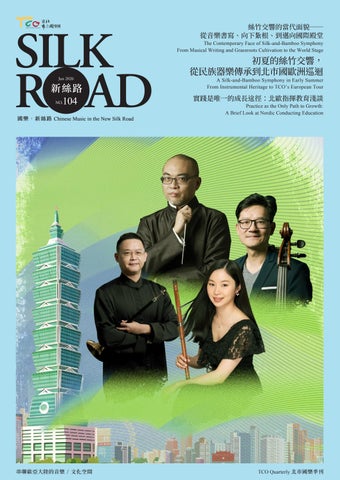
初夏的絲竹交響, 從民族器樂傳承到北市國歐洲巡迴 A Silk-and-Bamboo Symphony in Early Summer From Instrumental Heritage to TCO’s European Tour
絲竹交響的當代面貌── 從音樂書寫、向下紮根、到邁向國際殿堂 The Contemporary Face of Silk-and-Bamboo Symphony From Musical Writing and Grassroots Cultivation to the World Stage 實踐是唯一的成長途徑:北歐指揮教育淺談 Practice as the Only Path to Growth: A Brief Look at Nordic Conducting Education
目錄 │ Table of Contents
新思路 The Route to Innovation
封面故事 Cover Story
國樂新生活 Chinese Music as Daily Practice
國樂新視界 New Vision of Chinese Music
這些人這一刻 The Moment
發行人
總編輯
藝術顧問
編審委員
企劃/執行編輯
編輯顧問
翻譯編輯
翻譯
鄭立彬
鍾永宏
吳榮順、林谷芳、林昱廷、施德玉、樊慰慈、瞿春泉、蘇文慶(依姓氏筆劃順序)
徐端容、黃馨玉、邱誓舷、何定蕊、蔡珮漪、謝從馨、黃湞琪、朱樂寧
俠客行文創顧問有限公司
沈冬
李明晏
余境萱
絲竹交響的當代面貌──從音樂書寫、向下紮根、到邁向國際殿堂
The Contemporary Face of Silk-and-Bamboo Symphony From Musical Writing and Grassroots Cultivation to the World Stage
初夏的絲竹交響,從民族器樂傳承到北市國歐洲巡迴
A Silk-and-Bamboo Symphony in Early Summer From Instrumental Heritage to TCO’s European Tour
記寫感悟,探問演奏:國樂與文字書寫的相遇 Capturing Insights, Probing Performance: Where Chinese Music Meets the Written Word
實踐是唯一的成長途徑:北歐指揮教育淺談
Practice as the Only Path to Growth: A Brief Look at Nordic Conducting Education
��至��年代高屏地區的國樂發展概況 訪屏師校友國樂團團長陳登科
����-��年代臺灣國樂人的耕耘記述(十九)
Chinese Music in the Kaohsiung-Pingtung Region in the 1960s and 1970s: An Interview with Teng-ke Chen, Director of the Pingtung Normal School Alumni Chinese Orchestra Chinese Music Practitioners in Taiwan, 1960s-1970s (Part 19)
Publisher
Editor-in-Chief
Artistic Advisors
Editorial Review Committee
Executive Editor Production
Editorial Consultant
Translation Editor
English Translator
Li-Pin Cheng
Yung-Hung Chung
Rung-Shun Wu, Ku-Fang Lin, Yu-Ting Lin, Te-Yu Shih, Wei-Tsu Fan, Chunquan Qu, Wen-Cheng Su (by Order of Stroke Numbers of Surname in Chinese)
The Contemporary Face of Silk-and-Bamboo Symphony From Musical Writing and Grassroots Cultivation to the World Stage
In spring 2026, the Taipei Chinese Orchestra (TCO) hosted the 33rd Taipei Chinese Instrumental Competition, with the pipa as its featured instrument. The competition itself became a dialogue across generations. Chief juror Liangxing Tang, a celebrated pipa master, praised the high caliber of Taiwanese competitors. Champion Zixuan Song, alongside multi-award winners Yong-Hua Fan and Zixuan Qi, sought the soul of traditional pipa within a modern musical vocabulary. With rising talents and established masters sharing the stage, the competition fulfilled Chinese Music’s enduring mission of passing the torch from one generation to the next.
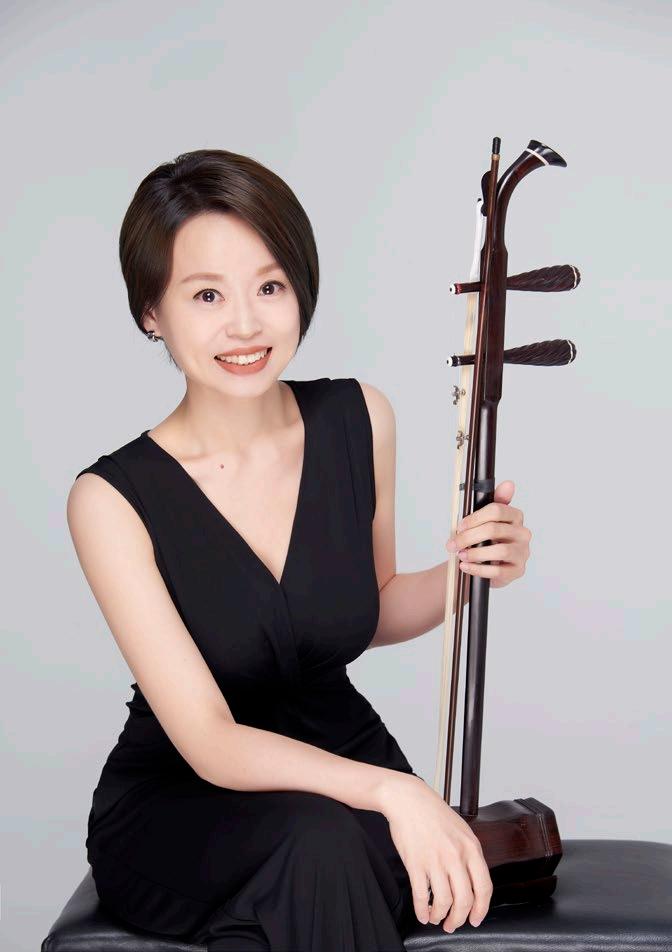
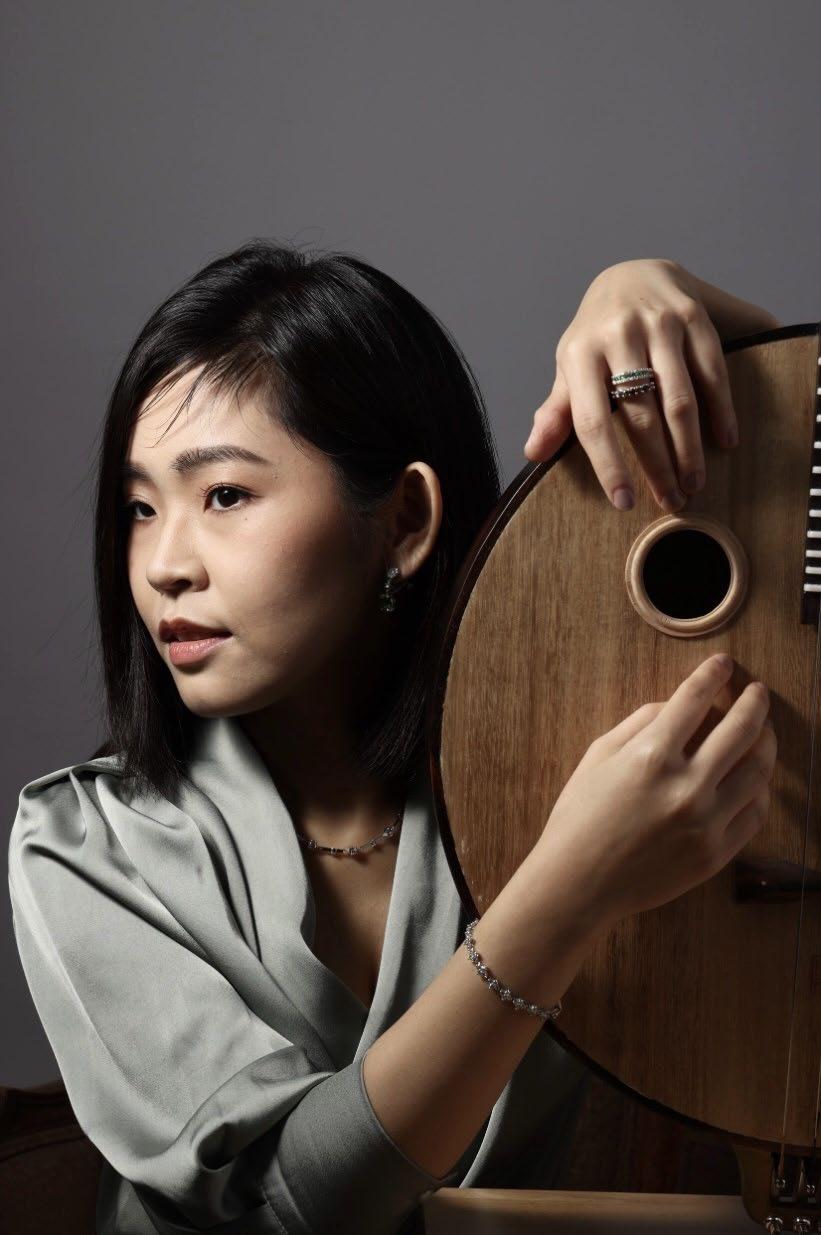
To write about music is to examine it from fresh angles, arriving at something more dimensional. Chen-Chi Huang, TCO’s Principal Erhu II, documents her daily rehearsals and performance reflections on social media in a warm, personal voice. Ruan player Yu-Tung Tsai takes a sparer approach, her concise prose distilling the deeper relationship between music and people, then feeding what she finds back into her playing. Researcher Jhih-Cheng Syu examines performance through the lens of history and classical literature in his concert reviews and academic papers. Their writing captures passing moments of emotional resonance in sound, giving Chinese Music a literary presence it has rarely had.
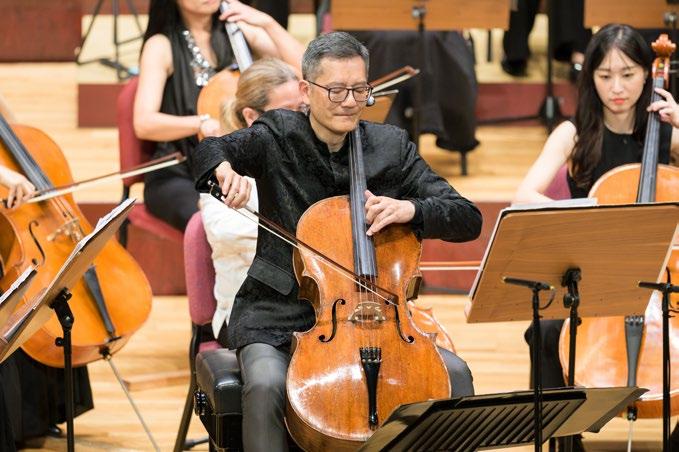
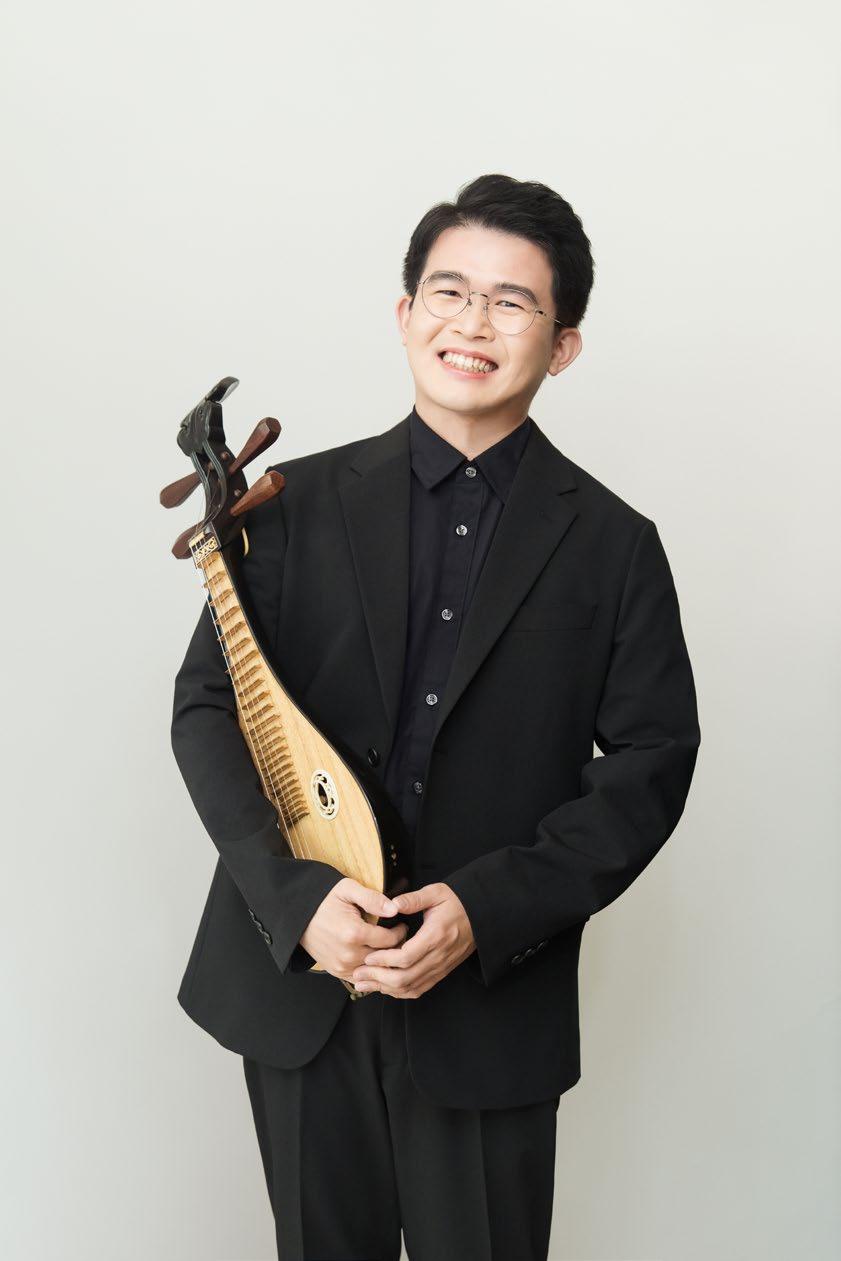
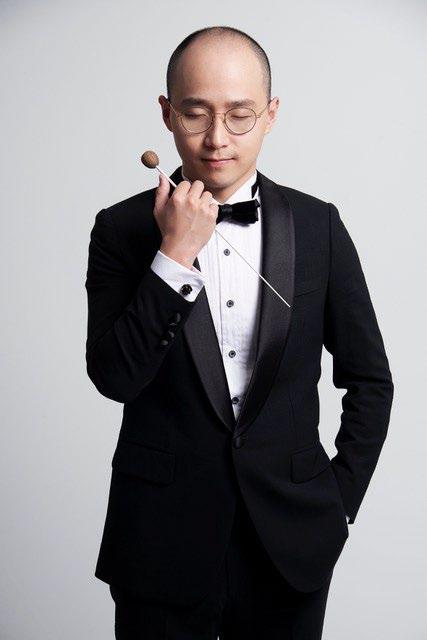
How well Chinese Music trains its next generation will shape everything that follows. TCO Associate Conductor Chen-Hao Chiang, drawing on his studies at the Royal Danish Academy of Music, describes how Nordic conducting education bears the deep imprint of Finnish master Jorma Panula (b. 1930) and his conviction in learning through doing. Because conducting cannot be practiced in isolation, schools provide generous podium time and maintain close partnerships with professional orchestras. The Nordic rehearsal philosophy prizes rational communication and relies on gestural clarity to achieve collective efficiency. Chiang hopes Taiwan’s Chinese Music community can gradually build similar bridges linking academia and the profession, so that the two genuinely feed each other.
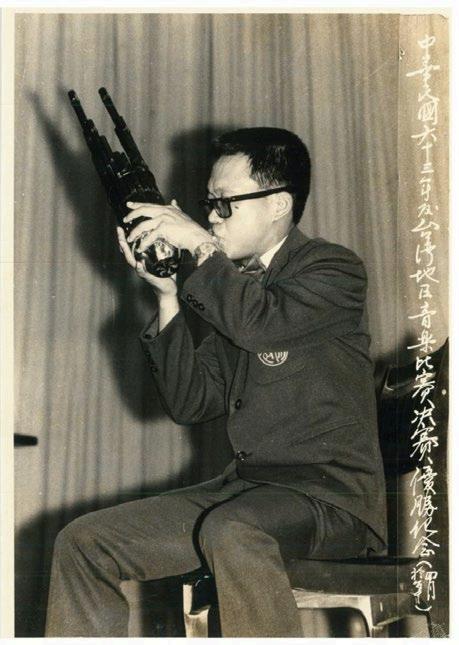
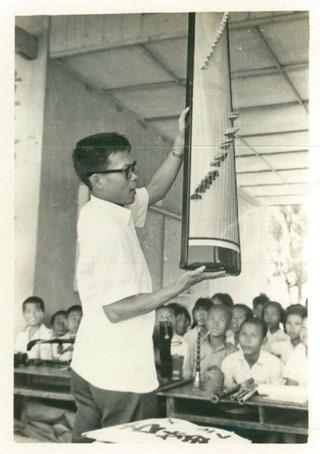
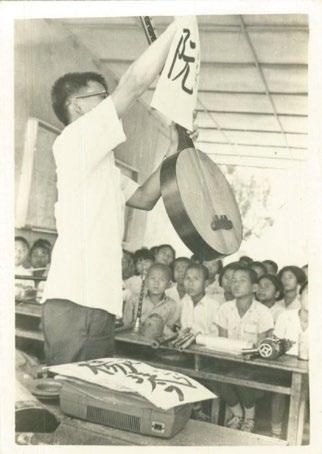
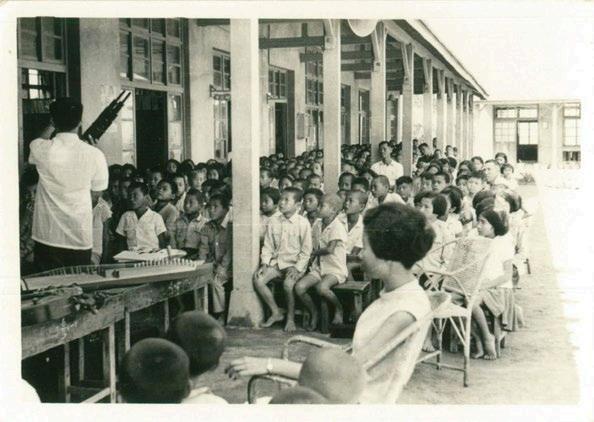
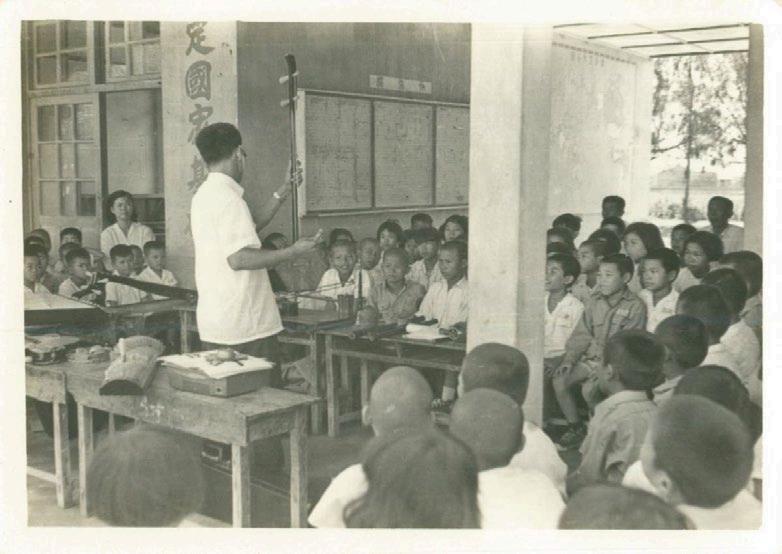
The dedication of grassroots musicians in the 1960s and 1970s formed the basis for today’s flourishing scene. Teng-ke Chen, now director of the Pingtung Teachers’ College Alumni Chinese Orchestra, has devoted his life to music education. Proficient on the sheng, dizi, and suona, he spent his early career teaching at an elementary school by day and accompanying at dance halls by night, even strapping instruments onto his motorcycle to bring demonstration lessons to rural schools. A veteran of the Dushi Chinese Music Ensemble and the Buddhist Youth Chinese Orchestra, he represented Taiwan overseas 3 times with the Acrobatic Troupe of the Republic of China and served as secretary-general of the Kaohsiung Chinese Music Association. Today, he has rallied former classmates to reassemble their alumni orchestra, reviving the golden era of community Chinese Music.
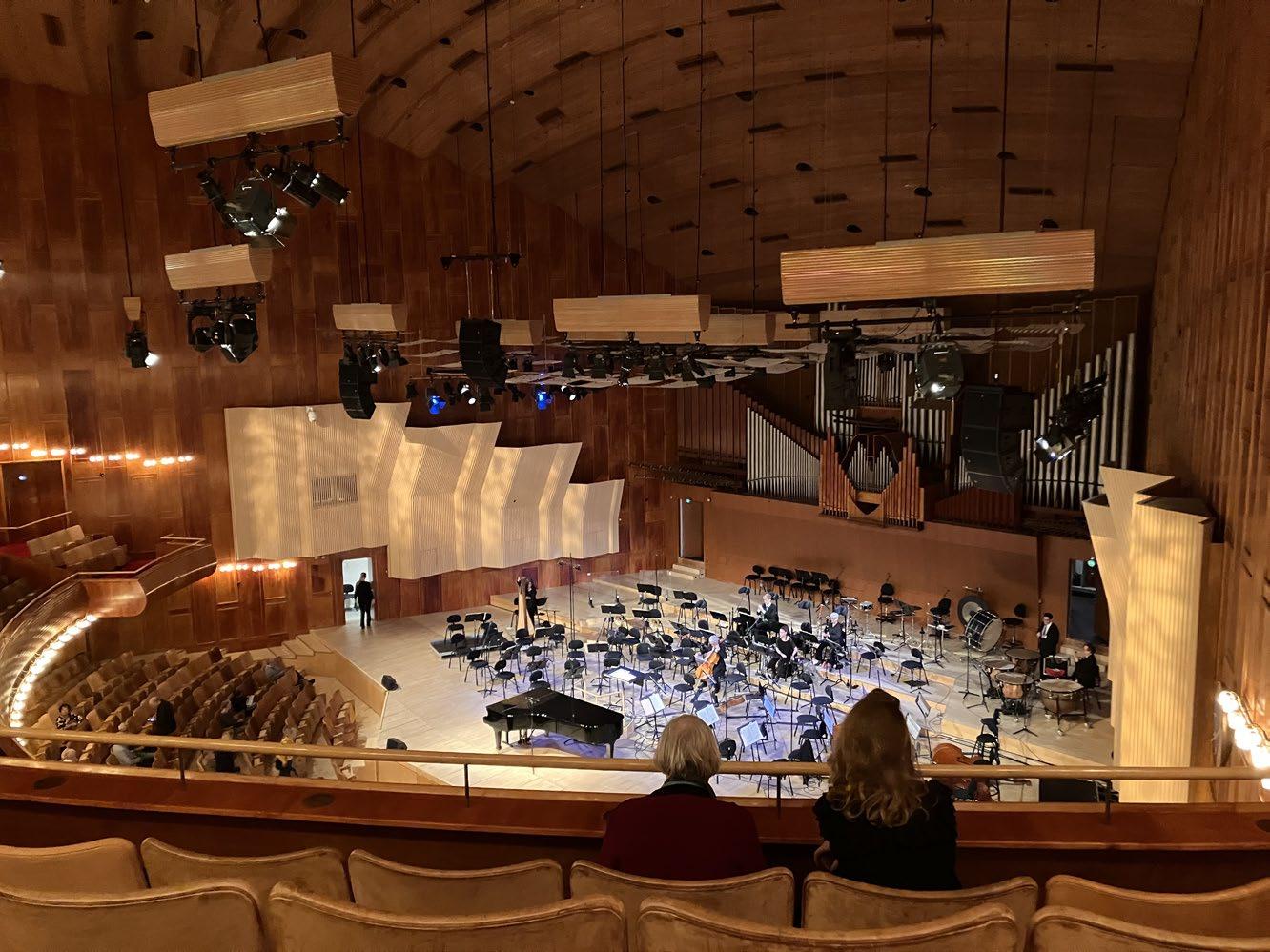
In the midsummer of 2026, TCO ventures into Europe's classical music triangle, performing at the Berliner Philharmonie, Leipzig’s Gewandhaus, and Vienna’s Großer Musikvereinssaal, bringing Taiwanese culture into the very spaces where world art history has been written. Programming around 3 pillars, music by Taiwanese creators, music for Taiwan, and music embodying the island’s character, the orchestra returns Wenye Jiang’s Formosan Dance to Berlin, 90 years after the work earned a Special Prize at the 1936 Olympics.
Community ensembles cultivating local audiences, a professional orchestra carrying the sound of sheng and dizi into Europe’s great concert halls: at every level, Chinese Music in Taiwan continues to grow in reach and resonance. The people in these pages are writing its next chapter.
A Silk-and-Bamboo Symphony in Early Summer From Instrumental Heritage to TCO’s European Tour
Text / Ma-Li Liu (Adjunct Assistant Professor at National Dong Hwa University and Department of Music, University of Taipei)
Image / Taipei Chinese Orchestra
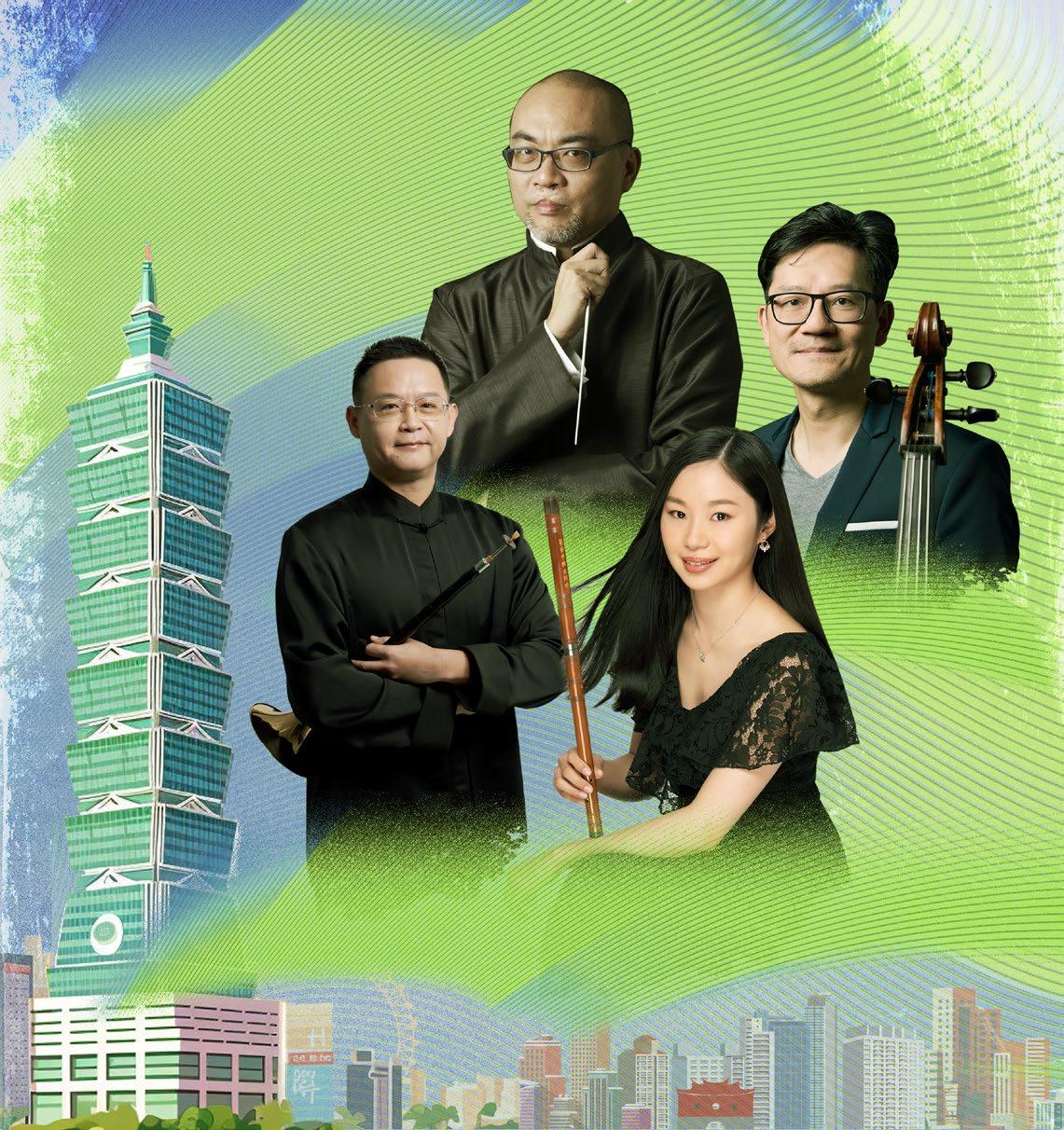
Early summer 2026 marks a historic season of local heritage and international presentation for the Taipei Chinese Orchestra (TCO).
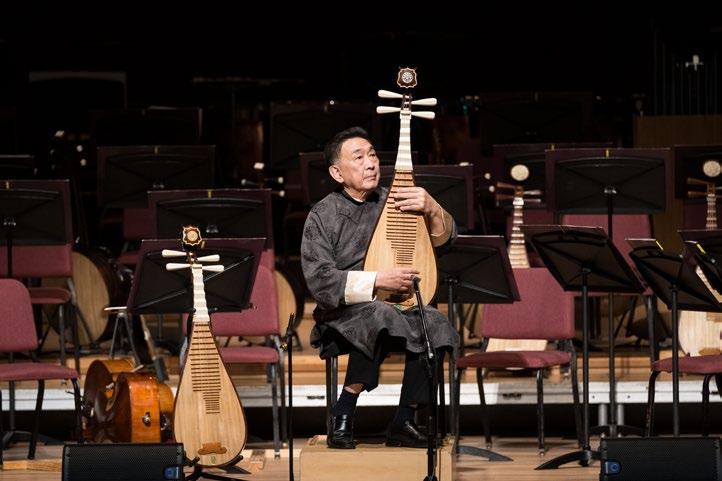
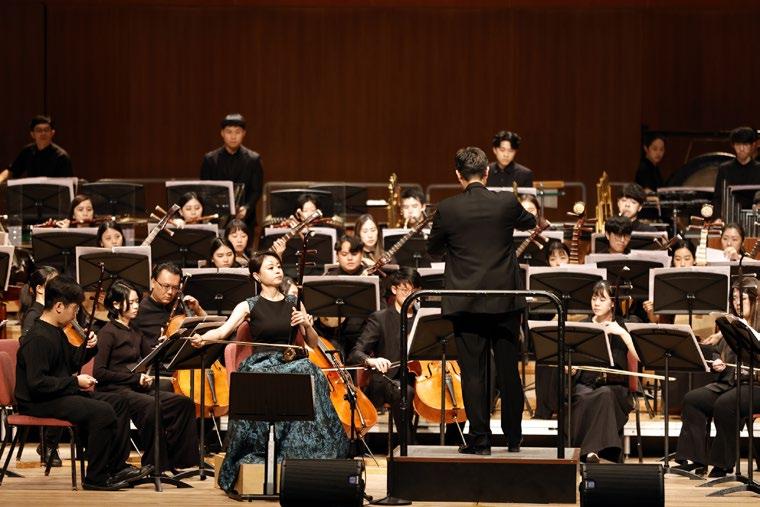
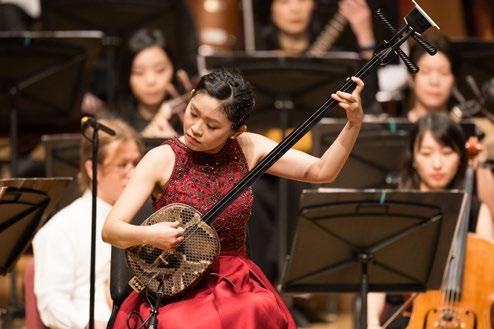
At home, the 2026 Taipei Chinese Instrumental Competition, now in its 33rd year, returned to the pipa as its featured instrument. The event brought together chief juror Liangxing Tang, a master of the instrument, with rising talents from both sides of the Taiwan Strait, Zixuan Song, Yung-hua Fang, and Zixuan Qi, creating a cross-generational dialogue. Contemporary pieces such as The Nuance of Pipa Tune tested competitors’ interpretive abilities, highlighting differences in aesthetic approach: mainland contestants showed solid technical foundations, while Taiwanese participants brought subtle artistry. This vibrant exchange reaffirmed Chinese Music’s mission to pass the torch of artistry from one generation to the next.
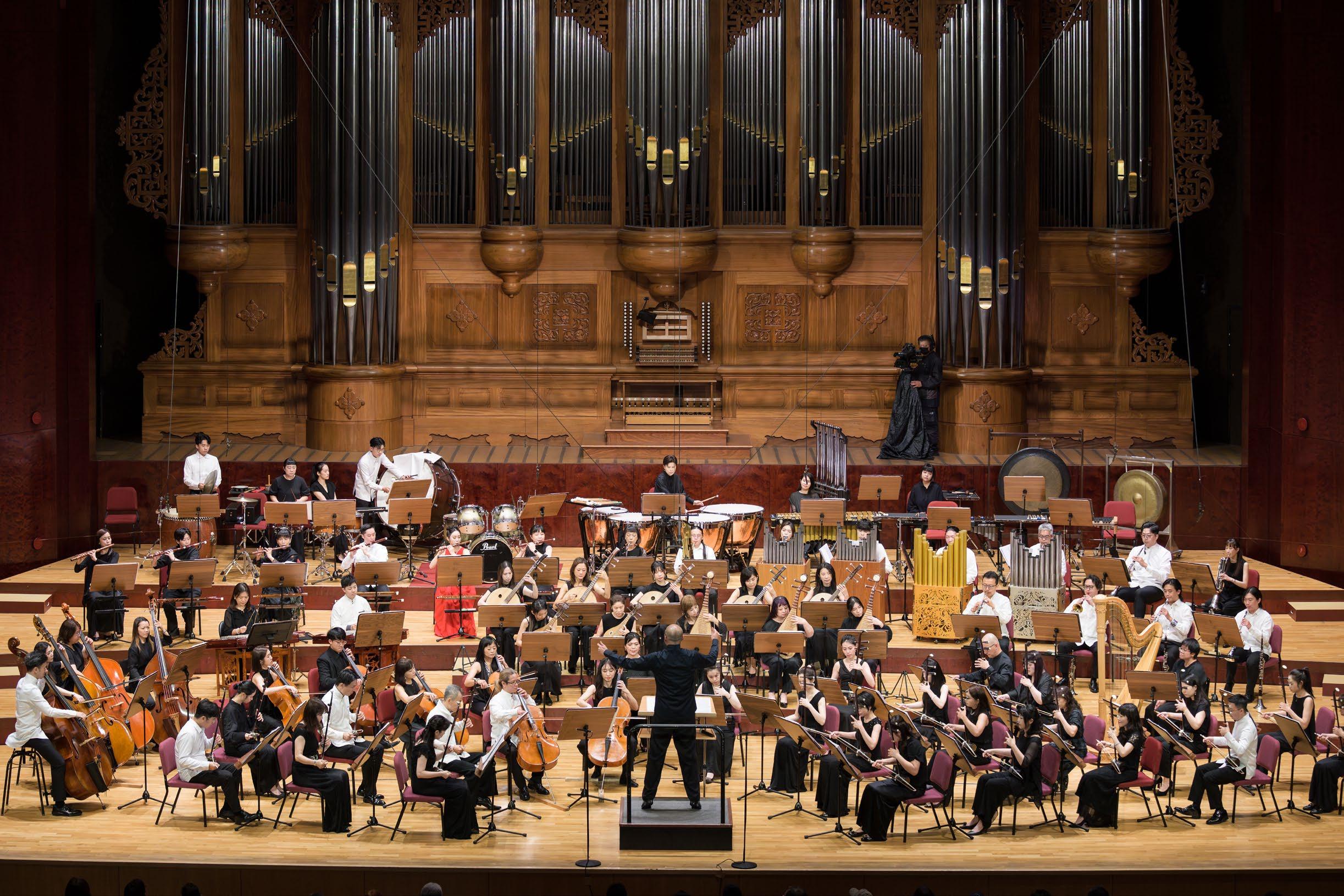
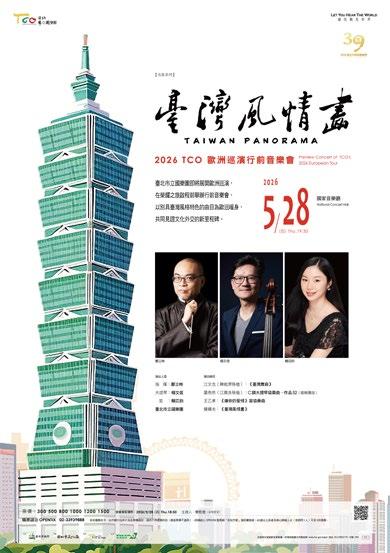
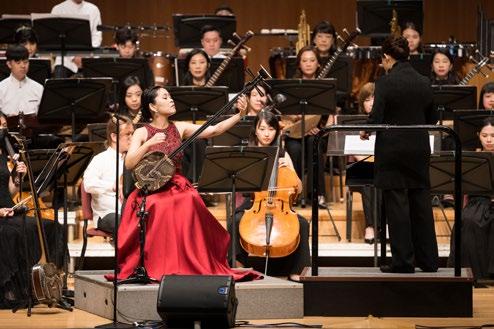
On the international stage, TCO ventures into Europe’s classical music triangle this midsummer, performing at the Berliner Philharmonie, Leipzig’s Gewandhaus, and Vienna’s Großer Musikvereinssaal, bringing Taiwanese culture into the very spaces where world art history has been written. Curating its programs around 3 pillars, music by Taiwanese creators, music for Taiwan, and music embodying the island’s character, the orchestra brings Wenye Jiang’s Formosan Dance back to where it all began, 90 years after the work won a Special Prize at the 1936 Berlin Olympics, and pairs it with masterworks by Tyzen Hsiao, Yiu-kwong Chung, and Yi-yu Wang. Adapting its program to each hall's acoustics, temperature, and humidity, the orchestra channels the spirit of Formosa through the luminous textures of Eastern sound, offering the world a contemporary artistic calling card for the Chinese musical tradition.
Beyond the established genres of poetry, academic papers, and program notes, other forms of literary writing about Chinese Music remain scarce. The following interviews with Taipei Chinese Orchestra (TCO) performers Chen-Chi Huang and Yu-Tung Tsai, and music critic and researcher Jhih-Cheng Syu, explore how 3 very different approaches to writing open new possibilities for the encounter between Chinese Music and the written word.
Chen-Chi Huang writes primarily on social media, journaling rehearsal reflections, concert previews, and performance insights in a warm, approachable voice. Without formal writing training, she honed her skills through her master’s thesis and a book on the craft of writing that convinced her even mundane details could become moving prose. Her writing flows with association and imagination, discovering moments worth keeping in the daily rhythm of rehearsal and performance. In contrast, Yu-Tung Tsai’s prose is spare, yet every word rings clear. Her pared-down intensity grew out of studying the guqin and a shift in perspective gained through ethnomusicology training in graduate school: learning to see beyond the score and to attend to the deeper bond between music and people. For her, writing is both a way to sharpen her grasp of music and a form of self-reflection, and it eventually feeds into her playing.
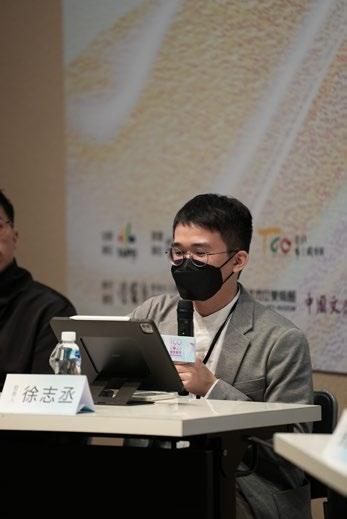
Jhih-Cheng Syu, both listener and researcher, documents Chinese Music performers through concert reviews and scholarly work. He cares about more than sound alone, seeking to reveal the thought and care that performers and composers bring to each concert. Drawing on classical literary sources to enrich his interpretation of the works, he places compositions, instruments, and artists within their historical contexts. He admits that words can never fully recapture the emotion of a live performance. Still, he keeps writing, reaching for a more poetic voice.
Taken together, their experiences point to a much wider conversation ahead between Chinese Music and the written word.
Practice as the Only Path to Growth: A Brief Look at Nordic Conducting Education
Text / Chen-Hao Chiang
Image / Chen-Hao Chiang
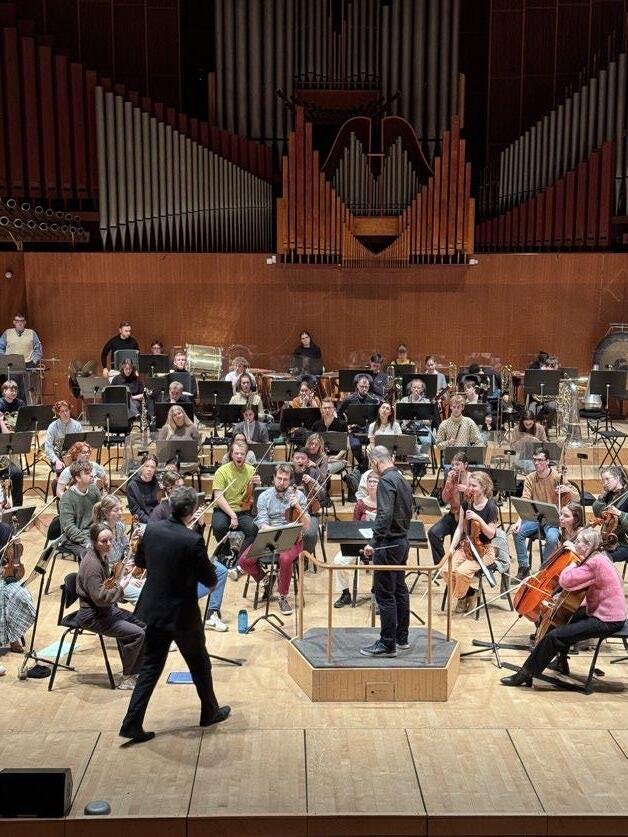
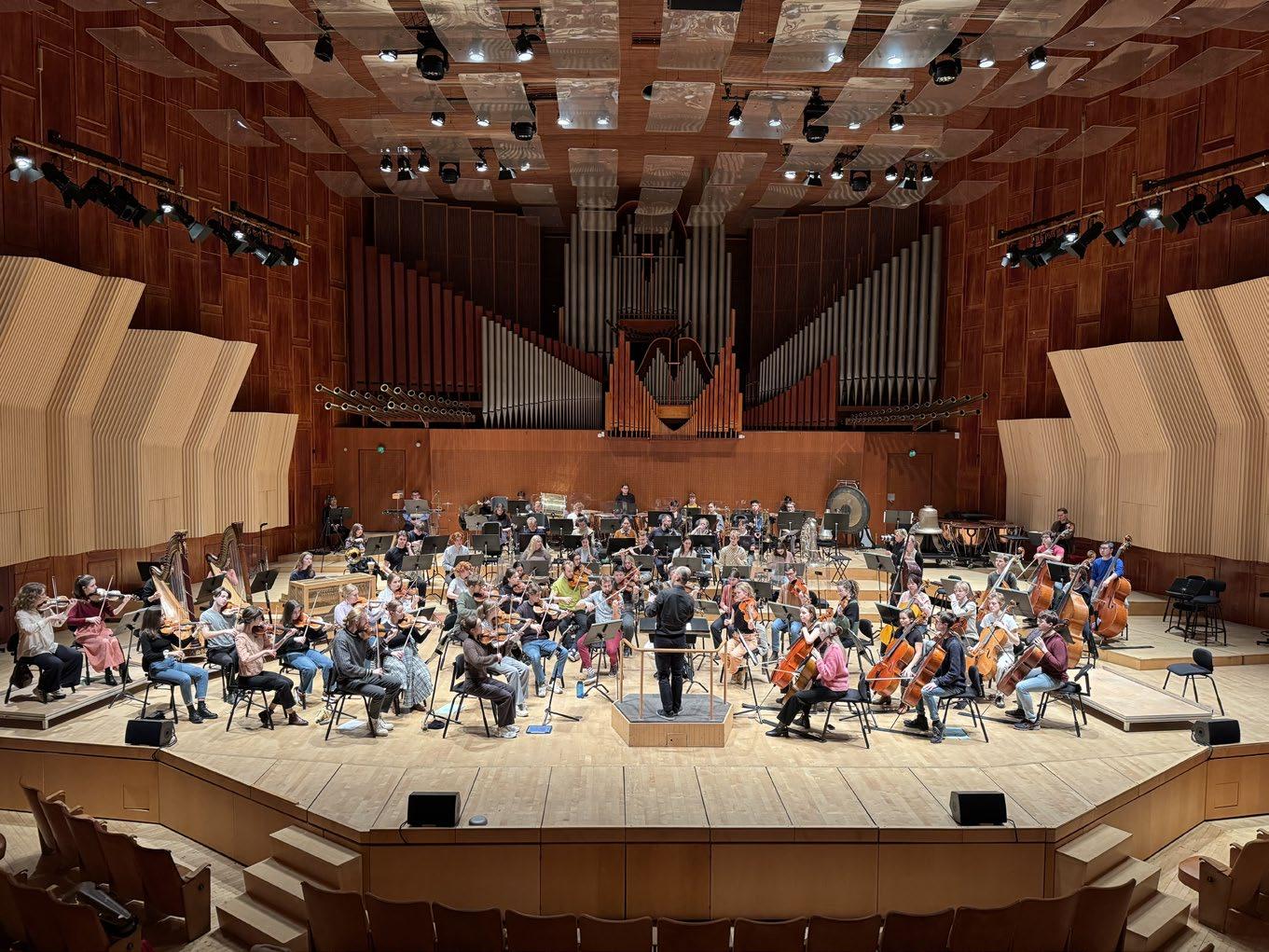
At the Royal Danish Academy of Music (Det Kongelige Danske Musikkonservatorium, DKDM), the author observed how Nordic social culture shapes orchestral working practices and sustains a conducting education grounded in pragmatism and hands-on learning. An orchestra functions as a small society: its performance culture and working methods bear the imprint of history, sonic traditions, player relationships, and social values. Orchestral culture varies markedly from country to country. In Nordic countries, equality, efficiency, and cooperation are deeply valued. Their orchestral culture tends to be rational and restrained, with shared goals taking precedence. The same outlook shapes local expectations of the conductor's role.
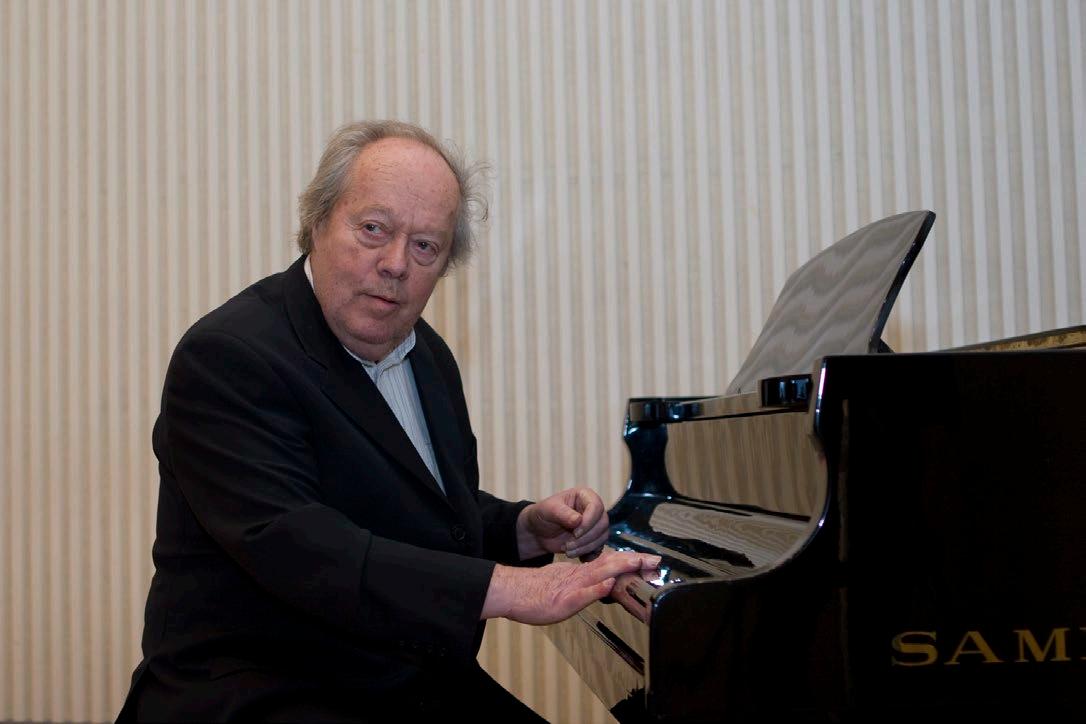
Conducting is a performing art that produces no sound of its own. Learning to conduct depends heavily on real-world experience with orchestras, making podium time the single most valuable resource in a conductor’s training. Nordic conducting pedagogy owes much to Finnish educator Jorma Panula, whose core philosophy insists on learning through intensive practice in genuine rehearsal and performance settings rather than confining students to classrooms and theory. Panula’s model has shaped Nordic conservatories for decades, producing many of the conductors now working internationally.
At DKDM, the curriculum is divided into 2 distinct tracks: one for professional orchestral conducting and another for amateur ensemble coaching. The school maintains close partnerships with several Danish professional orchestras, and students rehearse and perform frequently with them throughout their studies, absorbing the rhythms and expectations of professional life firsthand. Nordic rehearsals follow a distinctive philosophy: with sessions limited in number, the emphasis falls on efficiency, clear communication, and respect for individual musicians’ autonomy, while phased goals help the ensemble find its musical direction and build trust along the way.
Nordic conducting education works because its culture, its orchestras, and its schools have been pulling in the same direction for a long time. The guiding principle has always been learning through doing. If schools and professional ensembles in Taiwan work more closely and give students more time with orchestras, it could create a steadier, more nurturing environment for young musicians.
in the Kaohsiung-Pingtung Region in the 1960s and 1970s: An Interview with Teng-ke Chen, Director of the
Pingtung Normal School Alumni Chinese Orchestra
Chinese Music Practitioners in Taiwan, 1960s-1970s (Part 19)
Interview and Text / Chih-Yi Wan
Image / Teng-Ke Chen, Chih-Yi Wan
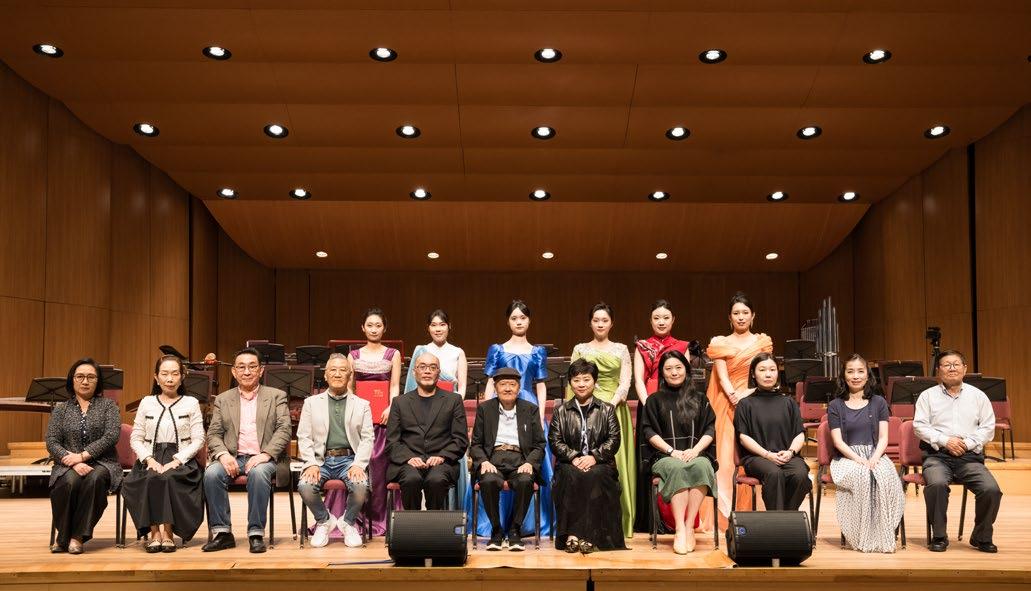
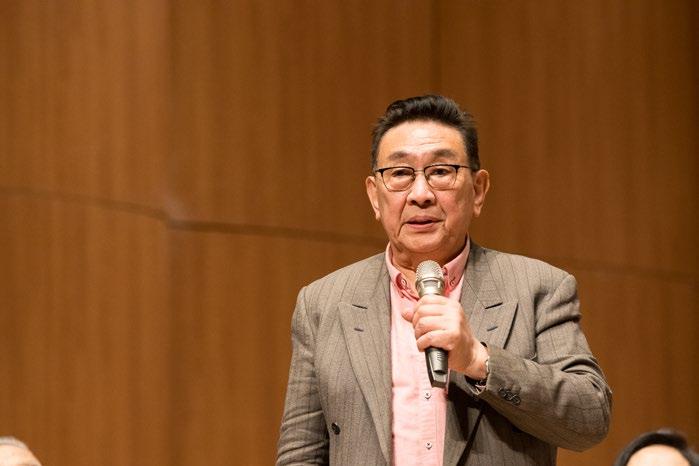
In this issue, we interviewed Teng-ke Chen, director of the Pingtung Normal School Alumni Chinese Orchestra, about 6 decades of Chinese Music development in the Kaohsiung-Pingtung region.
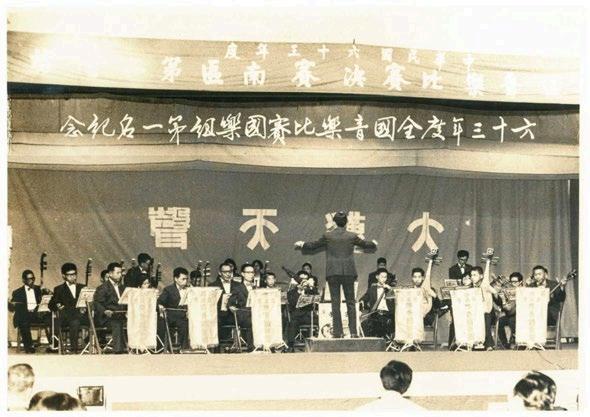
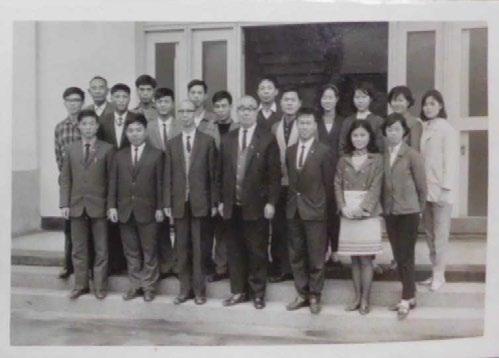
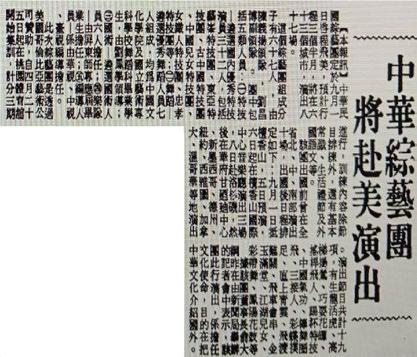
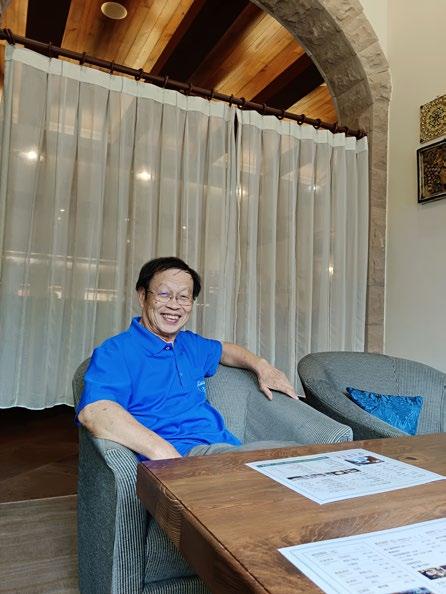
A graduate of the general teacher-training division at Taiwan Provincial Pingtung Normal School, Chen retired as guidance director at Kaohsiung Municipal Sih-wei Primary School and now heads the alumni orchestra. Proficient in the xiao, dizi, suona, sheng, and other wind instruments, he has distinguished himself in multiple Chinese instrumental solo competitions. Highly regarded by Wei Yen, a pivotal figure in promoting Chinese Music in southern Taiwan, Chen directed Chinese Music clubs at numerous schools in the region. He also performed with a range of ensembles, including the Dushi Chinese Music Ensemble, the Kaohsiung Bangzi Opera Troupe, the Chinese Music Ensemble at the Queen Ballroom, the Zhongxing Chinese Orchestra at the Kaohsiung County Social Education Hall, the Foqing Chinese Orchestra, and the Kaohsiung Municipal Teachers Chinese Orchestra. He served as an instructor at Chinese Music workshops and, during the 1970s, joined the Republic of China Comprehensive Arts Troupe on 3 overseas tours to promote Chinese culture as Taiwan faced a wave of diplomatic ruptures. When the Kaohsiung Chinese Music Association was established in 1982, Chen served as a board member and secretary-general, supporting it until it ceased operations in 1987. Now in his late seventies, he continues to lead the alumni orch estra with unwavering devotion to his alma mater, reviving the ensemble’s former glory. He has also taken a keen interest in hand-and-foot natural therapy, proof that while Chinese Music nourishes the spirit, looking after the body is equally important .