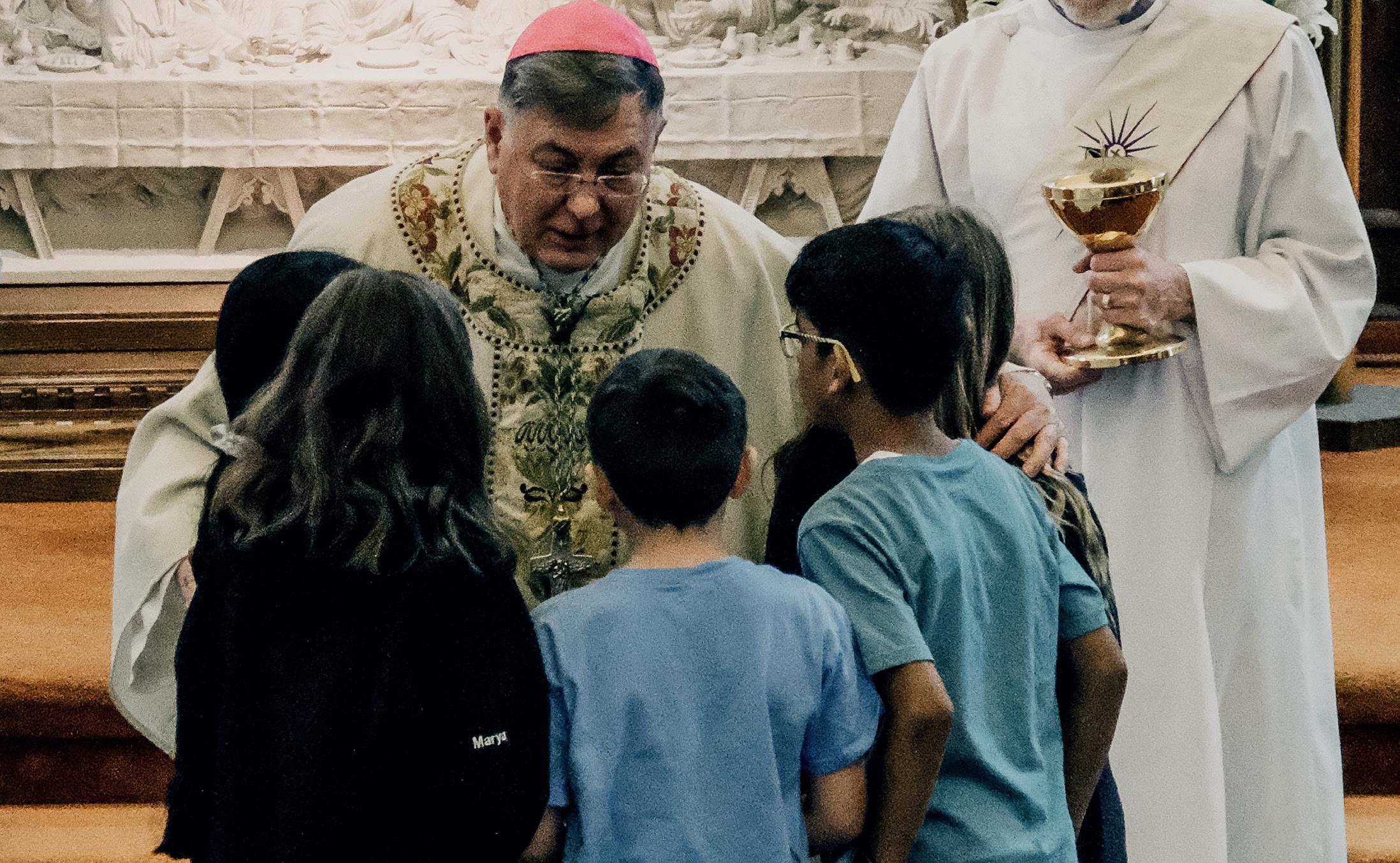
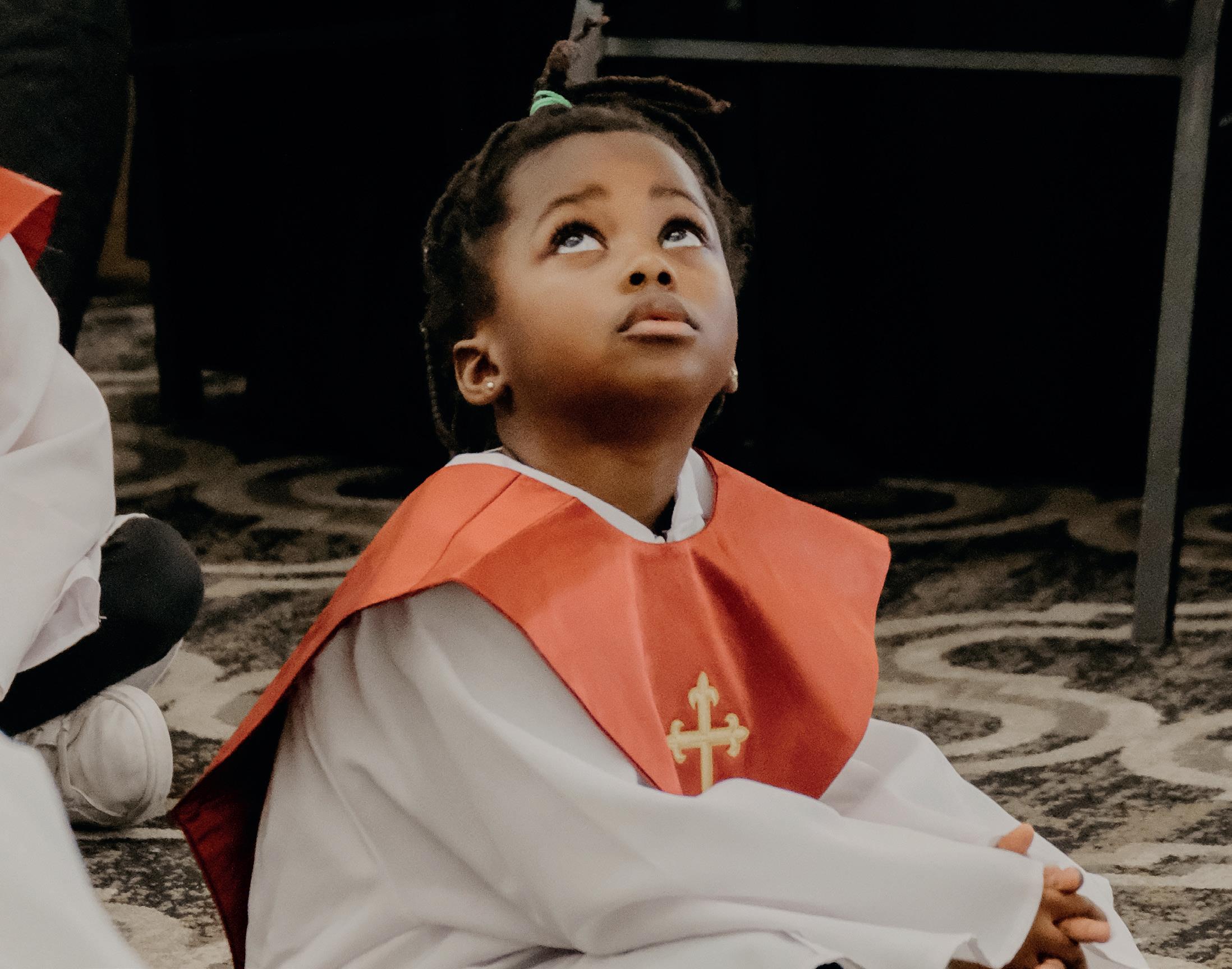
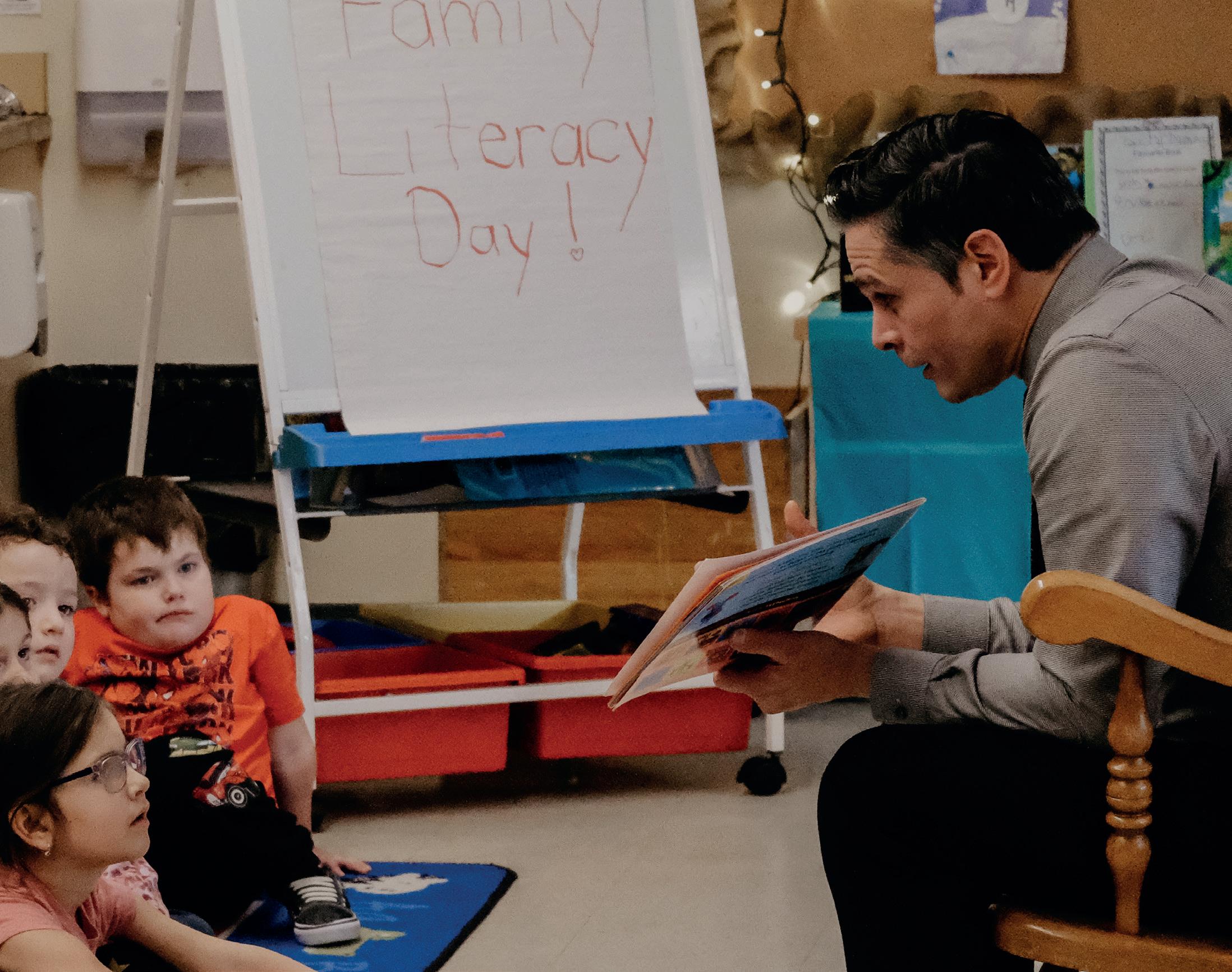
The Thunder Bay Catholic District School Board is committed to providing quality education, which combines academic excellence with a concern for the spiritual, moral, social, emotional, cultural and physical growth of the student. This education is provided in a Christ-centered environment where Catholic faith and life are integrated into the total curriculum and school day. Through the ministry of teaching, the Board fulfills its mandate in partnership with the home, the Church and the Ministry of Education.
“Our
staff and educators demonstrate exceptional skill, compassion, and resilience. Each day, they create learning environments where students feel supported, challenged, and inspired to achieve their best.”
message DIRECTOR’S
It is with gratitude and optimism that I present my first Director’s Annual Report. Transitioning into this role from my former position as Superintendent has allowed me to experience our system through a wider lens, and what I have seen consistently is a collective commitment to excellence.
Our staff and educators demonstrate exceptional skill, compassion, and resilience. Each day, they create learning environments where students feel supported, challenged, and inspired to achieve their best. Their efforts uphold the strong Catholic identity of our Board and ensure that our communities continue to thrive.
As I reflect on the year, I am reassured of one important truth: Thunder Bay Catholic is in capable and caring hands. The dedication of our employees, combined with the trust of our families and community partners, ensures that we will continue moving forward with clarity, purpose, and confidence.
Together, we will build on our strengths and continue shaping a future that supports the success and well-being of every learner.
JP Tennier Director of Education
Growing in Faith
Thunder Bay Catholic continues to foster a compassionate, inclusive community rooted in the teachings of Jesus. Ongoing collaboration with Church partners provides consistent spiritual and emotional support, strengthening the foundation for student and staff well-being.
Inspiring Achievement
The Board maintains an environment enriched by culture, faith, and deep learning. This focus encourages collaboration among educators and inspires student success across all grade levels.
Supporting Collaboration
Board-wide initiatives continue to strengthen professional teamwork, promote consistent instructional practice, and encourage the sharing of knowledge and cultural experiences. These efforts support strong relationships with students, families, and caregivers and reinforce effective communication across the system.
Ensuring Sustainability
Catholic education remains central to the Board’s identity. Through leadership programs, social justice efforts, and ecological stewardship, students gain opportunities to grow as compassionate leaders and learn the importance of environmental responsibility.
Connecting Communities
The Board maintains strong partnerships among home, school, and community organizations, ensuring inclusive engagement. Collaboration with Fort William First Nation and other local groups continues to highlight the value of cultural partnerships in supporting shared goals.
faith GROWING IN
ENHANCING SPIRITUALITY IN OUR LIVES
This year marked the first year of the Board’s spiritual theme, Leading the Way with Justice, Mercy, and Humility, inspired by Micah 6:8.
A variety of system-wide initiatives supported the deepening of faith across schools.
Key Initiatives:
Staff Commissioning: Principals led commissioning services in September to open the school year in prayer.
Faith Development Day: Staff gathered at St. Ignatius High School for a Mass celebrated by Bishop Campeau, followed by a keynote by Dr. Terry Nelson-Johnson and afternoon faith-based workshops.
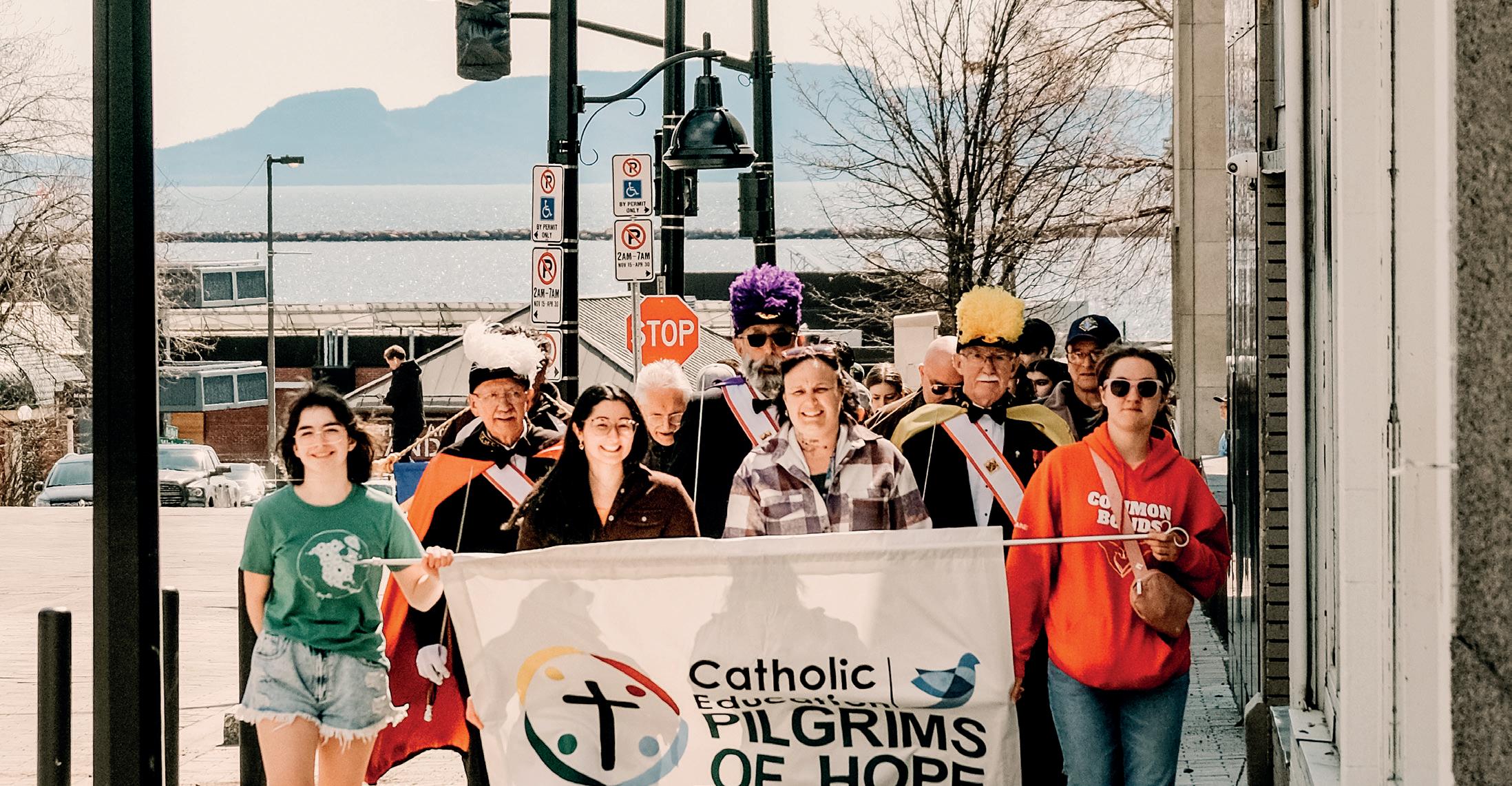
Catholic Education Week: With the theme Pilgrims of Hope, schools participated in daily activities supported by unified resources. A system-wide Mass at St. Andrew’s Church brought together representatives from every school, featuring music by Pope John Paul II School’s choir and culminating in a community pilgrimage and
donation to the Dew Drop Inn. Students collaborated with Faith Ambassadors and the construction class to create Holy Doors modeled after those in Rome.
- Enhancing Faith Education -
The Board expanded faith-formation resources and programming, including:
• Implementation of the new Family Life Curriculum for Grades 1–8, with additional gap lessons and new Grade 1 resource (Blessed & Beloved).
• Allyship presentations for students at Pope John Paul II and Bishop Gallagher.
• Scripture-based gamified learning activities for Grade 10 students.
• Co-teaching in ELKP classrooms to support Ontario Catholic Graduate Expectations.
• A Growing in Faith, Growing in Christ pilot at Holy Family ELKP.
•Creation of inclusive Religious Education Kits
through collaboration between the Autism and Religious Education Consultants, ensuring accessibility for Special Education, ELL students, and early learners.
Communication + Outreach
A system-wide social media campaign celebrated faith activities using #tbcdsb and #CEW2024. Daily prayers and educator toolkits supported Catholic Social Teaching and encouraged mental health reflections across classrooms.
Teaching Faith in Our Schools
Faith formation remains central to the Board’s mission, guided by ongoing professional learning, parish partnerships, and system-wide resources that support both staff and students.
Faith Ambassador Workshops
Workshops held in the fall and spring focused on the spiritual theme Leading the Way with Justice and Catholic Education Week. These sessions equipped Faith Ambassadors with materials and ideas to strengthen schoolbased ministry.
Prayer Resources
The Board shared templates and guides for liturgies and themed services throughout the year, supporting consistent school-wide prayer practices.
Partnerships
The Board enhanced its relationship with Development and Peace, featuring social justice initiatives facilitated by Faith Animator Jason Cegayle. These activities gave students practical opportunities to engage with Catholic Social Teachings.
Confirmation Program
Senior elementary schools partnered with the Diocese and local high schools to coordinate system-wide Confirmation preparation and retreats, ensuring a unified sacramental experience for Grade 7 and 8 students.
Religious Education Resources
The Religious Education site continued to provide educators with classroom resources promoting virtues, Catholic identity, and collaborative parish-school relationships. These tools helped strengthen instruction and foster meaningful connections between faith and daily learning.
- Mental Health -
The Board continues to center its mental health work on the Catholic belief in supporting each student’s social, emotional, and spiritual well-being.
Mental Health Services
During the 2024–25 school year, the Thunder Bay Catholic Mental Health Service Team, composed of seven full-time staff, provided individual support to 479 students. The team also delivered group interventions, made referrals, and helped families navigate community services.
Resources and Training
The Board continued to integrate School Mental Health Ontario resources into classrooms:
• Faith and Wellness Everyday Classroom Resource for elementary teachers
• MH LIT lessons for secondary schools
Administrators engaged in a full review of the Leading Mentally Healthy Schools 2.0 framework to strengthen school-wide practices.
- Supporting LGBTQ+ Student Inclusion -
Thunder Bay Catholic maintains a strong commitment to compassion, equity, and inclusion for 2SLGBTQ+ students, staff, and families.
Gender and Sexuality Alliances (GSAs)
GSAs remain active in all secondary and senior elementary schools. K–6 schools receive staff training to build awareness and strengthen support for genderdiverse students and families.
Pride 2025
Guided by the theme All in For Love, the Board’s PRIDE committee provided system-wide resources, sample announcements, social media content, and strategies to promote diversity and inclusion. These efforts reinforced safe, welcoming, and affirming school environments.
achievement INSPIRING
PROVIDING LEARNING AND WORKING SPACES THAT ENHANCE PRODUCTIVITY
As a Deep Learning Board, Thunder Bay Catholic continues to strengthen instructional practice and student engagement through collaboration, long-term planning, and competency-based learning.
Deep Learning Framework
Families of Schools worked collectively to refine pedagogy, enhance learning environments, and deepen partnerships. Instruction continued to focus on the 6 Global CompetenciesCollaboration, Citizenship, Character, Creativity, Critical Thinking, and Communication— aligned with Learning Skills, Catholic Graduate Expectations, and the Anishnawbe Seven Grandfather Teachings.
Long-Term Planning
Long-Term Plans across Literacy, Mathematics, Religious Education, Indigenous Education, FSL, Special Education, and Deep Learning were monitored to ensure alignment and support for classroom educators.
- Teachers -
Resource Support
Resource staff co-taught and collaborated with educators to design learning experiences that promote student thinking and meaningful engagement.
Literacy & Structured Literacy
Literacy teachers partnered with the International Dyslexia Association of Ontario to offer professional development in Structured Literacy for Grade 1–2 educators.
Mathematics
Math Resource Teachers supported systemwide improvements in pedagogy through coteaching and professional learning. The Board also implemented Knowledgehook, a digital math tool, supported by training for all schools.
French
The French Resource Teacher analyzed DELF results to guide improvements in oral and written French. Support for French Immersion teachers expanded, including structured literacy approaches, cultural experiences, and community partnerships.
Special Education
Professional learning opportunities were provided for Special Education teachers, and Digital Essential Literacy and Numeracy books were created for K–8 students with modified programs.
- Learners -
Resource teachers collaborated with school teams to strengthen achievement through classroom instruction, targeted small-group support, and assessment-driven interventions.
- Administrators -
Leadership & Capacity Building Administrators explored leadership roles as Activators, Collaborators, and Culture Builders to better support staff and students.
Improvement Plans
School Improvement Plans emphasized clarity, precision in monitoring, and evidence gathering to inform instructional decisions.
Equity in Learning
Ongoing investigations into equitable practices guided decisions, ensuring all students benefit from inclusive learning environments.
Student Support Persons (SSPs)
SSPs continued to play an essential role in supporting student success. Professional development sessions focused on FASD, BMST, mental health self-check-ins, and bullying prevention.
Early Childhood Educators (ECEs)
ECEs collaborated with Ontario Certified Teachers to provide rich, play-based programming in full-day early learning settings. Professional development included sessions on BMST to strengthen classroom
- Enhancing Mental Health Support -
The Board remains committed to providing comprehensive mental health services through strong partnerships with School Mental Health Ontario (SMHO), local agencies, and public health organizations.
Services Provided
Mental health support is offered from Kindergarten to Grade 12 and includes: Brief counselling
• Crisis support during school hours
• Service coordination and referrals
• Collaborative responses following tragic events
Prevention and awareness programs continue through partnerships with Thunder Bay Counselling (CHOICES), the Thunder Bay District Health Unit, and Children’s Centre Thunder Bay (Youth Tragic Events Response Committee).
- Summer Mental Health Programming -
High School
The Adventure Therapy Camp supported students experiencing stress or anxiety through cooperative outdoor activities such as mountain biking, rock climbing, and team-building challenges.
K–8 Students
Several camps promoted connection, creativity, and wellness:
Cultural Programming Camp: Strengthened cultural identity and community ties.
Feeling Good Camp: Focused on self-esteem, self-care, and healthy living through fitness, nutrition, and cooking activities.
Kaleidoscope Art Camp: In partnership with Mindful Makers, students explored various artistic mediums including painting, multimedia, and digital art.
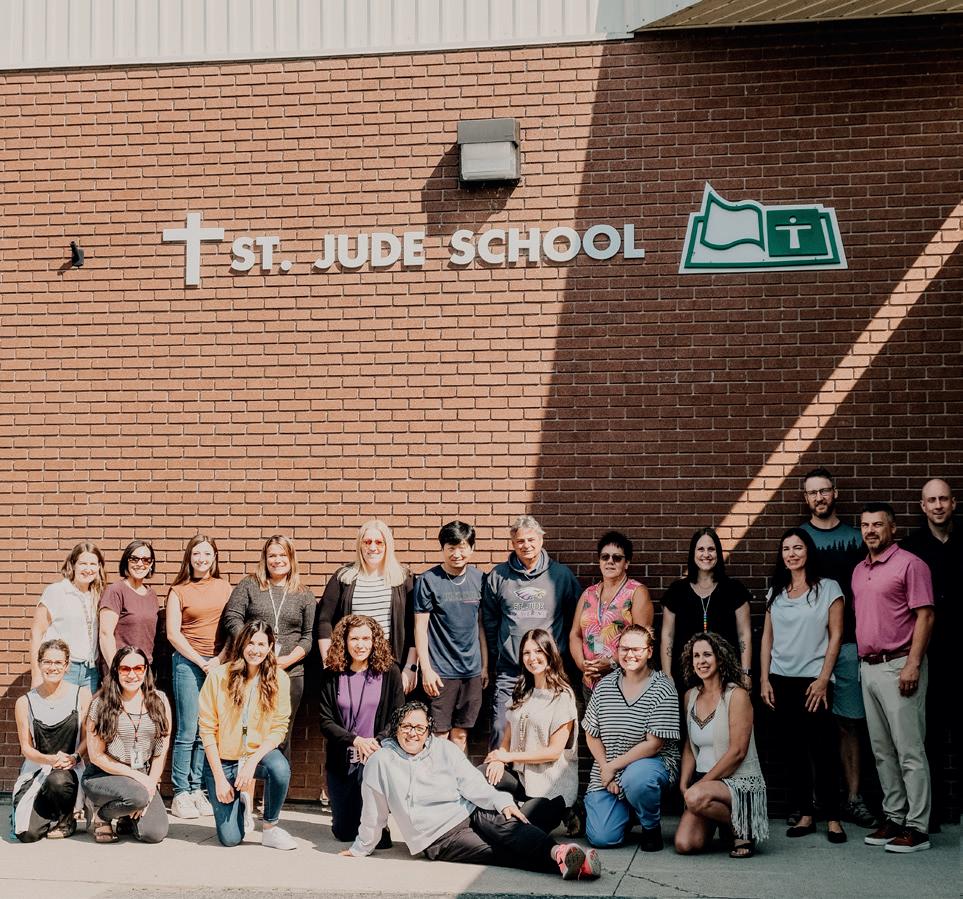
St. Jude Book Club: Provided ongoing connection between St. Jude students and Mental Health staff through literacy-based activities.
These programs highlight the Board’s commitment to building resilience and supporting student well-being year-round.
- Attendance Matters -
OACAS – Ontario Association for Counselling and Attendance Services
This provincial committee collaborates to identify best practices that address attendance concerns and reduce barriers impacting student participation. Working closely with the Provincial Attendance Counsellor and Ministry officials, the committee supports consistent, informed approaches to attendance challenges across Ontario.
Understanding Persistent Absenteeism
Key contributing factors include: School Climate: Ensuring a welcoming and inclusive environment.
Safety: Both within the school and the broader community.
Access to Basic Needs: Barriers related to food security, housing, and technology.
Technology Use: The influence of social media and device use on student routines and family dynamics.
Addressing the Importance of School Attendance
The Board continues to collaborate with community partners to ensure families can access essential supports, including: Food security programs
• Housing supports
• Mental health resources
• Parenting support and guidance
Targeted Interventions
Early intervention referrals remain a key strategy in addressing attendance concerns pro-actively, helping students access services and support at the beginning of the school year.
Building strong relationships with families and community partners continues to be a central focus. Collaboration among Principals, teachers, and school personnel ensures individualized plans can be developed to meet student needs. Efforts are also underway to establish consistent, system-wide practices and procedures across
- Violence Prevention & Threat AssessmentThe Thunder Bay Catholic District School Board remains committed to safe learning environments through strong partnerships and proactive approaches to violence prevention.
Key Initiatives
Partnerships: Collaboration with community organizations and internal departments continues to strengthen safety protocols and response strategies.
Fourth R Program: Delivered in Grades 7–9 through Health & Physical Education, Religious Education, and Guidance, the program focuses on healthy relationships and reducing genderbased violence.
Coaching Boys Into Men: Coaches and educators guide male students in developing respectful, non-violent relationship skills.
These initiatives play a central role in promoting safety, respect, and informed decision-making among students.
- Three Year Plans -
A structured, multi-year approach ensures Board initiatives remain effective and responsive to student needs.
Literacy Plan
Implementation
Acadience Screening: Year 1 implementation aligned with OHRC recommendations for early screening. All students from Year 2 Kindergarten to Grade 2 will be screened using the universal Acadience tool by November 15, 2024.
- Professional Development -
• Focus on evidence-based literacy instruction and assessment across the elementary panel.
• Structured literacy training for intermediate language teachers.
• Cross-curricular literacy strategies introduced at a Grade 7–12 professional development day.
• PLCs for Grade 7–12 teachers centered on literacy strategies and Building Thinking Classrooms.
- Cross-Panel CollaborationElementary and secondary coordinators collaborated to design and implement the threeyear Literacy Plan, jointly presenting professional development sessions and promoting culturally responsive, engaging instructional practices.
These coordinated efforts reflect the Board’s commitment to continuous improvement and academic excellence.
- Summer Learning ProgramTo reduce summer learning loss, the Board delivered a three-week Ministry Summer Learning Initiative from July 7–25, offering targeted programming focused on literacy and numeracy.
Key Highlights
ASD Camp: Supported students with Autism Spectrum Disorder through structured programming.
Self-Awareness & SEL Camp: Helped students develop emotional regulation and interpersonal skills.
Kindergarten Readiness Camp: In partnership with Creative Therapy, the camp prepared young learners for a smooth transition into school.
These programs provided targeted support that promoted skill development and confidence heading into the new school year.
Summer School
Summer School was open to all students and offered opportunities for credit recovery, enrichment, and academic strengthening. Programming supported students in meeting graduation requirements and enhancing subject skills, reinforcing the Board’s commitment to year-round learning.
Indigenous Transitions Wellness Camp
The Oshki Bimaadizi Binesiwag Cultural Camp, now in its fifth year, continued to support Indigenous students transitioning to high school by fostering confidence, connection, and cultural grounding.
Participation
16 students enrolled; 14 completed the course and earned a high school credit.
Two students chose to earn volunteer hours instead.
Goals and Activities
• Strengthened relationships among peers, staff, and community members.
• Focused on cultural identity, emotional wellness, and self-care.
• Provided volunteer opportunities tied to graduation requirements.
• Included outdoor, land-based learning to nurture connection to place.
Supports
• Meals, snacks, and transportation ensured equitable access.
• Mental Health Workers supported students throughout the program.
This camp remains an important component of the Board’s commitment to culturally responsive transition planning for Indigenous learners.
- Empower Reading Program -
The Empower Reading program continues to provide an effective early intervention that strengthens students’ decoding, spelling, and comprehension skills.
Key Achievements
Program Expansion: Six additional teachers were trained in the K–5 Decoding Program, and four teachers were trained in the Senior Elementary and High School Comprehension Program.
Secondary Implementation: The program was successfully offered as a credit-bearing course in both semesters at the high school level.
With over 15 years of implementation, Empower Reading remains a cornerstone program supporting literacy success across the Board.
Learning and Innovation Project (LIFT)
The Ministry-funded Learning and Innovation Project supported cross-panel collaboration and professional learning.
Key Highlights
Funds supported a cross-panel PLC that explored strategies from Building Thinking Classrooms.
Teacher resources were purchased to support future professional learning and classroom implementation.
STEM collaboration connected intermediate Science teachers with junior classrooms for shared learning in coding and Lego robotics.
- 3-Year French Plan -
The Board’s 3-Year French Plan aligns with provincial goals to enhance confidence, achievement, and engagement in French as a Second Language (FSL).
DELF Scolaire
Three DELF sessions were offered.
100% of Grade 12 French Immersion and Core French students successfully completed the DELF exam and graduated with an internationally recognized certificate.
Teacher Support & Retention
Participation in the OPSBA FSL Teacher Retention Initiative strengthened strategies for supporting and retaining French educators.
The ACPI Language Coaching Program provided professional learning to increase teacher proficiency and improve instructional practices.
Structured Literacy in French Teachers accessed subsidized IDA Structured Literacy training to strengthen evidence-based reading instruction in French, benefiting diverse learners.
Professional Development & Conferences
FSL teachers attended conferences and selected specialized PD opportunities, enhancing instructional practice and building a professional community.
Cultural Events
Students engaged in rich cultural programming, including:
• A LeFLO Franco concert
• A performance by Indigenous Francophone DJ William C
• A dance performance and workshop by Tara Luz Danse
These events showcased the diversity of Francophone cultures and helped broaden students’ sense of belonging in French-language spaces.
Biliteracy Research Partnership with OISE
The Board contributed the largest data set in Northern Ontario to the provincial biliteracy study, helping advance research on literacy development across English and French. Participating teachers gained experience with screening tools and data analysis to better support bilingual learners.
Camerise Open Education Partnership
Partnership with York University expanded access to open-source, culturally responsive French learning resources, strengthening teacher collaboration and student engagement. These collective efforts continue to enrich FSL education and build strong pathways for bilingual success.
Board Student Achievement Plan (BSAP)
Launched in September 2023, the Board Student Achievement Plan aligns with the Ministry of Education’s three priorities: Core Academic Achievement, Future Readiness, and Student Engagement and Well-Being. Developed with input from Principals and the Student Achievement Team, the plan establishes measurable goals to guide progress, strengthen instructional practices, and support holistic student success.
- EQAO -
EQAO assessments continue to provide valuable data that informs instruction and system planning. The Board’s 2024–2025 results offer insight into student progress, helping schools refine strategies to support achievement and growth.
The 2024 - 2025 EQAO results can be found, here.
SUPPORTING
ENSURING CONSISTENCY AND ENCOURAGING ONGOING IMPROVEMENT
The Board remains committed to fostering teamwork, consistency, and continuous improvement among educators.
Education and Community Partnership Program (ECPP), Elementary
The ECPP provides modified academic programming for Grade 3–6 students experiencing social, emotional, or behavioural challenges. Programs at Our Lady of Charity (in partnership with Children’s Centre Thunder Bay) and St. Jude (in partnership with Dilico) deliver tailored support to help students re-engage with learning.
Coordinator for Indigenous Education
The Coordinator provides leadership to Indigenous Education initiatives by supporting teachers, Graduation Coaches, and Indigenous Student Counsellors and offering professional learning focused on cultural awareness and instructional alignment.
Programming
Anishinaabemowin Language: Offered in 13 schools, supported by professional learning to align with curriculum expectations.
Secondary Indigenous Studies: Courses such as Grade 11 English (Understanding Contemporary First Nations, Métis, and Inuit Voices) and Grade 9 Visual Arts (Expressions of Indigenous Culture) expand cultural learning.
Commemoration of Significant Dates: Schools honour events including National Indigenous Peoples Day, Treaties Recognition Week, and the National Day for Truth and Reconciliation.
Indigenous Education Resources
The Board continues to develop classroom resources that embed Indigenous perspectives and promote culturally responsive learning, supported by collaboration with community partners.
Indigenous Student Support
Graduation Coaches and Indigenous School Counsellors provide mentorship, academic guidance, and cultural programming—including tutoring, lunch-and-learn sessions, and teachings delivered through partnerships with organizations like the Thunder Bay Indigenous Friendship Centre.
Indigenous Education Council (IEC)
The IEC, composed of parents, Elders, students, and community representatives, guides the expansion of Indigenous programming and supports ongoing improvements in student success.
Self-Identification
Voluntary self-identification ensures the Board can better understand student needs and allocate appropriate support and resources.
Full Day Kindergarten at Fort William First Nation
The satellite FDK program of St. Ann School continues to thrive, offering strong cultural programming and demonstrating improvements in attendance, language development, and overall readiness.
International Student Program
Through partnership with MLI, the Board continues to welcome international students, enriching school communities with global perspectives.
sustainability ENDURING
DEMONSTRATING THE VALUE OF SUPPORTING CATHOLIC EDUCATION
The Board continues to uphold the value of Catholic education by supporting student learning, strengthening educator capacity, modernizing facilities, and advancing sustainability initiatives.
- Resource Support -
The Student Achievement Board Resource Team collaborated with school communities to build educator capacity in Literacy, Numeracy, and Indigenous worldviews. Literacy, Numeracy, and French Resource Teachers co-planned, co-taught, and debriefed with classroom teachers to strengthen instruction.
English Language Learner (ELL) Teachers supported assessment, planning, and social integration for multilingual learners.
Resource SSPs provided ABA, technology, and communication support for students and staff.
- Special Education Teacher & Student SupportBoard resource staff participated in professional development, conferences, and RSEC meetings to stay current on best practices. Training was provided on new software, assessments, and Ministry initiatives.
A Response to Intervention model guided supports at Tier 1, 2, and 3 levels. In-school teams monitored progress and referred students for specialized interventions when needed. The Board emphasized fairness, inclusivity, and belonging to help all learners reach their potential.
- Ensuring Continuous Renewal of FacilitiesIn the 2024–2025 project cycle, over $13.5 million in capital improvements were completed.
Major Projects
• St. Ignatius Exterior (Phase Three): New windows, improved insulation, and updated panels to enhance energy performance and modernize the façade.
• St. Patrick Exterior (Phase Two): Upgraded windows and doors for improved efficiency and appearance.
• New Gym Floors: Installed at Holy Family and St. Paul to improve safety and durability.
• LED Lighting Upgrades: Completed at St. Patrick High School and St. Elizabeth School.
• Asphalt Improvements: Renewed outdoor spaces at St. Vincent School.
• Classroom Modernizations: Upgrades at multiple schools included new lighting, flooring, millwork, and ceilings.
• New Grade 9 Tech Rooms: Modernized spaces at St. Ignatius and St. Patrick for hands-on technical learning.
• New PA Systems: Installed at St. Ann, St. Margaret, and Bishop Gallagher to improve communication and safety.
Technology Enhancements
• Continued deployment of Classroom Chromebases, new 75” TVs, and projectors.
• Cybersecurity improvements guided by the OSBIE Cybersecurity Audit.
• Wi-Fi upgrades, including access points, switches, firewalls, and network hardware.
• Ongoing rollout of Grade 9 computers and Chromebook replacements in elementary schools.
Environmental
Initiatives
Thunder Bay Catholic expanded energy efficiency efforts through partnerships with Enbridge and LPC. Solar panels at three senior elementary schools continue to contribute to clean energy goals.
Health and Safety Improvements
The Board maintained health and safety priorities through high-quality disinfectants, hand sanitizers, and optional masks. Custodial teams ensured clean, safe environments. HEPA filtration units remained in all kindergarten classrooms per Ministry guidelines.
Students with Autism
With the shift in the Ontario Autism Program, the Board partnered with local agencies to provide ABA services to students with significant needs. Qualified therapists developed plans and delivered direct services within schools.
Funding from the Ministry of Education and the Ministry of Children and Youth Services supported training, professional development, and transition planning for students across school settings.
CONNECTING
communities
ENSURING ALL PARENTS & FAMILIES FEEL WELCOMED & INVOLVED
The Board remains committed to ensuring that parents, caregivers, and community partners feel welcomed, informed, and actively engaged in school life.
- CommunicationEffective communication continues to be a priority.
• The Board uses a variety of channels: social media, the website, and SchoolMessenger to share important updates, celebrate success stories, and strengthen community connections.
• Platforms such as Facebook and Instagram allow for timely and visually engaging communication, helping inform current families and attract prospective ones.
• A focus on transparency and accessibility supports a welcoming environment across all schools.
equity ENSURING
FAIRNESS AND INCLUSION THROUGHOUT OUR BOARD
The Board continues to promote inclusion, fairness, and student engagement through collaborative initiatives and system-wide capacity building.
Key Efforts
Programs such as Natural Helpers, We Day Student Conference, Choices, the Student Advisory Council, and Indigenous Education Art Projects support belonging and student voice.
Inclusive groups - Gender and Sexuality Alliance, Positive Space, and Rainbow Alliance, provide safe, supportive environments focused on social justice and diversity.
Principals lead Safe and Accepting Schools Committees, ensuring that well-being remains central to school improvement planning.
A system de-streaming team engaged in Ministry-led professional learning to better support equitable teaching and learning practices.
The Board remains committed to identifying and dismantling systemic barriers to ensure equitable outcomes for all students.
Trades, Entrepreneurship & Further Programming
The Board continues to expand pathways that prepare students for skilled trades, entrepreneurship, postsecondary studies, and the workforce.
- Student OpportunitiesStudents benefit from a wide range of programs, including:
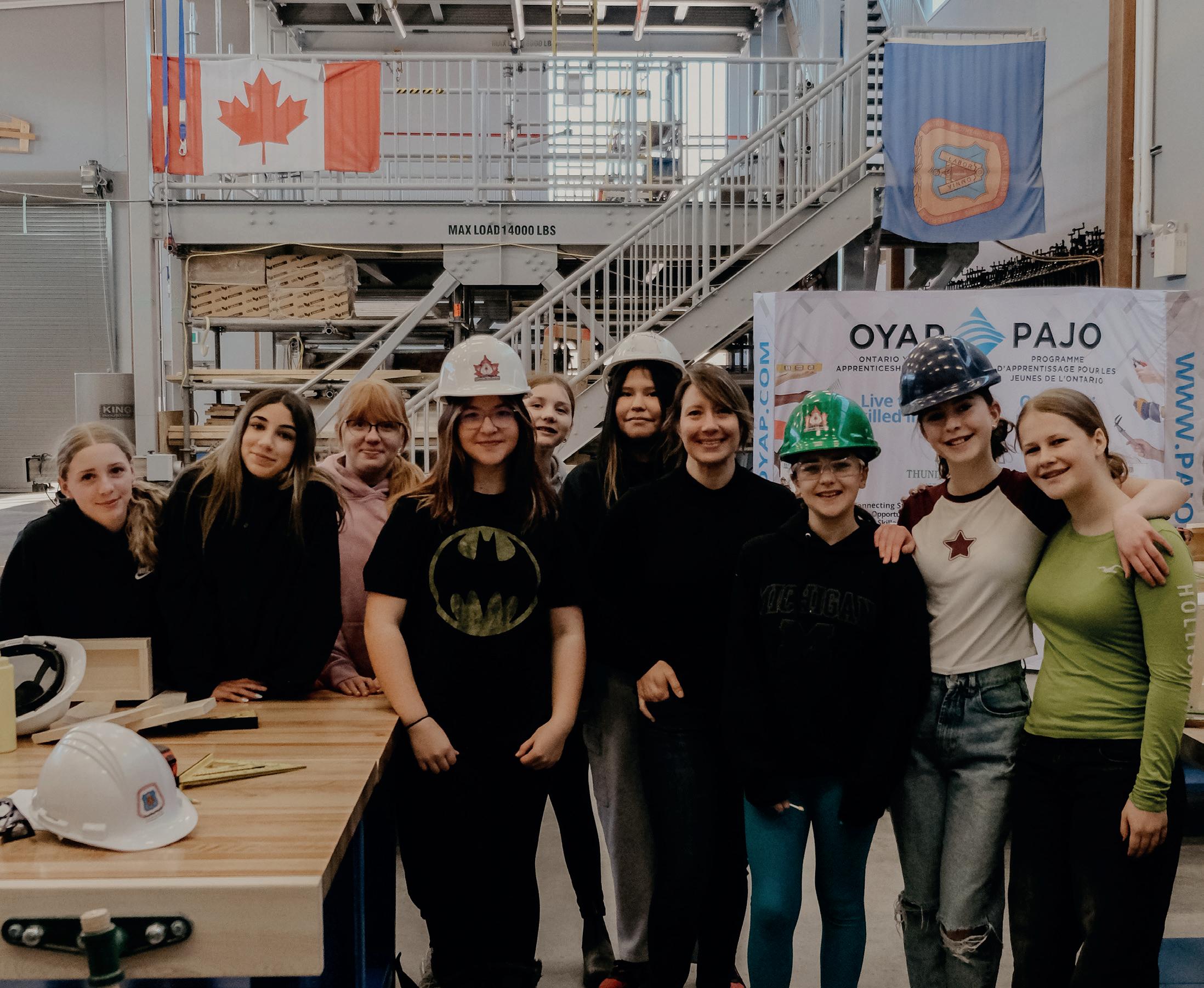
• Ontario Youth Apprenticeship Program (OYAP)
• Specialist High Skills Major (SHSM)
• Co-operative Education
• Aboriginal Youth Entrepreneurship Program (AYEP)
• Dual Credit Programs
• Advanced Placement
There is increased focus on programming that encourages participation from women and Indigenous students, with role models who promote representation in trades and business sectors.
Workplace & Post-Secondary Partnerships
Stronger partnerships with local employers and post-secondary institutions provide:
• Hands-on trade experience
• Industry-recognized certifications
• Real-world learning opportunities
• Guided tours, workshops, and classroom connections
SHSM Programs
The Board currently offers 14 SHSM programs across sectors such as arts and culture, business, construction, health and wellness, hospitality, manufacturing, and transportation. These programs offer rich experiential learning and industry certifications.
Increasing SHSM completion rates remains a collaborative priority, as students with SHSM Red Seals are highly engaged and better prepared for post-secondary pathways.
OYAP-FAST Program
The Board is preparing to launch OYAPFAST, enabling students to earn 8–11 Co-op credits while developing hands-on skills in a
skilled trade. Students receive counseling and complete a permission process before entering the program.
Participants must enter registered training with an employer after completing their eighth Co-op credit. Graduates earn a Blue Seal, highlighting readiness for apprenticeship pathways.
Guidance Professional Development
Guidance Counsellor-Teachers participated in comprehensive professional development, including:
• Industry tours observing apprentices and journeypersons
• Conversations with local employers on training, certification, and labour market trends
This experience enhances their ability to guide students toward skilled trades pathways.
Corpus Christi - 267
Holy Cross - 345
Holy Family - 354
ENROLMENT
Our Lady of Charity - 154
St Ann - 203
St Bernard (Eng) - 102
St Bernard (Fr) - 404
St Elizabeth - 253
St Francis - 154
St Jude - 151
St Margaret - 203
St Martin (Eng) - 148
St Martin (Fr) - 320
St Paul - 138
St Pius X - 205
St Thomas Aquinas - 203
St Vincent - 142
TOTAL GRADE JK TO 6 - 3,746
Bishop EQ Jennings - 260
Bishop Gallagher - 231
Pope John Paul II - 530
TOTAL GRADE 7 to 8 - 1,021
TOTAL ELEMENTARY - 4,767
St Ignatius - 1,051
St Patrick - 1,033
TOTAL SECONDARY - 2,084
TOTAL ALL STUDENTS - 6,851
2024-2025 Expenditures
2024-2025 Source of Financing
OUR TRUSTEES
at a glance
2024-2025 BOARD OF TRUSTEES
CHAIR OF THE BOARD
Tony Romeo
VICE-CHAIR
Leanne Fonso
TRUSTEE
Eleanor Ashe
TRUSTEE
Lawrence Badanai
TRUSTEE
Dina McFarlane
6 Trustees elected to serve on the Board for four-year term
1 Trustee appointed by Fort William First Nation
3 Student Trustees appointed for a 1- year term
TRUSTEE
Sarah Pelletier
TRUSTEE
Francis Veneruz
STUDENT TRUSTEE
Jed DeMillo
STUDENT TRUSTEE
Madeleine Caza
INDIGENOUS STUDENT TRUSTEE
Clayton Waboose
at a glance OUR BOARD
2024-2025 SENIOR ADMINISTRATION
SENIOR TEAM
Left to Right: Frank Lacaria - Superintendent of Education, Jean-Paul Tennier - Director of Education, Allison Sargent - Superintendent of Education and, Brent Mandryk - Superintendent of Business & Corporate Services,
DIRECTOR OF EDUCATION: JP Tennier
SUPERINTENDENT OF BUSINESS AND CORPORATE SERVICES: Brent Mandryk
SUPERINTENDENT OF EDUCATION: Frank Lacaria
SUPERINTENDENT OF EDUCATION: Allison Sargent
SYSTEM PRINCIPAL: Ryan McWhirter
MANAGER OF EMPLOYEE SERVICES: Jill Thompson
FAITH LEADER: Fr. Ciarán Donnelly
COMMUNICATIONS: Alexandra Franków, Communications Officer