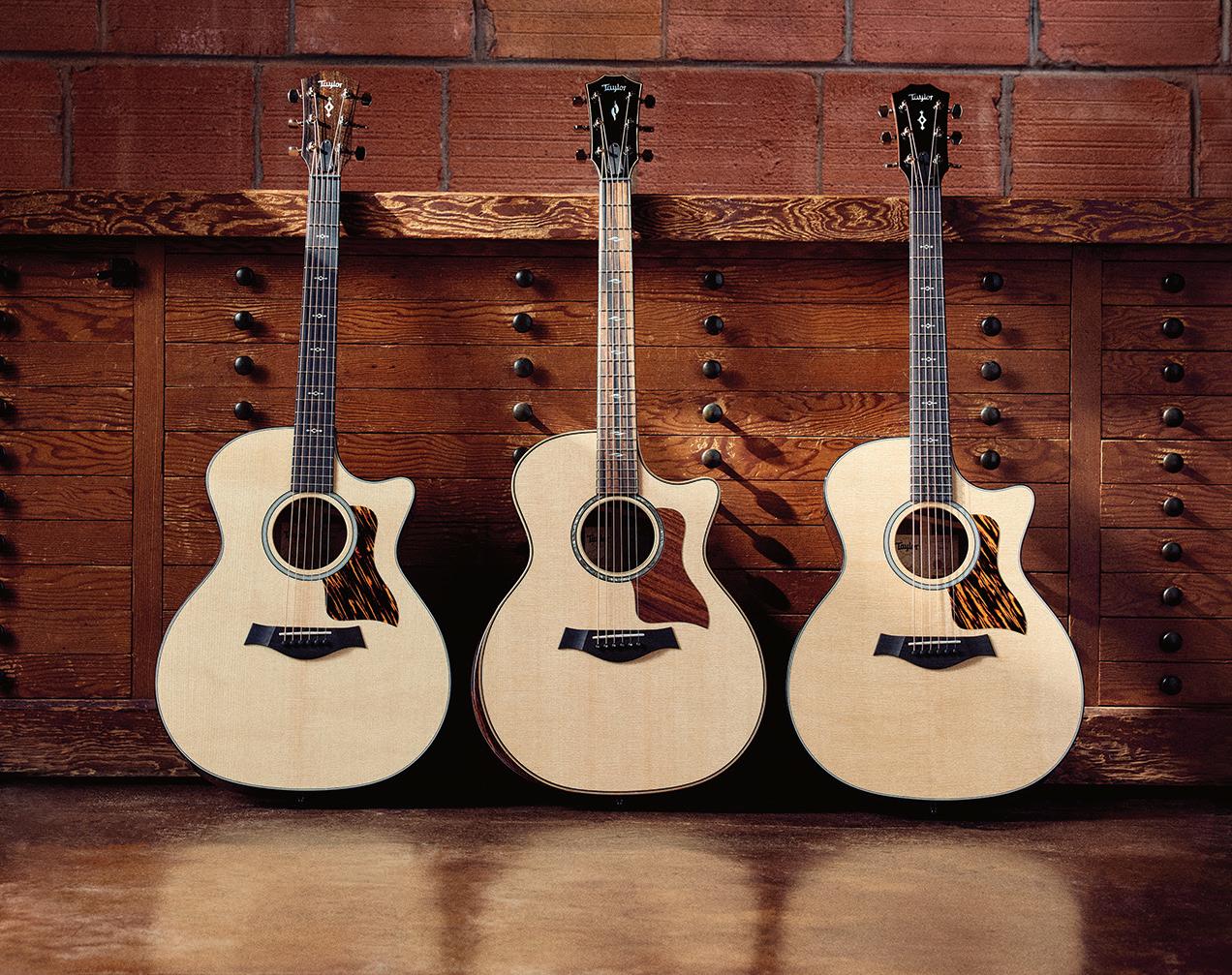
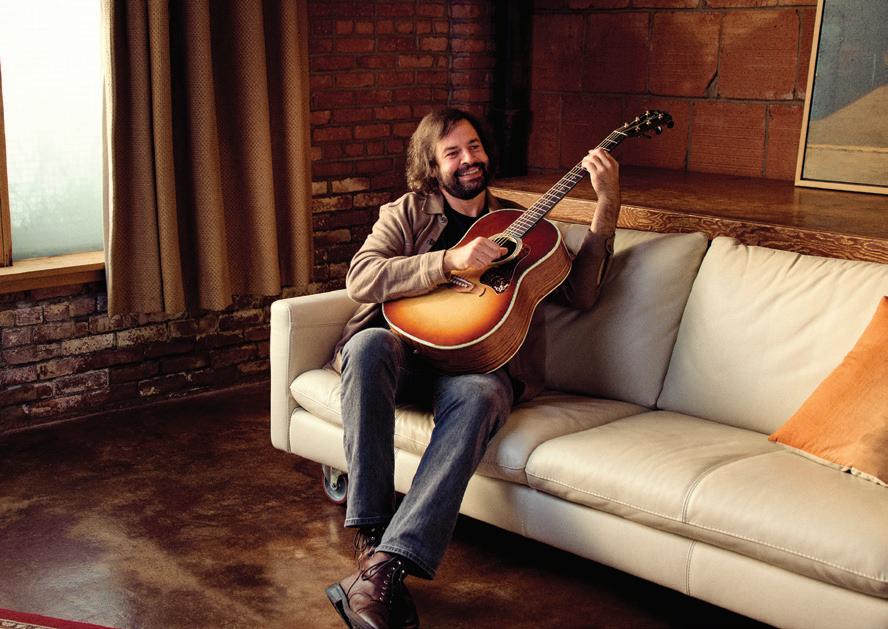
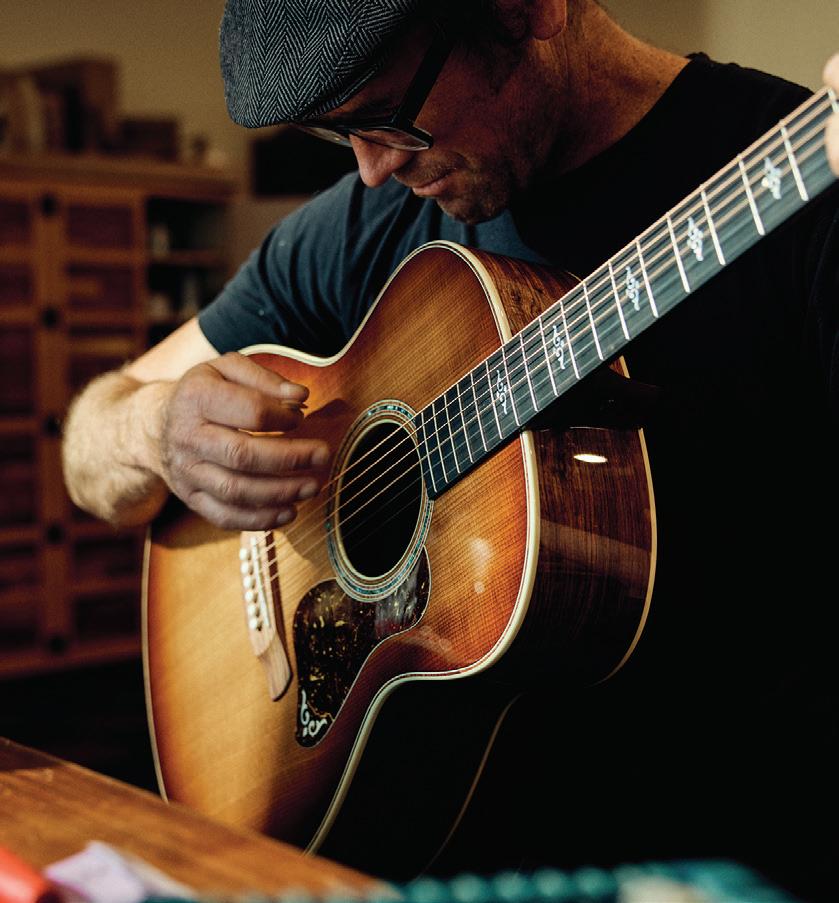
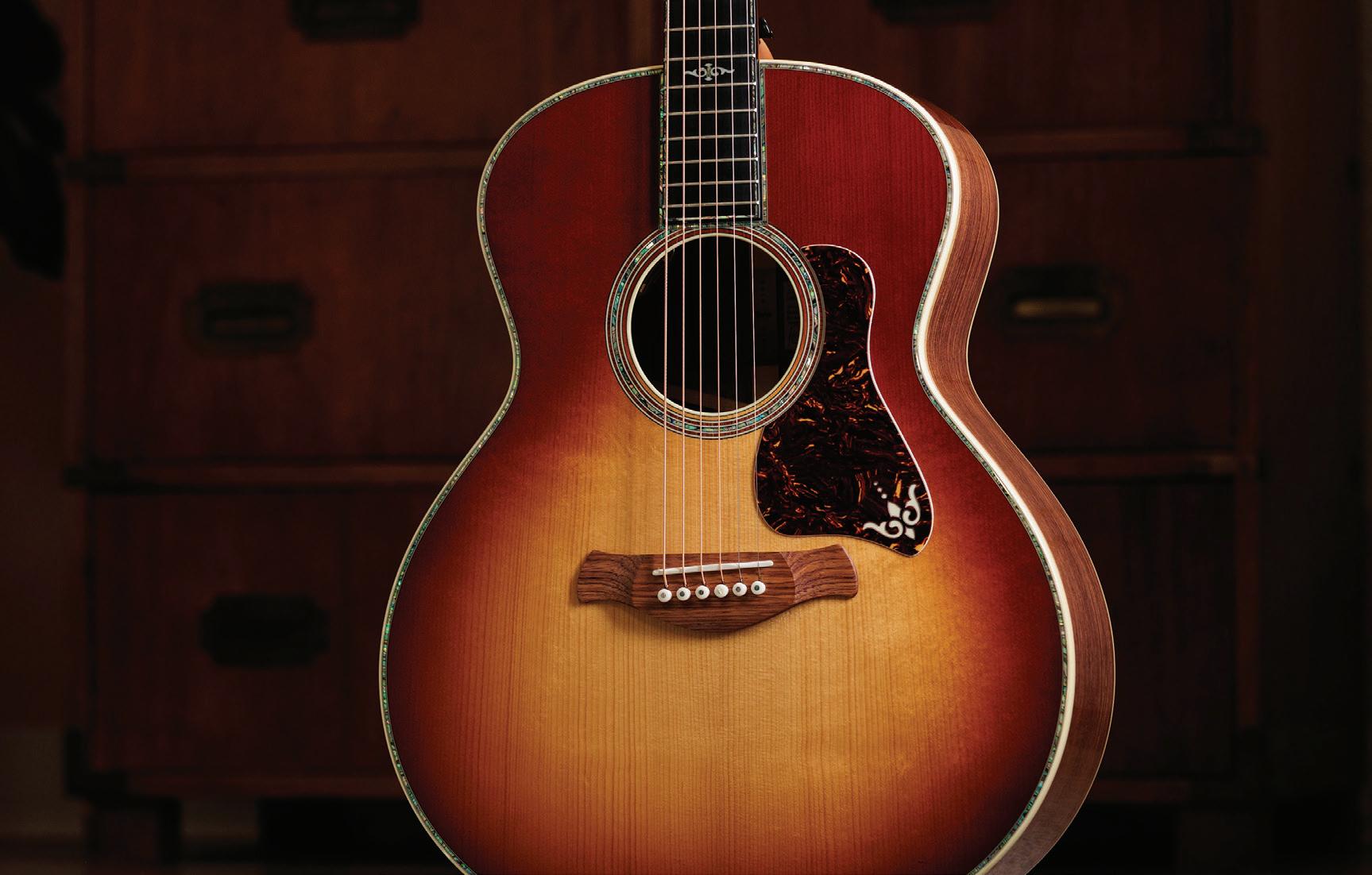
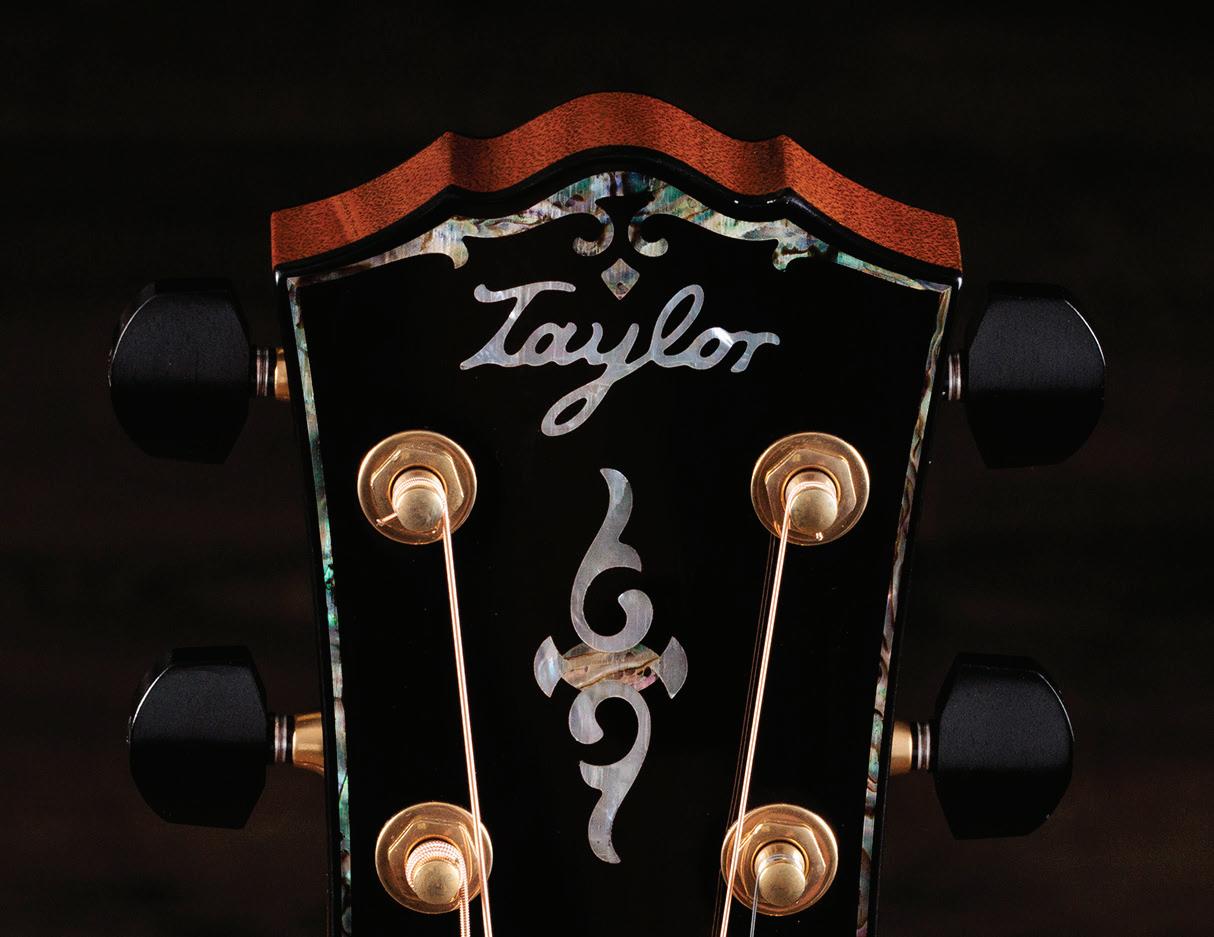
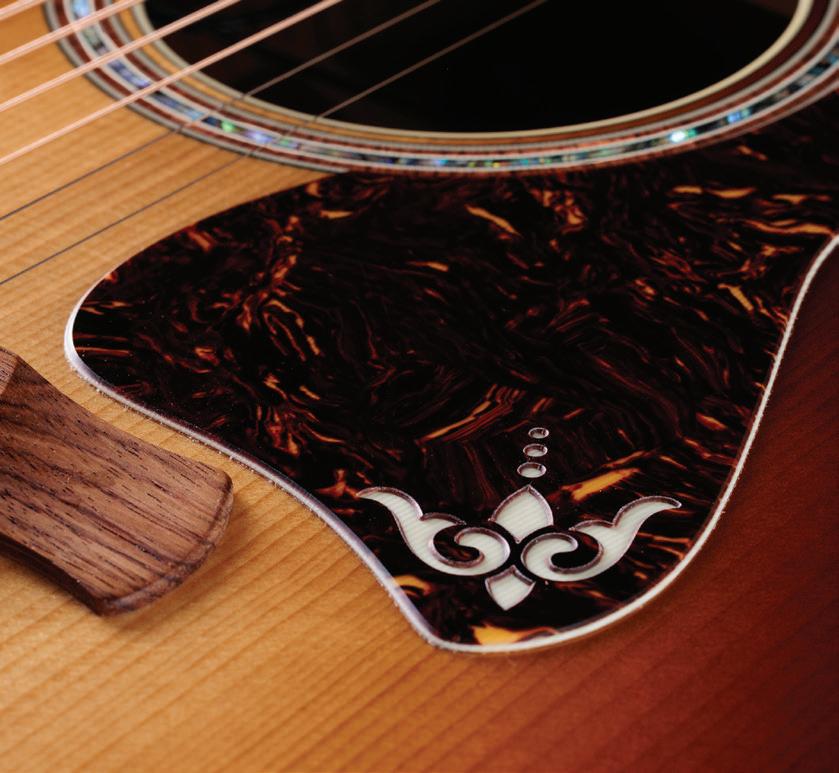
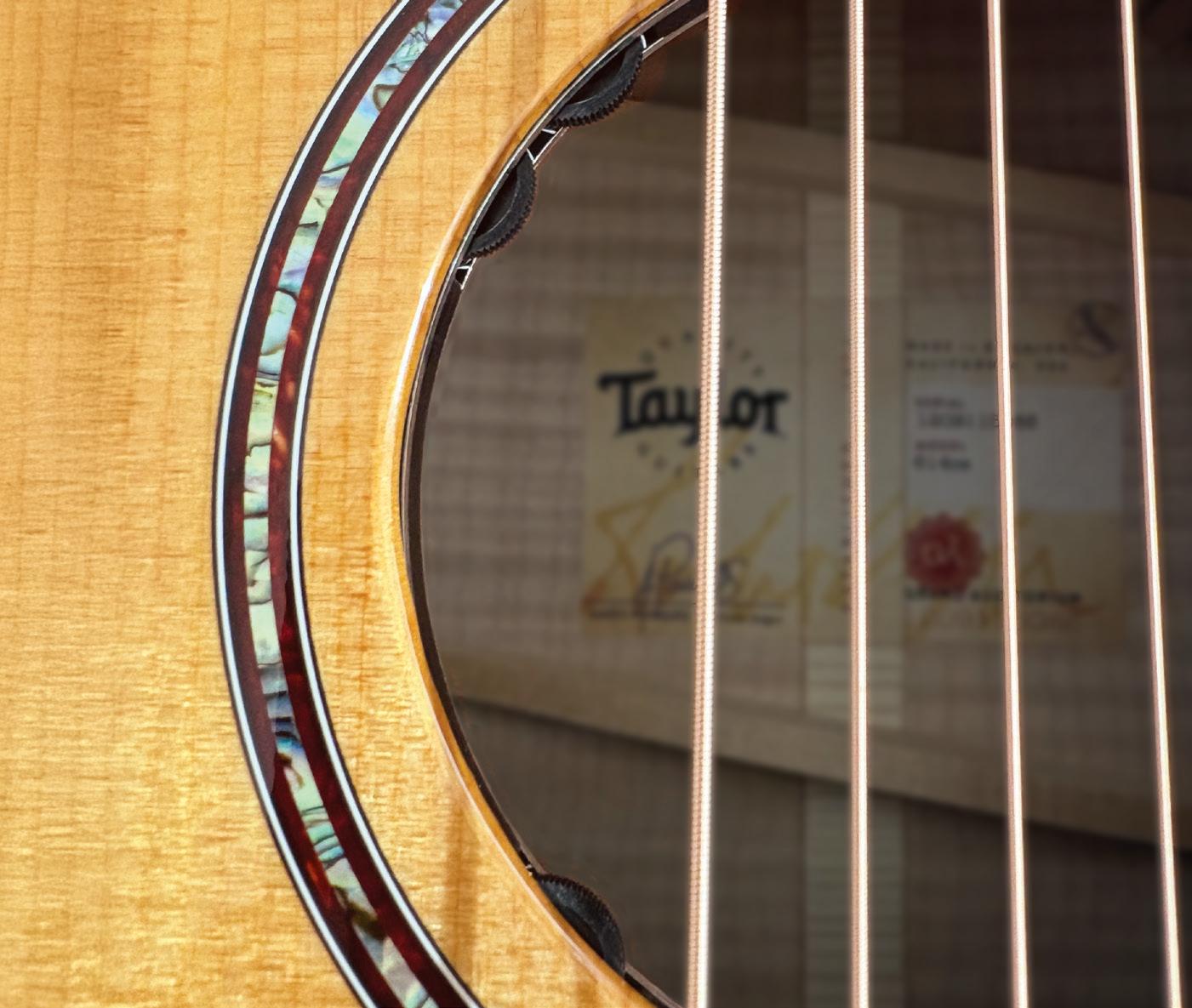
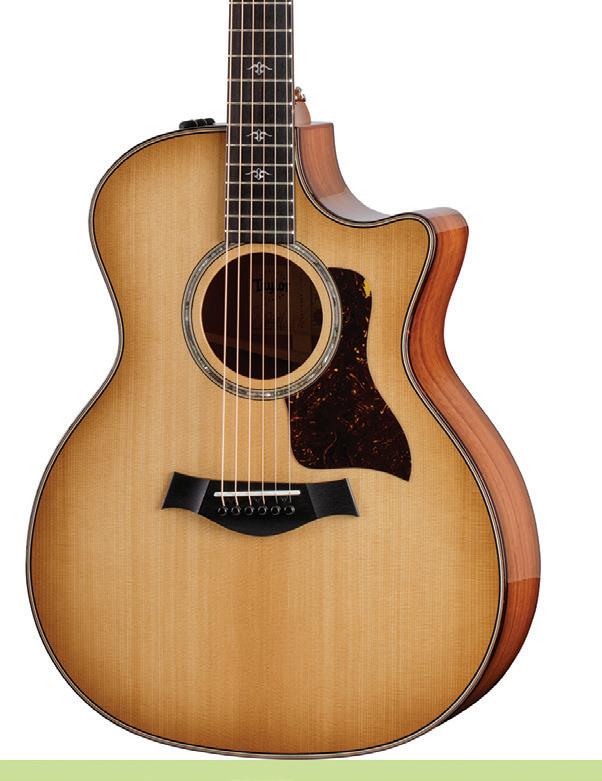
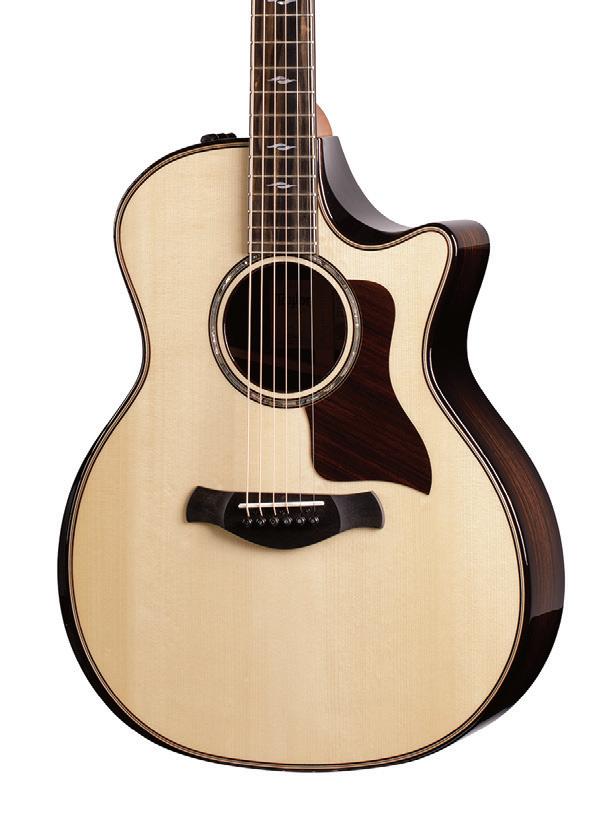
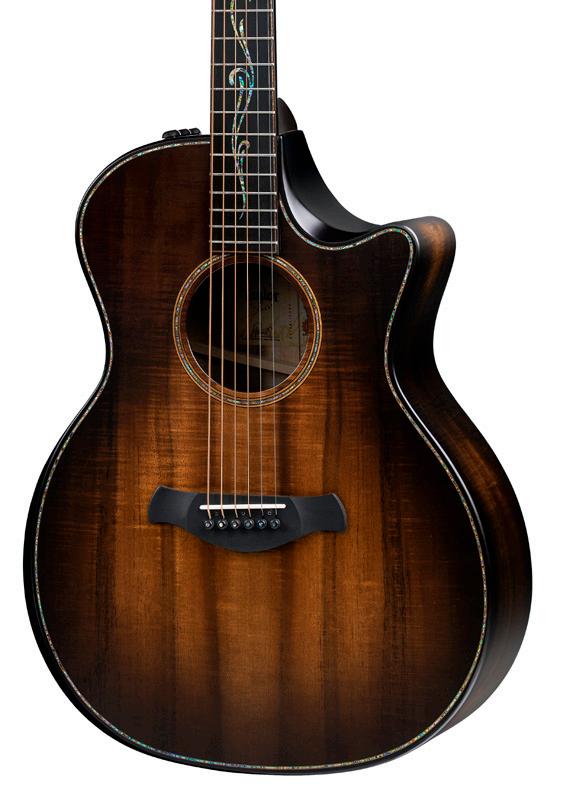
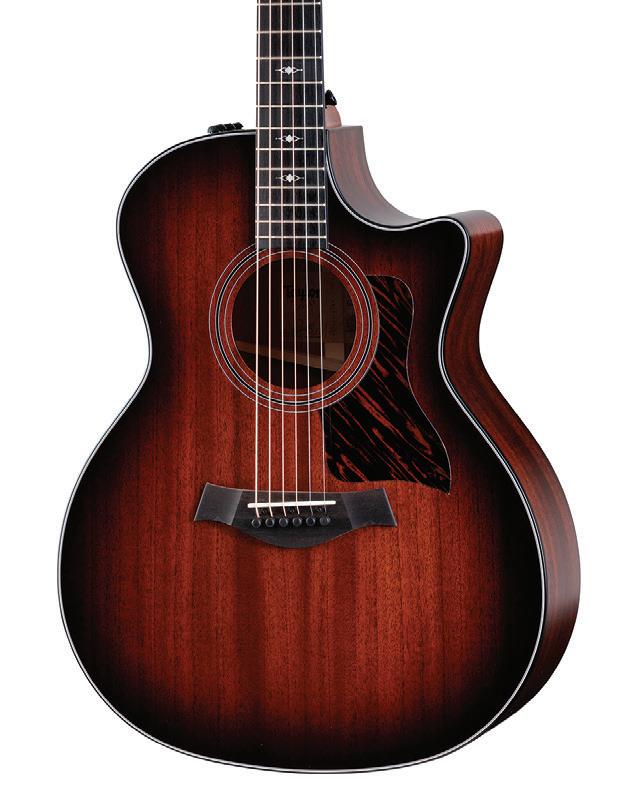
Welcome to the 2026 product guide edition of Wood&Steel!
If you’ve read the digital edition of our magazine over the last couple years, you’ve probably noticed that things look a little different this time around. That’s because we’ve decided to move the digital version of Wood&Steel to Issuu.
The primary goal for our digital edition has always been to offer Taylor owners, players and fans an immersive way to experience the rich storytelling and imagery that readers loved about the classic print edition of the magazine. Longtime readers know that Wood&Steel has evolved considerably in recent years as we keep pace with changing economics around printing and distributing a physical magazine. But regardless of format, we’ve kept our focus on the core of what Wood&Steel has been for decades: a way for fans to get an inside look at the world of Taylor, our design processes and the exceptional people who make our guitars some of the best instruments in the world.
With this move to Issuu, we hope to deliver an experience that will bring Taylor fans closer to the original feeling of reading the physical magazine—while taking advantage of some of the immersive tools that a digital platform offers. As you read this year’s product guide edition, you’ll notice a few things about Issuu that make the magazine easier and more fun to explore. First, as you read, you’ll see flashes of blue on each new page to indicate a link to additional content. Clicking those areas could play a video related to the story you’re reading or take you to Taylor’s website so you can learn more about a particular product, series or collection. Other links will take you to different parts of the magazine itself—for example, try clicking the text on the issue’s cover to go straight to a story.
For the best reading experience of this new digital edition, we recommend viewing the issue on a laptop, desktop monitor or tablet screen. For readers on the go, it’s also possible to read the magazine on your smartphone, but we think the bigger the screen, the more you’ll feel like you’re reading the magazine as it was intended to be read.
As always, you’ll find real physical copies of the Wood&Steel product guide at authorized Taylor dealers, and we hope you’ll visit your local shop to check out the magazine—and of course explore the array of new guitars we have on offer this year.
Here are a few tips for navigating the magazine on Issuu.
• If you’re reading on a laptop or desktop computer, you can use your arrow keys to turn the pages.
• If you’re using a device with a keyboard, you can use the Tab key to highlight links in the magazine.
• Swipe on the page you wish to turn if you’re reading on a smartphone or tablet.
• For the best reading experience, click or tap the Fullscreen icon at the bottom-right of the viewer.
• Use the zoom slider to enlarge or decrease the size of the pages.
We hope you enjoy this new way of experiencing Wood&Steel and the stories we’ve created for you this time around. Don’t worry—we’ll still be publishing longform features at Wood&Steel Stories, so keep your eyes open for more content throughout the year.
As always, thank you for being a reader and a fan of Taylor Guitars!
Opening Notes
Hello! Thanks for your interest in the Taylor guitar line. We created this guitar guide with one overarching goal: to help you find a guitar that fits your needs and inspires you to play.
With so many brands, models and price points to choose from, how do you find the right guitar? That’s what our guide is for. Whether you’re a beginner or a seasoned player, in the pages ahead, we’ll share helpful tips on what qualities to look for in an acoustic guitar. We’ll explain how our different acoustic body styles and the woods used to build them help create the musical personality of a guitar. We’ll also walk you through the framework of our guitar line.
But ultimately, nothing beats the experience of seeing, holding and playing a guitar in person — of paying attention to how it feels and sounds in your hands, and how it invites you to express yourself musically. So we highly encourage you to play and compare different Taylor models at your favorite Taylor dealer. And don’t be shy about asking questions — each store’s Taylor-trained sales associates are happy to assist you.
Before you jump into the guide, here’s a bit of background on us.
The Taylor Story: A Passion for Player-Friendly Design
It all started in 1974, when 19-year-old Bob Taylor and 21-year-old Kurt Listug bought the small guitar-making business in San Diego where both had been working, called the American Dream, and launched Taylor Guitars. They’d bonded over a shared passion for guitars and set out together to offer players a great product. Over time, Bob and Kurt transformed their tiny guitar shop into an industry-leading acoustic guitar manufacturer that sells guitars in 65 countries around the world. Our headquarters are in El Cajon, California (in San Diego County).
What’s the secret of our success? It started with making acoustic guitars easier to play. Bob Taylor’s slim-profile, ultra-playable necks were a game changer, and players quickly gravitated toward their comfortable feel, which is still one of the most appealing qualities of our guitars. A guitar that’s easier to play will be more inviting to beginners and more expressive to skilled players.
Along the way, Bob Taylor modernized the guitar-making process by harnessing modern technology to develop many innovative manufacturing tools and techniques that brought new levels of accuracy, refinement and consistency to acoustic guitars. This allowed us to set new quality standards in feel, sound and aesthetic beauty — and inspire generations of players in the process. (For more on what sets Taylor apart, see “The Taylor Difference” on page 3.)
Meet Our Chief Guitar Designer, Andy Powers
Taylor’s innovative design culture continues to propel us forward in an obsessive pursuit of improving the guitar-playing experience. That’s why Bob Taylor hired a brilliant guitar maker named Andy Powers back in 2011 to be his design successor. Since then, Andy has served as our chief guitar designer and continues to bring enhancements to the feel and sound of our guitars, which have earned many industry awards and are played by some of the world’s finest musicians. Andy is also Taylor's President and CEO.
A Taylor for Every Type of Player
With Andy adding to the heritage of premium quality established by Bob Taylor, the Taylor guitar line currently boasts a wide range of guitar models. It’s a diverse palette of musical flavors, but all Taylor models share important fundamental traits: exceptional playability, a rich musical voice, and premium craftsmanship that will allow your guitar to serve you reliably for many years.
In the end, even if you don’t end up choosing one of our guitars, we hope our guide helps you find an instrument that does inspire you to play — because making music is good for the soul.
C-Class is a trademark of Taylor-Listug, Inc in the United States and other jurisdictions.
ELIXIR and NANOWEB are registered trademarks of W.L. Gore & Associates, Inc. D’ADDARIO PRO-ARTE is a registered trademark of J. D’Addario & Co., Inc. NUBONE is a registered trademark of David Dunwoodie.
Prices, specifications and availability are subject to change without notice.
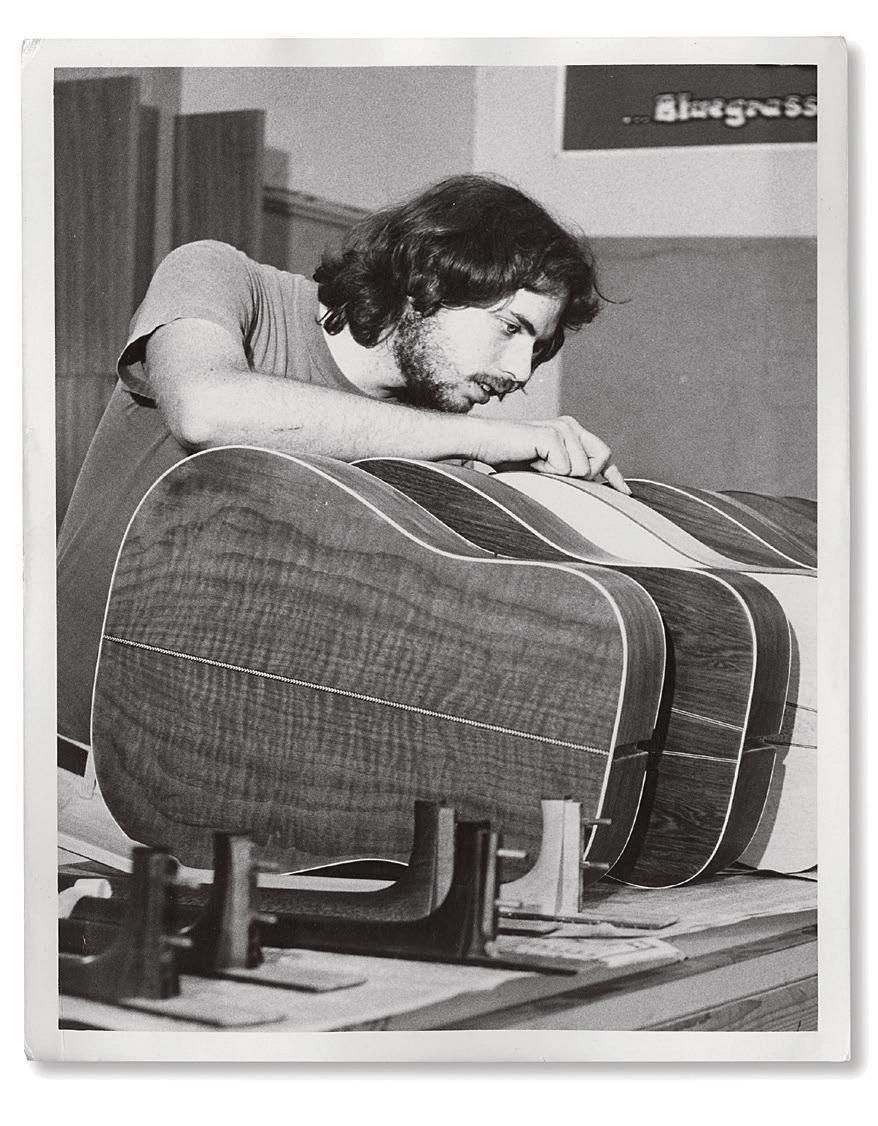
Bob Taylor circa 1975
Andy Powers
The Taylor Difference
Five things that set the Taylor experience apart
Why do people choose to play a Taylor guitar? We can think of lots of reasons. From our perspective, they all flow from the same wellspring: our underlying passion for improving the guitar-playing experience. That creative drive set a teenage Bob Taylor on a path of innovation a half a century ago, and that push for continuous improvement laid the creative foundation of our culture, guiding our approach to everything we do. For anyone curious about what makes us unique, here are five things that players can count on from us.
Playing Comfort
Easy-playing necks are a hallmark feature of a Taylor guitar and the gold standard of playability across the acoustic guitar industry. This makes our guitars more accessible to beginners, reducing hand fatigue and accelerating their progress. For seasoned players, the slim profile and comfortable string setup of our necks translates into a fast feel that allows them to express themselves more fluidly.
Our ongoing obsession with playability has led to innovative designs like our patented Action Control Neck,TM which allows players to easily adjust their string height on the fly without removing the strings or neck. This unprecedented micro-adjustability ensures a lifetime of perfect playability.
Tone-Enhancing Innovation
Our passion for ear-pleasing musicality has fueled our efforts to voice our guitars to inspire and perform at the highest level. It starts with guitars that stay in tune and readily respond with clear and balanced articulation. With chief guitar designer Andy Powers at the helm, our drive to refine the sound of our guitars has led to a steady stream of tone-enhancing and award-winning designs, such as our patented V-Class® bracing. This powerful tone-shaping platform allows us to create a wide range of musically inspiring acoustic flavors, offering something for every skill level and style of player. For many pro musicians and recording engineers, having a Taylor means having a reliable tool to get the job done, whether for songwriting, recording or performance.
Precision Craftsmanship
A guitar design is only as good as the ability to produce it. One of Bob Taylor’s greatest accomplishments as a guitar maker has been his pioneering work to transform guitar making from its old-world heritage into an innovative manufacturing operation that enables us to craft instruments with remarkable precision and consistency. We have an entire tooling and engineering division devoted to making our latest guitar designs production-ready. This includes everything from developing the software programs we use with our sophisticated computer-controlled mills and robots to fabricating our own tools and machines to help our skilled craftspeople produce our guitars. That
unique integration of technology, tooling and skilled handcraftsmanship makes our guitar factory operation truly one of a kind. Not only does this allow us to imbue our guitars with impeccable detail work, but the superb build quality also gives players an heirloom-quality instrument.
Sustainability Leadership
We are deeply committed to safeguarding the future of the natural resources we use. Beyond our pursuit of ethical, socially responsible sourcing practices, we have pioneered several innovative sustainability initiatives around the world. Flagship programs include the Ebony Project in Cameroon, which funds research about ebony’s ecology and has shaped a robust replanting initiative; Siglo Tonewoods in Hawaii, a collaboration with supply partner Pacific Rim Tonewoods to ensure a healthier future for koa by regenerating native forests; and an Urban Wood initiative in tandem with an innovative California arborist to create new markets for wood from previously discarded trees that have been removed from municipal areas at the end of their life cycle. Bob Taylor’s vision of environmental stewardship at Taylor also led him to hire a forest policy expert to become our Director of Sustainability, a unique position within the guitar industry.
Service & Support
Taylor is more than just a company that makes and sells guitars. We’re equally passionate about providing the resources to support your guitar-playing journey, whether you need help choosing the right guitar or taking care of it. One of the best things about a well-made and wellmaintained guitar is that it will continue to sound better over time, and we love helping Taylor owners enjoy their instruments to the fullest. From friendly service to expert repair, you can count on a lifetime of attentive Taylor support.
New Frontiers in Tone: Inside the 2026 Taylor Guitar Line
Our Next Generation Grand Auditorium models and an expanded Gold Label lineup highlight our most dynamic and inspiring range of guitars yet.
Looking back at Taylor’s run of acoustic breakthroughs — the Grand Auditorium in 1994, the NT Neck in 1999, V-Class bracing in 2018 — each pushed the acoustic guitar forward in ways that felt both immediate and quietly foundational, reshaping how players connected with their instruments.
With the introduction of our long-tenon Action Control Neck™ and new voicing designs, the 2026 Taylor line feels like another major step forward — one that meaningfully broadens Taylor’s musical spectrum.
“As guitar makers, we want to expand the voices we offer to an ever-wider variety of players and styles,” says chief guitar designer Andy Powers. “This means different types of sounds, feels and aesthetic presentations — all in step with the creative world guitar players live in now.”
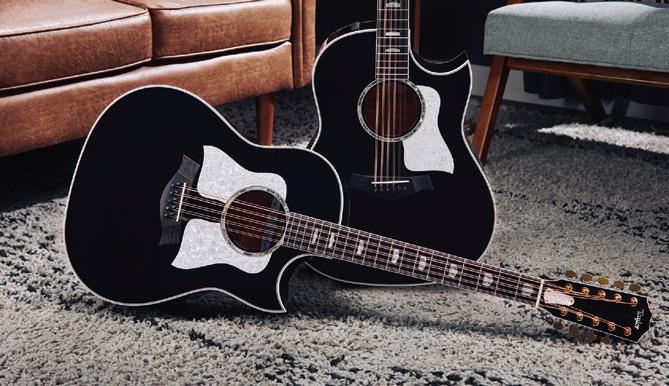
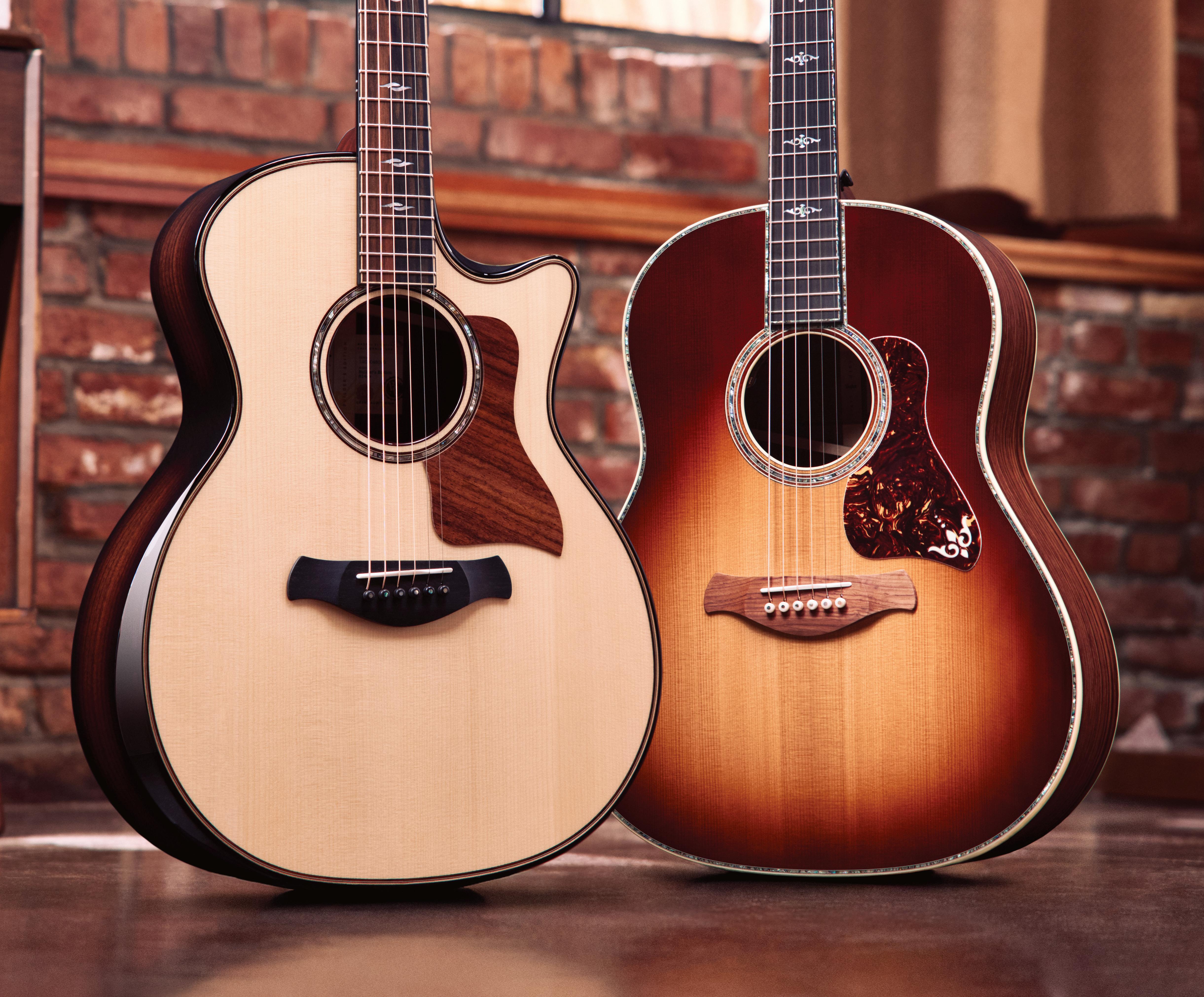
Two distinct guitar launches headline our class of ’26. Leading the way is a fully reimagined wave of “Next Generation” Grand Auditorium models. We’re also expanding our heritage-inspired Gold Label Collection to include a new square-shoulder Dreadnought.
“A great guitar should feel like it’s on your side,” Andy says. “It should meet you where you are — your touch, your style, your moment — and give you more than you expected.”
The 2026 Taylor line aims to do exactly that.
Reimagining a Flagship: The Next Generation Grand Auditorium
Powered by a trio of performance-enhancing innovations — the Action Control Neck, scalloped V-Class bracing, and all-new Claria System electronics — our Next-Gen Grand Auditorium models debut in the 300, 400 and 800 Series.
For more than 30 years, the Grand Auditorium has defined the Taylor brand. Comfortable and musically versatile, it shines everywhere from living rooms to pro studios to big stages.
“These guitar models are iconic for us,” Andy says. “They are the sound many folks think of when they think of Taylor. In keeping with Taylor’s ethos of continuous improvement, no instrument is too precious to evolve, as refinement is what creates an icon.”
While developing the Gold Label guitars, Andy was also experimenting with voicing enhancements for the Standard and Builder’s Edition models. As our most popular body style, the Grand Auditorium was a natural focal point.
He had already developed another variant of his V-Class architecture he liked, but at the time, he felt it needed more structural synergy.
“I wanted the resonance of the guitar to work a certain way,” he says. “I knew the bracing design would work better with a different type of heel structure on the neck. It turned out that the development of the Action Control Neck unlocked some exciting new options in both sound and feel. It helped us rethink the GA from the inside out.”
For Andy, the Action Control Neck builds directly on Bob Taylor’s original neck design breakthrough, which he first introduced in 1999.
“Bob’s neck design was groundbreaking,” Andy says. “It’s served us incredibly well for the last 25 years and was a leap forward over Taylor’s previous neck, which was innovative itself in its day. Now, we’re adding to that with deeper resonance and instant micro-adjustability that anyone can do. It feels like an important next chapter in playability and sound.”
For more on the Action Control Neck, see our sidebar.
Scalloped V-Class Bracing
The difference: Fuller low end. More open-string richness.
Andy was interested in revoicing these Next-Gen Grand Auditorium guitars to coax out a warmer, more flattering low end and more powerful projection. He wanted to marry the foundational benefits of the V-Class design with some of the other tonal characteristics of Taylor guitars that people have enjoyed over the years. In fact, he and the product development team revisited voices from past Taylor eras, from late-’90s 814ce models to Dan Crary’s signature guitar, searching for resonance flavors worth sprinkling into his new sonic recipe.
“I knew we wanted to pull forward certain characteristics of a quintessential Taylor guitar sound, while expanding the tonal response like adding some open-position bloom and chordal warmth to achieve a nice blend without muddying the signature clarity,” he shares.
The result: a scalloped V-Class pattern that lightens key brace zones for increased top movement and responsiveness. In concert with the long-tenon neck, the design
elicits a warmer low end and richer open-string resonance, while maintaining V-Class’s pitch accuracy and projection.
“You get the low-end response of more traditional flattops married to the robust midrange and top-end presence of our basic V-Class design,” Andy says.
Longtime Taylor technician and player Rob Magargal heard and felt the difference immediately.
“The guitar feels more expressive,” he says. “Chords sound rich and powerful, but I can get a calm sweetness when I lighten up. The top responds faster, notes feel fuller, and chords bloom more. You get extra punch without losing clarity. Fingerstyle players will hear added depth. Strummers will feel the added push.”
Claria System Acoustic Electronics
The difference: Easy, reliable tone in any live setting.
The third major design component of our Next-Gen guitars is our new Claria System onboard pickup and preamp. Designed in-house and refined in live settings alongside pro musicians and sound engineers, the system combines an improved under-saddle piezo pickup with a proprietary preamp that tames the harshness of traditional piezos. Soundhole controls — Volume, Mid-Contour and Tone — make it easy to shape your amplified sound in virtually any live performance setting. (You can read the full origin story on page 7.)
Designed as a more plug-and-play alternative to our Expression System 2 electronics, Claria gives players quick musical control in live environments.
“The ES2 offers incredible nuance and fidelity in the right context,” Andy notes. “But a stage is not a studio, and in some settings, the variables can make it challenging to dial in.”
Andy and lead electronics designer Tyler Robertson were aligned early in the project.
“One of the goals was: Don’t force the room to adapt to the pickup,” Andy says. “Make the pickup adaptable to
Anatomy of the Action Control Neck™
Our patented neck design combines the tonal benefits of a long-tenon neck joint with easy neck angle micro-adjustability, allowing the string height (action) to be tweaked with unprecedented ease and precision.
Enhanced tonal warmth: The long-tenon joint extends deeper into the body, and by coupling the neck’s heel structure with body voicing, boosts sustain, warmth and overall resonance.
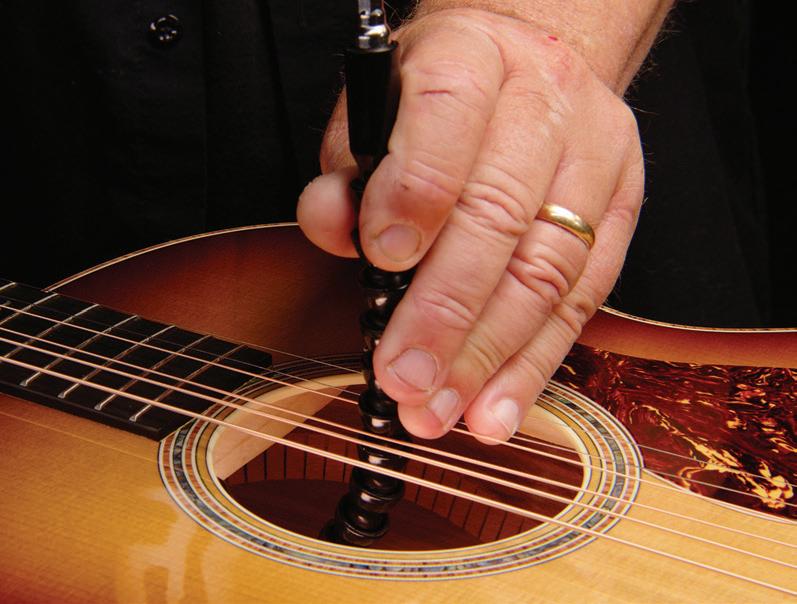
Effortless adjustability: The action control feature makes adjusting string height quicker and more precise than ever. The string height can be adjusted literally in seconds by using a quarter-inch nut driver (or standard truss rod wrench) on a bolt in the neck block, accessible inside the soundhole. Neither the neck nor the strings need to be removed to adjust. Players can tweak on the fly to accommodate different playing styles, applications or shifting climate conditions. To watch an instructional video, scan the QR code.
the room. Players should be able to say, ‘It’s easy to dial this in.’ So far, players have been really happy with how this pickup is working.”
Next-Gen Rollout
The Next-Gen features debut with Grand Auditorium models* in Taylor’s best-selling 300, 400 and 800 Series, including Builder’s Edition models. Expansion to the 500 Series and up is slated to start in March.
*314ce Studio and 414ce Studio models continue with standard V-Class.
*12-string models retain standard V-Class.
Gold Label Growth: Deep-Body Dreads and New 900s
One year after its debut, our award-winning Gold Label Collection now offers a robust palette of vintage-inspired acoustic flavors.
If Next-Gen is Taylor’s evolution of the modern acoustic sound, Gold Label takes deliberate inspiration from instruments of the past. Featuring non-cutaway silhouettes, deeper, more traditional bodies, and an aged voicing ethos, these guitars present an intriguing musical and artistic counterpoint.
Visually and sonically, these are guitars with an old soul, with a different musical story to tell.
“When I pick up a Gold Label guitar,” Andy says, “I feel like a different player than when I pick up a Builder’s Edition. I’ll play something different because the sound and feel draw me in a different direction.”
Square-Shoulder Dreadnought
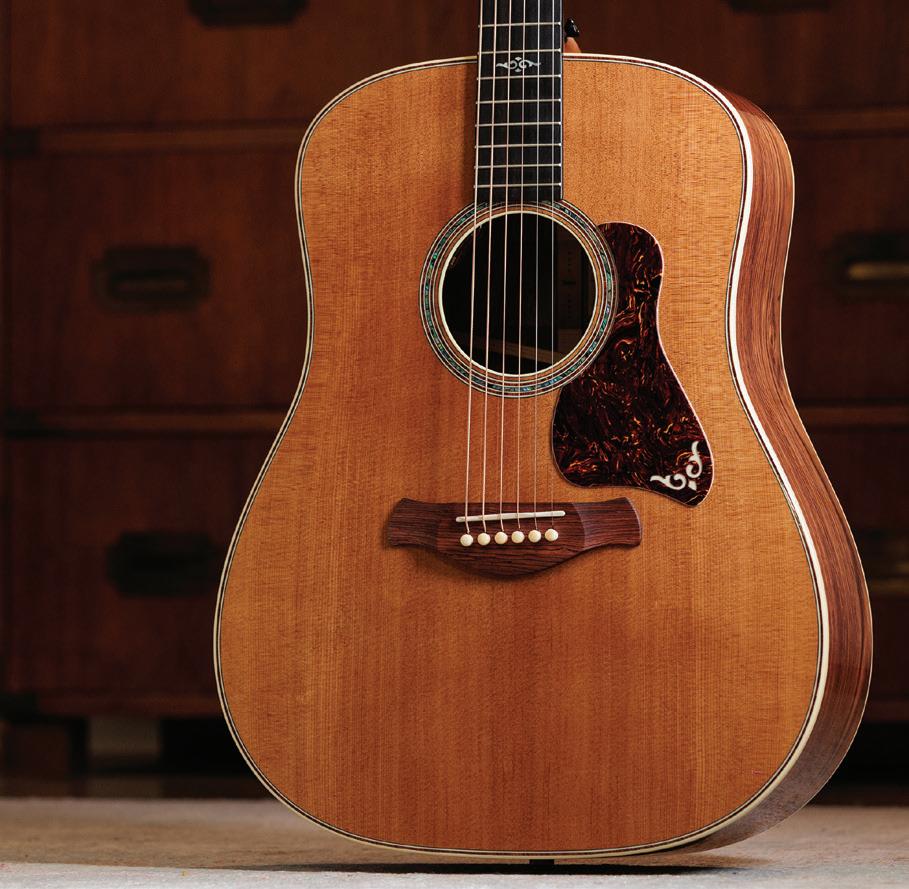
Joining the Super Auditorium and Grand Pacific this year is a square-shoulder Dreadnought with a slightly deeper body — the collection’s most traditional shape. The added air volume, combined with the long-tenon neck and fanned V-Class bracing, reveals an acoustic powerhouse that yields pronounced warmth and projection with an authoritative voice.
The Dreadnought debuts with three tonewood pairings: the mahogany/torrefied Sitka spruce Gold Label 510e, the Indian rosewood/torrefied Sitka Gold Label 710e, and the Honduran rosewood/torrefied Sitka Gold Label 810e. We’re also proud to introduce the Trey Hensley Gold Label 510e, designed in collaboration with the GRAMMY-winning flatpicking virtuoso. (For more on that, see our profile of Trey on page 10.)
One year after Gold Label’s introduction, the response from critics and musicians has been overwhelmingly positive. Our artist relations team reports consistent enthusiasm as players discover the guitars. In Nashville, the guitars have been widely embraced for their styling and sound, both of which seem to fit the musical sensibilities of the community.
“People love the aesthetic and the fact that these are non-cutaways,” says Gina Venier, Taylor’s Nashville AR rep. “Visually, the blacktops and the models with cream pickguards have been big winners. And when artists play them, they can really feel the difference.”
Andy is gratified by the reactions he’s seen across many different genres.
“It’s like players are stepping into a different musical skin with these guitars,” he says. “Songwriters, bluegrass players, Americana players, rhythm players, weekend strummers, worship leaders, all kinds of different players are saying, ‘Wow, I love this sound. This is a whole different face of Taylor.’ Watching musicians light up — as a builder, that’s the real payoff of the work.”
New Gold Label 900s
Another new Gold Label offering is a pair of Super Auditorium and Grand Pacific models showcasing our 900 Series level of materials and aesthetic refinement. The Gold Label 914e and 917e pair Honduran rosewood with Adirondack spruce, for expansive, dynamic headroom and lush overtone texture.
“Adirondack is like a wide-open sky,” Andy says. “You can push into that headroom, and it just keeps going. Blending it with the piano-like depth and richness from the Honduran rosewood back and sides gives these guitars remarkable expressiveness.”
Exquisite paua-shell trim along the top, fretboard and headstock completes the elegant presentation. Both models are offered with a choice of a natural or golden-brown sunburst top.
The Invitation Widens
Eight years after the introduction of the V-Class bracing platform and 15 years into his tenure at Taylor, Andy sees the 2026 line, and this moment, not as an arrival but as a beginning.
“In a way, it feels like we’re finally standing at the starting line of what we’ve hoped to accomplish,” he says. “We’ve always tried to build guitars that invite you in — to explore a song, a sound, a feeling. If an instrument expands your ability to express yourself, then we’ve done our job.”
With the 2026 lineup, that invitation isn’t just open — it’s wider, warmer and more musically personal than ever.
Explore the entire Taylor 2026 guitar line throughout this issue.
Gold Label 510e
Gold Label 914e SB
Gold Label 914e
Taylor’s Plug-and-Play
Pickup Evolution
Developed with input from top touring artists and live sound engineers, our new Claria System delivers clear, reliable amplified acoustic tone in any live setting — with no fuss.
After more than 25 years of designing onboard pickup systems — and hearing millions of Taylor players perform everywhere from coffeehouses to stadiums — we’ve learned one thing above all else: Gigging musicians don’t want to fight their electronics. They simply want to plug in, sound great and play.
That’s the mindset behind Claria, our new acoustic electronics system co-developed with top touring artists and live sound engineers. It delivers a warm, natural acoustic voice in any live setting.
The Challenges of Amplifying Acoustic Guitars
The physics of acoustic guitars make live amplification uniquely challenging. The instrument produces a complex range of harmonics that can feed back or clash with other instruments in a live mix, and every venue, engineer and signal chain introduces new variables. That’s why most artists and sound techs gravitate toward systems that offer consistency and simplicity — even if that means giving up a bit of natural nuance.
Part of the challenge is that the range of different types of pickup sensors used each have inherent properties that benefit a particular aspect of amplification, says Taylor R&D engineer and electronics designer Tyler Robertson, the lead designer on the Claria development team.
“Microphones are great for controlled recording environments, but they require strategic positioning and are prone to feedback on stage,” he explains. “Magnetic pickups only hear the strings. Piezo sensors don’t pick up air movement and require precise placement and mechanical pressure. Each introduces its own EQ character — which engineers then have to manage.”
No matter what sensor source is used, he says, each has its own frequency characteristics that it imparts to the amplified sound, and performers and live sound engineers need to manage this with the preamp and other EQ controls. Usually, Tyler says, it results in two basic areas of compromise.
“Big, wide amplified tone doesn’t sound the same everywhere and feeds back, whereas narrow, safe amplified tone doesn’t capture the full sound of the guitar,” he explains. “Somewhere either between those two or with parts of those two things combined is a great sound that is useful.”
Taylor Customer Service Manager Glen Wolff, another key member of the Claria design team, notes that amplified acoustic sound carries its own set of expectations for both performers and listeners — expectations that have
Pickups & Preamps at a Glance
A pickup is some sort of sensor that captures the vibrational energy produced by the guitar and converts it into a weak electrical signal. A preamp boosts that signal and often incorporates additional frequency-shaping, or EQ (short for equalization) controls to adjust the bass, midrange and treble.
L-R: Cole Bruce and Jonathan Galletti from Jake Owen’s band perform with custom-order Gold Label guitars equipped with Claria System electronics. Photo: Thomas Griffin
Getting to Know the Claria System Controls
The Claria System features an onboard preamp powered by a 9-volt battery housed in an end-pin compartment located in the tail end of the guitar. One of the benefits of the design components (specifically the use of transistors) is a long battery life: 150 hours of plugged-in use.
New Taylor guitars equipped with the Claria System will incorporate discrete soundhole-mounted controls. (At some point soon, a Claria retrofit will be available for guitars with the ES2.) Here’s what each of the three knobs does:
Volume
• Sets your output level. Turn it up to be heard or down for subtlety.
Mid-Contour (Center Knob)
• Shape your tone with this versatile midrange control.
• Turn below the center detent to scoop the midrange — it’s great for open, airy strumming.
• Boost above the detent to add clarity and focus, helping your lead lines or fingerpicking stand out.
Tone
• This adjusts the brightness. Roll off high frequencies to soften your sound.
• Turn it down to reduce treble and tame brightness, or leave it up for a crisp, clear top end.
evolved over several decades of hearing acoustic guitars through PA systems and amplifiers.
“It’s not always about recreating the pure acoustic voice,” Glen says. “Players are used to a certain pluggedin sound — they want it to be reliable, great-sounding and easy to control. That’s what led us to Claria.”
Taylor’s Pickup Design Evolution
By the early 2000s, pickups had become a core feature of our guitars, which led us to develop our own pickup and preamp, the Expression System (ES). The high-fidelity design featured magnetic sensors and a studio-grade preamp (developed with pro audio design icon Rupert Neve) and aimed to reproduce the full detail of a Taylor guitar’s acoustic voice.
We learned a lot from ES and its later evolution, ES2, which moved the piezo sensors behind the saddle for a more dynamic response. But in some full-band settings, its extra sensitivity took up more space in the mix and became more microphonic, requiring more work at front of house to fine-tune the EQ.
Developing the Claria System
The Claria System grew out of ongoing refinements we initially began to make to the ES2 preamp. The early R&D team at Taylor included electronics engineer Trenton Blizzard, who had developed the ES2 preamp, along with Taylor veterans Terry Myers and Glen Wolff.
Early on, Terry and Glen were the “ears” that helped shape Trenton’s preamp revisions.
“Based on our experience as players, working in customer service, and collaborating with artists over the years, Terry and I had a clear sense of what people wanted to hear,” Glen says.
The process was a cycle of tweak, listen, repeat — testing through acoustic amps, powered monitors and compact PA systems. The team brought it into a large local venue to hear it in a real-world environment, then refined it further. Once they were confident, they shared it with select Taylor artists, gathered their feedback, and made additional improvements.
Glen and Terry also traveled to Nashville, where they hosted several listening summits, inviting touring artists and front-of-house engineers to evaluate multiple pickup systems blind — including early versions of Claria.
“The engineers helped us understand which systems consistently delivered in large venues and made their jobs easier,” Glen says. “That input was crucial in shaping what Claria became.”
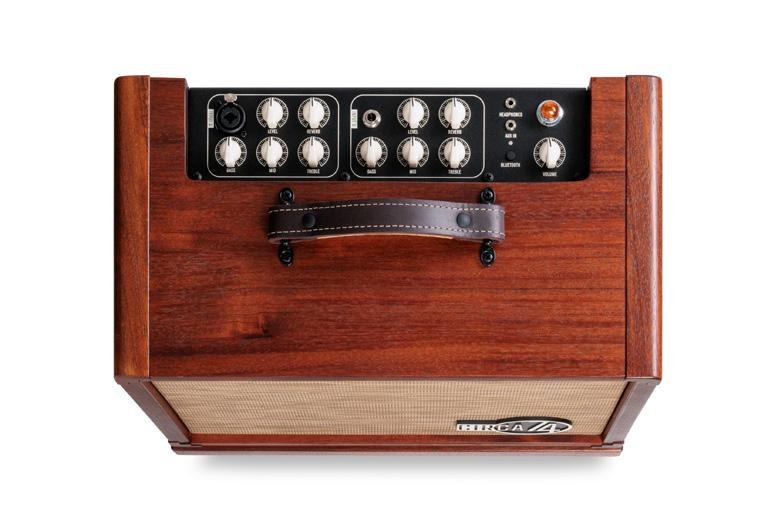
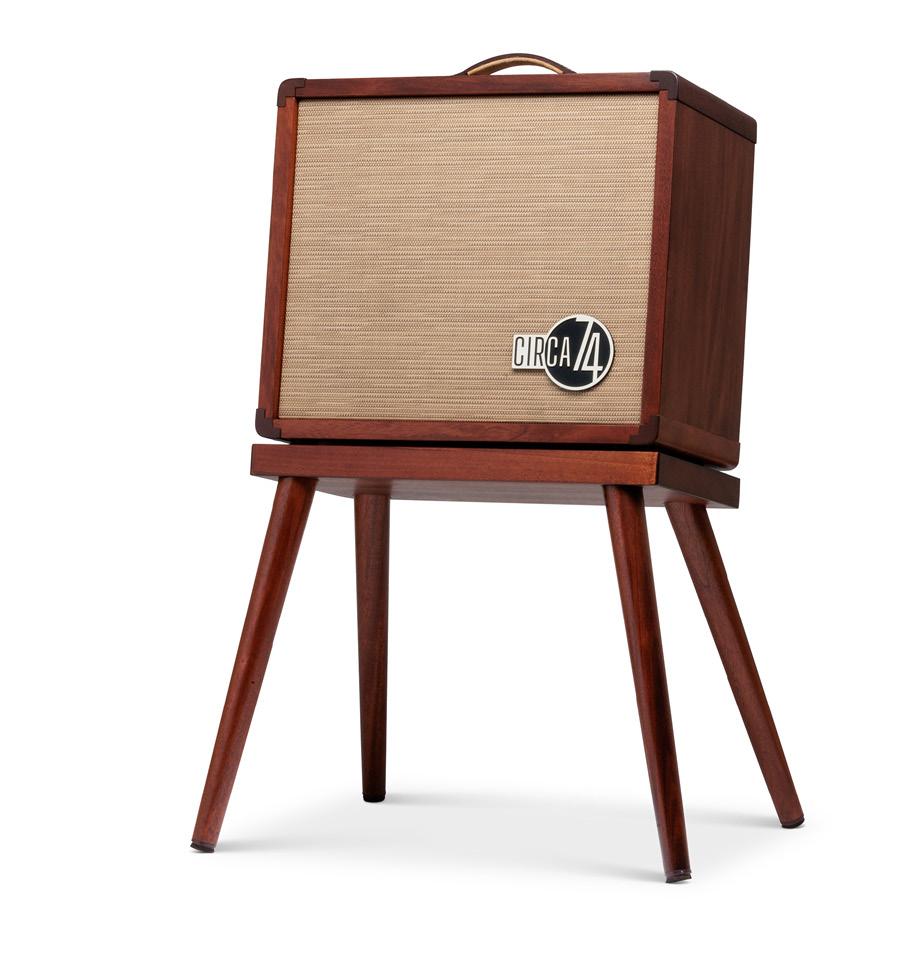
Besides Claria lead design engineer Tyler Robertson, another core member of the R&D team was David Judd, a longtime member of Taylor’s product development team whose extensive involvement in our pickup designs goes back to the original Expression System. (Terry, Glen, Tyler and David were also the nucleus of the design team that developed our Circa 74 acoustic/vocal amplifier, introduced in 2023.)
As the team considered the microphonic sensitivities of the ES2 pickup in certain scenarios, they eventually decided to step back and reevaluate both the pickup and the preamp entirely. They explored alternative piezo pickup options and ultimately returned to an under-saddle placement — this time with a braided piezo transducer that offered enough natural damping to reduce the harsh “quack” often associated with piezos.
“Players consistently gravitated toward that more traditional, familiar under-saddle sound,” Glen says. “But we also saw an opportunity to make practical improvements to the sound with the preamp.”
Members of Taylor’s Claria R&D team Terry Myers (far left), Glen Wolff (second from left) and Trenton Blizzard (second from right), with the Nashville-based band Sixwire at one of Taylor’s early pickup summits in Nashville.
The breakthrough came with the Mid-Contour control. It lets players scoop for airy strumming, or boost mids for warmth and presence — giving them more usable tone with less effort.
“Right away it made a difference,” Tyler says. “It’s why so many acoustic products have a midrange control or a notch filter on them.”
The goal with designing the preamp’s EQ controls was to establish a good baseline amplified sound within which there was a lot of useful tone-shaping capability.
“We locked the bass frequencies in a place where the system isn’t feeding back in most situations,” Tyler says. “Then a person can adjust the bass on whatever they’re plugging into.
“With the EQ controls, we wanted to be able to say to musicians, ‘Here’s your playground. The whole playground is fun. It has a giant sweet spot. You can’t make it sound bad. You’re going to find somewhere in there that best suits your preferences and sounds like an acoustic guitar so you can just focus on playing and not have to think about it.’ There’s enough control in there to cover many different playing styles but not too much or too little of anything.”
The team repeatedly tested and refined Claria in real venues, working with artists, engineers and backline crews. One of the early beta testers was San Diegobased singer-songwriter Gregory Page. Tyler went to see Page perform with an onboard Claria prototype system at the Rady Shell, an open-air venue located on San Diego Bay.
“The guitar sounded great,” Tyler recalls. “Afterward, I asked the sound guys what they had to do to the guitar during soundcheck, and they said it was the simplest thing they had to EQ all day.”
Over the last couple of years, we’ve put versions of Claria in close to 200 guitars out with touring artists, so it’s been road-tested in a wide range of performance environments.
“We refined it to a point where now we get universally positive reactions from players and their sound folks,” Tyler says. “With sound techs, the most consistent comment we hear is ‘This is great — I don’t have to do anything.’ We love hearing that. At a fundamental level, Claria is a no-problem, always-sounds-good system. You’re not going to have to think about your electronics.”
Claria is also incredibly forgiving for beginners — players can plug in without touching a knob and still get a clean, confident sound.
“It’s hard to make Claria sound bad,” says Glen Wolff. “It’s more plug-and-play than any system we’ve used.”
Claria doesn’t replace ES2 entirely. Some players love ES2’s high-fidelity detail and know how to shape it. It’s a different flavor, and both will continue to coexist.
What advice would Glen give a player asking him which Taylor pickup system he recommends?
“Finding the ‘best’ pickup is personal,” he says. “Every player has a different style, different guitars and their own tonal goals. Claria helps level the playing field by adapting well across all those variables. My answer would be simple: Try it. We think you’ll like it.”
The Claria System will be a standard feature on all Next Generation 2026 models starting with the Grand Auditorium body style in the 300, 400 and 800 Series.
What the Pros Are Saying About Claria
We recently checked in with a couple of live sound engineers who’ve been on tour with bands playing Taylor guitars equipped with the Claria System. Their responses were lightly edited for clarity and length.
Lee Kuhn is the front-of-house engineer for country singer Jake Owen and his band. We custominstalled Claria in the Gold Label 517e and 717e guitars they’ve been playing on their latest tour.
What are the challenges you typically face EQ’ing an amplified acoustic guitar sound in a live setting?
Acoustic guitars can be the hardest instruments to get to sound good on a big stage. Typically, I’ll have to make big moves to achieve something useable, which is frustrating because on most other instruments, I can move the mic or change it to get the sound I need. I can’t do that with acoustic guitars on Jake’s tour. The band is running all over the place with their instruments, so the pickup is incredibly important. A lot of times, I find myself EQ’ing the life out of acoustic guitars to control the resonances that inherently come from sticking a pickup or a microphone inside the instrument. Hearing the inside of an acoustic instrument is unnatural, and I strive to reinforce the natural sound of an acoustic guitar in my mixes.
How has the Claria System been working for you and the band?
It’s been great for us. Typically, I can turn a high-pass filter on and call it a day. In the stressful environment of road life with dozens of inputs, a variety of different stages/rooms and PA systems, I strive for ease every single day, and this system makes it so I never have to worry about the multiple acoustic instruments that we have out there at a time.
How would you describe the amplified sound you’re able to get from the guitars in a band mix?
It’s a very natural sound. I’m a recording engineer as well as a FOH engineer, so I prefer to mic acoustic instruments. With the inability to do that on our stage, having a natural-sounding pickup is vital to achieving the sound I’m looking for.
How important is versatility/adaptability based on the characteristics of different performance environments? Does Claria give you enough of what you need to adjust from show to show?
We play every kind of room, from clubs to arenas, theaters and warehouses. So versatility and adaptability are the name of the game on our tour. This system gives me everything I need no matter what room or stage we’re on. The tone control options that these guitars have are incredibly versatile and can be easily changed if I feel that I need something different. If only I could get the band to stop touching them between soundcheck and the show.
leekuhn.com
Instagram: @lee_kuhn_
Sam Smiley is the front-of-house engineer for the rock band Tigers Jaw. The band was out on tour this summer, and we followed up with Sam in the fall, after a string of dates that included Red Rocks Amphitheatre outside Denver, Colorado.
What are the biggest challenges of EQ’ing amplified acoustic guitars for performances?
One of the most crucial and difficult tasks about amplifying an acoustic for a live audience is consolidating two very different sounds:
1. People’s relatively specific idea of what a solo acoustic guitar sounds like, up close, unamplified, from the hands, through the air, to the ears.
2. The sound of a pickup located inside an acoustic that’s on stage being bombarded by all sorts of external sound sources, including its own signal back through wedges.
It’s rarely been easy to get these sounds to match. It is my opinion that for an audience to connect fully to a live performance, they should perceive as few distractions from the mixing and amplification process as possible. Every source on stage should sound like what the audience expects it to sound like, so while it’s important to get acoustic guitars dropping right into the mix, I think it’s doubly important to make sure the acoustic sounds honest and natural.
Has the new pickup/preamp made your life easier?
It definitely has. I’ve never worked with a pickup that has just dropped into my mixes so easily, especially while sounding so natural. It has a certain kind of clarity without being overbearing or unwieldy with the upper mids.
What was it like dialing in the acoustic guitar sound at a venue like Red Rocks?
As easy as it could possibly be. It sounded exactly as it did the day prior, which is great, since that show was in such a drastically different space with a ceiling relatively low to the stage and with speakers vertically level with the band. Usually, a stage with speakers so close to the band would bring a solid chance of low-mids feedback, but we ran the whole tour without a soundhole cover, and I didn’t run into issues with feedback or bleed with this pickup, even on tight stages.
Ben Walsh from the band Tigers Jaw. Photo: Andrew Rowley
New Model Spotlight: The Trey Hensley Gold Label 510e
Trey Hensley Meets His Match
Our first collaborative Gold Label guitar — a deep-bodied square-shoulder Dreadnought powerhouse — perfectly channels the Nashville virtuoso’s signature style.
By Jordan Avnet
The soundtrack of my childhood wasn’t what was climbing the pop charts at the time — it was classic folk, bluegrass and country music. One of my favorite Beatles songs growing up was “I’ve Just Seen a Face.” I loved it because it sounded different from all their other songs. I asked my dad, my music mentor, why he thought it had such a unique vibe, and he told me it was probably because Paul McCartney loved bluegrass. Naturally, I had to find out what this bluegrass thing was all about. Soon, my bedroom speakers were filled with the voices of Tom T. Hall, Willie Nelson, Tony Rice, Merle Haggard, Johnny Cash, Earl Scruggs and Hank Williams. Those songs taught me that great music doesn’t need spectacle — it speaks in plain language and tells you everything you need to know.
That same spirit — honest, unvarnished, rooted in tradition — defines Trey Hensley’s music.
Trey got his first guitar at nine but didn’t immediately take to it. A year later, after seeing Jimmy Martin and Charlie Waller at a bluegrass festival, something clicked. Soon after, he began studying under East Tennessee legend G.C. Matlock, a revered local picker known for his elegant touch and patient mentorship. Under Matlock’s guidance, Trey’s natural feel for rhythm and melody blossomed quickly. Within his first year of serious playing, at age 10, he was already performing on the Grand Ole Opry stage — a moment that stunned even seasoned Nashville audiences.
From there, his musical world expanded fast. He absorbed the flatpicking of Doc Watson, Clarence White and Tony Rice, then explored country, blues and electric guitar, learning entirely by ear. Over the years, Trey recorded and toured with Dobro ace Rob Ickes, collaborated with Taj Mahal, and shared stages with icons such
as Johnny and June Carter Cash, Dolly Parton and Earl Scruggs. His 2015 album Before the Sun Goes Down earned a GRAMMY Award nomination, and more recently, he received Guitar Player of the Year awards twice (2023 and 2025) from the International Bluegrass Music Association and a 2025 GRAMMY for Best Traditional Blues Album with the Taj Mahal Sextet (Swingin’ Live at the Church in Tulsa).
Years of performing, recording and collaborating helped Trey refine not just his technique but also his understanding of what a great guitar can do. He’s played and acquired a lot of acoustics over the years (“I’ve always considered myself a searcher,” he says.) That search for the perfect instrument eventually led him to Taylor.
He’s long been drawn to Taylor dreadnoughts, still holding on to his older rosewood/Sitka spruce 910e and
a limited-edition 510e with Tasmanian blackwood back and sides. His personal relationship with Taylor took root around 2014, when he first met Andy Powers while playing a limited-edition rosewood 510e as his main guitar. The two bonded instantly over guitars, Doc Watson and a shared understanding of what makes a truly great acoustic instrument. Trey later got his hands on one of Andy’s first Grand Pacific prototypes — he still has the second one ever built — and has a Builder’s Edition 717e Grand Pacific that’s seen countless stages and sessions.
Over the years, Trey’s respect for Andy and his designs has deepened. It’s no surprise that Andy’s Gold Label guitars resonated with Trey, especially the Gold Label 517e.
“I had a chance to road-test that 517e for several months,” Trey recalls. “That guitar never left my hands. Everything just clicks — the neck, the nut width, the setup and the tone. It feels effortless, inspiring and comfortable for long sessions.”
The Collaboration
Andy and Trey’s ongoing dialogue eventually led to the idea of a Gold Label signature model.
“The original thought was to go with a variation of a Grand Pacific Gold Label,” Trey says. “As the conversation kept going, we decided the square-shoulder dreadnought shape fits my style and sound more. We wanted to combine that perfect feel and playability with the sound and tone that’s so present in genres like country, folk and bluegrass.”
When Andy sent over a prototype of what would become Trey’s Gold Label 510e, Trey instantly fell in love with the guitar. The deep-body dreadnought incorporates a few subtle design touches tailored to Trey’s playing style, including medium gauge nickel bronze strings and his preferred LR Baggs pickup system.
“It is, in my opinion, the perfect acoustic guitar,” he says. “I knew there were a few tweaks we could make to create something truly perfect for me. That’s why working with Andy was so important. He’s a true innovator — he approaches every guitar as if the best one hasn’t been built yet. Together, we took everything I loved about that Gold Label 517e and refined them to help me find the tone I’ve been searching for my whole life. Andy and the team really nailed it with this one.”
As someone who shares an appreciation for the same musical traditions, Andy was equally excited to collaborate with Trey.
“Trey’s technical ability, dexterity, accuracy and vocabulary on the guitar reflect decades of practice,” Andy says. “But he doesn’t rely on skill alone — he uses it to support the songs he writes and to back up his vocals. He is a consummate musician. When he first started playing a Gold Label 517, it was nearly perfect for him with the mahogany and roasted spruce pairing. Altering the curves into a classic square-shoulder dreadnought built with Gold Label construction proved ideal. From there, we refined the setup with Trey’s favorite pickup, strings and bone bridge pins.”
Andy finally got to hear Trey play the finished version of the Trey Hensley Gold Label 510e when Trey visited the Taylor factory in October 2025. Trey walked the factory floor, met the team, and talked about guitars the way only a lifelong player can. There was no rock-star energy or ego — just genuine appreciation for the craft and deep respect for the people behind it. After jamming with Trey and listening to him take the new model for a spin, Andy beamed. “Hearing him play this guitar is a thrill. I’m stoked with how it turned out.”
During his visit, Trey also joined us for an episode of our new Off the Record podcast (available now on YouTube), where he talked about his lifelong connection with guitars and what makes this one different. He’s played countless instruments over the years — he calls himself “a guitar nerd, through and through” — but this one, he said, feels like home.
“I’ve played a lot of guitars in my life,” Trey told me. “Out of all of them, this one suits me the best. It has the sound I want, the playability I need, and it lets me play exactly what I want to play, whenever I want to play it.”
That’s Trey in a nutshell: humble, thoughtful and entirely focused on sound. No drama, no hype — just a deep respect for music, instruments and the people who make both. He bridges generations, playing with the fire of bluegrass, the heart of country, and the soul of Americana, yet shaping it all into something unmistakably his own. The Trey Hensley Gold Label 510e captures that essence — grounded in tradition, but full of new life.
“ It’s the perfect acoustic guitar—the one I’ve been chasing my whole life.
”
Picking partners: Trey plays his new guitar joined by Andy Powers during Trey’s visit to the factory in October.
Meet the Trey Hensley Gold Label 510e
The Trey Hensley Gold Label 510e represents a new chapter in the Gold Label family. Crafted with back and sides of solid mahogany and a torrefied Sitka spruce top, the body style is a classic square-shoulder dreadnought shape built with extra body depth for extra dynamic range. The result is a sound that’s powerful yet balanced, with that unmistakable mahogany warmth and focus that Trey values so much for its versatility.
“Mahogany has a certain ‘woody-ness’ and snap that other tonewoods maybe don’t have as prominently,” he says. “For a long time, I thought a ‘bluegrass guitar’ needed to be a rosewood guitar, so I leaned towards that. And I do love a good rosewood guitar. But I’ve found that, time after time, I always gravitate towards mahogany. For me, a mahogany guitar will cover more ground with less fuss.”
That sentiment became a guiding philosophy for this model’s design — capturing the organic response and effortless adaptability that suit Trey’s playing style.
Andy’s fanned V-Class bracing — a voicing hallmark of the Gold Label Collection — gives the guitar exceptional sustain and clarity, while Trey’s choice of medium-gauge D’Addario Nickel Bronze strings (.013 - .056) add brightness and body. The long-tenon Action Control Neck improves resonance and allows quick, precise adjustments if needed on tour — a must for Trey’s fast, articulate playing style.
For electronics, Trey chose the LR Baggs Anthem SL system, his go-to setup for live performance. It blends a TRU·MIC condenser mic with an Element under-saddle pickup, giving him a natural stage sound he favors. The endpin preamp incorporates a soundhole-mounted volume control for ease and simplicity.
Visually, Trey’s 510e looks as good as it sounds. The Antique Blond top finish, a unique aesthetic touch, glows with soft golden hues, framed by cream binding and black-and-white purfling. Crest inlays on the fretboard add a subtle touch of character, a double-layer pickguard brings vintage charm, and the Curve Wing bridge is crafted from Honduran rosewood, incorporating bone pins. Each guitar ships in a British Cocoa hardshell case.
It’s a Taylor guitar through and through — refined, versatile and ready to work — yet it carries the earthy, oldsoul character the Gold Label Collection embodies and Trey’s music demands.
To celebrate the release, the first 100 guitars will be offered as Special Edition models that include a certificate of authenticity signed by Trey.
The 2026 Taylor Guitar Guide
More voices. More choices. Find the guitar that fits you best.
Choosing a guitar is more than a purchase — it’s a sensory encounter with sound and craft. The feel of the neck, the responsiveness under your fingers, the character of the wood, and the nuance of tone all shape that moment when a guitar becomes unmistakably yours.
This year’s Taylor lineup presents a broader canvas of expression than ever: the forward-thinking clarity of our Next Generation Grand Auditoriums, the heritagerich presence of Gold Label dreadnoughts, beloved companions like the GS Mini, and distinctive voices from nylon-string models to custom builds.
In the pages ahead, we’ll help you navigate shapes, tonewoods, collections and series to discover the guitar that truly speaks to you. When you’re ready, visit a Taylor dealer and play. You’ll recognize the right one not simply by how it sounds, but by how naturally it becomes part of your musical life.
The Taylor Line at a Glance
An overview of our guitars, organized by collections and series
Our acoustic lineup features a more diverse range of guitars than ever before. We’ve organized them into five distinctive collections: Standard, Builder’s Edition, Gold Label, Legacy and SOMOS. Each collection has its own musical identity and design language, yet they all fit naturally within Taylor’s acoustic ecosystem, unified by our mission to use innovative design to enhance the playing experience.
Collections Categories: Modern, Traditional and Specialty
To make our lineup easier to navigate, our collections are grouped into two primary acoustic families — Modern and Traditional — along with a dedicated Specialty category.
Modern Collections: Standard and Builder’s Edition
These guitars embody the latest evolution of Taylor’s signature clear, balanced sound, paired with contemporary features like cutaway bodies. This forward-looking approach is showcased in our Next Generation models, which feature our Action Control Neck, scalloped V-Class bracing and onboard Claria System electronics.
Standard Collection
Our most expansive group of guitars features Taylor’s core models, organized by series ranging from Baby through Presentation Series. (See our series framework on this page.) Together, these models span a wide range of tonewood pairings and appointment packages, forming the backbone of the Taylor line.
Builder’s Edition Collection
These guitars combine high-fidelity tone with supreme playing comfort. This is showcased in a range of ergonomic features including beveled armrests, rolled edges and other contouring touches, showcasing our highest levels of woodworking craftsmanship and inviting expressive performance.
Traditional Collections: Gold Label and Legacy
These guitars are informed by heritage aesthetics and older tonal traditions, paired with Taylor’s latest neck design technology for optimized playability.
Gold Label Collection
This collection reveals a dramatically different flavor of Taylor acoustic tone — rooted in traditional sounds that predate Taylor’s own history. These guitars are uniquely voiced with our fanned V-Class bracing, which elicits greater sonic warmth, depth and power. The distinctions are reflected in an older, vintage era-inspired visual aesthetic, including a different headstock design.
Specialty Collection: SOMOS
This unique family of Latin-inspired instruments celebrates the cross-border cultural heritage of Taylor’s Southern California region. The collection features a 10-string bajo quinto and unison-strung 12-string guitar (doce doble), offered in several model variants.
Legacy Collection
Originally launched to celebrate Taylor’s 50th anniversary, these guitars revisit some of Bob Taylor’s classic models from decades past and are voiced with versions of his X bracing. They largely retain their original aesthetic, but select features, such as Bob’s more modern neck design, have been incorporated to refine the overall playing experience.
The Standard Collection by Series
Within the Standard Collection, our series framework ranges from all-solid-wood models (300 Series to Presentation Series) to layered-wood models (200 Series and below), offering a variety of tonewood pairings, aesthetics and price points. For more on each series, see the rest of our product guide.
All-Solid-Wood Guitars:
Presentation through 300 Series
Guitars built with solid-wood backs, sides and tops yield rich, complex tone that will continue to improve as the wood matures with time and play.
Presentation Series
Back & Sides: Honduran Rosewood or Red Ironbark
Top: Sinker Redwood or Adirondack Spruce
Koa Series
Back & Sides: Figured Hawaiian Koa
Top: Figured Hawaiian Koa
800 Series
Back & Sides: Indian Rosewood
Top: Sitka Spruce
700 Series
Back & Sides: Indian Rosewood
Top: Western Red Cedar
600 Series
Back & Sides: Figured Big Leaf Maple
Top: Torrefied Sitka Spruce
500 Series
Back & Sides: Red Ironbark or Mahogany
Top: Torrefied Sitka Spruce or Western Red Cedar
400 Series
Back & Sides: Indian Rosewood
Top: Sitka Spruce
300 Series
Back & Sides: Sapele
Top: Sitka Spruce or Mahogany
Layered-Wood Guitars:
200 Series and Below
Acoustic guitars crafted with layered-wood backs and sides paired with solid spruce tops allow us to offer bold tone at a more affordable price.
200 Series (Standard | Plus | Deluxe)
Back & Sides: Layered Walnut, Koa, Rosewood or Maple
Top: Torrefied Sitka Spruce or Hawaiian Koa
100 Series
Back & Sides: Layered Sapele
Top: Torrefied Sitka Spruce
Academy Series
Back & Sides: Layered Walnut
Top: Torrefied Spruce or Walnut
GS Mini Series
Back & Sides: Layered Hawaiian Koa, Rosewood or Sapele
Top: Hawaiian Koa, Mahogany or Torrefied Spruce
Baby Series
Back & Sides: Layered Walnut, Sapele or Hawaiian Koa
Top: Torrefied Spruce, Mahogany or Hawaiian Koa
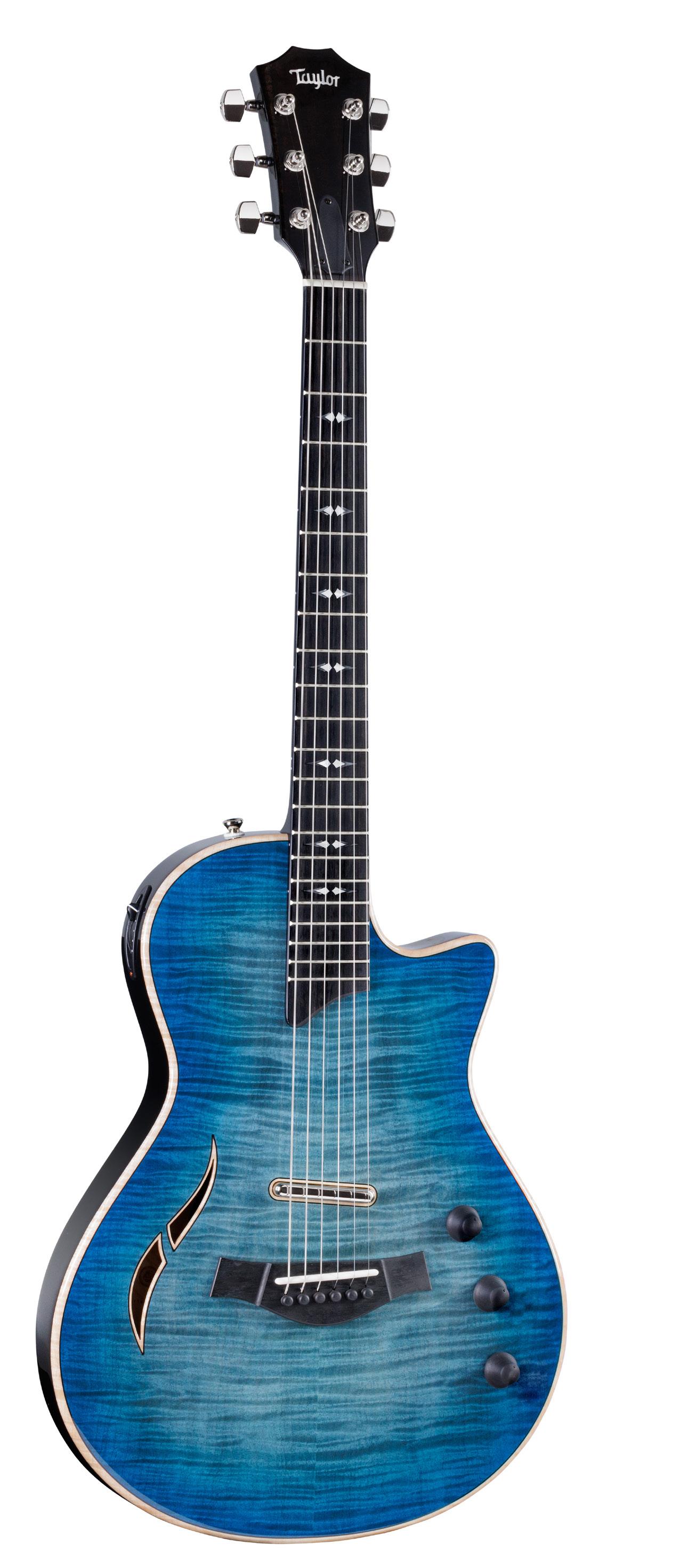
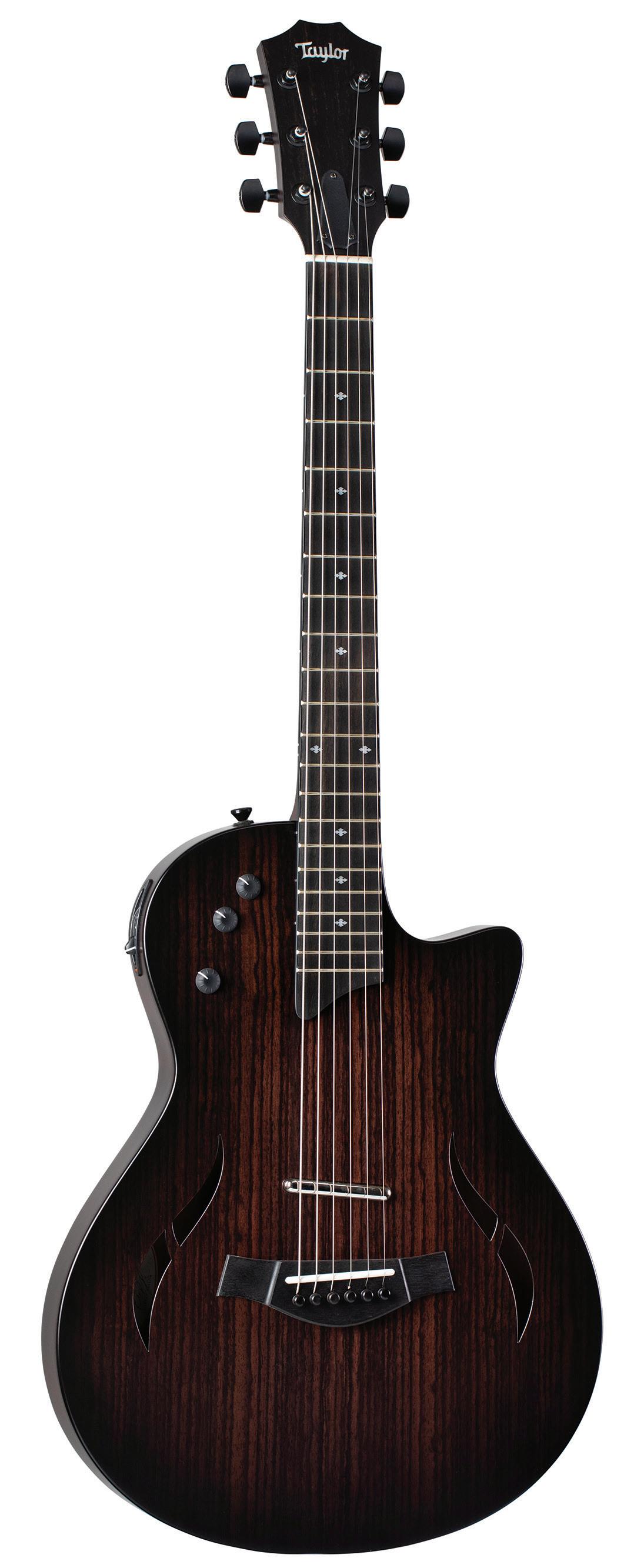
Electric-Acoustic T5z Series
Outfitted with two humbuckers, an acoustic body sensor and innovative five-way pickup selection, our thinline hollowbody electric-acoustic hybrid delivers a remarkably broad range of tones with quick five-way switching.
Body: Shamel Ash or Sapele
Top: Figured Hawaiian Koa, Figured Big Leaf Maple, Mahogany or Rosewood
Custom Guitars
Our Custom program offers a wide array of premiumgrade tonewoods, unique appointments and other features. View a sampling of our latest configurations at customs.taylorguitars.com.
A Guide to Taylor Acoustic Model Numbers
Our acoustic model numbering system is based on the series framework of our Standard Collection. This includes the numerical 100 through 900 Series, along with our Baby, GS Mini, Academy, Koa (K) and Presentation (PS) Series. Here’s how our model numbering system works:
814ce
814ce
814ce
The first digit (or letter) identifies the series (e.g., 800 Series). Each series is distinguished by the type of back and side woods and other material/aesthetic appointments used, such as inlays and binding.
The second digit designates two things: first, whether the guitar strings are arranged as a single-course or double-course (featuring paired sets like on a 12-string guitar); and second, whether the top features a softwood like spruce or cedar or a hardwood like mahogany or koa.
Single-Course:
• If the middle digit is 1, it is a single-course, softwood top (e.g., 314ce)
• If the middle digit is 2, it is a single-course, hardwood top (e.g., 324ce)
Double-Course:
• If the middle digit is 5, it is a double-course, softwood top (e.g., 352ce)
• If the middle digit is 6, it is a double-course, hardwood top (e.g., 362ce)
81
4 ce 814 c e 814c e
The third digit identifies the body shape according to this numbering system:
0 = Dreadnought (e.g., 210ce)
2 = Grand Concert (e.g., 712ce)
4 = Grand Auditorium (e.g., 414ce) or Super Auditorium (Gold Label Collection; e.g., Gold Label 814e)
5 = Jumbo (e.g., Legacy 815e)
7 = Grand Pacific (e.g., Gold Label 517e)
“c” indicates a model with a cutaway in the body
“e” indicates a model with onboard electronics
Other Model Name Indicators
Some model numbers are preceded by the collection they sit within: (e.g., Builder’s Edition 814ce, Gold Label 814e, Legacy 810e)
Nylon-string models (e.g., 812ce-N)
Alternative back/side woods within a series (e.g., 214ce-K = koa)
Color treatments (Gold Label 517e SB = Sunburst)
Finding Your Fit: Body Shapes, Tonewoods and You
Understanding how fundamental elements of acoustic guitar design shape your sound makes it easier to find the right Taylor model for you.
For many players, the search for the right guitar becomes a rewarding, lifelong exploration — trying new models, swapping gear, and hunting for that perfect mix of feel, sound and style. Whether you’re after one do-everything instrument or building a small stable to expand your musical palette, a little foundational knowledge goes a long way when you step into a guitar shop. To keep things simple, think of an acoustic guitar in three main parts: body shape, tonewoods, and the secret ingredient: you
Tone Is in Your Hands
Every guitarist’s touch is unique, and the way you play has a huge impact on tone. A pick generally adds brightness and punch, while fingerstyle playing brings a warmer, softer response. Pick material and thickness also shape the sound in subtle ways. Your playing attack matters too. Players with a heavy hand often benefit from larger guitars that can handle more energy without being overdriven, while a lighter touch tends to shine on smaller, more responsive bodies.
Body Shape Basics
A guitar’s body shape influences its core voice — which frequencies are most prominent, how much volume it produces, how long notes sustain, and how the sound projects in a room. It helps to think of body shapes on a spectrum from small to large. Smaller guitars generally sound more articulate and sensitive to nuance. Larger bodies offer more volume, warmth and lowend presence. Mid-size shapes provide the most versatility, balancing projection with clarity. Ultimately, comfort is king. A guitar that feels natural in your hands will usually sound best, because you’ll play more fluidly and confidently. And if you love the feel of a certain body shape but want a different tonal flavor, tonewoods can help tailor the voice.
Grand Concert (GC)
(Models end in a 2; e.g., 812)
Body Length: 19-1/2”
Width at Waist: 8-3/4”
Width at Lower Bout: 15”
Depth from Soundhole:
4-3/8”
String Scale Length: 24-7/8”
A compact shape with an intimate feel and clear, articulate response. Available as both a 14-fret (hi-fi, vibrant) and 12-fret (slinky, warm) variant.
• Bell-like trebles and controlled overtones
• Ideal for fingerstyle
• Comfortable, narrow-waist design
• Highly touch-sensitive
Grand Auditorium (GA) (Models end in a 4; e.g., 814ce)
Body Length: 20”
Width at Waist: 9-5/8”
Width at Lower Bout: 16”
Depth from Soundhole: 4-5/8”
String Scale Length: 25-1/2”
Our flagship shape, known for its versatility, sonic balance and comfort. A go-to tool for recording, performance and songwriting.
• Clear, balanced voice with appealing midrange
• Medium size suits most players
• Handles strumming, flatpicking and fingerstyle with ease
Grand Pacific (GP) (Models end in a 7; e.g., 517e)
Body Length: 20”
Width at Waist: 10-5/8”
Width at Lower Bout: 16”
Depth from Soundhole:
4-5/8” or 5" (Gold Label)
String Scale Length: 25-1/2”
A round-shoulder dreadnought with a warm, seasoned sound — robust in the low end yet remarkably clear. New Gold Label variants add depth for even more openness and warmth.
• Warm, blended voice with seamless note overlap
• Clear, controlled low end
• Reliable across playing styles
Dreadnought (DN) (Models end in a 0; e.g.,Gold Label 810e)
Body Length: 20”
Width at Waist: 11”
Width at Lower Bout: 16”
Depth from Soundhole:
4-5/8” or 5" (Gold Label)
String Scale Length: 25-1/2”
Our take on the traditional body now includes a deeper squareshoulder Dread in our Gold Label Collection. Our standard X-braced Dread shape is offered with the Legacy 810e and in the Academy, 100 and 200 Series.
• High volume ceiling for aggressive strummers
• Bold midrange with warm lows and clear highs
• Wider waist sits higher in your lap
• Natural fit for Americana styles
Super Auditorium (Models end in a 4; e.g., Gold Label 814e)
Body Length: 20-3/16”
Width at Waist: 9-5/8”
Width at Lower Bout: 16-1/4”
Depth from Soundhole: 4-1/2”
String Scale Length: 25-1/2”
A Gold Label exclusive that evolves the Grand Auditorium with a heritage-inspired voice. Slightly longer and wider, with fanned V-Class bracing for greater warmth, resonance and dynamic range.
• Warm, powerful throwback character
• Round, woody trebles
• Comfortable medium frame
• Non-cutaway only
Jumbo (Models end in a 5; e.g., Legacy 815e)
Body Length: 21”
Width at Waist: 9-7/8”
Width at Lower Bout: 17”
Depth from Soundhole: 4-5/8”
String Scale Length: 25-1/2”
Our largest shape — dramatic curves and room-filling sound. Found exclusively in the X-braced Legacy Collection in both six- and 12-string versions.
• Exceptional volume and projection
• Balanced response from tapered waist
• Rich, expressive tone
• Ideal for bold playing styles
Travel-Size Shapes
GS Mini
Body Length: 17-⅝” | String Scale Length: 23-½”
A scaled-down Grand Symphony with outsized tone and comfort. One of the world’s best-selling acoustics thanks to portability and punch.
Baby Taylor
Body Length: 15-¾” | String Scale Length: 22-¾”
A ¾-scale Dreadnought that delivers real acoustic tone in a kid-sized frame — perfect for travel or first-time players.
Big Baby Taylor
Body Length: 19-½” | String Scale Length: 25-½”
A 15/16-scale Dreadnought with a slightly shallower body for comfort and clear, full tone. Great for players balancing portability, affordability and sound.
Tonewoods 101
If body shape provides the guitar’s architecture, tonewoods add unique sonic flavors. The top, back and sides each contribute to the voice, with the top wood (soundboard) having the greatest influence because it vibrates most actively. Back and side woods act like EQ shaping — each with its own tonal fingerprint.
All Taylor guitars feature a solid-wood top, and guitars from the 300 Series and up use solid back and side woods.
Layered-wood construction (a core with two outer veneers) allows us to use resources responsibly while offering great tone at more accessible price points.
Four Tonewood Traits to Listen For
• Frequency Range: The wood’s EQ curve — how much it emphasizes bass, mids and trebles.
• Overtone Content: A spectrum from rich and blooming (e.g., rosewood) to fundamental-focused and dry or woody (e.g., mahogany).
• Reflectivity: Whether the wood asserts its own character (e.g., rosewood) or reflects the player (e.g., maple).
• Touch Sensitivity: How readily the wood responds to the player’s touch.
Back and Side Woods
Indian Rosewood
900, 800, 700, 400 Series
• Warm lows, sparkling trebles
• Rich overtones and sustain
• Slightly scooped mids leave room for vocals
Hawaiian Koa
Koa Series
• Vibrant mids with extra top-end shimmer
• Beautiful, highly figured grain
• Sweetens and warms as it ages
Big Leaf Maple
600 Series
• Highly player-reflective, transparent sound
• Clear trebles with added warmth from V-Class bracing
• Striking visual character
Mahogany
500, 300 Series
• Dry, woody voice with pronounced mids
• Focused fundamentals with controlled overtones
• Natural compression smooths aggressive attack
Sapele
300 Series
• Mahogany-like focus with slightly brighter trebles
• Balanced across the frequency spectrum
• Blends well with vocals
Red Ironbark
Presentation, 500 Series
• Responsibly sourced via our urban wood program
• Sweet yet powerful voice
• Broad dynamic range and versatility
Shamel Ash
500 Series, T5z
• Also sourced through our urban wood initiative
• Woody, dry profile akin to mahogany
• Controlled overtones with natural compression
Honduran Rosewood
Presentation, 900, 800 Series
• Dense, beautiful hardwood with rich overtones
• Warm lows, singing trebles
• Like Indian rosewood with even more harmonic content
Top Woods
Sitka Spruce
Found throughout the Taylor line
• Bold mids, crisp trebles, throaty lows
• Wide dynamic range
• Versatile across genres
Torrefied Spruce
Found throughout the Taylor line
• Roasted for added warmth and sweetness
• Subtle vintage character
• More openness than standard spruce
Adirondack Spruce
Presentation, 900, 800 Series
• Highly dynamic with strong headroom
• Handles aggressive attack gracefully
• Sweet mids with excellent projection
Hawaiian Koa
Koa, 200, GS Mini, Jacob Collier Sig. Model, Baby Series
• Natural compression and smooth “roll-in” attack
• Balanced volume
• Focused mids with sparkling highs
Mahogany
500, 300, GS Mini, Baby Series
• Natural compression
• Warm mids with controlled overtones
• Dry, woody character ideal for Americana
Western Red Cedar
714ce, 514ce, Jason Mraz Signature Model
• Warm, “played-in” tone from day one
• Rounded attack and complex mids
• Extremely touch-sensitive
Sinker Redwood
Presentation, 900, 800 Series
• Sourced from submerged river logs
• Cedar-like warmth with more power
• Touch sensitivity with wide dynamic response
Walnut
Academy Series
• Gentle compression
• Airy, open mids
• Focused, controlled overtones
Under the Hood: Bracing
Inside every acoustic guitar is a bracing architecture that balances structural support with musical expression. Bracing is one of a guitar designer’s most influential tools for shaping tone, sustain and responsiveness.
Taylor’s proprietary patterns include:
• V-Class Bracing – Patented in 2018; boosts volume, sustain and pitch accuracy. Forms the foundation for many Standard and Builder’s Edition models.
• Fanned V-Class – Used in Gold Label guitars; adds warmth, depth and openness.
• Scalloped V-Class – Used in Next-Gen guitars: allows more top movement for warmer lows and rich open-string response.
• C-Class Bracing – A V-Class-inspired variant that voices many layered-wood models.
• X-Bracing – Traditional pattern featured in Legacy Collection designs.
• Nylon-String Bracing – Balances classical warmth with the clarity needed for contemporary nylon tone.
Indian Rosewood Hawaiian Koa Big Leaf Maple Mahogany Sapele Red Ironbark Shamel Ash Honduran Rosewood
Sitka Spruce Torrefied Spruce Adirondack Spruce Hawaiian Koa Mahogany Western Red Cedar Sinker Redwood Walnut
GOLD LABEL COLLECTION
Launched in 2025 and celebrated for its warmer, deeper, more open sound, the Gold Label Collection introduced an entirely new “heritage-inspired” voice within the Taylor lineup. This year, the collection grows again, offering even more ways to explore that vintage-leaning character that has redefined expectations of the “Taylor sound.”
Joining last year’s Super Auditorium and Grand Pacific shapes this year are beautifully appointed new models at our 900 Series level, along with several new square-shoulder Dreadnoughts, designed with increased body depth for enhanced power and low-end presence. All Gold Label models feature fanned V-Class bracing, coaxing out greater warmth, sustain, volume and pitch accuracy. Our long-tenon Action Control Neck amplifies resonance and responsiveness while giving players precise control over setup. Premium woods — including Honduran and Indian rosewood, koa and mahogany — round out the palette of expressive voices.
Available Models
Gold Label K14e
Gold Label K14e SB
Gold Label 917e
Gold Label 917e SB
Gold Label 914e
Gold Label 914e SB
Gold Label 817e
Gold Label 817e SB
Gold Label 814e
Gold Label 814e SB
Gold Label 810e
Gold Label 717e
Gold Label 717e SB (Firestripe Pickguard)
Gold Label 717e SB (Cream Pickguard)
Gold Label 717e Blacktop (Cream Pickguard)
Gold Label 714e
Gold Label 714e SB (Firestripe Pickguard)
Gold Label 714e SB (Cream Pickguard)
Gold Label 714e Blacktop (Cream Pickguard)
Gold Label 710e
Gold Label 517e
Gold Label 517e SB (Firestripe Pickguard)
Gold Label 517e SB (Cream Pickguard)
Gold Label 517e Blacktop (Cream Pickguard)
Gold Label 514e
Gold Label 514e SB (Firestripe Pickguard)
Gold Label 514e SB (Cream Pickguard)
Gold Label 514e Blacktop (Cream Pickguard)
Trey Hensley Gold Label 510e
Gold Label 510e
Gold Label
817e SB
Gold Label 714e Blacktop
Gold Label 914e SB
Gold Label 810e
Gold Label 717e SB
Gold Label 914e
Firestripe pickguard on the Gold Label 510e
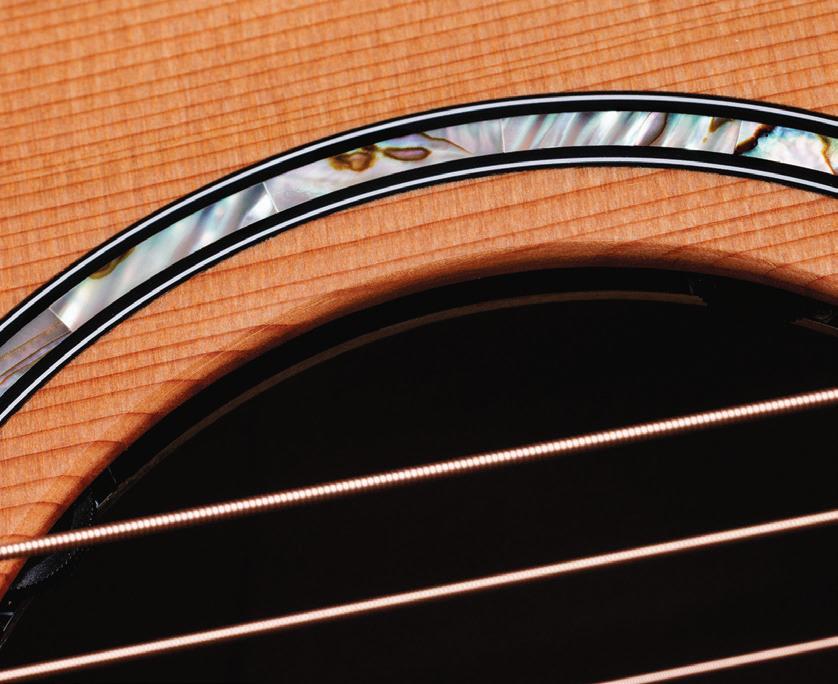
Rosette on the Gold Label 914e SB
BUILDER’S EDITION COLLECTION
BUILDER’S EDITION COLLECTION
Crafted at the intersection of unmatched comfort and bold, expressive sound, the Builder’s Edition Collection continues to serve as the proving ground for our latest innovations. This year’s lineup expands the series’ player-friendly ethos with fresh models and meaningful enhancements, uniting thoughtful ergonomic refinements with sonic upgrades that push these guitars to new heights.
The Builder’s Edition philosophy is rooted in removing barriers between player and instrument. Every guitar features a beveled armrest, a contoured cutaway that offers a natural anchor for your fretting hand, chamfered edges, and our smooth Curve Wing bridge — details designed to make the guitar feel like an extension of you.
This year’s instruments benefit from three next-generation advancements: scalloped V-Class bracing for added warmth and depth; our long-tenon Action Control Neck for improved tonal transfer and unmatched micro-adjustability; and our new Claria System electronics, offering intuitive control and exceptional amplified fidelity.
The expanded Builder’s Edition family includes new interpretations of Grand Auditorium favorites — from the sapele/mahogany 324ce to the Shamel ash/mahogany 524ce — culminating in the complex harmonic character of the Builder’s Edition 814ce, offered with Indian or Honduran rosewood and topped with Adirondack spruce or sinker redwood.
Available Models
Builder’s Edition 324ce (Sapele/Mahogany)
Builder’s Edition 514ce (Shamel Ash/Sitka Spruce)
Builder’s Edition 514ce Kona Burst (Shamel Ash/Sitka Spruce)
Builder's Edition 914ce Honduran Rosewood with Sinker Redwood top
Builder's Edition K24ce
Builder's Edition 514ce Kona Burst
Builder's Edition 324ce
Top detail on Builder's Edition K24ce
Fretboard Inlay on Builder's Edition 514ce
LEGACY COLLECTION
Curated by Bob Taylor himself, the Legacy Collection revisits some of Bob’s most beloved designs with modern precision and playability. Each model preserves the essential sound and personality of its predecessor while incorporating refinements from Bob’s decades of innovation. All Legacy guitars feature a version of his classic X-bracing, his clean, straightforward aesthetic, and his patented Taylor (NT) Neck.
Choose from three body shapes — Grand Auditorium, Jumbo (in 6- and 12-string versions) and Dreadnought. New for 2026, the figured maple/spruce Legacy Doyle Dykes Signature Model revives one of the standout offerings from the 2000s, pairing a thin-body Grand Auditorium with a slim-carve neck for an ultraresponsive fingerstyle experience.
Available Models
Legacy 914ce (Indian Rosewood/Englemann Spruce)
Legacy 810e (Indian Rosewood/Sitka Spruce)
Legacy 815e (Indian Rosewood/Sitka Spruce)
Legacy 855e (Indian Rosewood/Sitka Spruce)
Legacy Doyle Dykes Signature Model (Figured Big Leaf Maple/Sitka Spruce)
SOMOS ® COLLECTION
657ce Doce Doble, 657ce Bajo Quinto
Reflecting Taylor’s cross-border identity and the cultural richness of Southern California, the SOMOS Collection celebrates Latininspired musical traditions with two distinctive double-course instruments. “Somos” — “we are” — speaks to the unity and shared expression at the heart of our company and community.
The Doce Doble is our take on a unison-strung 12-string guitar known for its chiming, harmonic shimmer. The 10-string Bajo Quinto pairs five double courses tuned A-D-G-C-F, producing a bold, rhythmic texture shaped by lower-octave pairings and upper unisons.
Flagship SOMOS models — the 657ce Bajo Quinto and 657ce Doce Doble — feature solid Big Leaf maple and Sitka spruce in a Grand Pacific body with a striking black finish and V-Class bracing. Both instruments are also offered in our 100, 200 Plus and 200 Deluxe Series with unique visual treatments. Layeredwood versions adopt a cutaway dreadnought body with C-Class bracing.
Available Models
657ce Bajo Quinto
657ce Doce Doble
260ce-K DLX Bajo Quinto
260ce-K DLX Doce Doble
250ce Plus BLK Bajo Quinto
250ce Plus BLK Doce Doble
150ce Bajo Quinto
150ce Doce Doble
260ce K DLX Bajo Quinto
250ce Plus BLK Doce Doble
PRESENTATION SERIES
The Presentation Series represents the pinnacle of Taylor craftsmanship — heirloom-quality guitars that showcase the finest tonewoods, meticulous detail and an ultra-refined musical response. This year’s models pair Honduran rosewood with sinker redwood tops for a luxurious sonic profile marked by highfidelity trebles, rumbling lows and rich harmonic sophistication. Two Grand Concert models offer intimate, responsive playability in 14- and 12-fret configurations, while a Grand Auditorium option introduces beautifully figured red ironbark.
Six-string Grand Auditorium models are upgraded to include new scalloped V-Class bracing, the Action Control Neck and Claria System electronics, while the 12-string PS54ce features the new neck and pickup with standard V-Class. A radius-style armrest, Gotoh 510 tuners and vibrant shell appointments complete this stunning expression of Taylor artistry.
Specifications
Back/Sides: Honduran Rosewood or Red Ironbark
Top: Sinker Redwood
Finish: Gloss with Shaded Edgeburst Back & Sides
Rosette: Single-Ring Shell with Black/White Trim
Fretboard Inlay: Shell/Mother-of-Pearl California Vine
Body Edge Treatment: West African Ebony Binding
Case: Taylor Deluxe Hardshell Case, Brown
Available Models
PS12ce
PS12ce 12-Fret
PS14ce
PS14ce Red Ironbark/Sinker Redwood
PS54ce
PS14ce
KOA SERIES
With its natural beauty and sparkling musical character, Hawaiian koa has long captivated players. The Koa Series puts this expressive tonewood front and center, offering models crafted entirely from solid figured koa that develop a sweeter, warmer voice the more they’re played.
This year, the Grand Auditorium K24ce and its Select-grade Special Edition companion receive upgrades including scalloped V-Class bracing, the Action Control Neck and Claria
System electronics. Two Grand Concert models deliver koa’s characteristic shimmer in a more compact, touch-sensitive package ideal for fingerstyle playing. Maple Spring Vine inlays, a matching rosette and a shaded edgeburst finish underscore the series’ island-inspired aesthetic.
Specifications
Back/Sides: Figured Hawaiian Koa
Top: Figured Hawaiian Koa
Finish: Gloss with Shaded Edgeburst
Rosette: Single-Ring Maple with Black/Koa Trim
Fretboard Inlay: Maple Spring Vine
Body Edge Treatment: Maple Binding
Case: Taylor Deluxe Hardshell Case, Brown
Available Models
K22ce
K22ce 12-Fret
K24ce
K24ce Special Edition
K24ce
800 SERIES
Nothing embodies the Taylor sound quite like the rosewood/ spruce 800 Series. Celebrated for its versatility and lush, complex tone, the updated lineup brings enhanced depth and responsiveness to Grand Auditorium models thanks to Next-Gen features that include scalloped V-Class bracing, the Action Control Neck and Claria System electronics.
The flagship 814ce leads the charge, joined by a 12-string Grand Auditorium and two Grand Concert models — including a 12-fret version with extra midrange presence. Across all models, Indian rosewood and Sitka spruce deliver shimmering trebles, warm bass response and blooming overtones. A radius-style armrest and elegant wood-and-shell appointments complete the inviting 800 Series experience.
Specifications
Back/Sides: Indian Rosewood
Top: Sitka Spruce
Finish: Gloss
Rosette: Single-Ring Abalone with Rosewood/ Maple/Black Trim
Fretboard Inlay: Mother-of-Pearl Element
Body Edge Treatment: Maple Binding Case: Taylor Deluxe Hardshell Case, Brown
Available Models
812ce
812ce 12-Fret
814ce
854ce
814ce
700 SERIES
The 700 Series returns to a classic wood pairing this year with Indian rosewood and Western red cedar, a combination prized for its warmth, sensitivity and sparkling overtones. Cedar’s touchresponsive character pairs beautifully with rosewood’s clarity and harmonic richness, making the series ideal for fingerstylists and versatile players alike. The new 714ce Grand Auditorium debuts with scalloped V-Class bracing, the Action Control Neck and Claria System electronics, with additional models to follow. Striking accents — green abalone inlays and gold tuners — complement cedar’s dusky aesthetic.
Specifications
Back/Sides: Indian Rosewood
Top: Western Red Cedar
Finish: Gloss
Rosette: Single-Ring Abalone with Black/White Trim
Fretboard Inlay: Abalone Reflections
Body Edge Treatment: White Binding with Black/White Edge Trim Case: Taylor Deluxe Hardshell Case, Brown
Available Models
714ce
600 SERIES
Long valued for its expressive, player-reflective character, maple continues to evolve in the Taylor lineup. The 600 Series refines that voice with torrefied spruce tops for added sweetness and warmth, with scalloped V-Class bracing on the Grand Auditorium 614ce to enhance resonance and depth. The 614ce now also incorporates the ultra-adjustable Action Control Neck and Claria System electronics to create an exceptional stage-ready tool.
Specifications
Back/Sides: Figured Big Leaf Maple
Top: Torrefied Sitka Spruce
Finish: Gloss
Case: Deluxe Hardshell Case, Brown
Note: Additional aesthetic details were being finalized as of our print deadline. Visit taylorguitars.com for complete specifications.
Available Models
612ce
714ce
500 SERIES
The 500 Series offers two compelling tonal directions. Our Grand Concert models — in both 6- and 12-string versions — feature red ironbark back and sides paired with torrefied spruce for a muscular yet sweet response with remarkable fidelity across the spectrum. New this year is the return of a classic pairing: mahogany and Western red cedar, introduced in the nextgeneration Grand Auditorium 514ce.
The cedar/mahogany combination yields an expressive, ultraresponsive voice with warm lows and a focused midrange, complemented by scalloped V-Class bracing, the Action Control Neck and Claria electronics.
Specifications
Back/Sides: Red Ironbark or Mahogany
Top: Torrefied Sitka Spruce or Western Red Cedar
Finish: Gloss
Rosette: Single-Ring Abalone with White/Black Trim
Fretboard Inlay: Italian Acrylic Aerial or Meridian
Body Edge Treatment: Faux Tortoiseshell or White Binding
Case: Taylor Deluxe Hardshell Case, Brown
Available Models
512ce
514ce
552ce
514ce
400 SERIES
Pro-level tone, exceptional versatility and reliable performance define the 400 Series. Crafted from solid Indian rosewood and Sitka spruce, these guitars handle everything from recording and songwriting to live performance with ease. A sparkling top end, rumbling bass and lush overtones deliver a well-rounded, inspiring voice.
The updated Next-Gen 414ce showcases scalloped V-Class bracing, the long-tenon Action Control Neck and Claria System electronics, plus a refined visual package with Weathervane inlays and black binding. Studio models offer a more accessible option with torrefied spruce tops, a slightly narrower neck and a sunburst finish option.
Specifications
Back/Sides: Indian Rosewood
Top: Sitka Spruce (Standard) or Torrefied Sitka Spruce (Studio)
Finish: Gloss
Rosette: Single-Ring White (Standard) or 3-Ring Black (Studio)
Fretboard Inlay: Italian Acrylic Weathervane (Standard) or 4mm Dots (Studio)
Body Edge Treatment: Black Binding (Standard) or Chamfered Edges (Studio)
Case: Taylor Deluxe Hardshell Case (Standard) or Structured Gig Bag (Studio)
Available Models
414ce
300 SERIES
As our most accessible all-solid-wood family, the 300 Series balances rich, expressive tone with everyday workhorse durability. The popular Grand Auditorium 314ce and 324ce headline the series with sapele back and sides paired with your choice of a lively spruce top or a warmer, more focused mahogany top. Both showcase enhancements in sound and feel with scalloped V-Class bracing, the Action Control Neck and Claria System electronics.
Additional options include compact Grand Concert models, two nylon-string instruments and two attractively priced Studio editions that bring chamfered edges and full-gloss finish to the series. Whatever route you choose, you’re sure to find exciting new musical paths to explore.
Specifications
Back/Sides: Sapele
Top: Sitka Spruce, Mahogany or Torrefied Sitka Spruce (Studio)
Rosette: Single-Ring White or Three-Ring Black (Studio)
Fretboard Inlay: Italian Acrylic Gemstone, Italian Acrylic Weathervane or 4mm Dots (Studio)
Body Edge Treatment: Black Binding (Standard) or Chamfered Edges (Studio)
Case: Taylor Deluxe Hardshell Case (Standard) or Structured Gig Bag (Studio)
Available Models
312ce 12-Fret
314ce Studio (Natural)
314ce Studio (Shaded Edgeburst)
314ce
322ce
324ce
312ce-N
314ce-N
314ce
200 SERIES STANDARD | PLUS | DELUXE
The 200 Series delivers pro-level tone, signature Taylor playability and a wide range of aesthetic and functional options across three tiers: Standard, Plus and Deluxe. Standard models — including the 210ce and 214ce — feature layered walnut back and sides with a torrefied spruce top. Plus models add layered rosewood or maple, full-body gloss finish and striking BLK versions that sport a stunning all-black color treatment accented by crisp white binding. Deluxe models feature solid koa tops paired with layered koa back and sides and a shaded edgeburst finish.
Together, the 200 Series offers steel, nylon and 12-string options across multiple body styles, ensuring an inspiring match for any player.
Specifications
Back/Sides: Layered Walnut, Koa, Rosewood or Maple Top: Hawaiian Koa or Torrefied Spruce
Finish: Matte or Gloss (Plus and DLX)
Rosette: Three-Ring White or Single-Ring Italian Acrylic (Plus and DLX)
Fretboard Inlay: Italian Acrylic 4mm Dots or Italian Acrylic Sentinel (DLX)
Body Edge Treatment: White, Black or Cream Binding
Premium Features: Taylor Nickel (Plus), Gold (Most DLX Models) or Satin Black (-BLK Models) Tuners Case: Structured Gig Bag (Standard), AeroCase (Plus); Deluxe Hardshell Case (DLX)
Available Models Standard:
212ce-N Plus 214ce Plus
214ce-BLK Plus
214ce-K SB Plus
254ce Plus
217e-BLK Plus
217e-SB Plus
250ce-BLK Plus
Deluxe: 222ce-K DLX
214ce-K DLX
224ce-K DLX
264ce-K DLX
260ce-K DLX Bajo Quinto
260ce-K DLX Doce Doble
250ce Plus BLK Bajo Quinto
250ce Plus BLK Doce Doble
214ce
214ce Plus
224ce-K DLX
100
100 SERIES
The 100 Series delivers the core Taylor experience — articulate tone, inviting playability and solid craftsmanship — at an approachable price. Layered sapele back and sides pair with torrefied spruce tops across four body shapes. The Grand Pacific 117e offers a blended, seasoned sound, the Dreadnought 110ce delivers power and projection, and the 150ce provides lush 12-string shimmer. The Grand Auditorium 114ce excels as a versatile all-purpose tool, while the compact 112ce (in steeland nylon-string versions) suits fingerstylists and smaller-framed players. Clean, understated visuals underscore the series’ valuedriven philosophy.
Specifications
Back/Sides: Layered Sapele
Top: Torrefied Spruce
Finish: Matte
Rosette: Three-Ring White
Fretboard Inlay: Italian Acrylic 4mm Dots
Body Edge Treatment: Black Binding
ACADEMY SERIES
Created to make guitar playing more comfortable and enjoyable, the Academy Series pairs signature Taylor playability with ergonomic features that help newer players build skills with confidence. A slimmer nut width, shorter scale length and light-gauge strings make fretting easier, while a carved armrest improves comfort.
The Academy 10e and 12e feature layered walnut with torrefied tops for a bold, articulate sound. The Academy 22e adds a solid walnut top for warm, woody midrange presence. Designed with Jacob Collier, the Academy 22e 5-String introduces a fresh harmonic playground, using his DAEAD tuning for easier chord formation.
Specifications
Back/Sides: Layered Walnut
Top: Torrefied Sitka Spruce or Walnut
Finish: Matte
Rosette: Three-Ring Baltic Birch
Fretboard Inlay: Italian Acrylic 4mm Dots
Body Edge Treatment: Beveled Armrest
Available Models
Bajo Quinto
Doce Doble
114ce
Available Models
GS Mini
GS Mini Mahogany
GS Mini-e Mahogany
GS Mini-e Koa
GS Mini-e Koa Plus
GS Mini-e Rosewood SB
GS Mini-e Rosewood Plus
GS Mini-e Bass
GS Mini-e Koa Bass
Jacob Collier GS Mini 5-String
ZEDD GS Mini Telos Special Edition
GS Mini MLB™
GS MINI SERIES
Compact, inviting and endlessly fun, the GS Mini has become one of the world’s best-selling acoustic guitars thanks to its travel-friendly size and authentic musical voice. Ideal for songwriting, practice, casual jams and even professional performance, the GS Mini combines a shorter scale and scaled-down body with a full, inspiring tone.
The lineup spans spruce-topped, mahogany and rosewood options, including gloss-finished Plus editions, along with two stunning all-koa models. The GS Mini platform has also become a canvas for artist collaborations with Jacob Collier, ZEDD, Guitars for Vets, Stio and Major League Baseball™. A pair of 4-string siblings, the GS Mini-e Bass and GS Mini-e Koa Bass, deliver rich, punchy bass tone and a relaxed, slinky feel.
Specifications
Back/Sides: Layered Koa, Rosewood or Sapele
Top: Hawaiian Koa, Torrefied Spruce or Mahogany
Finish: Matte or Gloss (GS Mini-e Rosewood Plus)
Rosette: Three-Ring White
Fretboard Inlay: Italian Acrylic 4mm Dots
Body Edge Treatment: Black/White/Black Top Purfling
Small in size, big in inspiration, the Baby Series was born from Bob Taylor’s ambition to make a sub-compact guitar that still sings. The Baby Taylor (BT1) and its larger Big Baby sibling (BBT) deliver the portability and ease of a travel-sized instrument without compromising on real acoustic tone. Each model pairs a slender Taylor neck and player-friendly scale with tonewoods chosen to maximize clarity and musicality: solid torrefied spruce for punch and presence, mahogany for warm midrange color, and all-koa options for a sweet, island-like sheen.
Over three decades, the Baby Series has become a favorite for beginners, travelers and songwriters — including a well-known early connection with Taylor Swift that later spawned her signature model to inspire other young players. Built-in electronics (ES-B pickup and tuner) are available on select models for easy plug-and-play performance, making the series ideal for practice, songwriting and small-stage playing.
Top: Sitka Spruce, Torrefied Spruce, Mahogany or Hawaiian Koa
Finish: Matte
Rosette: Single-Ring Black (TS-BT Models: Custom Screen Print Design)
Fretboard Inlay: Italian Acrylic 4mm Dots
Body Edge Treatment: None
Case: Structured Gig Bag
GS Mini
JACOB COLLIER MODELS
A creative collaboration with multi-GRAMMY winner Jacob Collier brings three five-string models that open fresh harmonic possibilities for everyone from beginners to adventurous players. All models share Jacob’s preferred D-A-E-A-D tuning, which combines lower strings in fifths and upper strings in fourths to make unique chord shapes easier and foster novel voicings.
The original Signature Model is a Grand Concert built from solid Select-grade Hawaiian koa for a rich, resonant voice. It features a custom koa truss-rod cover with a laser-etched JC logo and a variegated ebony fingerboard/bridge/peghead for a distinctive aesthetic. More accessible layered-wood variants include an allwalnut Academy 22e 5-String, featuring a Grand Concert body with a walnut armrest, and a GS Mini (torrefied Sitka spruce top, layered sapele body) with a vibrantly colored custom rosette design.
Available Models
Jacob Collier Signature Model 5-String
Jacob Collier Academy 22e 5-String
Jacob Collier GS Mini 5-String
JACOB COLLIER
CUSTOM GUITARS
Our Custom program gives you the tools to build a one-of-akind Taylor to complement to your unique musical and aesthetic tastes. Choose body shape, tonewoods, appointments and finish — then add advanced options introduced from our latest collections: fanned V-Class bracing, the adjustable Action Control Neck and much more.
This year we’ve widened the custom palette with three new body shapes developed for the Gold Label family: a Super Auditorium and deeper-bodied versions of the Grand Pacific and squareshoulder Dreadnought. Each custom is crafted by our luthiers to your specifications and can include premium appointments and voicing options normally reserved for limited-production instruments. Our annual NAMM custom collection continues as a curated showcase of standout customs dealers can preview and acquire.
C14ce B6023
C14ce B6021
C14e B6031
C14ce B6008
C14ce B6008
C15e B6043
C24ce B6004
Scan the code to visit our 2026 Custom Guitar Gallery
T5 z SERIES
The T5z is our hybrid answer for players who want the best of acoustic warmth and electric expression in one amplified instrument. Thin, hollow-bodied and versatile, the T5z blends three pickups with five-way switching so you can shift from authentic amplified acoustic tones to warm jazz and blues to and high-gain electric bite — seamlessly within a single song.
A magnetic body sensor captures the natural resonance of sapele or Shamel ash, while a concealed neck humbucker and a bridge humbucker cover the electric end of the spectrum. Ergonomic touches — rounded body edges and an integral armrest — make long playing sessions easy. Classic T5z models offer mahogany, Indian rosewood or Hawaiian koa tops; the Pro and Custom variants add figured maple and figured koa options along with multiple finish choices.
Specifications
Body: Sapele (Classic), Shamel Ash (Pro and Custom)
Top: Mahogany, Rosewood or Hawaiian Koa (Classic), Figured Maple (Pro), Figured Koa (Custom)
Finish: Gloss or Satin (Classic)
Fretboard Inlay: Italian Acrylic Spires or Small Diamonds (Classic)
Electronics: Three-Pickup System with Five-Way Switching
Available Models
T5z Classic
T5z Classic - Koa
T5z Classic - Rosewood
T5z Pro (Black, Tobacco Sunburst, Harbor Blue or Cayenne Red)
T5z Custom Koa
T5z Custom Koa
T5z Pro Harbor Blue
T5z Classic Rosewood
CIRCA 74 ACOUSTIC/VOCAL AMP Specifications
The Circa 74 blends vintage-inspired aesthetics with modern functionality to become more than an amp — it’s a finely crafted piece of acoustic furniture for the performance space. Built into a hand-selected mahogany or Hawaiian koa cabinet with mid-century-modern styling and matching stand, the Circa 74 produces warm, textured acoustic tone with 150 watts driving a 10-inch full-range speaker.
Designed for singer-songwriters and small venues, it features two independent channels (guitar and vocal) with separate level controls, a 3-band EQ, room reverb, XLR/¼-inch inputs, Bluetooth streaming, and balanced outputs for FOH. The amp’s tactile analog gains and tasteful sonic voicing deliver musical warmth without harsh upper frequencies — a tone profile Bob Taylor and the design team crafted to complement acoustic instruments.
Speaker: 10-inch full-range
Power: 150 watts RMS
Channel Configuration: Two independent channels for guitar and vocals
Controls: Independent levels for both channels; master volume; 3-band EQ; room reverb
Inputs: Input A: XLR or ¼-inch for mic or guitar; Input B: ¼-inch for guitar; plus: ⅛-inch line-level aux. input
Outputs: XLR and ¼-inch line out; ⅛-inch headphone out
Bluetooth Connectivity: Bluetooth button and indicator
Input Power Range: 100-240V
Cabinet Dimensions: 16.5” x 9” x 14”
Stand Dimensions: 16.75” x 9.25” x 16”
Available Models
AV150-10 (Mahogany)
AV150-10 (Select-Grade Koa)
Fountain Leather Strap
Our digital hygrometer provides a clear readout of climate information for virtually any space, from inside a guitar case to a practice room. It features large, easy-to-read, dual-display LCD readouts for relative humidity and temperature and can switch between Fahrenheit and Celsius. Includes a kickstand for flat surfaces and screw holes for easy wall-mounting. New min/max memory feature stores the highest and lowest readings for humidity and temperature, accurate to within 5 percent. Powered by 2 AAA batteries (included). #1323
This beautiful, genuine-leather Taylor guitar strap features an embossed Fountain inlay design. With a 2.5-inch width, this strap offers both comfort and style in a weathered brown color that complements any guitar. #4125-25
Taylor Beacon Five-Way Multi-Tool
With its versatile functionality, the Taylor Beacon combines several guitar accessories into one handy clip-on device. It boasts a bright LCD screen and convenient USB charging port and features:
• A fast, precise tuner with five tuning modes
• A metronome that includes 12 time signature presets and a tempo range of 30-208 bpm
• Timer and countdown features with up to 100 minutes of practice or performance time
• A built-in flashlight for reading sheet music or illuminating dark spaces
With the Beacon in hand, you’ll have everything you need to stay inspired, wherever your music takes you. #1201
U.S. TaylorWare Customers Visit taylorguitars.com/taylorware to browse our complete line of Taylor apparel, guitar care products, parts and accessories, gift cards, and more. 1-800-579-1407 (U.S. only)
Canadian TaylorWare Customers Call 1-800-943-6782 to place your order.
Australian TaylorWare Customers Contact your local dealer to place your order.
Taylor Guitars Digital Hygrometer
Beanie (Black / Olive)
Features soft acrylic material and a comfortable rolled band with a brown Taylor logo patch. Available in black and olive. #3700 Black, #3701 Olive
The Next Chapter of Taylor Tone
This year’s Taylor lineup is defined by two standout arrivals: our Next Generation Builder’s Edition 814ce (left) and the Gold Label 917e-SB. The Builder’s Edition 814ce pairs our flagship Grand Auditorium body with Indian rosewood back and sides and an Adirondack spruce top, enhanced by a trio of performance-driven Next-Gen innovations — scalloped V-Class bracing, our long-tenon Action Control Neck™, and the all-new Claria System™ pickup and preamp — for elevated tone, playability and stage-ready sound.
The Gold Label 917e-SB brings a luxuriously crafted deep-body Grand Pacific to our acclaimed Gold Label Collection. Pairing Honduran rosewood with torrefied Adirondack spruce, it delivers our richest expression yet of warm, old-soul acoustic character.
Explore the tone-forward innovation shaping our NextGen guitars — and the deepening heritage of the Gold Label Collection — inside this issue.