Kyoko Ibe
In Praise of Shadows
11 June —
26 July 2026
Kyoko Ibe
MAYA FRODEMAN GALLERY
In Praise of Shadows
Drawing inspiration from Junichiro Tanizaki’s seminal 1933 essay of the same name, In Praise of Shadows explores the subtle interplay of light, shadow, material, and space through Kyoko Ibe’s pioneering approach to washi, traditional Japanese paper.
For decades, Tanizaki’s In Praise of Shadows has served as a philosophical guide for Ibe, whose practice centers on the expressive and sculptural possibilities of washi. In this new body of work, the artist returns to what she describes as her “starting point” — both conceptually and formally — revisiting the square compositions through which she first developed the groundbreaking “Ibe Method.” Combining years of technical refinement with renewed experimentation, the exhibition reflects what the artist considers both a beginning and a pinnacle.
Ibe works with recycled gampi washi paper that is over a century old — an extraordinarily rare material prized for its strength and delicate beauty. Because gampi grows only in the wild and cannot be cultivated,
it has become increasingly difficult to source. Ibe has used recycled gampi throughout her career, but the supply she now holds is likely the last she will ever have, making its inclusion in this series especially meaningful.
The exhibition also reflects Ibe’s long-standing engagement with Zen philosophy. Beginning with square-on-square compositions, the works gradually evolve toward circular forms and the concept of the ENSO — the Zen circle symbolizing emptiness, completeness, and the universe. She writes in her artist statement, “When two works are placed facing each other with space in between, that empty space becomes a field that stimulates imagination, and the two works begin to connect, forming a single world.”
Central to Ibe’s practice is her collaboration with water, which she describes as a force beyond human control. Rather than imposing form, she allows water to shape the fibers naturally, creating textured surfaces that retain the memory of their formation. The resulting
works shift subtly with changes in light, temperature, and humidity, transforming space through washi’s unique ability to absorb and reflect light. Several works incorporate fragments of Japanese text drawn from the artist’s personal archive and her father’s collection. Large singular characters evoke elements of the natural world — the moon, sky, and wind — while smaller flowing scripts reference poetry and diary-like writings, expressing the relationship between nature and human experience.
The works in In Praise of Shadows embody the aesthetic principles Tanizaki articulated nearly a century ago — that beauty exists not within objects themselves, but within the subtle relationships created through shadow and illumination. Using washi’s unique ability to absorb, reflect, and transmit light, Ibe transforms paper into a living surface whose appearance continually changes within its environment. Collectors are invited to experience the works not as static objects, but as companions within daily life
Born in Nagoya, Japan, in 1941, Kyoko Ibe first worked with washitraditional Japanese hand-made paper-during the 1960s. She is now one of Japan’s most senior and respected artists in the medium, creating site-specific installations and theater sets that can fill large architectural spaces, as well as more domestic-scale panels and folding screens fashioned out of dyed and pulped antique documents originally brushed with handwriting in sumi ink. Appointed by the Japanese Government as a Special Advisor for Cultural Exchange, Ibe has worked in many parts of the world as an international ambassador for washi and is well known in the United States for her installations and stage designs. She was a professor at the Kyoto Institute of Technology for ten years and a director for the Japan Paper Academy for 25. She has received many awards, nationally and internationally; and was selected to be a Cultural Ambassador in 2009 by the Agency of Cultural Affairs of Japan.
L01 +L02, 2025
Reclaimed antique gampi fiber, mica, sumi ink, and black pigment
77 x 70 inches
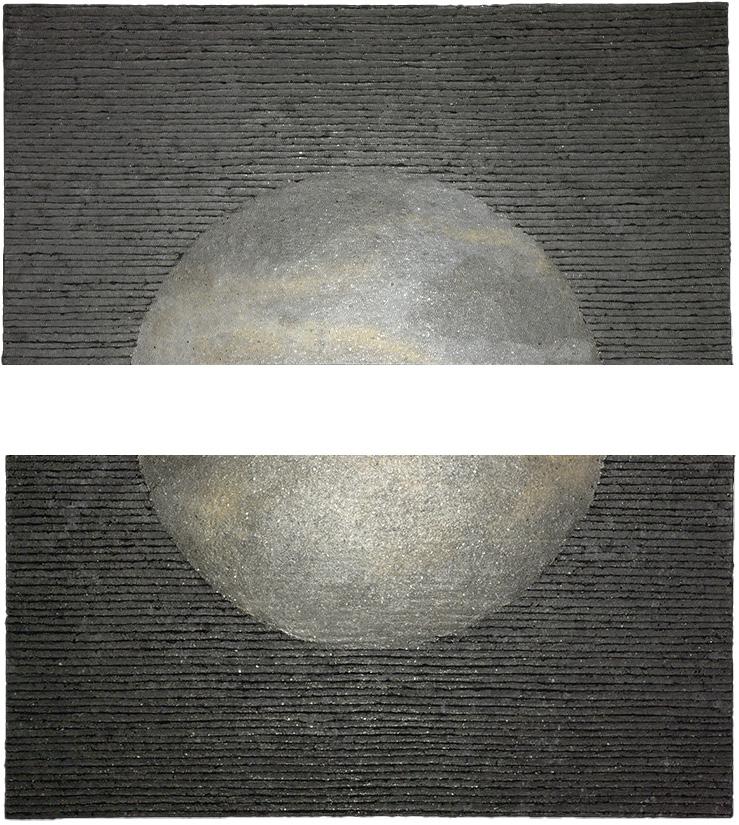
M03 + M04, 2025
Reclaimed antique gampi fiber, mica, sumi ink, and black pigment
66 x 59 inches
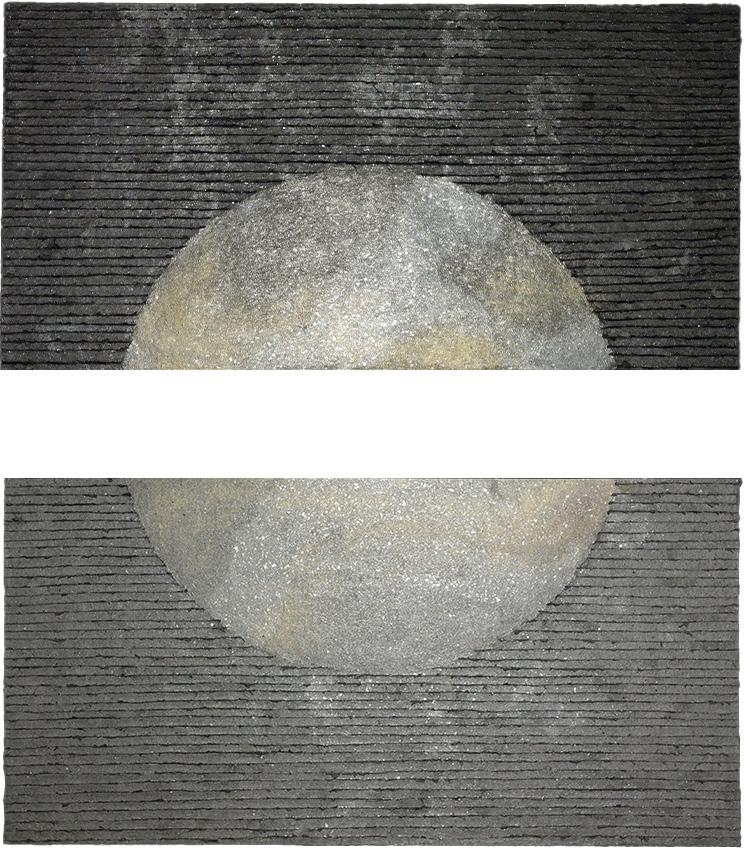
M01 + M02, 2025
Reclaimed antique gampi fiber, mica, sumi ink, and black pigment
66 x 59 inches
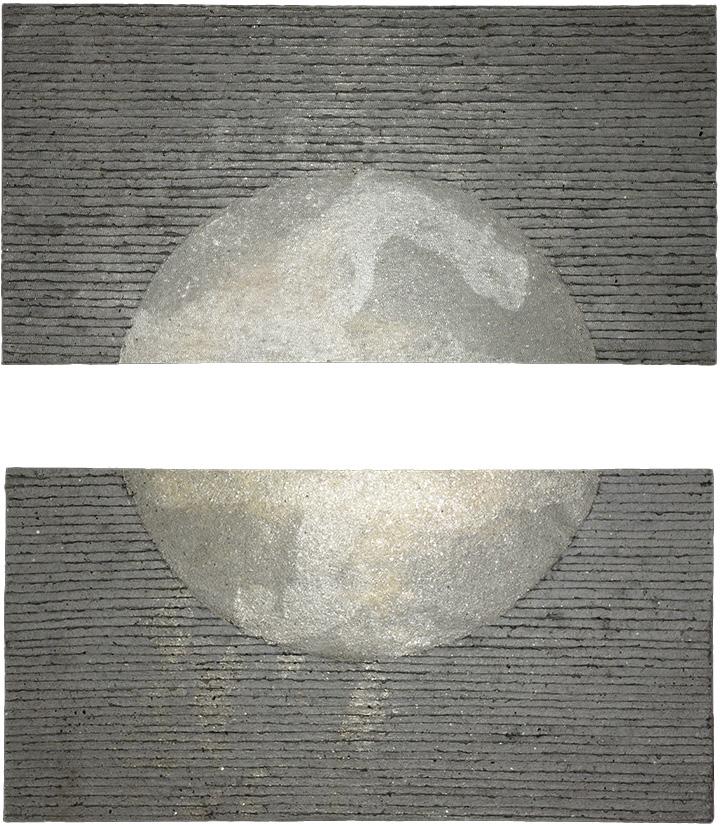
Reclaimed antique gampi fiber, mica, sumi ink, and black pigment
52 x 47 1/4 inches
I-R-S11 + I-R-S14 (formerly ENSO6), 2025
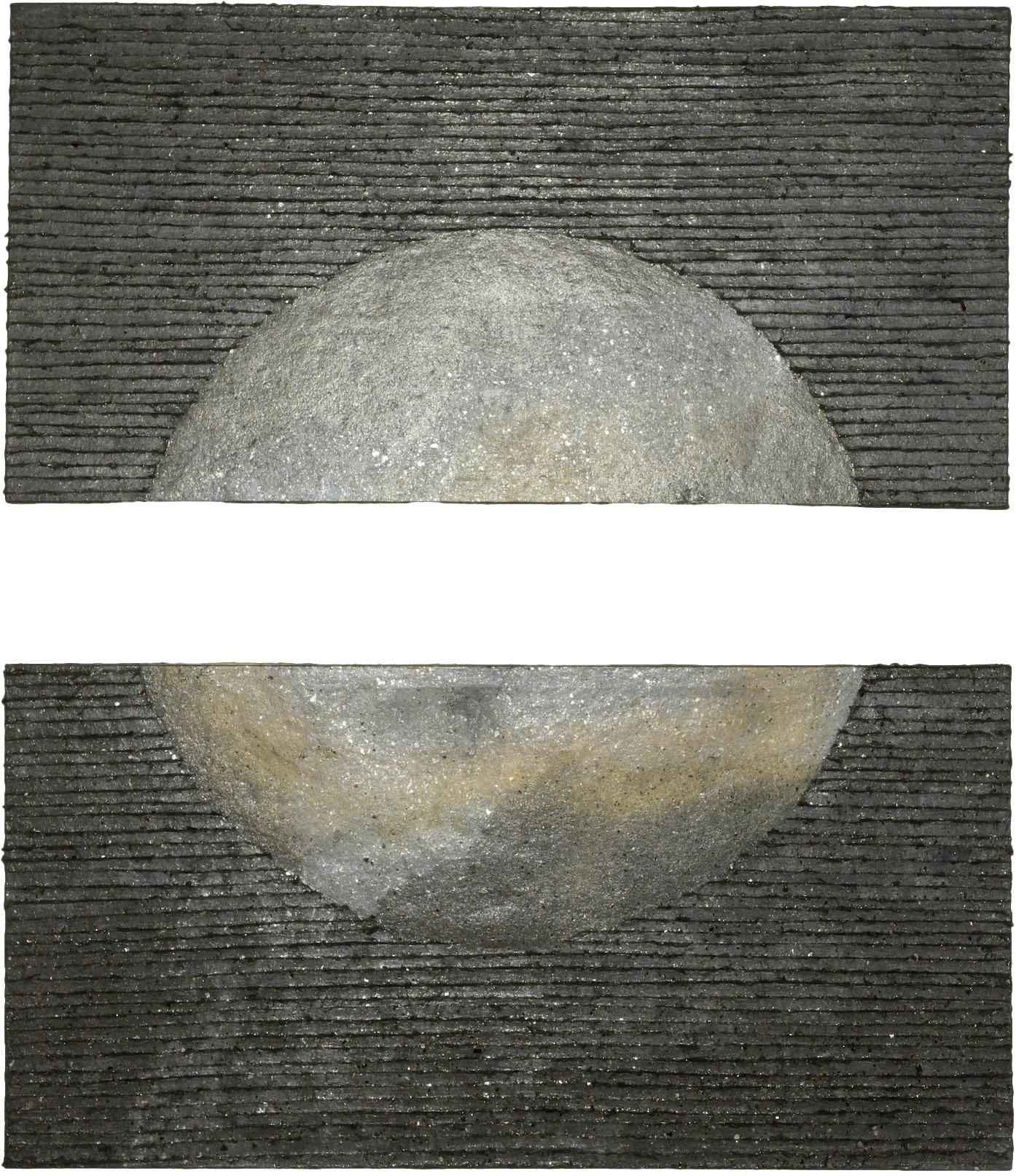
Reclaimed antique gampi fiber, mica, sumi ink, and black pigment
52 x 47 1/4 inches
I-R-S02 + I-R-S16 (formerly ENSO5), 2025
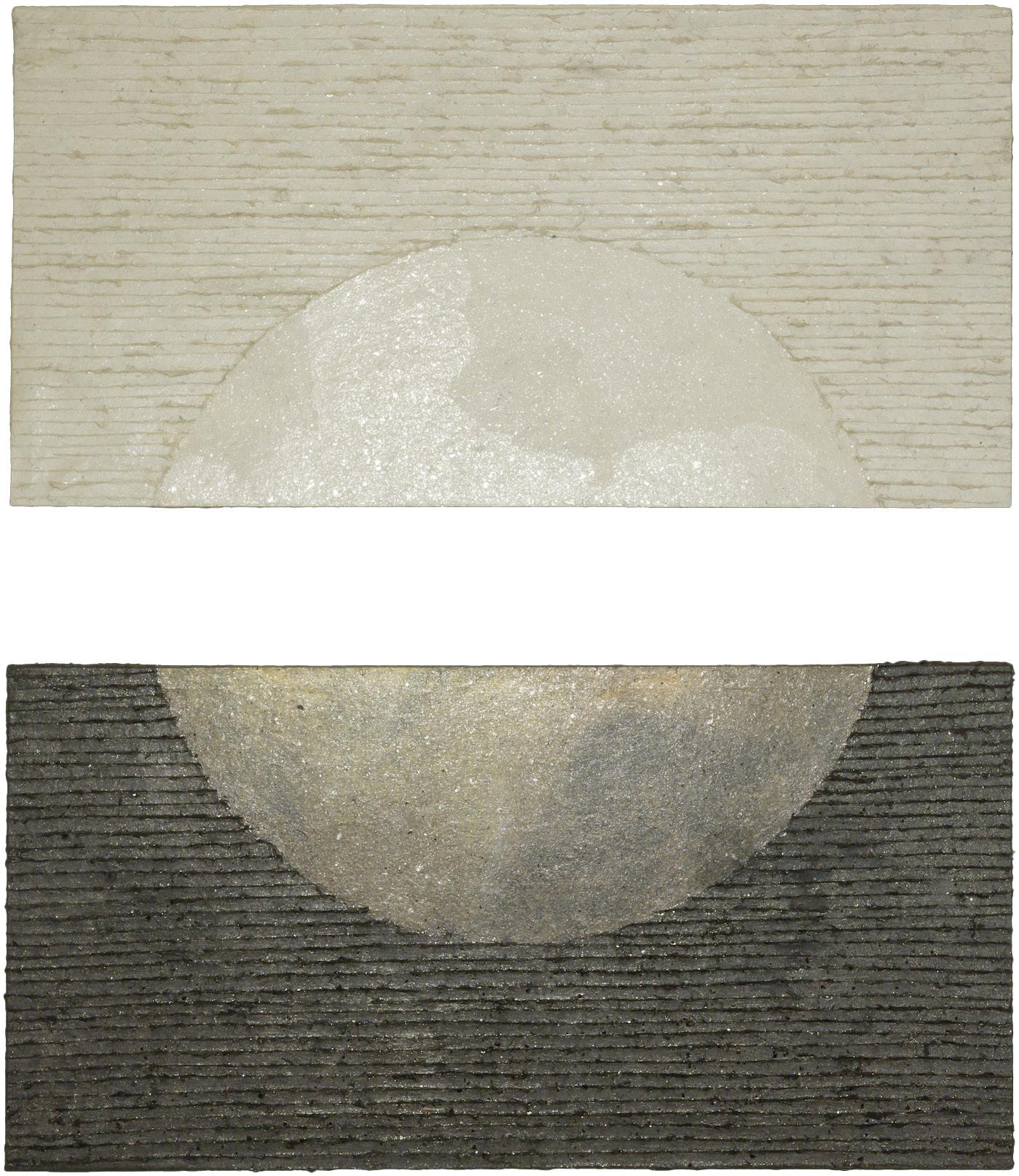
Reclaimed antique gampi fiber, mica, sumi ink, and black pigment
52 x 47 1/4 inches
I-R-S18 + I-R-S10 (formerly ENSO3), 2025
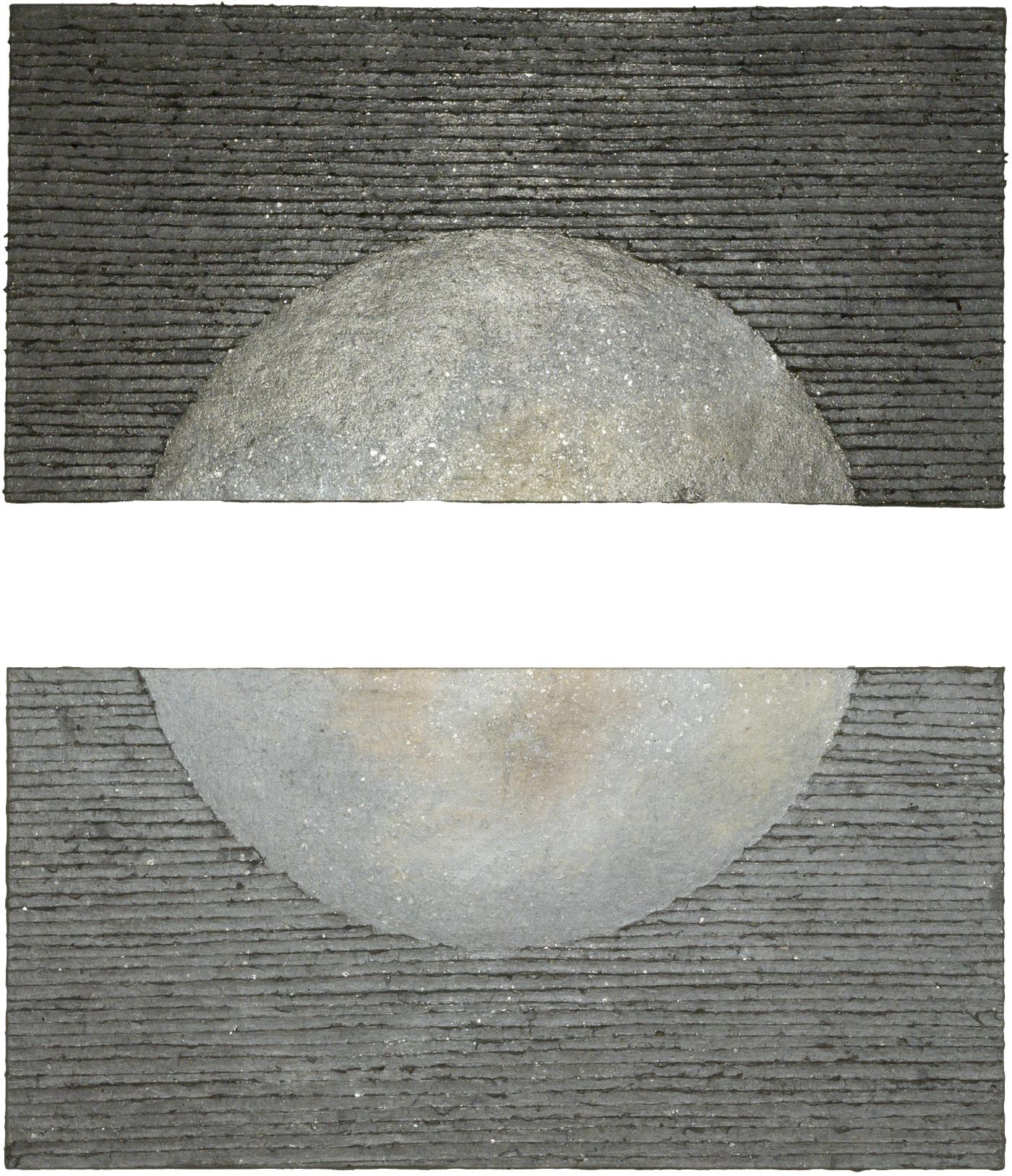
2025
Reclaimed antique gampi fiber, mica, sumi ink, and black pigment
35 1/2 x 35 1/2 inches
I-SQ-L09,
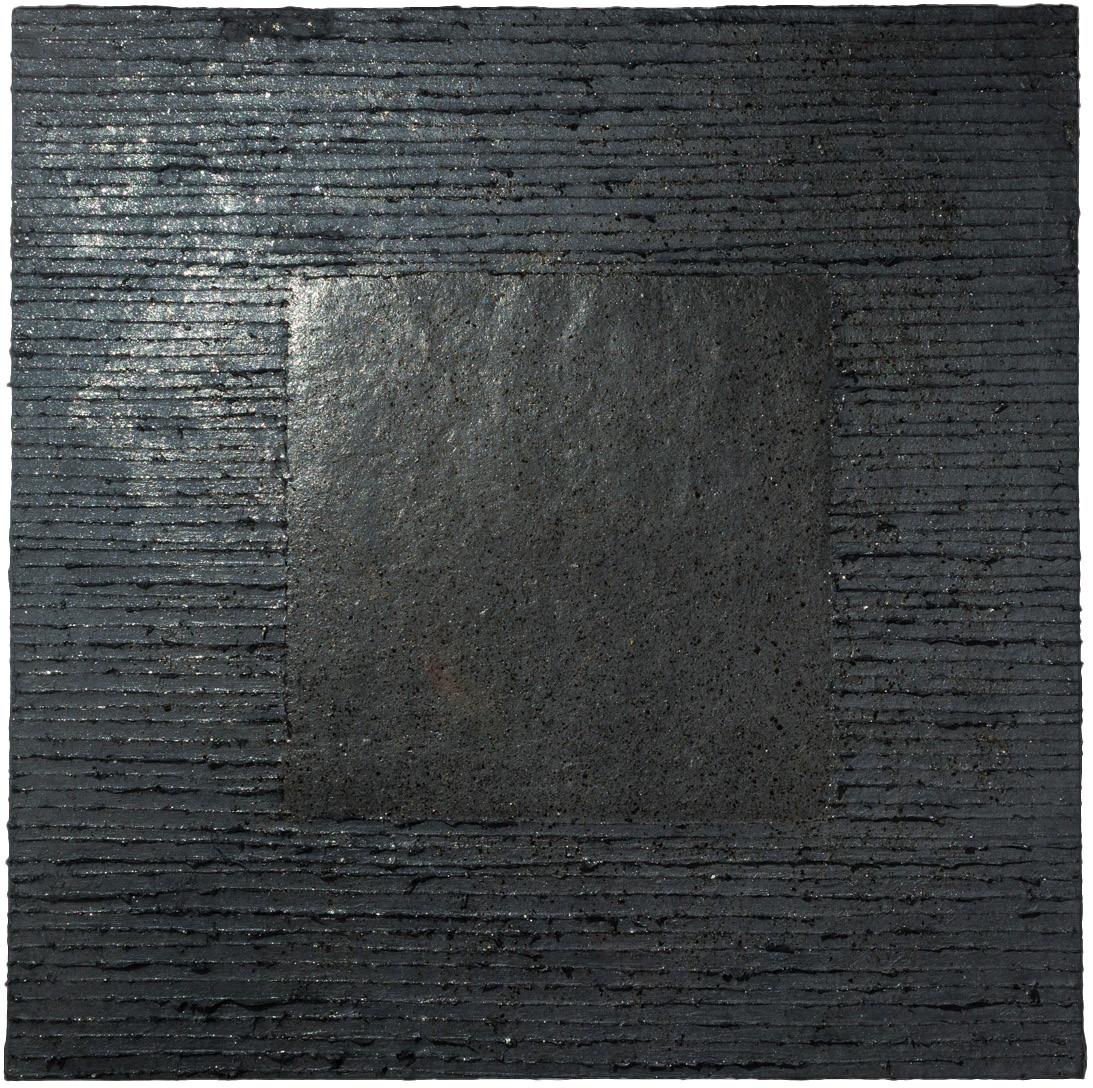
2025
Reclaimed antique gampi fiber, mica, sumi ink, and black pigment
35 1/2 x 35 1/2 inches
I-SQ-L04,
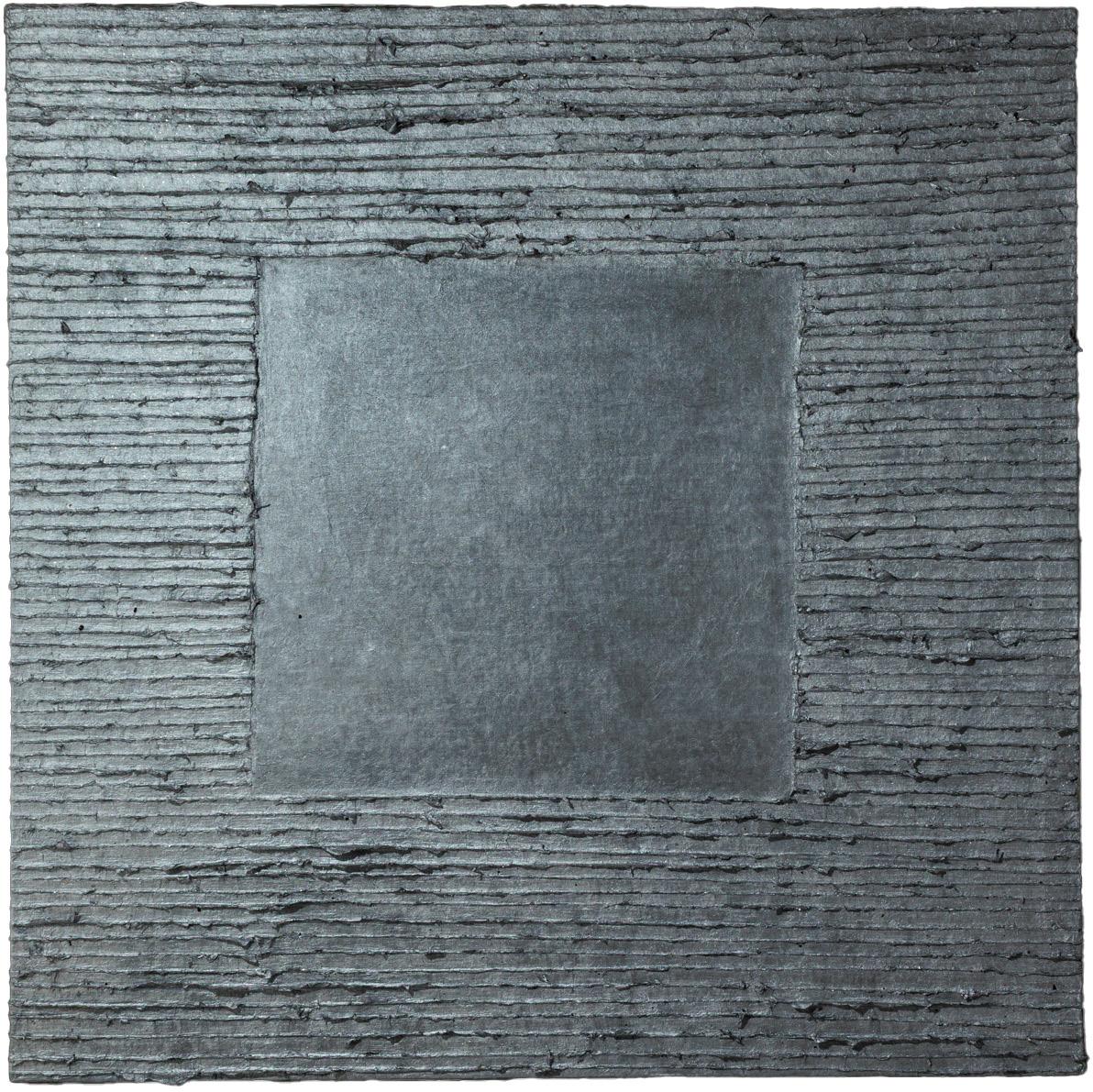
2025
Reclaimed antique gampi fiber, mica, sumi ink, and black pigment
35 1/2 x 35 1/2 inches
I-SQ-L08,
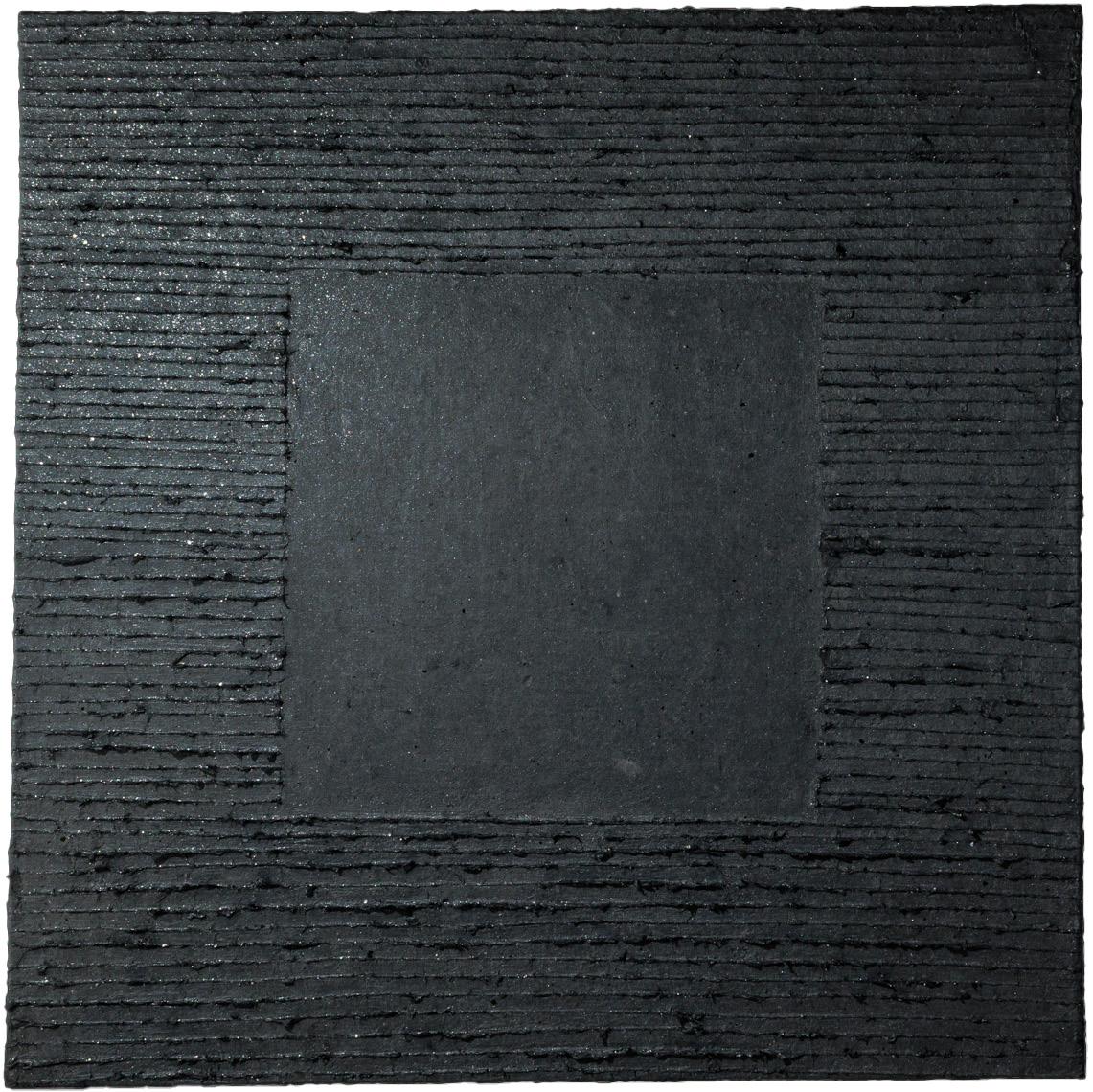
I-SQ-L01, 2025
Reclaimed antique gampi fiber
35 1/2 x 35 1/2 inches
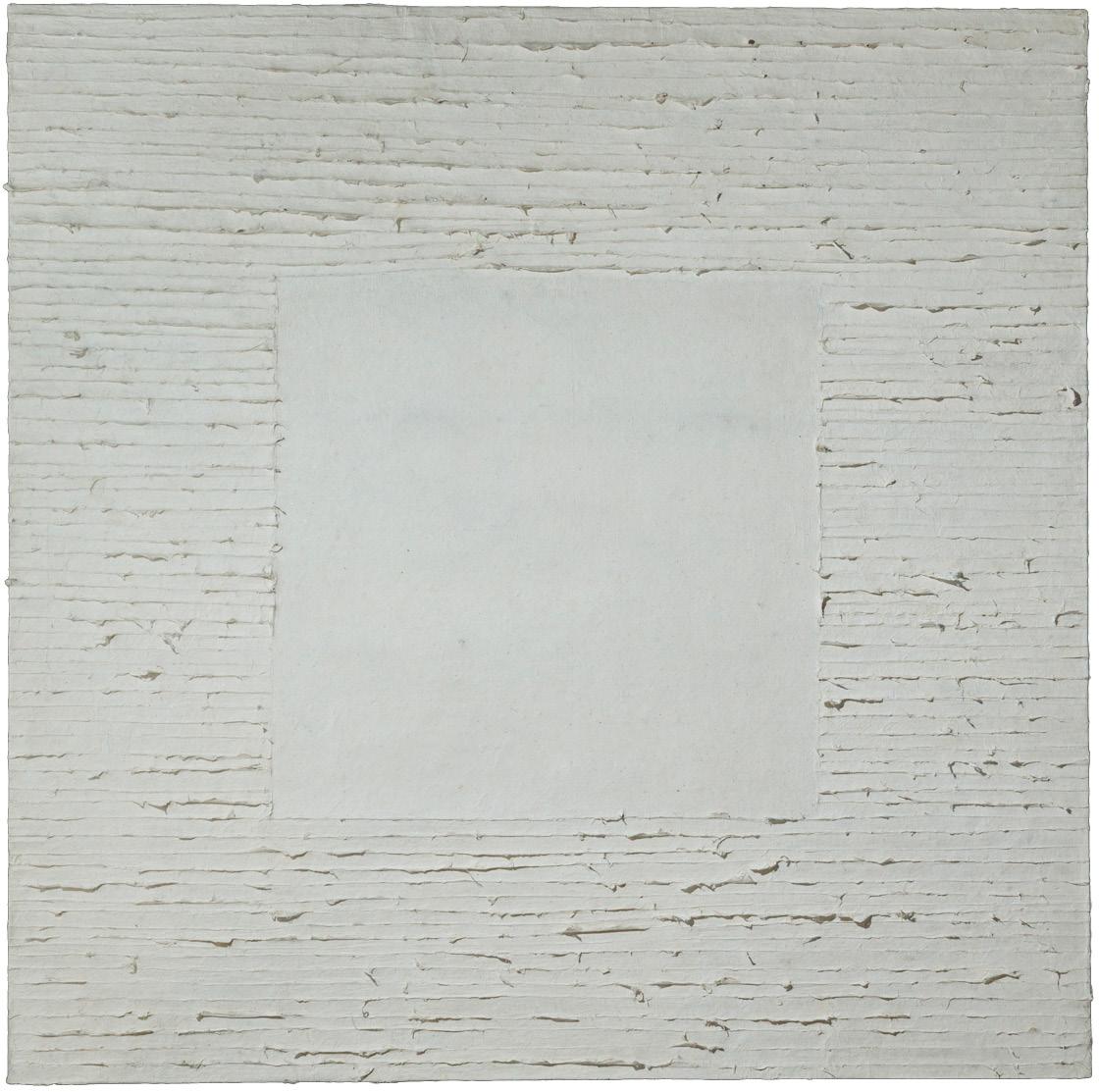
I-SQ-S08, 2025
Reclaimed antique gampi fiber, mica, sumi ink, and black pigment
23 1/2 x 23 1/2 inches
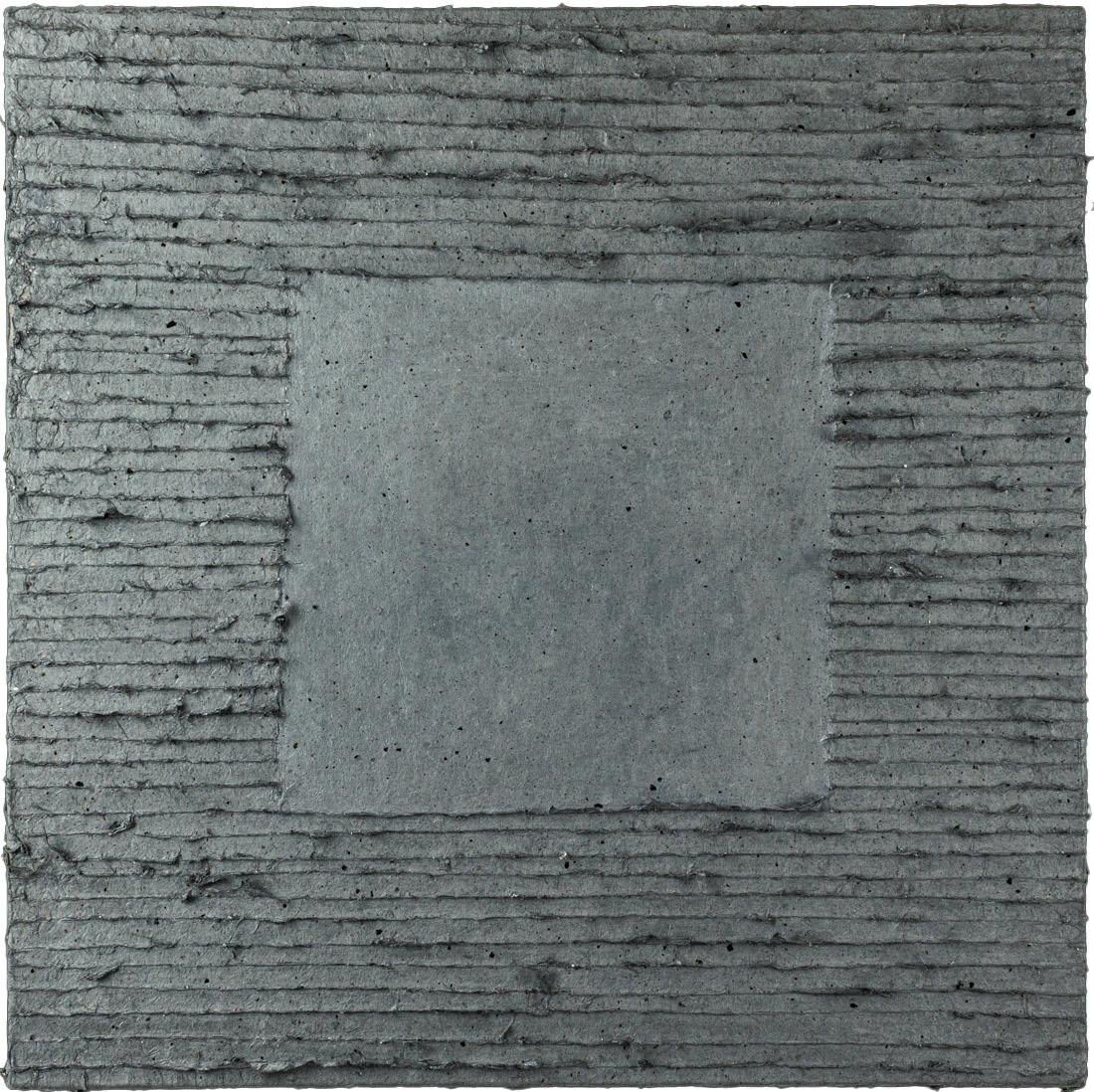
I-SQ-S05, 2025
Reclaimed antique gampi fiber
23 1/2 x 23 1/2 inches
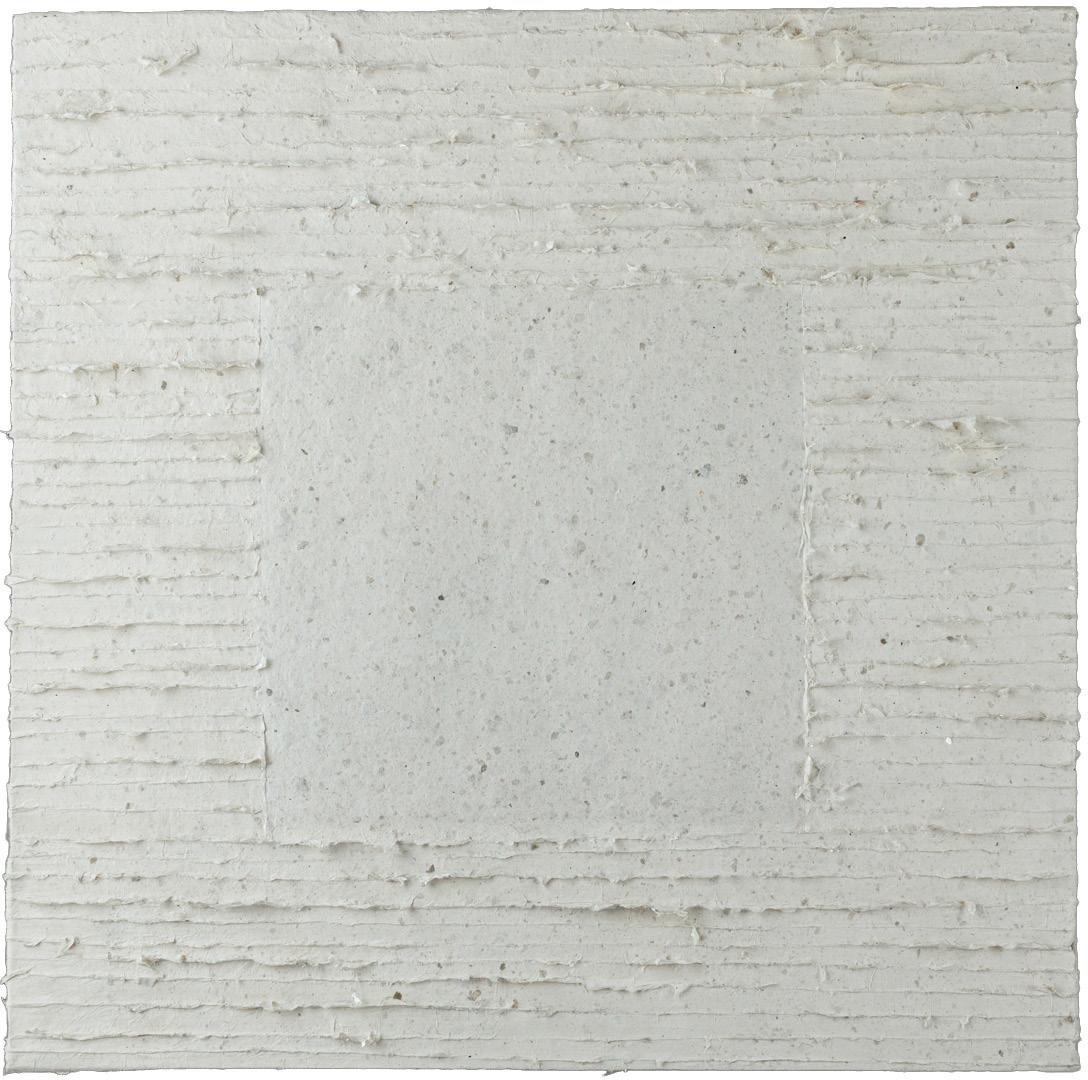
I-SQ-S09, 2025
Reclaimed antique gampi fiber, mica, sumi ink, and black pigment
23 1/2 x 23 1/2 inches
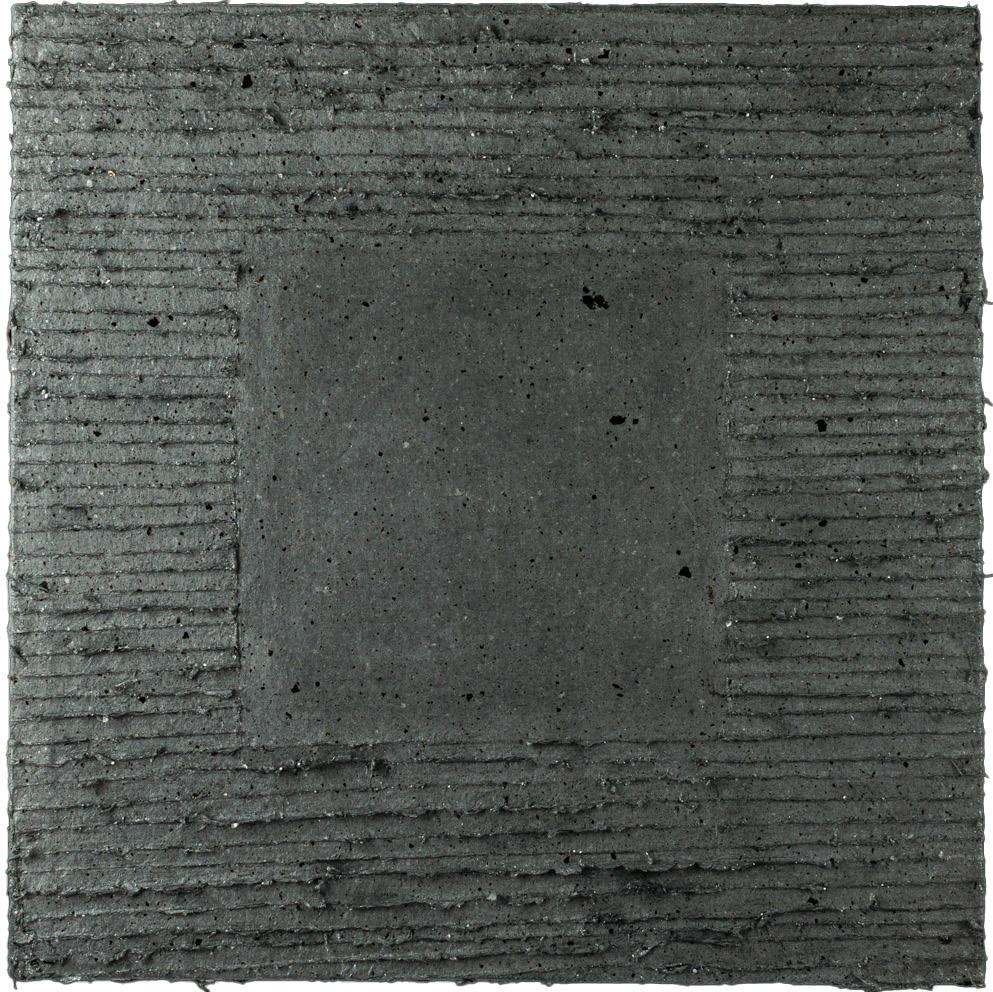
I-SQ-S15, 2025
Reclaimed antique gampi fiber, mica, sumi ink, and black pigment
23 1/2 x 23 1/2 inches
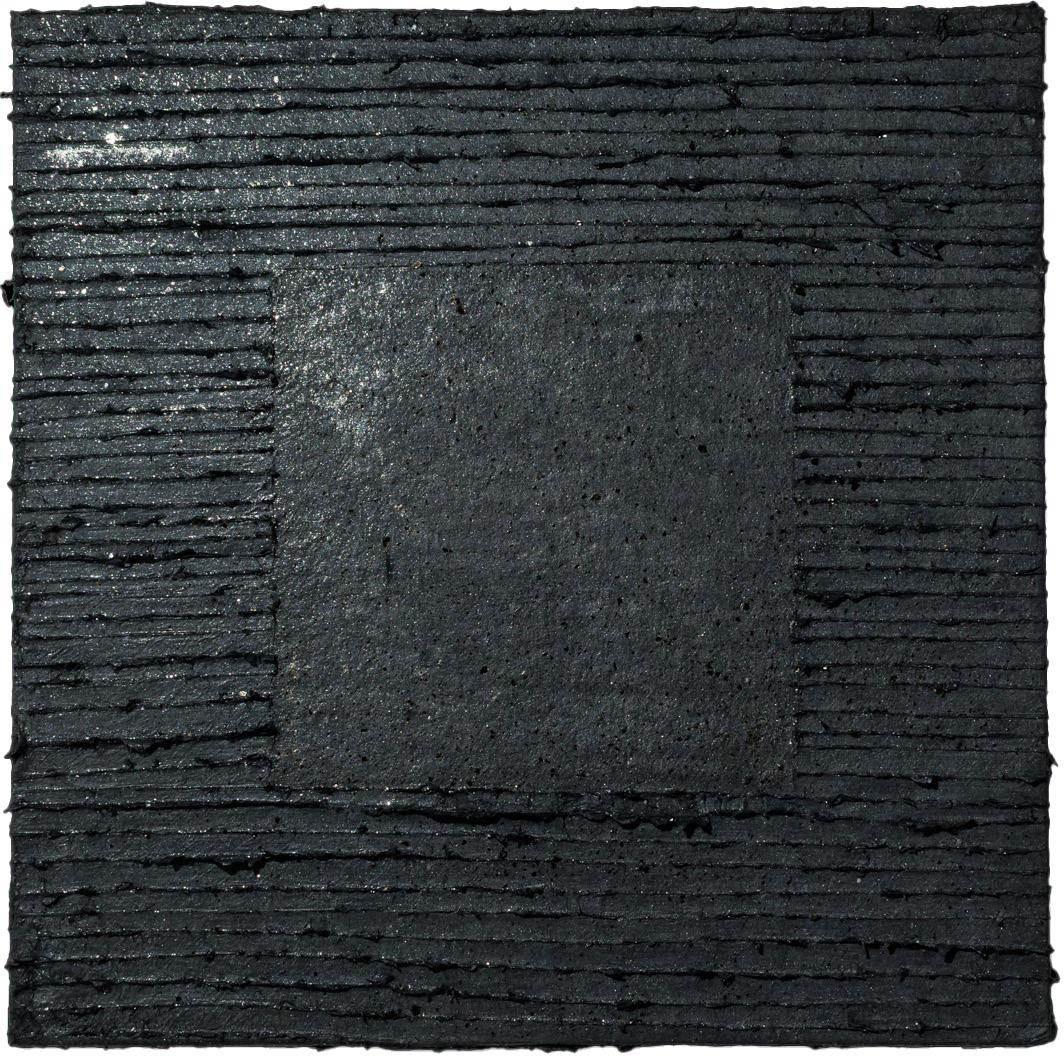
23 1/2 x 23 1/2 inches
TS-002, 2010
Recycled gampi fiber, hoshogo, old paper, sumi ink, mica and natural indigo
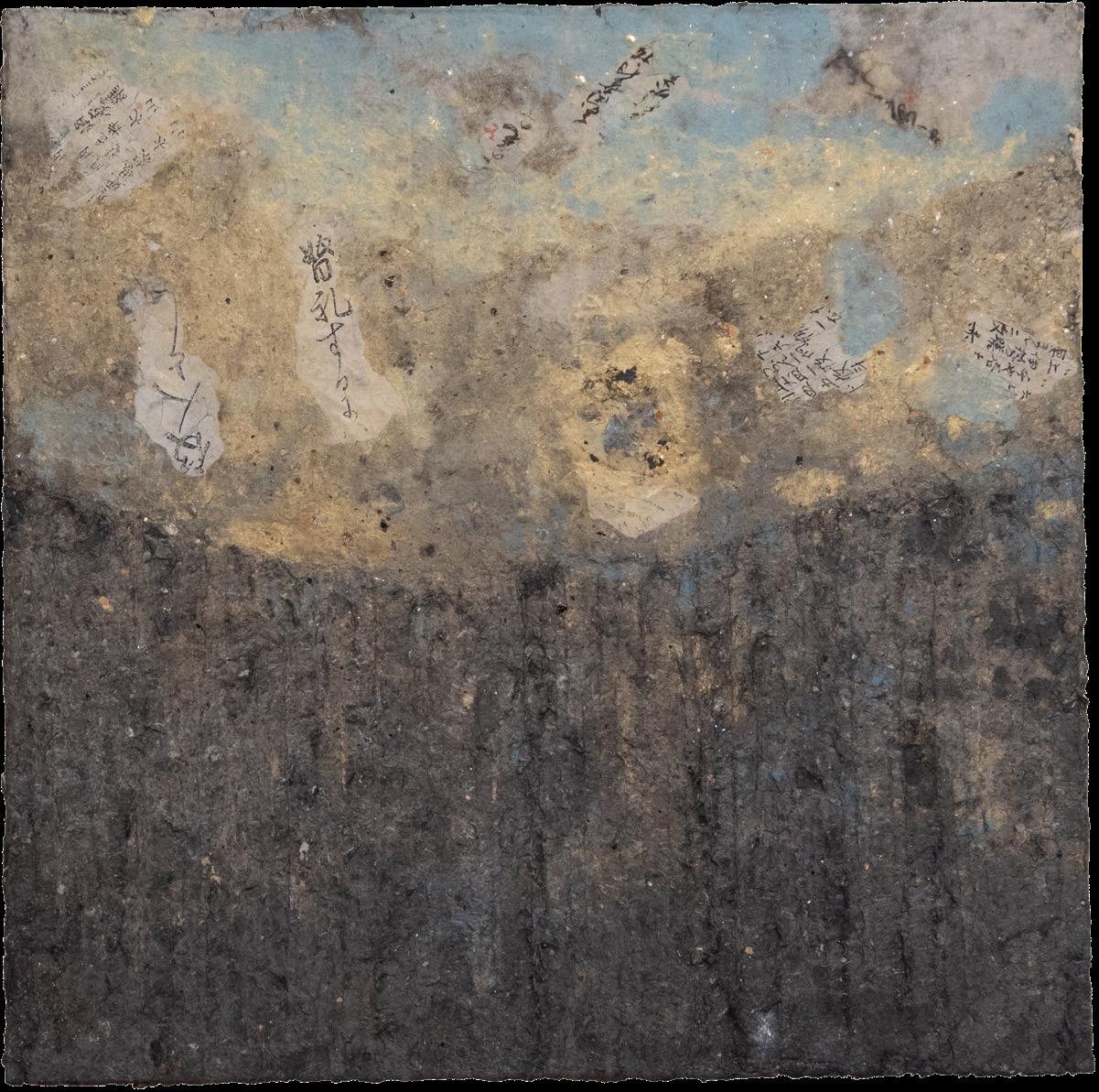
23 1/2 x 23 1/2 inches
TS-005, 2010
Recycled gampi fiber, hoshogo, old paper, sumi ink, mica and natural indigo
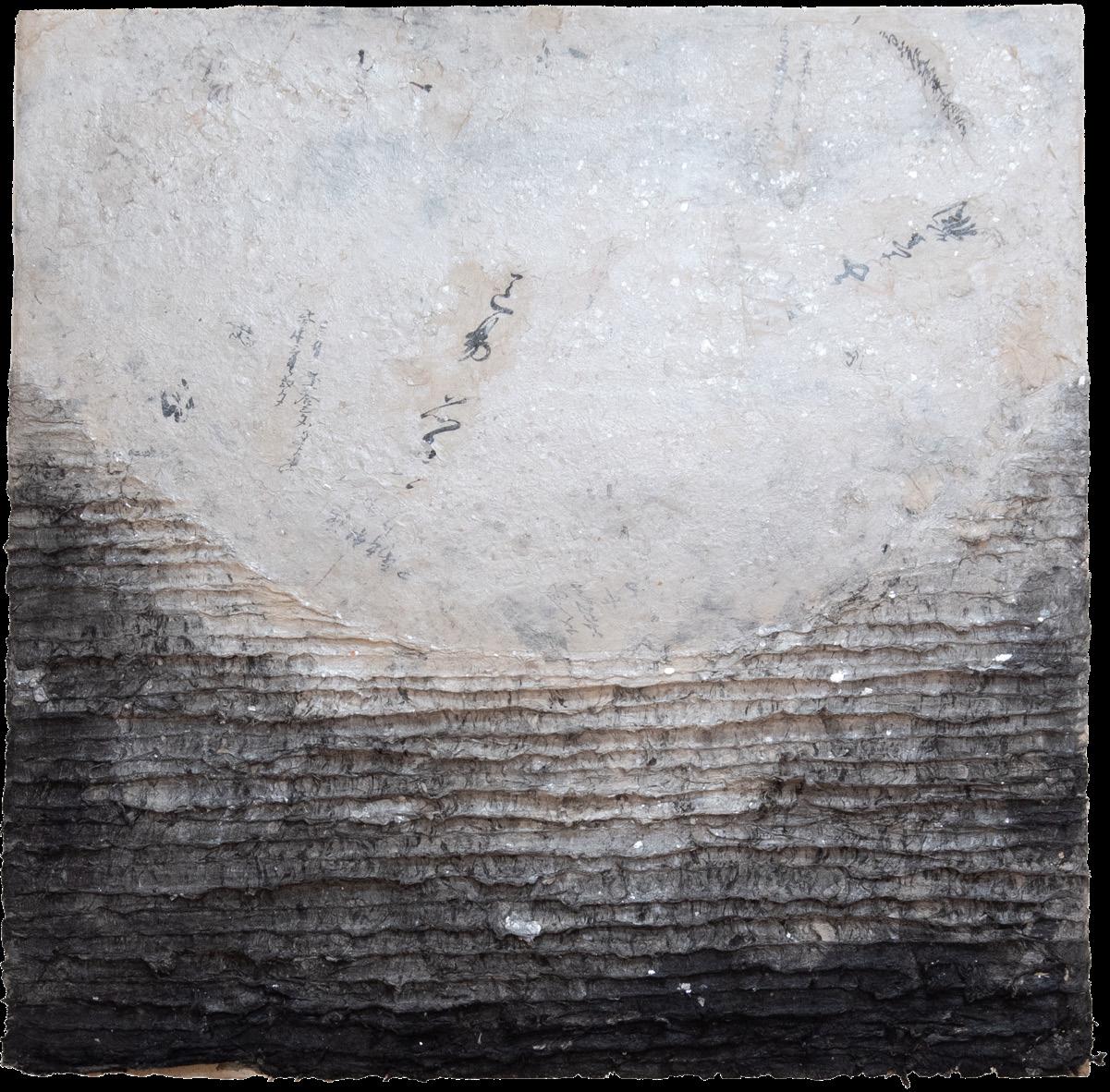
23 1/2 x 23 1/2 inches
TS-003, 2010
Recycled gampi fiber, hoshogo, old paper, sumi ink, mica and natural indigo
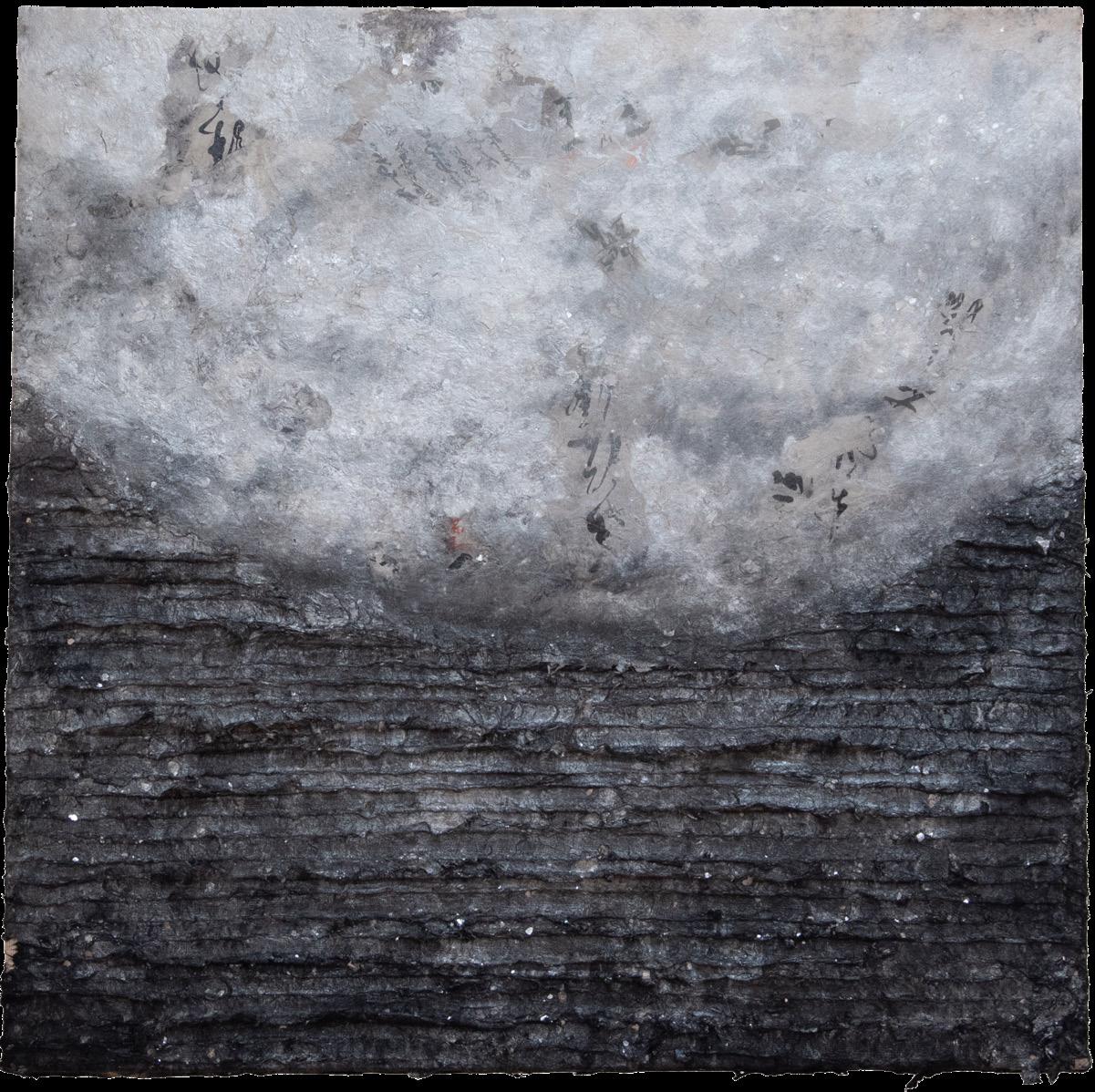
23 1/2 x 23 1/2 inches
TS-004, 2010
Recycled gampi fiber, hoshogo, old paper, sumi ink, mica and natural indigo
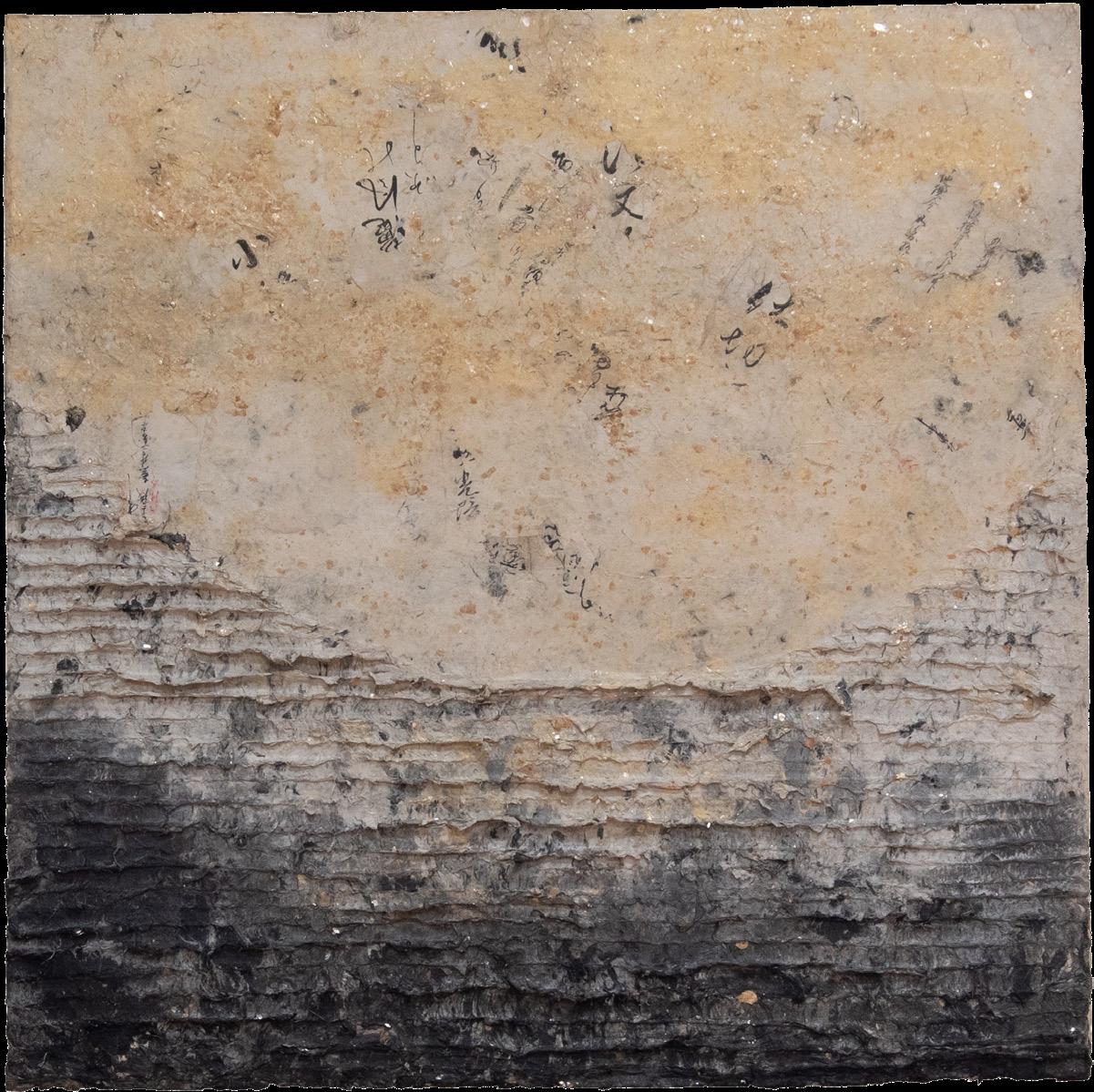
17 3/4 x 17 3/4 inches
HS-012, 2012
Recycled gampi fiber, hoshogo, old paper, sumi ink, mica and natural indigo
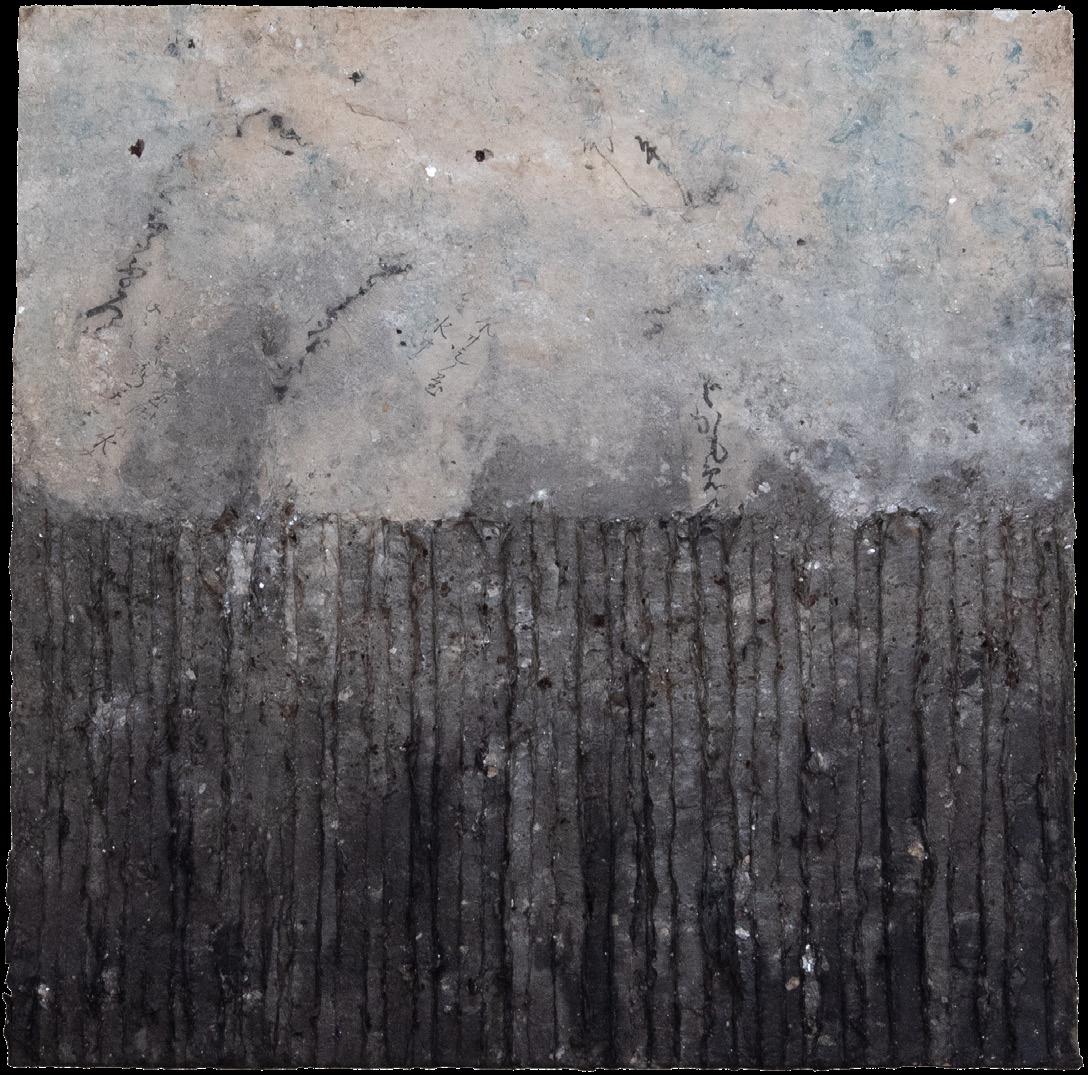
17 3/4 x 17 3/4 inches
HS-009, 2012
Recycled gampi fiber, hoshogo, old paper, sumi ink, mica and natural indigo
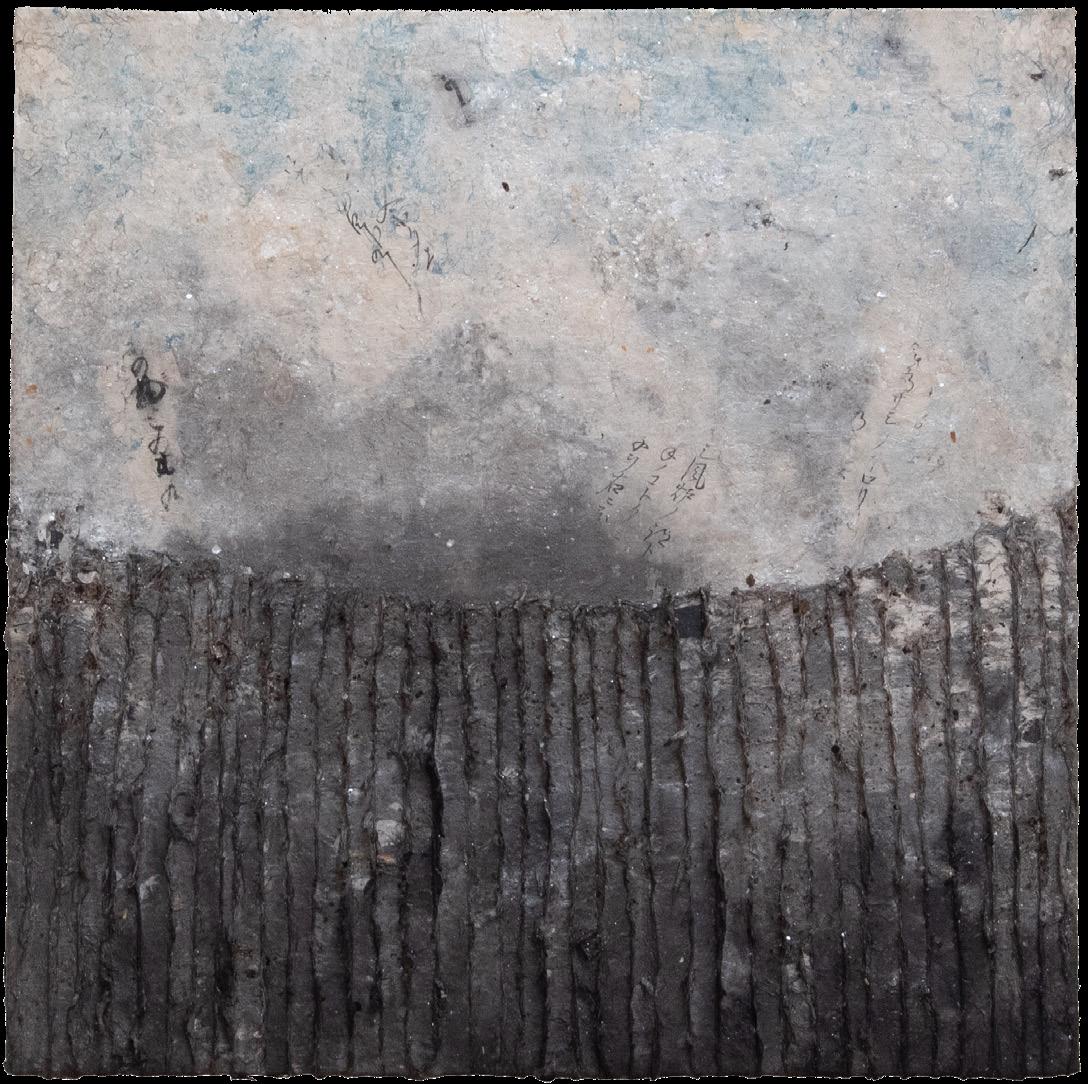
17 3/4 x 17 3/4 inches
HS-011, 2012
Recycled gampi fiber, hoshogo, old paper, sumi ink, mica and natural indigo
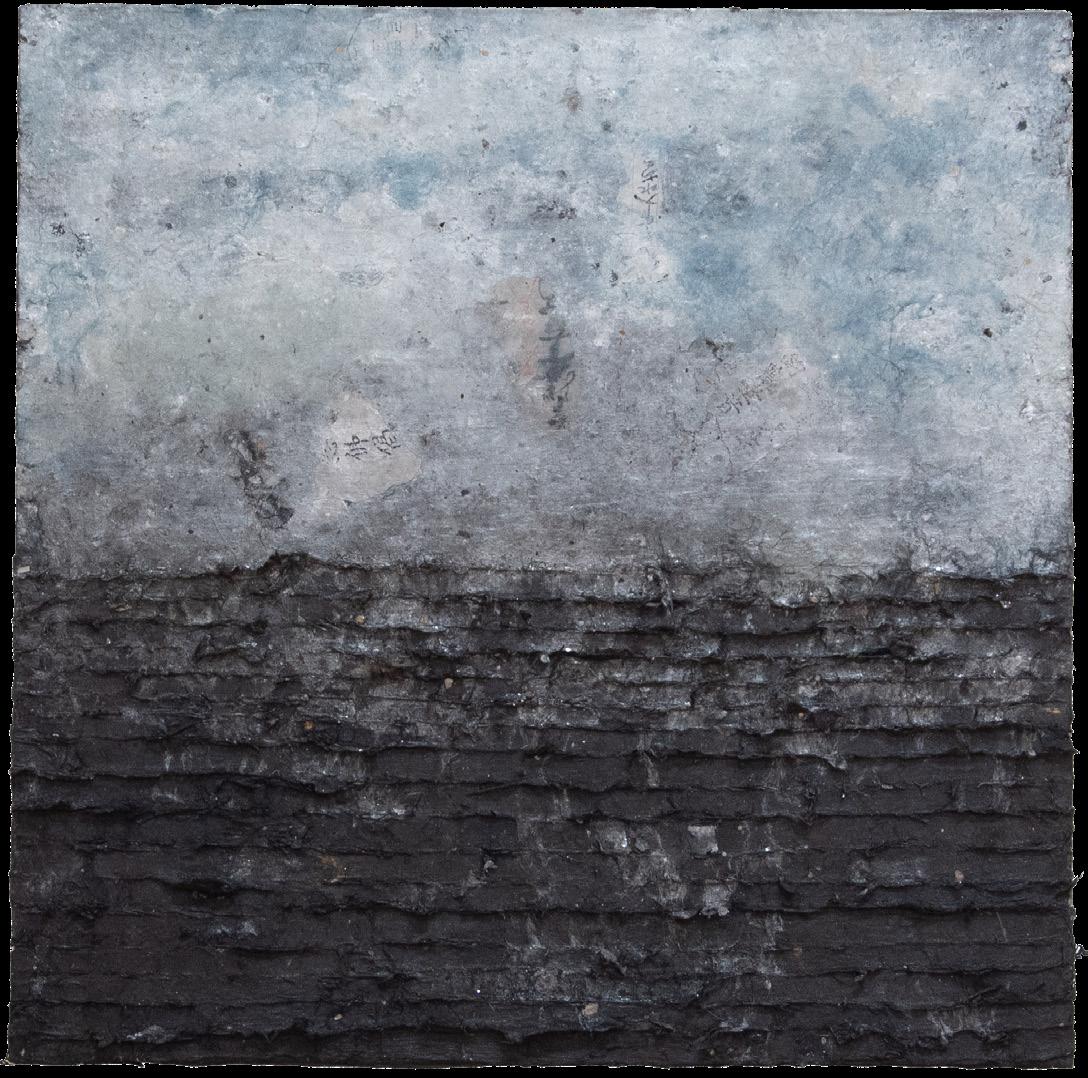
17 3/4 x 17 3/4 inches
HS-010, 2012
Recycled gampi fiber, hoshogo, old paper, sumi ink, mica and natural indigo
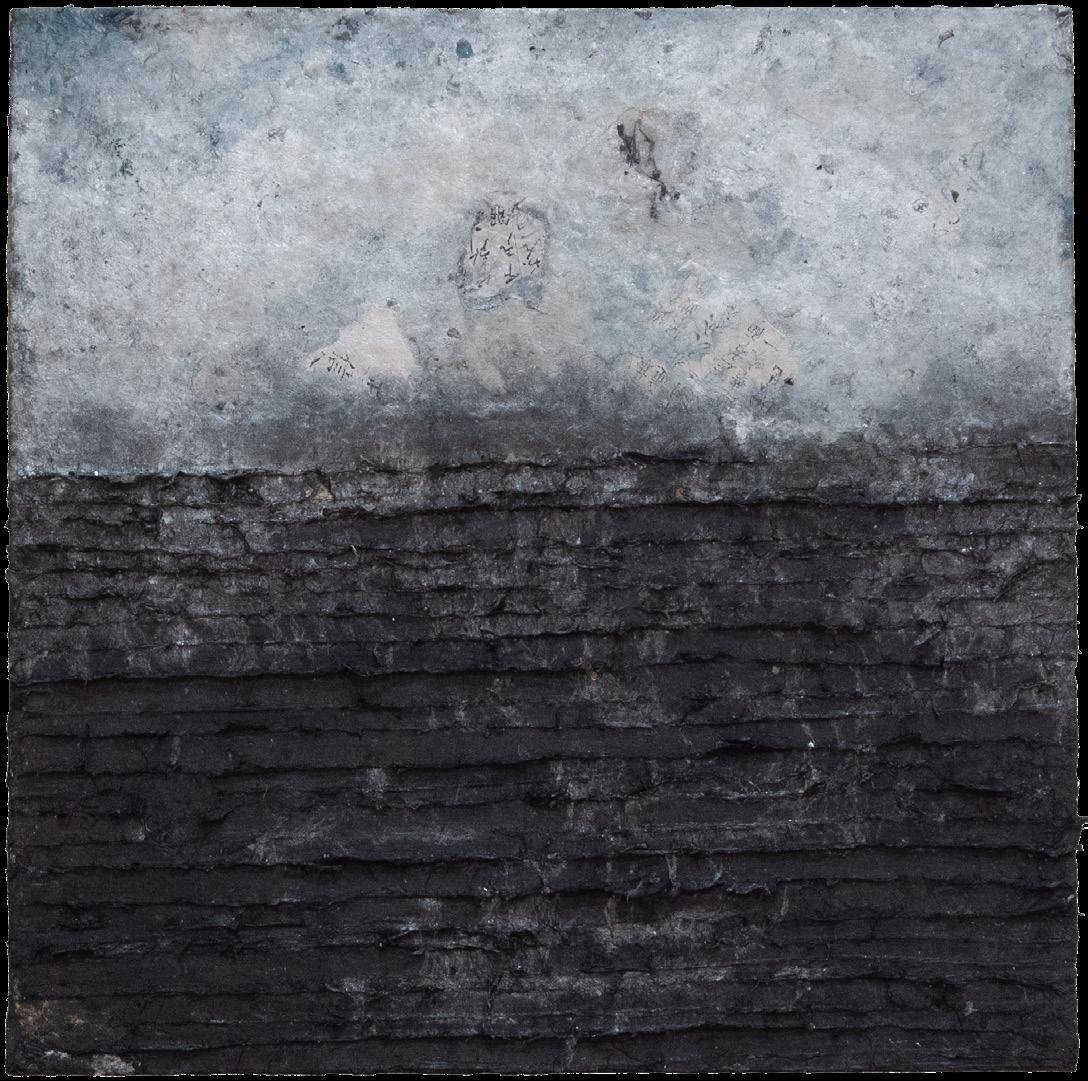
17 3/4 x 17 3/4 inches
HS-007, 2012
Recycled gampi fiber, hoshogo, old paper, sumi ink, mica and natural indigo
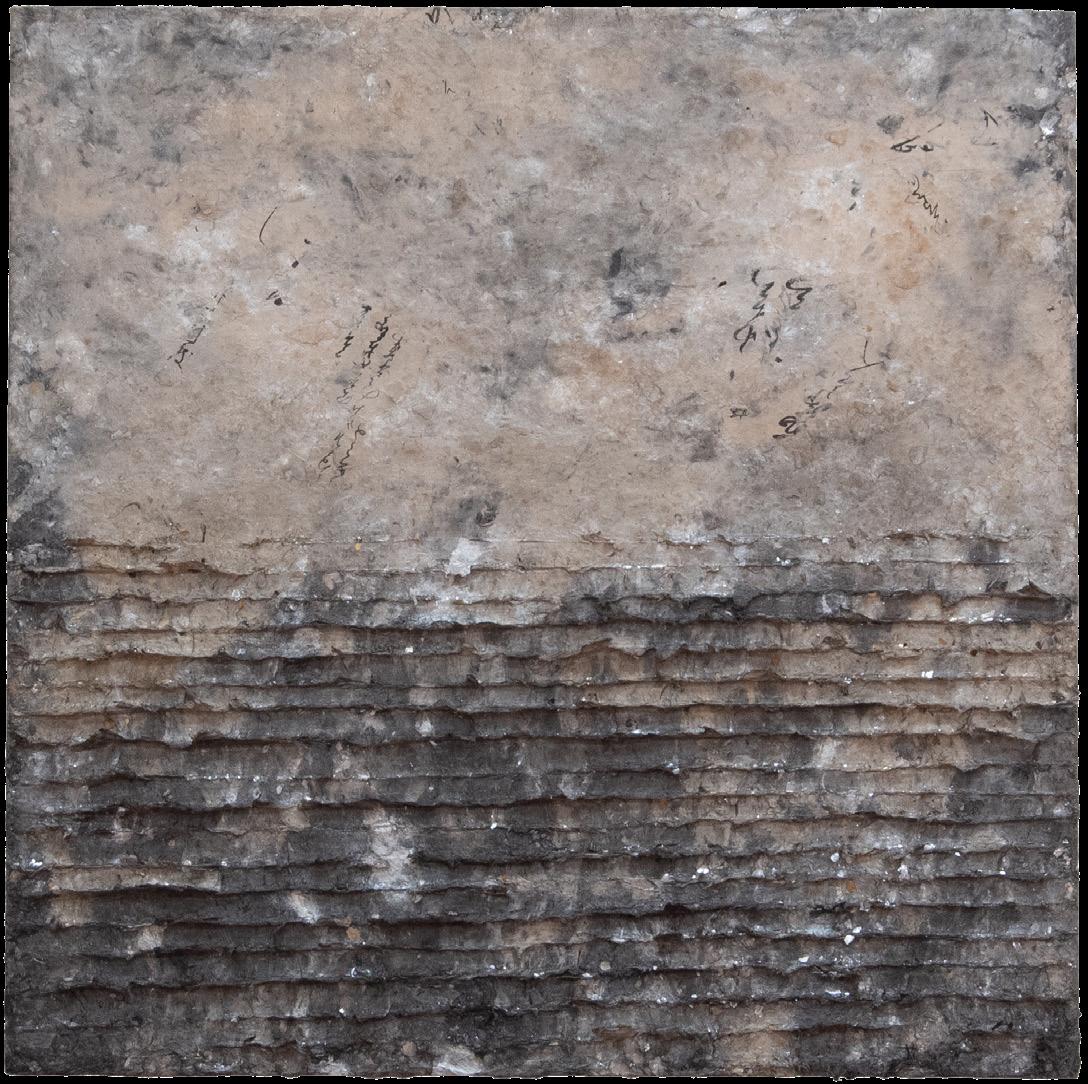
17 3/4 x 17 3/4 inches
HS-001, 2008
Recycled gampi fiber, hoshogo, old paper, sumi ink, mica and natural indigo
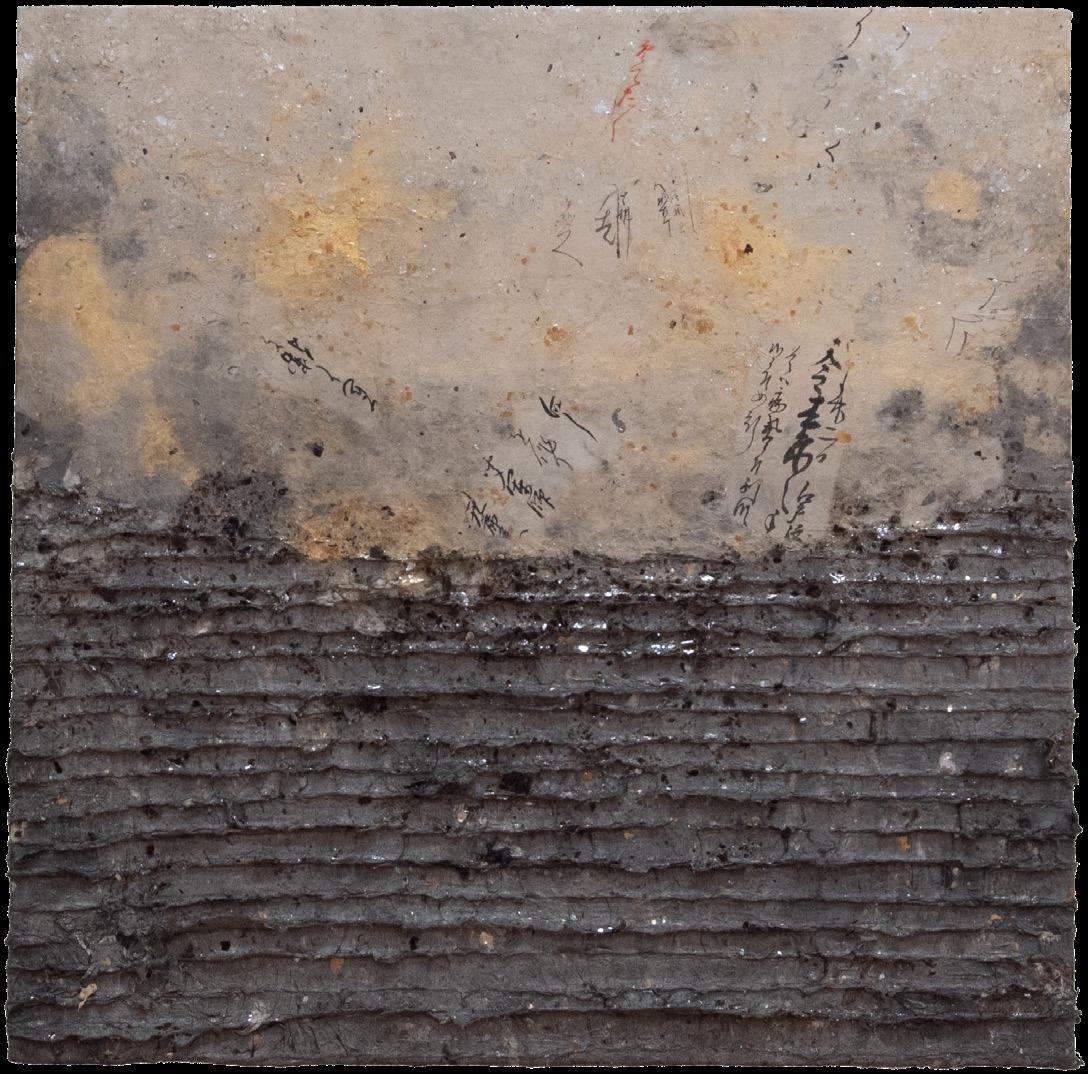
17 3/4 x 17 3/4 inches
HS-003, 2011
Recycled gampi fiber, hoshogo, old paper, sumi ink, mica and natural indigo
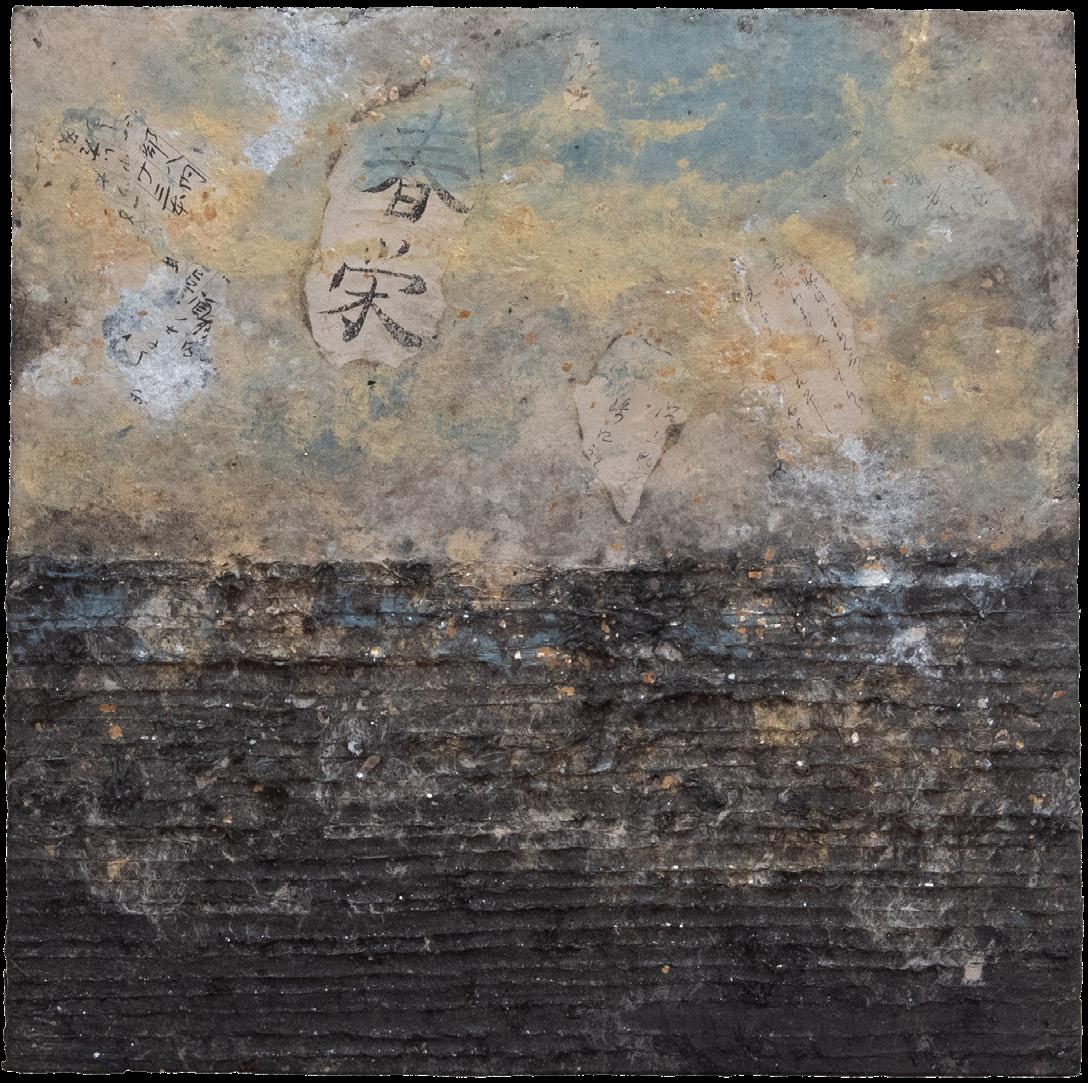
17 3/4 x 17 3/4 inches
HS-006, 2011
Recycled gampi fiber, hoshogo, old paper, sumi ink, mica and natural indigo
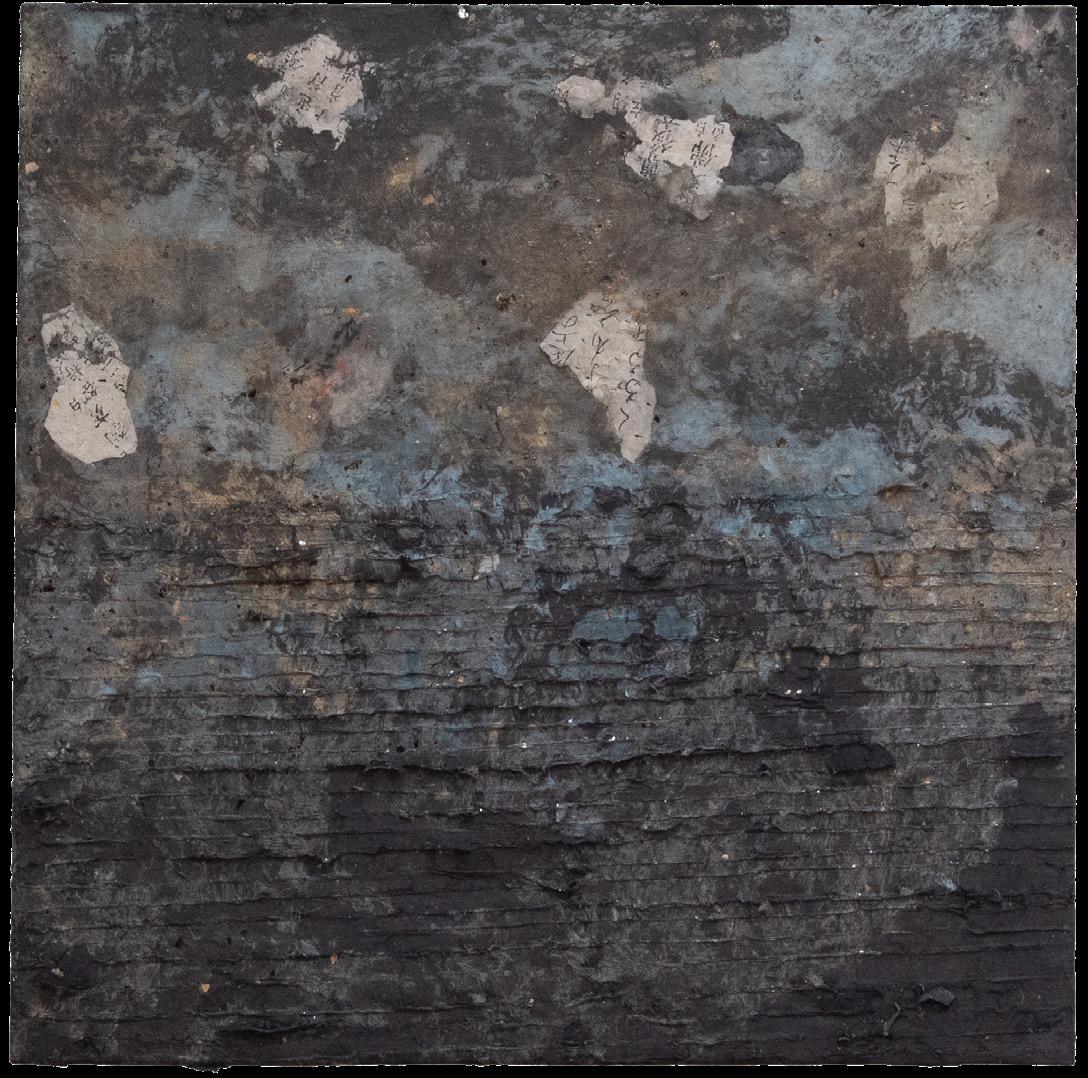
17 3/4 x 17 3/4 inches
HS-005, 2011
Recycled gampi fiber, hoshogo, old paper, sumi ink, mica and natural indigo
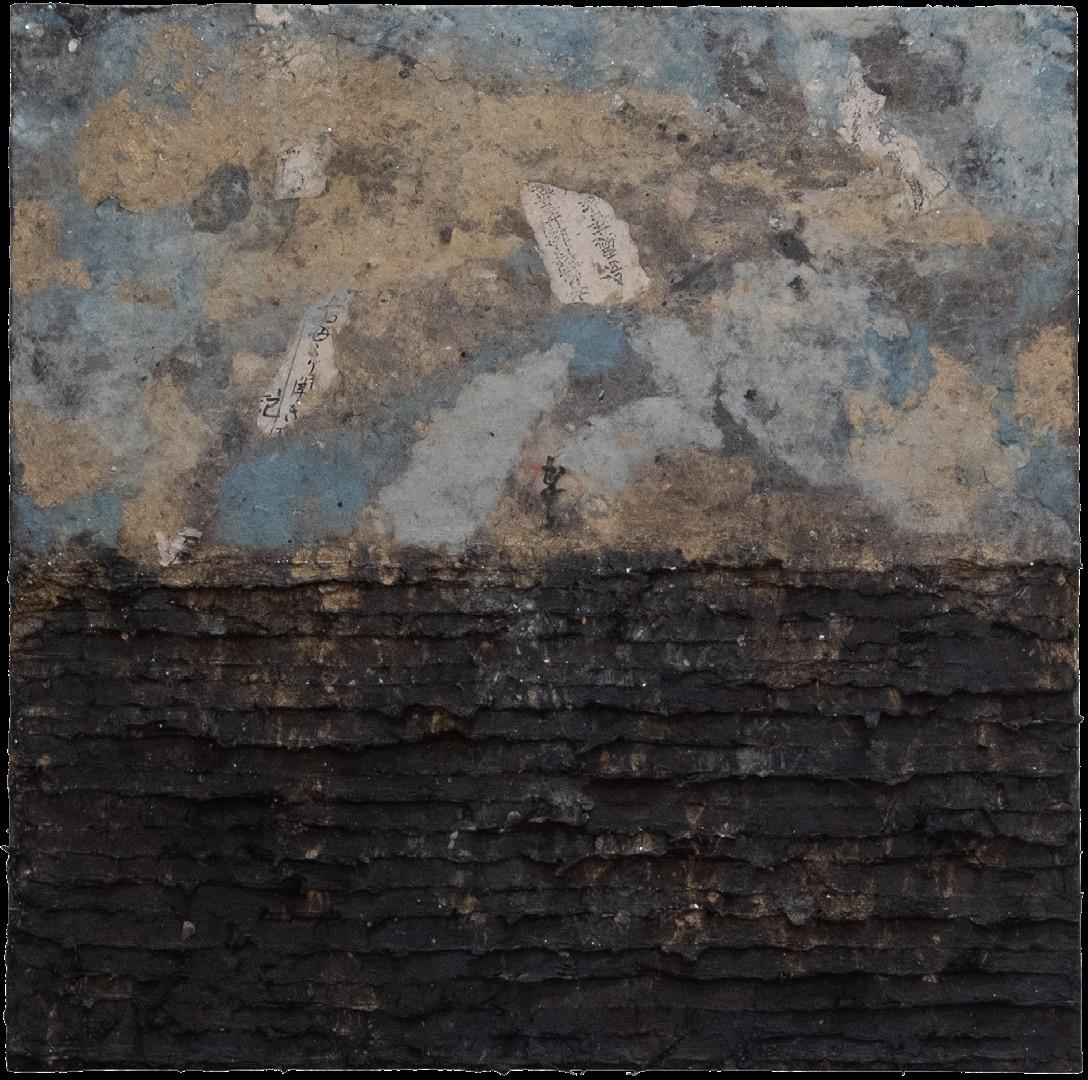
17 3/4 x 17 3/4 inches
HS-005, 2012
Recycled gampi fiber, panel, hoshogo, old paper, sumi ink, mica and natural indigo
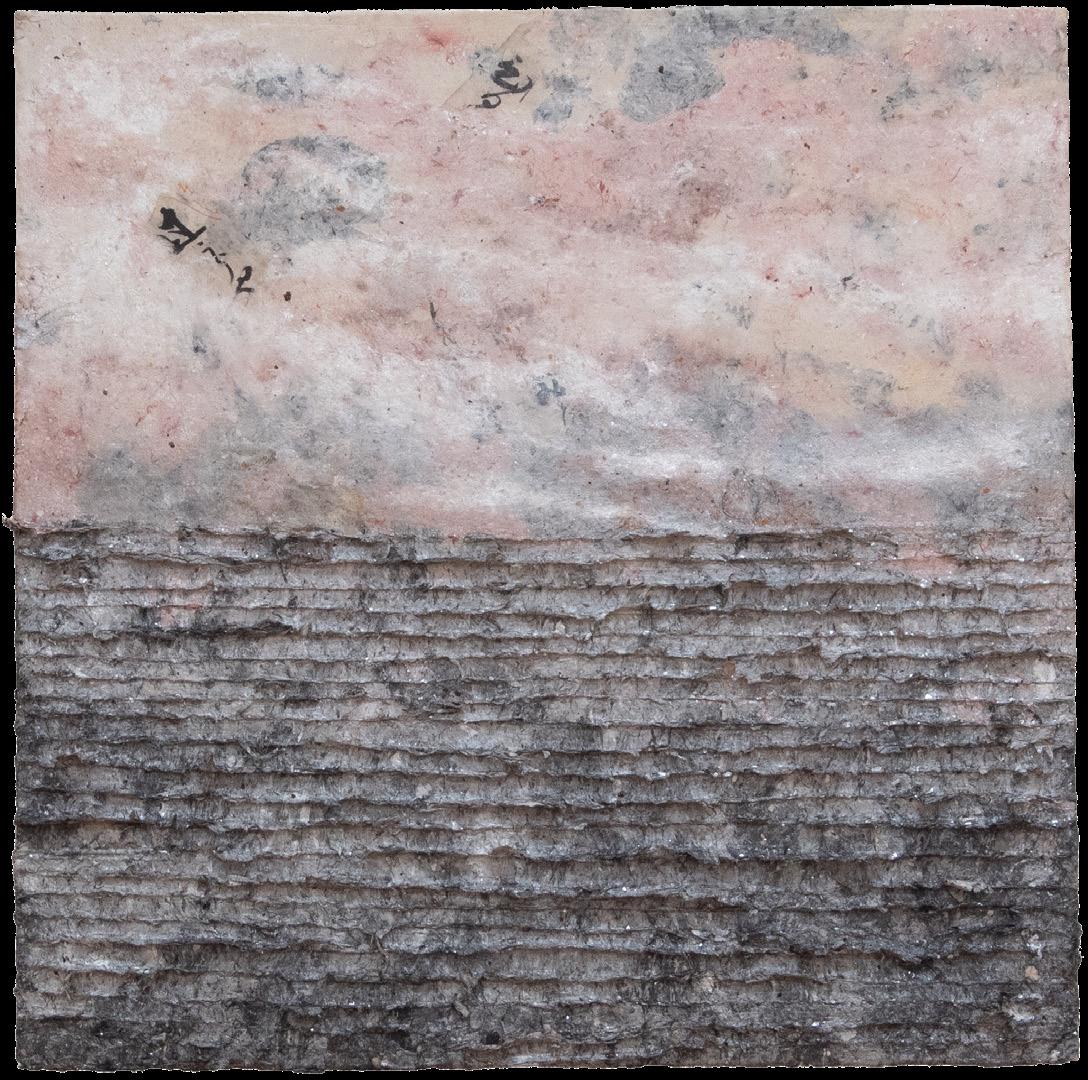
Artist Statement
“Beauty is not found in objects themselves, but in the patterns of light and shadow, the interplay of darkness and brightness that objects create.” - Junichiro Tanizaki, In Praise of Shadows (1933)
Tanizaki saw Japanese paper (Washi) as essential to the beauty of Japanese space. Unlike Western paper, which reflects light, washi absorbs it softly, creating a quiet, enveloping atmosphere.
Having worked with washi throughout my life, I have always felt a deep resonance with his vision. Washi transforms a space by transmitting, absorbing, and reflecting light. It is inseparable from the Japanese aesthetic imagination. It was this conviction that led me to create my series, In Praise of Shadows.
Washi is made by refining the inner bark fibers of trees through water, stripping away everything unnecessary until only the thinnest veil of fiber remains. This is what I call an aesthetic of subtraction. Where most artistic traditions build beauty by adding, Japanese aesthetics has long understood that beauty can be uncovered by taking away. The more you remove, the more the material reveals itself.
Traditional papermaking creates washi as a support for other art, a background, never the subject. What I sought was something more fundamental: not a new technique within papermaking, but an entirely different way of seeing the material itself. To work with raw fiber as the art, not the medium, is not a development of papermaking but a transformation of what it means.
Paper is acutely sensitive to humidity and moisture. It behaves almost as if alive. When water moves through fiber and that movement is preserved as form, something in us recognizes it as a principle of living things, a natural order made visible.
I think of my practice as the art of water. Just as ceramics is the art of fire, I believe art shaped by water is an unexplored territory, and that conviction has driven my work.
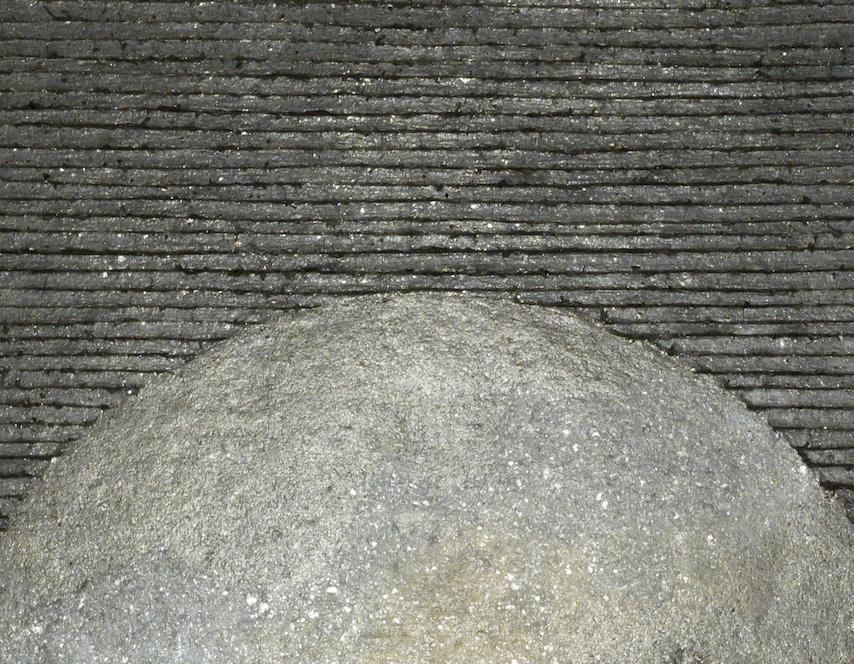
The technique I developed through years of trial and error is known as the “Ibe Method”. Traditional papermaking uses a fine screen to lay fibers flat and still. I reversed this, using a screen of thick bamboo so that fibers are pulled by flowing water, creating a rippling, wavelike structure. A smooth central plane is preserved, while the edges carry the traces of water’s movement, holding stillness and motion in tension. I call these works 2.5-dimensional objects. They are neither flat paper nor fully sculptural form, but something new suspended between the two.
To make this work is to give myself to water, to move with it, and to catch the moment when random motion resolves into natural harmony. In my book The Way of Washi Tales, I quoted D. T. Suzuki from Zen and Japanese Culture: “Beauty is not in the object itself but in the meaning it expresses. And this meaning is grasped only when a person throws their whole being into the bearer of that meaning and move along with it. “ In the act of making, I reach a state of unrestricted freedom, becoming one with the flow of water, present at the moment beauty is born. Tanizaki described beauty from the position of the viewer, in shadow and atmosphere.
Suzuki located beauty in the act of making itself. These two perspectives form the twin foundations of my practice.
The In Praise of Shadows series began with works built from the most fundamental form: overlapping squares. It then evolved to incorporate arcs. Placing two arc works face to face, I found they suggested a circle ENSO in Zen tradition, a symbol of emptiness, wholeness, and the universe in its complete form. When the two arcs face each other with space between them, that interval becomes a charged magnetic field, drawing the works together into a single world. The gap between them is calibrated so the two arcs nearly but do not quite, complete a circle. This incompleteness is intentional. It is the imperfection that creates the pull, and that open space becomes the place where the viewer’s imagination enters. Together, the two works form a single installation: a field in which meaning arises, and beauty, the beauty Tanizaki praised, finds its place. - Kyoko Ibe
KYOKO IBE
EDUCATION
1967 Master of Technology, Kyoto Institute of Technology
1963 Kyoto Institute of Technology, Design Theory and Industrial Design
EMPLOYMENT
2009–2010 Special Advisor, Agency of Cultural Affairs, Government of Japan
2008–2009 Lecturer, Osaka Seikei University
2008 Adjunct Professor, University of Illinois
2005–2016 Professor, Kyoto Institute of Technology
2004–2006 Member of the Management Council, Kyoto Institute of Technology
1995–2005 Lecturer, Kyoto Institute of Technology
1988–2013 Director, Japan Paper Academy
1982–Now President, Shion Co. Ltd.
SOLO EXHIBITIONS
2024 Washitales: Chushin Art Museum, Kyoto, Japan
2023 Washitales: Hurley Gallery, Lewis Art Center for the Arts, Prinston University, NJ, USA
2022 Fabulation and Remembrance, Tayloe Piggot Gallery, Jackson Hole, USA
2018 Erik Thomsen Gallery, New York, USA, Exhibition with Yoshio Okada
2017 Washitales:Stockton University Gallery, New Jersey, USA
2014 Washitales:Qatar Visual Arts Center, Doha, Qatar, Washi Tales: Kyoko Ibe
2013 Inga Gallery, Tel Aviv, Israel
2012 Washitales: Works by Kyoko Ibe, Heather James Gallery, Palm Desert, USA
2011 Washitales: The Paper Art of Kyoko Ibe, Los Angeles County Museum of Art, California, USA
2008 World of Yūgen, Krannert Art Museum, University of Illinois, Champaign, USA
2007 Indigenous Paper: Exhibition with Mark Lander, Corcoran Gallery of Art, Washington DC, USA
2005 Ibe kyoko:Mino Paper Museum, Mino, Japan
2003 Ibe kyoko:Inocho Paper Museum, Inocho, Kochi, Japan
2002 Territoires Partagés, Exhibition with George Rousse, Rur Arts Contemporain, France
2001 Ibekyoko:Gallery L’Asiatique, Scottsdale, Arizona, USA
Ibekyoko:Gallery Goraku, Tokyo, Japan
2000 Spirits of Nature:Scottsdale Museum of Contemporary Art, Scottsdale, USA
Ibe kyoko Gallery L’Asiatique, Scottsdale, USA
1998 World of Washi: Exhibition
with Yuh Yoshinaga, Gallery 1, Tokyo / Fuji City Hall, Shiz
Fuji City Art Hall, Shizuoka, Japan
I Space, University of Illinois Gallery, Chicago, USA
Mino Paper Museum, Gifu, Japan
1995 Ibe Kyoko:Gallery Vromans, Amsterdam, The Netherlands
1994 Ibe Kyoko:Librije Hedendaagse Kunst, Zwolle, The Netherlands
1993 Ibe Kyoko:Misawa Art Gallery, Tokyo, Japan
1992 Ibe Kyoko:Itami Craft Center, Itami, Japan
Washi Works: Amuse, Tokyo, Japan
1991 Washi Works: Exhibition with Sachio Fujisaki, Atelierhaus Arlesheim, Switzerland
1990 Washi Works, Exhibition with Andreas von Weizsäcker, The Japan Cultural Institute, Cologne, Germany
1989 Washi Works, GoetheInstitute, Kyoto, Japan
1987 Japanese Autumn
:Nordjyllands Kunstmuseum, Denmark
1986 Kyoko Ibe Exhibition: Kyoto Municipal Museum of Craft Industry, Kyoto, Japan
The Lighting and Partitions: Gallery Aleph, Kyoto, Japan
1984 Washi Works ‘86: Gallery Space 21, Tokyo, Japan
Ibe Kyoko:Daimaru Department
Store Art Gallery, Osaka, Japan
1980 Ibe Kyoko:Misawa Interior Gallery, Tokyo, Japan
Ibe Kyoko:Odakyu Halc Gallery, Tokyo, Japan
1979 Ibe Kyoko:Gallery Maronie, Kyoto, Japan
Ibe Kyoko:Ibe Kyoko:Gallery Beni, Kyoto, Japan
1978 Ibe Kyoko:Gallery Beni, Kyoto, Japan
1975 Ibe Kyoko:Gallery Beni, Kyoto, Japan
Kintetsu Department Store Art Gallery, Osaka, Japan
Modern Craft Gallery, Osaka, Japan
1974 Gallery Iteza, Kyoto, Japan Gallery Shisendo, Kyoto, Japan
Modern Craft Gallery, Osaka, Japan
GROUP EXHIBITIONS
2021-26 Washi Transformed: New Expression in Japanese Paper, Traveled to 12 museums across the USA
2022 Innovations in Paper: Tayloe Piggott Gallery, Jackson Hole, USA
2011-14 Fiber Futures: Japan’s Textile Pioneers, Museum of Craft and Folk Art, USA Japan
Society Gallery, New York, USA; Museum of Craft and Folk Art, San Francisco, USA, Traveled to 4 museums in Europe
2013 Kyoto Art and Culture Award of the Year 2012:
Three-artist exhibition, Kyoto Japan
2009 Asahi Craft Exhibition: 20th Anniversary, Hankyu Department Store Gallery, Osaka, Japan
2007 3-Artist Show: Art Forum
JARFO, Kyoto, Japan
2006 Paperart : Vancouver Arts Center, Albany, Western Australia
The 5th International Textile Biennale, Snyderman Gallery, Philadelphia, USA
2005 Paper Now 2005: Museum at Kyoto Institute of Technology, Kyoto, Japan
Blue Heron Gallery, Maine, USA
Haystack Mountain School of Crafts Gallery, Maine, USA
Installation in Entrance Atrium, American Museum of Papermaking, Atlanta, USA
2004 The 2nd Exhibition: American & Japanese Artists, Art Forum
JARFO, Kyoto, Japan
Snyderman Gallery, Philadelphia, USA
2003 4-Person Show, Art Space
Kitakazan, Kyoto, Japan
Global Art and History of Papermaking: National Fine Art Museum, Santiago, Chile
2001 On Paper: Craft Council, London, UK
1999 Made in Japan,: Bristol Museum, Bristol, UK
Forum of Washi: Nerima Museum, Tokyo, Japan
1997 Water, Ink, Paper: Sheehan Gallery, Whitman College, Washington, USA
1996 Paper Biennale, Rijswijk Museum, The Netherlands
Fiber as Art Part 5: Osaka Art
University Gallery, Osaka / Gallery 21, Tokyo, Japan
Fiber as Art Part 4: Osaka Art
University, Osaka / Tokyo / Kyoto, Japan
1994 Japan Korea Art and 19Craft Exhibition, Osaka
Contemporary Art Center, Osaka
Kyoto Gallery, Kyoto, Japan
1993 Japan Canada Contemporary Paper works Exhibition, Montreal city Gallery,
1992 New Art and Craft Exhibition, Osaka City Museum, Japan
Asahi Craft Exhibition Hankyu Department Store Gallery, Osaka, Japan
“Paper Media”, Fine Art Museum, Budapest, Hungary
1991 “6 Artist Exhibition” Graf and Schelble Gallery, Basel, Switzerland
“Nutita Kunst pa Papper av Papper”, Kultur centrum, Ronneby, Sweden
“Paper has Possibility”, Kuopio Museum,
Savelina Museum, Rovaniemi Museum, Finland
1990 “Paper as Nature”, Tempelhof von Berlin, Germany
“Paper as Language” Ino Paper Museum, Kochi, Japan
The 3rd International Paper
Art Biennale, Leopold Hoesch Museum, Germany
1989 International Paper Art Exhibition’89, Japan, Kyoto Museum, Tokushima, Tokyo, Japan
“4 Artist Exhibition”, Modern Art Museum, Sao Paulo, Brazil
1988 “Fiber as Art Part 3”, Gallery Space 21, Tokyo, Japan
The International Paper Art Biennale, Leopold Hoesch Museum, Germany
Nordjylands Kunstmuseum, Denmark
“Paper Forms” New Jersey Art Center, Summit, USA
“5 Artist Exhibition”, Momtalvo Museum, Saratoga, USA
“My Mini Museum” Nerima Prefecture Museum, Tokyo, Japan
1987 “Asahi Craft Exhibition”, Hankyu Department Store Gallery, Osaka, Japan
“Fiber as Art Part 2”, Gallery Space 21, Tokyo, Japan
“Lighting
Graffiti ’87”, Daimaru Art Museum, Osaka, Japan Seibu Department Art Forum, Tokyo, Japan
1986 Kyoto Prefecture Art and Craft Selective Exhibition, Kyoto, Prefecture Art Museum Kyoto, Japan
“Fiber as Art Part1”, Gallery Space 21, Tokyo, Japan
1985 “Japanese Autumn”
Nordjylands Kunstmuseum, Denmark
1984 International Contemporary Art Exhibition, Montreal
Contemporary Art Museum, Saquenay Museum, Canada
1983 “Paper Now in Japan” Axis Hall, Tokyo, Craft Center Hall, Kyoto, Syuhkohsya Gallery, Fukuoka, Japan
The 11th International Tapestry Biennale, Cantol Beaux Art, Lausanne, Switzerland
“Kyoto Design Forum”, Kyoto Prefecture Art Museum, Kyoto, Japan
“Forum of Play”, Kyoto Craft Center Hall, Kyoto, Japan
“Small Works”, Maya Behn Gallery, Zurich, Switzerland
1982 “New Paper Works Japan and Korea”, Seoul Modern Art Museum, Korea, Kyoto
Municipal Museum, Kyoto, Saitama Art Museum and Kumamoto, Japan “Weaving, Dying, Textile and String”, Seian Art university Gallery, Kyoto, Japan
1981 “Kyoto Design Forum”, Kyoto Prefecture Art Museum, Kyoto, Japan
“Modern Craft Exhibition
Traveling Asian Countries” Malaysia, Philippine, Singapore and Indonesia
1980 Kyoto Craft Exhibition, Kyoto
Craft Center, Kyoto, Japan
1978 Kyoto Craft Exhibition, Kyoto Craft Center, Kyoto, Japan
1977 Kyoto Craft Exhibition, Kyoto craft Center, Kyoto, Japan
1976 Kyoto Craft Exhibition, Kyoto Craft Center, Kyoto, Japan
AWARDS
2019 Kyoto City Cultural Merit Laureate Award, Kyoto, Japan
2012 Kyoto Art and Culture Award, Kyoto, Japan
2002 Annual Award of Japan
Traditional Art Organization, Tokyo, Japan
1993 Merit Prize, Kyoto Prefecture Culture Award, Kyoto, Japan
1990 Art Award, Paulista Society of Art Critics, São Paulo, Brazil
1989 First Annual Akebono Prize, Kyoto, Japan
1988 8th Avon Award, Art Prize, Tokyo, Japan
1987 4th Annual Isadora Duncan Award, Visual Design Award, San Francisco, CA, USA
1986 Kyoto Prefecture Art and Craft Exhibition, Work purchased by the prefecture
1981 Kyoto Design Forum, Second Prize
1980 Kyoto Craft Exhibition, First Prize
1977 Kyoto Craft Exhibition, Third Prize
1976 Kyoto Craft Exhibition, Second Prize
GRANTS
Japan Foundation (2017, 2015, 2013, 2011, 2008, 2003, 1998, 1991, 1990, 1988, 1984)
Japan–U.S. Friendship Commission (1987)
Japan–Scandinavia Sasakawa Foundation (1990, 1988, 1985)
Japan Art Council (1992)
PUBLIC COLLECTIONS
Nordjyllands Kunstmuseum, Denmark
Kyoto Museum, Kyoto, Japan
Kyoto Tsushin Museum, Kyoto, Japan
Kyoto Institute of Technology Museum, Kyoto, Japan
Mino Washi Museum, Mino, Japan
Kyoto Prefecture Museum, Kyoto, Japan
American Museum of Papermaking, Georgia Tech, Atlanta, USA
The Art Institute of Chicago, Chicago, USA
Krannert Art Museum, Champaign, IL, USA
Nelson-Atkins Museum of Art, Kansas City, USA
Quebec University, Canada
Utah Museum of Fine Arts, Salt Lake City, USA
Scottsdale Museum of Contemporary Art, Scottsdale, USA
PUBLIC ART AND COMMISSIONS
2008 Entrance Hall, Washi
Information Center Rakushikan, Kyoto, Japan
2005 Installation, Entrance Lobby, Emory Crawford Long Hospital, Atlanta, USA
2004 Cosmo —Entrance Atrium, Wisconsin Heart Hospital, Milwaukee, USA
2003 Habataku — 50th Anniversary, Haneda Airport, Tokyo, Japan
2002 Yuki — Sapporo International Convention Center, Sapporo, Japan
2001 San San — Acta Nishinomiya, Kobe, Japan
2000 Asuka — Ikiiki Plaza, Chiba, Japan
1998 Finalist, Midway Airport Art Project, Chicago, USA
1995 Cosmo 95 — Kyoto Prefecture Fukushi Kaikan, Kyoto, Japan
Kyoto Exhibition City Hall, Kyoto, Japan
1994 Mukō City Fukushi Kaikan, Mukō-shi, Kyoto, Japan
1993 Mukō City Pool, Mukō-shi, Kyoto, Japan
Industrial Bank of Japan, Tokyo, Japan
1992 Amulax Toyota, Tokyo, Japan
1990 Installation, Sakuya Konohanakan — Host Pavilion, International Garden & Greenery Exposition, Osaka, Japan
1987–1994 Fuji Grand, Matsuyama, Japan
Tanabata Festa, 141 Building, Sendai, Japan
1985 Governor’s Guest Room, Tokushima Prefecture Office, Tokushima, Japan
Tsukuba Expo ‘85 — Wall Decoration, Royal Guest House
WORKS RELATED TO THEATER
2023 Felon — American Washi Tales, Lewis Center for the Arts, Princeton University, NJ, USA
2017 Recycling: Washi Tales
Performance, Stockton University Gallery, NJ, USA
2016 Recycling: Washi Tales
Performance, Asia Society, New York, USA
2011 Recycling: Washi Tales
Performance, Los Angeles County Museum of Art, USA Recycling: Washi Tales World Premiere, Krannert Center for the Performing Arts, University of Illinois, Champaign, USA
2009 Washi Tales Workshop, New York Theatre Workshop, New York, USA
2008 Stage for Noh Performance, Krannert Center for the Performing Arts, Champaign, USA
2000 Utah Dance Company, Marriott Theater, Salt Lake City, USA
1999 Sakura Gensō, Rirriku Hall, Nagaoka, Japan
Festival New Art New World, Skylight Stage, Chicago, USA
1998 Festival ‘98, Illinois Dance Company, Krannert Center for the Performing Arts,
Champaign, USA
1994 Sonezaki Shinjū, Chikamatsu
Experimental Theater, Amagasaki, Japan
1992 Production and Stage Art, Sogne, Kyoto Prefecture Theater Alti, Japan
1990 Production and Stage Art, Modern Noh Performance: Dōjōji, A Forbidden Journey, Toured Norway and Finland
1988 Cosmo — Joint Performance with Junko Arase, Sendai City Hall, Japan
1986 The Time Falling Bodies Take to Light, Palace of Fine Arts, San Francisco / University of California Santa Cruz, USA; Toga Studio / Kyoto / Tokushima / Sendai, Japan
1982 Paper and Dancing — Joint Performance with Tandy Beal, Kyoto American Center, Tokyo Seed Hall, Japan
Stage Art for Drama: Izumo no Okuni, Kyoto Prefecture Theater, Kyoto, Japan
RESIDENCIES, LECTURES AND TEACHING
2023 Princeton University, NJ, USA
2015 Residency, Virginia Commonwealth University, Doha, Qatar
2014 Workshop, Qatar Visual Arts Center, Qatar
2013 Lecture and Workshop, Bezalel Academy of Arts, Jerusalem, Israel
2010 Lecture, Assiut University / Cairo University, Egypt
2009 Lecture, University of California Los Angeles, USA
2007 Lecture and Workshop, Alexandria Atelier / Cairo University, Egypt
Lecture and Critique, Corcoran College of Art, Washington DC, USA
2005 Lecture and Workshop, Vancouver Arts Center, Albany, Western Australia
Lecture, Krannert Art Museum, University of Illinois, USA
2003 Residency, Haystack Mountain School of Crafts, Maine, USA
Residency, National Fine Art Museum, Santiago, Chile
Lecture, Universidad UNIACC, Santiago, Chile
2002 Lecture, Japan Foundation, Kyoto, Japan
Residency, Rur Arts Contemporain, Rouillé, France
2001 Residency, Craft Council, London, UK
2000 Residency, Scottsdale Museum of Contemporary Art, Scottsdale, USA
Teaching, University of Utah, USA
1999 Residency, Columbia College, Chicago, USA
Lecture, The Art Institute of Chicago, USA
1998 Lecture, Tezukayama Women’s College, Japan
Residency, University of Illinois, Champaign, USA
1997 Lecture, Japan Society, Chicago, USA
Residency, Haystack Mountain School of Crafts, USA
1996 Lecture, The National Museum of Art, Osaka, Japan
1995 Lecture, Gerrit Rietveld Academie, Amsterdam, The Netherlands
Lecture, Minneapolis College of Art and Design, Minneapolis, USA
1993 Lecture, Seian Art University, Kyoto, Japan
Teaching, University of Illinois, Urbana, USA
Lecture, Udatsuyama Studio Graduate School of Craft, Kanagawa, Japan
1987 Lecture, Japan Foundation, Kyoto, Japan
Lecture, Oslo National Academy of the Arts, Oslo, Norway
Residency, University of California, Santa Cruz / Santa Barbara, USA
1986 Lecture, Japan Society, San Francisco, USA
Lecture, Tama Art University, Tokyo, Japan
1985 Lecture, Seian Art University, Kyoto, Japan
1983 Lecture, Kawashima Textile School, Kyoto, Japan
Teaching, Quebec University, Canada
1983-88 Teaching, Misawa Interior School, Osaka / Tokyo, Japan
1978 Lecture, World Craft Council,
Kyoto, Japan
OTHER ACTIVITIES
2018–now Director, NPO Kojitsuan, Japan
2010 Chairperson of the Jury, International Art Conference, Assiut University, Egypt
2007 Member of the Jury, 24th Alexandria Biennale, Alexandria, Egypt
2005 Executive Member, Paper Now ‘05, Museum at KIT, Kyoto, Japan
2004 Executive Member, International Paper Symposium ‘05 — Head of Planning
2000 Curator, International Paper Art Exhibition, Kyoto International House and Gallery
Executive Member, Symposium: Paper into the 21st Century, Tokyo University, Yayoi Hall
1998 Executive Member, Washi in the 19th Century — Traveled to 5 museums in Japan
1996-2006 Organizer, Research Project and Traveling Exhibition Committee Member, Kyoto International Foundation
1995-99 Program Committee Member, NHK Broadcasting Society
1994 Executive Member, International Paper Symposium ‘95 — Head of Planning
1992, 1990 Jury Member, Asahi Craft Competition
1991 Jury Member, International Paper Art Exhibition — Paper Media, Budapest
1990 Jury Member, Japan Glass Art Exhibition
Jury Member, 3rd International Paper
1990, 1988 Art Biennale, Düren, Germany
1984-2000 Jury Member, Kyoto Prefecture Traditional Craft Competition
1982 Vice Chairperson, International Paper Conference ‘83, Kyoto
1981-2 TV Commentator, Kyoto Broadcasting Society
1977 Coordinator, Paper Section, World Craft Council, Kyoto, Japan
PUBLICATIONS
2024 Co-author, The Way of Washi Tales (Japanese translation), Craftive Publishing, Japan
2023 Co-author, The Way of Washi Tales, Legacy Press, USA
2019 Co-author, Papermaker’s Tears, Legacy Press, USA
2013 Co-author and editor, Paper Past, Now and Future, Shibunkaku Shuppan
2011 Co-author, Forms and Japanese Imagination, Kousakusha
2006 Co-author and editor, Encyclopedia of Paper Culture and Science, Asakura Shoten
2000 Author and editor, Introduction
to Contemporary Paper Works, Shibundo
1998 Co-author, Modern Literature Textbook for High School, Taishukan Shoten
1997 Co-author, A Complete Works of Japanese Culture, vol. 5, Iwanami Shoten
On the Washi Works of Kyoko Ibe, Maria Shobo
1990, 1996 Co-author, Washi Guidebook 1 & 2, All Japan Washi Association
MAYA FRODEMAN GALLERY
66 SOUTH GLENWOOD STREET
JACKSON HOLE, WYOMING
TEL 307 733 0555
This catalog complements Kyoko Ibe’s exhibition
In Praise of Shadows
Maya Frodeman Gallery
11 June - 26 July 2026
Images courtesy of the artist
© 2026 All Rights Reserved
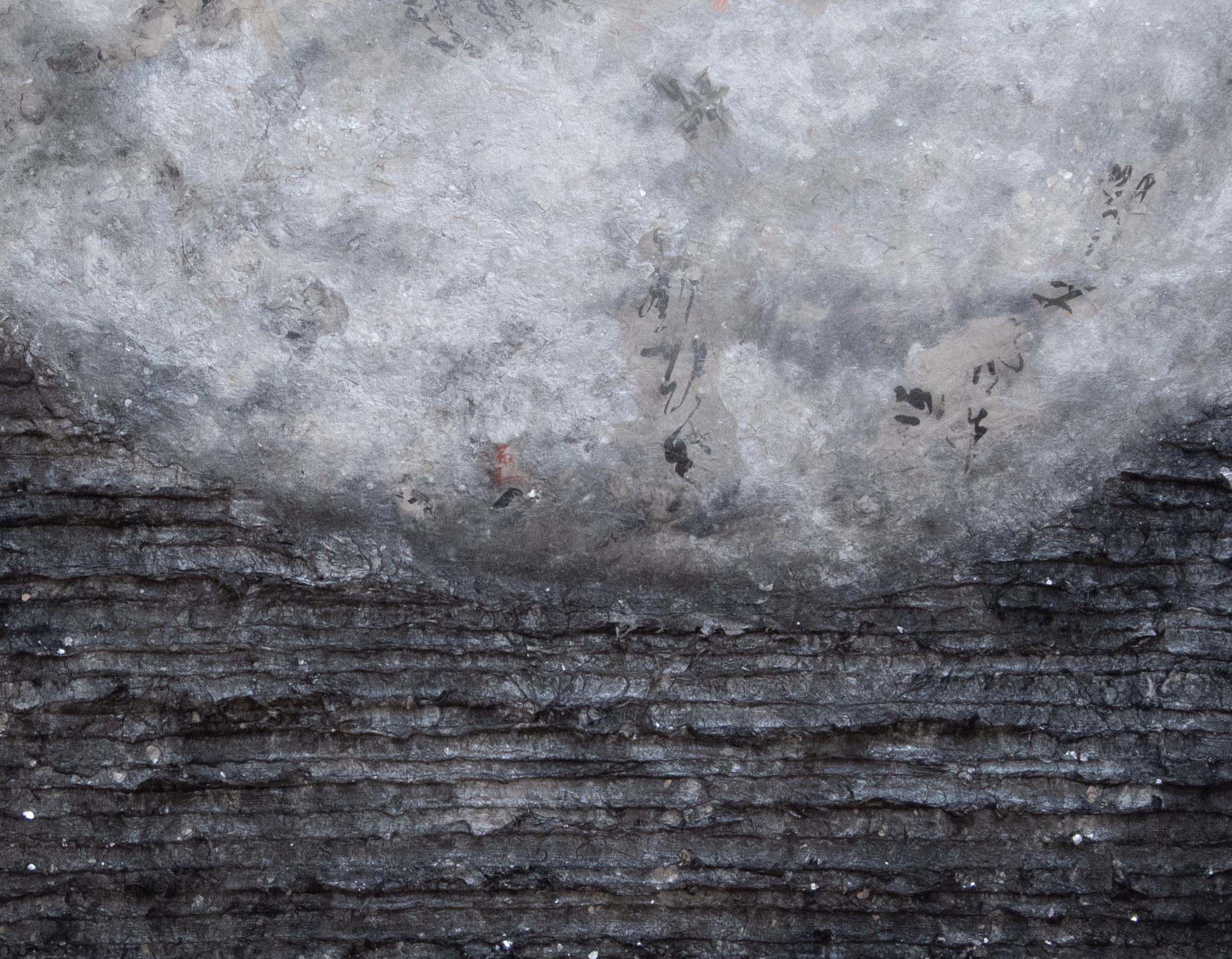
TS-003, (detail), Recycled gampi fiber, hoshogo, old paper, sumi ink, mica, and natural indigo