The publishers reserve the right to refuse, withdraw, amend or otherwise deal with all advertisements without explanation. All advertisers must comply with the British Code of Advertising practice.
The views expressed in this publication are not necessarily those of the publishers.
All written and image rights are reserved by the author as displayed. Reproduction in whole or in part without prior permission from the publisher is strictly prohibited.
Copyright brand TaxiPoint 2026. Creative Common image licences displayed where applicable.
FROM THE EDITOR SIGNIFICANT MOVES IN A QUIET MONTH
April proved to be a relatively subdued month both on the road and at the editorial desk, but several developments still carried notable weight for the taxi and private hire sector.
One of the more significant moves came with Lyft confirming its purchase of Gett. The deal signals a further consolidation of black cab availability under major platforms in the capital, with drivers increasingly operating across connected systems that now include Freenow.
Meanwhile, legislative progress continues to gather pace. The Government’s Devolution Bill has been moving through the House of Lords, with amendments gaining approval. Early signs suggest a positive step towards addressing long-standing crossborder hiring challenges that have
However, discussions with Baroness Caroline Pidgeon further on in this magazine issue highlight that the issue remains far from resolved. While the amendments are being welcomed as a constructive start, gaps in regulatory alignment and enforcement powers still need careful attention if meaningful change is to be achieved nationwide.
As ever, progress is being made, but the road ahead remains complex.
Be lucky,
Perry Richardson
TaxiPoint Editor and Founder
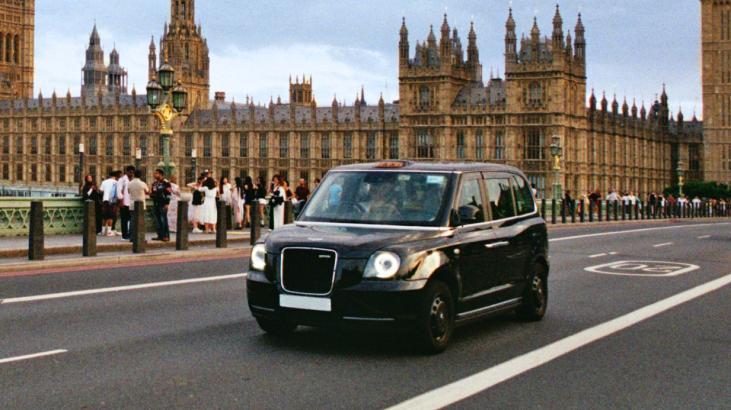
London electric taxi manufacturer LEVC has reiterated its full commitment to the capital’s licensed taxi trade, saying the London black cab remains “at the heart” of its business amid ongoing industry discussion about future vehicle development and regulatory standards.
In an exclusive statement provided to TaxiPoint, an LEVC spokesperson said the company remained “fully committed to the London taxi trade and the continued development of the iconic black cab”.
The manufacturer also highlighted the scale of investment made by parent company Geely Group into the business and its electric TX taxi programme.
The comments come as the taxi industry continues to debate the future shape of London’s purpose
built taxi fleet, with growing scrutiny on vehicle affordability, accessibility standards and the ability for new manufacturers to enter the market.
LEVC used the statement to draw a clear distinction between the TX model and multi-purpose vehicle conversions increasingly discussed within sections of the London market. The manufacturer said its purpose-built taxi design was engineered specifically around London’s licensing requirements and operational environment.
According to LEVC, the TX meets key regulatory requirements including wheelchair accessibility standards, a tight turning circle needed for operation on London streets, and overall vehicle dimensions suitable for existing taxi ranks across the capital.
The London taxi market has faced sustained pressure in recent years from rising vehicle purchase costs, insurance increases and falling driver numbers. However, the TX remains the only fully purpose-built zero emission capable taxi currently available that complies with Transport for London Conditions of Fitness regulations.
Most notably, LEVC also signalled that further announcements on future products and strategy are expected soon. The spokesperson said the company continues to work alongside regulators, government and trade representatives to help shape future urban mobility policy and vehicle requirements.
A LEVC spokesperson told TaxiPoint: “LEVC remains fully committed to the London taxi trade and the continued development of the iconic black cab.
“To date, Geely Group has invested over £1bn in the development of LEVC and its operations, ensuring that the brand can produce an iconic, zero-exhaustemission capable black cab that is fully compliant
with London’s Conditions of Fitness. Its purposebuilt design ensures a passenger car-type experience for drivers and passengers alike, whilst meeting key regulatory criteria. This includes side door aperture width for maximum wheelchair accessibility, a tight turning circle for manoeuvrability in London's busy streets, and a vehicle length of less than 5m to fit within today's taxi ranks. All this sets TX apart from many MPVconversions - often originating from van platformswhich currently don’t meet these conditions.
“The London taxi trade is at the heart of our business and we continue to work closely with regulators, government and trade partners to help shape the future of urban mobility and ensure we deliver the best possible vehicles for the trade, both now and in the years ahead.
“We will provide further updates on our product plans in the near future.”
BARONESS PIDGEON BACKS CROSS-BORDER ENFORCEMENT
REFORMS BUT CALLS FOR FULL LICENSING OVERHAUL
Baroness Caroline Pidgeon has welcomed new enforcement powers aimed at tackling cross-border taxi and private hire working, while warning that more comprehensive legislative reform remains necessary.
The Liberal Democrat peer told TaxiPoint that recent government amendments to the English Devolution and Community Empowerment Bill mark progress in addressing long-standing regulatory gaps. The changes will allow licensing authorities to take immediate action against drivers, vehicles and
operators working outside their home areas where safety concerns arise.
Baroness Pidgeon told TaxiPoint: “It is clear the current taxi and private hire legislation is increasingly in need of extensive reform. In the meantime, I have secured Government amendments to the Devolution Bill which start to tackle some of the loopholes that exist around cross border hiring.”
Under the revised framework, enforcement officers will be able to suspend licences for up to 48 hours regardless of which authority issued them. The home licensing authority must then investigate and
determine whether further action, including suspension or revocation, is required within a set timeframe.
Pidgeon added: “The Government amendments, which followed my own amendments at Committee stage, will allow for any enforcement officer to take action against any driver, vehicle or even operator, if there are safety concerns – regardless of where they have received their licence. A licence can be suspended for 48 hours. The home licensing authority would then have to look into the issue and take action as appropriate.”
The measures were a central focus of House of Lords debate, where ministers argued the reforms would strengthen passenger safeguards and improve accountability across local authority boundaries. The changes respond to persistent concerns about drivers licensed in one area operating predominantly in another, often beyond the effective reach of local enforcement teams.
Transport Minister Lord Hendy of Richmond Hill said the Government had “listened to the concerns raised” and introduced provisions enabling officers to “take immediate action against any licence, irrespective of which authority issued it”. He added that the reforms are intended to ensure suspected unsafe operators and drivers are identified and reported more effectively.
Baroness Pidgeon described the amendments as a positive development but stressed they should be viewed as an interim solution. “This is a good measure to help close some of the safeguarding gaps, but clearly a more detailed root and branch review will be necessary and I hope the Government will look to bring forward legislation at the earliest opportunity,” she said.
The reforms also introduce a formal duty on licensing authorities to share information on breaches of national standards with the issuing authority, alongside new data collection
requirements to monitor enforcement activity. Ministers have indicated this will support a more consistent regulatory approach across England.
The debate highlighted broad cross-party agreement on the need to address enforcement challenges linked to cross-border working, an issue also raised in the Casey Review into group-based child sexual exploitation. However, questions remain over how the new powers will be applied in practice, particularly in relation to operators and the evidential threshold required for immediate suspension.
While the amendments were approved without a vote, the Government has signalled that further engagement with the sector is ongoing. The current measures form part of what ministers describe as an initial package, with the prospect of wider reforms to modernise taxi and private hire legislation still under consideration.
A LONDON CABBIE TAKES THE KNOWLEDGE TO ROYAL GEOGRAPHICAL SOCIETY LECTURE STAGE
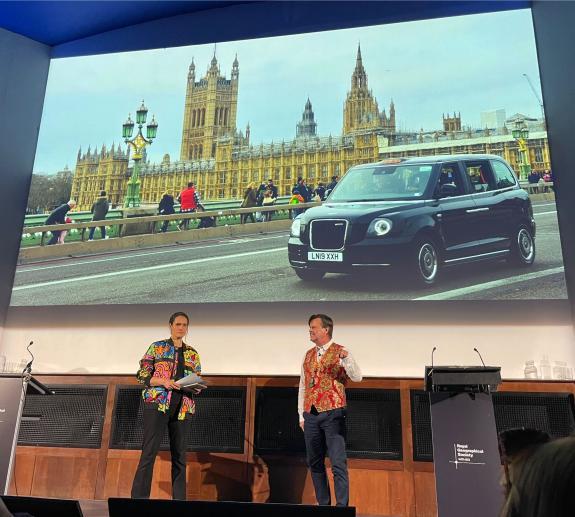
London taxi driver has delivered a headline lecture at the prestigious Royal Geographical Society, offering members an insight into the demanding process behind gaining The Knowledge of London.
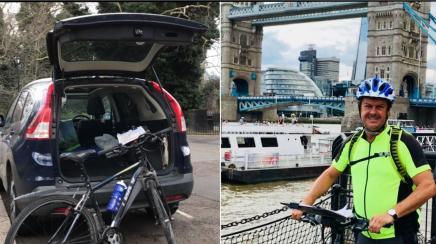
Dave Cunnington, a London black cab driver and long-standing member of the society, spoke at a recent event focused on geographical journeys. His presentation detailed the four-year process he undertook to qualify as a licensed London taxi driver, including the extensive route learning and map study required to pass The Knowledge. Cunnington, who has been a member of the Royal Geographical Society for 16 years, regularly attended its Monday evening
lectures before taking the opportunity to speak himself. According to background notes provided alongside the lecture information, the Hertfordshire-based cabbie gained his green badge in January 2019.
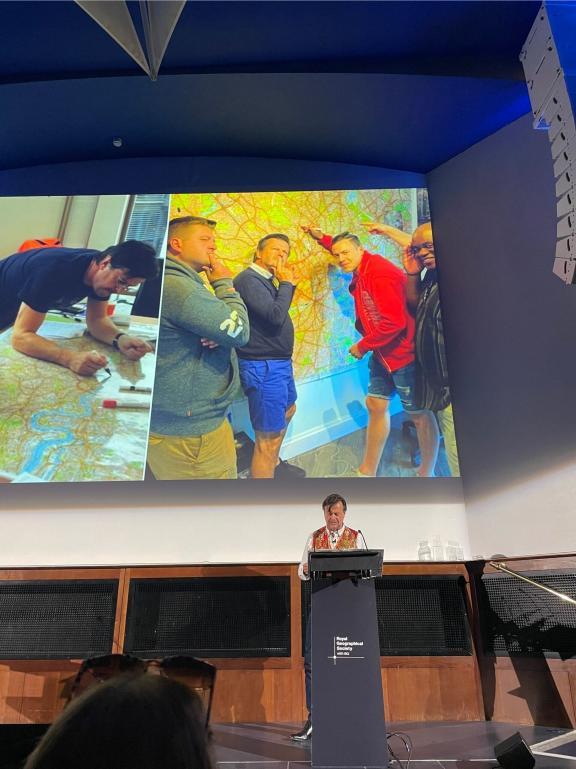
During the lecture, Cunnington recreated one of his first Appearance exam questions for the audience: a route from the Landmark Hotel to the Tate Modern. Using maps and photographic slides, he demonstrated how Knowledge students must mentally process complex routes across the capital while maintaining precise directional awareness.
The presentation also examined the physical and cognitive demands involved in becoming a London cab driver. Cunnington explained how he cycled every
IMAGE CREDITS: DAVID CUNNINGTON
road within a six-mile radius of Trafalgar Square during his studies, fitting much of the work around a senior management role at Royal Mail.
He also referenced research carried out by University College London into how the hippocampus expands during The Knowledge process as students learn approximately 30,000 locations and the routes connecting them.
The lecture comes as London’s taxi trade continues to highlight The Knowledge as a distinguishing professional standard at a time when satellite navigation dominates wider transport services. Industry representatives
have increasingly pointed to the training process as both a safety and quality benchmark for passengers using licensed black cabs.
Cunnington currently drives an LEVC TX hybrid taxi and also operates sightseeing trips through his business Hop in Hop Out London Taxi Tours. Before joining the trade, he spent 36 years working for Royal Mail, progressing from postman to senior management.
The Royal Geographical Society audience reportedly received the lecture warmly, viewing it as an engaging account of a process regarded as unique to London’s taxi industry.
IMAGE CREDITS: DAVID CUNNINGTON
ARE WE HEADING TOWARDS FEWER BUT LARGER OPERATORS IN THE UK?
Consolidation across the UK’s private hire and ride-hailing sector appears to be gathering pace, with a growing number of mergers, acquisitions and regional roll-ups reshaping the trade landscape.
Recent high-profile deals, including Lyft acquiring platforms Freenow and Gett, have intensified discussion about whether the industry is moving toward fewer but significantly larger operators. The trend is not limited to international players. Within the UK, firms such as Veezu and Take Me
have pursued aggressive expansion strategies, often by acquiring smaller local operators and integrating them into broader networks. This shift is raising questions about long-term market structure, competition, and the implications for drivers, passengers and regulators.
Consolidation gains momentum
The acquisition activity involving Lyft marks a notable shift in transatlantic strategy. By absorbing Freenow and Gett, Lyft has signalled intent to scale rapidly beyond its core North American market. Freenow, originally backed by automotive manufacturers Mercedes-Benz, has a strong footprint across major European cities, while Gett has built a niche in corporate travel and ground transport services.
These deals reflect a broader industry pattern where scale is increasingly seen as essential. Larger operators benefit from network effects, deeper capital reserves and the ability to invest in
technology and, crucially, future mobility solutions. For smaller independent firms, competing on these terms has become progressively more difficult.
In the UK, consolidation has been more fragmented but no less significant. Veezu has emerged as one of the most active consolidators in the post-pandemic period. Since 2020, it has acquired dozens of local operators across England and Wales, bringing them under a unified technology platform while often retaining local branding.
Take Me has followed a similar model, focusing on regional growth through acquisition and partnership. While not matching Veezu’s scale, its expansion reflects a shared strategic direction among mid-tier operators seeking to build defensible market positions before further industry disruption takes hold.
Post-pandemic pressures accelerate change
The COVID-19 pandemic acted as a catalyst for structural change within the sector. Demand collapsed during lockdowns, leaving many smaller operators financially exposed. While larger firms were able to absorb losses or access external funding, smaller businesses often lacked the same resilience.
As demand returned, the operating environment had shifted. Driver shortages, rising insurance costs, vehicle financing challenges and tightening regulatory expectations increased the cost of doing business. For many independent operators, selling to a larger group became a practical exit strategy rather than a strategic choice.
At the same time, customer expectations continued to evolve. Passengers increasingly expect app-based booking, real-time tracking, dynamic pricing and seamless digital payments. Delivering these features requires sustained investment in technology infrastructure, something that smaller firms struggle to fund independently.
How will this impact hackney carriage taxi drivers?
geographically, taxi drivers could gain access to wider customer bases and more consistent booking volumes through app partnerships.
The rapid consolidation taking place across the UK private hire and ride-hailing sector is also likely to have implications for Hackney carriage taxi drivers who increasingly rely on booking apps for work.
While much of the current merger and acquisition activity centres on private hire operators, black cab drivers working through digital platforms like Freenow and Gett may find themselves drawn further into ecosystems controlled by a smaller number of large technology-led firms.
Platforms used by licensed taxi drivers, including those integrating black cabs alongside private hire vehicles, are under similar pressure to scale, invest in technology and compete for passenger demand. As larger operators absorb rivals and expand
However, the shift could also reduce the number of competing platforms available to drivers. Fewer operators may weaken drivers’ ability to move between apps in search of lower commission rates, better incentives or stronger working conditions.
For many hackney carriage drivers, particularly in London and larger cities, app-based bookings now form a significant share of daily work. The growing importance of digital dispatch and cashless payments means drivers are becoming increasingly connected to the same technology trends reshaping the wider private hire market.
Despite the risks, black cab drivers continue to hold advantages in areas such as rank and hail rights, local knowledge requirements and wheelchair accessibility standards. These factors are likely to preserve a distinct role for hackney carriage services, even as the broader ride-hailing market becomes increasingly concentrated in the hands of fewer major operators.
Is this trend unique to the UK?
The move toward consolidation is not confined to the UK. Globally, the ride-hailing and private hire sector has been undergoing similar structural shifts for several years. In the United States, Uber and Lyft dominate the market following the exit or acquisition of several smaller competitors. In Southeast Asia, Grab absorbed Uber’s regional operations in 2018, creating a dominant platform across multiple countries.
In Europe, fragmentation has historically been more pronounced due to regulatory differences between countries and cities. However, the recent Lyft acquisitions suggest that this fragmentation may begin to reduce as international players seek scale across borders.
Corporate travel has also seen consolidation, with platforms like Gett focusing on business clients and integrating multiple transport providers into single procurement systems. This model further favours larger operators that can offer consistent service across multiple regions.
The role of autonomous vehicles
The potential arrival of autonomous vehicles (AVs) is widely viewed as a key factor influencing current consolidation trends. While large-scale deployment remains uncertain and subject to regulatory approval, the prospect of AV integration is already shaping strategic decisions.
Developing, deploying and maintaining autonomous fleets requires substantial capital investment, as well as partnerships with technology providers and vehicle manufacturers. Larger operators are better positioned to participate in this transition, either directly or through collaboration.
For smaller operators, the risk is becoming structurally disadvantaged in an AV-enabled market. Without the scale to invest or partner effectively, they may find themselves excluded from future mobility ecosystems. This dynamic is likely encouraging consolidation as firms seek to build the size and financial strength needed to remain relevant.
There is also a defensive element to current acquisition activity. By expanding their networks and customer bases now, operators may be attempting to secure market share before AV disruption potentially reshapes demand patterns and pricing structures.
Implications for drivers and passengers
potentially affecting earnings and working conditions.
Passengers may benefit from improved service consistency, better app functionality and wider availability. Larger operators can also standardise safety measures and customer support processes more effectively than smaller firms.
On the other hand, reduced competition could lead to higher fares over time, particularly in markets where a small number of operators dominate. The balance between efficiency gains and competitive pressure will be closely watched by both those behind the wheel and those holding the purse strings.
The shift toward fewer, larger operators carries mixed implications. For drivers, consolidation can bring access to more consistent work, improved technology platforms and potentially broader geographic coverage. However, it may also reduce competition between operators for driver loyalty,
Regulatory considerations
The UK’s fragmented licensing system adds complexity to consolidation trends. Operators often hold licences in multiple local authority areas, and cross-border hiring rules allow them to operate beyond their primary licensing jurisdiction. This has
SHOULD ‘QUIT AND GO’ DRIVERS BE MANDATORILY ADDED TO NATIONAL TAXI BLACKLIST?
Fresh questions are being asked of regulators focusing on the consideration of whether taxi and private hire drivers who surrender their licences while under investigation should be recorded on the National Register of Refusals and Revocations (NR3), amid concerns over potential gaps in safeguarding.
The issue has come into focus following recent licensing cases where drivers attempted to exit the system before a formal determination could be made. In one such recent case, council officials warned that accepting a surrender could prevent the authority from completing its investigation and recording the outcome on national systems.
NR3 is a centralised database used by taxi and private hire licensing authorities across the UK to share information about drivers who have had licences refused, revoked or suspended. Operated via the National Anti-Fraud Network, it allows councils to check whether an applicant has a history of regulatory action elsewhere before granting a licence.
The system was introduced to tackle longstanding concerns about drivers being refused or
revoked in one area and then successfully applying in another without disclosure. By providing access to historical decisions, NR3 enables authorities to build a more complete picture of an applicant’s suitability.
Under current arrangements, licensing authorities are expected to upload details of refusals and revocations to the database and check it at the point of application. In a recent case involving Bournemouth, Christchurch and Poole (BCP) Council policy confirms that such checks are part of standard procedure to ensure any previous history is available for consideration.
However, the system relies on formal outcomes. Where a driver voluntarily
surrenders a licence before a hearing concludes, there may be no refusal or revocation to record. This creates a potential blind spot, with no national flag attached to the individual despite an unresolved investigation.
The industry might say this undermines the purpose of NR3. The database is designed to promote transparency and prevent risk from being transferred between licensing authorities. If surrender cases are excluded, authorities may be unaware of relevant concerns when assessing new applications.
BCP Council officers highlighted this risk, noting that allowing surrender without further action could mean a driver applies elsewhere without declaring the underlying incident or conduct.
For regulators, the question is whether the scope of NR3 should be expanded. One option is to include records of surrendered licences where
there is evidence of ongoing investigations or alleged breaches, ensuring that the context is preserved even without a formal sanction.
Any such move would require careful handling. Authorities would need to balance transparency with fairness, particularly in cases where no criminal conviction has been secured. Licensing decisions are already made on the balance of probabilities rather than the criminal standard of proof, but recording unresolved matters nationally would raise further legal and data protection considerations.
Despite these challenges, it would be expected that the majority of the sector would argue that maintaining the integrity of NR3 is critical. The database is only as effective as the information it holds, and incomplete records risk potentially weakening its value as a safeguarding tool.
Join TaxiPoint Premium to unlock more taxi and private hire industry news vital to your business. For just £4 per month you get all the latest exclusive Premium news and full unrivalled access to our Premium library. Join the Premium debate to stay one step ahead and to support the trade’s most trusted news source.
BAIDU APOLLO GO AUTONOMOUS VEHICLES ARRIVE IN UK AHEAD OF LONDON
PILOT PLANS
Freenow by Lyft says the arrival of Baidu’s RT6 autonomous fleet marks a key step towards launching regulated robotaxi services in Europe.
AUTONOMOUS VEHICLES AND FLEET OWNERSHIP: WHO CONTROLS THE FUTURE OF URBAN TRANSPORT?
SHOULD MORE PRIVATE HIRE OPERATORS STEP IN AS FUEL COSTS CONTINUE TO SQUEEZE DRIVERS?
LORDS REJECTION OF TAXI ACCESSIBILITY AMENDMENT MAY PROTECT TRADE STABILITY, BUT IS CHANGE NEEDED? TAXI APPS FOR BLACK CABS REMAIN OUTSIDE TFL CONTROL AS LEGAL GAP PERSISTS
FRESH TAXI AND PHV LICENSING LOOPHOLE RAISES SAFETY FEARS AS DRIVERS SURRENDER LICENCES MID-INVESTIGATION
DIGITAL
RED TAPE
The licensing process for taxi and private hire drivers has come a long way from the straightforward system many in the trade once knew involving paperwork, photos and physical visits to the licensing office. What should be an easier digital route to gaining and renewing a licence now feels increasingly like a collection of separate checks, each with its own rules, timelines and risks.
Digital reform was meant to ease the burden. Instead, many drivers are now saddled with more administration, higher costs and a growing number of points where things can go wrong. Not because they are unfit to hold a licence, but because the system has become difficult to keep aligned.
The Disclosure and Barring Service (DBS) Update service is a good example. It was introduced to
simplify criminal record checks and avoid repeated applications. In principle, it allows licensing authorities to view an up-to-date status without the driver needing to submit a new certificate each time.
In reality the system is far from foolproof. A missed renewal payment, often down to something as simple as an expired bank card, can cause the subscription to lapse. When that happens, drivers are pushed back into the old process, facing extra cost and delay. The safety standard has not changed, but the administrative hurdle has.
Additional testing requirements also add to the growing list of tasks drivers must complete. The Safety, Equality and Regulatory Understanding (SERU) test brought in across London has a clear aim. It raises awareness of safety, equality and
regulatory responsibilities. Few would argue against that in principle.
However, it is another stage in an already lengthy process. Booking, preparing for and passing the test all take time and money. When combined with other requirements, it contributes to a system that feels more complex than necessary.
The same can be said for DVLA licence checks.
Drivers must generate a temporary code through the Driver and Vehicle Licensing Agency to allow authorities to view their driving record. These codes are short-lived. If there is any delay in processing an application, the code can expire before it is used.
This leads to a familiar cycle. Authorities must contact the driver, the driver must generate a new code, and the process starts again. It may only be a
short delay, but across thousands of applications it creates a steady backlog, and more friction and stress in the process of licensing.
None of these measures are unreasonable on their own. Each one is designed to improve safety, accountability or efficiency. The issue lies in how they interact. At present, they do not form a single, joined-up system. Drivers are left juggling multiple platforms, renewal dates and payments, all of which need to line up at the right moment.
This lack of coordination creates risk. Not the kind linked to passenger safety, but administrative risk. A driver can meet every professional standard required and still face problems simply because one part of the system falls out of sync.
There is a strong case for bringing these elements together. A unified licensing framework could link background checks, driving records and testing
results into one continuous record. Once a driver is licensed, that record could be maintained in real time, allowing authorities to make straightforward renewal decisions without repeating the same processes.
Such an approach would not lower standards. If anything, it would strengthen them by reducing gaps and inconsistencies. It would also remove unnecessary friction, allowing drivers to focus on their work rather than paperwork.
The industry has long called for national standards. This is where that ambition becomes practical. Without better integration, digital reform risks adding layers rather than removing them.
Drivers are willing to meet the standards set. What they need is a system that works with them, not one that can trip them up on technicalities.
BUILT FOR THE DRIVER. READY FOR WHAT’S NEXT.
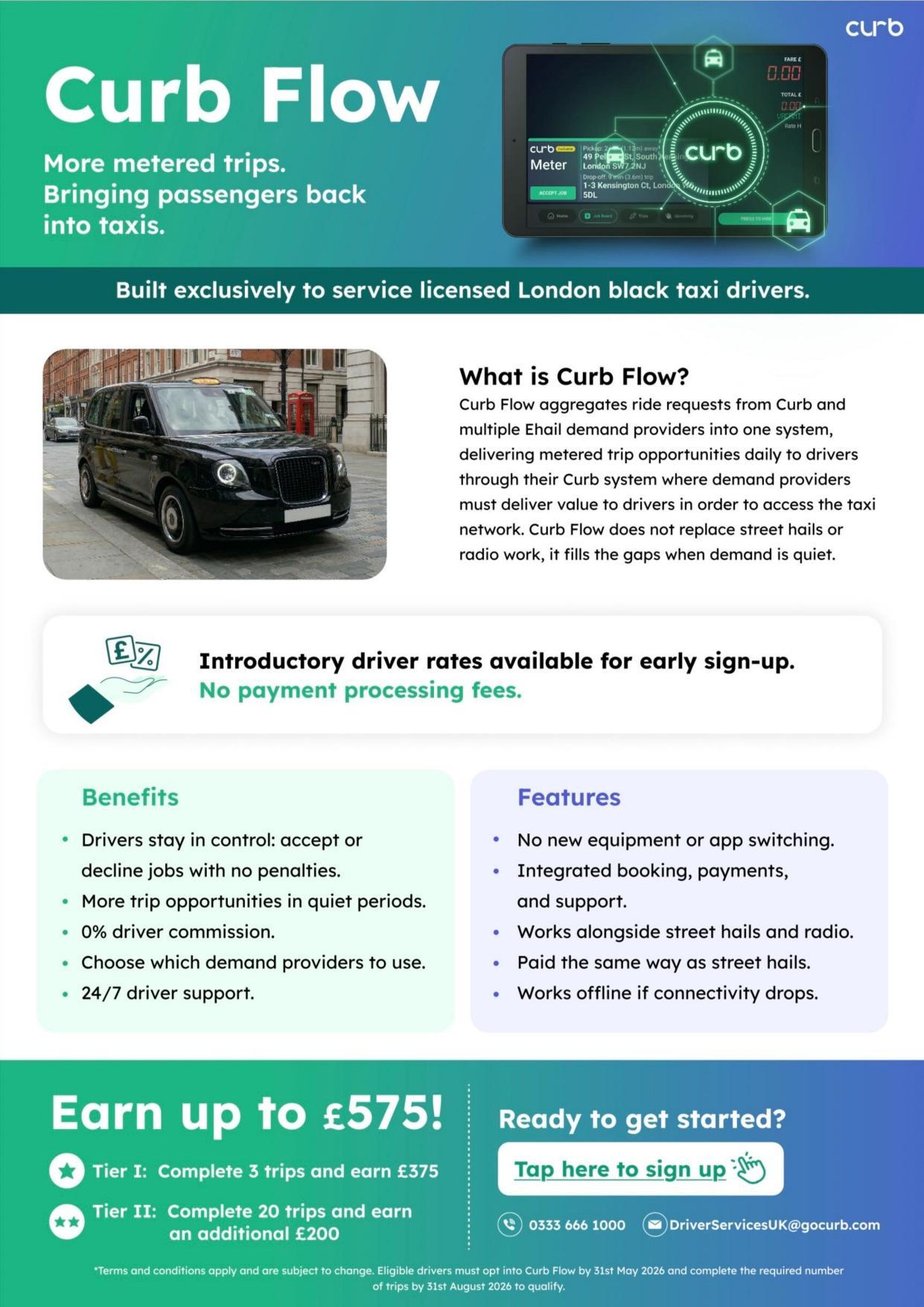
WHY LONDON CABBIES ARE USING CURB FLOW TO STAY BUSY, STAY EARNING AND STAY AHEAD
Filling the Gaps Between Fares
London’s taxi trade sits at the heart of one of the world’s busiest transport ecosystems. For drivers, the reality is often less about overall demand and more about how it’s distributed. Peaks can be strong, but the downtime between jobs defines how productive, and profitable, a shift can be.
As passenger booking habits fragment across multiple platforms, accessing demand efficiently has become increasingly important. Curb Flow brings those opportunities back into one place, aggregating trip requests from multiple sources directly into drivers’ existing systems.
One System, More Opportunities
Rather than replacing how drivers work, Curb Flow enhances it. By adding a steady layer of demand on top of existing income streams, it creates a more consistent
rhythm of trips throughout the day. Now fully live across London, early results are already showing how this approach is helping drivers stay active during quieter periods, turning previously unproductive time into earning opportunities.
Stay Moving, Even Off-Peak
Initial driver feedback points to a smoother working day, with less switching between platforms and a more consistent earning pattern across a shift.
“With everything coming through one system, the day runs a lot smoother. I’m not switching between platforms or sitting around waiting for the next fare. There’s a constant flow of trips, which really adds up when it comes to earnings over the course of a shift.”
Scott Jerrom, London Black Cab Driver
Backed by Real-World Results
This approach is already backed by strong performance elsewhere. Since launching in North America, Curb Flow has seen booking volumes grow approximately fourfold, with drivers experiencing up to a 40% increase in earnings. The same platform is now fully live in London, built around the specific needs of licensed black cab drivers.
Earn More, Starting Now
Earn more as you go with our tiered sign-up bonus:
Tier I: Complete 3 trips and earn £375
Tier II: Complete 20 trips and earn an additional £200
Total potential earnings: £575!
Introductory driver rates are also available for early sign-ups.*
Sign up today at www.gocurb.co.uk/curb-flow. For any questions, call 0333 666 1000 or email
DriverServicesUK@gocurb.com.
*Terms and conditions apply and are subject to change. Eligible drivers must opt into Curb Flow by 31st May 2026 and complete the required number of trips by 31st August 2026 to qualify.
ONE IN THREE SIGNED UP: MORE THAN 280,000 SIGN UP TO HMRC’S MAKING TAX DIGITAL AHEAD OF FIRST AUGUST FILING DEADLINE
More than 281,000 self-employed workers and landlords have signed up to Making Tax Digital (MTD) for Income Tax ahead of the first mandatory quarterly filing deadline this summer, according to new figures released by HMRC.
A total of 281,969 people have enrolled in the new digital tax reporting system since it became mandatory for eligible taxpayers from 6 April 2026. HMRC estimates around 864,000 self-employed individuals and landlords fall within the first wave of mandation, meaning roughly one-third of those required to comply have now signed up.
The first quarterly update deadline under the new regime falls on 7 August 2026. HMRC said it expects registrations to continue increasing as that date approaches, drawing comparisons with the earlier rollout of Making Tax Digital for VAT.
An HMRC spokesperson said: “We are encouraging all customers who were required to join Making Tax Digital for Income Tax from 6 April to use the advice on GOV.UK to take that first step and sign up now ahead of the first quarterly update deadline on 7 August.”
The spokesperson added that sign-up patterns were broadly in line with expectations seen during the VAT transition programme. HMRC said engagement accelerated significantly closer to the first filing deadline when MTD for VAT was introduced.
Under the MTD for Income Tax rules, affected taxpayers must maintain digital records and submit quarterly income and expense updates using compatible software. HMRC said it has worked with software providers to ensure a range of free and low-cost products are available, particularly for sole traders and landlords who manage their own tax affairs without an accountant.
The department also confirmed that customers who miss the 7 August quarterly update deadline during the 2026-27 tax year will not face financial penalties. Instead, reminder letters will be issued
to those who fail to submit on time during the first year of operation.
HMRC said it has written directly to taxpayers believed to be affected by the new rules and urged those still uncertain about their obligations to review the guidance published on GOV.UK. The authority stressed that it remains the legal responsibility of taxpayers to determine whether they fall within the scope of MTD requirements.
The rollout marks one of the largest changes to self -assessment reporting in recent years and is expected to have operational implications for accountants, software providers and self-employed workers across sectors including transport, construction and the gig economy. Taxi drivers and private hire operators who meet the income threshold are among those required to comply with the digital reporting system.
BRITAIN ‘UNSUNG HEROES
TAXI DRIVERS HAILED AS LIFELINE FOR MILLIONS
NEARLY HALF SAY THEY DON
The survey also found 58% of respondents had relied on a taxi driver during a difficult or important moment. That figure rose to 72% among Gen Z respondents and 71% among Millennials.
Taxi drivers were also strongly associated with supporting independence. Three quarters of respondents said taxis help people live more independent lives, while 80% recognised their role in helping elderly passengers and 81% said the same for people with mobility issues.
More broadly, 67% said taxis improve quality of life in local communities, while 77% described them as a lifeline for vulnerable members of society.
Despite that reliance, 44% of UK adults said taxi drivers do not receive the credit they deserve. A further 31% said their role is often overlooked or taken for granted.
Mike Lloyd, Chief Executive of the Acorn Group, said: “Taxi drivers are part of the fabric of everyday life in the UK. They get people to and from work
and school at the beginning or end of the day. They are also there in the moments that matter. Whether that’s getting someone home safely, helping elderly passengers stay independent, or stepping up during an emergency. Twice taxi drivers have got me to hospital quickly when I really needed it.
“What stands out from this research is just how much people in the UK rely on taxi drivers, often without thinking about it. Taxi drivers provide more than transport: they offer reassurance, consistency and a service that many people depend on to go about their daily lives.
“At Acorn, we’ve been supporting taxi drivers for over 40 years. Every day we see the role they play in cities, towns and villages across the country. We have a responsibility to champion the industry and the people behind it. This survey is about recognising that contribution and making sure taxi drivers across the UK get the credit they truly deserve.”
BUSINESS NEWS
GLOBAL GIANTS LYFT TO ACQUIRE GETT UK BUSINESS IN LONDON BLACK CAB TAXI EXPANSION
Lyft has agreed to acquire the UK operations of Gett, in a move that significantly expands its footprint in London’s black cab market and wider ground transport sector. The transaction remains subject to customary closing conditions and is expected to complete in the coming weeks.
The deal will see Lyft combine Gett’s established London presence with its existing platform Freenow, positioning the US-based firm as a dominant app provider for black cab bookings in the capital.
Gett currently works with approximately three-quarters of licensed black cab drivers across Greater London, giving Lyft immediate scale in one of Europe’s most tightly regulated taxi markets.
Jeremy Bird, EVP of Global Growth at Lyft, said: “With Gett, Lyft is expanding its coverage of London's full ground transport ecosystem.
“This milestone reflects Lyft's commitment to the London market and our belief in its long-term potential. Adding Gett to Lyft’s ecosystem positions Lyft as the leading app for London black cabs.”
(IMAGE CREDIT: LYFT
INSURD MARKS FOURTH ANNIVERSARY WITH RAPID PREMIUM GROWTH AND TAXI INSURANCE EXPANSION
insurd Limited has reported significant growth across its business as it marks its fourth anniversary, with gross written premium rising sharply and its footprint in the taxi insurance market expanding.
The Flint-based broker said premium volumes increased from £807,000 in 2022 to £13.3 million in 2025, underlining its rapid development since launch.
The company, founded in 2022, has also scaled its workforce from three employees to 36, building out teams across customer service, compliance, IT development, accounting and marketing. Management roles have largely been filled through internal promotions, reflecting a strategy focused on developing talent in-house as the business grows.
Craig Shaw, Director of insurd, said: “Reaching our fourth anniversary is a huge moment for us. We’ve built the business around strong foundations great people, strong insurer relationships, and a focus on making insurance simpler for customers. The growth we’ve seen across premium, team size, and product range reflects that. We’re excited about what’s ahead as we continue to scale in 2026 and beyond.”
AUTOCAB APPOINTS FORMER UBER EXECUTIVE FRANS HIEMSTRA
AS CEO TO DRIVE
GLOBAL TAXI AND PHV
TECH EXPANSION
Hiemstra as its new chief executive, as the taxi software provider looks to accelerate its international expansion.
Hiemstra will take over from Safa Alkateb, who has led the Manchester-based business since 2012 and will step down in June to pursue a new opportunity. The incoming CEO brings around a decade of experience working across global taxi, fleet and private hire vehicle markets during his time at Uber.
The leadership change comes as Autocab seeks to build on its position supporting independent taxi operators worldwide. The company provides booking and dispatch software designed to
help firms increase passenger numbers, retain drivers and reduce operating costs.
Frans Hiemstra, CEO, Autocab, said: “Autocab is a brilliant independent British business, and I’m delighted to now be part of that team. Over the last 10 years, I’ve had the chance to work across a number of markets and business models in the taxi, fleet and Private Hire sectors, and have seen firsthand how transformative Autocab’s technology can be. I couldn’t be more excited to work with the team to help drive Autocab’s continued growth. There’s a strong opportunity ahead to invest in Autocab as we work to help even more independent taxi companies across the world scale and grow.”
UBER REACHES HUGE EIGHT DIGIT ACTIVE DRIVERS AND COURIERS WORLDWIDE MILESTONE NUMBER
Uber has reached a new milestone, with 10 million monthly active drivers and couriers now using its platform globally, according to senior executives.
Chief executive Dara Khosrowshahi confirmed the figure, stating: “10 million drivers and couriers, and still growing.” The update reflects continued expansion of Uber’s mobility and delivery services across international markets, as the firm scales both ride-hailing and logistics operations.
The milestone was also highlighted by Uber’s Chief Product Officer Sachin Kansal, who said: “There are now 10 million monthly active drivers and couriers on Uber what a milestone!” Kansal added that the workforce plays a central role in urban transport systems, stating: “The work you do is an essential part of daily life in cities around the world.”
BLACKLANE UNVEILS NEW LUXURY BRAND IDENTITY AHEAD OF PLANNED UBER ACQUISITION
Blacklane has introduced a redesigned global brand identity as the chauffeur service positions itself for further international expansion and a pending acquisition by Uber.
The Berlin-founded company said the updated branding includes a complete overhaul of its website and mobile app, aimed at improving the endto-end booking experience for both individual travellers and corporate clients. The redesigned platforms focus on a more streamlined and intuitive journey, from initial search through to post-trip feedback.
Blacklane stated the refreshed identity is built around the concept of “flow”, which it describes as reducing
friction across the customer journey while maintaining high levels of personal service. The company said this approach is intended to help business travellers arrive better prepared and rested, aligning with the expectations of executive and premium transport users.
As part of the update, Blacklane has introduced a new visual identity centred on a revised colour palette known as Blacklane Blue, alongside updated typography, iconography and photography. The company said the changes move away from more functional design conventions typically associated with ground transport services.
CABBIDDER LAUNCHES WEB APP FOR LICENSED TAXI AND PRIVATE HIRE WORK
Cabbidder has launched a new web application aimed at licensed Private Hire Operators and Hackney licensed drivers and vehicles, offering access to pre-booked journey requests through a real-time quoting system. The web app allows licensed trade users to view incoming journey requests, submit quotes and manage vehicles and compliance documents. Cabbidder says onboarding is restricted to professionals holding valid private hire or hackney licences, insurance and supporting documentation.
Cabbidder has previously said its network includes more than 5,000 taxi drivers and private hire operators since launching in 2024.
Matt Young, Founder of Cabbidder, said: “We’ve built Cabbidder to support the licensed trade. This is about helping operators access more work, reduce dead mileage and stay in control of their pricing without giving away a percentage of their fares.”
LONDON NEWS
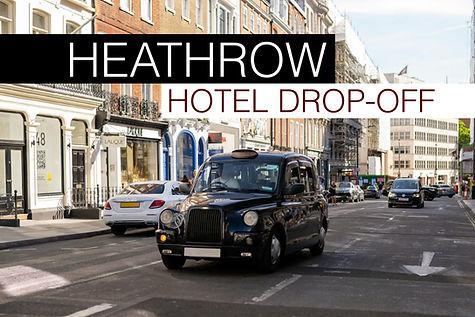
HEATHROW HOTEL DROP OFF DISPUTE RESOLVED AS LICENSED TAXIS SECURE FEE EXEMPTION
long-running dispute over drop-off charges at Heathrow hotels has been resolved, with licensed London taxis now exempt from fees at several key locations, according to Licensed Taxi Drivers’ Association (LTDA) Airport Representative Chris Goddard.
The issue centred on a £7.20 drop-off charge for stays of up to 10 minutes at hotels including the Hilton Garden Inn at Terminals 2 and 3. The fee, enforced by Euro Car Parks, created operational challenges for taxi drivers transporting passengers to airport hotels, particularly those requiring assistance.
Goddard said the situation “highlights another example of drivers being caught in poorly considered enforcement measures,” noting that drivers were left without a mechanism to pass on charges when carrying passengers. This forced drivers to either absorb the cost or attempt to explain an additional fee to customers, a process he suggested was unworkable in practice.
The LTDA raised concerns directly with hotel management and escalated the matter to senior decision-makers, outlining the daily realities of taxi work and the unintended consequences of the charging system. The issue was also discussed at a Heathrow meeting involving relevant stakeholders.
A temporary arrangement had allowed drivers to drop passengers at Terminal 2 instead, requiring passengers to walk through a multi-storey car park to reach the hotel. While this avoided the charge, Goddard said it “worked in practice but created difficulty for those with luggage, mobility issues or who were unfamiliar with the airport”.
Following further negotiations, a permanent resolution has now been agreed. Licensed London taxis are exempt from drop-off charges at the Hilton Garden Inn in Terminals 2 and 3, as well as the Crowne Plaza and Holiday Inn at Terminal 4. The system is administered using vehicle registration data from Transport for London’s licensed taxi database, with ANPR cameras verifying vehicles against a whitelist.
Goddard described the outcome as “positive”, but warned that the exemption is conditional. Hotels have indicated that misuse of the forecourt, including waiting or queuing, could lead to the exemption being withdrawn. “Drivers should use
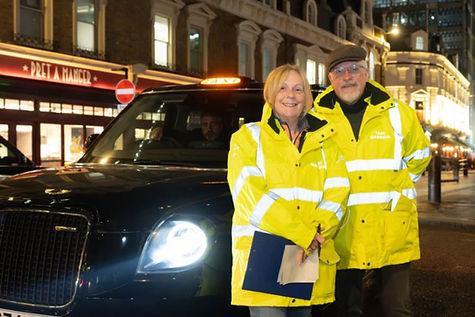
CITY OF LONDON TAXI MARSHAL SCHEME SUPPORTS OVER 77,000 PASSENGERS IN
SAFETY
DRIVE
Taxi marshals in the Eastern City Business Improvement District have assisted more than 77,000 passengers since December 2023, according
hotel forecourts for genuine drop-offs only and then move on immediately,” he said.
The system also has technical limitations, relying on periodic data updates rather than real-time checks. Newly licensed vehicles or recent changes may not be immediately recognised, potentially leading to incorrect charges. Private hire vehicles remain subject to the drop-off fees.
Goddard added that the episode demonstrates the importance of direct engagement with stakeholders. “Without it, drivers would still be absorbing costs or inconveniencing passengers,” he said. He also warned that enforcement policies are often introduced “without full understanding of the taxi trade itself”.
The LTDA has advised drivers who receive a Parking Charge Notice during a genuine drop-off to seek support through Heathrow representatives, where cancellations may be possible with appropriate evidence.
to newly released figures, underlining the role of structured rank management in the Square Mile’s night-time economy.
The BID reported that 77,043 passengers have used the service, including 12,819 women travelling alone. The initiative is designed to help people access licensed taxis safely and efficiently, particularly during peak evening periods when demand is high.
Over the past year, the wider scheme has supported 20,323 taxi journeys, equating to 36,354 individual passengers. The data suggests sustained operational demand for marshalled taxi services as part of efforts to manage late-night transport flows.
The taxi marshal programme forms part of a broader safety initiative led by Eastern City BID, which includes coordination with local partners to improve conditions for workers, residents and visitors leaving the area after hours.
LYFT CONFIRMS ‘NO IMMEDIATE CHANGES’ FOR GETT DRIVERS AND USERS AS LANDMARK TAXI TRADE ACQUISITION PLANS TAKE SHAPE
Lyft has confirmed that drivers and passengers using Gett will see no immediate changes following the firm’s planned acquisition of its UK operations, as further details emerge on how the business will be integrated into Freenow and Lyft model.
Speaking to TaxiPoint, a spokesperson said “right now, everything will stay the same for drivers and riders”, signalling a cautious and staged approach to combining the two platforms in London’s black cab market. Branding will begin to evolve gradually once the deal completes. Lyft suggested that in some places, drivers will see the Gett name transition to Gett by Lyft. Importantly, the experience will stay the same for drivers and riders. The approach suggests the company is seeking to retain Gett’s established presence in at least the short-term while aligning it with Lyft’s global platform.
in the market, noting: “Two thirds of taxi drivers in Greater London already drive with Gett, and many of those also drive with Freenow.” The company added that “the combination is powerful and will make ride matching even easier and faster for riders”.
The acquisition will also see Gett’s UK workforce integrated into Lyft’s existing operations. The company told TaxiPoint that they are excited to welcome Gett’s UK employees into the Freenow by Lyft team, confirming that staff will transition into a unified business structure as part of the deal.
A key operational focus will be the combined driver network across both platforms. Lyft highlighted the scale of overlap already present
Despite the long-term ambition to integrate supply, Lyft indicated that cross-platform functionality will not be introduced immediately. When asked whether Gett taxis would appear on Freenow or Lyft apps, the company reiterated: “Right now, everything will stay the same for drivers and riders.”
However, it signalled future changes, adding that over time, bringing these two platforms together means riders will benefit from a much larger pool of black taxi drivers, leading to faster ETAs, better reliability, and an even stronger experience.
MANSFIELD OPTS FOR VOLUNTARY TAXI CCTV CODE AMID CONCERNS OVER DRIVER EXODUS AND REGULATORY GAPS
Mansfield District Council is set to introduce a voluntary code for CCTV use in taxis and private hire vehicles, citing concerns that mandatory requirements could drive drivers away from the area and weaken local regulatory control.
A report presented to the council Committee on 16 April 2026 recommended adopting the voluntary framework rather than enforcing compulsory CCTV installation. The move reflects wider industry tensions between improving passenger safety and maintaining a stable driver base under England’s fragmented licensing system.
The report also highlights cost pressures as a barrier. Mandatory CCTV could increase financial burdens on drivers and require them to take on data controller responsibilities under data protection laws. Officials warned that this could lead to drivers exiting the trade, creating knock-on effects for local transport availability.
Industry adoption of CCTV remains uneven across the UK. As of early 2026, only around 8% to 10% of licensing authorities have introduced mandatory CCTV policies, equating to roughly 21 to 22 councils out of more than 260. Several authorities that previously considered or implemented mandates have reversed decisions following concerns about privacy and cost.
The council acknowledged that national statutory guidance encourages authorities to consider CCTV in licensed vehicles to protect vulnerable passengers. However, it stopped short of mandating installation locally, arguing that without nationwide legislation, isolated enforcement could create unintended consequences.
One of the primary risks identified is the potential for drivers to seek licences in neighbouring authorities that do not impose CCTV requirements. Since regulatory changes in 2015 allowed drivers to operate outside the area where they are licensed, councils imposing stricter rules face losing oversight of vehicles operating within their boundaries.
Despite the lack of a mandate, Mansfield officials noted that some local operators have already installed CCTV across their fleets, meaning a proportion of journeys are already covered by invehicle surveillance systems. The voluntary code aims to formalise expectations and encourage wider uptake without imposing legal obligations.
The council maintains that a national approach would be more effective in achieving consistent safety standards while avoiding regulatory arbitrage between licensing areas. Until such legislation is introduced, Mansfield’s voluntary code reflects a compromise between safeguarding objectives and maintaining a viable local taxi and private hire market.
PASSENGERS WARNED: TAXI BILKER CASE IN EDINBURGH RESULTS IN GUILTY PLEA AND COURT PENALTY
A recent taxi bilker case in Edinburgh has resulted in a guilty plea, a £280 fine and a community service order, according to information published by the Association of Hackney Carriage Drivers of the City of Edinburgh.
The case, which has progressed through the courts, centres on a passenger failing to pay a taxi fare, an act the association has described as a criminal offence rather than a minor dispute. The outcome included 30 hours of community service alongside the financial penalty.
The association used the case to reinforce a broader message to passengers that nonpayment is treated as fraud under the law. In communication seen, it stated: “Not paying your taxi fare is fraud. It’s a criminal offence.” The organisation added that individuals who avoid payment are not receiving a free journey but are instead likely to be “reported, charged, and taken to court”.
NORTH YORKSHIRE TAXI FARES COULD RISE BY 5% AS FUEL COSTS CONTINUE CLIMBING
North Yorkshire Council is considering a 5% increase to maximum hackney carriage taxi fares following renewed pressure from drivers facing higher operating costs and fuel prices.
The proposal will be discussed by the council’s Executive committee on 12 May and follows requests from members of the hackney carriage trade to review the existing fare structure. Officers said three separate requests had been submitted by drivers seeking a fare review after sustained rises in fuel prices linked to global instability and wider cost pressures.
Under the recommendation, all tariff bands would rise by 5%, while additional charges would remain unchanged. Tariff 1 daytime fares would increase from £2.22 to £2.33 per mile, while Tariff 2 would rise from £3.15 to £3.31 per mile and Tariff 3 from £4.20 to £4.41 per mile. Waiting time charges would also increase across all tariff levels.
Council figures show petrol prices have risen by 17.58% since the last fare increase introduced in July 2024, while diesel prices have climbed by 42.26% over the same period. Diesel prices increased from 134.64p per litre to 191.54p per litre by April 2026, according to RAC data referenced in the report.
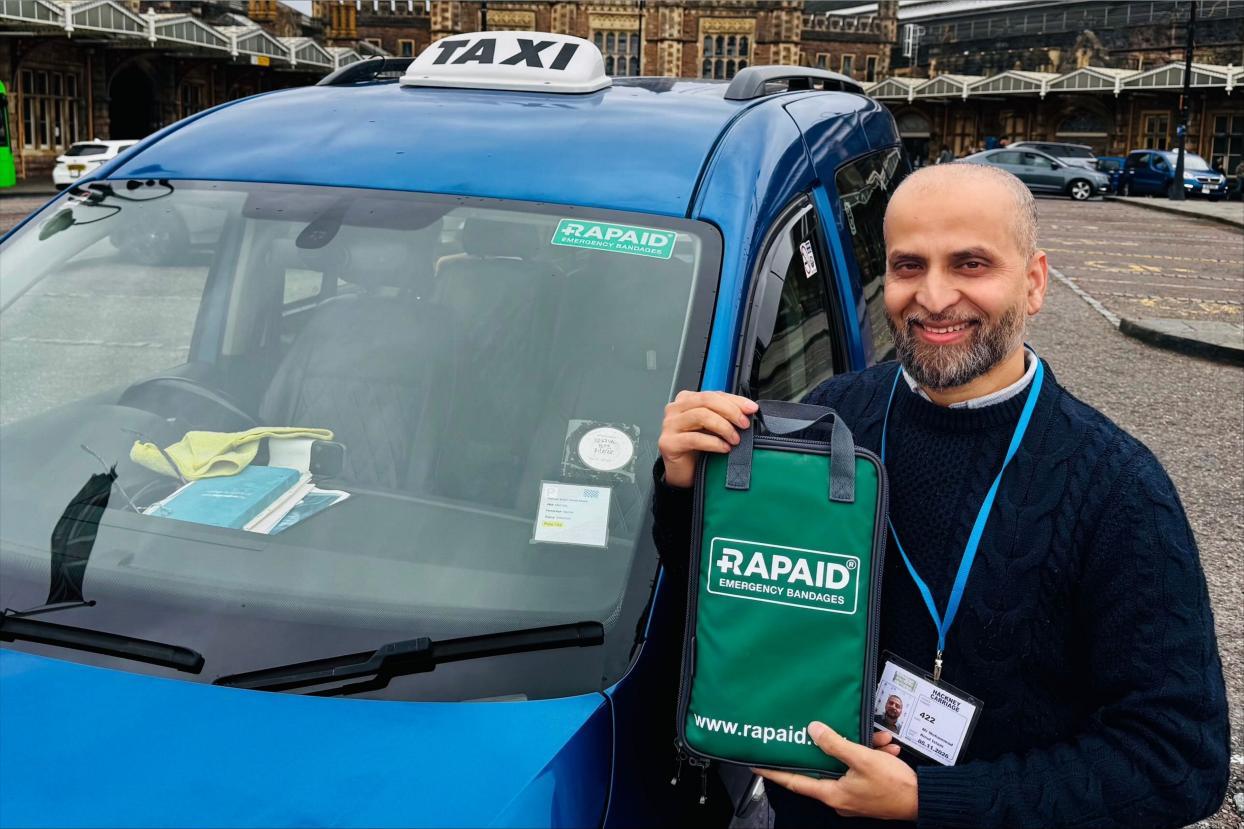
BRISTOL BLUE TAXIS EQUIPPED WITH EMERGENCY RAPAID TRAUMA KITS TO RESPOND TO KNIFE CRIME AND SERIOUS ACCIDENTS
The iconic blue taxis operating across Bristol are now carrying military-grade emergency bandage kits designed to help members of the public respond to severe bleeding incidents before paramedics arrive.
The initiative, led by charity RAPAID, has seen 200 taxis equipped with the kits in partnership with the Bristol Blue Licensed Taxi Association and supported by Babcock International Group.
Participating taxis display green RAPAID window stickers so they can be identified by members of the public during emergencies. The kits are intended for use in incidents involving serious blood loss,
including road traffic collisions, assaults and knife crime.
The kits contain four military bandages capable of applying 30lb of pressure to a wound, alongside surgical gloves and instruction cards designed to support use by members of the public with no medical training.
Alex Chivers, founder of RAPAID and a former police firearms officer, said: “It makes perfect sense to put these kits onto taxi cabs that are constantly moving in and out of our community day and night. A severe haemorrhage can be fatal within minutes, so the quicker treatment begins the better your chances of survival until help arrives.”
IMAGE CREDIT: RAPAID
HASTINGS COUNCIL
CONSIDERS DROPPING TAXI
VEHICLE AGE LIMITS FOR ELECTRIC AND HYDROGEN CABS AND EXTENDING LIMITS FOR WAVS
Hproposed amendment would increase the maximum licensing age for 8-seat MPVs, purposebuilt MPVs and WAVs to 15 years. Electric and hydrogen vehicles would no longer face an upper age limit.
Licensing officers said rising vehicle costs were placing significant strain on operators, particularly those running accessible vehicles. The report states
The report argues that extending vehicle life cycles could help operators reduce debt exposure and avoid fare increases caused by high replacement costs. Officers also said extending the operational life of Euro 6 compliant vehicles could reduce the environmental impact associated with manufacturing new vehicles.
ENFORCEMENT NEWS
PLYING BIRMINGHAM ROGUE TAXI AND PHV CRACKDOWN CONTINUES AS DRIVER FINED £1,5 FOR ILLEGAL PICK
Police and council licensing officers in Birmingham are continuing joint enforcement operations targeting rogue taxi activity in the city centre amid ongoing concerns around passenger safety and illegal street pick-ups.
The renewed warning comes after a licensed private hire driver was prosecuted for illegally plying for hire after collecting two women from Navigation Street on a Friday night in September last year. The driver admitted the offence in court and was handed a bill totalling almost £1,500 alongside eight penalty points on his driving licence.
Chief Inspector Vicki Stott, of Birmingham city centre police, said: "The safety of everyone coming in and out of the city centre is paramount, and one way of doing this is making sure they are travelling safely.
"An unbooked journey is dangerous for the passenger, as there is no record of the journey which can be traced.
"The vast majority of private hire drivers are operating legitimately and responsibly, and it's not fair when someone breaks the law to make quick money.
"We know the importance of keeping everyone safe, and we won't have vulnerable people, especially women and girls, in a position where they are not safe.“
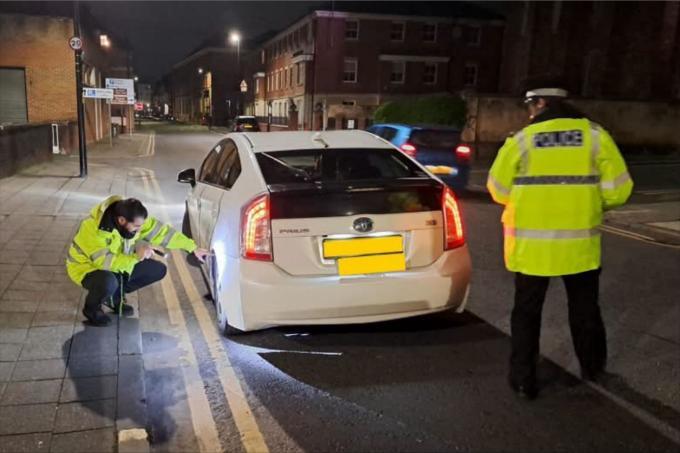
WARRINGTON AND WOLVERHAMPTON TAXI AND PHV CHECKS UNCOVER VEHICLE DEFECTS DURING JOINT NIGHT-TIME ENFORCEMENT OPERATION
A joint enforcement operation in Warrington town centre has resulted in multiple taxi and private hire compliance actions, including a vehicle suspension and driver referral, as police and council officers targeted safety risks in the night-time economy.
The coordinated taxi licensing operation was conducted involving Warrington Borough Council and Wolverhampton Council. The collaboration reflects ongoing cross-border efforts between licensing authorities to monitor compliance standards among taxi and private hire
vehicles operating in busy urban areas.
During the checks, multiple taxis were inspected making sure they met licensing conditions and vehicle safety requirements. One vehicle was immediately suspended due to an engine management issue, highlighting concerns around roadworthiness and passenger safety.
In addition, two vehicles were issued with defect notices requiring remedial action, while one driver has been referred for a conduct review. Authorities have not disclosed further details regarding the nature of the conduct concerns.
DRIVERS INVESTIGATED
AND FACING ACTION IN JOINT ENFORCEMENT OPERATION
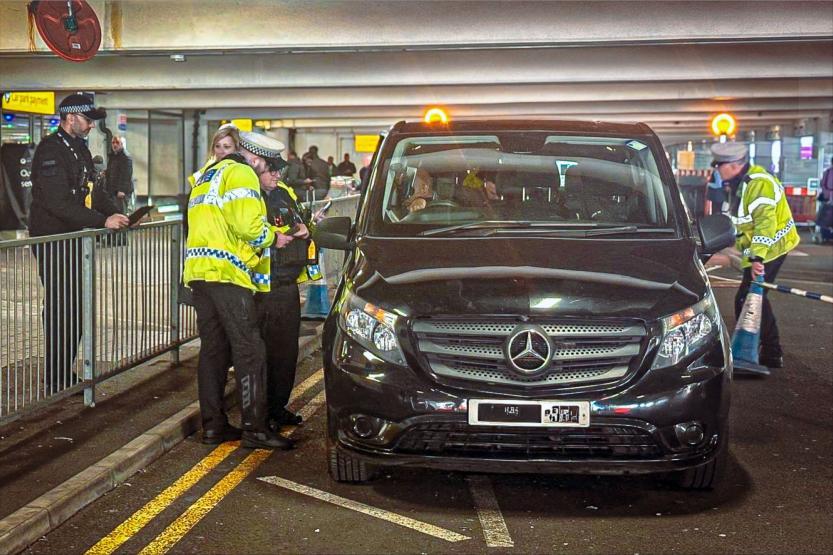
A HEATHROW AIRPORT TAXI TOUT CRACKDOWN SEES MULTIPLE
joint enforcement operation targeting illegal taxi touting at Heathrow Airport has led to more than 25 vehicles being stopped and multiple drivers facing further action, according to Aviation Policing.
The Safer Airport team, working alongside the Metropolitan Police traffic unit, the Department for Work and Pensions (DWP) and Transport for London Taxi and Private Hire (TfL TPH), carried out the operation to disrupt unlawful activity linked to passenger pick-ups at the airport.
In a statement posted by Aviation Policing Heathrow, officers confirmed that “over 25 vehicles [were] stopped, 6 drivers being reviewed by DWP, 5 processed for driving offences & 2 investigated by TfL”.
subject to the same safety, insurance or fare regulations as licensed services.
The practice can undercut legitimate taxi and private hire operators who pay licensing fees, meet regulatory requirements and rely on designated ranks or pre-booked work. It also
The coordinated checks focused on identifying unlicensed activity as well as potential regulatory breaches.
Taxi touting typically involves drivers approaching passengers directly inside terminals or forecourts without a pre-booking or licence to operate legally. These drivers often bypass official ranks and booking systems, offering rides that are not
presents risks to passengers, including unclear pricing, lack of insurance cover and reduced accountability.
Heathrow, as one of the UK’s busiest transport hubs, has long been a focal point for enforcement efforts aimed at tackling touting. Multi-agency operations such as this are designed to deter illegal activity while reinforcing standards across the licensed taxi and private hire sector.
CHILDREN ONBOARD:
SCHOOL RUN PHV FOUND OPERATING WITH EXPIRED LICENCE PLATES IN AVON AND SOMERSET
TAXI FIRM DIRECTOR JAILED AFTER £700,000 FRAUD TARGETING BUSINESS AND STAFF PENSIONS
A taxi firm director who stole nearly £700,000 from business accounts and staff pension contributions has been jailed for four years.
Gemma Phoenix, 44, pleaded guilty to fraud by abuse of position at Hull Crown Court in March 2026. She was sentenced at the same court on 27 April.
Phoenix worked as a bookkeeper and director at a taxi firm between April 2023 and August 2024, where she managed payroll, driver payments and pension transfers.
The fraud was uncovered after concerns were raised that employee pension contributions had not been received by the pension provider. Investigators found the funds had instead been transferred into Phoenix’s personal bank account.
Financial enquiries established that around £693,965 had been taken. Transactions were disguised using references such as “Pension” and “HMRC” to avoid detection.
Phoenix was arrested in September 2024 and admitted taking money during police interview, although she was unable to confirm the full amount.
Officers also found she had told friends she had won money through gambling, which police believe was an attempt to conceal the source of the funds.