The publishers reserve the right to refuse, withdraw, amend or otherwise deal with all advertisements without explanation. All advertisers must comply with the British Code of Advertising practice.
The views expressed in this publication are not necessarily those of the publishers.
All written and image rights are reserved by the author as displayed.
Reproduction in whole or in part without prior permission from the publisher is strictly prohibited.
Copyright brand TaxiPoint 2026. Creative Common image licences displayed where applicable.
FROM THE EDITOR DRIVING FORWARDS: BEHIND THE WHEEL AND BEHIND THE SCENES
It’s been a busy few weeks behind the wheel across the capital.
A combination of Tube strikes, the world-famous Chelsea Flower Show and a noticeable uplift in tourism has kept many drivers on their toes throughout May. For London’s taxi trade, periods like these show the vital role black cabs continue to play in keeping the city moving when demand surges and alternative transport options come under pressure.
June is always one of the standout months in the calendar too. The arrival of Wimbledon brings visitors from around the globe, the Test cricket season gets into full swing, and this year there’s the added bonus of latenight World Cup football to keep fans entertained well into the evening. For many drivers, that combination of sporting events, tourism and warmer weather often creates opportunities for some good shifts. Long may it continue.
Here at TaxiPoint, it has also been a particularly busy period behind the scenes. Like many publishers, we've been navigating a number of significant Google updates that continue to influence how readers discover news and information online. Alongside that, we've completed a sizable
overhaul of some of our administrative processes and office operations. While much of that work happens out of sight, it is essential in ensuring we can continue to deliver reliable industry news efficiently and sustainably.
With those projects now largely complete, our focus shifts firmly towards the future. We're looking forward to investing more time into developing new products, enhancing the services we provide and, most importantly, continuing to deliver the news, insight and analysis that matters most to our readers. There are some exciting developments on the horizon and we look forward to sharing them with you over the coming months.
As always, thank you for your continued support of TaxiPoint. Whether you're reading us between jobs, during a wellearned break or at the end of a long shift, we appreciate every reader who continues to make this platform the industry resource it has become.
Be lucky,
Perry Richardson TaxiPoint Editor and Founder
COULD THE TAXI RANK OF THE FUTURE BECOME A CITY’S NEXT SMART TRANSPORT HUB?
From digital hailing systems and wireless charging to live availability data inside the regional run apps like TfL Go, could the traditional taxi rank ever be on the verge of a technological overhaul?
For decades the taxi rank has remained one of the simplest pieces of urban transport infrastructure. A marked section of kerbside, often outside stations, hotels and nightlife districts, where licensed taxis queue and passengers wait. Functional and largely unchanged.
But as transport systems become increasingly connected through real-time data, Mobility as a Service (MaaS) platforms and electric vehicle
infrastructure, there’s an argument that the taxi rank itself should also evolve into a far smarter part of the capital’s transport network.
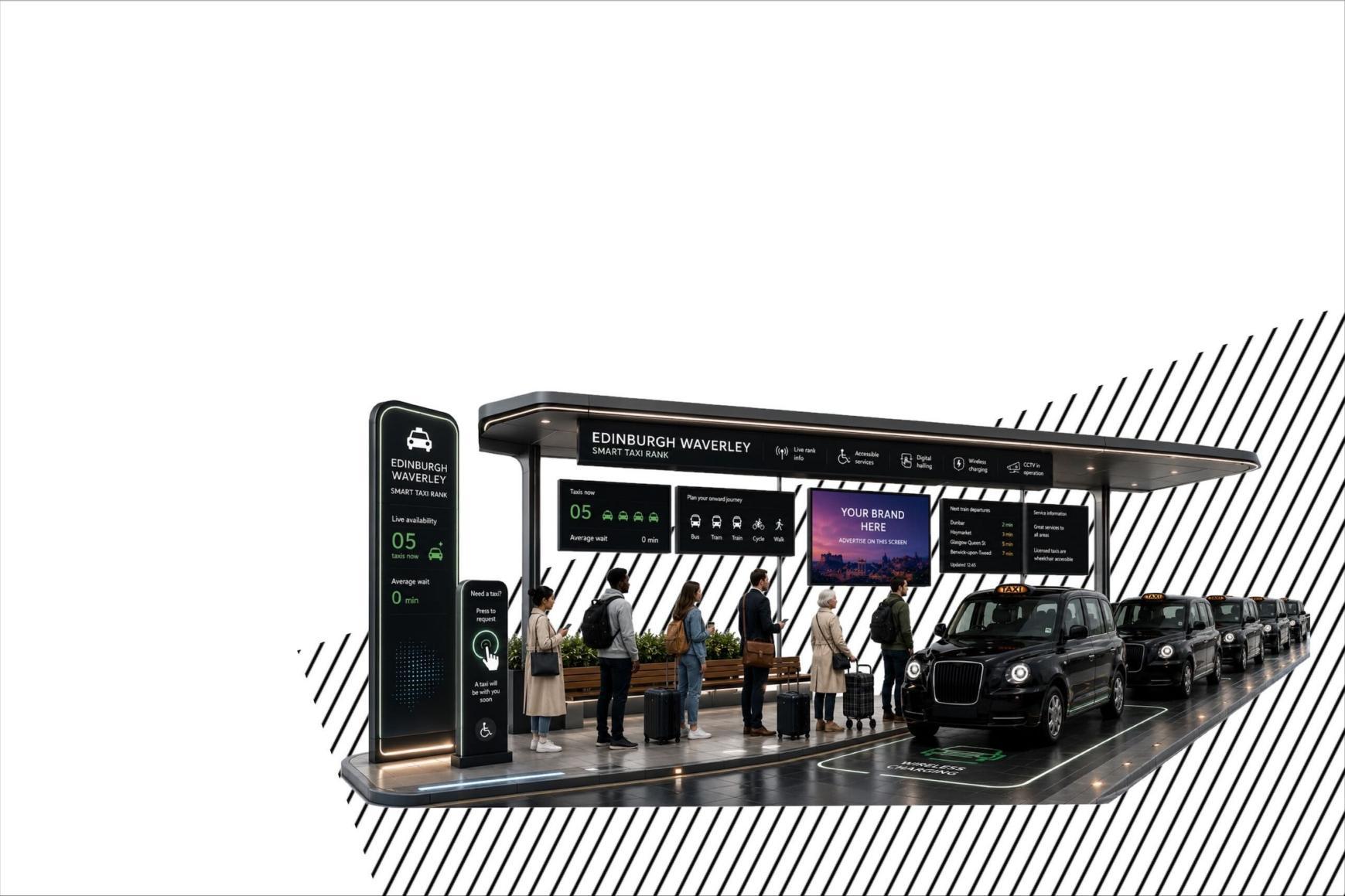
Rather than simply being a waiting point for taxis, future ranks could operate more like intelligent mobility hubs. Integrated into apps, connected to live passenger demand systems and equipped with digital infrastructure, the next generation taxi rank would play a major role in solving last-mile transport challenges across any city or even small rural area.
One of the most practical developments could be live taxi rank integration within journey planning apps. Passengers exiting rail or bus services could immediately see the nearest licensed taxi ranks, real-time taxi availability and estimated waiting times alongside walking, cycling and bus options.
This approach aligns closely with wider Mobility as a
Service strategies being adopted globally. MaaS systems aim to combine all forms of transport into one connected digital experience, allowing passengers to move between different transport modes seamlessly.
Let’s take London as an example, black cabs already form part of that wider last-mile transport ecosystem, particularly during late-night travel and accessibility-focused transport. Yet taxi ranks themselves remain relatively disconnected from TfL’s digital customer interfaces that already exist.
A future TfL Go integration could change that entirely. Users might receive notifications directing them toward nearby taxi ranks during service disruptions, poor weather or engineering closures.
Visitors unfamiliar with London could safely navigate directly to official ranks rather than searching streets for available taxis.
The next major development could be intelligent digital hailing systems installed directly at taxi ranks themselves.
Technology similar to the existing Taxi Butler system already allows venues to digitally request taxis for waiting customers. Applied to public taxi ranks, a simplified roadside version could transform passenger experience in quieter areas where ranks often sit empty.
Passengers could press a physical or touchscreen button at the rank which instantly alerts nearby licensed taxis through onboard driver systems or approved taxi apps. The system could identify the rank location, estimate demand and direct the nearest available cab toward the waiting passenger.
Such a feature would be especially useful in suburban and even rural areas, hospital sites and lesser transport interchanges where taxis may not permanently queue but demand still exists intermittently.
Combined with geolocation technology, the rank could even provide live countdown information showing approaching taxis, similar to existing bus arrival systems.
Accessibility could become one of the strongest arguments for smart taxi rank investment, especially in a city like London. Every licensed London taxi is wheelchair accessible, but passengers with mobility impairments often face uncertainty around taxi availability and rank locations.
Future smart ranks could include audio guidance systems for visually impaired users, lowered interactive screens, hearing loop compatibility and one-touch accessible taxi priority requests.
Real-time wheelchair accessible vehicle availability displayed within transport apps could provide reassurance before passengers even begin their journeys.
Electric vehicle infrastructure is also likely to shape the future rank environment. The industry has already explored and implemented charging facilities linked to taxi infrastructure as the capital’s taxi fleet transitions toward zero-emission capable vehicles.
Future ranks may evolve into rapid charging points where taxis can queue for passengers while simultaneously recharging. Wireless charging technology embedded beneath the road surface has also been tested both in the UK and internationally and could eventually remove the need for physical plug-in charging altogether.
In practical terms, a taxi could occupy a rank space while inductive charging pads built into the ground recharge the vehicle automatically between fares.
Data and sensor technology could become equally important. Embedded ground sensors could monitor whether taxis are physically present at a
rank and feed that information into live passenger systems.
Passengers using region transport apps or other MaaS platforms could see which nearby ranks currently have taxis waiting, how many vehicles are present and estimated passenger demand levels by counting how quickly fares are being covered. The greater movement between spaces the more active the rank is in real time.
For drivers, this data could help reduce unnecessary circulation traffic by directing taxis toward underserved locations instead of oversaturated central ranks.
Future ranks may also support broader urban safety and environmental goals. Integrated CCTV, emergency help points, improved lighting and air quality monitoring systems could all become part of upgraded infrastructure.
Some concepts could even incorporate weatherprotected smart shelters displaying local transport information, train disruptions, bus arrivals and safe walking routes.
There are, however, operational questions that would need resolving. Funding smart rank infrastructure would likely require cooperation
between government, councils and private technology suppliers. Data-sharing standards and driver participation would also become central to making such systems effective.
There may also be concerns around balancing technology with the traditional spontaneity of taxi services. One of the strengths of the licensed taxi trade has always been simplicity: passengers walk to a rank and take the next available cab.
Essentially this wouldn’t change as if there are cabs already at the rank servicing passengers.
But as transport users increasingly expect live information, app integration and connected travel planning, the taxi rank may need to evolve alongside the wider network.
The black cab industry has already adapted through card payments, zero-emission vehicles and app-based booking systems. The next phase could see the rank itself transformed from static roadside infrastructure into a digitally connected transport asset embedded within a region’s wider smart mobility ecosystem.
WHY PRIVATE HIRE VEHICLE CAPS REMAIN LEGALLY DIFFICULT IN ENGLAND
Despite growing debate around congestion and oversupply, English licensing authorities still face major legal and political barriers to limiting private hire vehicle numbers.
Calls to limit the number of private hire vehicles operating in major UK cities have been bubbling away for some time. Following Hong Kong’s decision to impose a hard cap on ride-hailing permits, that chatter has spiked again, but introducing similar restrictions in England would require significant legal reform and political backing.
Unlike hackney carriage licensing, where councils outside London can restrict taxi numbers under certain conditions, there is currently no straightforward legal mechanism allowing licensing authorities to cap private hire vehicle (PHV) licences purely because there are already too many” vehicles operating in an area.
That distinction has shaped the modern taxi and PHV industry for decades, but only since the advent of mass nationwide ridehail operations has this been a growing debate.
Under existing legislation, councils generally have a duty to grant PHV driver, vehicle and operator licences if applicants meet the statutory requirements around safety, medical fitness, criminal background checks and vehicle compliance standards. Authorities cannot usually refuse applications solely on the basis of congestion concerns or market saturation. The legal framework stems largely from the Local Government (Miscellaneous Provisions) Act 1976 outside London and the Private Hire Vehicles (London) Act 1998 in the capital. Both were created long before app-based ride-hailing platforms transformed the sector.
Hackney carriage licensing operates differently. Local authorities outside London can impose quantity restrictions on taxis if they can demonstrate there is no “significant unmet demand” for additional vehicles. This system does not apply to PHVs.
including clearer national standards and updated enforcement powers. However, successive governments have not fully implemented those recommendations.
Any move towards numerical caps would likely require primary legislation from Parliament. Such proposals would also need to address competition law concerns, potential legal challenges from operators and the impact on passengers who rely heavily on app-based transport services.
Industry opinion remains deeply divided
Some within the licensed taxi trade argue caps are necessary to protect urban transport networks and restore balance between taxis and PHVs. They point to cities such as Hong Kong, which introduced limits on ride-hailing vehicles amid congestion concerns.
Ride-hailing firms and some PHV driver groups, however, argue that caps could reduce consumer
choice, increase fares and restrict flexible earning opportunities during a period of economic uncertainty.
There are also practical questions around how any cap would operate. Policymakers would need to decide whether limits apply nationally, regionally or city by city, how permits would be allocated and whether existing licence holders would gain longterm advantages over new entrants.
For now, most UK authorities remain limited to regulating standards rather than overall supply.
But with growing pressure around congestion reduction, net zero targets and urban transport planning, the debate around PHV caps is unlikely to disappear. Hong Kong’s latest intervention may add further momentum to discussions already taking place quietly within parts of the UK transport and licensing sector.
EMPOWER: THE DISRUPTOR TAKING ON THE DISRUPTOR
mandatory fees and surcharges, complies with licensing requirements and dominates the rideshare market alongside Lyft.
Now another company is attempting to disrupt the disruptor.
That company is Empower.
More than a decade ago, Uber arrived in cities around the world with a goal to disrupt the market. Uber’s strategy was focused on technology, lower prices and a willingness to challenge the existing rulebook. The result was one of the biggest shifts the transport sector has ever seen. Traditional taxi firms struggled to respond. Regulators spent years trying to catch up. Consumers embraced the convenience and lower fares. Drivers followed the demand. Fast forward to 2026 and a familiar story appears to be unfolding in New York City.
This time, however, Uber is no longer the outsider. It has become part of the establishment. It operates within a highly regulated framework, pays
A new report produced by ride comparison platform Obi paints a picture of a business gaining significant momentum in New York by targeting the same frustrations that helped Uber rise to prominence years ago: high passenger prices and shrinking driver earnings.
Empower’s approach differs significantly from Uber and Lyft.
Rather than taking a commission from every trip, Empower charges drivers a fixed monthly subscription fee, typically between $50 and $350. Drivers then keep the entire fare paid by passengers and are free to set their own prices. According to the report, Empower drivers retain around 94% of fare revenue, compared with approximately 82% for Uber drivers and 81% for Lyft drivers. For drivers frustrated by rising platform commissions, it is an attractive proposition. For
Uber drivers and 81% for Lyft drivers. For drivers frustrated by rising platform commissions, it is an attractive proposition. For passengers, the appeal is equally straightforward.
The report found Empower was consistently the cheapest rideshare option in New York during the first quarter of 2026. Average trips cost just over $32, compared with nearly $45 on Lyft and more than $46 on Uber. On longer journeys, Empower’s pricing advantage became even more pronounced, with fares per mile between 27% and 44% lower than competitors.
This is not a small difference.
In a city where rideshare costs have steadily increased through a combination of demand, congestion charges, airport fees and various regulatory levies, savings of this scale quickly attract attention. The report notes that New York riders paid nearly double the national average for rideshare journeys throughout much of 2025. Empower has clearly identified a market opportunity.
The company is effectively telling passengers they are paying too much and drivers they are earning too little.
That message sounds remarkably familiar. Uber used similar arguments when challenging traditional taxi operators. The company positioned itself as a more efficient alternative that removed unnecessary costs from the system. It promised cheaper rides for customers and new earning opportunities for drivers.
Today, Empower is making a similar case against Uber itself.
The report suggests Empower’s growth has been rapid. Within Obi’s New York user base, Empower accounted for nearly a third of rideshare requests during the first quarter of 2026. By March, it had reportedly overtaken both Uber and Lyft within the platform’s searches. Rider loyalty also appears strong, with around three quarters of users becoming repeat customers by the end of the quarter.
Price remains the biggest factor driving that growth. According to survey data included in the report, 79% of Empower users chose the platform because it was cheaper. Nearly 90% of satisfied customers cited pricing as one of the main reasons for their positive experience.
Perhaps even more notable is what riders appear willing to overlook.
The biggest challenge facing Empower is not demand. It is regulation.
New York City considers the service illegal because Empower does not hold a Taxi and Limousine Commission licence. The company has already received dozens of enforcement actions and is facing legal challenges over its operations. The report also highlights Empower’s long-running disputes with regulators in Washington DC, where the company accumulated substantial fines while continuing to operate.
Yet many riders seem unconcerned.
Survey findings showed that 73% would continue using Empower despite knowing it lacks the required licence. More than 70% believe the city should allow the company to operate regardless.
Nearly 68% said they were confident they would still be covered in the event of an accident.
That creates an uncomfortable reality for regulators.
Historically, licensing and compliance frameworks exist to provide consumer protection and accountability. However, when consumers see large price differences, regulatory arguments can struggle to compete with economic reality.
The challenge for Uber and Lyft is equally significant.
For years they have evolved from disruptive newcomers into mature transport platforms. Along the way they have become integrated into regulatory systems and have accepted the costs that come with operating legally in major cities.
The report notes that Uber and Lyft fares include congestion charges, taxes, Black Car Fund payments
and various city surcharges. Empower largely avoids these because it does not operate within the same licensing structure. As a result, a far greater percentage of what riders pay goes directly towards the journey itself.
This raises perhaps the most important question in the entire debate.
Can Empower remain significantly cheaper if it is eventually required to operate under the same rules as everyone else? That remains unanswered.
If forced to comply fully with city regulations and associated fees, Empower’s cost advantage could narrow considerably. Drivers would likely need to absorb additional costs or increase fares.
For now, though, riders are judging the service based on what it delivers today rather than what it may become tomorrow.
The broader significance extends beyond New York.
The rideshare industry has spent years maturing. Markets that were once fiercely competitive have largely settled into predictable patterns dominated by a handful of major players. Prices have increased. Driver dissatisfaction remains a recurring issue. Regulatory frameworks have become more established. These conditions often create openings for challengers.
Whether Empower ultimately succeeds or fails, its emergence serves as a reminder that disruption rarely stops. Companies that transform industries eventually become incumbents themselves. Once that happens, they can find themselves facing the same criticisms they once directed at others.
Uber challenged taxis. Empower is now challenging Uber.
The report is a growing audience willing to support that challenge, particularly when lower prices and higher driver earnings are involved. History may not be repeating itself exactly, but it certainly sounds familiar.
The difference today is that regulators have seen this film before. The question is whether Empower’ enforcement efforts long enough to establish itself as a permanent player, or whether the realities of regulation will eventually force it to play by the same rules as the companies it seeks to replace.
Either way, New York rideshare battle feels remarkably similar to one that began more than ten years ago. The names have changed, but the argument remains much the same: consumers want lower prices, drivers want a bigger share of the fare, and somebody is always ready to challenge the status quo.
Join TaxiPoint Premium to unlock more taxi and private hire industry news vital to your business. For just £4 per month you get all the latest exclusive Premium news and full unrivalled access to our Premium library. Join the Premium debate to stay one step ahead and to support the trade’s most trusted news source.
COULD UK CITIES LEGALLY CAP PRIVATE HIRE VEHICLE NUMBERS LIKE HONG KONG?
Hong Kong’s decision to impose a strict ridehailing vehicle cap has reopened debate around whether British cities could eventually introduce numerical limits on private hire vehicles.
WHY THE LONDON SECOND-HAND TAXI MARKET COULD HEAT-UP IN THE NEXT 12 MONTHS
WHY NEW TAXI LICENSING SHAKE-UP COULD END ‘REMOTE LICENSING’ LOOPHOLE USED BY THOUSANDS OF PHV DRIVERS
TAXI BUTLER EXPANDS NEWCASTLE FOOTPRINT THROUGH NEARBY GROUP PARTNERSHIP
COULD ONLINE BEHAVIOUR BECOME A FORMAL FACTOR IN NATIONAL TAXI LICENSING STANDARDS?
MADRID CHOSEN FOR SPAIN’S FIRST COMMERCIAL ROBOTAXI PILOT AS WERIDE AND UBER EXPAND EUROPEAN AMBITIONS
PUTTING DRIVERS FIRST IN A CHANGING MARKET
LONDON’S TAXI TRADE CONTINUES TO EVOLVE, AND FOR MANY DRIVERS THE CHALLENGE IS THE SAME: FINDING MORE FARES, WITH FEWER GAPS, ACROSS A FULL SHIFT.
Designed around how drivers already work
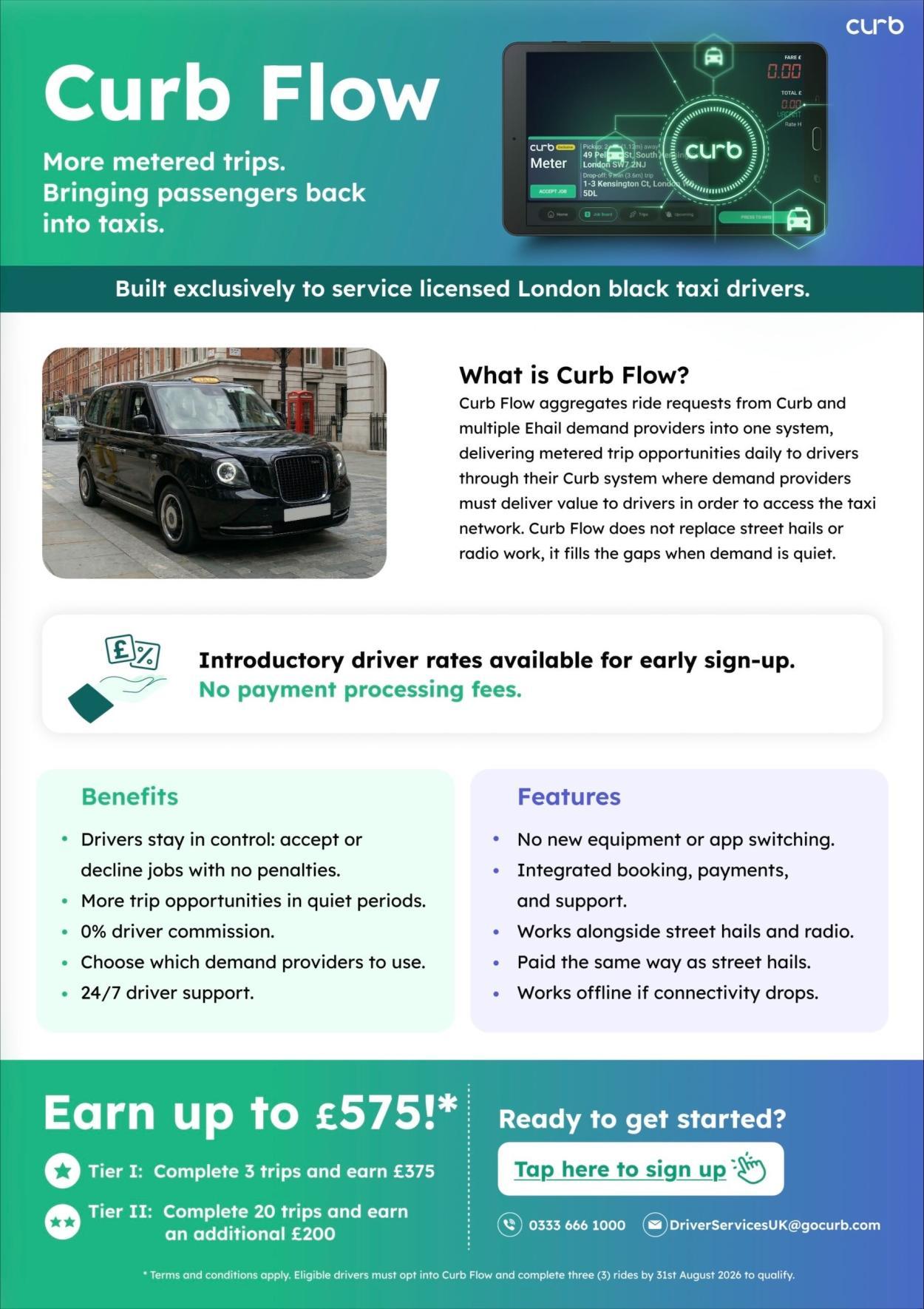
Curb Flow consolidates trip requests from five unique ride sources into one platform, working alongside street hails and radio jobs, not replacing them. Drivers choose which trips to accept and can opt in or out of different demand sources, staying fully in control of how they work. Curb Flow also enables supply partners to integrate directly into the platform, connecting fleets and dispatch systems into a broader network of demand opportunities.
More ways to book, coming soon
Curb will soon launch a dedicated black taxi cab app for riders, designed specifically to make booking a licensed black cab faster and more seamless. By creating a more direct and accessible booking experience for passengers, the platform aims to drive more trip volume for drivers and unlock greater earning opportunities throughout the day.
Helping smooth out the working day
Early results are encouraging. Drivers report fewer gaps between fares, a smoother shift, and
stronger earnings, with less time lost switching between apps.
“With everything coming through one system, the day runs a lot smoother. I’m not switching between platforms or sitting around waiting for the next fare. There’s constant flow of trips, which really adds up when it comes to earnings over the course of a shift.” – Scott Jerrom, London black cab driver
The model works for both sides: ride providers gain access to a reliable pool of licensed black cab supply, while drivers benefit from steadier demand without compromising on how or where they work.
Driver payments, seven days a week
For years, money earned on a busy Friday night or Saturday shift has
sat in limbo until the working week caught up. Curb drivers who opt into next-day payments now see earnings landing seven days a week before midday, including Saturdays and Sundays. The cash is there while the weekend is still on, not days later when the rush is already a memory.
Earn more, starting now
Complete just 3 Curb Flow trips and earn £375. Introductory driver rates are available for early signups.*
Sign up today at www.gocurb.co.uk/curb-flow. For any questions, call 0333 666 1000 or email DriverServicesUK@gocurb.com.
*Terms and conditions apply. Eligible drivers must opt into Curb Flow and complete three (3) rides by 31st August 2026 to qualify.
INFLATION HAMMER BLOW:
STUDY SHOWS TAXI AND PRIVATE HIRE AMONG UK SECTORS HARDEST HIT BY INFLATION AS OPERATING COSTS JUMP 54%
Taxi and private hire businesses have seen their operating costs rise by 54% over the past decade, placing the sector among the UK industries most affected by inflationary pressures, according to new research from payments provider Dojo.
The findings come from Dojo’s UK Inflation Index, which analysed changes across ten core business cost categories between 2015 and 2025. The research examined expenses including energy, labour, insurance, licensing fees, technology and vehicle-related costs to assess how inflation has affected different sectors.
For taxi and private hire operators, the largest increases were recorded in technology and training costs, both of which have risen by 100% over the ten-year period. The data suggests that growing reliance on digital booking platforms, payment technologies, compliance systems and professional development requirements have significantly increased the cost base for operators.
Other major cost increases identified by the research include materials and supplies, which rose by 88%, energy costs which climbed 80%, banking and payment processing costs which increased 71%, and rent and business rates which were up 67%.
Vehicle-related costs also recorded substantial growth, increasing by 63% over the period. Insurance costs rose by 60%, while licensing and mandatory fees increased by 50%. Labour costs saw a comparatively lower rise of 40%, although they remain a significant operational expense for many businesses.
The findings reflect broader challenges faced by the taxi and private hire industry in recent years, including higher vehicle acquisition costs, increased insurance premiums, rising fuel and energy expenses, and continued investment in digital technologies to meet customer expectations and regulatory requirements.
Charlie Ashworth, Head of Research and Insights at Dojo, said: “While operating costs have risen significantly over the past decade, with the right insight into their cost structure, businesses can be better equipped to respond to these pressures.”
Ashworth said businesses should focus on gaining greater control over operational spending, particularly as labour, energy, insurance and technology costs continue to reshape business economics.
He added: “For business owners, the opportunity lies in control and efficiency. With labour, energy, insurance and technology costs all contributing to long-term structural change, understanding where your exposure sits is now a strategic advantage. Reviewing supplier contracts, improving operational efficiency, reducing unnecessary overheads, and optimising payment systems can all help protect margins in a higher-cost environment.”
Ashworth also highlighted the importance of supply chain management and cost monitoring as
inflationary pressures remain embedded across many sectors of the economy.
“Businesses that regularly assess their operating model, adapt pricing strategies where possible, and invest in tools that streamline transactions and reduce friction are often better positioned to absorb cost pressures without compromising service or growth,” he said.
The research points to a decade in which the cost structure of running a taxi or private hire business has changed significantly. With many operators continuing to navigate rising compliance, technology and vehicle-related expenses, the ability to manage costs efficiently is likely to remain a key factor in maintaining profitability in the years ahead.
WHAT STEPS CAN TAXI DRIVERS TAKE WHICH MAY LOWER THEIR INSURANCE PREMIUMS?
There are three principal measures that taxi drivers can take to help keep their insurance premiums as affordable as possible. The first of these is to install CCTV cameras in their vehicles.
Install CCTV cameras
A lot of our customers are now investing in forward -facing cameras, which are installed on the dashboard of their vehicle.
This may be because their insurance provider has insisted that they do so, as the geographical area in which they operate is prone to high rates of claims for accidents. Equally, the customer may proactively choose to do so, because they
ARTICLE BY DAVID SWEENEY HEAD OF TAXI BROKING AT THE TAXI INSURER
recognise the safety and financial gains that cameras can bring.
Insurers will generally offer drivers a discounted premium in return for cameras being installed in their vehicles because, in the event of an accident, they've got a reliable visual record of an event as it took place. This video footage enables them to make an informed decision on liability and settle the claim more quickly.
Insurers understand that drivers are going to be involved in a certain number of accidents – there's no way around that. But if a driver has installed a
The main benefit of settling claims in a timely manner is reduced cost. If your driver is at fault and the other party’s driving a hire car, the quicker the insurer can close that claim, the cheaper it is for them, because hire cars can cost up to £300 a day.
Embrace telematics
The second significant action that drivers can take to manage their insurance premiums is to fit their vehicle with telematic devices.
Using embedded sensors, telematics constantly monitors vehicle performance, including engine temperature, idling time, tyre pressure and fuel usage. This data is then sent to the insurer, so it can monitor the driver’s driving style.
For example, telematics can alert insurers to a driver who’s excessively speeding on a regular basis. Insurers can then discuss that issue with the driver at renewal and ensure they adjust their driving behaviour accordingly.
Use a taxi insurance broker
A third way for drivers to potentially keep a lid on their insurance premiums is by working with a taxi insurance broker.
If a customer has been with a broker for several years and suddenly experiences a year in which their claims frequency dramatically increases, the broker can support them. At renewal, the broker can investigate the factors behind the sudden rise in the customer’s claims frequency and then explain them to the insurer, making as strong a case in the customer’s favour as possible.
These specialists have spent years nurturing relationships with a trusted panel of insurer partners and focus on finding products and policies that meet their clients’ requirements and expectations.
SCHOOL RUN DEBATE DEEPENS AS MPS DISCU LACK OF ADAPTED TAXIS AND SAFEGUARDING GAPS
MPs have raised concerns over the growing reliance on taxis and private hire vehicles in home transport, warning that shortages, safeguarding gaps and rising costs are placing pressure on families, operators and local authorities.
The Westminster Hall debate on 4 June focused on home-to-school transport, with several MPs highlighting cases involving children with special educational needs and disabilities where councils depend on taxi and private hire provision to meet statutory duties.
Tom Gordon, Liberal Democrat MP for Harrogate and Knaresborough, said local authorities in England spent £2.6billion on home transport in 2024 terms rise since 2015
SEND transport alone now accounts for £2billion of that total.
The debate heard that rural areas face particular pressure because public transport is limited and specialist school placements are often far from home. Gordon said the system was failing families where “transport will not be a barrier to their education” met in practice.
raises wider questions over whether local taxi and private hire fleets have enough wheelchairaccessible vehicles to meet education transport demand outside mainstream passenger work.
Jennifer Craft, Labour MP for Thurrock, said some home-to-school transport companies market themselves as specialists, but the service provided can fall short. She told MPs that specialist training may be minimal and taxi”, adding that parents can be worried about placing non-verbal children or those with communication difficulties in a car with an unfamiliar person.
The safeguarding issue was developed further by Josh Babarinde, Liberal Democrat MP for Eastbourne, who described a case involving a child he called Lewis. He said Lewis was restrained, relentlessly and brutally, by his passenger assistant and that his mother only found out when he came home distressed and bruised. Babarinde said there is to report incidents of physical restraint on home -school transport captured because Eastbourne Borough Council had pushed for mandatory CCTV in cabs carrying home to-school transport passengers.
Will Forster, Liberal Democrat MP for Woking, also raised safeguarding linked to taxi licensing. Referring to the murder of Sara Sharif, he said her father was a licensed taxi driver employed by Surrey County Council to support vulnerable children with home-to-school transport. Forster said the council did not share known safeguarding information with the taxi licensing team or the home-to-school transport team.
The debate also touched on wider market capacity. Forster cited reporting that workers in Surrey
had been left unable to book taxis first thing in the morning because firms were busy taking pupils to school. That points to a broader operational issue for local taxi and private hire markets where school contracts can absorb vehicle supply during peak periods.
Georgia Gould, Minister of State for Education, said
“
SYSTEMIC RISK THE TAXI
INSURER
WARNS OF
MAJOR LIABILITY AND CYBERSECURITY RISKS AS INSURANCE FIRMS PREPARE FOR DRIVERLESS UK RIDEHAIL TRIALS
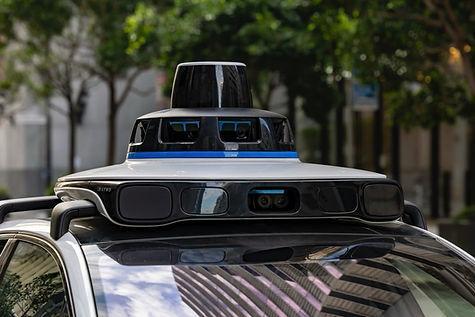
cybersecurity vulnerabilities, pricing and exposure modelling, and liability and claims handling. There’s a danger that insurers could be asked to determine a variety of risks without the necessary evidence being fully available.”
The Government said its pilot scheme will allow companies to apply to operate smallscale autonomous passenger services ahead of wider legislation expected under the Automated Vehicles Act. Ministers believe the trials will help support innovation and improve transport accessibility while gathering operational data from real-world services.
BUSINESS NEWS
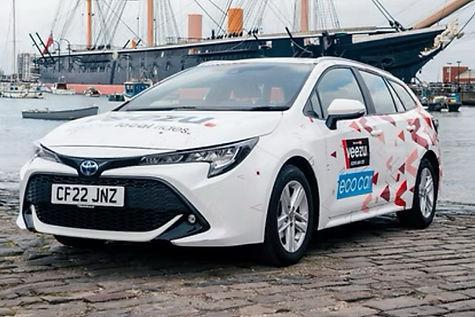
VEEZU TAKES STAKE IN CAB9 AS PRIVATE HIRE GIANT DEEPENS FOCUS ON AI AND DISPATCH TECHNOLOGY
Veezu has made a strategic investment in Cab9, a booking and dispatch technology provider serving taxi and private hire operators across the UK and international markets, as the transport firm seeks to strengthen its technology capabilities and expand the development of AI-driven solutions.
The Cardiff-headquartered operator said Cab9 will continue to operate under its existing brand and leadership structure following the transaction. Cab9 CEO Tarpit Grover will remain in post and continue to lead product development, customer relationships and business operations while retaining a significant shareholding in the company.
UBER LAUNCHES SEARCH FOR LEADER TO DRIVE “RAPID GROWTH” STAGE IN LONDON BLACK CAB EXPANSION
Uber is recruiting a senior manager to lead the expansion of its UK taxi business, placing London’s black cab sector at the centre of its growth plans.
According to Veezu, the investment is designed to support the development of AI and automation technologies aimed at helping taxi and private hire operators improve efficiency, reduce costs and expand service provision. The company said additional funding will be used to further develop Cab9’s technology platform while maintaining its focus on providing solutions for operators of all sizes.
The newly advertised Driver Operations Manager role will take full responsibility for Uber’s UK taxi business performance, with a particular focus on London Black Cabs. The successful candidate will oversee driver recruitment, engagement and retention, rider demand initiatives, strategic partnerships and relationships with key industry stakeholders. The appointment comes as Uber seeks to build on its growing presence in the capital’s licensed taxi market.
In a LinkedIn post promoting the role, Uber UK’s Head of Driver Operations, Mariusz Zabrocki, described the black cab business as being in a “hyper-growth phase”, adding that the platform had surpassed 1,000 drivers and was continuing to attract new cabbies daily.
IMAGE CREDIT: VEEZU
UBER INTRODUCES JOURNEY AUDIO
RECORDING AND VERIFIED
PASSENGER BADGES ACROSS UK
Uber has rolled out two new safety features across the UK, allowing passengers to audio record journeys through the app and introducing verified passenger badges designed to give drivers greater confidence when accepting bookings.
The new tools became available from 28 May and form part of Uber’s ongoing efforts to improve safety standards for both riders and drivers using its platform.
Passengers can now choose to record audio before or during a trip using the Uber app. Any recordings made are encrypted and stored on the passenger’s device, meaning
Uber cannot access them unless the user chooses to upload the recording as part of a safety report.
Recordings that are not submitted as evidence are automatically deleted after 14 days. Drivers are notified when a passenger activates the feature and can cancel the trip without penalty if they do not wish to be recorded.
Andrew Brem, Uber UK General Manager, said: “We are always investing in new ways to make journeys even safer. These new safety features provide both riders and drivers with extra peace of mind.”
PATONS INSURANCE STRENGTHENS FLEET TEAM WITH NEW ACCOUNT MANAGER APPOINTMENT
serving colleague Emma Plumbley as fleet account manager as the broker continues to grow its commercial insurance operation.
Plumbley, who has worked at Patons since 2013, has moved from her previous role as renewals manager into the fleet team. The appointment follows the arrival of Steve Milner as commercial manager in August last year.
Milner, an insurance industry veteran, joined Patons after nearly four years as operations manager at Gallagher and 14 years at Bollington Insurance Broker. Since joining, he has overseen the development of new products, including a broader fleet insurance proposition.
Plumbley said she had enjoyed leading renewals but wanted to return to more direct customer interaction. She said the fleet account manager role offered a fresh challenge and a progression route into a new area of the business.
She said: “I completed my first sale at the end of my first week and it was fantastic to end it on a high.”
PRIVATE HIRE GIANTS
ADDISON LEE LAUNCH CPR TRAINING PROGRAMME AFTER DRIVER HELPS SAVE PASSENGER’S LIFE
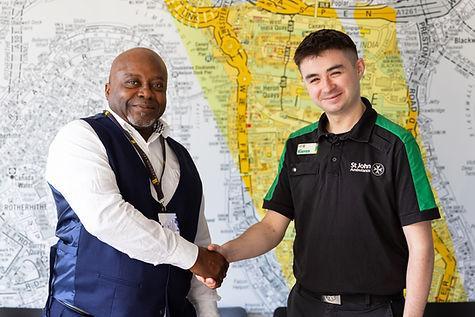
Addison Lee has started a new programme of CPR and defibrillator training for its drivers after one of its longserving drivers helped save the life of a passenger who suffered a medical emergency during a journey in London.
The private hire operator, which transports more than three million passengers across the capital each year, held the first in a series of training sessions on 27 May at its West Drayton Fleet Hub. The course was delivered by St John Ambulance and attended by 20 Addison Lee drivers, including driver Godwin Omotobora, whose actions last year prompted the latest initiative.
Omotobora, 70, has driven for Addison Lee for 15 years. In October 2025, while
transporting a male passenger in London, he noticed the passenger was in distress. He immediately pulled over safely, called 999 and began administering CPR while following instructions from the emergency call handler.
Emergency services arrived within minutes and continued resuscitation efforts before the passenger was taken to hospital. Omotobora later learned that the passenger had survived.
Patrick Gallagher, CEO of Addison Lee, said: “Godwin’s actions represent the very best of Addison Lee. We are incredibly proud of him, and deeply grateful for the outstanding work of the emergency services who attended the scene.“
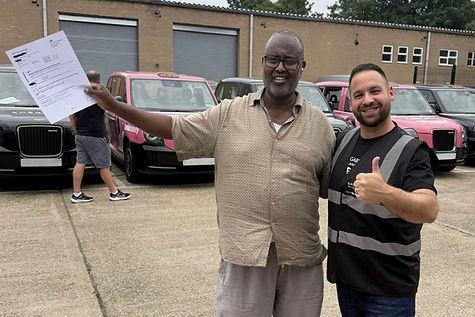
FIRST TAXI ROLLS THROUGH NEW MOT BAY AS SHERBET WEST LONDON REACHES LANDMARK MOMENT
Sherbet West London Taxi Centre has completed its first MOT test, marking a new stage in the development of the facility as it continues to expand services for London’s black cab trade.
The milestone, announced by Michael Eades of Sherbet West London, described the achievement as “another big moment” for the centre.
According to Eades, the facility successfully carried out its first MOT inspection, with a taxi operated by a driver named Ahmed becoming the first vehicle to pass through the MOT bay.
Eades said: “We were proud to complete our very first MOT.” He added: “A big thank you to Ahmed, whose taxi became the first vehicle to pass through our MOT bay. We truly appreciate your support and look forward to welcoming many more drivers through our doors.”
LONDON NEWS
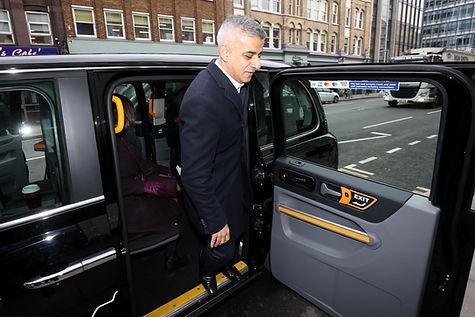
RECRUITMENT DRIVE FOR NEW KNOWLEDGE APPLICANTS AS MAYOR OF LONDON WARNS OVER BLACK CAB DRIVER DECLINE
The Mayor of London has urged the taxi industry to take a more active role in recruiting the next generation of black cab drivers, as concerns continue over declining driver numbers and the future availability of accessible transport across the capital.
Responding to a question from Green Party London Assembly Member Caroline Russell about the impact of falling Knowledge of London student numbers, Sadiq Khan said the trade itself was best placed to promote the profession and encourage new entrants.
Khan said: “The taxi trade is well placed to promote the profession and encourage new entrants, and I
encourage trade bodies to actively and positively support this, highlighting the essential role black cabs play in delivering accessible transport across London.”
The Mayor’s comments place responsibility not only on policymakers and regulators, but also on taxi representative organisations to help reverse a longterm decline in driver numbers that has become one of the sector’s most pressing challenges.
Khan said the issue is already recognised within Transport for London’s Taxi and Private Hire Action Plan, which identifies falling driver numbers as a key challenge facing the industry. He pointed to measures including reforms to modernise the
Knowledge of London while maintaining the standards associated with the profession, alongside wider efforts to improve the long-term viability of the trade.
The question from Russell focused on the implications for disabled Londoners. London’s black cab fleet remains the only transport service in the capital made up entirely of wheelchair accessible vehicles that can be hailed directly from the street.
Acknowledging those concerns, Khan said: “I recognise the vital role that London’s black taxis play in providing a fully accessible door-to-door service and the importance of sustaining driver numbers to meet the needs of disabled Londoners.”
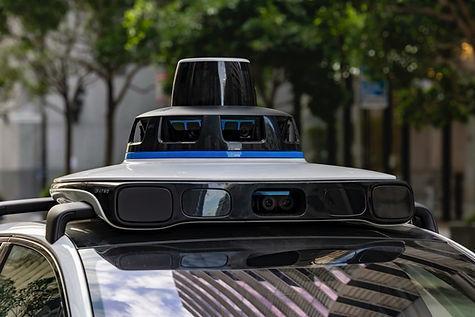
The London Assembly Transport Committee has launched a formal investigation into the potential introduction of autonomous passenger vehicles in the capital, as several operators move closer to launching commercial driverless taxi services before the end of 2026.
The investigation will examine how autonomous passenger vehicles, often referred to as robotaxis or driverless taxis, could be licensed for commercial operations in London and what role both the Mayor of London and Transport for London (TfL) should play in overseeing the emerging sector. The committee will also assess the implications for employment across the taxi and wider private hire vehicle industries.
The Mayor also accepted that continued decline could have wider consequences for accessibility. He said: “While there remains a substantial fleet of wheelchair accessible taxis, TfL recognises that any sustained reduction in driver numbers risks having a disproportionate impact on those who rely most on this service.”
The response comes amid ongoing debate about how best to attract new drivers into the profession as Knowledge of London student numbers remain significantly below historic levels. Industry leaders have repeatedly argued that recruitment and retention will be crucial if the trade is to maintain service levels and continue providing the accessible transport network relied upon by thousands of Londoners.
LONDON
ASSEMBLY
LAUNCHES
INVESTIGATION INTO DRIVERLESS TAXI ROLLOUT AS COMMERCIAL SERVICES EDGE CLOSER
The scrutiny comes as the Department for Transport continues work to accelerate autonomous transport services. According to the committee’s investigation document, several companies, including Uber and UK-based Wayve, are seeking regulatory approval to carry passengers in automated vehicles in London this year.
The investigation notes that autonomous passenger vehicles have already gained significant traction in parts of the United States. Waymo, owned by Alphabet, is currently providing around 500,000 paid journeys each week using a fleet of more than 3,000 vehicles operating across ten US cities. The company’s weekly trip volumes have increased tenfold in the last two years, with estimates suggesting it now accounts for around one in four ride-hailing journeys in San Francisco.
“FUNDING WAS NEEDED NOW!”: TAXI INDUSTRY SOUNDS ALARM AS TFL RULES OUT GRANTS AND LOANS FOR NEW BLACK CABS
the decision as a major setback for the trade.
“Based on what he had to tell me, no amount of dressing it up can mask how disappointed everyone here at Taxi House was,” said McNamara after receiving a letter from Transport Commissioner Andy Lord.
McNamara said he believed he had convinced TfL of the urgent need for funding, warning that around 1,500 taxis are expected to leave London’s fleet this year.
“The funding was needed NOW!” he said. “Their reasoning appears to be ‘affordability’ and ‘competing priorities’, which implies TfL and this
“Without financial backing, more drivers will be priced out, accelerating the loss of London’s accessible and iconic taxi fleet,” he said.
Both organisations have called on TfL and City Hall to continue working with the sector on an alternative solution. McNamara said he had received support from members of the Greater London Assembly and pledged to continue pushing for funding opportunities in future TfL budgets.
“The only possible response from this low point is to regroup and organise fresh attempts to secure something from TfL’s next budget,” he said.
H HEATHROW AIRPORT BLACK CAB ‘LOCAL FARES’ SYSTEM QUESTIONED BY CUSTOMER AFTER RANK EXPERIENCE
eathrow’s black cab “local fares” system is designed to make shorter airport journeys more workable for taxi drivers, but recent passenger accounts suggest the rules can leave customers feeling pressured, confused and blamed for a process they do not control.
The system is in place because licensed London taxi drivers working Heathrow must first pass through the airport taxi feeder park before being dispatched to terminal ranks. Heathrow charges a fee for using that feeder park, and if taxi drivers are given a short local journey, they can receive a ticket allowing them to return directly to the terminal rank within one hour, without going through the feeder park again.
For customers, this means some nearby destinations can count as “local” fares, allowing the driver to return quickly for another job.
Destinations outside the defined local area may not carry that benefit, even if the fare is still relatively high and the journey still feels local to the passenger.
However, that internal trade policy is causing some confusion to some customers. One passenger said they arrived at Heathrow at 5am after a 14-hour flight, took a black cab from the rank and paid around £70, only to be told near the end of the trip that next time they should give a nearby point to rank marshals INSIDE the local boundary.
They were allegedly then told to guide the driver on from there outside the boundary or it could make the cabbie ‘grumpy’.
The passenger wrote: “I am all for supporting black cabs with my custom but surely this is not my problem?” They added: “It isn’t up to the
consumer to adjust their instructions and guide a black cab where the whole point of black cabs is that you can say an address and they will take you there.
”
Heathrow to London fares are typically between £70 (west London) to £120 (east London), and the passenger is expected to pay the fare shown on the meter unless a fare is agreed before the journey starts. Drivers must accept hirings up to 20 miles from Heathrow, or up to one hour, where the destination is in Greater London, unless they have a good reason not to.
The local return rule is meant to stop drivers being penalised for taking short airport fares after a long wait sometimes taking two to four hours depended on demand. It is a vital queuemanagement tool. But from the customer’s point of view in the wider discussion had, for some it feels like an opaque airport taxi rule that only becomes visible when a driver complains.
OXFORD FREEZES TAXI AND PRIVATE HIRE LICENCE FEES DESPITE UBER-DRIVEN GROWTH
Cunchanged for 2026/27 despite a sharp increase in private hire licensing activity following Uber’s arrival in the city.
The decision came after taxi trade representatives argued that growing numbers of private hire vehicles should have led to lower licensing costs.
Speaking to the General Purposes Licensing Committee, City of Oxford Licensed Taxicab Association secretary Sajad Khan said private hire vehicle numbers had exceeded 1,000 and highlighted the financial pressures facing Hackney carriage drivers.
However, council officers said the increase in applications had generated significantly more work for the licensing authority. Between January 2025 and January 2026, private hire driver numbers rose
by 28% and private hire vehicle numbers increased
including the rollout of online taxi payments. Officers also stressed that licensing income is legally ringfenced, meaning private hire licence revenue can only be used to regulate the private hire sector.
Licensing officers also defended fee differences between Oxford and neighbouring South Oxfordshire, noting Oxford’s Hackney carriage fleet is capped at 107 vehicles, while South Oxfordshire licenses around 500 Hackney carriages, allowing costs to be spread across a much larger fleet.
Councillors ultimately backed recommendations to maintain existing Hackney carriage and private hire licensing fees, with officers stating the freeze was intended to support the licensed trade despite continuing inflationary and operational pressures.
GLASGOW TAXI UNION HIGHLIGHTS FREE SVQ TRAINING AS INDUSTRY BATTLES DRIVER SHORTAGES AND RISING ENTRY COSTS
The Glasgow Cab Section of Unite the Union has highlighted a recruitment campaign offering prospective taxi drivers free Scottish Vocational Qualification (SVQ) training, a qualification typically required as part of the taxi licensing process in many Scottish local authority areas.
The advertisement features the message “Become a Taxi Driver” and promotes “FREE SVQ TRAINING”, with a stated normal cost of £450. The offer is available through the union’s cab section and is subject to limited numbers, with union membership required to participate.
The move reflects a wider issue affecting the taxi industry across Scotland and the UK. Many areas continue to report difficulties recruiting new licensed drivers following a significant reduction in driver numbers since the COVID-19 pandemic.
£200 TAXI PERMIT AXED AS CHELMSFORD COUNCIL SCRAPS
CONTROVERSIAL FEE AT NEW RAILWAY STATION
Chelmsford City Council has moved to remove taxi permit charges at Beaulieu Park Station in an effort to encourage more hackney carriage drivers to serve the newly opened railway station.
The council confirmed it suspended permit charges recently, allowing licensed taxi drivers already signed up to the station scheme to continue using the station’s taxi rank free of charge after their original six-month permits expired.
A formal decision notice published by the council on 24 April 2026 also proposes the complete removal of the permit system for all licensed taxis using the station rank. The move is expected to be formally confirmed on 19 June once the statutory notice period concludes.
Beaulieu Park Station, which opened in October 2025, is the first new railway station built on the Great Eastern Main Line in more than 100 years. The station was designed to ease congestion at Chelmsford’s main rail hub while supporting the expanding Chelmsford Garden Community development.
Taxi permit schemes are commonly introduced at railway stations across the UK to manage rank access, vehicle numbers and congestion. However, Chelmsford City Council said passenger demand and taxi usage patterns during the station’s first six months of operation indicated the arrangement was no longer required at Beaulieu Park.
Under the original scheme, hackney carriage drivers were charged £200 for a six-month permit to access the station taxi rank.
WESTMORLAND AND FURNESS TAXI
DRIVERS TOLD SHOES ARE MANDATORY AND NEW VAPING SIGN
MUST BE DISPLAYED AS COUNCIL TIGHTENS RULES
The Westmorland and Furness Council has approved a new Hackney Carriage and Private Hire licensing policy that will introduce fresh operating rules for taxi and private hire drivers, including mandatory footwear requirements and vaping restrictions inside licensed vehicles.
The new policy, which replaces separate legacy standards inherited from Barrow, Eden and South Lakeland councils, is due to come into effect on 3 August 2026 following approval by Full Council on 7 May.
Among the most notable additions were two amendments pushed forward by the council’s Regulatory Committee and later backed by Cabinet. Licensed Hackney Carriage and Private Hire drivers will now be required to wear footwear whenever operating a licensed vehicle, while all licensed vehicles must also display signage making clear that vaping is prohibited inside the vehicle.
The footwear measure represents a tightening of driver conduct standards and places an explicit condition on attire while working. Although the report does not detail enforcement measures or define acceptable footwear, the requirement forms part of broader attempts to standardise expectations across the authority’s taxi and PHV sector.
The vaping signage requirement reflects growing attention from licensing authorities around passenger in-vehicle behaviour standards. The policy amendment stops short of introducing a direct vaping offence under licensing rules, but operators and drivers will now be expected to visibly communicate that vaping is not permitted during journeys.
The wider policy overhaul aims to merge three separate licensing systems into a single framework covering the entire Westmorland and Furness area. Council officers said differing standards inherited following local government reorganisation had created inconsistencies and operational difficulties since the authority was formed.
The council said the policy development began in 2024 and involved specialist legal input alongside a six-week public consultation held during late 2025.
TAXI DRIVERS HANDED MAJOR BOOST AS WEST SUFFOLK SCRAPS
CONTROVERSIAL FIVE-
YEAR
VEHICLE RULE
W2022 as part of efforts to reduce pollution from older, higher-emitting vehicles. However, the council said advancements in engine technology and evolving national guidance meant a review of the policy was necessary.
According to council figures, around 520 vehicles, representing approximately 90 percent of the current licensed taxi and private hire fleet in West
that do not yet meet the standard. As a result, no timetable has been set for extending the policy to existing vehicles already licensed within the district.
Instead, council officers will carry out further engagement with the trade before considering whether a future phased introduction should take place.
ENFORCEMENT NEWS
REVOKED AND REPORTED: TAXI AND PHV LICENCES CHECKED DURING CROSS-BORDER SHEFFIELD SAFETY CRACKDOWN
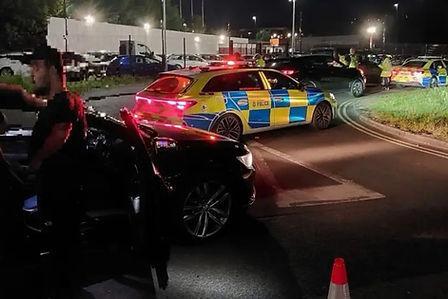
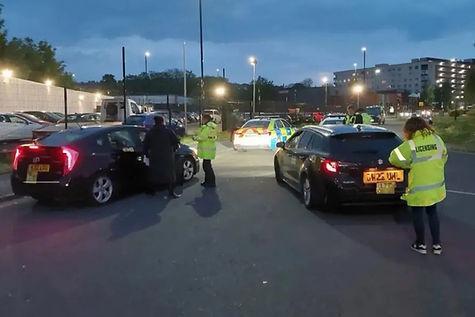
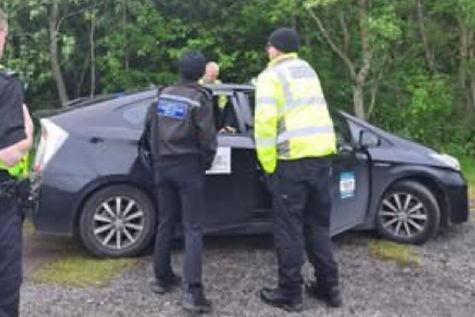
Two taxi and private hire drivers have had their vehicle licences revoked following a joint enforcement operation carried out by licensing officers from North East Derbyshire District Council, Sheffield City Council and South Yorkshire Police.
on vehicle roadworthiness and driver licensing compliance. Officers stopped and inspected 33 licensed vehicles from a range of licensing authorities as part of the coordinated enforcement exercise.
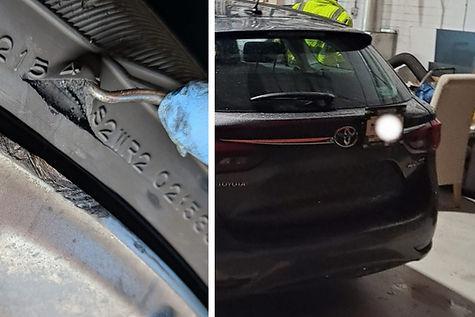
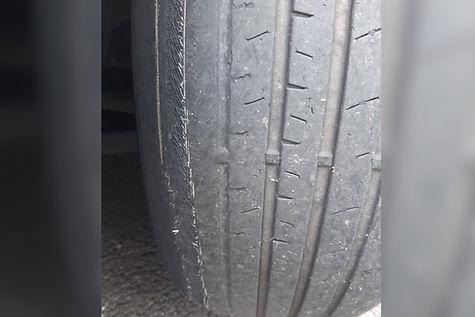
The most serious findings involved two vehicles being used with tyres deemed dangerous by officers. Inspectors found tyres with little or no remaining tread, while one vehicle had a tyre with exposed cord, a defect that significantly increases the risk of tyre failure.
As a result, both drivers had their vehicle licences revoked and the vehicles were prohibited from being driven. One of the drivers was also discovered
to be wanted in connection with separate driving offences.
The operation also identified a further six drivers whose vehicles had safety defects. Traffic offence reports were issued for issues including faulty seatbelts and defective lighting systems.
Roads Policing Officer PC Sam Cooper said: “As roads policing officers we sadly see the devastating consequences of road traffic collisions.
“Telling a family their loved one has died is one of the worse parts of our job and reminds us why the work we do to create safer roads is so vitally important.
“These operations are not about targeting those working on the roads, they are about people taking action, changing their behaviours and ultimately saving lives.
“The majority of collisions could have been avoided by responsible driving and / or safe vehicles. While you can’t be responsible or everyone’s actions, you can your own, and I urge all road users to do their part.”
WEST MERCIA POLICE AND WOLVERHAMPTON ENFORCEMENT BLITZ EXPOSES UNROADWORTHY PHVS OPERATING ACROSS REGION
A multi-agency taxi enforcement operation in Redditch has resulted in several private hire vehicles being suspended from service after officers identified serious safety defects, including dangerous tyres and a cracked windscreen.
According to a statement published by West Mercia Redditch Police, the operation took place on Friday 8 May and involved Safer Neighbourhood officers working alongside Worcestershire Regulatory Services, Redditch Borough Council and City of Wolverhampton Council.
During the evening operation, officers stopped 28 licensed vehicles and checked documentation, vehicle condition and onboard safety equipment. Seven vehicles were referred for a full safety inspection comparable to an MOT examination after concerns were raised during roadside checks.
Inspectors found two vehicles to be in an unroadworthy condition due to dangerous tyre defects. Another vehicle was identified with a cracked windscreen. Authorities said the drivers involved had their licences suspended immediately and will be required to rectify the issues before further inspection and potential reinstatement.
CAMBRIDGESHIRE PRIVATE HIRE DRIVER SUSPENDED AFTER CANCELLING BLIND PASSENGER’S BOOKING OVER GUIDE DOG
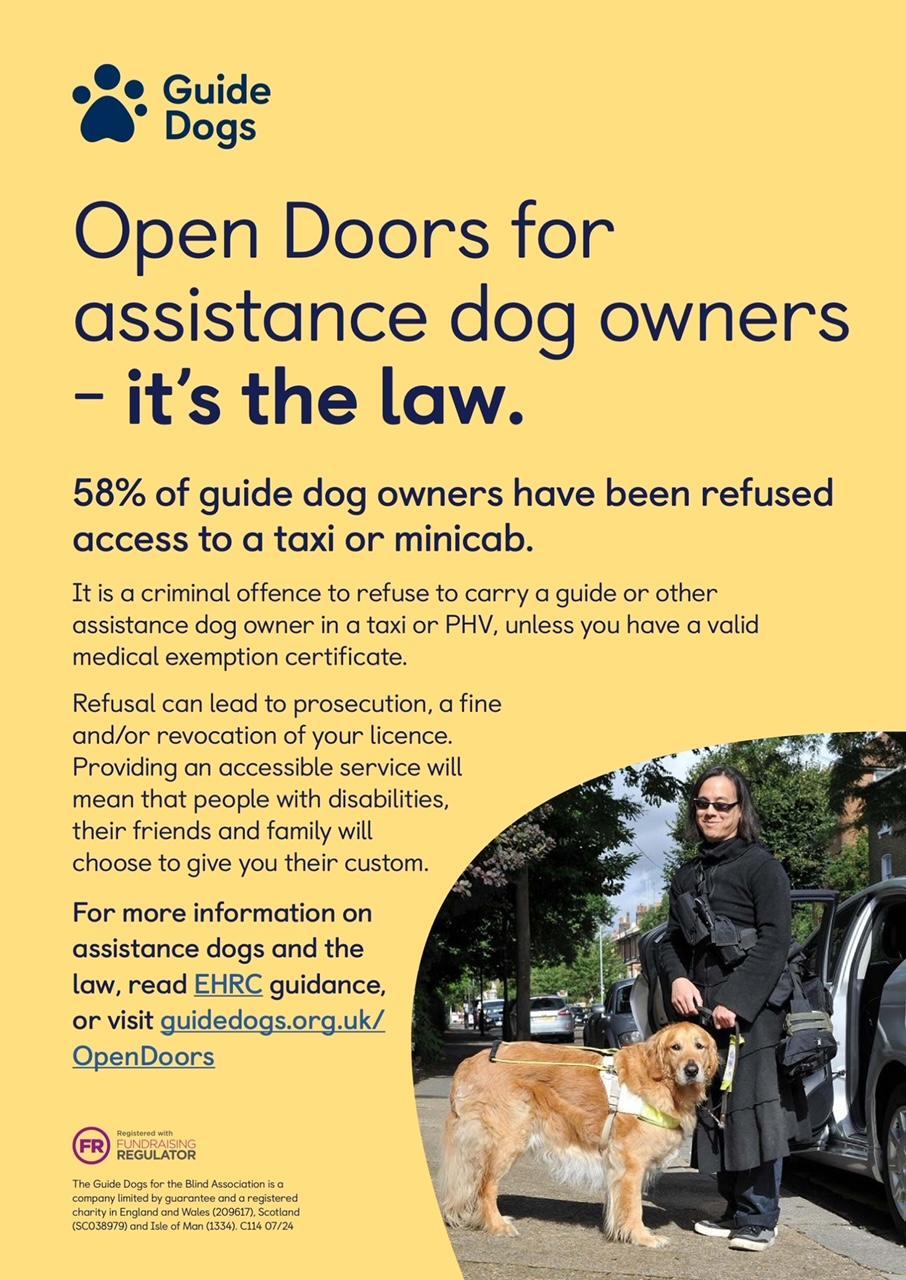
A Cambridgeshire private hire driver has been suspended for three months after cancelling a booking when he discovered the passenger was blind and travelling with a guide dog.
Muhammad Ramiz, 39, accepted a booking in May 2025 and confirmed he was on his way to collect the customer. However, after the passenger messaged to say they were blind and accompanied by an assistance dog, the booking was cancelled.
showed no significant congestion on the routes involved.
The council initially revoked Ramiz’s private hire driver’s licence, citing obligations under the Equality Act 2010, which makes it a criminal offence for licensed drivers to refuse passengers travelling with assistance dogs without a valid exemption.
South Cambridgeshire District Council investigated following a formal complaint from the passenger, who said he had previously experienced discrimination because of his guide dog.
During the investigation, Ramiz claimed the cancellation was due to traffic congestion and that another driver could reach the passenger more quickly. However, GPS data supplied by the operator reportedly
Following an appeal at Cambridge Magistrates’ Court on 6 May 2026, the District Judge lifted the revocation but imposed a three-month suspension instead. The court also awarded the council £2,000 in costs and ordered £100 compensation to be paid to the passenger.
The council said the case serves as a reminder that licensed private hire and taxi drivers must comply with accessibility laws and cannot refuse passengers travelling with assistance dogs unless they hold an approved medical exemption.
A SCHOOL RUN DUAL LICENSED TAXI DRIVER SUSPENDED THREEMONTHS AFTER CARRYING TOO MANY PASSENGERS IN WRONG VEHICLE
dual licensed taxi and private hire driver has been suspended for three months after a licensing sub-committee reviewed safety concerns linked to contracted school transport duties in Leicestershire.
safe passenger capacity of the vehicle involved, leading to the driver’s suspension.
During the hearing, legal representation acting on behalf of the driver acknowledged the seriousness of the incident while outlining several mitigating factors. These included claims that assistance had been sought from a school receptionist, that pressure had been applied by a school security guard for the driver to leave the site, and that there had been no previous complaints during six years of school transport work involving multiple schools.
The decision was made during a meeting of the Taxi & Private Hire Sub-Committee held by Oadby and Wigston Borough Council on 12 March 2026. Members considered a report relating to a review of a combined hackney carriage and private hire driver’s licence.
According to the published decision notice, the review was prompted by information supplied by Leicestershire County Council concerning safety concerns during contracted school transport operations. The sub-committee heard that the number of passengers being carried exceeded the
The sub-committee also heard questions regarding the vehicle used on the day of the incident compared with the vehicle specified within the school transport contract. Members were told the contract related to an eight-seater vehicle, but a five-seater vehicle had been used after the driver was allegedly informed that only three children required collection.
Following a private adjournment, councillors decided the combined hackney carriage and private hire driver’s licence should be suspended for three months. The suspension was backdated to 22 January 2026, the date on which the original suspension had commenced. The panel also required the driver to undertake any training recommended by licensing officers.
DANGEROUS SCHOOLRUN PHV CAUGHT WITH TYRE WORN DOWN TO METAL CORDS IN TAXI COP SAFETY CRACKDOWN
A joint enforcement operation targeting school transport vehicles in North Bristol uncovered a number of safety and licensing defects, including a private hire vehicle operating with a dangerously worn tyre exposing metal cords.
The inspection was carried out by Avon & Somerset Police’s Taxi Cop, PC Patrick Quinton, alongside officers from the Driver and Vehicle Standards Agency (DVSA) and South Gloucestershire Council’s Home to School Transport team. Around 20 minibuses, taxis and PHVs were stopped and checked during the operation.
Among the most serious findings was a private hire vehicle found with a front tyre worn down to the metal cords. The vehicle was immediately suspended and prohibited from operating, while the driver received three penalty points and a fixed penalty notice.
Inspectors also discovered another private hire vehicle with a screw embedded in one of its tyres. The driver was instructed to replace the tyre immediately before continuing service.
MULTI-AUTHORITY BRADFORD
ENFORCEMENT BLITZ TAKES FOUR TAXIS AND
PHVS OFF THE ROAD IN ONE DAY
Four taxis were suspended from operating after licensing officers carried out roadside inspections during a multiagency vehicle compliance operation on Great Horton Road in Bradford on 21 May 2026.
The enforcement activity brought together officers from Bradford Council’s Taxi Enforcement team, Environmental Enforcement officers, the Driver and Vehicle Standards Agency (DVSA), and West Yorkshire Police units including Bradford South Neighbourhood Policing Team and Operation Steerside Team 1.
Taxi licensing officers checked a total of 20 vehicles during the operation. Of those inspected, five vehicles were found with defects requiring rectification, while four taxis were suspended from service altogether due to compliance concerns.
Although authorities did not disclose the precise defects identified on the suspended vehicles, taxi enforcement operations typically focus on vehicle condition, licensing compliance, safety equipment and documentation. Suspensions generally prevent vehicles from continuing to operate until defects or licensing breaches are resolved.