



In the first session of MB, Pérez-Gómez and Gallese propose a human-centered architecture in which space and subject co-emerge, with Japanese spatial thought offering a case of this embodied reciprocity Neurophenomenology, embodiment, and multisensory attunement will be discussed in relation to architecture.
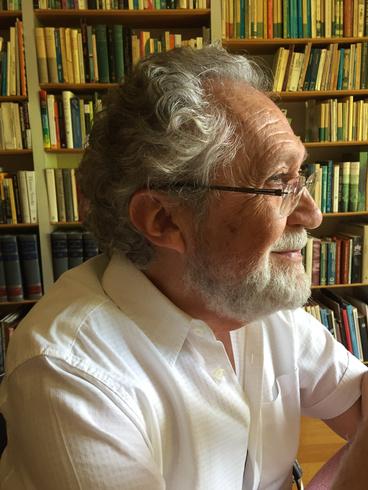
Ph D Author, Historian, Theorist
Professor Emeritus, McGill University
Co-Chair Moving Boundaries Japan Lecture 1 “Contributions of Enactive Cognitive Theory and Neurophenomenology to a Human-Centered Architecture”
VITTORIO GALLESE
Ph D Neuroscientist, Professor Researcher, Univ.of Parma, Italy
Lecture 2 “Architecture and Embodiment: A Neurobehavioral Proposal on Embeddedness“

TATIANA A.BERGER
Director & Founder of Moving Boundaries Collaborative
Architect, Consultant, Professor Welcome speech “Human Sciences and the Future of Architecture in the 21 Century” st
In the first session of MB, Pérez-Gómez and Gallese propose a human-centered architecture in which space and subject co-emerge, with Japanese spatial thought offering a case of this embodied reciprocity. Neurophenomenology, embodiment, and multisensory attunement will be discussed
AUGUST 3, 2026
LECTURE AT 12 NOON
“ATTUNED ATMOSPHERES:LEARNING FROM JAPAN CONTRIBUTIONS OF ENACTIVE COGNITIVE THEORY AND NEUROPHENOMENOLOGY TO A HUMAN-CENTERED ARCHITECTURE”
ALBERTO PÉREZ-GÓMEZ
Ph D Author, Architect, Historian, Theorist, Professor Emeritus, McGill University, Montreal, Canada
CO-CHAIR, Moving Boundaries Japan Author of Timely Meditations, Attunement, Architectural Meaning after the Crisis of Modern Science, and others
Alberto Pérez-Gómez is one of the most distinguished architectural critics and historians in the world He is Professor Emeritus at McGill University in Montreal He has influenced thousands of architects through his teaching and scholarship. We are honored to announce that Alberto is the Co-Chair of Moving Boundaries in Japan.
In the first session of MB, Gallese will propose a human-centered architecture in which space and subject co-emerge, with Japanese spatial thought offering a case of this embodied reciprocity. Neurophenomenology, embodiment, and multisensory attunement will be discussed
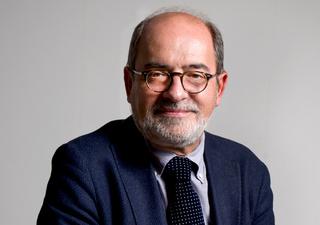
VITTORIO GALLESE Ph D Neuroscientist, Professor, Department of Medicine & Surgery, Unit of Neuroscience at the University of Parma, Italy He is the author of The Empathic Screen: Cinema and Neuroscience and The Birth of Intersubjectivity: Psychodynamics Neurobiology and the Self
AUGUST 3, 2026
LECTURE AT 3PM
“ARCHITECTURE AND EMBODIMENT: A NEUROBEHAVIORAL PROPOSAL ON EMBEDDEDNESS”
FOLLOWED BY PANEL DISCUSSION AND Q&A
Vittorio Gallese is a neuroscientist and Professor of Psychobiology at the University of Parma, Italy He is well known for his work on mirror neurons and embodied simulation, with key works focusing on the intersection of neuroscience, psychology, and humanities He is the author of more than 200 scientific papers and two books.
Kawai and Ellard will address the importance of restorative design and place attachment. They will discuss the contrast between static spaces and dynamic experience, paying particular attention to the tension between sensorial elements and those based on culture, memory, and history. Muramoto will help us to understand the essence of Japanese design in his first of two MB lectures
AUGUST 4, 2026 3:30-6PM
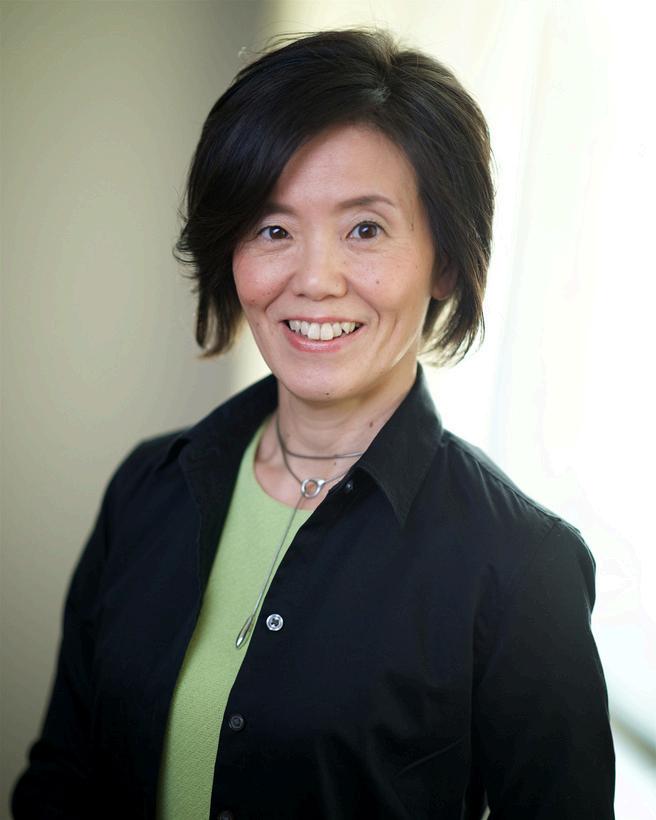
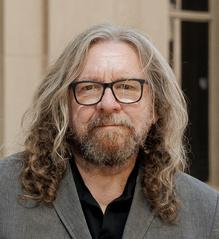

YOKO KAWAI Ph D Architect, Consultant Professor, Yale School of Architecture, U S
Lecture 3 “The Art of Michiyuki Journeys: Spatial Interventions for Mindfulness”
COLIN ELLARD Ph.D. Neuroscientist, Author Professor,Univ of Waterloo,Canada
Lecture 4 “Varieties of Place
Attachment: Origins and Outcomes”
KATSUHIKO MURAMOTO Architect, Author, Professor Emeritus Penn State University, U S
Lecture 5 “Space and Time in Japanese Architecture and Gardens”
AUGUST 4, 2026
LECTURE AT 3:30PM
“THE ART OF MICHIYUKI JOURNEYS: SPATIAL INTERVENTIONS FOR MINDFULNESS”
FOLLOWED BY Q&A
READ ABSTRACT
YOKO KAWAI Ph D Architect, Consultant, Principal of Penguin Environmental Design in Connecticut, Lecturer at Yale School of Architecture author of Handbook of Flourishing by Design
READ BIO
The talk by Kawai will introduce the concept of Michiyuki, a journey in Japanese, as a foundation for developing a novel tool for spatial intervention aimed at sustaining mindfulness in the workplace.The ultimate aim is to transform workspaces from static environments into dynamic, human-centered spaces that enhance well-being and productivity www.movingboundaries.org
Yoko Kawai is a lecturer at the Yale School of Architecture since 2010. She is a co-editor of Handbook of Flourishing by Design: Health and Wellbeing in (Un)Conventional Workplaces. She serves on the Research Advisory for the WELL Building Institute Yoko’s mission is to create “spaces for well-being” by utilizing Japanese spatial concepts.
Ellard will discuss the contrast between static spaces and dynamic experience, paying particular attention to the tension between sensorial elements and those based on culture, memory, and history. He will explore the multiple sources and meanings of place attachment and their implications for understanding our emotional responses to places
AUGUST 4, 2026
LECTURE AT 5PM
“VARIETIES OF PLACE ATTACHMENT: ORIGINS AND OUTCOMES”
FOLLOWED BY PANEL DISCUSSION AND Q&A
READ ABSTRACT
COLIN ELLARD Ph.D. Neuroscientist, Professor, University of Waterloo, Canada Researcher, author of Places of the Heart: The Psychogeography of Everyday Life and You Are Here
READ BIO
Colin Ellard is Professor at the University of Waterloo, Canada. He has worked as a cognitive neuroscientist for more than three decades and is one of the world’s foremost experts in the application of psychology and neuroscience to architectural and urban design Colin is the author of two books and numerous international publications.
Following the session with Kawai and Ellard, where they discuss the notion of space, focusing on the contrast between static spaces and dynamic experience, Muramoto will help us to understand the essence of Japanese philosophy, as it relates to time and space, in his first of two Moving Boundaries lectures
ATSUHIKO MURAMOTO chitect, Emeritus Associate ofessor at Pennsylvania State niversity, PA, U S 2025 ACSA stinguished Professor
EAD BIO
AUGUST 4, 2026
LECTURE AT 6PM
SPACE AND TIME IN JAPANESE ARCHITECTURE AND GARDENS
READ ABSTRACT
Katsuhiko Muramoto is an Emeritus Associate Professor in the Department of Architecture at Pennsylvania State University and a 2025 ACSA
Distinguished Professor His architectural design projects have been showcased globally. His research focuses on the theory of twentieth-century Japanese architecture, among other topics
The lecture by Spiers will explore the brain regions involved in representing and responding to architectural spaces. He will also tell us how the environment impacts brain regions involved in our wellbeing and mental health. Cranz will lecture on body-conscious design and the human body as the ultimate form of biophilia



GALEN CRANZ Ph D Sociologist, Designer Professor, UC Berkeley, U S Lecture 6 “Your Body is the Ultimate Form of Biophilia”
HUGO SPIERS Ph D Professor of Cognitive Neuroscience, UCL London, UK Lecture 7 “How Brains Represent and Are Affected by Space”
TADAO ANDO Ando is not a faculty member
We will experience his architectural masterpieces in Kyoto, Osaka, Kobe His work is a central focus of MB Japan Visits start on August 5
Cranz will lecture on body-conscious design and the human body as the ultimate form of biophilia Her session, together with Spiers, will explore the science around how natural features can affect our bodies and our brain. Prof.Cranz’s lecture will be followed by a handson experience in body-conscious design
AUGUST 5, 2026
LECTURE AT 2PM
“YOUR BODY IS THE ULTIMATE FORM OF BIOPHILIA”
FOLLOWED BY HANDS-ON EXPERIENCE
READ ABSTRACT
GALEN CRANZ Ph D Sociologist, Designer Professor, Graduate School of Architecture, Univ of California at Berkeley, U.S. Author of The Chair, Rethinking Body Culture and Design, Ethnography for Designers, and more
READ BIO
Galen Cranz is a sociologist, designer, certified teacher of the Alexander Technique, and Professor of the Graduate School of Architecture, Univ of California at Berkeley, where she taught social and cultural approaches to architecture and urban design. Galen established the field of Body Conscious Design, which she now taught for over 30 years She is the author of influential books on parks, chairs, and ethnography.
The lecture by Spiers will explore the brain regions involved in representing and responding to architectural spaces. He will also tell us how the environment impacts brain regions involved in our wellbeing and mental health. Biophilic design will be an important focus in the session together with Galen Cranz, engaging in talks and workshops
AUGUST 5, 2026
LECTURE AT 5PM
“HOW BRAINS REPRESENT AND ARE AFFECTED BY SPACE”
FOLLOWED BY Q&A
READ ABSTRACT
HUGO SPIERS Ph D Neuroscientist, Professor of Cognitive Neuroscience, Researcher, Vice Dean for Enterprise, UCL, London, UK
READ BIO
Hugo Spiers has over 25 years of research experience in neuroscience and psychology studying how our brain recalls the past, navigates the present and imagines the future. He has published over 100 academic articles and received numerous awards, such as the Charles Darwin Award from the British Association for the Advancement of Science and many others.
This session will bring into dialogue Andrea Pinotti’s exploration of digital “tele-memorials” and Louise Pelletier’s investigation of embodiment and ephemeral architecture, revealing a shared concern with how memory and presence are mediated through evolving forms of spatial experience These topics will be explored at the interface of human sciences and design
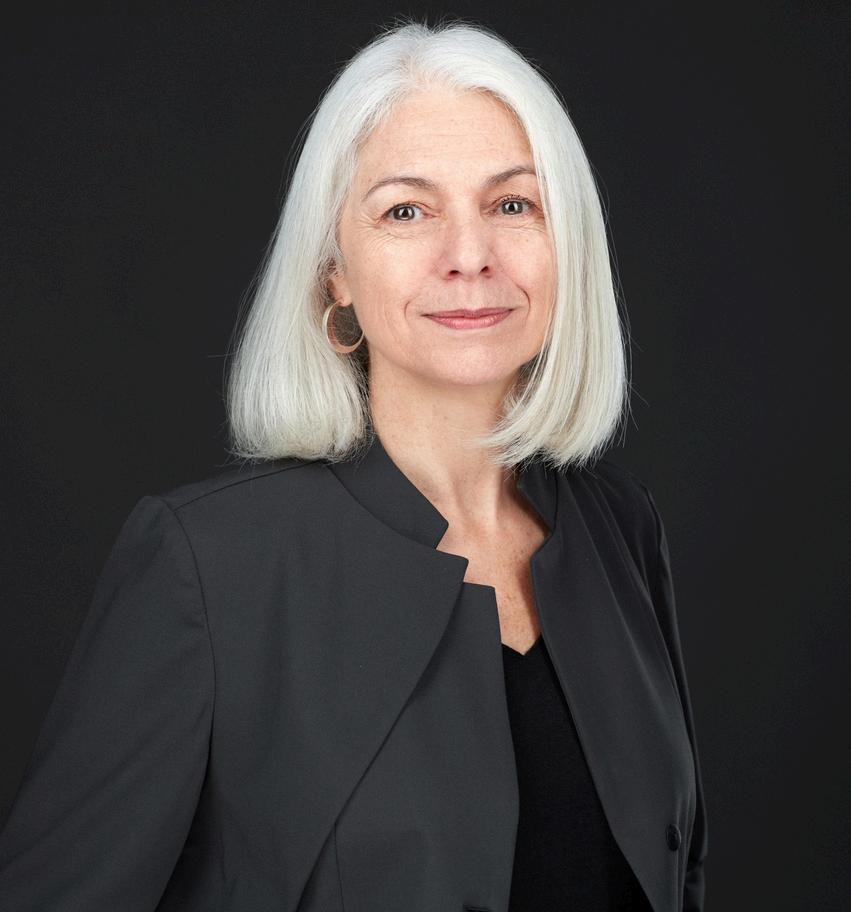
LOUISE PELLETIER
Ph D Author, Architect, Professor at UQAM, Montreal, Canada
Lecture 8 “Ephemeral Architecture and the Embodied Experience”
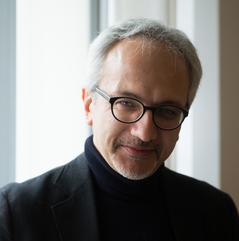
ANDREA PINOTTI
Ph D Philosopher, Professor University of Milan, Italy
Lecture 9 “Tele-Memorials: Monuments Put to The Test of VR, AR, AI”
ALBERTO PÉREZ-GÓMEZ
Ph D Author, Historian, Theorist
Professor Emeritus, McGill University Montreal, Canada
Moderator: Panel Discussion on Aug 7
AUGUST 7, 2026
LECTURE AT 2PM
“EPHEMERAL ARCHITECTURE AND THE EMBODIED EXPERIENCE”
READ ABSTRACT
This talk examines how impermanence foregrounds ephemeral architecture as a design principle and an embodied mode of engagement. It explores how temporary structures heighten sensory experience, transmit cultural memory, and contest permanence as architecture’s central value. In their transience, such architectures cultivate empathy and deeper attunement between body, environment, and community
LOUISE PELLETIER Ph D Author, Architect Professor at UQAM, Montreal, Canada Author of Women Changing Architecture; Architecture In Words Theatre, Language and the Sensuous Space of Architecture, and others.
READ BIO REGISTER
Louise Pelletier is an architect,Professor at the UQAM School of Design, past Professor at the School of Architecture at McGill University. She has curated exhibitions around the world. Pelletier is a well-known author of several major works on the history and theory of architecture Her current research focuses on the exhibition of design.
Pinotti will offer a critical comparative overview of the various types of digital monuments and consider them as strategies of telepresence, from aesthetic as well as ethical and socio-political perspectives. He will show how new digital technologies lend commemorative practices an unexpected materiality and novel potential.
ANDREA PINOTTI Ph D Philosopher, Professor University of Milan, Italy
Author of Empathie: Histoire d’une idée de Platon au post-humain; Cultura visuale: Immagini sguardi media dispositivi, with Somaini
READ BIO
AUGUST 7, 2026
LECTURE AT 3:15PM
“TELE-MEMORIALS: MONUMENTS PUT TO THE TEST OF VR, AR, AI”
FOLLOWED BY PANEL DISCUSSION
READ ABSTRACT
Andrea Pinotti is an award-winning philosopher and Professor in Aesthetics in the department of Philosophy, Università di Milano His research focuses on image theories and visual culture studies, virtual and augmented reality, memorialisation and monumentality, empathy theories, and the morphological tradition from Goethe to the present day.