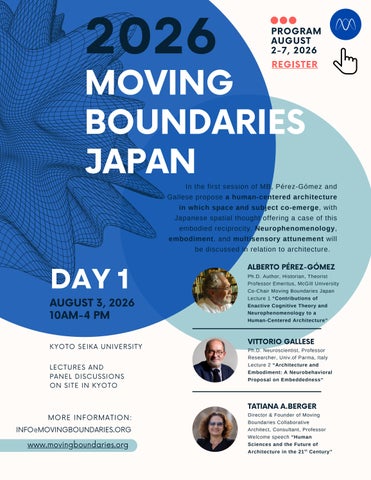

MOVING BOUNDARIES JAPAN
In the first session of MB, Pérez-Gómez and Gallese propose a human-centered architecture in which space and subject co-emerge, with Japanese spatial thought offering a case of this embodied reciprocity Neurophenomenology, embodiment, and multisensory attunement will be discussed in relation to architecture.
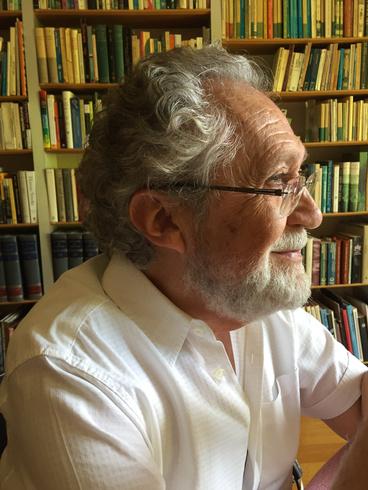
ALBERTO PÉREZ-GÓMEZ
Ph D Author, Historian, Theorist
Professor Emeritus, McGill University
Co-Chair Moving Boundaries Japan Lecture 1 “Contributions of Enactive Cognitive Theory and Neurophenomenology to a Human-Centered Architecture”
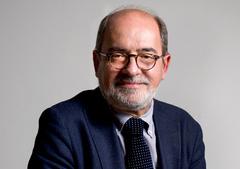
VITTORIO GALLESE
Ph D Neuroscientist, Professor Researcher, Univ.of Parma, Italy
Lecture 2 “Architecture and Embodiment: A Neurobehavioral Proposal on Embeddedness“

TATIANA A.BERGER
Director & Founder of Moving Boundaries Collaborative
Architect, Consultant, Professor Welcome speech “Human Sciences and the Future of Architecture in the 21 Century” st
MOVING BOUNDARIES JAPAN
Kawai and Ellard will address the importance of restorative design and place attachment. They will discuss the contrast between static spaces and dynamic experience, paying particular attention to the tension between sensorial elements and those based on culture, memory, and history. Muramoto will help us to understand the essence of Japanese design in his first of two MB lectures
AUGUST 4, 2026 3:30-6PM
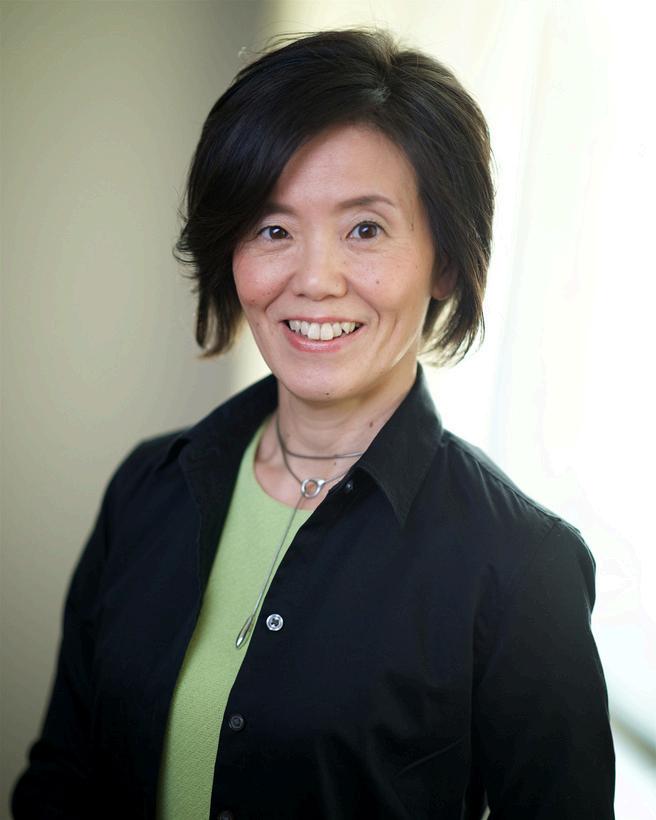
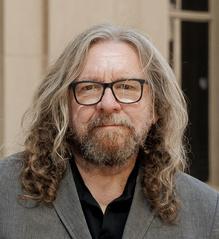
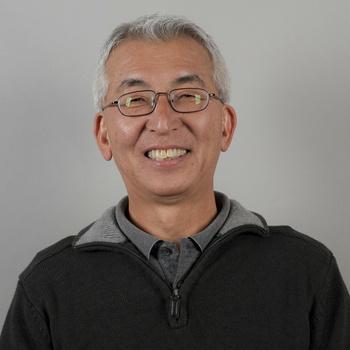
YOKO KAWAI Ph D Architect, Consultant Professor, Yale School of Architecture, U S
Lecture 3 “The Art of Michiyuki Journeys: Spatial Interventions for Mindfulness”
COLIN ELLARD Ph.D. Neuroscientist, Author Professor,Univ of Waterloo,Canada
Lecture 4 “Varieties of Place
Attachment: Origins and Outcomes”
KATSUHIKO MURAMOTO Architect, Author, Professor Emeritus Penn State University, U S
Lecture 5 “Space and Time in Japanese Architecture and Gardens”
MOVING BOUNDARIES JAPAN
The lecture by Spiers will explore the brain regions involved in representing and responding to architectural spaces. He will also tell us how the environment impacts brain regions involved in our wellbeing and mental health. Cranz will lecture on body-conscious design and the human body as the ultimate form of biophilia


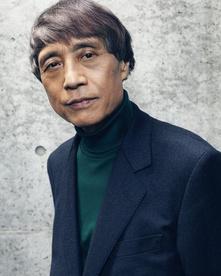
GALEN CRANZ Ph D Sociologist, Designer Professor, UC Berkeley, U S Lecture 6 “Your Body is the Ultimate Form of Biophilia”
HUGO SPIERS Ph D Professor of Cognitive Neuroscience, UCL London, UK Lecture 7 “How Brains Represent and Are Affected by Space”
TADAO ANDO Ando is not a faculty member
We will experience his architectural masterpieces in Kyoto, Osaka, Kobe His work is a central focus of MB Japan Visits start on August 5
MOVING BOUNDARIES JAPAN
This session will bring into dialogue Andrea Pinotti’s exploration of digital “tele-memorials” and Louise Pelletier’s investigation of embodiment and ephemeral architecture, revealing a shared concern with how memory and presence are mediated through evolving forms of spatial experience These topics will be explored at the interface of human sciences and design
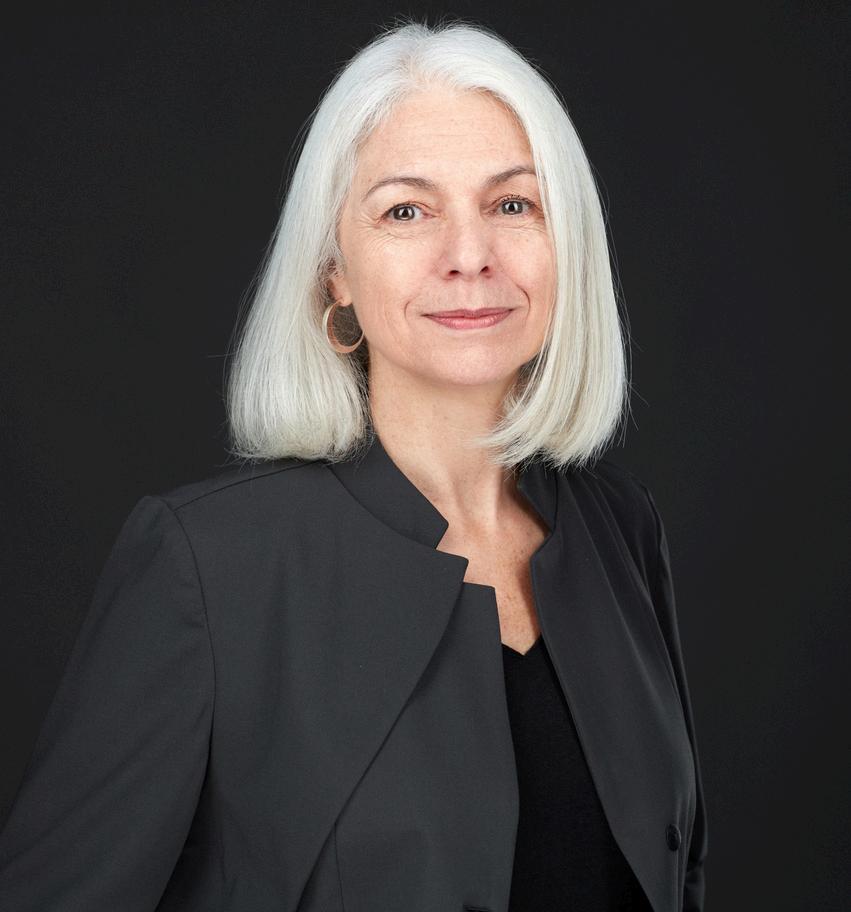
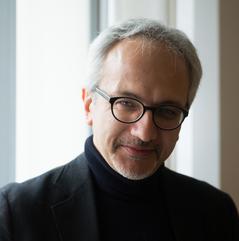
LOUISE PELLETIER
Ph D Author, Architect, Professor at UQAM, Montreal, Canada
Lecture 8 “Ephemeral Architecture and the Embodied Experience”
ANDREA PINOTTI
Ph D Philosopher, Professor University of Milan, Italy
Lecture 9 “Tele-Memorials: Monuments Put to The Test of VR, AR, AI”
ALBERTO PÉREZ-GÓMEZ
Ph D Author, Historian, Theorist
Professor Emeritus, McGill University Montreal, Canada
Moderator: Panel Discussion on Aug 7
2026
MOVING BOUNDARIES JAPAN
The session will begin with a remote lecture by Juhani Pallasmaa about wisdom and modesty On the following day, with the aid of Merleau-Ponty’s ‘double-belongingness’, Watsuji’s concept of ‘between-ness’, and F L Wright’s work as case study, Hunker and Muramoto will engage in a discussion on the between-ness of modern and traditional design, human and nature, the West and Japan.
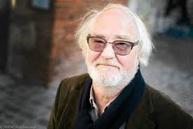
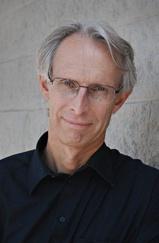
JUHANI PALLASMAA (Remote) Architect, Author Prof Emeritus, Helsinki University Lecture 10 “Wisdom and Modesty”
KURT HUNKER
FAIA, Architect, Past ANFA President Professor Emeritus, NSAD, CA, U S Lecture 11 “Wrieto-San: Frank Lloyd Wright and Japan”
KATSUHIKO MURAMOTO
Architect, Author, Professor Emeritus Penn State University, U S Lecture 12 “Negotiating Boundaries: Exploring the In-Betweenness of the Opposite in Japanese Architecture”