SCADA Software Solutions 2025: Trends, Benefits, and Innovations
SCADA Software Solutions 2025: Trends, Benefits, and Innovations
Table of Contents
1 What is SCADA Software?
2 Benefits of SCADA Software in 2025
3. SCADA Software for Oil and Gas
4. Role of Industrial IoT Software
5 How SCADA Software Works
6 How to Use SCADA Software – Practical Example
7. Future Innovations in SCADA Systems
8 Conclusion
SCADA (Supervisory Control and Data Acquisition) software is a vital industrial software solution designed to monitor, control, and optimize complex industrial processes. It allows operators to collect real-time data from remote locations, visualize performance metrics, and take action to improve efficiency and safety
In 2025, SCADA Software Solutions has evolved into a smarter, more connected system that integrates with industrial IoT software, artificial intelligence (AI), and cloud technology This combination enables industries to predict problems before they occur, reduce downtime, and maximize output
Unlike older SCADA models that were mostly local and manual, modern SCADA systems operate in hybrid environments part on-site and part in the cloud ensuring faster communication, better data sharing, and improved decision-making across different teams
Benefits of SCADA Software in 2025
The latest SCADA software offers benefits that go beyond basic process monitoring Some of the most impactful advantages include:
1. Real-Time Monitoring and Control
Operators can instantly view machine performance, detect faults, and make adjustments in seconds This level of visibility ensures that problems are resolved before they escalate
2. Predictive Maintenance
By combining SCADA with AI and machine learning, companies can analyze patterns in machine behavior to predict breakdowns. This prevents costly downtime and extends equipment life
3. Enhanced Safety
Safety remains a top priority in industries like oil and gas, energy, and manufacturing Modern SCADA sends instant alerts during abnormal conditions, allowing quick action to protect workers and assets.
4. Cost Savings
Optimizing energy use, reducing waste, and preventing machine damage can significantly lower operating expenses Many companies see ROI within the first year of SCADA implementation
5. Data-Driven Decision Making
SCADA software captures large volumes of data from sensors and devices When analyzed, this data reveals patterns, helps plan production schedules, and identifies areas for efficiency improvements.
SCADA Software for Oil and Gas
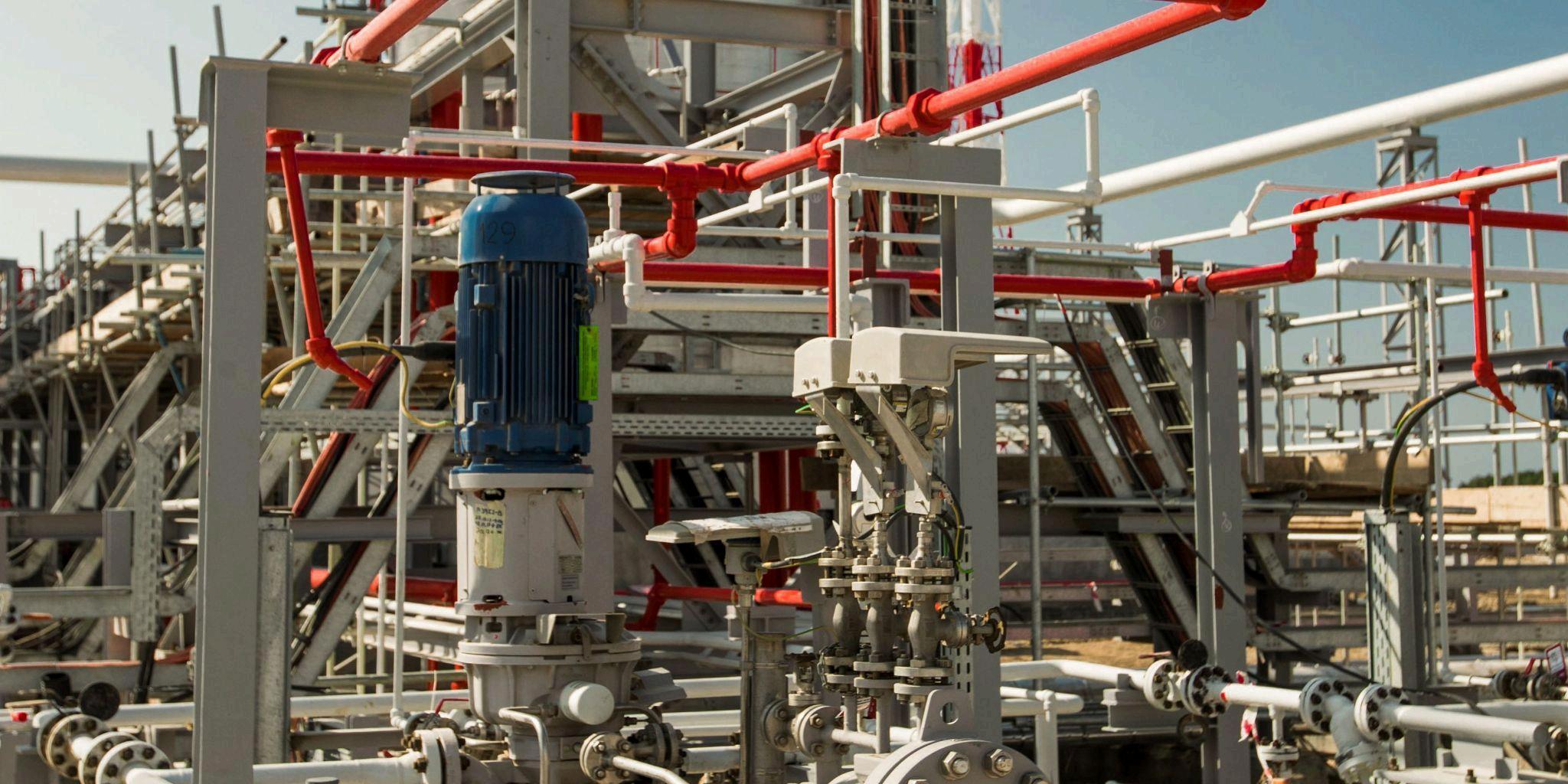
The oil and gas industry is one of the largest users of SCADA systems SCADA software for oil and gas enables companies to manage and monitor assets that are often spread across vast and remote areas
Key oil and gas SCADA capabilities include:
● Pipeline Monitoring – Detect leaks, pressure drops, or flow issues in real time
● Remote Asset Management – Oversee drilling rigs, storage tanks, and refineries from a central control room
● Production Optimization – Adjust operations to meet demand while reducing costs
● Environmental Compliance – Monitor emissions and ensure adherence to environmental regulations
With 2025 innovations, SCADA in oil and gas is becoming more predictive It not only reports current status but also forecasts potential disruptions, allowing operators to plan proactive maintenance.
Role of Industrial IoT Software
Industrial IoT software works hand-in-hand with SCADA systems to collect and process data from connected devices, sensors, and machinery While SCADA focuses on control and monitoring, IoT expands data collection and analysis capabilities.
Benefits of integrating industrial IoT software with SCADA include:
● Edge Processing – Analyze data closer to the source, reducing latency
● Scalability – Easily add new sensors or equipment without major system changes
● Cloud Integration – Access and manage SCADA data from any device, anywhere.
This combination results in smarter industrial ecosystems where decisions are based on real-time, accurate, and comprehensive data
How SCADA Software Works
SCADA systems operate through four main components:
1 Sensors and Actuators – Measure variables like temperature, pressure, and flow
2 Remote Terminal Units (RTUs) and Programmable Logic Controllers (PLCs) –Collect data and execute control commands.
3 Communication Network – Transfers data between field devices and the central system.
4 Human-Machine Interface (HMI) – Displays the data in an understandable format for operators.
In 2025, many SCADA systems also integrate AI analytics engines, cybersecurity modules, and mobile-friendly HMIs for remote workforces
How to Use SCADA Software – Practical Example
Example Scenario:
A water treatment facility wants to improve efficiency, reduce energy use, and prevent unexpected shutdowns
Steps:
1 Install SCADA Software – Deploy a central control system connected to pumps, filters, and storage tanks
2 Connect Industrial IoT Sensors – Measure water flow, chemical levels, and energy consumption
3 Set Alerts – Configure the system to notify operators of irregular readings or equipment malfunctions.
4 Analyze Data – Use SCADA reports to identify inefficient processes
5 Implement Changes – Adjust pump schedules, optimize chemical usage, and perform preventive maintenance before breakdowns occur
The result? Reduced operating costs, better water quality, and improved compliance with environmental standards.
Future Innovations in SCADA Systems
By 2025, several innovations are shaping the future of SCADA:
1. AI-Driven Automation
Machine learning models will automate decision-making, adjusting operations instantly without human intervention
2. 5G Connectivity
Faster communication between devices will improve responsiveness in industries requiring split-second decisions
3. Digital Twin Technology
SCADA will integrate with digital twins virtual models of physical assets allowing operators to simulate changes and predict outcomes before making adjustments in the real world.
4. Enhanced Cybersecurity
With more connected devices comes greater risk. SCADA vendors are prioritizing multi-layered security to protect critical infrastructure
5. Unified Platforms
Instead of multiple disconnected systems, future SCADA solutions will integrate with industrial software like MES (Manufacturing Execution Systems), ERP (Enterprise Resource Planning), and predictive analytics tools.
Conclusion
SCADA software is no longer just a monitoring tool; it’s the backbone of modern industrial operations Whether it’s SCADA software for oil and gas, manufacturing, or utilities, the technology is driving smarter, safer, and more efficient processes.
By pairing SCADA with industrial IoT software and advanced industrial software platforms, businesses gain real-time visibility, predictive insights, and control over their operations from anywhere in the world
Companies that embrace SCADA innovations in 2025 will not only boost productivity but also ensure they remain competitive in a rapidly evolving industrial landscape