
Just as mother nature transforms a tiny seed into a vibrant tree, Garden of Life® crafts a wide variety of supplements sourced from real, whole food ingredients. We believe feeling alive starts with what you put into your body. That’s why every nutrient-packed, non-GMO product we offer can be traced back to the source of life itself.
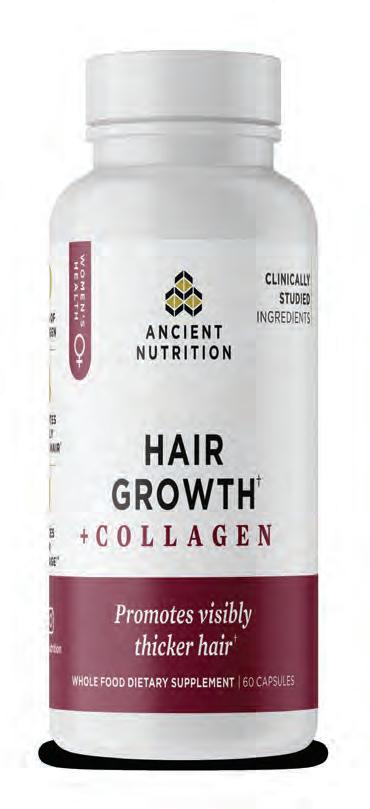
Promotes noticeably fuller hair†, reduces hair breakage†, and improves hair growth in 3-6 months.

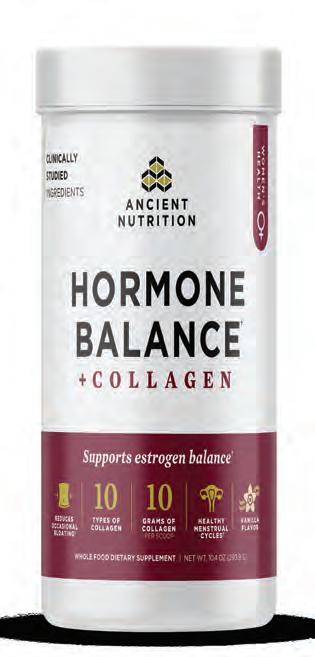

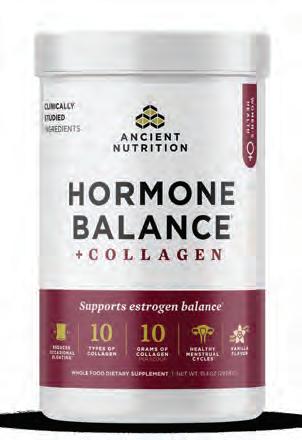
Check out our other collagen formulas designed for women. †These
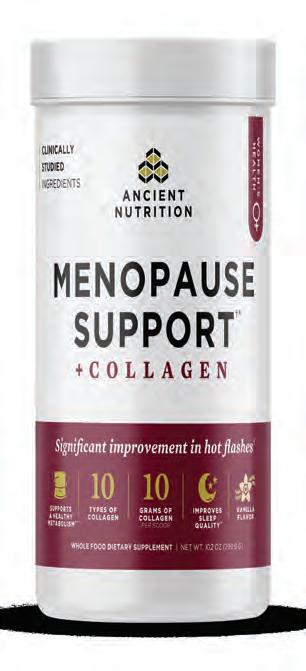
improvement
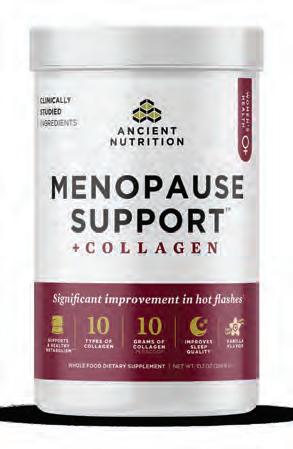
perimenopausal and menopausal symptoms in areas like hot flashes, energy & sleep quality after 90 days†***
A spoonful of sugar may seem relatively harmless. It does, after all, make the medicine go down. But it’s the amount of it that we ingest every year (around 77 pounds per person!) that’s the real problem.
A nonnutritive substance, refined white sugar increases inflammation and oxidative stress and is linked to the obesity and diabetes epidemic. It’s also a known immunosuppressant and has been shown to reduce the germ-killing ability of white blood cells for up to five hours after consumption, according to nutrition expert Ann Louise Gittleman, PhD.
That’s enough to make anyone feel ill! But there may be those times when you want to enjoy something on the sweeter side of life.


Start
Follow
Then, nurture your inner harmony with Ultimate Flora™ Daily Mood+ Probiotic, featuring Sensoril® ashwagandha for advanced cortisol, mood, and stress support.*






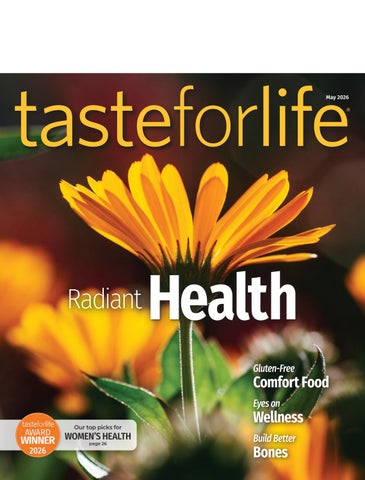
Radiant health isn’t about perfection—it’s about giving your body what it needs so it can respond, repair, and work the way it’s meant to. This issue is rooted in that idea, starting with calendula, the bright orange bloom on our cover. A sun-loving flower used for more than a thousand years to soothe the skin, calendula offers a gentle, steady support the body recognizes. Even small, everyday choices can have a real impact. In our news section (page 9), we look at how natural daylight may support healthy glucose levels and why time-tested approaches like calendula—and aromatherapy—still hold their place today.
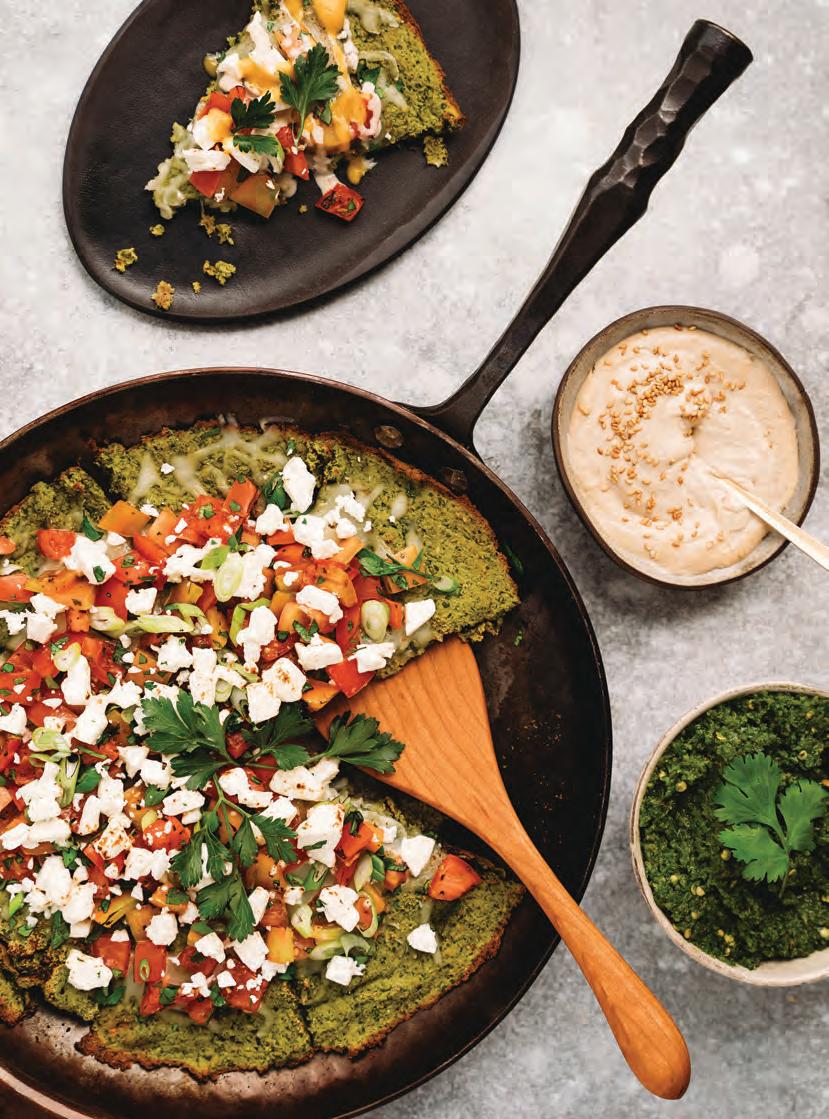
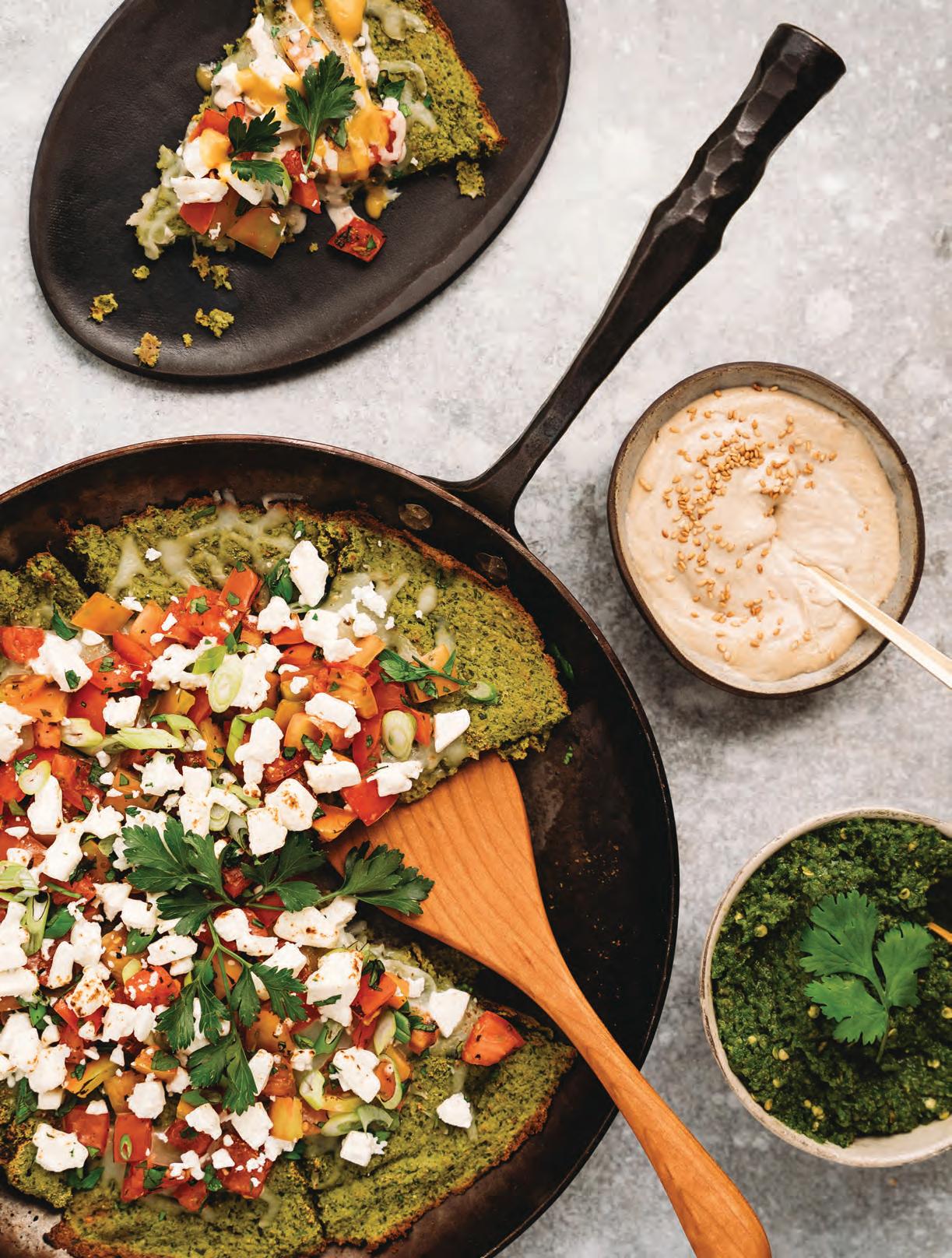
In honor of Celiac Awareness Month, we’re featuring gluten-free comfort food that actually delivers (page 14). From a savory falafel pizza to pancakes stuffed with peaches, blueberries, raspberries, and cantaloupe—these are the kinds of meals that remind you what good food can feel like. For many people, including the 80 percent of celiac cases that are initially missed or incorrectly diagnosed, feeling unwell after eating has become so common it’s almost expected. It doesn’t have to be that way.
Women’s health is addressed from multiple angles. Our Women’s Health Awards (page 26) highlight standout products that address needs, from hormonal transitions to digestion and beyond. We take a close look at cervical health (page 19)—an area where an integrative approach, and targeted supplements, may help prevent cancer.
We report on nutrients and supplements that support bone health (page 22) and vision (page 28)—two areas where consistent support can make a real difference over time.
Radiance isn’t something you need to chase—it’s something you can build. The body, when well supported, is remarkably responsive. Try something from this issue that’s good for you and see for yourself how you feel. It might surprise you.
To your health,



Chief Content Officer and Strategist Lynn Tryba (Lynn.Tryba@TasteforLife.com)
Contributing Editors Lisa Fabian, Rich Wallace
Associate Editor Kelli Ann Wilson
Creative Director Michelle Knapp
Production/Graphic Designer Brian Jenkins
Chief Operating Officer Amy Pierce
Customer Service 800-677-8847
CustomerService@TasteforLife.com
Client Services Director - Retail Judy Gagne (x128)
Client Services Director - Advertising & Digital Ashley Dunk (x190)
Vice President – Group Brand Promotions Bob Mucci 603-831-1868
Vice President – Retail Sales and Strategic Partnerships Anna Johnston (Anna.Johnston@TasteforLife.com)
Chairman and Founder T. James Connell
Editorial Advisory Board
Hyla Cass, MD, author of SupplementYourPrescription Bill Chioffi, COO of Nammex Ann Louise Gittleman, PhD, CNS, author of more than 35 books on detox, weight loss, and wellness Maria Noël Groves, RH (AHG) health journalist and author of several books on herbs Clare Hasler-Lewis, MS, PhD, MBA, CEO, OlivinoLife Tori Hudson, ND, author of Women’sEncyclopediaofNaturalMedicine and The MenopauseCompanion Christina Pirello, MS, host of Emmy-award winning PBS series, Christina Cooks: Back to the Cutting Board Èlan Sudberg, CEO Alkemist Labs, member of the American Herbal Products Association Board Jacob Teitelbaum, MD, expert on long COVID and fibromyalgia, author of bestselling books on integrative medicine Roy Upton, RH, DipAyu, president of the American Herbal Pharmacopoeia Brenda Watson, CNC, creator of six PBS shows on digestive health David Winston, RH (AHG), DSc (hon.), renowned ethnobotanist, teacher, book author
Taste for Life® (ISSN 1521-2904) is published monthly by CCI, 155 Washington Street, Keene NH 03431, 603-283-0034 (fax 603-676-7941); © 2026 Connell Communications, Inc. All rights reserved. Subscription rates: $49.95. This magazine is not intended to provide medical advice on personal health conditions, nor to replace recommendations made by health professionals. The opinions expressed by contributors and sources quoted in articles are not necessarily those of the editor or the publisher. Advertisers and advertising agencies assume liability for all content of advertising and for any claims arising therefrom. Information appearing in Taste for Life may not be reproduced in whole or in part without express permission of the publisher.
Creative and Sales Offices
155 Washington Street, Keene NH 03431 603-283-0034 www.






People with Type 2 diabetes fared better in natural daylight compared to artificial light in an interesting new study.
Individuals were exposed to natural sunlight facilitated through windows, or constant artificial lighting, during work hours for 4.5 consecutive days. Continuous monitoring of blood sugar levels showed that participants exposed to natural light spent more time in the normal glucose range.
The authors noted that metabolic diseases are often “driven by a sedentary lifestyle coupled with circadian misalignment—a desynchrony between our intrinsic biological clocks and environmental signals.”
They asserted that most people spend nearly 90 percent of their time indoors, “with a very limited exposure to natural daylight.”
SELECTED SOURCES “Exposure to natural light improves metabolic health,” Université de Genève, 1/7/26 • “Natural daylight during office hours improves glucose control and wholebody substrate metabolism” by J.-F. Harmsen et al., Cell Metabolism, 1/6/26

Childhood exposure to chemicals used in the manufacture of common plastic items “presents growing health risks that can extend long into adulthood,” according to a report from NYU Langone Health. The authors offer a range of options for reducing the risks.
“There are safe, simple steps that parents can take to limit their children’s plastic exposure without breaking the bank,” said lead author and pediatrician Leonardo Trasande, MD. Strategies include replacing plastic containers with glass or stainless steel and not microwaving plastic items or running them through the dishwasher.
Plastic exposure can contribute to heart disease, obesity, infertility, and asthma.
SOURCE “Scientists call for urgent action to reduce children’s plastic exposure,” NYU Langone Health/NYU Grossman School of Medicine, 9/21/25
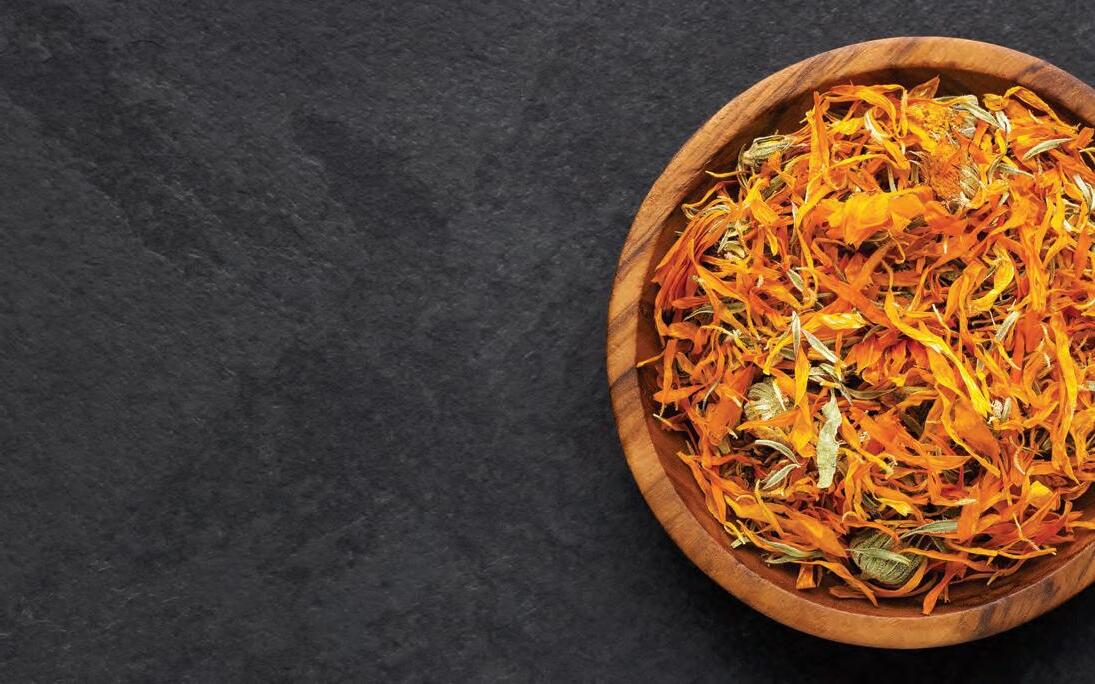
The flower that graces the cover of this issue has been used medicinally for more than a thousand years, thanks to many compounds that enhance its healing power. It’s useful for combatting dermatitis, diaper rash, and other rashes, as well as for wound healing.
To help achieve glowing, radiant skin, calendula helps prevent dry skin and wrinkles while softening the skin and preventing and repairing sun damage. Calendula helps with skin cell rejuvenation and reduces the appearance of scars.
Safety tips: Some people who are sensitive to ragweed, marigolds, and other plants in the Asteraceae family may develop allergies to calendula. It should be avoided by pregnant women.
SELECTED SOURCES “Calendula: A golden ally for women’s health,” Hawthorn Healing Arts Center, www.hawthorncenter.com • “Calendula in modern medicine: Advancements in wound healing . . .” by O. Ejiohuo et al., European Journal of Medicinal Chemistry Reports, 12/2024 • “Choose calendula for skin health,” American College of Healthcare Sciences, achs.edu





EASE
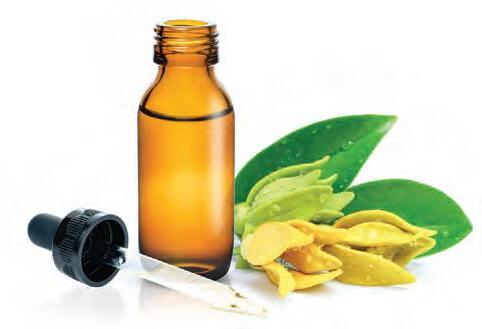
A simple aromatherapy regimen eased anxiety and stress in hospital workers who were deemed to be at high risk for burnout. Professionals in emergency, intensive-care, surgical, and other high-stress departments also reported improved well-being from the two-month intervention.
Participants used an inhalable essential-oil mix that included extracts of sweet orange, lavender, marjoram, and ylang-ylang.
SOURCE “The efficacy of aromatherapy on well-being and stress” by D. Anne-Florence et al., Nursing in Critical Care, 1/26
The U.S. Food and Drug Administration has proposed approving bemotrizinol, a sunscreen ingredient used abroad, as a new active ingredient in the US. If finalized, it would be the first new ingredient approved in over 20 years. Bemotrizinol provides strong broadspectrum protection, absorbs both UVA and UVB rays, resists degradation in sunlight, and rarely irritates skin. It is expected to become available in this country by late 2026.
SELECTED SOURCES “FDA proposes approval of long-sought sunscreen ingredient bemotrizinol,” Environmental Working Group, www.ewg.org, 12/25 • “FDA proposes expanding sunscreen active ingredient list,” U.S. Food and Drug Administration, www.FDA.gov, 12/11/25

BY LISA FABIAN

From 52 Shabbats: Friday Night Dinners Inspired by a Global Jewish Kitchen by Faith Kramer ($35, The Collective Book Studio, 2021)
PREP TIME 60 mins + 12 hr chickpea soak time SERVES 4 as a main or 8 as a side dish.
For the falafel crust
1⅓ c dried chickpeas
Olive oil for greasing pan
1 c chopped onion
1 Tbsp minced garlic
1 c chopped fresh cilantro
1 c chopped fresh flat-leaf parsley
1½ tsp salt
1 tsp ground cumin
½ tsp baking powder
Gluten-free flour as needed
For the pizza toppings
3 c seeded and diced tomatoes, drained and patted dry
½ tsp dried mint
½ tsp dried oregano
½ tsp ground black pepper
¼ tsp salt
8 oz drained and crumbled feta
¼ c chopped green onions
1 tsp olive oil
¼ c chopped fresh herbs (flat-leaf parsley, mint, cilantro, and/or dill)
For the pizza sauces (select 2 or 3)
2 Tbsp Tahini Sauce (recipe follows) or tahini
2 Tbsp amba* or Yellow Curry Sauce (recipe follows)
2 Tbsp Garlic Sauce (recipe follows)
1 To make crust: remove any debris from chickpeas. Rinse chickpeas, transfer them to a large bowl, and cover with several inches of water. Soak for 12 hours at room temperature, adding more water if needed to keep them submerged. Place chickpeas in a colander and rinse them under running water. Pat dry with a clean kitchen towel.
2 Preheat oven to 400°. Thoroughly oil surface of a 12- or 13-inch round pizza pan, or line a large rimmed baking sheet with unbleached parchment paper and lightly oil paper.
3 Transfer chickpeas to a food processor and pulse until they’re in about ⅛-inch pieces, scraping down sides of bowl as needed. Add onion, garlic, cilantro, parsley, salt, cumin, and baking powder. Pulse until evenly mixed, again scraping down sides of bowl as needed. Mixture should be fairly moist and stick together when compressed into a patty. If it’s too dry, add 1 tablespoon of water at
a time and pulse to combine after each addition. If mixture is too wet, add flour 1 tablespoon at a time, pulsing to combine after each addition, until it sticks together but is still moist.
4 Transfer mixture to prepared pan. Use your hand to press mixture all the way to edges of round pizza pan. If using a rectangular baking sheet, press mixture out into an 8x12-inch rectangle. Score crust into 8 wedges. (For a rectangular crust, cut into 8 equal pieces.) Lightly brush crust with 1 teaspoon of olive oil.
5 Bake for 10 to 15 minutes, turning pan in oven as needed to ensure crust browns evenly, until lightly browned and firm. Remove pan from oven.
6 Raise oven temperature to 450°. Slide a thin metal spatula under crust to loosen it but leave it in pan. Using edge of spatula, cut through scored lines into wedges or pieces.
7 To assemble toppings: in a medium bowl, toss together tomatoes, mint, oregano, black pepper, and salt. Scatter mixture over crust. Top with feta and green onions. Drizzle with oil.
8 Bake for 12 to 14 minutes, until heated through and cheese has begun to soften slightly and is just starting to brown. Scatter chopped herbs over top. Choose two or three of the sauces, and drizzle them lightly over top of crust. Do not overload slices with sauces; too much will make pizza soggy.
9 Serve immediately, cutting again along scored lines to separate slices if necessary. This pizza is best eaten with a knife and fork.
*Amba is an Israeli condiment made with fermented mango. It adds a curry flavor and pleasant tartness.
Per serving (serves 4; pizza made with tahini sauce and garlic sauce): 529 Calories, 26 g Protein, 51 mg Cholesterol, 59 g Carbohydrates, 12 g Total sugars (0 g Added sugars), 12 g Fiber, 23 g Total fat (9 g sat), 751 mg Sodium, ★★★★★ Vitamin B2 (riboflavin), C, K, Folate, ★★★★ Vitamin B1 (thiamine), B6, B12, Phosphorus, Zinc, ★★★ Calcium, Iron, Potassium ★★ Vitamin A, Magnesium, ★ Vitamin B3 (niacin), E
From 52 Shabbats: Friday Night Dinners Inspired by a Global Jewish Kitchen by Faith Kramer ($35, The Collective Book Studio, 2021)
PREP TIME 10 mins MAKES 1 cup
1 tsp minced garlic
1½ Tbsp fresh lemon juice, plus more if desired
¼ c plus 2 Tbsp very cold water, plus more if desired
¾ c tahini
¼ tsp salt, optional
1 In a medium bowl, stir together garlic, lemon juice, and water. Stir in tahini with a fork. Mixture may thicken and seize, but keep stirring, until smooth and thick but still pourable. Add cold water 1 teaspoon at a time to reach desired consistency. Taste and add salt and/or additional lemon juice, if desired.
2 Store in an airtight container in the refrigerator for up to 3 days.
From 52 Shabbats: Friday Night Dinners Inspired by a Global Jewish Kitchen by Faith Kramer ($35, The Collective Book Studio, 2021)
PREP TIME 10 mins MAKES about 3/4 cup
½ c plain Greek yogurt
1 tsp minced lemon zest
1 Tbsp fresh lemon juice
1 tsp curry powder
½ tsp ground turmeric
⅛ tsp sugar
2 Tbsp milk plus more if needed
1 In a bowl, mix together yogurt, lemon zest, lemon juice, curry powder, turmeric, and sugar until smooth. Slowly stir in milk, adding more, if needed, until sauce can be drizzled.
2 Store in an airtight container in the refrigerator for up to 3 days.
From 52 Shabbats: Friday Night Dinners Inspired by a Global Jewish Kitchen by Faith Kramer ($35, The Collective Book Studio, 2021)
PREP TIME 10 mins MAKES 1 cup
¼ c peeled garlic cloves
⅓ c fresh lemon juice
½ c extra-virgin olive oil
¼ tsp salt
1 In a blender, combine garlic, lemon juice, oil, and salt. Purée on high speed until smooth.
2 Sauce can be stored in an airtight container in the refrigerator for up to 5 days. Bring to room temperature before using.
Kitchen Note: This pizza is like an insideout falafel sandwich, with the chickpea batter made into a baked crust and served with traditional falafel sauces. Try it for a main course or an appetizer. Be sure to give yourself enough time to make this, since the dry chickpeas soak for at least 12 hours. Don’t overload the pizza with too much sauce. Much of the work for this recipe can be done in advance.
From A Perfect Pancake Cookbook: Recipes for Irresistable Pancakes, Churros, Waffles, and More by Eloise Goode ($12.99, Hamlyn, 2026)
PREP TIME 30 mins SERVES 4
3¼ oz rice flour
1 tsp gluten-free baking powder
½ tsp ground cinnamon
1 egg
Finely grated zest of 1 lemon
6 fl oz soy milk
3 Tbsp water
2–3 tsp vegetable oil, for frying, divided
1 peach, pitted and chopped
3½ oz blueberries
2½ oz raspberries
¼ cantaloupe, deseeded and chopped
5–6 mint leaves, shredded
4 Tbsp runny honey
Greek yogurt, to serve
1 Place flour, baking powder, cinnamon, egg, lemon zest, soy milk, and water in a blender or food processor and blend together.
2 Heat half the oil in a large nonstick frying pan over medium heat, pour over one-quarter of batter, and cook for 2–3 minutes. Flip pancake over and cook for a further 1–2 minutes. Remove from pan and keep warm. Repeat with remaining batter to make 4 pancakes, adding more oil to pan if needed.
3 Gently mix fruit together. Spoon onequarter of fruit mixture into center of each pancake and sprinkle over mint. Fold pancakes in half and place on a baking sheet. Drizzle over honey and cook under a preheated hot broiler for 2–3 minutes.
4 Serve with a dollop of yogurt.
Per serving (with 1/4 cup yogurt): 312 Calories, 12 g Protein, 44 mg Cholesterol, 56 g Carbohydrates, 31 g Total sugars (17 g Added sugars), 4 g Fiber, 6 g Total fat (2 g sat), 155 mg Sodium, ★★ Vitamin C, ★ Vitamin A, B6, Calcium, Iron, Phosphorus, Potassium

Vitamin D3 plays an important role in supporting the skeletal and immune systems. D3 with Vitamin K2 provides convenient daily support in a delicious natural apricot flavor.
Skeletal system support
Immune system support
With Vitamin D3 + Vitamin K2






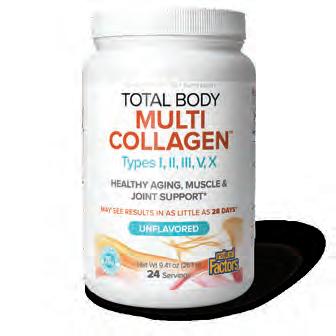
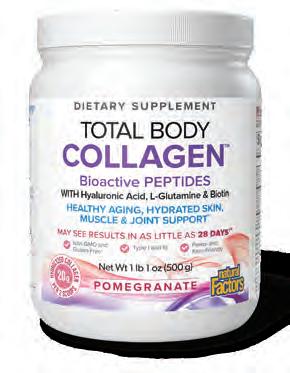
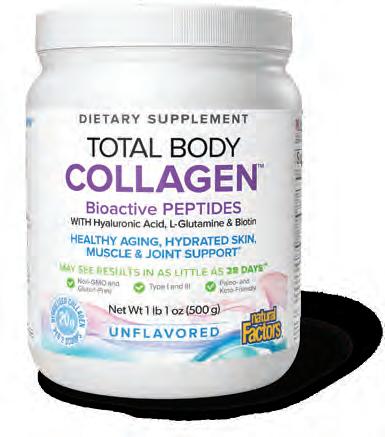
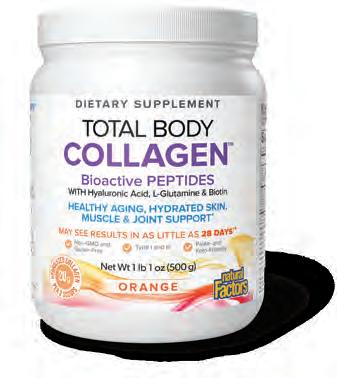
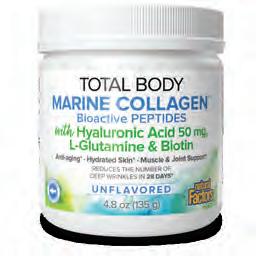
“Regularly add collagen to your diet.” Why?
When it comes to feeling good and looking good, I am going to share my secret weapon… it is called Total Body Collagen™. Collagen hydrates our skin, reducing wrinkles and giving us that plump youthful glow. It also supports healthy hair.
– JULIE REIL , MD and Beauty Expert




SUPPORTIVE INTEGRATIVE STRATEGIES

Although it’s one of the most preventable forms of cancer, cervical cancer remains one of the most common among women worldwide. Most cervical cancers develop from cervical dysplasia, a condition in which abnormal cells form on the cervix, usually as a result of infection with high-risk strains of the human papillomavirus (HPV). When HPV infections do not clear naturally, they can lead to cervical intraepithelial neoplasia (CIN) and, over time, cervical cancer.
Many HPV infections resolve on their own, but some factors increase the risk of persistent infection and progression. These include smoking, immune suppression, multiple sexual partners, co-infections, early sexual activity, and nutritional deficiencies. Because cervical dysplasia represents a window of opportunity before cancer develops, supportive therapies may play an important role in prevention and recovery.
Management of cervical dysplasia depends on the severity of abnormal cells. Low-grade lesions are often monitored because many regress spontaneously. Persistent or high-grade lesions may be removed. While effective, removal doesn’t address viral persistence, immune function, or tissue


continued from page 19
repair. This has led to growing interest in integrative and naturopathic approaches that support the body’s ability to clear HPV, repair cervical tissue, and restore a healthy vaginal environment.
Key Nutrients for Cervical Health
Folate and vitamin B12 support viral regulation and healthy cell growth. Adequate levels may reduce HPV persistence and disease progression, while deficiencies are linked to increased persistence and abnormal cervical cell changes.
Hyaluronic acid is known for skin hydration. In cervical health, it helps restore the protective mucosal barrier and promote healing of the cervical lining. Vaginal use may aid tissue repair and help support spontaneous viral clearance in low-grade cervical lesions.
Botanical & Natural Compounds
Green tea contains antioxidant catechins, especially EGCG, which has anti-inflammatory, antiviral, and anti-proliferative properties. Research suggests it may inhibit HPV-positive cervical cell growth, promote apoptosis, and support immune function. Studies evaluating oral and vaginal green tea preparations show improvement in low-grade cervical lesions.
Diindolylmethane (DIM), a compound derived from cruciferous vegetables, supports healthy estrogen metabolism and may help shift estrogen pathways toward those associated with lower cancer risk. This mechanism may help reduce proliferation of HPV-affected cervical cells. Clinical research of DIM supplementation in women with cervical dysplasia has shown promising results.
Coriolus versicolor, commonly known as turkey tail mushroom, has been studied for its immunemodulating and antiviral properties. Topical vaginal gels and oral supplements containing Coriolus versicolor have shown benefits in improving cervical tissue repair, supporting HPV clearance, and promoting a healthy vaginal microbiome. These products are often combined with hyaluronic acid and herbal compounds.
The vaginal microbiome is key to cervical health. A Lactobacillus-dominant environment (e.g., L. crispatus, L. gasseri, L. reuteri) helps maintain an acidic environment and protect against pathogens. Reduced levels are linked to HPV persistence and dysplasia progression, making probiotics a potentially important support strategy.
Immune Support & HPV Clearance
AHCC is an extract derived from shiitake mushroom mycelia that has been studied for immune support and viral infections. While additional research is needed, clinical studies show promising results in AHCC’s ability to support immune function and aid in the clearance of persistent HPV infections.
Note
Any woman interested in integrative approaches should work with a licensed healthcare provider who can develop an individualized plan that complements conventional medical care.

Dr. Silmacoral López Jiménez is a naturopathic physician specializing in women’s health and natural medicine. She is on the faculty at the UAGM Gurabo School of Naturopathic Medicine and works as a public speaker and as a clinician at Nature Med Center, her clinic in San Sebastián, Puerto Rico.
SELECTED SOURCES “AHCC supplementation to support immune function to clear persistent human papillomavirus infections” by J.A. Smith et al., Frontiers in Oncology, 2022 • “The association of four natural molecules—EGCG, folic acid, vitamin B12, and HA—to counteract HPV cervical lesions . . .” by G. Grandi et al., Journal of Personalized Medicine, 3/22/23 • “Double-blind randomized placebo-controlled multicenter clinical trial (phase IIa) on diindolylmethane’s efficacy and safety in the treatment of CIN . . .” by L. Ashrafian et al., EPMA Journal • “Efficacy of Coriolus versicolor–based vaginal gel in women with human papillomavirus–dependent cervical lesions . . .” by L. Serrano et al., Journal of Lower Genital Tract Disease, 2021 • “Interactions between serum folate and human papillomavirus with cervical intraepithelial neoplasia risk . . .” by J. Yang, et al., American Journal of Clinical Nutrition, 2018 • “Protective effects of green tea extracts (polyphenon E and EGCG) on human cervical lesions” By W-S Ahe et al., European Journal of Cancer Prevention • “Therapeutic efficacy of Coriolus versicolor–based vaginal gel in women with cervical uterine high-risk HPV infection . . .” by A.A. Criscuolo et al., Advances in Therapy, 2/21 • The Women’s Encyclopedia of Natural Medicine: Alternative Therapies and Integrative Medicine for Total Health and Wellness by Tori Hudson, ND (McGraw-Hill, 2007)
BY VICTORIA DOLBY TOEWS, MPH in
Your skeleton might not be as hard and unchangeable as it seems. Bones are in a continual state of flux. Minerals are constantly moved out of bones, and new minerals are inserted in their place. Much of your skeleton is gradually renewed over time.
Bone cells called osteoclasts continually nibble away at bones, pulling out calcium. Meanwhile, bone cells called osteoblasts sends calcium back into bones to build them up. When osteoclasts remove more calcium than is replaced, bones weaken and the stage is set for osteoporosis.
Think of your bones as a bank account for calcium and other minerals: These minerals build up in density during childhood and through the teen years. Your bones reach peak bone mass density in young adulthood. Then, unfortunately, the decline generally starts, which can—for many adults—end in a broken bone caused by osteoporosis.
Osteoporosis and low bone mass affect over 50 million Americans, and about four out of five people with osteoporosis are women. Osteoporosis does not develop overnight. This disease is known as the “silent thief” because it siphons away the strength of your bones without outward signs—until a bone breaks.
What can you do to protect bone health? Focus on two key nutrients that work together to protect bone health: calcium and vitamin D.
Getting enough calcium helps support bone density, and adequate vitamin D helps your body absorb it. Most adults need about 1,000 milligrams (mg) of calcium per day, increasing to 1,200 mg per day for women over 50.
Eat calcium-rich foods, such as dairy products, leafy green vegetables (such as collards, kale, and parsley), sea vegetables (such as kelp and dulse), broccoli, and tofu. Calcium supplements can be useful for people who don’t get enough from their diet. Excessive calcium (e.g., double these numbers) can be troublesome for kidney and heart health.
Vitamin D plays a huge role in bone health. Experts now understand that calcium and vitamin D work in concert to create break-resistant bones. Large studies document the benefit from supplementing with calcium plus vitamin D to reduce fracture risk in
middle-aged and older adults. Up to age 70, aim for 600 IU daily; older adults typically need about 800 IU.

Victoria Dolby Toews, MPH, is a journalist specializing in evidence-based, integrative medicine. She received her Master of Public Health from OHSU-PSU School of Public Health. She is the author or coauthor of numerous books.
SELECTED SOURCES “About osteoporosis,” International Osteoporosis Foundation, https://osteoporosis.foundation • “Calcium and vitamin D: Important for bone health,” National Institute of Arthritis and Musculoskeletal and Skin Diseases, https:// niams.nih.gov, 5/23

If you want to maintain fracture-resistant bones throughout life, include weight-bearing exercise (such as walking, lifting weights, jogging, aerobics, dancing, or stair climbing) in your fitness routine to slow the loss of bone mass.














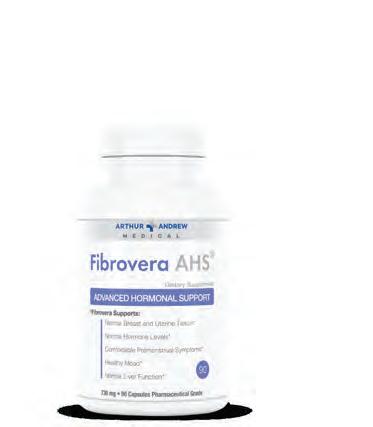
Many women suffer from uncomfortable issues linked to less-than-ideal hormone levels. Diet, genetics, age, and oral contraceptives can lead to estrogen and progesterone challenges. Even plastics and cosmetics can disrupt mood, fertility, menstruation, and aggravate breast and uterine tissue. The experts at Arthur Andrew Medical developed Fibrovera, an all-natural blend of enzymes, herbs, vitamins, and minerals, developed to support normal hormone processing and metabolism in the liver. These challenges can also lead to the excess production of fibrin, a normal sticky protein in the blood, which can be detrimental to uterine and breast health. Fibrovera contains several fibrinolytic enzymes that support normal fibrin levels, and healthy breast








Fibrovera Supports:
Healthy Hormone Levels
5HTP For Healthy Mood
Normal Liver Function
Normal Breast and Uterine



Magnesium & Dong Quai To Ease Cramping




“Recently I ran out of FibroVera and could feel the difference in just a few days. For me, FibroVera is essential no question about it! My occasional hot flashes have calmed down substantially, I’m sleeping better and have much more energy.”
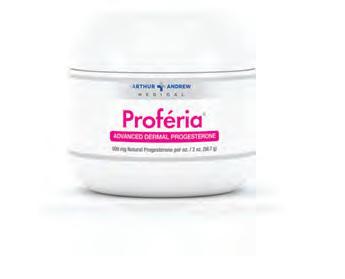
For added support, Arthur Andrew Medical has also developed Proferia to maintain healthy progesterone levels. A topical high-quality cream, Proferia has been shown to be efficiently absorbed through the skin and delivered to different parts of the body. The bioidentical progesterone in Proferia is extracted from wild yam and is much safer than synthetic progestins.
The benefits of Proferia include: ealthy Energy Levels atural Beauty
Bone and Joint Strength imal Mood eat Sleep




BY LAURA JONES,
Menopause gets all the attention, but perimenopause is where the plot twist really begins. This transition—when your body prepares to stop menstruating—usually starts in your mid- to late 40s, though it can arrive as early as your 30s. It ends after 12 straight months without a period.
Perimenopause symptoms vary. Some women experience mild changes, while others face more disruptive issues such as irregular cycles, hot flashes, night sweats, restless sleep, irritability, brain fog, and weight gain. These symptoms can feel confusing and even alarming.
Fluctuations in the hormones estrogen and progesterone drive these changes. Lower estrogen is also responsible for increased risk for cardiovascular disease, osteoporosis, and genitourinary syndrome of menopause (GSM) after menopause. Cardio and weightbearing exercise can help reduce some of these risks.
Managing
While physical symptoms can be hard, the emotional adjustment can be just as challenging. Accepting the changes of perimenopause takes patience and selfawareness. Many studies have shown that mind-body practices like yoga offer relief from insomnia, anxiety, and depression.
When discomfort arises, you can choose how to respond. A cooling and calming breath practice allows you to pause, notice what you are feeling, and invite a sense of ease. By leaning into a “perimeno pause” with mindful breathing, you can find comfort and steadiness amid change.
Try this: Dirgha Pranayama (three-part breath)
■ Sit tall with a comfortable neutral spine or lie on your back with knees bent and feet flat on the floor.
■ Place one hand on the belly, one on the chest.
■ Inhale, drawing the breath down as the belly lifts the hand and then expands the lower chest. Feel the upper chest raise the top hand.

Laura Jones holds a Master of Science in Yoga Therapy from the Maryland University of Integrative Health. She has provided yoga therapy services in collaboration with clients in Alabama, North Carolina, Maryland, and New Hampshire.
■ Exhale, reversing the breath to leave the upper chest and lower chest, then gently draw the belly in. This practice encourages relaxation, reduces stress, and reconnects you with your body, helping you navigate perimenopause with greater ease.
SELECTED SOURCES Hot and Bothered: What No One Tells You About Menopause by Jancee Dunn (Amazon.com, 2023) • “Mindbody therapies for sleep disturbances, depression, and anxiety in menopausal women . . .” by F. Zhixin et al., Frontiers in Public Health, 11/17/25 • “What to expect in each stage of menopause,” Cleveland Clinic, https://health.clevelandclinic.org, 4/5/24


Today’s natural products offer more ways than ever to care for yourself with intention. From daily multivitamins to targeted support for sleep, digestion, hormones, and beyond, these 2026 award winers are designed with women’s needs in mind—combining trusted ingredients with modern research to support strength, balance, and resilience at every stage of life.
BEAUTY FROM WITHIN
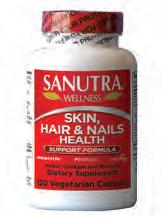
America’s Finest Skin, Hair & Nails Health is thoughtfully formulated with collagen peptides and boswellia for stronger nails, healthier hair, and smoother, more resilient skin.
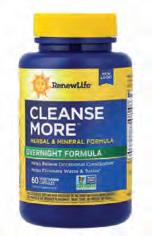
CLEANSE
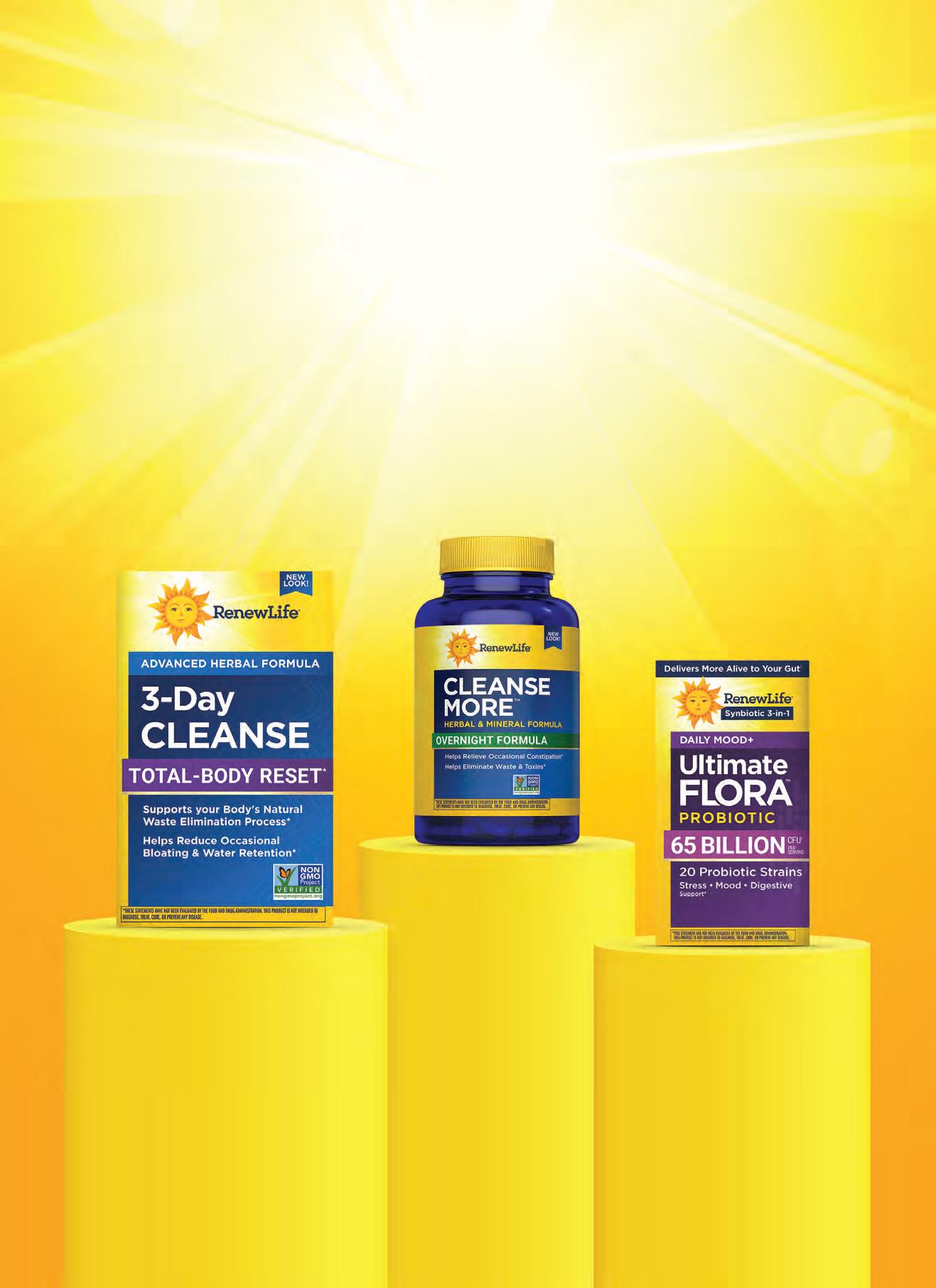
RenewLife Formulas Cleanse More supports comfortable overnight relief from occasional constipation with effective ingredients, including marshmallow root, aloe leaf, rhubarb root, slippery elm bark, triphala, and magnesium.
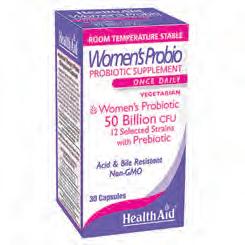
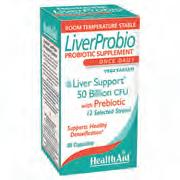
HealthAid America Women’s Probio delivers 50 billion CFUs from 12 probiotic strains, combined with prebiotic FOS to nourish beneficial bacteria. Designed to survive stomach acid, these probiotics make it safely to the intestine.
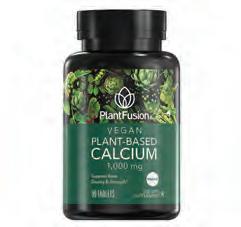
BONE SUPPORT
Plant Fusion Vegan Plant-Based Calcium, derived from algae, delivers a clean, bioavailable source of calcium, enhanced with magnesium, vitamin D3, and K2 for comprehensive support.
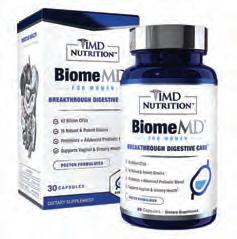
DIGESTIVE SUPPORT
1 MD Nutrition BiomeMD delivers 62 billion CFUs from 15 diverse probiotic strains, plus a prebiotic blend to help support a balanced gut environment. Doctor formulated.
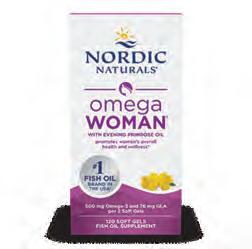
HEART HEALTH
Nordic Naturals Omega Woman delivers 500 milligrams of omega-3 essential fatty acids plus 76 milligrams of GLA, a fatty acid derived from evening primrose oil, both of which support cardiovascular health.
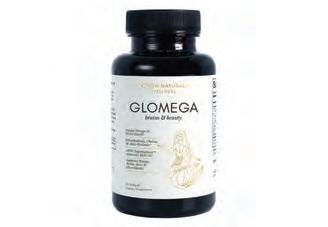
BRAIN SUPPORT
Glow Natural Wellness Glomega features omega 3s (EPA/ DHA) to support cognitive function—plus beauty benefits. Made with Superba Boost Antarctic krill oil, this phospholipid form supports efficient absorption.
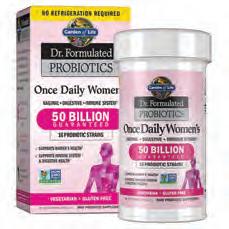
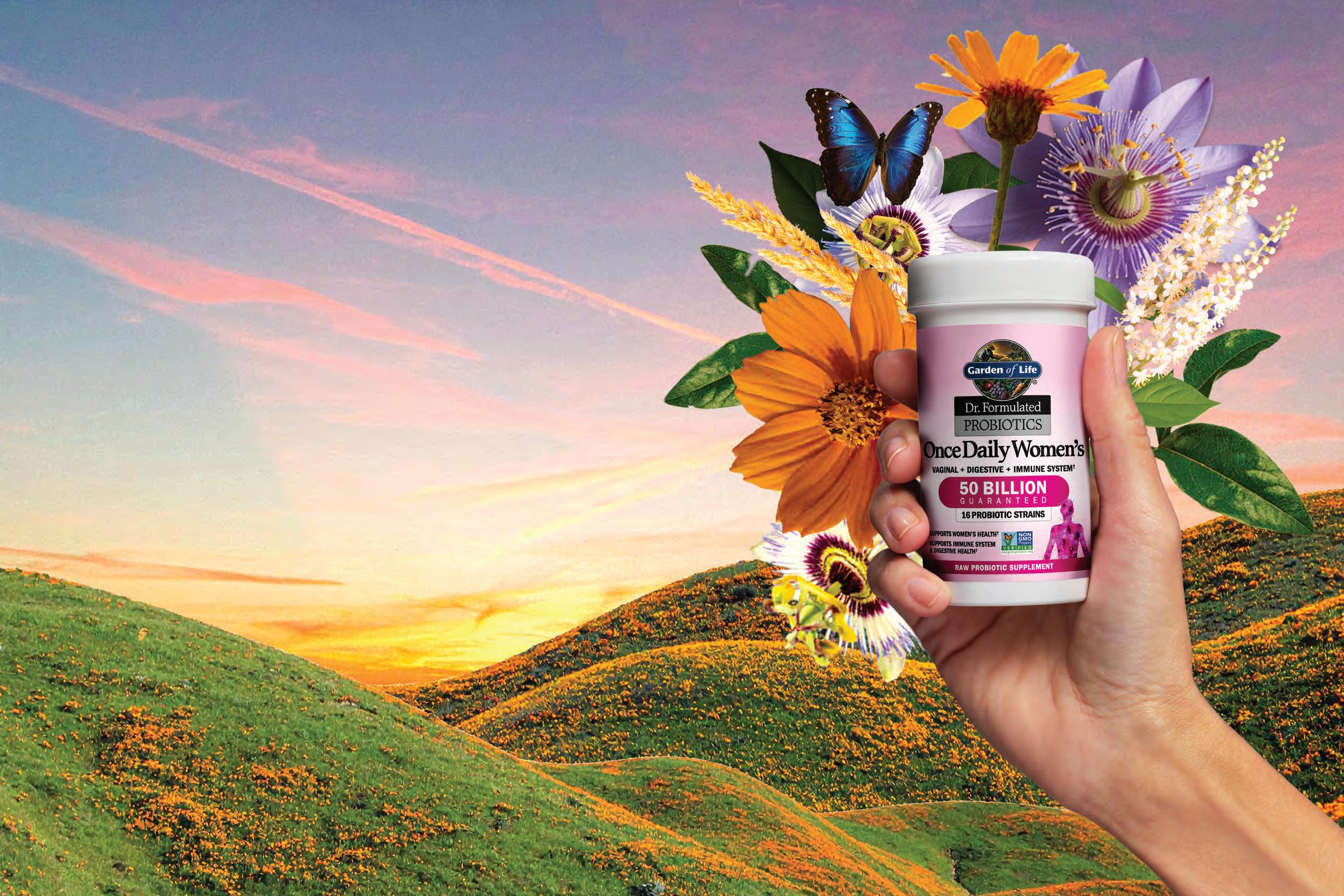
Garden of Life Dr. Formulated Women’s Probiotic is tailored to women’s needs, supporting digestive, vaginal, and urinary tract health, in addition to digestion. Key strains include Lactobacillus reuteri and Lactobacillus fermentum.


statements have not been evaluated by the Food and Drug Administration. These products are not intended to diagnose, treat, cure, or prevent any disease.

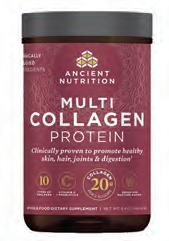
JOINT COMFORT
Ancient Nutrition Multi Collagen Protein features 10 types and 20 grams of collagen to support joint comfort. Includes vitamin C to support collagen formation.
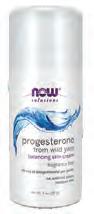
NOW Solutions Progesterone Skin Cream delivers 20 milligrams of progesterone per pump, derived from wild yams, in a fragrance-free cream that absorbs easily into the skin.
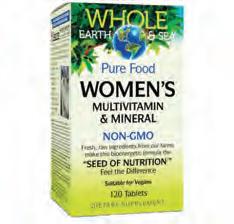
Natural Factors Whole Earth & Sea Pure Food Women’s Multivitamin & Mineral, for women in their child-bearing years, is made from whole foods to deliver bioavailable nutrients for optimal absorption.
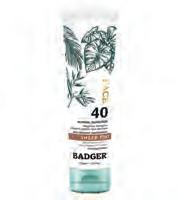
Badger SPF 40 Tinted Face Sunscreen is certified organic, reef-safe, and water- and sweat-resistant for up to 40 minutes. Biodegradable and packaged in tubes made from post-consumer recycled plastic.
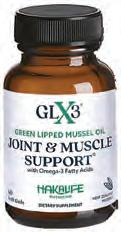
Haka Life Nutrition GLX3 Joint & Muscle Support combines green-lipped mussel oil with olive oil and vitamin E to support a healthy inflammatory response.
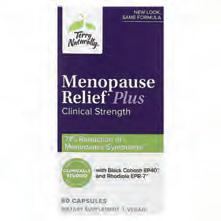
Terry Naturally Menopause Relief Plus contains clinically studied black cohosh EP40 and rhodiola EPR-7 to help relieve occasional hot flashes and night sweats while supporting mood and sleep.
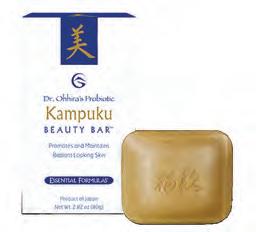
CARE
Essential Formulas Dr. Ohhira’s Probiotic Kampuku Beauty Bar is a gentle, pHbalancing, probiotic-infused soap for face and body—ideal for sensitive skin.

SUSTAINABLE PERIOD CARE
Viv for Your V Winged Bamboo Pads are naturally antibacterial, free from BPA and phthalates, and four times more absorbent than traditional pads. Wrapped in compostable wraps.
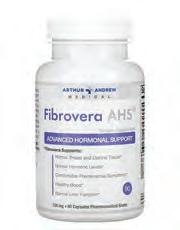
MENSTRUAL CYCLE SUPPORT
Arthur Andrew Medical Fibrovera AHS is a blend of hormone-balancing botanicals and fibrinolytic enzymes designed to provide menstrual support.
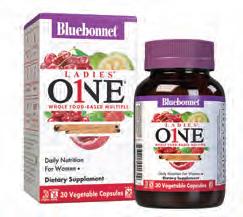
Bluebonnet Ladies’ ONE Whole-Food Based Multiple is formulated with coenzyme B vitamins, natto-sourced K2, plant-sourced digestive enzymes, and nutrients from organic veggies to support overall wellness.

Michael’s Health Naturopathic Programs Fácil Luxurious Facial Oil is a European-style organic oil blend that absorbs quickly, helping to soften and replenish skin.
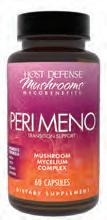
PERIMENOPAUSE/MENOPAUSE
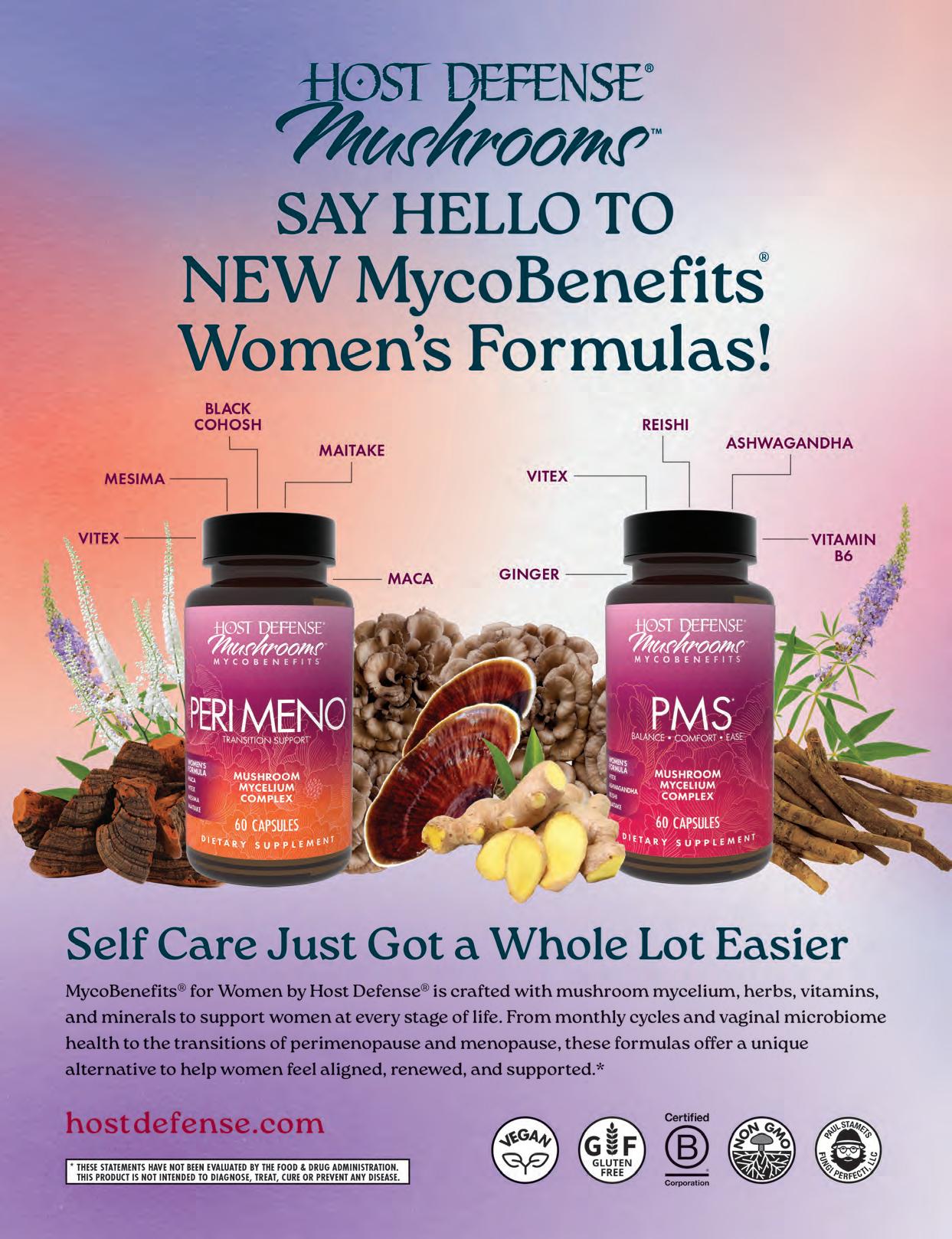
Host Defense Mushrooms MycoBenefits
Peri Meno pairs maitake and mesima mycelium with maca, black cohosh, and vitex to support the body during hormonal transitions.
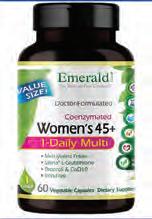
Emerald Labs Women’s 45+ 1-Daily Multi provides bioavailable vitamins and minerals to support energy production and healthy aging. Features Setria L-Glutathione, methylated folate, and CoQ10.

SLEEP SUPPORT
Natural Vitality CALM Sleep is formulated with magnesium glycinate, melatonin, L-theanine, and GABA to help the body and mind transition into restful sleep.
As we age, keeping the world in sharp focus can become a real challenge. Conditions like age-related macular degeneration (AMD), glaucoma, cataracts, or diabetic retinopathy can slowly steal vision. The good news? Research shows that key nutrients, whether consumed as whole foods or in supplement form, can provide needed support. Here’s what to prioritize.
Vitamin A helps the retina convert light into images. Adequate intake protects against night blindness and dry eyes and supports the cornea. Rich food sources include liver, sweet potatoes, and carrots.
B vitamins are key to healthy vision. Adequate intake of vitamin B1 (thiamine) is linked with a lower risk of advanced AMD. Top food sources include pork, beans and legumes, seeds and nuts, and whole grains. Vitamin B2 (riboflavin) helps protect the lens of the eye and may reduce cataract risk; it’s found in organ meats, dairy, and eggs. Vitamin B3 (niacin) may reduce glaucoma risk

and is present in chicken, tuna, and beef. Vitamins B9 (folate) and B12 support nerve health and may contribute to overall vision. Find folate in dark leafy greens and legumes, and B12 in clams, eggs, fortified foods, and fish.
Vitamins C and E act as antioxidants to support tissue repair and may slow the progression of AMD and cataracts, especially in high-risk people. Citrus fruits, bell peppers, kiwi, and broccoli provide vitamin C, while nuts, seeds, and spinach are rich in vitamin E.
Omega-3 fatty acids support tear production,
continued



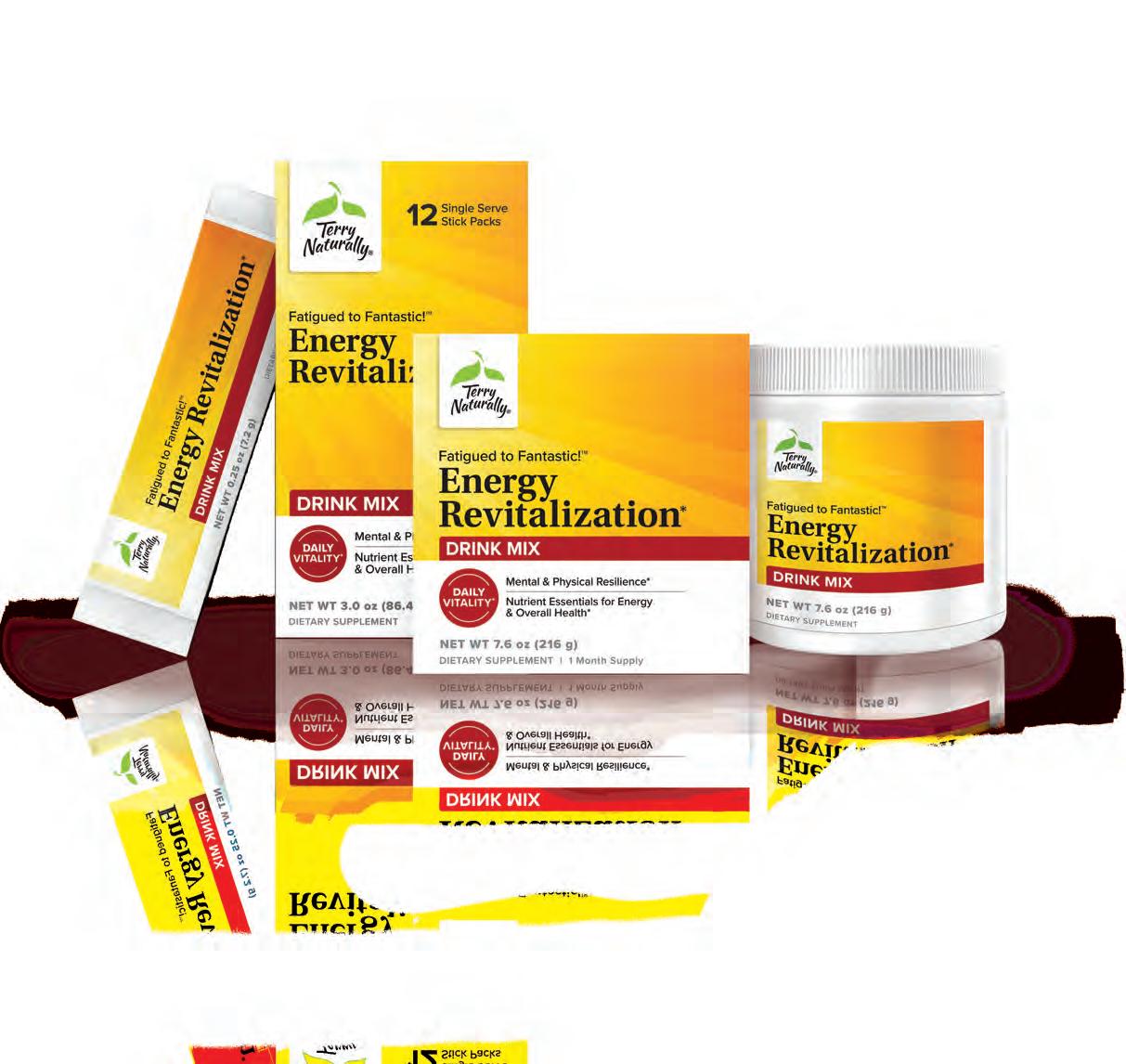
Many multivitamin supplements can only supply a fraction of the nutrients needed to support optimal health and vitality. But Fatigued to Fantastic Energy Revitalization drink mix delivers the benefits of 30 key nutrients to help you thrive and feel your best!*

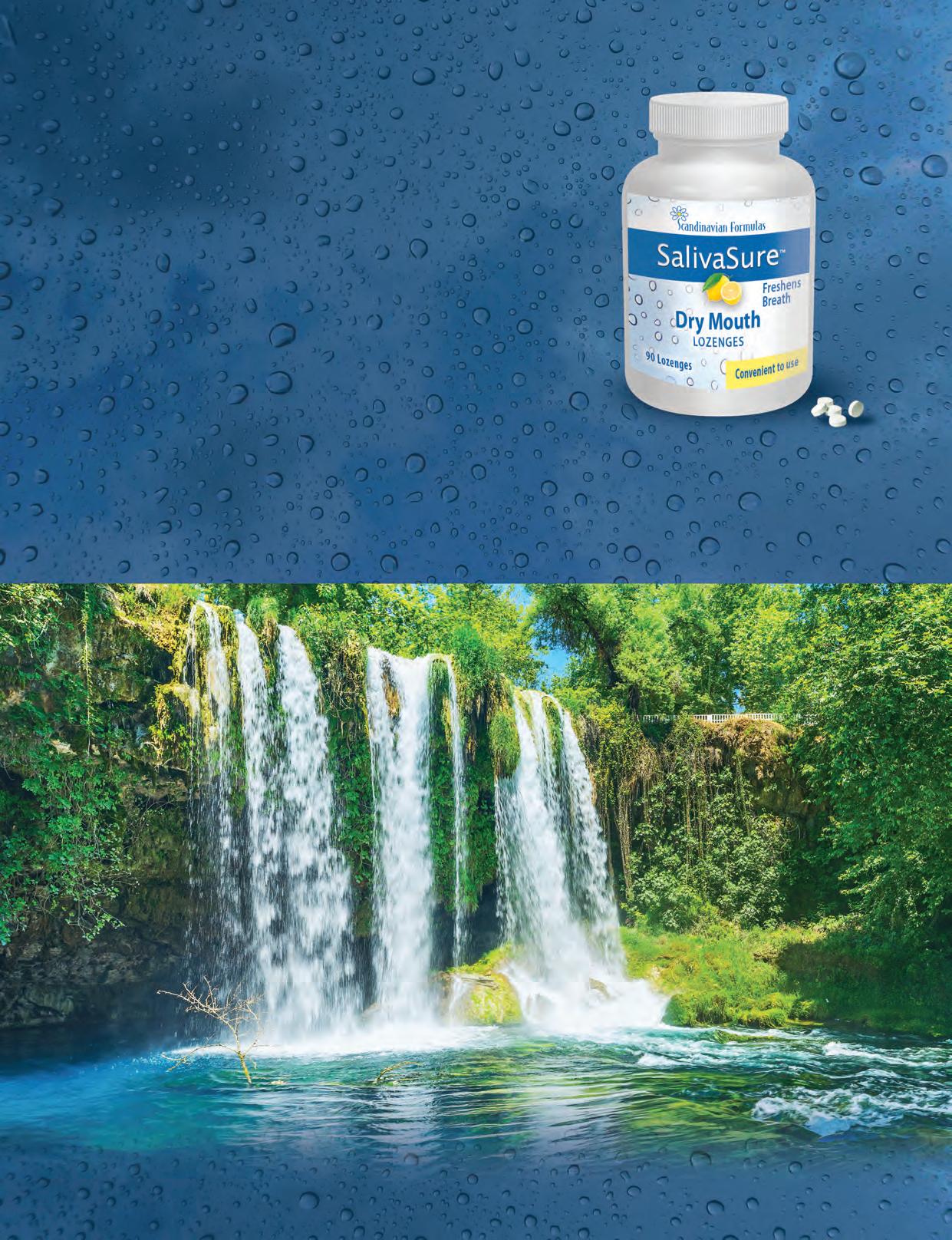
n Naturally increases saliva production
n Fresh citrus taste
n Helps prevent tooth decay
n No interaction with medications
n Safe for diabetics
n Available in convenient flip-top container
Available at Health Food Stores, Drug Stores, and Pharmacies.
Ingredients:
• Xylitol • Citric Acid • Apple Acid • Sodium Citrate Dihydrate
• Sodium Carboxy Methyl Cellulose • Dibasic Calcium Phosphate
• Silica Colloidal • Magnesium Stearate • Stearate Acid.
Safe. Effective. Convenient.
NEW PACKAGING SAME EFFECTIVE RELIEF

which may ease dry eye symptoms. These essential fats are found in fatty fish, flaxseeds, walnuts, and chia and hemp seeds.
Lutein and zeaxanthin are antioxidants that protect the macula— the part of the eye used for central vision, including reading, driving, and recognizing faces. These nutrients sit in the macula and shield it from blue light, sunlight, and oxidative damage, and may also help reduce cataract risk. Food sources include dark leafy greens, cruciferous veggies, yellow and orange veggies, and egg yolks.
Bilberry contains anthocyanins, antioxidant compounds that support eye health. Traditionally used for night vision and eye fatigue, bilberries can be eaten fresh, frozen, or dried or consumed as juice, powder, or extract.
Curcumin, the active compound in turmeric, has antiinflammatory and antioxidant properties. Research suggests it may support eye health in conditions involving inflammation, diabetes, and dry eye. Fresh turmeric root can be grated or sliced into dishes, while turmeric spice works well in curries, soups, smoothies, and golden milk. Pairing turmeric with olive or avocado oil in recipes enhances curcumin absorption. For therapeutic levels, look for supplements containing standardized curcumin, often combined with black pepper (piperine) for enhanced absorption.
SELECTED SOURCES “Association between dietary consumption of vitamin B1 and advanced age-related macular degeneration . . .” by Q. Zheng et al., Ophthalmic Research, 2023 • “Association between vitamin deficiencies and ophthalmological conditions” by A. Pereira et al., Clinical Ophthalmology, 7/19/23 • “Associations between niacin intake and glaucoma in the National Health and Nutrition Examination Survey” by S.Y. Lee et al., Journal of Glaucoma, 6/1/23 • “Fish oil in glaucoma treatment: From biological functions to clinical potential” by H. Ye et al., Molecular Nutrition and Food Research, 6/23 • Herbal Medicine: Biomolecular and Clinical Aspects, I. Benzie and S. Wachtel-Galor, editors, CRC Press, 2011 • Role of oral bio-enhanced curcumin in dry eye disease” by D. Kapil et al., Indian Journal of Opthalmology, 6/25 • “Vitamin A,” Medline Plus, National Institutes of Health, https://MedlinePlus.gov, 1/21/25 • “Vitamins for AMD,” by Kierstan Boyd, American Academy of Ophthalmology, www.aao.org, 10/1/24

“Where flowers so does hope.”
—Lady Bird Johnson