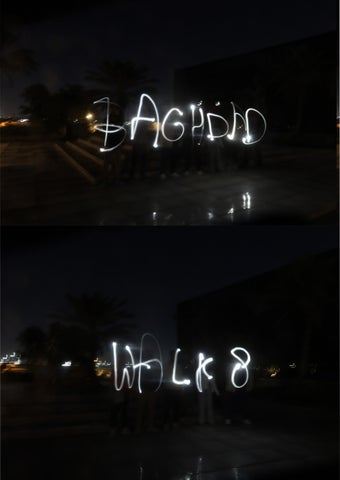
BAGHDAD WALK 8
Group Exhibition and Art Walk in Public Space 5.12.2025 in Abu Nawas 6.12.2025 in Haifa Street As part of the program “Tarkib for Artivism - Workshop and Baghdad Walk Awareness Exhibition”.
٨ بغداد ووك
معرض مشترك و جولة فنية في االماكن العامة في ابو نؤاس5/12/2025 في شارع حيفا6/12/2025 جزء من برنامج “تركيب لالرتفيزم“ – ورش عمل و معرض بغداد ووك التوعوي
BAGHDAD WALK is structured around four interconnected components. The program begins with a series of workshops in contemporary art practices and artivism, engaging emerging Iraqi artists and activists. It then transitions into a production phase in which participants develop their concepts into works conceived for presentation in public space. The project culminates in a two-day group exhibition and guided art walk across the city of Baghdad, followed by a one-month documentation exhibition at Bait Tarkib. This year’s BAGHDAD WALK unfolded along Abu Nawas and Haifa Street. Twenty-two presentations, bringing together twenty-five artists and activists, engaged seven key topics: water scarcity, the impact of oil, gas flaring, noise pollution, the depletion of green spaces, war remnants, and salt. These issues were explored through the overarching perspective of nature, women, and sustainability. The artistic media were equally diverse, ranging from performance and photo poetry to mosaic, billboards, silkscreen-printed canvas, doodle-like surfaces, sculptures and cartoon, as well as augmented reality. A recurring question this year concerned the perceived negativity of some works, as many addressed the urgent challenges facing Iraq. The response is not straightforward: Tarkib is known for future-oriented perspectives, yet critical thinking can require confronting difficult realities - especially when harmful conditions have become normalized. For this reason, this edition was presented under the slogan: “It’s you, who can make a change.” BAGHDAD WALK is part of the program line “Tarkib for Artivism”, conceived and organized by Tarkib and EMCUE, in collaboration with the Embassy of the Kingdom of the Netherlands in Baghdad, spanning three years from 2024 to 2026.
Exhibiting Artists: Amnah Ali, Zahraa Soubhi, Teeba Al Hameed, Zainab Hacham, Laila, Media Al Khafaji, Hella Mewis, Mukhtar Al Ansari, Ali Aqeel, Haider Al Banna, Loay Al Hadhary, Salah Al Hassan, Atef Al Jaffal, Hamzah Al Kinani, Zaid Saad, Muhaned Taha, Hussam Mohammed, Othman Al Tememy, Abdulhameed Al Quraishi.
To view BAGHDAD WALK documentary:
يتألف مشروع بغداد ووك من اربعة مراحل مترابطة .يبدأ البرنامج بسلسلة من ورش العمل في ممارسات الفن المعاصر والنشاط الفني ،بمشاركة فنانين وناشطين عراقيين ناشئين .ثم ينتقل الى مرحلة انتاجية حيث يطور فيها المشاركون افكارهم الى اعمال فنية مصممة للعرض في االماكن العامة. نتاج المشروع معرض مشترك لمدة يومين وجولة فنية ارشادية في مدينة بغداد ،يليه معرض توثيقي لمدة شهر في بيت تركيب .وقد اقيم بغداد ووك هذا العام على طول شارعي ابو نؤاس و شارع حيفا. قدم اثنان وعشرون عرضا فنياً ،جمعت خمسة وعشرين فنانا وناشطا ،تناولت سبعة مواضيع رئيسية :ندرة المياه ،تأثير النفط ،حرق الغاز ،التلوث الضوضائي ،استنزاف المساحات الخضراء، مخلفات الحروب ،والملح .وتم استكشاف هذه القضايا من خالل منظور شامل للطبيعة والمرأة واالستدامة .حيث تنوعت الوسائط الفنية المسخدمة تنوعا كبيراً ،بدءا ً من العروض االدائية والشعر المصور ،وصوال ً الى الفسيفساء واللوحات االعالنية واللوحات المطبوعة بتقنية الطباعة الحريرية ورسومات الدودل والمنحوتات ورسوم الكارتون ،فضال ً عن الواقع المعزز. كان السؤال المتكرر هذا العام يدور حول النظرة السلبية لبعض االعمال ،اذ تناول العديد منها التحديات الملحة التي تواجه العراق .واالجابة ليست واضحة“ :تركيب” معروف بنظرته المستقبلية، اال ان التفكير النقدي قد يتطلب مواجهة حقائق صعبة ،ال سيما عندما تصبح الظروف الضارة امرا ً معتاداً .لهذا السبب ،قدمت نسخة هذه السنة تحت شعار“ :انت تكدر تسوي التغيير”. يعد بغداد ووك جزءا ً من برنامج “تركيب لالرتيفيزم” ،الذي صممته ونظمته منظمة تركيب و ،EMCUEبالتعاون مع سفارة مملكة هولندا في بغداد ،ويمتد لثالث سنوات من 2024الى .2026
الفنانون المشاركون في المعرض: امنة علي ،زهراء صبحي ،طيبة الحامد ،زينب حجام ،ليلى ،ميديا الخفاجي ،هيال ميفس، مختار االنصاري ،علي عقيل ،حيدر البنا ،لؤي الحضاري ،صالح الحسن ،عاطف الجفال، حمزة الكناني ،زيد سعد ،مهند طه ،حسام محمد ،عثمان التميمي ،عبدالحميد القريشي.
لمشاهدة الفديو التوثيقي لبغداد ووك:
1_TARKIB NEWSPAPER Tarkib Collaboration Short stories: Russel Abbas, Ahmed Ibrahim | Essays: Anwar Ahmed, Hella Mewis This year’s BAGHDAD WALK edition opened with a newspaper highlighting behind-thescenes moments and key topics from the workshop program, addressed to emerging Iraqi artists and activists. The seven selected themes circle around oil, water, salt, gas, war remnants, green spaces, and noise, explored through the overarching perspectives of nature, women, and sustainability. The front page features a poster design carrying the slogan “GIVE IT A MOMENT”, inviting viewers to pause and reflect on the harmful social and environmental issues around us, problems that have become so habitual they are often no longer questioned. Included articles address the Bridge of Girsu in southern Iraq and its relationship to water history, as well as a review on the iron women statue Al Majida Maysan in Amarah. Illustrations document workshop tasks and outcomes, alongside a feature on the realities of multidimensional poverty in Iraq. A short story by Russel Abbas narrates the life of a homeless man living with Alzheimer’s, while Ahmed Ibrahim presents a portrait of the salt women Um Noura from Samawah. A supplement by Anwar Ahmed reflects on the experience of living with unwanted housemates, an inquiry into rat infestation.
TARKIB NEWSPAPER_1 تعاون تركيب قصص قصيرة :رسل عباس ،احمد ابراهيم | مقال :انوار احمد ،هيال ميفس انطلقت فعاليات “ بغداد ووك” لهذا العام باصدار صحيفة تسلط الضوء على كواليس برنامج ورش العمل والمواضيع الرئيسية فيه ،والموجهة للفنانين والناشطين العراقيين الناشئين. وتتمحور المواضيع السبعة المختارة حول النفط والماء والملح والغاز و مخلفات الحرب والمساحات الخضراء والضوضاء ،من خالل منظور شامل للطبيعة والمرأة واالستدامة. الصفحة تحتوي تصميم ملصق يحمل شعار “اعطوها لحظة” ،يدعو المشاهدين الى التوقف والتفكير في القضايا االجتماعية والبيئية الضارة من حولنا ،وهي مشاكل اصبحت معتادة لدرجة انها لم تعد موضع تساؤل في كثير من االحيان. تتضمن المقاالت جسر جيرسو في جنوب العراق وعالقته بتاريخ المياه ،باالضافة الى استعراض لتمثال المرأة الحديدي ماجدة ميسان في العمارة .وتوثق الرسوم التوضيحية مهام ورش العمل ونتاجها، الى جانب تقرير عن واقع الفقر متعدد االبعاد في العراق .تروي قصة قصيرة لرسل عباس حياة رجل مشرد مصاب بمرض الزهايمر ،بينما يقدم احمد ابراهيم صورة الم نورة عاملة الملح من السماوة. ويتناول ملحق بقلم انوار احمد تجربة العيش مع رفقاء سكن غير مرغوب فيهم ،ويبحث في مشكلة انتشار الجرذان.
2_DAYDREAM Mukhtar Al Ansari
Mukhtar Al Ansari presented a large-scale photograph of a ruined building site in his neighborhood of Al Wazeriya. He intervened on the surface of the image with childlike drawings of an ideal home, visualizing what a child might imagine as missing. The work juxtaposes loss and imagination, revealing how destruction collides with hope. Installed on an abandoned house in Abu Nawas Street, the photograph underscores the still existing widespread presence of neglect and vacant buildings across Baghdad as material traces of war and interrupted sustainability. Using shiny crayon colors, Mukhtar Al Ansari evokes the expressive world of childhood through color, texture, and spontaneity. This visual language contrasts sharply with the city’s harsh realities - pollution, noise, disappearing water resources, and shrinking green spaces - emphasizing how a child can still imagine a sustainable future, while this capacity often fades with age under social, political, and environmental pressure.
DAYDREAM_2 مختار االنصاري عرض مختار االنصاري صورة فوتوغرافية كبيرة الحجم لموقع بناء مهدم في حي الوزيرية الحي الي يسكنه. وقد اضاف الى الصورة رسومات طفولية لمنزل مثالي ،مجسدا ً ما قد يتخيله الطفل مفقوداً .يجمع العمل بين الخسارة والخيال ،كاشفا كيف يصطدم الدمار باالمل .تبرز الصورة ،المعلقة على بناية مهجورة في شارع ابو نؤاس ،استمرار االهمال والمباني المهجورة في بغداد كاثار مادية للحرب وانقطاع االستدامة. باستخدام الوان زاهية تشبه الوان اقالم التلوين ،يستحضر مختار االنصاري عالم الطفولة المفعم بالحيوية من خالل اللون والملمس والعفوية .تتناقض هذه اللغة البصرية تناقضا ً صارخا ً مع واقع المدينة القاسي – التلوث ،والضوضاء ،ونقص موارد المياه ،وتضاؤل المساحات الخضراء – مؤكدا ً كيف ال يزال بامكان الطفل ان يتخيل مستقبال ً مستداماً ،بينما تتالشى هذه القدرة غالبا ً مع التقدم في السن تحت وطأة الضغوط االجتماعية والسياسية والبيئية.
3_CONCRETE IN LIFE Tarkib Collaboration Ali Aqeel, Salah Al Hassan, Hamzah Al Kinani, Abdulhameed Al Quraichi The title “Concrete in Life” refers to a global photography competition by the Global Cement and Concrete Association, which invites photographers to capture the beauty of concrete in everyday life. But what happens when we begin to question concrete not only as a material of progress, but also in terms of its environmental impact and human consequences? Concrete’s ecological footprint is immense. Cement production alone accounts for nearly 8% of global CO2 emissions, while simultaneously depleting essential natural resources such as sand and water and generating large amounts of waste. Its widespread use contributes to urban heat islands, increased surface runoff, biodiversity loss, and long-term damage to air, water, and soil. While we understand that concrete remains indispensable for modern infrastructure, its unchecked expansion poses significant particularly evident in the case of Baghdad. In an attempt to address traffic congestion, Iraqi authorities have implemented a largescale development plan focused building bridges across the city. As a result, green spaces and pedestrian pathways have been drastically reduced, replaced by an ever-growing concrete landscape that offers only temporary relief to traffic flow.
This reality was transformed into a performative intervention. A large-scale textile in the color of concrete was unfolded in the middle of Abu Nawas Garden by four performers, who recited: You have a green space. You have a traffic problem. You need to fix the problem. Let us build a bridge. This black-comedy–like performance highlights the controversial politics of bridge construction and Baghdad’s excessive dependence on concrete as a questionable model of urban development.
يسلط هذا االداء الذي يشبه الكوميديا السوداء الضوء على السياسات المثيرة للجدل لبناء الجسور واعتماد بغداد المفرط على الخرسانة كنموذج مشكوك فيه للتنمية الحضرية.
CONCRETE IN LIFE_3 تعاون تركيب علي عقيل ،صالح الحسن ،حمزة الكناني ،عبدالحميد القريشي يشير عنوان العمل “الخرسانة في الحياة” الى مسابقة تصوير عالمية تنظمها الرابطة العالمية لالسمنت والخرسانة ،والتي تدعو المصورين الى توثيق جمال الخرسانة في الحياة اليومية .ولكن ماذا يحدث عندما نبدأ بالتساؤل عن الخرسانة ليس فقط كمادة للتقدم ،بل ايضا من حيث تأثيرها البيئي وعواقبها على االنسان؟ يعد االثر البيئي للخرسانة هائالً .اذ يساهم انتاج االسمنت وحده بنحو 8%من انبعاثات ثاني اكسيد الكربون العالمية ،بينما يستنزف في الوقت نفسه موارد طبيعية اساسية كالرمل والماء ،وينتج كميات هائلة من النفايات .كما يساهم استخدامه بنطاق واسع في ظاهرة الجرز الحرارية الحضرية ،وزيادة جريان المياه السطحية ،وفقدان التنوع البيولوجي ،والحاق اضرار طويلة االمد بالهواء والماء والتربة .ورغم ادراكنا الهمية الخرسانة في البنية التحتية الحديثة ،اال ان توسعها غير المنضبط يتجلى بوضوح في بغداد. وفي محاولة لمعالجة االزدحام المروري ،نفذت السلطات العراقية خطة تنمية على نطاق واسع تركز على بناء الجسور في انحاء المدينة .ونتيجة لذلك تقلصت المساحات الخضراء وممرات المشاة بشكل كبير، وحلت محلها مساحات خرسانية متنامية باستمرار ،ال تقدم سوى حلول مؤقتة النسيابية حركة المرور. تحول هذا الواقع الى تدخل ادائي .قام اربعة فنانين بفرش نسيج ضخم بلون الخرسانة في وسط حديقة ابو نؤاس ،وهم يرددون: عندكم مساحة خضرة عندكم مشكلة ازدحام تريدون تحلون المشكلة خلي نبني جسر
4_THE LAST FISH Zahraa Soubhi Photographs by Betoul Ameen, Hella Mewis, Haider Al Musallamawi Artist’s Statement: THE LAST FISH is a collaborative photo-poetry project that focuses on the lives of working women in southern Iraq. Written and translated by Zahraa Soubhi and photographed by Betoul Ameen, Hella Mewis, and Haider Al Musallamawi, the project intertwines handwritten poetic textiles in Arabic and English with documentary photography. Together, text and image portray a reality shaped by women, water, salt, labor, and endurance. The work draws attention to traditional women’s occupations such as fishing, reed gathering, and daily subsistence practices, livelihoods now increasingly threatened by either the drying of the marshes and the industrialization of crafts such as salt harvesting. Through verse and image, the project reveals the physical exhaustion, harsh conditions, and modest wages these women endure, while also honoring the deep-rooted connection to labor, identity, and an enduring culture of hospitality. Despite their vulnerability, these occupations remain inseparable from inherited ways of life. THE LAST FISH presents “work” not only as a means of survival, but as a form of cultural memory at risk of disappearance. By documenting these fragile professions, the project positions the women of southern Iraq as symbols of resilience, continuity, and quiet resistance. Their daily struggle is transformed into a visual and literary testimony, preserving a vanishing world shaped by water, salt, and an unforgiving climate.
THE LAST FISH_4 زهراء صبحي الصور بواسطة :بتول امين ،هيال ميفس ،حيدر المسلماوي بيان الفنانة: “السمكة االخيرة” مشروع فني تعاوني يجمع بين الشعر والتصوير الفوتوغرافي ،ويركز على حياة النساء العامالت في جنوب العراق .كتبت القصيد وترجمتها زهراء صبحي، وصورته بتول امين ،هيال ميفس وحيدر المسلماوي .يمزج المشروع بين نصوص شعرية مكتوبة بخط اليد باللغتين العربية واالنجليزية ،مع صور توثيقية .يصور النص والصورة معا ً واقعا ً تشكله النساء والماء والملح والعمل والصمود .العمل يلفت االنتباه الى المهن التقليدية للنساء ،كالصيد وجمع القصب ،وممارسات للدخل اليومي ،وهي سبل عيش باتت مهددة بشكل متزايد اما بجفاف االهوار او بتصنيع الحرف اليدوية ،كاستخراج الملح. يكشف هذا المشروع الفني ،من خالل الشعر والصورة ،عن االرهاق الجسدي والظروف القاسية واالجور القليلية التي تتحملها هؤالء النساء ،مع تكريمه في الوقت نفسه لالرتباط الوثيق بالعمل والهوية وثقافة الضيافة العريقة .ورغم هشاشتهن ،تبقى هذه المهن جزءا ً ال يتجزأ من انماط الحياة المتوارثة .يقدم مشروع “السمكة االخيرة” ليس فقط كوسيلة للبقاء ،بل كشكل من اشكال الذاكرة الثقافية المعرضة لخطر االندثار. من خالل توثيق هذه المهن الهشة ،يضع المشروع نساء جنوب العراق كرموز للصمود واالستمرارية والمقاومة الصامتة .ويتحول كفاحهن اليومي الى شهادة بصرية وادبية ،تحافظ على عالم اخذ في الزوال ،تشكل بفعل الماء والملح والمناخ القاسي.
The Last Fish This woman carries everything in her hands even me. She carries our past and our present: fish, nets, salt, reeds, and even khareet. She holds a handful of salt, yet our waters have gone dry. Our mashhoof lies still, and salt rises over the river. Her gentle hands are cracked from gathering white crystals by the shore. Still, she remains salted like the earth warm, not barren offering the stranger bread, a story, or a shade. She carries a net, casts it into shallow waters, catches the last fish. washes it, touches it, sells it for a humble meal. Her bucket empties day by day, yet her heart never runs out of hope. She carries khareet, like a healing balm, drawn from the reeds of our marshes yellow, hardened it cures the body of its deepest aches. And we do not know if the healing comes from it, or from her hands that offer it. She carries strong reeds, gathers them at dawn, ties them with a thread of patience, and builds a Mudhif a warm shelter for the night, a home no longer fit for living. This woman carries everything even me. She carries our past and our present: fish, nets, salt, reeds, and even khareet.
آخر سمكة تحمل هذه السيدة بين يديها كل شيء حتى أنا تحمل هذه السيدة ماضينا وحاضرنا ً قصبا ً أو حتى، ً ملحا،شبكة ، ً أسماكا ! خريط ً ملح حفنة تحمل ٍ لكنّ مياهنا جفت ً وبدى مشحوفنا ثابتا ٌ مل ح يعلو على نهرنا وتتشقق يداها الطيبة بلور ابيض عند الضفاف من جمع ٍ ً دافئة ال جافة فتبقى مملوحة كاالرض ُ للغريب تمد ِ قصة أو ظل، ً خبزا ً ُتحمل شبكة ٍتلقيها في ميا ٍه ضحلة تصطاد فيها آخر سمكة تصطادها تغسلها تلمسها ً تبيعها غذا ًء هنيئا يخلو دلوها يوم بعد يوم ْلكن قلبها ال يخلو من االمل شاف تحملُ خريطا ً كدوا ٍء ٍ ي أهوارنا ّ تنتزعه من برد أصفر ٌ اللون متحجر ِ ِ يشفى به الجسد من أصعب السقم ال ندري هل منه الشفاء أم من يداها التي قدمته ً تحمل قصبا ً قويا ً تجمعه صباحا صبر بخيط من تربطه ٍ ٍ ً تبني به مضيفا صغيرا يأوي من يسكنه في المساء بيت دافئ ما عاد صالحا ً للعيش شي حتى تحمل هذا السيدة كل ً أنا تحمل هذه السيدة ماضينا وحاضرنا ً قصبا ً او حتى، ً ملحا، شبكة ،ًاسماكا !خريط
Betoul Ameen
بتول امين
Haider Al Musallamawi
Betoul Ameen
حيدر المسلماوي
Hella Mewis
هيال ميفس
بتول امين
5_GREEN WHISPERS Zainab Hacham
Zainab Hacham presented a site-specific yoga performance in the middle of Abu Nawas Garden, narrating the story of Marshland women and their struggle with climate migration and the exploitation of natural resources. Dressed in traditional attire typical of women from the Marshlands, she used her practice of yoga as a performative language to expose the social and environmental impact on women living in this disappearing world. Through a carefully structured sequence of postures, each movement became a chapter of daily lived reality: Sun Salutation for dawn rituals and spiritual connection to the land; balancing poses reflecting inner strength and stability; Warrior sequences expressing resilience, conflict, and the survival; and finally, deep stretches such as Pigeon, Half Split, and Forward Fold, echoing exhaustion, grief, and reluctant acceptance. Her sustained balance within these demanding postures became a powerful symbol of the Marshland women - women who continue to endure environmental collapse, displacement, and social vulnerability, while preserving dignity, memory, and resilience through their bodies. By placing this intimate ritual in a public urban space, Zainab Hacham repositions their silent struggle at the center of collective visibility.
GREEN WHISPERS_5 زينب حجام قدمت زينب حجام عرضا ً فنيا ً لليوغا في حديقة ابو نؤاس ،سردت فيه قصة نساء االهوار ومعاناتهن مع الهجرة المناخية واستغالل الموارد الطبيعية .ارتدت زينب الزي التقليدي لنساء االهوار ،واستخدمت اليوغا كلغة فنية لتسليط الضوء على االثر االجتماعي والبيئي على النساء في هذا العالم المتغير. من خالل سلسلة منظمة بعناية من حركات ،اصبحت كل حركة فصال ً من فصول الواقع اليومي: تحية الشمس لطقوس الفجر واالتصال الروحي باالرض ،حركات التوازن التي تعكس القوة الداخلية واالستقرار ،تسلسالت المحارب التي تعبر عن المرونة والصراع والبقاء ،واخيراً ،تمارين التمدد العميق مثل حركة الحمامة ،واالنقسام النصفي ،واالنحناء لالمام ،والتي تعكس االرهاق والحزن والقبول المتردد. اصبح توازنها المستمر في هذه الحركات الصعبة رمزا ً قويا ً لنساء االهوار – النساء اللواتي ما زلن يعانين من االنهيار البيئي والنزوح والهشاشة االجتماعية ،بينما يحافظن على كرامتهن وذاكرتهن وقوتهن من خالل اجسادهن .من خالل وضع هذا الطقس في فضاء حضري عام ،تعيد زينب حجام وضع نضالهن الصامت في صميم الرؤية الجماعية.
1. Sun Salutation – Surya Namaskar It shows dawn in the marshes as women rise early to begin their work. The Sun Salutation represents daily rebirth and a woman’s bond with the earth, water, and sun- the elements of life. 2. Extended Hand to Big Toe Pose – Utthita Hasta Padangusthasana This posture shows the Marshland woman standing tall like the reeds - one foot rooted in earth, the other reaching upward in hope despite harsh reality. 3. Goddess Pose – Utkata Konasana This is the strength of the Marshland woman - the giver of life. Yet here, the goddess is exhausted from carrying water, and from losing reeds and fish. 4. Warrior I – Virabhadrasana I Her first resistance to drought begins with Warrior I. The lifted hand toward the sky becomes a gesture of plea and hope. 5. Warrior II – Virabhadrasana II This pose symbolizes stability and resolve - her gaze forward, embodying the strength of women who remain in the marshes despite loss. 6. Twist Pose – Parivrtta Asana A look back at the marshes’ past. The twist reflects her confusion and inner conflict — to hold onto the land or leave for the city. 7. Warrior III – Virabhadrasana III Things worsen as she leans toward the horizon, symbolizing her long journey for water and the search for life in a dying land.
- Sun Salutation .1تحية الشمس بداية مع تحية الشمس التي تمثل بداية اليوم في األهوار تستيقظ النساء قبل الفجر يتهيؤن ليوم جديد من العمل .تحية الشمس ترمز إلى النهضة اليومية ،وإلى صلة المرأة العميقة باألرض والماء والشمس -عناصر الحياة األساسية هي تزرع ،تحلب وتغني للجاموس. Standing Balanced Asanas .2 الوضعية الثانية تعبر عن امرأة االهوار الثابتة والمتوازنة والتي دائما تقف شامخة كالقصب.القدم الثابتة هي جذورها في األرض ،والقدم الممدودة تمثل محاولتها لتمديد األمل رغم قسوة الواقع. - Goddess Pose .3وضعية اإللهة تجسد قوة المرأة األهوارية ،رمز العطاء .لكن اإللهة هنا منهكة من حمل الماء لمسافات طويلة ومن فقدان القصب واألسماك. - Warrior I .4المحارب االول تبدأ مقاومتها األولى للجفاف مع وضعية المحارب االول .اليد مرفوعة نحو السماء هي للرجاء واالستغاثة. - Warrior II .5المحارب الثاني وضعية المحارب الثاني ترمز إلى الثبات واالستمرارية ،نظرتها لألمام رغم الخطر .هذه الوضعية تعبّر عن قوة النساء اللواتي ال يزلن في األهوار ،رغم الفقد. – Twist Pose .6االلتفاف نظرة إلى ماضي األهوار .االلتفاف يمثل الحيرة واالنقسام الداخلي بين التمسك باألرض أو المغادرة نحو المدينة. – Warrior III .7المحارب الثالث الوضع يزداد سوء .جسد مائل لألمام ممدود نحو االفق -يمثل رحلتها الطويلة لجلب الماء أرض تموت. ومحاولة البحث عن الحياة في ٍ
8. Natarajasana – Dancer Pose / Warrior IV In this posture, the story reaches its peak: the woman dances at the edge of pain. A dance expressing the struggle between life and death, between womanhood and the changing climate. 9. Mountain Pose – Tadasana After a series of powerful, balanced, and resistant postures, she needs calm after the storm. A woman standing firmly, like a mountain in mountain pose. 10. Low Lunge – Anjaneyasana A step into the unknown. A posture of searching - beginning the journey toward survival or displacement. 11. Half Split – Ardha Hanumanasana A moment of internal breaking - balance is lost. 12. Pigeon Pose – Eka Pada Rajakapotasana Here, the woman bows deeply to the earth - mourning the loss of water, buffaloes, and shelter. The dryness of the marshes stole her livelihood, her voice, and even her reflection in the water. 13. Chakki Chalanasana – The Grinder Pose A wheel turning without water, without hope. Her body moves, but her spirit stiffens like cracked clay. 14. Seated Forward Fold – Paschimottanasana Surrender and inner peace. Her bow to the earth is an acceptance of visible defeat, yet deep within, this fold is a return to nature’s womb - to roots, patience, and silent resilience.
Warrior IV – Natarajasana .8 في وضعية المحارب الرابع او الراقص تبلغ القصة ذروتها؛ المرأة ترقص على حدود األلم هذه الصراع بين الحياة والموت ،بين األنثى والمناخ. الرقصة تمثل ٍ – Mountain Pose .9وضعية الجبل بعد سلسلة من وضعيات القوة ،التوازن والمقاومة تحتاج الهدوء بعد الصراع .امرأة تقف بثبات، كأنها جبل .بوضعية الجبل. Low Lunge - Anjaneyasana .10 تقدم واندفاع منخفض كأنها تخطو نحو المجهول .وضعية البحث عن بداية الرحلة نحو النجاة او النزوح. Half Split - Ardha Hanumanasana .11 لحظة انكسار داخلي -لم يعد هناك توازن. Pigeon Pose - Eka Pada Rajakapotasana .12 بانكسار عميق؛ لفقد الماء والجاموس والمأوى ،جفاف في وضعية الحمامة ،تنحني المرأة لألرض ٍ االهوار سرق رزقها وصوتها وحتى ظلها في الماء. ( Chakki Chalanasana – Grinders .13دوران الطاحونة) دوران بال ماء ،بال أمل .جسدها يتحرك ،لكن روحها تيبست مثل الطين. – Paschimottanasana .14االنحناءة لألمام االستسالم والسالم الداخلي .انحناء المرأة لألرض هو اعتراف بالهزيمة الظاهرة ،لكن في عمقها، هذا االنحناء هو عودة إلى رحم الطبيعة ،إلى الجذور ،إلى الصبر .هي لحظة حزن ،قبول وسكينة.
6_HIDOU Abdulhameed Al Quraishi
HIDOU (an Arabic expression for tranquility) was a choral performance conceived by Abdulhameed Al Quraishi and musically performed together with Yahya Al Bahri. Playing traditional Iraqi music, he invited visitors to sing and clap, creating a shared moment of harmony. This tranquility was immediately pierced by intrusive sounds echoing street noises. The performers continued to play alongside the soundscape, reflecting how people carry on with daily life without recognizing the high decibel levels surrounding them. The performance took place beneath a dead tree in Abu Nawas Garden, which served as a stark symbol of the impact of noise pollution on humanity. Originally from Basra, Abdulhameed Al Quraishi feels emotionally affected and embarrassed by the overwhelming noise levels in Baghdad. The performance concluded with cartoons from from Amnah Ali’s HOUSA series falling from the dead tree onto the performers, featuring the Iraqi bubble-gum character Boby as the personification of the noise perpetrator.sure, cardiovascular disease, and stress-related diabetes. In Iraqi cities, noise levels rose sharply after 2003.
Artist’s Statement: Noise has become so deeply embedded in daily life that people no longer recognize how far it has distanced them from peace, tranquility, and even natural sounds such as birdsong and rustling leaves. It has altered human behavior and reshaped the rhythm of urban life, leaving many restless without fully understanding the cause. According to the World Health Organization (WHO), continuous exposure to noise above 70 decibels can cause gradual hearing loss, while prolonged exposure above 85 decibels increases the risk of serious health conditions, including sleep disorders, high blood pressure, cardiovascular disease, and stress-related diabetes. In Iraqi cities, noise levels rose sharply after 2003. In Baghdad, they range between 37 and 76 decibels in markets and residential areas, while in Basra they reach approximately 68 decibels, exceeding WHO recommendations. This transformation began with the sounds of tanks and gunfire, once terrifying, now tragically normalized. In response, I present a performance based on sound recordings I gathered across Basra and Baghdad, including the Basra Corniche, street weddings, garages, and markets such as Bab al-Muadham and Shorja, revealing how noise permeates everyday life without our awareness.
بيان الفنان: اصبحت الضوضاء جزءا ً ال يتجزأ من الحياة اليومية ،حتى ان الناس لم يعودوا يدركون مدى ابتعادهم عن السكينة والهدوء ،بل وحتى عن اصوات الطبيعة كزقزقة العصافير وحفيف اوراق الشجر .لقد غيرت الضوضاء سلوك االنسان واعاد تشكيل ايقاع الحياة الحضرية ،تاركا ً الكثيرين في حالة من القلق واالضطراب دون فهم كامل لالسباب. ووفقا ً لمنظمة الصحة العالمية ،فان التعرض المتستمر للضوضاء التي تتجاوز 70ديسيبل قد يسبب فقدانا ً تدريجيا ً للسمع ،بينما يزيد التعرض المطول للضوضاء التي تتجاوز 85ديسيبل من خطر االصابة بامراض خطيرة ،بما في ذلك اضطرابات النوم ،وارتفاع ضغط الدم ،وامراض القلب واالوعية الدموية، وداء السكري المرتبط بالتوتر .في المدن العراقية ،ارتفعت مستويات الضوضاء بشكل حاد بعد عام .2003ففي بغداد ،تتراوح مستويات الضوضاء بين 37و 76ديسيبل في االسواق والمناطق السكنية، بينما تصل في البصرة الى حوالي 68ديسيبل ،متجاوزة بذلك توصيات منظمة الصحة العالمية. بدأ هذا التحول باصوات الدبابات واطالق النار ،التي كانت تثير الرعب في الماضي ،واصبحت االن لالسف امرا ً عادياً .وردا ً على ذلك ،اقدم عرضا يعتمد على تسجيالت صوتية سجلتها في مناطق مختلفة من البصرة وبغداد ،بما في ذلك كورنيش البصرة ،وحفالت الزفاف في الشوارع ،والكراجات، واالسواق مثل باب المعظم والشورجة ،كاشفا ً كيف تتغلغل الضوضاء في الحياة اليومية دون وعينا.
HIDOU_6 عبد الحميد القريشي
عرض “هدوء” عرضا ً غنائيا ً مشترك ابتكره عبد الحميد القريشي ،وعزفه مع يحيى البحري. عزف القريشي موسيقى واغاني عراقية معروفة ،ودعا الجمهور للغناء والتصفيق ،خالقا ً لحظة انسجام مشتركة .سرعان ما اخترق هذه السكينة الممتعة اصوات مزعجة ،كضجيج الشوارع .استمر المؤدون بالعزم متناغمين مع المشهد الصوتي ،مما يعكس كيف يواصل الناس حياتهم اليومية دون ادراكهم لمستويات الضوضاء العالية المحيطة بهم. اقيم العرض تحت شجرة ميتة في حديقة ابو نؤاس ،والتي شكلت رمزا ً صارخا ً لتأثير التلوث الصوتي على البشرية .يشعر عبدالحميد القريشي ،وهو من البصرة ،بتأثر عاطفي وحرج من مستويات الضوضاء الهائلة في بغداد .اختتم العرض برسوم كارتونية من سلسلة “هوسة” للفنانة امنة علي ،وهي تتساقط من الشجرة الميتة على المؤدين ،حيث تجسد شخصية “بوبي” وهي شخصية علكة عراقية ،كمصدر للضوضاء.
7_HOUSA Amnah Ali Amnah Ali centers her contribution for BAGHDAD WALK around the bubble-gum character Boby, a traditional Iraqi brand in circulation since before 1970. While in previous editions Boby appeared in strange situation as a victim, this year Amnah Ali reimagines him as the perpetrator of noise. Her cartoons were presented as part of the choral performance HIDOU by Abdulhameed Al Quraishi, falling from the dead tree in Abu Nawas Garden onto the performers as they played. Artist’s Statement: The work consists of eight illustrations featuring Bobby as the source of noise across different professions, activities, and public spaces in Iraq. He appears firing a gun, riding a tank, selling vegetables, announcing a boat tour, and playing loud music in public areas - each scene reflecting a familiar sound embedded in daily Iraqi life. Through these exaggerated yet recognizable acts, the work highlights how noise has become normalized and deeply woven into our collective experience. Rather than addressing noise pollution as an abstract environmental issue, the project presents it as a lived reality that shapes concentration, disrupts sleep, and affects mental health, focus, and emotional well-being. By personifying noise through Bobby, the artwork confronts viewers with what they have grown accustomed to, transforming the familiar into a subject of reflection and drawing attention to a form of pollution that is heard more than it is seen.
HOUSA_٧ امنة علي تركز امنة علي في مشاركاتها في معرض بغداد ووك على الشخصية الكارتوني “بوبي” ،وهي عالمة تجارية عراقية تقليدية متداولة قبل عام .1970وبينما ظهرت “بوبي” في نسخ سابقة في موقف غريب كضحية ،تعيد امنة علي هذا العام رسمه كمسبب للضوضاء .وقدمت رسوماتها الكارتونية كجزء من العرض الغنائي الموسيقي “هدوء” لعبد الحميد القريشي، حيث تساقطت من الشجرة الميتة في حديقة ابو نؤاس على المؤدين اثناء ادائهم. بيان الفنانة: العمل يتألف من ثماني رسومات كارتونية تصور بوبي كمصدر للضوضاء في مهن مختلفة وانشطة في اماكن عامة في العراق .يظهر وهو يطلق النار ،ويركب دبابة ،ويبيع الخضار، ويعلن عن جولة بالقارب ،ويشغل موسيقى صاخبة في االماكن العامة .كل مشهد يعكس صوتا ً مألوفا ً متأصل في حياتنا اليومية كعراقيين .من خالل هذه االفعال المبالغ فيها ،يسلط العمل الضوء على كيفية تحول الضوضاء الى امر طبيعي ومتغلغل بعمق في تجربتنا الجماعية. بدال ً من معالجة التلوث الضوضائي كقضية بيئية مجردة ،يقدمه المشروع كواقع يؤثر على التركيز ،ويعطل النوم ،ويؤثر على الصحة النفسية ،والوعي ،والرفاهية العاطفية .من خالل تجسيد الضوضاء من خالل بوبي ،يواجه العمل الفني المشاهدين بما اعتادوا عليه ،محوال ً المألوف الى موضوع للتأمل ،وجاذبا ً االنتباه الى شكل من اشكال التلوث يسمع اكثر مما يرى.
8_WATER & OIL Hella Mewis Excursion: Hella Mewis, Zaid Saad, Hussam Mohammed Laboratory Photograph: Mawada Ahmed Hella Mewis installed her 60 x 90 cm billboard on a lamppost in Abu Nawas Street, adopting the familiar visual language of commercial advertising that dominates the cityscape. The billboard features a microscopic photograph, accompanied by the slogan “WATER & OIL - FATE OR DESTINY” in both Arabic and English, written using the yellowish powder of Khateer. Artist’s Statement: During the workshop program for BAGHDAD WALK, we traveled to Amarah to document the statue Al Majida Maysan, whose story can be read in the Tarkib Newspaper. Yet this was not our only purpose. Amarah lies within Ahwar (local name for the Marshlands), at the heart of the Hawizeh Marshes, an area once rich in surface water and natural biodiversity. By nature, Iraq historically possessed abundant surface water. By nature, Iraq has plenty of oil resources, many not discovered yet. While the disappearance of water in Ahwar is often attributed to neighboring countries and other external factors, one of the major underlying reasons is that a substantial portion of Iraq’s oil fields lies beneath this marshland.
Today, it is estimated that only 15% of Ahwar retains water. The Hawizeh Marshes, for the most part, no longer truly exist. Instead, the region is now dominated by numerous oil fields and refineries, many of which operate without environmentally responsible practices. To visualize this impact, we collected a water sample from the Kahla River beside the Al Majida statue and tested in a laboratory by Mawada Ahmed. One of the microscopic results of these tests is displayed on the billboard. The Al Majida statue represents a typical woman from Maysan. One of the traditional occupations of Maysan women is the production of Khateer, an organic sweet known for its many health benefits. To honor this connection, we visited the old Zuk of Amarah - built in the early twentieth century by the father of sculptor Ahmed Al Bayati, the artist behind Al Majida Maysan - to purchase the yellow sweet. Its powdered form was then used to write the slogan on the billboard.
بيان الفنانة: خالل برنامج ورش عمل “بغداد ووك” سافرنا الى العمارة لتوثيق تمثال ماجدة ميسان، الذي نشرت قصته في صحيفة “تركيب” .لكن لم يكن هذا هدفنا الوحيد .تقع العمارة ضمن االهوار ،في قلب اهوار الحويزة ،وهي منطقة كانت غنية بالمياه السطحية والتنوع البيولوجي. بحكم طبيعتها ،كان العراق يتمتع بوفرة من المياه السطحية .كما يمتلك العراق موارد نفطية وفيرة ،لم يكتشف الكثير منها بعد ،وبينما يعزى اختفاء المياه في االهوار غالبا ً الى الدول المجاورة وعوامل خارجية اخرى ،فان احد االسباب الرئيسية الكامنة هو ان جزءا ًكبيرا ًمن حقول النفط العراقيةيقع تحت هذه االهوار. اليوم ،تشير التقديرات الى ان 15%فقط من االهوار تحتفظ بالمياه .اما اهوار الحويزة، فلم تعد موجودة فعليا ً في معظمها .بل تهيمن على المنطقة االن حقول نفط ومصافي نفط عديدة ،يعمل الكثير منها دون مراعاة للممارسات البيئية المسؤولة .لتوضيح هذا االثر ،جمعنا عينة ماء من نهر الكحالء بجوار تمثال الماجدة ،واجرت عليها اختبار مختبري مودة احمد .احدى نتائج هذه االختبارات المجهرية معروضة على اللوحة االعالنية. يمثل تمثال المجيدة امرأة نموذجية من ميسان .ومن بين المهن التقليدية لنساء ميسان انتاج الخريط، وهو حلوى عضوية معروفة بفوائدها الصحية العديدة .تكريما ً لهذا االرث ،زرنا سوك العمارة القديم – الذي بناه والد النحات احمد البياتي ،الفنان الذي نحت تمثال الماجدة في ميسان ،في اوائل القرن العشرين – لشراء هذه الحلوى الصفراء .ثم استخدمنا مسحوقها لكتابة الشعار على اللوحة االعالنية.
WATER & OIL_٨ هيال ميفس
الرحلة :هيال ميفس ،زيد سعد ،حسام محمد الصورة المختبرية :مودة احمد
قامت هيال ميفس بتركيب لوحة اعالنية يبلغ حجمها 90 × 60سم على عامود انارة في شارع ابو نؤاس ،مستخدمة اللغة البصرية المألوفة لالعالنات التجارية التي تهيمن على المشهد الحضري .تتضمن اللوحة صورة مجهرية ،مصحوبة بشعار “الماء والنفط – قد ام مصير” مكتوبة باللغتين العربية واالنكليزية ،باستخدام مسحوق حالوة الخريط الصفراء.
9_TEARS OF AHWAR Media Al Khafaji Media Al Khafaji showed her custom-made A3-sized mosaic on a fence wall in Abu Nawas Street, reflecting on the desertification of the Marshlands in southern Iraq through a temporal triptych. By juxtaposing its water landscape from 1970, 2024 and 2050, the work traces the transformation of water availability, with colour functioning simultaneously as an ecological record and as a metaphor, a symbolic register of loss. The left panel, representing 1970, is composed of abundant green and blue mosaic pieces, evoking a period of rich water resources, ecological balance, and flourishing biodiversity. The intensity of colour recalls the Marshlands as one of the world’s most significant wetland ecosystems, historically sustaining both human life and diverse wildlife. The central panel, depicting 2024, shows these colours interrupted by beige and brown, signaling the present condition of environmental stress, shrinking waterways, and advancing desertification. The final panel, projecting the year of 2050, is reduced entirely to beige and brown. The complete disappearance of blue and green suggests a future emptied of water and life, a landscape transformed into arid terrain. When visitors described this vision as bleak, she responded: “This is how I see the reality of now in the future.” Her statement underscores the work’s critical stance, emphasizing that this is not merely speculative dystopia, but a projection grounded in current environmental and political realities.
Mosaic is an ancient art form used extensively in ancient Mesopotamia and later revived in Iraqi modern art during the twentieth century, most notably through significant public murals in Baghdad. Young Media Al Khafaji is particularly interested in pixel art, an artistic expression that emerged in the 1970s-1990s alongside the development of computers and video games. Both mosaic and pixel art share a grid-based visual structure. By translating her digital interest into a physical, three-dimensional form, this work bridges traditional craft with contemporary digital culture. An essay on the Marshlands, published on the occasion of Baghdad Walk 6 in 2023, contextualizes the historical, ecological, and political conditions shaping the work.
اللوحة األخيرة ،التي تُصوّر عام ،2050مُ ختزلة بالكامل إلى اللونين البيج والبني .يُوحي خال من الماء والحياة ،ومشه ٍد تحوّل إلى بمستقبل االختفاء التام للونين األزرق واألخضر ٍ ٍ أرض قاحلة .عندما وصف الزوار هذه الرؤية بالكئيبة ،أجابت“ :هكذا أرى واقعنا الحالي ٍ في المستقبل” .يُؤ ّكد تصريحها على الموقف النقدي للعمل ،مُ ش ّد ًدا على أنه ليس مجرد ٌ ّ إسقاط مُ تصور مُ تجذر في الحقائق البيئية والسياسية الراهنة. ستقبلي مُ تشائم ،بل هو ٍّ ٍ مقال عن االهوار ،نشر بمناسبة بغداد ووك النسخة السادسة في عام ،2023يضع السياق التاريخي والبيئي والسياسي الذي شكل العمل.
TEARS OF AHWAR_٩ ميديا الخفاجي عرضت الفنانة ميديا الخفاجي لوحة فسيفساء المصممة خصيصا ً بحجم A3على جدار في شارع ابو نؤاس ،متأملة في تصحر االهوار جنوب العراق من خالل لوحة ثالثية االبعاد .وبمقارنة مشهد المياه في اعوام 1970و 2024و ،2050يتتبع العمل تحول وفرة المياه ،حيث يعمل اللون في ان واحد كسجل بيئي وكرمز للخسارة. تتألف اللوحة من اليسار ،التي تمثل عام ،1970من قطع فسيفساء خضراء وزرقاء وفيرة ،تستحضر فترة من وفرة الموارد المائية والتوازن البيئي وازدهار التنوع البيولوجي .وتذكر كثافة اللون باالهوار باعتبارها واحدة من اهم النظم البيئية لالراضي الرطبة في العالم ،والتي لطالما دعمت حياة االنسان والحياة البرية المتنوعة .اما الجزء المركزي ،الذي يصور عام ،2024فتظهر هذه االلوان متقطعة بدرجات بيج وبني ،مما يشير الى الوضع الراهن من الضغط البيئي ،وتقلص المجاري المائية ،وتفاقم التصحر. الجزء اليمين ،التي تصور عام ،2050مختزلة بالكامل الى اللونين البيج والبني .يوحي االختفاء التام للونين االزرق واالخضر بمستقبل خال من الماء والحياة ،ومشهد تحول الى ارض قاحلة .عندما وصف الزوار هذه الرؤية بالكئيبة ،اجابت “ :هكذا ارى واقعنا الحالي في المستقبل” .يؤكد تصريحها على الموقف النقدي للعمل ،مشددا ً على ان ليس مجرد تصور مستقبلي متشائم ،بل هو اسقاط متجذر في الحقائق البيئية والسياسية الراهنة. الفسيفساء فن قديم استخدم على نطاق واسع في بالد ما بين النهرين القديمة ،ثم اعيد احياؤه في الفن العراقي الحديث خالل القرن العشرين ،وال سيما من خالل جداريات عامة بارزة في بغداد. تهتم الفنانة الشابة ميديا الخفاجي بشكل خاص بفن البكسل ،وهو تعبير فني ظهر في الفترة ما بين سبعينياتوتسعينيات القرن الماضي بالتزامن مع تطور اجهزة الكمبيوتر والعاب الفيديو .يشترك كل من الفسيفساء وفن البكسل في بنية بصرية قائمة على الشبكة .من خالل ترجمة اهتمامها الرقمي الى شكل مادي ثالثي االبعاد ،يربط هذا العمل بين الفن التقليدي والثقافة الرقمية المعاصرة.
10_BACKSTAGE OF SURVIVAL Teeba Al Hamid For this year’s BAGHDAD WALK, ceramist Teeba Al Hamid centered her contribution on the relationship between salt and women, experimenting with salt as a sculptural medium. She presented a salt sculpture in the form of a traditional Iraqi jar, entirely encrusted with salt collected from the nearby salt mine in her hometown of Fallujah. The salty jar, symbolizing an Iraqi woman, was covered with a fabric traditionally used to cover vessels for making Iraqi pickles (torshi), serving as a symbolic layer of protection and identity. Artist’s Statement: In this salty earthenware jar lies a story, the story of a woman who cooks, preserves, heals, and weeps - an Iraqi woman who embodies salt and patience, and who walks upon harsh land that yields only tears and memories. Here, salt is not merely a preservative, but a sensory and spiritual experience, much like the woman herself. It stings and purifies, preserves and pains, dissolving its surroundings to preserve what remains of life. As for the piece of cloth that protects the food from spoiling, it erodes silently, a shadow of the woman consumed by her patience, just as she protects her home from ruin and her memory from oblivion. And so, salt becomes a testament to an existence that erodes to keep others safe, just as the women do in this salty land.
BACKSTAGE OF SURVIVAL_١٠ طيبة الحامد في معرض “بغداد ووك” لهذا العام ،ركزت الخزافة طيبة الحامد في مشاركتها على العالقة بين الملح والمرأة ،بتجربة الملح كوسيط نحتي .وقدمت منحوتة ملحية على شكل جرة عراقية تقليدية ،مغطاة بالكامل بالملح المستخرج من مستنقعات الملح القريب من سكنها الفلوجة .وغطت الجرة الملحية ،التي ترمز الى المرأة العراقية ،بنسيج يستخدم لتغطية اواني صنع المخلل العراقي ،ليشكل طبقة رمزية للحماية والهوية. بيان الفنانة: في هذه الجرة الفخارية المالحة ،تكمن حكاية ،حكاية امرأة تطبخ ،تحفظ ،تداوي ،تبكي. امرأة عراقية تجسد الملح والصبر ،تسير على ارض قاسية ال تثمر اال الدموع والذكريات. الملح هنا ليس مجرد مادة حافظة ،بل تجربة حسية وروحية ،تماما ً كحال المرأة نفسها .يلسع ويطهر ،يحفظ ويؤلم ،يذيب ما حوله ليحفظ ما تبقى من الحياة. اما قطعة القماش التي تحمي الطعام من التلف ،فهي تتآكل في صمت ،كظل للمرأة التي ينهشها صبرها ،تماما ً كما تحمل بيتها من الخراب وذاكرتها من النسيان . وهكذا ،يصبح الملح شاهدا ً على وجود يتآكل ليحفظ االخرين ،كما تفعل النساء في هذه االرض المالحة.
11_SALT SHADOWS Othman Al Tememi
SALT SHADOWS is a textile installation composed of layered salt formations and deposits, inspired by the lived reality of workers who collect salt from the salt lakes of Iraq. The lifesize installation is made of black fabric, which was gradually layered and shaped through a long-term dyeing process using saltwater by the artist himself. The salt used in the work was collected from the nearby salt mine in the artist’s hometown of Fallujah. Artist’s Statement: The layers and deposits reflect the physical and temporal impact of the salt on the worker’s bodies and symbolize the accumulation of stress resulting from daily contact with a harsh natural environment. The rising and falling levels within the work echo the fluctuating water levels of the lakes, alluding to the ever-changing conditions of life and to the profound relationship between people and the place that holds their bodies and slowly seeps into them - just as salt seeps into pores and memory.
SALT SHADOWS_١١ عثمان التميمي “ظالل الملح” عمل فني نسيجي يتألف من قماش عليه طبقات من التكوينات جراء الترسبات الملحية ،مستوحى من واقع العمال الذين يجمعون الملح في بحيرات الملح في العراق. هذا العمل الفني بالحجم الطبيعي مصنوع من قماش اسود ،تم تشكيله وتلوينه تدريجيا ً عبر عملية طويلة االمد باستخدام مياه البحر ،قام الفنان بتشكيله بنفسه .وقد جمع الملح المستخدم في العمل من منجم ملح قريب في مسقط رأس الفنان ،مدينة الفلوجة. بيان الفنان: تعكس الطبقات والترسبات التأثير المادي والزمني للملح على اجساد العمال ،وترمز الى تراكم االجهاد الناتج عن االحتكاك اليومي ببيئة طبيعية قاسية .وتحاكي المستويات المتصاعدة والهابطة في العمل تقلبات منسوب مياه البحيرات ،في اشارة الى ظروف الحياة المتغيرة باستمرار ،والى العالقة العميقة بين االنسان والمكان الذي يحتضن اجسادهم ويتغلغل فيها ببطء ،تماما كما يتغلغل الملح في المسام والذاكرة.
12_TREE BARK Muhaned Taha
Muhaned Taha presented a square-format art book titled TREE BARK, which tells the story of Yahia in conversation with a tree bark. Conceived and illustrated by the artist himself, and written in collaboration with Zahraa Younes and Mounir Salah, the book unfolds an intimate, collaborative exchange between human and nature. Artist’s Statement: The book’s story focuses on environmental issues such as noise pollution, desertification, the destruction of green spaces for urban expansion, the impact of dust storms, waste burning, and factory emissions on life and the natural world. These themes are presented through the voice of a non-human narrator, a tree bark, who recounts what it witnesses and reflects on the relationship between nature and humans during the three nights before the tree is cut down. The book is designed in the style of ancient manuscripts, featuring illustrations of scenes, symbols, and geometric forms.
TREE BARK_١٢ مهند طه
قدم مهند طه كتابا فنيا مربع الشكل بعنوان “لحاء الشجرة” ،يروي قصة يحيى في حوار مع لحاء شجرة .ابتكر الفنان الكتاب ورسمه بنفسه ،وكتبه بالتعاون مع زهراء يونس ومنير صالح ،ليكشف عن حوار حميم وتفاعلي بين اإلنسان والطبيعة. بيان الفنان: تركز قصة الكتاب على قضايا بيئية مثل التلوث الضوضائي ،التصحر ،تدمير المساحات الخضراء للتوسع العمراني ،تأثير العواصف الرملية ،حرق النفايات ،وانبعاثات المصانع على الحياة والعالم الطبيعي. راو غير بشري ،وهو لحاء شجرة ،يروي ما يشهده تُعرض هذه المواضيع من خالل صوت ٍ ويتأمل في العالقة بين الطبيعة واإلنسان خالل الليالي الثالث التي سبقت قطع الشجرة. ُصمم الكتاب على غرار المخطوطات القديمة ،ويضم رسومات توضيحية لمشاهد ورموز وأشكال هندسية.
The term “artivism” is a portmanteau word that combines “art” and “activism” into one word, both in meaning and sound. In essence, artivism merges the transformative power of art with the urgency of activism, creating a dynamic platform for advocacy and social change. For Tarkib, artivism serves as a new social language and educational tool that breaks the traditional role of social communication. Since its inception a decade ago, Tarkib artists have consistently engaged with socially critical themes, thereby addressing human rights concerns and climate challenges through their work. Rather than aiming to simply please the eye, Tarkib’s practice seeks to raise awareness and draw attention to issues that demand change.
Workshop result
نتاج ورشة عمل
نتاج ورشة عمل
Workshop result
مصطلح “االرتيفيزم” “النشاط الفني” هو مصطلح مركب يجمع بين كلمتين “الفن” و “النشاط” في كلمة واحدة ،سواء من حيث المعنى او اللفظ .في جوهره ،يدمج النشاط الفني قوة الفن التحويلية مع الحاح النشاط ،منشئا ً منصة ديناميكية للدفاع عن القضايا والتغيير االجتماعي .بالنسبة لتركيب ،يمثل النشاط الفني لغة اجتماعية جديدة واداة تعليمية تتجاوز الدور التقليدي للتواصل االجتماعي. منذ تأسيسيه قبل عقد من الزمن ،انخرط فنانو “تركيب” باستمرار في قضايا اجتماعية نقدية ،معالجين بذلك قضايا حقوق االنسان وتحديات المناخ من خالل اعمالهم .وبدال ً من االكتفاء بالعمل الجمالي ،تسعى ممارسات “تركيب” الى رفع مستوى الوعي ولفت االنتباه الى القضايا التي تتطلب التغيير.
14_BURNING Ali Aqeel
Ali Aqueel transformed one of the unused advertisement columns in Haifa Street into a doodle-like visual surface, reframing it as a critical site to make visible the destructive effects of gas flaring on both the environment and human life. This work takes the form of a visual installation executed on yellow flex material, overlaid with intricate black-pen drawings. These drawings draw on the visual language of chemical and mathematical equations, forming a dense network of symbols, numbers, and molten, distorted faces. This fusion operates metaphorically, referring to the practice of releasing associated gas directly into the atmosphere without utilization, and to the resulting pollution, waste, and environmental and health impacts on surrounding communities. The use of yellow and black evokes the visual vocabulary of industrial warning signs, while the morphing faces embody the human consequences of toxic emissions. The equations seem to escape their scientific function, transforming into a visual testimony of a neglected environmental reality. Installed in public space, the work confronts passersby directly, turning the street into an open forum for reflection and dialogue on resources, environmental responsibility, and the invisible costs of pollution.
BURNING_١٤ علي عقيل
قام علي عقيل بتحويل احد اعمدة االعالنات غير المستخدمة في شارع حيفا الى سطح بصري برسوم عفوية ،اعاد صياغته كموقع بالغ االهمية الظهار االثار المدمرة لحرق الغاز على كل من البيئة وحياة االنسان. العمل يتخذ شكل بصري منفذ على سطح اصفر مرن ،مغطى برسومات دقيقة بقلم حبر اسود .تستلهم هذه الرسومات اللغة البصرية للمعادالت الكيميائية والرياضية ،مشكلة شبكة كثيفة من الرموز واالرقام والوجود المنصهرة والمشوهة .يعمل هذا الدمج بشكل مجازي، حيث يشير الى ممارسة اطالق الغازات المصاحبة مباشرة في الغالف الجوي دون استغاللها، والى التلوث الناتج عنها ،فضال عن االثار البيئية والصحية على المجتمعات المحيطة. اللونين االصفر واالسود للمفردات البصرية اشبه بلوحات التحذير ،بينما تجسد الوجوه المتغيرة العواقب االنسانية لالنبعاثات السامة .تبدو المعادالت وكأنها تتجاوز وظيفتها العلمية ،لتتحول الى شهادة بصرية على واقع بيئي مهمل .يواجه العمل المثبت في مكان عام ،المارة مباشرة ،محوال ً الشارع الى مساحة مفتوحة للتأمل والحوار حول الموارد والمسؤولية البيئية والتكلفة الخفية للتلوث.
15_GAS KIDS Hussam Mohammed Hussam Mohammed often centers his art on the lived experience of childhood in Iraq. GAS KIDS is a triptych of silkscreen prints reflecting on child labor in gas selling, illustrating how economic necessity displaces education and reshapes childhood. He installed the triptych at a column that resembles a shelter, symbolically echoing the fragile refuge these children find within their working environments. Child labour in Iraq remains a widespread reality driven by poverty, displacement, and the long-term effects of conflict. According to the UNICEF-supported Multiple Indicator Cluster Survey (MICS 2018), approximately 5–6% of Iraqi children aged 5 - 14 are engaged in child labour. Many work in street vending, fuel and gas selling, markets, car washing, and informal workshops, often in hazardous conditions and for long hours. The UNDP “Multidimensional Poverty in Iraq 2024” report identifies school non-attendance, child malnutrition, unemployment, and household economic pressure as key dimensions of poverty. These structural deprivations are widely recognized as the primary forces pushing children into work. Within this context, GAS KIDS does not merely depict a social condition, it confronts viewers with a post-2003 generation caught between survival and the loss of childhood, exposing labor as both necessity and quiet tragedy in everyday Iraqi life.
GAS KIDS_١٥ حسام محمد يركز حسام محمد في اعماله الفنية غالبا ً على الطفولة في العراق .لوحة “اطفال الغاز” عبارة عن ثالثية مطبوعة بتقنية الطباعة الحريرية ،تعكس واقع عمالة االطفال في بيع الغاز ،وتظهر كيف تغطى الحاجة االقتصادية على التعليم وتعيد تشكيل الطفولة .وقد قام بتعليق اللوحات الثالثة على عامود يشبه المأوى ،في اشارة رمزية الى المالذ الهش الذي يجده هؤالء االطفال في بيئات عملهم. ال تزال عمالة االطفال في العراق واقعا ً واسع االنتشار ،مدفوعة بالفقر والنزوح واالثار طويلة االمد للصراع .ووفقا ً لمسح المؤشرات المتعددة ( )MICS 2018المدعوم من اليونسيف ،يعمل ما يقارب 5-6%من االطفال العراقيين الذين تتراوح اعمارهم بين 5و 14عاماً .يعمل الكثير منهم في البيع المتجول ،وبيع الوقود والغاز ،واالسواق، وغسيل السيارات ،وورش العمل غير الرسمية ،غالبا ً في ظروف خطرة ولساعات طويلة. ويحدد تقرير برنامج االمم المتحدة االنمائي “الفقر متعدد االبعاد في العراق ”2024التغيب عن المدارس ،وسوء تغذية االطفال ،والبطالة ،والضغوط االقتصادية على االسر ،كأبعاد رئيسية للفقر .ومن المسلم به على نطاق واسع ان هذه العوامل الهيكلية المحرومة هي القوى الدافعة الرئيسية التي تدفع االطفال الى العمل .في هذا السياق ،ال يصور عمل “اطفال الغاز” مجرد حالة اجتماعية ،بل يواجه المشاهدين بجيل ما بعد عام 2003عالق بين البقاء على قيد الحياة وفقدان الطفولة ،كاشفا عن العمل باعتباره ضرورة ومأساة صامتة في الحياة اليومية العراقية.
16_993 Salah Al Hassan Salah Al Hassan presented a 5 x 2 m canvas laid on the ground in front of the villas on Haifa Street, featuring 993 oil-lamp icons rendered through silkscreen printing. The work symbolizes Iraq’s oil reserves and reflects their detrimental impact on both the environment and humanity, underscored through colour theory. The bluish-shaped icons are dominated by brownish, oil-toned areas. Salah Al Hassan’s current artistic practice centers on the icon of a traditional oil lamp, known in Arabic as the “Lala”. A remnant of wartime daily life, this lamp was commonly used by Iraqi families during periods of electricity outages, especially in the years preceding 2003, during the hardships of the U.S.-imposed sanctions. The number 993 refers to the combined output of Iraq’s first major discovered oil fields in Iraq, which remain the largest to this day: 330 producing wells in the Kirkuk field and 663 producing wells in the North Rumaila Field in Basra. The large-scale canvas was intentionally positioned against a historically layered backdrop: the early 20th-century villas built after the founding of modern Iraq in 1921, and the newer residential blocks constructed as part of the Haifa Street Development Plan between 1980 and 1985. The colonial foundations of modern Iraq are closely tied to its oil reserves, a relationship symbolically reflected in the villas. In 1972, the former Baath regime nationalized the Iraqi Petroleum Company (IPC), placing immense wealth in the hands of top officials. By 1980, Iraq counted more than 700 dollar multimillionaires, and the Haifa Street development emerged as a prestige project rooted in this oil-driven prosperity. Yet in both historical moments, wealth failed to reach the wider population. Looking at the present day, it becomes evident that little has been learned from this history.
993_١٦ صالح الحسن قدم صالح الحسن لوحة بقياس 2 × 5متر ،معروضة على االرض امام الفيالت في شارع حيفا ،تضم 993مصباح زيت (اللة) ،مطبوعة بتقنية الطباعة الحريرية .يرمز هذا العمل الى احتياطيات النفط العراقية ،ويعكس اثرها الضار على البيئة واالنسان. يتمحور عمل صالح الحسن الحالي حول رمز الاللة التقليدية ،يعد هذا المصباح ،الذي كان يستخدم بكثرة في الحياة اليومية خالل الحرب ،من بقايا الحياة اليومية في زمن الحرب ،حيث كانت العائالت العراقية تستخدمه بكثرة خالل فترات انقطاع التيار الكهربائي، ال سيما في السنوات التي سبقت عام ،2003في ظل معاناة من العقوبات االمريكية. يشير الرقم 993الى اجمالي االبار النفطية الرئيسية المنتجة في العراق ،والتي التزال االكبر حتى اليوم 330 :بئرا ً منتجة في حقل كركوك و 663بئرا ً منتجة في حقل الرميلة الشمالي في البصرة .وقد وضعت اللوحة الكبيرة عمدا ً على خلفية تاريخية متعددة الطبقات :الفيالت التي بنيت في اوائل القرن العشرين بعد تأسيس العراق الحديث عام ،1921والمجمعات السكنية االحدث التي شيدت ضمن مشروع تطوير شارع حيفا بين عامي 1980و .1985 ترتبط االسس االستعمارية للعراق الحديث ارتباطا ً وثيقا ً باحتياطياته النفطية ،وهي عالقة تنعكس رمزيا ً في الفيالت .ففي عام ،1972امم نظام البعث السابق شركة النفط العراقية، ما وضع ثروة طائلة في ايدي كبار المسؤولين .وبحلول عام ،1980كان في العراق اكثر من 700مليونير ،وبرز مشروع تطوير شارع حيفا كمشروع مرموق متجذر في هذا االزدهار الذي غذاه النفط .ومع ذلك ،في كلتا الحقبتين التاريخيتين ،لم تصل الثروة الى عامة الناس. وبالنظر الى يومنا هذا ،يتضح جليا ً اننا لم نتعلم الكثير من هذا التاريخ.
Artist’s Statement: After researching the themes addressed by this year’s BAGHDAD WALK, I became particularly drawn to the subject of oil in Iraq. Since childhood, I had often heard the phrase, “Iraq is an oil-rich country”. Through my research, I discovered that Iraq has approximately 115 known oil fields, with an additional 415 undiscovered sites. I also learned that the main oil fields are concentrated in Basra Governorate in the south and Kirkuk Governorate in the north, with smaller fields spread across Maysan, Dhi Qar, Salah Al Din, and Mosul. The largest fields are the North Rumaila field in Basra, which contains 663 producing wells, and the Kirkuk field, with 330 producing wells, bringing the combined total to 993 active wells. My research examined the impact of oil production on Iraq’s climate and environment, including carbon emissions, gas flaring, water depletion, environmental pollution, and global warming. It also revealed that, despite oil forming the backbone of Iraq’s economy, the actual benefit to the average Iraqi citizen is far less than expected due to corruption and inefficient distribution. These 993 wells are represented in my work by a term I often use: the “Lala,” the oil lamp from before the widespread use of electricity. Those who owned one were often envied; others saw them as wealthy individuals who possessed light in the midst of darkness. What they did not see, however, were its hidden consequences - the soot that darkened walls and the heat it produced. This is how I perceive our oil wells: they are our modern-day “Lalas,” envied by the world for their abundance, yet in reality, they bring more harm than benefit. And so, I must let go of the phrase I grew up hearing. What I once believed to be true - “Iraq is an oil country” - I now replace with a realization born of research: “Iraq is a country of pollution.”
بيان الفنان: بعد البحث في المواضيع التي تناولها مسار بغداد لهذا العام ،انجذبت بشكل خاص الى موضوع النفط في العراق .من طفولتي ،كنت اسمع عبارة “العراق بلد غني بالنفط” .من خالل بحثي، اكتشفت ان العراق يضم حوالي 115حقال ً نفطيا ً معروفاً ،باالضافة الى 415موقعا ً غير مكتشف. كما علمت ان الحقول النفطية الرئيسية تتركز في محافظة البصرة جنوبا ً ومحافظة كركوك شماالً ،مع وجود حقول اصغر موزعة على ميسان وذي قار وصالح الدين والموصل. يعد حقل الرميلة الشمالي في البصرة ،الذي يضم 663بئرا ً منتج ،وحقل كركوك ،الذي يضم 330بئرا ً منتج ،اكبر الحقول ،ليصل اجمالي عدد االبار العاملة الى 993بئراً. تناول بحثي تأثير انتاج النفط على مناخ العراق وبيئته ،بما في ذلك انبعاثات الكربون، وحرق الغاز ،واستنزاف المياه ،والتلوث البيئي ،واالحتباس الحراري .كما كشف التقرير انه على الرغم من ان النفط يشكل عصب االقتصاد العراقي ،فان الفائدة الفعلية التي تعود على المواطن العراقي العادي اقل بكثير من المتوقع بسبب الفساد وسوء التوزيع. مثلت هذه االبار الـ 993في عملي بمصطلح استخدمه كثيراً“ :الاللة” ،اي مصباح الزيت الذي كان يستخدم قبل انتشار الكهرباء .كان من يملكها موضع حسد ،وكان االخرون يرونه ثريا ً يمتلك النور في الظالم .لكن ما لم يروه هو عواقبه الخفية .الصخام الذي يسود الجدران والحرارة التي ينتجها .هكذا ارى ابار النفط لدينا :انها “الاللة” في عصرنا الحديث ،يحسدنا العالم على وفرتها ،لكنها في الواقع تسبب ضررا ً اكثر من نفعها. لذا ،علي ان اتخلى عن العبارة التي نشأت على سماعها .ما كنت اؤمن بصحته“ .العراق بلد نفطي” استبدله االن بحقيقة نابعة من البحث: “العراق بلد ملوث”.
17_MAHKAME SUARIA Laila
Laila presented the story of her father, who endured repeated wrongful arrests under the regime prior to 2003 as a result of unjust slanders. After 2003, while accompanying his family to buy bread in his home district of Al Sadre City, he survived a murder attempt carried out by what is known as the “judge of the street”. Instead of pursuing formal legal justice, the perpetrator’s family offered fasiliyeh (tribal compensation) as a resolution. Her father firmly refused all such attempts. Through this deeply personal narrative, Laila addresses the persistent system of informal and wrongful judgment within the community, where accusations and arbitrary power can lead to death without just cause. For the work, she painted the scene of the bread purchase using coffee grounds and water on one of her father’s shirts, which she placed inside a brown, reddish-toned frame. Beside it, she displayed the story in her own handwritten text. Through Augmented Reality, the painted scene is animated, allowing the figure of the perpetrator to appear, merging memory, trauma, and digital presence into a single unfolding moment.
MAHKAME SUARIA_١٧ ليلى روت ليلى قصة والدها الذي عانى من اعتقاالت ظالمة متكررة في ظل النظام قبل عام 2003نتيجة الفتراءات باطلة .بعد عام ،2003وبينما كان يرافق ابنته لشراء الخبز في حيه بمدينة الصدر ،نجا من محاولة اغتيال نفذها من يعرف بـ”قاضي الشارع” .وبدال ً من اللجوء الى القضاء الرسمي ،عرضت عائلة الجاني احد بناتهم فصلية (تعويضا ً قبلياً) كحل للمشكلة ،لكن والدها رفضها رفضا ً قاطعاً. من خالل هذه الرواية الشخصية المؤثرة ،تناولت ليلى نظام االحكام غير الرسمية والظالمة المتجذر في المجتمع ،حيث يمكن ان تؤدي االتهامات والسلطة التعسفية الى الموت دون وجه حق. في عملها ،رسمت ليلى مشهد شراء الخبز باستخدام بقايا القهوة والماء على احد قمصان والدها ،ووضعته داخل اطار بني مائل للحمرة .والى جانبه ،عرضت القصة مكتوبة بالتحريك يظهر بخط يدها .من خالل الواقع المعزز ،يتم تحريك المشهد المرسوم، شخصية الجاني ،ودمج الذاكرة والصدمة والوجود الرقمي في لحظة واحدة تتكشف.
عرض الرسوم المتحركة:
View animation:
18_I DO NOT CARE Zaid Saad
Zaid Saad showed a transformed “No Horn” traffic sign, converted into a decibel scale mapping noise levels across a map of Baghdad. Installed in the median stripe of Haifa Street, the work reframes urban sound as both a measurable metric and a public warning, exposing the sonic violence embedded in everyday life. This collective indifference to noise has become deeply embedded in daily life in Baghdad. Noise is no longer perceived as a disturbance, but rather as an inevitable condition of existence. Its presence may fade into the background, but its damaging impact on both physical and mental health remains undeniable. Artist’s Statement: Traffic signs in city streets are not merely for decorative objects; they function as a system of warning and regulation intended to maintain public safety and organize daily urban life. I chose the “No Horn” sign specifically because it is one of the most widely disregarded signs in Baghdad.
In most cities, permissible noise levels range from 40-50 decibels in quiet and sensitive areas (such as hospitals and schools), both day and night, and between 65-75 decibels in commercial and industrial zones during the daytime. Continuous exposure to 85 decibels and above is considered harmful to human health. Yet in Baghdad, recorded noise levels frequently reach 95 decibels and higher throughout the day and night, even in sensitive areas. For this work, the “No Horn” sign was transformed into an audio map of Baghdad, with recorded decibel levels overlaid onto the original traffic sign. The resulting image reveals extreme noise pollution across most of the city, with readings ranging from 85 to 120 decibels in residential, commercial, and industrial districts, and comparatively lower levels only in the agricultural areas on the city’s outskirts. This conceptual artwork draws attention not only to the widespread disregard for traffic signs, but also to the irrational normalization of noise pollution. Many of these signs are located near hospitals, mosques, and schools, yet generators operating in these spaces produce noise levels reaching 120 decibels, equivalent to the sound of plane taking off. Loudspeakers used in mosques and schools often exceed 95 decibels. This collective indifference to noise has become deeply embedded in daily life in Baghdad. Noise is no longer perceived as a disturbance, but rather as an inevitable condition of existence. Its presence may fade into the background, but its damaging impact on both physical and mental health remains undeniable.
I DO NOT CARE_١٨ زيد سعد
الفنان زيد سعد عرض لوحة مرورية “ممنوع استخدام البوق” معدلة ،ومحولة الى مقياس ديسيبل يوضح مستويات الضوضاء على خارطة بغداد .يعيد هذا العمل ،المثبت في الجزرة الوسطية لشارع حيفا ،تعريف الصوت الحضري كمقياس قابل للقياس وتحذير عام في ان واحد ،كاشفا ً عن العنف الصوتي المتأصل في الحياة اليومية. بيان الفنان: ان اشارات المرور في شوارع المدينة ليست مجرد عناصر تزين الشوارع .بل هي نظام انذار وتنظيم يهدف الى الحفاظ على السالمة العامة تنظيم الحياة اليومية في المدينة .اخترت اشارة “ممنوع استخدام البوق” تحديدا ً النها من اكثر االشارات التي يتم تجاهلها في بغداد. في معظم المدن ،تتراوح مستويات الضوضاء المسموح بها بين 50 – 40ديسيبل في المناطق الهادئة والحساسة (مثل المستشفيات والمدارس) ،ليال ً ونهاراً ،وبين 75 – 65 ديسيبل في المناطق التجارية والصناعية خالل النهار .ويعتبر التعرض المستمر لمستويات 85ديسيبل اكثر ضررا ً بصحة االنسان .مع ذلك ،في بغداد ،تصل مستويا الضوضاء المسجلة بشكل متكرر الى 95ديسيبل واكثر طوال الليل والنهار ،حتى في المناطق الحساسة.
19_SQM Haider Al Banna
SQM, short for square metre, refers to the fact that Iraq remains among the world’s most heavily contaminated countries by explosive remnants of war. Responding to this reality, Haider Al Banna suspended a dress within the arch tunnels of Haifa Street, drawing attention to the urgency of mine clearance, a task in Iraq often carried out by women. The dress mirrors the map of Iraq, with lines of red crystals marking the most contaminated areas. It is wrapped in barbed wire, echoing the materials used to demarcate clearance zones. Beneath, a chiffon underdress bears burn and coal marks, a stark symbol of the enduring effects of war on bodies and land. According to UNMAS (United Nations Mine Action Service in Iraq), as of mid-2025 roughly 2,733 km2 of recorded contaminated land are documented in Iraq, while other sources estimate around 2,100 km2. The figures vary due to incomplete mapping and surveys. Many contaminated areas were never documented, and unknown minefields and unexploded ordnance zones remain. The contamination spans different land-use types: 26% agricultural lands, 20% infrastructure, 19% roads, and 22% water-resource areas, severely limiting agricultural activity, reconstruction, mobility and access to essential services.
The explosive remnants derive from multiple successive conflicts over decades, including: • The Iran-Iraq War (1980-1988), especially along border regions and conflict zones in the north and south adjacent to Iran. • The Gulf War (1991), involving extensive use of landmines and cluster munitions by coalition forces. • The 2003 Invasion of Iraq and subsequent sectarian conflict, which left widespread unexploded ordnance and cluster-bomb remnants. • The ISIL insurgency (2014-2017), after which explosive ordnance contamination in reclaimed territories remains extensive and complex. War remnants remain a critical issue in 2025 due to their broad social, economic, and reconstruction impacts, and because people are often unaware of the scale of the problem. Many contaminated areas were never properly recorded, meaning the true extent of contamination is likely higher than current figures suggest. The overlapping legacies of different wars have created a complex mix of contamination, each type requiring specific clearance methods. Clearance is expensive, slow and dangerous. Although international support and funding exist, the sheer scale of the problem continues to slow progress. Through SQM, Haider Al Banna translates these statistics into a fragile, bodily form, invoking both the vulnerability and resilience of those who walk, work, and clear this contaminated land.
SQM_١٩ حيدر البنا
يشير االختصار في عنوان العمل الى ان العراق ال يزال من بين اكثر دول العالم تلوثا بمخلفات الحرب المتفجرة .واستجابة لهذا الواقع ،علق حيدر البنا فستانا ً داخل اقواس مباني شارع حيفا ،ملفتا ً االنتباه الى ضرورة ازالة االلغام ،وهي مهمة غالبا ً ما تضطلع بها النساء في العراق. يحاكي الفستان خريطة العراق ،بخطوط من البورات الحمراء تشير الى المناطق االكثر تلوثاً .وهو محاط باسالك شائكة .تحاكي االسالك المستخدمة في تحديد مناطق التطهير .تحته يظهر فستان داخلي من الشيفون يحمل اثار حروق وفحم ،رمزا ً صارخا ً لالثار الدائمة للحرب على االجساد واالرض. بحسب منظمة االمم المتحدة لالعمال المتعلقة بااللغام في العراق ( ،)UNMASوحتى منتصف عام ،2025تم توثيق ما يقارب 2733كيلومترا ً مربعا ً من االراضي الملوثة في العراق، بينما تقدر مصادر اخرى المساحة بنح 2100كيلو متر مربع .وتتباين هذه االرقام نتيجة لعد اكتمال عمليات المسح والخرائط .ولم يتم توثيق العديد من المناطق الملوثة ،وال تزال هناك حقول الغام ومناطق ذخائر غير منفجرة مجهولة .ويشمل التلوث انواعا مختلفة من استخدامات االراضي %26 :اراض زراعية ،و %20بنية تحتية ،و %19طرق ،و %22مناطق موارد مائية ،مما يعيق النشاط الزراعي واعادة االعمار والتنقل والوصول الى الخدمات االساسية. وتعود مخلفات المتفجرات الى نزاعات متتالية متعددة على مدى عقود ،منها: • الحرب العراقية االيرانية ( ،)1988 – 1980ال سيما على طول المناطق الحدودية ومناطق النزاع في الشمال والجنوب بين العراق وايران. ً ً • حرب الخليج ( ،)1991التي شهدت استخداما مكثفا لاللغام االرضية والذخائر العنقودية من قبل قوات التحالف. • غزو العراق عام ( )٢٠٠٣والصراع الطائفي الذي تاله ،والذي خلف وراءه انتشارا ً واسعا ً للذخائر غير المنفجرة وبقايا القنابل العنقودية. • تمرد داعش ( ،)2017 – 2014والذي ال يزال يلوث االراضي المستعادة بالذخائر المتفجرة واسع النطاق ومعقداً. ال تزال مخلفات الحروب تشكل مشكلة بالغة االهمية في عام 2025نظرا ً لتأثيراتها االجتماعية واالقتصادية واعادة االعمار الواسعة ،والن الناس غالبا ً ما يجهلون حجم المشكلة .لم تسجل العديد من المناطق الملوثة بشكل صحيح ،مما يعني ان النطاق الحقيقي للتلوث يرجح ان يكون اكبر مما تشير اليه االرقام الحالية .وقد خلفت تركات الحروب المختلفة المتداخلة مزيجا معقدا ً من التلوث ،يتطلب كل نوع منه اساليب ازالة محددة .وتعد عملية االزالة مكلفة وبطيئة وخطيرة .ورغم وجود دعم وتمويل دوليين ،اال ان ضخامة المشكلة التزال تعيق التقدم. من خالل هذا المشروع الفني ،يجسد حيدر البنا هذه االحصاءات في شكل هش وجسدي ،مستحضرا ً في الوقت نفسه هشاشة وصمود اولئك الذين يسيرون ويعملون ويزيلون هذه االرض الملوثة.
FLOODED BY WAR Haider Al Banna Iraq is among the world’s most flood-prone countries, according to the International Energy Agency (IEA), which warns that weak infrastructure leaves many communities highly vulnerable. 2024 was recorded as one of the most flood-affected years in Iraq, with numerous cities inundated by excess rainfall and flash floods flowing from neighboring countries, particularly Iraq. These floods carry not only water, but also the unresolved legacy of war. Iraq share a long and painful history with Iraq, most notably the Iran-Iraq War of the 1980s, which lasted eight years and claimed millions of lives. During this war, both sides deployed a wide range of weapons, most critically, millions of landmines planted along long stretches of the border. Many of these mines remain in the ground to this day. A devastating example of this is found in Basra, in Al Bitran village, grimly known as “The Village of Amputees” - a name earned from the countless residents who have lost their limbs to hidden explosives. To understand the full scope of the danger, it is essential to consider the phenomenon of soil erosion - the wearing away of soil layers due to flooding. Soil erosion leads not only to the loss of agricultural land and the pollution of water sources, but also to the transportation of buried war remnants into populated areas. As a result, landmines and cluster munitions are now being carried by floodwaters into villages and archaeological zones, including parts of Dhi Qar, a UNESCO World Heritage region that contains the Ziggurat of Ur, Uruk - where the first writing system was developed - and Eridu, one of the oldest Sumerian cities. Other affected areas include Charax Spasinu in Maysan, once the capital of the Characane Kingdom, and the ancient city in Zurbatiyah district in Wasit. Today, these historically and culturally significant regions are repeatedly flooded during the rainy season, with landmines and cluster munitions drifting into residential areas and farmlands, threatening both human and animal life and preventing farmers from cultivating their land.
غمرتها الحرب حيدر البنا يعد العراق من بين اكثر دول العالم عرضة للفيضانات ،وفقا لوكالة الطاقة الدولية ،التي تحذر من ان ضعف البنية التحتية يجعل العديد من المجتمعات عرضة للخطر .وقد سجل عام 2024كواحد من اكثر االعوام تضررا ً من الفيضانات في العراق ،حيث غمرت مياه االمطار الغزيرة والفيضانات المفاجئة القادمة من الدول المجاورة ،وال سيما العراق ،العديد من المدن. ال تحمل هذه الفيضانات المياه فحسب ،بل تحمل معها ايضا ارث الحرب الذي لم ينتهي. تربط العراق وايران تاريخ طويل ومؤلم ،ابرز ما فيه الحرب العراقية االيرانية في ثمانينيات القرن الماضي ،والتي استمرت ثماني سنوات واودت بحياة الماليين .خالل هذه الحرب، استخدم كال الجانبين طيفا ً واسعا ً من االسلحة ،واخطرها ماليين االلغام االرضية المزروعة على امتداد الحدود .وال يزال العديد من هذه االلغام مدفونا ً في االرض حتى يومنا هذا. ومن االمثلة المأساوية على ذلك قرية البتران في البصرة ،المعروفة باسم “قرية المبتورين” وهو اسم اكتسبته من كثرة سكانها الذين فقدوا اطرافهم بسبب المتفجرات المدفونة. لفهم حجم الخطر بالكامل ،يجب دراسة ظاهرة انجراف التربة ،اي تآكل طبقاتها بفعل الفيضانات .ال يؤدي انجراف التربة الى فقدان االراضي الزراعية وتلوث مصادر المياه فحسب ،بل يؤدي ايضا الى نقل مخلفات الحرب المدفونة الى المناطق المأهولة بالسكان. ونتيجة لذلك ،تحمل مياه الفيضانات االلغام االرضية والذخائر العنقودية الى القرى والمناطق االثرية ،بما في ذلك اجزاء من ذي قار ،وهي منطقة مدرجة على قائمة التراث العالمي اليونسكو ،وتضم زقورة اور ،واوروك .حيث طور اول نظام كتابة .اريدو ،احدى اقدم المدن السومرية .ومن المناطق االخرى المتضررة مدينة شاركس سباسينو في ميسان ،التي كانت عاصمة مملكة شاركان ،والمدينة القديمة في قضاء زرباطية في واسط. اليوم ،تتعرض هذه المناطق ذات االهمية التاريخية والثقافية للفيضانات بشكل متكرر خالل موسم االمطار ،حيث تنجرف االلغام االرضية والذخائر العنقودية الى المناطق السكنية واالراضي الزراعية ،مما يهدد حياة االنسان والحيوان ويمنع المزارعين من زراعة اراضيهم.
20_FINISH? Hamzah Al Kinani
FINISH? was a live performance by Hamzah Al Kinani, during which he painted the question “Is the war over? Or is it still ongoing?” onto a black fabric before a live audience. The act unfolded in real time as visitors watched, transforming the question into both a visual and performative meditation on the enduring presence of war. The work highlights the lingering remnants of wartime experiences - past and present - reflected in trauma, loss, and even repression. It serves as a call to confront and come to terms with the past. Artist’s Statement: The black cloth represents a memory of war that has never faded, no matter how much society attempts to appear normal. The question, “Is the war over? Or is it still ongoing?” invites the viewer to consider whether the conflict has truly ended on the surface, or simply transformed and continued within people. It suggests that calm is not necessarily a sign of peace, for the effects of trauma persist long after the sounds of war have fallen silent. In this way, the cloth becomes a mirror - one that reflects an unsettling truth: the war may have stopped, but it has not left people’s hearts.
FINISH?_٢٠ حمزة الكناني “خلصت؟” كان عرض ادائي حي قدمه حمزة الكناني ،حيث كتب خالله السؤال “الحرب خلصت؟ لو تعودنا” على قطعة قماش سوداء امام الجمهور مباشرة .تطور العرض في الوقت الفعلي امام انظار الحضور ،محوال ً السؤال الى تأمل بصري وادائي في ان واحد حول استمرار اثار الحرب .يسلط العمل الضوء على االثار المتبقية لتجارب الحرب .الماضية والحاضرة والتي تنعكس في الصدمات والفدان وحتى القمع .انه بمثابة دعوة لمواجهة الماضي والتصالح معه. بيان الفنان: يمثل القماش االسود ذكرى حرب لم تمح قط ،مهما حاول المجتمع اظهار حياته الطبيعية. يطرح العمل سؤاالً“ :الحرب خلصت؟ لو تعودنا” يدعو المشاهد الى التأمل فيما اذا كان الصراع قد انتهى ظاهرياً ،ام انه ببساطة تحول واستمر داخل الناس. يشير العمل الى ان الهدوء ليس بالضرورة عالمة على السالم ،فاثار الصدمة تبقى طويال ً بعد ان تصمت اصوات الحرب. وبهذا ،يصبح القماش مرآة تعكس حقيقة مقلق :ربما توقفت الحرب ،لكنها لم تفارق قلوب الناس.
21_UNFAMILIAR Amnah Ali Amnah Ali’s contribution to BAGHDAD WALK centers on her bubble-gum character Boby. On the first day of this year’s edition, Boby appeared as a perpetrator of noise; on the second day, he returned to what was once a familiar environment, only to find himself lost within it. In this shift, Boby becomes a victim of visual pollution, embodying the unsettling effects of rapid urban transformation. Artist’s Statement: This artwork explores the concept of urban alienation through the experience of Bobby, who appears lost and astonished within the contemporary environment of Haifa Street in Baghdad. Haifa Street is known for its clear architectural identity that was formed over long decades, associated with a balanced architectural style based on calm concrete masses, simple facades, and visual harmony that once gave the place a sense of stability, dignity, and clarity. This old style was not merely an architectural design, but carried a social and cultural memory that shaped a close relationship between people and place, making the street visually and emotionally familiar and easily recognizable. However, the recent transformations that have affected the street—especially the addition of LED-like lights on building facades—have created a sharp visual shock. These additions came without harmony with Haifa Street’s original urban context. Instead of enhancing the beauty of the place, these lights appear as intrusive elements that force their presence, distort the visual rhythm, disrupt the continuity of the architectural identity, and turn the scene into a discordant and confusing space.
Bobby stands at the heart of this contradiction, as a being who feels alienated within a place that is supposed to be familiar. His astonishment and loss do not stem from the place itself, but from the place losing the image by which it could once be recognized. Through this sense of confusion, the artwork raises a fundamental question: Does every form of modernization truly represent progress, or do some forms of development, when imposed without awareness of visual and historical identity, produce a deeper alienation between humans and their city?
غير أن التحوالت الحديثة التي طرأت على الشارع ،وال سيما إضافة األضواء الشبيهة بتقنية LEDعلى واجهات المباني ،أحدثت صدمة بصرية حادة؛ إذ جاءت هذه اإلضافات بال انسجام مع السياق العمراني األصلي لشارع حيفا .فبدل أن تع ّزز هذه األضواء من جمال المكان ،بدت وكأنها عناصر ُدخيلة تفرض حضورها بالقوة ،فتشوّه اإليقاع البصري وتقطع استمرارية الهوية المعمارية ،وتحوّل المشهد إلى فضاء متنافر ومربك. يقف بوبي في قلب هذا التناقض ،ككائن يشعر بالغربة داخل مكان كان يفترض أن ً مألوفا .اندهاشه وضياعه ليسا ناتجين عن المكان بحد ذاته ،بل عن فقدان المكان يكون لصورته التي كان يمكن التعرف عليها .ومن خالل هذا االرتباك ،يعبّر العمل عن سؤال جوهري :هل تمثل كل مظاهر التحديث تقدمً ا حقيق ًيا ،أم أن بعض أشكال التطوير ،حين تُفرض دون وعي بالهوية البصرية والتاريخيةُ ،تنتج اغترابًا أعمق بين اإلنسان ومدينته؟
UNFAMILIAR_١٨ امنة علي
تتمحور مشاركة امنة علي في مواسم “بغداد ووك” حول شخصية “بوبي” من العلكة .في اليوم االول من نسخة هذا العام ،ظهر “بوبي” كمصدر للضوضاء ،وفي اليوم الثاني ،عاد الى بيئته المألوفة ،ليجد نفسه تائها ً فيها .في هذا التحول ،يصبح “بوبي” ضحية للتلوث البصري ،مجسدا ً االثار المقلقة للتحول الحضري السريع. بيان الفنان: يستكشف هذا العمل الفني مفهوم االغتراب الحضري من خالل تجربة بوبي ،الذي التائه والمندهش داخل البيئة المعاصرة لشارع حيفا في بغداد .يُعد شارع حيفا من الشوارع ذات الهوية المعمارية الواضحة التي تش ّ كلت عبر عقود طويلة ،حيث ارتبط بطراز عمراني متوازن يعتمد على الكتل اإلسمنتية الهادئة ،والواجهات البسيطة ،والتناسق البصري الذي كان يمنح المكان شعو ًرا بالثبات والهيبة والوضوح .هذا الطراز القديم لم يكن مجرد تصميم معماري ،بل كان يحمل ذاكرة اجتماعية وثقافية ً ً ش ّ وقابل للتع ّرف البصري والوجداني. مألوفا كلت عالقة وثيقة بين اإلنسان والمكان ،وجعلت الشارع
22_YEARS OF SEARCHING Atef Al Jaffal
Behind-the-scenes Statement: The original title of the expected work was “IT’S BEING YEARS SEARCHING FOR HIM”. When Atef and I designed the map for this year’s BAGHDAD WALK, as we do every year since its beginning, he suddenly shortened the title to “YEARS OF SEARCHING”. I was wondering, when he sent me his project description, why the designer, who always complains about titles longer than three words because there is not enough space to place a long title on limited design surfaces, would send me such a long title. Maybe because it is sometimes difficult to separate the role of an artist from a designer, especially when you are the same person and surrounded by many challenges and chances that are difficult to carry. And maybe I always make a mistake by forcing old Tarkibis to stay with the team and continue contributing to our work, because we build it together. Taking a new chance, Atef’s idea to place a sound installation talking about martyrs inside a standing coffin in the middle of Haifa Street could not be implemented.
Taking a new chance, and mixing up the date of Baghdad Walk with the date of the Sustainable Fashion Show on December 14, because he designed the emergency flyer for it, he sent me three designs on the day of his presentation, in the morning of December 6, 2025. Already nervous to make sure that everybody had their deserved space presented in the right way, I decided to print the version with 60cm x 170cm format, with the green sun on top of the poster design, imagining this would be suitable for the advertisement column I chose, because he always says, “I trust you regarding the best presentation.” But my plotter printer gave me three failure messages: you are running out of ink, your hard disk is almost full and something else. Muhaned, sitting behind me in Berlin and doing whatever, said, “Print the small poster to be on the safe side, and then the one you want.” I answered, “I will only print one poster design.” Loay entered the room saying, “Good Morning My Hella”.
Maybe the poster design simply expresses the lived life of a moment, shadowed by challenges and chances.
YEARS OF SEARCHING_٢٢ عاطف الجفال بيان خلف الكواليس: كان العنوان االصلي للعمل المتوقع هو “سنوات من البحث عنه” .عندما صممت انا وعاطف خريطة بغداد ووك لهذا العام ،كما نفعل كل عام منذ بدايتها ،اختصر العنوان فجأة الى “سنوات من البحث”. تساءلت ،عندما ارسل لي وصف مشروعه ،لماذا يرسل لي المصمم ،الذي يشتكي دائما من العناوين التي تتجاوز ثالث كلمات لعد وجود مساحة كافية لوضع عنوان طويل على مساحات التصميم المحدودة ،عنوانا ً طويال ً كهذا؟ ربما النه من الصعب احيانا ً فصل دور الفنان عن دور المصمم، خاصة عندما يكون شخص واحدا ً محاطا ً بالعديد من التحديات والفرص التي يصعب تحملها. وربما ارتكب خطأ حين اقوم باجبار اعضاء تركيب القدامى بالبقاء مع الفريق ومواصلة المساهمة في عملنا ،الننا نبنيه معاً .في فرصة جديدة ،لم يكتب النجاح لفكرة عاطف بوضع عمل تركيب صوتي يتحدث عن الشهداء داخل تابوت قائم في وسط شارع حيفا. في فرصة اخرى ،وبسبب تضارب موعد بغداد ووك مع موعد عرض االزياء المستدامة في 14ديسمبر ،النه هو من صمم المنشور الترويجي الطارئ ،ارسل لي ثالثة تصاميم في يوم عرضه ،صباح 6ديسمبر .2025 كنت قلقة بالفعل بشأن ضمان حصول كل شخص على مساحته المناسبة ،فقررت طباعة التصميم بحجم 1700 60سم ،مع الشمس الخضراء في اعلى تصميم الملصق ،متخيلة انها ستكون مناسبة لعامود االعالنات الذي اخترته ،النه دائما يقول“ :اثق بك في تقديم افضل عرض”. لكن طابعتي اعطتني ثالث رسائل خطأ :نفذ الحبر ،امتالء القرص الصلب تقريباً ،ورسالة اخرى .قال مهند ،الذي كان يجل خلفي في غرفة برلين منشغال ً باموره “ ،اطبعي الملصق الصغير احتياطاً ،ثم الملصق الذي تريدينه” .اجبت“ :سأطبع ملصق واحد فقط” .دخل لؤي الغرفة قائالً“ :صباح الخير هيال”. ربما يعكس تصميم الملصق ببساطة تجربة لحظة ما ،مليئة بالتحديات والفرص.
23_THE END Loay Al Hadhary Messages Between Friends: Loay: Five years ago, I presented an artwork titled “Camouflage” at the Baghdad Walk Exhibition, made from waste left in the streets of Shorja. It depicted the body of a homeless woman who lived on the sidewalks, telling the story of thousands of homeless people who have no refuge but the sidewalks. This year, I present to you the same work, but in a tragic way, as this woman passed away a few days ago. She died, and finally, she had a home that sheltered her from all the ugliness in this sad world. The title is still in progress and I will make the words shorter. Hella: I don’t know how you can read my mind. It’s exactly my feeling’s. It’s a kind of absurd for me because I don’t talk with anyone about it. But you always find the deep essence, not in me, what happens around us. Thank you for being with me and expressing what I am unable to say.
Loay: Because we are on the same boat, that’s it simply. 2 days ago, I was sitting beside the bridge and I heart people saying that this lady at least passed away today and had her relief. I just noticed its 5 years ago. And at the same time, I will tell the story about Baghdad Walk and our history. Hella: I am so relieved that I did not listen to whoever. The camouflage woman is ready for the next mission.
Loay: We know the best for us. Loay: Good Morning My Hella. (THE END) Sometimes death is the homeland and salvation for those who have no shelter. )(النهاية .احيانا الموت يكون الوطن االمن والخالص لمن ال مأوى لهم I wish if we can make it in Haifa st
لؤي: الننا جميعا ً في نفس المركب ،هذا كل ما في االمر. قبل يومين ،كنت اجلس بجانب الجسر ،وسمعت الناس يقولون ان هذه السيدة قد توفيت اليوم ونالت قسطا ً من الراحة .ادركت للتو ان ذلك كان قبل خمس سنوات. وفي الوقت نفسه ،سأروي لكم قصة بغداد ووك وتاريخنا. هيال: اشعر بارتياح كبير الني لم استمع الي شخص .المرأة المتخفية جاهزة للمهمة التالية.
لؤي: نحن نعرف االفضل لنا. لؤي: صباح الخير هيال. (النهاية) احيانا ً الموت يكون الوطن االمن والخالص لمن ال مأوى لهم اتمنى لو نستطيع تحقيق ذلك في شارع حيفا.
THE END_٢٣ لؤي الحضاري رسائل بين اصدقاء: لؤي: ً ً قبل خمس سنواتـ عرضت عمال فنيا بعنوان التمويه في معرض بغداد ووك، مصنوعا ً من نفايات ملقاة في شوارع الشورجة .صور العمل جسد امرأة مشردة كانت تعيش على االرصفة ،مجسدا ً قصة االف المشردين الذين ال
مأوى لهم سوى االرصفة .هذا العام ،اقدم لكم العمل نفسه ،ولكن بصورة مأساوية ،اذ رحلت هذه المرأة قبل ايام .ماتت ،واخيراً ،وجدت مأوى يحميها من قبح هذا العالم الكئيب. الزلت افكر بعنوان العمل ،وسأختصر الكلمات الحقاً. هيال: ال اعلم كيف تستطيع قراءة افكاري .انها مشاعري تماماً .يبد االمر غريبا ً
بعض الشيء بالنسبة لي الني ال اتحدث عنه مع احد .لكنك دائما ما تجد الجوهر العميق ،ليس في داخلي ،بل فيما يدور حولنا .شكرا ً لك على وجودك معي وعلى التعبير عما اعجز عن قوله.
Imprint This booklet was published on the occasion of BAGHDAD WALK 8, an annual series of workshops in artistic activism (artivism) culminating in a group exhibition in public space. This year’s edition took place in Abu Nawas Street on December 5, 2025, and in Haifa Street on December 6, 2025. BAGHDAD WALK is part of the program line “Tarkib for Artivism” and is conceived and organized by Tarkib and EMCUE in collaboration with the Embassy of the Kingdom of the Netherlands in Baghdad, spanning three years from 2024 to 2026. Design and Layout: ART TC Workshops and Curatorial Support: Hella Mewis, Zaid Saad Text: Hella Mewis Translation: Zaid Saad Photos: Hella Mewis, Mounir Salah
بيانات النشر وهي سلسلة من ورش،صدر هذا الكتيب بمناسبة انطالق الدورة الثامنة من بغداد ووك اقيمت. نتاجها معرض مشترك في االماكن العامة،عمل سنوية في مجال النشاط الفني .6/12/2025 و في شارع حيفا في،5/12/2025 فعاليات هذا العام في شارع ابو نؤاس في وهو من ابتكار وتنظيم تركيب و،”يعد بغداد ووك جزءا ً من برنامج “تركيب لالرتيفيزم .2026 الى2024 ويمتد لثالث سنوات من، بالتعاون مع سفارة مملكة هولندا في بغدادEMCUE ART TC :التصميم والتخطيط زيد سعد، هيال ميفس:التدريب والدعم في ورش العمل هيال ميفس:النص زيد سعد:الترجمة منير صالح، هيال ميفس:الصور