


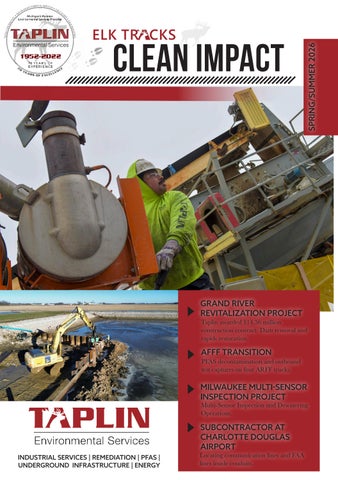
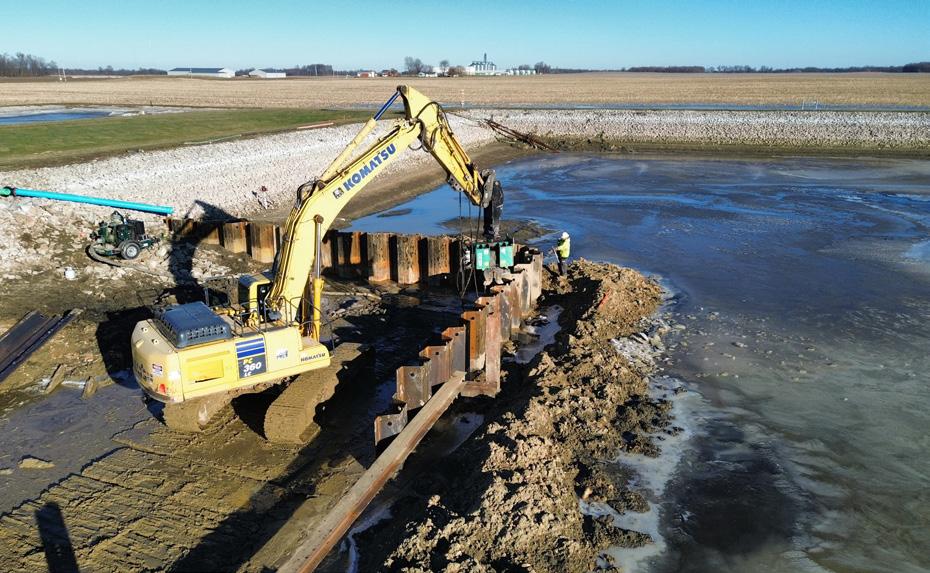
GRAND
REVITALIZATION PROJECT
Taplin awarded $14.56 million construction contract. Dam removal and rapids restoration.
AFFF TRANSITION
PFAS decontamination and outbound test captures on four ARFF trucks.
MILWAUKEE MULTI-SENSOR INSPECTION PROJECT
Multi-Sensor Inspection and Dewatering Operations.
SUBCONTRACTOR AT CHARLOTTE DOUGLAS AIRPORT
Locating communication lines and FAA lines inside conduits.

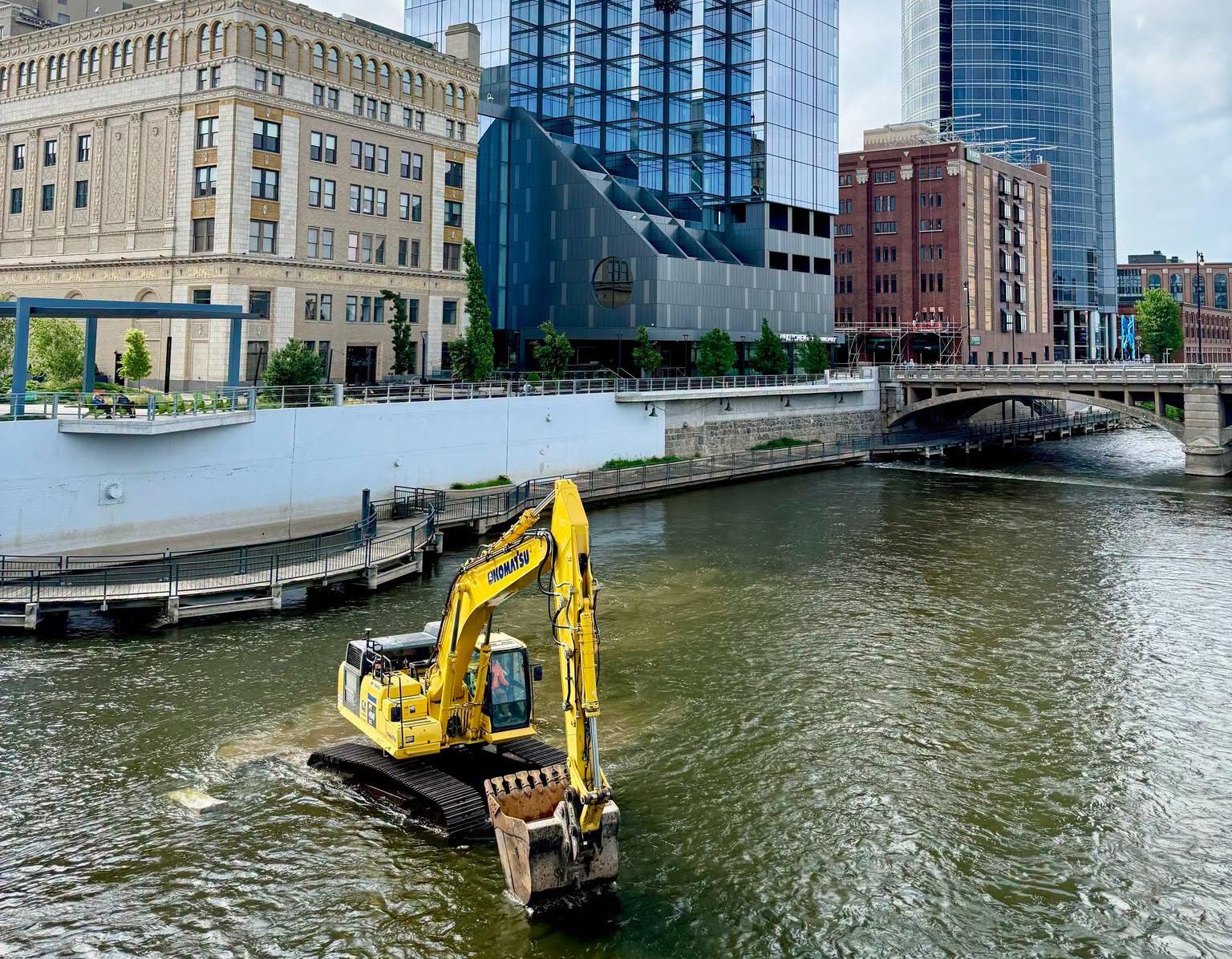
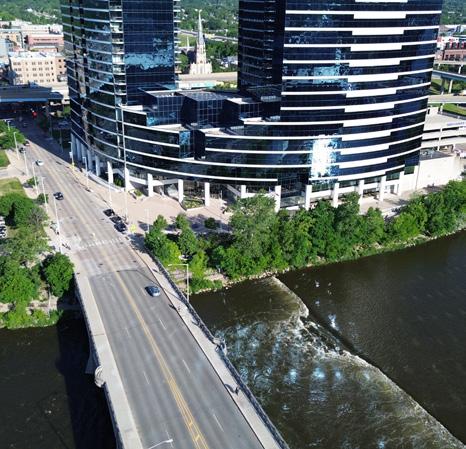
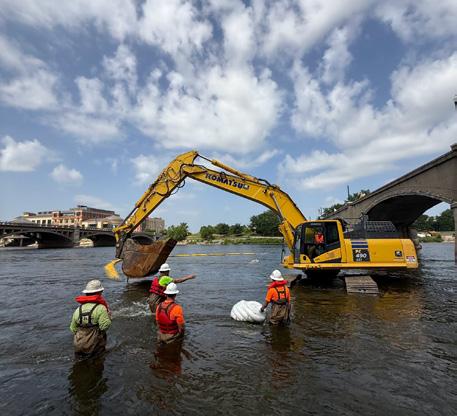
Taplin Group, LLC has been awarded a $14.56 million construction contract by the City of Grand Rapids to lead the Lower Reach portion of the Grand River Revitalization Project. The Grand Rapids City Commission approved the contract on February 24, 2026, following a recommendation from the Community Development Committee. Taplin Group was selected through a competitive bidding process and will serve as the primary
contractor responsible for environmental cleanup and river restoration.
The Grand River Revitalization Project aims to restore the historic rapids that once defined the Grand River while improving public safety, enhancing aquatic habitat, and expanding recreational opportunities for the community. The rapids haven’t been seen for generations when a series of dams were constructed in the late 1800s and early 1900s.
First proposed in 2009,
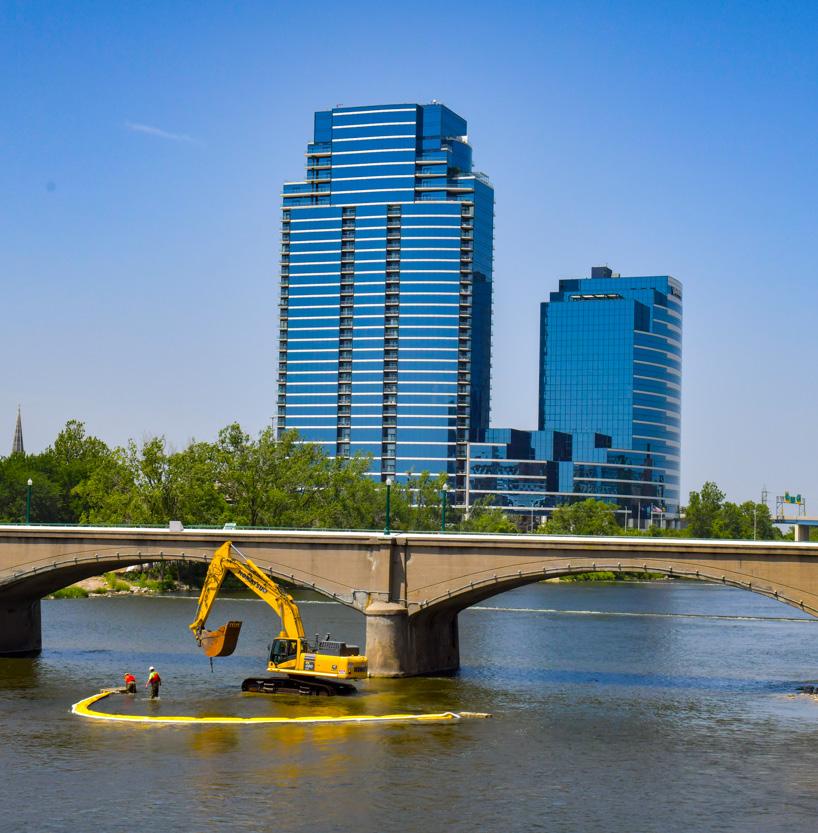
the project has undergone extensive planning, permitting, and design work over the past decade. The restoration effort will take place in two phases, the Lower Reach and the Upper Reach. Taplin Group will lead the construction of the Lower Reach portion which spans from Bridge Street to Fulton Street in downtown Grand Rapids. Construction is expected to begin in the spring of 2026 and will take approximately two years to complete.
The Lower Reach portion involves the removal of four dangerous low-head dams. These structures will be replaced with two-channel wide grade control structures built from rock, boulders, and natural river material. This will make the water safer for boaters and paddlers while creating more opportunities for recreational activities. It will also bring back important spawning and migration areas for Great Lakes fish like lake sturgeon and river redhorse, as well as for threatened mussels such as the snuffbox mussel.
The Upper Reach portion involves the removal and replacement of the dam at Sixth Street. This is the first sea lamprey barrier on the Grand River therefore the work is being led by Great Lakes Fishery Commission (GLFC) in partnership with the City of Grand Rapids, Grand Rapids Whitewater. and other state and federal agencies.
Key benefits of the project:
• Removal of safety risks caused by four low-head dams
• Improved access for recreation
• Improved fish passage hydraulics over existing conditions
• Improved biodiversity and aquatic health
This project is officially underway as Taplin entered the river July 1, 2026.
“This is a historic moment for Grand Rapids. This project will transform our riverfront and create lasting benefits for residents and visitors”
-MAYOR DAVID LAGRAND
“With this award we will begin a transformation and leave legacy for future generations”
-GRAND RAPIDS WHITEWATER EXECUTIVE DIRECTOR, MATT CHAPMAN
Taplin Group’s PFAS management approach is structured to better protect long-term environmental and legal liability when compared to conventional incineration-based disposal pathways. It is intended for airport leadership, environmental managers, legal counsel and insurers evaluating PFAS risk from governance and defensibility perspective.
Apply to All PFAS
PFAS represents a class of thousands of compounds. No currently available analytical method can confirm destruction of every PFAS molecule or transformation product across any treatment technology. This limitation applies equally to incineration, chemical destruction, and all known PFAS treatment methods.
Accordingly, the key question is not which method tests more compounds, but which process is designed to minimize uncertainty, maintain control, and reduce downstream liability when analytical limits exist.
Commercial hazardous waste incinerators have published studies demonstrating high destruction efficiencies for specific PFAS compounds under controlled conditions. While these results are meaningful, incineration presents several inherent limitations from a generator liability perspective.
First, destruction occurs outside the generator’s control. Once waste is transferred, treatment conditions are no longer project-specific, waste is commonly aggregated, and the generator must rely on third-party performance.
Second, verification is limited to measured compounds. Incineration studies necessarily focus on limited number of target analytes due to analytical constraints. Unmeasured PFAS, transformation products, or products on incomplete combustion may not be fully characterized. Third, liability persists through residuals and
time. Even when incineration performs as intended, PFAS-related libaility may remain associated with emissions controls, ash, scrubber residuals, and future regulatory reinterpretation.
Taplin Group’s PFAS management strategy is designed around a different principle: when complete measurement is impossible, process control, transparency, and layered treatment become the primary tools for liability reduction.
The PFASigator is a photo-activated reductive deflourination destruction process. A unique chemistry catalyzed by ultraviolet light to systematically disassemble PFAS molecules into water, flouride, and simple carbon compounds. The PFASigator is utilized during the foam system cleaning process within a closed-loop treatment environment. Rather than isolating or deferring PFAS for downstream disposal, PFASigator applies controlled energy and reagents to break carbonflourine bonds, converting PFAS into non-PFAS end products.
From a liability perspective, this is significant because destruction occurs at the point of generation, within a controlled and observable process, rather than relying on downstream blackbox treatment.
Dexsorb media is used as a polishing and control layer, not as the primary PFAS solution. Following destructive treatment, all water is cycled through the Dexsorb to capture any residual PFAS that may remain.
Repeated cycling and verification ensures that unknowns are captured rather than released, reducing reliance on single-pass assumptions and mitigating analytical uncertainty.
Perma-Fix: Controlled Downstream Destruction
For PFAS residuals requiring off-site management, including AFFF concentrate and future specific treatment of complex hazardous waste streams with defined acceptance criteria, traceability, and documentation. This avoids bulk aggregation and provides a defensible record of intentional PFAS destruction rather than disposal.
With the acknowledgement of analytical limits, Taplin’s approach reduces liability by:
• Destroying PFAS at mutiple stages
• Capturing residual uncertainty rather than releasing it
• Maintaining project-specific chain-of-custody
• Avoiding burial, injection, or blind aggregation
• Providing transparent documentation of decision-making and outcomes
This layered control model offers stronger defensibility than reliance on a single downstream incineration endpoint.
No PFAS teatment technology can eliminate uncertainty entirely. However, prcocess design determines how much uncertainty remains and who bears the risk.
Taplin’s PFASigator, Dexsorb, and Perma-Fix approach embeds destruction, capture, verification, and control throughout the PFAS lifecycle, allowing generators to demonstrate that they selected the most conservative and defensible options available at the time.
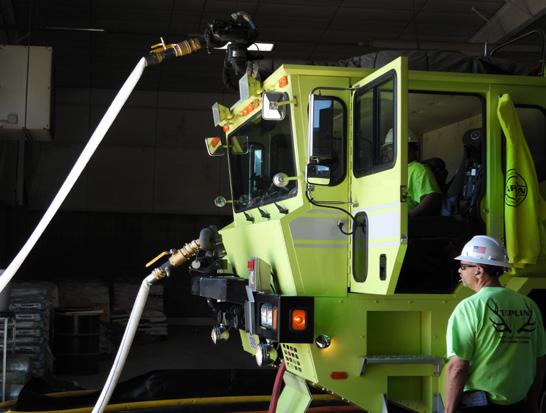
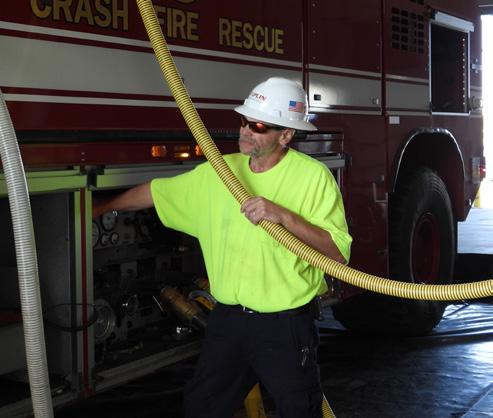
At Des Moines International Airport, Taplin Group successfully completed the decontamination of four ARFF fire trucks as part of the airport’s transition away from legacy AFFF foam. Our team removed existing foam concentrate, thoroughly cleaned each apparatus, and treated the resulting rinsate to meet wastewater discharge requirements. The project was completed ahead of schedule, with each truck taking approximately one week to complete.
As part of the process, Taplin deployed the PFASigator® system to treat PFAS-impacted rinsate on site, enabling effective destruction of contaminants during the cleaning operation rather than simply transferring them to another waste stream. All recovered AFFF concentrate was then transported for final destruction using a permitted process that avoids incineration and deep-well injection, providing a more environmentally responsible and permanent solution.
During the project, we also encountered challenges related to the interaction between flourinefree (F3) foam and treatment systems-an emerging issue across the industry. Leveraging our internal expertise, we developed a solution that restored treatment efficiency and allowed all rinsate to be properly managed and ultimately discharged in compliance with local standards.

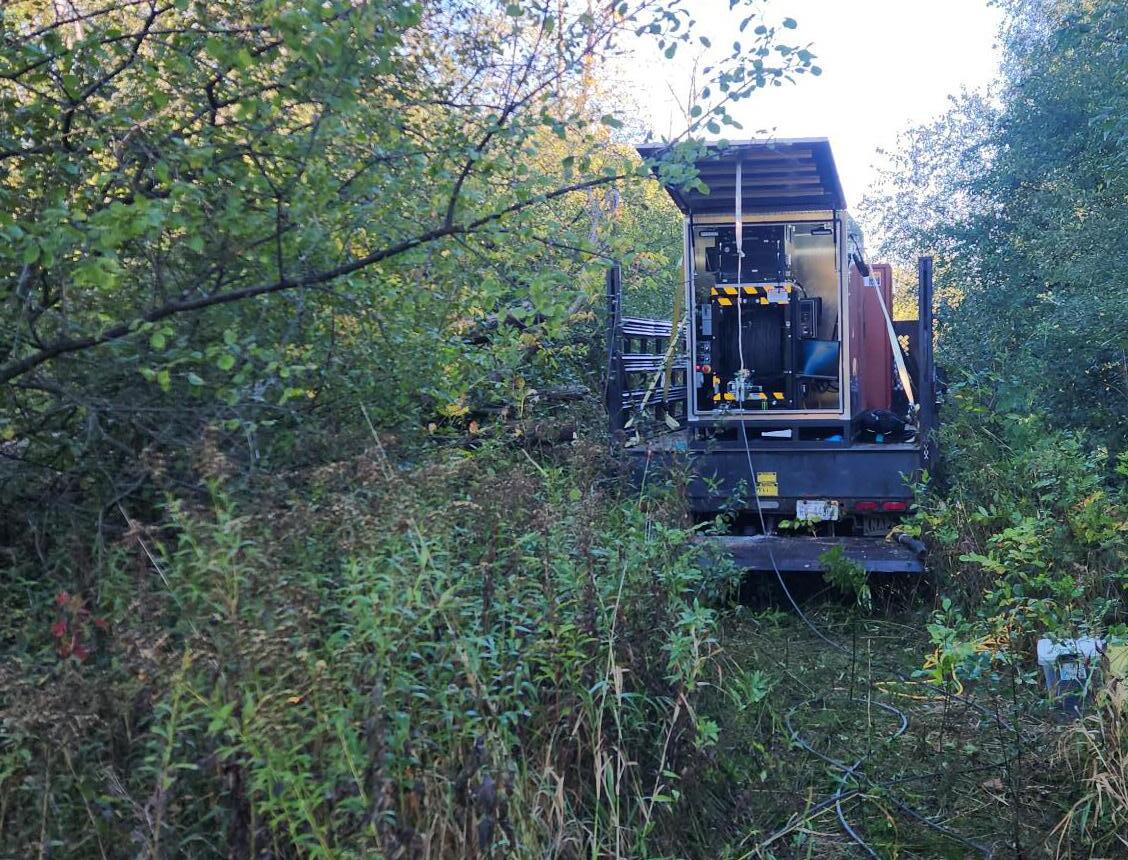
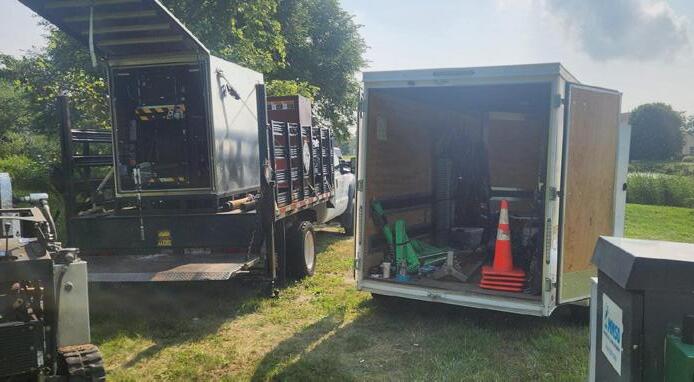
Taplin successfully completed a complex Multi-Sensor Inspection project for the Milwaukee Metropolitan Sewerage District. The project involved the inspection of large-diameter interceptor sewers under challenging operational, environmental, and logistical conditions.
This project required the use of both pontoon platform and a large transporter unit to safely navigate the interceptors because of varying flow conditions throughout the sytem. The project also required areas of high traffic flow which involved extensive coordination with the right-
of-way agency, traffic control sub, and the customer to address.
Throughout the project, Taplin crews continued developing their expertise and operational understanding of the MSI platform. The project served as an important milestone in expanding the company’s internal capabilities with advanced inspection technologies. This project presented some unique aspects in which our crew was able to overcome. There was one stretch of interceptor that at periods would have extremely high levels of hydrogen sulfide (H2S). The crew was able to determine
the source and planned operations during periods when the facility was not discharging into the sewer. There was also one manhole at the end of the lines we were contracted to complete that was below a bridge on an interstate. This manhole had a 2o foot drop connection. Our crew was able to find a work around for gaining access to this manhole by setting in an easement alongside the highway, setting an extension ladder into the manhole and performing an entry to deploy the camera into the drop pipe. This kept the crew from having to setup on the highway near the divider wall. Additionally, two
influent lines entering the wastewater treatment plant required dewatering in order to complete isnpection. Taplin secured a work order to self-perform the dewatering work requiring two seperate mobilizations and the use of three 8-inch hydraulic submersible pumps, rigging equipment, and discharge piping for each setup.
Ultimately, the Milwaukee MSI project demonstrated our ability to quickly adapt and overcome. Our crew was able to grow their advanced experience in field, while providing safe and quality results.
FAA COMMUNICATION LINES AND ELECTRICAL LINES INSIDE CONDUITS | CHARLOTTE,
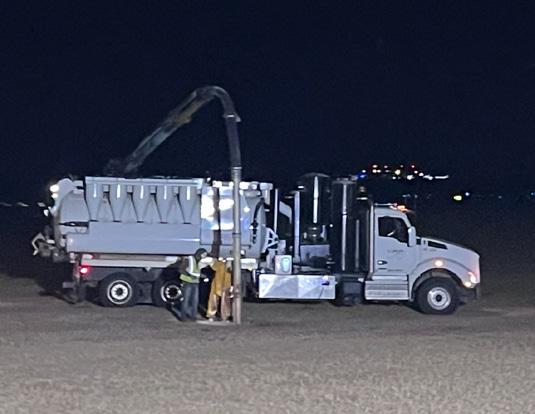
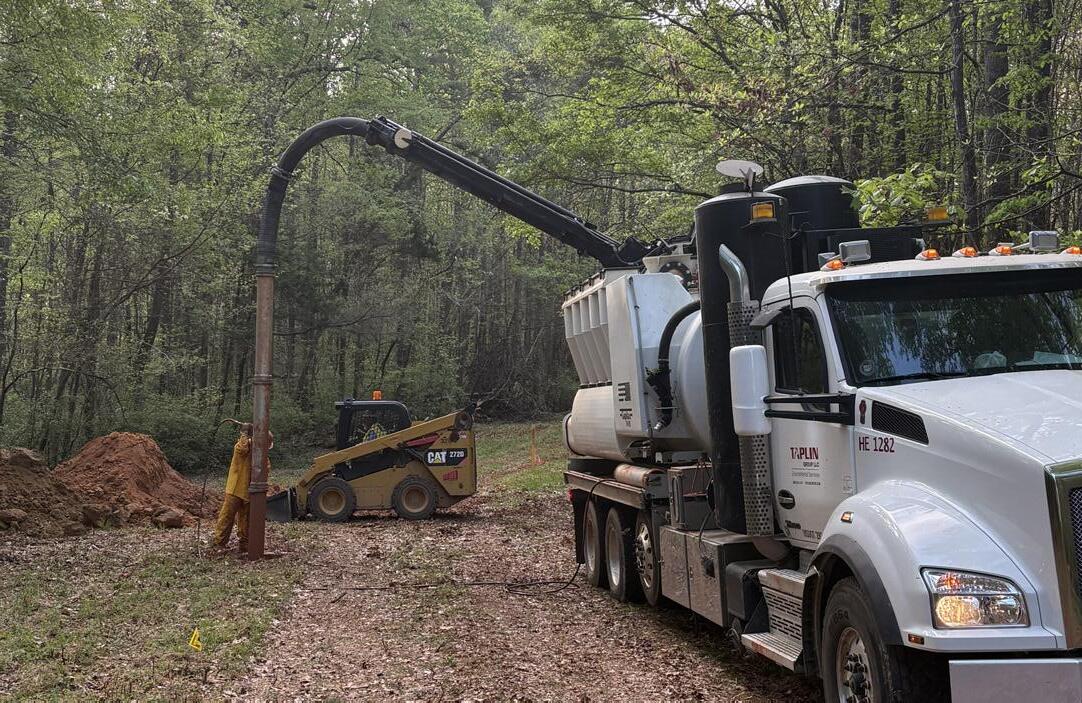
Taplin was subcontracted under ES Wagner to provide locating services for upcoming grading work inside the active airfield. Taplin’s hydro-excavating unit was locating FAA communication lines and electrical lines that are inside conduits. A GPR crew was working ahead of us to mark lines on the ground to outline specific locations that needed locating. ES Wagner would then shoot with their GPS rover to be plotted on the plan sheet. This work was essential so they can plot out existing utilites to determine if there is going to be conflicts with their grading and piping installation. Under supervision of an FAA representative, Charlotte Douglas Airport Security, and ES Wagner, our crew was working 11:30pm to 5:00am.
May 4-8th
Although safety is at the forefront of every day. We are proud to dedicate an entire week to safety. Our safety week is designed to engage, educate, and empower our team by focusing on a different safety topic each day. From incident prevention to recognizing problems beforehand, each day highlights a key aspect of safety. This approach allows us to dive deeper into important topics while creating opportunities for learning and reflection. Safety isn’t just a priority for us-it’s a core value.
WHERE TO FIND US EXHIBITING AND TRAINING
See you there!
Michigan Hazmat Responders Conference
April 20 Lansing, MI
WEDA Midwest Meeting
April 22-23
Nashville, TN
NC OneWater Spring Conference
April 27-29
Concord, NC










BioGas Americas Conference
May 18-21 Detroit, MI
Nationals PFAS Conference June 8-10 Pheonix, AZ
Michigan Environmental Compliance Conference June 9-19 Lansing, MI
Seelye Golf Outing June 15 & 17 Richland, MI
KY/TN Water Professionals Conference July 19-22 Lexington, KY Join us!
new tech and taplin equipment ready to serve you
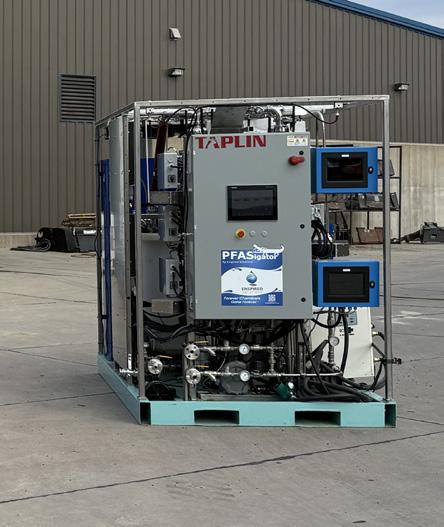
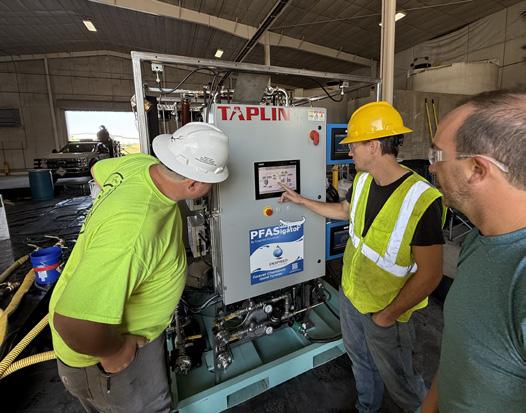
The PFASigator® is a compact, mobile, and versatile piece of equipment that uses a photo-activated reductive defluorination (PRD) destruction process to permanently destroy PFAS. A unique chemistry catalyzed by ultraviolet light that systematically disassembles PFAS molecules into nontoxic end products such as; water, flouride, and simple carbon compounds. The PFASigator destroys molecules on site in a wide array of circumstances. Rather than isolating or deferring PFAS for downstream disposal, PFASigator applies controlled on-site PFAS destruction. It functions at atmospheric temperature and pressure, which makes it more energy-efficient and safer to operate. This piece of equipment can be used alone or plugged directly into existing water treatment systems to destroy PFAS and mitigate related risks at a cost comparable to existing methods.
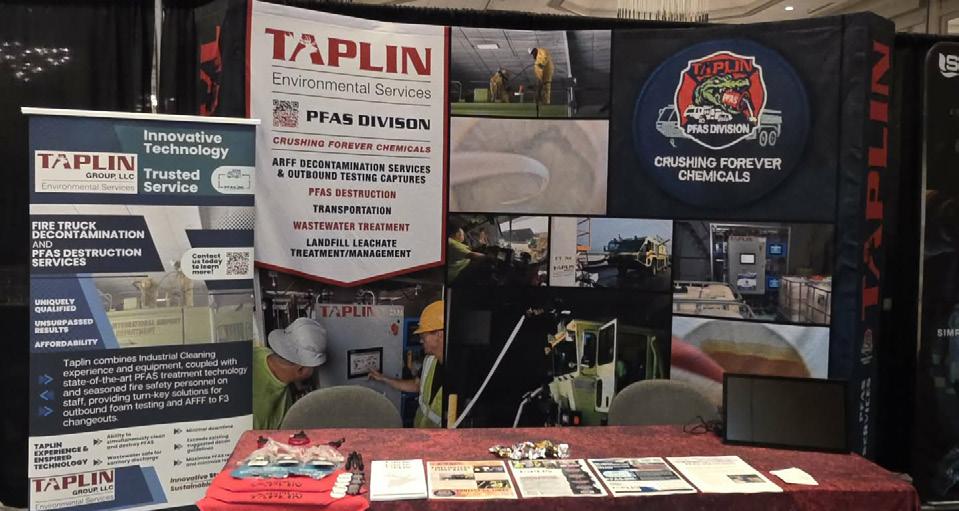
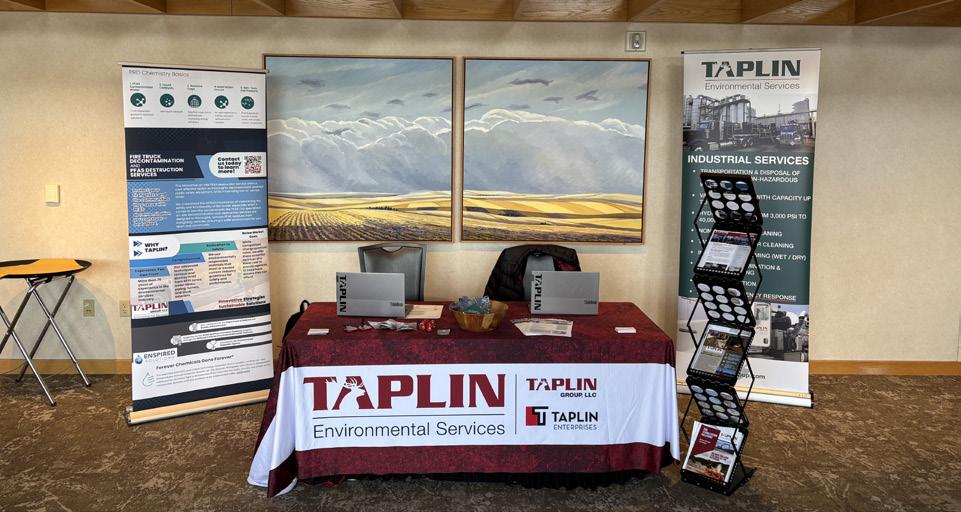
To better serve the Midwest and Mid-atlantic, Taplin has opened two new locations.

2701 Derita Rd Concord, NC 28027
2901 Chicago Dr SW Grandville, MI 49418
Taplin is currently implementing the Entrepreneurial Operating System (EOS) to help strengthen the way we operate and support growth. EOS provides a clear framework for setting priorities, improving communication, and keeping our team aligned around common goals. As we transition to operating within this system, we are working together to build stronger accountability, clear processes, and better collaboration across the organization. This shift will help us stay focused on what matters most-delivering quality work, supporting our team, and continuing to improve the services we provide to our clients.
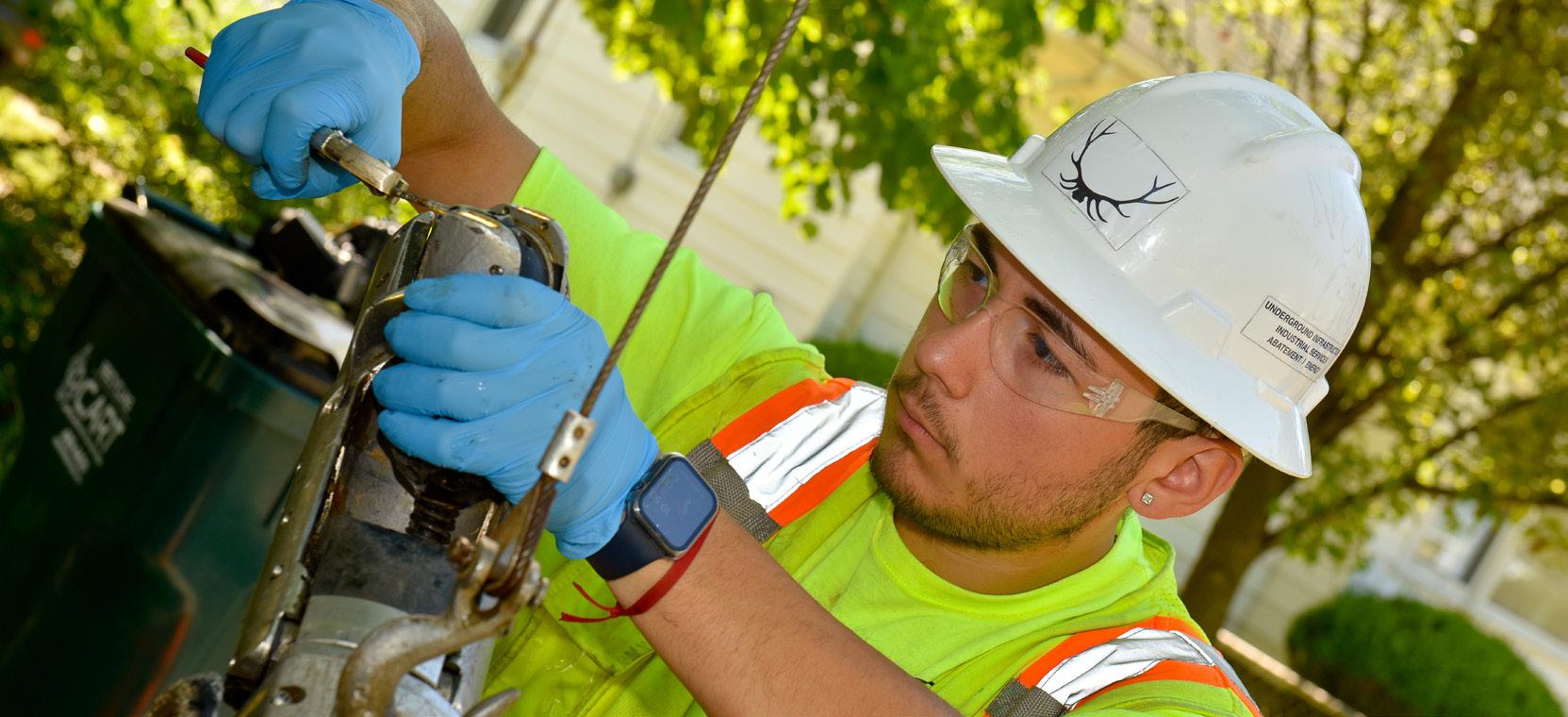

If there’s one thing that seperates good companies from great ones, it’s this: a commitment to getting better every single day. No complacency, no excuses, always pushing forward. How is Taplin going to see this through?, by training our people. A simple but powerful idea, everyday is training day.
Not just in a classroom or during a scheduled session-but out in the field, on job sites, in conversations with each other, and in the way we approach our work every single day.
Here’s how we’re doing that:
• A dedicated training division - focus on helping everyone build their skills to perform their work safely and professionally. We’re investing in our people so they can show up confident and do great work.
• A new Emerging Leaders Cohort program - investing in the next generation of problem solvers and gogetters. Hand-selected, peer-nominated, and built to equip people with the skills needed to lead and succeed.
• A full retool and realignment of our onboarding and mentorship programs- to
better support our newest people from day one. Every Taplin employee has the ability and obligation to be a trainer and a mentor. Every Taplin employee needs to have both the SKILL and the WILL to succeed here.
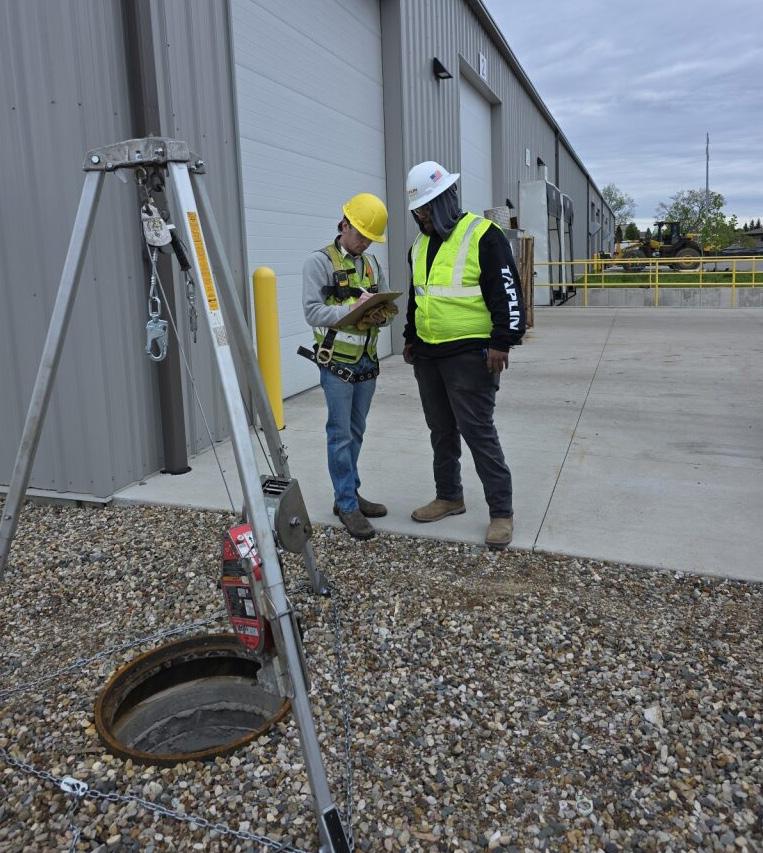

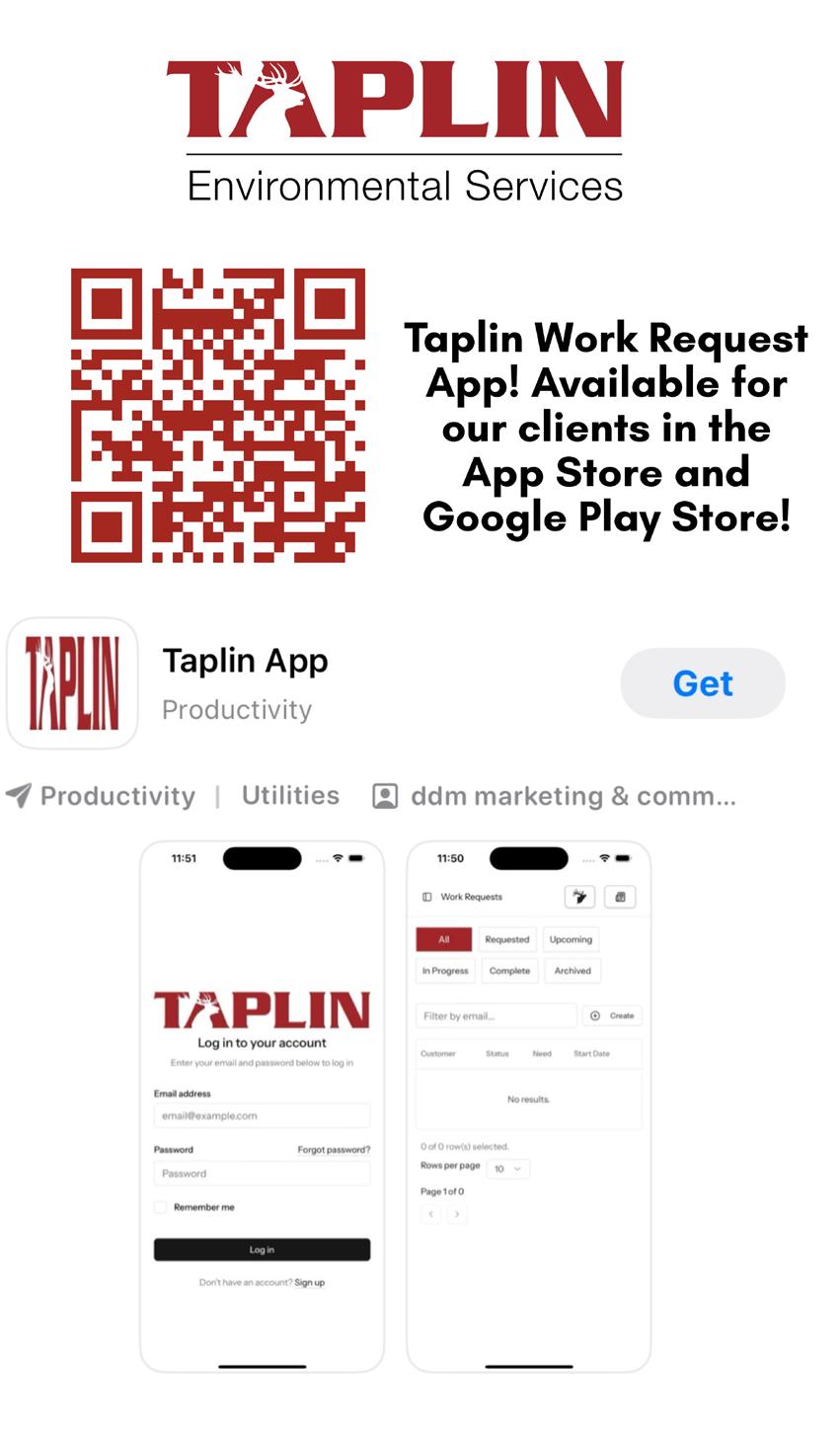
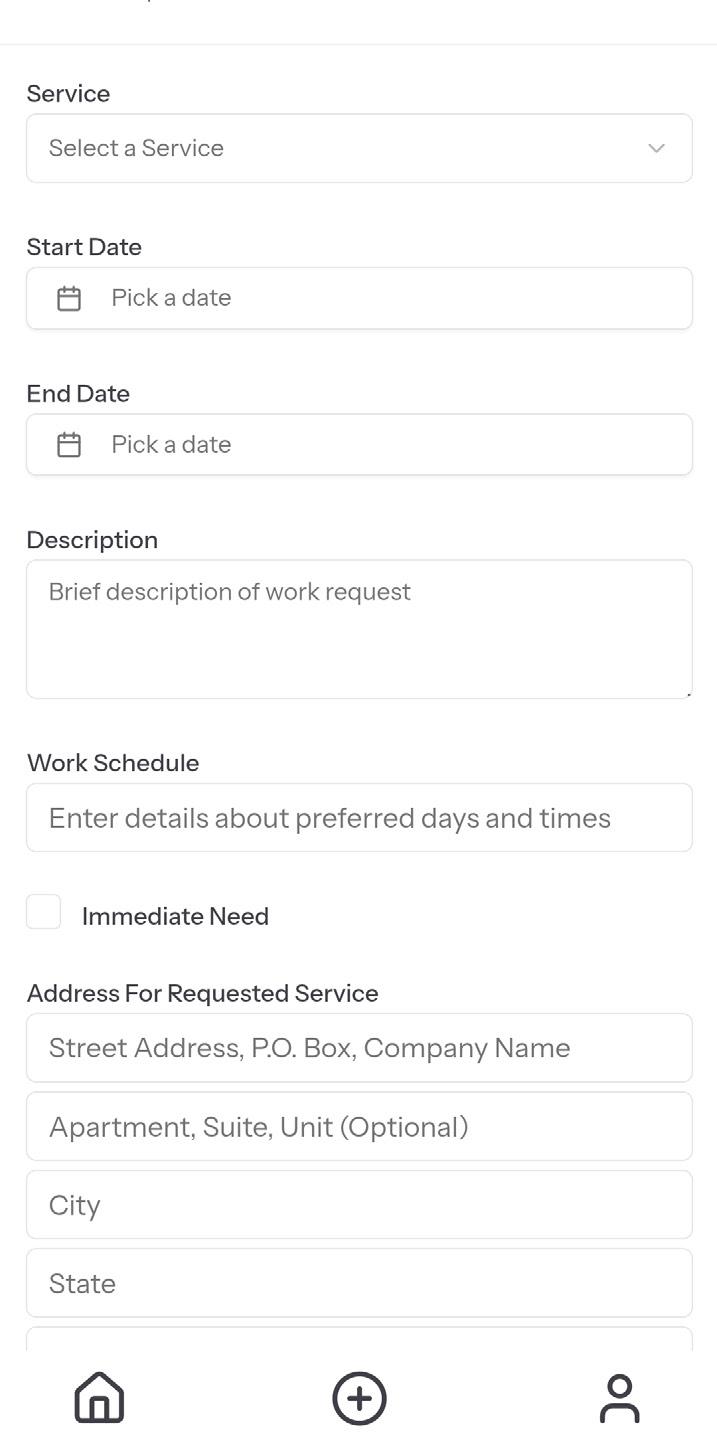
The Taplin Work Request App is now available for our clients in the App Store and Google Play Store. The Taplin app provides a powerful and easy to use platform for creating, managing, and tracking work requests across all Taplin Group Projects. The app streamlines job reporting and ensures that every request is documented start to finish. The app provides convienence to our clients by scheduling our services Download the app and begin using it today.