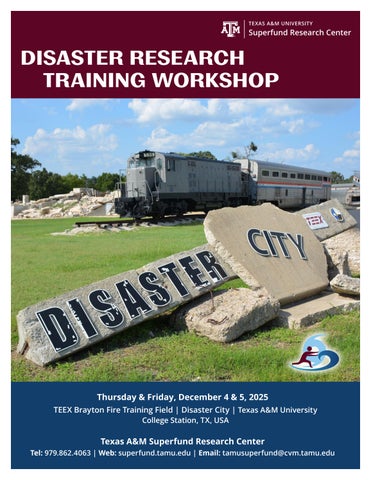
Disaster Research Training
Special Thanks !!!
Matthew Tilimon US Coast Guard
Scott Patlovich UT Health Science Center at Houston
Robert Emery UT Health Science Center at Houston
Christopher Wiatrek Texas Commission of Environmental Quality
Anthony Buck Texas Commission of Environmental Quality
Sarah Burnett CTEH
Christopher Kuhlman CTEH
Brent Koza Texas General Land Office
Michael Hunt Chevron
Jennifer Gaunt TAMU School of Veterinary Medicine & Biomedical Sciences
Megan Bennett TAMU School of Veterinary Medicine & Biomedical Sciences
Arlean Rohde TAMU School of Veterinary Medicine & Biomedical Sciences
Thomas McDonald TAMU School of Public Health
Garett Sansom TAMU School of Public Health
Natalie Johnson TAMU School of Public Health
Jaqueline Zdebski University of Washington
Alex Johsnon University of Washington
Funding for this event was provided, in part, by the Office of the Vice President of Research at Texas A&M University, and grants from the National Institutes of Health –National Institute of Environmental Health Sciences (P42 ES027704 and T32 ES026568).
This workshop is solely the responsibility of the organizers and does not necessarily reflect the official views of the US EPA, NIH, agencies of the State of Texas, or other stakeholders who may participate. The Federal and State agencies involved do not endorse any products or services described herein. Neither the US or Texas governments, nor any of the organizers assume any legal liability or responsibility for the accuracy, completeness, or usefulness of the information herein.

DISASTER RESEARCH TRAINING WORKSHOP
December 4-5, 2025
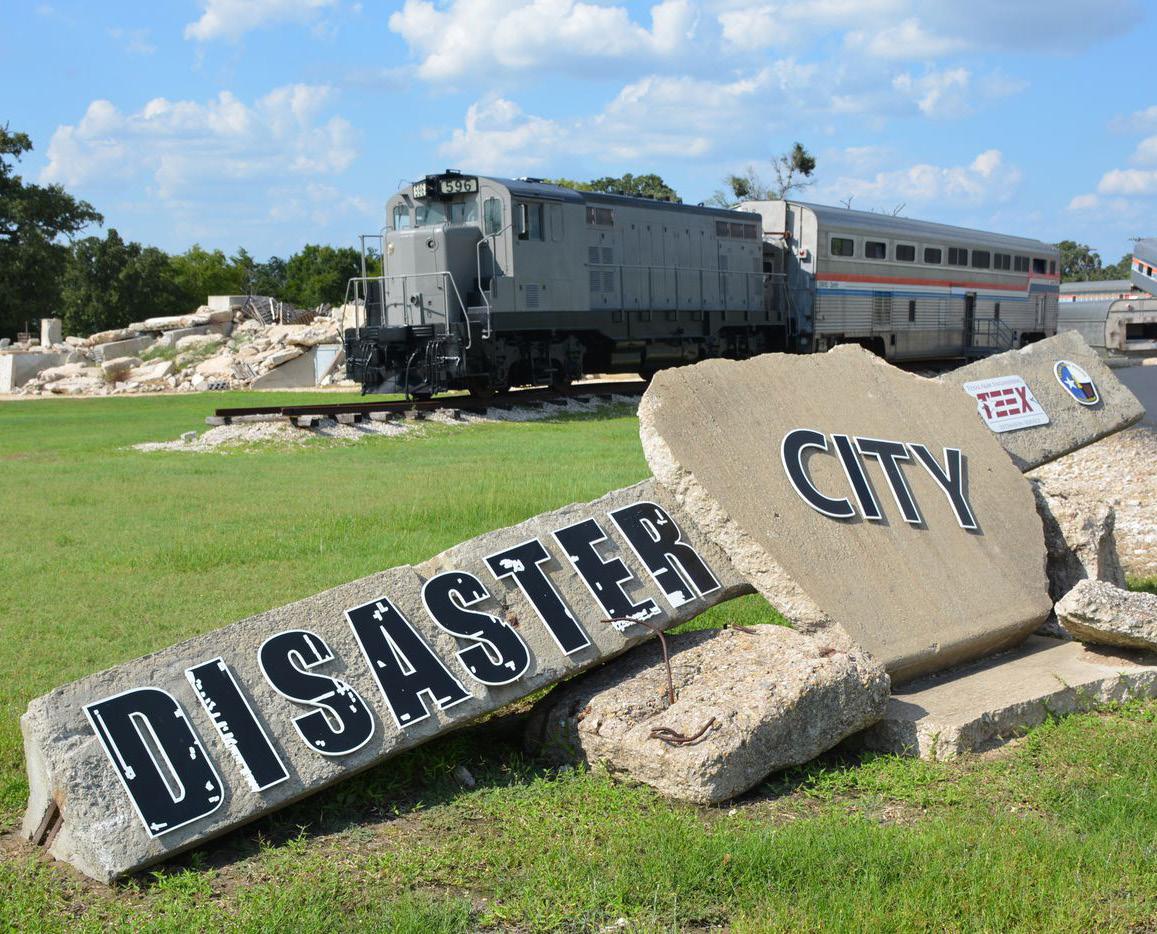
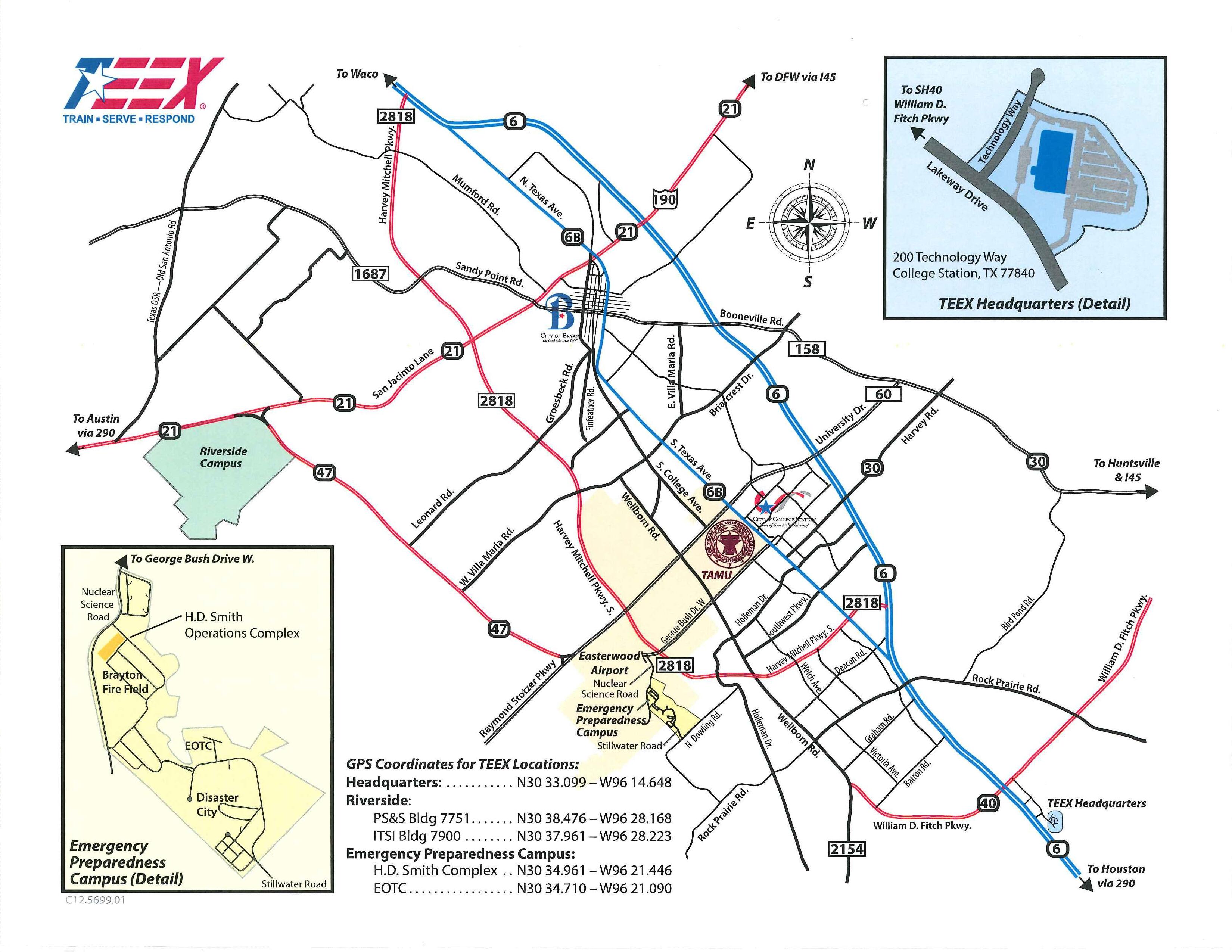
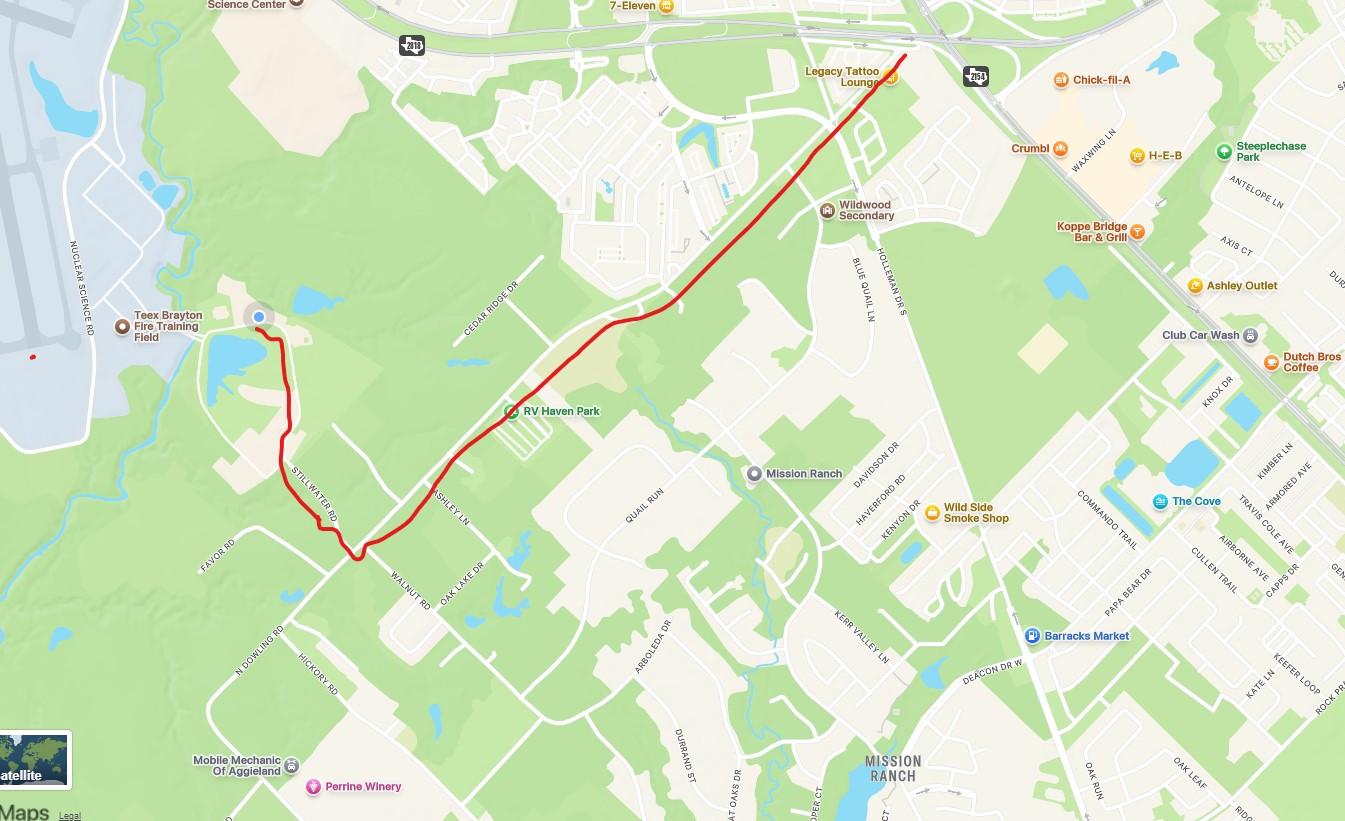
Location: TEEX – Brayton Fire Training Field, 1595 Nuclear Science Rd, College Station, TX 77843
Prerequisite online courses (must be completed before attending the workshop):
ICS-100 (IS-100.C): Introduction to Incident Command System https://training.fema.gov/is/courseoverview.aspx?code=IS-100.c
ICS-200 (IS-200.C): Basic Incident Command System for Initial Response https://training.fema.gov/is/courseoverview.aspx?code=IS-200.b
ICS-800 (IS-800.D): National Response Framework, an Introduction https://training.fema.gov/is/courseoverview.aspx?code=IS-800.c
Agenda
DAY 1: DECEMBER 4, 2025 (Thursday)
7:30 – 8:00 am Check-in & Breakfast
8:00 – 10:15 am Incident Command System & Emergency Operations Matthew Tillimon (US Coast Guard) and Christophen Kuhlman (CTEH)
10:15 – 10:30 am Break
10:30 – 12:00 pm Safety Considerations for Conducting Field Research Scott Patlovich (UT Health) and Sarah Burnett (CTEH)
12:00 – 1:00 pm Lunch
1:00 – 2:45 pm Field Sampling After Disasters & Environmental Emergencies Thomas McDonald (Texas A&M University) and Sarah Burnett (CTEH)
2:45 – 3:00 pm Break
3:00 – 5:00 pm Public Resources at the Natural Hazard and Disaster Reconnaissance Facility Jacqueline Zdebski and Alex Johnson (University of Washington-Seattle)
5:00 – 5:15 pm Day 1 Wrap-up
DAY 2: DECEMBER 5, 2025 (Friday)
7:30 – 8:00 am Check-in & Breakfast
8:00 – 9:30 am Human Studies During & After Disasters & Environmental Emergencies
Garett Sansom (Texas A&M University)
9:30 – 9:45 am Break
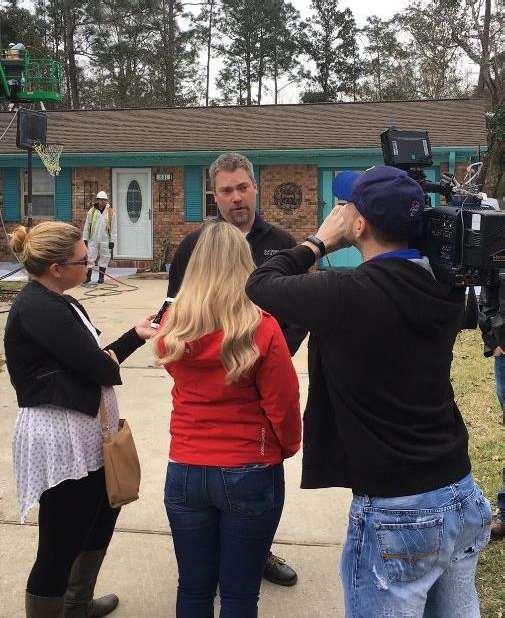
9:45 – 11:30 pm Effectively Communicating Health & Safety Information Through the Mass Media
Robert Emery (UT Health)
11:30 – 12:15 pm Lunch
12:15 – 12:30 pm Overview of Tabletop Exercises
12:30 – 1:30 pm Tabletop Exercise Round 1
1:30 – 1:45 pm Break
1:45 – 2:45 pm Tabletop Exercise Round 2
2:45 – 3:00 pm Break
3:00 – 4:00 pm Tabletop Exercise Round 3
4:00 – 4:30 pm Day 2 Wrap-up/Closing
Tabletop Exercises
Hands-on activities focused on practicing and implementing the material of the workshop using disaster research activity examples after a major weather event such as Hurricane Harvey
12:15 – 12:30 Overview of the tabletop exercises
12:30 – 1:30 Tabletop Exercise 1
Group I: Interacting with first responders and government agencies
Group II: Collection of Field Samples
Group II: Risk Communication
1:30 – 1:45 Break
1:45 – 2:45 Tabletop Exercise 2
Group I: Risk Communication
Group II: Interacting with first responders and government agencies
Group III: Collection of Field Samples
2:45 – 3:00 Break
3:00 – 4:00 Tabletop Exercise 3
Group I: Collection of Field Samples
Group II: Risk Communication
Group III: Interacting with first responders and government agencies
4:00 – 4:30 Wrap-up/Closing
Workshop start/end times
General Information
Thursday, December 4, 2025 Registration: 7:30 am
Friday, December 5, 2025
Driving Directions
Lectures: 8:00 am
Lectures: 8:00 am
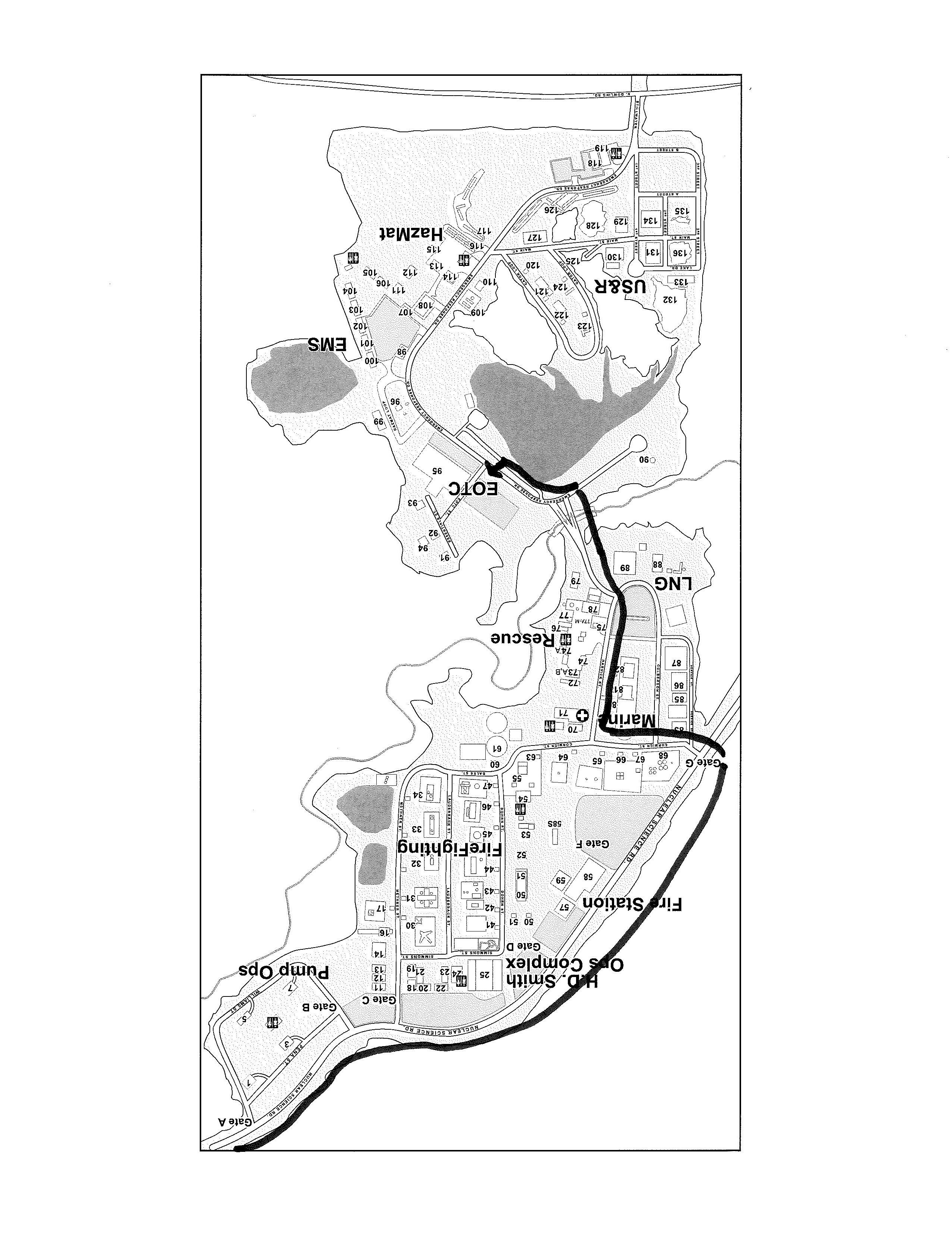
The address of the facility is 1595 Nuclear Science Rd, College Station, TX 77843 However, this address will bring you to the main building, not the EOTC. Please follow these driving directions:
- Follow the Nuclear Science Road past the main building with the TEEX sign (Building 25 “Brayton Fire Field HD Smith Operations Complex”) for about 300 yards. Building 25 should be on your left and the CLL airport perimeter fence on your right
- Enter the facility at Gate G (on your left) and continue straight onto Cormier Street
- Go past training sheds 68 through 65 (on your left)
- Turn right immediately past shed 65 onto Harvick Street
- Continue until Harvick St forks at Building 79 in front of Building 89
- Turn left and follow the road over the bridge (take the right bridge)
- Make a left onto Emergency Response Drive after the bridge
- EOTC is the large building up a small hill on your left (Building 95)
- Turn left before EOTC and park in the front of the entrance with the steps and glass windows (no permit necessary)
Parking
- Unrestricted parking is available at EOTC facility (see maps)
Meals and Coffee Breaks
Thursday, December 4 (Rm 135)
Friday, December 5 (Rm 135)
Internet Access
- Texas A&M trainees/staff: TAMU link
Breakfast: 7:30 am
Breakfast: 7:30 am
- Visitors: internet access codes will be provided on-site
Workshop Organizers Contact Information
Ivan Rusyn
Arlean Rohde
Phone: 919-624-2272
Phone: 832-492-5132
Email: irusyn@tamu.edu
Email: arohde@tamu.edu
TAMU WIFI for Guests
Overview: Visitors to Texas A&M University may connect to the TAMU_Visitor wireless network. Once connected, their device will be remembered for five days.














DISASTER RESEARCH TRAINING WORKSHOP
LECTUREMATERIALS



•MattTilimon
•EmergencyMgmt.Specialist
•20yearsactive-dutyU.S.CoastGuard
•15+yearsLANTAREAIMAT
•Type1OperationsSectorChief;PSC&IC
•Matthew.d.tilimon@uscg.mil
•ChrisKuhlman,PhD,CIH, DABT
•Director,EmergencyResponse Sciences,CTEH,LLC.
•12yearsinemergencyresponse toxicologyandindustrialhygiene
•PhDinPharmacologyandToxicology
•Board-certifiedinToxicology(DABT) andIndustrialHygiene(CIH)
•Vice-ChairofAmericanIndustrial HygieneAssociation’sEmergency ResponsePlanningCommittee
•ckuhlman@cteh.com
InstructorsIntroductionsContinued
•MichaelHunt
•EmergencyManagementSenior Specialist
•13YearswithChevronand24years intheCoastGuard
•OperationsSectionChiefHurricane Ritaandpost9/11
•QualifiedIncidentCommander,Ops SectionChief,PlanningSectionChief
•CertifiedICSInstructor-FEMA
•MasterExercisePractitioner–FEMA
•MastersofPublicService& Administration-TexasA&M
Agenda
•TypesofDisasters
•Workingwithagencypartners
•ReviewofICSprinciples
•ReviewofICSstructures
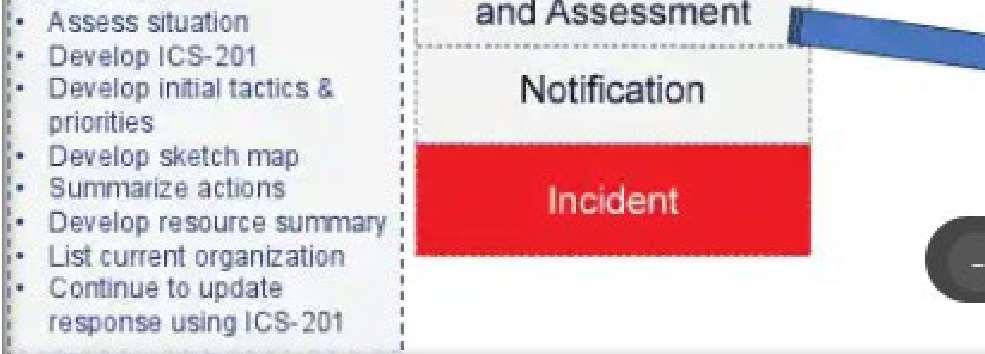
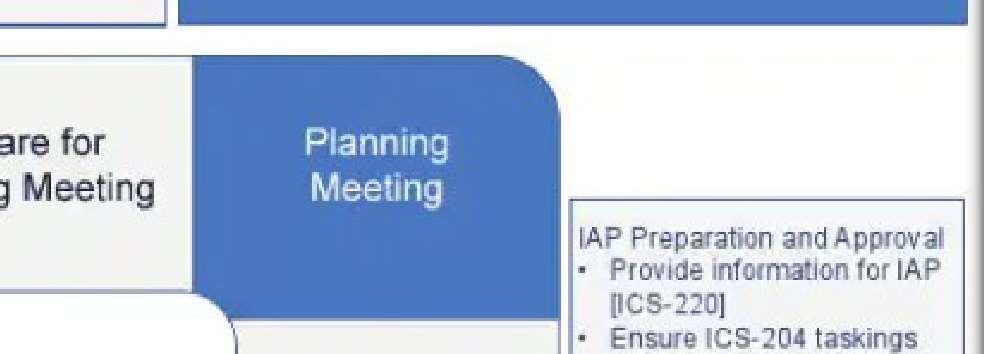
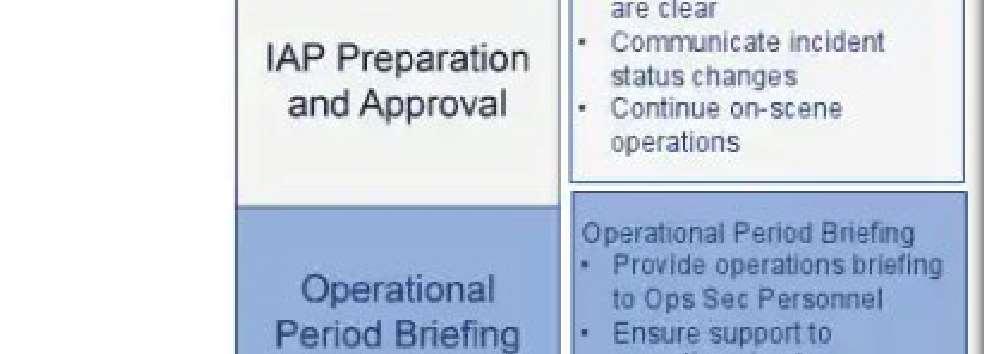
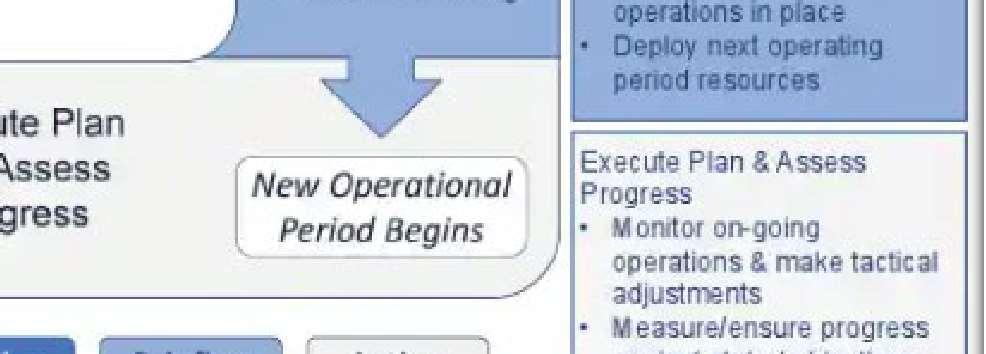
•OverviewofthePlanningCycle
•NavigatingtheEOC/ICP
•Howtoobtaininformationonincidents
•Releaseofpublicinformation
•How,whenandwithwhomtoseekpermissiontoenterareasofdisasterfor sampling
•LargeincidentretrospectiveofICSimplementation/Lessonslearned
WhoDealswithDisasters?
•FEMA’sdefinition:anoccurrenceofanaturalcatastrophe, technologicalaccident,orhuman-causedeventthathasresulted inseverepropertydamage,deaths,and/ormultipleinjuries.
•Whataresomeexamples?
•Wildfire
•Hurricane
•OilSpill
•CyberAttack
•Tornado
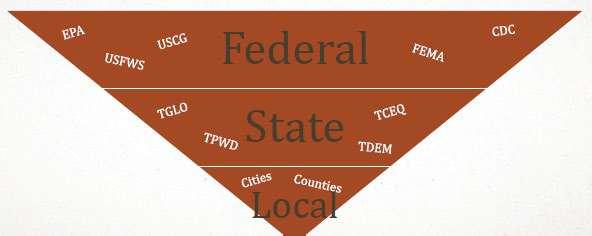
WhoDealswithDisasters?
•Realanswer:Notjustthegovernmentbuteveryone
•The“WholeCommunity”whichincludes:
•Individualsandfamilies
•Businesses
•Faith-basedandcommunityorganizations
•Non-profitgroups
•Schoolsandacademia
•Mediaoutlets
•Alllevelsofgovernment:state,local,tribal,territorial,&federal

HISTORYOFICS
•ICSwasdevelopedinthe1970sbyaninteragencygroupinSouthern CaliforniacalledFIRESCOPE.
•ICSwasdevelopedtomanagerapidlymovingwildfiresandtoaddressthefollowing problems:
•Dangerousconditions
•Toomanypeoplereportingtoonesupervisor;
•Differentemergencyresponseorganizationalstructures;
•Lackofreliableincidentinformation;
•Inadequateandincompatiblecommunications;
•Lackofstructureforcoordinatedplanningamongagencies;
•Unclearlinesofauthority;
•Terminologydifferencesamongagencies;and
•Unclearorunspecifiedincidentobjectives.
•In1980,federalofficialstransitionedICSintotheNationalInteragency IncidentManagementSystem(NIIMS).In2002becameNIMS.
ICSFEATURES/BENEFITS
•Providesastandardizedmanagementtoolfor meetingthedemandsofsmallorlargeemergency ornonemergencysituations.
•Represents"bestpractices"andhasbecomethe standardforemergencymanagementacrossthe country.
•Maybeusedforplannedevents,natural disasters,andactsofterrorism.
CommonTerminology EstablishmentandTransferofCommand ChainOfCommand/UnityofCommand UnifiedCommand ManagementbyObjectivesIncident ActionPlanningManageableSpanof ControlIncidentLocations/Facilities
ComprehensiveResourceManagement IntegratedCommunications InformationandIntelligenceManagement Accountability Dispatch/Deployment ModularOrganization
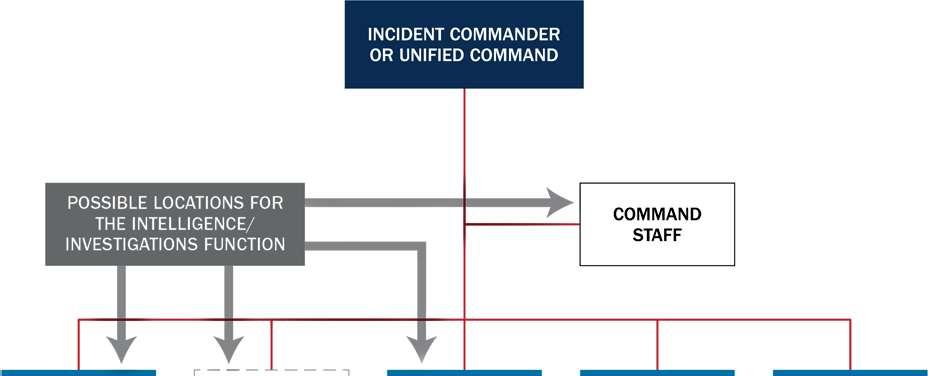
ORGANIZATIONALCHART
FUNCTIONALAREAS
•IncidentCommand:setstheincidentobjectives,strategies,and priorities.Hasoverallresponsibilityfortheincident.
•Operations:conductsoperationstoreachtheincidentobjectives. Developstacticsanddirectsalloperationalresources.
•Planning:supportstheincidentactionplanningprocessby trackingresources,collecting/analyzinginformation,and maintainingdocumentation.
•Logistics:arrangesforresourcesandneededservicestosupport achievementoftheincidentobjectives.
•Finance/Administration:monitorscostsrelatedtotheincident. Providesaccounting,procurement,timerecording,andcost analyses.
•Intelligence/Investigation:collects,analyzes,anddisseminate informationandintelligenceforincidentsinvolvingintel gatheringandinvestigativeactivities.
UnifiedCommand
Definition: Providesguidelinestoenable agencieswithdifferentlegal, geographic,andfunctional responsibilitiestocoordinate, plan,andinteracteffectively.
ICSPracticeScenario
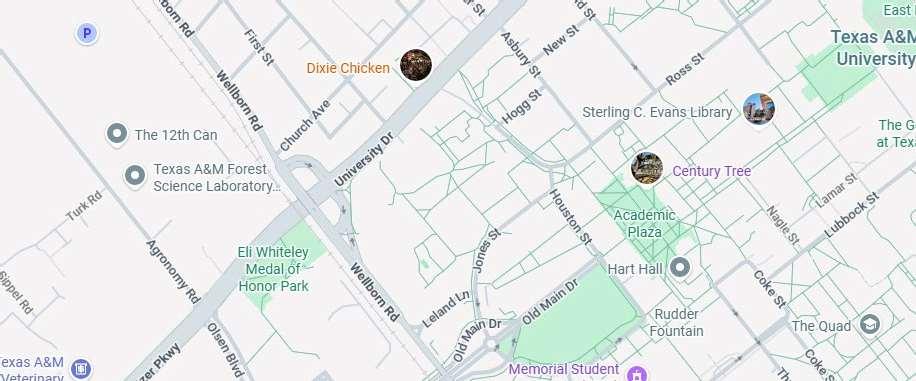
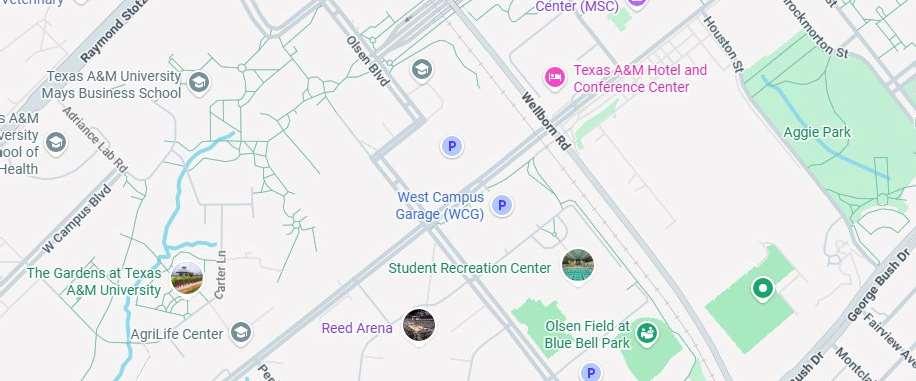
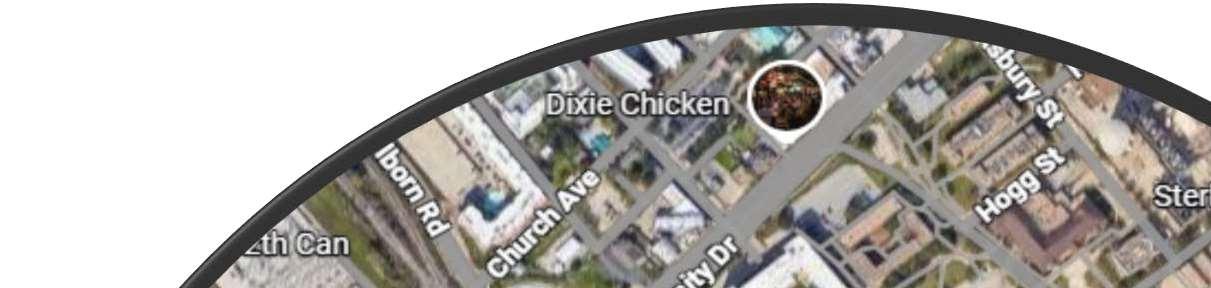
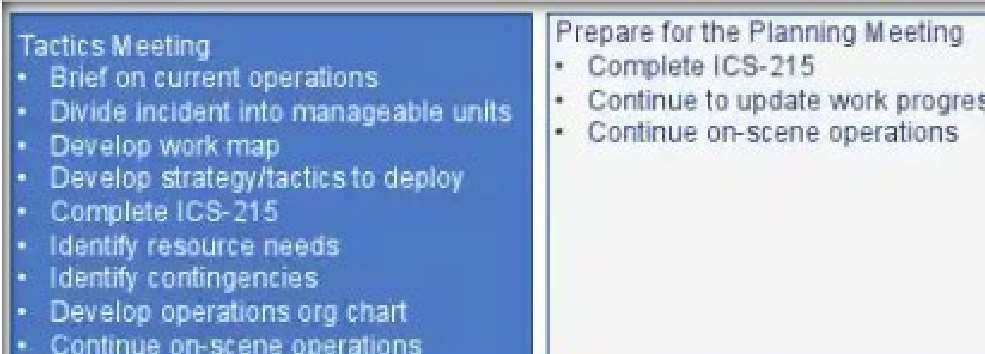
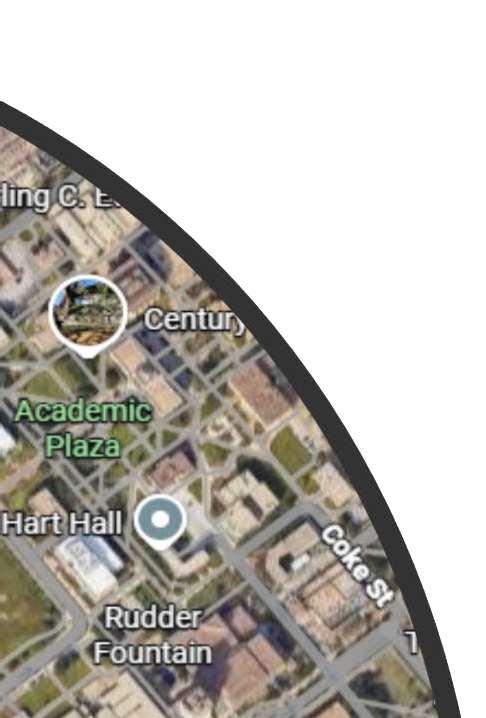
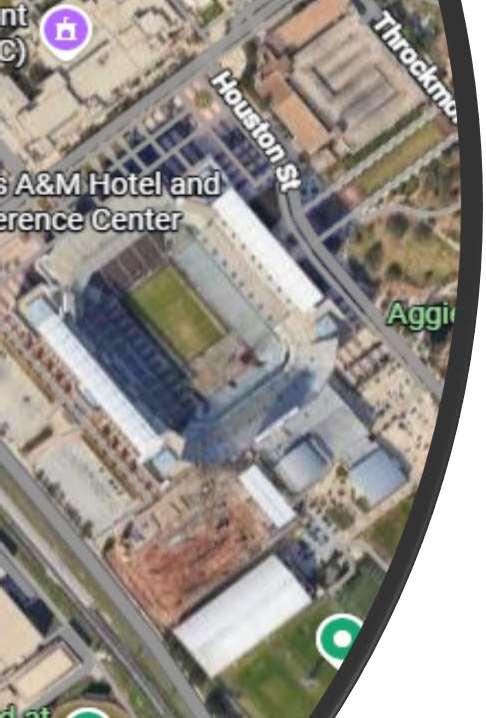
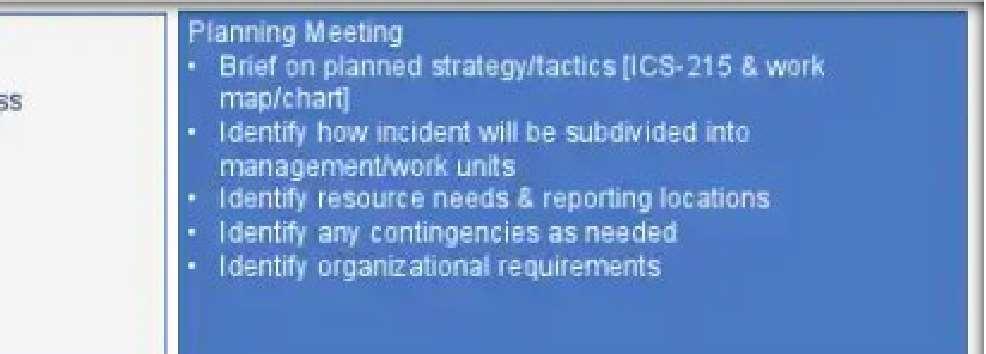
•OnDecember4,2025,at0832asemi-truckcarrying8,400gallons ofdieselcollidedwithacargotrainattheintersectionofOldMain DrandWellbornRd.Theassociatedtrainderailmentdamaged onetankcarcontaining18,000gallonsofchlorine.Theentire contentsofthedamagedsemi-trucktrailerwasdischargedinto WhiteCreekviaastormdrain.Thechlorinetankcarisrapidly leakingontotheroadwaycreatinganairplume.Thewindisoutof thesouthwestwiththeplumemovingacrosscampus.Theinjured semi-truckdriverhasbeentransportedtothehospital,noother injurieshavebeenreported.


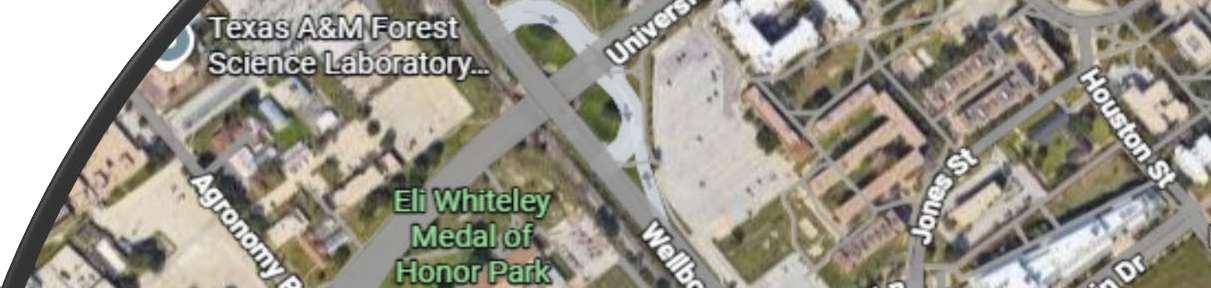
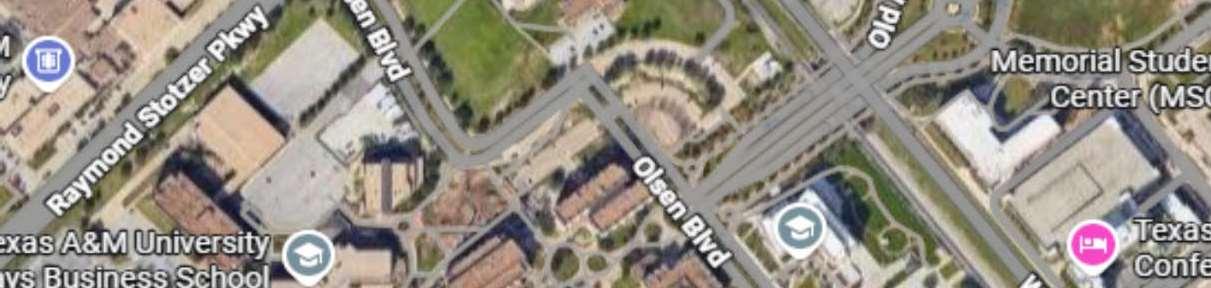
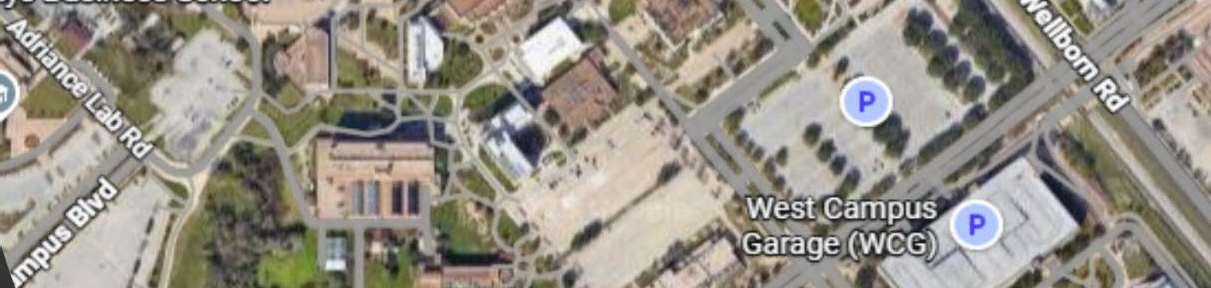
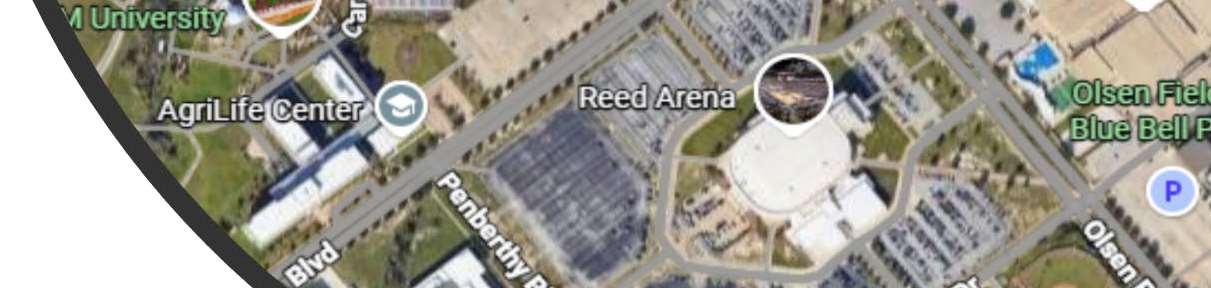








WhiteCreek
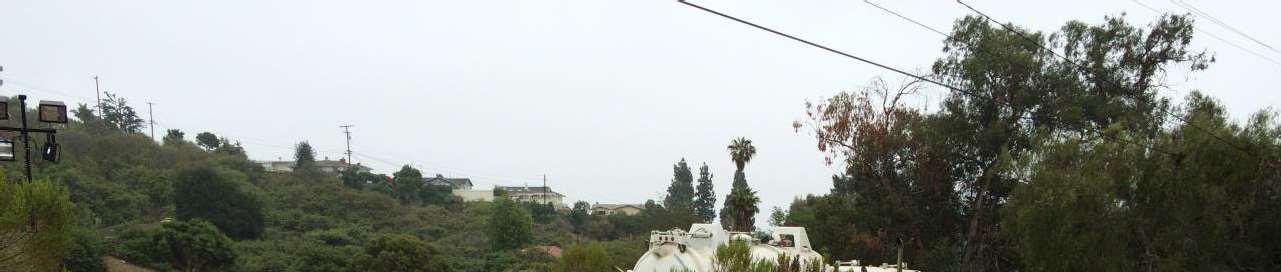
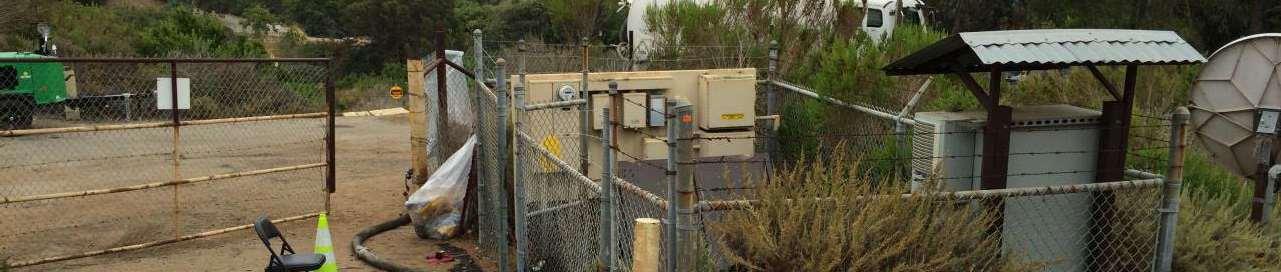
ICSCaseStudy–CrudeOilRelease
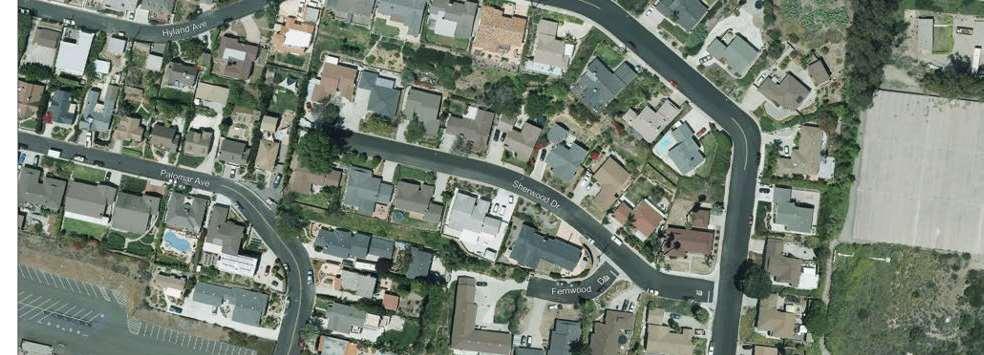
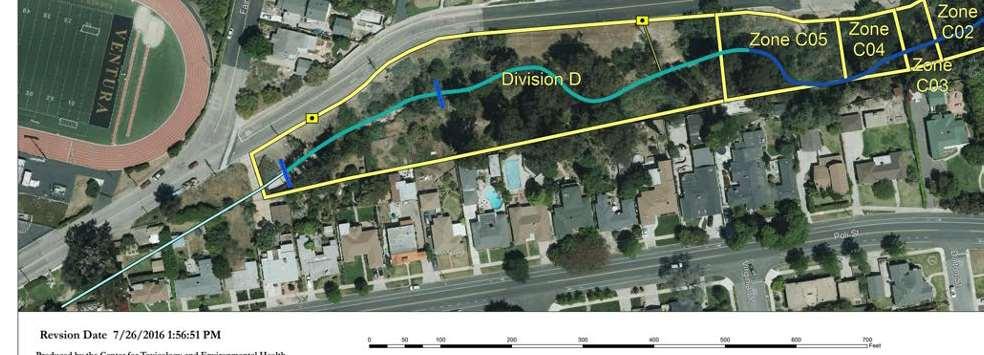
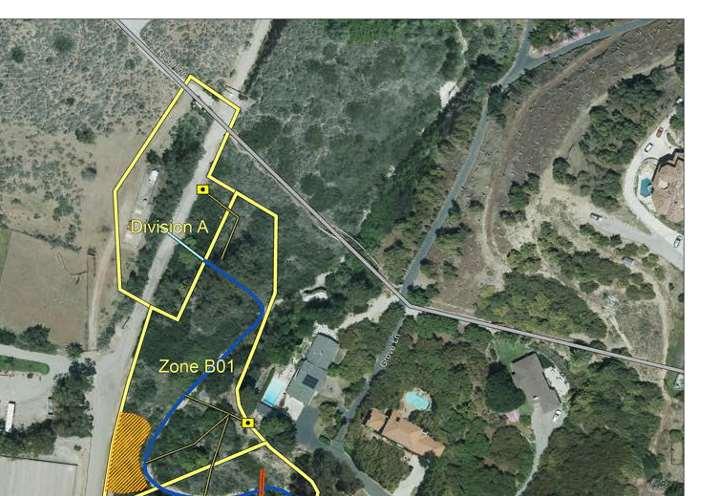
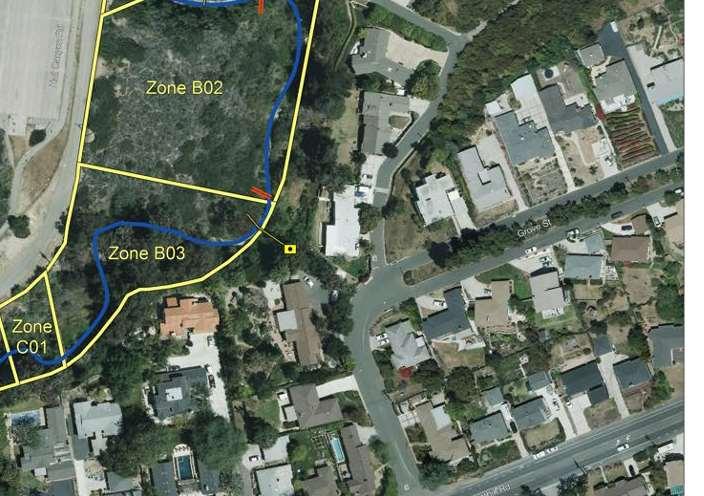
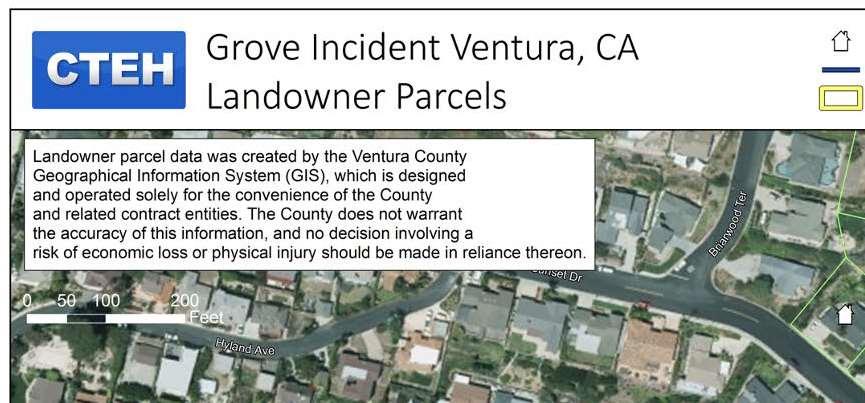
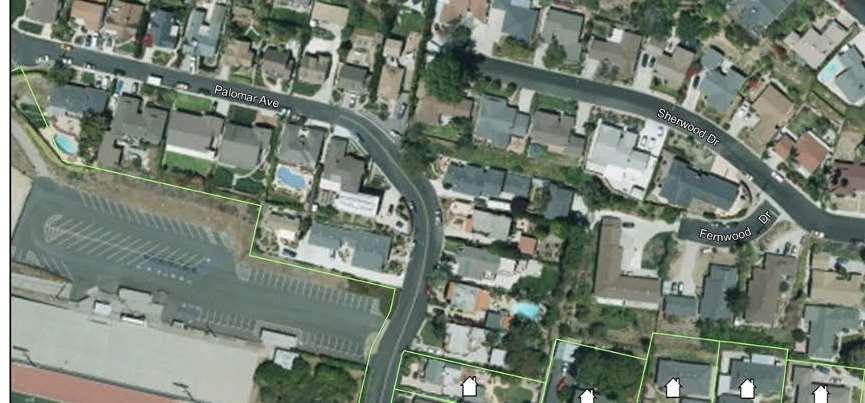
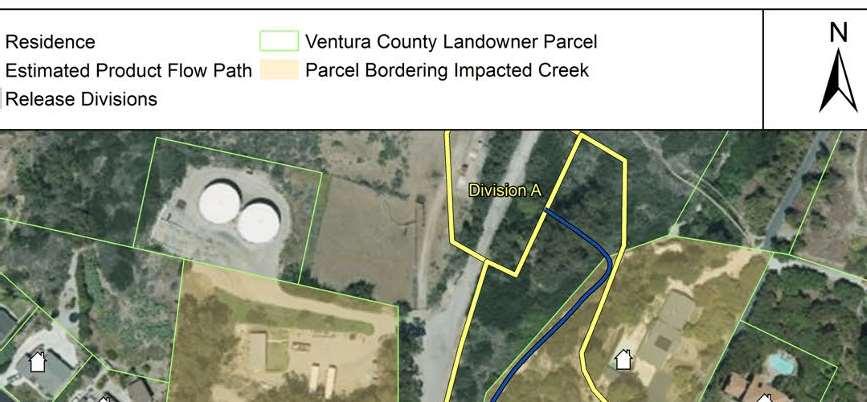
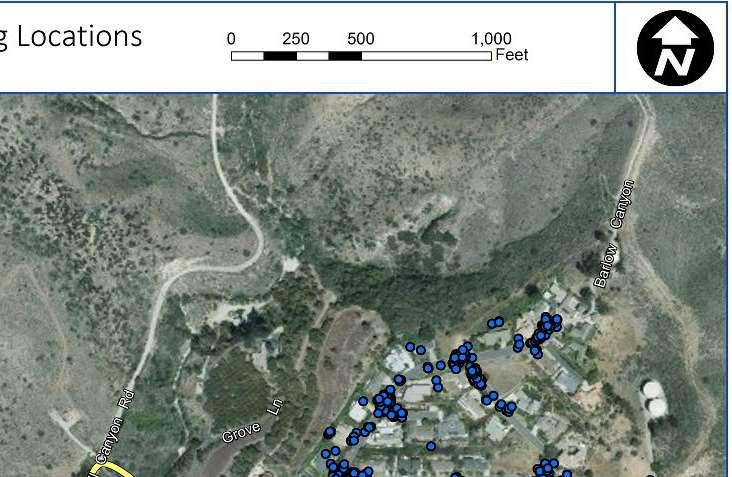
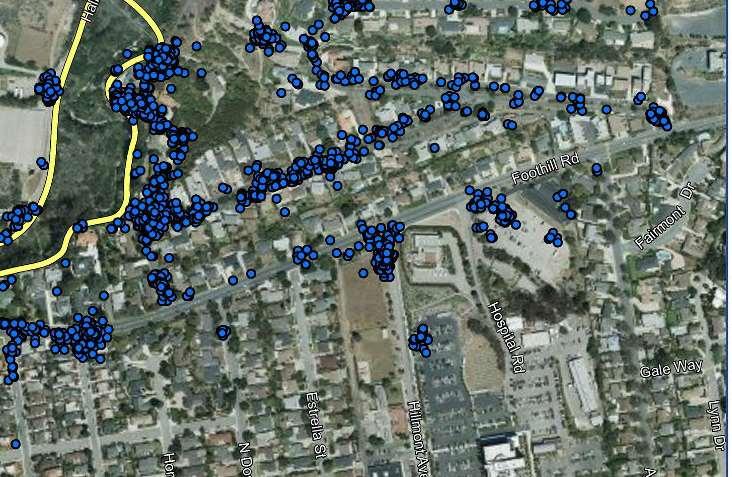
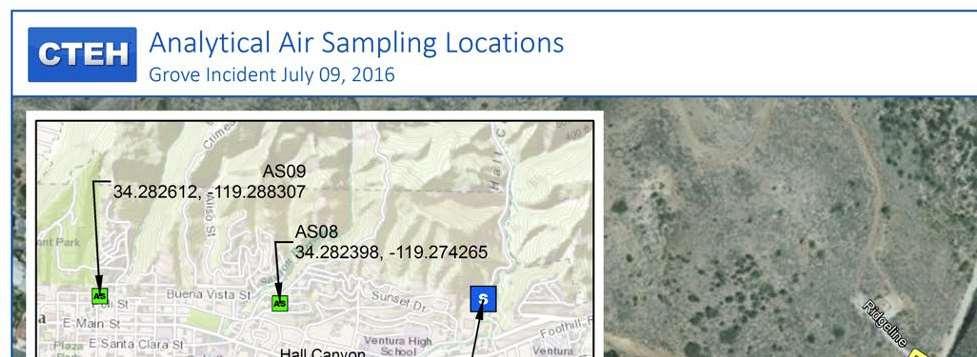
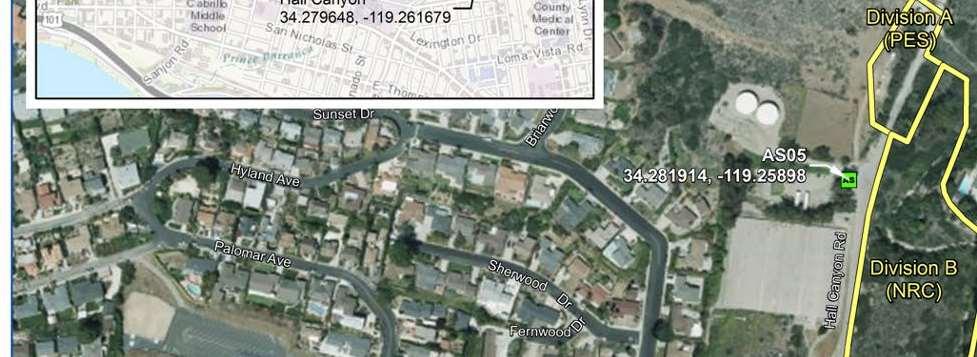
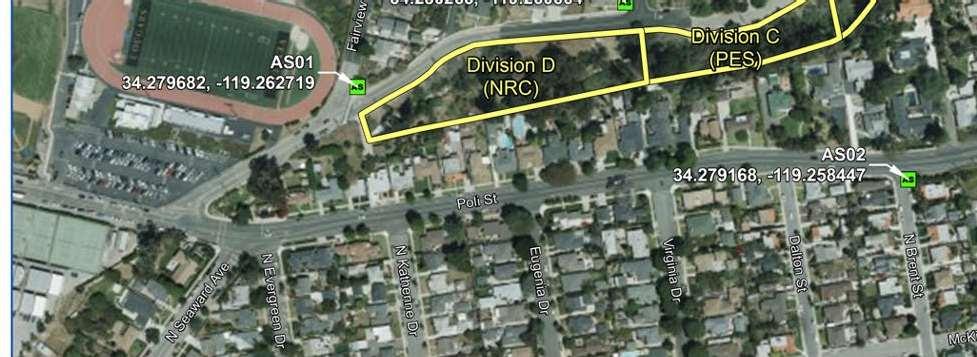
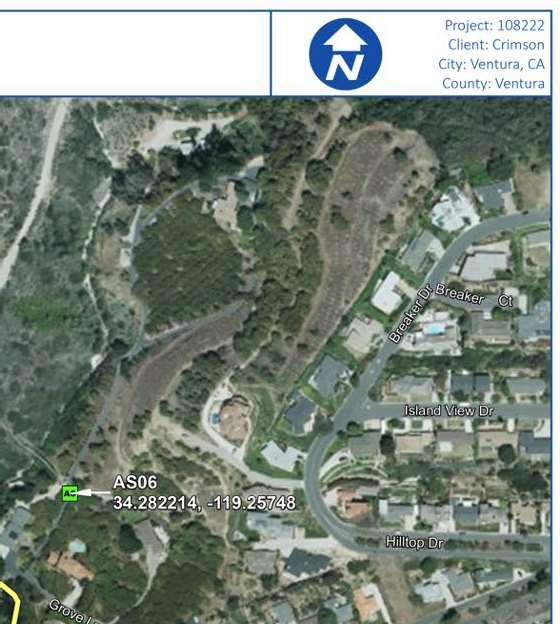
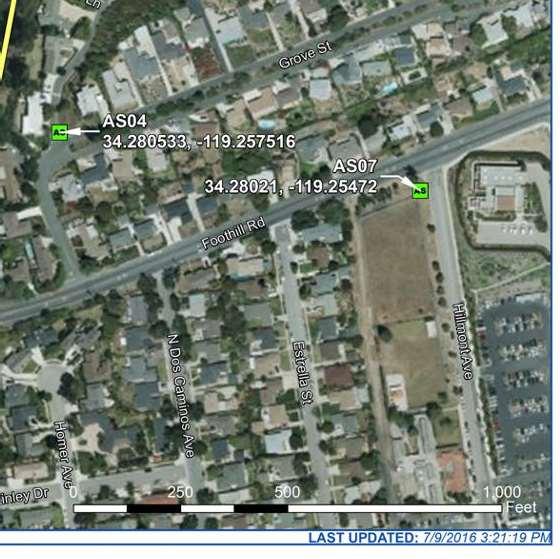
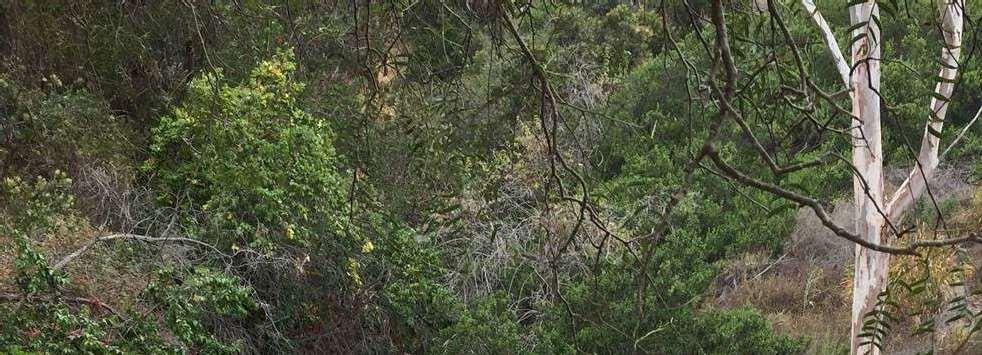
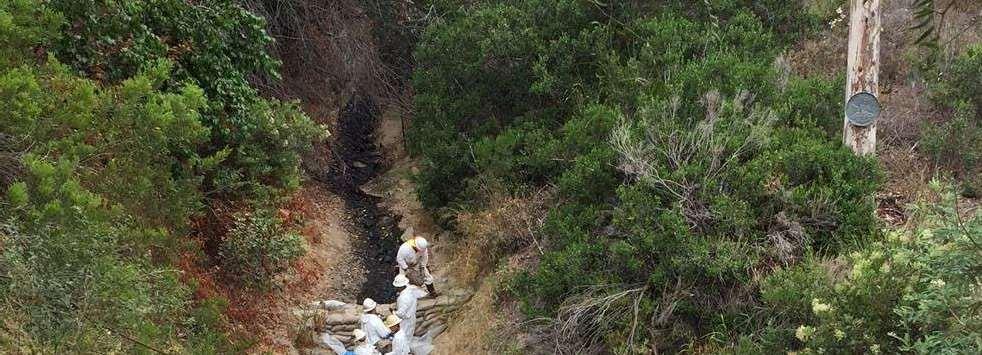
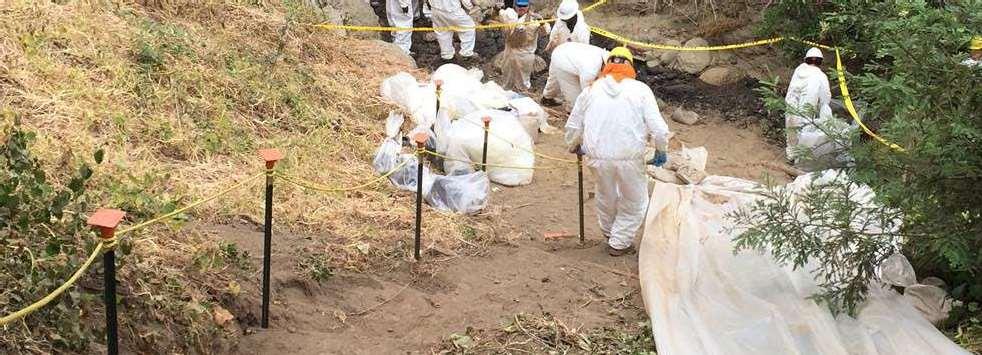
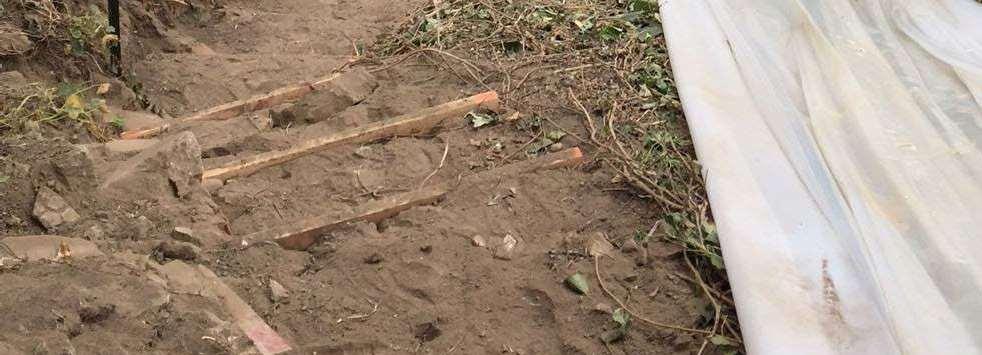
GroveIncidentSpill–HallCreekChannel(2016)
•Ventura,California
•Crudeoilpipelinefailure
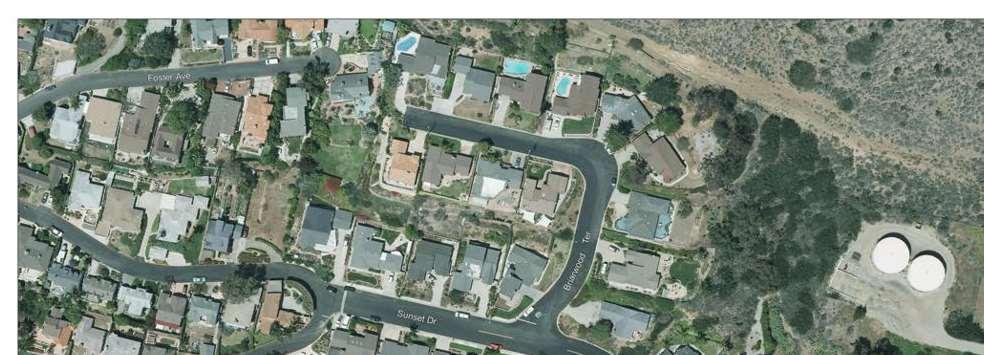
•~45,000gallonsofoilreleasedfrompipelinevault intoabarrancanearresidences
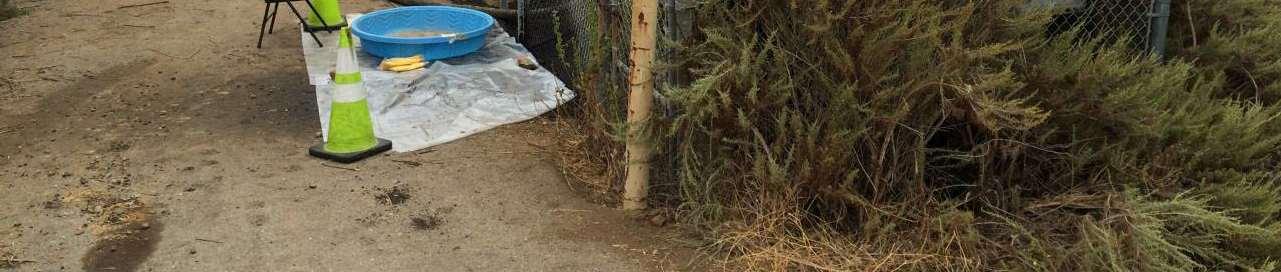




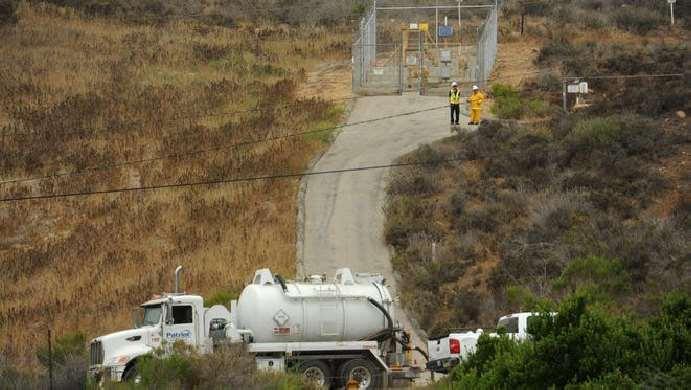
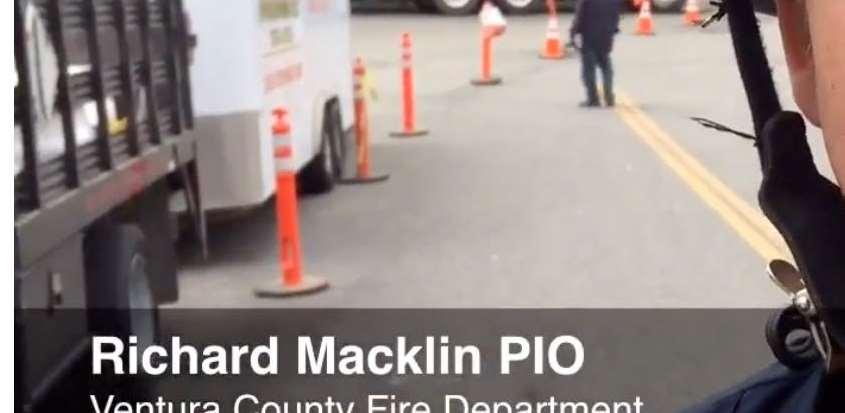
OnJune23,2016,atapproximately0530hours (hrs),theVenturaCountyFireDepartment(Fire Department)respondedtoaresidentreportofa foul,petroleumodornearhisresidenceonGrove Lane.
At0623hrs,theFireDepartmentinitiallyreported anoilspillofapproximately5,000barrelsfroma pipelinelocatedoffofHallCanyontothe CaliforniaOfficeofEmergencyServices(CalOES); however,theestimatewasupdatedto600barrels.
TheFireDepartmentwasabletocontainthespill inthedrycreekbedbyconstructingseveral earthendamstolimittheimpactofthespillto waterways.Inaddition,theU.S.CoastGuard confirmedtheoilspilldidnotextendtothePacific Ocean.






GroveIncidentSpill–HallCreekChannel(2016)
GroveIncidentSpill–HallCreekChannel(2016)
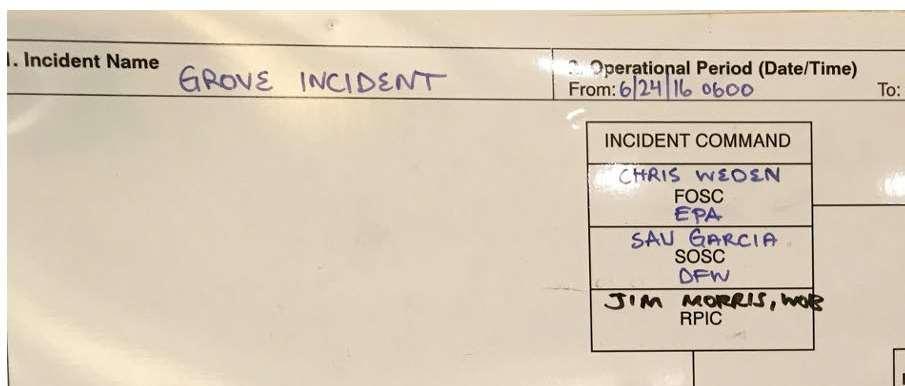
IncidentCommand:
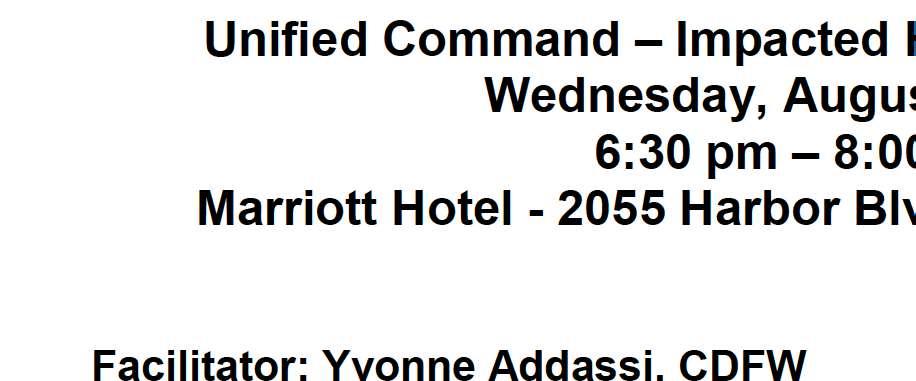
AUnifiedCommand(UC)structurewassoon adopted,includingrepresentativesfromthe followingagencies:
•CaliforniaDepartmentofFishandWildlife’s OfficeofSpillPreventionandResponse(OSPR)
•U.S.EnvironmentalProtectionAgency(EPA)
•ResponsibleParty-CrimsonPipeline
Additionalagenciesprovidedsupport:
•U.C.Davis,OiledWildlifeCareNetwork
•BarbarenoandVentarenoBandsoftheMission IndianTribe
•OwlClanoftheChumashIndianTribe



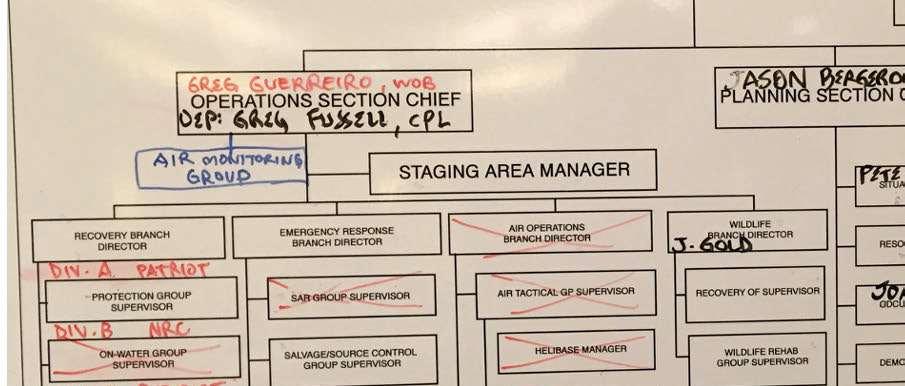

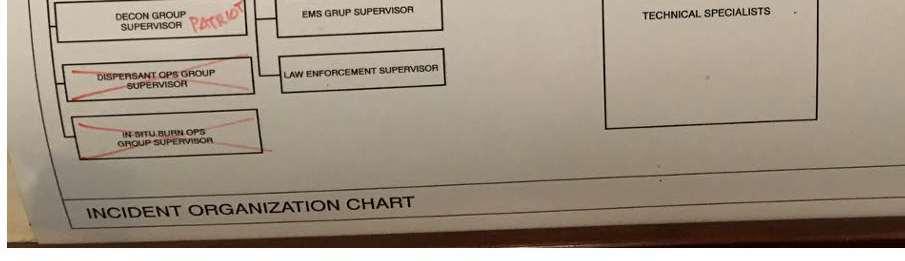
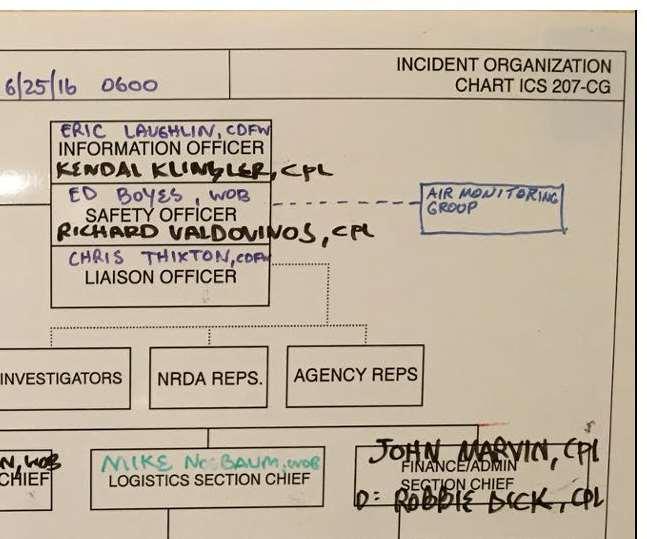
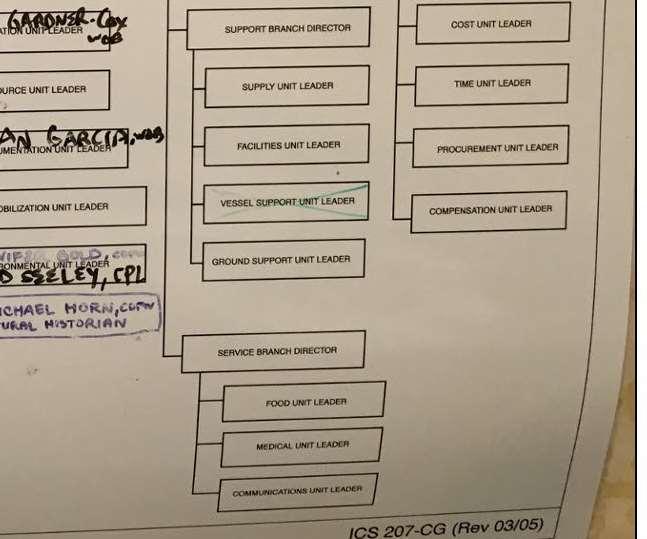

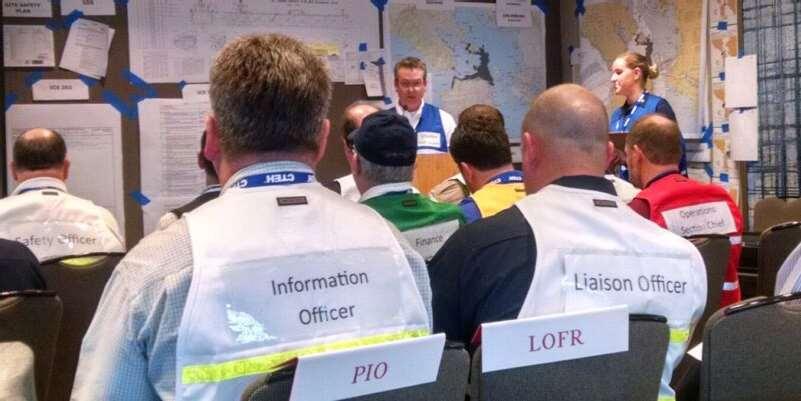
Respondedtotheincidenttoprovidesupport tothefollowingICunits:
•Safety/EnvironmentalUnits
•Operations/Planning
•LiaisonUnit
•PublicInformationOfficer



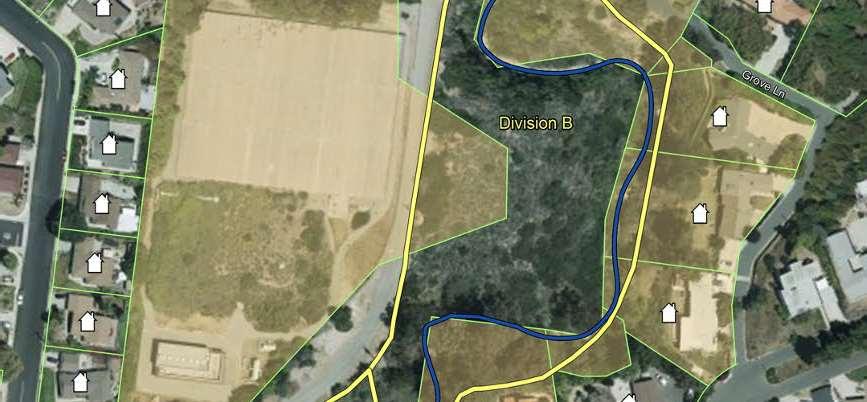
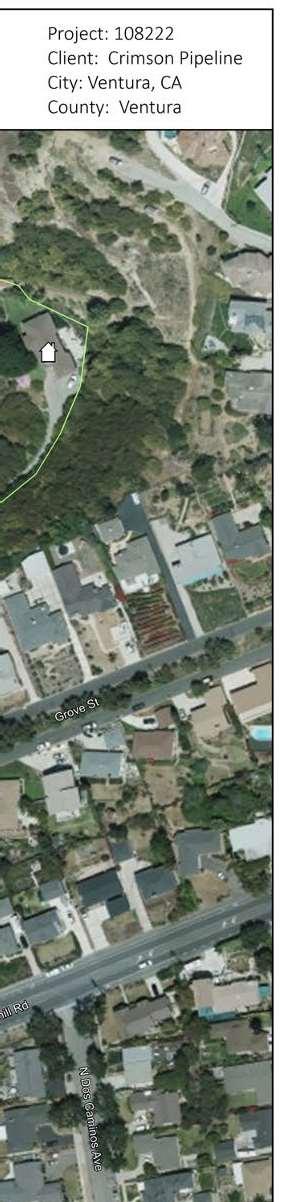









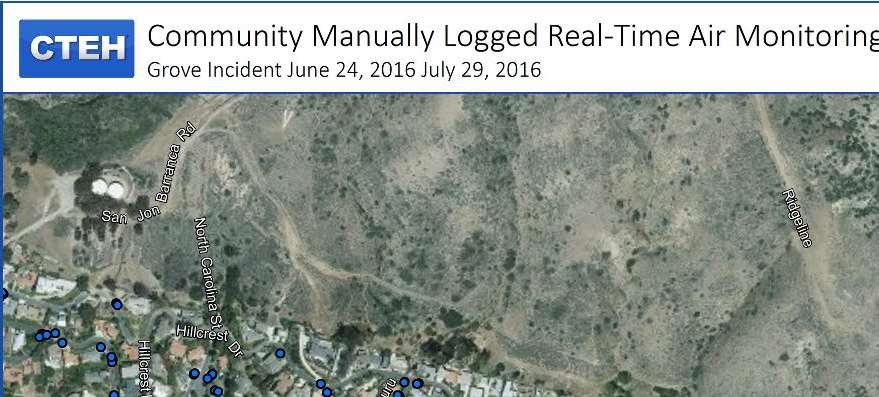
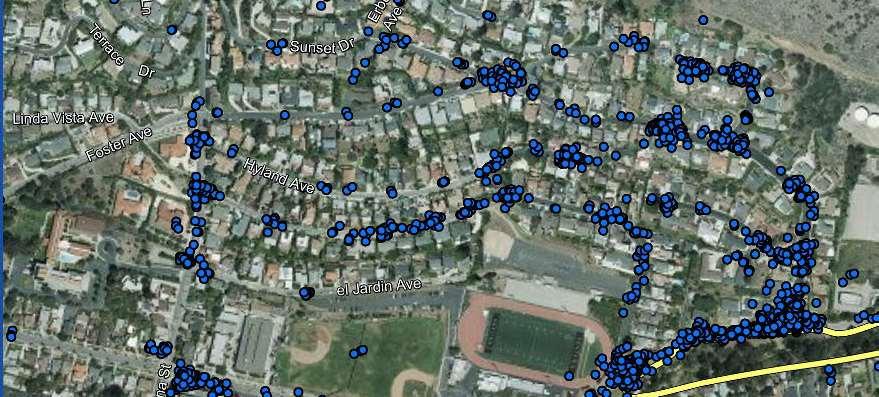

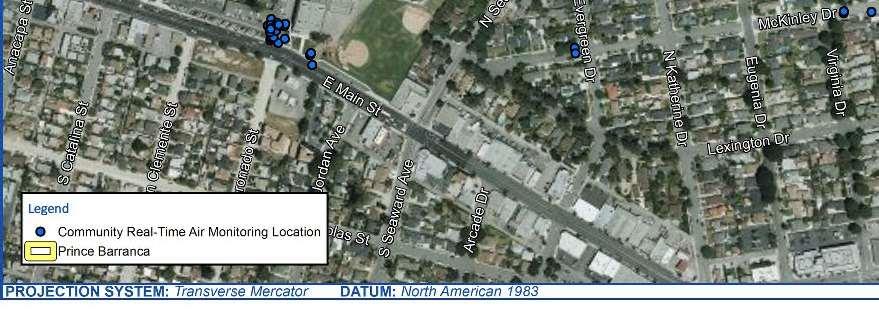

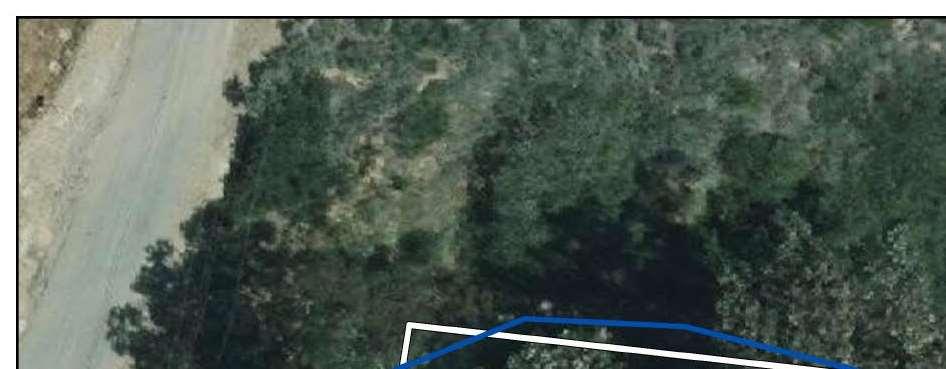
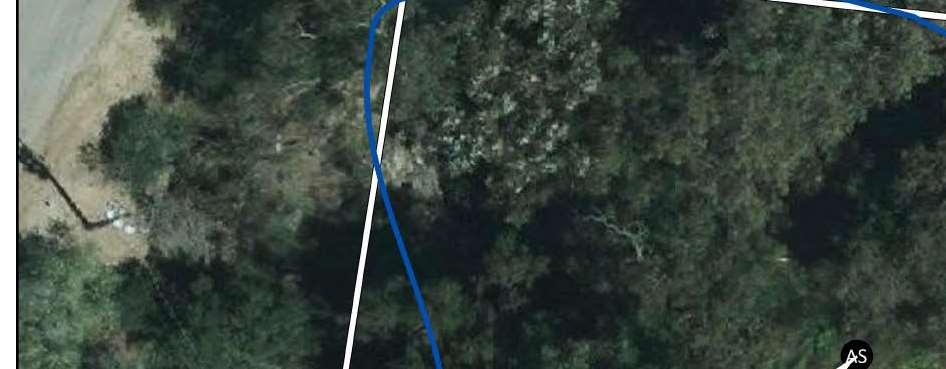

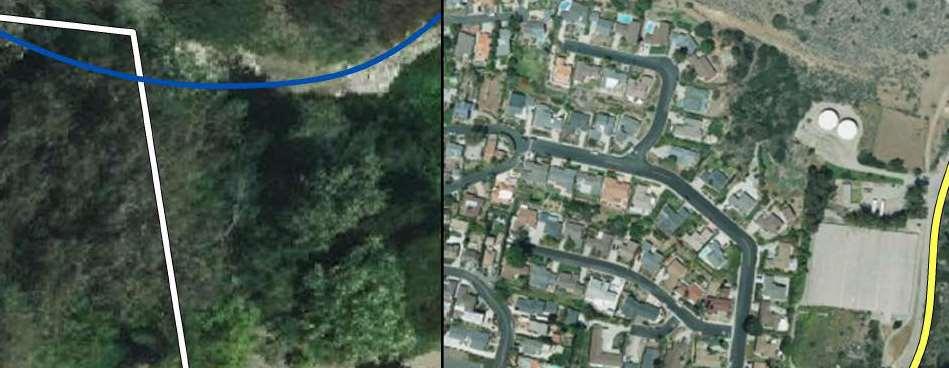

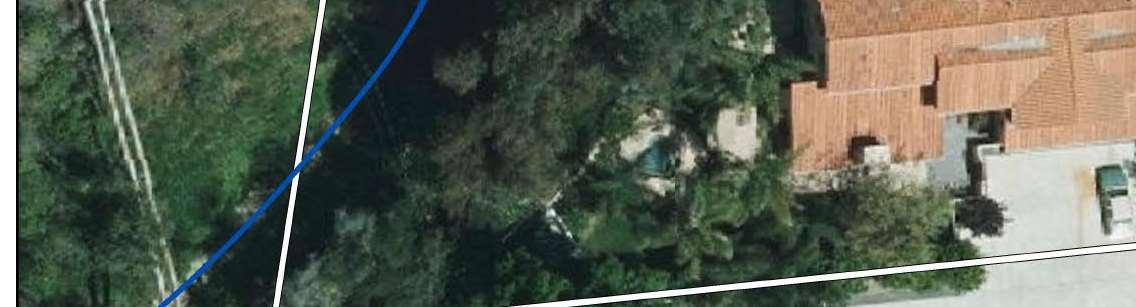
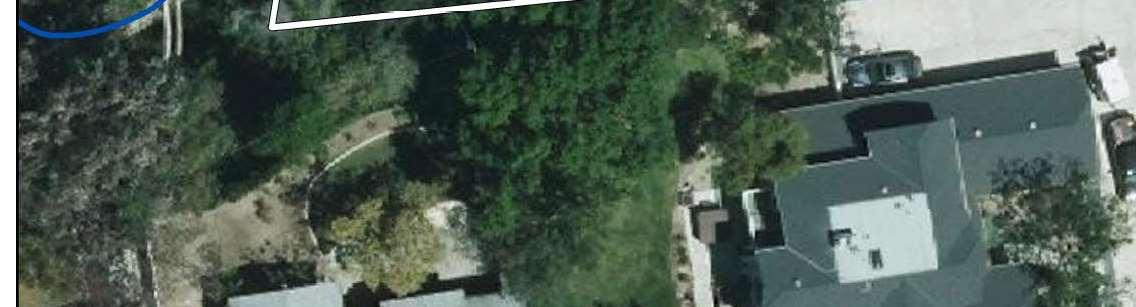
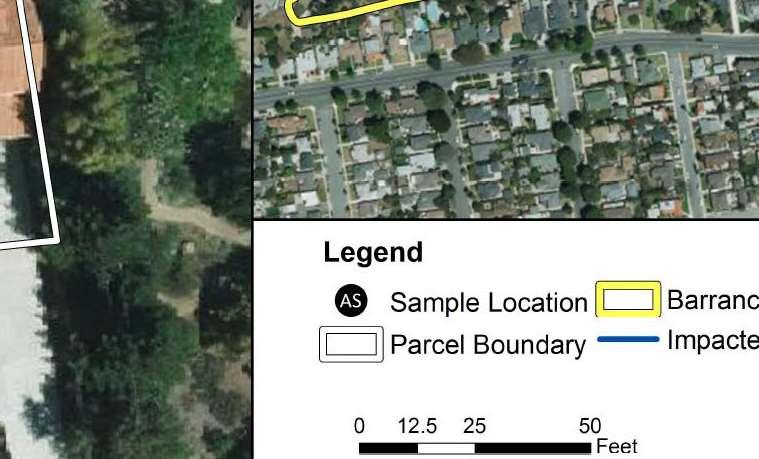



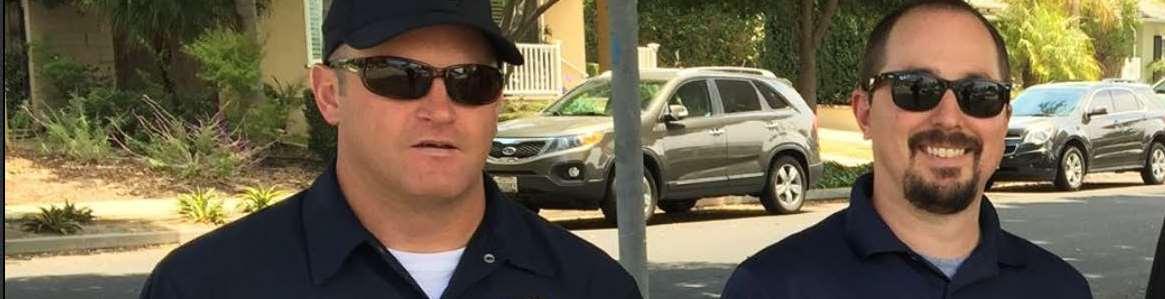
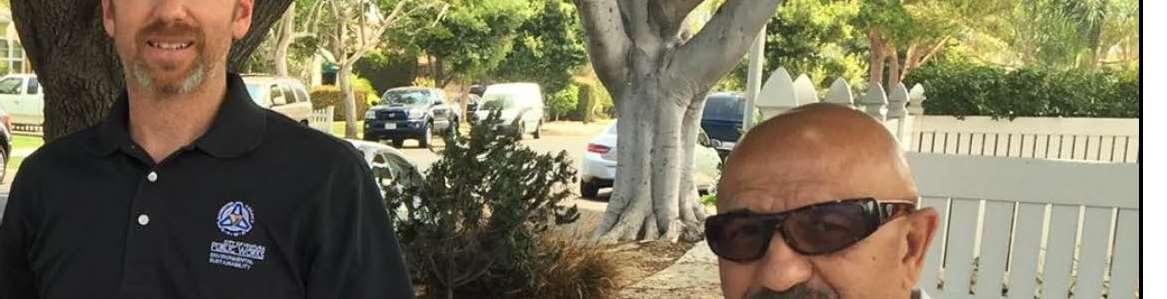

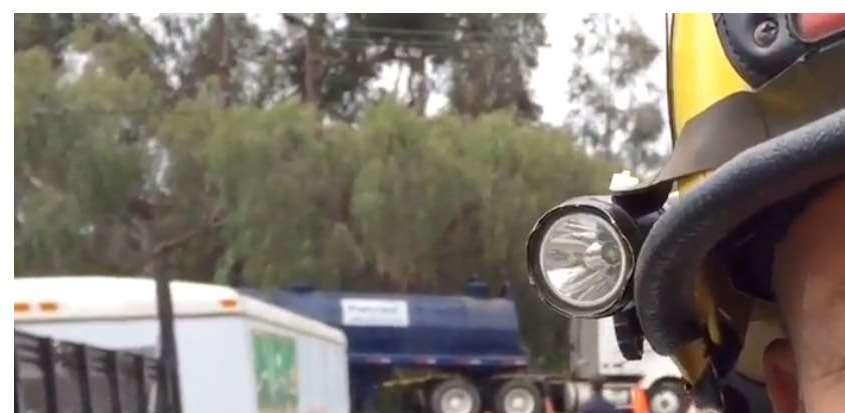









GroveIncidentSpill–HallCreekChannel(2016)
SummaryofUC-CoordinatedResponseActivities:
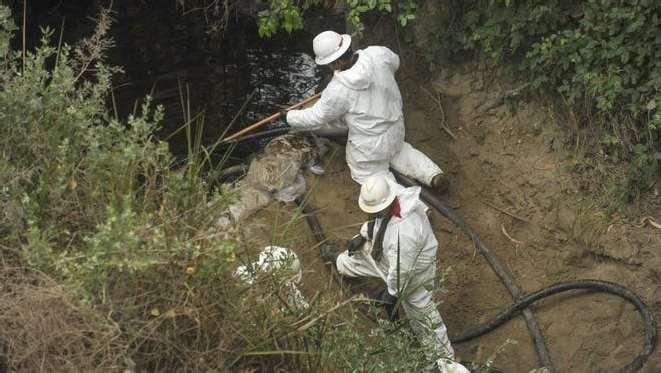
Atthepeakoftheresponseactivities,aroundJuly12,2016,there wereover170personsdeployed,aswellasfivevacuumtrucks,an excavator,andfiveShorelineCleanupAssessmentTechniques (SCAT)teams.Someotherdetails:
•7,000feetofboomdeployed
•24,234gallonsofoilrecovered
•Oiledvegetation,oiledsand,oiled debris,andoiledsoilwereremoved.

OnAugust19and30,2016,UCdetermined“NoFurtherCleanup Required”endpointwasmetinDivisionAandDivisionsBandC, respectively,asdefinedintheGroveIncidentClean-upEndpointPlan preparedbytheUCinJune2016.




SUPERFUND RESEARCH CENTER DISASTER RESEARCH TRAINING WORKSHOP DECEMBER 4, 2025 10:30 AM -12:00 PM




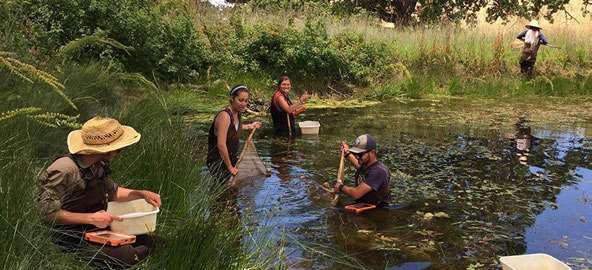
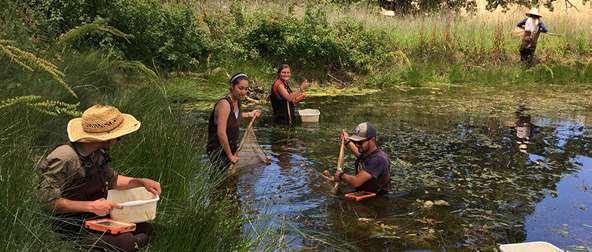



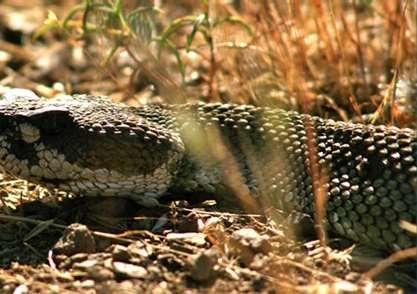
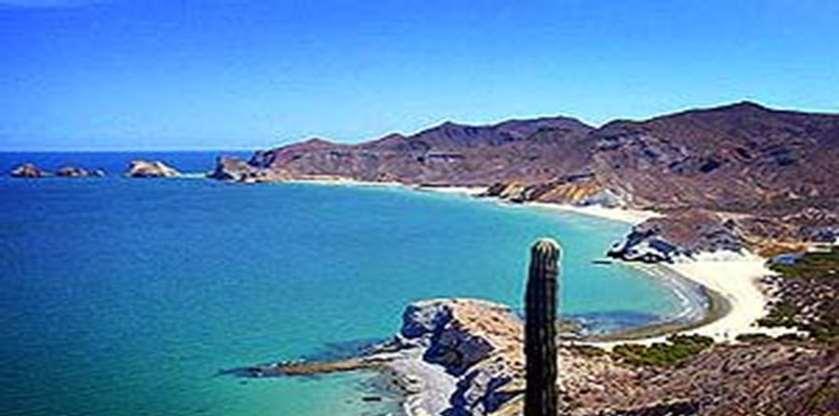


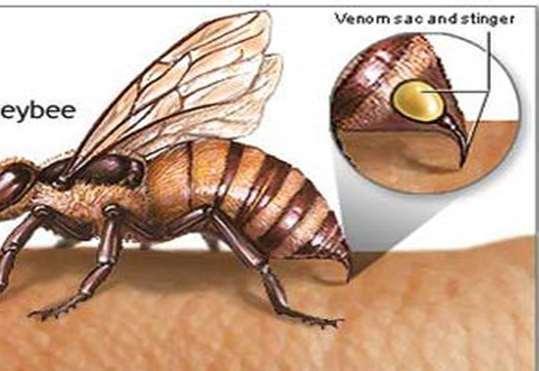
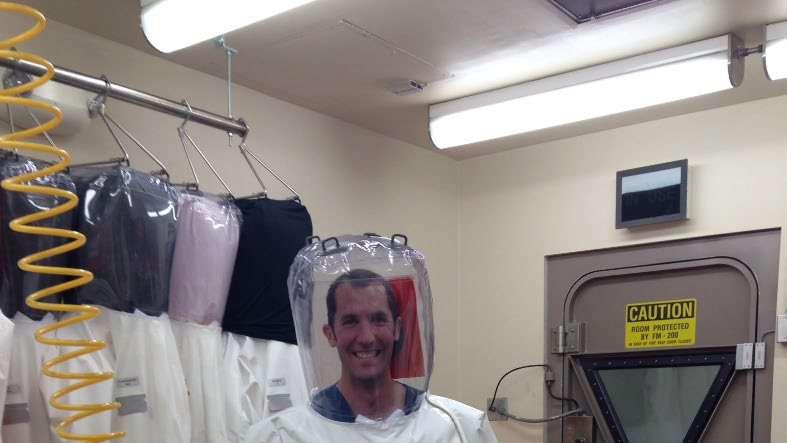
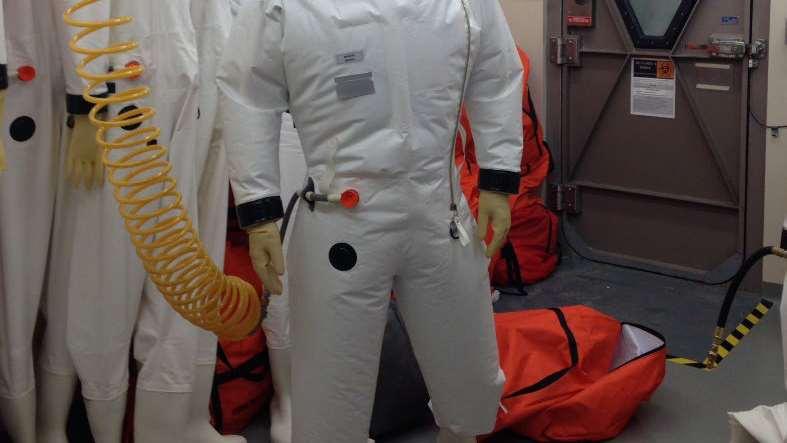
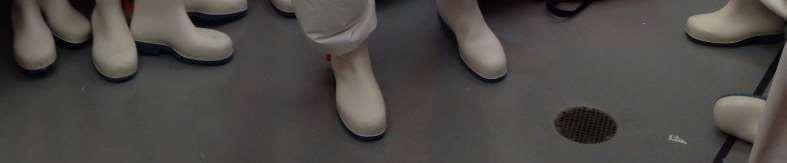




















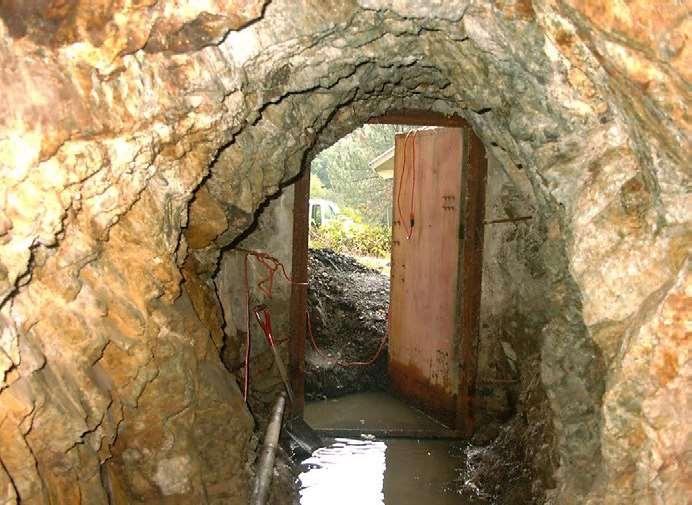
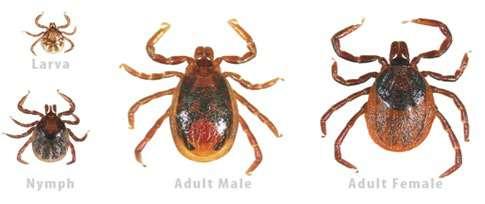
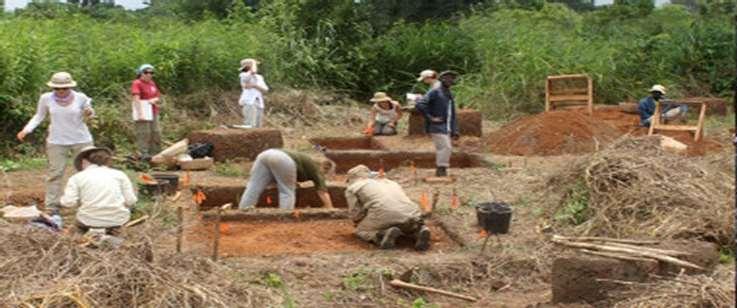



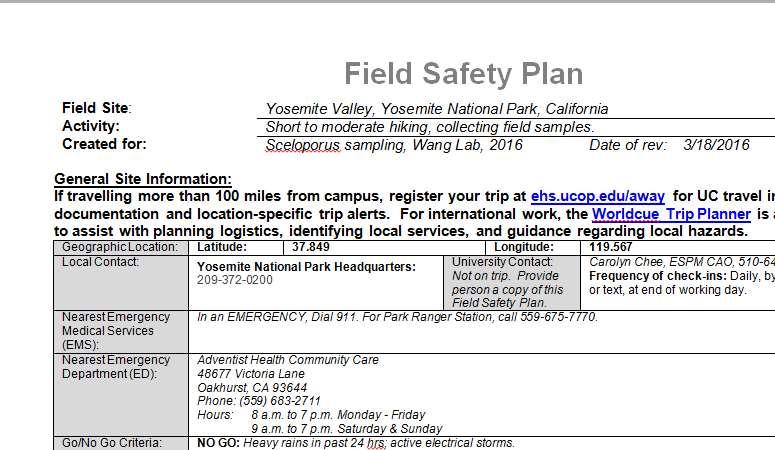
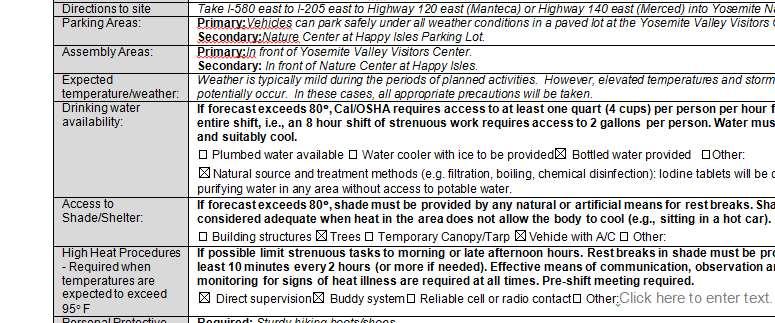
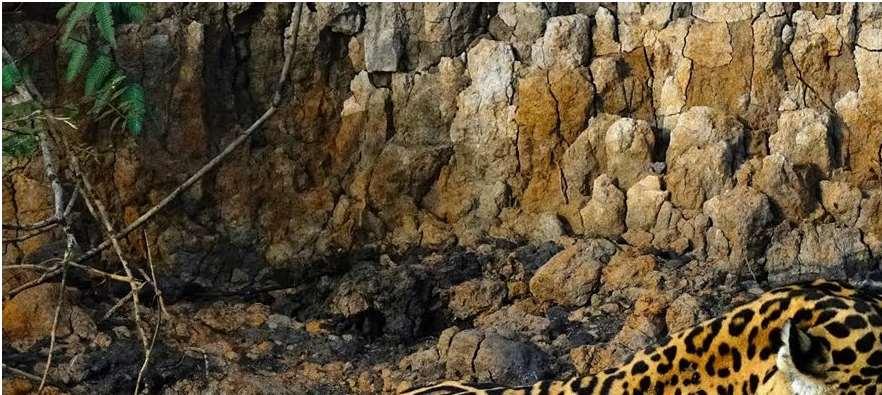
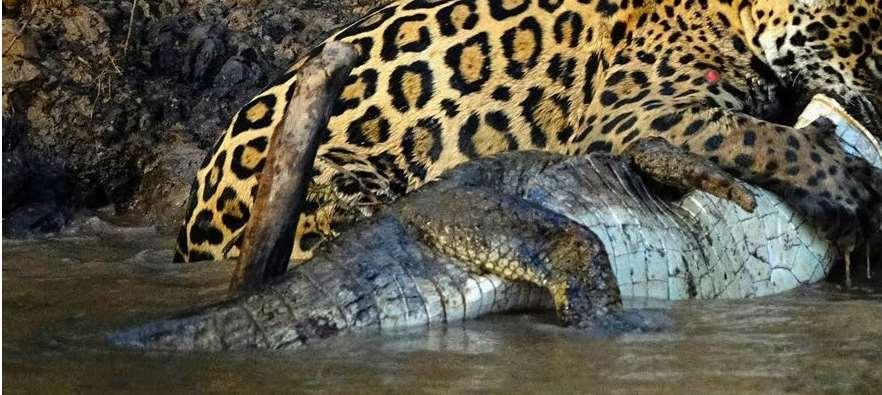



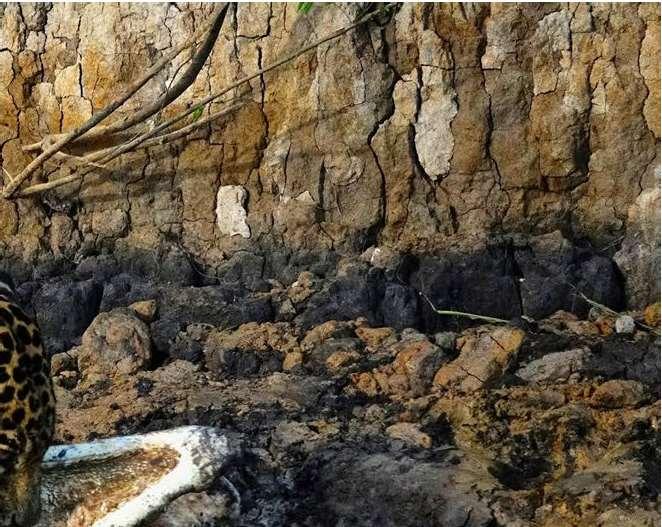
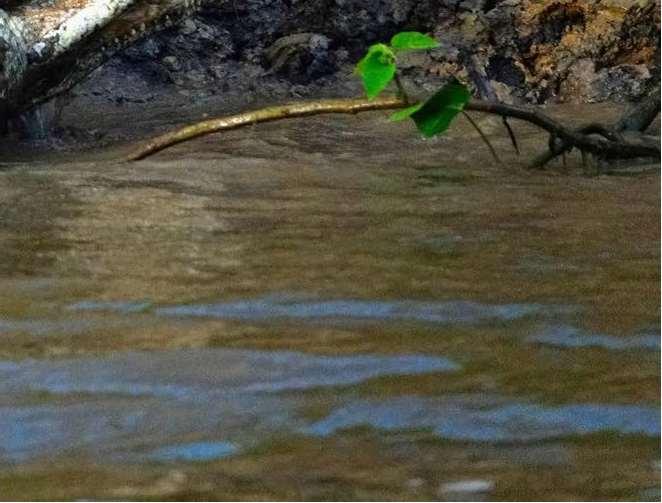
Whatare the hazards here?
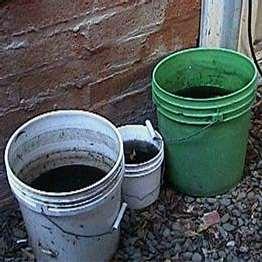
Whatare the hazards here?

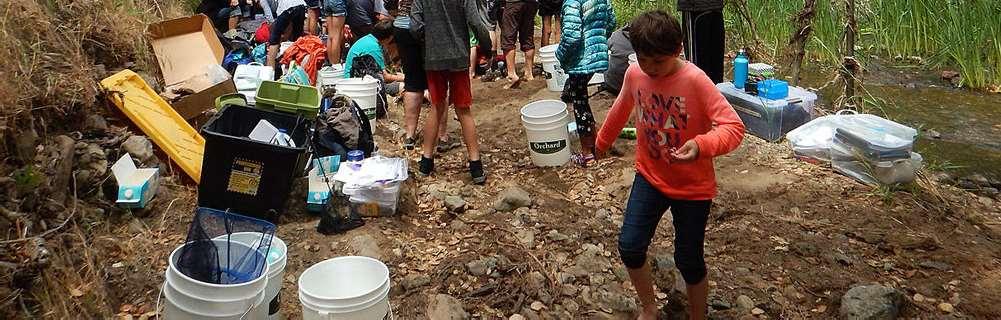
GoletaFamilySchoolstudentsheadtoSantaCruzIslandtohelpwiththeDragonflyMercuryProject,which analyzesmercurylevelsfromdragonfliesatspecificNationalParkssites.(GoletaFamilySchoolphoto)




Whatare the hazards here?
Whatare the hazards here?
InfectiousDiseaseIncidents LessonsLearned
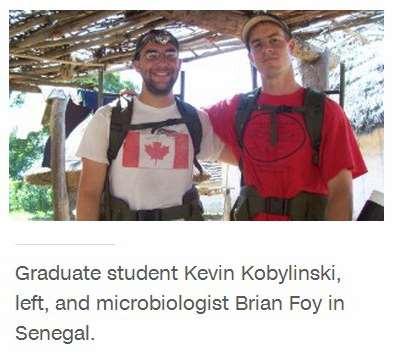
Zikavirustransmissionfromexposurethatoccurredduringcollectionof mosquitoesinSenegal,2011
•Mosquitocollectionstudyfocusedonmalariaconducted inSenegalduringthesummerof2008
•Pre-dawncollectiontimesaimedtocapturemosquitoes thathadpreyedonvillagersintheirhomesduringthe night
•Researchersspecificallydidnotusemosquitorepellents toprotectthemselves,andasaresultreportedbeing bittenfrequently
•TworesearcherstestedpositiveforZikavirus
•Subsequently,uponreturntransmissiontowifeoccurred –thisisthefirstknowndocumentedcaseofsexual transmissionofZikavirus https://wwwnc.cdc.gov/eid/article/17/5/pdfs/10-1939.pdf
NavigatingRiskinTurbulentTimes
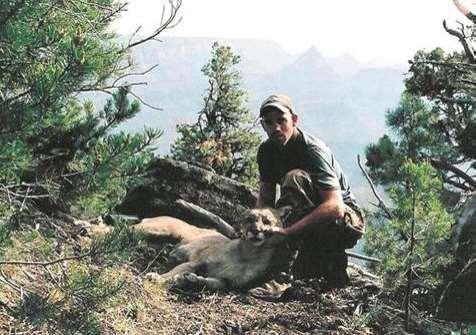
Fatalcaseofpneumonicplaguefromdirectbloodandaerosolexposure duringnecropsyofamountainlioninArizona,2007
•NationalParkServiceemployeeconductedanecropsyonamountainlioninhis garagewithouttheuseofpersonalprotectiveequipment
•Threedayslaterhedevelopedafeverandhemoptysisanddiedapproximately6days afterexposure
•TissuesfromthemountainliontestedpositiveforYersiniapestis
•Thiscaseshowcasedtheneedofenhancedawarenessof zoonoticdiseasesandappropriateuseofPPE
•DevelopmentofSafePracticestoAvoidZoonotic DiseasefromWildlifeguidancedocument:
https://www.nps.gov/public_health/info/di/Field%20Guide%20NPS%20biologists.pdf
LeishmaniasisexposurebycapturingandhandlingbirdsinBrazil (FelintodeBrito,2012)
•ReportonoccupationallyacquiredcaseofAmericanCutaneousLeishmaniasis(ACL)duringfieldstudieson birdbiology.
•Thiscasehighlightsthepotentialrisksoflaboratoryandfieldworkandtheneedtocomplywithstrict biosafetyproceduresindailyroutines.
A35yearoldmaledoctoralstudentnoticedtheemergenceofan ulceratedlesionwithhighedges.
Thelesionwasfirstnotedtwomonthsafterfieldworkcapturing birdsintheforestsinParanati,MatoGrosso,Brazil.
Routineclinicalandlaboratoryexaminationscomprisingof immunologicalandparasitologicaltestswerecarriedoutinthelab.
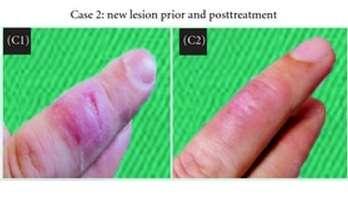
https://www.hindawi.com/journals/cridm/2012/279517/ThepatientwastreatedwithN-methyl-glucaminefor20days.Injurybegan healingatday11andcompletelyhealedafterthecompletionoftreatment.

Field&TravelMedicine
Pre-TravelMedicalVisits(OccupationalHealthClinic)
•Ideallyschedule2monthsaheadoftripandbringvaccine/titer/TB records
•Personalhealthandmedications
•Vaccines–E.g.,HepA&B,typhoid,YFV,rabies,etc.
•Chemoprophylaxis-E.g.,malaria,etc.
•Riskreductionadvice:insectrepellents,cookedfood,purifiedwater, sunscreen,jetlag,traffic,pollution,personalsafety,etc.
•Zika,malaria,otherendemicdiseases
Pre-existingMedicalConditions& MentalHealth
•Atpre-travelmedicalvisitgooverhealth conditions,medications, glasses/contacts,pendingsurgery,past history,pregnantorplanning
•Riskofmentalhealthissuesincreasesin travelers
•Areyoutravelingwithotherswhomay beatrisk?Family,othersnotassociated withresearch?
•‘Holiday’,freedom,exploration, anonymous,distantfromregularnorms contextmaycontributetoaddedhazards ofSTIs
•SomeRxmedsmaybeconfiscatedor notallowed,illegal,->jail.Check.
Field&TravelMedicine
DuringTravel
•Besuretocarrypreprintedinternationaltravelinsurance, advice,rescuecardatalltimes
•Injuries,exposures,andhealthevents
•Compliancewithriskreductionadvice
•Medical/firstaidkituse,whentocallforhelp,abilitytoaccess medicalcareatdestination
•Locationsofadequateclinicalcare
•Emergencymedicalevacuationdecisions
Knowyourclinics
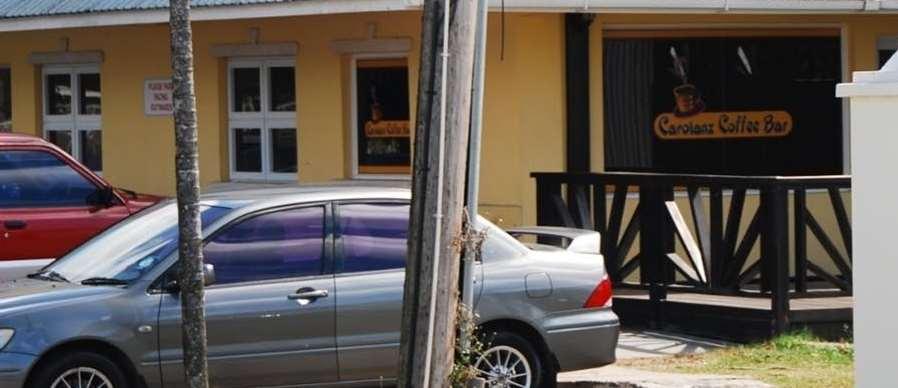
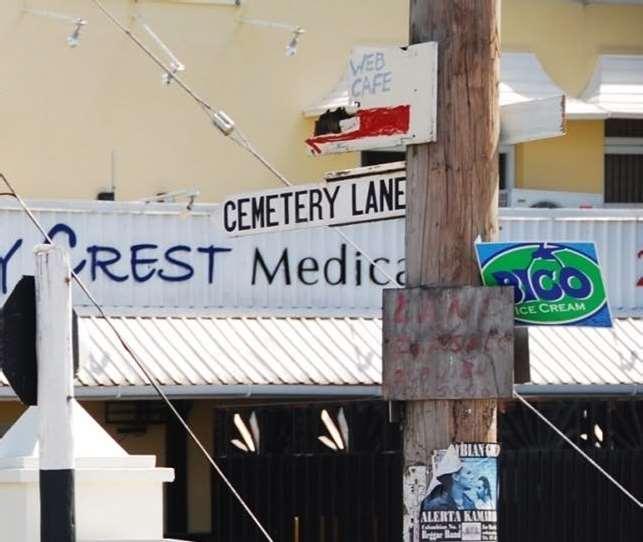
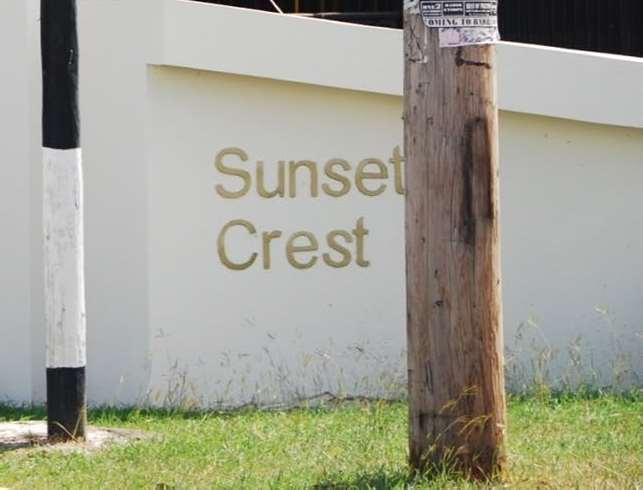
Field&TravelMedicine
Posttravelissues
•Knowwhentocheckbackwithhealthcareprovider
•Concernsabouthighriskexposuresduringtravel
•Careforonsetofnewtravel-relatedhealthissues









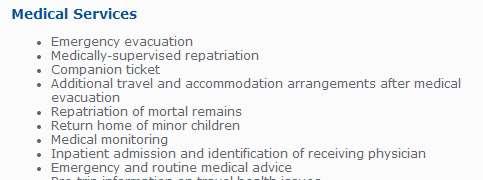






CDCTravelHealth PromedHealthmap






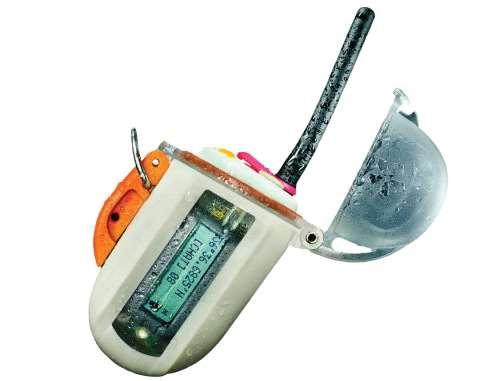
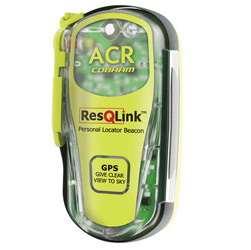
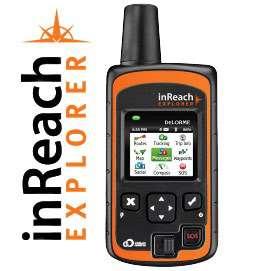
•2016-LAW-26866,09/24/16,1600hours, TheInternationalEmergencyResponse CoordinationCenter(IERCC)reported thataSPOTdevicewassoundingin FresnoCounty,thecoordinatesofthe deviceis36°54’33”N,118°23’54”W. FresnoCountySheriff'sDepartment (FCSD)wasnotified.Update,1700hours on09/24/16,FCSDadvisedthatthe incidentwasinSequoia-KingsNational Park.FCSDadvisedNationalPark Services(NPS).Update,1930hourson 09/24/16,NPSadvisedthatR/Owas locatedandonepersoninthehiking partyhadsufferedakneeinjuryand wastransportedtoalocalmedicalfacility. MissionClosed
•2016-LAW-26862,09/24/16,1545hours, IERCCisreportingthatain-reachdevice issoundinginElDoradoCounty,the coordinatesofthedeviceis38°55’40”N, 120°23’04”W.ElDoradoCountySheriff's Department(EDSD)wasnotified.Update, 1630hourson09/24/16,EDSDadvised thattheylocatedthedeviceanditwasa medicalassistancecallatRossResort. Personwasmedevacedtolocal hospitalfacility.MissionClosed
•2016-LAW-26858,09/24/16,1245hours, IERCCisreportingthatanin-reach deviceissoundinginMonoCounty,the ditfthdii37°54’8”N
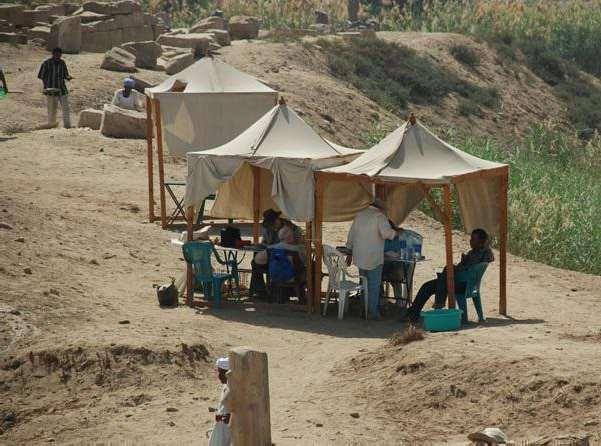
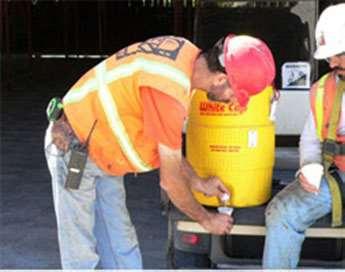
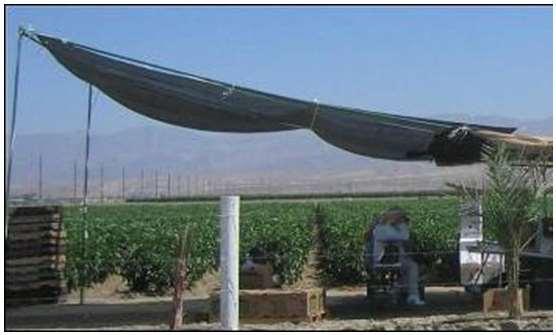
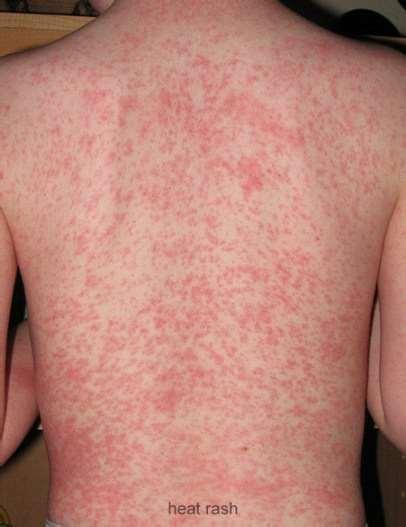
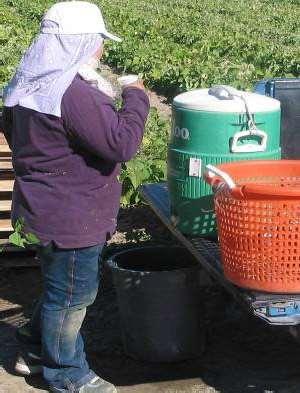
HeatIllnessPrevention
•Weathermonitoring&acclimatization
•Recognizesigns&symptoms


Communication Options
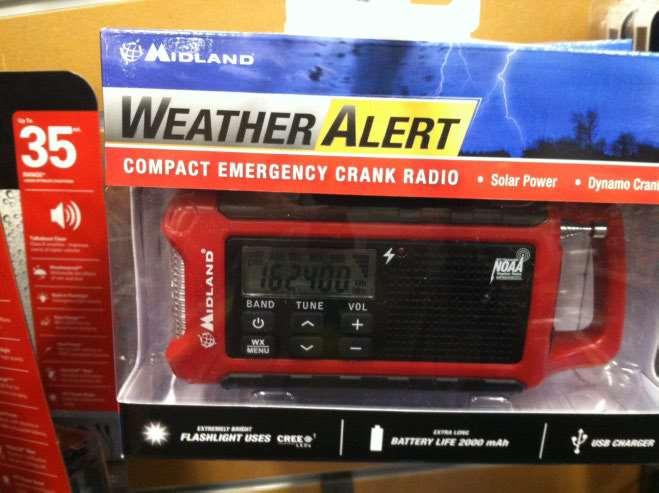
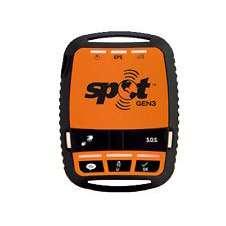


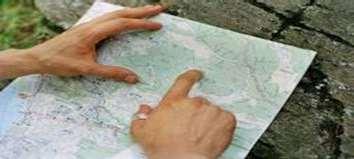
•Knowlocation&beabletoprovidedirections
•Writtenemergencyresponseprocedures
Allergies
IworkinremoteareasandworrythatIcouldhavea reactionandwanttobepreparedjustincase.To whichmydoctorsaid,“Sure,hereyougo."
NEWCalifornialawAB1386(2017)allowsapproved trainingproviderstoauthorizeatripleader, researcher,orotherstogetaprescriptionforuseof anepinephrineautoinjectoronsomeoneelse experiencinganaphylaxis.
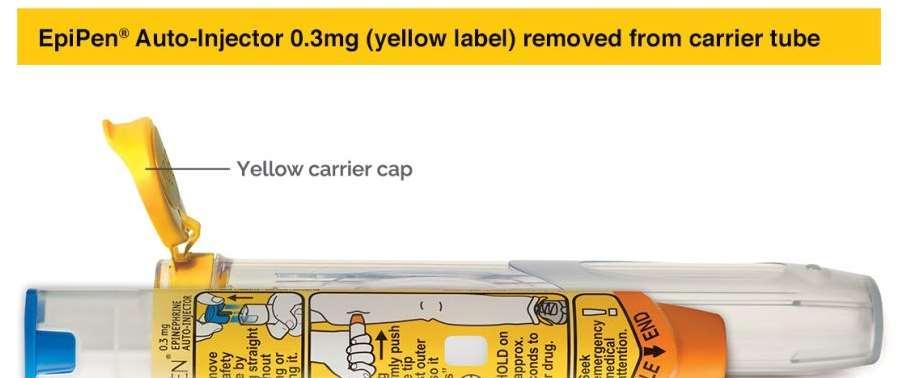
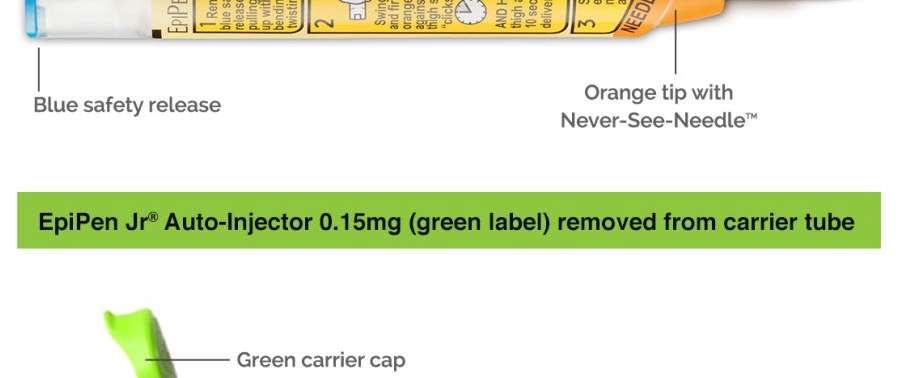
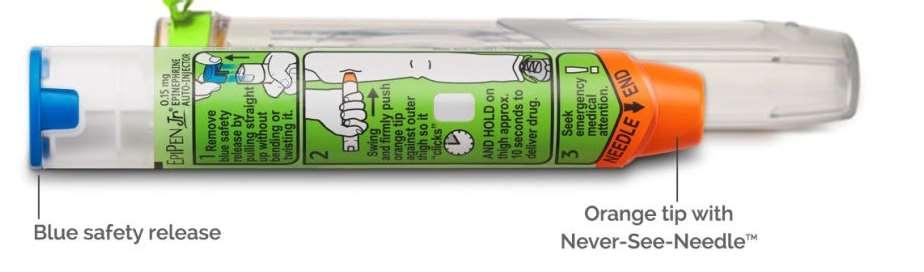
Rapidlyevacanypatientwithasevere allergicreactionformedicalcare. Secondaryreactionscanoccur.
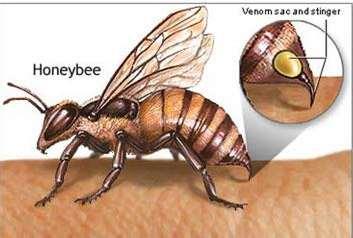
Allergicreactionstoflyingstinginginsects(honeybees,hornets,waspsandyellowjackets)arerelativelycommon. About.5%ofchildrenandroughly3%ofadultsexperienceanaphylaxis.About10to15%willexperiencelargerareasof swelling(NIH,2007).
AEDsintheField
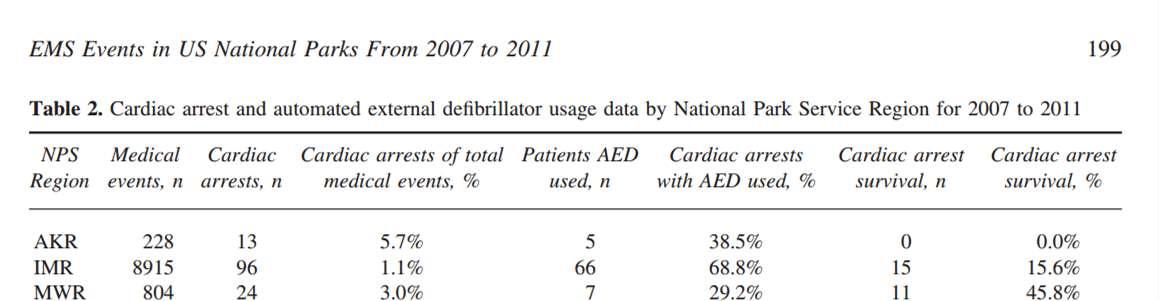

Source:WILDERNESS&ENVIRONMENTALMEDICINE,24,195–202(2013)





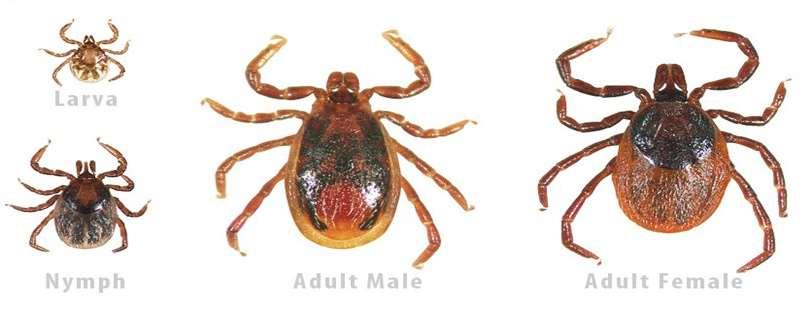


Wearlongpants,socks.Stayinmiddleofthetrail.Dotickchecks.Remove promptlywithpointedtweezers,pullingstraightout.Rubsitewithalcohol. Monitorforsymptomsandbullseyeringaroundbite.
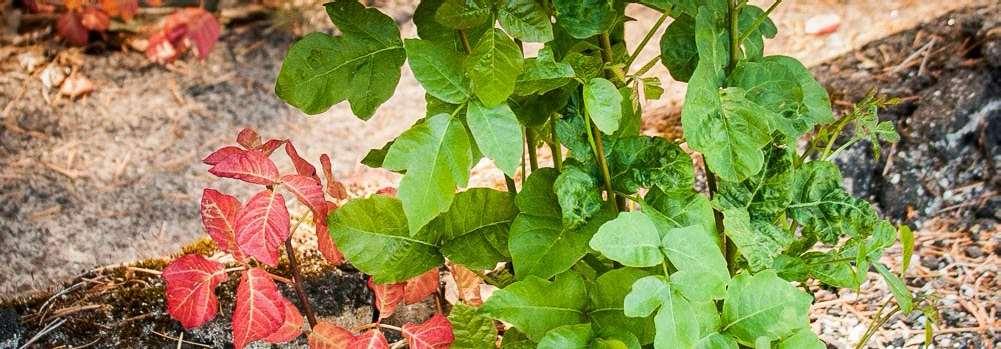
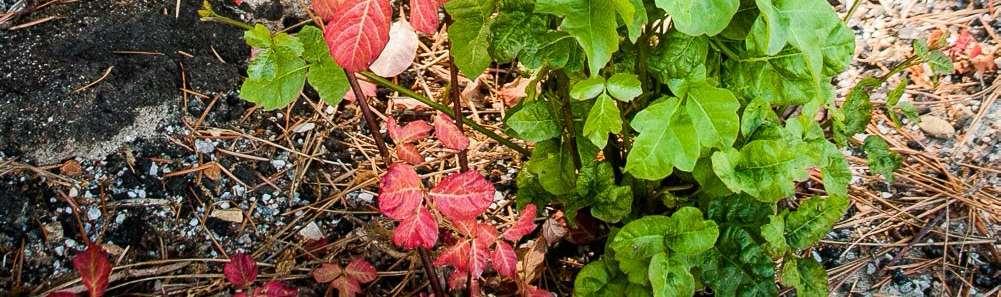
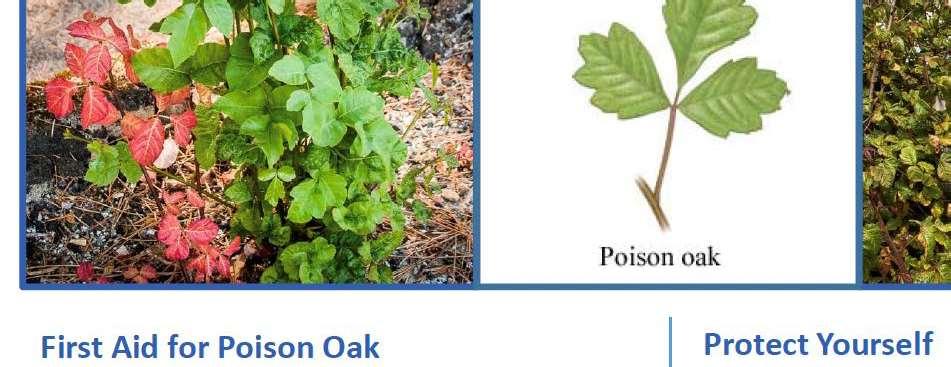
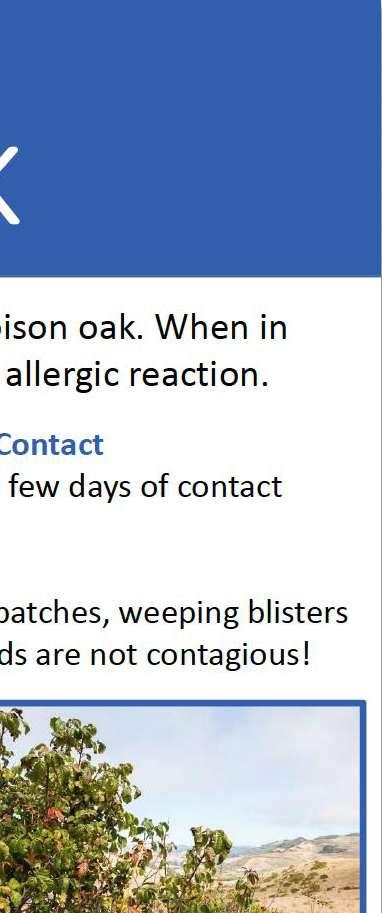
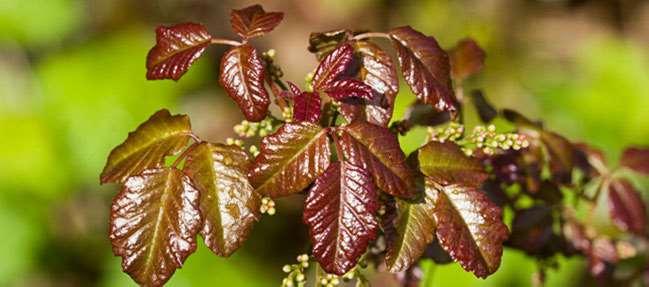
Leavesofthree,letitbe.WashwithTechnu.Washclothes.Reactioncanbe seriousifpersonishighlysensitized,smokeisinhaled,etc.
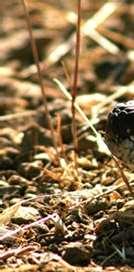
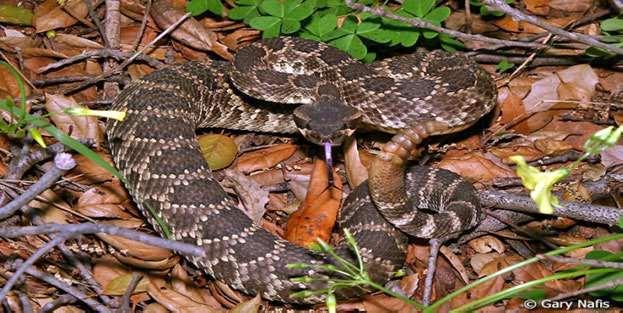
Don’tprovokeorhandlesnakes.Ifbittenbyarattlesnake,evacuateimmediately. Knowyournearestproviderwithanti-venom.Havecellphoneandtransportplan inplace
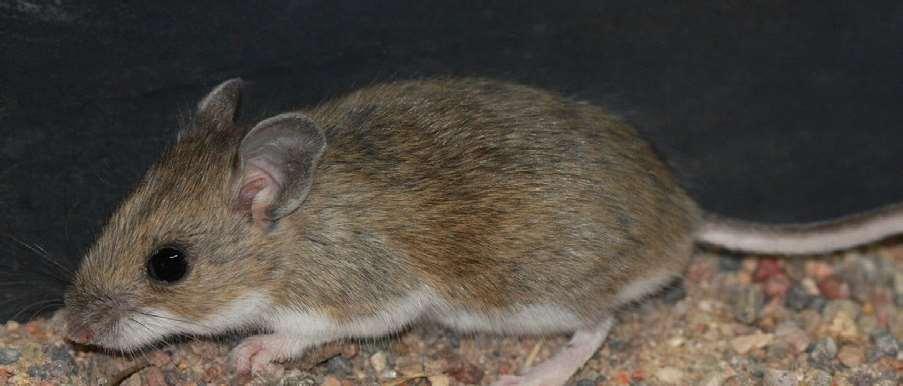
Avoidcontactwithrodentsanddroppings.Donotsweeporinhale.Monitorfor symptoms.Informdoctorifyoubecomeill.
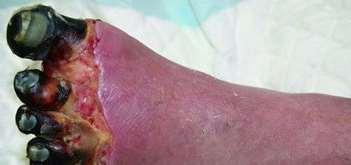
Avoidfrostbite&hypothermiabystayingdryandwarm.Carryextrasocks,dry layers,food,water,atarp,pad,andblankets/sleepingbagtomakeahypowrap. Don’tignorethemumblejumbles.Severesymptoms,decreasingmentalstatus: evacimmediately.Protectfromre-freezing.
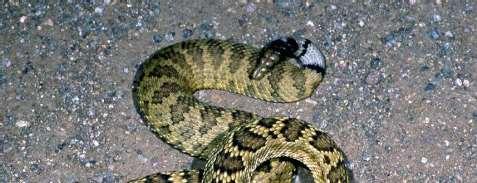
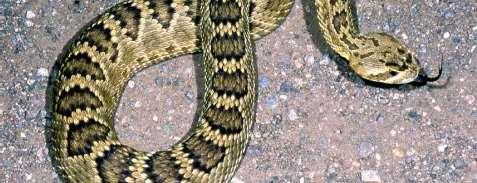


WesternRattlesnakes(CaliforniaHerps.com)



Mosquito-borneDiseases
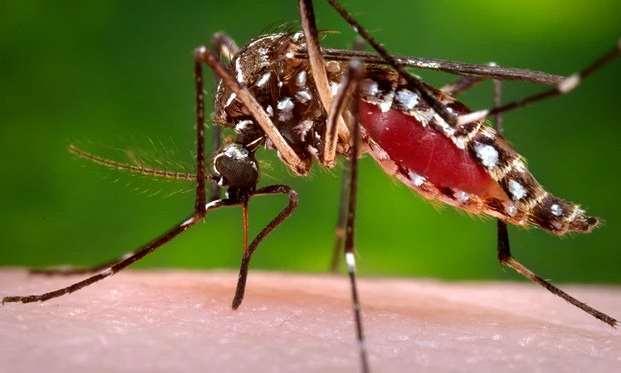
ThefemaleAedesaegyptimosquitois behindthespreadoftheZikavirus,as wellasDengueandChikungunya
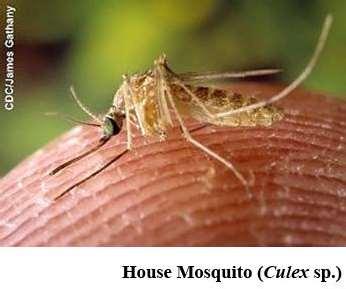
CULEXMOSQUITOES
TheWestNilevirusistransmitted predominantlybyCulexmosquitoes. Theytypicallybiteatduskandafter dark.
AEDESMOSQUITOES
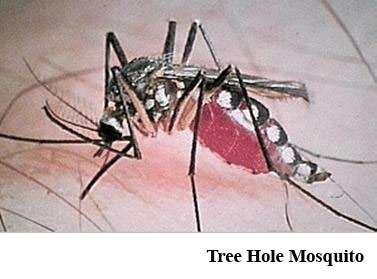
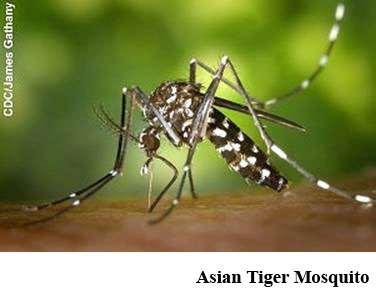
TheAedesgroupofmosquitoesincludesmanynuisancemosquitoes,aswellas speciesthattransmitdiseasetohumans.Thisisadiversegroupthatincludesthe inlandfloodwatermosquito(Aedesvexans),theAsiantigermosquito(Aedes albopictus)andthetreeholemosquito–allofwhichprefertofeedontheblood ofmammals.Daybiters.
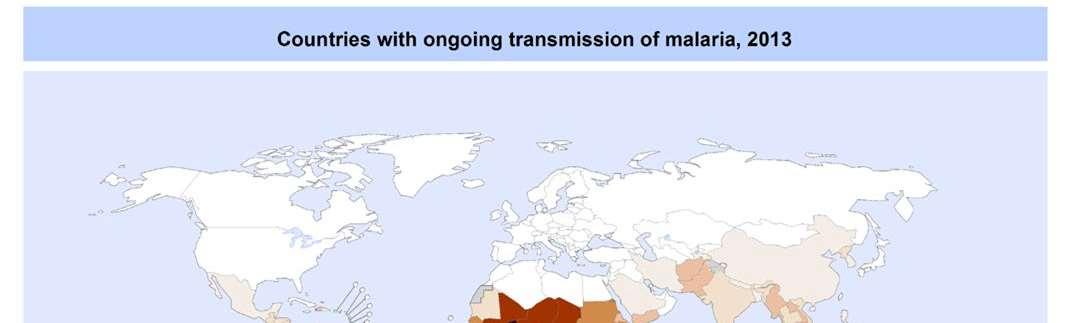
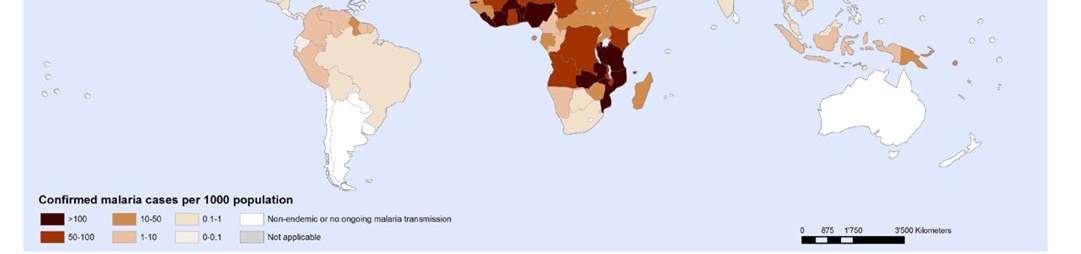
Ifitcanholdwaterformorethanafewdays,itcanbreedmosquitoes:
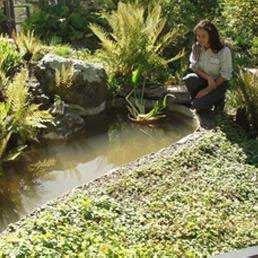
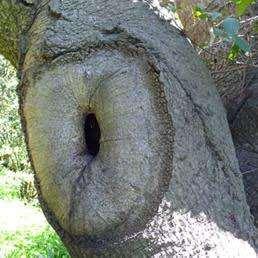
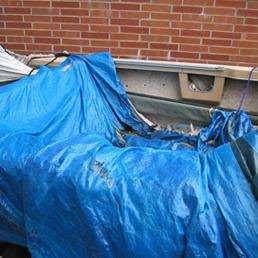
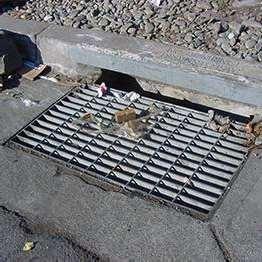
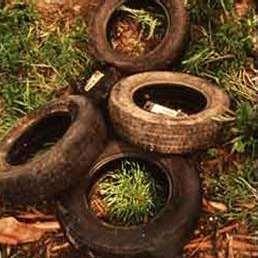
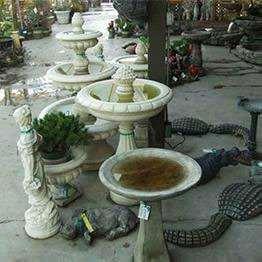
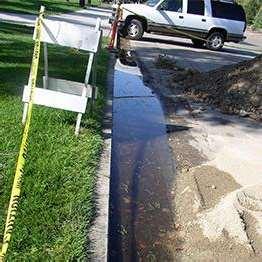
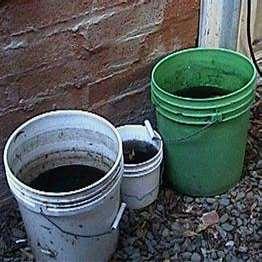
Preventmosquitobiteswhiletravelling:
Useinsectrepellant,wearlongsleevesandlongpants,useairconditioningorwindows/doorswith screens.Ifyougetsick,tellthedoctorwhereyoutravelled.
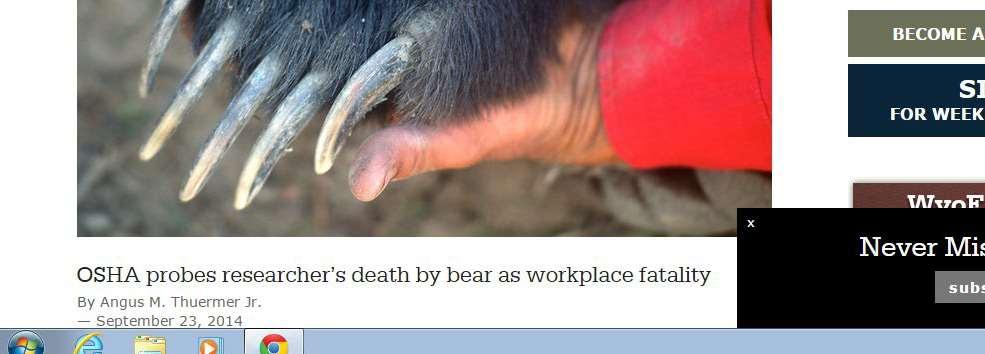
QuotesfromOSHAcitation:
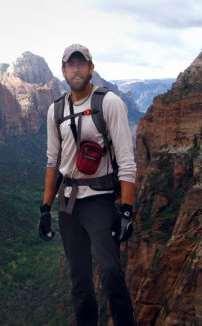
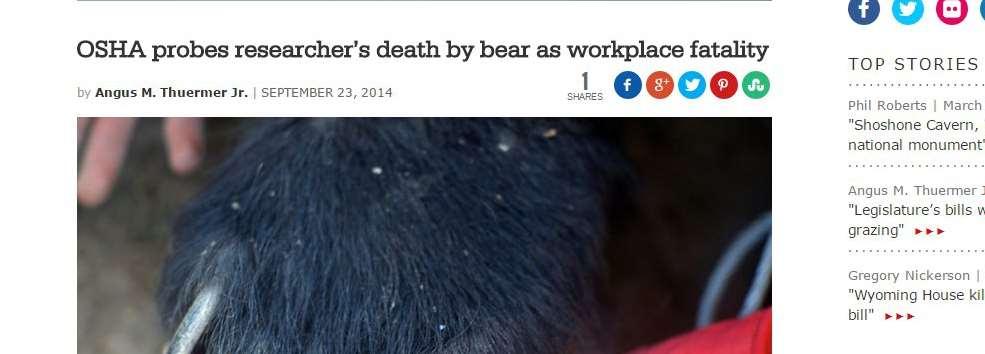
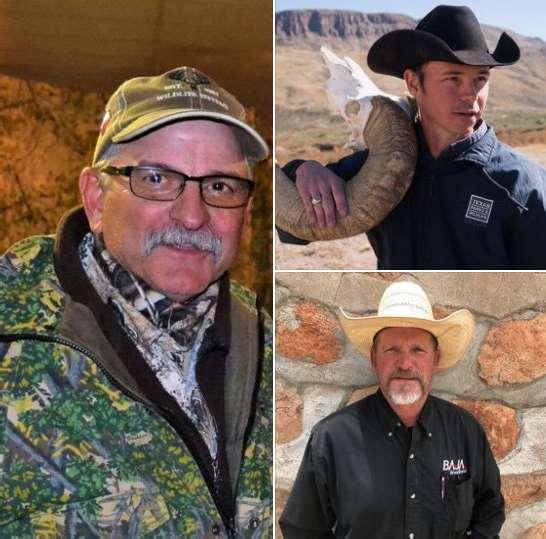
“employeeswerenotadequately protectedfromcontactwithbears, bynotprovidingandrequiringthe carryingofbearspray…notrequiring theemployeestosubmitatrip itinerary,andnotrequiringcheck-in procedurestobefollowedwhile workingintheBridgerTetonNational Forest.”

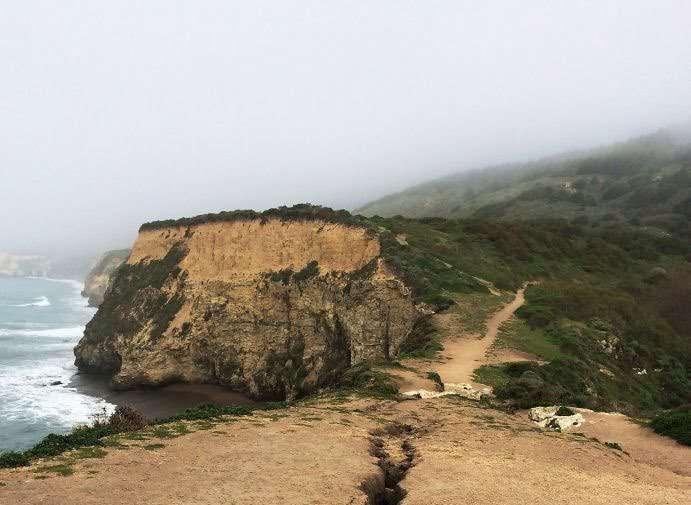
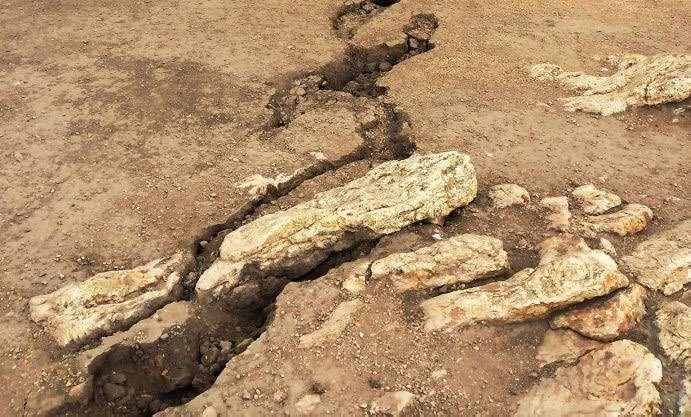
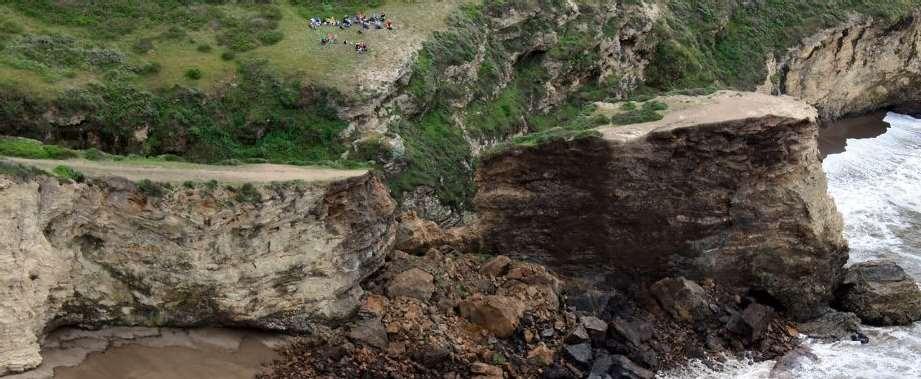


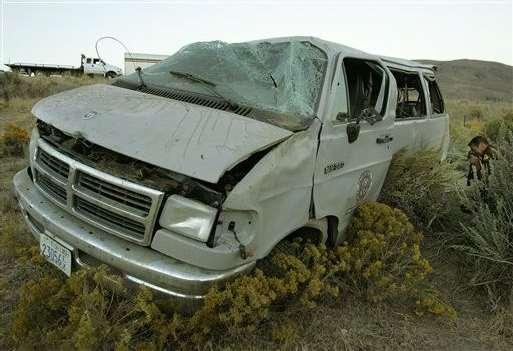
UtahStateUniversityPassengerVanAccident(AgStudents,8killed)
TDstandsfor…
•PerCDC:Attackratesrangefrom30%to70%of travelers,dependingonthedestinationandseason
•Poorhygienepracticeinlocalrestaurantsislikelythe largestcontributortotheriskforTD
•BacteriaarethemostcommoncauseofTD: enterotoxigenicEscherichiacoli,followedby Campylobacterjejuni,Shigellaspp.,andSalmonellaspp
•High-riskareasincludemostofAsia,theMiddleEast, Africa,Mexico,andCentralandSouthAmerica
Washhandsoften
Considerfood&waterchoices
Carryappropriateantibiotics
Buildflexibilityintoyourschedule

EXAMPLEGUIDANCEPROVIDEDATUTHEALTH HOUSTON

•GuidancedocumentcreatedcooperativelybyEHSandUTPoliceDepartment



•Primarily,althoughnotexclusively,forpublichealthbasededucationandcommunity researchprojectsconductedin(sometimesunsavory)urbansettingsaroundthegreater Houstonarea(orotherurbansettings)


•Provideshelpfultipsforsafetyandsecuritywhenconductingresearchinurbansettings
•Severalhelpfulappendicesincludedindocument
•Safetyplantemplateprovidedtohelpresearchersdocumentandcommunicatetheirplans



POTENTIALCOMMUNITYBASEDRISKSTHAT MIGHTBEENCOUNTERED
•Risksoftraveltoandfromthecommunitytobeserved
•Theftordamagetopropertyofthepractitioner
•Physicalharmtothepractitioner
•Psychologicaltraumaexperiencedbythepractitioner
•Situationsthatcouldpromoteaccusationsofimproperbehavioronthepartofthe practitioner
PLANNINGYOURROUTE
•MapouttheroutewithGooglemapsoranotherresource
•CarrylocalcontactinformationandlocalpoliceandEMScontactinfo
•Ifmeetingwithsomeone,callthempriortodeparturetoverify:
•thecorrectaddress
•therewillbesomeonetheretomeetyou
•correctparkinglocation
TRAVELING
•Wearprudentattire,donotappearoverorunderdressed.Blendinwithlocals.
•Inspectvehicleforsafety(tires,overloading,brakes,etc.)
•Projectcertaintyofrouteanddestination
•Avoid"highrisk"areas
•Travelwithacolleague/trustedother
•Establishrapportwithregulardrivers
•Determinerisklevelsofvaryingmeansoftransport(bus,train,taxi,hitchhiking,etc.)
•(Women)Sitwithotherwomenormiddleagedcouples
PARKINGCONSIDERATIONS
•Choosewell-litparkingareas
•Lookaroundforloiterersbeforegettingoutofyourmotorvehicle
•Alwayslockvaluablesandpackagesoutofsightinthevehicle
•Ifyougetoutofyourvehicle,alwaysturnofftheignition,removethekey,andlockyourvehicledoors,no matterhowsoonyouplantoreturn.Thisisparticularlyimportantatservicestationsandconveniencestores
•Trynottoparknexttovans,largeSUVs,pickuptrucks,orothervehicleswhosesizeandstructurecanprovide concealment
•Exerciseparticularcautionwhenusingundergroundorenclosedparkinggarages.Alwaystrytowalkinthe centeraisle,ratherthanclosetoparkedcars
•Ifyouhavethechoice,parkinareasthathaveanattendantorinlocationswithheavypedestriantraffic
ONSITECONSIDERATIONS
•Avoidwalkingalonewheneverpossible.
•Whenwalking,walkinthemiddleofthesidewalkandwalkfacingoncomingtraffic.
•Attempttoappearconfidentandpurposefulwhenyouwalkandbealerttoyoursurroundingsatalltimes.
•Ifyoucarryapurse,carryitclosetoyourbody,preferablyinfront.Carrynomoremoneyorcreditcardsthanyouabsolutelyneed.
•Whenwalking,trynottooverloadyourselfwithpackagesorotheritems.Keepyourhandsasfreeaspossible.
•Whenwalking,choosebusy,well-litstreetsandavoidisolatedareas,alleys,vacantlots,abandonedbuildings,andconstructionsites.
•Whenwalkingduringhoursofdarkness,wearlightcoloredclothingandcarryaflashlight.
•Ifyoucarryapursewithashoulderstrap,bepreparedtoletitgoifsnatched.Otherwise,youcouldbeknockeddownandhurt.
•Whenwalking,carryaloudwhistleorhigh-decibelpersonalalarm.Usethemtoattractattentionorsummonhelpifyoufeelyouarein danger.Carrythewhistleoralarminyourhandsoyoucanuseitimmediately.
•Iffollowedorthreatenedbysomeonewhoiswalking,useyourwhistleorpersonalalarmorscreamloudly,crossthestreetandrunin theoppositedirection.
•Whenenteringanystructurebeawareofallexits.Makesurenothingblockstheexits.
IFSOMETHINGBADHAPPENS
•Atanypointthesituationdoesn’tfeelsafe,leave
•Containanyangerandfearandspeakinanauthoritativetonethatisloudenoughfor otherstohear,butdon’tscreamoryell.
•Ifthepersonorpersonsareattemptingarobberyhandthemwhatevertheywant,do notresist
•Call911immediatelyforassistanceifnecessary
REPORTINGANINCIDENT
•Afteranincidentimmediatelycallthelocalauthorities
•Theauthoritiesaregoingtoneedthefollowinginformation
•Whowasinvolved(thisincludesnamesordescriptionsofunknownindividuals)
•Whathappened
•Wheretheincidentoccurred(addressorotherdescriptorsifaddressisunknown)
•Whentheincidenttookplace
•Arethereanyinjuries
WHATYOUSHOULDNOTDO
•Donotconsumealcoholbeforeorduringcommunitybasedwork.
•Donotcarrylargeamountsofcashorvaluablesonyourpersonofvehicle.
•Donotcarryfirearmsorotheroffensivetools.Thesetoolsrequirespecialtrainingandmay besubjecttocertainlegalrequirements.
•Ifcashgifts,cashequivalents,orgiftcertificatesarerequiredforcompensationfor participatinginresearchonlycarrytheminimumamounttocompletethestudyinthetime allottedforthevisit.
•Donotcarrycashgifts,cashequivalents,orgiftcertificatesrequiredforfieldresearchina mannerthatcanbeseenbythepublic.Coverinanenvelopepriortodelivery.
DEVELOPMENTOFACOMMUNITYRESEARCH SAFETYPLAN
•Byprovidingasafetyplantemplate,researchersareenticedtocontemplatemanysafety andsecurityissuesthattheymaynothaveotherwiseconsidered
•Importanttodocumentandcommunicatesafetyplanstoallstakeholders
•Processofreviewandapprovalvariesbyinstitution
•Suggestdevelopingaplanforyourinstitution
•Useexistingtemplatesandmakethemyourown
HELPFULRESOURCES
•ChapmanB.Rationalchoiceandcategoricalreason.UnivPennsylvaniaLawRev151:1169–1212;2003.
•CohenLE,FelsonM.Socialchangeandcrimeratetrends:aroutineactivityapproach.AmSociologRev44:588–611;1979.
•Craig,G.,A.Corden&P.Thornton.SafetyinSocialResearch.SocialResearchUpdate,Issue29.UniversityofSurrey. http://www.soc.surrey.ac.uk/sru/SRU29.html
•Lee,R.M.(1993)DoingResearchonSensitiveTopics,London:Sage.
•MalesevicS.Rationalchoicetheoryandthesociologyofethnicrelations:acritique.EthnicRacialStudies25:193–212;2002.
•MessnerS,SouthJ.Interracialhomicide:amacrostructral-opportunityperspective.SociologicalForum7:517–536;1992.
•Paterson,B.,Gregory,D.,Thorne,S.AProtocolforResearcherSafetyQualHealthRes19999:259-269
•Urbanik,M.M.,Stack,P.G.,Hui,L.EpisodesofViolenceDuringEthnographicFieldworkinthe‘Hood’.UniversityRisk ManagementandInsuranceAssociationJournal2016
•Williams,T.,Dunlap,E.,JohnsonB.,Hamid,A.PersonalSafetyInDangerousPlaces.JournalofContemporaryEthnography1992 21:343-374
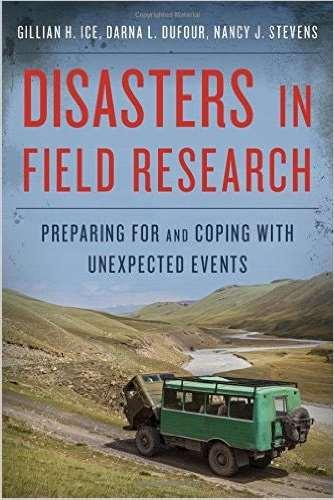
SpecializedWork&Field Projects





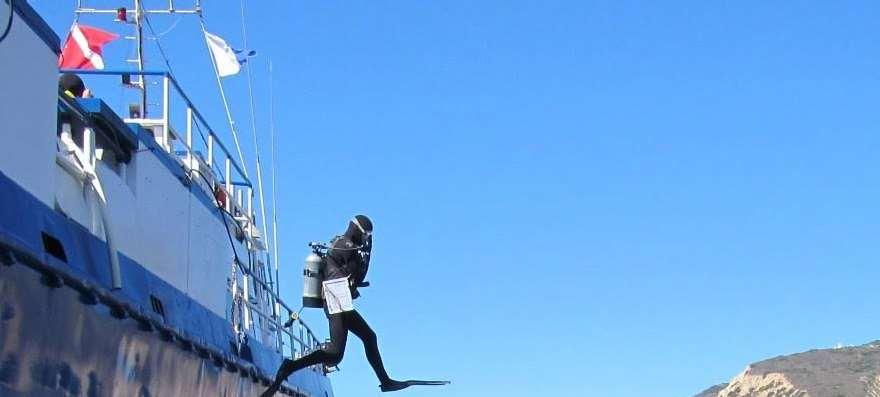
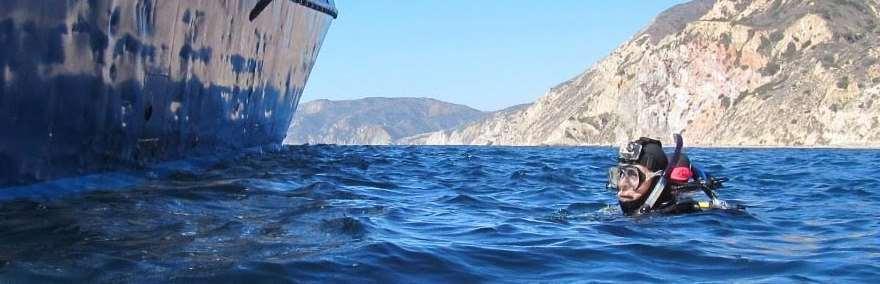
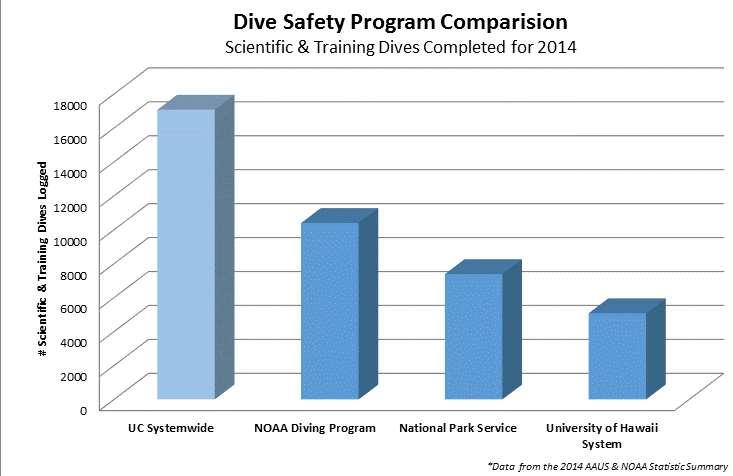
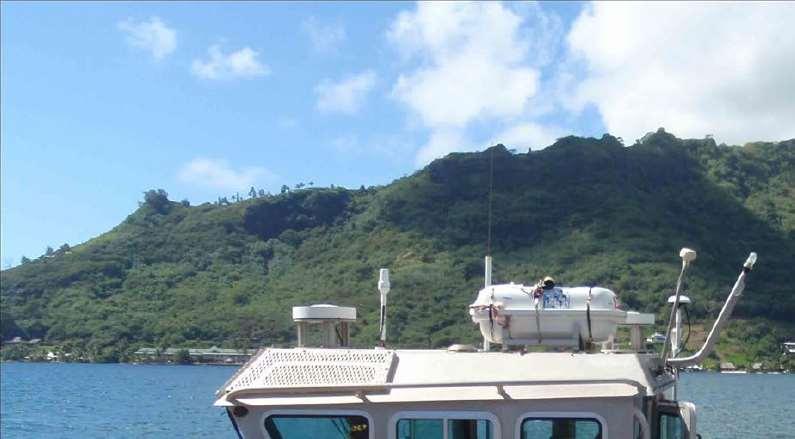
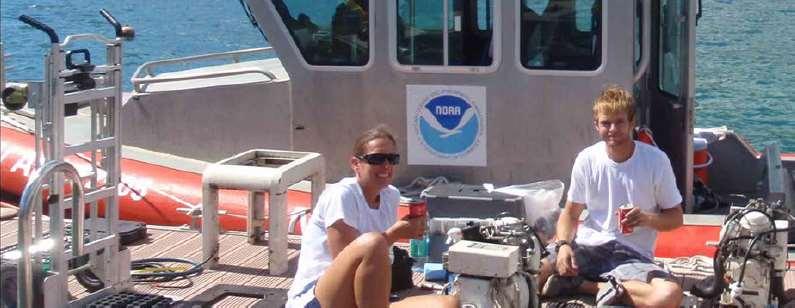
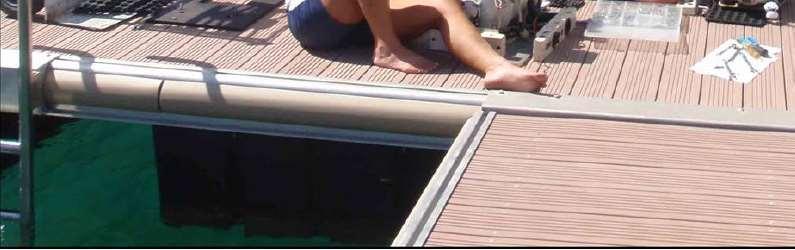
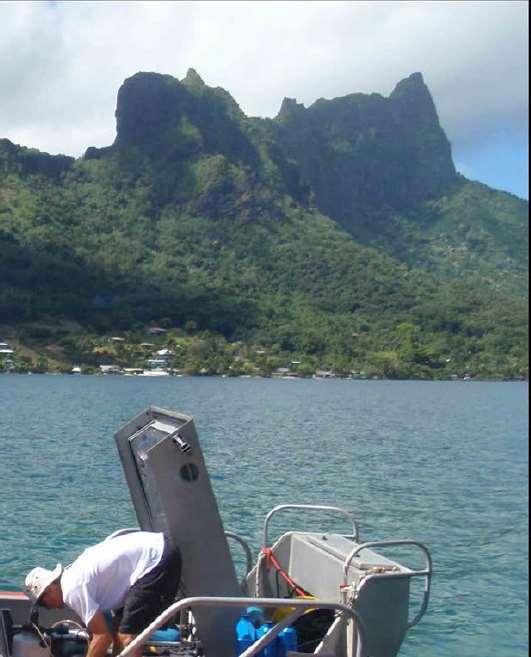
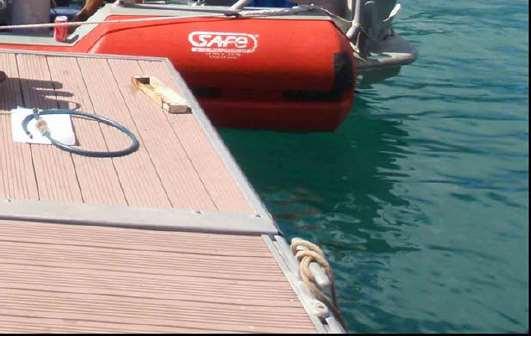
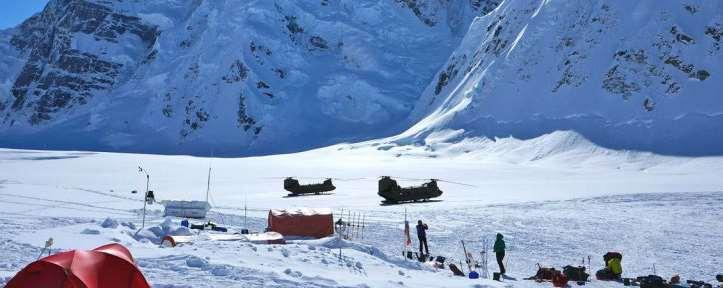
Whatare the hazards here?
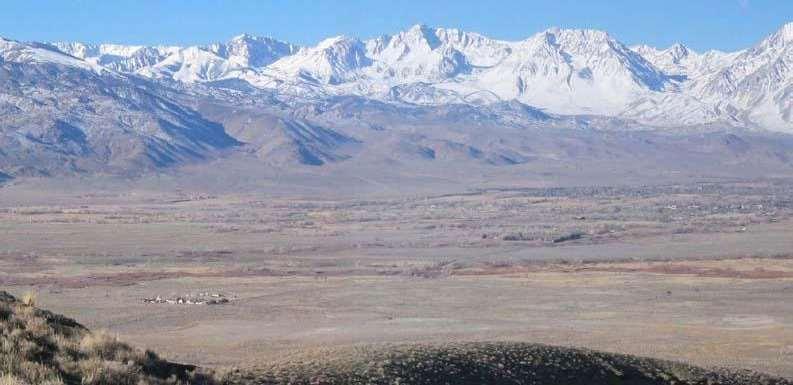

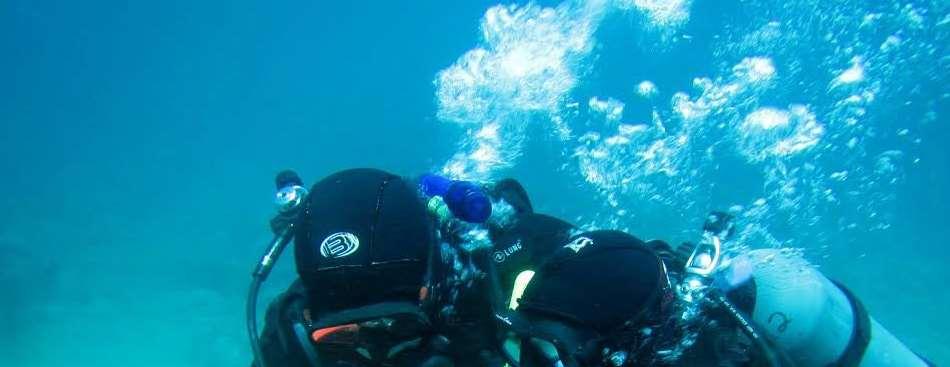
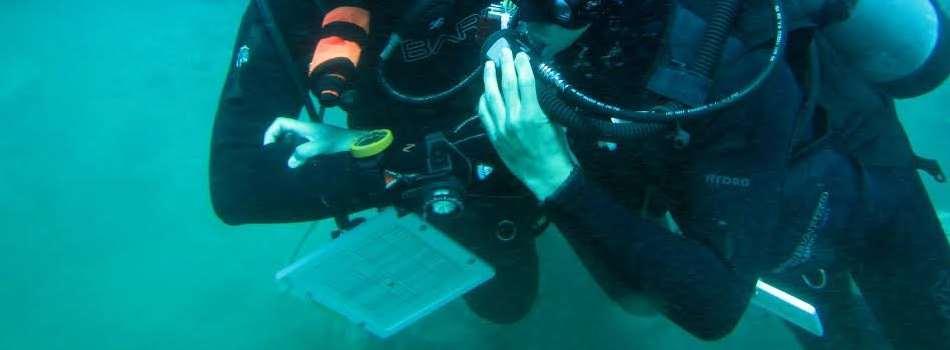

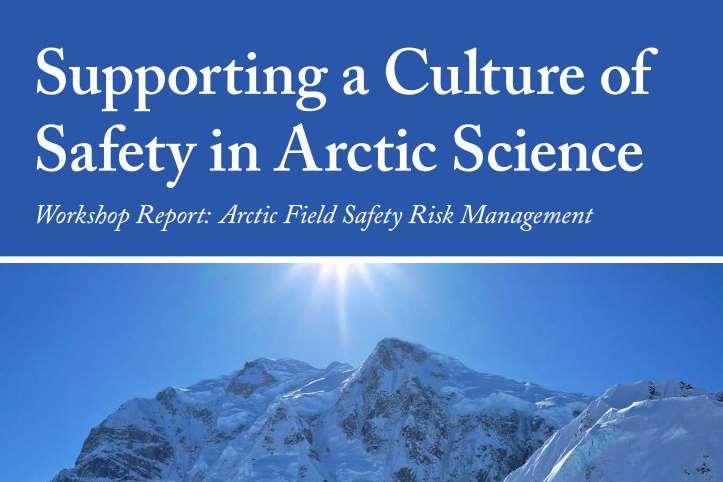
ResearchinAntarctica&theArctic

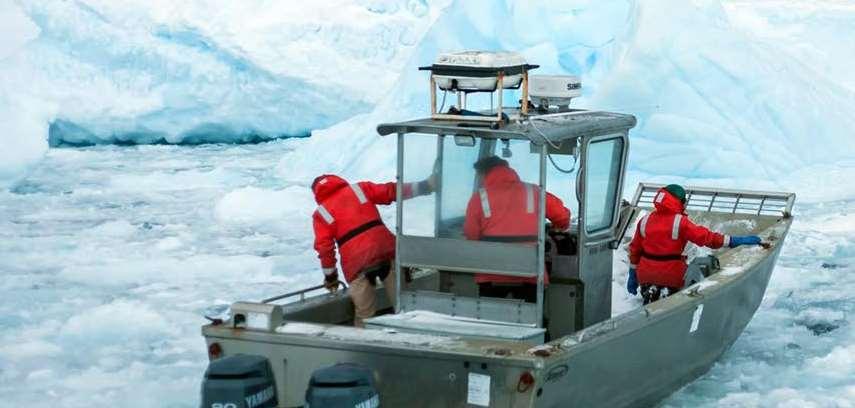
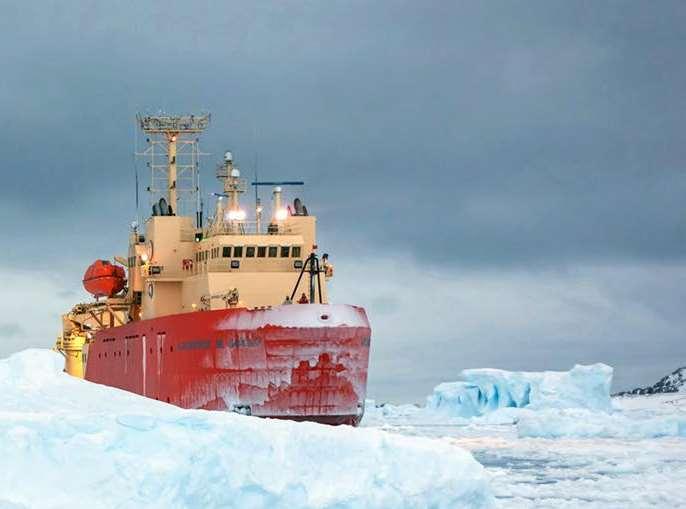
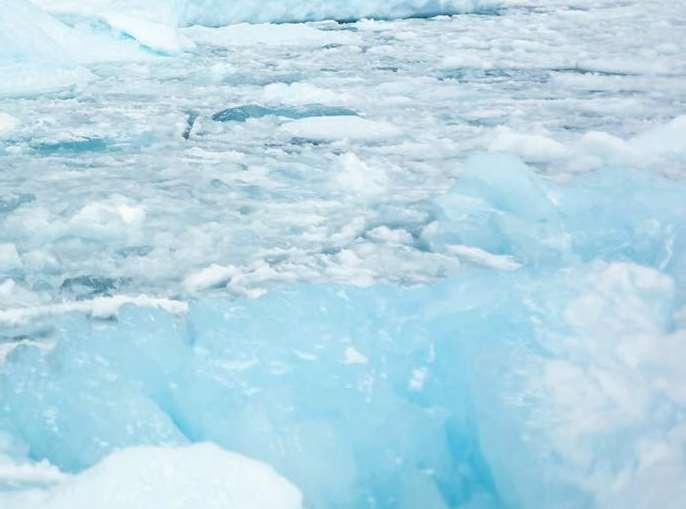
Photocredit:CynthiaSpence,NationalScienceFoundation
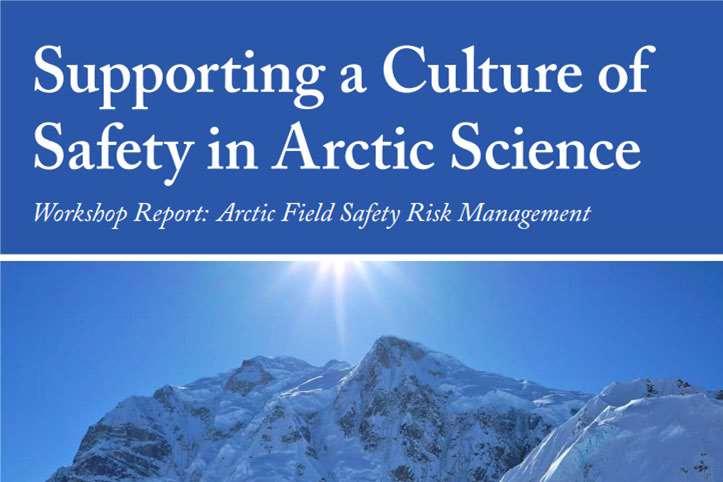
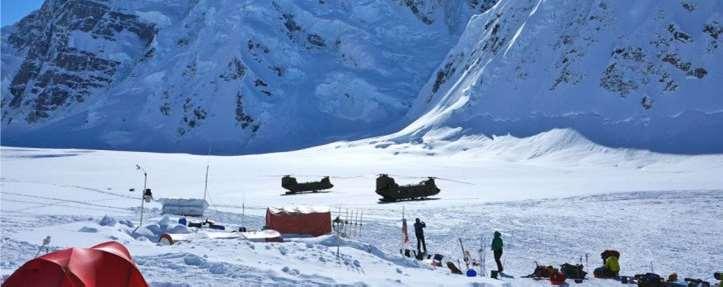
WildlifeStudies
AnextensivelistoffatalitiesinthefieldhasbeencompiledbyRichardConniff,authorandcontributortotheNYTimes, inhisblog“TheWalloftheDead:AMemorialtoFallenNaturalists.”Atleast7wildlifebiologistshavediedinthefield inthelast3years.







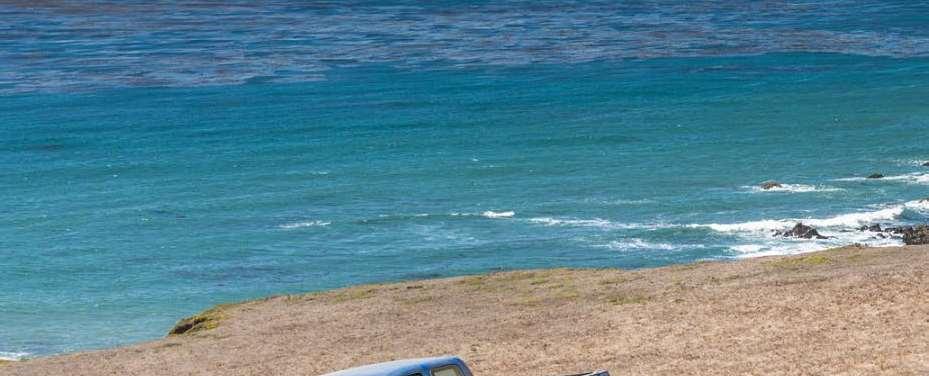
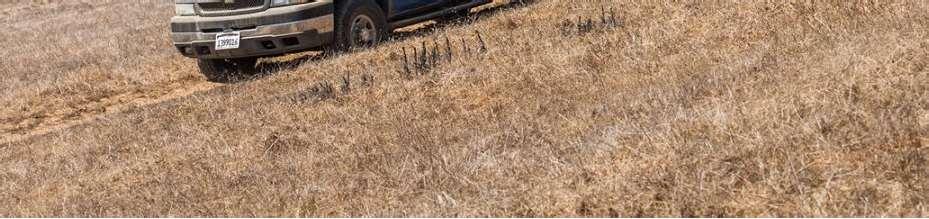
4x4DrivingOffRoad/OffPavement


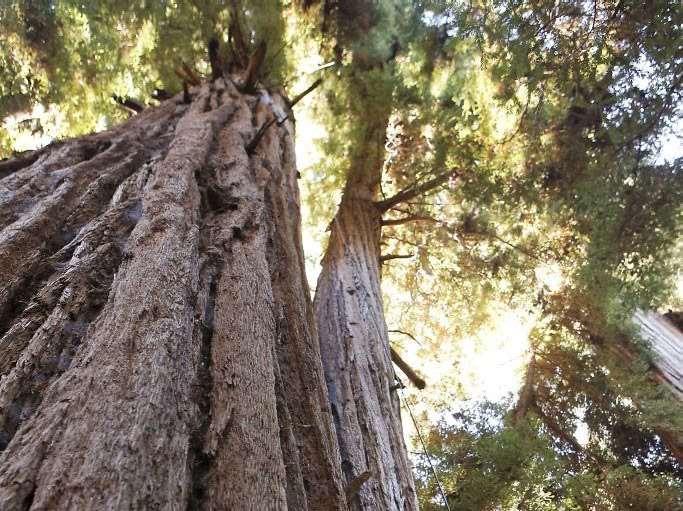
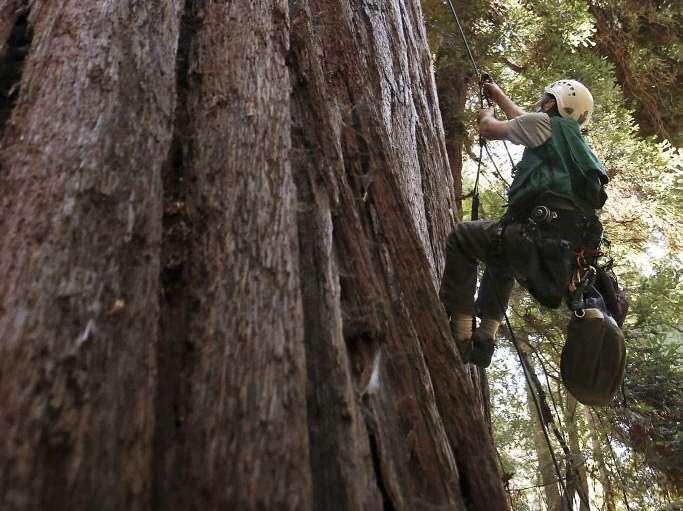


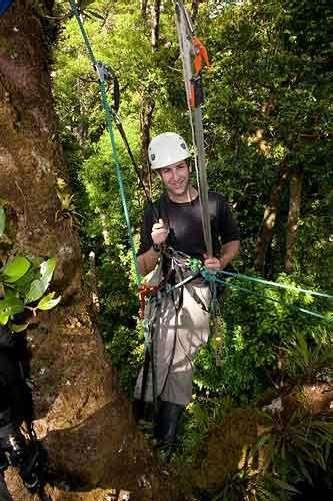
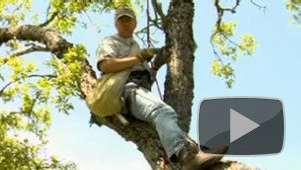
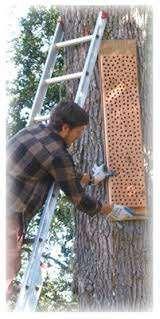
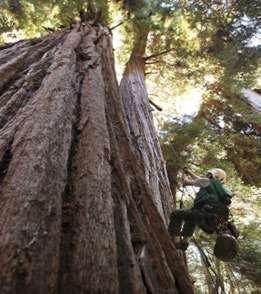
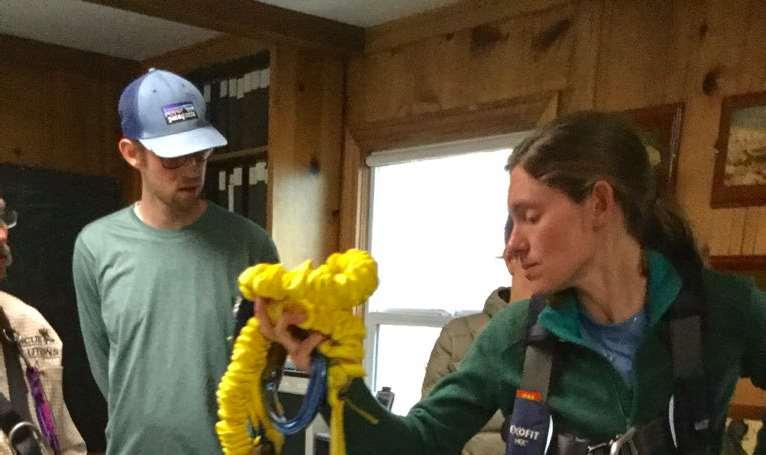
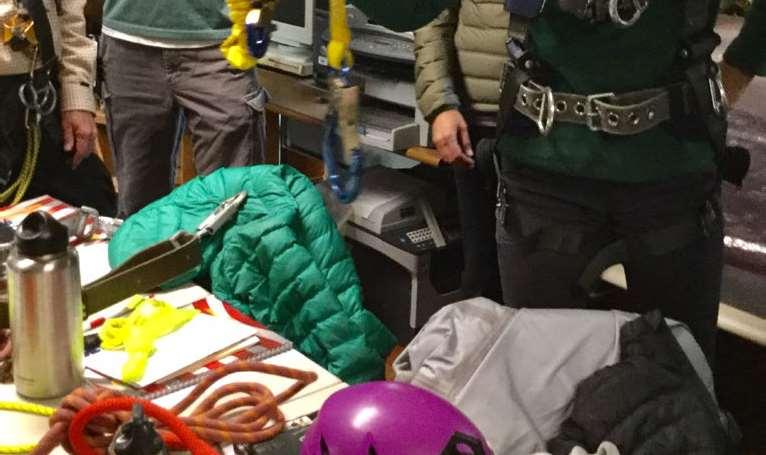
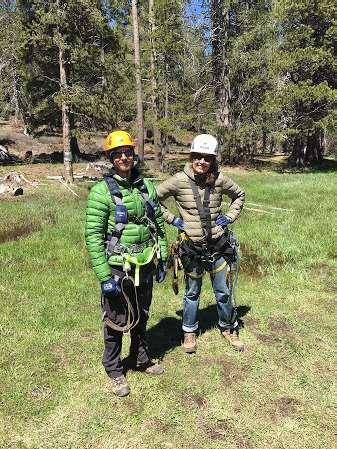
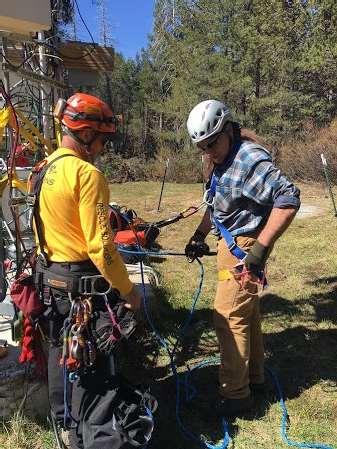
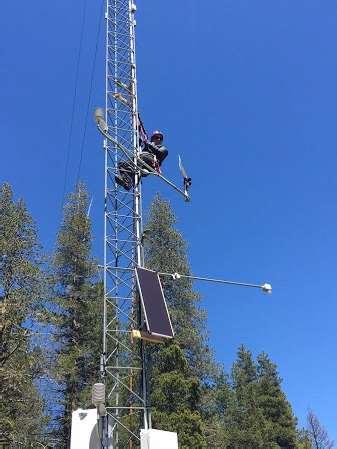
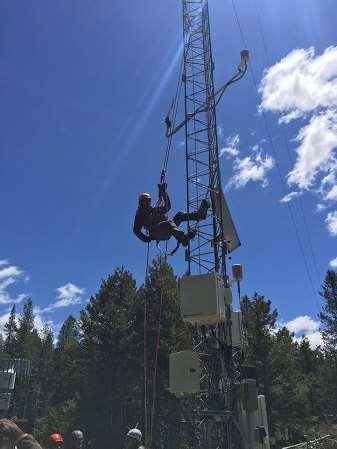
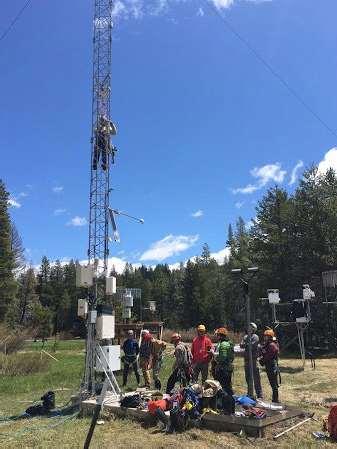
TreeClimbing
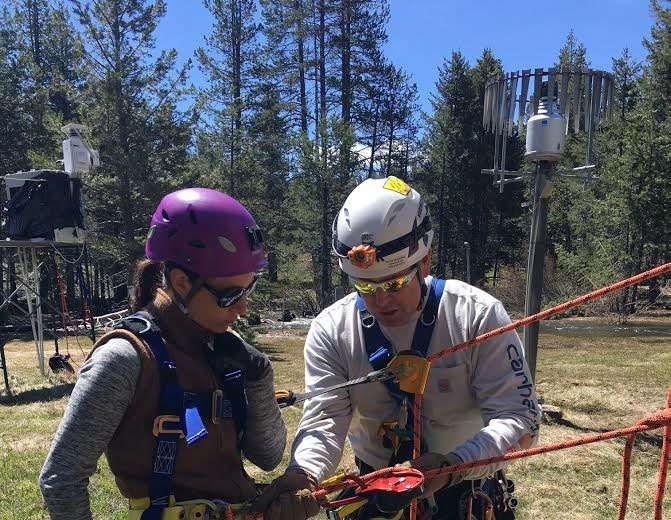
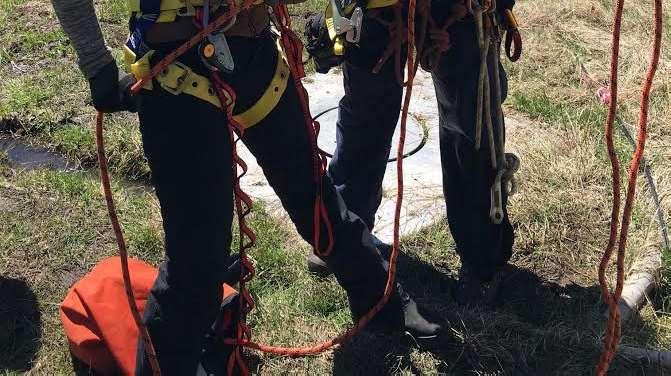











HazardAssessmentsforOutdoorWorkandRemoteSites
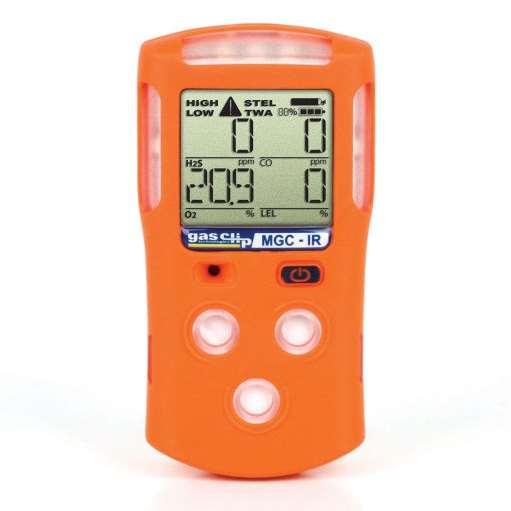
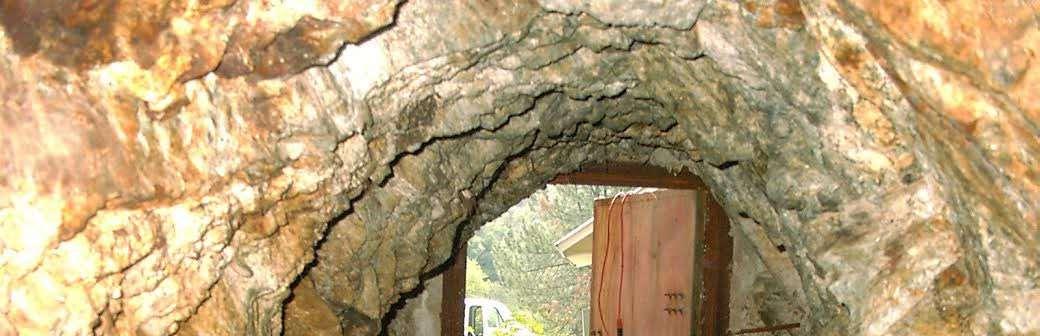
BerkeleySeismologicalLab
Proceduresformonitoring (O2,H2S,CO&LEL)&safeentry 70+sitesinCA&OR
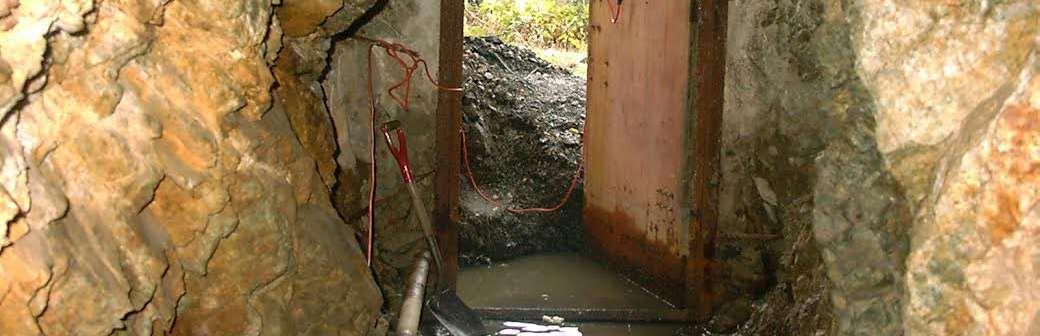

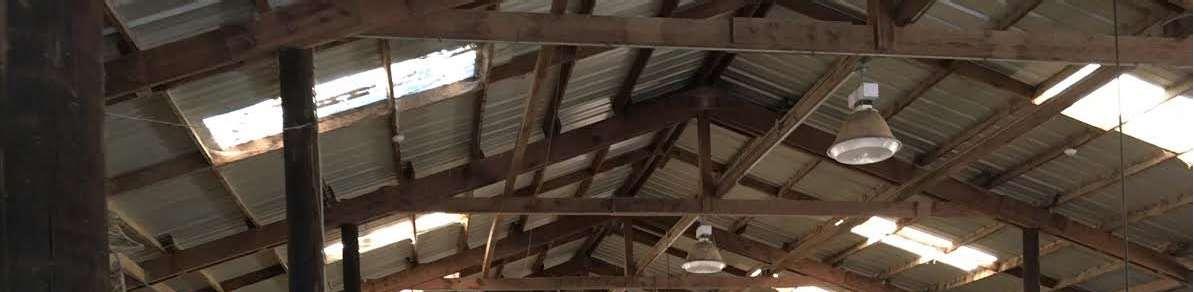
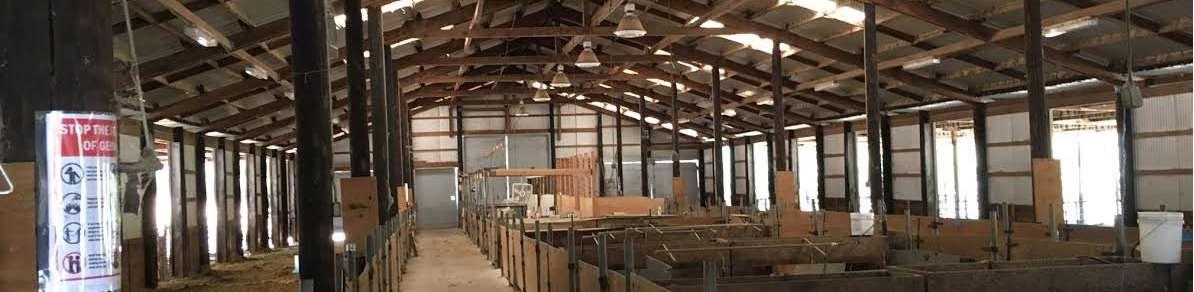
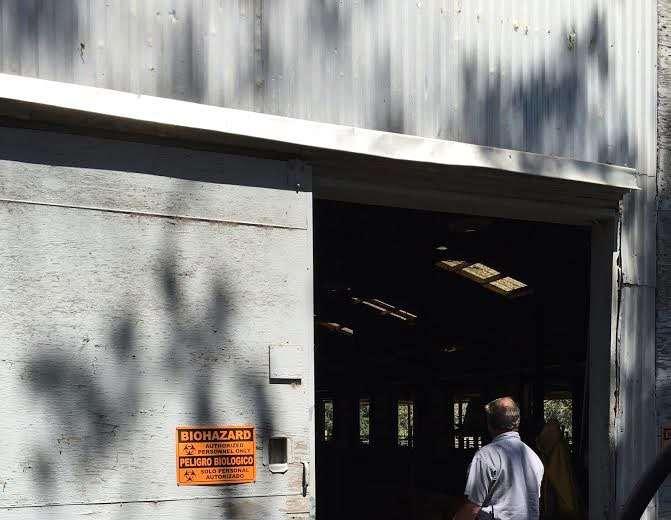
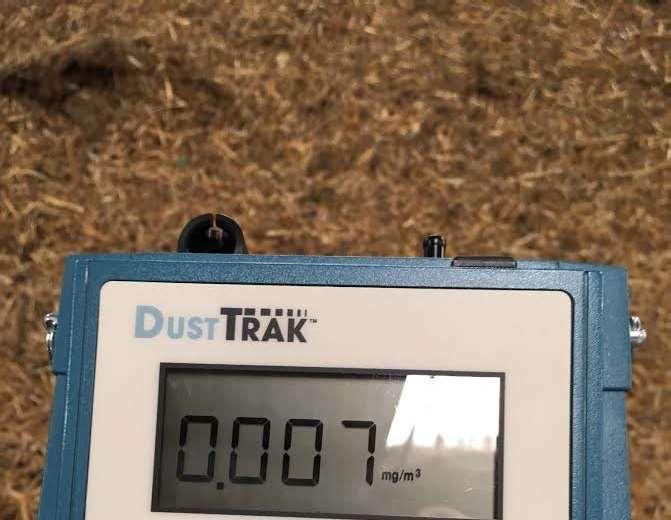
HoplandResearchCenter
Dustexposureassessment duringbarncleanout (afterlambing)



NewDirectionsinRiskandSafety







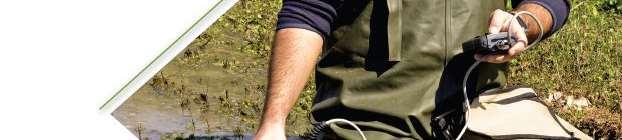
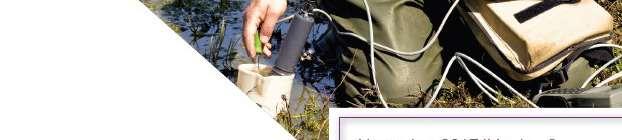
Pre-deployment
https://tools.niehs.nih.gov/wetp/public/hasl_get_blob.cfm?ID=11006
NIEHSWorkerTrainingProgram
SafetyAwarenessforDisasterResearchers:APracticalGuideto DisasterResearchers’HealthandSafety
•Module1:UnderstandingDisasterSites
•Module2:AssessingHazardExposuresatDisasterSites
•Module3:Resilience:ProtectingMentalHealth
https://tools.niehs.nih.gov/wetp/public/hasl_get_blob.cfm?ID=14201
SAMHSADisasterMobileApp
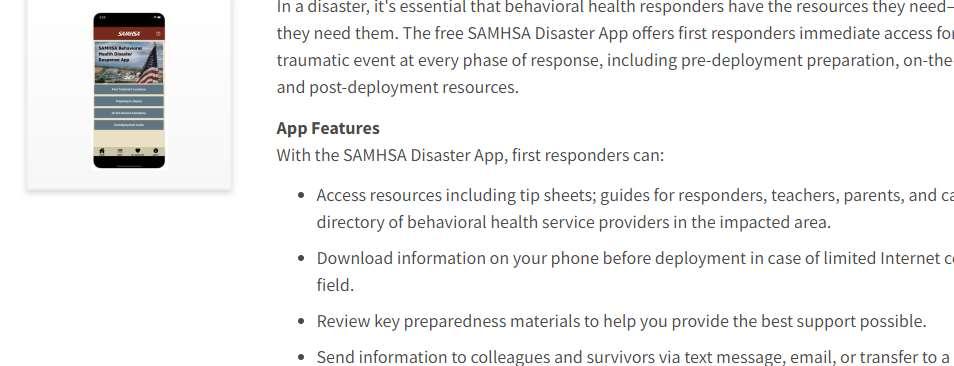
https://store.samhsa.gov/product/samhsa-disaster-mobile-app/pep13-dkapp-1
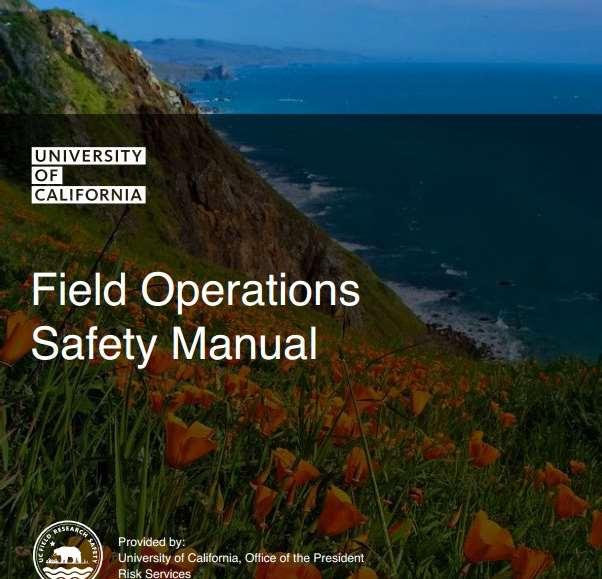












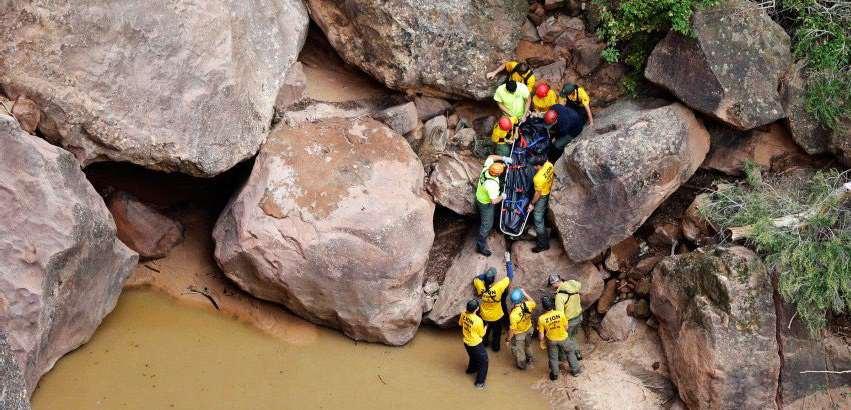
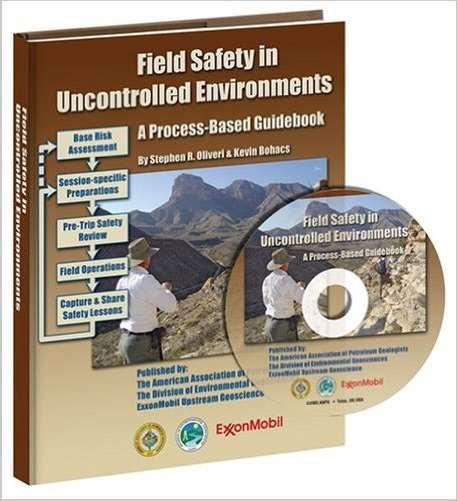
TheKeyhole7:Howfar shouldtheNational Parksgotokeeppeople safe? OutsideMagazine,May2016






Contacts
ScottPatlovich,DrPH,CIH,CSP,CBSP,CHMM,CPH AssistantVicePresident,EnvironmentalHealth&Safety TheUniversityofTexasHealthScienceCenteratHouston Instructor,TheUniversityofTexasSchoolofPublicHealth 713-500-8100
Scott.J.Patlovich@uth.tmc.edu









ExposureAssessmentDuringEmergency ChemicalIncidents
ChristopherKuhlman,PhD,CIH,DABT CTEH,LLC
LittleRock,Arkansas
Phone:501-247-3871
Email:ckuhlman@cteh.com
Abbreviations
•AEGL:AcuteExposureGuidelineLevel
•ACGIH:AmericanConferenceof GovernmentalIndustrialHygienists
•AIHA:AmericanIndustrialHygiene Association
•CEIL:Ceiling
•ER:Emergencyresponse
•ERPG:EmergencyResponsePlanning Guideline
•IDLH:ImmediatelyDangeroustoLifeor Health
•NIOSH:NationalInstituteforOccupational SafetyandHealth
•NO2:Nitrogendioxide
•NOx:Nitrogenoxides
•OSHA:OccupationalSafetyandHealth Administration
•PEL:Permissibleexposurelimit
•PPE:Personalprotectiveequipment
•ppm:Partspermillion
•REL:Recommendedexposurelimit
•SO2:Sulfurdioxide
•STEL:Shorttermexposurelimit
•TLV:Thresholdlimitvalue
•TWA:Timeweightedaverage
GoalsofthisPresentation
•Emphasizetheimportanceofcollectingactionable,reproducible,and defensibledatausingachemicalemergencycasestudy.
•Knowtheroleofthetoxicologistinanemergencyresponse(ER)
•Understandtheprocessofdevelopinganairmonitoringstrategytoevaluate immediateandlong-termhealthconcernsfromachemicalemergency incident.
•Chemicalsofconcern
•Relevantexposureguidelinesforresponders/workers
•Instrumentation/methodsforexposureassessment
ImportanceofDataCollectioninanER





Duringanemergencychemicalincident,highqualityandtargeteddata isactionable,reproducibleanddefensible.Decisionpointsinclude:






•Humanimpacts
•Situationalawareness



•Environmentalimpacts
•Remediationresources
•Datamanagement


•Crisiscommunication
•Regulatoryrequirements
•Businessinterruption
•Companyreputation
•Responsemanagement
DecisionAnalysisDuringanER
Thetoxicologist’sroleindatainterpretationiscriticaltomakequickandeffective decisionsduringthereactivephaseofanemergency.















•Decisionsimpact:



•Workerhealthandsafety
•Communityhealthandsafety
•360-degreeperimeter
•PPE,evacuations,andclearances

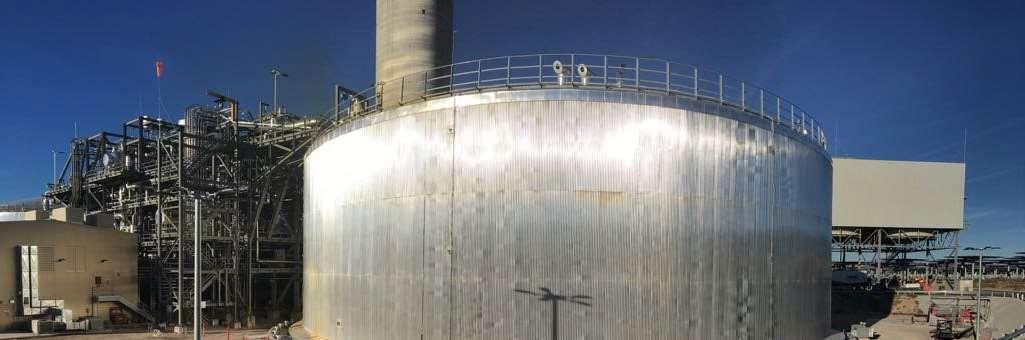
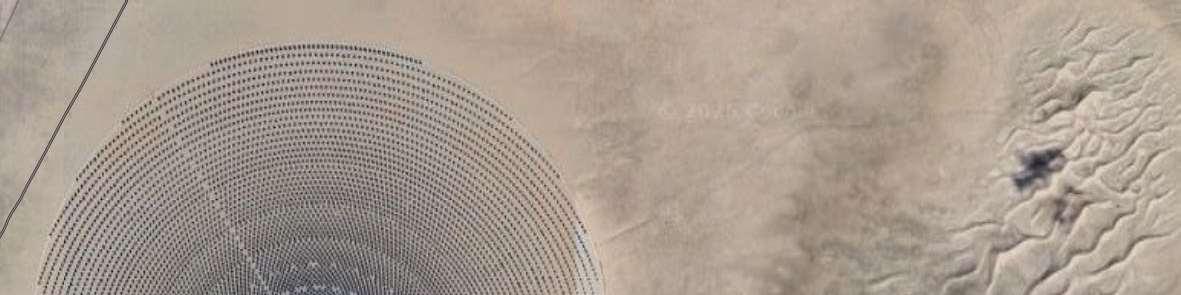
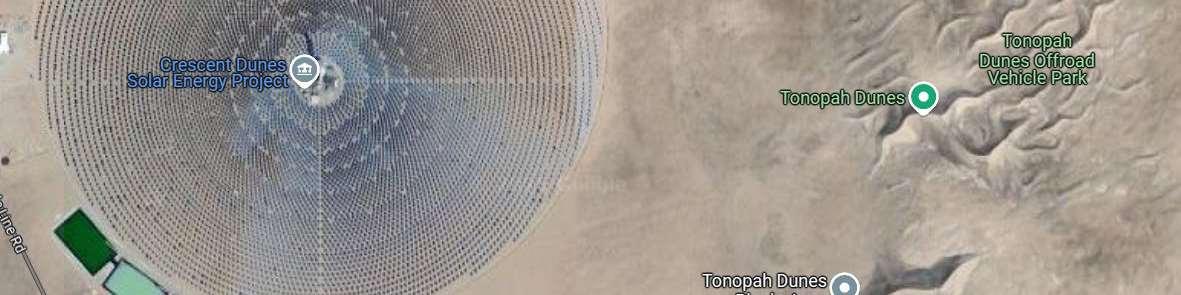
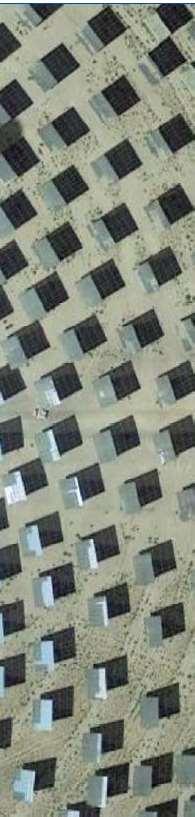
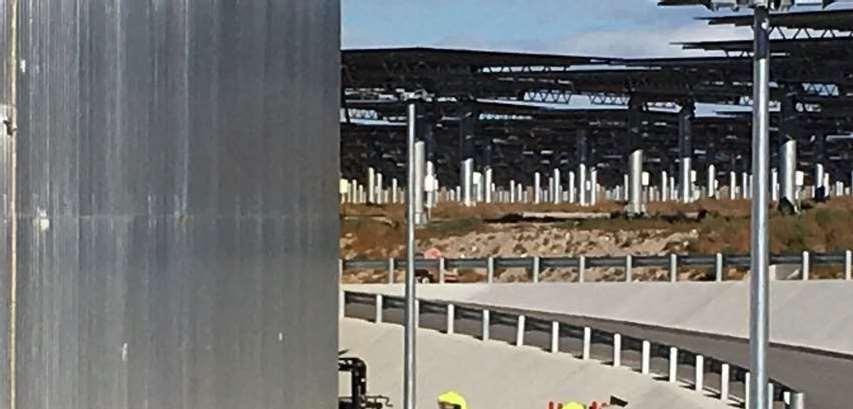
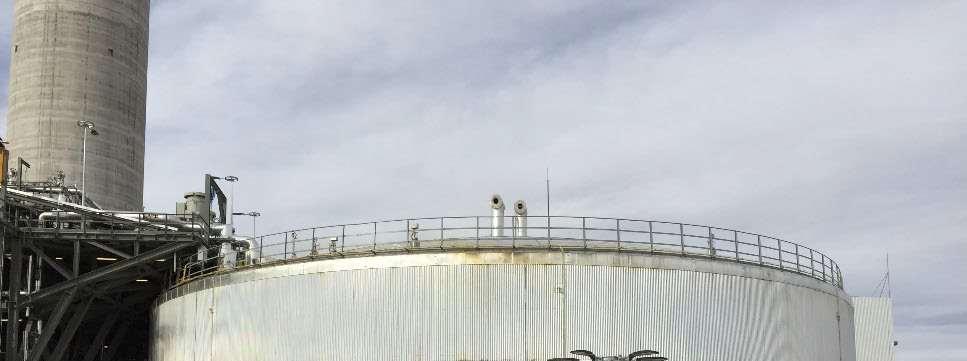
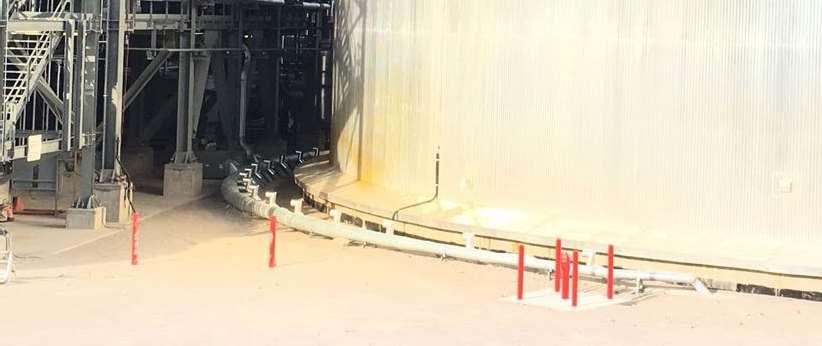
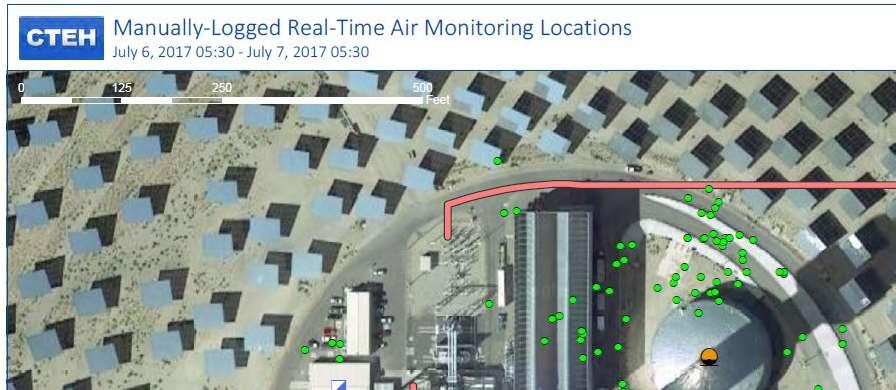
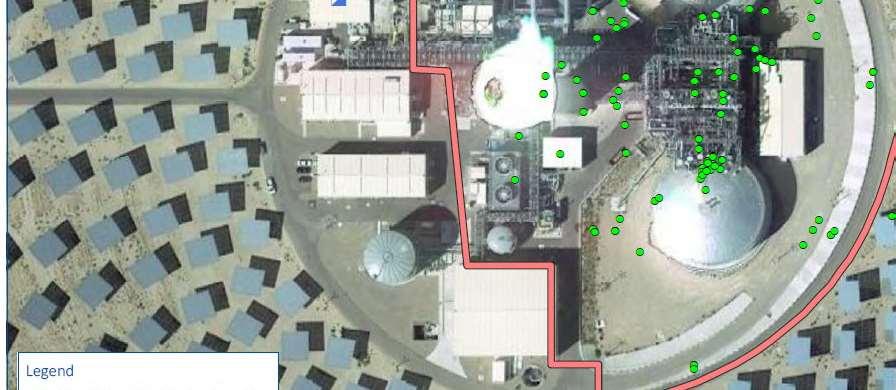
TheCrescentDunesSolarEnergyProject includes10,347heliostatsthatcollect andfocusthesun'sthermalenergyto heatmoltensalt(amixtureof potassiumandsodiumnitrate)flowing throughanapproximately656-foot (200m)tallsolarpowertower.
Themoltensalt,whichreachesaround 565degreesCelsius(1049degrees Fahrenheit),circulatesfromthetower toastoragetank,whereitisthenused toproducesteamandgenerate electricity.










Decisionsinform:




•Worker&SiteAssessmentAir SamplingandAnalysisPlans
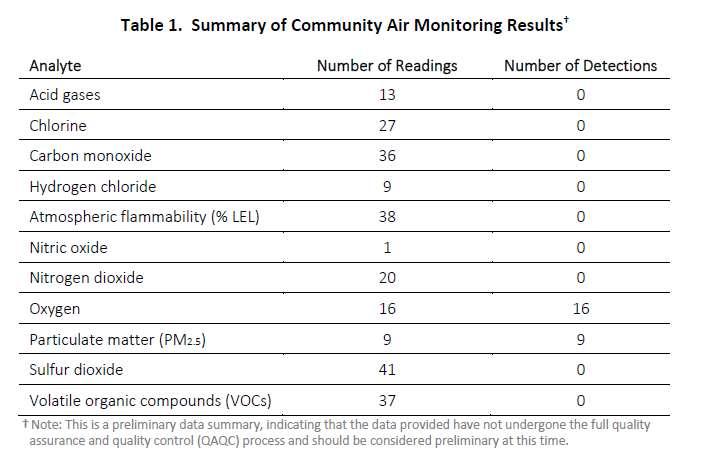
•CommunityAirMonitoringPlan
•HealthandSafetyPlans
CaseStudy:SolarTowerPowerPlantIncident
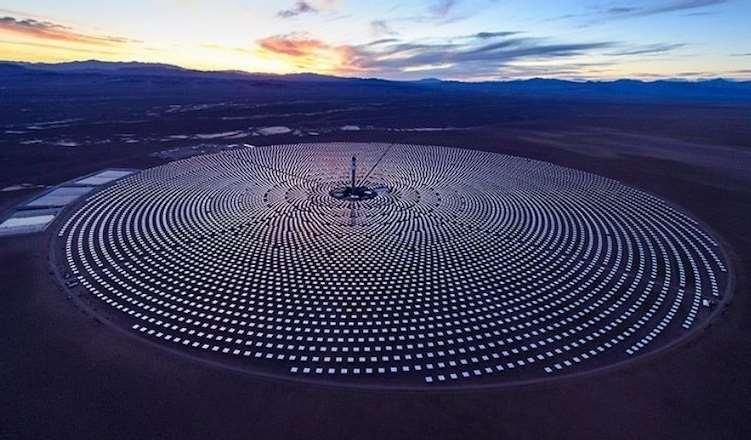
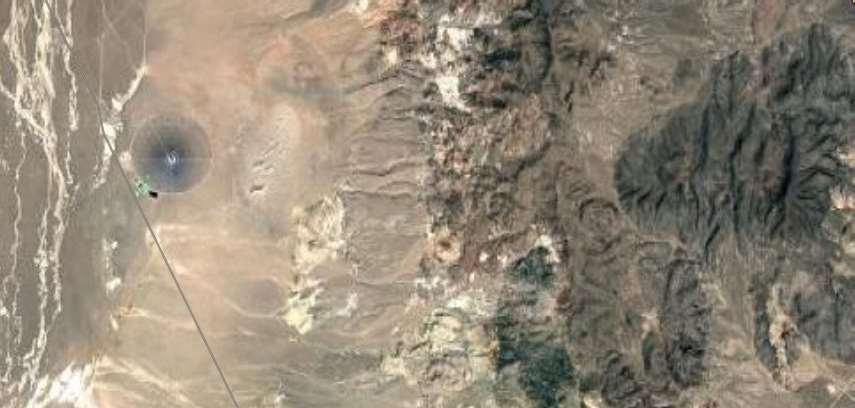
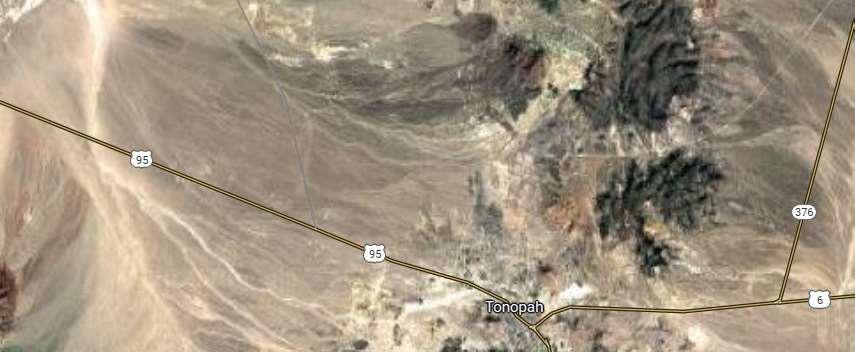
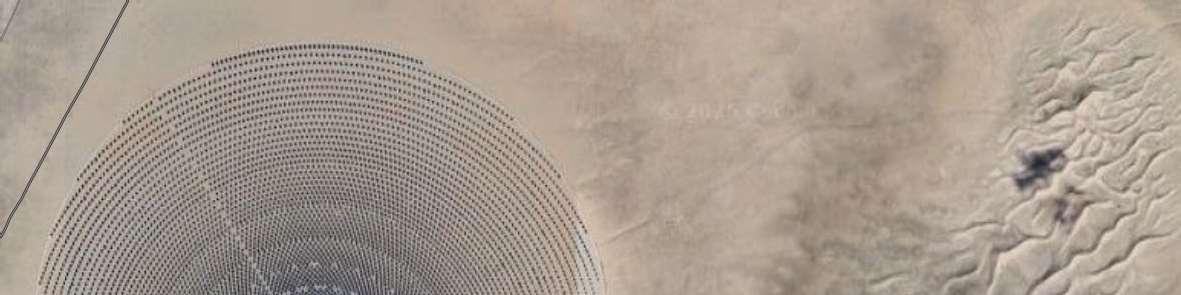
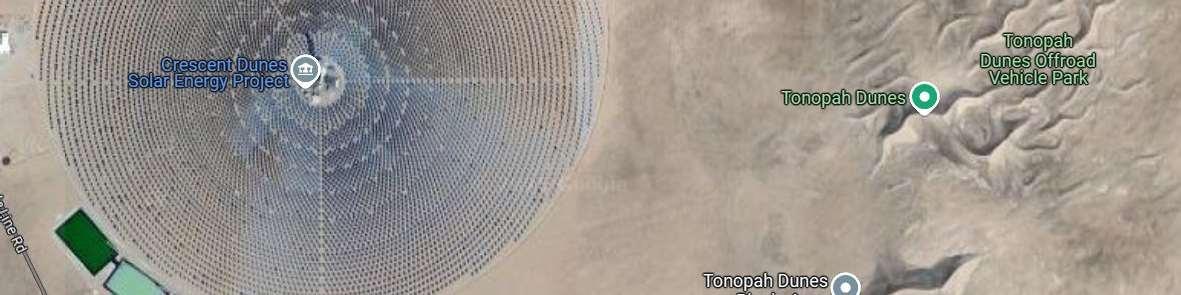
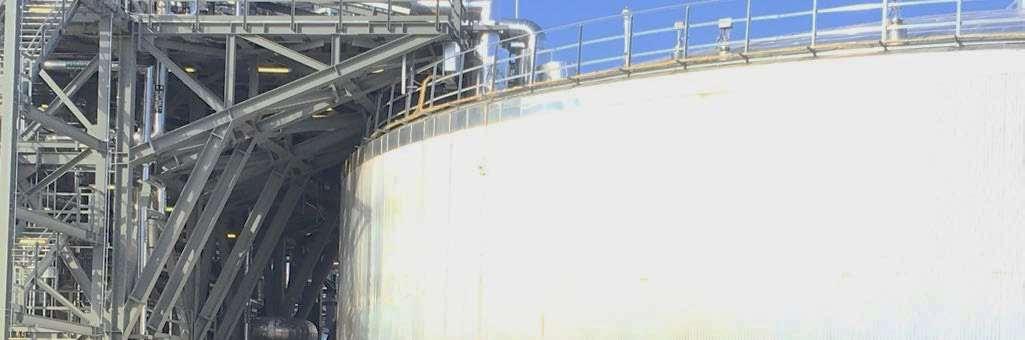
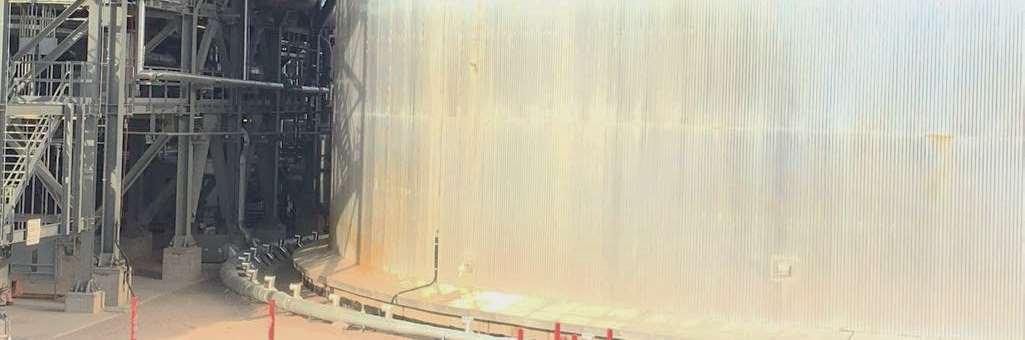
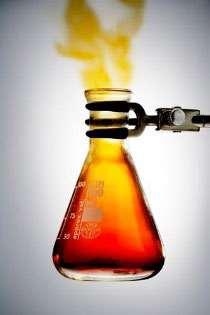
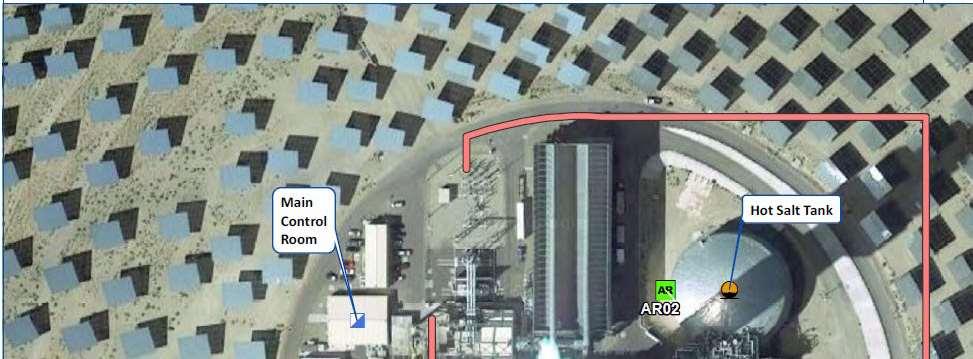
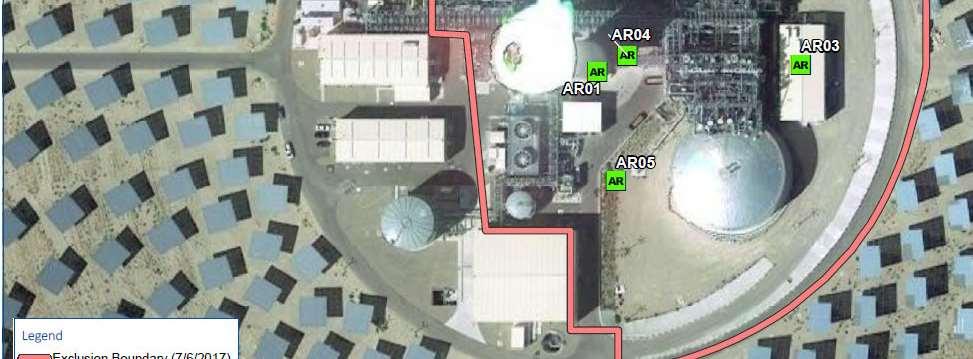
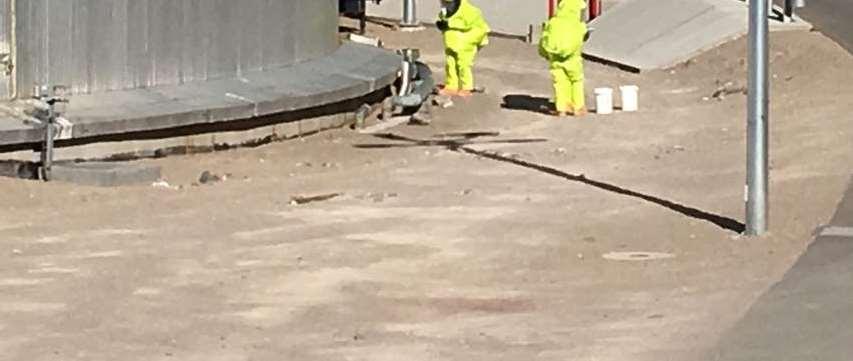
Inlate2017,emissionsofyellow/browncoloredvaporswereobservedfrommultiple placesonthehotsalttankthatcontaineda mixtureofnitratesalts(i.e.,moltensalt).
•Visibleyellow/brownvapors
•Vaporsirritatingeyes,nose,andthroatof workersonsite
•Odorsdescribedaspungent,sharp,acrid, harshandsimilartobleach
CaseStudy:SolarTowerPowerPlantIncident
DevelopaSamplingandAnalysisPlan
Whatarethechemicalsof potentialconcern?
Whatinstrumentationis needed?
Whatarethepriorityareasto monitor?
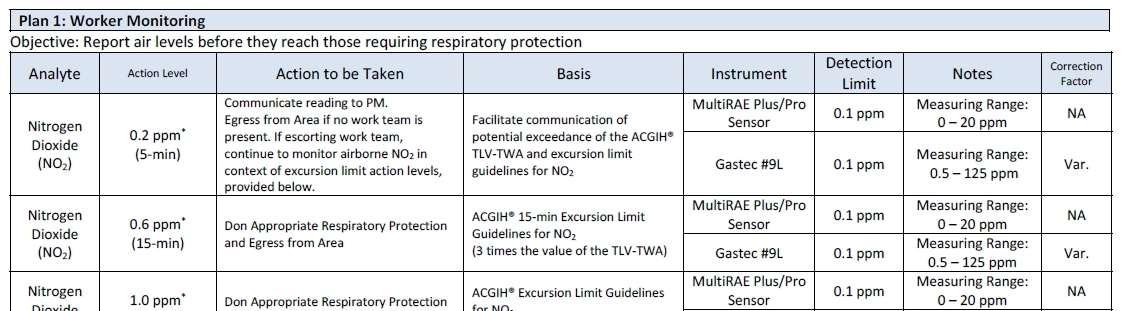
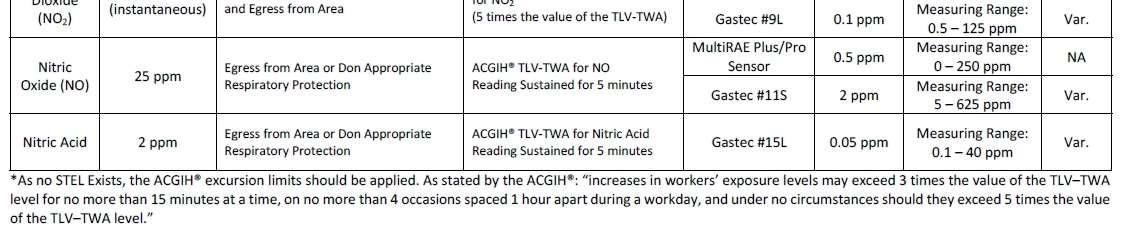
WorkerMonitoring
SiteAssessment
CommunityMonitoring






“Duetothethermaldecompositionofnitratesalts,therearesome problemssuchasthechangesinthecomponentofmoltensaltsas wellaspotentialrisksofNOxreleasedinheattransferandthermal energystorageprocesses…
Formoltennitratesaltsusedinclosedsystem,theincreased NOxinclosedcycleloopwillincreasethepressureofpipelineifit cannotbeexhaustedintime,andifitreactswithwatervapor,nitric andnitrousacidformedwillcausecorrosiontocontainermaterial, whichmayresultinpotentialsafetyhazard.It'ssuggestedthatan absorptivedeviceforNOxfrommoltensaltswouldbeaddedinthe solarpowersystem.”
(Weietal.,2014)
WhatareNitrogenOxides?
Nitrogenoxidesareamixtureofgases thatarecomposedofnitrogenand oxygen.
Twoofthemosttoxicologicallysignificant nitrogenoxidesarenitricoxide(NO)and nitrogendioxide(NO2);bothare nonflammableandcolorlesstoreddish brownatroomtemperature.




CaseStudy:SolarTowerPowerPlantIncident
Initialairmonitoringdatareceivedand confirmedwithfieldpersonnel.Nowwhat?
Confirmednitrogendioxide,nitrogen oxideonreal-timeinstrumentation
Whatarerelevantchemicalexposure guidelines/limits?
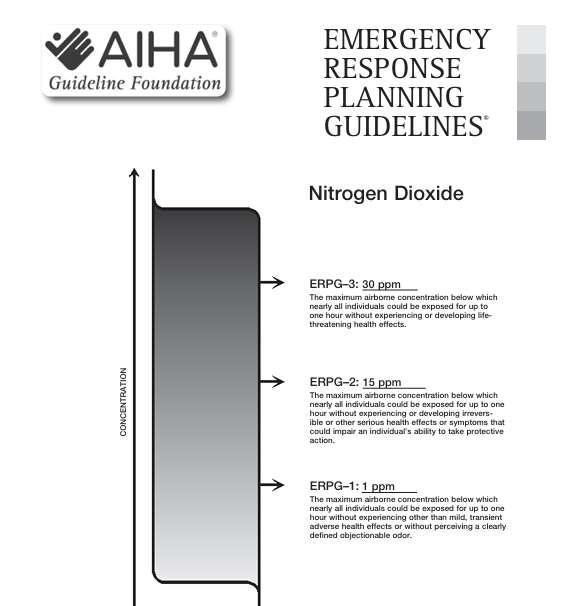
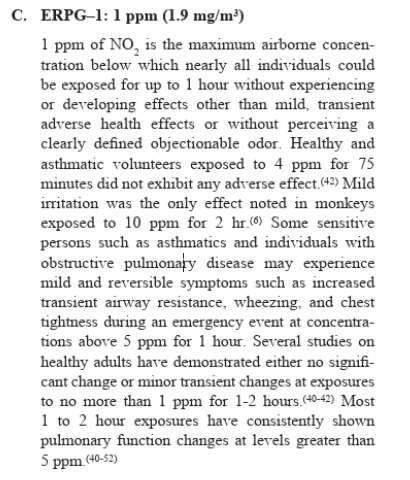
AcuteExposureGuidelinesforNitrogenOxides

OccupationalExposureLimitsforNitrogenOxides


IDLHlevelsforNO2andNOare13ppmand100ppm,respectively
HealthEffectsofNitrogenDioxide
Controlledhumanexposurestudieshaveshown thatexposureofasthmaticsubjectstolow concentrationsofNO2cancauseincreasedairway reactivity.
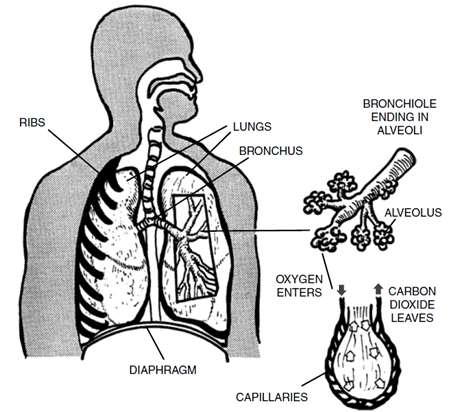
Furthermore,becauseitisrelativelyinsoluble comparedtootherirritantgasessuchassulfur dioxide(SO2),NO2isnotentirelyscrubbedinthe nasalpassages,andcanpenetratepasttheupper airwaystoreachsmallrespiratoryzoneairways whereitcanhaveserioushealtheffects.




CaseStudy:SolarTowerPowerPlantIncident




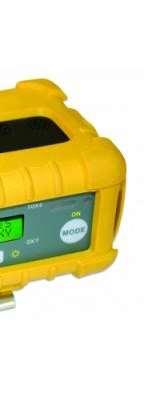

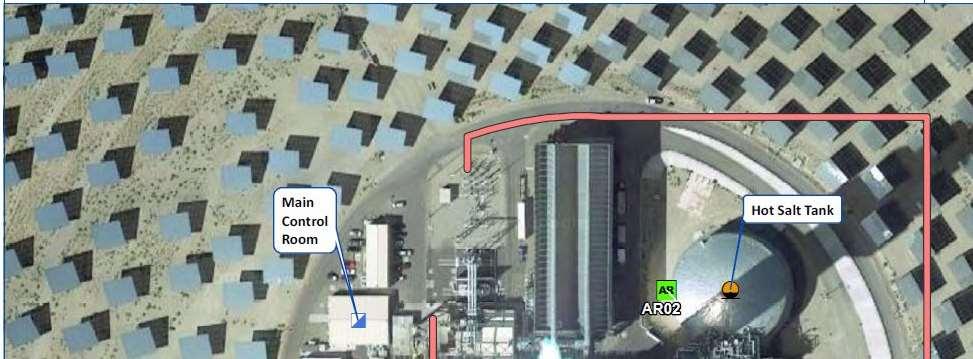
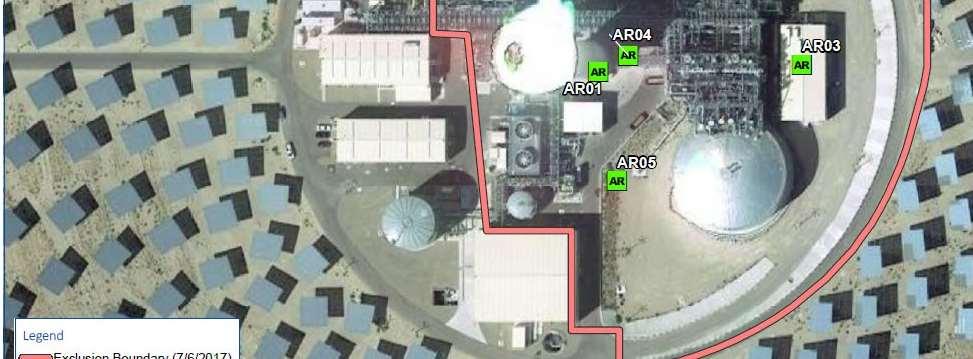



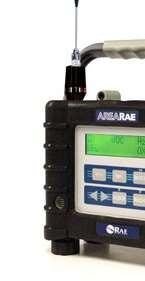

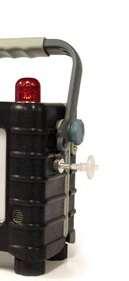

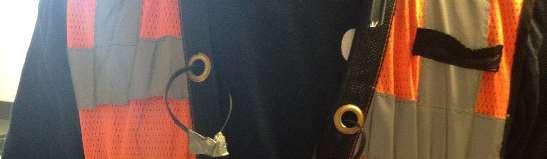
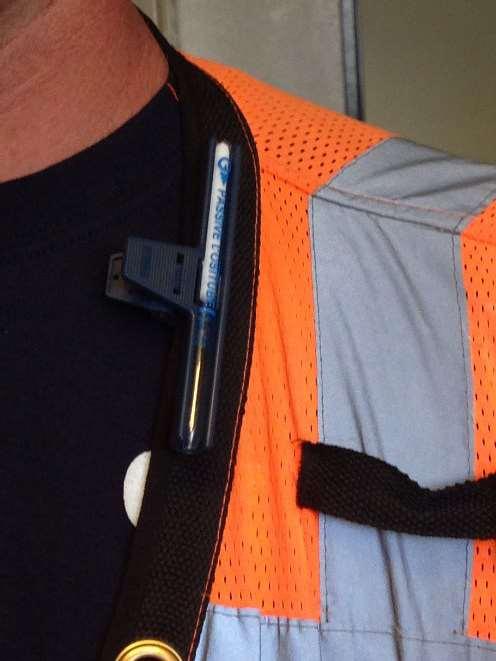
NitrogenDioxidePassiveDosimeter
•Dosimetertubesprovidetimeweighted-averagesamplingofNO2in worker’sbreathingzone.
•Operatebydirectdiffusionexposure
•Morethan50weredeployedon workersenteringtheexclusionzone
•Resultsrangedfromnon-detectto0.106 ppmNO2


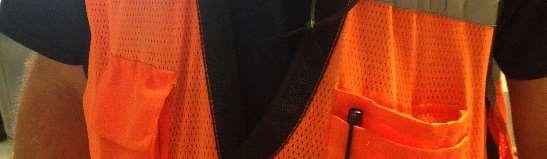
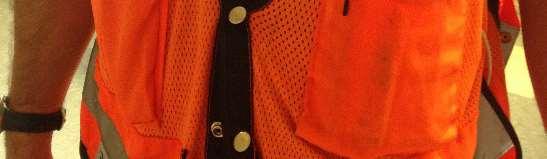




PhysicalHazards
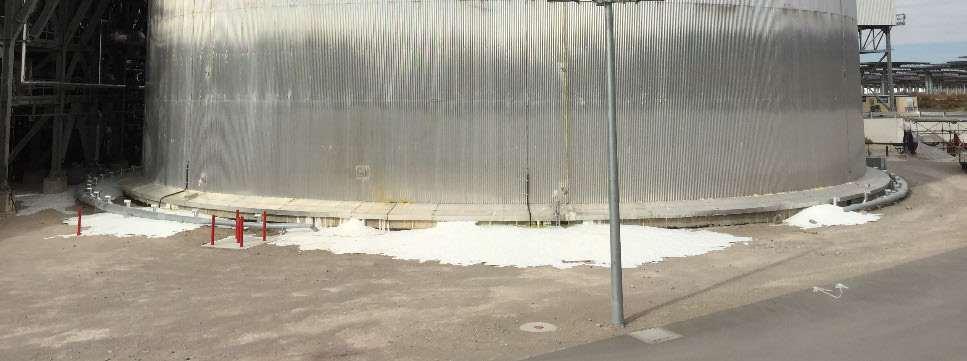
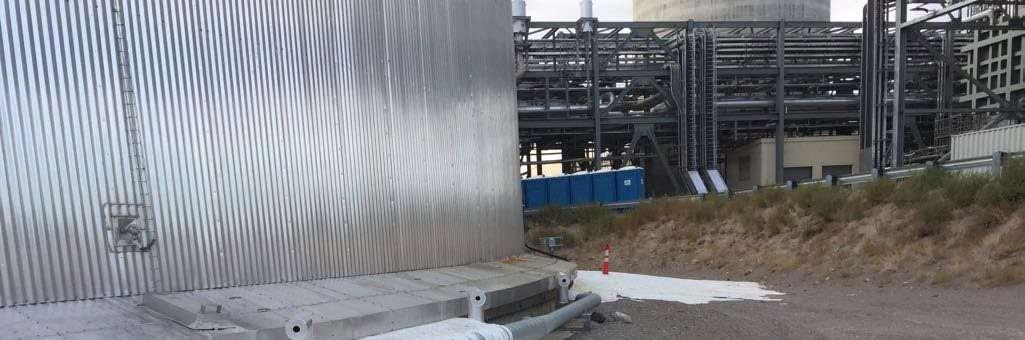
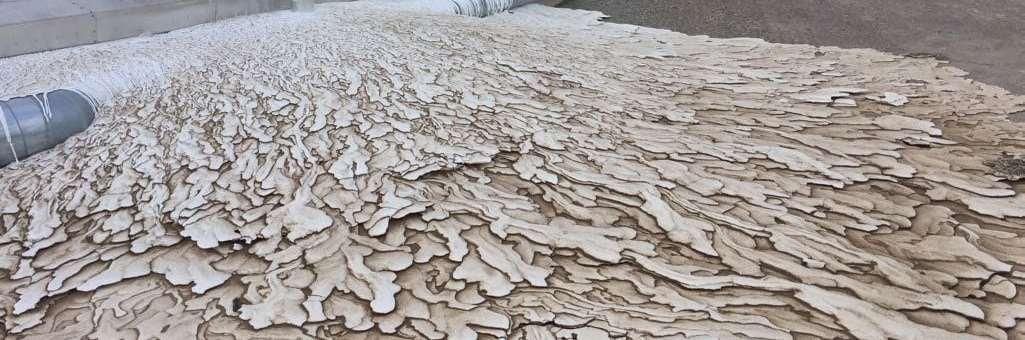
PhysicalHazards
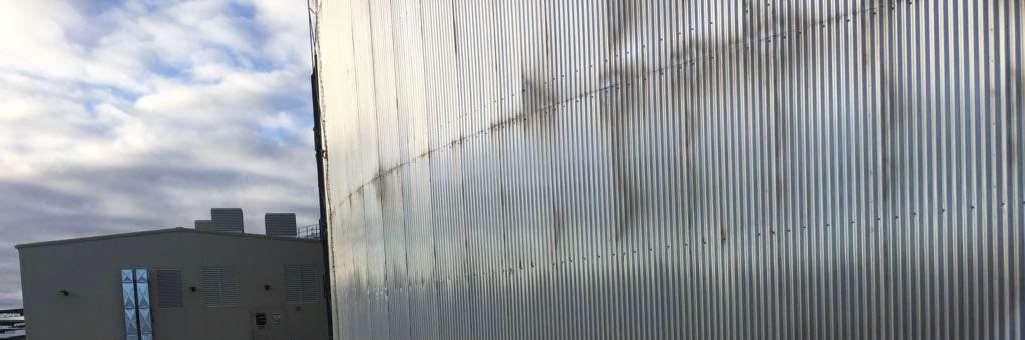
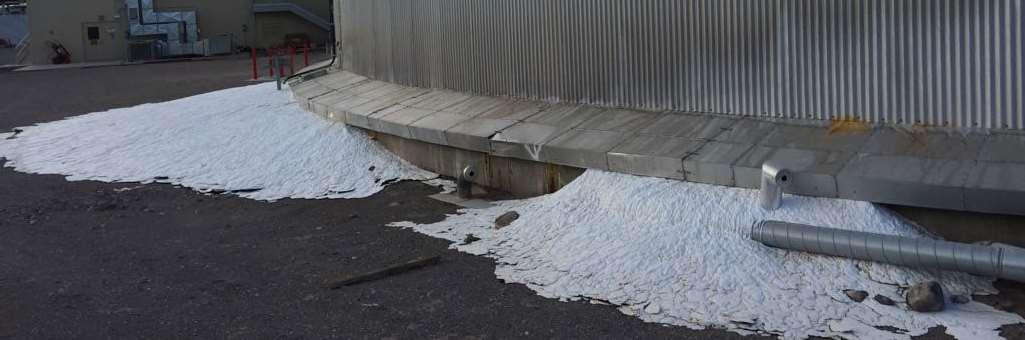
PhysicalHazards
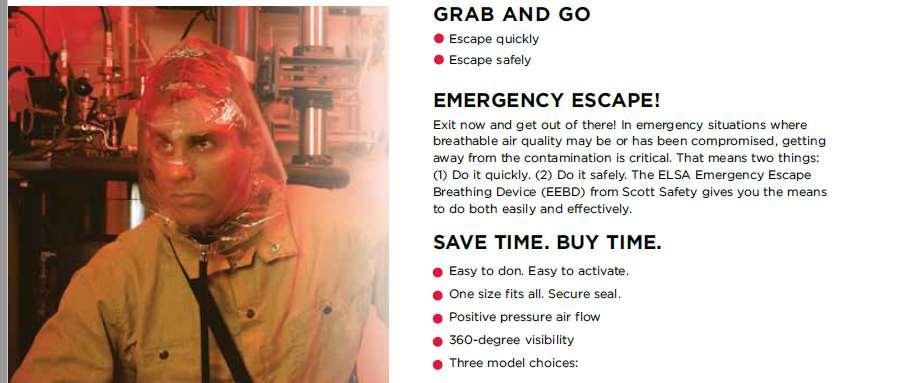
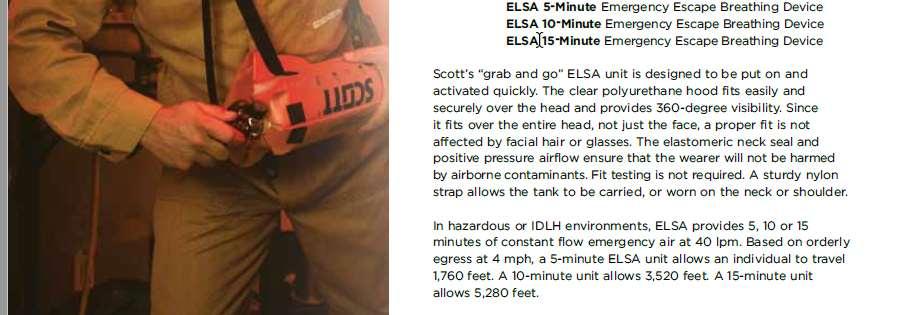
RespiratoryProtection






SummaryandConclusion
•Thingstoponder:
•Informationnevercomesinallatonce.
•Determinationsaremadeasmoreis understood.
ClientPerspective:
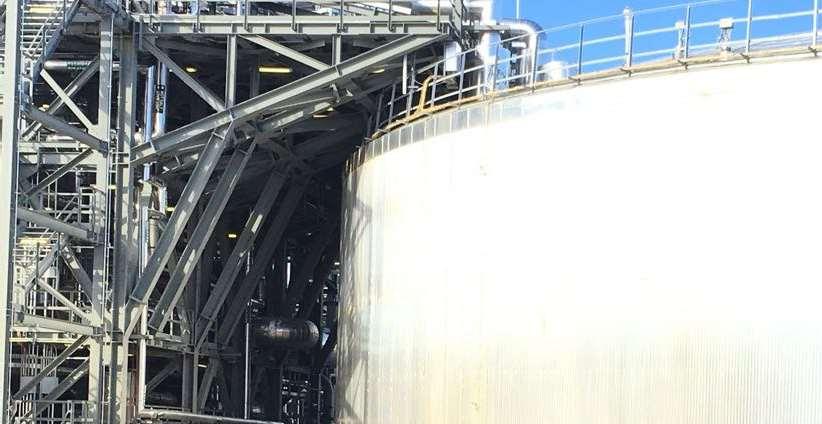
“IH’sthatareworkinganemergencyresponseneedtomake quickanddecisivedecisions.Iknowthatisobvioustous,butit hasbeenmyexperiencethatatypicalIHlikestogetalotof datapriortomakingadecision.Inemergencyresponseswe typicallyhavelimiteddataandneedtomakesound professionaljudgementstoprotecttheworkersandthe communities.”–PatBrady,DirectorHazardousMaterialsSafety, BNSFRailway

SummaryandConclusion
•Industrialhygienedataiscriticalforatoxicologisttomakerealtimeinterpretationsandrecommendationsduringemergency response.
References
•AmericanConferenceofGovernmentalIndustrialHygienists(ATSDR).ThresholdLimitValuesandBiological ExposureIndicesGuidelines.AccessedOctober,2025:https://www.acgih.org/science/tlv-bei-guidelines/
•AmericanIndustrialHygieneAssociation(AIHA).EmergencyResponsePlanningGuidelines(ERPGs).Accessed October,2025:https://www.aiha.org/get-involved/aiha-guideline-foundation/erpgs
•NationalInstituteforOccupationalSafetyandHealth(NIOSH).PocketGuidetoChemicalHazards.Accessed October,2025:https://www.cdc.gov/niosh/npg/default.html
•OccupationalSafetyandHealthAdministration(OSHA).PermissibleExposureLimits–AnnotatedTables. AccessedOctober,2025:https://www.osha.gov/annotated-pels
•UnitedStatesEnvironmentalProtectionAgency(EPA).AcuteExposureGuidelineLevelsforAirborne Chemicals.AccessedOctober,2025:https://www.epa.gov/aegl
•Wei,Xiaolan,YanWang,QiangPeng,JianpingYang,XiaoxiYang,andJingDing."NOxemissionsandNO2 formationinthermalenergystorageprocessofbinarymoltennitratesalts."Energy74,2014,215-221.
FieldSamplingand DeterminingExposures
TexasA&MUniversity SuperfundResearchCenter
DisasterResearchTrainingWorkshop December4-5,2025

RecentDR2NewsEastPalestineTrainDerailment.
TheGovernmentAccountabilityProject recentlyacquiredaMarch7,2023,email fromtheEPAtoNorfolkSouthernthat allegedlyshowstheagencyreliedonthe railroadcompany’stestingmethodsandtold themnottotestforfivetoxiccompounds.
Themostsignificantallegationcentersonthe EPA’sselectionof“baseline”soilsamples fromlocationsheavilyimpactedbythetoxic plumeofsmokefromtheopenburnofvinyl chloridetankers.Baselinesamplesserveas benchmarksforcomparisontotrack contaminationlevels.
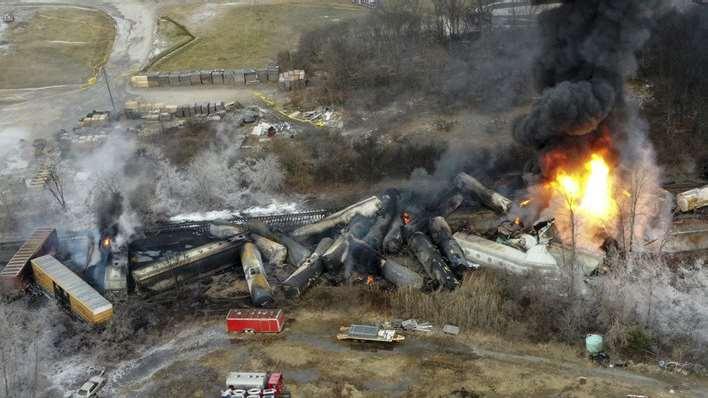
https://www.newsnationnow.com/us-news/midwest/ohio-train-derailment/epa-norfolksouthern-east-palestine-soil-testing-data/
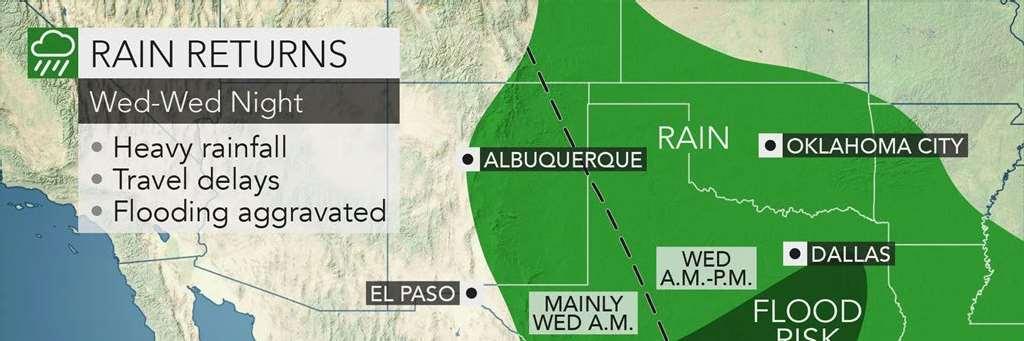
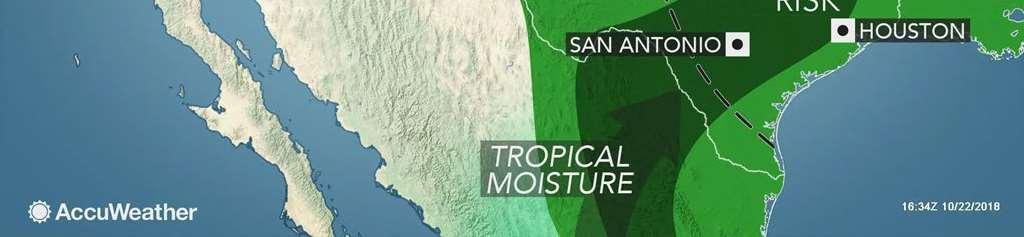

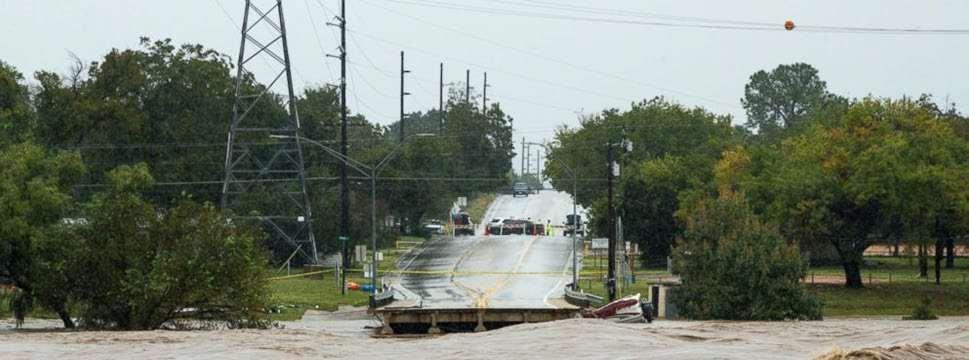

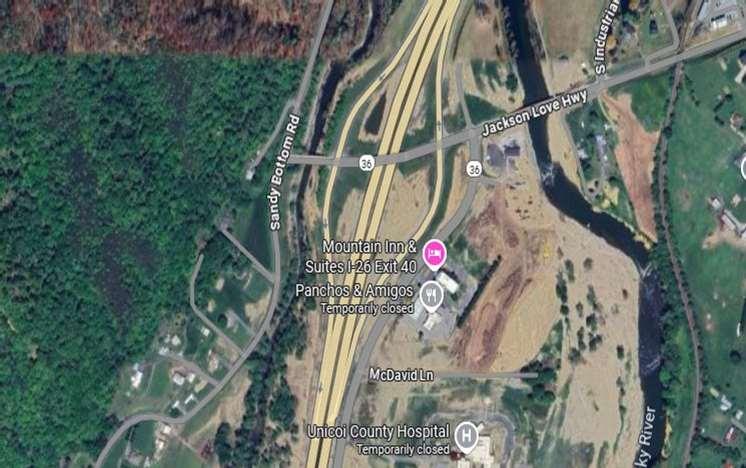
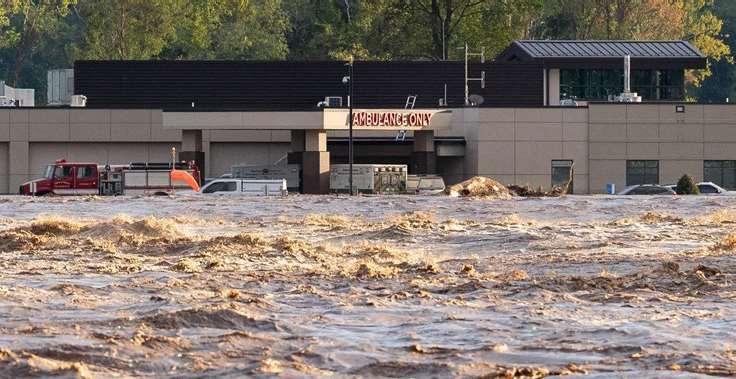
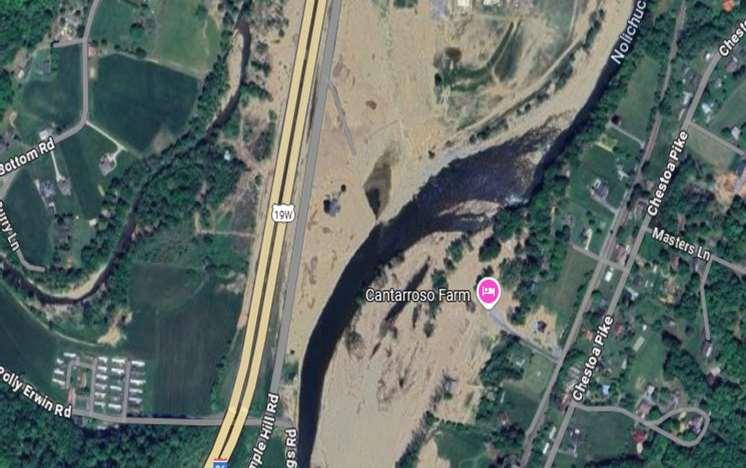
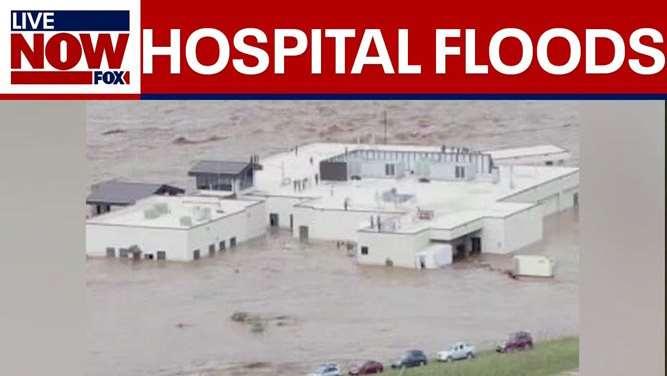
https://www.wrkf.org/npr-news/2025-07-09/what-to-do-if-you-get-a-flash-flood-warning



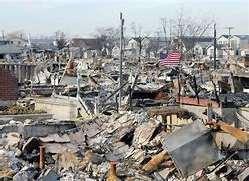
RecentDR2NewsHurricaneHelene Aftermath
Tohelpresearchersunderstandhowtocollectandhandleenvironmental samplespostdisasters





Outline
•EnvironmentalSampling–Overview
•DataQuality
-QualityManagementPlan
-QualityAssuranceProjectPlans(QAPPs)
-Documentation
•Public&PrivateSampleCollectionGuidelines
•SamplingMethods
-Volatiles
-Organics -Traceelements
-Microbial(E.coli,fecalcoliform)
•SampleCollectionProcedures
-Fieldparametermeasurements
-Labelling
-Soil/sediment
-Water
Outline
•SampleEquipment&Supplies
-Containers
-PersonalProtectiveEquipment
-Bailers
-SedimentSamplers
-pH/conductivity/DOmeters
-MonitoringDevices
•SampleHandling&Processing
-Storageandholdingtimes
-Shipping
•Cleaning&Sanitizing
•PostSample-Collection
-Analysis
BasicConsiderationsofPlanning
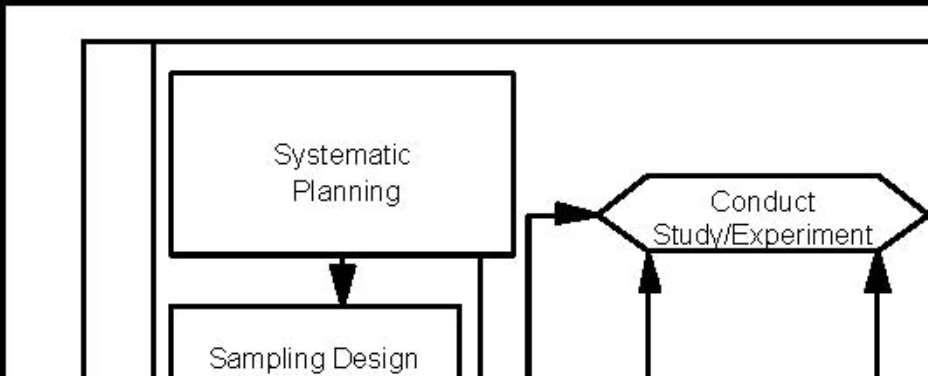
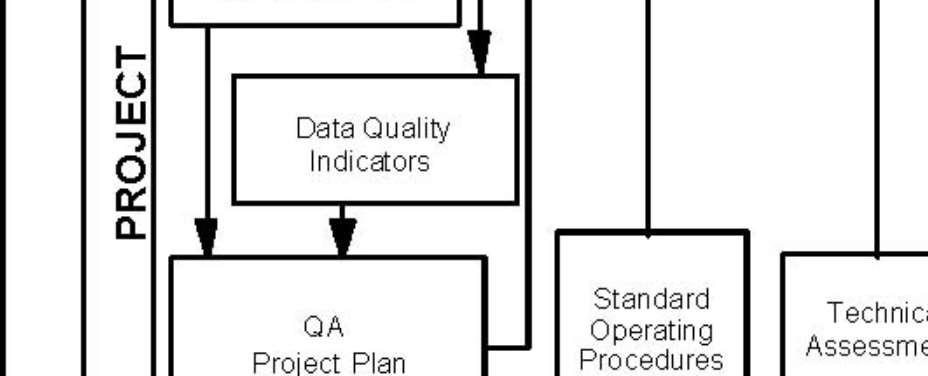
EnvironmentalSampling-Overview
•Themainobjectiveofsamplingistoobtainrepresentative samplesofthecompoundtobeanalyzed.
•Samplingmethodvarydependingonwhetherweare dealingwiththeelementtobeanalyzedisinthesolid, liquidorgasstate.
•Datacollectionisaimperfectscience.
•InformationTechnologyincreasesaccuracyand availability.
EnvironmentalSampling-Overview
•Inappropriatesamplecollectionprocedures‘yield samplesthatare:
•Notrepresentativeofthepopulationofinterest
•Areoflittleuse
•Seriouslycompromisethepurposeofsampling
•Contributetotheuncertaintyoftheanalyticalresults
•(Keith,1990,p.610).
EnvironmentalSampling–Overview
BasicConsiderationsofPlanning
•Thereareoftenthreestagesofsamplingevents:
•Initialassessmenttodetermineifadetailedinvestigation isnecessary
•Detailedsamplingandanalysisplan
•Post-remedialevaluation
EnvironmentalSamplingandAnalysis
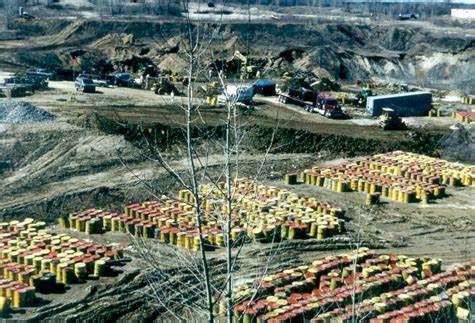
•Datacollectionentailstheacquisitionandanalysisof informationabouthazardsonasitethatmayaffecthuman healthandwhichwillbethefocusfortheparticularrisk assessment(USEPA,1989).
•Adequatedatacollectionisthefoundationtoanacceptable environmentalandhumanhealthriskassessments.
EnvironmentalSamplingandAnalysis
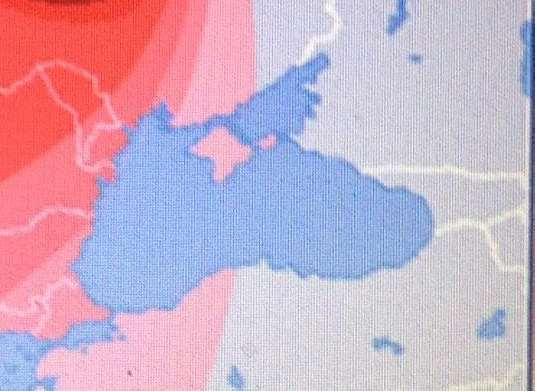
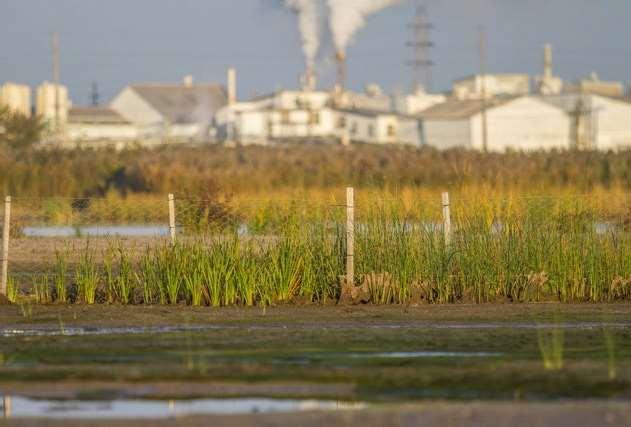
•Samplingisoftencarriedouttomoreclearlydefinedetectedor suspectedcontaminationand,ifremediationoccurs.
•Alsotoverifythatcontaminatedmaterialhasbeenremovedand thatanycontaminationremainingdoesnotconstituteahumanor ecologicalhealthorenvironmentalrisk.
EnvironmentalSamplingandAnalysis
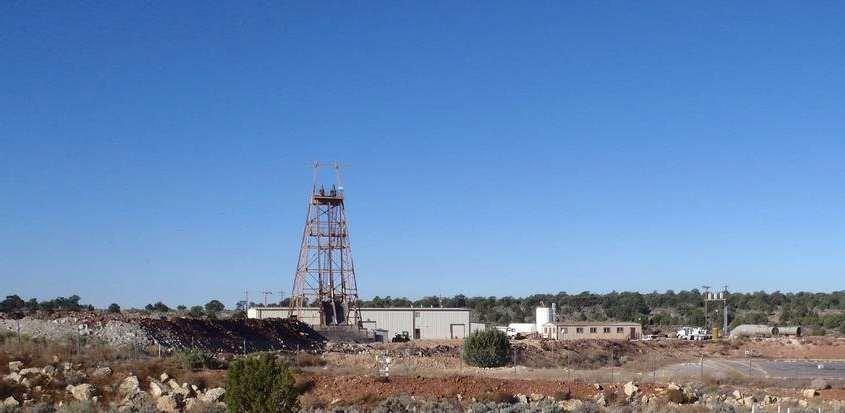
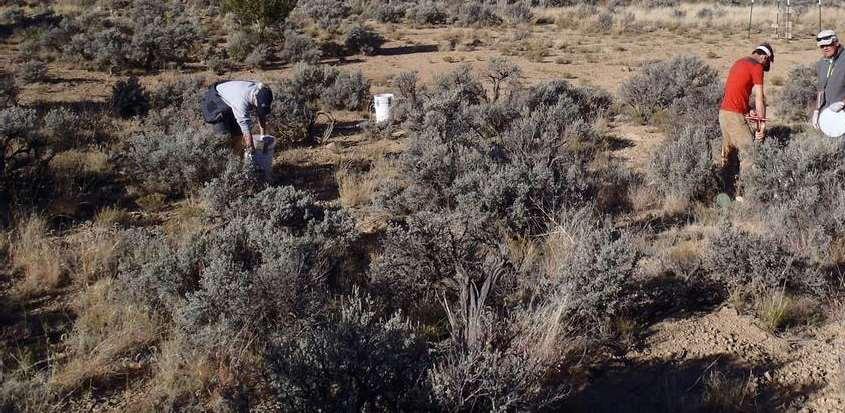
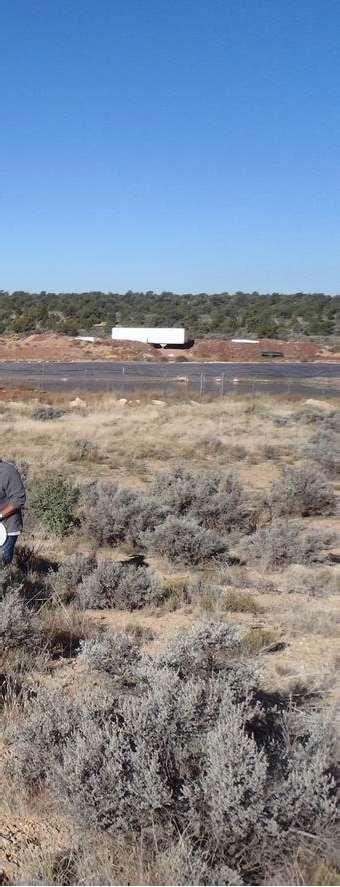
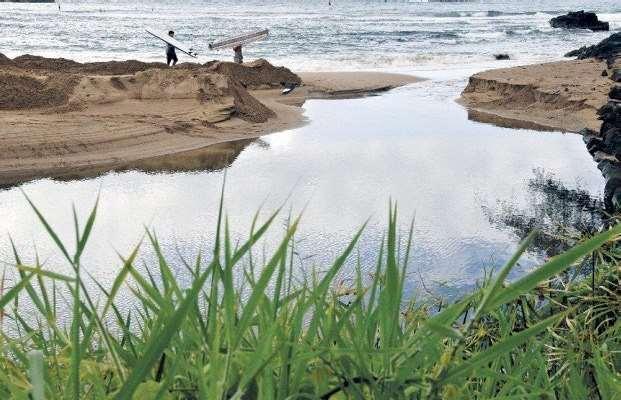
•Thegreatestconcern,in collectingsamples,istoensure thatthesamplestakenadequately representpotentialexposuresfor thesituation.
•Consequentlyitisessentialtobe fullyapprisedofthecontextof theriskassessment,the objectivesofthetask,the environmentalconditionsatthe sitelocationsandwhatanalytes willbetestedineachsample, beforesamplingcommences (Lock,1996).
EnvironmentalSamplingandAnalysis
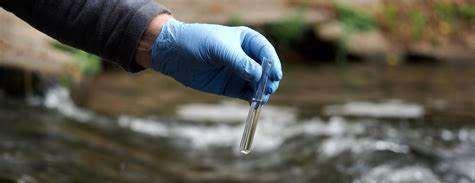
•Inappropriatesample collectionprocedures‘yield samplesthatarenot representativeofthe populationofinterest;are oflittleuse;seriously compromisethepurposeof sampling;andcontributeto theuncertaintyofthe analyticalresults’(Keith, 1990,p.610).

EnvironmentalSamplingandAnalysis
•Animportantaspectof environmentalsamplingand analysisisthattheenvironment isnotstaticandsampling resultscanvaryovertime.
•Theinterpretationof environmentalsamplingdata shouldtakethisintoaccount.
EnvironmentalSampling–Overview
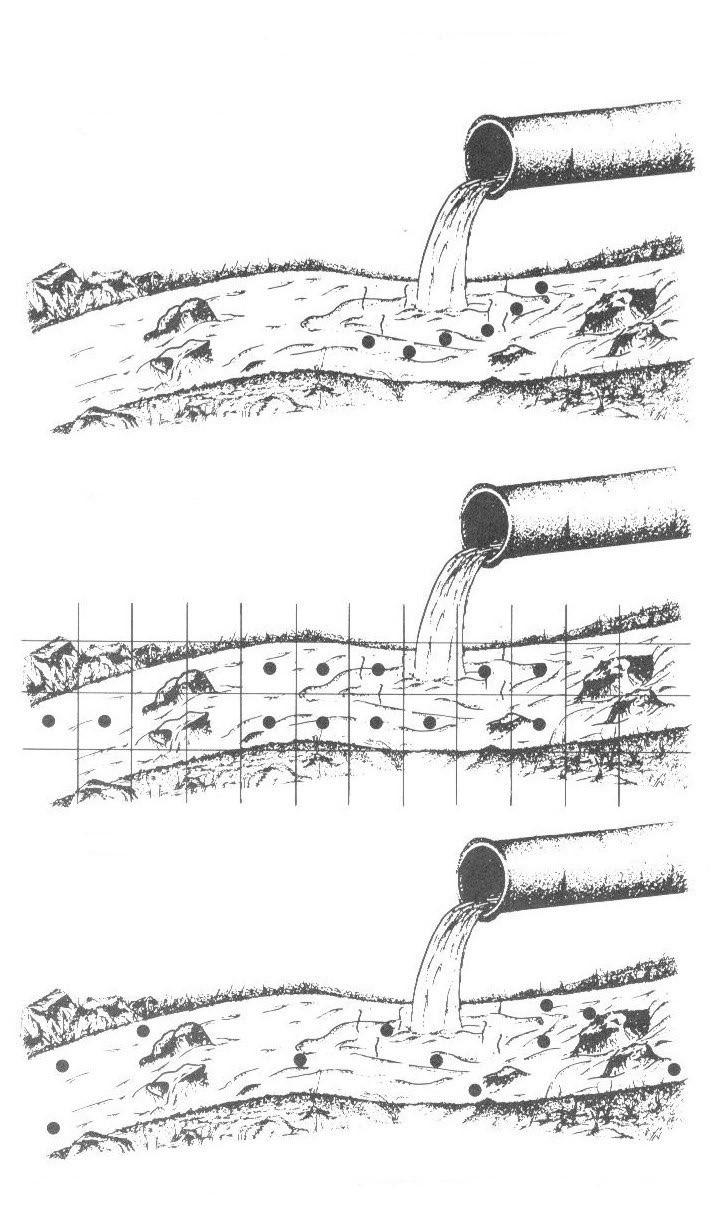
PrimarySamplingApproaches
JudgmentalApproach
SystematicApproach
RandomApproach
EnvironmentalSampling–Overview
PrimarySamplingApproaches
ApproachRelativeNumberofRelativeBiasBasisofSelecting Samples SamplingSites
JudgementalSmallestLargestPriorhistory,visual assessmentof technicaljudgement
EnvironmentalSampling–Overview
SamplingStrategies
•Thereasonsforsamplinginclude:
-Determiningthenatureofthecontamination
-Determiningtheconcentrationanddistributionofthe contaminant
-Monitoringsiteconditionstodetermineifremedialactionis required
-Designingandimplementingremedialactions -Determiningiftheremedialactionshavebeeneffective.
DataQuality-DataQualityObjectives
•Dataqualityobjectives‘providecriticaldefinitionsoftheconfidencethatmustbe inherentintheconclusionsdrawnfromthedataproducedbythewholeproject’ anddeterminethedegreeofuncertaintyorerrorthatcanbetoleratedinthedata (Keith,1990,p.611).
•DataQualityObjectiveswhichclearlyspecifytheamount,natureandqualityof thedatatobecollectedshouldbedetailedandsituation-specific.
•Thecriteriaforbothacceptingandrejectingdatashouldberigorous.
DataQuality
DataQuality
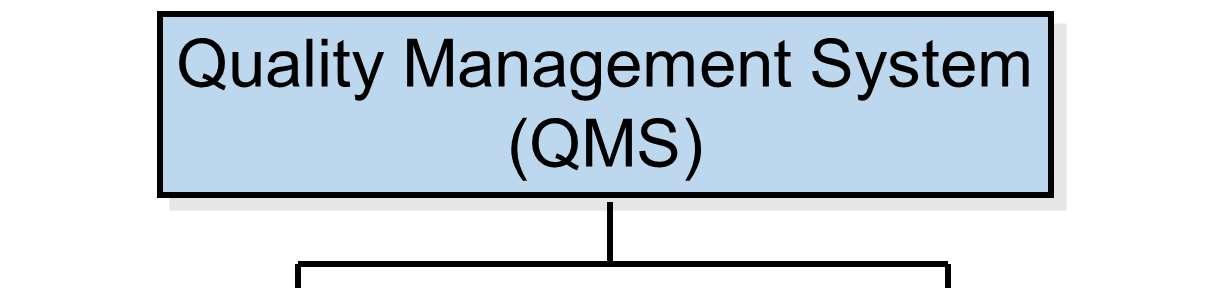
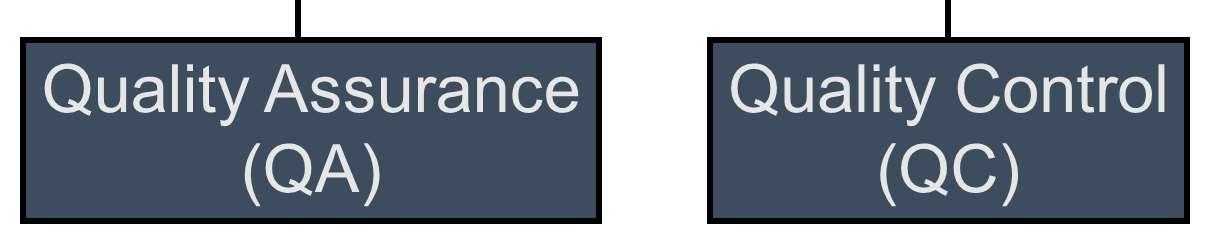
QualityManagementSystem
QA:Systemofactivitiesdesignedtoensurethataprocess, service,orproductisoftherequiredquality
•Qualityassurancemanager
•Qualitymanagementplan -Policiesandprocedures
-Authorityandresponsibilities
QC:Technicalactivitiesthatmeasureperformancerelative tostandardsforverificationthatthosestandardsaremet
•Calibratinginstruments
•Duplicatesamples,etc.
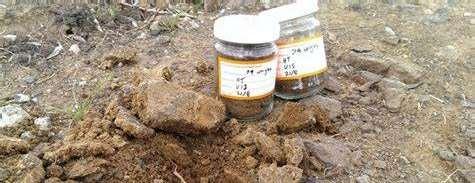
DataQuality-FieldCollectionQC
•Controls
-Samplingequipmentandsupplies.
-Samplepreservation,transportation,andstorage.
-ControlSamples
•Documentation
-QualityManagementPlan
-QualityAssuranceProjectPlan
-StandardOperatingProcedures
-FieldLogBooks
-Chain-of-Custody

DataQuality–FieldControls
•Allblanksamplesarepreserved,transported,stored, extracted,andanalyzedinamanneridenticaltothetest samples
•DuplicateSamples,additionalsamplesforMatrixSpike andMatrixSpikeDuplicatesamples
•FieldBlankSamples,BottleBlanks,EquipmentRinse Blanks,TemperatureBlanks….
•Consideranythingusedinthefieldthatcouldpossibly contaminatethesamples
DataQuality-QualityAssuranceProjectPlan (QAPP)
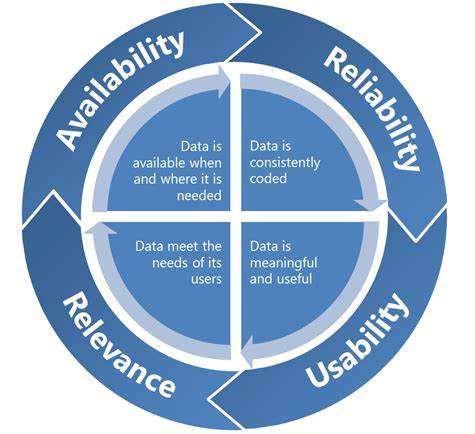
•QAPPdocumentsthequality assuranceandquality controlactivitiesforthe projectfromcollectionto datareporting.
•Thedocumentcontains project-specificQA/QC informationforindividual projects.
DataQuality–FieldLogBooks
•Filledoutinthefieldwithallappropriateinformationtoidentifythe samplinglocation,sampletype,sampler,date,andtimeofcollection.
DataQuality–Chain-of-Custody
•Filledoutinthefieldwith allappropriateinformation toidentifythesampling location,sampletype, sampler,date,andtimeof collection
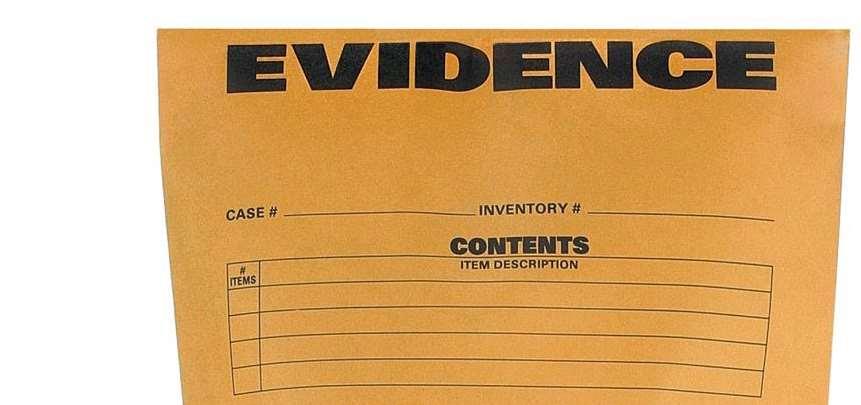
•ChainofCustodyprotocols areusedtoship/transfer samplestoanalytical laboratories
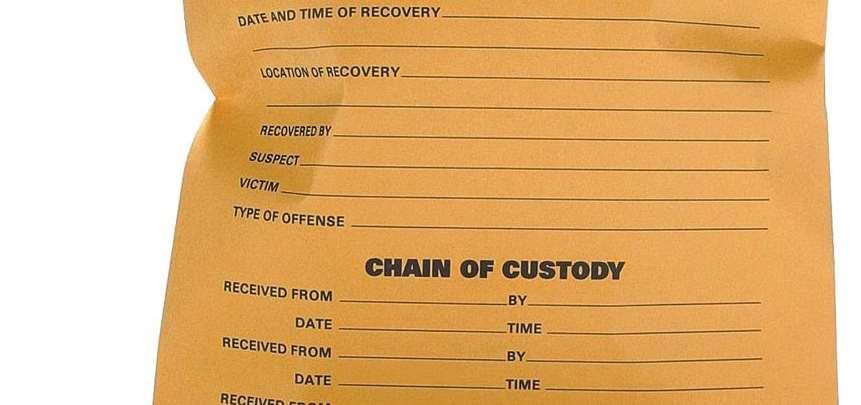


DataQuality-ChainofCustodyForm
•Whatkindof samplewastaken (grabor composite)?
•Why,where,when, wasittaken?
•Whotookit?
•Whohandledit andwhendidit changehands?
Public&PrivateSampleCollectionGuidelines
CanalwaysstartwithEPAQualityat; https://www.epa.gov/quality
SW846-UpdateVJuly2014;Chapter01, https://www.epa.gov/sites/production/files/201510/documents/chap1_1.pdf
ThegoalofthischapterfromtheEPA(SW-846)istoprovide anunderstandingofenvironmentaldataandtheneedfor quality.
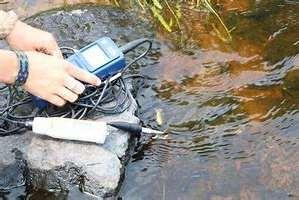
TypesofSamplesforanEnvironmentalStudy
•Field/BulkSampleAnalysis
•Surfacewater(organicsandtracemetals)
•Soil/Sediment(organicsandtracemetals)
•BiologicalSamples:PlantsandAnimals:
•includingfish,frogs,oysters,plants,etc
BulkPropertyAnalysis
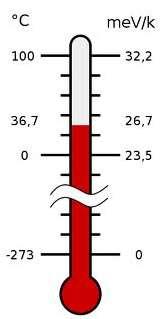
•Inadditiontohavingitsowntoxiceffect, temperatureaffectsthesolubilityand,in turn,thetoxicityofmanyotherparameters.
•Generallythesolubilityofsolidsincreases withincreasingtemperature,whilegases tendtobemoresolubleincoldwater.
•Temperatureisafactorindetermining allowablelimitsforotherparameterssuch asammonia.

BulkPropertyAnalysis
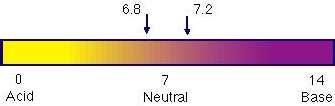
•LivingthingsareextremelysensitivetopHandfunction best(withcertainexceptions,suchascertainportionsof thedigestivetract)whensolutionsarenearlyneutral. Mostinteriorlivingmatter(excludingthecellnucleus)has apHofabout6.8.
BulkPropertyAnalysis
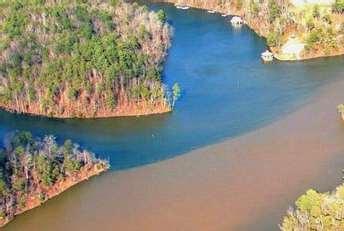
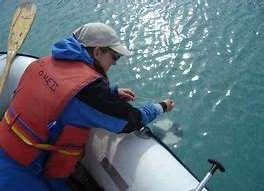
•Turbidityisthemeasureofrelativeclarityofaliquid.Itisanoptical characteristicofwaterandisanexpressionoftheamountoflightthat isscatteredbymaterialinthewaterwhenalightisshinedthrough thewatersample.
•Thehighertheintensityofscatteredlight,thehighertheturbidity. Materialthatcauseswatertobeturbidincludeclay,silt,finelydivided inorganicandorganicmatter,algae,solublecoloredorganic compounds,andplanktonandothermicroscopicorganisms.
SamplingWaterMatrices
•Whatisthesingle greatestproblemwhen takingwatersamples?





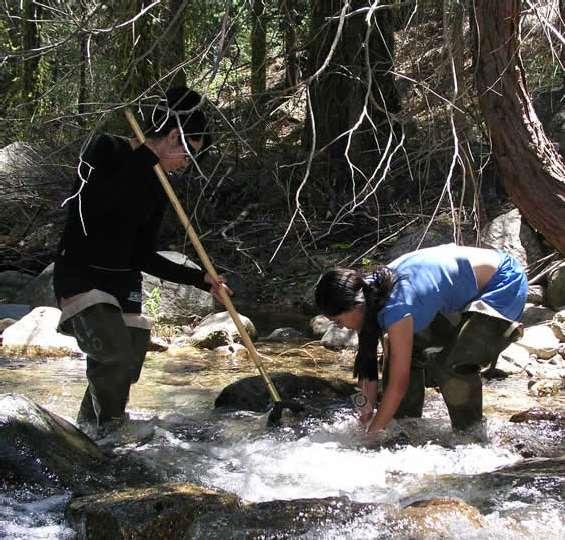
SamplingWaterMatrices
•Obtainingarepresentative sample.
•Waterscanbevery heterogeneousbothspatially andtemporallymakingit difficulttoobtaintruly representativesamples.








SamplingSediment/SoilMatrices
•Obtaininga representativesample.
•Lossofvolatile compounds.
•Changeinanalyte concentrationduring transportand/orstorage.
•Organicandtracemetal sampling
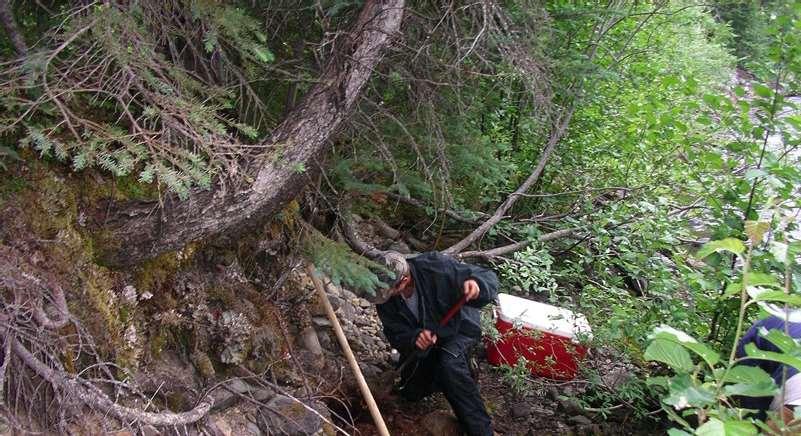
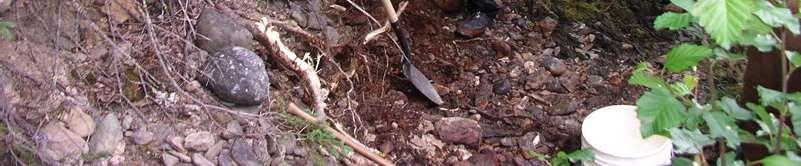
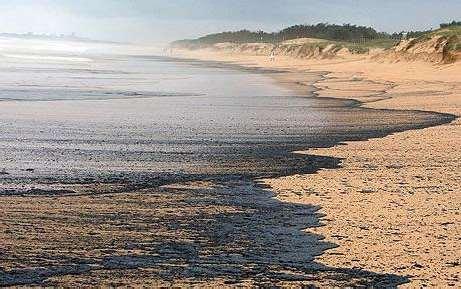
SamplingSediment/Soil/SludgeMatrices
Becausesample heterogeneityoftencauses problems.Representative uncertaintiesfrequentlyfar exceedtheinherent collectionandanalysis uncertainties.
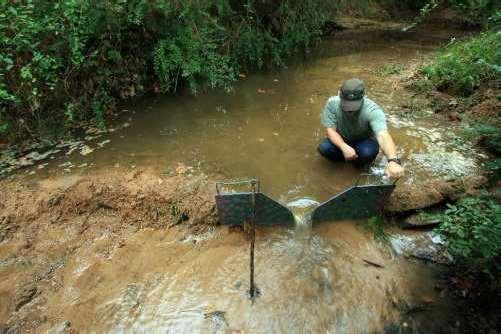
Sometimessamplesare deliberatelycollected unrepresentatively(initial studiesatawastesite,oil spill,chemicalspill).
SamplingSediment/Soil/SludgeMatrices
•Grabsample(randomly collectedthroughouttheday)
•Compositeorproportional (twoormoresamples combinedinknownand appropriateproportions appropriateproportionsto obtainanaveragevalue)in relationtotime,flowrateor anyothervariable.
SamplingBiologicalMatrices
•Whataretheproblemswhenbiological matrices?
SamplingBiologicalMatrices
•Whensamplingbiota,factorstobe consideredinclude:
•Thepurposeofthestudy.
•Homogeneityofthematrix.
•Concentrationoftheanalytes.
•Efficiencyofextractingandconcentrating.
•Sensitivityofthemethod.





SamplingBiologicalMatrices
•Theavailabilityofselected substrate.
•Analyteconcentrationmayhave asignificantbearingonthe samplesize.
•Variationswithinastudy population.
•Speciesmobility.
•Tissuedifferentiation
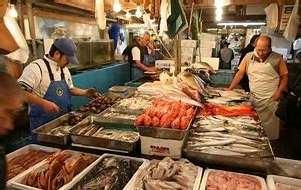
SamplingBiologicalMatrices
•Targetorganismsaremigratory.
•Whetherthereareseasonal, feeding,spawning,orother periodicactivitiesthatmay influenceconcentrationor locationoftheanalyteswithin anorganism.
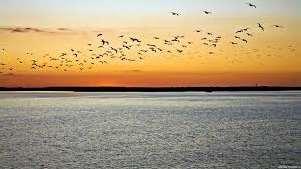
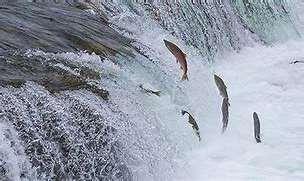
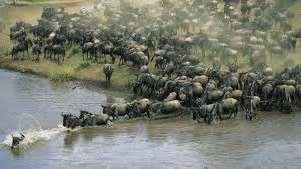
SamplingBiologicalMatrices
•Commonsamplingproblems
•Forbiologicalmaterialthelimitingfactormayoftenbe theavailabilityofsubstrate
•Analyteconcentrationmayhaveasignificantbearing onthesamplesize
•SamplePreservation
•Keepassimpleaspossible,freezingisusuallythe preferredoption.
SamplingBiologicalMatrices
•Samplingdeviceswillinfluencewhattypeof organismswillbecaught.
•Electricalshockers
•Nets(hoop,gill,dip,seine,trawl)
•Trotlines
•Trapsanddartguns
•Botanicalsamplingtoolsincludeshearsand saws
SamplingBiologicalMatrices
•Whensamplingbiota,factorstobeconsidered include:
•thepurpose
•homogeneityofthematrix
•concentrationoftheanalytes
•efficiencyofextractingandconcentrating
•sensitivityofthemethod
SamplingBiologicalMatrices
•Commonsamplingproblems
•Forbiologicalmaterialthelimitingfactor mayoftenbetheavailabilityofsubstrate
•Analyteconcentrationmayhavea significantbearingonthesamplesize
•SamplePreservation
•Keepassimpleaspossible,freezingis usuallythepreferredoption.
SamplingBiologicalMatrices
•Samplingdeviceswillinfluencewhattypeof organismswillbecaught.
•Electricalshockers
•Nets(hoop,gill,dip,seine,trawl)
•Trotlines
•Trapsanddartguns
•Botanicalsamplingtoolsincludeshearsand saws
SampleCollectionProcedures
-Fieldparametermeasurements
-Labelling
-Soil/sediment
-Water -Air
SampleEquipment&Supplies
-Containers
-PersonalProtectiveEquipment
-Bailers
-SedimentSamplers
-pH/conductivity/DOmeters
-MonitoringDevices
Preservation,Shipping,andStorage
•Shipping-oncesamplinghasconcludedorifalong samplingproject,shipatintervals–needtoworkwith thereceivinglaboratories
•Thestoragecondition,samplecondition,hold-time,and typeofanalysisrequiredisverifiedbythelaboratory.
•Storage-samplesareloggedinandstoredfrozenat -20°C,-80°Correfrigeratedat4°Cuntilanalysis.
•Uponreceiptinthelaboratory(chemistry),eachsample isassignedauniqueidentifier.
Labelling
Labelling
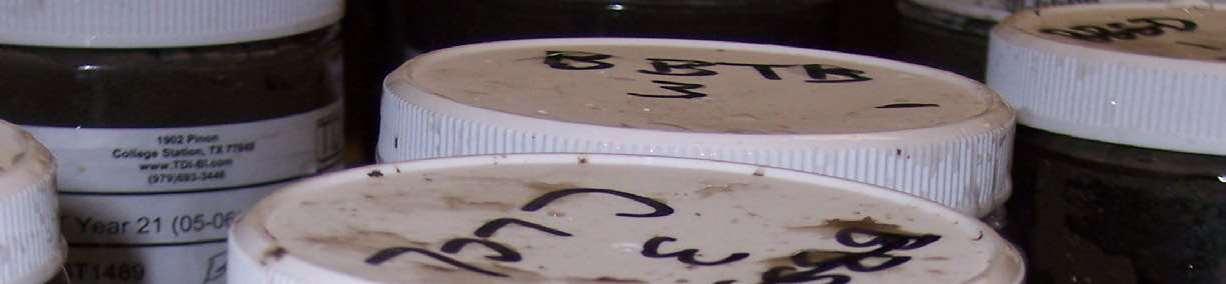
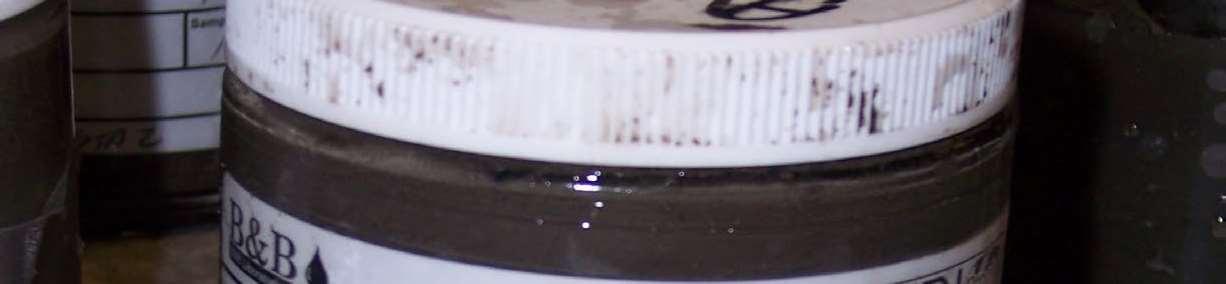
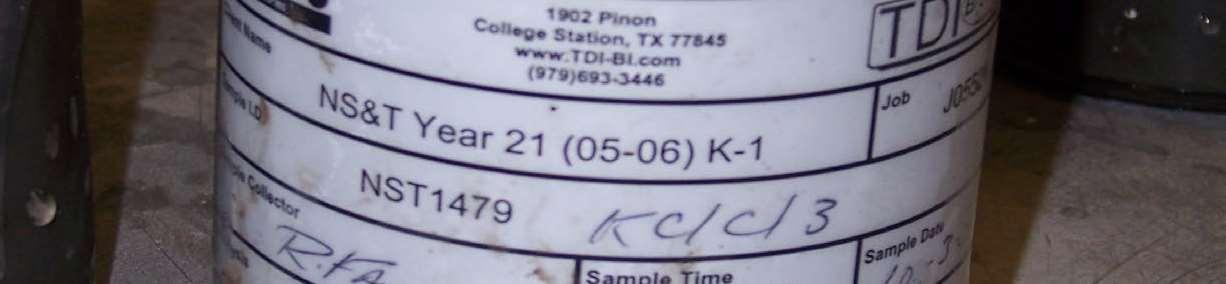
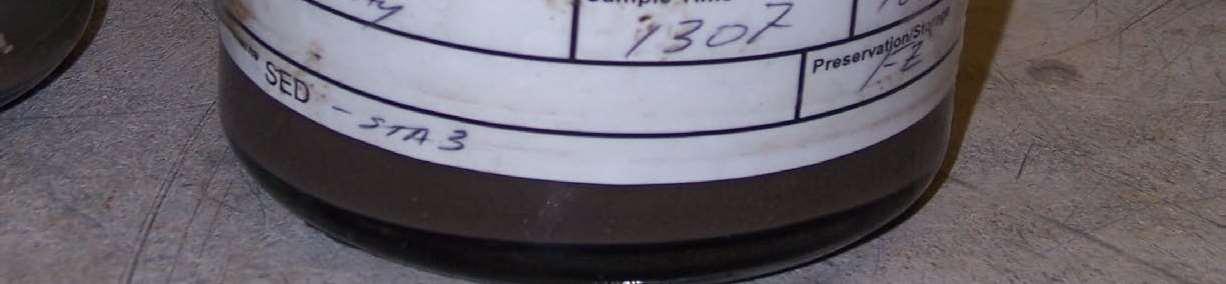

SamplingIssues

CoreDescriptions
ShippingIssue
Shipping-correctly
Public&PrivateSampleCollectionGuidelines
EPAGuidanceonChoosingaSamplingDesignforEnvironmentalDataCollection foruseinDevelopingaQualityAssuranceProjectPlan.EPAQA/G-5S. EPA/600/R-98/018.December2002.
http://www.epa.gov/sites/production/files/2015-06/documents/g5s-final.pdf
•Thesamplingdesignisafundamentalpartofdatacollectionforscientifically baseddecisionmaking.Awell-developedsamplingdesignplaysacriticalrolein ensuringthatdataaresufficienttodrawtheconclusionsneeded.Asound,sciencebaseddecisionisbasedonaccurateinformation.Togeneratingaccurate informationaboutthelevelofcontaminationintheenvironment,youshould considerthefollowing:
•theappropriatenessandaccuracyofthesamplecollectionandhandlingmethod,
•theeffectofmeasurementerror,
•thequalityandappropriatenessofthelaboratoryanalysis,and
•therepresentativenessofthedatawithrespecttotheobjectiveofthestudy.
Public&PrivateSampleCollectionGuidelines
•3.EPAGuidanceforQualityAssuranceProjectPlans,EPA QA/G-5EPA/240/R-02/009.Dec2002.
https://www.epa.gov/sites/production/files/201506/documents/g5-final.pdf
•WhatisaQAProjectPlan?AQAProjectPlandescribesthe activitiesofanenvironmentaldataoperationsproject involvedwiththeacquisitionofenvironmentalinformation whethergeneratedfromdirectmeasurementsactivities, collectedfromothersources,orcompiledfromcomputerized databasesandinformationsystems.
Public&PrivateSampleCollectionGuidelines
EPAGuidanceforQualityAssuranceProjectPlans,EPAQA/G-5EPA/240/R-02/009.Dec 2002.https://www.epa.gov/sites/production/files/2015-06/documents/g5-final.pdf
•WhatisaQAProjectPlan?AQAProjectPlandescribestheactivitiesofanenvironmentaldata operationsprojectinvolvedwiththeacquisitionofenvironmentalinformationwhethergenerated fromdirectmeasurementsactivities,collectedfromothersources,orcompiledfromcomputerized databasesandinformationsystems.
•WhatisthepurposeoftheQAProjectPlan?TheQAProjectPlandocumentstheresultsofa project’stechnicalplanningprocess,providinginoneplaceaclear,concise,andcompleteplanfor theenvironmentaldataoperationanditsqualityobjectivesandidentifyingkeyprojectpersonnel.
•WhatisthedifferencebetweenaQualityManagementPlanandaQAProjectPlan?AQuality ManagementPlandescribesanorganization’squalitysystem,i.e.,itssystematicapproachtoquality assurance,whileaQAProjectPlandescribesthenecessaryQAprocedures,qualitycontrol(QC) activities,andothertechnicalactivitiesthatwillbeimplementedforaspecificprojectorprogram.
Public&PrivateSampleCollectionGuidelines
CanalwaysstartwithEPAQualityat; https://www.epa.gov/quality
•1.SW846-UpdateVJuly2014;Chapter01,https://www.epa.gov/sites/production/files/201510/documents/chap1_1.pdf
•2.EPAGuidanceonChoosingaSamplingDesignforEnvironmentalDataCollectionforuse inDevelopingaQualityAssuranceProjectPlan.EPAQA/G-5S.EPA/600/R-98/018. December2002.http://www.epa.gov/sites/production/files/2015-06/documents/g5s-final.pdf
•3.EPAGuidanceforQualityAssuranceProjectPlans,EPAQA/G-5EPA/240/R-02/009.Dec 2002.https://www.epa.gov/sites/production/files/2015-06/documents/g5-final.pdf
Public&PrivateSampleCollectionGuidelines
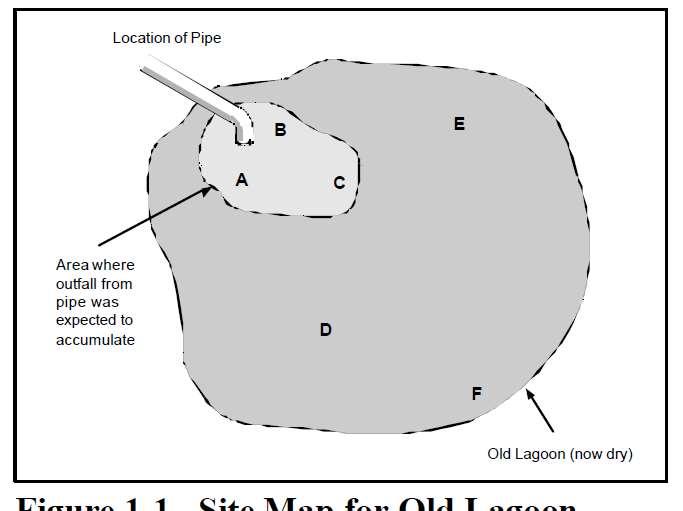
•Representativenessmaybe consideredasthemeasure ofthedegreetowhichdata accuratelyandprecisely representacharacteristicof apopulation,parameter variationsatasampling point,aprocesscondition, oranenvironmental condition(ANSI/ASQC) 1994].
•Developingasampling designisacrucialstepin collectingappropriateand defensibledatathat accuratelyrepresentthe problembeinginvestigated.
SMART(SpecialMonitoringofAppliedResponse Technologies)
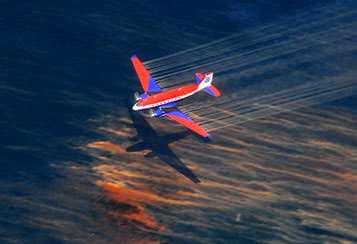
SpecialMonitoringofAppliedResponse Technologies(SMART)isacooperatively designedmonitoringprogramforinsitu burninganddispersants.SMARTrelieson small,highlymobileteamsthatcollectrealtimedatausingportable,rugged,andeasy-touseinstrumentsduringdispersantandinsitu burningoperations.
DataarechanneledtotheUnifiedCommand (representativesoftheresponsiblepartyandthe stateandfederalgovernmentswhoarein chargeofthespillresponse)toaddresscritical questions:
https://response.restoration.noaa.gov/oil-and-chemical-spills/oilspills/resources/smart.html
SMART(SpecialMonitoringofAppliedResponse Technologies)
Areparticulatesconcentrationtrendsatsensitivelocationsexceeding thelevelofconcern?
Aredispersantseffectiveindispersingtheoil?
HavingmonitoringdatacanassisttheUnifiedCommandwith decision-makingfordispersantandinsituburningoperations.
TheSMARTprogramisajointprojectoftheseagencies:
U.S.CoastGuard NOAA
U.S.EnvironmentalProtectionAgency CentersforDiseaseControlandPrevention BureauofSafetyandEnvironmentalEnforcement(partof theagencyformerlyknownastheMineralsManagement Service)
SarahBurnett,PhD
ProjectToxicologist

HolisticSuiteofSolutions
EMERGENCYRESPONSE
ToxicologyEmergencyResponse Program
Rapiddatacollection& communication
Environmentalmonitoring
ER&NRDA
IndustrialHygieneStrikeTeam
Highhazardresponse
Largenetwork
HEALTH&SAFETY
Industrialhygieneservices
Complianceassessments
Gapassessments&programdevelopment
Personalprotectiveequipment(PPE) assessments
Healthandsafetytraining
Fatalityandseriousinjuryinvestigations
Occupationalhealthprogram
DISASTERRECOVERY&BUILDINGSCIENCE
Technology-enabledconstruction/contractor management
Employeestabilizationpost-storm
Commercialrealestatedamageassessment andrecoveryoversight
Indoorairqualityassessment
INNOVATIVESERVICES
Emergingcontaminants
PFAS,alternativefuels
Robotics&software
Sustainabilityconsulting(GHG inventory,permittingsupportfor construction)
Orphanwellclosure-methane

HEALTHSCIENCES&EPIDEMIOLOGY

LitigationsupportasSME(toxictort,drug/alcohol)
SDSupdating(QRG)
Epidemic/pandemicconsulting(workerhealth, decontamination)
Publichealthconsulting,inequity,socialjustice
CRISIS&RESPONSEMANAGEMENT
ResponsePlandevelopment
Drills&exerciseoversight/support
ICS/IMT/SMTtrainingandsupport




Whatisthe#1priorityduringallemergencyresponse events?
Thehealthandsafetyofrespondersandthepublic

ValueofAirMonitoringandSampling
Characterizethenatureandextentofairbornehazardstoworkersandthe public
Anticipate,recognize,andevaluatehazards
Provideinformationtotheresponsibleparty,IncidentCommand,regulatory agencies,andotherstakeholderstopromoteinformeddecision-making
Evaluatetheneedorefficacyofcontrolstominimizeexposure
Delineatesitecontrolzones(e.g.,ExclusionZone)
Provideinformationtoworkers
InformworkersofPPEneedstominimizeexposure
Provideinformationtothepublic(ortheJointInformationCenter)
Promotetransparentsharingofinformationwithimpactedcommunities
Howdoweapproachairmonitoringand sampling?
AirMonitoringvs.AirSampling
Real-TimeAirMonitoring
Definition:theuseofdirect-reading instrumentstoprovideanearinstantaneousreadoutofa chemicalconcentrationintheair
Providesreal-timeevaluationof chemicalconcentrationsinair
Canrapidlyinformofchangingsite conditions
Usedfordecision-makinginreal time
AirSampling
Definition:thecollectionofairusing containersorchemical-specific mediathataresenttoanoff-site laboratoryforchemicalanalysis
Providesairqualitydatabeyondthe scopeofreal-timeinstruments
Cangenerallyachievelower detectionlimits
Providesexposuredataovertime fordirectcomparisonto occupationalorcommunity exposureguidelines
AirMonitoringandSamplingApproach
Determineconstituentsofinterest(COI)
EvaluateSDStodeterminechemicalcompositionofareleasedproduct
Considerpropertiesofchemicalconstituents:flammable,asphyxiant,vapordensity
Evaluatescenario:combustion,decomposition,reactionproducts;othercompoundsthat maybegeneratedbytheincidentand/orduringremediationoperations
ConsiderhazardsofidentifiedCOIs:irritant,carcinogen,odorous
IdentifymethodsforcharacterizingidentifiedCOIs
Airmonitoringinstrumentation(real-time)
Airsamplingmethodologies
Evaluatesetting
Determineactionlevels
EvaluateSetting
WorkerMonitoring
Evaluateincidentareaand operationaldetails
Understandworkoperationsand identifyworkgroupswithhighest exposurerisk
Understandifworkerscandon respiratoryprotectionifneeded (medicallycleared,fittested)
Considermeteorologicalandsite conditions
Winddirection(downwind)
Sitetopography
Containmentmeasuresinplace
CommunityMonitoring
Evaluateincidentareato determinenearbycommunity receptors
Residentialneighborhoods
Commercialareas
Publicareas(parks,beaches)
Sensitivereceptors(environmental justicecommunities,schools, hospitals,nursinghomes,churches)
Considermeteorologicalandsite conditions
Winddirection(downwind)
Areatopography
DetermineActionLevels
WorkerMonitoring
OccupationalSafetyandHealth Administration(OSHA)Permissible ExposureLimits(PEL)
Regulatorylimitsonairborneexposure; legallyenforceable
8-hourTWA,15-minuteSTEL,orceiling AmericanConferenceofGovernmental IndustrialHygienists(ACGIH)Threshold LimitValues(TLV)
Health-basedguidelinevalues;notlegally enforceable
Generallymoreconservative(lower)than OSHAPELs
8-hourTWA,15-minuteSTEL,orceiling Considerrelevantstate-specificguidance (e.g.,Cal/OSHA)
CommunityMonitoring
Maybebasedonanydetectionoron health-basedguidelinevalues
AgencyforToxicSubstancesandDisease Registry(ATSDR)MinimalRiskLevels (MRL)
Exposuresof1-14,15-364,and365+days
UnitedStatesEnvironmentalProtection Agency(USEPA)AcuteEmergency GuidelineLevels(AEGL)
Onesingleexposureof10or30minutesor 1,4,or8hours
AmericanIndustrialHygieneAssociation (AIHA)EmergencyResponsePlanning Guidelines(ERPG)
Onesingleexposureof1hour Considerrelevantstate-specificguidance
MoreonActionLevels
Theairborneconcentrationofasubstancetowhichitisbelievedthatnearlyallworkersmay berepeatedlyexposedforaconventional8-hourworkdayanda40-hourworkweek,dayafter day,foraworkinglifetimewithoutadverseeffect
USEPAAEGL-
Theairborneconcentrationofasubstanceabovewhichitispredictedthatthegeneral population,includingsusceptibleindividuals,couldexperiencenotablediscomfort,irritation, orcertainasymptomaticnon-sensoryeffects;however,theeffectsarenotdisabling andaretransientandreversibleuponcessationofexposure
Anestimateofthedailyhumanexposuretoahazardoussubstancethatislikelytobewithout appreciableriskofadversenon-cancerhealtheffectsoveraspecifieddurationofexposure [1-14days,15-364days,365+days]
CTEHactionlevelsareinherentlyconservative,becausewewanttotake actionproactivelytomitigateexposure
Howdoweconductairmonitoringand sampling?
Real-TimeAirMonitoringMethods
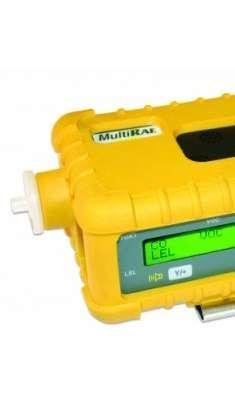
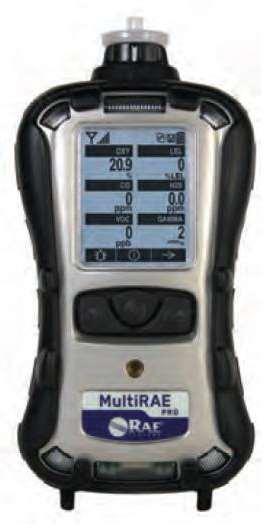
MultiRAE
Sensitive,quick,quantitativeresponse
Photoionizationdetector(PID)respondsto200+compoundsbutisnotchemical-specific ~20chemical-specificsensors,includingoxygen,hydrogensulfide,and%LEL
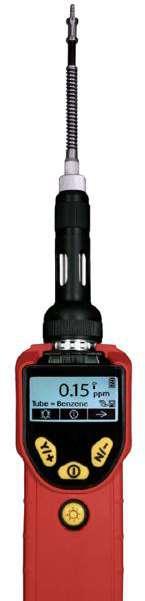
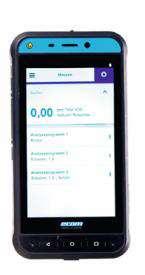
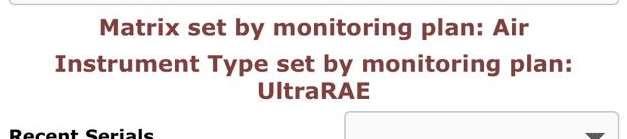
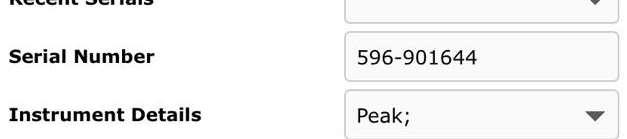
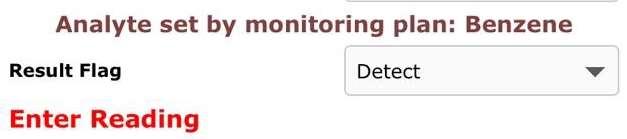
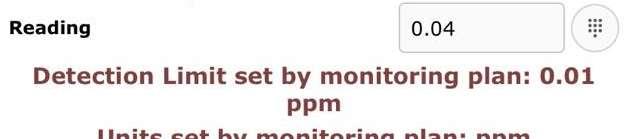
UltraRAE
Sensitive,quick,quantitativeresponse
PIDrespondsto200+compoundsbutisnotchemical-specific
Chemical-specificmonitoringforbenzenewithlowdetectionlimit(0.01ppm)
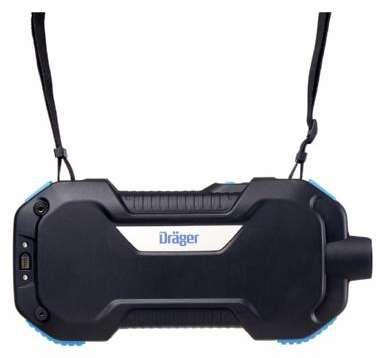
DragerX-pid8500
Sensitive,quantitativeresponse,generallywithin30seconds
PID-gaschromatographytechnologycanquantify~40specificcompoundsandqualify more;valuableforrapidspeciationofVOCs
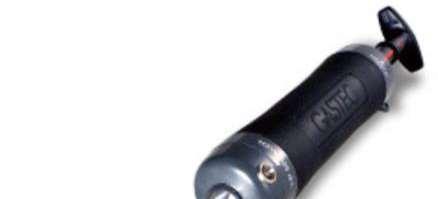
Gasteccolorimetricdetectortubes
Sensitiveresponse,generallywithinacoupleofminutes
Quantitativebutsubjective
Tubestomeasure500+specificgases

AirSamplingMethods
Manydifferentairsamplingmethodsfordifferentanalytes andapplications
Providesconcentrationaveragesovertimewithlow detectionlimits(generallylowerthanairmonitoring)
Achievesadequatesensitivityforcomparisontooccupationalor communityexposureguidelinevalues
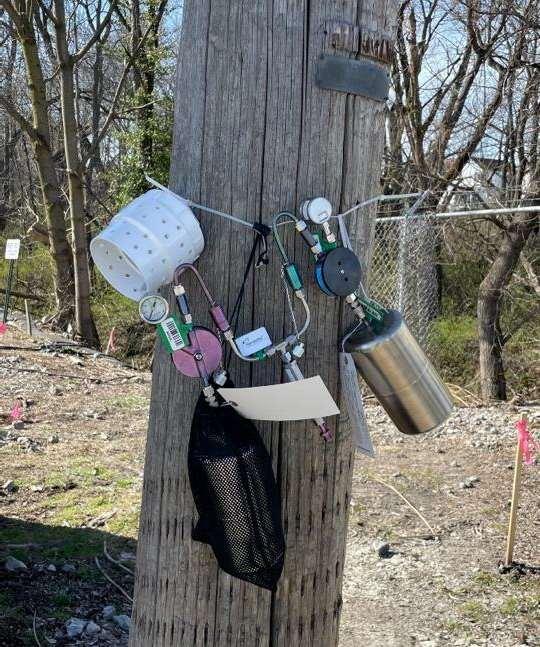
Evacuatedcanistersarecommonlyusedforareasampling
1.4-or6-litercanisters
Oftenanalyzedfor~75volatileorganiccompounds(VOCs)via USEPAMethodTO-15
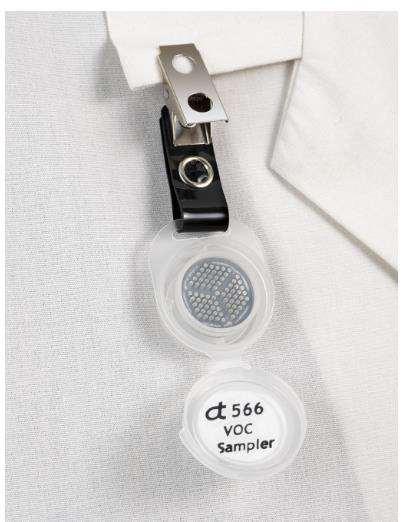
Personalairsamplesarecommonlyusedtocharacterize workerexposures
Enablesdirectcomparisonto8-houror15-minuteoccupational exposurelimits


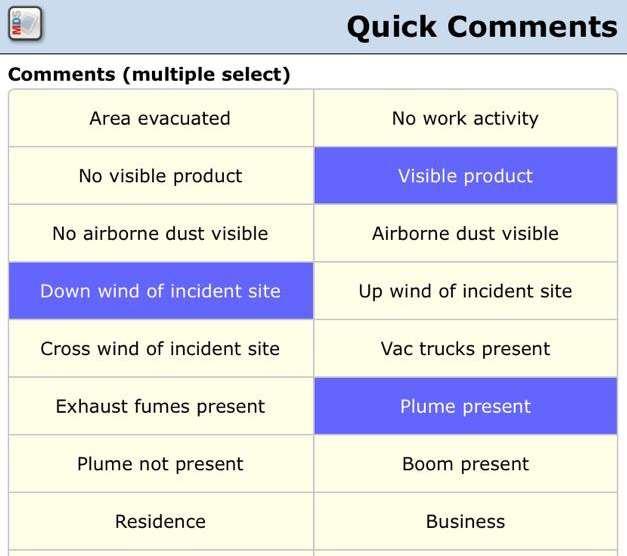
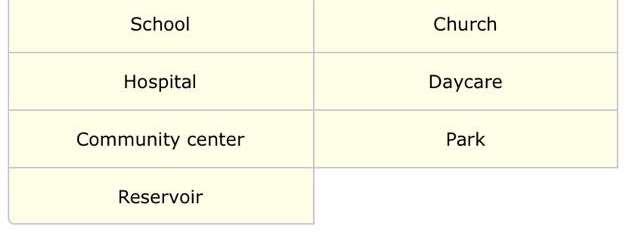
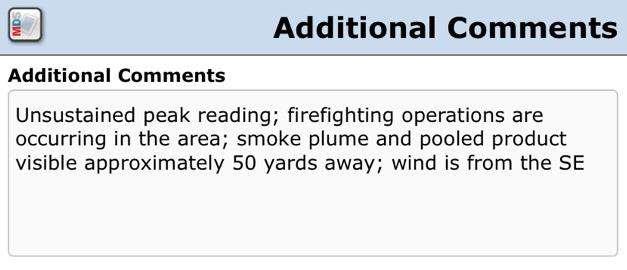
BringItAllTogether:AnAirSAP
Setting
COI ActionLevelandActions Methods
Airmonitoringisoftenconductedataheightrepresentativeofthebreathingzonebutcanalso beconductedoutsideofthebreathingzoneforcharacterizationorworst-casedetermination.
BringItAllTogether:AnAirSAP
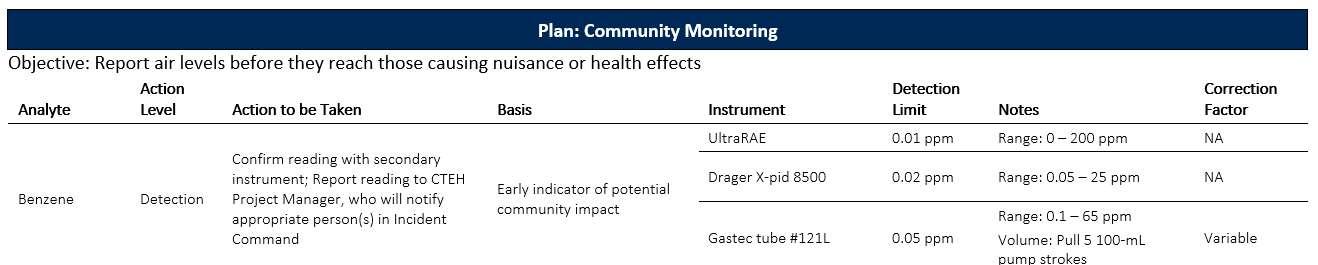
Airmonitoringisoftenconductedataheightrepresentativeofthebreathingzonebutcanalso beconductedoutsideofthebreathingzoneforcharacterizationorworst-casedetermination.
BringItAllTogether:AnAirSAP
Setting
Setting
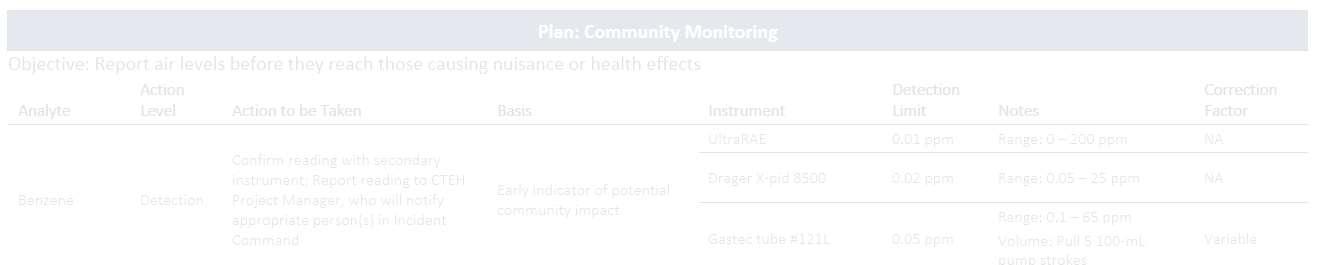
Couldalsoestablishacommunityactionlevelbasedoncommunityexposure guidelines(e.g.,USEPAAEGL-1)sothatIncidentCommand canmakehealth-baseddecisionsregardingshelter-in-placeorevacuation

Airmonitoringisoftenconductedataheightrepresentativeofthebreathingzonebutcanalso beconductedoutsideofthebreathingzoneforcharacterizationorworst-casedetermination.
TheCulmination:CommunicatingDataWithStakeholders -making
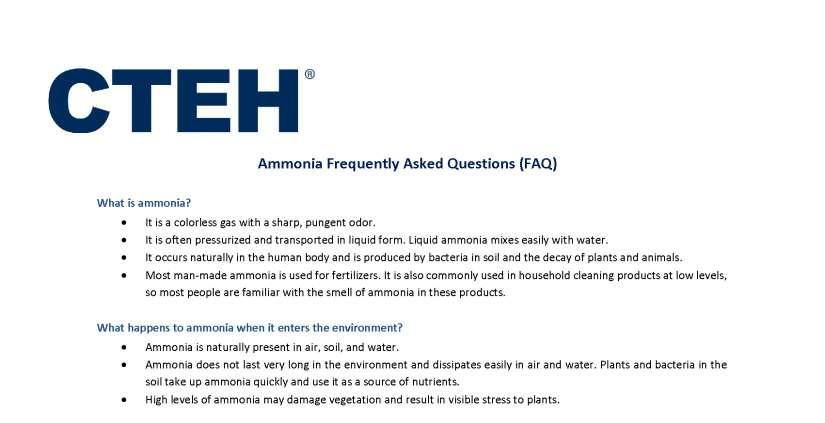
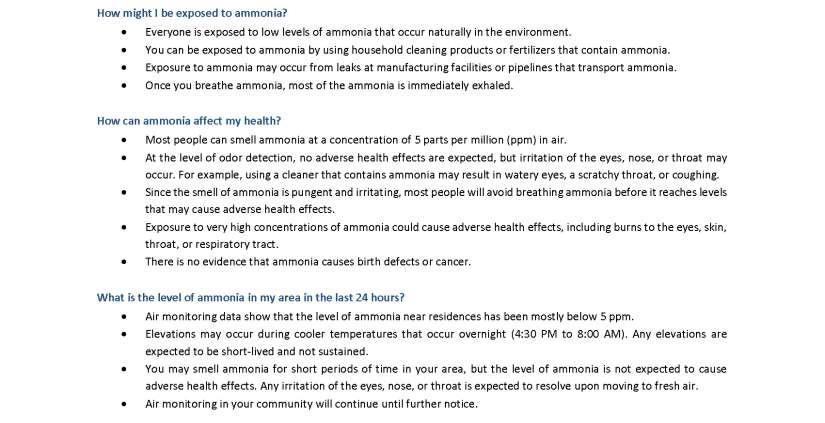
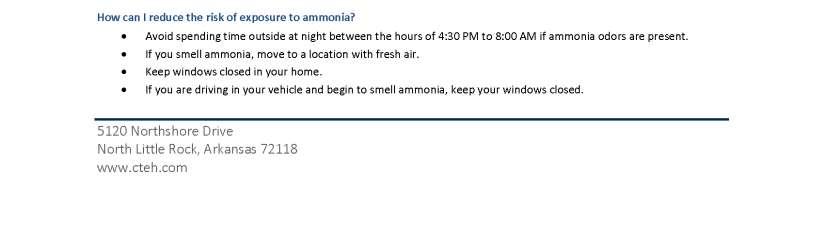
CTEHProjectManagerorProjectTechnicalDirector(Toxicologist)is responsibleforcommunicatingtheresultsofairmonitoringand samplingtotheappropriatestakeholders
Responsibleparty
IncidentCommand
Regulatoryagencies
JointInformationCenter(JIC)
Workersand/orthepublicdirectlythroughone-on-oneinteractionsorFAQsheets
Transparentsharingofdatawithstakeholders,responders,andimpacted communitiesiskeytoinformeddecision-makingandhelpspromotethe healthandsafetyofrespondersandthepublic









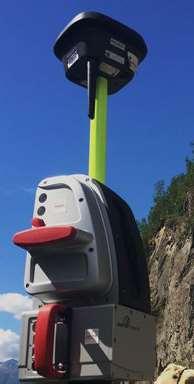
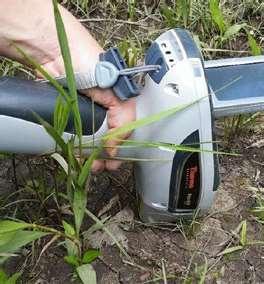
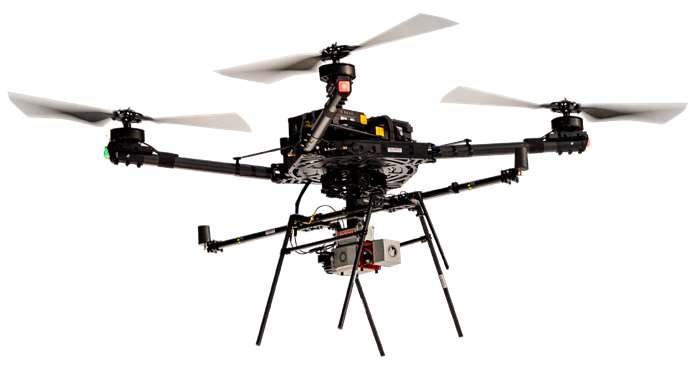
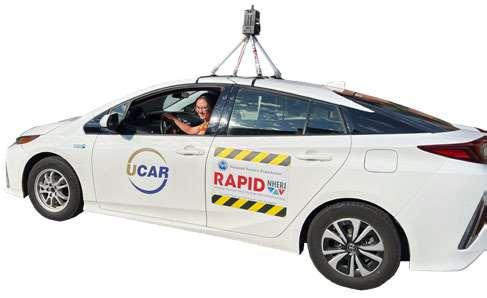
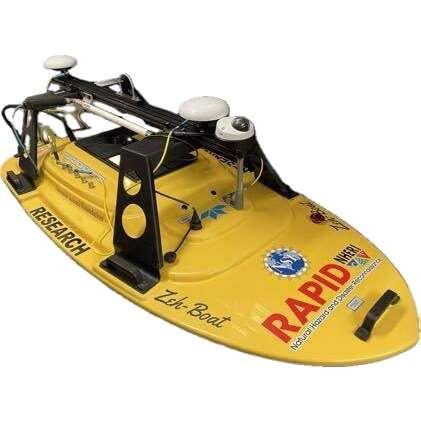
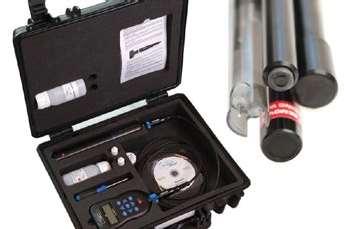
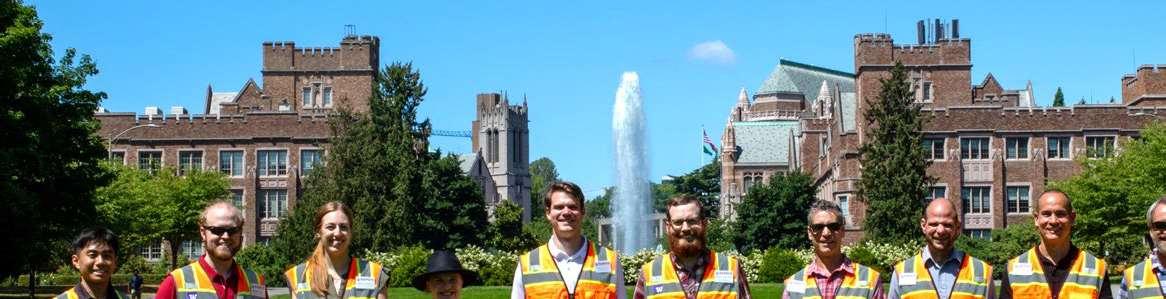
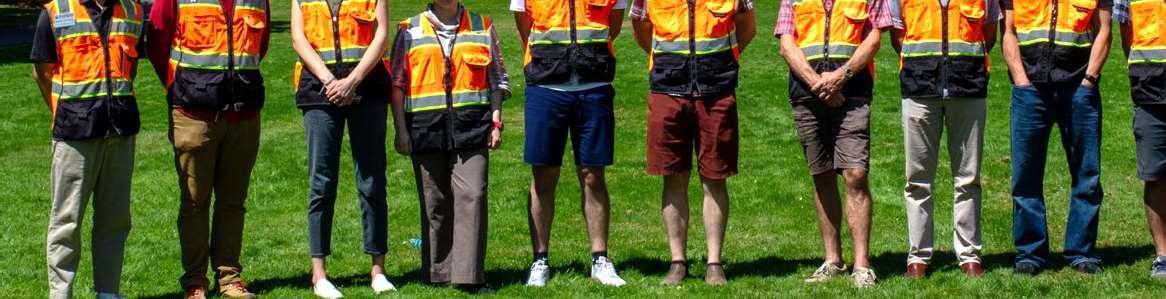
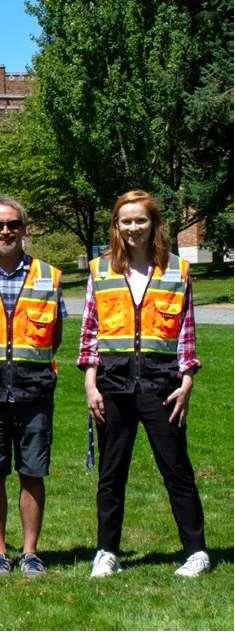
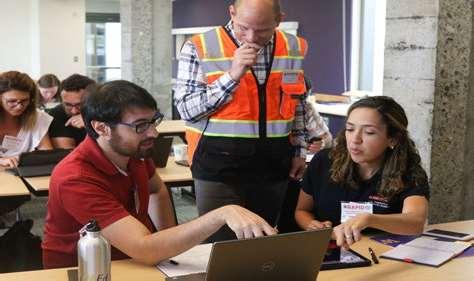
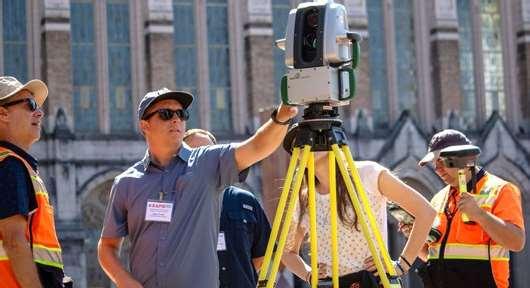
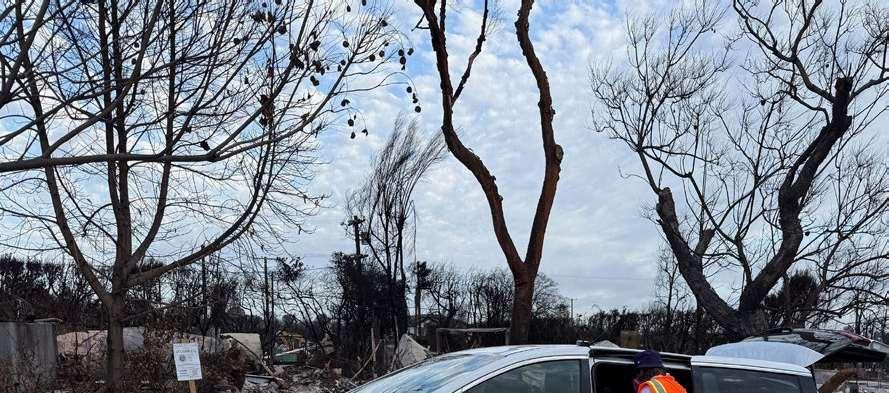
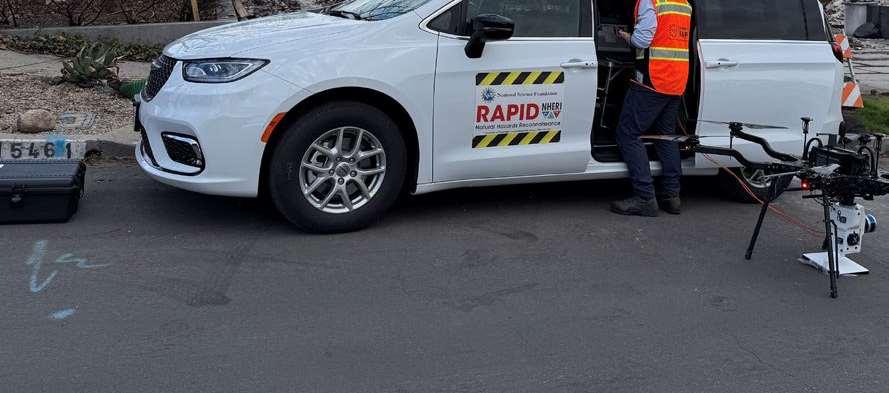
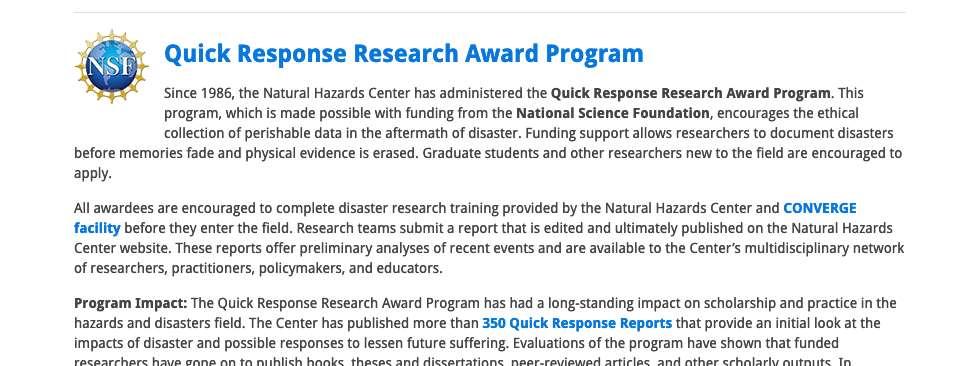
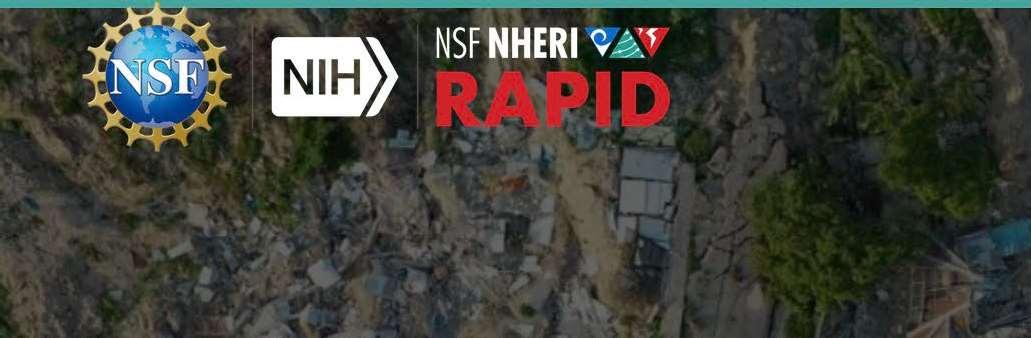
TheRAPIDFacilityenablestransformativeresearchbyprovidinginvestigatorswiththeinstrumentation, software,andsupportneededtocollect,process,andanalyzeperishabledatafromnaturalhazard eventsandfromdisasters.










MajorActivities,Support,andServices
•Acquire,maintain,andoperatestate-of-the-artdatacollectioninstrumentationfor naturalhazardanddisasterinvestigations
•Provideadvisoryservicesandlogisticssupportforreconnaissanceinvestigations
•Processing,visualization,andpublicationwithDesignSafe-CI
•Trainabroaduserbasethroughworkshopsandotheractivities

Air,waterandsoil sampling

WhyDoWeConductPost-DisasterInvestigations?
What’sUniqueabouttheData?
•Extremeeventdatasetsinclude thereal-worldcomplexities(i.e., theinterplaybetweennatural, built,social,andhealthsystems) thatallowustounderstandbetter andquantifythesocio-technical dimensionsrelatedtolosses, restoration,andresiliency.
Suchdataisdifficultto generateinatraditional laboratorysetting
•Thehighvolumeofdata generatedbyanextremeeventis oftenhighly"perishable"—and thus,mustbecollectedquickly
•Thesedatahavemany applicationsanduses




WhyDoWeConductPost-DisasterInvestigations? What’sUniqueabouttheData?
•Disasterdatasetsincludethe real-worldcomplexities(i.e.,the interplaybetweennatural,built, andsocialsystems)thatallowus tounderstandbetterandquantify thesocio-technicaldimensions relatedtolosses,restoration,and resiliency.
Suchdataisdifficultto generateinatraditional laboratorysetting
•Thehighvolumeofdata generatedbyanextremeeventis oftenhighly"perishable"—and thus,mustbecollectedquickly
•Thesedatahavemany applicationsanduses



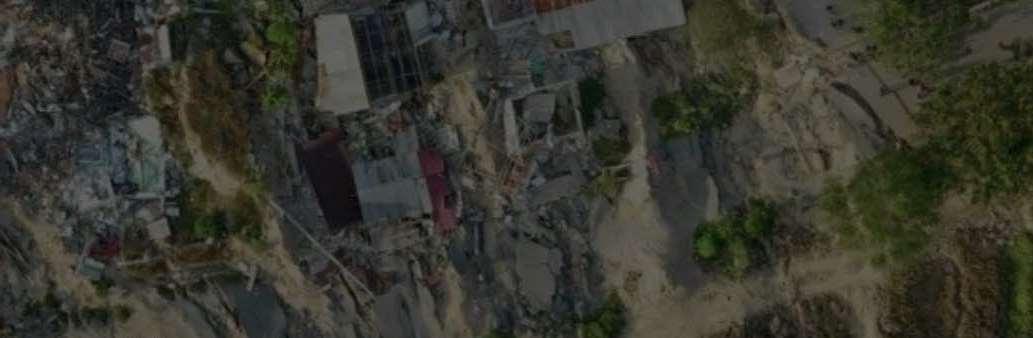
2018Palu,IndonesiaEarthquake

•Disasterdatasetsincludethe real-worldcomplexities(i.e.,the interplaybetweennatural,built, andsocialsystems)thatallowus tounderstandbetterandquantify thesocio-technicaldimensions relatedtolosses,restoration,and resiliency.
Suchdataisdifficultto generateinatraditional laboratorysetting
•Thehighvolumeofdata generatedbyanextremeeventis oftenhighly"perishable"—and thus,mustbecollectedquickly
•Thesedatahavemany applicationsanduses















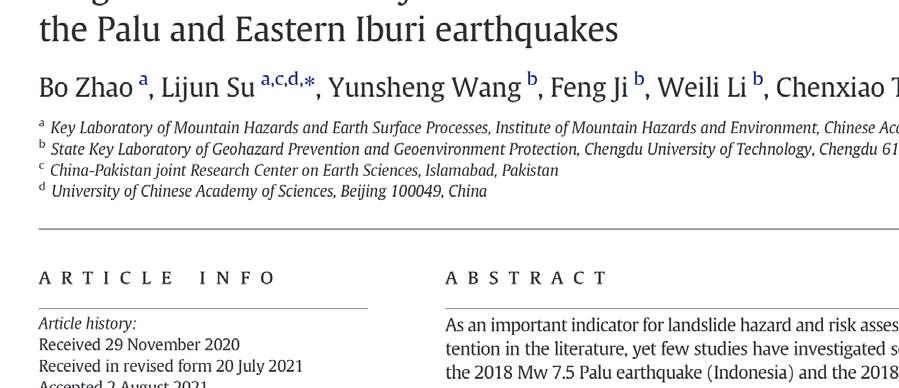

Journalpublicationusingopen,DesignSafe-publishedPaludata....bya researchteamunaffiliatedwithreconnaissanceteam


(Summersetal.,2022),(Napolietal.,2020),(Bessette-Kirtonetal.,2019)
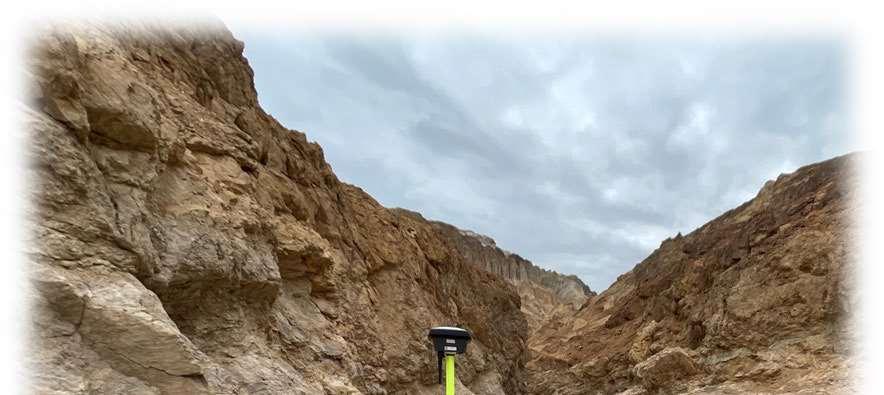
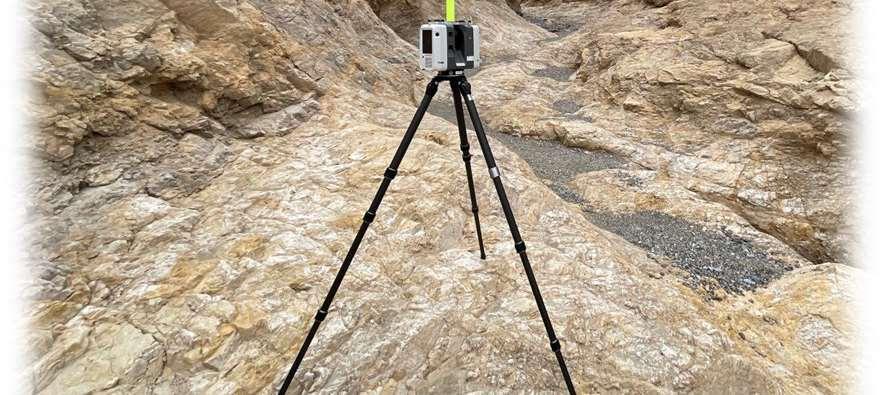
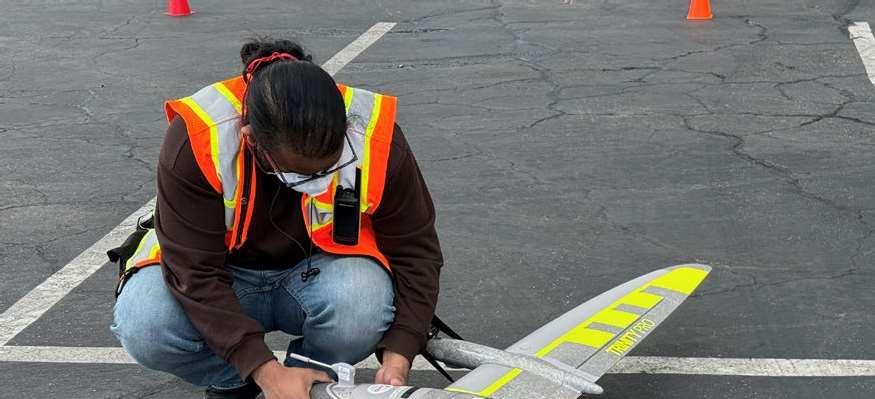
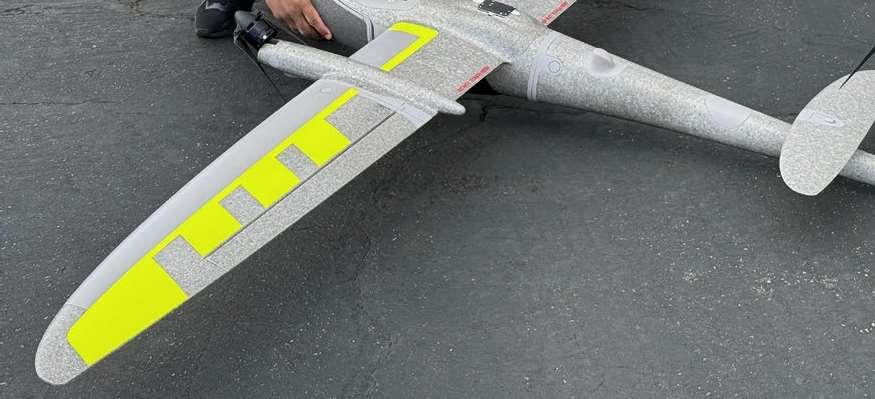
RAPID Instrumentation Portfolio
100uniqueinstrumentsthat are.....

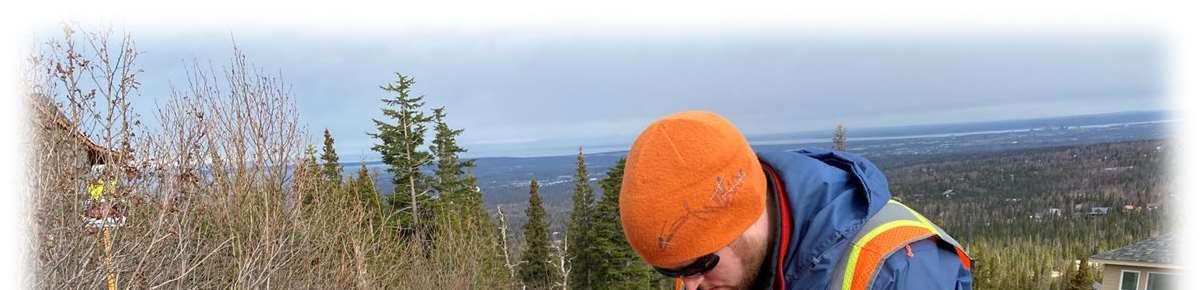
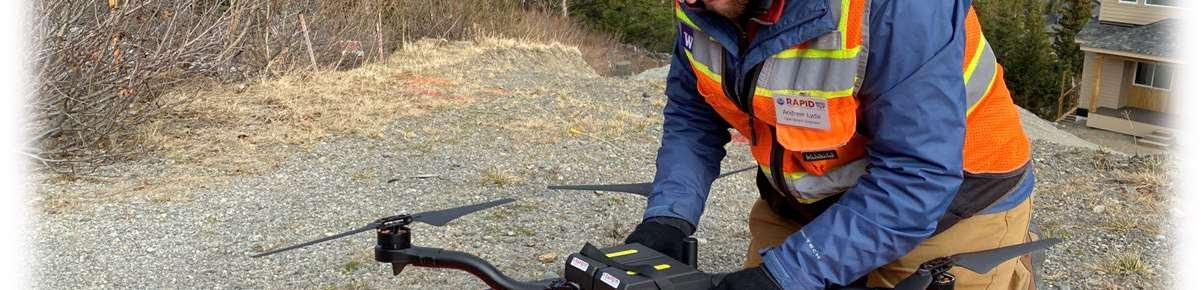

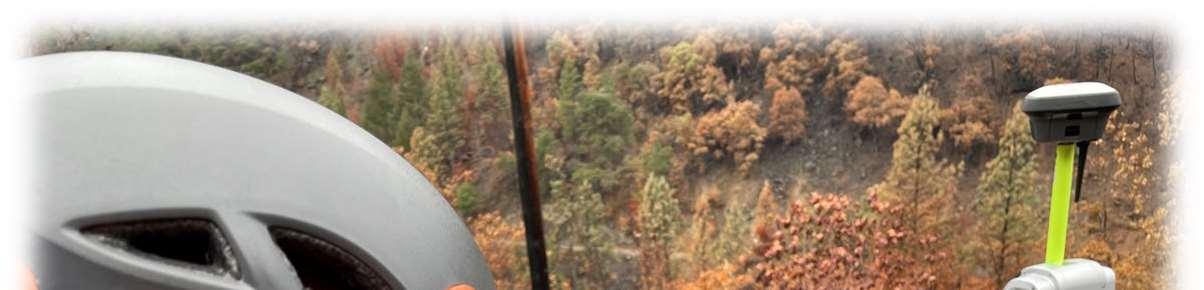
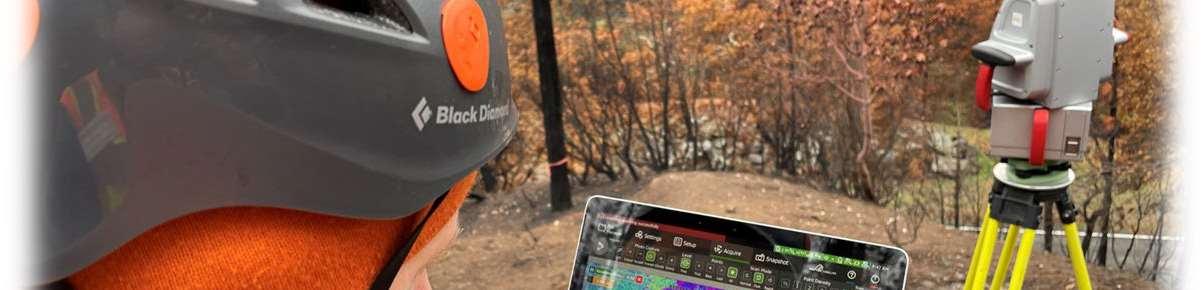

•Portableandlightweight
•Easy-to-use
•Rugged
•Reliable
•High-resolution
•Multiuse

•Readytogo...








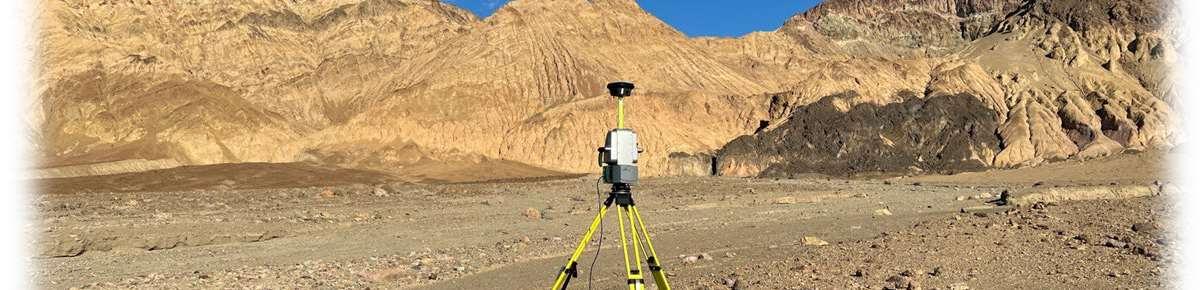



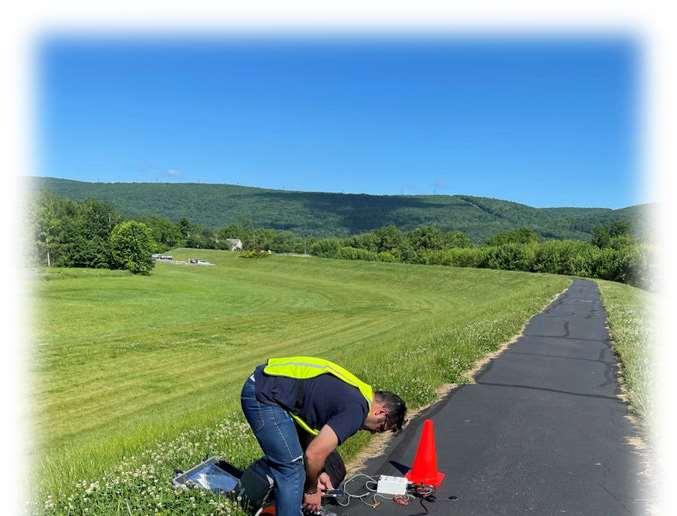
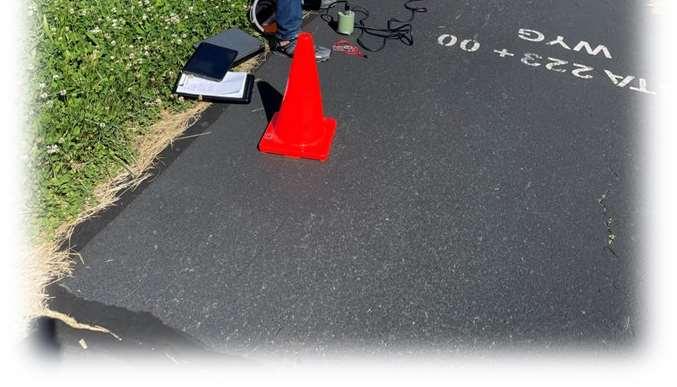

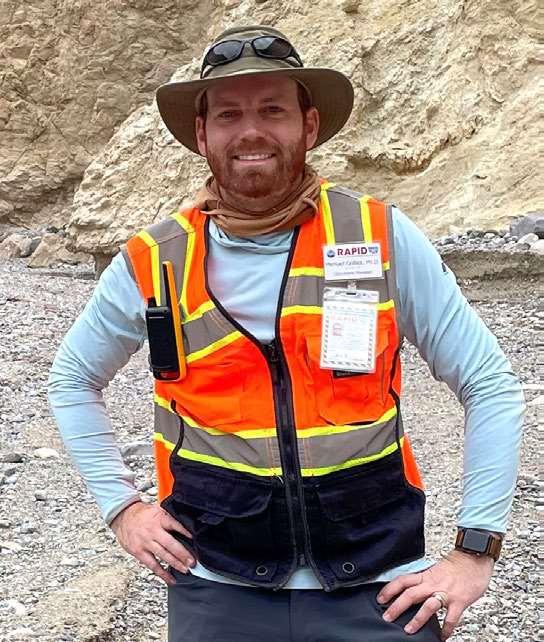
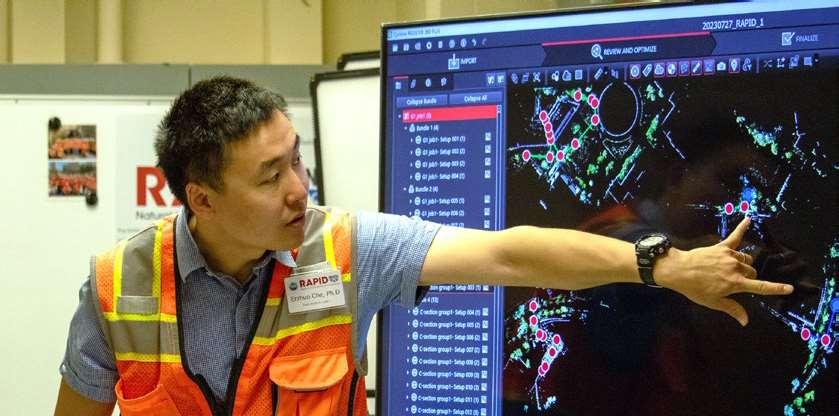
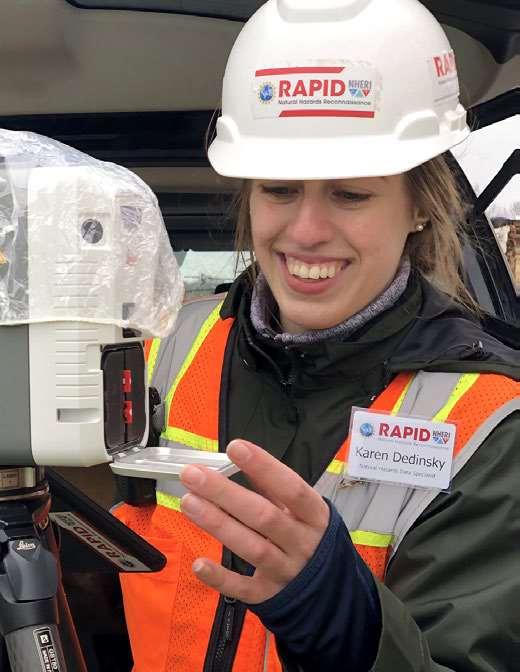
NaturalHazardandDisasterReconnaissanceFacility(RAPID)Senior PersonnelandStaff
MichaelGrilliot,PhD OperationsManager SeniorResearchScientist Civil&EnvironmentalEngineering UniversityofWashington
AndrewLyda OperationsEngineer

KarenDedinsky DataScientist

ErzhuoChe,PhD DataAnalyticsLead ResearchAsst.Prof. Civil&ConstructionEngineering OregonStateUniversity




JaquelineZdebski Exposure&Health TeamLead
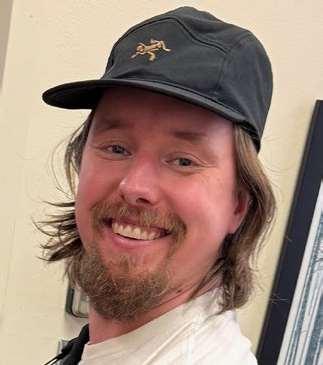
MatiasKorfmacher PublicHealth Research Scientist





JuliaHutchins OperationsSpecialist
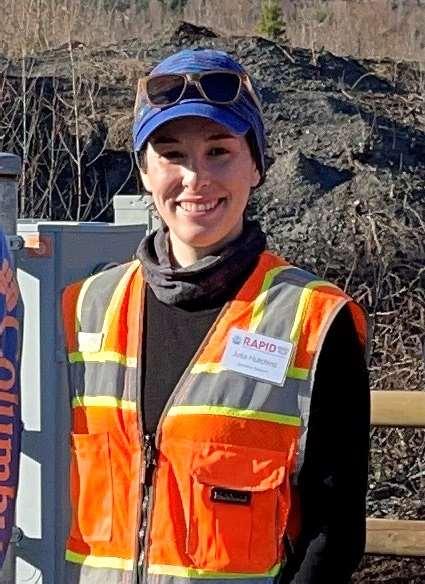


TimGould Environmental HealthSpecialist
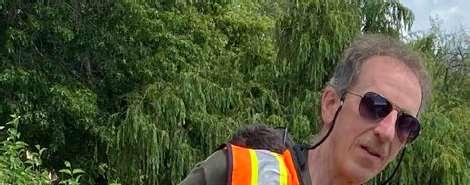
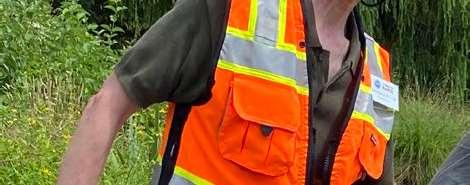


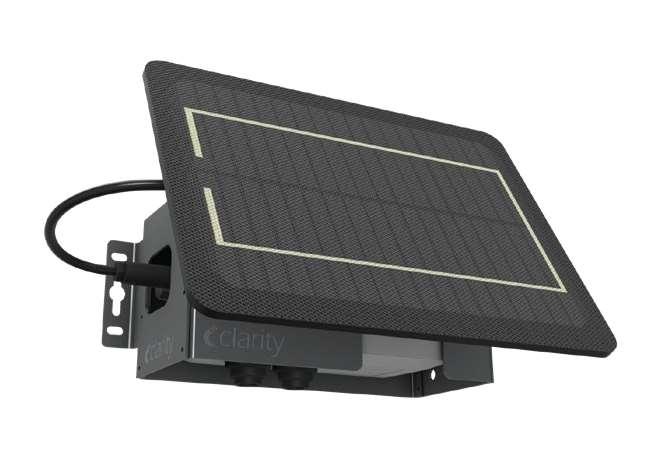
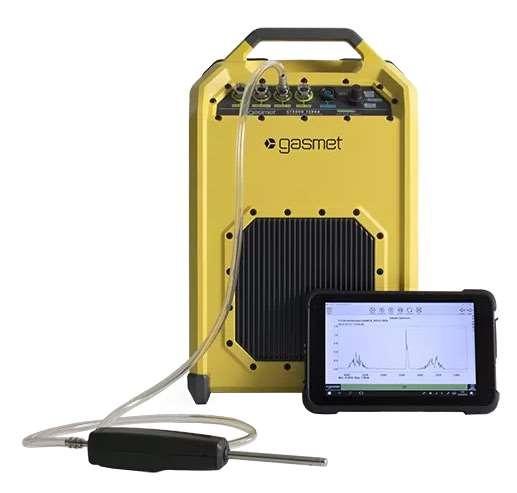
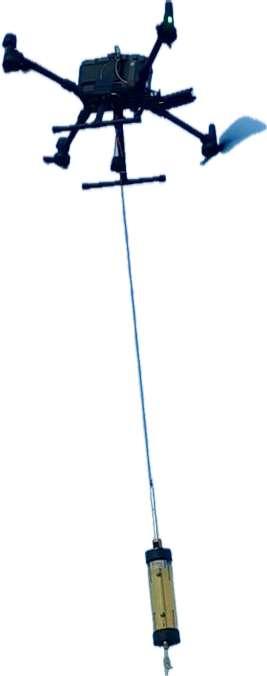
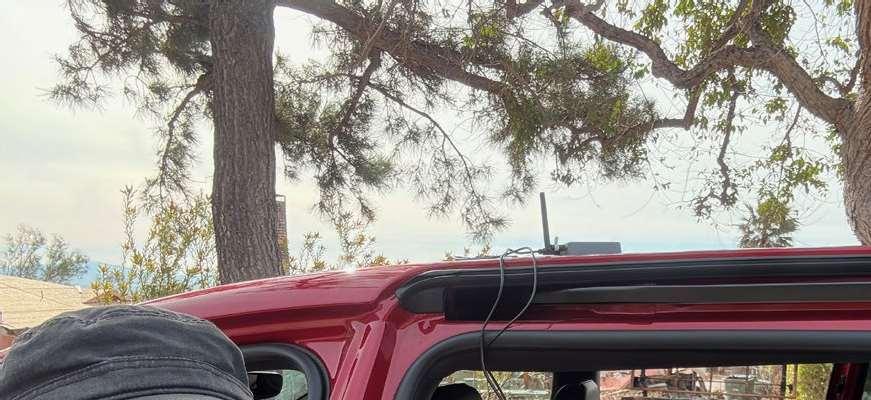
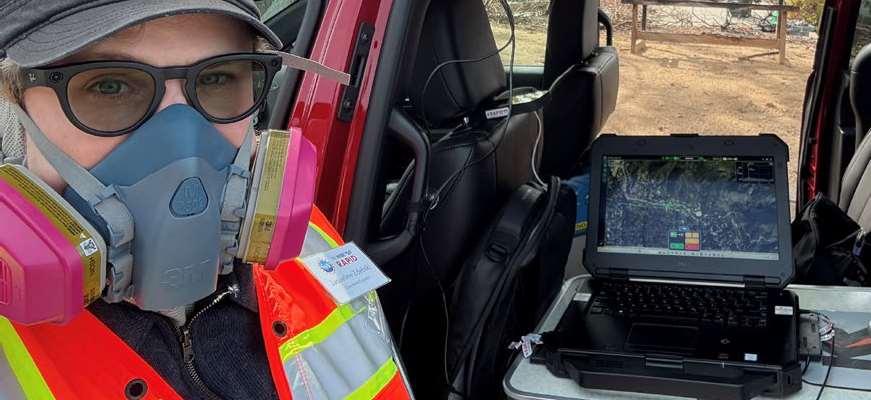
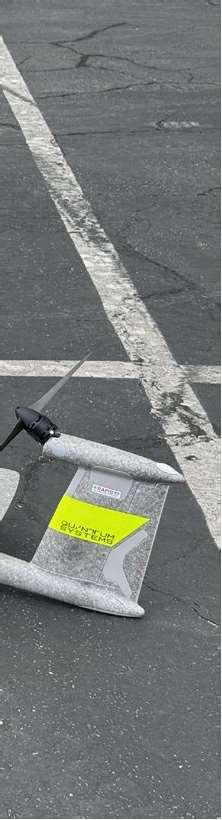
Deployabletoolsenablingexposuremeasurementafterdisasters
AirandAerosols
Monitorsfrom low-cost (PurpleAir, Clarity)to advancedFTIR gasanalyzer


WaterandSoil
RemoteSensingandImaging

Multiparametersonde anddrone-mounted watersampler
BrukerE²M MobileField GC/MS



Trackwildfire smoke,mold, andtoxicgases
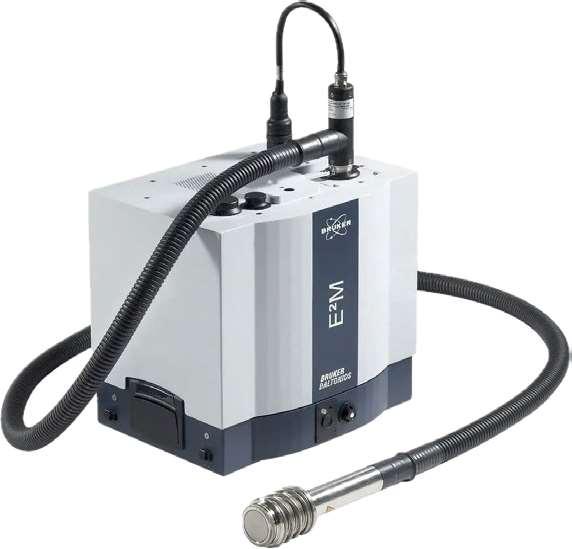

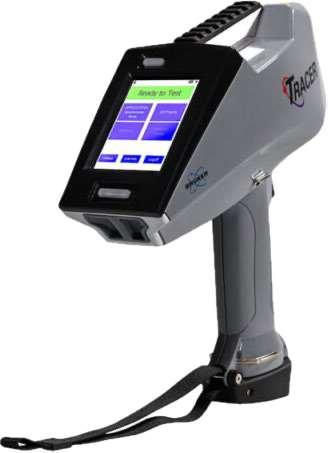

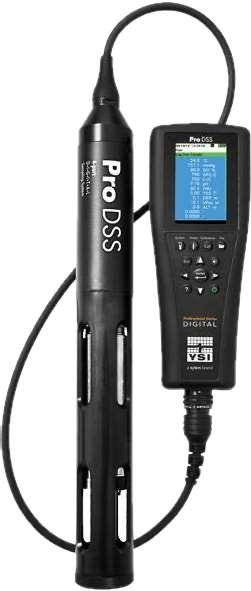
Portable XRFfor metals; field GC/MSfor volatile organics

WhatsupportdoesRAPIDoffer?
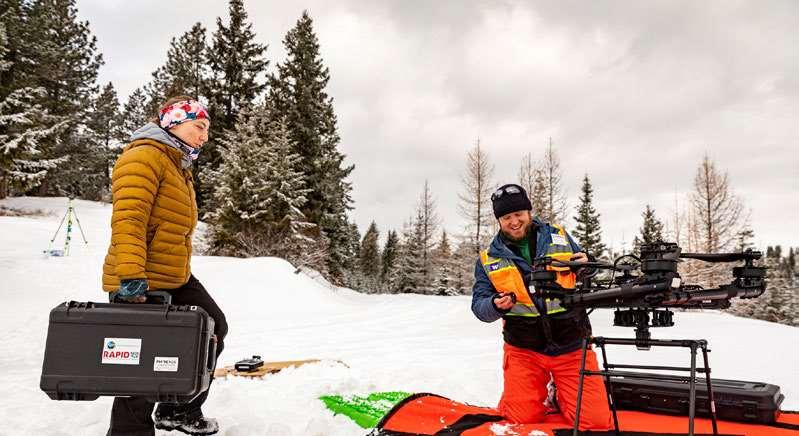
•Training
•Staffassistance
•Logisticscoordination
•Datapostprocessing,curation,andpublishing
•Proposalsupport
Drone-mounted hyperspectral, multispectral,and thermalsensors


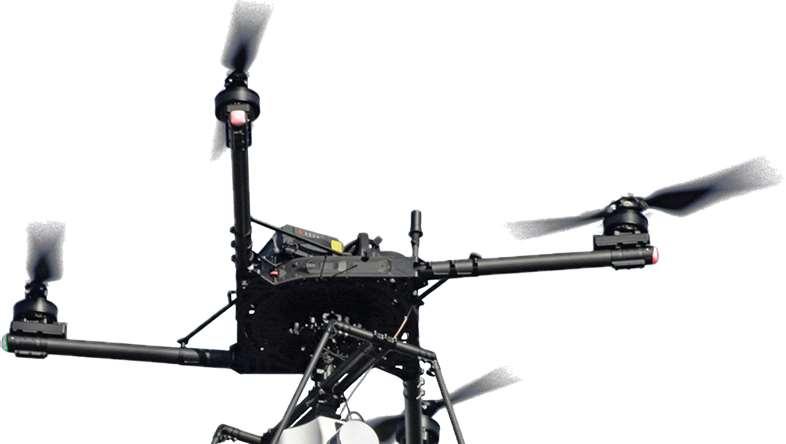









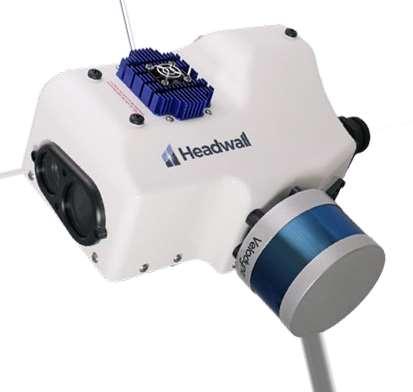



3Dmappingof contaminated anddisasterimpacted areas



WorkingwiththeRAPIDFacility
What'soutsideRAPID'sscope?Scientificobjectivesetting,missioncoordination,directfunding
WhenshouldIcontactRAPID?Duringproposaldevelopment!
•Earlyengagementensuresequipmentandapproachmatchyourresearchgoals
•Contactinformationwillbeprovidedonclosingslide
Wherecanequipmentbedeployed?Anywhere.Wehaveashort-termfocus(>2weeks) WhocanuseRAPID?
•Anyone—academics,governmentagencies,etc.

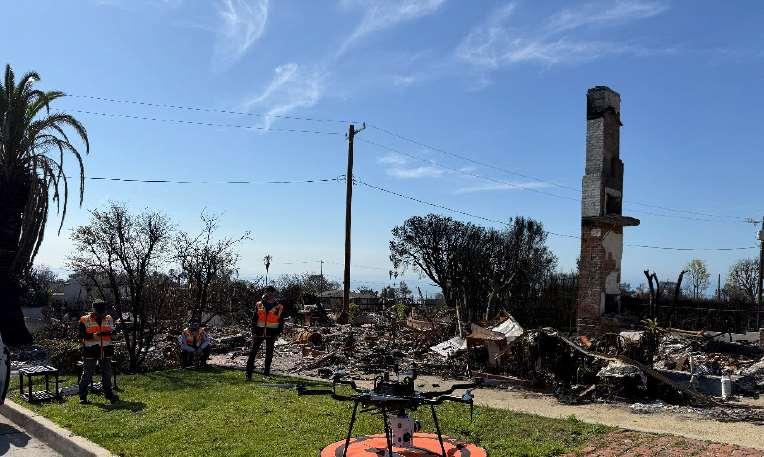

•Wehelptranslateyourscientificobjectivesintorealistic,achievableremote-sensingandfielddatacollection plans

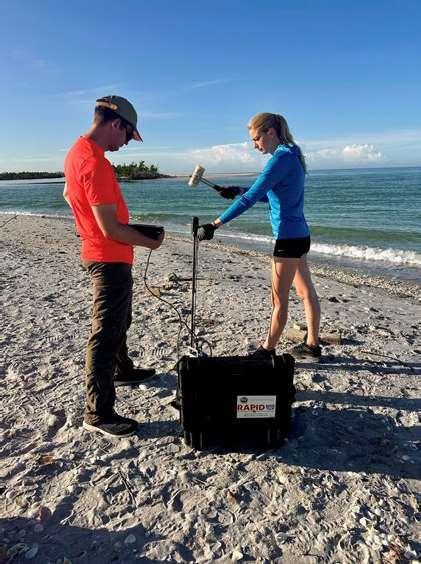

•NSF-andNIH-fundedprojectsprioritized;differentratesforNSFvs.non-NSFusers
Whatdoesitcost?
•Typically,severalthousanddollars(includingshipping)
•HighercostswhenRAPIDstafffielddeploymentneeded(i.e.,travel)
•Userfeesareavailableonourwebsite





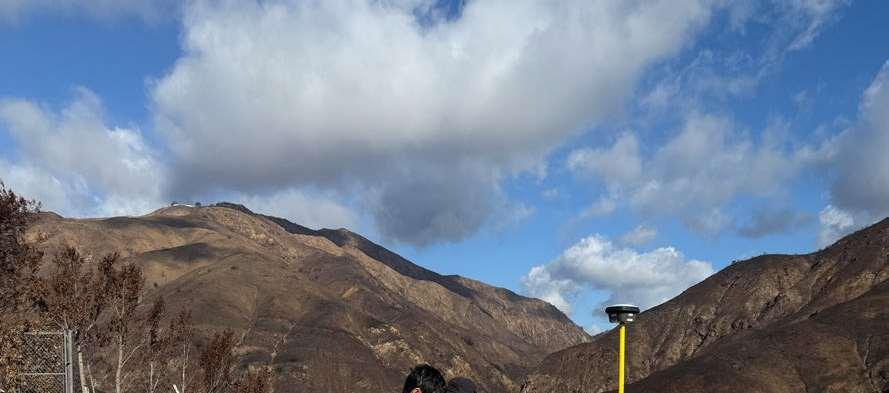
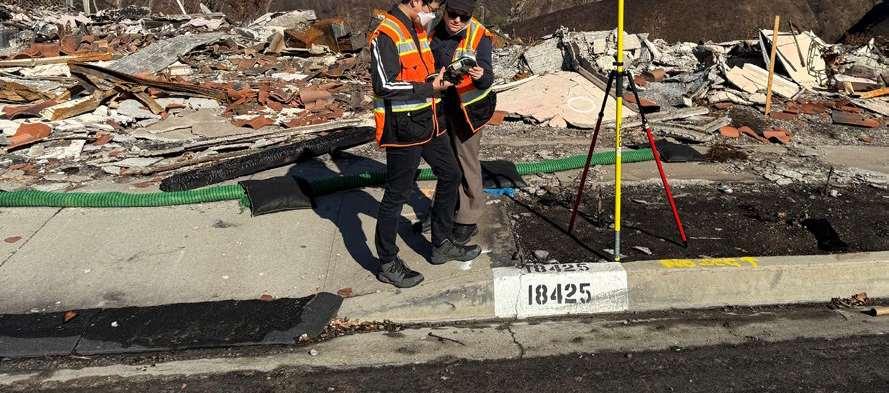

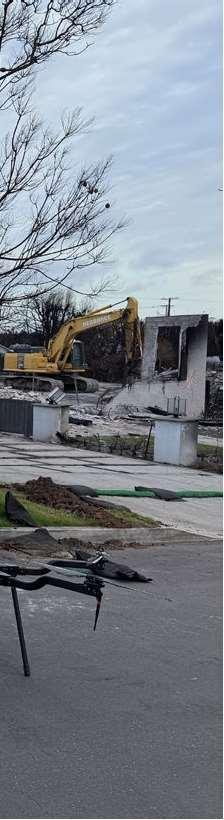

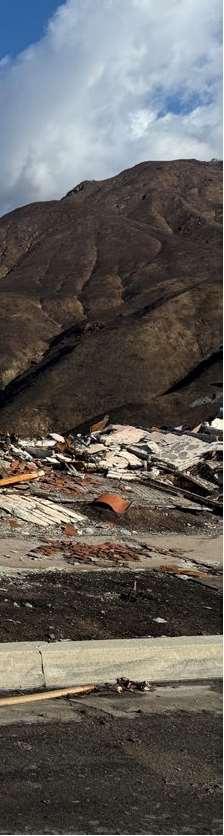


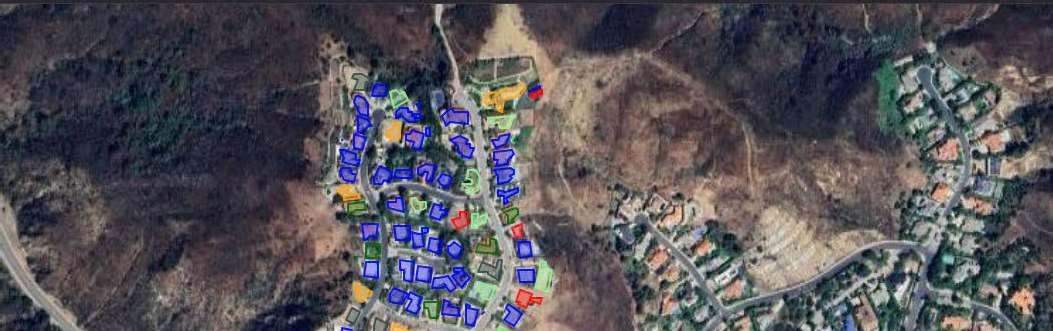
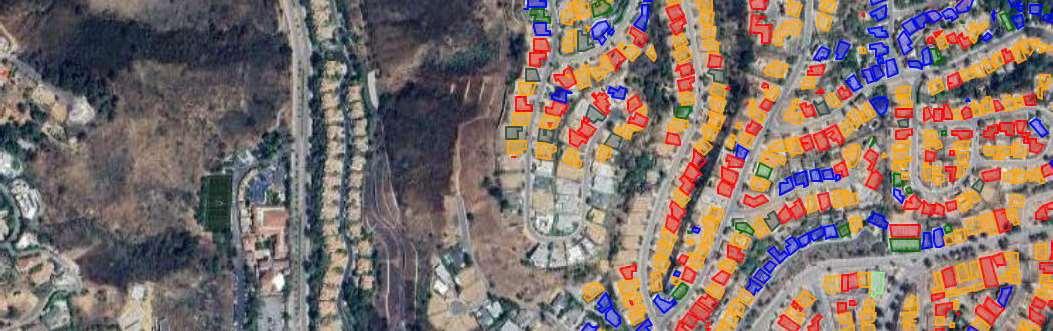
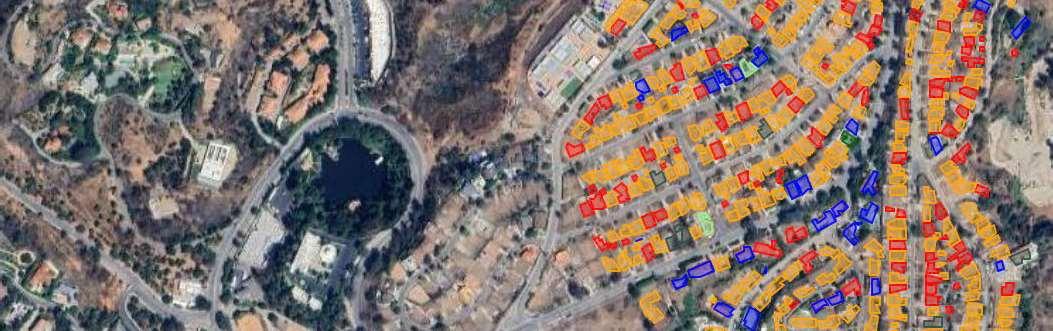
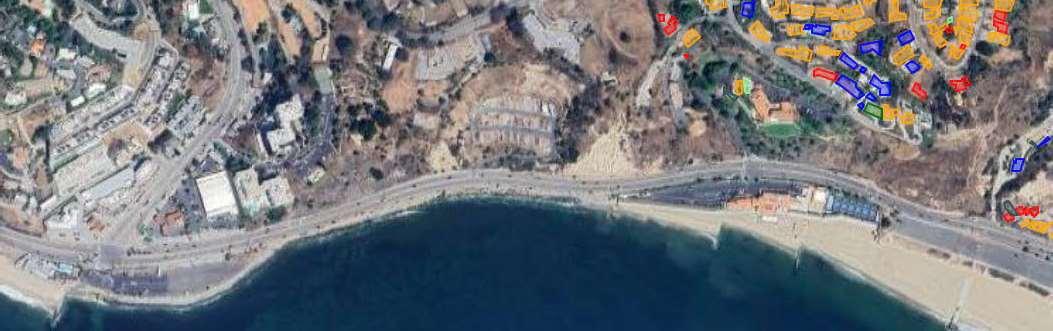
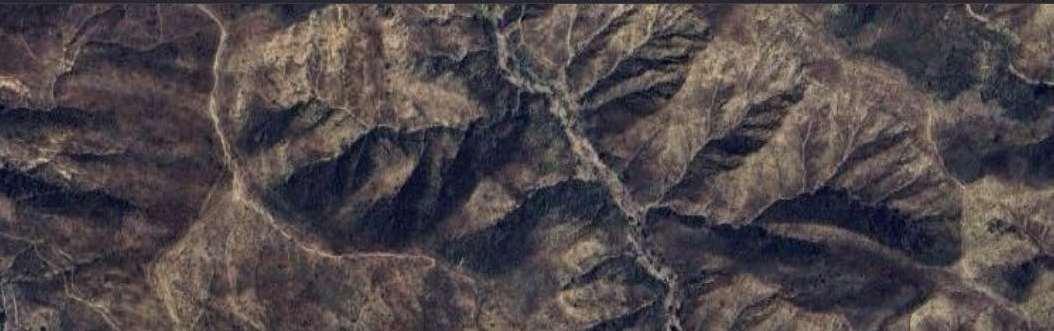
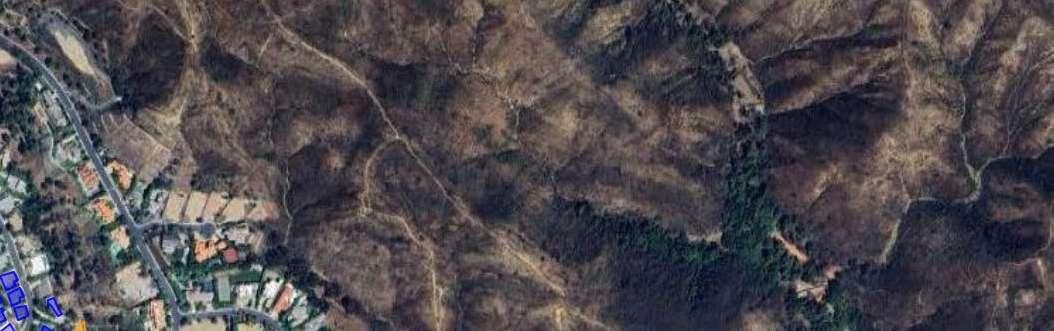
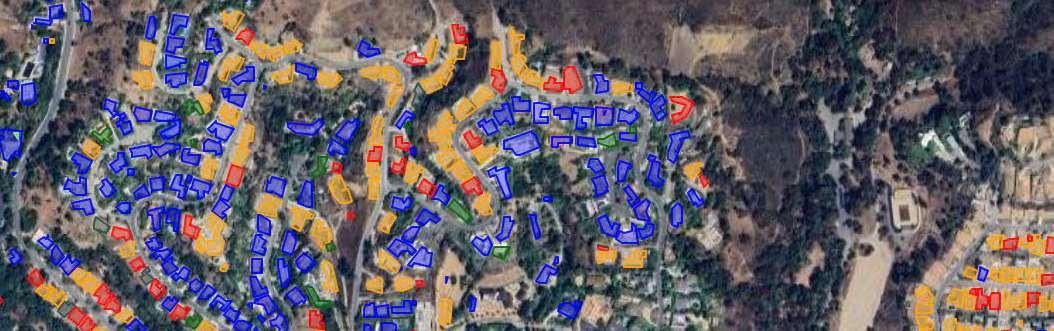
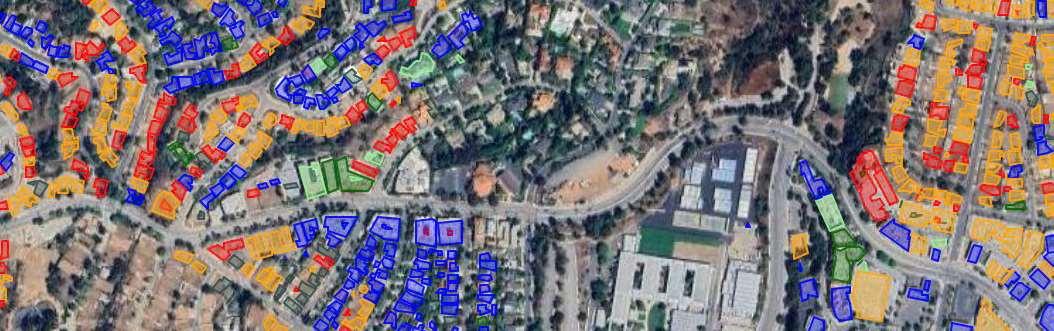
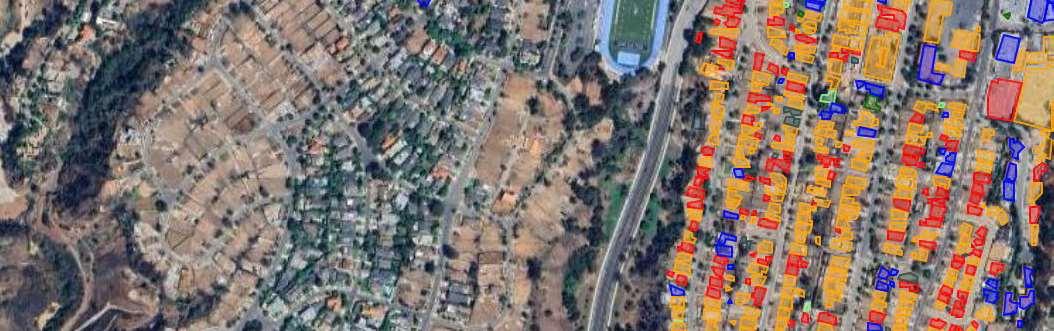
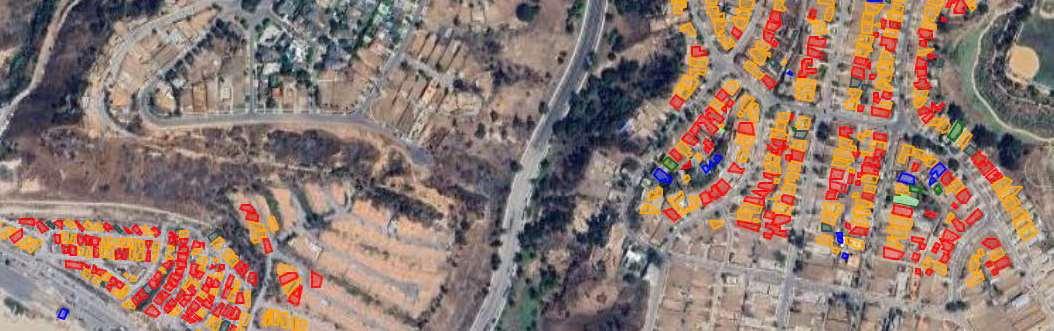
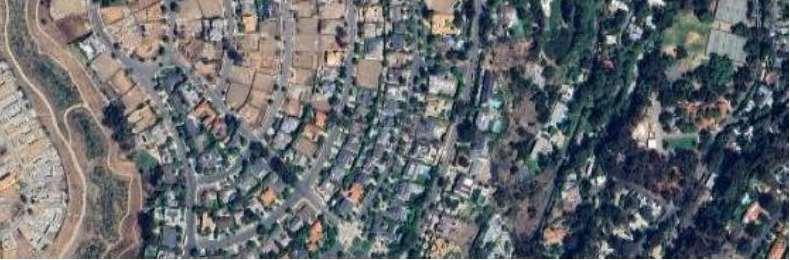
HighResolution(2cm pixel)Orthomosaic
Onecansee:
•(Non-uniform)damage pattern
•Structuralremains;level ofignition
•Survivingstructures
•Burned/Surviving vegetation
•Infrastructurecondition
•Fireperimeter
•Post-fireground conditions;debris
•Burnedcars(EVmarks)
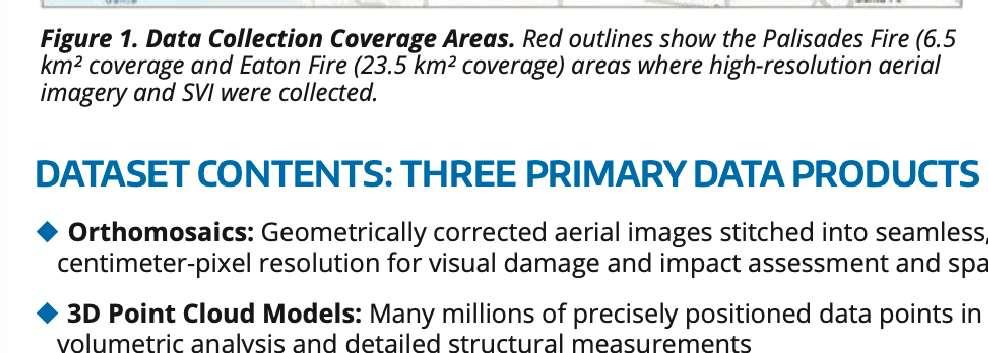
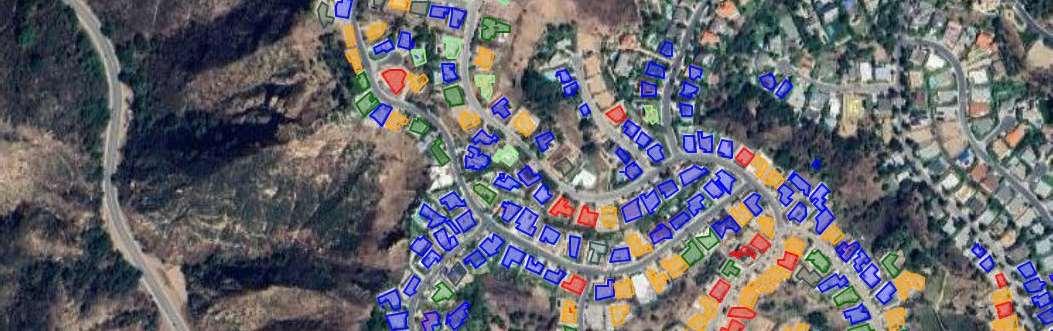
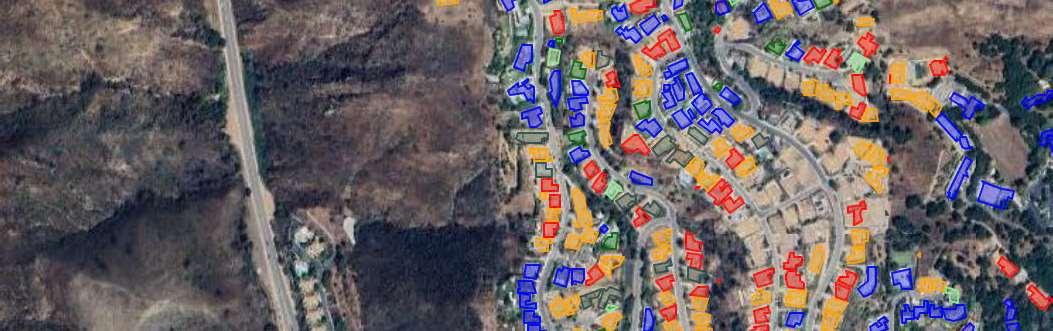
HighResolution(2cm pixel)Orthomosaic
Onecansee:
•(Non-uniform)damage pattern
•Structuralremains;level ofignition
•Survivingstructures
•Burned/Surviving vegetation
•Infrastructurecondition
•Fireperimeter
•Post-fireground conditions;debris
•Burnedcars(EVmarks)



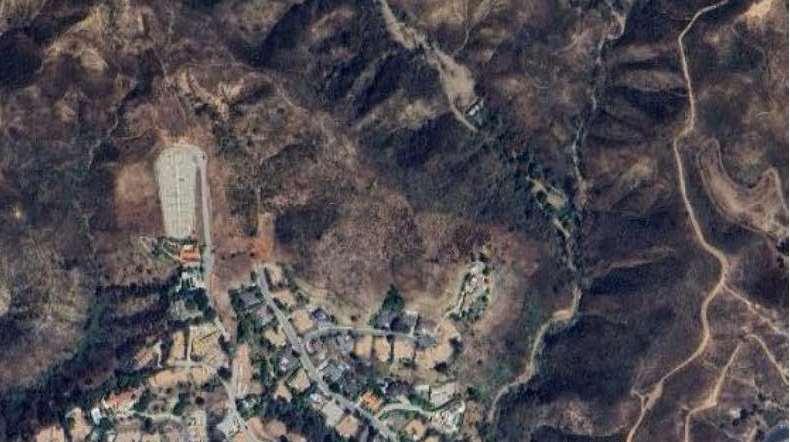

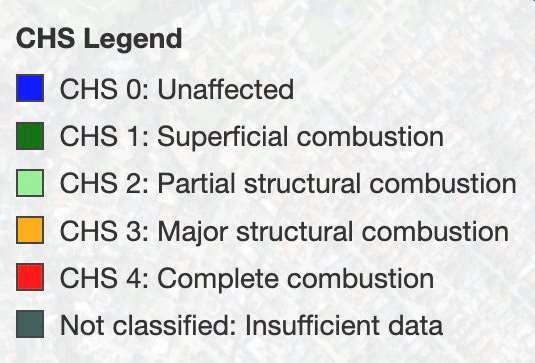
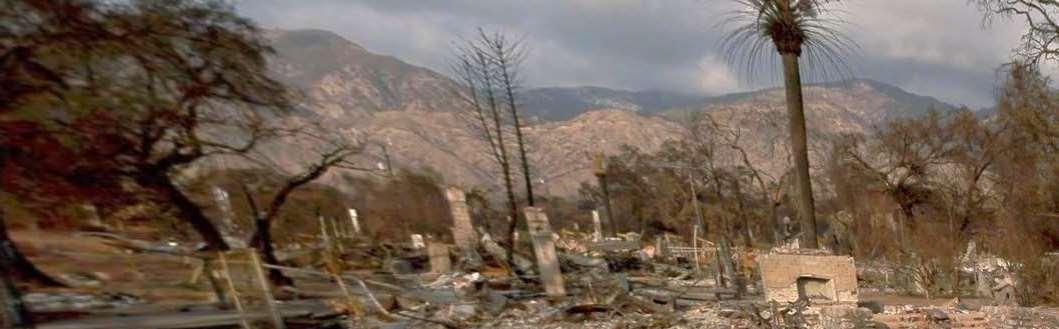
Datato information

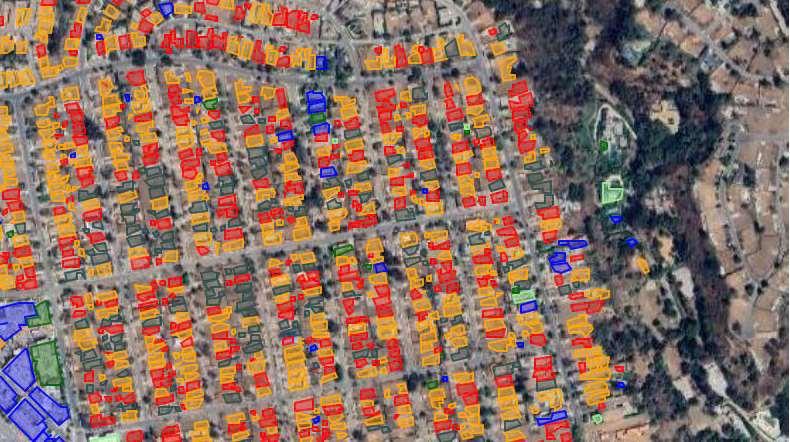
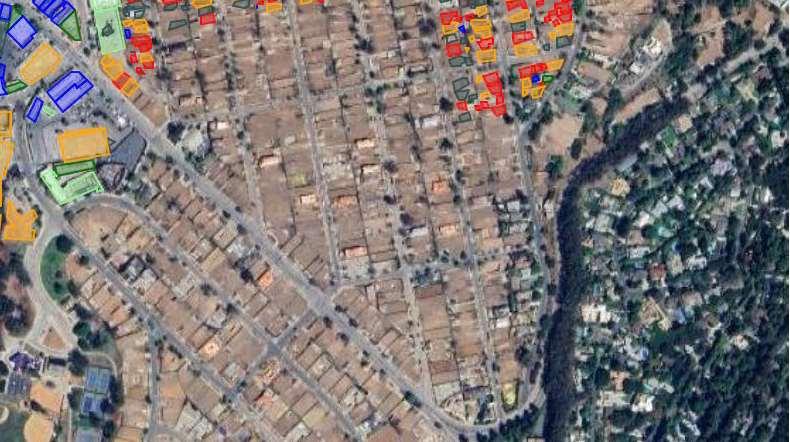




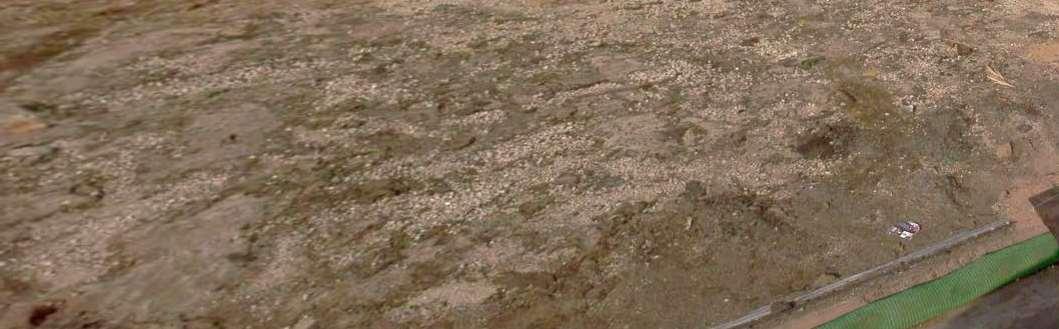
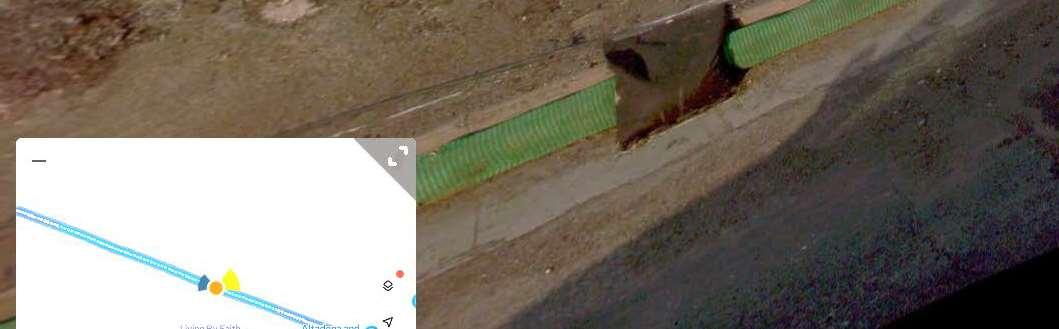
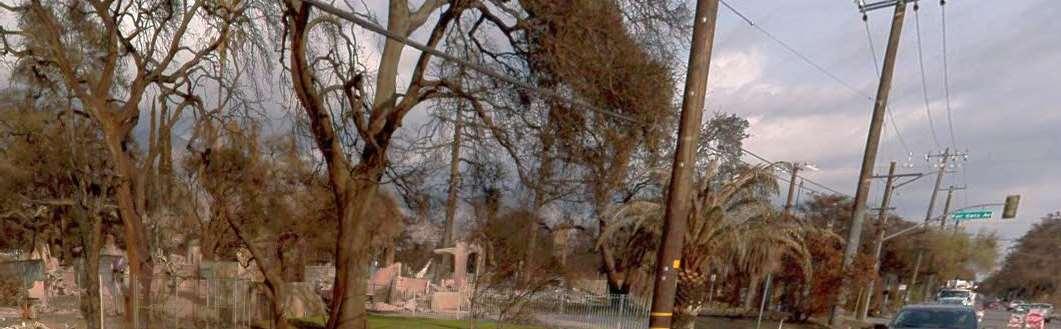
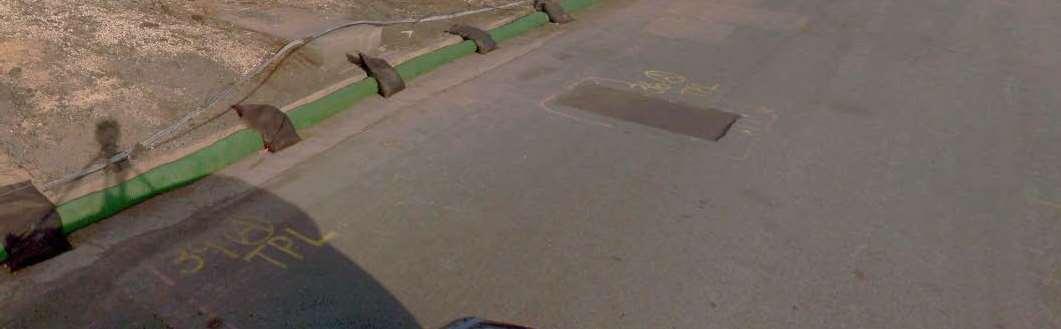
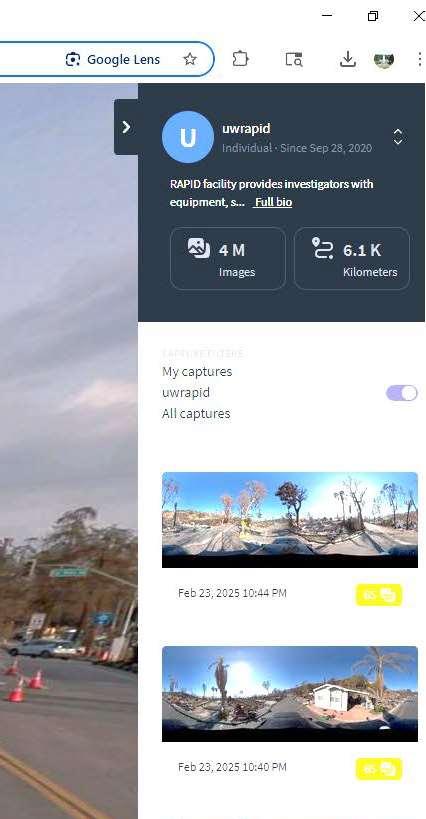




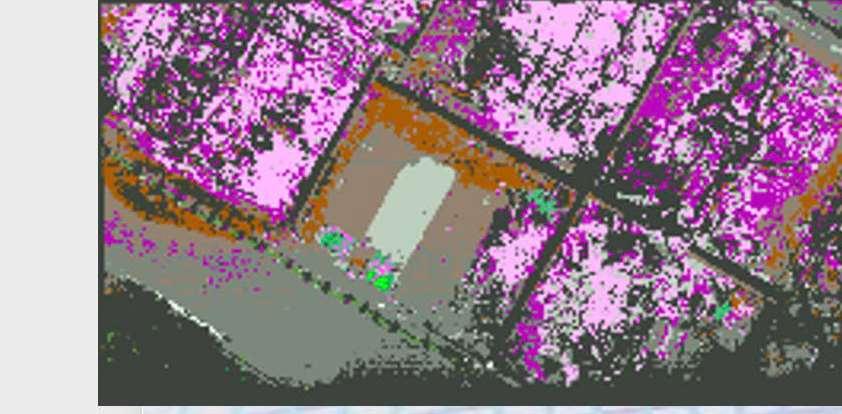
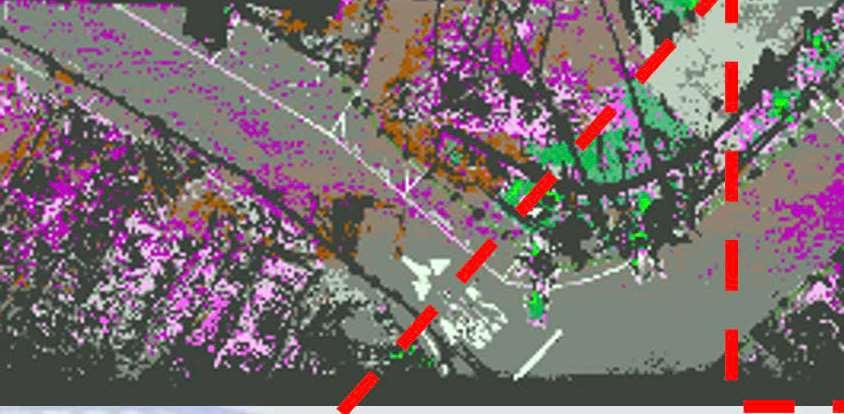
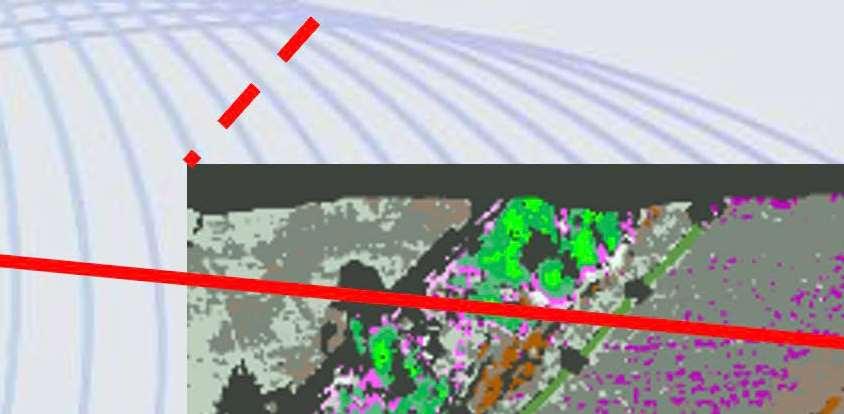
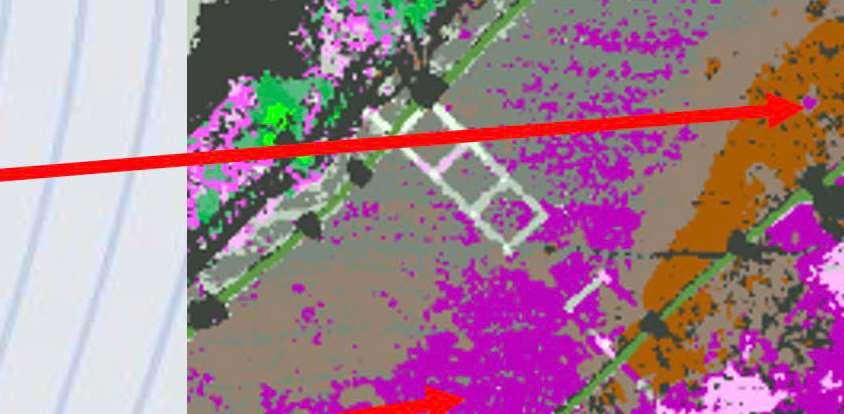



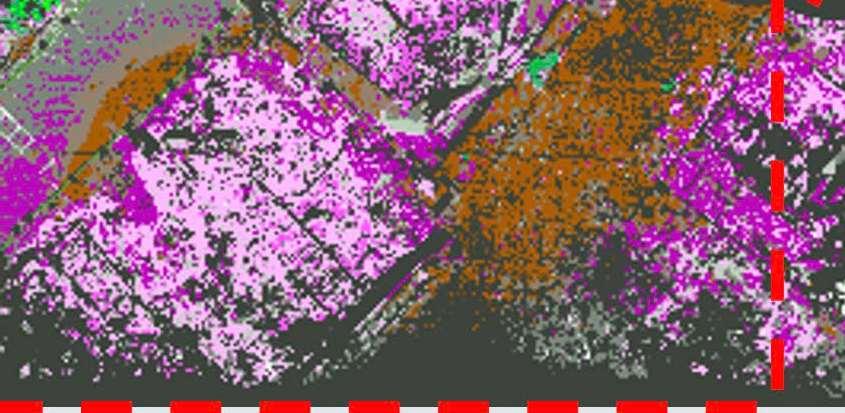
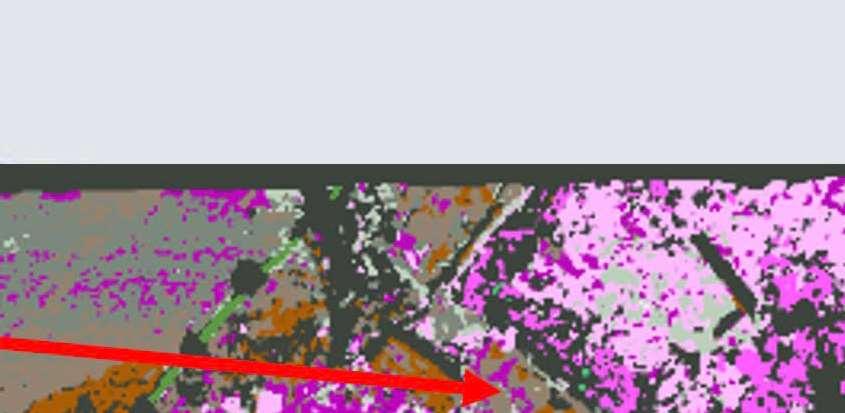
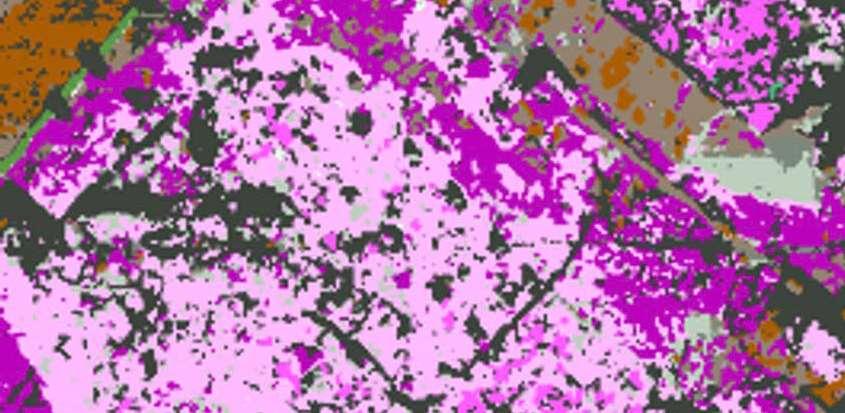


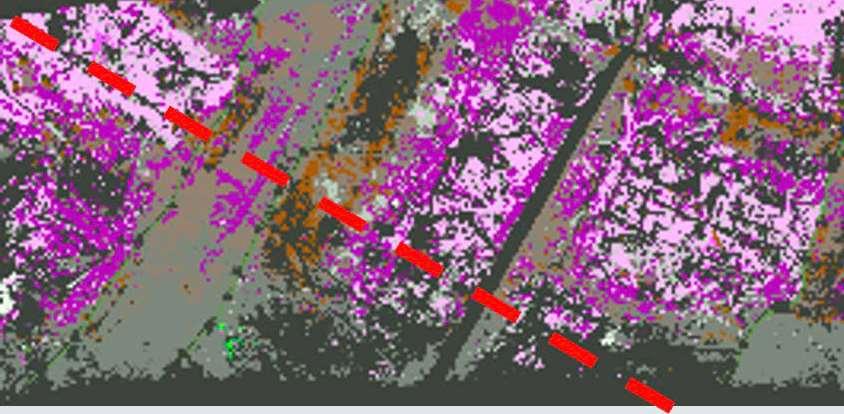
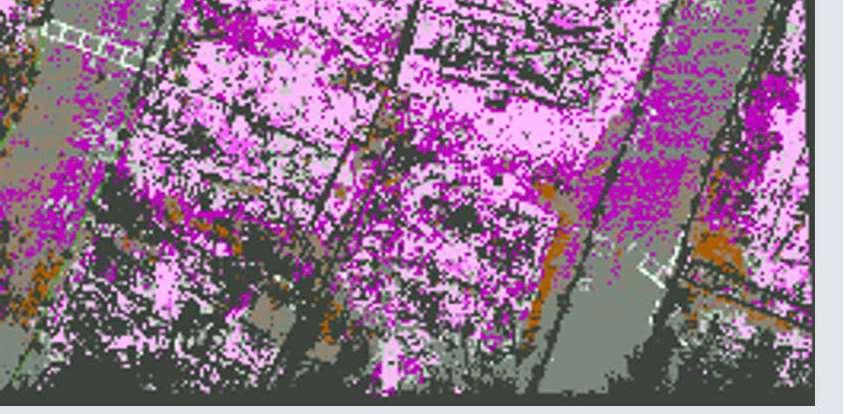
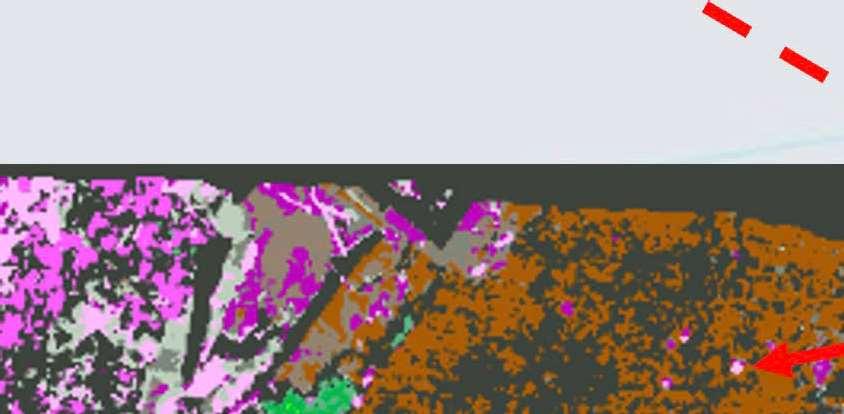
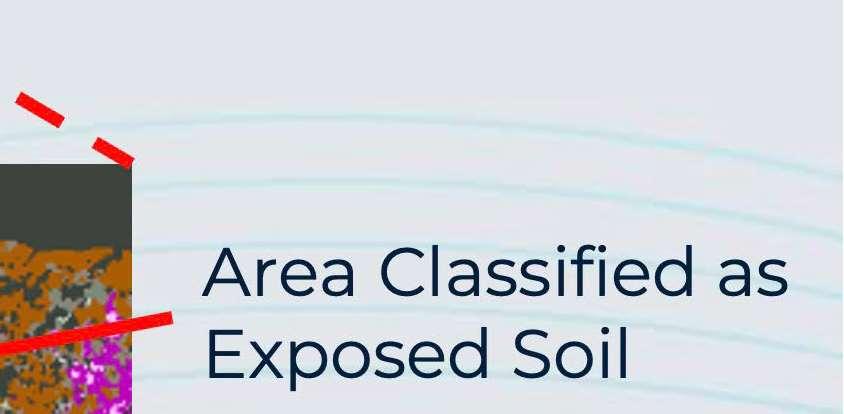
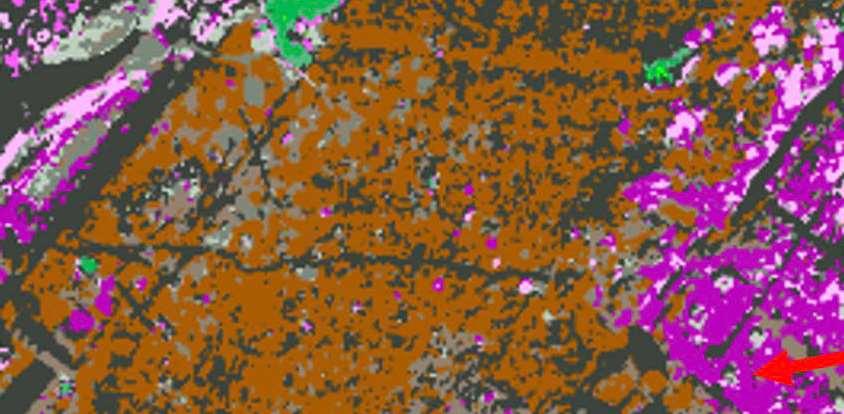
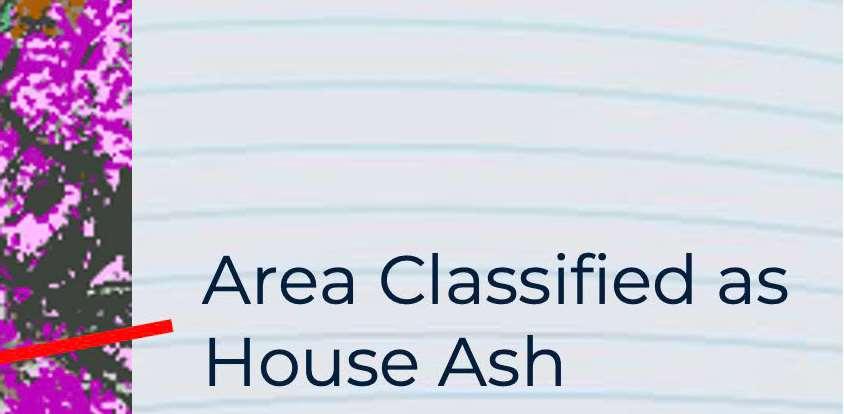





HyperspectralImagery

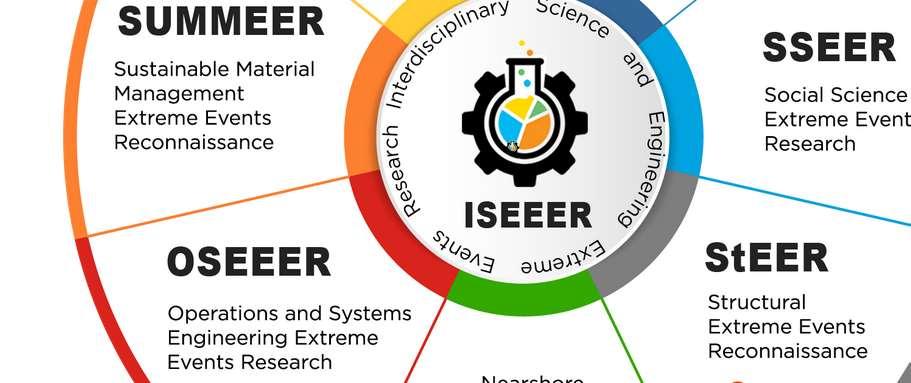
Pre-fundedtorespondtoextreme events
Oftenworkwithseasonedresearchers
Sharethereconnaissance—and reporting—efforts
EERsmayhavespecialaccesstopost disastersites
Proceduresforselectionofteam membersvarybyEER






FromtheNSFProposalandAwardPoliciesandProceduresGuide
"RAPIDisatypeofproposalusedwhenthereisasevereurgencywithregardtoavailabilityoforaccessto,data,facilitiesorspecializedequipment, includingquick-responseresearchonnaturaloranthropogeniceventsandsimilarunanticipatedoccurrences."(NSFproposalandaward policiesandproceduresguide)
RAPIDproposalsareNOTfor:
•projectsthatareappropriateforsubmissionas"regular"NSFproposals; •collectionofonlynon-perishabledata
PIsareadvisedthattheymustsubmitaconceptoutlinepriortosubmissionofaRAPIDproposal.Thiswillaidindeterminingtheappropriateness oftheworkforconsiderationunderthistypeofproposal.ConceptoutlinescanbesubmittedeitherbyemailtoacognizantProgramOfficer.
•TheProjectDescriptionisexpectedtobebriefandmustbenomorethanfivepages.Itmustincludeclearstatementsastowhytheproposed researchisurgentandwhyRAPIDisthemostappropriatetypeofproposalforsupportingtheproposedwork.Notethisproposalpreparation instructiondeviatesfromthestandardproposalpreparationinstructionscontainedinthisGuide;
•OnlyinternalmeritreviewisrequiredforRAPIDproposals.Insomeinstances,ProgramOfficersmayelecttoobtainexternalreviewstoinformtheir decision.Ifexternalreviewistobeobtained,thenthePIwillbeinformedintheinterestofmaintainingthetransparencyofthereviewand recommendationprocess.
•Requestsmaybeforupto$200K(includingindirectcosts)anduptooneyearinduration.Theawardsize,however,willbeconsistentwiththe projectscopeandofasizecomparabletograntsinsimilarareas.
•RAPIDproposalsarenoteligibleforreconsideration,ifdeclined.
2026RAPIDGraduateScholarsProgram
Programfocus
oTraininginstateoftheartfieldinstrumentationanddata collection
oApplyingandarchivingdatafornaturalhazardsanddisaster research
Supportprovided
oOneononetrainingandaccesstoRAPIDresources
oCoverageforinstrumentation,travel,andshipping
oSupportservicessuchaslicenseddronepilotwork
Eligibilityandtimeline

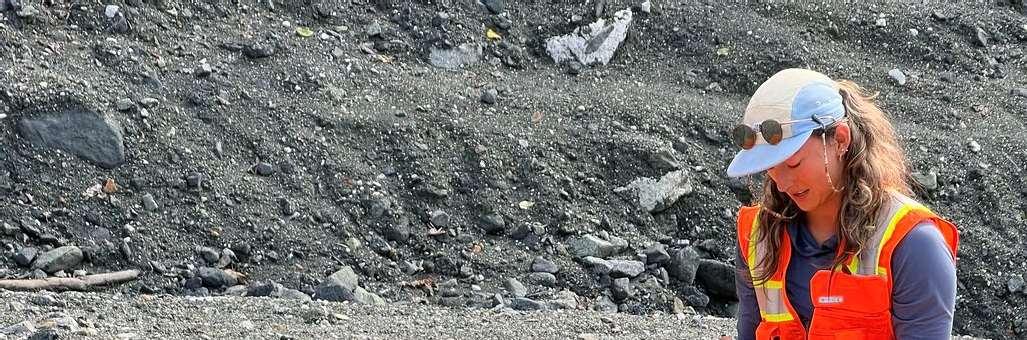
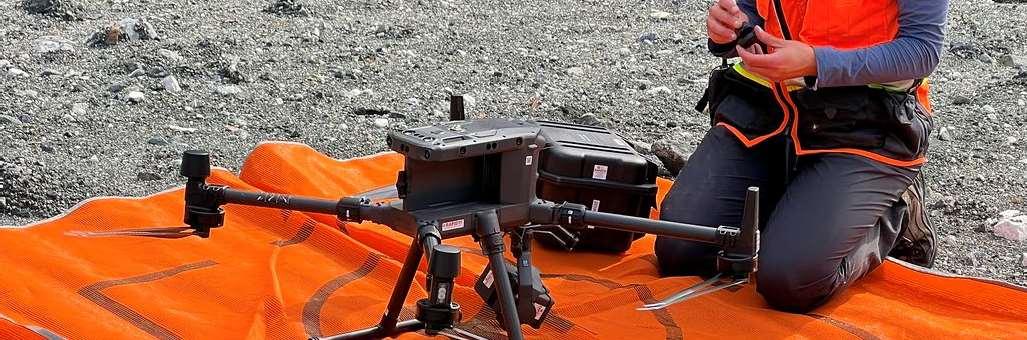
oOpentograduatestudentsinnaturalhazardsanddisaster fieldsatU.S.institutions
oApplicationsaccepteduntilJanuary31,2026
Funding
o$3,750grant
oUpto$7,500inwaivedequipmentfeesandstaffsupport
oOptional$1,500travelstipendforin-persontraining

































SUPERFUND RESEARCH CENTER
DISASTER RESEARCH TRAINING WORKSHOP
DECEMBER 5, 2025 8:00-9:30 AM
HUMAN STUDIES DURING AND AFTER DISASTERS AND ENVIRONMENTAL EMERGENCIES
Garett Sansom (Texas A&M Univ.)






HumanStudiesDuringand AfterDisastersand EnvironmentalEmergencies
GarettSansom,DrPH,MPH
CommunityEngagementCore
TexasA&MSuperfundResearchCenter
Topicstobecoveredinthislecture:
•Rights&ResponsibilitiesofDisasterResearchers
•DevelopingaQuestionnaireforDisasterResearch
•InterviewerRolesandResponsibilities
•BasicsofHumanStudiesandIRBProtocols
•ProcessforCollectingData:EnvironmentalEmergencies
•WorkingwithCommunities
•InteractingwithStudySubjectsPost-Disaster
•Whathappenstothedata?
•Caseexamples





WhatdoestheCommunityEngagmentCore(CEC) do?
•Connectsscientistswithcommunitiesimpactedby environmentalhazards
•Buildstrustandcommunicationpathwaysbetweenresidents, researchers,andagencies
•Translatestechnicalfindingsintoclear,accessible information
•Elevatescommunityknowledge,history,andlivedexperience toinformresearchquestions
•Supportstwo-waylearning:researcherslearnfromresidents andresidentsgainscientifictools


Research+HazardPreparednessFocus
•Helpscommunitiesunderstandcontaminationrisk,exposure pathways,andhealthimplications
•Co-developshazardpreparednessstrategies(storms, flooding,chemicalreleases,droughtimpacts)
•Trainsresidentsincommunitysciencesamplinganddata interpretation
•Guidesemergencymessaging,riskcommunication,and decision-makingduringhazardousevents
•Ensuresresearchleadstopracticalsolutions—saferwater, soil,air,andstrongerresilienceovertime
Numerousadditionalfaculty,staff,andstudents
Rights&ResponsibilitiesofDisasterResearchers
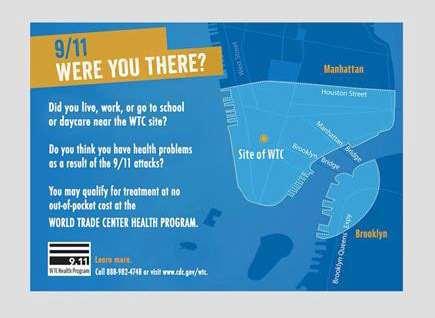
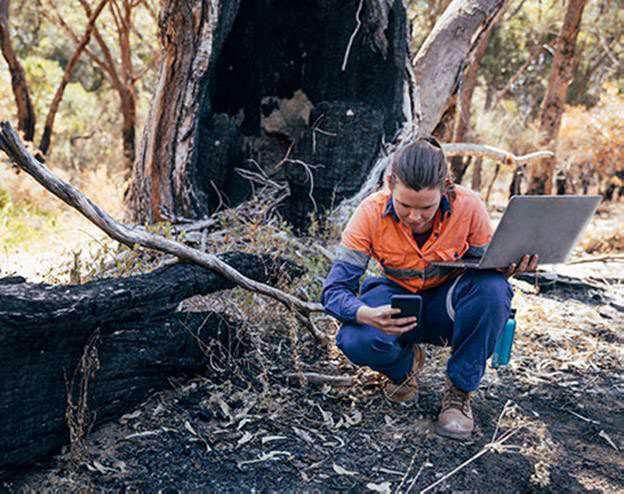
•After9/11,anthrax attacks,DeepWater Horizon
•Expansionofpostdisasterresearch applications
•Fasterresponsetimes
•Shortercompletion times
•Toolstosystematically collectandanalyze data
•Balanceneedfor perishabledatawith:
•Respectforfirst responders
•Provisionofemergency supplies
•Safetyofresearchteam
•Respectforimpacted communities


•AccordingtotheCentersforDiseaseControl andPrevention,thegoalsareto:
•“Determinethecriticalhealthneedsandassessthe impactofdisasters;
•Characterizethepopulationresidingintheaffected area;
•Producehousehold-basedinformationand estimatesfordecisionmakers;
•Evacuatetheeffectivenessofreliefeffortsthrough conductingfollow-upCASPERs.”
CentersforDiseaseControlandPrevention(2012)CommunityAssessmentforPublicHealthEmergencyResponseToolkit: SecondEdition.Availableat:https://www.cdc.gov/nceh/hsb/disaster/casper/overview.htm
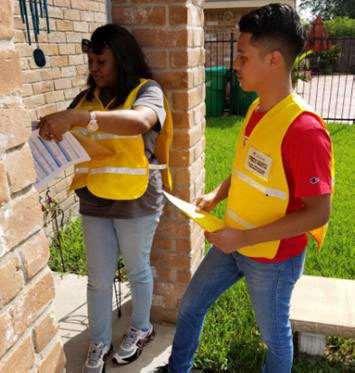
AdvantagesofUsingCASPERtoCollectData afterDisasters
•Generalizabledata
•Providespopulationestimates
•Timely
•Relativelylowcost
•Simplereportingformat
•Flexible
•Disasterornon-disaster settings
•Suitableforcommunitiesof varyingsizeandcomposition
•Just-in-timetraining
CentersforDiseaseControlandPrevention(2012)CommunityAssessmentforPublicHealthEmergencyResponseToolkit: SecondEdition.Availableat:https://www.cdc.gov/nceh/hsb/disaster/casper/overview.htm
DevelopingaQuestionnaireforDisasterResearch
•RapidNeedsAssessments
•HarrisCountyPublicHealthconductedCASPERs immediatelyfollowingHurricaneHarveytoassess healthneedsinAldineandSoutheastHarrisCounty
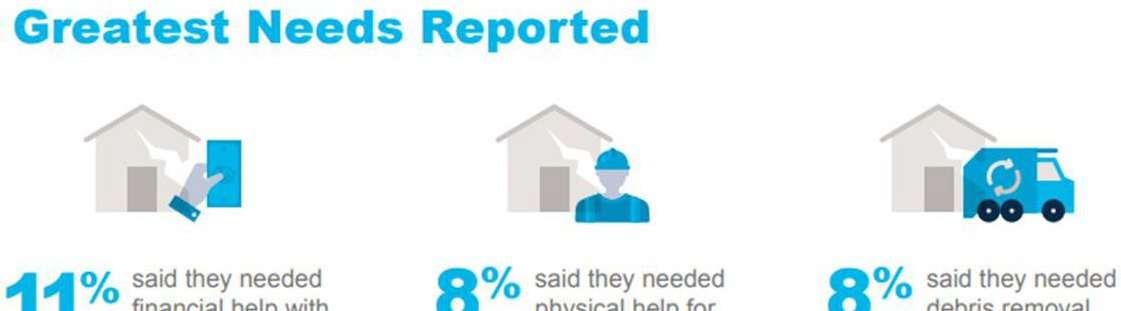
HarrisCountyPublicHealth.SoutheastHarrisCountyHurricaneHarveySurveyResults.Availableat: https://publichealth.harriscountytx.gov/Portals/27/Documents/Organization/OPHPR/Casper/CASPER_Southeast_Final.pdf?v er=2018-04-24-164118-783
healthcomplaint prevalence
behaviors
•CDCCASPERToolkit https://www.cdc.gov/nceh/hsb/disaster/casper/d ocs/cleared_casper_toolkit.pdf
•CDCCASPERWebsite www.cdc.gov/nceh/hsb/disaster/casper/ •CouncilofStateandTerritorialEpidemiologists’ DisasterEpidemiologySubcommittee https://www.cste.org/group/DisasterEpi
•NIHDisasterResearchResponseProject https://dr2.nlm.nih.gov/tools-resources
Informationthatshouldbeincludedinaquestionnaire:
•Identifyinginformation(name,address,phone#)
•Canbeusedtolinktootherrecords,forupdating, preventduplicateentries
•Demographicinformation(age,gender)
•Clinicalinformation(symptoms,dateofonset,resultsof labtesting)
•Exposureandriskfactorinformation
•THISISTHEFOCUSOFTHEQUESTIONNAIRE
•Sourceofinformation(interviewwithcaseorsurrogate? identificationoftheinterviewer)
Whywouldinformationaboutthe interviewerbeimportant?

ConstructingQuestions
•Afteryouhavedecidedalltheinformationthatyouneed, youcanbeginwritingquestions
•Formatandwordingwillvarybyinvestigation
•Generalformatsinclude:
•Open-ended–shouldbelimited!
•Fillintheblank
•Closed-ended
•Categoricalresponses
•Ordinalresponses
OpenEndedQuestions
•Respondentcangiveanyanswertheywant
•Possibleresponsesarelimitless
•Usefulto:
•Characterizeattitudes,beliefs,behaviors
•Difficultandtimeconsumingtoanalyze
Example:Studytounderstandvaccinationcoverage amongMedicarebeneficiarieswhowerenot vaccinated:Whydidn’tyougetaflushotlastyear?
OpenEndedQuestions
QX.Whydidn’tyougetaflushotlastyear?
Response1

“Ihavemaculardegeneration anddon’tdrive.Ihavea difficulttimegettingtothe doctor’sandIhavetoaskmy friendtodriveme.Mydoctor saidIshouldgetvaccinatedin OctoberandIwroteitonthe calendar.ButIdidn’twantto imposeonmyfriend.Sheis sobusyandherhusbandis quiteill.Anyway,sinceIdon’t getoutmuch,justtochurch andthegrocerystore,Idon’t thinkIneedthevaccination.”

Response2

“Ididnotgetthevaccine becauseIhadreadareport inthenewspaperthatit couldmakeyousick.Some oftheseillnessesareminor likepainorrednesswhere thevaccineisinjectedora slightfeverbutothersare serious.Infact,thereport saidthatsomepeople developedadiseasecalled GuillainBarréduetotheflu vaccineandoneelderly mandied.”

Response3
“Igotfluthelasttime Igottheflushot.I startedfeelingbadas Iwasdrivinghome fromtheclinic.Ifelt kindofachyandthen mythroatgot scratchy.Iwaslaid upinbedfordays. MydoctortellsmeI shouldgettheflu shoteveryyearbutI won’tmakethat mistakeagain.”

FillintheBlank

•Donotprovideanswer choices
•Expectedresponseis12words
•Usewhenpossible responsecategoriesare numerous
•Age,placeofresidence
•Date(birthdate,onset)
•Aspecificquantity
FillintheBlank

QX.Inwhatcountydoyoulive?
QX.Whatisyourdateofbirth?


(MM/DD/YYYY)
QX.Whendidyoureceiveyourpneumoniavaccine? (MM/DD/YYYY)
QX.Howmanytimesdidyouseeyourhealthcareproviderin thelastyear?



ClosedEndedQuestions
•Respondentsmustchoosefromoffered responses
•Investigatormustanticipatelikelyresponse

QX.Whatisyourfavoritecolor?
oRed
oBlue
oGreen
oYellow

oPurple
oOrange
ClosedEndedQuestions
Categorical
QX.Whatwasthemainreason thatyoudidnotgetaflushotlast winter?

oDidn’tknowitwasneeded
oCouldcauseinfluenza

oCouldcausesideeffects
oVaccinenotavailable
oDidn’tthinkitwouldprevent influenza
oNotatrisk
Ordinal
QX.Onascaleof1-5,describe yourlevelofconcernaboutthe sideeffectsoftheflushot.

oNotconcerned
oAlittleconcerned

oSomewhatconcerned
oModeratelyconcerned
oVeryconcerned
oDon’tknow
oRefused
ConstructingQuestions
•Selecttypebasedontheinformationyouneed
•Choosewordingcarefully
•Uselanguageappropriateforrespondent
•Whichonedoyouthinkwouldbebetter? QB.Hasaphysicianorotherhealthcareprovidermeasuredyourblood pressuretodetermineifyouhavehighbloodpressure? QA.Haveyoubeenevaluatedforhypertension?
ConstructingQuestions
•Limiteachquestiontoasingleidea
QX.Didthisclassteachyouhowtoconducthumanstudiesafteradisaster asamemberofaresearchteam?
•Useprecisewording
QX.Didyouhavediarrhea?
QX.Haveyouhad3ormoreloosebowelmovementsinany24hourperiod betweenApril25andMay1?
•Avoidleadingquestions
QX.DoyouthinkitisOKforindustrytofailtotakeprecautionsagainst contaminationofthisneighborhoodafterafloodingevent?
ConstructingQuestions
•Donotsuggestorimplyavaluejudgment
QX.Childhoodimmunizationsareimportant.Hasyourchildbeenvaccinated formeasles?
QX.Hasyourchildbeenvaccinatedformeasles?
•Avoidleadingquestions
QX.DoyouthinkitisOKtohaveunprotectedsexdespitetheprotectiona condomoffers?
•Avoidinvasive/personalquestions
QX.Whichcategorybestestimatesyourtotalhouseholdincome?
QX.Whatisyourincome?
ConstructingQuestions
•Includea“Don’tKnow” or“Refused”
•Ensurethatyour categoriescoverall potentialresponsesand aremutuallyexclusive

QX.Whichofthefollowingage categoriesdoyoufitinto?
o<20
o20-29
o30-39
SkipPatterns
•Useskippatternstoavoidwastingtimeaskingirrelevant questions
•Canuse“screening”questionstoassesswhether additionalinformationisnecessary

Q2.Inthelast7days,didyoudrinkanywaterotherthanbottled water?
oYes
oNo(Ifno,skiptoQ4)

Q3.Didyouuseanyofthefollowingsourcesfordrinkingwater?
oPrivateWell
oCommunityWell
oTapWateratHome
oOther

OpeningStatement
Identifythe organization Hello,Iam ,workingwiththeTexasDepartmentof CommunityHealth.MayIpleasespeakwith [a parentof ].
Explainthe purposeofthe studyin generalterms
Ensure confidentiality
Weareinvestigatinganoutbreakofaseriousdiarrhealillness causedbyE.colibacteriafollowingHurricaneHarvey.Wewould liketoaskyouafewquestionsaboutyourrecentactivities includingyourenvironmentalexposurestofloodwater.
Yourresponseswillonlybeusedforthepurposesofthisstudy andwillbeheldinthestrictestofconfidence.
Statethe lengthoftime theinterview willtake
Thisinterviewshouldtakeabout20minutes.Isthisagoodtimeto dotheinterview?
Puttingitalltogether
•Questionnairelayout
•Manyacceptableapproaches
•Groupsimilartypesofinformationtogether
•Askmoregeneralquestionsfirst,followedbymore specific
•Askleastsensitivequestionsfirst,followedby morepersonal
•Putmostimportantquestionsfirst,endwith interestingtoknow
•Aboveall–logicalandorganized,easytoread,clear instructions,numberthequestionsandthepages, spaceforresponsesshouldbeclearlyseparatedfrom question
ClosingStatement
Closing sentence
Thatwasmylastquestion.IrealizethatIhave askedyoualotofquestions.Doyouhaveany questionsorcommentsforme?
THANKthe respondent fortheirtime
Provide themwith investigator contact information
Thankyouverymuchforyourtimeand cooperation.Yourassistancewiththis investigationmayhelpuspreventfurthercases ofE.coliinfectioninthecommunity.
Ifyouthinkofsomethingelseandwanttoreach us,pleaseleaveamessagefor[NAMEOF PRIMARYINVESTIGATOR]atxxx-xxx-xxxxand wewillgetbacktoyou(moreaboutIRBlater).
InterviewerRolesandResponsibilities
•Remainflexible
•Prioritizesafety
•Adheretothemethodology
•Samplevalidity
•Dataquality
•Representativeness
•Timeliness
•Berespectful
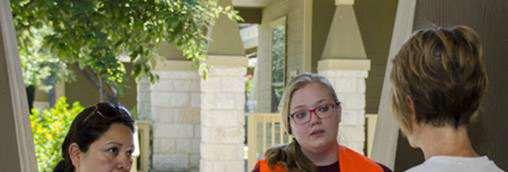
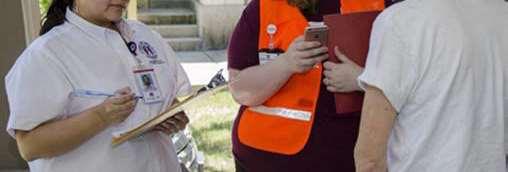
•Understandpersonallimitations
InterviewerRolesandResponsibilities
•Remembertoaskeachquestionthesameway everytime
•Readtheentirequestionandallanswerchoicesif provided
•Don’tprefillanswersorfinishrespondent’s sentences
•Forexample,theymaysay“Iwassickandcouldn’tgetto thedoctor”whenyouaskedthemaboutevacuation.Do notusethistoprefill“Wasanyonepreventedfromgetting medicalcare?”
•Recordresponsesverbatim
Interviewingtips
•Peopleskillsareimportant
•Beknowledgeable
•Identifyyourselfandexplainthepurpose
•Maintainaprofessionalandfriendlyattitude
•Organizeyourapproach
•Communicateappropriatelybasedonpatient’sage,education, occupation
•Exhibitgenuineconcern
•Wordquestionscarefully
•Recordanyinformationthatyoulearn
•Thankthepatient
•Providethecasewithameanstocontactyou
Otherimportantpreparation
•RaiseCommunityAwareness
•Increasecooperationrates
•Enhancefieldteamsafety
•Just-In-TimeTraining
•Scheduledshortlybeforedata collection
•Ensuresdatacollectionisconsistent, uniform,andcomplete
•DataCollection&Data Management
•Teamsafety,roles,andresponsibilities
•Logisticalconsiderations
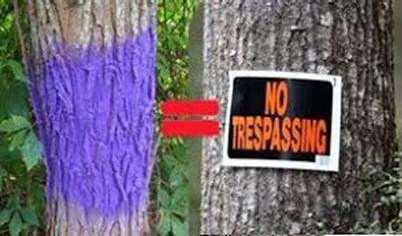
Purplepaint=Legal noticeoftrespass
Otherimportantpreparation
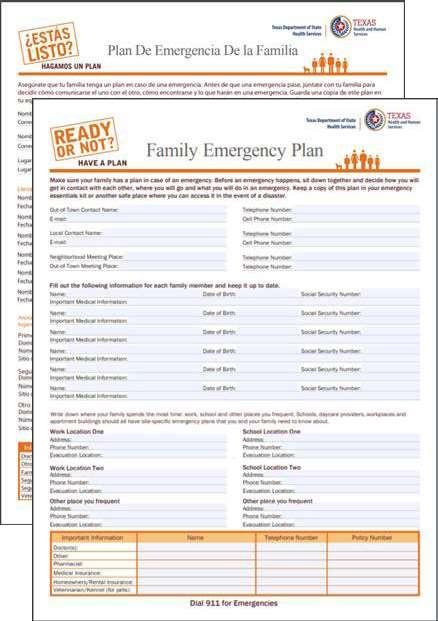
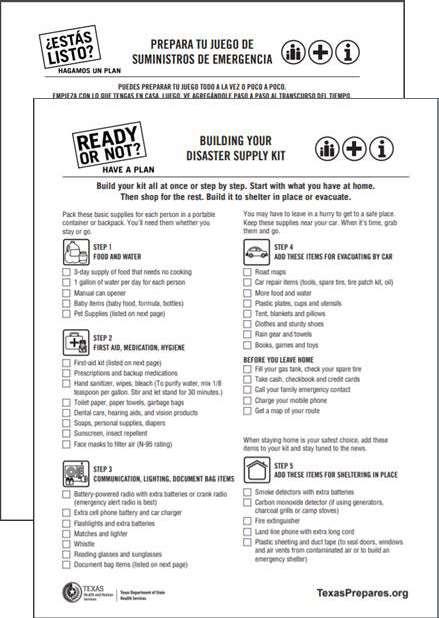
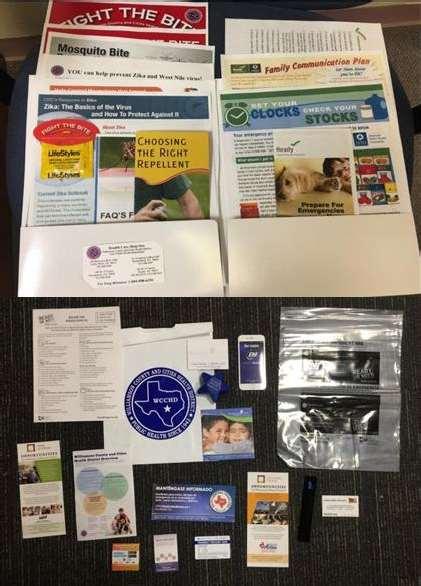
•Whenperforming researchthatinvolves humansubjects–you mustfirstreceive InstitutionalReviewBoard (IRB)approval
•Thisincludescollecting personaldatathrough surveys,biological samples,medicalrecords, orgeographicaldata.








BasicsofHumanStudiesandIRBProtocols
•AnIRBservesasanindependentbodythat reviewsandevaluatesallaspectsofa proposedstudyanddecidesonthescientific andethicalaspectsoftheresearch
•TheprimarypurposeoftheIRBistoprotect therights,well-being,andsafetyofpotential subjectswhowillparticipateintheresearch
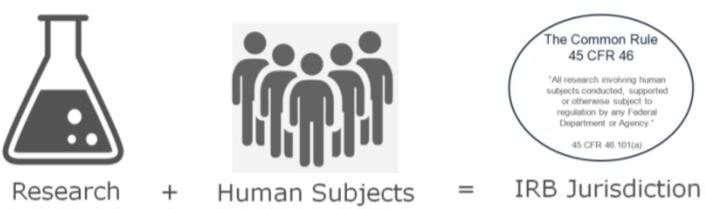
•Howdetailedandhowlongapproval takesdependsonthetypeof researchandwhowillbeincluded
•Specialattentionispaidto:
•Vulnerablepopulations
•Workingwithchildren
•Typeofdatacollected(generalizable surveyresultsversusdatathatcan identifyindividuals)
•Protectedhealthinformation
•Geneticinformation
•Recruitmentandconduct
•LanguageBarrers


ProcessforCollectingData:Environmental Emergencies
•Thespecificapproachtocollecting environmentaldatagreatlydependsuponthe typeofemergency
•Inallinstances,preparationpriortoahazard eventiskeytoensuringsafetyandquality results
ProcessforCollectingData:Environmental Emergencies
•Trainingforteam
•HAZWOPcertification
•Priormockeven training
•Haveresponse“go bags”readyforteam members
•Personalprotective Equipment(PPE)
•Communication devices
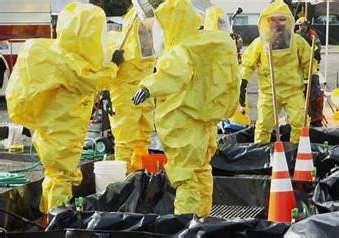
ProcessforCollectingData:Environmental Emergencies
•Knowwhereyouaregoing andhavecontingency plans
•Roadsmaybeout
•Services(likegasoline)may beunavailable
•Tensionscouldbehigh(risk ofcriminalactivity)
•Workwithgoverning bodies,localpolice,and communitypartnerships
•Staytogetherandstaysafe
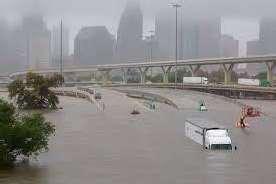
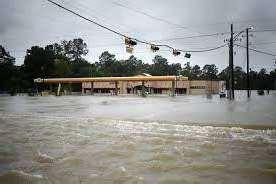
ProcessforCollectingData:Environmental Emergencies
•Knowwhatyouarelookingfor
•Airmonitoring(i.e.benzene,particulatematter,etc.)
•WaterCollection(drinkingwater,wastewater,storm runoff,etc.)
•Soilcollection(PAHs,heavymetals,etc.)
•Priortraininginfieldmethods
•EPAoutlinespropertechniqueforfieldacitivies

WorkingwithCommunities
•Communityengagement hasmanybenefits including
•Acceptancefrom communitywithresearch team
•Improvesresearchefforts
•Allowsforlocal knowledge
•Keepsteamssafeduring stressfulevents
•Isanethicalapproach
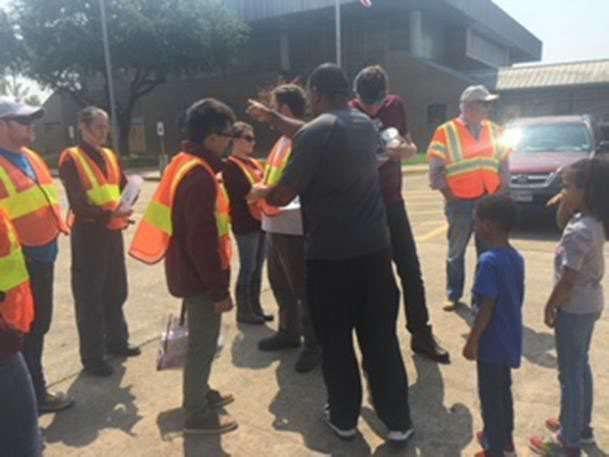
Whoarestakeholders?
•Thoseinvolved
•Thoseaffected
•Primaryintendedusers
•Groupsalreadyengaginginefforts
•Dependentonyourspecificproject WorkingwithCommunities
WorkingwithCommunities
Stakeholdersshouldbeinvolvedbefore implementation,duringservices,andwith evaluation
Inotherwords,everystepoftheway!
CovenantwithCommunities Collaborative,community-focusedresearch endeavorsofferbenefitsto1)researchers throughlong-termcommunitylabsthatsupport evidence-based,project-driven,andinnovative approachesforstudentsandfaculty;and2) communitypartnersthroughtrainingonissuebasedsubjectmatters,publicpolicy,public programs,development,andsustainable comprehensiveactionplans.






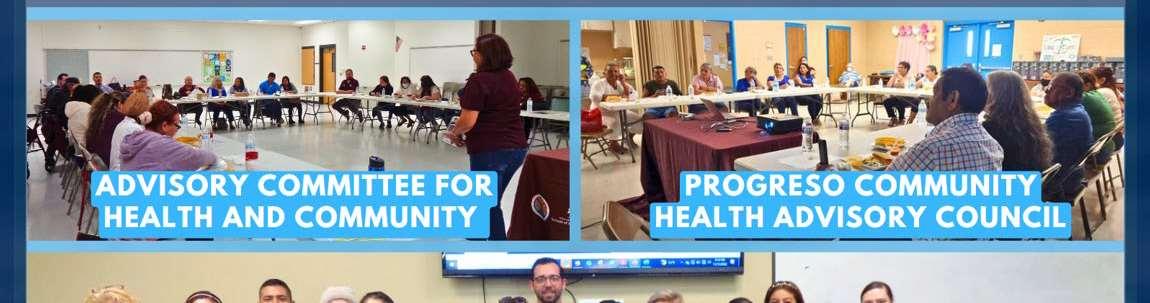

•Needsanalysisandstakeholderinput
•Identificationofbarriers
•Theorybasisfortheintervention
•Whatactionswereconsidered?
•Whyweretheseactionschosen?
•Howdidtheseactionsaddresstheidentifiedbarriers?
•Implementation
•Whatwasdone?
•Whodidit?
•Howweretheymonitored,supervised,etc.?
•Forhowlong,inwhatamount,inwhatwaywasitdone?
•Datacollectionduringemergencies
•Whatmeasureswereused?
•Howwerethedatacollected,andbywhom?
•Showagraphorgraphicoftheresults WorkingwithCommunities:DescribetheResults
•Whatweretheoutcomes?
•Dataontheprimaryoutcomemeasure
•Comparetobaseline(ifavailable)
•Comparetogoal
•Comparetobenchmark
•Providedataonanysecondarymeasuresthatalso supportyourconclusionsaboutprogramoutcomes
•Whatelsedidyoufindout?
•Answerstoanyadditionalquestionsthatcameup
•Anyotherinterestingfindings(lessonslearned)
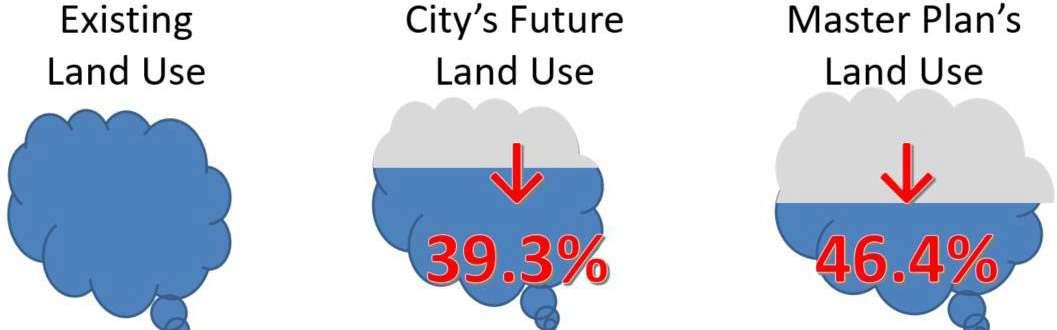

WorkingwithCommunities:EvaluatingGoals
•Ifthegoalsweremet:
•Whatkeybarriersweretargeted?
•Whatwasthemosteffectiveaction,andwhy?
•Whatcanbeimproveduponduringthenextevent?
•Ifthegoalswerenotmet:
•Didyoumisssomekeybarrierstodatacollection?
•Wasthemethodsgood,buttherewerebarriersto implementationthatyoudidn’tanticipate?
•Didyougetonlypartwaythere(e.g.,Onlycouldsample certainareas)
•Popularpress WorkingwithCommunities:DisseminatingFindings
•Organizationalnewsletter
•Summariesforpatients, providers,payors
•Tradeassociation conferenceorpublication
•Scholarlyresearch conferencepresentation
•Scholarlyjournalarticle
•Wheretopublishdepends onrigorofthedesign
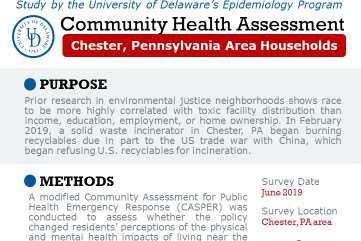
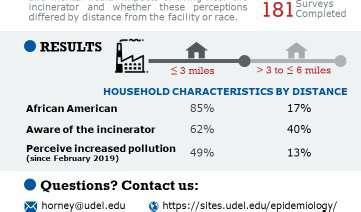
WorkingwithCommunities:NextSteps
•Uselessonslearnedinthisprojectastheneeds analysisforyournextimprovementactivity
•Applywhatyou’velearnedaboutsuccessinthis area
•Sethighergoals,anddesignadditionalactionsto addressthesameproblemevenbetterduring hazardevents
•Improvedscholarship
•Identifyproblem(surface water)
•Localknowledgein pinpointingareasof concern
•Co-Learningopportunities
•Createslocaltrustandbuilds socialcapital
•Givescommunitiesdatathat theyactuallywant
MaintainingtheRelationship
•Maintainingrelationshipsrequiredovercoming challengesrelatedtomisalignmentofacademicand communityprioritiesrelatedtomultiplefactors:
•CovenantwithCommunities
•CreatingCommunityFellows
•SharinginResources
•SharinginData
•Biweeklymeetings
•Committedtothelonghaul(manyyears)
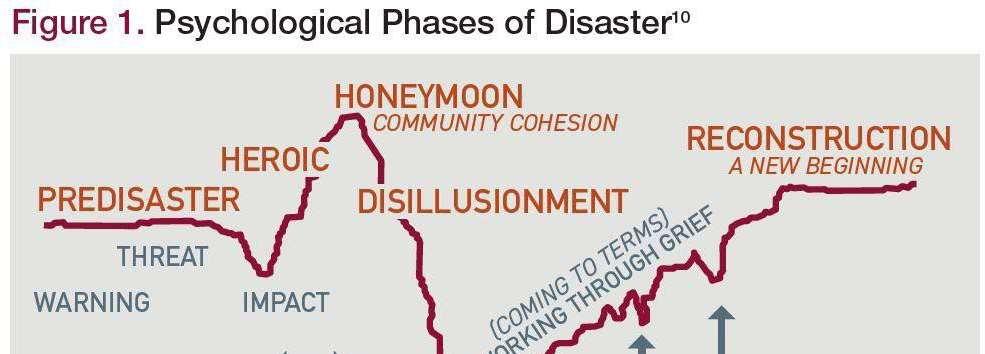

VitaltoFormRelationshipsPriortoHazard Event


InteractingwithStudySubjectsPost-Disaster
•Understandthementalandphysicalhealth consequencesofdisasters–andtheimpacts incommunities
•Balanceneedforperishabledatawithrealityof disaster’simpactsonindividualsand communities
•Havereferrals,resources,orothermaterials availablewhenurgentneedsarise
Whathappenstothedata?
•Usefulprimarydataaboutcommunity
•Immediatepost-disasterresourceallocation
•2015HiddenPineswildfireCASPERshowedtetanus vaccinationsnotanissue;medicalresourcesredirected
•2022MemorialDayFloodCASPERshowedaneedfor foodpreparednessandmobilepower(generators)
•Dataforfuturegrantsforpreparednessormitigation
•Supportfundingofprojects
•Texas
•ImprovingCommunication
•Residentslackawarenessofpublichealthwebsites
•Wantmorecommunicationviasocialmedia
•Partnershipandplanning
•PublichealthworkedwithOEMtoupdateEmergency OperationsPlan
•Testedwithajointexercise
CaseStudyExamples
•HurricaneHarvey
•IntercontinentalTerminalsCompany(ITC)at DeerPark/CancerCluster
•Investigationinacancercluster
•Exampleofpre-hazardengagement
HurricaneHarvey
•Manchesterisa“fenceline”neighborhoodlocationontheHoustonShip Channel
•Theneighborhoodiswithin1mileof21facilitiesthatreporttoEPA’s ToxicReleaseInventory,11generatorsofhazardouswaste,4facilities thattreatandstorehazardouswaste
•Designatedfloodplainsexpandedby15%since1980
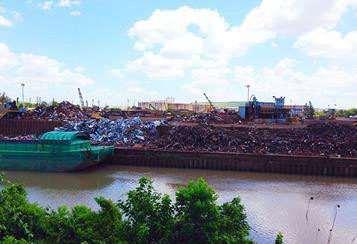




Addontoexistingstudiesthatprovide baselinedata
•Withthehelpoft.e.j.a.s., recruited,enrolled,and maintainedapilotcohortof 25householdsin Manchester
•Collectedsurveydata,tap andsurfacewater,soil, indoorair,andindoordust beforeHarvey
•Comparedwithpost-Harvey soilsamples,same households
Post-HurricanePriorities
•Addedadditionaldata collection,askingresidents towearsiliconebraceletsto measureexposurepostHarvey
•Continuedtoconduct spatialanalysisto determinesourcesof exposures;Presentedat TexasA&MGISDay
•t.e.j.a.s.providedtoxictours togroupsofhighschool andTexasA&Mstudentsto seeHarveyimpacts
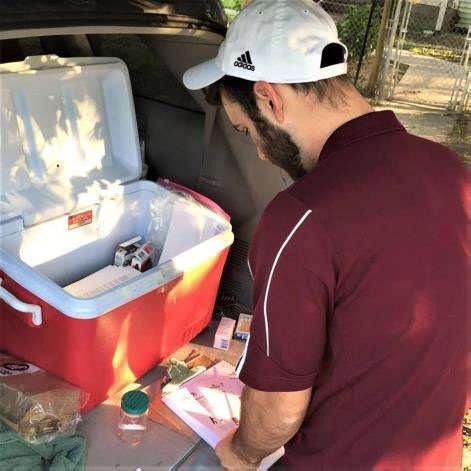
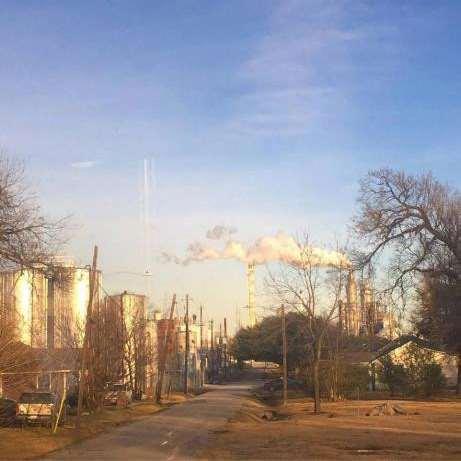
•Supportofcommunitypartners, includingtheHoustonHealth Department
•Collectedsoilsamplesin5 parksinundatedbyHarvey floodwatersandimpactedby sediment
•Collected114surveysand27 in-depthqualitativeinterviews withthoseusingtheparks
•Perceptionsofpollution,self-rated health,communityresiliencies, actionstoprotecthealth
IntercontinentalTerminalCompany(ITC)
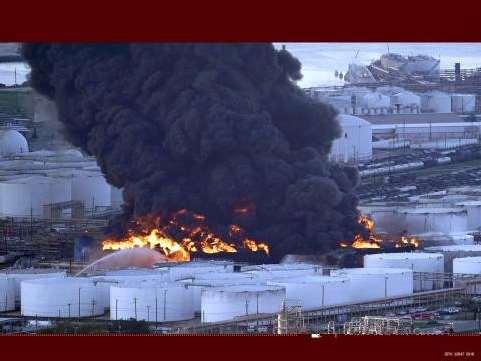
TeammobilizestoaddresstheITC petrochemicalfire(DeerPark,TX)
•March17,2019:PetrochemicalfireatITC Terminal
•PlumeofsmokemovedeasttowestacrossHouston
•FinalfirenotextinguisheduntilMarch22,2019
TeammobilizestoaddresstheITC petrochemicalfire(DeerPark,TX)
•March18th-24thApril4th18th:EnvironmentalSamples Collected
•22airsamplesassessedforTotalVolatileOrganic Compounds(TVOCs),benzene,andfine particulatematter
•Ashhadfallenonseveralcommunitygardensand playgroundsso80soilsamplesweretakenfrom theselocationsassessingformetalsandPolycyclic AromaticHydrocarbons(PAHs)
•24watersamplesweretakendownstreamalong theHoustonShipChannelandintoBurnetBay assessingforbenzeneandPFAS
EnvironmentalSampling
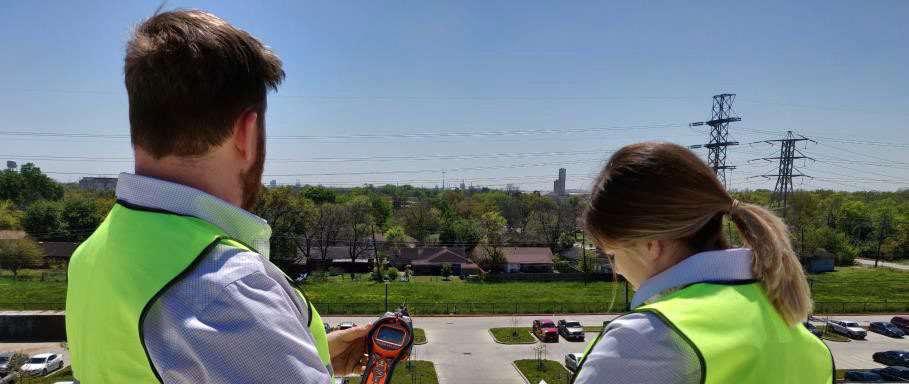
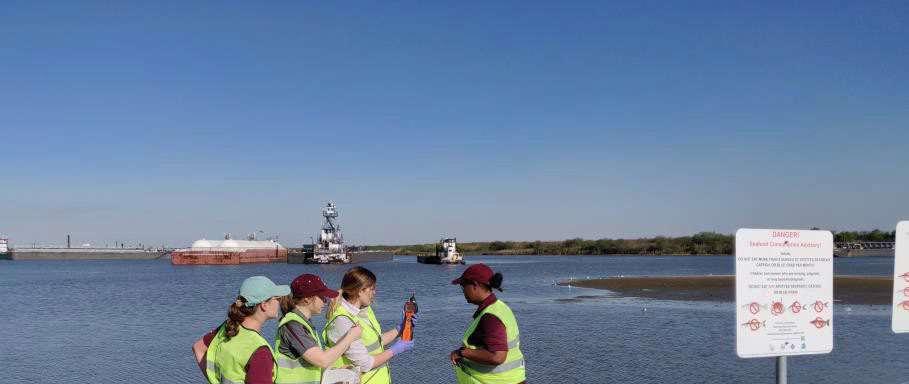
EnvironmentalSampling
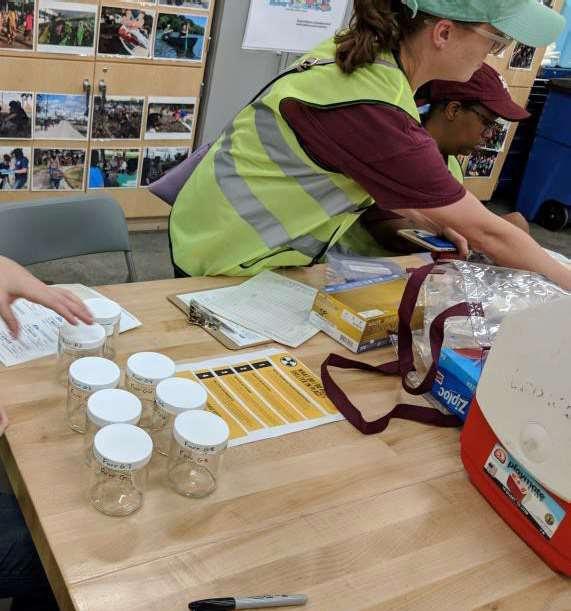





BenzeneLevels
•Resultsshowed:
•TVOCspeakedat3.3ppmatFurrHighSchoolon March22nd,followinganunexpectedfirealongadike atITC
•Benzene15minuteexposureassessmentspikedat 0.1ppmonMarch22nd
•WaterandsoilanalysesareongoingforPAHsand perfluorinatedcompounds
CASPERinDeerPark,TX
•ACASPERmethodfrom theCentersforDisease ControlandPrevention (CDC)wasutilizedto collectarepresentative sample.Thirtyzones wererandomlyselected withinthecityandseven homeswithineachzone wereselectedtobe approached
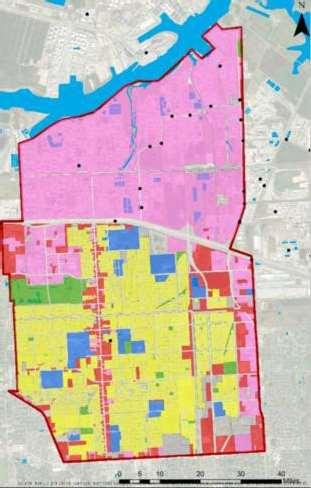
•Ofthedifferent way'sindividuals couldhaveheard aboutthe warning,theonly waythatlead peopletofollow thosewarnings wereiftheyheard iffrom friends/family,or socialmedia
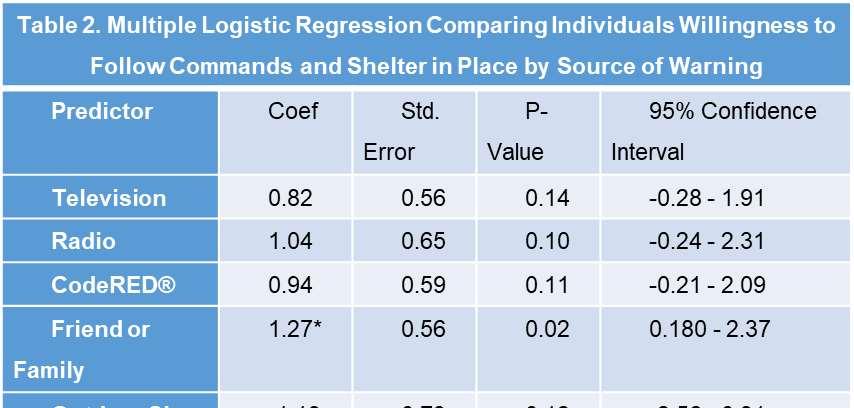

CancerClusterIdentifiedinHouston
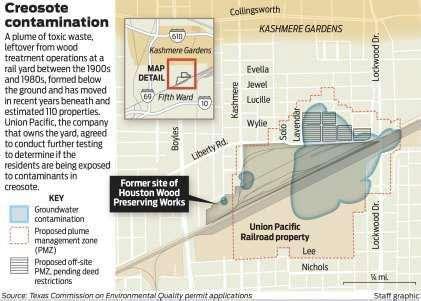
•Twoneighborhoodsin Houston(Kashmere GardensandFifthWard)
•Increaseriskofseveral cancersincluding ChildhoodLeukemia
•Thoughttobeassociated withCreosote
OutreachwithCommunity
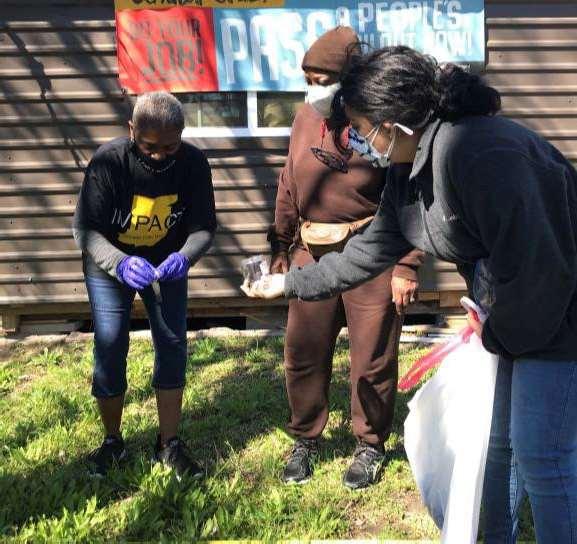
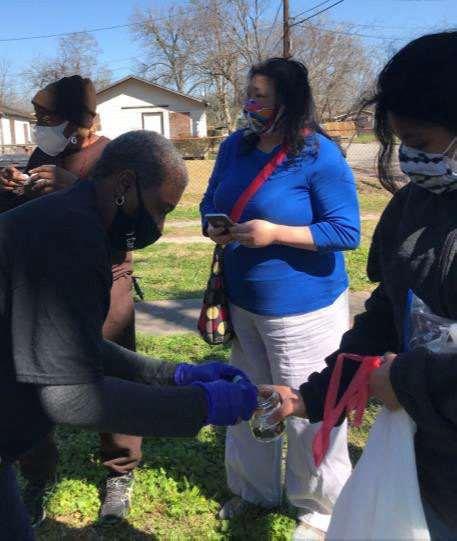
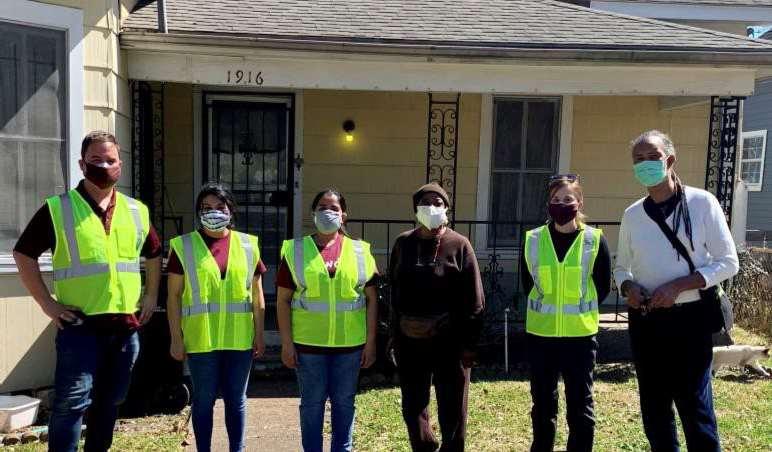
SamplingRevealsIncreaseCancerRiskinDisaster ProneRegion
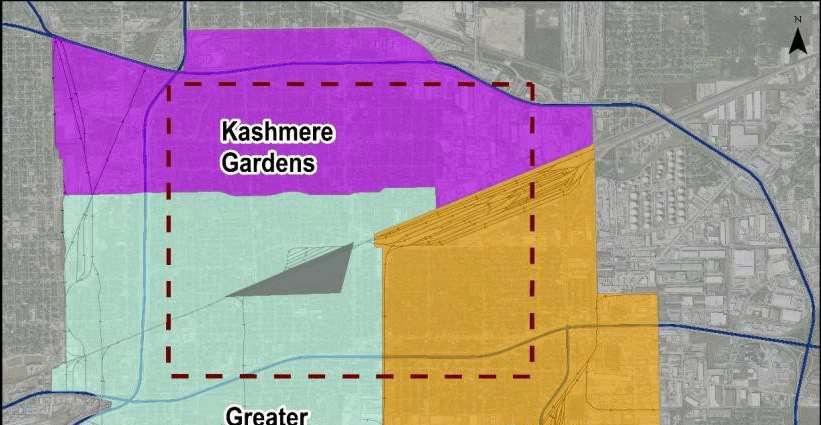
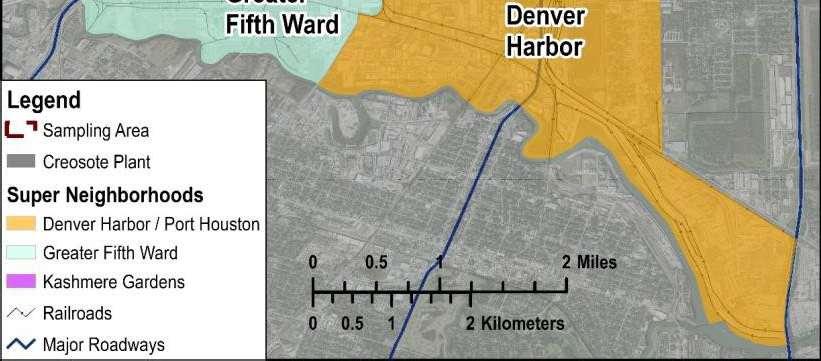
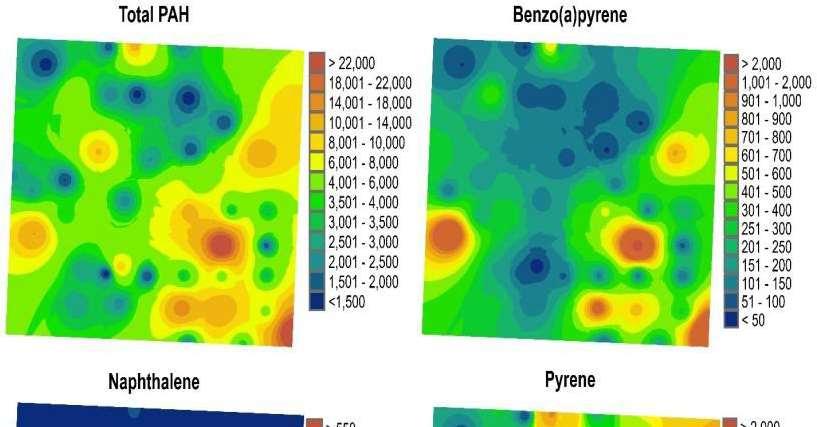
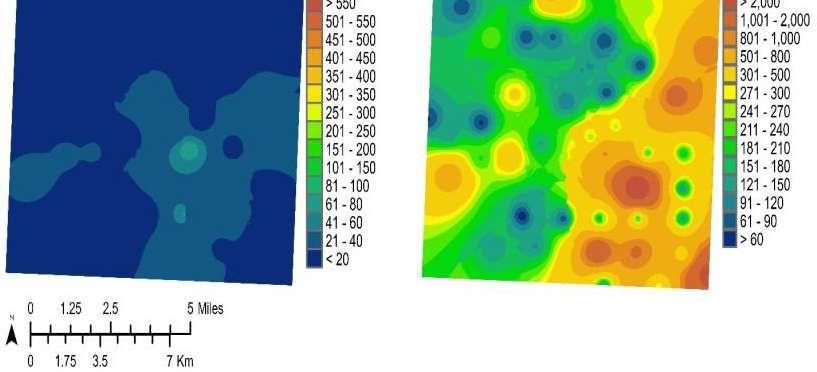
KashmereGardens,FifthWard,andDenverHarborinHouston,TXcontain polycyclicaromatichydrocarbonsinexcessoftheU.S.EPA’slowerbound forelevatedcancerriskfromallsamples.
PuttingintheEngagementpriortohazardevents
SouthTexasisproneto manyhazardexperience including:drought, extremeheat,flooding, hurricanes,andpoorair andwaterquality.












THEREALITY OFCOLONIAS
HighPovertyandUnemployment:Averagehousehold incomeisunder$834permonth,withunemployment rangingfrom20–60%comparedtotheTexasaverageof 7%.
InsufficientInfrastructure:Limitedaccesstopotable water,sewagesystems,pavedroads,andproper drainage.
EducationalBarriers:Approximately70%ofresidents havenotcompletedhighschool.
Gass,H.(2018,March1).Texas’scolonias:solutiontohousingcrisisormoralblotonrichnation’sconscience?Christian ScienceMonitor.
https://www.csmonitor.com/USA/Society/2018/0225/Texas-s-colonias-solution-to-housing-crisis-or-moral-blot-on-richnation-s-conscience Radio,M.P.(2015,April28).ColoniaLifeHasImproved,ButTheseBorderCommunitiesStillHaveManyNeeds.Marfa PublicRadio,RadioforaWideRange.;MARFA.https://www.marfapublicradio.org/2015-04-28/colonia-life-hasimproved-but-these-border-communities-still-have-many-needs
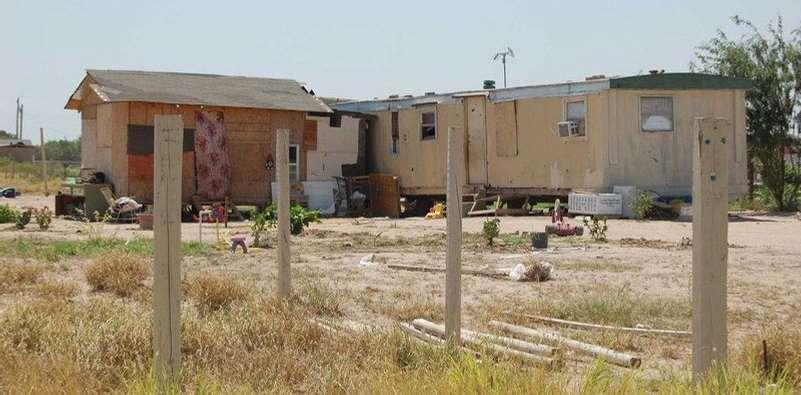
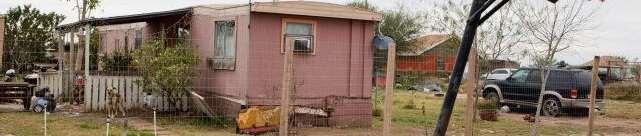
Whythismattersforscienceand communtiy

DecliningSTEMengagement,especially,inunderservedregions. Environmentalissuesarelocalandglobal—thesestudentsarefuturesolvers.
“Ifcuriosityistheessenceofscience, equityistheenginethatkeepsitalive.”
Whatwedid–inbrief

TOPIC1:YOUTHTAKINGACTION OBJECTIVES IdentifyandComparePublicHealthandEnvironmentalHealthDiscussthe SignificanceofPublicHealthandEnvironmentalHealthExplainwhatisa CitizenScientistandwhattheirRoleEntailsApplyLessonsLearnedasa CitizenScientistintheCommunity

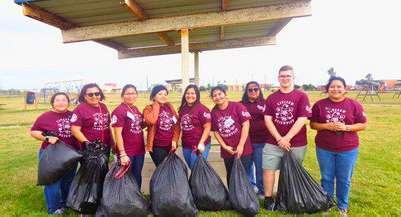
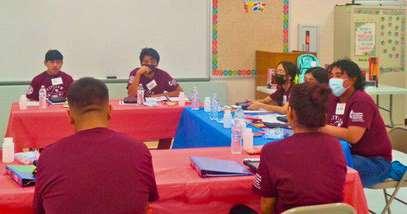




TOPIC2:WHATWEDON'TSEEINTHEWATER OBJECTIVES ExplainWaterQuality DistinguishBetweentheTwoMostCommonWaterContaminants(Lead&Arsenic) DetermineSafeWaterQualityLevels TestforWaterContaminants(Lead) FIELDACTIVITY NorthAlamoWaterSupplyCorporationWaterTreatmentPlantTour
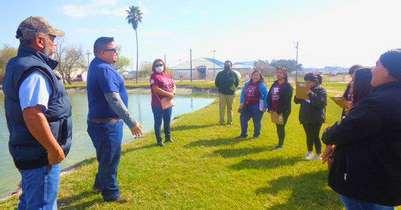
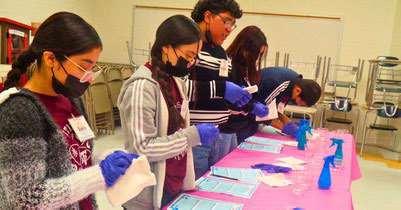




TOPIC3:UNCOVERINGTHEDANGERSOF CONTAMINATEDWATER OBJECTIVES ExplainBoilNoticesandHowtoAppropriatelyRespond DetermineHowWaterWellsCanPullContaminantsInfromSurroundingGroundwaterEvaluate HealthRisksAssociatedwithBeingExposedtoArsenicandLeadinourDrinkingWater ApplyLessonsLearnedbyTestingforLeadUsingtheKemioHeavyMetalsDevice FIELDACTIVITY
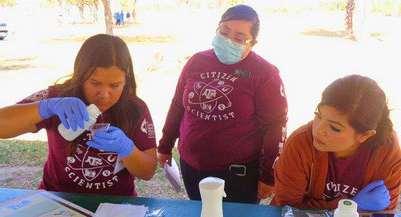
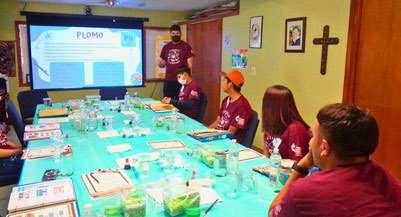



TOPIC4:TIMETOPROTECTTHEENVIRONMENT OBJECTIVES EvaluateWhatIsEnvironmentalJusticeandHowitRelatestoYouthCitizenScientistRoleIdentifyHow PromotoresdeSalud/CommunityHealthWorkersServeasCommunityAdvocatesApplySkillsLearnedasa YouthCitizenScientisttoImproveFamilyandCommunity

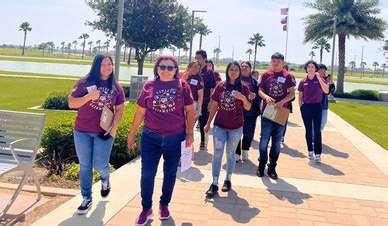
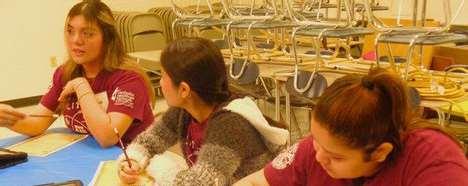



HavingaTrainedandEngaged PopulationPriortoHazardEvents
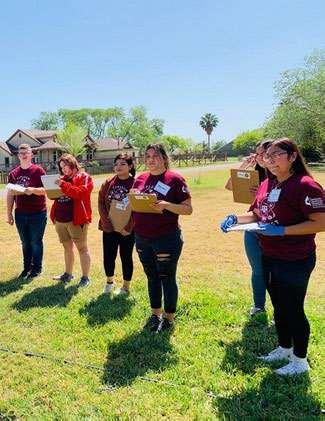


“Thisprogramopenedmyeyestohowmuchour communitiesneedpeoplewhounderstand science.IthelpedmeseethatIcanbeoneof thosepeople—thatIcanstudyengineering andbepartofthesolution.”
VanessaOrtiz,YouthCommunityScientist
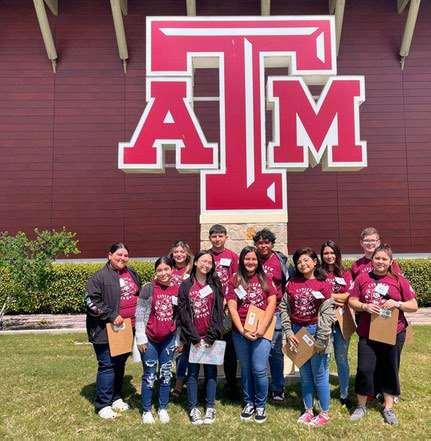
“Beforejoiningtheprogram,Ihadnever thoughtmuchaboutwaterquality.ButasI learnedmore,Irealizedhowimportantitisfor ourcommunity—andthatsciencecanbe somethingwealltakepartin.”
OmarSánchezDanielJr.,YouthCommunityScientist
Questions?
SUPERFUND RESEARCH CENTER
DISASTER RESEARCH TRAINING WORKSHOP
DECEMBER 5, 2025 9:45-11:30 AM COMMUNICATING HEALTH &
)
Presentedby:
RobertEmery,DrPH,CHP,CIH,CBSP,CSP,CHMM,CPP,ARM
VicePresidentfor Safety,Health,Environment&RiskManagement ProfessorofOccupationalHealth TheUniversityofTexasHealthScienceCenteratHouston

Objectives
–Explainwhyitisimportantforsafety&health professionalstobeabletoeffectivelyinteractwith themedia–especiallyinthepost9/11world –Describethevariousmediaoutletsandtheirunique characteristics
–Providealistofmedia“do’s”and“don’ts” –Showsome“realworld”examples–andletyou judgeifthemessagegotthrough

WhyTrainSafety&Health“Experts” inMediaRelations?
Inourcurrentenvironment,theneedforprompt, accuratepublichealthinformationisACUTE
Lotsofmediaoutletsexist,sotheuseofguest
“bloviators”(“talkingheadswhocandiscourseatlength inanauthoritativemanneronnothing”)ismandatory
Dutytodriveoutbadinformationwithgood
Theabilitytoappropriatelyhandlemediainteractionsis keytosuccess
PrimaryMassMediaFormats
Rankedinorderofpopularityasreportedby consumersof“nonspecificcontent”
–Television
–Internet/Web
–Radio(drivetime,especially)
–Newspapers,periodicals
Eachmediumhascommunicationproblemsuniqueto itsmodeofabsorption
ConsidertheTimeDimension
•Wherewereyouon9/11?Andwheredidyougofor instantinformation?
•TV,web,radio–almostinstantly
•Newspaper–nextday
•Magazine–newweekormonth
•ScientificJournal–nextyear
•Historybooks–followingyears
WhatisYourGOAL?
Effectivepublichealthmessaging shouldmakepeoplesafeand makepeoplefeelsafe. Dothefirst,thenthesecond.
ThePoweroftheMedia
Instantaneousindelivery
24/7infrequency
Globalinbreadth
Fiercelycompetitiveinaction
Voraciousinitsappetitefor“content”
Deficientinmemory
So,wheredoes “news”comefrom?
Breakingnews–“Somethingjusthappened…”
SARS,MadCowDisease,CDCreport,Celebritydeath
Trendingnews–“Thisalwayshappens…” Fluseason,FattestCity,MS150,DiabetesMonth Herdingnews–“Somebodyelsejustreportedthis…” CNNcrawler,APwire,MattDrudge,WebMD “Pitched”news–“Thislooksinteresting…” Embargoedpublication,newsrelease,mediaadvisory, pressconference,phoneteaser,blaste-mail
Editorswanttosee:
“Big”StoriesBroughtHOME
Want“content”from“localexperts”about safety/publichealthissues
Shockvalueisinstant,hardfactscomeslowly WorstthingyoucandoistosayNOTHING
One-thirdofmanagingamediadisasteris ACCURATE,TIMELYMESSAGING
WhatSpurs MediaInterest inYOU?
Proactive–story“pitches”
–Publichealthexample–HomelandDefense
Reactive–breakingnews
–Publichealthexample–SpaceShuttleColumbia Cooperative–newsonassignment –Publichealthexample–“DiseaseoftheWeek”
FormalPressReleasesor MediaAnnouncements
Anstrategicattempttogetmediainterest
Positivemediacoveragecanequalmillionsin advertising—onecolumninchintheNYTimesor just30sec.onTV=$900ifpaidfor)
Whattoinclude:
–Justthefacts;who/what/where/why –Lessismore,alotlessisalotmore –Includebasiccontactinformation
PICTURESTelltheStoryforTV
–Information:deliveritasabumpersticker
–Props:devices,tools,demonstrations
–“Average”people:patients,victims,helpers
–Backdrop:goodlight,movement,colors
–“B”Roll:pre-filmedfootage
TimelinessisEverything
Thereisno“tomorrow”forthenewsmedia.
Promptresponseiscritical
–Avoidacademic“dreamtime”
–Usegoodvoicemailgreeting
–Wearapager,turnonyourcellphone
Bearesourceto“connectthedots”
Developareputationforreliability— homework
PublicAffairs“Flaks”
Manyorganizationshavemediarelations policiesandPublicAffairsunits
Maynotbeabletohidebehindthe“flak”–a “front”personcansendthewrongmessageon screen
–Consideraworkplaceaccidentwithmediainterest–whatisthecompanyhiding?
Prudentforsafety&healthprofessionalstobe preparedifcalledupon
HelpfulHintsforInterviews
1.Knowwhentoaccept/refuseaninterview
2.Anticipatedifficultquestions,prepareanswers
3.Ifsurprised,counttofive
4.Beconcise—stay“onmessage”
5.Behonest—themediawillcatchalie
6.Admityoudon’tknowifyoudon’t
7.Don’tbeargumentativeordidactic
ForTVorRadio: Specialinterviewtips
Makeabuddyofthevideographer
Askwhatthefirstquestionwillbe Turnnegativequestionsinto
POSITIVESTATEMENTS
Talkin“soundbites”—K-I-S-S
Benatural—thecameraknowsaphony Checktoseeifthemicis“Off”
MediaNEVERDos
Neverasktoapproveareporter’sstory Nevergo“offtherecord”
Nevermentionthereporter’sboss
Neversayyou’llcallbackunlessyouwill Neversay“Ihatereporters”or“Ineverwatch TVnews”or“Wedon’ttakeyourpaper”
MediaALWAYSDos
Alwaysaskforapro’shelpifit’savailable
Alwaysaskyourself:whatdoesmywork meanforUncleBuddy/AuntSue?
Alwaysoffer“bulletpoints”inwriting
Alwaysspelloutyourname
Alwaysclearlystateyouraffiliation
AsaConsumerofMediaContent
Fivekeysquestionsyoushouldalwaysconsider
–Whocreatedthemessage?
–Whattechniquesareusedtoattractyourattention?
–Whatlifestyles,values,andpointsofviewarepresentedinor omittedfromthemessage?
–Whywasthemessagesent?
–Howmightdifferentpeopleunderstandthemessagedifferently fromyou?
Adaptedfrom:JollsandThoman,CenterforMediaLiteracy,SantaMonica,CA
GenericMediaTimeline
Coldcallorpitch
Create“backgrounder” (alwaysinarush)
–Whatareourtakehome points?
Setup
Interview
Edit Run
Let’sseewhatgoesin,and whatcomesout
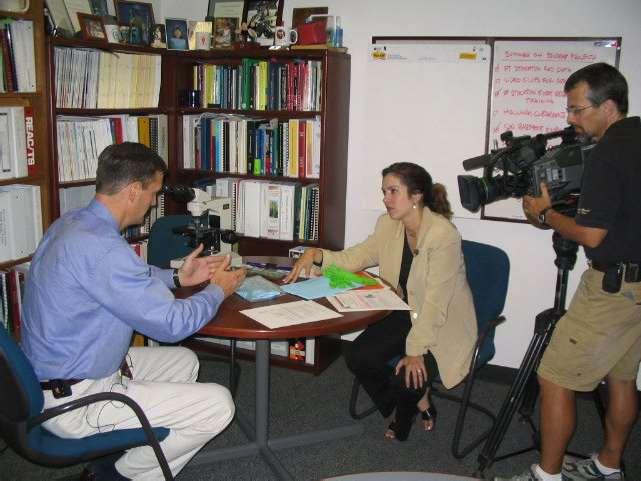
SUPERFUND RESEARCH CENTER
DISASTER RESEARCH TRAINING WORKSHOP
DECEMBER 5, 2025 12:15-4:00 PM

Table Top Exercises:
1. Collection of Field Samples
Goal: To practice proper sample collection, storage and documentation
Overview: Trainees (15-17 people in the group) will be split up into 3 smaller teams (each team will have one “trainer” supervising their activities) and provided instructions (description of a disaster scenario, maps/GPS coordinates) and sampling supplies. Each team will be given a separate scenario and location so that they do not trip over each other. Teams will huddle to decide where to sample and what to collect based on the scenario provided. Roles for each team member will be decided (suggested roles: team lead, sampling lead, scribe, supplies handler, report preparer) and maps and supply needs are reviewed. Teams will need to choose proper supplies and PPE for their scenario from a “supply locker”. Teams will exit the building and navigate their way to the designated sampling location. Samples are taken, logged and packaged. Teams will return to the building and prepare 2-3 slide report on their activity. Teams will report on their activity. Trainers will comment on the observations they have made for each team’s work and provide recommendations for improvement.
Suggested Timeline
5 mins: Trainees break into 3 groups; Trainers provide general instructions on the activity 10 mins: Teams huddle and decide where to sample and what to collect based on the scenario provided 15 min: Collection of samples following the scenario, preparation of a report
15 mins: Team reports (5 mins per team)
15 mins: Comments from the trainers and general discussion
2. Risk Communication and Human Studies
Goal: To learn how to properly interact with the human subjects, and communicate risk Overview: Trainees (15-17 people in the group) will be split up into 3 smaller teams (each team will have one “trainer” to perform “role playing”). Teams will participate in one of three tasks: (i) data collection from a human subject using a sample survey; (ii) giving an interview to a reporter; or (iii) interacting with community members in a town hall-like setting. Teams will be provided instructions (description of the scenarios identical to those in exercise on “Interacting with first responders and government agencies”, a survey instrument, etc.). Teams will huddle to decide on the role for each team member. Teams will interact with their respective “role playing” trainer to complete their assigned task. Teams will prepare 2-3 slide report on their activity. Teams will report on their activity. Trainers will comment on the observations they have made for each team’s work and provide recommendations for improvement.
Suggested Timeline
5 mins: Trainees break into 3 groups; Trainers provide general instructions on the activity
5 mins: Teams huddle and decide on the role for each team member
20 mins: Each group conducts instructed tasks; prepare a report
15 mins: Team reports (5 mins per team)
15 mins: Comments from the trainers and general discussion
3. Interacting with first responders and government agencies
Goal: To learn how to interact with the “authorities”
Overview: Trainees (15-17 people in the group) will be split up into 3 smaller teams (each team will have one “trainer”). Next, the trainers will hold a simulated briefing on the current conditions in the disaster area, distribute maps and other information, and answer questions from the audience. Three different types of scenarios (to overlap with the “Collection of Field Samples” exercise) will be presented as occurring simultaneously. Trainees will huddle as a group to review the information provided and decide the strategy for selecting sample sites, obtaining permissions (if any) for sampling, chart a travel plan for best access to sampling sites, and a sequence of sample collection. The teams will prepare a summary of their proposed plan and present to others. Trainers will comment on the observations they have made for each team’s work and provide recommendations for improvement.
Suggested Timeline
5 mins: Trainees break into 3 groups; Trainers provide general instructions on the activity
15 mins: Simulated daily briefing on the disaster and weather conditions; Q&A
15 mins: Teams develop a plan for sample collection; prepare a report
15 mins: Team reports (5 mins per team)
10 mins: Comments from the trainers and general discussion
OVEARLL NATURAL DISASTER SCENARIO DESCRIPTION
Originating in the Gulf of Mexico, the hurricane grew from a tropical depression into a Category 3 hurricane as it made landfall near the Texas Gulf Coast The center of circulation stalled over south Texas and then meandered slowly east into the Gulf of Mexico before making a final landfall near Cameron, Louisiana. The slow movement of the storm over a five-day period led to the catastrophic flooding that was observed in southeast Texas. Numerous flash flood emergencies were issued along the entire Gulf Coast from the US-Mexico border to the the Houston and Beaumont areas of Texas, and as deep as Bastrop County and nearby communities. The area coverage of locations picking up at least 10 inches of rain was greater than the state of West Virginia. The Harris County Flood Control District estimated three hundred billion gallons of water was dumped on the county and surrounding areas in four days.
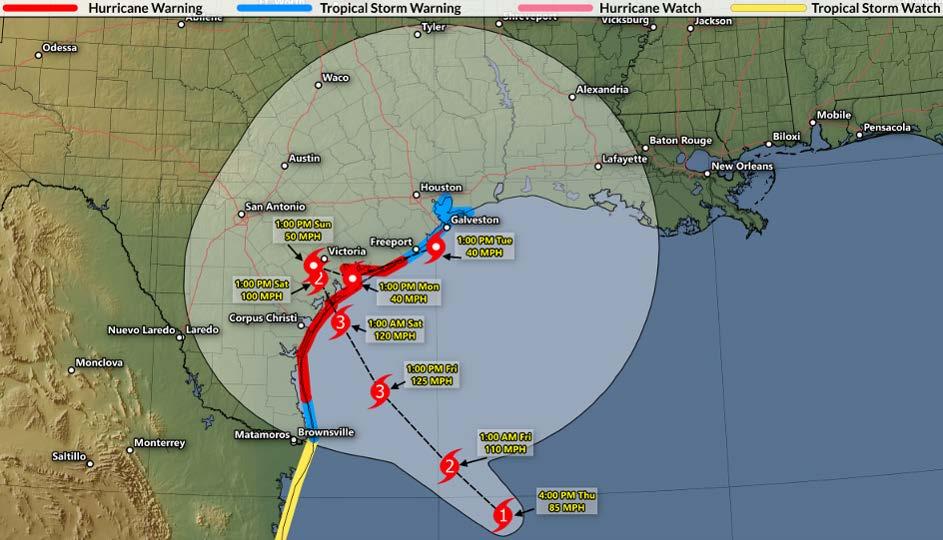
Catastrophic flooding resulting from the hurricane and associated rain event may have led to re-distribution of chemical and bacterial contaminants around multiple industrial sites near Texas Gulf Coast. The hurricane has broken up into a tropical depression that has moved north to the Oklahoma. Mandatory evacuation orders have been lifted for all counties in Texas Jackson and Calhoun counties were locations where the flooding was most severe. Multiple road closures were in effect, and remain closed due to damage to bridges and overpasses. The situation remains fluid with information being updated by the local Incident Command Posts along the Coast. Extreme caution is advised when traveling in the affected areas.
Two weeks after the hurricane, three surveying teams (Alpha, Bravo and Charlie) are being sent to collect environmental samples in several locations that have been most affected as reported as sites of potential spillage of chemical and bacterial waste into residential water supplies. Because of how vast the affected areas are, teams are to depart from locations in San Antonio (Area Alpha), Austin (Area Bravo), and College Station (Area Charlie). It is expected that teams will return to their home base the same day.
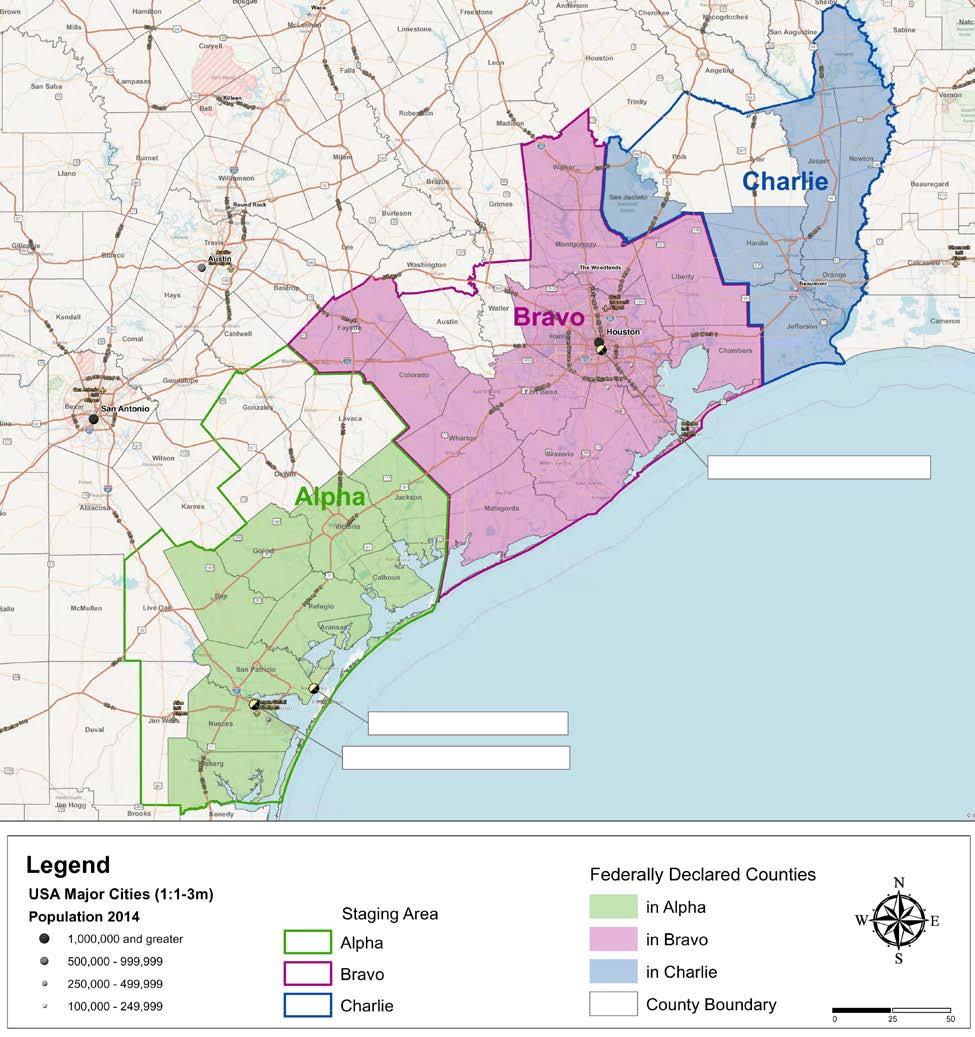
Trainee Name
Jiang Zheng
Caroline Emery
Devin Teri
Sharmin Duza
Olivia Lampe
Meredith Schervish
Nikki Barlow
Allison Fry
Theodros Woldeyohannes
Kyle Wilson
HaleyJesse
Jordan Helfrich
Ruby Hernandez
Tate Matthews
Aidan Holman
Weston Gary
Rachel Wheless-Smith
Tzu-hsin Yen
Madison McFarland
Johnson Oladele
Mason Havard
IbrahimAlshammari
Dalton Allen
Kayla Morales
Cassie Ammermann
Evelyn Reategui-Zirena
Anindita Roy
Hannah Roe
Gustavo Elizondo
Thomas Chan
Amaturi Nur