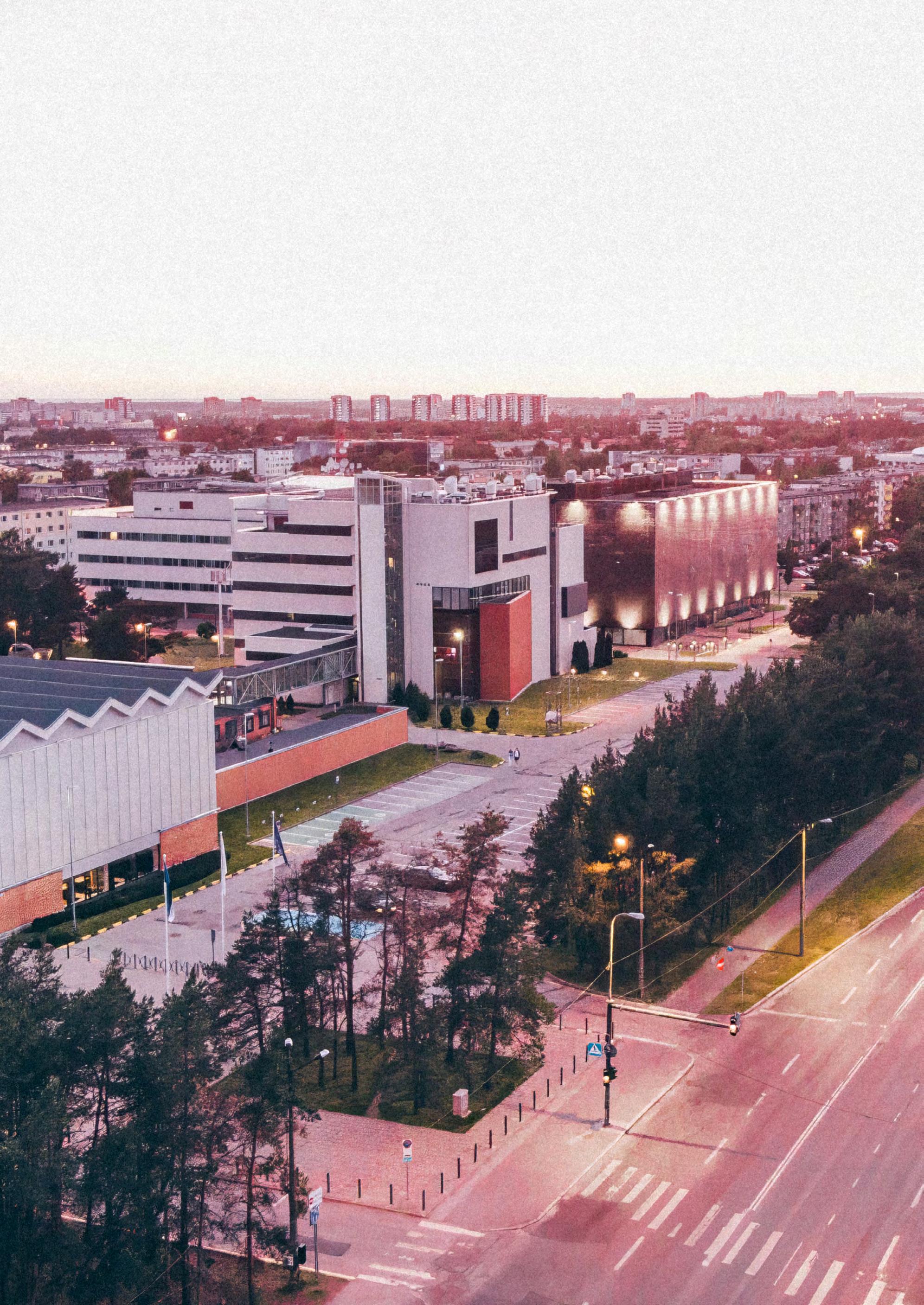
The mission of Tallinn University of Technology (TalTech) is to be a leading provider of engineering and economics education, and a leader in engineering sciences and smart technologies. As the only university of technology in Estonia, we are at the forefront of innovation and enterprise. TalTech is a research university where research, teaching and studies, innovation and contributing to society are equally valued, balanced and interlinked.
Our motto, ‘Mente et manu’, reflects the values of our university community, attaching equal importance to critical and creative thinking, an entrepreneurial and practical mindset, openness, reliability and partnership.
We wish to stand out, be noticed and measure up to the best universities of technology in Europe with our smart solutions that help shape a digital and climate-neutral future.
TALTECH IN NUMBERS
LOOKING TO THE FUTURE WITH CONFIDENCE
2025 was a landmark year for Tallinn University of Technology. Through collaborative discussions and the generation and sharing of ideas inspired by bold thinking, we developed the Strategic Plan for 2026–2035, which was approved by the Board at the end of the year.
The Strategic Plan outlines our ambition to become a technology university on a par with those in the Nordic countries. We aim to be characterised by cutting-edge research, challenge-based learning, an entrepreneurial student body, and close collaboration with the business community and wider society. We create an environment that fosters the all-round development of future engineers, IT professionals, researchers, leaders and specialists in all our fields. We also provide knowledge-based solutions to support economic and social development.
To achieve our ambitious goals, we have identified several key focus areas. Firstly, we prioritise engineering. Estonia needs more engineers and technology experts than ever before. This prompted the idea of establishing an Engineering Endowment Fund in the form of a foundation, an initiative realised in the first half of 2026. The aim is to co-fund new professorships and provide timely support for initiatives that foster technological development in the broadest sense.
There is also an increasing focus on building closer ties between research and entrepreneurship, developing high-tech industries and making meaningful use of new technologies, including AI, in education and research. Our Strategic Plan places a strong emphasis on defence solutions and technologies.
In 2025, we implemented a number of measures to facilitate research. For example, a new grant fund was established to provide researchers with greater security and support our ambition to secure more large-scale international projects. We developed the principles for a Research Equipment Fund to start investing in new research equipment and laboratory infrastructure as early as 2026.
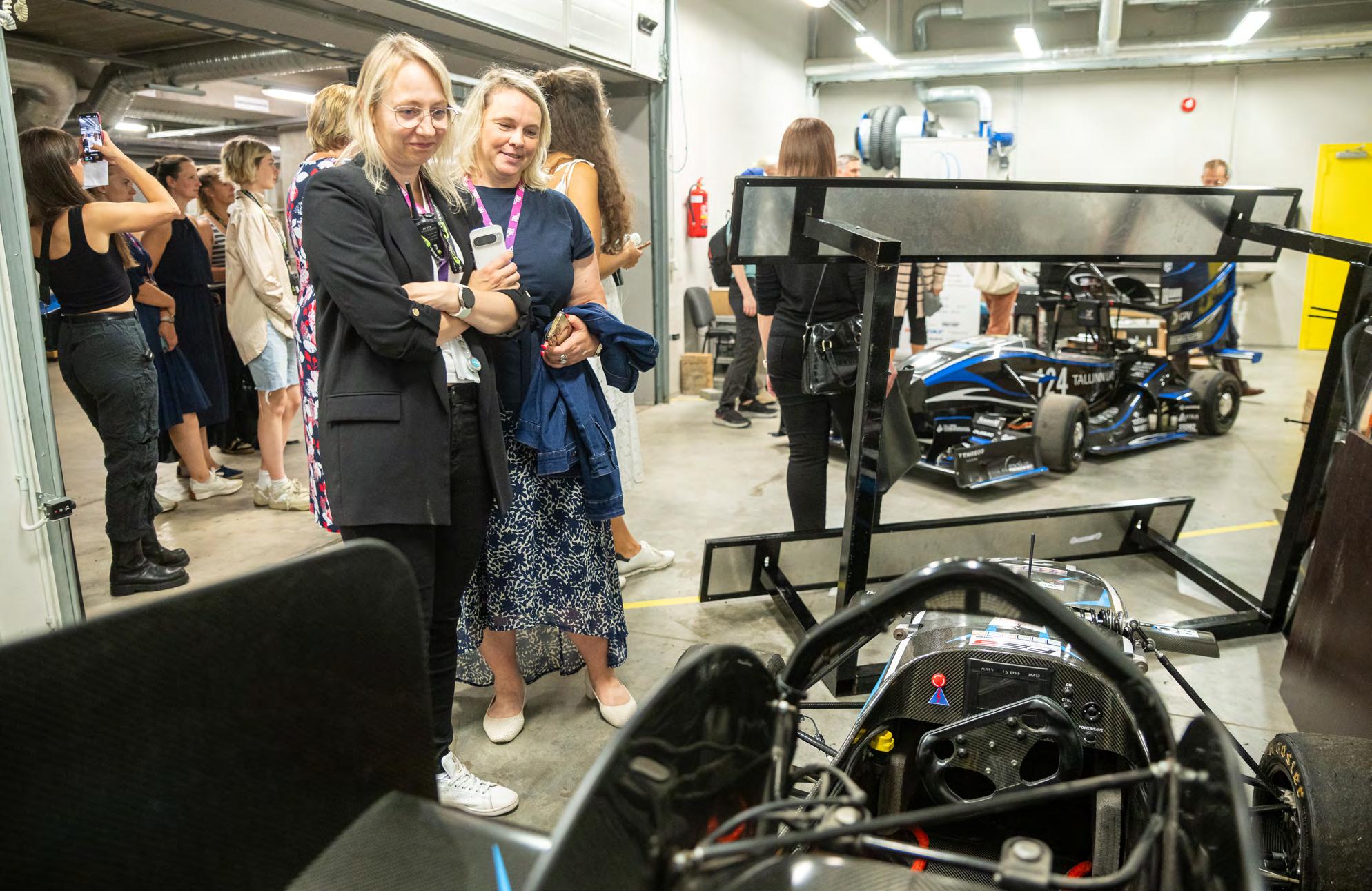
Tallinn University of Technology has several strengths that inspire confidence in our future. Firstly, our high-achieving students ranked among the best in the world in 2025 with their Formula Student car and also enjoyed success in other areas. Secondly, interest in engineering and technology among young people in Estonia has grown. We were very satisfied with last year’s admissions. At the same time, we are working hard to increase the proportion of Estonian-speaking doctoral students.
In 2025, the University Board re-elected me as Rector for a second term. On the one hand, this was a great honour and recognition; on the other hand, it reflected confidence in the university's progress to date, its established goals, and our collective efforts.
I wish everyone the desire to collaborate, the curiosity to explore and the courage to think big!
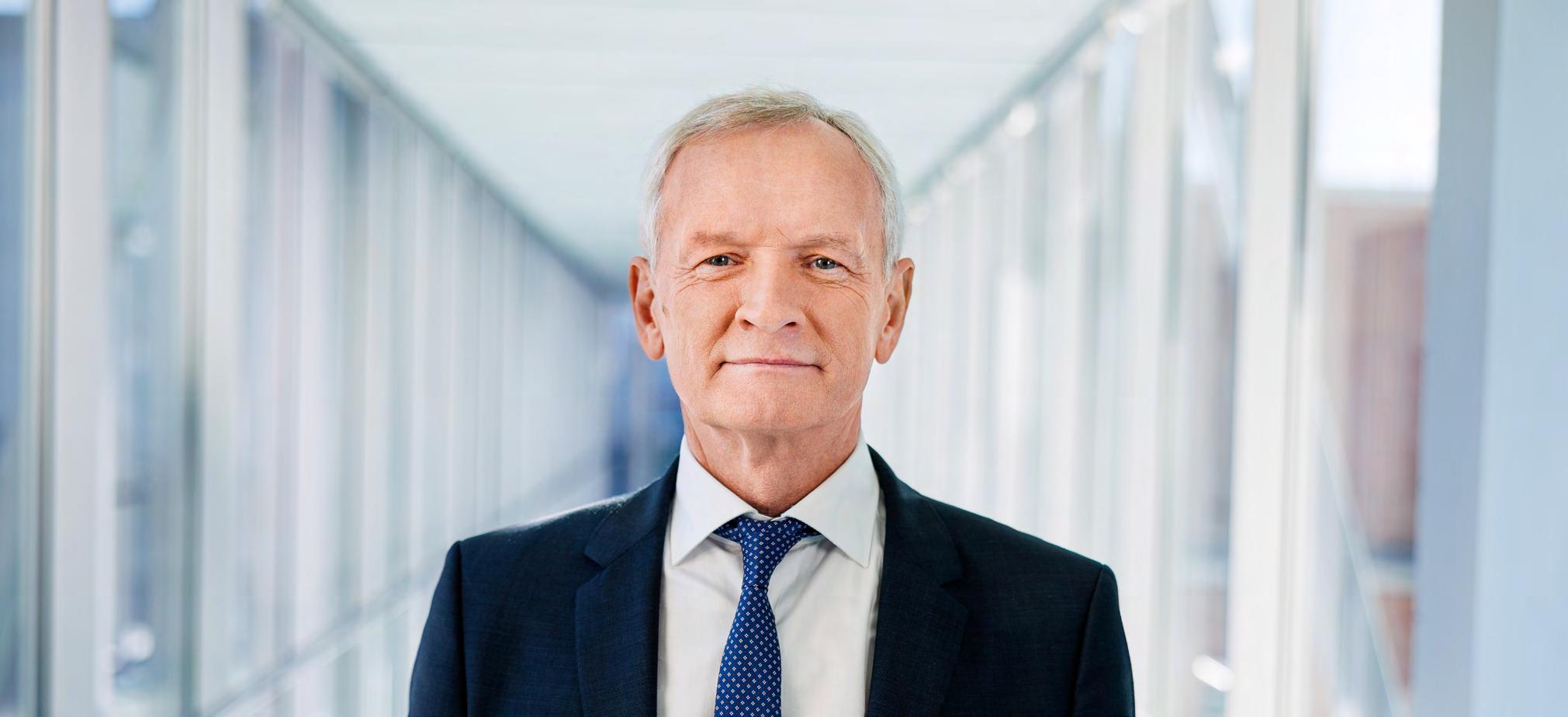
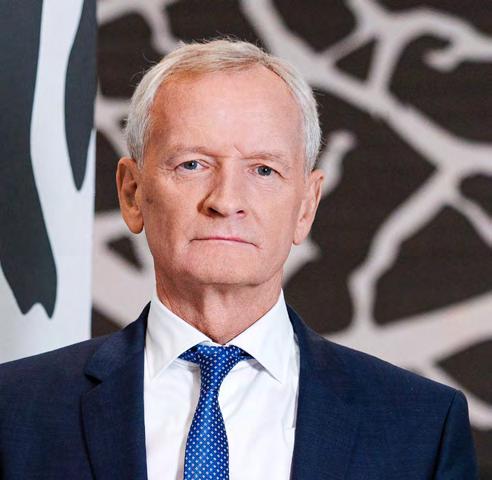
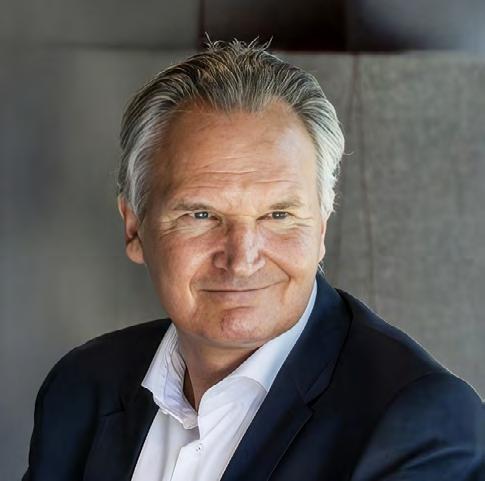
TIIT LAND Rector
GOVERNANCE AND STRUCTURE
The legal status and activities of Tallinn University of Technology are primarily regulated by the Tallinn University of Technology Act, the Higher Education Act and the Statutes of Tallinn University of Technology.
On 19 February 2021, the University Board approved the Strategic Plan for 2021–2025. The goals of the plan are outlined in simple but clear terms at taltech.ee/en/about-the-university/strategic-plan.
The highest decision-making body of the university is the University Board that is responsible for the development of the university, setting priorities based on the long-term interests of the university and ensuring the achievement of its goals. The Board approves the strategic plan and the budget, elects the Rector, and adopts the statutes.
The Rector’s Office comprises the Rector, the area directors and the deans. The Rector is responsible for the governance and development of the university, implementing the budget and ensuring the lawful and efficient use of financial resources.
The academic decision-making body is the Senate, which is responsible for implementing the teaching, research and development activities of the university and ensuring high academic standards.
The Senate submits the university’s draft statutes, strategic plan, budget strategy and annual report to the Board. The Senate also decides on various matters concerning the university’s teaching, research and development activities.
The purpose of the International Advisory Board, which is composed of top international scholars and
Department of Civil Engineering and Architecture
Department of Energy Technology
Department of Electrical Power Engineering and Mechatronics
Department of Materials and Environmental Technology
Department of Mechanical and Industrial Engineering
Kuressaare College
Tartu College
Virumaa College
Department of Computer Systems
Department of Software Science
Department of Health Technologies
Thomas Johann Seebeck Department of Electronics IT College
Department of Geology
Department of Chemistry and Biotechnology
Department of Cybernetics
Department of Marine Systems
Department of Economics and Finance
Ragnar Nurkse
Department of Innovation and Governance
Department of Law
Department of Business Administration
RECTOR’S OFFICE
The Rector's Office comprises the Rector, the area directors and the deans. The Rector is responsible for the governance and development of the university, implementing the budget and ensuring the lawful and efficient use of financial resources. The Rector's Office supports the Rector in these tasks.
executives, is to advise the Rector and the Board on governance, teaching, research and development strategy, and to provide international expertise.
CHANGES IN THE STRUCTURE AND MANAGEMENT
On 19 December 2024, the Government of the Republic approved the new composition of the Board of Tallinn University of Technology for a five-year term. The new Board’s term of office began on 21 January 2025.
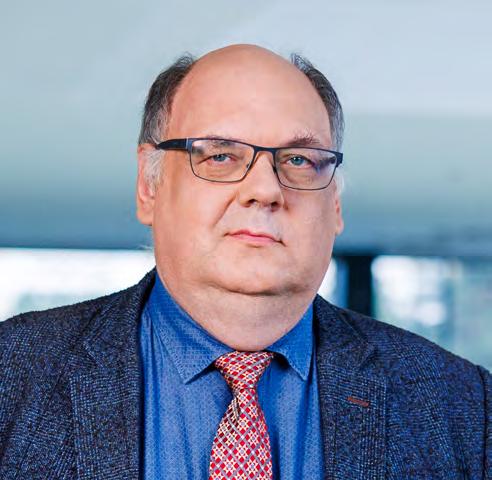
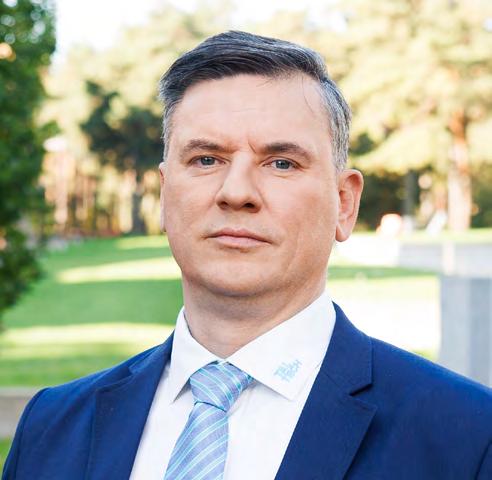
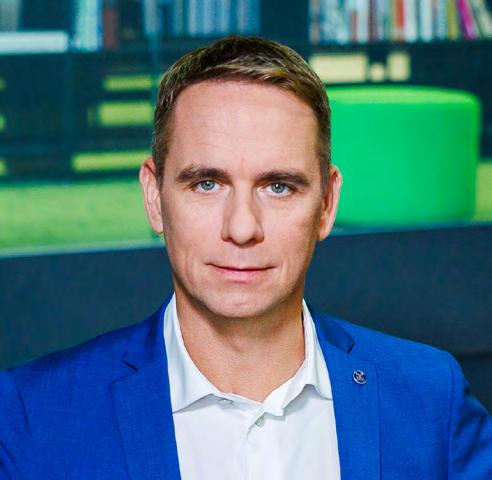
On 9 May, the Board elected the Rector of Tallinn University of Technology for the next four years. Professor Tiit Land continued as Rector, and his new term of office began on 1 August 2025. In connection with this, the composition of the Vice-Rectors also changed. As of 1 August, TalTech’s Vice-Rector for Academic Affairs is Ingrid Pappel, the Vice-Rector for Research is Jarek Kurnitski and the Vice-Rector for Endowment and Student Development is Hendrik Voll. Erik Puura, who previously also served as the Vice-Rector for Research, continues in his role as the Vice-Rector for Entrepreneurship. For the support units units reporting to the Vice-Rectors, see the organisational chart.
A new position is the Vice-Rector for Endowment and Student Development, whose areas of responsibility include the Engineering Endowment Fund, Development Fund scholarships, alumni relations, student life, sports activities, the School of Technology, the School of Exams and Olympiads, the Unicorn Squad, and the EducationUSA Advising Center. At the beginning of 2026, the Tallinn University of Technology Engineering Endowment Fund was established to attract private capital.
On 19 December, the Board approved Tallinn University of Technology’s Strategic Plan for 2026–2035. The new Strategic Plan was developed through broad-based collaboration and aims to position the university among the leading technology universities in the Nordic countries. At its core are strong research, challenge-based learning and close collaboration with the business community and society, all aimed at contributing to the resolution of major challenges facing Estonia and the world.
The Preparatory Centre was established on 1 August. The main objective of the Preparatory Centre is to develop cooperation with Estonian general education schools and to offer them elective courses in cooperation with the university’s departments, to organise extracurricular education in the fields of technology, natural sciences and IT, to initiate and
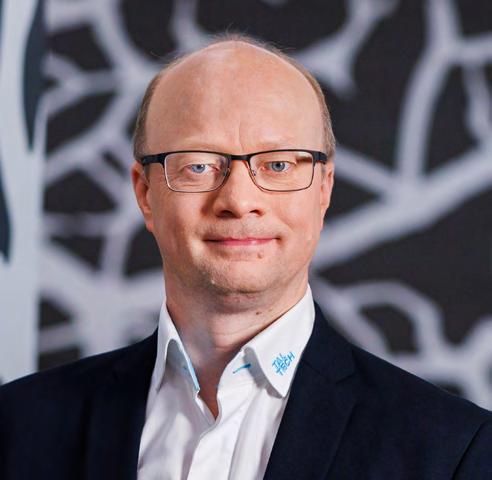
Tiit Land
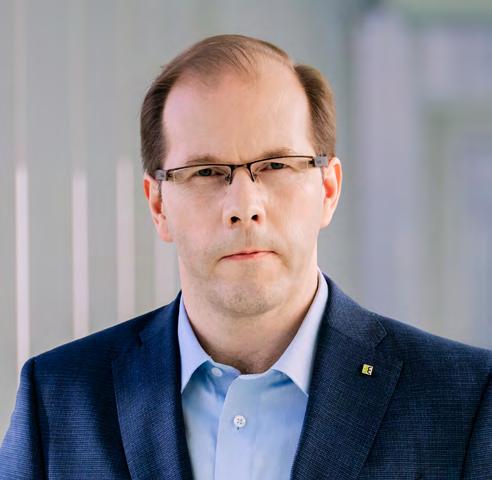
Jarek Kurnitski Erik Puura
Hendrik Voll
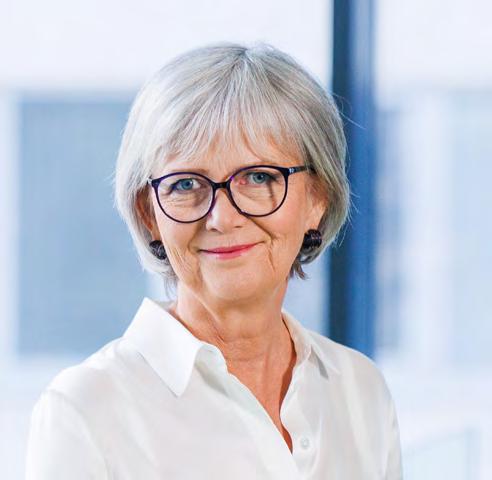
Ingrid Pappel
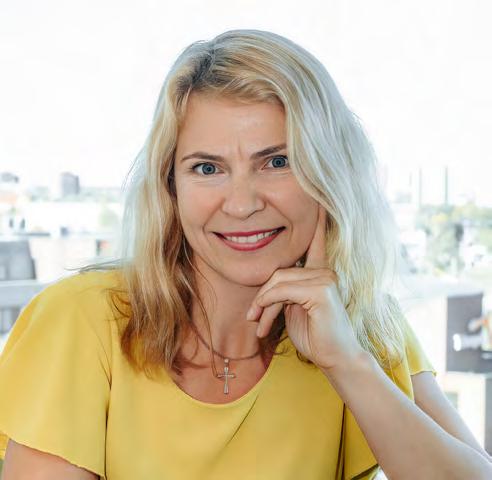
Tea Trahov
Fjodor Sergejev
Roomet Leiger
Andrus Salupere Mari Avarmaa
Gert Jervan
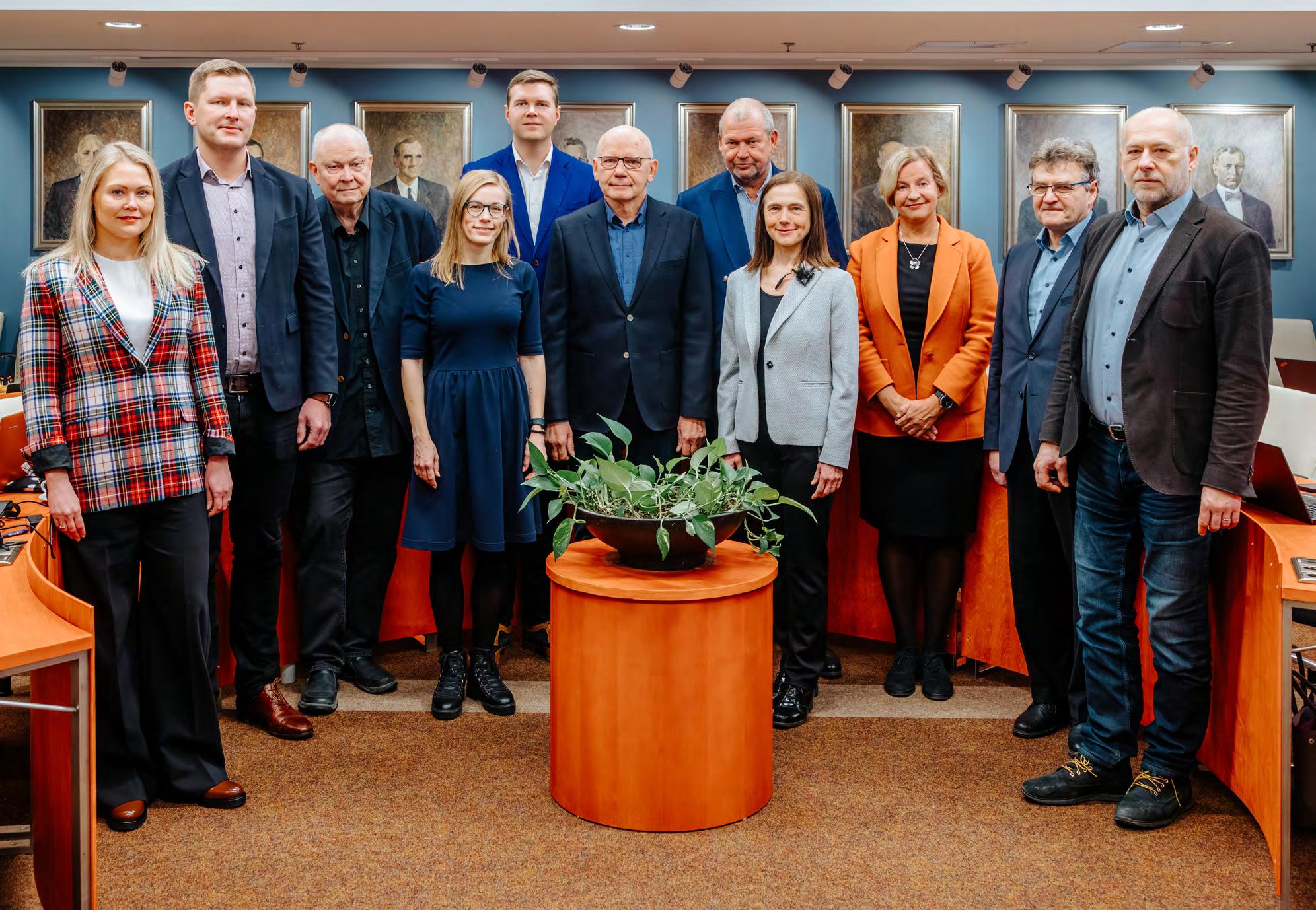
Board of Tallinn University of Technology as of 21 January 2025
conduct Olympiads and subject competitions and to organise preparatory courses for school students.
MEMBERS OF THE UNIVERSITY BOARD, RECTOR’S OFFICE, SENATE AND THE INTERNATIONAL ADVISORY BOARD
COMPOSITION OF THE BOARD AS OF 21 JANUARY 2025
• Heiti Hääl, Chairman, member appointed by the Minister of Education and Research, Chairman of the Supervisory Board of Alexela Group OÜ
• Tõnis Kanger, Vice-Chairman, member appointed by the Senate, Professor of Organic Synthesis at the university
• Miina Karafin, Head of Digitalisation and BIM at Verston, member appointed by the Minister of Education and Research
• Ülo Langel, Member of the Estonian Academy of Sciences, Professor of Neurochemistry and Molecular Neurobiology at Stockholm University, member appointed by the Estonian Academy of Sciences
• Madis Margus, CFO of Helmes Group, member appointed by the Senate
• Riin Savi, member appointed by the Minister of Education and Research
• Ants Vill, CEO of Bisly, member appointed by the Minister of Education and Research
• Maive Rute, member appointed by the Minister of Education and Research, Deputy Director-General of the European Commission’s DG GROW
• Arvo Oorn, member appointed by the Senate, Head of the Lighting Technology Laboratory accredited by the School of Engineering
• Tiina Randma-Liiv, member appointed by the Senate, Professor of Public Management and Policy at the university, Member of the Estonian Academy of Sciences
• Tanel Tammet, member appointed by the Senate, Professor of Applied Artificial Intelligence
MEMBERS OF THE RECTOR’S OFFICE
• Tiit Land, Rector, Professor
• Hendrik Voll, Vice-Rector for Endowment and Student Development (from 1 August 2025), Vice-Rector for Academic Affairs (until 31 July 2025), Professor
• Ingrid Pappel, Vice-Rector for Academic Affairs (from 1 August 2025), Professor
• Jarek Kurnitski, Vice-Rector for Research (from 1 August 2025), Member of the Estonian Academy of Sciences, Professor
• Erik Puura, Vice-Rector for Entrepreneurship, Vice-Rector for Research (until 31 July 2025)
• Tea Trahov, Director for Administration
• Fjodor Sergejev, Dean of the School of Engineering, Professor
• Gert Jervan, Dean of the School of Information Technologies, Professor
• Mari Avarmaa, Dean of the School of Business and Governance, Professor
• Andrus Salupere, Dean of the School of Science, Professor
• Roomet Leiger, Director of the Estonian Maritime Academy, Professor
COMPOSITION OF THE SENATE AS OF 1 SEPTEMBER 2025
• Tiit Land, Rector, Chairman of the Senate
• Irene Lill, representative of the Department of Civil Engineering and Architecture
• Toomas Vaimann, representative of the Department of Electrical Power Engineering and Mechatronics
• Alar Konist, representative of the Department of Energy Technology
• Maarja Grossberg-Kuusk, representative of the Department of Materials and Environmental Technology
• Kristo Karjust, representative of the Department of Mechanical and Industrial Engineering
• Paavo Kuuseok, representative of Kuressaare College
• Aime Ruus, representative of Tartu College
• Allan Niidu, representative of Virumaa College
• Maksim Jenihhin, representative of the Department of Computer Systems
• Innar Liiv, representative of the Department of Software Sciences
• Ivo Fridolin, representative of the Department of Health Technologies
• Alar Kuusik, representative of the Thomas Johann Seebeck Department of Electronics
• Andres Käver, representative of IT College
• Olle Hints, representative of the Department of Geology
• Pirjo Spuul, representative of the Department of Chemistry and Biotechnology
• Alar Leibak, representative of the Department of Cybernetics
• Rivo Uiboupin, representative of the Department of Marine Systems
• Laivi Laidroo, representative of the Department of Economics and Finance
• Jaanus Müür, representative of the Ragnar Nurkse Department of Innovation and Governance
• Merli Reidolf, representative of the Department of Business Administration
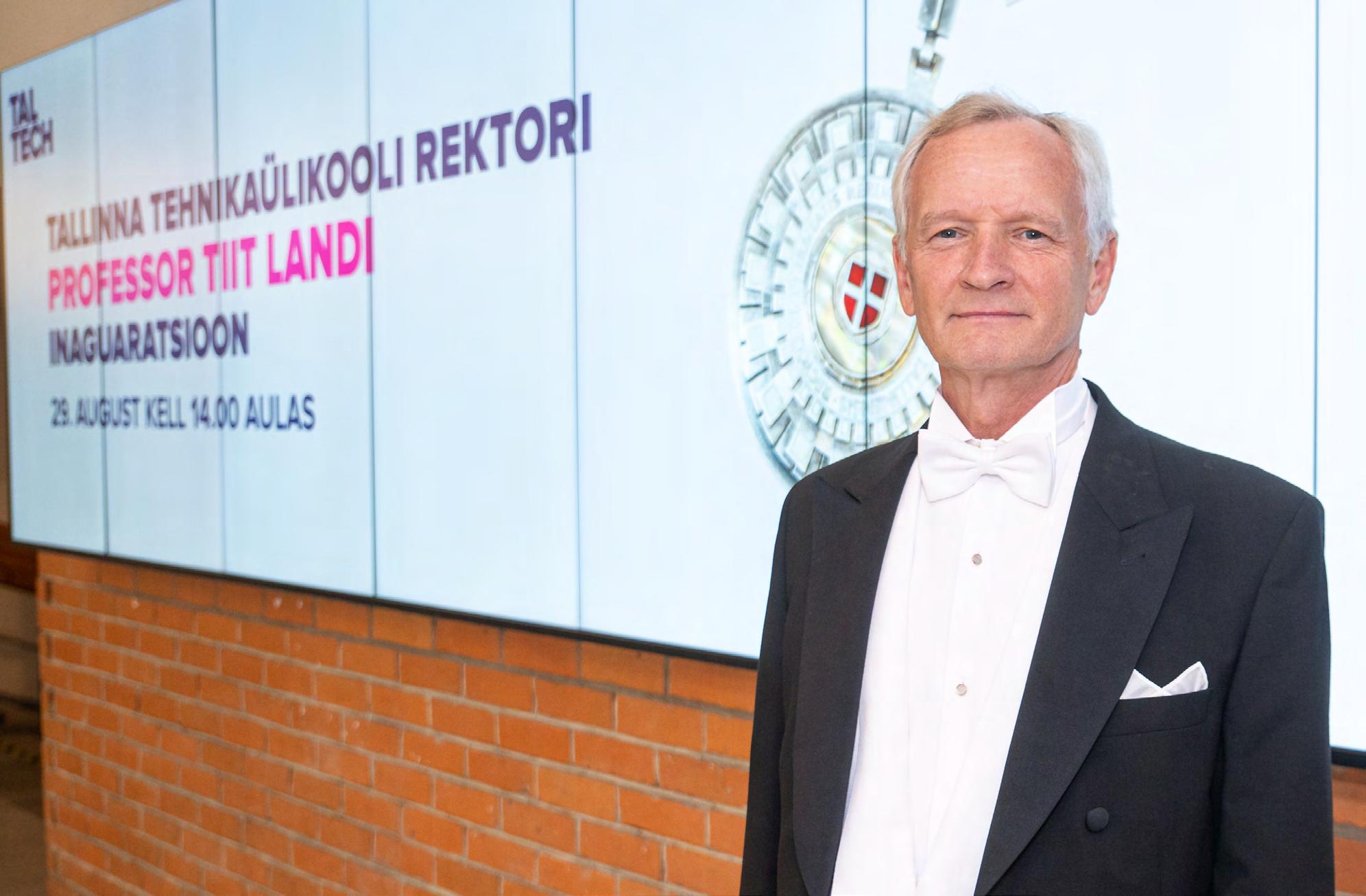
Professor Tiit Land was elected Rector of Tallinn University of Technology for the second term in May 2025 and was sworn in at the inauguration ceremony on 29 August 2025.
• Kristi Joamets, representative of the Department of Law
• Loreida Timberg, representative of the Estonian Maritime Academy
• Hele-Riin Pihel, representative of the administrative and support units
• Helena Kuivjõgi, doctoral students’ representative
• Nora Eensalu, students’ representative
• Karoliine Orav, students’ representative
• Alexander Rein Robas, students’ representative
• Rasmus Tammis, students’ representative
• Mark Toomsalu, students’ representative
• Karol Törmikoski, students’ representative
UNTIL 31 AUGUST 2025
• Hendrik Voll, Vice-Rector for Academic Affairs
• Erik Puura, Vice-Rector for Entrepreneurship
• Tea Trahov, Director for Administration
• Mari Avarmaa, Dean of the School of Business and Governance
• Gert Jervan, Dean of the School of Information Technologies
• Andrus Salupere, Dean of the School of Science
• Fjodor Sergejev, Dean of the School of Engineering
• Roomet Leiger, Director of the Estonian Maritime Academy
• Ivo Fridolin, representative of the academic staff of the School of Information Technologies
• Innar Liiv, representative of the academic staff of the School of Information Technologies
• Kristo Karjust, representative of the academic staff of the School of Engineering
• Allan Niidu, representative of the academic staff of the School of Engineering
• Argo Rosin, representative of the academic staff of the School of Engineering
• Riina Aav, representative of the academic staff of the School of Science
• Rivo Uiboupin, representative of the academic staff of the School of Science
• Erkki Karo, representative of the academic staff of the School of Business and Governance
• Laivi Laidroo, representative of the academic staff of the School of Business and Governance
• Loreida Timberg, representative of the academic staff of the Estonian Maritime Academy
• Tõnis Liibek, representative of the support staff
• Vladlen Pahv, students’ representative
• Karoliine Rebane, students’ representative
• Mia Peterson, students’ representative
• Jürgen Sokk, students’ representative
• Anette Vijar, students’ representative
• Magnus Vooder, students’ representative
INTERNATIONAL ADVISORY BOARD
The role of the International Advisory Board is to advise the Rector and the Board strategies related to the university’s governance and its teaching, research, and development activities.
• Sir John Walker (until June 2025), Winner of the Nobel Prize in Chemistry and Professor Emeritus at the University of Cambridge
• Tuula Teeri, President of the Royal Swedish Academy of Engineering Sciences
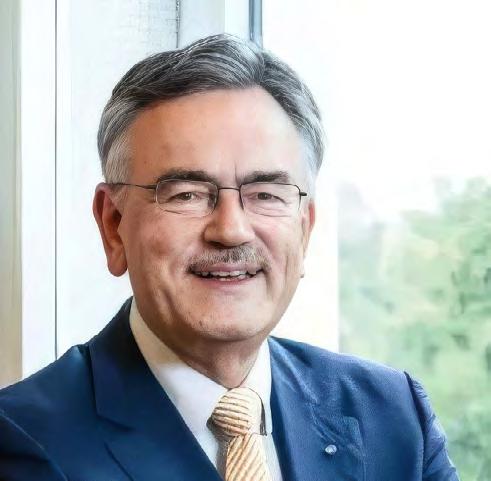
• Wolfgang A. Herrmann, President Emeritus of the Technical University of Munich
• Killu Sanborn, Managing Director of Life Sciences at Oxford Finance
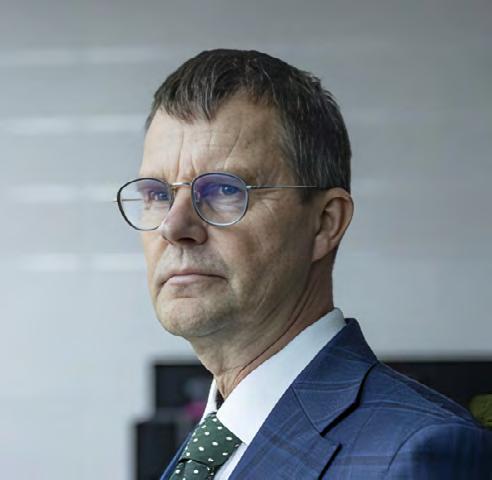
• Jukka Ruusunen, Professor at LUT University, former longtime President and CEO of Fingrid Oyj, the Finnish electricity grid company
• Fredrik Sjöholm, Professor and CEO of the Swedish Research Institute of Industrial Economics
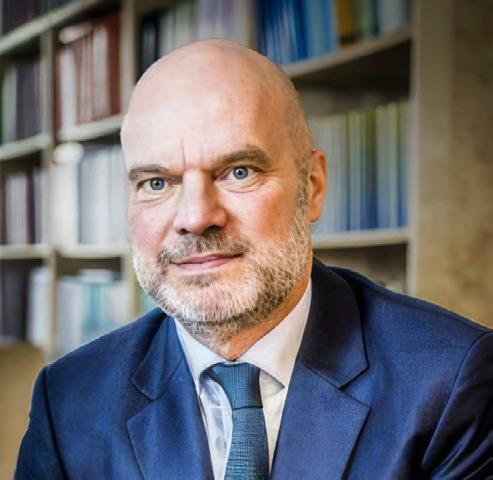
• Robert-Jan Smits, Chairman of the Supervisory Board of the Eindhoven University of Technology
INTERNATIONAL ADVISORY BOARD
The purpose of the International Advisory Board is to advise the Rector and the Board on management, teaching, research and development activities.
Sir John Walker
Tuula Teeri
Wolfgang A. Herrmann
Fredrik Sjöholm Robert-Jan Smits
Killu Sanborn
Jukka Ruusunen
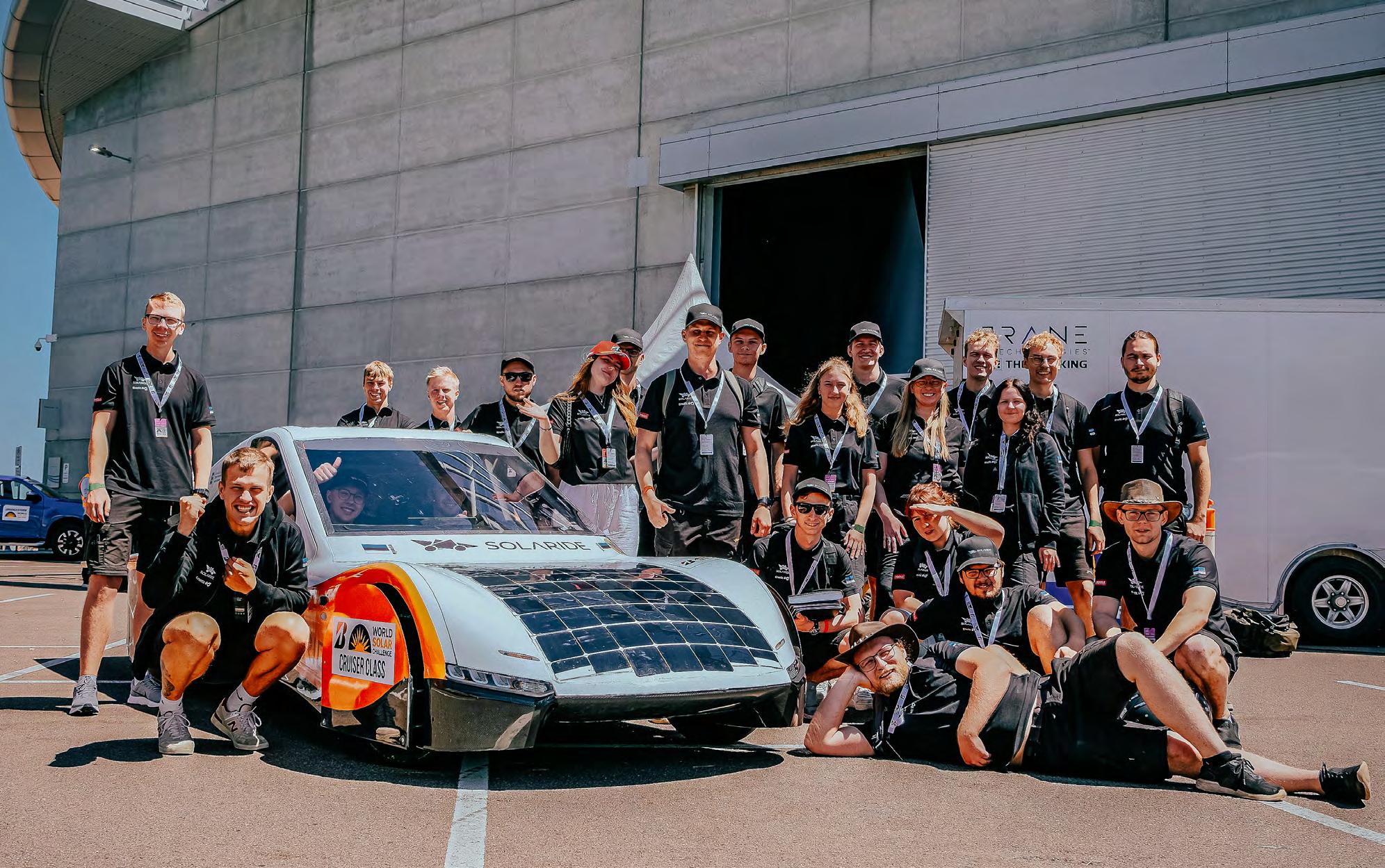
Solaride, a solar-powered car built with the participation of TalTech students, won second place in the Bridgestone World Solar Challenge in Australia.
HIGHLIGHTS IN 2025
WINDS OF CHANGE
We created a new position in the Rector’s Office – the Vice-Rector for Endowment and Student Development. Its areas of responsibility include the Engineering Endowment Fund, Development Fund scholarships, alumni relations, student life, sports activities, the School of Technology, the School of Exams and Olympiads, the Unicorn Squad and the EducationUSA Advising Center. At the beginning of 2026, the Foundation of the Tallinn University of Technology Engineering Endowment Fund was established to attract private capital.
On 19 December, the Board approved Tallinn University of Technology’s Strategic Plan for 2026–2035. The new Strategic Plan was developed through broad-based collaboration and aims to position the university among the leading technology universities in the Nordic countries. At its core are strong research, challenge-based learning and close collaboration with the business community and society, all aimed at contributing to the resolution of major challenges facing Estonia and the world.
STRONGER SCIENCE
The Stanford/Elsevier top 2% most cited scientists list includes a total of 27 researchers from TalTech, representing 12 departments from all Schools: Luca Mora, Lauri Jaakko Koskela, Dmitri Vinnikov, Anton Rassõlkin, Andrii Chub, Oleksandr Husev, Toomas Vaimann, Ants Kallaste, Andrei Blinov, Mihkel Koel, Konda Gokuldoss Prashanth, Irina Hussainova, Aleksei Tepljakov, Margus Viigimaa, Risto Vaarandi, Muhammad Alam Mahtab, Tarmo Soomere, Linda D. Hollebeek, Susanne Durst, Jarek Kurnitski, Targo Kalamees, Marina Trapido, Dirk Draheim, Mihkel Kaljurand, Victor Borovkov, Jüri Engelbrecht and Ago Samoson.
According to the contract signed with the government, the university had undertaken to provide at least 77 PhD positions in 2025. Over the course of the year, 215 PhD students – nearly three times as many – were admitted.
In 2025, a record 98 PhD students defended their dissertations. The time required to complete a doctoral degree has been decreasing year by year. During the contract period (2022–2025), a total of 308 PhD students were expected to graduate,
whereas in reality, 317 PhD students defended their dissertations during that period.
During the contract period, the university was required to provide at least 46 PhD positions in collaboration with external partners. Since the start of the contract period, we have admitted 56 industrial, or knowledge-transfer, doctoral students, including in collaboration with positively evaluated research and development institutions. The university has thus fulfilled its commitment to approximately 120%.
In the doctoral programme in maritime sciences, the first Estonian PhD student, Indrek Adler, defended his dissertation “Valorization of Blue Mussels in the Baltic Sea” and the first industrial PhD student, Andres Laasma, defended his dissertation “Decarbonization Framework of Estonian Coastal Ferries”.
The project with the largest amount of external funding (total amount 4.5 million euros) in 2025 was “Innovative Chemistry and Biotechnology for a Sustainable Future” (INNOCHEMBIO), which is co-funded by Horizon Europe’s Marie Skłodowska-Curie Actions (MSCA) for doctoral education. The project is led by TalTech and involves partners from various sectors and countries.
The School of Business and Governance began recruiting doctoral students for the DREAM+PLAN (Driving Climate Positive Futures) research and doctoral project, funded under the same MSCA COFUND action. The project aims to shape a climate positive future and support change-makers who bring together science, entrepreneurship and innovation.
Compared to 2024, there has been an increase in the total number of publications, the number of journal articles, and the number of publications published in the first quartile (Q1).
IMPROVED ACADEMIC PERFORMANCE
All Schools saw an increase in admissions across all levels of study. In the academic year 2025–2026, 3,805 new students began their studies at the university, including 2,281 in first-level programmes,
1,309 in master’s programmes and 215 in doctoral programmes. Overall, admissions increased by nearly 20%, with the total number of students growing in all Schools.
While the contract signed with the government set a target of increasing the number of admissions in the field of engineering, manufacturing and civil engineering by 10% compared to the academic year 2021–2022, the actual increase reached 60%.
The number of dropouts was the lowest in the past five years, falling from 14.7 to 11.0 percent year on year and decreasing in all Schools. The greatest improvement was seen in the School of Engineering and the School of Information Technologies.
The number of graduates also increased in all Schools, with the largest growth compared with the previous academic year recorded in the School of Information Technologies and the School of Business and Governance. In the academic year 2024–2025, 2,065 students graduated from TalTech, representing one of the highest numbers of graduates over the past five academic years.
Over the past year, the graduation rate increased by nearly five percentage points, reaching 53%. Graduation rates rose across all Schools, with the smallest increase recorded in the School of Engineering (1 percentage point) and the largest increase in the School of Information Technologies (8.4 percentage points).
The aim of the university is to equip its graduates with future-proof skills, including both the professional and transversal competencies, enabling them to succeed in a rapidly changing world, today and in the future. The process of identifying the competencies culminated in 2025 with the development of courses covering discipline-specific competencies.
In 2025, Tallinn University of Technology adopted a strategic approach to the systematic implementation of artificial intelligence (AI), including its use in developing teaching and learning activities. An AI working group was established, and TalTech’s AI roadmap and strategy were developed. In addition, the TalTech AI Advisory Board was set up to support the development of strategic decisions related to AI.
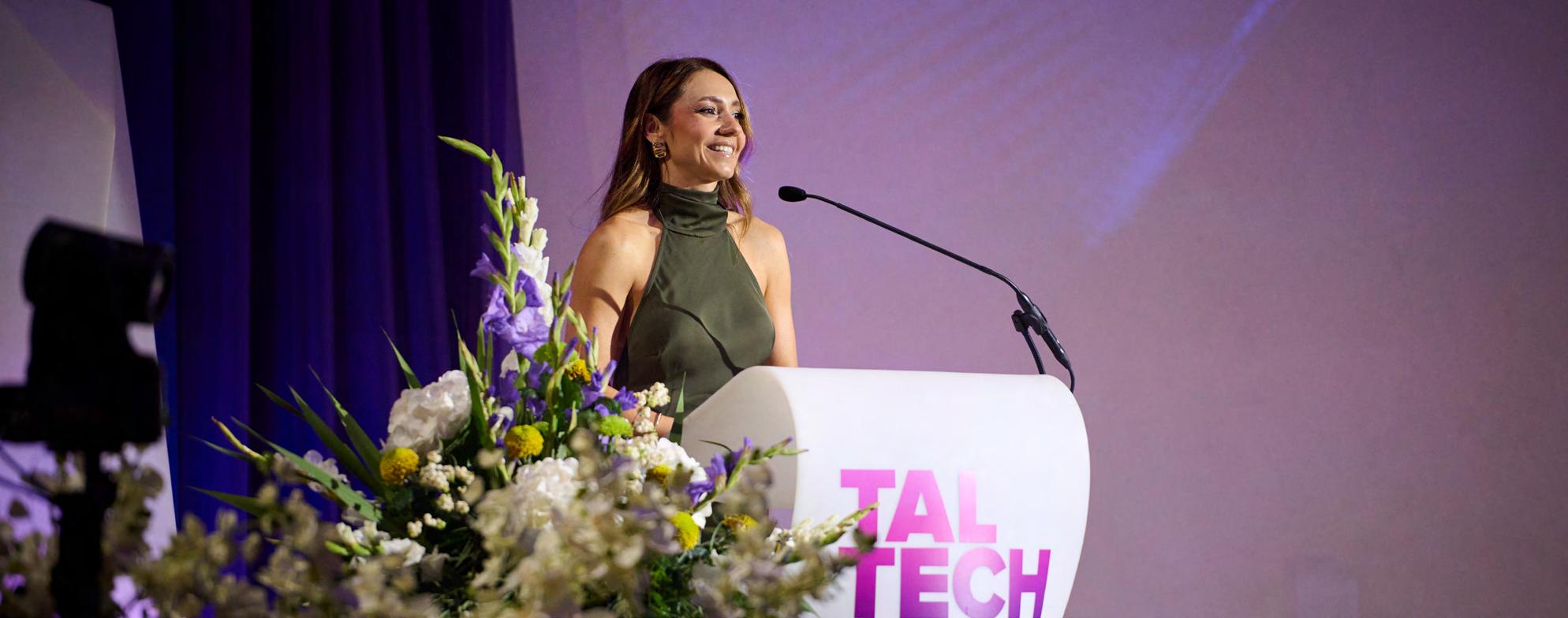
Elli Valla, Doctor of the School of Information Technologies, delivering her doctoral speech at the 107th anniversary ceremony of TalTech.
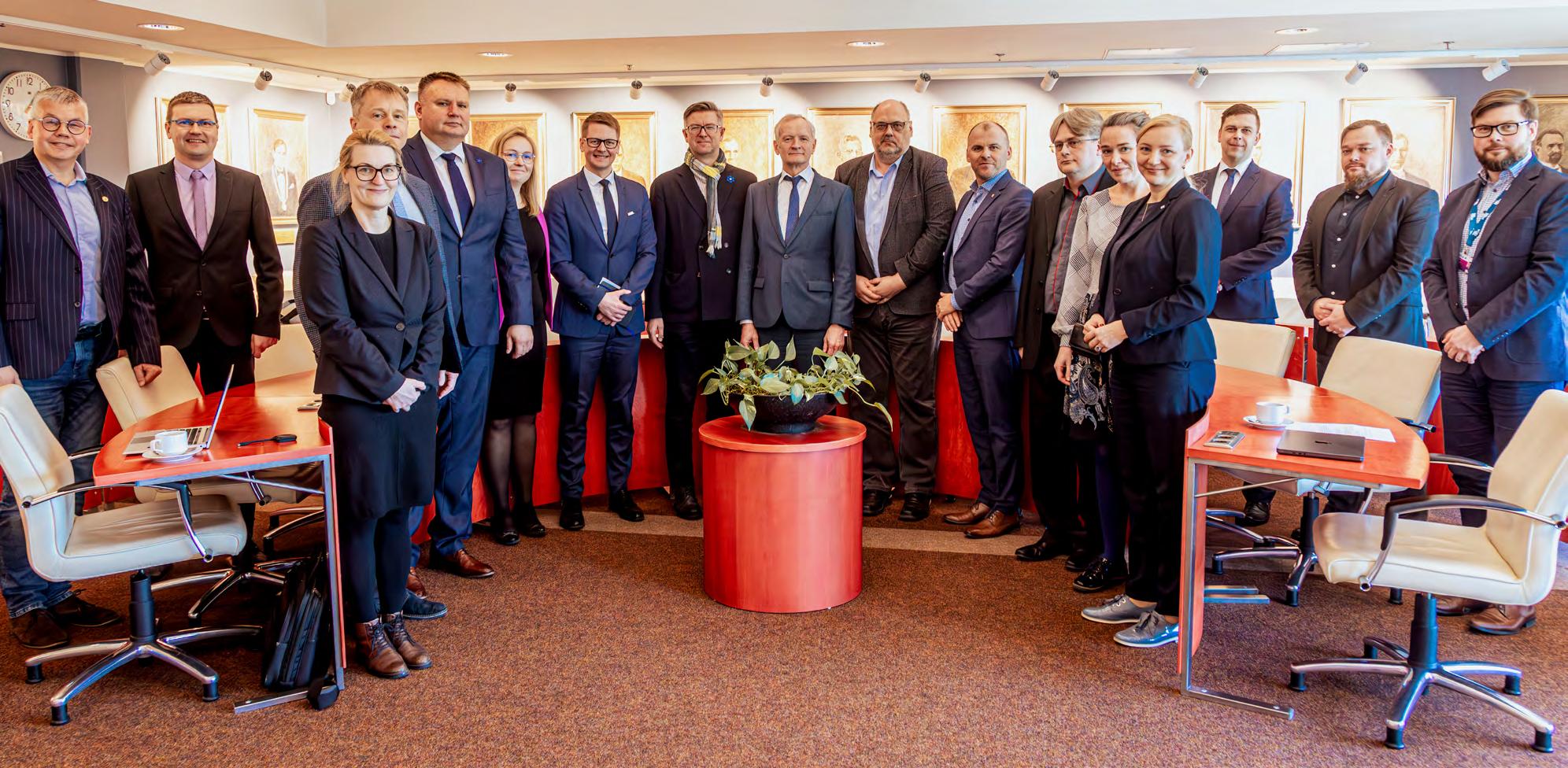
Partners in the establishment of the TalTech Centre for Defence and Security Technologies. The Centre was established in 2025 to strengthen cooperation between the university and the defence sector.
The website ai.taltech.ee was launched, bringing together guidelines and resources for the use of AI in an academic context. An online course was also developed for students and academic staff to provide a basic understanding of how AI works and its practical applications in teaching and learning. As part of the newly launched AI Champions Programme, selected lecturers and staff act as champions for the implementation of AI within their respective Schools and across the university. ChatGPT Edu licences are now available to all university employees.
STRONGER TOGETHER WITH SOCIETY
On 8 and 9 February 2025, the Baltic states’ power grid was synchronised with the power system of continental Europe. Researchers from the Department of Electrical Power Engineering and Mechatronics participated in Elering’s (the Estonian electricity and gas transmission system operator) system research framework, contributed to the successful implementation of the project to upgrade synchronous compensators and the Estlink control system and shared science-based, balanced information with the public through lectures, press conferences and the media.
In April, the Centre for Defence and Security Technologies was established at the university to coordinate and promote activities in the field of defence. The Centre aims to intensify interdisciplinary research and development cooperation in the field of defence and security technologies, while fostering synergies in the development of existing competencies and the emergence of new expertise.
The Centre of Excellence in Energy Efficiency carried out a study on the feasibility of implementing the Energy Performance of Buildings Directive and
on recommended energy performance thresholds for nearly zero-energy buildings in various countries, which was an effective, research-based contribution to energy efficiency in Europe.
In 2025, TalTech’s revenue from continuing education increased to a record 5.3 million euros. Over the course of the year, 23,223 participants attended continuing education courses offered by Tallinn University of Technology. The university’s Strategic Plan set a target of reaching 18,000 continuing education participants per year by the end of 2025. This target was already met in 2024, and in 2025 it was exceeded by 29%. The continuing education programmes introduced in 2025 focused on the enhancement of digital and green skills, as well as on the development of AI technologies and related applications.
In addition to 223 scholarships totalling 507,450 euros awarded to TalTech students, the TalTech Development Fund awarded 21 scholarships in the amount of 37,800 euros to basic school science teachers in 2025. A total of 25,164 euros was raised through the donate.taltech.ee website over the course of the year.
Commissioned by the Ministry of Climate, a roadmap for the deployment of CO2 capture technology was prepared in collaboration with the Department of Energy Technology. The goal of the roadmap is to identify the necessary prerequisites for the deployment of carbon capture and storage (CCS) and carbon capture and utilisation (CCU) technologies in Estonia.
HIGH-ACHIEVING STUDENTS
Solaride, a solar-powered car built by students from Estonian universities, took second place in the Bridgestone World Solar Challenge, a 3,000-kilometre solar car race in Australia.
When the government stopped providing universities with funding for performance-based scholarships, TalTech decided to continue awarding scholarships to students with outstanding academic performance from its own budget. The so-called success scholarship amounts to 200 euros per month. It was awarded to 570 students in the spring term of the 2024–2025 academic year, and to 571 students in the autumn term of the 2025–2026 academic year. In addition, the Schools recognise their students’ academic achievements through various other scholarships.
To provide general support for student entrepreneurship, we launched two new initiatives: IGNITER (a pre-accelerator for business ideas aimed at reaching prototype development and idea validation within three months) and TalTech Student Ventures (which provides an initial seed grant and offers one-to-one mentoring). Over the course of the year, students participating in the programmes established 21 new startups, which remains an impressive achievement.
For the first time, the Estonian Maritime Academy awarded three Future Wave Maker scholarships The scholarship fund was established as a sub-fund of the TalTech Development Fund with the aim of supporting and encouraging future professionals in the maritime sector. The fund is continuously replenished through ticket sales from anniversary and alumni events, as well as participation fees from staff events.
All three major perpetual trophy cups for victories in the Student Winter Games, Summer Games and Ylipall were won by TalTech students in the same year, adding another achievent to the university's trophy cabinet.
A UNIFIED AND RESPONSIBLE UNIVERSITY
Tallinn University of Technology received the Õitseja (Bloomer) mental health label from the NGO Peaasi, which signifies a mature and visible organisational culture that supports mental health and highlights the university’s significant progress compared to the past.
According to a university-wide survey on employee engagement and satisfaction, the engagement index rose from 68 to 77 points over two years, exceeding the average level among Estonian managers and senior specialists. Employees rated competitive salaries, fairer performance evaluations and cross-departmental collaboration more highly than before. The improvement was broad-based, and there was also an increase in perceptions of managers’ engagement and information sharing.
At the beginning of the year, a roadmap for a climate-neutral university was completed under the leadership of Jarek Kurnitski, Member of the Estonian Academy of Sciences. The management tool necessary for the university’s development was created with the involvement of researchers and support staff. The roadmap provides a comprehensive overview of the university’s greenhouse gas emissions in 2023–2024, outlines possible future emission scenarios and offers recommendations on the actions needed to reduce its carbon footprint.
A major step towards becoming a climate-neutral university was the Sustainability Months initiative, which focuses on a different sustainability topic each month throughout the academic year and addresses it through articles, information materials, calls to action, events and engaging competitions aimed at raising awareness and encouraging the university community to adopt more sustainable daily practices. The initiative is led by staff from several units and Sustainability Months will run until May 2026.
The Centre for Responsible Economy and ESG has begun operations at the Department of Business Administration. The Centre’s goal is to bring together research, entrepreneurship and society to promote a responsible economy and support the effective implementation of environmental, social and governance (ESG) principles in order to achieve sustainability.
A new one-year Estonian-language master’s programme, Sustainability Management, was launched with the aim of training the next generation of leaders who wish to drive positive change in organisations and society towards a more sustainable economy.
THE BEST AT TALTECH
STATE DECORATIONS
In the run-up to the Republic of Estonia’s Independence Day, President Alar Karis bestowed state decorations on individuals who, through their work and dedication, have made a significant contribution to Estonia’s development. Among the recipients were researchers, academic staff, alumni and promoters of cultural life associated with Tallinn University of Technology.
Tarmo Soomere, a leading figure in academia, Member of the Estonian Academy of Sciences and Professor at Tallinn University of Technology, was awarded the Order of Merit of the National Coat of Arms, 3rd Class. The decoration was bestowed in recognition of his long-standing and exceptional contribution to the advancement of Estonian science and strengthening the role of science in society.
The following individuals were awarded the Order of the White Star, 3rd Class:
• Tiina Randma-Liiv, social scientist, Member of the Estonian Academy of Sciences, Professor and Member of the Board of Tallinn University of Technology, for her contribution to the advancement of the social sciences, public administration and policymaking;
• Erik Puura, Vice-Rector for Entrepreneurship,
geologist and advocate for science and education, for his contribution to the advancement of the environmental and natural sciences.
The Order of the White Star, 4th Class, was awarded to Vello Tõugu, biochemist and Vice-Dean for Academic Affairs at the School of Science, for his contribution to the advancement of scientific research and scientific thought, and to Liis Koser, advocate for technology education.
The following individuals were awarded the Order of the White Star, 5th Class:
• Avo Ots, technical scientist, Visiting Lecturer at TalTech, for his contribution to the advancement of the telecommunications and engineering sciences;
• Marina Kuznetsova, folk dance instructor of TalTech’s ensemble Kuljus, recognised for her long-standing contribution to the promotion of dance and folk culture.
Toomas Luman, advocate for national defence and Lieutenant Colonel in the Reserve, was awarded the Order of the Cross of the Eagle, 4th Class. He was elected Tallinn University of Technology Alumnus of the Year in 1999 and was awarded the decoration in recognition of his contribution to strengthening national defence and security.
TARMO SOOMERE, Member of the Estonian Academy of Sciences and Professor at Tallinn University of Technology, was awarded the Order of Merit of the National Coat of Arms, 3rd Class, for his long-standing and exceptional contribution to the advancement of Estonian science and strengthening the role of science in society.
NATIONAL RESEARCH AWARDS
Targo Kalamees, Professor at the Department of Civil Engineering and Architecture of the School of Engineering, received a national research award in the field of engineering and technology for his series of works “Deep renovation of housing stock and ensuring moisture safety to improve people’s quality of life and reduce the environmental impact of buildings”.
The jury highlighted that Kalamees’s research has made a significant contribution to the development of building physics, energy efficiency, and climate resilience, and has laid the scientific foundation for renovation solutions for Estonia’s housing stock. “A key outcome of this research is the development of an industrialised renovation technology that utilises innovative prefabricated insulation elements, shifting a substantial portion of the work traditionally carried out on-site to factories,” the award citation states.
Karsten Staehr, Professor at the School of Business and Governance, Department of Economics and Finance, received a national research award in the field of social sciences for his series of works titled Macroeconomic Causes and Consequences of Europe’s Transformation. Professor Staehr is one of Estonia’s most influential economists, whose
research has systematically analysed economic growth, inflation, macroeconomic policy in Estonia and other European countries and the challenges faced by transition economies.
INTERNATIONAL RECOGNITION
The International Lipid Expert Panel (ILEP) awarded the title of ILEP Honorary Fellow to Margus Viigimaa, Professor at the Department of Health Technologies. This is the first time that researchers from the Baltic states have received this recognition.
The Society of Heating, Air-Conditioning and Sanitary Engineers of Japan (SHASE) elected Jarek Kurnitski as an honorary member. This is the highest recognition that SHASE awards to a foreign expert.
Professor Tõnis Timmusk from the Department of Chemistry and Biotechnology was elected a member of the European Molecular Biology Organization (EMBO). There are three members from Estonia in EMBO, two of whom are from TalTech.
Professor Erkki Karo from the Ragnar Nurkse Department of Innovation and Governance was appointed to the European Commission’s DG GROW Fellowship Programme, in which leading economists and academics support the Directorate-General in its analysis and policy making.
Linda Desiree Hollebeek, Adjunct Professor at the Department of Business Administration, was included in the 2025 list of Clarivate Highly Cited Researchers for the sixth consecutive year. Her work has found widespread application in both the business world and the global academic ecosystem.
Katriin Reedo, a doctoral student and Early Stage Researcher at the Department of Materials and Environmental Technology, was awarded the prestigious “Women in Science” fellowship issued by the Academies of Science and the National Commissions for UNESCO in the Baltic states for the development of pyrite-based solar cells. In collaboration with the European Space Agency, she is also exploring the use of pyrite-based solar cells for energy production on the Moon.
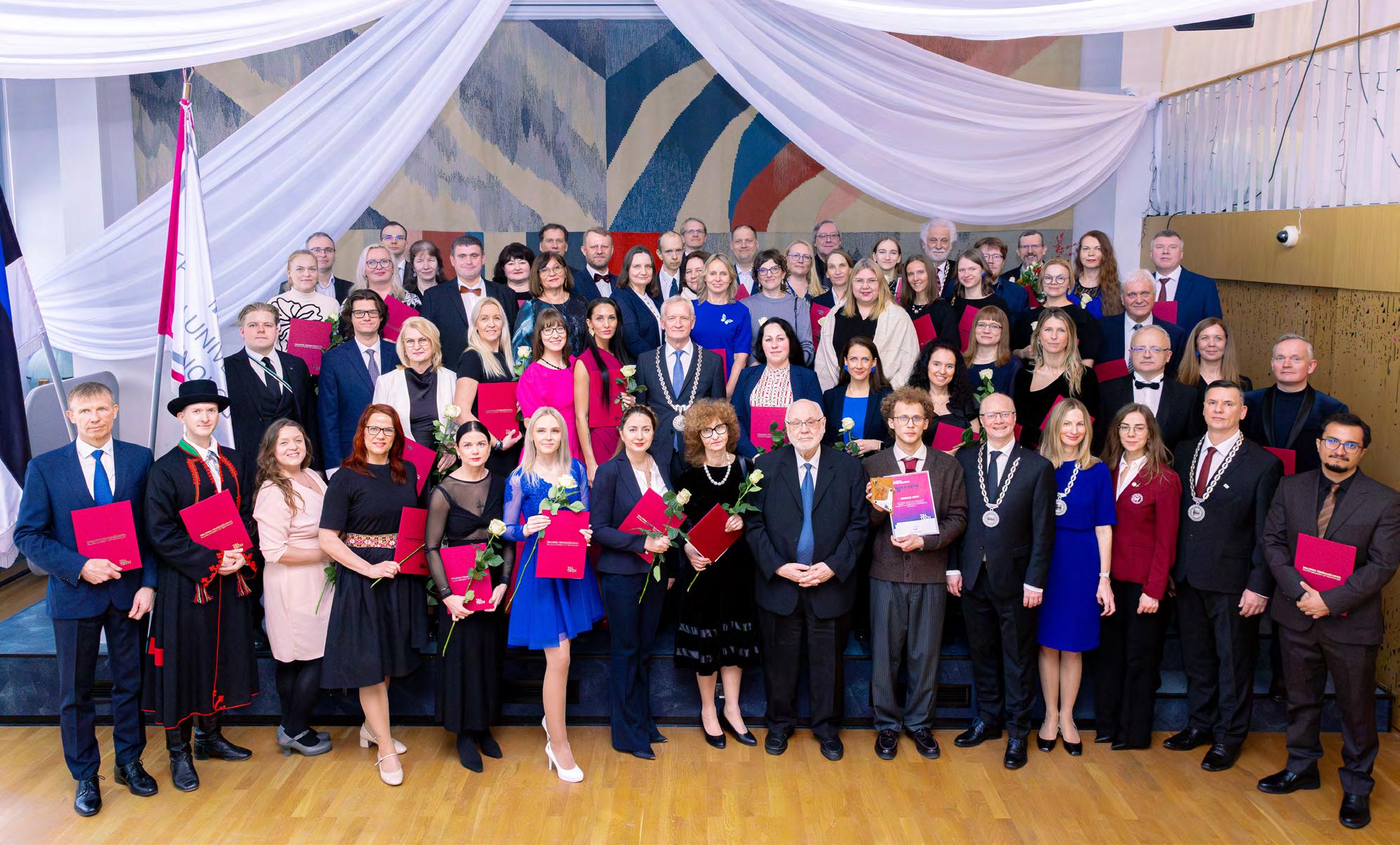
TALTECH AWARDS
HONORARY DOCTORATE: Tapio Olavi Salmi, Professor in Chemical Reaction Engineering at Åbo Akademi University
“MENTE ET MANU” AWARDS
• Professor Jaan Janno – a mathematician and member of the editorial boards of several leading scientific journals
• Professor Kristo Karjust – a leading figure in the field of manufacturing and mechanical engineering, Head of the Department of Mechanical and Industrial Engineering and Programme Director
• Marika Lunden – for her outstanding contributions to the development of the research and development projects area, the establishment of project management structures and project consultancy
• Professor Kadri Männasoo – an innovative lecturer, distinguished economist, successful research supervisor and highly recognised national expert
• Professor Rain Ottis – computer scientist, Head of the TalTech Centre for Digital Forensics and Cyber Security and a pioneer in the field of cyber security
• Heino Punab – a dedicated lecturer and Programme Director, author of specialist textbooks and recipient of multiple Best Lecturer awards
YOUNG RESEARCHER OF THE YEAR: Andrii Chub, Senior Researcher at the Department of Electrical Power Engineering and Mechatronics, who studies power electronics and develops better and smarter methods for converting and develops smarter and more efficient methods for converting and controlling electricity in future installations and energy systems.
RESEARCHER OF THE YEAR: Andres Krumme, Research Professor at the Department of Materials and Environmental Technology, a scientist working to reduce the world’s dependence on plastics at a time when European industry is at a turning point: dependence on fossil raw materials must be reduced and new, more sustainable material solutions must be developed.
RESEARCH ARTICLES OF THE YEAR
Human-AI collaboration, the ultra-fast FITSA
method, artificial intelligence in battery technology and new possibilities in the treatment of brain and spinal cord disorders.
The topics of the year’s best research articles range from medicine and new technologies to rethinking the collaboration between AI and humans.
Best research article in social sciences and humanities
• Stein, Mari-Klara; Shollo, Arisa (2025). Microfoundations of rationality in the age of AI: On emotions, bodies and intelligence. Information and Organization, 35, #100583 DOI: doi.org/10.1016/j. infoandorg.2025.100583
Two best research articles in the field of technology
• Karimi, Hamed; Laasmaa, Martin; Pihlak, Margus; Vendelin, Marko (2025). Statistical analysis of fluorescence intensity transients with Bayesian methods Science Advances. DOI: 10.1126/sciadv. ads4609
• Gilbert Zequera, Rolando Antonio; Rjabtšikov, Viktor; Rassõlkin, Anton; Vaimann, Toomas; Kallaste, Ants (2025). Deep Learning methodology for charging management applications in battery cells based on Neural Networks. IEEE Transactions on Intelligent Vehicles. DOI: 10.1109/ TIV.2024.3417216
Best research article in natural, exact and health sciences
• Zahavi, Eitan Erez; Koppel, Indrek; Kawaguchi, Riki; Oses-Prieto, Juan A.; Briner, Adam; Monavarfeshani, Aboozar; Dalla Costa, Irene; van Niekerk, Erna;
KARSTEN STAEHR, Professor at the Department of Economics and Finance of TalTech, received a national research award in the field of social sciences for his series of works titled Macroeconomic Causes and Consequences of Europe’s Transformation.
Photo: Erlend Štaub
TARGO KALAMEES, Tenured Full Professor at the Department of Civil Engineering and Architecture of TalTech, received a national research award in the field of engineering and technology for his research on deep renovation of housing stock and moisture safety, and was chosen the Doctoral Thesis Supervisor of the Year.
Monograph, monograph chapter or textbook of the year
• Vello Kala, Sander Varbla, Mairolt Kakko, Artu Ellmann (2025). Surveying in Construction. Tallinn: TalTech Press. DOI: 10.23658/dy4b-gq54. 2025
• Anne Kaun, Anu Masso (2025). The Data Welfare State
DEVELOPMENT PROJECTS OF THE YEAR
• FIRST PRIZE: C2GRID – AI-based 3D situational awareness and decision support platform; members of the research group: Vladimir Kuts, Yevhen Bondarenko, Ivan Symotiuk, Rostyslav Boychuk, Daniil Rõbnikov, Saamuel Stepanov
• SECOND PRIZE: SmartAGRO – Portable laboratory-grade soil nutrient analysis platform for precision agriculture; members of the research group: Jekaterina Mazina-Šinkar, Jelena Gorbatšova, Martin Jaanus, Mari-Liis Leinus, Evelin Halling, Mihkel Kaljurand, Merike Vaher
• THIRD PRIZE: Development of risk- and condi-
tion based asset management principles; members of the research group: Jako Kilter, Ants Kallaste, Guido Andreesen, Sajjad Asefi, Madis Leinakse, Marko Tealane, Jaanus Kaugerand, Sadok Ben Yahia, Muhammad Shafiq, Andri Riid, Toomas Vaimann, Henri Manninen, Kaur Tuttelberg, Lauri Kütt, Konstantin Bilozor, Lizaveta Miasayedava, Tarmo Trummal, Mari Löper, Ivar Kiitam, Paul Taklaja
LECTURERS
OF THE YEAR
• Jarmo Kõster, Senior Lecturer at the Estonian Maritime Academy
• Erki Eessaar, Associate Professor at the Department of Software Sciences of the School of Information Technologies
• Toomas Lepikult, Senior Lecturer at IT College of the School of Information Technologies
• Andres Eek, Lecturer at the Thomas Johann Seebeck Department of Electronics of the School of Information Technologies
• Mihkel Kask, doctoral student and Early Stage Researcher at the Department of Civil Engineering and Architecture of the School of Engineering
• Natalja Savest, Senior Lecturer at the Department of Materials and Environmental Technology of the School of Engineering
• Olga Dunajeva, Senior Lecturer at Virumaa College of the School of Engineering
• Andrus Salupere, Professor at the Department of Cybernetics of the School of Science
• Signe Rosenberg, Lecturer at the Department of Economics and Finance of the School of Business and Governance
• Kristo Krumm, Lecturer at the Department of Business Administration of the School of Business and Governance
SUPERVISORS OF THE YEAR
• Thesis Supervisor of the Year in the first-level study programmes – Piret Mellik, Visiting Lecturer at the Department of Materials and Environmental Technology
• Thesis Supervisor of the Year in the second-level study programmes – Laivi Laidroo, Associate Professor at the Department of Economics and Finance
• Thesis Supervisor of the Year in the second-level study programmes – Erik Väli, Senior Lecturer at the Department of Geology
• Doctoral Thesis Supervisor of the Year – Targo Kalamees, Tenured Full Professor at the Department of Civil Engineering and Architecture
PROGRAMME DIRECTORS OF THE YEAR
• Irene Lill, Programme Director at the School of Engineering
• Oliver Järvik, Programme Director at the School of Engineering
• Kristi Timmo, Programme Director at the School of Engineering
• Külli Taro, Programme Director at the School of Business and Governance
SUPPORT STAFF OF THE YEAR
• Kaie Lehtme, Manager of Studies, Tartu College, School of Engineering
• Keiu Org, Chief Specialist in School Cooperation and Admission Marketing, Preparatory Centre
• Brita Laurfeld, Support Service Development Manager, Office of Director for Administration
• Kadri Jürissaar, Web Project Manager, Marketing and Communications Office
GREEN ACHIEVEMENTS OF THE YEAR
• Activities promoting sustainable development, including in degree studies and continuing education programmes and public education, led by the Department of Materials and Environmental Technology; members of the working group: Tiia Plamus, Laura Kuningas, Maarja Grossberg-Kuusk, Andres Krumme, Katre Worth, Piret Mellik, Jaan Kers, Viktoria Gudkova, Niina Dulova, Andres Trikkel, Helen Sooväli-Sepping, Allan Niidu, Ivo Palu, Rutt Hints, Tony Hand, Ulrika Hurt, Riina Aav, Petri-Jaan Lahtvee; Margit Kull, Jaana Merisaar, Merle Ojasoo, Simo Ilomets, Karin Käär, Liisa Rebane
• Sustainability Months – a campaign running throughout the academic year, highlighting a different sustainability topic each month to raise awareness and encourage the university community to adopt more sustainable daily practices.
Leaders: Mari Öö Sarv, Henri Suomalainen, Liisu Kirke Normak, Pirgit Pedaja, Piibe Kirke Tops, Kätlin Sonk, Milanna Naris, Kristin Rammus, Gert Zavatski
CULTURAL ACHIEVEMENT OF THE YEAR
• The University Wind Band’s album “Seitsmest viieni” (From Seven to Five)
SPORTS ACHIEVEMENT OF THE YEAR
• The Estonian Championship won by TalTech/Nordaid women’s volleyball team
THE STUDENT ORGANISATION OF THE YEAR ORGANISED THE STUDENT EVENT OF THE YEAR
The Student Council of the School of Information Technologies was named Student Organisation of the Year, standing out for its strong initiative, steady development and strong commitment to cooperation with other student organisations. This is evidenced by TipiLAN, a project launched in October in collaboration with several student councils and organisations, which was named Student Project of the Year. TipiLAN revived Tallinn University of Technology’s former e-sports traditions, brought together a large number of students and student organisations towards a common goal and attracted nearly a thousand gaming enthusiasts from Estonia and abroad to TalTech.
STUDENT OF THE YEAR
Throughout his time at the university, Gregor Kokk, a student at Tartu College, has stood out for his strong motivation, problem-solving drive, competence and genuine enthusiasm. Gregor has been eager to participate in various projects and initiatives, has participated in the activities in the fields of technology and engineering and has contributed to the development of the college over the past two years as a member of the Cyber-Physical Systems Work Group. In addition to his own studies, Gregor teaches specialised subjects to younger students. He has also been active in the Tartu College Student Union and has contributed to the development of the college, including by initiating the creation of a workshop.
According to his fellow students, Gregor is an exceptionally helpful, positive, and motivating person who supports other students and is always ready to listen and offer assistance. He is passionate about his field of study and is able to convey that enthusiasm to others. Gregor independently initiated a project funded by the Estonian Business and Innovation Agency, aimed at developing an IT solution for determining the location of drones based on sound, thereby demonstrating strong innovation capacity and forward thinking.
Gregor is the Student of the Year 2025 because he is simultaneously a student, lecturer, leader and source of inspiration.
RESEARCH AND DEVELOPMENT
FUNDING
Total research and development (R&D) funding at TalTech in 2025 amounted to 80 million euros. he majority of this funding came from project grants provided by various donors, totalling 46.4 million euros. More detailed information on the funding sources is provided below.
The total amount of baseline funding of research and development institutions in Estonia remained unchanged compared to 2024 (59.31 million euros). The allocation to TalTech was 12.16 million euros 20.5% of the total baseline funding allocation, which is 0.53 million euros less than in 2024 (Directive of the Minister of Education and Research No. 29 of 25 February 2025). The decrease in baseline funding is mainly due to the decrease in the value of R&D and service contracts, which is calculated on the basis of the cumulative total for the preceding three years. Compared to 19.5 million euros, which was the total value of R&D and service contracts for 2020–2022 taken into account for the allocation of the 2024 baseline funding, the total value for 2021–2023 was almost €1 million lower.
In accordance with the Organisation of Research and Development and Innovation Act, passed in June 2025, the current baseline funding for research was replaced at the beginning of 2026 by the so-called
R&D funding of an institution. According to the Act, the R&D funding of an institution is a state budget funding prescribed for research and development institutions, universities and evaluated professional higher education institutions for the fulfilment of their research and development objectives and for the creation of a public good. Its budget is divided between baseline funding to the extent of at least 70% and performance-based funding to the extent of up to 30%.
A significant change was introduced by a new regulation of the government establishing a new minimum threshold for revenue from research contracts and projects during the year. Only accrual-based revenue recognised in the statement of financial performance for the financial year is taken into account, provided that the amount per contract is at least 3,000 euros (previously: 500 euros). Since research and development funding is allocated based on the results of the past three years, the change also applies retroactively to the data submitted for the two preceding years.
The number of grant applications submitted to the Estonian Research Council in the 2025 call was 332, with a total value of over 61 million euros, including applications worth more than 11 million euros submitted by TalTech. Of all the applications, 93 were awarded funding totalling over 16 million euros; of the 64 applications submitted by TalTech, 13, worth over 2.3 million euros, were successful.
In 2025, the Estonian Research Council also funded five projects by post-doctoral researchers at TalTech who obtained their doctoral degrees abroad, contributing to the focus areas of the Estonian Research and Development, Innovation and Entrepreneurship Strategy (TAIE).
Support from the Just Transition Fund (JTF) has significantly boosted research activities at Virumaa College. Several laboratories in Kohtla-Järve were equipped with research equipment, including equipment worth a total of 2.5 million euros in 2025. The college recruited 15 new employees in the R&D area. In addition, doctoral students and early stage
Five-year growth 70.2%
School of Engineering
School of Science
School of Information Technologies
School of Business and Governance
Maritime Academy
researchers were involved in all research projects. In terms of networking, 2025 saw the launch of collaboration with the Just Transition region in the German state of Saxony-Anhalt.
INTERNATIONAL PROJECT GRANTS
In line with the trend of recent years, revenue from the implementation of international project grants increased from 15 million euros to 18 million euros compared with the previous year. A total of
The figure also includes business projects
MLN IN EUROS (€m)
57 international projects were launched. The largest funder is the European Commission through Horizon Europe projects (12.8 million euros). The majority of these projects (8) fall under the European Partnerships programme, while the largest amount of funding comes from Marie Skłodowska-Curie Actions (MSCA) projects under Pillar I of Horizon Europe. In 2025, six MSCA projects were launched, with actions focusing on the networks of doctoral programmes (Doctoral Networks, COFUND) or the exchange of researchers (Staff Exchanges). Equally important is funding for Interreg projects: 9 projects with a total budget of 1.9 million euros were launched.
In 2025, TalTech launched 5 Horizon Europe Widening & ERA projects, including projects successful under the ERA Talents, Hop-on and Excellence Hubs calls. The total amount of European Commission funding for TalTech’s Widening projects is 1.7 million euros.
MAJOR RESEARCH PROJECTS LAUNCHED IN 2025
The project that received the largest amount of external funding in 2025 is “Innovative Chemistry and Biotechnology for a Sustainable Future” (INNOCHEMBIO) (Mikk Kaasik, Department of Chemistry and Biotechnology). This is the first project in Estonia to receive co-funding under the Horizon Europe Marie Skłodowska-Curie Actions (MSCA) for doctoral education (COFUND). The project is led by TalTech and involves partners from various sectors and countries. As part of the project, the university will recruit 15 new doctoral students and early stage researchers. The total budget of the project is 4.5 million euros, of which 2.4 million euros is a grant from the European Commission to support TalTech’s operations. The project has also been co-funded by the Estonian Research Council in the amount of 594,000 euros.
The aim of the project is to train future experts in sustainable chemistry and biotechnology who will help Europe take the next steps toward achieving the green transition. The specialists trained under the project and the solutions they develop will help reduce the environmental impact of the chemical and agricultural sectors, develop environmentally friendly analysis methods and assess the safety of new materials. All this is carried out through interdisciplinary research projects in an international research environment, in collaboration with industry, the public sector and society, through an educational programme based on the quadruple helix model. As a result, INNOCHEMBIO graduates will not only be leading experts in their discipline, but also pioneers and trendsetters in the field. Well-considered career planning ensures a skilled workforce across all four sectors. INNOCHEMBIO is an international consortium led by TalTech. To achieve the project’s objectives, 15 doctoral students will be recruited through up to calls for proposals, with studies lasting 48 months. During this period, the doctoral students will receive specialised training both in Estonia and abroad by working on their research projects, participating in broad-based courses offered by TalTech and its partner institutions, and gaining practical work experience in the private sector.
Another project that received more than 1 million euros in funding was AI & Robotics Estonia 2.0 (EDIH). The total budget of the project is 5.5 million euros, with 1.2 million euros allocated to TalTech. The objectives of AI & Robotics Estonia (AIRE) are directly aligned with EDIH2’s objective of strengthening the long-term sustainability of both the AIRE and EDIH (European Digital Innovation Hubs) networks.
AIRE supports SMEs in adopting European AI technologies and strengthens national and EU strategic autonomy by expanding the use of AI solutions through the EU AI infrastructure (AI-on-Demand Platform). Through cross-border cooperation, AIRE
AI-based solutions are tested and validated in the AIRE demonstration projects.
actively contributes to the cohesion and impact of the EDIH network by sharing use cases, tools and service models.
AIRE’s service model is designed to ensure the long-term continuity of services even after the end of the co-funding period, through participation in national and EU calls for proposals, public-private partnerships (PPPs) and by aligning its activities with the national digitalisation funding framework (Digital Agenda 2030).
Projects that received more than 500,000 euros in funding:
• Enabling collaborative efforts for systemic change in Estonian River Basin Management (Rivo Uiboupin, Department of Marine Systems); funding to TalTech 819,499 euros
• Reusable Easy to Breath and Use Masks – Elastomeric half-mask (Karin Reinhold, Department of Business Administration); funding to TalTech 630,612 euros
• COdesign urban REalm & dynamic Spaces management for cognitive & socially connected cities (CORESPACES) (Francesco De Luca, Department of Civil Engineering and Architecture; the project is carried out in collaboration with the Department of Electrical Power Engineering and Mechatronics and the Department of Software Sciences); funding to TalTech 573,687 euros
• Hop-on to Computation for a new age of Resource Aware architecture: waste-sourced and fast-growing bio-based Materials – Boosting Innovative Timber Evaluation (RAW-BITE) (Alar Just, Department of Civil Engineering and Architecture); funding to TalTech 545,375 euros
• Leveraging identification of endocrine disruptors using new approach methodologies based on human adult ovarian follicle cells (MERLON2) (Agne
Velthut-Meikas, Department of Chemistry and Biotechnology); funding to TalTech 550,000 euros
• MarTe: Marine technology excellence hub for sustainable blue economy in Baltics (Kristjan Tabri, Kuressaare College); funding to TalTech 526,950 euros
MAJOR INVESTMENTS IN 2025
Major investments in 2025 for the renewal of research equipment:
• Rigaku XtaLAB Synergy-S diffractometer (Department of Materials and Environmental Technology, 408,350 euros)
• Spectral flow cytometer and cell sorter (Department of Chemistry and Biotechnology, 306,877 euros)
• Agilent Technologies inductively coupled plasma mass spectrometry (ICP-MS) system (Virumaa College, 202,290 euros)
PUBLICATIONS
The analysis of publication data was conducted using the SciVal analysis module of the multidisciplinary abstract and citation database Scopus. The query was run on 25 February 2026 and it returned a total of 1,193 publications by TalTech members in 2025, including 758 journal articles, 284 articles in conference proceedings, five monographs and 56 chapters in edited volumes.
Compared to 2024, there has been an increase in the total number of publications, the number of journal articles, and the number of publications published
SCOPUS-INDEXED PUBLICATIONS (query run on 25 February 2026)
Q1 article count growth over 5 years 18.7%
in first quartile (Q1). Despite the strong results for the reporting year, the target set in the Strategic Plan was not achieved. This indicator being a ratio, this is due to the faster growth in the number of employees with PhD degrees (2023: 646; 2024: 700; 2025: 737) compared to the growth in the number of publications.
The proportion of articles published in international collaboration has increased marginally. According to SciVal, 65.9% of TalTech’s publications in 2025 were co-authored with colleagues from other countries (2023: 67.6%; 2024: 65.2%).
The top co-publishing countries:
Sweden (120)
Germany (107)
USA (104)
UK (103)
Finland (99)
India (86)
Italy (81)
Poland (65)
China (64)
Latvia (58)
The top co-publishing foreign research institutions in 2025 were Aalto University (39 co-authored publications); Vilnius University (34), Vellore Institute of Technology, India (31), Umeå University, Sweden (28) and Sunway University, Malaysia (28).
TENURE AND RESEARCH GROUPS
At the end of 2025, there were 144 tenured positions at the university, of which 97 were filled (two contracts have been suspended) and 20 positions in the process of being filled. There were 25 vacancies, with the highest numbers in the School of Science (9) and the School of Information Technologies (7). In total, the university had 132 research groups in 2025 (2024: 130). A research group is generally
established and led by a tenured professor and focuses on the professor’s research project. 74 tenured professors led their research groups in 2025. Other members of the academic staff may, however, lead research groups if they run a research project and/or have secured independent funding for their research. The university evaluates the performance of its research groups annually. An overview of the activities of the research groups is available on the university’s website.
PHD STUDIES
According to the administrative contract signed with the government, the university had undertaken to provide at least 77 PhD positions in 2025. Over the course of the year, 215 PhD students were admitted, of whom 180 are working at the university as early stage researchers, 28 are industrial doctoral students, and seven are doctoral students. 115 new PhD students (i.e. 53.5% of all new PhD students) were international students. The proportion of international students of all PhD students was 48.7% (2024: 48.3% and 2023: 48%).
During the contract period (2022–2025), the university was required to provide at least 46 PhD positions in collaboration with external partners. Since the start of the contract period the university has admitted 56 industrial, or knowledge-transfer, doctoral students, including in collaboration with positively evaluated research and development institutions. The university has thus fulfilled its commitment to by 120%.
In 2025, a record 98 PhD students defended their dissertations, of whom 36% were Estonian nationals. During the contract period, a total of 308 PhD students were expected to graduate. In reality, 317 PhD students defended their dissertations during that period, meaning that the university also fulfilled this obligation set forth in the contract. The
time required to attain a doctoral degree has been decreasing year by year, with 2025 graduates attaining their degrees in five years on average. 33 doctoral students dropped out in the reporting year.
RESEARCH INFRASTRUCTURE
In May 2025, the Estonian Research Council approved funding allocations for applications for research infrastructure of national importance for the next five years. Under the leadership of TalTech, four units received funding:
• Energy efficiency and renewable energy core infrastructure (led by Professor Jarek Kurnitski, Department of Civil Engineering and Architecture)
• Research infrastructure for chemical synthesis and technology (led by Professor Tõnis Kanger, Department of Chemistry and Biotechnology)
• Marine technology and hydrodynamics research infrastructure MARTE – Regional Knowledge Transfer Technology and Advisory Centre (led by Villu Vatsfeld, Kuressaare College)
• Infrastructure for wood valorisation and analysis
(led by Professor Andres Krumme, Department of Materials and Environmental Technology)
In addition to these four, TalTech is also involved as a partner in 18 Roadmap objects. The total amount of support for the Roadmap objects led by TalTech is 6.1 million euros over five years. As a partner, TalTech will receive 4.4 million euros in funding.
HIGH PERFORMANCE COMPUTING CENTRE (HPC CENTRE)
Over the year, 8 million hours of CPU calculations and 80 hours of GPU calculations were executed on the LUMI supercomputer. The HPC Centre’s resources were used to perform 3 million hours of CPU calculations and 93,000 hours of GPU calculations.
The centre acquired two new servers equipped with Nvidia’s RTX PRO 6000 Blackwell graphics cards, which will enhance the centre’s ability to provide infrastructure to support AI workflows.
The development of the research data repository data.taltech.ee continued in collaboration with the TalTech Library. The repository contains 231 publications and data collections.
Number of PhD dissertations defended, 5-year growth
STUDENTS AND STUDY
KEY PERFORMANCE INDICATORS IN THE STRATEGIC PLAN 2021–2025 performance target
Share of students graduating within the standard period of study
The standard period of study corresponds to the official study period + 1 year for 4-year and shorter programmes, and to the official study period + 2 years for longer programmes
52% 47% 48% 53%
The proportion of master’s courses where at least 75% of the programme is taught by academic staff members with a PhD or an equivalent qualification
Baseline 2021 2022 2023 2024 2025
Ratio of the average income of the graduates of master’s studies to the average salary in Estonia
In wage calculations, the baseline data for 2022 have been changed. Previously, wage earners in the top and bottom percentiles were excluded.
Baseline 2021 2022 2023 2024 2025
Total revenue from education activities (€m)
The largest contribution to total revenue from education activities came from the increase in operational funding from the state budget.
Baseline 2021 2022 2023 2024 2025
Baseline 2021 2022 2023 2024 2025
BREAKDOWN OF REVENUE FROM EDUCATION ACTIVITIES (€m)
Project grants for education activities (incl. pass-through grants)
FUNDING
In the funding model used by the Ministry of Education and Research, state funding for higher education is provided through operational funding and specific-purpose allocations. Operational funding is divided as follows: 80% – baseline funding, 17% –performance-based funding and 3% – allocations based on the performance of the administrative contract. Baseline funding is distributed among universities based on the funding received in the preceding three years, and performance-based funding is determined based on five (six until 2023) performance indicators and the funding received in the preceding three years, i.e. the proportion of baseline funding. It is important to note that universities can only influence the share of baseline funding through the amount allocated based on performance-based funding, that is through performance indicators. The performance-based funding for any given year is determined on the basis of the results of the previous year and it depends on the university’s own performance as well as on the performance of other Estonian public universities (six in total).
The largest investments in teaching were made in 2025 using resources from the Teaching Development Fund. To support academic quality at TalTech and the implementation of the objectives set out in the Strategic Plan and its implementation plan, the Teaching Development Fund, established in 2022, continued its activities with a total contribution of 1.2 million euros. The fund’s resources were allocated to projects related to the implementation plan of the Strategic Plan, projects initiated by the Vice-Rector for Academic Affairs and teaching development projects of the Schools.
Projects funded by the European Social Fund continued, including the Engineering Academy (budget for 2025: 3,639,486 euros), the IT Academy (budget for 2025: 1,547,061 euros) and the Just Transition Fund (budget for 2025: 1,299,062 euros).
ADMISSIONS
In the academic year 2025–2026, 3,805 new students began their studies at the university, including 2,281 in first-level programmes, 1,309 in master’s programmes and 215 in doctoral programmes. The number of admitted international students was 351, accounting for 9.2% of all admitted students.
All Schools saw an increase in admissions across all levels of study. The largest increase in admissions was in the School of Engineering, with 295 more students admitted compared to the previous year.
ADMISSIONS BY SCHOOL
Year-on-year change
School of Engineering
School of Information Technologies
School of Science
School
There were three admission-related targets arising from the contract signed with the government:
1. Not to increase the number of non-fee-paying study places in the first-level study programme group Business and Administration compared to the academic year 2021–2022.
The admissions target for the academic year 2025–2026 was not met in the field of Business and Administration: the number of non-fee-paying students admitted was 15 higher than the baseline for the academic year 2021–2022.
2. To keep the number of enrolments in the Informatics and IT study programme group at least at the level of the academic year 2021–2022 for both bachelor’s and master’s levels and increase the proportion of female students in these programmes.
In the Informatics and IT study programme group, the number of admissions in the academic year 2025–2026 was at least as high as in the academic year 2021–2022 for both the first and second levels of study. The proportion of female students exceeded the target at the first level of study but fell short of the target at the master’s level. Improving gender balance in the field of IT remains an ongoing challenge.
3. To increase the number of admissions in the field of engineering, manufacturing and civil engineering by 10% compared to the academic year 2021–2022.
This target was met: enrolment in the field of engineering, manufacturing and civil engineering increased by 60% compared to the academic year 2021–2022.
The university itself had five admissions-related targets for the academic year 2025–2026:
1. To maintain/increase the proportion of entrants with high scores in the national exam in broad mathematics, i.e. those who scored 90–100 points in the exam.
The number of admitted students who scored 90 points or more in the national exam was 242. Compared to 2024, the number of admissions
decreased by 9, while the number of students admitted who scored 90–100 points in the exam in the same year increased by 8.
In 2025, the target to increase the number of entrants with high scores in the national exam in broad mathematics compared to the previous year was not met. In the academic year 2025–2026, the proportion of admitted students who scored 90 points or more was 6.4%; a year earlier it was 7.9%.
2. To increase/maintain the number of applicants admitted under special criteria.
The number of entrants who applied for admission under the special criteria of having participated in an Olympiad, academic competition or elective course was 74. The target was met: the number was higher than in 2024 (50) and in 2023 (41). The highest number of applicants admitted under special criteria was enrolled in the School of Information Technologies (36 students), and the most popular competition was the Labyrinth Run, based on the results of which 10 applicants were admitted.
3. To maintain/increase the number of applicants from the focus schools (general education schools with high scores in national mathematics exams and a high number of enrolments in TalTech over the years) compared to the previous year.
In 2025, 25 schools were designated as focus schools (9 more than last year, primarily due to the
EXAM TAKERS WITH SCORES OVER 90 (OUT OF 100) IN THE BROAD MATHEMATICS EXAM
2023/2 2023/24 2024/25
addition of new state gymnasiums). The target was met: during the reporting year, 100 more graduates from those schools enrolled at Tallinn University of Technology than last year. Pärnu Koidula Upper Secondary School continues to provide the highest number of new students (97). Compared to last year, there were significantly more entrants who had graduated from Saue State Upper Secondary School and Rocca al Mare School.
4. To secure at least 15 students in each first-level programme and at least 10 students in each master’s programme.
In the academic year 2025–2026, there were 2 first-level and 8 master’s programmes that fell short of the target.
5. To increase the number of students graduating from TalTech’s first-level programmes who continue their studies at master’s level.
The target was met: enrolment in master’s programmes among TalTech graduates increased by 58 students this year. The number of entrants from the University of Tartu also increased (by 20), which was the best result in recent years. There was a significant increase in the number of new students from Tallinn University (by 40) and Tallinn University of Applied Sciences (by 31).
STUDY PROGRAMME DEVELOPMENT
In the academic year 2025–2026, 81 programmes were open for applications. Two new professional higher education programmes, one new bachelor’s
ADMISSIONS
Professional higher education
Bachelor’s programmes
Integrated programmes
Master’s programmes
Doctoral programmes
programme, and four new master’s programmes were launched. Five of the seven new programmes had so-called predecessor programmes, admissions to which were closed when the new programmes were launched. Two new one-year master’s programmes had no predecessor programmes.
The quality of education provided by higher education institutions is evaluated by the Estonian Quality Agency for Education within the framework of institutional accreditation. One aspect evaluated is the effectiveness of the institution’s internal quality assurance system and how high-quality teaching and the continuous improvement of study programmes are ensured. In 2023, an internal evaluation process for study programmes was established as part of the development of TalTech’s internal quality assurance system; this process consists of a main evaluation and an interim evaluation.
Key findings from the interim conclusions of the internal evaluation of the 2025 study programmes:
• The need for more effective and targeted marketing was emphasised. For several study programmes, stronger marketing has indeed led to success, confirming that well-planned communication, precise target group identification and consistent efforts have been important factors in increasing enrolment.
• An analysis of student feedback showed that, although overall satisfaction with study programmes and lecturers was good or very good, it was most influenced by differences in the quality of individual courses and lecturers, particularly as regards communication, transparency in assessment, the
development of practical skills and the existence of experience. Students also highlighted the need for clearer organisation of studies, improved Moodle courses and a more balanced student workload, while practical components (study visits, project-based learning and personal development modules) were the factors that contributed most to student satisfaction and motivation to learn.
• With regard to graduation rates, it was noted that these have, for the most part, improved or remained consistently strong; however, in several study programmes, they remain below expectations, and additional support is needed in the thesis writing process, while the quality of supervision needs to be more consistent.
The main outcomes of the development activities planned in the previous academic year are reflected in the modernisation of courses, improved coherence across study programmes, the updating of teaching infrastructure and materials, enhanced student support through joint events and projects, more systematic guidance and updated graduation-related guidelines, as well as the development and integration of transversal competencies into study programmes.
The aim of the university is to equip its graduates with future-proof skills, with both the professional and transversal competencies to succeed in a rapidly changing world, today and in the future.
The process of identifying the competencies culminated in 2025 with the development of courses covering discipline-specific competencies. In addition, seminars and training sessions were held for programme directors, didactics specialists and teaching staff to
support the integration of learning and self-management skills into study programmes. The key themes are collaboration and the development of a shared understanding. In 2026, the focus is on a communication campaign on best practices in learning and teaching, developed in collaboration with students to highlight effective learning, training in transversal competencies and the piloting of monitoring initiatives.
NUMBER OF STUDENTS
On 10 November 2025, TalTech had 9,929 students, of whom 8,073 (81.3%) were non-fee-paying and 1,856 (18.7%) fee-paying students. Compared to the previous academic year, the number of students increased by 829. The number of students increased in all Schools.
STUDENT PROGRESS
The number of dropouts continued to decline during the academic year 2024–2025. Studies were interrupted by 998 students, which is 313 fewer than in the previous academic year and the lowest figure in the last five years. The dropout rate across the university fell from 14.7% to 11.0% and decreased in all Schools, with the greatest improvement recorded in the School of Engineering and the School of Information Technologies. A positive trend was also observed among first-year students: the dropout rate during the first academic year fell to 12.2%, confirming the university’s ability to sustain this positive trend.
A number of systematic measures have been
implemented to reduce dropout rates. The range of elective courses offered to upper secondary schools has been expanded to support more informed specialisation choices and help prevent students from choosing an unsuitable field of study. Upper secondary school students are also offered the opportunity to shadow university students in order to support more informed decisions about their future specialisation. While 102 upper secondary school students shadowed university students during the academic year 2021–2022, this number had risen to 313 in the academic year 2024–2025.
To support learning, the implementation and expansion of the learning analytics tool IntelliBoard continued in 2025, enabling the early identification of students experiencing learning difficulties and the provision of targeted support. The School of Business and Governance modelled the profile of a dropout student based on relevant student data from the School of Information Technologies and the School of Business and Governance. This will be used to develop an intervention plan to reduce dropout rates.
The didactic centres established during the period covered by the Strategic Plan contribute to the quality of education and support for teaching staff by offering orientation programmes for new lecturers and programme directors, as well as School-specific training. Best practices are regularly shared, and graduation-re-
GRADUATION RATES BY LEVEL OF STUDY
Five-year growth in graduation rates in percentage points 2.6%
lated processes, including e-solutions that support the supervision and assessment of theses, are continuously improved. The involvement of teaching assistants in the teaching process has also proved successful, as it supports both lecturers and students and contributes to improving the quality of education.
GRADUATES
In the academic year 2024–2025, 2,065 students graduated from TalTech, representing one of the highest numbers of graduates over the past five academic years. Compared to the previous year, there were fewer graduates in professional higher education and integrated programmes. In other programmes, the number of graduates increased.
GRADUATION RATES
One of the key performance indicators is the ratio between the number of students admitted and the number of students who graduate within the standard period of study, i.e. the graduation rate. This indicator serves both as a component of the university’s performance-based funding and as one of the key indicators in the field of teaching in TalTech’s Strategic Plan. The
DROP-OUT RATE OF FIRST-YEAR STUDENTS OUT OF TOTAL NUMBER OF ENROLMENTS
Source: Study Information System (SIS)
university had set a target of achieving a graduation rate of at least 60% by 2025. Over the past year, the graduation rate increased by nearly 5 percentage points, reaching 53%. Graduation rates rose across all Schools, with the smallest increase recorded in the School of Engineering (1 percentage point) and the largest increase in the School of Information Technologies (8.4 percentage points). The School of Business and Governance achieved a graduation rate of 63.8%, which exceeds the target set in the university’s Strategic Plan by 3.8 percentage points, while the School of Science fell short of its target by 0.9 percentage points.
Graduation rates improved at almost all levels of study, with the exception of doctoral programmes, where the graduation rate declined by 3.4 percentage points compared to the previous academic year.
STUDENT SATISFACTION
In the Annual Graduate Satisfaction Survey, 1,923 graduates were invited to take part in the survey in 2025; responses were received from 455 graduates (23.7%). The university aims to keep graduate satisfaction with study programmes and the average and median overall satisfaction with teaching above 4.0. In 2025, both exceeded the target level: satisfaction with study programmes averaged 4.21 and satisfaction with teaching averaged 4.18 across the university. Across the Schools, satisfaction with study programmes was below 4.0 only at the Estonian Maritime Academy (3.60), while in the other Schools, the rating remained above 4.0, with the highest score recorded in the School of Information Technologies (4.33). Satisfaction with teaching was also, for the most part, above 4.0, with the exception of the Estonian Maritime Academy (3.78).
Across the levels of study, graduates of master’s programmes generally rate both teaching and study programmes more highly than graduates of bachelor’s and professional higher education programmes. For example, in the School of Information Technologies, satisfaction among master’s graduates was 4.36 for the study programme and 4.22 for teaching, while among bachelor’s graduates the corresponding figures were 4.30 and 4.08. A similar pattern can be observed in other Schools, where ratings for master’s programmes remain consistently high.
GRADUATES’ AVERAGE SATISFACTION WITH THE STUDY PROGRAMME
Since 2021, the overall student satisfaction rating across the university has remained above 4.0, confirming the consistently high quality of education and a positive graduation experience.
The most positive ratings were given for overall satisfaction with the university and the thesis-related experience, particularly the contribution of thesis writing to personal development and the sufficient support provided by supervisors. Lower ratings were primarily related to the structure of study programmes and support for learning: the lowest levels of satisfaction were associated with the coherence and logical sequence of courses, lecturers’ ability to engage students in active learning and the ease of finding a thesis topic and supervisor. In some units, the organisation of internships and finding internship placements were also areas of concern (particularly at the Estonian Maritime Academy).
After each term is completed, students provide feedback on the conduct and organisation of studies through a questionnaire in the Study Information System. Student ratings remain high across all Schools; in the autumn term of the academic year 2025–2026, the university achieved an overall average rating of 4.55
STUDENT COUNSELLING
The university provides psychological, career, internship and academic counselling, as well as counselling for students with special needs and admissions-related counselling.
The work of tutors continues to play an important role in supporting first-year students. In 2025, tutors were available in all fields of study except Hardware Development and Programming.
The main concerns identified in psychological counselling are high levels of anxiety and/or depression among students; in many cases, students have been referred to a general practitioner or psychiatrist for further consultation. Other issues include difficulties faced by students who are highly achievement-oriented and participate in multiple extracurricular activities, including having an ambition to earn more than 30 ECTS credits per term while working. High expectations for oneself and one’s performance can often result in feelings of elevated anxiety and disappointment when set goals are not achieved. Students also report concerns relating to their relationships with family, friends and partners.
In 2025, cooperation between psychologists and the Student Council continued. Following the establishment of the Mental Health Project Coordinator position within the Student Council and their activities, students began addressing mental health issues in a more coordinated and focused manner, involving university psychologists in both discussions and the organisation of thematic events.
Students have shown growing interest in seminars
on finding work, and the number of people seeking career counselling remains high. In career counselling, there is an increasingly frequent need to support students in finding internship placements. To this end, a new university-wide internship portal was launched in February, listing internship and job opportunities across all fields of study taught at TalTech; on average, 50 new vacancies are added each month.
STUDY ENVIRONMENT AND E-LEARNING
At the beginning of the period covered by the Strategic Plan, the Learning Design Programme was launched with the aim of improving the quality of studies and ensuring greater flexibility by enhancing e-learning support for at least 200 courses. By the end of the spring term of the academic year 2024–2025, 204 courses had completed the Learning Design Programme, and thus the programme objective was achieved. The School of Engineering has the highest number of courses that have completed the Learning Design Programme.
During the period covered by the Strategic Plan, 16 degree courses were also developed that can be completed entirely through e-learning. The target had been to develop 25 courses, but it was not achieved due to limited interest among lecturers.
In 2025, the implementation and expansion of the learning analytics tool IntelliBoard continued. During the spring term, access was granted to student counsellors in all Schools. In the autumn term, the target group was expanded to include programme directors in all Schools, and a small number of lecturers were involved on a pilot basis.
In 2025, student satisfaction with the e-support of courses and study materials remained high across the university and improved slightly compared to 2024. The average rating across the university was 4.49 for e-support and 4.51 for the relevance of study materials. The highest ratings were given by students from the Estonian Maritime Academy and the School of Science. Although the results of the School of Information Technologies were slightly lower, they also remained consistently high. Overall, the findings suggest that, from the students’ perspective, digital learning environments and study materials effectively support the acquisition of subject knowledge, and that their quality has remained stable in recent years.
USE OF ARTIFICIAL INTELLIGENCE IN TEACHING AND LEARNING
In 2025, Tallinn University of Technology adopted a strategic approach to the systematic implementation of artificial intelligence (AI), including its use in teaching and learning. At the initiative of the Vice-Rector for Academic Affairs, an AI working
group was established and TalTech’s AI roadmap was developed alongside the strategy, which addresses the use of AI in teaching, work processes and infrastructure, and emphasises its responsible and ethical use. The TalTech AI Advisory Board was also established to support the development of strategic decisions related to AI.
The website ai.taltech.ee was launched as a central information channel to support teaching and learning activities, bringing together guidelines and resources for the use of artificial intelligence in an academic context. In addition, an online course was created for students and academic staff in collaboration between the IT Didactics Centre and the TalTech AI Centre of Excellence to provide a basic understanding of how artificial intelligence works and its practical applications in teaching and learning.
An AI Champions Programme was launched, in which selected lecturers and staff act as champions for the implementation of AI within their respective Schools and across the university. Approximately 250 employees from all Schools participated in eight workshops held in Estonian and English. The feedback collected showed that lecturers’ attitudes towards the use of AI are predominantly positive and that the workshops supported the development of practical skills and readiness to implement AI in teaching.
At the end of the year, a survey on AI awareness and use was launched among employees and students with the aim of identifying practices and attitudes regarding the use of AI, as well as training and support needs. The results will be used to further support the development of TalTech’s AI-related activities and the quality of teaching and learning.
On 5 December, ChatGPT Edu licences were made available to all university employees. The rollout of the licences was supported by guidelines, short videos and training sessions for both support and academic staff. The same tool was also used as part of the AI Champions Programme to demonstrate
INWARD MOBILITY
Germany (66)
France (57)
Italy (30)
Spain (25)
Czechia (23)
the practical application of AI in teaching and learning, including the creation of study materials, support for assessment processes and guidance for learners. In addition, cooperation took place with other universities, including the exchange of experiences regarding the implementation of AI solutions and the organisation of training sessions.
MOBILITY AND INTERNATIONAL COOPERATION
Studying abroad plays an important role in ensuring academic quality. Through international degree students and visiting students, TalTech students who, for some reason, cannot or do not wish to study abroad themselves will also gain international study experience.
In the academic year 2024–2025, TalTech hosted 299 visiting international students. By level of study, visiting international students were distributed as follows: 157 in bachelor’s programmes, 132 in master’s programmes and 10 in doctoral programmes. Among the Schools, the School of Business and Governance remained the most popular, with 148 visiting international students; the School of Information Technologies hosted 70, the School of Engineering 60, the School of Science 20 and the Estonian Maritime Academy 1 international student.
During the academic year 2024–2025, visiting international students came to Tallinn University of Technology from 142 higher education institutions in 36 countries. The largest numbers of students came from Germany (66) and France (57), followed by Italy (30), Spain (25) and the Czech Republic (23).
During the academic year 2024–2025, TalTech organised four Blended Intensive Programmes (BIPs), in which 88 international students participated.
A total of 125 TalTech students went to study abroad, which is five more than in the previous academic year. The opportunity to study abroad was used most actively by students from the School of Business and Governance (45), followed by students from the School of Engineering (43), the School of Information Technologies (32), the Estonian Maritime Academy (3) and the School of Science (2). In total, students studied abroad at 66 higher education institutions in 28 countries. The most popular foreign universities were Technical University of Denmark, Czech Technical University in Prague, Aalto University (Finland), Technical University of Munich (Germany)
OUTWARD MOBILITY
Germany (21)
Finland (19)
Italy (17)
Portugal (17)
Lithuania (16)
and University of Valencia (Spain). Three of the five most-visited universities are partner universities in TalTech’s EuroTeQ network.
During the academic year 2024–2025, a total of 285 staff members received support for mobility under the three actions of the Erasmus+ programme (Intra-European Mobility, the International Component of Intra-European Mobility and Global Mobility). The opportunities offered under the Erasmus+ Intra-European Mobility action were used most actively by staff members of the School of Engineering (62 participants), followed by staff from the School of Business and Governance (56) and administrative support staff (46).
EuroTeQ Engineering University (hereinafter EuroTeQ) is a collaborative project among European universities that has been in operation since 2020. It brings together eight leading universities of technology and business with the aim of shaping a future-oriented, international and flexible education in engineering and technology. The members of the EuroTeQ network are Technical University of Munich (Germany, TUM), Technical University of Denmark (DTU), Eindhoven University of Technology (the Netherlands, TU/e), École Polytechnique (France, L’X), Czech Technical University in Prague (CTU) and Tallinn University of Technology (TalTech). In 2023, the project successfully applied for a four-year extension and two new partners joined the network: HEC Paris in France and IESE Business School in Spain. Associated partners include École Polytechnique Fédérale de Lausanne (Switzerland, EPFL) and Israel Institute of Technology (Technion).
One of the main objectives of the project is to promote physical, virtual and blended student mobility. During the academic year 2024–2025, 155 TalTech students applied to participate in 213 courses offered by partner universities. In the academic year 2024–2025, TalTech offered 73 courses to the students of EuroTeQ partner universities; the courses were selected on 621 occasions and successfully completed on 130 occasions.
SCHOLARSHIPS AND ALLOWANCES
Due to cuts in the 2025 state budget, the government stopped providing funds to universities for performance-based scholarships after January 2025. To continue awarding scholarships to students with
Five-year growth in the number of students 16%
outstanding academic performance, the university decided to allocate funds from its own budget. The new scholarship is called the success scholarship and amounts to 200 euros per month. It was awarded to 438 students in the autumn term and to 570 students in the spring term of the academic year 2024–2025, and to 571 students in the autumn term of the academic year 2025–2026. In addition, the Schools recognise their students’ academic achievements through various other scholarships.
CONTINUING EDUCATION
In 2025, TalTech’s revenue from continuing education grew to a record 5.3 million euros per year (an annual growth of 4%), mainly due to the delivery of state-commissioned continuing education courses and increased volumes in the paid training market.
Over the course of the year, 23,223 continuing education participants attended courses offered by Tallinn University of Technology, more than 12,500 of whom were adult learners. Courses were delivered throughout Estonia, including at regional colleges in Kohtla-Järve, Tartu and Kuressaare. TalTech’s Strategic Plan had set a target of reaching 18,000
continuing education participants per year by the end of 2025. This target was already met in 2024, and in 2025 it was exceeded by 29%.
This significant growth was achieved due to the successful application for state-commissioned continuing education courses in the call for proposals. In total, the university delivered 1,065 continuing education courses across 565 study programmes during the year. The number of study programmes increased slightly, and on average there were 1.8 courses per study programme.
The continuing education programmes introduced in 2025 focused on the enhancement of digital and green skills, as well as on the development of AI technologies and related applications. TalTech delivered 122 state-commissioned courses to 2,700 participants.
Due to the increased offering of microdegree programmes over the past two years, the number of students enrolled in open education programmes has also grown. Compared to the previous year, the number of continuing education participants remained unchanged at 1,396, with the addition of continuing education participants who were granted student status. On average, students registered for more courses than in the previous year. Over the course
In sporting terms, history was made when all three major cups, for victories in the Student Winter Games, Summer Games and Ylipall, ended up in TalTech’s trophy cabinet at the same time.
of the year, 398 continuing education participants enrolled in the 73 microdegree programmes offered by TalTech, which is slightly fewer than in 2024.
TALTECH DEVELOPMENT FUND
TalTech Development Fund raises and allocates grants to TalTech students, professorships and projects. Through a strategic approach and consistent work, private sector support has steadily grown over the past five years. In 2025, the Development Fund received a total of 832,000 euros in donations and grants. A total of 579,770 euros was awarded in scholarships and various grants. Students received 223 scholarships, totalling 507,450 euros, and support was provided to three student projects. In addition, 21 scholarships worth 37,800 euros were awarded to basic school science teachers.
TALTECH DEVELOPMENT FUND SCHOLARSHIPS
Five-year growth in the value of scholarships
Three sub-funds were established under the Development Fund. The first is intended for students at allEstonian higher education institutions who study electronics and radio communications, and the second at basic school science teachers in all Estonian general education schools. The third is a sub-fund named after the Swedish entrepreneur and philanthropist Björn Erik Savén, with a contribution of 260,000 euros, which supports the establishment of a professorship in finance at the School of Business and Governance. This marks the first named professorship at TalTech to be funded through the Development Fund.
A total of 25,164 euros was raised through the donate.taltech.ee website over the course of the year.
ABB donated a demonstration kit of frequency converters used in modern industry to the Development Fund to help modernise teaching, and Playtech Estonia supported the purchase of two soundproof conversation booths for the Mektory building.
STUDENT LIFE
In 2025, no new student organisations were established, while a few ceased operations. To date, there are 36 student organisations at TalTech, including cultural collectives. There was some interest in establishing new organisations. To support the ambitious ideas of student organisations, the Student Union organised funding competitions throughout the year, awarding more than 129,000 euros to over 100 projects.
For the first time, Tallinn University of Technology as a whole received the Õitseja (Bloomer) mental health label from the NGO Peaasi, which signifies a mature and visible organisational culture that supports mental health and highlights the university’s significant progress compared with the past.
Student life at TalTech has become even more visible over the past year. The race car of the Formula Student Team Tallinn is displayed on the main square in front of the university’s main building for all interested visitors to see. The Solaride III Enefit solar car took second place in a prestigious race in Australia. The vibrant student life at TalTech is also reflected in the achievements of its student organisations. The Estonian Student Satellite was named Estonia’s best student organisation at the Estonian Student Awards competition TUNNE, while Startup Garage won the title of Newcomer of the Year.
To promote the quality of education, the Lecturers’ Gala was held for the second time, during which students awarded ten outstanding lecturers the silver badge Fidelis Professor. In addition, in collaboration with the Office of Academic Affairs, the Statute for the Thesis Supervisor of the Year award was developed to recognise the best supervisors in bachelor’s and master’s programmes.
Student life events broke attendance records, with over 1,200 Estonian-speaking students and more than 200 international students registering for the Kick-off Event. The event marking the 105th anniversary of the Student Body was attended by 260 people. At the traditional recognition ceremony, 11 awards were presented to individuals who had made significant contributions to the Student Union. The spirit of the university community was also upheld by the Tipikate March to Toompea, organised on the anniversary of the Republic of Estonia, in which over 250 students, staff and alumni took part. Campus life was also enriched by events such as the Sauna Marathon, TipiLan, the Rector’s Cup competition stages, the Business Forum, RetroDisco, investment information sessions organised by the Student Managed Fund, the Parking Lot Party, the Hobby Car Meetup, the International Dinner, the Marketing Night and the Outdoor Cinema.
In the world of sports, history was made when all three major trophies, for victories in the Student Winter Games, Summer Games and Ylipall, found their way into TalTech’s trophy cabinet at the same time. The School of Engineering won the Rector’s
Cup series for the academic year 2024–2025, while the previous winner, the School of Business and Governance, used its prize money to open a new, modern student kitchen in the SOC building.
The students’ voice was also strongly represented in the university’s strategic planning process, providing input for the new Strategic Plan for 2026–2035. In collaboration with the university, work began on developing the Student Well-Being Index (ÜHIS) – an annual survey designed to measure student satisfaction and well-being, providing a data-driven perspective on students’ overall well-being.
ALUMNI
The Alumni Centre continued to collaborate with TalTech’s Alumni Association, the Development Fund and student organisations on both traditional and new initiatives. In 2025, 2,063 graduates joined the alumni community, including 249 who graduated with distinction (cum laude), bringing the total number of alumni to over 86,000.
In 2025, a public competition was held for the first time to select the Alumnus/Alumna of the Year, with over 20 candidates nominated. The title of Alumnus of the Year 2025 was awarded to Arvi Hamburg, an energy engineer who holds the title of European Engineer (EUR ING) and has made a significant contribution to the development of energy and engineering at TalTech.
In 2025, the Alumni Centre, in collaboration with the Alumni Association and other organisations, organised and supported eight events bringing together the university’s alumni, students and partners. In addition, the Alumni Association supported active students with prize money and sponsored the beach volleyball stage of the Rector’s Cup. For the first time, events were held after each academic ceremony to affix plaques bearing the names of cum laude graduates to a dedicated wall, with over 95% of graduates taking part.
Power engineer Arvi Hamburg, who has made a significant contribution to the development of energy and engineering at TalTech, was elected Alumnus of the Year 2025.
The representatives of TalTech and Kaupmees Grupp discussed cooperation opportunities at a meeting held in the university.
BUSINESS AND ENTERPRISE
The year 2025 was characterised by a gradual stabilisation of the economic environment. The Estonian economy continued to overcome the recession and its growth outlook improved, although tax increases and the fiscal constraints of the public sector slowed economic growth. Cautious optimism grew among manufacturing companies and they placed incresing emphasis on production efficiency, digitalisation and automation. The active search for new target markets and the adaptation of business models to the changed competitive environment continued.
The moderate improvement of the economic environment also had a positive impact on TalTech’s business cooperation: companies were more prepared to enter into partnerships with the university or to continue development and cooperation projects supporting cost efficiency, technological innovation and long-term competitiveness. At the same time, however, the volume of research and development (R&D) cooperation depended to a large extent on the availability of (external) support measures, and the launch of several strategic development projects stalled due to the temporary delays or insufficient volumes of suitable measures.
In 2025, the Programme for Applied Research (PAR) continued, the Cross-Sectoral Mobility Measure (SekMo) coordinated by the Estonian Research Council was opened, the ASTRA+ programme for building the knowledge and technology transfer capacity of research institutions and higher education institutions reached its full implementation stage, and the activities of the Just Transition Fund (JTF) in Ida-Viru County continued.
The main indicator of the effectiveness of business cooperation is the revenue generated from R&D and service contracts and from grant-funded projects. Entrepreneurial income is made up of two components:
• income from domestic and foreign research and development (R&D) and service contracts, and
• income from specific grant-funded projects. Companies and public-sector organisations benefit from the project results directly and immediately, and this is also set out in financing agreements.[1]
Revenue from R&D and service contracts and from specific grants amounted to 14.1 million euros; the increase compared to 2024 (12.9 million euros) was 9%.
Revenue from contracts with Estonian companies and institutions amounted to 6.6 million euros (including 2.44 million euros for laboratory services); the share of revenue from contracts with foreign companies and institutions was 1.2 million euros and revenue from specific grants for projects was 6.3 million euros.
The largest foreign source of revenue from specific grants (2.7 million euros) was the Just Transition Fund. The project AI & Robotics Estonia (EDIH), funded from the European Digital Innovation Hubs programme, generated 2.0 million euros in revenue,
and revenue from the project Strengthening TalTech’s Knowledge Transfer Capacity under ASTRA+ Activity 4 amounted to 0.4 million euros.
COOPERATION WITH BUSINESSES AND THE PUBLIC SECTOR
The university’s list of strategic partners includes a total of 35 companies and institutions, with Eesti Energia AS and Port of Tallinn at the top of the list. During the year, cooperation was strengthened in the fields of energy and critical infrastructure, defence and security, healthcare and the public sector, with Elering AS, Elektrilevi OÜ, ABB AS, Ericsson Eesti AS, Milrem AS, NPM Silmet OÜ and NPM Narva OÜ, the Police and Border Guard Board, North Estonia Medical Centre and East Tallinn Central Hospital as key partners.
In 2025, five framework partnership agreements were concluded with the following companies and institutions:
• AS Kaupmees Grupp
• State Forest Management Centre
• AS Tallinna Vesi
• NPM Silmet OÜ
• NPM Narva OÜ
In the reporting year, 131 cooperation agreements were signed with 90 companies and public-sector organisations for a total of approximately 7 million euros, with expected revenues spread over the years 2026–2028. The cooperation agreements with the largest contract value were signed with Enefit Power OÜ (Department of Energy Technology), Enefit Industry OÜ (Department of Energy Technology), zerofy OÜ (Department of Software Science) and Verston Eesti OÜ (Department of Civil Engineering and Architecture). Another significant agreement was for the Future City professorship for the period 2025–2027, signed with AS Mainor, Mainor Ülemiste AS, the City of Tallinn and
TEN LARGEST CONTRIBUTORS TO REVENUE FROM R&D AND SERVICE CONTRACTS (24.6% of the total revenue)
Telia Eesti AS, which included the appointment of Lill Sarv as Professor of Future Cities was also significant.
TalTech participated in the Programme for Applied Research (PAR). Three collaborative projects were launched in 2025:
• “Determination of vehicle windshield damage size (scale) for repair recommendation by AI” in cooperation with DriveX Technologies OÜ (Department of Computer Systems)
• “Cliniki Tech remote healthcare platform for private clinics in East Africa” in cooperation with Cliniki Tech OÜ (Department of Health Technologies)
• “Preparation of explosives and propellants from lignin” in cooperation with Nanopark OÜ (Department of Chemistry and Biotechnology)
In addition to joint cooperation, TalTech participated in PAR as a subcontracting partner in the following projects:
• “Algorithms for vertically integrated and data-driven home energy management of (fully) electrified households” in cooperation with zerofy OÜ (Department of Software Science)
• “Applied study on a mobile water purification plant powered by renewable energy” in cooperation with Schöttli Keskkonnatehnika AS (Department of Electrical Power Engineering and Mechatronics)
• “Development of droplet-based microfluidics for the development of yeast strains” in cooperation with AS TFTAK (Department of Chemistry and Biotechnology)
For the eighth year in a row, TalTech Enterprise Academy, in cooperation with the Tallinn Enterprise Centre, continued a series of webinars for entrepreneurs to discuss topics related to entrepreneurship, the economy and technological developments, and to exchange contacts and share experience. More than 150 entrepreneurs and people interested in entrepreneurship attended the webinars; recordings of the webinars were later viewed nearly 500 times. The series was discontinued at the decision of the customer.
By the year end, the number of laboratories with updated data had increased to 39, and new laboratories (e.g. within the scope of JTF) and new services have been added. A total of 487 laboratory services can be found with the help of the digital search tool TalTech laboriteenused ja teadustaristu (TalTech Laboratory Services and Research Infrastructure).
In 2025, major cooperation agreements were also signed with public-sector organisations. We cooperated with the Ministry of Economic Affairs and Communications: the Department of Business Administration developed and implemented a training programme for working environment specialists, and developed and implemented a training and action plan to raise awareness of real-time economy; the Department of Civil Engineering and Architecture developed a roadmap for fully digital spatial planning and its logical data model; and the Department of Marine Systems signed several cooperation agreements with the Environment Agency, including in the areas of open sea and coastal waters monitoring and marine model development. We also cooperated with the Ministry of Climate: with the participation of the Department of Civil Engineering and Architecture and the Department of Energy Technology, we conducted a study on updating the weighting factors of energy carriers; the Department of Materials and Environmental Technology prepared a roadmap for the chemical and microbiological valorisation of timber; and Virumaa College and the Department of Business Administration prepared a roadmap for the production and consumption of CO₂-free or low-emission fuels. The Department of Chemistry and Biotechnology also continued its long-standing cooperation with the Centre of Estonian Rural Research and Knowledge in the fields of agricultural crop breeding and the development of genetic and biotechnological solutions.
In terms of international partnerships, in 2025 the Department of Marine Systems continued its cooperation with the Latvian Institute of Aquatic Ecology, to which it leased the research vessel Salme. The Department of Law also continued its cooperation with the Azerbaijani Notaries Association, the goal of which is to support and develop the education process for legal staff.
The university initiated and/or continued to participate in several large-scale business cooperation projects.
• Under the ASTRA+ programme, three projects
Five-year growth 35%
* Revenue from grant-funded projects is included in revenue from research and development project grants (see page 19)
were launched for the period 2025–2029: “ADAPTER+ for supporting knowledge transfer”, the goal of which is to upgrade the functionality of the Adapter website and digital platform, and to organise business networking activities in Estonia and internationally (total project size 5.5 million euros); “Promoting the uptake of research results in the academic environment through enhanced skills in knowledge transfer, business development and innovation management” to develop a knowledge transfer and business development competency model and to carry out a corresponding training and development programme for knowledge transfer target groups (total budget 6.1 million euros); and “Strengthening TalTech’s Knowledge Transfer Capacity”, which aims to strengthen the university’s overall knowledge transfer capacity, including to develop the staff involved in knowledge transfer, improve processes and support services and upgrade the existing research infrastructure (4.9 million euros).
• The project of the Just Transition Fund “Support for increasing the knowledge intensity of entrepreneurship in Ida-Viru County: developing the supply of research capacity in Ida-Viru County for the creation of an R&D network” continued, focusing on equipping the research and experimental laboratories that support the activities of research teams with the necessary scientific equipment.
• The project of the European Digital Innovation Hubs (EDIH) “AI & Robotics Estonia (EDIH)”, which supported Estonian industries in adopting smart digital solutions in the field of artificial intelligence
and robotics, met all its objectives and has ended; the follow-on project “AI & Robotics Estonia 2.0 (EDIH)” with a budget of 5.5 million euros has received funding.
INTELLECTUAL PROPERTY AND COMMERCIALISATION
We continued our activities to protect and manage the university’s intellectual property rights.
Academic units submitted a total of 18 invention disclosures in 2025. The need for legal protection of inventions, including the need to file patent applications, maintain the validity of patents or give up legal protection, was assessed by an expert committee on industrial property, which met 14 times during the year.
In 2025, we filed 28 new patent applications, including 10 applications in Estonia, 6 European applications, 3 international applications (PCT), 7 applications in the United States, 1 application in Finland and 1 application in the United Kingdom. We were granted 8 new patents, including 4 in Estonia, 2 in Europe and 2 in the United States. The number of patents in force was 43 as at the end of the reporting period, including 24 in Estonia and 19 abroad. Overall, 70 patent applications were pending, including 19 in Estonia and 51 abroad.
Our trademark portfolio contained 46 trademarks (including trademark applications) at the end of 2025, of which 26 were protected/pending in Estonia, 12 in the European Union and 8 in foreign countries.
The sale of technologies to companies, i.e. the
The TalTech Entrepreneurship Day brought together entrepreneurs and researchers to discuss business cooperation and innovation.
transfer of the university’s R&D results from the university to a company, usually takes place on the basis of a licensing agreement, either to an existing company or to a spin-off of the university established for this purpose. Technologies that are developed by the university research groups are often at a low level of technology readiness and a commercialisation plan is needed to move forward. In 2025, the university managed nearly 50 commercialisation projects simultaneously instead of the earlier 40.
Generally, new technologies are protected through patent applications and patents, but these alone provide only a limited means of communicating their value. In order to disseminate information more effectively, we have presented technologies as value propositions and added a new section on the website called “Technology Portfolio”. Technologies at an early stage of maturity require significant additional investment and development, which is why we have also started looking for potential co-founders to help bring the technologies to market through spin-offs.
In 2025, we signed two new licensing agreements: with DSxOS OÜ for the transfer of the DSxOS software platform and with CogniFlow OÜ for the transfer of the modular droplet-based microfluidics instrumentation platform. At the end of the year, the university had 11 existing licensing agreements. Revenue from licensing agreements in 2025 amounted to 10,388 euros, representing a decrease compared to previous years.
The commercialisation of research results was
facilitated by development grants. We submitted 28 project applications for ASTRA+ funding in the call which opened in spring. 19 projects were approved, including 18 in which TalTech is the lead partner (each grant 75,000 euros):
• “Development of a prototype semi-industrial separation and shredding system for clothing, textile and footwear waste to increase Estonia’s recycling potential” (Dmitri Goljandin)
• “Increasing the market readiness of low carbon footprint construction panels” (Targo Kalamees)
• “Market readiness development of lignin purification technology (DeAshLignin-DAL)” (Maria Kulp)
• “CELLSIEVE: Commercialisation of cell screening technology for cells important in the food and biotechnology industries” (Ott Scheler)
• “CogniFlow®-Cyte PRO: Improving the usability of the CogniFlow®-Cyte droplet-based bioanalytics platform” (Tamás Pardy)
• “Fish-AI” (Jeffrey Tuhtan)
• “Increasing the innovation readiness of the Renovation Strategy Tool (ReST)” (Ergo Pikas)
• “Application of contoured air-gap topology in electrical machines” (Muhammad Usman Naseer)
• “AI-based adaptive traction drive control system” (Anton Rassõlkin)
• “Platform for validation and verification of autonomous vehicle safety” (Raivo Sell)
• “Development of a novel electrical impedance measurement device” (Margus Metshein)
• “UbiCharge: Rethinking urban electric vehicle charging” (Andrei Blinov)
• “Increasing the innovation readiness of the knowledge-based renovation configuration expert system (TeKES)” (Ergo Pikas)
• “Computational model for rapid assessment of the ultimate strength of thin-walled structures” (Mihkel Kõrgesaar)
• “Salivarius+, a probiotic dietary solution against Helicobacter pylori” (Kristel Vene)
• “Development of a foundational platform for monitoring distribution grid state data to support flexibility services, increase the utilisation of renewable energy resources and improve reliability” (Lauri Kütt)
• “Plasticisers from secondary raw materials” (Kristiina Kaldas)
We changed the application policy for TalTech’s inhouse development grants: while previously funding applications could be submitted regardless of the technology readiness level (TRL) of the technology, after the opening of the ASTRA+ funding we only support technologies up to TRL4, which is the eligibility threshold for ASTRA+ funding. During the reporting year, seven in-house development grant applications received funding:
• “Noble metal nanostructures: Fast development and processing routes” (Svetlana Polivtseva, 27,500 euros)
• “Production of CogniFlow® dual-channel precision pump and installation on customer side” (Tamás Pardy, 32,000 euros)
Mihkel Reinula, a master’s student in green energy technologies at TalTech, believes that hydrogen has a role to play in Estonia’s future energy economy. He and his team are developing a device that produces hydrogen and pressurises it to enable fast and automatic refuelling.
• “Development of a heat treatment chamber: Heat treatment of known steel grades and products made by the additive layer manufacturing technology (second phase)” (Marek Tarraste, 31,980 euros)
• “SecondSpark: Reusing second-life EV batteries for energy storage systems” (Hans Anniste, 10,000 euros)
• “Recycling of fibre-reinforced composite materials (FRP) by mechanical disintegration” (Martin Malm, 6,329 euros)
In 2025, we organised 3 training sessions on intellectual property and 8 on technology transfer, which helped researchers deepen their understanding of a specific topic and consolidate their knowledge in areas relevant to their field of research. We launched Lab2Life, a series of events for doctoral students and young researchers that supports entrepreneurship and helps them identify opportunities to translate research results into practical applications.
STARTUPS
TalTech aims to increase the number of spin-offs created by the university staff. In 2025, we simplified the processes related to the creation and development of spin-offs. We used the KTH Innovation Readiness Model to monitor and guide the development of teams with spin-off potential. We ran a series of business training sessions called “Tech Entrepreneur” in the spring to support the creation of companies. We offered spin-off entrepreneurs the opportunity to
attend conferences (e.g. Latitude59, sTARTUp Day, SLUSH) in order to find new contacts and broaden their world view.
In 2025, four companies were added to the list of the university’s spin-offs:
• Renokratt OÜ – a configurator to simulate the design options for the renovation of apartment buildings
• greenpixel OÜ – a one-stop shop for vegetation data and models for planning, analysis and simulations
• Südi Robotics OÜ – autonomous robots for sewer monitoring and cleaning
• CogniFlow OÜ – lowering the barrier to the adoption of droplet-based biotechnology by providing affordable instruments tailored to workflows
The total number of the spin-offs of TalTech at the end of the year was 23 and the volume of investments and grants raised during the year was 5.9 million euros.
To encourage the creation of spin-offs, the university also provides financial support to the departments that have created spin-offs: for each spin-off in which the university acquires a holding, the department is rewarded with 50,000 euros.
Another of TalTech’s goals is to increase the number of startups created by students. Therefore, the university offered business education as part of each curriculum, and we also organised projects, programmes and other events.
We launched two new student entrepreneurship initiatives to implement the ideas with business potential that emerge during studies: IGNITER Pre-Accelerator, which enables to prototype and
validate an idea within three months, allowing teams to enter Prototron, Tehnopol or Ruum accelerators, and TalTech Student Ventures, which gives teams a small cash injection and provides mentoring and support from the technology student community to ensure that validated technological business ideas would not be lost.
The students who graduated from TalTech programmes established 21 other startups in 2025: Ragnarok Robotics OÜ, Anotoku OÜ, ExpandiaX OÜ, ABionic MTÜ, Sõbermart OÜ, SafeFlow OÜ, youzu OÜ, UTER OÜ, UncommonSense OÜ, OÜ Träshplän, MTÜ Drone Club, HEAVEN WELLNESS OÜ, STONECOLLECTION OÜ, Max Office Services OÜ, Aurima OÜ, ZENVO OÜ, Kamal Ejaz Choudhri FIE, SMÄKK OÜ, Saman EdTech OÜ, üheksa pall OÜ and Kaspar Kiisk OÜ.
We supported active student technology organisations – Solaride, Student Formula, Student Satellite and TiVo demonstrated in 2025 that their activities generate potential new business ideas and intellectual property requiring protection. The goal of the Drone Club, established during the reporting year, is to develop drone technologies and make them available to students.
In 2025, we continued to organise entrepreneurship events for students: we organised MarineHäkk in cooperation with the Estonian Maritime Academy and a Construction and Demolition Waste Hackathon (CDW Hack) with the Circular Economy Core Lab. New companies are emerging from both hackathons.
We supported the activities of the startup fund MTÜ Prototron. In 2025, Prototron held two application rounds and several TalTech teams also took part in them. A good example is the Svara AI team, which started its journey in IGNITER and made it to the top 7 teams in Prototron.
AIRE and Vikan AS have developed a solution for the automatic detection of defects in weaving lines.
OUR ORGANISATION, PEOPLE AND CAMPUSES
KEY PERFORMANCE INDICATORS IN THE STRATEGIC PLAN 2021–2025 performance target
Gender-based occupational integration (SAI)
0.881 0.875 0.883 0.896 0.874
0.827 0.842 0.856 0.871 0.885 0.900
Baseline 2021 2022 2023 2024 2025
The gender-based occupational integration index is a segregation index based on salary levels. The index measures whether there is a difference in the relative presence of men and women on a given salary level. The index is calculated on the scale from 0 to 1, where 1 corresponds to full gender-based integration.
The reputation index is derived from the annual reputation survey of Estonian universities conducted by Kantar Emor among the Estonian population, based on the TRI*M method. The index takes into account a number of different aspects of university reputation. The scale is comparable to other Estonian universities.
Baseline 2021 2022 2023 2024 2025
The share of voice indicator shows the proportion of TalTech’s media coverage relative to the other two biggest universities in Estonia (the University of Tartu and Tallinn University). Monitoring covers the mentions of the keywords, persons and activities related to the universities in TV, radio, print and online media and other related information. Employee
Baseline
The employee satisfaction index is based on the TRI*M method developed by Kantar Emor, which measures employee commitment, focusing on aspects that employer can influence in increasing and maintaining commitment. The survey is conducted every second year.
Average salary, five-year growth at TalTech 40.1%
in average salary at TalTech (year-on-year)
Increase in average salary of academic staff (year-on-year)
PEOPLE
The university-wide employee engagement and satisfaction survey was carried out for the fifth time in 2025. Within two years, the engagement index rose from 68 to 77 points and exceeded the average level for Estonian managers and top specialists. Employees gave higher ratings for pay competitiveness, fairer performance appraisals and cooperation between units. The improvement was broad-based, with perceptions of information exchange and manager engagement also increasing.
To develop management quality, an updated leadership development programme for the next generation of managers, the Armstrong Academy, was launched. 16 participants graduated from the first run of the programme, which lasted from February to December. The programme focused on developing practical leadership skills through action, regular feedback and the analysis of real-life management situations. The focus was on conscious, value-based management. The successful pilot year confirmed the impact of systematic leadership development on organisational functioning. The next programme will begin in November 2026.
B-level Estonian language courses for foreign staff members were launched in 2025. In order to improve access to language learning, the courses are offered regularly in groups that open twice a year. To ensure consistent learning quality and outcomes, the proportion of contact learning was increased and classroom-based learning was introduced.
To support work culture, the university’s gender equality plan was updated to focus on raising
awareness, equal treatment principles, and organisational culture. Implementation of the plan is supported by the diversity network, where advisers help students and staff find solutions and refer them to the relevant parties if necessary.
CAMPUSES
The university owns real estate on the Mustamäe Campus and at the Estonian Maritime Academy in Kopli, Tallinn, as well as at the Tartu, Virumaa and Kuressaare Colleges.
We continue to monitor energy consumption and in 2025, we reached a level where the main
NUMBER OF EMPLOYEES Year-on-year change
variations are caused by bigger temperature fluctuations. The electricity savings compared to 2024 were 1%. The university's heat consumption decreased by 4% compared to 2024, or 700 MWh in terms of volume. In financial terms, we saved 100,000 euros or 4% compared to 2024. As a result, the university's environmental footprint also decreased by 322 tonnes of greenhouse gas emissions.
Because of the hot summer, the demand for a better indoor climate increased, which means that in some places we used more energy for cooling than before. Any energy savings achieved are likely to be offset by growing demand for indoor climate control and ageing equipment, which is becoming less efficient.
No additional solar panels were installed in 2025. The production of the solar power systems in 2025 was 228 MWh, an increase of 6 MWh compared to 2024.
Using the funds allocated by the Ministry of Education and Research in 2024–2025, the university reconstructed the heating system of the U01 building in 2025 for 355,000 euros, of which 286,000 euros funded by the Ministry. The School of Science building received a new insulated roof for 450,000 euros, of which 210,000 euros was covered by the funding from the Ministry.
The same funding was used to make the automation systems of the Pitka building and the Estonian Nautical School of the Estonian Maritime Academy remotely controllable and the lighting in the hallways of the U02 building controllable. It was also used to interface the building automation system of IT College. The total amount was 100,000 euros.
In 2025, we installed 4 electric car charging
stations in the underground car park of the library building, and 2 electric car charging stations in the car parks of the School of Information Technologies and Tartu College buildings.
We reconstructed the heating system of the U06A building, which cost 360,000 euros.
The biggest investments of the university’s Real Estate Office in 2025 were made in the building of the School of Information Technologies, where we converted the entire second floor into office and meeting space for staff (cost 2.7 million euros), and in Mektory, where we built classrooms (7 lecture halls) and office space for the School of Information Technologies (cost 1.6 million euros).
We started with the reconstruction (design) of the second and part of the third floor of the library, on which we spent 340,000 euros in 2025. The main construction works will start in early 2026.
The design of the reconstruction of the U03 building cost 700,000 euros in 2025. The main part of the construction work will also start in 2026.
Major works planned for 2026
• Conversion of the second and part of the third floor of the library into a new student area for group work, leisure, and recreation, total cost of construction 2.4 million euros.
• Conversion of the U03 building into a learning environment with a new layout, total cost 11 million euros.
• Repair of the roof of the Mektory building with the addition of insulation, 360,000 euros.
• Upgrade of the access system at the School of Science building, including the installation of
solar panels on the roof renovated in 2025 and designing a new solution for the heating unit; total amount 380,000 euros.
• In the School of Business and Governance building, reconstruction of the rooms of the university’s Information Technology Services, renovation of two lecture halls and provision of back-up power supply, total amount 540,000 euros.
• The new modular building of Kuressaare College with a total cost of 600,000 euros, of which 140,000 was spent in 2025 and which will be financed through external funding.
• We will also continue to consolidate the university’s security and access systems onto a single platform to ensure centralised monitoring and control of building security systems via a single software solution. In order to achieve this goal, we will complete the renovation of the security and access systems in the School of Science building and upgrade the corresponding systems at Virumaa College.
• In order to improve fire safety, we will continue to renovate the fire safety systems in buildings and bring them together on a single platform that will improve our ability to monitor and control the situation. To this end, we will upgrade the existing fire alarm systems in the wood processing building, the Mäemaja building and the Virumaa College buildings.
REPUTATION AND VISIBILITY
According to the Kantar Emor reputation survey, Tallinn University of Technology had a total awareness score of 75% last year. Our degrees are highly valued in the labour market, as are our internationality, innovation, and strength in digital and new technologies. The success of our alumni, our entrepreneurial spirit, our collaborative approach and our high level of education and research are also highly rated. The university’s reputation score for the 15–60 age group remained the same as the previous year at 89 points. However, in the 15–24 age group, the reputation score increased significantly to a record 96 points, up from 89 last year.
The university’s visibility, or the Share of Voice (SOV), increased steadily for the fifth year in a row, reaching 28.22% – up from 27.45% the previous year. While this is slightly below the target of 30%, if current trends continue, this target could be reached within the next few years. A total of 9,688 media mentions of TalTech were recorded, which is 7.3% more than in the previous year (9,030). All in all, TalTech moved up to the 8th place in the rankings of the most covered organisations in Estonia (10th place last year).
A highly successful admissions campaign, coupled with effective programme marketing, helped increase enrolment to its highest level in nine years.
Visitors to the TalTech Campus Festival were able to check out the Formula Student racing cars of the student formula team.
For the first time, we applied a predictive analytics model, which had a very positive impact. The webbased math challenge e-rehkendus (e-calculation), launched a year earlier, was also a great success. Our creative and media solutions were highly valued, winning a total of two Golden Eggs, a Bronze Egg and the Grand Prix in the advertising agency competition organised by the Estonian Marketing Association (TULI). The Open Doors Day, the Campus Festival and the Researchers’ Night remained popular events for visitors to the university.
INFORMATION TECHNOLOGY
The implementation of the ISO/IEC 27001 standard, as well as the development and further maturation of the information security management system, continued in 2025. A compliance audit is planned for 2026 to ensure a more consistent implementation of processes and better preparedness for certification.
The audio and video solutions of the rooms were upgraded during the construction and renovation works for the development of the learning environment. Attention was given to standardising presentation equipment, improving reliability and strengthening technical support for hybrid learning.
In the area of IT infrastructure, the preparation of the procurement of a university-wide Wi-Fi solution continued. The procurement and implementation of the solution is planned for 2026, as it took longer to specify the technological options and the market solutions needed more time to mature. In 2025, the
MEDIA VISIBILITY OF THE THREE LARGEST UNIVERSITIES IN ESTONIA Share of voice (SOV), year-on-year change
University of Tartu
Tallinn University of Technology
Tallinn University
university’s central server infrastructure was upgraded to ensure reliability.
In the development of information systems, work continued on the Study Information System, the project website and the continuing education information system. Minor additions were also made to various systems to modernise solutions, improve the ease of use and develop integrations between systems.
Afterparty of the TalTech Campus Festival. Justament, Dagö, Grete Paia & Púr Múdd and Terminaator performed.
SERVING SOCIETY
PROMOTING ENGINEERING EDUCATION
The cooperation of Tallinn University of Technology with Estonian general education schools has grown steadily in recent years. An increasing number of schools have recognised the value of the diverse opportunities TalTech offers to students through university visits, career days and upper secondary school electives to bring modern knowledge, practical experience and forward-looking perspectives into the learning process.
The range of electives offered to upper secondary schools increased in 2025. In total, TalTech lecturers and students taught 90 courses in 21 Estonian upper secondary schools during the year,
ACTIVITIES OF SCHOOL STUDENTS
which were attended by 2,019 students. The biggest cooperation in electives was with Mustamäe State Upper Secondary School, to which TalTech delivered 30 courses. TalTech also supported the students of Mustamäe State Upper Secondary School and Pärnu Koidula Upper Secondary School by awarding them scholarships to encourage them to continue their education at the university.
The number of students at the School of Technology decreased slightly in 2025 due to the renovation of the Mektory building. A total of 2,416 students participated in workshops and 985 attended courses and camps. More than 1,100 students participated in the EnerHack energy camps organised by the Department of Energy Technology during the year.
The range of technology camps and courses
The Rector of TalTech taking part in the e-calculation at Pärnu Koidula Upper Secondary School.
offered for basic and upper secondary school students also increased, reaching 1,625 academic hours per year. The activities of the Young Engineer Programme continued within the framework of the Engineering Academy project, with 103 students participating in 2025. The Engineer-Designer of the Future (TID) course was delivered jointly by the Estonian Academy of Arts and TalTech, with nearly 180 students applying for the 100 places.
The activities of the HK Unicorn Squad continued at the planned level. In 2025, 3,512 young people participated in all activities of the Unicorn Squad, including 2,130 young people in technology courses for girls aged 8–12, approximately 800 of them for the first time. A total of 212 girls participated in the Unicorn Squad PRO groups for upper secondary school students during the year. In total, there are 35 groups with up to 400 participants in the Unicorn Squad PRO network, who complete four modules over the course of the programme.
The second nationwide e-calculation was held on 9 October 2025 at the initiative of the Rector of Tallinn University of Technology – a record 23,684 people registered and 12,240 of them submitted their answers. The School of Exams and Olympiads was was responsible for preparing the tasks and implementing the technical solution.
The TalTech women’s volleyball team became the champions of Estonia in 2025, and the title win was chosen the university’s Sports Achievement of the Year.
The Labyrinth Run, which took place during the university’s Open Doors Days in February 2025, was another success. The competition took place over two days and 409 upper secondary school seniors participated; the top fifteen were invited to study at Tallinn University of Technology.
CULTURE AND SPORTS
In 2025, there were nine cultural collectives with 459 members active at the non-profit association Tallinn University of Technology Cultural Centre (MTÜ Tallinna Tehnikaülikooli Kultuurikeskus): the Academic Male Choir, the Academic Female Choir, the Chamber Choir, the Female Alumnae Choir, the Engineers’ Male Choir, the Brass Band, the BigBand, the Chamber Orchestra and the Folk Dance Ensemble Kuljus. The activities of the Cultural Centre were managed by a four-member management board consisting of Marina Kuznetsova – chair of the management board, Helen Tamm – representative of the university, Kristjan Karmo and Andreas Saluste. The chair of the management board and long-time instructor of the Folk Dance Ensemble Kuljus, Marina Kuznetsova, was awarded the Order of the White Star, 5th Class.
The biggest event organised by the Cultural Centre in 2025 was the celebration of the 50th anniversary of the Tallinn University of Technology Cultural Centre, which took place on 15 March in the assembly hall of the university. The staff members who have made a significant contribution to the
development of the Cultural Centre over the past fifty years were recognised at the ceremony. For this evening, the cultural groups prepared special, unusual performances in different genres. The university’s cultural groups also took part in the Song and Dance Festival “Iseoma” (“Kinship”).
The non-profit association Tallinn University of Technology Sports Club (MTÜ Tallinna Tehnikaülikooli Spordiklubi) had six representative teams in 2025, which represented the university in Estonian championships and international leagues: the men’s basketball team (the Estonian-Latvian Basketball League and the European North Basketball League),
CULTURAL GROUPS AND SPORTS TEAMS
the men’s volleyball team (the Elme Messer Baltic League), the women’s volleyball team (Estonian Championships), the men’s table tennis team (the ETTU Europe Cup), the women’s table tennis team (the ETTU Europe Cup) and TalTech Cheerleaders (European and World Championships).
A total of 136 athletes competed in the international arena, of whom 69 (51%) were our students. The goal is to increase the share of students on the representative teams to 75%.
The first place of the women’s volleyball team in the Estonian Championships was chosen as TalTech’s Sports Achievement of the Year.
Other outstanding achievements:
• In basketball, bronze medal in the Estonian Cup and 4th place in the Estonian Championships
• In table tennis, 12 individual medals in the Estonian Championships
• Four gold medals from the SELL Student Games
CLIMATE-NEUTRAL UNIVERSITY
The carbon footprint of TalTech in 2025 was 30,162 tCO2e, of which buildings accounted for 36%, investments for 23%, services for 21%, mobility for 19% and food for 1%.
Winners of the university’s Green Achievement of the Year:
• Formal and continuing education activities promoting sustainable development and raising public awareness carried out at the initiative of the Department of Materials and Environmental Technology. The leader of the working group is Professor Tiia Plamus, the members of the working group are Tiia Plamus, Laura Kuningas, Maarja Grossberg-Kuusk, Andres Krumme, Katre Worth, Piret Mellik, Jaan Kers, Viktoria Gudkova, Niina Dulova, Andres Trikkel, Helen Sooväli-Sepping, Allan Niidu, Ivo Palu, Rutt Hints, Tony Hand, Ulrika Hurt, Riina Aav, PetriJaan Lahtvee, Margit Kull, Jaana Merisaar, Merle Ojasoo, Simo Ilomets, Karin Käär, Liisa Rebane.
The recycling and craft fair held during the Green Theme Months at the TalTech Campus.
Access to periodicals and e-books, five-year growth 72%
• The Sustainability Months, which focuses on a sustainability theme each month during the academic year and fills it with articles and information, challenges and events, and fun competitions to raise awareness and inspire and encourage the university community to behave more sustainably in their daily lives. The initiative is led by Mari Öö Sarv, the core team consists of Henri Suomalainen, Liisu Kirke Normak, Pirgit Pedaja, Piibe Kirke Tops, Kätlin Sonk, Milanna Naris, Kristin Rammus, Gert Zavatski.
The university's Roadmap to Climate Neutrality was completed early in the year under the leadership of Jarek Kurnitski, a member of the Estonian Academy of Sciences. The governance tool for the development of the university has been created with the help of researchers and support staff. The roadmap provides a comprehensive overview of the university’s greenhouse gas emissions for the period 2023–2024, outlines possible future emissions scenarios, and proposes measures for reducing the university's environmental footprint. The university’s Real Estate Office has made a significant contribution in recent years to reducing the energy consumption of buildings and increasing the production of clean energy, and there was a slight decrease also in the reporting year.
The researchers of Tallinn University of Technology contribute to the activities of the Energy Discovery Centre through expertise and initiatives that offer engineering solutions aimed at children and young people. The researchers are also involved in the preparation of the roadmaps of Green Tiger, the organisation of training and the work of the advisory board.
LIBRARY AND MUSEUM
At the end of 2025, the TalTech Library had a total of 586,239 physical library items in its collections. The library provided access to 86 subscription databases with a total of 795,925 digital items as at the end of the year, including 126,231 e-journals and 669,694 e-books. The number of content units of digital
items downloaded from subscription databases was 3,084,949. The library’s two databases – Digikogu (Digital Collection) (630,321 visits; 32,766 downloads) and Teadusportaal (Research Portal) (2,321,382 visits) – contained a total of 164,074 records as at the end of the year. Overall, 98 doctoral dissertations, 1,692 theses (including 767 master’s theses, 808 bachelor’s theses and 117 diploma papers) and two textbooks were entered into the Digital Collection database in 2025. 1,845 new publications were approved in the Estonian Research Information System (ETIS), while 98 doctoral theses, two e-textbooks and 13 other publications were published.
The total number of visits to the library and branch libraries during the year was 155,267 (2024: 154,456) and the number of home loans was 65,751. The number of registered users at the end of the year was 22,313. In 2025, 1,797 queries were answered and 11,816 records were corrected. 139 professional training sessions were carried out, attended by 2,901 people, and training was also offered to 658 school pupils.
According to the satisfaction survey of library users carried out in spring 2025, 98% of respondents were satisfied or very satisfied with the service. A project for the comprehensive modernisation of the library, which will be completed in 2026, was developed in cooperation with the Real Estate Office.
The development of the university’s research data repository TalTechData and the TalTech Research Portal continued. Representatives of the library were active members of the development team of the new national library system, representing the views of research libraries.
In 2025, the library and the museum organised 28 exhibitions and 40 new literature exhibitions; a new permanent exhibition of the university’s museum is being prepared. 342 new items were added to the museum collection and the monograph “Tallinna Tehnikaülikooli kampus Mustamäe luidetel” (Tallinn University of Technology Campus on the Dunes of Mustamäe) by Associate Professor Epi Tohvri was published and nominated for the Museum Rat Award.
SCHOOL OF ENGINEERING
STUDIES
As at 10 November 2025 (change year-on-year)
Programmes 29 (-1)
Bachelor’s 6 (0)
Master’s 14 (-1)
Doctoral 1 (0)
Integrated studies 4 (0)
Applied Higher Ed. 4 (0)
Students 3,932 (+514)
International students 192 (+14) PhD students 237 (+44) incl. ind. PhD students 15 (+3) 21%
RESEARCH
Number of research publications
In 2025 (as at 25 February 2026), source: SciVal (change year-on-year)
Decarbonisation of Estonia’s residential building stock. Energy & Buildings, 346, 116193. DOI: doi.org/10.1016/ j.enbuild.2025.116193. (Department of Civil Engineering and Architecture)
Revisiting spatial distribution of residential energy renovation grants: evaluation of policy change for more equitable use of public funds. Energy Policy, 207, art. 114843. DOI: doi.org/10.1016/j.enpol.2025.114843 (Department of Civil Engineering and Architecture)
structural response of a multideck ship. Ships and Offshore Structures, 1–26. DOI: doi.org/10.1080/174453 02.2025.2507714 (Department of Civil Engineering and Architecture)
Reedo, Katriin; Raadik, Taavi; Altosaar, Mare; Pilvet, Maris; Gutjuma, Annaly; Krustok, Jüri; Paaver, Peeter. Scalable Phosphorus Doping of p-Type FeS2 Microcrystals for Photovoltaic Applications, ACS Omega 2025, 10, 48, 58869–58876. DOI: doi.org/10.1021/acsomega.5c07455 (Department of Materials and Environmental Technology)
Hussien, Hadeer; Krunks, Malle; Spalatu, Nicolae; Katerski, Atanas; Jehl Li-Kao, Zacharie; Giraldo, Sergio; Abou-Ras, Daniel; Oli, Arivazhagan Valluvar; Siebentritt, Susanne; Major, Jonathan D.; Almushawwah, Aeshah A.; Shalvey, Thomas P.; Grzibovskis, Raitis; Vembris, Aivars; Acik Oja, Ilona. Interface engineering approach of in-air-processed Sb2S3 solar cells enabling 7.5% AM 1.5G device efficiency and an 18% indoor milestone performance. Journal of Materials Chemistry A, 2025, 13 (43) 37215–37231. DOI: doi.org/10.1039/d5ta05790f (Department of Materials and Environmental Technology)
Raamets, Jane; Nei, Lembit; Ruus, Aime; Ivask, Mari; Muoni, Karin (2025). Humidity impact on air quality in straw- and reed-bale houses. Environments, 12 (9), #297. DOI: doi. org/10.3390/environments12090297 (Tartu College)
MANAGEMENT As at 31 December 2025
Fjodor Sergejev Dean
Jarek Kurnitski Head of the Department of Civil (until 31 July 2025)
Engineering and Architecture
Irene Lill Head of the Department of Civil (from 1 August 2025)
Engineering and Architecture
Alar Konist Head of the Department of Energy Technology
Mart Landsberg Head of the Department of Electrical Power Engineering and Mechatronics
Maarja Head of the Department of Materials Grossberg-Kuusk and Environmental Technology
Kristo Karjust Head of the Department of Mechanical and Industrial Engineering
Merit Kindsigo Head of Kuressaare College
Aime Ruus Head of Tartu College
Mare Roosileht Head of Virumaa College
HIGHLIGHTS IN 2025
The Research Group on Building Structures of the Department of Civil Engineering and Architecture contributed significantly to the development of the new generation of European design standards for timber structures, Eurocode 5, which was approved by the European Commission in autumn. TalTech developed several methods for calculating and testing fire resistance. In cooperation with Estonian and European partners, the valorisation of under-utilised timber materials for use in construction, including the development of new engineered wood products, was pursued.
The Centre of Excellence in Energy Efficiency contributed to two guidance documents prepared by the European Commission for the implementation of the revised Energy Performance of Buildings Directive (EPBD). The work was carried out by Jarek Kurnitski, Tenured Full Professor, as the head of the EPBD Concerted Action Calculation Methods Working Group, head of the REHVA Technology and Research Committee and member of the Nordic Ventilation Group. The calculation methods for zero-emission buildings were provided with a scientific basis and the air quality control and monitoring requirement for non-residential buildings was given reasonable and practical indoor climate parameters. A clear classification of indoor climate parameters in buildings was developed for design, acceptance testing, monitoring and studies.
In cooperation with researchers from Aalborg University, the Centre of Excellence in Energy Efficiency modelled the feasibility of the European Commission’s recommendation on energy performance thresholds for nearly zero-energy buildings in three countries. The study has important implications at the European level, as the results show that the levels of energy efficiency recommended by the European Commission are not proportionate, i.e. of equal stringency, in different climate
NEW PROFESSORS (excl. Assistant Professors)
Juhan Idnurm Professor of Practice, Department of Civil Engineering and Architecture
Deniss Klauson Adjunct Professor, Department of Energy Technology
Jenni Vilhemiina Adjunct Professor, Department of Partanen Civil Engineering and Architecture
Lill Sarv Research Professor (Professor of Future City), Department of Civil Engineering and Architecture
Jasper Adamson Tenured Associate Professor of Applied Structural Chemistry, Virumaa College
Allan Niidu Tenured Associate Professor of Applied Chemistry, Virumaa College
zones. Comparison and further development of the requirements, together with improvements in the methodology, are important for energy efficiency developments and for the EU single market. The results of this work have been incorporated into the revised Energy Performance of Buildings Regulations No. 63, No. 58 and No. 36, which set out the minimum energy performance requirements, calculation methodology and energy labelling principles for buildings. Three projects, which are necessary for the transposition of the Directive next year, were launched in 2025 in cooperation with the Ministry of Climate to develop the regulation of energy efficiency in buildings.
TalTech architecture students Mari Liis Aader, Elise-Irene Lensment and Andra Palla won 2nd place in the prestigious international Saint Gobain Isover Architecture Student Contest. The prize-winning entry “Sense of Community” was supervised by Irina Raud and Jaan Kuusemets. Students from 33 countries and nearly 220 universities from around the world took part in the final competition.
Marit Maribel Pulles was awarded a special prize at the BAUA Awards, a thesis competition for students organised by the Baltic Architects Unions Association. The thesis, “Standardized Earth Architecture Solutions: Case of Casamance Women’s Centre”, deals with the Casamance region in southern Senegal, where poor access to obstetric care, violence against women and lack of shelters are major problems, as is typical of rural areas. The supervisor of the thesis was Tenured Associate Professor Jaan Kuusemets. There were 14 entries from seven schools of architecture.
Positron, a major event in the field of electricity organised by Tallinn University of Technology, was visited by around 13,000 young energy enthusiasts. The event was awarded the
title of Education Achievement of the Year. Positron is one of the strong drivers behind the university’s largest admissions of students to bachelor’s studies in electrical power engineering and mechatronics this year, with 207 students confirming the commencement of studies, almost 74% more than a year earlier.
The Tallinn DC Week was held in June at the initiative of the Power Electronics Research Group of the Department of Electrical Power Engineering and Mechatronics. The eventpacked DC Week is unique in the world and brought together over 300 top actors from 30 countries. In addition, a DC Innovation Workshop was held in December to present the latest developments and future trends in direct current technologies. The efforts of the department and the research team bring the topic of DC to the attention of society and science community, supporting the movement towards a greener future.
The Baltic power grid was synchronised with the electricity system of continental Europe on 8 and 9 February 2025. Researchers from the Department of Electrical Power Engineering and Mechatronics contributed to Elering’s system research framework and assisted in the successful implementation of the synchronous compensators and the Estlink control system upgrade project, as well as sharing science-based and balanced information with society through public lectures, press conferences and media.
The City of Tallinn recognised our students with the City Council Scholarship: the laureates of the doctoral scholarship are Irina Petrotšenko, Christopher-Robin Raitviir and Hesham Ali, while Kristian Kirs received the scholarship in master’s studies. The topics of the scholarship recipients contributed to solutions for the circular economy, crisis preparedness and social affairs.
Cathy-Liis Põlluveer, an alumnus of the Department of Energy Technology, was awarded the prestigious title of Engineer of the Year 2025, and the Estonian Association of Engineers named Vladislav Musakko, a student of electrical power engineering and a pioneer of hydrogen technology, the Technology Student of the Year 2025.
The Department of Electrical Power Engineering and Mechatronics participates in the research cooperation programme of the European energy security project, which develops applications of digital twins and cyberphysical systems for CO₂ reduction in energy-intensive industries.
PlanHeat, a project that supports the creation of local heat economy development plans to move towards climate neutrality, was launched in March within the scope of the Interreg Baltic Sea programme; the Department of Energy Technology is participating in the creation of a transnational centre of excellence.
BioTech, an international Horizon Europe project at the Department of Energy Technology that is developing technologies for the thermo-chemical conversion of biomass and improving the quality of the energy produced, was continued.
The Energy Technology Day, which had last been organised 10 years ago, was held in October in cooperation with companies, alumni and partners. The management of the department gave presentations and doctoral students, including foreign doctoral students, presented the results of their research in Estonian, reaching out to partners and external stakeholders.
In October, we were visited by a delegation from the energy sector of Mongolia. During the study visit, the Department of Energy Technology presented the heat economy and power engineering solutions of Estonia to international partners.
The HIGHWAY project of the Department of Energy Technology, which is working on high-temperature, high-efficiency thermal energy storage to extend the lifetime of existing circulating fluidised bed boilers, started in December.
The researchers of TalTech are leading the search for solutions on how to use snow and ice for a remote cooling network that is as efficient as possible. The objective of the international cooperation, which started with the snow piles in Estonia, is to create a system that could also be used in other northern European cities to help alleviate the hot summer weather.
Commissioned by the Ministry of Climate, a roadmap for the deployment of the CO2 capture technology was prepared in cooperation with the Department of Energy Technology. The goal of the roadmap is to identify the necessary preconditions for the deployment of carbon capture and storage (CCS) and carbon capture and utilisation (CCU) technologies in Estonia.
The Laboratory of Biopolymer Technology of the Department of Materials and Environmental Technology, in cooperation with the Laboratory of Biofunctional Materials and the Wood Valorisation HUB, organised the 23rd international conference Baltic Polymer Symposium in Tallinn in October. The conference focused on the role of polymer science in the sustainable development of materials.
The structure of a fully cadmium-free environmentally friendly solar cell was designed and the technology for the preparation of nanostructured assembly layers of a device by the cost-effective ultrasonic spray method in air environment was developed in the Laboratory for Thin Film Energy Materials of the Department of Materials and Environmental Technology. The efficiency of ZnO interlayer devices increased by 7.5% under standard illumination conditions and by up to 18% at low light intensities, using an ultra-thin 150 nm absorber layer. The measured efficiencies are higher than those reported so far for similar absorber devices.
An important breakthrough of the FeS₂ research group of the Laboratory of Photovoltaic Materials of the Department of Materials and Environmental Technology, led by Dr Taavi Raadik, was the understanding and practical application of the mechanism of doping pyrite with phosphorus. During the doping process, the p-type conductivity of pyrite, which has been a major challenge, can be achieved by incorporating FeP₄ into the crystal structure of pyrite. A patent application was filed and preliminary protection was obtained from the Estonian Patent Office.
In May, the Department of Mechanical and Industrial Engineering organised the international Modern Materials and Manufacturing conference. The two-day conference was attended by 134 people from 10 countries. The focus was on topics such as Industry 5.0, robotics and industrial engineering, IoT and factories of the future, digital twins, additive manufacturing, materials engineering, powder metallurgy, ceramics, nanomaterials, composites, surface engineering and tribology. At the parallel MERIThON event, students and researchers worked on innovative ideas. The Baltic Mechatronic Symposium brought together researchers and practitioners in mechatronics, robotics and automation from across Europe.
C2GRID, an artificial intelligence-based 3D platform for situational awareness and decision-making support, which rapidly generates multi-layered and geometrically accurate 3D models from drone and sensor videos, was developed in the Department of Mechanical and Industrial Engineering. The platform has reached technology readiness level TRL 5 and has been validated in pilot deployments in the fields of defence and security.
A factory digital twin and artificial intelligence-based production optimisation solution (AS SAMI Tootmine), which makes it possible to identify and reduce production bottlenecks through simulation and production data, was developed in the Department of Mechanical and Industrial Engineering. At the Valga factory of AS SAMI Tootmine, the solution reduced production time for 71 products from 25 days to 7 days, showing great potential for improving the efficiency of industrial companies.
The automation of 2D scanning of products – shadow line detection and device testing (Ages Partner OÜ), which makes it possible to quickly and accurately detect the shadow contour of products and generate a DXF file suitable for CNC machining, was developed in the Department of Mechanical and Industrial Engineering. The single-camera solution achieved up to 95% contour detection accuracy, reducing measurement time multiple times and providing a cost-effective alternative for the packaging and CNC manufacturing needs of the manufacturing industry.
Students from Tartu College completed the AIRE project “Quality control of knitwear using machine vision”. A quality control system based on machine vision was created, which makes it possible to directly analyse the knitwear manufactured on the production line and automatically spot defects, saving the company a significant amount of material and time.
A workshop was set up at Tartu College on the initiative and with the assistance of the College’s students and with the support of the project for modernisation of the teaching infrastructure for the development of renewable energy and energy efficiency solutions, which offers practical work opportunities to students studying cyberphysical systems and civil engineering
Jasper Adamson, Tenured Associate Professor at Virumaa College, was recognised with the title of National Lecturer of the Year, and was also awarded the title of Ida-Viru Lecturer of the Year.
Patent EE05883B1 was granted for an invention created by the researchers and engineers of the Oil Shale Competence Centre at the Virumaa College – a method for obtaining 2,4-dihydroxy3-methylbenzoic acid. This is a chemical synthesis method with potential applications in the chemical industry.
The project “Development of a prototype device for the characterisation of solid material properties by means of a statistical distribution graph of digital image elements” was carried out at Virumaa College with the support of the development grant of the Virumaa innovation centre of digitalisation and green technologies (ViruTech). As a result of the project, a prototype device based on digital image processing and artificial intelligence was developed, which allows for real-time determination of the calorific value of oil shale in industrial contexts without laboratory analyses.
Kuressaare College received support from the Estonian Agricultural Registers and Information Board (ARIB) for the implementation of six innovative blue economy projects, total amount approximately 2.15 million euros. The objective of the projects is to develop sustainable and science-based solutions that combine marine and inland water bioproduction, digitalisation and circular economy principles.
AI-based 3D situational awareness and decision-support platform C2GRID
SCHOOL OF INFORMATION TECHNOLOGIES
STUDIES
As at 10 November 2025 (change year-on-year)
Programmes 18 (0)
Bachelor’s 6 (0)
Master’s 11 (0)
Doctoral 1 (0)
Students 2,778 (+588)
International students 264 (+16) PhD students 142 (+34)
incl. ind. PhD students 8 (-2)
RESEARCH
Number of research publications
In 2025 (as at 25 February 2026), source: SciVal (change year-on-year) 292(-30)
The most significant publications
Jüri Vain, Leonidas Tsiopoulos, Marina Waldén, Aboubaker Seddiq Benterki. Constraint programming-based verification of COLREG safety. IEEE Journal of Oceanic Engineering, 2025, 50 (4), 2797−2821. DOI: 10.1109/JOE.2025.3592285 (Department of Software Science).
Ian Erik Varatalu, Margus Veanes, Juhan-Peep Ernits. RE#: high performance derivative-based regex matching with intersection, complement and restricted lookarounds. Proceedings of the ACM on Programming Languages, 2025, 9(POPL), 1-32. DOI: 10.1145/3704837 (Department of Software Science).
ACADEMIC STAFF
As at 31 December 2025, including visiting staff (change year-on-year)
Academic staff 307 (+50)
Professors 41 (+2)
incl. Tenured Professors 22 (0)
Senior Researchers 35 (0)
Leading Researchers 0 (-2)
Researchers 60 (+10)
Early Stg. Researchers 114 (+37)
Associate Professors, Senior Lecturers 15 (-10)
Lecturers 40 (+2)
MANAGEMENT As at 31 December 2025
Gert Jervan Dean
Jana Holmar Head of the Department of Health Technologies
Alar Kuusik
Head of the Thomas Johann Seebeck Department of Electronics
Margus Kruus Head of the Department of Computer Systems
Marko Kääramees Head of the Department of Software Science
Sirja Sulakatko Head of IT College
NEW PROFESSORS (excl. Assistant Professors)
Ingrid Pappel Tenured Full Professor, Department of Software Science
Gunnar Piho Associate Professor of Health Informatics, Department of Software Science
Slavko Rakić Research Professor, IT College
HIGHLIGHTS IN 2025
The School of Information Technologies led the introduction of artificial intelligence at the university, which resulted in the creation of the ai.taltech.ee portal, the procurement of OpenAI licences for university staff and the launch of both training programmes and awareness campaigns.
2025 was a year of jubilees: in spring we celebrated the 25th anniversary of IT College, in autumn the fifth anniversary of the IT Didactic Centre and the tenth anniversary of the CyberOlympics.
The TalTech Innovation Festival 2025 “Disruptive Technologies: opportunities, threats and limits” in June focused on the role of new technologies in society, the economy and everyday life. Experts and researchers analysed the impact of technology on society, language and the use of data, and showcased TalTech’s deep technological capabilities, including the development of supercomputers and chip technologies.
The challenge- and problem-based approach continued in academic work. In the KIVTOEL project, students provided services to companies and research groups, with 150 students and 120 entrepreneurs taking part in the AI hackathon.
The School of Information Technologies received the Minerva Informatics Equality Award, organised by Informatics Europe, for its Diversifying IT initiative, which has significantly increased the share of women and other under-represented groups in the sphere of information technologies and computer science.
The final conference of the Horizon Europe 5G-TIMBER project took place in October. The three-year project explored how 5G and AI can help the timber industry reduce energy consumption and waste, and improve occupational safety. The solutions were tested in sawmills in Estonia and Finland, and in the production of wooden houses.
Pocket Siren, a 5G emergency alert system developed in cooperation with Levira and the internal security agencies, entered the testing phase – on 10 December, the second public test day was carried out in Tallinn. The solution of the Thomas Johann Seebeck Department of Electronics also attracted interest at the Broadcast Networks Europe forum in Brussels.
In November, the Embedded AI Research Lab of the Department of Computer Systems organised a Fly or Die drone hackathon. The finale of the event was attended by nearly
100 participants who searched for solutions to 17 challenges. The event was supported by the School of Information Technologies, the university’s Centre for Defence and Security Technologies and the Estonian Research Council. Supporters also included companies, institutions of higher education and public sector organisations.
The IEEE International Conference on Control & Automation, organised by Professors Eduard Petlenkov and Juri Belikov, took place in Tallinn from 30 June to 3 July.
Developed by Ian Erik Varatalu, PhD student at the Department of Software Science, the regular expression matching tool RE# uses an innovative algorithm that avoids backtracking. RE# is 71% faster than the second best performing search engine in standard tests and faster than all competitors in terms of extensions. The algorithm is already in use in Microsoft’s .NET framework.
In the field of language technology, a web application was created for the real-time translation of Estonian speech into English, Russian and Ukrainian, and from English into Estonian. Based on cascade architecture, the system achieves a 3–6 second delay and is suitable for use at conferences. In addition, speech recognition is used in the Riigikogu for the creation of preliminary transcripts and in the speech-to-text reporting service for the hearing impaired.
In order to improve the auditability of Estonia’s online voting system (IVXV), a methodology and tools were developed to allow for a reproducible assessment of the correctness of vote processing, even in atypical and error situations.
The Department of Health Technologies, in collaboration with the Health and Food Technologies Focus Centre, organised a day dedicated to this field in November, bringing together international and local experts to showcase the latest developments.
We joined the Estonian Cancer Network and the Estonian Health Communication Network, which allow us to work with other researchers to promote the health sphere in Estonia.
At the end of the year, TalTech and the Ministry of Social Affairs signed a Memorandum of Understanding to foster the development of health technologies. The objective of the collaboration is to provide smarter solutions for physicians and patients, improving treatment outcomes and everyday well-being.
SCHOOL OF BUSINESS AND GOVERNANCE
STUDIES
As at 10 November 2025 (change year-on-year)
ACADEMIC STAFF
As at 31 December 2025, including visiting staff (change year-on-year)
(0)
RESEARCH
Number of research publications
In 2025 (as at 25 February 2026), source: SciVal (change year-on-year)
199(-14)
The most significant publications
Stein, Mari-Klara; Shollo, Arisa (2025). Microfoundations of rationality in the age of AI: On emotions, bodies and intelligence. Information and Organization, 35, 3, #100583. DOI: 10.1016/j.infoandorg.2025.100583. (Department of Business Administration)
Anderson, Ronald W.; Jõeveer, Karin (2025). Bankers' pay and the evolving structure of US banking. Journal of Corporate Finance, 95, #102864. DOI: 10.1016/j.jcorpfin. 2025.102864 (Department of Economics and Finance)
MANAGEMENT As at 31 December 2025
Mari Avarmaa Dean Karin Jõeveer Head of the Department of Economics and Finance
Erkki Karo Head of the R. Nurkse Department of Innovation and Governance
Merli Reidolf Head of the Department of Business Administration
Tanel Kerikmäe Head of the Department of Law (until 31 August 2025)
Archil Chochia Head of the Department of Law (from 1 September 2025)
NEW PROFESSORS (excl. Assistant Professors)
James Douglas Adjunct Professor, Ragnar Nurkse Department of Innovation and Governance
Mari Avarmaa Associate Professor of Strategic Financial Management and Digitalisation, Department of Business Administration
Tarmo Kadak Associate Professor, Departmen of Business Administration
In January, TalTech hosted its first Economic Vision Conference, titled “Leadership in an Era of Complex Change”, which attracted more than 740 participants both in person and via livestream. The discussion focused on how leaders can adapt to the rapid and unexpected changes driven by crises, technological advances and the transition towards a more climate-neutral economy.
The Annual Conference of Estonian Social Scientists (ESAK) hosted by Tallinn University of Technology brought together researchers and practitioners from various fields of the social sciences across Estonia. ESAK focused on the interactions between humans, technology and the environment, as well as on discussions about the impact of technological disruptions, climate change, digital solutions and artificial intelligence on daily life, work, the economy and the functioning of society.
The Department of Law participated as an academic partner in the FutureLaw 2025 conference in Tallinn. The event attracted more than 500 participants from over 50 countries.
The Centre for Responsible Economy and ESG started operations at the Department of Business Administration. The Centre’s goal is to bring together research, entrepreneurship and society to promote a responsible economy and support the effective implementation of environmental, social and governance (ESG) principles in order to achieve sustainability.
A new one-year Estonian-language master’s programme, Sustainability Management, was launched with the aim of training the next generation of leaders who wish to drive positive change in organisations and society towards a more sustainable economy.
Last year saw the launch of the research and doctoral project DREAM+PLAN (Driving Climate Positive Futures), funded by the Marie Skłodowska-Curie COFUND action. The project aims to shape a climate-positive future and support change-makers in bringing together science, entrepreneurship and innovation. Under the programme, four TalTech doctoral students will receive a dual degree from the prestigious RMIT University (The Royal Melbourne Institute of Technology) in Australia.
Two new projects were launched at the R. Nurkse Department of Innovation and Governance:
• “Green Transition Possibilities for the Estonian Economy”, which focuses on designing more effective economic policy interventions and measures to support the long-term sustainable and responsible development of the Estonian economy;
• “RADAR: Renewing Administration through Democratic Anchorage Reforms”, which aims to enhance the democratic governance of public services and public administrations.
The Department of Law and SuitsLegal, an Estonian AIbased legal platform, signed a cooperation agreement to promote the joint development of law and technology. As part of this collaboration, the university will serve as a testing centre for new AI solutions, while also providing scientific expertise in the areas of data protection and intellectual property.
Commissioned by the Riigikogu Economic Affairs Committee, Kadri Männasoo, Professor at the Department of Economics and Finance, conducted a study titled “Optimal balance between electricity costs for consumers and maintenance of the national energy system”. She developed the ENOMA model, which optimises the energy trilemma, and identified balanced solutions that best represent the interests of electricity consumers, renewable energy producers and the maintenance of the power system.
Under the leadership of Tõnn Talpsepp, Professor at the Department of Economics and Finance, a project commissioned by Statistics Estonia titled “Development of methodology in the consumer price index for healthcare services and products, cross-border internet purchases, retail purchase data and tax changes” was launched. The aim of the project is to develop and make proposals regarding methodology updates for calculating the consumer price index (CPI), which would better reflect consumer behaviour and price changes.
Assistant Professor Natalia Levenko won the Mihhail Bronštein Award in Economics for her series of articles titled “Uncertainty and Measurement in Macroeconomics”.
The book How to Make an Entrepreneurial State: Why Innovation Needs Bureaucracy, by R. Nurkse Department researchers Rainer Kattel, Wolfgang Drechsler and Erkki Karo, which has received an award from the Academy of Management, was translated and published in 2025 in Indonesian (Bahasa), Brazilian Portuguese and Chinese.
The Data Welfare State, a book by Professor Anu Masso (TalTech R. Nurkse Department) and Anne Kaun (Södertörn University), was published by Sage. The book addresses key social issues in the data era, including welfare automation experiments, citizen resistance and the invisible technology woven into our lives.
Professor Vasilis Kostakis’s popular science book Beyond the Final Whistle was published by Pluto Press. Using the example of football, the book explores the concept of the common good and explains the challenges facing today’s economic system.
SCHOOL OF SCIENCE
STUDIES
As at 10 November 2025 (change year-on-year)
9 (0)
4 (0)
4 (0)
1 (0)
Students 793 (+73)
International students 77 (+15)
PhD students 163 (+9)
incl. ind. PhD students 21 (-14)
ACADEMIC STAFF
As at 31 December 2025, including visiting staff (change year-on-year)
In 2025 (as at 25 February 2026), source: SciVal (change year-on-year)
193(+8)
The most significant publications
Karimi, H., Laasmaa, M., Pihlak, M., & Vendelin, M. (2025) Statistical analysis of fluorescence intensity transients with Bayesian methods. Science Advances, 11(16), eads4609, DOI: 10.1126/sciadv.ads4609, Department of Cybernetics
Zahavi, E.E., Koppel, I., Kawaguchi, R., et al. (2025) Repeatelement RNAs integrate a neuronal growth circuit. Cell 188, 4350-4365.e22, DOI: 10.1016/j.cell.2025.04.030, Department of Chemistry and Biotechnology
MANAGEMENT As at 31 December 2025
Andrus Salupere Dean
Olle Hints Head of the Department of Geology
Pirjo Spuul Head of the Department of Chemistry and Biotechnology
Jaan Janno Head of the Department of Cybernetics (until 14 June 2025)
Alar Leibak Head of the Department of Cybernetics (from 15 June 2025)
Rivo Uiboupin Head of the Department of Marine Systems
NEW PROFESSORS (excl. Assistant Professors)
Agne Tenured Associate Professor of Velthut-Meikas Molecular Diagnostics and Bioinformatics, Department of Chemistry and Biotechnology
HIGHLIGHTS IN 2025
We participate in the work of two Estonian centres of excellence in research.
• The Centre of Excellence in Circular Economy for Strategic Mineral and Carbon-Based Resources, led by Professor Riina Aav (Dept. of Chemistry and Biotechnology). We participate in the work of three research groups: Strategic Mineral Resources, Carbon-Based Resources and Circular Technologies Upscaling.
• Estonian Roots: Centre of Excellence for transdisciplinary studies on ethnogenesis and cultural diversity. The Centre’s Paleoclimate and Paleoecology Working Group operates at the Dept. of Geology under the leadership of Professor Siim Veski.
Tõnis Timmusk, Professor at the Dept. of Chemistry and Biotechnology, was elected a member of the European Molecular Biology Organization and the Academia Europaea.
Kärt Mätlik, Senior Researcher, and Maksim Ošeka, Assistant Professor, both at the Dept. of Chemistry and Biotechnology, were elected as new members of the Estonian Young Academy of Sciences.
The advanced technological platform KEROX III, created and developed at the Dept. of Chemistry and Biotechnology, won an award in the applied research category at the Tallinn Entrepreneurship Awards.
The School received two team grants from the Estonian Research Council (1 for the Dept. of Chemistry and Biotechnology and 1 for the Dept. of Cybernetics), and four startup grants (3 for the Dept. of Chemistry and Biotechnology and 1 for the Dept. of Marine Systems), with a total value of 5 million euros. Funding was also awarded to four Mobilitas 3.0 projects (2 for the Dept. of Chemistry and Biotechnology, 1 for the Dept. of Cybernetics and 1 for the Dept. of Marine Systems), and the Dept. of Chemistry and Biotechnology received one grant under the MSCA4Ukraine programme. TalTech’s total contribution amounted to 882,000 euros.
The Dept. of Chemistry and Biotechnology received funding for four Horizon Europe projects, with TalTech’s contribution totalling 3.58 million euros. TalTech’s share of funding for the largest project was 2.38 million euros. Under this project (led by Mikk Kaasik), 15 talented researchers were recruited to Estonia to develop sustainable solutions in the field of chemistry and biotechnology. The remaining projects focus on improving the detection of endocrine-disrupting chemicals (Agne Velthut-Meikas), searching for nature-inspired alternatives to food packaging and agricultural films (Kristel Vene), and developing a decentralised collaborative network to promote cancer research and innovation (Pirjo Spuul).
TalTech’s spin-off SafePas received a 2.5 million euro grant from the Estonian Business and Innovation Agency to develop Drug Hunter, a device for detecting narcotic substances.
The project KEROX IV: Pilot for Strategic Chemical Production from Kerogen (Dept. of Chemistry and Biotechnology) received a grant of 313,000 euros under the applied research programme.
Funding was awarded to five SF Astra+ projects (all in the Dept. of Chemistry and Biotechnology): Market readiness development of lignin purification technology (DeAshLignin-DAL) (Maria Kulp); CELLSIEVE: Commercialisation of cell screening technology for cells important in the food and biotechnology industries (Ott Scheler); LignoQuat antibacterial technologies
(Olga Bragina); Salivarius+, a probiotic dietary solution against Helicobacter pylori (Kristel Vene); Plasticizers from secondary raw materials (Andres Siirde). The total amount of TalTech’s contribution was 388,000 euros.
The School of Science was also successful in the competition for funding under the Estonian Research Infrastructures Roadmap (TARISTU24-TK): we are participating in nine projects, one of which we lead, with a total budget of 4.9 million euros.
Eero Uustalu, an engineer at the Dept. of Cybernetics, won second prize in the Estonian Science Popularisation Award competition; as a travelling teacher, he has inspired thousands of young people to discover the beauty of physics for over 20 years.
At the National Research Contest for University Students, Kristine Rosenberg won first prize in the field of medical and health sciences at the doctoral level, and Liis Kuusemets won third prize in the field of natural sciences at the master’s level.
Natjan-Naatan Seeba, a doctoral student at the Dept. of Chemistry and Biotechnology, won the “Science in 3 Minutes” competition organised by the Estonian Academy of Sciences, which granted him the opportunity to attend the international conference of the Public Communication of Science and Technology (PCST) network in Aberdeen, Scotland.
The Estonian Employers’ Confederation named Ekke Jaak Valge, an Applied Physics student at TalTech, as Estonia’s best intern in the higher education category.
At the XVII Science Conference of the School of Science in November, presentations were delivered by researchers from the School, including doctoral students, as well as by Mare Kõiva, Member of the Estonian Academy of Sciences, and Professor Ilona Oja Acik.
The annual symposium of the Dept. of Chemistry and Biotechnology in December was dedicated to the 20th anniversary of the School of Science building. The keynote speakers were researchers who have played a significant role in the development of the building and the disciplines associated with it.
The activities of the Future Natural Scientist Programme TULP, launched in cooperation with the School’s Dept.s, continued. We also continued to organise the Science Day for upper secondary school students, which brought together nearly 150 students from 30 schools across Estonia.
Martin Nurme, a lecturer at the Dept. of Geology, published a textbook titled Maapõueõigus Eestis (Earth’s Crust Law in Estonia).
The online physics competition Physics Cup – TalTech, organised by Professor Jaan Kalda, attracted 1,750 participants from 102 countries, setting a new record. 31 of the top 50 universities in the Times Higher Education World University Rankings were represented.
Under the leadership of the Dept. of Geology and the Dept. of Marine Systems, in collaboration with colleagues from the University of Tartu, the School organises the Estonian Earth Sciences Olympiad and prepares the Estonian team for international competitions. Nine medals were won at the International Earth Science Olympiad in China, including an individual gold medal, the only gold medal awarded to a participant from Europe in that competition.
ESTONIAN MARITIME ACADEMY
STUDIES
As at 10 November 2025 (change year-on-year)
Programmes 6 (0)
Master’s 2 (0)
Prof. higher education 4 (0)
Doctoral Studies program, main speciality: maritime
Students 490 (+13)
International students 4 (+4)
PhD students 25 (+6) incl. ind. PhD students 2 (-1)
ACADEMIC STAFF
As at 31 December 2025, including visiting staff (change year-on-year)
Academic staff 63 (+3)
Professors 9 (+3)
incl. Tenured Professors 3 (+1)
Senior Researchers 3 (0)
Researchers 7 (0)
Early Stage Researchers 16 (+3)
Associate Professors, Senior Lecturers 7 (-1)
Lecturers 21 (-2)
RESEARCH
Number of research publications
In 2025 (as at 25 February 2026), source: SciVal (change year-on-year)
(+36)
The most significant publications
Zhang, Mingyang; Taimuri, Ghalib; Zhang, Jinfen; Zhang, Di; Yan, Xinping; Kujala, Pentti; Hirdaris, Spyros. Systems driven intelligent decision support methods for ship collision and grounding prevention: Present status, possible solutions, and challenges. Reliability engineering & system safety, 2025-01, Vol.253, p.110489, Article 110489 DOI: doi. org/10.1016/j.ress.2024.110489
MANAGEMENT As at 31 December 2025
Roomet Leiger Director
Katre Koit Study Director
Kristel Toom Director of Research and Development
Jarmo Kõster Head of Infrastructure Centre
Danel Tüür Head of Maritime Education Centre
Heili Kangust Head of Centre of Academic Affairs
NEW PROFESSORS (excl. Assistant Professors)
Serkan Turkmen Tenured Associate Professor
Vesa Markus Adjunct Professor Sihvanen
HIGHLIGHTS IN 2025
An article co-authored by TalTech researchers, titled “Systems driven intelligent decision support methods for ship collision and grounding prevention: Present status, possible solutions, and challenges“, was published in the journal Reliability Engineering & System Safety. Web of Science has named it one of the top 1% most-cited articles in the field of engineering in its Essential Science Indicators (ESI), confirming the article’s significant scientific impact in maritime safety research.
The Estonian Maritime Academy was the first organisation to join the WISTA Estonia network. WISTA (Women’s International Shipping and Trading Association) is an organisation that brings together women across maritime, logistics and trading sectors. In collaboration with WISTA Estonia, a joint student mentorship programme called “Kasvutee” (Path of Growth) was launched.
The first student organisation – the TalTech Estonian Maritime Academy Sailing Club (a non-profit organisation) – was established to bring together TalTech students, alumni and employees and offer them the opportunity to develop their sailing and maritime skills.
Under the leadership of Assistant Professor Dr Amit Sharma, a navigation research group was launched to develop human-centred applied research in the digital and increasingly automated maritime sector and to integrate practical navigation experience with research, education and innovation.
The Estonian Maritime Academy and MariCybERA (Centre for Maritime Cybersecurity) published a groundbreaking scientific volume Maritime Cybersecurity, featuring contributions from 27 authors across 13 countries and four continents. The publication marks an important step towards international research and cooperation aimed at enhancing maritime cyber resilience and digital security.
The virtual models of the shuttle vessels Megastar and MyStar, acquired by AS Tallink for the Estonian Maritime Acad-
emy’s Simulator Centre, allow students to practise operating state-of-the-art, environmentally friendly shuttle vessels as part of their daily studies. This represents an important collaboration between the university – the maritime sector’s largest training provider – and the sector’s largest employer in Estonia.
Orissaare Upper Secondary School, in collaboration with the Estonian Maritime Academy, launched a 2.5-year seaman training programme based on the Estonian Maritime Academy’s senior seaman study programme. It is delivered in accordance with the academy’s quality management system and enables graduates to obtain a certificate of ordinary seaman or of watch rating of deck department.
To mark its 106th anniversary, the Estonian Maritime Academy made a targeted investment and opened a gym for students to use free of charge, thereby improving student well-being and the learning environment.
In the doctoral programme in maritime sciences, the first Estonian PhD student, Indrek Adler, defended his dissertation “Valorization of Blue Mussels in the Baltic Sea”, and the first industrial PhD student, Andres Laasma, defended his dissertation “Decarbonization Framework of Estonian Coastal Ferries”.
For the first time, the Estonian Maritime Academy awarded three Future Wave Maker scholarships. The scholarship fund was established with the aim of supporting and encouraging future professionals in the maritime sector. The fund is continuously replenished through ticket sales from anniversary and alumni events as well as participation fees for staff events.
The Estonian Maritime Academy and the TalTech School of Technology organised the first maritime city camp for nearly 50 young people, introducing them to the maritime and technology fields of study through hands-on activities and encouraging them to consider a future in the maritime sector.
FINANCIAL ACTIVITIES
SHORT OVERVIEW
The Estonian economy grew by 0.6% in 2025, falling short of the forecasts made in spring of the same year. Growth was driven by the government sector, product taxes and households. Value added by enterprises continued to decline. Wage growth slowed to 5.6% in 2025, while consumer prices rose by 4.8%. Business and consumer confidence has gradually improved, creating the conditions for slightly faster economic growth in 2026. However, the fragile outlook for the global economy continues to pose a risk
The operating revenue of the Tallinn University of Technology group grew by 15% to 182 million euros, driven by competition-based revenue streams (+23% excluding the impact of pass-through grants) and operational funding from the state (+8%). Revenue from grants related to assets grew threefold through the support from the Just Transition Fund. Finance income amounted to 1.4 million euros. Expenses grew by 17%, driven by staff costs (+16%). Total assets decreased by 3.9 million euros due to the decline in deferred grant income. Investments in non-current assets increased threefold,
FINANCIAL PERFORMANCE INDICATORS
reaching 17.8 million euros. The financial year ended with a net surplus of 1.0 million euros.
The university does not use financial instruments and its exposure to currency risk is minimal, since operating revenue is generated and operating expenses are incurred in euros, and foreign currency balances are insignificant. The main sources of credit risk are R&D and service contracts, as well as tuition fees. In 2025, expenses from doubtful and uncollectible receivables accounted for 0.04% of operating revenue.
In 2026, operating revenue is expected to increase by 5%. Operational funding from the state and competition-based funding for research and education are both expected to increase by 8%. Revenue from R&D and service contracts is expected to decline by 3%. However, expenses are expected to increase faster than revenues. Planned investments in non-current assets amount to 24 million euros, while staff costs and other operating expenses are expected to rise by 11%. Part of these expenses are planned to be covered by accumulated surpluses and the university expects to end 2026 with a net deficit of 5.5 million euros.
CONSOLIDATED OPERATING REVENUE AND EXPENSES IN 2021–2025
expenses
For more detailed information about revenues and expenses, see the notes to the consolidated financial statements.
TALLINN UNIVERSITY OF TECHNOLOGY GROUP IN 2025 (in thousands of euros)
Subsidiaries
TTÜ Üliõpilasküla
MTÜ Tallinna Tehnikaülikooli
Tallinna Tehnikaülikooli Kultuurikeskus
Associates
KEY FINANCIAL INDICATORS AND RATIOS
(consolidated)
CONSOLIDATED FINANCIAL STATEMENTS
CONSOLIDATED BALANCE SHEET
The notes on pages 72 to 93 are an integral part of these consolidated financial statements.
CONSOLIDATED STATEMENTS OF FINANCIAL PERFORMANCE (in
The notes on pages 72 to 93 are an integral part of these consolidated financial statements.
CONSOLIDATED STATEMENT OF CASH FLOWS
The notes on pages 72 to 93 are an integral part of these consolidated financial statements.
CONSOLIDATED STATEMENT OF CHANGES IN NET ASSETS
(in euros)
The notes on pages 72 to 93 are an integral part of these consolidated financial statements.
NOTES TO THE CONSOLIDATED FINANCIAL STATEMENTS
NOTE 1. SIGNIFICANT ACCOUNTING POLICIES
The consolidated financial statements of the Tallinn University of Technology group for the year ended 31 December 2025 reflect the financial information of Tallinn University of Technology (the parent) and its subsidiaries (together referred to as ’the group’), as well as the group’s investments in associates. The consolidated financial statements of the Tallinn University of Technology group for 2025 have been prepared in accordance with the Estonian Financial Reporting Standard. The main requirements of the Estonian Financial Reporting Standard are set out in the Estonian Accounting Act and more specific guidance is provided in the Public Sector Financial Accounting and Reporting Guidelines.
The consolidated financial statements have been prepared on the historical cost basis unless stated otherwise in these accounting policies.
The consolidated financial statements are presented in euros.
The consolidated financial statements for 2025 comprise the financial information of Tallinn University of Technology (the parent) and its subsidiaries MTÜ TTÜ Üliõpilasküla, MTÜ Tallinna Tehnikaülikooli Spordiklubi and MTÜ Tallinna Tehnikaülikooli Kultuurikeskus (non-profit associations for the university’s student campus, sports club and cultural centre, respectively). Tallinn University of Technology is the sole owner of all the subsidiaries. All the subsidiaries operate in Estonia. Further information about the subsidiaries is provided in note 7.
Associates include TFTAK AS and E-Kyla Arendus OÜ (the latter was liquidated and deleted from the Commercial Register on 28 October 2025). Further information about the associates is provided in note 6.
PREPARATION OF CONSOLIDATED FINANCIAL STATEMENTS
BASIS OF CONSOLIDATION
In preparing consolidated financial statements, the financial statements of Tallinn University of Technology and all subsidiaries under its control are combined line by line. All intragroup receivables and liabilities, transactions and any resulting unrealised profits and losses are eliminated.
SUBSIDIARIES
A subsidiary is an entity controlled by the group. Control is presumed to exist when the group holds, directly or indirectly, over 50% of the voting power of an entity or has the power to govern an entity’s operating and financial policies by some other means.
The term ‘subsidiary’ also covers non-corporate entities (non-profit associations). The existence of control of and significant influence over non-corporate entities is determined by considering, among other factors, whether the assets of the entity will transfer to the parent when the entity is liquidated. When the parent has control of a non-corporate entity (generally assumes holding over 50% of voting power), the investment is accounted for as a wholly-held investment.
A subsidiary is included in the consolidated financial statements from the date the group gains control to the date the group loses control of it.
Acquisitions of subsidiaries are accounted for using the purchase method (except for business combinations involving entities under common control, which are accounted for using the modified purchase method). Under the purchase method, the acquired subsidiary’s assets, liabilities and contingent liabilities (i.e. the net assets acquired) are recognised at their fair values and the difference between the cost of the interest acquired and the fair value of the net assets acquired is recognised as positive or negative goodwill.
From the date of acquisition, the group’s interest in the acquired subsidiary’s assets, liabilities and contingent liabilities, and any goodwill acquired are recognised in the consolidated balance sheet and the acquired subsidiary’s revenue and expenses are recognised in the consolidated statement of financial performance. Positive goodwill is recognised as an intangible asset.
When a subsidiary is sold during the reporting period, its revenue and expenses are included in the consolidated statement of financial performance until the date of disposal. Any difference between the sales price and the carrying amount of the subsidiary’s net assets (incl. goodwill) in the group’s balance sheet as at the date of sale is recognised as a gain or loss on the sale of the subsidiary. If part of a subsidiary is sold and the parent loses control (voting power
decreases below 50%) but retains some ownership interest, consolidation of the entity is discontinued as of the date of sale and the parent’s remaining interest in the entity’s assets, liabilities and goodwill is accounted for as an investment in an associate or a financial asset.
The carrying amount of the investment retained in a former subsidiary is regarded as its deemed cost.
ASSOCIATES
An associate is an entity over which the group has significant influence but not control. Significant influence is generally presumed to exist when the group holds 20% to 50% of the voting power of an entity. In the consolidated financial statements, investments in associates are accounted for using the equity method. Under the equity method, an investment is initially recognised at cost and its carrying amount is subsequently adjusted to recognise the investor’s share of changes in the investee’s net assets (both changes in the investee’s profit or loss and other items of net assets) and the elimination or amortisation of the difference identified in the purchase price allocation between the fair value and carrying amount of the investee’s assets, liabilities and contingent liabilities. If the group’s share of losses of an associate accounted for under the equity method exceeds the carrying amount of the investment in the associate, the carrying amount of the investment is reduced to zero and such non-current receivables that, in substance, form part of the investment are written down. Further losses are accounted for off the balance sheet. If the group has incurred legal or constructive obligations on behalf of the associate, both the liability and loss under the equity method are recognised in the consolidated financial statements.
INVESTMENTS IN FOUNDATIONS AND NON-PROFIT ASSOCIATIONS
Investments in foundations and non-profit associations are accounted for as follows:
• When the group has control of a foundation or non-profit association (generally assumes holding over 50% of voting power), the investment is accounted for as a wholly-held investment.
• When the group has significant influence over a foundation or non-profit association (generally assumes holding 20% to 50% of voting power), no investment or financial asset is recognised in the consolidated balance sheet (contributions to the investee’s capital are accounted for as expenses on support provided).
The existence of control of non-corporate entities is determined by considering, among other factors, whether the assets of the entity will transfer to the group when the entity is liquidated.
OTHER INVESTMENTS
Investments in shares and other equity instruments (except for investments in subsidiaries and associates) whose fair
value cannot be measured reliably are measured at cost less any impairment losses.
At 31 December 2025, the group’s other investments included investments in IMECC OÜ (10.53% interest), Eliko Tehnoloogia Arenduskeskus OÜ (10.04% interest), C2Grid OÜ (8.56% interest), Mindchip OÜ (9% interest) and äio tech OÜ (2.74% interest).
PARENT’S PRIMARY FINANCIAL STATEMENTS IN THE NOTES TO THE CONSOLIDATED FINANCIAL STATEMENTS
In accordance with the Estonian Accounting Act, the notes to the consolidated financial statements have to include the separate primary financial statements of the group’s parent (the consolidating entity): the balance sheet and the statements of financial performance, cash flows and changes in net assets. The parent’s separate primary financial statements are prepared using the same accounting policies as those applied in the preparation of the consolidated financial statements. In the parent’s separate primary financial statements presented in the notes to the consolidated financial statements, investments in subsidiaries and associates are measured at cost less any impairment losses.
FOREIGN CURRENCY TRANSACTIONS AND FINANCIAL ASSETS AND LIABILITIES DENOMINATED IN A FOREIGN CURRENCY
Any currency other than the functional currency, the euro (the group’s functional currency), is regarded as a foreign currency. A transaction in a foreign currency is recorded by applying the official exchange rate of the European Central Bank quoted at the date of the transaction. At the reporting date, monetary assets and liabilities denominated in a foreign currency (receivables and loans to be settled in cash) are translated into euros using the exchange rates of the European Central Bank ruling at that date. Exchange gains and losses arising on translation are recognised in the statement of financial performance in the period in which they arise.
FINANCIAL ASSETS
The group has the following financial assets: cash and cash equivalents, trade and other receivables and other investments.
Trade and other receivables (accrued income, loans provided and other current and non-current receivables), except for items acquired for resale, are measured at their amortised cost. The amortised cost of current receivables is generally equal to their nominal value (less any repayments and any impairment losses). Therefore, current receivables are measured at the amount that is expected to be collectible. Non-current receivables are recognised initially at the fair value of the consideration receivable. After initial recognition,
they are measured at amortised cost using the effective interest method. Non-current receivables that do not bear interest are measured at their present value by applying a discount rate of 4% per year
Financial assets measured at fair value through surplus or deficit (derivative financial instruments) are initially recognised at fair value and any transaction costs attributable to their acquisition are recognised as an expense in the consolidated statement of financial performance.
At each reporting date, the group assesses whether there is any indication that a financial asset may be impaired. If such indication exists, the financial asset is written down.
Trade receivables comprise current receivables arising from the provision of education services, research and development (R&D) services and other ordinary economic activities. Trade receivables are measured at their amortised cost (i.e. at their nominal value less any write-down for impairment). Receivables are measured on an individual basis: the collectibility of each invoice is assessed separately. The collectibility of a receivable is estimated by taking into account both information that is available at the reporting date and information that becomes available between the reporting date and the date on which the financial statements are authorised for issue and may affect the collectibility of the receivable. A receivable is written down if there is objective evidence that the receivable or part of it will not be settled in accordance with the originally agreed settlement terms.
CASH AND CASH EQUIVALENTS
Cash and cash equivalents in the consolidated balance sheet and consolidated statement of cash flows comprise cash on hand, cash in current accounts and term deposits with the remaining maturity of up to one year that can be cancelled at short notice.
In the consolidated statement of cash flows, cash flows from operating activities are reported using the indirect method. Cash flows from investing and financing activities are reported using the direct method.
INVENTORIES
Inventories are assets, which are: held for sale in the ordinary course of economic activity; in the process of production for such sale; or in the form of materials or supplies to be consumed in the production process or the rendering of services. Inventories are initially measured at cost, which comprises all costs of purchase, costs of conversion and other costs incurred in bringing the inventories to their present location and condition. Borrowing costs are not included in the cost of inventories and, in accordance with the Public Sector Financial Accounting and Reporting Guidelines, non-recoverable levies and taxes paid on the acquisition of inventories are recognised as an expense. The cost of goods is assigned using the FIFO formula. In the consolidated balance sheet, inventories are measured at the lower of cost and net realisable value. Net realisable value is the estimated selling price in the ordinary
course of business less the estimated costs of completion and the estimated costs necessary to make the sale.
PROPERTY, PLANT AND EQUIPMENT
Property, plant and equipment are assets which are used in the group’s own operating activities, have an estimated useful life exceeding one year, and cost at least 10,000 euros. Assets whose useful lives exceed a year but cost is less than 10,000 euros are recognised as an expense on implementation. Items of immaterial value that have been recognised as an expense are accounted for off the balance sheet.
As an exception, the following items may be recognised as items of property, plant and equipment regardless of cost:
• items of artistic value (works of art and antiques, museum objects, archive materials, rare books) whose value does not decrease over time;
• books in public libraries whose core activity is the storage and lending of books.
An item of property, plant and equipment is initially recognised at cost, which comprises the purchase price and any costs directly attributable to bringing the item to the location and condition necessary. In accordance with the Public Sector Financial Accounting and Reporting Guidelines, non-recoverable levies and taxes are not capitalised as part of the cost of an item of property, plant and equipment. In the consolidated balance sheet, items of property, plant and equipment are carried at cost less any accumulated depreciation and any impairment losses.
Subsequent costs on an item of property, plant and equipment are capitalised and added to the carrying amount of the item if they meet the definition of property, plant and equipment and the recognition criteria. Other repair and maintenance costs are recognised as an expense as incurred.
Depreciation is charged using the straight-line method. Each item of property, plant and equipment is assigned a depreciation rate that corresponds to its useful life. In the case of assets with significant residual value only the depreciable amount (cost less residual value) is charged to expenses over the useful life of the asset.
Assets with an unlimited useful life (land, assets entered in the national registry of cultural property, assets belonging to museum collections and items belonging to library collections) are not depreciated. Assets acquired for decor and design that do not have permanent value and assets transferred to auxiliary museum collections which are replaced after certain periods are depreciated over their estimated useful lives.
Asset classes are assigned the following annual depreciation rates:
Other
and
Land, books and items of artistic value are not depreciated.
Depreciation of an asset begins when it is available for use (i.e. in the location and condition necessary for it to be operating in the manner intended by management). Depreciation of an asset ceases when the asset’s residual value exceeds its carrying amount or the asset is permanently retired from use. Depreciation rates and methods and residual values are reviewed at each reporting date. When there is indication that the useful life or residual value of an asset has changed significantly, depreciation is changed prospectively.
LIBRARY COLLECTIONS
According to section 41 subsection 2 clause 2 of the Public Sector Financial Accounting and Reporting Guidelines, public libraries whose primary function is the storage and lending of library items may, by way of an exception, recognise these items as items of property, plant and equipment regardless of cost.
In accordance with the above recognition exception, the group’s balance sheet includes items acquired for the library collections of Tallinn University of Technology since 2004. Items acquired for library collections are recognised as items of property, plant and equipment in an aggregated set (total amount). Accounts in unit and title terms are kept in the library’s information system. In the consolidated balance sheet, library collections are measured at cost. Items belonging to library collections are not depreciated.
The following library collection items are not recognised in the consolidated balance sheet (are accounted for off the balance sheet):
• library items acquired before 2004;
• library items received through donations and legal deposit copies (until 2017).
The library of Tallinn University of Technology writes library items off based on the Procedure for Derecognising Library Items at the Library of Tallinn University of Technology, which sets out the bases for writing off different classes of library items. Library items are written off at cost.
INTANGIBLE ASSETS
An intangible asset is an identifiable non-monetary asset without physical substance that is expected to be used for more than a year and has a cost that exceeds the threshold for recognition as a non-current asset. An intangible asset (software, a right of use or another intangible asset) is recognised when the group controls the asset, it is probable that future economic benefits attributable to the asset will flow to the group, the cost of the asset can be measured reliably and the asset did not result from internal research and development expenditures. Research and development expenditures are recognised as an expense as incurred. An intangible asset is measured initially at cost, which comprises its purchase price and other directly attributable costs of acquisition. After initial recognition, an intangible asset is
carried at cost less any accumulated amortisation and any impairment losses.
All of the group’s intangible assets are assumed to have finite useful lives. Intangible assets are amortised on a straightline basis over their estimated useful lives. Each intangible asset is assigned an amortisation rate that corresponds to its useful life. Amortisation rates and methods are reviewed at each reporting date. The classes of the group’s intangible assets are assigned amortisation rates that range from 10% to 33%.
IMPAIRMENT OF ASSETS
In accordance with section 42 subsection 9 of the Public Sector Financial Accounting and Reporting Guidelines, public sector entities do not conduct impairment tests or recognise impairment losses for non-current assets required for rendering public service unless the value of an asset has declined due to damage or the asset has been partly or fully retired from use due to some other reason. In other cases, items of property, plant and equipment with unlimited useful lives (land, assets entered in the national registry of cultural property, assets belonging to museum collections and items belonging to library collections) and depreciable and amortisable assets are assessed at each reporting date to determine whether there is any indication of impairment. When there is indication of impairment, the group estimates the asset’s recoverable amount and compares it to the asset’s carrying amount.
An impairment loss is recognised in an amount by which an asset’s carrying amount exceeds its recoverable amount. The recoverable amount of an asset is the higher of its fair value less costs to sell and its value in use. Recoverable amount is determined for an individual asset or the smallest group of assets that generates largely independent cash flows. An impairment loss is recognised as an expense in the period in which it is incurred.
At the end of each reporting period, the group assesses whether there is any indication that the recoverable amount of an asset written down in an earlier period may have increased (except for goodwill whose impairment losses are not reversed). If an impairment test indicates that the recoverable amount of an asset or a group of assets (a cash-generating unit) has risen above its carrying amount, the previously recognised impairment loss is reversed and the asset’s carrying amount is increased to an amount that would have been determined (net of amortisation or depreciation) had no impairment loss been recognised in prior years. A reversal of an impairment loss is recognised in the consolidated statement of financial performance by reducing expenses from impairment of non-current assets.
FINANCE AND OPERATING LEASES
A finance lease is a lease that transfers all significant risks and rewards of ownership of an asset to the lessee. All other leases are classified as operating leases.
THE GROUP AS A LESSEE
Operating lease payments are recognised as an expense on a straight-line basis over the lease term.
THE GROUP AS A LESSOR
Assets leased out under operating leases are presented in the group’s balance sheet according to their nature, i.e. similarly to items of property, plant and equipment. Assets leased out under operating leases are depreciated using a depreciation policy consistent with the group’s normal depreciation policy for similar assets. Operating lease payments received are recognised as income on a straight-line basis over the lease term.
FINANCIAL LIABILITIES
Upon initial recognition all financial liabilities (trade payables, borrowings, accrued expenses, and other current and non-current payables) are measured at their cost which includes any directly attributable costs. After initial recognition, financial liabilities are measured at their amortised cost.
The amortised cost of current financial liabilities is generally equal to their nominal value. Therefore, current financial liabilities are measured at the amount payable.
Non-current financial liabilities are recognised initially at the fair value of the consideration received (less any transaction costs). Thereafter, they are measured at their amortised cost using the effective interest method.
A financial liability is classified as current when it is due to be settled within 12 months after the reporting date or the group does not have an unconditional right to defer settlement for at least 12 months after the reporting date. A loan liability that is due to be settled within 12 months after the reporting date but which is refinanced into a non-current liability after the reporting date and before the financial statements are authorised for issue is classified as current. Liabilities which become payable on demand at the reporting date due to breach of the provisions of the loan contract are also classified as current.
PROVISIONS AND CONTINGENT LIABILITIES
A provision is recognised for a probable present obligation of uncertain timing or amount that has arisen as a result of a past event. A provision is recognised in the consolidated balance sheet based on management’s estimates of the expenditure required to settle the obligation and the time the obligation should be settled. A provision is measured at an amount that is management’s best estimate of the expenditure required to settle the obligation at the reporting date or to transfer it to a third party at that time. When it is probable that a provision will be used within more than 12 months after the reporting date, it is measured at its discounted value unless the effect of discounting is immaterial.
Other possible or present obligations whose realisation is less probable than their non-realisation or whose amount cannot be measured sufficiently reliably are disclosed in the
notes to the consolidated financial statements as contingent liabilities.
GRANTS
Grants comprise resources received (grants received) through non-exchange transactions, i.e. without directly giving goods or services in exchange, and resources transferred (grants provided and passed on, i.e. pass-through grants) through non-exchange transactions, i.e. without directly receiving goods or services in exchange. Grants are accounted for in accordance with the principles outlined in the Public Sector Financial Accounting and Reporting Guidelines.
Grants are classified into:
• government grants (hereafter ‘grants’) – grants received and provided on a project basis for particular purposes that have a specified goal along with milestones for monitoring the achievement of the goal, a timeframe, and a monetary budget and where the provider of the grant (the donor) requires from the recipient (the beneficiary) detailed reporting on the use of funds received and any surplus funds have to be returned to the provider of the grant;
• operational funding grants (hereafter ‘operational funding’) – funding received and provided based on the functions and tasks set out in the statutes and the goals set out in the development documents of the recipient.
Grants comprise:
• domestic grants;
• foreign grants.
Domestic grants comprise grants received from Estonian residents, including other public sector entities (excluding foreign grants passed on by them). Foreign grants comprise grants received from non-residents, including international organisations.
A grant is recognised in the consolidated balance sheet initially when cash has been transferred or received or at the date when the receivables, liabilities, revenue and expenses associated with the grant are recognised. A grant is recognised as revenue in the period in which the operating costs are incurred or the non-current asset is acquired unless the conditions of the grant involve the risk that the grant may be reclaimed or may not be received. Operational funding is recognised as revenue when the cash has been received. When a grant is provided using simplified reimbursement of expenditures (standardised unit costs) without the requirement to submit expense documents, grant revenue is recognised in the period in which the grant is provided.
When a grant has been received but significant conditions attaching to it have not been met, the grant is recognised as an advance received (deferred income). When expenditures have been incurred and the application for the disbursement of a grant has been accepted but the grant has not been received, the grant is recognised as revenue and a receivable. Grants are also classified into grants related to income and grants related to assets.
GRANTS RELATED TO INCOME
Grants related to income (grants for covering operating expenses) are recognised using the principle of matching revenue with expenses. Grants related to income are recognised as revenue in proportion to related expenses. The group accounts for grants using the gross method, i.e. the grants received and the expenses for which they are intended to compensate are recognised separately in the consolidated statement of financial performance.
GRANTS RELATED TO ASSETS
The main condition for grants related to assets is that the group as the grant recipient has to purchase, build or otherwise acquire a certain non-current asset. In accordance with the Public Sector Financial Accounting and Reporting Guidelines, public sector entities whose main goal is not earning income for the owner recognise grants related to assets as revenue in the period in which the non-current asset is acquired. For accounting purposes, the date of receipt of a grant is the date on which the asset is actually acquired (in the case work performed and capitalised, the end date of the work). The cost of an asset acquired with a grant is recognised as an item of property, plant and equipment or an intangible asset based on the nature of the asset.
On recognising grants in the consolidated statement of financial performance, the group differentiates between grants received and pass-through grants. Pass-through grants are grants received for passing on to another party, not for covering the group’s own operating expenses or acquiring assets. When the group acts as a grant intermediary, revenue from pass-through grants equals expenses from pass-through grants.
Non-monetary grants are classified into:
• grants received through three-party transactions where the grant provider or intermediary transfers cash directly to the supplier of goods or services from whom the group as the grant recipient receives the goods or services;
• grants received through transactions where the grant provider transfers goods or services to the group without a direct sale from the supplier of the goods or services.
When a non-monetary grant is provided through a transaction where the grant provider or intermediary transfers cash directly to the supplier, the grant is recognised based on a notice issued by the grant provider or intermediary in the same way as if the cash moved via the grant recipient to the supplier (except for movements in the bank account; instead, on the due date the grant recipient closes the payable to the supplier and the receivable or prepayment from the grant provider or intermediary).
Non-monetary grants are measured at the fair value of the goods and services received. Assets received from other public sector entities by way of non-monetary grants are measured at their fair value or, if this cannot be determined, at their carrying amount in the transferor’s financial statements. When it appears that some conditions attaching to a grant
have not been met and the group as the grant intermediary or recipient is liable to the grant provider for the recipient’s compliance with the conditions attaching to the grant and the use of the funds for their designated purpose, the group recognises a receivable from the grant recipient and/or a liability to the grant provider at the date the breach of contract is identified. In that case, the group also reduces revenue from grants received and/or expenses from grants provided.
REVENUE
Revenue from the sale of goods and rendering of services is measured at the fair value of consideration received or receivable, taking into account any discounts and rebates allowed. Revenue from the sale of goods is recognised when all significant risks of ownership of the goods have been transferred to the buyer, the amount of revenue and the costs incurred in respect of the transaction can be measured reliably and it is probable that the economic benefits associated with the transaction will flow to the group. Revenue from the rendering of services is recognised when the service has been rendered or, if the service is rendered over an extended period, using the stage of completion method.
Revenue from the rendering of education services comprises tuition fees charged from students, participants in continuing education programmes, etc. Relevant revenue is recognised in the same period in which the service is rendered. When part of an education service is rendered in the next financial year, the relevant portion of tuition fees received is recognised in the consolidated balance sheet as advances received (deferred income). Out of tuition fees received for the autumn term of the academic year 2025/2026, 80% have been included in revenue for the reporting period. The remaining 20% have been recognised as advances received and will be taken to revenue in 2026.
Interest income is recognised when it is probable that it will be received and its amount can be measured reliably. Interest income is recognised using the effective interest rate.
TRANSACTIONS WITH RELATED PARTIES
For the purposes of these consolidated financial statements, related parties include:
• associates of the group;
• foundations in which Tallinn University of Technology is a founding member;
• members of the executive and higher management of Tallinn University of Technology (members of the University Board, the Rector, Vice-Rectors, Director for Administration, Deans) and foundations, non-profit associations and companies under their control or significant influence;
• close family members of the members of the executive and higher management of Tallinn University of Technology, including spouses, domestic partners and children, and foundations, non-profit associations and companies under their control or significant influence.
The remuneration and significant benefits provided to members of the executive and higher management are
disclosed in the consolidated financial statements. In accordance with the Public Sector Financial Accounting and Reporting Guidelines, information on other related party transactions is disclosed only when the transactions do not meet legal requirements or the group’s internal rules or have not been conducted on market terms.
EVENTS AFTER THE REPORTING PERIOD
The consolidated financial statements reflect all significant events affecting the valuation of assets and liabilities that occurred between the reporting date and the date on which the financial statements were authorised for issue but are related to the reporting or prior periods.
Recognition of events that occur between the end of the reporting period and the date when the financial statements are authorised for issue depends on whether the event is adjusting or non-adjusting. An adjusting event is an event that provides evidence of conditions that existed at the reporting date. The effects of an adjusting event are recognised in the consolidated balance sheet and the consolidated statement of financial performance as at and for the reporting period. A non-adjusting event is an event that is indicative of conditions that arose after the reporting period. The consolidated balance sheet and the consolidated statement of financial performance as at and for the reporting period are not adjusted to reflect a non-adjusting event after the reporting period. If the effect of a non-adjusting event is material, it is disclosed in the notes to the consolidated financial statements
NOTE 2. CASH AND CASH EQUIVALENTS (in euros)
See also note 22.
NOTE 3. RECEIVABLES AND PREPAYMENTS (in euros)
NOTE 4. PREPAID GRANTS (in euros)
See also note 3.
NOTE 5. GRANTS RECEIVABLE (in euros)
also note 3.
Thematic R&D programmes in focus areas of TAIE (Estonian Research and Development, Innovation and Entrepreneurship Strategy)
NOTE 6. INVESTMENTS IN ASSOCIATES (in euros)
AS E-Kyla Arendus OÜ Total
TFTAK AS ended 2025 with an adjusted profit of 209,706 euros, which increased the value of the group’s investment in the entity by 41,941 euros (2024: an adjusted profit of 92,035 euros, the value of the investment increased by 18,407 euros). E-Kyla Arendus OÜ was liquidated and deleted from the Commercial Register on 28 October 2025. The liquidation distribution paid to MTÜ TTÜ Üliõpilasküla was 13,855 euros.
NOTE 7. SUBSIDIARIES
TTÜ Üliõpilasküla
MTÜ Tallinna Tehnikaülikooli Spordiklubi
MTÜ Tallinna Tehnikaülikooli Kultuurikeskus
NOTE 8. PROPERTY, PLANT AND EQUIPMENT (in euros)
LARGEST INVESTMENTS DURING THE REPORTING PERIOD
Construction projects completed during the period:
Renovation of the 2nd floor of the ICT building 2,548,079
Renovation of the roof of the SCI building
Renovation of the 1st floor of the ICO building 389,193
Renovation of the heating system of the U06A building 383,405
Renovation of the heating system of the U01 building 337,300
Construction projects in progress:
Student residence at Akadeemia tee 11/2 1,556,007
Academic Hostel at Akadeemia tee 11/1 1,418,979
Construction work on the Mektory building 1,380,187
Renovation of the U03 building 610,510
Renovation of the LIB building 328,189
Investments in equipment:
Diffractometer Rigaku XtaLAB Synergy-S
X-ray diffractometer XRDynamic 500
Spectral flow cytometer and cell sorter
Agilent Technologies inductively coupled plasma mass spectrometer (ICP-MS) system
NOTE 9. INTANGIBLE ASSETS (in euros)
NOTE 10. PAYABLES (in euros)
NOTE 11. ADVANCES RECEIVED (in euros)
NOTE 12. ADVANCE PAYMENTS OF GRANTS (in euros)
NOTE 13. PROVISIONS (in euros)
As at 31 December
The provision for benefits payable on the expiry of the employment relationship has been recognised to cover the expenses on benefits payable to the Rector, the Vice-Rectors and the members of the management board of MTÜ TTÜ Üliõpilasküla on the expiry of the contracts signed with them.
During the reporting period, the group paid out 72,252 euros (including payroll taxes) in contractual benefits relating to the expiry of the employment relationship. A provision of 118,012 euros, which had previously been recognised but remained unused, was reversed. The provision had been made for potential benefits payable to the Rector and Vice-Rectors after Rector Tiit Land’s first term of office expired.
In connection with the new Rector's Office assuming its duties on 1 August 2025, a new long-term provision for benefits payable on the expiry of the employment relationship was recognised, totalling 425,484 euros.
NOTE 14. REVENUE FROM ECONOMIC ACTIVITIES (in euros)
NOTE 15. OPERATIONAL FUNDING RECEIVED (in euros)
NOTE 16. GRANTS RECEIVED (in euros)
In 2025, the Tallinn University of Technology group, as a recipient and intermediary of grants, reduced revenue from grants related to income by 16,597 euros. Of this amount, 264 euros was voluntarily repaid and 16,333 euros was repaid following supervision by the Estonian Research Council, which revealed the use of funds for non-designated purposes. In 2024, revenue from grants related to income was reduced by 16 euros through a voluntary repayment. Reductions of revenue from grants related to income are recognised within revenue from grants related to income.
NOTE 17. PASS-THROUGH GRANTS AND MEMBERSHIP FEES (in euros)
NOTE 18. STAFF COSTS (in euros)
NOTE 19. OTHER OPERATING EXPENSES (in euros)
NOTE 20. OPERATING LEASES (in euros)
See also note 19.
NOTE 21. OTHER EXPENSES (in euros)
NOTE 22. FINANCE INCOME AND COSTS (in euros)
At 31 December 2025, interest income accrued on current accounts and short-term term deposits amounted to 128,360 euros (31 December 2024: 185,198 euros). In 2025, interest rates for current accounts and short-term term deposits ranged from 0.01% to 4.15% per year (2024: from 0.01% to 4.85% per year).
NOTE 23. OFF-BALANCE SHEET ASSETS
Assets with a cost of 2,000 to 9,999.99 euros are accounted for off the balance sheet. At 31 December 2025, the total cost of off-balance sheet assets amounted to 16,962,934 euros (31 December 2024: 16,992,283 euros).
NOTE 24. TRANSACTIONS WITH RELATED PARTIES (in euros)
Since 1 July 2024, the members of the Rector’s Office have included not only the Rector, Vice-Rectors and the Director for Administration, but also Deans, whose remuneration is now included in that provided to management. The figures for 2024 have been adjusted to ensure comparability with those of the reporting period.
In 2025 and 2024, there were no transactions that did not comply with legal requirements or the group’s internal rules or that were not conducted on market terms.
NOTE 25. CONTINGENT LIABILITIES
The tax authorities may audit the group’s tax accounting within five years after the deadline for the submission of a tax return. If misstatements are found, the tax authorities may assess additional tax, late payment interest and penalties. Management is not aware of any circumstances that would cause the tax authorities to assess a significant amount of additional tax to be paid by the group.
NOTE 26. EVENTS AFTER THE REPORTING PERIOD
In January 2026, the Board of Tallinn University of Technology decided to set up a foundation – the Tallinn University of Technology Engineering Endowment Fund, and to approve its articles of incorporation. The fund was set up by Tallinn University of Technology to support higher engineering education and the university’s ambitions to expand into new fields of research, education and entrepreneurship, in line with public interest and charitable principles.
In February 2026, Tallinn University of Technology contributed 1 million euros to the foundation’s endowment. Following its registration in the Commercial Register on 11 March 2026, the foundation became a subsidiary of the Tallinn University of Technology group.
NOTE 27. FINANCIAL INFORMATION ON THE GROUP’S PARENT
In accordance with the Estonian Accounting Act, the notes to the consolidated financial statements include the separate primary financial statements of the consolidating entity (the parent’s balance sheet, statement of financial performance, statement of cash flows and statement of changes in net assets). The parent’s primary financial statements are prepared using the same accounting policies and measurement bases as those applied in the preparation of the consolidated financial statements. As an exception, investments in subsidiaries and associates in the parent’s financial statements are measured at cost less any impairment losses.
BALANCE
SHEET (in euros) As at 31 December 2025
OF FINANCIAL PERFORMANCE (in euros)
KPMG Baltics OÜ
Ahtri 4
Tallinn 10151
Estonia
Independent Auditors’ Report
(Translation of the Estonian original)
To the Board of Tallinn University of Technology Opinion
Telephone +372 6 268 700
Internet www.kpmg.ee
We have audited the consolidated financial statements of Tallinn University of Technology and its subsidiaries (the group), which comprise the consolidated balance sheet as at 31 December 2025, the consolidated statements of financial performance, cash flows and changes in net assets for the year then ended, and notes, comprising significant accounting policies and other explanatory information.
In our opinion, the accompanying consolidated financial statements present fairly, in all material respects, the consolidated financial position of the Group as at 31 December 2025, and its consolidated financial performance and its consolidated cash flows for the year then ended in accordance with the Estonian financial reporting standard.
Basis for Opinion
We conducted our audit in accordance with International Standards on Auditing (Estonia). Our responsibilities under those standards are further described in the Auditor’s Responsibilities for the Audit of the Consolidated Financial Statements section of our report. We are independent of the Group in accordance with the Code of Ethics for Professional Accountants (Estonia) (including Independence Standards) and we have fulfilled our other ethical responsibilities in accordance with these requirements. We believe that the audit evidence we have obtained is sufficient and appropriate to provide a basis for our opinion.
Other Information
Management is responsible for the other information. The other information comprises the management report, but does not include the consolidated financial statements and our auditors’ report thereon.
Our opinion on the consolidated financial statements does not cover the other information and we do not express any form of assurance conclusion thereon.
In connection with our audit of the consolidated financial statements, our responsibility is to read the other information and, in doing so, consider whether the other information is materially inconsistent with the consolidated financial statements or our knowledge obtained in the audit, or otherwise appears to be materially misstated. In addition, our responsibility is to state whether the information presented in the management report has been prepared in accordance with the applicable legal and regulatory requirements.
If, based on the work we have performed, we conclude that there is a material misstatement of this other information, we are required to report that fact. We have nothing to report in this regard and we state that the information presented in the management report is materially consistent with the consolidated financial statements and in accordance with the applicable legal and regulatory requirements
Responsibilities of Management and Those Charged with Governance for the Consolidated Financial Statements
Management is responsible for the preparation and fair presentation of the consolidated financial statements in accordance with the Estonian financial reporting standard, and for such internal control as management determines is necessary to enable the preparation of consolidated financial statements that are free from material misstatement, whether due to fraud or error.
In preparing the consolidated financial statements, management is responsible for assessing the Group’s ability to continue as a going concern, disclosing, as applicable, matters related to going concern and using the going concern basis of accounting unless management either intends to liquidate the Group or to cease operations, or has no realistic alternative but to do so.
Those charged with governance are responsible for overseeing the Group’s financial reporting process.
Auditors’ Responsibilities for the Audit of the Consolidated Financial Statements
Our objectives are to obtain reasonable assurance about whether the consolidated financial statements as a whole are free from material misstatement, whether due to fraud or error, and to issue an auditors’ report that includes our opinion. Reasonable assurance is a high level of assurance, but is not a guarantee that an audit conducted in accordance with International Standards on Auditing (Estonia) will always detect a material misstatement when it exists. Misstatements can arise from fraud or error and are considered material if, individually or in the aggregate, they could reasonably be expected to influence the economic decisions of users taken on the basis of these consolidated financial statements.
As part of an audit in accordance with International Standards on Auditing (Estonia), we exercise professional judgment and maintain professional scepticism throughout the audit. We also:
• Identify and assess the risks of material misstatement of the consolidated financial statements, whether due to fraud or error, design and perform audit procedures responsive to those risks, and obtain audit evidence that is sufficient and appropriate to provide a basis for our opinion. The risk of not detecting a material misstatement resulting from fraud is higher than for one resulting from error, as fraud may involve collusion, forgery, intentional omissions, misrepresentations, or the override of internal control.
• Obtain an understanding of internal control relevant to the audit in order to design audit procedures that are appropriate in the circumstances, but not for the purpose of expressing an opinion on the effectiveness of the Group’s internal control.
• Evaluate the appropriateness of accounting policies used and the reasonableness of accounting estimates and related disclosures made by management.
• Conclude on the appropriateness of management’s use of the going concern basis of accounting and, based on the audit evidence obtained, whether a material uncertainty exists related to events or conditions that may cast significant doubt on the Group’s ability to continue as a going concern. If we conclude that a material uncertainty exists, we are required to draw attention in our auditors’ report to the related disclosures in the consolidated financial statements or, if such disclosures are inadequate, to modify our opinion. Our conclusions are based on the audit evidence obtained up to the date of our auditors’ report. However, future events or conditions may cause the Group to cease to continue as a going concern.
• Evaluate the overall presentation, structure and content of the consolidated financial statements, including the disclosures, and whether the consolidated financial statements represent the underlying transactions and events in a manner that achieves fair presentation
• Obtain sufficient appropriate audit evidence regarding the financial information of the entities or business activities within the Group to express an opinion on the consolidated financial statements. We are responsible for the direction, supervision and performance of the group audit. We remain solely responsible for our audit opinion.
We communicate with those charged with governance regarding, among other matters, the planned scope and timing of the audit and significant audit findings, including any significant deficiencies in internal control that we identify during our audit.
KPMG Baltics OÜ
Licence No 17
/digitally signed/ Andris Jegers
Certified Public Accountant, Licence No. 171
Tallinn, 09 April 2026
SIGNATURES TO ANNUAL REPORT 2025
The management of Tallinn University of Technology has prepared the annual report of the Tallinn University of Technology group for the year ended 31 December 2025, which comprises the management report, the consolidated financial statements and the independent auditors’ report.
The Rector of Tallinn University of Technology has reviewed the annual report of Tallinn University of Technology and approved its presentation to the University Board on 9 April 2026.