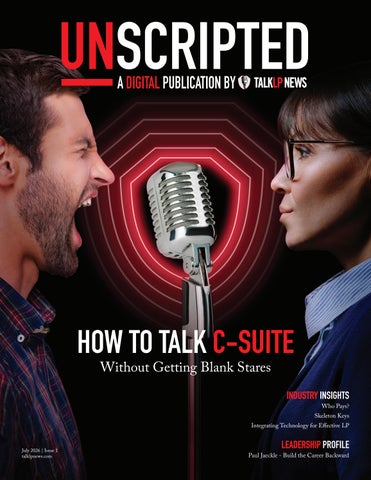

WELCOME TO
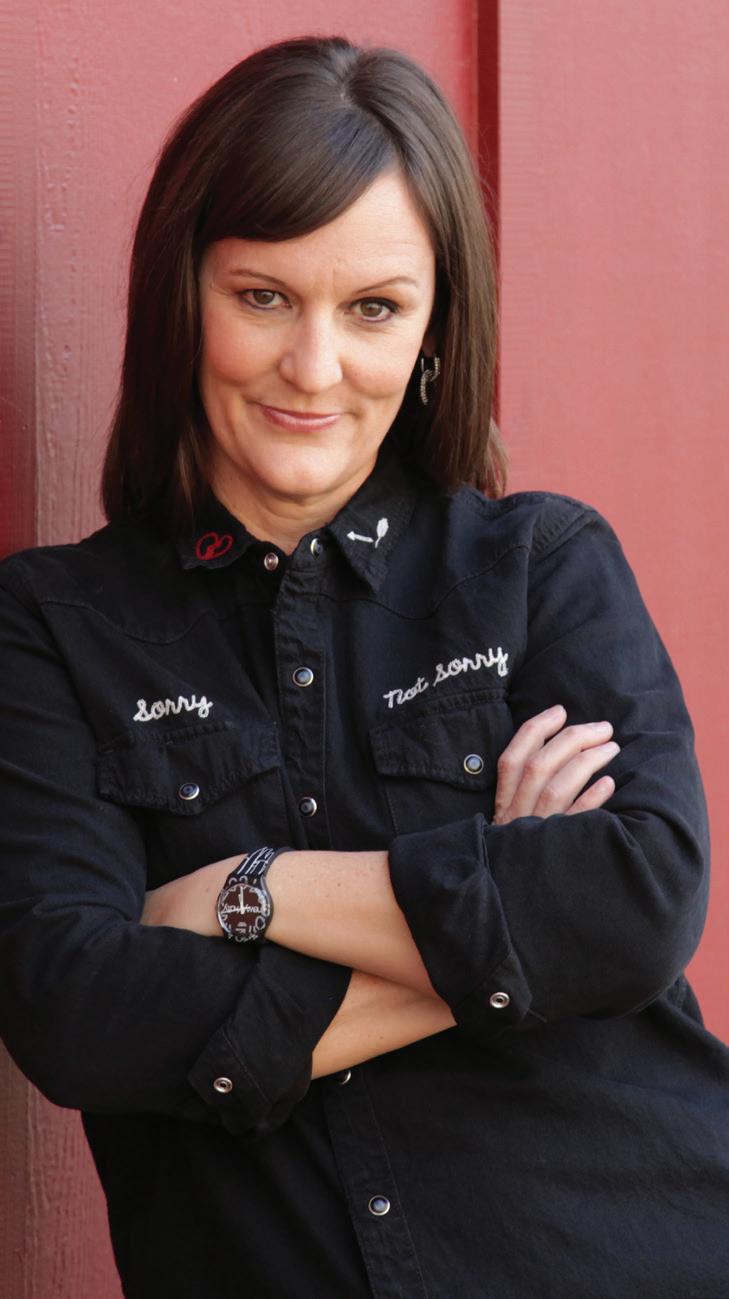
If you know TalkLPnews, you know what we’re about. For years, we’ve been the place where loss prevention gets real. No scripts, no sanitized talking points, no corporate-approved sound bites. Just actual conversations with the people doing this work every day.
Unscripted is the next step in that mission. It’s a digital publication built for LP and AP professionals who want substance over fluff. We’re talking leadership profiles with executives who tell you what actually happened in their careers, not the polished LinkedIn version. Columns that challenge conventional thinking. Practical content you can use on Monday morning.
Every issue will feature voices from across the industry, from the VPs and directors running programs at major retailers to the people building the solutions that support them. You’ll find original articles, data you can benchmark against, event coverage, and a few opinions that might make you uncomfortable. Good.
I started TalkLPnews because I believed this industry deserved a media platform that sounded like the people in it. Unscripted is that belief in print. Or pixels, I guess.
I’m proud of what we’re building here, and I’m grateful you’re along for the ride. If you have feedback, story ideas, or you just want to tell me I’m wrong about something, you know where to find me.
See you in the next issue.
Amber Bradley Founder & Editor,
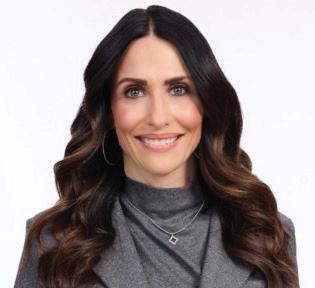
MELINDA BLACK
Vice President, Loss Prevention at Ulta Beauty
Senior Director of Asset Protection, Hibbett Sports
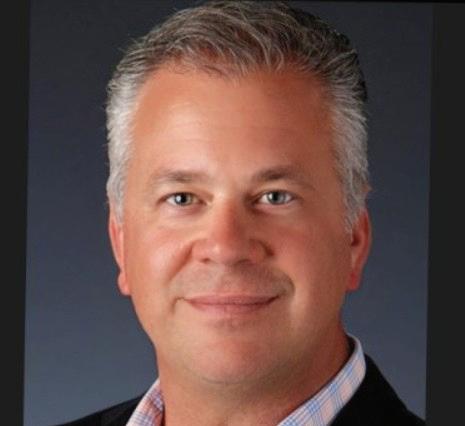
MATT HILBRINK
Vice President of Enterprise Risk, and Asset Protection, The Raley’s Companies
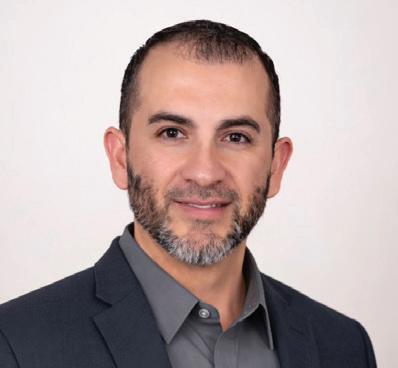
JAVIER LEAL
Vice President of Asset Protection and Vallarta Supermarkets
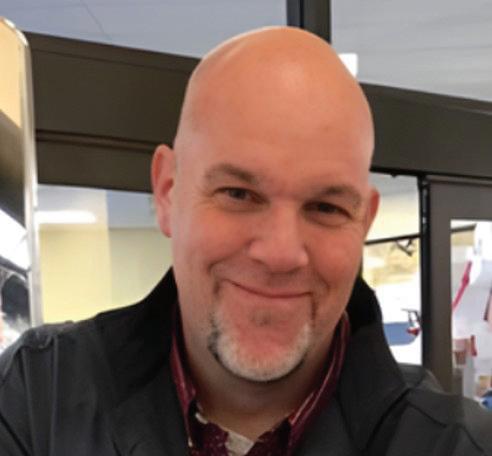
MATT BUNKER
Director of Asset Protection and Workplace Safety, Lowes Foods
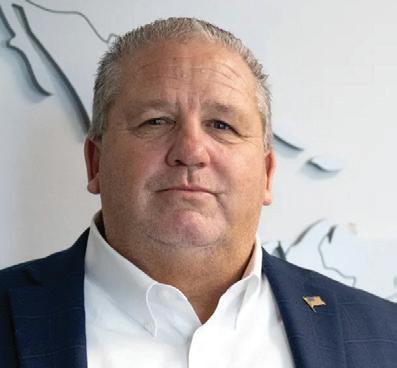
BEN DUGAN
Executive Director, Central Investigations, CVS Health
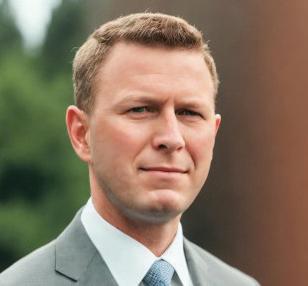
MITCHELL JACOBS
Head of Corporate Safety & Security, Lennox
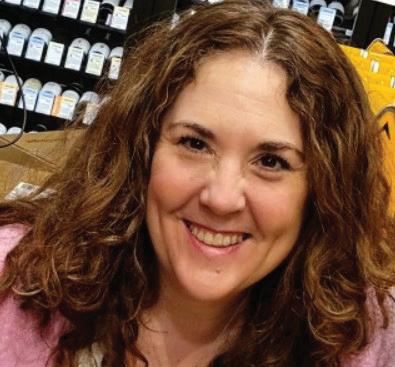
CATHERINE STASIOWSKI
VP, Loss Prevention & Safety, Total Wine
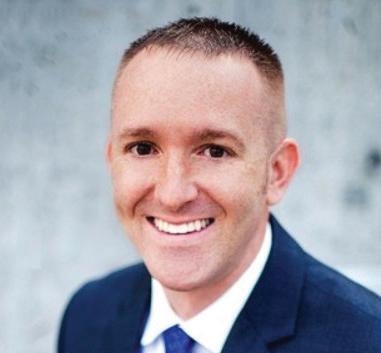
RYAN CLEVENGER
Director of Asset Protection at Albertsons - Safeway
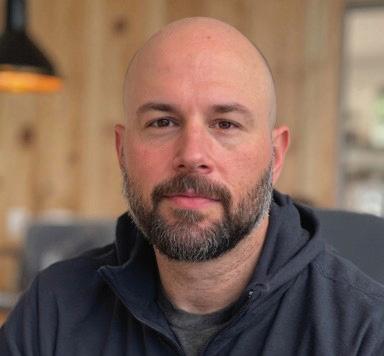
BRIAN FRIEDMAN
Divisional VP, Asset Protection and Risk Management, REI
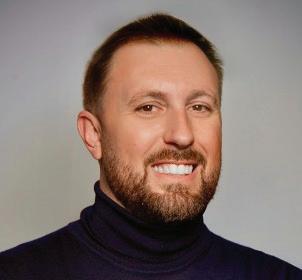
PAUL JAECKLE
Vice President of Asset Protection, Meijer Stores
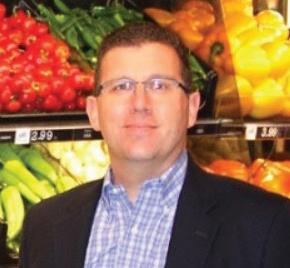
SCOTT ZITER
VP of Risk Management at Golub Corporation/Price Chopper Supermarkets
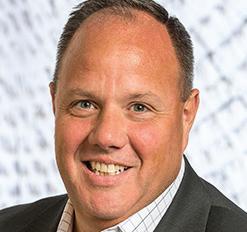
JAMES COSSEBOOM
Director, Asset Protection, Retail Business Services (AHOLD)
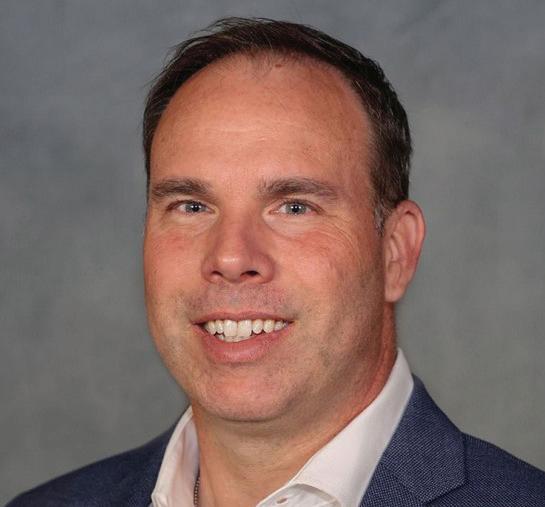
CHRIS HARRIS
Senior Director of Asset Protection for Brookshire Grocery Company
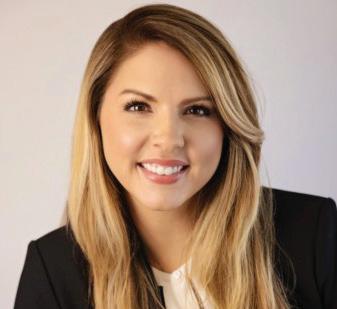
AMELIA KENNEDY
Vice President, Asset Protection Strategy and Analytics, Burlington Stores, Inc.
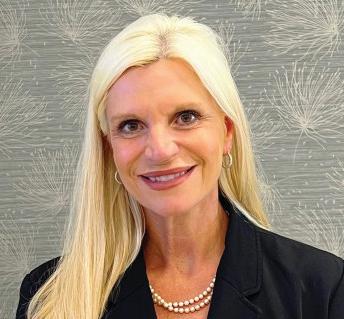
Vice President, Asset Protection at Family Dollar
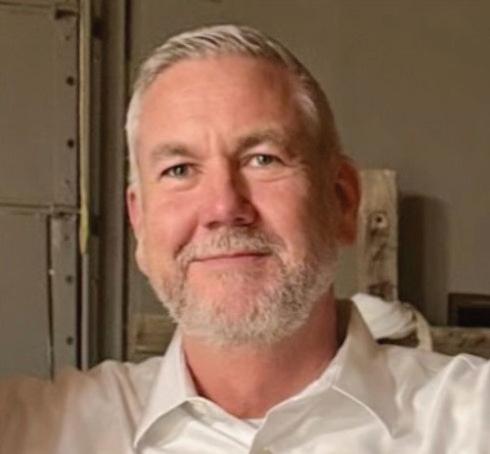
Sr. Director of Loss Prevention Operations, H-E-B
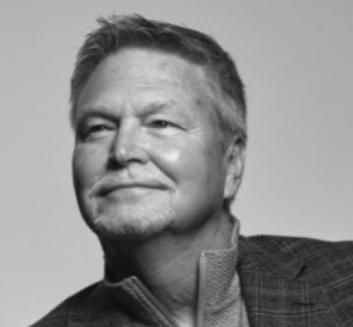
Vice President of Asset Protection at Kroger (retired)
ALISA DART
CLINT HEDGPETH
MIKE LAMB
CARMEN DUBOSE
HOW TO SPEAK
The
Shift That Changes Everything
Every LP executive who made it to VP said some version of the same thing: the moment their career changed was when they stopped reporting arrests and started reporting dollars. That’s not a presentation trick. It’s a different way of thinking about what you do.
“That’s what makes the world go round. That’s how we afford the jobs, afford our teams, afford all the technology. If it doesn’t make sense financially, why would you do it?”
— Greg Murphy, VP of Loss Prevention
— Ken Peschier, SVP of Asset Protection “Shrink isn’t a thing by itself. Shrink is a symptom of operational excellence, good or bad.”
The C-suite is not waiting to hear about your case count, your admission rate, or your apprehension numbers. Those are your metrics. Let’s take a look at what actually lands in the room.
Without getting
By Amber Bradley, Editor-in-Chief,
What is the Dollar impact? What is the ROI on every ask? What did we spend and what did we get back? Have the number before they ask.

How does this affect the stores? Can my regional managers use it? Will it slow down their day or make it easier?
Shrink by category. Which product is the problem? What’s the trade-off between protection and customer experience?
People safety. Associate impact. Liability. They need to know before you roll anything out; not after.
Great. Now, how do you effectively “speak” to the C-Suite’s cares?
SPEAK
getting blank stares.

We had a $480K loss in this category. Here’s the 3-store pilot that cut it by 31%.
This technology will be used by store ops for virtual walkthroughs too - share the cost across departments.
We’re asking for $X to roll out to our top 20 risk stores first, then phase to the rest.
Here’s the one-pager on last quarter’s ORC wins - stores impacted, product recovered, suspect arrested.
Shrink in this district is a symptom. The root cause is how we’re receiving product.
We had 47 apprehensions last quarter and our admission rate was 82%.
This will save us investigative time.
We need cameras in every store immediately.
I’d like to walk you through the 45-minute background on how this ORC ring operates.
We just need more headcount to deal with the volume.
Never go to the C-suite with:
‘This is going to save on investigative time.’
‘How many people can we cut?’ They come right back with:
— AP Director, Discount Retail Chain
FEATURE ARTICLE
The One-Pager Win Report
Alaina Kring built Ulta’s ORC program from scratch and made this a standard practice. One page. A few photos. The stores impacted, the product, a brief synopsis of what happened and what LP did. Executives loved it. Stores felt seen. It kept the program funded.
“If you’re going into the executive suite with a 45-minute story, they don’t want to hear it. One pager - easy to understand. Use some pictures. Everyone thought it was fantastic.”
— Alaina Kring, former VP of AP
Use This Structure Every Time You Report a Win:
The problem (in dollars)
e.g., This cost the business $X in shrink last quarter
What we did about it
e.g., Deployed case-linking tech across 12 stores in Q2
The result (in dollars or %)
e.g., Incidents down 34%, saved approx. $X in direct losses
How to Get the Budget Approved
LP executives across the TalkLP podcast kept coming back to the same budget conversation. Here’s what the ones who got their programs funded actually did:
1 1 2 2 3 3 4 4 5
What we need next
e.g., Phase 2 rollout to 40 additional stores, budget ask: $X

Know the ROI before the meeting. Have the number ready. Don’t go in to figure it out together.
Build a risk-tiered rollout. Ask for the top 20 stores, not every store at once. It shows you’ve thought about it.
Show other departments benefiting. Spread the cost. Operations can use it for virtual walkthroughs. Internal audit can use it too. That’s not spin — it’s true.
Map the problem first, then the solution. Greg Murphy said it: understanding what you’re trying to solve makes the ROI conversation on the back end easy.
Find your internal allies first. Gianna Davis learned this at Albertsons — InfoSec, privacy, legal. If they’re surprised in the meeting, you’ve already lost.
“Find your internal allies first... If they’re surprised in the meeting, you’ve already lost.”
— Gianna Davis, Director of AP
The Seat at the Table is Earned, Not Given
Multiple executives on TalkLP said it the same way: you get credibility in the C-suite by showing up already knowing the business — not by explaining LP to them.
“I add value every day — not just on shortage or safety, but on what I see in the business. What are the successes? You have to be global in your thinking.”
—
Joe
Coll, Senior LP Executive
“They call us the sales prevention department. My job is to find a way to say yes — not to be the person who always says no.”
—
Will England, VP of AP
“You need to be seen as a business professional first, who just happens to have expertise in loss prevention.”
— Ryan Long, Head of Executive Protection
Find more real conversations, insights, and practical LP career advice at talklpnews.com
If you disagree or feel you have a better suggestion, feel free to Change My Mind!

GRAB YOUR SMARTZ
Need to get smarter on AI, interviews, investigations, and all things LP? We’ve got you.
TalkLPnews created quick, useful cheat sheets and guides built for busy loss prevention and asset protection pros who want practical takeaways.
Check out resources like Your First 5 AI Prompts, the LP Pro’s AI Starter Kit, Red Flags You’re the Problem in the Interview Room, and more. We’re all about real tips, and easy to grab tools you can actually use.
Grab your Smartz now... It’s FREE, duh!





LEADERSHIP PROFILE
BUILD THE CAREER BACKWARDS
Paul Jaeckle on planning your path, taking a step back, and why the best leaders let their teams do the talking.
By Amber Bradley, Editor-in-Chief, TalkLPnews
The plan started at 18 Paul Jaeckle was 18 years old when he started mapping out his career. And I don’t mean in the vague, “I’ll figure it out eventually” way that most of us operate. He set age-based milestones: director by this age, VP by that one, senior VP after that. The kind of planning that sounds almost too deliberate when you hear it out loud.
Sitting across from him on the TalkLP podcast, as Vice President of Asset Protection at Meijer after two decades at Walmart, it’s clear the plan worked. And it worked because Jaeckle was willing to break the script when it needed breaking.
“I took a step back in my career at one point,” he told me. “I got myself out over my skis. I backed into exactly what we’re talking about, where the next logical step seemed right, but I wasn’t ready for that job. There were massive gaps that I didn’t have the competencies for.”
That willingness to admit he wasn’t ready, and to actually do something about it, is the thread running through Jaeckle’s whole approach to leadership development. He thinks about career building in reverse: start with where you want to end up, identify the competencies you’ll need to be successful there, then go find the jobs
that build those specific muscles. It sounds obvious when he says it, but it runs against how most LP professionals actually move through their careers, which is usually one promotion at a time, each one the logical next step from the last.
“If you look at building your career based on what’s the next logical job from a promotional standpoint, you’re gonna stay in a very linear path,” he said. “And at some point that tops out. It may not be at the top of the org structure. It’s just gonna top out for you.”
The jog into operations
Jaeckle’s own career is a case study in the non-linear approach. At Walmart, he moved through the field ranks as a district LP manager, regional LP manager, and divisional director, eventually running field operations for asset protection across the entire eastern half of the United States. But the move that probably mattered most had nothing to do with LP.
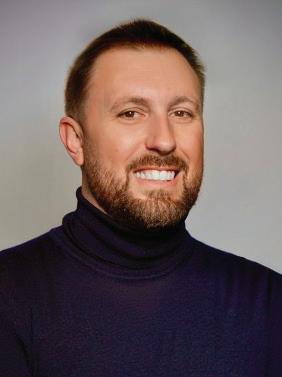
PAUL JAECKLE Vice President of Asset Protection, Meijer Stores
operator. He’d been studying the executives who’d risen to the top at Walmart and noticed something consistent about their backgrounds. Every one of them had spent time outside their home function, whether that was operations, international, or supply chain. Nobody had gotten to the top by staying in one lane.
“Your strategy can’t be that you’re comparing yourself to somebody else to make you look better”
He went back to graduate school (hated school, by his own admission), finished his master’s, and then left asset protection entirely to work as an
“It gave me a better sense of what it meant to be in the corporate life I’d already experienced,” he said. “Managing a P&L, managing a workforce, leading people. Those are transferable skills. It’s just the topic that changes. You carry the same competencies over, but you make more complete
decisions because you understand how all of these things fit together.”
There’s a practical payoff too, one that shows up in everyday credibility. When Jaeckle walks into a store and makes a recommendation, the operations team knows he’s actually done the work. Telling someone “the book says you have to do it this way” doesn’t carry much weight with a store director who’s been running a building for 15 years. Having lived the operator role yourself carries a lot.
Don’t climb by comparison
I asked him about something I see a lot with younger LP professionals: the temptation to position yourself against your peers, to make sure leadership knows you’re the stronger candidate by pointing out where the other person falls short. Jaeckle pushed back hard on that.
“Your strategy can’t be that you’re comparing yourself to somebody else to make you look better,” he said. “You can’t just be better than Bob. Your body of work should show what you bring to the table. Burning people down along the way never works, because you end up working in the same circles, and it just makes for a really awkward environment.”
What he does instead, both in how he evaluates his own team and in how he carries himself with leadership, is remove the “I” language entirely. He told me that his self-evaluations with his boss contain very little of “I did this, I accomplished that.” Almost everything is framed around what the team delivered together.
“Nobody’s looking for you to be the center of attention,” he said. “You’re already in the leadership position. People know you’re the VP, they know you’re the director. Your team is an extension of you, so what are you doing to ready them? You’re replaceable. I’ve always looked at it that way.”
He pointed to a pattern that everyone in retail has seen at least once: a store director leaves, and the store actually gets better. Nobody replaced 300 employees inside the building. One leader changed, and the whole operation shifted. The lesson Jaeckle takes from that is about whether
you’re getting the best out of the people around you, which is a harder question to sit with than most executives want to admit.
Brand protection and the expanding scope of AP
Jaeckle’s thinking about the industry has shifted in ways that mirror what a lot of senior LP leaders are processing right now. He described a presentation he gave to Meijer’s management committee where he put up a side-by-side comparison: the pre-2020 LP world versus what the job looks like today.
Before the pandemic, the big buckets were shrink reduction, investigations, safety programs, and maybe some security work covering executive protection or property security. All of those are still there, but the list of additional responsibilities has gotten long enough to fill its own slide.
Legislative work and government affairs. ESG.
DEI. De-escalation training for store teams. Community relations. Brand protection in the court of social media opinion, where a single video filmed by a customer can do more reputational damage in 24 hours than an ORC ring does in a fiscal year. “Never in a million years would I have thought that to be really successful, I had to be great at being a political scientist,” he said.
functions simultaneously. You need those cross-functional partnerships established well before you’re in the middle of a crisis, because building trust during a firefight is almost impossible. “You never take a vote to the jury without having some idea of how it’s gonna finish up,” he said. “All of that is pre-work.”
The Precinct and the highway mower
When I asked Jaeckle what he’d do if he weren’t in LP, he told me he wants to own a bar called The Precinct (“trademark copyright, right now on this podcast”). His day job in retirement would be mowing lawns for the state along the highway, and he was dead serious about it. No emails, no pressure, and endless job security because the grass always grows. Then he’d go to his bar at night, sit at the end, people-watch, and nobody would know he was the owner.
“I’ve never turned down the opportunity. What I have done is defer it if it wasn’t the right time, knowing I’d come back to it.”
I think that tells you something about the weight that comes with the VP chair. Twenty-seven years into a retail career that he planned from age 18, and his fantasy is a life where nobody needs anything from him. But I also think it tells you he’s the kind of person who would last about six weeks mowing highways before he’d start optimizing the mowing routes and mentoring the new guy on the crew.
That last piece, the social media and brand protection angle, is something Jaeckle will be digging into further at APEX, where he’s speaking on the topic of brand protection in the age of social media. It’s a conversation the industry needs, and Jaeckle is one of the few senior leaders willing to get specific about how AP teams should be thinking about reputational risk alongside traditional shrink metrics.
His advice for handling the expanding scope of the AP role comes back to relationships. Asset protection touches every part of a retail business, and the issues LP leaders deal with now affect multiple
The best career advice he ever received: “Never turn down an opportunity to lead.” He’s followed it his entire career, with one qualifier. “I’ve never turned down the opportunity,” he said. “What I have done is defer it if it wasn’t the right time, knowing I’d come back to it.”
Plan deliberately. Build the skills in reverse. Take the step back when you’re not ready. And when the opportunity shows up again, don’t say no. If you want to hear more from Jaeckle on how the AP role is evolving, catch his session on brand protection at APEX.
CHANGE MY MIND
WHO PAYS?
By David George, Executive Editor, TalkLPnews

In this weekly column, I, along with other AP/LP professionals, will write about provocative thoughts and ideas for all of you to ponder. Readers will also have an opportunity to submit comments to be posted throughout the week. We at TalkLP hope this content will help enrich your experience within our profession.
This Weeks’s Topic: Who Pays?
Naturally, many meetings between Solutions Providers and AP/LP executives take place over meals, an occasional round of golf, and sometimes even cocktails. And why not? Breaking bread with business prospects or partners is a common practice that helps build positive relationships. But who pays?
Several retailers have varying degrees of policies to address this question, but many do not. In the absence of clear policy guidance, what do you do? In preparation for this article, a well-known AP/LP executive answered the following questions: Question 1: When having lunch with a Solutions Provider you are considering doing business with for the first time, do you allow the Solutions Provider to pay for your meal?
Answer: When having lunch with someone trying to earn my business for the first time, I always ask for separate checks. I always want to avoid any perception of a conflict of interest. Also, I would never want the Solutions Provider to presume I owe them my business just because they bought my meal.
Question 2: When having lunches or other meals with a Solutions Provider you already do business with, how often do you allow the Solutions Provider to pay? Answer: When I was young in my career, I would always allow the Solutions Provider to pay. I used to think it was just a cost of doing business for them to do business with my company.
Years later, this topic came up with my former CFO. He explained to me that the best practice to follow is to alternate paying for meals. This was great advice that I took to heart. Feel free to send comments regarding your policy and best practices.
If you disagree or feel you have a better suggestion, feel free to Change My Mind!

AGAINST THE GRAIN
SKELETON KEYS:
Unlocking the Integrity Problem No One in LP Wants to Talk About
By Ryan Bauss, Vice President, TalkLPnews

He ordered the steak. Wagyu. Medium rare. Glass of Cabernet (excellent vintage). Dropped a one-liner about “being the conscience of the company,” and then, without skipping a beat, walked out without paying. Said the vendor had it covered. On the way out, he pocketed the steak knife. Not just any knife…a Wüsthof.
High-end, forged, German steel. The kind of knife you notice when it’s missing. That’s when it hit me: The guy responsible for setting the ethical standard just walked out with a $500 dinner and a stolen item.
“Perks of the role,” he laughed. And everyone at the table laughed. Of course they did. When you become a senior leader, your jokes get funnier. But this wasn’t a joke.
He’s not a bad guy. I’m sure he believes what he said and likely believes he has brought in so much money to that restaurant over time that he already “paid for” that knife. In loss prevention, we like to think of ourselves as the ethical compass of retail, the gatekeepers of integrity. Those who are brave enough to say no when others say yes. We are the protectors of honesty in the chaos of shrink and safety.
But here’s the uncomfortable part: a lot of the people charged with upholding integrity aren’t practicing it themselves. No one talks about that at the conferences. You hear it at the bar afterward. You hear it when someone jokes about an “accidental” meal that slipped onto a vendor tab. Or when someone mentions the RFP that just happened to go to a buddy’s company. Or the vendor who shipped free equipment to a regional manager’s house to “demo”. Gear that somehow never made it to the paying customer.
avoid. We joke about the ones who “play the game.” But rarely, if ever, does anyone actually say it out loud. This industry has a credibility problem.
Not the kind that makes headlines. The kind that makes good people cynical. The kind that teaches new leaders to follow the behavior that gets rewarded, not the values that get printed on corporate walls.
And it’s contagious. Because when integrity becomes optional for the top, it becomes negotiable for everyone else.
We like to pretend there’s a divide between our personal and professional lives. The notion that we can be one person at home and another at work, as if character and ethics can be turned on and off like a light switch, is just an excuse for avoiding the truth. But that’s not how integrity works.
“But here’s the uncomfortable part: a lot of the people charged with upholding integrity aren’t practicing it themselves.”
I once heard an LP executive brag about buying a high-end pressure washer, using it over the weekend to clean their driveway, then returning it to the store for a full refund - box resealed, receipt in hand. “Hey, it’s their policy,” they said, as if the loophole somehow made it less dishonest.
It’s quieter than theft. Polished. Smoothed over by titles and relationships. But it’s unethical all the same, rotting the industry from the inside out.
I’ve seen expense reports where the math didn’t add up, well… because it wasn’t supposed to. I’ve watched floor walkers get terminated for taking a soda while management, three levels above them, signs-off on comped hotel upgrades. I’ve seen “zero tolerance” policies applied selectively, carefully, and politically.
And the problem isn’t just that it happens. It’s that everyone knows. EVERYONE.
We whisper names in hallways. We warn each other about whom to
This is someone who trains others on return fraud. If you wouldn’t tolerate it from a customer, why is it acceptable from yourself? Or worsefrom someone you look up to?
There’s no such thing as “just personal” when your job is to model integrity. It’s not about where the behavior happens. It’s about who you are when nobody’s keeping score.
I keep thinking about that steak dinner. About the easy confidence in his voice when he said we were the conscience. He believed it. And maybe that’s the most dangerous part of all. Because when the people who bend the rules also believe they’re the ones protecting them… what’s left to protect?
In this industry, integrity is a value. It’s also a branding strategy stamped on our resumes, woven into our SOPs, and
AGAINST THE GRAIN
uttered at every team meeting. However, more times than we’d like to admit, it’s all theater.
There’s a key we all carry in this industry. It opens the doors others can’t. To footage. To decisions. To influence. It’s supposed to be used to secure things. But some are using it to unlock closets they’d rather keep shut.
And the longer we pretend those skeletons aren’t there, the louder they’ll rattle. But there’s a truth no one wants to admit: The closet is not locked. It never was. We just got really good at closing the door and turning up the music. And maybe it’s time we stop pretending we can solve shrink while we ignore the quiet moral decay inside our own ranks. Maybe the next audit shouldn’t be of store inventory – But of ourselves. Our decisions. Our silences. Our circles.
Because the next generation of LP leaders are watching. And they’re not just taking notes on investigations and case closures. They’re learning what gets tolerated. What gets ignored. And who gets promoted.
So here’s your invitation. No! Your dare: Open the damn door.
Air out the decay. Name the behavior. Challenge the culture that says integrity is something you enforce, not something you live by. Because if you’re not brave enough to call out the skeletons, you don’t deserve the keys.
Welcome to Against the Grain! And we’re just getting started.
Find more real conversations, insights, and practical LP career advice at talklpnews.com



PUTTING DATA TO WORK:
Integrating Technology for Effective Loss Prevention
By Tom Meehan, President, CONTROLTEK
The tools at retailers’ disposal today are creating unprecedented possibilities for precise, efficient management of inventory in real time
When it comes to technology, retailers today have an embarrassment of riches. There are so many tools available to them that they can find themselves inundated with data—without knowing what to do with it.
As EAS has given way to RFID, the full potential for real-time inventory control, supply chain tracking, and enhanced loss prevention is only beginning to be exploited by retailers.
For example, a single RFID tag can convey a wealth of information that retailers can use to identify trends in customer behavior, manage delivery schedules, and even spot theft-prone areas inside a store. But all this potential can go unused if staff are not trained to understand it and make timely decisions based on it.
The Tech Train Keeps Rolling.
Meanwhile, technology innovations
are racing ahead, making it even more imperative for LP professionals to stay abreast of new developments.
One tool that is now coming into its own in retail is LiDAR (light detection and ranging), sometimes known as light radar or radar scanning. It uses lasers and timeof-flight technology to measure distances and create 3D representations of objects. LiDAR can not only track the movement of merchandise with pinpoint precision— but can predict that movement before it happens. Meanwhile, its accuracy dramatically reduces the risk of false alarms.
The technology has actually been around since 1960, when Hughes Aircraft developed an early version for the purpose of tracking satellites. It quickly found practical applications in meteorology and, of course, defense.
A LiDAR sensor sends laser pulses at the rate of millions per second and tracks the amount of time they require to return—a technique similar to radar (using radio waves) and sonar (using sound

waves), but much more precise. The result is an extremely accurate model of physical reality. LiDAR is now being used effectively in geology, oceanography, and notably, in autonomous vehicles.
Integrating the Technology
What happens when sophisticated technologies like LiDAR are combined with advanced AI, conventional video, EAS, and RFID? That’s the cutting of retail technology that is taking loss prevention and inventory management to new levels. With data fusion, the combined information from all these components can enable retailers to refine their procedures and make intelligent decisions for the future. The result? Lower shrink, less conflict, and higher profitability.
For retailers that want to stay competitive, it makes sense to implement these amazing tools—and learn how to extract the full benefits from them.

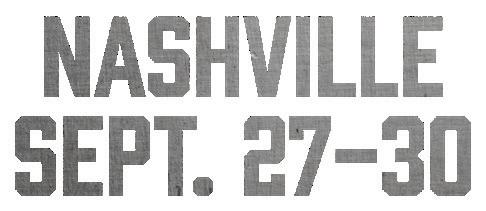
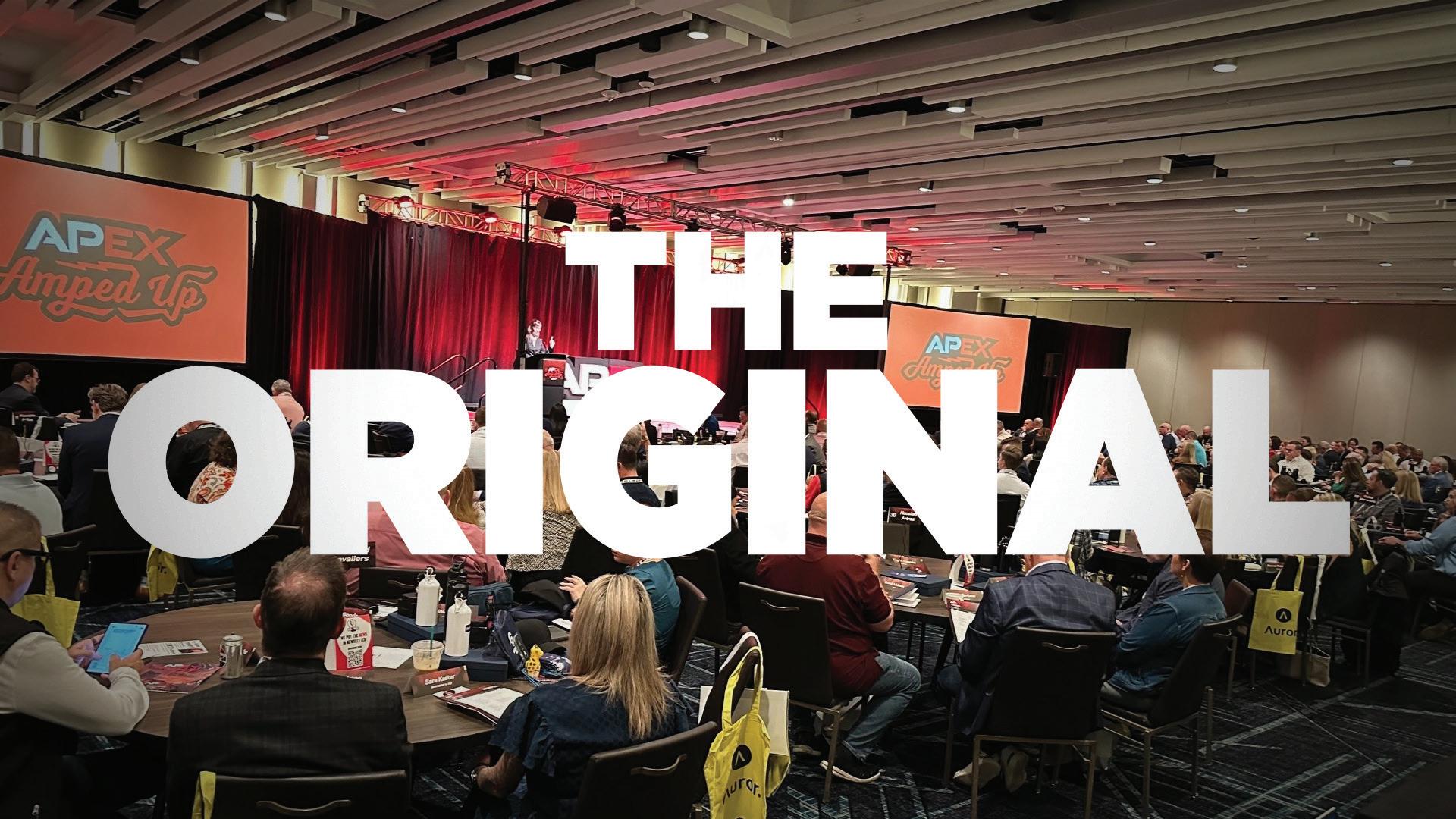
The Asset Protection Executive Xchange (APEX), powered by TalkLPnews, is an exclusive executive-only, invite-only conference bringing together top executives and decision-makers across the asset protection industry to collaborate, exchange ideas, and solve their biggest challenges. This in-person event is by invitation only, ensuring powerful networking opportunities and thought-provoking discussions with industry leaders. There is no press allowed, and audio / video recording is strictly prohibited. This creates a safe atmosphere where attendees can share challenges and solutions with their executive peers.
The conference draws more than 260 attendees. The breakdown of attendees is maintained at a 1:1 ratio or better, hosting 130 asset protection & safety executives and around 100 solutions providers to support them. Don’t wait. APEX sells out fast. Every year.
GRAB YOUR SPOT NOW. REGISTRATION IS OPEN.
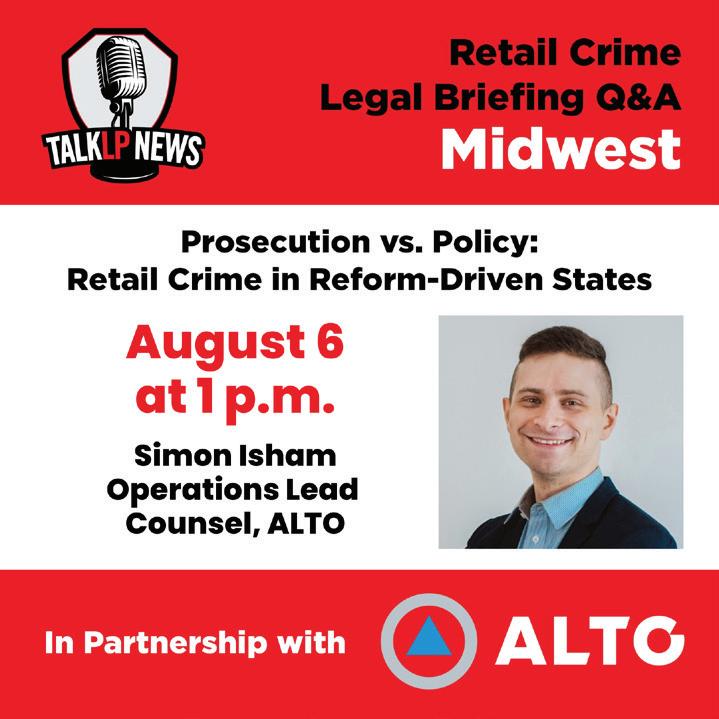
AUGUST 6, 2026
Join us for the Retail Crime Legal Briefing Q&A Midwest in partnership with ALTO, where we’ll get into the challenges retailers are facing and the legal strategies that matter most right now.
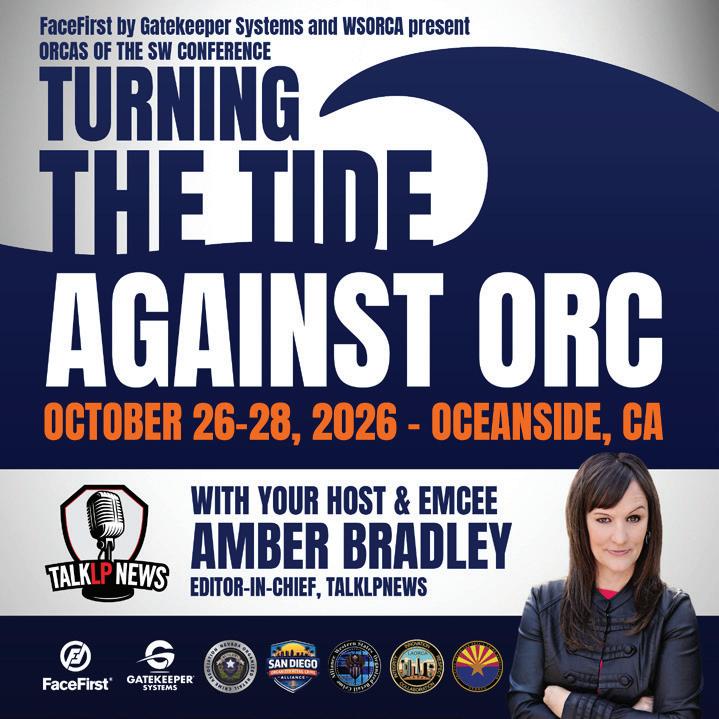
OCTOBER 26-28, 2026
Join us for WSORCA 2026 in Oceanside, CA. Presented in partnership with FaceFirst by Gatekeeper Systems and WSORCA. Cutting-edge training focused on the evolving challenges of Organized Retail Crime.
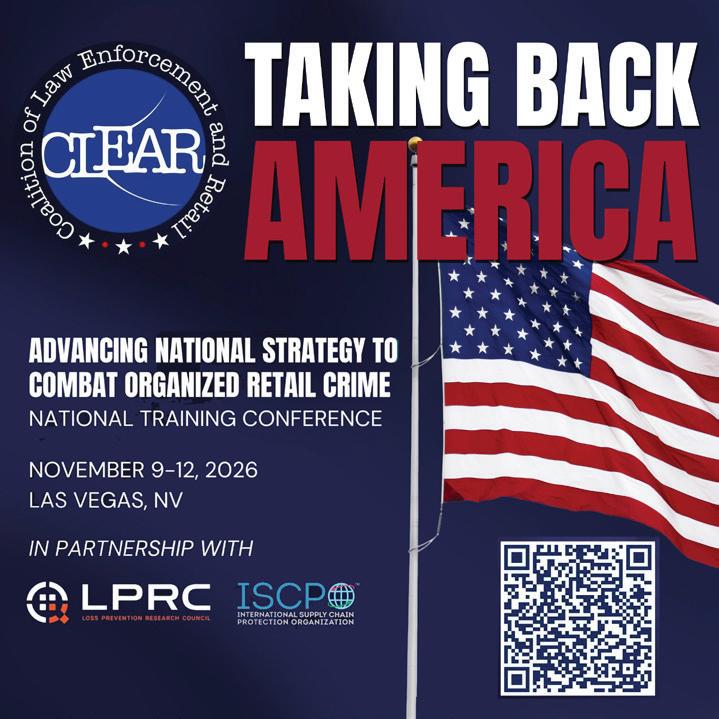
NOVEMBER 9-12, 2026
The CLEAR 2026 conference features a comprehensive agenda addressing traditional Organized Retail Crime alongside the escalating threats of cargo theft and cyber incidents impacting the retail supply chain. Register today!