On the 6th of September 1608, Betta Caloiro, a convicted heretic, passed away in her prison cell at the Inquisitor’s Palace, where she was serving an 8-year sentence, during which she allegedly had an intimate relationship with the devil. Who was she? Was she really a witch or even a heretic? Or was she just a poor, lonely old woman with good intentions?
“The practice of medicine without being ”of cial” was considered witchcraft and sorcery”

Betta Caloiro learned healing from Priest Don Francesco when she was six years old. It is said that she had been bewitched by a woman of Bormla, and as a result, her nose became crooked. Thereafter, she became better known
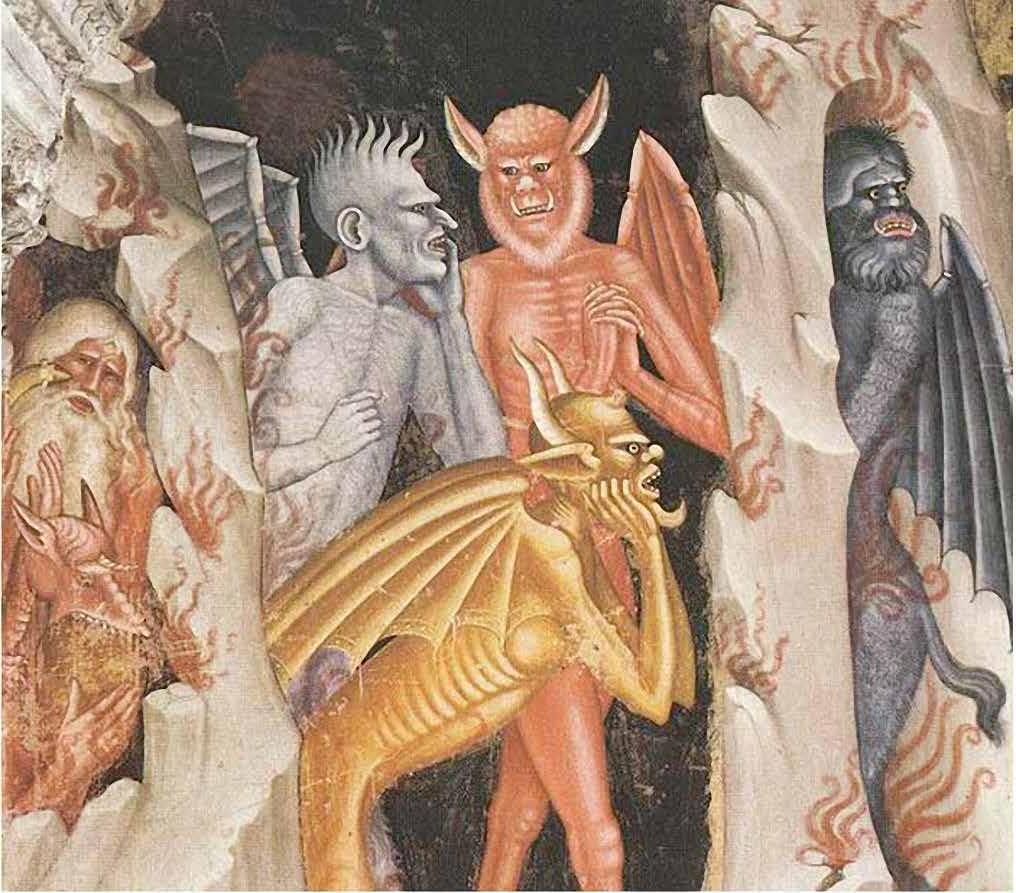





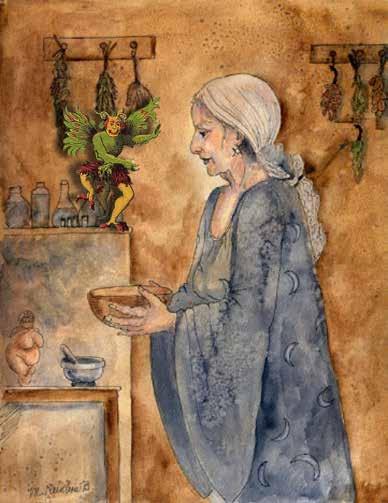
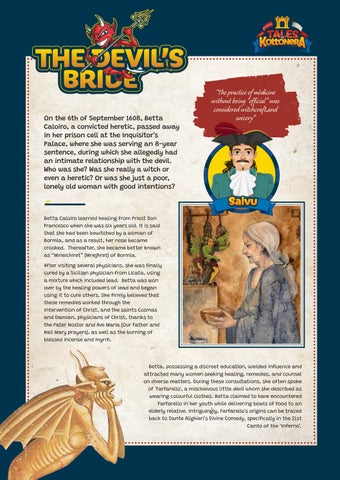
Betta, possessing a discreet education, wielded influence and attracted many women seeking healing, remedies, and counsel on diverse matters. During these consultations, she often spoke of 'Farfarello', a mischievous little devil whom she described as wearing colourful clothes. Betta claimed to have encountered Farfarello in her youth while delivering bowls of food to an elderly relative. Intriguingly, Farfarello's origins can be traced back to Dante Alighieri's Divine Comedy, specifically in the 21st Canto of the ‘Inferno’.
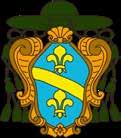
The crest of the notorious Leonetto della Corbara, who was the Roman Inquisitor for Malta between 1607 and 1608
Betta, possessing a discreet education, wielded influence and attracted many women seeking healing, remedies, and counsel on diverse matters. During these consultations, she often spoke of 'Farfarello', a mischievous little devil whom she described as wearing colourful clothes. Betta claimed to have encountered Farfarello in her youth while delivering bowls of food to an elderly relative. Intriguingly, Farfarello's origins can be traced back to Dante Alighieri's Divine Comedy, specifically in the 21st Canto of the ‘Inferno’.
While imprisoned in the Palace’s cell, the guards would frequently hear her call out to Farfarello. “You don’t visit me here now, do you? Farfarello, my lover!”, hence earning the nickname “the Devil’s Bride”.
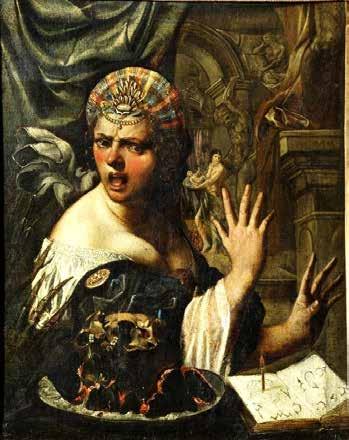
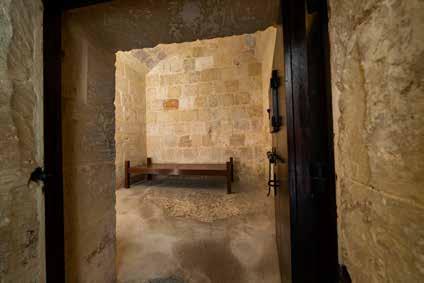
Inquisitors were usually merciful, particularly when dealing with elderly, frail, or ill convicts. The death of an imprisoned eighty-year-old woman, albeit of natural circumstances, landed Inquisitor Della Corbara in hot water with the Church authorities in the Vatican!

Betta breathed her last in her prison cell at the palace on 6 September 1608. Her demise did little to improve the ageing Inquisitor's reputation, prompting his transfer to a new role within the Supreme Congregation of the Holy Office in Rome in October of the same year.
“I was duty Leading Hand one night back in 1968 when a fellow duty man saw the Grey Lady at the end of his bed in the Upper Fort. From that day on when ever he was duty he slept in the Lower Fort. He absolutely refused to sleep in the Upper Fort. His fear of the Grey Lady did NOT stop him from having a drink in the Junior Rates Bar though!”
Credit for content research: Prof. Carmel Cassar, FRHistS, FCCS