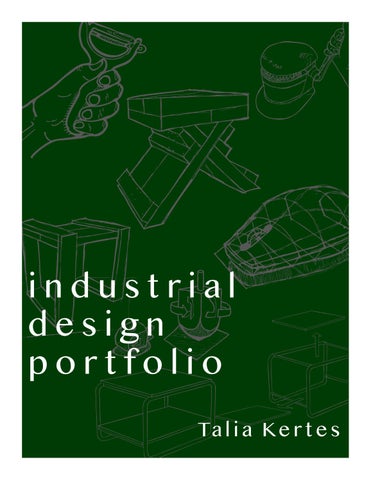
Talia Kertes is a bipedal designer in her frst year of Industrial design at OCAD U. She loves playful design, textiles, and dogs. Raised and based in Toronto, her work has been showcased in OCAD U’s Design for Disassembly Exhibition.
Education
Sep 2025 -
April 2028
Sep 2020 -
April 2024
Experience
Aug 2025Present
Ontario College of Art and Design University - Industrial Design
Projected Bachelor of Design
University of Toronto - Animal Physiology
Double Major in Animal Physiology and Biology, Minor in Mathematics
May 2025 -
Aug 2026
Offce Adiministrator - Homeward Therapy
Toronto, Ontario
• Designed and implemented core operational systems for a startup therapy practice including EMR, bookkeeping, onboarding, and launch documentation, while coordinating end-to-end operations, staff training, and administrative workflows to support ongoing growth.
Server - General Public
Toronto, Ontario
• Collaborated across FOH and BOH to adapt workflows in real time, resolving service issues, optimizing flow, and maintaining quality in a fast-paced fne dining environment while ensuring strict adherence to allergen and dietary protocols.
Aug 2023May 2025
Technical
Soft Skills
Hard Skills
Server - Alo Food Group
Toronto, Ontario
• Delivered high-touch guest experiences through precise timing, spatial awareness, and strong product knowledge (including wine certifcation), enabling informed recommendations and consistently seamless service.
Adobe Illustrator - Adobe InDesign - Adobe PhotoShop - Arduino IDE - Fusion 360Conversational in French and Spanish
This portfolio showcases frst year projects as well as an independant work. There is an emphasis on textiles and woodworking as well as ideation phases and working at a scale. Enjoy your stay.
A Choral Cycle
INDS-1007 - Product Design Foundations
ID Faculty, Fall 2025
Instructor: Jano Badovinac
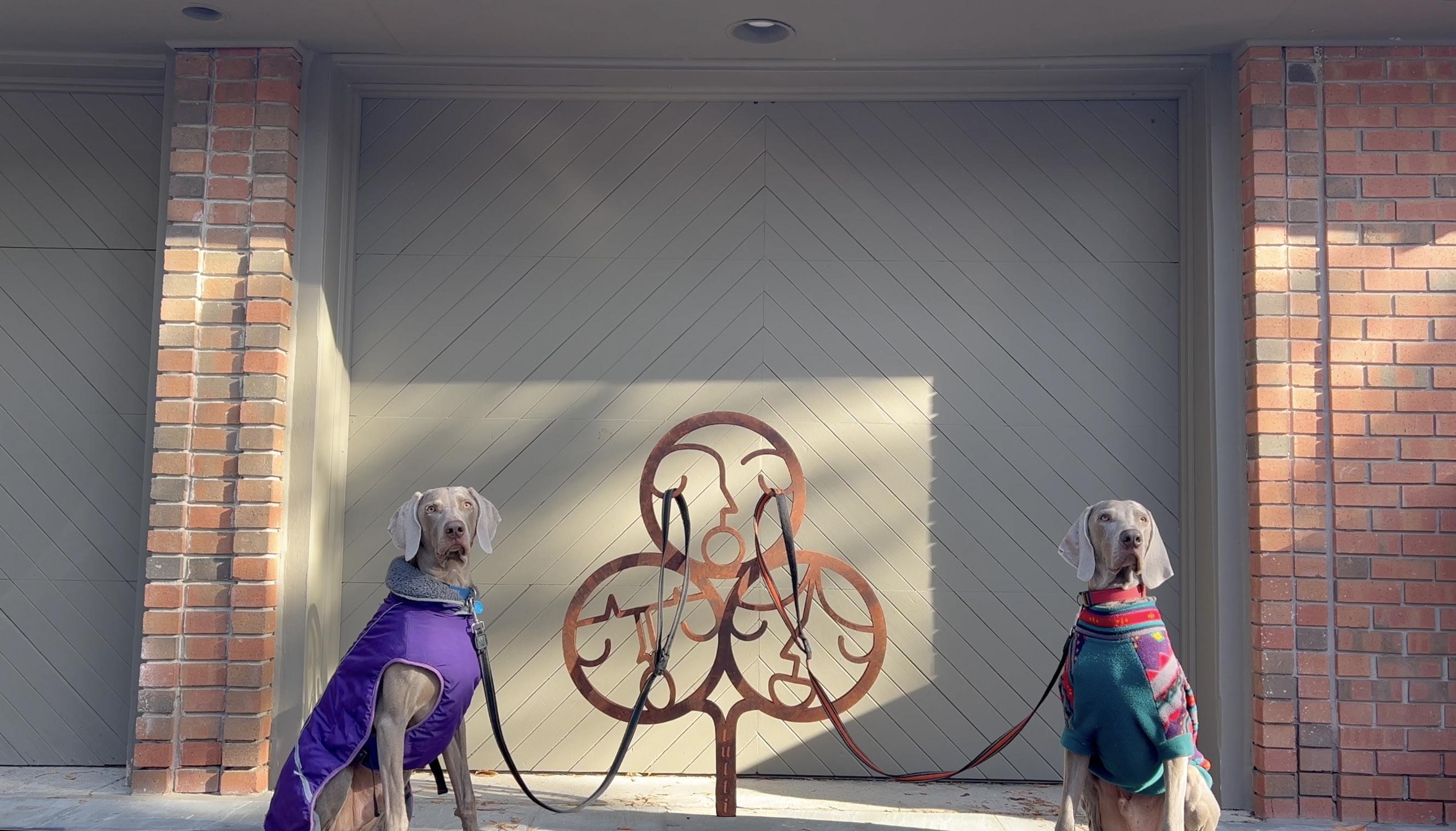
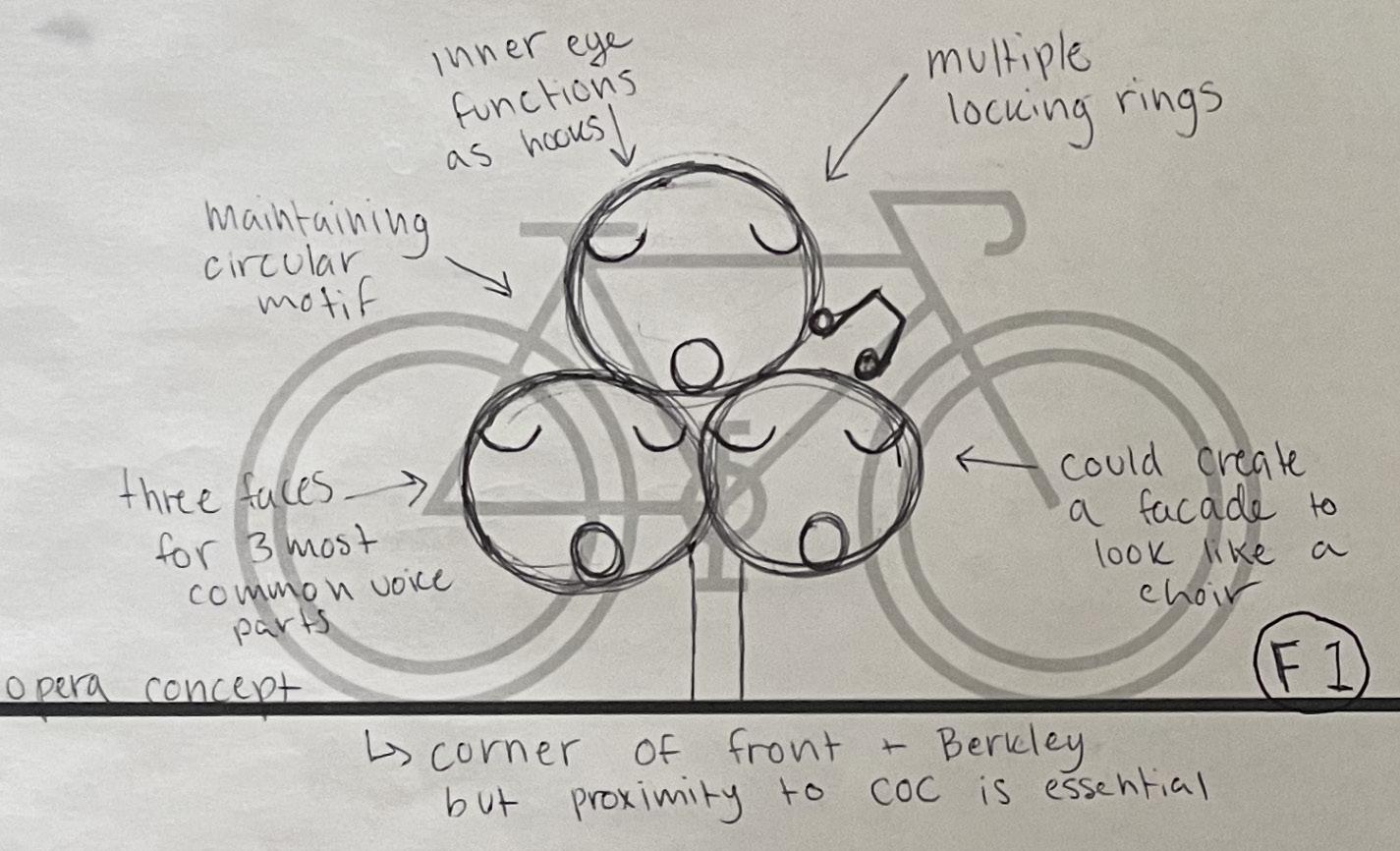
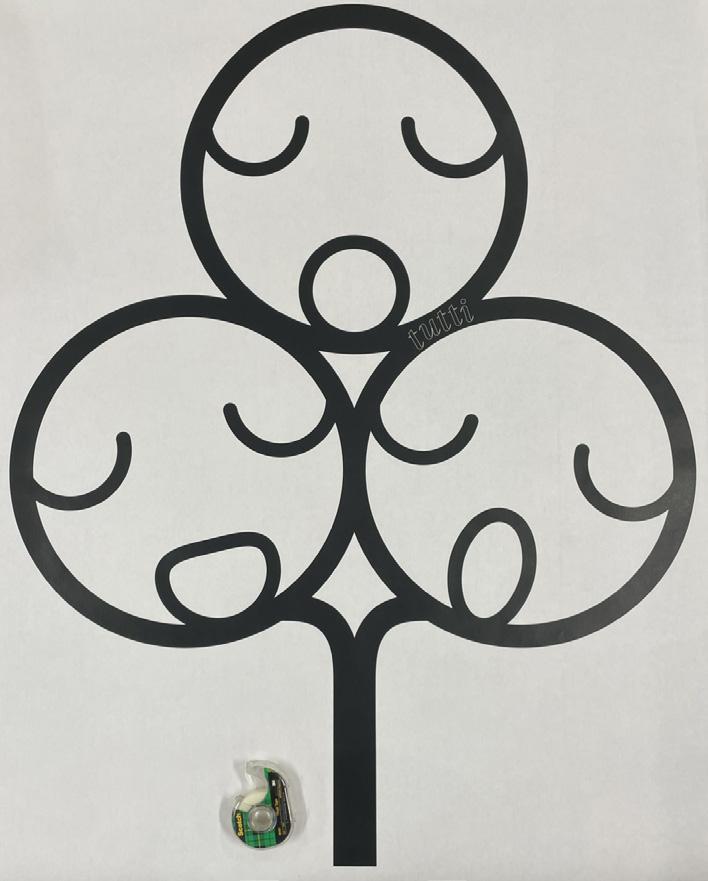
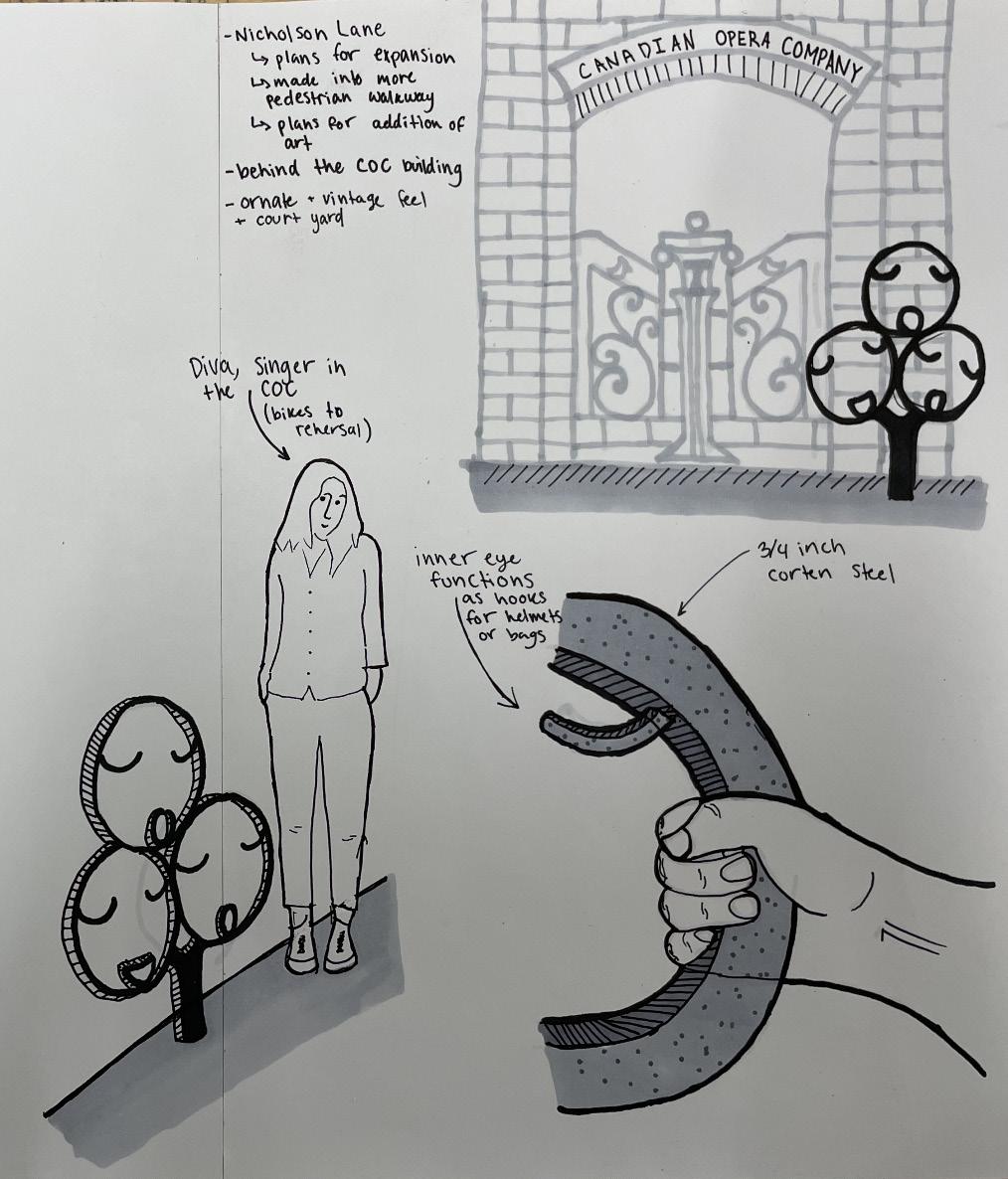
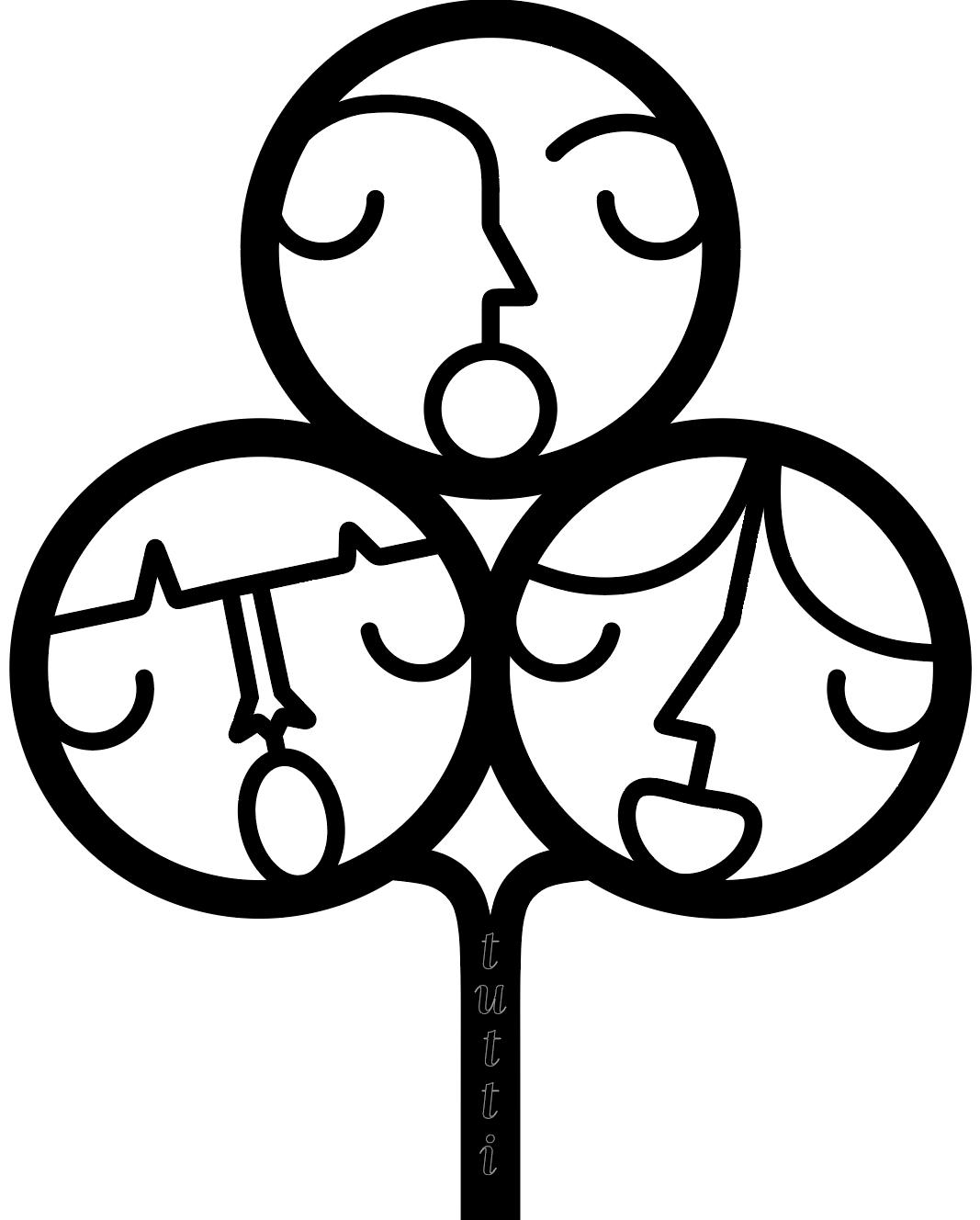
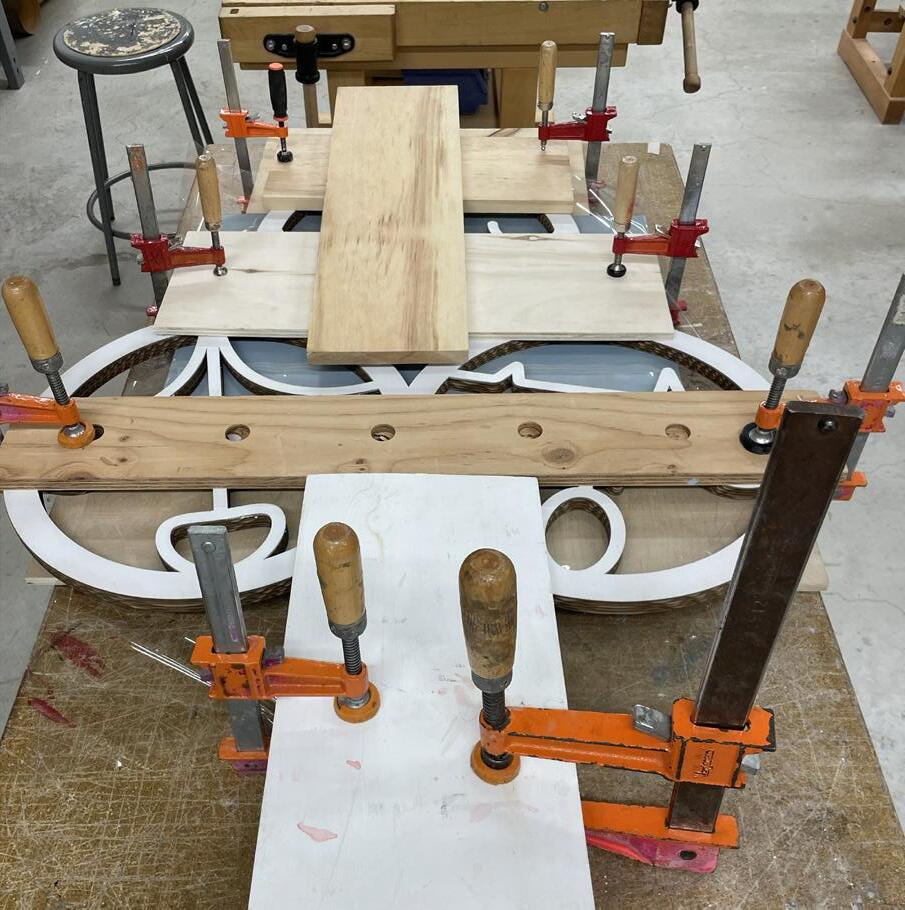
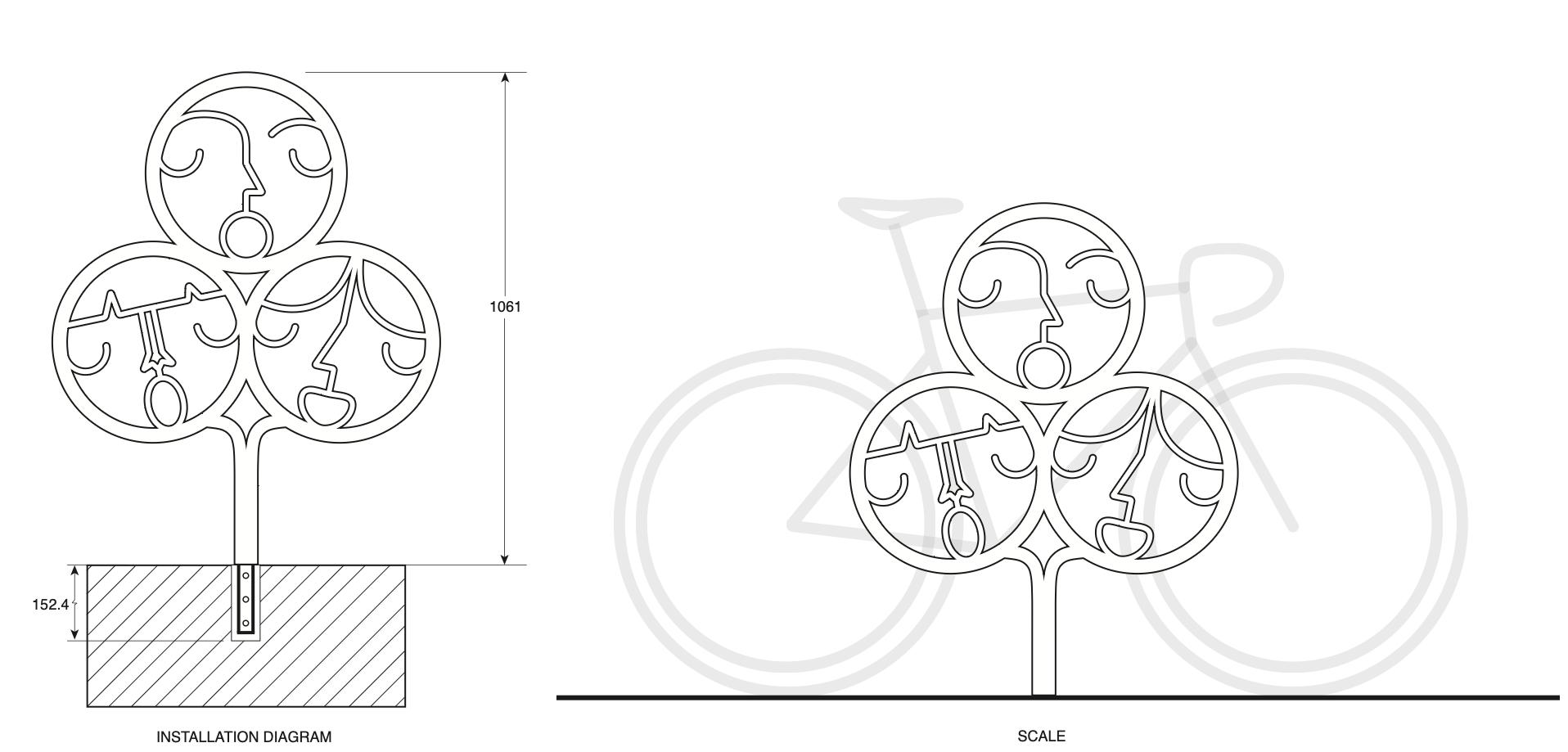
This 6-week project explored how site-specifc street furniture can function as both infrastructure and cultural marker. Designing a bike ring for Old Town Toronto, I began with research into the area’s architecture, history, and cultural institutions, generating 40 initial concepts.
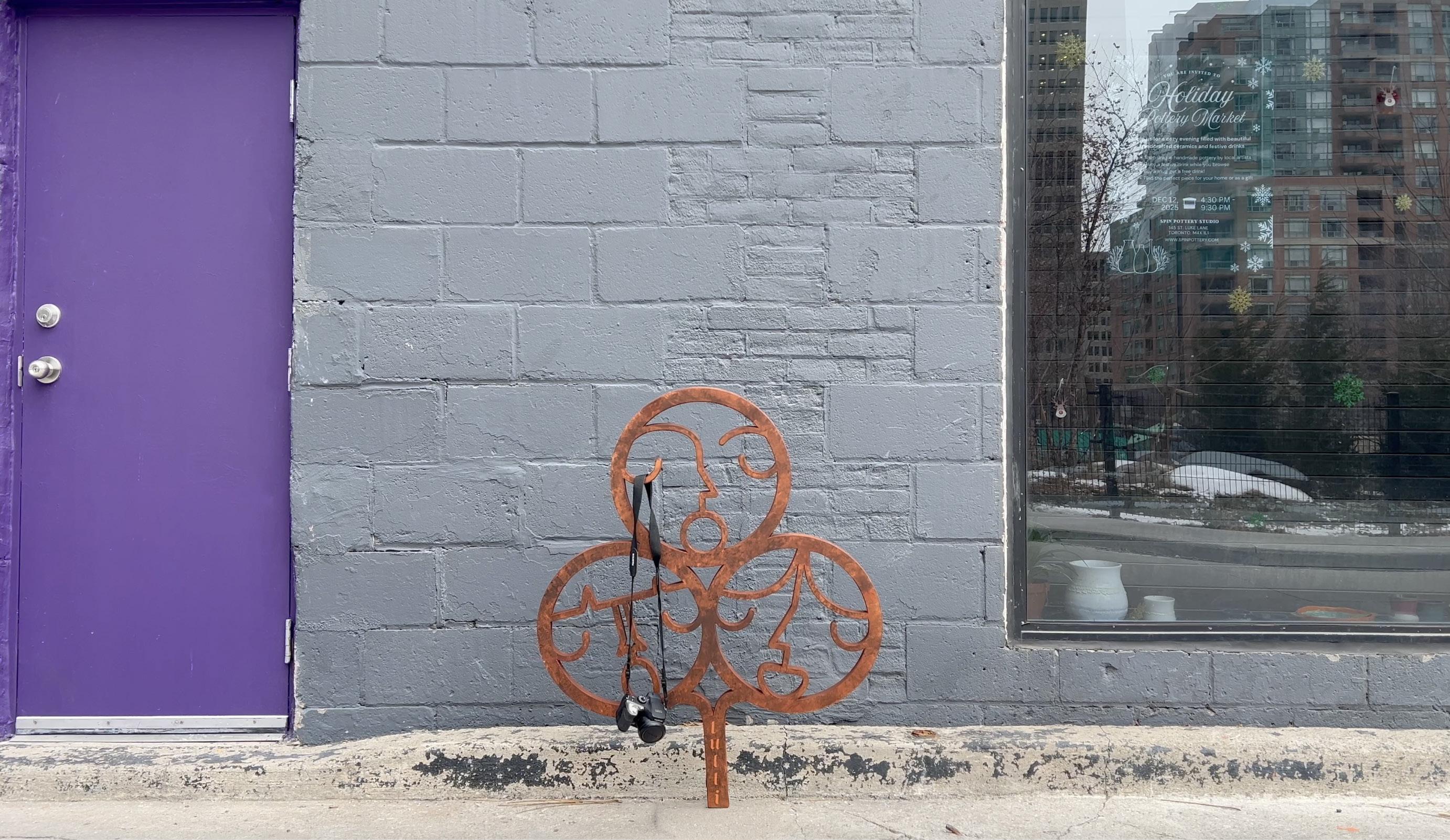
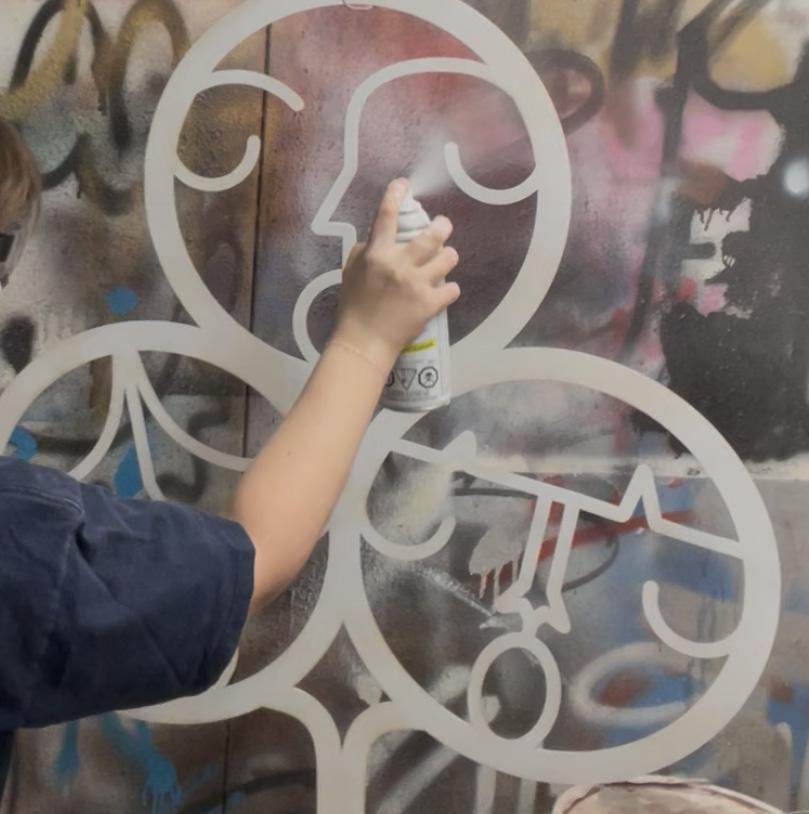
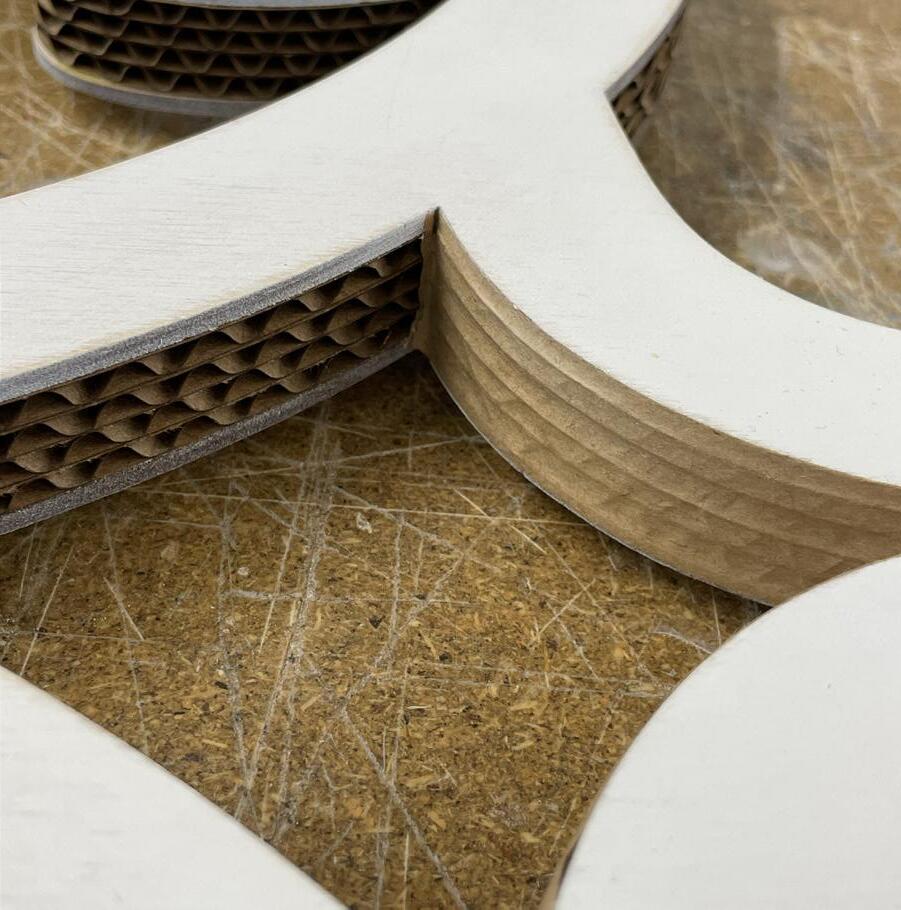
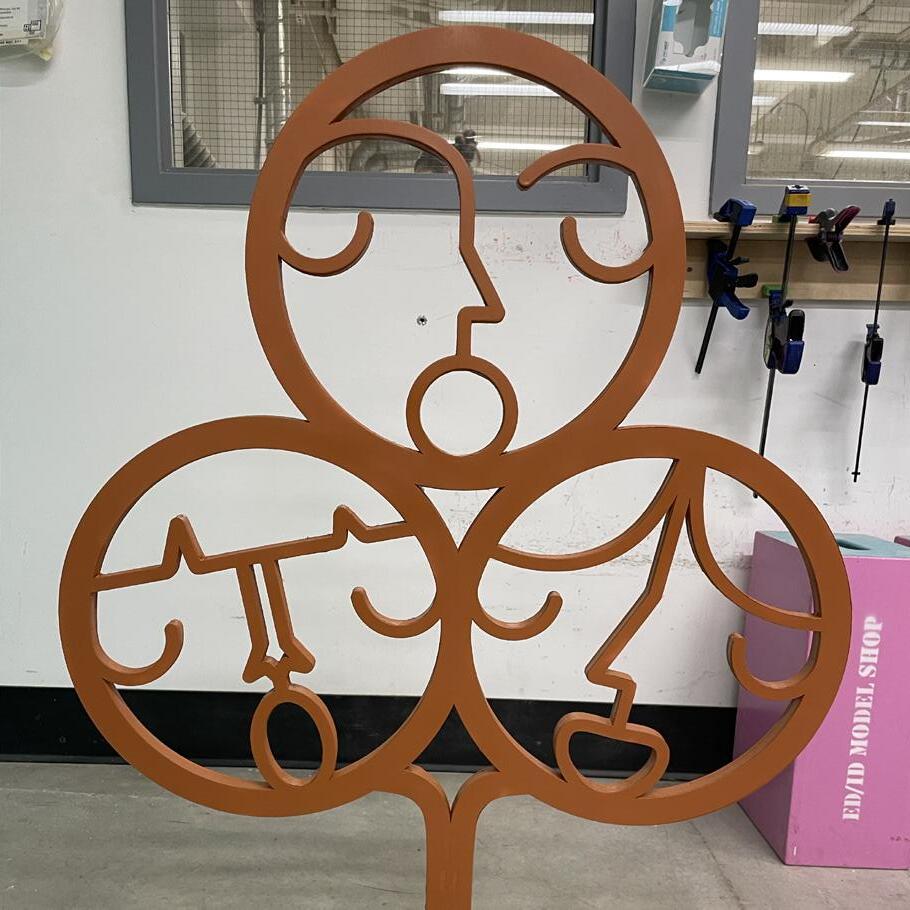
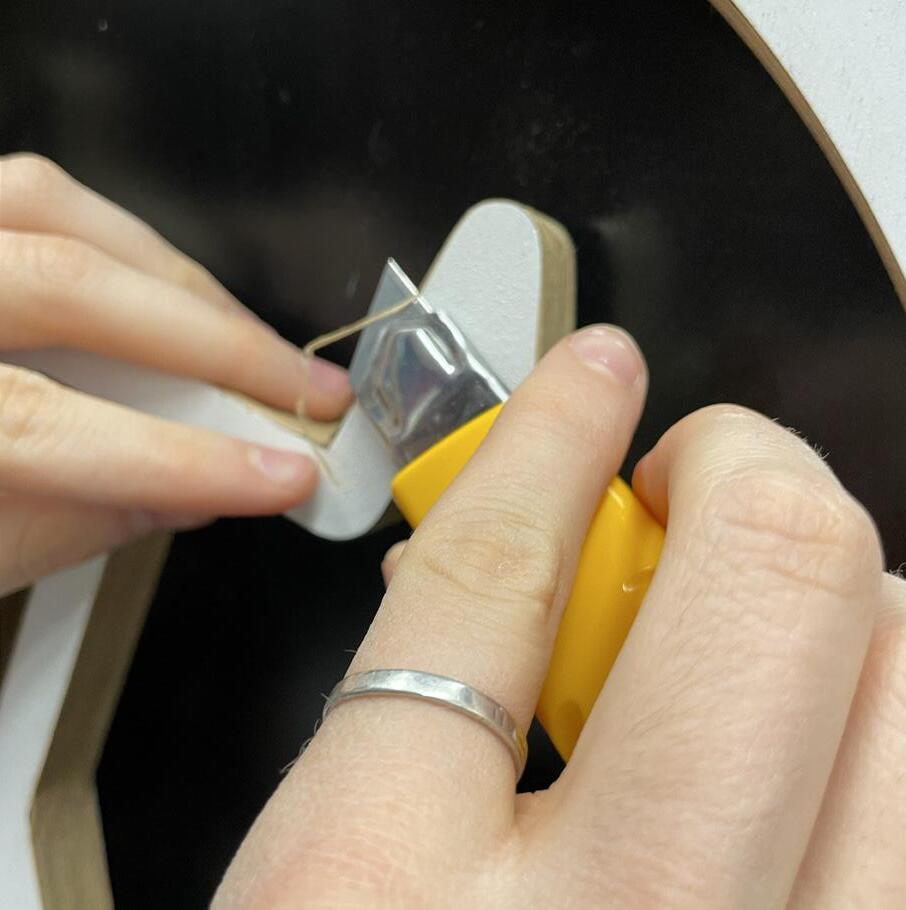
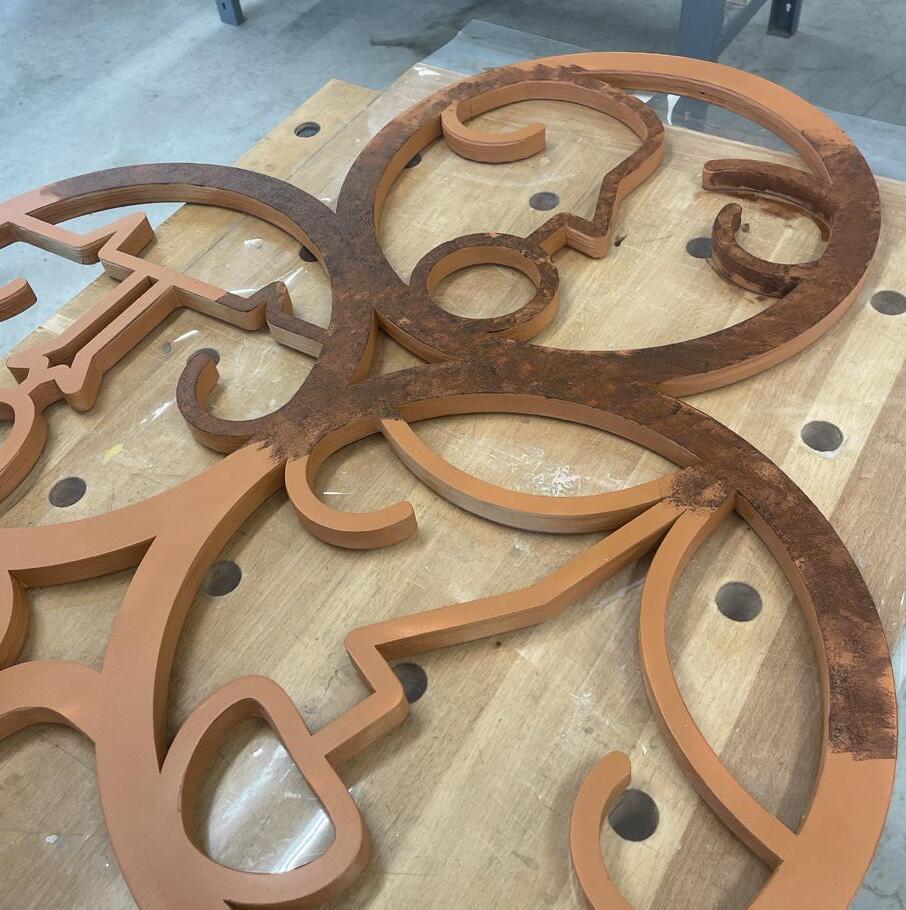
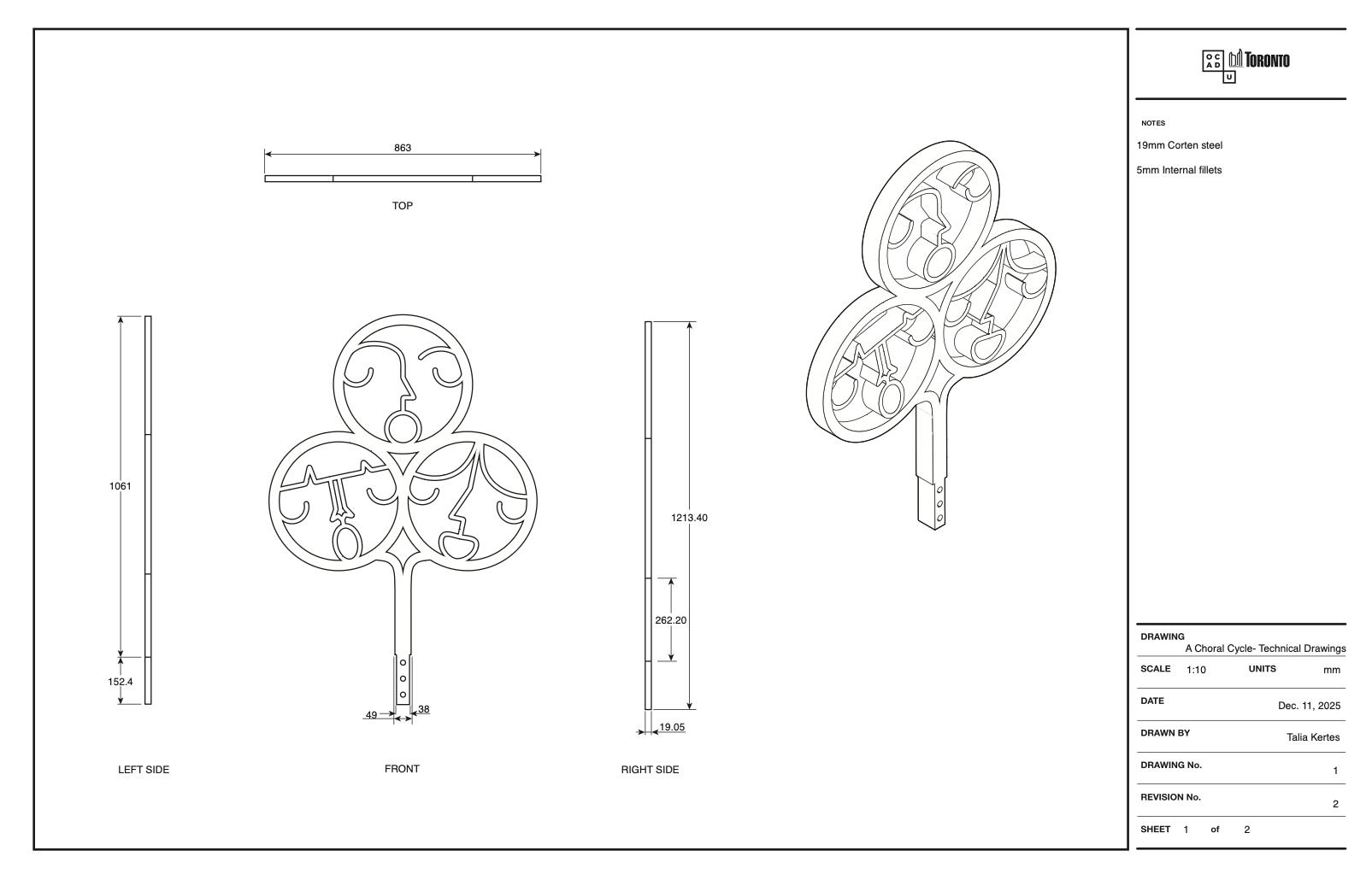
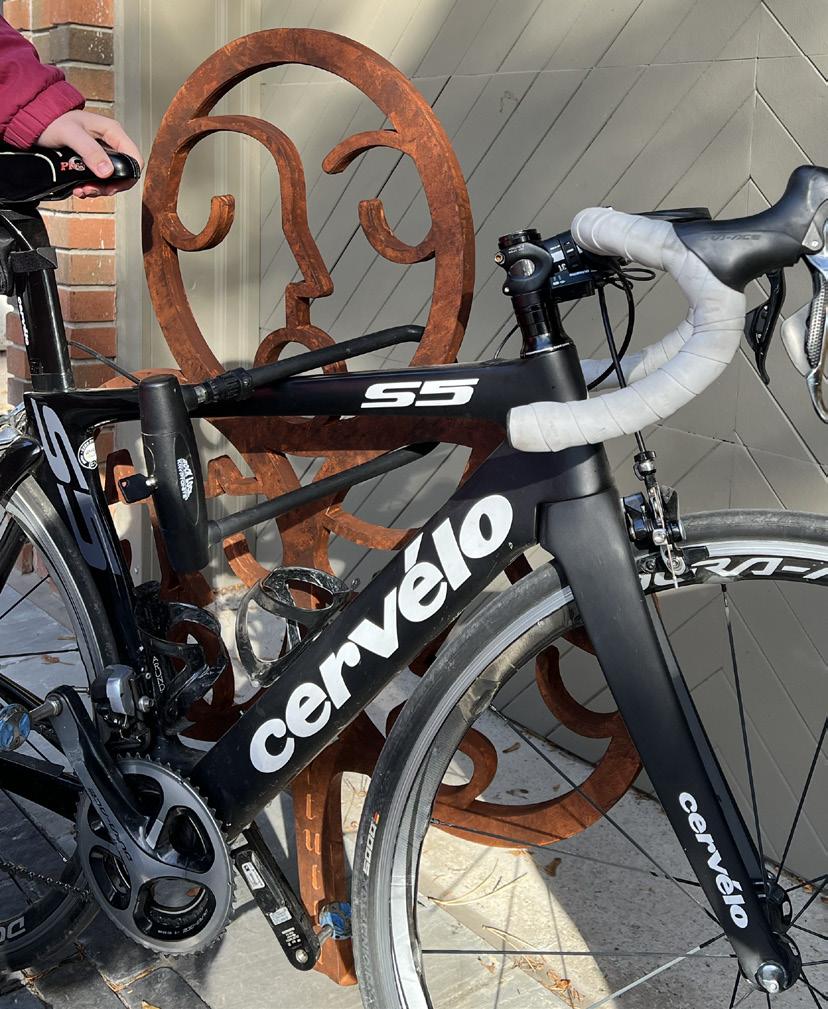
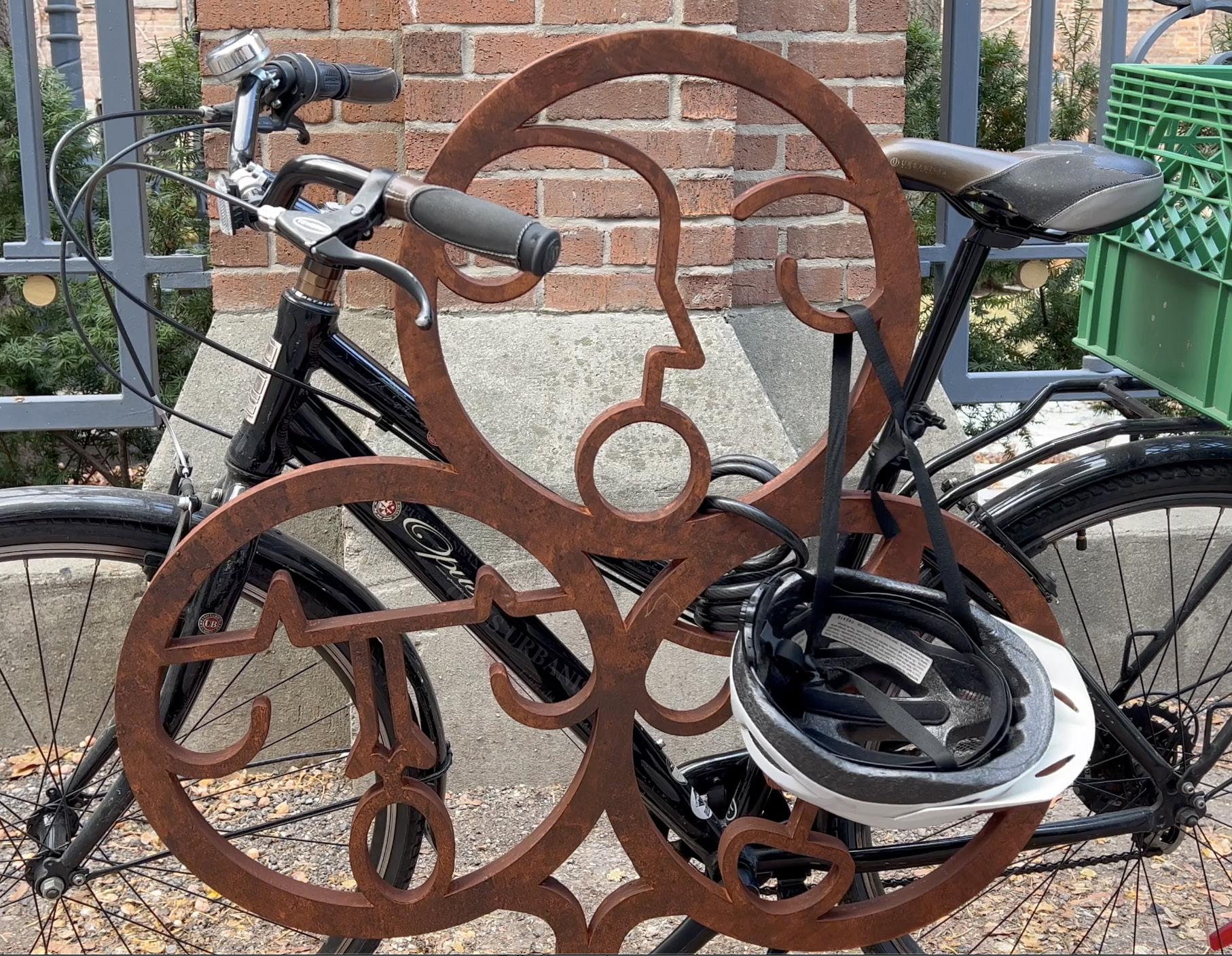
I selected a site at 227 Front Street, home to the Canadian Opera Company, using its artistic context to guide the design. Through iterative sketching, 1:1 mockups, and spatial testing, I refned the concept and developed a fnal model using laser-cut materials fnished to resemble corten steel. The project was supported by a concept video and technical drawings for municipal consideration.
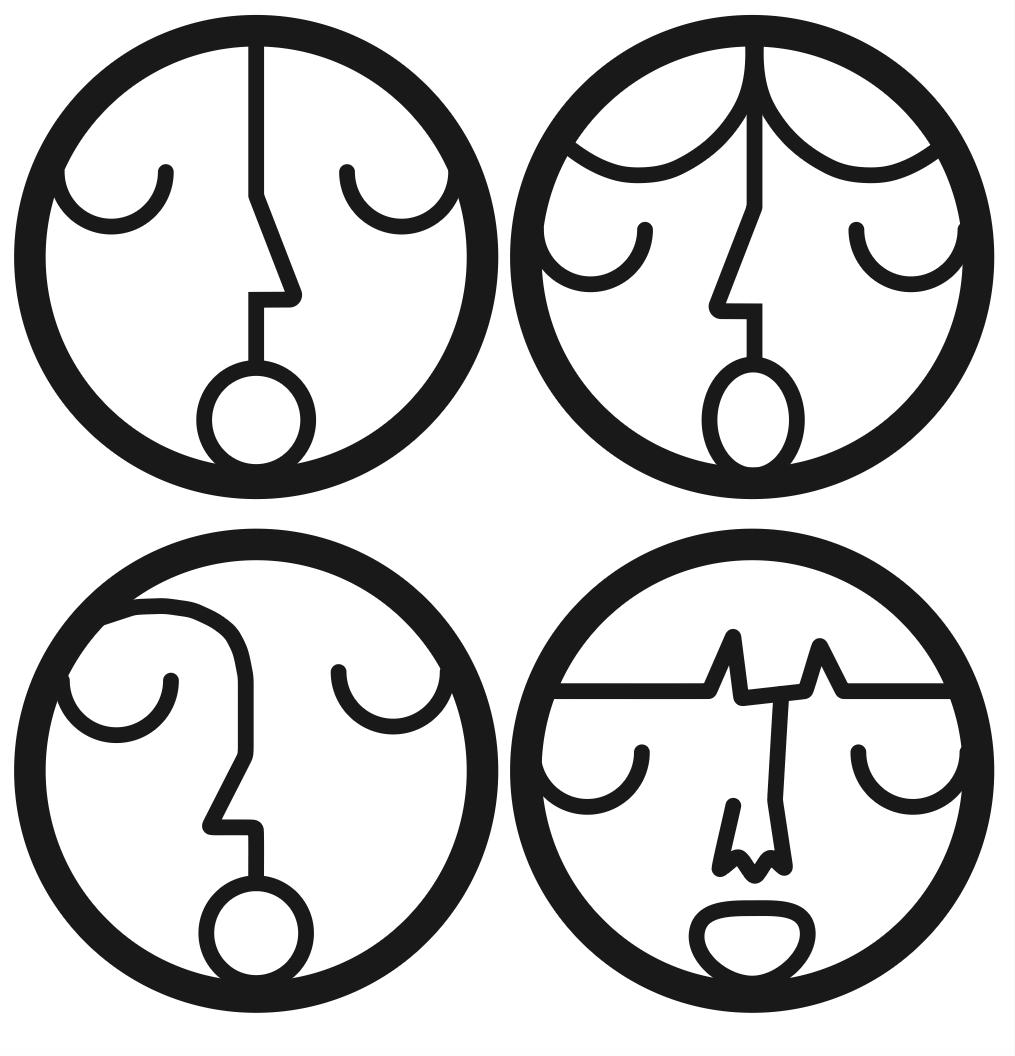
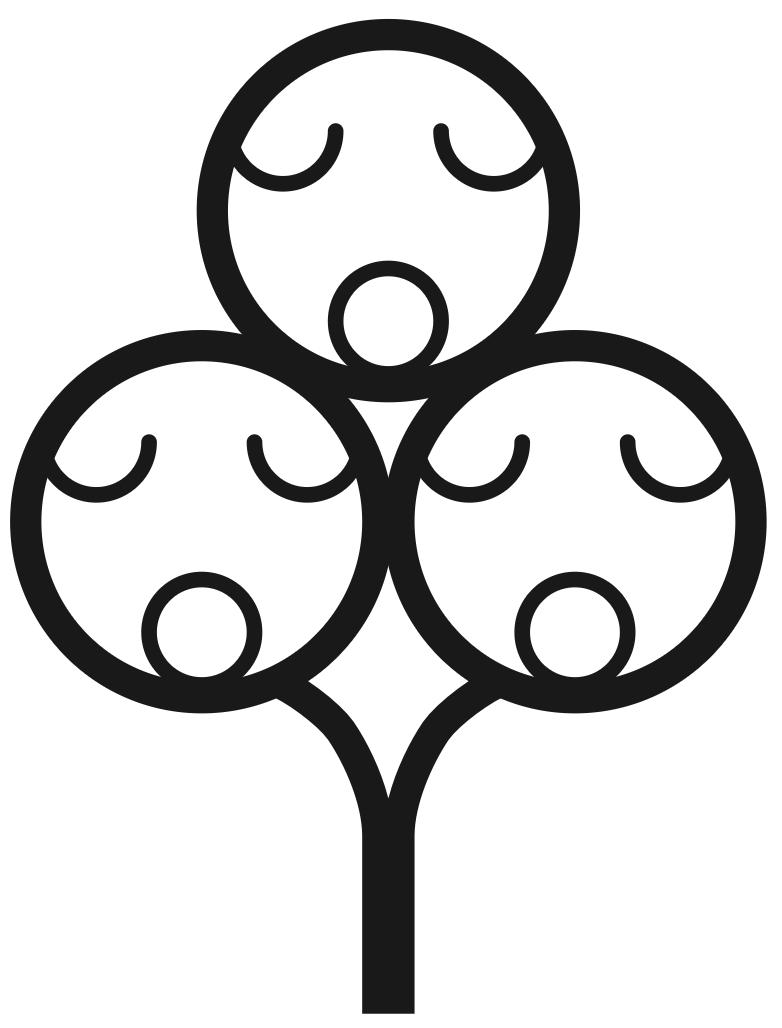
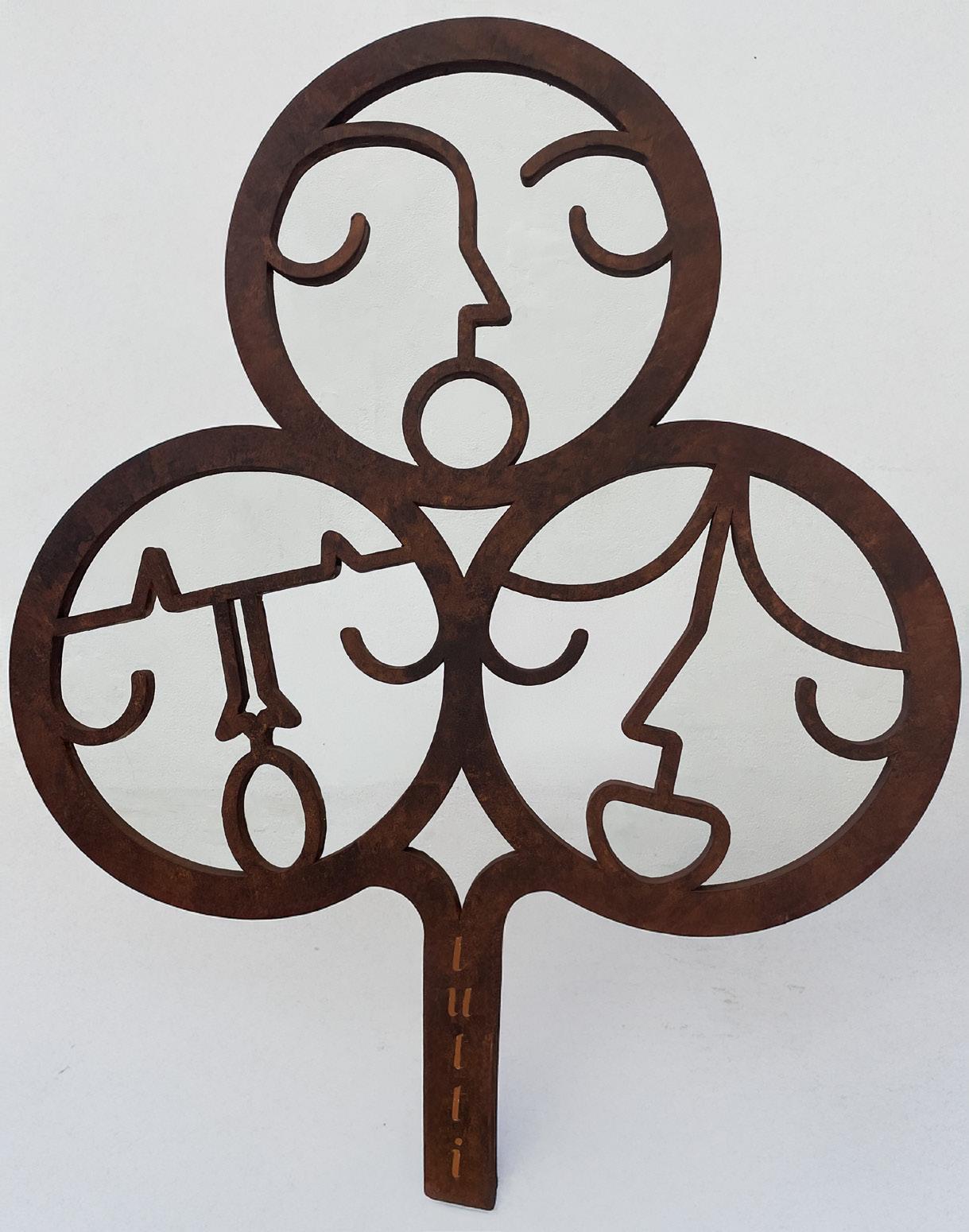
The fnal design features three stylized singing faces, referencing a treble choir to symbolize harmony and collective voice. The engraved term tutti (“together”) reinforces the role of the BIA as a unifying force that supports and uplifts the arts community.
[3] [4]
[1] Ideation, progression of detail
[2] Final mockup on Illustrator
[3] Capping all edges of the model
[4] Painting to emulate corten steel
[5] Technical drawings for the City of Toronto
[6] Final model in situ.
[6]
The Architecture of Rest
INDS-1007 - Product Design Foundations
ID Faculty, Fall 2025
Instructor: Jano Badovinac
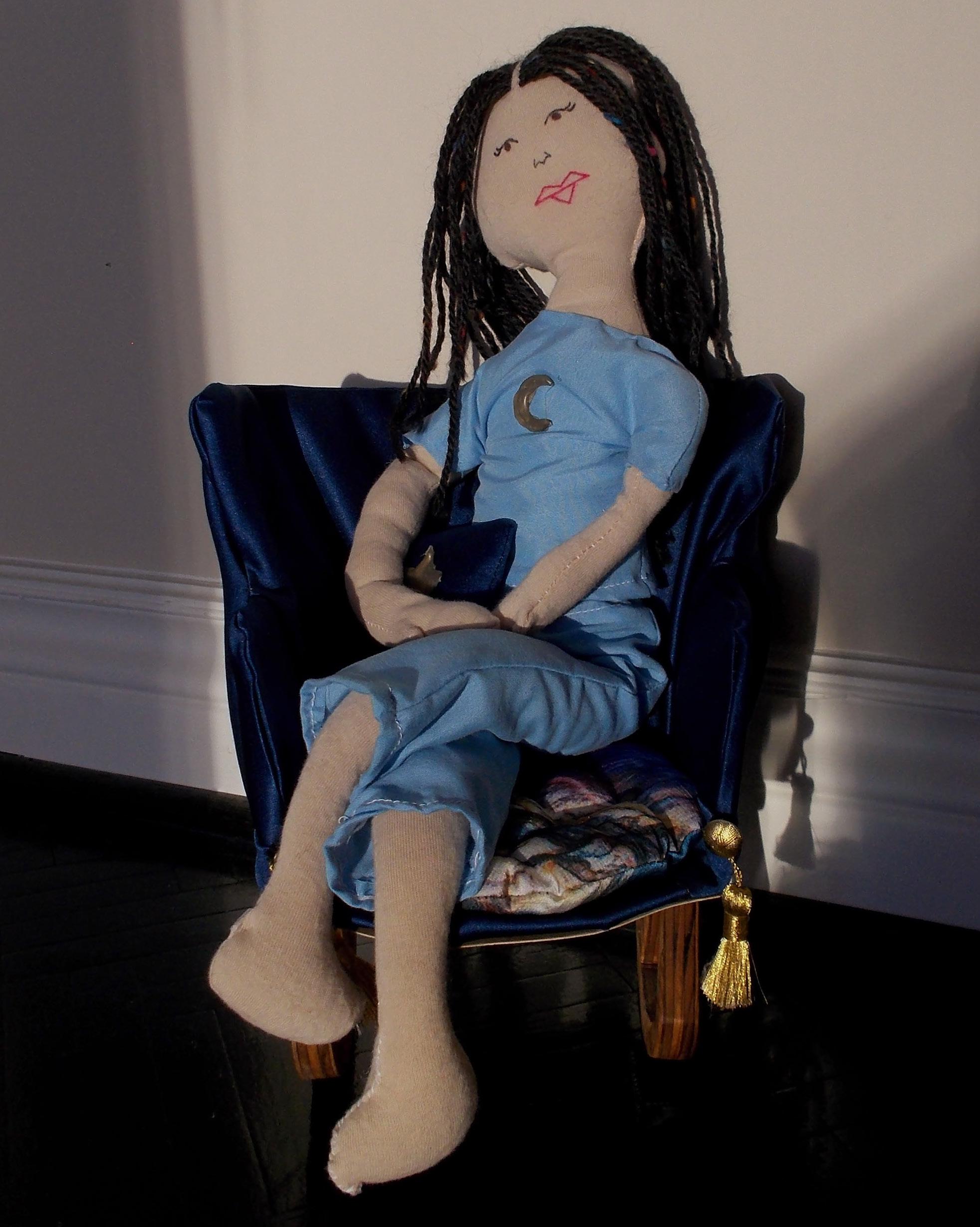
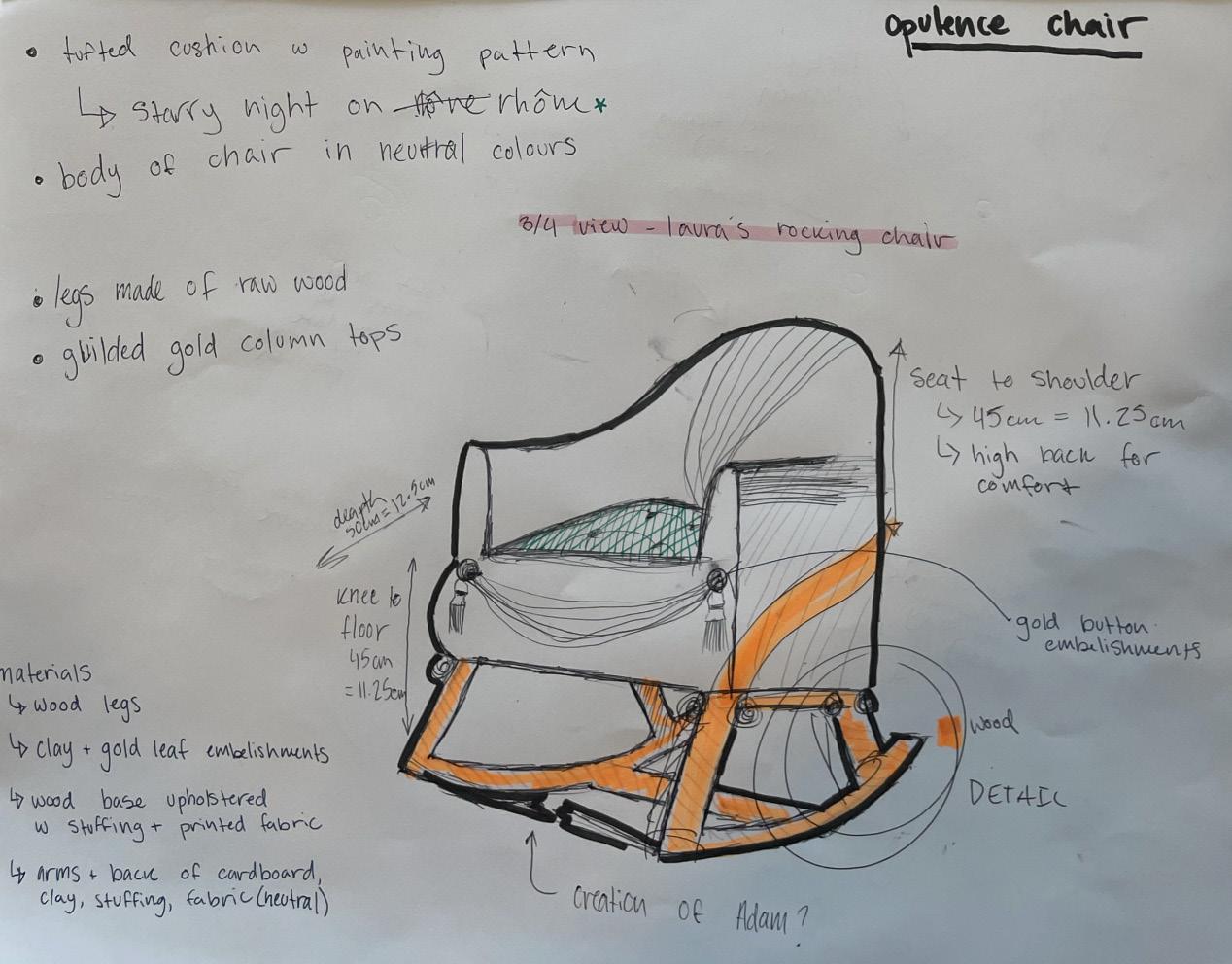
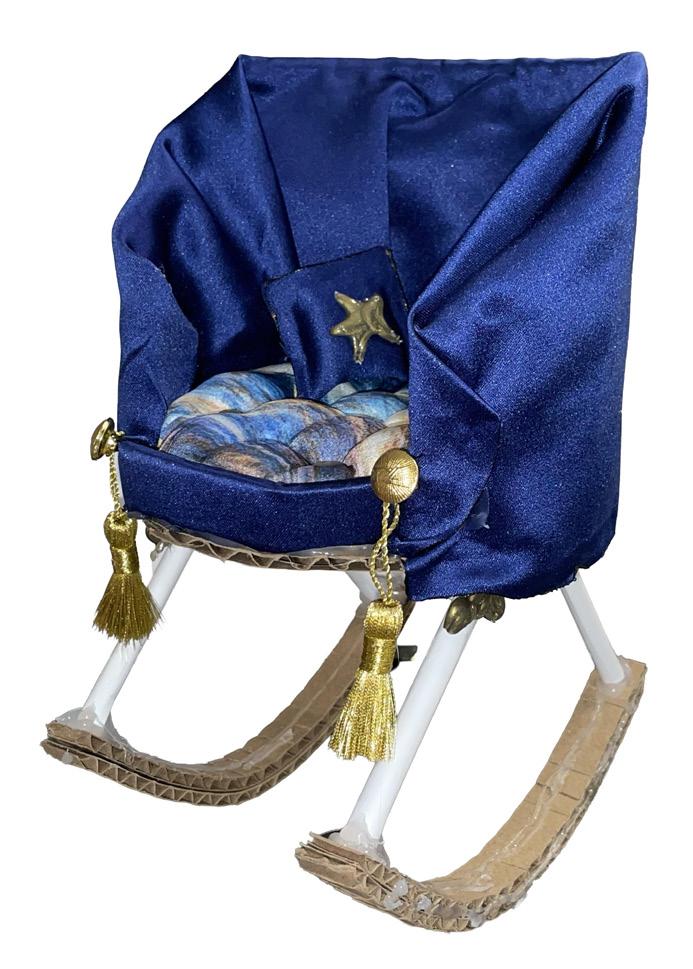
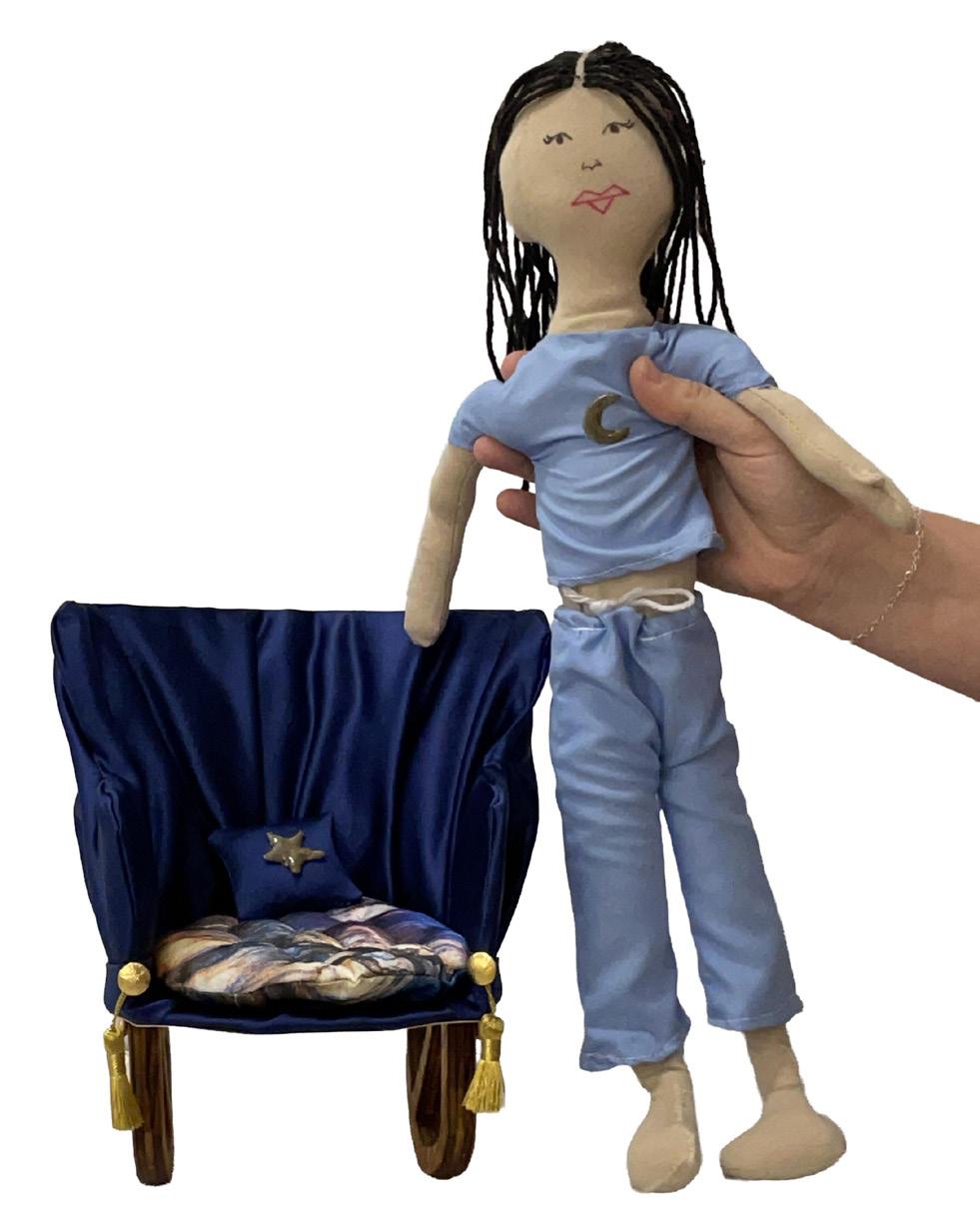
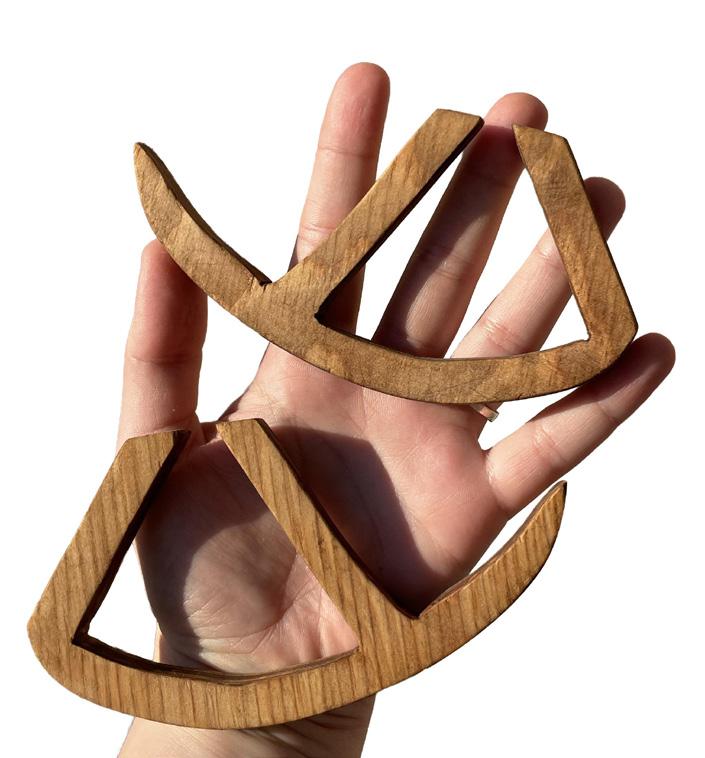
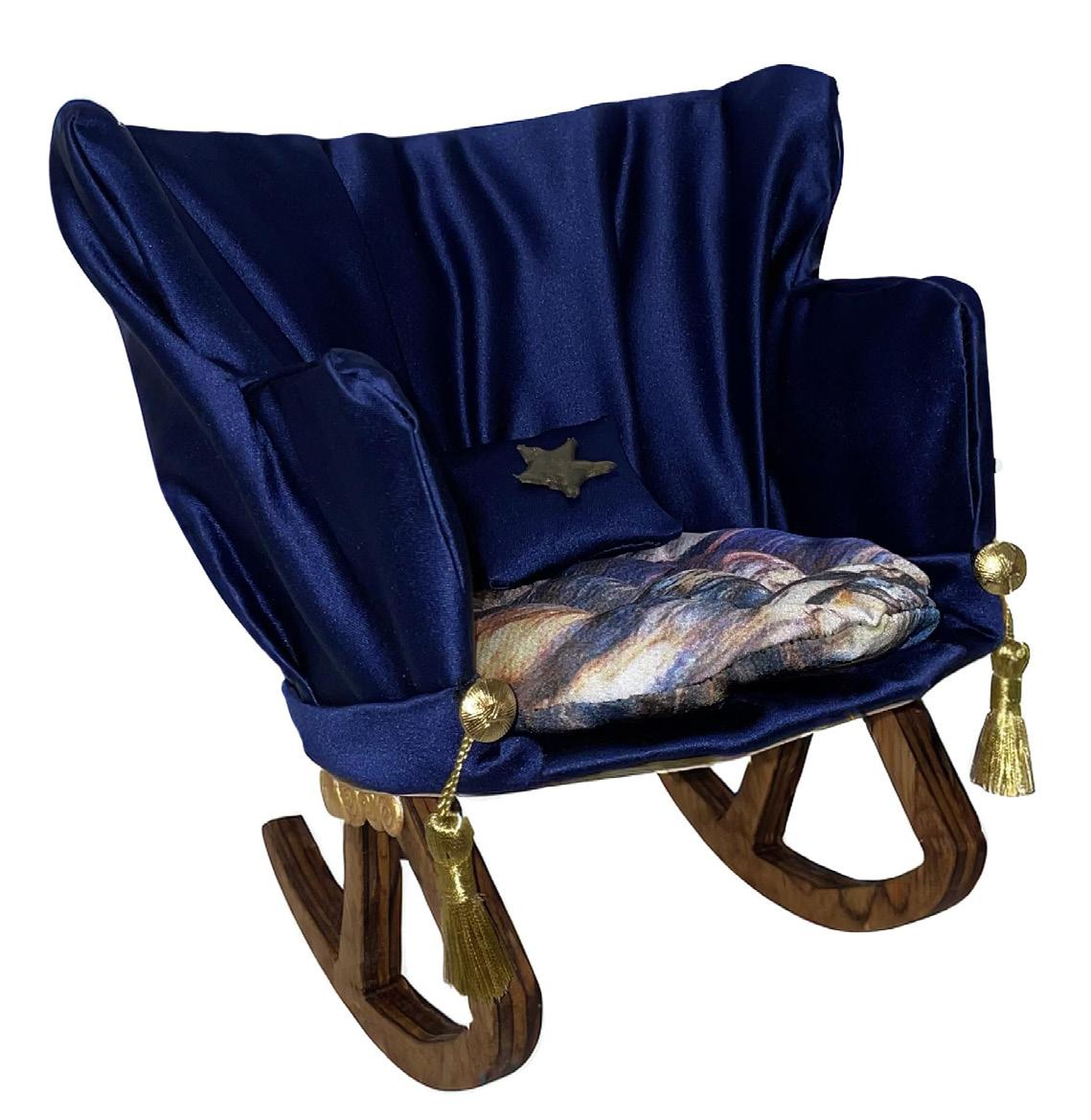
This 4-week project explores the metaphor “a chair is a room,” treating seating as an emotional and spatial environment rather than a purely functional object. Designed at 1:4 scale for a client collaborator, the chair extends comfort beyond physical support to include privacy, atmosphere, and retreat.
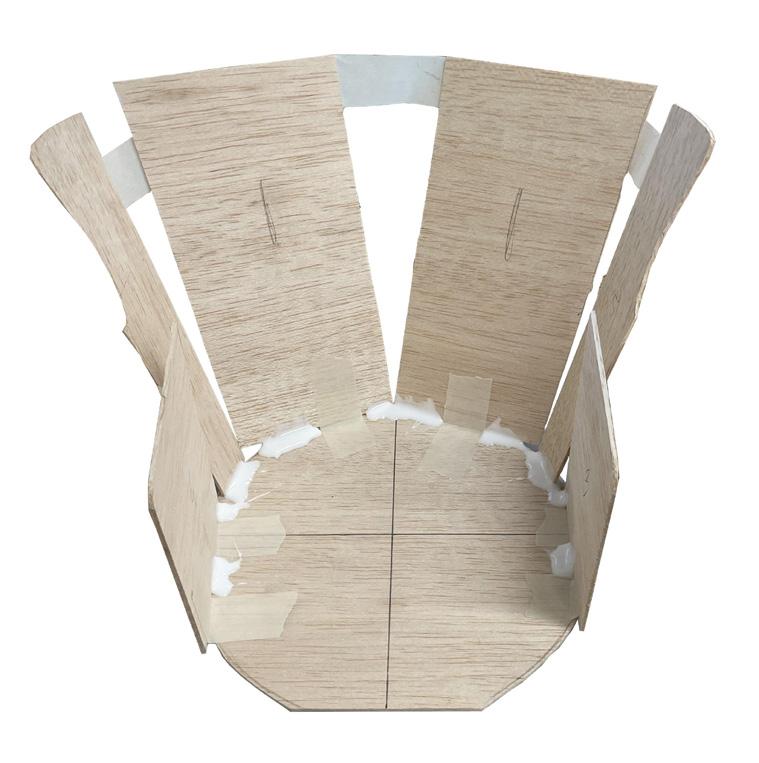
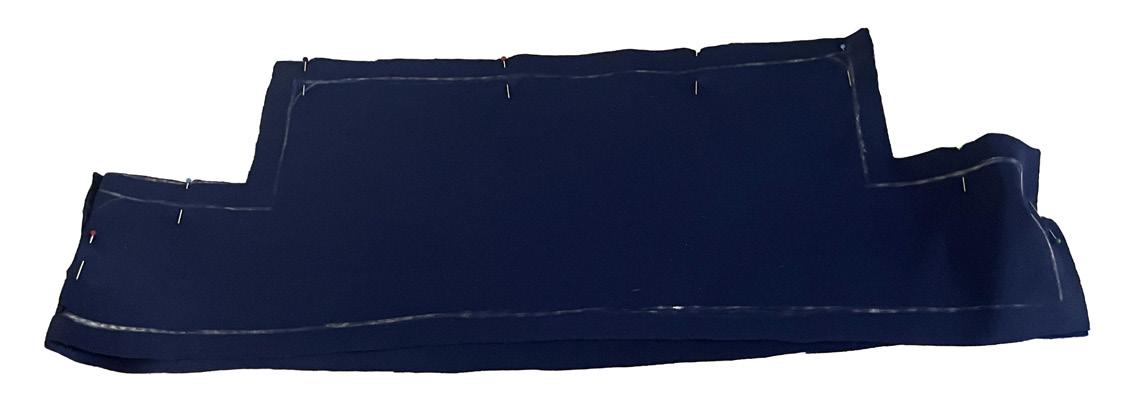
Through iterative development, the fnal form incorporates a hand-tufted cushion, silk upholstery, and a subtle wingback that gently encloses the sitter, limiting sightlines and creating a sense of separation from the surrounding space.
Rather than remaining neutral, the chair is designed to gather, comfort, and protect—functioning as a personal sanctuary for rest or reflection. Like a room, it invites personalization, with materials and textures that project identity and mood.
The winged silhouette defnes boundaries without fully isolating, balancing openness with enclosure. Sitting becomes an immersive experience: a soft, self-contained world carved from its environment, where the chair operates as an intimate interior scaled to the body.
[1]
[4]
[1] Primary ideation
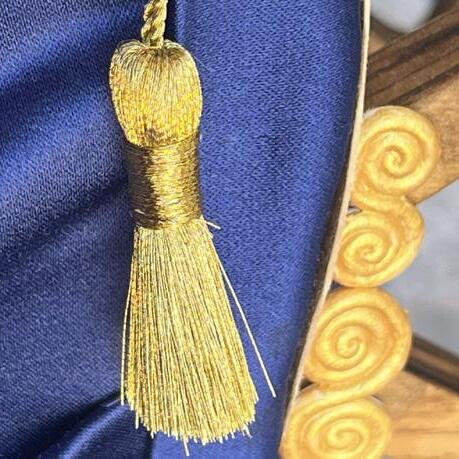
[2] Gold embellishments
[3] Fabric exploration
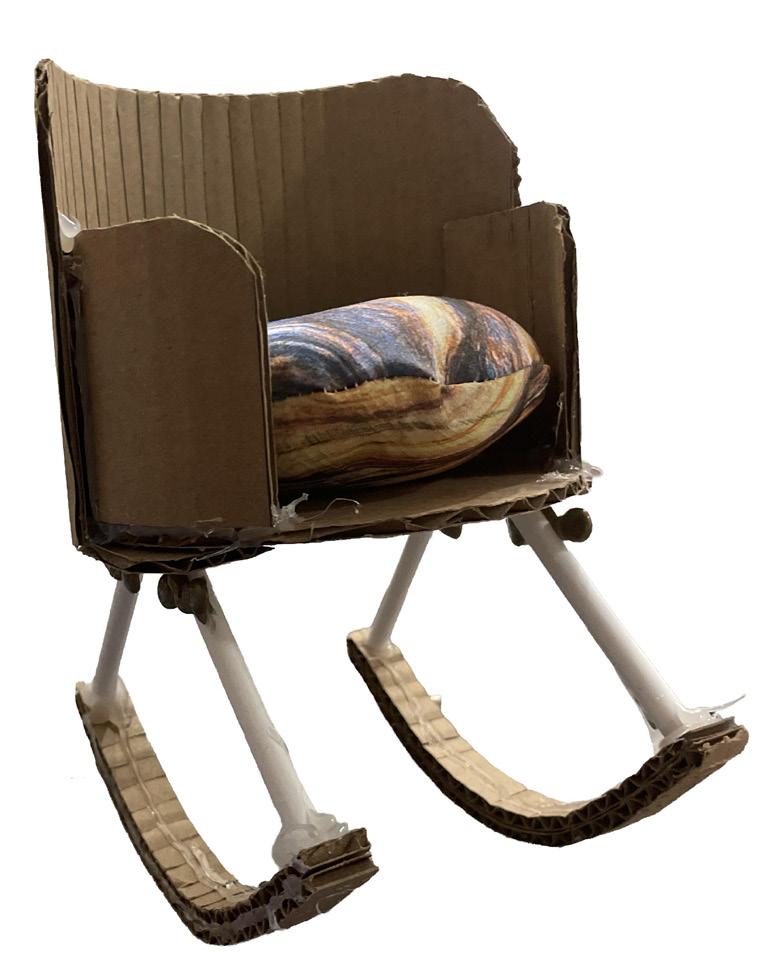
[4] Initial prototype
[5] Interior frame
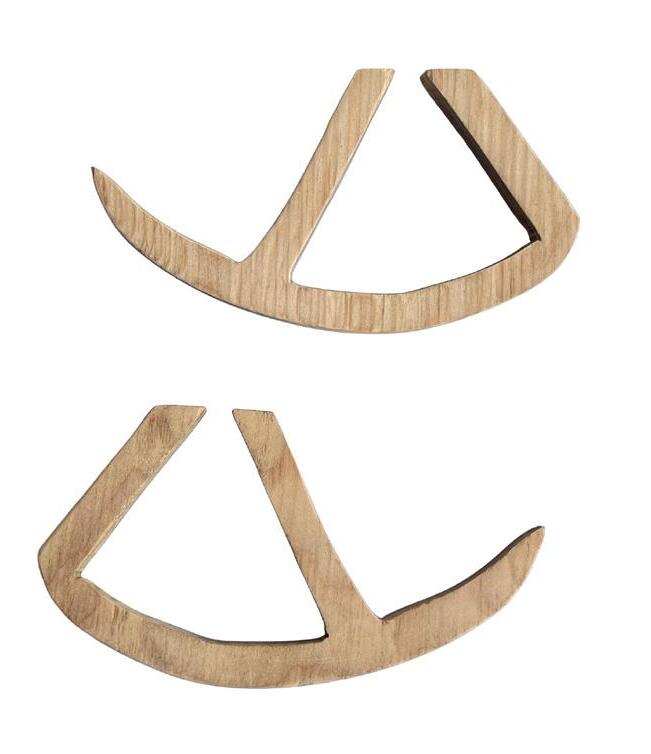
[6] Pine plywood legs pre-stain
[7] Post-stain
[8] Outer upholstery
[9] Final model with 1/4 scale client
[10] Final 1/4 scale model
[5]
[6]
[7]
[9]
[8]
[10]
The Love with Which it was Given
Personal work
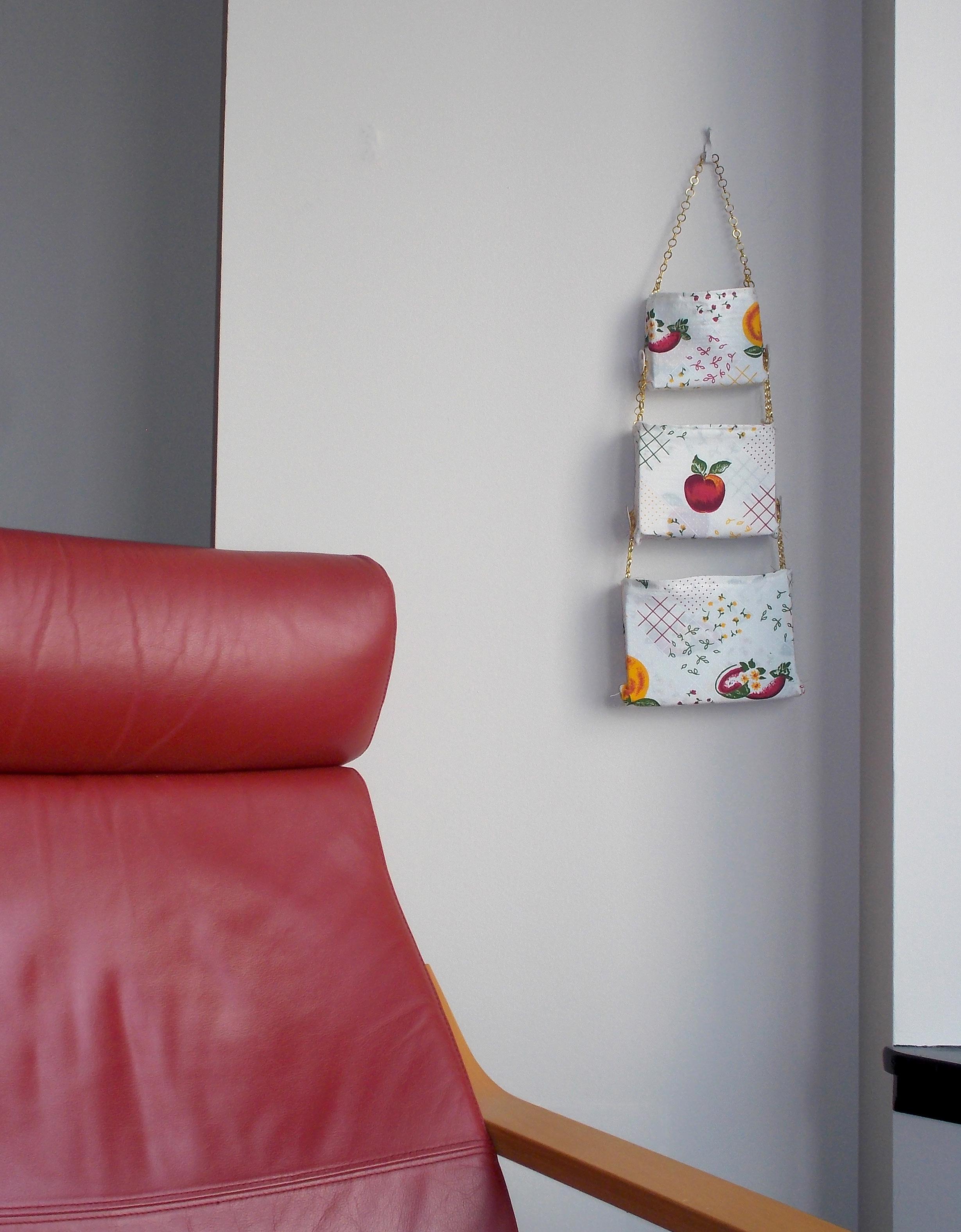
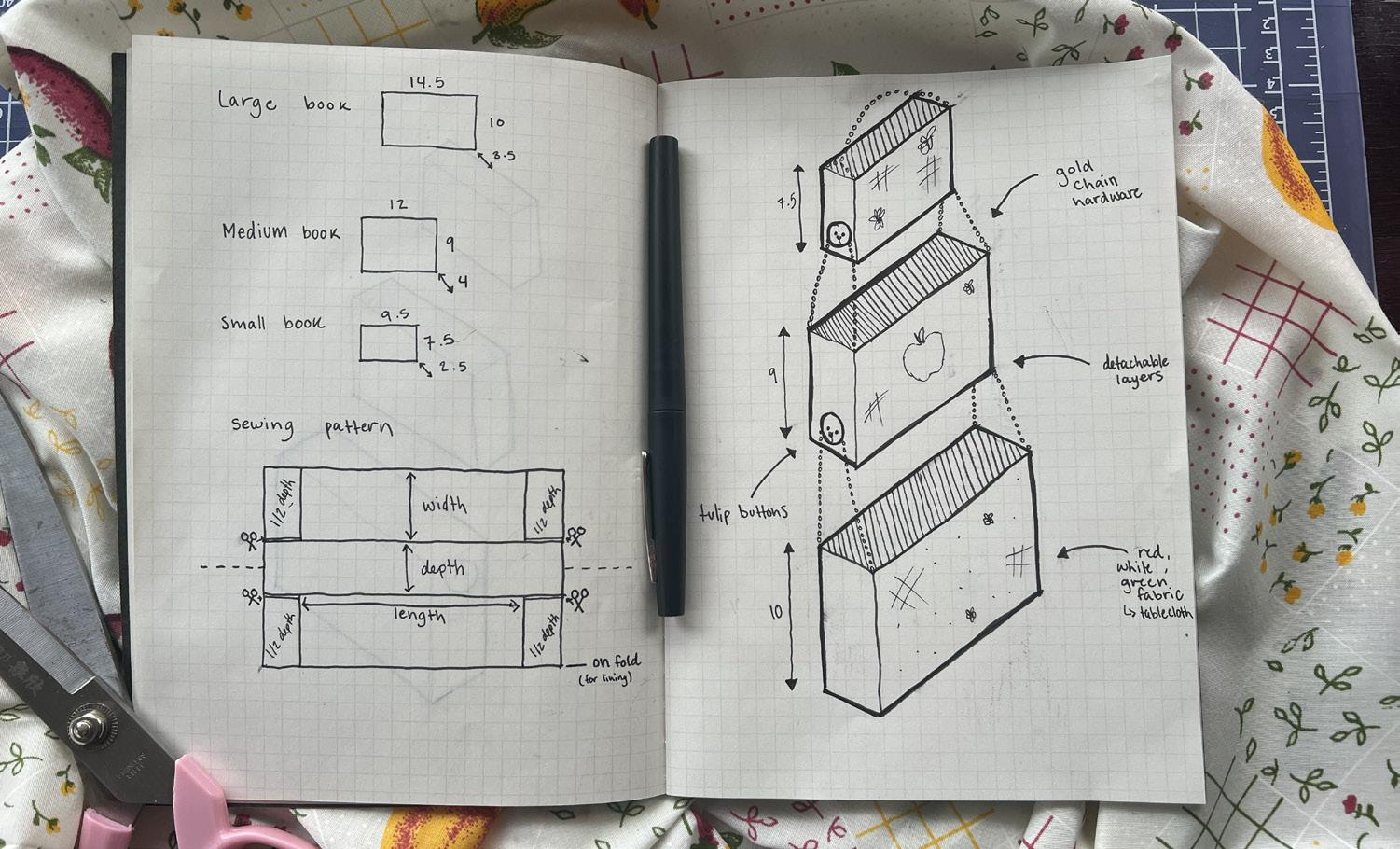
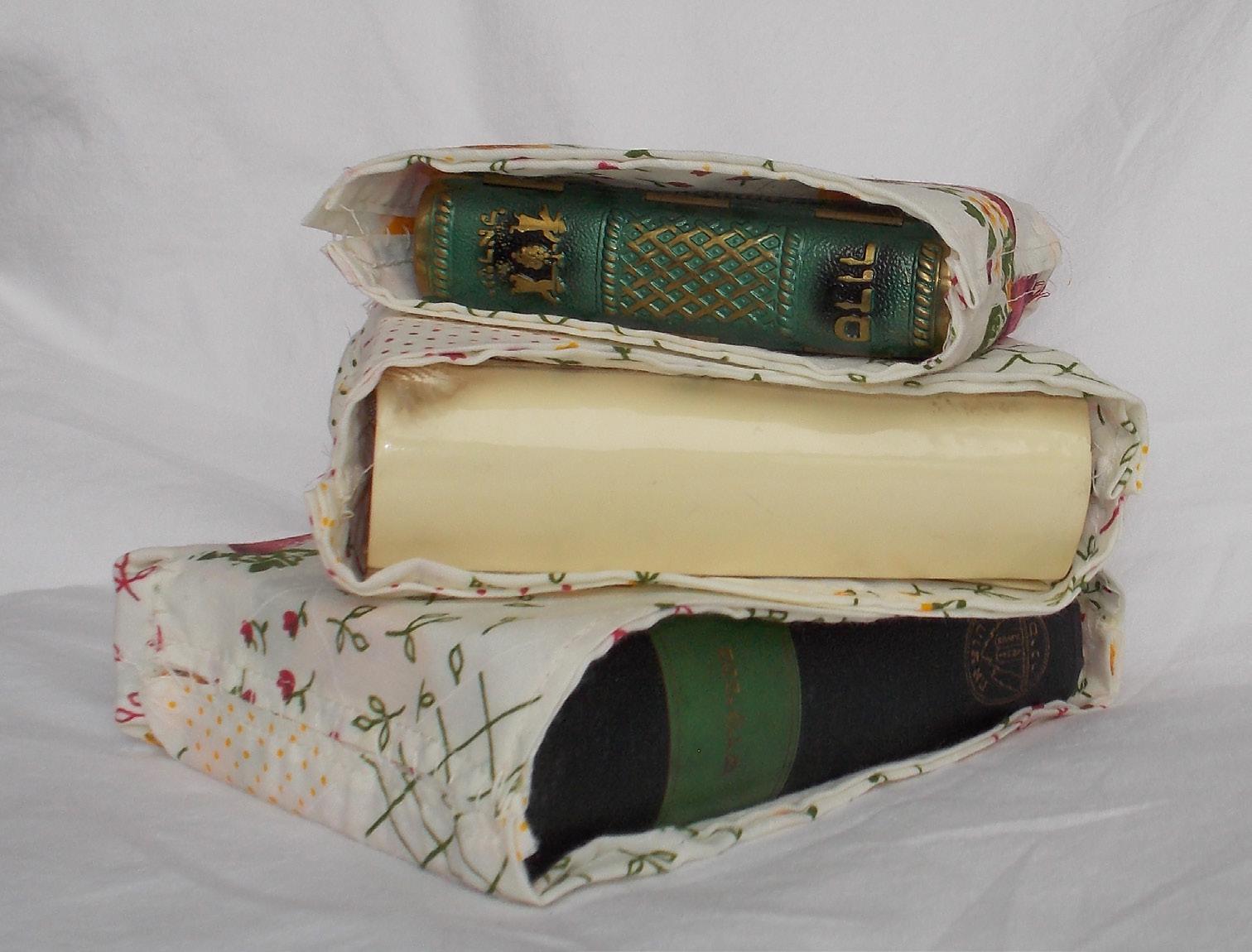
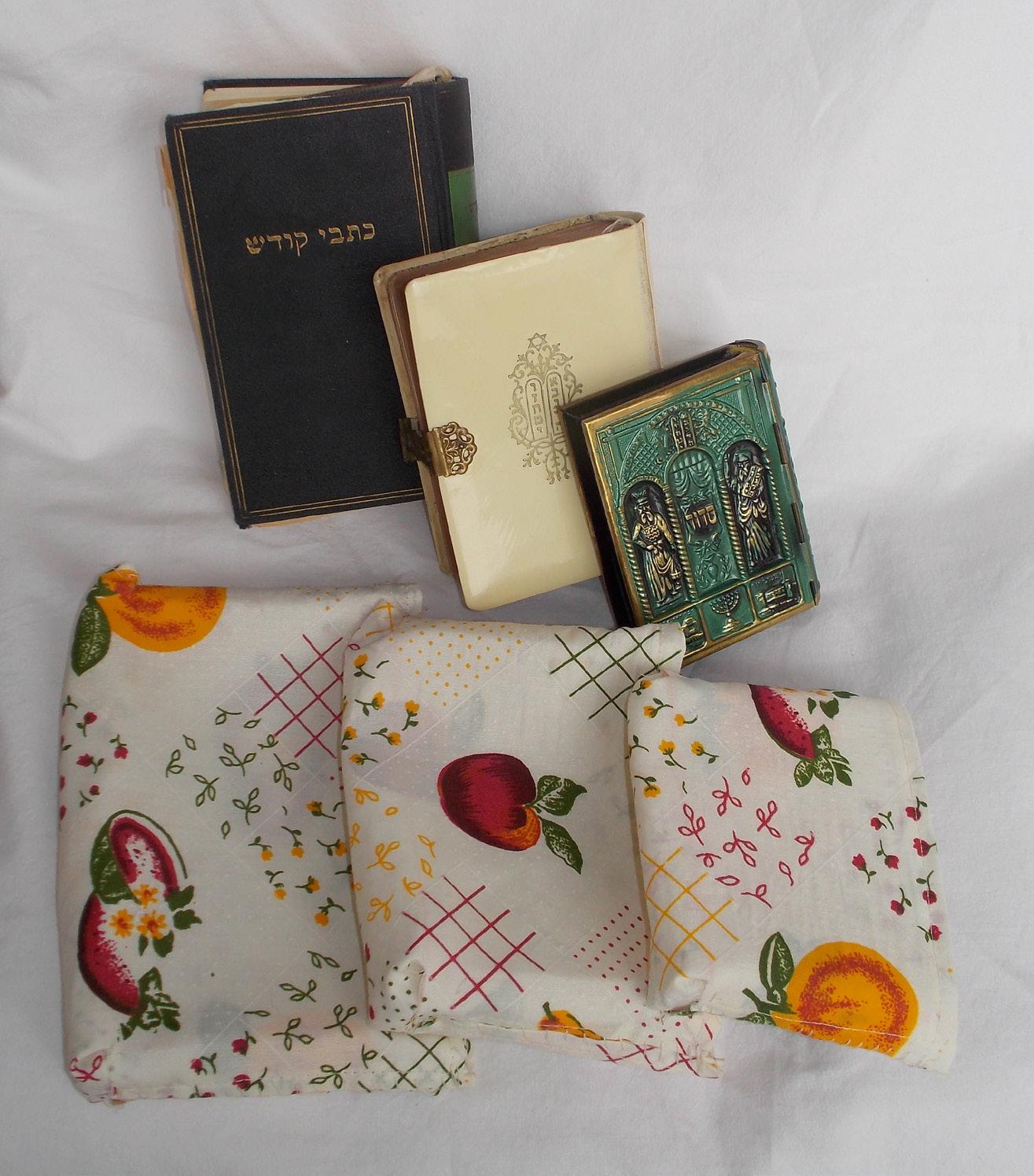
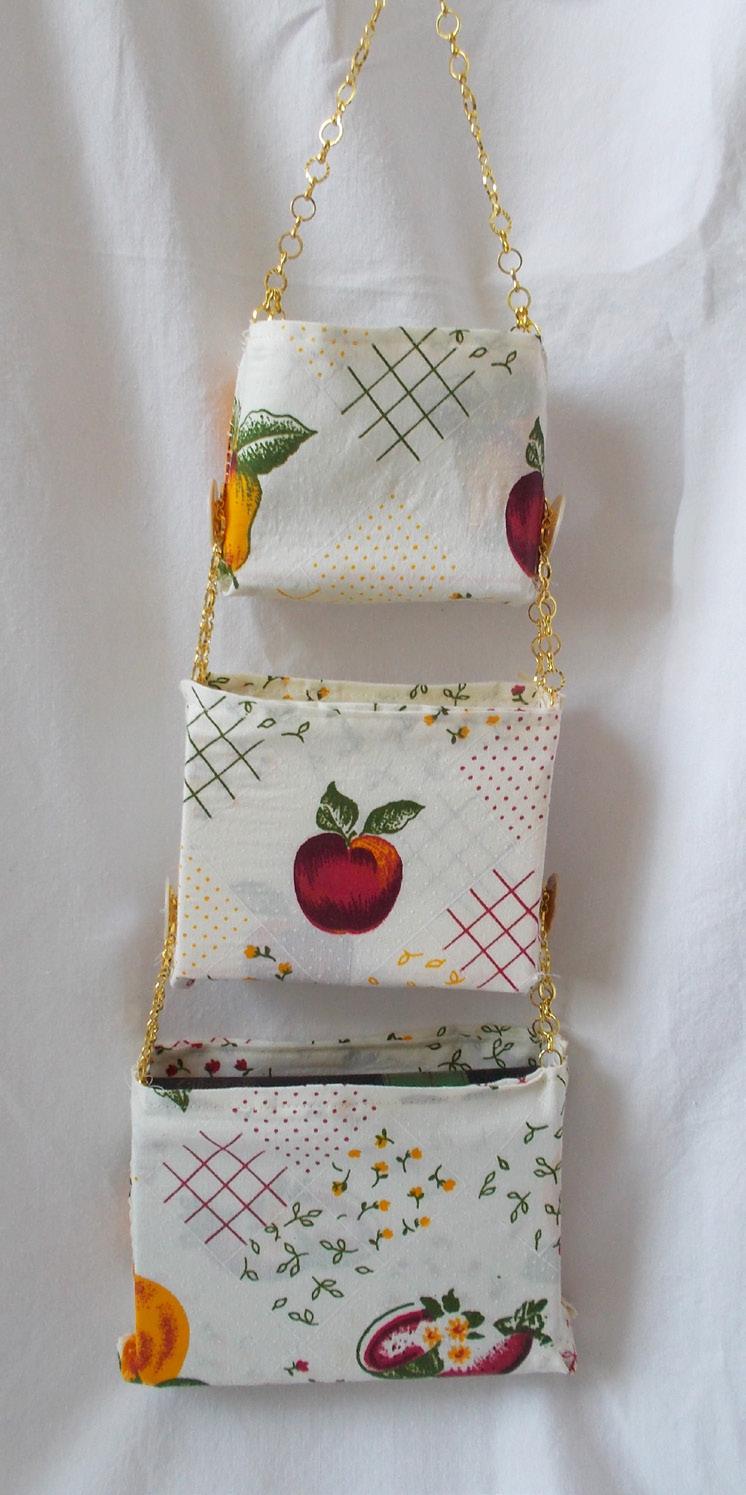
This project explores how domestic objects can carry memory, ritual, and care through material and construction. I designed and sewed a wall-mounted siddur (prayer book) holder for my home, responding to how frequently used religious texts are often stored out of sight. After discovering a set of antique siddurim in my parents’ house, I aimed to create an object that keeps them both accessible and visibly honoured.
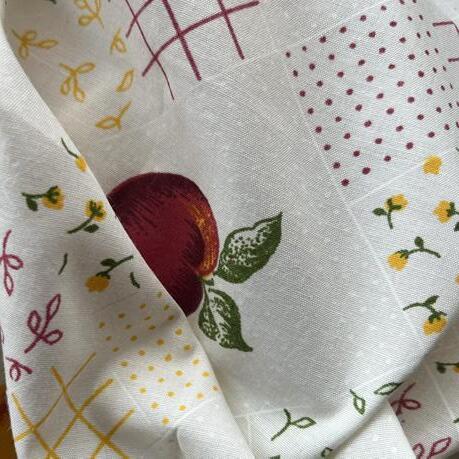
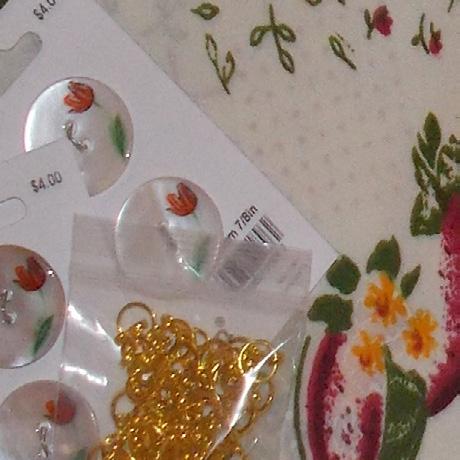
The piece consists of three tailored fabric sleeves, each custom-ft to its book and suspended vertically using buttons and chain. The fabric was repurposed from my grandmother’s tablecloth, incorporating green, white, and red motifs that reference Hungarian heritage. Buttons with painted tulips, Hungary’s national flower, connect the tiers, embedding cultural symbolism into the structure.
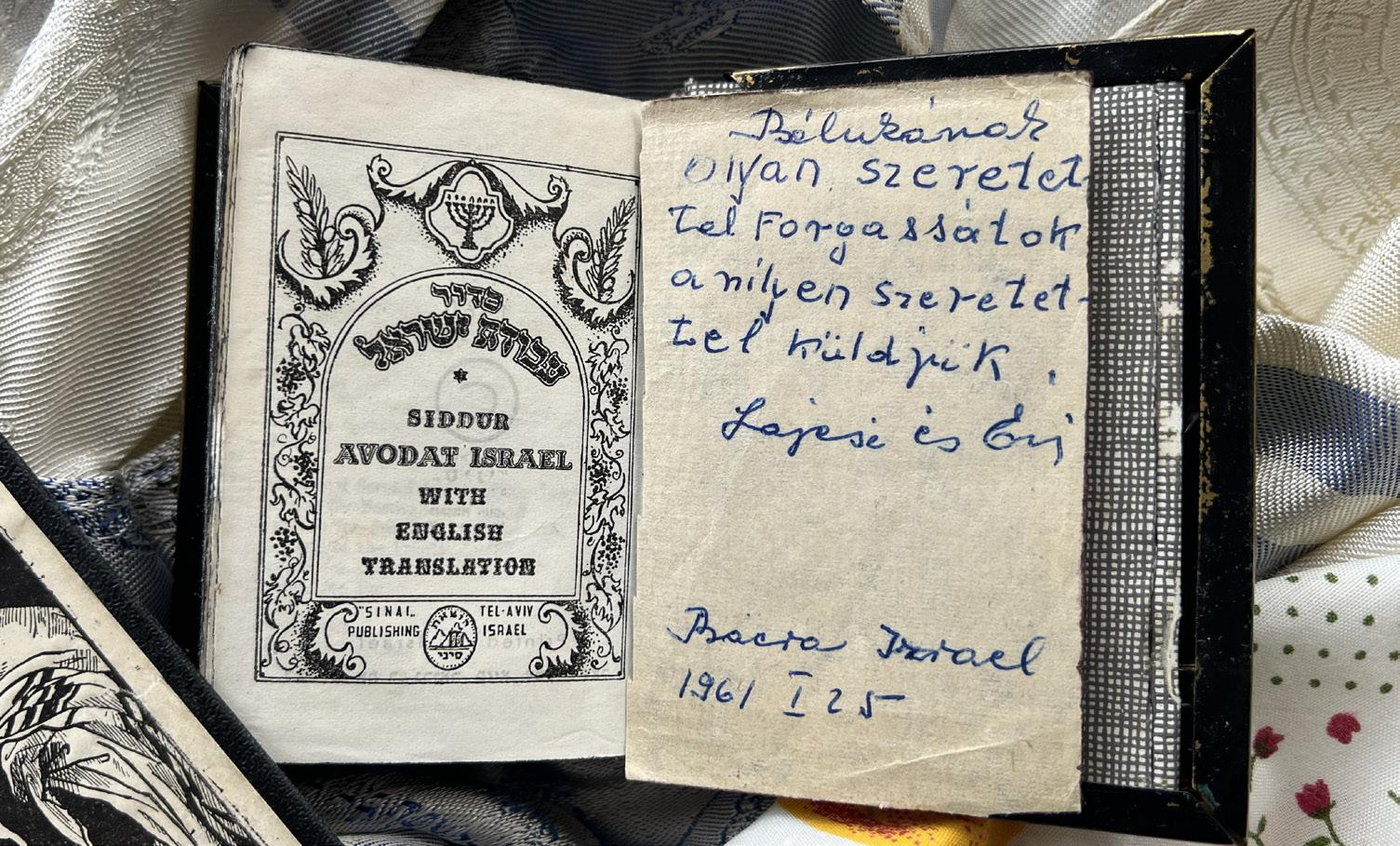
Titled ‘The Love With Which It Was Given’, the work references a handwritten inscription inside one of the books sent to Hungary from family abroad, positioning the holder as both functional storage and quiet memorial.
[1] Inscription in my family’s siddur
[2] Ideation and pattern making
[3] Fabric, button, and chain swatches
[4] Pouch sizing on each book
[5] Final work
[1]
[2]
[3]
[4]
The Server’s Serviette
INDS-1006 - Communicating Through Form
ID Faculty, Fall 2025
Instructor: Daniel Daam-Rossi
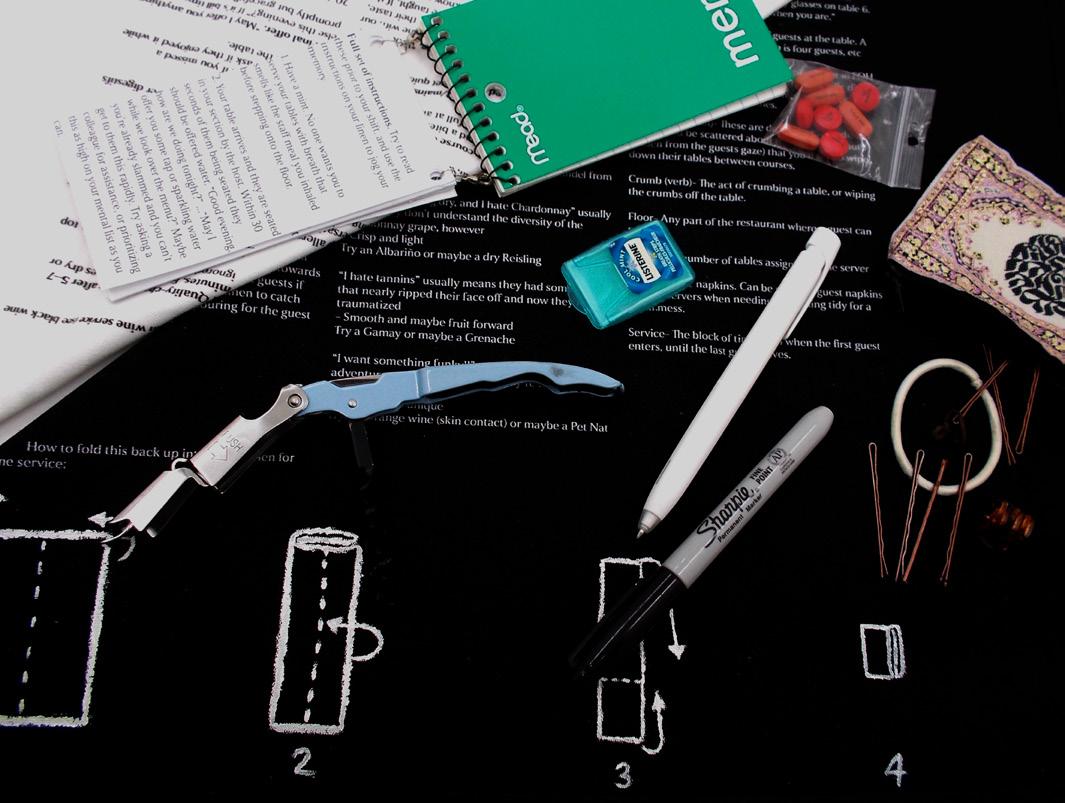
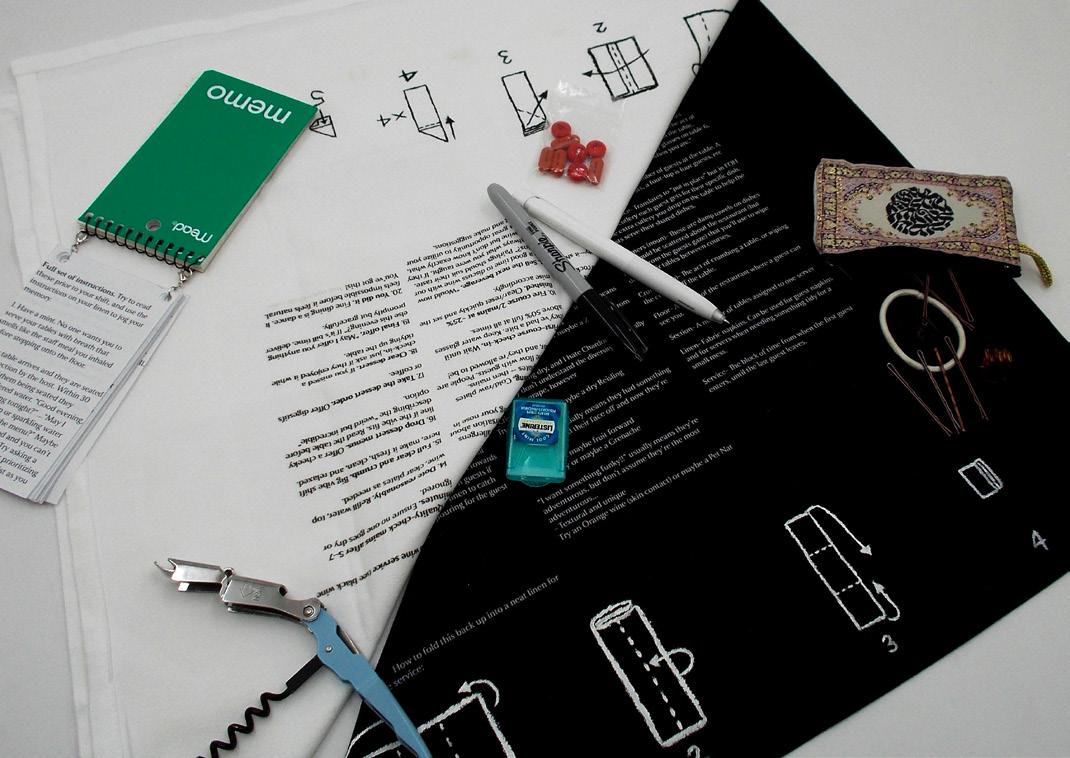
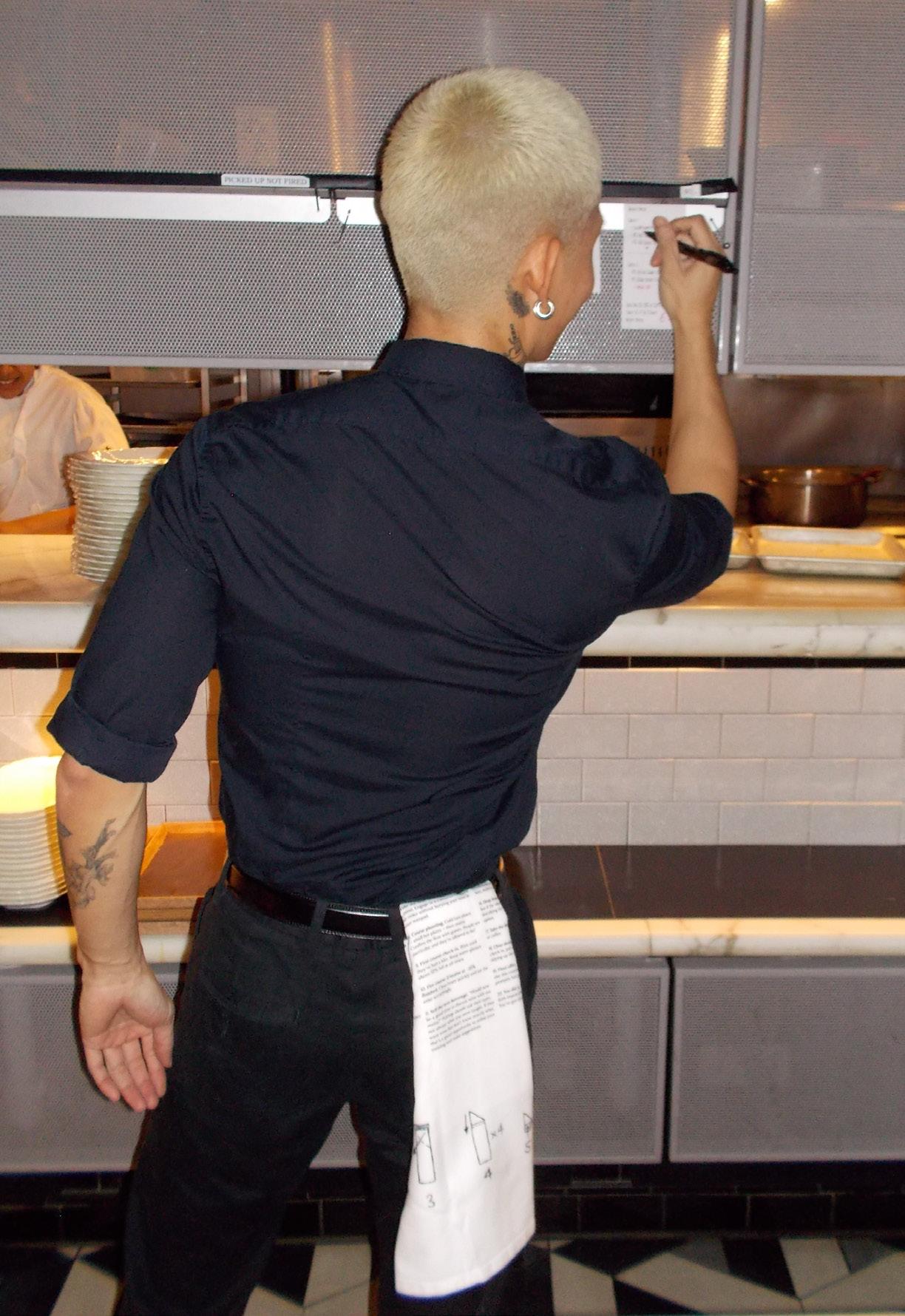
The Server’s Serviette reimagines an instruction manual as a functional artifact by embedding fne-dining service knowledge directly into the tools of the job. Instead of a standalone booklet, instructions are distributed across a small kit, integrating learning into the material culture of the restaurant floor.
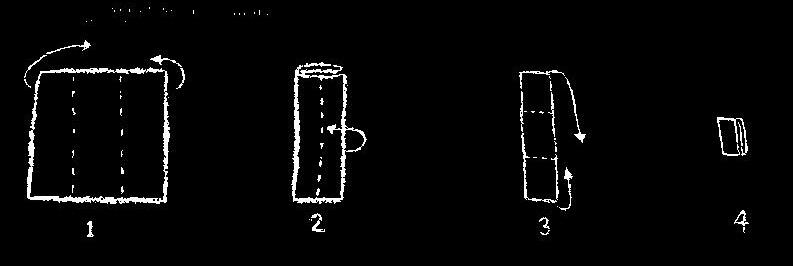
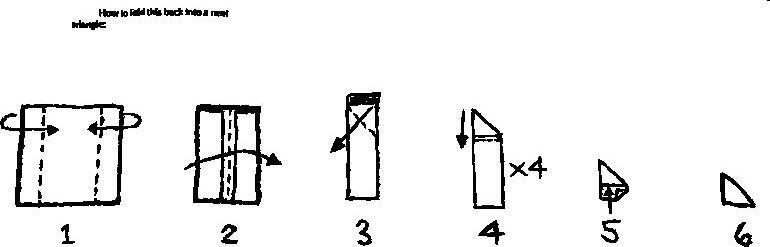
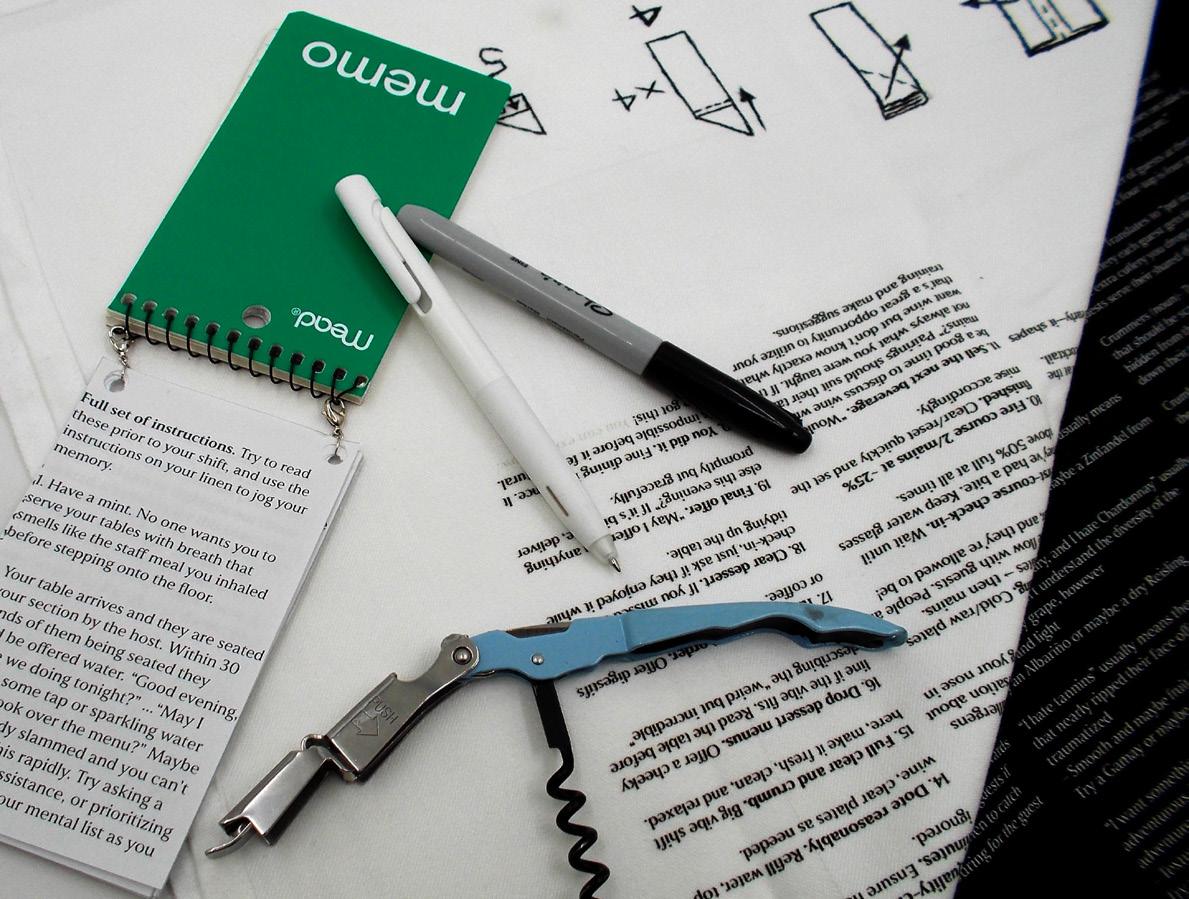
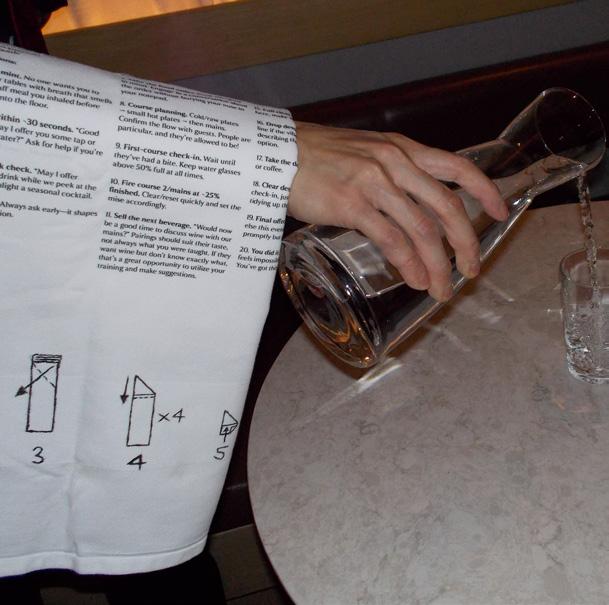
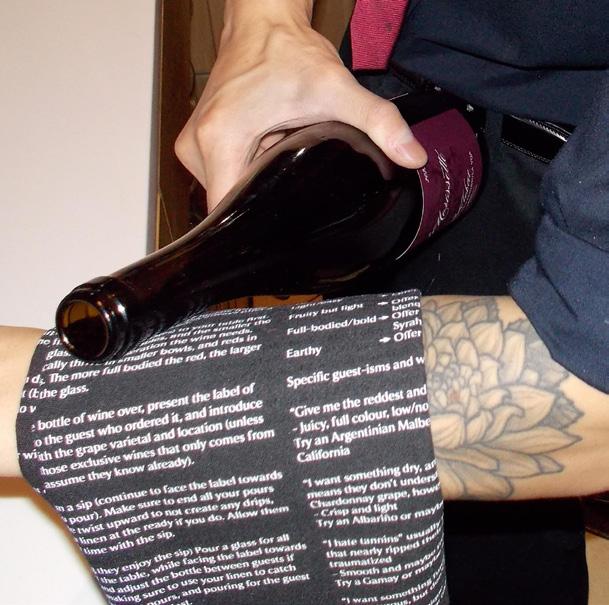
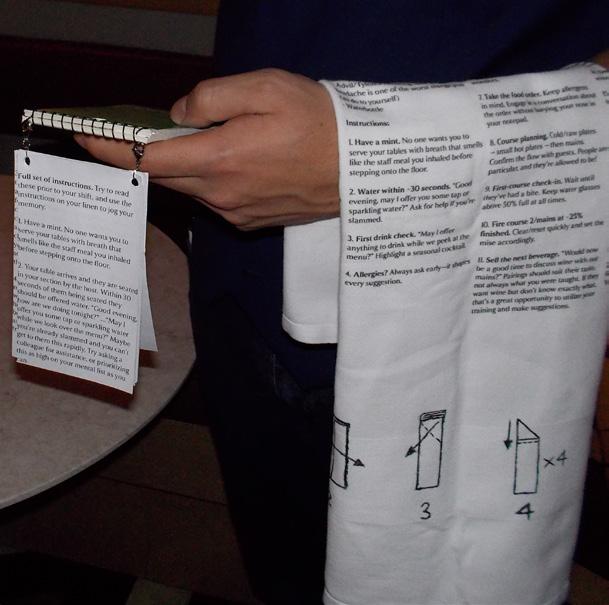
A condensed set of service steps is printed onto a linen, an object constantly handled during service, transforming it into an on-person reference. A hand-painted diagram demonstrates how to fold the linen into its compact working form, merging instruction with action. The full guide is preserved in a booklet that attaches to a notepad, while a secondary napkin focuses on wine service, pairing common guest “isms” with practical recommendations.
Presented as a “Welcome to Service” kit, the project includes the linen, booklet, notepad, wine key, and painkillers, framing service knowledge as something carried, handled, and lived rather than simply read.
[1] Hand painted graphics on each linen
[2] Context shots with the ‘Welcome to Service’ kit
[3] Instructional artifact in situ.
[2]
Nesting Disassembly
INDS-1008 - Circular Design
ID Faculty, Winter 2026
Instructor: Ranee Lee
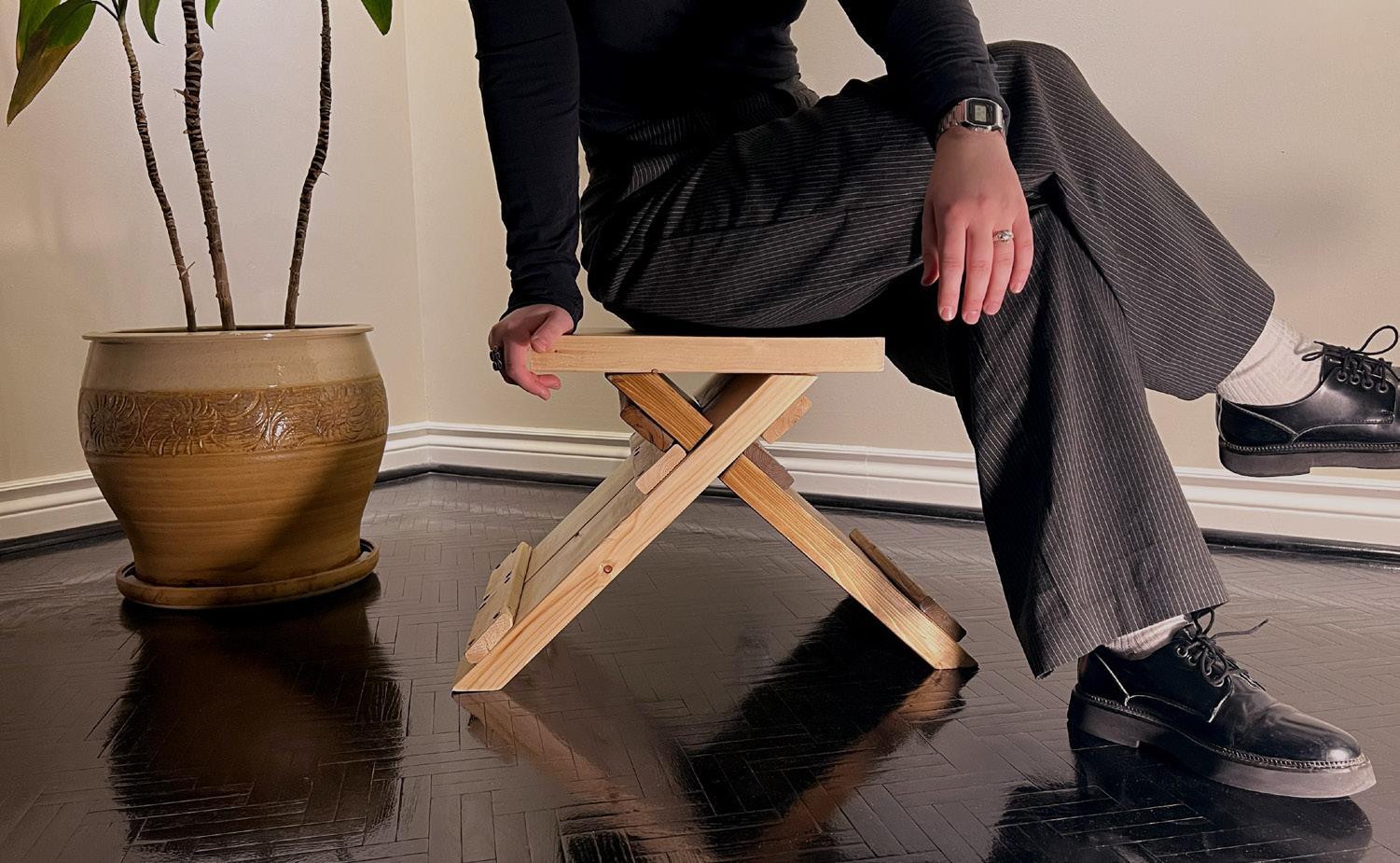
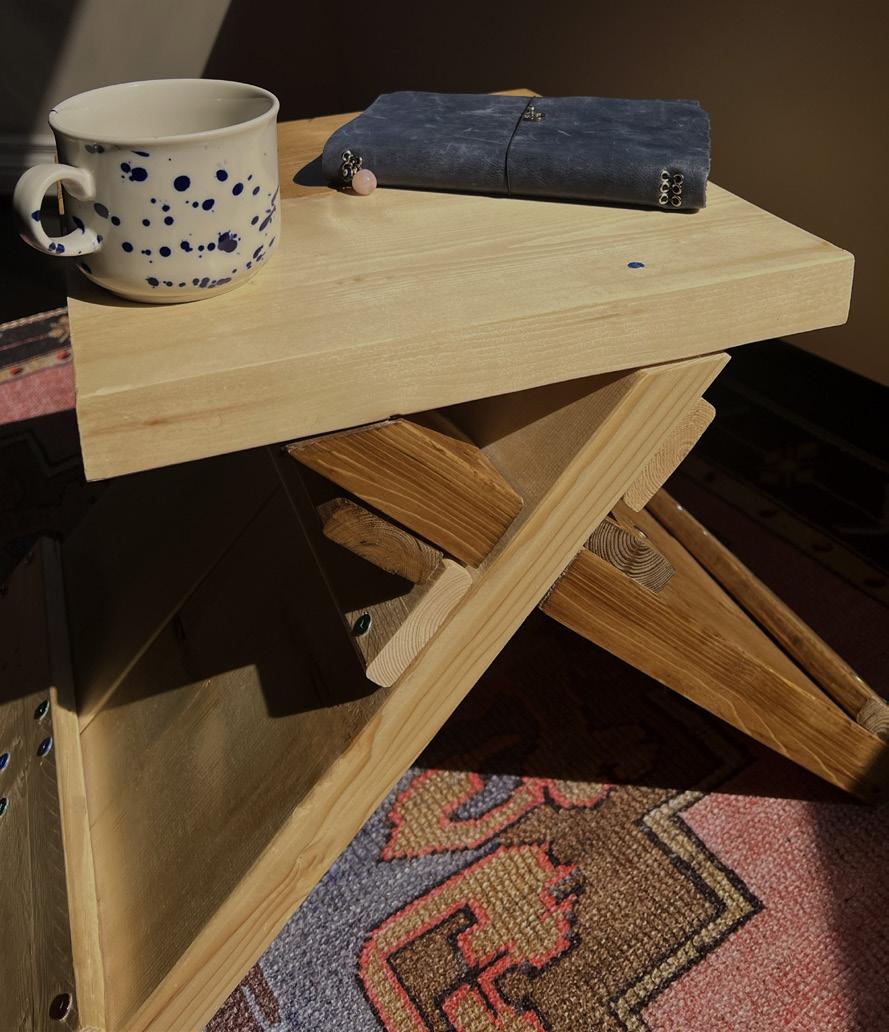
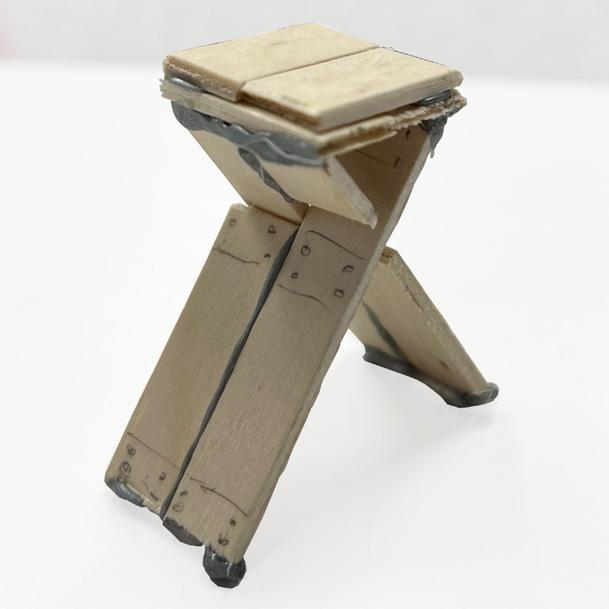
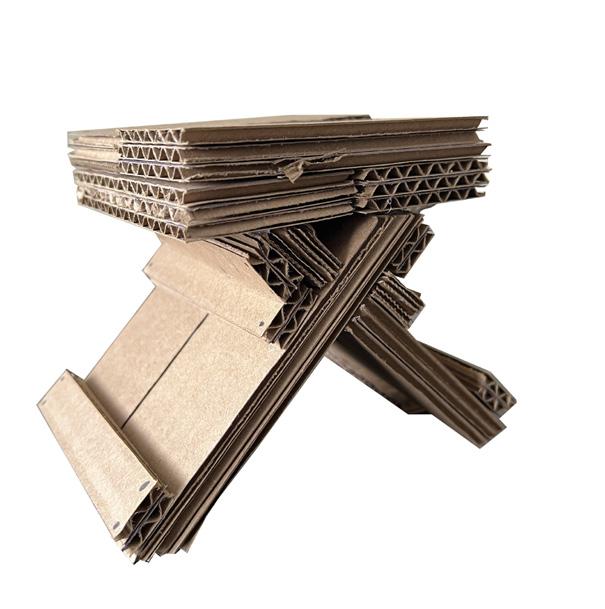
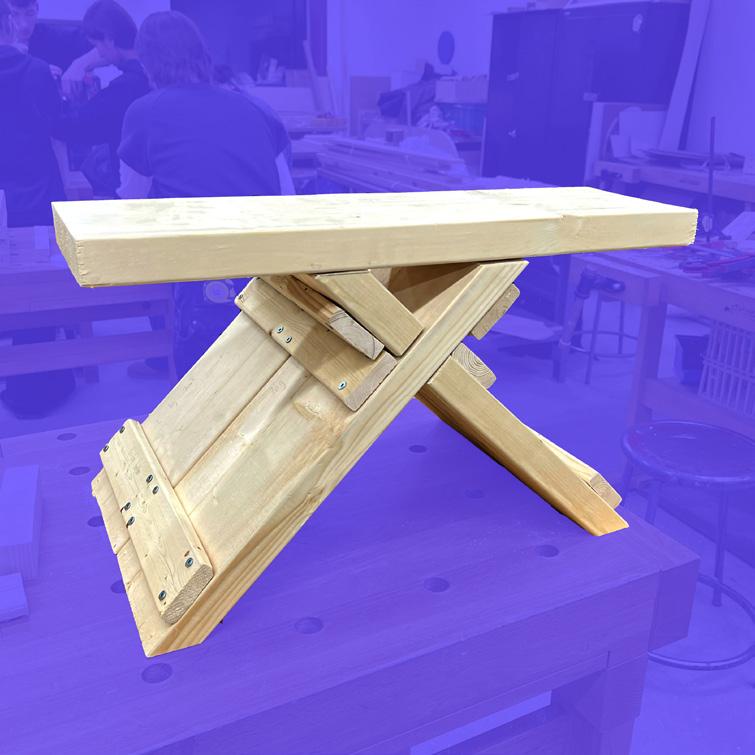
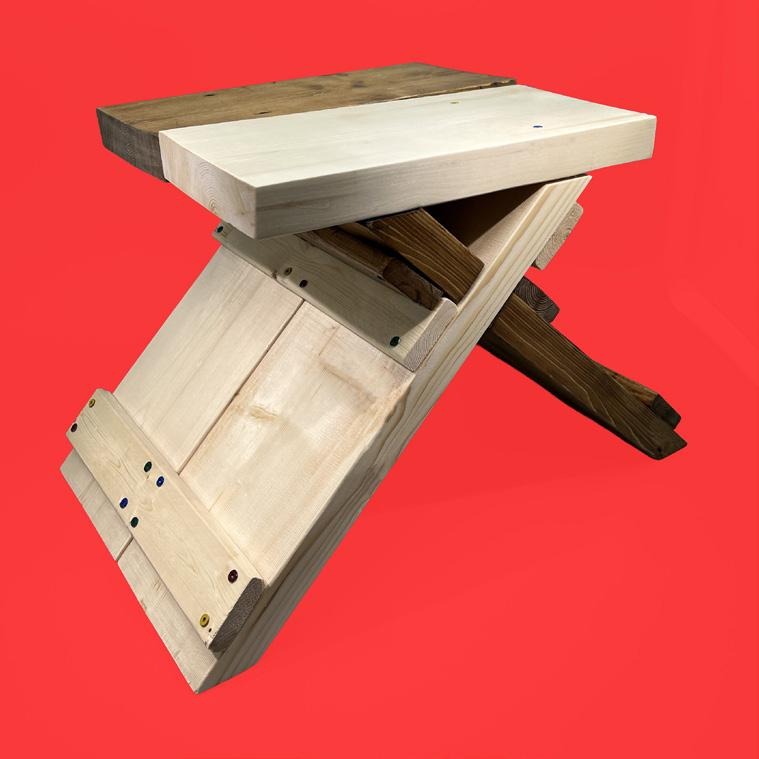
This project explores modular construction and circular design through a stool accompanied by an open instructional manual. Built from dimensional lumber, the design ensures that anyone can source the materials and reproduce the object using accessible, standardized wood.
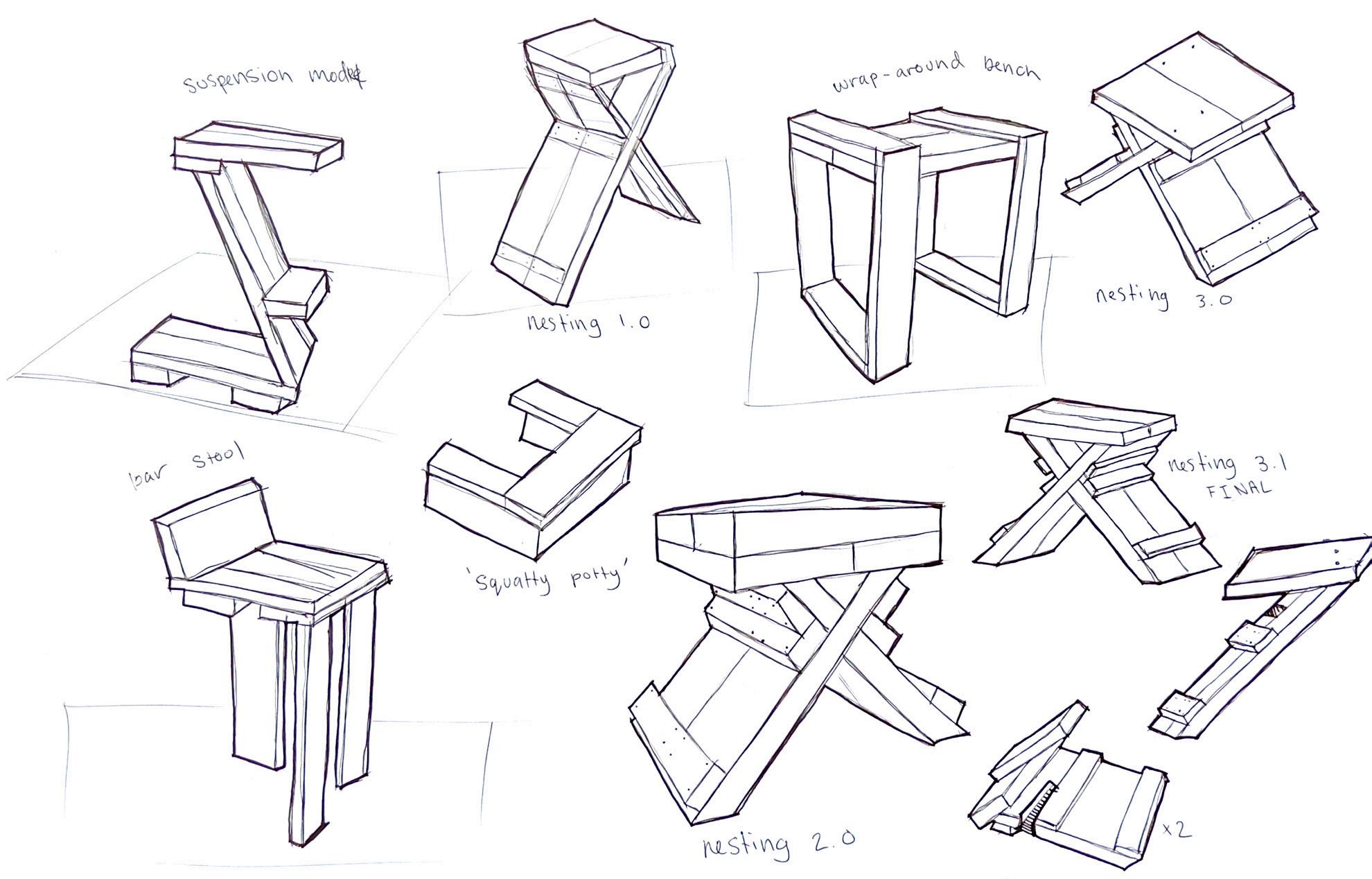
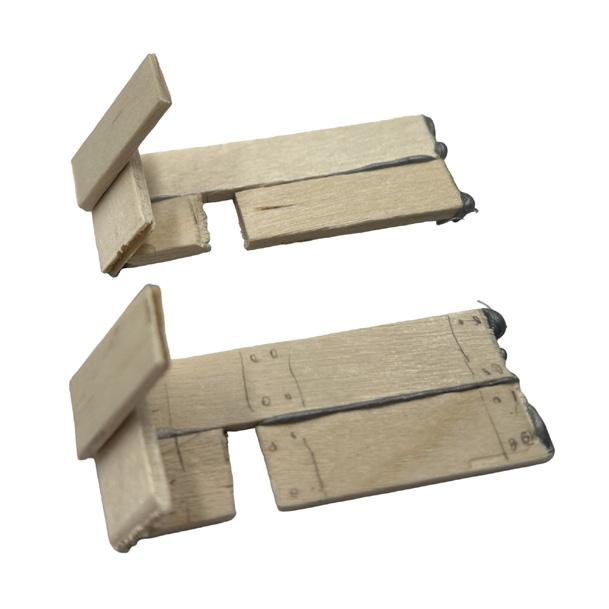
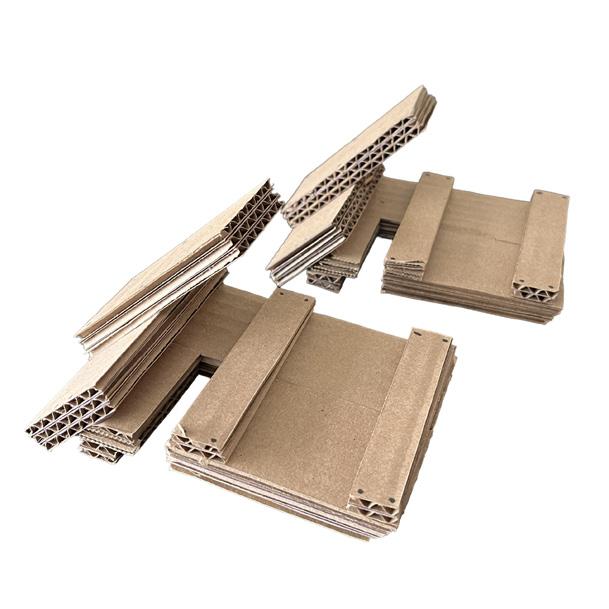
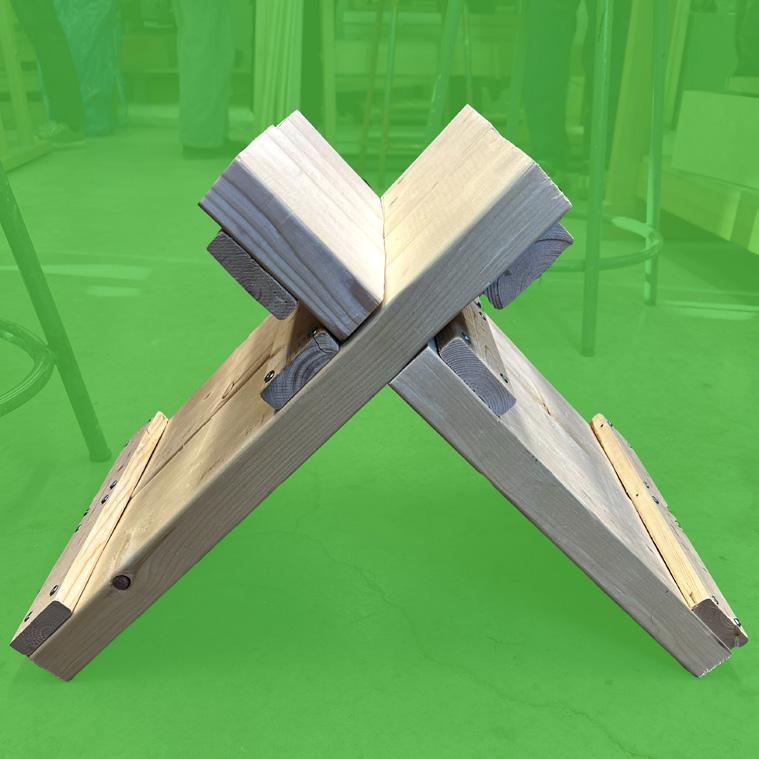
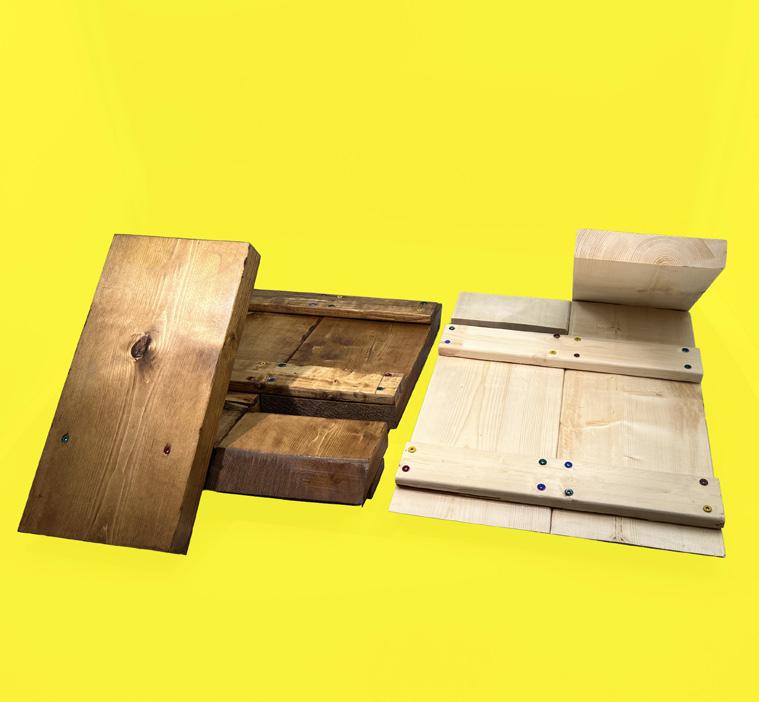
Developed as a fully reversible structure, the stool can be easily assembled, disassembled, and repurposed. It consists of two identical components that slot together to form an interlocking X-shape, allowing it to separate into both individual boards and two complete halves for repair, transport, or reuse. One half is stained while the other remains natural, emphasizing its separable logic and inviting future variation through additional modules.
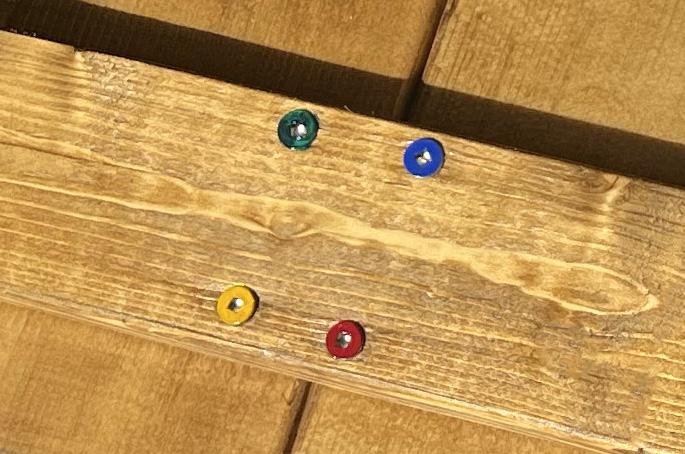
Each screw is hand-painted so that even when the stool is taken apart, the two halves continue to be connected. Through its modular system and accessible manual, the project frames furniture as a flexible, reusable assembly rather than a fxed object.
[1]
[2]
[3]
[1] Ideation sketches
[2] Preliminary model
[3] First 1/4 scale model
[4] Detail shot of painted screws
[5] The building of, and fnal stool
[4]
[5]
The Fisherman’s Ensemble
INDS-1008 - Circular Design
ID Faculty, Winter 2026
Instructor: Ranee Lee
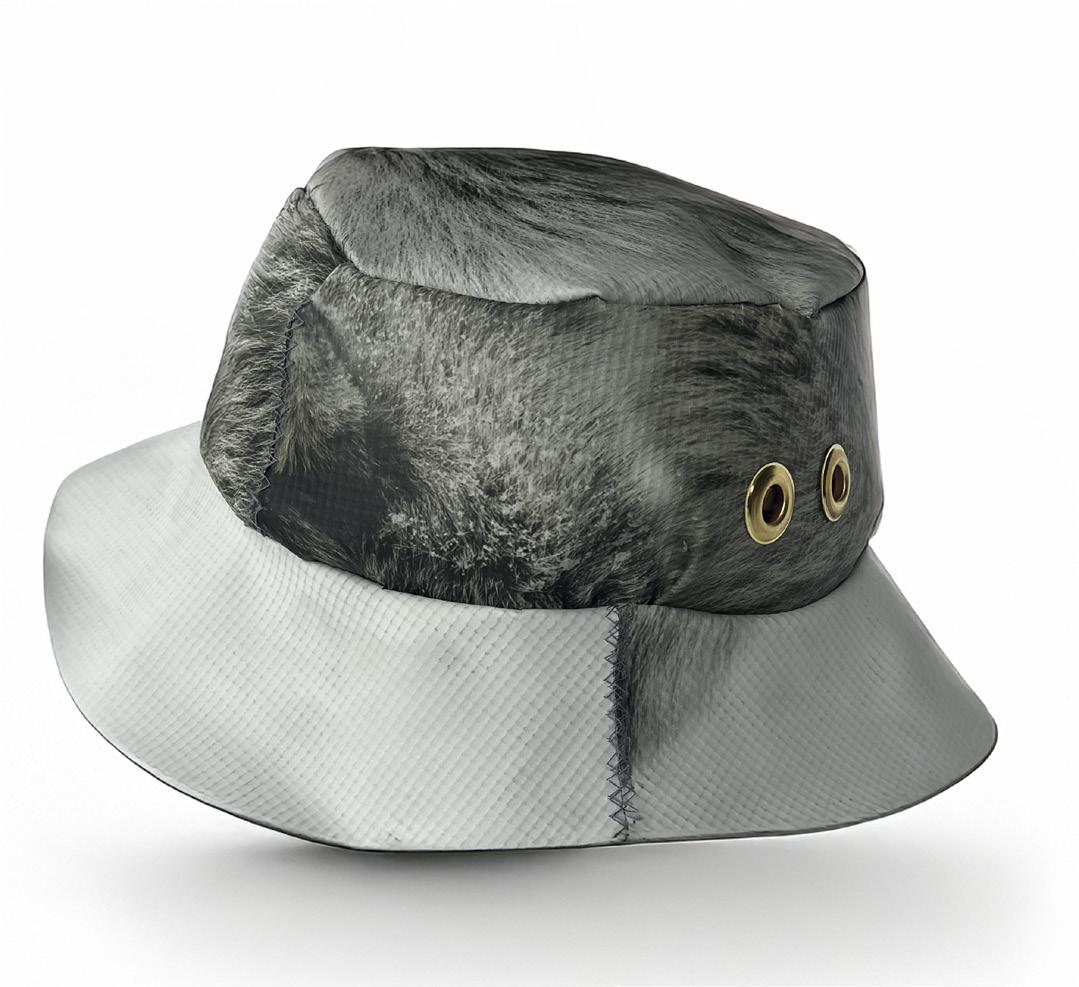
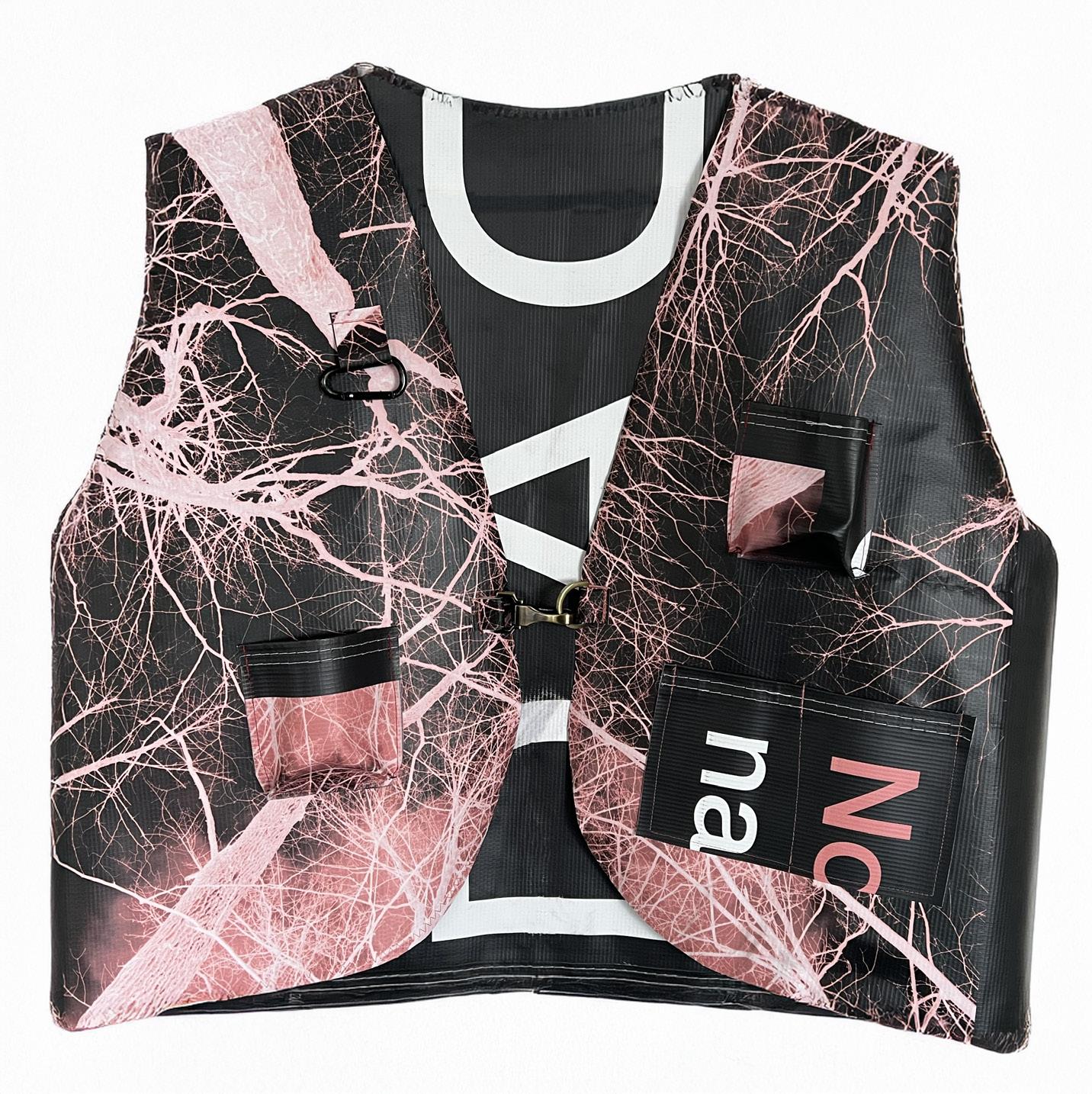
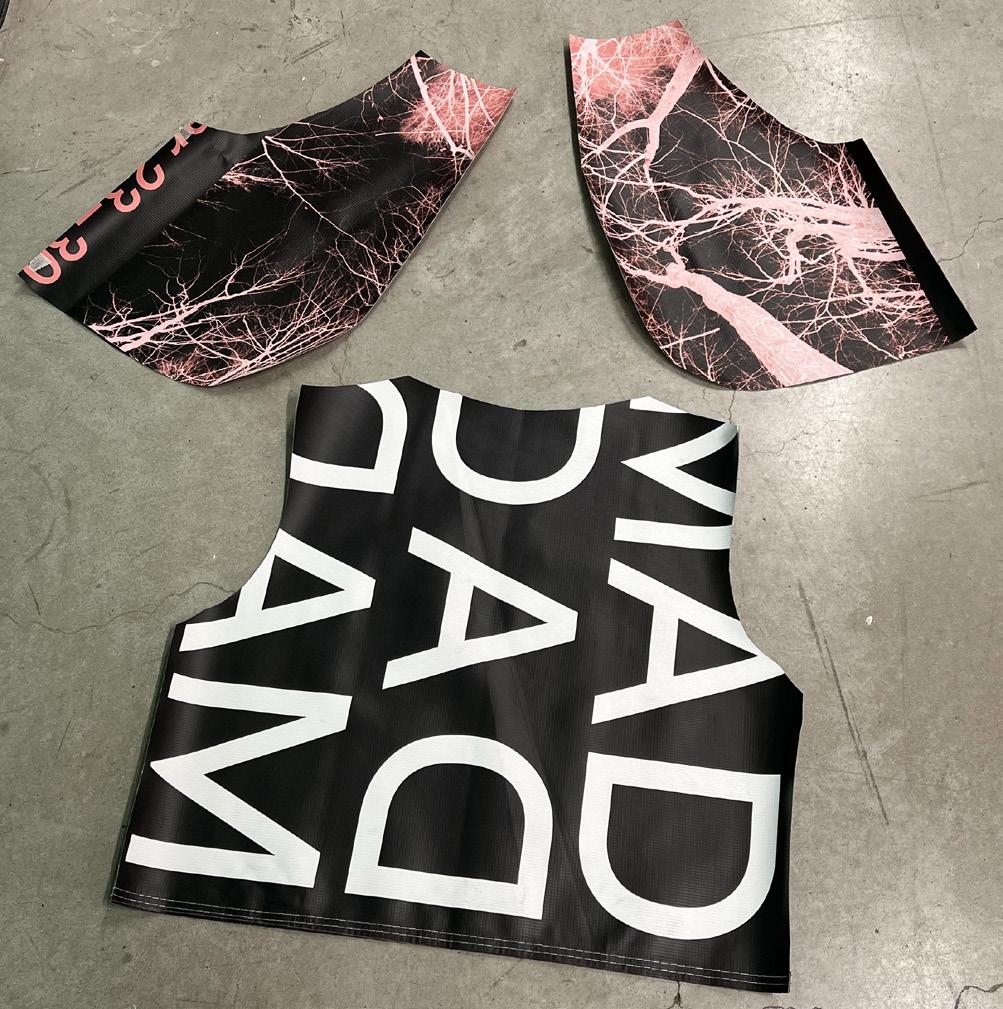
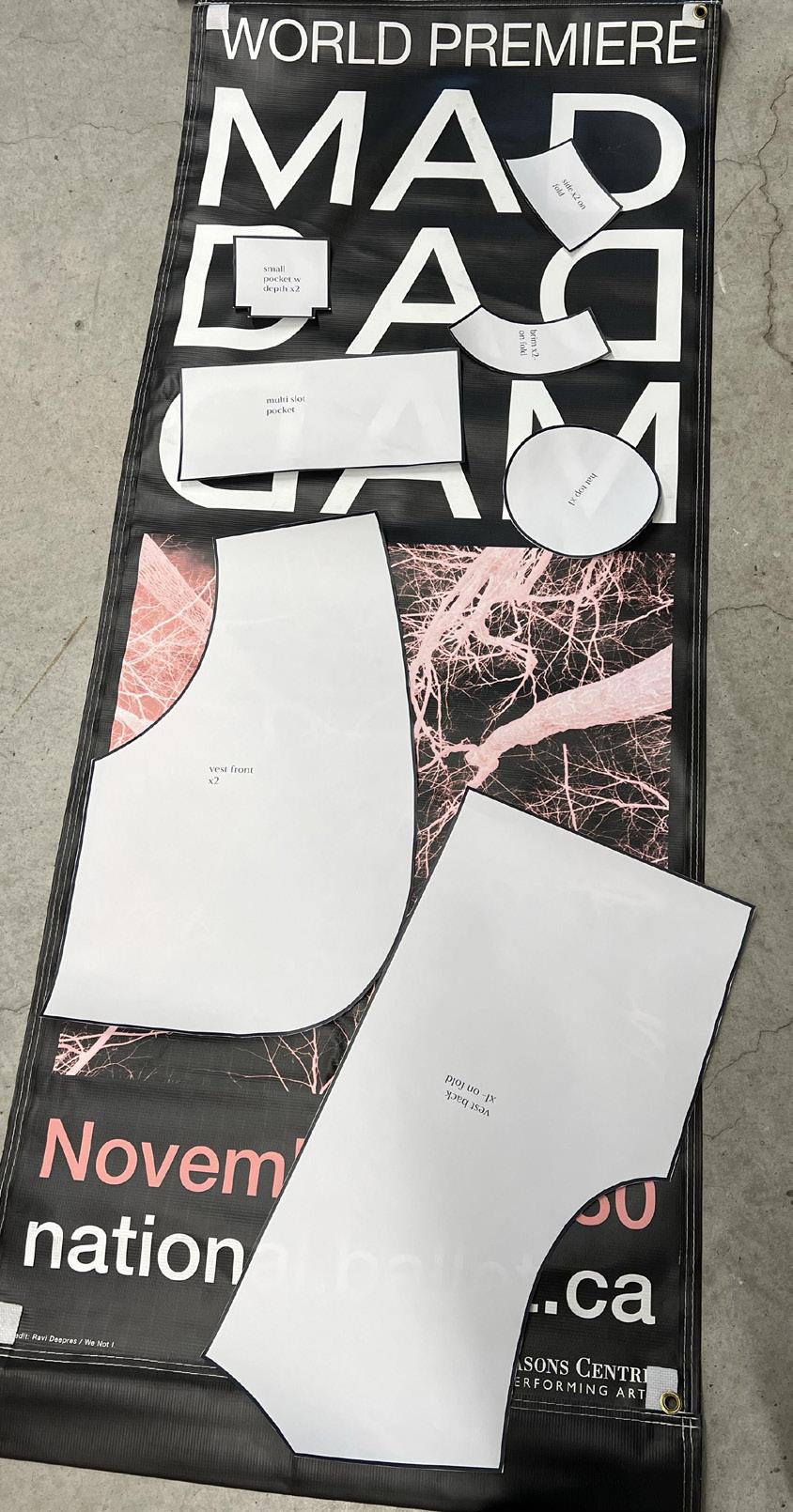
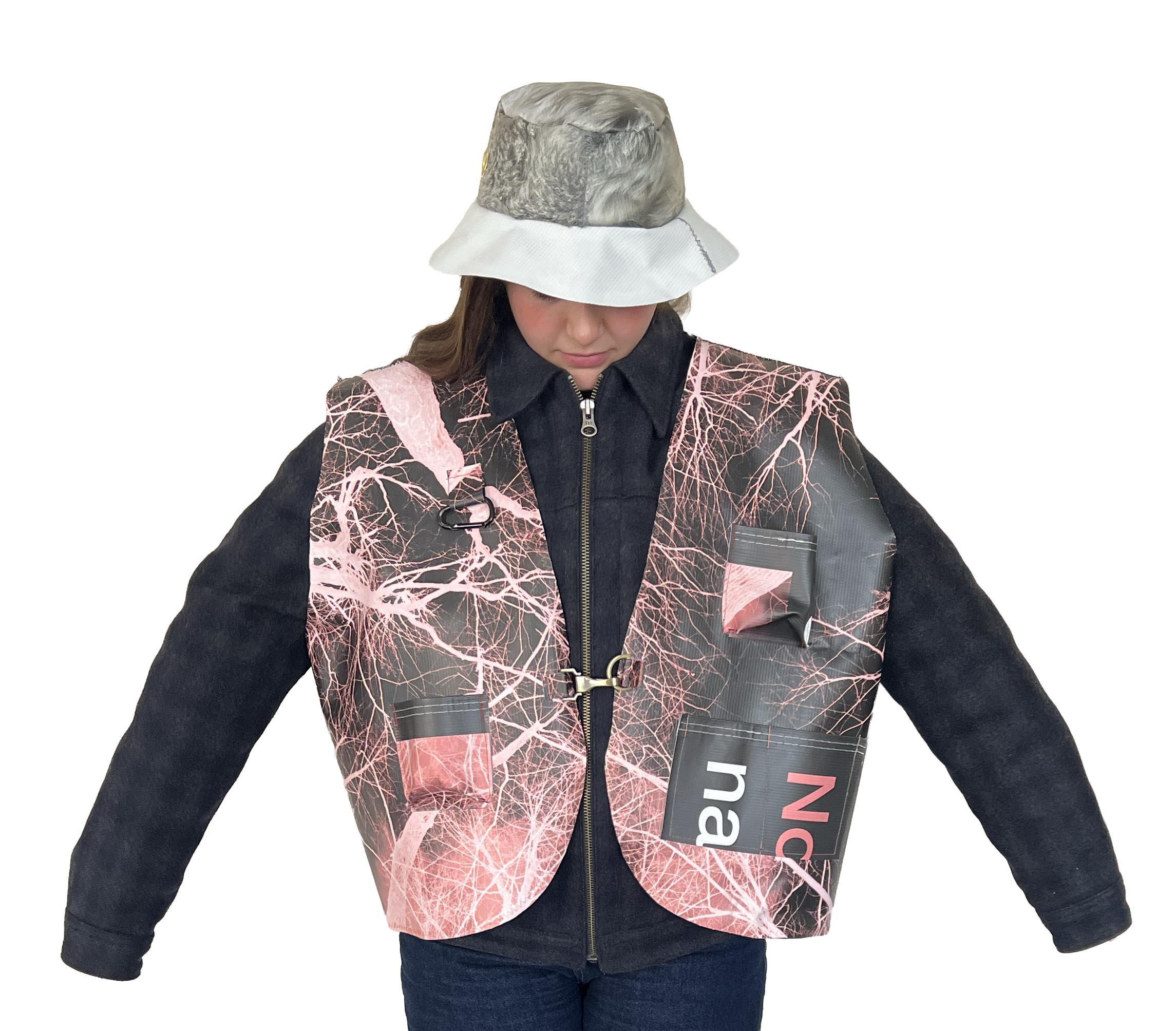
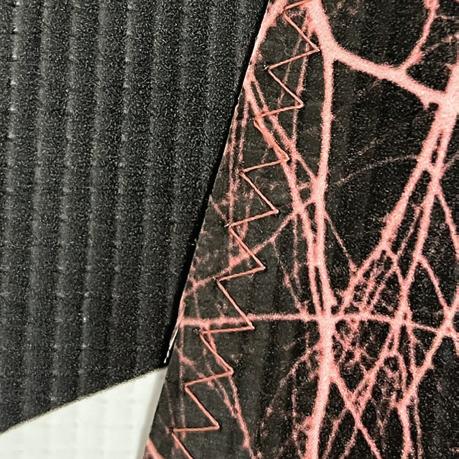
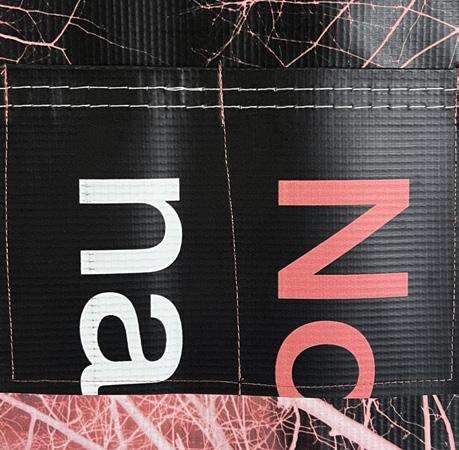
This project investigates how overlooked urban waste can be recontextualized into durable, functional objects through material-led design. Using discarded municipal advertising banners which are typically short-lived and landfll-bound, I explored how their plastic-like rigidity, weather resistance, and durability could inform form and use, reframing them as an unconventional textile.
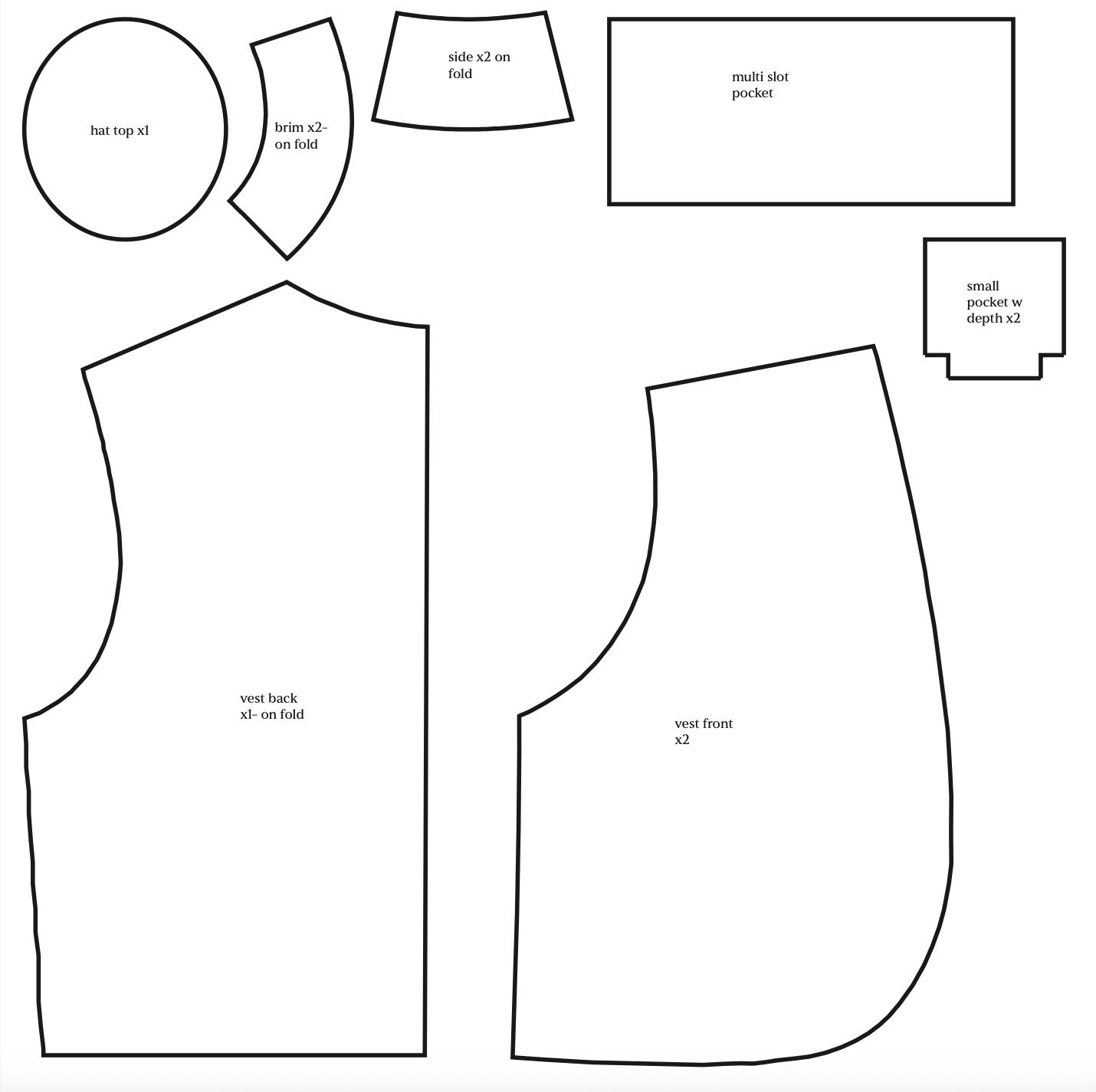
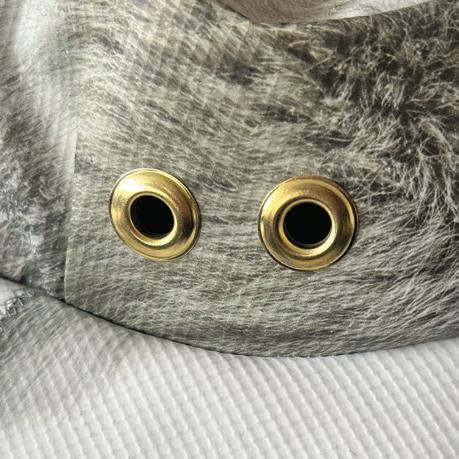
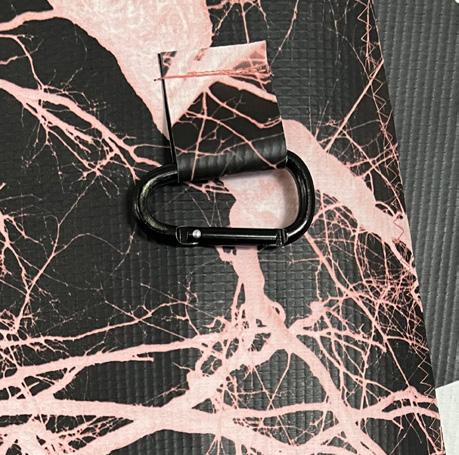
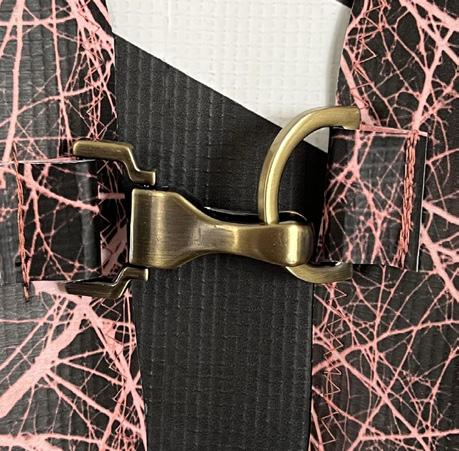
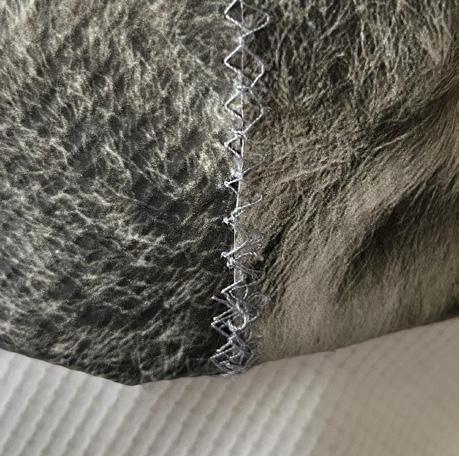
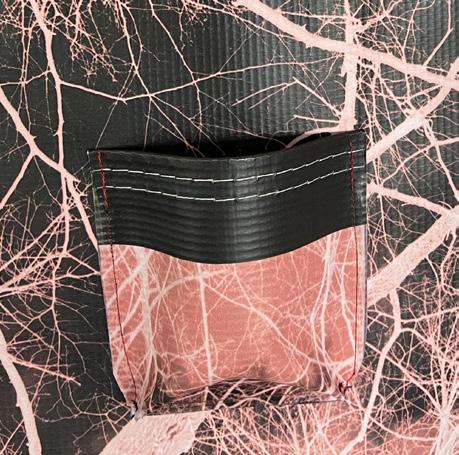
The result is The Fisherman’s Ensemble: a utilitarian vest and bucket hat designed for outdoor conditions. The vest features deep tactical pockets, a carabiner loop, and a freman-style closure, prioritizing accessibility and longevity. The matching hat incorporates metal grommets for ventilation, responding to the material’s limited breathability while maintaining water resistance. Rather than disguising the material, the design embraces its stiffness and surface qualities, allowing function to emerge from constraint. The project transforms disposable advertising into a hard-wearing garment, shifting its role from passive visual noise to active, enduring utility.