Either-or no longer tells the whole story in Taitung; people grow into a third kind of possibility.
The Wandering Industrial Designer
周信宏:在設計歐洲與衝浪臺東之間,展開一場極度 務實的浪漫實驗
Chou Hsinhung: Between designing for Europe and surfing in Taitung, he runs a highly practical experiment in a lived form of romanticism.
The Multitasking Beginners
蕭仲廷X林智偉:在「什麼都會」與「什麼都沒有很 會」之間,斜槓之下的集體不專業
Hsiao Chung-Ting × Lin Chih-Wei: Somewhere between “good at everything” and “not truly good at anything,” a widespread amateurism emerging from slash-life culture.
懶人造物種
The Lazy Maker
比爾:在手動力行與自動科技之間,為了以後偷懶而 現在努力的開店哲學
Bill: Between hands-on labor and automated technology, a shop philosophy built on working hard now, just so there’s room to be lazy later.
在難以相遇的味覺邊界,撞擊紅白規律外的混種滋味!
At the edge of unlikely favors, hybrid tastes collide beyond the usual rules of pairing.
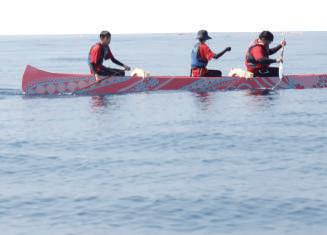
The landlubber Sailor
長濱國中師生:在25公尺到無限遠之間,將鄉愁長
進心裡的造舟課與海上成年禮
Teachers and students of Changbin Junior High School: Between 25 meters and the open sea, a boatbuilding class and coming-of-age voyage that lets a sense of home grow deep into the heart.
The Returning Outsider
王玉:在土坂人與外來者之間,學習當個柱後支援的 局外人
Wang Yu: Between the Tjuabal and outsiders, learning how to stand at the margins while offering support from behind the scenes.
在吐息與延展之間,給返鄉者的肋骨呼吸練習
Between breath and expansion: a quiet exercise in reopening the spaces held within the body for those returning home.z
The Ruin Dweller
在居無定所和理想居所之間,與廢墟共生的安住練習
王冠東、謝易陞:工地作為日常的修行
吳東翰:遊牧車宿的半自然想像
林漢堡:與風暴共舞的韌性重練
Between homelessness and the dream of an ideal home, practices in learning how to dwell peacefully among ruins.
Wang Guan-Dong & Hsieh Yi-Sheng: Construction sites as everyday spiritual training
·Wu Tung-Han: Semi-natural visions through nomadic van living
Lin Han-Bao: Relearning resilience while dancing with storms
半埋於地,半浮於心:地下書店的「安住」好書推薦
Half buried in the ground, half adrift in the mind: recommended reads on the art of dwelling from an underground bookstore.
西班牙語裡有句話叫「No soy de aquí, ni soy de allá 我不屬於這裡,也不屬於 那裡。」
As a saying goes in Spanish: “No soy de aquí, ni soy de allá,” meaning, “I do not belong here, nor do I belong there.”People who spend too long living between ways of being slowly begin to take on new forms. We have come to call them hybrids: the kind of life forms that seem to exist almost nowhere else, yet somehow continue to thrive in Taitung.
This issue of Taitung Slow Proposal gathers six hybrid types found across the region. This field guide is less a fixed classification than it is a record of observation and intelligence gathering, an attempt to trace and document emerging forms of life. We hope that somewhere on the roads of Taitung, you might unexpectedly cross paths with one of them. Keep your eyes open, as these hybrids tend to appear and disappear without warning.
Six Hybrid Types of Taitung: A Complete Atlas of Its Characters
分佈緯度
主要棲地
初次目擊
紀錄
22.9297°N 隆昌
浪板上、Monday Coffee、米
蘭展場
2013 年因衝浪之緣,開始在臺 東出沒
萬能初學種
分佈緯度 主要棲地
初次目擊 紀錄
分佈緯度
主要棲地
初次目擊
紀錄
屬北部外來種,
懶人造物種 比 爾
23.3236°N 長濱 海邊小巫、山間天然泳池、長 濱國中體育館
2021 年 5 月現身關山,後遷徙 至長濱伴海洋而居,築巢至今
林 智 偉
旱鴨航海種
長濱國中師生
分佈緯度
主要棲地
初次目擊
紀錄
返鄉外人種 王
23.3153°N 長濱
長濱國中、烏石鼻、長濱漁港
2013 年起首度現蹤,繁殖至今
長達 13 年
廢墟安住種
分佈緯度
主要棲地
初次目擊
紀錄
22.4551°N 土坂部落
土坂部落、內內河
1996 年 2 月 8 日以水瓶女之
姿首次於土坂生態圈現蹤
王冠東 謝易陞 吳東翰 林漢堡
分佈緯度
主要棲地
最早的田野紀錄不詳,至今仍頻繁於臺東各處出沒
More Hybrid Lives in Taitung Still under observation...
更 多 臺 東 混 種 持 續 情 蒐 中
Taitung Hybrids:A Field Guide
學名:工設浪人種
The Wandering Industrial Designer
DISTRIBUTION MAP
初次目擊紀錄
2013 年因衝浪之緣,開始在
臺東出沒
文/王思云 攝影/劉怡青
周信宏
浪板上、 Monday Coffee 、米蘭 展場
主食為工業產品設計,其他雜食 包含非典型 PM 、代理老師、咖啡
廳員工,冬季則化身衝浪導遊維 持生命
以日照與浪況判斷生存條件,有
浪即出沒。 12 月的臺東仍身著短 袖,是北歐氣候與浪人熱血養出 的皮層
在設計歐洲與衝浪臺東之間, 展開一場極度務實的浪漫實驗
Chou Hsinhung: Between designing for Europe and surfng in Taitung, he runs a highly practical experiment in a lived form of romanticism.
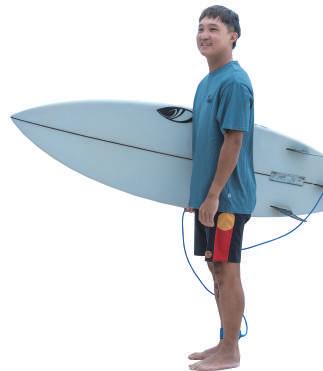
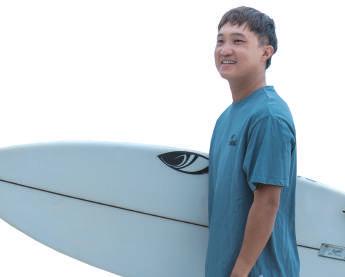
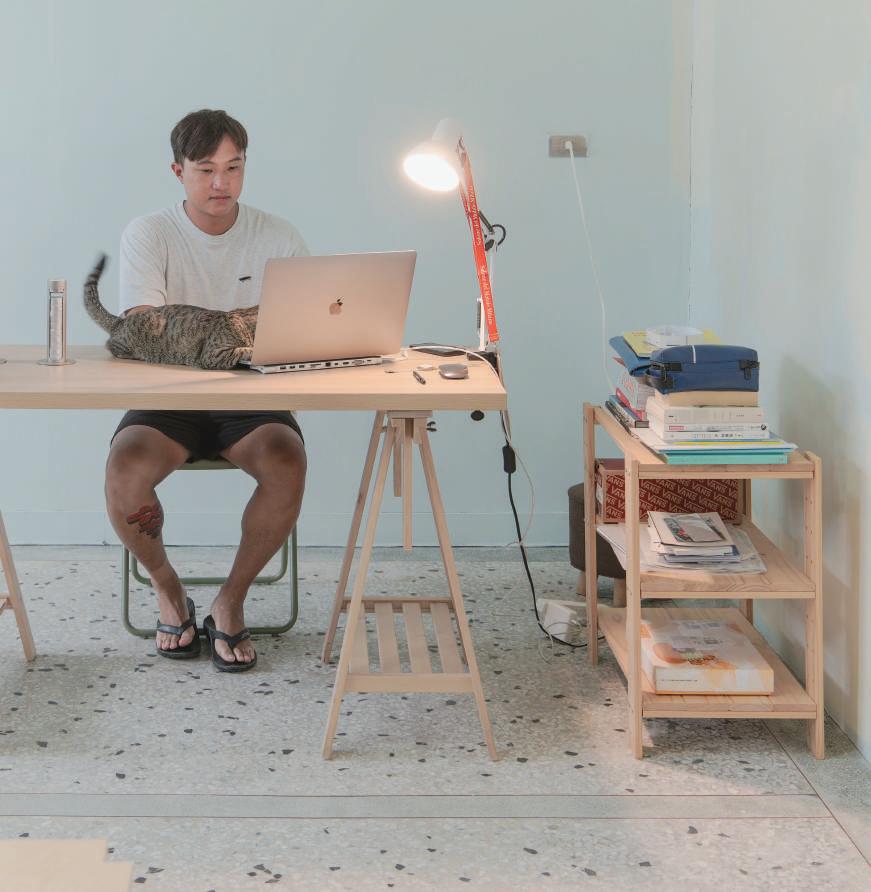
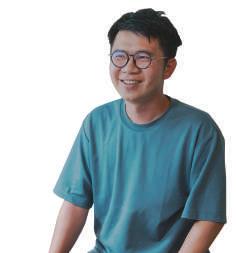
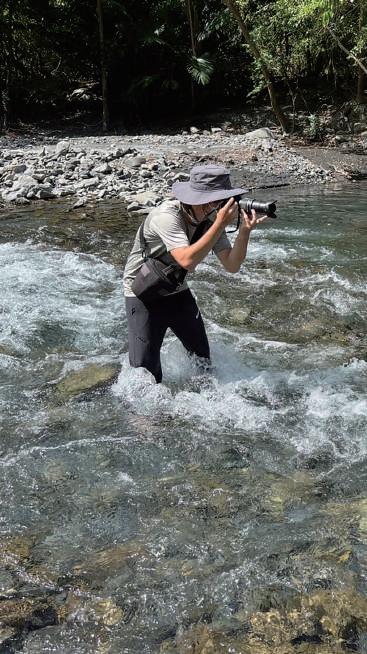
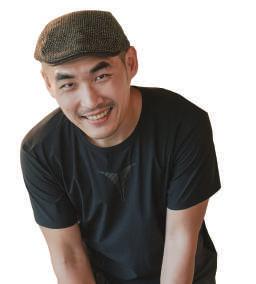
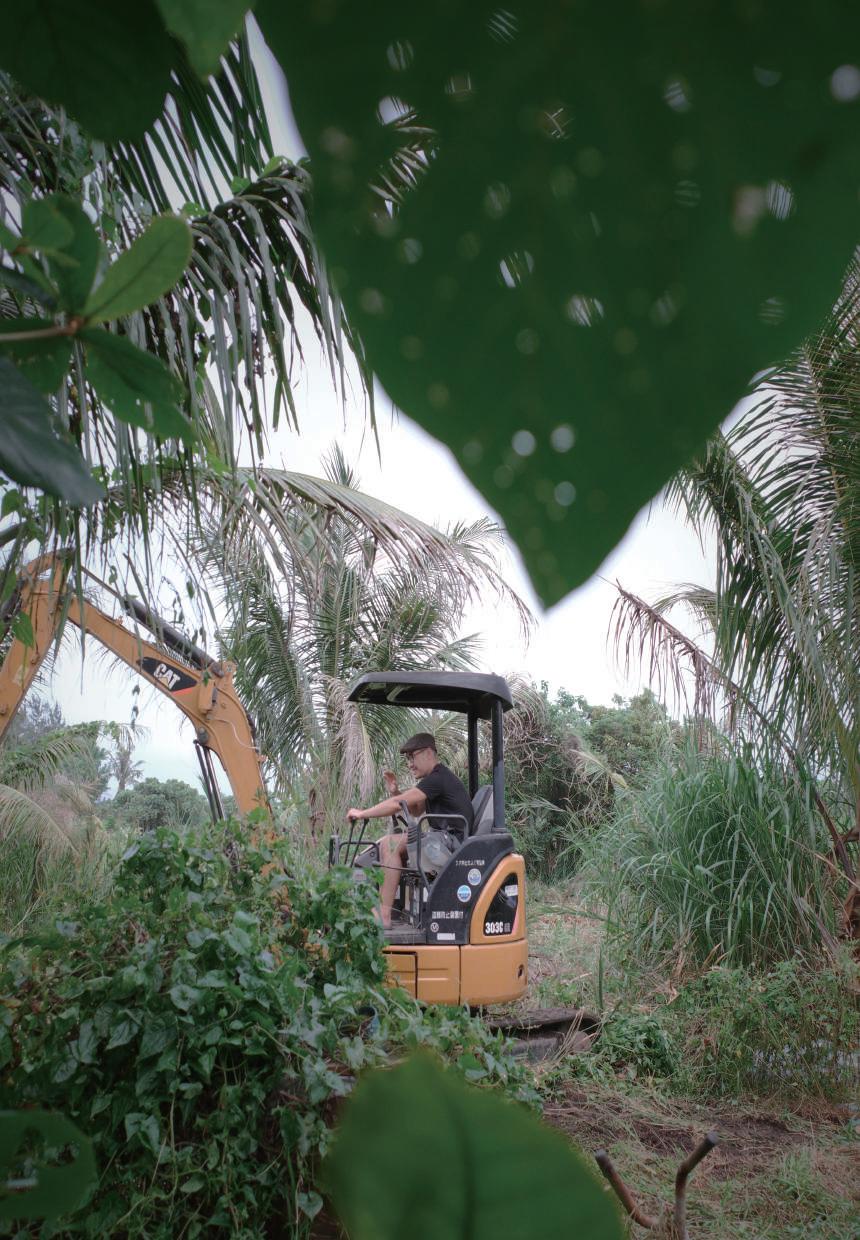
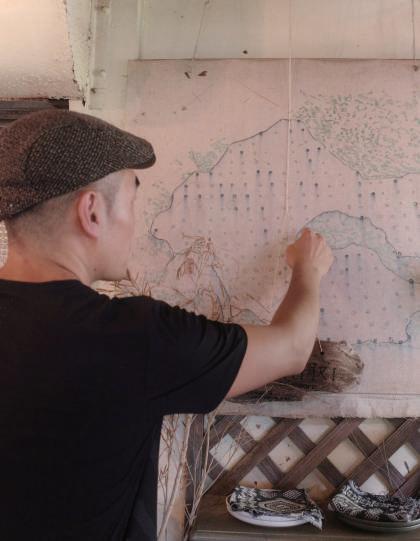
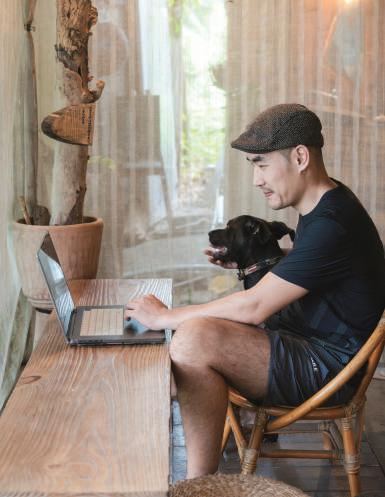
Hsin moved to Taitung in 2024, though his connection with the place had already lasted more than 13 years. From the outside, it might look like he gave up a longcoveted career as an industrial product designer in Northern Europe. Or perhaps it was not so much giving up as it was choosing a life he felt even more urgently drawn to. Among the key reasons that pulled him back, surfing played a decisive role.
極度務實的浪漫學: 設計師的兼差試煉
「
選擇回臺灣、回臺東,最大的原因完全是因為海邊和衝浪。」阿宏坦言,其實自己早 就找到了最想生活的地方,就是這裡;然而,設計與衝浪從來就不是二擇一的封閉選題, 定居臺東也不代表捻熄他對設計的探求及渴望,剛搬回來時,阿宏便在一次偶然的談話 間,半開玩笑地拋出接下來的人生口號―「Base in Taitung 放眼歐洲」。
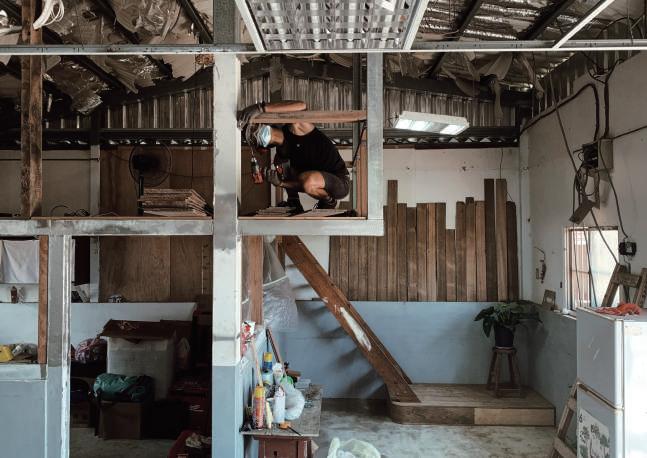
移居臺東的三年間,阿宏把每一年都當作一個實驗期限。先是到成功國小擔任代理老師, 一邊存錢一邊籌備作品,累積的積蓄最後 All In 投入參與米蘭衛星展,更被身旁的設計 師朋友封為「無疑是個勵志故事」;第二年嘗試作為全職接案設計師,接踵而來的生存 考驗使他不得不混雜各式兼差 在咖啡店打工、擔任衝浪導遊載日本大叔去衝浪,也 正因為他少見地同時掌握設計專業、多語溝通與在地人脈,甚至衍生出許多非典型的職 務內容:擔任國外設計師與臺東工藝師之間的「翻譯+設計溝通+產品經理+司機」。
When he first returned, Hsin jokingly set out a new life slogan: “Base in Taitung, eyes on Europe.” During his first year, he worked as a substitute teacher at an elementary school, saving up enough to go all in on participating in the Milan Satellite Fair. In his second year, he tried working as a full-time freelance designer, but the demands of survival forced him to take on side jobs as well. He admits that these slash-life arrangements are grounded in very practical reasons, “but that is precisely where the romance lies. You have to be practical enough in order to be truly romantic.”
When asked whether “Base in Taitung, eyes on Europe” could be considered a success, Hsin does not hesitate. He says it is still closer to an aspiration than a reality. For him, the slogan will only truly hold once design can sustain a stable commercial model. For now, Taitung serves as a testing ground for a life between surfing and design practice. As he puts it, “these two things do feel like entirely different worlds. How to hold them together is something I am still learning to figure out and adjust.”
In Taitung, drifting between professions has become a shared language of survival in Taitung. Everyone ends up doing a bit of everything, yet few can clearly say what their true specialty really is. In this issue, we invite longtime Taitung local Lin Chih-Wei and newcomer Hsiao Chung-Ting to sit down for a conversation that begins with something Chih-Wei once pointed out: that in Taitung, everyone somehow becomes a kind of amateur.
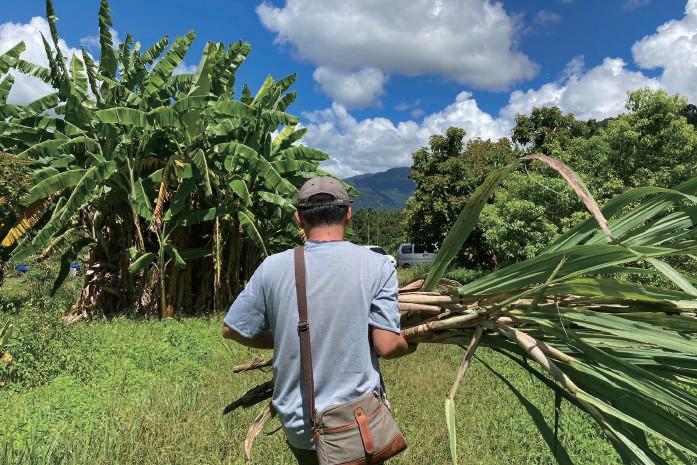
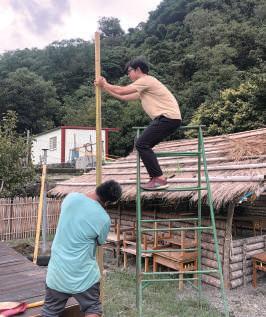
“Seaside Little Witch,” now in its fifth iteration, has been largely built and renovated by Bill himself. His journey into self-built architecture began during a working holiday in Australia, where he first encountered permaculture ecovillages and became deeply inspired by their way of living.
After returning to Taiwan, Bill joined friends in Guanshan to help restore old houses while teaching himself construction skills through YouTube videos. He soon realized that building things by hand was far less out of reach than he had imagined. After moving to Changbin, he began independently designing and constructing his own spaces. Along the way, countless typhoons became what he jokingly refers to as the “final inspectors” of his architecture. Though storms repeatedly tore apart what he had painstakingly built, they also left him with a growing set of hands-on skills, including carpentry, bamboo work, concrete construction, plumbing, and electrical systems.
喜歡聰明地抄捷徑!
自動化APP全程接住客人
使用自然建材進行「手作」建築看似勤勞、浪漫,但身為電機背景且會寫程式的人,比爾 在蓋房子前會先用電腦 3D 建模進行精確計算,
Coming from an electrical engineering background and knowing how to code, Bill openly admits that he enjoys “finding clever shortcuts.” He is currently developing an app designed to automate many of the small operational tasks inside the restaurant, from seat reservations to self-checkout systems. The goal is to reduce inefficient social interactions and repetitive labor. At the same time, he willingly pours enormous physical effort into leveling mountain land, clearing overgrown grass, and building structures by hand.
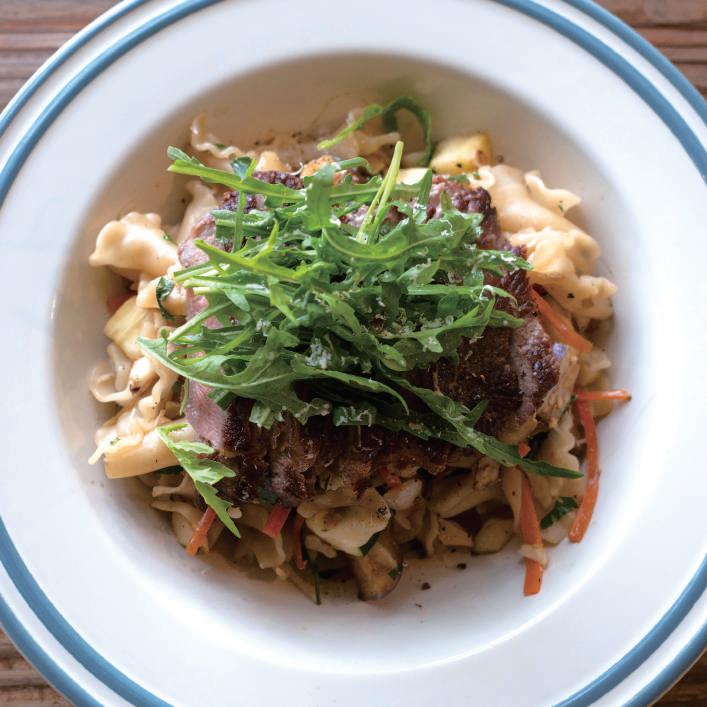
在 難 以 相 遇 的 味 覺 邊 界 撞 擊 紅 白 規 律 外 的 混 種 滋 味
At the edge of unlikely flavors, hybrid tastes collide beyond the usual rules of pairing.
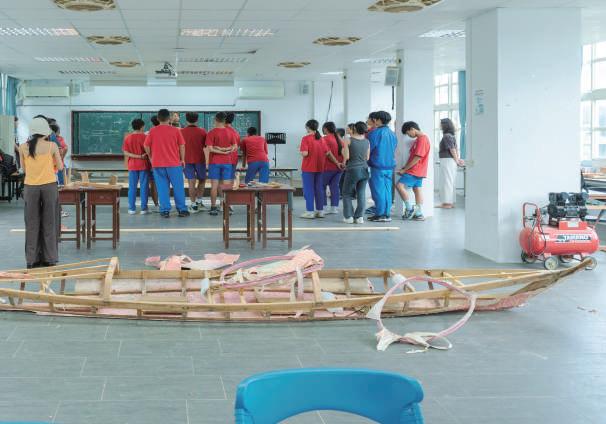
Teachers and students of Changbin Junior High School: Between 25 meters and the open sea, a boatbuilding class and coming-of-age voyage that lets a sense of home grow deep into the heart.
「這樣算會游泳嗎?」圍坐在老師辦公室
裡,聊起高中畢業門檻包含得腳不觸地游過
25 公尺泳池,但到了開放水域卻變成不敢
下水的旱鴨子。透過鹿樂偏鄉教育媒合平台 來到長濱國中的國良老師認為,臺灣對「會
游泳」的定義太籠統,開玩笑說很多人所謂
的會游泳,其實是:「會游泳,但不能踩不
到底」、「會游泳,但不能沒有蛙鏡」、「會
游泳,但其實不會換氣」。
“
So does this actually count as knowing how to swim?” Sitting together in the teachers’ office, the conversation turns to Taiwan ’ s high school graduation requirement of swimming twenty-five meters without touching the bottom of the pool. But once students enter open water, many suddenly turn into landlubbers too afraid to go in at all.
Changbin Junior High teacher Kuo-Liang believes Taiwan’s definition of “knowing how to swim” is far too vague. Jokingly, he describes many people’s swimming skills like this: “They can swim, as long as they can still touch the bottom. They can swim, as long as they have goggles. They can swim, but they still don ’ t really know how to breathe.“
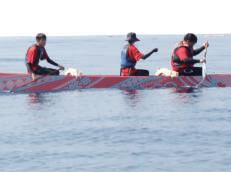
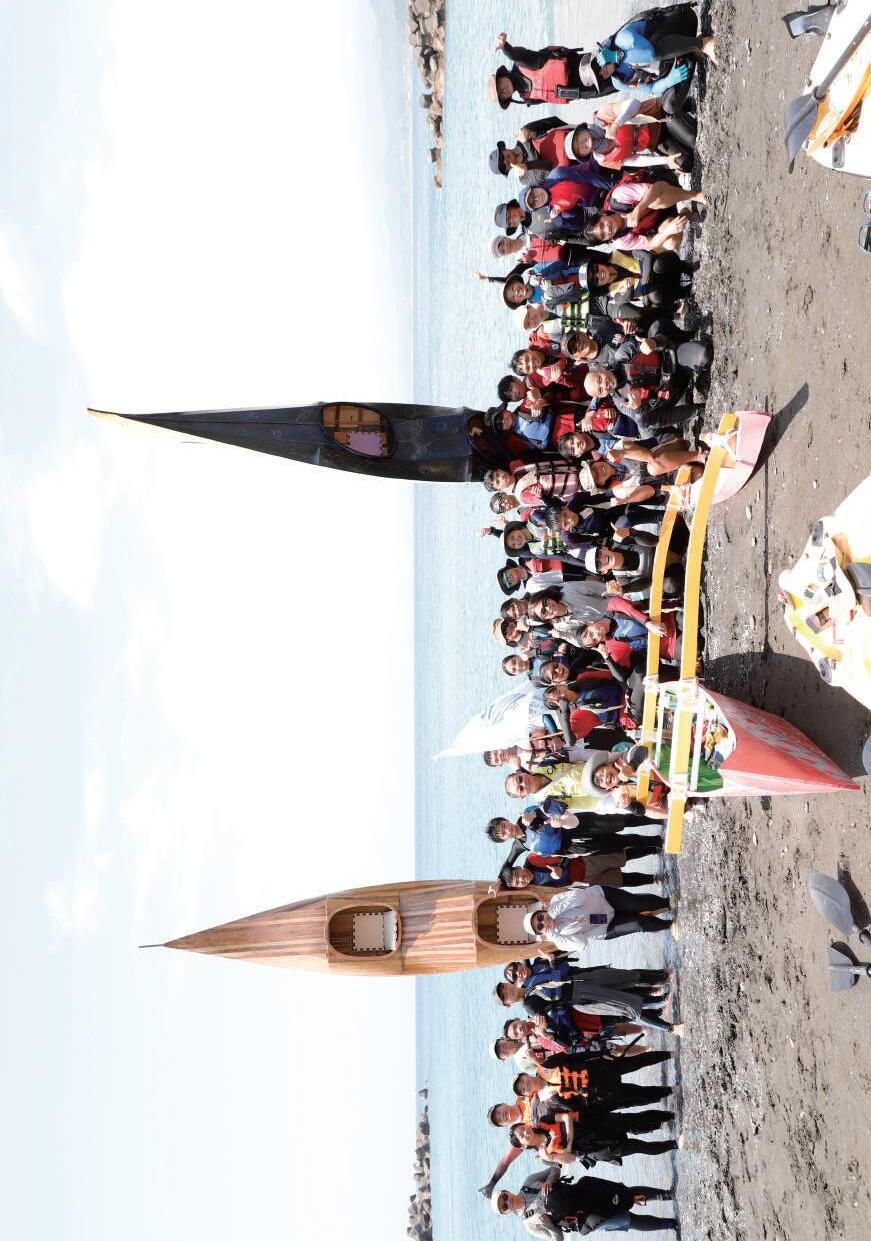
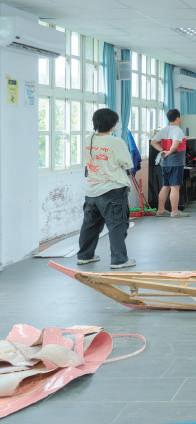
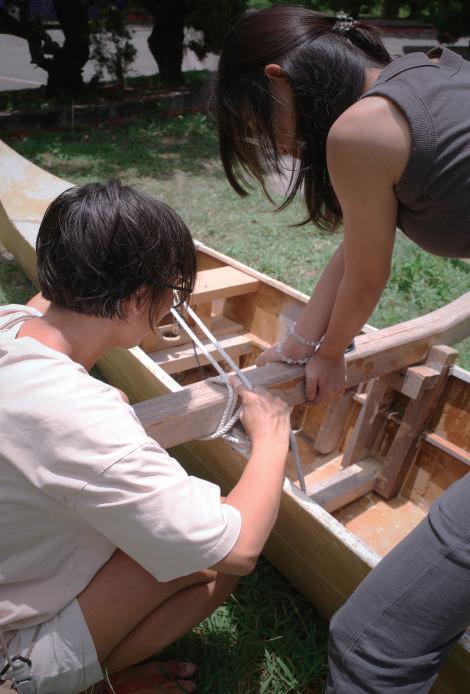
At Changbin Junior High, a school where the ocean is visible just beyond the classroom windows, swimming education is officially included in Taiwan’s 108 Curriculum Guidelines. Ironically, because the school itself has no swimming pool, “ learning how to swim ” becomes a different kind of unreachable benchmark altogether. Within Changbin Junior High’s ocean education program, ninthgrade students take part in a unique coming-of-age ritual. Over an intensive nine-day course, they build Greenlandstyle skin-on-frame kayaks entirely by hand before setting out on a final fourto-six-kilometer open-water “ long voyage ” as their rite of passage.
For students who struggle in conventional academic subjects, the program offers a different path toward leadership. Through an empowerment model known as LOD (Leader of the Day), every student takes turns serving as team leader during the boatbuilding process, learning how to give instructions, communicate ideas, and guide others. Boatbuilding instructor Da-Mu explains that the process of building a boat allows for nearly a sixty percent margin of error. Compared to the unforgiving pressure of “failing” a twenty-five-meter pool test, the program creates space for rural students to experiment, make mistakes, and gradually build confidence.
The Returning Outsider 返 鄉 外 種
Taitung Hybrids:A Field Guide
The Returning Outsider 學名:返鄉外人種
文/劉怡青 攝影/劉怡青、王思云 圖片提供/故火工作
俗名:王玉、Agulu
達仁鄉
初次目擊紀錄
1996 年 2 月 8 日以水瓶女之 姿首次於土坂生態圈現蹤
土坂部落、內內河
主食為職能治療、瑜伽,偶以女 性走讀遊程為副食,補充與家鄉 的連結養分
本能趨向自由與流動,不喜固定 形式與框架,需給予足夠「自我」 的空間方能穩定棲息
在土坂人與外來者之間, 學習當個柱後支援的局外人
Wang Yu: Between the Tjuabal and outsiders, learning how to stand at the margins while offering support from behind the scenes.
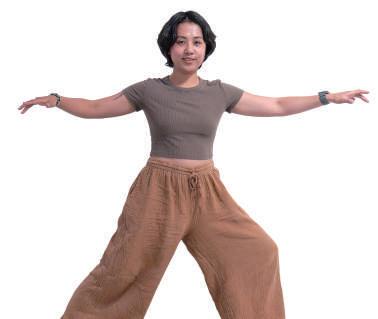
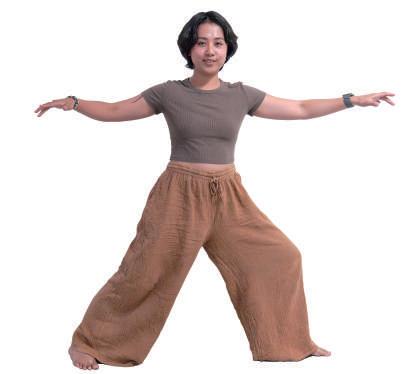
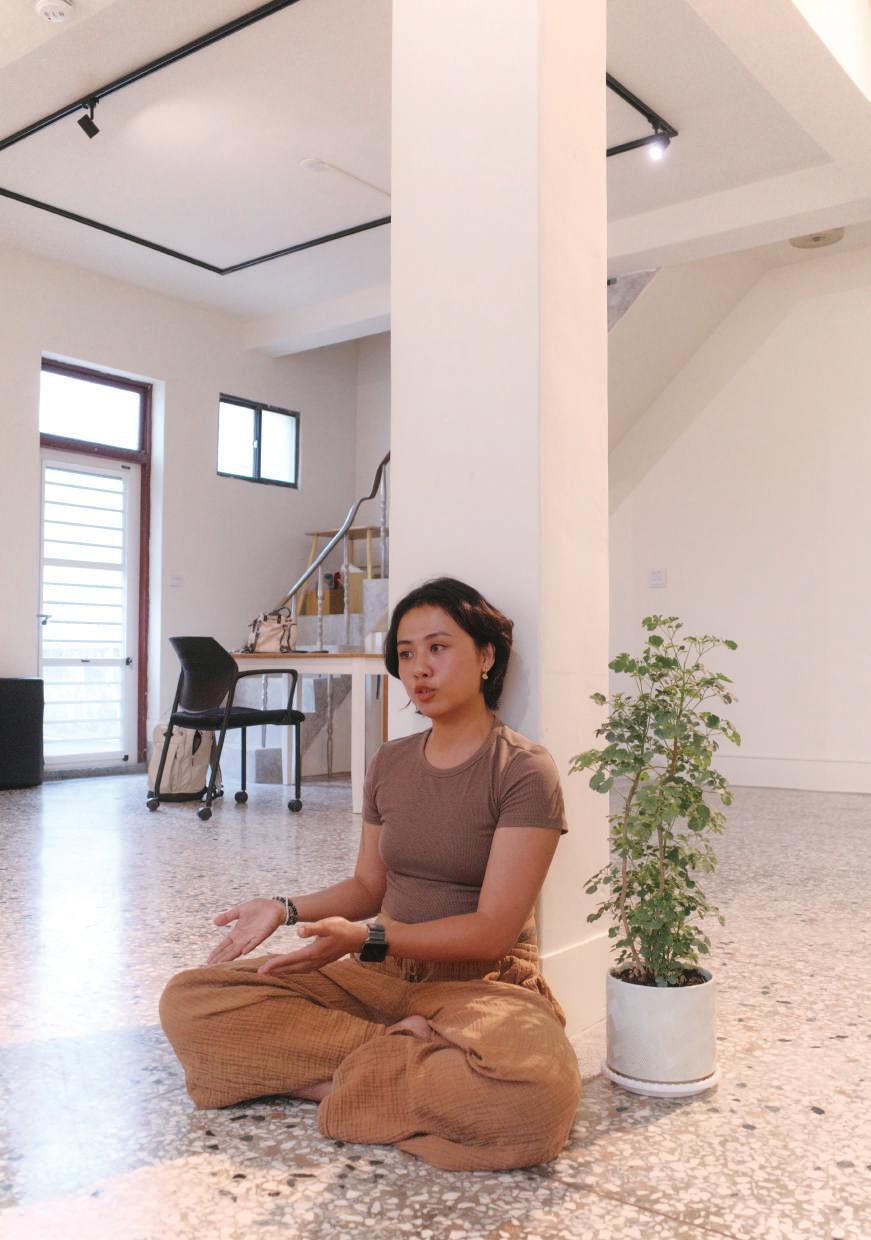
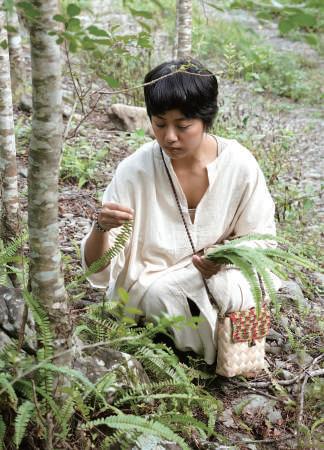
Wang Yu is Tjuabal by lineage and household registration, but she moved to Taitung City at the age of five and grew up there. In adulthood, she later worked in Hsinchu for six and a half years, and only returned to Taitung this year to work as a mobile occupational therapist and yoga instructor.
Within the Paiwan vusam cultural system, being the eldest daughter comes with an unavoidable weight of responsibility: caring for younger siblings, setting an example, and carrying the family bond like a mountain resting on one’s shoulders. Having spent much of her life outside the village, Wang Yu was once expected to become a young female leader for her community. From the perspective of the tribe, however, someone who “grew up outside and came back later” often remains, in some sense, not fully returned.
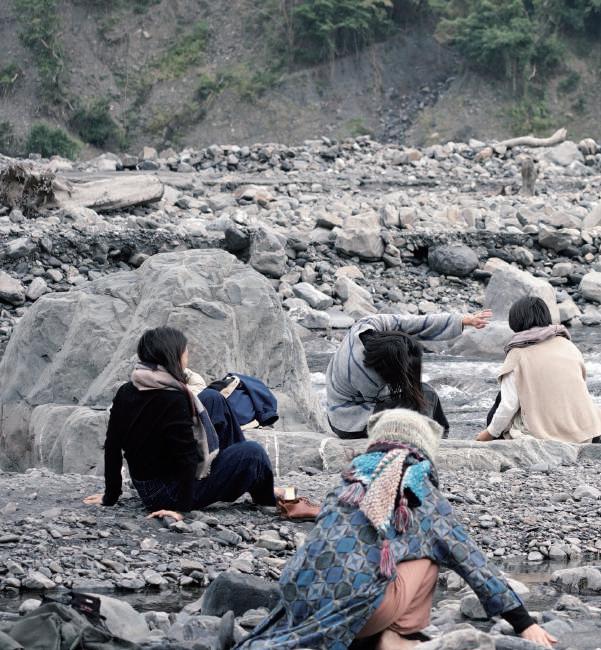
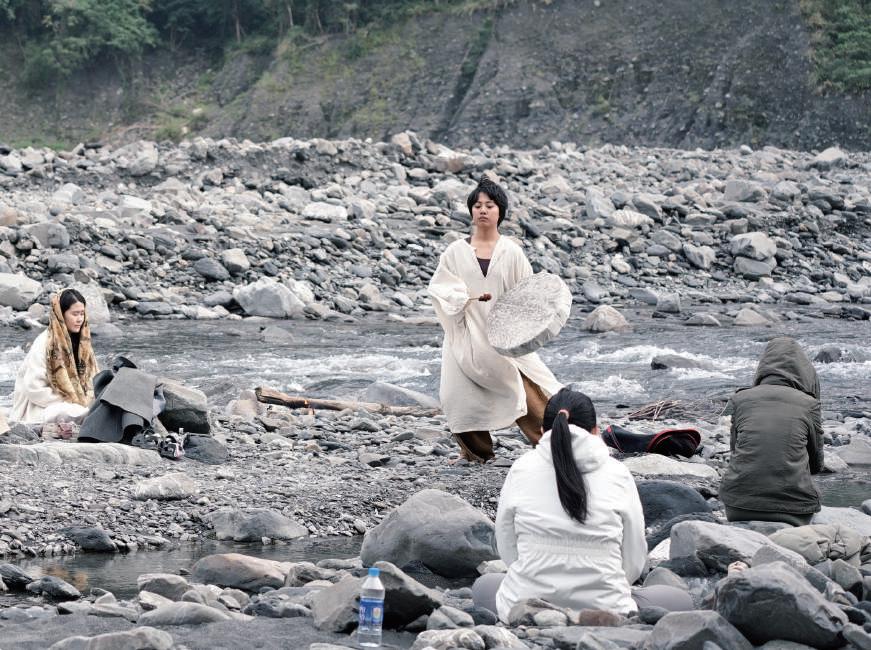
Accustomed to a life of mobility and freedom, Wang Yu gradually came to understand that instead of rushing to reintegrate into the community, she needed to practice “restraint.” She began to hold a more comfortable distance, becoming what she describes as a “stable yet self-contained outsider.” This year, she also took part in Encounters, Where Water Flows, a guided walking journey exploring tribal stories through a feminine gaze. Serving as a guide representing the age of thirty, she found a way to rearticulate her role and renew her connection to Tjuabal.
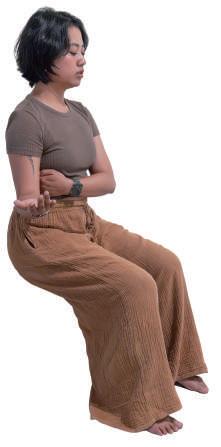
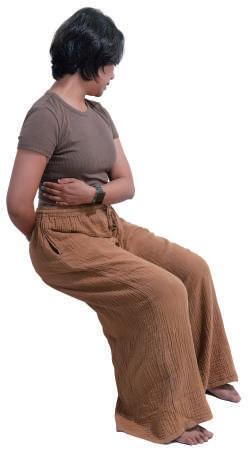
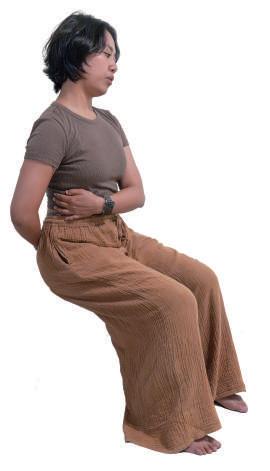
a quiet exercise in reopening the spaces held within the body for those returning home.
在 吐 息 與 延 展 之 間 給 返 鄉 者 的 肋 骨 呼 吸 練 習
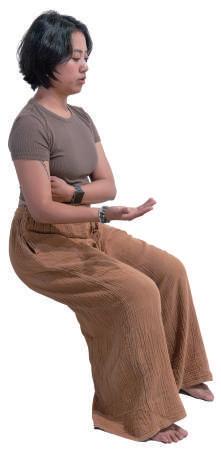
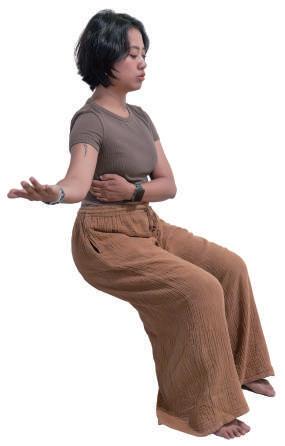
Between breath and expansion: a quiet exercise in reopening the spaces held within the body for those returning home.
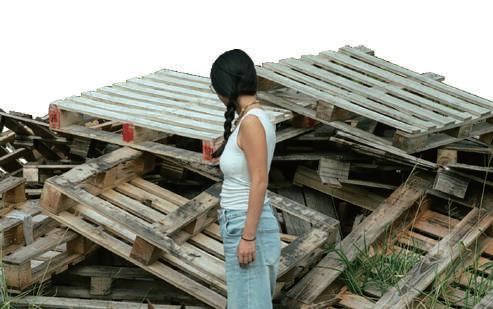
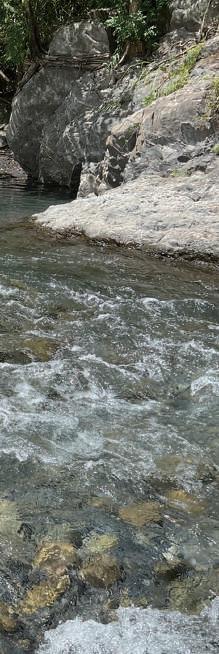
In Taitung, “settling down” rarely begins with concrete and brick. It often feels more like a long process of learning how to live. Before finding a place they can truly call home, many eastbound drifters first spend time in close contact with ruins sleeping on dust-covered floors over flattened cardboard boxes, spending nights parked by the roadside under the stars, or living among shipping containers and steel frames exposed to the relentless northeastern monsoon. We call them the “Ruin Dwellers.”
Kuan-Tung Wang & Yi-Sheng Hsieh : The Construction Site as a Daily Practice
Living in a mountainside studio in Dulan, Kuan-Tung and Yi-Sheng went through nearly half a year of what they describe as “construction-site training.” Without running water, they washed dishes using water collected from dehumidifiers. Whenever they needed water for drinking or cooking, they made trips to the village refill station. The lack of basic living conveniences transformed things they once took for granted into some of their deepest exercises in awareness. These experiences gradually became part of Kuan-Tung’s creative foundation, eventually leading to a series of small-scale Buddhist-inspired works centered around the idea of “living well.”
Tung-Han Wu: A Semi-Natural Vision of Nomadic Car Living
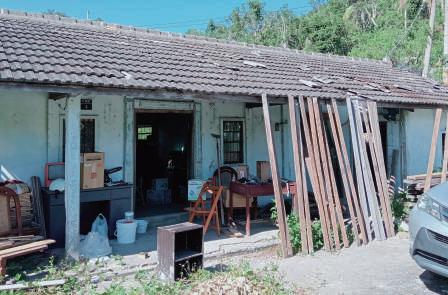
Tung-Han Wu’s first vision of “settling down” began on Green Island, where he created an Airbnb and a bookstore. But after the island shutdowns during the pandemic, along with the harsh awakening brought on by the northeastern monsoon, he began to confront the realities of daily life and decided to search for a different possibility on Taiwan’s main island. The old house he found in Shangde Village required extensive renovation, and so Tung-Han began living out of his car. With mosquito netting hung around the vehicle, the car became a mobile bedroom shared between him and his dog. Though the house renovations have now largely settled into place, he continues to live somewhere between the built world and the natural one.
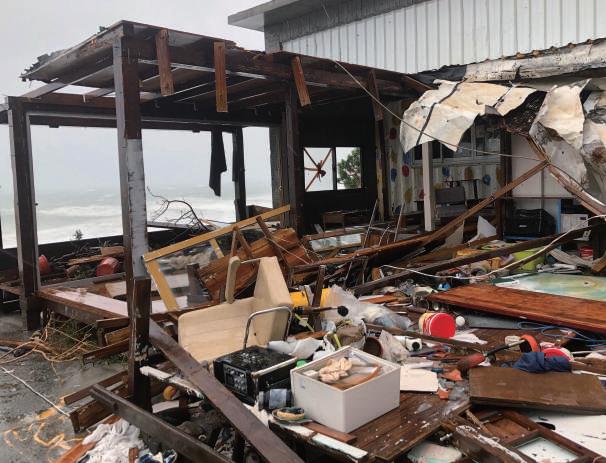
Han-Bao runs a small ice shop on Orchid Island, operating out of a shipping container that became both her home and her business simply because it was all she could afford at the time. But three years ago, Typhoon Koinu struck the island and flattened everything she had built in an instant. Sitting among the wreckage, watching military helicopters circle overhead, Han-Bao recalls feeling as though she had stepped into a disaster movie scene. But rather than leave, she chose to rebuild. This time, she constructed a stronger concrete house while preserving the raw textures of nature and ruins through handmade earth-based paint. “Storms build confidence” may sound old-fashioned, but for Han-Bao, it became a way of rebuilding resilience in both body and spirit.
的 ﹁ 安
住 ﹂
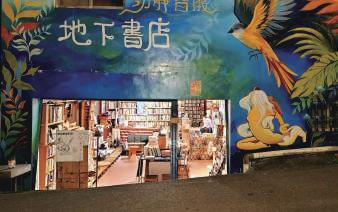
Half buried in the ground, half adrift in the mind: recommended reads on the art of dwelling from an underground bookstore.
地下書店的「安住」好書推薦
Half buried in the ground, half adrift in the mind: recommended reads on the art of dwelling from an underground bookstore.