The original articles were translated into English using AI
CONTENT
The companies of Manuel P. Barbachano Ramírez. The father of communications in Baja California ....................................................................pg. 6
Tijuana: essence, identity and shared horizon ....................................................................pg. 8
From frontier to urban powerhouse: The evolution of Tijuana ...................................................................pg 10
La Salsa: The soul of mexican food ...................................................................pg 14
Tijuana: Cradle of Future Chefs ...................................................................pg 16
The importance of tour operators in the tourism industry ...................................................................pg 20
Fashion that connects: Territories, technology and purpose ...................................................................pg 22
Between brains and algorithms: Tijuana’s AI ...................................................................pg 26
Childhood in the spotlight: Visual health that shouldn’t wait ...................................................................pg 28
Bruxism: what the body expresses through the jaw ...................................................................pg 30
Art woven on the border: The Vicu experience ...................................................................pg 32
Experience rodeo: Tradition and adrenaline in Tijuana ...................................................................pg 34
Tijuana in the ring: The story of Carime Arriaga ................................................................pág 36
Tijuana: A city that embraces, undertakes, and reinvents itself
Tijuana celebrates Holy Week: Faith, tradition, and community in every corner of the city
Kumiai adventure park: A natural refuge with thrills included in Tijuana
De la tradición al paladar: El arte del dulce mexicano
DEAR READER:
In Tijuana, each edition reflects the city’s pulse; a vibrant, dynamic metropolis in constant evolution, where stories converge, talent flourishes, and visions transcend borders. We are proud to present the eighth edition of Tijuana Magazine. This issue is a testament to our belief in the power of telling the stories of a city that not only grows but reinvents itself every day.
This edition invites you to explore diverse facets of cultural, economic, and creative growth in the region. We begin by paying tribute to a key figure in the historical development of the communications sector in Baja California: Manuel Barbachano Ramírez. His entrepreneurial legacy and innovative vision laid the foundation for an industry that continues to evolve in an increasingly digital and globalized world.
Cultural richness is expressed through our senses. This time, we explore the art of Mexican sweets: a tradition that transcends the palate. Each piece is a testament to inherited techniques, family stories, and a deep-rooted Mexico that lives on in every recipe.
In contrast to the traditional approach, we tackle one of the most relevant topics of our time: artificial intelligence. Between brains and algorithms: Tijuana’s AI shows us how local talent is positioning itself at the forefront of technological knowledge, combining innovation, entrepreneurship, and a global vision to build the future from this strategic vantage point.
Gastronomy is once again taking center stage, and salsa is the key element: that transformative component that defines the soul of Mexican cuisine. More than just a side dish, salsa is identity, it’s character, and it’s a cultural expression that positions Mexico on the world stage.
In the realm of fashion, we present a contemporary perspective under the approach of “Fashion that connects territories, technology, and purpose.” In this space, designers and creatives reinterpret the industry from a conscious vision, where innovation is linked to social and sustainable values, projecting Tijuana as a benchmark for global trends and regional talent.
On the other hand, we integrated an institutional and citywide perspective with the article “Tijuana: A City that Embraces, Undertakes, and Reinvents Itself,” which highlights the achievements and innovations of the 25th Tijuana City Council.
Through public policies, strategic actions, and a perspective focused on comprehensive development, economic growth, urban infrastructure, and the positioning of Tijuana as a modern, competitive city full of opportunities have been promoted.
This vision of the future is complemented by a reflection on the present and future of Tijuana: its essence, identity, and shared horizon—an analysis that delves into the plurality that defines this border city. In turn, the article “From Border to Urban Powerhouse: The Evolution of Tijuana” explores the city’s sustained growth, consolidating it as a major economic, cultural, and tourist hub both in Mexico and internationally.
We can’t talk about Tijuana without acknowledging its festive spirit. During May and June, the city comes alive with celebrations that strengthen the sense of community and showcase its rich culture. The traditional Fiestas de May, along with other cultural, gastronomic, and musical events, transform the city into a vibrant stage that invites both Tijuanans and visitors to be part of its energy.
Indeed, this eighth edition is an invitation to rediscover Tijuana in all its facets: its history, its culture, its innovation, its public administration, and above all, its people. Your go-to magazine is back. Every page is designed to inspire, inform, and connect.
Our conviction is clear: this border city is much more than a transit point; it is a space of opportunities.
Welcome to a new edition of Tijuana
Magazine..
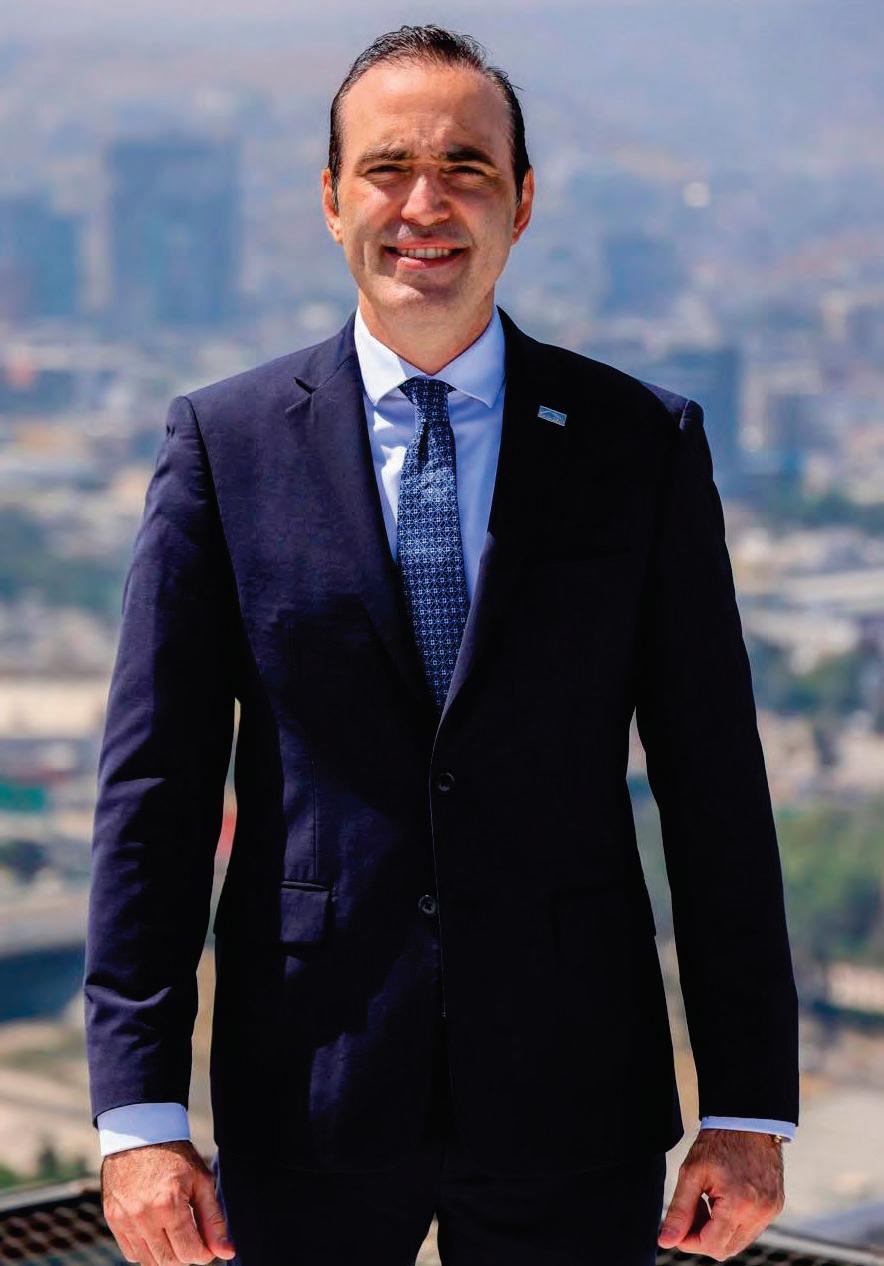
Dr. Karim Chalita Rodríguez President of the Tijuana Tourism and Conventions Committee.
TIJUANA: A CITY THAT EMBRACES, UNDERTAKES, AND REINVENTS ITSELF
By: Editorial Staff, XXV Tijuana City Council
Tijuana is resilient and diverse, where culture, art, gastronomy and tourism merge to make it a warm city that gives the most cordial welcome and opens its arms to those who visit it or find in it an ideal place to grow, undertake and fulfill their goals.
Those who arrive in Tijuana, the starting point of the nation, discover a land distinguished by its hospitality and built on the efforts of its hardworking people. A vibrant city, constantly transforming, it has evolved into one of Mexico’s most important municipalities due to its dynamism, progress, and economic development.
Here, every story matters and every person counts, in a city that understands that the border belongs to everyone, a vision that reflects its open, inclusive character and full of opportunities.
With this approach, the municipal government headed by President Ismael Burgueño Ruiz has promoted actions aimed at strengthening economic development and consolidating the city as a competitive hub.
The recent establishment of the Tijuana Investment Promotion Committee marks a significant step forward. This initiative, spearheaded by Mayr Claudia Sheinbaum Pardo’s administration and championed locally by Mayr Ismael Burgueño Ruiz, aims to boost competitiveness and strengthen the economy of the world’s busiest border city.
The purpose of this committee is to establish a space for coordination between the public and private sectors that will generate trust, attract new projects, and support those who see this city as an opportunity for growth.
“Development is built on strong alliances. We want those who come to Tijuana to find a government that facilitates, supports, and creates the conditions for growth,” said Mayr Ismael Burgueño.
At the same time, his administration has launched one of its biggest initiatives: the Tijuana: Clean City program, a strategy focused on the recovery of public spaces and on creating conditions so that both residents and visitors find dignified, clean, orderly and safe environments.
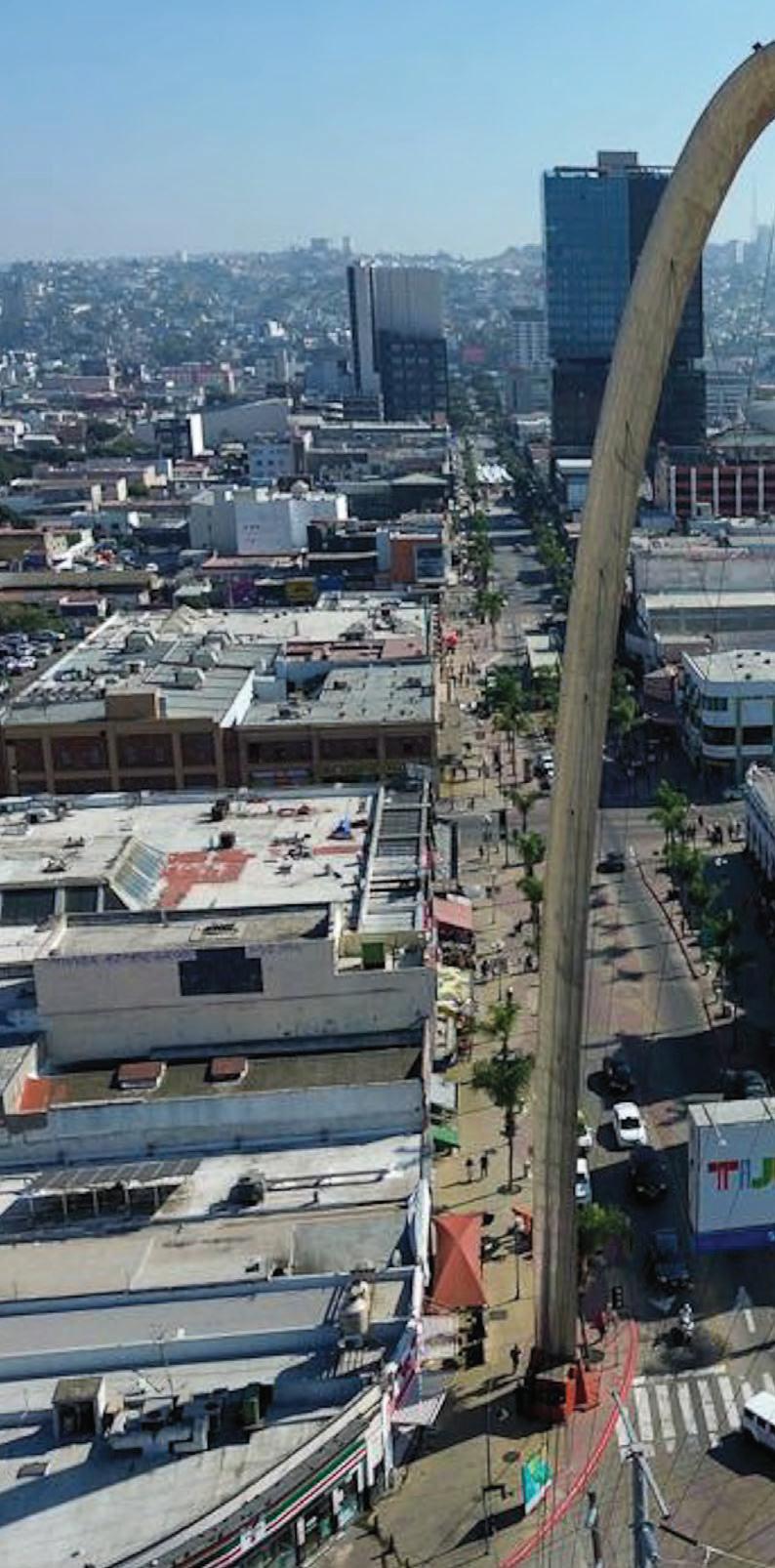
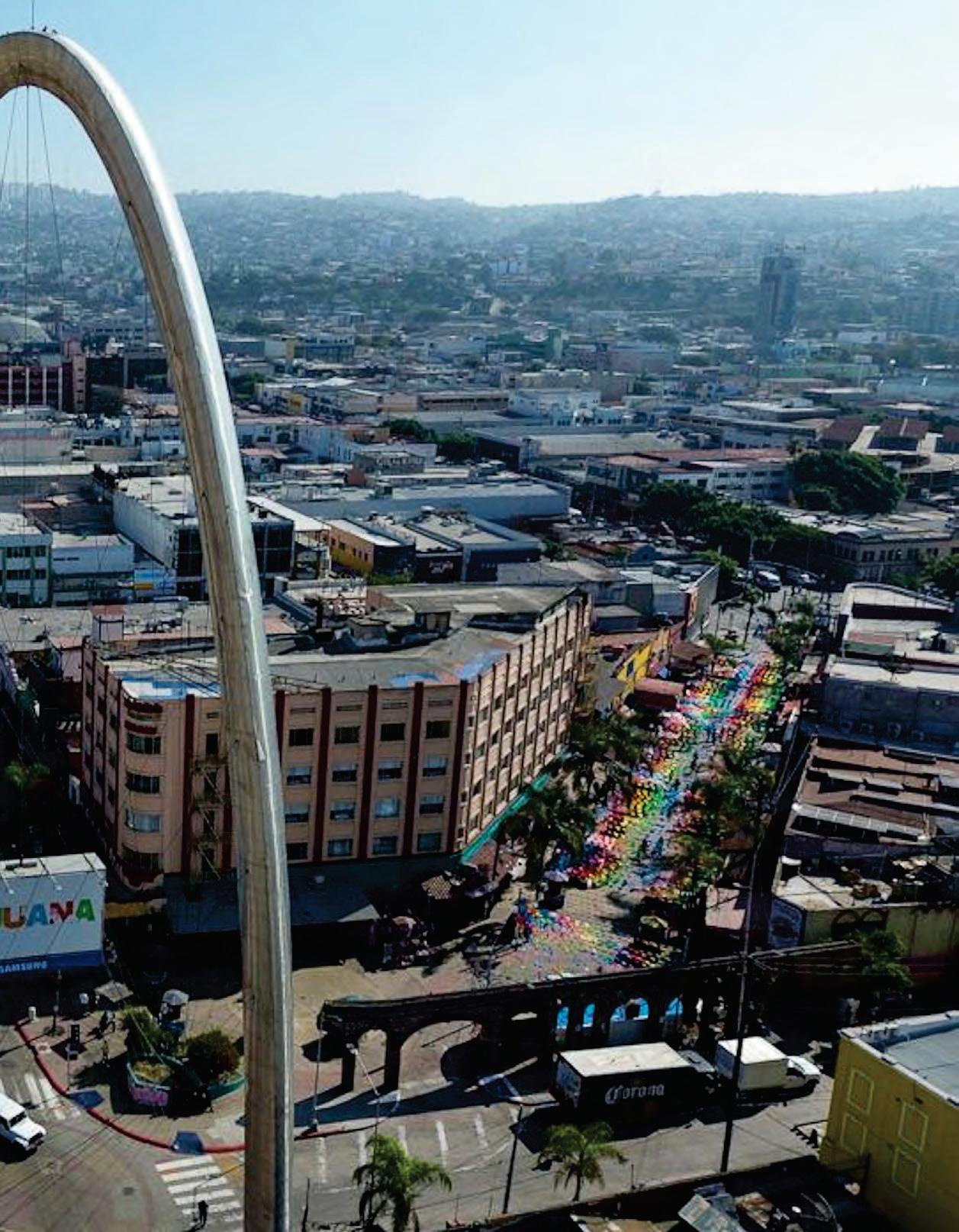
Since the beginning of his administration, the Mayr has set his sights on the rehabilitation of one of the city’s most emblematic spaces: the Historic Center and the iconic Revolución Avenue, transforming it into a tourist walkway for the enjoyment of Tijuana families and those who visit this destination.
These efforts have helped to further position Tijuana as an attractive destination for tourism, where history, gastronomy, art and culture become drivers of development and strengthening of the local economy.
Today, the Municipal Government is moving forward with firm steps to project Tijuana as a city that evolves, reinvents itself, and keeps its essence alive: welcoming those who arrive with open arms, convinced that the border belongs to everyone.
Tijuana, a hospitable city that undertakes and reinvents itself.
THE COMPANIES OF MANUEL P. BARBACHANO RAMÍREZ. THE FATHER OF COMMUNICATIONS IN BAJA CALIFORNIA
By Araceli Almaraz, Historian at El Colegio de la Frontera Norte
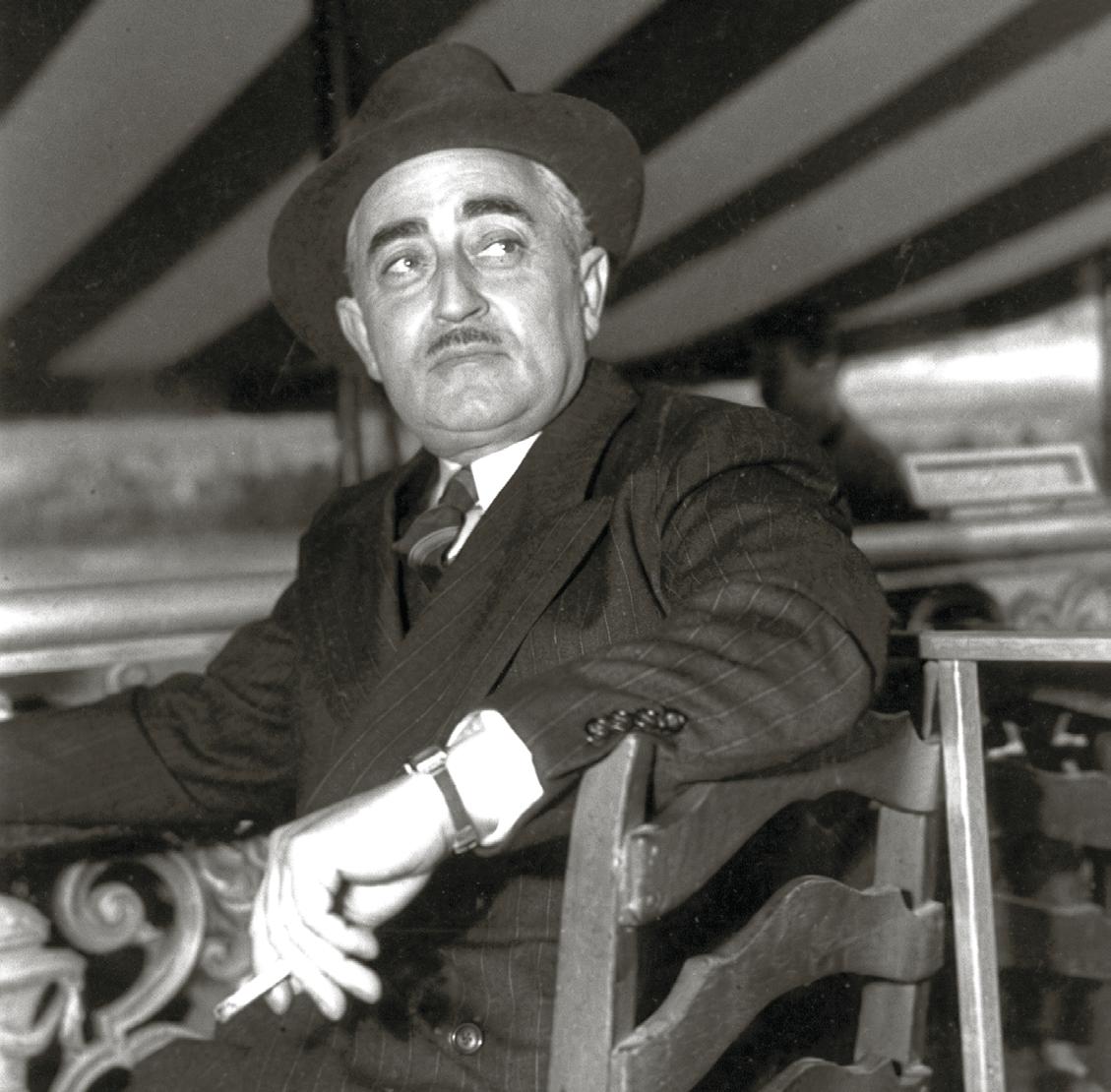
Manuel Pascacio Barbachano Ramírez was born on February 22, 1891, in Ciudad Juárez, Chihuahua (image 1). He was the son of Manuel Antonio Barbachano Quijano, born in Mérida, Yucatán (1858–1948), and María Bernardita Ramírez Bustamante, born in Hermosillo (1870–1957)—belonging to the third generation of families from California. The Barbachano Ramírez family arrived in the Tijuana-San Diego region in the first decade of the 20th century. Historians Méndez and Acha (2021: 67) indicate in a recent study that they arrived in 1904. Manuel was the second of ten children. He began his career in business alongside his father, Manuel, and his older brother, Rubén. Manuel contributed significantly to the family’s success and played a key role in the transformation of Baja California through various visionary projects with regional reach and a binational perspective.
The first publicly registered company of the Barbachano family in Tijuana was calledThe Peninsular Mining Company, S.A.. dated September 1917. It was a family-nuclear type society, whose founders were Rubén S. Barbachano, Manuel A. Barbachano Quijano and Manuel P. Barbachano Ramírez (Almaraz, 2021).
First businesses in Tijuana
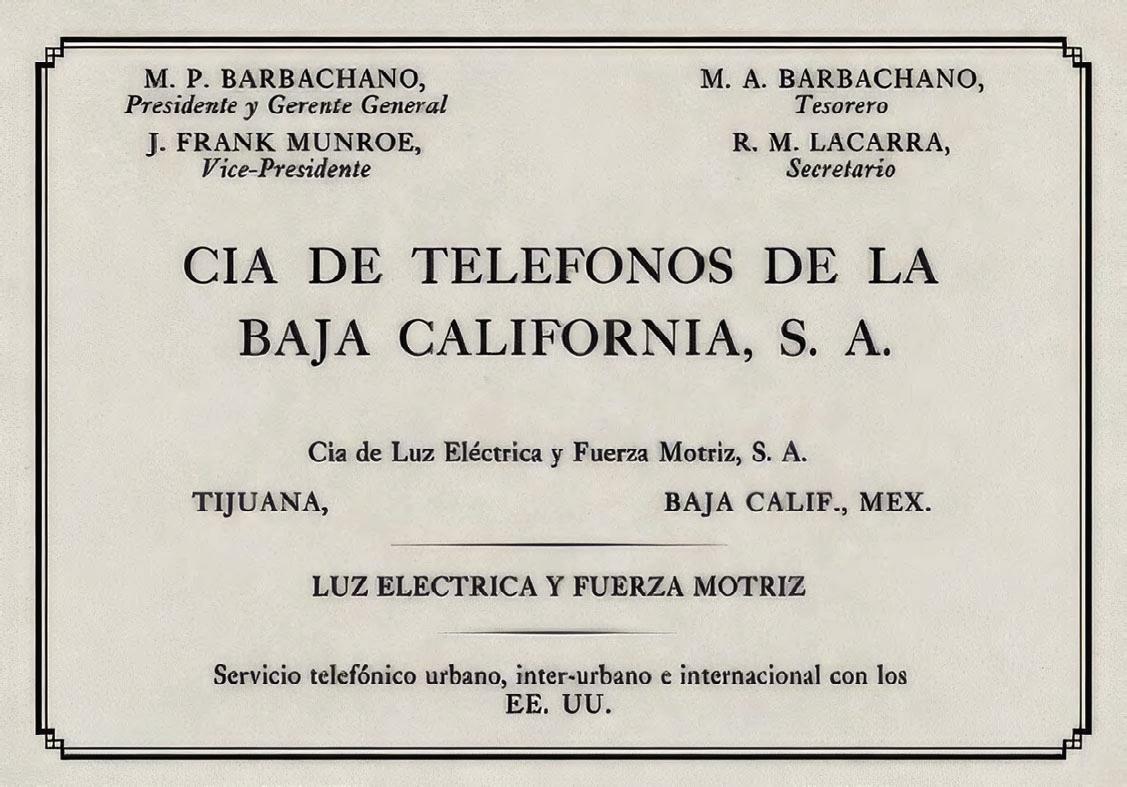
On March 15, 1924, Manuel P. Barbachano signed a contract with the Ministry of Communications and Public Works for “the establishment and operation of telephone service between Tijuana and San Diego, California” through theBaja California Telephone Company, S.A.An initial agreement had been signed with the Ensenada City Council on June 13, 1922; while on January 8, 1923, the approval of the contract extension for another 10 years was published in the Official Gazette of the Federation (DOF). On March 9, 1926, the terms were amended to extend the contract for 20 years (DOF Volume XXXV, No. 37, Thursday, April 15, 1926). The same publication mentioned the amendment to the agreement for the “establishment and operation of telephone service in the town of Mexicali in the Territory of Baja California and between the same point in Calexico, USA.” With these authorizations, the Barbachano family was practically the only one offering telephone services, which accompanied the rise of communications and the economic development of the region.
In September 1926, Manuel P. Barbachano Ramírez partnered with Ambrosio I. Lelevier, Tiburcio G. Ruiz, Raúl M. Lacarra (his brother-in-law), Diego Maldonado, Luis de Pablo, Dr. Ventura Oscar Viruete, Federico Palacio, and Silverio I. Romero to found theHiram Commercial Company, Inc. In this company, Manuel’s participation was 10% of the capital and he had the role of first vice president (Almaraz, 2021).
In 1927 he was elected president of theTijuana National Chamber of CommerceHe was the second entrepreneur to lead this organization. That same year, the young Manuel made arrangements to acquire the property that led to the...Shoreacres-Club Rústico La Playa,with activities dating back to 1924 but registered in 1929 by J. M. Danziger, Ulises S. Fitzpatrick, Dionisio Lacarra Jr., and Harry J. Wall in what is now the municipality of Playas de Rosarito. Danziger was an American with interests in the region and founder in 1929 of theDanziger and Company, S.A.-registered in Tijuana- of which Hugh Francis Collins and theBaja California Exploitation Company S.A., who appeared as a moral partner. TheOperating CompanyHe had registered in Ensenada and acquired 14,000 hectares in 1916 to begin exploring for oil deposits, which did not prosper at that time. The lands of theShoreacres-Rustic Club The BeachThey were located next to the business calledRosarito Beach, which functioned as a rest area and was owned by Juan Ortiz Velarde (image 2). Ortiz Velarde’s activities had been promoted in San Diego since 1924. Manuel P. Barbachano became interested in theLa Playa Rustic Clubto develop a large tourist center. After negotiations for the name “Rosarito” with Juan Ortiz Velarde and with the mediation of General Rodríguez, who was a friend of both men, Barbachano obtained the name to promote the “Rosarito Beach Hotel”Ortiz Velarde accepted the terms of the agreement with Barbachano and changed the name of his business to becomeOrtiz Bros. Bar-Café, Motel,which in the 1940s becameRene’sAccording to historian Santiago Acha, in the construction of theRosarito Beach HotelManuel P. Barbachano employed skilled labor from Jalisco, Sonora, and Baja California Sur. Barbachano’s vision was to match his tourism offerings with those of theHotel Playafrom Ensenada or the one fromAgua Caliente Hotel and Casinofrom Tijuana (Ecos Redacción, 2018).
Image 2.
Source: The San Diego Union Tribune, May 18, 1930.
Image 1.
Source: Rosarito Beach Hotel.
The consolidation of the telephone company and new projects
On April 12, 1928, theBaja California Telephone Company, S.A.., although the activities had been planned since 1924. In 1929, the company name was changed toBorder Electric and Telephone Company, S.A.The company maintained its family base, headed by Manuel Antonio Barbachano Quijano, Manuel P. Barbachano Ramírez, Raúl, M. Lacarra (son-in-law, married to Carmen Barbachano Ramírez), and Juan de Dios Fernández (son-in-law, married to Guadalupe Barbachano Ramírez). In this company, Don Manuel Antonio—the family patriarch—served as vice president, and his son Manuel Pascacio as president (Almaraz, 2021).
Source: Vivanco, de Al. 1924.
In January 1930, theTijuana Athletic Club. S. A. Manuel P. Barbachano partnered with attorney Manuel Piña y Cuevas, Rex B. Faubion, Mariano Escobedo González, Luis Piña, Herbert Louis Jaffe, Juan R. Platt (a collaborator of Abelardo L. Rodríguez), and Fred Hamilton. This company promoted the construction of a Basque pelota court in Tijuana, which did not begin operations until the following decade.
In August 1933, theInvestment Financing Company, Inc.In this company, Manuel P. Barbachano partnered with Ricardo C. Salazar, Leopoldo Uribe Valdez, and Vicente García Moreno. The company’s purpose was the “establishment and operation of clubs, casinos, sports and recreation centers.”
By this time the family already owned the Barbachano Building, located at Av. México No. 20. This property served as a home address and workspace for both family members and businessmen who came to make investments, take commissions and conduct business, as evidenced in the founding documents of the time.
Due to the prestige and influence of the Barbachano family, both Manuel and Rubén were invited to be founding partners of theRotary Club of Tijuanain 1931 and through this institution support various social works in the region.
Roads, communications and new services for the region
In January 1934, theNational Construction Company, Inc.The founders were Manuel P. Barbachano, Raúl M. Lacarra, Elfego Riveroll—a businessman from Ensenada and inventor—F. R. Newberry, and attorney Leopoldo Uribe Valdez. All declared their address to be in Tijuana at the Barbachano Building; while the company’s purpose was “the acquisition, administration, development, and operation, in all its industrial or commercial forms, of companies for the construction, operation, development, and maintenance of roads.” This company was used to carry out the construction of the Tijuana-Ensenada highway, the contract for which was signed between Manuel P. Barbachano and the federal government on July 20, 1933.Border Electric and Telephone Company, S.A.. (DOF, LCXXXII No. 10 of Friday, January 12, 1934).
In 1937 another important project promoted by the Barbachano family was theInternational BroadcastingThe articles of incorporation of the radio company announce the participation of Manuel, Rubén S. Barbachano, and Miguel Barbachano, as well as Manuel F. Molina, Ricardo C. Salazar, and Lorenzo Rosado. Through this partnership, radio station XERB Rosarito was put into operation with a power of 50,000 watts.
In July 1942 theBorder Electric and Telephone Company, S. A., changed its company name toBorder Telephone Company, Inc.where partners included Manuel P. Barbachano - already 52 years old, and an industrialist - the patriarch of the family Manuel A. Barbachano - 84 years old - Ricardo C. Salazar, Enrique Raúl Barbachano - the youngest of the brothers - the lawyer Leopoldo Uribe Valdez and Mrs. Flora M. de Barbachano.
In 1946, Manuel P. Barbachano obtained a new concession “to build and operate a gas processing plant and its corresponding pipeline network that will be intended to supply the domestic and industrial needs of the city of Mexicali.” (DOF, Volume CLVII, No. 17 of Friday, July 19, 1946).
Towards the end of the 1970s, the Barbachano family experienced a confrontation with the Mexican government over the telephone concession and the company’s facilities. The Barbachanos were able to overcome the main obstacles. The company changed its name again in 1978, becomingNorthwest Telephones - TELNOR-.
Manuel P. Barbachano died on February 23, 1954, in Mexico City at the age of 64 and was buried in the Rosarito cemetery in Baja California. For all his accomplishments, Manuel Barbachano can be considered one of the architects of Baja California’s commercial and industrial development, but above all, the father of communications in our state.
Literature:
Almaraz, A. 2021.The old MexicoBusiness networks in Tijuana-San Diego 1916-1920. In Almaraz, A.Stories from our regions. A brief tourpp. 153-192. Mexican Academy of History, Ministry of Public Education, Ministry of Culture of Baja California.
Acha, S. Echoes of Rosarito. Note onForging Familieswithin the framework ofThe third Rosarito History Congress was held in Rosarito on May 17 and 18. May 25, 2018. https://ecosderosarito.com/en-3er-congreso-de-historia-destacan-aportaciones-de-manuel-p-barbachano-al-desarrollo-economico-y-turistico-de-baja-california/
Reyes, J. and Acha, S. 2021. The itinerant journey of the entrepreneurs of Baja California: The Barbachano family of the Compañía Telefónica Fronteriza, S. A. and Hugo Torres Chabert In Maricela González Félix and Jesús Méndez Reyes (coordinators).Economic sectors, political arrangements, and entrepreneurs in Baja California: Glimpses from recent history (19001976), pp. 57-92. Autonomous University of Baja California, IIC Museum. Vivanco de A. 1924. Baja California al día / Lower California up to date. Wolfer Printing Co.
TIJUANA ESSENCE, IDENTITY AND SHARED HORIZON
By Mónica Padilla Villavelázquez Councilwoman of the XXV Tijuana City Council Chair of the Education, Culture, Libraries, Science and Technology Committee Chair of the Child and Adolescent Protection Committee
o speak of Tijuana is to speak of movement, of encounters, and of an identity that reinvents itself every day without losing its roots. Our city, located in the heart of Baja California and embraced by the border with San Diego, is much more than a geographical point: it is a living space where cultures, histories, and dreams converge.
Today, Tijuana is emerging as a tourist destination that invites visitors not just to visit, but to truly experience. Those who arrive discover a vibrant city with a constantly evolving art scene, world-class cuisine, and a community that has learned to turn diversity into its greatest strength.
One of the most distinctive features of our city is its vibrant cultural life. In recent years, we have witnessed a flourishing of independent spaces, galleries, urban murals, and community projects that have transformed entire neighborhoods into open canvases. Art in Tijuana isn’t confined to four walls; it lives in the streets, in music, in words, and in everyday life. It is an authentic expression of who we are: creative, resilient, and profoundly human.
Tijuana’s culture is also enriched by its binational character. The proximity to San Diego has allowed for a constant exchange that enriches our perspectives and strengthens our ties. Far from dividing us, the border has taught us to build bridges: economic, social, and cultural. Families, artists, entrepreneurs, and students cross daily, bringing with them ideas, traditions, and opportunities that strengthen both communities.
In this context, tourism becomes a unique experience. Visiting Tijuana is to immerse yourself in a city that proudly celebrates its identity. From the iconic Avenida Revolución to the emerging neighborhoods brimming with creative offerings, every corner tells a story. Gastronomy, for example, has been a key driver in our city’s international profile. Here, innovative culinary creations emerge, blending the traditional with the contemporary, positioning Tijuana as a culinary benchmark.
But Tijuana is also about the sea. Our coastline offers landscapes that invite contemplation and relaxation. The Pacific Ocean is not only a natural attraction, but also an element that forms part of our identity. Walking along the seafront, enjoying a sunset, or simply listening to the sound of the waves is to reconnect with the essence of our land.
Beyond its attractions, what truly sets Tijuana apart is its people. Tijuana society is made up of generations of people who came seeking opportunities and found a home. This human mosaic has built a supportive, hardworking community, proud of its roots. Here, belonging isn’t measured by time, but by commitment to the city and the desire to see it grow.
In recent years, Tijuana has experienced significant development in infrastructure, services, and urban projects. This growth, however, has been accompanied by an effort to preserve our identity and strengthen the social fabric. The promotion of cultural spaces, the revitalization of public areas, and the support of local initiatives reflect a vision committed to balanced and inclusive development.
Tourism plays a fundamental role in this process. Not only as an economic engine, but also as an opportunity to show the world what we are capable of building when we work together. Every visitor who arrives in Tijuana becomes a witness to a city that defies stereotypes and reinvents itself with creativity and determination.
Today, more than ever, it’s important to tell our own story. To talk about the positive, about what unites us, about our strengths. Tijuana is a city that looks to the future without forgetting its roots. A city that understands that its diversity is its greatest asset and that its border location is an advantage, not a limitation.
We invite those who haven’t yet visited Tijuana to discover it with an open mind. To walk its streets, savor its flavors, listen to its voices, and feel its energy. Because Tijuana isn’t just visited: it’s lived, shared, and carried in your heart.
From this land of opportunity and encounters, we reaffirm our commitment to the cultural, social, and tourism development of our city. Let us continue building together a Tijuana that inspires, connects, and remains a source of pride for those who live here and for those who discover it.
Because Tijuana is essence, identity, and a shared horizon.
From frontier to urban powerhouse: THE EVOLUTION OF TIJUANA
By Architect/Master Xavier Fernando Ibarra Quintana President of the Urban Development and Infrastructure Commission of Tijuana Business Advisory Council.
ijuana is today one of Mexico’s most dynamic cities and a strategic point in the binational relationship with Southern California. Its prime location, productive vocation, and cultural diversity make it a land of opportunity, not only for economic development but also for building a more integrated, modern, and inclusive city.
Tijuana is currently undergoing a crucial phase in updating its regulatory framework and urban planning instruments. After several years without substantial revisions to either the Baja California State Law on Territorial Planning, Urban Development, and Housing or to municipal programs and regulations, a comprehensive process is now underway to align the city’s growth with the current and future needs of its population.
This effort is not isolated. It is the result of effective coordination among business organizations, professional associations, urban planning specialists, civil society, and the various levels of government. Because if anything has become clear in the evolution of cities, it is that they don’t fail for lack of ideas, but for lack of coordination. In Tijuana, specifically, building a shared agenda has been the starting point for moving toward a better-planned city with a greater long-term vision.
The goal is clear: to have the necessary tools to promote urban development that translates into better infrastructure, higher quality services, more green areas, better mobility and, in general, a better quality of life for those who live, work and invest in the city.
One of the key elements of this transformation is urban densification. Tijuana is transitioning toward a more compact, efficient, and sustainable city model. Well-planned density allows for the optimization of resources, reduced costs, greater proximity between housing, employment, and services, and a decreased environmental impact.
However, this process is being approached with a holistic vision; there can be no density without inclusion. The city being built today seeks to be not only more efficient, but also more equitable, ensuring that urban growth translates into opportunities for all.
Mobility is another key component in this new phase. In a border city like Tijuana, mobility takes on a binational dimension. Connectivity is not only internal but also extends to Southern California, one of the world’s most important economic regions. This positions Tijuana as a strategic hub for economic, logistical, and social integration between both sides of the border.
In this context, the evolution toward a metropolitan area further solidifies its importance. Collaboration with neighboring municipalities and the development of a regional vision will strengthen its competitiveness and its ability to attract investment. Tijuana is not only growing, it is maturing as a city.
This transformation comes at a pivotal moment for the region. The relocation of production chains, the strengthening of the manufacturing industry, and the growing economic integration between Mexico and the United States open an unprecedented window of opportunity. Tijuana has the conditions to consolidate itself as a natural bridge between both economies, driving development not only locally, but also regionally.
It is important to emphasize that economic and social development must go hand in hand. A city’s growth must translate into well-being, better urban spaces, and a higher quality of life for its residents. Only in this way can truly sustainable cities be built.
Today, Tijuana is laying the groundwork for its future. The updating of its regulatory framework and the coordination between sectors reflect a city that understands its challenges, but above all, recognizes its enormous potential.
For outsiders, Tijuana represents a unique opportunity: a city in transformation, with vision, dynamism, and an unparalleled strategic location. A city that not only connects territories but also connects opportunities.
The time is now. Tijuana is ready to solidify its position as one of North America’s great cities, building a future based on planning, collaboration, and a shared vision for development.
TIJUANA CELEBRATES HOLY WEEK:
FAITH, TRADITION, AND COMMUNITY IN EVERY CORNER OF THE CITY
By M.A. (Communication) Isaiah Plascencia Rosales President of the College of Communication Professionals of Baja California.
Holy Week in Tijuana is an invitation to experience the city from a different perspective: the spiritual, the communal, and the human.
It’s not confined to a single church or neighborhood; it unfolds throughout the city with processions and prayers that contrast sharply with the frenetic pace of the border. For those visiting the area during this time, it’s an opportunity to discover a tradition interwoven with daily life and regional history that dates back to the late 19th century, but particularly to 1902, when a wooden chapel was erected on the very site where, over the years, the old cathedral would be built.
In the mid-20th century, religious life in Tijuana took a significant leap forward. Construction of the current building, located at the corner of Segunda and Niños Héroes streets, began in 1949, under the direction of engineer Conrado McFarland Rodríguez, who completed the project in 1956. Since then, the church has become a landmark for the city. In 1964, the Holy See established the Diocese of Tijuana and elevated the parish to a cathedral. Devotion to Our Lady of Guadalupe was strengthened by two key events: the naming of Our Lady of Guadalupe as Patroness of Tijuana in 1966 and the coronation of her image in 1970. The diocese
was elevated to an archdiocese in 2007, and in 2012, the National Institute of Anthropology and History (INAH) declared the church a Historical Monument. Although it no longer serves as a cathedral, it remains a spiritually, culturally, and touristically important site.
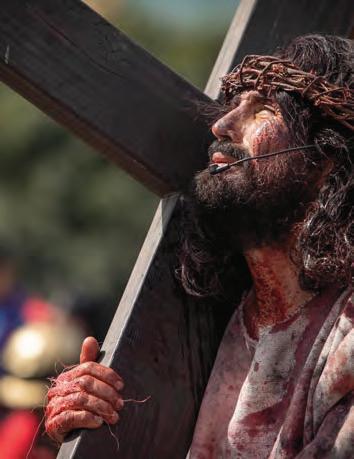
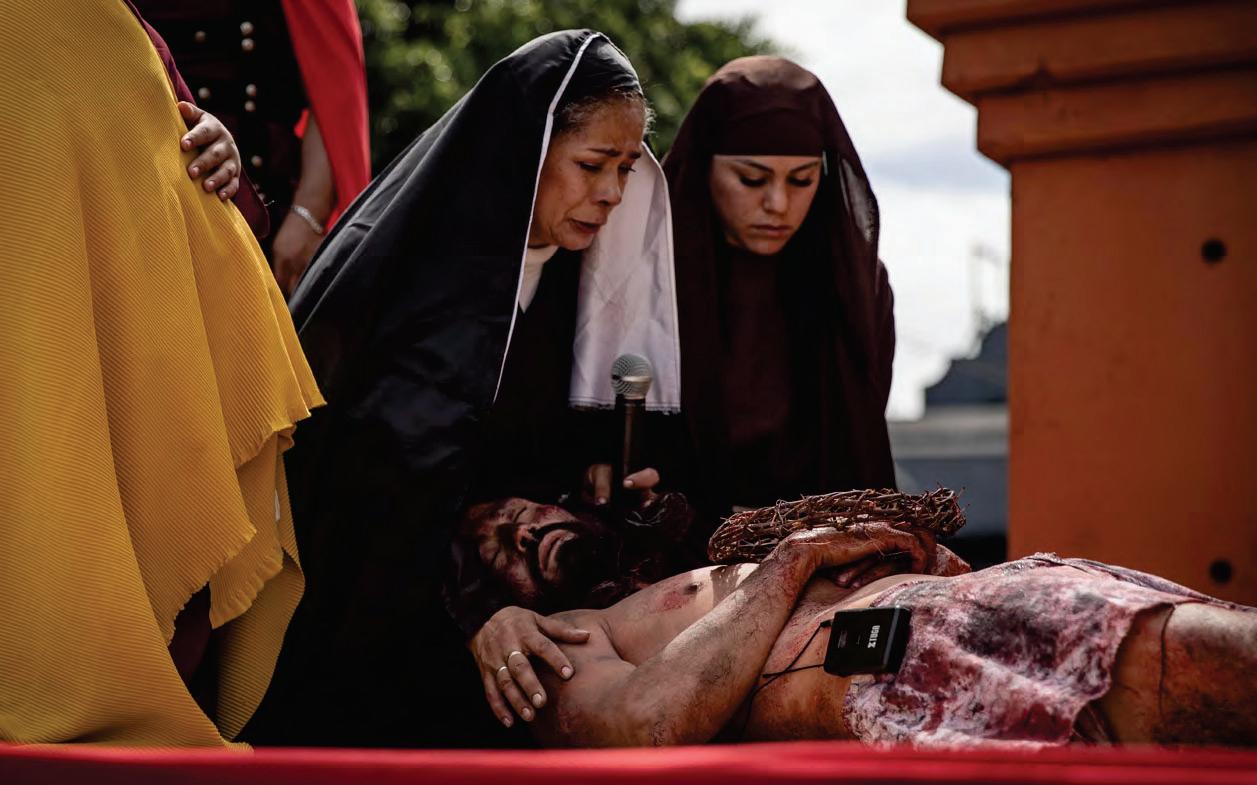
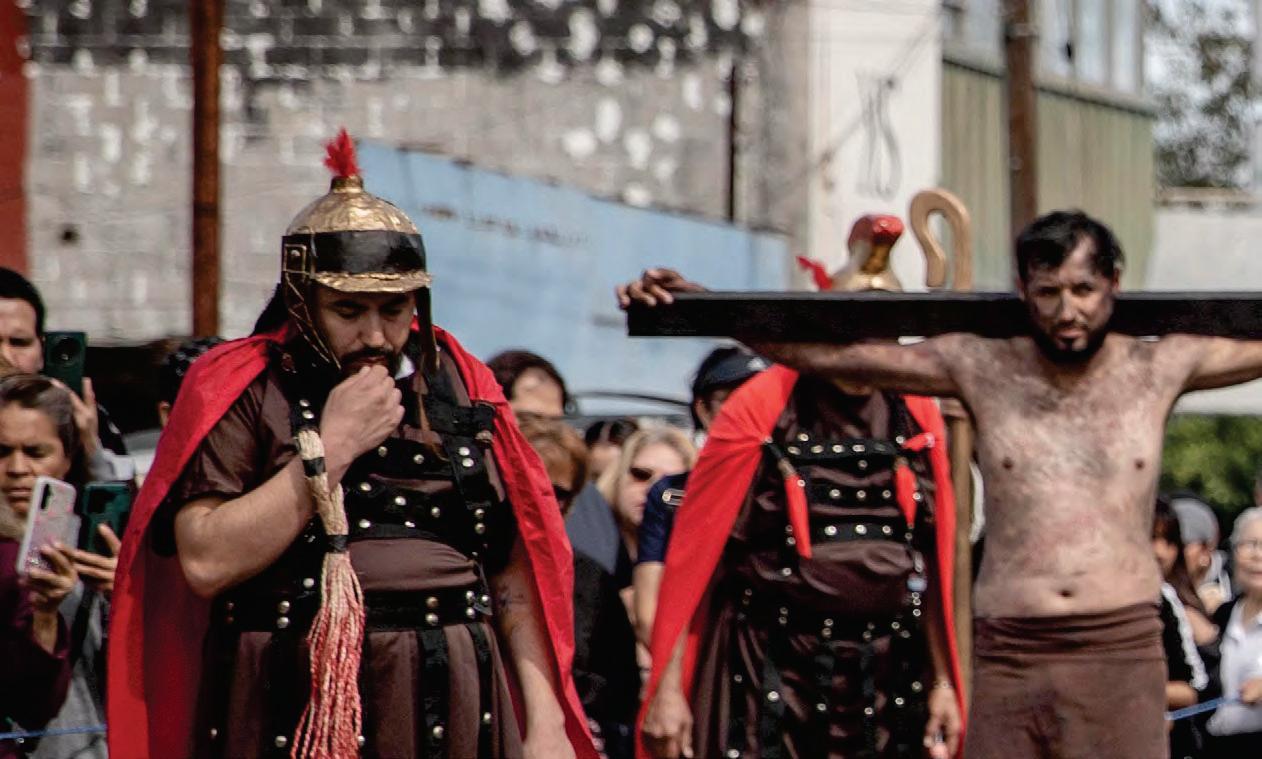
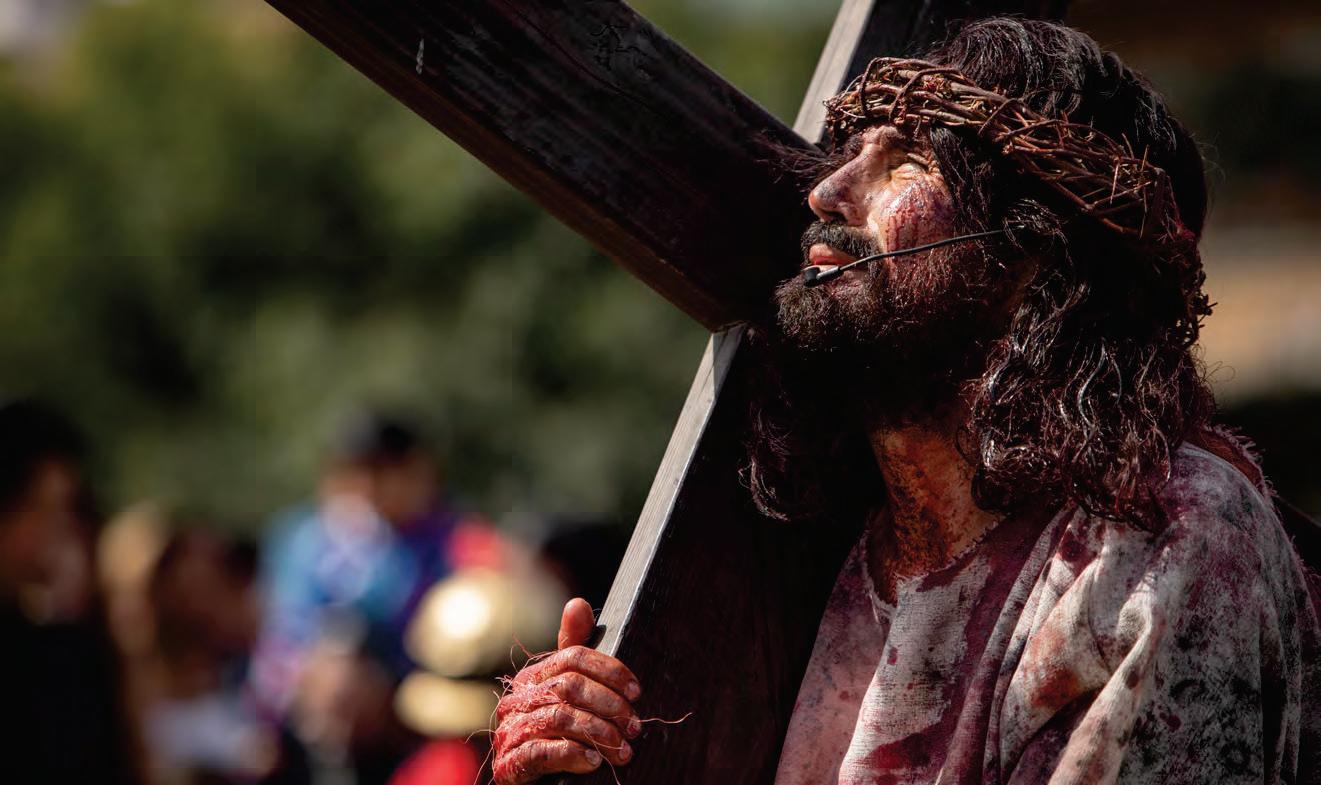
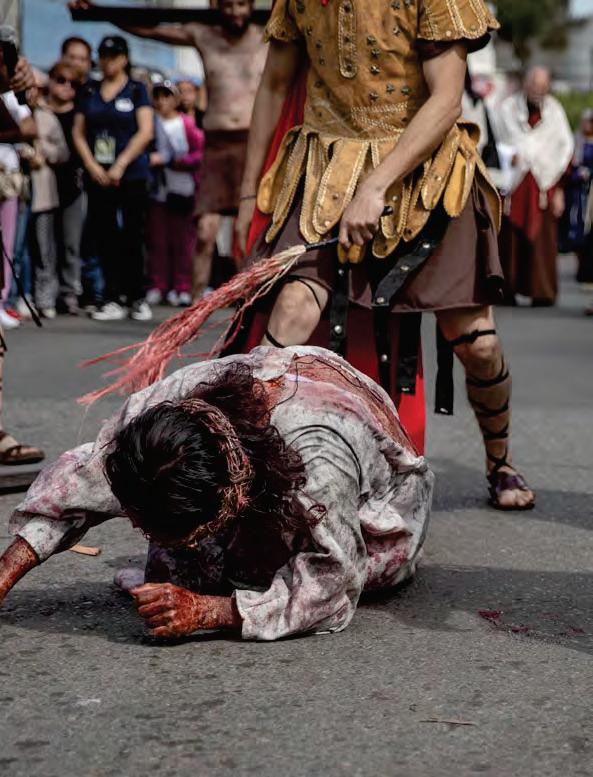
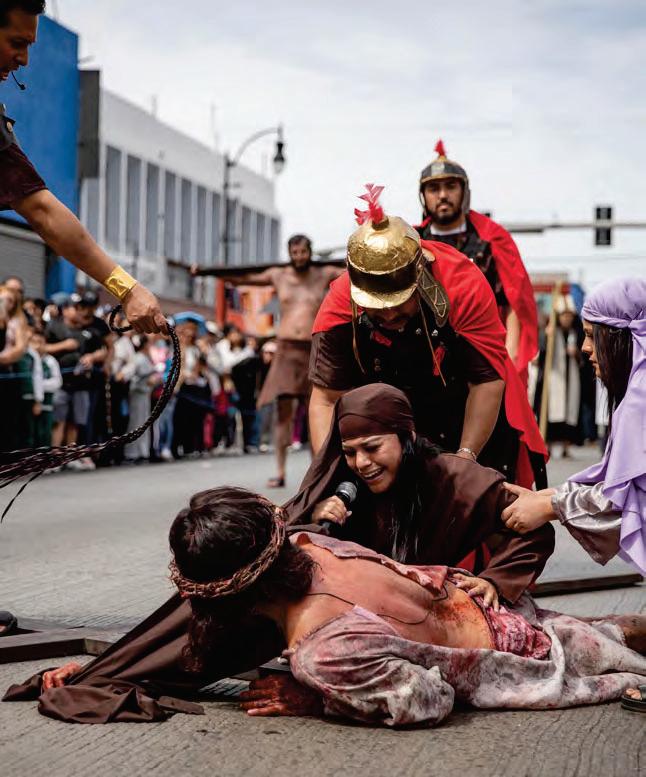
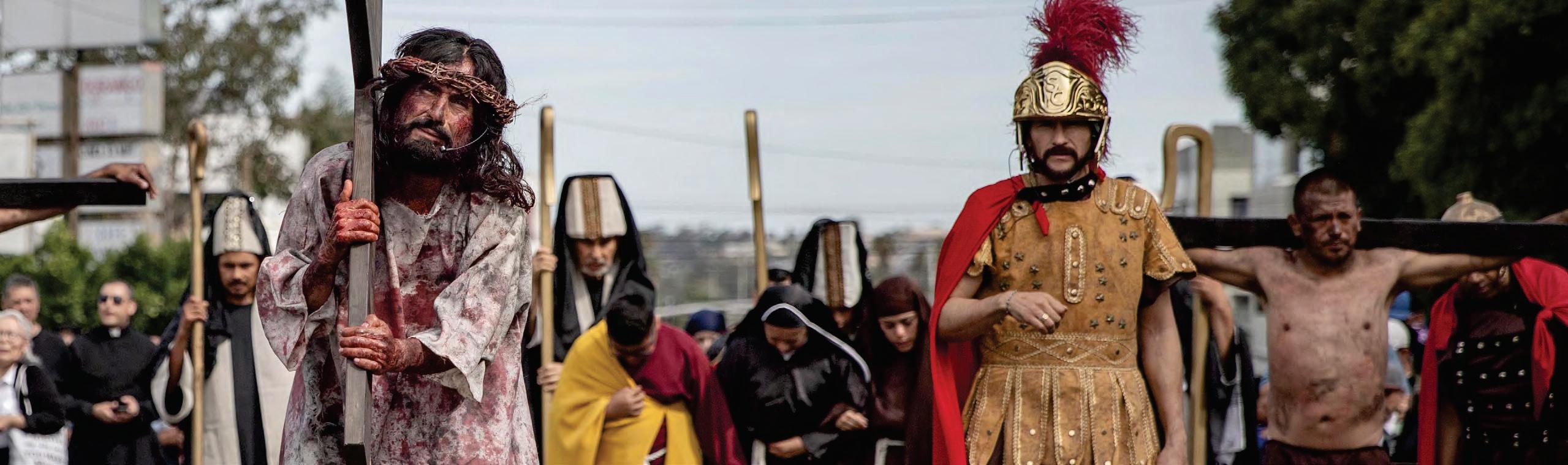
During Holy Week, this sanctuary becomes one of the most visited places, as on Holy Thursday the Last Supper and the washing of feet are reenacted, while on Good Friday, the living Stations of the Cross travel through the streets of the Center, creating an experience that mixes tradition, faith and urban life.
As you travel through the city, other scenes begin to appear that enrich the experience. In the Zona Río, for example, the new cathedral has become a hub for celebrations that attract families. In the Gran Tenochtitlan neighborhood, the faithful of Our Lady of Guadalupe Parish perform one of Tijuana’s oldest living Stations of the Cross, with over 45 years of history, while Our Lady of Hope Chapel in El Progreso and Our Lady of Zapopan Parish, located in Lázaro Cárdenas, are striking for their authenticity and intense religious devotion.
Meanwhile, across from Teniente Guerrero Park, the San Francisco de Asís Church offers a meditative Stations of the Cross, the reading of the Seven Last Words, and the Rosary of Sorrows. And in Los Álamos, the Cristo Rey Parish invites visitors to climb to the base of the monumental sculpture to admire the city from above.
As the week progresses, the atmosphere transforms. On Good Friday evening, the Procession of Silence and the Mass of Sorrows create a stark contrast to Tijuana’s usual bustle. Holy Saturday begins with the recitation of Lauds and culminates with the Easter Vigil, a celebration rich in symbolism that draws both the faithful and visitors interested in experiencing local spirituality. Finally, Easter Sunday fills the city’s churches with numerous Masses.
For those seeking religious tourism, Tijuana offers a unique blend of tradition, history, and community life. Each parish brings its own nuance, and each neighborhood offers a distinct glimpse into the city’s spiritual identity.
By Mayra Perez
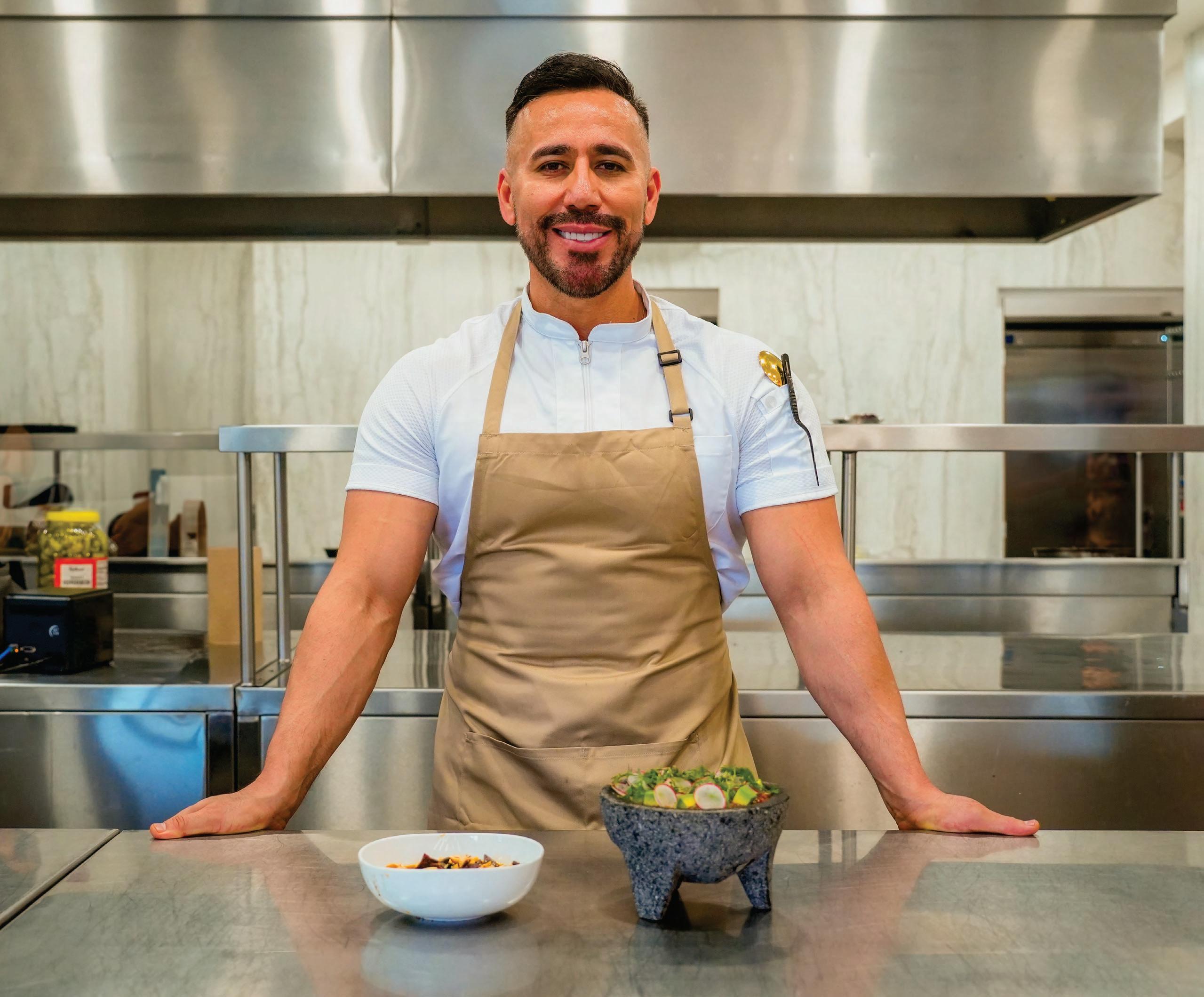
Asalsa is much more than a side dish: it’s a ritual that tells profound stories and connects us to our roots. This is how chef Ernesto Zamora, founder of the Tijuana restaurant Maximiliano Bistro, defines it.
For him, preparing a salsa is about reinterpreting without forgetting, using the ancestral elements of nature—earth, fire, and air—to offer unique experiences to the palate.
“Beyond the technique, there is a philosophy: respecting the origin of each product and letting the flavors express themselves at their maximum intensity,”he
affirms.
Following this philosophy, the chef shares two salsa recipes that captivate the senses and exalt the flavor of Mexican cuisine.
Alma de Molcajete: A Savored Tradition
A dish that pays homage to ancestral techniques and preHispanic ingredients, keeping our history and traditions alive.
Main Ingredients:
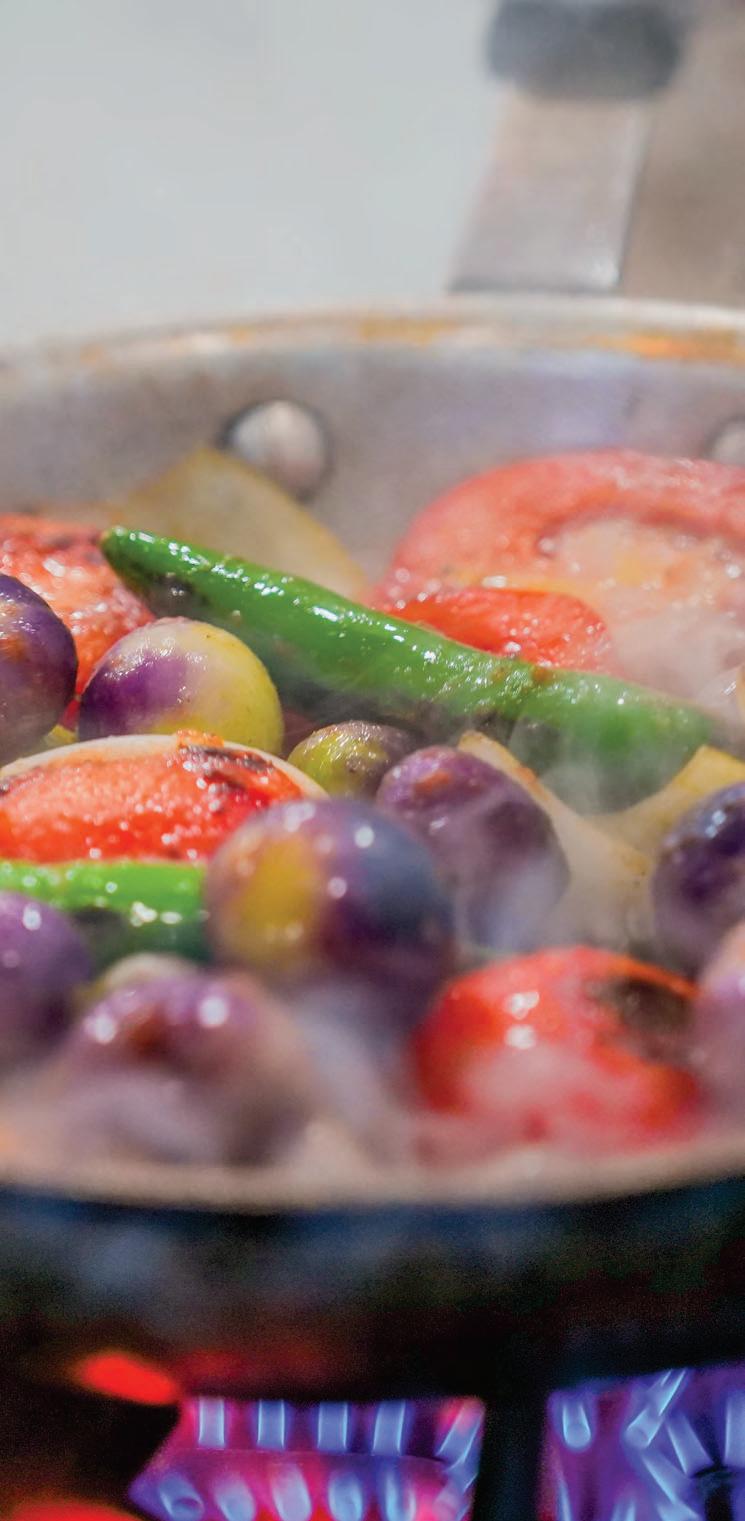
Milpero tomatoes (harvested from cornfields)
4 saladette tomatoes
1 manzano chile
Serrano chiles to taste
Onion, garlic, salt, and pepper
Process:
1. Roast the tomatoes, chiles, garlic, and onion on a comal or hot skillet until lightly smoky.
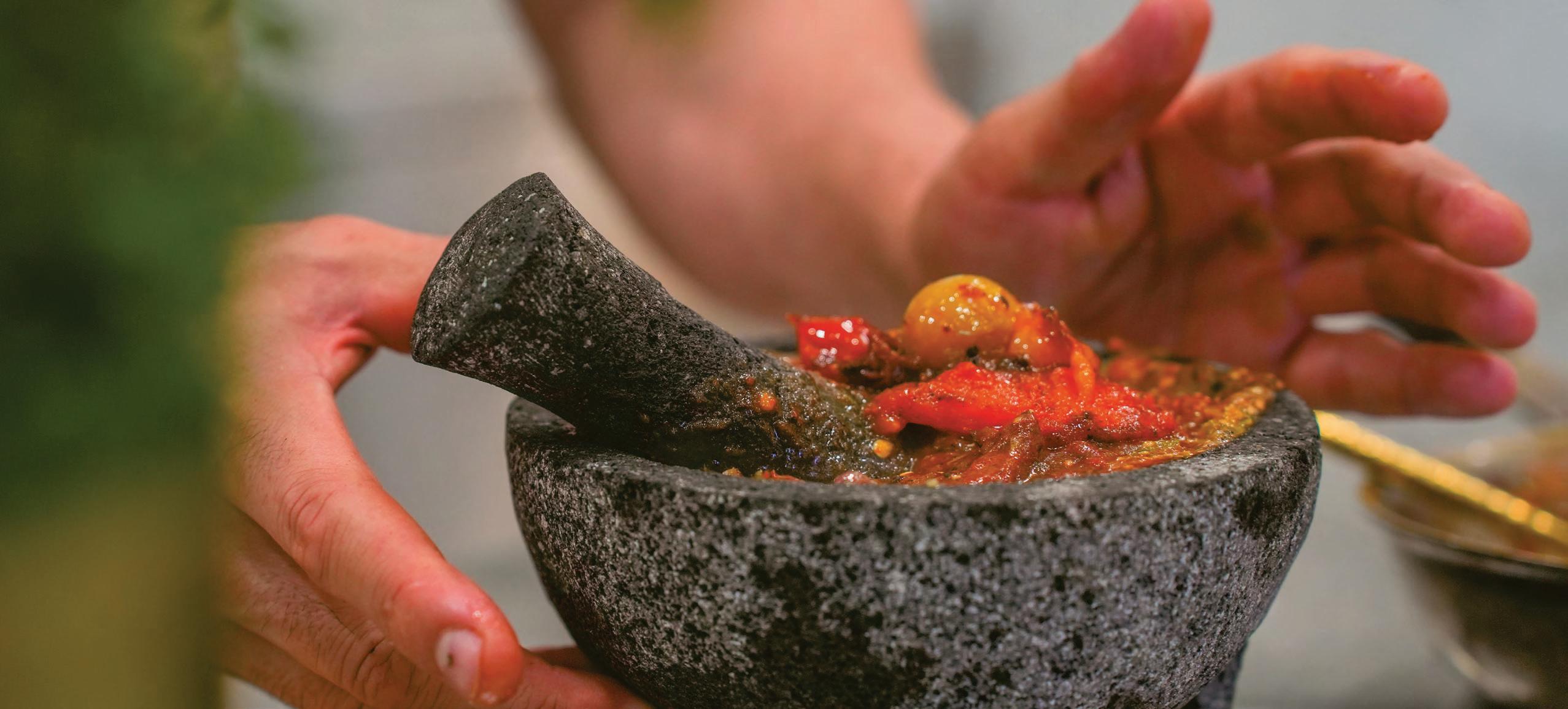
2. In a molcajete, add salt and begin to crush the garlic and onion.
3. Add the chiles and finally the roasted tomatoes.
4. Add pepper to taste, fresh cilantro, diced avocado, and a pinch of dried oregano, mixing gently to maintain freshness and texture.
Perfect for carne asada tacos or any meat with intense, rich flavors.
A Crossover of Flavors: Innovation with Roots
Inspired by the Tarascan salsa of Morelia, this version incorporates five dried chiles—ancho, cascabel, guajillo, de árbol, and mirasol—carefully fried in olive oil, along with blue corn tortilla chips for added texture, plus onion and garlic.
Process:
1. Heat the oil to medium heat and fry the chiles, being careful not to let them smoke or burn.
2. Add onion and garlic; make sure the chiles absorb the oil.
3. Blend with the used oil, salt, and oregano until you have a semi-pureed texture.
4. Fry the tortilla chips until crispy and mix them with the salsa.
5. Finish with pistachios, almonds, and hazelnuts, adding contrast and elevating the experience.
Perfect for fish, esquites (Mexican street corn), chilaquiles, pasta, or grilled/fried chicken. A versatile salsa that takes tradition to the next level.
Beyond the recipe
Ernesto Zamora’s culinary approach prioritizes respect for the traditional ingredients of Mexico and Baja California. His Sinaloan roots and his life in Tijuana are reflected in a cuisine that embraces the region’s cultural diversity.
In Mexico, salsa is the soul of the dish: the core that enhances, balances, and gives meaning to the meal. His recipes bring together flavor, history, technique, and identity, combining past and present in every spoonful.
CRADLE OF FUTURE CHEFS
TIJUANA
By Alma Sofía Villalobos Ruiz
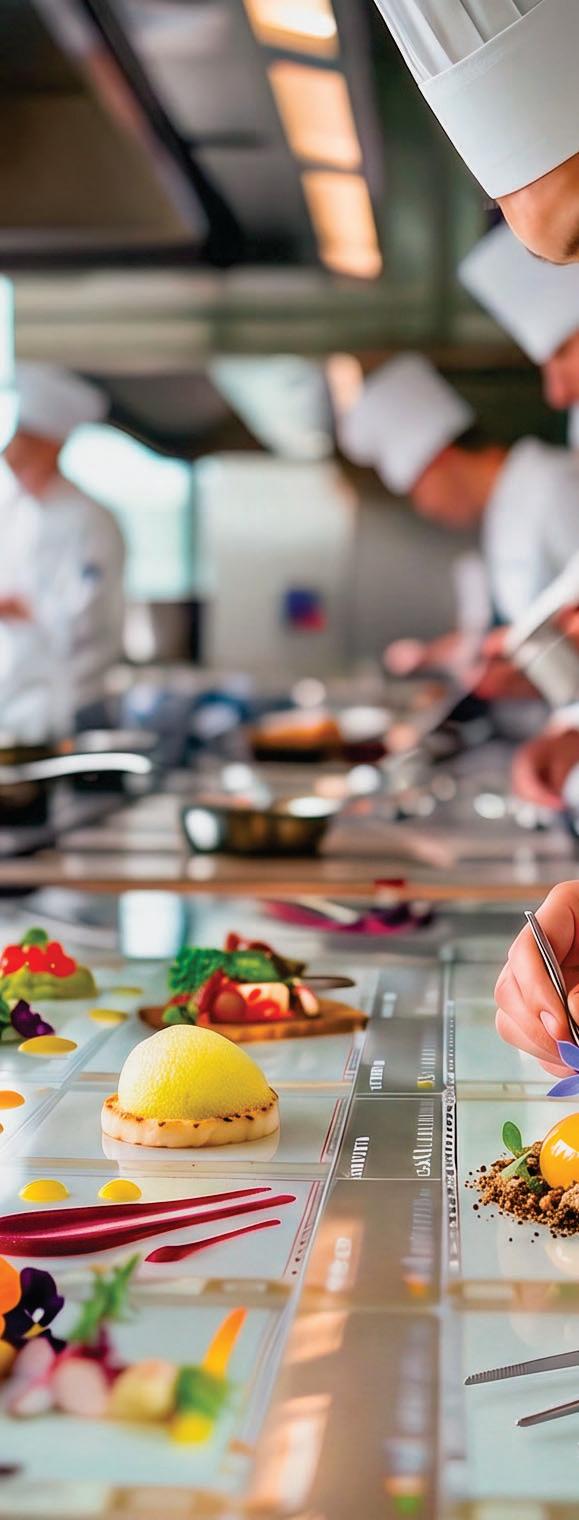
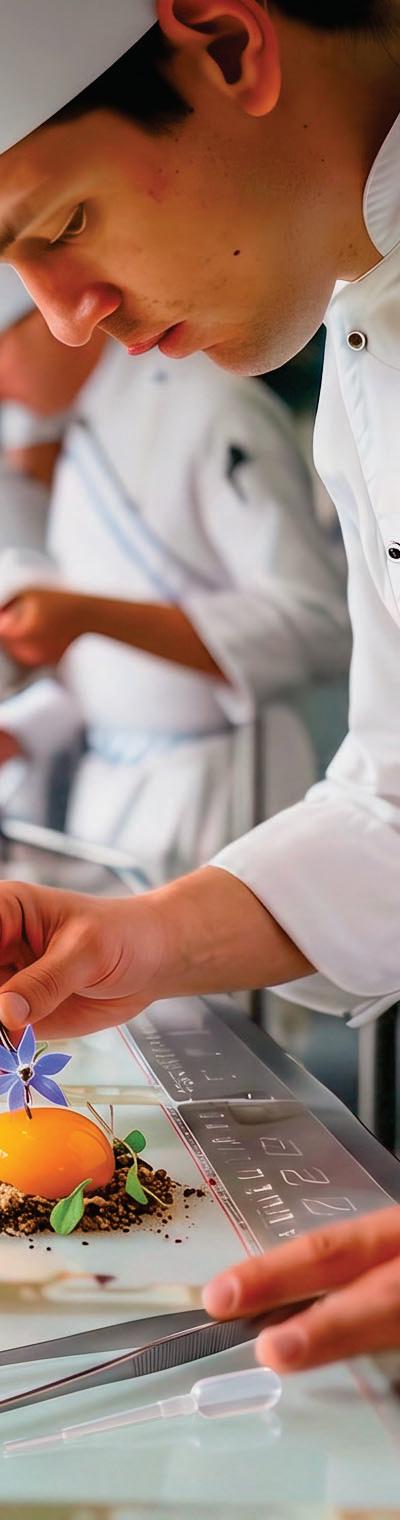
Gastronomy in Tijuana has experienced remarkable growth over recent decades, establishing itself as a cultural driver that enriches the aspirations of those seeking to develop within the culinary field. Globally recognized for its culinary diversity and its border-city character, Tijuana has seen the emergence of unique fusions that blend tradition, innovation, and creativity. Likewise, growing demand has led to a wide range of educational offerings focused on training chefs and professionals in the gastronomic sector. Culinary education not only transmits technical skills, but also strengthens regional identity, fosters innovation in the food industry, and allows each student to develop a specialty, an approach, or a distinctive signature that turns their work into an artistic expression.
Tijuana has positioned itself as a culinary benchmark in northern Mexico thanks to the combination of Mexican traditions, international influences, and contemporary proposals. This environment has driven the creation of educational programs designed to meet the need for professionalization in the culinary field.
The educational offerings available in the city range from technical diplomas to full bachelor’s degrees, allowing students with different goals to develop as entrepreneurs, join professional kitchens, or even participate in haute cuisine projects. In the region, various educational models exist that, year after year, welcome aspiring professionals seeking a space to consolidate their culinary vocation.
Some curricula provide a strong foundation in general cooking, offering the opportunity to learn international techniques such as Spanish, French, and Latin American cuisine, in addition to including diplomas, courses, and practical workshops that allow students to explore specific techniques and develop their own culinary style.
Beyond teaching recipes and techniques, these institutions contribute to building a dynamic gastronomic identity, encourage entrepreneurship, and strengthen the local food industry.
Among the available options, there are also programs focused on comprehensive training, where education is not limited solely to culinary techniques, but also includes areas such as nutrition, administration, and food management, broadening the student’s perspective toward the overall functioning of the gastronomic industry.
Likewise, there are educational models that combine the teaching of basic and advanced techniques with pastry, baking, traditional and contemporary Mexican cuisine, as well as international gastronomy. These programs also incorporate training in administration and management of gastronomic businesses, strengthening the professional profile with tools oriented toward entrepreneurship and the operation of culinary ventures. Some of these programs even offer academic exchange opportunities and international experiences, expanding the student’s cultural and professional outlook.
Other programs focus on comprehensive training that includes cooking, pastry arts, enology, food and wine pairing, and hospitality business management, providing a complete perspective that connects culinary technique with the world of wine, administration, and professional service.
In recent years, new higher education proposals have also been introduced, strengthening culinary training through study plans that combine practical cooking, subjects related to hospitality and service, and resources such as cultivation spaces to promote a comprehensive vision of production and cuisine.
Gastronomy schools play a key role in the economic and cultural development of Tijuana. Many graduates join local restaurants, hotels, catering companies, or launch their own ventures, contributing
to strengthening the city’s culinary scene. In addition, academic training fosters the professionalization of the sector, raising quality standards and promoting innovation in gastronomic techniques and concepts.
Today, many students have graduated from multiple institutions with diverse specialties, making this career path a sea of unparalleled experiences. The relationship between education and the labor market is also reflected in the participation of professional chefs as instructors, bringing students closer to the reality of the industry and facilitating their job placement.
As a competitive advantage, Tijuana’s border condition facilitates access to internationally oriented academic training, offering opportunities to grow in markets with rich cultural diversity.
Beyond teaching recipes and techniques, these institutions contribute to building a dynamic gastronomic identity, encourage entrepreneurship, and strengthen the local food industry. In a context where gastronomy has become a key element of cultural and economic development, the training of tomorrow’s chefs will continue to be a fundamental pillar for the growth of the culinary sector, projecting Tijuana’s identity as a destination where chefs are born and go on to forge their paths both within and beyond the region, carrying the city’s name with them.
Furthermore, their work fosters innovation, respect for regional products, and collaboration among producers, restaurateurs, and communities, consolidating a strong culinary ecosystem. Without losing sight of competitiveness, each student prepares to express flavors, experiences, and techniques, while exploring new gastronomic frontiers.
KUMIAI ADVENTURE PARK: A NATURAL REFUGE WITH THRILLS INCLUDED IN TIJUANA
By Lic. Celia Garcia Hernandez, Comunicacion cotuco
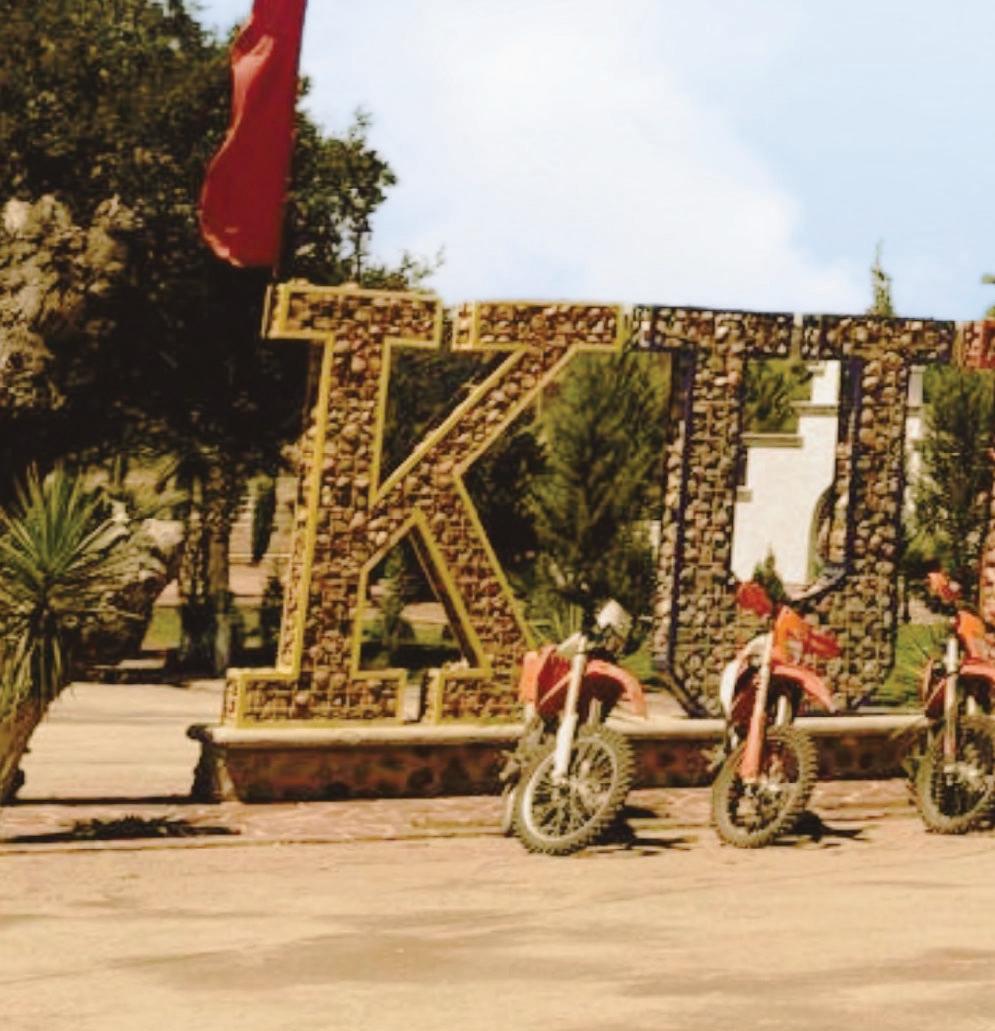
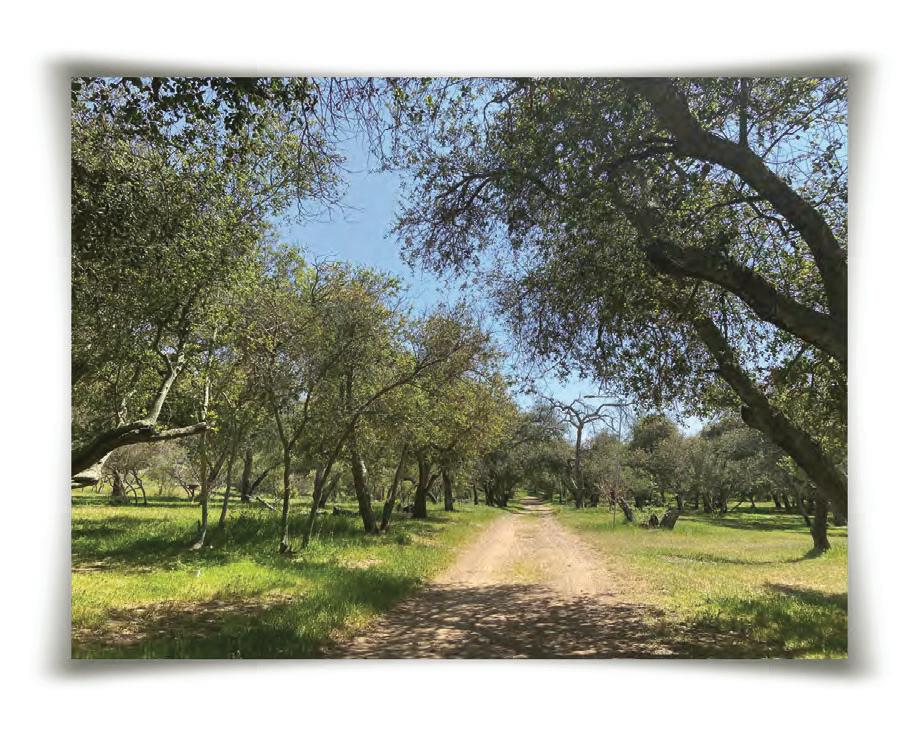
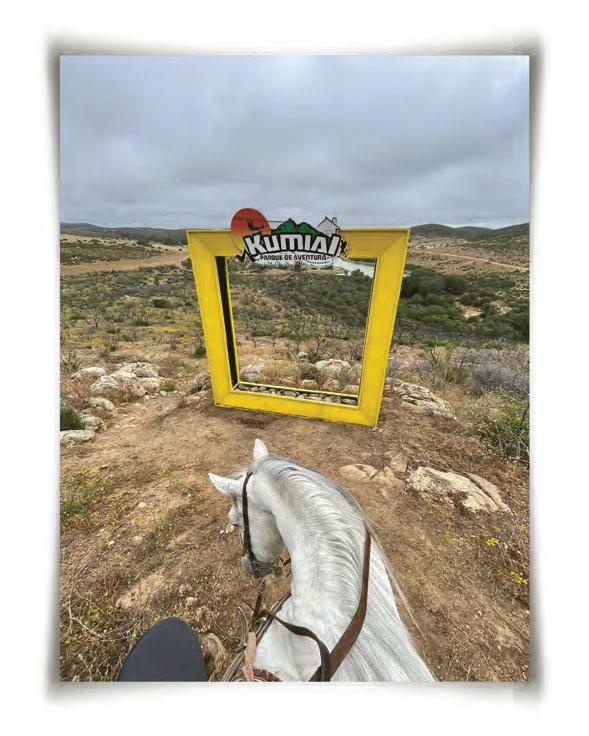
Nestled in the semi-arid landscape of Cueros de Venado, just minutes from the Corredor 2000 highway in Tijuana, lies a place where routine fades away and nature takes center stage: Kumiai Adventure Park. More than just a recreational park, it’s an invitation to reconnect with what’s essential, surrounded by fresh air, tranquility, and experiences that awaken the senses. Open from May to October, this space has become a meeting point for families, groups of friends, and adventure lovers seeking a unique getaway without leaving the city.
Fun to be experienced, not just described.
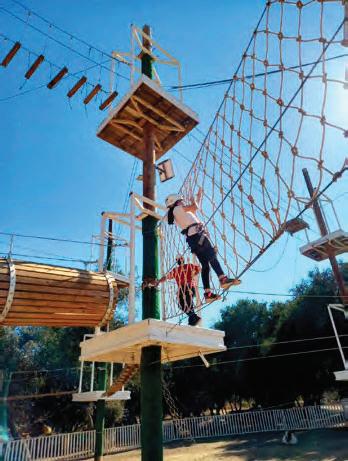
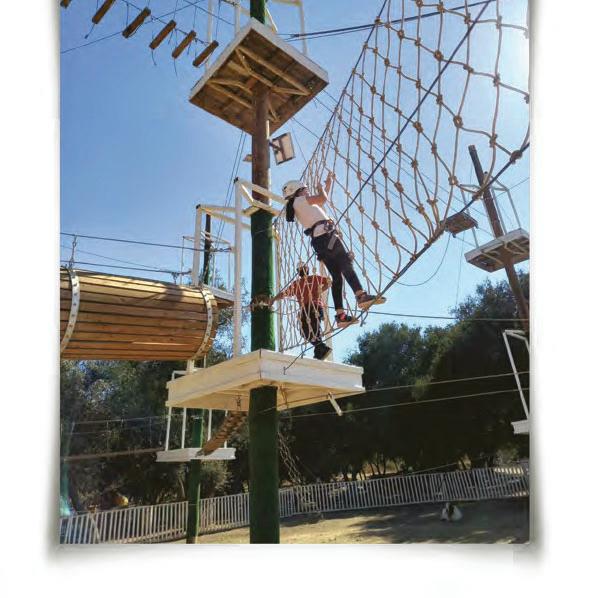
Here, every corner offers an experience. From the adrenaline rush of ziplining over 1,500 meters to the excitement of riding on the motorcycle track or enjoying a horseback ride along natural trails.
For those who prefer a more relaxed pace, the hiking and biking trails allow you to explore the surroundings at your leisure, while the hammock areas simply invite you to stop and breathe.
Younger children will also find their own space in play areas designed for non-stop fun, while the 1.20-meter-deep pool becomes the perfect place to cool off in the sun.
Flavors to complement the experience
The visit wouldn’t be complete without a stop at Sereno Café, where the aroma of wood-fired pizzas whets your appetite. The menu is complemented by sandwiches, chilaquiles, and ideal options to recharge after an active day. For those who prefer a more personalized plan, the park offers barbecue areas, allowing you to bring and prepare your own food in a comfortable and family-friendly atmosphere. Snacks, drinks, and essential items for maximum enjoyment are also available for purchase, from inflatables to swimsuits.
Sleeping under the stars
When night falls, the park reveals another of its most special facets. The camping experience—two days and one night— allows you to fully immerse yourself in the tranquility of the surroundings.
The most memorable moment comes with the movies under the stars: a screen, the open sky, and the sounds of nature as a backdrop create an unforgettable atmosphere. It’s the kind of experience that transforms a visit into a lasting memory.
A space for togetherness and reconnection
Beyond its activities, Kumiai Adventure Park has a clear essence: to foster community and offer a space where people can reconnect with each other and with the natural environment. It reflects a Tijuana that is evolving, opening spaces for simplicity, authenticity, and humanity.
Recommendations for your visit
The park is open to the public on weekends, while during the week it welcomes school and corporate groups. Access is easy, although the last stretch is unpaved with some inclines, so a suitable vehicle is recommended. It’s also important to arrive early, as the area lacks streetlights. The park is wheelchair accessible, reaffirming its commitment to inclusion.
Featured activities
Zip lines (1,500 meters)
Motorcycle track
Horseback riding
Bicycle riding
Hiking
Camping
Hammock area
Barbecue grills
Swimming pool
Movies under the stars
Children’s area
Food and beverage sales
THE IMPORTANCE OF TOUR OPERATORS IN THE TOURISM INDUSTRY
By Lic. Ivan Cortez Chavez AATOPBC President
For a long time, it was believed that promoting tourism simply required publicizing a destination’s attractions through advertising: archaeological ruins, historical buildings, natural beauty, and events, among others. This promotion was carried out through various media outlets such as radio, newspapers, television, and magazines, as well as posters, brochures, billboards, and audiovisual materials.
In some cases, these strategies were complemented by participation in tourism fairs and exhibitions, both nationally and internationally. Over time, these
actions evolved to include gastronomic tastings and service demonstrations, enriching the experience for attendees.
Later, the concept of public relations was added to that of promotion and advertising, recognizing the importance of generating face-to-face meetings with opinion leaders, media outlets, and organized groups from source markets. These actions allowed for showcasing the advantages of tourist destinations, clarifying misinformation, and countering negative perceptions, gaining increasing importance.
However, until a few years ago, a key element was still missing, and its absence directly impacted the results.
Despite advances in promotion, advertising, and public relations, the offering of attractions, services, and tourist events in Baja California— presented by authorities and organizations in the sector—generated interest but failed to finalize the process. When it came to defining details such as itineraries, costs, and logistics, the marketing of services was limited, since neither the authorities nor the organizations could assume that role.
The need to integrate a key player was evident: the tour operator.
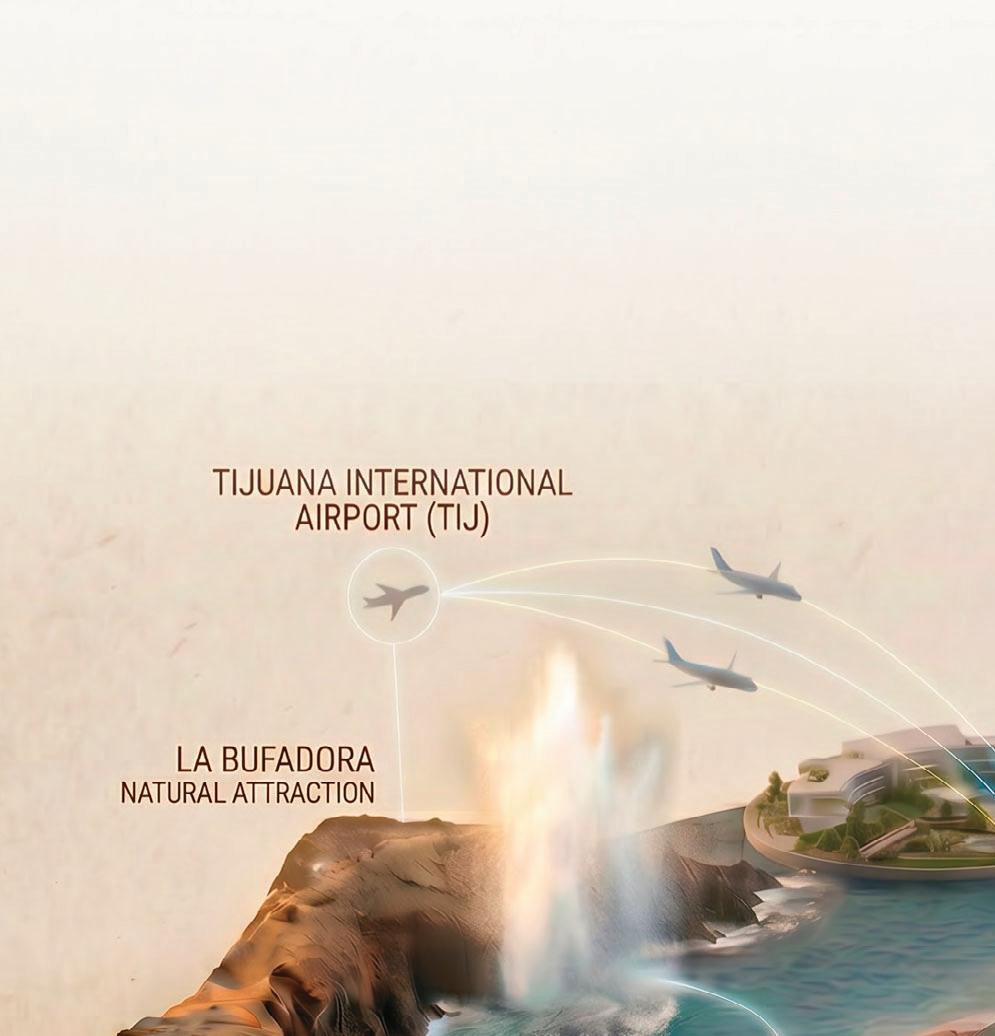
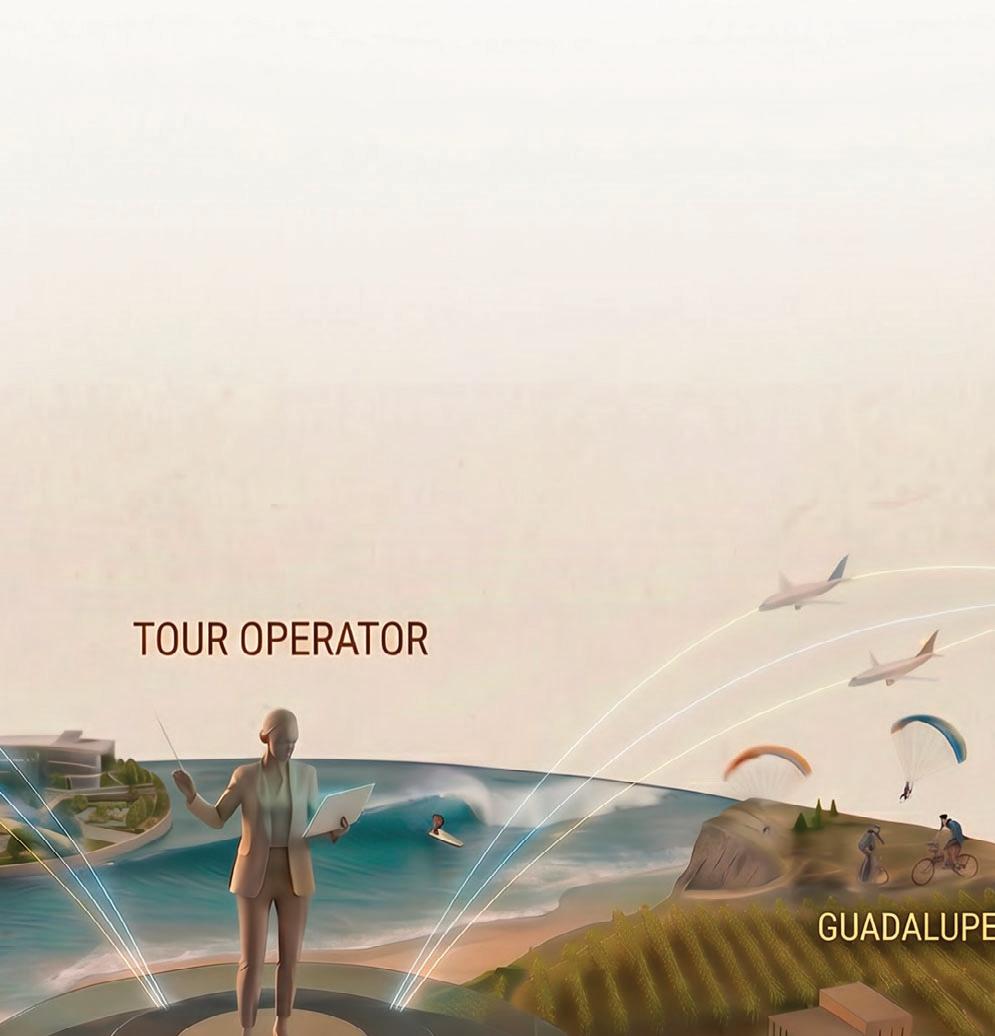
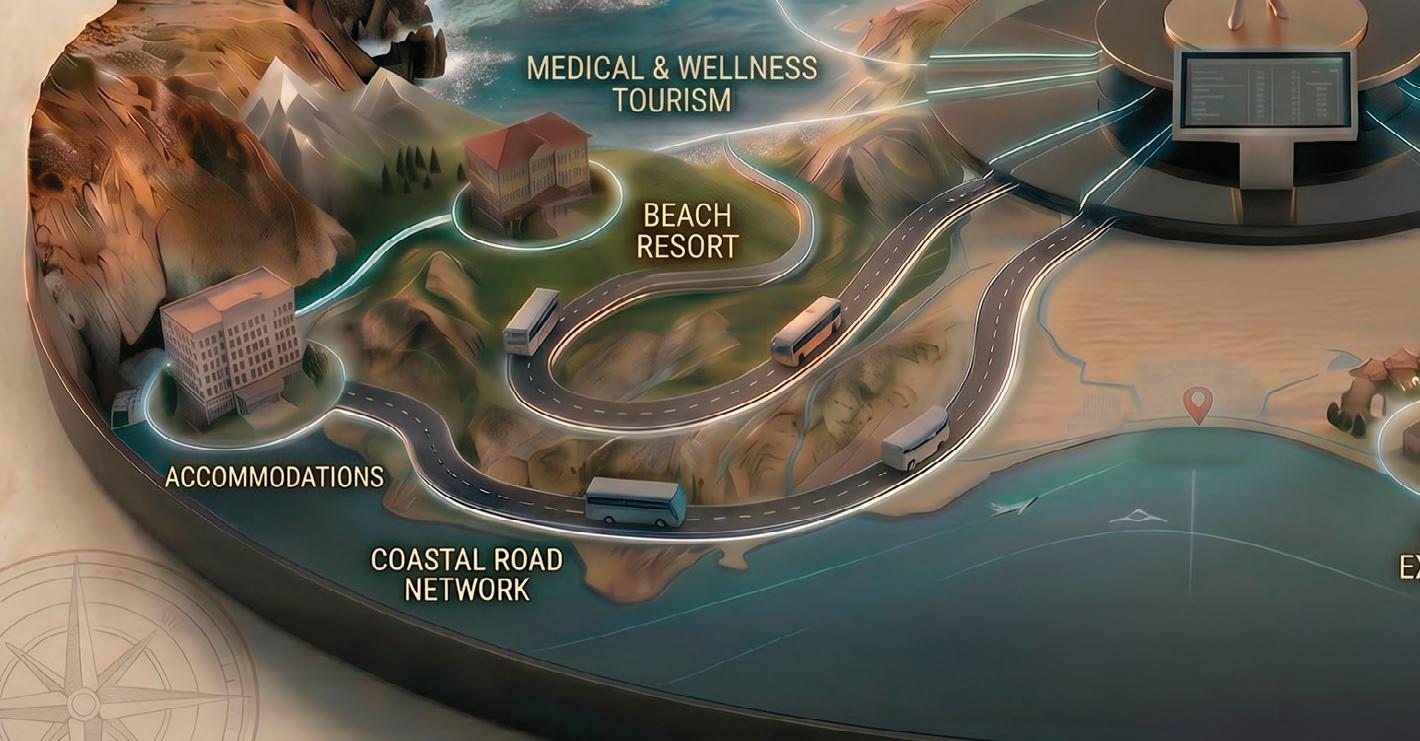
This player can coordinate the various elements of the tourism value chain, including air, land, and sea transportation; lodging and meals; as well as tours and experiences at points of interest, all under professional service and customer care standards.
Over time, and as these service providers have organized themselves—as is the case with the Baja California Hosts and Tour Operators Association (AATOPBC), founded more than a decade ago—their role has become increasingly important.
Today, when private sector organizations and the State Tourism Secretariat hold destination presentations, participate in fairs and exhibitions, or host familiarization visits for tour operators, travel agents, and specialized media, the presence of the tour operator is increasingly indispensable within the delegations.
Furthermore, the tour operator contributes innovation and creativity by designing customized packages, routes, and experiences, with prices that meet market expectations.
Experience has shown that their work is essential: from integrating tourism offerings to their effective marketing, as well as obtaining direct feedback from visitors. This allows for keeping tourism products updated, competitive, and aligned with market trends.
In an increasingly dynamic and demanding environment, the tour operator is consolidating its position as a strategic link in transforming interest into concrete experiences, thus strengthening the tourism development of destinations like Baja California.
Fashion that connects TERRITORIES, TECHNOLOGY AND PURPOSE
Por Vanessa Bañuelos
oday, fashion is also a form of travel. Not only because of what we see in a garment, but because of everything behind it: processes, territories, talent, and strategic decisions that transform a brand into something much bigger. It is at this point that Grecia Soto has managed to build a model with real impact, one that engages not only with aesthetics, but also with industry, technology, and economic development.
Beyond design, the brand has understood how to navigate the industry intelligently. Its presence on platforms like InnovaModa, Intermoda, ANPIC, and The MX Hub is no coincidence, but rather part of a clear strategy: to be in the spaces where opportunities truly arise. These are the settings that allow a brand not only to showcase its products, but also to connect, negotiate, and grow.
Each of these platforms functions as a meeting point between creativity and business, where buyers, designers, suppliers, and strategic partners converge. And it is precisely there that Grecia Soto has managed to position herself with a clear vision, understanding that fashion is not only inspiration, but also structure, planning, and execution.
One of the brand’s most interesting differentiators is its conceptual origin. The integration of engineering into the creative process has allowed it to develop pieces with a much more structured vision, where form, function, and material are considered from a technical perspective. This approach not only elevates design but also opens new possibilities within contemporary fashion, positioning it within a broader conversation that includes innovation and development.
But if there’s one thing that truly defines Grecia Soto, it’s her ability to build collectively. At a time when the industry is seeking more sustainable and collaborative models, the brand has focused on forging alliances that add value from various angles. One example of this is her collaboration with Maura Martí from Paraguay, as well as with several footwear and accessory brands in different regions.
These collaborations not only enrich the final product, but also build a network in which each participant contributes value from their area of expertise: raw materials, artisanal processes, manufacturing, or technical innovation. Grecia Soto, for her part, integrates these elements under a clear creative direction and a technological vision that structures the entire process.
This model has an impact that extends far beyond fashion. By activating value chains across different regions, it generates economic benefits for multiple sectors: from local producers to retail outlets, including workshops, suppliers, and commercial spaces. In this sense, fashion becomes a tool for economic and social development.
Furthermore, establishing active retail outlets allows this network to materialize into
real-world experiences for the consumer. It’s not just about acquiring a piece, but about becoming part of a narrative that promotes local consumption and strengthens regional economies. Each retail outlet becomes an extension of the project, a space where history, design, and community converge.
From a tourism perspective, this type of model redefines how we understand the creative industry. The platforms, fairs, and collaborations in which Grecia Soto participates become points of attraction that generate visitor traffic, cultural exchange, and business opportunities. Fashion ceases to be an isolated element and becomes part of the overall destination experience.
Grecia Soto undoubtedly represents a new generation of brands that understand that the future of fashion lies at the intersection of creativity, technology, and business. But above all, it lies in the ability to connect.
Because today, more than ever, the brands that truly transcend are not just those that design well, but those that understand the context in which they exist and know how to build from there.
And along the way, Grecia Soto is not only creating pieces, she is creating a system that unites territories, promotes talent and opens new possibilities for fashion made from Mexico to the world.
FROM TRADITION TO THE PALATE:
THE ART OF MEXICAN SWEETS
By Mayra Pérez
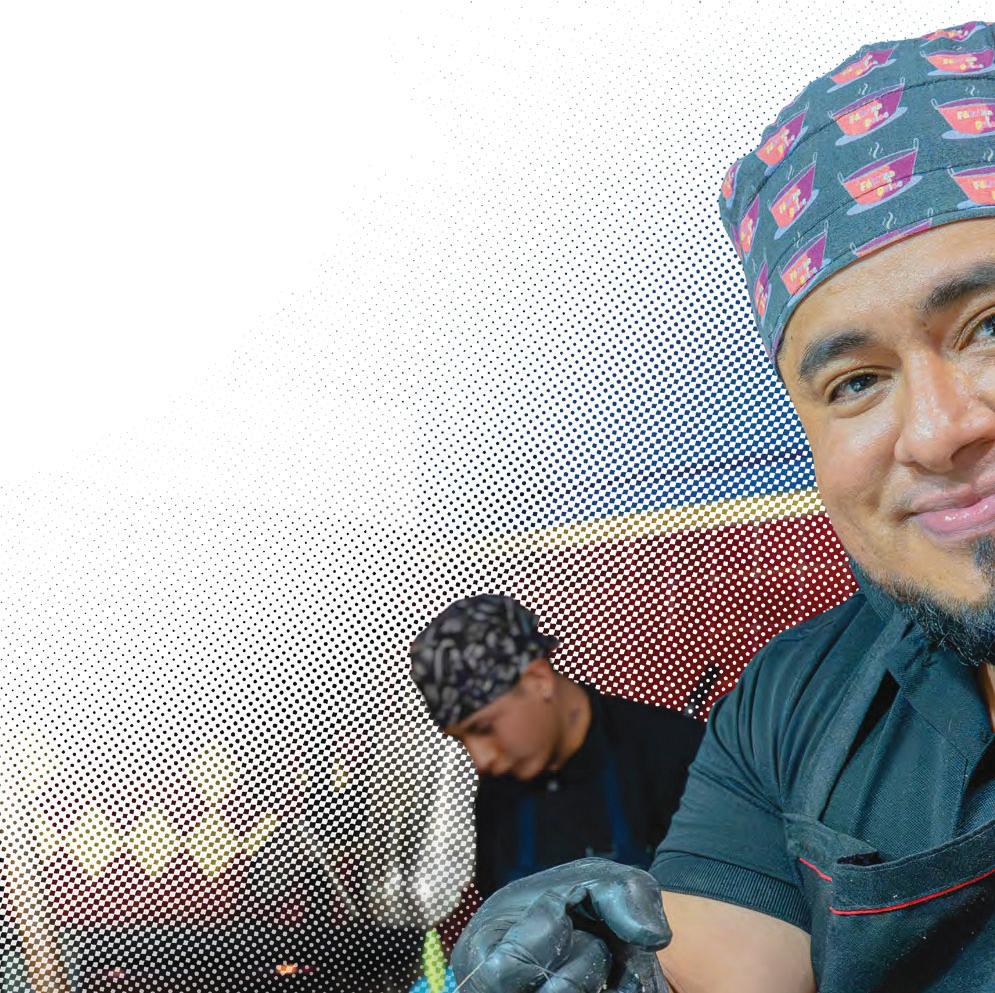
ASometimes, what is a challenge for some becomes magic for others. This was the case for Viridiana Álvarez and her husband, Marco Antonio Morales, who, with their hands and passion, brought La Fábrica del Dulce (The Sweet Factory) to life: a place where the flavors of Mexico become an experience, and where regional sweets are not only bought, but enjoyed freshly made, full of history and tradition.
The project was born during a difficult time, during the pandemic, when many businesses struggled to stay afloat. For this couple, necessity became creativity, and opportunity became action. What began as selling sweets at street markets soon sparked questions: “When will we be able to have our own place to enjoy these delicacies?”
Thus began their journey to establish a space that, today, is one of the most beloved by locals and foreign visitors alike.
Where Sweets Come to Life
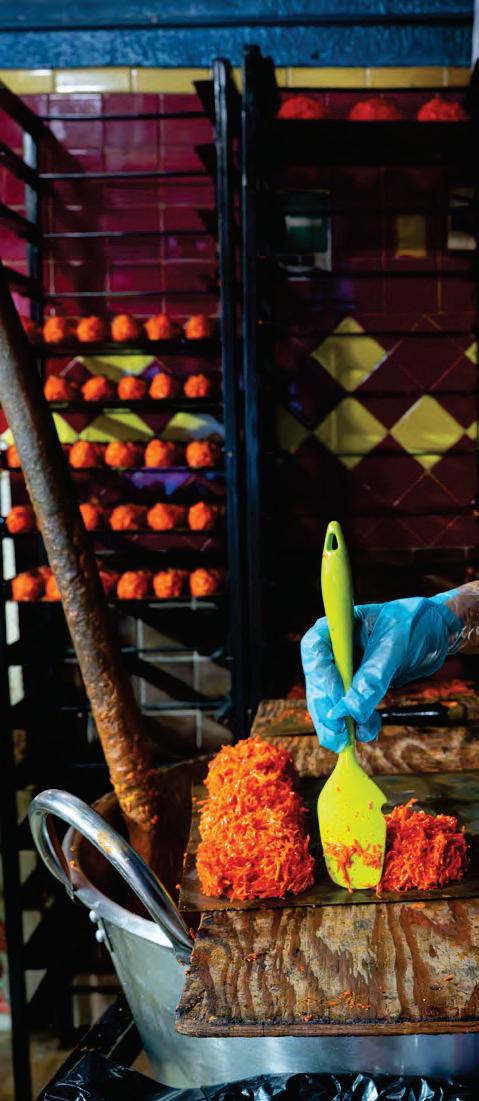
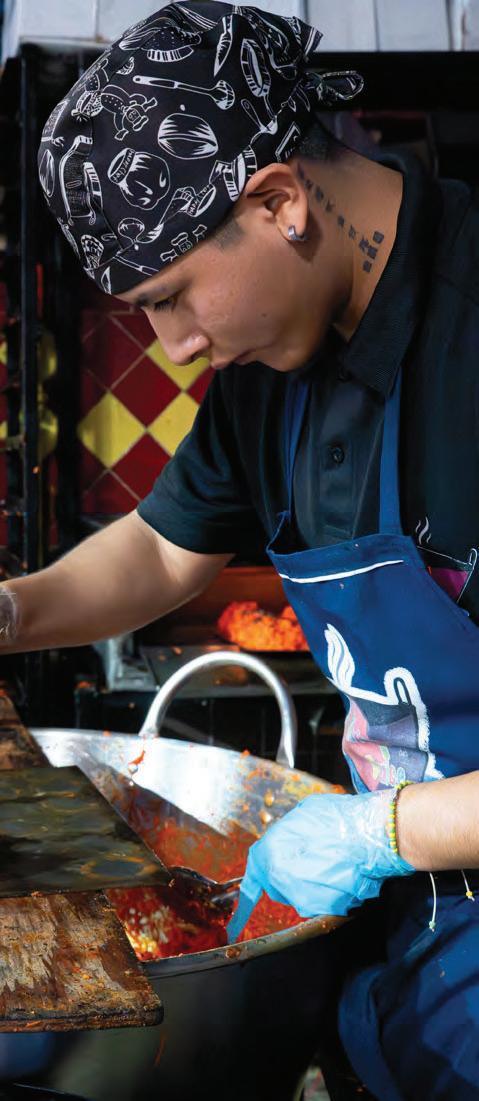
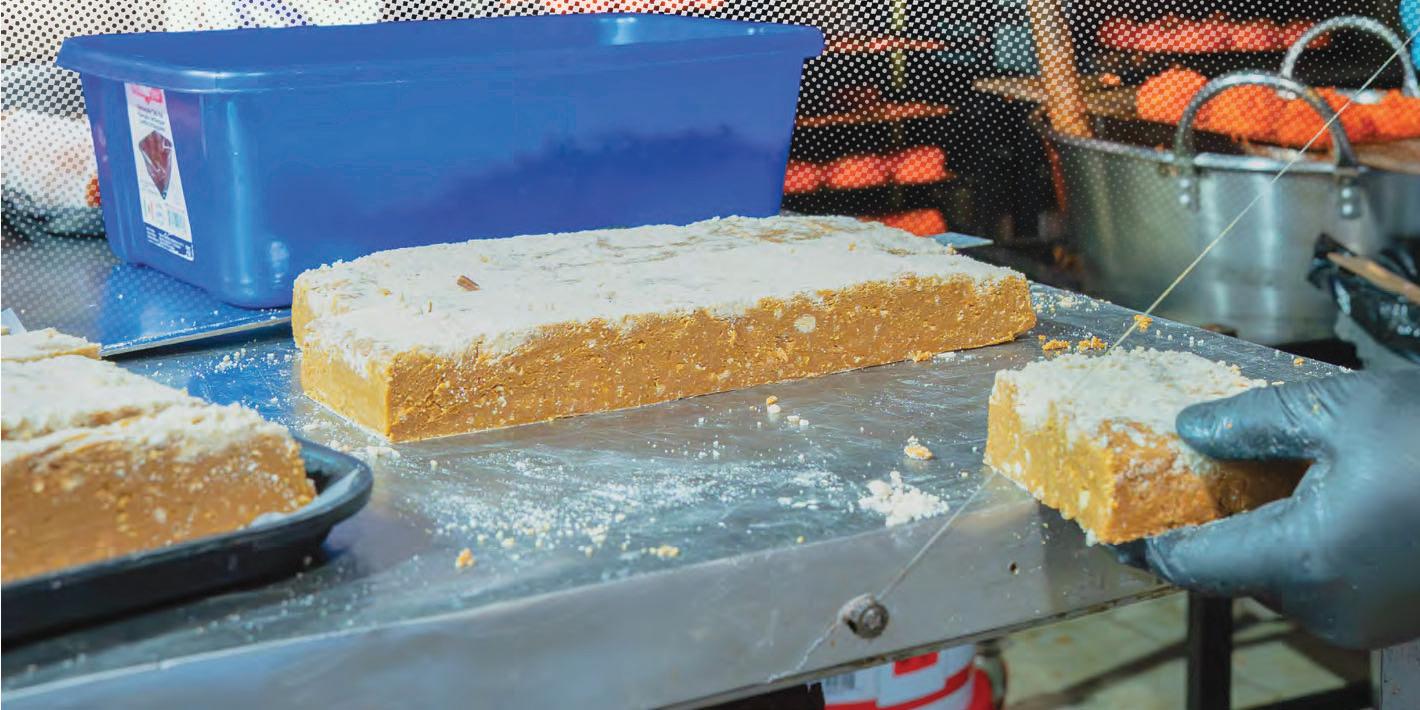
What makes this place unique is that the sweets are made right in front of the visitors. Each candy, coconut candy, or guava roll is a spectacle of aromas and colors, an invitation to witness the artisanal process that transforms fruits, milk, and sugar into true jewels of flavor. Although La Fábrica del Dulce (The Sweet Factory) is a young business— soon to celebrate its third anniversary—its journey hasn’t been easy: “The first year and a half was very challenging. Starting from scratch, with no customers and no staff, just my husband and me. Every exhibition or cultural event was an opportunity to make we known,” shares Viridiana.
Little by little, thanks to the loyalty of Tijuana residents and word-of-mouth advertising, their business began to solidify and earn a special place in the city.
A Tradition to Savor
The concept is distinguished by its wide variety of traditional sweets. “We have products that can only be found in Michoacán, Puebla, or Mexico City, all in one place in Tijuana,” Viridiana explains.
Among the favorites are chongos zamoranos, cocadas, dulce de leche, sweet potato, candied pumpkin, and guava rolls. Each one reflects the cultural roots of different regions of the country.
Surprising Creativity
Tradition doesn’t limit the imagination. From the beginning, the couple has created exclusive sweets that have become the signature of their business: “We have the chili-coated mango roll, unique in Mexico, and the dulce de leche with marzipan, which is what really made La Fábrica del Dulce (The Sweet Factory) start to gain local recognition,” says Viridiana.
These delicacies even attract customers from the United States and other places, who sometimes buy up to 20 pieces per visit. Another success is the Rosita nougat, originally from Guadalajara, which the couple reinvented with their own recipe, improving the texture and flavor for local palates.
Natural Sweets, Authentic Flavor
“All the sweets sell equally well, and although there are seasonal products, we try to keep everything available for our customers,” says Viridiana. All products are made with natural fruits, without preservatives or artificial flavorings, highlighting the authentic taste of each ingredient.
A Flavor with a Future
Viridiana and Marco Antonio’s dream doesn’t stop there. Among their future projects are the creation of new fruit rolls, more varieties of nougat, the possibility of expanding their shop, and offering national and international shipping, something their customers have repeatedly requested.
Every sweet we make passes through Mexican hands, from Oaxaca, Puebla, and Chiapas. Everything is handmade, made with love and dedication for our people
Worth considering:
Located on Calle Segunda, Zona Centro (across from Hospital Guadalajara), and you can also follow them on social media:
lafabricadeldulce1
Currently, 12 people oversee the daily production of sweets, a number that will grow as they reach new goals.
“Every sweet we make passes through Mexican hands, from Oaxaca, Puebla, and Chiapas. Everything is handmade, made with love and dedication for our people,” concludes Viridiana. At La Fábrica del Dulce, every bite is more than just a product: it’s effort, creativity, and a passion for keeping the tradition of Mexican sweets alive.
La Fábrica del Dulce
BETWEEN BRAINS AND ALGORITHMS: TIJUANA’S AI
By Elsy Pineda
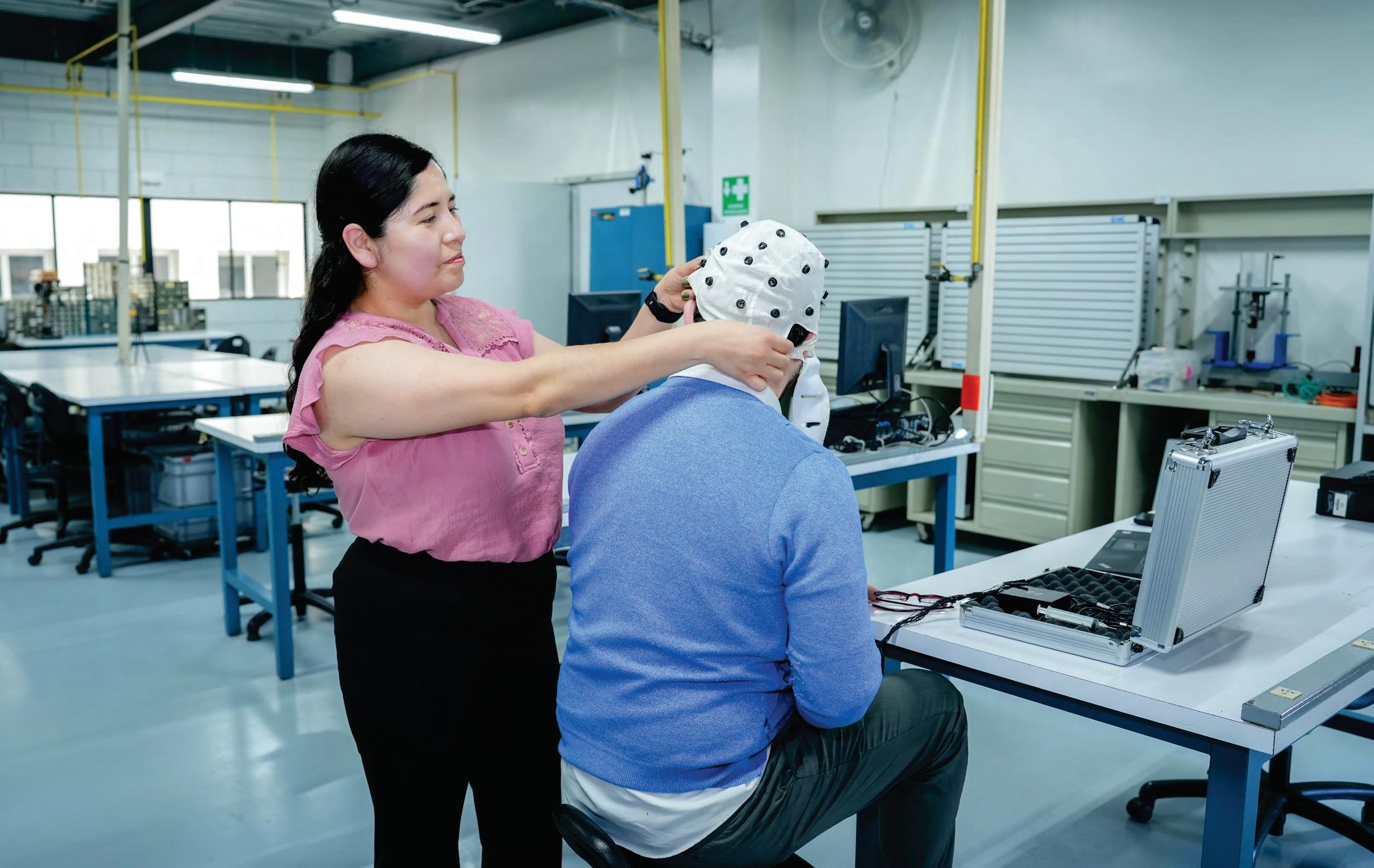
Tijuana also shines in the field of international research, with projects like that of Dr. Nataly Medina Rodríguez, researcher and coordinator of Electronic Cybernetics Engineering at CETYS University, who developed an artificial intelligence capable of analyzing brain signals to help reduce the effects of fatigue.
From one of the university’s laboratories, Dr. Medina shared that this research arose from her postgraduate studies. She explained that, as a teacher, she knows that when her students nod off in class, it’s not due to a lack of interest, but rather exhaustion, which disconnects people from their daily activities, such as studying. Her work focuses on detecting brain patterns that allow her to identify this fatigue.
Her research has garnered international attention after being published in the book Artificial Intelligence and Quantum Computing: Early Innovations Volume 2, by Springer, one of the world’s most renowned scientific publishers.
Behind Artificial Intelligence
Medina Rodríguez emphasized that artificial intelligence is not a new concept, although today it is often associated with generative tools present in everyday life. However, her focus is on developing her own models, capable of solving specific problems and learning to recognize patterns.
There are various ways to address fatigue, such as analyzing oxygen levels, nutrition, or physiological factors, but her research centers on brain function. When a person is alert, their brain activity has characteristics that change when they close their eyes; the essence of the project lies in identifying those electrical patterns that reflect a state of fatigue.
Technology with Real Impact
The research uses a headset like those used by neurologists for electroencephalograms (EEGs). Through the developed algorithm, the signals are analyzed automatically, whereas traditionally specialists interpret them manually.
This means that devices combined with computer systems could help doctors interpret studies and detect patterns faster. Although the project is currently focused on fatigue, the system could be adapted for epilepsy, coma, and other neurological conditions.
Furthermore, artificial intelligence could be applied to workplace safety, air and land transportation, or even neuromarketing, analyzing consumers’ brain activity to better understand their reactions to different stimuli: “Artificial intelligence doesn’t replace, but rather enhances our capabilities, improves decision-making, and strengthens regional innovation,” stated the researcher, emphasizing the ethical use of the technology.
Women’s Empowerment in STEM
The doctor also has international experience: in 2024, she represented Mexico in the International Visitor Leadership Program (IVLP) in the United States, a professional exchange program focused on women in STEM (Science, Technology, Engineering, and Mathematics). “It was a very meaningful
experience, which allowed me to collaborate with other participants, around 50 women, for almost three weeks,” she shared.
Despite the challenges of a field historically dominated by men, she acknowledges progress in women’s participation in STEM and, from her position, encourages girls and young women to study engineering to advance toward greater gender equality. “For young women who are hesitant to pursue engineering, I would tell them to believe in themselves. More and more women are participating, and there is room for everyone,” she noted.
In that same vein, she emphasized that opportunities do exist, but they must be channeled into projects that address real needs. He emphasized that collaboration between academia, the business sector and government, along with the aerospace, biomedical and technological clusters of the CaliBaja mega region, allows for the articulation of research, specialized talent and international development.
CHILDHOOD IN THE SPOTLIGHT:
VISUAL HEALTH THAT SHOULDN’T WAIT
Por Mayra Pérez
Visual health during childhood often goes unnoticed. Why? Unlike other ailments, eye problems in the first years of life don’t always present obvious discomfort to parents, which delays their detection and timely treatment.
FIRST THINGS FIRST
What’s the difference between a general ophthalmologist and a pediatric ophthalmologist?
Dr. Adriana Valdés Barrena, director of the Pediatric Ophthalmology and Strabismus Service at CODET Vision Institute in Tijuana, explained that the main difference lies in the level of specialization. While a general ophthalmologist is trained in eye diseases in
general, a pediatric specialist undergoes additional studies focused on conditions specific to childhood, their causes, and treatments: “Even if the diseases have the same name, they are not managed in the same way in an adult as in a child,” she noted.
The first eye exam is key
According to the specialist, the General Health Law in Mexico establishes that the first eye exam must be performed at four weeks of age. “This evaluation is part of the vaccination record, although many families are unaware of its importance,” she pointed out.
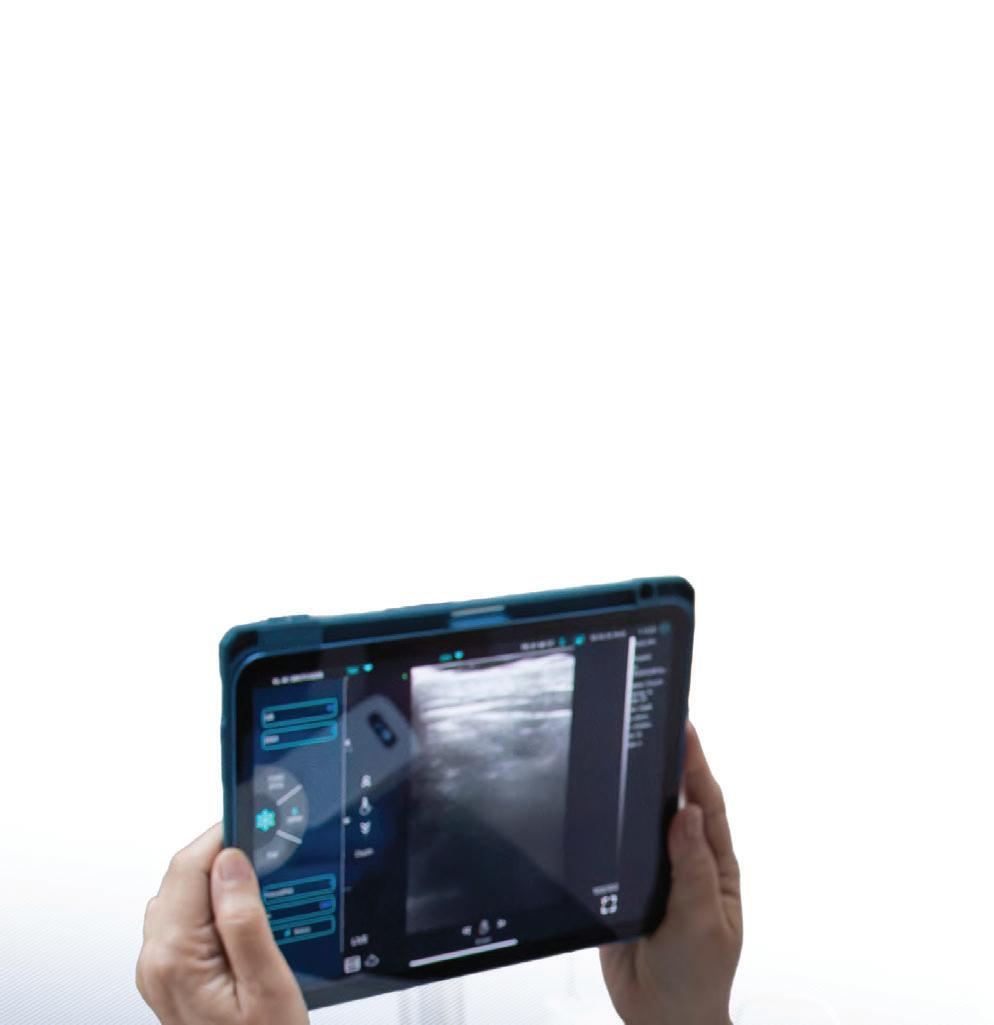
Contrary to popular belief, it is not necessary for the infant to recognize letters or speak to have a vision exam. Thanks to technological advances,
there is specialized equipment that allows for accurate assessments from a very early age.
These exams are especially important for premature babies, who have a higher risk of developing eye problems.
What can be detected?
Among the most frequent childhood conditions are refractive errors, that is, those that require the use of glasses:
MYOPIA (NEARSIGHTEDNESS): near objects are seen clearly, but distant objects appear blurry.
HYPEROPIA (FARSIGHTEDNESS): near objects appear blurry, while distant objects are usually seen clearly.
ASTIGMATISM: blurred or distorted vision both near and far, due to an irregular curvature of the cornea.
These problems often go unnoticed, as children adapt to seeing blurry without realizing it.
“Seeing is one thing, seeing clearly is another. If they have always seen like this, they don’t know that better visual quality exists,” the doctor explained.
Another frequent condition is eye allergies, especially in regions like Baja California, where the environmental load is high. Although they may seem mild, if left untreated they can lead to serious complications. Itching causes children to constantly rub their eyes, which can damage the cornea and even require a transplant in severe cases. Currently, allergists can treat these conditions with immunotherapy, significantly reducing symptoms and preventing complications.
Although eliminating screen use is difficult, it is recommended to limit it:
Zero exposure before age 2
Half an hour daily between ages 2 and 6
One hour between ages 6 and 12
A maximum of two hours for adolescents
Caring for your eyesight is caring for your future
Dr. Valdés Barrena emphasizes that visual health should be checked from the first weeks of life and then annually, not only when symptoms appear: “Few parents take their children for a checkup without a problem. That’s what we should be doing,” she said.
Early detection doesn’t always reverse a condition, but it can prevent major complications, including blindness. It is estimated that many cases of vision loss in adults originate from untreated conditions during childhood. In short, caring for visual health from the earliest years is not a minor or optionable issue: it is a decision that directly impacts the academic, social, and emotional development of children.
Strabismus is another relevant condition. It involves the misalignment of one or both eyes and, beyond being a cosmetic issue, can cause progressive vision loss if not addressed promptly. After four months of age, misaligned eyes are no longer normal.
Screens: A New Challenge
The use of electronic devices now presents a significant challenge to children’s visual health. In recent years, there has been an increase in cases of myopia, directly related to prolonged exposure to screens at close range: “The eye adapts to seeing up close and can grow more than it should, which contributes to myopia,” the specialist noted.
eed,et s ntly rub their nd a tly, erapy, ng ondition e ter four months nger normal ow th. es of screens at eeing up should, which alist noted.
By Mayra Pérez
IWHAT THE BODY EXPRESSES THROUGH THE JAW BRUXISM:
n a fast-paced era, society often prioritizes productivity over personal well-being, especially when it comes to health. When emotions are neither addressed nor processed, the body ends up expressing what is kept silent.
In recent years, various conditions have emerged that affect a growing number of people. Such is the case with bruxism—the involuntary habit of clenching or grinding teeth—which not only wears down the smile but also reflects the impact of stress and anxiety.
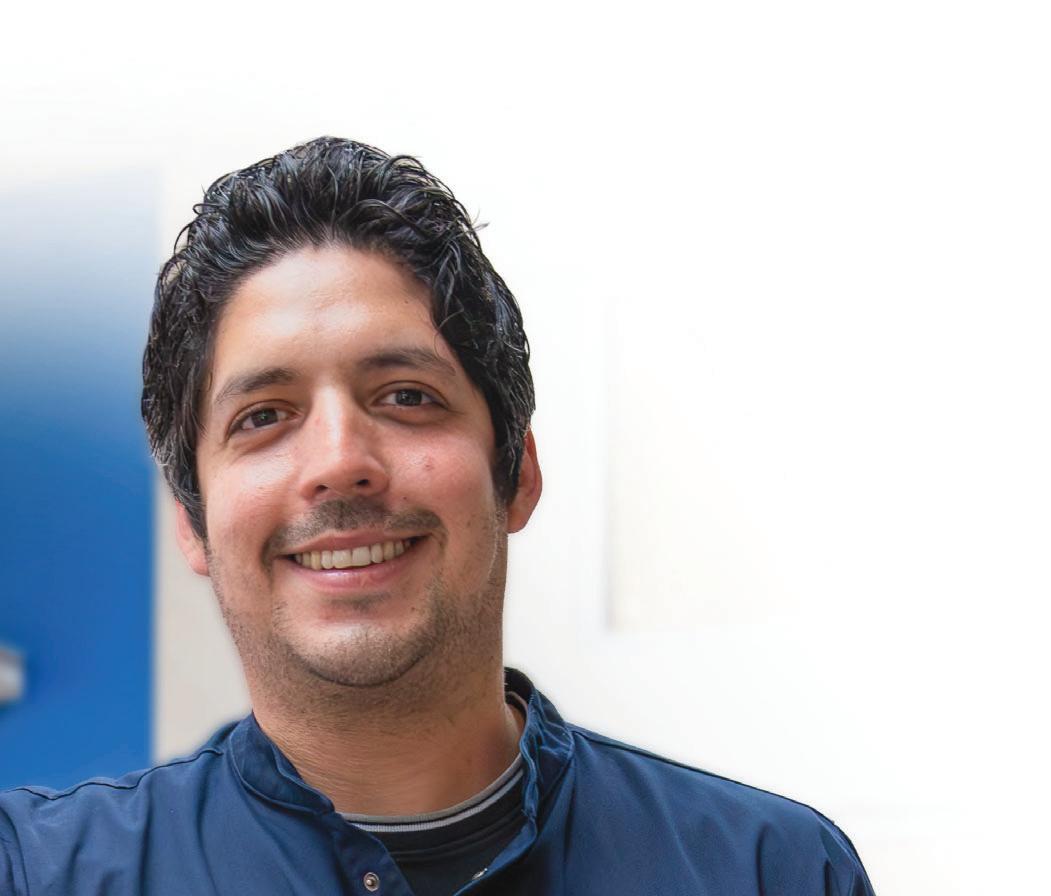
According to Dr. Rodrigo Ángeles Castro, an orthodontist specializing in joint health, this condition is more common than people think, although it remains poorly understood. While its main characteristic is repetitive jaw movements, bruxism should also be understood as a symptom: the manifestation of a deeper problem that needs to be identified. “Many people live with their symptoms without recognizing their origin, normalizing the pain or if it has no solution. However, far from being an isolated problem, bruxism is the result of multiple factors interacting in the body,” he explained.
WHAT CAUSES IT?
From his clinical practice, the specialist identifies three main factors that influence its appearance:
1 EMOTIONAL COMPONENT. Stress, anxiety, or any situation perceived as a threat activates bodily mechanisms that generate muscle contraction. This response often results in the habit of clenching the jaw.
2 SLEEP APNEA. Its relationship with bruxism originates in the obstruction of the airways. When airflow decreases during rest, the body responds with jaw movements to restore breathing. This dynamic affects sleep quality and intensifies the symptoms.
3 GASTROESOPHAGEAL REFLUX. Increased acidity causes the need to produce more saliva; to do this, the body stimulates jaw movements that can lead to episodes of nocturnal bruxism.
IDENTIFICATION IS KEY
One of the main challenges surrounding bruxism, according to the specialist, is that many patients become accustomed to these habits because they don’t find clear answers.
Bruxism can present in two forms: while awake and during sleep.
Wake bruxism occurs during the day and is related to habits such as clenching teeth during moments of stress, concentration, or emotional tension. Being aware of it makes it easier to treat, as the patient can identify and modify it.
On the other hand, sleep bruxism is involuntary and more complex. In these cases, it is not enough to control jaw movement; it is necessary to investigate its origin. This is where psychological factors, obstructive sleep apnea, and gastroesophageal reflux interact.
Generally, this type of bruxism is detected by a partner or close friends, who perceive the teeth grinding. However, there are also specialized studies that analyze sleep patterns and jaw movements.
AN INTERDISCIPLINARY TREATMENT
Once the symptoms are identified, the patient should consult a specialist. At this point, Dr. Rodrigo Ángeles emphasizes that the treatment must necessarily be interdisciplinary.
“It’s not just about treating the teeth, but about addressing the patient holistically. The diagnosis begins with a detailed analysis that includes lifestyle, emotional state, habits, sleep quality, and medical history,” he notes.
The comprehensive approach may include:
• Nutrition, rest, and mental health, as fundamental pillars of well-being.
• Physical therapy, to relax and strengthen muscles, as well as correct postural habits.
• Dental splints or guards, depending on each case, to protect the teeth and distribute the forces of clenching (their use is not universal and depends on the characteristics of each patient).
PAIN IS NOT INDIVIDUAL TO BRUXISM
It’s important to clarify that bruxism, in and of itself, does not necessarily cause pain.
“Painful symptoms are more related to temporomandibular disorders,” which can develop because of untreated bruxism. These disorders are what generate functional limitations, joint noises, difficulty opening the mouth, and pain in the area near the ear, the doctor emphasized.
`Therefore, it is recommended to be alert to signs such as pain, muscle tension, jaw clicking, a feeling of fullness in the ear, or ringing in the ears. Discomfort in the neck, shoulders, and back can also be indicators that it is necessary to seek an evaluation.
It is worth noting that bruxism is not exclusive to the adult population; it can also occur in children who, at an early age, experience stressful situations. In these cases, a consultation allows for understanding their context and offering a comprehensive treatment that positively impacts their quality of life.
IN SUMMARY
Bruxism should be understood as a signal from the body, not as an isolated or “normal” problem. From his medical perspective, Dr. Rodrigo Ángeles recommends consulting a specialist, since ignoring it can lead to more serious complications: “If there is pain, it is possible that a temporomandibular disorder already exists.”
Ultimately, it’s not just about stopping clenching your teeth, but about stopping silently carrying what your body can no longer bear.
ART WOVEN ON THE BORDER
THE VICU EXPERIENCE
By Lorena Arellano Zamora
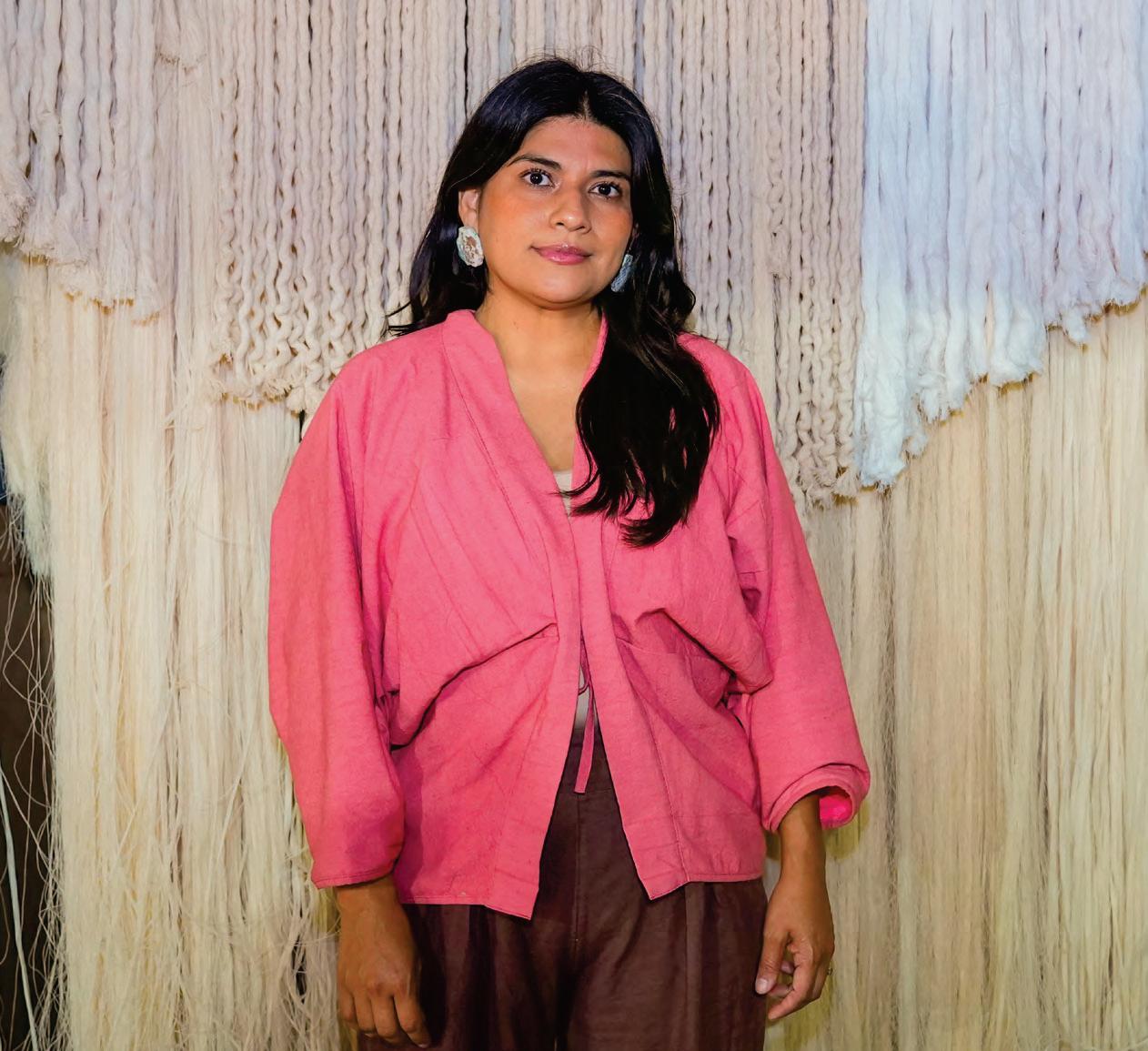
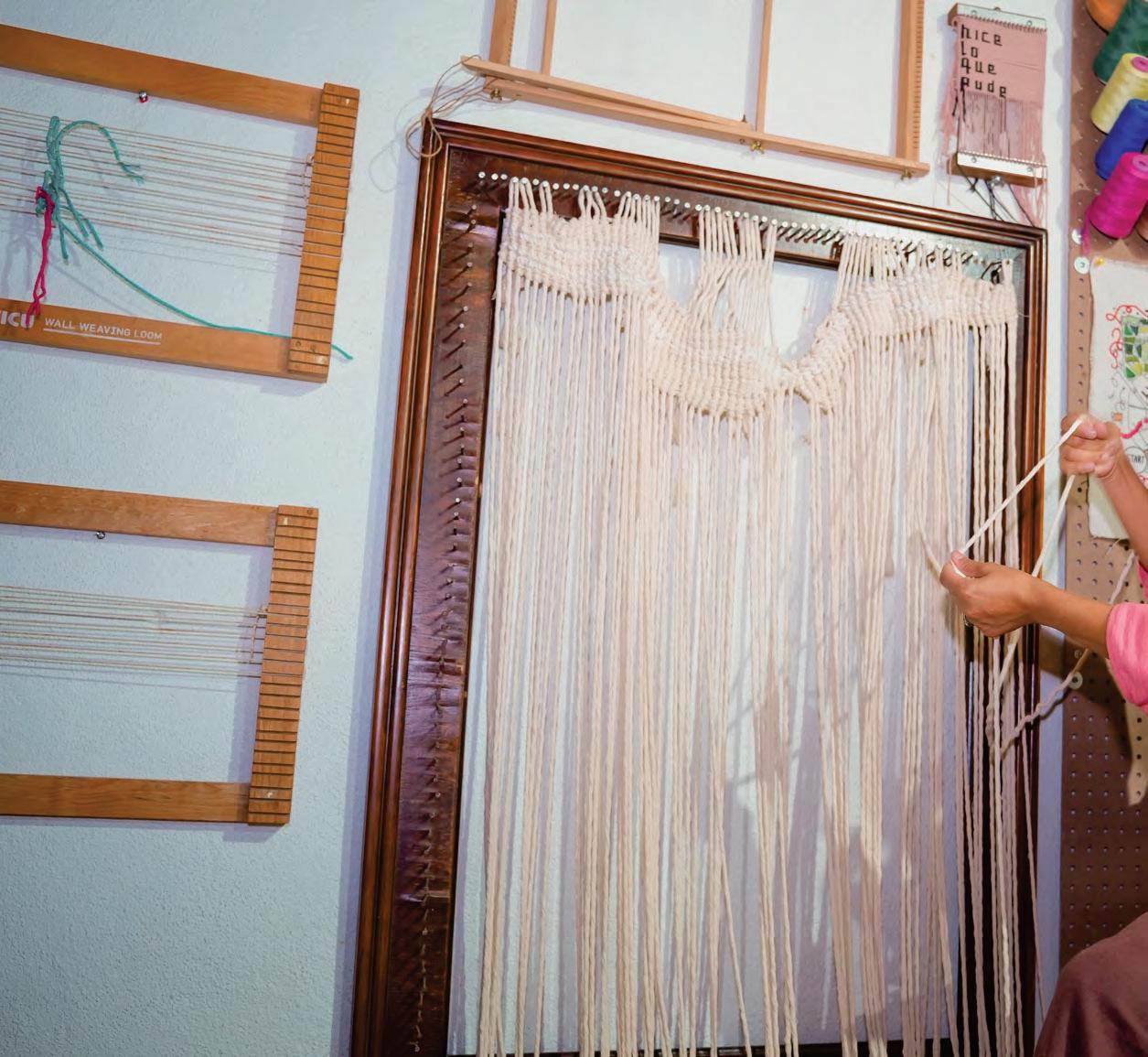
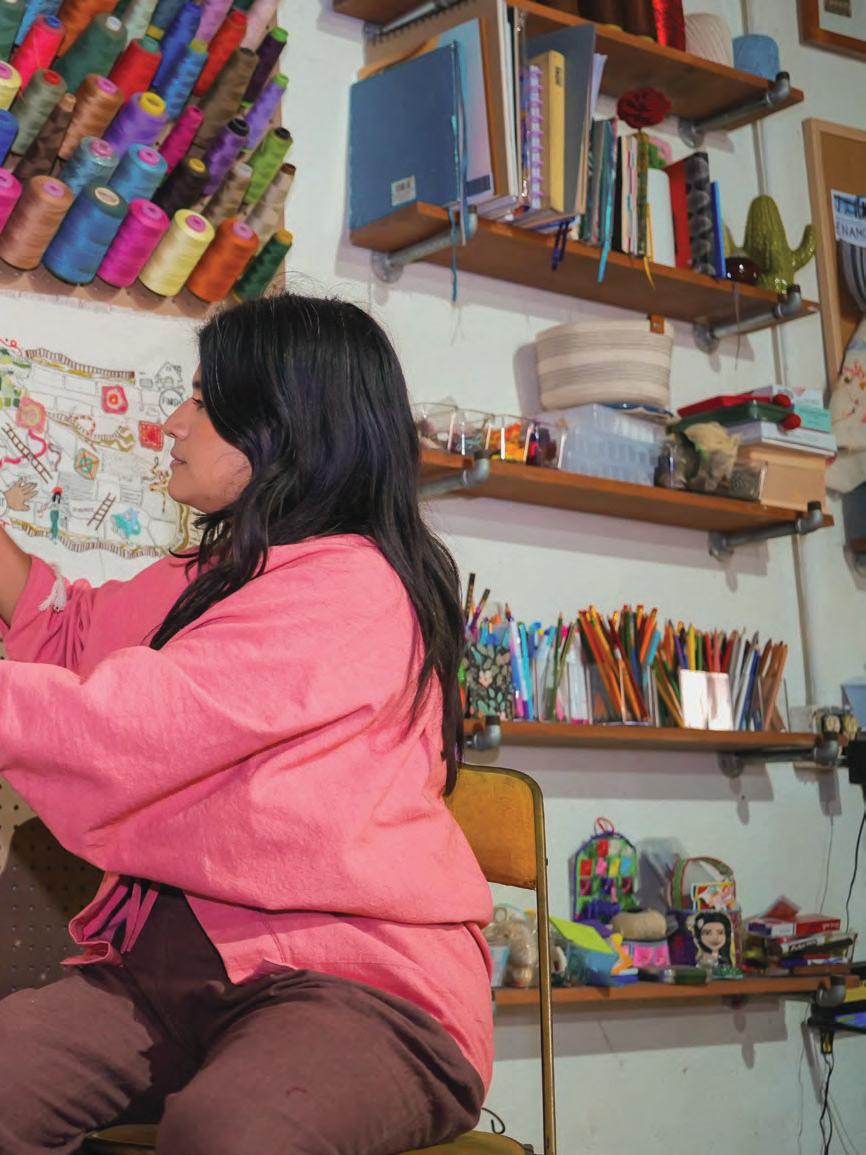
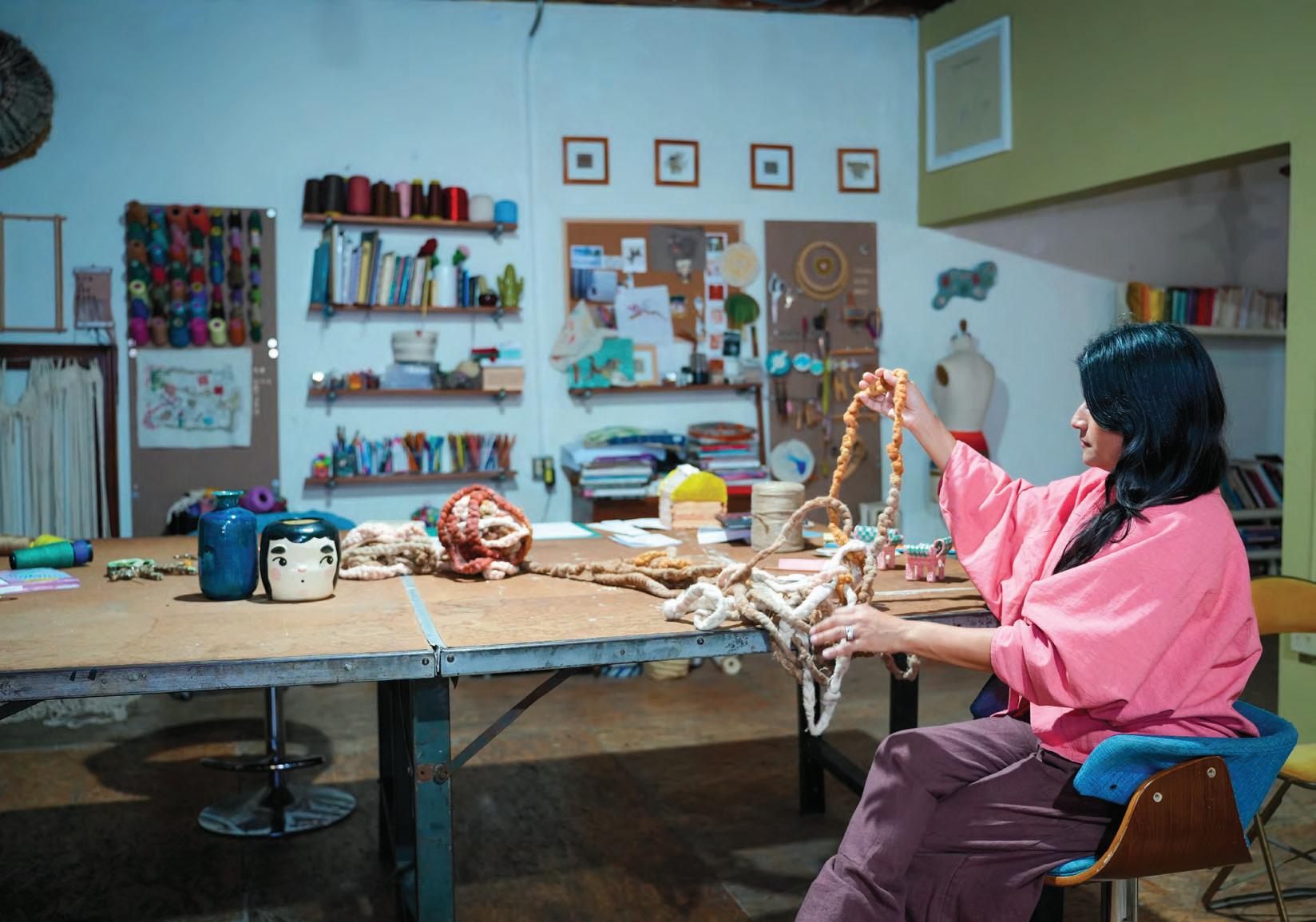
In Tijuana, where stories cross from one side to the other almost imperceptibly, there are threads that also narrate the territory. In an intimate space in the Libertad neighborhood, hands transform fibers into memory, and weaving ceases to be a craft, becoming a language. There, among wool, textures, and creative silences, Olivia Arreguín Villa has built her own universe.
Olivia, a young woman from Tijuana, has made textile work a form of expression. From childhood, she learned to weave on her own, inspired by the women in her family, especially her paternal grandmother, who, crossing the border daily for work, would weave while waiting to reach “the other side.”
She was only eight years old when she took her first stitches. Over time, her technique was perfected, giving rise to Vicu, the company through which she offers pieces made with natural fibers and native sheep’s wool.
“My project began in 2006. I started creating utilitarian crocheted products, using the crochet technique, and then evolved into designer pieces. I began decorating spaces for hotels and restaurants; it’s a project that’s been going for 19 years, and we’re about to celebrate our 20th. In recent years, I’ve
dedicated myself to sharing my craft: I teach classes, workshops, and create experiences. It’s no longer just about making pieces, but about building bridges between generations to share textile techniques,” she explained.
With a degree in Communication from UABC and a bachelor’s degree in dance from the Gloria Campobello Dance School, Olivia has always been close to the arts. This sensitivity has been with her, transforming what began as a hobby into a way of life and a family business.
CONNECTING, THINKING, AND PRESERVING BORDER MEMORIES
In the Libertad neighborhood, one of Tijuana’s most iconic, lies “Vicu: Textile Laboratory,” a space where creativity and technique intertwine to give life to unique pieces, as well as shared experiences.
“Vicu is a creative space where textile techniques cease to be merely decorative. I understand them as a language, as an archive, and as a tool for connecting with my community, especially in this border region, so rich and diverse. Something I’ve always wanted to share is that textile techniques are a form of thought, even
older than writing. That’s why, in this space, I dedicate myself to outreach, teaching classes, and workshops. As a mother, I see the need to create spaces where different generations can meet and interact. In this case, my contribution is textile techniques like weaving and embroidery,” she commented.
TEXTILE ART: A CRAFT FOR ALL AGES
Olivia is convinced that textiles are a craft that can be practiced by both women and men of all ages. In her workshops, students are organized by technique and age group.
“What I aim for is that in my space, which can accommodate two generations, simultaneous activities take place: while the children weave, the parents can also get involved in other creative processes,” she explained.
As part of her educational work, she also runs an embroidery club for teenagers, opening new doors for younger generations.
EXHIBITING HER ART
Olivia has achieved one of the greatest aspirations of every artist: exhibiting her work in spaces where it can be appreciated by diverse audiences.
Recently, her work was included in venues such as the
San Diego Textile Art Museum, where she created a special collection for an exhibition. In addition, some of her pieces are on display in a retail space within Disneyland.
EXPERIMENTING WITH NEW MATERIALS
Beyond weaving, one of Olivia’s greatest passions is exploring materials. She began by using commercial and acrylic yarns; over time, she incorporated wool and artisanal dyeing techniques. Later, she added cotton and jute, and currently works with fibers like henequen.
This textile artist sells her pieces online, primarily through social media, where you can also learn more about her work.
At the Vicu textile lab, it’s not just pieces that are woven: generations intertwine, knowledge is preserved, and new ways of inhabiting the border are built. Because, in the end, every thread holds a story… and in hands like Olivia’s, those stories find a way to endure.
E X P E R I E N C E EXPERIENCE RODEO
T R A D I T I O N A N D A D R E N A L I N E I N T I J U A N
A TRADITION AND ADRENALINE IN TIJUANA
By Lorena Arellano Zamora
In Tijuana, rodeo is much more than a spectacle: it’s a sport deeply rooted in tradition, recognized nationally and internationally for the quality of its riders.
The rodeo practiced in the region is American style, like that found in northern states like Sonora, Nuevo León, and Chihuahua, as well as in other municipalities of Baja California.
The proximity to the United States has influenced its evolution, allowing Tijuana to compete at a professional level, both nationally and internationally.
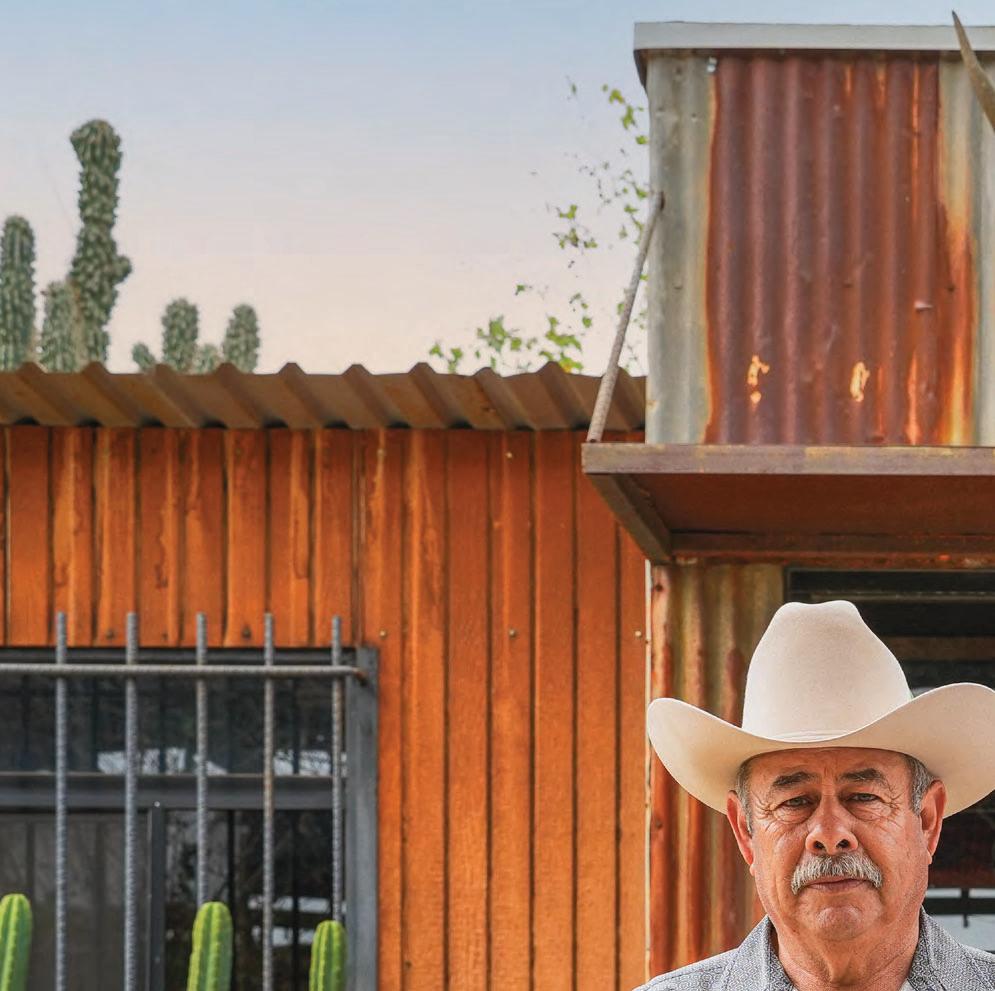
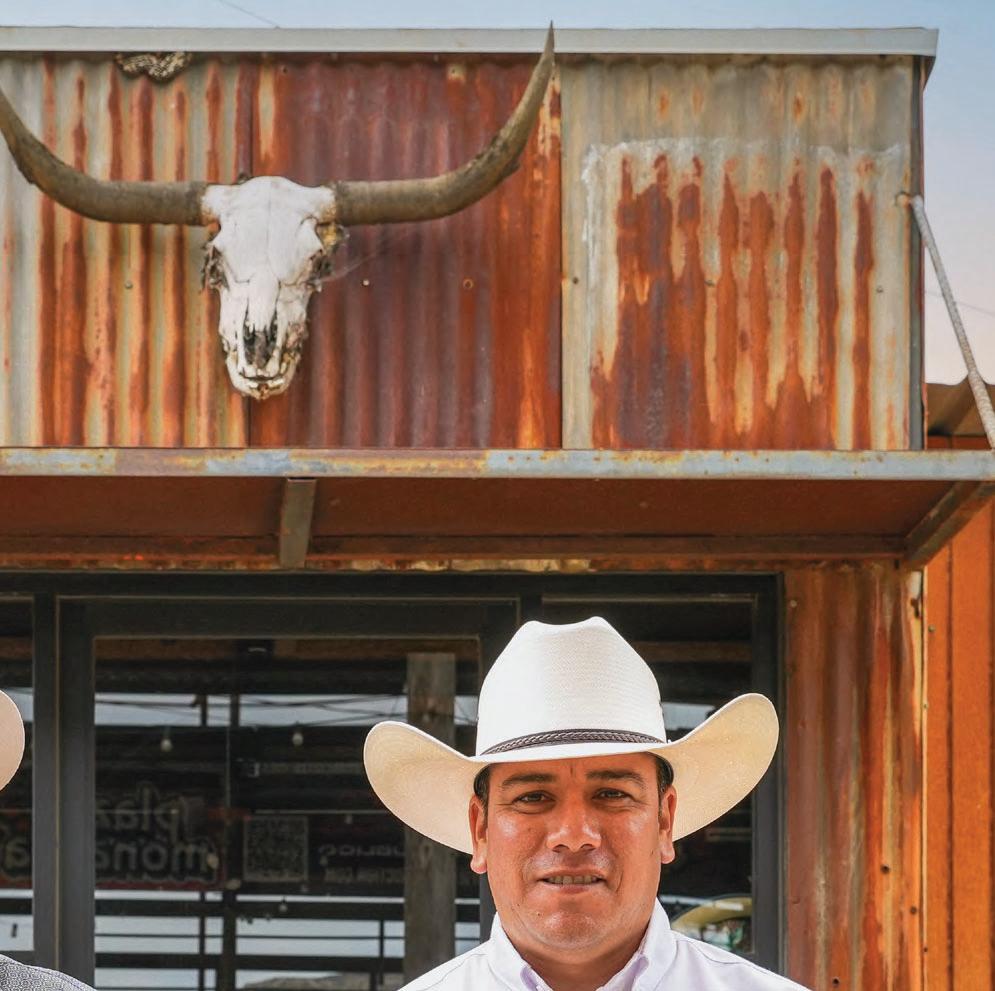
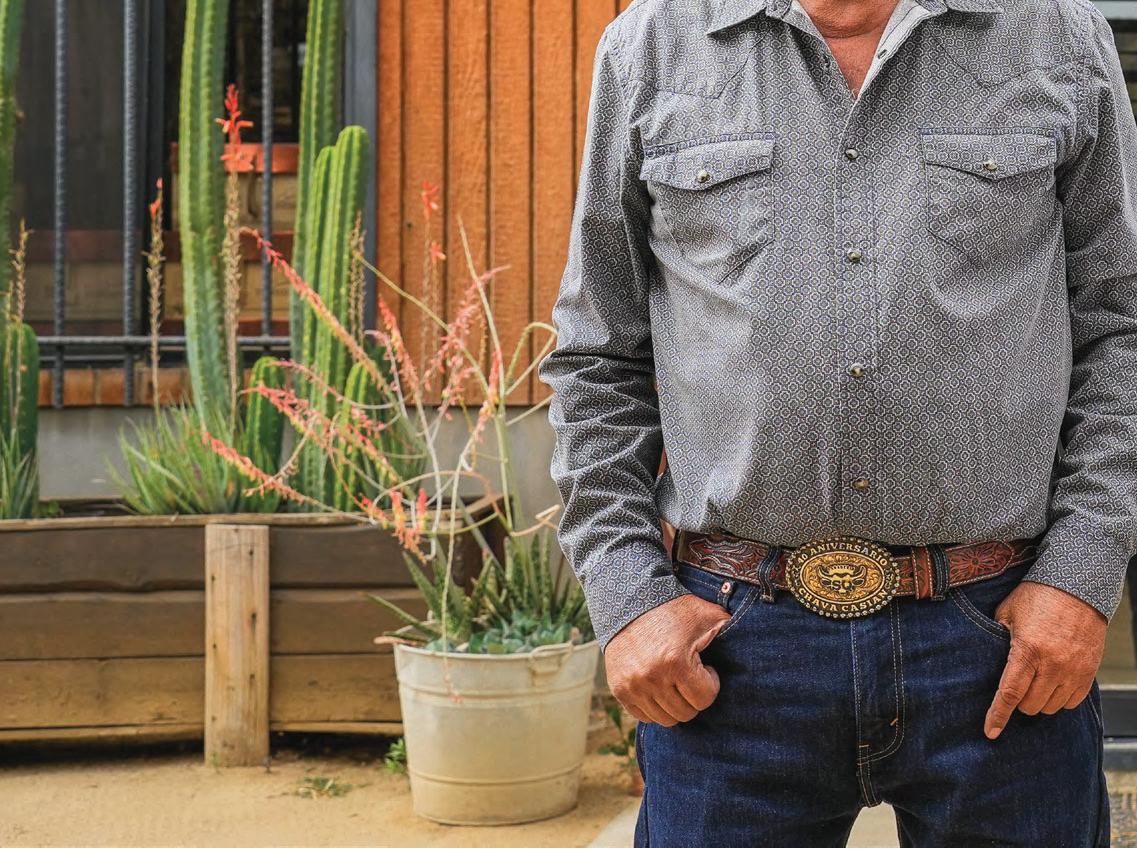
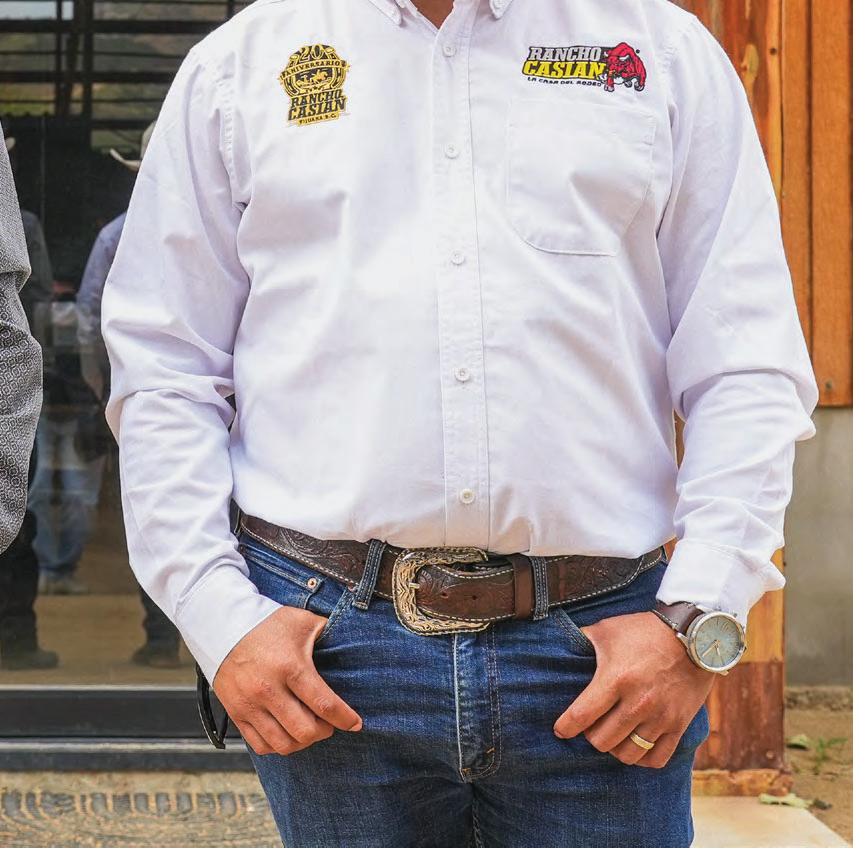
To speak of this sport, derived from traditional cattle ranching practices, is also to acknowledge one of its main promoters: Salvador Casián Quevedo, founder of
Rancho Casián, who for more than 20 years has worked to preserve and promote this tradition among new generations.
Strengthening the Cowboy Festival
One of Salvador Casián’s main goals is to support new talent in a sport that demands skill, discipline, and courage, especially in bull and steer riding using only one hand.
In 2006, with his family’s support, he began the project of creating a space dedicated to the practice and enjoyment of the cowboy festival, where tournaments are now held regularly.
He emphasizes that, although there are several places to practice rodeo in Tijuana, it is essential to have adequate facilities that meet the necessary conditions for each discipline.
“Rodeo is a dangerous art. It’s a sport that demands preparation and focus. Many start, but few manage to stay in it,” he explains.
Both the rider and the bull require training from a young age. Riders usually start between 8- and 10-years old riding calves, progressing gradually until they reach adulthood and compete with heavier and stronger bulls.
From Cattle Rodeos to Cultural Recognition
Casián recalls that, in the late 1970s, rodeos were known as “vaqueriadas,” a cattle ranching tradition that was recently recognized as part of Baja California’s cultural heritage.
In those years, the competitions took place between ranches and, over time, evolved into a more organized system, with rules, categories, and associations that professionalized the sport.
Promoting Local Talent
Tijuana has been the birthplace of outstanding riders who have competed in the United States, such as Jorge Valdivieso, Javier García, Damián Contreras, and Rodolfo Flores. Also noteworthy is the participation of Joana Sandoval from Tecate, who has excelled in the roping discipline.
Through spaces like Bull Riding School and Rancho Casián, new generations are being nurtured with hands-on practice and ongoing training, strengthening Baja California’s representation in rodeo.
A Sport with Rules and Animal Welfare
Like any sport, rodeo has regulations that ensure its proper practice, including the mandatory use of helmets and protective vests.
In addition, there are guidelines established by municipal authorities and the Mexican Rodeo Federation that regulate the characteristics of the
animals according to each discipline, as well as their care and welfare.
Among these measures are veterinary supervision and restrictions on the participation of bulls to prevent their overexploitation, guaranteeing their well-being.
Tradition and Family Atmosphere
One of the rodeo’s greatest attractions is its family atmosphere, which today brings together people of all ages and backgrounds.
“Before, it was more of a cowboy crowd; now it’s diversified. People come from the state, from the United States, and those experiencing it for the first time. And once they experience it, they come back,” shares Casián.
His induction into the Tijuana Sports Hall of Fame two years ago reflects the impact of his work and his commitment to this tradition.
Today, rodeo in Tijuana continues to grow as a space where sport, culture, and tradition converge, offering locals and visitors an authentic experience of border life.
TIJUANA IN THE RING THE STORY OF CARIME ARRIAGA
By Elsy Pineda
Among the many stories of overcoming adversity that emerge on the border, the story of Carime Arriaga Ramírez stands out. This young woman from Tijuana is forging a path in professional boxing while transforming her social and community environment. A boxer and sports instructor at the Tijuana Boys & Girls Club, the same place where she grew up, Carime found refuge in sports from a young age and today shares values such as discipline, confidence, and perseverance with new generations.
From the Castillo Boxing Club, she recounts
that her interest in boxing arose in high school, amidst bullying and family problems. What began as a form of self-defense became a tool for rebuilding herself: “I needed to focus on something else. I discovered that I wanted to continue in this world because people motivated me; the talent came naturally, but also with the support of my family and friends I was able to move forward,” she shared.
Character-Building Challenges
The road hasn’t been easy. The demanding discipline of boxing, coupled with her early independence and a violent situation that
temporarily sidelined her from the ring, presented significant challenges. However, Carime returned stronger, accompanied by her trainer, Christian Castillo, who encourages her to never give up.
One of the most challenging moments was her debut fight in April 2024 in Mexicali. Although she didn’t win, that experience marked her growth. Months later, in Tijuana, with the support of her fans, she achieved a victory that reaffirmed her path.
“After a fall, it’s hard to get back up, but I did. I didn’t start off on the right foot, but things have gone better today,” she stated. She currently has a record of two wins and one loss and is preparing for new challenges in the ring.
Discipline
defines his daily life.
His routine reflects his commitment to his dream: he starts at 5 a.m. with training, continues with his workday, and returns to the gym in the afternoon until night. It’s a demanding rhythm that he sustains with the motivation to achieve a world championship.
Beyond the Ring: Inspiring and Transforming
In a sport historically dominated by men, Carime also has a clear mission: to promote women’s boxing and motivate girls and young women to believe in themselves. “Sometimes we fear the unknown, but when you face it, that fear loses its power,” she noted. For her, boxing is more than a sport: it’s a metaphor for life. “Just as you fall, you get up. No matter how many times you get hit, you must keep going,” she expressed.
An Active Voice in Her Community
In addition to her athletic career, Carime is actively involved in social initiatives. She is a deputy advisor to the Citizen Council for Monitoring Public Policies (CONSEPP), collaborates with the Municipal Institute for Youth (IMJUV), and is part of the Revolutionary Minds BC Committee. She also participates with the civil association Rescate Juvenil A.C. and supports sporting events at the Municipal Auditorium, contributing to the development of spaces for young people in Tijuana. Her work has been recognized in various forums, such as the 17th Mujer Actual Magazine Forum and the San Diego Weekly Standouts series, which highlights leaders from the Cali Baja region.
Determination that leaves its mark
At 22, Carime Arriaga is building a solid path inside and outside the ring, with a story that inspires with its resilience, discipline, and social commitment.
Her motto summarizes her philosophy of life:
“Don’t let victories go to your head, nor defeats pierce your heart.”
MAY
Date: May 01
Event: Pequeño Pez: Gira de 10 años
Type of event: Musical
Place: Centro Cultural Tijuana Time: 5:00 pm
Date: May 01
Event: Charles Ans
Type of event: Concert Place: Play Zaragoza Time: 7: 30 pm
Date: May 01
Event: Miguel y Miguel
Type of event: Concert Place: Casa Blanca Centro de Espectáculos Time: 8:00 pm
Date: May 01
Event: Ni tú ni yo- Homenaje a Juan Gabriel
Type of event: Tribute Concert
Place: El Foro Antiguo Palacio Jai Alai Time: 9:00 pm
Date: May 02
Event: El Malilla: Tour Tu Maliante Bebé
Type of event: Concert Place: Estadio Caliente Time: 9:00 pm
Date: May 02
Event: Lago de los cisnes Ballet de San Petersburgo
Type of event: Dance
Place: El Foro Antiguo Jai Alai Time: 7:00 pm
Date: May 02
Event: Vacíos cuerpos
Type of event: Concert Place: Black Box Time: 7:00 pm
Date: May 02
Event: Super Mario
Type of event: Play Place: Play Zaragoza Time: 6:00 pm
Date: May 03
Event: Bts & Kpop Universe
Type of event: Tribute Concert
Place: El Foro Antiguo Palacio Jai Alai Time: 1:00 pm
Date: May 07
Event: Alex Ubago: Gira ¿Qué pides tú?
Type of event: El Foro Antiguo Palacio Jai Alai Time: 9:00 pm
Date: May 07
Event: Jazztick: Tour Undertale Determination
Type of event: Concert Place: Av. Revolución Zona Centro Time: 7:00 pm
Date: May 07
Event: Busco al hombre de mi vida
Type of event: Play
Place: Centro Cultural Tijuana CECUT Time: 7:00 pm
Date: May 08
Event: Star Wars Episodio III Sinfónico
Type of event: Concert Place: El Foro Antiguo Jai Alai Time: 7:00 pm
Date: May 08
Event: Xavi
Type of event: Concert
Place: Plaza de Toros Time: 9:00 pm
Date: May 08
Event: Tania Soto
Type of event: Concert Place: Casa Blanca Centro de Espectáculos
Time: 8:00 pm
Date: May 09
Event: La Parranda Tour
Type of event: Concert Tour
Place: Estadio Mobile Park
Time: 7:00 pm
Date: May 09
Event: Todo sea por el Rock
Type of event: Concert
Place: Black Box Time: 7:00 pm
Date: May 09
Event: Los Claxons
Type of event: Concert
Place: Foro Ah Mun Time: 8:00 pm
Date: May 14
Event: Expo Artesanal 2026 Tijuana
Type of event: Expo Place: Centro Cultural Tijuana Time: 12:00 pm
Free admission
Date: May 14
Event: Metamorfosis: Homenaje a Caifanes
Type of event: Tribute Concert
Place: Black Box Time: 7:00 pm
Date: May 14
Event: Los Mendívil
Type of event: Concert Place: Casa Blanca Centro de Espectáculos Time: 8:00 pm
Date: May 15
Event: Myke Towers
Type of event: Concert
Place: Plaza Monumental Time: 9:30 pm
Date: May 16
Event: Caloncho El tiempo es mi casa Tour
Type of event: Concert
Place: Foro Jai Alai Time: 9:00 pm
Date: May 16
Event: Desafío de campeones
Type of event: Concert
Place: Foro Jai Alai Time: 9:00 pm
Date: May 16
Event: The rage hot Chill Machine
Type of event: Tribute Concert Place: Black Box Time: 7:00 pm
Date: May 17 y May 24
Event: Torneo BajaBot
Type of event: Torneo tecnología
Place: Museo Interactivo El Trompo Time: 9:00 am – 3:00 pm Registro: rockthesport.com asdeporte.com
Date: May 17
Event: Medio Maratón – Carrera con causa Castro-Limón
Type of event: Sports Place: Fundación Castro Limón Time: 6:30 am
Date: May 22
Event: La pensión
Type of event: Comedy theater Place: Play Zaragoza Time: 7:00 pm
Date: May 22
Event: Julieta Venegas: Norteña Tour
Type of event: Concert Place: Audiorama El Trompo Time: 8:00 pm
Date: May 22
Event: Mike Salazar
Type of event: Concert Place: El Foro Antiguo Palacio Jai Alai Time: 9:00 pm
Date: May 22
Event: Zizzy: Ruido y Eco Tour
Type of event: Concert Place: Black Box Time: 7:00 pm
Date: May 22
Event: El Compa Sacra Type of event: Concert Place: Casa Blanca Centro de Espectáculos Time: 8:00 pm
Date: May 23
Event: Te vi en el planetario Type of event: Concert Place: Black Box Time: 7:00 pm
Date: May 23
Event: Glow Run Type of event: Festival Place: Foro Playas de Tijuana Time: 6:00 pm
Date: May 23
Event: Debajo del promedio: Tijuana Punck Rock Type of event: Concert Place: Foro Ah Mun Time: 8:00 pm
Date: May 23
Event: Miguel Bose Type of event: Concert Place: Plaza Monumental Playas de Tijuana Time: 10:00 pm
Date: May 25
Event: Como envejecer con gracia Type of event: Play Place: Centro Cultural Tijuana CECUT Time: 6:30 pm
Date: May 29
Event: Raúl Di Blasio
Type of event: Concert
Place: El Foro Antiguo Palacio Jai Alai
Time: 9:00 pm
Date: May 30
Event: Intocables Tour
Type of event: Concert
Place: Plaza de Toros Monumental Time: 9:00 pm
Date: May 30
Event: Dragon Ball
Type of event: Concert sinfónico
Place: El Antiguo Cine Bujazan Time: 8:00 pm
Date: May 31
Event: Grupo Frontera: Triste pero bien C*abrón Tour
Type of event: Concert
Place: Plaza de Toros Monumental
JUNE
Date: June 05
Event: Yosoymatte
Type of event: Concert
Place: Black Box Time: 7:00 pm
Date: June 05
Event: Kalimba Hits Tour
Type of event: Concert
Place: El Foro Antiguo Palacio Jai Alai
Time: 8:00 pm
Date: June 05
Event: Lando Ibarra
Type of event: Stand Up Place: Foro Ah Mun
Time: 8:00 pm
Date: June 06
Event: La Gusana ciega
Type of event: Concert Place: Play Zaragoza
Date: June 06
Event: Pancho Barraza: Los Bandidos de Amores Tour
Type of event: Concert Place: Plaza Monumental Time: 8:00 am
Date: June 06
Event: Vilevo
Type of event: Concert Place: Black Box Time: 9:00 pm
Date: June 06
Event: Daniel Boaventura: En Casa Tour II
Type of event: Concert
Place: El Foro Antiguo Palacio Jai Alai
Time: 10:00 pm
Date: June 11
Event: Iseo &Dodosound
Type of event: Concert
Place: Black Box
Time: 7:00 pm
Date: June 12
Event: Juicio a una zorra: Itatí Cantoral
Type of event: Play
Place: El Foro Antiguo Palacio Jai Alai
Time: 9:00 pm
Date: June 13
Event: Los Alameños de la Sierra: La Terapia Tour
Type of event: Concert Place: Plaza Monumental Time: 8:00 pm
Date: Del 18 al 20 de June del 2026
Event: Event Internacional de Paranatación
Type of event: Sports
Date: June 20
Event: Mega Coffee Party
Type of event: Festival Place: Grand Hotel Time: 2:00 pm
Date: June 28
Event: Lara Campos
Type of event: Show infantil
Place: Audiorama El Trompo Time: 5:00 pm
JULY
Date: July 11
Event: Herencia de Grandes
Type of event: Concert Place: Estadio de los Toros Time: 8:00 pm
Date: July 11
Event: El Tri Alex Lora
Type of event: Concert Place: Audiorama El Trompo Time: 9:00 pm
Date: July 18
Event: Elías Medina
Type of event: Concert Place: Audiorama El Trompo Time: 8:00 pm
AUGUST
Date: August 01
Event: Alejandra Guzman
Type of event: Concert Place: Audiorama El Trompo Time: 10:00 pm
Date: August 07
Event: Esteban Gómez + Vitálico: Mi Place feliz Tour
Type of event: Concert Place: Black Box Time: 8:00 pm
Date: August 22
Event: Air Supply
Type of event: Concert Place: El Foro Antiguo Palacio Jai Alai Time: 9:00 pm
SEPTIEMBRE
Date: septiembre 05
Event: Humbe: Dueño del Cielo Tour
Type of event: Concert Place: Plaza de Toros Monumental Time: 9:00 pm
Date: septiembre 25
Event: Arath Herce: Musas en Tour
Type of event: Concert Place: Black Box Time: 7:00 pm
Date: septiembre 26
Event: Comisario Pantera y Pastilla
Type of event: Concert Place: Black Box Time: 9:00 pm
OCTOBER
Date: October 23
Event: Milla Internacional Tijuana
Type of event: Sports Place: Unidad Deportiva CREA
Date: October 16
Event: Elefante: Celebración de 30 aniversario
Type of event: Concert Place: El Foro Antiguo Palacio Jai Alai Time: 9:00 pm
Date: October 31
Event: Matute
Type of event: Concert Place: Audiorama El Trompo Time: 10:00 pm
NOVEMBER
Date: November 20
Event: MAC Demarco
Type of event: Concert Place: Cine Bujazán Time: 8:00 pm
Date: November 26
Event: Ricardo Arjona: Lo que el seco no dijo
Type of event: Concert Place: Estadio Caliente Time: 8:00 pm
Date: November 28
Event: Mago de Oz
Type of event: Concert Place: Audiorama El Trompo Time: 9:00 pm
DECEMBER
Date: December 06
Event: Aniversario #18 de El Trompo
Type of event: Aniversario
Place: Museo Interactivo El Trompo Time: 11: 00 am – 5:00 pm Free admission