Ryan Holder & Stephanie Council, Interest Session Co-Chairs
Bret Peppo, Interest Session Site Liaison
Jason Gallardo, Equipment Chair and Site Liaison
Katherine Rosenfeld, AZ Student Activities
Greg Hebert, AZ
Music and Worship
Nicky Manlove, AZ
DEI Committee Chair
Darlene Machacon, Miguel Chicas
Juan Jose Garcia, Yu-Feng Huang
Amanda Hallam
DEI Committee Members
Conference Team
Marc McGhee & Vivian Santos, Honor Choir Co-Chairs
Jenny Bent, Collegiate Consortium Chair
Lori Marie Rios, Collegiate Consortium Manager
Jennifer Lowry & Angel VázquezRamos, Reading Session Co-Chairs
Christina Hall & Cynthia Salomonson, Toolbox Session Co-Chairs
Andrew Howden & David G Saldaña, Composers Track Co-Chairs
Lou De La Rosa, Composers Track Advisor
Marcela Molina, Conducting Masterclass Chair
John Knutson, Voices After Dark Concert
Scott Glysson & Alec Schumacker, College Fair Co-Chairs
Nicky Manlove, Nurturing Our Roots
Michael Huff, Conference App / Accompanist
Kevin Tison, Accompanist
Bryce C Esplin, Conference App
Kim Ritzer, Conference Registration
Kirstina Collins, Hospitality
Michael Short, Exhibits Chair
Julie Dana, Sponsorships
Elizabeth Baker, Social Media
Anna Caplan, Webmaster
Olivia Arnold, Tactus Editor
WACDA states represented by this issue’s writers. Thank you to all who contributed!
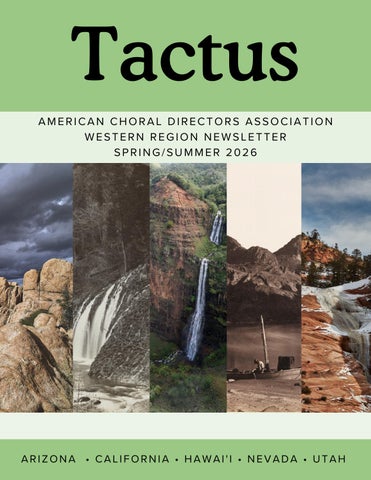
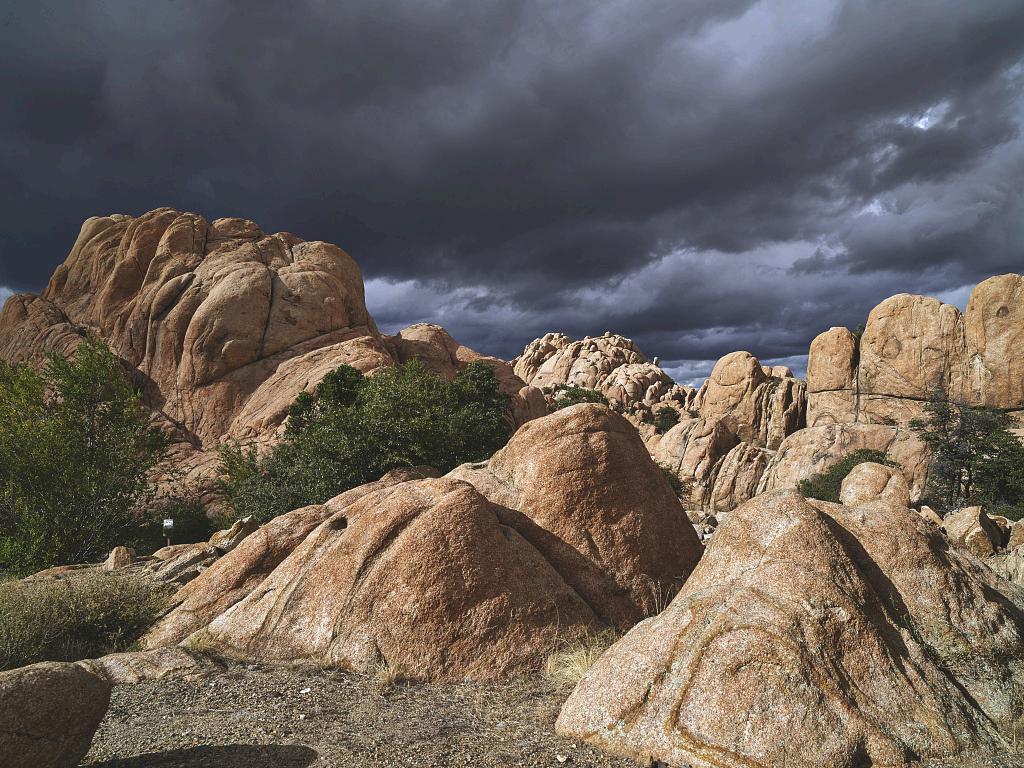
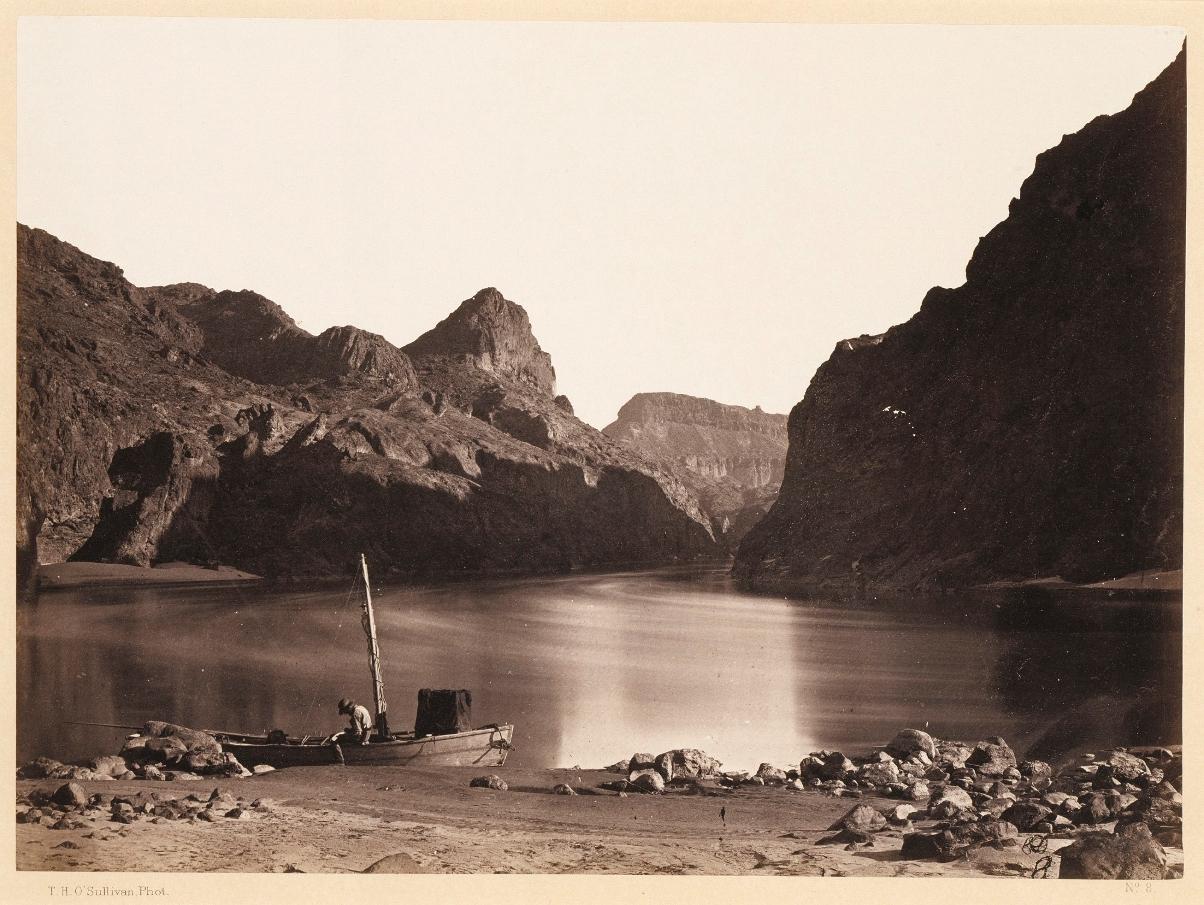
Front page images sourced from the Library of Congress
Arizona: The Granite Dells, 2018, Igneous-rock formations near Prescott
California: Moss Brae Falls, 1908, stereograph
Hawai‘i: Kaua‘i, Waipo‘o Falls, from Carol M. Highsmith's America Project
Nevada: Black Canyon, 1871, Fisherman along the Colorado River
Utah: Zion National Park, from Carol M Highsmith's America Project
A Letter from the Editor
Dear Readers,
I hope you all are well and enjoying all that spring brings! I think you will find the content of spring/summer Tactus inspiring for your craft Enjoy choral reflections, introductions to Filippino and mariachi music, AI considerations, interviews, community choral music initiatives, and highlights from the 2026 San Jose conference.
Readers, I hope that the knowledge and reflections in these pages might stay with you throughout the spring. If I might suggest a takeaway from this issue, it would be to take your time While this suggestion is in opposition to the “ go for it!” fall issue takeaway, this reminder speaks to the work you have currently in motion See your projects, concerts, festivals, competitions, and services through to the end. Take the time to
As always, I would love to chat about yo thoughts and article ideas! I am open helping you brainstorm a topic, readin over a draft, or even just giving you som words of encouragement if you wou like! Please contact me tactuseditor@acdawestern org
All my best, Olivia Arnold Tactus Editor
acknowledge all that music brings to your communities through your efforts When on the podium, enjoy the moment and be present with your ensemble Taking your time is not necessarily passive; a balance of focus on now and the future sustains our career.
I am grateful to my colleagues on the Conference Committee who worked over several years to put together the 2026 Western ACDA conference It was exciting to meet contributors to Tactus in person and make connections with writers whose work will be featured in future issues! A hearty thank you to the 2024-2026 Advisory Committee for lending your time and talents to cultivate learning and connection across six unique states. From Kindergarten through lifelong learning, your leadership helps address the needs of many in the region. ACDA’s support for its membership is strengthened by our diverse community.
A Message from the President
“What we call the beginning is often the end And to make an end is to make a beginning ” T S Eliot
And in an instant, time has swiftly flown and I write this in gratitude for the incredible ride of the past two years as your Western Region President. Service to ACDA has always been a labor of love for me, and these past years have filled my heart with many beautiful memories. Traveling to our five states and meeting new colleagues and young future choral experts has been a real treat for me! It has been awesome to explore the offerings that ACDA continues to provide from the national level through our regions and to the states there is SO MUCH beauty involved in service through ACDA! I hope that many of you take advantage of participating on a local, state or regional board as it is a wonderful way to learn, grow and share with your colleagues. Your community will expand like you cannot believe, and the shared experiences of coordinating events for the betterment of the profession is the BEST feeling! I hope you will consider joining your ACDA board, the rewards are great!
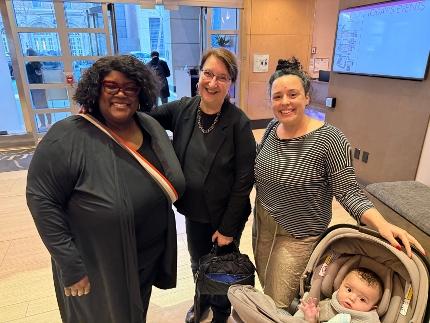
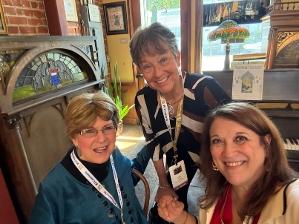
In March, I had the pleasure of watching hours of planning unfold in San Jose, when colleagues from around the region, presenters, composers, conductors and singers arrived to share in a few days of choral joy at “A Tapestry of Voices”! I spent much of my time observing and enjoying the smiles and energy I witnessed over that time together. I guess it was possibly similar to how a grandparent enjoys watching the family gathered for a holiday. Smiles and stories, meals and beautiful music being shared together I watched as my own “family”, the young ones I had the pleasure to call student at one point, moving with their people from concert to session, talking, laughing and unpacking their day’s experiences as I once did as a young conductor. Some of them now have their own students singing in our honor choirs and are training the next generation of choral musicians. This is the beauty of our time together and I do believe we truly create an incredible tapestry with one another.
As I prepare to step into my role of Past-President, I offer my gratitude to our appointed board members, who accepted the invitation to join me and serve the western region These volunteers worked to bring new and excellent ideas, repertoire and connections in their specific areas to the region and new events to conference: Our pre-conference “Nurturing Our Roots”, larger conference attendance by retirees, the addition of a Graduate College Fair, expansion of the
composer offerings and a new format for our student volunteers came to be as a result of the work of this amazing team of humans You may not have recognized them, but they were onsite helping ensure that the concerts and sessions ran smoothly, accompanying our all conference singing and reading sessions, and making sure everything was set up properly and that information was available through Tactus, social media and the conference app It has been a joy to work with and get to know them over the past 4 years A conference like this is a quintessential example of “It Takes A Village” and I am incredibly grateful to all of them for bringing “A Tapestry of Voices” to life!
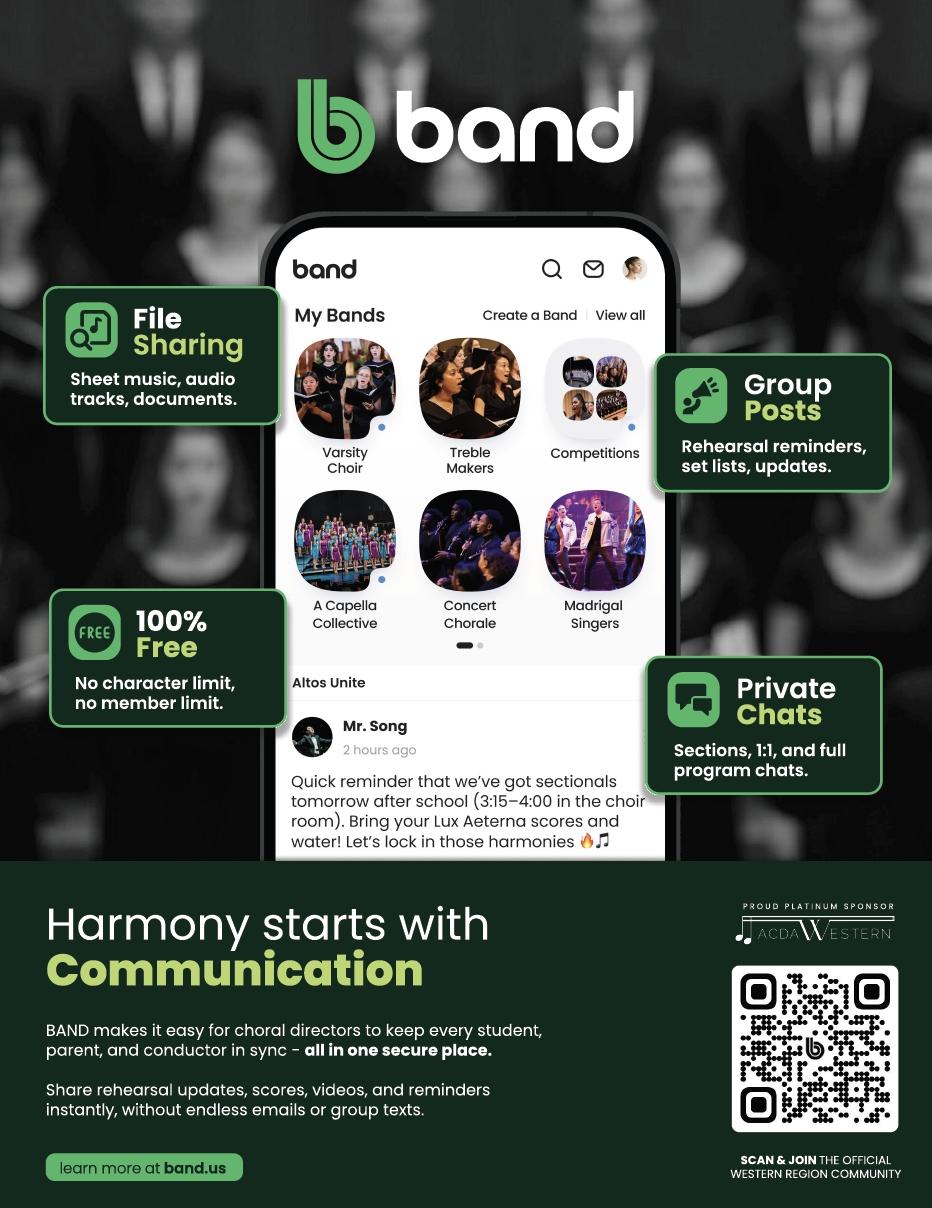
Moving forward we still have much to do to continue the upward trajectory of the beauty of choral music. Together we are better and we are hoping to have even better communication as we begin communicating with you on our new “band” APP. It will be used to “band” us together and help us continue fostering our amazing community I am grateful to “band” for being a Platinum Sponsor for the Western Region and we look forward to using this app as a creative way to communicate throughout the year with you Please look for the QR code to join us on the “band” APP in this issue of Tactus!
On July 1, our new board will step into their positions and our work will continue under the leadership of the wonderful and talented Region President Aimee Stewart. We will say farewell to Mike Short as he serves his final days as Past President and thank him for his extra large heart for service and we will welcome Cari Earnhart as she steps into her new role as President-elect for our region Change is great and I look forward to learning from Aimee and Cari and continuing my service to this organization that has given me so much. Thank you for allowing me to serve you. Wishing you all many moments of musical beauty, time with those you love and peace to surround you. Have a great summer!
Julie
We’re excited to share that our Platinum Sponsor, BAND, is providing ACDA Western Region members with a communication hub designed to help us stay better connected throughout the year.
This platform will be used to share important updates, resources, announcements, and ongoing communication across the region.
We’re looking forward to making the most of this partnership. Please scan the QR code to join the ACDA Western Region BAND community.
Human First: AI as a Thought Partner in Choral Education
Choral music is, and will remain, a profoundly human art. No technology can replace the shared breath before a phrase, the vulnerability of quiet singing, or the moment a conductor hears something ring true. Listening, empathy, struggle, and presence define ensemble music-making. Any tool that weakens thosemustbesetaside
Recent conversations in music education have explored artificial intelligence as a tool for efficiency and creativity. The more pressing question for choral educators,however,isnarrowerandmorepractical:can AI deepen artistic and pedagogical reflection without displacing humanity at the center of singing? Skepticism is not only understandable; it is necessary. When used reflectively and ethically, and never as a substitute for listening, AI can serve as a thought partner that expands interpretive imagination and clarifies instructional purpose while leaving artistic judgmentwhereitbelongs:inhumanhands.
Much of the broader educational discourse surrounding AI has focused on speed: faster lesson plans, streamlined communication, automated tasks Efficiency, however, has never driven choral artistry. The more urgent question is whether AI can help conductors think with greater clarity, imagine beyond habit,andspeakaboutartisticintentionwithprecision
FromProductivityTooltoReflectivePartner
AI is often introduced as a productivity device. It drafts emails, formats documents, and generates rehearsal outlines in seconds Those uses are convenient but largely administrative They save time They do not deepen artistry Choral conducting is interpretive work. Its most meaningful labor happens before the first downbeat. Conductors imagine sound, shape musical time, anticipate how singers will understand text, and search for language that invites expressivesinging.Thisismusicalthoughtinaction.
When engaged reflectively after personal study, AI can function as a conversational partner. It may surface alternative perspectives, raise questions a conductor had not yet considered, or illuminate overlooked connections. The conductor still decides. The ear still governs truth. Interpretive authority remains grounded in the score, its context, and lived listening Reflection weakens when a tool replaces a personal encounter When it follows sustained engagement, it can sharpen interpretiveownershipratherthandiluteit.
Deep interpretation has never been quick – it grows out of silence, patience, and with repeated return to a score Conductors wrestle with harmony, text, and structure until meaning feels earned No technology should short-circuit that process. For that reason, AI should never be the first voice in score study. After personal engagement, reflection can become dialogue A directormightask:
How does the harmonic language shape the emotional trajectory of this work? What expressive possibilities emerge from its tensionandrelease?
The response is not an answer but an expansion: alternative emotional arcs, historical resonances, poetic readings A suspension might suggest breath held in collective stillness. A release might feel like relief, resignation, or quiet acceptance. AI can propose possibilities, but interpretive authority remains human Claims about composer intent should be treated as provisional unless confirmed through primary sources. These suggestions do not determine interpretation; they widen the space in which interpretation unfolds. Used with discipline, AI can deepen artistic ownership rather thancompromiseit
RehearsalLanguageasLivingConversation
Rehearsal language shapes how singers experience sound,andrefiningitiscentraltoartistry.Wordssucceed only when grounded in authentic relationship They must reflect both choral tradition and the vocabulary of the singers in front of us. They must also remain stylespecific. Generic directives flatten nuance and can undermine historical practice AI can provide a space for pre-rehearsal experimentation A conductor might explore:
Whatlanguagecouldinvitethissoundauthentically?
How does my rehearsal vocabulary compare with established pedagogicalvoices?
Are there metaphors that might unlock expressive clarity withinthisstyle?
Through reflection, multiple framings emerge Some will feel familiar Others may feel new The conductor chooses the words, but those words may carry greater precisionbecausetheyhavebeentestedinadvance.
Thisprocessneednotbeelaborate Inafifty-minute rehearsal block, even five focused minutes of reflective dialogue can refine clarity without consuming instructional time: one prompt after score study, one refined metaphor before rehearsal, and one follow-up question after a run to determine whether the language produced audible change Instead of asking for a softer tone, the ensemble can be invited to imagine their sound arriving as if it had traveled a long distance to reach the room Breath slows Vowels lengthen Listeningsharpens
FromRehearsaltoLessonPlanning
Mostchoralprogramsoperatewithinstandards-based systems,andrehearsalarepartofcurricularframeworks shaped by state or national standards. The National Core Arts Standards emphasize creating, performing, responding, and connecting Thoughtful choral practice already embodies these priorities, but translating artistic intention into standards language can feel reductive. Here AI may function as a clarifying mirrorforrehearsalobjectives:
How might this focus align with current music standards in performance,responding,orconnecting?
The same reflective approach can extend to broader lesson design. After defining a musical objective, a conductormightask:
If this week’s focus is cultivating sustained pianissimo singing, how might that objective unfold across three class meetings?
The resulting outline can clarify sequencing, suggest formative assessment points, and highlight where listening, analysis, and performance intersect. The teacher remains the designer AI can help articulate the pedagogical logic already present in intentional planning.
GuardrailsThatKeeptheArtHuman
These dimensions of choral artistry remain irreducibly human: listening, emotional intuition, trust, and vulnerability Musical understanding, therefore, grows alongside efforts of through uncertainty. Research in cognitive science demonstrates that desirable difficulty strengthens long-term learning Responsible use of AI requires discernment as large language models are known to produce confident but inaccurate information. Historical references and composer background should be confirmed through reliable sources Whenexploringculturalcontext,educators
should consult primary materials and culture-bearer perspectives so that stereotypes or default canonical assumptionsarenotunintentionallyreinforced.
Expanding the Imaginative Horizon, Looking Forward withResponsibilityandHope
When engaged responsibly, AI may surface unfamiliar cultural contexts, suggest interpretive questions that disrupt habit, compare translations, generate rehearsal prompts, or point toward primary sources for further study. Conversational AI platforms such as ChatGPT and Claude are widely accessible at little or no cost Their value lies less in definitive answers and more in the dialoguetheyprovokeandtheresearchtheyencourage.
The future of choral music will not be determined by technology; it will be shaped by teachers who listen deeply and guide singers toward shared beauty AI cannot replace vulnerability in performance or the courage required to sing softly in trust. AI can clarify artistic intention, articulate pedagogical purpose, and expand interpretive awareness If AI has a place in choral education, it is not as a source of answers but as a companion in reflection. It widens artistic thought while leaving the heart of the art entirely human. The search forbeautyremainsahumanactoflistening.
Robert A Bjork and Elizabeth L Bjork, “Making Things Hard on Yourself, But in a Good Way: Creating Desirable Difficulties to Enhance Learning,” in Psychology and the Real World, ed Morton A Gernsbacher et al (New York: Worth Publishers, 2009), 56–64 OpenAI, GPT-4 Technical Report (San Francisco: OpenAI, 2023), https://arxiv org/abs/2303 08774
Jonathan Baltera is Director of Choirs at Sierra Vista High School in Las Vegas, Nevada, where he leads multiple advanced ensembles and develops expressive, technically disciplined vocal musicians Under his direction, the program is known for thoughtful repertoire design and rehearsal processes that cultivate interpretive depth alongside performance polish Beyond the secondary classroom, he serves as Chorus Master for Opera Las Vegas and is an active member of the American Choral Directors Association (ACDA), contributing to regional conversations on programming, rehearsal practice, and professional development. His work as a clinician and presenter continues to expand within the choral community. Recent professional inquiry centers on the practical intersection of artistry, pedagogy, and emerging technology, with particular emphasis on conducting clarity, effective rehearsal language, and the responsible integration of artificial intelligence in music education Through his teaching and writing, Jonathan is committed to advancing choral practice and helping shape a generation of conductors and singers who pursue technical excellence, interpretive courage, and a distinctly human approach to music-making in an evolving educational landscape
Telling Tales and Spinning Stories
As this is my last article of my time serving Western ACDA as the 4 Year College and University R&R Chair, I wanted to take a moment to express my gratitude for the opportunity to serve in this role. Over the past two years, I’ve tried to stretch the boundaries of what this role would normally cover. I wanted to lean more into the idea of resources instead of producing rep lists that can be found through catalogue and online resource perusal I hope that these departures from the norm have been informative and helpful, but for my last article, I wanted to write about something that is near and dear to my heart as an artist, educator, and human. We love stories. Whether it’s fairy tales at bedtime, our first Disney or Pixar movie obsession, or retreating to our favorite streaming service to lose ourselves in a new show in the middle of an exhausting semester or season; we routinely look to a life different from our own to center, distract, or soothe The stories we seek out are narratives with developed characters a way for us to invest and be transported So how can we apply this to our choral programming? We’ve all programmed a “standard” choral concert: Multiple style periods, multiple languages, a good representation of composers living and dead, etc etc. Sometimes we might even give it a snazzy name: The Sacred and the Profane, East Meets West, Songs of Love and Loss, From Darkness to Light and so on There is absolutely nothing wrong with these programs, but it is also nice to find a way to weave a more succinct and narrative story from time to time Especially for those who may be serving communities that do not yet have deep roots in a choral tradition, this is a way to get buy in from your singers and community. When I started teaching at Cal State San Marcos, one of the youngest campuses in our system, I introduced narrative programming within the first year. We spent time discussing the theme, how the songs related to that theme, and rallied around the story we wanted to tell Four years later, students are asking about the theme within the first week or two of the semester
Beyond the usual concerns: tempo, languages, styles represented, what else do you need to shift from just a thematic program to a narrative program? Don’t start with a title, start with a theme or concept and choose 2-3 anchor pieces. From there, select other pieces focusing specifically on text and how they relate to the anchor pieces. Decide where applause would be welcomed and where you might want to go attaca from piece to piece If you ’ re stuck on how to transition from one piece to another, consider a musical interlude played by an instrument or something sung on a hum or ooh by the choir Also consider incorporating poetry or prose
Think about how the text can stitch together the pieces, thematically Too often, we rely on speaking moments to introduce songs to audiences in a way that is cursory saying little more than the title…which they already have in their program
Lastly, don’t be afraid to pair pieces from vastly different styles When united by a powerful narrative, it can and will work! On a micro level, if I wanted to program a narrative set focusing on the struggles of emotional insecurity and depression, I might put together a set like this:
Out of the Deep from Requiem John Rutter Let Down the Bars, O Death Samuel Barber Please Stay Jake Runested Light of a Clear Blue Morning Dolly Parton, Craig Hella Johnson
The Open Hand Susan Labarr You Will Be Found from Pasek and Paul Dear Evan Hansen Hand in Hand Rollo Dillworth
When I’ve tackled tough subjects like this in a university setting, I always make sure that we have resources available. I’ve partnered with the counseling center to ensure that there is support available for students or audience members who may need it But when I have tackled tough subjects like this in a choral setting, I’ve found connections with students and witnessed deep connections between students that affirmed the incredible power of music to transform
For those microphone moments between songs, I write them out, sometimes with the help of students, and I assign most of them to singers to present My goal is that the audience only hears from me once during a concert, when we honor our graduating seniors and I express gratitude to my colleagues and administration who support our work Giving these important tasks to students increases buy in and allows a variety of voices from which the story is told
No matter what stories you decide to tell, make it mean something to you, your students, and your audience. Meet your singers where they are and tell stories that matter to them. Bring in spoken word, other forms of media, audience engagement, or other ways that you can deepen the experience for your community. From the beginning of time, storytellers did not need a 10-million-dollar movie budget and neither do we Bring people together, find a moment of quiet, and use beautiful text and beautiful music to truly move them
Building Community, Shaping Leaders: The USU ACDA Student Chapter
B Y C R A I G J E S S O P
At Utah State University, the ACDA Student Chapter is more than a professional organization it is a vibrant community where future choral educators are formed through collaboration, mentorship, and shared purpose. It is, in every sense, a student chapter that is not only active, but formative preparing young conductors and teachers through real musical leadership, mentorship, and community engagement Rooted in a spirit of camaraderie rather than competition, the chapter fosters an environment in which students grow not only as musicians, but as thoughtful and inspired leaders
For current chapter president Kinley Hess, that sense of community is foundational. She describes the chapter as “ a powerful reminder of the role community plays within the musical space, ” where students actively support and uplift one another both inside and outside the classroom. This collaborative culture encourages students to pursue excellence together, creating a department defined not only by musical capability, but by mutual respect and shared ambition
Leadership development is a central strength of the USU chapter Students are given meaningful opportunities to lead, organize, and engage beyond their coursework. These experiences allow them to step into the role of educator early, building confidence and practical skills that will serve them in their future classrooms. As Kinley notes, the chapter attracts students who are eager to learn “ on their own accord,” resulting in a more well-rounded and proactive community of aspiring conductors and teachers
For Tanner Doyle, MM student in Choral Conducting and former USU ACDA Chapter President, participation in ACDA has deepened his awareness as both a singer and conductor. Through active engagement in rehearsals and performances, he has become increasingly attuned to the nuances of conducting gesture, rehearsal pacing, and instructional approach This heightened awareness has shaped the way he listens, observes, and ultimately leads, reinforcing the connection between thoughtful pedagogy and artistic excellence
Similarly, Grace Weaver, a junior majoring in choral music education, reflects on how the chapter has influenced her development as a conductor. Through opportunities to lead rehearsals and receive feedback, she has grown more intentional in her gesture and communication. The supportive environment of the chapter allows her to take risks, refine her technique, and develop a clearer sense of artistic expression all essential components of effective choral leadership
For Coleman Barlow, current USU Chapter vice-
president, the defining characteristic of the USU ACDA chapter is its unique blend of productivity and joy. He emphasizes the ability of the group to accomplish meaningful work while maintaining a lighthearted and encouraging atmosphere. This balance not only strengthens relationships among members but also models the kind of positive rehearsal environment they will one day create in their own ensembles
Together, these perspectives paint a compelling picture of a student chapter that is both dynamic and deeply grounded in human connection The USU ACDA Student Chapter exemplifies the ideals of the American Choral Directors Association by cultivating excellence, encouraging lifelong learning, and preparing the next generation of choral educators to lead with both skill and heart. A student chapter that is not only active, but formative preparing young conductors and teachers d
My First Taste of a Choral Community Feast
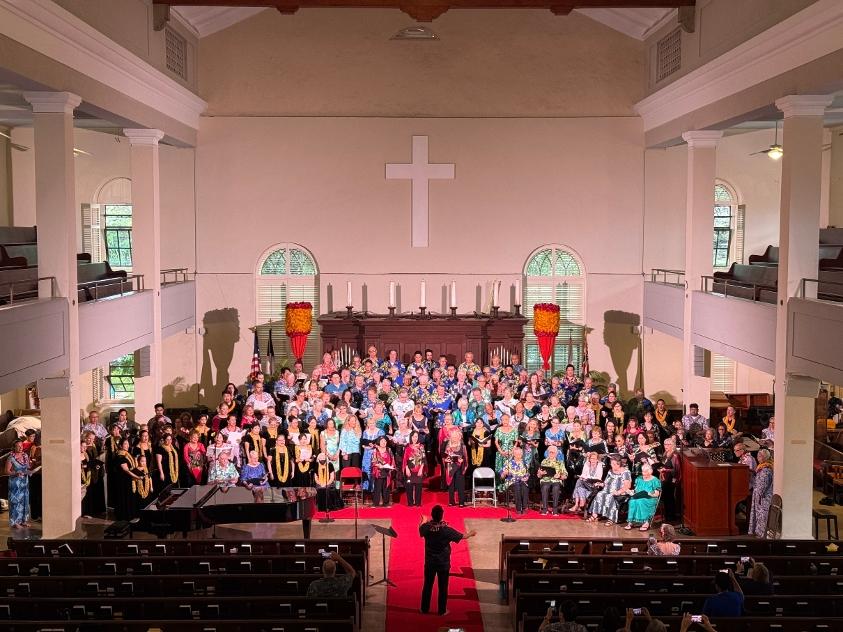
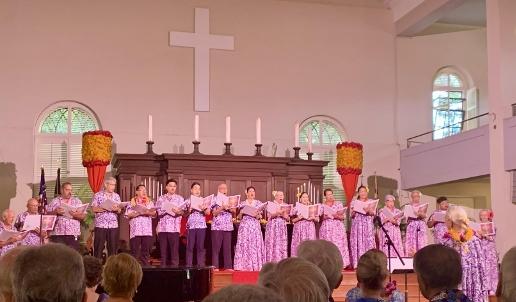
“Ke Kani O Ke Kaiāulu is a Community Choral Festival that started in 2024. Kaiāulu has two meanings - a gentle breeze that is found on the west side of the island of O‘ahu, and - community.
Emerging out of COVID, we were ready to come together to share our passion for choral singing There are festivals for school-aged children on O‘ahu that have been running for decades and those of us in school music programs have been in the thick of it for years But there was nothing for adult community singers It was a niche waiting to be filled.
One of the main purposes of this Festival is to share, with the audience and other singers, what singing opportunities are out there in the community. Each choir services a geographic area, a singing style, and a social outlet Knowing that, a singer not only joins a
choir, but a bigger family of singers that enjoy the bonding with fellow musicians, singers and directors that is so unique in making music.
This year, eight different choirs performed at the Festival (see the complete list is below). The music was wideranging from barbershop to classical, Gospel to Hawaiian and everything in between Kāhea Ka‘iahea, a new Hawaiian mens ’ ensemble, sang numbers featuring honored places on the island of O‘ahu
Kawaiaha‘o Church Choir featured living Hawaiian composers, who were present in the audience on concert day.”
Having only joined a community choir on O‘ahu myself at the beginning of 2026, I had a completely naïve perspective of what to expect of Ke Kani O Ke Kaiaulu ((The Sound of the Gentle Breeze) on March 1.
Sure, our director of the Windward Choral Society (WCS), Suzie Duprey, described it to newbies as a performance opportunity where, “We share who we are with other wonderful singers in our community ”
And they, with us, was implied. However, I soon deducted that seasoned members of the WCS spoke of this concert with a reverence and excitement that elevated it to an almost spiritual reunion.
I arrive early, curious to investigate the space where, NO shoes are allowed to be worn on the church's chancel steps. Singers are barefoot, the same as any hula dancers who may accompany a choir.
different times: “Many choirs also rehearse on Tuesday nights like WCS, so it’s hard to be in more than one at the same time. So, some may go for a season to one chorus and then to another for the next season. ”
Ann Marten, a 12-year veteran of WCS and our current secretary, says she likes to see all the choral junkies who jump from one chorus to another. An addiction to aspire to, I respond!
“I like the energy and camaraderie between the different choral directors and it’s really fun to see and hear all the other choirs. There is a little bit of competitiveness because this is not a usual audience,” she continues
I start asking questions
Dean Zane, has sung with the WCS since 2011, the O‘ahu Choral Society since 1997, the Honolulu Chorale from 1995-2011, and the Hawaii Opera chorus since 2018 This is his third Ke Kani O Ke Kaiāulu and he shares aboutbeing in quite a few of the other choruses at
Although members of the public, friends and family do attend, the majority of the spectators are choral singers
After our director hearsThe Honolulu Chorale perform one of our selections, The Storm is Passing Over, she invites them all to sing it again with the WCS, when it is our turn. The combination of a classically oriented approach and the stomping and clapping of gospel spirituals fuses perfectly, with both choirs grinning as we close.
Then finally, all 160 singers join together as one choir and sing Hawai‘i Aloha,composed by the last beloved queen of the Nation of Hawai‘i, Queen Liliuokalani The Queen was also the Minister of Music and church organist at Kawaiaha‘o Church, where we stand
The specialness of performing in the very place where she, herself, our queen, worshipped, in this sacred space, is a chicken-skin experience. The haunting acoustics amplify as the audience joins in on our farewell song. I continue to sing and attempt no control whatsoever over the huge tears streaming down my face I am so overcome with emotion at this joyful noise we are making, collectively
– WRITTEN BY JAMIE MCOUAT
Voices of the Philippines: Children’s Songs for All Choirs
My Story
My name is Lhara [‘lɑ rʌ], and I am a secondgeneration, half Filipina American. My passion for singing and learning about Filipino music began in my undergraduate studies when I dove into unpacking my multiethnic identity During a visit to the Philippines one summer, my grandmother gifted me her book of kundiman, or Filipino art songs composed in the 1800s. I studied and performed two of the pieces for my junior voice recital and used my program notes to educate the audience on this tradition The following year, my choral director Dr. Edith Copley programmed a Filipino folk song upon noticing that a few of the singers shared Filipino heritage I felt seen, connected to my peers, and connected to my culture in a new way.
Reflecting our Communities
Choral educators can foster an inclusive learning environment by choosing repertoire that reflects the students in our classrooms and by challenging the norm of what is deemed standard literature. According to the US Census Bureau, Filipino-Americans are the third largest Asian American population group in the country (2023). California is home to the largest Filipino population in America (Im, 2025) One in every four Hawaiian residents have Filipino heritage. Filipinos are the largest Asian American group in Nevada and Arizona, and the second largest in Utah (AIPA, 2024). Here in the Western Region, we have an opportunity to connect with our community through music and create a space for marginalized voices to be heard.
In my teaching career, I have noticed underrepresentation of Southeast Asian musics in the American choral scene. So, for my graduate capstone project, I created a website called Awitan to provide choral directors with a growing database of choral works from the Filipino diaspora and resources on cultural context. In this article, we will explore the diversity of music across the Philippines through choral arrangements of children’s songs for choirs of all levels
The Philippines: A Diverse Archipelago
The Philippines is made of over 7,600 islands in Southeast Asia. The vast archipelago boasts of beautiful beaches, lush forests, sweeping rice terraces, and majestic mountain ranges and volcanoes While the main language of the nation is Filipino (based on Tagalog), there are 183 living languages - not dialects -
spoken in the Philippines. The diversity of geography and ethnolinguistic groups, in addition to the various levels of outside influence from immigrants and nearly 400 years of Spanish and American colonization, yields diversity in the musical soundscape, function, and form
Why Children’s Songs?
In many cultures, children’s songs are used to pass down tradition, language, and values In our ensembles, choral arrangements of children’s songs can also provide a way for singers who do not identify with the culture of origin to engage in the music through their own unique backgrounds and experiences. I have chosen the following songs for their diversity in region, arranger, harmonic language, complexity, and equality of charm.
The text of this original composition comes from a children's game chant from Bontoc There is no literal translation for this rhyme The tonal patterns resemble thoseplayedbyagangsa,aflatbronzegong.
MusicalFeatures
This original composition features interlocking rhythms and polychords that reflect the tribe’s music. The A section begins with the introduction of one rhythmic motive at a time, layered with body percussion that adds excitement to the repeat of the section The consequent sections then feature a new motive with accompanying ostinati. Body percussion and movement illuminate the essenceofthegame
Background
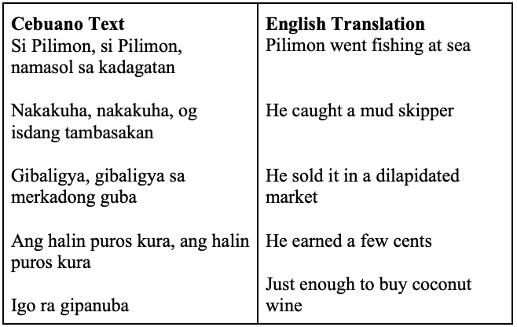
The text describes a fisherman who goes out to sea but catches a mudfish, sells it for very little money, and uses his profit to buy a bottle of coconut wine as opposed to saving the funds for his family. This folk song has been passed down through generations of Visayan in both Cebuano and Illocano languages to depictthehardworkandhumoroftheVisayanpeople
MusicalFeatures
This arrangement features driving rhythm and shimmering chords in the introduction and A section, setting the scene of fish and a fisherman at sea A coloratura soprano soloist soars over vocal arpeggiation from the choir in the B section and adds humor with a drawn-outcadenza.
Pay close attention to the accents and dynamic contrast marked in the score in the introduction Bring out the natural legato phrasing of the melody in contrast with the rhythmic “pilimon” pattern. Refer to the University of Visayas Chorale’s recorded performance for inspiration on choreography and storytelling!
Background
Similar to the game “eenie, meenie, miney, moe, ” Pen Pen De Sarapen is typically sung to choose who is “it” prior to a game. Variants of the song from Bicol and Visayan areas will feature different lyrics that reflect the local culture. This version also reflects Spanish influence on the Tagalog language, specifically in the termskutsilyo(knife)andalmasen(warehouseorstore)
MusicalFeatures
Singers and listeners are hooked with a stirring rhythmic motive sung on terraced pentatonic harmonies This theme separates the sections throughout the piece The Altos then introduce the melody as the Sopranos maintain a soft pulse in the middle of their range. The first and second Sopranos take over the melody and harmony as the altos broaden the rhythmic structure The middle section plays with the first line of text at a much slower tempo. The introductory rhythmic motive brings the end, now back to speed and repeats the A section in a higher key, ending with an exclamation of who is “it,” or whose fingergotcaughtinthegame(“mahulitaya!”)
This buoyant game song describes the joy of cooking and eating a popular Ilocano dish, pinakbet. The gamesong is played with babies by clapping the soles of their feet together to the beat of the tune In this arrangement, parallel harmonies and a dash of polyphony against a whimsical piano accompaniment poseafunchallengefordevelopingsingers!
MusicalFeatures
The A section begins with the melody sung in two different tonal centers, followed by both parts singing dissonant harmonies. The dissonance could be thought of as a musical representation of bittermelon, or parriaa staple ingredient in this classic dish The B section features a play on rhythm patterns. The return of the melody is supported by consonant harmonies and a chromaticaccompaniment
WhatNext?
The database I have begun compiling has been developed through collaboration with brilliant, generous artists and directors worldwide and is a growing collection of resources These resources include pronunciation guides, performance recordings, links for purchase, contact information for composers, and additional resources on cultural context. I encourage you to join me on this journey and reach out to various culture bearers for multiple perspectives - the composers, your students, their families, your colleagues, university cultural clubs, community artists, and Asian American Pacific Islander (AAPI) organizations As Nanay, my grandma, told me, it is important to understand what the Filipino heart, mind andspirit iswhenlearningourmusic. Maythismusicbe your entrance into our rich culture of joy, laughter, resilience,andconnection
The game can be played with “3 or more children with stacked fists pounded on every beat while the bottom player opens [their] hand with palm facing down after thelastword.”(Vizconde-Roldan,2018).
MusicalFeatures
This arrangement of the game song is a great transitional piece for treble choirs working through partsinging, including sections of ostinati, rounds, and homophony within the pentatonic scale The additional movement and body percussion at the end will excite bothsingersandaudiencemembers!
Lhara Groberg is in her tenth year of teaching in Clark County School District in Las Vegas, Nevada She is the Director of Vocal Studies at Del Sol Academy of the Performing Arts. Prior to teaching at Del Sol Academy, Groberg taught choir at Hyde Park Middle School for seven years, where she rebuilt the program to 280 students As a former CCSD student, her musical experiences inspired her to pass on her passion to the next generation Groberg earned a Bachelor in Music Education with a Choral Emphasis and a Minor in Arts and Cultural Management from Northern Arizona University in 2015. She earned her Master’s Degree in Choral Music Education at the University of North Texas in 2024 through the Summers-Only Masters Program Groberg is an active member of American Choral Directors Association and Nevada Music Educators Association She currently serves on the NMEA Executive Board as the State Secretary and High School All-State Choir Co-Chair. She served as the Soprano 1 Section Leader for three seasons in Desert Singers Las Vegas, a professional treble choir She was selected as a finalist for the Heart of Education Awards two years in a row and was named the Nevada representative in the SBO+ "50 Most Influential Music Teachers" in 2024 Her goal as a music educator is to create a safe learning environment where students can build confidence, community, and commitment through music.
On Teaching Mariachi Singing
B Y D R . R A C H E L H U R T A D O D U N B A R
Introduction
Once only a regional folk tradition from central Mexico, mariachi has transcended boundaries, borders, and even genre to become an internationally recognizable phenomenon Mariachi began primarily as an instrumental genre, with bandas singing as an ensemble while self-accompanying. With the advent of recording technology, mariachi developed into a concert genre which requires musicianship and virtuosity from its singers Indeed, the demands of mariachi singing are many: projection over a large and live ensemble, dramatic range, registration flips, interminably long notes over a vamping band, expert expressiveness, and high belts These demands alongside mariachi’s increasing ubiquity call for teachers of singing, whether primarily choral, vocal, or mariachi, to know something of its history and pedagogy.
Certainly, these demands should not dissuade directors from programming mariachi music The benefits surely outweigh the challenges. The cultural relevance of mariachi in Latin American communities goes almost without saying Latin rhythms from Cuba, Venezuela, and Colombia have all been adopted into various mariachi subgenres. Ensembles who have performers from the broader Latin American music background can easily find something of themselves in mariachi Furthermore, programming mariachi music gives performers of all musical backgrounds a chance to cross train in a genre that has elements found in pop, R&B,musicaltheatre,andbelcanto.
The mariachi vocal stylism known as falsete – an abrupt switch from chest to head registration in women, and from full voice to falsetto for men – is an excellent tool for getting young singers to use light mechanism Many young singers struggle with the light and “airy” sensation of head voice and falsetto. The use of light mechanism in falsete can easily be adapted for use in classical repertoire. Projection is also a challenge for singers from multiple genres Having students learn to project by utilizing good breath support in a genre they are familiar with, before introducing that same breath support in bel canto or musical theater repertoire, may be beneficial Lastly, there seem to be significant acoustic similarities to male bel canto voice production in mariachi which may be a result of early bel canto pedagogy’s influence on the genre. This is not to say thatmariachiisonlyvaluableasameansoflearning
other styles of singing; rather, the intention is to illustrate mariachi’s diverse applications, it being itself, a confluenceofdiversemusicalidioms.
Teaching mariachi singing can also open up competition and performance opportunities for students Competitions such as Mariachi Extravaganza and El Mariachi Canta are prestigious events for true mariachi virtuosos And this does not limit those without fullfledged mariachi programs Each of these competitions (as well as many more) have separate vocal competitions which allow the solo singer to be judged on their own merits. These competitions help us to reframe these young mariachi singers as culture bearers, virtuosos, and developing professionals For mariachi is not just an artful genre, it is an incredibly marketable one! It is highly mobile, adaptable, and thrives on a canon of recognizable repertoire Students of mariachi have the unique opportunity among student musicians, to perform often and for money Thus, as we take on the responsibility and many opportunities of teaching mariachi singers, it is incumbent upon us to understand some of the best practices for this genre In this article, I will discuss some guidelines that will help both novice and experienced teachers of mariachi singing align their practice with the demandsdiscussedearlier.
Arrangements,Transpositions,andSubgenres
Ensemble directors of every kind have experienced the gap between the music they would like to perform and the sheet music that is readily available. Mariachi ensembles and directors embrace this gap by producing new arrangements that meet the needs and abilities of the performers they have In fact, many mariachi programs and professional ensembles employ in-house arrangers who are tasked with both sourcing and creating new arrangements. Often transcriptions of well-liked arrangements of mariachi tunes are passed between mariachi bands, in much the same way a fakebook might be handed off between jazz musicians. Directors and teachers can ingratiate themselves in the mariachi culture by creating their own arrangements or reductions that match the needs of their ensemble, whether choral, orchestral,band,orprivatevoice
28
Competitions based in San Antonio, Texas and Tucson, Arizona respectively
Spanish for bands In this context, used to refer to small rural groups of musicians who play guitarrón, guitar, violin, and vihuela
Rachel Dunbar, “History and Acoustics of the Mariachi Voice,” Bloomington, IN: Indiana University, 2025,
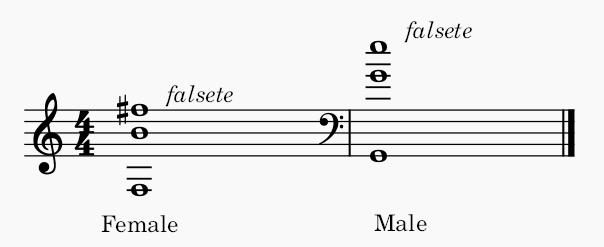
Arranging also has the benefit of allowing the director to pick keys to match the singer’s range. In mariachi culture, the key is largely at the discretion of the solo singer It follows that it is also important to understand the range which a mariachi singer should be expected to sing, which for women, differs greatly from ranges of other genres due to primary use of chest and belt registration.
1. Suggested Mariachi Vocal Range.
Notice that Figure 1 makes accommodations for pitches sung in falsete This does not mean that an arrangement in a higher key can be done so long as the student sings primarily in falsete. Falsete is an ornamental technique and the bulk of mariachi singing should be done in a chestvoiceorbelt
It is also incumbent upon those programming mariachi styles to know something of the various vocal subgenres and their demands, as each has its own utility. The huapango for example is a mariachi subgenre that is known for frequent use of falsete, which is sustained over a vamping band. Additionally, huapangos feature frequentmeterchangesbetween6/8and3/4whichcan be challenging for the unfamiliar. Rancheras and boleros are typically safer choices for beginning musicians with an easy 4/4 meter and balladic tempo For experienced ensembles, sones can be an exhilarating genre that allows them to show off their fast, virtuosic singing and playing All this to say, that mariachi can easily be a gimmick or the unserious choice to program But an informed use of the mariachi repertoire that considers genre, key, range, and ability can make a meaningful differenceforbothaudienceandperformer(s).
Phonation
Once repertoire has been selected, the next consideration should be how the sound is produced. Balanced onset is of course a feature of mariachi singing – the onset must not be breathy, and it must not be harsh. It should be clear and easy to produce. Though mariachiisknownforimpassionedcriesandstronguse
of chest voice and belt, this should not be conflated with harshonsetorpressedphonation
Pressed phonation, which is marked by insufficient airflow through the glottis and excessive vocal fold resistance is a significant concern for mariachi singers. The demand for strong, dark, dramatic timbres can tempt singers into a pressed vocal fold posture That is to say, in order to make sounds associated with the mariachi vocal technique, singers may incorrectly accumulate subglottal pressure and have longer and greater vocal fold contact Of course, it is naïve to think this problem is unique to mariachi or that mariachi is especially dangerous; yet it is important to be aware of these challenges and address themwithinformedpedagogy.
In my experience, mariachi singers’ attention to the breathing mechanism is only paralleled by their opera counterparts. Mariachi singers I have spoken to describe breath support as a protective measure – a way in which to create a mariachi sound without injury Teachers of singing are often experienced at teaching proper inhalation; however, exhalation which allows adequate flow through the glottis is equally important. Straw phonation, which has already been popularized in CCM and musical theater, is also a useful tool for mariachi singers
Embouchure
As pedagogue Barbara Doscher pointed out in her Functional Unity of the Singing Voice, embouchure can alter the vibratory pattern of the vocal folds Thus, another factor in avoiding pressed phonation and injury is the shape of the mouth when singing. Though there are a variety of acoustic strategies among acclaimed mariachi singers, a few repeat frequently enough to be worth noting
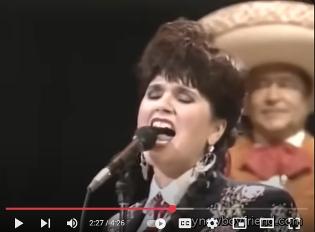
The first is the F1/H2 strategy where the first formant is high enough to boost the second harmonic, giving the timbre a strong, impassioned color. Mariachi singers do this by widening their mouths and showing top-row teeth Among mariachi vocalists, F1/H2 is used by male and female alike though male mariachis seem to take advantage of the singer’s formant in addition to the first formant. It is not dissimilar from the techniques used by theirmaleoperaticcounterparts
Juanita Ulloa, “The Mariachi Vocal Tradition,” in So you Want to Sing World Music: A Guide for Performers, edited by Matthew Hoch, Lanham, MD: Rowman and Littlefield, 2019,132 -136
William Gradante, Foundations of Mariachi Education, Lanham, MD: Rowman & Littlefield Education, 2008, 19-20
Ibid
Plural of son
Barbara Doscher, Fundamental Unity of the Singing Voice, 2nd ed Metuchen, NJ: Scarecrow Press, 1994, 150-151
Rachel Dunbar, “History and Acoustics of the Mariachi Voice,” Bloomington, IN: Indiana University 2025, 31-35
Figure
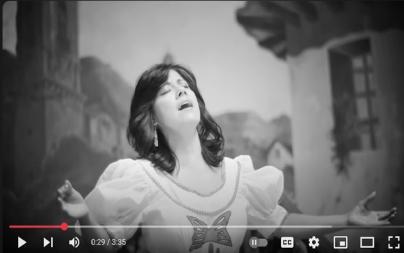
I also documented female mariachi singers using an F2/H3 tuning strategy in the highest notes of their nonfalsete singing, which detunes the first format by using a slightly more closed embouchure It is a strategy that requires more finesse; there is a delicate “sweet spot” opening which is wide – but not too wide, open – but not too open, and so on This acoustic strategy in the upper middle voice has strong parallels with operatic mezzos and tenors. Donald Miller in his Resonance in Singing highlighted the use of an F2/H3 tuning strategy by Luciano Pavarotti on the famous B5 ending note in “Celeste Aida.” Regine Crespin was also noted as using this strategy in this tessitura Though it is less common among mariachi singers, classical teachers of singing may find this a useful entrance point for the high belt in female mariachi voices The use of either an F2/H3 or F1/H2 strategy should be accompanied by some variation of spreading the mouth, with greater vocal fold contact. Any type of choral “rounding” outside of falsete would prove disastrous.
Mostimportantthough,isthatdirectorsandteachers taketimetounderstandaestheticsofthegenreanddo theirbesttorespectthistraditioninperformance practiceToooften,mariachimusicisusedasagimmick inpopularmediaanditcanbetemptingtoprogram mariachiasalightheartedorcomedicpieceinour programInstead,weaseducatorsforanewgenerationof singerswhoareinterestedinbroadeningtheirrepertoire should approach programming world music with boundlesscuriosityandhealthyskepticismaboutwhatwe assumewealreadyknowIndoingso,weexemplifyfor ourstudentstheworknecessarytobecomegreat musicians.
Linda Ronstadt utilizing F1/H2 strategy on A4.
Rios using an F2/H3 strategy on Bb4.
F1/H1 is a resonance strategy which tunes the first formant to the fundamental frequency and is utilized to give falsete a hooty sound This resonance strategy is typical of a classical head voice registration and used by males and females alike. The embouchure is small, closed, and sometimes rounded. Keeping this closed embouchure also has the effect of making the airflow incredibly efficient. This embouchure helps explain the mariachi singer’s remarkable ability to sustain falsete for extended periods of time – which is just as much a defining feature of falsete as the timbrel quality
Listening to live huapango recordings, one starts to understand the differences in registration and appreciate the type of vocal agility required of mariachi singers as they switch from full voice to falsete. Thus, embouchures in this genre needs to be carefully considered. There is not a one size fits all shape for an entire song. Rather, resonance strategies should change with the pitch, color, genre, and style
Donald Miller, ResonanceinSinging:VoiceBuildingThroughAcousticFeedback, Princeton, NJ: Inside View Press, 2008, 92
Linda Ronstadt, Linda Ronstadt- La Charreada 1989 Live Performance, December 11, 2020, live performance from the Grammy Awards, 4:26, https://www youtube com/watch?v=Z-fvsnLocBM Luz Rios, Mexico Lindo y Querido, https://www youtube com/watch?v=jzJnEFUMHPI
Rachel Hurtado Dunbar is a mezzosoprano from El Paso, Texas who enjoys performing in a variety of styles Recent operatic engagements include Mercedes in Carmen and the Hairdresser in In the Rush She has also performed with the Hawai‘i Opera Theater as a member of the Mae Z. Orvis Opera Studio in their productions of Le Nozze di Figaro, Romeo et Juliette, and Eugene Onegin As a soloist, she performed with the Charles Ives 150 Festival, Indiana University Chamber Orchestra, University of Hawai‘i Wind Ensemble, and the IU Latin-X Artist Showcase. When she isn’t singing classically, she enjoys performing mariachi, gospel, rock, and pop music in venues large and small
Dr Dunbar is also a skilled and enthusiastic voice teacher She is currently Assistant Professor of Voice at Brigham Young University – Hawaii where her pedagogy centers voice science to elicit measurable change. She recently presented her paper on the mariachi voice at the New Voice Educators Symposium and hopes to continue to publish works that blend ethnomusicology and voice science She holds a Bachelor of Arts from BYUHawai‘i, a Master of Music from the University of Hawai‘i at Mānoa, and a Doctor of Music from Indiana University Jacobs School of Music.