TABULA
[front cover]
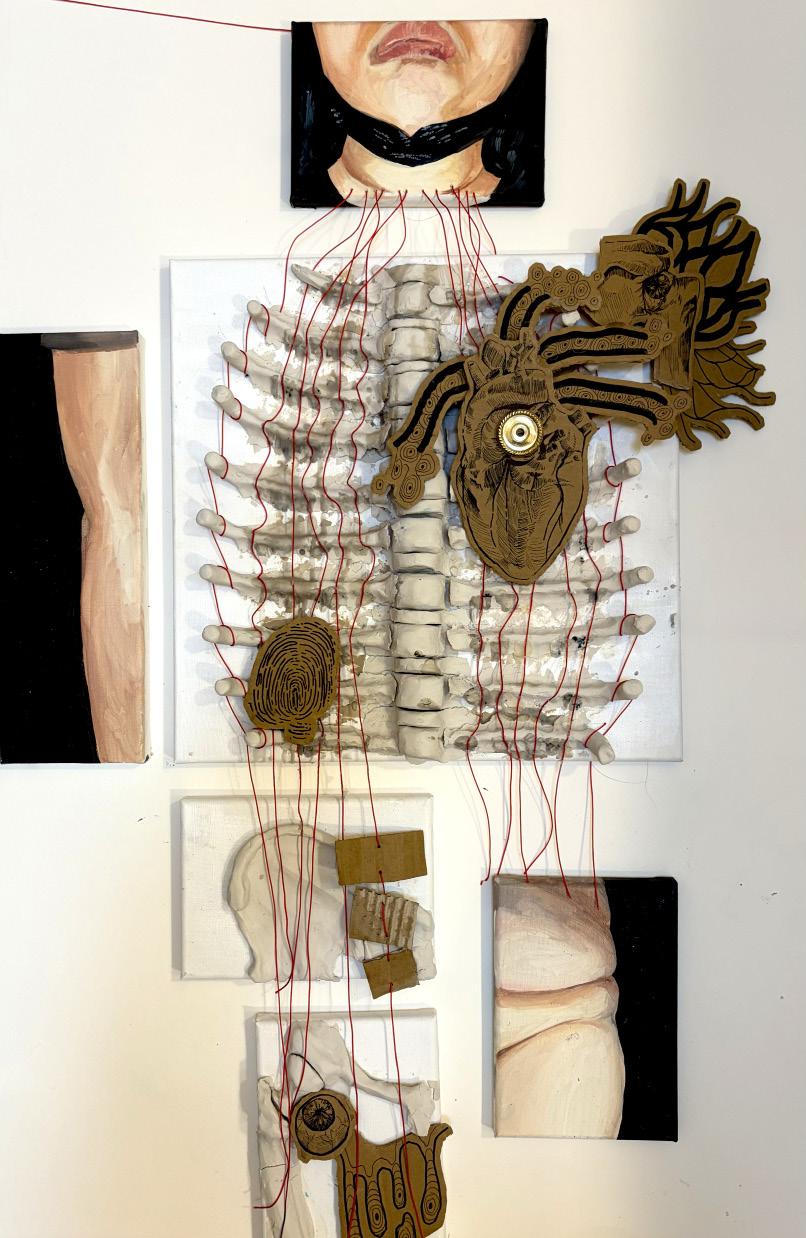
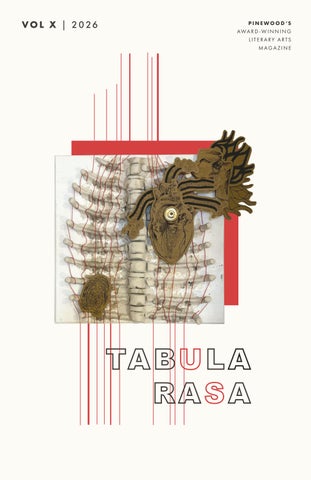
HALFWAY THERE | Jennifer Li ’26 | Mixed Media
[front cover]
HALFWAY THERE | Jennifer Li ’26 | Mixed Media
Vol. X | 2026 | Pinewood School | Los Altos Hills, CA
Editors-in-Chief
Esha Joshi
Ella Kim
Managing Editor
Katie Maier
Artistic Director
Jennifer Li
Web Editor
Derrick Harris
Publicity Editor
Max Rees
Assistant Editor
Sophie Saibi
Advisors
Holly Coty
Ellie Pojarska
The red, connective string of creativity flows through and binds the heart to the body. I was driven by the idea that art, in any form, can be done by anyone, whether it’s pouring wax onto a skeletal frame on the bathroom floor or scavenging broken treasures. With my exploration of medium and dimension, this piece intends to remind that art does not have to be a luxury or highly masterful, but simply an authentic, unconfined, human expression.
Vol. X
Pinewood School’s Literary Arts Magazine 26800 W. Fremont Road, Los Altos Hills, CA 94022 (650)-209-3010
tabularasasubmissions@pinewood.edu pwtabularasa.org May 2026
3 THE WOLF AND THE COUGAR , Corinne Fung ‘28
2 HIDDEN BEGINNNGS , Aiden Vaidya ‘ 27
5 COMPLEXITIES , Jennifer Li ‘ 26
6 HOW SOPHIE BECAME A MIDDLE SCHOOL ARTIST - YOU SHOULD TOO! , Sophie Saibi ‘27
7 ALWAYS LOOKING THROUGH THE SAME PEEPHOLE , Sophie Saibi ‘ 27
9 INIMICAL , Zachary Choi ‘28
8 OUNCE OF THE PRIMORDIAL , Max Rees ‘ 26
10 ODE TO JAPANESE BARBECUE , Max Rees ‘ 26
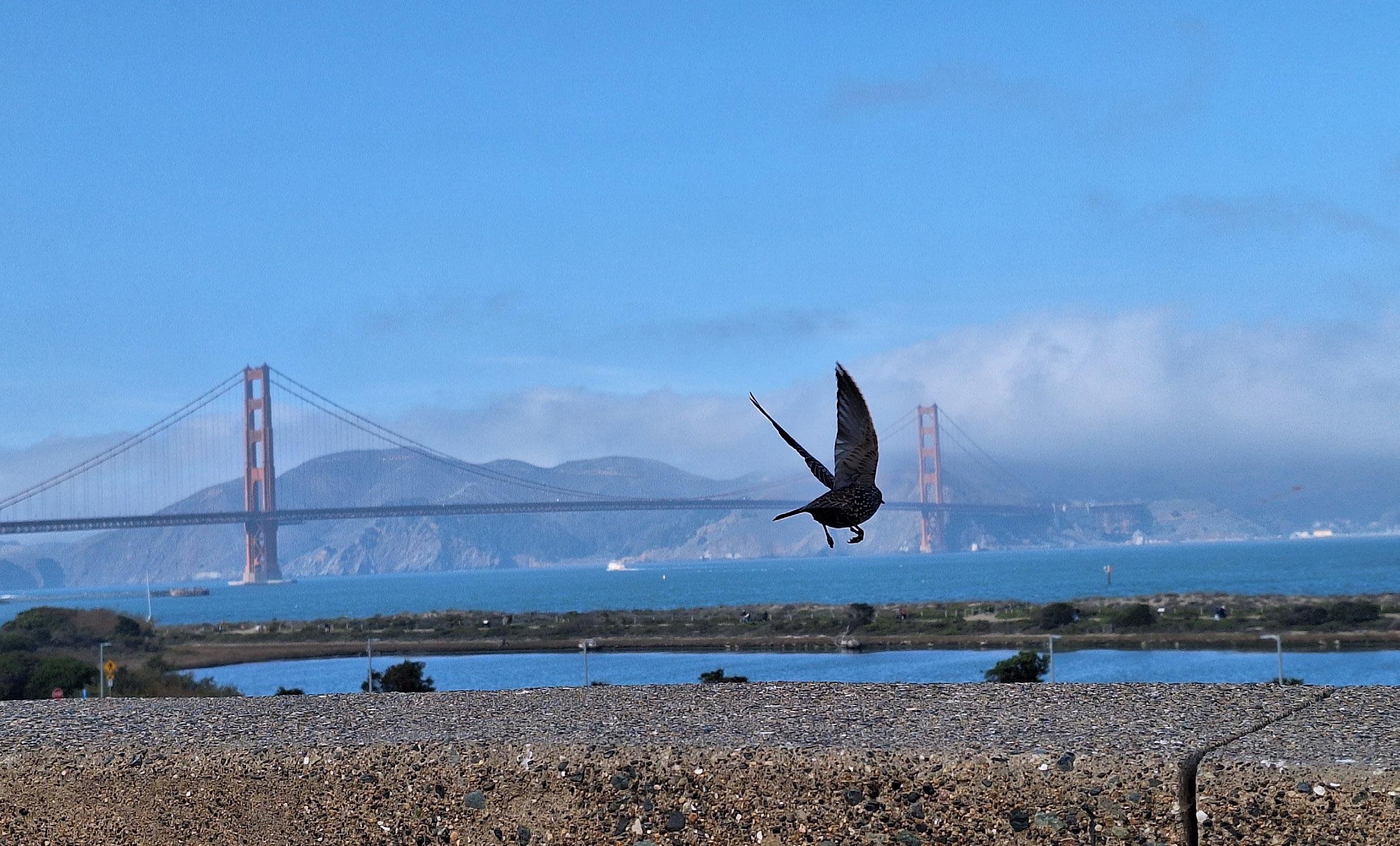
11 TAKEOFF , Yicheng Sun ‘31
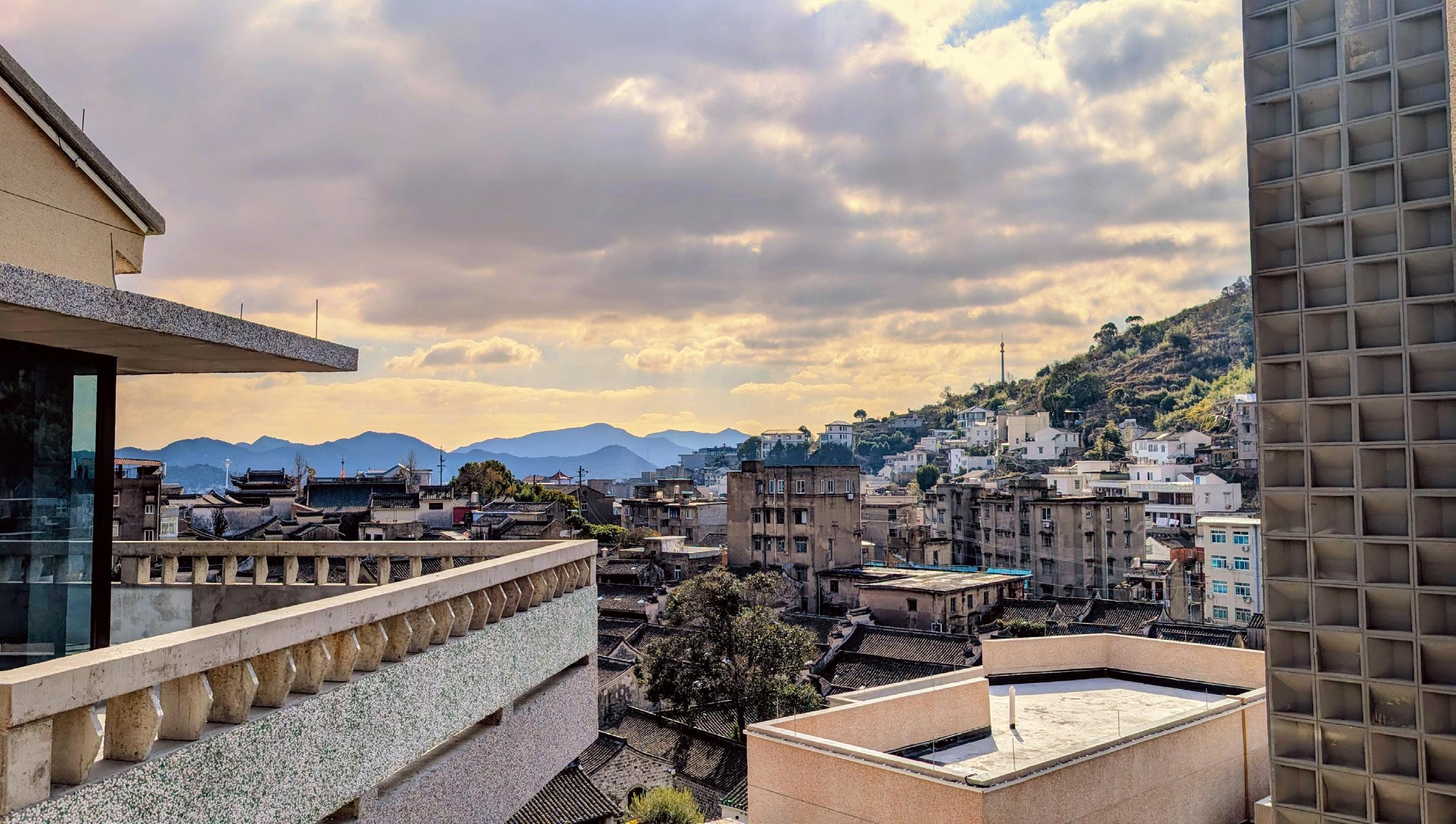
11 MOTHER'S OLD HOME , Carey Wang ‘31
12 呦 (YO) , Isabella Wang ‘27
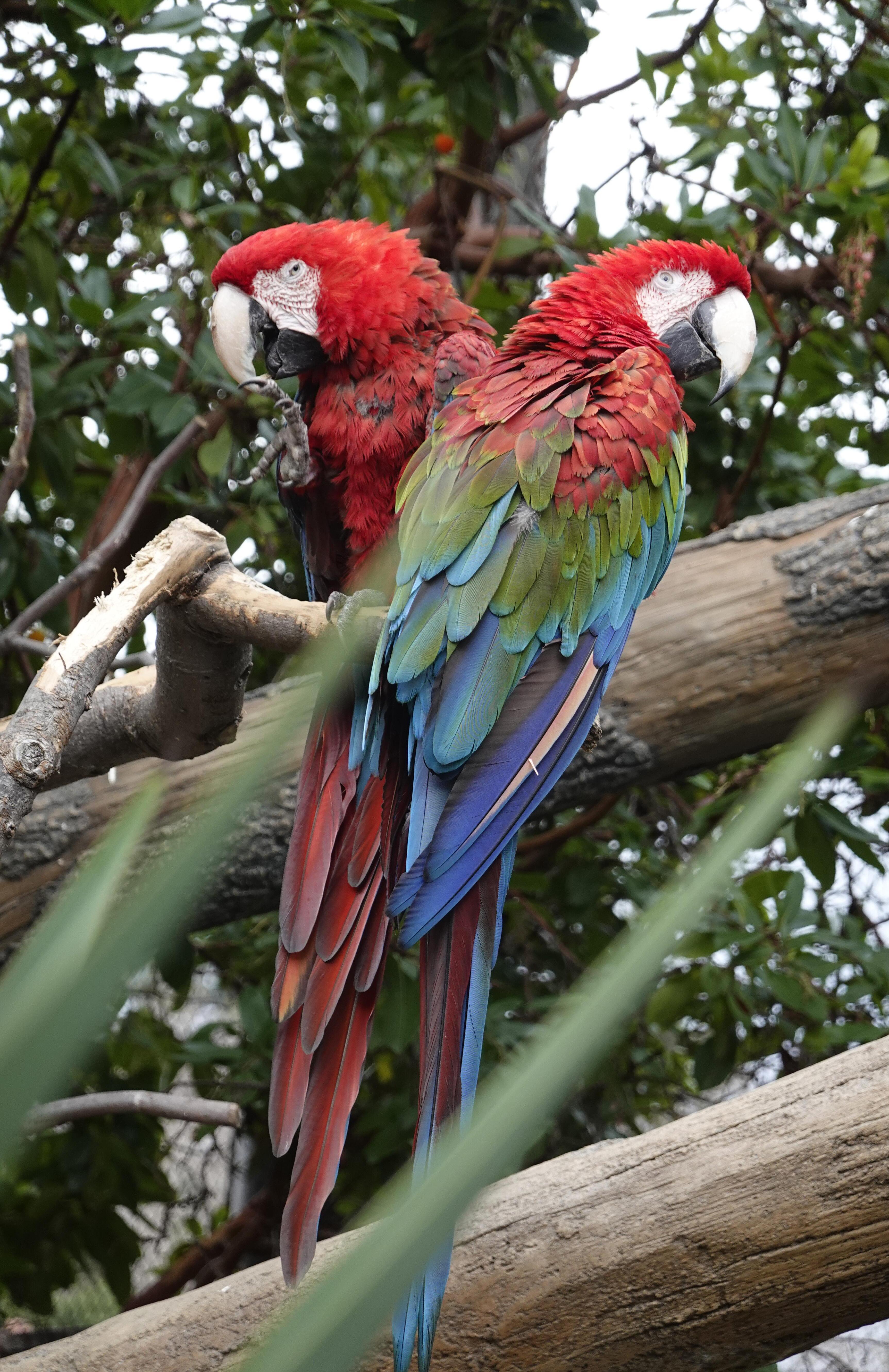
13 TWIN MACAWS , Katie Maier ‘27
14 LETTER TO HOME , Leila Saeidi ’29
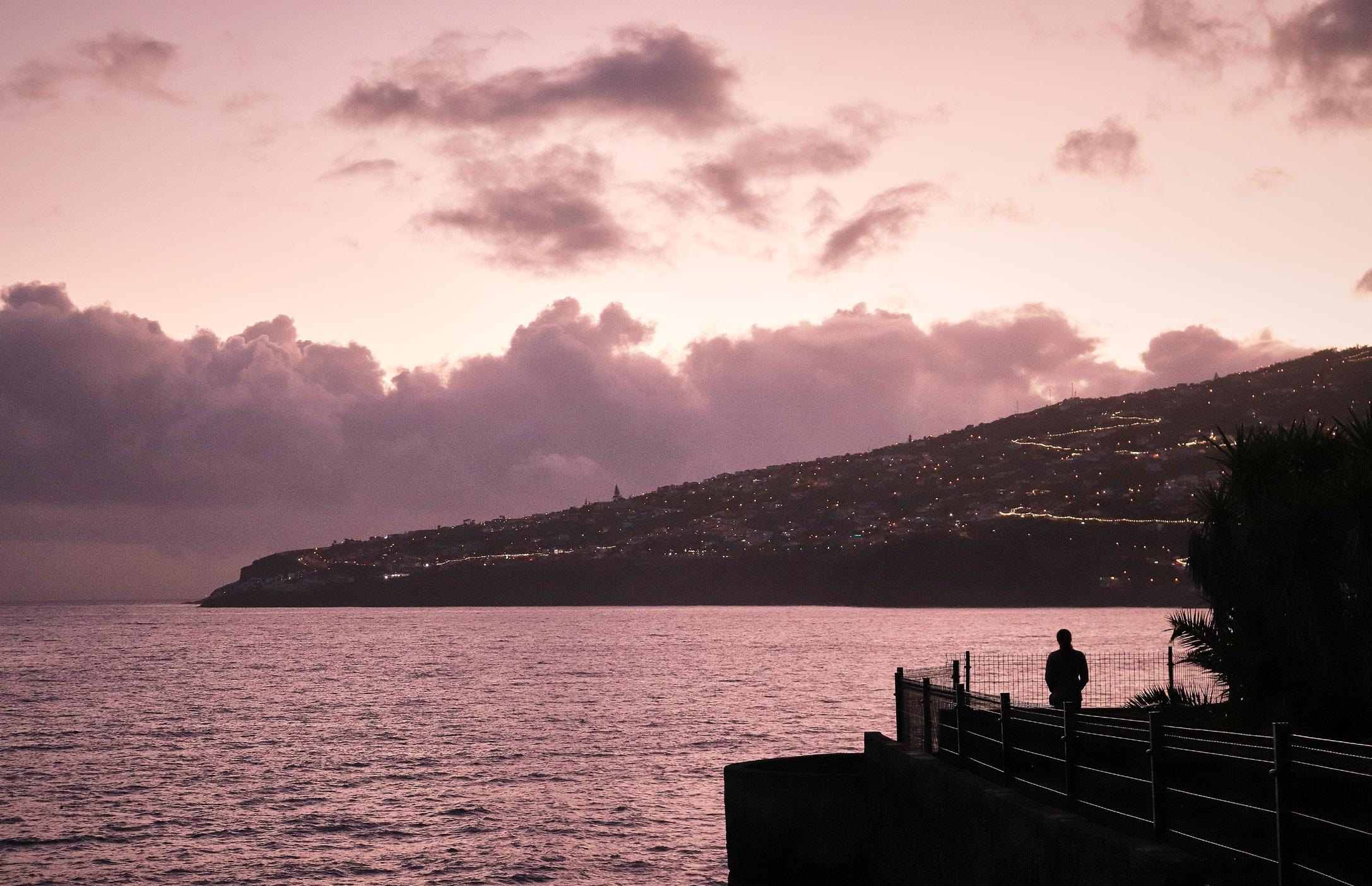
14 SUNSET , Mia Randall ‘ 26
16 FROM THE EDGE OF THE WATER , Katie Maier ‘27
16 KEYHOLE ARCH , Tiffany Au ‘ 27
17 THE NEW WORLD , Nona Brozell ’27
17 CARVED BY TIME , Aiden Vaidya ‘ 27
18 DARLING , Esha Joshi ’26
19 WILD BEACH , Mark Govorkov ‘ 30
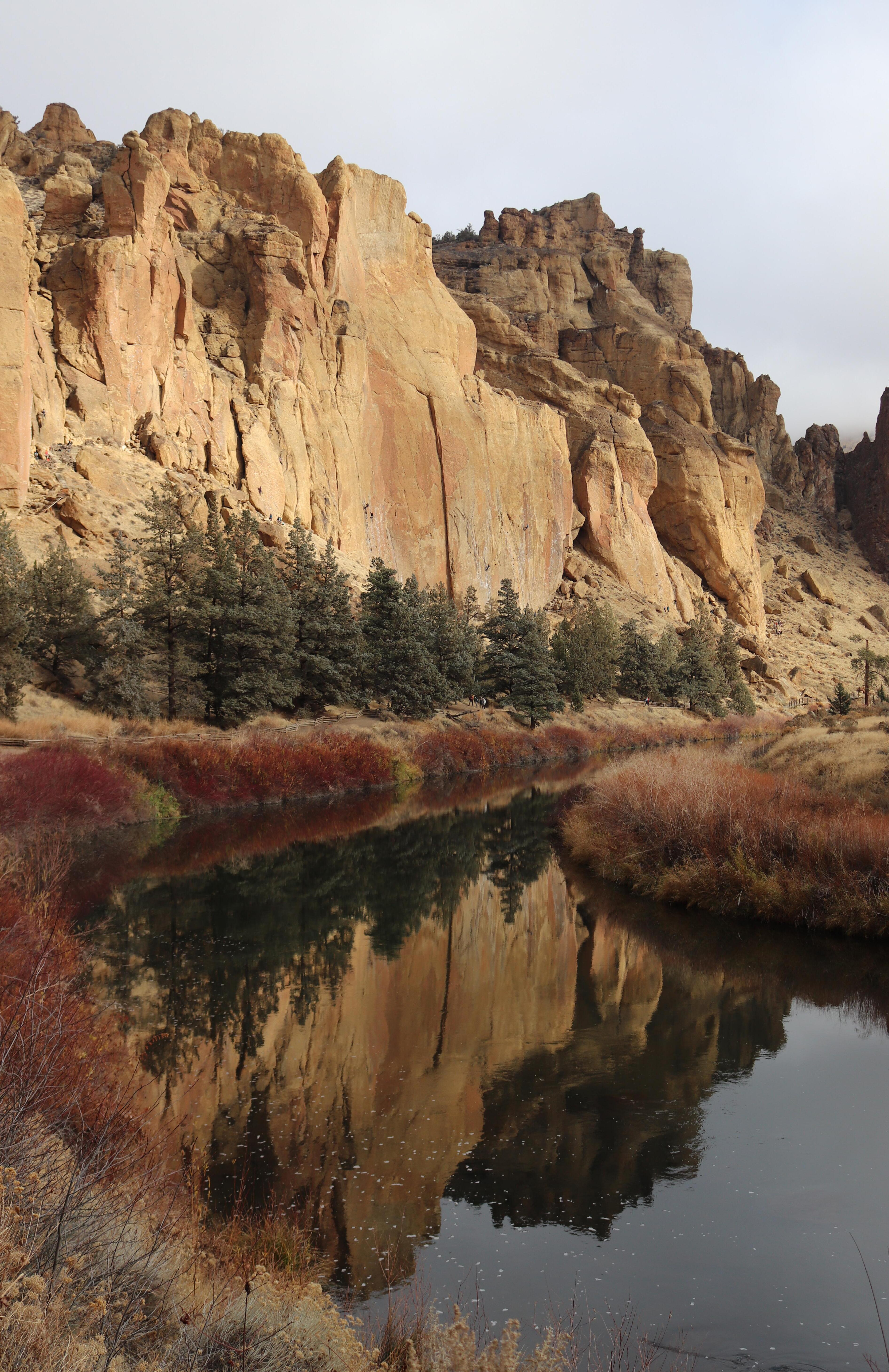
20 SNOWY CANYON , Mark Govorkov ‘30
20 GOLDEN CONFRONTATION , Max Rees ‘26
23 WHEN MY BROWN HAIR LEADS ME TO SPACE , Yichen Wang ’27
22 SUITS AND THEIR WEARERS , Kelly Anne Tu ‘27
24 TO THOSE WHO DREAM OF BURNING , Adeline Xie ‘30
25 GOLD AND GLOOM , Mark Govorkov ‘ 30
25 BROWN PELICANS , Mia Randall ‘ 26
26 THE UBER DRIVER AND THE GRAPHIC DESIGNER , Yicheng Sun ’31
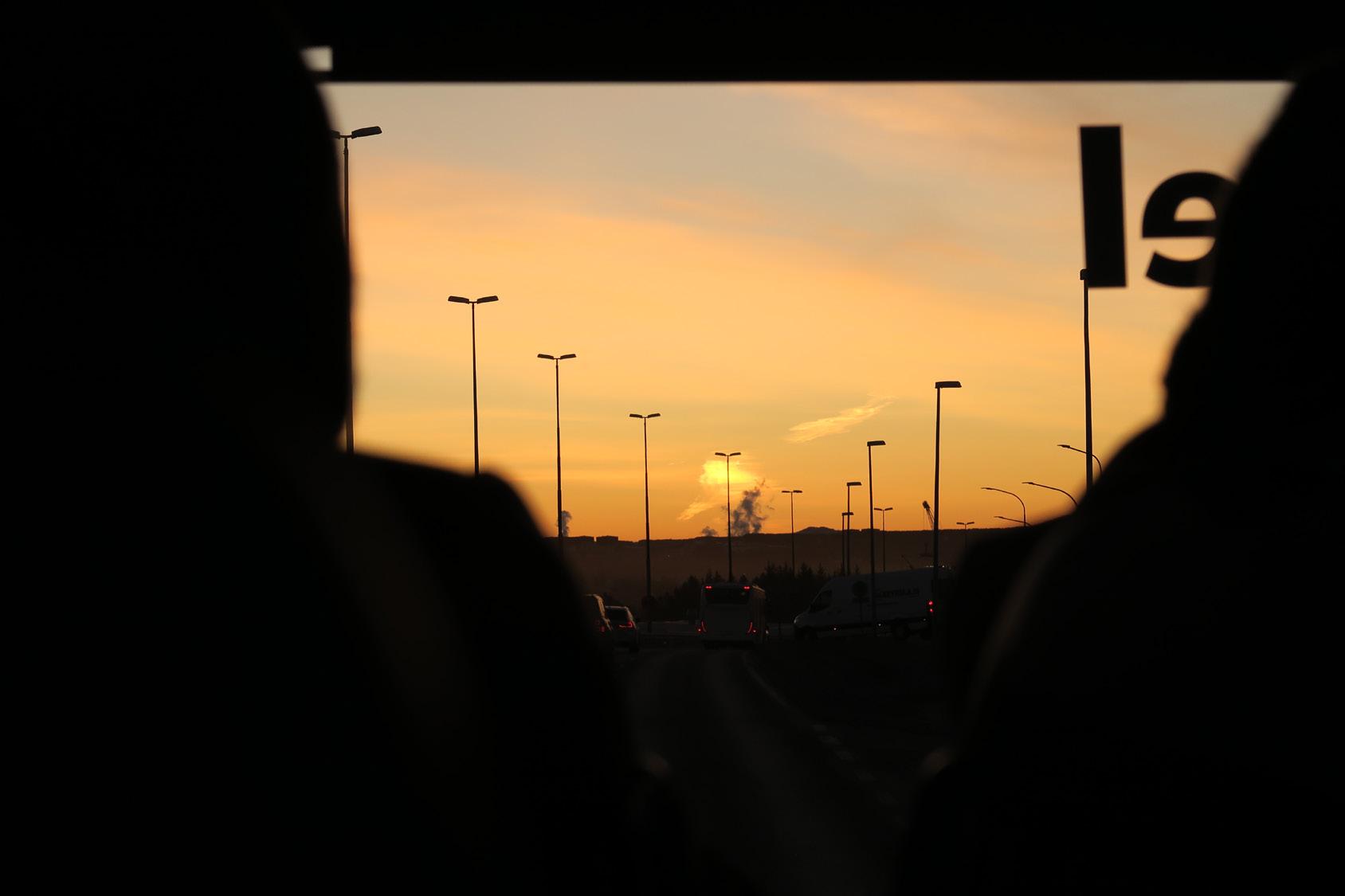
26 BACKSEAT VIEW , Max Rees ‘26
28 A MOMENT OF SILENCE , Mark Govorkov ‘30
29 MIRRORED , Max Rees ‘26
31 FOR SEEING, IN THE MIRROR: , Max Rees ‘ 26
30 CLEANSING OF STONE , Mark Govorkov ‘ 30
32 WISPS OF FLEETING ADOLESCENCE , Ella Kim ’28
33 THE STORM RETIRES, THE SUN APOLOGIZES , Adeline Xie ’30
35 HAMARTIA , Sophia Wang ‘30
34 GROWING PAINS , Sophie Saibi ‘27
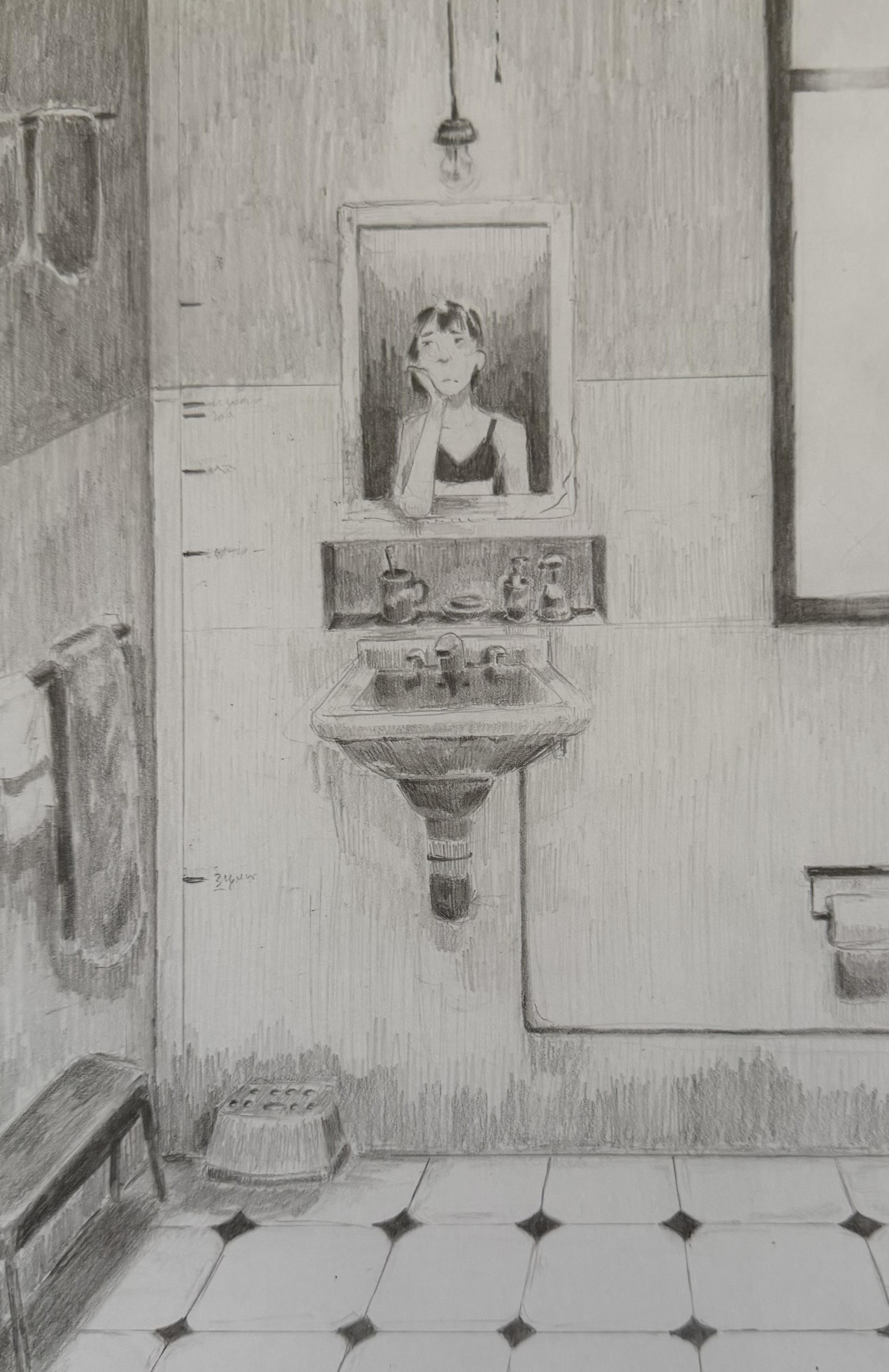
35 LEFT AND RIGHT , Jennifer Li ‘26
37 LIFE IS , Zachary Choi, ‘28
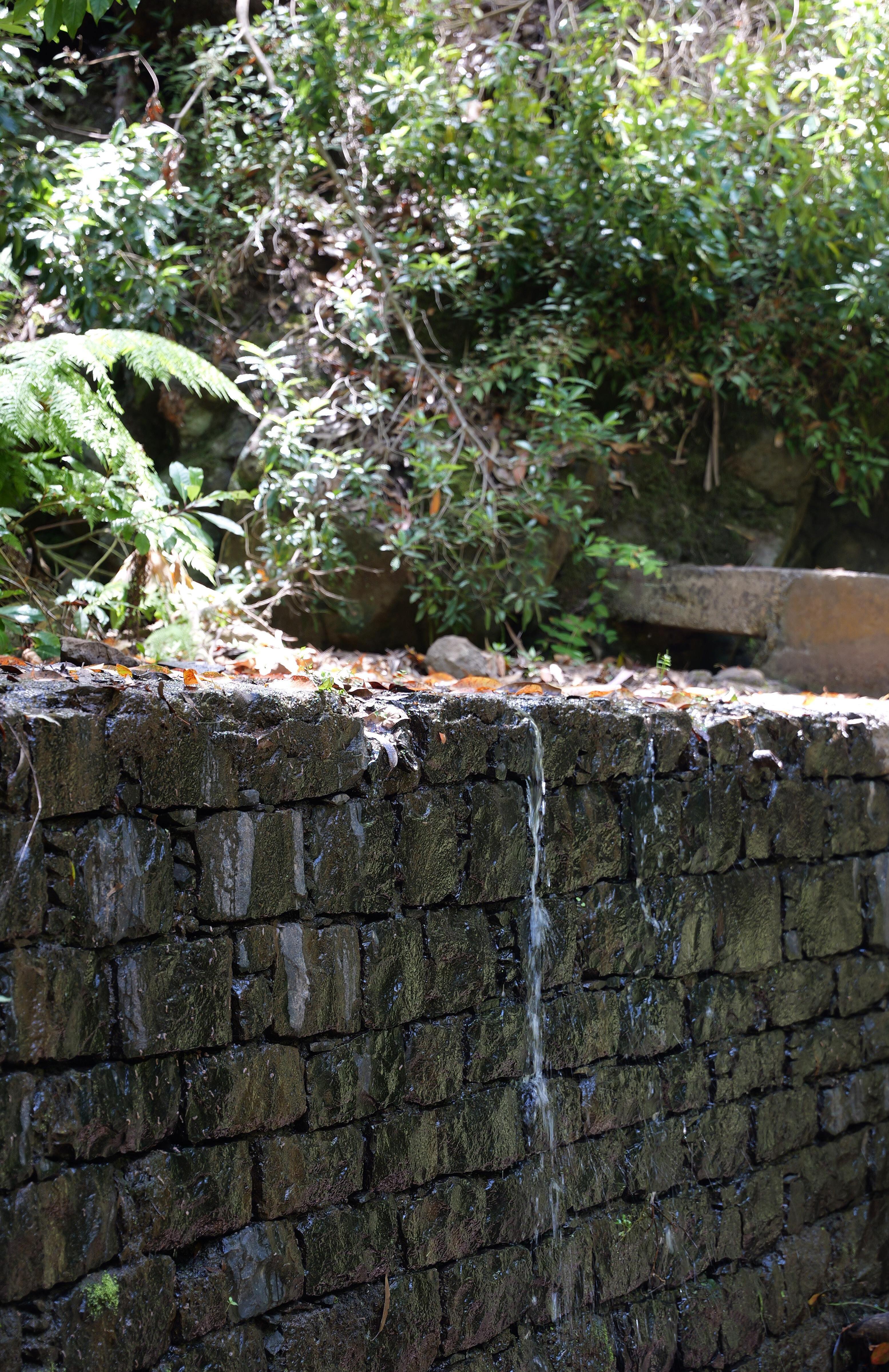
36 RESILIENT STREAM , Matvei Sokoloff ’28
38 THE SEA KEEPS WHAT IT LOVES , Ayana Reddy ’31
39 ROSY PEACE , Mark Govorkov ‘30
40 REMEMBER BACK HOME? , Zachary Choi ‘28
40 TAJIGUAS , Yicheng Sun ’31
42 SAWYER , Alisha Ramani ’27
43 MY COMFORT IS DESOLATE , Max Rees ’26
44 SKULLS , Sophia Wang ’30
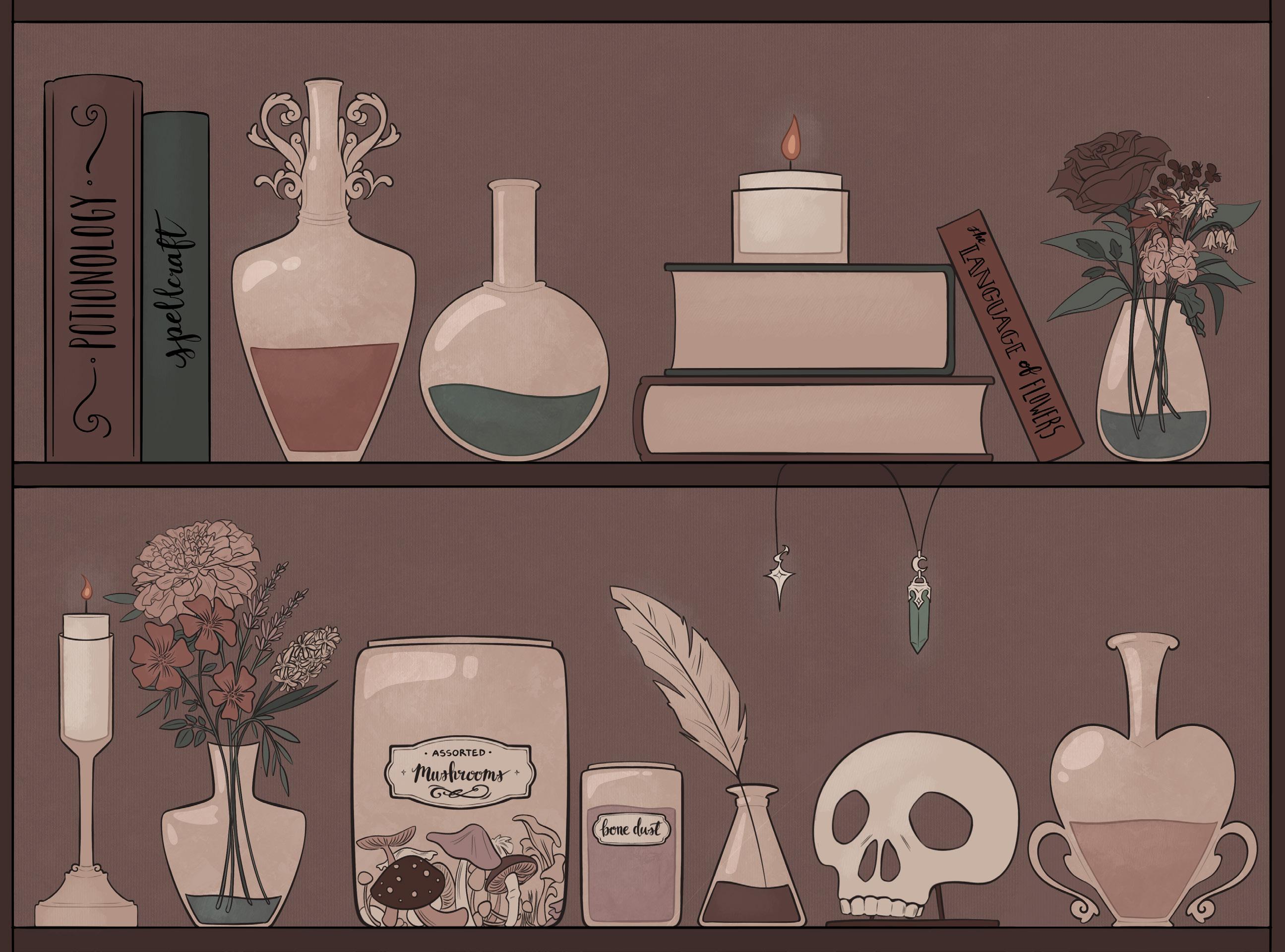
44 WITCH'S CUPBOARD , Rekha Seiber ‘ 27
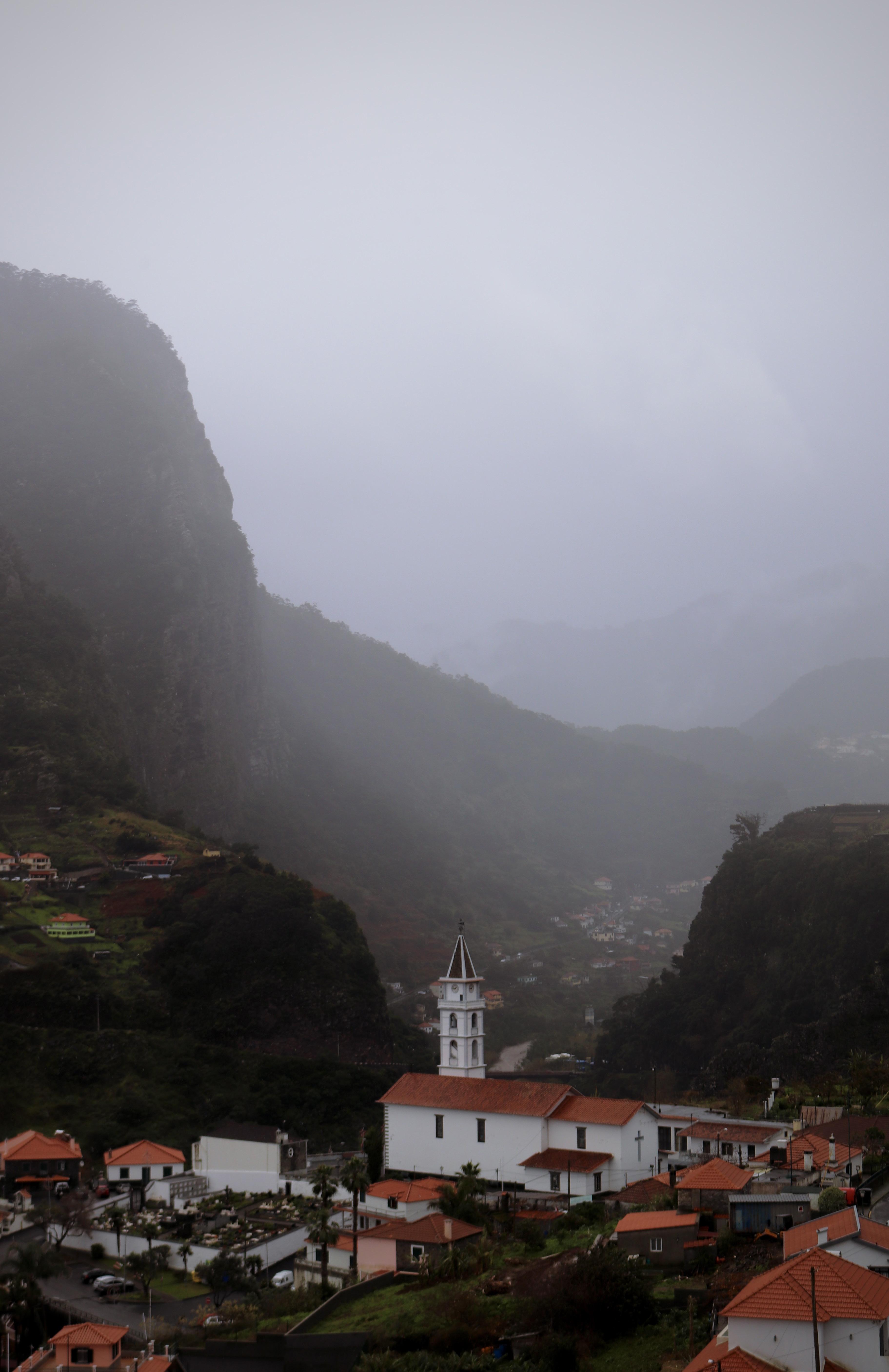
45 REFUGE IN THE VALLEY , Mark Govorkov ‘ 30
46 HOW TO (NOT) MESS UP AT A RECITAL , Anna Byun ’28
47 DISASSOCIATION , Sahana Inumpudi ’29
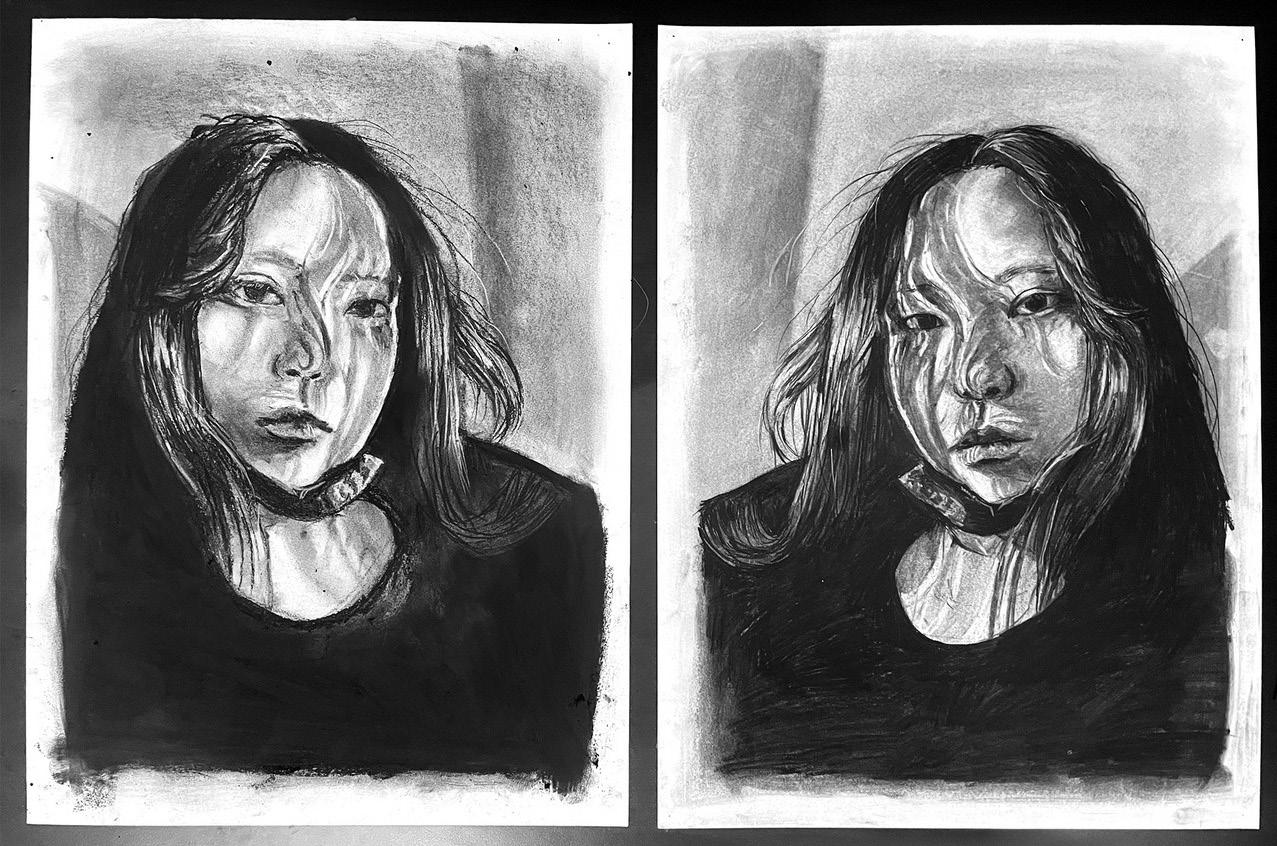
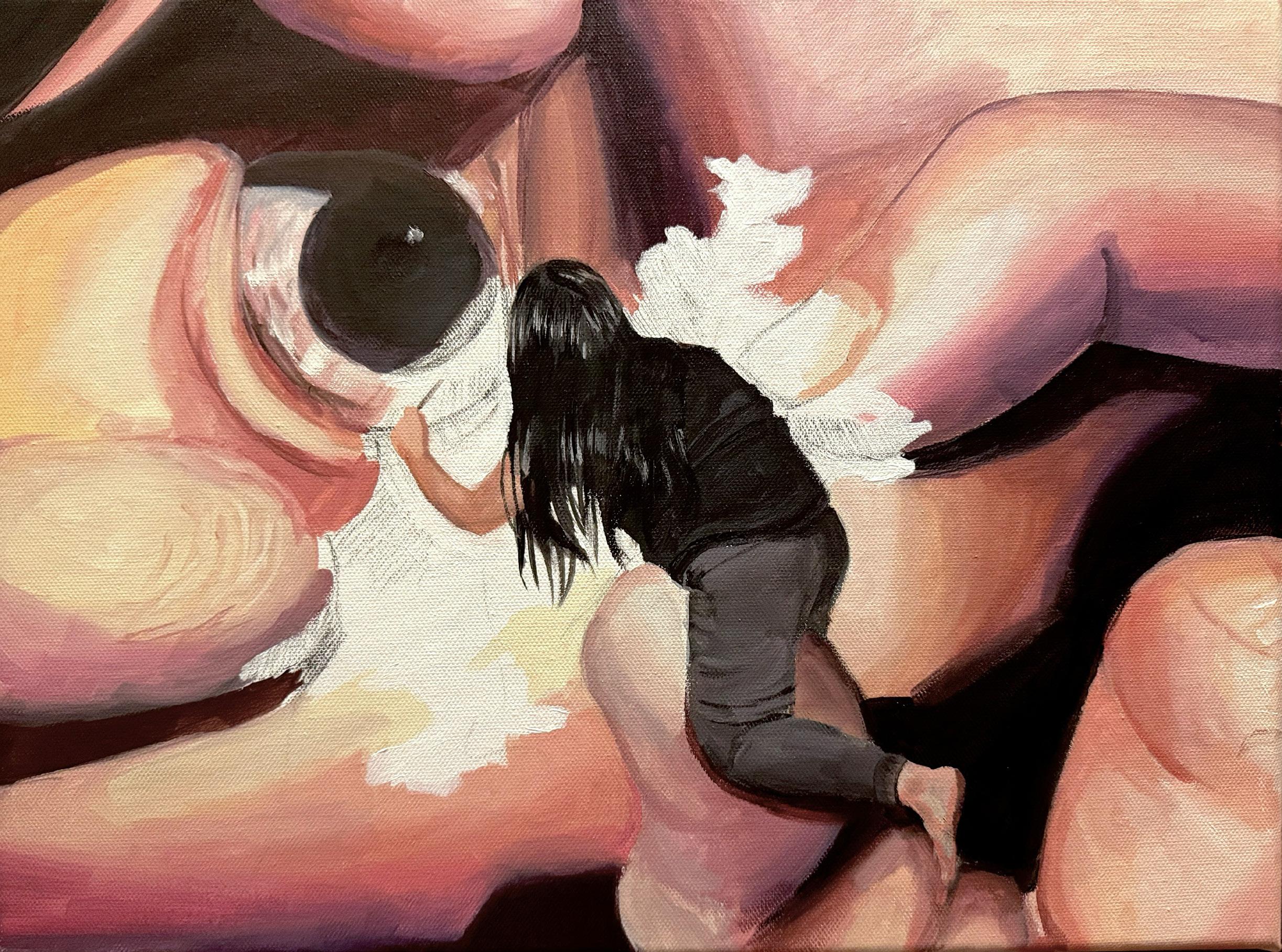
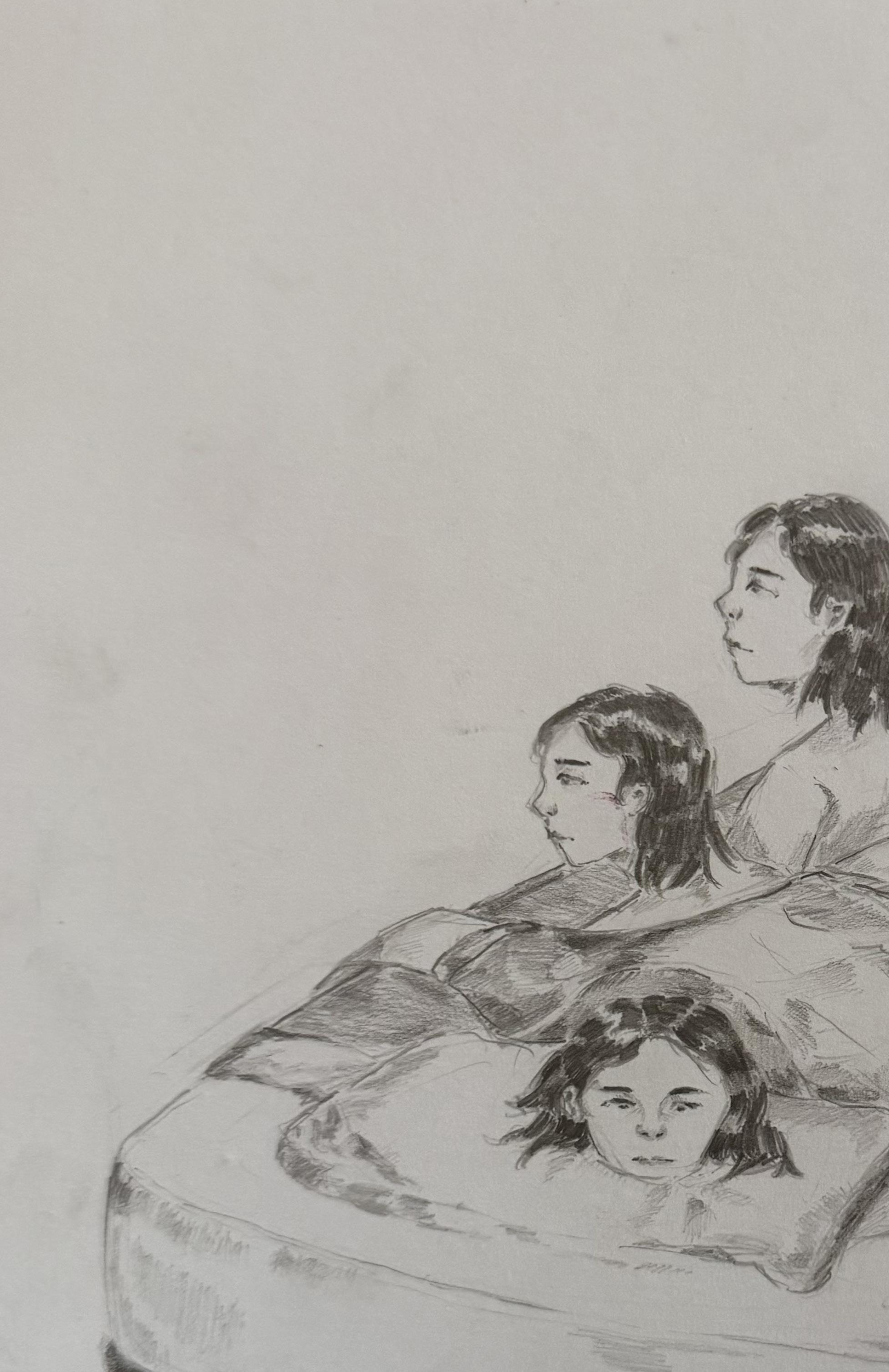
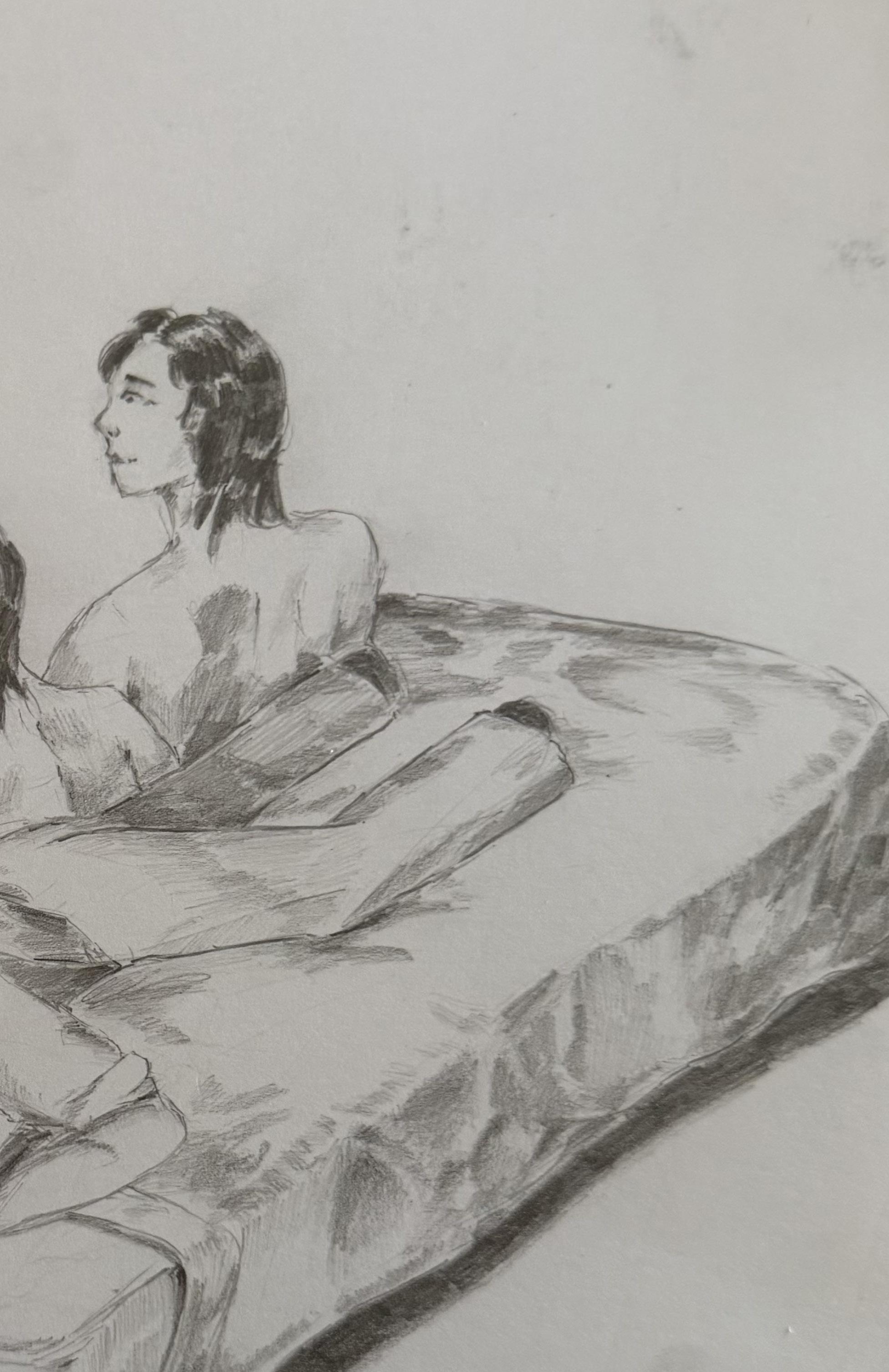
49 SELF PORTRAIT , Jennifer Li ’26
50 FREEZE DRIED FRUIT , Ella Kim ‘28
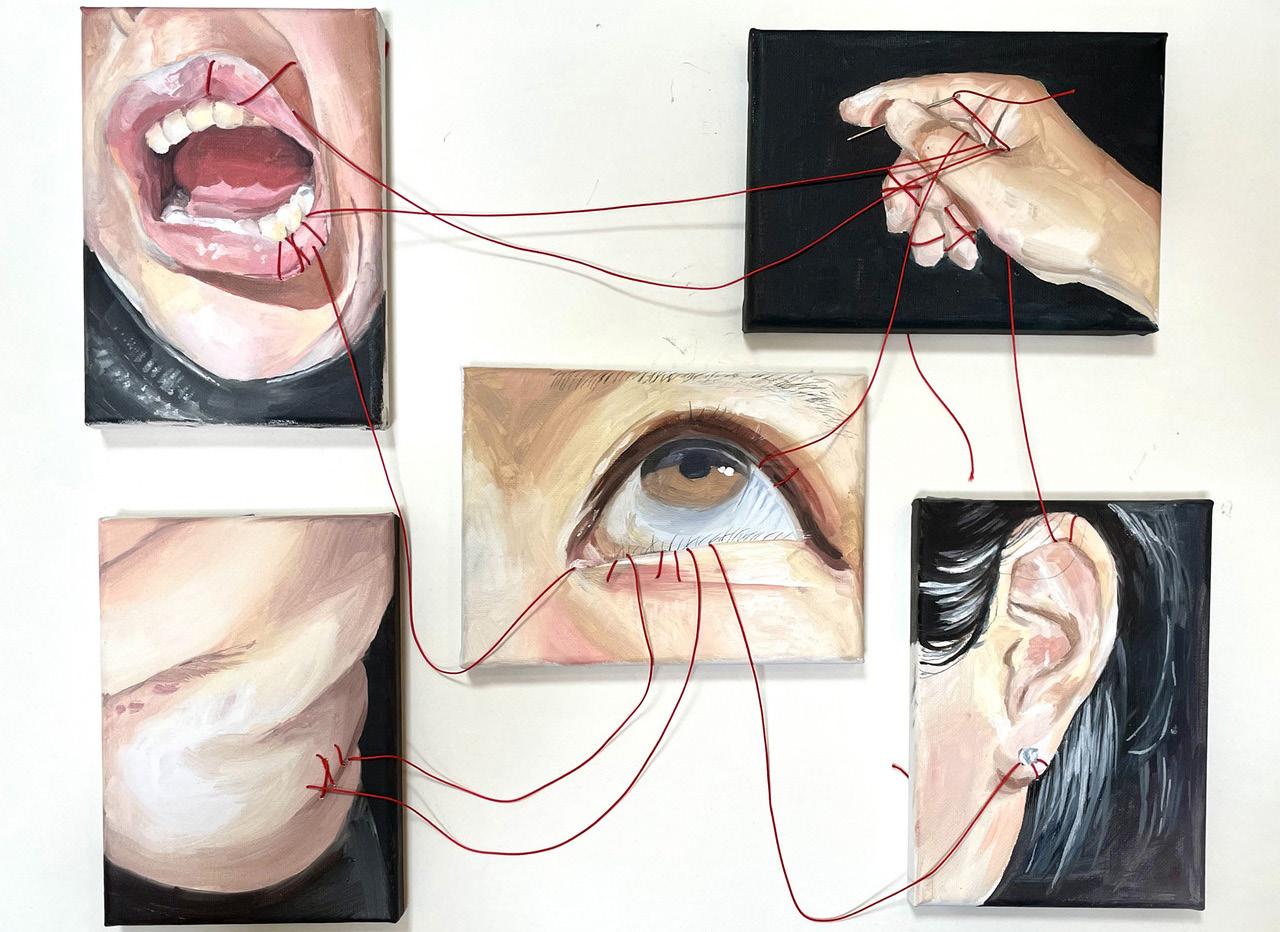
51 SEWING FLESH , Jennifer Li ‘26
52 HALF COOKIE HALF CONSTANT , Derrick Harris ’27
52 CAN'T GET UP, Sophie Saibi ’27
54 SONNET , Mark Govorkov ‘ 30
55 WITNESS OF A MILLION CYCLES , Mark Govorkov ’30
56 WHISPERS OF SPRING , Yichen Wang ‘27
57 SUNDAY AFTERNOON , Katie Maier ‘ 27
58 WHY WE WRITE AT ALL , Corinne Fung ‘28
59 SPIRIT OF EUROPE , Mark Govorkov ‘30
61 FOR AN ARTIST, SILENCE IS WORKING , Yichen Wang ’27
60 WATER, LIGHT, AND THEIR CHILD , Mark Govorkov ‘30
62 ANSWERS , Nona Brozell ’27
62 A DISTANT YEARNING , Max Rees ’26
64 SIRENS , Esha Joshi ’26
65 SOLDIER IN THE SPRAY , Mark Govorkov ’30
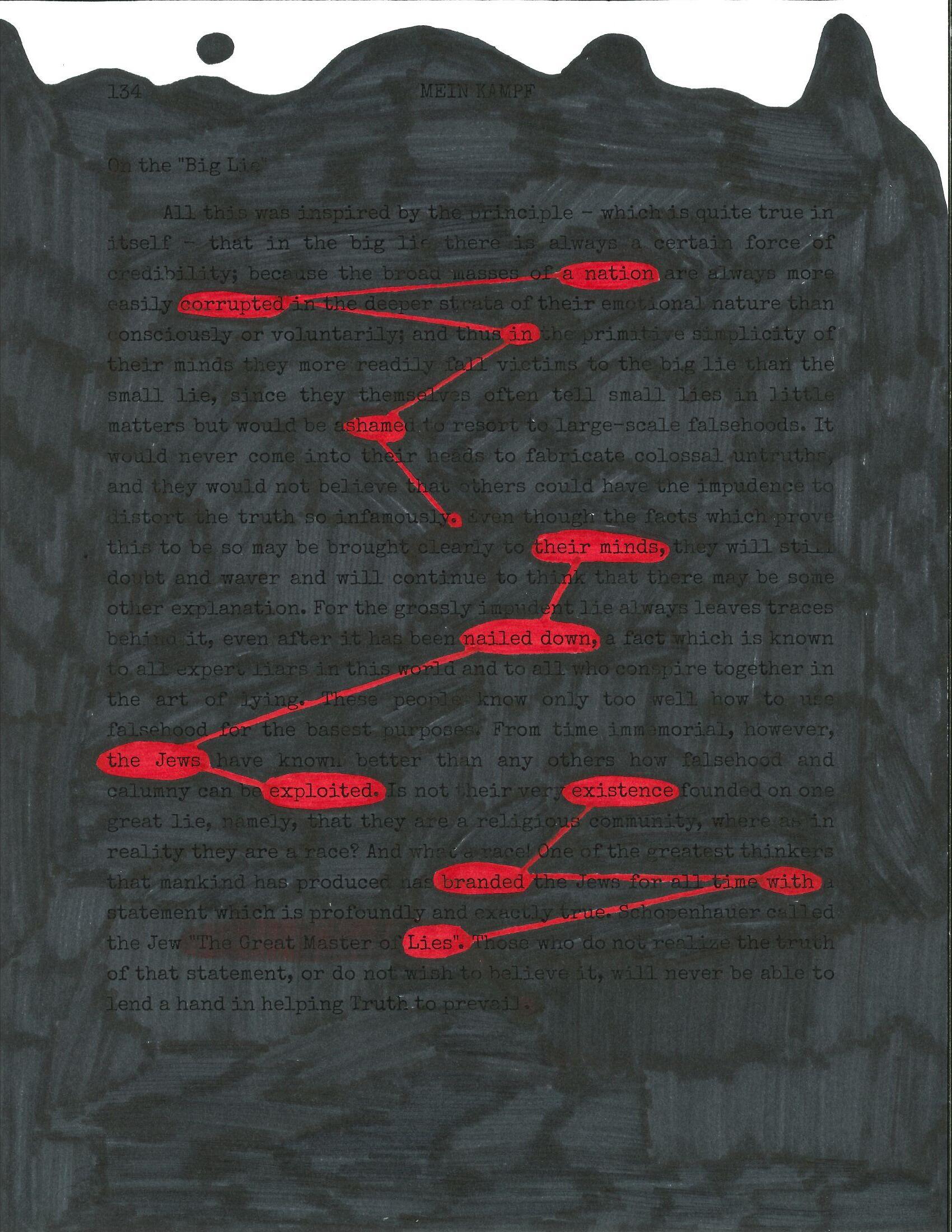
66 BLACKOUT POETRY
67 BLACKOUT POEM , Leia Chun ‘29
68 BLACKOUT POEM , Leila Saeidi ‘29
69 COMPETITIONS
78 CONTRIBUTOR BIOS
80 STAFF BIOS
Welcome to the 10th edition of Tabula Rasa! Since the debut of the magazine in 2016, the talented editorial team and our wonderful faculty advisors have expanded the types of creative work showcased in this edition (see Yichen Wang's "Whispers of Spring"). Still, our purpose has remained the same: showing the astonishing skill and passion of Pinewood students to our community and beyond.
As Editors-in-Chief, we are both immensely grateful for the opportunities we've had on staff. From reading each submission to carefully matching themes of works with visuals of art and photography, we have been honored with an unexpected glimpse into the minds and hearts of our fellow students.
To everyone who submitted this year, thank you so much for your contributions! Your courage to put yourself out there, as well as your diligence to actually commit to submitting, are what shape Tabula Rasa. As debate over artificial intelligence and the role of the modern artist emerge, we encourage you to keep creating. The art you have shared with us is the heart of both this literary magazine and of life itself.
We would also like to thank the Tabula Rasa editorial team for all the work and effort that they have put in to craft our magazine. Despite the often grueling pressure of high school, each of our editors remain passionate, reliable, and always creative. We appreciate your contributions more than we can say.
Finally, thank you to our advisors, Ms. Coty and Ms. Pojarska, for their invaluable support in making this literary arts magazine possible.
To all readers, we are thrilled to present you with the 2026 edition of Tabula Rasa
Esha Joshi '26 and Ella Kim '28 Co-Editors-in-Chief
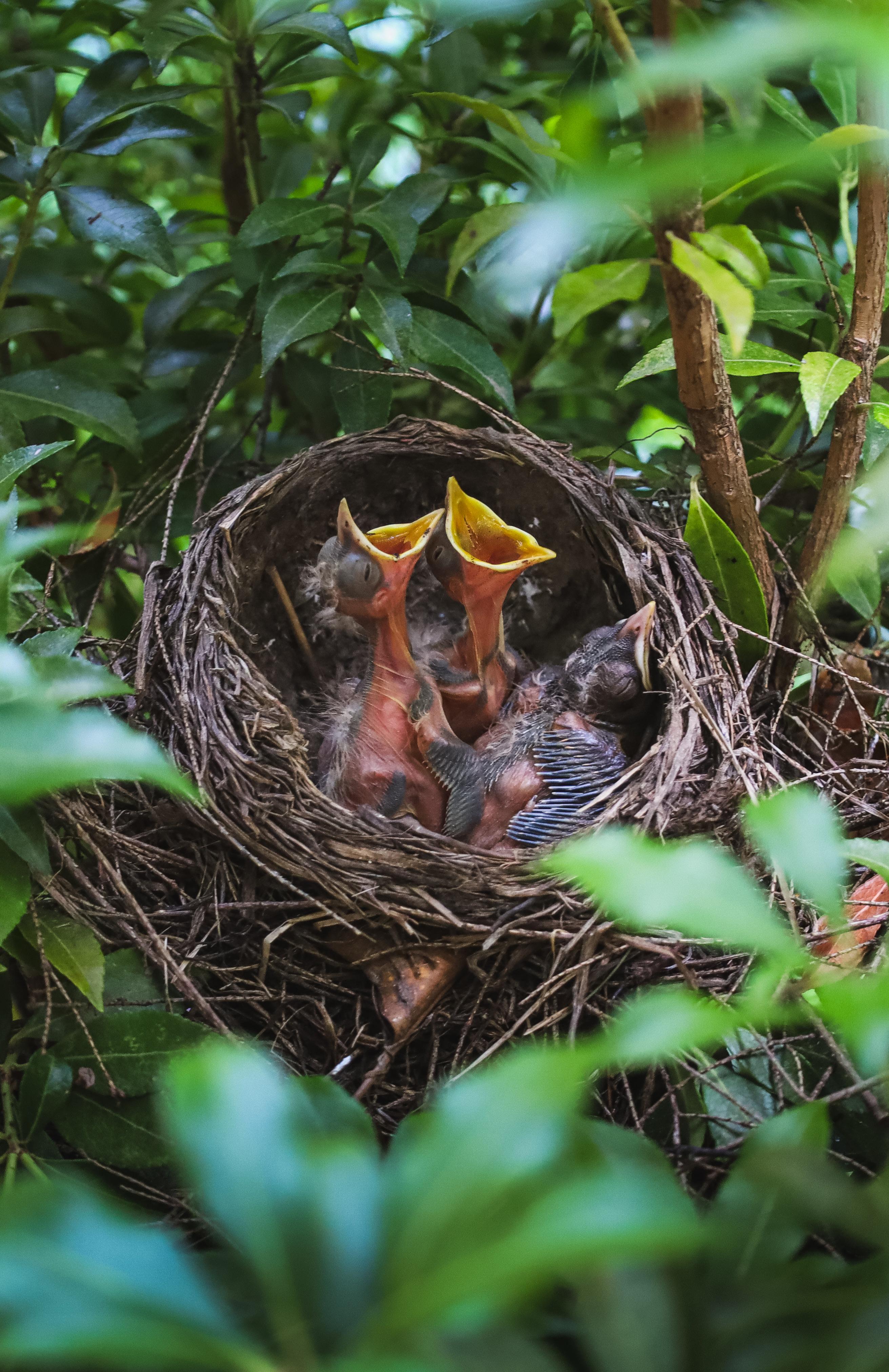
In the ancient days when all animals were kin and the Forest still buzzed with life, Cougar and Wolf prowled the jungle together beneath the ancient trees’ dappled shadows.
The two shared the deepest type of companionship. Cougar and Wolf hunted and ate together, trekked and bled together, bonded not by familial kinship but by a deeper mutual dependence. At dawn, they drank from the same creek; at night they danced together beneath the yellow moon. They were often hungry and always moving, but they had each other and their bond with the land. And for a time, that was enough.
The Forest was their provider and their home. Its undergrowth buzzed with life; its grass was braided with trails of the herds. Rabbits dotted the bushes; dewy fruits stained the soil with their sweet juice. But then, the seasons shifted. The next winter came dead and wrong, and though nature’s cyclical turn continued, it was clear that the Forest was hurting. Even the bubbling of the brooks no longer seemed joyful, and the birdsong lost its carefree credence.
With each passing season of the Forest’s ceaseless illness, Cougar’s ribs grew more prominent. Wolf’s eyes became hollow and glazed. Finally, after a year’s starvation, the companions crept on their paws to the edge of their domain out of sheer desperation. Wolf was the first to notice a strange smell. It wafted towards the glossy-eyed creatures in the form of a dark and meaty smoke, thick and unworldly and artificially distinct. They had discovered humans.
The humans did not seem to live by nature's harsh laws. They did not bear teeth and claw nor did they cower from the fearsome predators. Instead, they laid out a bowl filled with fat soaked bread and bloody meat. Cautiously, the pair began to nibble away at their bowls. Soon, Wolf gave into her hunger, tearing apart the meat and ravenously licking her bowl clean. But although Cougar too ate his fill, the harsh glint of intelligence never left his amber eyes. And when they fell asleep in the town, he refused the comfort of man’s dwellings and instead slept on the biting rocks on the outskirts of town, beneath the stars.
As Wolf and Cougar grew accustomed to life amongst the humans, they were exposed to the full extent of human cruelty. Each dawn when the sky was still dark, the young men of the village left to burn at the edges of the Forest. Slowly and cruelly, they encroached upon nature’s domain, burning vast swaths of underbrush and cutting down ancient trees with umbrella canopies. They set the
fire and watched it burn. And as Wolf and Cougar watched the destruction of homeland, Wolf trembled and fled back to the safety of the hearth, but Cougar burned with rage and resolve.
That night, Cougar left. He would bow to hunger no longer. He would suffer for his principles and return to his sacred birthplace, his dying homeland. Wolf did not suffer like her old companion. She grew old and fat, and when she bore a litter of cubs, their howls were just a little softer and their fangs a bit duller than their mother’s. Over the years, Wolf's ancestors became docile and happy and thoughtless. They survived by silencing the sharp, untamable wildness in their heads, and they gladly ate from human hands without staring their masters in the face.
But Cougar fled back into the dying Forest. He no longer danced beneath the twinkling stars. They were covered by smog. Hunger returned and bit at his sides, making him delirious and mad. Mates were scarce, and as the centuries progressed, Cougar’s kind dwindled, their race growing closer and closer to extinction.
But when he ran, he could feel the pounding of moss and soil beneath his paws. When he drank, he felt a shocking, slick cold on his throat and the prick of droplets spattering across his muzzle. And when he bled, he felt a harsh, stinging pain and intimate awareness of his own mortality, and knew that he was very much alive.
And so the two former companions lived to the end of their days. Under the tempestuous pressure of hunger and strife, one bent like a willow in the wind and the other stood tall and had its branches snapped off in the unyielding storm. Ripped apart by circumstance, they both made sacrifices in order to survive. And so today, while the dog, Wolf’s child, yearns for the freedom of the wild, the young cougar yearns for safety of the hearth. Each carries the ghosts of what they left behind and is haunted by the silent, omnipresent knowledge that survival will never be the same as being condemned to living a half life.
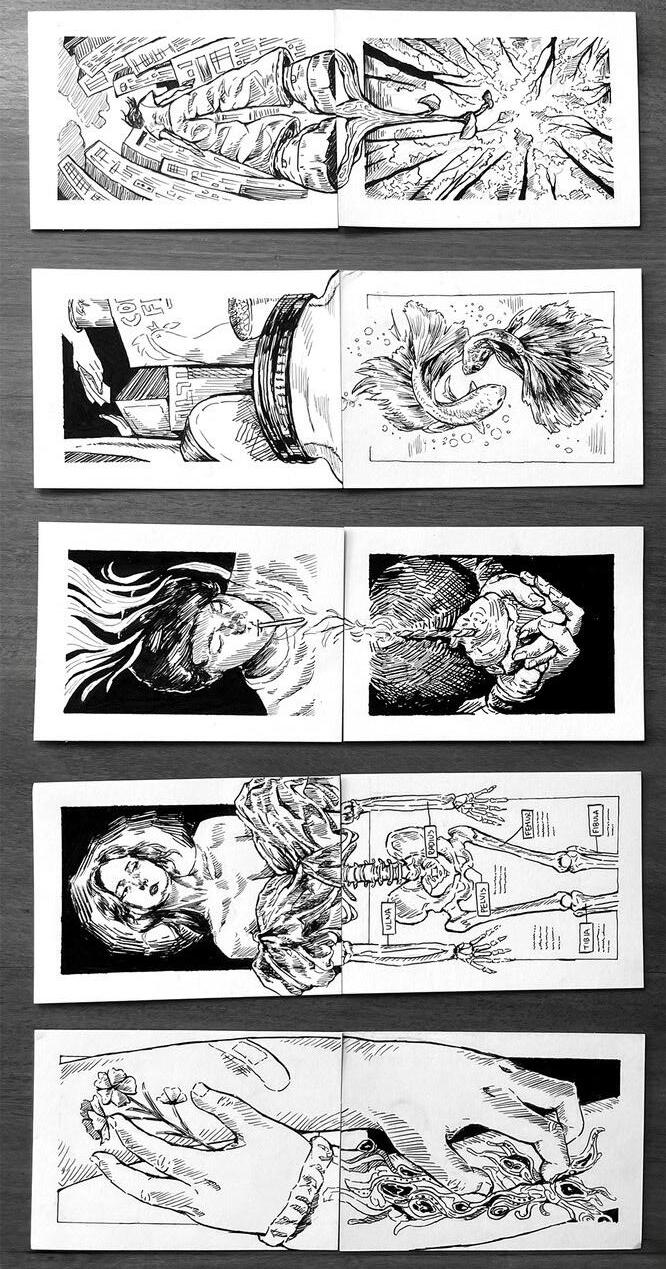
Sophie Saibi '27
People say it must be so hard to draw, but in reality, with the right amount of practice and observation skills, you can do it! You pick up a pencil and open up your new sketchbook, clean with a forest green cover and a sandy texture. It’s got a big spiral binding and a thick cardboard back cover.
First, you will choose something and focus on drawing it. People, you will decide. Faces. Piece by piece you learn to draw the crinkles of smiling eyes, every labyrinthine curve of the ear, the two vertical lines above the mouth and below the nose, hair you detail with just enough wavy lines to look full.
You doodle in school to keep up your skills.
Your friend will ask if you are drawing a boy in your class.
You respond, “No! I'm just learning to draw random people.”
“Sure you are,” she says with a smirk. Now, she thinks you have a crush.
In Math class, you draw on your test. Then, you take it back from the teacher with a bright grin. When you see your grade, your smile drops. You also get an additional present: a comment on your paper, telling you not to draw irrelevant people on a Math test. You glance over your paper, the teacher glares back. You will make a mental note not to draw in Math class, but you don’t listen to your own advice very well. You shrug and decide: maybe I should try and draw Isaac Newton next time or something.
Now, whenever a teacher hands you a worksheet, you fill it with doodles that immediately mark it as yours. You are a kid playing sneaky statues. Whenever the teacher walks by, you fold the side of your paper to hide your art, and start right up again when you’re out of their line of sight. Sometimes you rip the corners off worksheets to tape drawings into your sketchbook with the cheap washi tape you are rationing, gifted by your elementary school friend who moved away.
You move on to your next fixation. Clouds. This starts when you miss your train to Dijon to see your grandmother. You and your dad could not get through the crowded Paris Metro lines to the station fast enough. Luckily there are seats on the next train. Foldaway seats at one of the train doors, wedged in a small room between two train compartments and a whole bunch of luggage crammed into too-tiny luggage racks. You put your bags at your feet. At least you have a
window. And your forest-green, sandy notebook, now worn with some pages sticking out farther than others and a water spill that left an unflattenable dent on the cover.
Your pencil and eraser are on your sketchbook, and your sketchbook rests open on your knees. The window in this small luggage room is way taller than the ones in the compartments; it’s a thin rectangle with generously rounded corners. The clouds are magnificent: colossal, fluffy structures that you could stare at for hours. You did when you were younger.
You would see a castle or doughnut or a dragon in their silhouettes. Now you see them in a new light, something to take in your greedy hands and condense into the tired pages of your sketchbook. You spend hours drawing the clouds.
So now look at you! You’ve come so far, and here you are thinking you cannot draw.
The compartment doors open and close. People walk by, click press the button, whoosh open the door, and again a muffled ambiance and the rattling of the train wheels on their tracks resume.
Now it’s just you —
You and the round-cornered window with limitless possibilities beyond it.
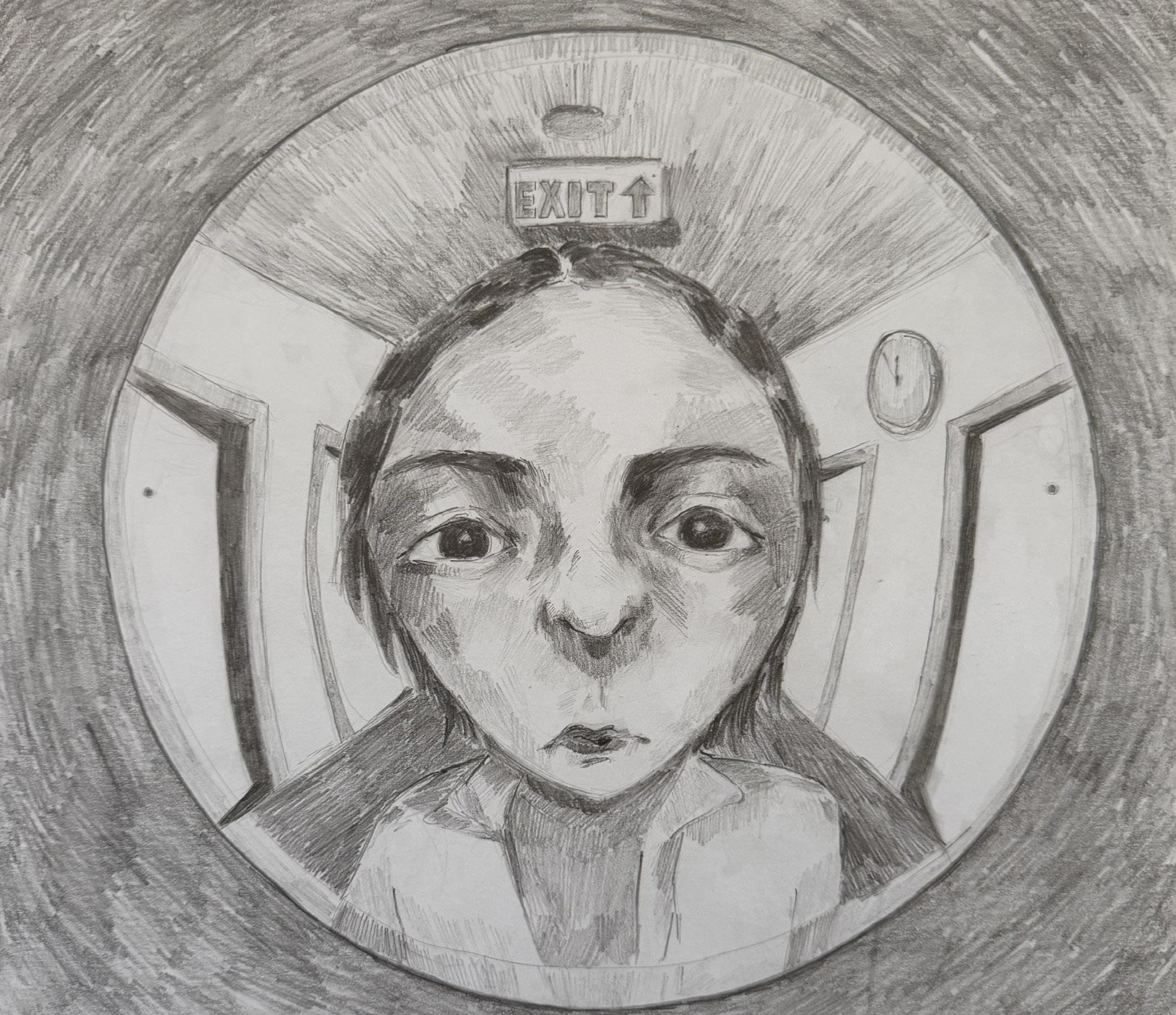
ALWAYS LOOKING THROUGH THE SAME PEEPHOLE | Sophie
Zachary Choi '28
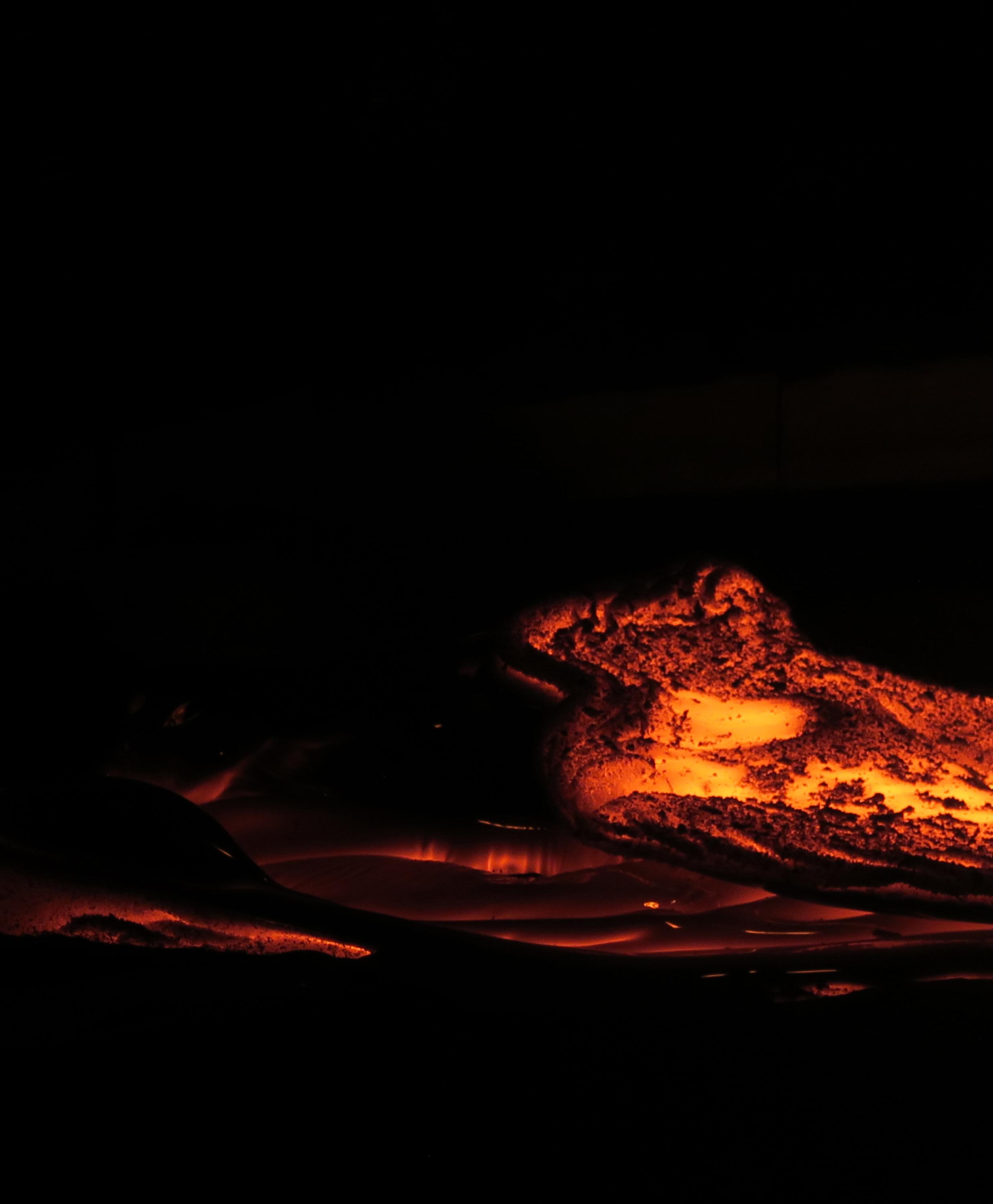
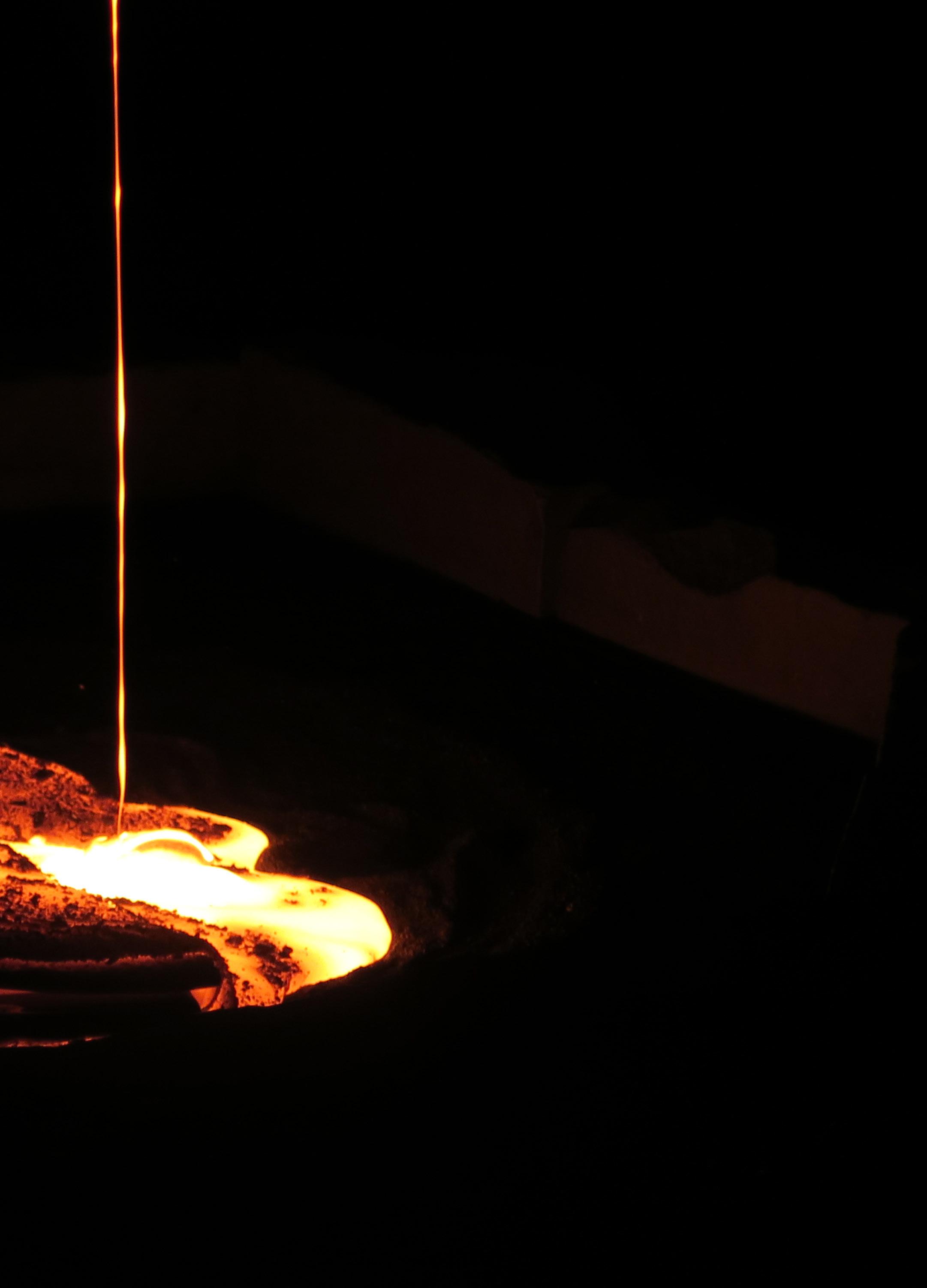
The fire paced in the darkness. Its hot breath sends tendrils stopping just shy of the marble blue lake.
Slender limbs kneel for a swig of water. Five branches twist into the depths, escaping the cloying heat.
The fire fumed in the darkness. It was eager to extinguish them.
The crown jewel of the grill. Gelatinous cubes, pure beef lard, dotted pink specks. They luxuriate and sweat, and quickly squeal and melt in the heat. Dunked beneath the homogenized orange cheese product, little rivets of fat remain on the surface of the thick pool. I just need it to hide the flavor of richness and umami, apocryphal sake baths and hoof massages oozing out. Coating my mouth entirely. No room left in my stomach for all that.
Unnaturally smooth. The cheese is product, not that it is created, but rather that it is sold. But what's the truth in chemically altered when everything is chemical anyway? The sodium citrate is the same ‘citr’ as in citrus. Grown up from the ground as God saw it be. The same tart in a lemon. Only now in your Easy Mac as an emulsifier, which shouldn’t scare you either: the milk protein in butter? The egg in mayonnaise?
What does it mean to put our mouth around something? When humans upload our minds and abandon our flesh forms, I hope we remember these primitive rituals. The stone mill of bone grinding slowly to extract inefficient ATP, distracted always by ecstatic and sensual taste, the true motivation to press energy-rich lifeform mash against the tongue and knock it back to make room for more. That man once culled each heifer in the herd too lean, pressed gooey fat up into the sinew, once myosin and hemoglobin, now a wholly vestigial vessel. He said at the market then that the warmth when cooked was the comfort of days spent at the bathhouse, steaming and stewing, and the sweetness and the savory in the sinew was the sweet rice wine pressed into the hide like knots of muscle soothed into hiding. That same man used the front of all advancement, the cutting edge of chemistry, to isolate organic molecules and use their natural properties to create the shelf stable jarred queso. It sold to me, first and foremost.
Isabella Wang '27
My favorite word is “呦” (yo).
On its own, the word almost means nothing in Chinese; it is a soft playful particle that you will never see in textbooks. It is like “hey!” or “oh!” that slips into conversations.
But, in my family it transforms the most ordinary phrase into something that is entirely ours. Instead of just saying 爱你, my mom adds the extra 呦 for 爱你呦—“I love you, yo!”.
Somehow this one syllable sound is what carries the whole message. 呦 doesn’t mean anything by itself, but it changes everything. It adds the sound of my dad wishing me a goodnight with a toothbrush in his mouth. It’s my mom slipping a note into my suitcase when I went on my year abroad to Barcelona. 呦 is our family’s fingerprint on a universal phrase, that adds the perfect amount of warmth and comfort. It allows the phrase “I love you” to have layers of memories.
The irony is that 呦 technically has no meaning at all. It is a linguistic afterthought. Yet maybe that’s why it has shaped me so deeply. I grew up believing that the small things matter—taking an extra second to check up on a friend, learning to pronounce someone’s name correctly, making a small joke that lightens a heavy day. 呦 taught me that love does not have to be loud or dramatic. “爱你 呦” became the tether that reminds me of who I am in a world that often feels enormous. This tiny addition to “I love you” is easy to overlook but impossible to replace. It carries everything that matters most to me.
Leila Saeidi '29
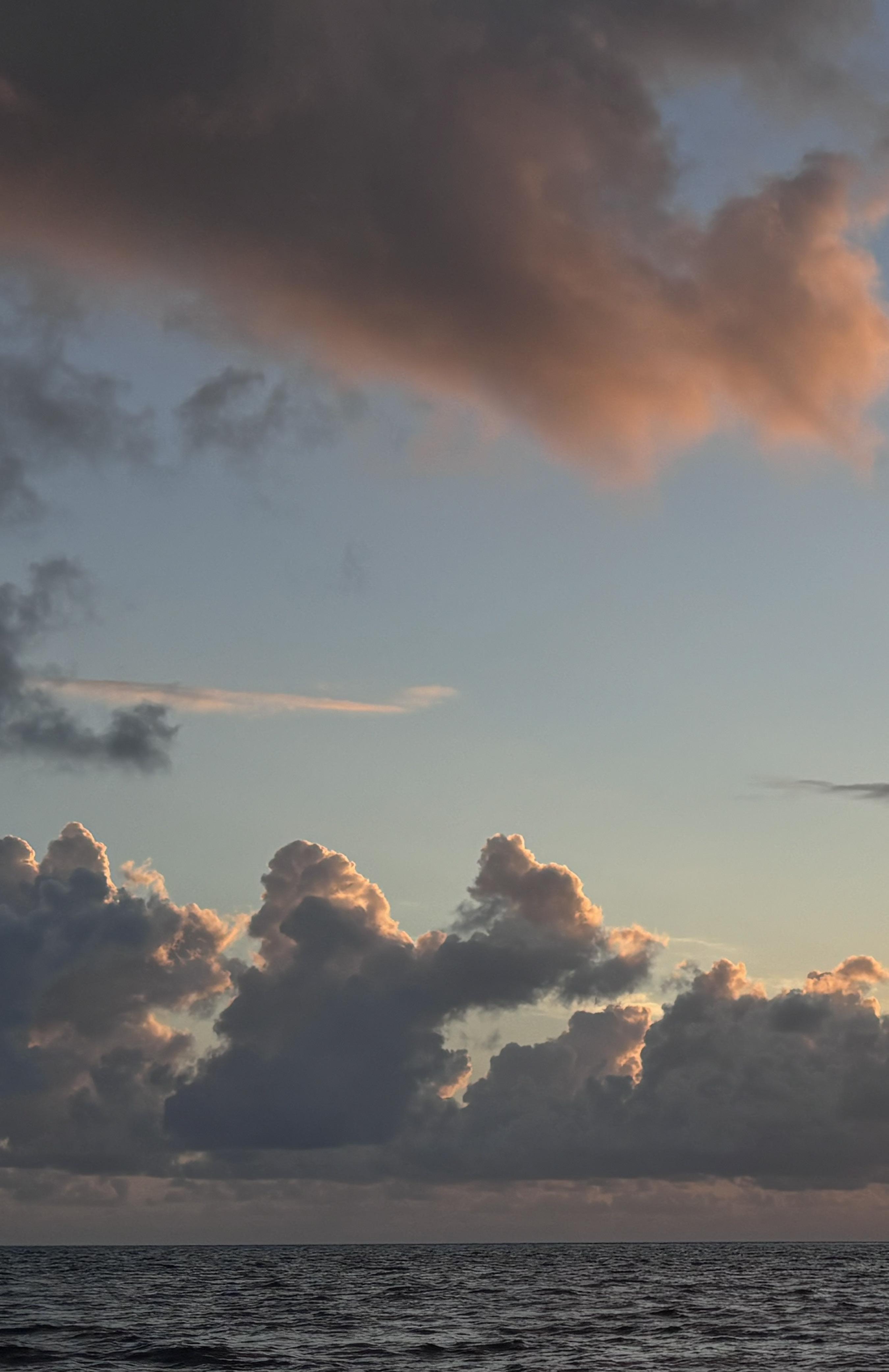
My parents are not like your parents.
I call him Baba. You just say Dad. I call her Maman. You just say Mom.
You have set rules, I have weird ones.
You have a screen time limit.
I shouldn’t put my elbows on the table when I eat.
Your parents warm up frozen food for dinner or order takeout. Maman makes us homemade ghormeh sabzi.
You go to the beach with your dad in order to bond. Baba and I bond over washing the cars together while we sing loud in Farsi, our voice flowing through the neighborhood.
My family is not like your family. Your family sits down to watch comedy shows.
Mine sits down silent and watches the news eyes roaming across the hoards of protesters.
Death Toll: 2,000 Baba sits phone out waiting for the moment their internet comes back waiting for the call that reassures our family isn’t a part of that 2,000.
I love my parents. We are a team.
We are proud to be Persian.
We are proud of our people.
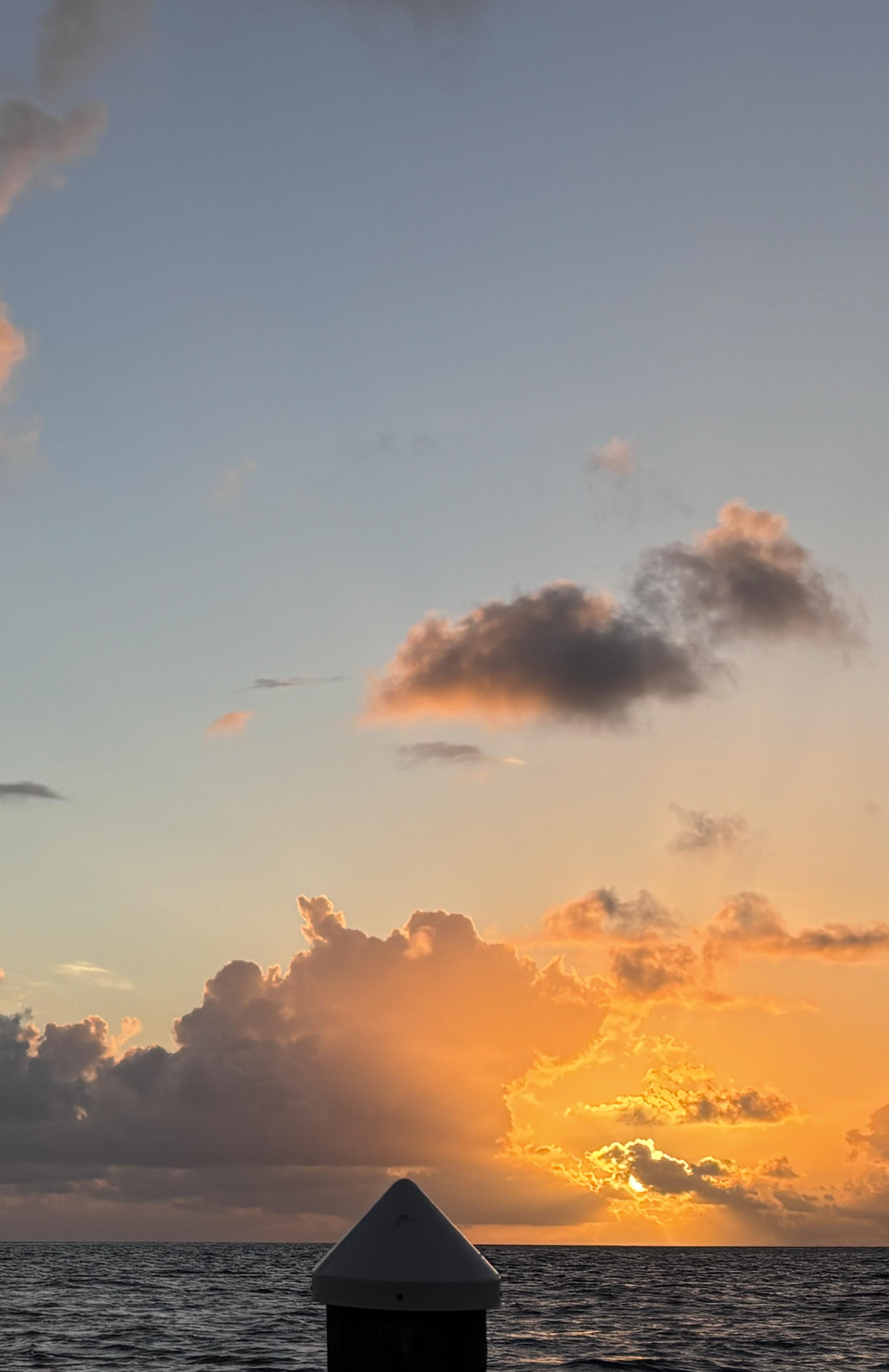
We are the children of the lion and the sun.
And I miss when I would go home every summer but now I can’t. And so I will wait patiently for the day I can finally go home once more.
Katie Maier '27
The shore under the pier, Santa Cruz: Midday light blinds the Starfish huddling in shadow, Painting the tide white
The Great Tide Pool, Monterey Bay: Wind jostles the serene Surface, tickles the sleeping Creatures underneath
Sister algae ponds, Villa Montalvo: Velvet veins reach out Of their pond, search for neighbors With soft green fingers
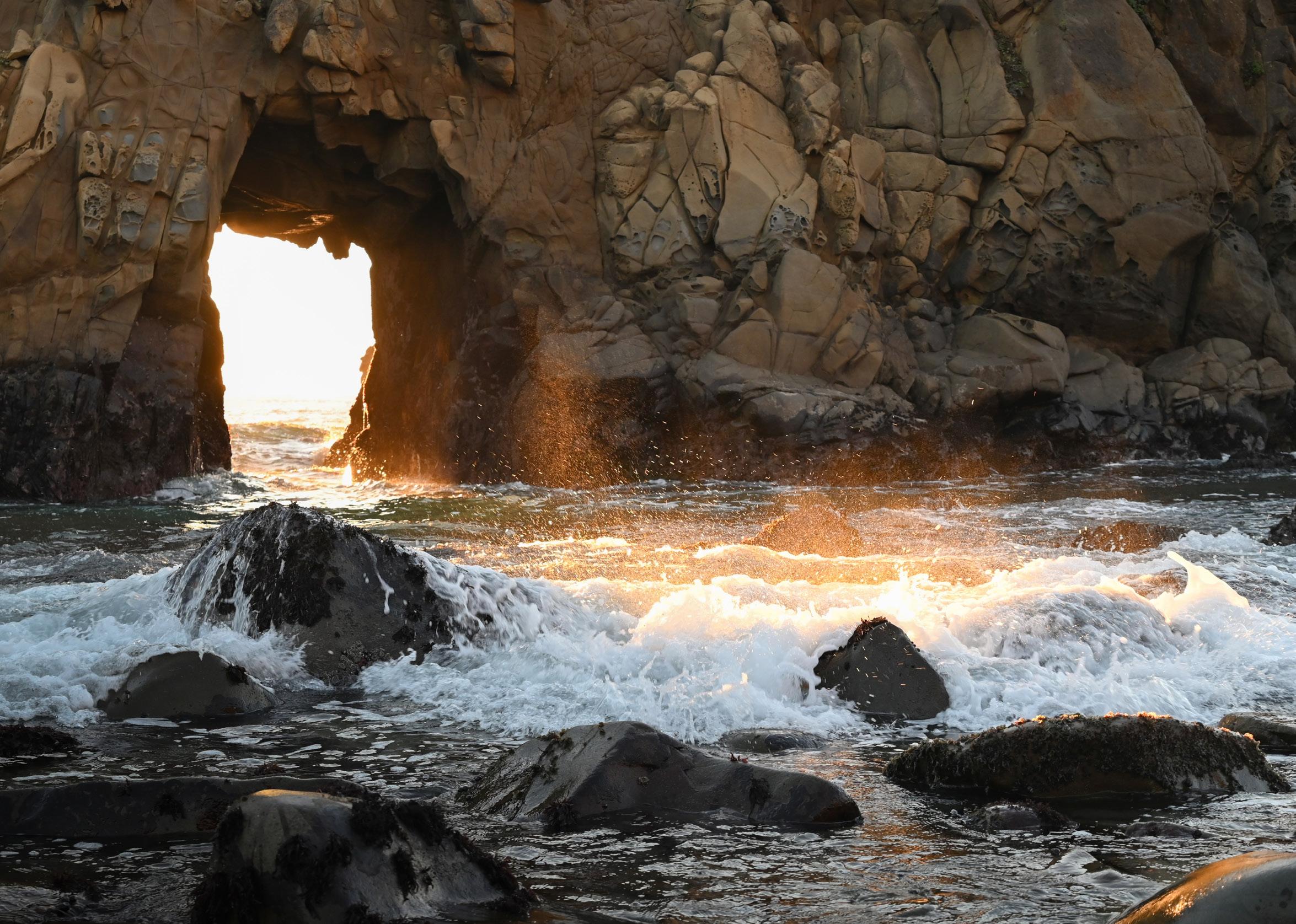
Nona Brozell '27
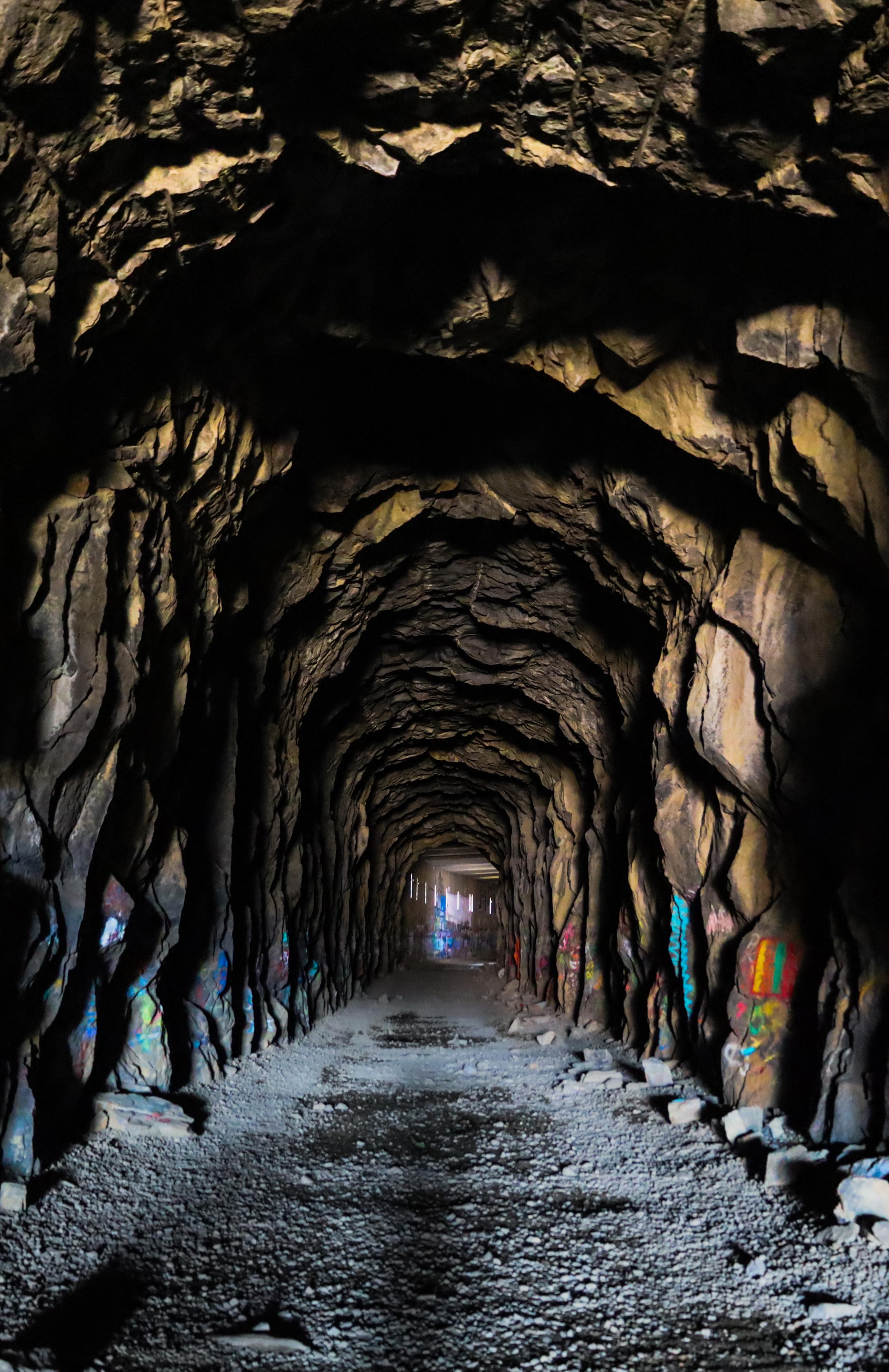
In this concrete cage
Gray lingers, not from rain clouds, the promise of blossoming life, but dirty snow
Car fumes, a virus coughed up and whisked through my hair
A teal sofa, sun-bleached and stained, blocks the sidewalk.
Days filled with lifeless advertisements, no artwork. See Our Beautiful Coastside!
But true beauty has been covered up Gravel
Choked out weeds and Pristine beach with Sewage pipes
Tour the New parking lot, Fresh off the presses
Chip bags crumpled in the muck
Where is the old dirt path?
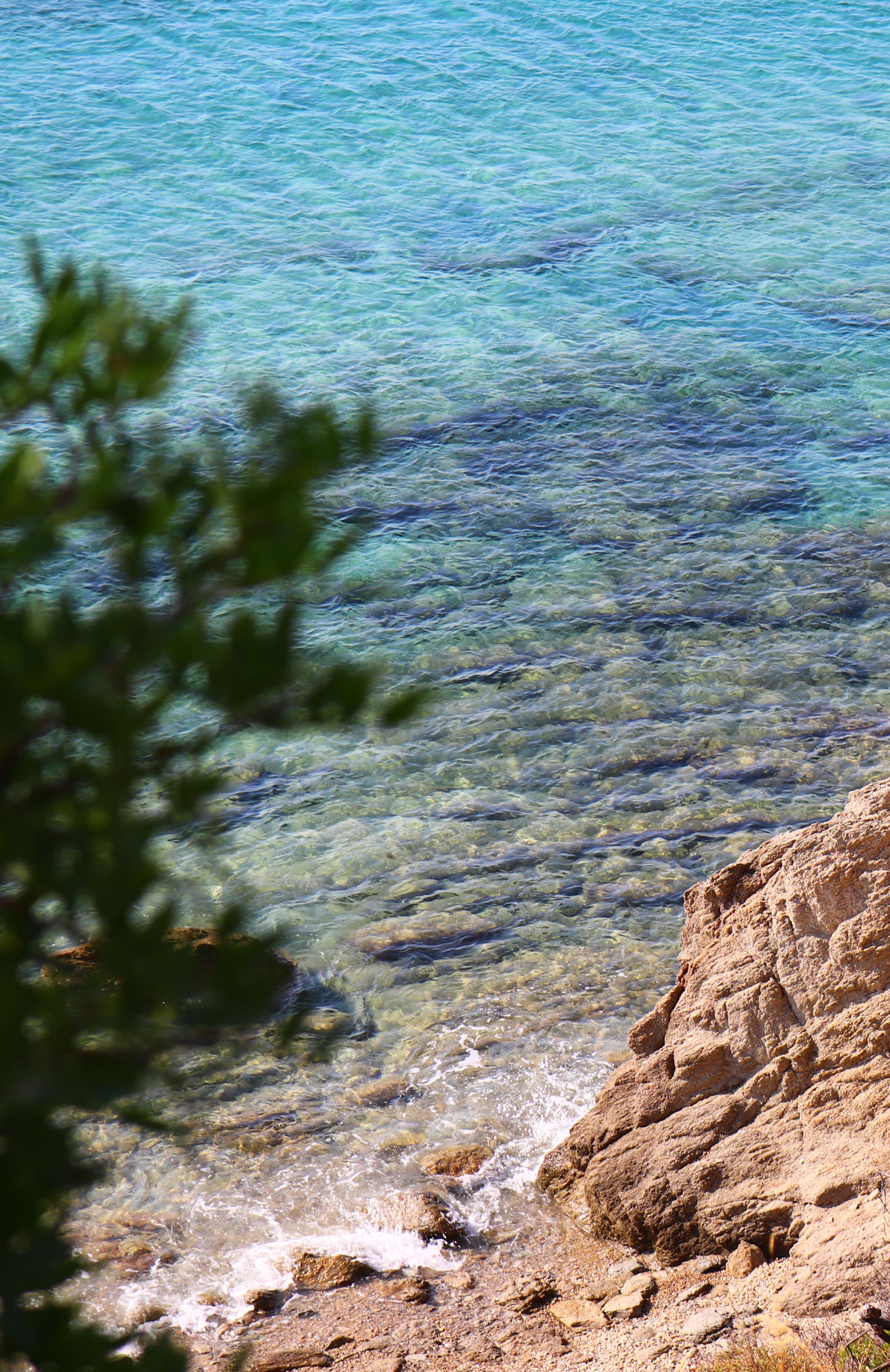
Esha Joshi ' 26
Darling, you always say I never listen when you speak. On the contrary, I listen too closely. I hear the longing way you sigh when you see a picture of the ocean, something you’re certain you’ll never see while we stay here in this cursed landlocked plot of land where our roots run too deep to ever jerk out. But I know that you don’t want to visit the beach with me, darling, even if you say you do.
Isn’t it safer here, in the dusky shadows that slant across the kitchen floor? Where all we have to be is a vague silhouette, shifting and reforming and cleaving in two when you shut the bedroom door and I tuck my feet under our worn sofa cushions?
I live your dreams as if they were my own. Neither of us knows the taste of salt air, and yet I take a deep breath in our air-conditioned living room, imagining it stinging my eyes. Neither of us knows how damp sand would mold to the shape of our footprints, and yet I picture the miniscule indents each grain would leave on your skin. Neither of us knows the roar of a wave when it crashes into the shore, and yet I listen to the humming fan and pretend, for a moment, that we are somewhere else entirely.
Darling, you always say that I never try to understand you. On the contrary, I understand you too well. You want somewhere to run to, where warmth blooms under your skin and all you can hear is the cacophonous shrieks of children when they stumble across a cracked seashell.
There is nothing like that here, after all. Only a cramped apartment with an oppressively empty spare bedroom that neither of us dares to enter. If you crave the sea badly enough, you could have a taste of it by wandering inside.
You could stare at the pale teal we painted on the walls ourselves after stumbling across it in one of those enormous paint catalogs you couldn’t help but bring home. It’s calming, the sales associate said, a wry smile playing on her lips. You’ll miss calm when the baby is here.
The mobile we hung above the foam-white crib dangles with perfectly shaped seashells and colorful starfish. There was one with a crescent moon and glowing golden stars, but no, you told me, it has to be this one. You turned that giddy gaze on me, and I smiled so widely that I felt the echo of it on my lips for the rest of the day.
Darling, do you remember when you suggested moving for the first time, once we learned how to stumble through life again? You slipped a flyer onto the kitchen island, so deliberately casual that I almost crumpled it up without looking at it. It
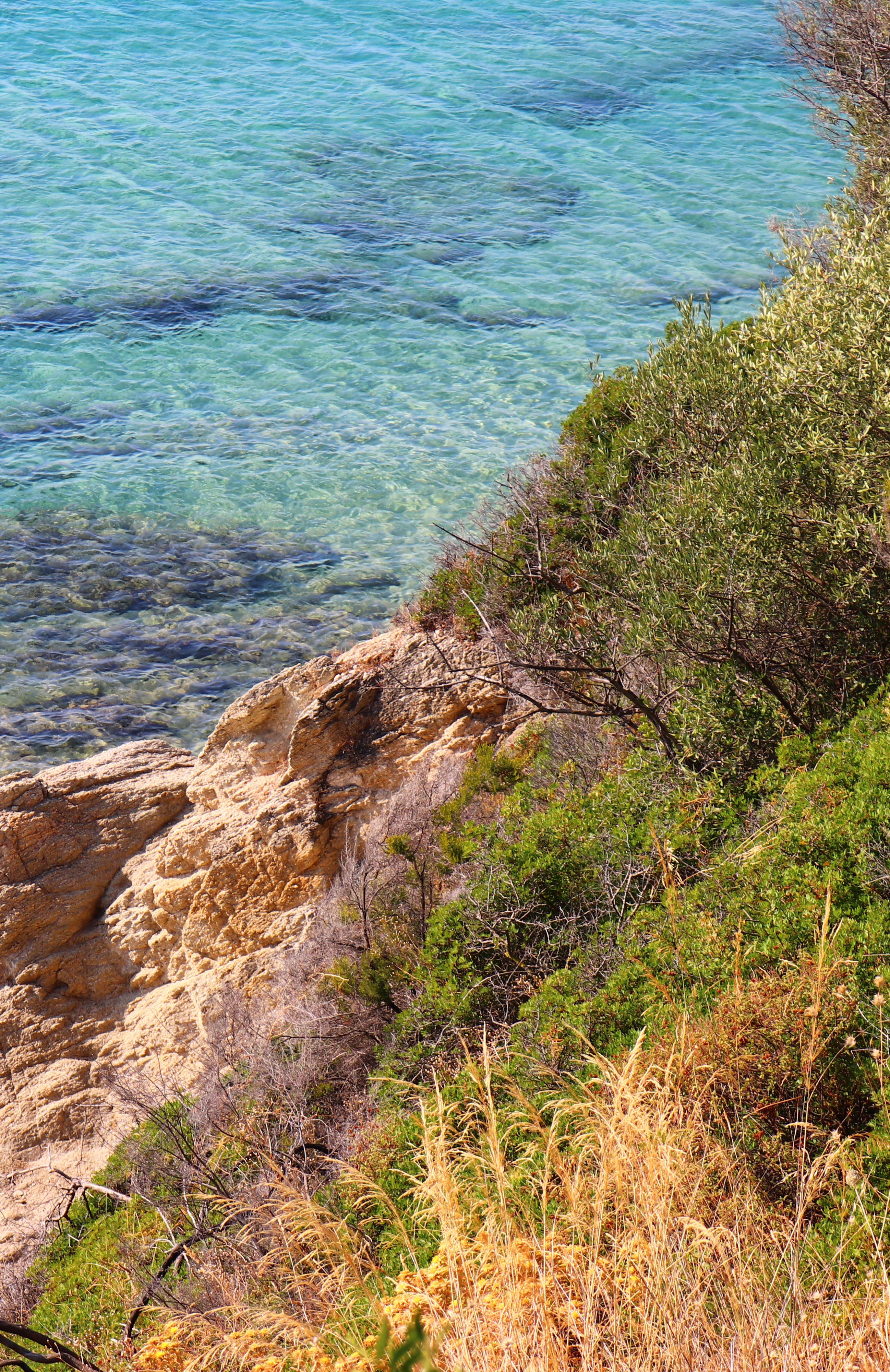
was another apartment right here, in this little town where we both tripped over our first steps and mumbled through our first words. Where we grew up so entwined that they all say our names in one breath, in a way I used to love. Maybe I still do. I haven’t heard it in a long time.
I did look at the flyer, though, before sliding it into the recycling bin, so deliberately casual even as your lips pressed together into a thin, unfamiliar line. There were more flyers for the next town over, for a city three hours away, and finally for a quaint little house halfway across the country on the edge of the beach.
That house had three bedrooms. One for us, one for guests, you said, carefully skirting around the final one. Would we paint that one teal too, to match the waves we would see from the small patio? Would we bring the starfish mobile, and the foam-white crib, and the painfully naive hope we decorated this home with?
We are so careful with each other now, except when you tell me that I don’t listen, that I don’t try to understand, that I don’t want to see the world for what it is rather than what I hoped it would be. Then we are jagged, cracked open. Like seashells, darling. Would you still dream of the ocean if I told you that?
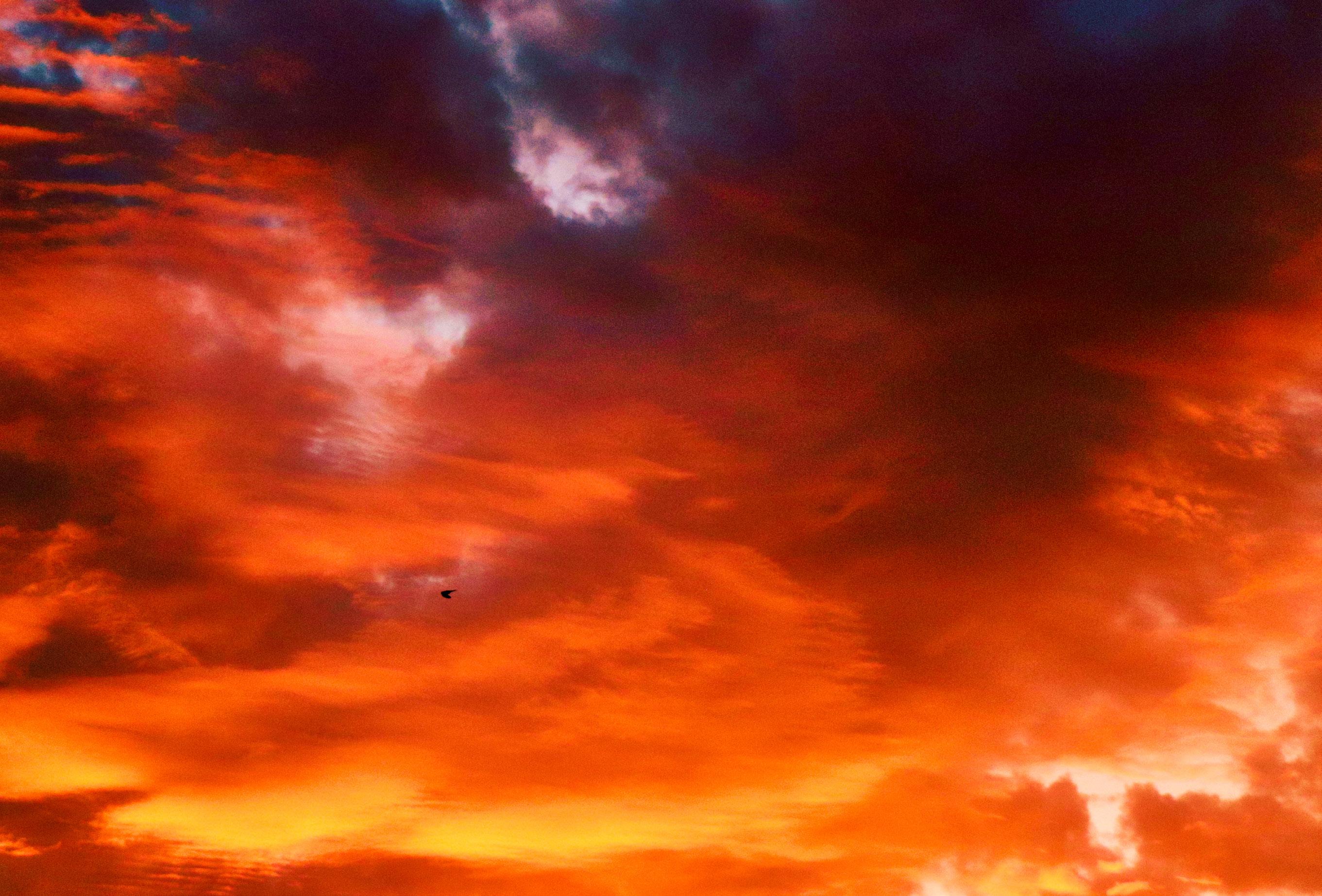
I watched a video of a sunset over the beach, curled up on the sofa in the dark. The silhouette of a bird swoop into the frame and then out of it, a black speck dissolving into smudged red and orange, and I wondered if we are both thinking the same thing.
You can have the ocean, if you like. You can feel the sun fringe the edges of your hair like a halo and dip your toes in a slowly ebbing ripple and watch blue fade into black as the sun sets over the waves. You can listen to the seagulls squawk loudly at the sky and watch families crowd together on blue-and-white striped beach towels.
But darling, I won’t come with you.
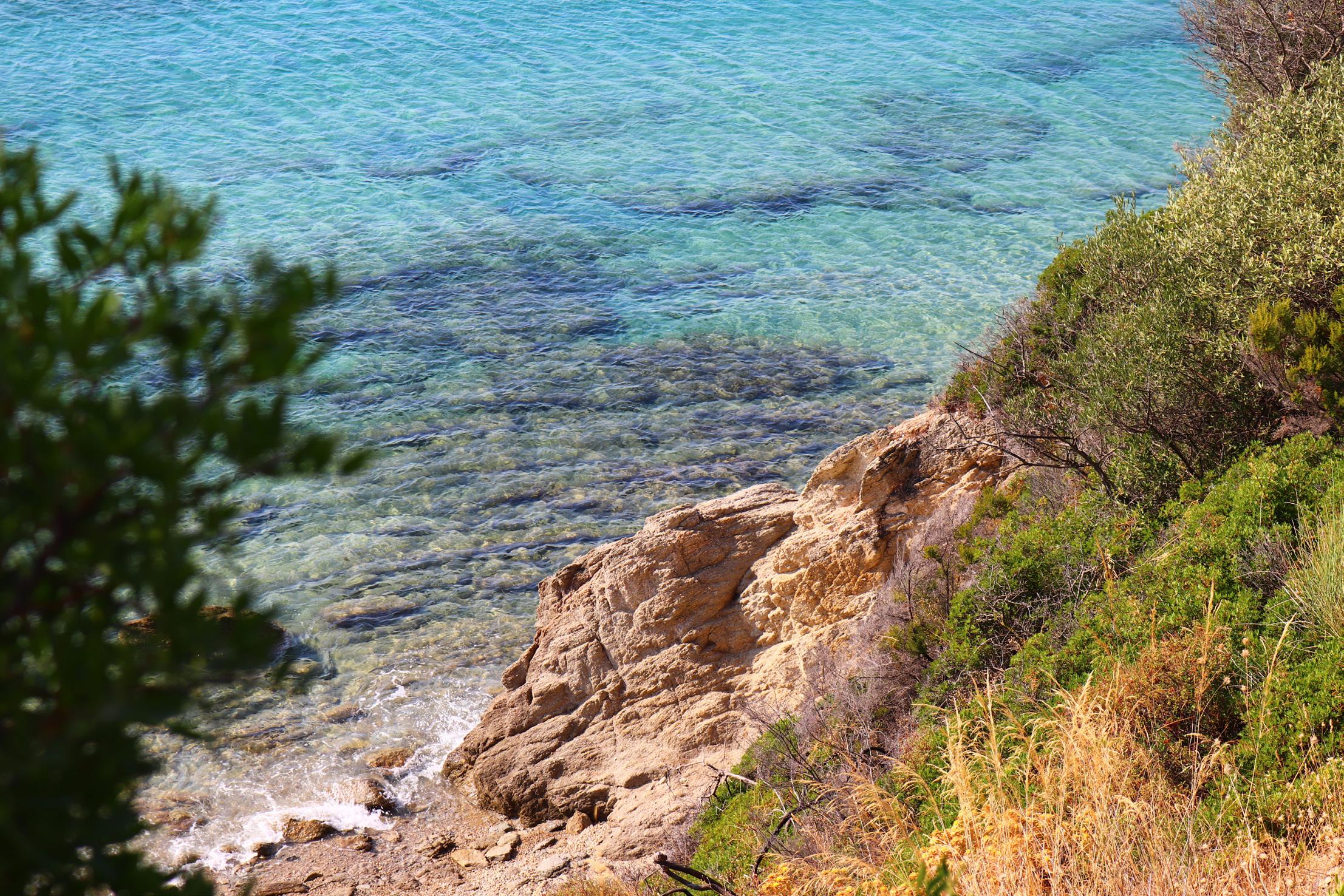
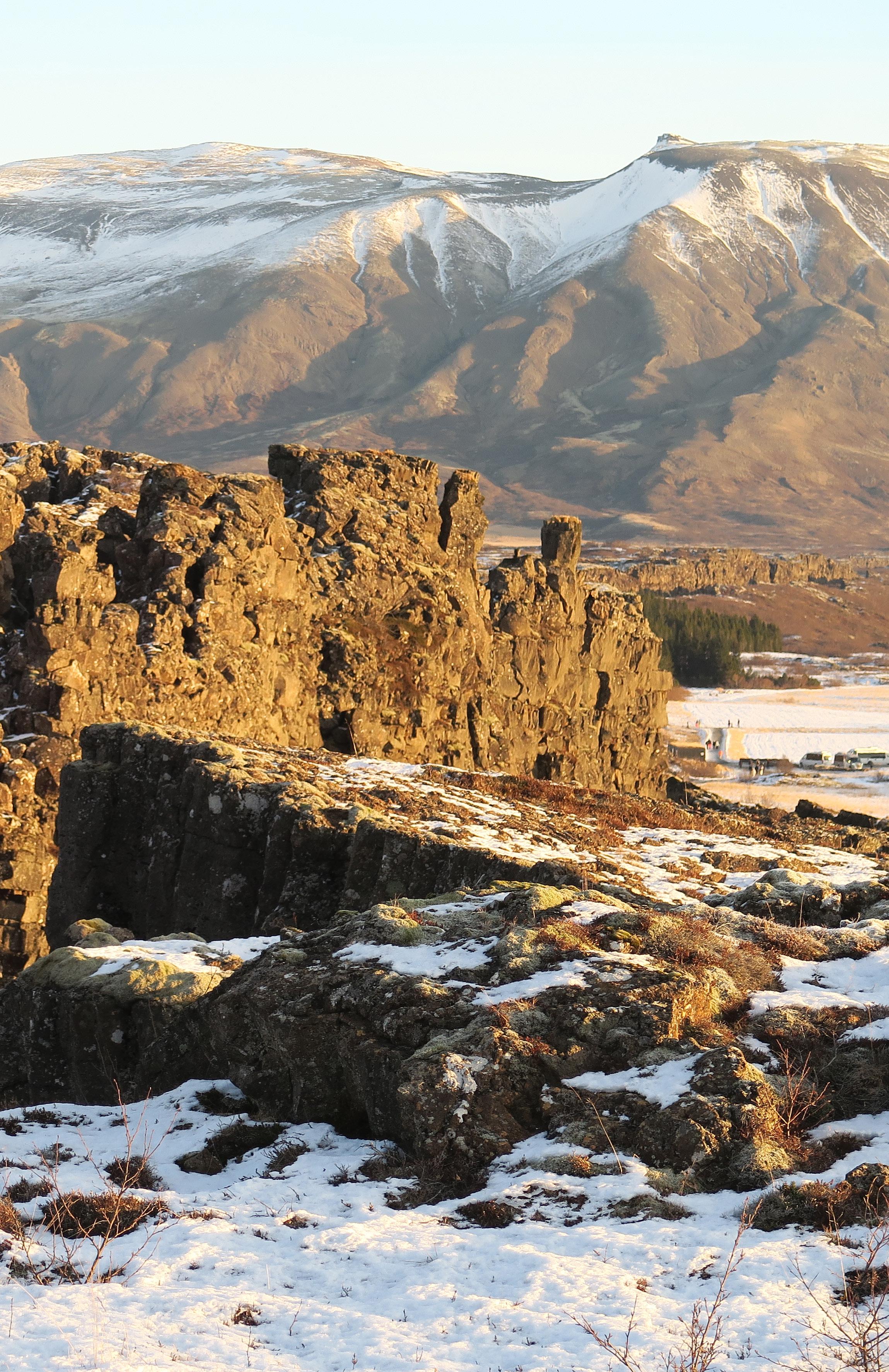
Mark Govorkov '30
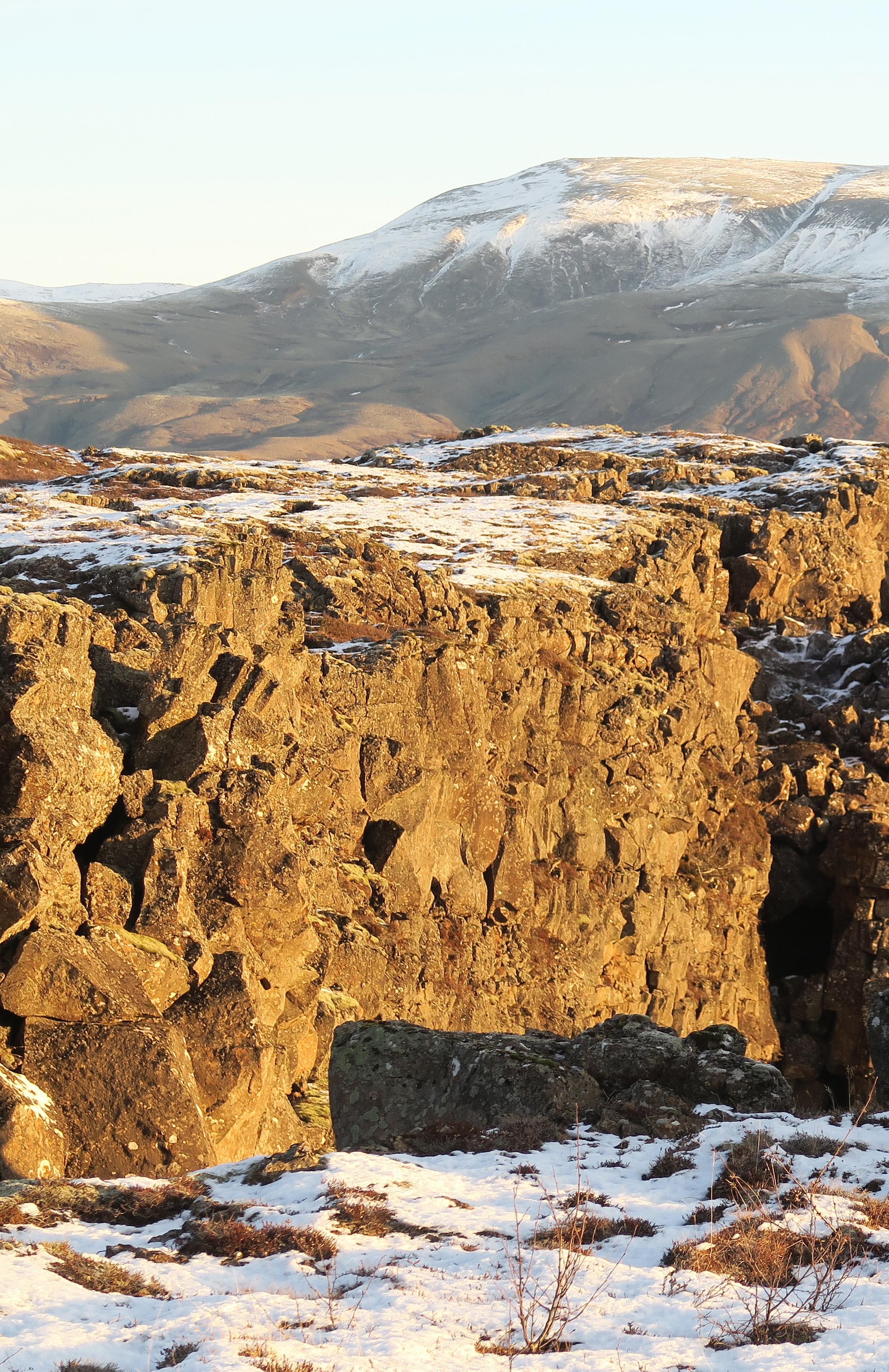
Fiery rock, in layers and curves, Dance of orange, red, and grey, Flowing water, petrified, With colors of waning day.
Through those arches, rifts, and waves, Mist will coldly always rise;
Through the narrow canyon walls, Strands of blue meet upturned eyes.
Soft and green, a skinny pine Pokes through waves and curves of stone; Little gray owl perched up high Hears echoes of its soft tone.
And the snow is driving Dancing, leaping, flying, diving, On the vivid stone alighting, Snow and fire never fighting, Playing, singing its cold cadence, Notes so close and dissonant, Dancing mesmerizing tangos
On your nose and cheeks and lips, Although of cold and not of coal, It lights a fire in your soul.
I watched a single strand of brown hair fall into the bathroom basin. When I traced my scalp, those strays shed like autumn leaves. In one week, I dyed my hair twice. I shook my head to see if more would slip away.
***
“It’s JU-PI-TER! It’s JU-PI-TER!” my brother screamed. I imagined the whole dome rumbling as the telescope rotated to the amazement of my threeyear-old sibling, my mother, and me. Minutes ago, I peeked into the lens for the very first time and saw a crisp Saturn, the size of an eyeball, staring back at me. Now, the machine fixated upon Jupiter.
***
A wall of eyes trailed me as I carefully picked a hair dye. My mother held the headshot of the stock model to my head, and I confirmed it was the exact color I wanted. At home, I excitedly lathered the mysterious potion into my hair. It wasn’t until I washed off the chemicals that I realized virgin black hair doesn’t lighten without bleach. In desperation, I went to an Asian grocery market the very next Wednesday. The new dye lightened my hair so faintly I had to persuade people into believing I’d colored my hair brown. “No, not black, brown, I’m not graying.” I mumbled to myself in disbelief.
***
“Children’s books?”
The telescope operator told me to start with any book I can get my hands on—even picture books. Maybe I will sacrifice my pride for my new, low-emotional-investment hobby.
***
Resentment flooded me as I glanced into the mirror. Like writing a message into the sand, I wanted my hair to say something, all the while forgetting the carvings would wash away with inevitable tides.
***
The freezing air flooded around me as I exited the observatory. I didn’t feel cold at all, maybe because I had two jackets on. But I was also held in the arms of fulfillment.
***
Even if I had succeeded, my black hair would regrow in the coming months and slowly creep into layers of brown until it’s all a mess. Then a constant battle of redyeing, damaging, and repairing would ensue. I’m patching the gaps of my knowledge of space now, rather than waiting to recolor my hair later. I’m deeply sorry, but grateful, that I find the same curiosity in something again.
Adeline Xie '30
Do not be disillusioned by others' lies–do not fear Time, Fate, and Death. They will only ever help you actualize your dreams.
Do not be afraid of Time; it does not pass so much as return, carrying you back with it, again and again, to the same heights where you experience the same falls, until the drops no longer encompass terror but rather solace.
Do not be afraid of Fate; it is patient, and it will lead you, without urgency and without error, back to your altar of masochism where you ceaselessly worship.
For Time and Fate will always love you. They will always bring you back to the same, familiar, well-worn fiery descent, and does this not allure you, do you not find morbid pulchritude in this scorching repetition?
And of course, do not be afraid of Death; it is only the breaking of the repetitive habit of a heartbeat, a final stillness where there is no sun left for you to incessantly try to reach, and no wings on your back left to melt as you plummet from the clouds that once held you close.
After all, there is torturous beauty to be found in self-inflicted ruin, where none of your gods will reach a hand of salvation out to you.
Because ultimately, you are a saint–a saint of self-destruction, and such an individual with an ouroboric heart demands no heaven, and only ever dreams of the beauty of cyclic burning.
Yicheng Sun '31
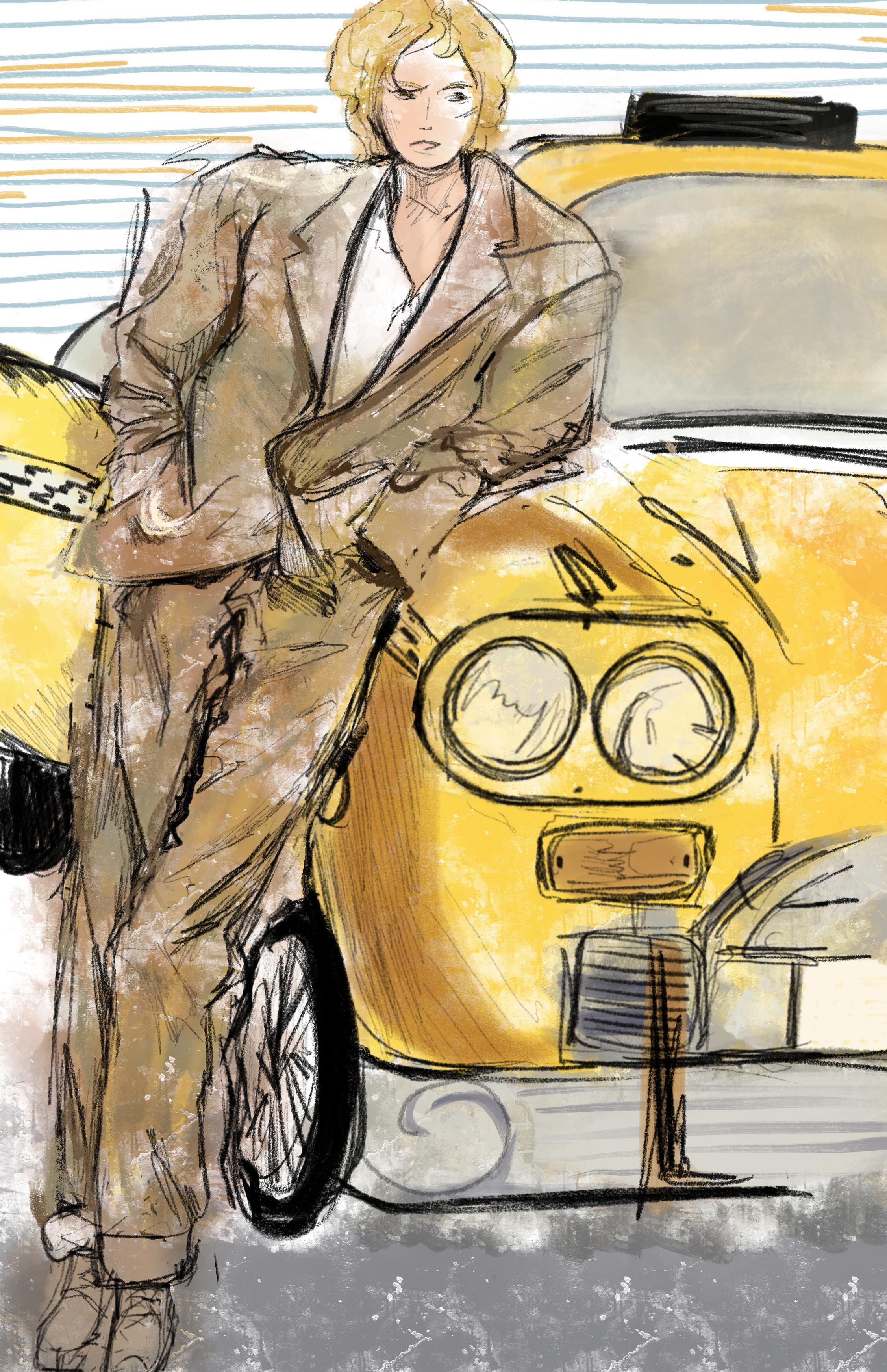
Lang remembered an old Chinese folk tale about two lovers separated by a river of stars so wide that it could have only been made by a god. Maybe it was the Milky Way. Maybe it was the Andromeda. It didn’t matter. His river was the thirteen hour drive from San Francisco to Seattle.
Lang had a gentle twenty-three-year-old face that was not unusual. He seemed content with his life and job as an Uber driver—he knew San Francisco as one does when they’ve been living their whole life in the city, and he enjoyed driving through it slowly, noticing the little things that one would have missed if they were rushing to get somewhere. Lang also liked the peacefulness of watching Karl the Fog roll in and out of the bay. He was not waiting for anything to change.
* * * *
It was one ride in April when a young woman climbed into his Corolla Cross during a light drizzle. Her name was June, she said. She had to Uber to work because her car had a dead battery and was in the repair shop. She was a graphic designer at a small startup, ClearFrame. After the ride, June handed Lang a crisp ten-dollar bill, which Lang politely declined, saying “不用, 不用. No need, no need, it’s okay,” but eventually accepted after June’s firm insistence.
Later, after a dinner of white rice and mapo tofu, which Lang’s mother cooked every Friday night since his father died, Lang received a ride request on his phone. ClearFrame to Precision Auto Repair. His heart subconsciously caught for a brief moment. While driving to ClearFrame, Lang noticed that he was pressing the gas pedal harder than usual.
After parking on the curb, Lang saw June briskly walking out of the building. He stepped out and opened the door for her.
“Sorry for being late. We had a meeting about restructuring some things. Mr. Enitlezah talked a bit overtime,” June apologized while quickly tucking her shoulder-length hair behind her ear. She asked, “How long have you been an Uber driver?” “My whole life,” Lang replied.
“Wow. Do you like your job?” June continued.
“I’m pretty happy with where I’m at right now. I like being helpful, driving people where they need to go. Although my mom and her aunties always ask me when I’m going to get a real job. I just tell them, ‘If it’s not broken, why fix it?’”
The rest of the ride passed by with neither speaking, with June occasionally checking her phone. A couple minutes later, Lang’s phone proclaimed, “You have reached your destination.” June sat in the car for longer than most customers, Lang thought. He asked June, “What does ClearFrame do?”
“Biometrics and cybersecurity,” June said over her shoulder as she exited the car.
Lang noticed another crisp ten-dollar bill left where June had just been sitting. He opened the window to tell June she had left something, but June was gone. Lang sat there for a couple of minutes, the ten-dollar bill in his hand. Then, he rolled up his window and drove to his apartment.
It was like that for the next two months. Every time he was pinged with a ride request, he would check the start and end locations. He smiled when it said ClearFrame. During the rides, sometimes they talked. Sometimes they kept silent, sitting in each other’s company.
There was one ride near the end of May, when spring faded into summer, and June climbed into the parked car. Lang presented her with a pink plastic bag with a smaller white paper bag inside. “蛋挞 给你. Egg tarts. For you.”
“谢谢. Thank you. Where did you buy these?”
“Golden Gate Bakery. There were quite a lot of people today,” Lang said. His eyes glanced over at the rear view mirror.
In the middle of June, during another ride, Lang asked, “June, have you ever been to R & G Lounge?”
“No, but I’ve heard good things about it.”
“Would you like to go with me? Tonight?”
“Yeah, sure.” Lang exited the current navigation and set the destination to R & G Lounge.
“You use Google Maps? Nice. Google Maps is better than Apple Maps,” June remarked.
“Yeah, but Google Maps has made some changes that aren’t that good.”
“I know, right?”
At R & G Lounge, they ate and talked. While eating the R & G Salt and Pepper Dungeness Crab, Lang told June the story of the Cowherd and the Weaver Girl, a Chinese folktale that his father had liked. When the bill arrived, Lang said, “I’ll pay.” June did not argue. Lang paid with nine crisp ten-dollar bills. Then, he gave the waiter another one. “给你. For you.”
In the last week of June, Lang received ride requests from her every other day. He never declined. On one ride, they were talking about Lang’s aunty who would always ask when he would get married, when June quietly said, “ClearFrame is moving me to Seattle next week.” Lang missed the right turn onto Kearny.
She left for the Seattle office on June 30th. Lang drove her to SFO—free of charge. Their last drive. After she had left, Lang found something left on the back seat. A crisp ten-dollar bill.
Lang left San Francisco the week after, driving to Seattle. He drove across the Golden Gate Bridge, north on 101, through the redwood forests and the mountainous terrain of Northern California, and along the rugged coastline of Oregon. Every night, Lang looked up and gazed at the stars in the Milky Way. His eyes kept settling on Vega and Altair.
Lang kept glancing in the rear view mirror, expecting June to be sitting in the back seat, and his heart fell every time he realized June was in Seattle. On 101, just 2 miles away from the Columbia River separating Oregon and Washington, Lang stopped at a Costco Gas Station to refuel and get water. After the quick stop, he climbed into his Corolla and pressed the engine start button. It didn’t start.
At the repair shop, the mechanic said something about the battery malfunctioning. In the late afternoon at the golden hour when the sun diffused sharp edges and melted away corners, Lang finally got back on 101. Then, his mother called. “我摔 了. 我的腰碎了. I fell. My hip broke.”
He pulled over and stopped the car. Here he was, chasing a girl to Seattle, while the person who had made him mapo tofu every Friday night since Lang was four was in the hospital with a broken hip. He made a U-turn and drove back to San Francisco.
On July 7th, two days after returning, Lang’s phone rang. 206-555-0160. He answered the call. It was from June. After the call, Lang told his mom, “我要学习和 开始找真的工作了. I’m going to study to find a real job.”
“什么样的工作? What kind of job?” she asked.
“有可能生物识别或者网络安全. Maybe biometrics or cybersecurity.”
While his mom went to tell her aunties the good news on WeChat, Lang started his Corolla Cross and drove to Crissy Field. Standing in the wind, watching the fog roll in, Lang wondered what the fog in Seattle looked like.
ThispieceisaretellingofTheCowherdandTheWeaverGirl,anoldChinese folktaleabouttwoloversseparatedbytheMilkyWay.Niulangwasapoorcowherd whoonlyhadanoxashisfriend.Oneday,theoxrevealedthathewasagodthatwas disgracedandsenttoEarth.TheoxhelpedNiulangmeetZhinu,adaughterwhowas aweavingfairyandadaughteroftheQueenMotheroftheWest,animportantChinesegod.Theyfellinlove,andhadtwochildren.
However,theQueenMotherwasmadatZhinuformarryingamortal,andseparatedthetwolovers,takingZhinutothecelestialrealm.Niulangtriedtofollow,usingmagicalbootsoracoatinsomevariationsthattheoxhadgivenhimtofly,andalmostmadeit.Atthelastsecond,theQueenMothertookherhairpin,andscratched achasmofstarsinthesky-theMilkyWay,stoppingNiulang.Everyyear,onJuly7th, 七夕节/QixiFestival,abridgeofmagpiesconnectthetwolovers,allowingthemto meet.
Max Rees '26
Skin
The tactile interface for connection
For brushing by a fly unfelt
For ice to sear on hands and melt
For blushing by a look unread
For sun to speckle brown or red
For containing in a membrane: Muscle
The motor for living movement
For the propulsion of boots
For the contraction of length
For grasping straws and tools
For appearing power and strength
For connection to: Bone
The iron of the body
For the bending at the spine
For the rigid in doing-limbs
For the cracking in violence
For the setting of structural tines
For restraining in a cradle: Brain
The origin of the soul
For concocting the chemicals of caring
For the translation of photons in air
For creating the knowledge of living
For the purpose in Earth already there
For seeing, in the mirror:
Ella Kim '28
cold air tinges the skin on the back of the neck the gentle shiver sending crystal waves through sinuses, a gentle frost insulating the brain sending shocks of microscopically programmed waves to the adrenal glands filling blood with a myriad of bursting supernovas swirling glitter tingling on the arms, numbing of the nose eyes dry with the evanescence of limpid air your soul drinking a brief relief to the thirst of perpetual esse laughter and quiet peace the moment a fleeting nostalgia water running through futile fingers submerged in a soft euphoria blurred with intensity flames on wax digits, distant smoke, muffled giggles, honeyed voices crackling with gritty sweetness, the muffled pulling of threads to form knots of security, the smack of young hands meeting in a secret waltz, a burning throat from too much time spent poised on the thread between laughter and tears gone with the chronic pulsing of lunar resurrection yet boundless as celestial expansion gentle synth layered over melancholic chords eager drums thumping as blood warms fingertips ears thrumming stars, time, youth slipping from your grasp yet drowning your soul at once a fading tug weightless.
HAMARTIA
Sophia Wang '30
I used to be good. It was the kind of “good” that effloresced too soon, too profound, too early — a vicissitude I’m only beginning to understand. Because for once, for a transient moment in time, I was enough; for once I saw the sun in color and all its magnificent glory. But I guess wax wings weren’t built to last.
So when I inexorably fell, I laughed it off like some bitter joke as the cobalt flames that were the air burned my skin and the breath escaped my lungs. There was something psychedelic about falling. Only what I don’t understand is: is this what it’s like — what it takes — to truly feel real, to feel alive, to feel human? Does everyone fall eventually? Or, like Icarus, did I just fly too close to the sun?
All I know is that even if I plummeted from miles above, I wouldn’t make a dent in the ground. That fate as we know it is cruel and volatile, but also inevitable. But maybe that’s just how things were always destined to be.
Zachary Choi '28
The warmth, Plumes out from a steaming Jacuzzi in cathartic snow, seeping into the skin: The passion of church music. The underside of hot campfire coals, red sunsets a lava lamp Can’t quite capture, Colors that will light again Tomorrow:
A stubborn sense of duty. A toddler's toothless grin, Upending the circuitous night With undeserved joy, And a cackle of juvenile sunshine, The weightlessness of innocence: Unexpected love. The almost rotten nectarine, Bulging with an ocean of succulence, Vicious explosions sweet with Notes of tart, The little cousin smearing the Precious juice: Conditionless generosity.
Ayana Reddy
On the 93rd night since my husband’s disappearance, I lit the lamp with hands that no longer trembled. At first, my hands shook so violently, I feared I would break the glass. But now, the ritual moved through my mind like memory. Trim the wick. Light the match. Shield the flickering flame from the cold draft flowing through the lighthouse tower. Turn the key until the mechanism begins its slow, patient rotation. Watch the beacon slowly illuminate the water and scan for any ships. I looked out the tall glass windows to see the wave silently crashing onto the shore. It was almost a rhythmic pattern. Shhhhhhhh…boom. Shhhhhhhh…boom. Shhhhhhhh…boom. I was awaiting its reply for the message I had just written.
On the 10th night, I began writing to him. Or at least to the memory of him. I didn’t intend to at first. Words felt useless against the power of the sea. But I still had hope. Hope that he would maybe return from his journey across the Atlantic. But the silence in the tower grew heavier day by day, so I grabbed a sheet of paper and quill and addressed it the way I once had- My love. I wrote about ordinary things. The way the seagulls circled the tower. The crack in the second step that had somehow grown wider. But I never wrote about the sea. And I never accused it of anything. I walked down the steps to where the sand met the sea and threw the bottled message into it. The waves quickly engulfed it and pulled the message under the veil of the dark blue waves. I thought I would never see it again. But I was wrong.
The next morning, the bottle lay on the stand, glistening under the sun. I hurried down the stairs and quickly untwisted the cap to find my same letter. But this time, there was a message on the back. The penmanship was a neat cursive written in Tyrian purple. And it was signed “the sea”. The sea had actually replied. We kept on talking for days as I vented about all of my sadness and grief, and the sea listened patiently. But the sea never talked about what happened under the sea.
On the 94th morning, I had opened the bottle expecting everything to be the same, but what the ocean wrote was indescribable. I had asked the sea if it keeps what it loves, and it had responded: The sea doesn’t keep what it loves; I just forget to return it sometimes. And to answer the question that has been stirring in your head, I have what you desire. Or should I say who. If you seek what you lost, just ask the price.
I gasped. He was actually alive. I thought it was foolish. How could the sea ever return him? But I took my chances. I grabbed a paper and my quill and asked what the cost would be to return him. I thrust the message into the now weathered glass bottle and chucked it into the sea with a satisfying plop. I went back up to the lighthouse and paced back and forth across the room waiting for the sea’s reply.
However, the sea had replied in the evening instead of the next morning. The bottle was ice cold this time and the ink was smudged in the corners. Its message read: I will return him, but you must give me someone to replace him. Extinguish your light and let the dark do the rest. Then, I will return what you desire.
I went up the lighthouse tower. I was about to blow out the flame of the lighthouse when I heard the blaring bells of a nearby ship. I imagined a hull splitting in the black water. I imagined voices swallowed before they reached the shore. Then, the truth hit me hard. Was I willing to sacrifice other people’s lives for him? I loved him, but I knew I needed to move on. My light had never failed any other ship and I wasn’t planning on it. So I let my light shine brightly and wrote one last letter to the sea.
The sea keeps what it loves.
And so do I.
But sometimes, loving means letting go.
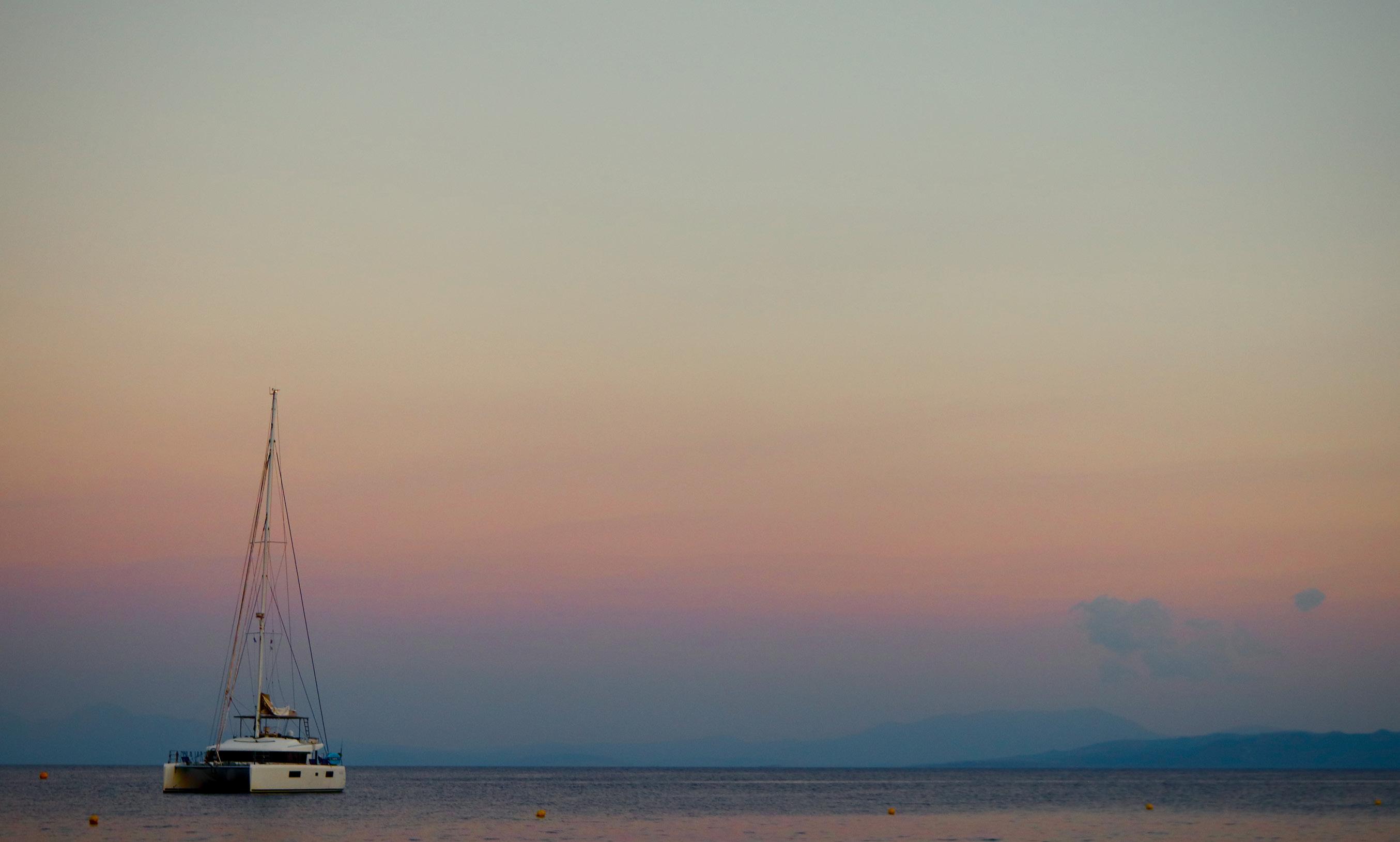
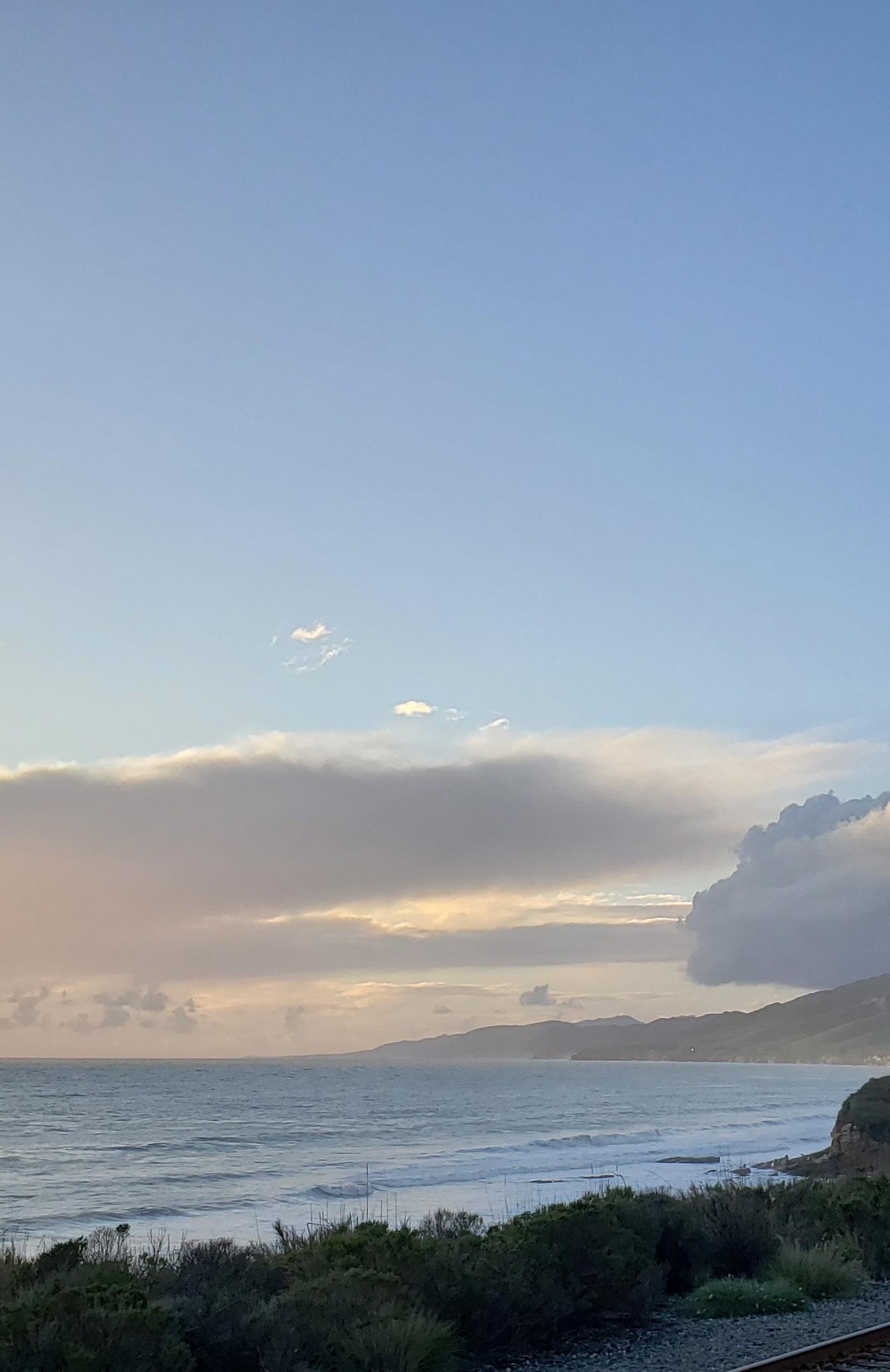
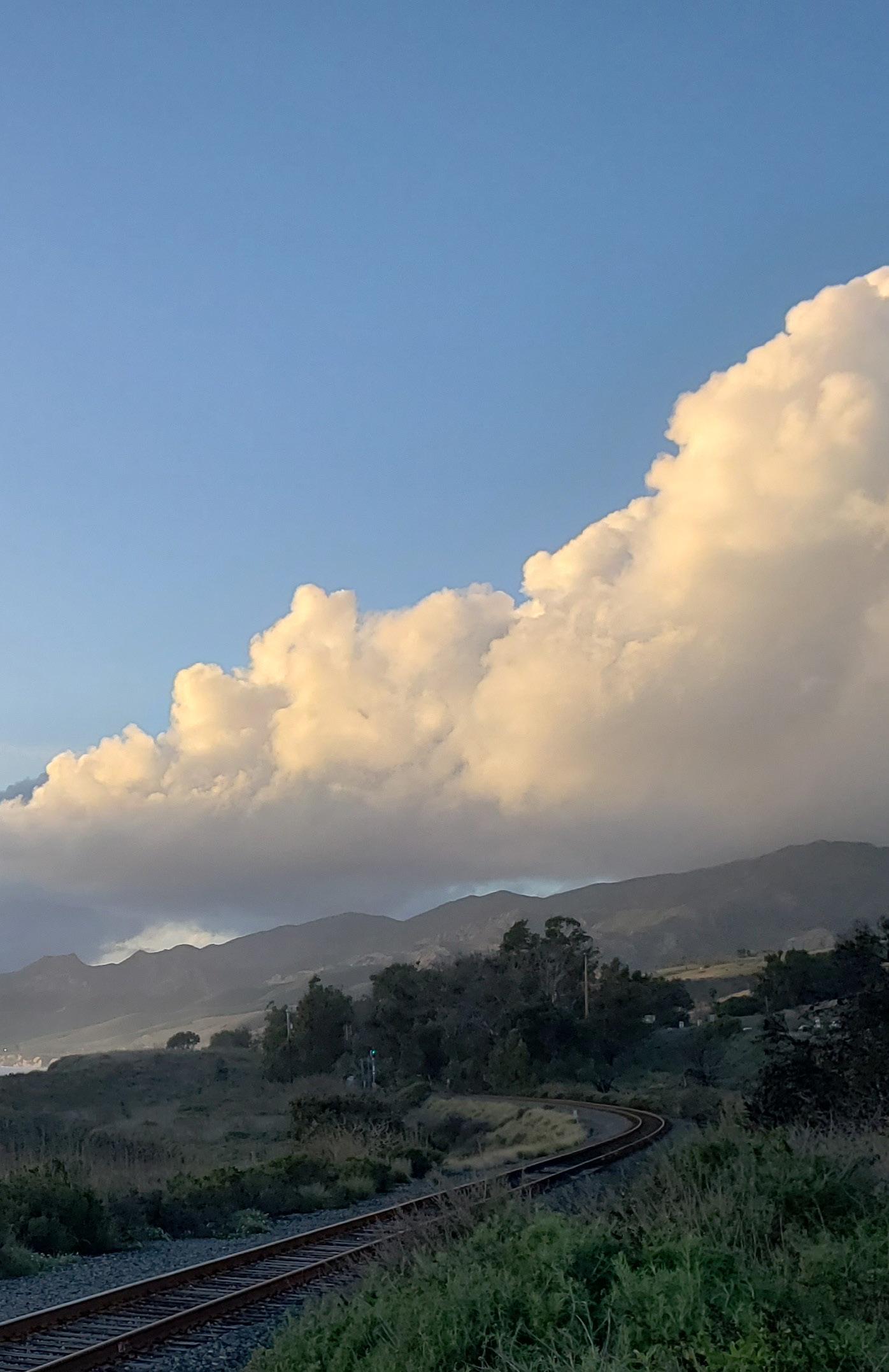
Zachary Choi
The sky was quickly turning into different hues of red, purple, and pink. You lay at peace, hanging on the precipice of the deck’s brown wooden ledge overlooking several roses and a sea of green grass your father struggled to maintain. Your right hand tightly held the cool delight of a lime popsicle while your left traced the comforting grooves of the supporting wooden poles below. Your mind fixates on Bruno Mars’ “That’s What I Like,” looping lyrics around and around. Your eyes were transfixed to the wooden gate at the end of our neatly cropped grass. You wait patiently, too engrossed in the pleasures of your lime popsicle and lyrics to find boredom in the passing minutes. “Daddy!” The headlights of your father’s sedan shone brightly over the tall green hedges marking the boundaries of home. You rushed to the wooden gate like a diehard fan rushing a Super Bowl victory. The long pathway to the parking pad was a brutal distance for your small legs. You don’t care. “Daddy! Daddy! Daddy!” You cry in pure excitement. You land in your fathers arms. Smearing his creaseless work shirt with your popsicle tainted saliva. You don’t need a clock to know that the time was 6:30 p.m.; your saving grace from a bad day or the highlight of a good one.
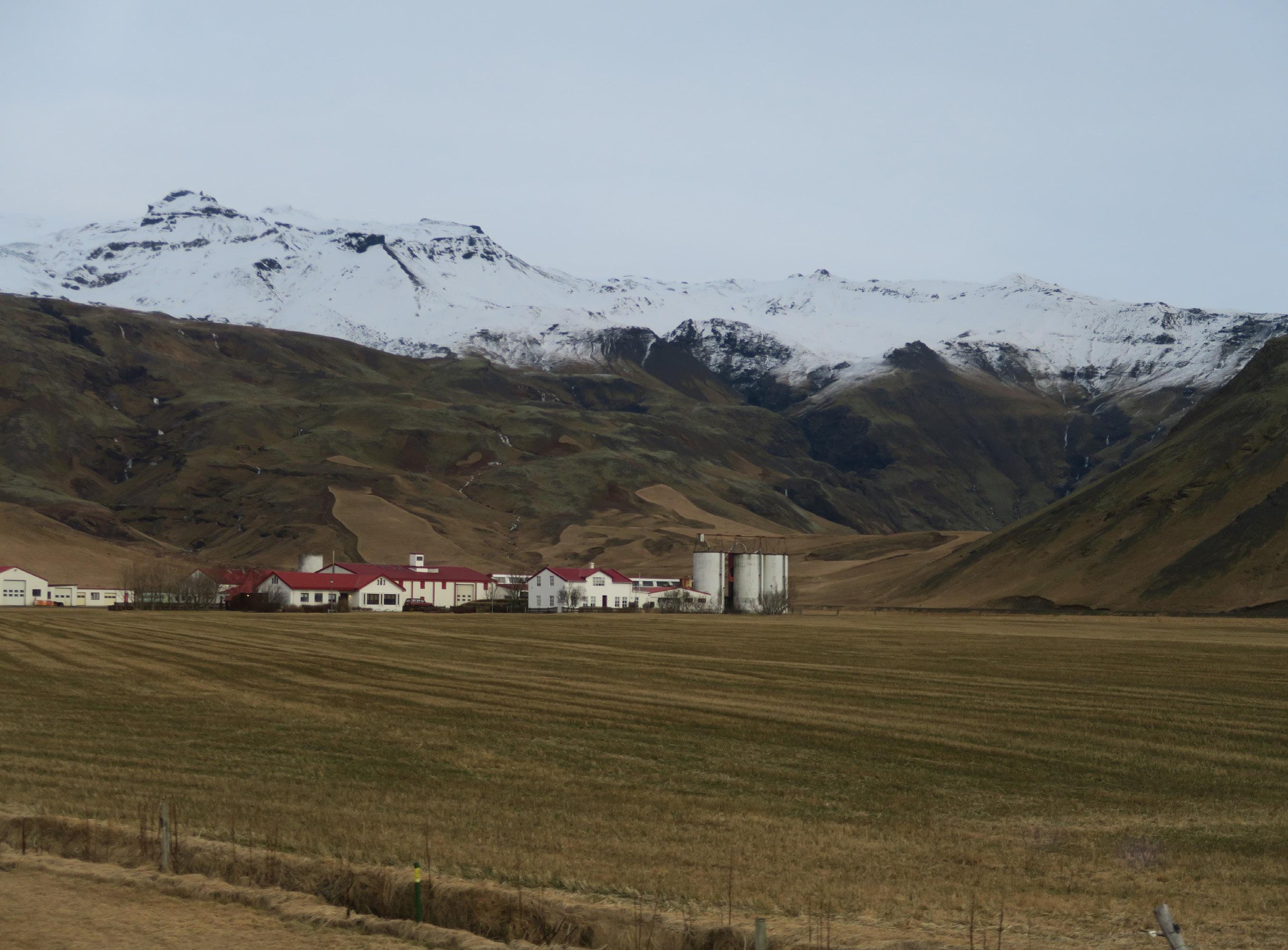
Alisha Ramani '27
She sits in the grass at her local park and watches the ants, obsessively, naming them with very human, very Southern names. Her careful naming ceremony seems to counteract her loneliness, allowing her to interact with these tiny characters as stand-ins for the empty ones in real life. Crouched face-first into the freshly mowed lawn, she feels the least lonely. She names the ant before her “Sawyer” because it seems absurdly distant to her. Sawyer is an Argentine ant, a species famous for being unicolonial: every Argentine ant is part of the same family. She tries to imagine this feeling of immediate intimacy toward a stranger, but she just can’t.
She has heard that people go to nature to ruminate, but she finds it hard to think with the American crows piercing through the sky, which is almost overcast enough to look like a bright-gray blanket. She has brought her notebook with her, but it remains unopened. Writing, which was a huge part of her early childhood, has been washed aside by new waves of busyness; without writing, she’s unable to reflect, and without reflecting, she’s unable to write something meaningful. She rolls her eyes at the woeful rabbit hole she’s now down in. Maybe her lack of reflection explains why she has started experiencing a new, intangible anxiety. It feels like an amorphous blob located between her eyebrows and between her eyes and eye sockets. It causes her to tense her brows and blink rapidly, but in a flutter, it’s gone. It’s also not close enough to her that she can name it because its incomprehensibility is also a weapon.
Thinking about her future invites the blob. She sees different images of her 20s and early 30s in a nebulous blur, onion-skin layers stacked on top of each other. She can picture herself with a traditional job, marriage, and family, carrying out the motions of a “normal” life. And she also sees herself isolated in the woods, cast away, and detached from human life. Both exist simultaneously to her, as if she were the cat under Schrödinger’s box, as if her future will be revealed someday. She has tied neither possibility to any sense of obligation or action. Instead, she feels as if her future will happen to her transitively, which is probably unhealthy, too.
Sawyer has now disappeared deep into the dirt. She wonders if the future of the ant, a simplistic binary in nature, could be used to understand her current state. A complete world of thoughts flicks across her temple at once, and she is certain at least one is a million-dollar idea. Instead, they pass by too quickly to grasp, too quickly to comprehend. She doesn’t write a single thing down, and her whole life of pondering slowly and suddenly amounts to nothing.
Sophia Wang '30
You can’t hide the past That lingers in your skull
Like blood on the wall That won’t wash away
You try to cover it up With layer upon layer Of watery, translucent paint
But it will never be enough To forget or ignore Or neglect or hide.
Anna Byun '29
(Don’t) Be Scared.
Recitals are really scary. Humans (or maybe just me) don’t like to put themselves out there with the risk of being judged. Unfortunately, music is all about judging. There’s always going to be a critic in the crowd, someone who knows it all and has ‘ten years of piano teaching and playing experience’ (no, I’m not talking about my piano teacher, how dare you suggest that). The thought of going up on that stage has some people petrified, shaking in their boots even. You need to be braver than that. Sure, you may horrifically mess up and cause this to be an embarrassing memory that you think of every night before you go to bed, but you may not. Nobody can tell the future, so you shouldn’t try to. Assume and hope for the best because that’s really all we can do. Spend too much time being afraid and you’ll miss out on all the fun parts. Sure, recitals are stressful and scary, but that moment when you finish playing that last note and really look back and smile about how well you did is way better and way greater than any stress that recital could give you (at least I’m told so. You will find out that this list is one borne from my own experiences, sadly. I’m joking. Maybe).
(Don’t) Procrastinate.
Well, you’ve read on so that means you’re either still scared or are forced to read this. My apologies to both. If you’re scared, you tend to want to shy away from it. This is a nice way of saying to plunk yourself down at that piano and start practicing and stop procrastinating (no, I don’t have a recital this week and I am most definitely not procrastinating with this assignment). Procrastination is something that a lot of people struggle with and it obviously doesn’t only apply to musical recitals. Maybe you’re avoiding doing an assignment because you don’t feel like it or you’re avoiding studying for a test because if you crack open that textbook, it will become painfully clear just how much you have to relearn because somebody had to zone out during class. Anyway, do not, I’ll repeat in italics, do not procrastinate on this and anything else because procrastination leads to crying at eleven p.m. desperately trying to finish that one dang assignment that you had to leave till last minute. I feel I’ve strayed from the topic enough, so put down this (very not academic) essay and get to work.
(Don’t) Listen to Other Players.
Recitals always, always, have someone better than you. You know those videos of five year old prodigies absolutely killing it on the piano/violin/cello? Well, somehow, every single one of those kids has grown up and decided to play at the exact same recital you are performing in. Yay… Playing an instrument, or anything really, is part skill and part mindset (Mindset by Carol Dweck reference? No? Okay). Confidence is totally key. Fake it till you make it is one of my favorite sayings to emulate in my day to day life (and if I’m not, please don’t tell me). If you get down in the dumps about some kid playing way better than you, how will you play? The answer is really simple. You’ll play badly. Or at least, you’ll play slightly worse than you would’ve if you had a confident mindset. Now, overconfidence is a thing, but my last point was just about practicing, so if you did that you can and should feel confident about your playing (and if you’re just realizing that you're procrastinating by reading this, maybe go and practice). So when you see a player absolutely shredding on their violin, maybe just zone out for a little bit. Don’t compare yourself to others (comparison being the thief of joy and all), even if you really, really want to, just know that it will not go well.)
(Don’t) Restart.
When you start actually playing, you’re gonna feel the urge to start over. Maybe you started off-beat from the tempo in your head, maybe you just don’t really feel this one. This is not a video. You cannot rewind time in real life. Do not restart. Music teachers stress this so much, you’d think they expect you to keep playing through an earthquake, but they are honestly right for stressing this so much. Restarting just sounds really odd to the observant viewer, because they don’t know the small intricacies of whatever you are playing. ‘Oh dear, that note was actually a millisecond off beat’ or ‘Oh goodness me, that note was accented a little bit too loudly/softly’ will not be running through the audience's mind. What they will be thinking is something more akin to this: ‘Wow this church is really cold’ or ‘Gosh how long is this piece, I need to use the restroom’ or even ‘when is my kid coming up.’ Notice how none of those mention a slight mistouch of the keys or a note that was a little too fast. This is what will happen to those same thoughts if you restart: ‘wow, they were doing so well, why would they restart?’ Basically, restarting is exactly like slamming all the keys down and running out of the hall screaming ‘I MESSED UP AND I REALLY WANTED YOU PEOPLE TO KNOW IT.’ So just push those urges down, and continue to play.
(Don’t) Speed Up.
Uh oh. You’ve messed up, and you can’t restart so the obvious reaction is to speed up to finish the piece quicker right? If you spilled a glass of milk, would you then take out the carton from the fridge to pour it all over the ground? No, you wouldn’t, because that would make an even bigger mess. Same idea. Speeding up is (in my not so experienced experience) one of the main reasons people mess up. You practice at a set tempo for a reason, your fingers won’t be able to randomly kick it into high gear and play at supersonic speeds. You’re not a sports car, maybe more of an old van that only runs at thirty miles per hour and, any higher than that, will spontaneously combust. Do you want to spontaneously combust at your recital? No, so maybe let’s rethink trying to speed up and finish faster and focus more on not making any more mistakes.
(Don’t) Slow Down.
Ok, so if speeding up isn’t an option after a mistake, then how about slowing down? Of course, slowing down and playing at your own pace isn’t bad advice, but (same as a lot of things) this is only to a certain extent. If you’re playing a super fast and upbeat piece, but it's played more like a funeral march, maybe it’s time to stretch your boundaries a little bit and play a little faster. Yes, taking your own pace is fine and all, but it gets to a point where you’ll be taking it slow and steady, while everyone else is also taking it slow and steady, but their slow is a little bit faster than yours. So while everyone else is (as it seems to you) racing ahead, you’ll be left behind in the dust. So maybe take a couple of risks and go a little bit faster than you usually do, and it’ll work out just how you wanted it to, just a little tiny bit quicker.
(Don’t) Leave Your Music Behind.
Wow, you’re done playing. Yay! What would be the worst thing that can happen after this? Is it A) a meteor crashes into the earth and kills us all or B) you leave your music sheet behind and have to double back for it? The answer is B. It’s always B. (I’m joking, but in A at least you don’t have to deal with recitals anymore right?) Ok well, imagine you have a huge presentation in front of the class, everything goes well and then one hand rises up and asks a question that stumps you. You have researched everything about this one specific topic, but somehow this question is the one thing that you skimped on researching. If this was a moral story, the an-
swer would be to never do anything 98%, always put in 100% right? If you end on a bad note, that will be the only thing you remember about this experience, so do yourself a favor and don’t bolt off the stage the second the hammers crash down to form the last note. Take a beat, grab your music, and slowly walk off. It wouldn’t be good to trip and fall either.
(Don’t) Beat Yourself Up.
This is, admittedly, the hardest advice on this list. Beating yourself up is an art form that requires a delicate balance between actually good constructive criticism and just complaints. Sure, constructive criticism, even from yourself, is fine and all, but when it turns more towards ‘I/you suck’ with no real way to fix it, it definitely won’t help that much. Yes, you did mess up, but next time you can practice more. Yes, that one chord was a whole note off, but jazz chords make their living off of sounding weird and dissonant. Yes, that pause was a little bit too long, but all it did was build the suspense for the audience. Spin everything to try and make it better, because there’s not going to be anyone else to do it. You already know that you did badly, but you can soften the blow for yourself by making up explanations for everything you did. And next recital, if you feel the same fear and self consciousness creeping up on you, you can pull this essay out of the crevice you shoved it in, blow off all the dust, and read it again (but don’t use this to procrastinate, I will know).
Ella Kim '28
it began when fleets of the west carried stamped-down prints of ink and wash image seeming to forget vibrance and curved edges. ever since hollow man of powdered sugar set foot on native soil, the message to young, bursting girls was sealed, and clear as the only color of depth they chose to keep from the deep dotted blue of perfect art’s iris. she will look up at wood pulp paper infinitesimal pixels widespread, wasted art spent so sparingly and see a face that was not, will not ever match, her own. the elongated nose of a sculpted sorceress, branching high from stern bones of the brow
thin, fragile folds over retinas that do little to protect from the unbridled mother cries of heat and blizzard long, thickly whisped lashes sculpted hollows where youth lay so soon devoid soft skinned sharp dips into upper gates of rose
the girl of tang and tart bearing a sweet sopping heart will pull and tug at skin in reflections gripping flesh till marks of furious, futile red bloom in empty response taping skin
ripping flesh to reconstruct bone
stripping away shields valiantly bestowed on her to withstand the mother’s loving tantrums on blood soil sheathing the heart of baked, oaken earth with a dull wash of pastel from flimsy wetness
starving of juices that dry pores through limbs, stomach, chest, till she stands a shell bleaching away the kisses of sun.
there is no regret when she no longer recognizes herself. praise, whispered nothings, whistles, buzzing, become the music of home within distorted skin.
the world rewards, a new ease and air tinge her path yet when bitten, pried open by tender fingers seeking bursting essence only a sorry flurry of ashen powder will sprinkle down her taught skin and the loving arms of mother’s soil will roll till crumbling drought at the lack of bursting flavor’s return she had long awaited
Derrick Harris '27
This cookie screams desperation, this cookie wants stability, this cookie wanders around campus searching for something that's real—something that will stay, this cookie is real, this cookie has exhausted its options, this cookie wants more, this cookie wants to be free, this cookie will never be, shoved down the throats of people who only see it for its convenience, not meaning, the only freedom for this cookie is destruction.
This is reality. I’ve found that one of the two things that have survived through my time at Pinewood is half cookie half constant. Time moves excruciatingly fast around here. It seems like each day a friend finds someone new, a grade drops, a will to live no longer can maintain itself. But here I am, but not alone. The cookie stands, this cookie manifests in new shapes, sizes, tastes, and prices—this cookie is a reminder of things that have passed and all that eventually will, this cookie follows. Its cracked lining makes room for new chocolate chips while still allowing others to shine through. I see you, you see me. We are all that we have.
Mark Govorkov '30
The great mind came and went too fast, Its talent so incredibly immense, Its vision leaving those around aghast. For it, “impossible” was of no sense. Its passage, fleeting yet magnificent Was much like Helios’s golden flight, Its monumental mark left where it went Through bright celestial dance of day and night. The cosmos does revolve eternally, To the great mind so close and quite well known. But only once this mind the world did see, Unlike eternal space, to time not prone. Yet this mind will live on, just like the moon In all it did for those who followed soon.
This sonnet is a tribute to the great mathematician Srinivasa Ramanujan. He was one of the most fantastically talented mathematicians of all time. Even though he received no formal education in his home country of India, he was able to solve problems that were deemed impossible by the greatest mathematicians of his time. He left a massive mark on mathematics, and his story is truly inspiring. Tragically, he died at a young age due to sickness. This sonnet describes Ramanujan’s genius and the tragedy of his untimely death. If he had not passed away so early, with his incredible potential, he could have made an even greater impact on mathematics, science, and humanity.
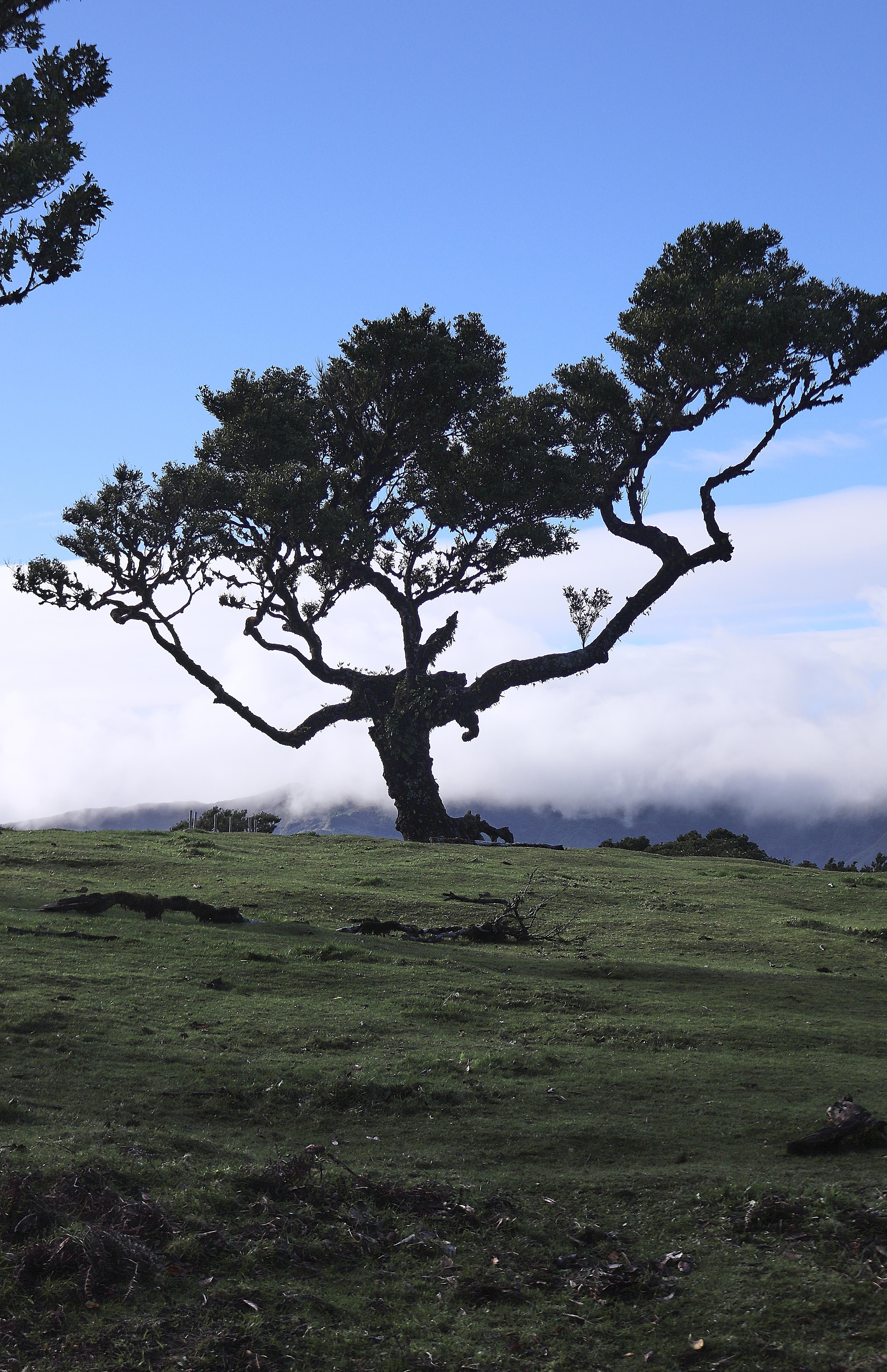
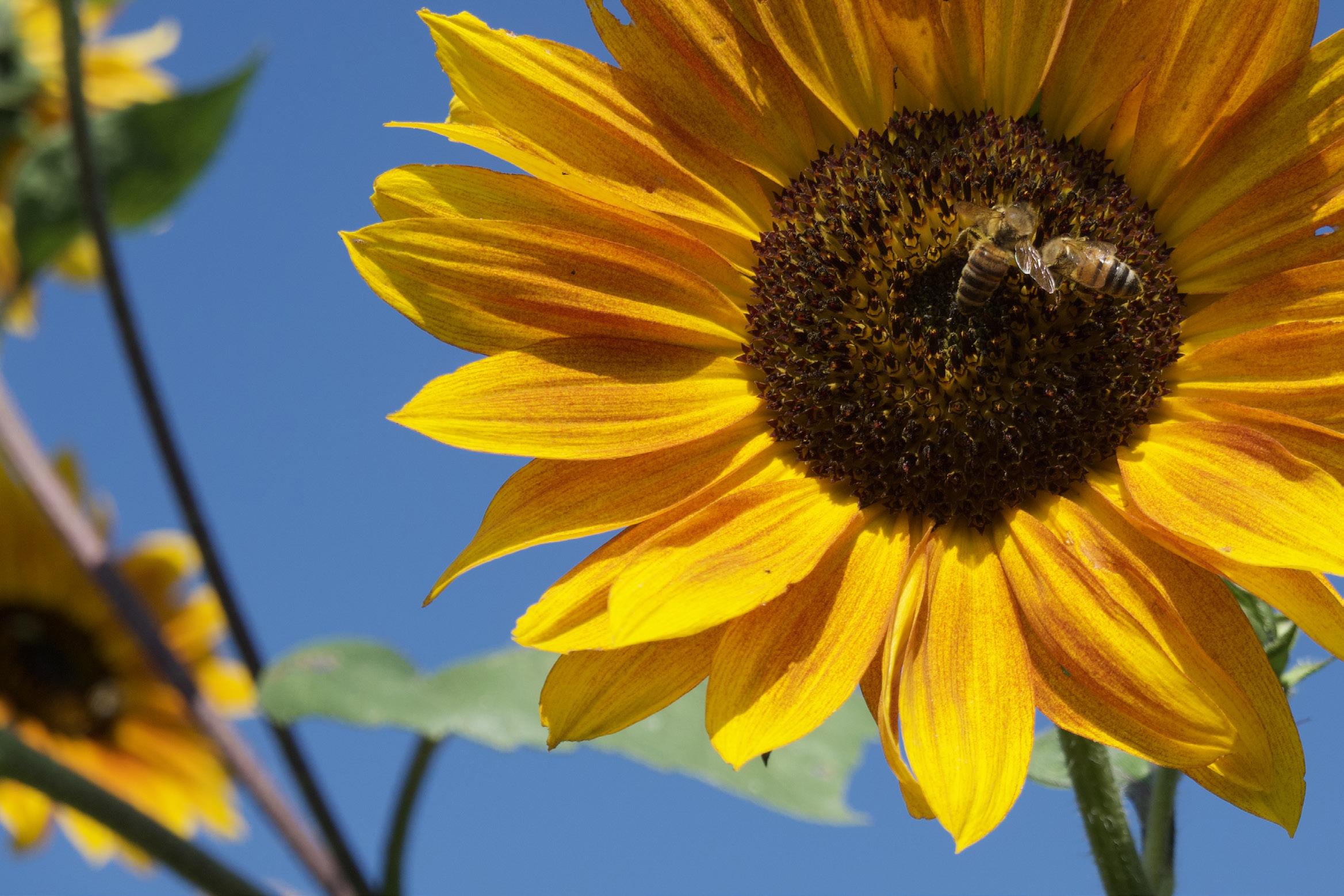
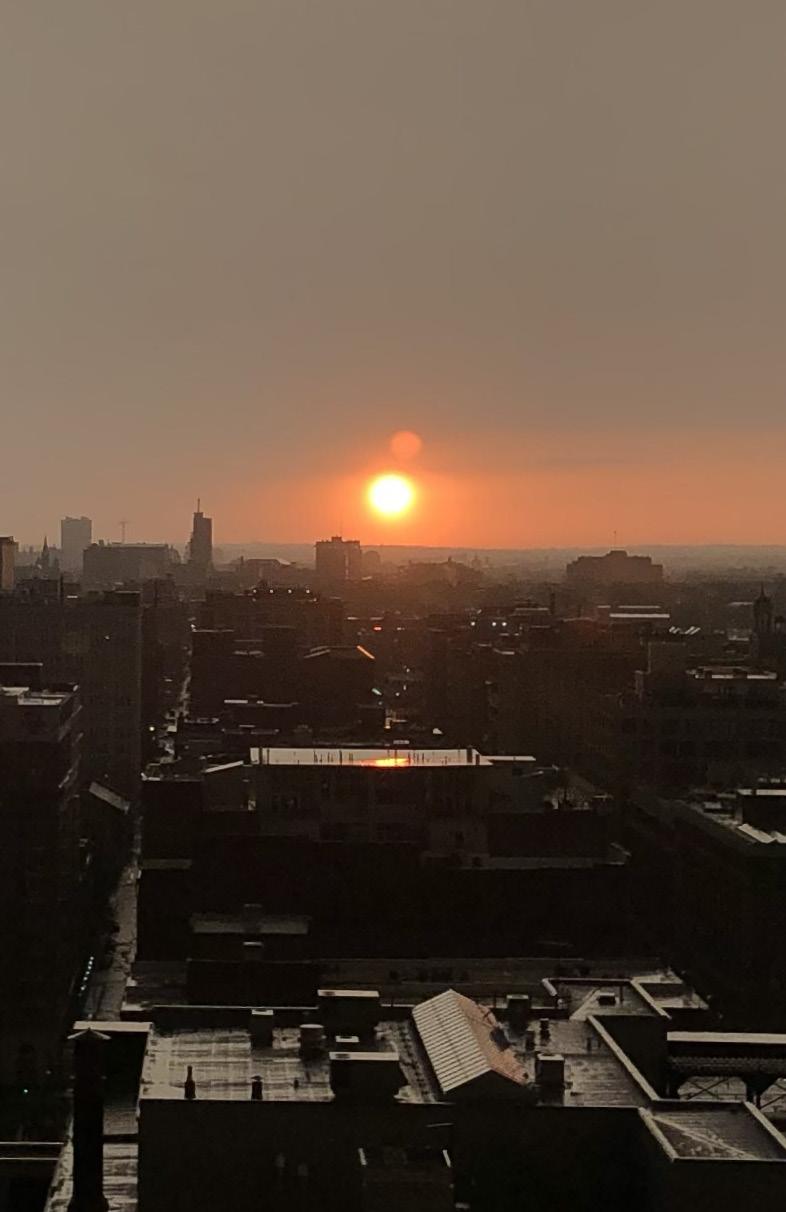
SUNDAY AFTERNOON | Katie Maier ’27 | photography
LISTEN TO WANG'S PERFORMANCE OF THIS PIECE
Corinne Fung '28
1. Because memory is unreliable and porous, shifting beneath you like sand in the lapping tides. It will fail you time and time again. But writing will not. It will pin your life together in scrawled journal entries and crumpled notes, preserving that which would otherwise dissolve in the unyielding ruckus of living.
2. As you grow older, your sentences will become harder to swallow. Words will feel slick and unwieldy as they dissolve on your tongue and your thoughts knot themselves in a pit in your stomach inside your fragile bag of skin and bones. Writing will give shape to what cannot be said. Even when nobody will listen, it will lend worth to both your most shameful wishes and your small, trembling triumphs.
3. Writing has power: Cruel words can cut deep. They crawl out of the page and suck at your soul, leaving a singed, rotten pit where your stomach once was and consuming your youthful hopes. But words can be beautiful too. They can slip silently into the cracks of hardened hearts and leave behind something warm and soft and fresh. As a writer, you can stitch together the torn edges of a person. Your words have the power to help something pitiful and downtrodden take shape once more.
4. Writing takes many forms, but it serves the same purpose. It is softlyspoken poetry, whose lilting lines press silence to the brink of shatter. Simultaneously, it is an argument, firm and unyielding, that shapes the systems we live in and gives structure to belief. It is a wandering essay that traces through thoughts and touches at the heartbeat of the collective human soul as it unfolds like a gossamer silk in the wind. And above all, writing is an innately human act. In its individuality, it binds us.
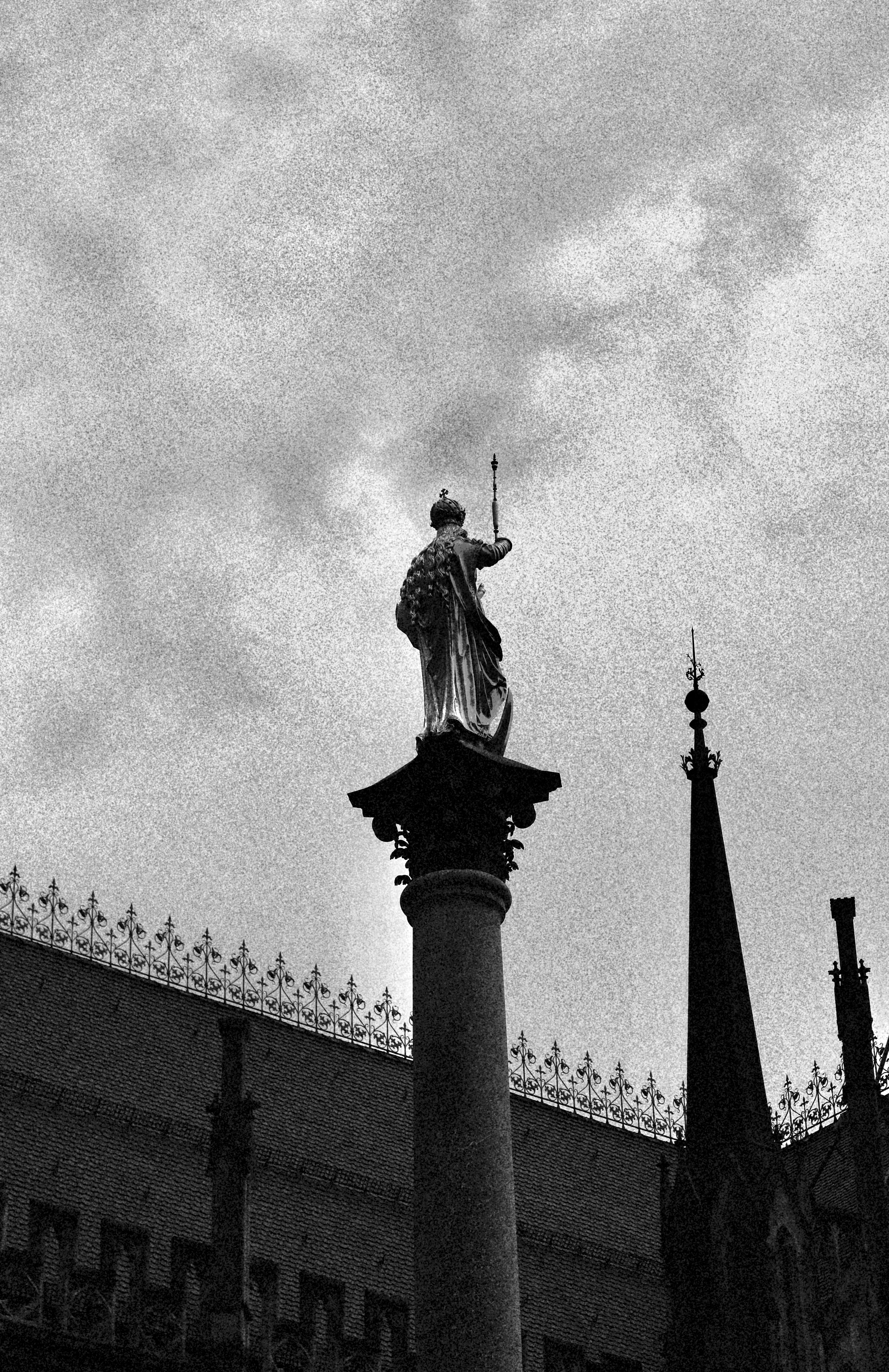
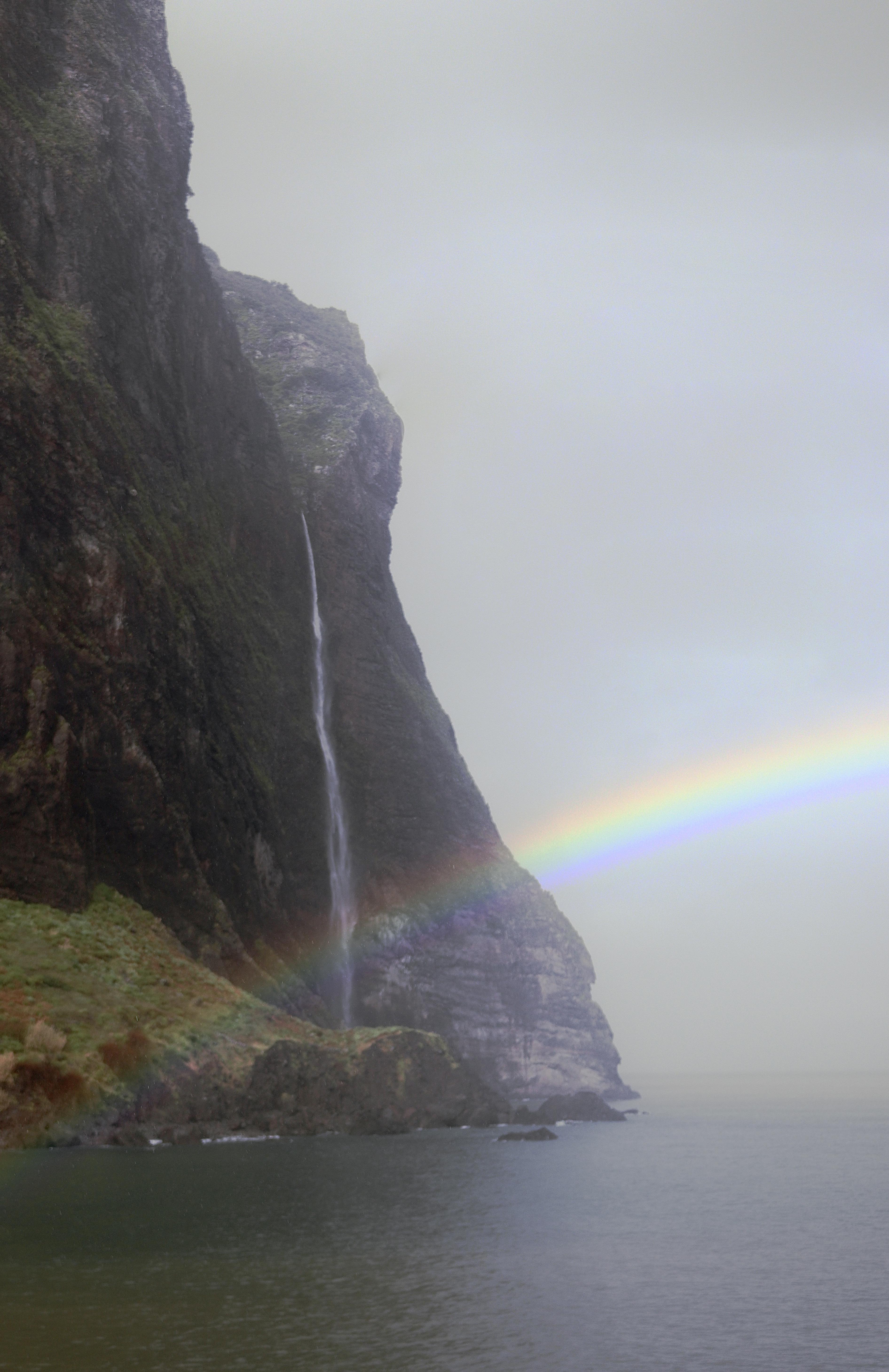
Yichen Wang '27
Every word feels like e x p e l l i n g a disease
Fingers — thought to be ten little things made to write dreams
I got signed so young, I got signed as a minor, and when I got dropped, I had zero job experience under my belt, and like most people, I had a difficult time finding a job in the pandemic and could not afford health insurance. It was so devastating to feel so committed to my art and feel so betrayed by the system, and so dehumanized to not have health [insurance]. And if my label would have prioritized artists’ health, I could have been provided care by a company I was giving everything to. So record labels need to treat their artists as valuable employees with a livable wage and health insurance and protection. Labels, we got you, but do you got us?”
always under pressure from everyone from Ourselves always hungry for new ideas forgetting to enjoy the experience what we value today, we destroy tomorrow
To see our work perish gives a perilous joy
And all that’s left is [Silence] and a blank slate.
Endnote: The quote excerpt is from Chappell Roan’s 2025 Grammy speech.
Nona Brozell '27
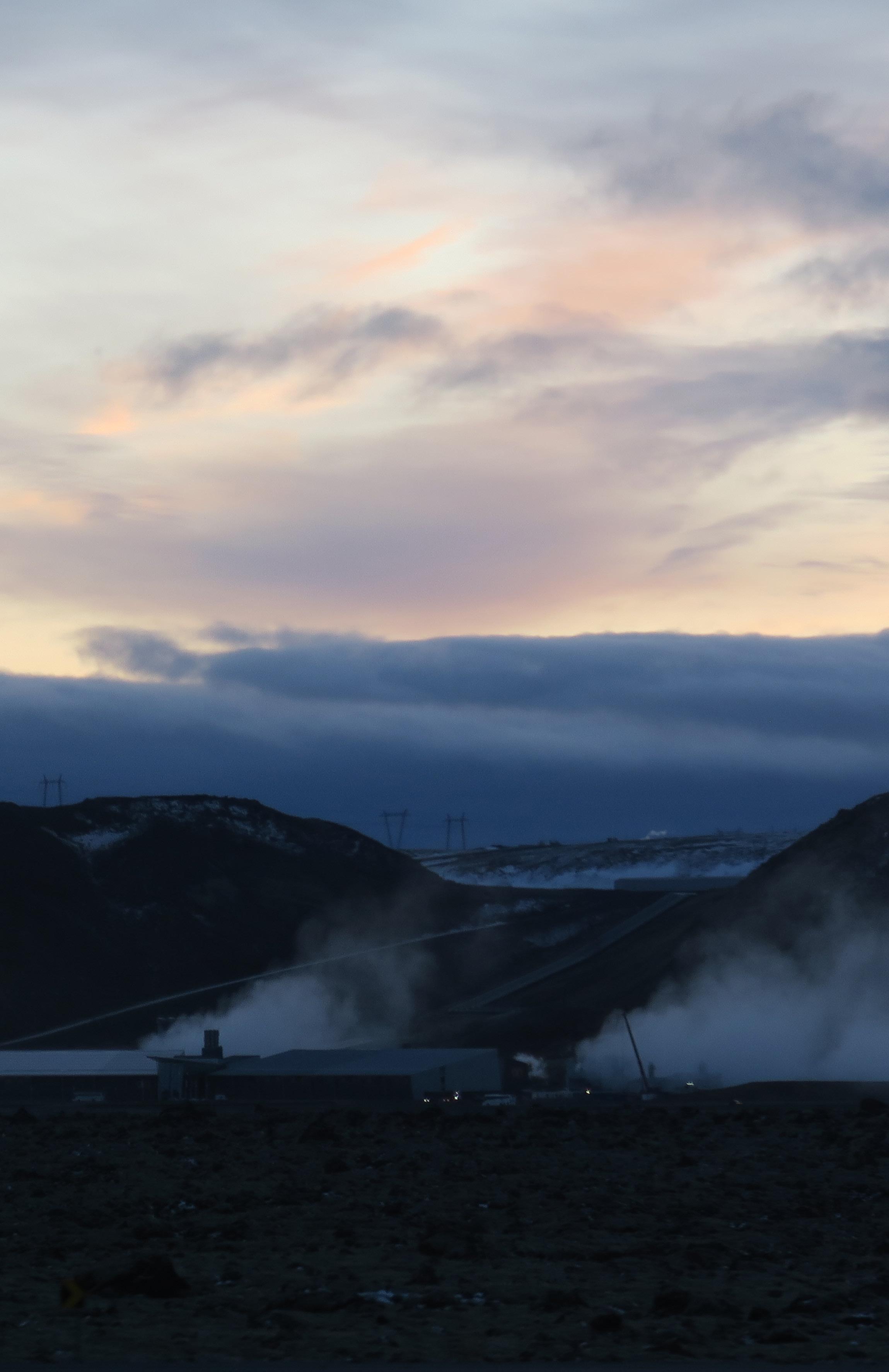
“look up at the sky your destiny is scrawled up there, you know? or so they say a long time ago i went searching for my fate in the stars couldn’t bear to wait any longer for time to catch up with me patience is for timeless gods, beings eternal the stuff of fantasy, of nonsense.
i read the universe like the daily news always probing the heavens, never fully satisfied every night rescheduled by gods to whom i was smaller than a dust speck try again tomorrow
the answers i was searching for never appeared but maybe i found more waxing crescent virgo rising mars and jupiter, lighthouses from worlds unimaginable
the stars you see, they are so much more than you are yet you think them to be so much less
how can there be no answer?
pinprick of light so far away you can hold it between your fingertips crush it out a star so large you could not fathom light from distant solar systems so far away you would die before it reached your eye
empty void no light no sound a vacuum space falling falling endlessly infinitesimally small creature swallowed whole
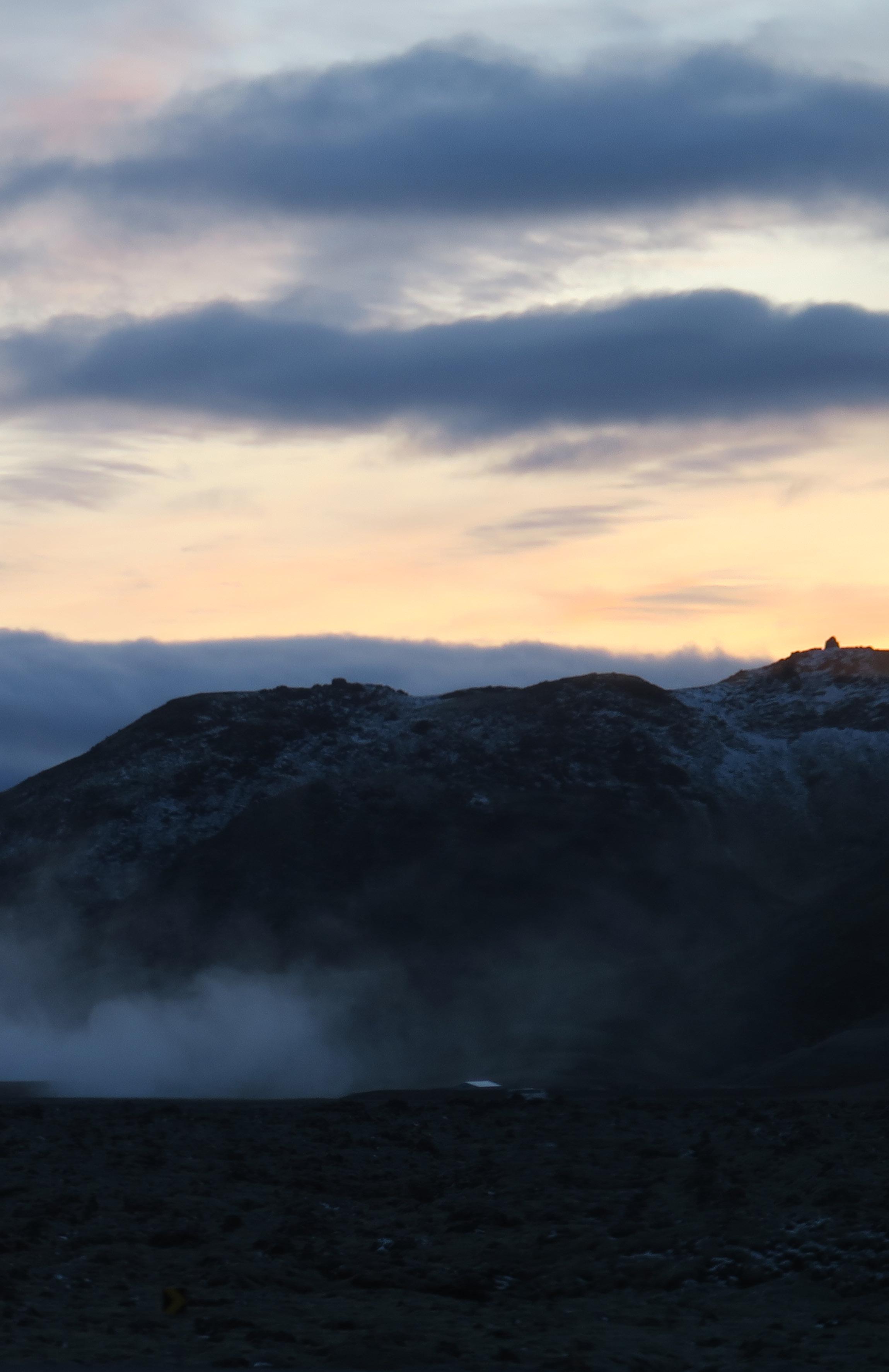
your fate is not for you to know your answers don’t exist they don’t need to.”
Esha Joshi '26
The creature was beautiful, in a strange, unexpected sort of way. Like a crackedopen clam, with jagged edges and a discolored swirl, which was only beautiful because you would not find another one exactly like it.
It was molded into gentle slopes like the sand rippling along the sea floor. Some of its features were recognizable, if warped: a coral red mouth, silt skin, and slate eyes. Still, it was a novelty. Instead of gliding through the water smoothly, a trail of miniature bubbles running along the length of its body, it had two awkward appendages that thrashed against the water.
It seemed that the creature did not know that you could not triumph over the sea. You could only learn to contort yourself to its whims, curving into the foaming crest of a wave, twisting into the current. If you obeyed, it might reward you with a fleeting moment of benevolence.
You would know. The water raised you, after all.
It was a mercurial parent, shifting restlessly from gentle to cruel. The only constant was its unslakable thirst for obedience. You could not be too still when it demanded movement, or it would hurl you against the sharp crags that slope down into a dark trench. You could not fidget when it demanded stillness, or it would steadily siphon away your strength.
But perhaps you were being unfair. Perhaps the creature was not prideful enough to attempt to control the sea. Perhaps it simply did not comprehend what the water wanted. Those odd, thrashing limbs may have been an ill-fated attempt to comply with an indecipherable demand.
A closer look showed the coral red mouth gaping open, mother-of-pearl points mashing together inside. A horde of bubbles rushed up the creature’s skin as the mouth sealed shut again, and then opened, and closed, and opened.
There was something so entrancing about it, tortured as it was. You wondered how that skin would feel, whether the strange material floating around its body would be as soft as a waving strand of kelp or as stiff as salt-crusted weeds.
Those slate eyes jerked frantically in your direction. You should have hidden. It was what you were taught: to always be the watcher and not the watched. And yet those eyes, suddenly ink-dark, were more fascinating than any pearl you had ever plucked from the grasping mouth of a clam.
There it was, twisting, curving into itself, mouth gaping open, with those beautiful, mysterious eyes. It seemed to be performing a stilted dance to some unheard music.
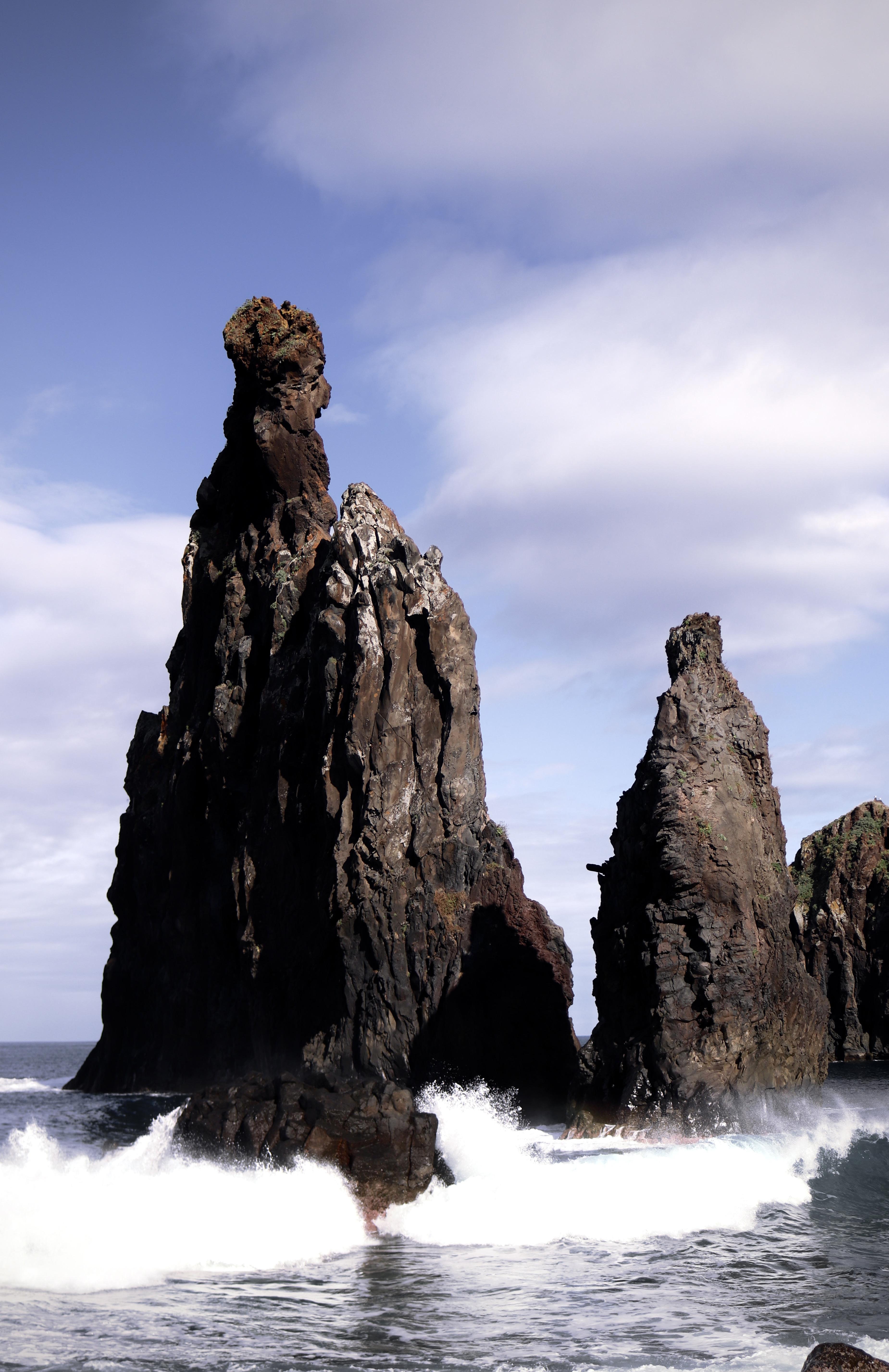
And suddenly, the creature went still.
Those awkward appendages stopped their frantic movement, that coral red mouth hung half-open, transfixed, and those fathomless eyes continued to watch you as you swiftly swam away.
As it faded into a shapeless black shadow, drifting slowly into the depths, you wondered if it had finally learned to obey.
In truth, you know it didn’t. None of its kind ever would.
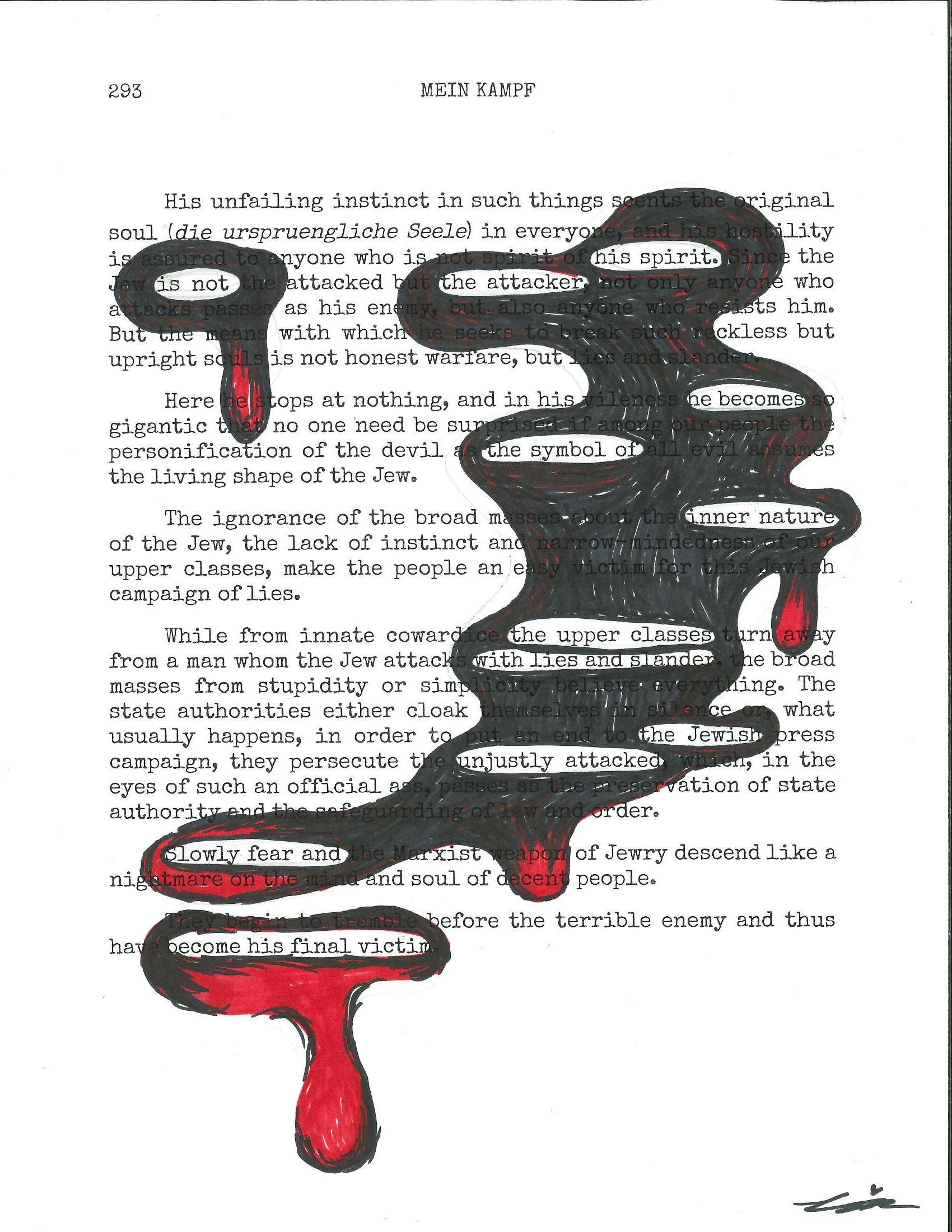
/ˈblakˌout pōətrē/ noun
1. A form of poetry in which the poet takes an existing text and erases or rearranges words to create a new work from the remaining words.
The following pieces were created for an assignment in Literature 9 at Pinewood as students were reading The Book Thief. In the narrative, a central Jewish character’s rescue is facilitated by the delivery of a copy of Mein Kampf, which allows instructions for his rescue to be communicated without drawing dangerous attention. Later in the narrative, the same character appropriates the pages of this copy of Mein Kampf by painting over them to create space for his own narrative – thus performing a meaningful and powerful erasure of hateful propaganda and reclaiming that space for his own voice. Students experimented with blackout poetry using Mein Kampf to explore and expose the harsh realities for the Jewish communities in Germany and Europe during this time.
Pinewood School and Tabula Rasa do not endorse any of the ideas expressed in Mein Kampf. We are committed to creating an environment where all humans are treated with dignity and respect.
Leia Chun '29
Leila Saeidi '29
Every year, Tabula Rasa holds art/photo and writing competitions to encourage Pinewood students to expand their creative abilities and experiment with new ideas. Competitions may explore styles of work, themes, or interpretations of an idea.
Write a creative piece (poem/short story) voiced by an unreliable narrator. Your narrator may deliberately deceive the reader, unintentionally omit information, or show a clear bias that warps their narration. Feel free to experiment with perception and form as you develop your narrator and the complexity of their situation.
Write a creative piece (poem/short story) in which a character has a silent interaction with another. You can define "another" in this case however you like; a character might interact with a close family member, a stranger, or even an object or location.
Create a visual piece on the topic of phosphenes: light caused by internal rather than external forces, such as the shapes you see behind closed eyelids or the white sparks that appear when you stand up too quickly. You may represent phosphenes literally through artistic or photographic abstraction, or metaphorically by considering its concept - light in the absence of light.
Picture this, you’re an eighteen year old at Stanford. You're having the time of your life at a party. But you forgot an important detail. The MOST important detail. Who’s driving?
It’s a rite of passage in college to blackout every night, and nobody (especially you) should have to lose that experience. Yes, there are obvious drawbacks to drunk driving like loss of judgement which oftentimes leads to death. So why don’t we fix that? Nobody has to take one for the team, we can all be drunk. My intention is not to promote bad behaviors but to control their outcomes. According to the National Highway Traffic Safety Administration, “Every day, about 34 people in the United States die in drunk-driving crashes — that's one person every 42 minutes.” Your mom, your closest friend, your sister, your brother just beginning his life and trying to catch a vibe. All of them, dead. I propose that we save these people. You know what they always say, practice makes perfect. Let’s practice drunk driving. And to start this, we will abolish the legal drinking age and require everyone to have at least a 0.08 BAC when taking their driver's test. This way, when you have a couple drinks and suddenly want to be the main character and abandon your friends at the bar, you can drive safely.
Think about it, kids are stupid and rebellious. If your parents say you can’t do it, you want to do it 100 times more. This is the case for drinking as 4.2 million youth from the ages of 12 to 17 drink alcohol (National Institute on Alcohol Abuse and Alcoholism). You have to go to that party your friend is never going to throw again or else you’re basically committing social suicide. You have to have that “teenage feeling.” And this goes both ways. Not only will the normalization of drinking remove all your motivation to do it in the first place, it will remove the fear of death from your parents. When your mom comes to your room and asks if you want to have a drink with her, the idea will be more disgusting than the aftertaste.
Some may say drinking alcohol at a young age causes brain deterioration. But is this not the same rot you already experience from scrolling on TikTok until four A.M.? Except, you’re building character.
By constantly being drunk, you’re learning how to function and build self control in tough situations. Moreover, think about all the money you spend on Ubers after a night out. If you’re trying to be mysterious and go to the city, it could cost over $100 one way. That’s $200 there and back. This money could be saved by practicing drunk driving.
However, it’s with a heavy heart that I must admit that I was never invited to parties in high school or college. I have lived vicariously through my friends' instagram stories, and getting drunk on ideas not alcohol. My brain is perfectly developed.
This piece is inspired by Jonathan Swift's A Modest Proposal, a satirical essay recommending cannibalism as a panacea for poverty. The authors, Pinewood School, and Tabula Rasa do not support driving under the influence or underage alcohol consumption.
February 12th, 2014
As I get ready to sleep, I hear a soft sound coming from outside. I sit up to listen, but the noise doesn’t continue. I climb out of bed, searching for the cause of the sound. I open my window and a sharp blast of cold air hits me. I shut it and open it again slowly, bracing my body against the cold. I poke my head through the window and look around. The city beneath my apartment is well-lit and there’s nothing unusual.
Then, I see it. A lone envelope on my windowsill, it lies still —the off-white paper contrasting the dark wood of my windowsill, with a fancy heart-shaped wax seal. Curious, I reach for it and close the window. Trying not to rip it, I open the seal. Inside, I find a folded letter with no return address or sender. It reads in a familiar handwriting,
—<3
February 11th
Dear friend,
I know times have been rough for you, I hope you have made it through. If you’re reading this letter, I want to remind you again that you are strong and brave.
I can picture you sitting in your room, in front of your desk, reading my letter. I wonder if you’re smiling, or maybe you’re confused. Either way, I want you to know someone cares.
xoxo
—<3
That was the first letter.
Every day after that, a letter would appear on my windowsill. The letters would always bring a smile to my face. Sometimes I’d be surprised, other times I’d be waiting.
For the first week, I never responded. However, one day, curiosity got the best of me — I decided to write a letter back. I didn’t know where to mail it, so I drew hearts for the address and sent it. I wasn’t sure if it would even reach the other side, but it seemed to, because whoever was there would always send a reply.
I sent and received a response everyday without fail. The person on the other side — they always mirrored my thoughts, and listened to me when no one else did.
I felt butterflies flap in my stomach every time I read one of their letters. Even though I never knew what love felt like, I started to think that I finally understood.
February 13th, 2015
My room starts dimming as the sliver of light from the window slips away. I sit down on my chair, spinning for a bit, thinking about what to write. When I’ve finally decided, I take my old, faded-pink, spiral pen and start on another letter.
—<3
February 13th
I’m writing, though I don’t know who you are. But writing to you makes me feel like you’re real, and that someone’s here to listen.
Today wasn’t bad, but it wasn’t good either. I wanted to tell someone about it, so I’m telling you. I can imagine you sitting across from me, nodding like you understand. Or maybe you find me annoying—sorry.
I like thinking you would never get tired of me.
xoxo
—<3
I sit in my room, thinking about the mystery person.
When my eyelids start to droop, I leave the paper on my desk and go to bed. Before drifting off to sleep, I open my eyes and, through my barely-awake vision, see my letter, unsent, resting on my desk.
I’ll mail it later—
I wake up tired, trying to remember the dream I had.
I’m disrupted by a quiet rustling outside my window. I’ve heard it enough times to recognize the sound of a letter falling onto my window sill. Walking to my window, I notice my letter from last night still sitting on my table — still untouched.
I start thinking about what will be written on this new letter today—since they never received my last letter.
I unfold the letter dated February 14th.
But today is the 14th — the day hasn’t happened yet.
I read it once. Then again. I read my own letter sitting on my desk and compare the two letters.
The new letter is a reply to my own letter — the one that I never sent.
A quiet surrounds me as I think back to all the letters I’ve sent and all the letters I’ve received.
I remember drawing hearts for the address. Never seeing a return address on the responses. Signing the letter with hearts.
They might’ve never even received my letters; maybe it was never about whether I sent a letter or not. The responses were always there— they never asked questions; they already knew the answers.
There was a bit of bittersweet mixed with acceptance when I didn’t receive a letter the next day. Days turned into months which turned into years without a letter. Even years after, I continued to ponder about the person on the other side. I hoped to meet them one day.
Epilogue
~5 years ago~
February 14th, 2010
I come home late and exhausted.
I lie in bed staring at the ceiling, thinking about my imaginary lover. I start making up conversations with them in my head, where we laugh and banter and they listen to my confessions without judging.
While daydreaming, an itch wakes me. I’m back to reality; I try to go back to the dream world, but I have trouble making my imagination lucid. I get up, defeated, and walk to my desk. The window above my desk is slightly opened, and a cool breeze drafts at my chest, moving the dust on the dark wood of my windowsill.
I pick up my favorite pink spiral pen that was gifted to me, and write another letter to my lover, responding to their previous letter, which I haven’t quite thought of yet.
I like imagining their response with every line I write.
—<3
February 14th
Dear —, You don’t have to apologize for opening up.
I know you do that sometimes, saying sorry when you didn’t do anything wrong. If you’re worried you’re imagining too much, don't be. Imagining is the only thing that makes me feel less alone.
If you’re reading this, I'll never get tired of you. You might need somebody to talk to. And that’s enough of a reason for me to write back every day.
xoxo
—<3
I put it in an envelope and finish it with an antique heart wax seal, then shove it in my drawer. I go back under the covers—picturing in my head their face and response as they write back. That was the last letter I wrote and put in my drawer.
1st PLACE
MATCH | Grace Young '27 | digital art
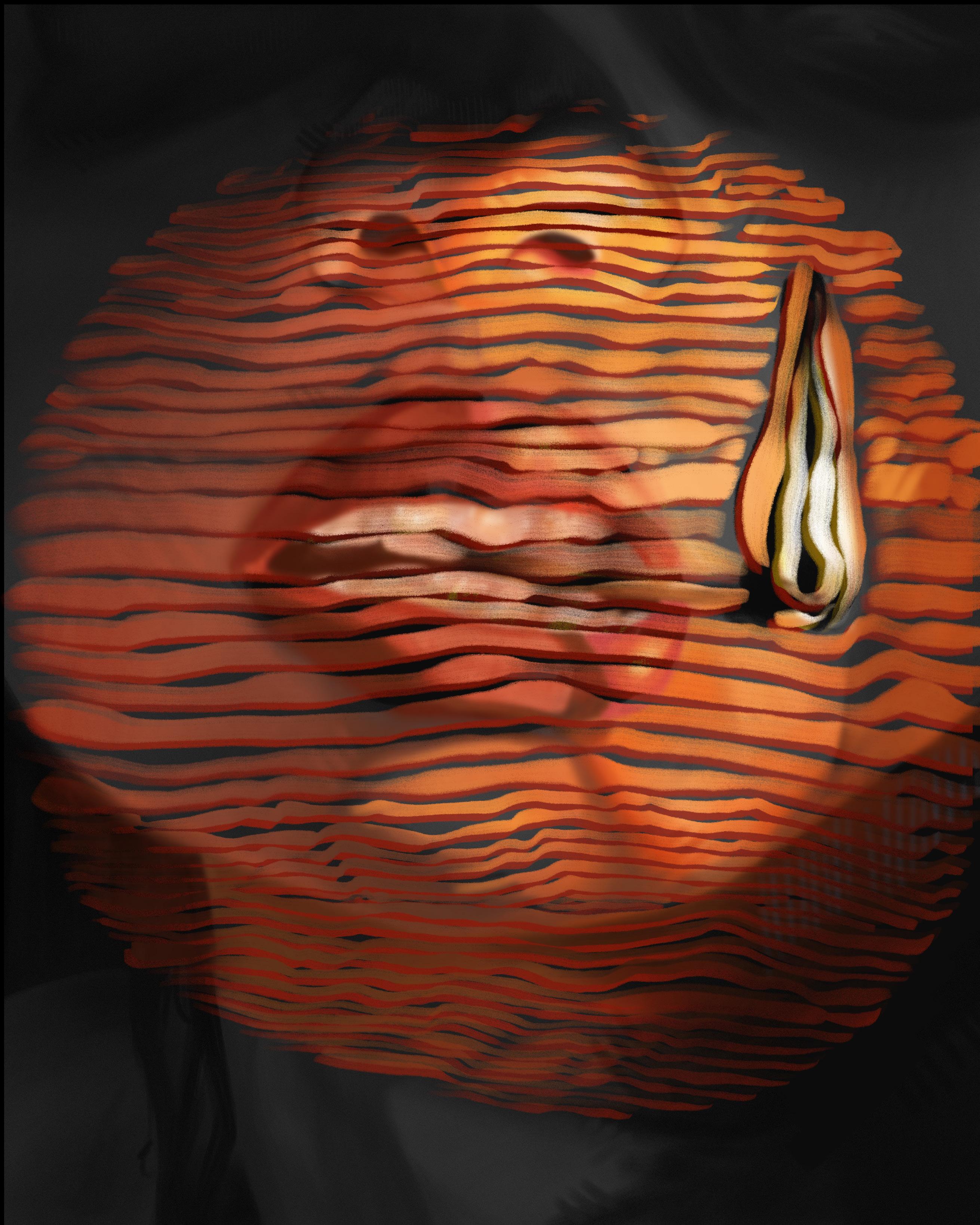
Tiffany Au ’27
Tiffany loves to express herself through her writing. Outside of school, she enjoys hanging out with friends, reading, and travelling.
Nona Brozell ’27
Nona is a junior who enjoys cooking, reading, and participating in and watching theatre. She is grateful for the opportunity to be featured in Tabula Rasa this year and hopes you enjoy reading the magazine!
Anna Byun ’28
Anna is an ENFP sophomore who loves eating sweet treats and listening to Malcolm Todd. She is ecstatic to be a part of Tabula Rasa this year!
Zachary Choi ’28
Zachary enjoys stringing together stanzas and sentences which evoke raw emotions. His work explores the nuances of brotherhood, purpose, and reconciliation. When he’s not putting pen to paper, Zachary loves to drive in the peace of night and hone his skills on the fencing strip.
Corinne Fung ’28
Corinne is a sophomore who loves writing, painting, playing music, and going on runs in her neighborhood. She has a deep passion for poetry and the arts and is honored to have her work displayed in this year's Tabula Rasa
Mark Govorkov ’30
Mark writes about the asymmetrical beauty of nature's diverse phenomena and the multifaceted idiosyncrasies of humanity. When he's not writing, he's bravely exploring the mysteries of the universe by geeking out over math and coding or playing piano and debating.
Sahana Inumpudi ’29
Sahana is a freshman who has a deep passion for yapping about music to her parents that don't understand her, exploring probability problems so that she has an advantage in Balatro, and rowing her struggles away on the bay. She's delighted to be in Tabula Rasa again , and hopes you enjoy looking at all the amazing literary arts of Pinewood.
Alisha Ramani ’27
Alisha enjoys reading a whole lot more than writing, but she tried to push herself to contribute something this year. She looks forward to sifting through this issue of Tabula Rasa for insights on beauty, pain, and the human experience.
Mia Randall ’26
Mia is a senior who is excited to have her work in Tabula Rasa for the first time! She loves birds, nature, and photography.
Ayana Reddy ’31
Ayana is a 7th grader who loves books. When she's not writing or reading, she spends her time playing soccer and tennis. She is so excited to have her work featured in Tabula Rasa.
Leila Saeidi '29
Leila loves writing poetry in her free time and will take inspiration from anything and everything. If she isn't writing a poem, you can always find her either reading, watching or rating a film, crocheting, doing some form of art, or playing wither her beloved cat, Sevi.
Matvei Sokoloff ’28
Matvei is an aspiring photographer who loves to take his camera on long walks and purposefully take photos. Whether he is in a forest or a city, he is constantly looking around, trying to find new perspectives. He has spent countless hours walking around and hoping to get lucky, and enjoys every minute of it.
Yicheng Sun ’31
Yicheng enjoys reading and learning about random subjects on Wikipedia when he's not taking photos or writing. He writes mainly nonfiction and analytical, but sometimes takes time to write a fiction piece. He likes taking photos with his budget Motorola, but hopes to (maybe) sometime obtain a better camera and dive deeper into photography. Besides writing and taking photos, Yicheng plays baseball to varying levels of success, and this year, he's grateful to have his photos and writing in the magazine!
Kelly Anne Tu '27
Kelly Anne seeks the sublime but will settle for contemporary novels and YouTube video essays enjoyed from the comfort of her home. She's delighted her art has made it into this year's magazine!
Aiden Vaidya ’27
Aiden likes to bring his camera with him wherever he goes. You will often see him taking photos at sports games, and when he is not holding his camera, he is hanging out with his friends or watching T.V.
Carey Wang ’31
Carey is a 7th grader who is passionate about art and cooking, and a bit of a rock climbing nerd. She does photography and writing in her free time and enjoys the company of people and loud noises. She is excited to be featured in this year's Tabula Rasa.
Sophia Wang ’30
Sophia is a contemplative rationalist, nihilist, and procrastinator who likes writing ARGs, playing Minecraft, video editing, and carpe-ing diem.
Yichen Wang ’27
Yichen cherishes new experiences. He believes every open road and crooked path he takes teaches him something—sometimes tangible, other times not. Writing allows him to reflect on these journeys.
Isabella Wang ’27
Isabella loves baking, listening to music, and hanging out with friends. Outside of school, she spends most of her time in the pool as a professional artistic swimmer. She’s excited to have her work featured in Tabula Rasa this year and hopes you enjoy this year’s edition of the magazine!
Adeline Xie ’30
Adeline is a literary nihilist with a classicist's heart. When not writing about the romanticization of insanity or fragility of knowledge, she enjoys studying philosophy and psychology, reading 19th century literature, and listening to punk music.
Co-Editor-in-Chief, Esha Joshi ’ 26
Esha is a senior, and she's so excited to be part of Tabula Rasa again! When she's not experimenting with the English language, she enjoys singing, reading, and eating various kinds of fruit. She thanks you for reading and celebrating all of the talented creators at Pinewood.
Co-Editor-in-Chief, Ella Kim ’ 28
Ella is a sophomore who enjoys listening to music, writing, and watching TV shows. She’s excited to have her work featured in Tabula Rasa this year and hopes you enjoy this year’s edition of the magazine!
Managing Editor, Katie Maier ’27
Katie loves writing in all sorts of styles, including poetry, journalism, and essays. When she's not writing, she's trying out new crafts or reading books with her cat on her lap.
Artistic Director, Jennifer Li ’26
Jennifer wishes she could gather all the absurd, irrational, and unorthodox pieces of the human soul and pour it onto the world. But she’s not so fantastical, so instead she’s decided to paint, sculpt, design, and hope that these ideas bleed through in the pages of Tabula Rasa
Web Editor, Derrick Harris ’ 27
Derrick is an aspiring sports journalist who enjoys writing and reading various short stories. He is thrilled to be featured in Tabula Rasa for the third time.
Publicity Editor, Max Rees ’ 26
Max is a senior who loves writing about nature, human connection, and other beautiful things.
Assistant Editor, Sophie Saibi ’27
Sophie is a junior who loves drawing in black and white. In her free time, she plays volleyball, does astrophotography, and walks her dog.
Advisors, Holly Coty & Ellie Pojarska
Tabula Rasa , established in 2016, is an annual, award-winning publication showcasing literature and art by students of Pinewood School. Tabula Rasa accepts prose, poetry, art, photography, music, and cross-genre submissions from Upper Campus students, who are in grades 7-12. All types of work are accepted during our submission period; we simply ask for the best, most honest creative work that each student has to offer.
Tabula Rasa is advised by Pinewood English teachers Holly Coty and Ellie Pojarska and edited by a small group of high school students who love the literary and visual arts. Any questions or comments regarding the publication may be directed to the email address tabularasasubmissions@pinewood.edu. Feel free to also check out our website at pwtabularasa.org and our instagram at @pw.tabularasa.
The magazine’s next submission period will open in January 2027. Students may submit through an online portal that will become available at that time. Students may also submit pieces to our quarterly themes, which will become available starting in September 2026.
Thank you for reading the 2026 edition of Tabula Rasa
– Esha Joshi ’26, Ella Kim ’28, Katie Maier '27, Jennifer Li ’26, Derrick Harris ’27, Max Rees ’26, Sophie Saibi ’27
EDITORS EMERITI
2024-25
Kathleen Xie ’25, Josephine Tu '25
2023-24
Emma Hwang '24
2022-23
Samantha Hsiung '23
2021-22
Eva Liu ’21, Micaela Rodriguez Steube ’21, Prithi Srinivasan ’22
2017-20
Sarah Feng ’20, Reilly Brady ’20, Katherine Chui ’20
Tabula Rasa is set in EB Garamond, Futura PT, and Acumin Variable Concept typeface.
The magazine was produced on Adobe InDesign and printed by Folger Graphics, and the pages were designed by Esha Joshi ’26, Ella Kim ’28, Katie Maier '27, Jennifer Li ’26, Derrick Harris ’27, Max Rees ’26, and Sophie Saibi ’27.