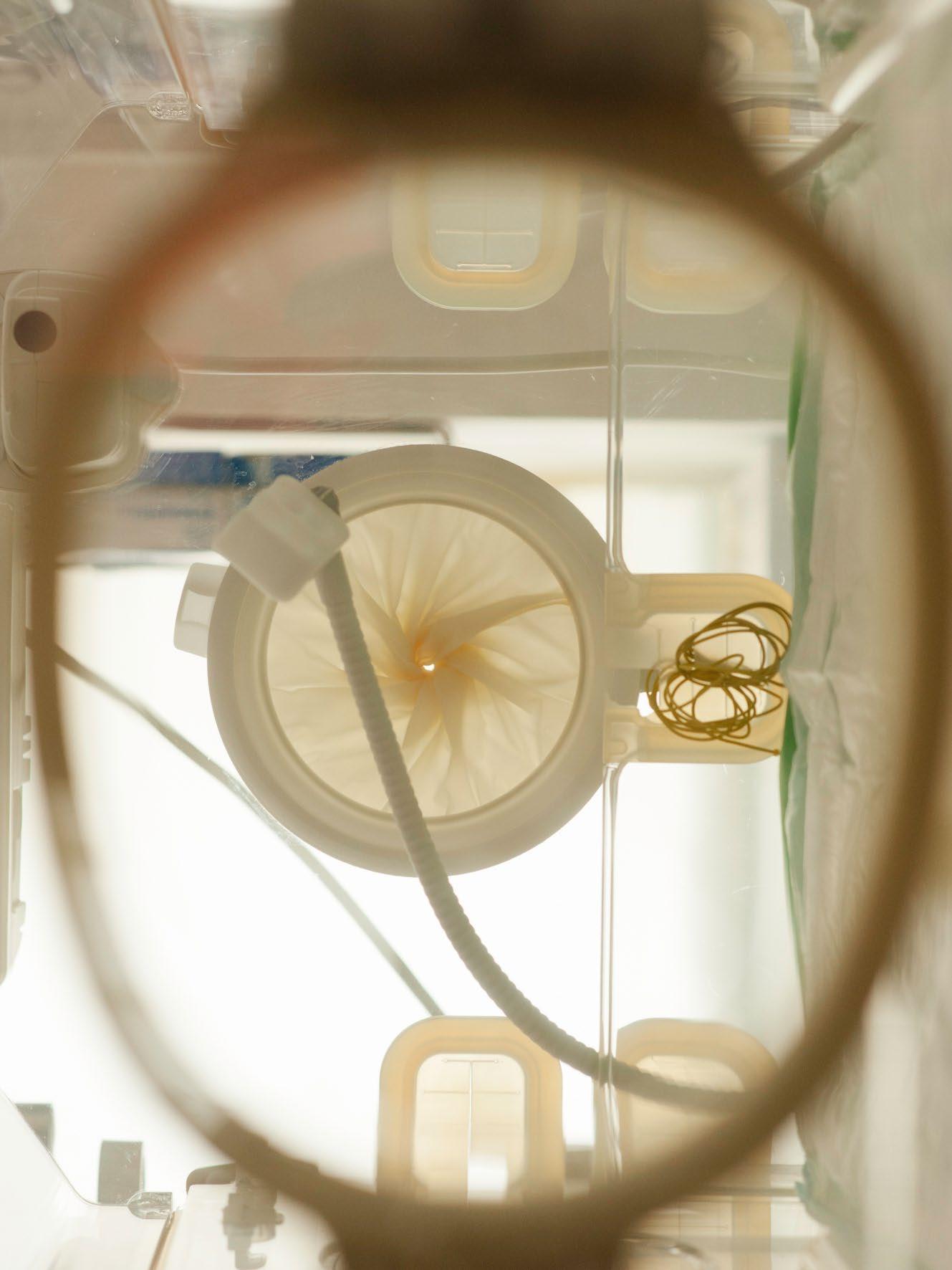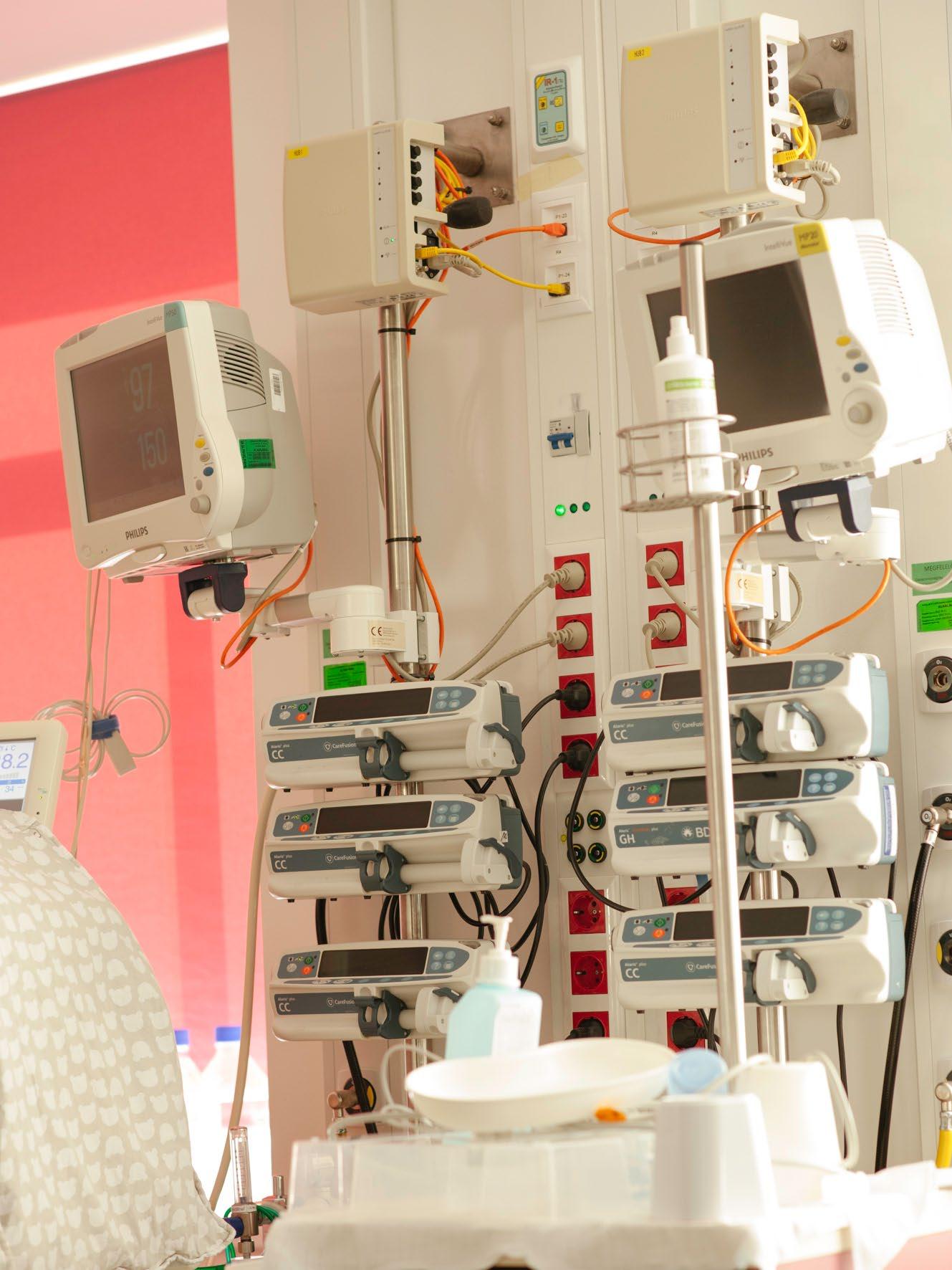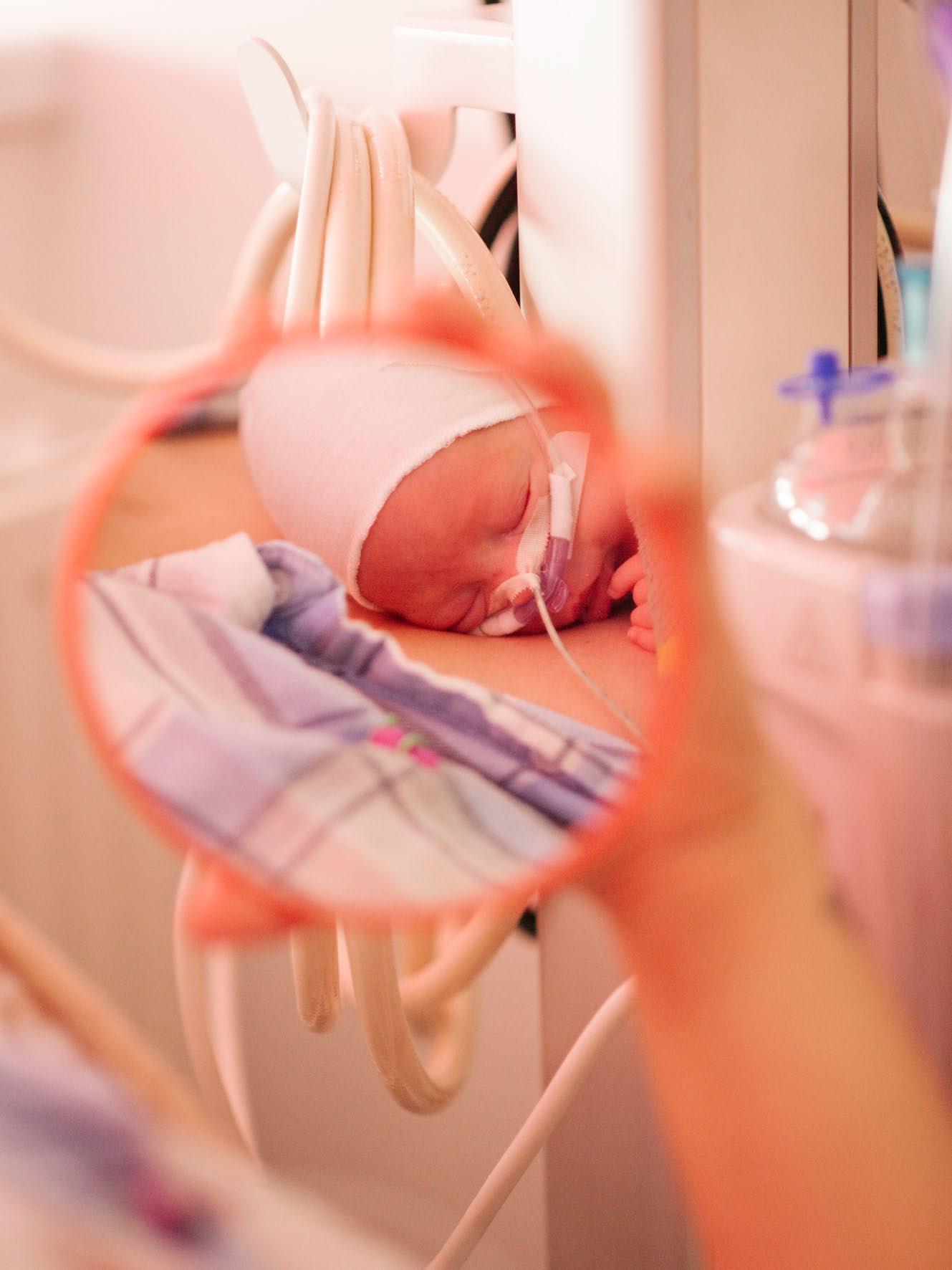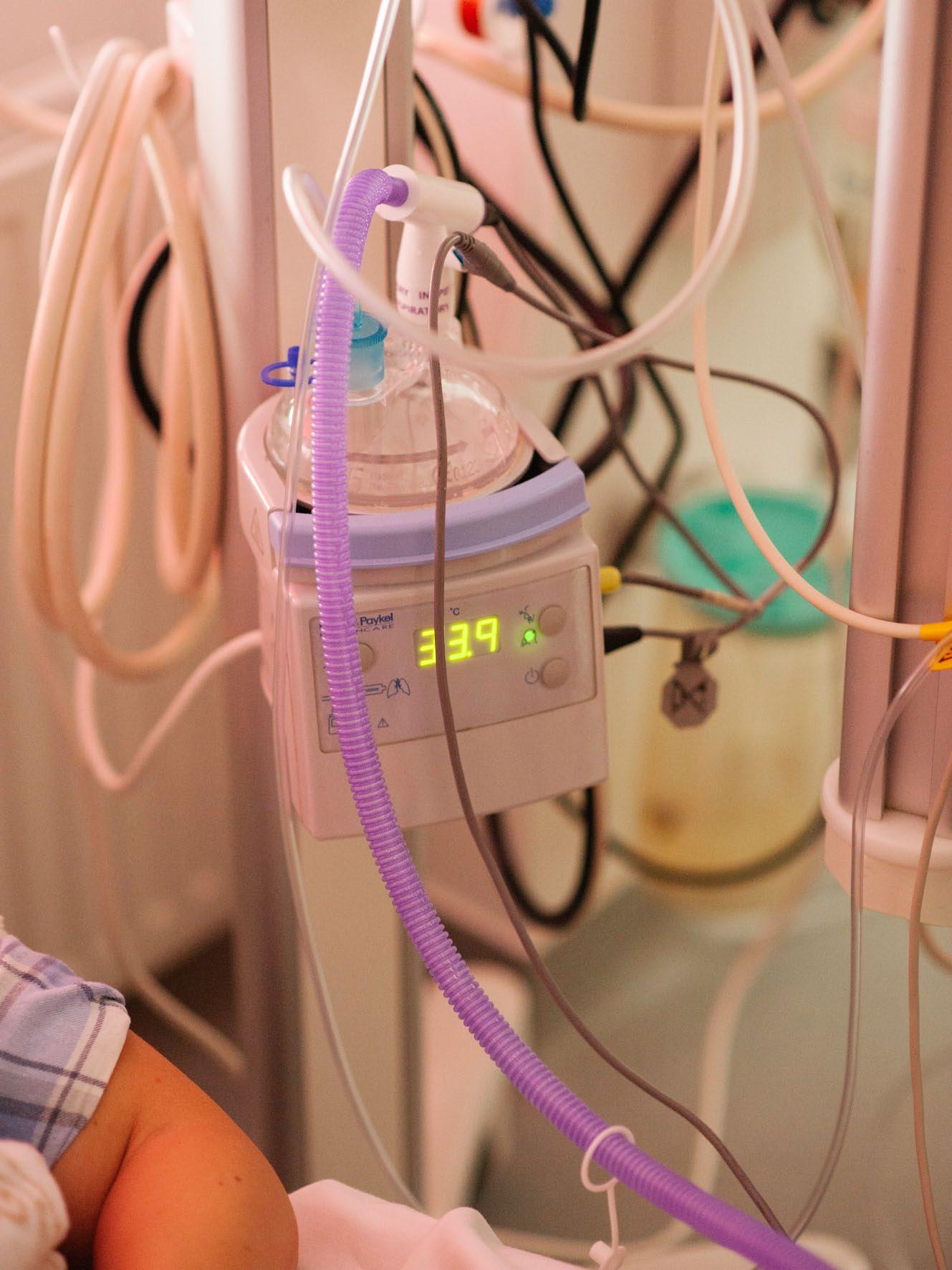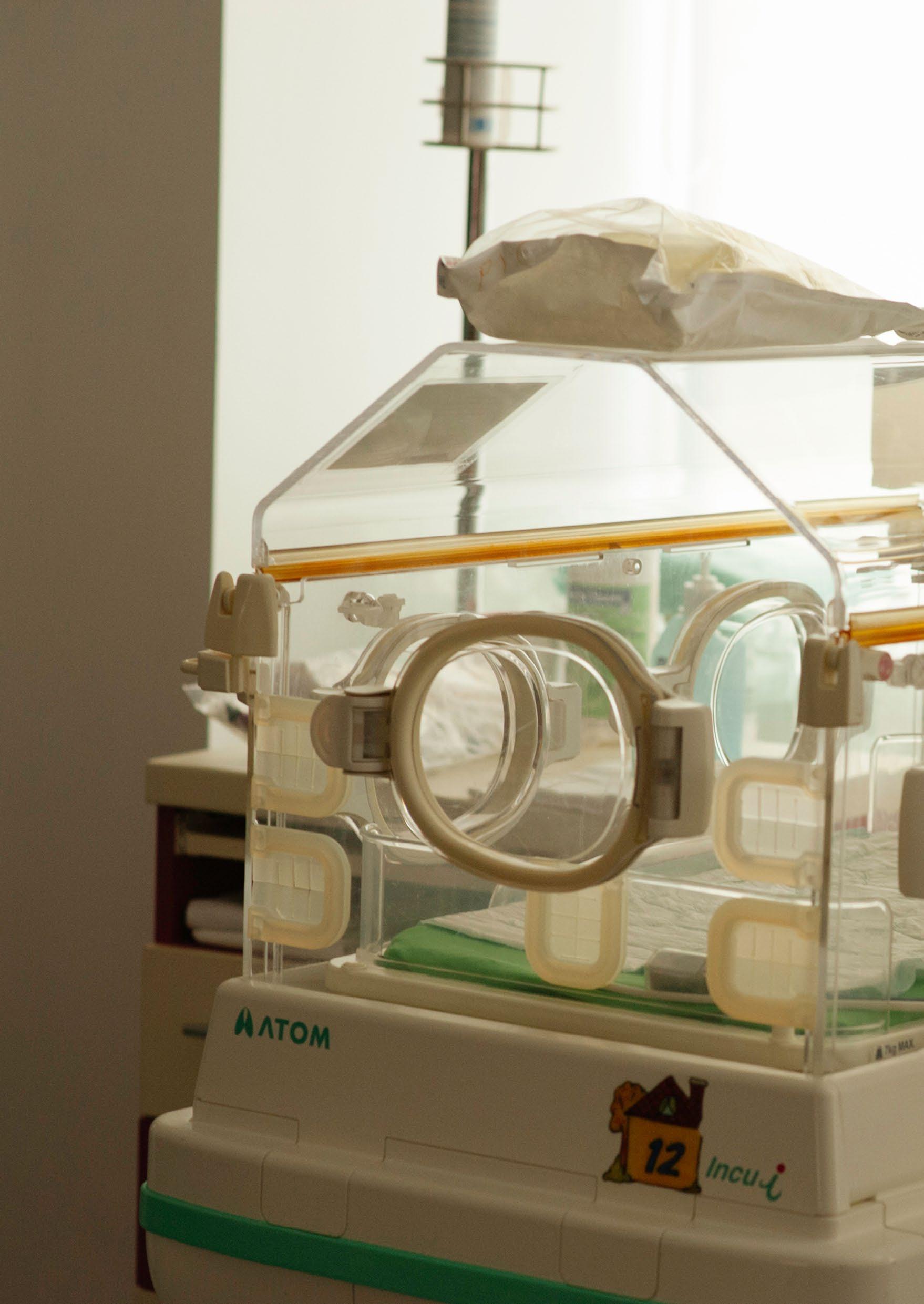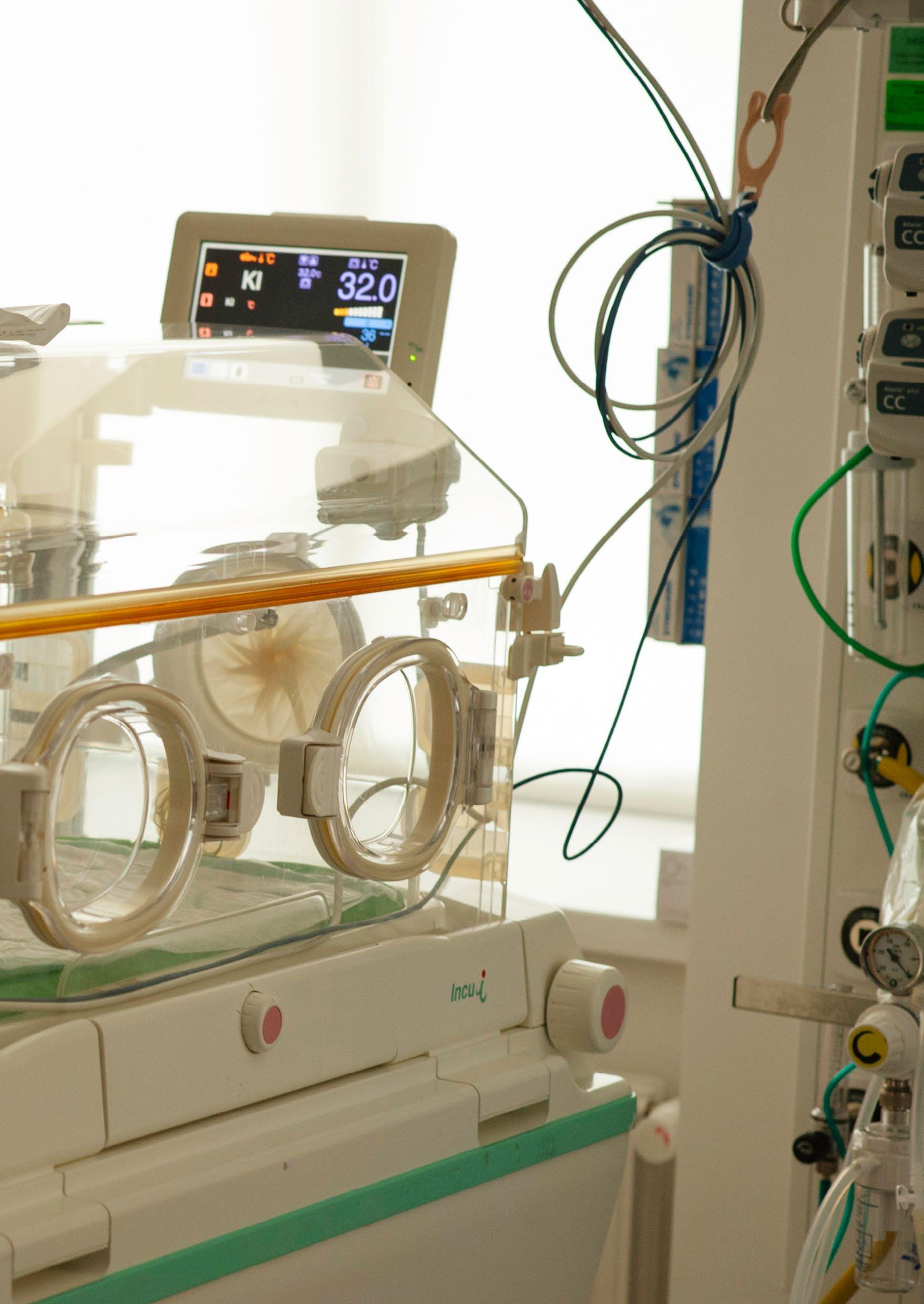
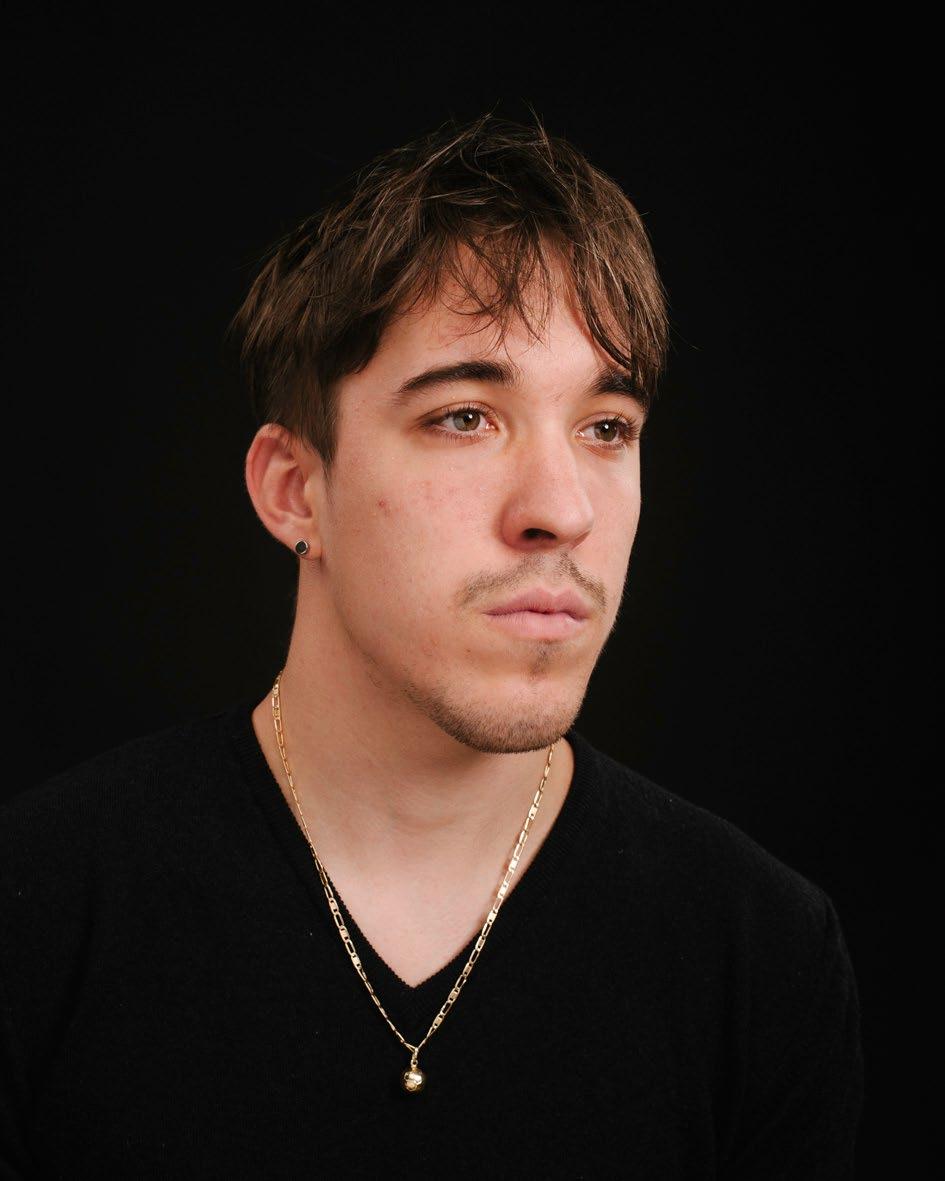
The water broke, like in a classic birth. They tried to keep me in, but they couldn’t. I was born naturally, but at 95 dkg at five months instead of nine. I weighed less than a kilo and they gave me about a 10% chance of surviving and a 20% chance that even if I did, I would still live with some kind of lifelong disability. I was in an incubator 24/7, and they couldn’t take me out of it. The final development of my respiratory system happened outside the womb, and it was only half successful, because I constantly get colds during the winter and summer, and I’ve had six operations on my ears. I have very sensitive respiratory and auditory systems.
It’s scary that I wasn’t even a kilo, and there’s a picture of it that’s pretty powerful.
My father is holding me, and I actually fit in the palm of my father’s hand.
I look back at the pictures after birth and sometimes I’m surprised that I became an actual person. I was an ugly newborn, very clingy. As far as I know, my bones were not even that solid at that time, which is why I have the characteristic long head shape I have. It’s because I was in an incubator for months and my head was elongated. All my brothers have round heads except me.
My birth was a tense situation for the whole family. It hung in the air– the uncertainty of what was going to happen now.
I had a hernia and had to have surgery immediately after my birth, which also put a lot of stress on my parents. Then when we went home from the hospital, my dad went abroad a lot because of his work and my mum was at home with me. I was a difficult child, I had ear aches all the time, and I cried a lot. Because of the stress, my mum developed quite severe postpartum depression.
The fact that I’m so healthy is thanks to many things, mainly my mum, but also both of my parents and grandparents, who paid the hospital staff to look after me. The incubators have a certain level of oxygen that has to be maintained at all times, so if you turn it up, the baby can go blind or deaf, and if you turn it down, the baby practically dies. What the nurses in the hospital used to do in the early 2000s was that if the baby cried a lot, they would push the oxygen up and the baby would fall asleep. It made a lot of babies go blind. For example, in the incubator next to me there was a baby of Roma origin who went blind. Because there was no one to watch him, no one paid the nurses, they just pushed the oxygen up.
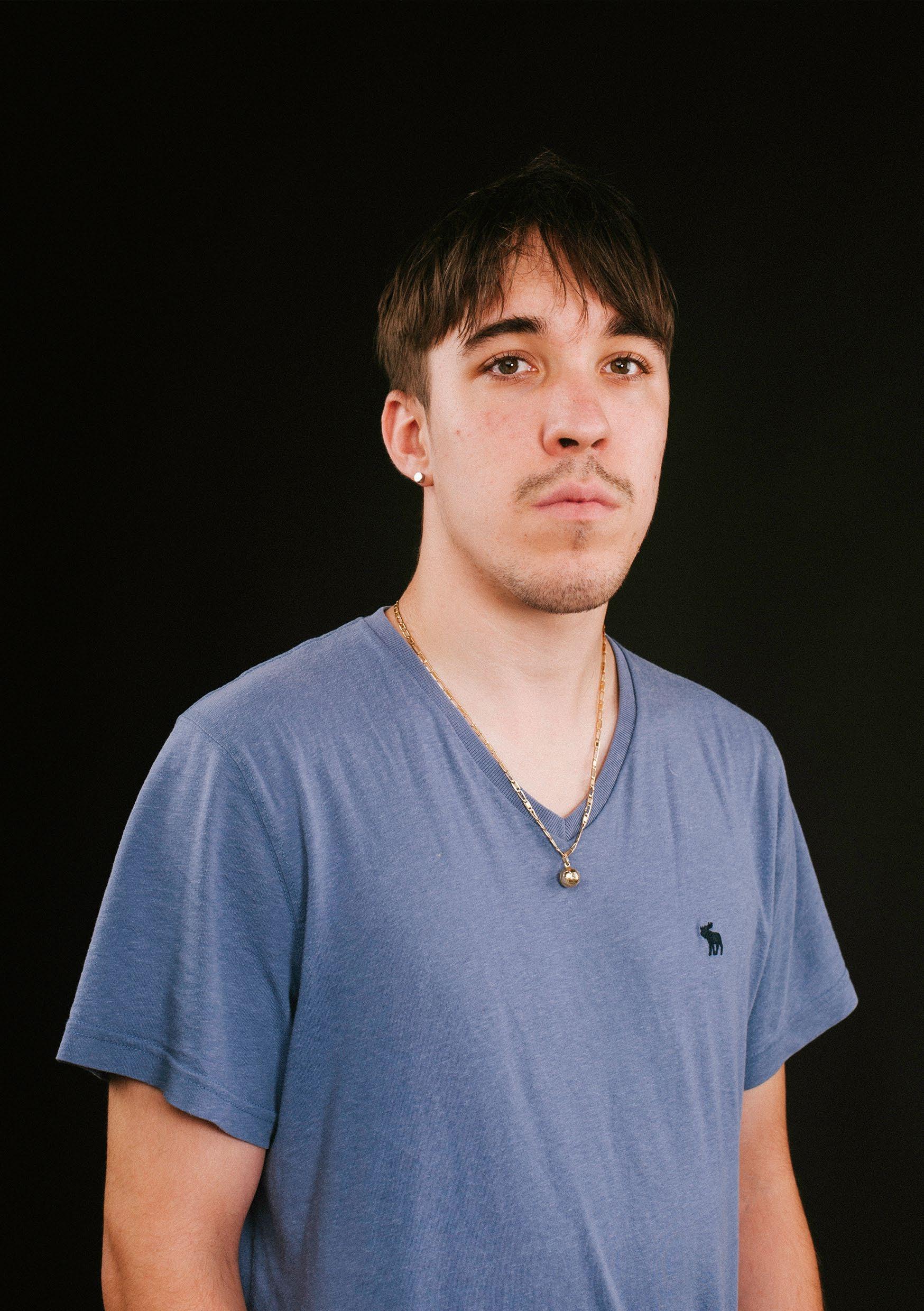
In my family we talk about the circumstances of my birth quite openly, and they even look at me with a certain pride.
Whenever we meet someone in the family, or anyone else, they always say “Well, Gyurika, he was born at 95 dkg” and then the other person says
how big I’ve grown.
Everyone treated me like I was some kind of prodigy.
I was quite an independent child. I’ve always made my own life, done it my way.
For me, things always happen earlier in life than they should, sometimes much, much earlier.
I always jump into things
a little too
early, even when
I don’t think I’m
ready.

I was a premature baby, born at six months. Mum had gone to the gynecologist for her usual ultrasound scan in the morning, which showed nothing unusual. That afternoon or early evening she saw in the mirror that the uterine orifice had opened up. They went to the hospital at that time, but the doctor who was in charge of the delivery had to finish his private appointment first, so he didn’t get to see Mum until the evening.
I was born around eleven at night, at twenty-four weeks. Mum went into labour and the doctor told her that I wasn’t going to survive because 24 weeks was just the limit for a miscarriage.
If I was born and cried out, I would be my parent’s dead child, and if I did not, I would be the hospital’s.
In the few days before she gave birth, my mother had a minor car accident, she was attacked on the way home one night and she had a fight with my father, so there were a lot of stress factors in her life. In hindsight, we thought that stress could have easily triggered labor, but it’s still not always known why someone is premature. Since then, I have not been able to stand fighting and loud words, which could be because of this fetal trauma.
I was born at 920 grams and 34 centimeters, I was a ruler-sized kilo of bread.
I have a picture of myself in the incubator where I might be a month old: “We can take a picture now, there’s a good chance she’ll survive” they said. Anyway, it’s interesting that my mum was also premature.
As for the birth story, I was revived immediately after birth, and then I had an operation two weeks later. My colon then perforated due to an infection, and after that I was again revived when I was three months old.
Alexa 1999 Nyíregyháza
I started my life as a big fighter. When I turned one month old, one of the nurses gave me a ceramic kitten and put it on top of the incubator. I’ve had it ever since. I know that my dad and grandparents were only allowed to look at me from the outside, where there was an outside corridor. Back then you could barely touch the premature babies, and now, when I visit (I still go into the premature ward), I see that they use the kangaroo method on the little ones. When I was born, they wouldn’t even let the fathers in to see the babies. I think we talk about my birth naturally. That’s it, that’s my life. There’s really nothing to hide or conceal.
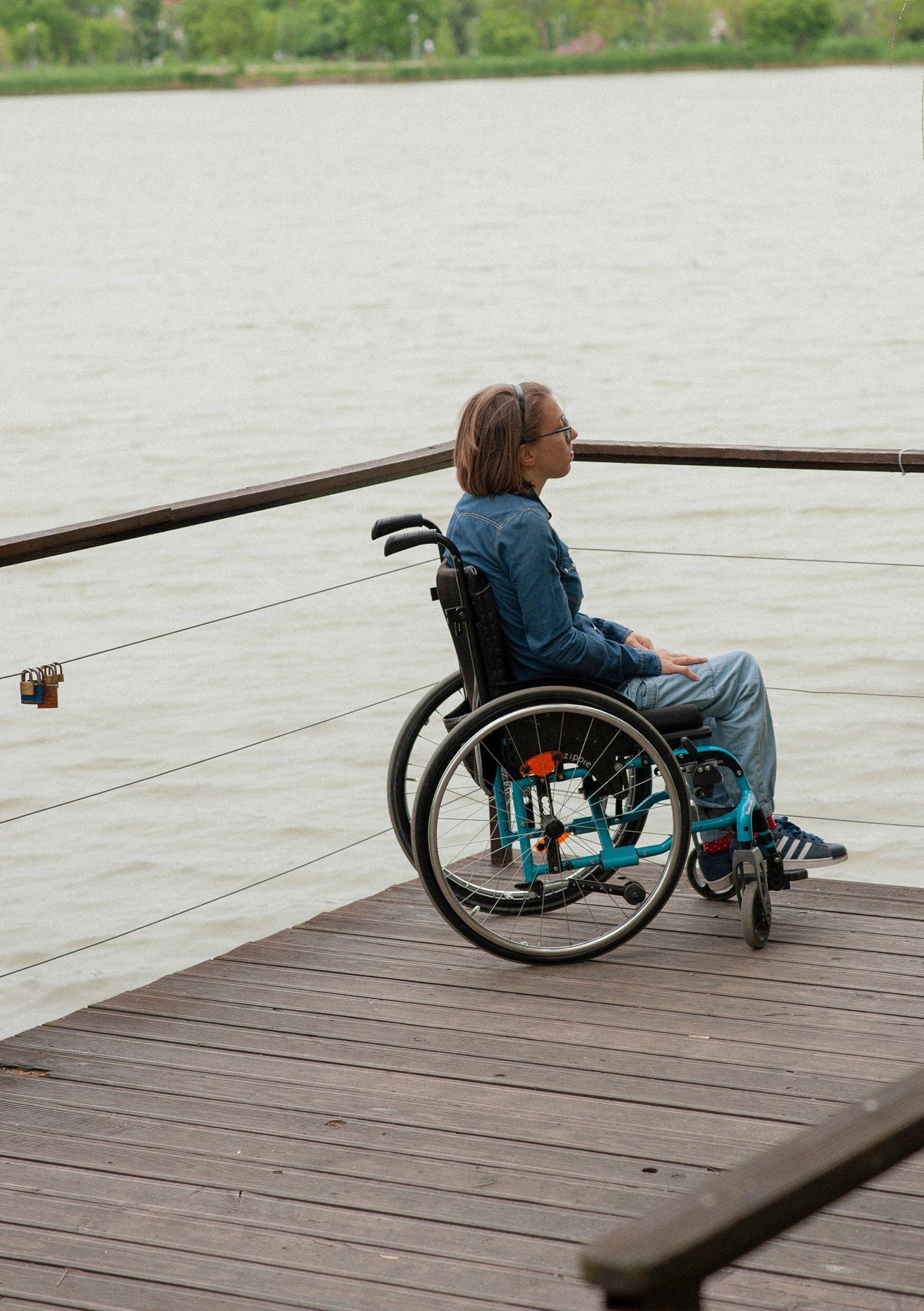
I’m in a wheelchair. I had hip surgery in June 2013 at the age of 14, so there are traces of prematurity. My whole life has been built on the fact that I am different from other people. I find this odd because I don’t consider myself different or in any way disadvantaged compared to the average person, so it somewhat defines me. I am very introverted, terribly introverted, yet I have learned to ask for help on the street when I need it. However, even though I’m in a wheelchair, I think I’m quite an independent person.
The water broke and I had to be taken out of my mum’s belly. They took out my twin brother Bruno with me. We were born at six months. Bruno was strong and I was weak and smaller. I had trouble breathing, so we were put into an incubator. Because my water leaked, I wasn’t very well or comfortable, so I had a lot of stress hormones, which prepared me a bit. Bruno had to come out of the safety of the womb completely out of nowhere, and his body had no way of preparing for this. Six days after we were born, Bruno died. Then I suddenly became very strong.
Mama told me that I was in an incubator for a month and a half, and she could only stretch her arms inside. She couldn’t hug me at all. She had to disinfect her hands and that was the only way she could touch me through the hole of the incubator.
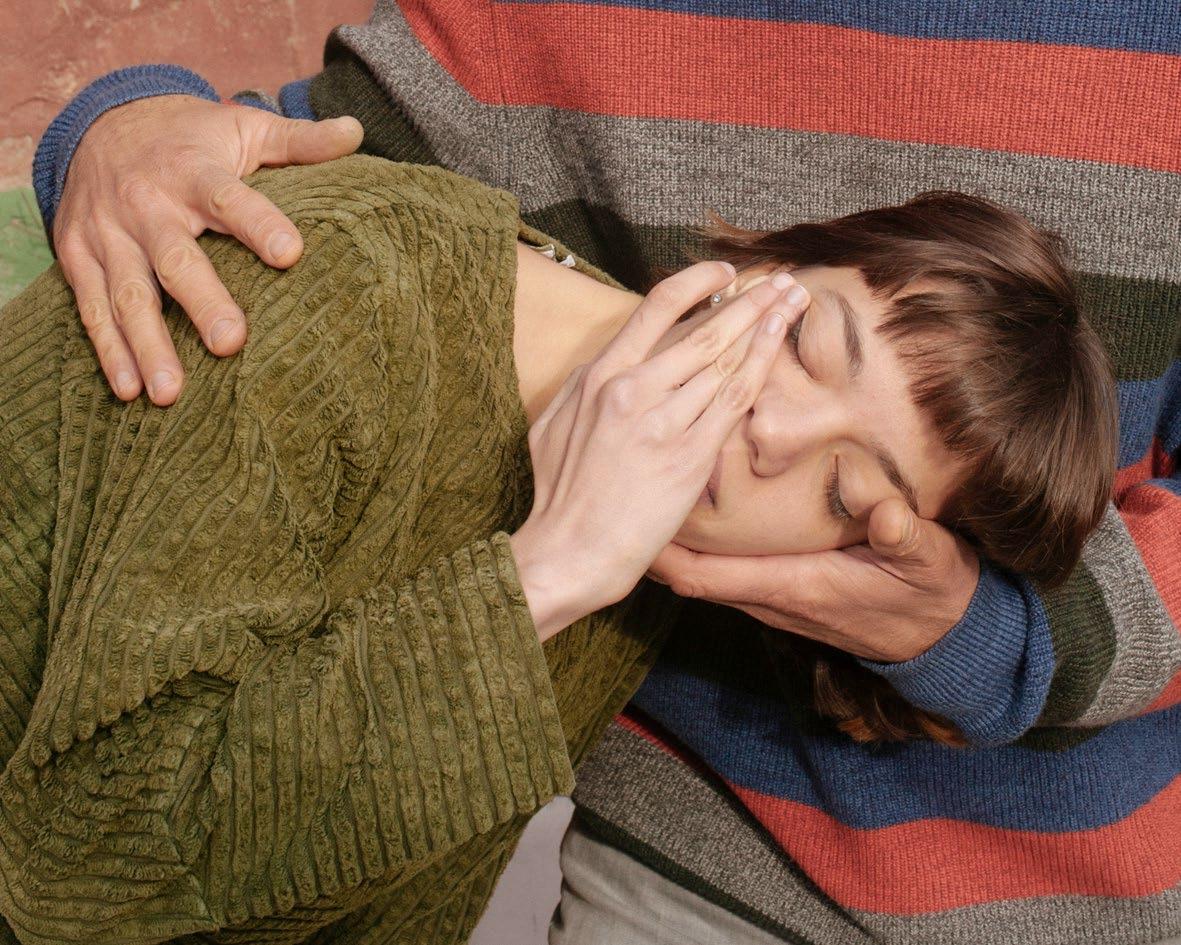
I had an oblong head and I was very thin. Papa told me my wrists were about as thin as his finger and that I was so small, I could fit in the palm of his hand.
I don’t know how Papa felt emotionally, he doesn’t usually talk about such things. It was very bad for Mum.
She would have cuddled me, you know, because she knew that it was good for a newborn baby to be cuddled, but she wasn’t allowed to do so for a month and a half. And then, for a whole month after that, I could only be with her every three hours during the day.
I had all kinds of tubes hanging out of me and I kept ripping them out.
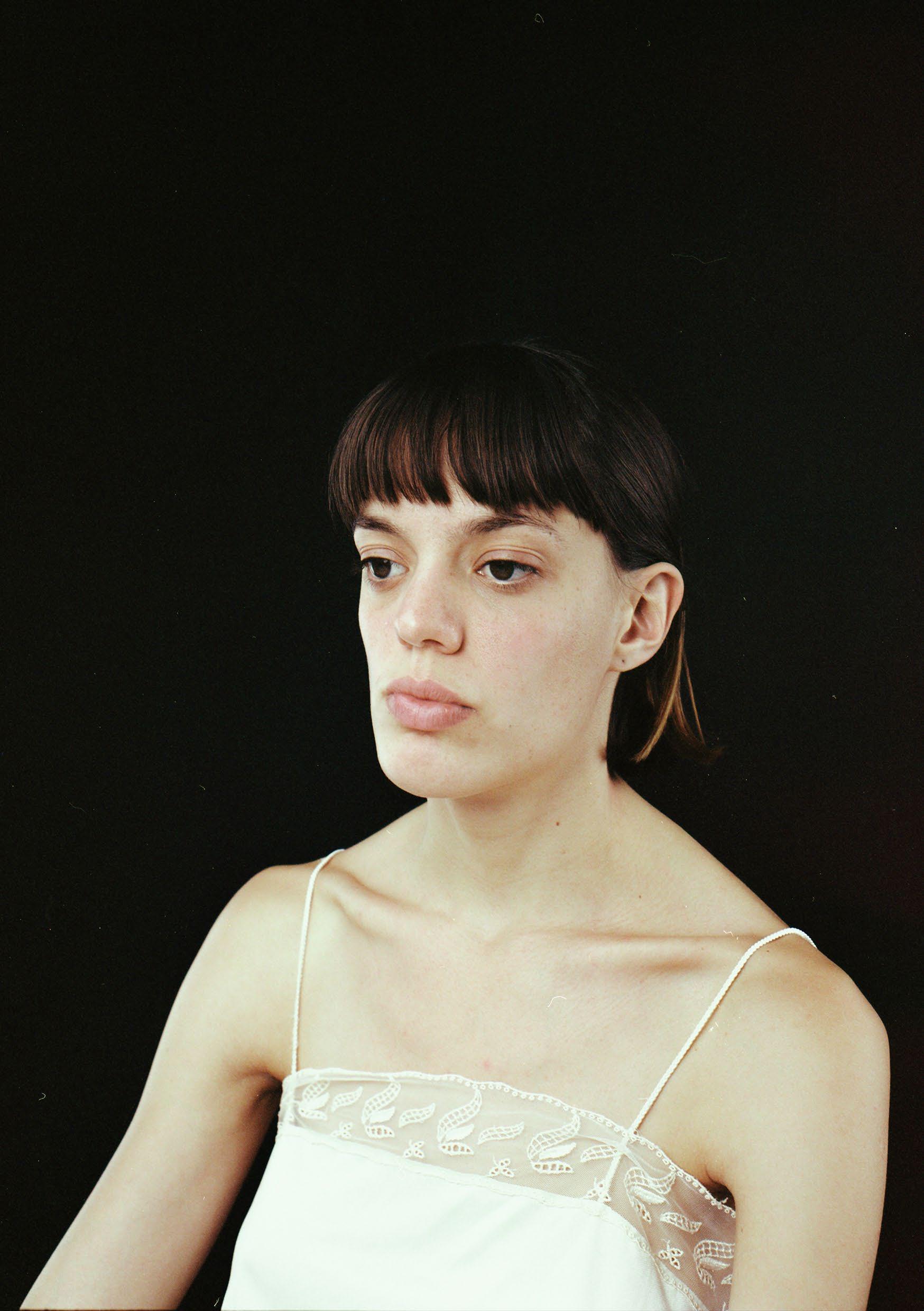
I’m generally happy and bouncy, I like to do things on my own, and I like to be independent.
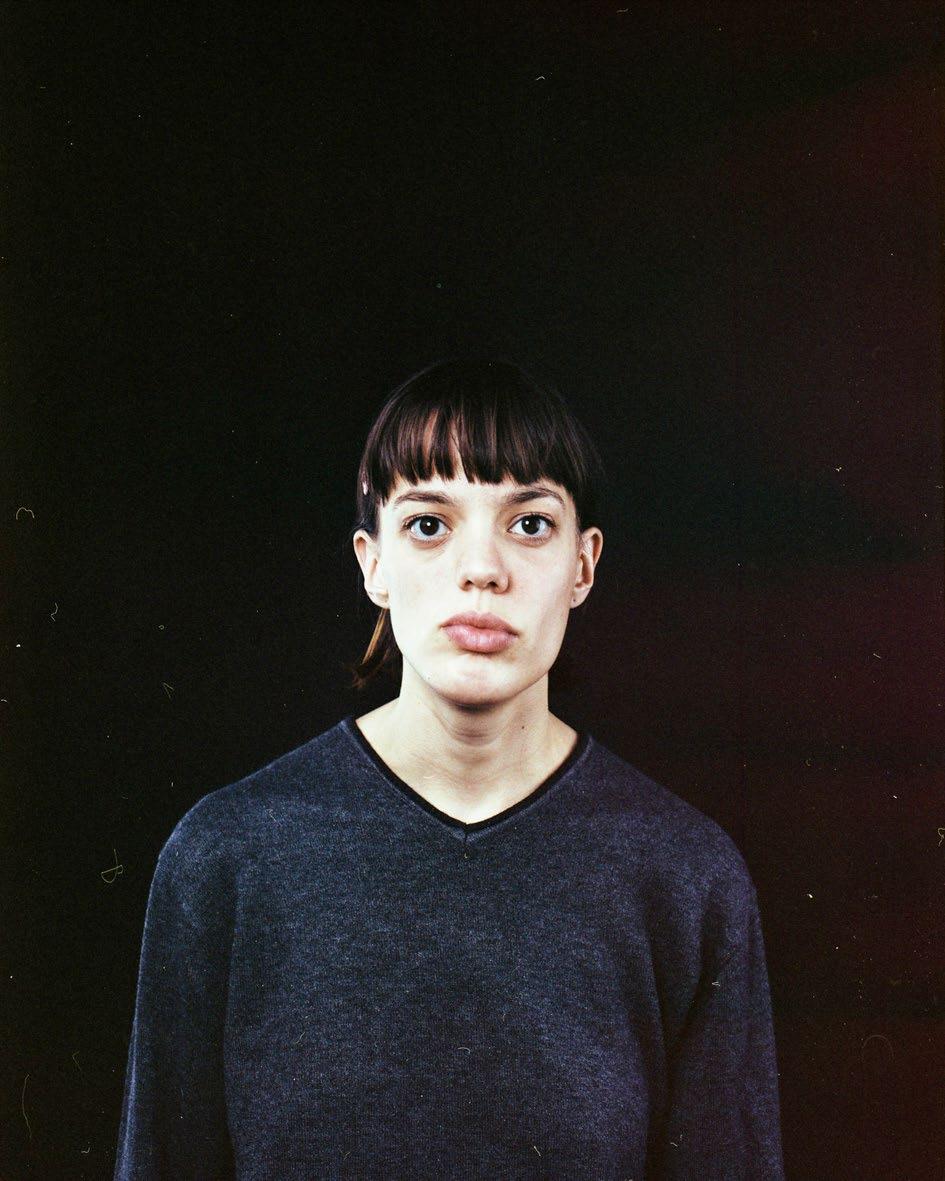
However, a lot of times I can’t follow through with a process. Mum told me that with birth, if you have a cesarean, you need therapy to work through it. You can rewrite your birth trauma and be reborn a little bit.


For a year I conducted interviews with premature adults. I wanted to focus purely on what they knew and what they thought. Then I felt the need to understand this critical situation, this difficult arrival into the world, from a different, professional point of view.
Tímea Hazay, the founder of program A te hangodat ismerem, (Your voice I know,) took me to the premature baby ward of Women’s Clinic Two, where she sings with traumatised mothers every week. The singing and connection Tímea creates with the mothers gives them the strength to connect with their babies. They are given a tool they can draw on at any time in their process of becoming a mother: singing.
When I was there, she sang with the mothers while they used the kangaroo method on their babies. In 2023, there are already premature baby wards where they use this method on a daily basis, which means that the naked baby lies on the mother’s bare chest, skin-toskin, wrapped together. It supports the mother and baby physically and psychologically in their processes.