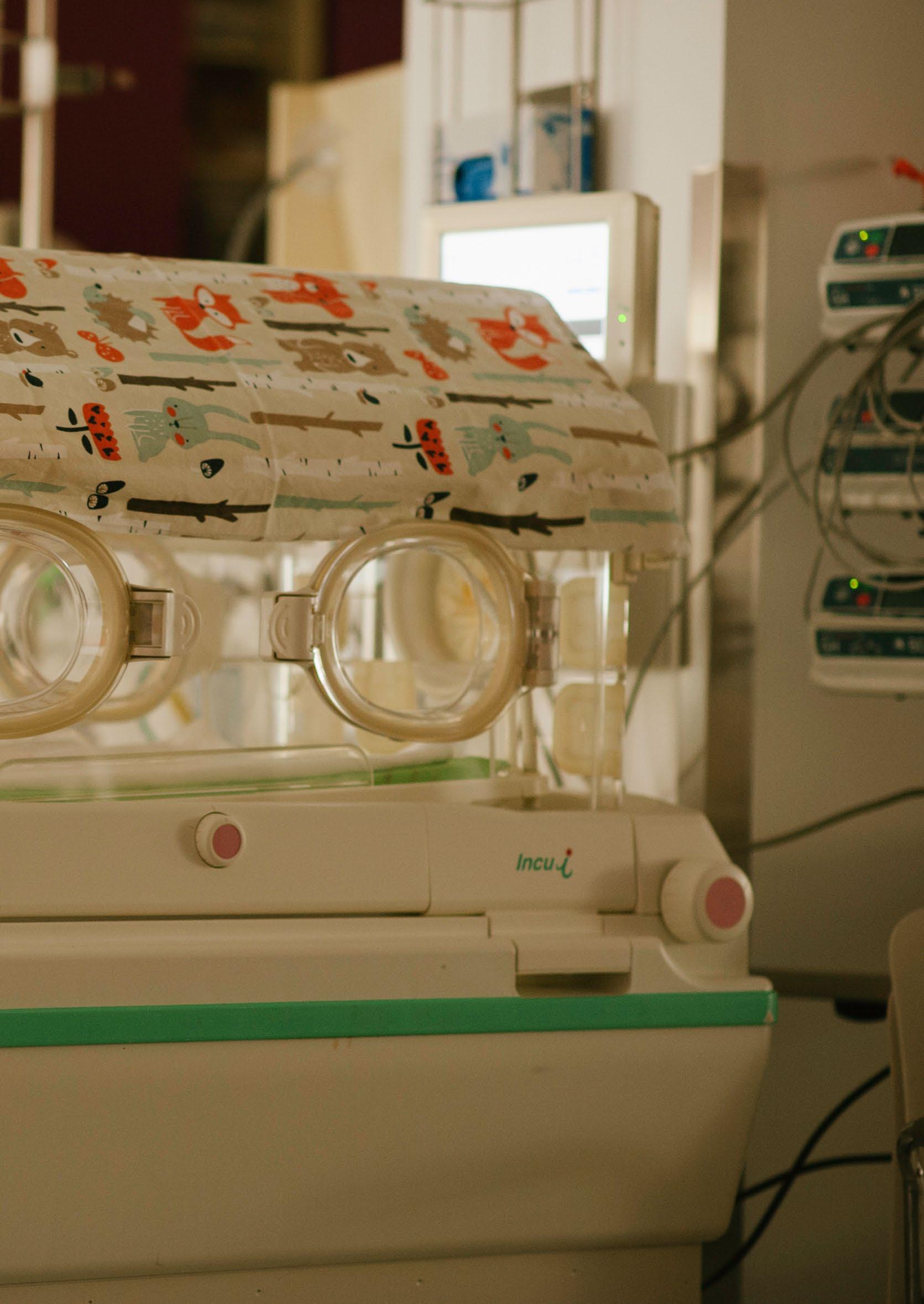

My mum had been having sharp pains for about two or three weeks before I was born. That’s how she started to suspect that something was wrong. She was hospitalized in Baja and transferred to Szeged, where she was put on a strict hospital stay. She had been there for perhaps two or three days when her water broke. She said that I was the one who had started the birth, but I hadn’t moved much before labor started, and she thought that I had tried to ‘delay’ it a bit. I had
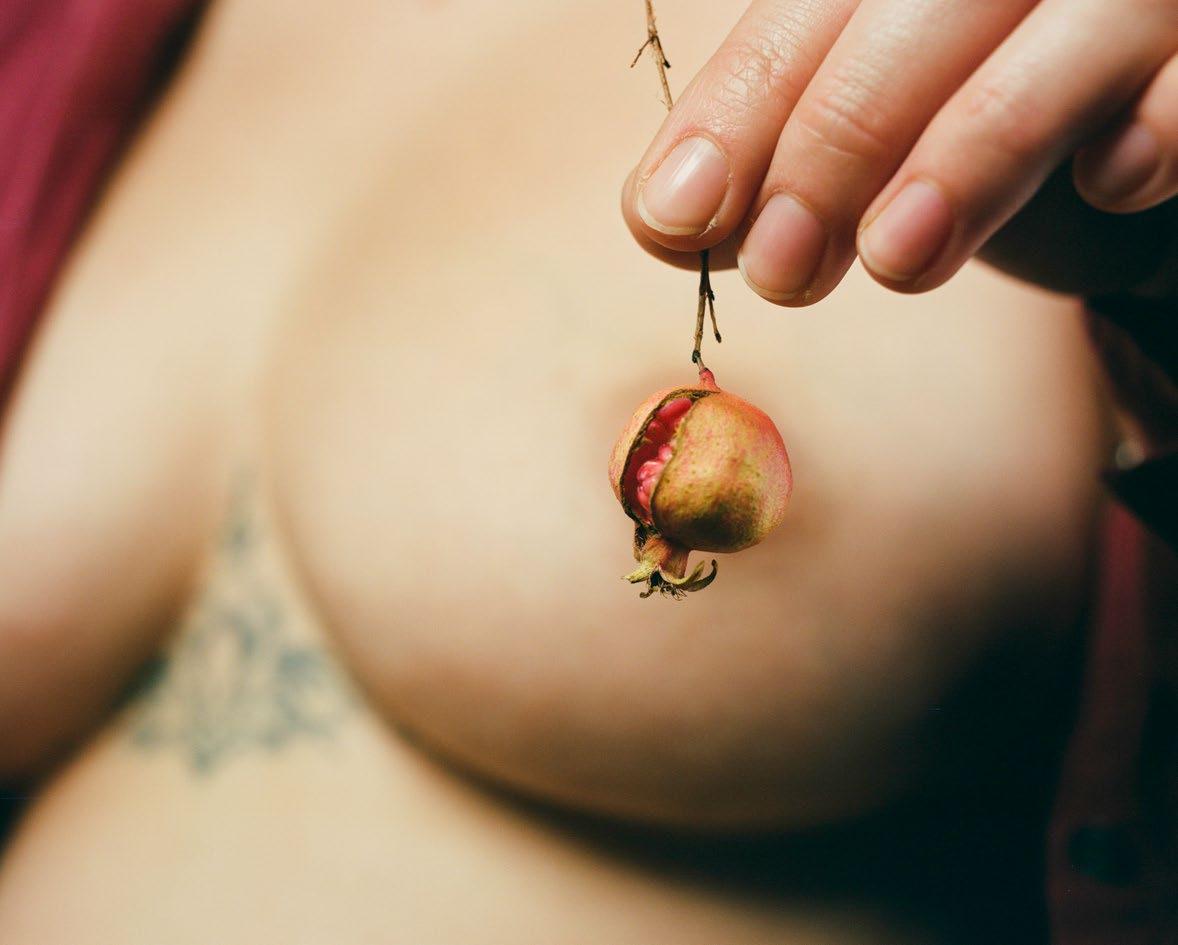
curled up so I could stay inside. That was her understanding, I don’t know what the medical reasoning behind it was, but she thought that I hadn’t been moving as much as I was before because I was trying to delay... by just a little bit more time.
I had a relatively quick birth, and it wasn’t difficult either.
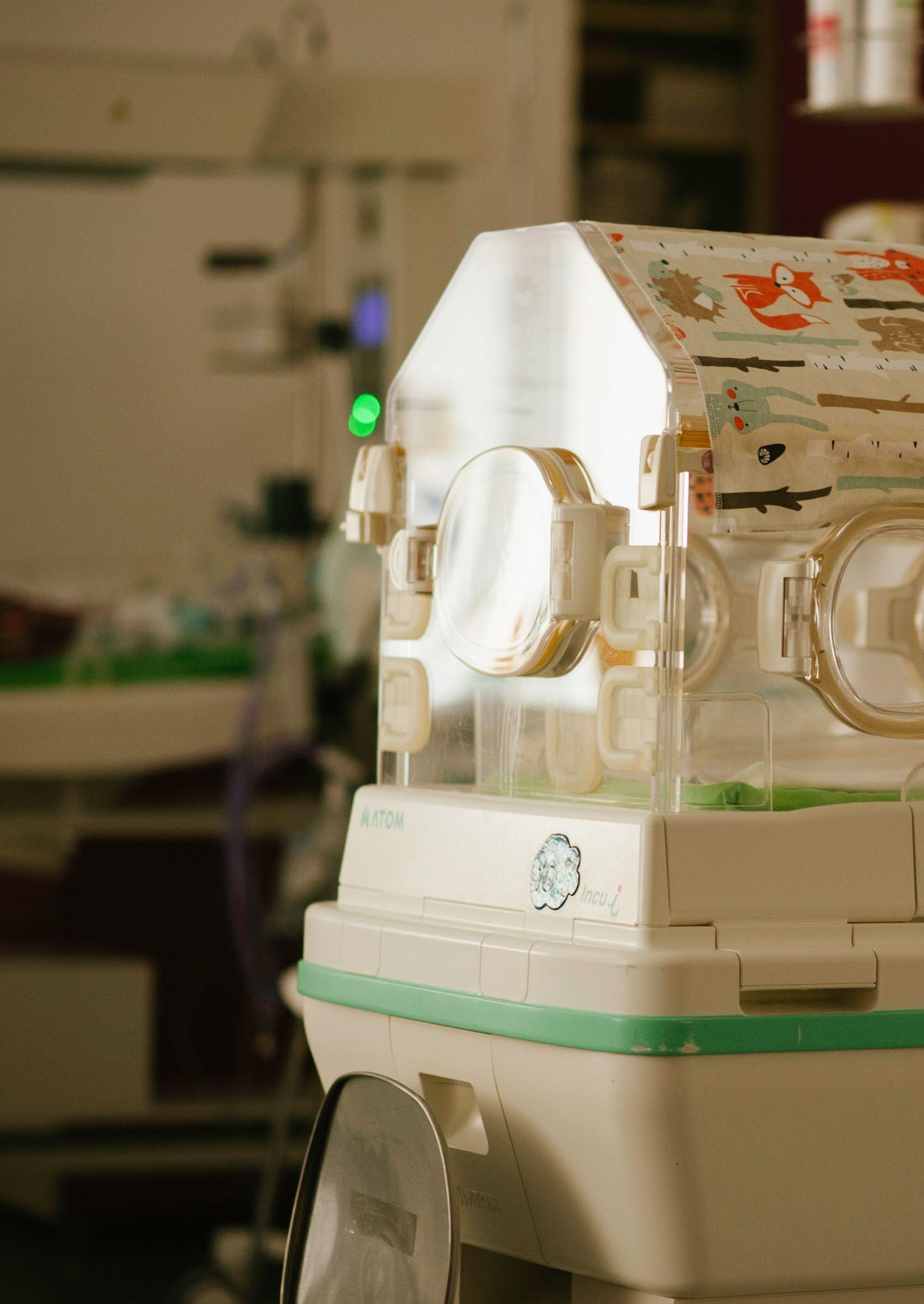
She was only able to see me for a second before they wrapped me up and took me away and put me in an incubator. The next morning,
so Tuesday morning was the next time she saw me. We have been dealing with the aftermath of the separation ever since.
We were there for one month at the Szeged Clinic, and then we were transferred to the Újszeged Clinic for another month.
At the Szeged Clinic, my mother was allowed to take me out of the incubator several times. She would study the blood vessels running under my skin. I was tiny and transparent.
I didn’t eat much. I gained weight a little slower than the doctors would have expected, but I was fine. We were in the hospitals for two months, one month in each. The difference between the two places is interesting. After I was born, during the month at the Szeged Clinic, they allowed my mum to take me out of the incubator every day, and we could be together for hours. It gives me chills just thinking about it.
In the second month at the Újszeged Clinic, I could hardly be with her. Their way of calling the mothers was: “Well, it’s baby feeding time”. The mothers would then be brought into a room where they were not
allowed to take their babies out until everyone had arrived and sat down. It was all monitored, and at very specific time intervals. It was quite traumatic for my mum, especially after she had the experience of holding me at the Szeged Clinic. I think it was very, very important that we had at least that first month of physical contact. Even today, the kangaroo method is still not a common enough practice, despite the importance of having skin-to-skin contact with a premature baby. Not to mention how much babies need this: to be placed on the mother’s chest immediately after birth.
It makes my heart ache a little bit because I know how much my little girl was on me for long weeks after she was born, and watching the mother of a premature newborn have to look at her baby from the outside... must be horrible. And then the separation itself, that’s one of those things that, pardon the expression, no one can fucking give back.
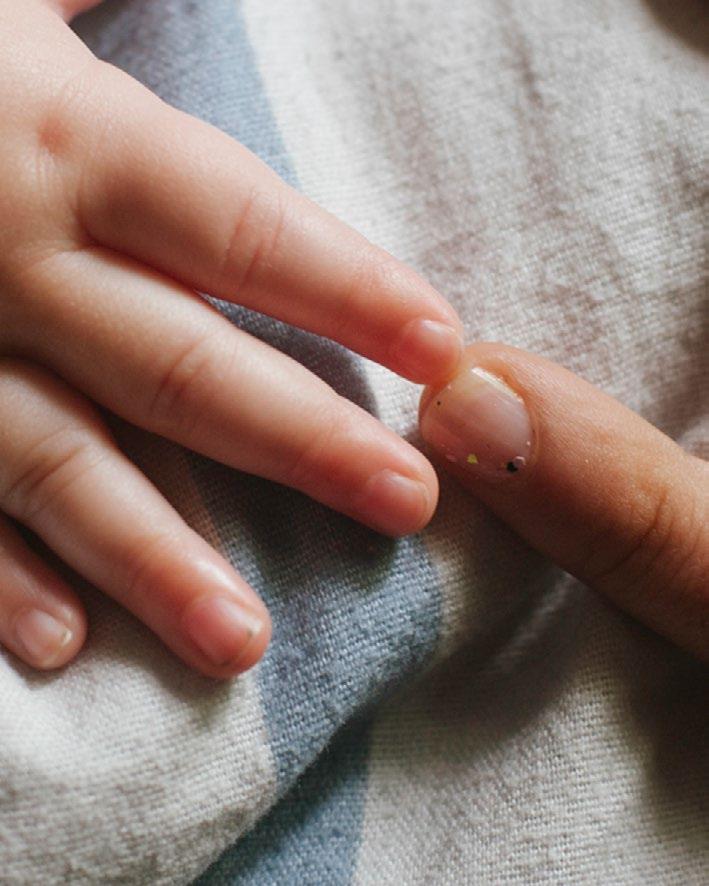
...And it’s not just my own separation from my mum that’s made me a bit emotional. I was very afraid of it and I suppose this fear affected my own birth. We were planning a home birth. I went into labor at home, but the time was up because the law says that you have to go to the hospital 12 hours after the water breaks if the contractions don’t get stronger and the process doesn’t progress. That’s what happened to us. So, we had to go to the hospital, and that’s where I had to have my daughter... (there was no medical reason, just a slapdash regulation). I really didn’t want to have a hospital birth. I remember just echoing in my head that I didn’t want to be hurt, I didn’t want them to take her away. That’s partly why I didn’t want to give birth in the hospital: because I didn’t want them to take my baby away from me. And then, I didn’t have her in my arms when she was first born (thank God they didn’t take her away for very long, because it ended up being about five or ten minutes).
We were playing a game the other day and there was a question like “What would you change about your past?” and I used to answer nothing. Nothing. Because it all led me to where I am, and that’s cool. But since my daughter was born, I’ve been saying that I would go back in time and I just wouldn’t let them take her away from me.“Give her to me right now”, I’d say. Even though it was a tiny time, because of that, I can imagine how rough it must feel to have your baby taken away from you for a long time.
To return to my birth story, I almost drowned once. I was in the premature department, and the only reason I survived was because a nurse had just turned back to pour herself another cup of coffee and noticed I was turning grey. She saved me. I’ve heard this story a few times, but I block it out so fiercely in my mind, and it must have been such a trauma, that I can’t remember it specifically in my brain. Now my mum has retold it as I was preparing for this interview.
The very important thing about my birth is that my mother never thought for a second that I would not survive. She told me she remembers that when I was born, a man in black told her that I might not survive because I was so tiny. I was born weighing one kilo. My father always showed me that I could fit in the palm of his hand. I was born at one kilo and only 30 centimeters long. Mum had a primal confidence in me every single moment. She knew that I was going to be born, that
I was going to be okay, and that I was strong. Ever since then, I have had a feeling of invincibility. I have my place in this world. I have this certainty that I am in the right place, that I survived my birth.
Regina and Kristóf 1996
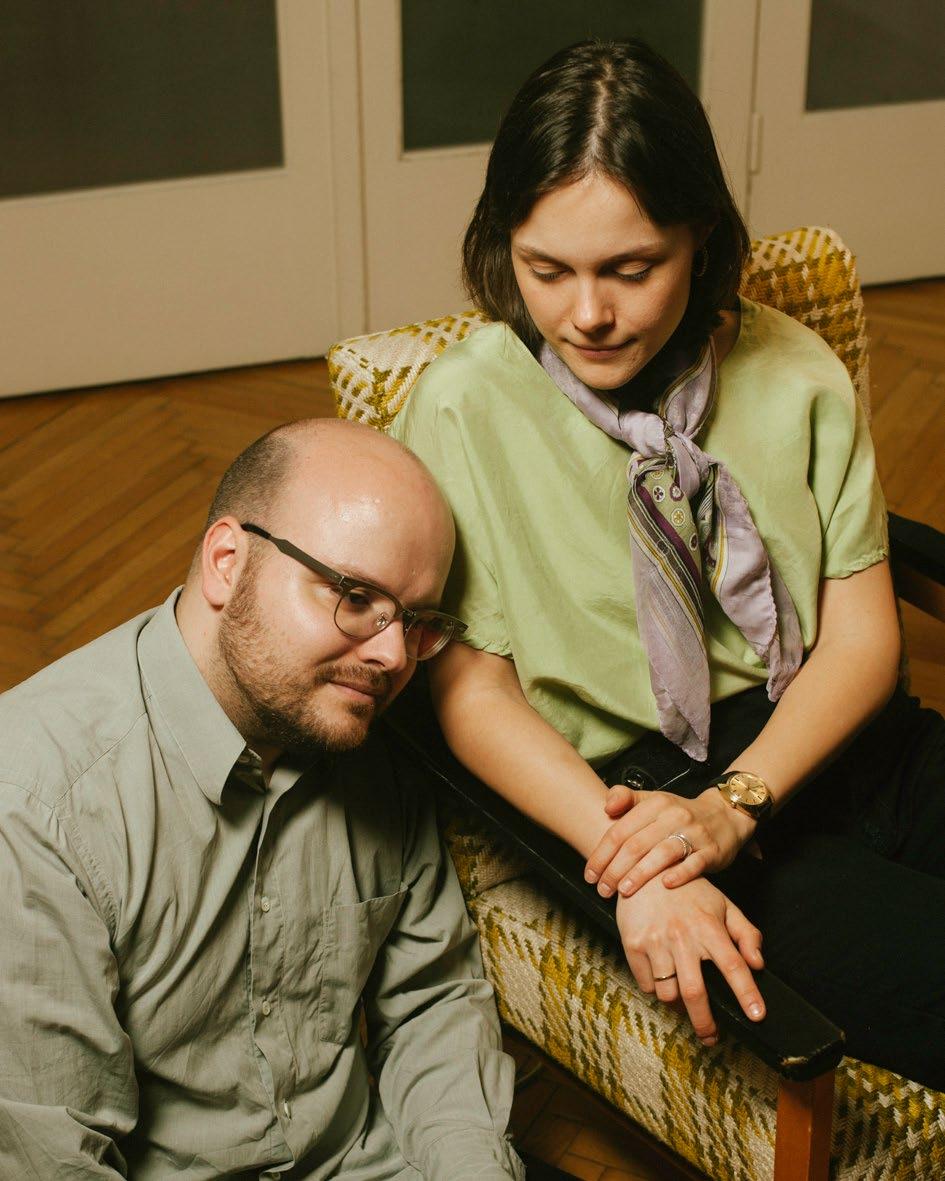
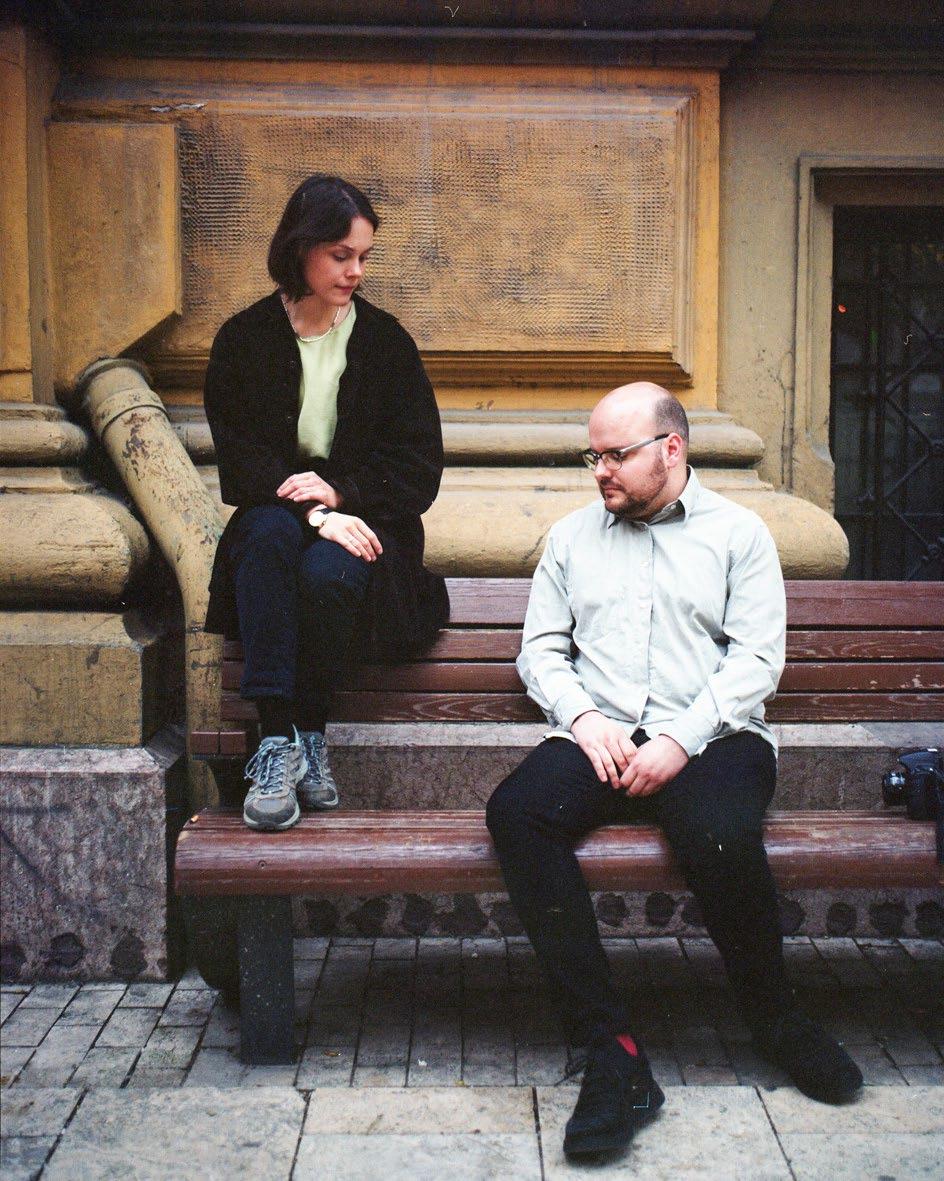
R: We are triplets, our mum had a high risk pregnancy and she went into labor sooner than she expected. The story I heard was that she was brought by helicopter to Budapest because they couldn’t deliver triplets by cesarean section in Veszprém. K: I can’t stand flying, so maybe that’s why. R: And our mum is afraid of heights, it was the first and last time she flew in her life. I think we landed at the Fradi field. K: And they were cutting the grass– everything was covered in grass, our mum’s face, nightgown, everything. And my dad took a taxi up to Budapest. R: He was working, and somehow they reached each other by wire because there were no mobile phones then. So it was quite a chaotic story.
Regina and Kristóf 1996
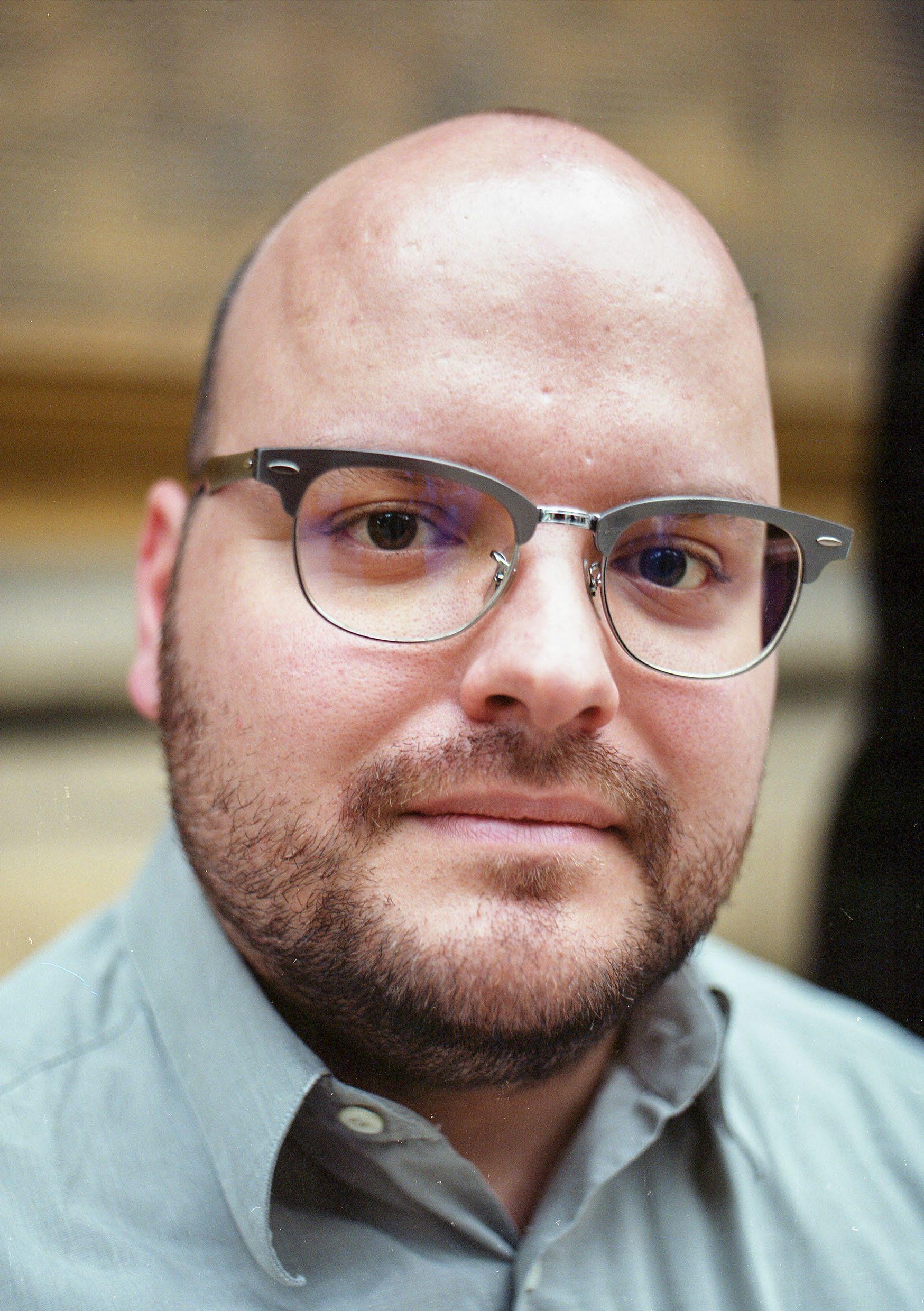
R: We were born at the end of the sixth month, our Mum was due in September and we were born in June. We were in an incubator for three weeks, but luckily we developed well. Compared to that, our sister’s situation was a consequential thing. I don’t know how in the world things ended up this way... we were fine and she was not. That’s always been a concern for me. Probably because we are identical twins. For some reason, it was also very interesting for me whether we would have another brother or sister. When I nagged my Mum about when we were going to have another little brother or sister, I could sense that it was a sensitive subject for her. She cried a little or groaned when we brought it up. She told me that we would have had another sibling. I don’t know how she explained it to a tiny child, but I understood that we would have been triplets, and only the two of us survived. K: I sensed that for Mum it was a very sensitive story, she would get all emotional, so I didn’t ask. And then what comes next, after death, with who will meet who, and where... nobody knows.
K: We were both about 1 kilo 60 ounces at birth. R: Like a loaf of bread. We could both fit in the palm of our dad’s hand. K: I ate a lot after we went home from the hospital.
R: For our parents, it was probably a bit easier to get ready. They had been told in advance that one of us, Petra (because she had a name), would probably not be born. In the x-th month, they detected some abnormality, her heartbeat was not right. So they predicted that there was very little chance of her survival. K: It must be interesting to know how a mother feels knowing that one of her children is not going to survive. It might be even more difficult, and more damaging that way. R: If you’re carrying a life that’s not going to survive, anyway, that must be really awful.
K: There was a duality in them. They were very happy that we were alive and both healthy, but in the meantime, a third life was lost. R: Mom told us about this when we were little, that she (Petra) is no longer alive, but she’s up there in the clouds and she’s our little angel. Or something like that. K: She’s the one who takes care of us.
R: From my own point of view, I was always a very thoughtful child, and I wondered why I was really alive, how lucky I was. I wonder what a psychologist would say about that. You take it for granted that you are alive, but you should be grateful that you are here. Everyone, regardless of their age.
R: I think part of what was important in processing what happened is that our family is Christian, and obviously it’s hard to accept the death of a child, that might make it easier as well. Regina and Kristóf 1996 Budapest
K: We grew up in the same house as my grandparents, and our grandmother used to tell us a lot of stories. She loved to tell them, regardless of whether we asked or not. R: It’s interesting that Granny had the same kind of torture with childbirth because she could not conceive a baby. She went to the gynecologist for a lot of treatment. They didn’t even end up having their own biological child. K: Our mum was adopted. R: There was never any weirdness about it, there was no question that they were our grandparents, even though they weren’t biological. It wasn’t a taboo subject even when we were little. Our mum found out when she was very young that she didn’t come from Granny’s tummy, but from the orphanage.
R: In college, my favorite developmental psychology teacher taught an interactive class on trauma. We wrote her an anamnesis of our birth. Then in this class, we all got under the covers and basically pretended to be born. I was very gently and kindly unveiled, and someone else was suddenly and quickly. Then we talked about what had happened. He said he knew I was born suddenly by cesarean, so they wanted to imitate for me what it was like to be born slowly and see the light slowly. We talked about how this experience was for each person. I felt at peace with the world, having the blanket pulled off me so kindly. And those who had it suddenly stripped off them were startled.
And that’s the parallel our teacher drew to the fact that when you are born by cesarean section, you arrive with a trauma already. You don’t have
the time to arrive, you have to adapt suddenly. In our case, we were in a protective shell for six months, and then suddenly everything, everything came crashing down on us.
K: I don’t know how much of it stays with you though, maybe subconsciously.
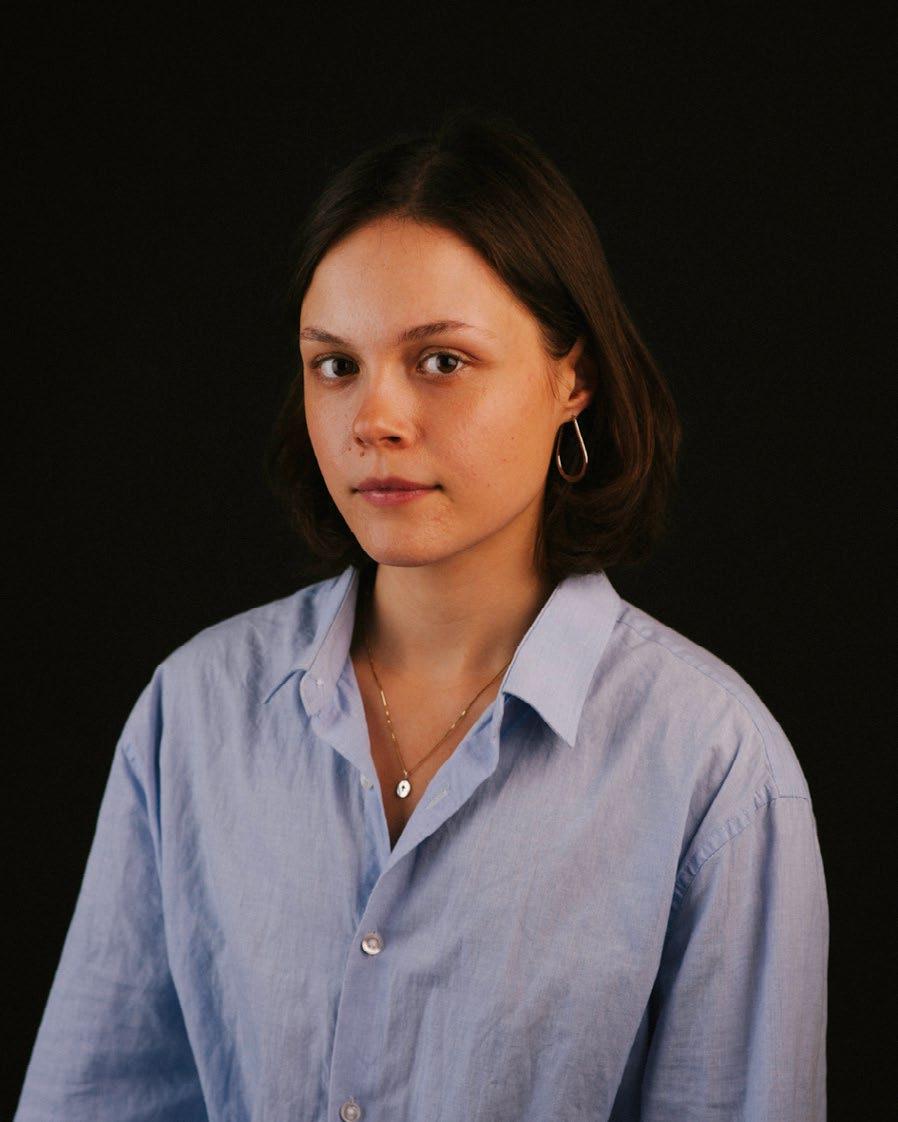
R: I think certainly our birth has a big influence on our personality, I think about that a lot. I don’t know if there’s a correlation, but I really like to do things consciously and well, to maximize my efforts. Maybe it’s because if I’m going to live, I should do it well and enjoy it. I’ve noticed that I attach much more importance to the fact that it’s my birthday than others. It’s important to me and maybe it’s because by default I should be happy that I’m alive and then others should be happy because I don’t take for granted that I’m alive.
K: I don’t like to fly, maybe it’s because my mum was so scared in the helicopter. Otherwise, I prefer to do things myself. R: Me too. I like to do things on my own, and sometimes it’s hard to work together, it’s easier for me to work at my own pace. K: Yes, I am the same, I am not a team player. Maybe there’s a connection with the fact that premature babies are born so suddenly and then they invent themselves there in the incubator.
Regina and Kristóf
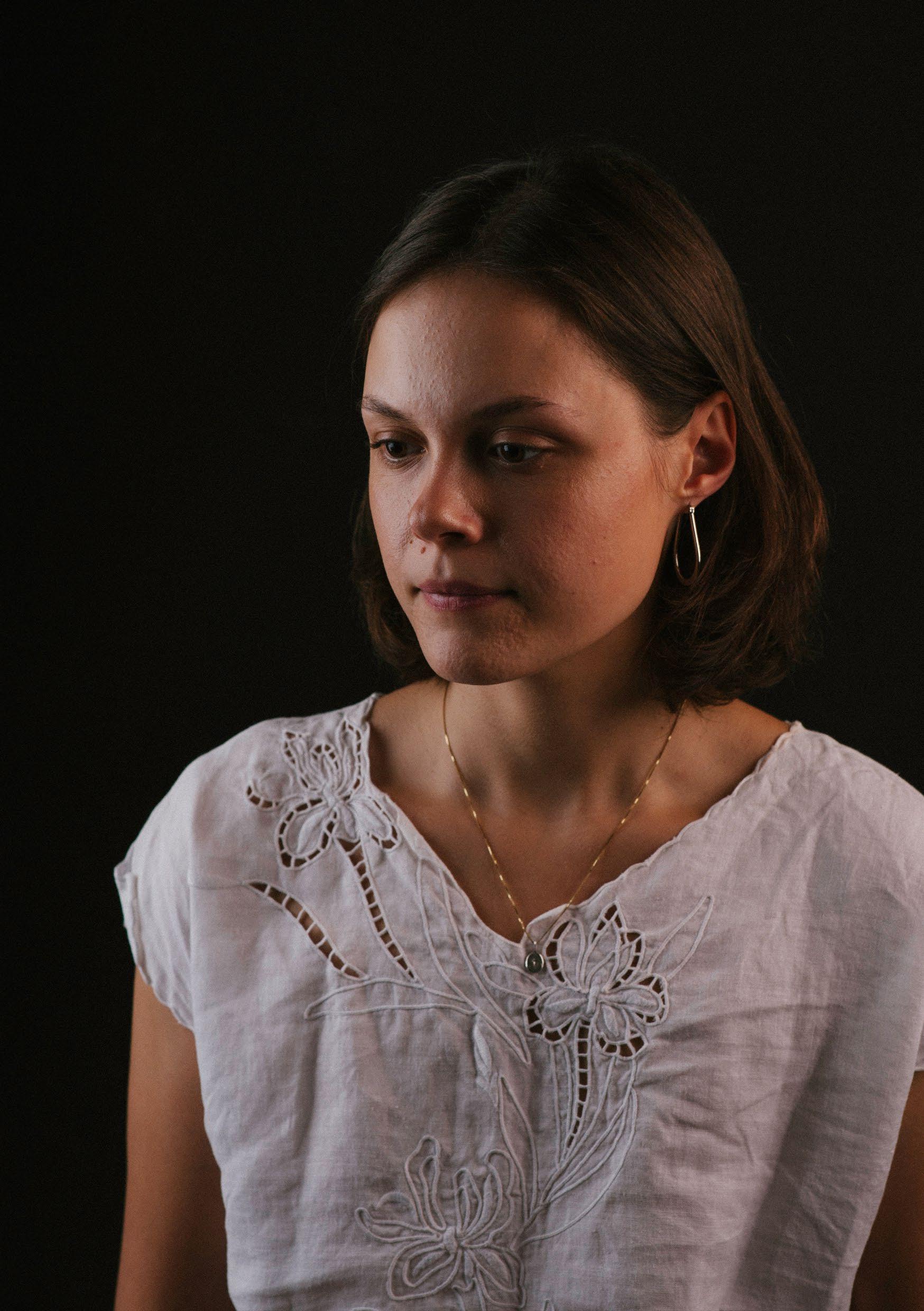
R: I’ll tell you one more thing: when I was writing the anamnesis for the university, I asked my parents what they would have called our sister. My mom told me, that that oddly enough, the name Petra means rock. And she was at the bottom when we were in her belly. She was holding us.
and Kristóf
The Tűzoltó Street Clinic is a children’s clinic where premature babies are transferred. I don’t know which hospital I was born in or where I was taken from.
It is important to know that for a very long time, this was not mentioned at all in our family, and for a long time I did not even know that I was born prematurely.
Dénes 1989 Budapest
It came up a few years ago at a family Christmas party. I was born at 7 months.
I was separated. I have a photograph of myself in the incubator, so I started researching and reading about how this might affect me, and how it would play out in adulthood.
I found some interesting experiments and some completely different opinions. For example, people with special educational needs are often born prematurely, they have more difficulty concentrating, and they have behavioral problems, but I also found information that says otherwise.
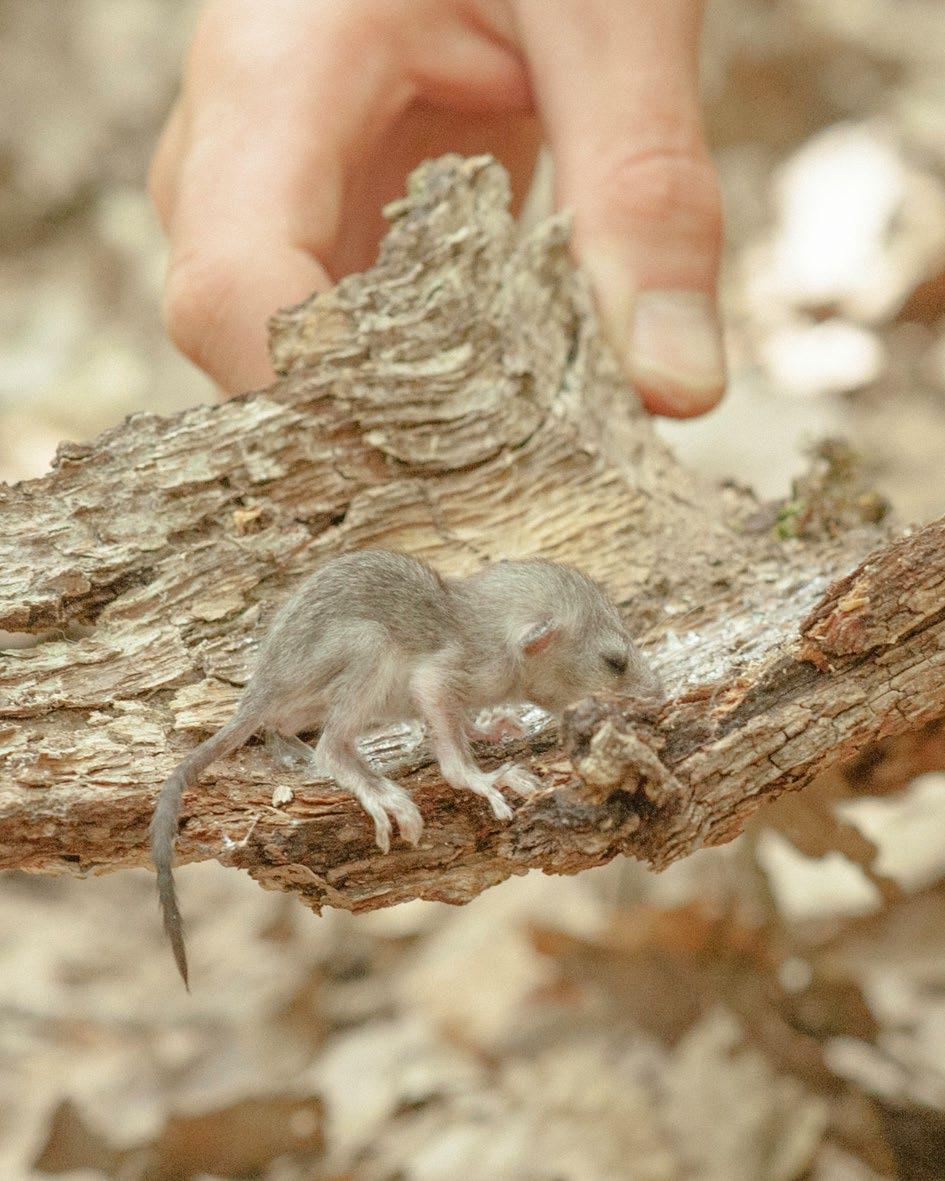
There is an experiment where newborn mice are separated from their mothers, they usually die. However, if they are stroked with a brush, and touched, in many cases that is enough to keep them alive. For premature babies, being separated from their mothers and spending the postnatal period in an incubator is a major trauma.
I’m looking for literature and studies that deal with this, but there are limited resources.
Dénes 1989 Budapest
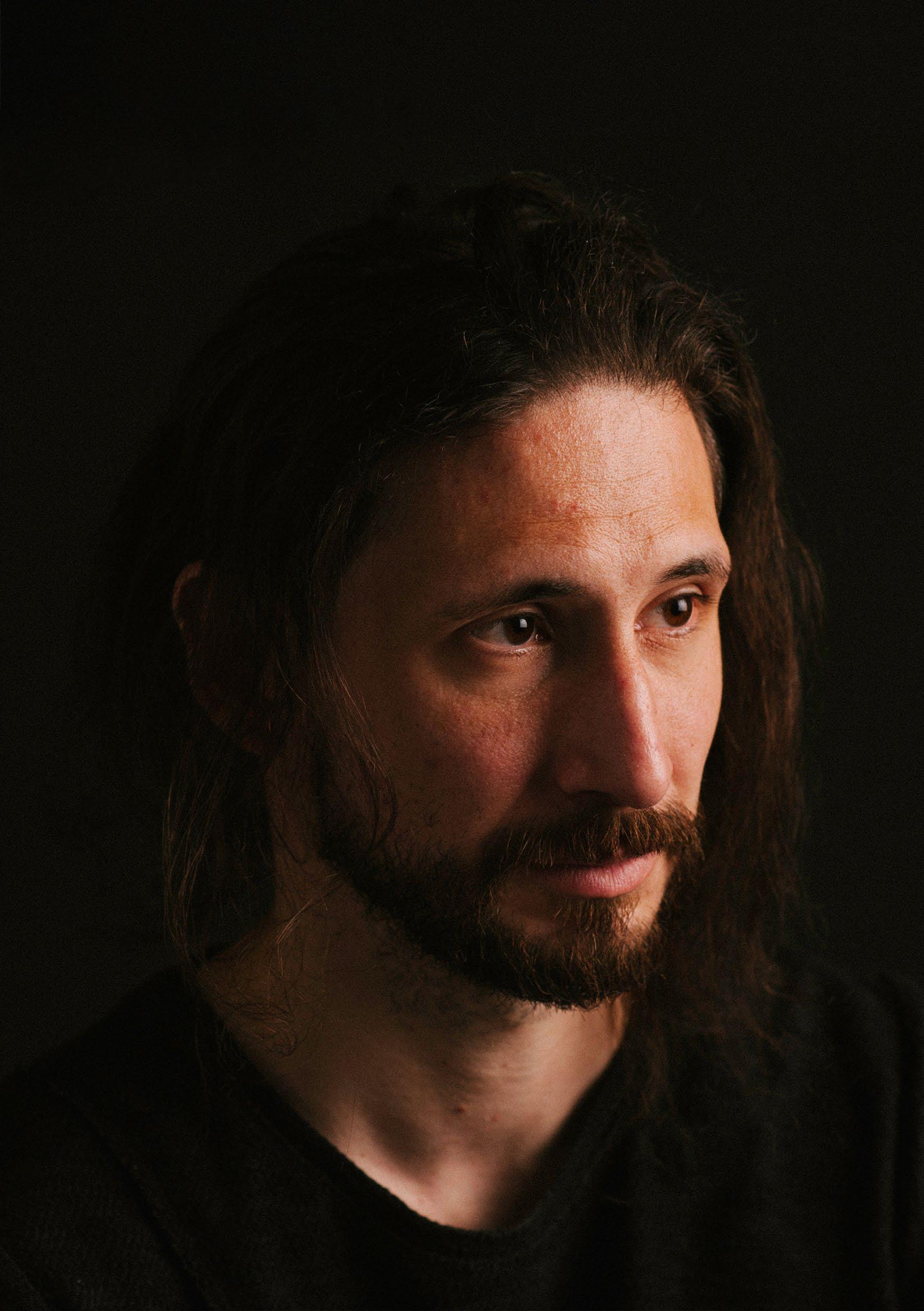
My number one motivation as a teacher is to have a completely different attitude towards children than my teachers had towards me.
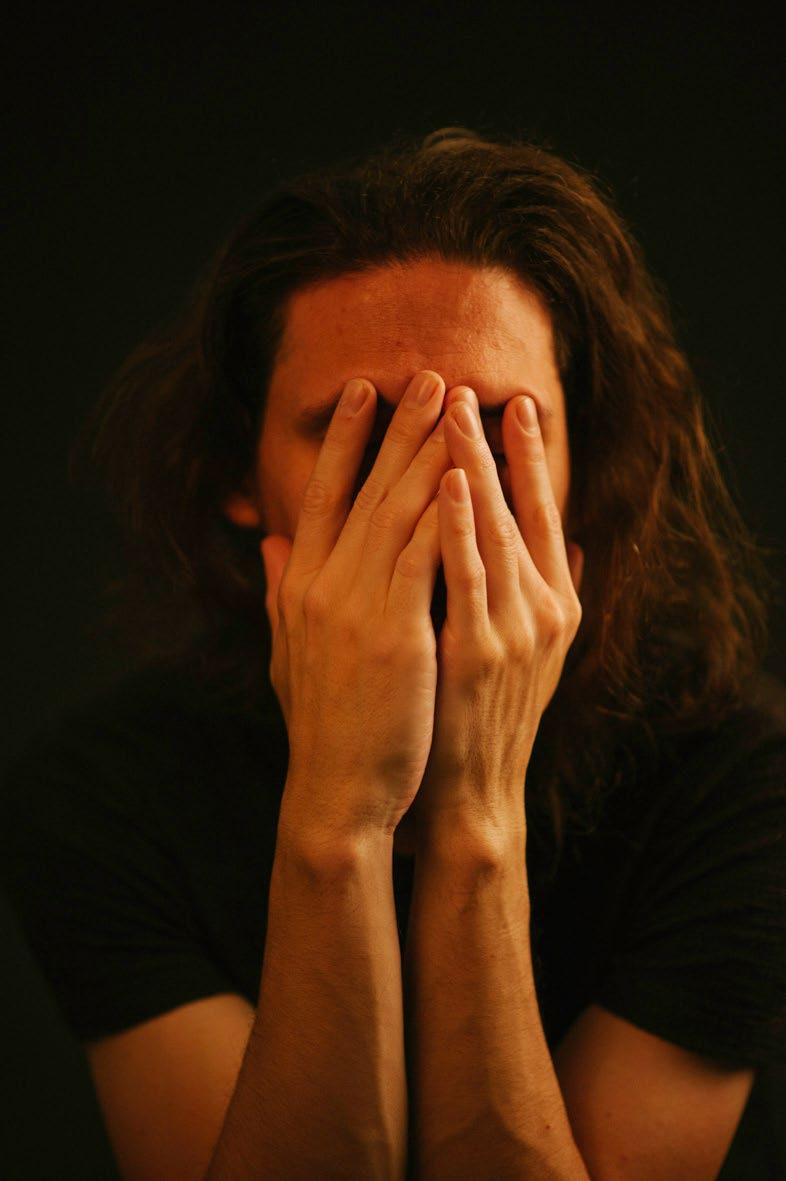
Dénes 1989 Budapest
To be honest, I don’t remember the birth itself. Maybe I was too young for that. But I can tell you what happened after I was born. It’s a feeling. I was somewhere not close to my parents, it might have been the incubator, but I can’t put it into words because I don’t have any proper memories of it.

I was born in the fifth month. I do know that my father and mother were present.
I was born weighing one pound thirty-two ounces, so not even a loaf of bread’s worth of weight.
My mother was also premature and I believe that her mother was premature as well, so it seems as if it goes back multiple generations.
However, supposedly the reason I was born premature was because her doctors didn’t realize that the placenta was going to detach. I didn’t want to be born premature.
I’m sure my mum was terrified when I was born, but she was always happy to tell me what a survivor I was, what a little hero.
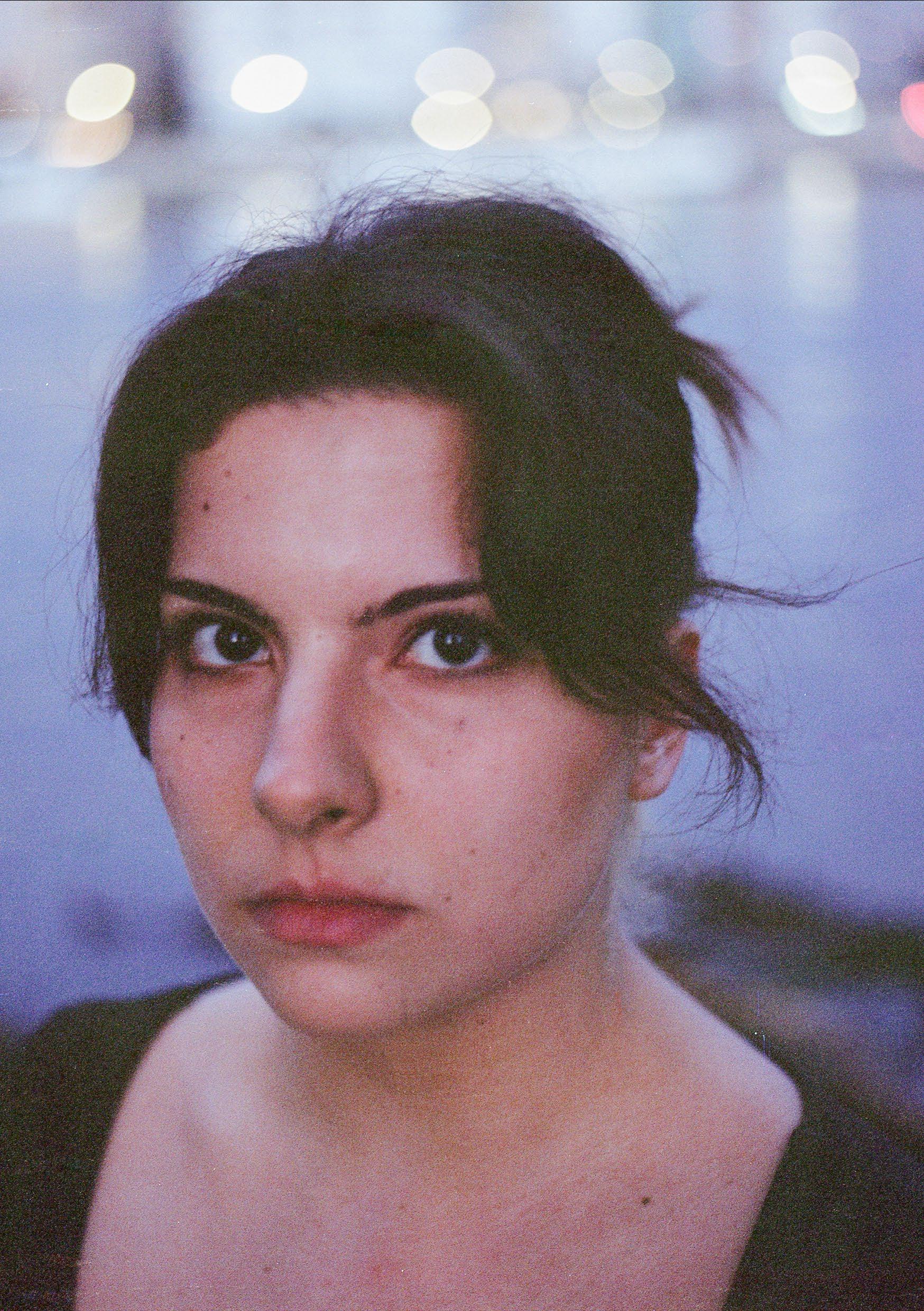
I had a respiratory failure, I don’t know the reason why, but otherwise I was very healthy. When I was admitted to the premature department, the nurses told me that I was the smallest creature and the most beautiful.
Later in my childhood, I was short and I always complained to my mom why I wasn’t taller. (Everyone was relatively tall in the family.) She said, “My little girl, though I’m not sure if there is a correlation, since you were born, you have grown a lot.” And then she told me about my birth.
I have always gotten sick easily. I found out a few years ago that it was because I have an autoimmune disease. I have hypothyroidism, but now I’m on medication for it and it’s under control. My grandma had it too, it’s genetic.
I think I’m a very independent person and I’m self-sufficient. I’m focused, but on the other hand, a bit scattered, and I can really master the art of procrastination. I became completely self-sufficient and independent at 16. I’ve been through the wars, had eight different kinds of jobs, and lived in a lot of places, but now I think I’ve managed to find a place to live where I can stay. That’s what they say about growing up a little early. I grew up early and I feel a bit like I was a parent instead of a child a lot of the time. However, in some ways now it’s both a blessing and a curse to grow up early.
Anyway, I’m a pretty sentimental person, and so I can be very happy about any little thing.