





: HOW THE OSTEOBOOST BELT IS REINVENTING BONE HEALTH
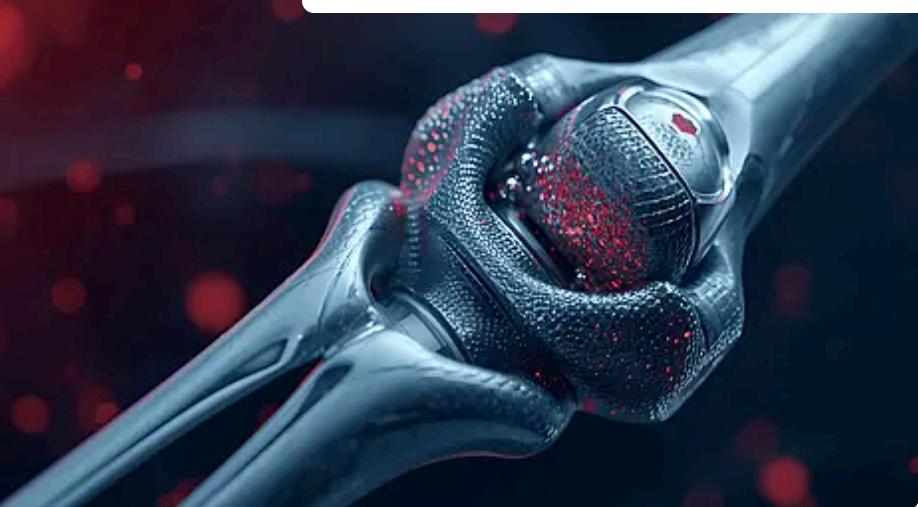
What if strengthening your bones was as simple as wearing a belt? Seemingly impossible what ifs like these aren’t mere imagination anymore; they are becoming the tangible reality of our society. As the world advances, healthcare is gradually shifting from traditional drug-based treatments to non-invasive alternatives, with Osteoboost emerging as one such innovation
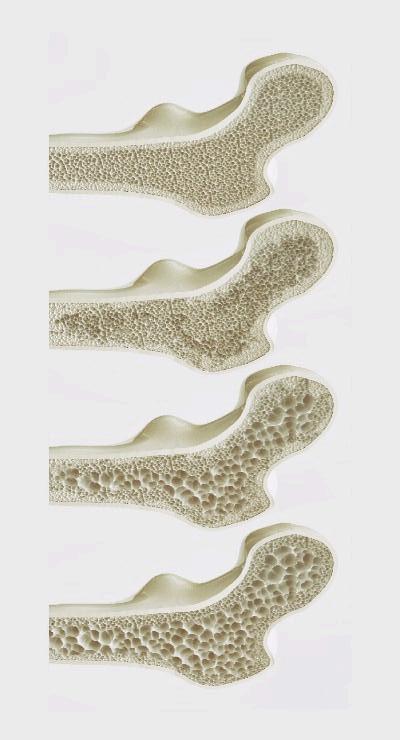
Osteopenia, a medical definition for having reduced bone density, is a warning sign for potential osteoporosis, which is a severe loss of bone density leading to bones becoming fragile and brittle
The Osteoboost belt is a recent, first FDA-cleared treatment that does not involve drug prescriptions- for postmenopausal women with osteopenia.
This belt is a vibration therapy device that targets the hips and spine. It has a motor that transmits low-amplitude and high-frequency (20-40 Hz) vibrations to the body
For effective use, the user should wrap the belt around their hips and secure the magnetic clasp Once secured, the device checks its fit and adjusts vibration intensity, ensuring a safe and therapeutic dose
The user can walk or perform light tasks while wearing the belt (30 minutes per session; 3+ sessions per week). This makes it an easy-to-use device that can be incorporated into daily lives without any complications As the cherry on top, it even comes with a connected app that tracks progress and gives personalized advice
NASA research found that because astronauts in space persist in microgravity conditions, much lower pressure is exerted on bones as compared to on Earth, where the gravitational force provides a constant, sufficient force to keep our bones in check and keep them from getting too lazy and slack. The body interprets the lack of force as no need for heavy bone density and bone strength Therefore, bone-forming activity (work of osteoblasts) slows down while the breakdown of old and damaged bone tissues (work of osteoclasts) continues at its normal rate. When the rate of breakdown exceeds that of reformation, the bones of astronauts in space start to weaken

This research inspired the mechanism of the Osteoboost, which produces gentle mechanical stimulations, resembling a massage, that mimics the physical stresses required for bone formation and inhibits bone resorption In short, this belt provides our bones with motivation to stay productive
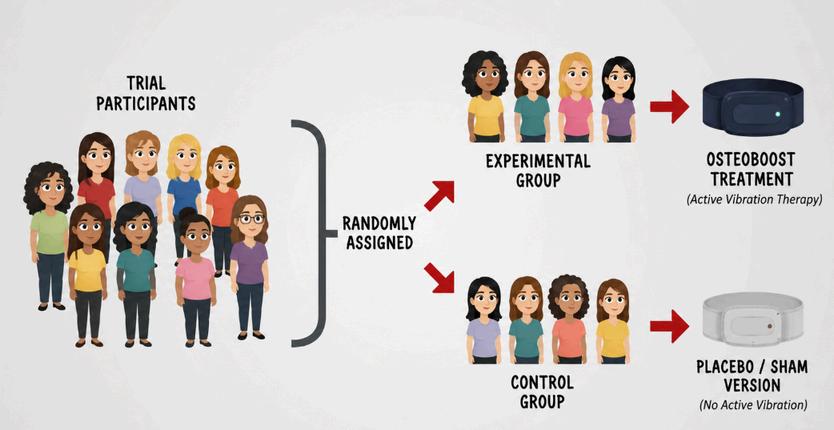
Before the official release of the Osteoboost belt in the market, a 12-month trial was carried out with 126 participants, who were all postmenopausal women with osteopenia. They were randomly and equally separated into 2 categories one group got the real belt while the other got a placebo version that emitted sound but delivered no actual vibrations to the users Neither the participants nor the researchers knew who had the real device and who had the fake one. The main outcome to be tested was the percentage change in L1 vertebral bone strength All participants were told to use the belt for 30 minutes per session, and to have at least 5 sessions per week, taking the same calcium and vitamin D supplements daily to ensure that any differences in result occur only due to use of the belt
In the 1st analysis, which included all participants, loss in vertebral bone strength in the osteoboost users was about 1.40%, while that in the control group was 2.74% the difference being 1 33%, which wasn’t significant enough to prove the device’s effectiveness
When researchers specifically studied the “ per protocol group, ” i e , only participants who wore the belt at least 3 times per week, osteoboost users showed a significantly smaller loss in both vertebral bone strength (0 48% in osteoboost users while 2 84% in control group difference being 2.36%) and bone density (0.29% in osteoboost users while 1.97% in control group difference being 1 68%)
Overall, Osteoboost users experienced an 85% reduction in vertebral bone density loss, an 83% reduction in vertebral bone strength loss, and a 55% reduction in hip bone density loss. Furthermore, this device has the potential to reduce healthcare burden It also gives patients more independence and helps them feel more proactive about their health
Just like two sides of a coin, this belt isn’t perfect. Being a recent innovation, it also has challenges that are yet to be solved
The device was only tested on postmenopausal women over 50. So its effectiveness on men or younger people is still unclear.
People with over 20% risk of major fracture or over 3% risk of hip fracture were excluded, since the device was not tested for high-risk patients. Furthermore, the study proved its effectiveness on bone strength and density, but does not specifically prove its use in preventing fractures in real life, as those trials need to be larger and of a longer duration than the one previously conducted
The study mainly included Caucasian women and relatively healthier participants. Hence, the device’s effect on other ethnic groups, heavy smokers, people with other diseases, those suffering from severe osteoporosis, or those with a Body Mass Index (BMI), which is the ratio of weight of a person (in kg) to square of height of that person (in meter), greater than 35 is unclear.
People need to consult a doctor before using the device if they are allergic to neoprene (the belt’s material) or they have spinal problems, joint replacement, or medical implants, as vibrations may interfere with these conditions or implants.
No serious adverse effects were observed However, mild to moderate side effects, such as dizziness, back pain, muscle weakness, tenderness/bruising where the belt touched the body, and skin irritation, though rare, were more often seen in the active group than the control group Most of these issues disappeared when the use of the device was stopped temporarily

The Osteoboost belt is an innovative step in wearable medical technology, designed for postmenopausal women with osteopenia. Such innovations are now redefining healthcare for the new rising needs the world demands and are reducing the long-term dependency on traditional invasive methods The device has shown great potential to prevent osteopenia from transitioning to osteoporosis and has also proven to be better than whole body vibration treatments by being able to fit in daily life chores and by providing targeted vibrations that are more effective Though it has a few challenges, its benefits ultimately outweigh its limitations to a great extent. May 19th, 2026 / Aditi Tripathi /aditishandilya12@gmail com

Esther Tyrnauer
Science has come a great way since Galen and his theories of black bile Penicillin was discovered, polio was prevented, and the first successful heart transplant proved that even the most complex organs could be replaced Each of these breakthroughs reshaped what medicine was capable of, turning what once seemed impossible into routine practice
Producing organ tissue in vitro is the logical next step forward. Instead of only treating disease after it appears, scientists are now building living models of human organs in the laboratory to understand disease at its earliest stages. Among the most remarkable of these innovations are Organoids three-dimensional, lab-grown structures that mimic real organs such as the brain, liver, and intestines
Organoids are derived from stem cells, which are grown in specialized laboratory environments and fed nutrient-rich growth media The organoids develop their structure through the use of scaffolds and collagen fibers, which help guide cells into organized, tissue-like formations. Although organoids are far simpler than fully developed human organs, they are capable of reproducing many important biological functions
Organoids have become especially valuable in studying human disease, offering a way to observe conditions in a controlled yet biologically realistic environment In disease research, they allow scientists to model disorders such as cancer, genetic conditions, and neurological diseases using human cells rather than relying solely on animal models, leading to more accurate insights. They have also played a major role in infectious disease research; during outbreaks such as COVID-19, organoids were used to study how viruses infect and damage human tissues, helping researchers test potential treatments more efficiently Beyond disease, organoids also provide a unique opportunity to understand how organs develop in the first place. By observing how stem cells organize into complex structures, scientists can uncover the steps of early human development, improving knowledge of both normal growth and what goes wrong in disease
One of the most promising applications of organoids is in personalized medicine and drug testing. Scientists can create organoids using cells taken directly from individual patients, allowing treatments to be tested on miniature versions of a person ’ s own tissue before being used in the body This could help doctors determine which medications are most effective while reducing harmful side effects. In cancer treatment, especially, tumor organoids may allow researchers to test multiple drugs rapidly and identify the best possible therapy for each patient In one study involving metastatic colorectal cancer patients, researchers found that patient-derived organoids were able to predict responses to certain chemotherapy treatments with remarkable accuracy, demonstrating the potential of organoids in precision oncology Organoids may also reduce the need for animal testing by providing more accurate human-based models for scientific research. As the technology continues to improve, researchers hope organoids could eventually contribute to regenerative medicine and even the development of transplantable tissues or organs.
Although organoids are still an emerging technology, they have already transformed the way scientists study disease, test treatments, and understand human biology By recreating key features of human organs in the laboratory, organoids provide researchers with unprecedented opportunities to investigate complex diseases in ways that were previously impossible Their applications in infectious disease research, cancer therapy, and personalized medicine demonstrate not only their scientific value but also their potential to reshape patient care itself As advances in stem cell biology and tissue engineering continue, organoids may one day contribute to regenerative medicine and the development of transplantable tissues. Much like the discovery of penicillin or the advent of organ transplantation, the rise of organoids represents more than a technological innovation it signals a fundamental shift in the future of modern medicine, where diseases may be understood, treated, and perhaps even prevented with greater precision than ever before
THE ARRIVAL OF THE LONGED-FOR SAVIOR, THE PROTAC
Mehreen Muzafar
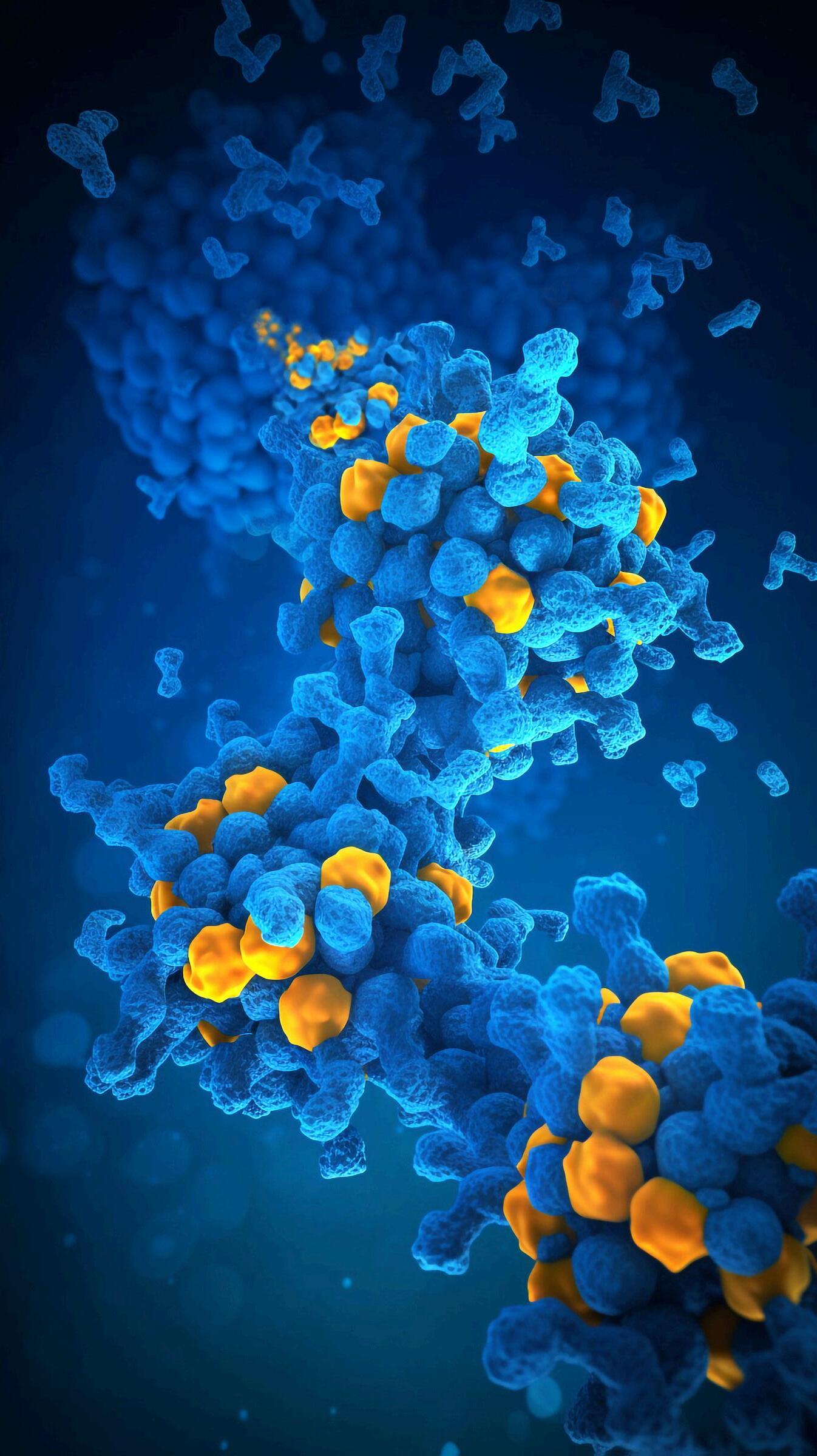
In May 2026, the FDA approved something that for twenty-five years, barely anyone believed was possible
It's a drug called Veppanu. It's unlike those countless pills that block a disease. It's a force that hunts down and destroys the protein engine that drives a specific form of advanced breast cancer
" Today's FDA approval is a transformative moment," said Randy Teel, the CEO of Arvinas, the company behind this first-of-its-kind medicine "This milestone demonstrates that targeted protein degradation can translate into meaningful clinical impact."
For the thousands of breast cancer patients who have run out of options, Veppanu is the first of an entirely new class of medicine, and it works by recruiting the cell's own protein-removal system to do the job
It treats a specific type of advanced breast cancer one where the cancer has developed a mutation called ESR1 Up to 40-50% of patients on standard therapies develop this mutation, and when it happens, traditional drugs stop working.
In a phase 3 trial, patients on Veppanu had their disease progression delayed by 5 months
Patients on the existing standard of care got only 2.1 months.
This disease progression; cancer spreading or growing, is a process that must stop for the patient to live without having their conditions worsened
In 2019, the first PROTAC entered human trials, targeting prostate cancer. But the drug's journey began in a Yale lab more than two decades ago A professor named Craig Crews asked a radical question: could we drag problem proteins to the cell's natural recycling system and destroy them? He had gotten familiar with this path years ago
In the early 2000s, he co-founded Proteolix, which created Kyprolis, a medicine for a blood cancer called multiple myeloma That success taught him how to move science from the corner of a lab to a pharmacy shelf. He and a colleague of his published the first PROTAC paper in 2001, but the idea was so unconventional that he faced great dismissal from his peers But he kept his work going anyway.
In 2013, he founded Arvinas, the first biotech company built entirely around this technology. Pfizer later joined with $650 million. He weathered years of doubt. And on the first of May 2026, a full month ahead of schedule, the FDA gave the green light For Crews, the approval hit too close to home. His own mother was diagnosed with breast cancer last year. He, therefore, knows exactly what's at stake
Before we get into the mechanism of destruction, let's take a brief detour into the target itself
Healthy breast cells have a protein called the estrogen receptor Think of it like a tiny keyhole on the cell's surface. When estrogen, the key, fits into that keyhole, it tells the cell to grow. In ERpositive breast cancer, this system gets stuck in the on position even without the key, causing the cells to multiply out of control
To fight this, doctors use hormone therapy to block the keyhole or take away the keys; estrogen For a while, it works But over time, the cancer cell changes the shape of the keyhole This genetic change is called an ESR1 mutation (Estrogen Receptor 1). Now, the cancer cell can grow and spread without any keys at all The old treatments stop working, and the patient runs out of options.
Every cell in our body has a sophisticated system for breaking down and disposing of old or used-up proteins. It’s like a microscopic garbage disposal and recycling plant. The Dana-Farber Cancer Institute explains that scientists are leveraging this exact machinery to destroy cancer cells from the inside out
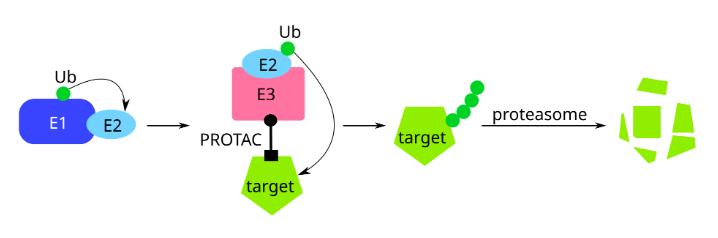
Here is the breakdown of how a PROTAC does its job:
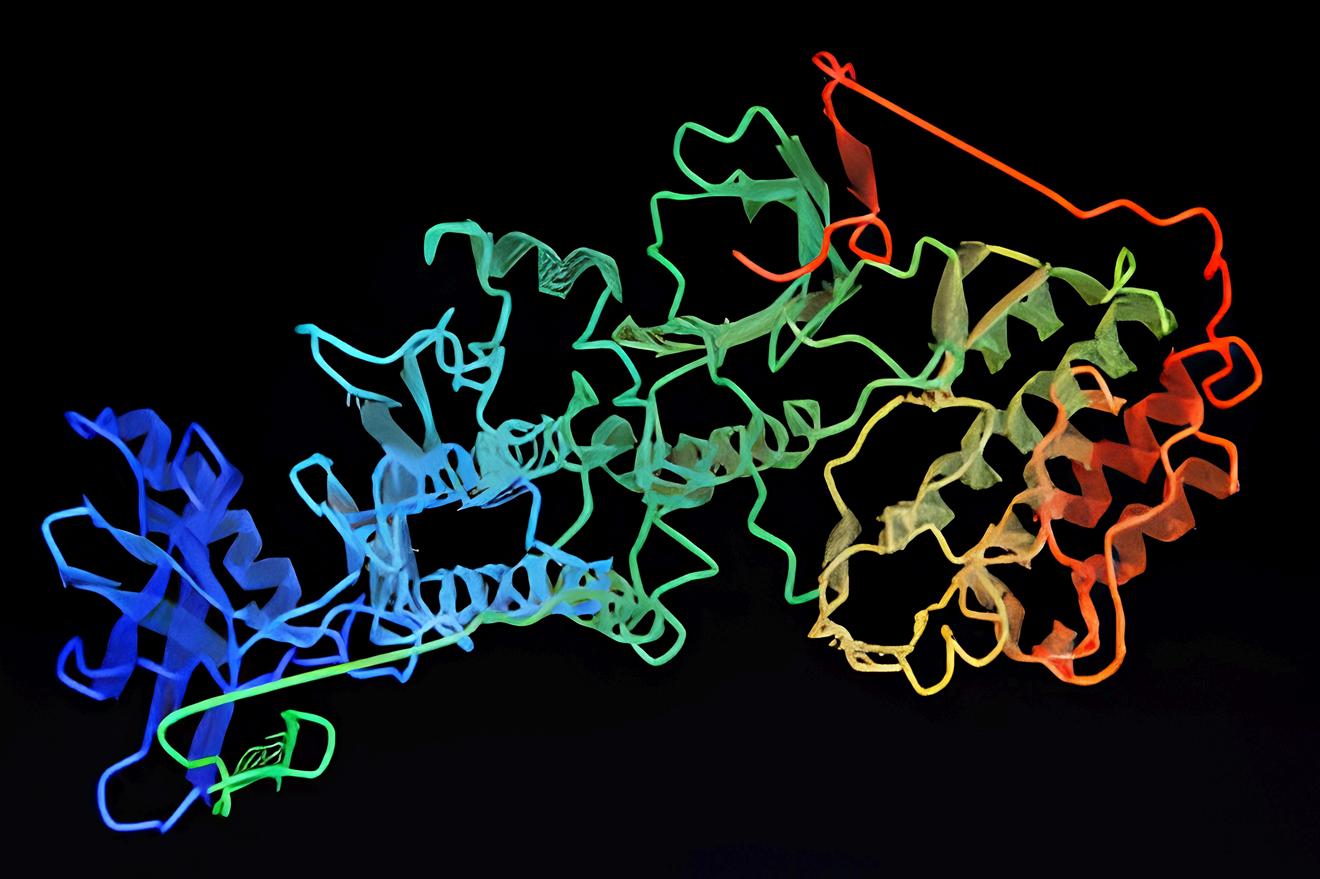
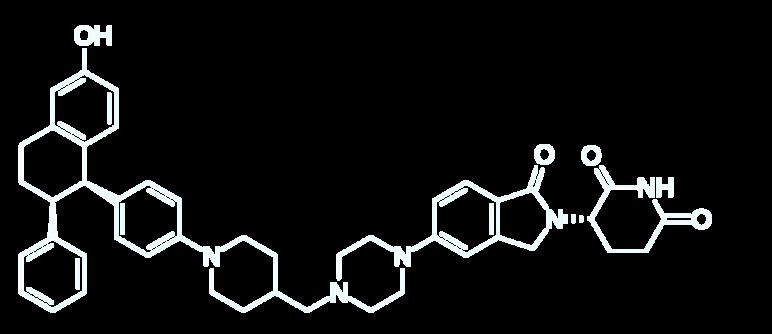
PROTAC Molecule, the weapon: The drug, Veppanu, is a specially designed molecule It has two ends connected by a small chemical linker. One end is designed to latch onto the problematic estrogen receptor The other end is designed to grab hold of a trash tagger inside the cell.
E3 Ligase, the trash tagger : Inside the cell is a protein called an E3 ligase. Its job is to wander around looking for proteins that are old, damaged, or in the way When it finds one, it attaches a small molecule to it called ubiquitin
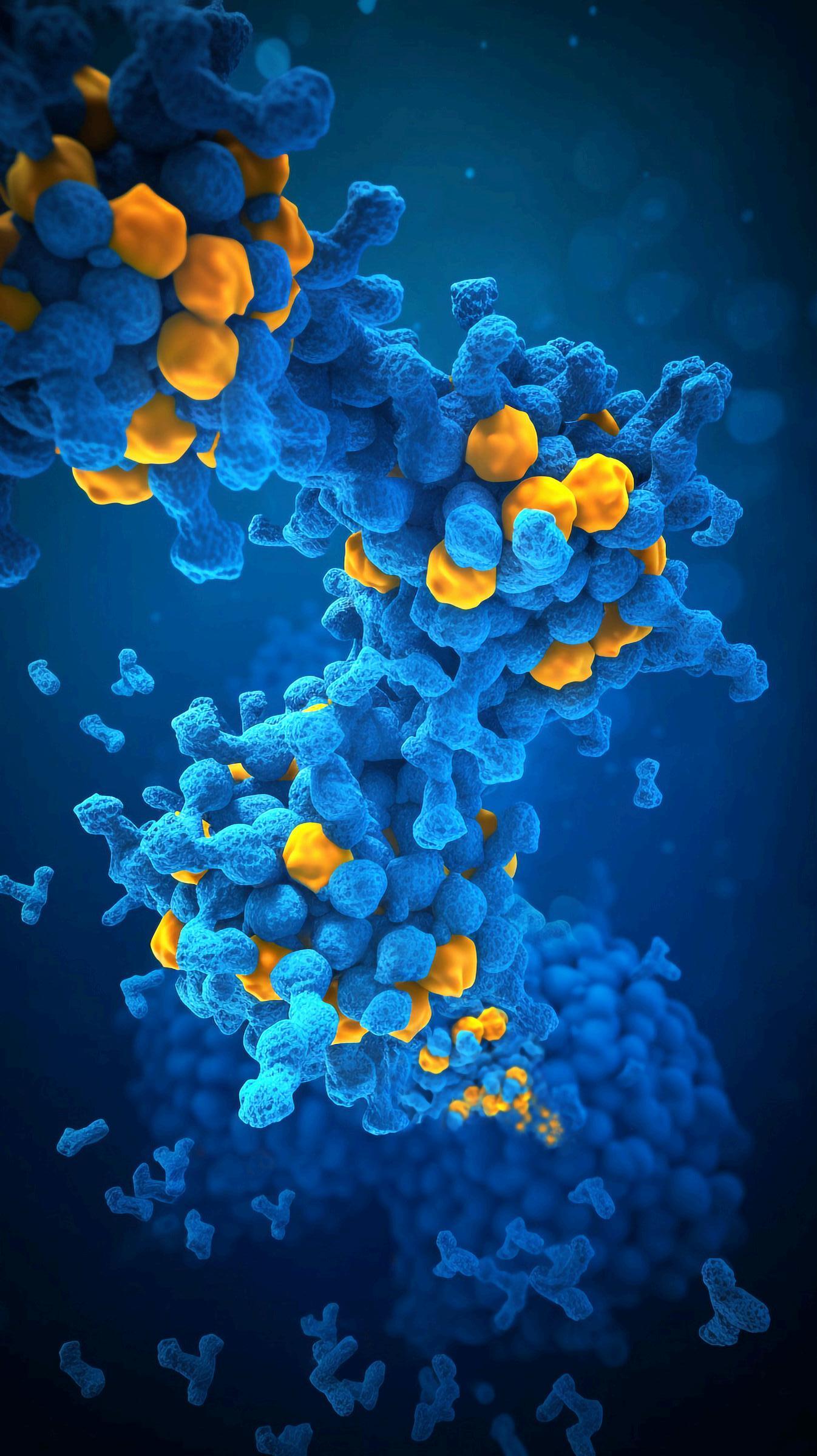
The Glue : The PROTAC acts like a microscopic piece of glue It binds to both the mutated estrogen receptor AND the E3 ligase at the same time, forcing them to stand right next to each other The E3 ligase, now in perfect position, slaps its ubiquitin, the trash tag onto the bad receptor
The Destruction (The Proteasome): The cell has another machine called a proteasome It constantly patrols the cell, looking for anything with a ubiquitin tag. The proteasome grabs the tagged estrogen receptor, shreds it into tiny, harmless pieces, and disposes of it The Cycle : Here is the most brilliant part The PROTAC molecule isn't used up in this process. After it delivers the bad protein to the disposal unit, the PROTAC is released, completely intact It can go out, find another mutated receptor, and do the whole process over again. One single drug molecule can destroy hundreds or thousands of cancer-fueling proteins
Without these mutant proteins driving growth, the cancer cell loses its instructions to multiply. It simply stops growing or dies This method allows researchers to obliterate cancer-related proteins that have been completely beyond the reach of all previous targeted therapies
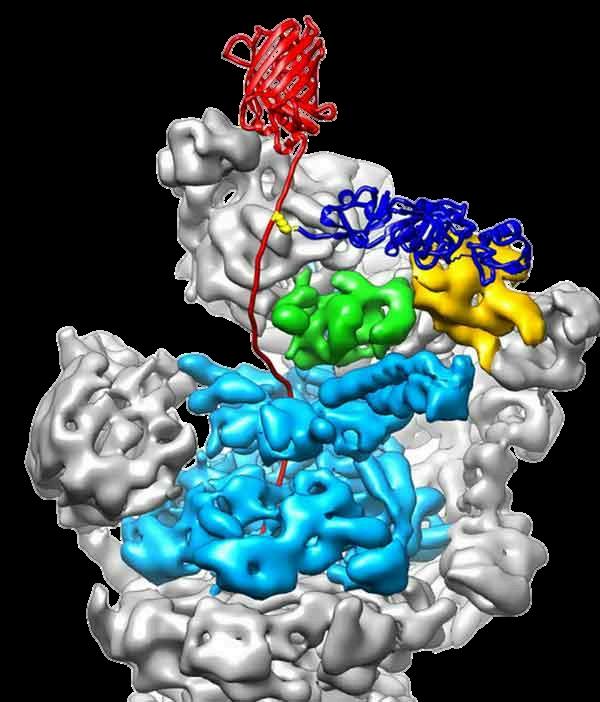
The first major breakthrough came in May 2026 with Veppanu's approval for breast cancer
Clinical trials are already showing that PROTACs can be designed to target the androgen receptor in prostate cancer, slowing or stopping the growth of those cells The technology is also being explored for lymphoma, leukemia, and lung cancer. The ambitious goal is to wipe out cancer-related proteins that older drugs couldn’t even touch
Beyond oncology, researchers are turning their attention to neurodegenerative diseases.
Alzheimer's, the most common form of dementia, is characterized by a feature inside the brain: abnormal clumps of a protein called tau. In a healthy brain, tau helps support the structure of nerve cells But in Alzheimer's, tau proteins twist together into sticky, thread-like masses called tau tangles.
A 2024 study found that a PROTAC called C8 eliminated more than 95% of toxic tau tangles in Alzheimer's model mice. Those same mice also performed better on memory tests. It's a promising sign that PROTACs might one day clear the brain clumps that drive Alzheimer's, Parkinson's, and Huntington's.
By degrading the cause of inflammation rather than just managing symptoms, these drugs also hold the potential to calm autoimmune diseases without suppressing the whole immune system.
For all its promise, PROTAC technology isn't without significant hurdles
Oral delivery: PROTACs are large, heavy molecules. This physical property means many of them can't be taken by mouth They must be injected instead, which severely limits their practical use for patients and doctors alike.
Selectivity off-target effects: A PROTAC molecule is designed to grab onto its specific target with one hand and a "trash tagger" with the other. But sometimes, it grabs the wrong protein. Destroying the wrong protein in healthy cells can cause serious side effects Improving this selectivity remains one of the biggest safety challenges facing the field
Manufacturing complexity: Each PROTAC is a custom built molecule with three separate parts: a target binder, a linker, and an E3 ligase binder Making them at scale is both expensive and technically difficult, which drives up costs and slows down development.
Resistance: Cancer cells are already learning how to fight back. PROTACs rely on specific E3 ligase enzymes to do their job Some tumors have been found to lose or mutate these ligases, making the drug useless over time
The first generation of PROTACs proved the concept works The next generation aims to make it smarter Scientists are developing PROTACs that only activate inside cancer cells, leaving healthy cells alone. This would greatly reduce side effects, a major hurdle for current therapies.
Veppanu is already an oral pill, proving oral delivery is possible. Now, companies are focusing on making this the standard
One of the most exciting parallel tracks is the development of molecular glues. These are smaller, simpler molecules that work similarly to PROTACs They don’t need a linker; they just glue the target directly to the trash tagger. Many drug companies are investing heavily in this approach because molecular glues may be easier to manufacture and deliver.
It's not hard to imagine artificial intelligence speeding this up. AI models are already being used to design better molecules and predict how they'll behave In the next few years, that kind of computing power could turn PROTAC discovery from a slow grind into a fast, targeted search
After twenty five years of doubt, the first PROTAC has finally reached patients
The science works, the FDA has said yes, but delivery, selectivity, and cost still stand in the way. Solving those problems will determine how quickly this revolution spreads far beyond breast cancer.
For now, one thing is clear: we are watching a new kind of medicine being born It starts with a single pill that hunts down and obliterates the engine of a cancer that once had no answers.
The destroyer turned savior has arrived
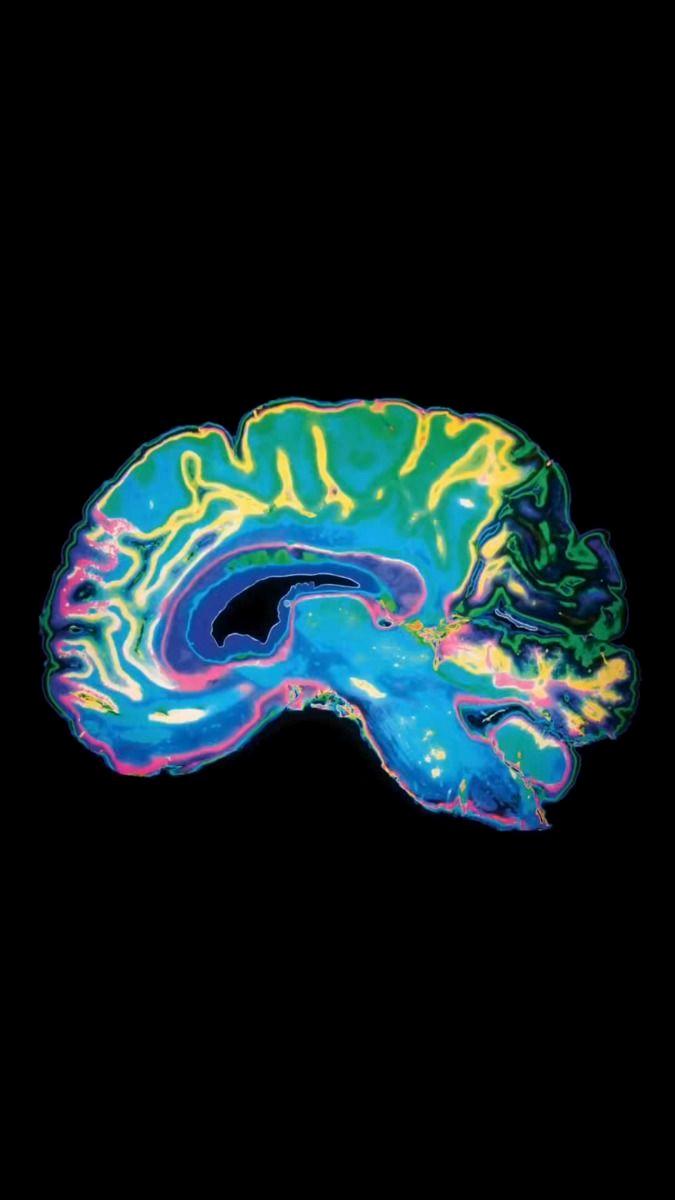
HOW CELLULAR INNOVATION AND BRAIN PLASTICITY
REVOLUTIONIZE MODERN HEALTHCARE
Peace Olajide
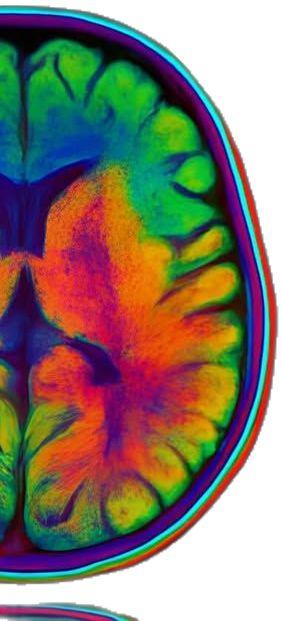
The human brain generates enough electricity to power a low-wattage LED light bulb. Every second, a massive storm of electrical sparks and chemical ripples passes through your head This allows you to read these words, remember what you ate for breakfast, and feel a sudden rush of excitement. Weighing just about three pounds, this jelly-like organ is the most complex structure in the known universe
How do billions of tiny cells create your thoughts, memories, and unique personality? The answer lies in neurobiology, the branch of biology that studies the nervous system By decoding these cellular storms, modern neurobiologists are unlocking new treatments for paralysis and brain disorders, completely transforming the future of healthcare. It does more than just help you pass your biology class It unlocks the secrets of human behavior, reveals how we learn, and paves the way for innovative medical treatments.
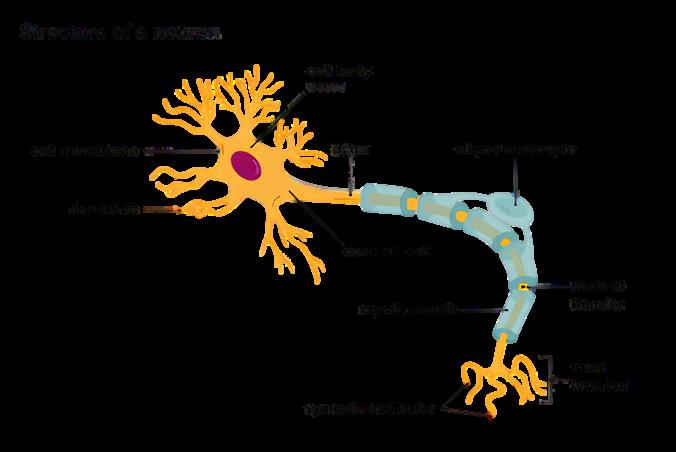

The nervous system relies on a massive cellular communication network. The primary players are neurons, which are specialized cells that send messages across the body They are supported by glial cells, which act like a maintenance crew Glial cells insulate neurons, provide them with nutrients, and clean up cellular waste.
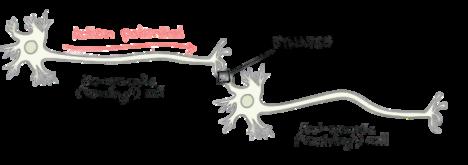
A neuron rests at a negative electrical charge. When it receives a strong enough signal from a neighbor, it opens microscopic gates in its membrane. Sodium ions (\(Na^{+}\)) rush inward, and potassium ions (\(K^{+}\)) pump outward This rapid reversal of electrical charge is called an action potential. The action potential zips down the axon.
When this electrical wave reaches the end of the axon, it hits the synaptic gap. This is a microscopic chasm between neurons that electricity cannot cross To bridge the gap, the neuron converts the electrical signal into a chemical one by releasing neurotransmitters These chemical messengers float across the gap and bind to matching receptors on the next neuron, restarting the cycle Two critical neurotransmitters govern how you experience life: dopamine, the reward and motivation chemical, and serotonin, the brain's primary mood stabilizer.
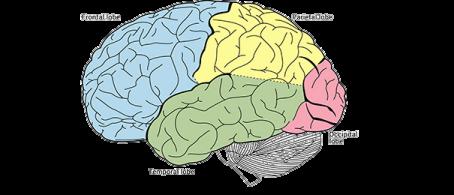
To understand how the brain coordinates complex human behaviors, we can look at its geography. Neuroscientists often use the Triune Brain Model to describe its evolutionary layers. The hindbrain handles vital survival instincts like heart rate and breathing. The midbrain coordinates basic motor responses and sensory reflexes The forebrain houses the cerebral cortex, which drives complex thought, logic, and self-awareness.
The cerebral cortex is divided into two hemispheres and four distinct sections called lobes:
Frontal Lobe: Positioned right behind your forehead, this lobe controls decision-making, planning, and personality It undergoes massive remodeling during your teenage years
Parietal Lobe: Located at the top of the head, it acts as a sensory hub that processes touch, taste, and temperature
Occipital Lobe: Placed at the back of the head, this section acts as the brain's dedicated visual processing center.
Temporal Lobe: Found near your ears, this area manages hearing, language comprehension, and memory storage
Beneath this outer crust is the limbic system, the emotional engine room of the brain. Inside of it, the amygdala acts as an alarm system for fear and stress Right beside it, the hippocampus converts temporary experiences into lifelong, stable memories
For generations, scientists believed the adult brain was completely fixed and unchangeable. Neurobiology has debunked this myth We now know the brain possesses neuroplasticity, the lifelong ability to physically reorganize its structure in response to learning, experiences, and environments.
Whenever you study an instrument, learn a game, or practice a language, you change the physical structure of your brain Neurons grow new branches to connect with other cells As you repeat an activity, the myelin insulation around those pathways thickens This makes the electrical signals travel faster and more efficiently. Neuroscientists summarize this phenomenon with a famous phrase from Daniel Hebb: "Cells that fire together, wire together "
During your teenage years, this remodeling process hits high gear. Through a process called synaptic pruning, the teenage brain acts like a gardener It trims away weak, unused neural connections while reinforcing the heavily used pathways. This structural upgrade makes the adult brain faster and more efficient, tailored directly to the habits you form today
Neurobiology is driving some of the most exciting innovations in modern medicine At the top of this list are Brain-Computer Interfaces (BCIs). Engineers are designing ultra-thin microchips that can detect the electrical signals of the motor cortex By translating these signals into digital commands, BCIs allow paralyzed individuals to move robotic limbs or type on computer screens using only their thoughts.
Neurobiological research also helps us better understand complex health issues Medical trials use this science to investigate the genetic causes of depression and track how Alzheimer's disease damages brain cells This structural insight allows researchers to develop targeted medical treatments instead of relying on broad guesswork
Finally, neurobiology reveals why lifestyle choices matter Consider sleep, for example When you fall into deep sleep, your brain activates the glymphatic system This plumbing network pumps cerebrospinal fluid through your brain tissue, flushing out toxic waste proteins that build up during the day Because the teenage brain is undergoing a major structural remodel, it requires 8 to 10 hours of sleep to clear this waste and lock in the day's learning.
From the rapid electrical impulses traveling down an axon to the deep emotional control of the limbic system, neurobiology proves that your brain is much more than a passive computer. It is an active organ that shapes every part of your daily life
As innovative health technologies emerge, the medical world will need a new generation of scientists Future neurologists, biotechnology engineers, and mental health researchers will be the ones to map the brain's remaining mysteries. The choices you make today, the skills you practice, the habits you build, and the rest you get can physically shape your neural pathways You are the architect of your own brain; what you focus on today builds the mind you will use tomorrow.
May 30, 2026 / Peace Olajide / peaceee14@gmail com


Have you ever wondered why the same medicine saves one person but harms another? Every year, millions of patients around the world experience different reactions to the same drugs despite receiving identical treatments While some recover quickly, others may suffer from severe complications or discover that the medicine simply does not work for them. Scientists now believe that one major reason for these differences lies within our DNA
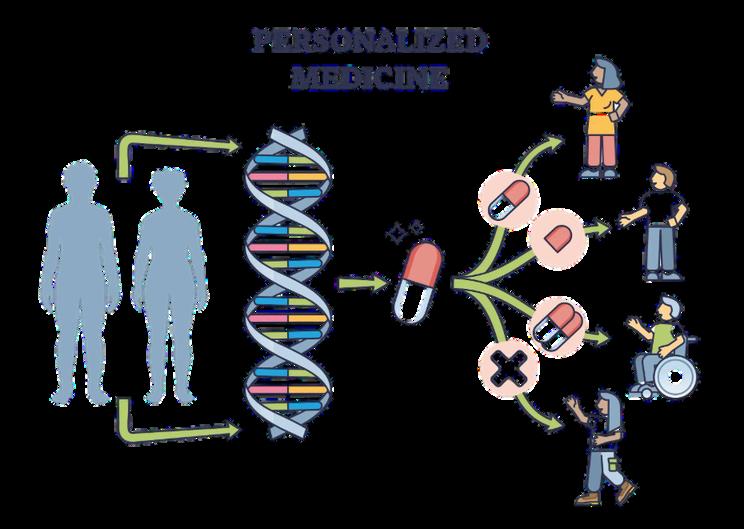
Pharmacogenomics is an important example of the field of precision medicine, which aims to tailor medical treatment to each person or to a group of people Pharmacogenomics looks at how your DNA affects the way you respond to drugs In some cases, your DNA can affect whether you have a bad reaction to a drug or whether a drug helps you or has no effect. Pharmacogenomics can improve your health by helping you know ahead of time whether a drug is likely to benefit you and be safe for you to take. Knowing this information can help your healthcare provider find medicine that will work best for you
Your genes give instructions to your body’s cells Genes help build protein molecules known as enzymes Enzymes have countless functions, including the breakdown of medications. People who don’t respond to medications as expected may have genetic differences that change the amount of enzyme made or how well it works
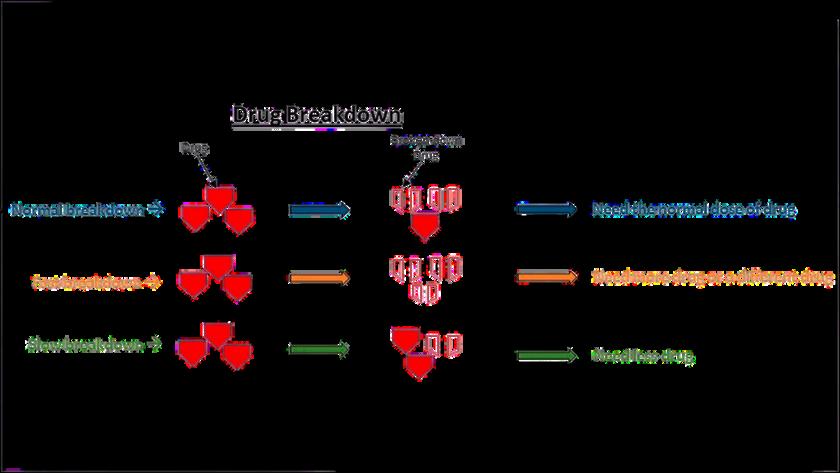
Your DNA can affect how quickly your body breaks down a drug If you break the drug down more quickly than most people, your body gets rid of the drug faster and you might need more of the drug or a different drug If your body breaks the drug down more slowly, you might need less of the drug
Genetic variation can affect:
pharmacokinetics – how the drug metabolised by the body is affected by genetic variations in metabolising enzymes pharmacodynamics – what effect the drug has on the body is influenced by genetic variations in drug targets (eg receptors)
Pharmacogenomic testing analyses genes involved in these two processes
One example is the cytochrome P450 multi-gene family, which produce enzymes involved in drug metabolism. P450 enzymes account for 70–80% of enzymes involved in drug metabolism. Common variations in P450 genes can affect the function of the enzymes produced, which in turn affects the metabolism of some drugs
Genetic variations give rise to four different phenotypes in terms of drug response:
Poor metabolisers who have markedly reduced or absent enzyme
Intermediate metabolisers with reduced enzyme
Extensive (or normal)
Ultrarapid metabolisers who have high enzyme
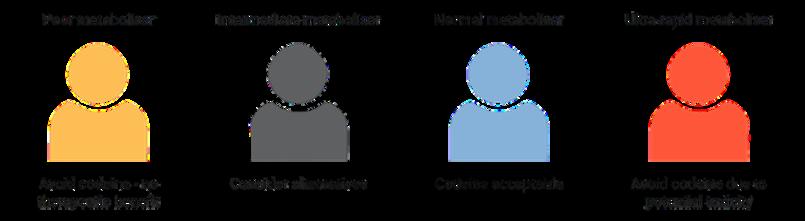
Pharmacogenomics offers several important benefits in healthcare By analyzing a patient's genetic makeup, doctors can choose medications and doses that are more likely to be effective for that individual This reduces the trial-and-error approach often used in prescribing drugs, lowers the risk of adverse side effects, and improves treatment outcomes. As a result, patients can receive safer and more personalized medical care
The Limitations of pharmacogenomics include:
Cost – there are currently only two pharmacogenetic tests funded through an MBS rebate: MBS item 73327 for the detection of genetic variants in the thiopurine S-methyltransferase gene for the prevention of dose-related toxicity during treatment with thiopurine drugs and MBS item 73323 for HLAB5701 testing prior to prescribing Abacavir therapy.
Testing turnaround time – some results can take between five and ten working days to reach the clinician who ordered the test In some cases, the trial-and-error approach to dosage would be completed within this timeframe.
Evolving science – our understanding of how genetics influences our response to drugs is still developing. Confidence in the clinical utility of pharmacogenomic testing is slowly growing, but there is a need for more evidence about the cost-effectiveness of pharmacogenomic testing to inform specific prescribing decisions.
Ethical and Privacy Concerns – genetic data must be handled with strict confidentiality to protect patient privacy.
Regulatory Barriers – government policies and insurance coverage may impact the widespread adoption of pharmacogenomics-based treatments.
Pharmacogenomics is transforming various fields of medicine, helping doctors make more precise treatment decisions
Some key areas where it is making a significant impact include: Cancer Treatment : In oncology, pharmacogenomics is used to develop targeted therapies for different types of cancer. Certain genetic markers determine whether a cancer drug will be effective or cause harmful side effects For example, breast cancer patients with HER2positive tumors benefit from HER2-targeted therapies, while others may require different treatments.
Cardiology : Medications for heart disease, such as blood thinners and cholesterol-lowering drugs, can have varying effects depending on a person ’ s genetic makeup Pharmacogenomics ensures that patients receive the most effective dosage while minimizing risks like excessive bleeding or blood clots
Infectious Diseases : Certain infectious disease treatments, including those for HIV and hepatitis, are influenced by genetic factors Pharmacogenomics enables doctors to choose antiviral medications that will work best for each patient, improving treatment outcomes.
It is important to note that pharmacogenomic testing cannot identify the “perfect” medication for a patient. Rather, it uses genomic information about a patient to identify which medications among a list of options are most likely to work, least likely to work or likely to cause an adverse reaction
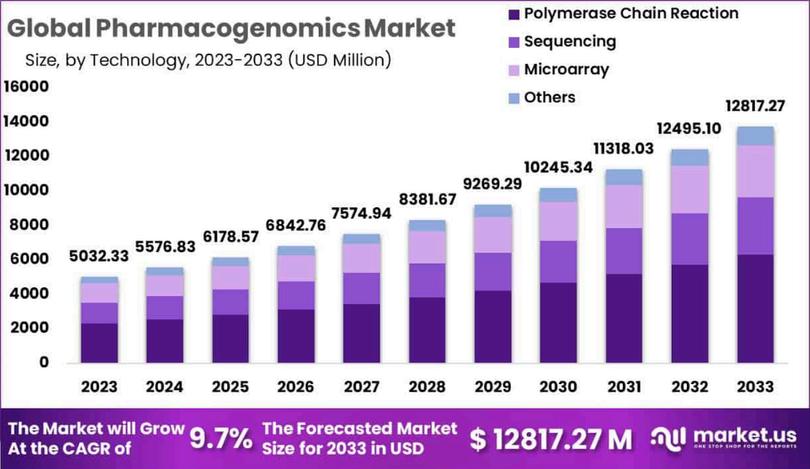
The graph shows the expected growth of the pharmacogenomics industry as personalized medicine and genetic testing become more widely used.
Several pharmaceutical companies and research institutions are investing in pharmacogenomics, recognizing its potential to revolutionize medicine In the coming years, we can expect:
More Affordable Genetic Testing: Making pharmacogenomic tests widely available
Expanded Drug-Gene Databases: Improving drug response predictions
Artificial Intelligence in Pharmacogenomics: AI-driven analysis of genetic data to enhance treatment recommendations
Integration into Routine Medical Practice: More doctors are adopting pharmacogenomics in their daily prescribing decisions
Pharmacogenomics represents a major step toward the future of personalized healthcare There are still some problems to solve, like the cost of genetic testing, ethical concerns and not enough people knowing about pharmacogenomics. There are also rules and regulations that can get in the way but ultimately pharmacogenomics is getting better all the time thanks to advances in genetics, biotechnology and artificial intelligence. As scientists keep learning more pharmacogenomics might become a part of healthcare and help doctors give patients treatments that're precisely what they need all around the world Ultimately, pharmacogenomics highlights how the future of medicine may not only depend on new drugs, but also on understanding the unique genetic code within every individual
May 30,2026 / Afrah / afrahrajab@gmail com
Why is the quality of healthcare across countries different?

Quynh Nhu Ho

Have you wondered why a person ' s birthday and the country where they were born and grew up influence life expectancy and access to medical treatment?
What should we do to implement the proposal and measures, beyond limiting access across countries for young people?
In the digital era, many developed countries merely pay 6200 USD per person yearly for medical services, while many developing countries merely pay 100 USD per person yearly for medical services
In conclusion, developed countries pay 60 times the medical costs in comparison with developing countries.
Explanation: Developing countries have been challenged to overcome economic inequality, debt, aid dependency, the migration of medical resources, the colonial legacy, domestic healthcare system inequality, and other external impacts
Additionally, there are many healthcare systems with various scales and qualities; therefore; each person across the world has diverse healthcare systems that depend on affordability It leads to disease awareness disparities besides external pressures
Describe how it impacts the international context, citizens’ lives, and how the young people come up with solutions and research proposals with the targeting of the treatment healthcare enhancement
Thesis: The inequality in the quality of healthcare systems worldwide, and the imbalance in healthcare security between other countries. The main cause is class boundaries and the different development states across countries It is a tendency worldwide beyond control Future initiatives by teenagers to tackle an urgent problem may raise awareness among many people, reinforce our healthcare system, and help residents search for different diseases. Additionally, it improves the spiritual life worldwide sustainably and makes the world more advanced
Data compares health expenditure across 195 countries and territories from the period between 2000 and 2023 with open access to the public.
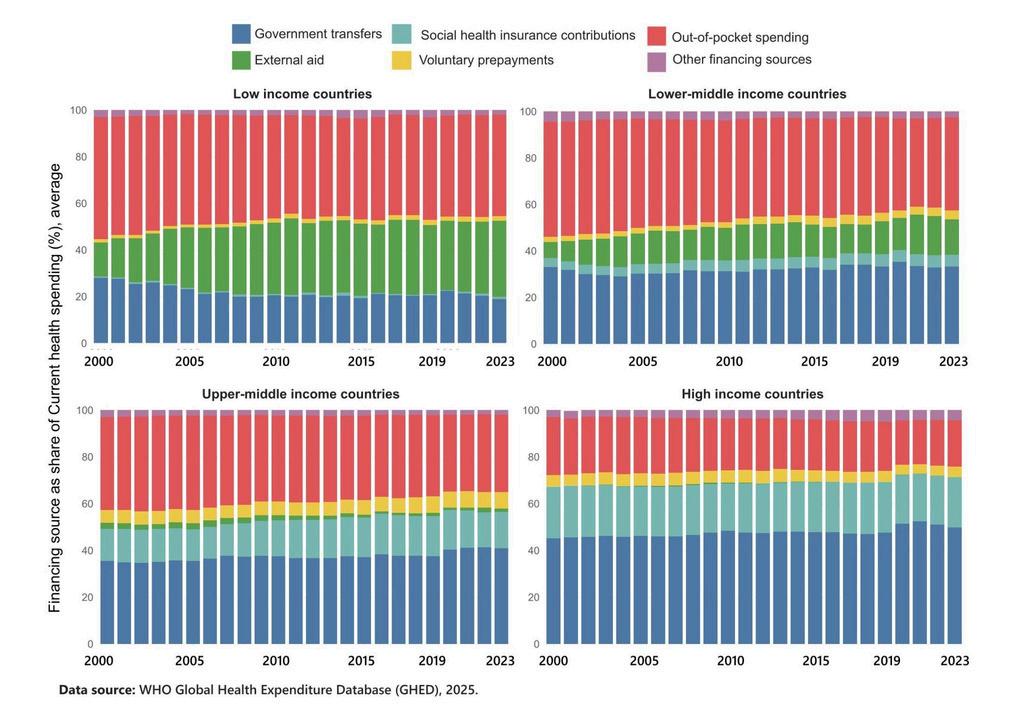
The global economic inequality results from complicated factors, the relevant relations across the field impacts – including; socioeconomic deprivation, limited access to the education system, other trade factors to healthcare, and systemic failure.
According to research from Beijing University, the economy covered 44,46% over the global inequality of healthcare security resources, while the healthcare system represented 67 5%, leading to poverty and healthcare system failure.
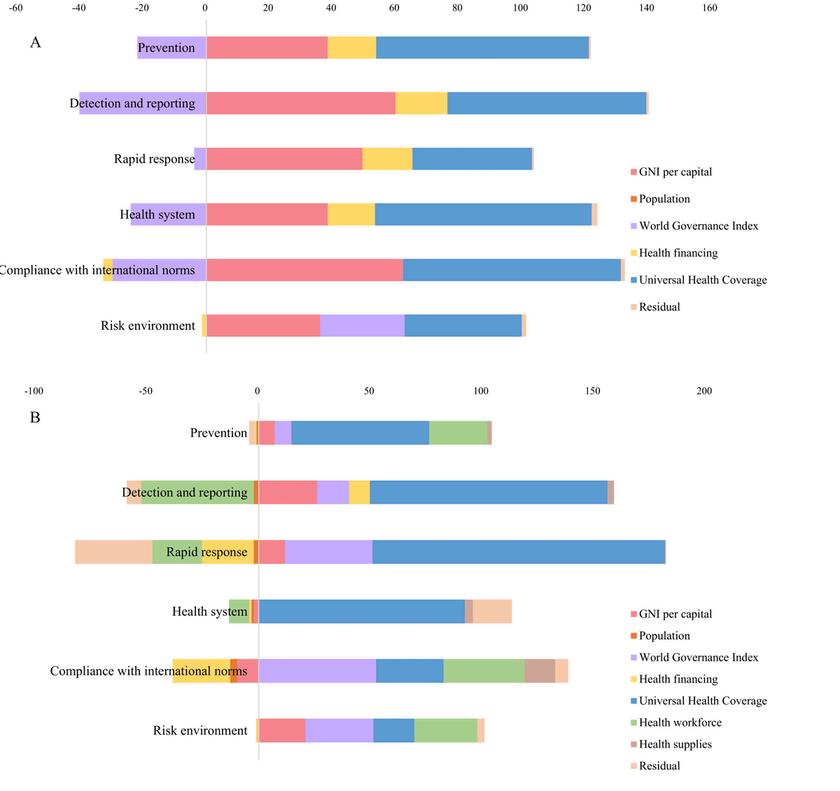
In the 48 countries, governments have invested in the payment of international debt, instead of paying for healthcare improvement For instance, the Mongolia Government covered approximately 158 USD/person, however solely 631 USD per person for foreign creditors ' debt payments

In developing countries, with a GDP per capita below $650 per year, foreign aid accounts for approximately 45% over total healthcare budget, which is an extremely fragile and unstable ratio
Leading to the risk of a serious healthcare system, a sudden withdrawal of investors by 2025, resulting in vulnerable consequences
The challenge of financial security not only happens in developing countries, but also the financial independence of developed countries faces this issue, especially in several poor households
In one to three developed countries, almost 20% of healthcare expenses are from personal fortunes.
It perceives income inequality early in life, leading to negative health consequences that last into later life. Low socioeconomic situation forces households–especially women and children–living in the inadequate healthcare infrastructure, creating a vicious cycle of disadvantage and bad health across generations.
Disparities in the Healthcare System are a root cause in the globally capable medical security, beyond purely economic factors – including inadequate disease detection and response capabilities, weak health information systems, corruption in budget allocation, and a deprivation of national policy coordination.
WHO estimated that in the global context, it has been depriving approximately 4.3 million healthcare workers, mainly in the developing countries that have already been surviving from high infant mortality rates, low life expectancy, and the double burden of non-communicable and infectious diseases
The Global System was structured that made departure more advantageous to receiving countries than sending countries
It reflects the dehumanization and exploitation of colonial times.
A great deal of developed countries in the contemporary era inherit healthcare systems designed to serve colonial interests, not native medical treatments – including weak infrastructure, a lack of domestic training, and unfair financial mechanisms.
Research data analysis, AI healthcare with the purpose of analyzing healthcare communities
Have acknowledged the healthcare policies
Broaden international networking through a youth-led organization, WHO, and a global organization
Self-research regarding the NTDs – including leprosy, dengue, and rabies
Develop systemic thinking
Experience in learning new languages and a diverse cultural journey
Conduct health campaigns and communication through using channels such as newspapers, podcasts, and advocacy to raise awareness and promote innovations
For example:
UNICEF offers many internship programs for bachelor's students, after a bachelor's degree, and a PhD They work at offices around the world in healthcare, medical, nutrition, WASH, and child protection fields.
Global Health Corps contains many opportunities for researchers with the ability to analyze complicated healthcare systems and design impact strategies It connects with the networking – more than 1300 alumni globally
Digital Health Africa Internship 2026 is an internship program for African students who are passionate and interested in digital healthcare, communication, and outreach working in person, boosting the healthcare ecosystem across continents
AMR – silent threats for world medicine with the death of 10 million people yearly by 2050 if there are no new methodologies.
NTDs – underinvestment, relative to Burden with merely almost 700 euros in global research investment, representing 0 2% over total global biomedical R&D spending
Gene therapy – numerous potential with limitations from poverty: 2025 witnesses gene therapies successfully treating sickle cell disease, with the first two therapies from the FDA restricted.
-> The biggest challenges are not science enhancements, but the viability of a global approach
AI detections – healthcare system revolutionization in some areas with a lack of doctors, by virtue of the fact that AI's capacity to early detect and project the signs of Alzheimer's many years ago, through high-resolution imaging with the identification of microstructural changes and protein accumulation, leading to neurodegeneration
Vaccine mRNA personalization with the successful deployment of contagious disease detections, therefore, there are many therapies in personalized cancer treatment – a breakthrough transformation from the flexible methodologies into designing a tumor vaccine for individuals
In a rare historical moment, young people have been living with the successfully advanced revolution, while CRISPR, AI, mRNA, and global health data have converged simultaneously, when the limitation is not technology, it is the willingness of politics, interdisciplinary human resources, and fair thinking Health inequality is not the tragedy of poor people, but it is a transgression of class boundaries.


Every year, millions of people in the world’s LDCs (Least Developed Countries) suffer and die from preventable illnesses because many healthcare systems fail to reach those in poverty However, with the implementation of innovative technologies to help those in need, the healthcare situation in LCDs has significantly improved.
Over the past several years, there has been rapid technological development in healthcare globally, particularly the advancement of mobile health (mHealth) solutions Even in the least developed countries, mobile phones and digital platforms now provide remote consultations, illness monitoring, and health education, demonstrating innovation by assisting patients in countries with inadequate physical healthcare infrastructure For example, the Global Fund has invested over $50 billion in healthcare programs in low-income countries since 2002, illustrating the impact of international collaboration Global partnerships with NGOs and international organizations also play a crucial role in driving innovation by providing funding and technical support
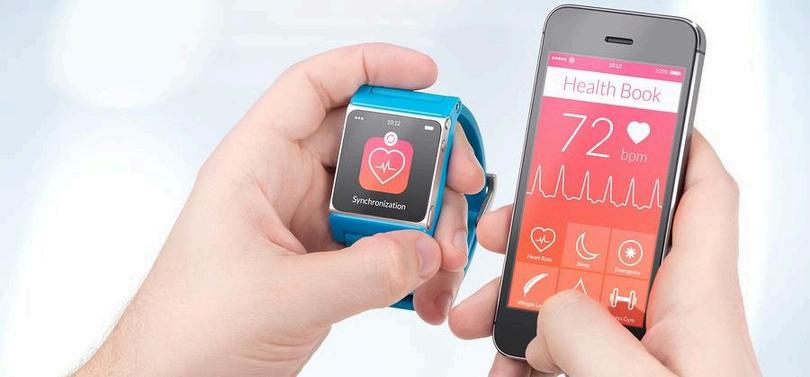
Across the world, NGOs are attempting to shift healthcare policies and persuade governments to align with their strategies in developing equitable healthcare systems using digital technology to assist the community
Even in remote locations, early identification of malaria, TB, and maternal problems have been made possible through digital imaging systems, automated blood analysers, and portable ultrasound devices, which are slowly but surely being implemented in LDCs An example of healthcare innovation in Rwanda and Malawi is the execution of quick screening for infectious diseases, made possible by mobile labs and solar-powered diagnostic devices With almost 45,000 Rwandan community health workers trained to operate medical machines while interpreting digital data, workforce development guarantees the efficient use of these technologies
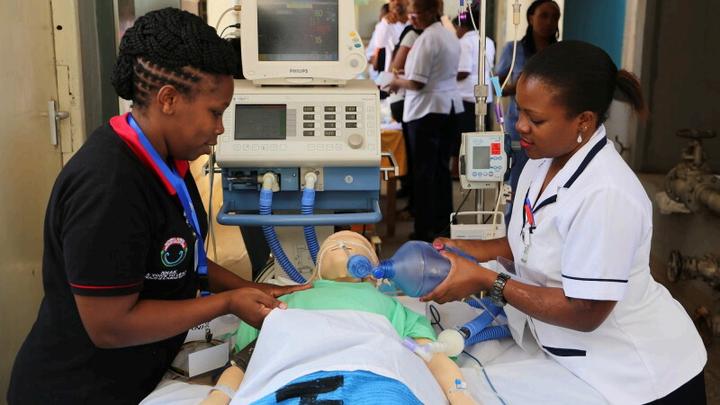
Organizations such as MSF (Doctors Without Borders) and Amref Health Africa are continuously reaching out to communities in LDCs struggling with unstable healthcare systems, and are utilizing digital technology to deliver efficient and effective diagnoses/treatment
Overall, LDCs are developing more adaptable and effective healthcare systems by integrating clinics, health programs, qualified staff, and cutting-edge diagnostics.
Despite the potential of innovative healthcare systems, least developed countries still face major challenges in the implementation of these strategies today Limited funding and budget constraints often restrict access to digital health tools Additionally, poor electricity and infrastructure make high-tech equipment difficult to use in rural areas. Cultural barriers and mistrust of government programs can also limit community engagement, as global conflicts continue to arise throughout the years.
Relating to geography, the distribution of vaccines in LDCs is also extremely difficult due to the accessibility of Google Maps in such countries For example, during the West Africa Ebola virus epidemic, teams such as MSF found difficulty in vaccine distribution as there were extreme geographical and infrastructural barriers

Furthermore, there is an absence of facilities for healthcare product innovation testing, and thus, quality inspection may be hindered Therefore, it is important for organizations to consider innovation management strategies and their interdependencies, to ensure a smooth delivery of health technology products for individuals living in LDCs. Individuals in such countries can expect low-cost technologies, community-led initiatives, and international partnerships to continue making an impact towards their futures in healthcare. With continued investment and local involvement, LDCs can ultimately build resilient, life-saving healthcare systems
In conclusion, cooperation between communities, organizations, and innovators will be essential for the reformation of healthcare systems in the least developed nations The creation of inexpensive technology, digital solutions, and community initiatives is also extremely important, and can be added to ongoing developments in innovation. Together, these initiatives provide hope for long-lasting healthcare systems that will empower marginalized communities while lowering mortality rates.
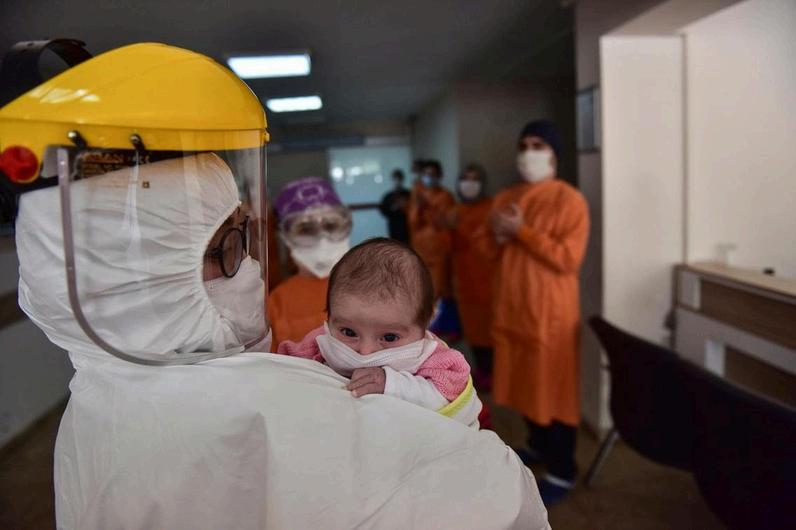
May 30,2026 / Emma Zhang / emmakyzhang@gmail com

Shift from traditional methods and techniques to modern dental procedures

Invisalign is clear or a shade of white and comfortable, unlike metal braces that may cause a lisp at first Lingual braces are on the back of your teeth; both Invisalign and lingual are almost hidden, making them more manageable than traditional wired braces. Invisalign is easy to clean and can be removed, so there are no dietary restrictions With traditional braces, you are often advised not to eat hard stuff like solid candy, sticky substances like gum or caramel, etc , though many people still do. This can trap bacteria and food particles, making cleaning more challenging. Despite these factors, traditional braces are still cheaper, ranging from $3,000-$8,000, while the latter is slightly more expensive, depending on the case, provider, and location. Both Invisalign and Lingual braces can be costly, but require fewer visits and are virtually invisible, allowing patients to maintain a natural appearance during treatment
Lingual braces are traditional braces, as the name suggests, just placed on the back of your teeth (lingual) They are hidden from view and ideal for individuals who want to hide the look of braces without the concern or stigma associated with metal brackets and wires. Digital technology can make orthodontics more personalized; in this case, these brackets are custom to your mouth using 3D scans They are stuck to your teeth, so you don’t have to worry about putting them on like aligners (whether metal or clear). You may face difficulty cleaning brackets and experience a temporary lisp like traditional braces
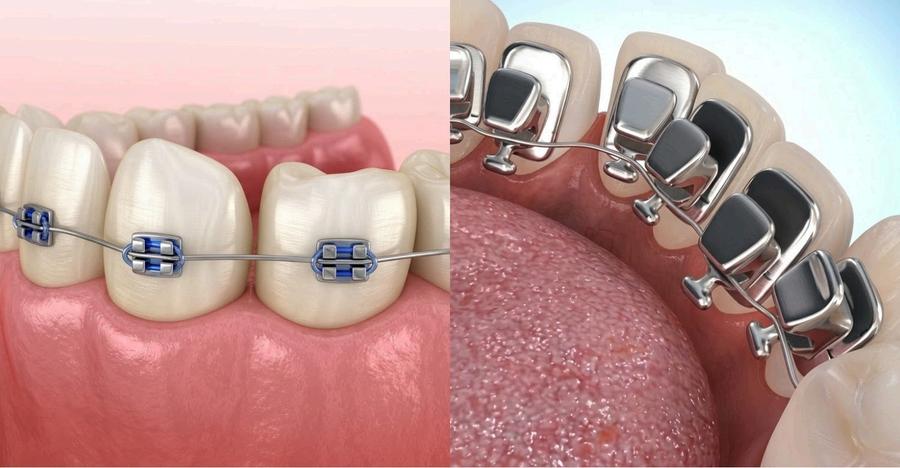
Invisalign is a type of aligner. The material used, SmartTrack plastic, is a premium material specially designed for orthodontic purposes Moreover, advanced technology, including 3D iTero imaging and digital modeling software, adds to the cost as well. There are cheaper alternatives available, which are clear aligners and can be monitored by a dentist at home. Because Invisalign is removable, you will not have food restrictions and will adapt quickly Hygiene habits will be normal with regular brushing and an oral care routine. The cons are that, despite being removable, you need to wear them 22 hours a day You will also be required to brush after having a meal before putting your trays back on, if you take them off to eat to ensure they are not stained and to maintain hygeine Some complex cases may still require fixed braces
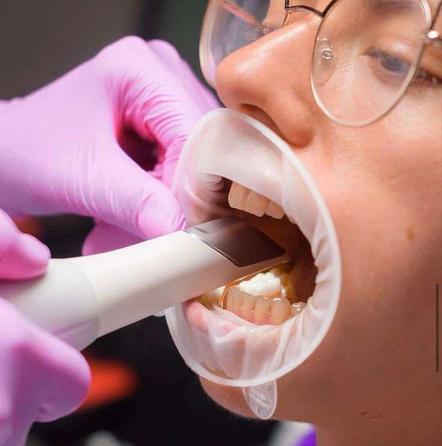
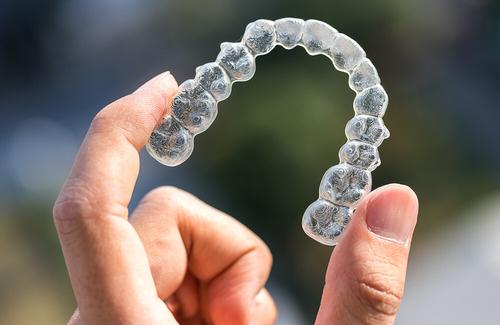
Invisalign and lingual braces are truly revolutionary for those looking for comfort and convenience. Modern orthodontics is more than just an aesthetic upgrade, but also a look into the future of orthodontics due to increased hygiene, treatment efficiency, and long-term dental care With enhanced technologies there is enhanced diagnosis, customized solutions, and reduced invasiveness which all contribute to its effectiveness. These advancements ensure patients achieve their dream smiles while maintaining proper dental hygiene and custom care
May 30,2026 / Marlee Mei / marleebmei123@gmail com

Telemedicine and how it works

Medicine is no longer confined to the sterile halls of a hospital; it has moved into our living rooms, kitchens, and bedrooms. The transition from in-person only care to a hybrid model has been a very quick and an economical shift in maximizing accessibility, reducing visits and overall making our lives easier .Telemedicine is not just a digital convenience but a fundamental restructuring of the patient-doctor relationship, prioritizing accessibility without sacrificing clinical quality.
Telemedicine is the use of digital communication and information technology to access healthcare remotely Telemedicine has evolved from a 20th century static radio to a modern A I integrated system of doctors , medicines and healthcare reports .Many peers tend to get confused between the terms telehealth and telemedicine often exchanging them as synonyms but they have a slight distinction.Telehealth is the umbrella term for all the modern technologies used in modern health care where as telemedicine refers to explicitly remote clinical services such as doctor - patient visits Telemedicine is you can say the subset of telehealth

The whole story starts with a digital interface.This step builds the foundation for the whole 4 step process In this stage patients tend to use secure platforms to schedule and conduct video visits.These secure platforms work as the foundation of modern telemedicine connecting patients to healthcare providers and pioneer the thread of patients fully automating their healthcare experiences The second step is Data Integration where doctors tend to use (EHR)-Electronic health records which allows them to see the patient's history in real time on call The third step after diagnostics is Remote patient monitoring that works on the principle of wearable devices ( bp monitors , smartwatches, sensors ) that tend to transmit live data to professionals In this domain pharmacies and hospitals tend to work hand to hand and that brings us to our last step ( Pharmacy loop ) where digital prescriptions are sent to local pharmacies completing the home based cycle.
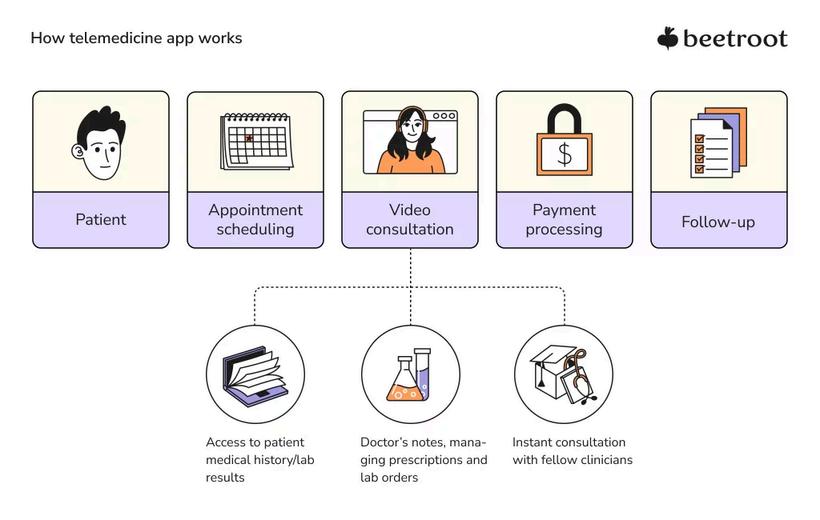
Every single thing on this earth tends to come with its own set of challenges and rewards; it's the same with tele medicine
Rewards:
Accessibility - telemedicine tends to break the shroud barriers between rural and urban health care with the help of modernizing technology and health drives that have started as an initiative in many rural parts of the world
Efficiency - Reduced "no-show" rates and lower overhead costs for clinics. Early Intervention - Continuous monitoring allows for treating issues before they require emergency room visits
The digital divide - many vulnerable parts of the world may lack the technology know- how or the digital expertise to be able to engage with healthcare providers online
Security concerns - Risks of data breaches and the need for HIPAA-compliant encryption
Healthcare data breaches expose highly sensitive Protected Health Information (PHI) to cybercriminals, leading to financial penalties, reputational damage, and patient harm
Loss of Physical Touch - The limitations of not being able to perform a physical palpation or auscultation (listening to the heart/lungs) in person It also tends to remove the empathetic connection between the doctor and a patient
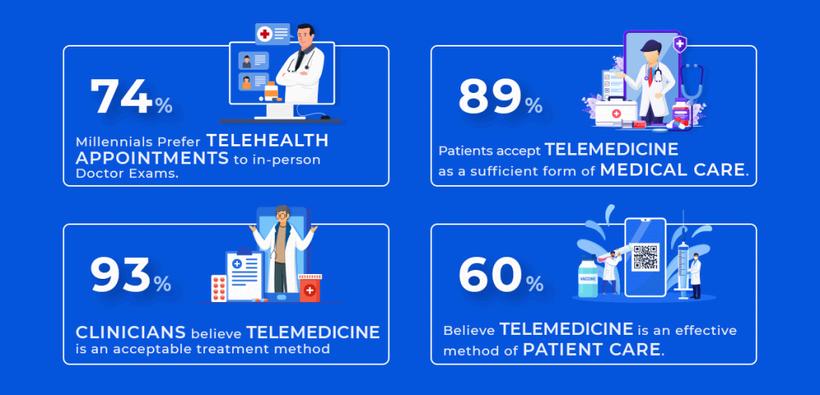
Although the world of telemedicine comes with a lot of hurdles to overcome, its integration into the home is still pretty necessary especially for those who can't or don't have the physical dynamics to actually visit a doctor The future of medicine is "Phygital"- a seamless, patient-centric synthesis of physical human care and digital precision. Rather than replacing the doctor-patient relationship, digital tools and artificial intelligence enhance it This model bridges traditional clinics with connected, remote health solutions to provide continuous, personalized care. The hospitals of the future may not be a building but a network that lives where the patient lives
May 30,2026 / Tista Bhatia/ tistabhatia@gmail com
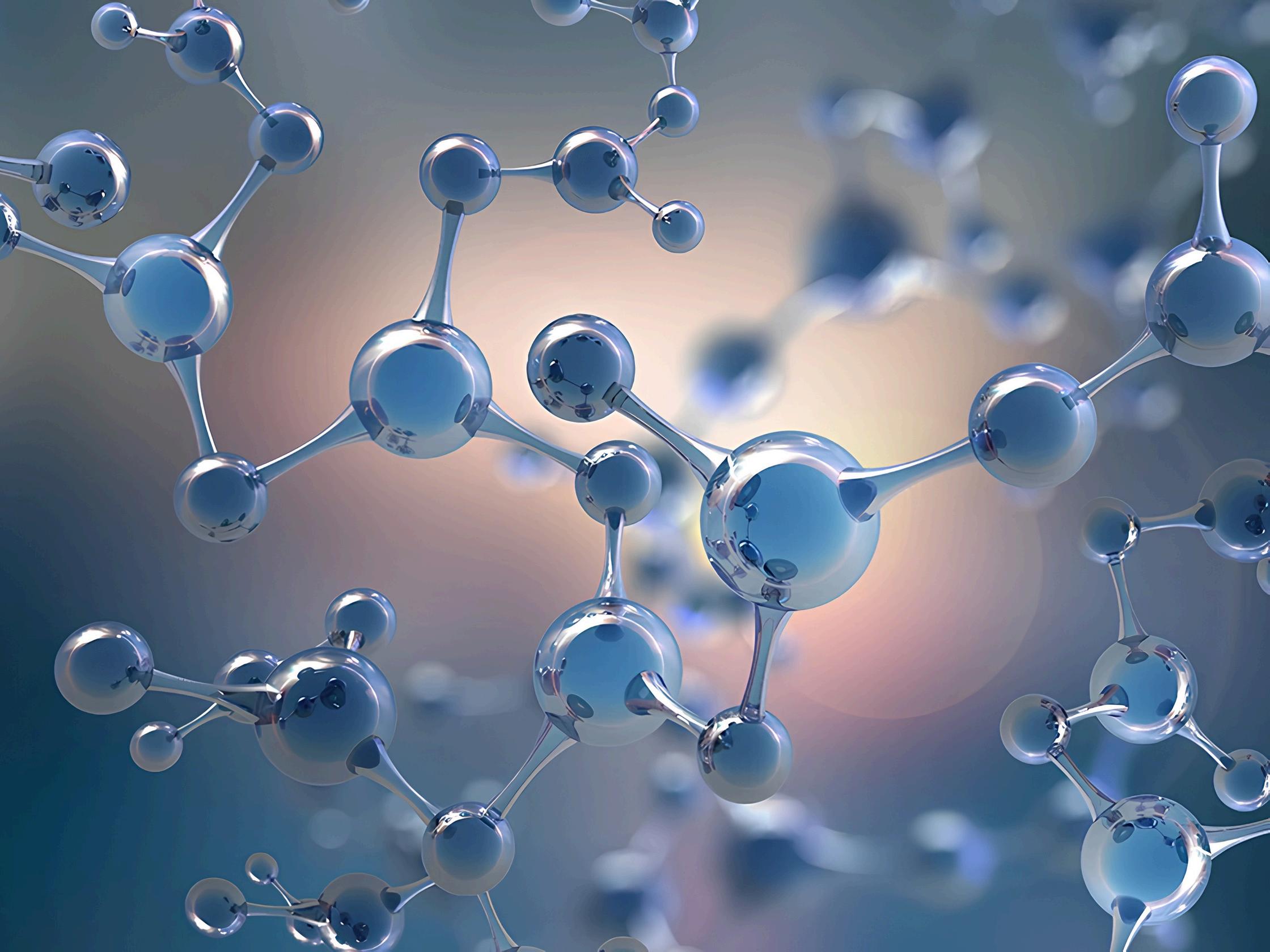
Maggie Zhang

Imagine if medicine had GPS and could go exactly where it’s needed instead of getting lost in
the body That is essentially what nanotechnology helps scientists do By using tiny particles called nanoparticles to carry drugs, nanotechnology can improve how medicine is absorbed, targeted, and released. This can make treatments more effective while reducing harmful side effects Understanding how nanotechnology improves drug delivery through precise treatments, fewer side effects, and personalized medicine is important as this technology becomes more common in healthcare
Nanotechnology uses extremely small particles called nanoparticles to improve the way medicine is delivered inside the body Measured in nanometers, these particles are small enough to interact directly with cells and tissues Scientists design nanoparticles to carry medicine through the bloodstream and deliver it to specific parts of the body, helping protect drugs from breaking down before they reach their target (Di Stefano)
Two of the most common nanocarriers are liposomes and lipid nanoparticles. Liposomes are made from fat-based materials that safely surround and protect medicine while it travels through the bloodstream, helping drugs reach diseased cells more effectively. Lipid nanoparticles work similarly and have become especially important in modern medicine because they can efficiently transport drugs and genetic materials to targeted areas of the body (“Nanotechnology Based Drug Delivery System”).
The process of nanotechnology drug delivery is designed to improve treatment accuracy. Medicine is first loaded into nanoparticles, which then travel through the bloodstream to specific target cells Once they reach the target, the medicine is released directly into diseased tissue This targeted approach makes treatments more precise and effective while reducing damage to healthy parts of the body
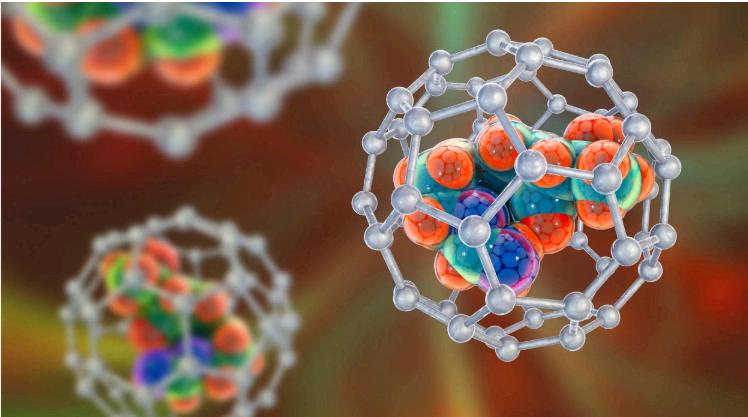
Nanotechnology has become especially important in cancer treatment and targeted medicine. Researchers use nanoparticles to deliver chemotherapy drugs directly to tumors instead of exposing the entire body to powerful chemicals This targeted drug delivery helps reduce damage to healthy cells and lowers harmful side effects such as nausea, fatigue, and hair loss. Nanoparticles can also improve the effectiveness of drugs that do not dissolve easily in the body, allowing treatments to work more efficiently. One real-world example is Doxil, a nanotechnology-based chemotherapy drug that uses liposomes to deliver cancer medicine more directly to tumors while reducing damage to healthy tissue (Di Stefano).
Nanotechnology also plays a major role in vaccines and disease treatment Lipid nanoparticles became widely recognized during the COVID-19 pandemic because they were used in mRNA vaccines such as the Pfizer-BioNTech and Moderna vaccines These nanoparticles protected the fragile mRNA and helped deliver it safely into cells, which changed modern vaccine delivery and allowed scientists to develop vaccines more quickly and effectively (Singh et al.). Scientists are also researching nanotechnology for treating infections, heart disease, and neurological disorders Some nanoparticles are even able to cross biological barriers, helping medicine reach difficult areas such as the brain
Researchers continue developing advanced drug delivery systems that may improve future healthcare Some “smart” nanoparticles are designed to release medicine only under certain conditions, such as changes in temperature or pH levels. Nanotechnology may also help create more personalized treatments based on a patient’s individual condition In the future, some nanoparticles could combine diagnosis, medical imaging, and treatment into a single system, making healthcare more efficient and accurate
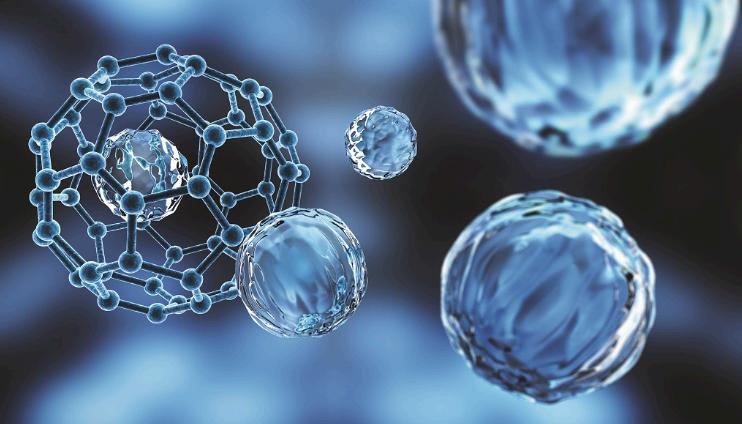
Although nanotechnology has many benefits, scientists still have concerns about its long-term safety Researchers must carefully study how nanoparticles interact with organs, tissues, and the immune system Some nanoparticles may build up inside the body over time and could potentially cause unintended side effects (Fortune et al.). Because nanotechnology is still developing, governments and health organizations need strong regulations to ensure these treatments are used safely and responsibly.
Cost and accessibility are also major challenges. Developing nanomedicine requires advanced technology and expensive research. As a result, these treatments may be difficult for some countries or patients to afford While medical innovation can improve healthcare and save lives, expensive technologies may also increase inequality if only wealthier countries or patients can access them Governments and healthcare organizations will need to work together to make these treatments more accessible in the future.
Despite these challenges, scientists continue working on safer and more precise nanoparticles for future medical treatments. Artificial intelligence may help researchers design better drug delivery systems by improving how nanoparticles are developed and tested In the future, nanotechnology could greatly improve gene therapy, tissue repair, and personalized medicine (Singh et al.). As research advances, nanomedicine may become one of the most important tools in modern healthcare
Nanotechnology is transforming drug delivery by making medical treatments more targeted and effective Nanoparticles help medicines reach diseased cells more accurately while reducing harmful side effects. Already used in cancer treatments, vaccines, and advanced drug delivery systems, nanotechnology continues to expand its role in healthcare Although challenges involving safety, cost, and regulation remain, continued research will help ensure these innovations are safe, ethical, and accessible to people around the world

Anish Bhandary

Think about the last meal you just ate Maybe it was chips, cereal, or a glass of juice Whatev
er the body That is essentially what nanotechnology helps scientists do By using tiny particles called nanoparticles to carry drugs, nanotechnology can improve how medicine is absorbed, targeted, and released This can make treatments more effective while reducing harmful side effects Understanding how nanotechnology improves drug delivery through precise treatments, fewer side effects, and personalized medicine is important as this technology becomes more common in healthcare
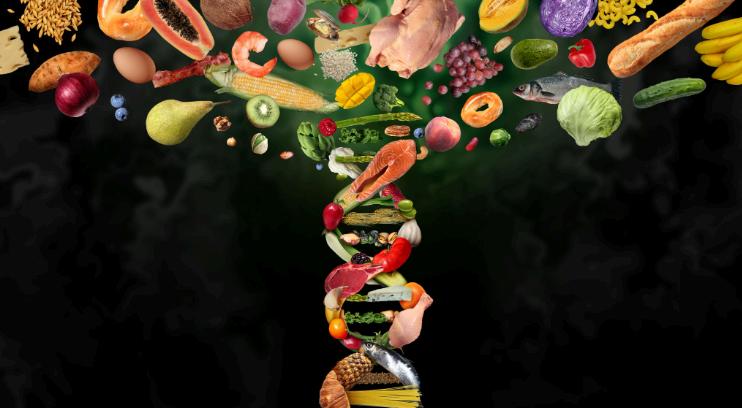
GMOs, or genetically modified organisms, are organisms whose DNA has been altered by scientists Scientists often do this to produce an organism with desired traits such as size, shape, or resistance to diseases.
The process of producing GMOs is very complex as it involves advanced genetic engineering and biotechnology To understand this process, it is first important to understand genes Genes are small sections of DNA that determine an organism's traits, like its size, shape, color, or how well it survives in a certain environment.
Scientists can change or add genes to give organisms useful traits. This process is called genetic engineering Unlike normal breeding, which can take decades, genetic engineering allows scientists to make specific changes faster
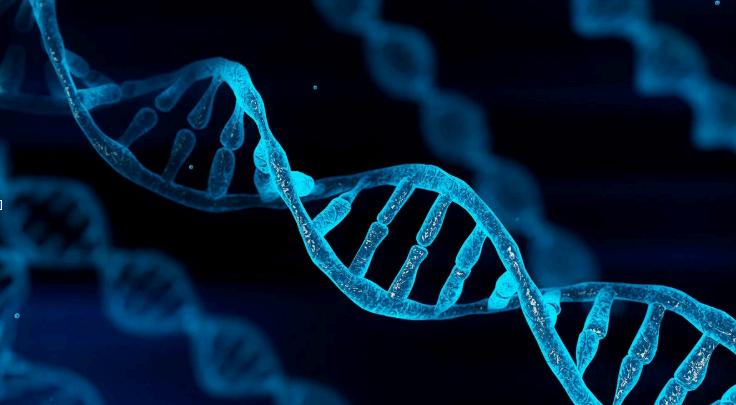
The two main processes of genetic engineering are gene editing and transgenics.
Gene editing is when scientists alter DNA at specific locations of the genome CRISPR-Cas9 is a type of gene editing where enzymes are used like “molecular scissors” to cut and manipulate DNA
Transgenics is the process of introducing a foreign gene from one organism into the genome of another species This results in an organism that has traits of other species Transgenics has been used to advance biological research, improve agricultural productivity, and enhance crop and animal quality
1866: Gregor Mendel, known as the father of genetics, breeds two different types of peas with each other and identifies the basic rules of heredity
1922: The first hybrid corn is produced and sold
1973: Scientists develop genetic engineering by inserting DNA from one bacteria into another
1994: The first GMO food, the Flavr Savr tomato, is created.
1995-Now: A variety of genetically modified plants and animals have been developed.
Some common examples of genetically modified organisms include corn, soybeans, cotton, and potatoes. These crops are modified to have specific traits such as resistance to pests, increased crop yield, or enhanced taste For example, corn is modified to resist insects

There are several benefits for using genetically modified organisms. One major advantage of GMOs is that they result in higher crop yields and agricultural productivity This provides more food for society and increases the amount of profit that farmers make
Genetically modified crops can also help farmers deal with environmental challenges Some GMOs are created to withstand drought, extreme temperatures, or poor soil conditions, reducing the amount of crops that are lost during periods of harsh conditions
Another benefit is improved food quality. Scientists can genetically engineer crops to give them more nutrients or a better taste An example of a crop that is modified to include more nutrients is Golden Rice, which is engineered to combat Vitamin-A deficiency.
Despite the benefits, the use of genetically modified organisms is still controversial due to many environmental, health, and ethical concerns
Some people think that GMOs have a negative impact on the environment because they can reduce biodiversity and disrupt natural systems There are also concerns that pests and diseases can adapt to GMOs, making them harder to control.
Another reason why some people do not support GMOs is because of the health impacts they can have on people. Although GMOs have to be approved in order to be sold, many believe that GMOs can cause many negative long term impacts that are not fully understood yet
Finally, there are many ethical reasons for which people criticize the use of genetically modified organisms Some think it is unnatural for humans to change the genetic makeup of organisms Others argue that large companies prioritize quantity over quality of genetically modified crops and animals
As technology advances, so will the development of GMOs and the methods scientists use to make them. New technologies such as artificial intelligence can play a huge role in predicting how genetic changes affect an organism, deeply changing our understanding of genes and traits Other improvements in CRISPR and transgenics will make genetic engineering way more precise and accurate. These improvements can also lead to better agricultural and health practices. As these technologies develop, it will be important for governments and scientific organizations to ensure that GMOs are tested for safety and are used responsibly.
In conclusion, genetically modified organisms have significantly changed agriculture and biotechnology by increasing food production, improving resistance to harsh conditions, and creating new opportunities in medicine and environmental science As technologies such as artificial intelligence and genetic engineering advance, GMOs may become even more effective. However, research, ethics, and regulation will still be important to make sure that genetically modified organisms are used safely and responsible in the future May 24,2026 / Anish Bhandary

Imagine taking a medicine that does not release all of its drug at once Instead of spreading
through the body immediately, it travels toward the area where it is needed and releases its treatment under specific biological conditions. For many diseases, especially cancer, this idea matters because the problem is not only whether a drug can attack harmful cells, but also whether it can avoid damaging the healthy ones Drug delivery systems are designed to improve how therapeutic agents are delivered or released in the body, including through targeted delivery and controlled release
This is where DNA nanostructures introduce a new possibility. DNA is usually known as the molecule that stores genetic information, but scientists can also use DNA as a building material Because DNA strands naturally pair with specific matching bases, researchers can build synthetic DNA strands that can self-assemble into precise nanoscale shapes. These shapes include cages, tubes, sheets, and origami-like structures In medicine, these structures can act as tiny programmable carriers that hold drugs and release them under certain conditions.
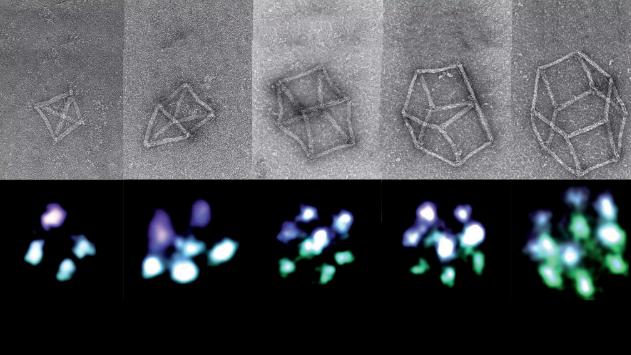
DNA nanostructures for controlled drug release represent a major shift in health innovation because they could make treatment more targeted, responsive, and precise. Instead of using medicine as a general treatment that affects the whole body, DNA-based delivery systems aim to respond to biological signals inside the body. Although this technology is still being developed and faces challenges such as stability, immune response, cellular delivery, and large-scale production, it shows how future medicine may become more personalized and intelligent
To understand why DNA nanostructures are useful, it is important to first understand how they are built. DNA is made of four bases: adenine, thymine, cytosine, and guanine. Adenine pairs with thymine, while cytosine pairs with guanine Scientists use this predictable pairing system to design DNA strands that connect in planned ways When the strands are mixed together under the correct conditions, they can self-assemble into structures at the nanometer scale
One of the most important methods in this field is called DNA origami. Similar to paper origami, where a flat sheet is folded into a specific shape, DNA origami uses a long DNA strand and many shorter strands to fold DNA into a planned structure. These structures can be designed with very high precision, which makes them useful for carrying molecules such as drugs, proteins, or imaging agents In drug delivery, this means DNA structures can be engineered as containers or scaffolds that hold therapeutic molecules until they reach the desired location.
The best part about DNA nanostructures is their ability to be programmed Some DNA nanostructures can be designed to respond to specific triggers, such as pH changes, enzymes, proteins, or other molecules that are more common in diseased tissue than in healthy tissue For example, a DNA nanostructure could be designed to stay closed while traveling through the body, then open when it reaches a tumor-like environment or when it meets a specific molecular signal. This makes the structure more than just a container; it becomes a precise, responsive delivery system.
The mechanism works because DNA structures can be designed with parts that change shape, unlock, or separate when they meet the correct conditions. For example, if a structure is designed to respond to a certain enzyme, that enzyme can act like a biological “key” that changes the structure and allows the drug to be released If the trigger is not present, the structure is meant to keep the drug contained. This is why DNA nanostructures are often described as programmable; their shape, cargo, and release behavior can be programmed before they are used
This trigger system is important because many drugs are powerful but not selective enough on their own. If a drug spreads everywhere, it can affect healthy cells as well as diseased cells. However, if the drug is packaged inside a nanoscale carrier that opens only under specific conditions, the treatment may become more controlled. This does not mean DNA nanostructures already solve every medical problem, but it shows why researchers are interested in them, because they can combine structure, targeting, and release into one programmable system.
Drug delivery is a major part of modern medicine According to the National Institute of Biomedical Imaging and Bioengineering, drug delivery systems are technologies used for the targeted delivery or controlled release of therapeutic agents This means the goal is not only to create better drugs, but also to control how, when, and where those drugs act inside the body.
Cancer treatment shows why this matters Chemotherapy is designed to kill fast-growing cancer cells, but the National Cancer Institute explains that chemotherapy can also kill or slow the growth of healthy cells, such as cells in the mouth, intestines, and hair follicles. This damage can lead to side effects such as mouth sores, nausea, and hair loss ² Because of this, researchers are studying delivery systems that could help drugs reach tumors more intensively instead of spreading widely through healthy tissue
A specific example comes from a 2014 study by Zhang and other researchers, which tested DNA origami nanostructures loaded with doxorubicin, a chemotherapy drug. In their study, DNA origami structures were used as in vivo drug delivery vehicles in an orthotopic breast tumor mouse model. The researchers reported that the DNA origami structures showed enhanced tumor targeting and antitumor efficacy in that model ⁷ This example is important because it gives a real case of DNA origami being tested for cancer therapy, instead of only discussing the idea as a theory
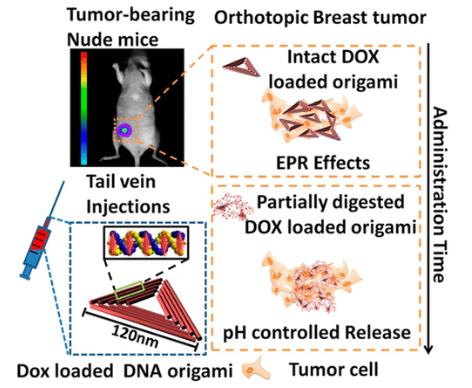
However, this evidence must be understood carefully The study does not prove that DNA nanostructures cure cancer in humans or work for every type of cancer. It was a preclinical study using mice, a specific drug, and a specific cancer model Although it still demonstrates the potential of DNA nanostructures as drug delivery vehicles, it also supports the idea that nanoscale design may help make cancer treatment more targeted in the future.
Beyond cancer, DNA nanostructures could also help with other medical problems where controlled delivery is difficult. Some diseases require drugs to reach specific cells or tissues while avoiding other areas While DNA nanostructures are not yet a simple solution to every delivery problem, their programmability provides researchers with a possibility for designing more advanced delivery systems in the future.
Even though DNA nanostructures are promising, they are not yet ready to replace current treatments. One major challenge is stability. The human body contains enzymes and biological conditions that can break down DNA If a DNA nanostructure breaks apart too early, it may release the drug before reaching its target Researchers, therefore, need to design DNA carriers that are stable enough to survive in the bloodstream but still able to release their cargo at the proper time
Another challenge is the immune response. Because DNA nanostructures are foreign materials introduced to the body, the immune system may detect or react to them This could affect how long they remain in circulation and whether they stimulate unwanted biological responses. Researchers must study how different shapes, sizes, coatings, and chemical modifications influence safety and immune recognition
There are also ethical questions. If DNA nanostructures become part of personalized medicine, treatments could be designed based on a patient’s biological profile This could make medicine more precise, but it also raises questions about affordability and fairness. Advanced personalized treatments may be expensive, meaning only some patients could receive them If the technology becomes successful, health systems would need to make sure that it does not increase inequality between patients who can afford advanced treatments and those who cannot.
Safety is another ethical issue Since DNA nanostructures are designed to interact with the body at a very small scale, researchers must carefully test long-term effects before implementing them Patients should know whether a treatment is experimental, what risks are known, and what risks are still uncertain. Innovation in medicine is important, but it must be carried on with patient safety
The future of DNA nanostructures may align with other areas of health innovation, including artificial intelligence and personalized medicine AI could help researchers design better nanostructures by predicting how different shapes might behave in the body. Personalized medicine could allow doctors to choose or design drug delivery systems based on a patient’s disease type or genetic information
In the future, DNA nanostructures may not only carry chemotherapy drugs They could potentially carry proteins, genetic material, or vaccines. Researchers have already explored DNA nanostructures for different biomedical applications, including delivery and cellular studies ¹ The main idea is that DNA gives scientists a programmable material that can be designed with nanoscale precision
However, the technology must move carefully from laboratory research to real medical applications Before DNA nanostructures become common in hospitals, researchers must solve issues such as stability, safety, cost, manufacturing, and regulation. A treatment that works in a lab or on animals does not necessarily mean that it is ready for humans Still, the progress already made shows that DNA nanotechnology is more than a simple theory in science fiction. It is a developing field that may help shape the next generation of targeted medicine
DNA nanostructures for controlled drug release show how medicine could become more precise in the future By using DNA as a programmable building material, scientists can design nanoscale structures that carry drugs and respond to biological signals. This approach could help treatments become more targeted instead of spreading medicine throughout the whole body
DNA nanostructures give researchers a new level of control. Studies such as the DNA origami doxorubicin delivery experiment show that these structures can be tested as drug delivery vehicles in cancer models.⁷ At the same time, reviews of the field make it clear that challenges such as stability, immune response, cellular uptake, and production still need to be solved
Overall, DNA nanostructures represent a major innovation in health and medicine. They combine biology, engineering, chemistry, and nanotechnology into one platform If researchers can overcome the current challenges, DNA-based drug delivery may help create treatments that are smarter, more precise, safer, and more personalized
May 10,2026 / Shahid Ifraan / shakey0825@gmail com
https://medicalxpress com/news/2025-06-nasa-vibration-belt-lowersbone.htmlhttps:/www.accessdata.fda.gov/cdrh docs/reviews/DEN230015.pdfhttps:/www.rheumatologya dvisor com/news/osteoboost-a-wearable-device-for-osteopenia-treatment-nowavailable/https:/www nasa gov/missions/station/iss-research/counteracting-bone-and-muscle-loss-inmicrogravity/https:/cdn.prod.websitefiles com/6806a6199740cfbca0af819f/68113ba9a8f75326ef8da632 eefe02a279471dfd9cbf7aa51b5fc91f Clinic al-Study-White-Paper-M-Jaasma-Rev-1.0.pdfhttps:/academic.oup.com/jbmrplus/advancearticle/doi/10 1093/jbmrpl/ziae104/7723941?login=falsehttps://www osteoboost com/
MODERN MEDICINE -ESTHER TYRNAUER
Lancaster, M A , & Knoblich, J A (2014) “Organogenesis in a Dish: Modeling Development and Disease Using Organoid Technologies ” Science, 345(6194), 1247125 https://doi.org/10.1126/science.1247125
Lancaster, M A , Renner, M , Martin, C -A , Wenzel, D , Bicknell, L S , Hurles, M E., Homfray, T , Penninger, J. M., Jackson, A. P., & Knoblich, J. A. (2013). “Cerebral Organoids Model Human Brain Development and Microcephaly ” Nature, 501(7467), 373–379 https://doi org/10 1038/nature12517
Lancaster, M. A., & Knoblich, J. A. (2014). “Generation of Cerebral Organoids from Human Pluripotent Stem Cells ” Nature Protocols, 9(10), 2329–2340 https://doi.org/10.1038/nprot.2014.158
Lancaster, M A , Corsini, N S , Wolfinger, S , Gustafson, E H , Phillips, A W , Burkard, T R , Otani, T , Livesey, F J , & Knoblich, J A (2017) “Guided Self-Organization and Cortical Plate Formation in Human Brain Organoids.” Nature Biotechnology, 35(7), 659–666. https://doi org/10 1038/nbt 3906
Hampton, T. (2014). “Stem Cell–Derived Organoids Are Functional in Vivo.” JAMA, 312(21), 2202. https://doi org/10 1001/jama 2014 16230
Arvinas. "Arvinas Announces FDA Approval of Veppanu® (vepdegestrant) for the Treatment of ER+/HER2- Advanced or Metastatic Breast Cancer with ESR1 Mutation." Arvinas Investor Relations, 1 May 2026, ir.arvinas.com/news-releases/news-releasedetails/arvinas-announces-fda-approval-veppanu-vepdegestrant-treatment/.
FDA "FDA Approves Vepdegestrant for ER-Positive, HER2-Negative, ESR1-Mutated Advanced or Metastatic Breast Cancer " U S Food and Drug Administration, 1 May 2026, www fda gov/drugs/resources-information-approved-drugs/fda-approvesvepdegestrant-er-positive-her2-negative-esr1-mutated-advanced-or-metastatic-breast
MedPage Today "FDA Approves First PROTAC for ESR1-Mutated Breast Cancer " MedPage Today, 1 May 2026, www medpagetoday com/hematologyoncology/breastcancer/121076
Mirage News "Yale Tech Gains Historic FDA Nod for Breast Cancer Drug " Mirage News, 2 May 2026, www miragenews com/yaletech-gains-historic-fda-nod-for-breast-1669531/
Dana-Farber Cancer Institute What IsTargeted Protein Degradation? YouTube, uploaded by Dana-Farber Cancer Institute, 2025, https://youtu be/o4G0tARGu2s?si=N1NCCr5eC3n8WZxX
Bayer "PROTACs " Bayer Global, www bayer com/en/pharma/protacs
Accessed 10 May 2026
Henderson, Trevor J “The great escape: How cancer outsmarts PROTACs ” Drug Discovery News, 26 Nov 2025, www drugdiscoverynews com/the-great-escape-how-cancer-outsmarts-protacs-16831
Yao D, Li T, Yu L, Hu M, He Y, Zhang R, Wu J, Li S, Kuang W, Yang X, Liu G and Xie Y (2024) Selective degradation of hyperphosphorylated tau by proteolysis-targeting chimeras ameliorates cognitive function in Alzheimer’s disease model mice Front Pharmacol 15:1351792 doi: 10 3389/fphar 2024 1351792
Brien, S J , et al “A Selective and Orally Bioavailable VHL-Recruiting PROTAC Achieves SMARCA2 Degradation in Vivo ” Nature Communications, vol 13, no 5969, 2022 Nature, doi:10 1038/s41467-022-33430-6 Accessed 10 May 2026
https://www nature com/articles/s41467-022-33430-6
Schreiber S The Rise of Molecular Glues Cell, 184, 3-9
https://www cell com/cell/fulltext/S0092-8674(20)31690-1
Nguyen TM, Sreekanth V, Deb A, Kokkonda P, Tiwari PK, Donovan KA, Shoba V, Chaudhary SK, Mercer JAM, Lai S, Sadagopan A, Jan M, Fischer ES, Liu DR, Ebert BL, Choudhary A. Proteolysis-targeting chimeras with reduced off-targets. Nat Chem. 2024 Feb;16(2):218-228. doi: 10.1038/s41557-023-01379-8. Epub 2023 Dec 18. PMID: 38110475; PMCID: PMC10913580.
“A Clinical Study of QLC5508 and/or QLH12016 in Combination With Other Anti-Tumor Therapies in Subjects With Advanced Prostate Cancer.” ctv.veeva.com, 30 Sept. 2025, Accessed 10May 2026. https://ctv.veeva.com/study/a-clinical-study-of-qlc5508-and-or-qlh12016-in-combination-with-other-anti-tumor-therapies-insubjec
Shi J, Wang L, Zeng X, Xie C, Meng Z, Campbell A, Wang L, Fan H and Sun H (2024) Precision-engineered PROTACs minimize off-tissue effects in cancer therapy Front Mol Biosci 11:1505255 doi: 10 3389/fmolb 2024 1505255
Kacin E, Sewduth RN Molecular Design of Novel Protein-Degrading Therapeutics Agents Currently in Clinical Trial Pharmaceutics 2025 Jun 5;17(6):744 doi: 10 3390/pharmaceutics17060744 PMID: 40574056; PMCID: PMC12196083
Osman J, Thompson PE, Jörg M, Scanlon MJ Methods to accelerate PROTAC drug discovery Biochem J 2025 Jun 25;482(13):921–37 doi: 10 1042/BCJ20243018 PMID: 40570202; PMCID: PMC12312393
Wikimedia Commons / CC BY SA 4 0
https://upload wikimedia org/wikipedia/commons/6/67/Estrogen receptor assay jpg?
utm source=commons wikimedia org&utm campaign=index&utm content=original
Wikimedia Commons / CC BY SA 4 0
https://upload wikimedia org/wikipedia/commons/a/a2/Vepdegestrant svg?
utm source=commons wikimedia org&utm campaign=index&utm content=original Wikimedia Commons / CC BY SA 4 0
https://commons wikimedia org/wiki/File:Proteolysis targeting chimera mechanism svg Image courtesy of the National Institute of General Medical Sciences (Andreas Martin, HHMI / NIGMS)
HOW NEUROBIOLOGY SHAPES YOUR WORLD-PEACE OLAJIDE
BrainFacts.org – "Neuroanatomy Core Concepts," Society for Neuroscience. brainfacts.org/brain-anatomyand-function/anatomy
Healthline – "What Are Neurons?" Medical Media Hub. healthline.com Khan Academy – "The Synapse," Human Biology Series khanacademy org/science/biology/human-biology/neuron-nervous-system/a/the-synapse
Queensland Brain Institute – "Lobes of the Brain," University of Queensland. qbi.uq.edu.au/brain/brainanatomy/lobes-brain
The Tale of the Dueling Neurosurgeons by Sam Kean (Little, Brown and Co., 2014). OpenStax – Psychology 2e by Rose M Spielman, William J Jenkins, and Marilyn D Lovett (2020) openstax org/details/books/psychology-2e
- AFRAH RAJAB
“Pharmacogenomics ” Genomics and Your Health, Centers for Disease Control and Prevention, 13 Nov 2024,https://www.cdc.gov/genomics-and-health/pharmacogenomics/index.html
“Pharmacogenomics ” Health Library, Cleveland Clinic, https://my.clevelandclinic.org/health/articles/pharmacogenomics
“Introduction to Pharmacogenomics ” Genomics Education Programme, NHS England, https://www genomicseducation hee nhs uk/genotes/knowledge-hub/introduction-to-pharmacogenomics/ “Pharmacogenomics.” Genomics in General Practice, The Royal Australian College of General Practitioners, https://www racgp org au/clinical-resources/clinical-guidelines/key-racgp-guidelines/view-all-racgpguidelines/genomics-in-general-practice/genetic-tests-and-technologies/pharmacogenomics “Pharmacogenomics: The Future of Personalized Medicine ” CPGR, Centre for Proteomic and Genomic Research, 8 Apr 2025, https://www.cpgr.org.za/pharmacogenomics-the-future-of-personalized-medicine/ “Pharmacogenomics ” Cleveland Clinic, https://my clevelandclinic org/health/articles/pharmacogenomics https://precisiondiagnostics.co/2024/12/27/the-role-of-pgx/ https://www.cdc.gov/genomics-andhealth/pharmacogenomics/index html https://www racgp org au/clinical-resources/clinical-guidelines/keyracgp-guidelines/view-all-racgp-guidelines/genomics-in-general-practice/genetic-tests-andtechnologies/pharmacogenomics https://www.pharmiweb.com/press-release/2024-03-27/future-prospectspharmacogenomics-market-estimated-to-reach-usd-406-billion-by-2033-marketus
HEALTH INEQUALITY & GLOBAL SYSTEM - QUYNH NHU HO
https://apps.who.int/nha/database/ https://jogh.org/2025/jogh-15-04234
https://www hrw org/news/2025/04/10/new-data-exposes-globalhealthcare-funding-inequalities
https://ourworldindata org/financing-healthcare
https://www.who.int/news/item/12-12-2024-new-who-reportreveals-governments-deprioritizing-health-spending
https://ourworldindata org/financing-healthcare
EXPLORING LINGUAL BRACES AND INVISALIGN - MARLEE MEI
Booth, Jessica. “Invisalign vs. Braces: Compare Their Pros and Cons.” Forbes Health, 13 Dec. 2023, www forbes com/health/dental/invisalign-vs-braces/ Accessed 19 May 2026
Contributors, WebMD Editorial “What to Know about Lingual Braces ” WebMD, 17 Apr 2025, www.webmd.com/oral-health/what-to-know-about-lingual-braces. Accessed 17 May 2026. Fornero, Serena “What Are Lingual Braces? How They Work and Who They Are For ” Diamond Braces, Diamond Braces, 24 Apr. 2026, www.diamondbraces.com/blogs/news/what-are-lingual-braces-howthey-work-and-who-they-are-for Accessed 17 May 2026
Gould, Wendy Rose “Here’s Everything You Need to Know before Starting Invisalign ” Women’s Health, 13 Feb. 2026, www.womenshealthmag.com/beauty/a70300646/invisalign-what-i-wish-knew/. Accessed 18 May 2026
“The Invisalign Cost | How Much Is Invisalign Treatment.” Www.invisalign.com, www invisalign com/invisalign-cost Accessed 18 May 2026
IN DRUG DELIVERY - MAGGIE ZHANG
Di Stefano, A (2023) Nanotechnology in Targeted Drug Delivery International Journal of Molecular Sciences, 24(9), 8194. https://doi.org/10.3390/ijms24098194
Fortune, A , Aime, A , Raymond, D , & Kumar, S (2025) Nanotechnology in medicine: a double-edged sword for health outcomes. Health Nanotechnology, 1(1). https://doi.org/10.1186/s44301-025-00008-2 Nanotechnology based drug delivery system: Current strategies and emerging therapeutic potential for medical science (2021) Journal of Drug Delivery Science and Technology, 63, 102487 https://doi.org/10.1016/j.jddst.2021.102487
Singh, K , Singhal, S , Pahwa, S , Sethi, V A , Sharma, S , Singh, P , Kale, R D , Ali, S W , & Suresh Sagadevan. (2024). Nanomedicine and drug delivery: A comprehensive review of applications and challenges Nano-Structures & Nano-Objects, 40, 101403–101403 https://doi org/10 1016/j nanoso 2024 101403
GENETICALLY MODIFIED ORGANISMS - ANISH BHANDARY
Food and Drug Administration “GMO Crops, Animal Food, and Beyond ” GMO Crops, Animal Food, and Beyond, vol 1, no 1, 5 Mar 2024, www fda gov/food/agricultural-biotechnology/gmo-crops-animalfood-and-beyond.
in “Genetically Modified Organisms (GMOs) and Organic Foods – Curriculum Matrix ” Agclassroom org, 2023, minnesota.agclassroom.org/matrix/lessons/561/.
Saugat Bolakhe “Mysterious “Retron” DNA Helps Scientists Edit Human Genes ” Scientific American, May 2022, www scientificamerican com/article/mysterious-retron-dna-helps-scientists-edit-humangenes/, https://doi.org/10.1038/scientificamerican0522-16b.
“Spain’s GM Corn Cultivation Is in Sharp Decline ” The Organic & Non-GMO Report, 2024, nongmoreport.com/spains-gm-corn-cultivation-is-in-sharp-decline/.
Publication: SYNTHIFY (instagram: @synthifyofficial )
Editor: Minsung Choi, Ryan Ahn, Soobin Leem, Paramith Bhandari, Irene Seohyun Lee, Jaehwan Kim
Writer: Aditi Tripathi, Esther Tyrnauer, Mehreen Muzafar, Peace Olajide, Afrah Rajab, Quynh Nhu Ho, Emma Zhang, Marlee Mei, Tista Bhatia, Maggie Zhang, Anish Bhandary, Shahid Ifraan
Layout: Ayeon Cho, Teresa Nam, Minsol Kim, Jeongyeon Han, Alan Yurikh
"The art of medicine consists of amusing the patient while nature cures the disease."
-Voltaire