

SYNTHIFY May-Special Innovation &
Health

SLOWING AGEING AT THE CELLULAR LEVEL
HOW PSYCHOLOGICAL STRESS AFFECTS TELOMERE ATTRITION

SPE CIAL FEAT URE
Rrevolutionised the average human lifespan; yet, this shift has been unable to improve the quality
ecent advancements in healthcare, economics, and social systems have completely of life for the elderly Ageing is a result of cellular decline, as telomere attrition and eventual cellular senescence lead to the loss of genome stability in the cell Recent studies have shown that acute stress is a significant factor in ageing, as it causes dysregulation in the HPA axis, leads to increased cortisol levels, high oxidative stress, and suppressed telomerase activity Once cellular ageing is accelerated, chronic diseases and dysregulated functionality pave the path for morbidity This article reviews the relationship between psychological stress and telomere biology, highlighting stress management as a potential strategy for slowing cellular ageing. By emphasising healthspan over lifespan, it argues that interventions at the cellular level may provide a sustainable pathway to healthier ageing Biotechnological interventions and epigenetic advancements may be our best hopes for the future.
THE SHIFT IN NATURAL AGING
The past century has been vital in disproving a long-held theory: like any other species, Homo sapiens has a maximum lifespan. Now, we have come to the conclusion that aging is not programmed or selected according to our genome; rather, it is degeneration followed by morbidity There is no maximum lifespan only biological limitations that dictate how we live, not how long we live.
Through sanitation, improved quality of life, reduced child mortality, stable economies, and modern healthcare, average life expectancies have increased dramatically in developing countries In the EU, the average life expectancy in the 1960s was 69 years In 2010, it increased to 80 years. Meanwhile, global life expectancy will increase to 78.1 in 2050, with drastic consequences for healthcare, world economies, population crises, resource depletion, and social systems (Brown, 2015).
Increasing life expectancies does not translate to increasing quality of life. We succeeded in increasing the quantity of life; we failed at increasing its quality For someone who was supposed to meet death at 60, we increased their lifespan to 80. Yet, we did not give them 20 years to live; we gave them 20 years to die, replacing silence with deafening suffering
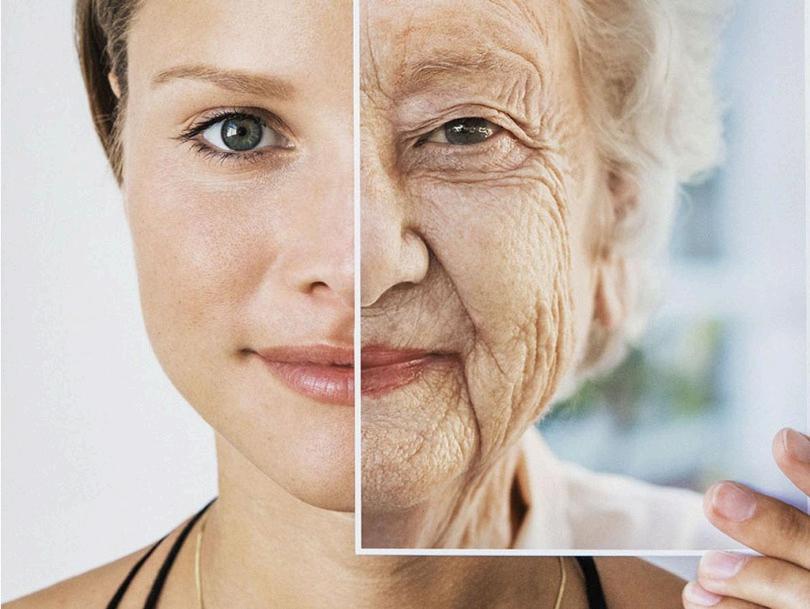
More years mean more chances of diseases, including cancers, cardiovascular diseases, neurodegenerative diseases, diabetes mellitus, and dementia. In Europe, the elderly aged 80–84 years have a dementia prevalence rate of 16% compared with 0 6% in those aged 60–64 years Another consequence of age is increased risk of disabilities: in the UK, more than 80% of the elderly above 80 report disabilities, leaving them to long years of dependency, unproductivity, and powerlessness. Furthermore, sensory interactions also reduce with age; an elderly person ’ s perception of smell, taste, sight, and hearing is rather distorted, compromising their quality of life (Brown, 2015)
In this looming crisis, we must shift our attention to slowing aging instead of achieving longevity: quality over quantity, health over dependence Scientists have long approached death reluctantly, calling it the natural order of events, the tragedy of life. There is no denying that, but we can achieve certain manipulations or control over the normal trajectory by exploring the point where it all begins and ends the cell. Among many factors that drive cellular aging, telomere attrition stands out the most. Research suggests that its main influencers are stress, both environmental and psychological; hence, stress management emerges as one of the best methods for intervention in the cell cycle.
This article aims to examine aging at the cellular level, focusing on telomere biology, the role of psychological stress, and the emerging evidence that stress management may slow telomere shortening, thus playing a pivotal role in promoting a longer and healthier lifespan I will further emphasize the argument that slowing aging should not be seen as a privilege, but a biological necessity to achieve sustainability in our shared future.
CELLULAR AGING AND TELOMERIC ATTRITION
Aging, a long-existing dilemma of all life around us, is the decline in physiological functionality associated with several hallmarks: greying hair, wrinkling skin, loss of muscle mass, weakening of bones, and thickening of blood vessels. Yet aging is a cellular process (nowhere near merely physical manifestations), occurring within cells that are just a few micrometres wide Age is found to be accelerated by several cellular disabilities: exhaustion of ILS pathways, exhaustion of target of rapamycin, decline in sirtuin activity, mitochondrial dysfunction, excessive senescent cells, chronic inflammation, and collapse of the proteostasis mechanism (Campisi et al , 2019)
Among these interconnected interventions in the cell cycle, the most profound and well- researched is telomere attrition and its contributions to cellular decline.
Each human cell contains 46 chromosomes; each mitotic rod-like chromosome locates four telomeres at its ends In eukaryotic cells, telomeres are non-coding repetitive nucleotide sequences of 5′-TTAGGG-3′ that prevent chromosomal degradation and maintain genome stability. During DNA replication, the copying enzyme, DNA polymerase, is incapable of replicating the ends of the DNA (end replication problem)
These telomeres, which cap the ends of the DNA molecule, act as protective ‘shoes’ As they do not code for proteins, their attrition sustains the genome while protecting essential genetic code (Armanios, 2022).
How can their ‘heroic martyrdom’ contribute to cellular ageing?
With each cell cycle, the telomeres shorten until they can no longer protect chromosomes, leading to cell senescence a state of cellular retirement. Senescence is a growth arrest that prevents cancerous cells from dividing by activating tumour suppressor networks, thereby protecting organs against tumour formation Despite such an advantage, senescent cells undergo major phenotypic changes: chromatin packaging, metabolic reprogramming, increased autophagy, and secretion of inflammatory molecules senescence-associated secretory phenotypes (SASP) that affect the cellular environment. Increased activity of IL-1α, IL-6, TNF, and NF-κB, which are types of SASP inflammatory molecules, has a direct correlation with chronic inflammation, frailty, and age-related diseases such as renal dysfunction, type 2 diseases, non-alcoholic fatty liver disease, cardiovascular diseases, and dysfunctionality in the immune system. Thus, telomere shortening stands as a biomarker of aging
The major factors of aging come under three subcategories: primary external sources that stimulate age-related diseases; antagonistic homeostatic responses to stimuli; and integrative consequences of stimulus and response. Telomere attrition is a primary factor of aging, whereas senescence is an antagonistic factor (McHugh and Gil, 2017).
STRESS AND ITS DIRECT CONTRIBUTION TO AGING
Generally, stress is associated with anxiety and depression that negatively affect our mental health; however, biological sciences define it with a clear distinction between acute and chronic stress Acute stress is the immediate, short-term anxiety you feel in everyday situations, such as running late for work. Its symptoms include anxiety, insomnia, nightmares, mood swings, and irritability Chronic stress is a persistent and long-term condition induced by repetitive exposure to acute stress, accompanied by depression, isolation, and fatigue. Eventually, chronic stress develops into severe health problems, including digestive issues, high blood pressure, weight gain, acne, high cholesterol, stomach ulcers, and hyperthyroidism (Srakocic, 2023)
A major aspect of the neuroendocrine system, the hypothalamic–pituitary–adrenal (HPA) axis, creates a communication loop between the brain, the pituitary gland in the hypothalamus, and the adrenal glands, allowing it to secrete cortisol This mechanism stimulates the body’s physiological response to stress by initiating a chain reaction of hormone secretion: corticotropin-releasing hormone (CRH), adrenocorticotropic hormone (ACTH), and, ultimately, cortisol (Cleveland Clinic, 2024) Despite its terrible reputation, cortisol, which is a glucocorticoid (steroid hormone), aids in the regulation of stress responses and metabolism, the mitigation of inflammation, and the control of circadian rhythm (Cleveland Clinic, 2021) However, once the body enters a state of repetitive stress, cortisol levels can have a destructive, everlasting effect on the body Prolonged exposure to stress chronic stress causes HPA axis dysfunction, resulting in increased cortisol levels directly correlated with cardiovascular diseases, metabolic disorders, psychological problems, and digestive diseases. Heightened cortisol concentration is responsible for chronic inflammation, oxidative stress, and reduced telomerase activity, all of which reduce telomere length, since the telomerase enzyme is unable to repair telomeric DNA
It has become well recognised that individuals who undergo major depressive episodes have shortened telomere length: a meta-analysis of 22 studies proves the direct proportionality of psychological stress with telomere length Another study of healthy women who underwent chronic stress showed reduced telomere length but high urinary cortisol concentration Even in children of 5 to 6 years of age, cortisol reactivity had a negative correlation with telomere length. Furthermore, artificially administered cortisol also inhibits the telomerase enzyme, leading to underdeveloped telomeric DNA (Steptoe et al., 2016).
The main features of rising cortisol and oxidative stress directly correspond with rapid telomere attrition. When reactive oxygen species (ROS) exceed the body’s ability to neutralise them with antioxidants, their interaction with DNA produces hundreds of damaged bases To summarise it all, chronic stress directly or indirectly leads to telomere attrition, followed by cellular senescence, eventually causing organ decline, health deterioration, and systemic collapse. I would like to reiterate that, through both conventional interventions and biotechnological innovations, deceleration of aging should aim for quality of life (instead of the number of years). Our future does not lie in expanding lifespans but in achieving a sustainable, resilient, and productive human race Thankfully, technological interventions in biological systems through emerging innovations like CRISPR-Cas9 gene editing, telomere extension, senolytic drugs, and stem cell rejuvenation have allowed us the freedom to manipulate life at its very core the cell
There is growing evidence that once mental health becomes more measurable through improved understanding of human psychology our potential and limitations stress management will become imperative through biotechnological interventions
BIOTECHNOLOGICAL INTERVENTIONS
The biotechnological interventions mentioned below are still in the development stage, requiring further refinement, but they are our best hope for the future Bioengineered drugs such as mifepristone can block glucocorticoid receptors, therefore hindering cortisol attachment to the receptors. As a result, cortisol levels due to acute stress may increase, causing minimal damage to cells As a consequence of dysfunctionality of the HPA axis, increased cortisol levels and high oxidative stress inhibit the enzymatic activity of telomerase, an enzyme responsible for the maintenance of telomere length
Through gene therapy, the restoration of telomerase reverse transcriptase (TERT) has shown chromosomal longevity. Studies show reversal of tissue degeneration in mice, proving its importance in anti-aging Additionally, the transfer of the TRF1 gene, essential for telomere replication, can be another method of achieving longevity through biotechnological methods When TRF1 was integrated into the mice genome using AAV9, it was expressed in various organs: muscles, heart, brain, and liver Another important discovery was that the rate of increase in cancer did not rise, indicating its further use via genetic engineering (Hong and Yun, 2019)
CRISPR-based gene editing can combat the effects of stress-related genes, such as the NR3C1 gene, which causes high cortisol levels Additionally, drug repurposing or drug designing can be used to administer senolytic drugs, which kill senescent cells through apoptotic pathways Drugs like dasatinib, quercetin, fisetin, and navitoclax kill senescent cells, therefore mitigating senescence-associated secretory phenotype (SASP) and reducing oxidative stress in cells Other examples of senolytics include CAR-T cells that recognise senescent cell markers and destroy them, whereas siRNAs silence genes that keep senescent cells alive (Kirkland and Tchkonia, 2020)
Despite being in the early stages of development, neurofeedback devices show a promising future They can monitor stress regulation and management
DNA NANOSTRUCTURES FOR CONTROLLED DRUG RELEASE - SHAHID IFRAAN
Lacroix, Amelie, and Hanadi F Sleiman “DNA Nanostructures: Current Challenges and Opportunities for Cellular Delivery ” ACS Nano, vol 15, no 3, 2021, pp 3631–3645, https://doi org/10 1021/acsnano 0c06136
National Cancer Institute. “Chemotherapy to Treat Cancer.” Cancer.gov, 15 May 2025, https://www.cancer.gov/about-cancer/treatment/types/chemotherapy.
National Center for Advancing Translational Sciences “Gene Variants That Impact Drugs’ Effectiveness ” National Institutes of Health, https://ncats nih gov/news-events/news/gene-variants-that-impact-drugs-effectiveness National Institute of Biomedical Imaging and Bioengineering. “Drug Delivery Systems.” NIBIB, July 2022, https://www nibib nih gov/sites/default/files/2022-10/Fact-Sheet-Drug%20Delivery%20Systems-July2022 pdf Panda, P , and R Mohapatra “Advancements in DNA Nanotechnology for Targeted Drug Delivery: Design Strategies and Applications.” Hybrid Advances, vol. 10, 2025, article 100480. Link: https://doi.org/10.1016/j.hybadv.2025.100480
Wyss Institute for Biologically Inspired Engineering “DNA Origami Polyhedra ” Wyss Institute, Harvard University, https://wyss-prod imgix net/app/uploads/2016/09/16222604/DNA-origami-polyhedra-featuredimage.jpg.
Zhang, Q , Jiang, Q , Li, N , Dai, L , Liu, Q , Song, L , Wang, J , Li, Y , Tian, J , Ding, B , & Du, Y (2014) DNA origami as an in vivo drug delivery vehicle for cancer therapy ACS Nano, 8(7), 6633–6643 https://doi.org/10.1021/nn502058j