





Aditi Tripathi
Pathogens don’t need passports human activities do the traveling for them Many of the world’s most dangerous diseases share a common origin: They begin in animals before crossing over to humans. Shockingly 60-75% of human infectious diseases are a result of zoonotic spillover, meaning these diseases originally circulated in non-human species
I am sure most of you are unfamiliar with this term Honestly, even I didn’t know about it until recently!
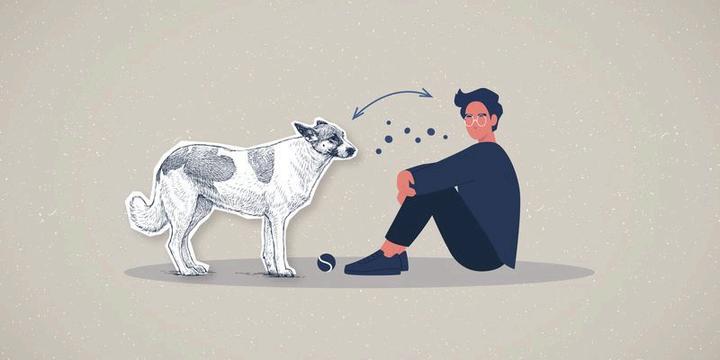
“Zoonotic Spillover” describes something that is happening commonly around the globe It is simply the cross-species transmission of a parasite into a host population not previously infected. In our case, it is the phenomenon of transmission of pathogens from animals (reservoir hosts) to humans
A detailed literature survey revealed over 1400 types of pathogens that attack humans, and more than half have zoonotic origin It was also found that new or re-emerging diseases, that become MIA in between and then suddenly pop up again out of nowhere, generally originate in animals (or other non-human species) So maybe think twice before getting too friendly with wildlife they might be cute, but they can carry more than you’d expect
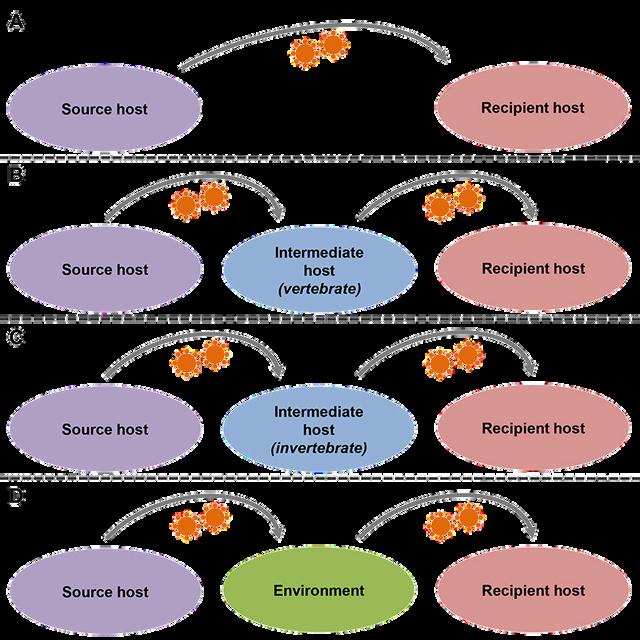
A single factor cannot be credited alone for spillover Behind this transition is a web of global changes, most of them directly or indirectly related to human activities. So yeah, we ’ re essentially bringing our own doom upon ourselves
Starting with the key driver of this phenomenon: Urbanisation When a natural region gets urbanized, its normal environmental conditions get altered and habitats of animals get disrupted. Consequently, many animals migrate to other regions Disruption of the balance in the biodiversity of a region eliminates the pathogen resistant species, leaving behind a high concentration of favourable, resilient, typically small bodied species(like bats and rodents) that transmit the disease carrying microbes to newer populations Additionally, vectors like mosquitoes and ticks which breed in warm dirty areas also increase in number. Overall, due to high density populations in urban areas, combined with poor waste management and standing water makes animals in such areas very likely to pass on diseases to humans.
A study was carried out in Kuching, Malaysia. 863 rodents were sampled across rural, developing and urban areas and it was found out that diversity of rodent species decreased with increasing urbanization. For example – 10 species were found in rural areas and only 4 types of species found in urban areas Specifically, two rodent species seem to thrive in urban areas –Rattus rattus, the “urban exploiter” and Sundamys muelleri, the “urban adaptor”
Deforestation where cutting down forests also cuts down the barriers between humans and wildlife It increases human-animal interactions due to destruction of canopy habitations, soil erosion and formation of stagnant water pools due to direct exposure to land eroding agents. Several studies have verified that deforestation is the root cause of spread of malaria and yellow fever epidemics Research shows that in the Amazon, a 10% increase in deforestation led to a 3 3% increase in malaria rates. Disruption of tropical and subtropical forests has highest risk of disease transmission
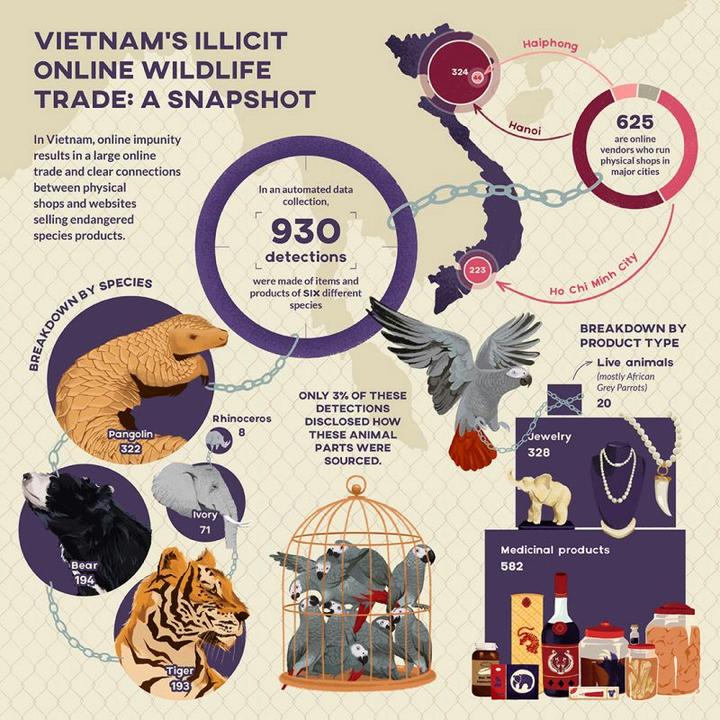
When wildlife is traded, it’s not just animals crossing borders it’s diseases. Wildlife trade, both legal and illegal, and wet markets force close contact between humans and animal species, causing the “Steppingstone Effect” and enabling pathogens to adapt to humans, and also brings unknown or foreign species in a region increasing risk of transmission by 50%. Among mammals that are part of wildlife trade, 41% share at least one disease-causing pathogen with humans But among mammals that are not traded, only 6.4% do. Wildlife trade is linked to previous disease outbreaks such as the emergence of Human immunodeficiency viruses (HIVs), the 2014 West African Ebola epidemic, the 2003 mpox outbreak in North America and the Covid-19 pandemic
A warmer world is a riskier world. Climate change caused by increased greenhouse gases due to human activities leads to rise in global temperatures and extreme weathers(floods/droughts) causing rapid growth and reproduction of vectors and microbes, migration of animals, increasing risk of vector borne diseases In Russia, rising temperatures are causing melting of permafrost which can potentially expose ancient human burial sites and introduce new infectious pathogens Climate change also degrades health and makes us more susceptible to diseases like Zika and Dengue On October 25, 2022, “The Lancet Countdown on Human Health and Climate Change” predicted a 48% chance that the world will cross the 1.5 °C global warming limit, set in the Paris Agreement, within the next 5 years, which will result in increase of favourable conditions for cross species transmission of pathogens
What begins as a spillover event can quickly escalate into a global health crisis, affecting populations across countries and continents Such outbreaks place a significant financial burden on healthcare systems worldwide, increasing both national healthcare expenditure and the cost of access for individuals
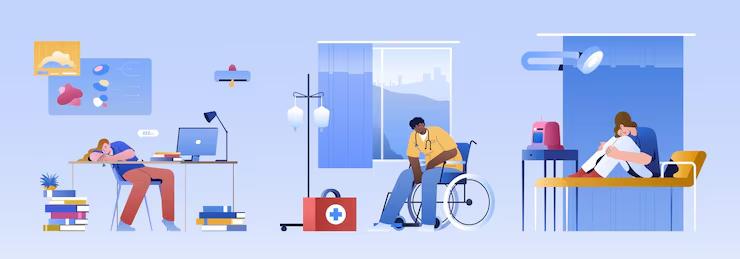
Health systems often become overwhelmed, leading to shortages of medicines, diagnostics, and essential medical technologies, particularly in low- and middle-income countries. This strain disrupts routine healthcare services, delaying the diagnosis and treatment of other conditions such as cancer and chronic diseases At the same time, healthcare workers face extreme workloads due to staff shortages, resulting in burnout and reduced quality of care. On a broader scale, pandemics lead to increased morbidity, premature mortality, and long-term disabilities Beyond physical health, the widespread fear, uncertainty, and social isolation associated with such outbreaks also contribute to rising levels of anxiety, depression, and other mental health challenges worldwide
If human actions helped create the problem, they can also be the key to solving it
One Health is a diverse collaborative approach, ranging from local to global levels, that emphasises on the interconnection between human, animal and environmental health and the need to address them together Experts across related fields cooperate to find solutions Multiple initiatives are being undertaken by OH such as education of rural youth through agricultural institutions like 4-H and Future Farmers of America about prevention of zoonotic diseases Success of this program showed during the outbreak of flu in people who attended agricultural fairs in Ohio and Michigan The team quickly figured out the cause to be exhibition of infected swines at the fairs
One Health Zoonotic Disease Prioritisation workshops, developed by the United States Centers for Disease Control and Prevention (US CDC), help countries identify zoonotic diseases of greatest concern in their state and then help them figure out how to efficiently use their resources for disease prevention or outbreak response.
In Arizona and Mexico, dogs were spreading ticks that caused Rocky Mountain spotted fever among many people, resulting in sickness and deaths. OH officials used long-lasting tick collars on dogs, pesticides around houses, spread community awareness and offered free spay and neuter dog clinics. After only 4 months, ticks were no longer present in 99% of dogs and the count of affected people decreased significantly
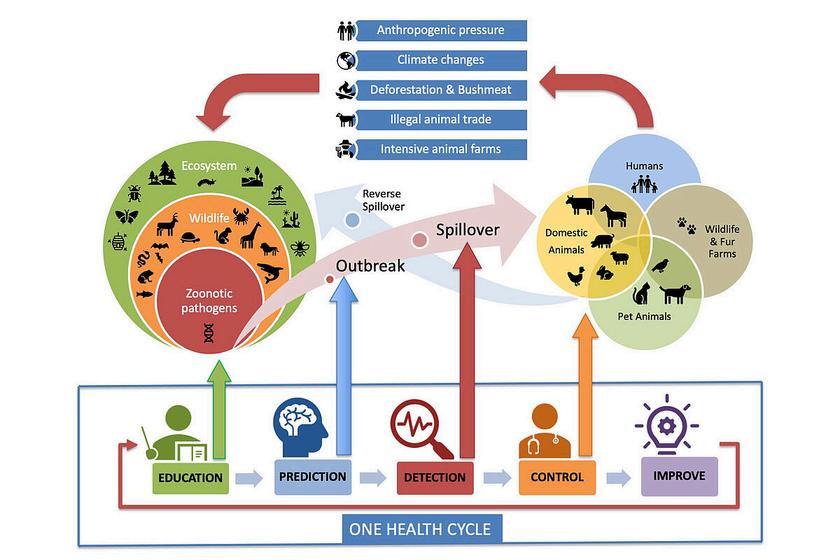
While OH initiatives are commendable and effective to an extent, some cons such as lack of legal framework to implement One Health, improper public-private coordination, poor data sharing mechanisms and limited budgets reduces its efficiency Establishment of a proper zoonotic registry should be undertaken
Illegal wildlife trafficking and trade needs to be eradicated by transboundary collaboration and strong law enforcement. Removing economic incentives for deforestation and implementing well-regulated policies are essential for effective prevention Conservation of biodiversity and animal habitats is necessary to prevent dominance of pathogen carrying species
Surveillance and tracking of pathogens in wildlife is essential for early detection of potential outbreaks. This can be done through active surveillance, which involves testing samples from apparently healthy animals to identify hidden pathogens, and passive surveillance, which focuses on monitoring sick or dead animals for signs of disease. Together, these approaches help detect emerging infections early, allowing timely intervention before they spread to human populations.
Lastly, switching to renewable energy resources, energy efficient systems, sustainable transportation and construction, organic farming, use of products certified by the Forest Stewardship Council can help reduce environmental disruption and hence zoonotic spillover
Zoonotic spillover, often seen as unpredictable, is largely driven by human interference with natural ecosystems. Most pathogens known to infect humans have zoonotic origins and increased human-animal interactions raises risk of emerging diseases Hence, sustainable solutions, cooperation, effective policies and firm law enforcement are required to tackle these diseases and prevent the emergence of more such diseases. April 26th, 2026 / Aditi Tripathi / aditishandilya12@gmail com

Have you ever wondered what happens to the plastic after you throw away your daily
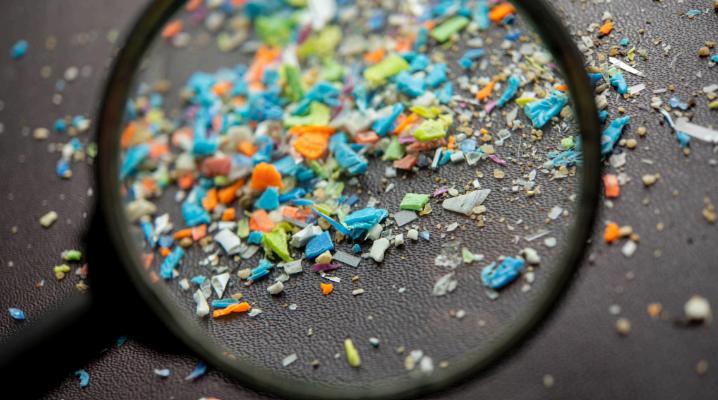
trash? Microplastics are tiny plastic particles smaller than 5 millimeters that come from larger plastic waste breaking down, as well as from sources like microbeads, synthetic fibers, and industrial plastic pellets. While they are often associated with harm to marine life, research shows they are not limited to oceans Microplastics are now found in everyday food, drinking water, and even the air we breathe
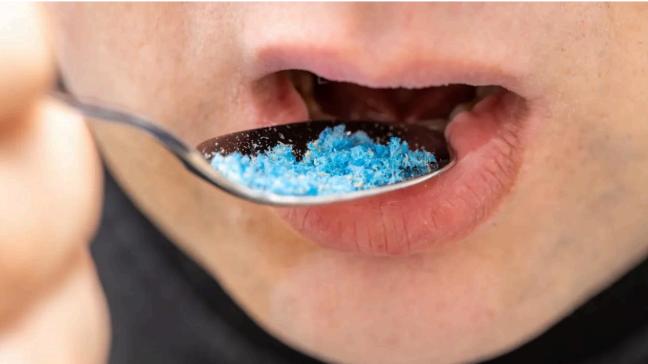
Because of this, humans are constantly exposed, and these particles can enter the body and potentially reach the bloodstream. Microplastics, once thought to be only an environmental issue affecting wildlife, are now emerging as a potential human health concern, raising questions about their long-term biological effects and the hidden risks of everyday plastic exposure.
Microplastics are formed when larger plastic materials break down into tiny particles, often invisible to the naked eye, through physical, chemical, and environmental processes such as sunlight exposure, abrasion, and weathering. These particles come from many everyday sources, including synthetic clothing fibers released during washing, the wear and tear of car tires on roads, plastic packaging, and microbeads found in personal care products, as well as industrial plastic pellets used in manufacturing. Plastic does not fully decompose because it is not biodegradable under natural conditions; instead, it continuously fragments into smaller and smaller pieces that can persist in the environment for hundreds of years.
Microplastics are easily transported through natural systems such as wind and water currents and can also be redistributed through wastewater systems that do not fully filter them out. This allows them to spread across oceans, soil, freshwater systems, and even the atmosphere, making them a widespread contaminant in both natural and urban environments As a result, microplastics are no longer limited to specific areas and have become a global environmental pollutant found in remote regions such as deep oceans, polar ice, and even mountain air
Humans come into contact with microplastics through multiple pathways, with the three main routes being ingestion (eating and drinking), inhalation (breathing in airborne particles), and, to a lesser extent, skin contact in environments where microplastics are present in dust, water, or consumer products One of the most common exposure pathways is ingestion through food and beverages, as many everyday items are packaged in plastic, allowing microscopic particles to transfer into food over time, especially when packaging degrades or is exposed to heat and pressure. Once ingested, these microplastics can pass through the digestive system, and while not all are absorbe oodstream and potentially circ
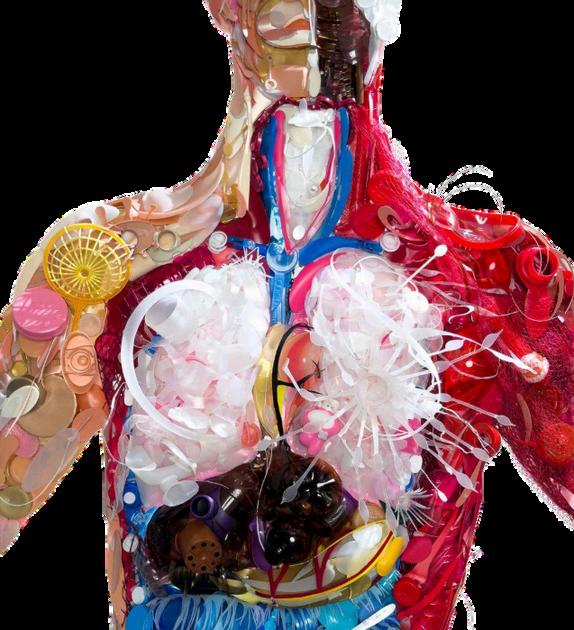
In conclusion, microplastics are tiny plastic particles that come from the breakdown of larger plastics and everyday products, and they are now widely found in the environment, including in air, water, soil, and food Humans are exposed to them through eating, breathing, and environmental contact, making them an unavoidable part of daily life While research is still ongoing, scientists are concerned about possible health effects such as inflammation and chemical exposure Overall, microplastics have become a global issue, highlighting the urgent need to reduce plastic use and improve how we manage waste.
Exposure also occurs through the food chain, as microplastics have been found in seafood, salt, bottled water, and even fruits and vegetables, meaning that contamination is not limited to processed foods In agriculture, microplastics can enter crops through contaminated soil and water sources, as well as through certain fertilizers and agricultural products that may contain plasticbased materials used in production or packaging. Another major exposure route is inhalation, since microplastics are small enough to become airborne and mix with dust particles in the atmosphere. These airborne microplastics can be inhaled by both humans and animals, allowing them to enter the respiratory system and potentially reach deep into the lungs As a result, microplastics are now present not only in external environments but also within multiple internal exposure pathways in the human body, making them a widespread and unavoidable contaminant in daily life
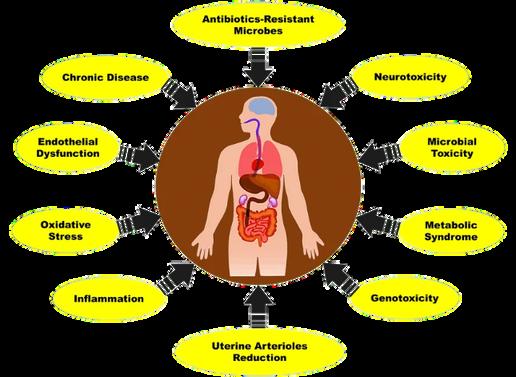
Microplastics have raised growing scientific concern because their long-term effects on human health are still not fully understood, but early research suggests several potential risks One major concern is inflammation, as microplastic particles may trigger immune responses when they accumulate in tissues or organs Another concern is chemical toxicity, since plastics can absorb and carry harmful substances such as pesticides, heavy metals, and industrial pollutants that may be released once inside the body. Scientists are also studying the possibility of endocrine disruption, where chemicals associated with plastics may interfere with hormone regulation, potentially affecting growth, development, and metabolism. There is additional concern that microplastics may cause physical stress or irritation in organs such as the lungs or digestive tract, especially with repeated long-term exposure Because research is still developing, many of the health impacts remain uncertain, but the presence of microplastics in blood, lungs, and other human tissues highlights the urgency of further study
Maggie Zhang
Most people reveive vaccines when they are born to protect them from dangerous dis
eases, but millions of people around the world don’t get these same basic shots Vaccines have been one of the most successful ways to prevent illness and death, yet access to them is still very uneven depending on where people live While some countries have strong healthcare systems and easy access to vaccines, others struggle to provide even the most basic immunizations Unequal access to vaccines is a major global problem because it allows diseases to spread, puts lives at risk, and shows why better distribution is needed around the world. This issue also affects long-term sustainability, since healthier populations are better able to support stable economies and strong communities Without equal access to vaccines, it becomes harder for countries to grow and develop over time.
One of the main reasons for unequal vaccine access is the difference in resources between countries Many low-income nations simply cannot afford enough vaccines for their populations. Producing vaccines is expensive, and the costs don’t stop there. Vaccines must be stored properly, often at cold temperatures, and transported safely to different areas. This makes distribution even more difficult and costly When countries don’t have enough funding, vaccination programs can face delays or shortages, leaving many people unprotected. In addition to economic issues, infrastructure also plays a big role Some regions lack strong healthcare systems, which makes it harder to deliver vaccines to communities. For example, certain vaccines need refrigeration, but areas without reliable electricity cannot maintain the proper conditions Remote locations also create challenges because healthcare workers may struggle to reach people who live far away from hospitals or clinics. For instance, in countries like Nigeria, rural areas often face limited healthcare access and unreliable electricity, making it difficult to store and distribute vaccines effectively.
Political and social factors also contribute to the problem. In areas affected by conflict or instability, vaccination programs can be interrupted or completely stopped This leaves large groups of people without protection against preventable diseases. On top of that, misinformation and vaccine hesitancy can cause people to avoid getting vaccinated even when vaccines are available These combined challenges have serious effects In 2025, over 14 million infants around the world remained unvaccinated (WHO & UNICEF). This shows how limited resources, weak healthcare systems, and social issues all connect to create unequal global access to vaccines.
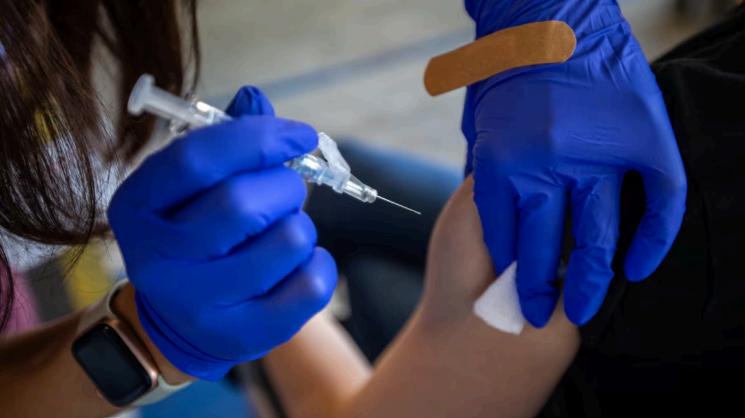
The consequences of these immunization gaps are serious and far-reaching. When vaccination rates are low, diseases can spread much more easily Outbreaks of illnesses like measles, yellow fever, and meningitis have increased in recent years, threatening the progress that has been made in controlling these diseases These outbreaks are not just local problems they can grow quickly and affect larger populations. Vulnerable groups, especially children in low-income countries, are the most impacted Without vaccines, they face a much higher risk of severe illness or even death Communities that already have limited access to healthcare are hit the hardest because they may not have the resources to treat these diseases once they spread.
Immunization gaps also create global health risks In today’s world, people travel frequently, which allows diseases to cross borders easily. A disease outbreak in one country can quickly spread to others, making it a global concern Uneven vaccination coverage can slow down or even reverse efforts to eliminate certain diseases worldwide. As a result, health crises can last longer and become more difficult to control Overall, low vaccination rates lead to increased disease spread, higher illness and death rates, and larger global health threats
Despite these challenges, there are ongoing efforts to improve access to vaccines around the world Global organizations and governments are working together to reduce immunization gaps
Many international programs focus on making vaccines available to everyone, no matter where they live For example, the World Health Organization’s Immunization Agenda 2030 aims to ensure that everyone benefits from vaccines by improving access and strengthening healthcare systems (WHO) These efforts often include strengthening healthcare systems and increasing vaccine coverage in underserved areas Global cooperation is especially important because it helps ensure that vaccines are distributed more fairly between countries.
Some strategies focus specifically on equity, meaning they prioritize the people who need vaccines the most. These programs aim to reduce inequalities by providing support to lowincome countries and communities Partnerships between governments, organizations, and donors help supply funding and resources for vaccination programs Education and outreach are also key parts of improving vaccine access. Public health campaigns work to reduce misinformation and build trust in vaccines When people understand the importance of vaccines, they are more likely to get vaccinated. Outreach programs also help deliver vaccines to remote or underserved areas, making it easier for more people to receive them
Unequal access to vaccines remains a major global issue that affects millions of people The causes include economic barriers, weak infrastructure, and political and social challenges, all of which make it harder for vaccines to reach those who need them most The consequences are serious, leading to more disease outbreaks, higher death rates, and growing global health risks However, efforts are being made to improve vaccine access through international cooperation, equity-focused programs, and education Closing the immunization gap is essential for protecting lives and creating a healthier future for everyone.
April 25, 2026 / Maggie Zhang / magmaggiezhang@gmail com

MARLEE MEI

In the lively cities of Shanghai, Seoul, and Tokyo, one might imagine highly developed environments, bustling nightlife, and delicious food However, there is more to consider than just beautiful scenery and the nice weather during warmer seasons: air quality plays a significant role in everyday life The day’s visibility or lack of visibility can be obstructed by thick layers or pollutants. Today, face masks are more than just to filter out pollutants, but have become fashion statement pieces as well

Poor air quality in East Asia affects nearly everyone, and over 100 young children under the age of 5 die each day, as stated by the UN. There is industrial smog from both factories and manufacturing, which takes a toll on daily lives The particles are small enough to enter the bloodstream, so N95 masks are crucial. N95 respirators are designed to block 95% of airborne particles and provide a close facial fit, effective for optimal respiratory disease and germ prevention

Korea faced poor air quality due to burning fossil fuels and vehicle emissions Moreover, a significant amount of PM2.5 pollution comes from China. They have implemented a clean air support policy; the Clean Air Conservation Act was promoted in 2007 and amended in 2020 It mandates a comprehensive plan for atmospheric improvement every decade to reduce pollutants and greenhouse gases. Purification systems have been implemented in schools as well. Japan is at the top of the game as they have transitioned to hybrid electric vehicles and overall has stricter controls and regulations. The country’s regulations aim not only to reduce emissions but also to foster sustainable transportation infrastructure Japan’s High Speed Trains do not contribute to poor air quality in the same way that cars and airplanes do, as they are highly energy-efficient and electrified.
As for China, air pollution greatly affects the whole country The Chinese government has mandated that air conditioning cannot be set below 20 C in the summer, and heating cannot be set above 26 C in the winter. Though it affects the whole country, migrant and rural workers are most affected by poor air quality, with their health deteriorating over time, and a financial burden due to a lack of or weak health insurance There is also severe smog at times, where the sky turns all gray Yet, they must work in these conditions to provide for their families as well as take on the jobs that most young people would not be seeking. In big cities, there are inevitably more cars, which increase vehicle exhaust fumes. There is poor air quality in Shanghai and Beijing due to all this traffic, but in recent years, there has been a shift towards electric vehicles.

People wear masks to protect others from germs Nowadays, they come in all types of colors, like blue, black, pink, and white, which are more popular and look less like medical masks. People may wear other masks, such as full-face ski masks There are also decorative full-faced masks used for performing arts For example, Talchum in South Korea is a traditional performing art that combines dance, music, and theatre. An ensemble of 6-10 musicians accompanies masked performers In the renowned Chinese Opera, masks are used as part of performances as well They serve as visual codes and play a role in storytelling, expressions, and personality. During imperial China, direct criticism was prohibited, so these masks allowed performers to conceal their identity Masks also helped men take on female roles In all, the cultural significance of masks is beyond what we know them to be.

It is common to wear masks when you don’t have makeup on or have blemishes you want to cover up There was also a term of mask fishing that was popular during COVID-19, as some people looked better with their mask, as the focus was on their hair and eyes. Nonetheless, some people may also have social anxiety, so the masks help them not feel so anxious and allow them to navigate environments more comfortably. At a crowded airport, celebrities often wear masks as well because there are plenty of fans and they are often off-duty, so they have not put on makeup yet, and they are lounging in comfy clothing. Masks, therefore, serve many purposes, providing healthcare benefits, enhancing personal expression, and reducing the pressure of social interaction.

Masks are crucial to filter germs, bacteria, dust, and other pollutants, and also hide identity. With the rise of air pollution and it remaining an urgent issue, masks have emerged as necessary to live comfortable lives. Addressing air pollution is a shared responsibility among the government and people; through collective efforts, a cleaner environment can be obtained
May 06, 2026 / Marlee Mei/ marleebmei123@gmail com
MEHREEN MUZAFAR


Being left stranded, helpless, sick, and scared at a place unfamiliar to you sounds like the plot of some weird horror movie But what if this plot was playing out in real-time and the protagonists, just like in the movies, did not choose to be in that position?
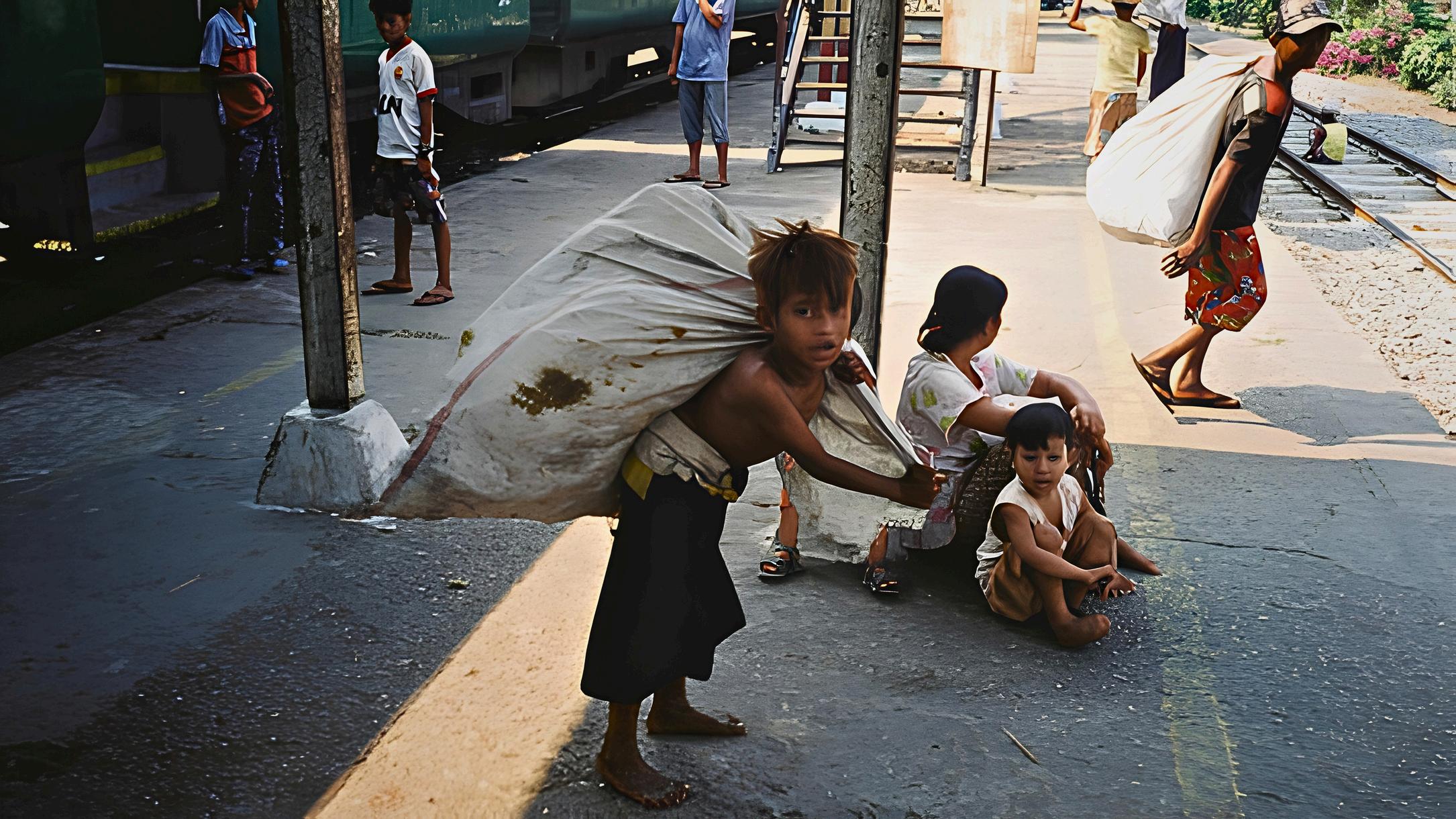
In October 2025, a 24-year-old Thai chef named Methachan Yosaeng was found lying ill outside a building in Poipet, Cambodia. Fellow Thai folks rushed him to a local hospital, but hospital staff allegedly refused to treat him. He did not have any money or personal documents; his passport had been confiscated, and he was reportedly robbed and assaulted
He died without receiving any medical care
Officials later confirmed that he died from a pre-existing medical condition and respiratory distress, made worse by the lack of timely treatment Thailand's Ministry of Foreign Affairs ordered an investigation, and his body, all that was left of him, was repatriated to his family in Nakhon Si Thammarat
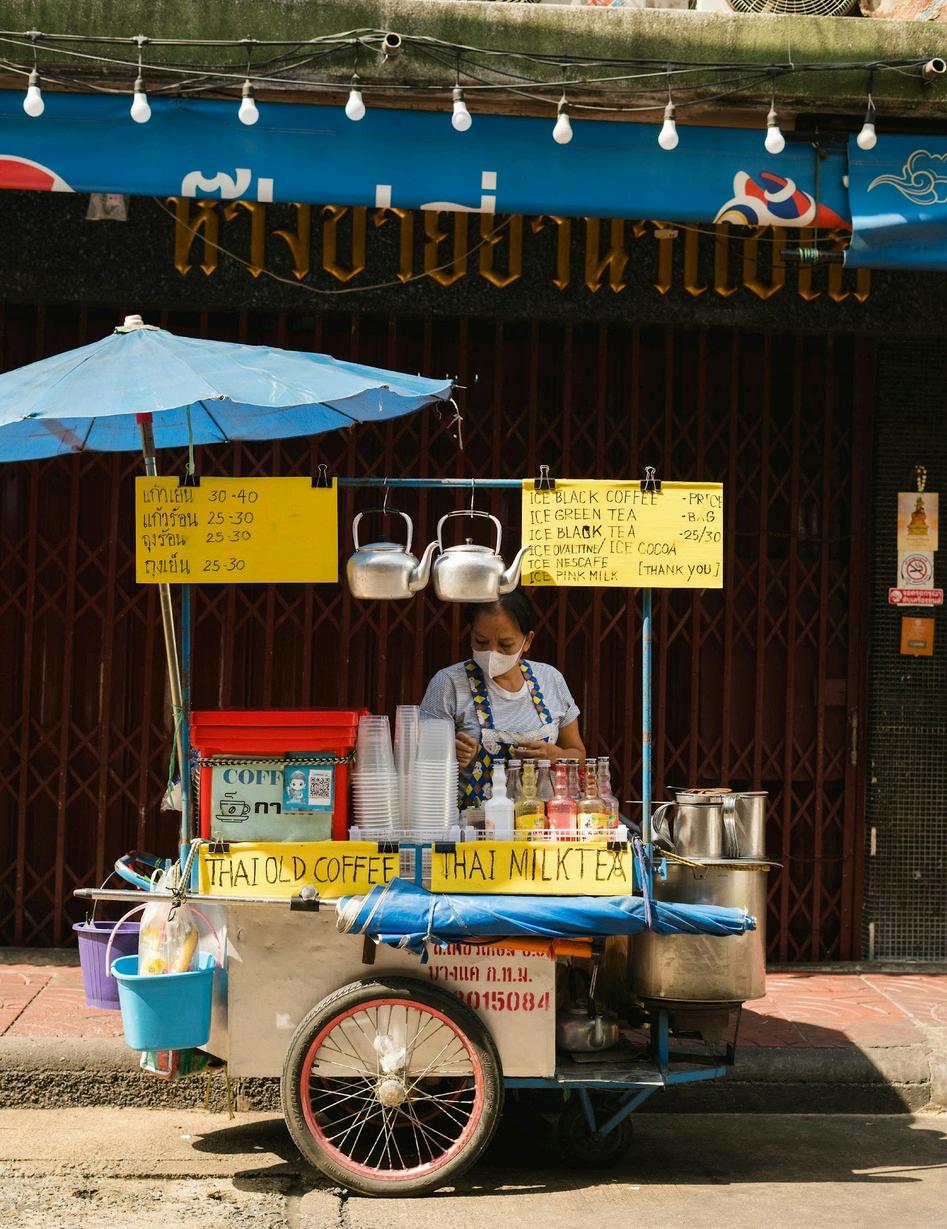
Legal systems in many Asian countries promise health coverage for all, but bureaucratic loopholes, weak enforcement, and a focus on formal employment make treatment inaccessible to informal workers Fixing health equity means redesigning laws around how people actually work
Most government health insurance requires proof of employment, tax records, or a national ID. Informal workers often have none of these Studies across Southeast Asia show that even when countries attempt to extend universal health coverage to informal workers, out of pocket expenditures remain a crushing burden for those who cannot prove their employment status
In many cases where free care is available, hospitals ask for hidden fees (sterile gloves, medicine, bed charges) that a daily wage earner cannot afford.
In Tanzania, researchers found that the majority of informal sector workers are unwilling and unable to pay premiums as low as 4 USD, mostly due to extreme poverty
These barriers exist everywhere. In the United States, the Affordable Care Act (Obamacare) was designed to address absurd health insurance costs and expand coverage But undocumented immigrants remain completely excluded from purchasing health insurance through the ACA Marketplace and have no access to federally funded healthcare coverage, including Medicaid, Medicare, or CHIP.
A construction worker without papers in Texas or a domestic worker in California faces the same impossible choice as a street vendor in Delhi: pay for treatment and risk starvation, or stay home and hope the illness just goes away

India has a law, the Building and Other Construction Workers Welfare Cess Act of 1996, which collects a 1% tax on construction costs to fund health and social security for workers But a 2022 report by the Comptroller and Auditor General (CAG) found that most of this money was unspent In Delhi alone, the CAG flagged a ₹204 95 crore gap between the cess collected by district authorities and what the state welfare board recorded. The board claimed 696,000 registered workers, but complete records existed for only 198,000.
Thailand's Section 40 of the Social Security Act allows self employed and informal workers to voluntarily register for health coverage As of August 2025, more than 11 million people were registered under Section 40, and the government aims to reach 20 million. However, this still leaves millions unprotected, and the system relies on workers to actively register themselves a huge barrier for those who are illiterate, lack internet access, or do not even know that such schemes exist
Beyond problems of access, healthcare systems worldwide are facing an internal collapse The World Health Organization projects a global deficit of 11 million health workers by 2030, with the most severe deficits in low and middle income countries. A landmark WHO survey of over 90,000 doctors and nurses across Europe found that one in three report depression or anxiety, and one in ten have experienced passive suicidal thoughts in the past two weeks This is double the rate of the general population One in four doctors works more than 50 hours per week As one radiology resident from France put it: "We are physically and mentally exhausted, which unfortunately can sometimes lead to medical errors. "
As is known to all, medical errors, unfortunately, are not rare
Worldwide, one in every ten patients is harmed in healthcare settings, and in low to middle‑income countries, that number rises to one in four hospitalizations. The WHO estimates that 10.5% of all medical products circulating in low and middle income countries are substandard or falsified, meaning patients receive medicines that fail to treat their conditions or actively cause harm When a CT scanner breaks down in a rural hospital, it might stay broken for a year These failures hit informal workers hardest because they lack the resources to seek second opinions or private alternatives.
Informal laborers are the backbone of cities worldwide. They build homes, deliver food, clean streets, and drive taxis But they are also the ones most exposed to air pollution, heat waves, and occupational injuries When they get sick, the whole city feels it in the stopping of deliveries, the slowing of construction, and the piling up of garbage
The same is true for immigrants in wealthy nations. In the United States, immigrants are often regarded as the driving force of the economy. Yet undocumented immigrants do not have access to federally funded healthcare coverage and are barred from purchasing health insurance from the ACA Marketplace A highly skilled software engineer on a work visa might have excellent insurance, but a farmworker with temporary status or a restaurant cook without papers cannot risk a hospital visit even with a broken bone. The system sorts people into tiers of worthiness, and those who fall into the wrong tier pay with their health.

The conditions are dire but not impossible to improve. So what would actually change things? Three things:
First, portable health accounts are tied to a person instead of a job Pilot programs in Thailand show this works. Section 40 allows workers to choose contribution options that fit their income. That means a street vendor who earns a little one month and more the next can pay what they can, and the coverage stays with them no matter where they work
Second, simplified registration using mobile phones and community health workers instead of bank accounts or ID cards. Thailand now allows enrollment through online platforms, social security offices, and even some bank branches. But for someone who cannot read or does not own a smartphone, a trusted community health worker walking them through the process makes all the difference
Third, legal reform that makes employers automatically enroll informal workers, with fines for non‑compliance. If a construction company hires a daily wage laborer, that worker should be registered for health coverage before they pick up a hammer. The same rule should apply to big platforms, domestic employment agencies, and agricultural contractors
Shift the burden from the employee to the employer, and suddenly, millions are covered without having anyone die for it.
Methachan died alone in a foreign country just because a hospital turned him away The system was not built for someone like him So, it must be rebuilt The laws serving this purpose already exist in many countries, and so do the welfare funds
In India, the CAG found crores of rupees sitting unused while workers paid for treatment out of pocket. In Thailand, millions remain unregistered under Section 40 because the process still requires active effort from the most vulnerable people
This can be changed if, instead of focusing on writing new laws, we focus on demanding that the old ones be enforced. We need to start with redesigning systems so that a migrant worker who falls sick gets a hospital bed instead of a death certificate.
May 5, 2026 / Mehreen Muzafar / muzafarmehreen8@gmail.com
Esther Tyrnauer
For decades, antibiotics have been medicine’s most reliable treatment A patient gets sick, a doctor prescribes a drug, and recovery usually follows. This pattern has become so routine.
that it is rarely questioned.
Until it fails
Now, infections that should resolve are persisting Standard antibiotics no longer work in some cases. Stronger drugs are required, sometimes with higher toxicity and risk. What once felt predictable in medicine is becoming uncertain, showing a slow but important shift in global health
Before antibiotics existed, even minor injuries could become life-threatening. Simple cuts sometimes progressed into severe infections such as gangrene Diseases like bacterial meningitis were almost always fatal Survivors often experienced long-term complications, including hearing loss and neurological damage. Even common infections like otitis media (ear infection) could spread and become dangerous if untreated
This situation began to change in the early 20th century with the discovery of antibiotics. Drugs such as penicillin transformed medical care by turning once-deadly infections into treatable conditions Medical procedures that were previously considered high-risk like major surgeries, chemotherapy, and organ transplants became possible because antibiotics could prevent or control bacterial infection
For several decades, antibiotics were considered highly effective and almost universally reliable against bacterial diseases
However, this success also created a hidden long-term issue: widespread and sometimes unnecessary antibiotic use.
Despite their effectiveness, extensive use of antibiotics has driven the evolution of resistant bacteria Bacteria adapt through mechanisms such as mutation and horizontal gene transfer These adaptations allow them to survive antibiotic exposure.
Common resistance mechanisms include:
Production of enzymes that inactivate antibiotics
Changes in bacterial drug targets
Efflux pumps that remove antibiotics from bacterial cells
Selective pressure is central to this process When antibiotics kill susceptible bacteria, resistant ones survive and multiply. Over time, this leads to bacterial populations that are harder to treat.
Several human-related factors accelerate this process:
Overprescription of antibiotics in healthcare settings
Patients not completing full antibiotic courses
Use of antibiotics in agriculture and livestock
Each of these increases bacterial exposure to antimicrobial agents and strengthens selection for resistant strains.
Antibiotic resistance is now considered a major global health threat. Common infections such as pneumonia, urinary tract infections, and skin infections are becoming more difficult to treat In some cases, treatment options are limited or ineffective, leading to longer illness duration, higher healthcare costs, and increased mortality.
According to the Centers for Disease Control and Prevention (CDC), in the United States alone there are approximately 2 8 million antimicrobial-resistant infections each year, resulting in more than 35,000 deaths annually.
If this trend continues, routine medical procedures could become significantly more dangerous The situation could resemble a partial return to a pre-antibiotic era, where even minor infections carry serious risk
Antibiotics changed modern medicine by providing a powerful defense against bacterial disease. However, their effectiveness is not permanent or guaranteed Antibiotic resistance is a gradual but serious shift that threatens the foundation of modern healthcare.
Addressing this issue will require coordinated global efforts, including responsible antibiotic use, stronger surveillance systems, reduced agricultural overuse, and continued research into new antimicrobial treatments Without action, the loss of antibiotic effectiveness could fundamentally change how safe medicine is practiced in the future.
April 25, 2026 / Esther Tyrnauer / estherbtyrnauer@gmail com
Emma Zhang
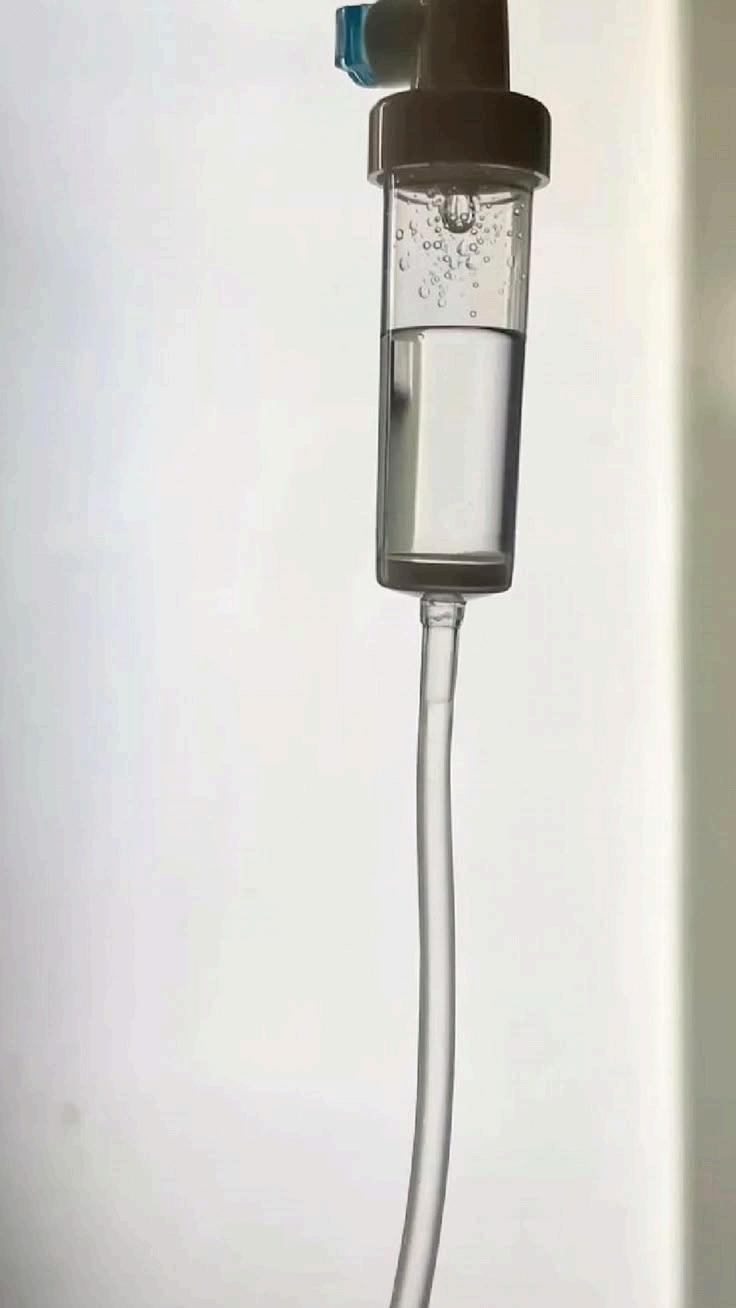
One bite from an infected mosquito is all it takes for an individual to obtain high fevers, headaches, and even neurological issues in severe cases. Vectors, agents that carry and transmit infectious pathogens, may appear to be harmless in tropical regions within Africa,
South America, and Asia, as well as North America in warmer months Nonetheless, over 700,000 deaths annually are caused by these small organisms, and there has been increased global awareness for individuals affected by them
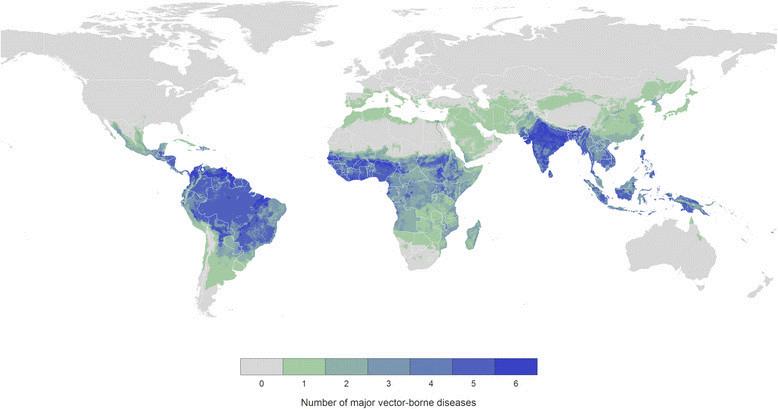
VBDs are increasing in global scale and urgency as diseases such as malaria, dengue, and Zika have affected millions of people worldwide over the past couple of years. According to the WHO, these diseases account for over 17 percent of all infectious diseases globally, causing significant burdens on health systems This article will showcase the effects of poverty and poor health service frameworks, and present strategies that are currently being curated to combat these challenges in healthcare
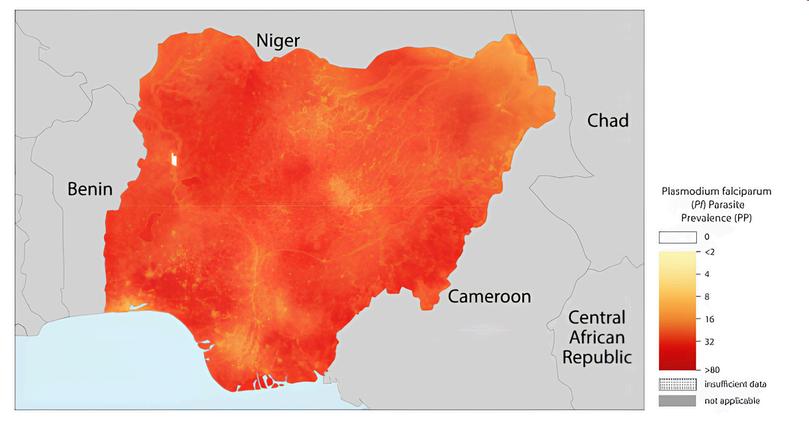
There is a lack of structured, accessible clinics in many poor, rural communities across all seven continents. One of the reasons why countries such as Nigeria have struggled with years of malaria is also due to the lack of trained healthcare workers, who also deal with countless patients everyday The delayed diagnosis and treatment of vector-borne diseases are a crucial reason why there are higher complication and mortality rates for individuals suffering with those illnesses.
Focusing more on Nigeria, there are records of around 68 cases of malaria noted annually, according to the WHO, and the death count due to the illness is the highest worldwide. Economically, billions of naira are invested yearly to combat the significant death and sickness toll
Another example of a country struggling with vector-borne diseases is Brazil, where there are sometimes millions of dengue outbreaks, along with the burden of Zika and Chikungunya Due to the unpredictable, sudden spikes of dengue-related health issues, hospitals easily become overcrowded, additionally leading to inadequate sanitization
To begin, vector control is crucial in protecting entire communities from VBDs, and strategies such as environmental management, and chemical/biological control have been further developed and explored over the past couple of years. Together, the vector control strategies form the IVM (Integrated Vector Management) strategy.
In environmental management, conditions in the environment that allow vectors to breed are eliminated or modified For example, instead of continuously killing mosquitoes, this strategy ensures that their entire populations are diminished as they are prevented from reproducing. In Singapore, dengue has been recognized as an important disease, and extensive efforts are made to identify and change mosquito breeding sites Such sites included urban containers, drains, construction sites, and rooftops.
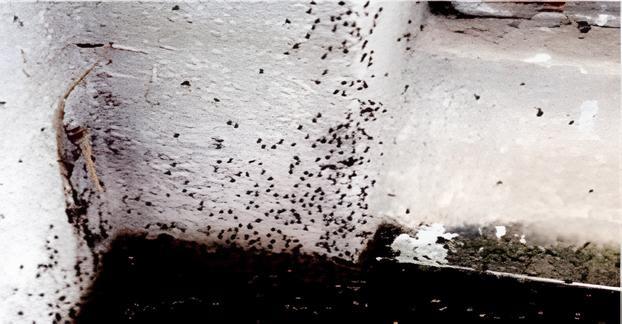
As for the control of vectors biologically, eco-friendly methods have been developed to reduce populations without the use of harmful chemicals Using natural predators, bacterial control, and Wolbachia strategies has greatly impacted the amount of people affected by VBDs. Chemical control, though efficient, is risky and only usually used in emergency cases Some chemical vector control strategies include utilizing IRS (Indoor Residual Spraying), larvicides, and space spraying. According to the WHO, an estimated number of 663 million cases of malaria were prevented from 2001-2015 due to insecticide-treated bed nets and indoor residual spraying.
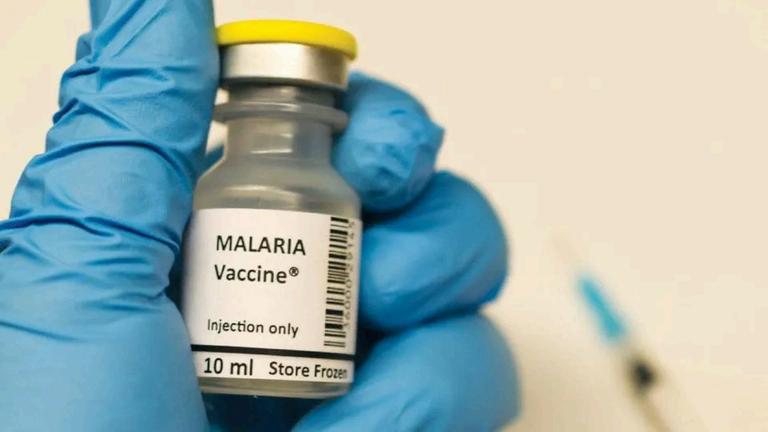
Although vector-borne diseases rely mainly on vector control and monitoring, recent scientific progress has made vaccination an important implementation in healthcare systems globally. For malaria, the WHO has recommended two major vaccines - the RTS,S/AS01 (Mosquirix), and R21/Matrix-M, as they target Plasmodium parasite in its early liver stage The vaccines are currently being distributed in parts of sub-Saharan Africa.
In pediatric care, these vaccines have helped with the partial prevention of malaria in children, reducing the risk of severe illness and also overall decreasing the high child mortality rates in
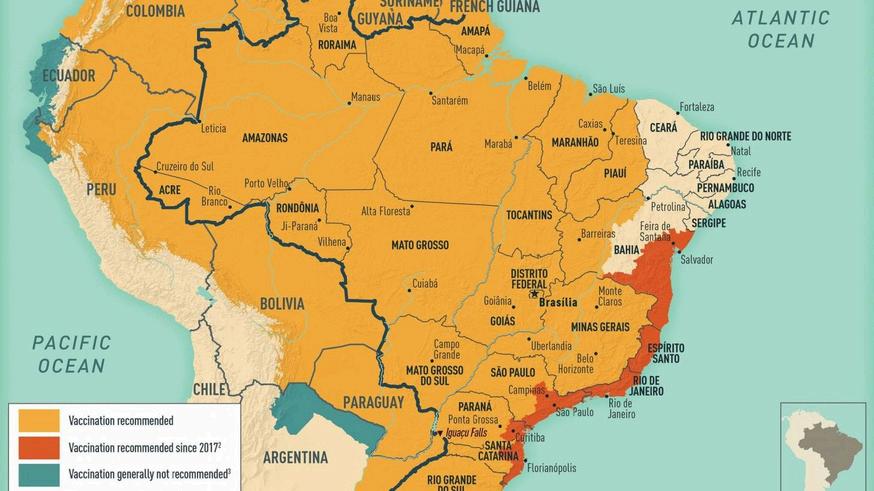
In Brazil, the main vaccine recommended is the Dengvaxia (CYD-TDV) - the first licensed dengue vaccine globally. Although it is only for individuals who have previously battled with dengue infection(s), the vaccine is targeted at a large age group (9 to 45) and population
Overall, while solutions to combat the vast amount of vector-borne disease cases yearly, recent scientific discoveries have contributed greatly to the development of vaccines and establishment of vector control Through the integration of biological and chemical vector control strategies with environmental control methods, vector populations can be reduced. The use of vaccines also ultimately decreases the number of humans globally affected by WBDs In the future, the continued advancement of scientific research will allow for more vaccines to be developed, with increased precision, efficiency, and effectiveness on vector control strategies
April 25, 2026 / Emma Zhang / emmakyzhang@gmail com

Imagine a world where a simple hike in a local park or a backyard barbecue carries the risk of a life-altering tropical disease not because you travelled abroad, but because the climate at home has changed Have you ever wondered how rising global temperatures and unpredictable weather patterns are redrawing the map of infectious diseases across the globe? If you find the link between environmental instability and human health alarming, you are observing the most significant public health challenge of the 21st century.
Recent data suggests that the geographical range of disease vectors like mosquitoes, ticks, and fleas is expanding at an unprecedented rate into previously temperate zones. For instance, modeling from the Journal of Medical Entomology indicates that species like Aedes mosquitoes are pushing significantly further into northern latitudes than previously recorded. There is a critical need to understand how climate shifts are transitioning vector-borne diseases (VBDs) from localized, manageable issues to global health security threats that bypass traditional borders. This shift means a significantly increased burden on healthcare systems and necessitates adaptive public health strategies to mitigate the “ new normal” of disease transmission Climate-driven shifts in vector habitats are not merely environmental concerns; they are urgent public health catalysts that demand proactive surveillance, international cooperation, and infrastructure resilience to protect global populations through emotional and technical readiness
The primary reason climate shifts are revolutionizing disease patterns is that they allow the physiological and reproductive cycles of vectors to accelerate before a community can implement defence protocols. Because vectors like Aedes aegypti and Ixodes scapularis (black-legged ticks) are sensitive to minute temperature changes, warming climates provide a consequence-free environment for rapid population growth and range expansion. Longer warm seasons and higher humidity allow vectors to complete more life cycles per year, increasing the frequency of transmission in regions that were once too cold for these pathogens to survive
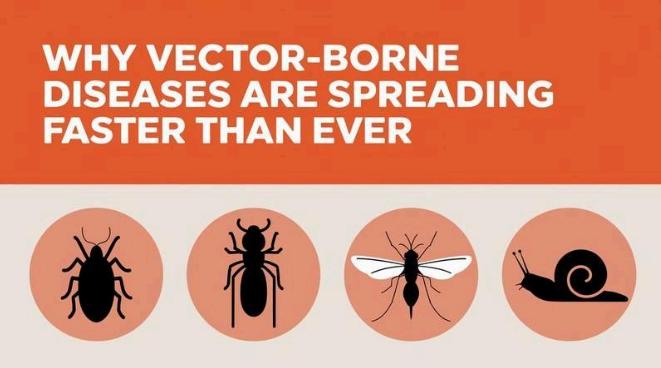
Environmental stress and disease outbreaks have direct consequences on medical infrastructure. Real-time monitoring of weather patterns can stabilize a public health department’s response and focus before a seasonal outbreak becomes a pandemic In newly affected regions, it is essential that doctors receive targeted training to recognize and diagnose unfamiliar vector-borne diseases, such as West Nile virus or Lyme disease, which they may have never encountered in their local practice
Furthermore, healthcare systems that integrate climate data into their predictive modeling usually show higher proficiency in managing patient surges during peak vector seasons As a result, complication rates from misdiagnosed VBDs drop, and the medical community feels more confident to handle emerging threats. This iterative process monitoring climate shifts, analyzing vector migration via predictive AI, and refining public health tec world containment
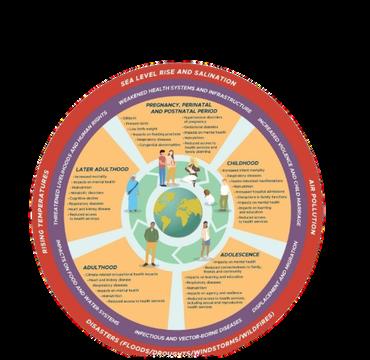
Effective mitigation requires cognitive integration, where predictive platforms help public health officials identify and address “decision-making bottlenecks” in resource allocation. Using AI and predictive modeling, data scientists can create “if-then” scenarios: for instance, if average rainfall increases by 20% in a specific quadrant, the simulator can show the immediate consequences of increased mosquito breeding sites
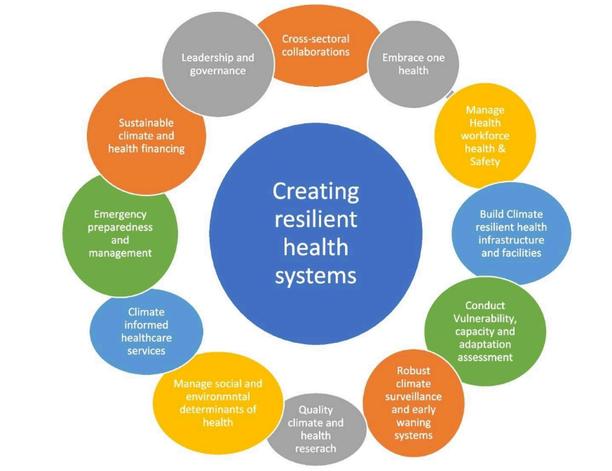
To create a high-precision environment, institutions are now using satellite imagery to track standing water and vegetation changes, improving their attention to high-risk details Hospitals and governments that treat climate-informed health planning as a mandatory safety check, rather than an optional research project, see much faster adoption of adaptive medical technologies
Climate-informed public health represents a fundamental shift in medical ethics moving from reacting to an outbreak to simulating environmental shifts to substantially reduce the risk of one occurring perfectly. High-risk regions are becoming safer because the fear of the unknown regarding new diseases is being eliminated through data-driven forecasting. Strategy-based integration of environmental data is the most effective way to lessen the risks of modern global medicine
It is no longer acceptable to ignore environmental variables when digital twins and predictive models are available to protect the public. Healthcare systems must move from a culture of avoidance regarding complex environmental factors to a culture of mastery over climate-driven health risks. In our clinics and policy rooms, using t these technical tools allows us to stop guessing and start providing care with a much higher degree of clinical confidence
May 08, 2026 / tista bhatia/ tistabhatia@gmail.com
RAY ROH
Climate change is expected to cause a minimum of 250,000 to 300,000 additional deaths annually between 2030 and 2050, according to the World Health Organization. Yet these deaths will not be evenly distributed In fact, the ones who contribute the least to this climate change will suffer the most. This growing disparity and inequality highlight an overlooked reality: climate change is an unequal public health emergency
Climate change has become increasingly recognized as one of the biggest threats to global health in the modern world. Rising temperatures, worsening air quality, and more frequent natural disasters have been connected with climate change, leading to increased rates of sickness and death. Vulnerable populations, especially low-income communities and developing nations, face the greatest risks due to structural disparities in resources and access to healthcare
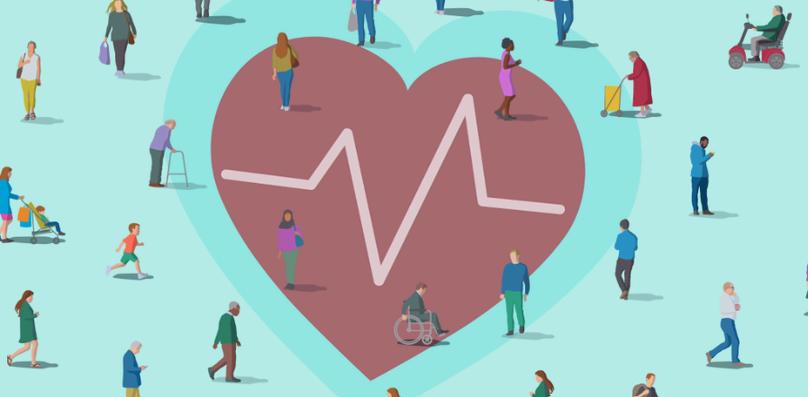
One of the most prevalent ways climate change is affecting human health is through environmental changes that increase the risk of disease. Rising global temperatures have led to more frequent and intense heatwaves, raising the probability of the development of heatrelated illnesses such as heatstroke and dehydration Furthermore, in less developed countries, more than half of the people live in rural communities dependent on agriculture. Temperature changes devastatingly affect crop yields, putting these communities at large risk of food insecurity.
In addition to heat, climate change contributes to worsening air quality. Increased pollution and frequency of wildfires release harmful particulate matter into the atmosphere, exacerbating respiratory diseases such as asthma and chronic obstructive pulmonary disease (COPD) Furthermore, climate change is increasing the number of people able to be affected by infectious diseases Warmer temperatures and shifting precipitation patterns have allowed disease-carrying organisms like mosquitoes to migrate to new regions, increasing the spread of contagious diseases they carry, like malaria and dengue fever
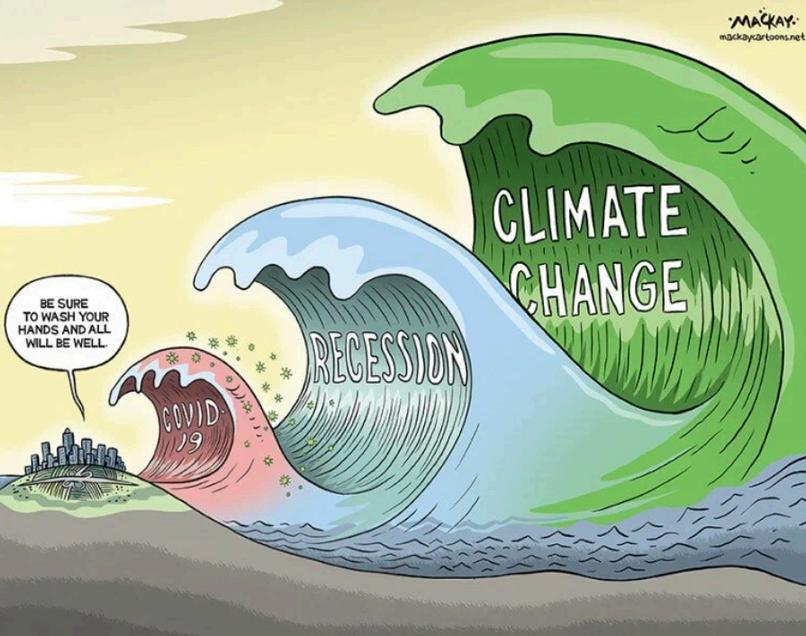
While climate change poses risks to the whole world, its impacts fall disproportionately on vulnerable populations These groups often face significant barriers to healthcare access, including a lack of insurance, high medical costs, and a lack of facilities.
More specifically, access to healthcare is a critical factor that amplifies the unequal effects of climate change. During extreme weather events, hospitals and healthcare systems often get overloaded with patients In underserved areas, where resources are already limited, this can have huge consequences
The long-term effects of these obstacles are severe Chronic illnesses can worsen without consistent treatment, and delayed care can lead to higher mortality rates. When pandemics occur, a lack of vaccines and treatment may lead to higher death counts than anywhere around the world
Poor housing conditions play a major role as well Many families lack access to air conditioning or live in poorly insulated homes, making them more susceptible to extreme heat. Additionally, marginalized communities are more likely to be located near industrial zones or other sources of pollution due to living costs, increasing their exposure to environmental hazards.
Historical policies such as redlining have further concentrated these populations in more dangerous areas with fewer resources As a result, these communities that contribute the least to greenhouse gas emissions and pollution often bear the greatest burden of these climate-related health impacts, highlighting the importance of environmental justice in addressing climate change.
On a global scale, disparities between developed and developing nations further emphasize the unequal impacts of climate change Wealthier countries have more resources to adapt to these changes, including advanced healthcare systems and infrastructure
Yet, developing nations face higher exposure to climate risks while also lacking the resources needed to combat them Small island nations, for example, are threatened by rising sea levels that can contaminate resources and displace populations. In Sub-Saharan Africa, prolonged periods of drought and changing weather patterns are putting whole communities at risk due to food insecurity and malnutrition
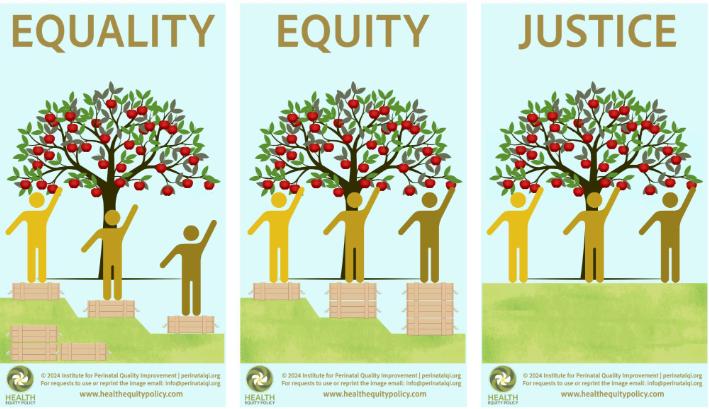
Addressing the intersection of climate change and health equity requires both mitigation and adaptation strategies Mitigation strategies may entail reducing greenhouse gas emissions by transitioning to renewable energy and improving energy efficiency, while adaptation strategies may include building climate-resilient healthcare systems in underserved areas to prevent further deaths Urban planning initiatives, such as increasing the number of green spaces, can help reduce heat and improve air quality in these dense areas.
This is where the polluter pays principle comes in Each person or company that creates pollution should be the one to pay for the damage to the environment. However, in this capitalistic world, this may seem far-fetched, so we settle for equity-focused policies that ensure solutions attempt to benefit everyone. This includes investing in vulnerable communities, expanding access to healthcare and resources, and including marginalized voices in climate policy decisions Without taking action, climate solutions may enlarge the existing gap May 07, 2026 / Ray ROH/rroh2009@gmail com
https://pmc ncbi nlm nih gov/articles/PMC8182890https:/pmc ncbi nlm nih gov/articles/PMC10215220/#s ec3-animals-13-01646
https://www who int/about/funding/invest-in-who/investment-case-2 0/challenges https://www.bma.org.uk/advice-and-support/covid-19/what-the-bma-is-doing/covid-19-impact-ofthe-pandemic-on-healthcare-delivery
https://www downtoearth org in/wildlife-biodiversity/wildlife-trade-is-driving-disease-outbreaksglobally-raising-risk-of-pathogens-reaching-humans-by-50-finds-study https://iucn org/resources/issues-brief/wildlife-diseasesurveillancehttps://pmc.ncbi.nlm.nih.gov/articles/PMC8776135/ https://www thelancet com/journals/laninf/article/PIIS1473-3099(22)008179/fulltexthttps://www cdc gov/one-health/media/pdfs/OneHealth-FactSheet-FINAL pdf
PLASTIC
Nyoni, Hlengilizwe . “Microplastics: Sources, Health Risks, and How to Protect Yourself.” Institute of Energy and the Environment, 4 Feb 2025, iee psu edu/news/blog/microplastics-sources-health-risksand-how-protect-yourself
Osman, Ahmed I., et al. “Microplastic Sources, Formation, Toxicity and Remediation: A Review.” Environmental Chemistry Letters, vol 21, 4 Apr 2023, link springer com/article/10 1007/s10311-02301593-3, https://doi.org/10.1007/s10311-023-01593-3.
Savchuk, Katia “What’s the Deal with Microplastics, the Material That “Never Goes Away”?” News Center, 2025, med stanford edu/news/insights/2025/01/microplastics-in-body-polluted-tiny-plasticfragments.html.
RISE OF AIR POLLUTION IN EAST ASIA-MARLEE MEI
Jha, Akshaya, and Andrea La Nauze “US Embassy Air-Quality Tweets Led to Global Health Benefits ” Proceedings of the National Academy of Sciences, vol. 119, no. 44, 24 Oct. 2022, https://doi.org/10.1073/pnas.2201092119.
“Seoul | Air Quality ” Nasa gov, 2021, airquality gsfc nasa gov/no2/world/east-asia/seoul “Topic: Pollution in South Korea.” Statista, www.statista.com/topics/10462/pollution-in-south-korea/. UNESCO “UNESCO - Talchum, Mask Dance Drama in the Republic of Korea ” Ich unesco org, 2022, ich.unesco.org/en/RL/talchum-mask-dance-drama-in-the-republic-of-korea-01742. Ware, Gemma. How China Cleaned up Its Air Pollution – and What That Meant for the Climate. 20 Nov. 2025, theconversation com/how-china-cleaned-up-its-air-pollution-and-what-that-meant-for-theclimate-270170, https://doi.org/10.64628/ab.gsrynkttt.
World Health Organization “Air Pollution ” Www who int, 2024, www who int/china/health-topics/airpollution.
“Global Childhood Vaccination Holds Steady, yet over 14 Million Infants Remain Unvaccinated – WHO, UNICEF ” Unicef org, 2025, www unicef org/press-releases/global-childhood-vaccination-holds-steady-yet-over-14-million-infants-remain “Increases in Vaccine-Preventable Disease Outbreaks Threaten Years of Progress, Warn WHO, UNICEF, Gavi ” Who int, World Health Organization: WHO, 24 Apr 2025, www who int/news/item/24-04-2025-increases-in-vaccine-preventable-disease-outbreaks-threaten-years-of-progress-warn-who--unicef--gavi
The Critical Public Health Value of Vaccines Edited by Julie Liao et al , Washington, D C , National Academies Press, 2021.
World. “Global Childhood Vaccination Coverage Holds Steady, yet over 14 Million Infants Remain Unvaccinated – WHO, UNICEF.” Who.int, World Health Organization: WHO, 15 July 2025, www.who.int/news/item/15-07-2025-globalchildhood-vaccination-coverage-holds-steady-yet-over-14-million-infants-remain-unvaccinated-who-unicef. World Health Organization “Immunization Agenda 2030 ” Www who int, 2020, www who int/teams/immunizationvaccines-and-biologicals/strategies/ia2030
Jha, Akshaya, and Andrea La Nauze “US Embassy Air-Quality Tweets Led to Global Health Benefits ” Proceedings of the National Academy of Sciences, vol. 119, no. 44, 24 Oct. 2022, https://doi org/10 1073/pnas 2201092119
“Seoul | Air Quality ” Nasa gov, 2021, airquality gsfc nasa gov/no2/world/east-asia/seoul “Topic: Pollution in South Korea.” Statista, www.statista.com/topics/10462/pollution-in-south-korea/. UNESCO “UNESCO - Talchum, Mask Dance Drama in the Republic of Korea ” Ich unesco org, 2022, ich.unesco.org/en/RL/talchum-mask-dance-drama-in-the-republic-of-korea-01742.
Ware, Gemma How China Cleaned up Its Air Pollution – and What That Meant for the Climate 20 Nov 2025, theconversation com/how-china-cleaned-up-its-air-pollution-and-what-that-meant-for-theclimate-270170, https://doi.org/10.64628/ab.gsrynkttt.
World Health Organization “Air Pollution ” Www who int, 2024, www who int/china/health-topics/airpollution.
Centers for Disease Control and Prevention (CDC). Antibiotic Resistance Threats in the United States. https://www cdc gov/antimicrobial-resistance/data-research/facts-stats/index html
World Health Organization (WHO) Antimicrobial resistance – Fact sheets and global overview https://www.who.int/news-room/fact-sheets/detail/antimicrobial-resistance
Davies, J , & Davies, D (2010) Origins and evolution of antibiotic resistance Microbiology and Molecular Biology Reviews, 74(3), 417–433. https://doi.org/10.1128/MMBR.00016-10
Ventola, C L (2015) The antibiotic resistance crisis: part 1: causes and threats P&T, 40(4), 277–283
STRENGTHENING SUSTAINABLE HEALTH SYSTEMS TO - EMMA ZHANG
https://www.researchgate.net/figure/Combined-global-distribution-of-seven-major-vector-bornediseases-for-which-integration fig2 282334337https:/www vax-before-travel com/brazil-leads-americasdengue-cases-2024-09-27https:/www who int/news-room/fact-sheets/detail/vector-bornediseases#: :text=Vector%2Dborne%20diseases%20are%20human,fever%2C%20Japanese%20encephalitis%20an d%20onchocerciasis https://newdrugapprovals org/2021/10/09/rtss-as01-rtssmosquirix/https://www.emro.who.int/fr/malaria-and-vector-borne-and-neglected-tropicaldiseases/vector-control/global-strategy-for-vector-control htmlhttps://www worldmosquitoprogram org/
OF
World Health Organization."Climate Change and Vector-Borne Diseases: Global Outlook 2026." WHO Press, 10 Jan 2026
The Lancet Planetary Health."The Impact of Rising Temperatures on the Spread of Zoonotic Pathogens." The Lancet, 15 Nov 2025
Centers for Disease Control and Prevention "Adapting Public Health Infrastructure for Changing Climate Patterns." CDC Global Health Report, Feb. 2026.
Journal of Medical Entomology "Modeling the Expansion of Aedes Mosquitoes in Northern Latitudes " Entomology Today, 12 Oct. 2025.
THE INTERSECTION OF CLIMATE CHANGE AND HEALTH EQUITY - RAY ROH
Bhargawa, Ruma, and Megha Bhargava. “The Climate Crisis Disproportionately Hits the Poor. How Can We Protect Them?” World Economic Forum, 13 Jan 2023, www weforum org/stories/2023/01/climate-crisispoor-davos2023/.
Lindsey, Rebecca, and Luann Dahlman “Climate Change: Global Temperature ” Climate gov, National Oceanic and Atmospheric Administration, 29 May 2025, www climate gov/news-features/understandingclimate/climate-change-global-temperature.
“Ten Solutions to Bridge the Racial Wealth Divide ” Inequality org, 21 June 2019, inequality org/article/tensolutions-bridge-racial-wealth-divide/.
U S Global Leadership Coalition “Climate Change and the Developing World: A Disproportionate Impact –USGLC ” USGLC, Mar 2021, www usglc org/blog/climate-change-and-the-developing-world-adisproportionate-impact/.
Publication: SYNTHIFY (instagram: @synthifyofficial )
Editor: Minsung Choi, Ryan Ahn, Soobin Leem, Paramith Bhandari, Irene Seohyun Lee, Jaehwan Kim
Writer: Aditi Tripathi, Nagasai Lohith Anumula, Maggie Zhang,Marlee Mei,Mehreen Muzafar, Esther Tyrnauer,Emma Zhang, Tista Bhatia, Ray ROH
Layout: Ayeon Cho, Teresa Nam, Minsol Kim, Jeongyeon Han, Alan Yurikh
“Man is a part of nature, and his war against nature is inevitably a war against himself.”
-Rachel Carson