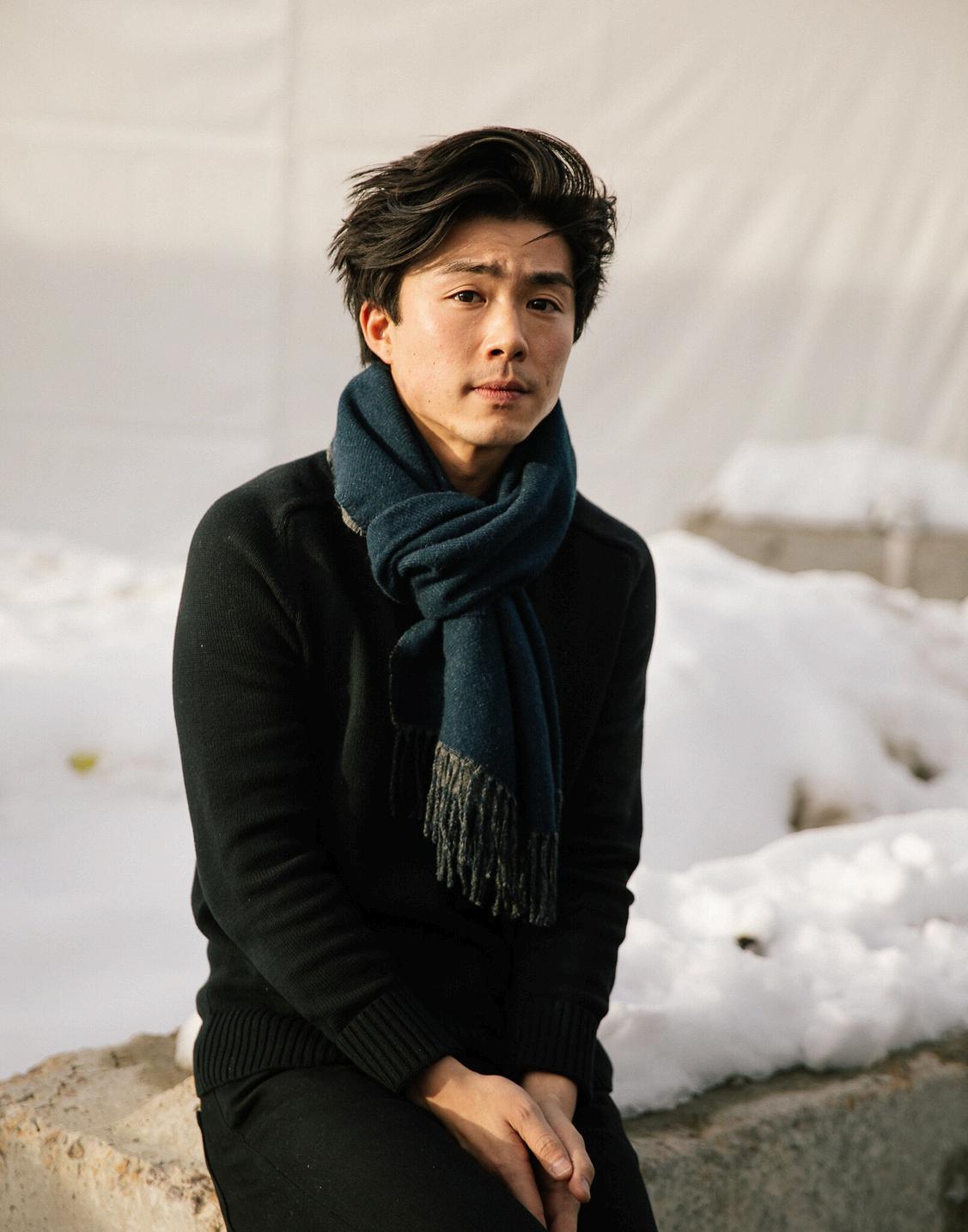
Sean Wang is a Taiwanese - American filmmaker celebrated for his visuall y poetic and emotionall y charged stor y telling His films often e x plore identit y , famil y , and memor y , drawing on personal e x perience to craft universal narratives .
genre
Still here is a Documentar y / Drama , short film . It blends personal stor y telling with intimate observational filmmaking .
theme/purpose
A film about aging , memor y loss , loneliness , and intergenerational connection . Still Here reminds us of the beaut y of details and the richness of emotional lives that might otherwise remain invisible . Sean Wang honors the presence of his grandmother her strength , loneliness , and spirit and in doing so , this film is a genuine tribute to famil y , culture , and time .
INTRODUCTION
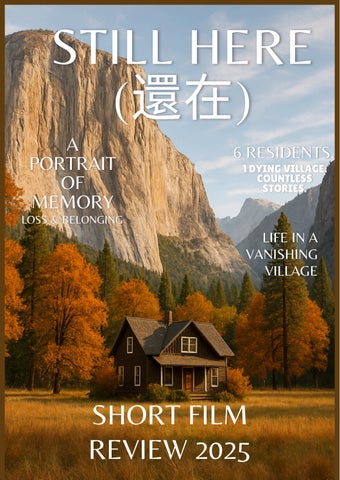
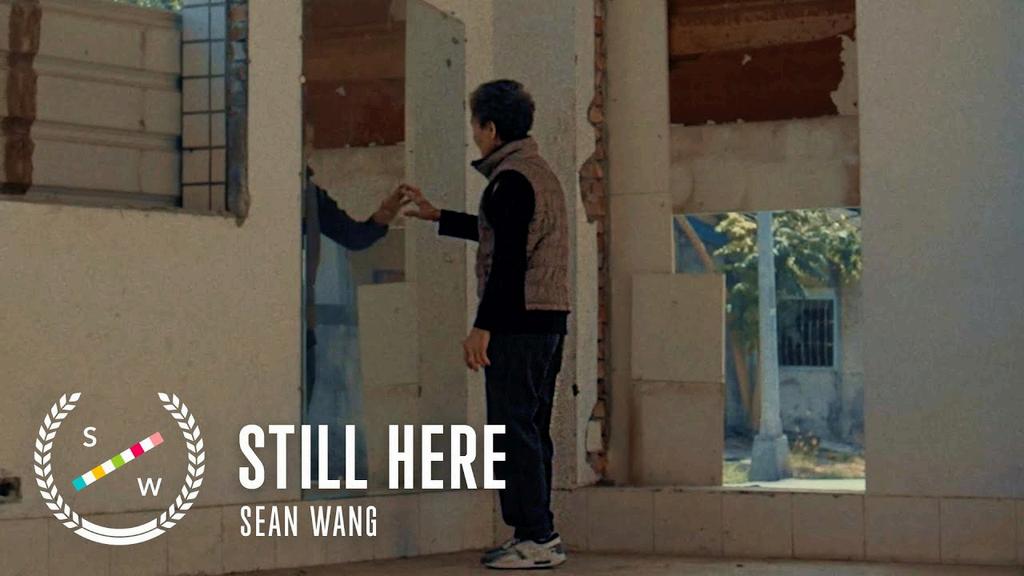
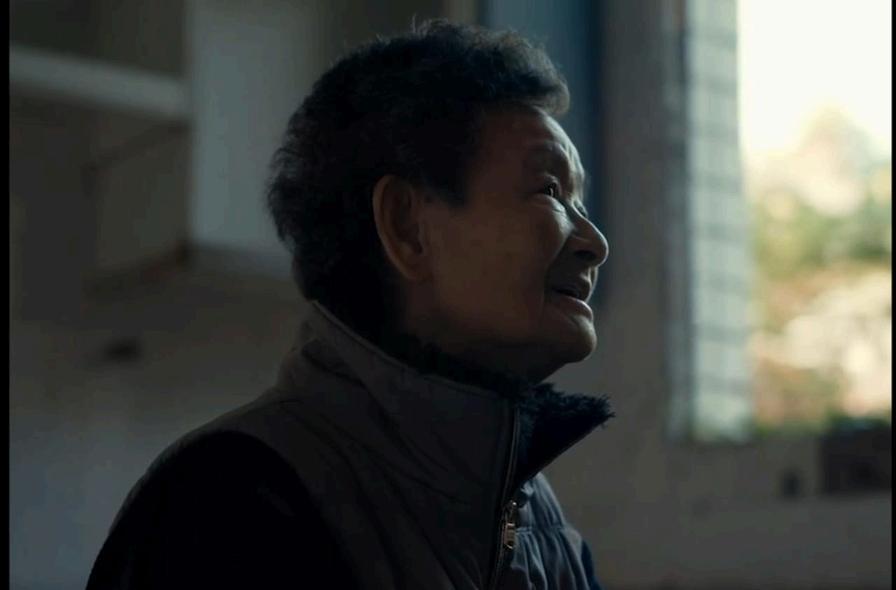
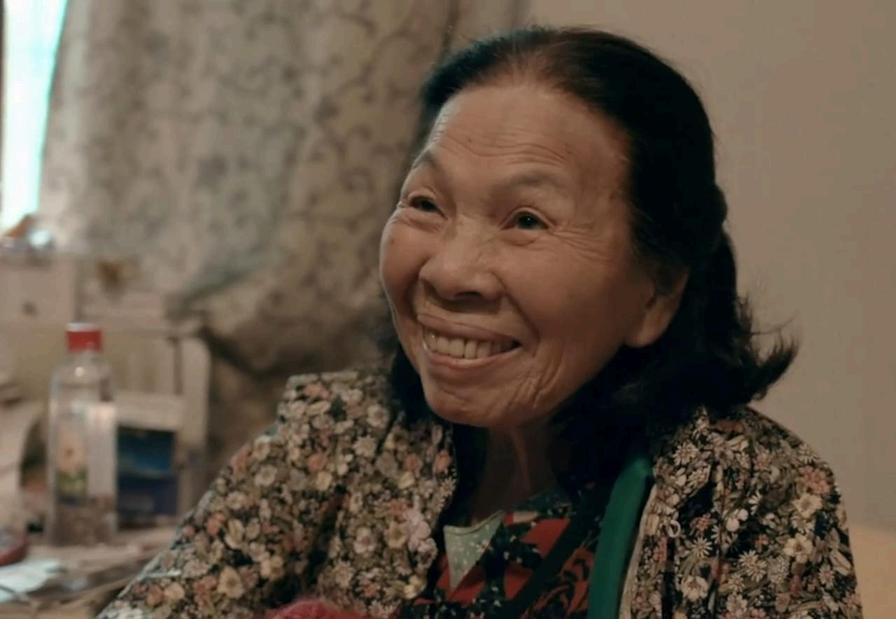
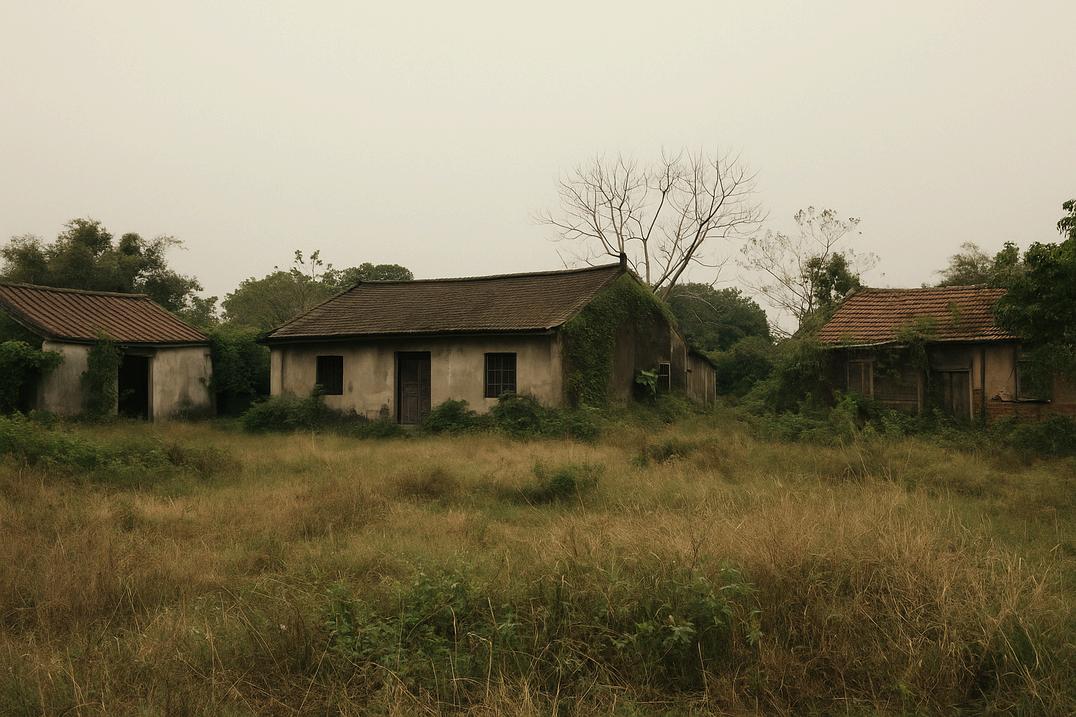
STILL HERE (還在) IS A SHORT FILM BY SEAN WANG THAT CAPTURES THE PEACEFUL BEAUTY AND SORROWFUL POIGNANCY OF NEARLY ABANDONED VILLAGE IN KAOHSIUNG, TAIWAN. THROUGH A MIX OF POETIC IMAGERY AND HEART-WRENCHING INTERVIEWS, IT DOCUMENTS THE LIVES OF SIX OF THE STILLPRESENT VILLAGERS WHO WOULDN'T ABANDON THE SOLE HOME THEY'VE EVER KNOWN.
THE FILM IS UNDER DOCUMENTARY/DRAMA, USING FILMIC STORYTELLING TO REFLECT ON MEMORY, HOME, AGING, AND RESILIENCE. THE MOVIE STANDS OUT BASED ON EMOTIONAL AUTHENTICITY, NOT ONLY DOES IT CAPTURE THE DECLINE OF A VILLAGE, IT ALSO PAYS HOMAGE. HERE, I WILL WRITE ABOUT HOW THE DIRECTOR USES VISION, SOUND, AND PERSONAL HISTORY TO CREATE A STORY THAT IS UNIVERSAL BUT INTIMATE. I'LL ALSO WRITE ABOUT HOW THE FILM MADE ME CONSIDER THE NATURE OF HOME AND HOW BUILDINGS CAN HOLD MEMORIES LONG AFTER PEOPLE HAVE LEFT. 3
On the surface, nothing much is going on — that's the beauty of it. Each quiet moment speaks a little more about time, memory, and the quiet lives of those individuals who remain behind. There is a deafening silence, and each corner of the village feels as though it is harboring a tale.
Thefilmisatributetotheoftenneglectedones.It'srespectful, gentle,andquietlypowerful.A reminderthateveryspace,and everypersonwhoisleftbehind, matters. SHE SMILED, BUT HER EYES HELD DECADES OF WAITING
Still Here (還在) left a quiet, but deep impression on me that I won't soon forget. It's not a shouting-your-head-off movie about its cause but instead, it whispers in quiet photographs, long stretches of nothing, and quietly strong characters. It reminded me that even in abandoned places, people are still living, memories are still being borne, and emotions that must be witnessed.
Sean Wang does not try to entertain with action or bully emotion. Instead, he invites us to be still and watch the beauty of aging, quiet, and holding on. The villagers are quiet, but their presence is loud: of home, determination, and what it means to be somewhere, even when everyone else is gone.
What I want readers to learn is that it's not merely a movie about a disappearing village. It's a paean to memory, a tribute to lives that are little on the surface but complex and dignified in depth. It tells us that even abandoned places are alive, through those who occupy them still, through the memories burned into walls, and through the whispers of quotidian life.
In the end, Still Here is not just about staying in a place, it's about the human need to be remembered, to matter, and to remain connected to the spaces that shaped us. It’s a gentle, powerful reminder that even silence can be full of meaning, if we ’ re willing to listen.
FINAL THOUGHTS
STILL HERE CONTINUES NOT JUST IN THE VILLAGE THAT IT DEPICTS, BUT IN THE HEART OF THE OBSERVER. IT'S A REMINDER THAT TIME MOVES ON, BUT MEMORY IS ROOTED. PLACES CAN BE LOST, BUT LOVE, STITCHED ON OLD CLOTHES, NURTURED IN GARDENS, RESONATED IN QUIET HALLS, STAYS. SOME STORIES DON'T SHRIEK. THEY WHISPER. AND THAT'S WHY THEY STICK WITH US LONGER.