ACOUSTIC DESIGN IN HEALTHCARE ENVIRONMENT
" Hospitals and healthcare buildings offer a significant challenge to acoustic consultants and designers. These buildings include a multitude of different spaces with a wide range of sensitivity and privacy requirements. Each space may be used for a variety of activities that have differing sensitivity levels and generate varying level of noise. "


SDG 11 INDUSTRIES, INNOVATION AND INFRASTRUCTURE
OVERVIEW
Sustainability in acoustic design is important because it is required to create a comfortable acoustic environment in healthcare space and is able to play a vital role in supporting safety, health, healing, and well-being for all occupants. Additionally, maintaining speech privacy in healthcare settings helps in reducing medical errors as it supports open conversations among patients, families, and PCTs and is believed to influence patient satisfaction.
What are the issues that spark the idea of acoustic design in the healthcare environment?
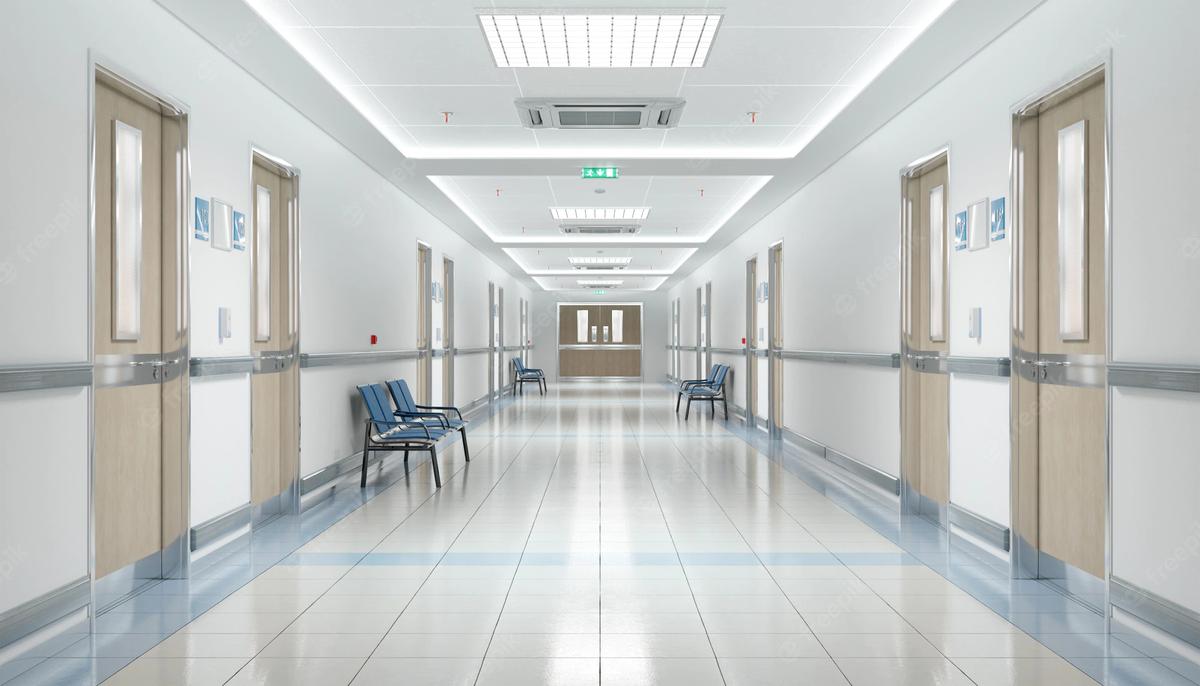
Poor acoustic conditions may have a negative impact on the physical design of healthcare on staff outcomes like job stress, work demands, fatigue, and quality of patient care (Blomkvist Vanja et al, 2019). These negative impacts include elevated psychological and physiological stress levels that can worsen other outcomes, create difficulty in staff communications, and contribute to poor sleep quality, which is detrimental to healing (Zhou Tianfu et al, 2021).


Using high performance ceiling tiles with high noise reduction coefficient

Benefits
Maximising Patient and Staff Wellbeing
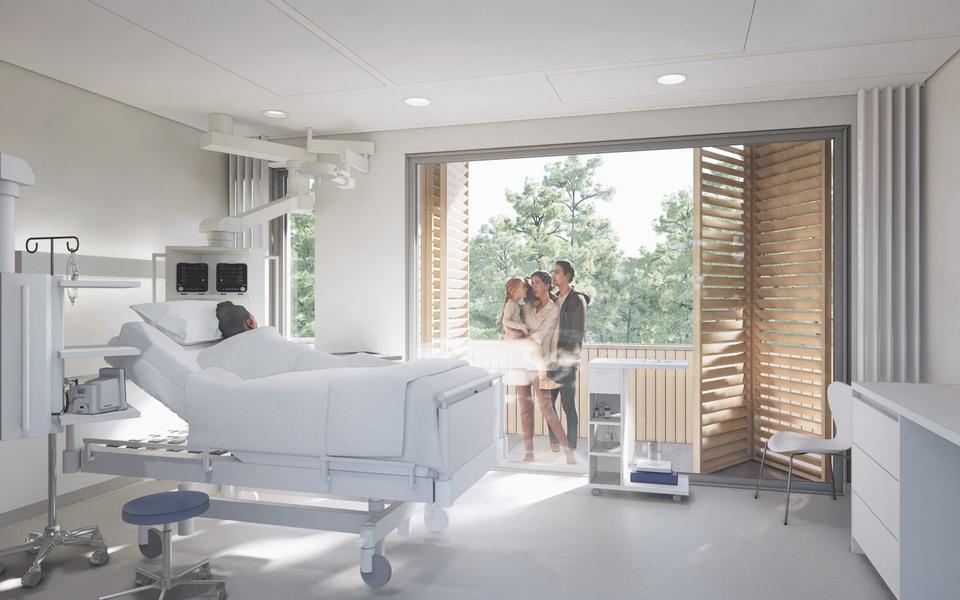
Creating an acoustic design that minimizes noise exposure can allow patients to have a more relaxed, stress-free healthcare experience.
Improving Sleep Quality
Loud noises in hospitals have been linked to sleep disturbance and arousals among patients, both of which can lead to increased pain perception and, consequently, patient medication.
Reducing Medical Error
Solution
An integrated in material approach:

Acoustically wrapped wall panels that cleanable are a great option.
High levels of noise can lead to distractions and a loss of focus. Consequently, a major concern is a patient safety in the form of medical errors caused by less-than-perfect oral communication
High - traffic spaces need a terrazzo or porcelain option that is highly durable in flooring.

RATIONALE
The research clearly shows that improving environmental acoustics can achieve important gains in the psychosocial work environment of healthcare staff. The results of this survey show that in addition to installing high-performance sound-absorbing ceiling tiles, flooring and panels used in the construction, especially the rooms interior surfaces, directly impact the hospital building's acoustics. The implementation of careful and strategic acoustic design can enable us to constantly pursue ways to contribute to global and national priorities in order to improve economic, environmental and social well-being. This will be supported by increasing public awareness and concern about the negative effects of current industrial processes on our environment.


" Acoustic design to best support health and well being. "
