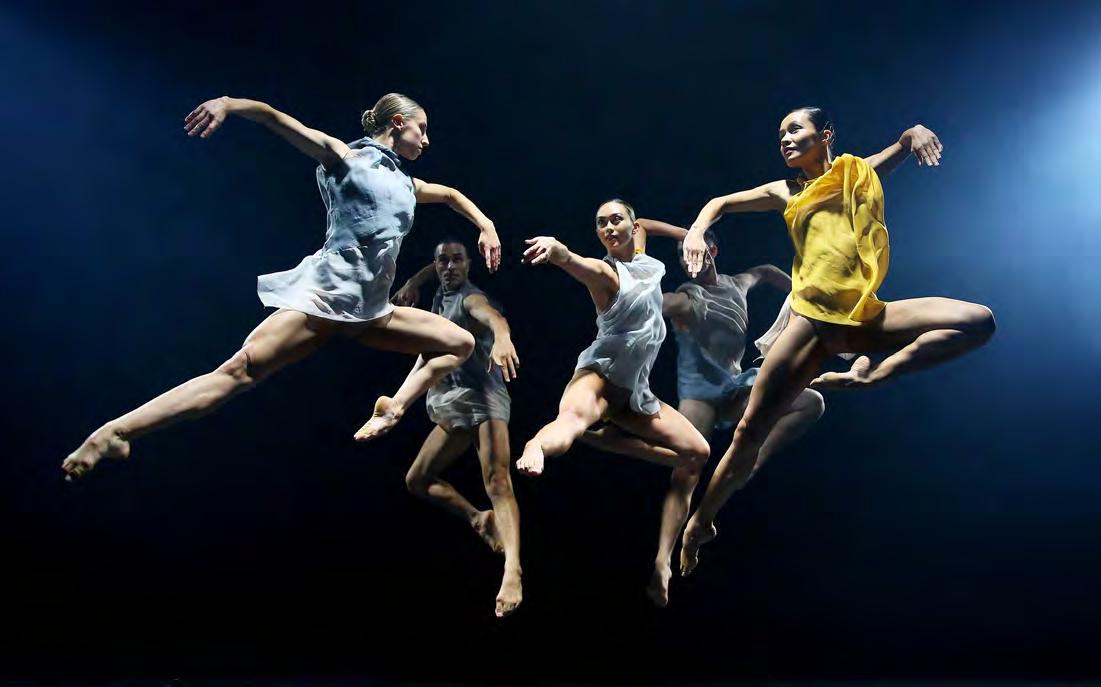
Double bill by Rafael Bonachela & Melanie Lane
Secondary School Resource Pack
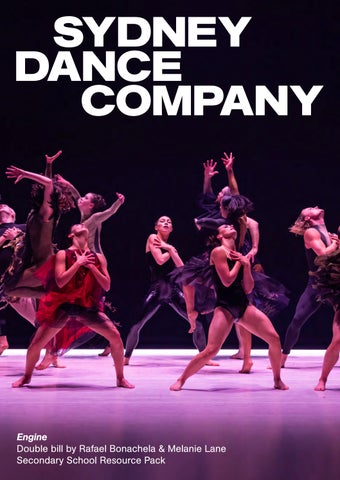
This Resource Pack will help you deeply engage with and understand the performance of Engine. There are a range of activities for you to undertake, including reading, writing, watching, and undertaking your own creative tasks.
The pack contains a BEFORE THE SHOW section with ideas for research and discussion in the lead up to seeing Engine and an AFTER THE SHOW section with follow-up tasks to support learning in performance, composition and appreciation. The suggested activities in the Engine Resource Pack can be adapted by teachers to suit the requirements of Stages 4-6 in NSW and the equivalent in other states.
KEY
Throughout this document, you will see the following icons:
Before the Show After the Show
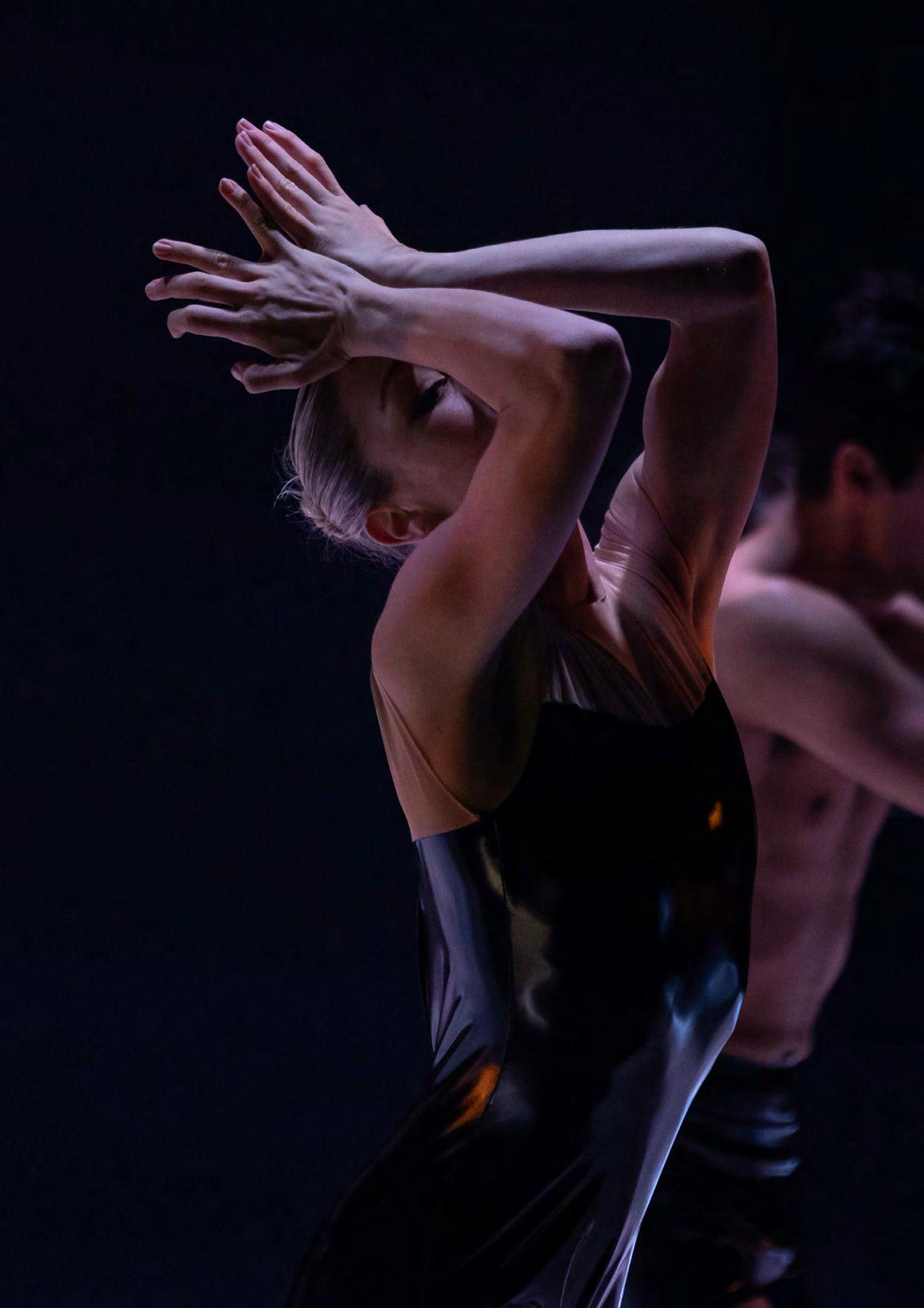
“Dance allows individuals and communities to shape their cultural identity and express their deepest feelings. These experiences continue to resonate throughout our lives, transforming our minds, bodies and souls.”
Rafael Bonachela
Dance changes you. More than simply witnessing something beautiful, or engaging with culture, to experience dance is to be positively altered. From performances at the Joyce Theatre in New York, to the Grand in Shanghai, the Stanislavsky in Moscow and the Sydney Opera House at home, Sydney Dance Company has proved that there are no passive observers in a contemporary dance audience.
The reward of truly moving audiences, and the raw pride of sharing Australian art with the world has driven our ensemble of 17 dancers, led by Artistic Director Rafael Bonachela, to become one of the world’s strongest forces in contemporary dance.
Alongside Bonachela’s original works, our programs have featured guest choreographers like Jacopo Godani, Alexander Ekman, Gideon Obarzanek and Cheng Tsung-lung, as well as collaborations with Sydney Festival, Australian Chamber Orchestra, Sydney Symphony Orchestra, David Jones and composers Bryce Dessner, Nick Wales, 48nord and the late Ezio Bosso.
In the 20th century, modern dance pioneers broke away from traditional dance styles. Instead of telling a clear story or copying expected moves, they focused on expressing ideas through movement — and you, the audience, get to decide what it means. As choreographer Merce Cunningham said, “an element itself is expressive; what it communicates is in large part determined by the observer.”
In contemporary dance, there’s no such thing as a passive audience. Sydney Dance Company’s Artistic Director Rafael Bonachela says, “you are our most important collaborator.” That means there’s no right or wrong way to watch a performance. You don’t need special knowledge or training — you just need to be open and present.
Anything can happen on stage. It’s not mainstream entertainment or fairy-tale storytelling. Instead, expect to feel something — maybe excitement, confusion, curiosity, or even discomfort. Contemporary dance often mixes art forms like technology, film, visual art, design, and fashion. It’s bold, experimental, and always changing.
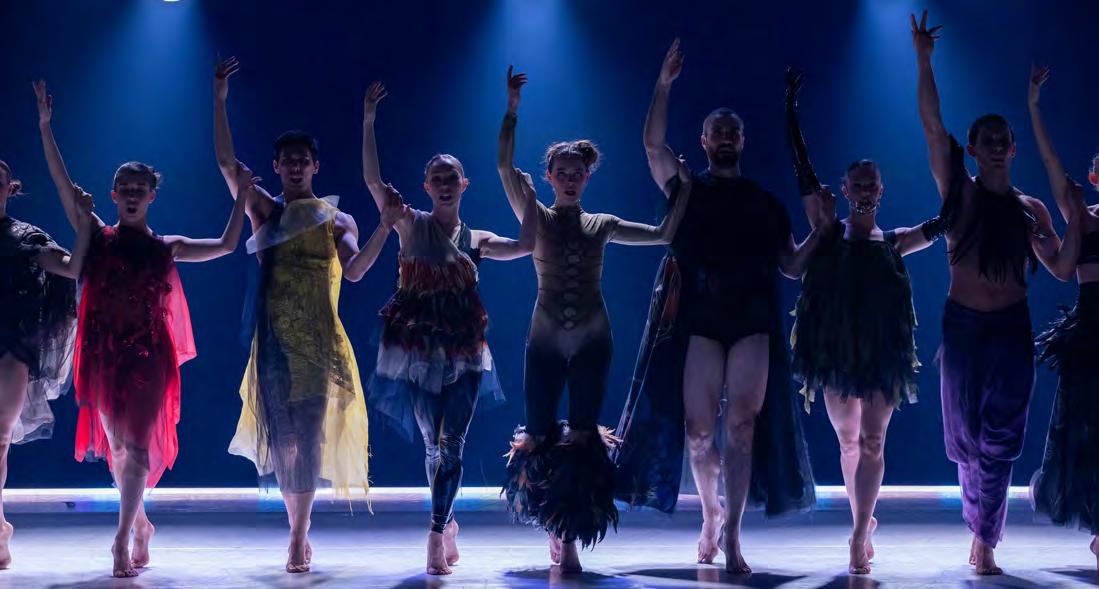
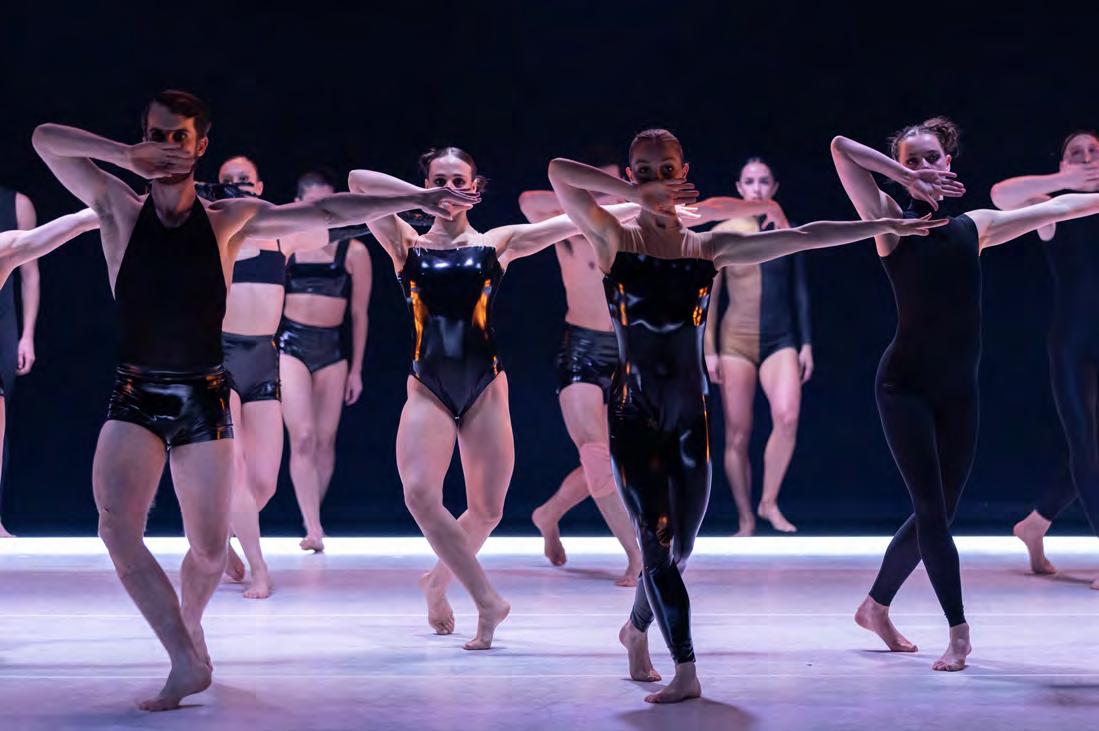
Sydney Dance Company was established in 1969, founded by dancer Suzanne Musitz. At first it was known as The Dance Company (NSW). In the mid-1970s, it was led by Dutch choreographer Jaap Flier before Australian choreographer Graeme Murphy became Artistic Director in 1976. In 1979, Murphy and his creative partner Janet Vernon renamed it Sydney Dance Company — the name it’s known by today. Together, they led the company for 30 years and helped make it famous across Australia and around the world. The company became the first western contemporary dance company to perform in China, which was a major achievement at the time.
Sydney Dance Company has been led since 2009 by Spanish-born Artistic Director Rafael Bonachela. Under his leadership, Sydney Dance Company has continued to grow and is now known as one of the most exciting and innovative contemporary dance companies in the world.
The company regularly performs new works created by Bonachela and other choreographers collaborating with designers, musicians and artists. The Company has expanded its reach into the towns and cities it visits across Australia, engaging with schools and local dancers.
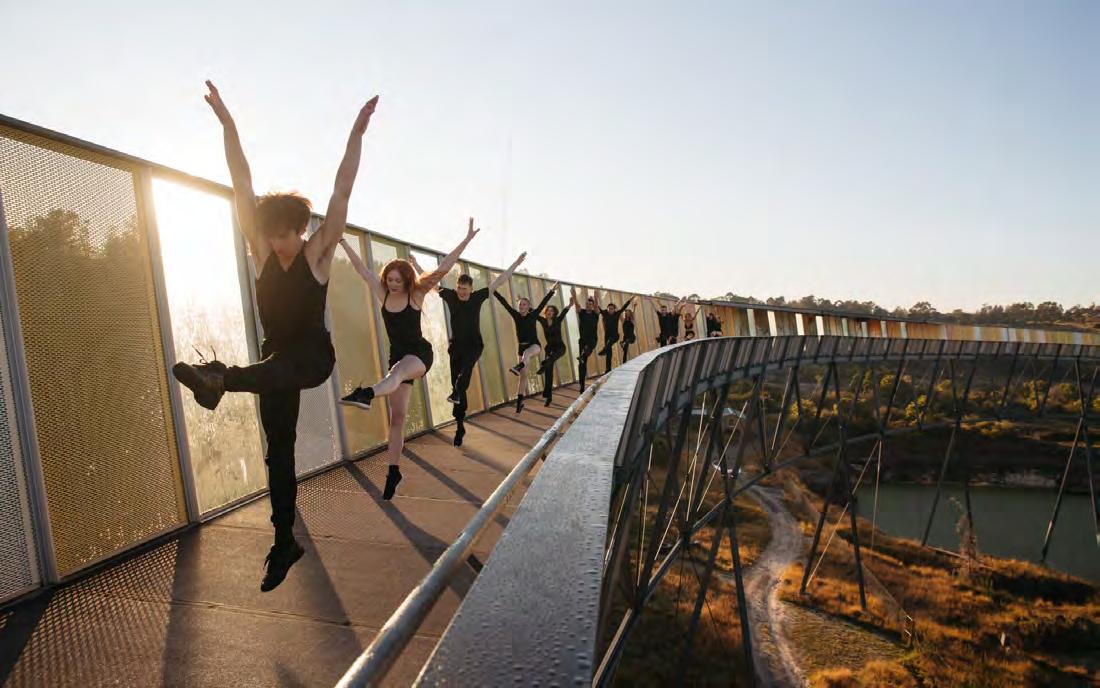
Sydney Dance Company is based in the Walsh Bay Arts Precinct, near the Sydney Harbour Bridge and Opera House. The studios were purpose-built in 1986 and refurbished in 2021 to support world-class training and performances.
The studios stand on the lands and waters of the Gadigal of the Eora Nation.
We acknowledge their unbroken connection to Country and thank them for caring for this coastline for thousands of years. We pay our respects to Elders past and present and extend that respect to all First Nations people.
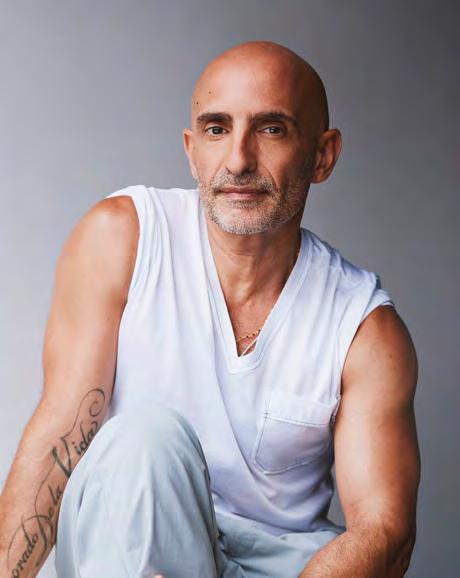
Rafael Bonachela
Rafael Bonachela was born in Barcelona where he began his early dance training before moving to London. In 1992 he joined the legendary Rambert Dance Company.
He remained with Rambert as a dancer and Associate Choreographer until 2006 when he successfully set up the Bonachela Dance Company (BDC) to concentrate on the rapid rise of his choreographic career. As a choreographer, Rafael has been commissioned to make works for Dresden Frankfurt Dance Company, Candoco, George Piper Dances, ITDANSA Danza, Contemporanea de Cuba, Transitions Dance Company and Dance Works Rotterdam, amongst others.
In 2008, Bonachela premiered 360°, his first full-length production for Sydney Dance Company. Less than six months later, he was appointed Artistic Director, making headlines around the dance world. His vision for the Company embraces a guiding principle that has seen the repertoire grow, with the addition of commissioned dance works from Australian and visiting international guest choreographers. These works are often programmed alongside Rafael’s own creations, ensuring diversity for audiences and providing much sought-after opportunities for his remarkable ensemble of dancers to be exposed to the work of some of the most in- demand choreographers of our time.
Rafael Bonachela’s internationally recognized talent has seen him work not only with contemporary dance at the highest level, but also with artists from popular culture, such as Kylie Minogue, Tina Turner, Sarah Blasko and Katie Noonan, as well as leading fashion designers Bianca Spender, Dion Lee and Toni Maticevski. Such collaborative efforts reflect the inspiration he finds and utilises from contemporary culture.
You can read more of Rafael’s biography here.


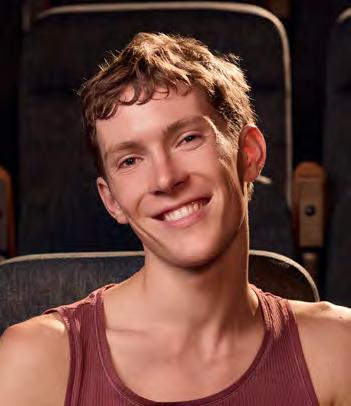
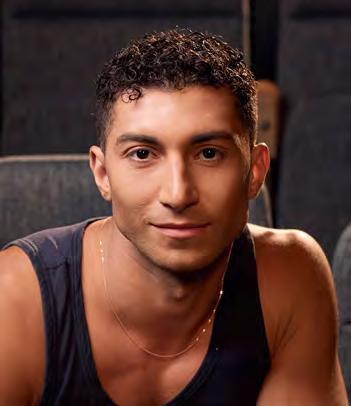
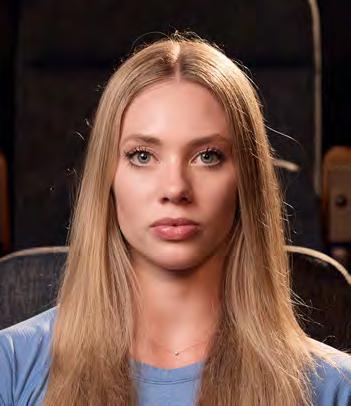
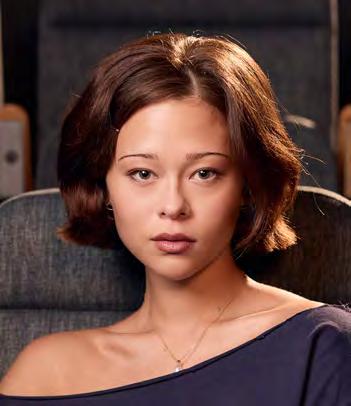
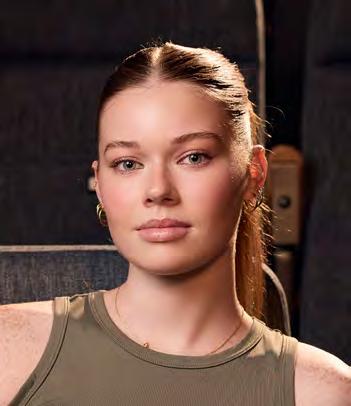

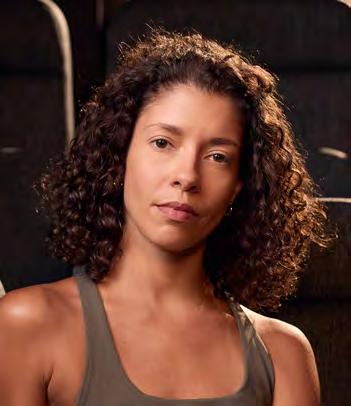
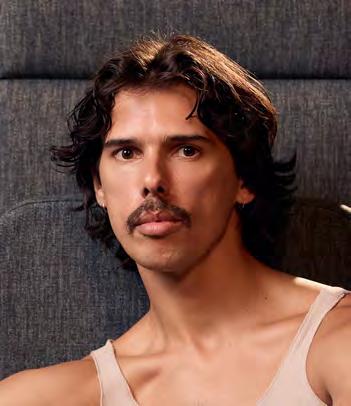


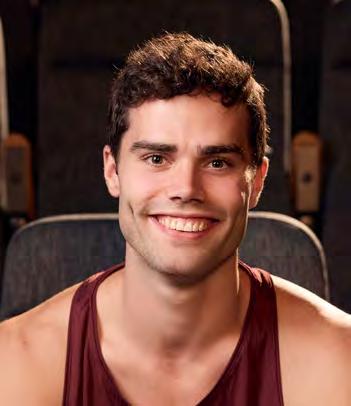
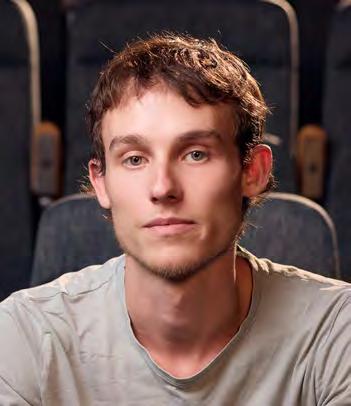


There are many people who work with the creative team to bring dance works to the stage. The Sydney Dance Company Artistic Team who has worked on Engine are listed below.
Richard Cilli – Director Ensemble & Repertoire and Charmene Yap – Rehearsal Associate
As key members of the artistic team, Richard and Charmene lead rehearsals to make the performance the best it can be every performance and create the dancers’ schedule when they are in the studio and performing.
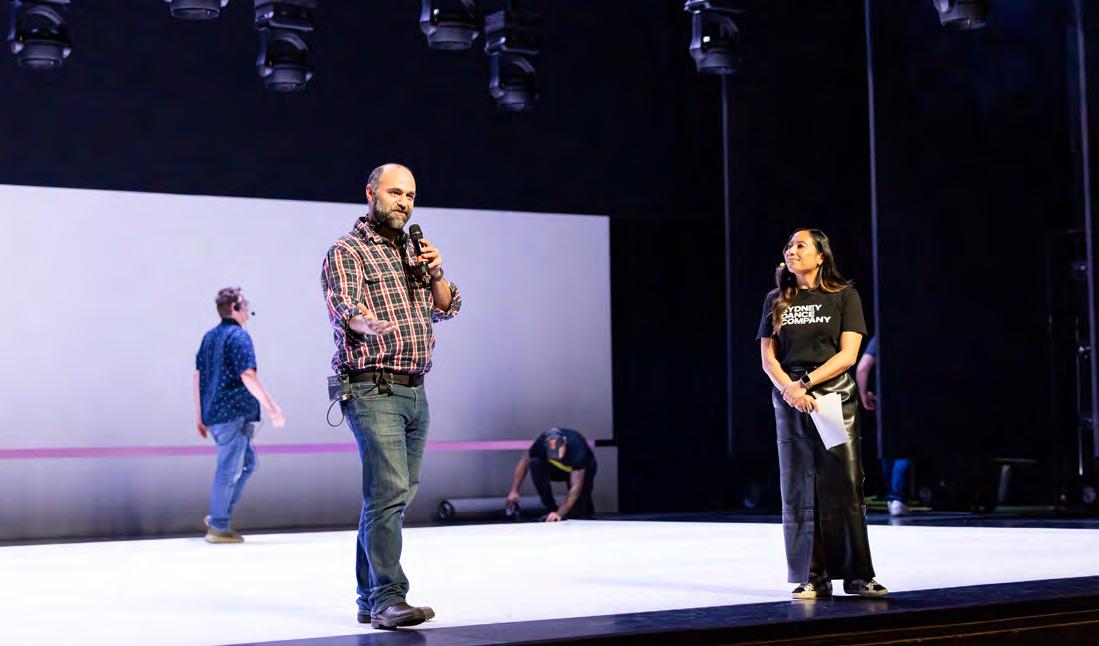
Guy Harding - Technical Director
Guy is the technical expert who supervises various aspects of Engine like lighting and set changes throughout the work. Guy worked closely with costume and set designers to bring their vision to life, including the staging and lighting elements.
Simon Turner - Company & Resident Stage Manager
Simon communicates with the whole team to ensure the show runs smoothly, letting the dancers know when they’re needed on stage, and telling the sound engineer to start a new sound cue.
Mary-Ellen Baxter - Head of Wardrobe
Mary-Ellen’s job is to sew the costume designer’s ideas into items of clothing, making sure the dancers costumes are comfortable to dance in, and ensuring they’re clean and mended for every performance.
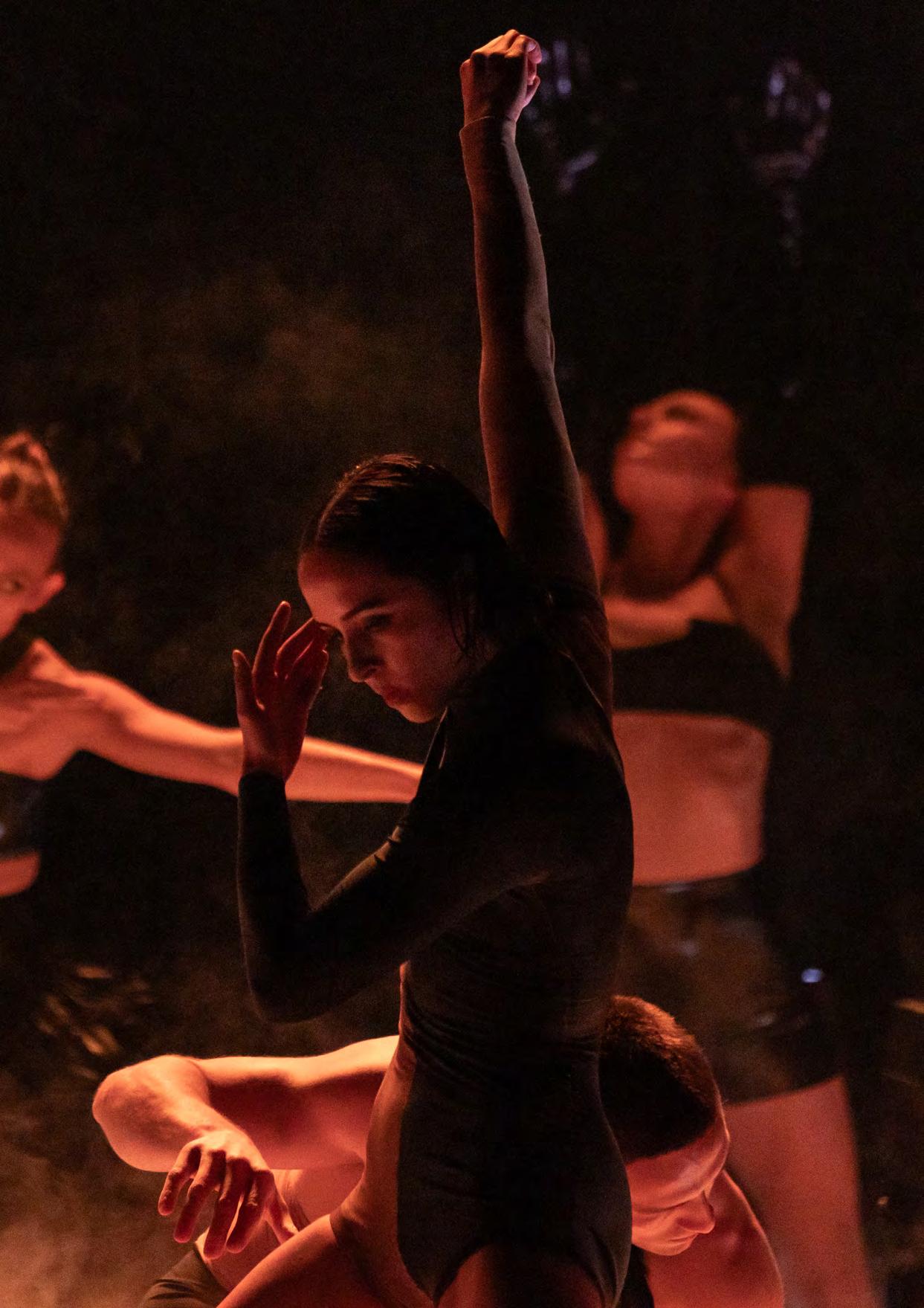
Sydney Dance Company Artistic Director Rafael Bonachela’s new work The Journey Itself Is Home is set to a score by Grammy Award–winning composer Bryce Dessner and draws inspiration from the writings of 17th century Japanese poet Matsuo Bashō.
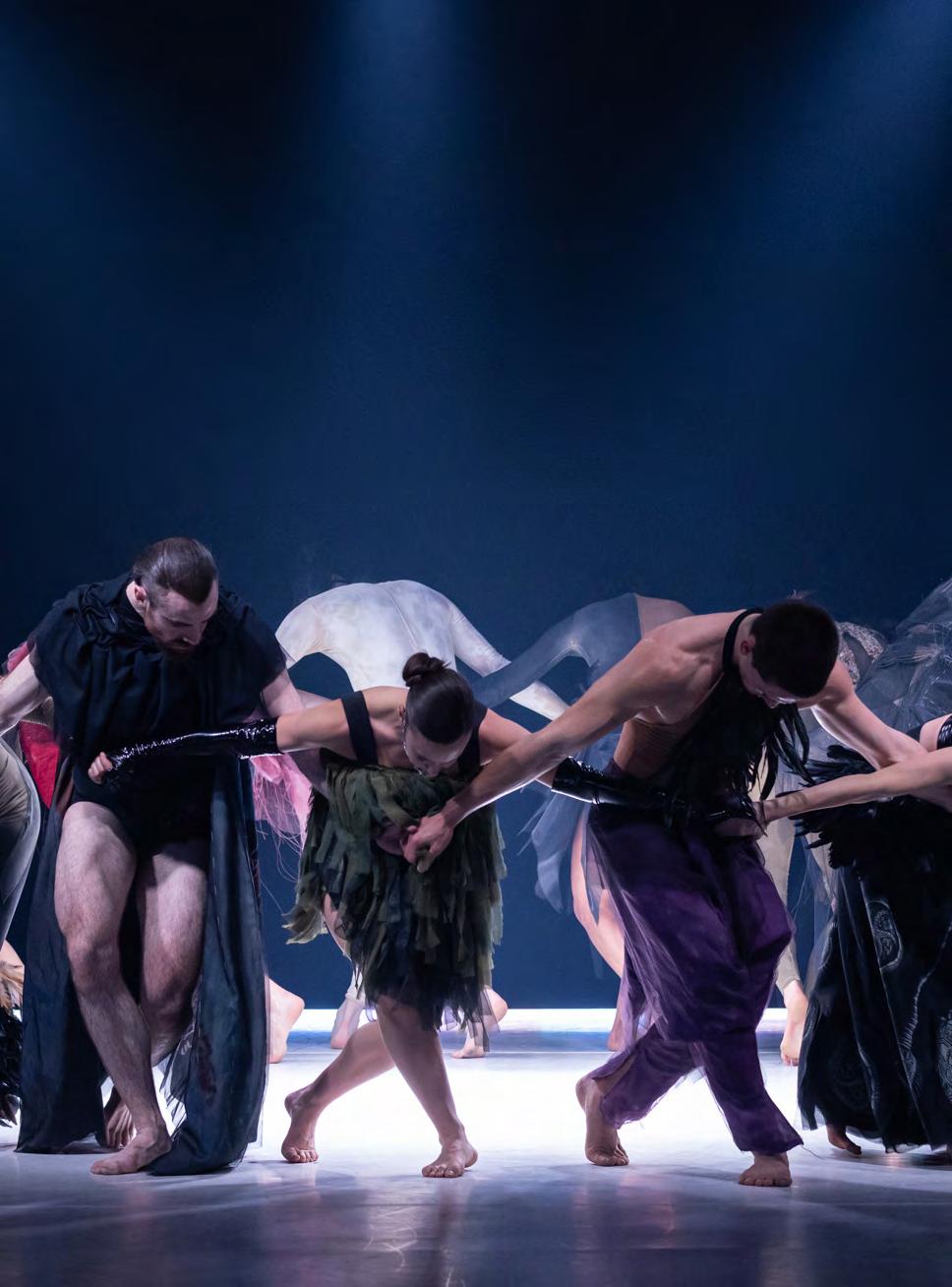
Exploring movement as a state of being, the work traces an evolving landscape of change, longing and transformation, where fragility and strength exist in tension. Rafael’s signature style drives the work’s shifting emotional arc, underscoring a choreography that unfolds through momentum rather than destination. Bryce Dessner’s fourmovement score weaves together orchestral and electronic recordings, reflecting the arc of tension, release and renewal. There is no arrival here. No fixed horizon to hold onto.
The Journey Itself Is Home traces the quiet, relentless act of becoming - where each step dissolves as it is made. The work breathes in long arcs - music and movement entwined in moments suspended between what was and what might be.
Watch the Behind the Scenes: The creation of Rafael Bonachela’s The Journey Itself Is Home
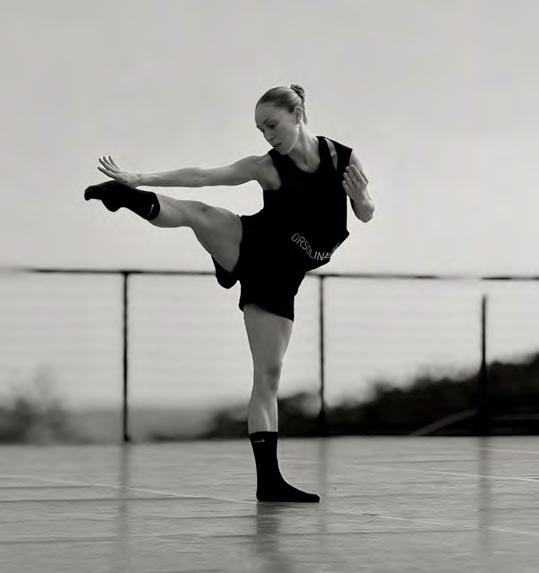
A note from the choreographer Rafael Bonachela
The Journey Itself Is Home began with a journey. During Sydney Dance Company’s European tour in 2025, I traveled to France to spend a few days with composer Bryce Dessner imagining what our next collaboration might become. We spent our time talking about life, music, books, poetry, art, nature, memory and the things that move us. Somewhere between those conversations, long walks and sunsets, a simple idea emerged the journey itself is home.
Matsuo Bashō’s 17th-century travelogue
The Narrow Road to the Interior came up in our discussions a lot. It is a collection of writings and haiku born from a journey through landscapes both physical and spiritual. It felt connected to the landscape we found ourselves in, and the work we wished to create. In particular, Bashō’s reflections on solitude, impermanence and nature as a mirror of emotion became a powerful point of departure for us.
Soon after this trip, the work began to take shape through exploration of growth and decay; an ever-changing outpouring of emotion. I lent into choreography that felt open-hearted, emotional and presented new challenges.
What emerged was a work in four movements, filled with moments of longing, uncertainty, and ultimately connection. Under the reflected light of a setting (or rising) moon, the dancers grapple with solitude and togetherness. To me the work champions the tenacity required to coexist. To be fiercely unique and in the same breath totally unified. It feels like a prayer to the community of humanity.

The title also resonates deeply with where I find myself in life. It comes from a growing understanding that home is not necessarily a destination waiting to be reached. Rather, it is something we create through the act of living through the people we meet, the work we make, the experiences we share and the journeys we undertake together.
Bryce Dessner is an award-winning composer, guitarist and songwriter, best known as a member of the band The National. Known for blending classical, rock and film music, he has won Grammy Awards both for his classical compositions and for his work with The National. Bryce regularly collaborates with some of the world’s leading orchestras, festivals and arts organisations. His music has been performed by ensembles including the Los Angeles Philharmonic, Orchestre de Paris and London Philharmonic Orchestra, and he has held artist residencies at major cultural institutions including London’s Southbank Centre, the National Concert Hall in Dublin and the Tonhalle Zürich. He has also curated music programs and festivals at venues such as the Barbican, Philharmonie de Paris and Hamburg’s Elbphilharmonie.
His recent works include concertos for piano, violin and two pianos, as well as music for theatre, ballet and contemporary performance. As a film composer, he has created music for films including The Revenant (co-composed with Ryuichi Sakamoto), The Two Popes, and more recent films such as Sing Sing and We Live in Time.
Bryce’s recordings have received major recognition, including Grammy Awards, an Opus Klassik Award, a Diapason d’Or and a Libera Award. Alongside composing and performing, he co-founded several international music festivals that support new music and artistic collaboration. The Guardian has described him as an artist who “moves fluidly between rock and classical and everywhere in between.”
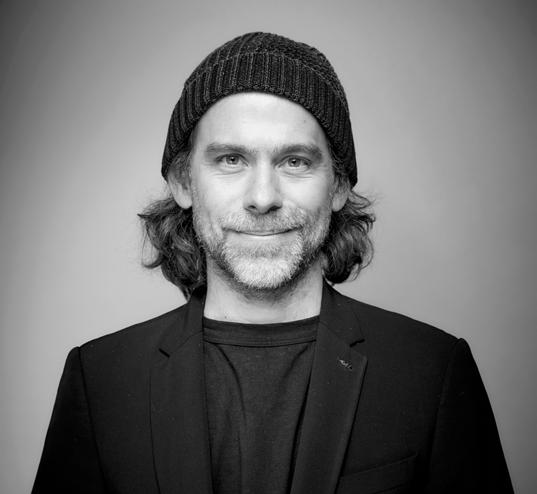
Meet Damian Cooper – Lighting Designer
Damien Cooper works internationally across theatre, opera and dance. Damien’s dance credits for Sydney Dance company include; ab [intra], Impermanence, Cinco, Ocho, Grand, Air and Other Invisible Forces and Orb.
Other dance credits include; State (Western Australian Ballet), Of Earth and Sky (Bangarra), The Narrative of Nothing, Firebird and Swan Lake (Australian Ballet), Giselle (Universal Ballet), Birdbrain, Supernature, Habitus and Be Yourself (Australian Dance Theatre), The Frock (Ten days on the Island Festival), Affinity (Tas Dance), Mortal Engine (Chunky Move) and Grey Rhino (Performing Lines). Other theatre credits include Edinburgh International Festival, Belvoir, Sydney Theatre Company, Opera Australia, Houston Grand Opera, Canadian Opera and Lyric Opera Chicago.
For lighting design, Damien has won three Sydney Theatre Awards, three Green Room Awards, and two Australian Production Design Guild Awards.
A note from the Lighting Designer Matsuo Bashō - Wow! His poetic description of light and landscape.
…morning of the third moon, under a pre dawn haze, transparent moon barely visible. Then the moon rose, shining on the sea, day turned suddenly to night.
What a thrill to take these words and to journey with Rafael, Bryce and Kelsey on the ride that isThe Journey Itself Is Home. Enjoy!

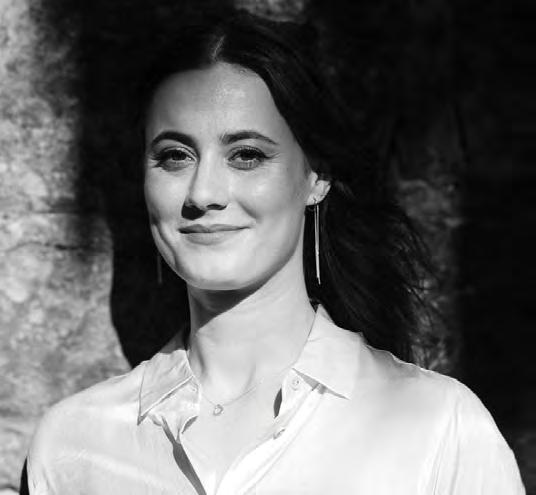
Kelsey is a Sydney-based lighting, set and costume designer. Her work is primarily created for live performance, including theatre, dance and events, for mainstage and independent companies.
Her designs fuse lighting, set and costumes and aim to explore scenography through the sculpting of architecture and space to tell a story. She is highly collaborative as a designer, working closely with the creative team to develop the vision of the show.
Kelsey is a graduate of the National Institute of Dramatic Art (Design for Performance), and is the first person to have solely designed the set, lighting, props and costume for her graduating show.
Kelsey has received a Sydney Theatre Award for her work as the co-designer on Destroy, She Said, and has been nominated another two times for lighting design.
The very beginnings of designing The Journey Itself Is Home, started when I was invited into the initial ideas between Raf and Bryce. Raf shared that Bryce had been inspired by many things including breathtaking sunsets they had shared during their friendship and the last collection of haiku’s by Matsuo Bashō . Upon reading the haiku’s what I found was these beautiful poems rich in imagery. Imagery of the “red hot sun”, the “shining” moon, the mist rising from the fields, the hammering rain, “The River of Heaven”. There was not only rich imagery of nature, but also of life, the self, and mortality. There was this seamless duality between the two. Once I heard the music that Bryce had composed there was this extraordinary connection between what he had created and the themes and ideas of the poetry and what we were beginning to create. The floor had to be reflective and dark.
I mused over circularity and how I could incorporate this idea of roundness.
I inverted the images and designed a semi circular structure that looks like water, reflecting between the floor and itself. The lighting by Damien is integral in shaping and carving these reflections. The costumes are shades of white and ivory to resemble purity, and lightness in darkness. Every time I watch the dancers perform this extraordinary choreography, to this extraordinary music, I am left with a profound feeling of hope and joy, and I hope that you are too.
Watch an insight to Rafael Bonachela’s creative process in the studio
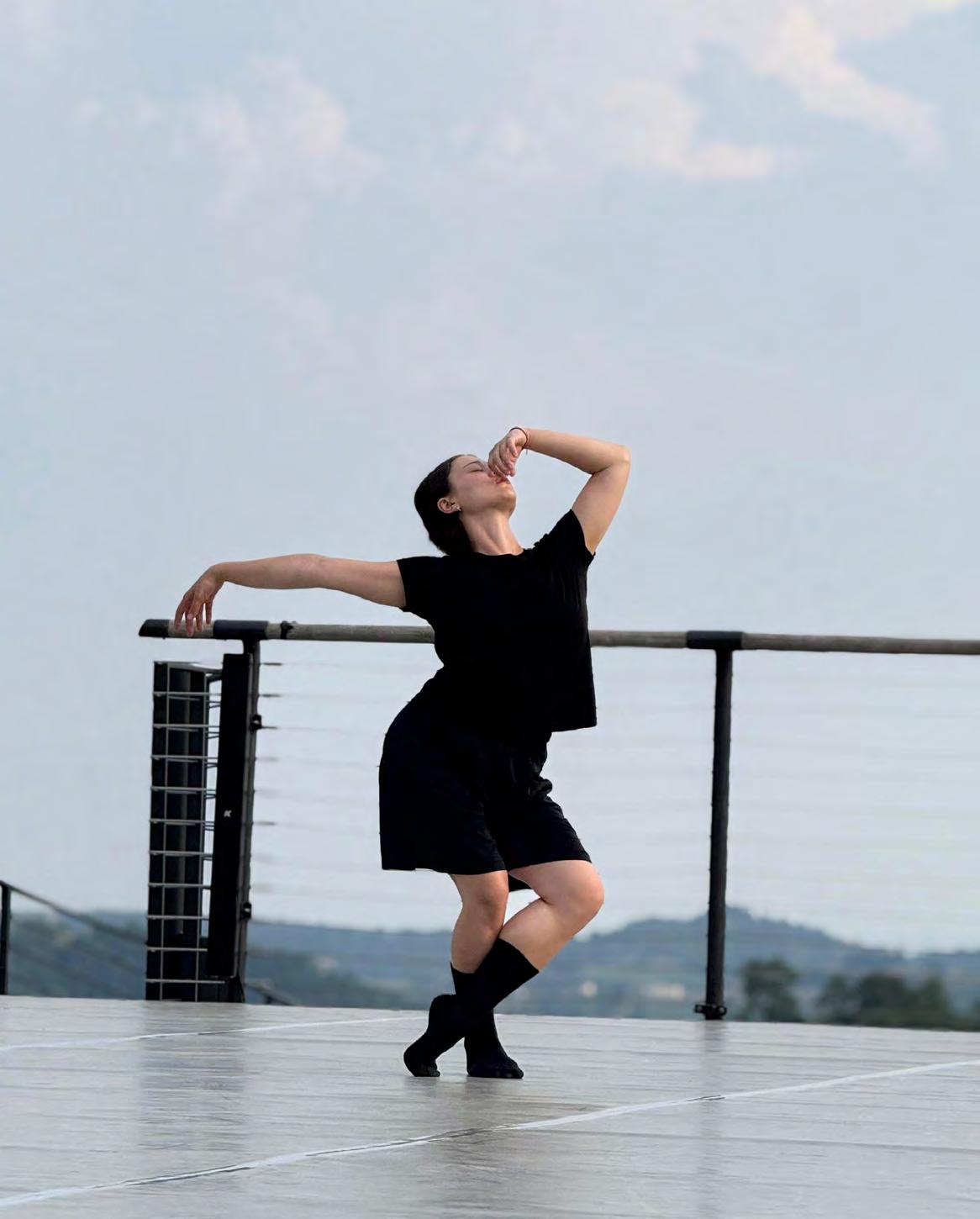

When we dance, we aren’t just moving our bodies - we’re sharing ideas, expressing ourselves, and learning from each other. To do this well, it’s important that everyone in the room feels safe, supported, and free to explore new movements. A safe and creative space allows us to try out new ideas, take risks, and be adventurous with our dancing—without worrying about being judged. It also helps us work together as a team and enjoy the process of making dance.
At Sydney Dance Company, we focus on key values that help us build this kind of positive space:
• Safety – looking after ourselves and each other while we move. This includes using our bodies carefully, being aware of the space around us, and asking for help if we need it.
• Respect – listening to each other’s ideas, giving everyone a turn, and treating others the way we want to be treated. Respect also means valuing everyone’s creativity, even if it’s different from our own.
• Commitment – trying our best, even when something feels new or a bit tricky. Commitment means showing up fully, focusing on the activity, and being willing to push yourself a little.
• Kindness – encouraging each other, using positive words, and celebrating the effort everyone puts in. A kind environment helps everyone feel confident to try new things.
• Communication – sharing ideas clearly, asking questions, and giving helpful feedback. Good communication helps the group work together and creates stronger dance ideas.
Our Class Values
Discussion questions:
1. What other values do you think are important when we are creating and moving together?
2. Are there any values on the list—Safety, Respect, Commitment, Kindness, Communication—that you would change, add to, or think about differently?
3. Can you think of other ways we can make our dance space safe, welcoming, and creative for everyone?
Inspired by the creative process of The Journey Itself Is Home, this improvisation task focuses on exploring movement dynamics, emotional expression, transition and momentum through improvisation.
You can use Sydney Dance Company’s Spotify improvisation playlist for music support. Click here to listen to Spotify playlist.
Aim
To explore movement as an evolving journey, use emotive words and movement dynamics as creative stimuli. Inspired by The Journey Itself Is Home, you will investigate how movement can transform, travel and shift through different emotional and physical “worlds.”
Write on paper a series of words that represent emotions or descriptors and place them in a line across the studio floor.
Some examples of these words are: Emotive words: longing, tension, freedom, hesitation, wonder, loss, connection, release, curiosity, fragility
Movement dynamic words: suspended, explosive, fluid, weighted, fractured, expanding, collapsing, sharp, spiralling, grounded
Create a travelling improvisation where movement is generated from a sequence of words placed along a pathway following the instructions below.
• Travel like the words are lined up: Your phrase must continue travelling forward, allowing each movement to connect to the next as if the journey cannot stop. Avoid pausing or “arriving.”
• Pass the movement on: As you move past each word, let its energy influence your body before transforming into the next quality. Think of the movement as being carried or passed through you.
• Enter different worlds: Allow each word to shift your physicality into a different movement style or atmosphere. Your improvisation might feel as though you are moving through contrasting worlds, emotions or physical states.
Consider movement inspired by the listed points below.
» Suspended - floating, slow, expansive movement
» Fractured - broken rhythms, interrupted gestures
» Wonder - curiosity, openness, reaching
» Weighted - grounded, heavy, resistant movement
• Transformation over destination: Focus on how movement evolves between words rather than creating a final performance shape. Let one quality dissolve into the next.
1. Which word created the strongest movement response?
2. How did your movement transform as you travelled through the line?
3. How did you maintain momentum without arriving at an ending?
– Creating a phrase
Solo Composition Task:
Emotional Journey
This composition task builds on the Part A: Improvisation task and is inspired by the creative process of The Journey Itself Is Home.
The work explores movement as a constant process of change rather than a final destination.
The choreography moves through ideas of transformation, longing, fragility, strength, and continual becoming.
Like Rafael’s creative stimulus, your solo should feel like an unfolding journey where one movement grows naturally into the next. Focus less on “arriving” at a final pose or perfect sequence, and more on how movement transforms over time.
Aim
Create a short solo dance that explores personal growth through movement.
Your dance should unfold as a journey of becoming, where each section reflects a quality you wish to develop within yourself.
Think about the person you want to become. Write the qualities that you want to exhibit on post-it notes, a piece of paper or a notebook. Choose five qualities you would like to strengthen in the future and create a movement for each quality you have chosen.
Examples:
• Confident
• Organised
• Resilient
• Social
• Disciplined
Explore each of the qualities through movement, allowing each quality to become its own movement episode.
Rather than miming emotions, think about how movement qualities can physically embody each idea.
Your solo should unfold like a series of connected episodes.
Examples:
• Confident
Grounded stance, expansive use of space, direct gaze, clear directional travelling.
• Organised Structured pathways, repeated patterns, symmetry, clean lines.
• Resilient
Falling and recovering, resisting collapse, sustained effort.
• Social Open gestures, responsive shifts in direction, playful rhythms.
• Disciplined Repetition, consistency, contained and intentional movement choices.
When creating movement, consider if the movement is
• Heavy or light?
• Fast or sustained?
• Expanding or contained?
• Fluid or sharp?
• Continuous or interrupted?
Your movement should feel as though it is constantly evolving.
There should not be a clear ‘arrival point.’ Instead, allow one movement idea to dissolve into the next.
Try not to rely only on familiar steps or technique.
Explore Movement as a State of Being
Layer each of your ‘qualities’ movements by thinking about:
• breath
• weight shifts
• balance and imbalance
• gaze and focus
• rhythm and suspension
• tension and release
• subtle body articulations
• momentum and recovery
Different body parts can initiate movement. Try to let movement feel discovered rather than planned step-by-step. For example:
• confidence may begin from the chest
• organisation may initiate through the hands or eyes
• resilience may emerge through the core or spine
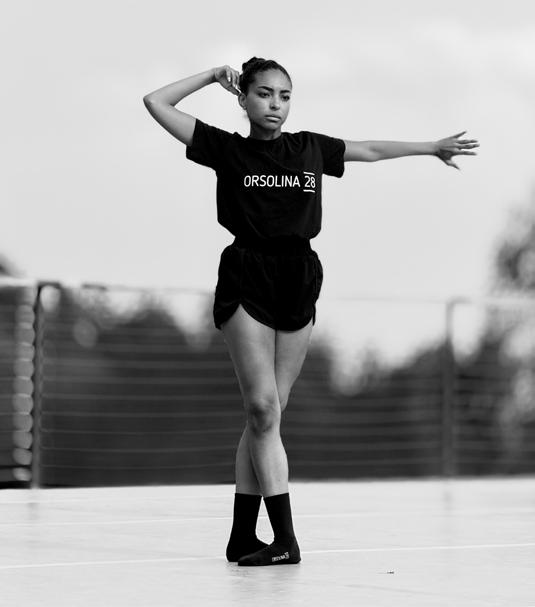
By the end of the task, you should have a short solo dance made of five connected sections, each representing a personal quality you want to grow in.
Connect each of your “qualities’ sections together, finding smooth transitions between each, creating one solo phrase.
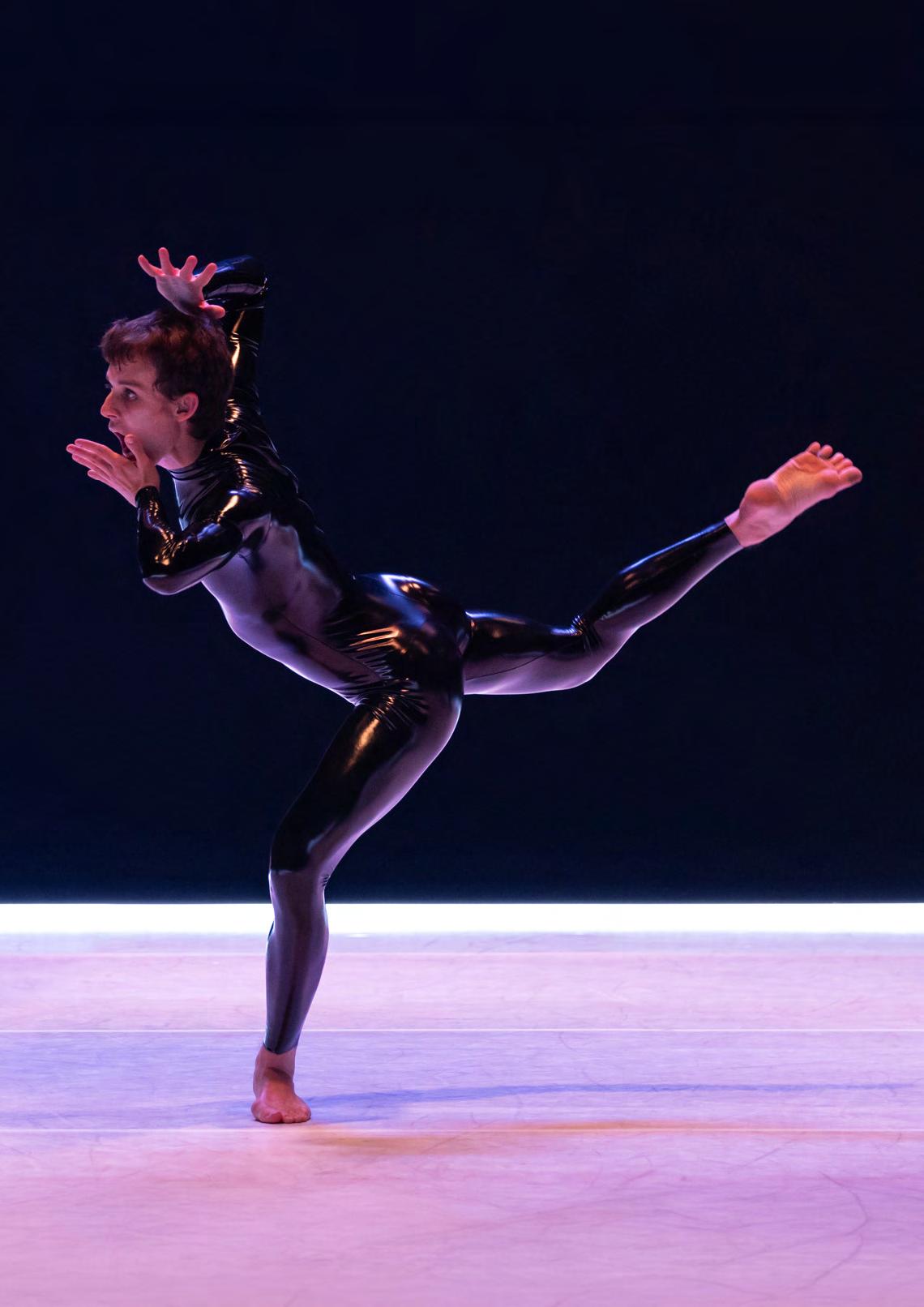
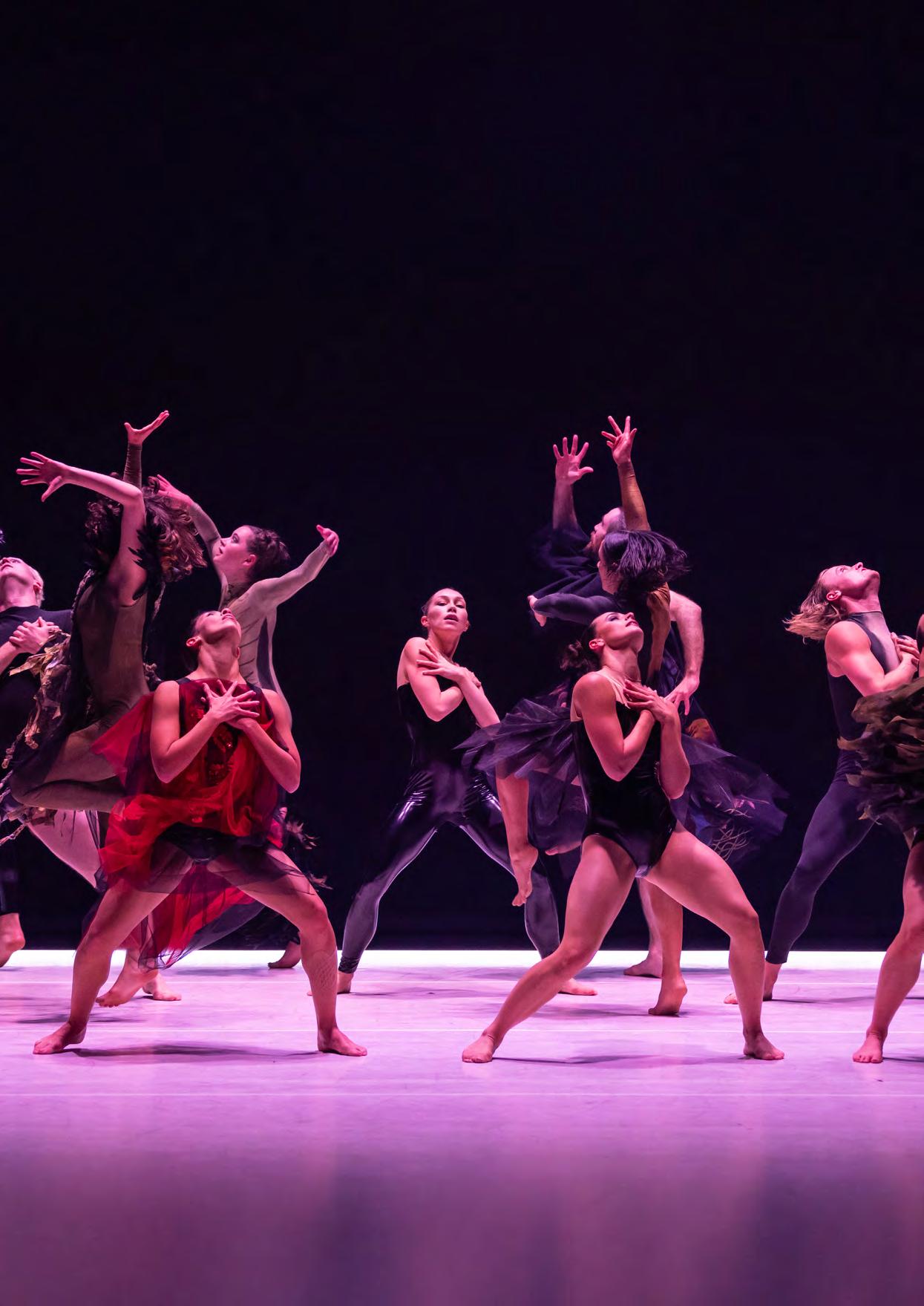
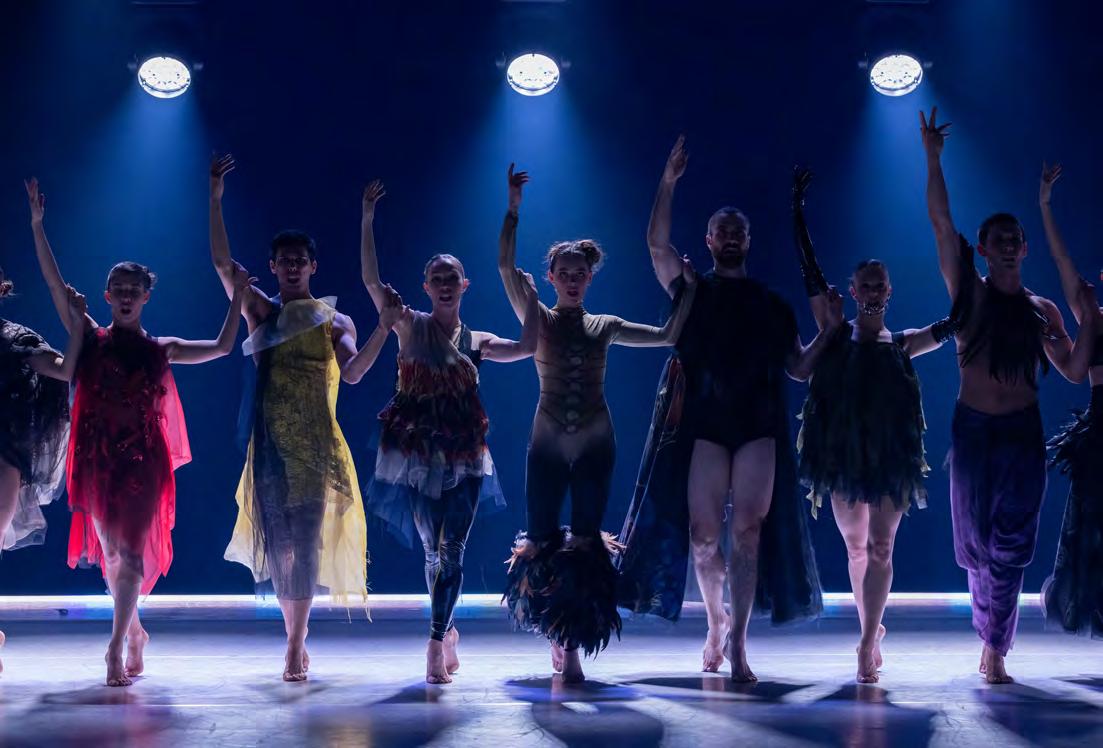
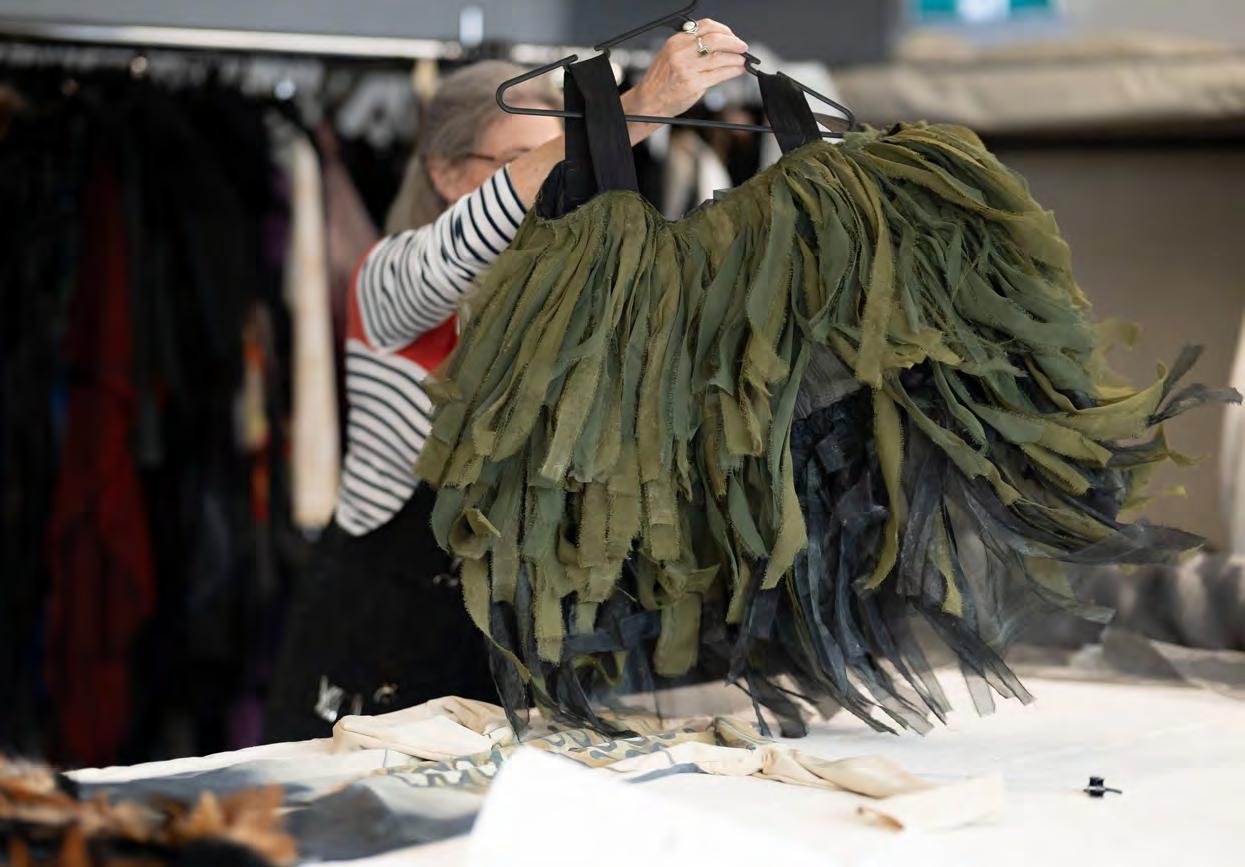
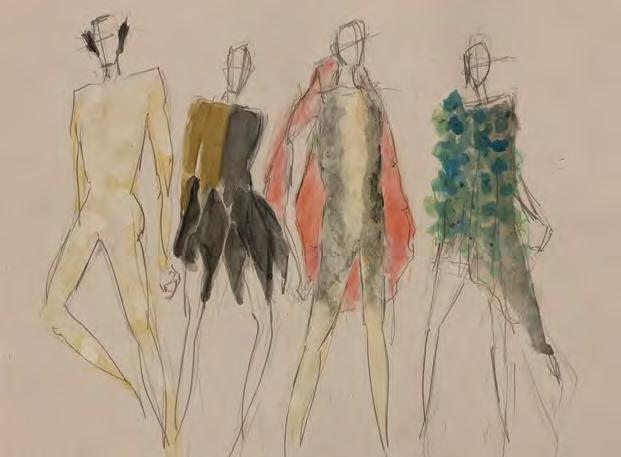
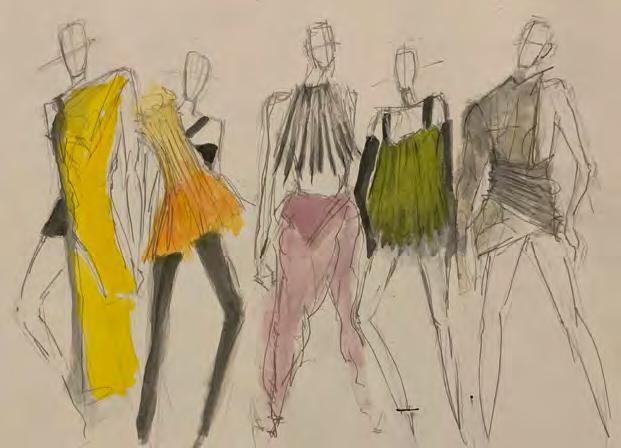
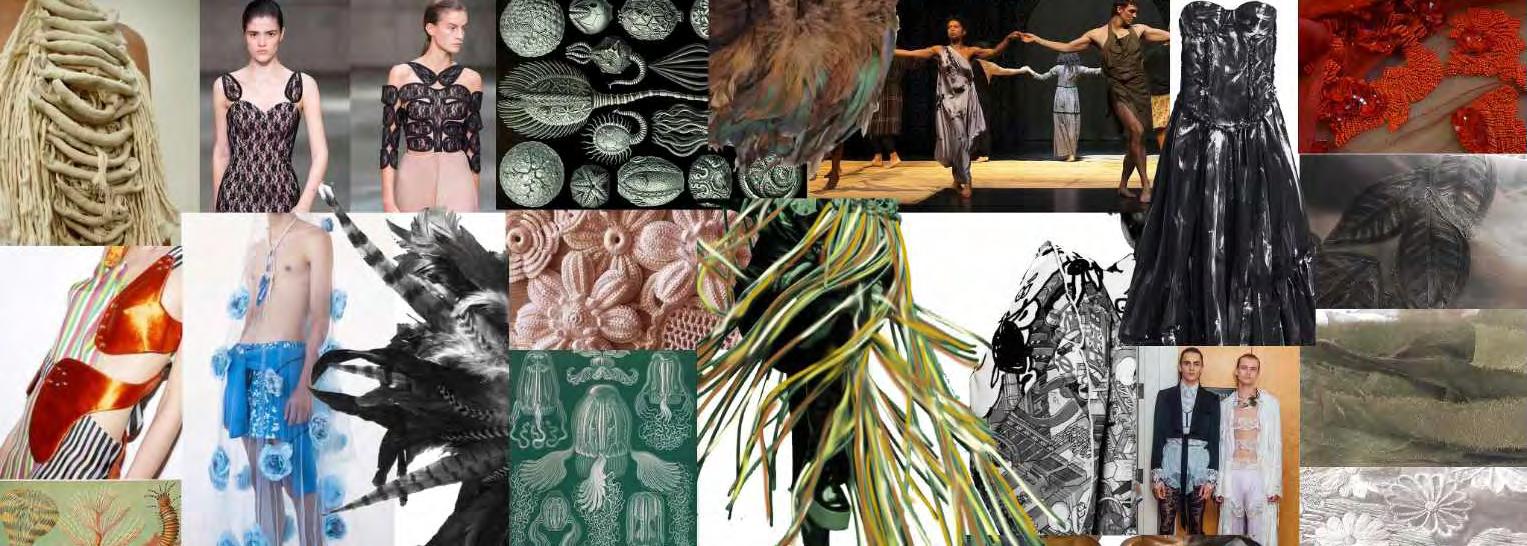
Love Lock is a vivid, futuristic work that collides romance, tradition, and imagination – by Australian choreographer of Javanese/European cultural heritage Melanie Lane. Drawing on social ritual, symbolic gesture and the emotional charge of love songs, Melanie reimagines folk dance for an accelerating world, celebrating its power to move, warn and empower. Featuring spectacular costumes by legendary Australian designer Akira Isogawa and a pulsating score by UK electronic artist Clark, Love Lock unfolds with a palpable otherworldly energy.
A charged, ritualistic work where bodies circle, connect and fracture. Melanie Lane’s Love Lock fuses folk memory and electronic pulse, exploring desire, repetition and the fragile mechanics of human connection.

Melanie Lane is an Australian choreographer and performer of Javanese/European cultural heritage. She works across visual arts, theatre, music and film. Her work interrogates physical and cultural histories to explore current social mythologies and extrapolates these into surreal futures that are confounded, broken and reconfigured. These independent works have been presented globally at festivals and theatres in Europe, Indonesia, United States and Australia. Drawing on her European and Indonesian heritage Melanie moves between cultural landscapes and influences.
Alongside commissions with WA Ballet, Sydney Dance Company, Australasian Dance Collective, DanceNorth, Chunky Move, Schauspiel Leipzig, National Dance Company of Wales and HAU Berlin, her collaborations extend to artists; Marrugeku/Bhenji Ra, Clark, Adena Jacobs, Amos Gebhardt, Leyla Stevens, Monica Lim and Rianto.
Her choreographic work for theatre and opera includes English National Opera’s Salome (London, 2018), Burgtheater’s Trojan Women (Vienna, 2022) and Nosferatu (Vienna, 2023), all directed by Adena Jacobs.
Melanie won the prestigious Keir Choreographic Award in 2018 and the 2017 Leipziger Bewegungskunstpreis in Germany, and has been nominated for both Green Room and Helpmann awards as both a choreographer and a dancer including the Shirley McKechnie Award for Choreography (2020).
Melanie was the 2023/24 Choreographer in Residence at Chunky Move, Resident Artist at The Substation, 2015 Resident Director at Lucy Guerin Inc., Associate Artist at QL2, was the 2023/24 Creative Australia Fellow and 24/25 Sidney Myer Fellow.
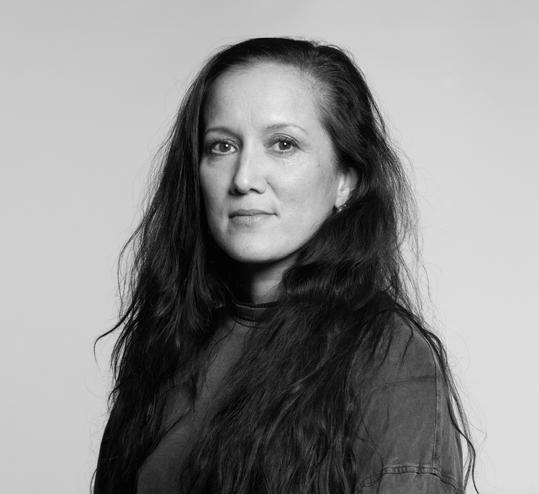
A note from the Choreographer
Love Lock is a work that I began dreaming about during my travels, listening to music on my headphones, getting swept up by a medley of lyrics and sound conjured by love songs from both past and present. I was fascinated by the mantra of love in songs that exists across our social fabric, a constant echo/reminder of what brings us together, connects and binds us.
It has been a joy creating Love Lock with the artists of Sydney Dance Company and with long time collaborators Clark (music), Akira Isogawa (costume) and Damien Cooper (set and light). The invitation to work with the entire ensemble of artists is always an exciting opportunity that offers so much potential to harness the powerful energy of a larger group of dancers. It made me think a lot about social dances, folk dances and community dances that celebrate what it means to connect with each other through our bodies and essentially what it means to be human.
My work often creates fictional worlds to speak about or realities, so Love Lock draws from these ideas and imagines a kind of fantastical folk dance of the future, a dance that summons a collective energy and that dreams into the complex and often giddy realms of Love. In an accelerated era where we navigate love both in person and in the digital space, the experience of love can be both intense and slippery. We can often find ourselves alone in a world that is saturated with the aspirations of romance, without the means to truly connect. Through the deconstruction of love songs, the most shared and prolific theme of global pop music, these iconic and catchy riffs are what embed Love Lock with its engine for connection and collective dreaming, and that insists on a dance that celebrates our hearts.
Since 2001, Clark has sculpted sound into a myriad of diverse forms. His two decades at Warp Records witnessed irradiated and ecstatic experiments in electronica, techno and rave, with equally colourful adventures in ambient, classical scores and cathartic lyrics for Deutsche Grammophon and his own Throttle Records. From St Albans, UK origins with frost encrusted vignettes on Clarence Park to unleashing kaleidoscopic live sets on the world stage, there’s neither a dull nor expected moment in the immersive musical universe Clark has constructed so far.
But how does one even shift from, say, folkdriven sound collage on albums like Iradelphic to intense, malleable jungle tracks in live shows. Clark’s leaps from crushingly industrial to subtly acoustic are framed by his wide-reaching influences and no limits approach to crafting such intricate soundscapes. Each album contains a unique thumbprint and dedicated exploration of a certain palette, manifested in flourishing melody, shimmering analog and digital texture, reshaped found sound and playful timbres created from scratch.
Twenty years on from his debut, Clark still has a voracious desire to challenge himself: his vocals are foregrounded on 2023’s Thom Yorke mentored Sus Dog, yet another elastic instrument in his repertoire. Whether learning drums for organic, eviscerating percussion on Body Riddle, or voicing his refreshingly singular songwriting on Sus Dog, Clark underlines the physicality of his everchanging sound.
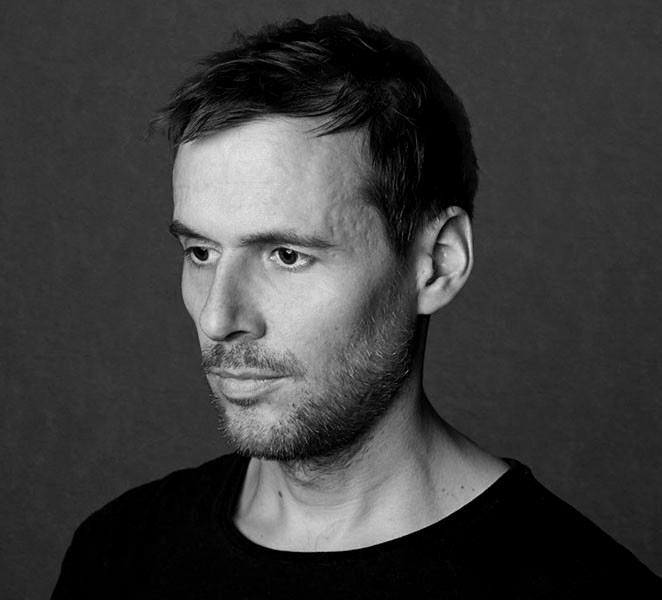
Since Melanie and I first started talking about the score for Love Lock, it’s gone through many iterations. Although it’s not 310 bpm and composed with trance synths, that was the initial idea. It’s ended up in quite a different place - an ever mutating, at times dense collage of recorded percussion/ cello/synthesisers/ voices/flutes. I like working on dance scores with Melanie, as you get to do things you would never normally consider for a solo record or a film score. Her choreography always surprises me. In Love Lock it reaches quite an ecstatic high. I wanted the music to reflect that. I burrowed into a kind of controlled mania, exploring unusual microtonal shifts with what I hear as hooky ear worms, twists and turns. It’s been great being strict with the 20 minutes duration. I haven’t realised this until writing about it, but my selfpep talk has basically been ‘fill that 20-minute canvas with mad sounds but keep it coherent, with enough movement and pathos to keep it engaging’. My work with Mel is always led by intuition, we get all the conceptual stuff out of the way early on and it soon becomes ‘does this feel right?’ If it does, I don’t tend to question it.

Damian Cooper created the lighting design for both works; to read his biography, please go to page 13.
A note from the Set and Lighting Designer
I was thrilled to be returning to the stage with Melanie and Chris. Also Akira who I first worked with at Sydney Dance Company in 1999 on Air and Other Invisible Forces
The set and lighting design for Love Lock creates a future tense space. Electronic signals connect, communicate. The lights penetrate the dance space, communicating with the other lights, interacting with the dancers. Pods of energy, incubating the next generation of future folk dance. Enjoy!
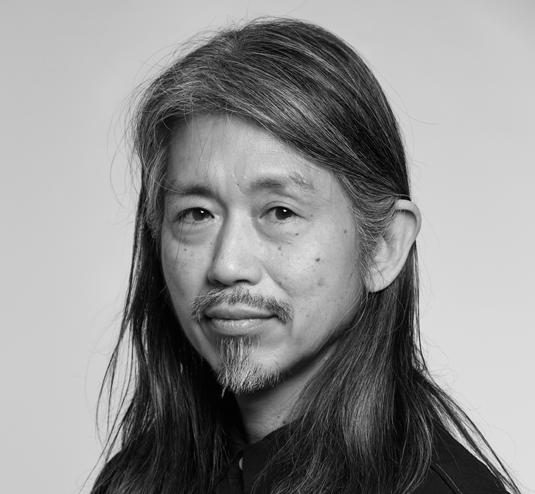
Akira Isogawa is one of Australia’s most celebrated and critically acclaimed designers. Born in Kyoto Japan, Akira moved to Sydney in 1986 studying fashion design at the Sydney Institute of Technology.
Akira is renowned for his contemporary aesthetic, drawing inspiration from traditional Japanese design.
Debuting in 1996 at Australian Fashion Week Akira continues to present his collections to international embrace.
Akira’s powerful creative force has seen him collaborate across multiple platforms including designing costumes for the Australian Ballet and Sydney Dance Company and designing for Blunt Umbrellas and Designer Rugs, to name a few.
Akira’s work has been exhibited in institutions and galleries worldwide including the NGV, MAAS, V&A Museum London and Kimono: Kyoto to Catwalk.
By the end of the improvisation movement and composition task, you will be able to:
• Develop and refine your movement skills.
• Generate original movement ideas.
• Express thoughts, feelings, and emotions through dance.
• Work collaboratively and creatively with others.
• Reflect on your own experiences and the creative process.
Reflection questions:
1. How did your movement reflect the meaning of the lyric?
2. What choices did you make about timing and repetition?
You can use Sydney Dance Company’s Spotify improvisation playlist for music support. Click here to listen to Spotify playlist
Focus: Explore ritual, repetition, connection and fragmentation that are key themes in Melanie Lane’s Love Lock, where bodies circle, connect and rupture within a pulsing, futuristic world.
Aim: Build collective timing and a sense of group energy.
• Walk around the space, using peripheral vision.
• Without speaking, attempt to:
» Walk, slow down, stop, lower, lie, and sit at the same time.
• Notice different surfaces of the skin meeting the air or floor.
Aim: Reflect the emotional charge and pulsing dynamics of Love Lock.
• Match speed with one or more peers; then drift into your own speed and reconnect with another dancer
• Explore speed changes (slow → fast → sudden).
• Explore different sensations and movement qualities as you’re moving (soft, sharp, heavy, jittery, smooth, electric).
Aim: Discover how collective movement can feel both unified and unstable - like the shifting human connections in Love Lock.
• Travel together at an equal speed across the space.
• Repeat with a shared sensation or effort (floating, grounded, sharp, bound).
• Add variations: speed shifts, expansions, or passing speed to another dancer.
Inspired by the choreographic process of Love Lock, create a short dance phrase to develop original movement inspired by music, rhythm, and meaning without relying on set dance steps or tricks.
Aim:
• Explore how movement can reflect lyrics and rhythm
• Develop motif and repetition
• Build confidence in collaborative choreography
Task Overview
• Create a short movement phrase inspired by a lyric, using the options in the box to the right or own lyrics.
• Use repetition (x4) to establish rhythm
• Perform with clear timing and intention
Task Instructions
Pair Work – Generating Movement
• In pairs, select one line from the lyrics provided in the box to the right.
• Read and discuss the pacing, pronunciation, meaning and emotional tone of the line.
• Create a movement phrase that reflects:
» The rhythm of the words
» The feeling or intention behind the lyric
Important guidelines:
• Avoid large “dance tricks” or technical steps
• Focus on simple, intentional movement
• Let the pronunciation rhythm of speaking or singing words guide the rhythmic quality of the movement
Repetition and Development
• Repeat your movement phrase 4 times in a row
• Each repetition should:
» Maintain the core idea
» Build a sense of rhythm and continuity
• You may slightly vary dynamics (e.g. energy, level, direction)
Observation
• Half the class performs while the other half observes.
• Perform your phrase to a different love song (in 2/4 or 4/4 time).
• Focus on:
» Staying in time with the music
» Clear execution of repeated movement
Lyric Options
Students may choose from the following:
• How deep is your love? How deep is your love?
• But I don’t want nothin’ at all / If it ain’t you
• Oh, I won’t be afraid / Just as long as you stand by me
• When everything’s made to be broken / I just want you to know who I am
• Yellow diamonds in the light / Now we’re standing side by side
• I’ve got nowhere left to hide / It looks like love has finally found me
• If you fall, I will catch you, I’ll be waiting / Time after time
• I’ve been in love and lost my senses / Spinning through the town
Extension (Optional)
• Add canon or unison work between pairs
• Experiment with levels, spacing, or pathways
• Incorporate contrast (fast vs slow, strong vs soft)
Reflection Task
Write down your initial thoughts after watching the two different works in Engine and discuss.
You may wish to brainstorm this as a group. Use the questions below to assist with articulating your thoughts and ideas:
• What is your interpretation of both the works? Compare and contrast your interpretation of Engine with someone else’s.
• What sections, movements or pieces did you like or dislike, and why? Can you describe these using the elements of dance?
• What feelings or emotions did you experience when watching the work? What specifically about the performance made you feel this way?
• What did the work make you think about?
• Did you observe any choreographic tools used throughout the work such as symmetrical and asymmetrical movements, unison, repetition, canon, group formations and changes of directions and levels? How did these impact on your interpretation of the work?
• How did the different aspects (movement, music, set, lighting and costumes) impact your experience?
• What production elements did you see? (lighting, staging and set design)
Compare and Contrast Task
This dance appreciation task involves analysing and discussing the Engine performance, comparing and contrasting a deeper analysis of The Journey Itself Is Home choreographed by Rafael Bonachela and Love Lock choreographed by Melanie Lane.
This task will highlight the similarities and differences in various aspects such as movement quality, themes, costumes, staging and overall impact.
After observing The Journey Itself Is Home and Love Lock, document the features of each work individually, using appropriate dance terminology to describe movement, style, and communication of ideas before bringing the two works together to identify shared or divergent characteristics.
Part A: Use the tables below to compare and contrast the works
The Journey Itself Is Home and Love Lock
Movement
Qualities:
Dynamics (such as sharp, sustained, sudden, lyrical), speed and energy of the work
Elements:
Use of space (pathways, levels), body shapes and specific movements (locomotor and nonlocomotor)
Style:
The overall technique and stylistic feature of each dance
Themes and Concepts
Interpretation: How did you interpret the ideas, stories or messages that each work communicates
Production Elements
Costumes:
Style, colour and how they contribute to the overall aesthetic or meaning
Props and Set: Were there any objects or staging used and what do you think their purpose was.
Lighting and Sound:
How these elements enhance the mood and narrative.
Choreographic Intention
Intention:
How effective were each of the choreographer’s intentions for their work communicated throughout the choreography.
Part B: Using your table above, write an essay or speech that compares and contrasts both works in the Engine performance
Your essay or speech must include the following elements and use descriptive words to be clear in your explanations
• First Impression
• Description
• Interpretation
• Compare and contrast the works
• Evaluation (informed criticism)
Teaching notes for an essay or speech
1. Describe – what did you see and hear
• Dancers and movement: Note the number of dancers in The Journey Itself Is Home and Love Lock, their costumes and the style of the movement. Is the movement quality different in each of the works? What makes the movement and choreography different?
• Choreography and structure: Observe the patterns, shapes, formations and overall structure of both works.
• Music and sound: Describe the music and the use of sound and discuss how it relates to both works.
• Visuals: Detail the different sets, props and/ or lighting design and their visual impact on the Engine performance.
• Atmosphere: Comment on the overall environment and atmosphere the performance created.
2. Analyse – what does it mean
• Interpretation: Try to understand what story or meaning the choreography and movement suggest in both works.
• Technique and Expression: Analyse the technical skills of the dancers and how their emotions and expression are conveyed. Are they different or the same in both works?
• Relationships: Consider how the dancers interact with each other and the stage.
• Elements: Analyse how all the different elements (movement, music and design) work together to create the overall piece.
3. Compare and contrast the works
When comparing and contrasting both works, look at both the similarities and differences between them. This might include the style of dance, the choreographer’s intent, the movement qualities, use of space, music, costumes, and themes. Comparing helps to identify what the works share, while contrasting highlights how they are unique. This process deepens your understanding of both the works and shows how different artistic choices create meaning.
4. Evaluate – how effective was the performance to you
• Artistic Merit: Justify your opinion on the artistic quality of both the works.
• Emotional Impact: Explain how the Engine performance made you feel and the impression it left
• Effectiveness: Evaluate if the dancers, choreography and design successfully convey the message or themes in The Journey Itself Is Home and Love Lock.
• Personal Perspective: Reflect on the overall experience and what you learned or took away from the Engine performance.
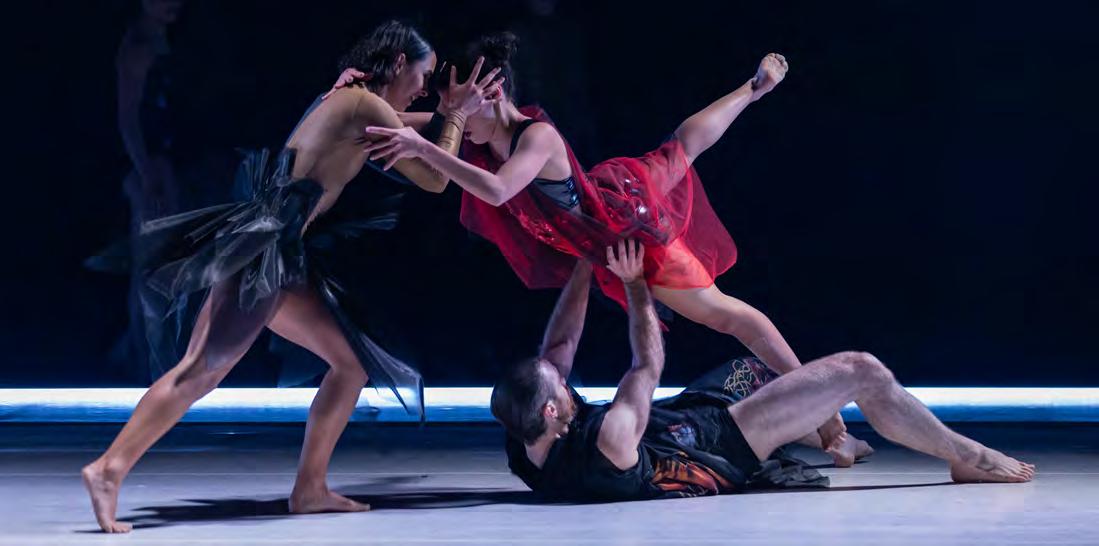
Using your notes from the Reflective and Compare and Contrast Table performance of Engine, analyse how choreographic and production elements communicate meaning to the audience.
Choose one work or compare both works from the performance.
In your response, explore how the choreographer used:
• Movement vocabulary (e.g. dynamics, relationships, motif, repetition, abstraction, space, structure)
• Dance elements (space, time, dynamics, relationships)
• Production elements (music, costume, lighting, staging, multimedia if relevant)
• Performance quality of the dancers
Through your response:
• Describe what was seen in the performance
• Analyse how movement and production choices created meaning
• Interpret themes, ideas, or audience impact
• Support your response with examples from specific moments in the work
Choose ONE presentation format:
• Extended written response (500–800 words)
• Visual analysis poster with annotations
• Oral presentation (3–5 minutes)
• Multimodal response (slides + voiceover)
Guiding question:
How did the choreographer communicate ideas and meaning through movement and production choices in Love Lock and/or The Journey Itself Is Home?
Criteria:
• Uses appropriate dance terminology
• Refers to specific examples from the live performance
• Demonstrates analysis, interpretation and evaluation
• Connects movement and production choices to meaning