The Journey Itself Is Home
by Rafael Bonachela
School Resource Pack

Primary
This resource has been made possible with generous support from Alenka Tindale.

The Journey Itself Is Home
by Rafael Bonachela
School Resource Pack
This Resource Pack will help you deeply engage with and understand the performance of The Journey Itself Is Home. There are a range of activities for you to undertake, including reading, writing, watching, and undertaking your own creative tasks.
The pack contains a BEFORE THE SHOW section with ideas for research and discussion in the lead up to seeing The Journey Itself Is Home and an AFTER THE SHOW section with follow-up tasks to support learning in performance, composition and appreciation.
Throughout this document, you will see the following icons:
The information and tasks included in this Resource Pack are designed to support the delivery of the Creative Arts – Dance syllabus in primary schools. These elements link to the following Outcomes for Stages 2 and 3. KEY
“Dance allows individuals and communities to shape their cultural identity and express their deepest feelings. These experiences continue to resonate throughout our lives, transforming our minds, bodies and souls.”
Rafael Bonachela
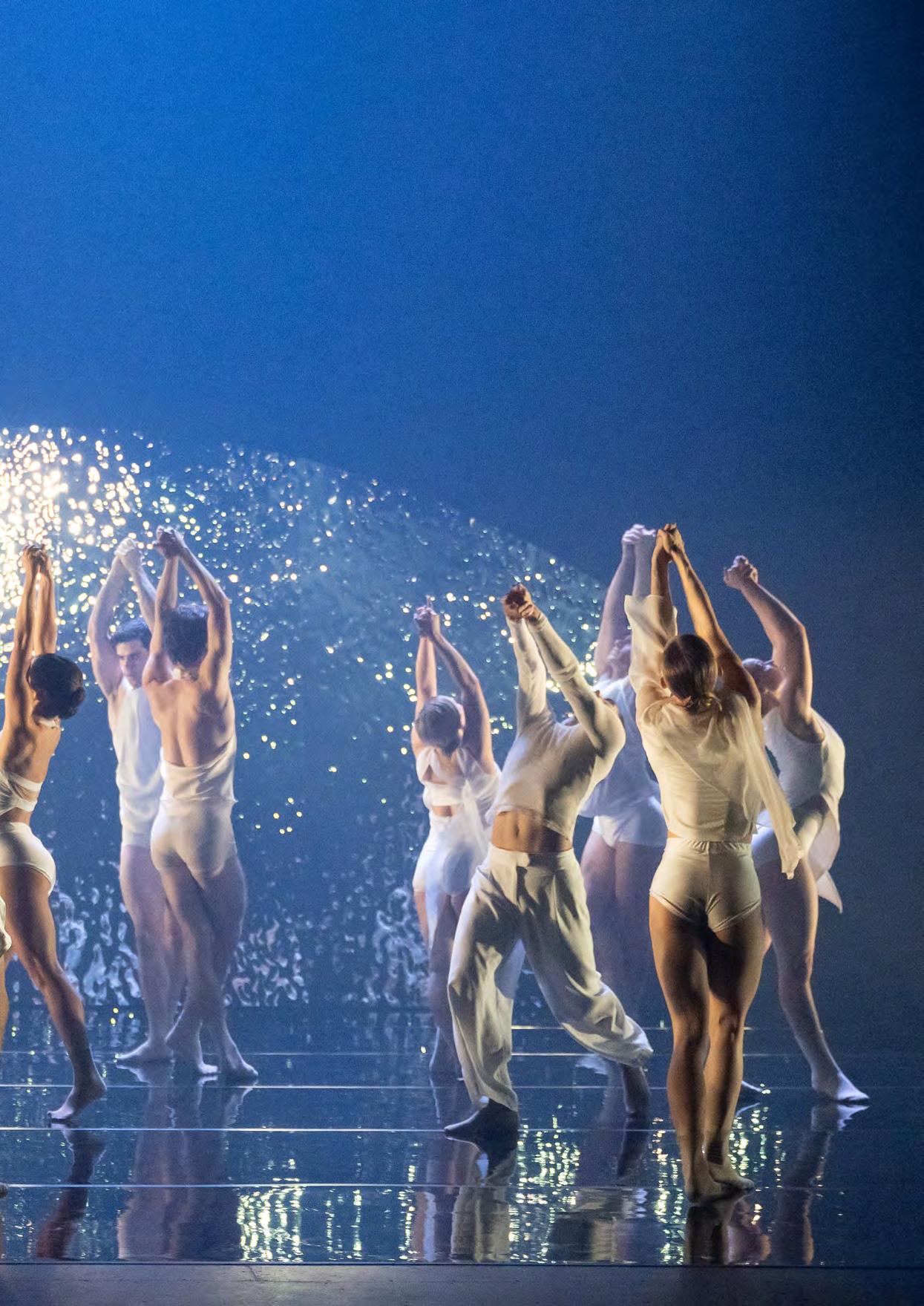
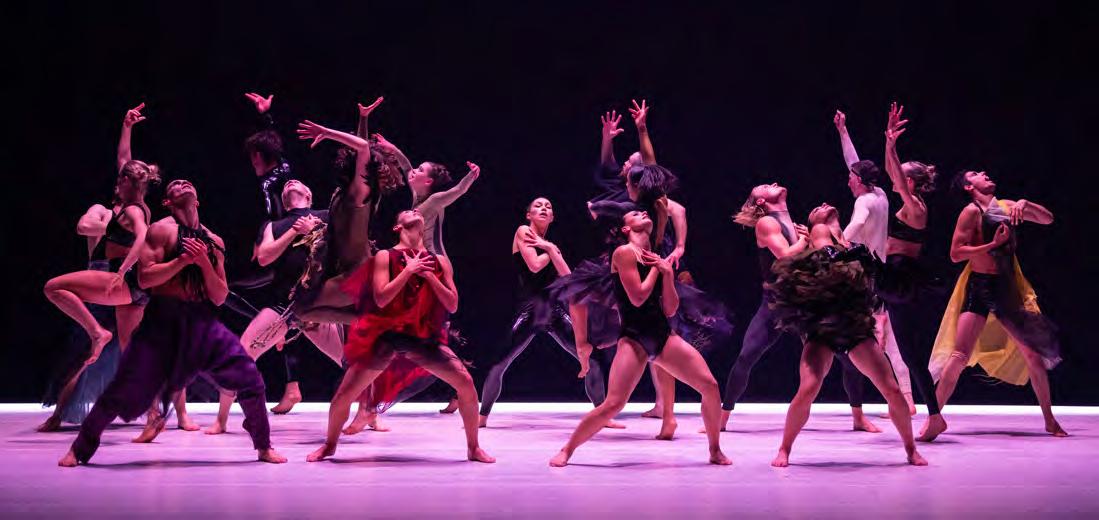
Sydney Dance Company is Australia’s leading contemporary dance company.
Sydney Dance Company was founded in 1969 by dancer Suzanne Musitz and was known as The Dance Company (NSW). In 1975-1976 the company was directed by Dutch choreographer Jaap Flier, before Australian choreographer Graeme Murphy became the Artistic Director in 1976.
In 1979, the name of the Company changed to Sydney Dance Company, and the Company was led by Graeme for thirty years.
Since 2009, the Company has been led by Spanish-born Artistic Director Rafael Bonachela. Each year, the Company collaborates with choreographers, designers, composers and musicians, and performs in Sydney and around Australia as well as internationally.
In addition to performances, Sydney Dance Company offers dance classes and workshops in person and online.
Sydney Dance Company is based in Sydney’s Walsh Bay Arts Precinct which is on the lands and water of the Gadigal. We thank them for their ongoing care of this coastline and pay our respects to Elders past and present, and extend that respect to all First Nations people.
Contemporary dance is a style of dance that mixes ideas and movements from different dance forms like ballet, modern dance, and sometimes even hip hop. It doesn’t always follow strict rules or set steps, which means dancers have the freedom to move in many different ways.
While there are specific contemporary dance techniques, such as Cunningham or Graham, many choreographers are not confined to a fixed movement vocabulary.
The word contemporary means “happening now” so contemporary dance is always changing and reflects what is happening in the world today. It’s about exploring movement, expressing emotions, telling stories, and being creative in the moment.
Rafael Bonachela was born in Barcelona where he began his early dance training before moving to London. In 1992, he joined the legendary Rambert Dance Company.
He remained with Rambert as a dancer and Associate Choreographer until 2006, when he set up the Bonachela Dance Company.
As a choreographer, Rafael has created works for companies all over the world, including Dresden Frankfurt Dance Company (Germany), Candoco (UK), George Piper Dancers (UK) and Contemporanea de Cuba (Cuba).
In 2009, Rafael was appointed as Sydney Dance Company Artistic Director, making headlines around the world. Through his time as Artistic Director, Rafael has had Australian and international choreographers create works for the Company. Rafael has also worked with artists in popular culture such as Kylie Minogue, Tina Turner, Sarah Blasko and Katie Noonan as well as fashion designers such as Bianca Spender, Dion Lee and Toni Maticevski. These collaborations are a source of inspiration for Rafael.







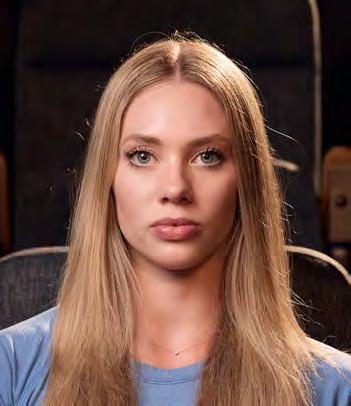



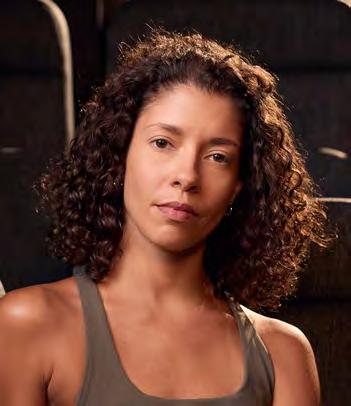
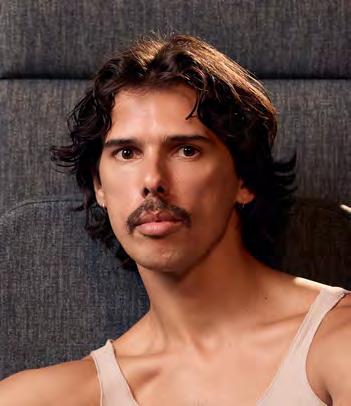






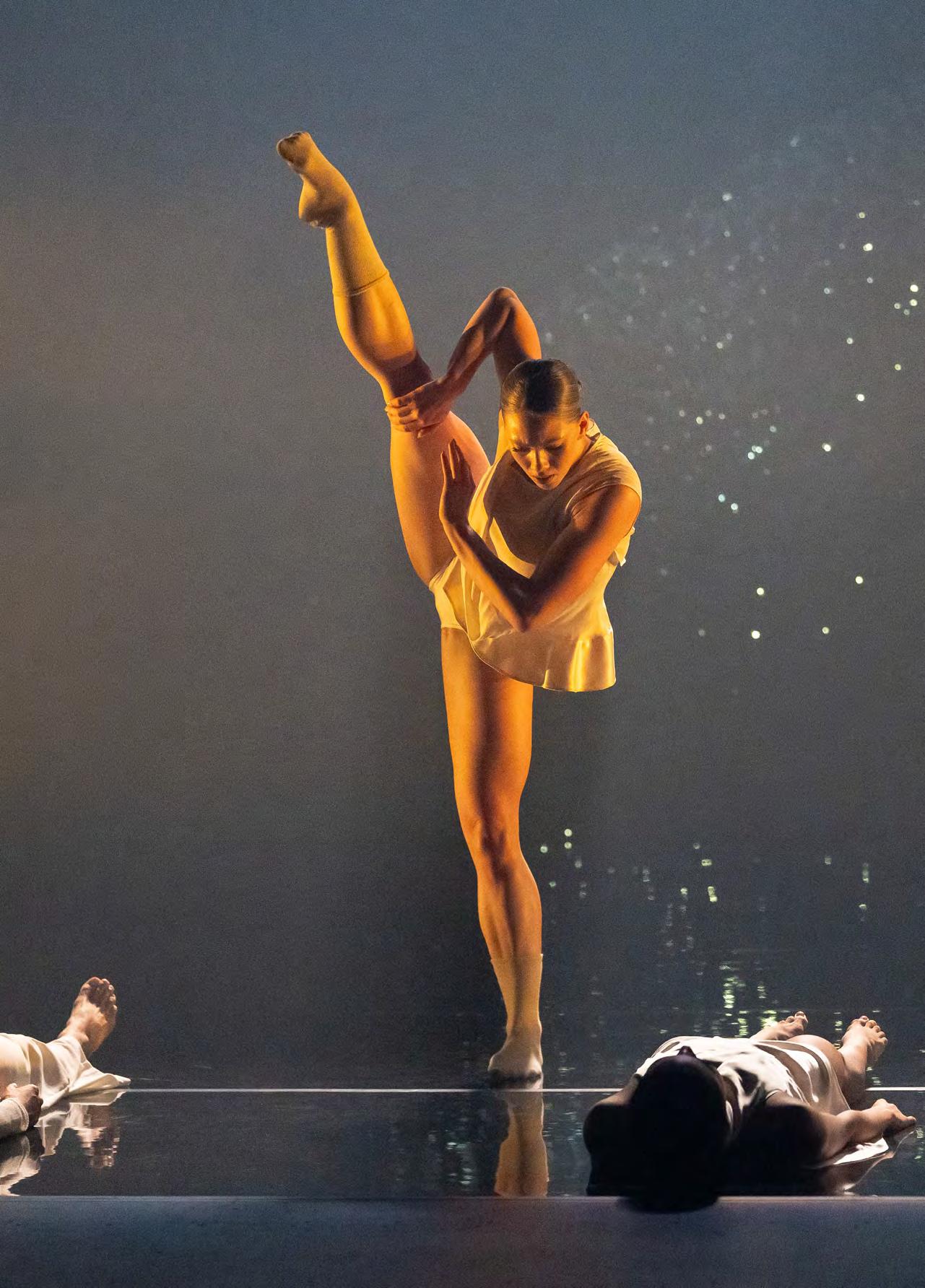
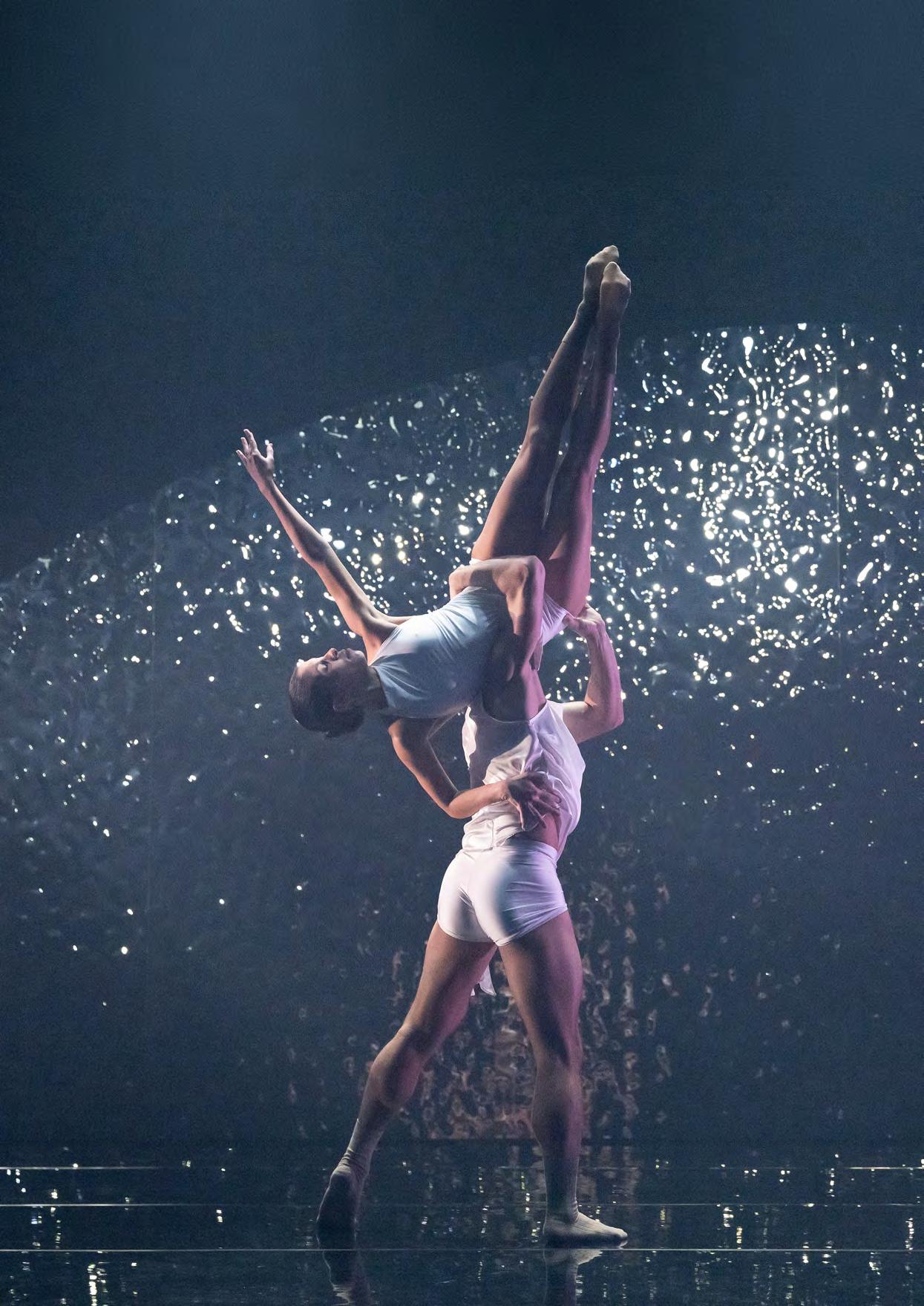
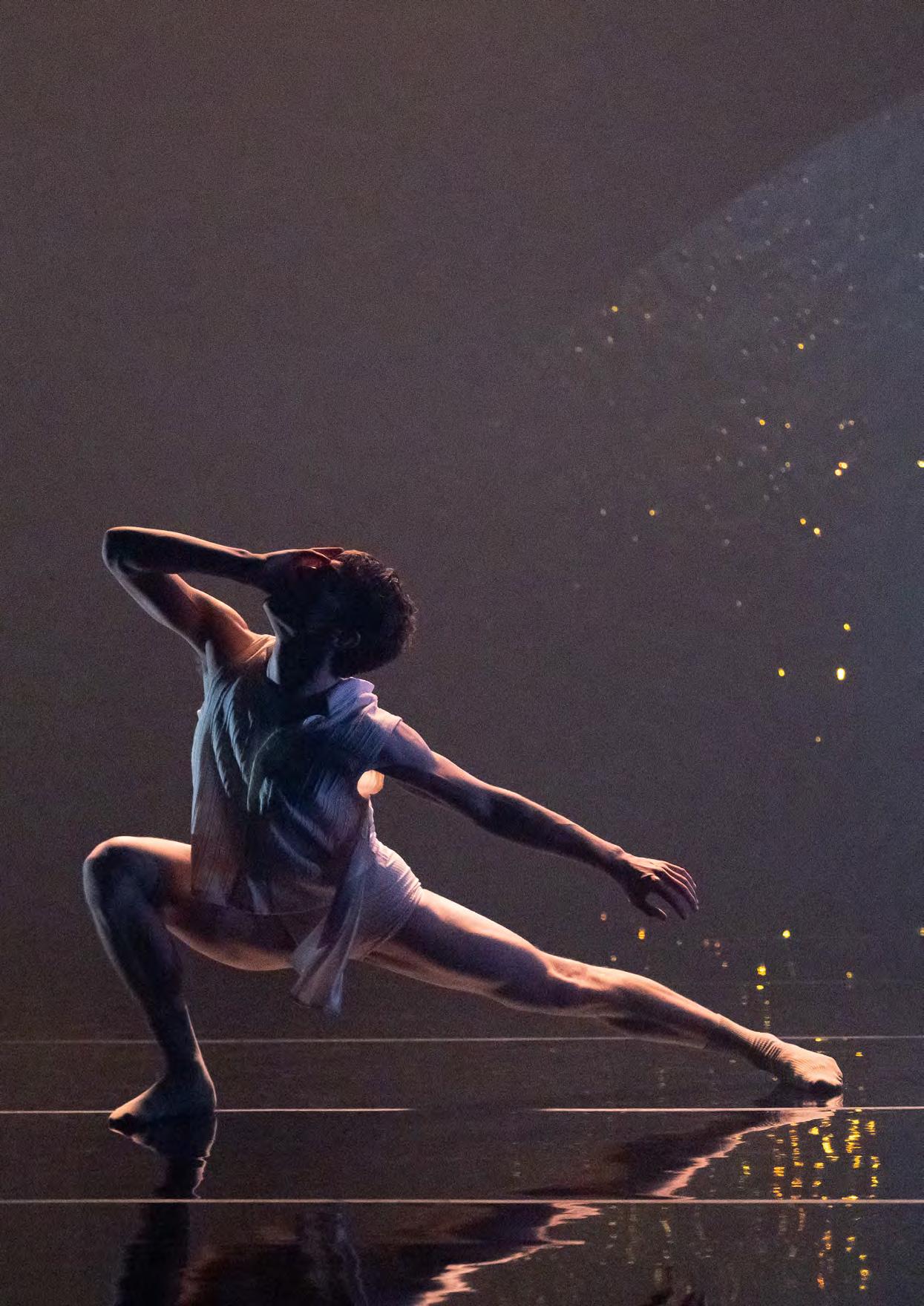
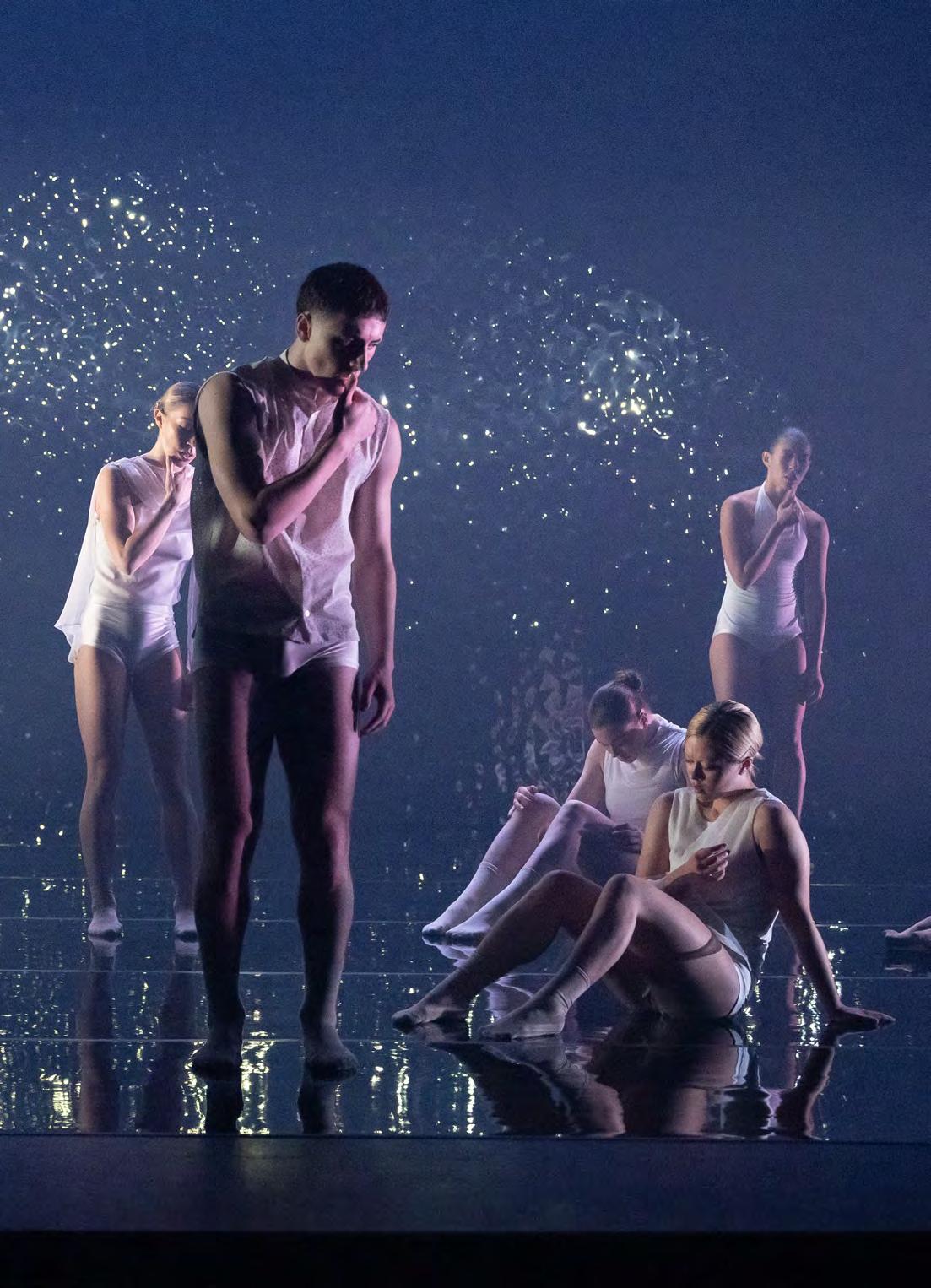
The Journey Itself Is Home is a new work by Sydney Dance Company’s Artistic Director Rafael Bonachela. He was inspired by the writing of Japanese poet Matsuo Bashō and music by composer Bryce Dessner.
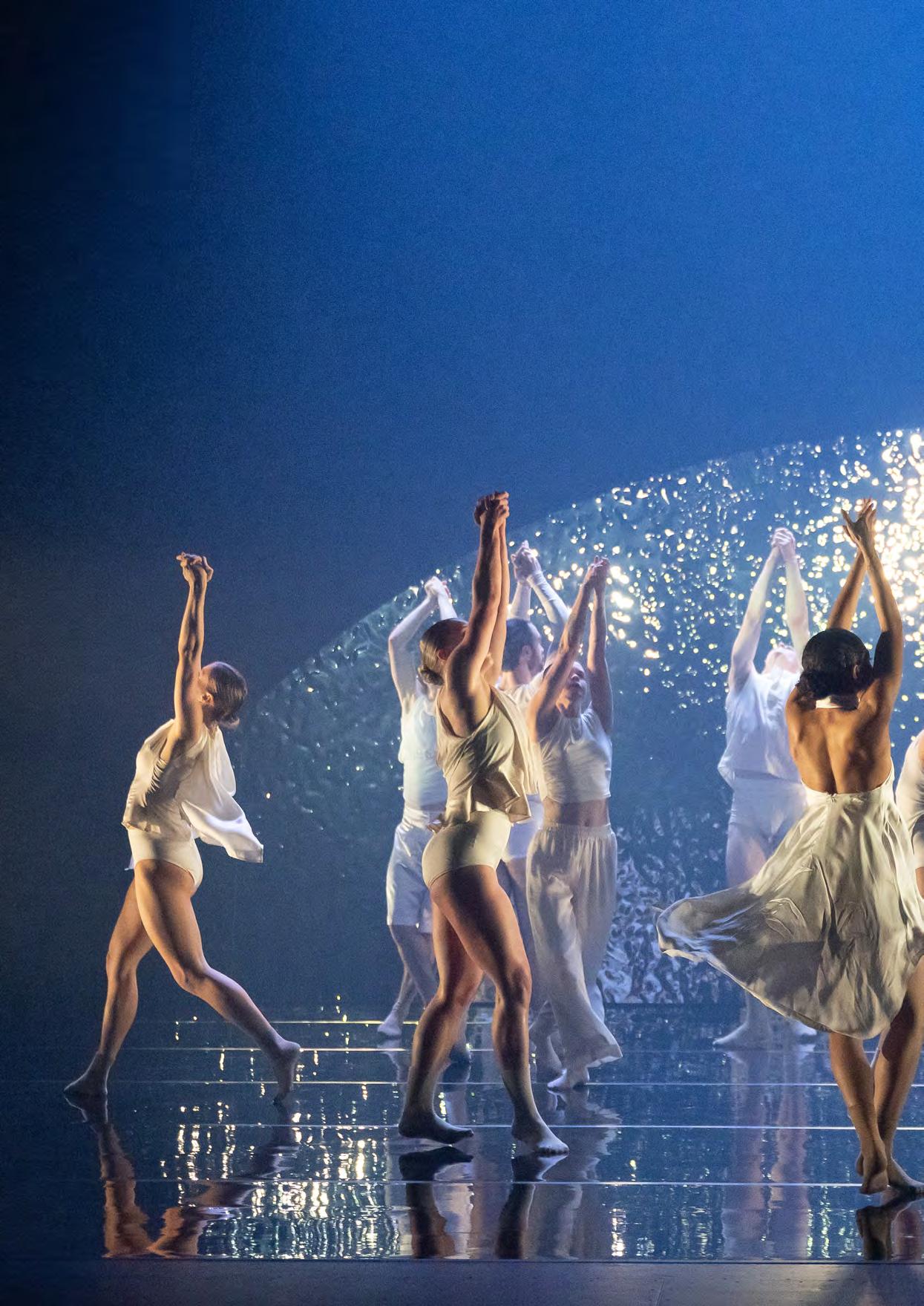
The dance shows what it feels like to move through change - like growing, learning and becoming braver. Sometimes the dancers look soft and gentle, and other times they show strength. The movement keeps flowing, as if the dancers are always on a journey.
There’s no final stop or ending. The dance is about each moment, each step, and how we keep moving forward, discovering new things as we go.
Watch the Behind the Scenes: The creation of The Journey Itself Is Home
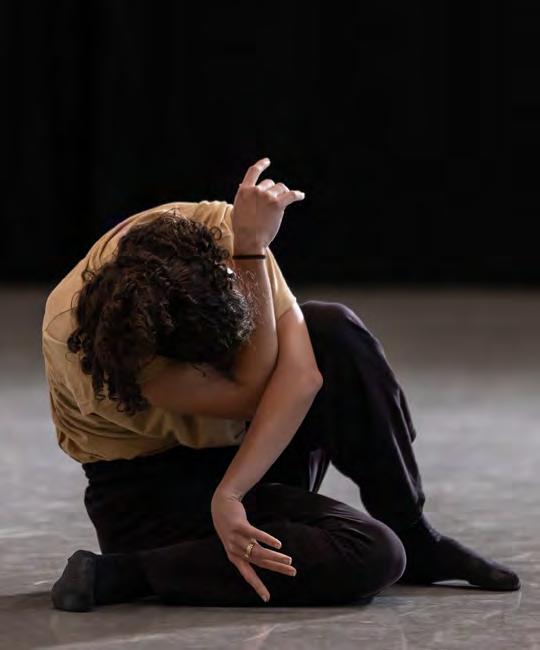

The Journey Itself Is Home began with a journey. During Sydney Dance Company’s European tour in 2025, I travelled to France to spend a few days with composer Bryce Dessner imagining what our next collaboration might become. We spent our time talking about life, music, books, poetry, art, nature, memory and the things that move us. Somewhere between those conversations, long walks and sunsets, a simple idea emerged the journey itself is home.
Matsuo Bashō’s 17th-century travelogue The Narrow Road to the Interior came up in our discussions a lot. It is a collection of writings and haiku born from a journey through landscapes both physical and spiritual. It felt connected to the landscape we found ourselves in, and the work we wished to create. In particular, Bashō’s reflections on solitude, impermanence and nature as a mirror of emotion became a powerful point of departure for us.
Soon after this trip, the work began to take shape through exploration of growth and decay; an ever-changing outpouring of emotion. I leant into choreography that felt open-hearted, emotional and presented new challenges. What emerged was a work in four movements, filled with moments of longing, uncertainty, and ultimately connection. Under the reflected light of a setting (or rising) moon, the dancers grapple with solitude and togetherness. To me the work champions the tenacity required to coexist. To be fiercely unique and in the same breath totally unified. It feels like a prayer to the community of humanity.
The title also resonates deeply with where I find myself in life. It comes from a growing understanding that home is not necessarily a destination waiting to be reached. Rather, it is something we create through the act of living through the people we meet, the work we make, the experiences we share and the journeys we undertake together.
Putting on a dance performance takes a lot of teamwork. What you see on-stage in The Journey Itself Is Home is the result of many people working together both before and during the show. From planning and rehearsing in the studio to performing under the lights, every step is important in creating the final performance that the audience gets to enjoy.
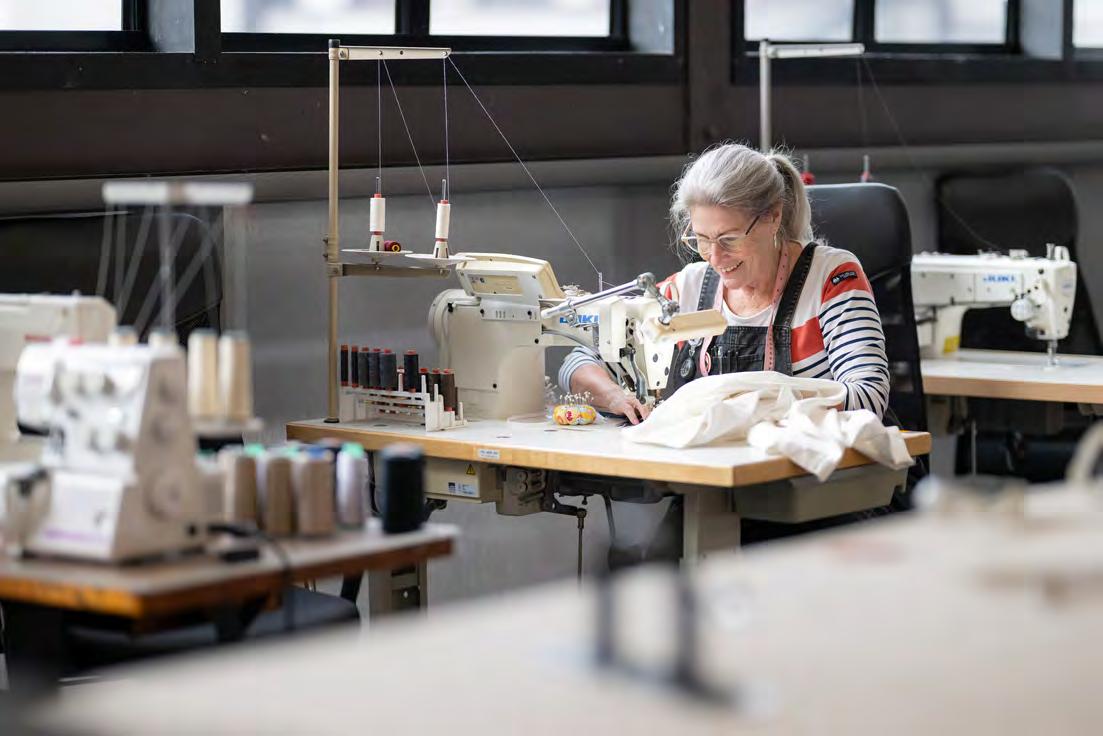
This is the planning stage, where ideas are developed, choreography and music are created, and the team works together to design everything before it goes on stage.
• Artistic Director and Choreographer
– Rafael Bonachela
Rafael decides on the overall vision to guide the Company’s performances. As the choreographer, he creates the dance movements and uses choreography to tell the story.
• Composer – Bryce Dessner
Writes original music that sets the mood and supports the choreography.
• Lighting Designer – Damien Cooper
Plans how lighting will be used to highlight the dancers and create the right mood.
• Set and Costume Designer – Kelsey Lee
Designs the stage environment to bring the world of the performance to life. Kelsey also designs costumes that look great on stage and allow the dancers to move freely.
• Director Ensemble & Repertoire – Richard Cilli and Rehearsal Associate – Charmene Yap Leads rehearsals and helps the dancers perform their best every time.
• Technical Director – Guy Harding
Makes sure all the technical elements like lighting, sound, and staging work smoothly.
• Head of Wardrobe – Mary-Ellen Baxter Creates and looks after costumes so they’re ready for every performance.
This is when all the planning pays off. The dancers and production crew work together to bring the show to life in front of an audience.
• The Company Dancers
Perform the choreography, telling the story through movement and expression.
• Company & Resident Stage Manager – Simon Turner
Calls the show from backstage, giving cues for lights, sound, set changes, and entrances.
• Lighting Crew
Operate the lighting design, making sure the mood and focus are right for each moment.
• Stage Crew
Move sets and props smoothly, so the show runs without interruptions.
• Wardrobe Team
Help with costume changes, fix costumes if needed, and keep them ready for every performance.
• Sound Operators
Run the sound cues and make sure the audience hears everything clearly.
A dance performance doesn’t just happen on its own, it takes the hard work of many people both on stage and behind the scenes. From the first rehearsal to the final bow, every role is important. Together, the team makes sure that a work like The Journey Itself Is Home is more than just a performance — it’s a powerful experience shared between the dancers, musicians, and the audience.
Theatre Etiquette – How to Be a Great Audience Member
Going to the theatre is a special experience that everyone shares together. To make it enjoyable for yourself, your school peers, and the performers, follow these important guidelines:
• Stay seated
Sit comfortably in your seat and remain there throughout the performance. Moving around can distract others. If you must leave (for an emergency), wait for a teacher and theatre staff to help.
• Respect the performers
The dancers are working hard to tell a story. By staying focused on the stage, you show them respect and make it easier to follow along with the performance.
• Listen and watch closely
Keep quiet, avoid whispering, and don’t use any electronic devices during the show. Talking or making noise disturbs the people around you, and you might miss the most exciting or beautiful parts of the performance.
• Applaud at the end
When the performance finishes, clap your hands to show your appreciation. This is your way of saying “thank you” to the performers. They will usually bow at the end in response to your applause.
Remember: Live theatre is a shared experience. The way you behave as an audience member helps make the performance enjoyable for everyone!
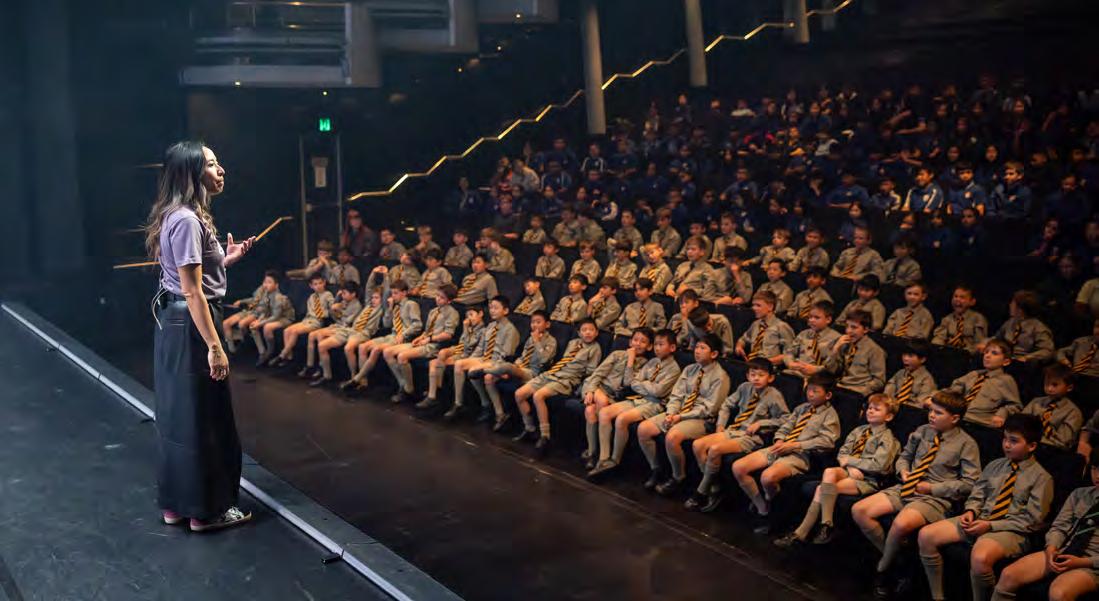
When we dance, it’s important that everyone feels safe, supported, and free to explore new movements. A safe creative space helps us try new ideas without worrying about being judged. It also makes sure we can work together as a team and enjoy the process of creating dance.
At Sydney Dance Company, we believe that key values help us build this positive space:
• Safety – looking after ourselves and others while moving.
• Respect – listening to each other’s ideas, giving everyone a turn, and treating people the way we want to be treated.
• Commitment – trying our best, even when something feels new or challenging.
• Kindness – encouraging one another and using positive words.
• Communication – sharing ideas, asking questions, and giving helpful feedback.
Our Class Values
Discussion questions:
1. What values do you think are important when we are creating and moving together?
2. Are there any values you would add or change from the list: Safety, Respect, Commitment, Kindness, Communication?
3. Can you think of other values we might need for our class?
Aim: To explore new and creative ways of moving.
Outcome:
• Build confidence in improvisation.
• Generate and explore new movement ideas.
• Express themselves through dance.
• Reflect on their experiences.
Helpful Hint for Students
Contemporary dance has no rules about what’s “right” or “wrong.”
Every movement you make is unique. Have fun, be playful, and see what your body can do!
Teacher Note: Guiding Improvisation
• Allow at least 2 minutes for students to explore each instruction.
• Focus on one task at a time - this can be spread across different lessons.
• Encourage reflection after movement: What did you discover? Which shapes or movements felt fun or unusual?
Improvisation Activity 1: Creating Shapes
Use Sydney Dance Company’s Spotify improvisation playlist for music support. Click here to listen to Spotify playlist.
1. Warm-up:
Move your body in any way that matches the music. Try big, small, smooth, or sharp movements.
2. Round Shapes:
a. Use different body parts (arms, hips, head, knees) to make round movements.
b. Try it in slow motion. How does that change the feeling?
3. Square Shapes:
a. Create square or box-like movements with your body.
b. Try moving in fast-forward speed. What happens to your shapes?
4. Leading with Body Parts:
a. Let your elbow lead you around the room.
b. Rewind back to where you started using the same pathway.
c. Let your big toe lead you around the room.
5. Combine Movement:
a. Try moving your big toe and your ear at the same time.
b. What new shapes or patterns appear?
Teachers: you can incorporate a variety of different body parts into the task to keep it interesting for your students.
In The Journey Itself Is Home, dancers move through moments of change and transformation. The dance work explores how we grow, adapt, and move through challenges - sometimes feeling strong, sometimes fragile. The dancers do not rush to an ending; instead, the movement focuses on the experience of the journey.
In this improvisation task students will explore how movement can show change, feelings, strength, softness, and journeys.
Warm-Up Discussion:
Ask the students:
• Have you ever gone on a journey (real or imaginary)?
• How can your body show feelings such as –strong, delicate, curious, unsure?
• What things in nature are always changing? (eg, clouds, rivers, weather, seasons, waves)
Prompt the students to move through space imagining they are changing or transforming, encouraging them to make movement choices rather than copy steps from a learned routine or each other.
Movement ideas:
• Move as if you are waking up slowly
• Grow like something changing (a seed to a tree, a caterpillar to a butterfly, a cloud shifting shape)
• Show movement that feels soft and fragile, then movement that feels strong and powerful
• Explore moving:
» slowly to quickly
» smoothly to sharply
» low to high
Teacher prompt: “What happens if your movement keeps changing? Can one movement melt into another?”
Place pathway markers (zigzags, curves, circles or imaginary pathways).
Students travel through the space showing an imaginary journey.
Along the way, call out challenges or feelings:
• A strong wind
• Feeling brave
• Feeling uncertain
• Finding calm
• A moment of excitement
• Feeling tired but continuing
• Students change their movement to respond.
Teacher prompt: “There is no finish line — your journey keeps changing. How can your body show this?”
After improvising, gather as a class:
• How did your body show change?
• Which movement felt strongest? Softest?
• Did your dance tell a story of a journey without words?
• How did it feel to keep moving without a clear ending?

This creative composition task builds on the movement ideas explored in the “Changing Pathways” and “The Journey Path” improvisation activity. Students will use movements, pathways, dynamics and ideas they discovered during the improvisation tasks to create and structure their own dance.
Encourage students to revisit:
• movements showing strength and fragility
• travelling pathways explored in space
• moments of change and transformation
• movements that felt like a journey rather than a specific ending
Aim: Inspired by The Journey Itself Is Home, students will choreograph a short dance phrase that explores change, growth and transformation.
Students may work individually, in pairs or small groups building both creativity and confidence in dance.
Outcome:
• Develop and refine movement skills
• Generate original movement ideas
• Express ideas and emotions through dance
• Collaborate and express themselves creatively
• Reflect on their experiences
A movement phrase is a short sequence of steps (about 1 - 2 minutes long). Phrases are often named to help dancers remember them. Use the following sections to explore movement. A Beginning: Becoming
Create an opening movement or shape that suggests growth, change or possibility.
Draw on ideas explored in the improvisation task, such as:
• Growing or transforming in nature
• Movement inspired by changing weather or landscapes
• Beginning an adventure or journey
Consider:
• Using differing body shapes
• Exploring a range of levels (high, medium, low)
• Playing with slow, sustained movement and fast, sharp movements
Create a short movement sequence that includes travelling movement that explores different pathways through the space. Encourage smooth transitions between movements to create a sense of continuous motion.
Try to incorporate at least two pathways, such as:
• Curved
• Straight
• Zigzag
• Circular
Create a short movement sequence that includes movement that explores the contrast between strength and fragility.
Think about how you can transition between contrasting qualities in the movement.
For example: Strength
• Bold
• Grounded
• Energetic
• Expansive
Fragility
• Gentle
• Soft
• Careful
• Light
Now try to find a clear shift or change within the dance sequence.
You might show this transformation through changes in:
• Size (small to large)
• Energy (calm to energetic)
• Speed (slow to fast)
• Shape (curled to stretched)
• Levels (low to high)
Inspired by the idea that “there is no arrival here,” try to find an ending that isn’t a pose. Think about including some of the below to show that the journey is still continuing:
• Fading movement
• Ongoing travelling
• Gradual transformation
• Unfinished movement pathways
Now, put your sections altogether to create a phrase or a dance.
Section Focus
Beginning Becoming or change
Phrase 1 – A Journey through the space Travelling through space
Phrase 2 –Contrasting movement qualities
Challenge, tension or emotional shift
Phrase 3 –Transformation Movement evolves
Ending Journey continues
Teacher prompt:
• How can your movement show change over time?
• What movement feels strong? What feels fragile?
• How can one movement transform into another?
• What pathways help show a journey?
• How can your ending feel unfinished?
Teaching Note
A glossary of key dance terms is provided on pages 24-25 of this resource pack to support clear explanation and student understanding.
Watch, think, respond!
Aim: Students will reflect on their personal experience of watching The Journey Itself Is Home and explore how dance elements (such as space, dynamics, relationships, and timing) and performance settings (including staging, lighting, costume, and music) contribute to the overall impact of a live dance performance.
Outcome: Students demonstrate an ability to communicate their individual insights and interpretations of The Journey Itself Is Home through written, spoken, visual, or creative responses. Students describe and analyse how different aspects of dance and performance design shape the audience’s experience, showing an emerging appreciation of live dance performance.
After watching Sydney Dance Company’s The Journey Itself Is Home, choreographed by Rafael Bonachela, respond to the questions in the table below.
You may choose to:
• Write your answers in sentences or key words
• Draw your ideas using pictures, diagrams, or symbols
• Speak your answers in a group or class discussion before recording your ideas
Your responses should reflect what you noticed, felt, and understood while watching the performance.

Focus
First Impressions
Movement
Relationships
Design Elements
Feelings / Ideas
Favourite Moment
What was the first thing you noticed? How did it make you feel?
What kinds of movements, shapes, or patterns did you see?
How did the dancers move with or around each other?
What did you notice about costumes, set, lights, or music?
What message, idea, or story do you think the dance was sharing?
What was your favourite part of the performance, and why?
After students complete their table:
• Pair or group students so they can share their responses.
• Each student takes turns explaining their ideas to their peers.
• Encourage students to ask clarifying questions (e.g. “Why did that movement stand out to you?” or “How did the music make you feel that way?”).
• This peer discussion helps deepen understanding and allows students to compare perspectives on the same performance.
A creative response is another way for you to share how the performance made you feel and what you thought about it. Instead of only using words, you can express your ideas and emotions in a creative way that feels natural to you.
You will be creating your response to the performance The Journey Itself Is Home. Think about what stood out to you: the movements, the music, the costumes, the stories being told, or how it made you feel.
Use the observations and reflections from the last appreciation task to help guide your ideas.
The performance explored ideas of change, becoming, strength, fragility and journeys through movement and music.
• Your creative response does not need to be perfect or polished – it’s about expressing your personal reaction.
• Think about how you can show the feelings, ideas, or stories from the performance in your chosen response.
• This task is a reminder that art often inspires more art. Your response is part of this creative cycle.
Choose ONE way to share your response:
Create a picture inspired by the performance. You could draw:
• A movement or shape you remember
• How the dance made you feel
• What you imagined the dancers’ journey looked like
• Add labels, colours or symbols to show emotions and ideas.
You may write a few sentences, a short reflection, or even a poem.
Complete one or more sentence starters:
• One moment I remember is…
• The movement made me think about…
• The dance felt like a journey because…
• If I gave this performance a new title, it would be… because…
• You might choose to write a few sentences, or a short reflection for a short speech
• Guided by your teacher, you could share your ideas with a partner, group or class:
• What stood out to you most in the performance?
• What feelings or ideas did the movement communicate?
• If the dance was telling a story, what do you think it was about?

The building blocks of dance. They include: Action, Space, Time and Dynamics. These elements help us create, perform, and understand dance.
The movements we do in dance. These can be steps, gestures, jumps, turns, or any movement that shows an idea or feeling.
The quality or feeling of movement. Examples:
• Sustained – smooth and slow (like in yoga)
• Percussive – sharp and strong (like flamenco)
• Suspended – hanging in the air (like holding a balance)
• Swinging – moving back and forth (like a pendulum)
• Collapsed – falling or giving in (like melting to the ground)
• Vibratory – shaking or wiggling
Where we dance. This includes:
• Levels (high, medium, low)
• Shapes (straight, curved, twisted)
• Directions (forward, backward, sideways)
• Pathways (the floor patterns dancers make when moving)
• Personal space (the space around your body)
• General space (the whole performance area)
Time
How we move to the beat. This includes:
• Tempo (fast or slow)
• Rhythm (patterns of movement, regular or irregular)
• Accent (when we make one movement stand out)
• Stillness (pausing or waiting)
• Phrasing (organising movement into groups or “sentences” of counts)
Choreography
The art of creating dance. Choreography is when someone makes and organises the movements to tell a story or express an idea.
Counts
How dancers keep track of the music.
• Music is usually grouped in 8 counts (1–8).
• One set of 8 counts is like a sentence.
• Dancers use counts to stay in time with the music and with each other.
Kinesthetic response
Being aware of how our body feels when moving. It helps dancers’ sense, control, and adjust their movements to stay balanced, safe, and expressive.
Locomotor & non-locomotor movement
• Locomotor movements – travelling actions like walking, running, skipping, sliding, hopping, or jumping.
• Non-locomotor movements – movements that stay on the spot, like bending, stretching, twisting, turning, or swaying.
Phrase
A short sequence of dance movements (like a sentence in writing). Phrases can be put together to build a whole dance.
Stimulus
The starting idea for a dance. A stimulus can be music, a picture, a word, a story, or even an emotion that inspires movement.
Safe dance practice
Looking after our bodies while dancing. This means:
• Warming up and cooling down
• Using safe technique
• Dancing in a safe space
• Knowing your own limits. Safe practice helps prevent injuries and keeps us healthy.
Acknowledgements