Glamour & Grace in Gstaad
Switzerland’s Finest Pâtissiers
Lakeside Bliss Vitznau
Magic Moments at Unique Places House of Treasures
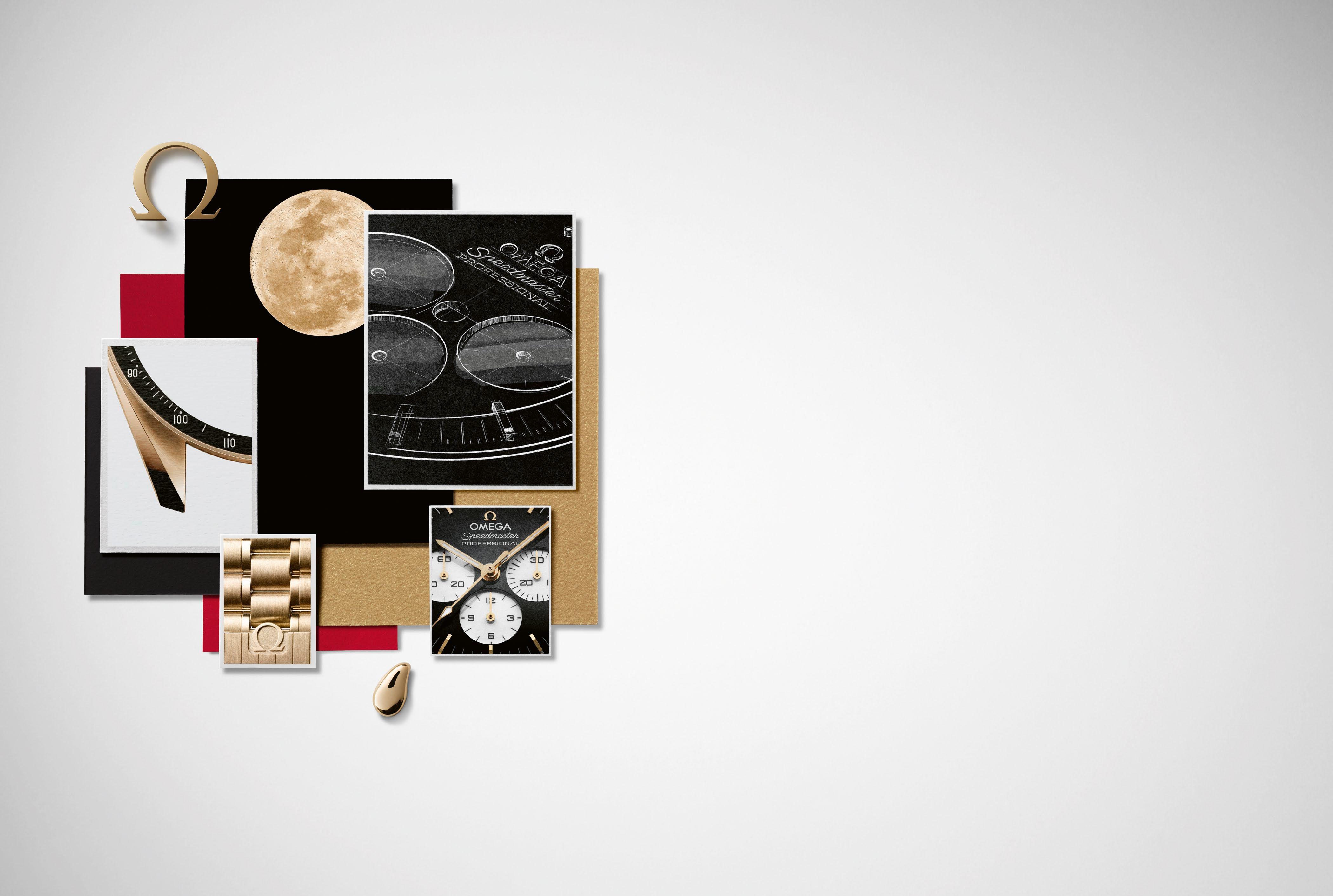
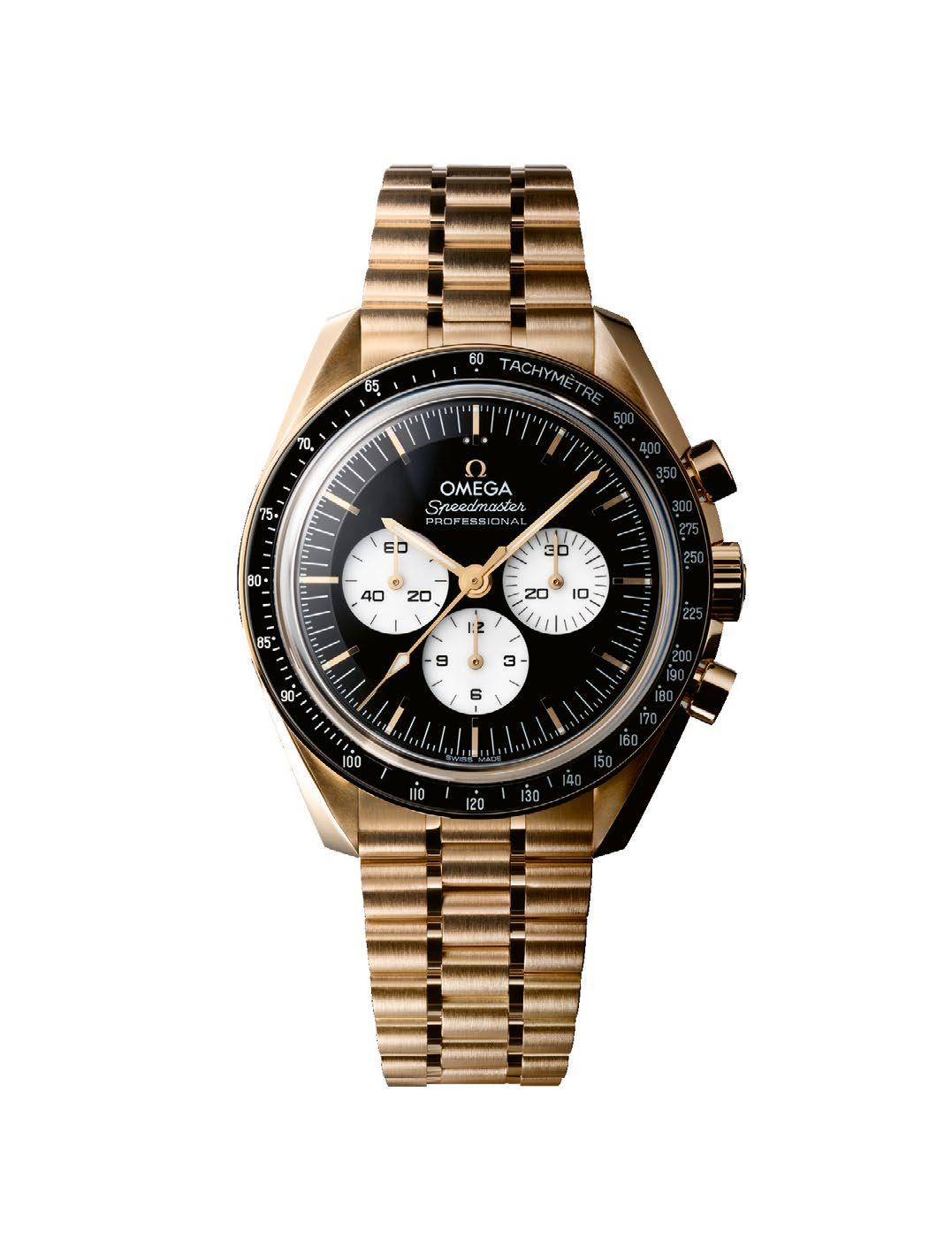

SPEEDMASTER











PARTNER






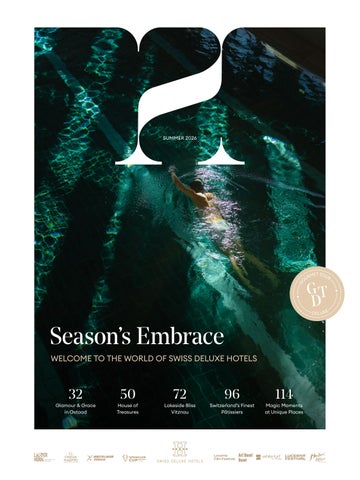
SPEEDMASTER
LET ME BEGIN WITH A SIMPLE THOUGHT.
Most of us no longer suffer from a lack of options, but from too many of them. Too much information, too much stimulation, too many perfectly polished experiences. And yet, the moments we truly remember are often rooted in simplicity: a maître d’hôtel remembering a guest’s favourite table, a hotel director writing welcome cards by hand, a tax advisor turning bureaucracy into something strangely human, a hairdresser understanding hair not as a formula, but as something alive, or a personal encounter arriving at exactly the right moment.
While working on this issue, I noticed that nearly every story returned to the same idea: the people who make the difference are rarely those trying hardest to impress us.
They are the ones fully present in what they do. In a time shaped by acceleration, automation, and increasingly artificial perfection, this kind of presence feels almost radical. Perhaps this is where true luxury begins today. Not in status, but in attention, care, and emotional intelligence.
You can feel it throughout these pages: in the grounded elegance of Gilad Peled at the Mandarin Oriental in Lucerne, in the deeply personal hospitality culture of Gstaad, and in the conversations around relevance and human connection at TheNewNow Future Summit, where Swiss Deluxe Hotels was a partner. At the event, keynote speaker Joe Holles de Peyer shared a thought that resonated deeply: ‘We are not the problem, we are the solution: luxury must give back.’
If luxury has access to beauty, craft, knowledge, influence, and time, then perhaps its greatest responsibility is not simply to preserve these privileges, but to return something meaningful – a sense of place, of care, of belonging.
The courage to make people feel seen in a world that so often moves too quickly to notice.
What connects the people in this issue is the sense that they are exactly where they are meant to be. And perhaps this is what continues to stand out most strongly in an age where almost everything can be replicated –genuine passion cannot.
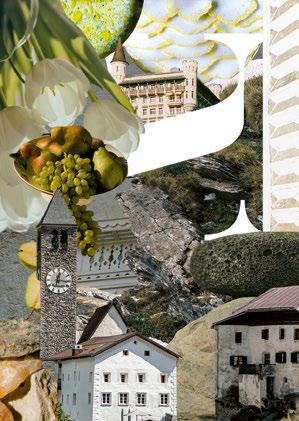
As a small tribute to this genuine signature, we included a postcard creation by Swiss artist Manuela Menzi, composed with images from these very pages and made for something wonderfully simple handwritten holiday greetings from Switzerland to the world.
Enjoy the read – and wishing you a wonderful summer filled with beautiful moments.
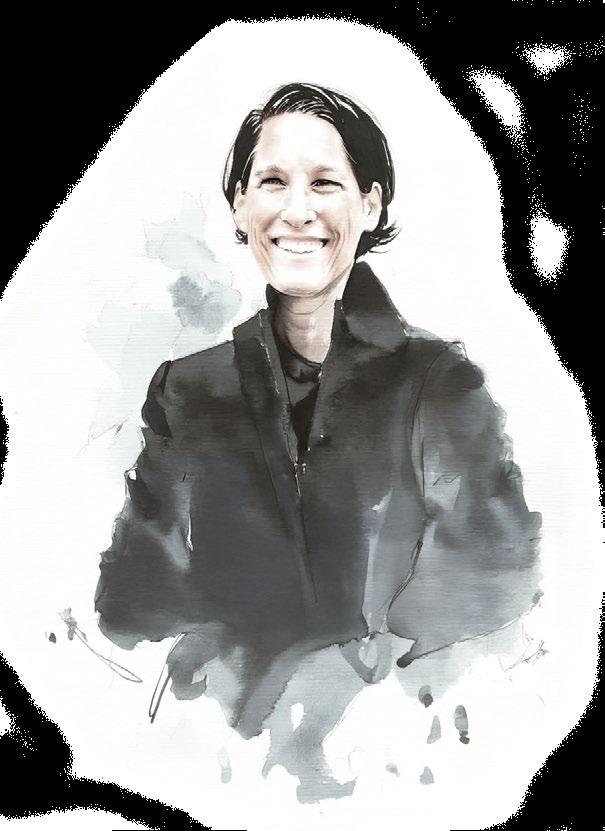
Evelyn Gorgos
Some destinations demand your finest cashmere – and Gstaad is one of them. From grand Swiss Deluxe Hotels to private chalets, Switzerlandʼs most illustrious enclave has a way of making everything feel wonderfully personal.
Badrutt’s Palace celebrates 130 years, and St. Moritz continues to shape a timeless sense of belonging.
Looking to explore The Top Of The World on foot while discovering some hidden gems? Here are our five favourite spots recommended by marathon runner Beatrice Lessi.
Simon Schenk defines luxury through understated excellence and an unwavering dedication to making every guest feel truly seen.
Swap your inbox for an infinity pool at Park Hotel Vitznau – where absolute privacy meets absolute indulgence on the shores of Lake Lucerne.
Between the shores of Lake Lucerne and the kitchens of contemporary French gastronomy, Gilad Peled has found a culinary language entirely his own, precise, understated, and deeply evocative.
In our new pâtisserie series we meet Damián Carini, André Siedl and Yoshiko Sato – shaping Switzerland’s contemporary dessert culture with precision, creativity, and a deep sense of craft.
Saas Feeʼs innovative local bar scene.
110
114
From the century-old spirit of the Spengler Cup to the magic of Montreux Jazz, Leading Swiss Events show how sport and culture unite us across borders and generations.
Swiss Deluxe Hotels locations 128
Swiss Deluxe Hotels overview 130 Publishing credits 145
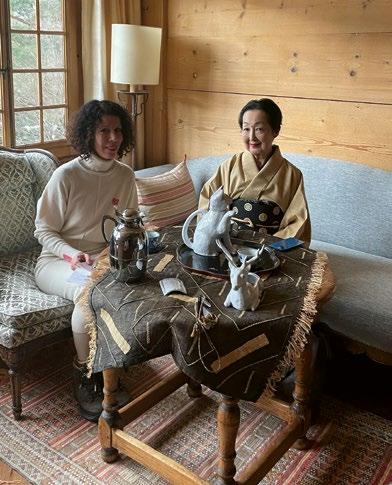
ILONA MARX
rarely writes about what she sees. She writes about what moved her. In Rossinière, she was welcomed into the grand chalet of Setsuko Klossowska de Rola and came back with something harder to define than a portrait: a feeling, a memory, a room still inhabited, somehow, by the presence of Balthus.
pays close attention – whether standing in front of a Basquiat at Art Basel or sitting in the dark of a concert hall in Lucerne. Art, classical music, culture, and the lifestyle of a globally connected creative class are her terrain. In this issue, she maps out the standout moments of a cultural summer that had plenty to offer.
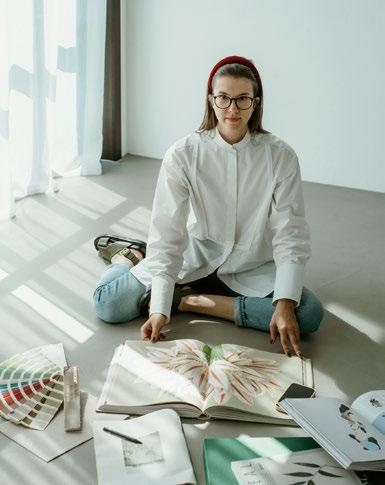
MANUELA MENZI,
packaging artist from Zurich, created two exclusive postcards for this edition inspired by the spirit of Gstaad. Small artistic souvenirs designed to send holiday greetings into the world while celebrating the beauty of handwritten messages and a touch of creativity.
notices the small things. In Madame Setsukoʼs chalet, she found a world made of details – old wood, careful craftsmanship, and the particular stillness of a place that holds its stories close.
STEFFI HIDBER
is Switzerlandʼs foremost beauty expert and an unapologetic spa enthusiast. She has made the Swiss Deluxe Hotels her natural habitat. Whatʼs always in her spa bag? Lip balm, SPF 50, and a good book on her e-reader. Everything else, she prefers to leave behind.
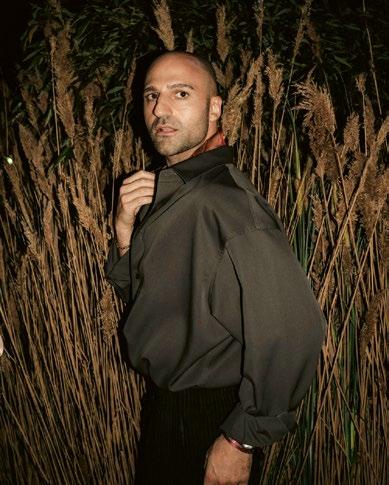
MICHAEL TULGAY
is not looking for the loudest thing in the room. A writer and brand creative with a sharp eye for cultural shifts, he prefers the hidden gem over the obvious choice and the understated pleasure over the spectacle. His Lifestyle Trends this issue are essential reading.
YANNICK ANDREA
sees photography as an opportunity to enter places she might otherwise never experience. For her, taking time to pause, observe, and truly understand a space before capturing it – especially somewhere as rich in detail as the Ganderhaus – is an essential part of her creative process.
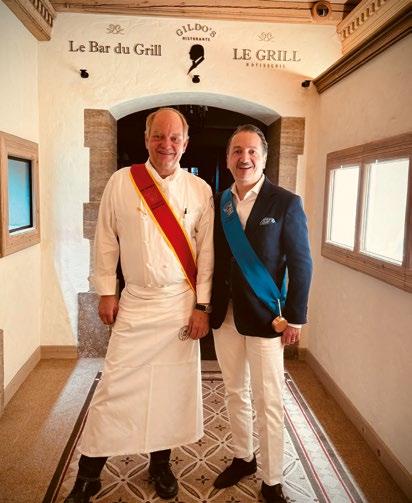
has written 11 cookbooks, but heʼs harder to pin down than that. On any given day, he might be riding his road bike through the countryside, teaching a pasta masterclass, or hunting for something remarkable to eat. In this issue, he takes us to Gstaad – through the grand Swiss Deluxe hotels, fireside lounges, and alpine rituals where he sat down with Daniel Koetser and Franz W. Faeh to uncover a destination as generous as it is glamorous.
DR THOMAS HAUER
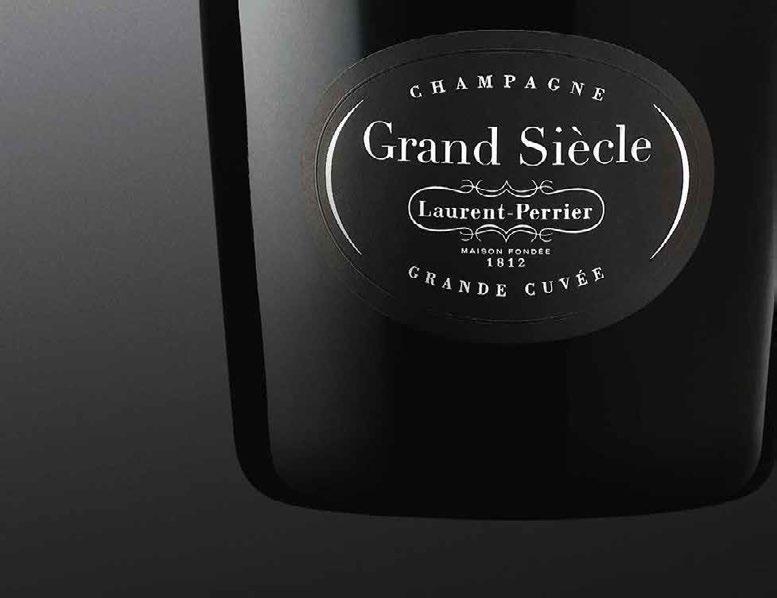
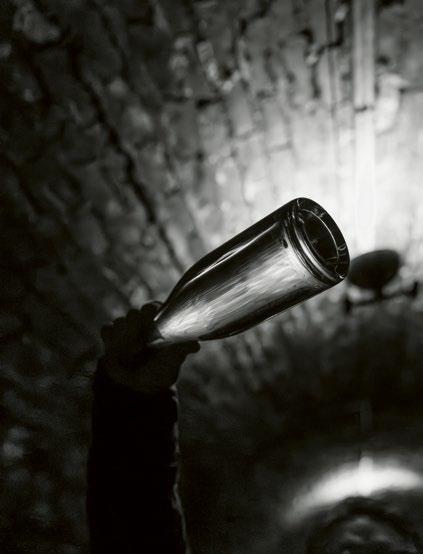
can make a chalk cellar feel like a philosophical argument. He traced the story of Laurent-Perrierʼs Grand Siècle – a Champagne built not around a single vintage, but around the relentless pursuit of an idea.
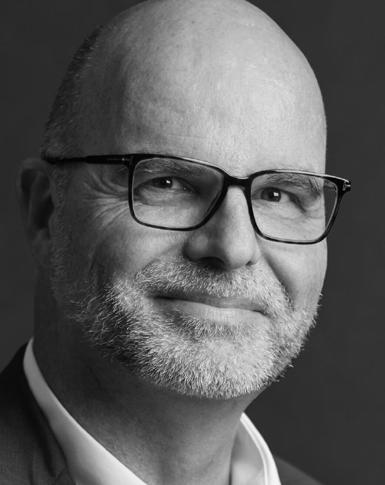
finds the places that ask to be documented before they disappear. At the Gander House near Gstaad, he turned his lens on painted swallows, old wood, and the kind of family history that doesnʼt need to announce itself.
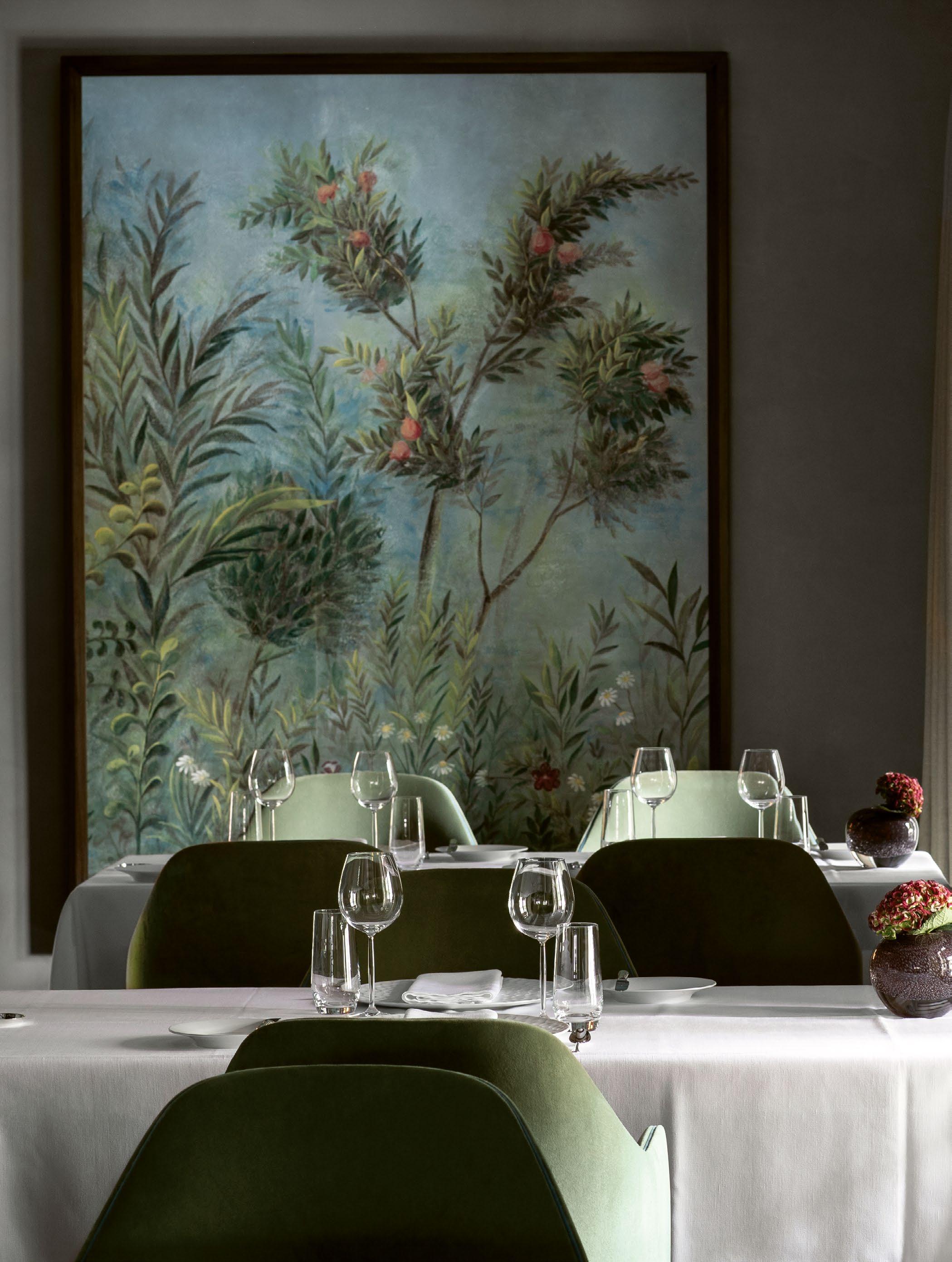
When it comes to textiles, only two things matter to us: the highest quality and Swiss Made.
Gabriela Jenny, Director, Castello del Sole, Ascona
Sometimes it is forgotten, the reason why a stay or an experience is extraordinary, but it always comes down to the same thing: the individuals behind every door and the dedicated talents who make every stay into something etched into memory. This is the common thread running through all 42 of our Swiss Deluxe Hotels. Those who bring their creativity and passions to share, who remember what was mentioned in passing, who notice what was not asked for, and who transform an act of service into a moment of sharing warmth, compassion, and connection. This is not merely incidental, but the very essence of Swiss Deluxe Hotels and the standard that we hold ourselves to.
We believe that the future of luxury lies not in digital perfection or seamless efficiency, but rather in the sincerity of a genuine welcome, or the quiet attentiveness of someone who truly cares. With each small gesture, a stay is transformed into a memory, and this cannot be designed or automated. It stems naturally from the individuals who find deep meaning in what they do. And this is exactly why we cherish them.
With this thought in mind, we have created two initiatives close to our hearts.
The SapoCycle Run brings our member hotels together as a community with a shared purpose: a collective sporting challenge in which our teams
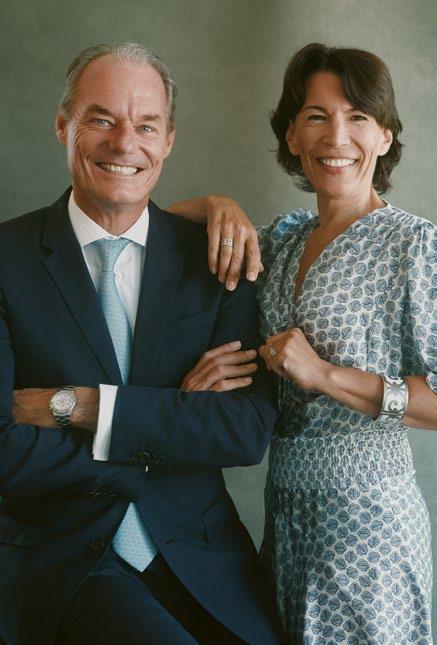
Nathalie Seiler-Hayez, managing director Michael Smithuis, chairman Swiss Deluxe Hotels
run side by side to raise awareness for soap recycling and in turn supporting communities in need. United by sport, sustainability, and solidarity, it becomes much more than a race: it defines who we are.
And our Talents of the Year ceremony in Zurich honours one exceptional individual from each member hotel. Without a fixed criterion, the award is based on profound recognition of those who give their best, every single day.
This edition of H Magazine honours that same commitment. These pages were made to give our everyday heroes the stage they deserve and to introduce them as the remarkable human beings they are. Hervé Mahler, chefmaître at Les Trois Rois for 20 years. The three passionate pâtissiers featured in our new Gourmet Tour de Luxe series. Chef Gilad Peled in Lucerne. And so many others. We are immensely proud of each and every one of them – and we hope you’ll enjoy getting to know them a little better within these pages.
As you turn them, we hope you feel the spirit behind this magazine – a belief that Swiss hospitality is not just about where you stay, but about the people who make you feel at home, wherever in the world that may be.
Nathalie and Michael
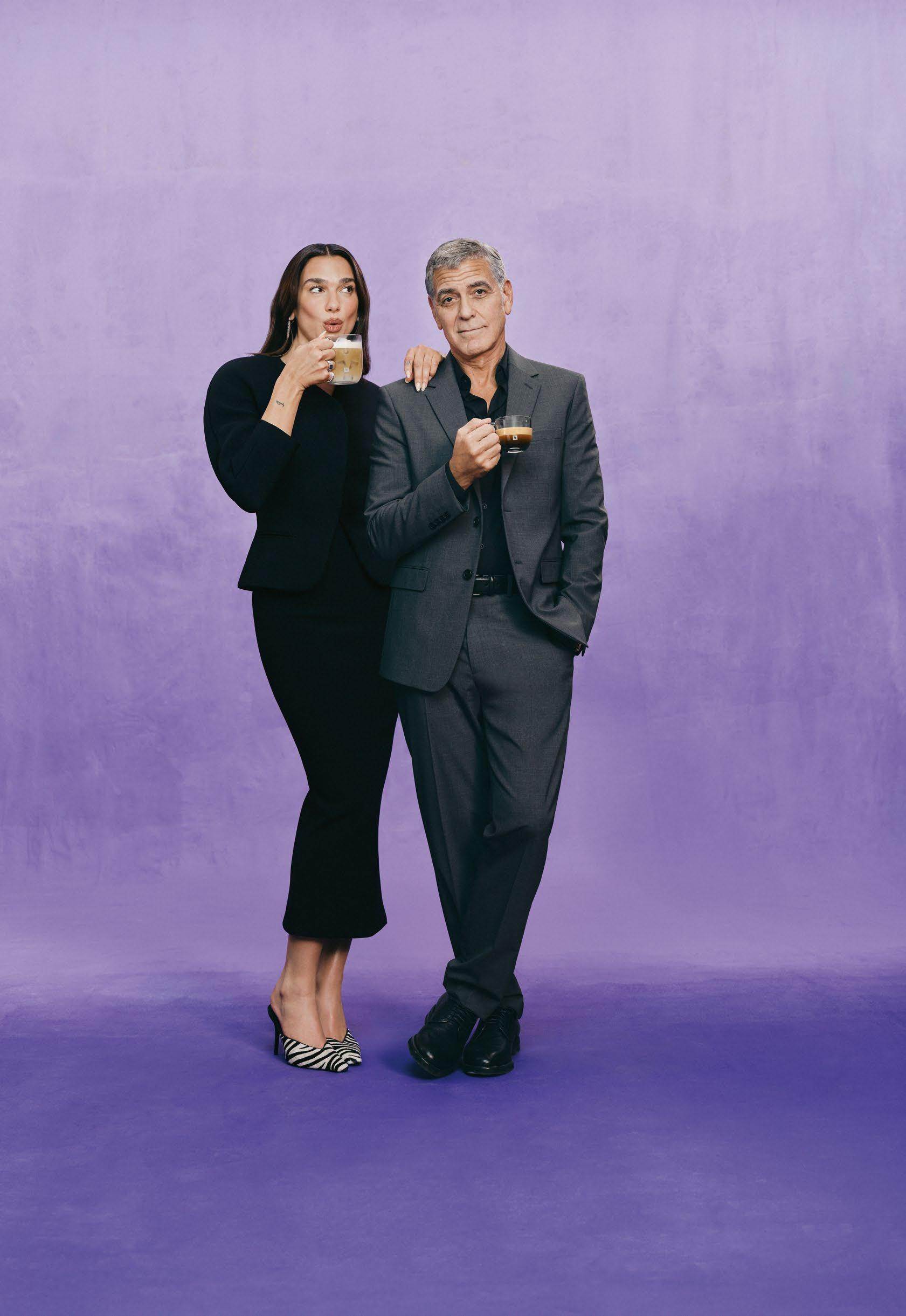
After 40 years of redefining how the world enjoys its morning ritual, Nespresso is embracing a bold new chapter – and theyʼve invited pop icon Dua Lipa to help write it.
Dua Lipa, the multihyphenate sensation who’s as comfortable on a Grammys stage as she is curating your next literary obsession, is now the face of Nespresso’s bold new chapter. And honestly? It makes perfect sense. Where Nespresso has always championed those rare moments when curiosity meets excellence, Dua Lipa has built an entire career on restless exploration –whether she’s experimenting with sound, championing emerging artists, or simply deciding what’s worth your attention next. It’s not just another celebrity endorsement. It’s a meeting of minds between a brand known for elevating the everyday and an artist who refuses to stand still.
Leonardo Aizpuru, Nespresso’s Chief Marketing Officer, puts it simply: ‘She’s a true explorer, always curious, always ready to try something new’. That spirit of discovery – the willingness to experiment, to taste something unexpected, to turn a coffee moment into something genuinely memorable – is precisely what Nespresso has been perfecting for decades. And yes, George Clooney makes a brief appearance in the campaign, offering a familiar wink to Nespresso’s storied past and his legendary tagline ‘What else?’.
‘Nespresso has always been part of my world – at home, on set and while travelling. I love how the brand keeps evolving and exploring new flavours. And this is only the beginning’ – Dua Lipa
WORDS MICHAEL TULGAY
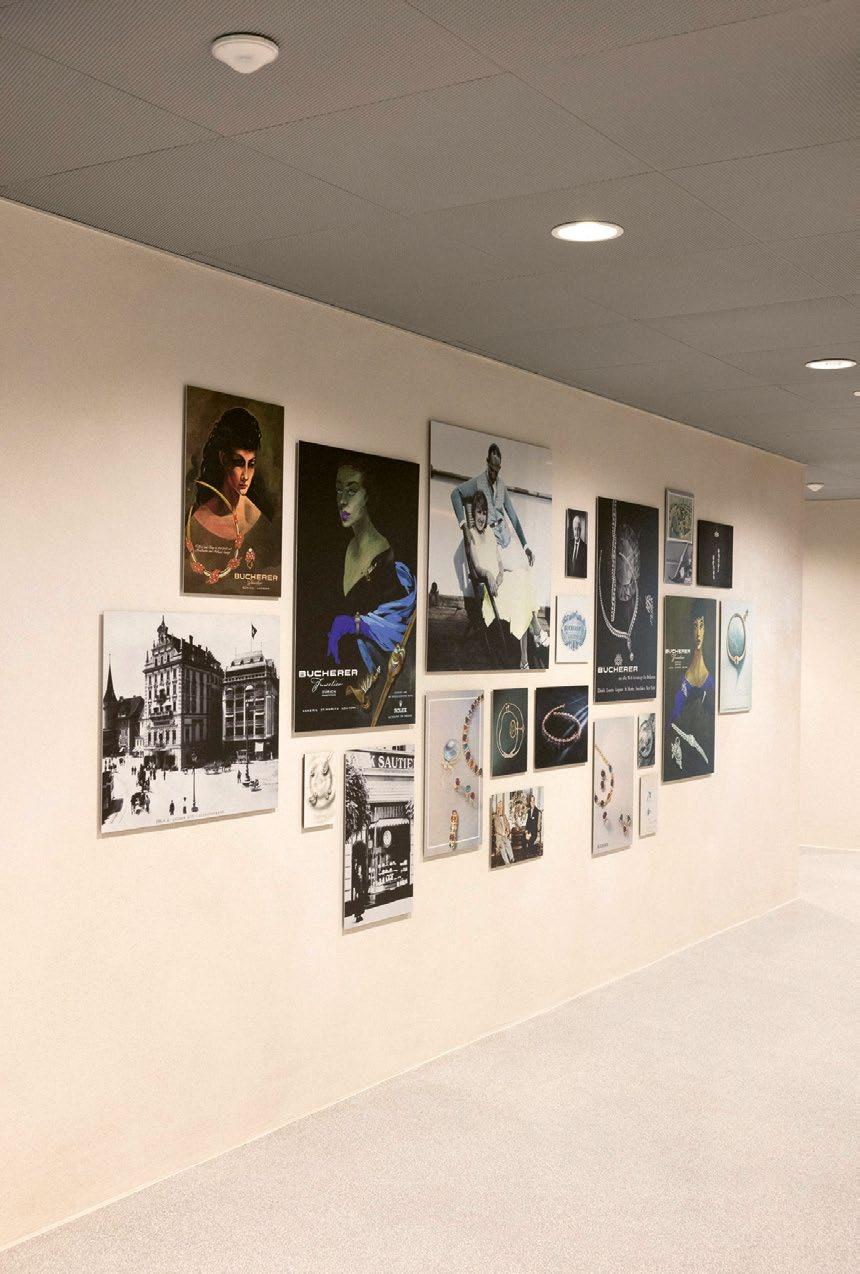
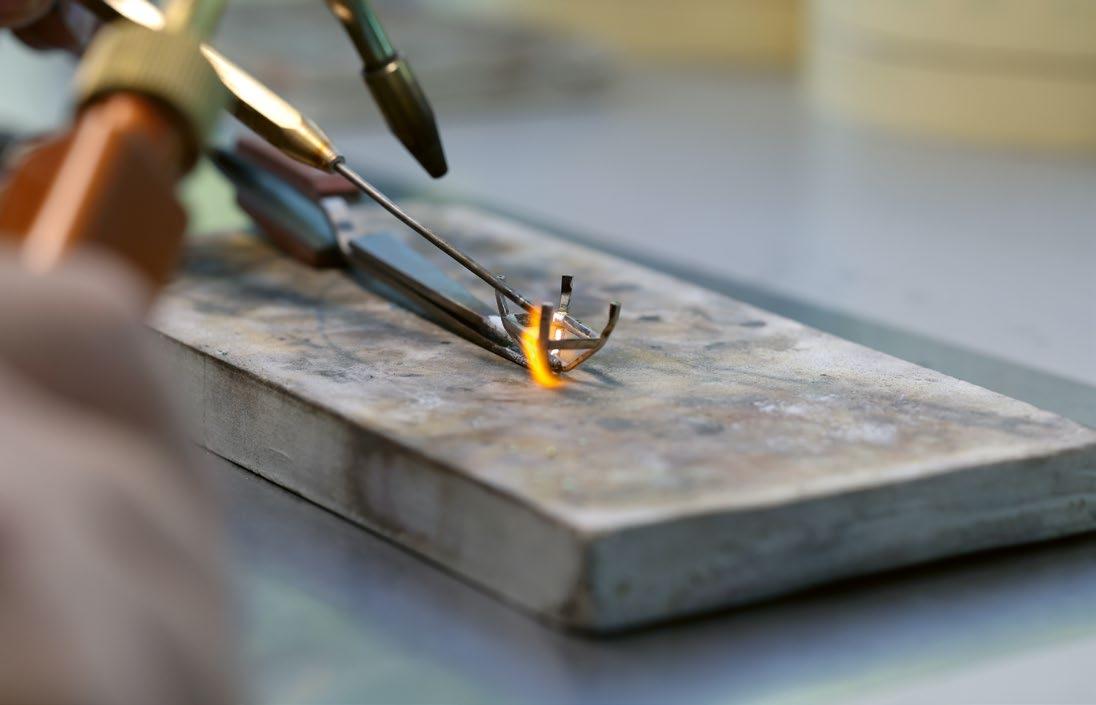
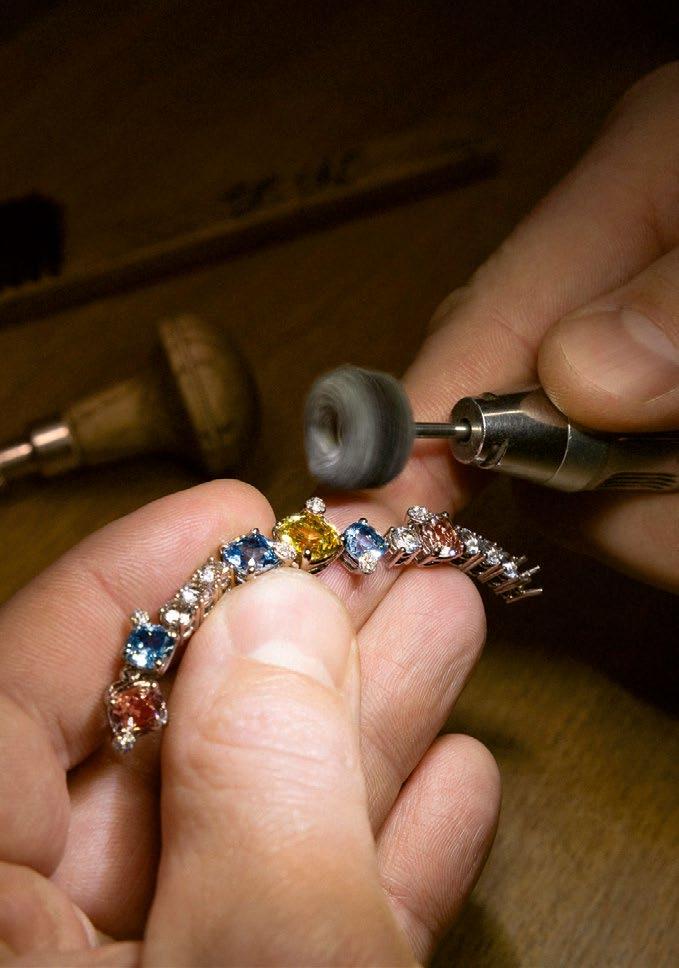
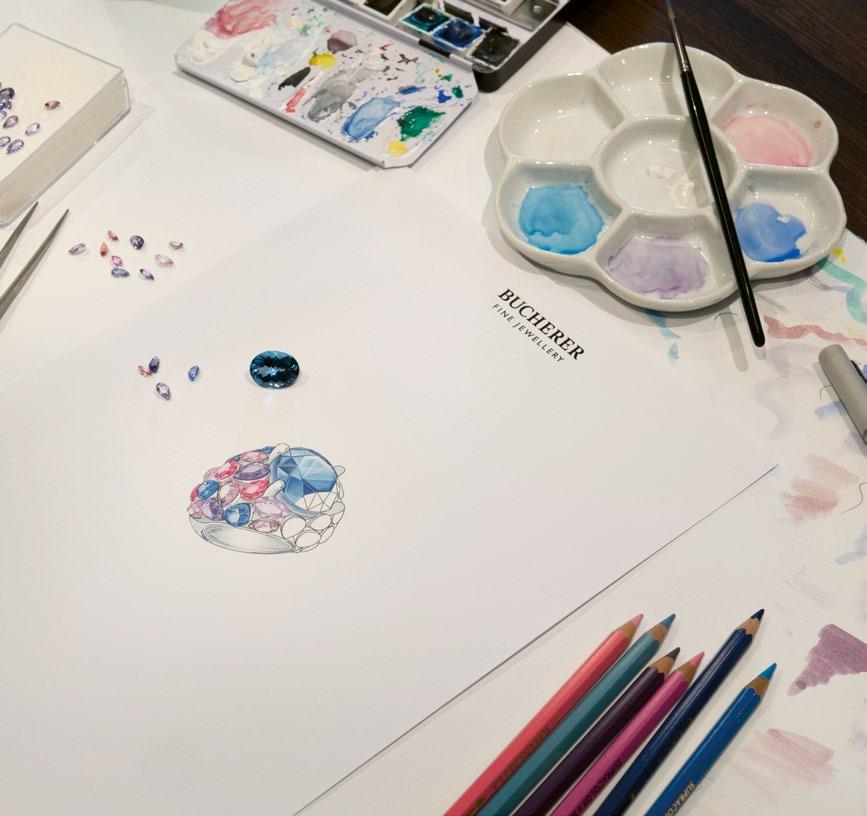
When you think of Bucherer, you think of watches, Swiss precision, and exceptional service. What you might not expect is what lies behind all of that: a living atelier in the heart of Lucerne, where goldsmiths, stone setters and gemmologists have spent their days in quiet, devoted pursuit of some of the finest gemstones on earth – every single day since 1888.
There’s a particular kind of morning that Lucerne does better than anywhere else – when the lake is perfectly still, the mountains look like they have been painted into the sky, and the air carries that Alpine crispness that makes you feel like you have your life completely together. I woke up to this exactly at the Mandarin Oriental: silk curtains, a view over Lake Lucerne that made checking emails feel like a moral failing, and a bathtub large enough to resolve international disputes. In addition, something worthy of this morning was waiting for me just across the lake.
Bucherer has stood on Lucerne’s Schwanenplatz since 1888, the same decade Van Gogh was painting sunflowers, and whilst the world has reinvented itself countless times since then, Bucherer has only become more rarefied. What began as a watch and jewellery retailer evolved into a house with its own ateliers, its own creative vision, and its own intensely devoted relationship with the finest stones on earth.
The story begins with two women – Louise and Wilhelmina Bucherer – independent, visionary, and ahead of their time by roughly a century. They travelled the world in search of the finest gemstones, establishing foundations of expertise that still carry through in everything the house does today.
I arrived expecting an elegant sales experience, but what I found was closer to a functional studio crossed with a precise laboratory, where designers, goldsmiths, stone setters, and gemmologists work
‘The finest jewellery is never really about the stone. It’s about what the stone is asked to hold.’
side by side across nearly 800 square metres flooded with light. The atmosphere is one of focused calm – the kind of stillness that isn’t the absence of noise but a reflection of concentration.
A goldsmith who has spent 30 years at the same bench develops a relationship with platinum that borders on something personal, whilst a stone setter who has placed thousands of diamonds by hand knows immediately whether the light is falling correctly. This is expertise that accrues slowly, invisibly, like the formation of the very gemstones they work with.
At the centre sits a private suite, placed deliberately among the workshops, and this is where Bucherer becomes intimate. For particular clients, it is possible to commission something that does not yet exist – something that will carry the specificity of you, translated by people who understand that the finest jewellery is never really about the stone but about what the stone is asked to hold.
WORDS PETER KELLER
Natural and orange wines are gaining attention and increasingly appearing on shelves as well as hotel and restaurant wine lists. Simultaneously fascinating and occasionally difficult to interpret, they can be polarising. Here, we take a closer look.
When learning about orange and natural wines, you might wonder what exactly it is that makes them different from conventional wines.
Orange wine is essentially white wine produced using methods typically associated with red wines, influencing both its colour and aromatic profile and setting it apart from conventional white and red wines. To create orange wine, white wine undergoes a period of skin fermentation during which the juice remains in contact with the grape skins. What this does is extract colour pigments from the skins of white grapes, resulting in hues ranging from pale amber to deep orange. Simultaneously, aromatic compounds and tannins are released, giving the wine greater structure and clarity.
Natural wines, in comparison, are not a legally defined category. In general terms, natural wine refers to wines made from organically or biodynamically grown grapes, produced with minimal intervention and without synthetic additives. Traditional methods, such as fermentation in amphorae, are sometimes used. And while some orange wines would also be considered natural wines, that is not necessarily the case for all of them. Orange wines are defined by a method of production rather than a philosophy, like natural wines.
In natural wine creation, producers typically avoid modern cellar techniques wherever possible. Sulphur is used sparingly, if at all. Wines are neither filtered nor fined, and enzymes are avoided. Fermentation usually occurs spontaneously, using natural yeasts.
In terms of taste, there are certainly differences from that of conventional wines. For example, orange wines tend to have more intensity than white wines. Depending on the grape variety, aromas may range from ripe stone fruit and honey to herbal and savoury notes, such as sage, malt, or sourdough. This style appeals to curious and open minded drinkers. Thanks to their structure and depth, orange wines also pair well with flavourful dishes, including those with spices, such as curries.
In principle, any white grape variety can be used in creating orange wines. Common choices include Pinot Grigio, Sauvignon Blanc, Chardonnay, Muscat, and Ribolla Gialla – the latter particularly associated with the Friuli region of Italy, where amphora ageing is still practised.
The roots of orange wine are often traced back to Georgia, where wine has been produced for centuries in clay amphorae known as qvevri and buried underground. The wine is largely left to develop naturally. Today’s renewed interest in orange and natural wines can be seen as a counterpoint to highly standardised, technologically produced wines, which are sometimes criticised for lacking individuality.
A French winemaker and chemist from the early to mid1900s, Jules Chauvet is widely considered the pioneer of natural wines. Working in the Beaujolais, he championed a return to traditional methods and demonstrated the impact of natural yeasts on flavour, largely avoiding sulphur, which required meticulous hygiene in the cellar. Others followed, including JeanPaul Thévénet in Beaujolais and Pierre Overnoy in the Jura.
Today, the natural wine movement has changed our approach to wine in that it has shifted focus towards soil health, sustainability, and long term vineyard vitality. In the cellar, intervention is reduced with the aim of producing wines that express their origin and character more clearly.
For those interested in learning about natural and orange wines, an open mind is essential because they often differ significantly from conventional styles in both aroma and taste. As quality can vary, it is also advisable to seek out producers with an established reputation in the field.
WORDS EVELYN GORGOS
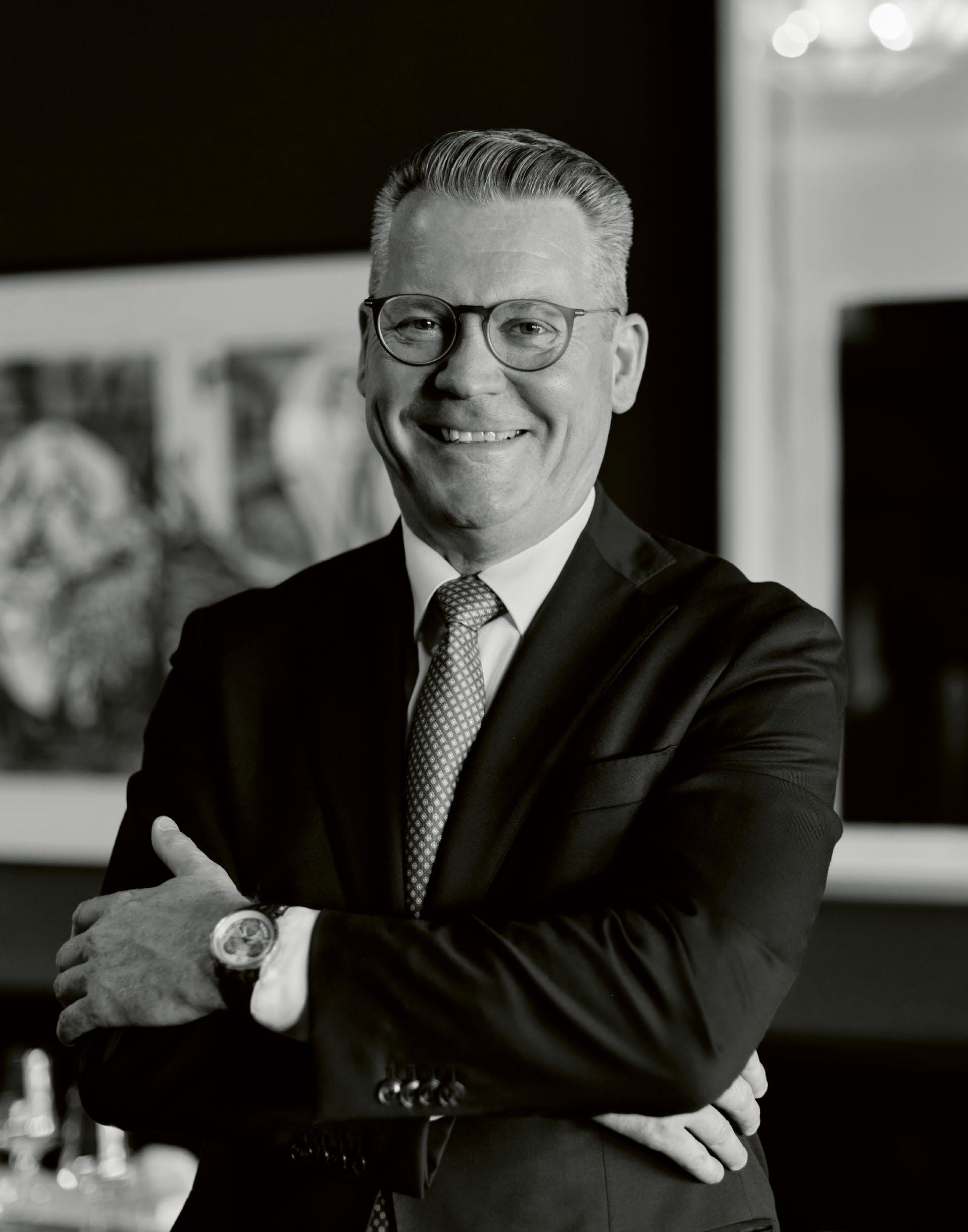
For over two decades, Hervé Mahler has presided over the Brasserie at Grand Hotel Les Trois Rois in Basel – one of Switzerland’s most celebrated addresses, situated on the Rhine. As premier maître d’hôtel, the 53yearold Frenchman has built a career on something far rarer than technical perfection: the ability to make his guests feel seen. In our conversation, he reveals what it means to him to turn a dinner into a lasting memory, why Basel has shaped his sense of hospitality, and what he would tell any young professional just starting out.
There are guests you never forget. Tell us about someone who has particularly stayed with you. During my years at Grand Hotel Les Trois Rois, I’ve had the privilege of welcoming many remarkable guests. One such encounter stands out. One of our regular guests, a business traveller known for his high expectations of discretion and attention to detail, arrived one evening noticeably tense and quiet. Rather than following our usual routine, I chose a different approach. Remembering that he has always favoured a particular table overlooking the Rhine and that he had once ordered a specific Bordeaux no longer on our list, we sourced the bottle from our cellar and had his table ready, despite the restaurant being full. At the end of the evening, he thanks me personally. What had moved him, wasn’t the luxury – that you can find in many hotels – but the attentiveness and genuine interest in him as a person. That moment has stayed with me ever since.
What’s the most common misconception people have about your profession? Many see only the elegant surface – the calm dining room, the polished service. What’s often underestimated is how much organisation, human insight, and responsibility lie behind it. As a maître
d’hôtel, you’re simultaneously responsible for guests, staff, logistics, and the atmosphere of the entire room. Decisions are made in seconds. Conflicts are resolved diplomatically. And under pressure, you must radiate composure – the guests should never sense when something isn’t going entirely to plan. What I’d like to make clear is this: our profession is far more than service. It’s a combination of leadership, psychology, communication, and a genuine passion for hospitality. True quality shows not only on the plate, but in the ability to make people feel, just for a moment, that they have the world to themselves.
Grand Hotel Les Trois Rois sits on the Rhine. How does Basel shape the way you host? Basel influences my work through its international blend of people and simultaneously calm atmosphere. The city welcomes guests from around the world whilst remaining intimate and unhurried, and the hotel reflects that spirit. Many guests arrive here seeking not just service but a sense of peace, a moment of stillness after travel or a long working day. Basel’s cultural diversity also plays a role: with France and Germany on the doorstep, I encounter different expectations and habits every day. That keeps me flexible and attentive. Art, architecture, and the Rhine all contribute to a very distinctive atmosphere. For me, being a host in Basel means combining professionalism with warmth and giving guests the feeling that they’ve truly arrived.
If you could give one piece of advice to a young maître d’hôtel starting their first season, what would it be? The most important thing in our profession isn’t technique or organisation – it is the ability to observe, listen, and understand people. Every service is different; every guest brings their own expectations. So stay attentive, stay calm, and always remain respectful. I’d also encourage gaining international experience wherever possible because it allows you to broaden your perspective and deepen your professionalism. But above all: learn to understand people first. The perfect service will follow.
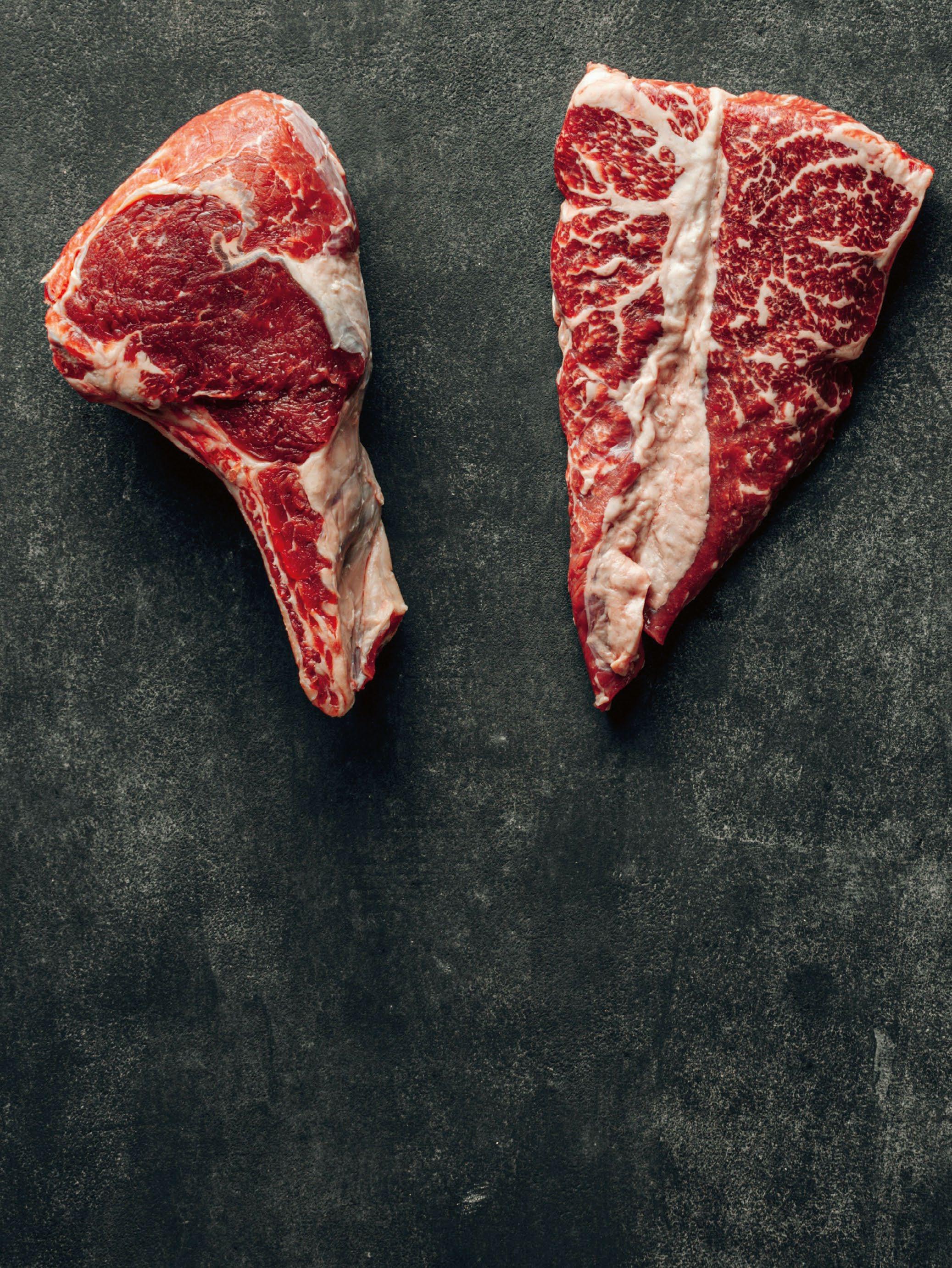
The finest things in life can’t be rushed. At Bianchi, the process of dryageing is as much a craft as it is a science – shaped by time, precision, and an unwavering commitment to quality. ‘For an exceptional dryaged cut, you need controlled storage, the right raw material, and our Himalaya salt stone wall,’ says Dario Bianchi. ‘Only when these elements work together do you achieve something truly special.’
Since 2014, Bianchi has been dryageing beef at its headquarters in Zufikon and the learning has never stopped. What began as a relatively traditional approach has evolved into a living craft, shaped by ongoing dialogue with chefs and restaurateurs. Today, the range extends far beyond the classic loin: Swiss Wagyu, Eringer cattle from the Valais, and even dryaged burger cuts are all part of the repertoire. ‘We learn constantly, above all from our customers,’ Bianchi explains. ‘The exchange with the gastronomy world keeps bringing new ideas.’
At the heart of the ageing process is a Himalaya salt stone wall – a feature that does far more than look impressive. By helping to regulate humidity within the ageing chamber, the wall creates a stable microclimate that draws out just the right amount of moisture from the meat. The result: aromas that intensify and a texture that becomes progressively tender over time.
Whole loin cuts on the bone with carefully chosen marbling are the starting point. ‘We deliberately work with Swiss meat,’ says Bianchi. ‘Our goal is to show that Swiss beef can be exceptional too.’ Marbling, fat coverage, and meat structure are the three criteria that guide every decision.
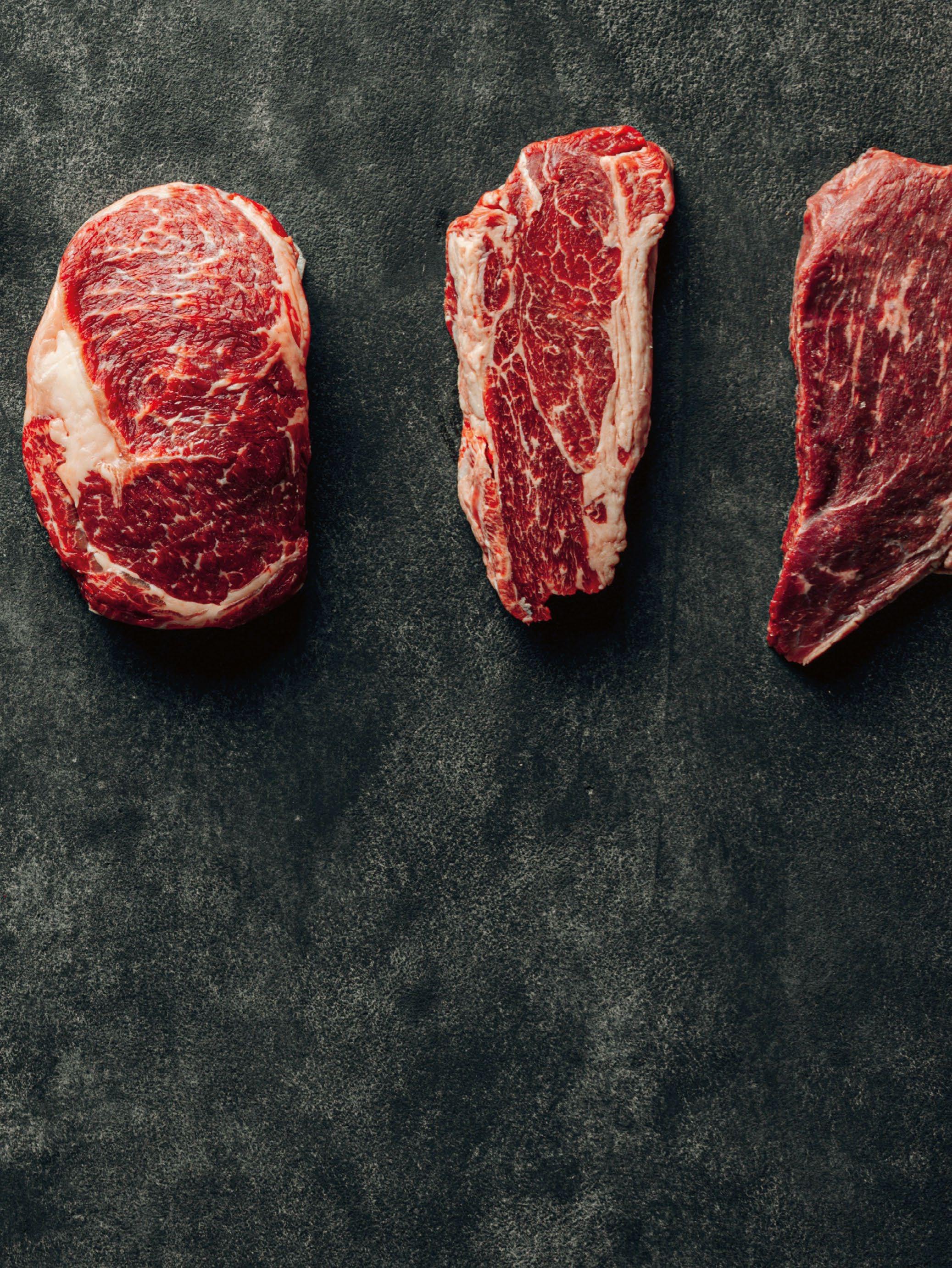
While most commercially produced beef is packaged and sold within days of slaughter, Bianchi’s dryaged cuts are allowed to mature at their own pace. ‘We give the meat the time it deserves,’ Bianchi says. ‘That’s where the intense flavour and the characteristic tenderness come from.’ The process demands patience, but the result speaks for itself: a depth of flavour that conventional ageing simply cannot replicate.
The secret lies in the fat: rich in flavour and with a low melting point, it dissolves effortlessly, creating that signature buttery quality that defines the experience. When it comes to preparation, the advice is simple: less is more. Let the quality and the ageing aromas do the talking.
For restaurants, a dryaged cut on the menu is a story worth telling. ‘Guests eat less meat today, but they eat it more consciously,’ Bianchi observes. ‘With dryaged beef, a restaurant offers not just quality, but a narrative about origin, craft, and ageing.’ And as awareness of that narrative continues to grow, so does the category itself. Dryaged beef may remain a premium product – but calling it niche, says Dario Bianchi, no longer does it justice.
WORDS CAROLINE JENNY
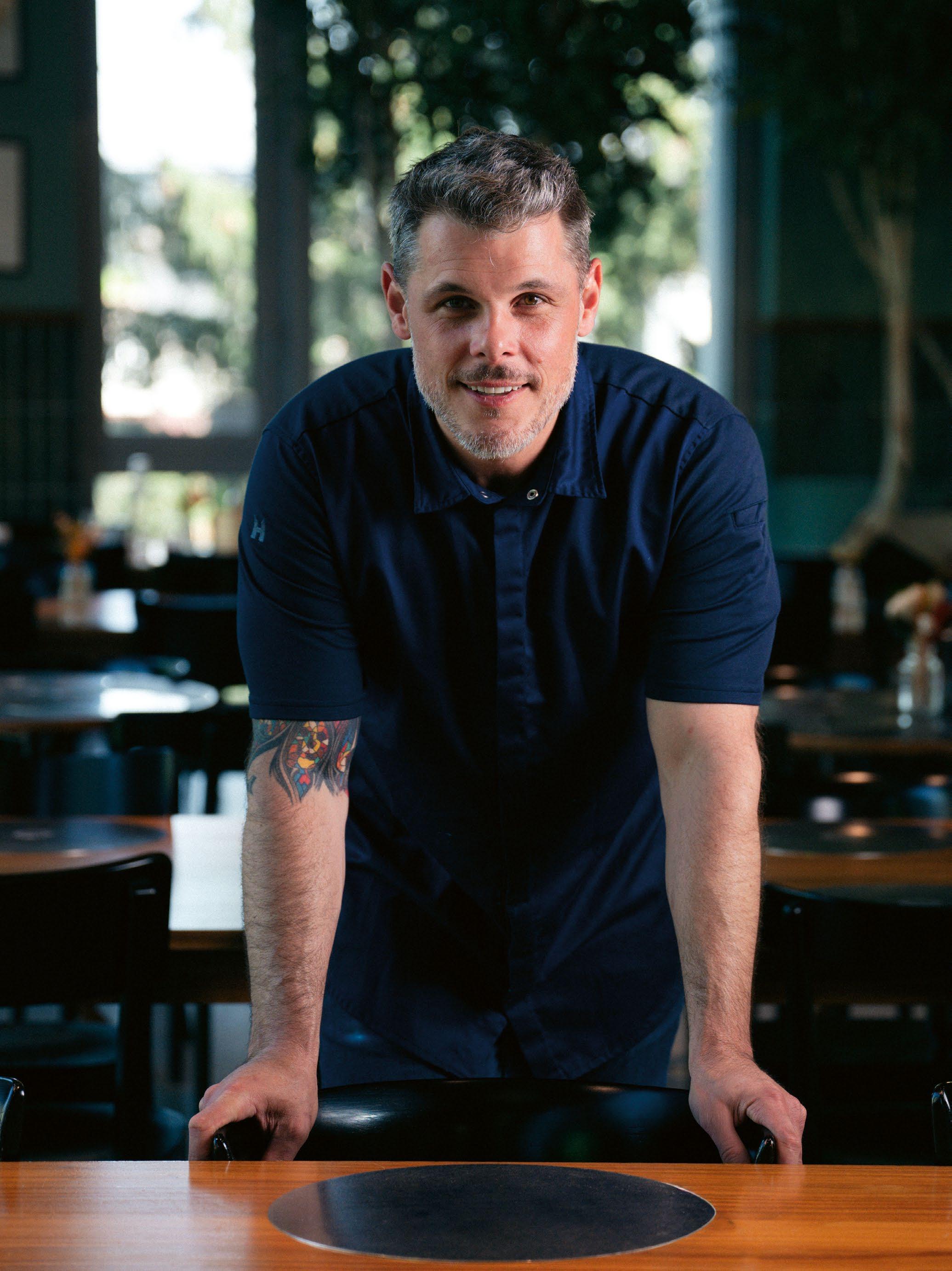
Walk into Stamm and you immediately sense a new energy. The bold architecture of QoQa’s Bussigny headquarters was never designed for quiet lunches, and with Mathieu Bruno now at the stoves, it no longer serves them.
Bruno arrives with serious credentials: 16 GaultMillau points earned at Là Haut in Chardonne between 2018 and 2024, followed by 13 at Beef’ Ør. But what he brings to Stamm isn’t flashiness, it’s character. His vision is a French brasserie with muscle: braised beef cheek with Lardo di Colonnata, grilled monkfish cooked with confidence, a cordon bleu made from beef onglet with Vacherin Fribourgeois that has no interest in being delicate. Dishes that fill the table and start conversations.
This is, after all, a place built on exactly that. QoQa – the platform that connects over a million Swiss users around the shared belief that the best things in life are experienced, not just purchased –has always had a flair for turning a space into something more, something alive and brimming with energy. Stamm has already hosted Jérémy Desbraux, Guy Ravet, and the Chedi Twins, and now it has a permanent voice. Chef battles, fourhands dinners, and surprise collaborations will continue to keep the energy alive – because at QoQa, staying still has never been an option.
‘With Mathieu Bruno, Stamm is no longer simply a restaurant at a headquarters – it becomes a destination.’
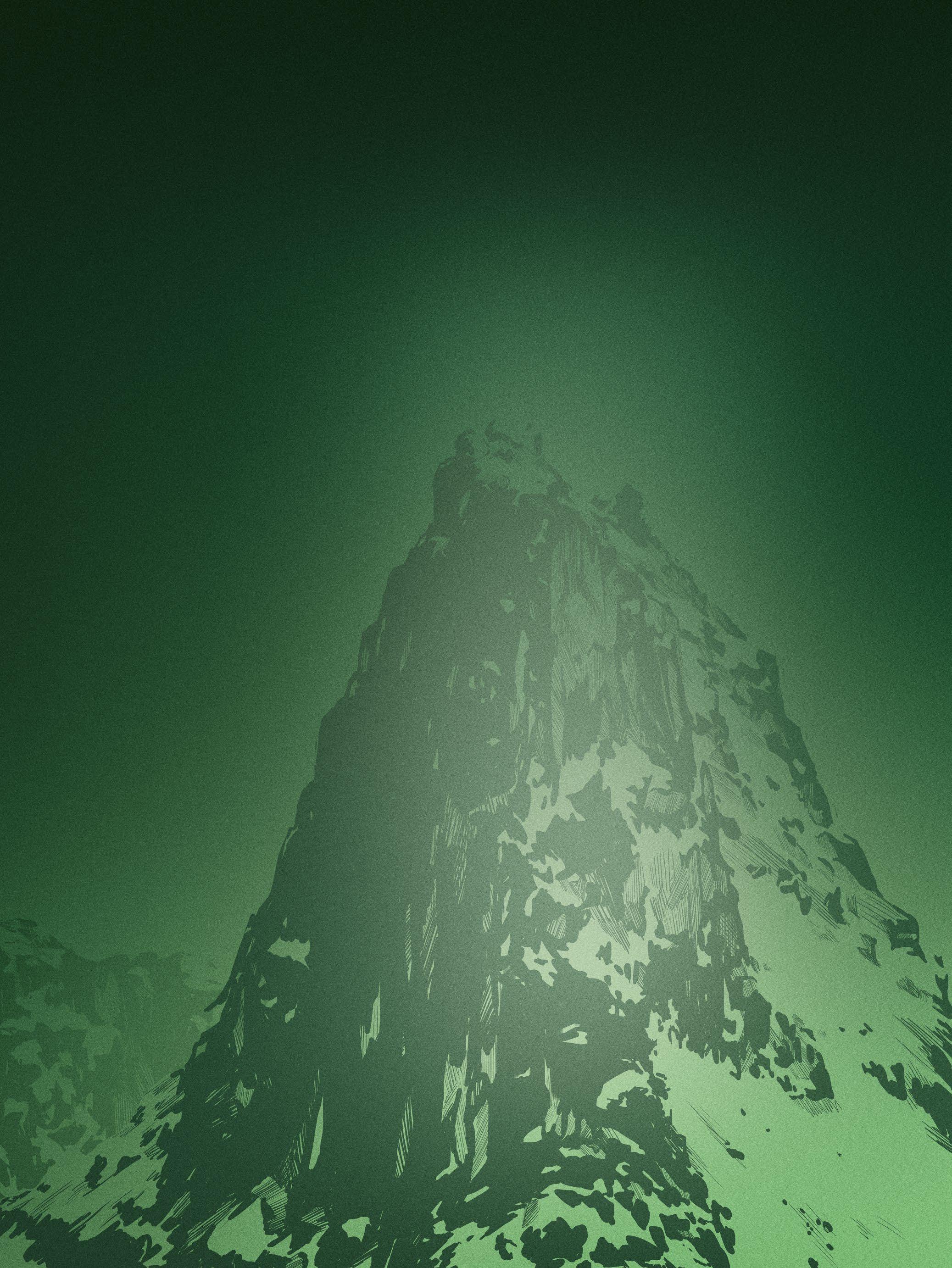
In the realm of contemporary luxury, the idea of value is no longer defined by excess, but by what feels essential, deliberate, and true. VALSER embodies this shift with quiet purpose.

Sourced in a remote Alpine valley, VALSER water begins its journey at high altitude, emerging from protected springs shaped by centuries of geological movement. Travelling slowly through layers of rock, it is naturally filtered and enriched with minerals, developing a profile that is balanced with a distinct clarity. Nothing is added, and nothing is altered; the result being purity in the most authentic form.
In still form, VALSER water has a smooth and composed texture with a minerality that unfolds gently. When naturally carbonated, a fine wellintegrated effervescence adds structure without overpowering the palate. In both cases, the defining qualities remain the same: fresh, pristine, and with a smooth sense of equilibrium.
These characteristics are not only perceptible in taste but also reflected in presentation. With clean lines and minimal detailing, the green glass bottle references its Alpine origin without overt symbolism, communicating provenance through design. Everything speaks to deliberate quality and the avoidance of excess.
Taken together, these elements create a coherent impression: a product shaped by its environment, defined and expressed with integrity. It is the balance between natural clarity and subtle presentation that gives VALSER water its distinct Alpine identity.
In gastronomy, VALSER finds its natural place. Served with precision, at the right temperature and in the appropriate glassware, it becomes part of a refined experience – not merely as an accompaniment but playing an integral role in enhancing a meal.
At its core, VALSER reflects a distinctly Swiss understanding of luxury: commitment to quality, respect for nature, and an appreciation for restraint. It is not about standing out, but about remaining authentic.
In a world that often seeks more, something rarer remains: a moment of revelation, shaped by nature and defined by authenticity.
WORDS EVELYN GORGOS
IMAGE ELENA STENESS
There are mornings in Zurich when the lake feels like a mirror held up to the sky, silver grey and perfectly still. The kind of morning that urges you to slow down and look around, to enjoy. And on the second floor of one of the city’s most quietly spectacular hotels, the guests of La Réserve Eden au Lac Zurich will find a new reason to do exactly that.
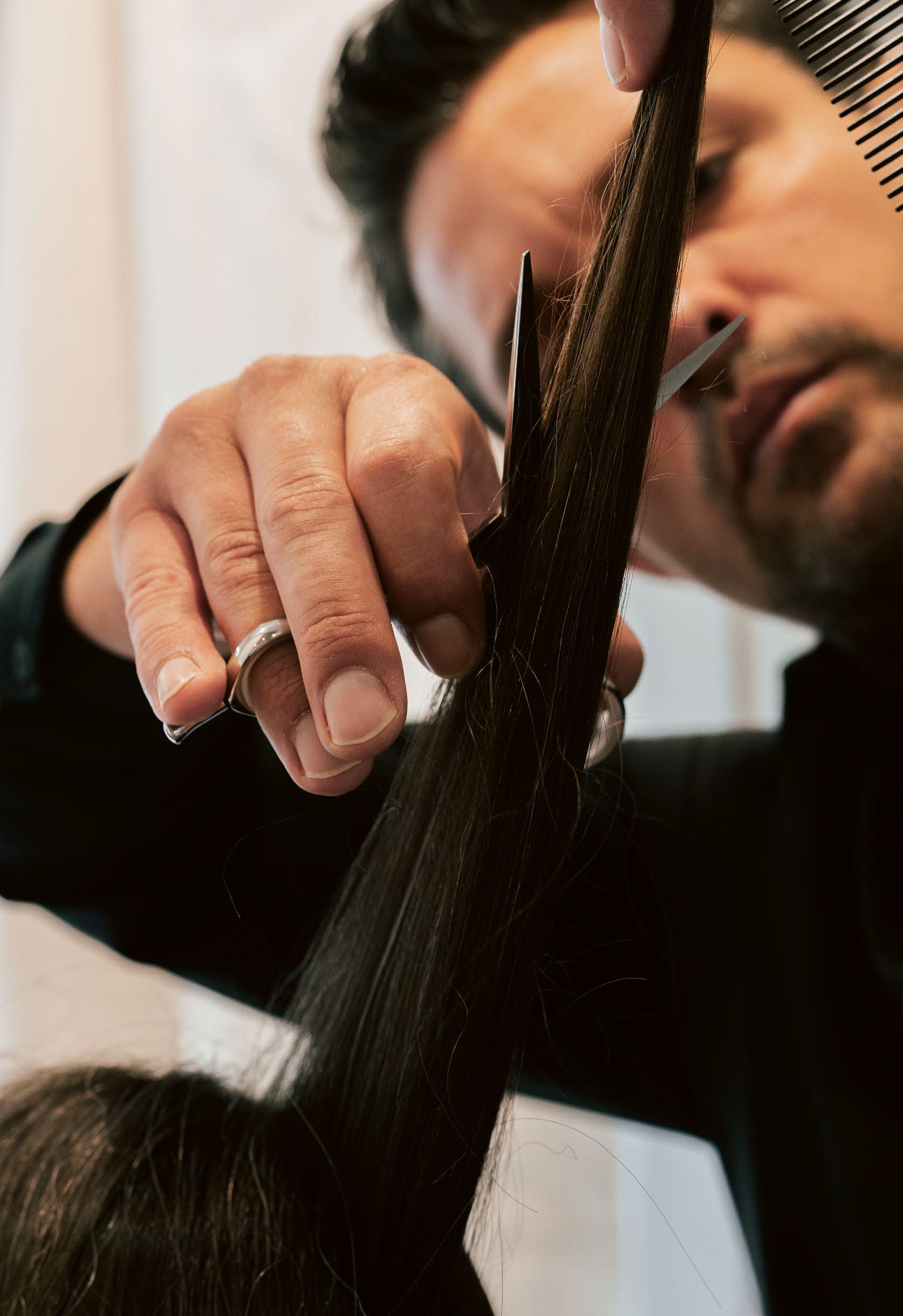
The Rossano Ferretti HairSpa has newly arrived in Zurich, bringing with it a philosophy of creation, rather than a service menu. Rossano Ferretti, the Italian maestro, grew up in a village of just 500 inhabitants, surrounded by cows and the rhythms of rural life. Beauty, however, was always close at hand: his mother was a hairdresser, his father a barber, and his first experience of the craft was shampooing clients in his parents’ salon.
At 15, Ferretti set off for London – an early sign of the visionary spirit that would later define his career. Over the years, he built not just salons, but Hair Spas: refined spaces devoted to a more personal, intuitive and elevated approach to hair. Today, known as both a head master and a hair master, he has spent three generations refining his craft and has created a global network of Hair Spas in the world’s most distinguished hotels. La Réserve Eden au Lac is his SwissGerman chapter, and it fits the address perfectly.
At the heart of the experience is the Ferretti Metodo Cut – a technique that resists the logic of scissors and geometry in favour of something more intuitive. Hair, in Ferretti’s world, is a living material. It has its own movement, its own character, and a cut that doesn’t understand this is merely a mathematical exercise. The approach reads the hair first,
then follows it and the result is a softness that looks effortless precisely because it is not forced.
Complementing the signature cut are personalised hair and scalp rituals, each formulated with up to 99% naturally derived ingredients, developed and produced in Italy. They are designed not for a single session but for lasting balance –restoring, hydrating, and leaving hair in a condition that improves over time.
The setting is as thoughtful as the treatment. Philippe Starck’s imaginary yacht club – all brick walls, navigation charts and lakefacing windows – lends the HairSpa a particular kind of calm. Not the hushed silence of a medical clinic, but the easy stillness of somewhere that takes beauty seriously without taking itself too seriously.
For those who already know the Rossano Ferretti Hair Salon at La Réserve Geneva, the Zurich address will feel like a natural continuation. Same discretion, same craft, new city.
lareservezurich.com
lareservegeneve.com
rossanoferretti.com
‘Hair is a malleable material, a living thing. If we learn to observe, understand, and interpret it, it follows us obligingly – without becoming unruly.’ Rossano Ferretti
Redefining interior luxury architecture through multidisciplinary innovation
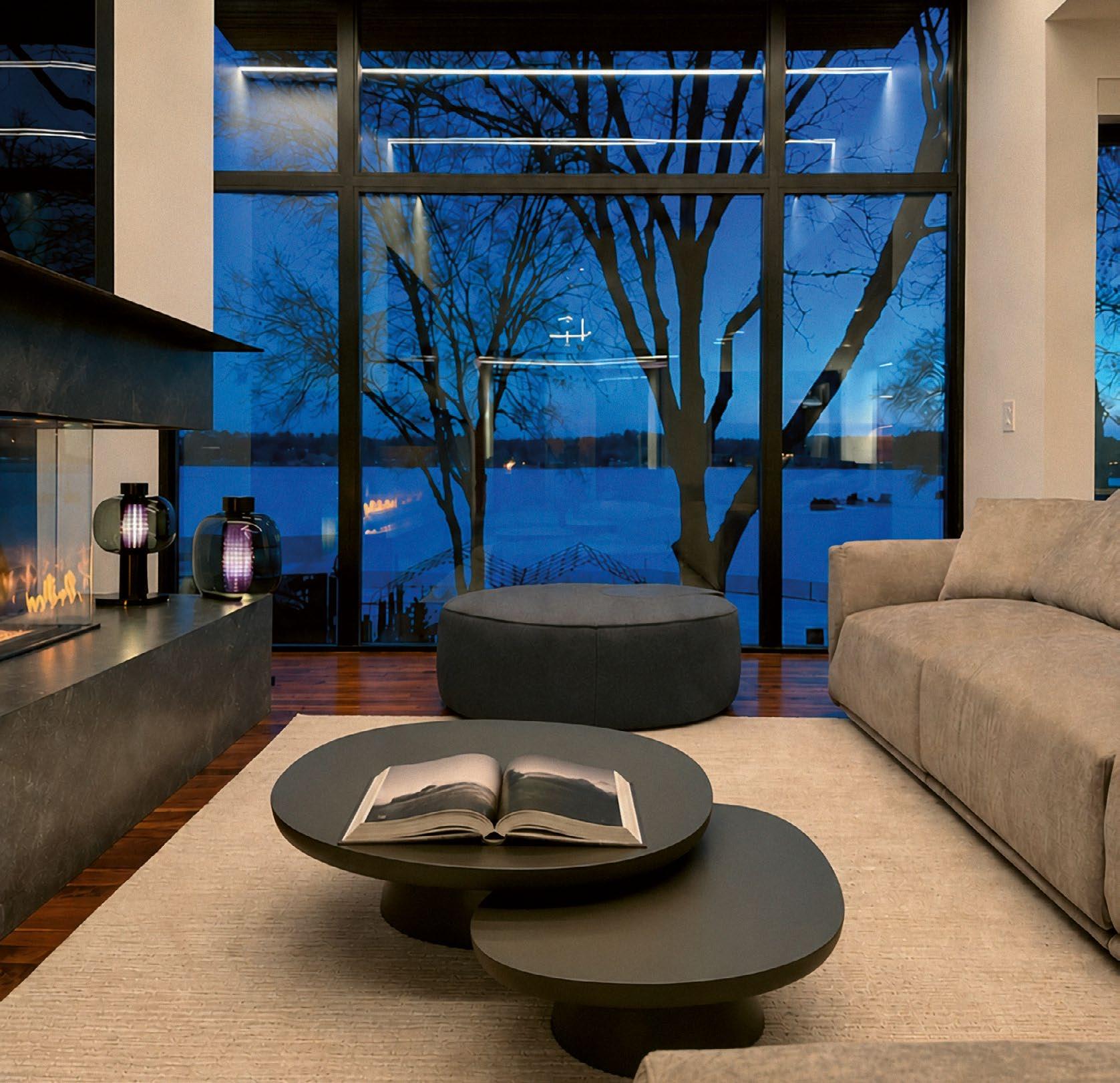
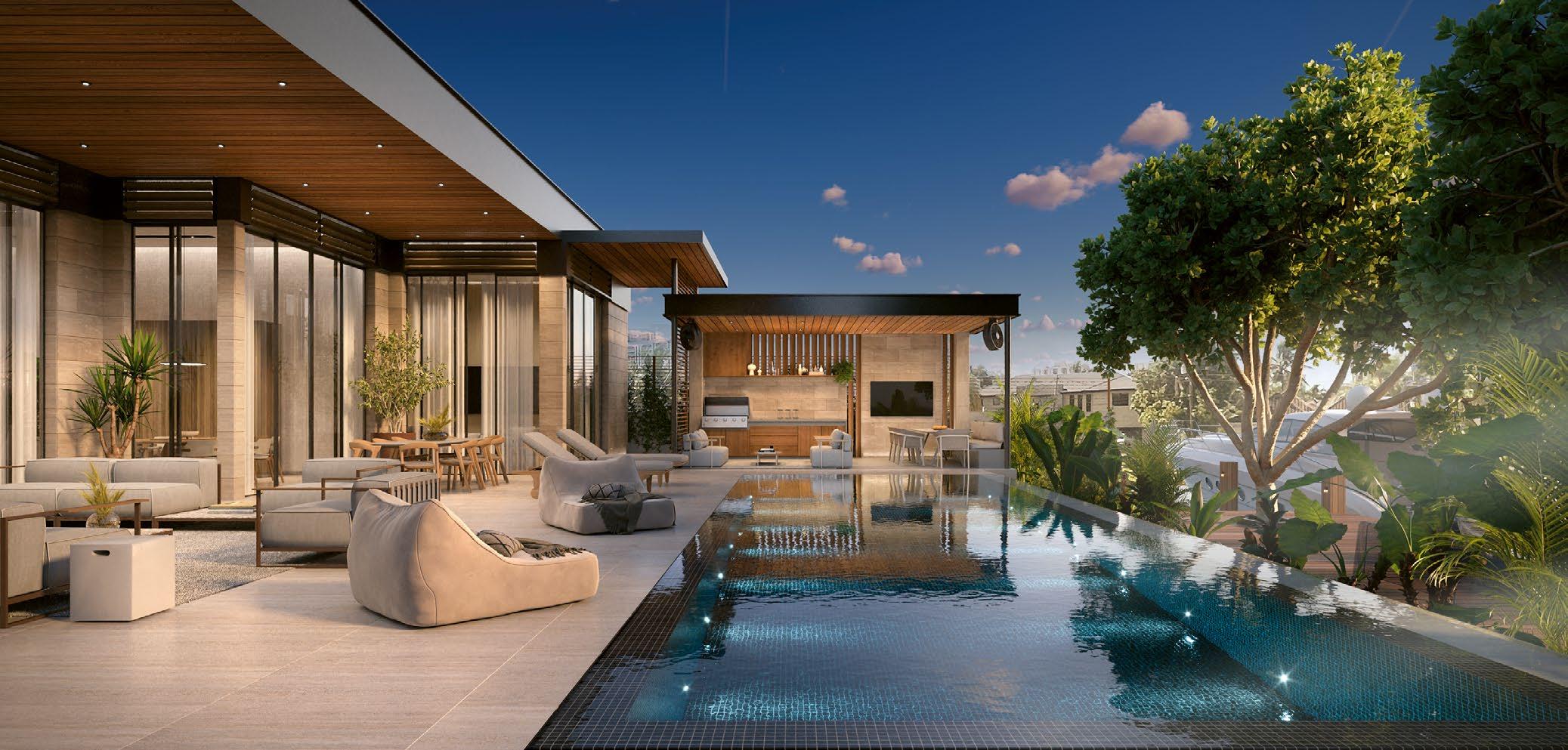
At the core of Maison Iconia lies a conviction that exceptional spaces are never the result of a single discipline. They emerge from the dialogue between multiple forms of expertise, each contributing to a unified vision. This philosophy has transformed Maison Iconia into far more than a design agency –it has become a creative laboratory where specialists collaborate to craft complete sensory experiences.
Within the firm, architects, interior architects, designers, graphic artists, lighting specialists, acousticians, soundscape designers, engineers, and hospitality consultants work side by side from the earliest stages of conception. Rather than approaching projects through a traditional linear process, Maison Iconia fosters an integrated methodology where every discipline contributes simultaneously to the development of a coherent and immersive environment.
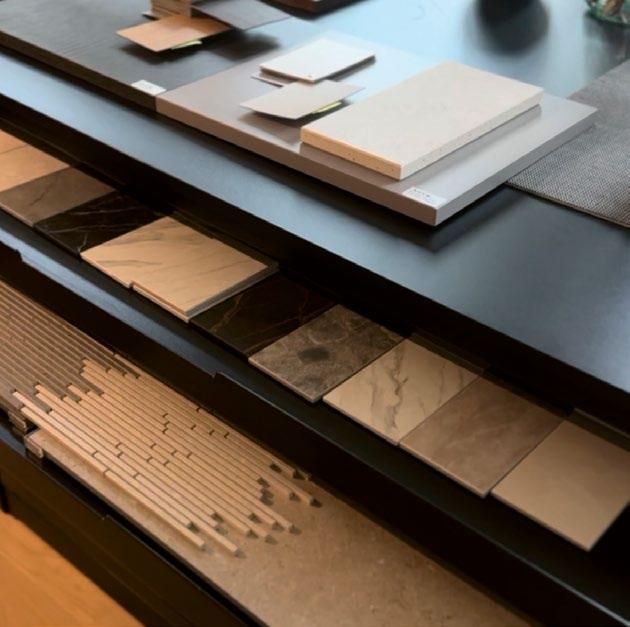
This multidisciplinary approach is particularly relevant in contemporary hospitality, where guests no longer evaluate a destination solely on its architecture or interior design. Their perception is shaped by a multitude of factors: the way natural and artificial light interact throughout the day, the acoustic comfort of a space, the visual identity and signage, the tactile quality of materials, the flow of circulation, and the emotional atmosphere created by carefully orchestrated sensory elements. At Maison Iconia, these components are conceived as part of a single narrative.
The firm’s hospitality specialists further enrich this process by bringing operational expertise and a deep understanding of guest expectations. Their contribution ensures that every design decision balances aesthetics with functionality, efficiency, and commercial performance. The result is a seamless integration of beauty and purpose, where design becomes a strategic tool for enhancing guest satisfaction and experiences that are both memorable and timeless. iconiagroup.com
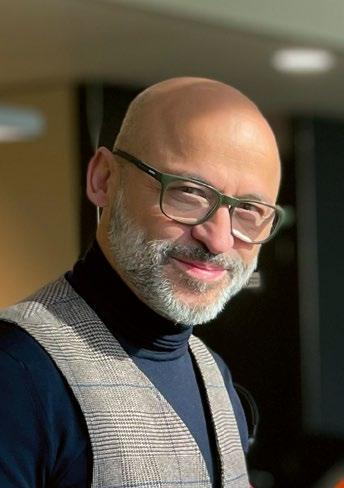
Ottavio Di Chio
Art Director & Partner of Maison Iconia
The Gstaad Palace
Park Gstaad, a Four Seasons Hotel
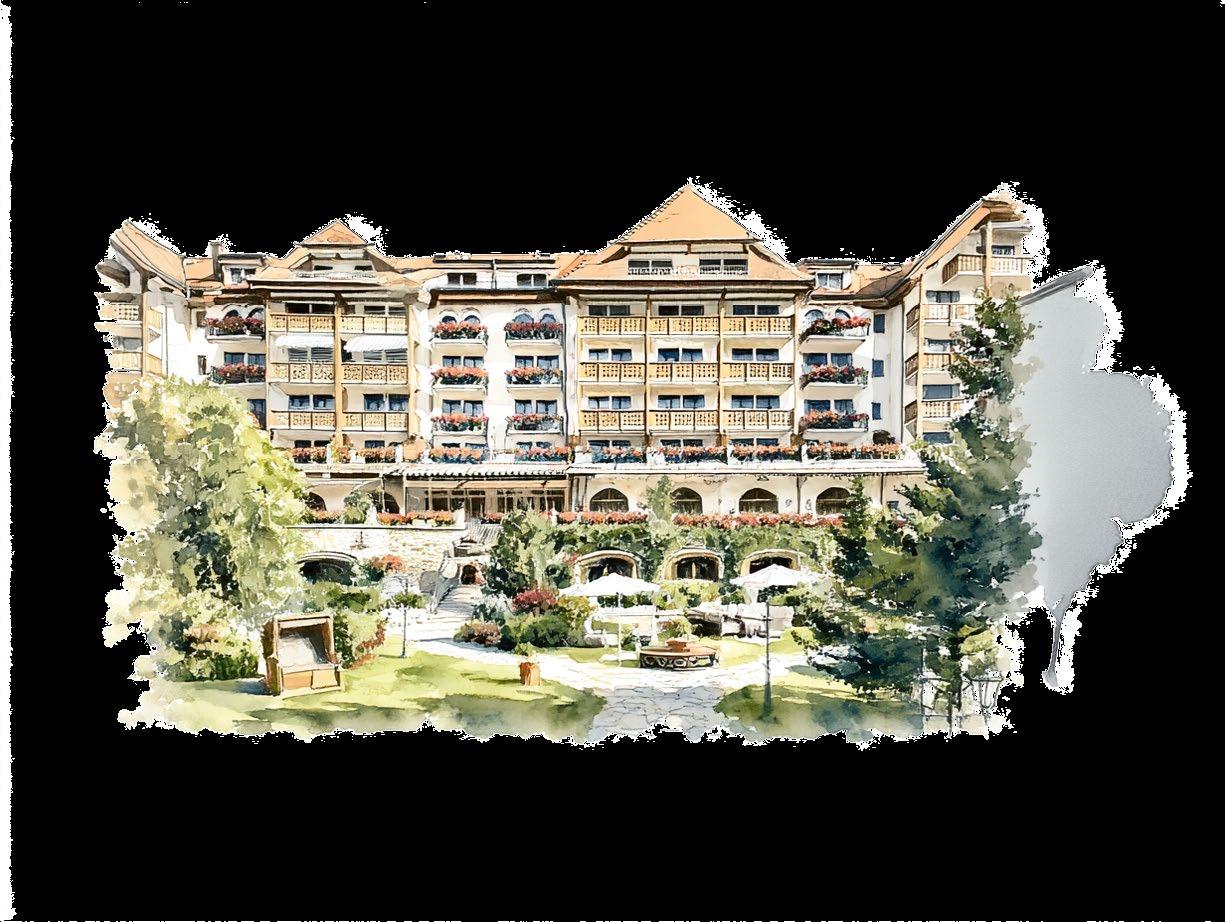
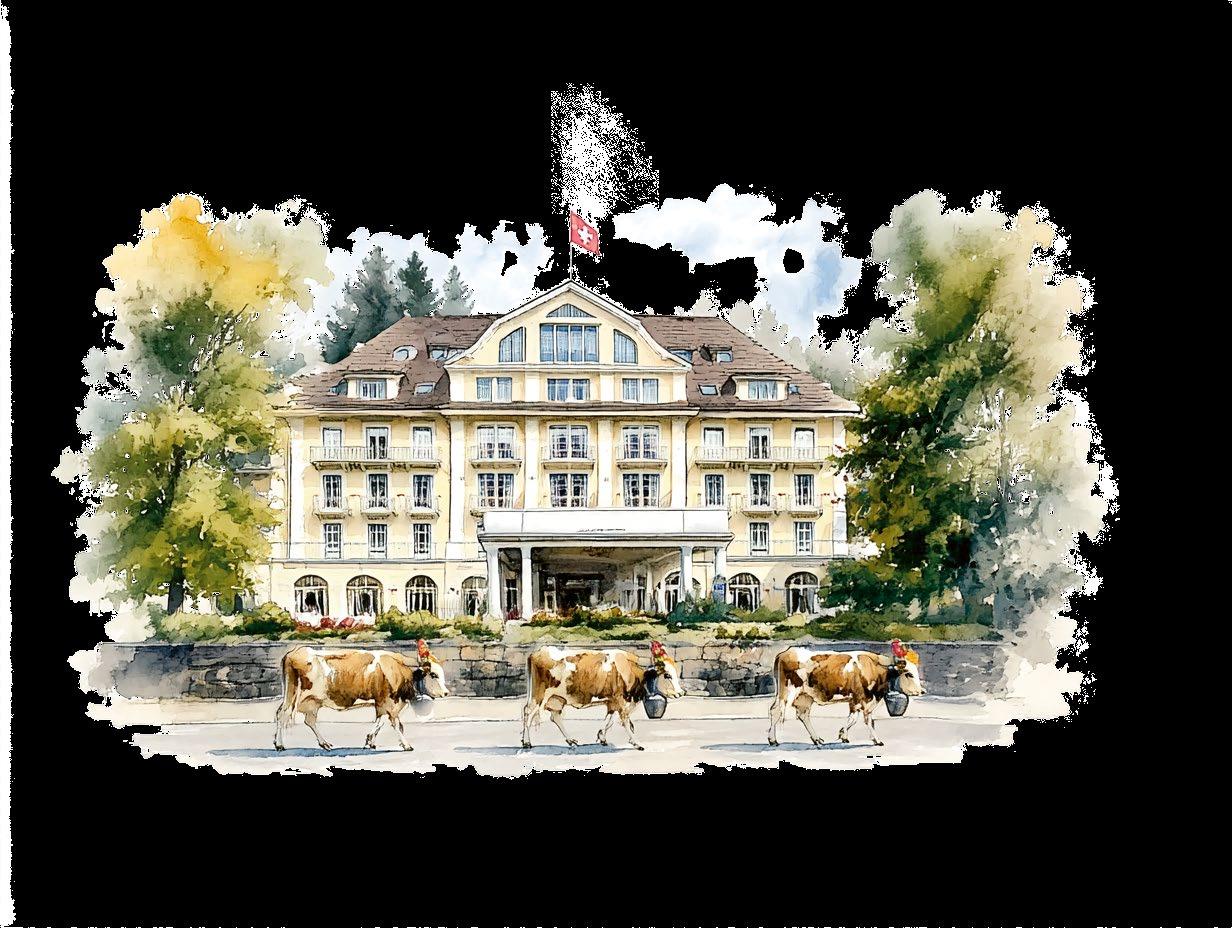
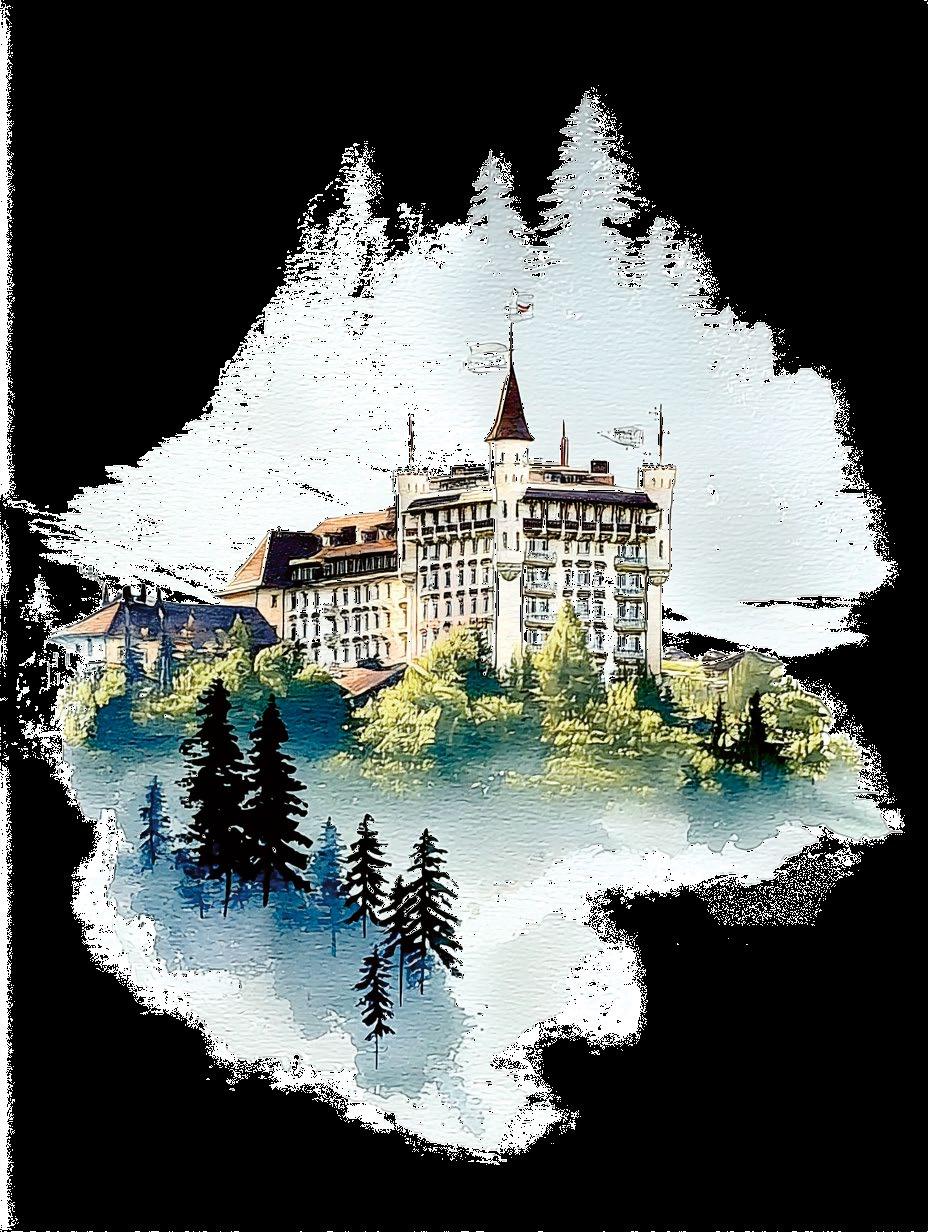
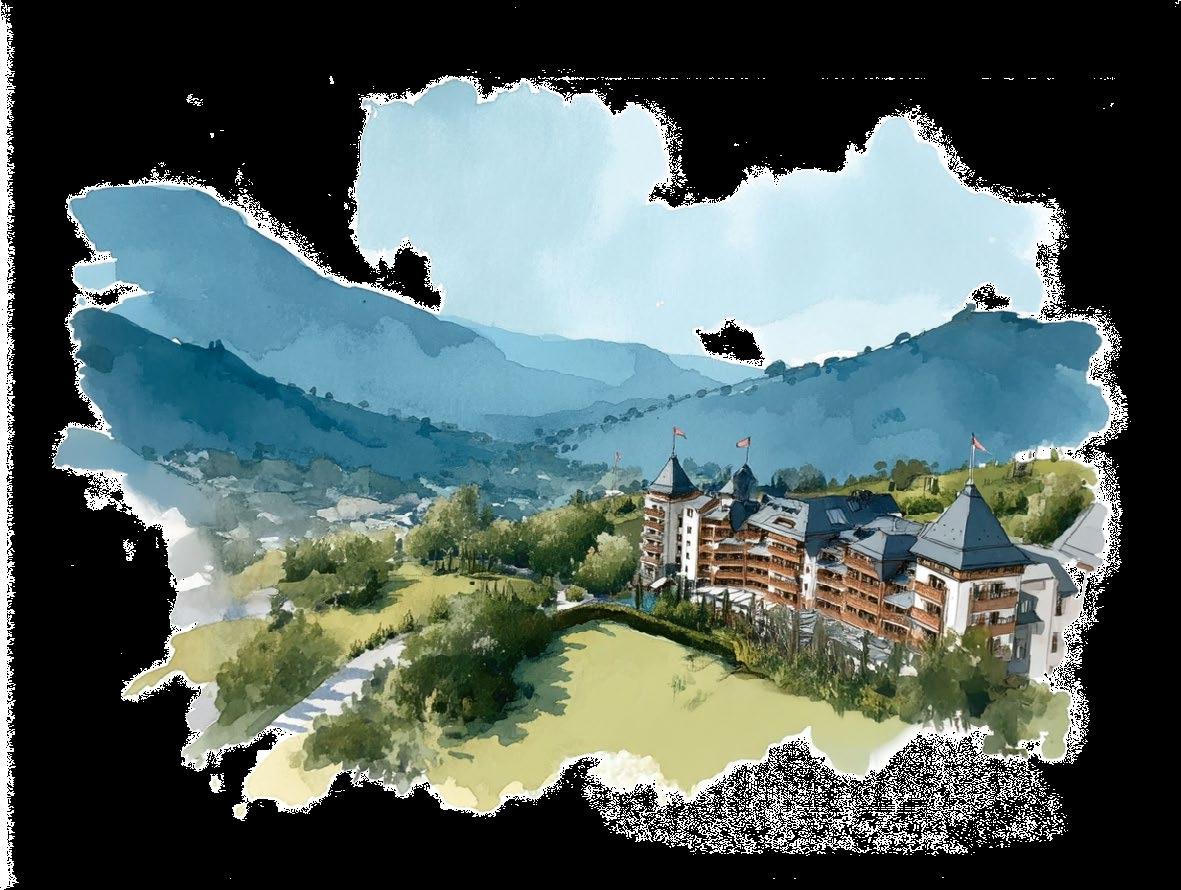
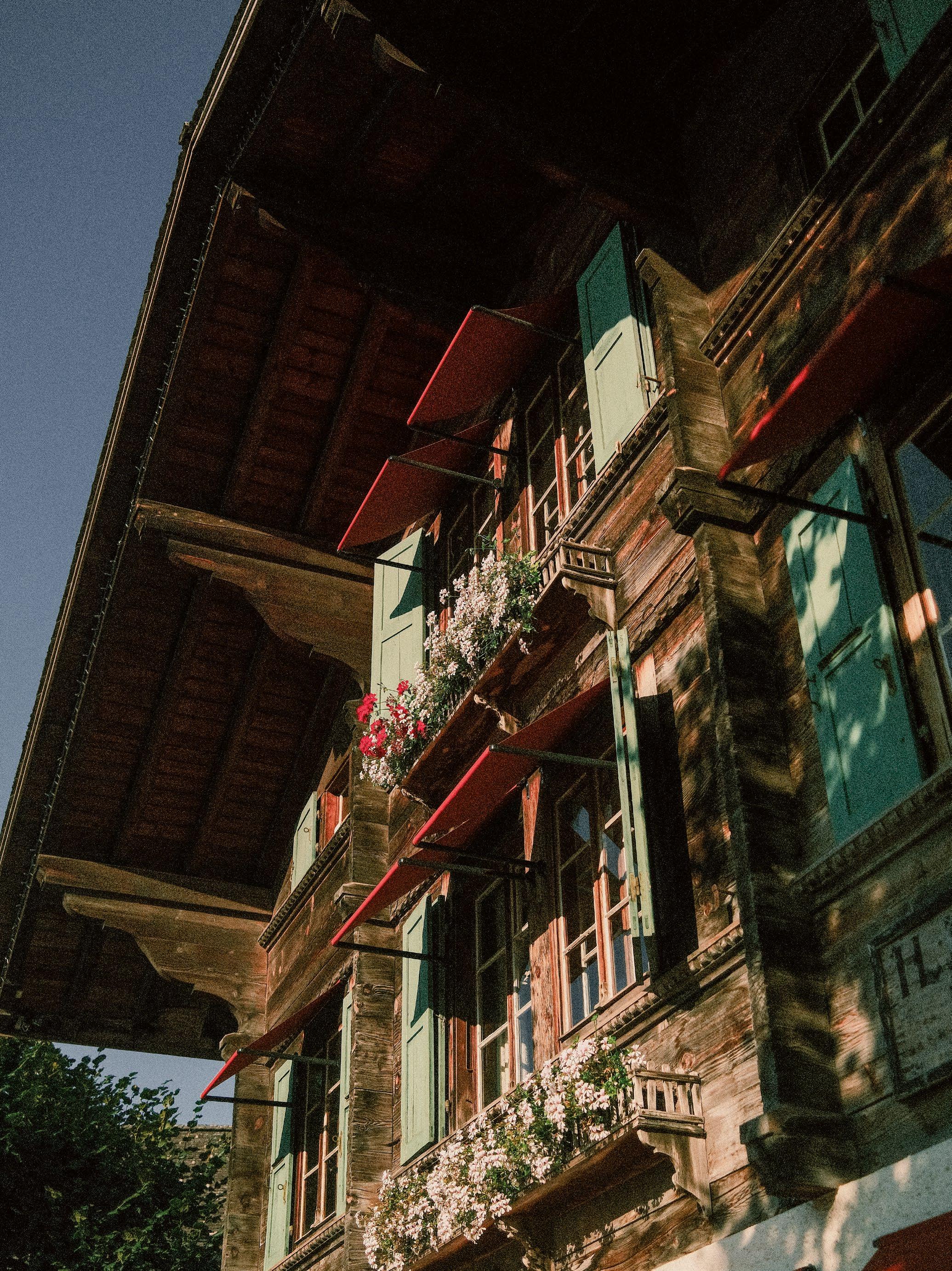
Pack light but bring your sense of curiosity. We are heading to Gstaad, where alpine charm and glamour converge. Between turreted fairytale palaces and intimate chalet hideaways, this is not just a destination for a quick stop, but a place to take a breath and slow down. Discover a place where tradition is not staged but lived. This is elegant immersion in Swiss luxury at its best – intimate and breathtaking. Lingering over long breakfasts, drifting from exceptional dinners to soaking in the mountain air; in Gstaad, grandeur feels personal, and time stretches gently with every moment carrying a touch of magic.
WORDS CLAUDIO DEL PRINCIPE
A fourpart documentary, Inside Gstaad Palace, by Swiss Television (2025) is set to become another milestone in the dazzling, century long history of this uniquely glamorous luxury hotel. This time, the spotlight is not on high society. Instead, the true stars are the employees who offer a deeply personal and compelling glimpse into their daily lives behind the scenes and the pride they take in their profession.
‘We’re very happy with it,’ says owner and hotel director Andrea Scherz. ‘The reactions have been consistently positive, even if there are passages that might seem critical to outsiders. It is authentic and transparent, and we’re completely comfortable with that.’ What’s
remarkable is that nothing was scripted. For the individual portraits, where staff stood alone in front of the camera, the director gave them carte blanche. There can hardly be a greater sign of trust.
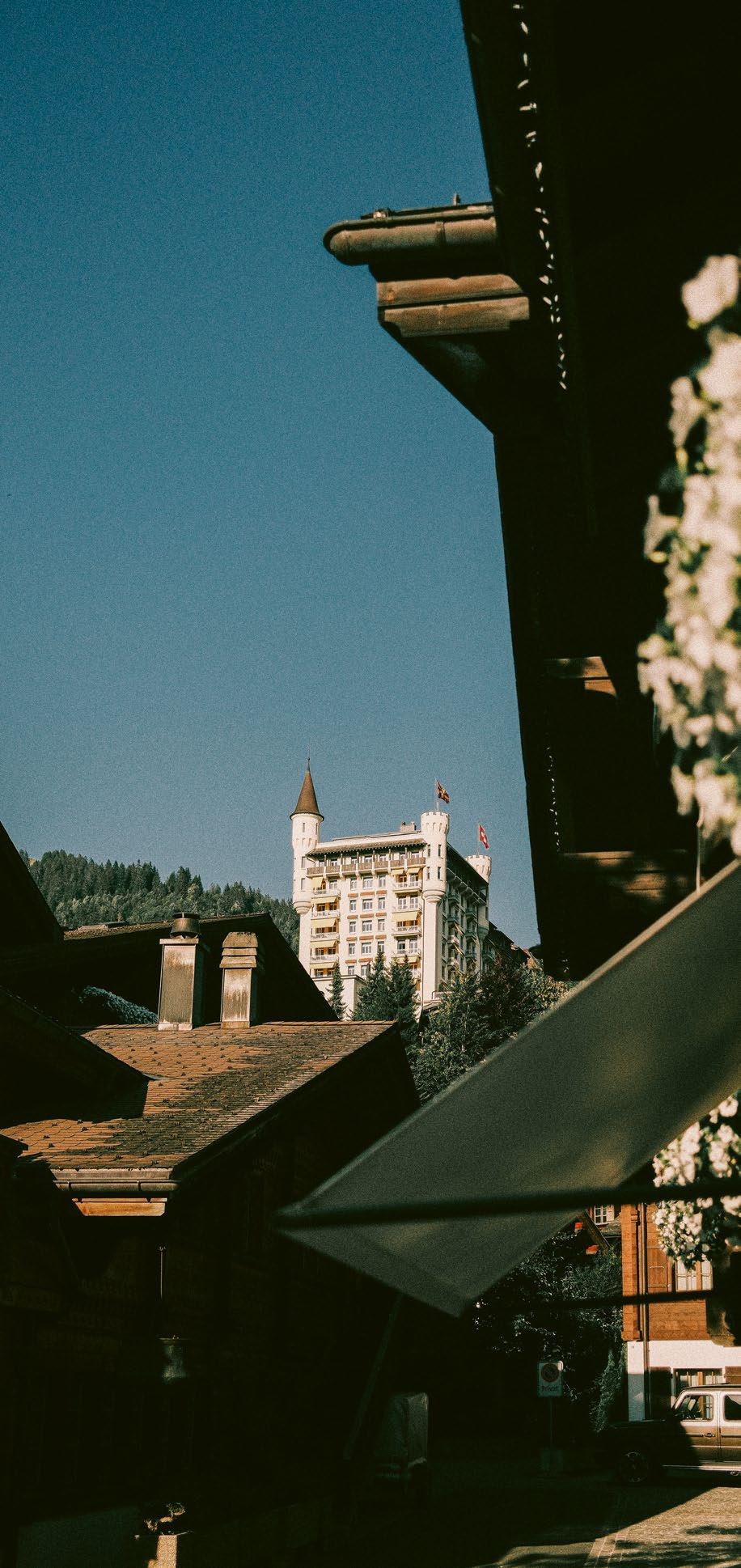
From the very first moment of our arrival, we too feel as though we’ve stepped into a film. Just the sight of the iconic building with its distinctive turrets feels magical. Guest relations manager Barbara Branco welcomes us with a warmth that instantly makes us feel truly special. It’s striking how little it takes to create a genuine connection with guests and how valuable that gift is.
And our stay continues just like that. In less than 24 hours, we feel as connected to everyone as if we were longtime regulars: with Gianfranco in the dining room, chef Giuseppe at Le Grill, or with concierge Etienne, who effortlessly juggles looking after one guest’s dog, greeting another’s young daughter with a heartfelt hug, and even taking an interest in my latest Instagram Story.
We stay in a tower suite, complete with a bathtub set in a bay window offering a spectacular view. Every detail in the room is just right. Even the high quality slippers feel as though they were tailormade.
In the evening, you simply marvel at the unmistakable palace atmosphere. Whether it is at the stylish bar with live music or in one of the elegant restaurants with impeccable service à l’ancienne, anything you choose will be delightful. To savour everything fully, you can begin by choosing classic dishes such as a whole turbot or perfectly flambéed crêpes Suzette prepared to perfection tableside.
A timeless dolce vita grandeur lingers everywhere: in the spa area with its legendary bar from the film The Pink Panther, where Inspector Clouseau famously fell into the pool; in the iconic Green Go Club with its original Teo Jakob interior from 1971; or during the day at the large outdoor pool, where one almost feels as though transported to the Côte d’Azur despite being under the sun of the Swiss Alps.
It’s no wonder Michael Jackson once wanted to purchase this fairytale castle. Thankfully, the owning family declined. One might imagine their unspoken motto is: We are the world.
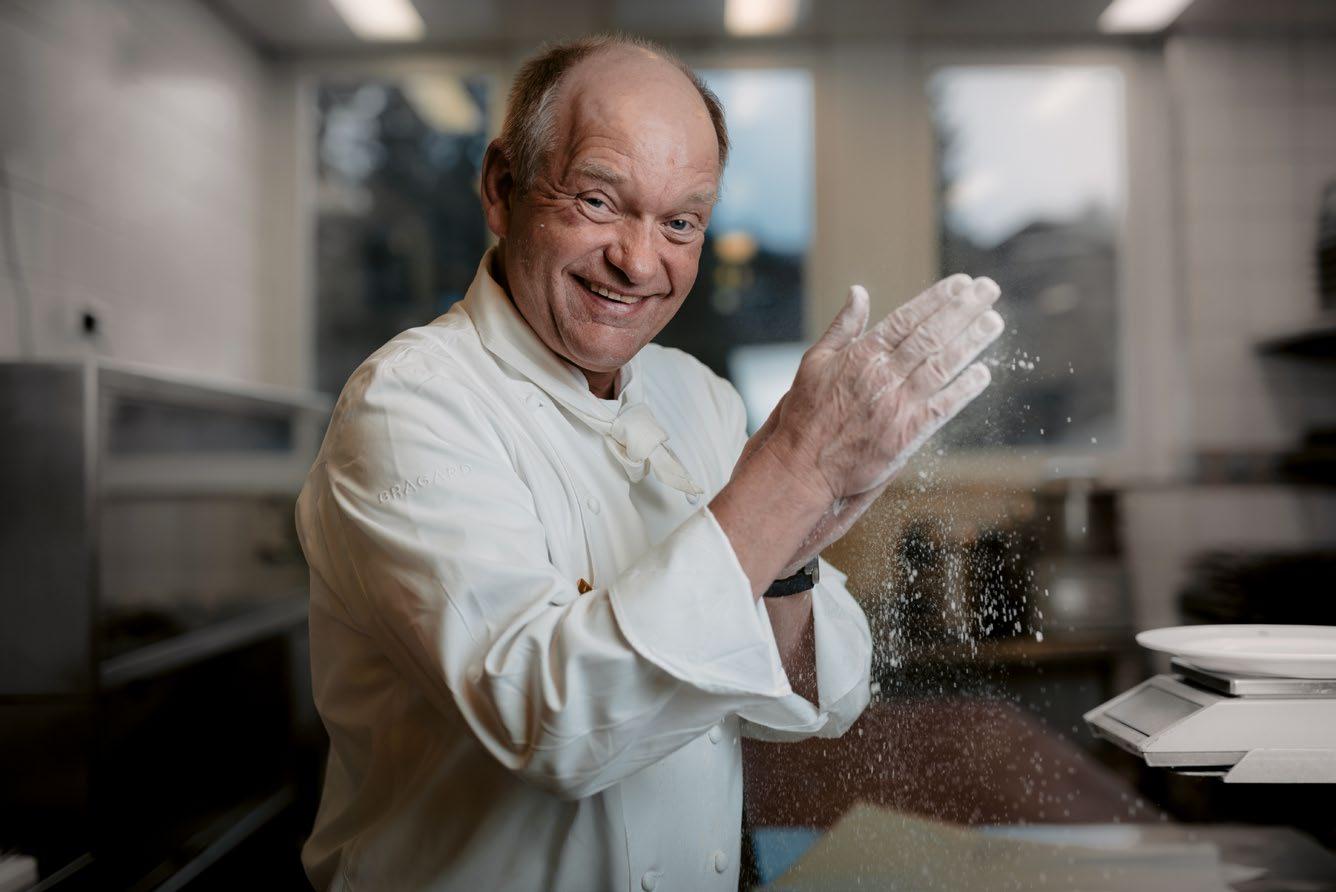
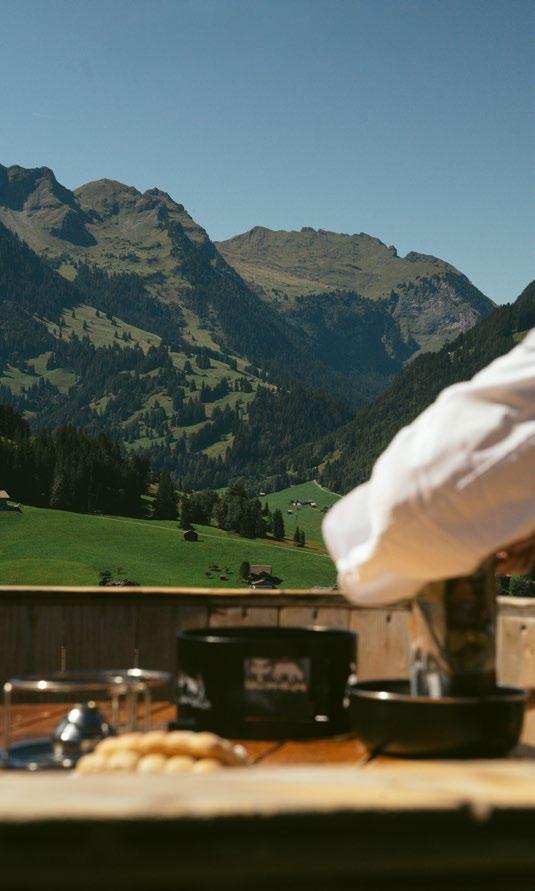
We met culinary director Franz W. Faeh for a regal breakfast.
You’ve become something of a fan favourite in the TV series Inside Gstaad Palace (SRF). How do you like the result? Very much! The TV team was extremely professional. We hardly noticed them and were able to show our daily routine exactly as it is – dedicated, honest, and unpretentious. That’s exactly what resonated so well with viewers.
This is your final season at the Palace. Who will follow in your huge footsteps? My souschef, Luca Gatti, but the footsteps aren’t too big for him to fill. He’s my right hand and has worked in the Palace kitchen for 20 years. He worked his way up from commis to his current position, so he’s more than ready to ensure continuity for our guests.
You’re from the region, trained at the Palace, built a successful career abroad, and then returned home. An almost Oscar-worthy career
filled with many highlights! I love my work. To me, it’s more than a profession, it’s a calling. You give everything in this job; without real passion, it’s impossible. But after 50 years, it’s also okay to slow down a little. I’m looking forward to sharing the best stories from my eventful career in my book Palace retour.
Would you have liked to run your own Michelin-starred gourmet restaurant at the Palace? No, never. That’s not really me. It might work for a city hotel – bringing in a superstar chef to cook for a select few guests. We operate very differently. Our guests are on holiday. At home, they can have ‘blingbling’ every day. Here, they simply want to enjoy whatever they feel like in an uncomplicated way. If possible, we fulfill every wish.
You’re a member of the Disciples Escoffier. Auguste Escoffier, together with César Ritz, laid the foundation for your style of culinary art in luxury hospitality. What fascinates you most about that? He turned our craft into a respected profession –something to be proud of. I hope his philosophy continues to evolve, inspiring young professionals and offering them a meaningful perspective.
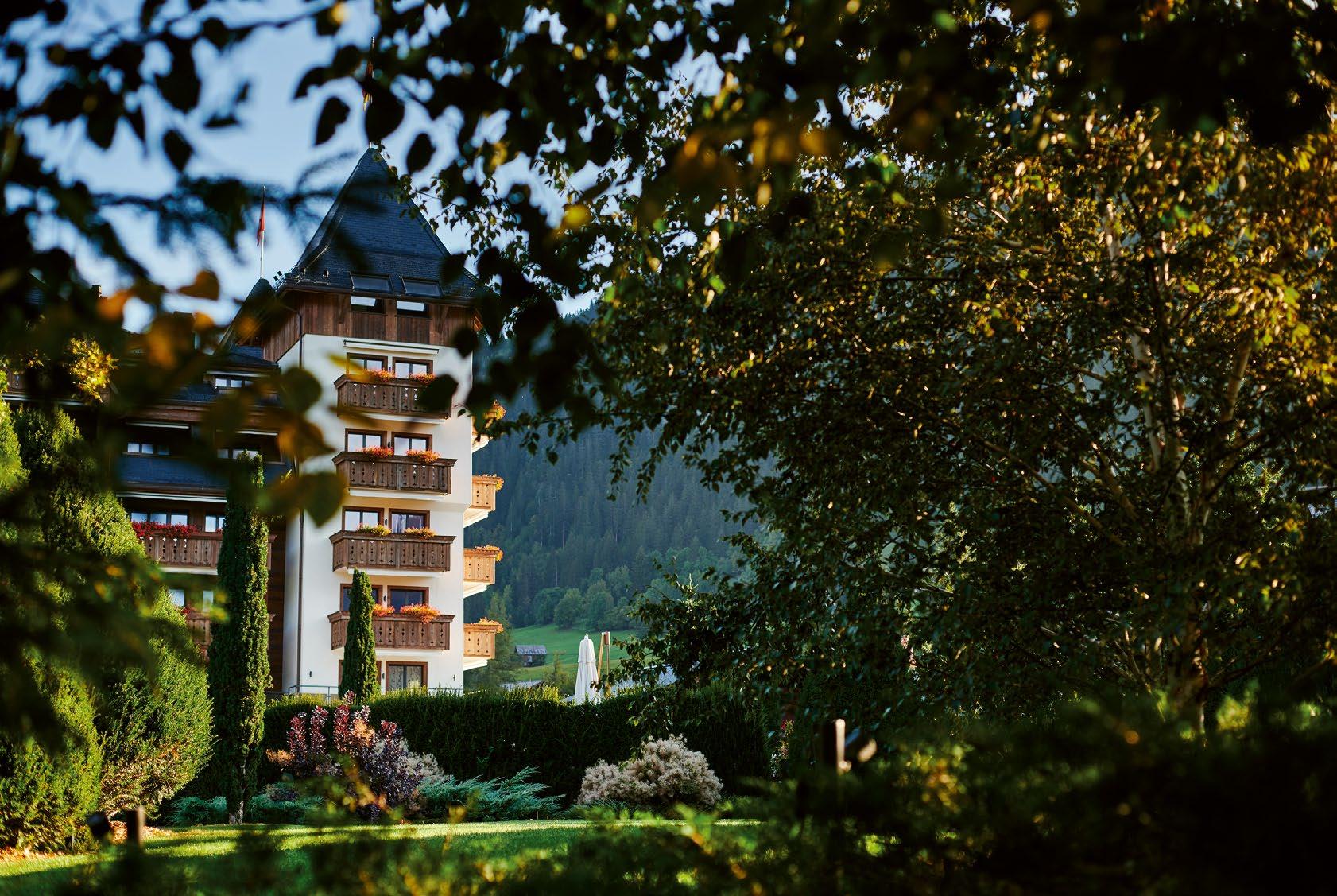
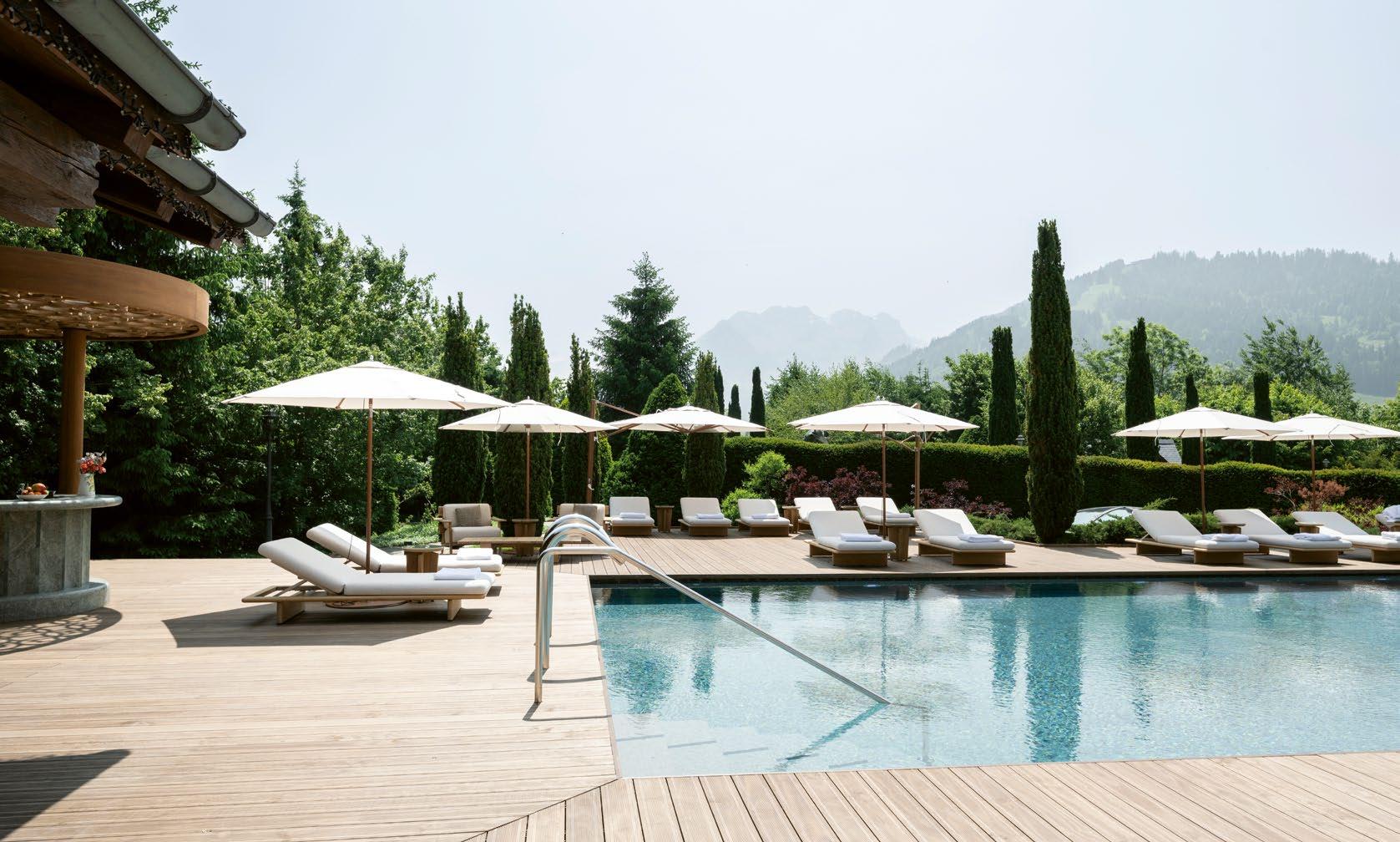
Above | Opened in 2012, The Alpina Gstaad was the first newly built five-star hotel in the village in over a century and redefined mountain luxury with 56 rooms and suites, a Six Senses Spa and four different restaurants.
Below | Warm days, cool water, and the Alps on the horizon – summer at its best.
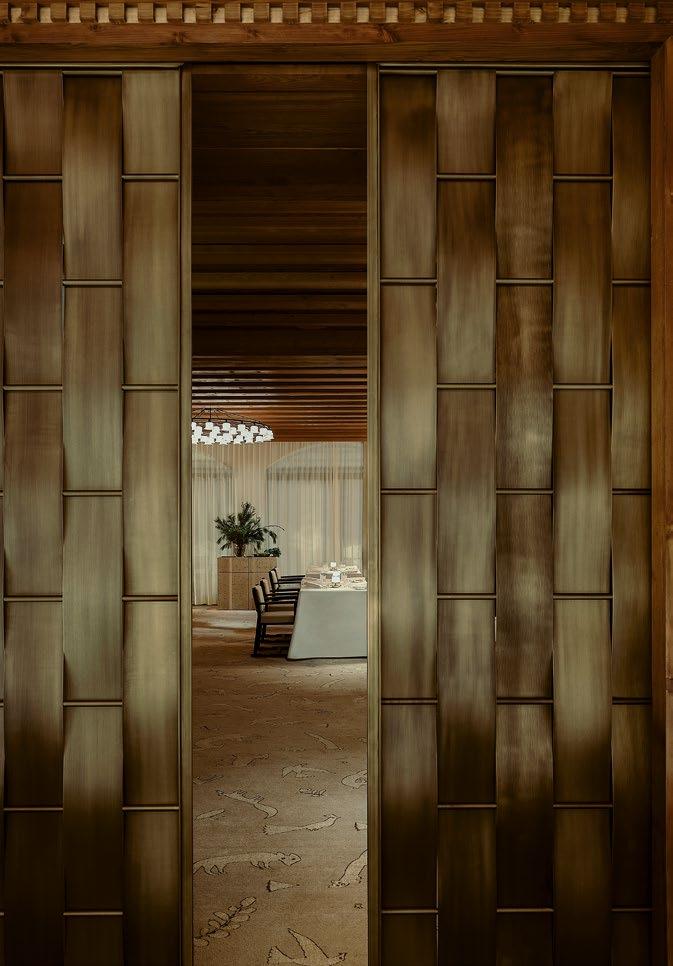
What a return to this exceptional hideaway. The underground driveway is as striking as a scene from a James Bond film. The grand lobby, with its artfully arranged sea of flowers, contemporary art, and noble materials, sets the tone. Everything at The Alpina Gstaad forms a harmonious blend of refined design, warm comfort, intimacy, and tradition.
We’re already looking forward to the evening at Megu. Our last visit was a few years ago, yet still unforgettable. This Japanese restaurant is considered one of the finest in Switzerland. To our delight, the charming Andrea Piras is still the restaurant manager, and his passion for Japanese culinary culture is inspiring. Be sure to try his sake pairing—ideally alongside the omakase menu, a magnificent selection of perfectly prepared dishes crafted from exquisite ingredients personally chosen by the chef.
The service team is remarkably well dressed in Japaneseinspired yet casual attire. Furthermore, they are exceptionally friendly. As Andrea Piras puts it: ‘Our guests are the most important thing, of course. But we place special focus on ensuring our staff feel comfortable as well. They make the difference. I always say: treat your guests like an uncle visiting from abroad; with respect but familiarity.’
Head chef and sushi master Tsutomu Kugota has been here since the opening. Watching him work with such precision is pure fascination. His wife Yuki also cooks, delighting guests early in the morning with what might be the best dumplings imaginable. And breakfast is second to none: homemade sourdough bread, croissants, pain au chocolat, an abundant buffet, and an atmosphere that feels less like a hotel and more like staying with close friends in a luxurious chalet.
A day at The Alpina Gstaad is meant to be savoured. Take your time in the spacious foyer with a fireplace and balcony, on the terrace by the outdoor pool, in the cigar lounge, the Japanese whisky bar, or the expansive wellness oasis – ideally with a deep tissue massage at the Six Senses Spa.
But today is perfect for a romantic carriage ride. Boarding beneath the impressive Alpina portico feels ceremonious. The dedicated concierge team a t The Alpina Gstaad ta kes pride in curating truly extraordinary experiences for its guests, including tailormade adventures in and around Gstaad.
With the sun warming our faces, we gently mosey down toward Gstaad. The carriage saunters along the elegant promenade lined with luxury boutiques –something like the Via Monte Napoleone of the Bernese Oberland. Soon, we leave the sophisticated bustle behind and follow the turquoise Saane River. Crisp mountain air refreshes us, the scenery calms the mind. The river is both a source of energy and a place of calm – offering peaceful barbecue spots, natural escapes, or adventures like rafting and canoeing.
In Saanen, we admire the beautifully preserved historic village centre with its stunning chalets. Our coachman, a fourthgeneration carpenter, shares fascinating insights into traditional construction methods and the unique character of aged wood façades, still functional examples of regional craftsmanship.
Back at The Alpina Gstaad, it becomes even clearer what defines the hotel’s charm: a deep respect for local tradition, seamlessly woven into grand, understated luxury.
Right in the heart of the village, just a few steps from the promenade and the Roy Emerson Arena, Le Grand Bellevue feels like stepping into a world of its own. Set within a vast park dotted with centuriesold trees, the hotel resonates with sincerity. This is less about grand staging and more about genuine atmosphere. Less theatre, more living room. From the very first moment, it’s clear to us: true luxury isn’t ostentatious; it’s effortless. Reception and checkin flow seamlessly, warm, and unpretentious. With a cup of hot, homemade drinking chocolate in hand, the stay begins almost casually, exactly as it should.
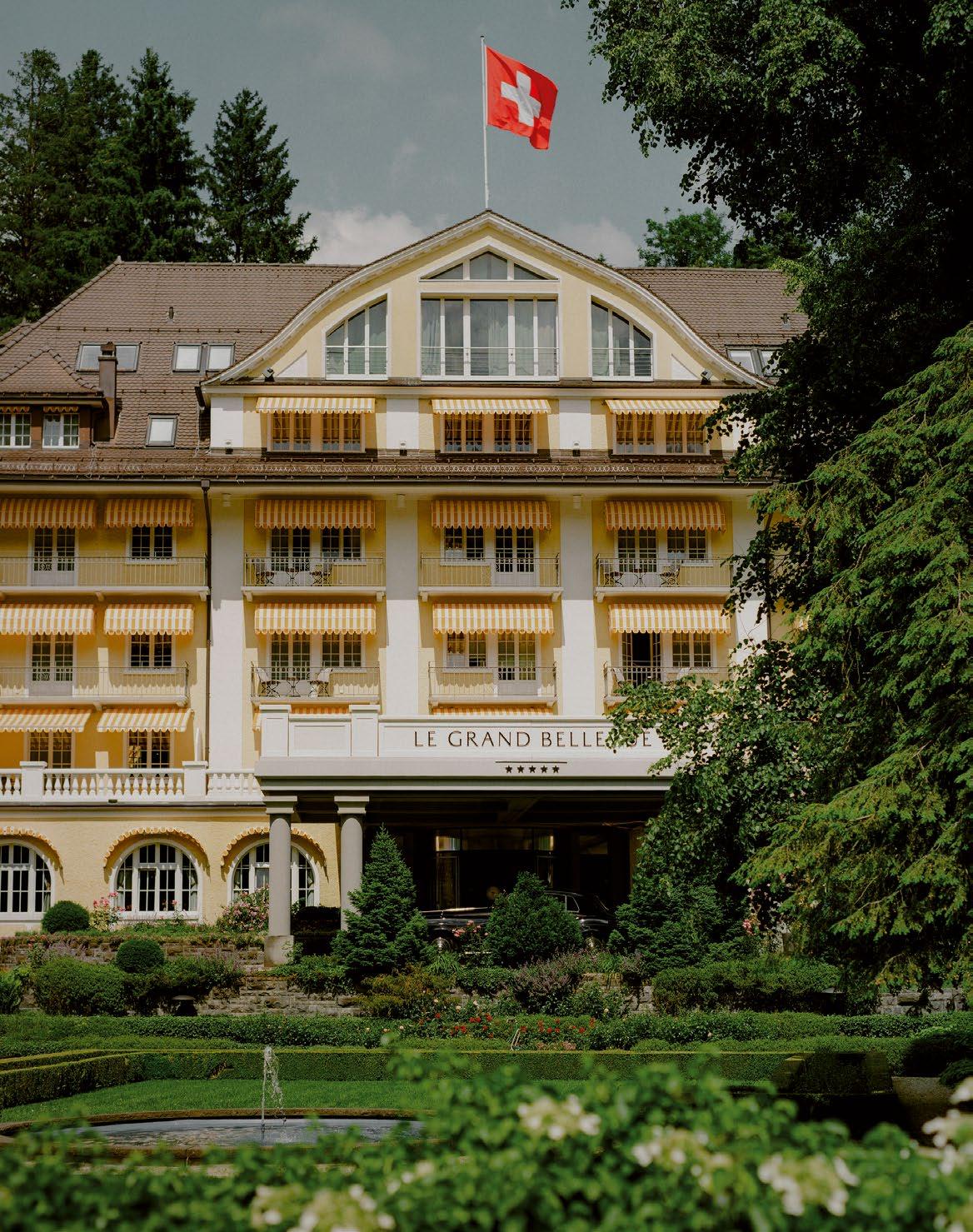
We settle into a spacious tower suite, where a sweeping semi circular sofa instantly becomes our favourite spot. The interiors are tasteful, playful, and rich in detail. Nothing feels overdone; everything falls perfectly into place. There is a quiet sense of understatement that lingers – more refined country house than classic grand hotel.
We swim a few laps in the indoor pool. And yes, this is a pool made for swimming, not just decoration. Then the spa: warmth, stillness, retreat. The wellness area is generously designed, thoughtful, and inviting enough to linger with sauna, steam bath, and quiet corners to completely unwind.
In the beautifully cosy lounge, you can sink into armchairs or hanging chairs with a good book, or enjoy a perfectly served afternoon tea.
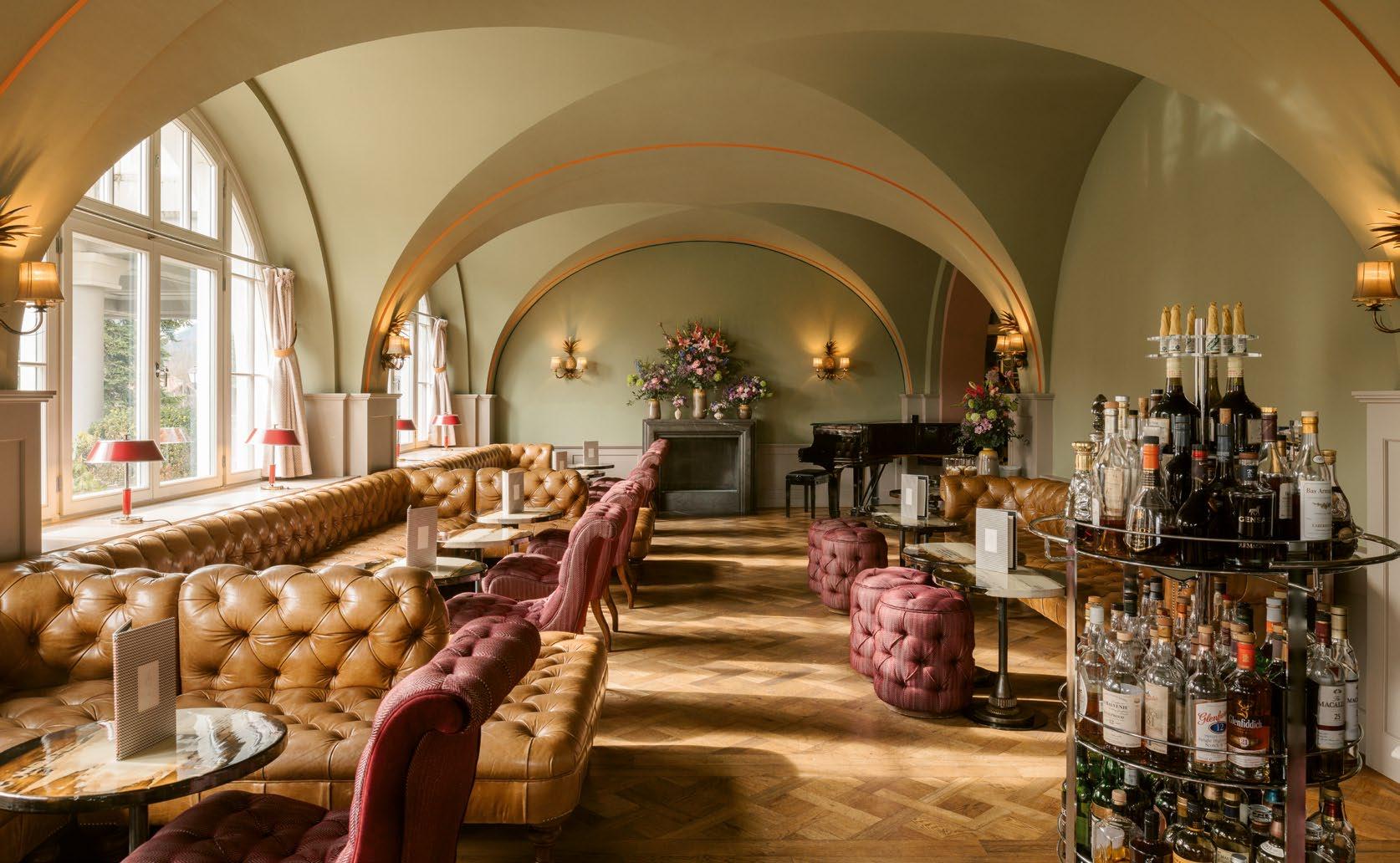
A mild evening is best spent in the enchanting Garden Lounge before heading to dinner at Leonard’s. From the moment you step inside, there’s an irresistible atmosphere. Dimmed lights, small lamps on the tables, a subtle hum in the air. Almost like being in a Martin Scorsese film, with that feeling of being part of something bigger than yourself. The semi circular booths are the true highlight, offering a view of everything. I love that – observing, being immersed, yet remaining entirely in your own world. Cosy, vibrant, perfectly composed.
The Italian waiters add their own charm: charismatic and always ready with a light remark. The menu is international with an ItalianMediterranean focus: full of flavour and authentic.
We manage to secure the last bottle of Trebbiano d’Abruzzo from Emidio Pepe from the fascinating wine cellar, which holds over 10,000 bottles. The vibrant freshness and structure of this beautifully aged white wine delight us just as much as our sommelier, whose enthusiasm is truly contagious.
For a drink or cocktail, we move to the Art Decostyle bar with live piano music. Enjoy pure livingroom vibes as you stay and lose track of time. Downstairs, the stylish club and cigar lounge beckon with an eccentric touch: floral, dark, inviting, and infused with a mysterious vintage glamour. A place that will linger in your memories.
And then, an unexpected detail: Le Grand Bellevue has its own private cinema. Bookable for exclusive screenings, complete with a culinary concept tailored to the film, it can be sushi, burgers, Italian, or whatever you desire. A little playful, perhaps a bit extravagant, and precisely what makes it so special.
Back in the room, everything becomes still. And that’s when you realise what truly defines Le Grand Bellevue. Here you find that rare balance where luxury is simultaneously unpretentious, relaxed, and completely natural.
A place that doesn’t try to impress –and that’s exactly why it stays with you.
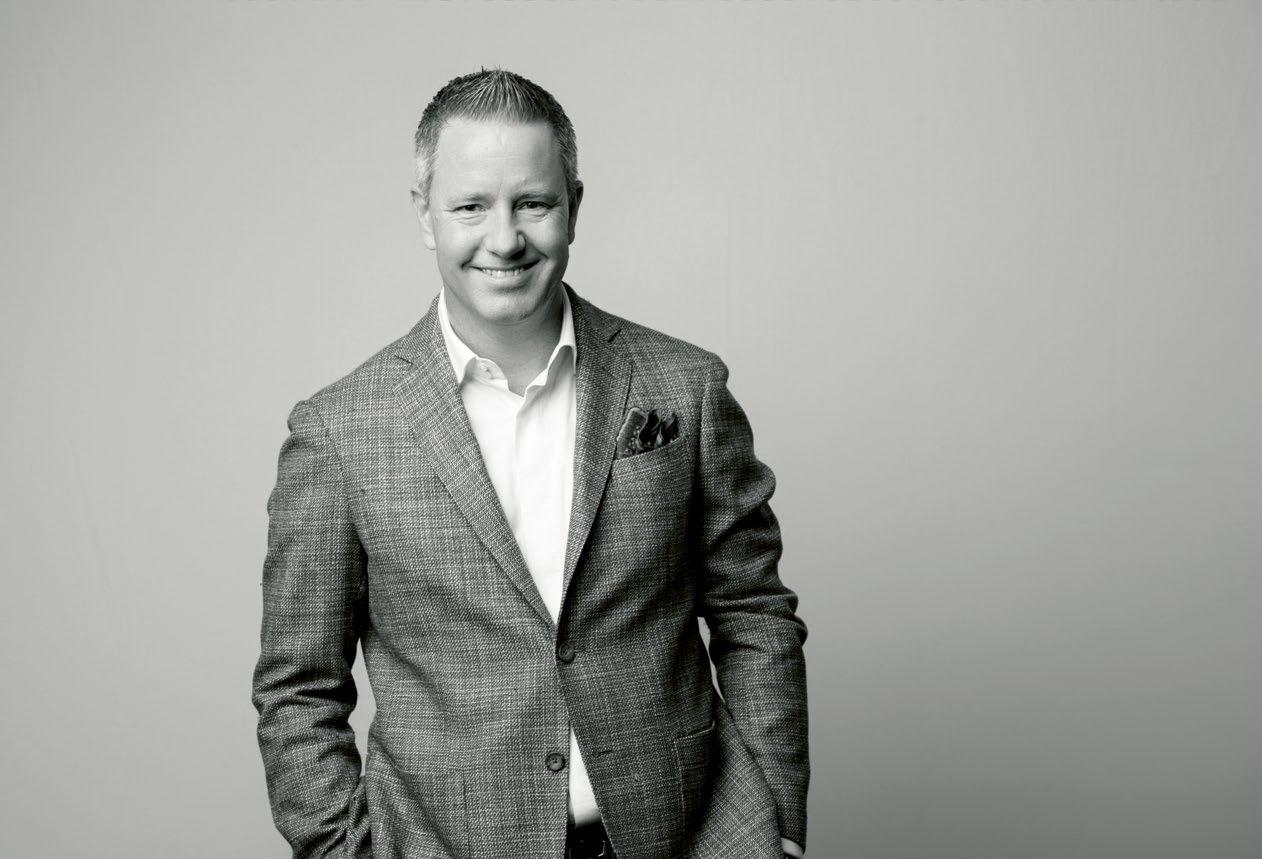
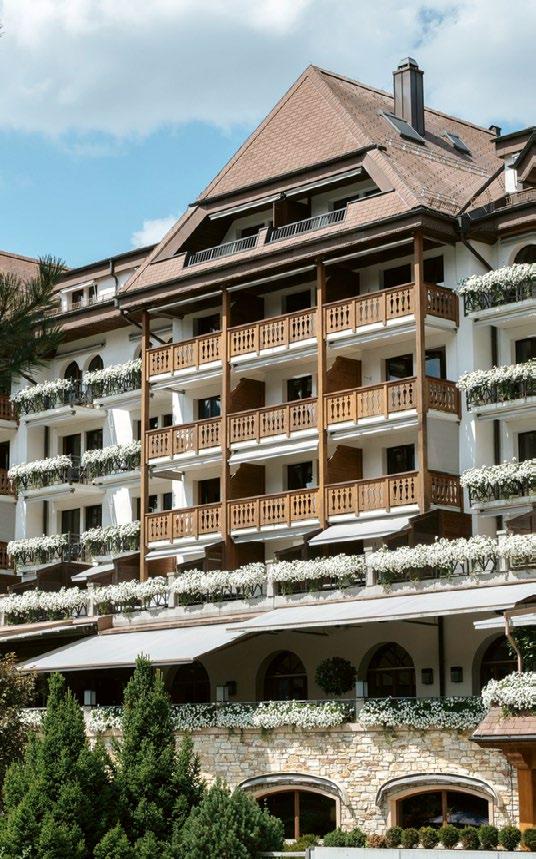
Pack your bags and contain your anticipation, Gstaad is about to welcome a new icon. This winter, the legendary Park Gstaad reemerges as a Four Seasons, where tradition and heritage converge with a bold new vision of alpine luxury. Think timeless architecture, reimagined with contemporary elegance, deeply personal service, and a sense of place that feels both lofty and effortlessly authentic. More than a reopening, it’s the return of a grand hotel, ready to set a new benchmark in the Swiss Alps.
What will make The Park Gstaad different from every other luxury hotel in the Alps? We’re excited to have the unique opportunity to enter such an exclusive market with an exceptional and historic landmark. By preserving the property’s heritage and elevating it with the excellent service standards that are uniquely Four Seasons, the hotel will stand apart as a new benchmark for luxury in the Alps. Following renovations, the property will become Gstaad’s first luxury hotel of its kind, offering a reimagined experience with 75 rooms and suites, including a collection of penthouse residences.
Guests will also enjoy exceptional culinary offerings across seven restaurants and bars, a luxurious spa, indoor and outdoor swimming pools, and Kids For All Seasons facilities.
The Park Gstaad will emerge as a Four Seasons Hotel, where heritage, modernity, and service excellence come together to create a truly unique and memorable Alpine experience.
How do you define luxury in 2026, and how will guests experience it here? At Four Seasons Hotel, luxury is defined by sincerity, empathy, and unscripted acts of care delivered by our staff. It’s about understanding each individual guest’s needs and making every stay feel authentically Four Seasons. From beautifully renovated rooms overlooking the Swiss Alps to superior culinary offerings ranging from a modern live fire grill to Japanese Omakase and Swiss classics. Every detail has been thoughtfully designed to enhance the guest experience.
Guests can also enjoy our Alpine Lounge and Alpine Concierge, which offers a wide range of winter and summer activities including hiking, mountain biking, horse carriage rides, paragliding, and river rafting in the summer, as well as dog sledding, horsedrawn sleigh rides, snowshoeing, and
winter hiking during the colder months. We look forward to opening our doors and sharing the genu ine warmth of Alpine hospitality, making every guest feel completely at home.
Are there any services or experiences at The Park Gstaad that guests won’t find anywhere else? What will make each visit truly unique and memorable is how the hotel blends a rich legacy with modern elegance, a balance guests will experience throughout the entire property. At our impressive recreational centre, guests can also unwind in a luxurious spa featuring a thermal circuit and six bespoke treatment rooms, including two dedicated exclusively to Clinique La Prairie. We also offer guests access to specialised longevity hubs that combine advanced wellness science with restorative, luxuryfocused therapies. Together, these experiences give guests the opportunity to enjoy adventure, relaxation, and complete rejuvenation all within one destination.
How are the needs of luxury travellers changing, and how is The Park Gstaad responding? Luxury travellers today are looking for experiences that feel personal, meaningful, and connected to a locality. Travellers seek a balance of wellness, adventure, comfort, and authentic moments that make a trip truly memorable. And we’ll meet these expectations by focusing on highly individualised service, ensuring every stay reflects each guest’s preferences and pace. Whether it’s our wellness offerings, tailored activities and experiences, diverse culinary offerings, or the warmth of Alpine hospitality, we create a stay that feels seamless, effortless, and unforgettable.
How does the hotel balance five-star luxury with the authenticity of Gstaad and its surroundings? We place great importance on honouring the property’s rich history while introducing a modern elegance that feels like an effortless extension of Gstaad. Our goal is to enrich the guest experience while preserving the charm and character that make this region so special. French interior designer Joseph Dirand, who is leading the full refurbishment under the development management of Squircle Capital, the panEuropean private equity and development firm, is introducing modern touches and understated luxury, while paying homage to the property’s historic Alpine setting, creating a perfect equilibrium between past and present. Our location also plays a key role. The property is just a short walk from the iconic Gstaad Promenade where guests can enjoy the authentic village experience and discover gourmet restaurants, artisan shops, and boutique stores.
Can you share what kind of investment went into this project, and what that says about your ambitions for the property? The transformation of The Park Gstaad marks a substantial investment by its owner, Dona Bertarelli, and reflects Four Seasons’ commitment to delivering a worldclass luxury experience in one of the world’s most distinctive alpine destinations. Far more than a cosmetic refresh, the property will be reintroduced to guests as a reimagined luxury experience. Aside from the beautifully renewed guest spaces, a significant investment has also taken place behind the scenes to ensure the hotel’s internal layout meets the needs of luxury travellers while enhancing the functionality, flow, and comfort of the guest experience. And equally important is the complete refurbishment of the hotel’s technical infrastructure. These foundational investments are not always visible to the guests, yet they are essential to the quality and longevity of the experience, as it ensures the hotel operates with the highest standards, comfort, and a thoughtful approach expected of a modern luxury property, while still preserving the spirit and legacy of one of Gstaad’s most iconic hotels.
Did Dona Bertarelli come with a clear vision for the hotel, or did Four Seasons Hotel shape it from the ground up? From the outset, the project has been a collaborative effort built around a shared vision. The owner, Dona Bertarelli, has always had a deep appreciation for Gstaad and for the legacy of The Park, celebrated as the destination’s first luxury hotel. Her vision was to maintain the property’s rightful place as a landmark of alpine hospitality while ensuring it speaks to a new generation of guests and residents.
To bring this vision to life together with Four Seasons, the transformation is being led by Squircle Capital. The design concept has been crafted in partnership with Joseph Dirand, whose architectural and interior approach combines timeless elegance with a refined contemporary sensibility.
Together, this partnership reflects a clear vision: to honour the heritage of The Park Gstaad while preparing it for generations to come, positioning it once again as one of the world’s leading alpine hotels.
We sat down with Daniel Koetser, owner and chairman of Le Grand Bellevue in Gstaad, to talk about the hotel’s most ambitious chapter yet. Two new chalets, connected underground to the main building, quietly redefine what a stay here can mean.
Are classic grand hotels the past or the future of luxury? The beauty of Le Grand Bellevue is its ability to be a grand hotel, housed in a classic chassis, but with a nod to contemporary style and needs. It is not a ‘hip hotel’, nor a pure palace hotel, but rather draws on qualities from each whilst staying unquestionably luxurious. Classic grand hotels are beautiful, like fine old master paintings. However, unlike the painting whose protected features only bloom over time, a hotel requires adaptation, investment, and should evolve to bear with the times. Too many classic hotels are frozen in time and slowly lose allure. I believe there will always be a place, however, for those wonderful properties that still reflect timeless qualities, but it is important to understand the changing consumer… Everyone loves to live in a dream, and these properties can deliver that!
In a crowded luxury market, what makes Bellevue truly unique today? There are many outstanding hotels in the world and particularly in Gstaad. Whilst Forte’s adage of the three most important credentials for a hotel being ‘location, location, location’, our central location on the Promenade is unique of the fivestar hotel establishments. However, whilst we all have extraordinary and extensive luxurious facilities, it is the successful pairing of refined luxury with an understated and relaxed tone which most delivers the inimitable luxury that is the Bellevue. The staff’s ability to be unquestionably elegant in their formal attention to detail merges beautifully with a very personal delivery – and I believe this makes the guest remarkably comfortable and appropriately spoilt!
How will this investment sharpen Bellevue’s identity in Gstaad? There are three core pillars to the new development. The first is to introduce some of the most remarkable and stunning suite accommodations, such as two 300squaremetre penthouse suites or the multiroom interconnecting units. The second element is the introduction of a high end clinic with a wellness focus covering over 650 square metres, leaning on many of our core interests such as longevity, diagnostics, and health span. The latter is key to the true value of our hospitality and includes elements that will be integrated insuite. Lastly, we shall introduce two new exciting dining outlets, one of which will be able to draw the finest guest chefs from all over the world.
What is your big vision for Le Grand Bellevue with this new investment? Rather than call this a ‘big vision’, I would say we have big ambitions for the property’s longevity. As with all businesses, one cannot predict the future. However, addressing all of the possible challenges was core to defining the programme: larger room formations with additional components such as kitchenettes to allow for longer stays or more luxurious set ups; a clinic to drive offpeak activity and enhance true guest wellness and health; Diverse entertainment facilities and restaurants to address varied age and interest related pursuits, and merely better infrastructure and back of house for improved working efficiencies. Most important is the likely gain of extending the season to present sound yearly positions to the majority of our staff and offering them a true career at Le Grand Bellevue.
Was there ever a moment of doubt? And what convinced you to move ahead? Admittedly, a few years back, we had building permissions for a lucrative programme that included the construction of three large chalets. The density that that would have inflicted on Gstaad troubled us, so we held back, and subsequently decided to reduce the project to two buildings. Sacrificing the building of 1,000 square metres of sellable property was a major financial consideration, but this respectful balance gave us confidence that the additional features would not only bring value in terms of facilities, but also in maintaining Gstaad as a beautiful and not overly developed destination.
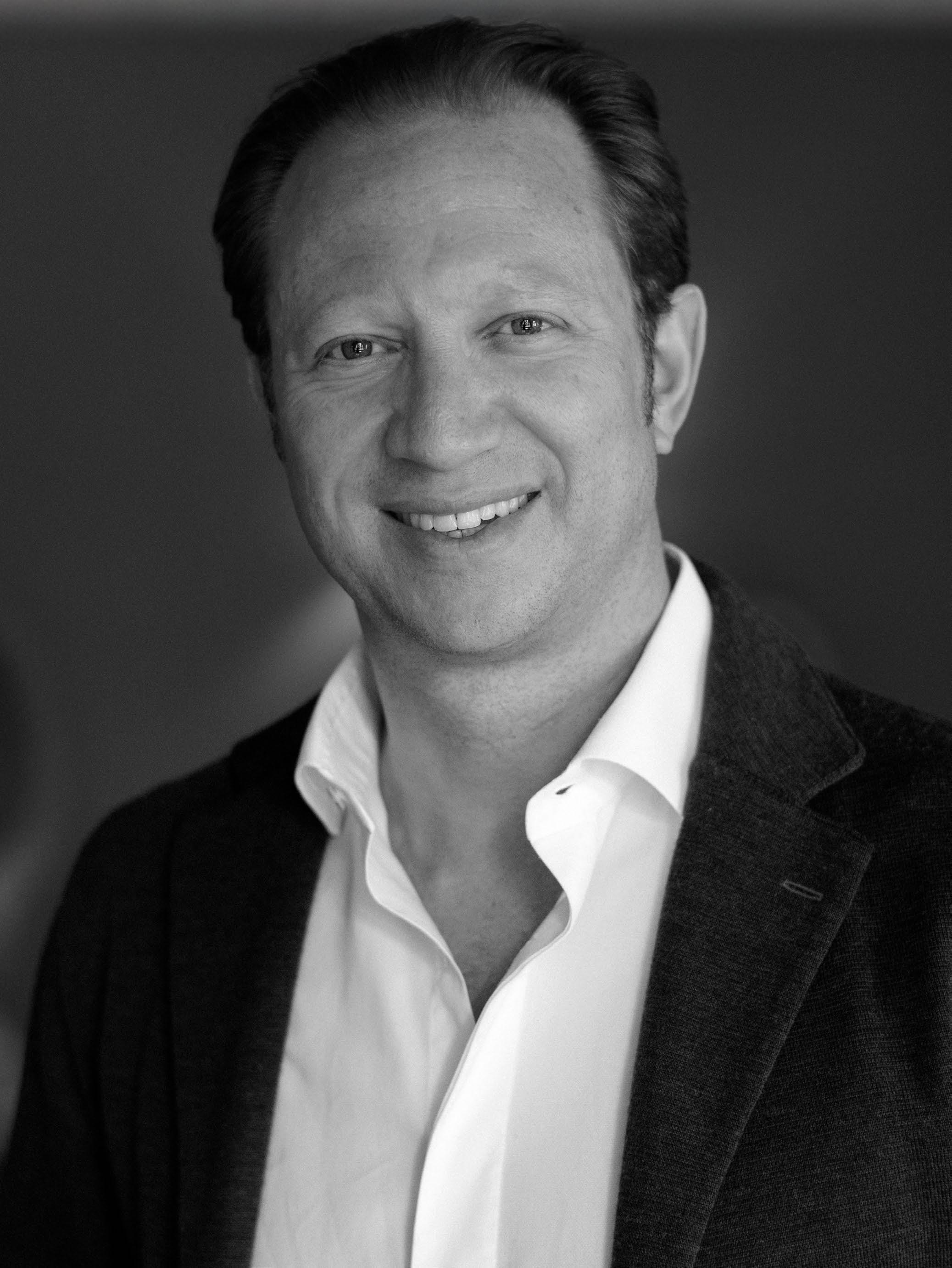
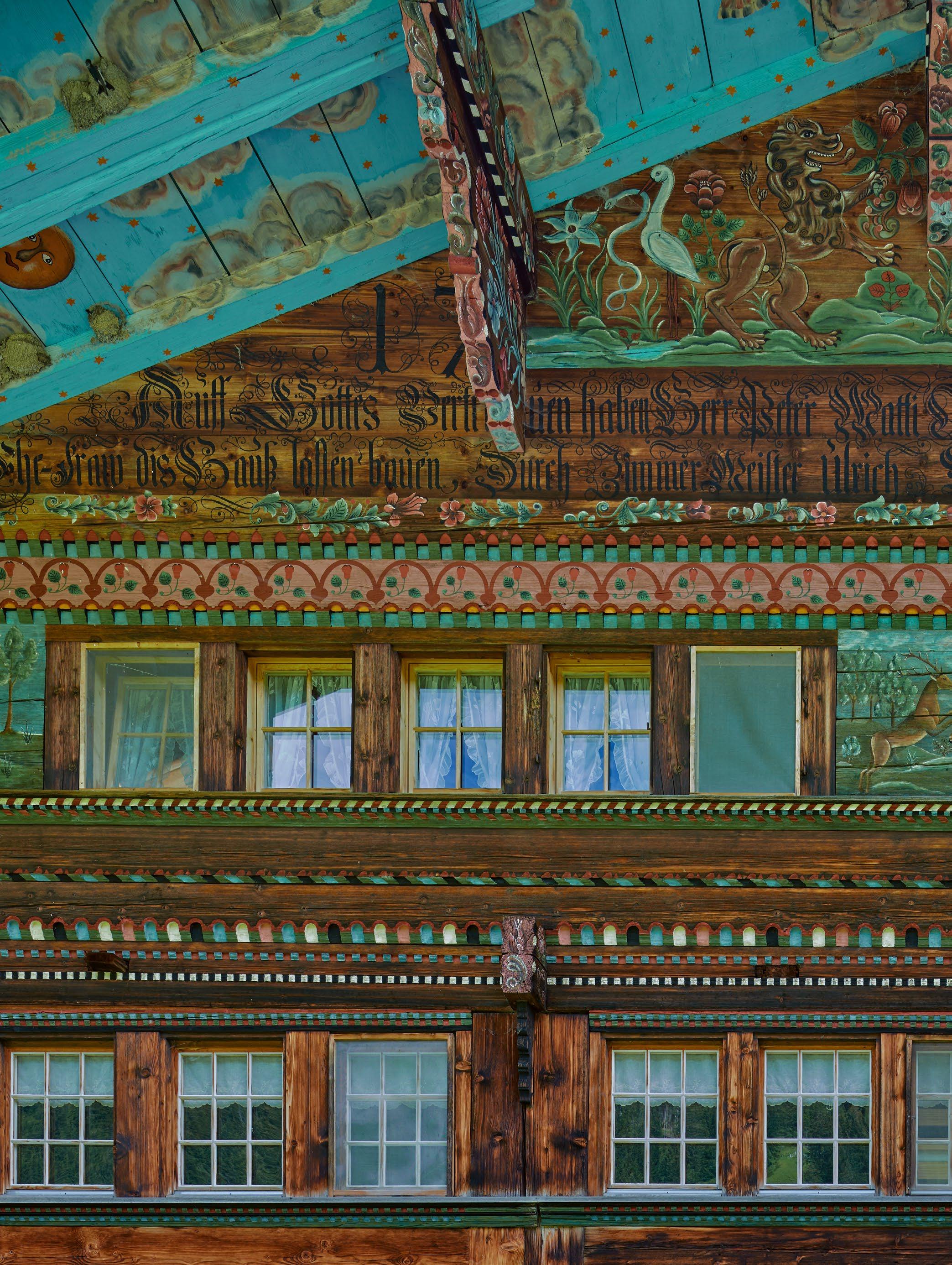
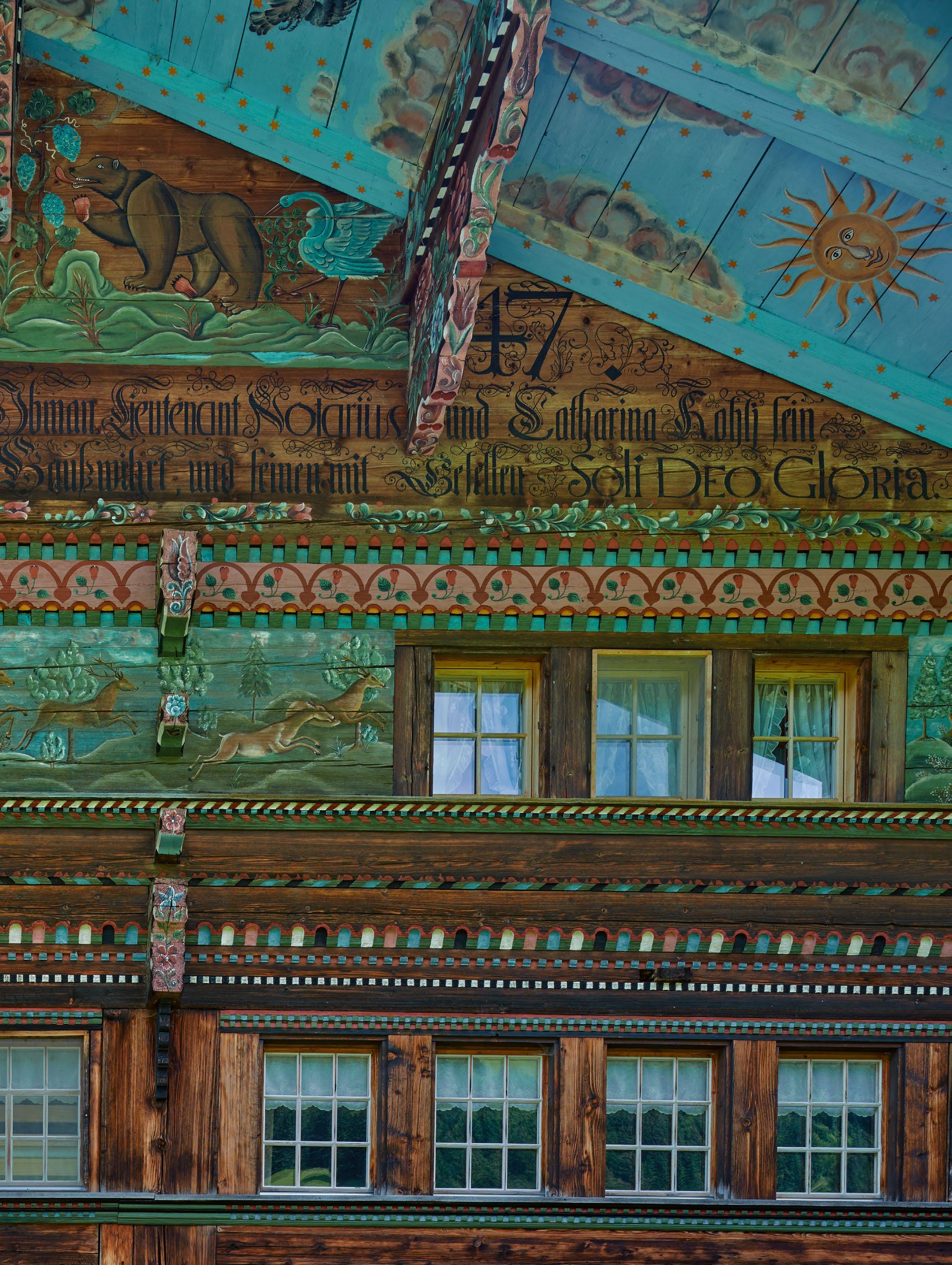
Baroque decorative elements such as carvings and a rich palette of colours adorn traditional Saanenland houses from the 17th and 18th centuries including the historic Gander House.
The Gstaad Saanenland region is rich in natural beauty and architecture, the diversity and sophistication of which are virtually unparalleled. Chalets from the 17th and 18th centuries accompany explorers at every turn, one such gem being the Gander House in GsteigFeutersoey near Gstaad.
WORDS RETO WILHELM
YANNICK ANDREA
Less than 300 metres from the hiking trail between Feutersoey and Gsteig, not far from Gstaad, stands a house is impossible to forget. The Gander House, built in 1747, features a façade that is unparalleled in the history of Swiss farmhouses, with emblems, carvings, a bluepainted roof and swallows painted with such precision by Baroque masters that one must look twice to distinguish the real ones from the painted ones. The clever birds have built their nests right next to their artistic counterparts, as if they have instinctively sensed that this place is permanent.
The house’s origins are described in a flowery script, ‘By the Trust of God, Mr Peter Matti, former Lieutenant Notary, and his wife Catharina Kohli had this house built by master carpenter Ulrich Hausswihrt and his journeymen. Soli Deo Gloria.’ According to documents, the basic structure was built by a knight in 1747, and the stable was added in 1847. Three generations of the Gander family have lived here. The greatgrandfather acquired the house and farm when it was still affordable, resisting an offer from the Ballenberg OpenAir Museum in the 1930s. The museum curators wanted to transport the extraordinary building to Brienz to join the 110 magnificent buildings that stand as a witness to history, and rebuild it there, exactly as it was. However, no price was high enough to persuade the owners to take this step.
The Gander House is built using postandbeam construction – a technique that connects the timber framed lower story with the timberframed upper story. The picturesque façade is striking, revealing an asymmetrical arrangement of windows. Staircases are located on both sides of the house. The motifs on a house front are rarely as lavish and colourful as they are here, embellished with elaborately carved elements typical of the 18th century.
However, beauty comes at a price. Every renovation, every beam, every roof tile is subject to historic preservation regulations. For example, when Markus Gander wanted to replace the roof, years of bureaucratic wrangling ensued. In the end, pragmatism prevailed, with a stormproof aluminium roof resistant to fire and the warm, powerful Foehn winds common in the Alps.
Meanwhile, inside the house, austerity reigns. No colour, no ornamentation. Only old wood, which rises and falls by up to four centimetres in winter, held together solely by wooden dowels and natural joints, without a single nail. In the cellar lies the gold of the Saanenland: Hobelkäse, a traditional Swiss cheese shaved into thin curls and matured for up to three years on wooden racks. In summer, the cows graze on the alpine pastures with the Diablerets massif in the background.
One thing is crystal clear: The Gander House in Saali will remain exactly where it is – for another 300 years or more, if the wind, the weather, and the family have anything to say about it.
Those who want to discover the architectural beauties of the Saanenland with experts can book a tour with the Gstaad Saanenland Guides gstaad.ch
Photo book Farm Pride – The Most Beautiful Farms by Reto Wilhelm and Yannick Andrea, Orell Füssli Verlag, available in the PR Kiosk online shop. pantarhei.ch
At Positioner, we craft and promote destinations that perform, building awareness, strengthening reputation, and inspiring connection through creativity and strategic storytelling.
For destinations that aim higher
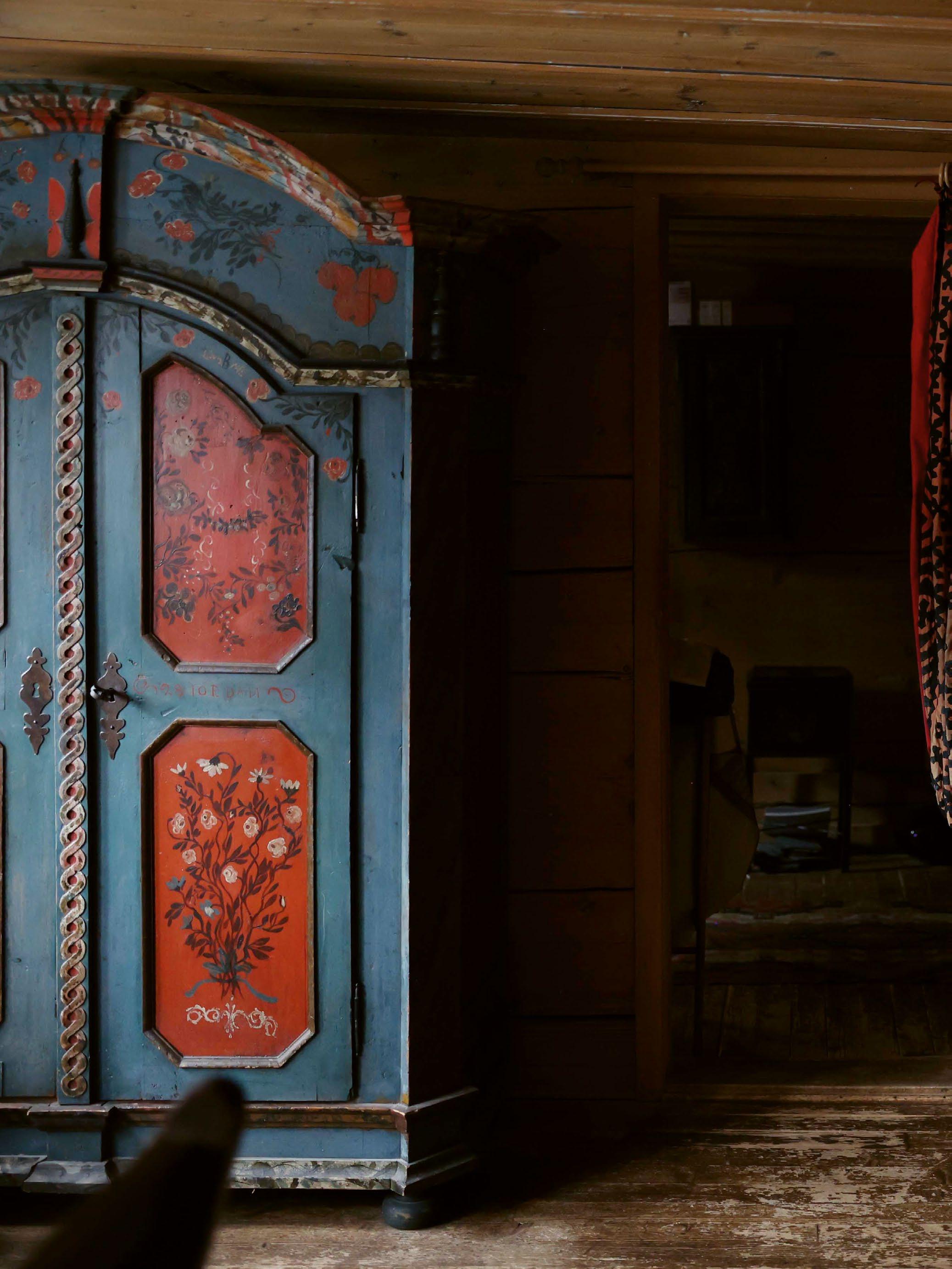
For almost 50 years, the artist Setsuko Klossowska de Rola has lived and worked in a centuriesold, listed house in Rossinière, the largest chalet in Switzerland. If its beautiful wooden walls could speak, the stories they would tell would certainly be remarkable.
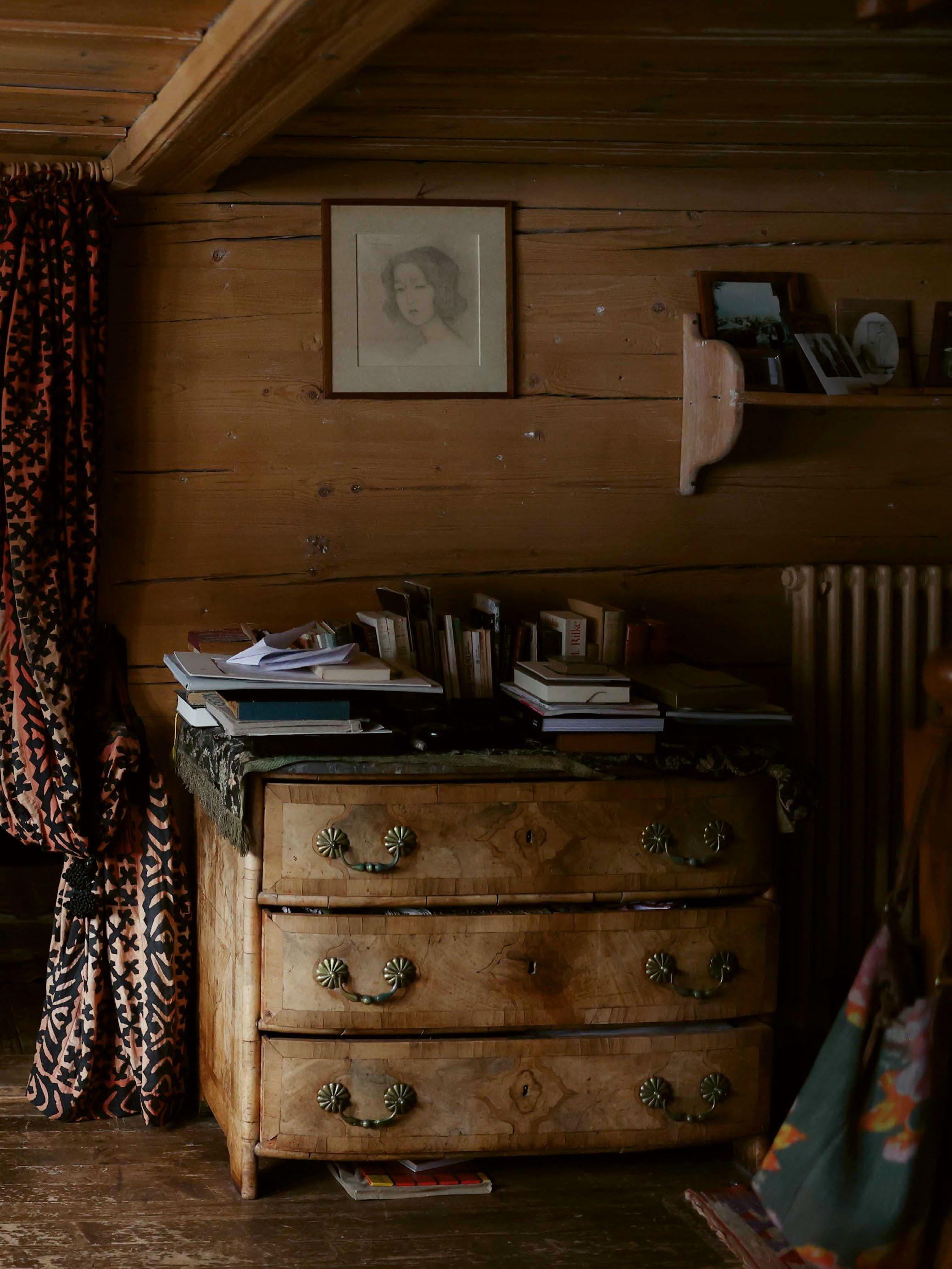
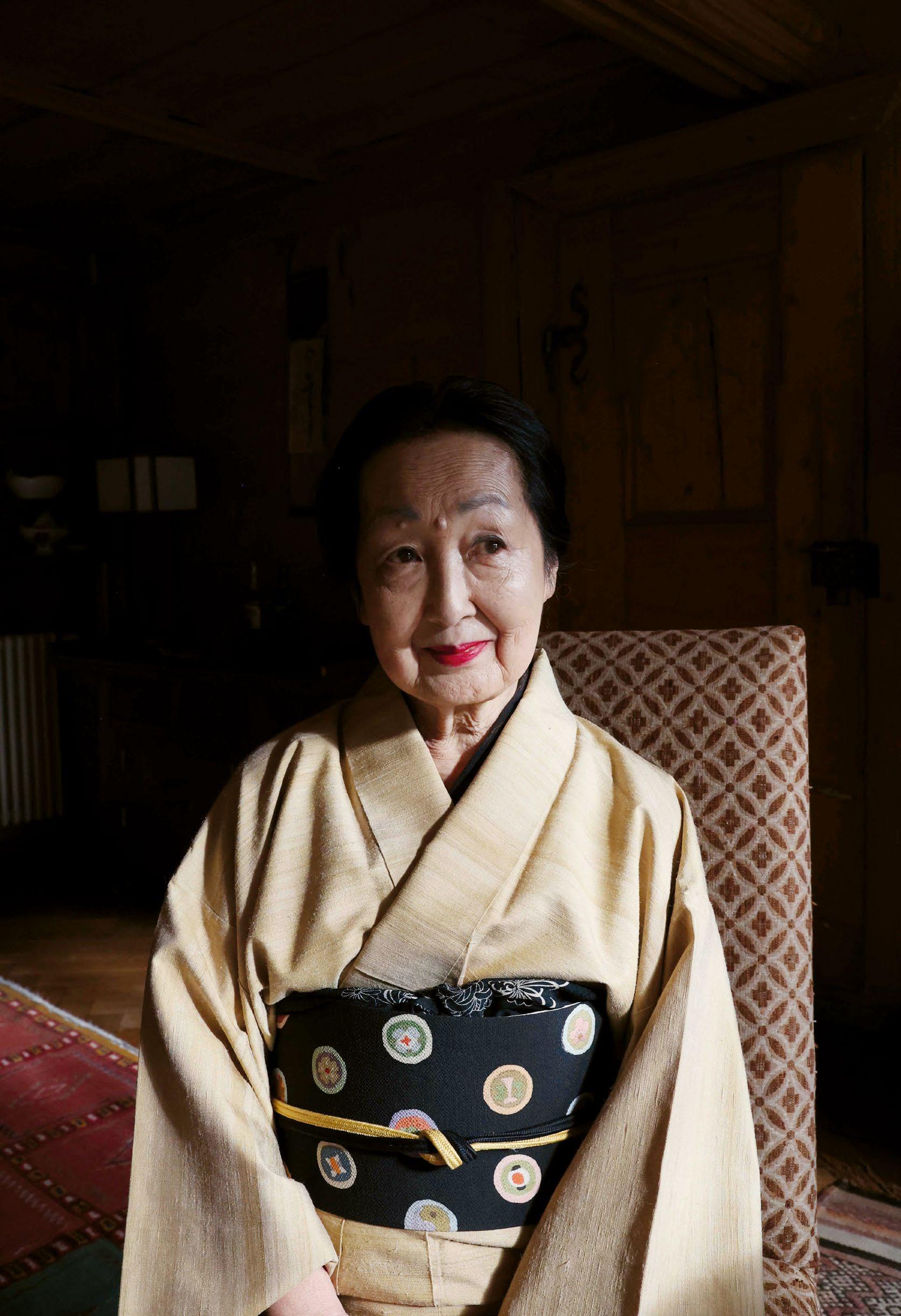
‘It felt like a familiar embrace.’
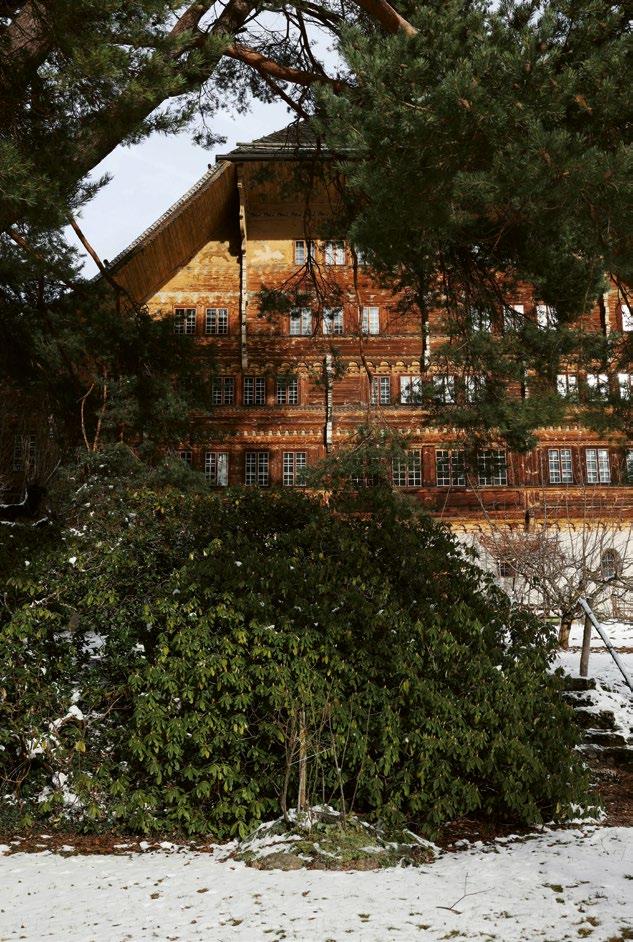
Taking the GoldenPass Express line, chalets and farmhouses punctuate the lush summer landscape of meadows and forests, as the Belle Époque train travels from Zweisimmen to Montreux. After passing through Gstaad, it winds through the mountains before reaching Rossinière, and in less than 30 minutes, the scenery shifts both geographically and linguistically. Names of towns begin to change: Rougement, Flendruz, Châteaud’Oex…
Before the train reaches the station, a majestic wooden structure comes into view on the right: the Grand Chalet. For more than a quarter of a century, the history of this extraordinary building has been closely intertwined with that of the village.
We are here to meet Setsuko Klossowska de Rola, an 84yearold Japanese artist who has spent most of her life within these walls.
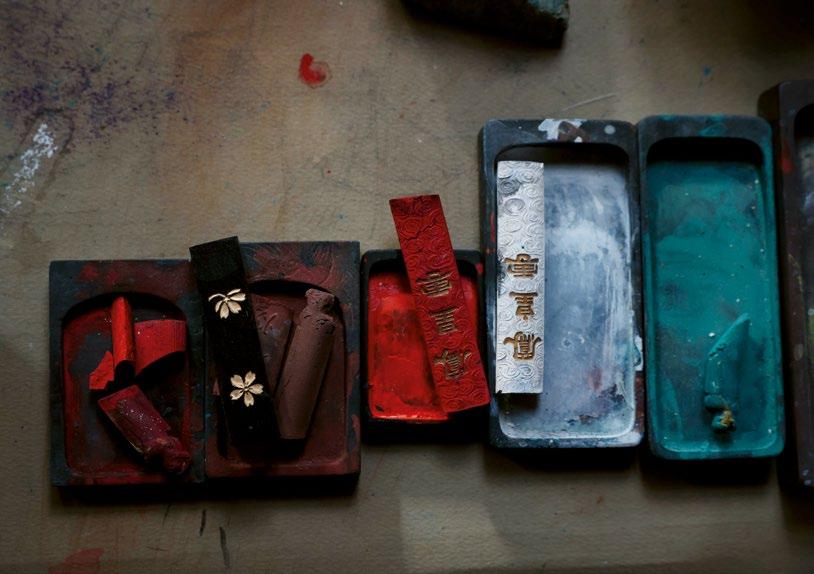
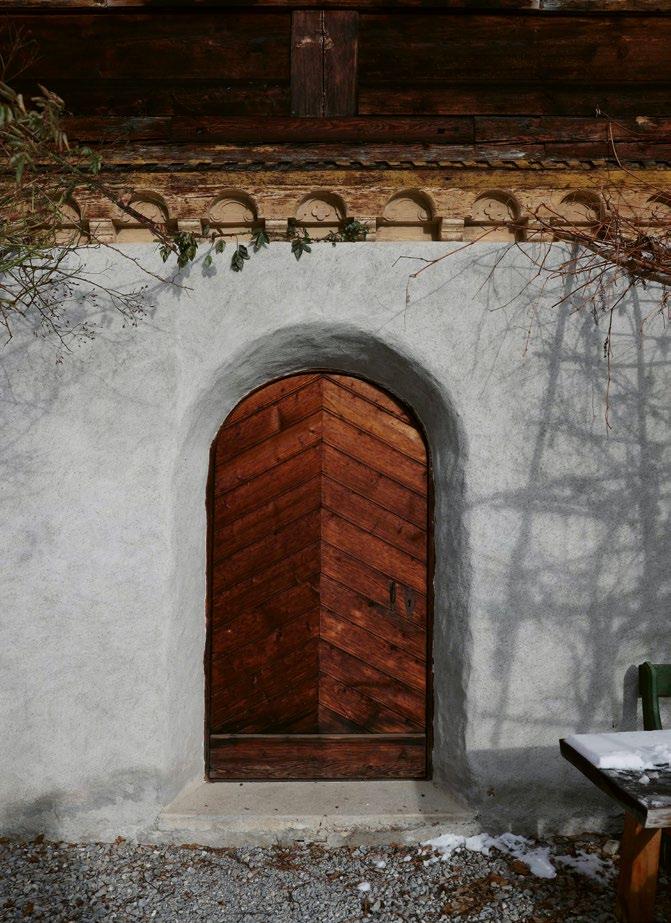
The wroughtiron gate opens onto a cobbled courtyard, leading to a façade richly adorned with carvings and biblical inscriptions. Inside, a narrow corridor replaces the expected grandeur of an entrance hall. Setsuko smiles as she notices our surprise.
‘When I first entered the Grand Chalet, this corridor reminded me of the wooden houses of my childhood in Japan. It felt like a familiar embrace.’
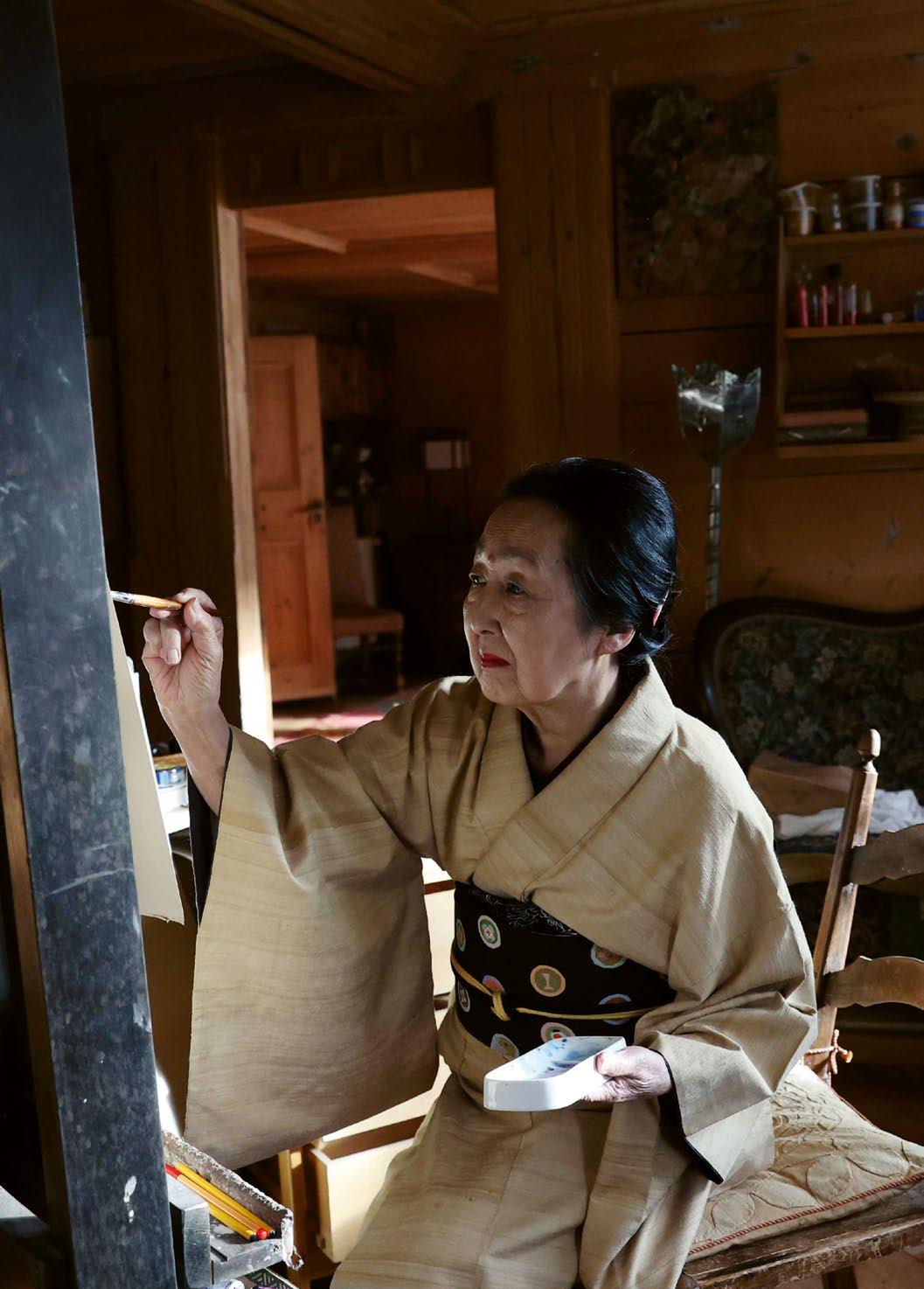
The living room is filled with light. Setsuko wears a maizeyellow kimono that once belonged to her mother, paired with a handpainted silk obi and traditional wooden sandals. The room reflects her sensibility: Moroccan kilims, Venetian chairs, and her own paintings arranged with quiet confidence.
‘The house is my soul,’ she says. ‘I like to keep things, and here there is space for everything.’
Built in 1752 by a wealthy cheese merchant, the house later became a hotel that attracted visitors from across Europe. It was in 1977 that she first arrived here with her husband, the painter Balthus, while searching for a place of recovery. Balthus, born Balthasar Klossowski de Rola, was already an established artist, known for
his connections to figures such as Picasso and Giacometti. When he purchased the chalet, he was in his sixties and at the time, the house was still a hotel.
‘The owner told us he wished to sell but could not find a buyer,’ Setsuko recalls. ‘My husband simply said: we will take it.’
Despite its scale, the house never felt overwhelming to Setsuko. Having lived in the Villa Medici in Rome for years, it seemed, in comparison, almost intimate.
Now, Setsuko lives here with her daughter’s family. Signs of daily life like a halffinished puzzle on the table share the space with art and other objects collected over decades.
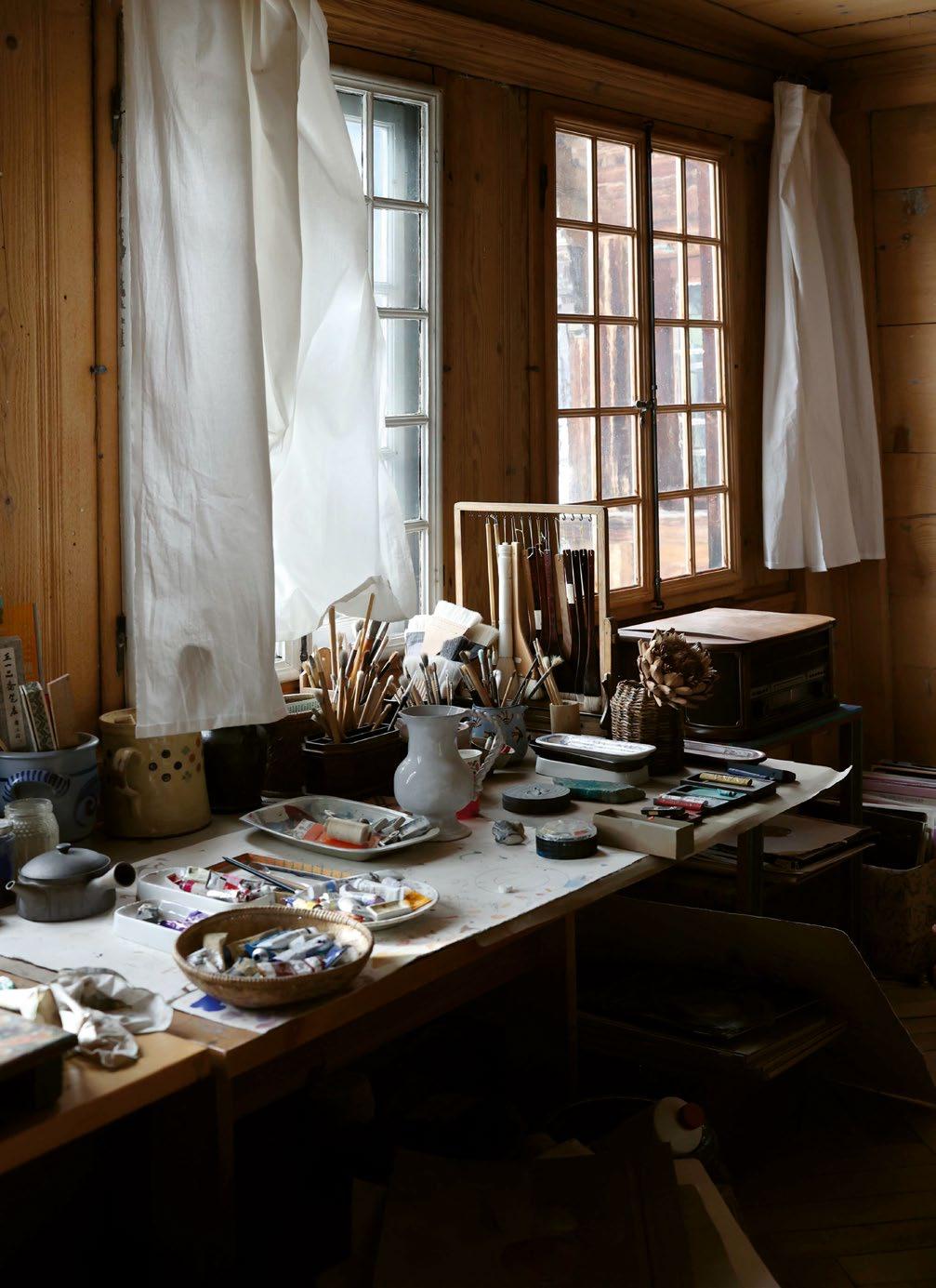
Her studio lies just beyond. On an easel, a watercolour study of flowers is in progress. Brushes, pigments, and fruit are arranged on a long worktable.
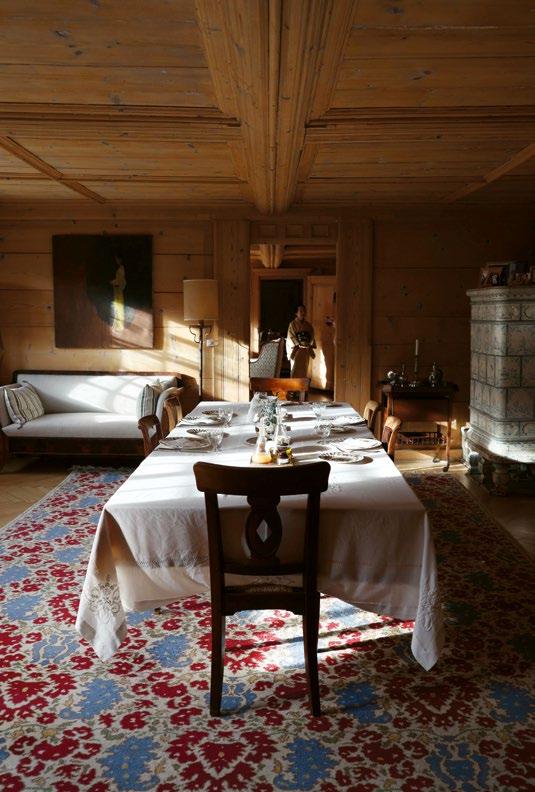
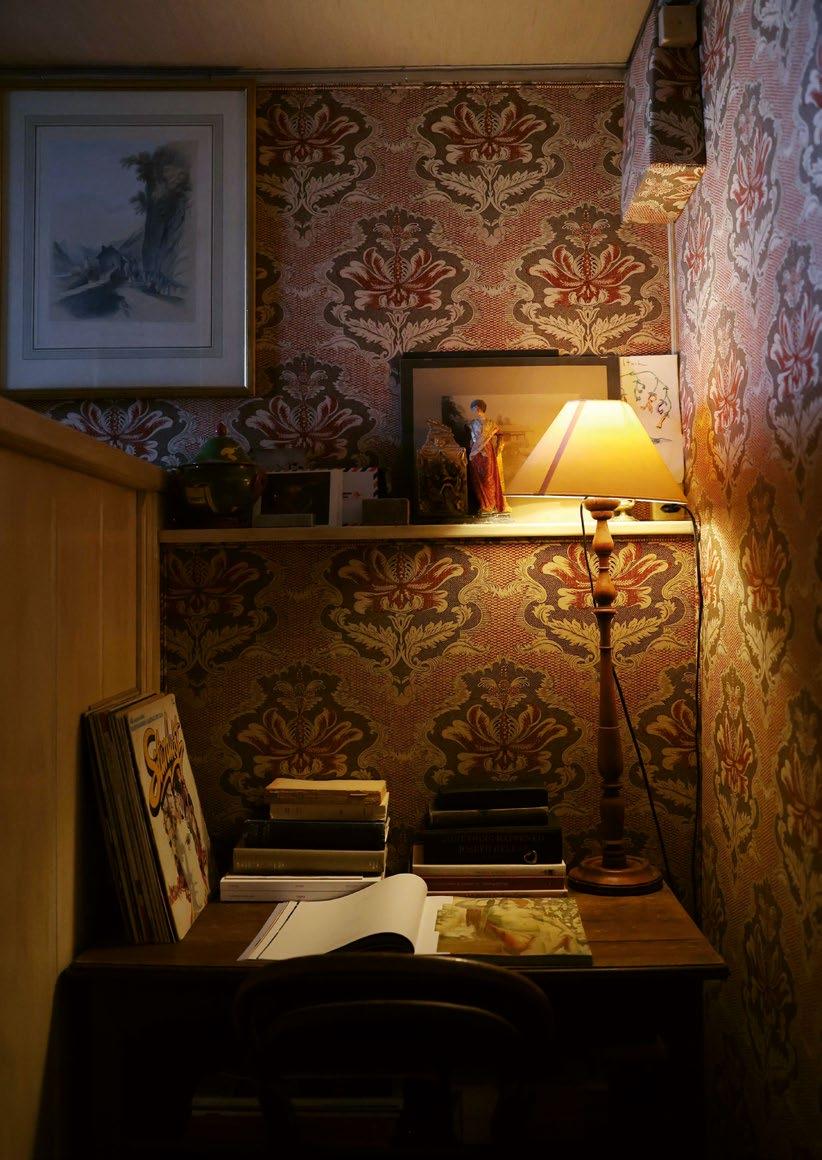
In another room, a long Biedermeier table is set for lunch. Known as the Victor Hugo salon, it recalls the writer who once stayed here. Photographs trace a remarkable network of lives: artists, musicians, and friends who have passed through the house over generations.
Across the road lies Balthus’ former studio, preserved exactly as he left it. Brushes remain in place, along with the chair in which he worked, often using a small mirror to refine his compositions.
‘In his final days, he would sit here and repeat: ‘I must begin.’ ’
It is a sentiment Setsuko continues to carry. She divides her time between Rossinière and Paris, where she collaborates with the ceramic atelier Astier de Villatte. Her work spans sculpture, writing, and design.
Leaving the house is unthinkable to her. ‘It is not only where my belongings are,’ she says. ‘It is where my memories live.’
The Menuhin Festival Gstaad celebrates its 70th anniversary from 16 July to 5 September 2026, bringing together leading figures in classical music.
From 28 August to 30 August, an exclusive vintage car rally, The Gstaad Palace Challenge returns for its eleventh edition.
In winter, MAZE Art Gstaad will display a collection of international galleries in an intimate salon setting, where contemporary and historical works meet.
Looking ahead, Gstaad House, designed by Foster + Partners, will establish a new cultural centre, combining exhibition spaces, auctions, and a private members’ club.
Flowers, fragrance, fine craft, and a few things worth staying for.
CURATED BY MICHAEL TULGAY
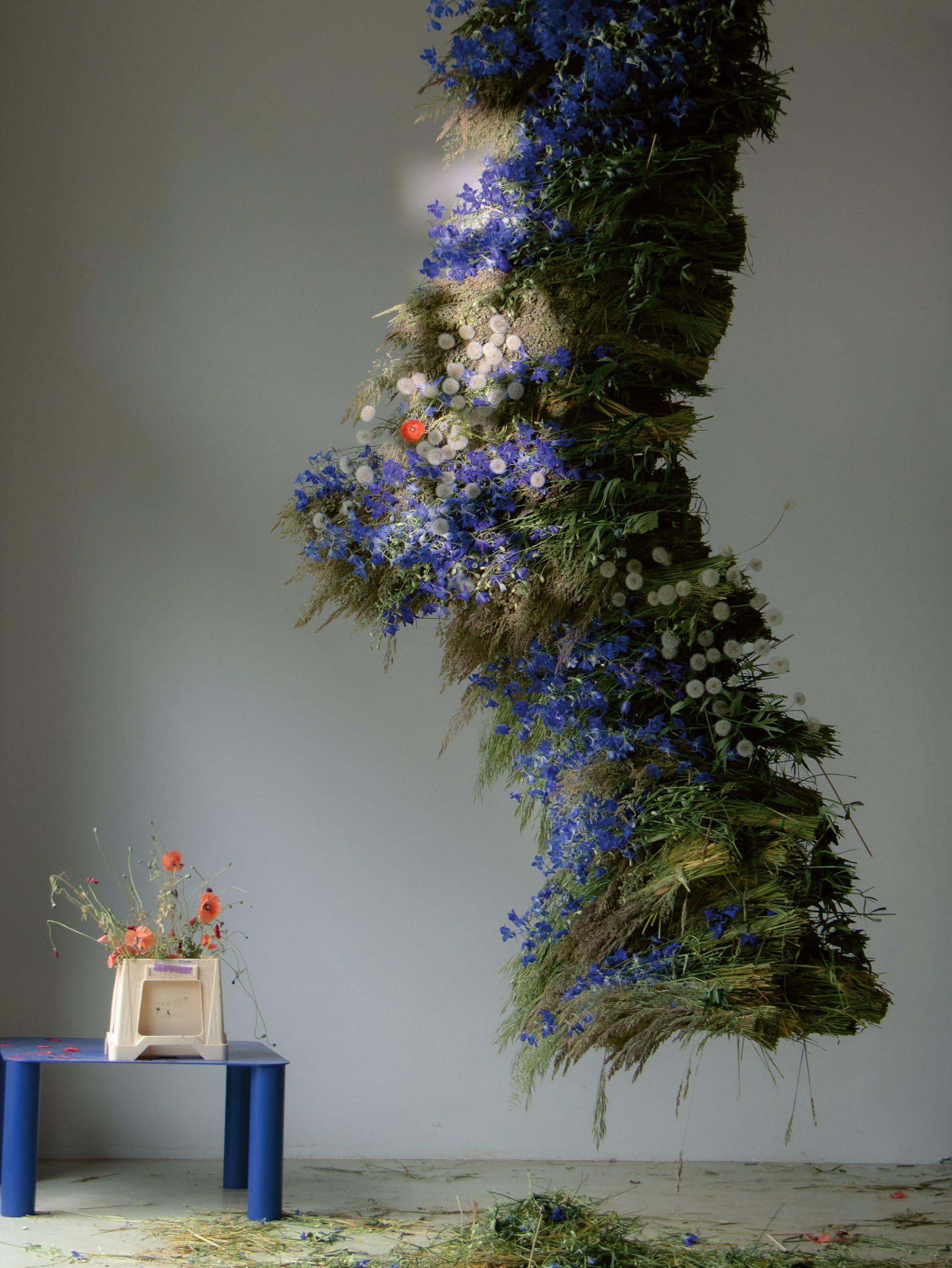
Carolin Ruggaber is a Berlin-based floral artist whose conceptdriven installations seamlessly blend natural elements with urban influences, exploring humanityʼs relationship with nature, its fragility, and its quiet resilience. Her collaborations include Hermès, Cartier, and leading art institutions worldwide.
– carolinruggaber.de
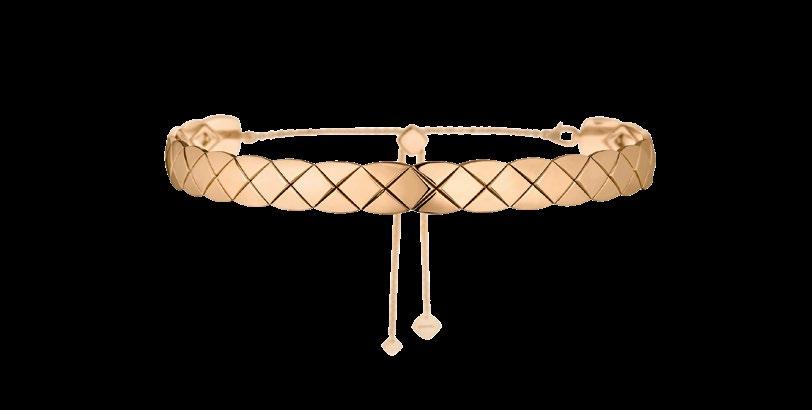
10 years after its debut, Chanelʼs Coco Crush collection evolves in 2026 with a greater emphasis on movement, flexibility, and technical refinement. The quilted motif, inspired by the matelassé pattern of the iconic 2.55 bag, now moves more naturally with the body through a new mesh-like construction. Taut lines and controlled curves remain, but the jewellery has learned to breathe.
Charlotte Chesnaisʼ first fine jewellery collection in 18-carat gold is more stripped back, more introspective but unmistakably hers. Divided into four themes, including the sculptural curves of Round Trip and the fluid pearlcentred Wave, each piece carries the brandʼs signature from the very first glance. We simply loved this necklace from the very first moment.

No summer without SPF 50+, please. With its broad-spectrum protection and a 5% ProVitamin D Antiox Ferulic Complex, the Doctor Babor Solar Defense Hydration Serum helps prevent sun-induced skin ageing while ectoin supports the protection of the extracellular matrix. A texture that dissolves into skin and leaves nothing behind.
– babor.com

A ‘Swiss army knife’ of an amplifier, the Burmester 232 stands out for its range of versatile features and compatibility. A powerful streaming integrated amplifier with extraordinary musical communication ability, it can operate in pure analogue but excels equally in processing various digital sources.
– burmester.de
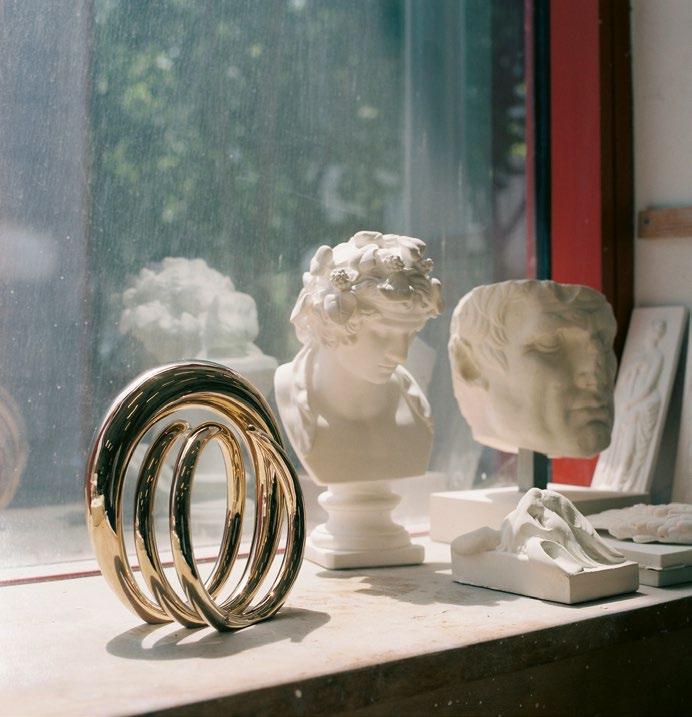
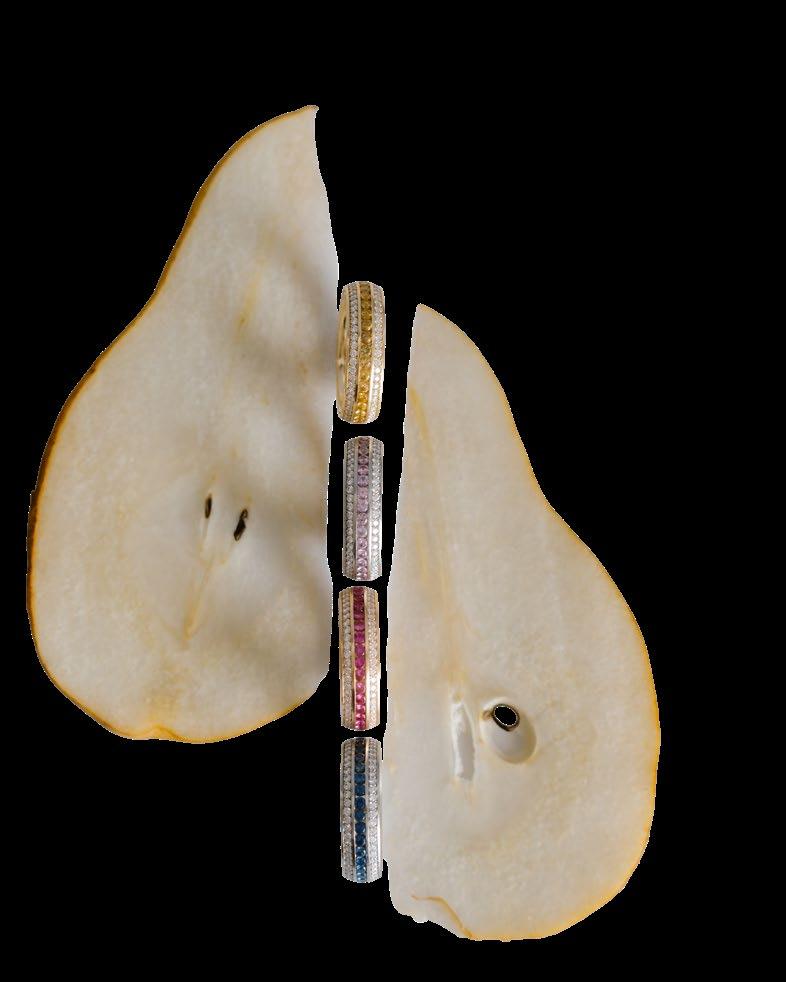
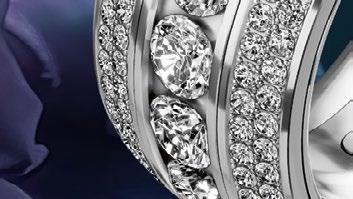
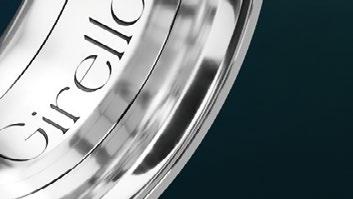
Two rings, one wrist, endless movement. Girello lets diamonds dance – silently rotating on the finest ball bearings, in platinum, gold, and pure Swiss craftsmanship.
– bucherer.com
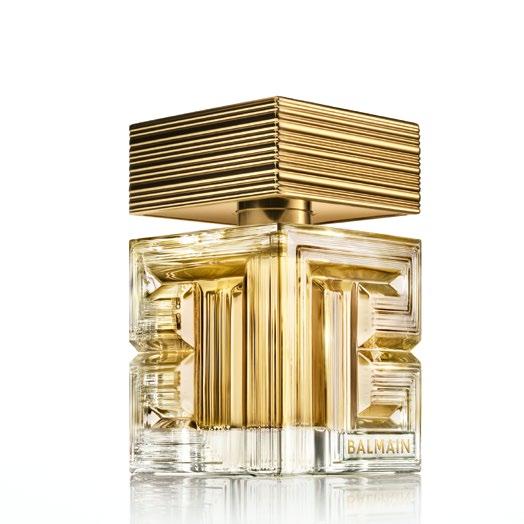
BALMAIN DESTIN
The renowned perfumer Quentin Bitsch created a masterpiece for Balmain. Strawberry and peony open bright, while lily, sandalwood, patchouli, and musk settle into something warmer for a floral, fruity composition. Housed in a refillable glass cube, capped with golden striations and Pierre Balmainʼs PB monogram.
– balmainbeauty.com
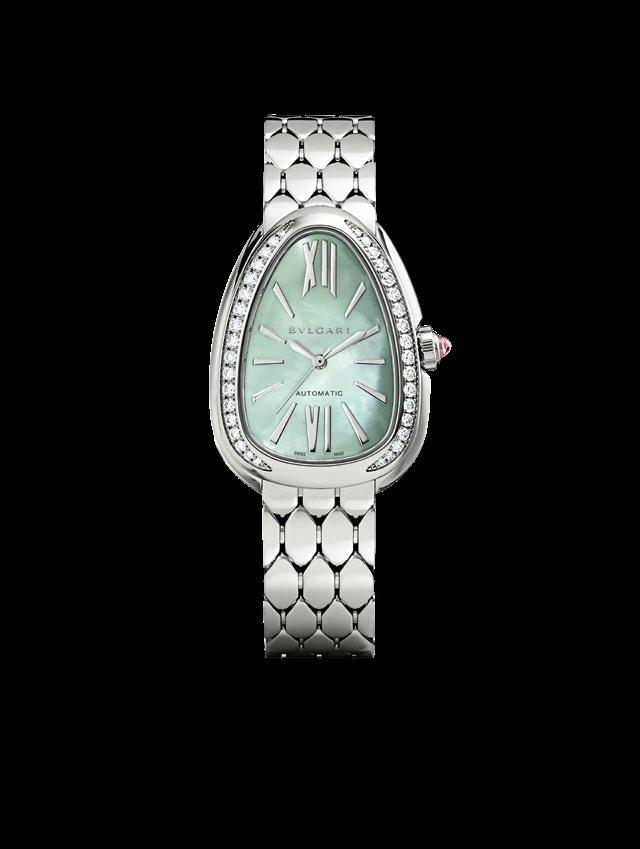
The Serpenti has always known how to coil with purpose. Bvlgariʼs iconic timepiece now found its Swiss home in a limited edition (28 watches only). Available in Bucherer Boutiques in Switzerland, Germany and the UK.

The LightSpray Cloudmonster is built using Onʼs pioneering LightSpray™ technology: a precisionengineered process that sprays a seamless filament upper in a single step, in approximately three minutes. Spanish craft meets Swiss engineering at full speed.
– loewe.com / on.com
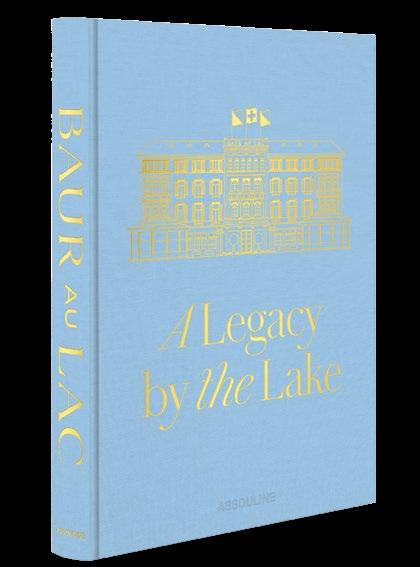
Assoulineʼs new volume traces more than 180 years of refined hospitality, cultural patronage, and family stewardship at Zurichʼs most legendary address. Through evocative photography and richly layered storytelling. From its founding in 1844 to its continued leadership under the Kracht family, seven generations and one unbroken thread. A book about a place that never needed to announce itself.
– assouline.com
A capsule born from two codes colliding. Sicilian maximalism filtered through the discerning eye of MyTheresa. Prints that know their own power. Worn best in sunshine, with full conviction.
– mytheresa.com

OMEGAʼs Seamaster Diver 300M Chronograph pays tribute to James Bond with a black ceramic dial, PVD bronze-gold details, and a Co-Axial Master Chronometer Calibre 9900 inside a 44 mm steel case. Water-resistant to 300 metres, worn on a NATO strap engraved with 007 First Light –mission-ready from the first second.
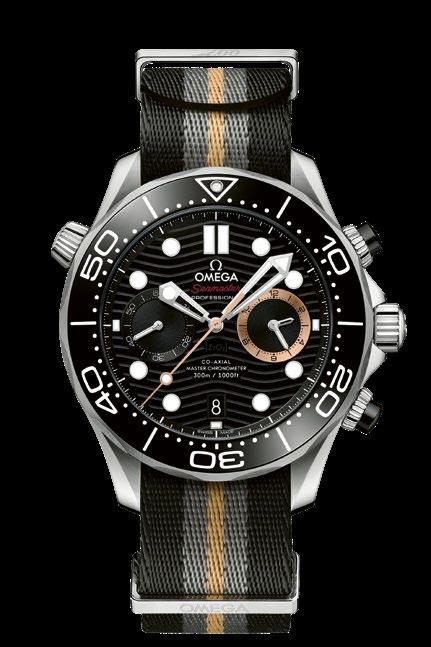
– omegawatches.com
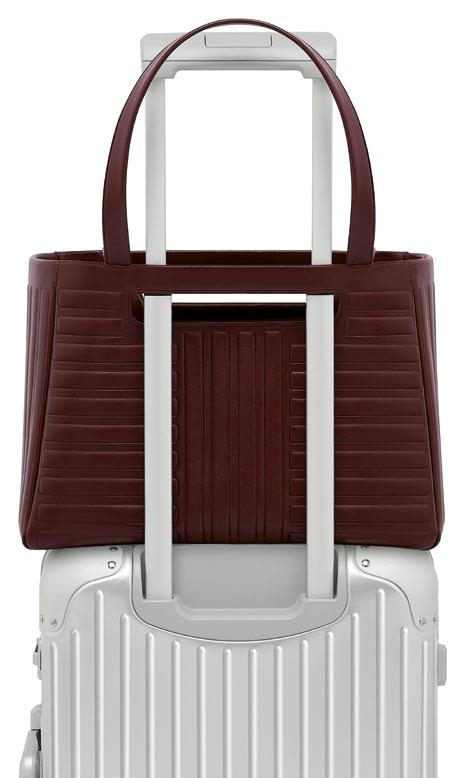
The grooved silhouette that defined a suitcase, now carried differently. The Groove Tote Bag reimagines RIMOWAʼs linear design language through embossed rectangular shapes with two compartments and a strap that attaches directly to the trolley handle. Travel as one.
– rimowa.com
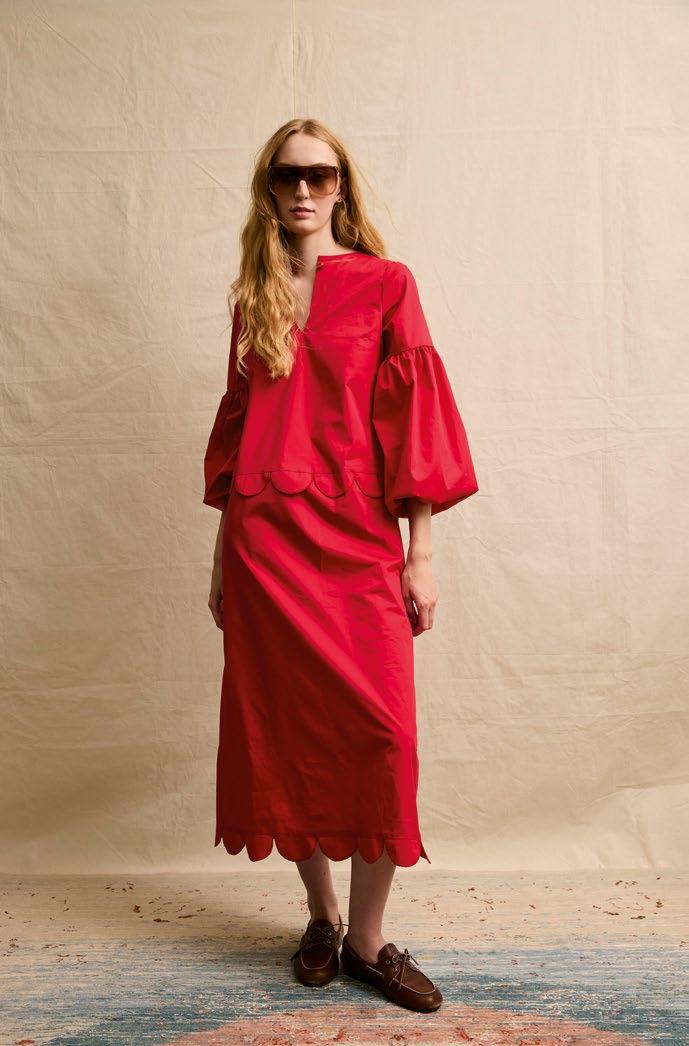
Made from smooth cotton in a vivid red, with a clean, straight silhouette, gently gathered sleeves that fall below, a subtle scalloped seam detail below the waist, and a small slit at the neckline for ease and lightness. Made to order by a small team in Munich, handmade for each customer.
– shop.irmasworld.com
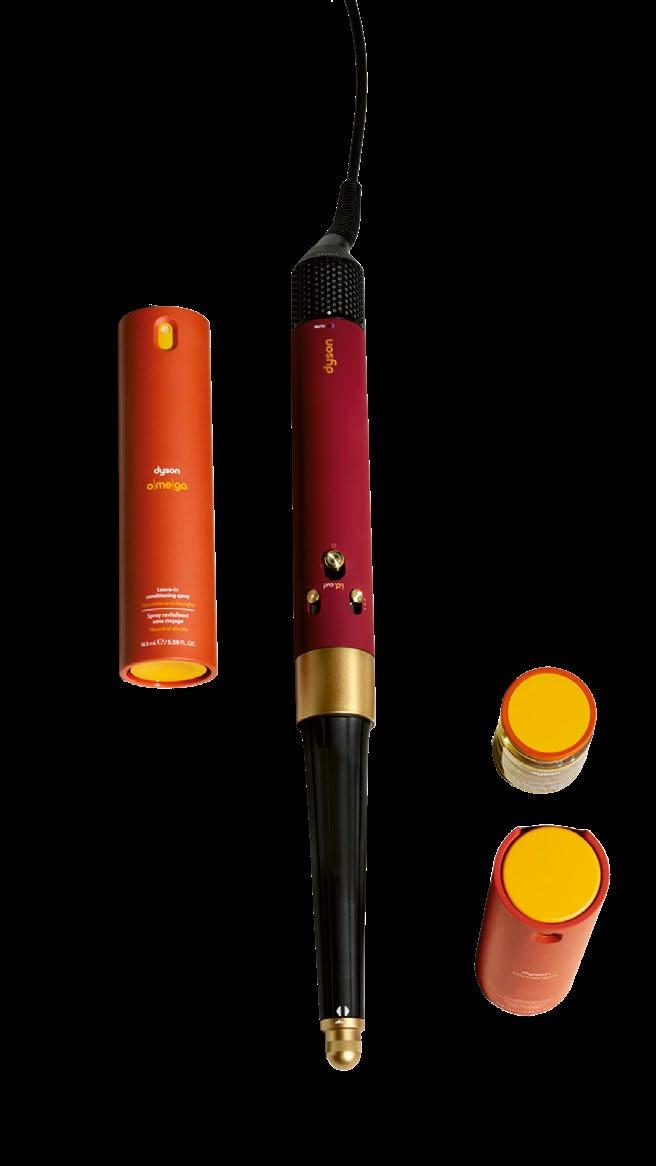
Perfect curls or straight hair with just ONE button. Sounds innovative? It is. Good volume meets straight hair meets good reviews. We love this red velvet edition.
– dyson.com
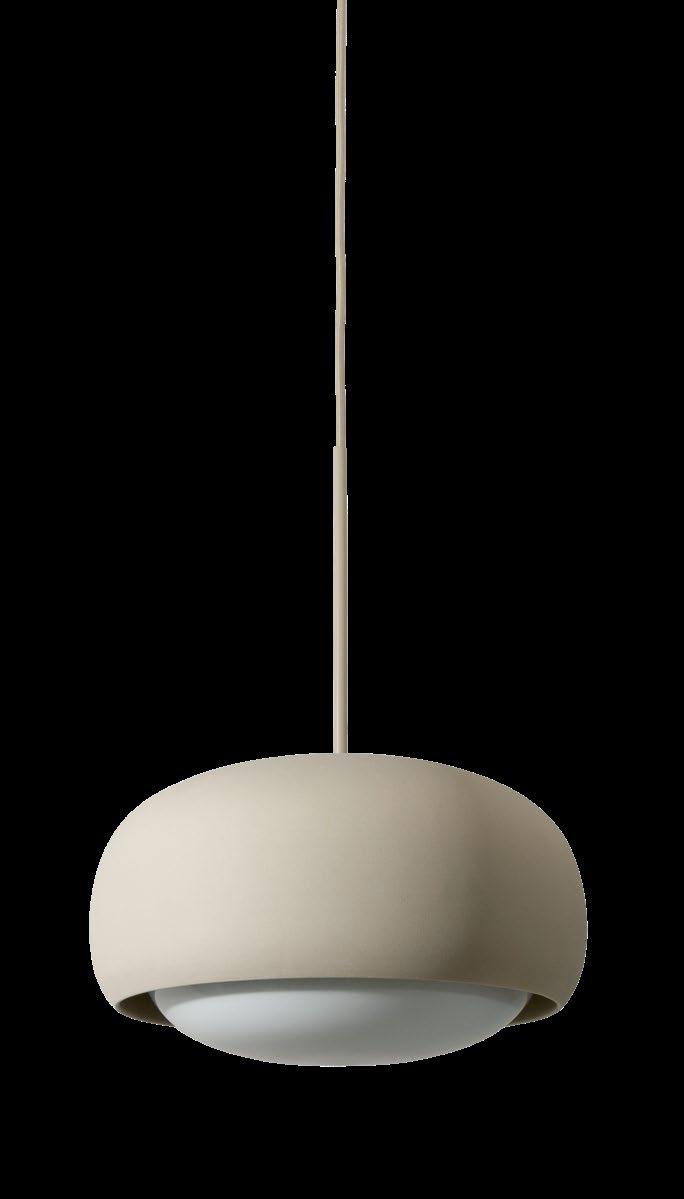
Some icons earn an upgrade. ZEITRAUMʼs GEMA family gets a 2026 refresh: The iconic shade moves from Portuguese ceramic to high-fired porcelain – denser, more durable, now crafted in Upper Franconia, Germany. The mouth-blown Veneto glass body stays, the soft glow stays.
– zeitraum.de
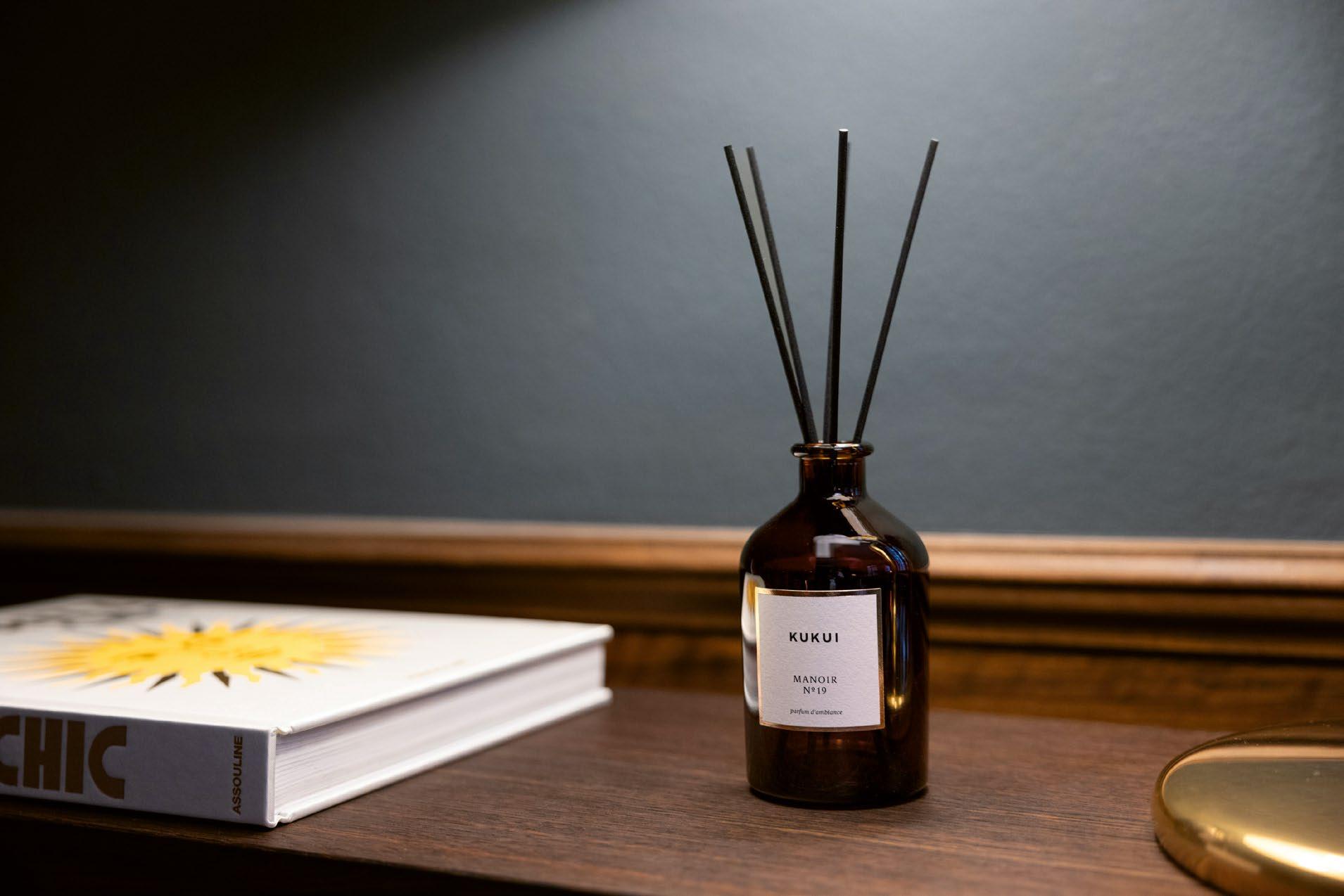
The Swiss fragrance label Kukui captures the spirit of an old manor house in its parfum dʼambiance Manoir N°19 – dense woody notes and earthy patchouli, wrapped in soft oakmoss, wild violets, and a whisper of herbal lavender. The amber glass diffuser subtly perfumes any room, blending seamlessly into the most refined interiors.
– kukui.ch
The first time I really noticed, it must have been around 2022. It was during one of the first postpandemic years, when many of us had been forced – often for the very first time – to ease up on the gas pedal we’d been flooring for decades. In my case, both personally and professionally, I had pretty much been surrounded by people who tended to celebrate being stressedout. Overworked was the new sexy, and simply setting up a coffee date was a huge undertaking, because we were all just so busy! Working, hustling, taking care of our families, finding the next big client or challenge and trying to make it seem fun in the process.
And then, once we re emerged from Covid lockdowns and cancelled plans, blinking in the bright summer sun… we were changed. All those sourdough starters and deserted knitting projects set aside, a courageous few started denouncing stress culture. The first signs were subtle: I still remember the first time I got a reply to a work email after 10 days of silence, with a simple ‘I was taking some time off.’ No apologies, no further explanations. A quick checkin on their Instagram account confirmed: this person went offline and simply sat in the sunset somewhere warm. And all while I was working my butt off till 9 PM? Who do these newly minted ‘illuminated hearts’ think they are?
WORDS STEFFI HIDBER
It felt like they were doing it just to spite me: my physical therapist took off to Costa Rica for ‘an indefinite leave of absence’. Not one, but TWO of my copywriting clients shuttered their businesses to ‘regroup’. And my local, goto dry cleaner just up and sold the business to a huge chain and retired to Italy. How dare they!
Well, it turns out that the more my indignation grew, the worse my sleep got. And somewhere between my ‘ohsobusy’ meetings, deadlines and lastminute trips, my sense of outrage at all these quiet quitters slowly turned into something else. With every person I’ve spoken to starting to prioritise self care and spiritual growth over moneymaking and social shaking, my resentment of all these so called ‘inner peace protectors’ turned into a grudging sense of admiration. And that tiny kernel of selfdoubt in my own life plan has proven to be a blessing in disguise, because I’m discovering that I can, indeed, take a step back sometimes. That it’s okay to close my laptop at 2 PM on a Friday and go for a walk by the lakeside. And that my retirement provisions will probably be able to handle me declining a job offer that would have paid for my whole family’s summer vacation –but would have required me to work remotely during all of it.
Don’t worry, I haven’t taken up reformer Pilates just yet, but it’s honestly been quite refreshing to witness the end of the ‘cult of busy’ firsthand. I’m not quite sure what’s taking its place right now, but at least I’m armed with the appropriate breathing exercises, meditation apps, and warmyetunstylish fleece jacket for all upcoming adventures in doing a tiny bit less. So, if you happen to see me this summer, sitting in an outdoor café on a Monday at 10 AM, just know that I’m training for my local Spiritual Warriors group, and I’ll try not to apologise for it. You might even join me!
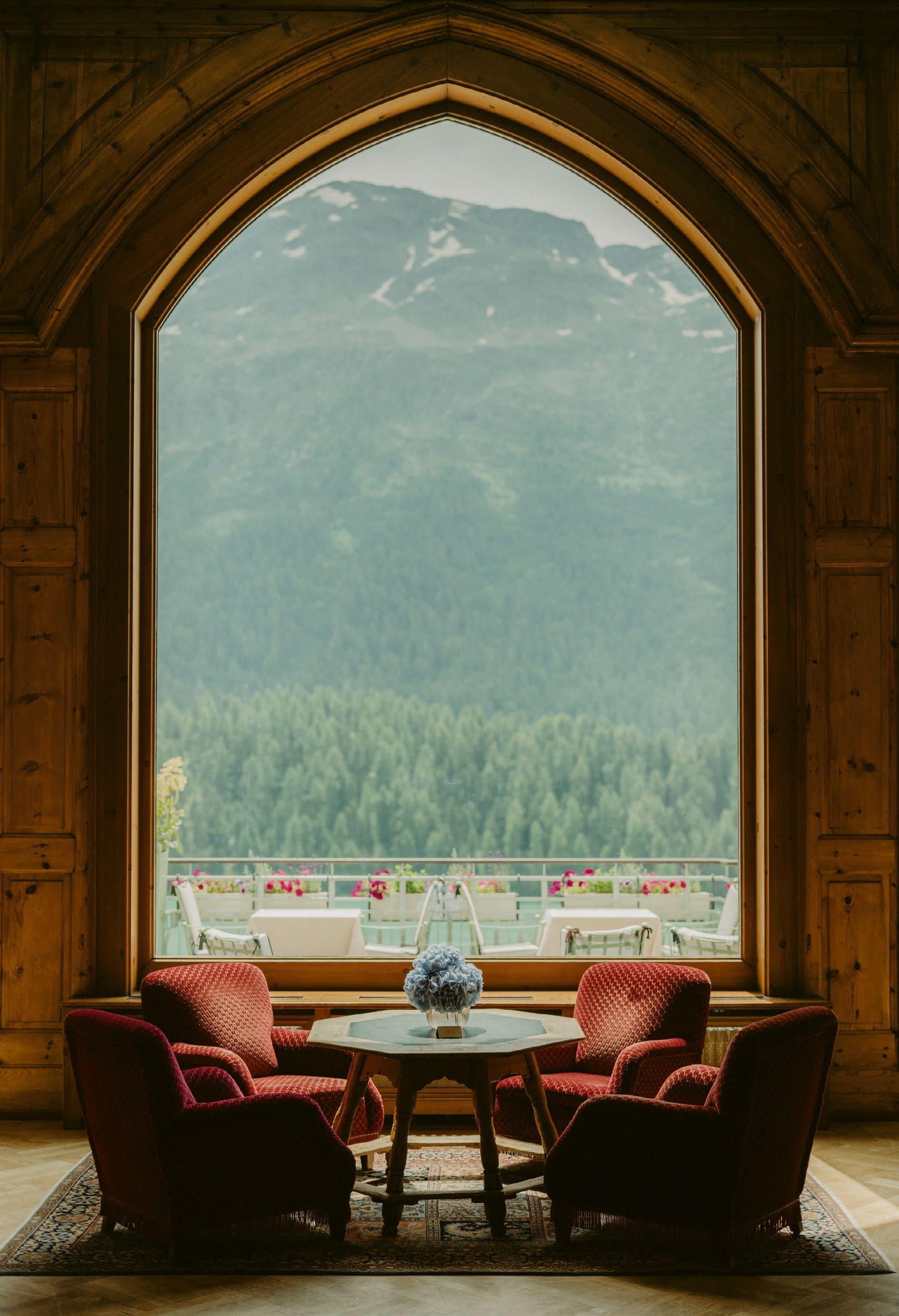
There are hotels, and then there are institutions. Perched above Lake St. Moritz, Badrutt’s Palace belongs firmly to the latter. It’s a place where history is not preserved behind glass, but continues to be lived, day after day.
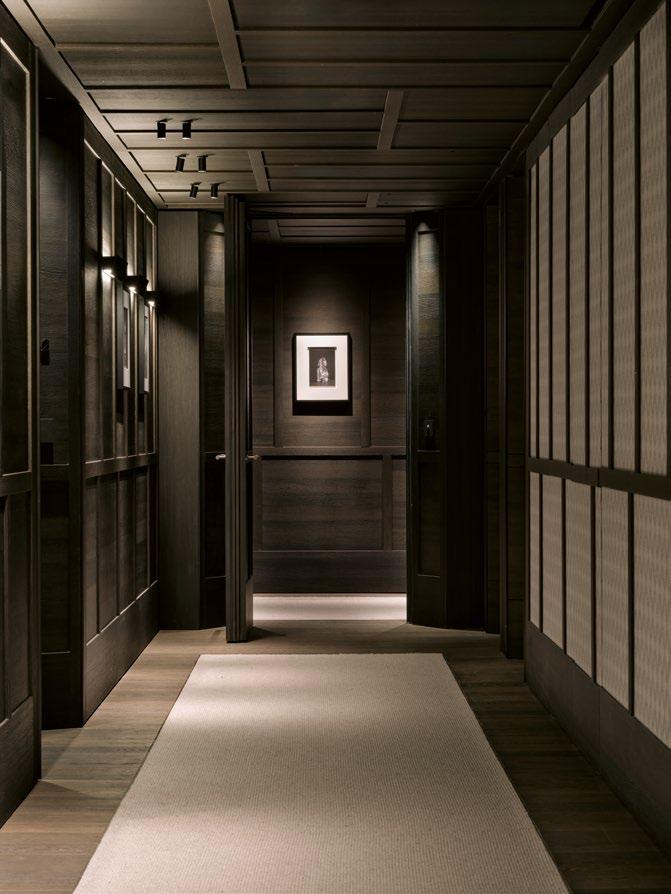
Above & below left | The recently renewed Serlas Wing features wool-fabric wall-panelled corridors by Loro Piana Interiors, connecting guests through an underground tunnel to Chesa Veglia.
Left | At the Palace, loyalty is considered part of the luxury.
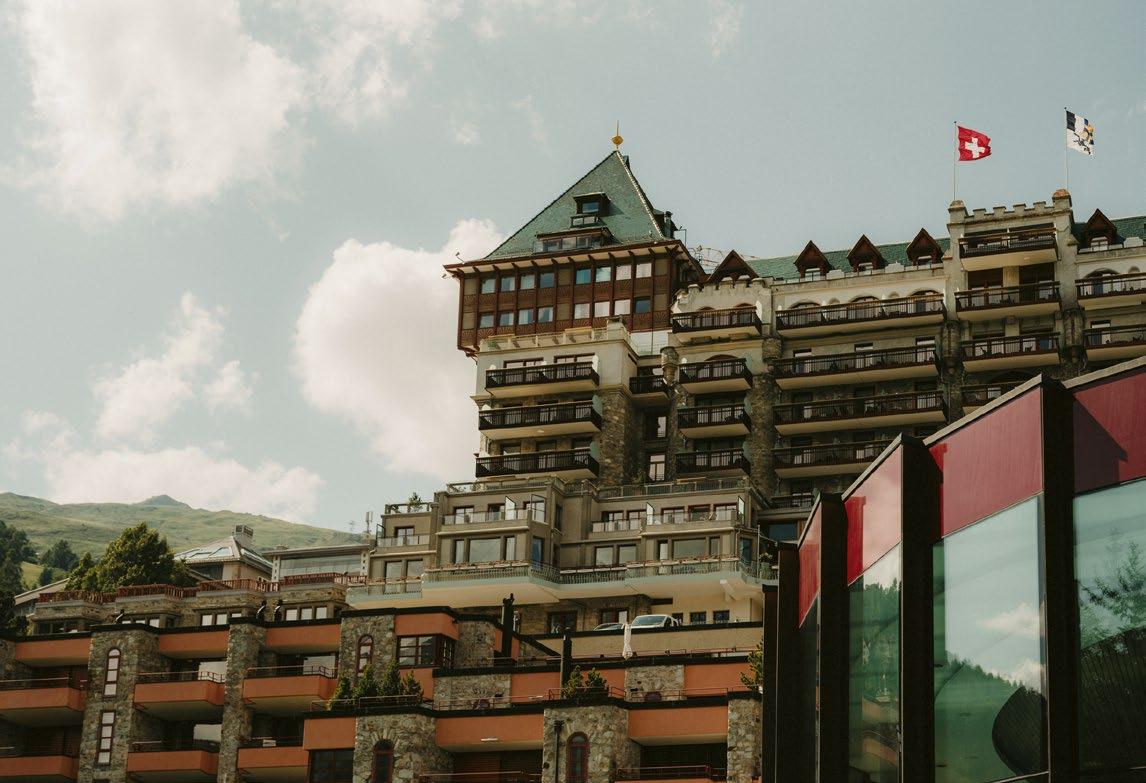
Below | The iconic silhouette glows against the alpine green – a landmark that has stood since 1896.
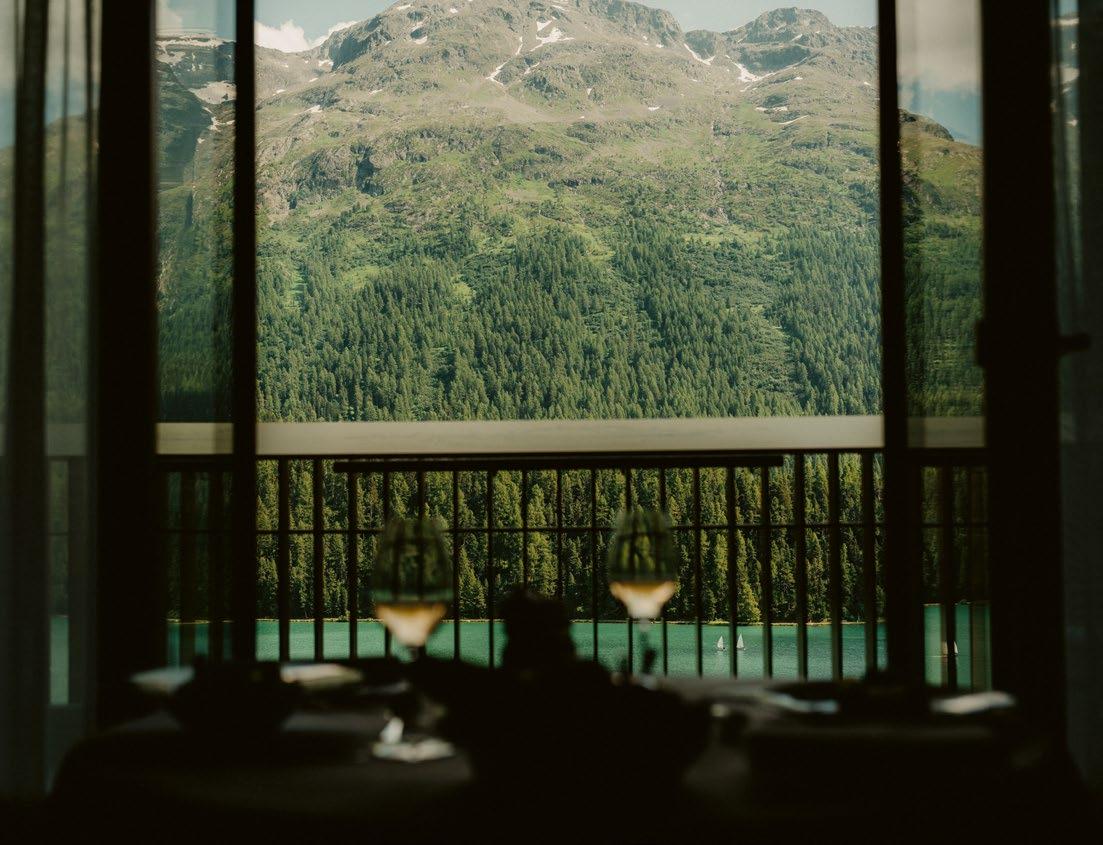
Upon arrival, there is a certain sense of occasion. The Belle Époque façade, with its distinctive towers, has long defined the skyline of St. Moritz. This summer, as Badrutt’s Palace celebrates its 130th anniversary, that sense of history feels especially present. Yet what pervades is not grandeur alone, but a certain atmosphere. Italian voices fill the lobby, lending warmth to a setting of polished marble and soft light. The tone is set immediately: formal, yet never cold.
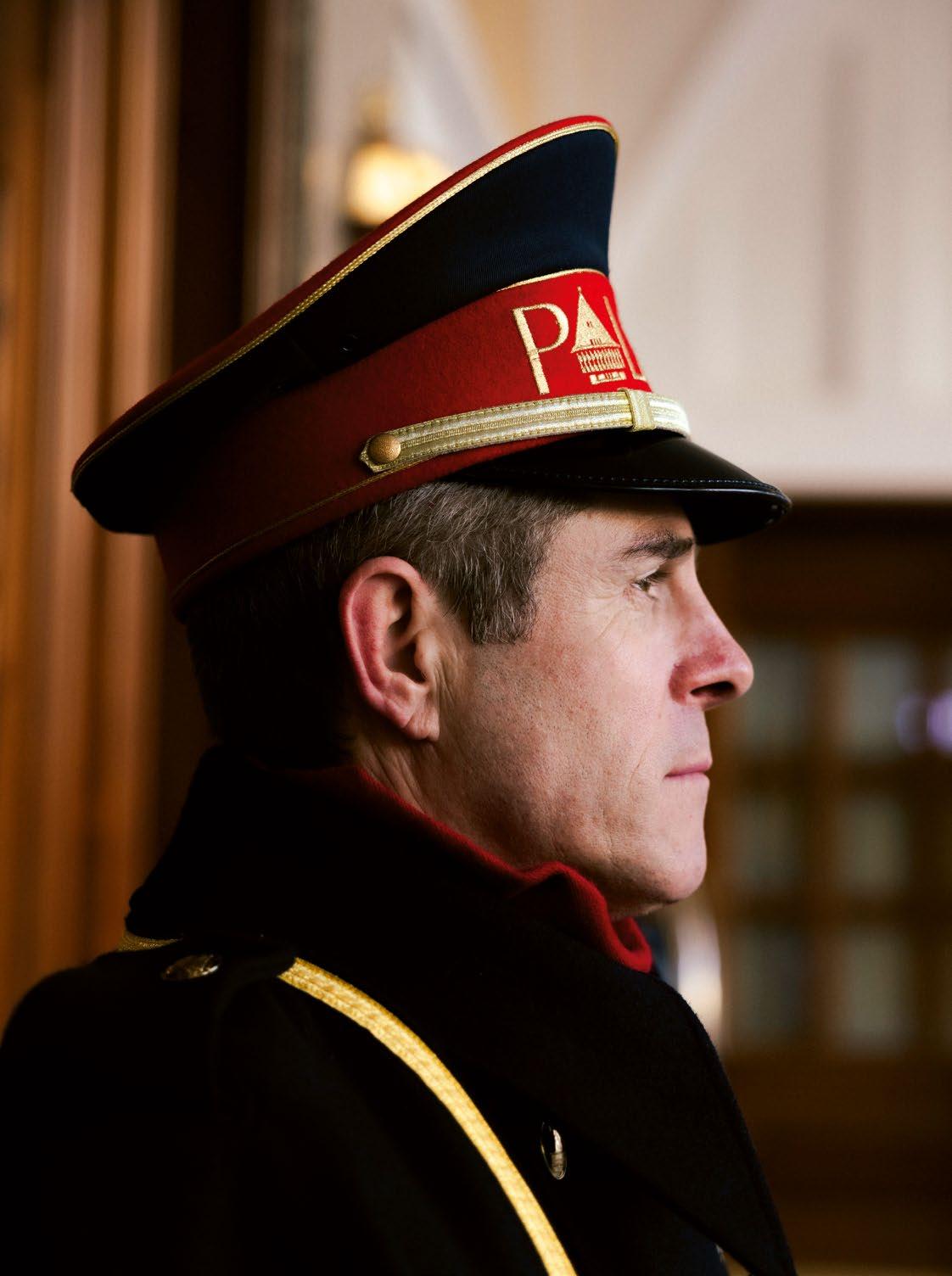
Time unfolds with ease. A terrace overlooking the lake, a first glimpse of the surrounding peaks, the steady rhythm of a hotel that has refined its craft over generations. Refined details reveal themselves gradually: uniforms cut with perfection, gestures that feel considerate rather than rehearsed.
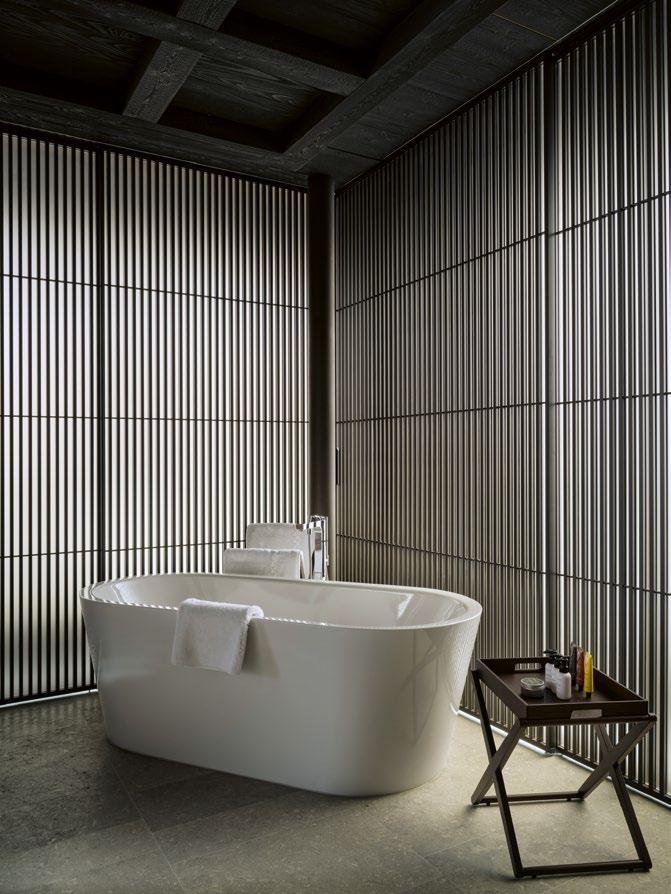
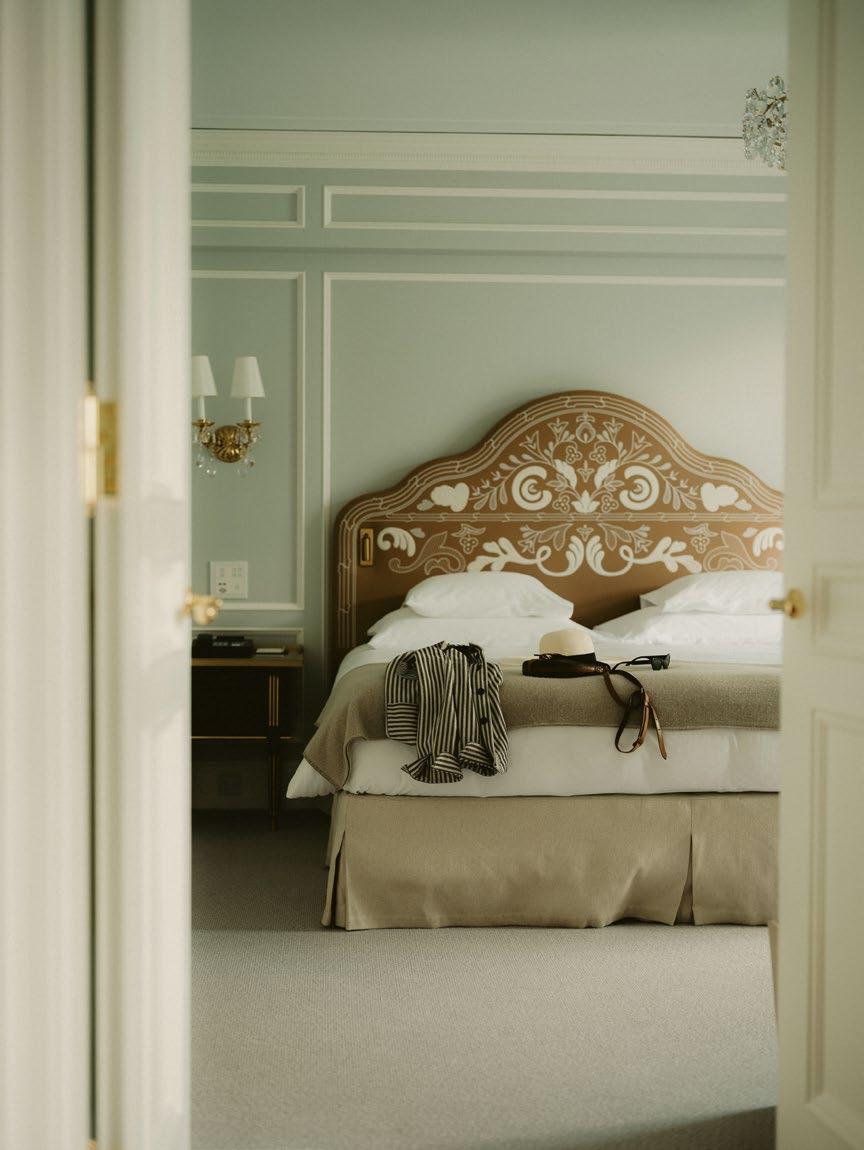
The rooms reflect this same balance and are generous in scale yet remain poised. Combining classic elegance with a tranquil sense of comfort, light shifts across polished surfaces. Outside, the lake and village are a constant backdrop. Yet nothing competes for attention; every aspect is cohesive.
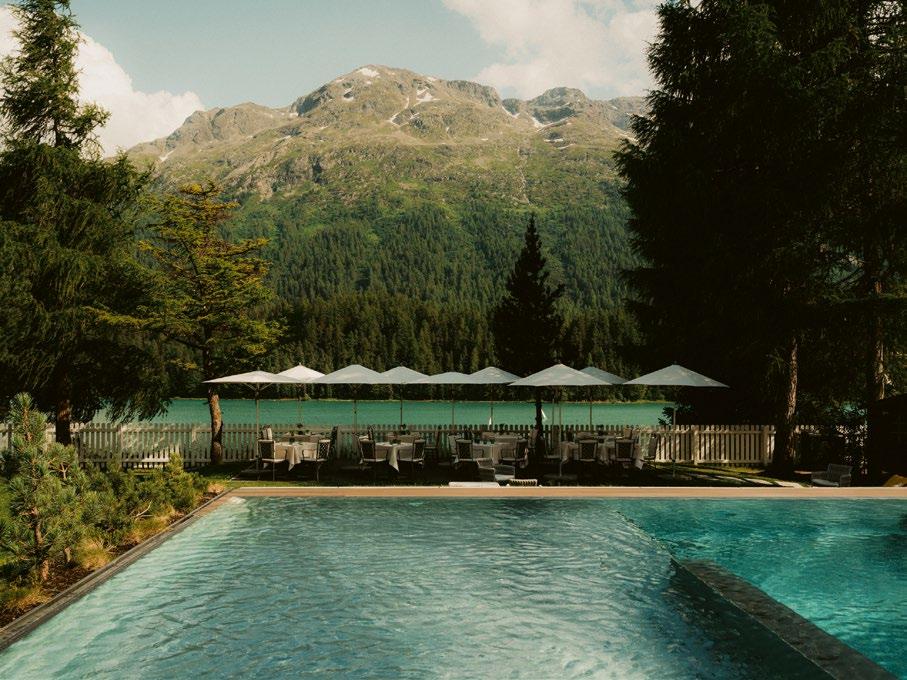
Wellbeing, too, is approached with a certain confidence. The spa extends across a sequence of spaces where materials, light and water interact seamlessly. A 25metre indoor pool opens towards the landscape, while outside, the heated pool offers uninterrupted views of snowcovered forests and alpine peaks. It is complete immersion in serene beauty.
‘What remains is a sense of belonging, shaped over time.’
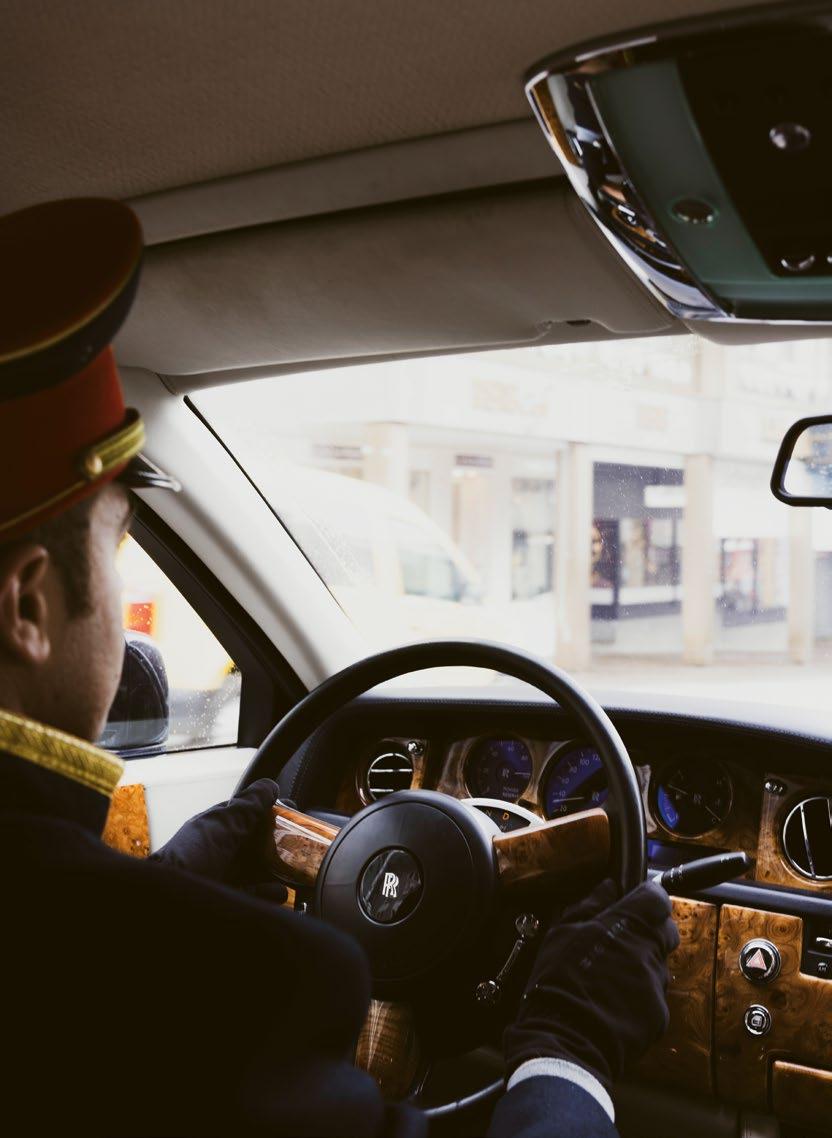
Above | Many members of staff have been at Badrutt’s for years – some for decades.
Below | The icon looks back at 130 years of legend and holds its own.
Dining forms an integral part of the experience. With a total of 11 restaurants in winter across the property, the selections are both diverse and perfectly composed. At Chesa Veglia, one of the historic dining venues, the atmosphere conveys a deep sense of tradition yet remains informal. The cuisine reflects this duality: classical in foundation but contemporary in execution, always guided by the highest respect for product.
What ultimately defines the Palace, however, is its people. Many members of staff have been here for years, some for decades. There is a sense of continuity that cannot be replicated and a familiarity that feels completely genuine. Guests return and are remembered. Over time, the hotel becomes a place to come home to, a place of belonging.
Recent additions, such as the Serlas Wing by ACPV Architects Antonio Citterio Patricia Viel, introduce a contemporary layer without disrupting this identity. Materials and proportions echo the past while addressing the expectations of today. Rather than feeling imposed, it is an evolution that is deliberate and perfectly composed.
Departure, when it comes, is discreet. One last glance at the lake and a short goodbye to familiar faces. What remains is an accumulation of impressions rather than one single moment: warmth, tradition, and exquisite attention to detail.
Badrutt’s Palace does not seek to redefine luxury. Instead, 130 years on, with an enduring sense of place and a vision to the future, it simply continues to embody it.

St. Moritz isn’t just for skiers and spalovers – it’s also a runner’s paradise. Whether it’s a gentle jog at sunrise or something with a bit more altitude, here are five gorgeous summer routes, all starting from or easily reachable from Badrutt’s Palace and open in the warmer months.
MORTERATSCH GLACIER EASY RUN
LAKE STAZ (LEJ DA STAZ) LOOP
• Why it works: An easy, flat 5-kilometre loop circling the forest-framed Lake Staz. Paved and gravel paths make it strollerfriendly — ideal for a relaxed morning run.
• Summer access: Open year-round. Start from St. Moritz Bad (just below the hotel), and youʼre off.
HEIDI’S FLOWER TRAIL & SCHELLENURSLI PATH TO HEIDI’S HUT
• Why it works: Fun, easy, and downright charming — a short themed trail leading to the original Heidi Hut above St. Moritz.
Beautiful wildflowers add colour.
• Where & how: Take the funicular from St. Moritz to Chantarella, then follow a roughly 1-kilometre trail (20 minutes, 18-metre elevation) to the hut. Return via the storytelling Schellenursliweg, a 2.4-kilometre downhill experience.
• Open in summer? Yes — open all day, trails accessible and suitable even with pushchairs.
VAL ROSEG (VIA FUORCLA SURLEJ)
• Why it works: A moderate, scenic journey through forests, meadows, and glacier views. It’s a satisfying mix of challenge and beauty.
• Route: Start by taking the Corvatsch lift to Murtèl, then a moderate ascent to Fuorcla Surlej before descending into Val Roseg. Return via Pontresina. This loop is about 13.5 kilometres total.
• Why it works: A fascinating and family-friendly trail right to the glacierʼs edge — hard-packed trail, wide gravel; perfect for runners seeking awe without too much effort.
• Distance & terrain: Around 6-kilometre round trip, with only ~155 metres elevation gain –open from late June through October.
GREAT LAKES CIRCUIT (SILVAPLANA & SILS)
• Why it works: Wide, flat gravel paths stretch around Silvaplana and Sils and are a favourite for runners seeking long, scenic loops with minimal elevation.
• Distance flexibility: You can go as far as 30+ kilometres, depending on your energy. Peak reflections make early starts especially magical.
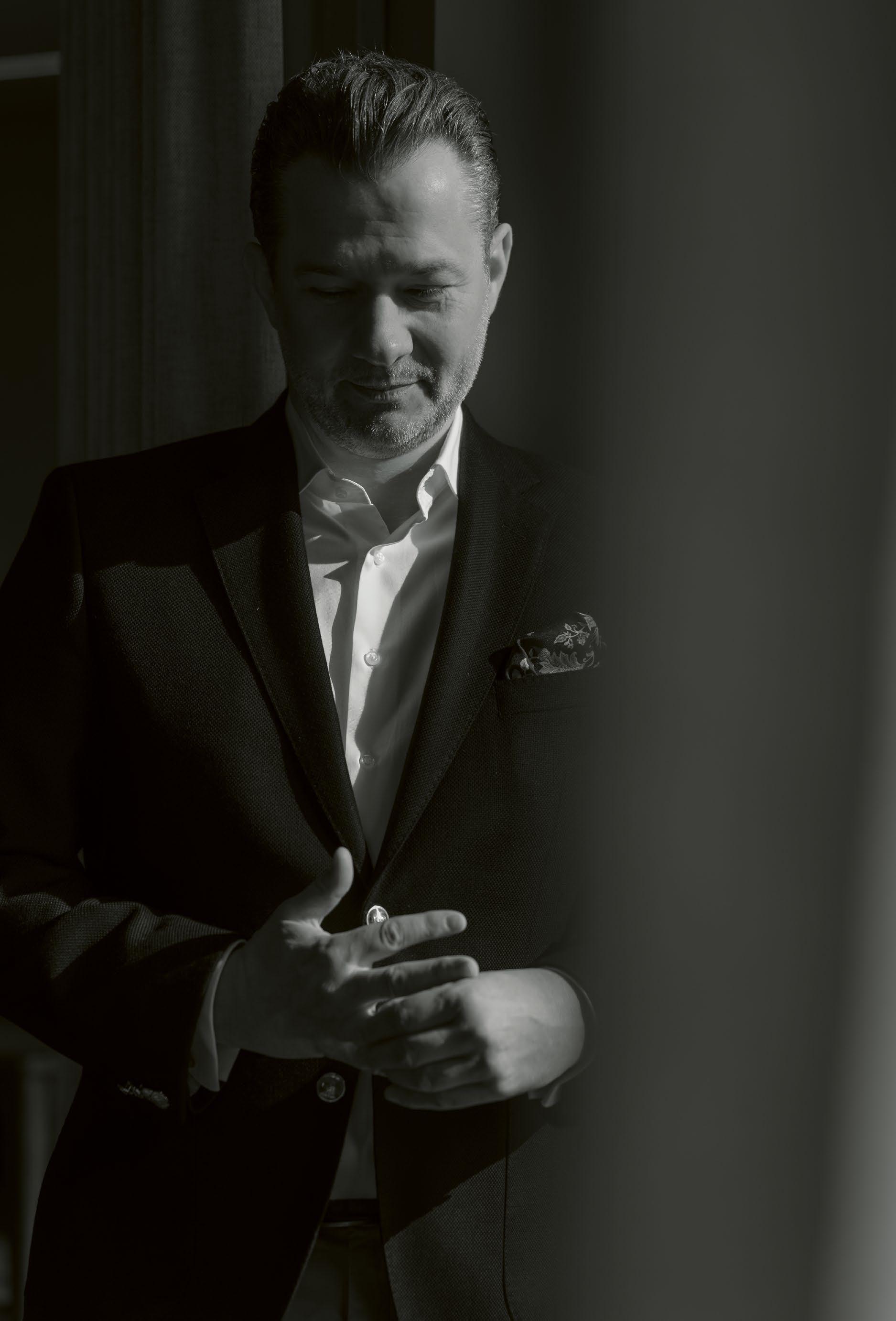
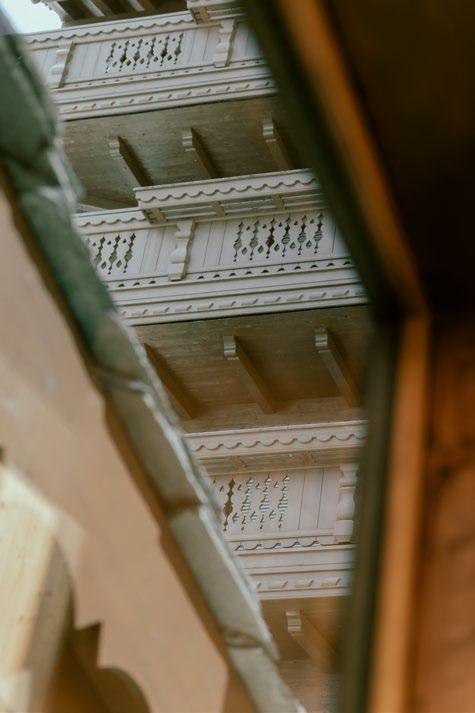
Left | Simon Schenk’s world in a nutshell: elegance, personality, authenticity, and understated presence.
Right side | Alpine mornings and timeless details.
A special tea is served in the Guarda Golf lounge, called Silverneedle , and it’s Schenk’s favourite. It feels fitting as the tea belongs to a white tea category and seems to echo the landscape around the Guarda Golf Hotel & Residences, which was snow covered for the entire winter season. ‘It was a good winter,’ says Schenk. This isn’t just reflected in the numbers, but more so in the satisfied guests and their comments. As far as positive reviews are concerned, the hotel ranks among the top 10 of the ‘Leading Hotels of the World.’ And that makes Schenk proud. ‘When guests come to me and tell me how much they appreciate our team and our service, that is the greatest compliment I could receive.’
The 47yearold gives his all every day to achieve this. During the season, he works 14hour days, always available for his guests and staff. ‘When I walk into the hotel in the morning, it’s showtime. I’m on stage until I leave late at night.’ He describes himself as an ambitious and disciplined person who is selfmotivated. He likes to go the extra mile, and that’s probably why his career has been on such a steep upward trajectory.
Schenk grew up in the Basel region and studied in Lausanne, where he then worked for several years at the BeauRivage Palace. Feeling the pull of international opportunities, he worked in the Caribbean, Monaco, and in southern Turkey until his journey eventually led him to China where he worked for the Kempinski Group in Chengdu. In 2014,
at the age of 35, Schenk received a call from Crans Montana with an offer to become general manager of the Guarda Golf. After brief consideration, he accepted– and has stayed ever since. Initially, it was a culture shock to transition from a city of 20 million and a large hotel to the much more intimate Valais resort in the mountains with its 23 hotel rooms, six suite apartments, and 18 private residences. Schenk pours more tea and explains that he missed the contact with guests in China, spending much of his time behind a computer sending analyses to the head office.
In CransMontana, it is completely different. Schenk personally writes every welcome card: ‘Here, I can make a difference as compared to the big fivestar hotels,’ says Schenk. Such a personal touch is only possible with a hotel of this size. He enjoys taking care of his guests and loves being a host, and when Schenk talks about the advantages of his establishment, the word ‘personal’ comes up repeatedly.
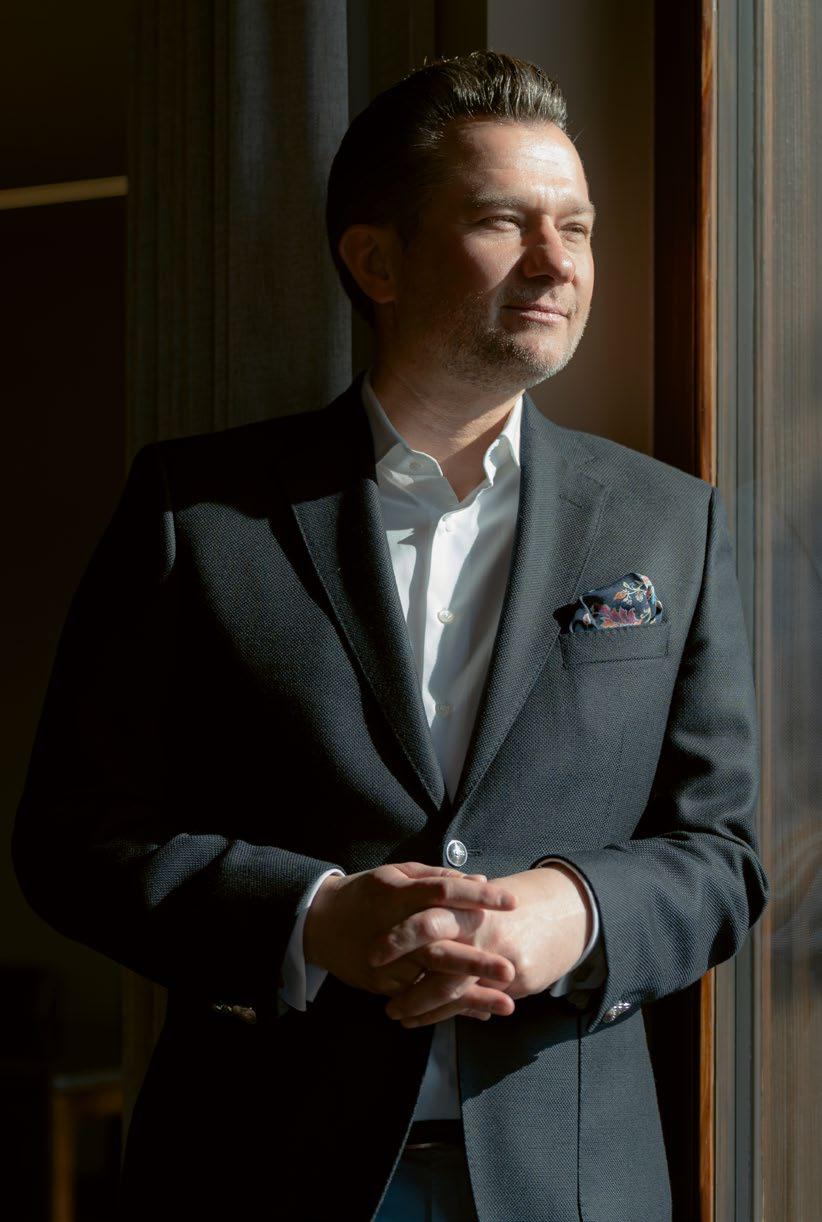
‘When I walk into the hotel in the morning, it is showtime. I am on stage until I leave at night.’
For Schenk, it is important to present the residential section, as these private apartments with the hotel service represent true luxury to him. He gives everything during the season to create such a high level of excellence every day, but the season is now over and there is some time to relax. As we look out at the snow covered mountain peaks, he explains, ‘Of course, this intensity also drains energy, which is why I do little during the off season.’ Schenk takes time to recharge in Basel and abroad. Long walks give him strength, as do concerts and museum visits.
The 2026 winter season was extremely challenging for a different, very sad reason. The fire disaster, which claimed 41 lives and left 115 people injured, some very seriously, left its mark. Schenk describes this period as incredibly difficult. ‘There was a dark cloud that made everything so difficult.’ The bar Le Constellation , where the fire raged, is just one street away from the hotel. He turned off the music at 1:30 AM that New Year’s Eve, and at the same time, the first reports of a fire came in. Then he saw flashing blue lights reflecting off the façades and heard sirens wailing. That’s when he realised something terrible had happened. And then the helicopters: ‘There must have been 15, 20 helicopters. They came from all over Switzerland,’ says Schenk. They kept coming and taking away people who never returned. ‘The noise, the uncertainty, it was apocalyptic.’ After that, nothing was the same. Everyone had to process the catastrophe together and for themselves alone.
Somehow, life had to go on, and according to Schenk, it was wonderful when laughter returned to CransMontana. He and his 75 employees are continuing what they have built. They all take care of a community that has developed over the years. These are guests who keep coming back. They appreciate being able to have a more relaxed and private holiday here. And they like to be pampered. Especially in the restaurant, which Schenk has elevated to a new level: it’s a sharingfood concept with Levantine cuisine. This too is part of Guarda Golf. ‘The most important thing is that the guest feels seen.’ A sentence that sounds simple yet encompasses everything. This is where Schenk’s strength lies: in the personal, the authentic, the unobtrusive.
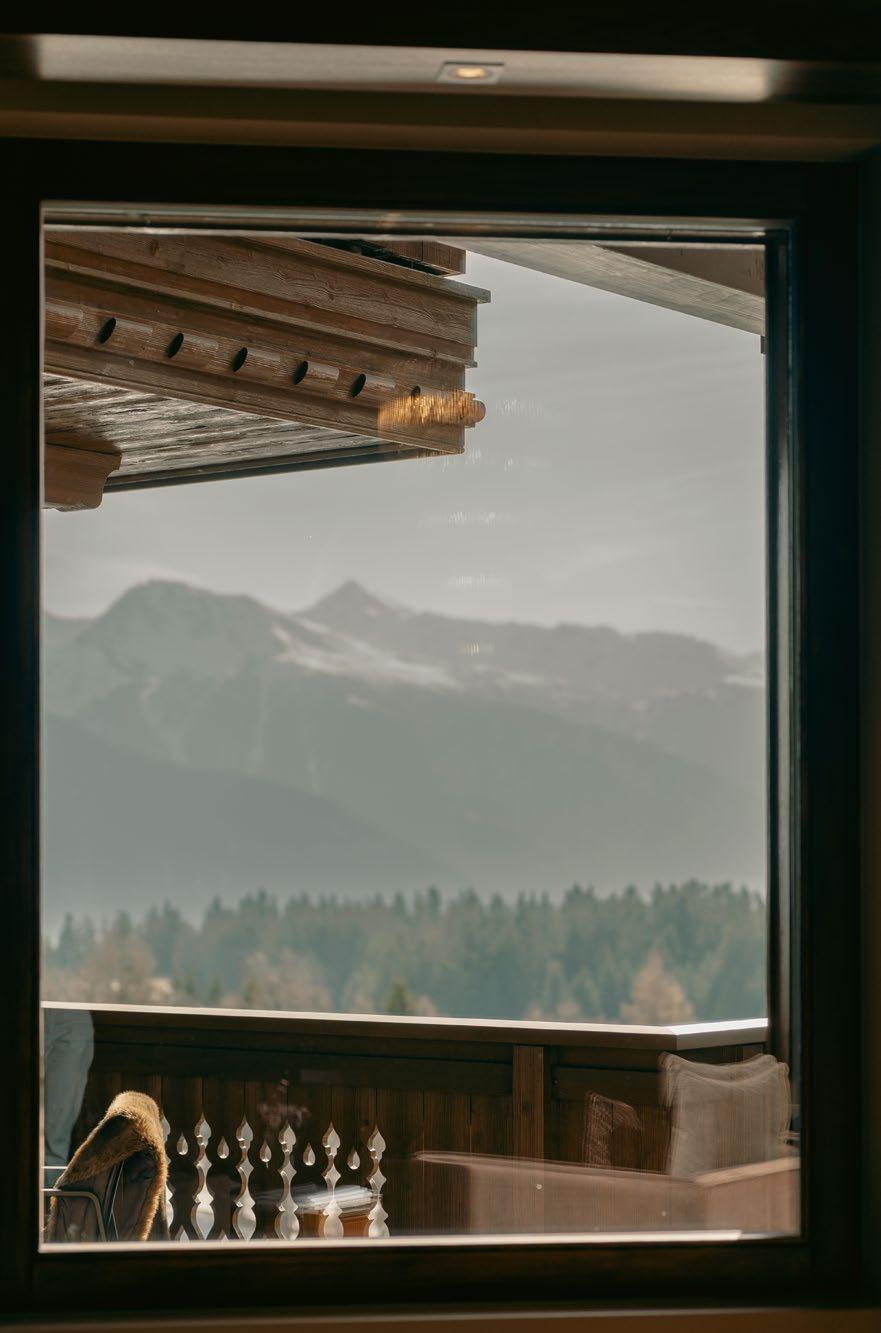

Above | Alongside his team, Schenkʼs reading glasses and his Montblanc ballpoint pen are his most important and loyal allies in his everyday work.
Below | A quiet summer escape above the treetops.
• Montblanc ballpoint pen (mini version)
Schenk always carries this with him. For 15 years. He needs it to take notes, to write down his thoughts.
• Favourite golf club
This golf club brings him luck. ʻWith it, almost everything works,’ says Schenk.
• Reading glasses
Schenkʼs constant, involuntary companion for two years. He canʼt do without them anymore.
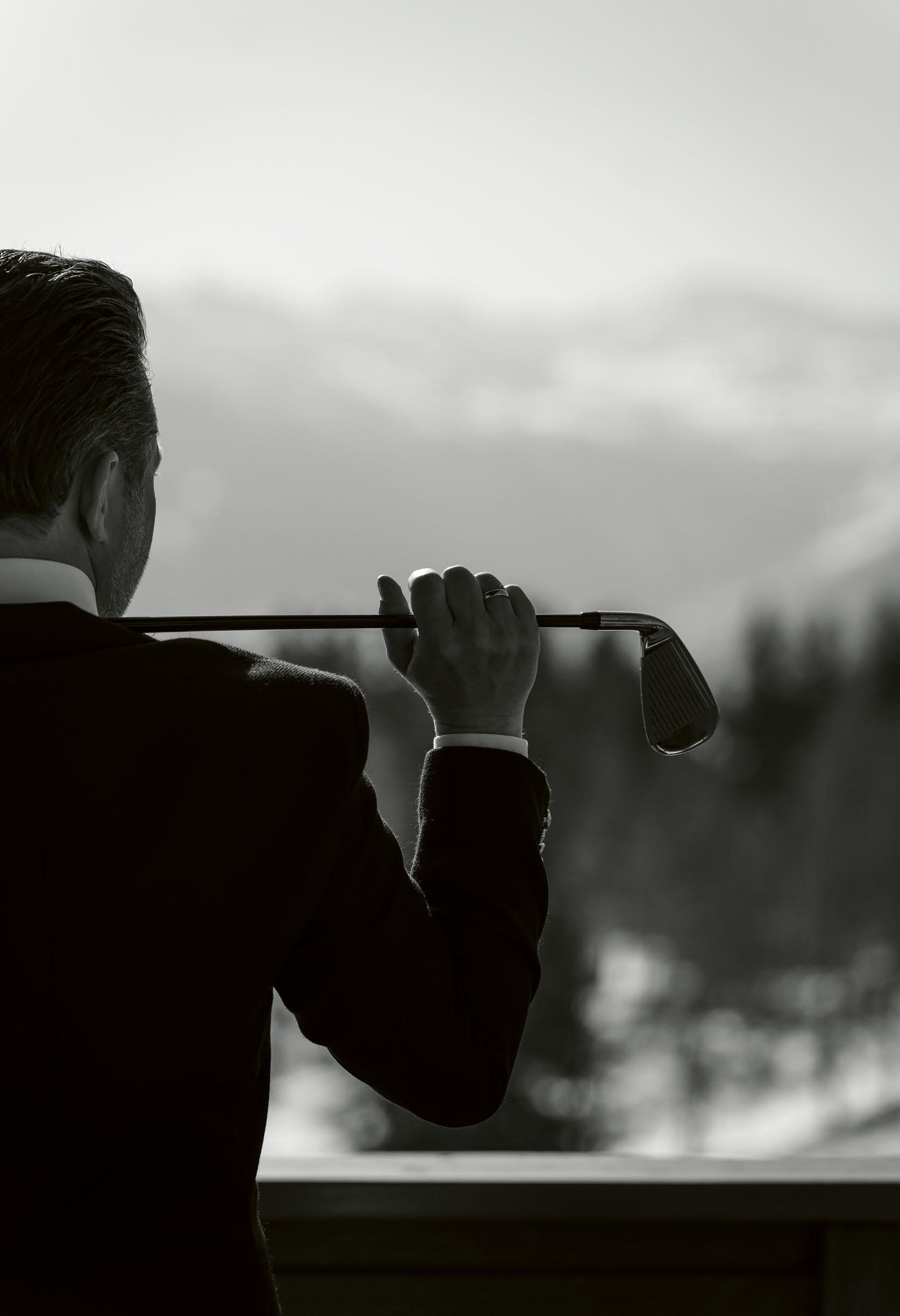
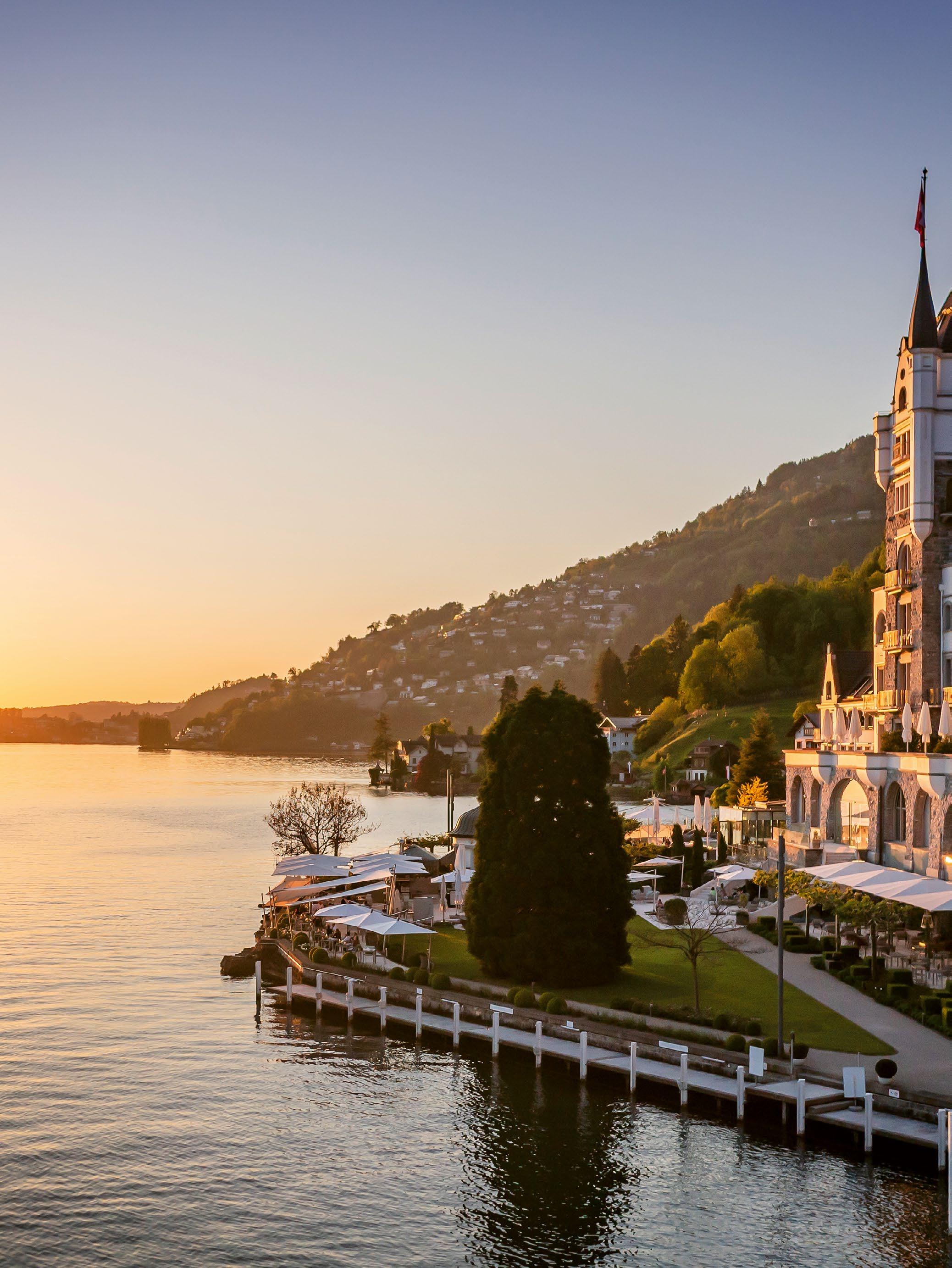
Spending a summer weekend on the shores of Lake Lucerne is always a good idea. And if you get to check in at the Park Hotel Vitznau, you’re pretty much guaranteed an unforgettable experience. Grab your most glamorous sunglasses and join me!
WORDS STEFFI HIDBER
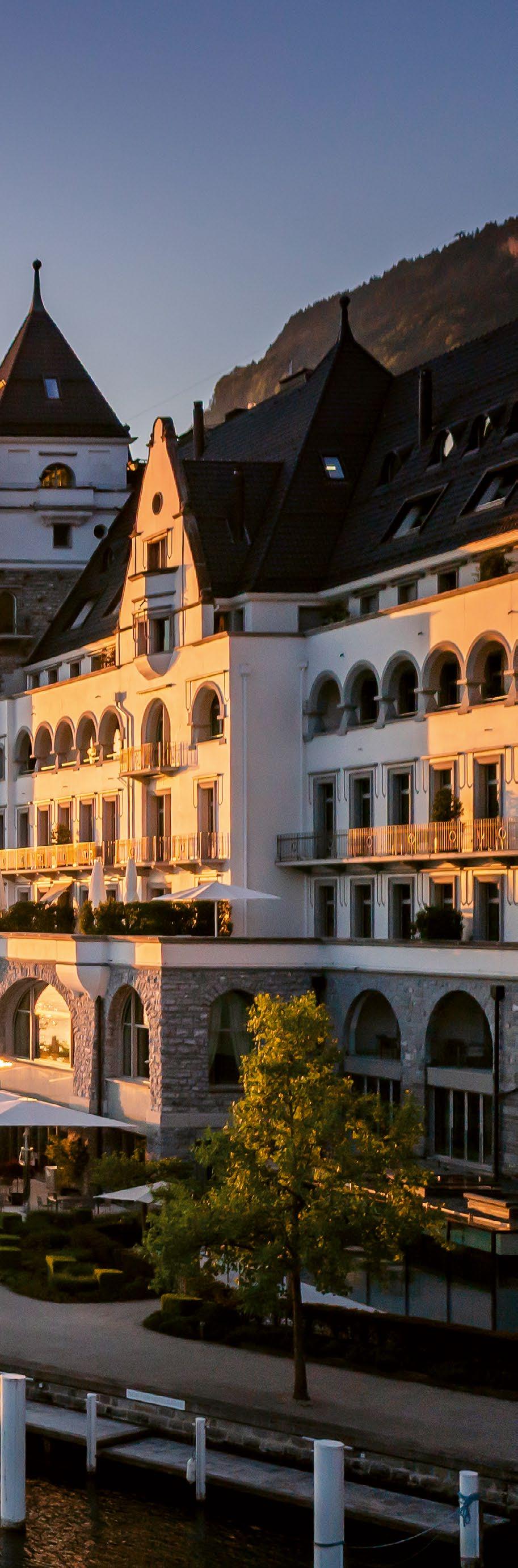
I honestly would never have thought that a promise of ‘absolute privacy’ would be the deciding factor for my recent spa getaway, but after a hectic spring, chockfull of family and business obligations, nearlymissed deadlines, and a terrible case of the flu, I can’t think of anything better than a bit of peace and quiet. And that’s not just a marketing catchphrase at Park Hotel Vitznau, but a promise that they keep, time after time.
For this (my third!) visit to one of Switzerland’s most luxurious hotels, I’m absolutely ready to immerse myself not only in the gorgeous infinity pool, but also for the chance to indulge in an amazing culinary adventure. Even diehard spa lovers like me will readily admit that the Park Hotel Vitznau’s awardwinning restaurants are not just the icing on the cake, but the main reason why everyone should treat themselves to at least one night in one of the 49 unique, beautifully decorated suites. Sadly (or rather, quite understandably!), the owner’s family offices are located in the fairytale tower of the estate, but as almost all the other suites offer the same amazing lakeside view, I quickly forget my ambitions to become a Disney princess.
After checking into my elegant artist’s suite, practically located in the Theatre Gallery of the spa wing, I make myself a cup of Sirocco tea and enjoy the first of many moments simply basking in the view: On this blustery latespring day, the lake sparkles in the sunlight right in front of me, and as I watch the passenger boats crisscrossing their way over the water, I can’t help but let out a sigh of wonder. What a beautiful country we get to live in! The reverie is shortlived, though... spa manager Meryem is waiting for me!
After my amazing treatment with the hotel’s beauty partner La Prairie, I’m relaxed enough to finally make proper use of the Park Hotel Vitznau spa. Laid out over three floors and boasting an impressive 1,500 square metres of wellness perfection, it’s easy to lose track of time here. After nearly losing my friend Nadja, who took the opportunity to hide away in one of the outdoor ‘shell’ lounges outside to soak up some sunshine, I manage to immerse myself up to my thighs in the frigid, crystal clear waters of Lake Lucerne. The swimmer’s float with its water slide seems to goad me: just wait till I come back on a sweltering August day! Then it’s back to the pool for me, where I swim some leisurely rounds, before finishing off the best kind of parkour downstairs, bouncing lazily between the steam room, Finnish sauna, ice plunge and (my favourite), the hightech ‘Tepidarium’
After a dreamy, incredibly serene afternoon and early evening at the spa, it’s finally time to go get changed for dinner, and once again, the Park Hotel Vitznau sets new standards. I’m thrilled that we’ve been offered the ‘Chef’s Table’, an amazing culinary experience in which hotel guests can spend the evening literally in the fivestar kitchen of the Grill Restaurant... or rather, right in front of
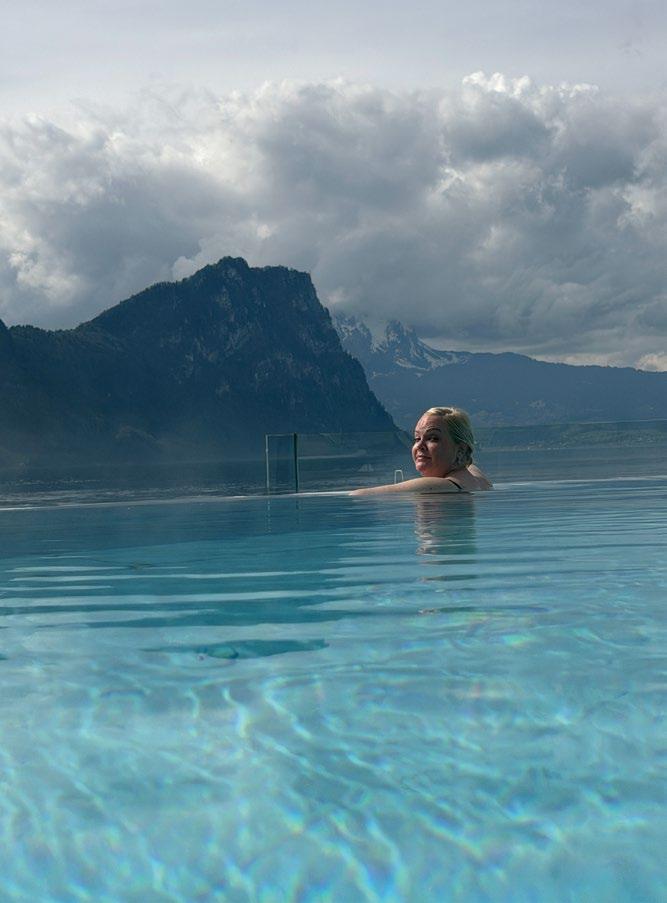
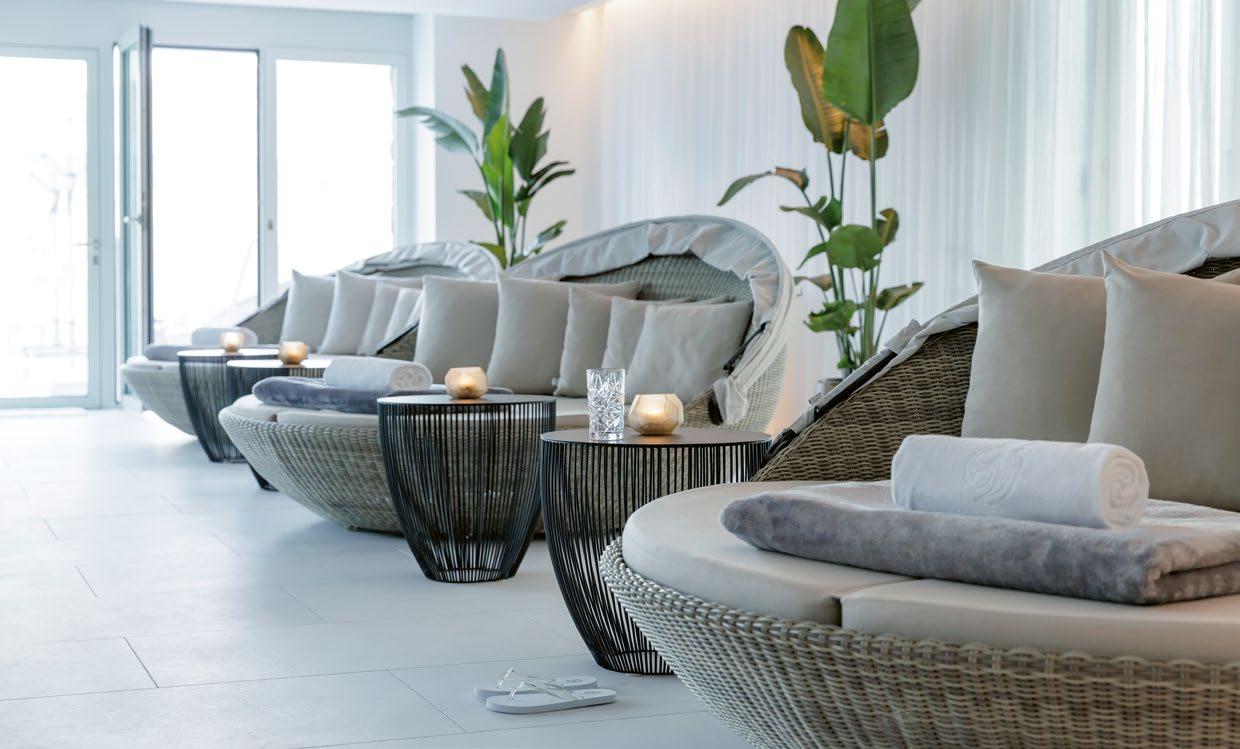
It’s easy to find yourself a quiet corner to lounge about at the Park Hotel Vitznau spa.
it! Our tasting menu, prepared right in front of our eyes by the surprisingly quiet and highly concentrated chefs and helpers, thrills our taste buds. Sommelier Torsten keeps us entertained with a handpicked wine menu to go with each dish. Here we learn all about the Park Hotel Vitznau world class collection of wines and are even allowed to peek into one of its most precious wine cellars, including an incredibly rare red wine from the 18th century.
Deliciously full and eversoslightly buzzed, all we need to do is drop into bed and sleep the sleep of the deeply spoiled. And if there’s a better summer pastime than a fivestar hotel breakfast with an unobstructed view of the lake, please be sure to let me know. In the meantime, I’ve promised the Park Hotel Vitznau team that I’ll be back in time for its legendary yearly kitchen party in September. Before I go, I take one last, longing look across the lake before heading back to hectic Zurich.
STEFFI’S SIGNATURE TREATMENT TIP: LA PRAIRIE SIGNATURE BODY TREATMENT (90 MIN, APPROX. CHF 350)
Created especially for the Park Hotel Vitznau, this cocooning, gentle body treatment is the perfect treat for anyone in need of deep relaxation. The experience begins with some aromatherapy relaxation techniques and deep breathing, followed by a full-body scrub with sea salt and deliciously scented oil. After a quick shower, it’s back to the massage table for a blissful hour, in which I’m slathered in one of La Prairie’s newest launches, the ‘Cashmere Body Cream’, which is gently massaged into the skin using slow, gentle strokes that nearly put me to sleep. My skin has never been this soft, and never have I been more tempted to treat myself to a fullsized version of the cream to take this delightful feeling home with me!
CURATED
BY
STEFFI HIDBER
This fast-absorbing hand serum with niacinamide, LHA, and dandelion root extract visibly smooths and brightens tired hands, and I can’t remember what I did without it.
AESOP SOLAIS REPLENISHING HAND SERUM , approx. CHF 43
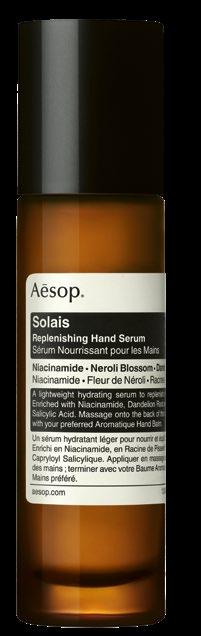

Many brands promise amazing results, but Biologique Recherche truly delivers: Their new M.E.C. cream targets the skin’s architecture to address visible signs of ageing in under 60 days.
BIOLOGIQUE RECHERCHE CRÈME
M.E.C , approx. CHF 195
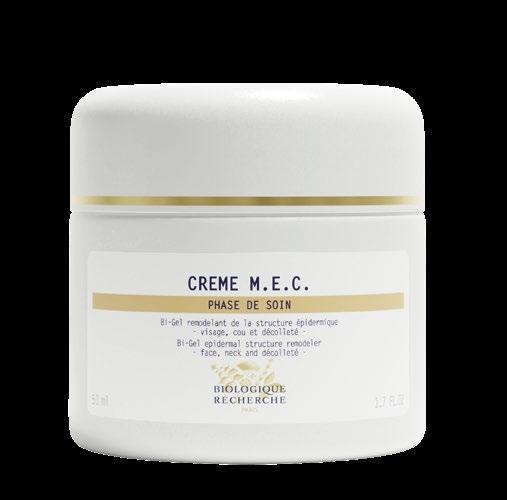
Yay! Dyson finally launched a small, travel-friendly version of their amazing Supersonic hairdryer, and it even converts different voltages itself. For good hair days worldwide!
DYSON SUPERSONIC TRAVEL HAIRDRYER , approx. CHF 300
The best daily sunscreen is the one you enjoy using, and Dior delivers an intensely hydrating, non-sticky daily SPF that also performs wonderfully under makeup.
DIOR SKIN INVISIBLE UV FLUID SPF 50+ PA +++ , approx. CHF 62
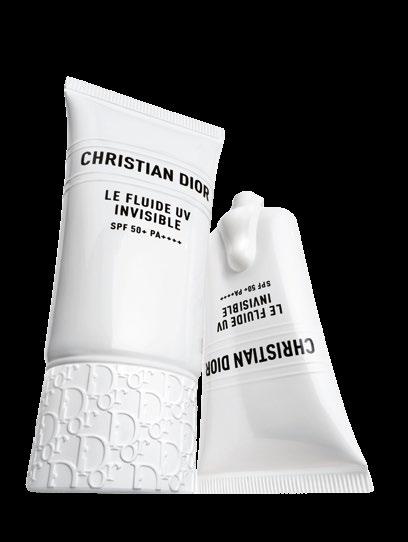
This overnight lip mask honestly surprised me: Chock-full of cuttingedge skincare ingredients, it visibly smooths, plumps, and defines the lip contours... while I sleep!
MONIKA HEILIGMANN LIP PERFECTING OVERNIGHT MASK , approx. CHF 130 at beyond-skin.ch

There are Champagnes that capture a moment, and there are Champagnes that capture an idea. LaurentPerrier Grand Siècle belongs firmly to the latter category: it is less a wine of one harvest than a bold manifesto in a glass. In a region obsessed with vintages and years, Grand Siècle is built on the paradoxical conviction that the perfect year does not, in fact, exist.
Walk up the treelined drive to LaurentPerrier’s estate in TourssurMarne, and little in the classical brickwork and manicured lawns hints at the radical thinking that has shaped this house. For most of the 20th century, Champagne measured prestige by the strength of individual harvests, bottling only the most exceptional years as a proud statement of nature’s generosity. Bernard de Nonancourt, the house’s visionary post war leader, chose a different path: if one year could not be perfect, he would attempt to recreate perfection through time itself.
In the 1950s, when de Nonancourt began experimenting with blends of multiple ‘great’ vintages, the idea flew in the face of Champagne orthodoxy. Grand Siècle, first released in 1959, was conceived as a prestige cuvée not tied to a single year, but composed from three outstanding vintages chosen for their complementary personalities. Rather than celebrate what nature delivered in
one harvest, LaurentPerrier sought to assemble, through careful blending, what nature could never quite provide on its own: the ideal balance of maturity, freshness, and structure.
That founding principle still governs the wine today. Each ‘iteration’ of Grand Siècle – the house’s term for an individual blend – is constructed from three exceptional years with the youngest forming the backbone and two older reserve wines adding depth and complexity. Only a small fraction of Champagne’s villages are considered: up to 11 grands crus, including names that make collectors’ hearts skip a beat, like Le Mesnilsur Orger, Avize and Cramant for Chardonnay; or Ambonnay, Bouzy, and Verzenay for Pinot Noir. The composition is consistently dominated by Chardonnay and supported by Pinot Noir, underlining the house’s preference for finesse over sheer power.
|
Over more than six decades, LaurentPerrier has released just 27 such iterations, underscoring how selective the process is. There are far more declared vintages than there are Grand Siècle blends, so the ‘perfect year’ is not an annual event but an occasional, hardwon alignment of conditions and craftsmanship.
Behind the effortless grace of Grand Siècle lies a very modern technical rigour. LaurentPerrier was among the first houses in Champagne to embrace stainless steel tanks for fermentation and the storage of reserve wines, a quiet revolution at the time. In the dedicated Grand Siècle cuverie, sleek 110hectolitre tanks hold the base wines that have been sorted by vintage, grape and cru, and then preserved with almost clinical precision until the cellar master decides their role in a future blend.
The philosophy is deceptively simple: preserve purity, then add complexity through time. Primary fermentation in stainless steel emphasises bright fruit and a crystalline line of acidity, while the
true alchemy happens later, when the blended wine rests for a decade or more on the lees in the bottle. For the current release of Grand Siècle in standard bottles, the minimum ageing is around 10 years; magnums stay even longer in the cool darkness of the cellars. This extended maturation deepens texture and flavour, transforming the wine’s youthful citrus and floral notes into layers of brioche, roasted nuts, and discreet spice, without sacrificing freshness.
It is no coincidence that the emblematic Grand Siècle bottle, with its slender neck and gently rounded shoulders, nods to 17thcentury glassware – a visual homage to the era of Louis XIV, when France enjoyed one of its great cultural flowerings. The name itself, Grand Siècle, ‘great century’, links the wine not just to time, but to the idea of a Golden Age, reimagined with every new blend.
TASTING THE IDEA: GRAND SIÈCLE IN THE GLASS
Pour a glass of Grand Siècle and the first impression is visual: a pale, luminous gold with an almost silvery glint, the bead fine and persistent, rising in slender columns. On the nose, the wine opens slowly, like a curtain being drawn. At first, there is the clarity of citrus – lemon zest, clementine peel, a hint of grapefruit – wrapped in notes of white flowers, fresh butter, and pastry crumbs. Give it air and warmth, and deeper registers emerge: toasted hazelnut, flaked almond, a suggestion of honeycomb, and dried apricot, with a subtle saline edge that seems to echo the chalky soils of the Côte des Blancs.
On the palate, Grand Siècle is both precise and enveloping. The attack is fresh and vibrant, with flavours of ripe orchard fruit, candied citrus, and a whisper of honeysuckle running along a taut, mineral spine. The mousse is remarkably fine, almost creamy in texture, giving the wine a silken flow across the tongue, while the acidity keeps everything lifted
Below | In
and elongated. The finish is long and layered, leaving impressions of lemon curd, brioche, and a faintly smoky nuttiness, like the memory of a just toasted slice of sourdough.
Take, for example, the latest release: Grand Siècle Iteration N°27. It masterfully blends the generous 2015 vintage (65%) with reserve wines from 2013 (25%) and 2012 (10%). Aromatically, expect ripe yellow fruit and candied citrus over white flowers and fine pastry, with a polished, gently toasted undertone as it opens. On the palate it reads as confident and expansive yet still precise, with opulent fruit from 2015 held in check by the natural freshness and balance of the later ripening 2013 component, finishing long, chalkclean, and savoury. It is the sort of Champagne that seems to sharpen in focus as you drink it, each sip adding another brushstroke to the picture.
Still on the market: LaurentPerrier Grand Siècle Itération N°24, based on the 2007, 2006, and 2004 vintages, that leans into precision and understatement at first with candied lemon and clementine, then toasted bread and fresh hazelnut as the glass opens. The palate stays bright and mineral, but there’s a subtle glide of briocherichness and honeyed warmth underneath, giving the finish a polished, lingering sense of power without heaviness.
The Grand Siècle Iteration ‘Les Réserves’ N°20 is an exquisite treat, only released in Magnums and created from basewines stemming from 1999, 1997 and 1996 after having had time to gain complexity on the lees for an impressive 20 years before the (second) release. This is a Grand Siècle in evening dress: deeply aromatic, confidently mature, and remarkably alive.
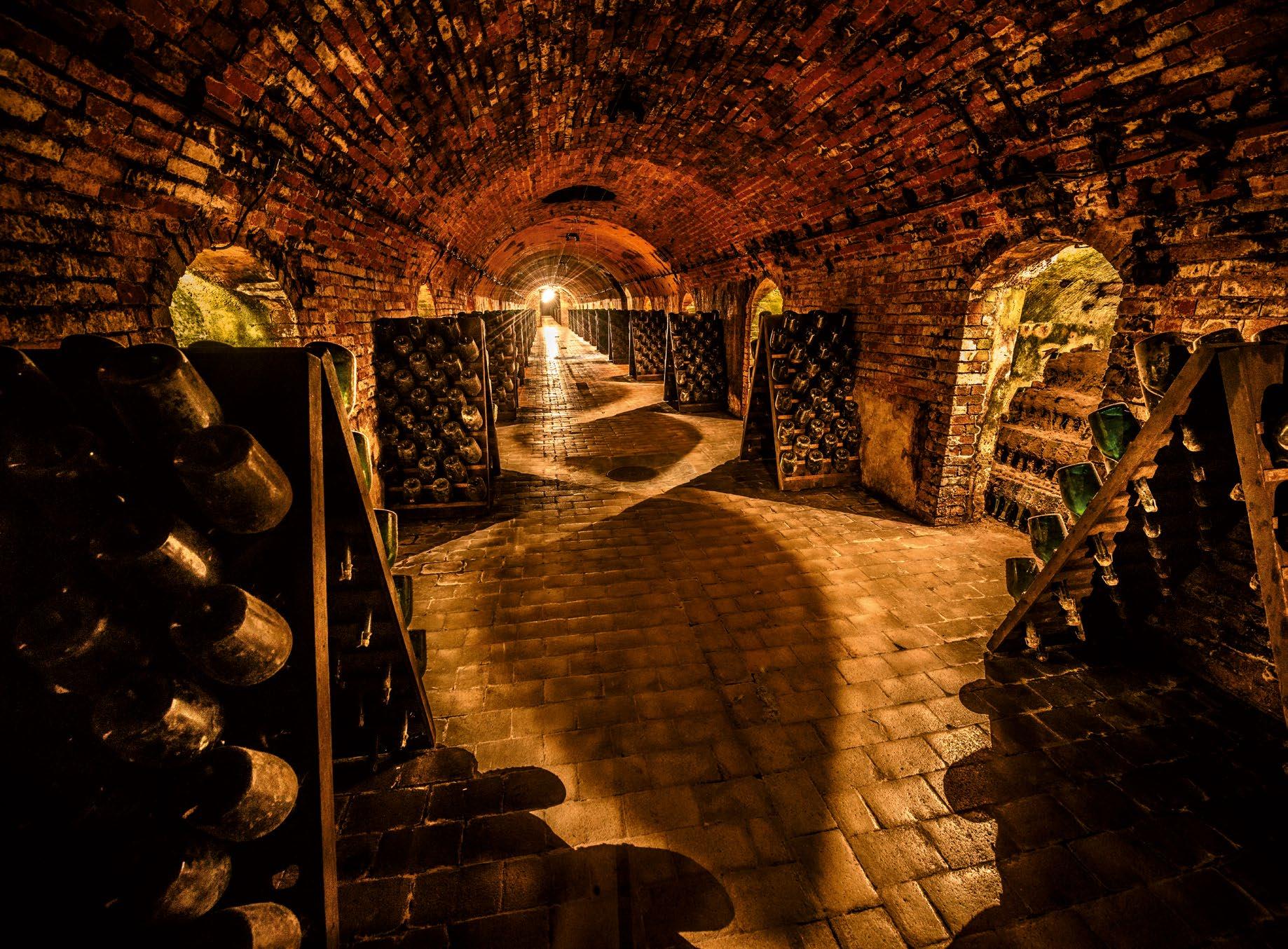
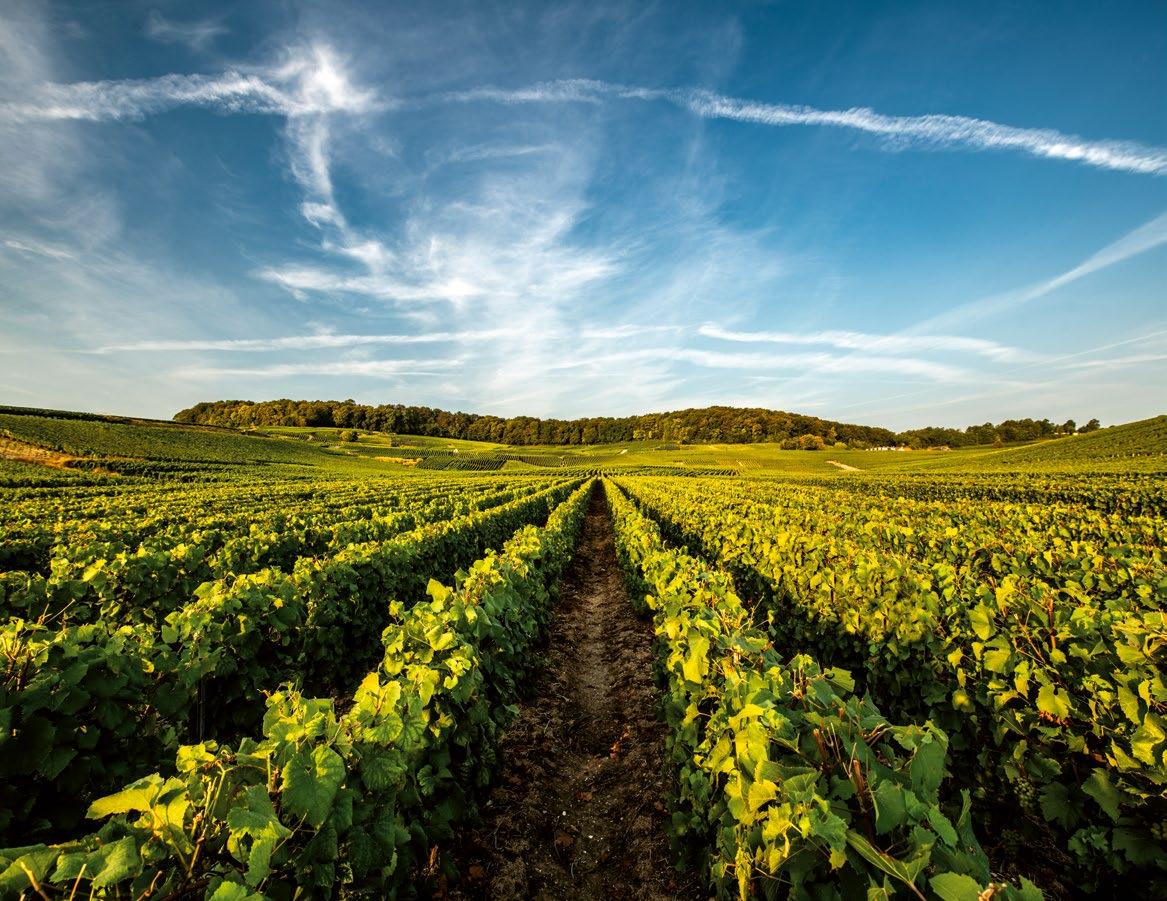
AT THE TABLE: GASTRONOMY IN BUBBLES
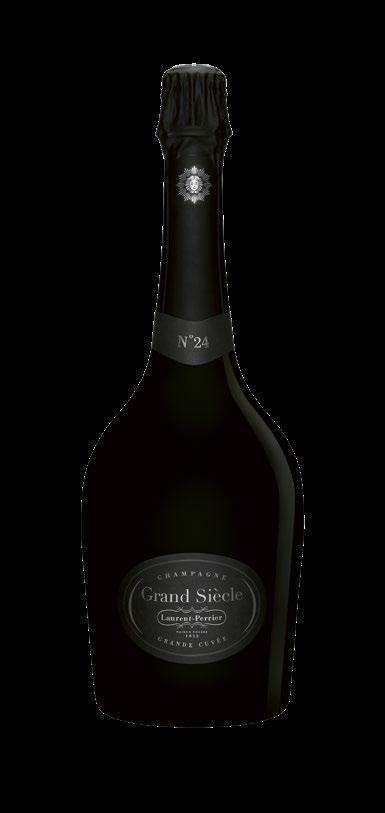
Although Grand Siècle is more than capable of commanding attention on its own, it is arguably at its most eloquent when paired with food. The wine’s combination of richness and acidity makes it a natural companion to the upper register of French gastronomy. Classic pairings include lobster in beurre blanc, turbot with beurre noisette and capers, or delicate shellfish dishes where the Champagne’s citrus and saline notes mirror the sweetness of the seafood. The subtle toasted and nutty nuances, especially in more mature bottles, also work beautifully with dishes featuring truffle, morels, or toasted hazelnuts – think a creamy poultry dish enriched with jus and winter mushrooms.
Because of its length and structure, Grand Siècle can comfortably accompany an entire meal, evolving from an aperitif into a partner for refined main courses and even certain cheeses. Aged Comté or a carefully ripened Parmesan can make an intriguing match, picking up on the wine’s savoury notes and underlying umami. For those who prefer a more minimalist approach, one of the
most luxurious ways to enjoy Grand Siècle remains perhaps the simplest: a perfectly chilled bottle, impeccably clean glassware, and a spoonful of caviar: evoking thoughts of sea breeze or silk.
Grand Siècle is not just a technical exercise; it is also a family story. Bernard de Nonancourt steered LaurentPerrier for more than six decades, leaving behind a house culture that prized innovation, discretion, and a very modern sense of elegance. Today, his daughters Alexandra Pereyre de Nonancourt and Stéphanie Meneux de Nonancourt, together with the current management and cellar team, carry that vision forward, while a younger generation, including Alexandra’s daughter Lucie Pereyre de Nonancourt, has taken on the role of representing Grand Siècle around the world. Their presence ensures that the wine is not just an abstract luxury icon, but something anchored in people, conversations, and an evolving narrative.
In a Champagne landscape crowded with famous names and iconic labels, Grand Siècle occupies a particular niche. It is a prestige cuvée that refuses the easy romance of a great single year in favour of a more demanding proposition: a Champagne that strives, iteration after iteration, to edge a little closer to an ideal. For collectors and connoisseurs, that makes it both fascinating and quietly compelling. It is a wine to follow across time, to compare from one blend to the next, and to revisit as the bottles themselves mature in the cellar.
Ultimately, to drink Grand Siècle is to participate in a kind of controlled experiment in perfectionism. Each glass reflects not only the chalk and climate of Champagne’s grands crus, but also decades of accumulated know how, patience, and a certain stubborn refusal to accept that nature’s best effort in any single year is quite good enough. In a world increasingly used to instant results, there is something profoundly luxurious about that kind of long view; a vision of the perfect year that arrives only after many years have quietly passed.
WORDS CLAUDIO DEL PRINCIPE
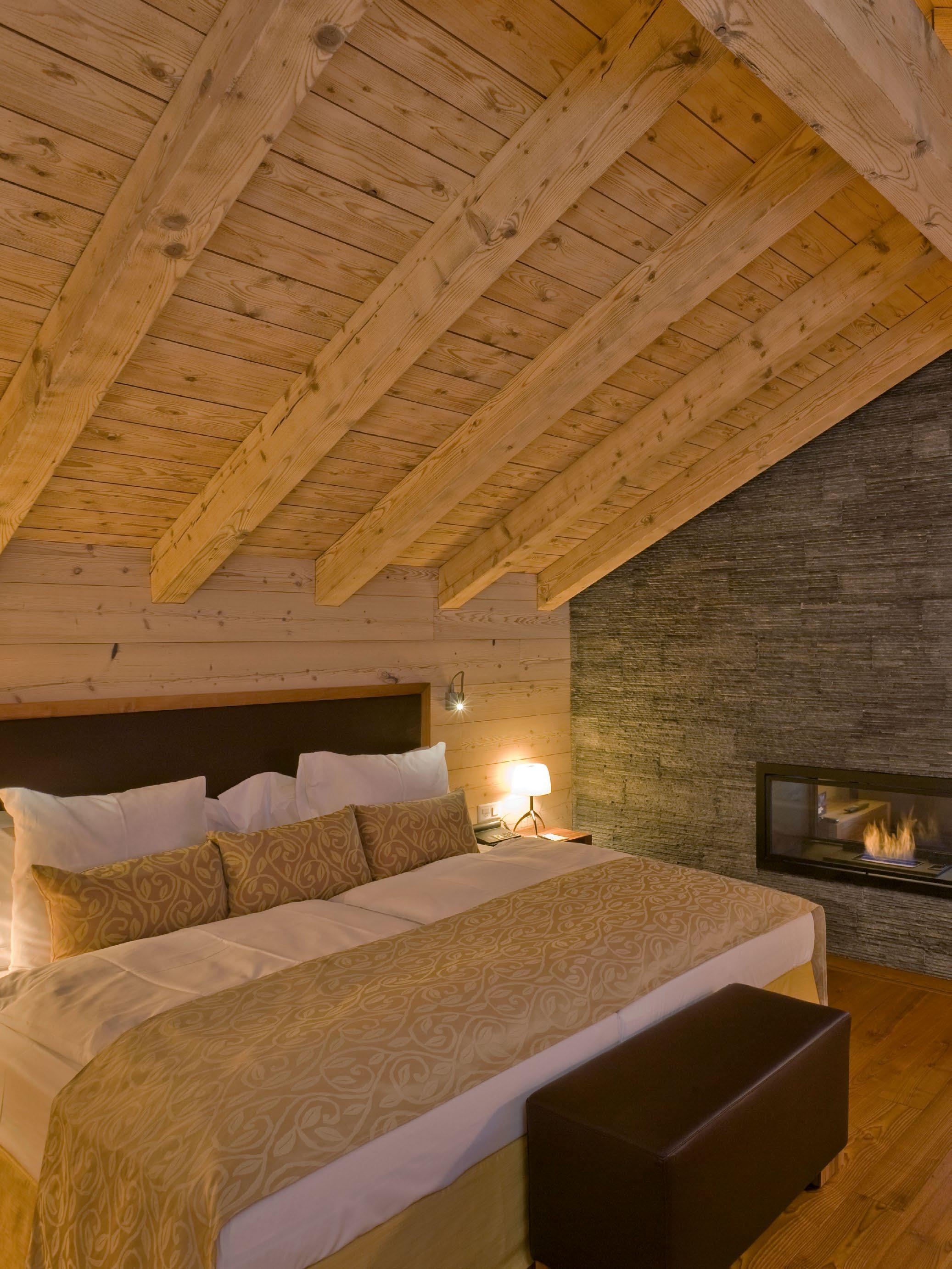
3 reasons to leave the suite:
1. Alpine Gourmet Prato Borni
Since July 2025, top chef Stefan Lünse has led the kitchen of the Zermatterhof’s gourmet restaurant. His refined cuisine celebrates regional identity by combining local ingredients with international elegance, lightness, and creative depth.
2. Vita Borni Alpine Wellness
From winter 2025, a completely new spa invites guests to relax and recharge, with a modern fitness centre, a 17metre indoor pool, two jacuzzis with Matterhorn views, a sauna, sanarium, steam bath, luxury showers, and an ice fountain.
3. Matterhorn Art and Cigar Lounge
Wandering leisurely through the historic hotel is a pleasure in itself. Impressive Matterhorn images line every floor. Afterwards, the cigar lounge is the perfect place to let your thoughts drift.
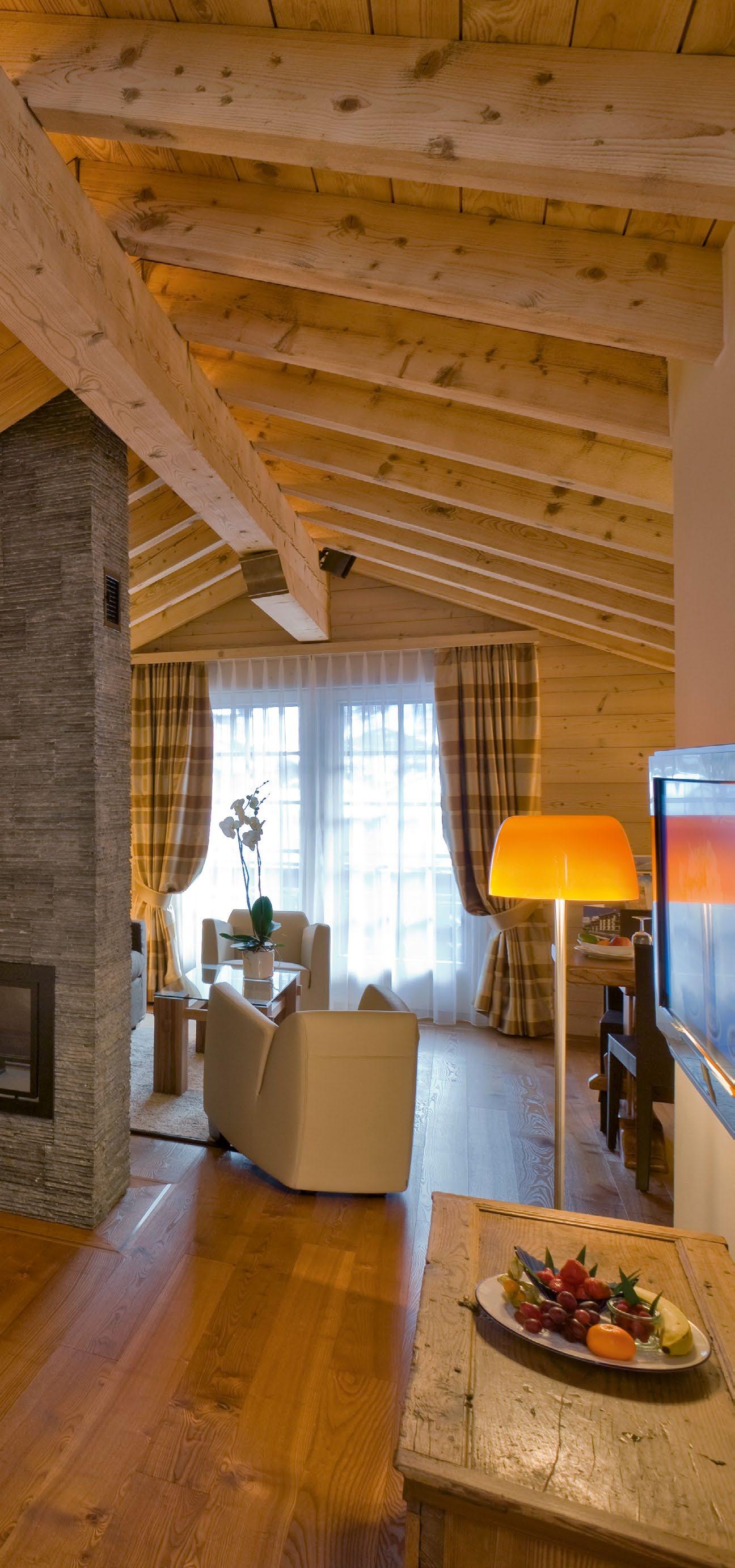
Staying in a suite always feels a little like moving into a brandnew home. Small, yes. Temporary, yes. But entirely yours. And best of all, without the planning or the headaches over big questions and tiny details. No delays, no years of waiting. Someone has already arranged everything, planned it all, and executed it to perfection. With the finest, warmest materials and every amenity thoughtfully in place, it’s all there. Not for just anyone — no, for me. The guest. The most important person in this house. That feeling alone is the very definition of luxury.
Of course, a suite is not a private holiday home, which might be even more luxurious but feels anonymous. Here at the Zermatterhof, your stay begins at the station with a royal welcome. A horsedrawn carriage takes you gracefully through the streets. Then, a ceremonial reception and a heartfelt greeting. Someone escorts you upstairs and even opens the door for you. You can’t help but widen your eyes and nod approvingly. Thank you, yes. Beautiful. Perfect. Then the door closes and you discover yet another intimate welcome gesture: a handwritten card expressing joy and anticipation, pralines, macarons, fresh fruit, and a bottle of wine. Already, you feel like never want to leave.
The first rituals are sacred. Just like setting up a new apartment, you unpack immediately. Book, glasses, and water on the bedside table – nothing more. The rest tucked away in drawers. Sunglasses with a magazine on the desk next to the laptop. Sports sunglasses and swim goggles neatly placed in the wardrobe, each shelf with the corresponding gear for skiing, hiking, or swimming.
Then comes the test nap – no matter the time of day. The kingsize bed embraces me with warmth. It will be savoured several times a day – not just at night. The finest linens, the softest pillows. And that scent of Swiss pine. It is said to calm, ease sleep, lower stress. The essential oils in the wood’s resin are antibacterial, may reduce allergies, and even slow the heartbeat. Yes, sleep will be deep and restorative in the Chalet Suite Matterhorn. Its alpine charm embraces me. A quick check of tomorrow’s sunrise and the alarm is set. This moment must not be missed – when the first light awakens the Matterhorn. So close and radiant, one more majestic welcoming gift in this home away from home – unforgettable forever.

‘Lucerne gives you the lake, the mountains, the seasons – everything you need. My job is simply not to get in the way.’
GILAD PELED, EXECUTIVE CHEF, MANDARIN ORIENTAL LUCERNE
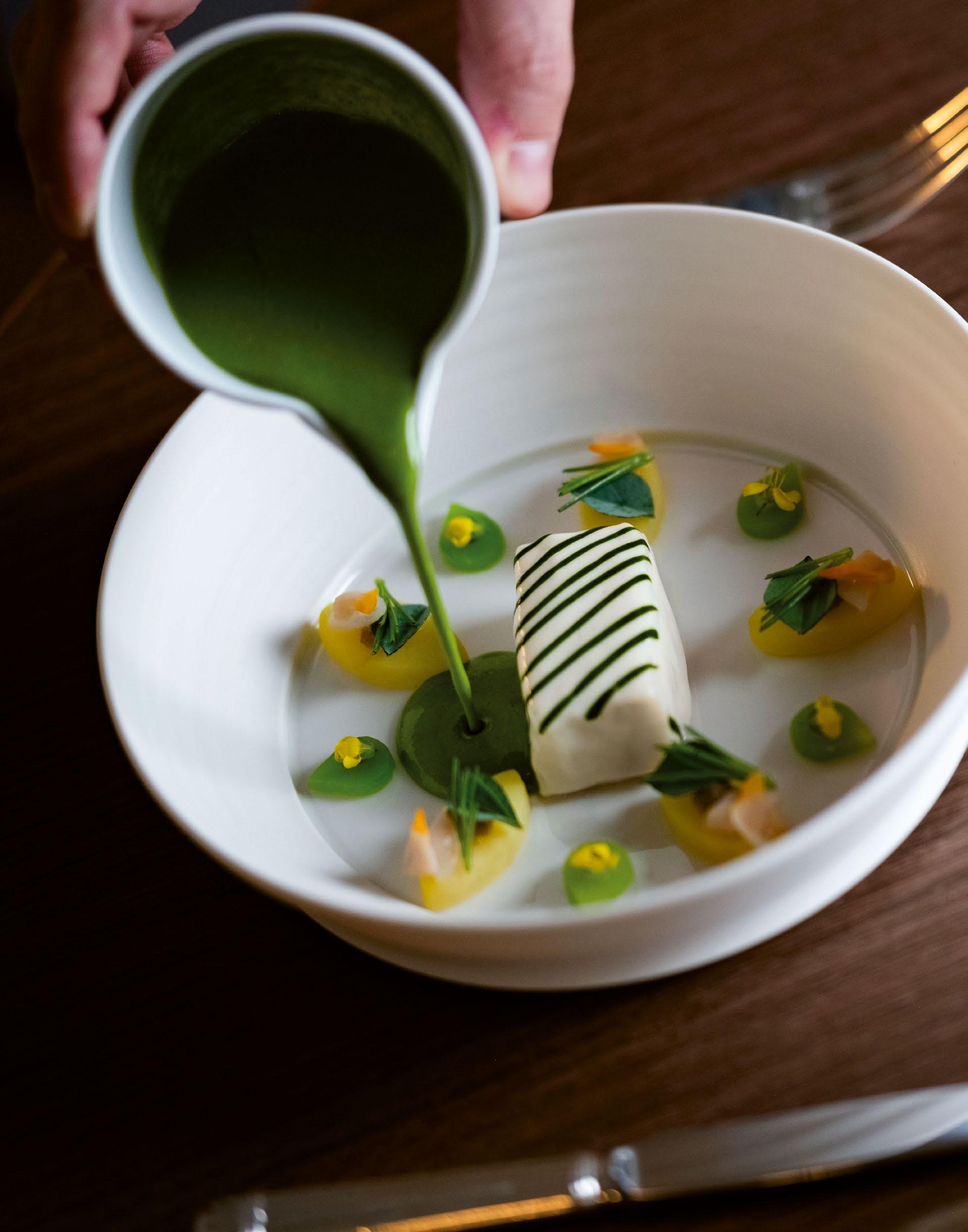
WORDS THOMAS HAUER
No question about it: the elegant Mandarin Oriental Palace, housed in a stately 1906 Belle Époque ensemble directly on the promenade of Lake Lucerne, ranks not only among Switzerland’s most prestigious hotel addresses, but is also a compelling destination for discerning gourmets seeking the ultimate culinary delights.
The undisputed star of its extraordinary culinary trio is the twoMichelinstarred Colonnade. Here, contemporary French haute cuisine is celebrated with finesse, while remaining firmly rooted in the region’s rich larder. The elegant dining room, defined by soaring ceilings, striking marble columns, Art Nouveau chandeliers, and a floortoceiling glass wine cabinet as the perfect modern showpiece, sets the stage for relaxed fine dining atmosphere at the highest level.
However, one cannot forget Minamo, an intimate Japanese Omakase restaurant only catering to eight guests at a time. This too has been awarded a Michelin star. Meanwhile, the allday dining venue Mozern serves refined bistro fare alongside a selection of timeless classics.
Right | Chef Peled devotes great attention even to the smallest details of a dish.
Below | For Gilad Peled, the right choice of tableware is crucial for the perfect presentation of his dishes.
During the summer months, Quai 10 stylishly rounds off the Mandarin’s culinary offering with refined Mediterranean fare while being served in an elegant al fresco setting on the lake promenade overlooking Lake Lucerne.
GILAD PELED
The break has clearly done Gilad Peled a world of good. When we visit the Colonnade just a few days after its reopening – following a twomonth seasonal hiatus – the chef appears completely restored and radiates creative energy.
Those meeting Peled for the first time might be surprised. There is no theatrical kitchen hero here, no tattooed showman parading plates like manifestos. Instead, Peled is composed, almost
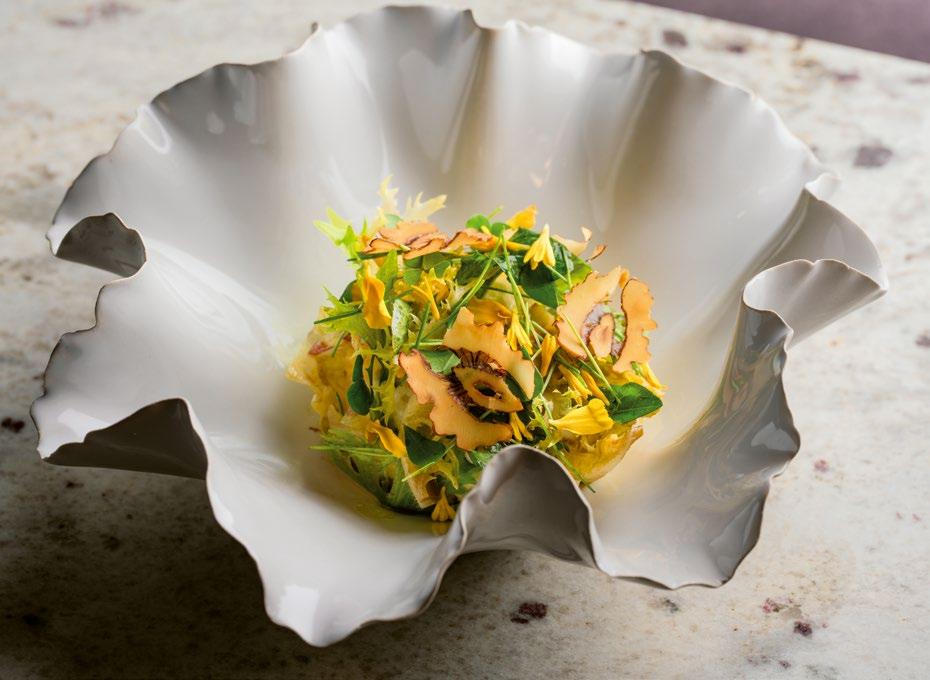
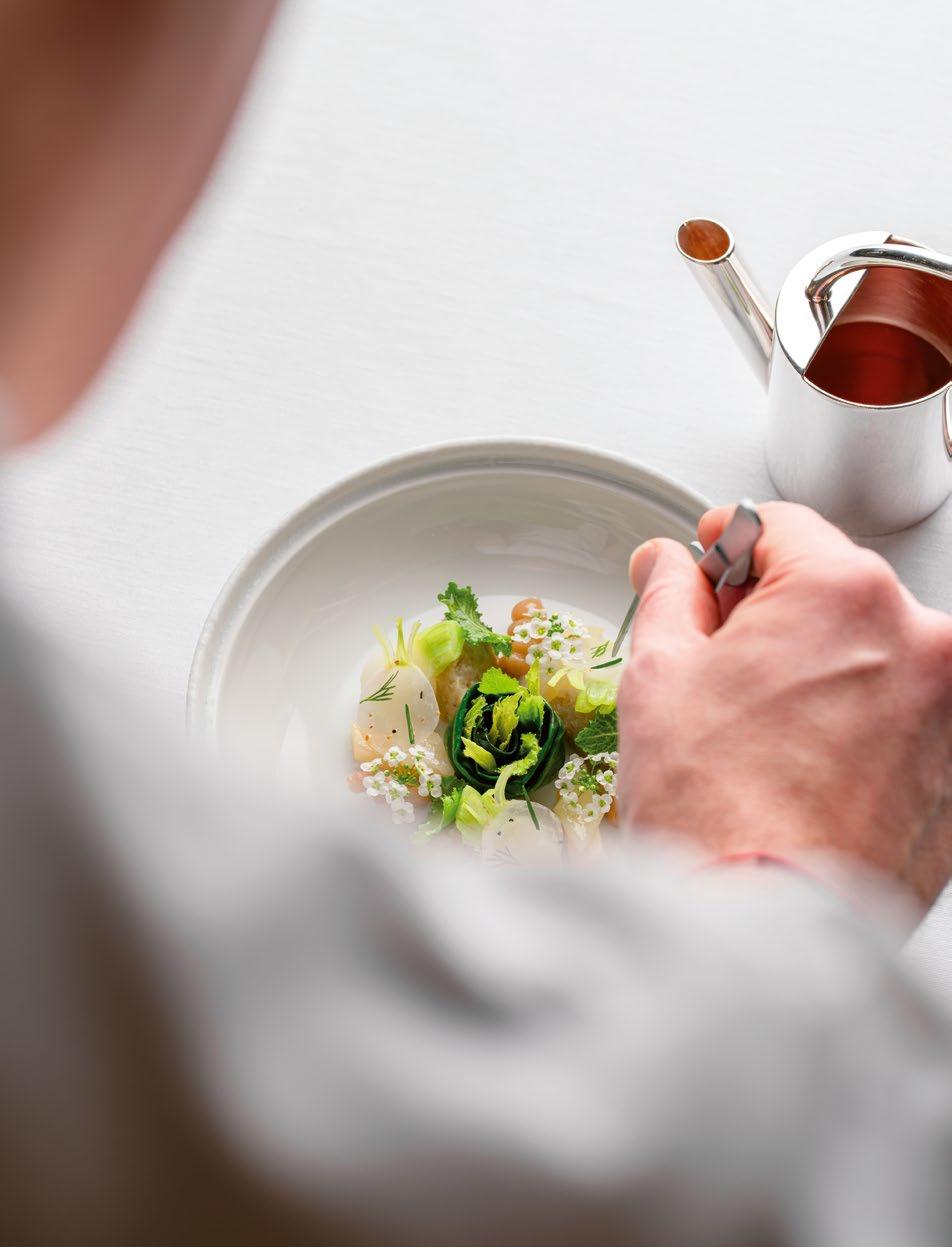
introspective. He speaks softly, listens carefully. And perhaps it is precisely this restraint that lends his cuisine its remarkable precision.
Born in Israel and shaped by the culinary polyphony of the Eastern Mediterranean, Peled grew up with flavours others spend years trying to decode. Sumac and za’atar, preserved lemons, tahini, pomegranate, and fish pulled fresh from the Mediterranean Sea. Yet his professional journey led him to Europe early on in his career, bringing him into kitchens where classical technique, reverence for produce, and the art of the sauce set the rhythm.
This dual heritage remains his signature. The warmth and immediacy of the Levant meet French exactitude and contemporary aesthetics. Peled does not ‘do’ fusion. He translates. He reframes seemingly classical dishes with subtle inflections that feel both instinctive and entirely modern.
Among his most formative mentors were threestar legends Gordon Ramsay, for whose Bordeaux outlet Le Pressoir d’Argent Peled won two Michelin stars, and Clare Smyth. Chefs whose uncompromising standards left a lasting imprint.
‘Nothing is accidental, nothing merely decorative.’
Gilad Peled is a dedicated team player. Several members of his kitchen team have been working with him for several years.
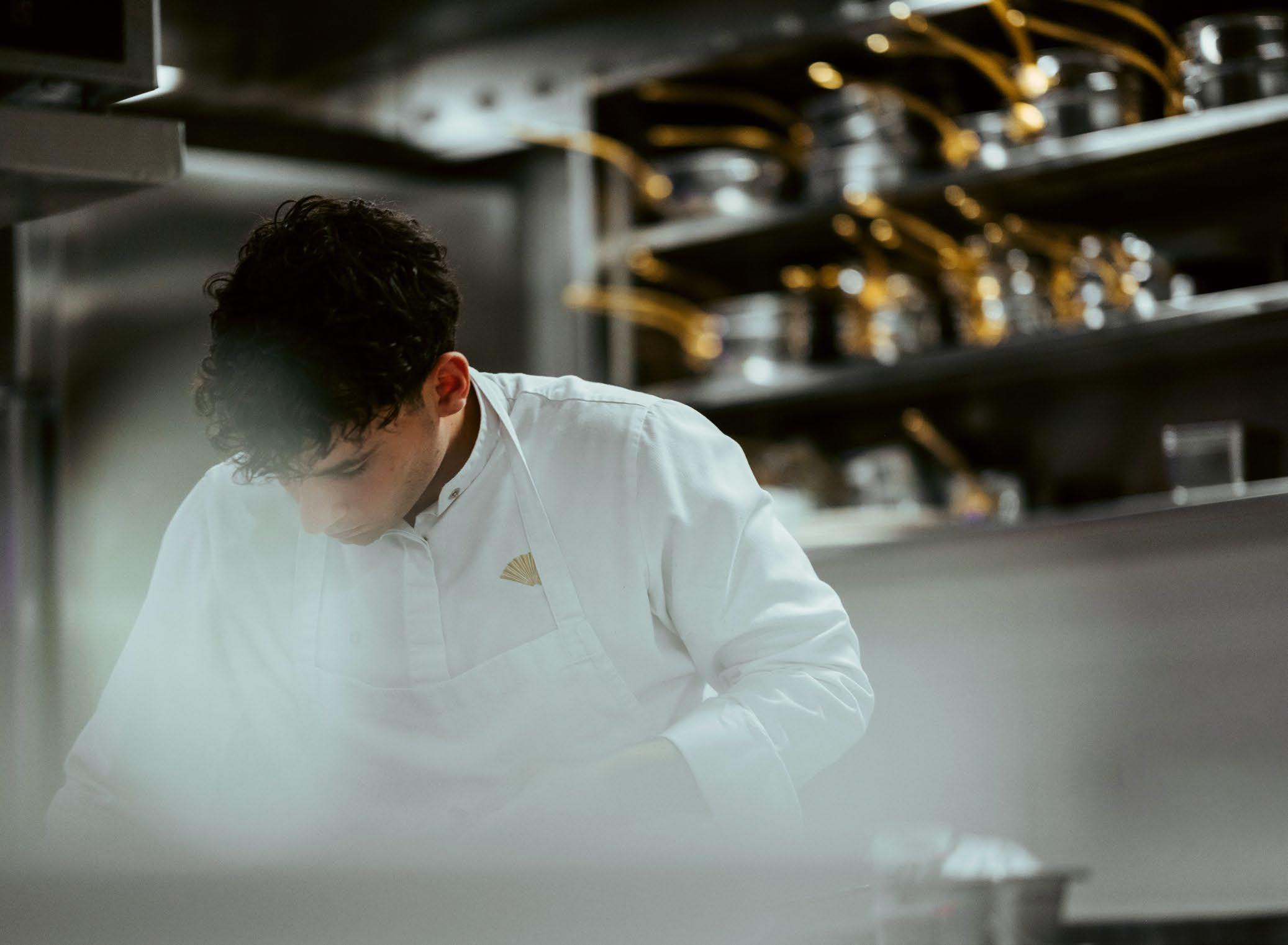
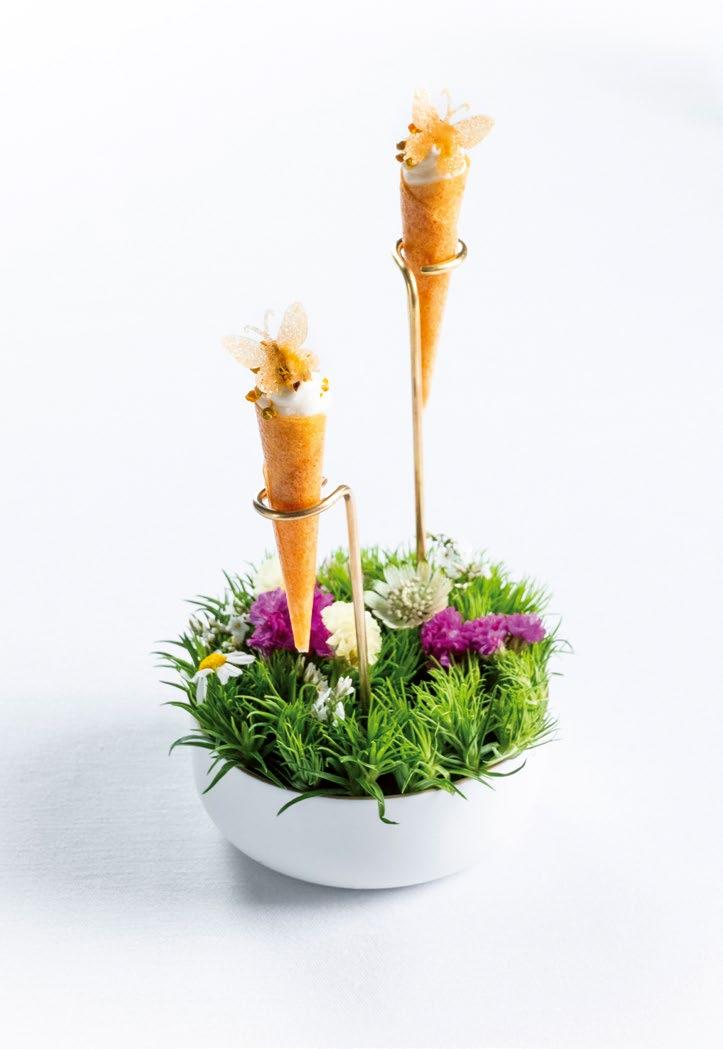
What is striking, is Peled’s radical commitment to the product. He works with strictly seasonal ingredients, often sourcing from small scale producers. What may appear understated at first glance reveals, upon closer inspection, a meticulous architecture of flavour: roasted depth, calibrated acidity, a whisper of bitterness, silken creaminess, deliberate texture. Nothing is accidental. Nothing merely decorative.
His plates are cleanly composed, often pared back. No towering constructions, no ornamental sauce swirls. Instead: tension through contrast. In an era where many chefs chase trends, Peled remains loyal to his own narrative. Yes, he employs modern techniques –fermentation, pinpoint cooking temperatures, intricate textural interplay – but they never dominate.
And that is precisely what lingers at the end of an evening: the sense of having experienced something deeply personal without spectacle or fireworks. This might be Peled’s greatest strength; he cooks not to impress, but to tell a story.
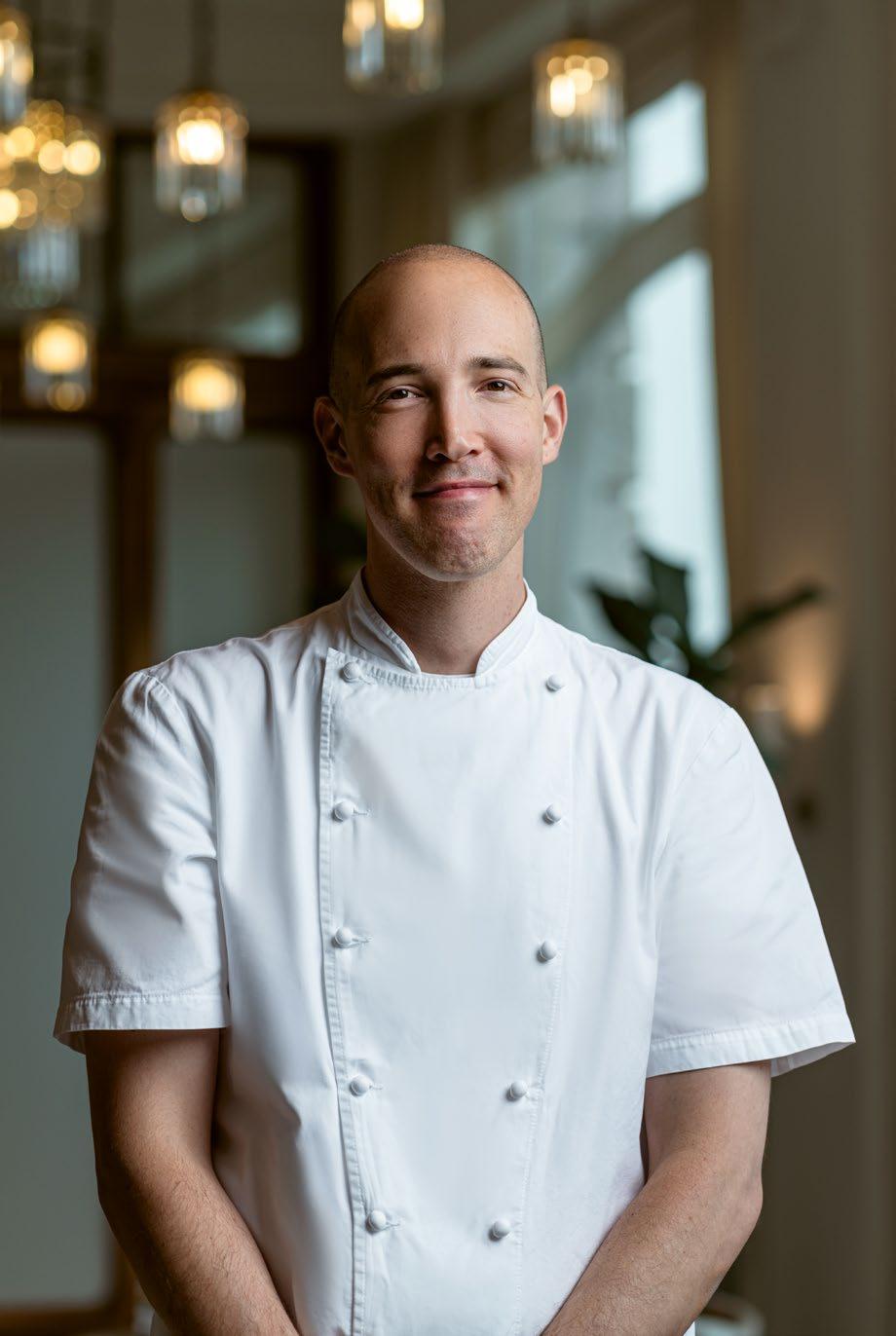
Above left | Some of Peled’s plates almost resemble sculptures or edible still lifes.
Above | Behind his almost shy smile, chef Gilad Peled conceals not only a warm and welcoming nature, but also a sincere dedication to perfection.
| Chef Peled is constantly on the hunt for the best available seasonal ingredients to present to guests at the table.
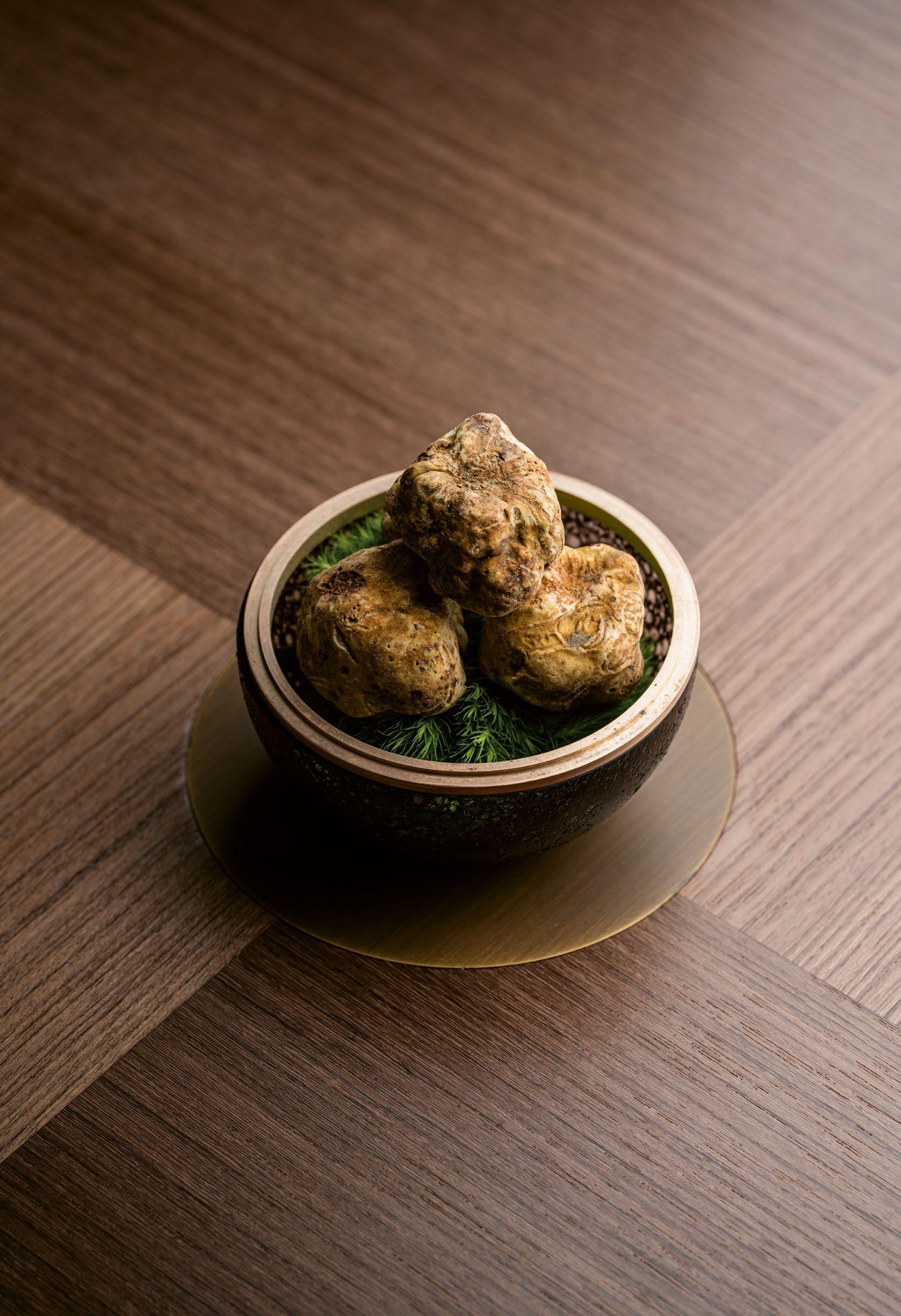

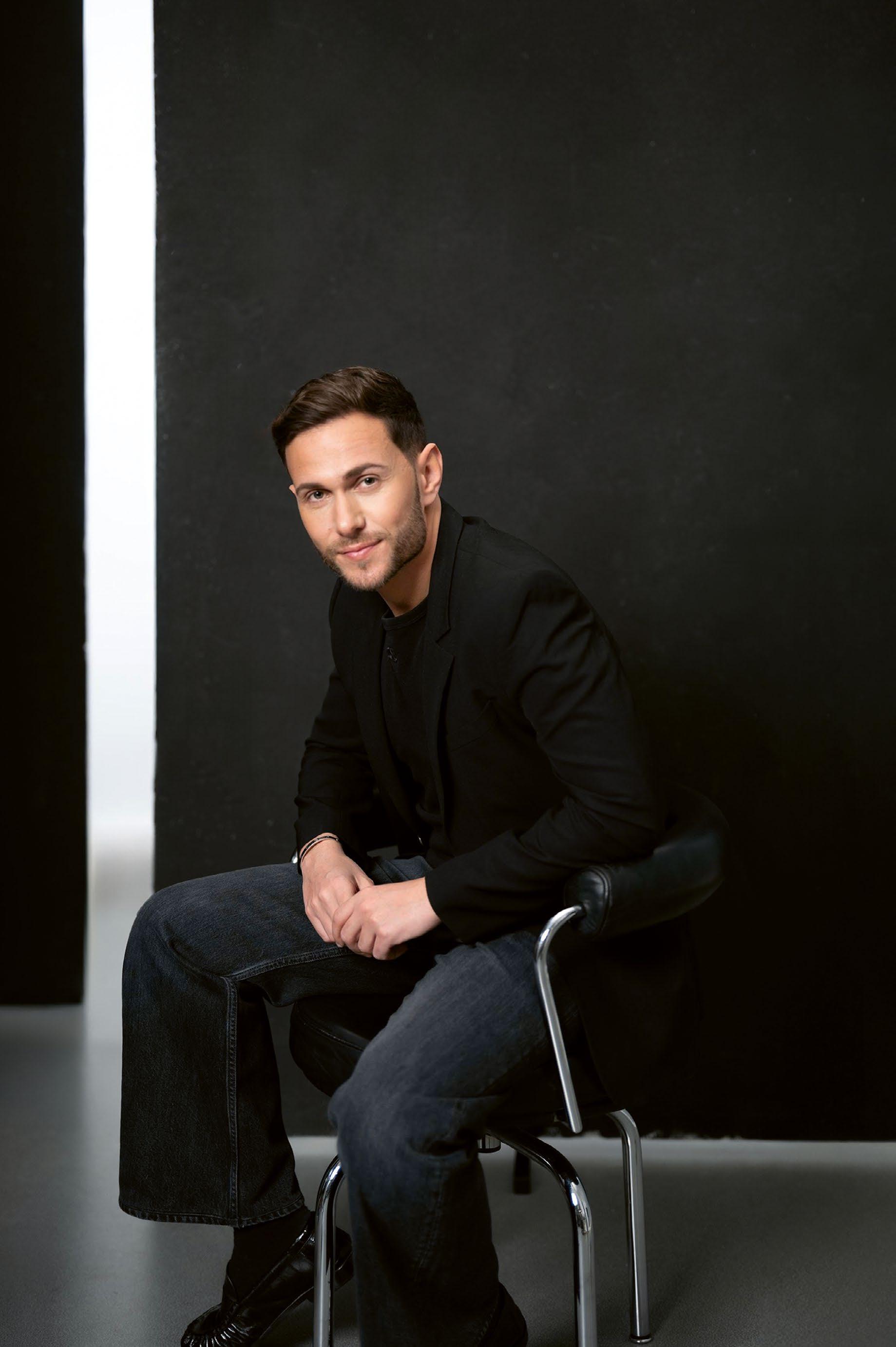
A family legacy, a decade of creation, and a new chapter where fashion meets haute perfumery.
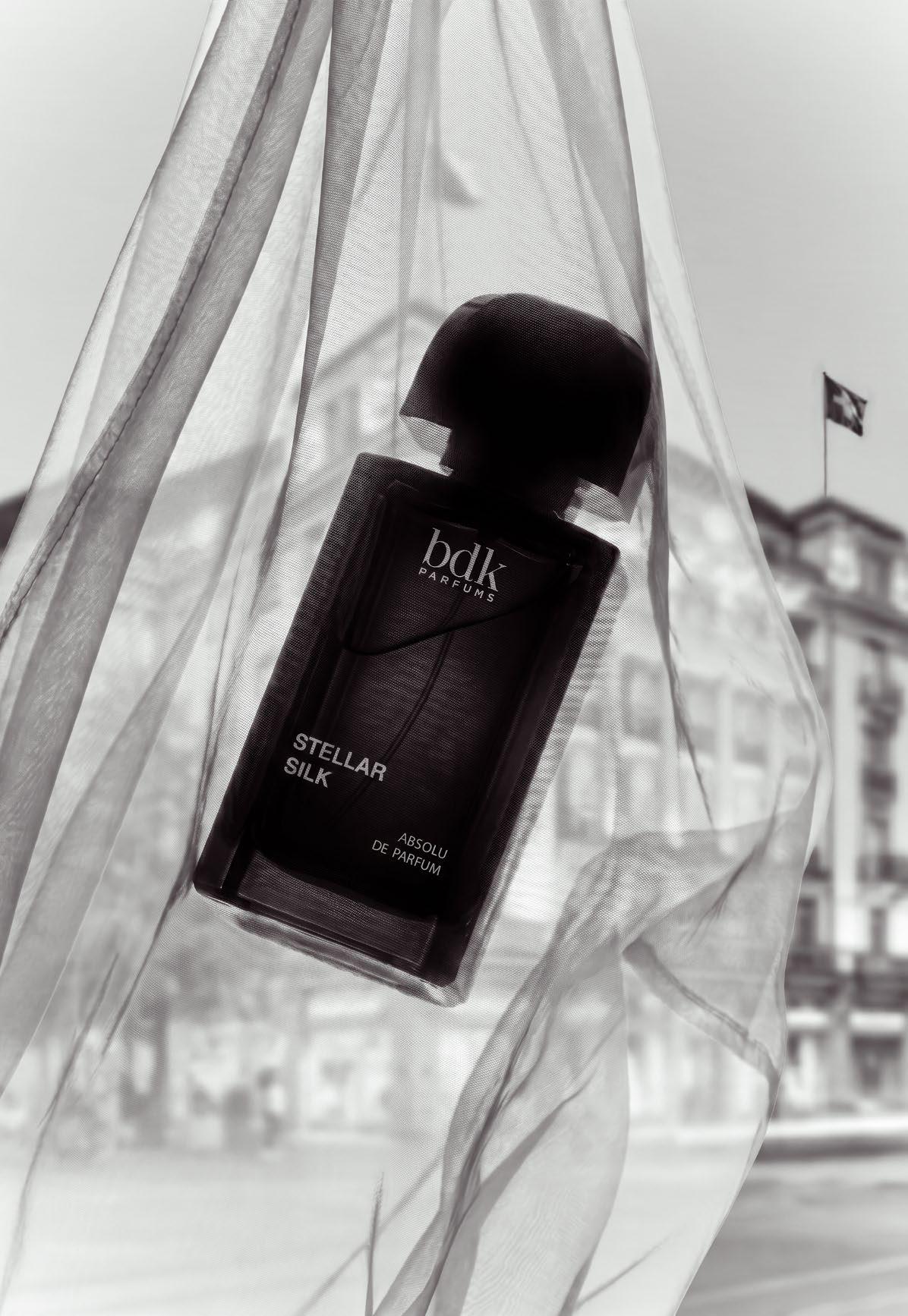
David Benedek was born in Paris in 1989 with a cross cultural origin that would quietly shape his instinct for sensory storytelling. But it is his grandparents’ story that truly sets the scene. Exiled from Transylvania, they were among the first people authorised to represent prestigious fragrance houses such as Worth and Christian Dior in Paris during the 1950s, later opening their first boutique in the 1960s at the corner of rue Royale and rue SaintHonoré. Perfume was never just a business for the Benedek family, it was a language passed down through generations.
10
BDK Parfums marks its tenth anniversary with the launch of a fourth collection, the Collection Studio, emblematic of the House’s core values. The heart of this creation lies an amplified dialogue with fashion, a subtle thread that has run through the studies and journey of David Benedek. Each fragrance resonates with a material, a fabric, and echoes a style, a spirit.
As Benedek himself puts it: ‘Just as a silhouette is perfected by a garment, a perfume elevates one’s presence.’
The Collection Studio weaves a precious link between haute perfumery and the creativity of fashion under the sign of couture elegance, a new language fusing the two worlds in perfect harmony. Technically, the collection pushes further than anything BDK PARFUMS has done before: the first three fragrances are Absolu de Parfum with concentrations ranging from 40% to 48%, signed by perfumer Jordi Fernández of Givaudan, and composed with exceptional raw materials, crafted with the same precision and exigence as Haute Couture textiles. In each creation, wood plays a structuring role, sandalwood, oudwood, and cedarwood, lending depth and lasting presence.
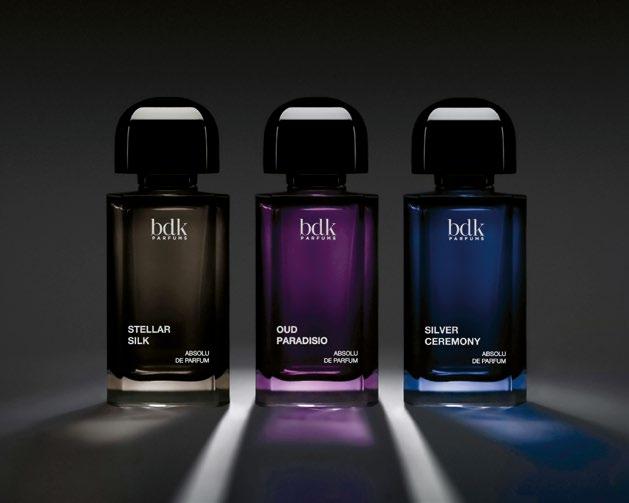
• Stellar Silk draws inspiration from smoked silk, fluid, tactile, luminous. Nocturnal in character, it evokes the mystery of astral darkness shot through with flashes of light.
• Oud Paradisio reimagines leather through a violet lens, worked, sculpted, ennobled, adorned with an almost gemological shimmer. Imperial yet dreamy.
• Silver Ceremony captures the dazzle of sequins applied one by one: vibrant, metallic, projecting the gaze toward the future. Silver evokes wealth and power, yet within the imagination of fashion, it embodies a form of modernity.
The Collection Studio: Stellar Silk, Oud Paradisio, and Silver Ceremony are available via bdkparfums.com as well as at select perfumeries and Globus Switzerland.
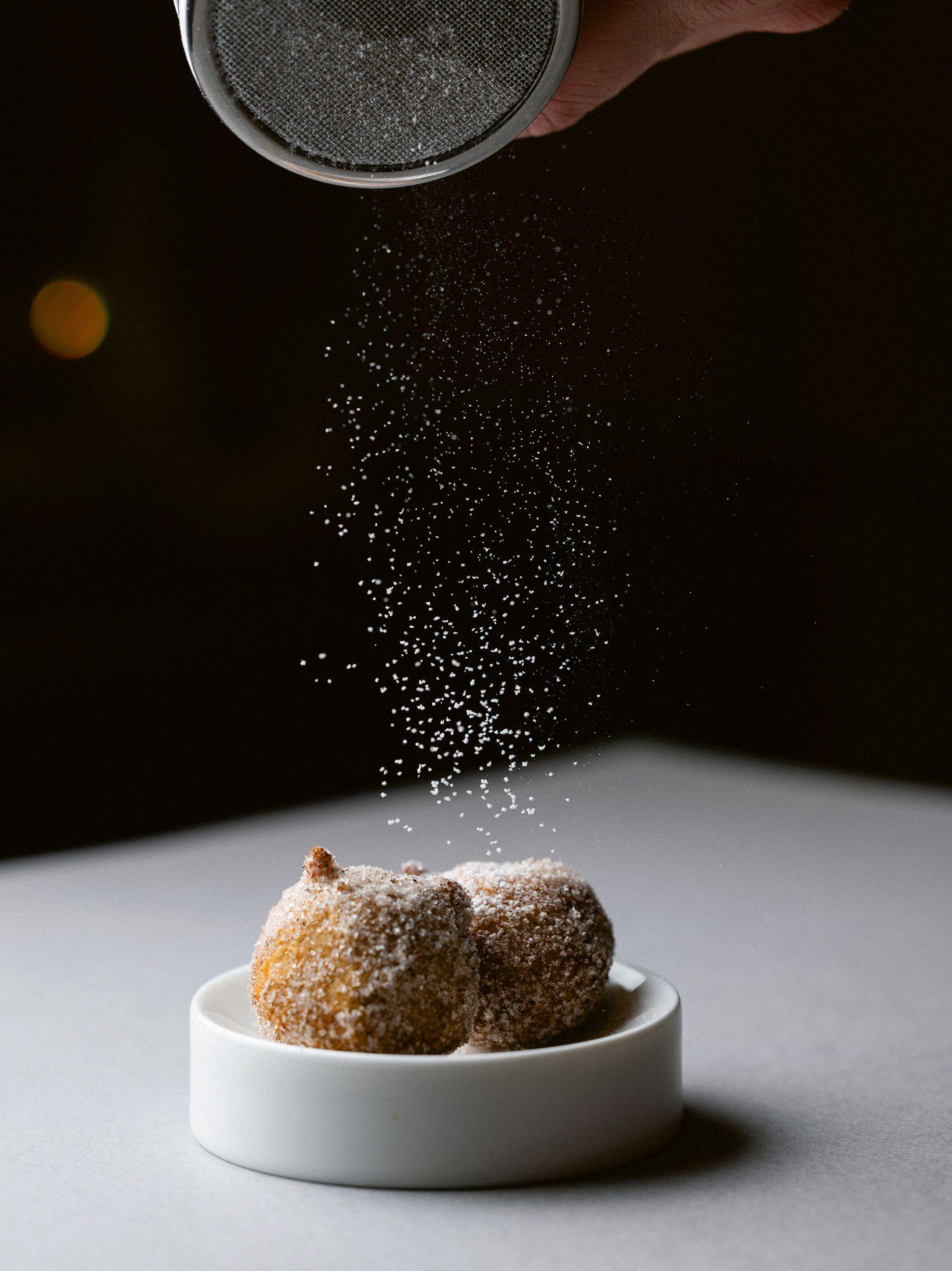
Left | Swiss pâtisserie is experiencing a creative renaissance. Three outstanding talents, each with their own signature style, open our new series.
Below | Raised in Japan’s applegrowing region and trained in German bakeries, Yoshiko Sato now shapes the dessert world at The Chedi Andermatt.
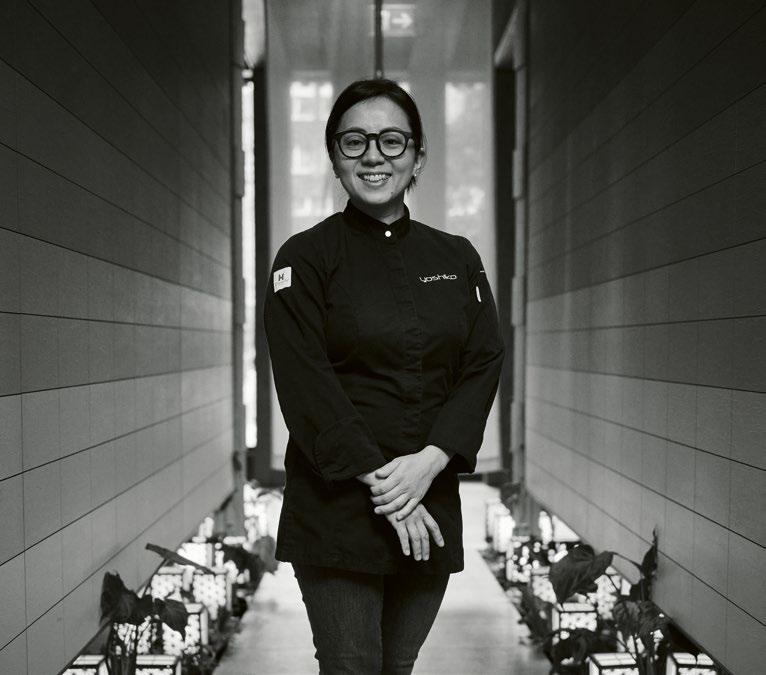
‘Precision and emotion must exist in perfect balance.’
Chocolate, pear, and cinnamon Chantilly – or aubergine, pecan, and liquorice? Classic or avant-garde? The repertoire of Switzerland’s pâtisserie scene is more diverse and creative than ever, offering outstanding opportunities for emerging talent.
Particularly within the world of luxury hospitality, pâtissiers find the ideal environment to develop their ideas at the highest level – working with exceptional products, an international audience, and, often, remarkable creative freedom.
In this new series, we turn our attention to those masters of their craft who set standards through skill, creativity, and a refined sense of trends. We begin with three pâtissiers whose work illustrates just how exciting and multifaceted contemporary Swiss dessert culture can be.
Yoshiko Sato is hard to impress by winter in Andermatt. She grew up in Aomori, Japan’s northernmost prefecture and one of the snowiest regions in the world. ‘When the first snow falls in autumn, it brings back a sense of home,’ she says.
However, Aomori is not only known for its heavy snowfall, but also as the centre of apple production in Japan. With cold winters and mild summers, it offers ideal growing conditions. ‘There were apple trees all around our house, and as children, we helped with the harvest.’ This early exposure sparked her fascination with apple cake. Her mother once told her that Germany made the best apple pie in the world – a thought that stayed with her.
Sato went on to study German at Toyama University, financing her education through small catering jobs. Her dream was to travel to Germany and learn how to make this celebrated dessert. Through a German acquaintance, she secured an apprenticeship in Hamburg and, at the age of 21, moved to northern Germany to train as a pastry chef at the renowned Café Schmidt. She later completed her master craftsman qualification in Cologne.
At some point, she heard about a German threeMichelinstarred chef who had embraced Japanese flavours and decided to apply. This led her to the restaurant of Christian Bau on the Moselle: ‘Working in a restaurant kitchen was a completely new world for me.’
At almost the same time, a young Swiss chef joined the kitchen – her future husband, Dominik Sato, who later took her surname.
After further positions with Heiko Nieder and later in Basel, the couple, together with Dominik Sato’s twin brother Fabio Toffolon, joined The Chedi Andermatt. The twins quickly became rising stars of the Swiss culinary scene, though it is less widely known that they have worked as a trio from the very beginning.
Yoshiko Sato developed a pâtisserie style deeply influenced by her Japanese heritage. ‘My wife is a Japanese precision machine,’ says Dominik Sato. ‘Incredibly fast, diligent, and exact.’ She seamlessly translates the twins’ culinary philosophy into the world of desserts.
She serves genmaicha tea (green tea with roasted rice) as an ice cream, accompanied by lychee in gel and espuma form, finished with a fruity raspberry essence. Or she combines grape, jasmine, and ginger as an accompaniment to an airy silken tofu soufflé.
Once a year, she returns to Japan with her husband and their two children: ‘For me, it is not just a holiday, it is also a paradise for sourcing products.’
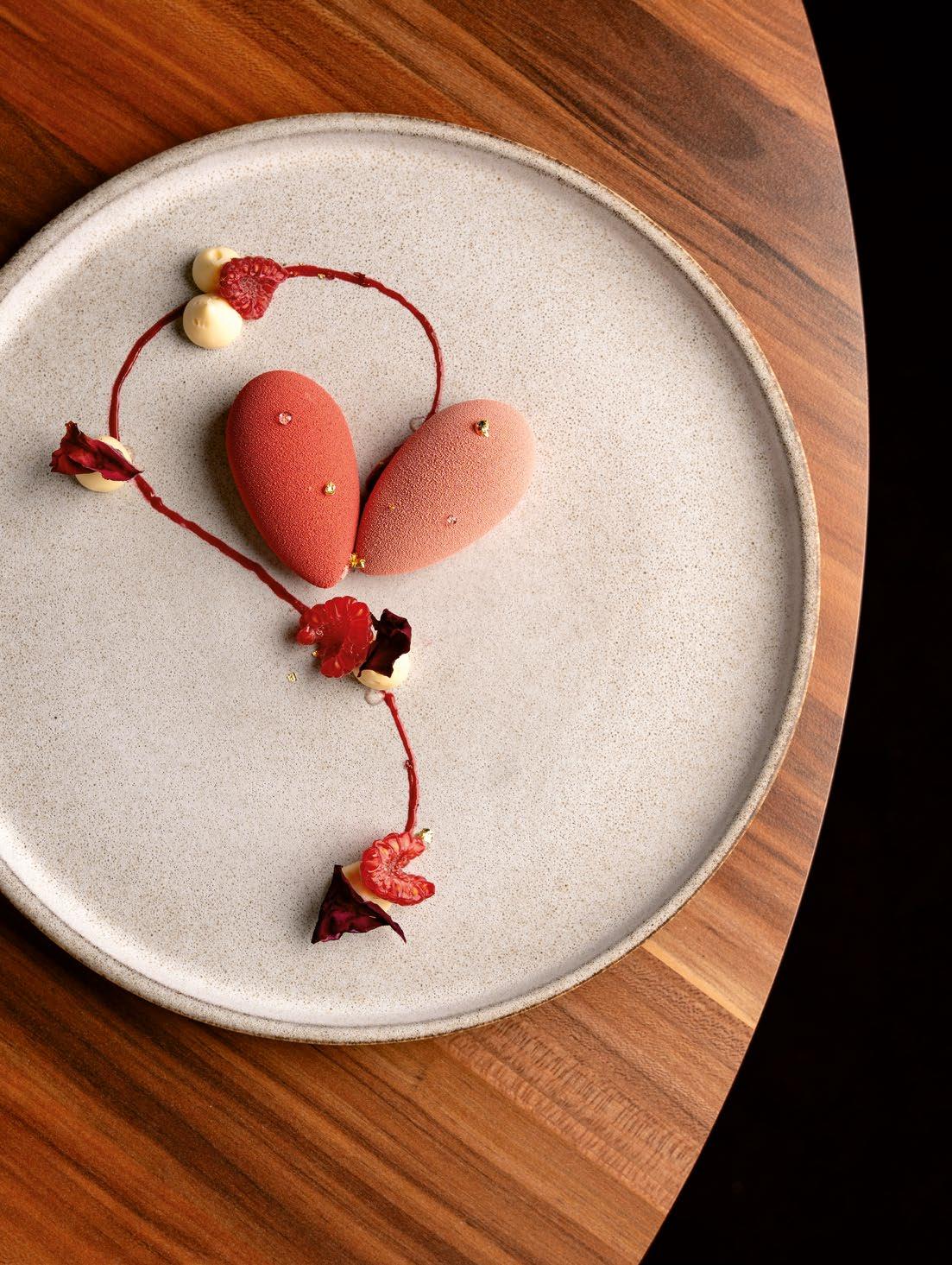
When Damián Carini left his hometown of Buenos Aires at the age of 21, he was convinced he would return within three months. His plan was simply to complete an internship at what was then considered the world’s most celebrated restaurant, El Bulli near Barcelona.
Below | The new generation of Swiss pâtissiers masterfully combines artisanal craftsmanship with creative ideas and surprising worlds of flavour.
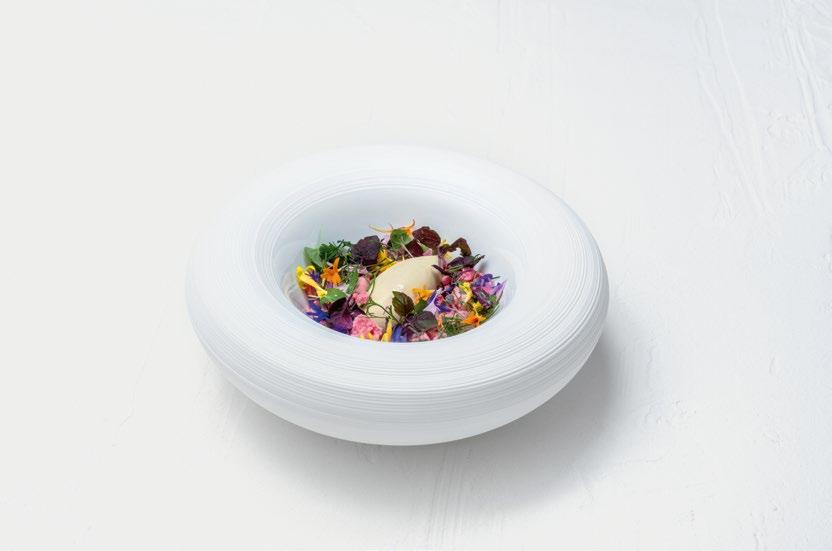
However, when the three months came to an end, Ferran Adrià offered him a permanent position – and what young pâtissier would have declined? Carini was captivated by the boundless creativity and the groundbreaking culinary techniques he encountered there. ‘The level was incredibly high. We had 50 chefs in the kitchen for just 45 guests.’
Carini, who has been the executive pastry chef at the Bürgenstock Resort Lake Lucerne since its opening, continues to draw on these formative experiences. From Catalonia, he moved to Marseille, to the threeMichelinstarred Le Petit Nice Passédat – the complete opposite of El Bulli. There, he mastered the fundamentals of French classicism: ‘Technique, temperature, precision.’ He was equally impressed by the French work ethic: ‘There was an almost military discipline in the kitchen, but also great respect.’
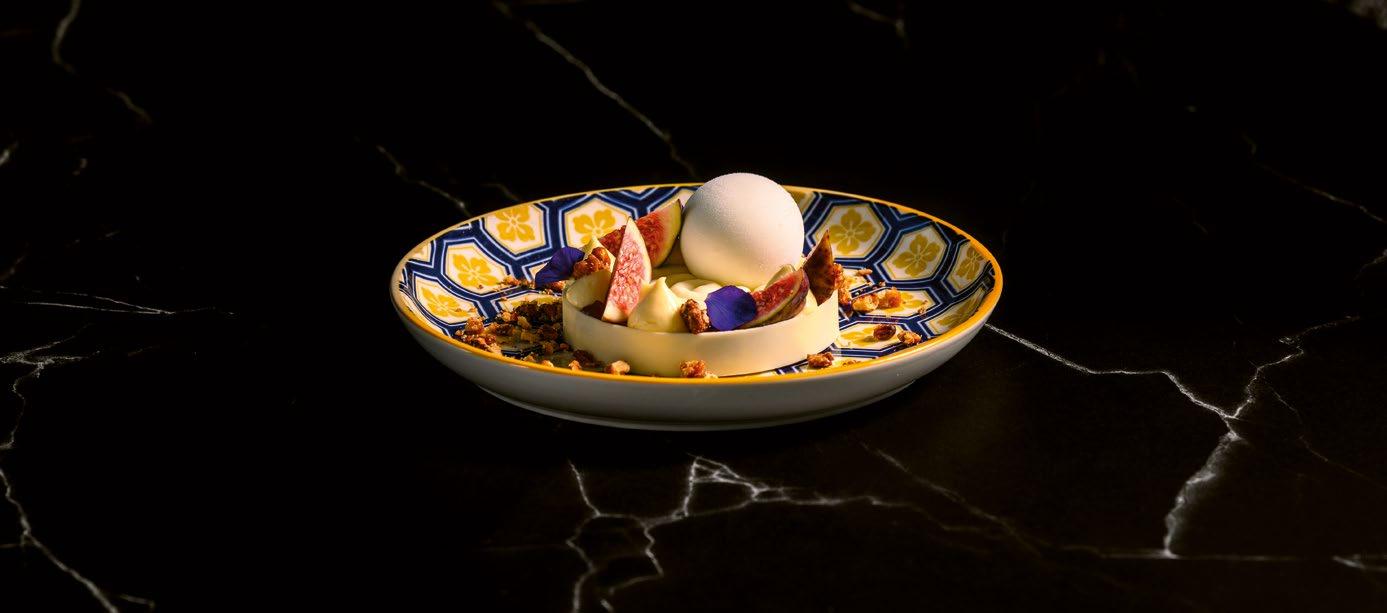
Carini arrived in Switzerland in 2007 and has remained ever since. From Lausanne Palace to The Alpina Gstaad, he worked exclusively in leading establishments until 2017, when Mike Wehrle, corporate culinary director at the Bürgenstock Resort, invited him to join. Wehrle holds his executive pâtissier in the highest regard: ‘He can do everything. His repertoire is vast.’
Ranging from classic millefeuille to deconstructed tiramisu and even spectacular creations such as a giant decorated Easter egg for the lobby, Carini describes his style as ‘very light, with little sugar, but all the more imagination.’
For each of the resort’s restaurants, he has developed a distinct dessert concept. ‘At Spices Kitchen & Terrace, we play with Asian flavours, adapted to the European palate.’ A prime example is his signature dessert ‘Above the Clouds’: mango and passion fruit sorbet, coconut espuma, yuzu gel, and banana compote, served in a coconut shell and decorated with orchids.
A similarly striking effect – albeit in a completely different style – can be experienced at the newly conceived Verbena by Christian Scharrer in the Waldhotel by Bürgenstock. His reinterpretation of the Black Forest gâteau is exceptional: a visually refined dessert featuring cherry sorbet and morello cherries soaked in kirsch (cherry brandy), encased in dark chocolate – a contemporary homage to Scharrer’s Black Forest heritage.
‘We play with flavour, but always for the guest.’
Above | Carini’s repertoire ranges from the classic mille-feuille to the ʻPersian Delightʼ featuring fresh figs, Greek yoghurt, walnuts, and lavender.
Below | Originally from Buenos Aires, Damián Carini is the executive pastry chef at the Bürgenstock Resort Lake Lucerne, overseeing all the property’s culinary outlets.
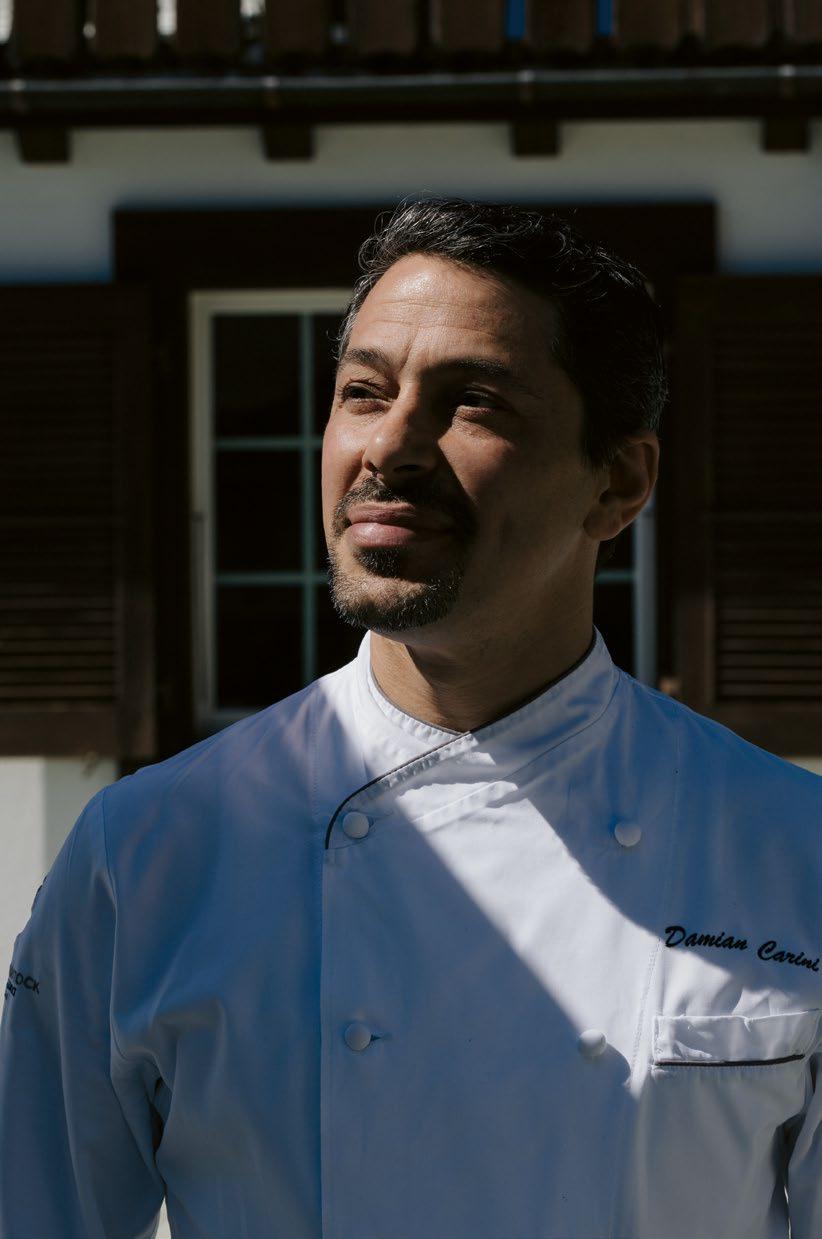
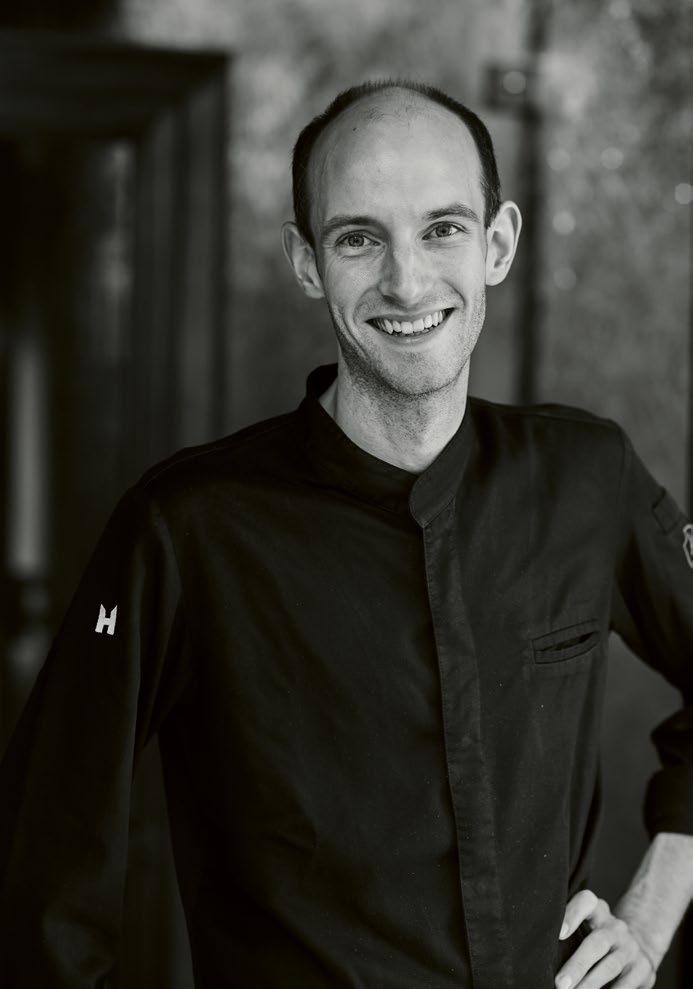
When Felchlin releases a new selection, André Siedl’s phone rings. The pâtissier at Widder Restaurant in Zurich has enjoyed a longstanding collaboration with the premium chocolate manufacturer. This is why he receives allocations of rare varieties such as Trinidad Tortuga: ‘Only one tonne is produced – that is almost nothing.’
This chocolate, with its high cocoa content (72%) and low acidity, comes from a small family farm on the island of Trinidad, and supply is extremely limited. In Siedl’s hands, it is transformed into ganache and brownie, paired with blackcurrants that he preserves each summer for the winter months. It is served with hazelnut ice cream, homemade advocaat sauce, and topped with blackcurrant granité, refined with cassis vinegar. The result is a complex dessert of remarkable depth.
It is precisely the kind of dessert that defines the work of Stefan Heilemann’s preferred pâtissier. The two have collaborated for more than 10 years. The two Michelin starred chef (18 GaultMillau points) trusts Siedl implicitly, knowing he can rely on his composure even during the busiest services.
In such moments, Siedl benefits from his solid classical training: ‘It was a very traditional establishment where everything was made by hand. Nothing ever came from a packet.’ As a result, every movement is second nature to him – a skill further refined during his time at Hotel Bareiss in the Black Forest, a renowned training ground for hospitality professionals: ‘Every evening, we sent out countless plates – it was training for life.’
Siedl regrets that pâtisserie is sometimes driven too strongly by fleeting social media trends, such as the overuse of identical moulds that make desserts interchangeable. Instead, he focuses on what truly matters: ‘What does it take to make guests happy?’
He typically serves two desserts with contrasting flavour profiles. Before presenting the chocolate and cassis creation, he might offer an elegant variation of tarte Tatin: layered and caramelised Boskoop apple, crisp puff pastry, sour cream and sour cream ice cream. Visually, the dessert is deliberately clean. As Siedl puts it: ‘What is there, must make an impact.’
André Siedl’s philosophy is to make guests happy – beyond short-lived social media trends and through thoughtfully minimalist plating.
‘What is there must make an impact.’
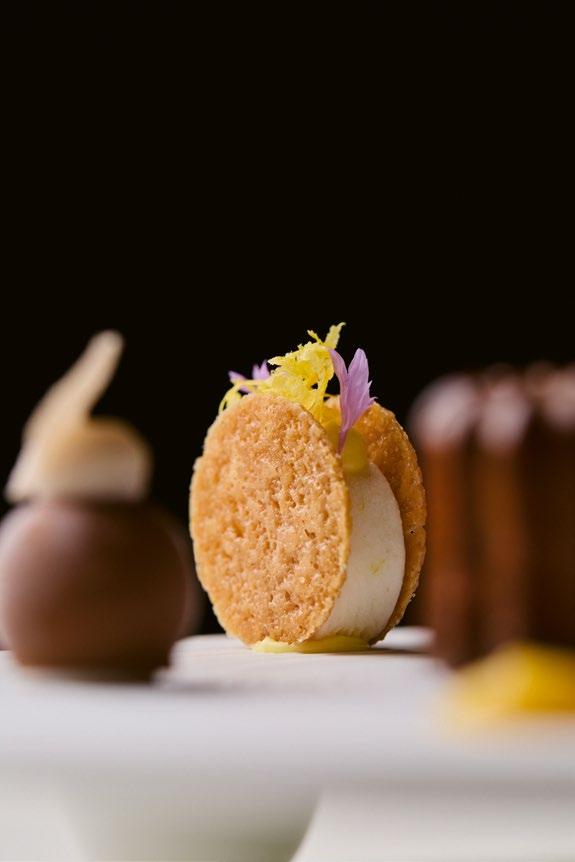
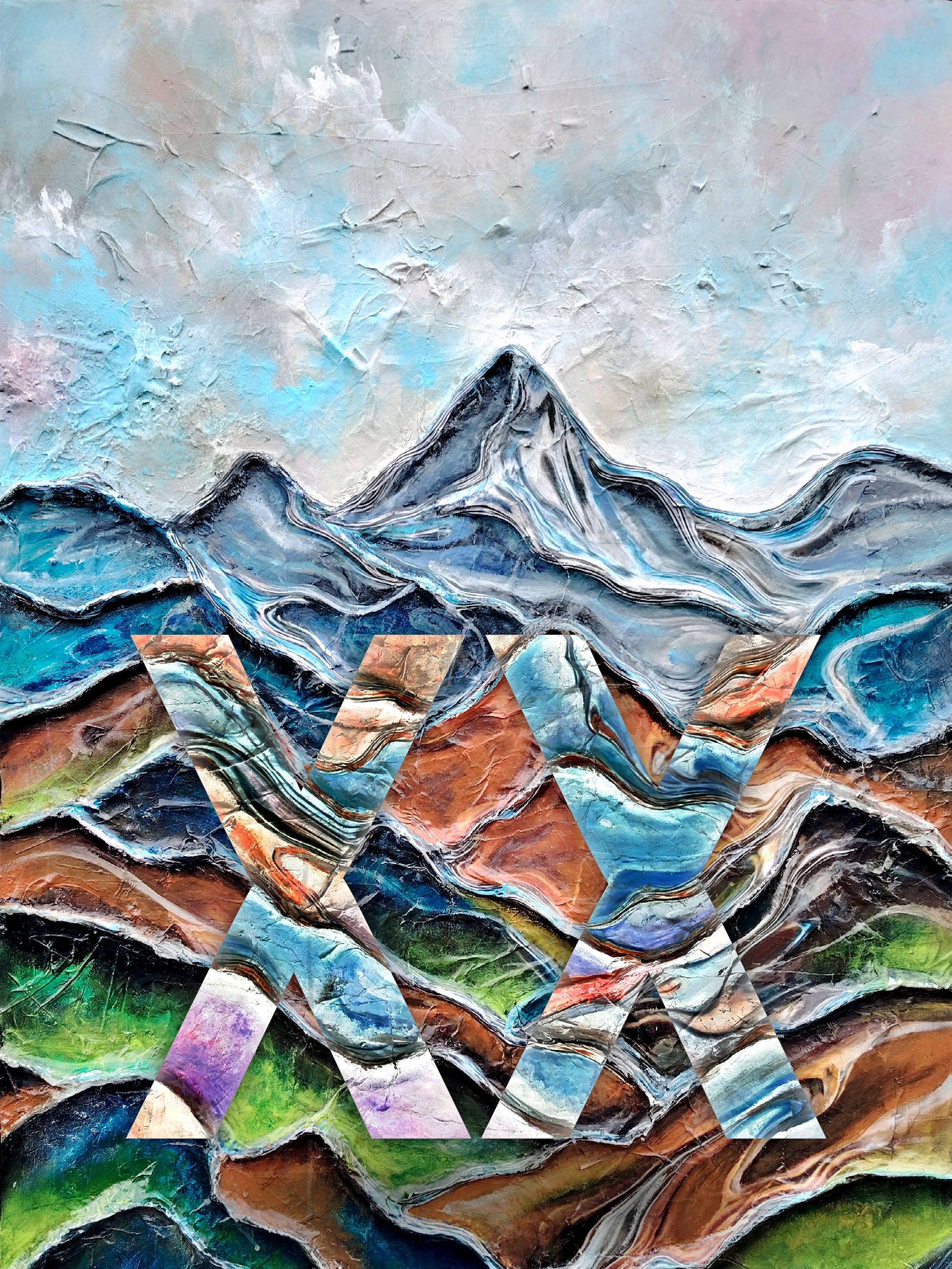

Whether you are drawn to familiar comforts or curious new discoveries, our gourmet edit invites you to savour summer with imagination.
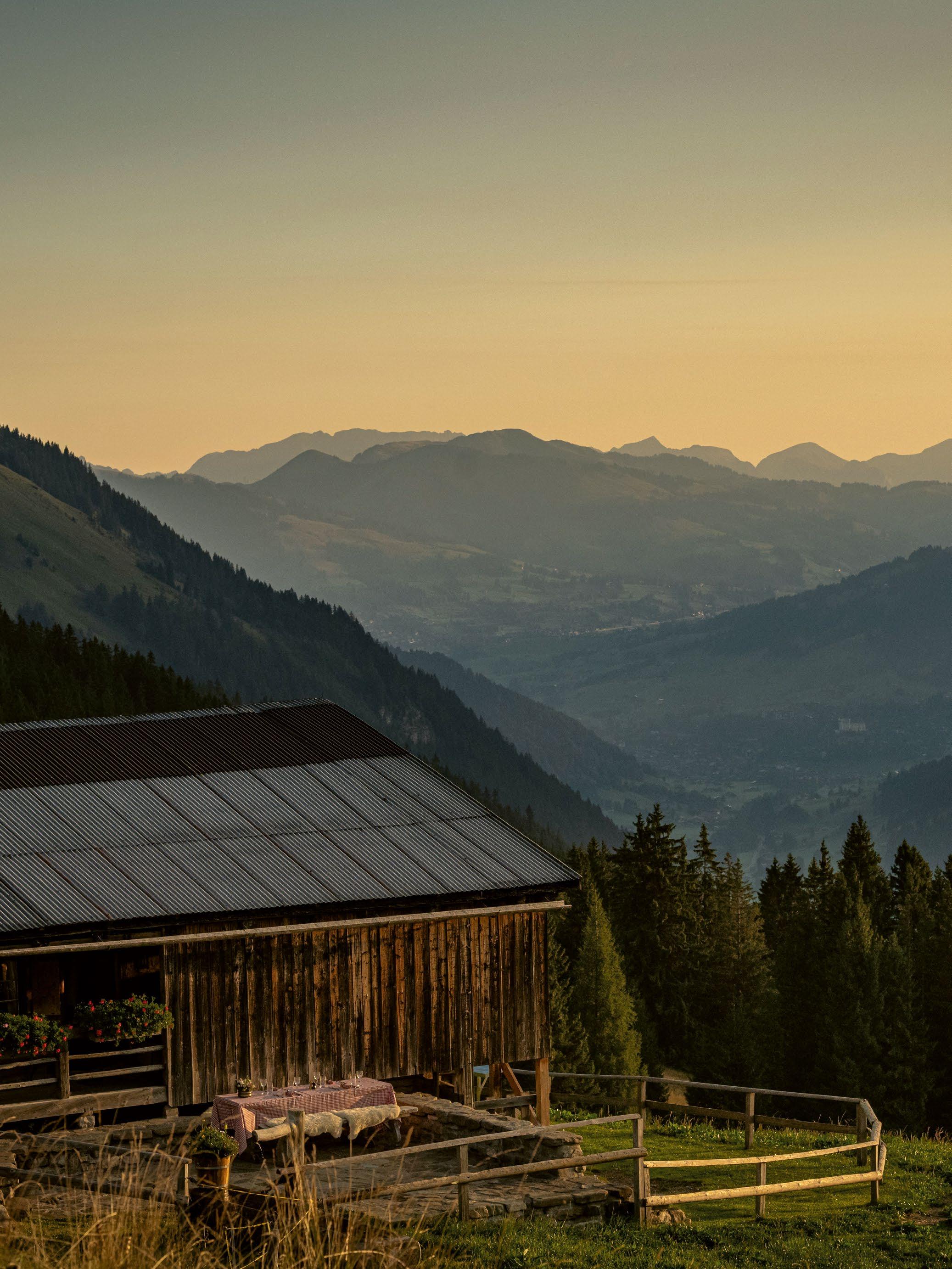
WALIG HUT GSTAAD ALPINE SIMPLICITY
High above Gsteig, the Walig hut offers an authentic taste of alpine life. Built in 1783 and set at 1,700 metres, the historic hut is all about wide-open views and genuine Swiss tradition – from regional dishes and Moitié-Moitié fondue by the open fire to simple overnight stays surrounded by nature. – palace.ch
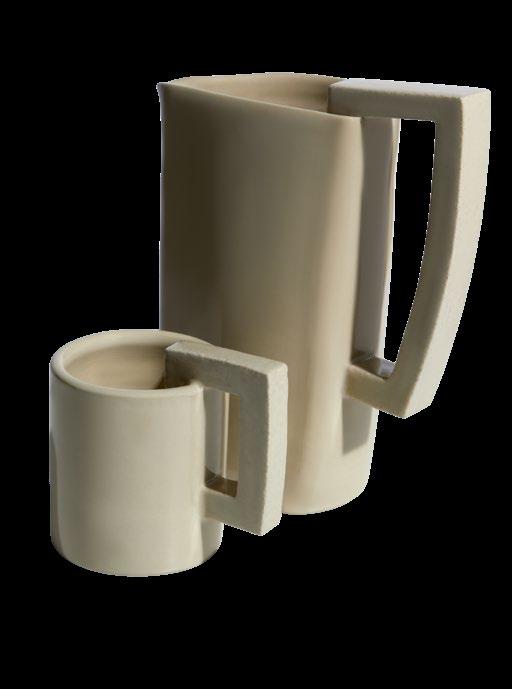
A limited-edition handcrafted jug with a distinctive D-shaped base and side spout, hand-painted in a soft vanilla tone. Made with a refractory handle, each piece is unique, with subtle imperfections that reveal the care, craft, and individuality behind its creation.
– redduo.it
Grand Siècle Itération Nº27 reimagines the perfect Champagne year through a blend of the 2015, 2013, and 2012 vintages. Aged 10 years on the lees, it is fresh, mineral, and refined, with notes of candied citrus, hazelnut, honey, and toasted pastry.
– laurent-perrier.com
Inspired by leaves, branches, and fluid surfaces, the collection designed by Franco Poli combines sculptural presence with visual lightness from marble tops to MIDJ’s first spatulated cement base, each piece creates a
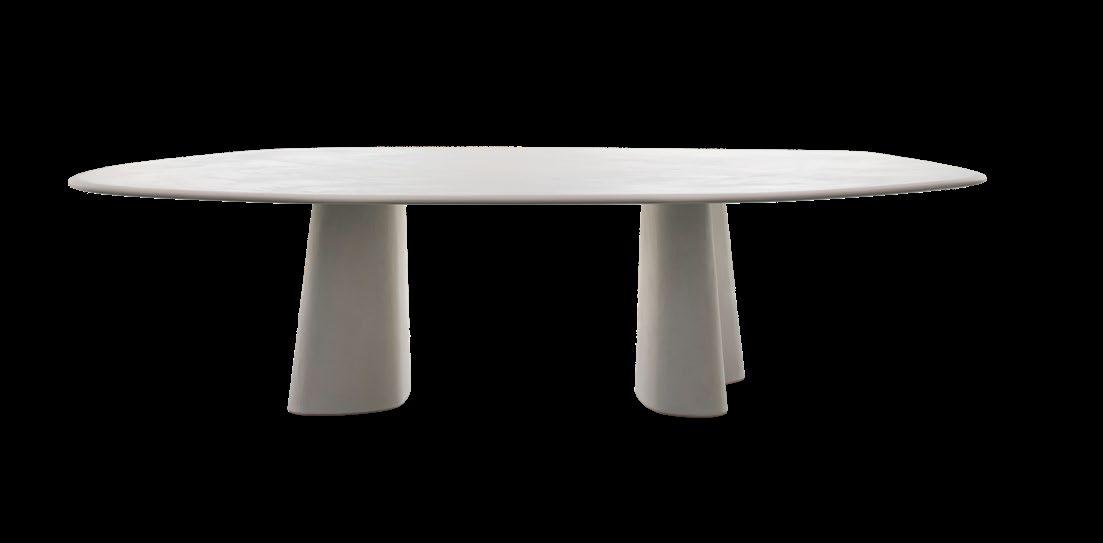
Pressed in Catalonia from Arbequina olives grown at altitude, Finca Cri Mi Cri is a family-crafted extra virgin olive oil with quiet depth and a gently fruity aroma. Harvested with care and cold pressed fresh each day, it brings subtle Mediterranean richness to tomatoes, grilled fish, marinades, or simply warm bread shared around the table.
– marguita.ch
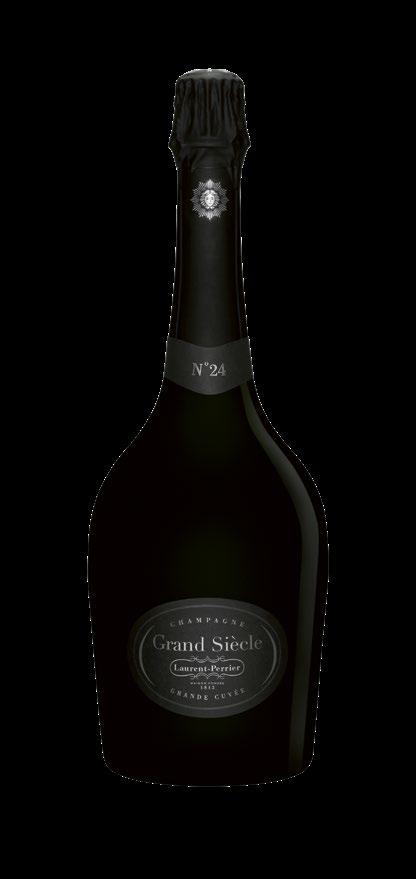
Yellow is having a moment. The FLAVOUR collectionʼs handcrafted cast iron roaster in sun-drenched ochre is as much a statement piece as it is a kitchen workhorse. Each pot is individually made, with an innovative condensation lid that retains 25% more moisture for richer, more intense results. From hob to oven to table – this is the one youʼll want on display.
– wmf.com
This book traces Franz W. Faeh’s remarkable return to the Gstaad Palace, where his culinary journey first began as an apprentice in the late 1970s. Through memories, encounters, and behind-the-scenes moments, it tells of tradition, mentorship, and a carefully managed handover from Peter Wyss to the next generation.
At its heart, it is a story about respect: for craft, for people, and for the Palace itself – a place where culinary heritage continues to evolve with quiet confidence.
– weberverlag.ch
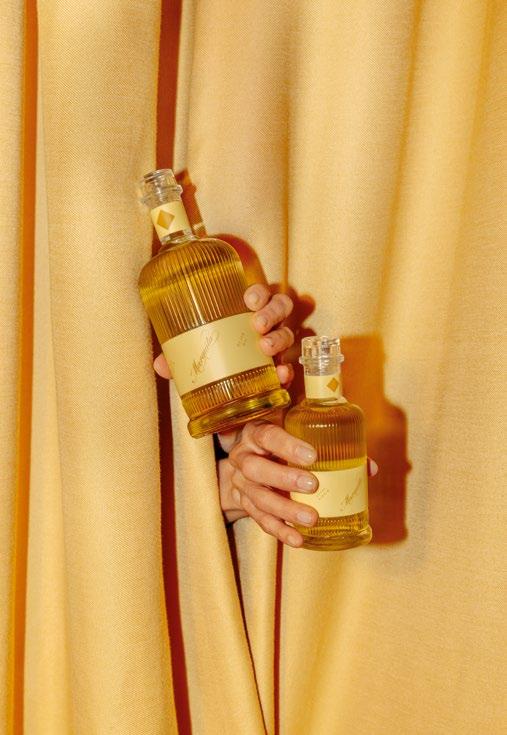
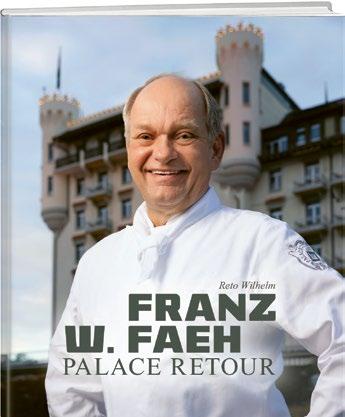
This wheat-free granola leger made in Zurich combines protein-rich seeds, flakes, and nuts for a light, natural energy boost. Gently sweetened, easy to digest, and freshly baked – a nourishing crunch for young and old alike.
– granolaleger.ch
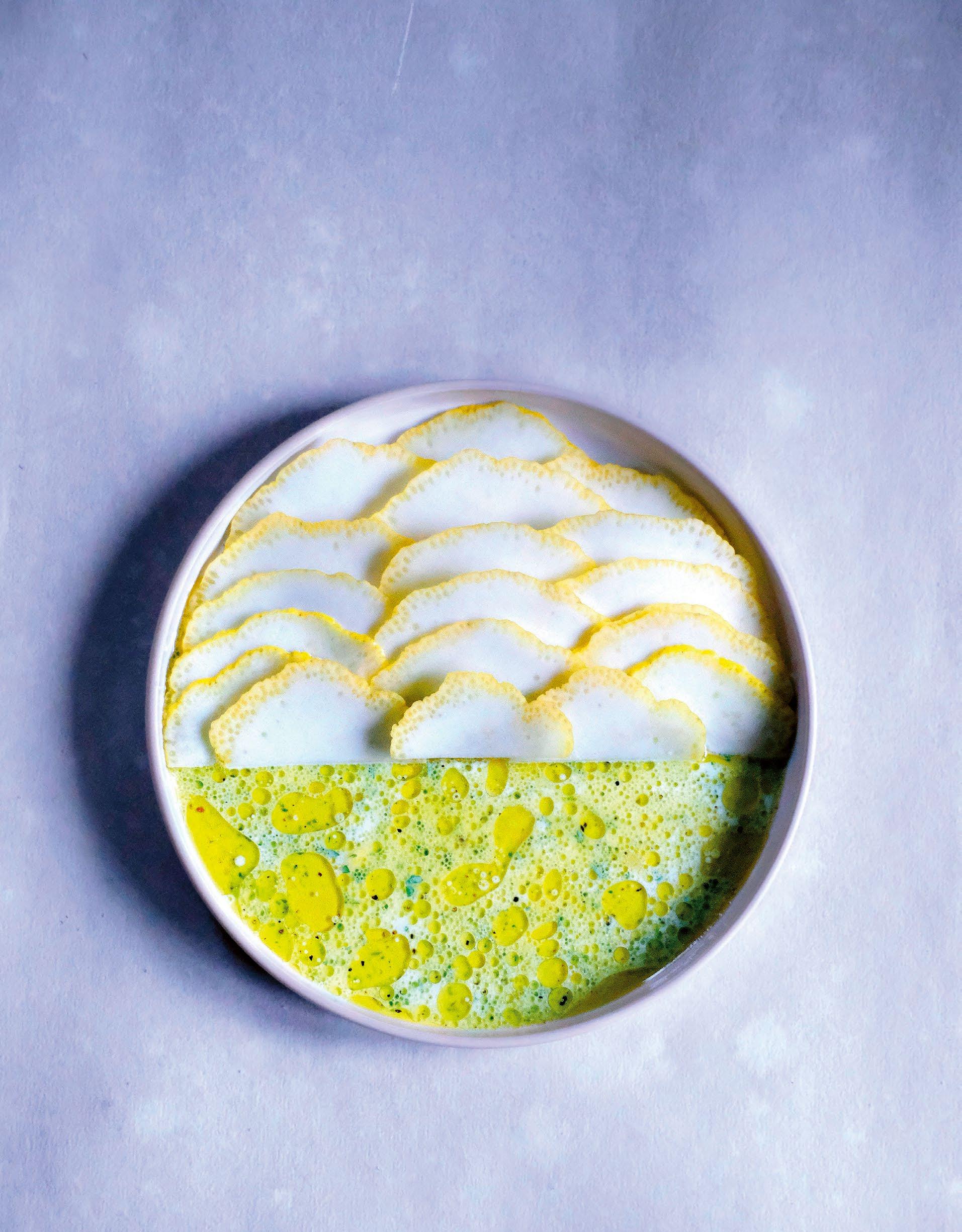
WORDS & IMAGE CLAUDIO DEL PRINCIPE
This fruit is a knockout! Insalata di cedro instantly whisks you away to the Amalfi Coast. Along the winding coastal road, vendors display towering piles of aromatic fruits, while on the steep terraces, trees glow with golden cedri. The peel is intensely fragrant, and the albedo – the thick white inner layer beneath the skin, usually bitter in lemons – is surprisingly mild and pleasantly aromatic, forming most of the fruit.
You can toss cedro pieces into the oven with light meats or fish, or add them to a fragrant stew, but most often, it becomes a salad – or a visually striking carpaccio. A sauce of creamy buffalo yoghurt (or any yoghurt you like) enhances the bright citrus notes, creating a gentle, slightly rich contrast. This cedro salad pairs beautifully with shrimp, octopus, or delicate fish. You could also add olives and flat parsley.
To prepare, rinse a large, untreated cedro under hot water and pat it dry. Halve the fruit, squeeze out the juice, and set it aside. Remove and discard the pulp. Then slice the yellow peel and thick white albedo into very thin slices or fine strips, using a sharp knife or a mandoline.
For the dressing, mix a spoonful of buffalo yoghurt with a little water in a small bowl. Add a few tablespoons of fruity extra virgin olive oil, the cedro juice and a bit of condimento bianco or a splash of lemon if needed. Do not overmix; the dressing should remain a delicate non emulsion, with glossy droplets of oil floating on the surface. Gently fold in finely chopped mint, a pinch of sea salt, and coarsely crushed pink peppercorns.
Arrange the cedro slices fanned across one half of a plate and spoon the dressing onto the other – a luminous taste of the Amalfi Coast in every bite.
WORDS PETER KELLER
The world of natural and orange wines is remarkably diverse. From flawed to exceptional examples, almost everything can be found on the market. Here is a selection of five bottles that are well worth exploring.
While there is no precise definition for what makes a natural wine natural, there are certain common practices. For example, vineyards are cultivated organically or biodynamically. In the cellar, the wines are produced without additives, sulphur is used as little as possible or not at all, and fermentation occurs spontaneously using wild yeast. In contrast, it is easier to define orange wines, as they are simply white wines produced like red wines, undergoing shorter or longer skin contact or ‘maceration time’. These new styles stand in contrast to conventional winemaking. For Stefanie Renner of the Austrian winery Rennersistas, natural wine represents a more honest and original approach of wine making. In her view, too many wines today are shaped by technology and intervention. Running Rennersistas with her brother Georg, they focus on individual, character driven wines rather than a standardised production.
Natural and orange wines can differ significantly in aroma and flavour to classic white and red wines and may take some getting used to. Nevertheless, they have secured a place on the wine lists of leading restaurants and hotels, and offer an alternative perspective, albeit within a niche segment. Whether the current interest is just a fad or represents a lasting shift remains open. Recent figures suggest a slowdown, particularly in Scandinavia, long considered a strong market. Austrian producers, many of whom specialise in lowintervention wines, have also reported notable declines in exports. Switzerland, too, has its proponents. Markus Ruch in Schaffhausen follows a distinctly natural approach, working close to nature in the vineyard and intervening as little as possible in the cellar. His wines are consistently precise and expressive, as demonstrated by his amphorafermented orange wine. Here, we present four more examples illustrating the diversity and potential of these categories.
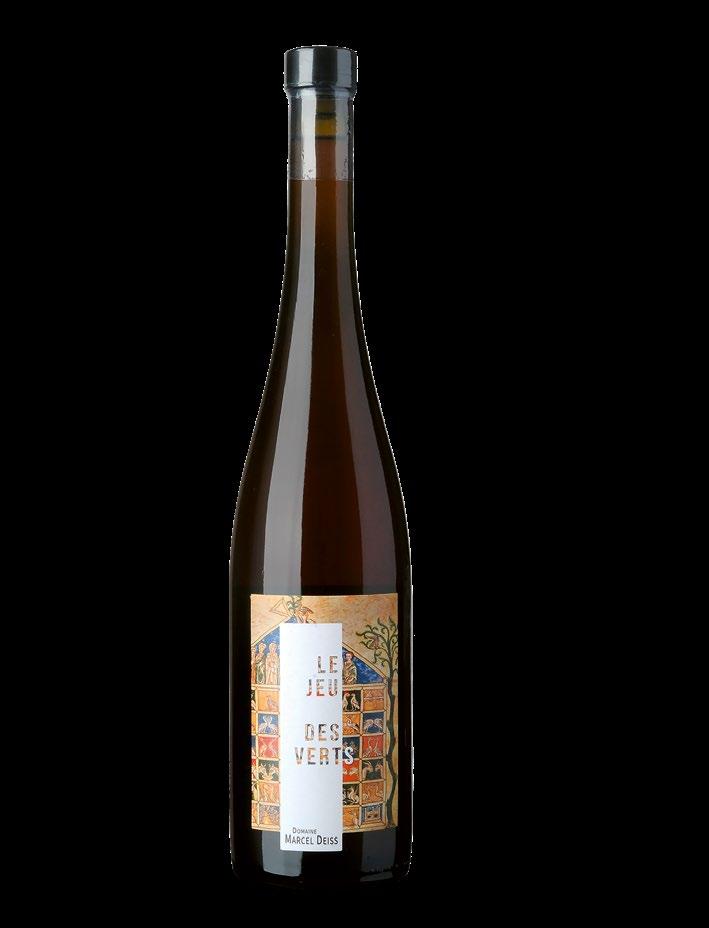
EXCLUSIVE
CHAMPAGNE LA CÔTE DES GLAISES 2017, LELARGE-PUGEOT, CHAMPAGNE, FRANCE
LES JEUX DES VERTS 2022, DOMAINE MARCEL DEISS, ALSACE, FRANCE
This top producerʼs orange wine is made from Riesling, Pinot Noir, and Gewürztraminer, described as ‘an iron hand in a velvet glove.’ The clean, somewhat unusual nose is dominated by notes of yellow fruit, herbs, and mineral hints. This powerful cru has fine tannins and good acidity. Long finish, excellent aging potential. CHF 46; bauraulacvins.ch
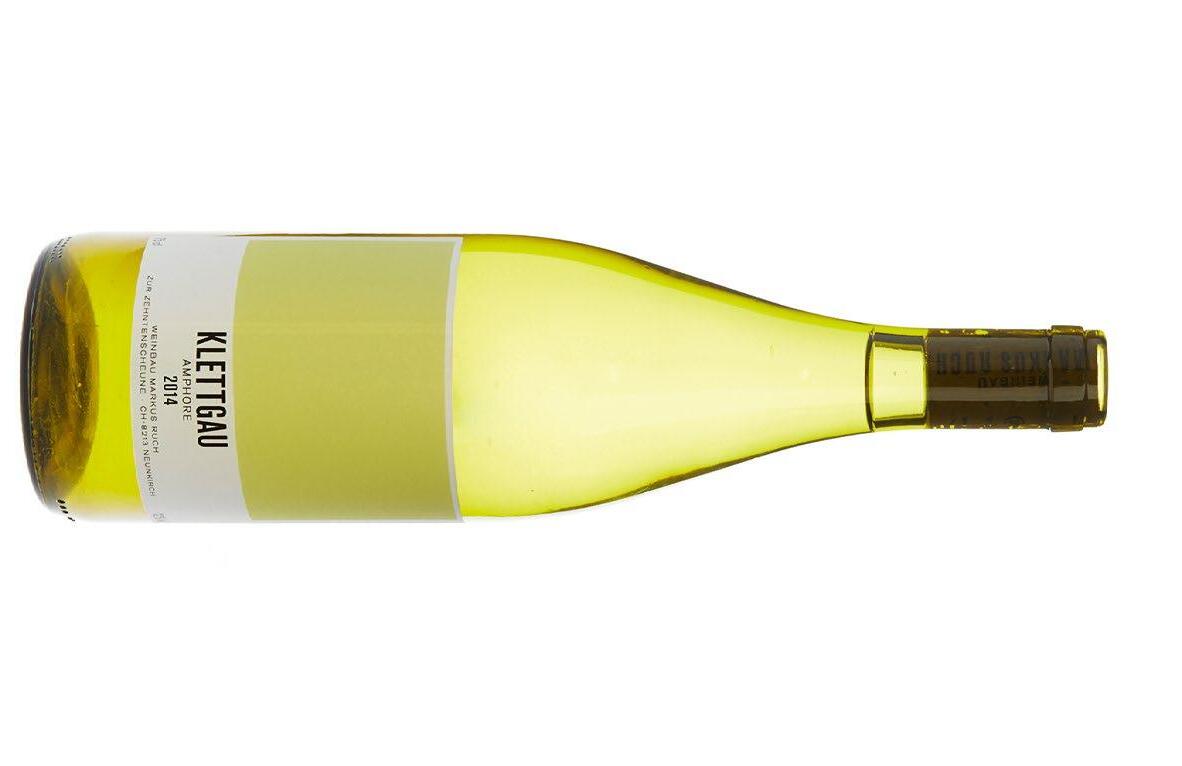
JUICY
ZWEIGELT 2022, RENNERSISTAS, BURGENLAND, AUSTRIA
This innovative winery from Burgenland produces natural wines with a lot of character, far removed from the mainstream. This wine, made from the local Zweigelt grape, is a bright, fruity red that appeals equally to the nose and palate. It is aged in large wooden barrels, and the ageing process is imperceptible. Instead, the fruit and juiciness dominate – a pleasant introduction to the world of natural wines. CHF 22; smithandsmith.ch
This is not your everyday wine. An ʻorangeʼ Champagne made from Chardonnay, it is striking in colour with a clean, multi-layered bouquet that is particularly noteworthy. This somewhat wild, characterful sparkling wine impresses with its straightforwardness, vibrancy, complexity, and length. CHF 75; terravigna.ch
KLETTGAU AMPHORA 2014, MARKUS RUCH WINERY, SCHAFFHAUSEN, SWITZERLAND
Müller-Thurgau, also known as Riesling-Silvaner, forms the basis of this wine. Fermented on the skins in an amphora, this creates a unique wine unlikely to be associated with this grape variety in a blind tasting. However, this does not detract from its undeniable quality: This dry wine is clear, fresh, medium-bodied, and straightforward. CHF 28; cultivino.ch
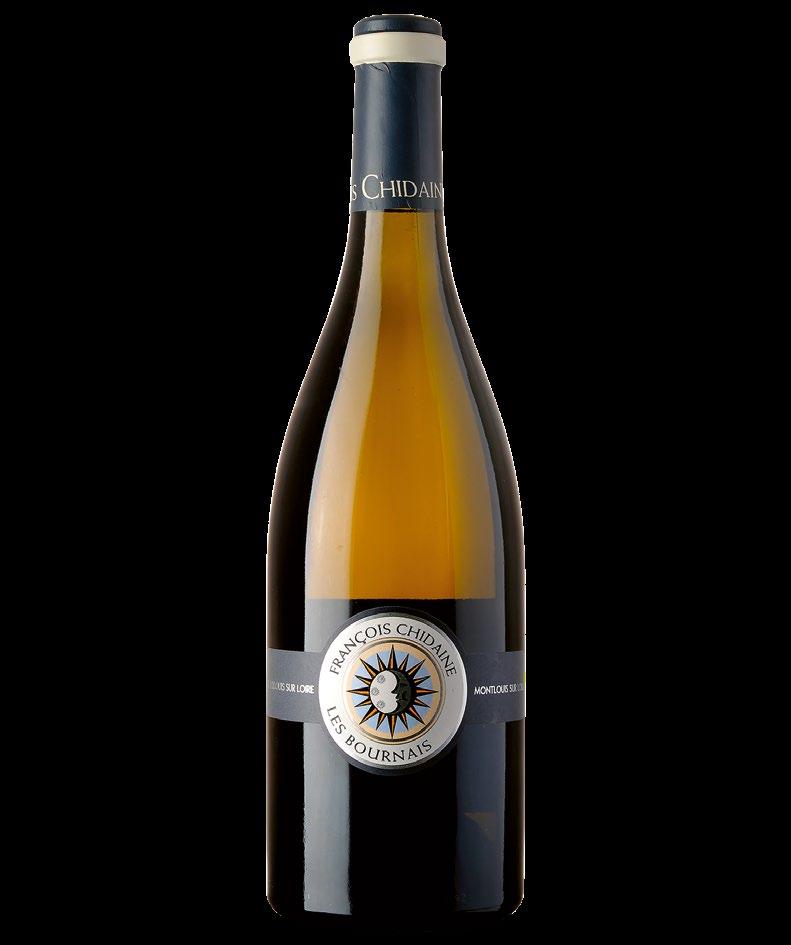
MONTLOUIS LES BOURNAIS SEC 2022, FRANÇOIS CHIDAINE, LOIRE, FRANCE
François Chidaine produces biodynamic, spontaneously fermented wines full of precision and character, all without major interventions. Creations of expressive natural wines in the best sense. The dry Montlouis Les Bournais is made from the high-quality Chenin Blanc grape: a bouquet characterised less by fruit and more by herbal and mineral notes; medium-bodied, vibrant, and lively on the palate, with well-integrated acidity and a long finish. bauraulacvins.ch
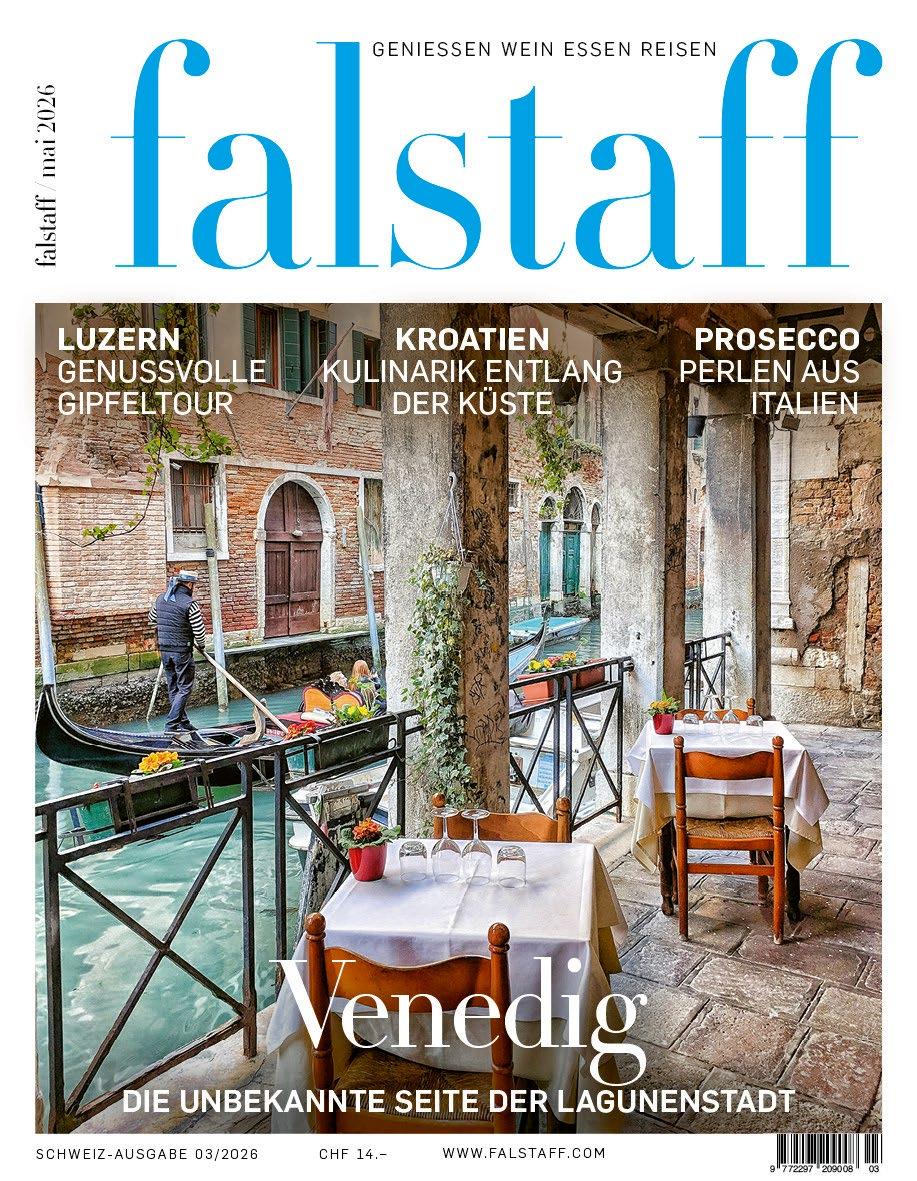
Some places you stumble upon. Others find you at just the right moment. This section celebrates the stories, people, and places that moved us recently – from our 42 member hotels to the moments that create a true sense of belonging.
Cocktails and long drinks might not be the first reason someone would visit SaasFee. But the charming mountain village proves to be the ideal backdrop for turning moments of conviviality into lasting memories.
WORDS OLIVER SCHMUKI
It’s late March, and while I board the train towards SaasFee, everybody else in Switzerland is returning their rental ski equipment, storing their moonboots and counting the days until their first summer barbecue.
I, on the other hand, cherish being given the opportunity to spend one last snowy weekend in the beautiful Swiss Alps. The high altitude and the glacier turn Saas Fee into an alpine treasure chest with yearround skiing – and the hotel I am staying at, the Capra, turns out to be a very shiny crystal within that chest. It’s an unpretentious, familyrun affair at the end of the village that puts the individual demands and comfort at the top of its list of priorities.
During checkin, snow starts to fall. I go out for a stroll, revelling in the gorgeous nature surrounding the village. Afterwards, it’s time to warm up in the Capra’s pool and spa area. After a visit to the salt therapy room, anticipation of exploring the town and diving headlong into the nightlife of SaasFee, starts to peak. Although ‘explore’ may be putting it rather grandly, for this carfree hamlet of little more than 1,600 inhabitants, it is mostly set up along one single lane… .
A couple of minutes later, I am standing in front of a charming wooden structure. As I step inside, I find myself in a place whose décor I would describe as makeshift. There’s a hefty touch of improvisation in the air, and downstairs there are a couple of hammock chairs attached to the ceiling, which probably attract those who come here for a Russian Dude, a ʻWhite Russian Big Lebowski Styleʼ, as it says on the menu. I am flirting with the idea of ordering a Ginger Lady, but in the end, I settle for her little (and less fatal) sister, the Virgin Ginger, which is based on a wannabe gin by Siegfried Wonderleaf. Pete, the bartender, sizes me up as I order, but goes to work momentarily. As it is still early, there are only a few other guests around, and I opt for a wooden stool at a high table close to the bar. My only companion at this moment is a book by Peter Stamm. The renowned Swiss author will give a reading at the Capra the next day. I dive into a short story entitled ‘Mars’ as my drink arrives. It is sweet and lemony, frothy and flirty. In other words, it goes down very easily, and hence is a pleasant way to start an evening out.
While reading, I nod my head to the beat of the music. It’s nothing but classic rock guitar anthems, and I am loving it – ‘Whole Lotta Love’, ‘Baba O‘Riley’, ‘Roxanne’, you get the gist. I down the last sip, take my book, and continue down the road. My appetite for something a bit more adventurous is growing.
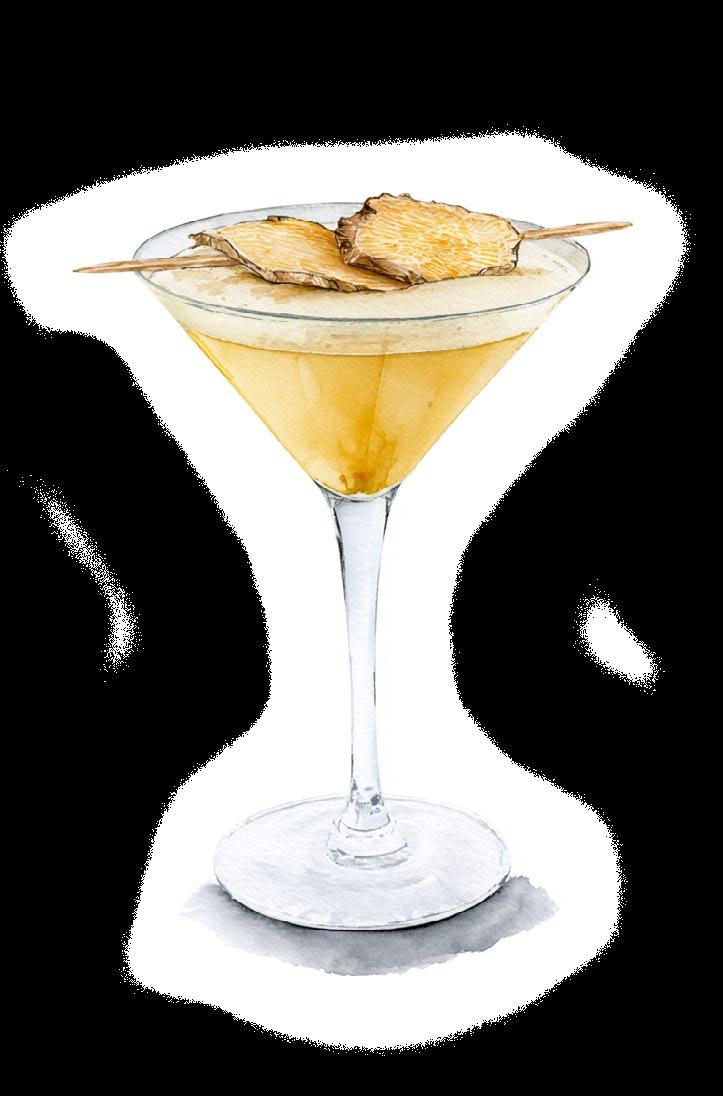
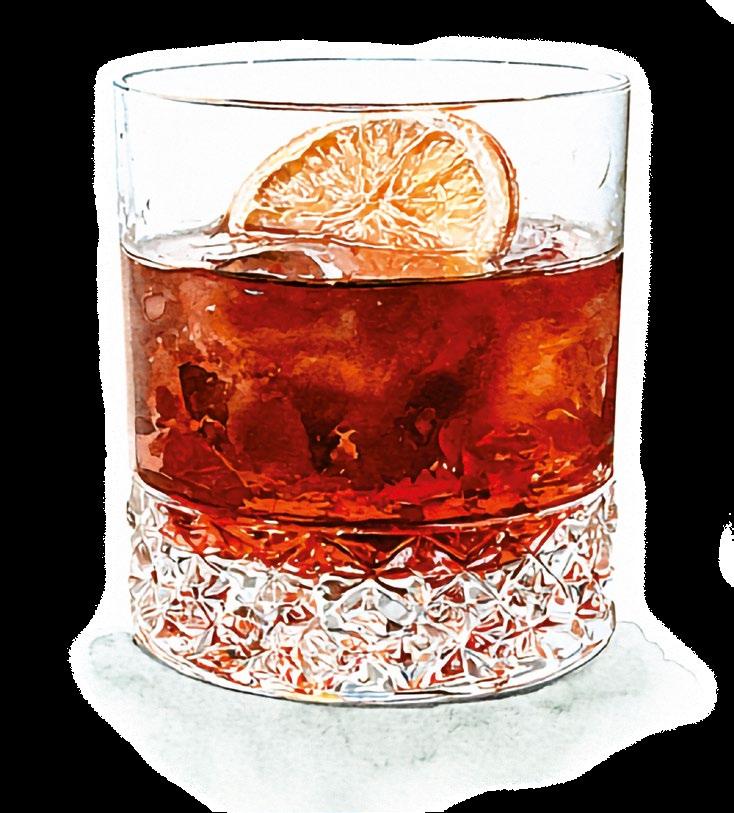
Out on the street again, I feel a bit restless. Could be I’m a little hangry, though. I continue my stroll through the village until the very end, where I find a table at Saaser Stube, where I order a very tasty and crispy chicken burger. Reconciled with the world and inspired by the short story I was able to finish reading over dinner, I head over to the Old Cinema Pub, a place which opened in 2020, and which has been recommended to me by several people.
As I enter, I can see that the place is popular – there are a few locals, but mostly groups of tourists. The energy level is quite high already, the music is retro disco and pop, the brass elements and the brick walls make for a nice modern ambience, and everybody seems to be having a great time in here. There’s a vintage movie projector in the back of the room that, as I am told, pays tribute to ‘Kino-Fonzi’, the guy who opened Cinema Rex back in 1954. I am relieved to see that the drinks menu, even though it advertises the local house drink, a Cinema Mule, stays away from fancy cocktails with witty names. The reason, as I look around, might be that the people that come here aren’t too fussy about their drinks; I see mostly long drinks, beer bottles, and the occasional glass filled with the internationally recognisable, orangecoloured Italian liquor.
To see if the staff can handle the classics as well, I decide to order an Americano. The lady behind the counter passes with flying colours. The drink is heavy, as it should be, and it goes well with the bowl of popcorn that it comes with – a charming and subtle way of reminding me once more, they were showing flicks in this place some time ago.
The room gets livelier and livelier. And since I’m neither the type to dance on my own nor to read a book in a barslash-night club, I settle my bill and leave.
Old Cinema Pub, Bielmattstrasse 3 | oldcinemapub.com

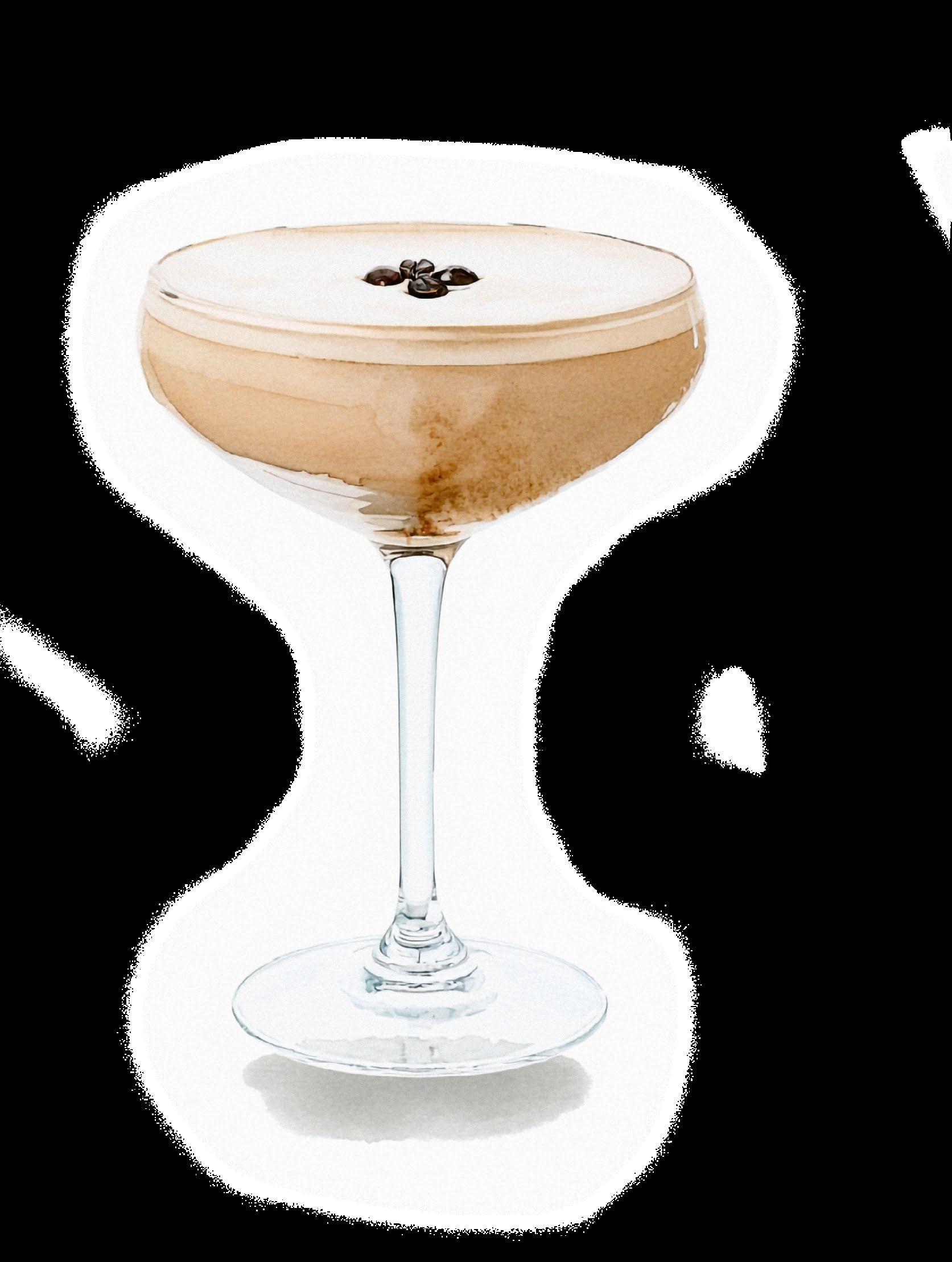
Back out in the fresh – no, freezing – air, I feel alive, wide awake, and ready for some company. As I return to the hotel, I enter the lounge area on the ground floor. It only takes a second for me to feel welcome. At home even. This has a lot to do with the pleasantly understated interior of the place, which is dominated by natural materials and not over-decorated or excessively fancy as in so many other establishments. There is a couch, a well-chosen selection of books, some grandfather chairs, and a fireplace where actual wood is burning. All of this makes me feel like I have been invited to visit a close friend who lives in a cosy chalet and not only happens to possess a large selection of spirits, but some serious cocktail skills to boot.
As the gentleman at the bar gets busy fixing me an Espresso Martini, I unwind even more. I am delighted to see some familiar faces. The bartender sprinkles my fudge-coloured drink with three coffee beans, and I head over to the large couch table and take a seat.
We start talking about Peter Stamm’s debut novel ʻAgnesʼ, which was published in 1998 and has long since become a seminal work of contemporary German literature. It is even included on the compulsory reading list at certain schools.
Three coffee beans and many bouts of laughter later, we start telling each other’s fortunes. This is no joke: there is a charming – and very funny – woman who says she saw this person on social media using UNO cards instead of a Tarot deck to practise cartomancy. What a brilliant idea! All we can find is a traditional set of Swiss German ‘Jass’ cards, but that doesn’t stop our protagonist from launching into her congenial, impromptu performance. Her acting skills more than make up for her lack of actual divination abilities. Keeping her poker face, she draws card after card and comes up with the wittiest interpretations and cunning remarks, while the rest of us can barely stay in our seats from laughing.
Falling into my bed late at night – which, luckily, is just an elevator ride away – I remember thinking that I couldn’t recall the last time I’d had so much fun with a group of strangers.
The Capra, Lomattenstrasse 6 | capra.ch
03–18 July 2026
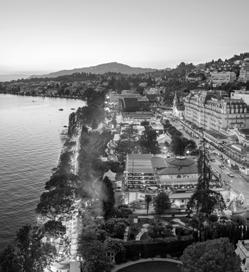
This festival is famous for its exceptional heritage and legendary concerts. With its intimate ambience and renowned hospitality, it offers a unique experience for artists and the public alike. montreuxjazzfestival.com
CALENDAR AND DATES
You can find more information and details at leadingswissevents.ch
18–21 June 2026
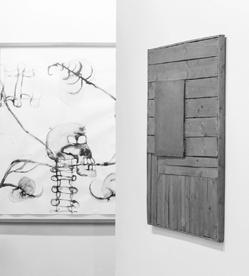
The New York Times dubbed it the ‘Art Olympics’, Vogue called it ‘the most beautiful temporary museum in the world’, and Le Monde simply hailed it as ‘the best in the world’. Art Basel, the premier international art show, attracts and inspires art lovers from across the globe year after year. artbasel.com
15–17 January 2027
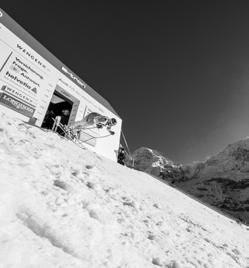
In January 2027, the 97th International Lauberhorn Races will be held in Wengen in the beautiful Bernese Oberland. The world’s best alpine skiers will compete in the Super-G on Friday, on the legendary Lauberhorn downhill slope on Saturday, and in the slalom on Sunday. lauberhorn.ch
03–06 September 2026
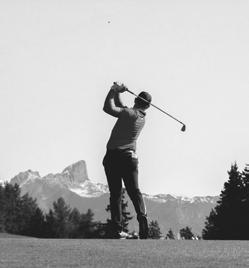
The Omega European Masters, which takes place in Crans-Montana (VS), has been offering its 50,000 spectators magical moments in a breathtaking alpine environment ever since 1939. Professional golfers from all over the world come to compete in the most stunning setting of the DP World Tour schedule. omegaeuropeanmasters.com
13 August–13 September 2026
20–22 November 2026
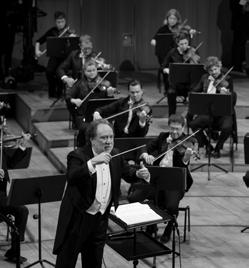
Lucerne Festival ranks among the leading international presenters of classical music, offering various festivals throughout the year. The main festival, which takes place in summer, showcases the world’s most renowned symphony orchestras, conductors, and soloists, as well as the young artist generation and contemporary music. The other festivals include Lucerne Festival Forward in November, which is focused on contemporary music, the Spring Festival, and the Piano Fest curated by pianist Igor Levit. Together with the Summer Festival, they attract classical music fans from all over the world.
lucernefestival.ch
26–27 August 2026
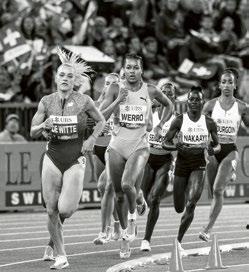
Hosting the best athletes from Switzerland, Europe, and the rest of the world, Weltklasse Zürich once again combines breathtaking performances by track and field heroes with the magical atmosphere at Letzigrund Stadium. In addition, the Women’s Pole Vault Competition will be showcased in the unique atmosphere of Zurich Main Station.
weltklassezuerich.ch
05–15 August 2026
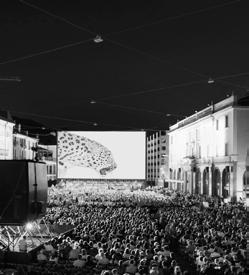
Every summer since 1946, the Locarno Film Festival has brought the world’s most innovative cinema to the shores of Lake Maggiore. Thanks to its free spirit, the festival has become an incubator of ideas and new projects, with educational and cultural activities organised throughout the year. locarnofestival.ch
26–31 December 2026
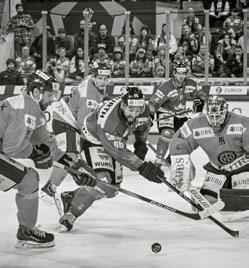
The Spengler Cup is considered the oldest international ice hockey team tournament. The trophy of the same name was awarded for the first time in 1923. Participating teams from all over the world are invited by the host, Hockey Club Davos. The magic formula of the Spengler Cup consists of the tourist resort Davos, the unique stadium, the time between Christmas and New Year, the meeting of different hockey philosophies, as well as long-standing tradition. spenglercup.ch
07, 14, 21 February 2027
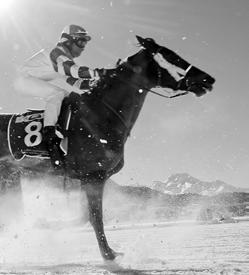
The fascination with the world’s only horse race on a frozen lake has remained for generations. Featuring traditional skikjöring, flat races, trotting races, and pony races, White Turf St. Moritz attracts VIPs from around the globe, locals, and betting enthusiasts alike. whiteturf.ch
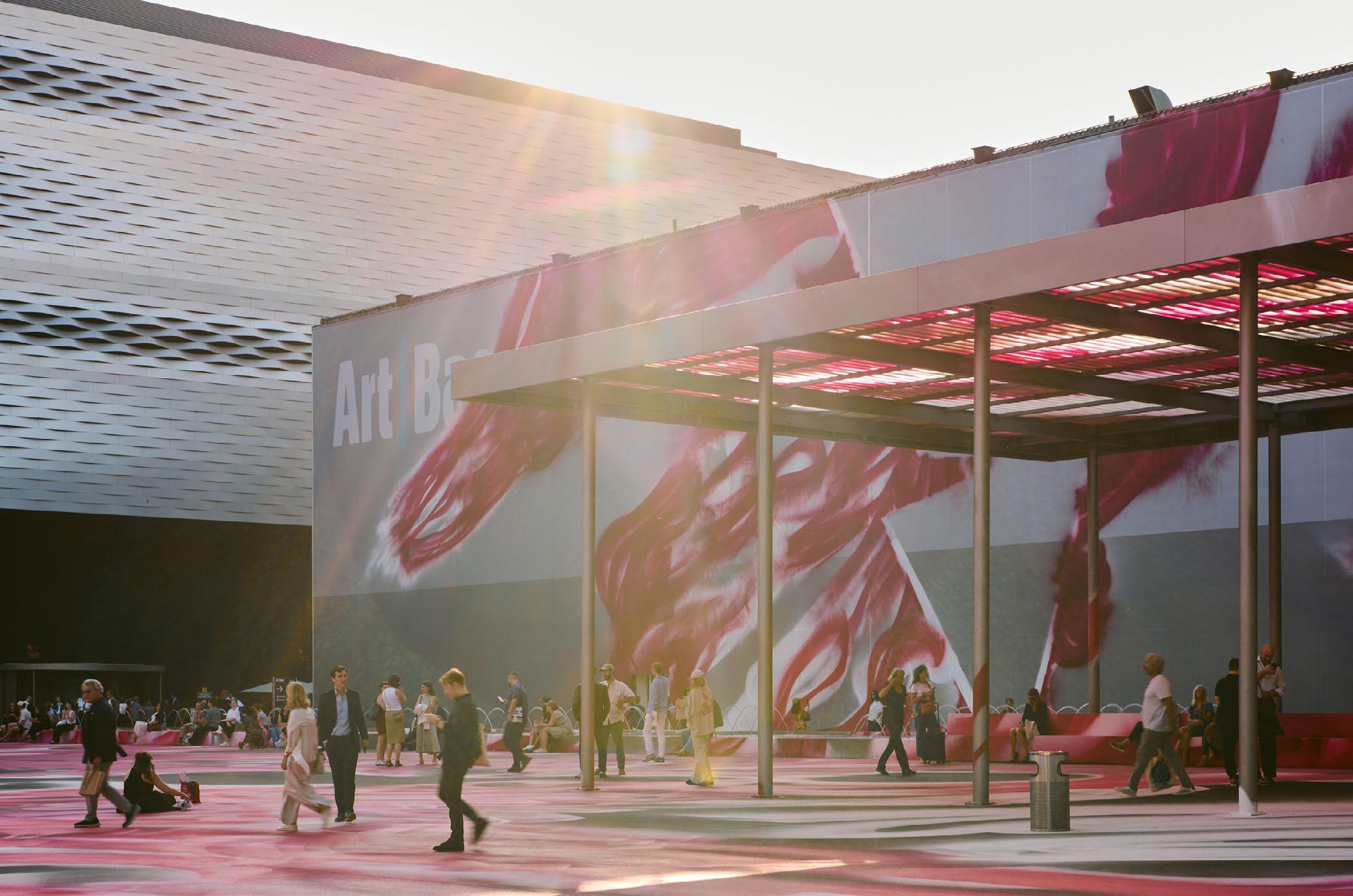
Art Basel is widely regarded as the world’s leading fair for modern and contemporary art. Once a year, the city on the Rhine becomes a global meeting point for collectors, gallerists, artists, curators, and cultural visionaries
WORDS SWENJA WILLMS
As someone from Basel, it can be tempting to praise one’s own city. Yet each year, when Art Basel opens, local conviction becomes global reality. For a few days, Basel turns into the centre of the international art world, welcoming collectors, artists, and curators from every continent and reaffirming its reputation as the city of museums.
Founded in 1970 by gallerists Trudl Bruckner, Ernst Beyeler, and Balz Hilt, Art Basel was conceived as a qualitydriven platform for modern and contemporary art. From 16,000 visitors at its premiere, it quickly grew into a key node of the global art market, where reputation and cultural authority are shaped alongside sales.
Basel remains the heart of the brand. Each June, over 250 carefully selected galleries present works from the twentieth and twentyfirst centuries. Around the main fair, satellite events such as Liste, Volta, and Photo Basel create a dense urban art ecosystem. At the same time, brands like Ruinart, Rolex, Audemars Piguet, and BMW use the fair to position themselves at the intersection of art, cultural relevance, and luxury.
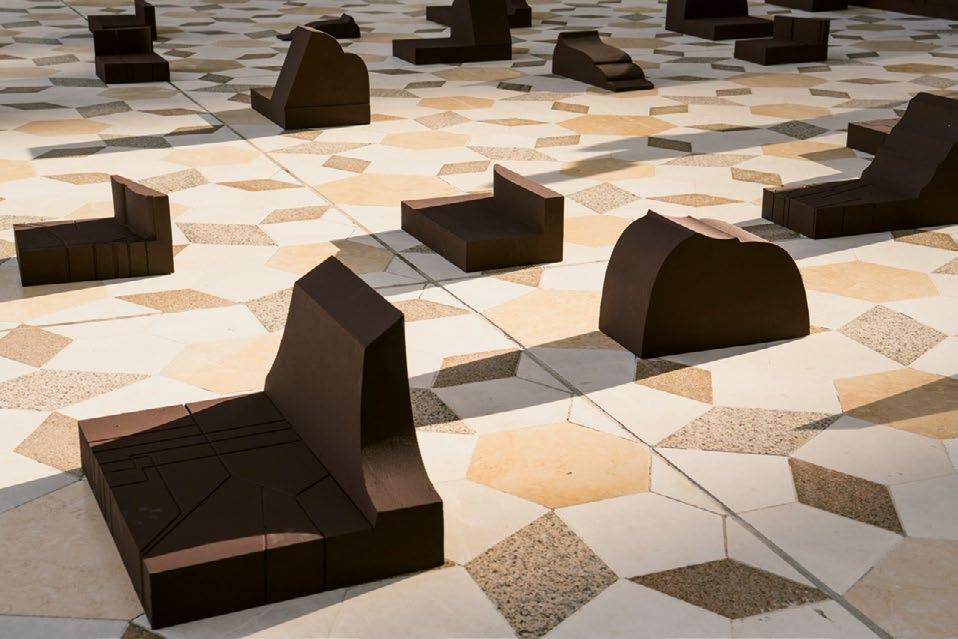
Above | With ‘In the Assembly of Lovers: be a lamp, a lifeboat, a ladder’, South African architect and artist Sumayya Vally created a transformative gathering space inspired by historic communal sites across the Muslim world.
Below | Les Trois Rois on the banks of the Rhine – Baselʼs grande dame of hospitality has watched over the city, and Art Baselʼs collectors, for over two centuries.
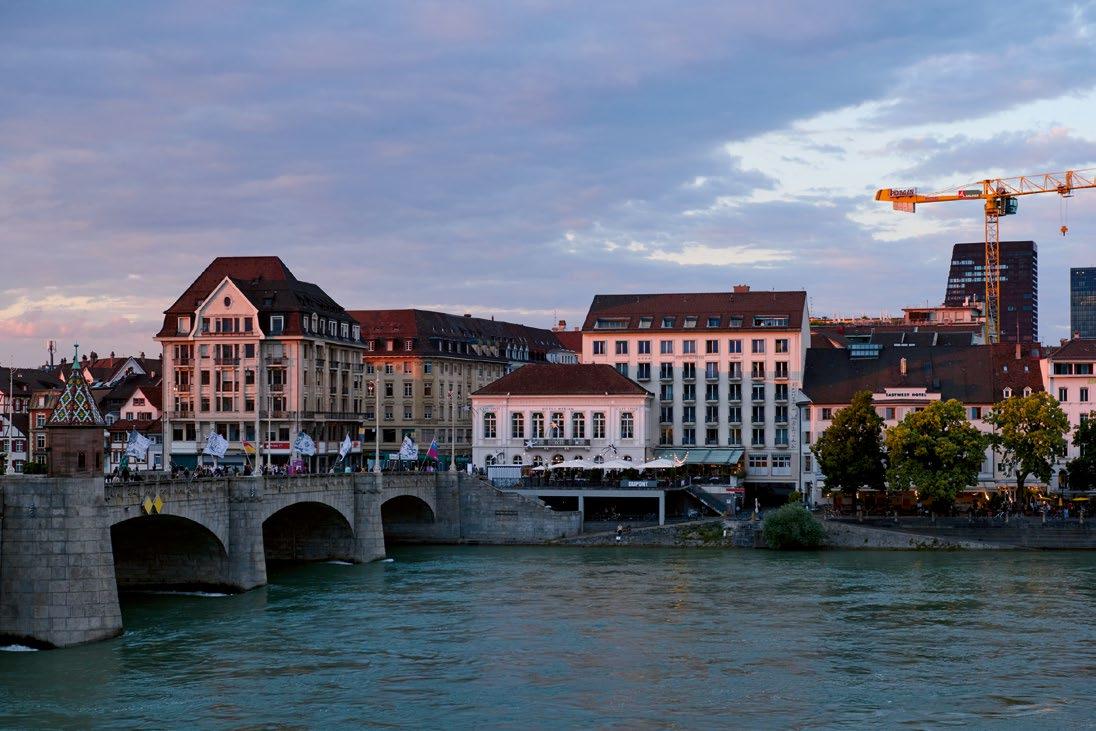
Over the decades, Art Basel expanded beyond Switzerland into a global network with editions on several continents.
A key milestone came in 2002 with Art Basel Miami Beach. It opened the US market and, for the first time, merged contemporary art with lifestyle and luxury on a large scale. Miami became the highlight of the annual Art Week, where art, design, and fashion intersect with artists such as Andy Warhol, Yayoi Kusama, Pablo Picasso, and Beeple reflecting the fair’s broad range.
Then, in 2013, Art Basel Hong Kong made the move into Asia, quickly becoming a central platform for the AsiaPacific scene and attracting a new generation of internationally minded collectors. It positioned itself as a bridge between Western markets and Asia’s dynamic cultural landscape.
Since 2022, Paris has strengthened the European portfolio, anchoring the fair in one of the world’s great cultural capitals.
And with Art Basel Qatar, launched in early 2026 in Doha, the Middle East became part of this global constellation, highlighting the growing importance of new geographic and cultural axes in the art market.
From 18–21 June, Basel once again became the centre of the international art world. A total of 290 galleries from 43 countries and territories participated, including 21 newcomers, with stronger representation from regions such as Ivory Coast, Lebanon, Saudi Arabia, and Turkey. The fair presented the full spectrum of the global art market, from art historical foundations to progressive contemporary and digital practices.
Maike Cruse, director of Art Basel in Basel, described the fair as a moment of concentrated presence. ‘For one week in Basel, historical depth meets bold new productions, both in the halls and throughout the city.’
This year, two major public commissions by the first Art Basel Awards Gold Awardees in the category Established Artist made this especially visible. Nairy Baghramian realised a new largescale work at Messeplatz, while Ibrahim Mahama activated Münsterplatz with a monumental installation. For the first time, works emerging from the awards programme premiered directly in Basel and visibly anchored the fair within the public space of the city.
The curated sectors were further sharpened in 2026. Premiere expanded to 17 presentations, strengthening the fair’s role as a platform for ambitious new productions from the past five years. Unlimited, put together for the first time by Ruba Katrib, promised a fresh approach to largescale installations and performative works. Parcours, designed by Stefanie Hessler, unfolded along Clarastrasse and addressed the theme of ‘Conviviality,’ exploring forms of living together in urban space.
The main sector Galleries brought together 232 international galleries with museum level presentations that increasingly resembled carefully selected exhibitions. Feature highlighted twentieth century positions in dialogue with the present, while Statements presented 18 solo projects by young, often research based artists. The programme was further complemented by the Edition sector, dedicated to limited editions and multiples.
Above | With its vibrant colours and expressive visual language, Alexej von Jawlensky’s Spanish Dancer is considered an iconic work of European Modernism.
Below | Between the exhibition halls and the old town, the Rhine accompanies Art Basel week as a calm counterpoint.
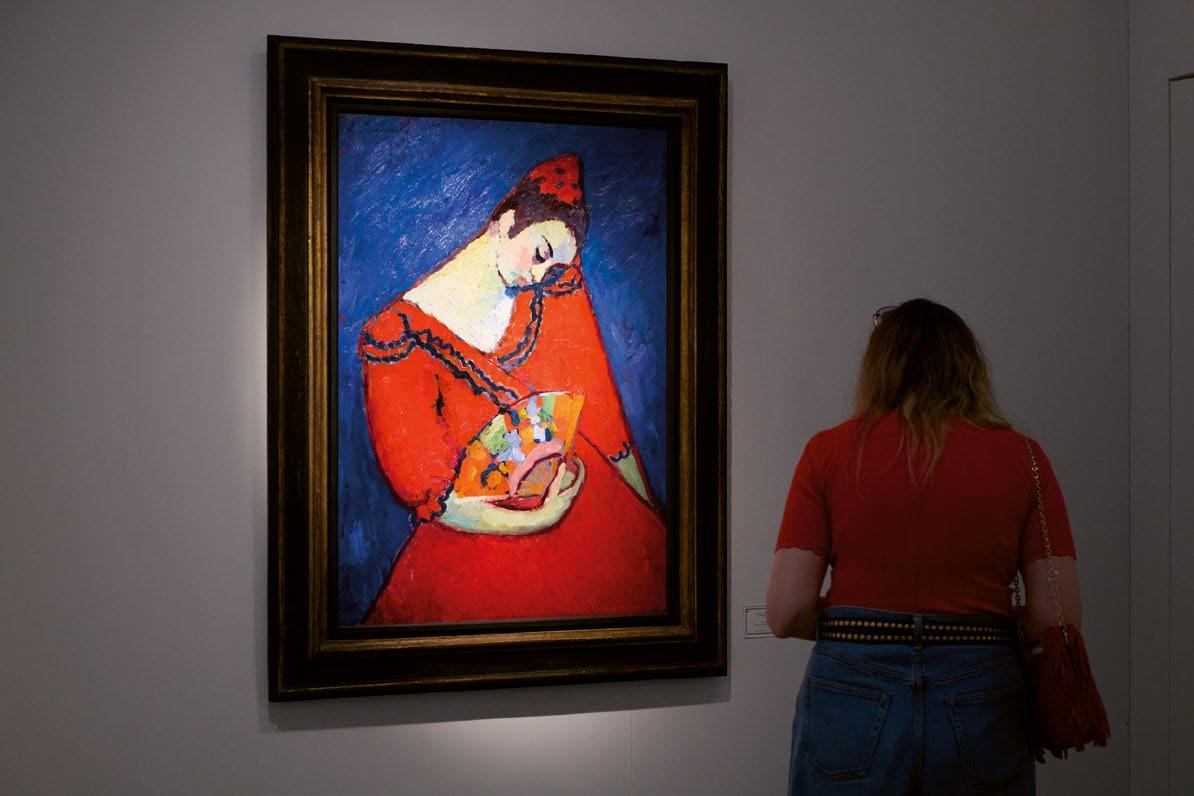
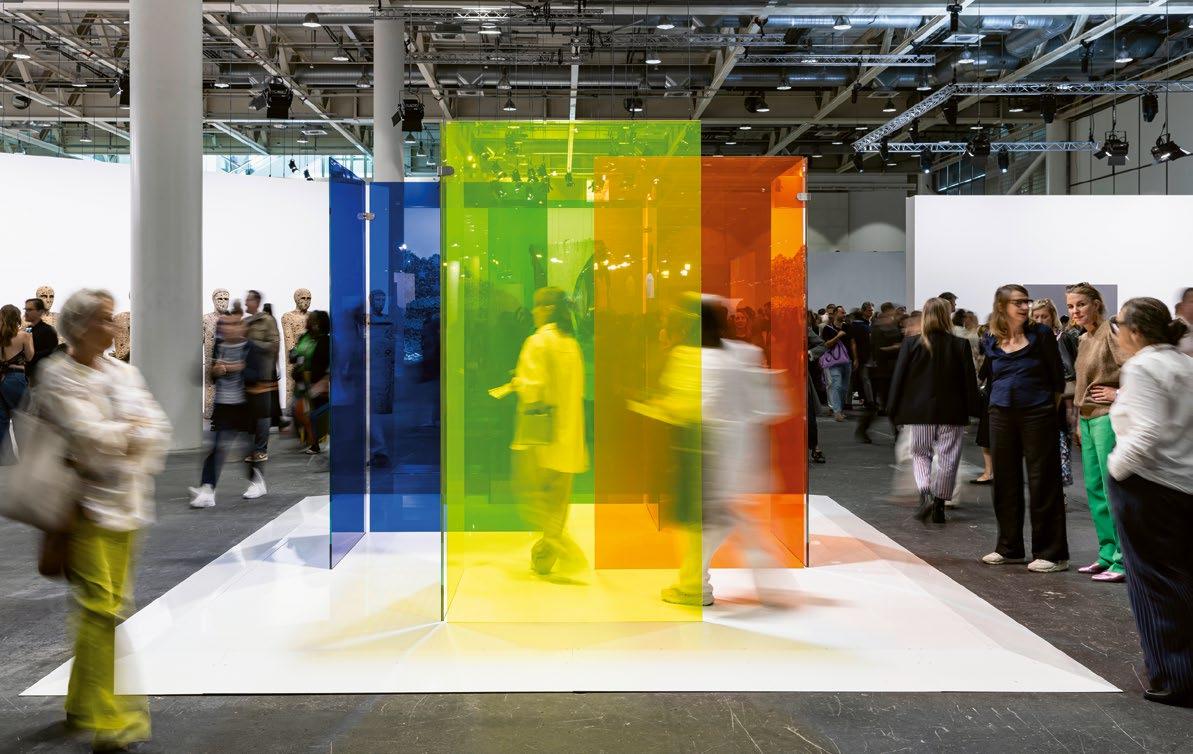
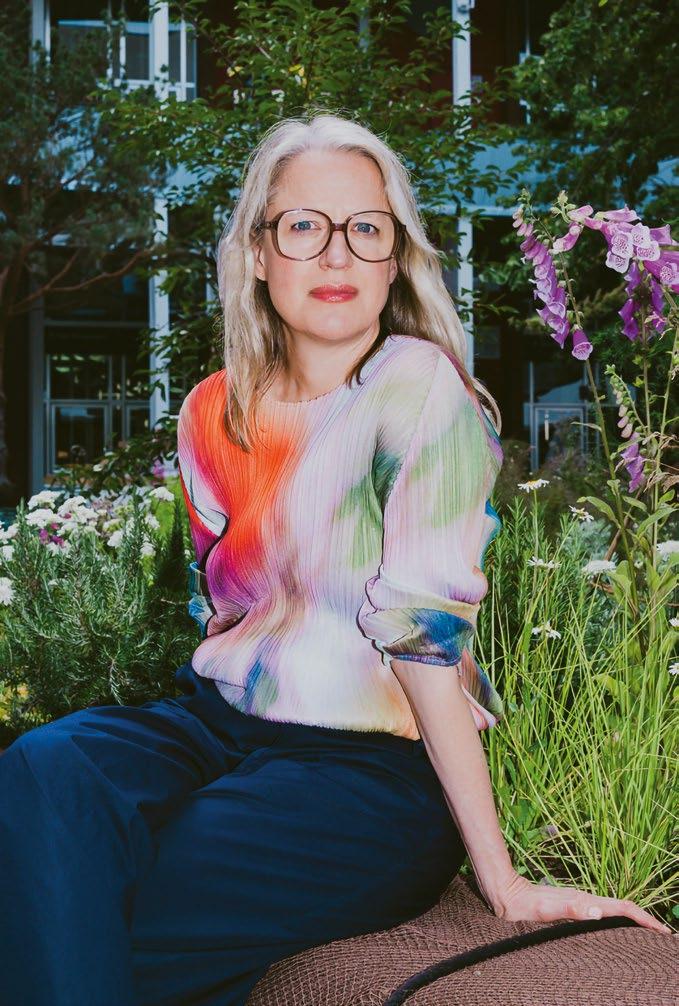
As director of Art Basel in Basel, Maike Cruse steers the most comprehensive edition of the fair worldwide. In our conversation, Cruse reflects on curatorial ambition, public engagement, and why Basel remains the intellectual and emotional core of the global art world.
INTERVIEW SWENJA WILLMS
Art Basel 2026 returned as the fair’s most comprehensive edition. What distinguishes this year in focus and atmosphere? What felt distinctive this year is the intensity of dialogue. Museumquality historical works were presented alongside ambitious current productions and emerging voices. Curated presentations across the sectors offered exhibitionscale experiences, while the atmosphere extended beyond the halls into public space and institutional programming across the city. Basel became a shared cultural moment.
With the expansion of Premiere and a stronger focus on recent production, what shifts in the global art market does this reflect? The expansion of the Premiere sector reflects a growing demand for tightly curated, projectbased presentations. Galleries are increasingly looking for formats that allow for focused, museumscale works created within the past five years.
Collectors and institutions are seeking context rather than isolated objects, and Premiere creates a space for ambition, curatorial framing, and deeper engagement within the fair format.
How central is the relationship between the fair and Basel’s cultural ecosystem to the identity of the show? Art Basel is locally rooted and globally oriented, and the proximity of worldclass museums and institutions creates a cultural intensity unique to Basel. During the fair week, exhibitions, gallery programmes, and public projects are able to create a unique dialogue.
While global editions expand this exchange internationally, Basel remains the historical core and reference point of the network.
In a time of global transformation, how does art function as a bridge between generations? Art creates continuity across generations while responding to present urgencies. Historical positions stand alongside contemporary practices, making visible how questions of identity, ecology, power, and technology evolve over time.
In a rapidly changing world, art offers a space for reflection and encounter. Basel makes this exchange tangible as generations, perspectives, and geographies meet in direct dialogue.
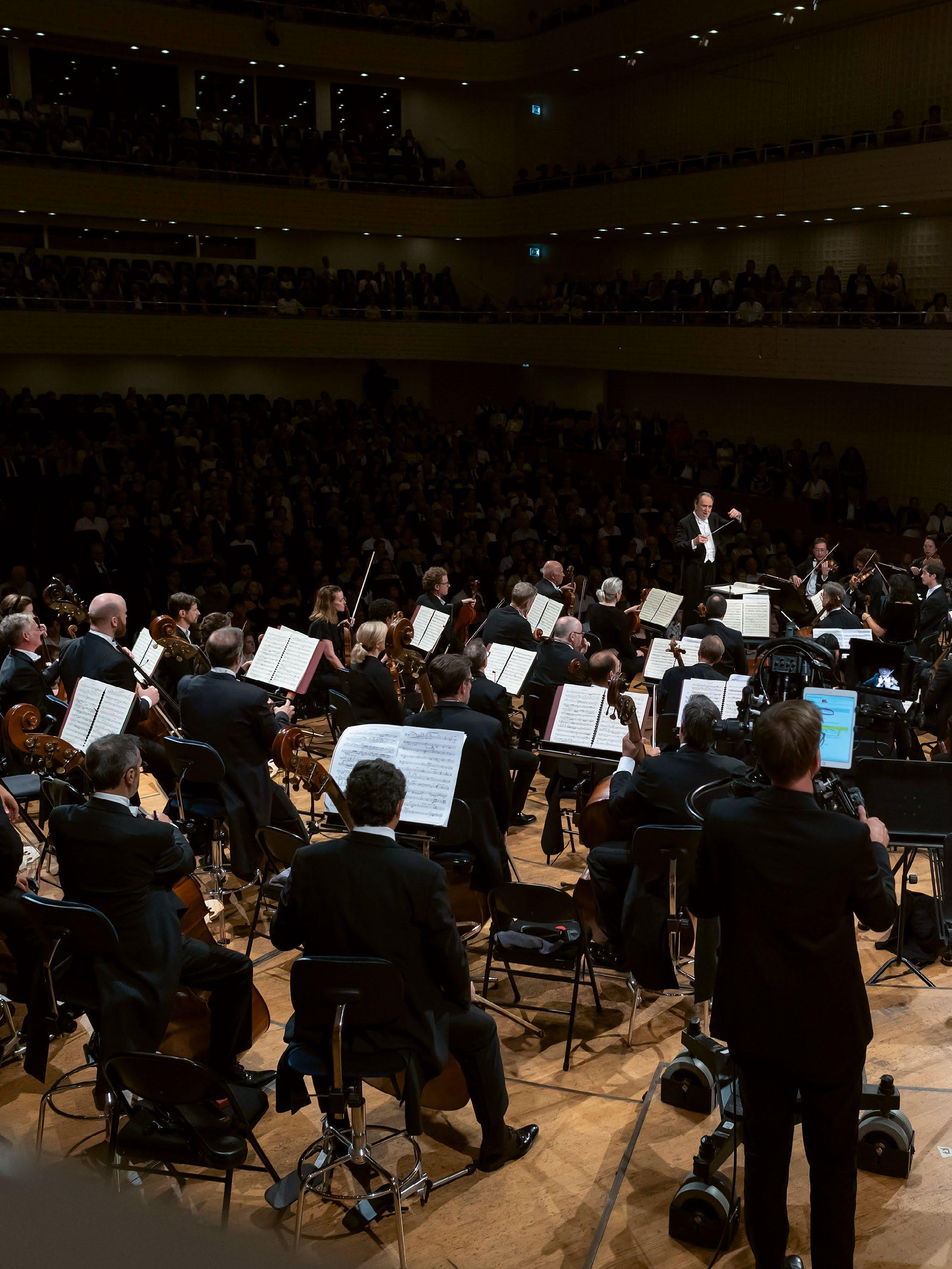
Under the theme ‘American Dreams’, Sebastian Nordmann, the festival’s new artistic and executive director, makes his mark: honouring tradition while opening the door to fresh perspectives.
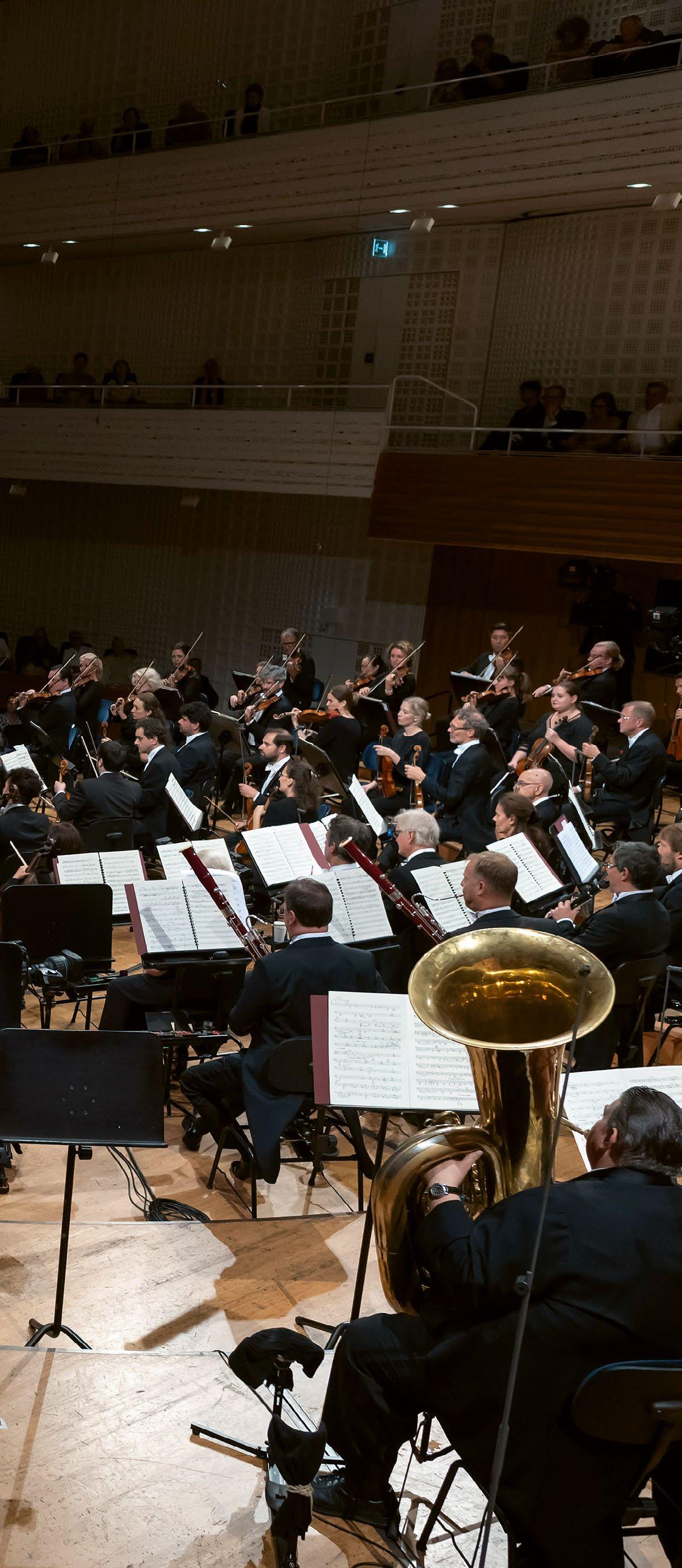
As summer slowly takes its leave and the days along Lake Lucerne grow quieter, an exhilarating international event will be taking place. Starting 13 August and ending 13 September, the city will be transformed into a place of musical greatness, with over 120 events in a 32day period. With a bold programme, artistic and executive director Sebastian Nordmann leads the summer festival for the first time under his own creative direction. The German cultural manager previously served as the longserving director of the Konzerthaus and Konzerthausorchester Berlin. Exceptionally well connected internationally, Nordmann has created a programmatic blend of artistic excellence and social openness. The creative core will remain as strong as ever, and over 20 symphony orchestras will perform within the month, among them some of the world’s most renowned ensembles. Simultaneously, Nordmann broadens the festival’s profile with new concert formats, accessible opportunities, and international guests from the ‘New World shaping the programme alongside Europe’s leading orchestras.
The Theme ‘American Dreams’ will explore the breadth of American musical history. From Gershwin to Copland, and from minimal music to jazz and film music influences, a panorama emerges that presents classical music as an open and everevolving cosmos. The opening concert on 14 August compiles works by George Gershwin and Charles Ives, alongside Steve Reich’s New York Counterpoint. The celebratory finale will be Gershwin’s opera Porgy and Bess, rounding off the festival in impressive fashion; with a symbolically resonant frame for an event illuminating American soundscapes from many different angles. Additionally, numerous works will be performed for the first time at the Lucerne Festival, including Ives’ First Symphony and Copland’s Appalachian Spring.
Above | A page from an orchestral score, serving as the foundation for interpretation and collaboration among the musicians.
Below | The concert hall at KKL Lucerne is renowned for its outstanding acoustics and striking architecture, forming the artistic heart of the Lucerne Festival.
• Ouvertüre and Klassik für alle: Open Air open the festival on Thursday, 13 August, with free concerts.
• Mittendrin: In this immersive format, the audience sits among the musicians on stage.
• In den Strassen: City Stage: This street music project brings classical music and more directly into public space.
A particular highlight is the 50th stage anniversary of Anne Sophie Mutter, who will celebrate her longstanding artistic connection to Lucerne with several programmes. Violinist Augustin Hadelich also marks the festival as ‘artiste étoile’, appearing in four differently conceived performances that showcase his stylistic versatility.
And at the heart of the festival remains the Lucerne Festival Orchestra, which, under the baton of Riccardo Chailly and with guest conductors including Klaus Mäkelä and Jakub Hrůša, shapes programmes and balances classical tradition with Americaninflected repertoire.
Meanwhile, new immersive concert formats and openair experiences offer unexpected perspectives on live performance, welcoming a broad audience to take part.
The festival pushes stylistic boundaries this year with the techno marching band MEUTE, a demonstration of how classical music is increasingly understood as part of a diverse contemporary culture.
In parallel, the Lucerne Festival Academy keeps its gaze firmly on the present: with contemporary projects, 12 world premieres, and experimental sound formats, Lucerne once again becomes a laboratory for new musical ideas in 2026.
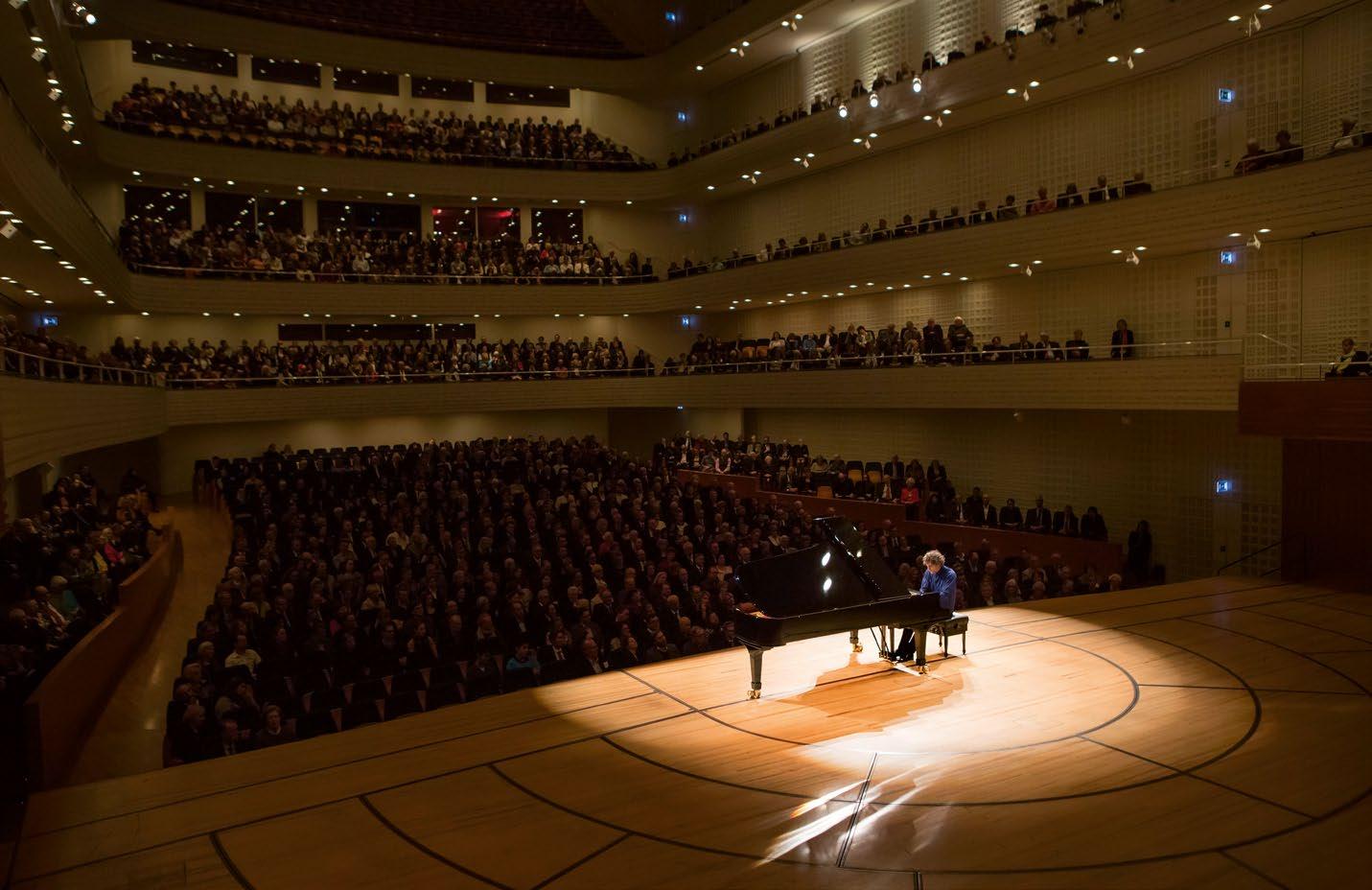
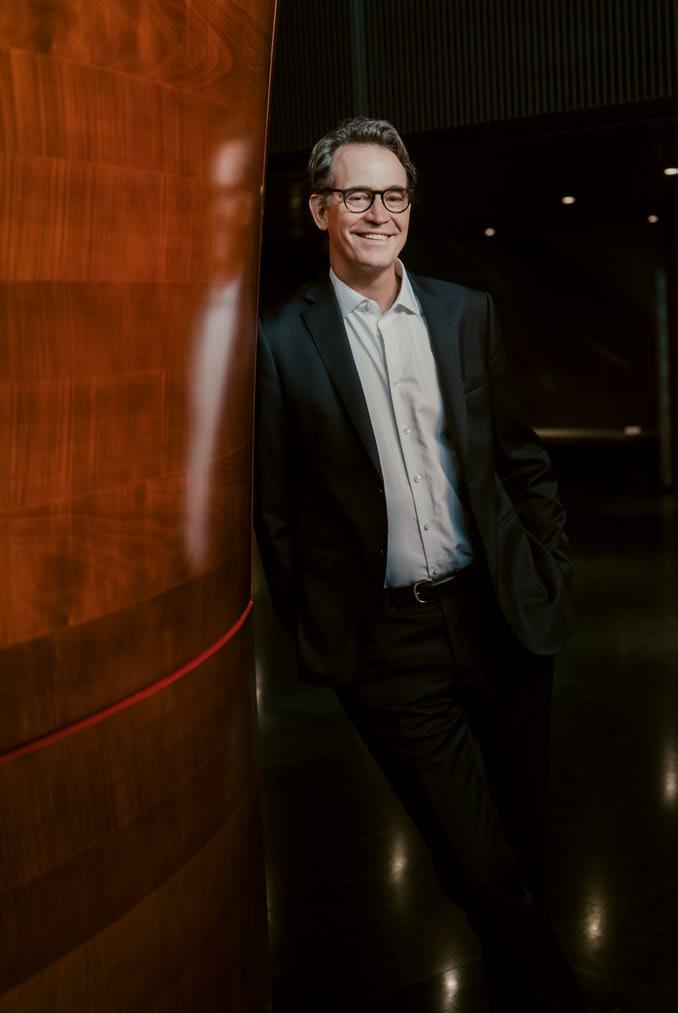
Mr Nordmann, your career bridges musicology and management consulting. How does that shape your work as festival director? I grew up in a very musical family. My father was a doctor, but he played the piano beautifully, and, as children, we were introduced to instruments early and often went to concerts. Even then, I realised that music management was what interested me. After studying musicology and completing my doctorate, I wanted to gain business knowledge so that I’d eventually be able to lead a festival or concert hall. Consulting taught me how important a clear vision is: the idea first, then the process. I learnt strategy, management, and budget planning there; skills that are just as essential today as artistic programming.
What was your central vision when you took over the leadership of Lucerne Festival? I came from the festival world and had been at the Konzerthaus Berlin for a very long time – 16 years. For me, it felt like a ‘back to the roots’ moment being able to return to a festival and one of the very best in the world at that. It’s fantastic, of course. Here you don’t need to reinvent the wheel. The festival is already in an excellent position, in one of the most beautiful places on earth and with one of the finest
concert halls imaginable. Everything is already in place, and you can focus on individual projects without having to rethink the overall vision.
What makes Lucerne Festival uniquely international in your view? Lucerne is absolutely made for a festival. The setting between the mountains and the lake, the short distances, the warmth of the welcome, it all creates a singular experience. Visitors often combine concerts with excursions up the Pilatus or Rigi, or with boat trips. They stay longer and truly immerse themselves in the culture. I can barely think of another place where music, nature, and city come together so harmoniously.
Why did you choose ʻAmerican Dreamsʼ as the theme? When I started planning three years ago, I wanted to go beyond European orchestral history and bring American music more firmly into focus. Gershwin brought jazz into classical music, Leonard Bernstein wrote West Side Story, Hollywood gave us film music. The 20th century in the US was full of different directions and colours and ‘American Dreams’ shows how individuals there could live their dream and write their own music without being pressed into a mould. We don’t want to be a political festival, but a relevant platform for exchange, for example, featuring American artists such as YoYo Ma, Hilary Hahn, and Amanda Gorman. At the same time, I want to bring new audiences, such as school groups to classical music, using new concert formats and open air concerts. With MEUTE, for example, we question what classical or contemporary music even means today –brass, percussion, marching techno – and in doing so, we open the festival to new perspectives.
How much pressure did you feel to make this first edition something special? For me it was less about making a statement and more about showing that cultural institutions can be relevant. We want to create platforms, build bridges – much like diplomacy. Culture shouldn’t just be entertainment; it should enable exchange and spark discussion. From the very beginning, it was important to me to make that openness to the world visible.
Lucerne Festival now runs beyond the summer. Is it important to maintain a presence throughout the year? Yes, I think it’s a good structure. I call them the satellite festivals: Spring, Pulse, and Forward. Each has its own character. At Pulse in May, pianist Víkingur Ólafsson takes centre stage; at the Forward Festival, the focus is strongly on contemporary music and the Lucerne Festival Academy with Jörg Widmann. It allows ideas to unfold in a targeted way across individual festivals.
Marking its 30th anniversary, Swiss Top Events is entering a new era under the name Leading Swiss Events (LSE). The rebranding reflects the association’s ambition to further strengthen the international visibility of Switzerland’s most distinguished cultural and sporting events and to position them under a shared seal of excellence. At the same time, the organisation has launched its anniversary initiative, the Golden Ticket.
Leading Swiss Events brings together nine of Switzerland’s most renowned flagship events. Its sporting members include Weltklasse Zürich, the Omega European Masters in CransMontana, the Spengler Cup Davos, the Lauberhorn races in Wengen, and White Turf in St. Moritz. Representing the cultural sphere are Art Basel, the Montreux Jazz Festival, the Lucerne Festival, and the Locarno Film Festival.
While each event is deeply rooted in its respective region, all enjoy a strong international profile and contribute significantly to Switzerland’s global reputation as a premier destination for world class events. Together, they attract international audiences, foster cultural exchange, create platforms for
emerging talent, and make elite sport and culture accessible to broad and diverse communities. Beyond their economic impact, the events also play an important societal role by connecting people across languages, generations, and borders.
The new name, Leading Swiss Events, is intended to express this role more clearly and confidently. ‘Leading’ stands not only for excellence and leadership within the industry, but also for a commitment to responsibility, continuity, and innovation. The association sees its events as platforms that inspire dialogue, create memorable experiences, and strengthen Switzerland’s standing on the international stage.
As part of the anniversary celebrations, Leading Swiss Events has officially launched the Golden Ticket initiative. Two winners, each accompanied by a guest, will have the opportunity in 2027 to experience four of the nine events as VIPs, including premium access, behindthescenes insights, and accommodation at a nearby Swiss Deluxe Hotel. Participation is now open, with the campaign being promoted internationally through the channels of the member events and partner organisations.

The rules of luxury are being rewritten. Not quietly, in boardrooms, but out in the open – on stages, in workshops, and in the kind of honest conversations that rarely happen at formal conferences. TheNewNow Future Summit brought some 350 leaders and innovators together at the Headsquarter in Zurich for exactly that: a day designed not to deliver answers, but to ask better questions.
The event marks the transformation of the Swiss Deluxe Hotels Media Summit, evolving from a format that began as a platform for hospitality and communication professionals into something considerably larger. Where the original summit focused on media and positioning within the hotel industry, the Future Summit broadens the conversation to the wider Swiss luxury ecosystem: watchmakers, private banks, mobility providers, health businesses, and luxury retail, giving every component a seat at the table. The premise is simple and compelling. As organiser Evelyn Gorgos puts it: ‘When you allow different perspectives to meet and engage, solutions emerge that would never have come from within a single sector.’
FROM NICHE TO ECOSYSTEM
For Swiss Deluxe Hotels, the connection runs deeper than a hosting partnership. A dedicated hospitality track explored the shifting terrain of new luxury travel and what it means to create genuine relevance in an era where status alone no longer sells. The questions on the table were familiar to anyone working at the intersection of hospitality, brand, and guest experience: How does luxury redefine itself when 60 million buyers have quietly walked away from the category? What does true connection look like
SAVE THE DATE 22 APRIL 2027, ZURICH
ʻWhen brands lose relevance, it is rarely because of materials –itʼs because they lose emotional connection.ʼ – Evelyn Gorgos, founder, TheNewNow
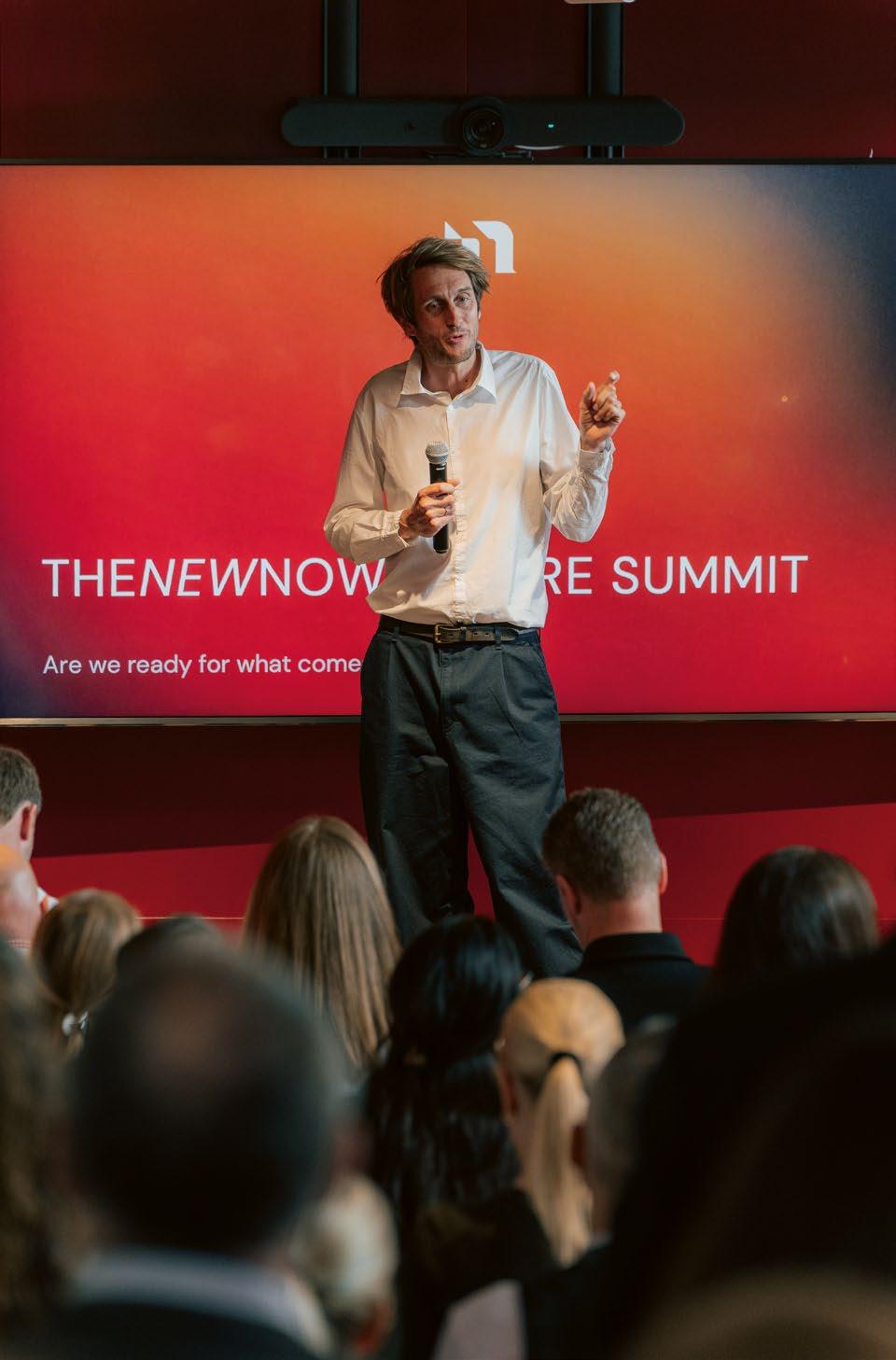
when hyper personalisation becomes the norm? And how do you lead a team and a brand through accelerating change without losing the human dimension entirely?
These are not abstract questions. Prof. Dr Felicitas Morhart of HEC Lausanne examined luxury in the age of hyper personalisation. Business coach Jens Alsleben reflected on leadership through existential experience. Former star photographer Oliver Rust discussed how AI is transforming creative processes – and what remains irreducibly human. Sébastien Félix of Influence Society analysed the creative disruption triggered by artificial intelligence. And Joe Holles de Peyer of SONMO explored the intersection of ancient knowledge and regenerative innovation. The programme deliberately juxtaposed apparent opposites, creating the friction that Gorgos considers essential: ‘I don’t see the Future Summit as a conventional congress. It’s a space created for ideas to meet, cause friction, and allow for a shift in perspective.’
Left side | Joe Holles de Peyer of SONMO at the Future Summit – making the case for a new kind of luxury rooted in authenticity and sustainability. With projects like SONMO in Mallorca, he showed how going back to roots and committing to the planet arenʼt constraints, but the future: ʻWe are not the problem. We are the solution: luxury must give back.ʼ
Below | At the Future Summit, conversations went beyond business and into what actually matters – navigating uncertainty, leading through change and finding answers together. A safe space where honesty was welcome and collective intelligence could emerge.
That spirit extended well beyond the keynote stages. Participants shaped their own day from more than 100 sessions across four themes – Media, Business, AI, and New Work – moving freely between workshops, panels, and live conversations across the Headsquarter’s multiple spaces, including the recently opened Artistic venue with its rooftop terrace, cinema, and podcast studio. Claudio Del Principe, columnist and bestselling author, hosted his celebrated pasta workshop as a teambuilding experience – a reminder that passion and shared creation are as relevant to leadership culture as any strategy session.
The response from the hospitality community was immediate. ‘It was wonderful to finally meet in person, and truly impressive what you’ve built here,’ wrote Rebeka Schär, director of marketing and communications at The Alpina Gstaad. ‘I’m taking home many valuable ideas and already looking forward to the next one.’ Francesca Waldvogel of La Réserve Zurich was equally warm: ‘Great exchanges took place.’ And for hospitality journalist Lisa van Leer, the day captured something harder to define: ‘I left not only with a pocket full of business cards but mostly feeling inspired and motivated.’
That, perhaps, is the most honest measure of a summit’s success. Not the number of sessions attended, or speakers seen, but lingering impressions, a new idea with the power to shift something inside of you, conversations that opened doors, or a person met at exactly the right moment.
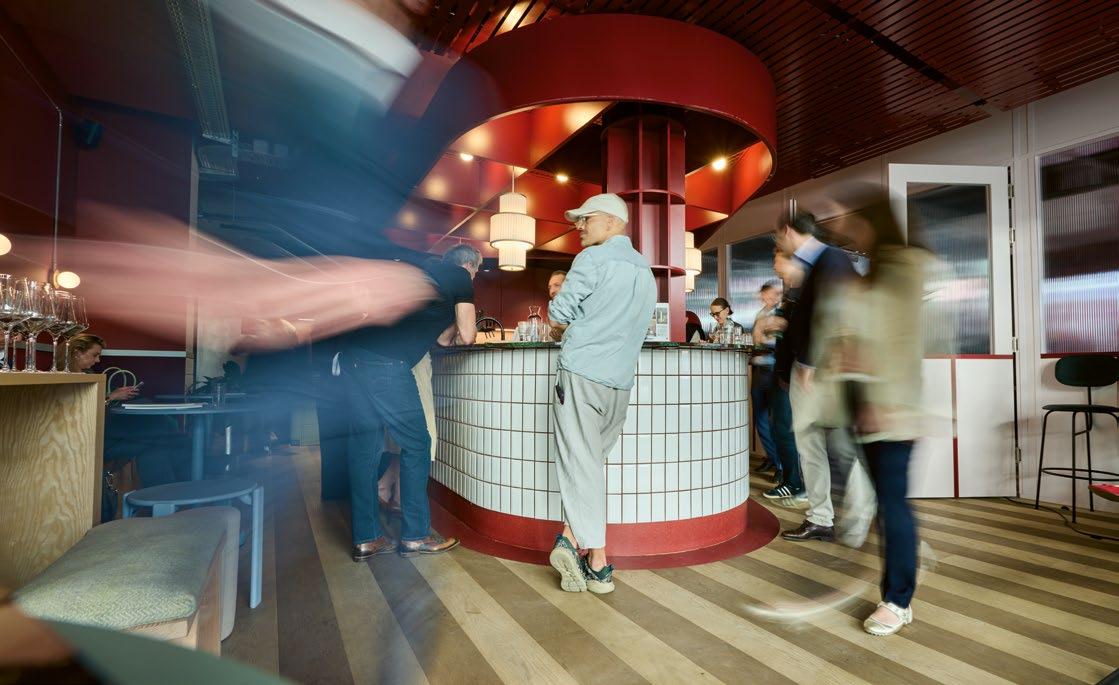

16 Le Grand Bellevue Gstaad
17 The Park Gstaad, A Four Seasons Hotel Gstaad
18 The Alpina Gstaad Gstaad
19 VictoriaJungfrau Grand Hotel & Spa Interlaken
20 Lausanne Palace Lausanne
21 BeauRivage Palace Lausanne-Ouchy
22 Hotel Splendide Royal Lugano
23 Mandarin Oriental Palace, Luzern Lucerne
24 Fairmont Le Montreux Palace Montreux
25 Bürgenstock Resort Lake Lucerne Obbürgen
26 Grand Hotel Kronenhof Pontresina
27 The Capra Saas-Fee
28 Badrutt’s Palace Hotel St. Moritz
29 Carlton Hotel St. Moritz St. Moritz
30 Kulm Hotel St. Moritz St. Moritz
31 Suvretta House St. Moritz
32 Grand Hôtel du Lac Vevey
33 Villars Palace Villars-sur-Ollon
34 Park Hotel Vitznau Vitznau
35 Grand Hotel Zermatterhof Zermatt
36 Mont Cervin Palace Zermatt
37 Riffelalp Resort 2222 m Zermatt
38 Baur au Lac Zurich
39 La Réserve Eden au Lac Zurich Zurich
40 Mandarin Oriental Savoy, Zurich Zurich
41 The Dolder Grand Zurich
42 Widder Hotel Zurich
ANDERMATT
THE CHEDI ANDERMATT
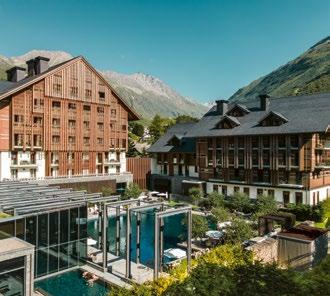
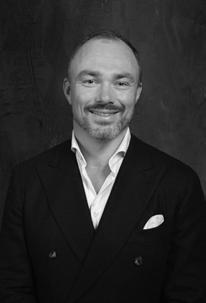
James Lamb, CEO Hospitality thechediandermatt.com
T +41 (0) 41 888 74 88
ASCONA
HOTEL EDEN ROC
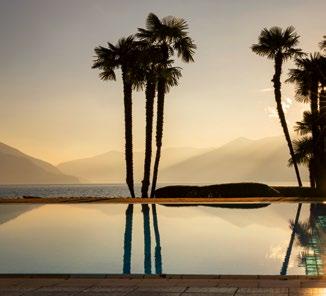
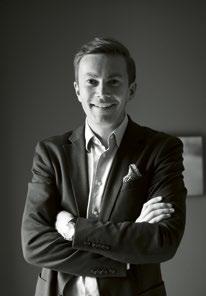
Markus Tauss, General Manager edenroc.ch
T +41 (0) 91 785 71 71
BERN
BELLEVUE PALACE
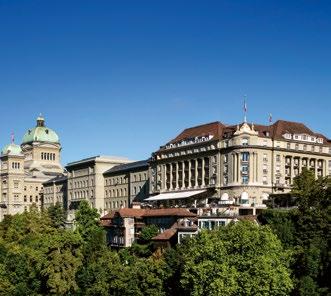
Urs Bührer, General Manager bellevue-palace.ch
T +41 (0) 31 320 45 45
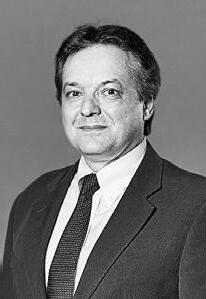
AROSA
TSCHUGGEN GRAND HOTEL
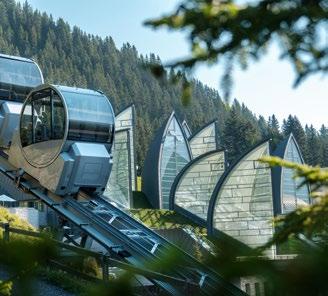
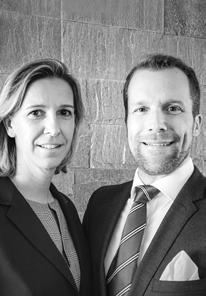
Ingo & Silvana Schlösser, General Managers tschuggen.ch
T +41 (0) 81 378 99 99
BAD RAGAZ
GRAND RESORT BAD RAGAZ
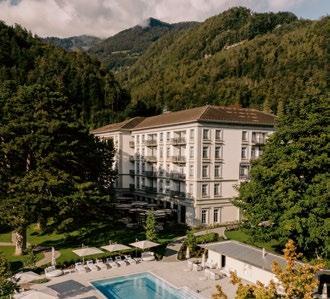

Simon Spiller, General Manager resortragaz.ch
T +41 (0) 81 303 30 30
BERN
HOTEL SCHWEIZERHOF BERN & SPA
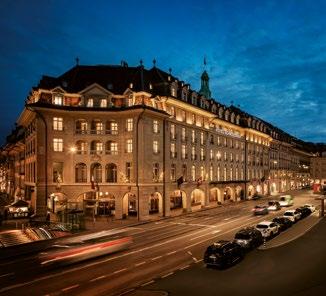
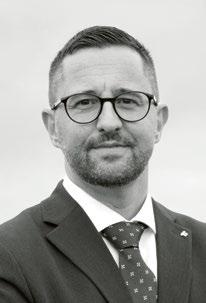
Sascha Spiegel, General Manager schweizerhofbern.com
T +41 (0) 31 326 80 80
ASCONA
CASTELLO DEL SOLE BEACH RESORT & SPA
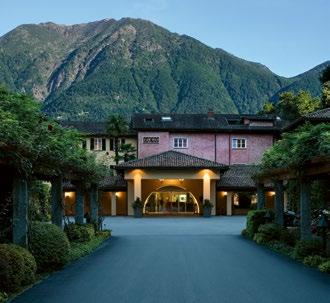
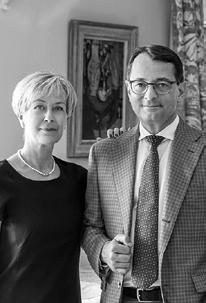
Simon V. & Gabriela Jenny, General Managers castellodelsole.com
T +41 (0) 91 791 02 02
BASEL
GRAND HOTEL LES TROIS ROIS
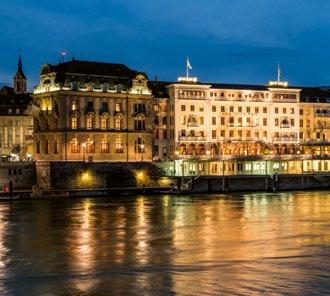
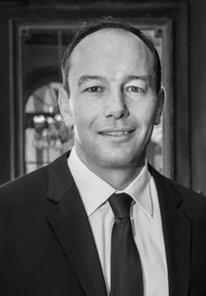
Mark Jacob, General Manager lestroisrois.com
T +41 (0) 61 260 50 50
CRANS-MONTANA
GUARDA GOLF HOTEL & RESIDENCES
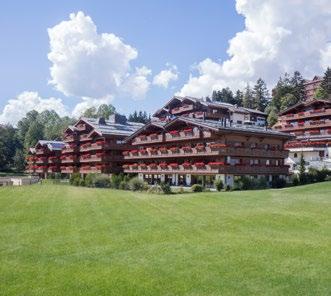
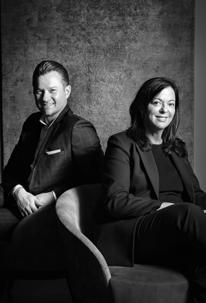
Nati Felli & Simon Schenk, Hosts guardagolf.com
T +41 (0) 27 486 20 00
CRANS-MONTANA
LECRANS HOTEL & SPA
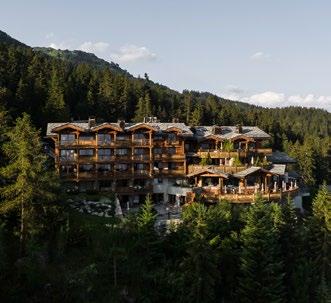

Etienne Biedermann, General Manager lecrans.com
T +41 (0) 27 486 60 60
GENEVA
LA RÉSERVE GENÈVE
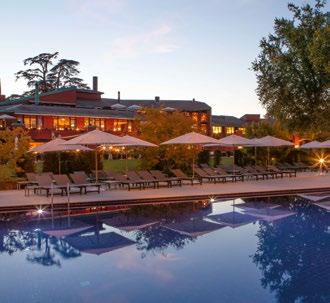
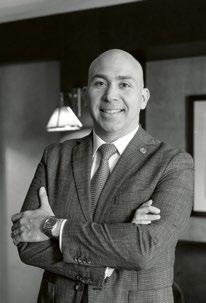
Clément Hernandez, General Manager lareserve-geneve.com
T +41 (0) 22 959 59 59
GSTAAD
LE GRAND BELLEVUE
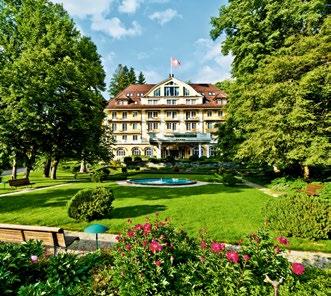
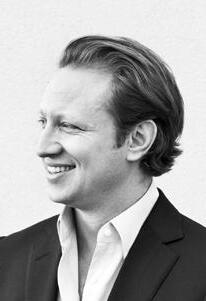
Daniel Koetser, Owner & Managing Director bellevue-gstaad.ch
T +41 (0) 33 748 00 00
INTERLAKEN
VICTORIA-JUNGFRAU GRAND HOTEL & SPA
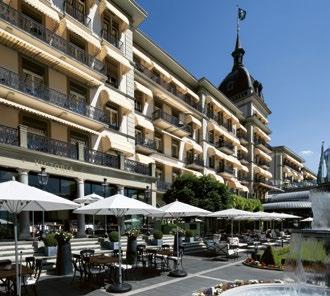
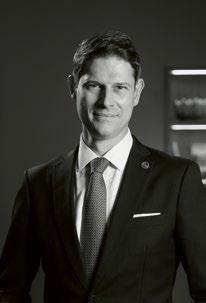
Nico Braunwalder, General Manager victoria-jungfrau.ch
T +41 (0) 33 828 28 28
GENEVA BEAU-RIVAGE
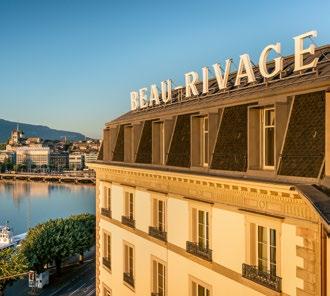
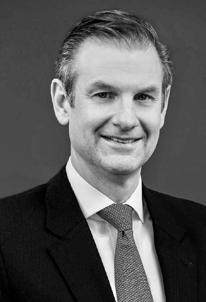
Robert P. Herr, General Manager beau-rivage.com
T +41 (0) 22 716 66 66
GENEVA
MANDARIN ORIENTAL, GENEVA
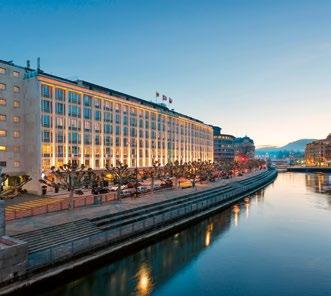
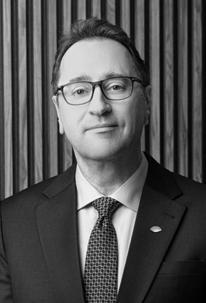
Paul Jones, General Manager mandarinoriental.com/geneva
T +41 (0) 22 909 00 00
GSTAAD
THE PARK GSTAAD, A FOUR SEASONS HOTEL
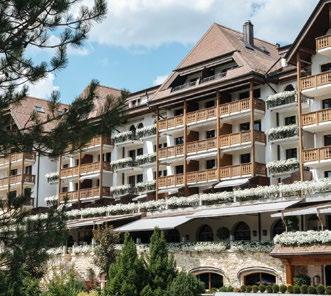
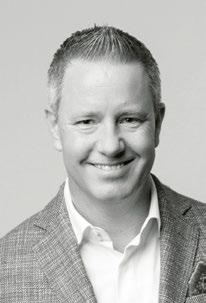
Reto Moser, General Manager fourseasons.com/gstaad
T +41 (0) 33 748 98 00
LAUSANNE
LAUSANNE PALACE
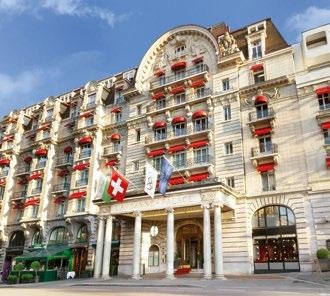

Quentin Delohen, General Manager lausanne-palace.ch
T +41 (0) 21 331 31 31
GENEVA FOUR SEASONS HOTEL DES BERGUES
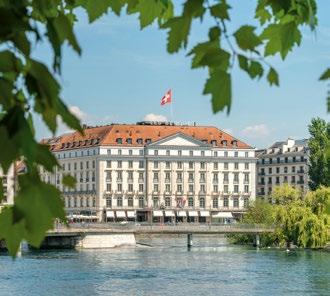
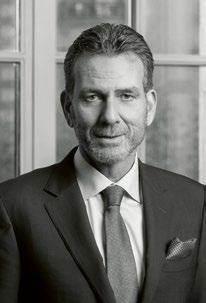
Martin Rhomberg, Regional Vice President & General Manager, fourseasons.com/geneva
T +41 (0) 22 908 70 00
GSTAAD
GSTAAD PALACE
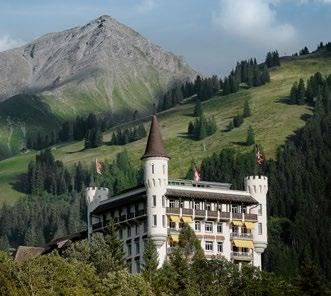
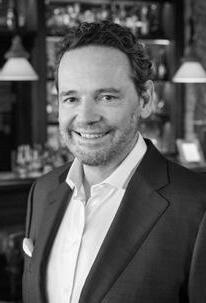
Andrea Scherz, Owner & General Manager palace.ch
T +41 (0) 33 748 50 00
GSTAAD THE ALPINA GSTAAD
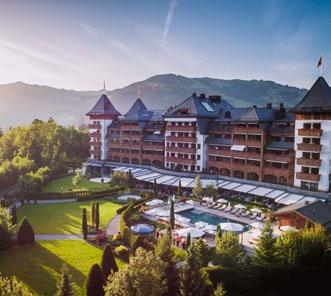

Nadine Friedli, General Manager thealpinagstaad.ch
+41 (0) 33 888 98 88
LAUSANNE-OUCHY
BEAU-RIVAGE PALACE
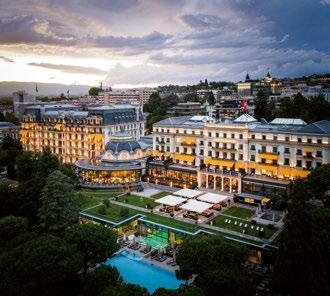
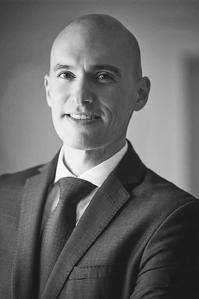
Benjamin Chemoul, General Manager brp.ch
T +41 (0) 21 613 33 33


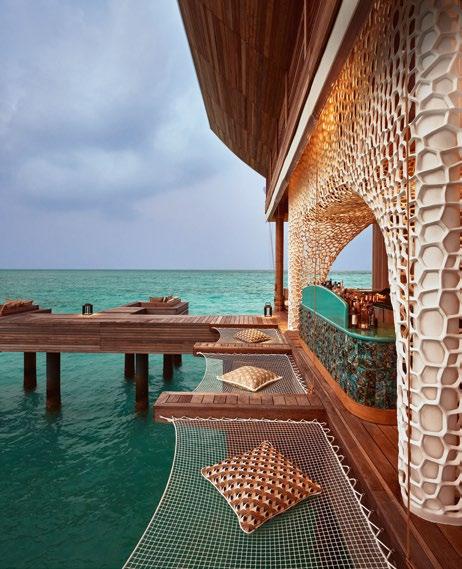

LUGANO
HOTEL SPLENDIDE ROYAL
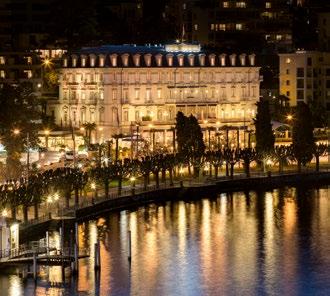
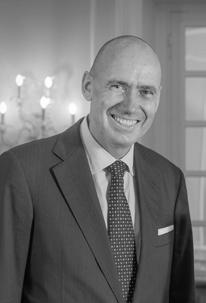
Thomas Brugnatelli, General Manager splendide.ch
T +41 (0) 91 985 77 11
OBBÜRGEN
BÜRGENSTOCK RESORT LAKE LUCERNE
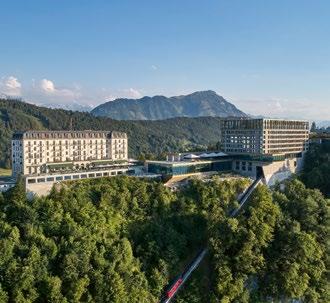
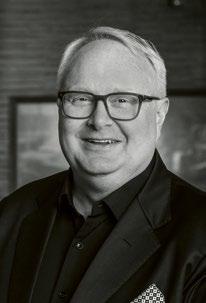
Chris K. Franzen, Managing Director burgenstockresort.com
T +41 (0) 41 612 60 00
ST. MORITZ
BADRUTT’S PALACE HOTEL
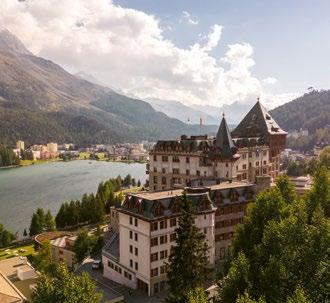
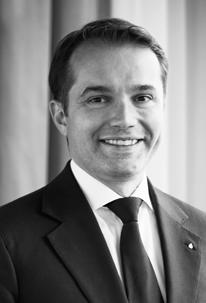
Richard Leuenberger, Managing Director badruttspalace.com
T +41 (0) 81 837 10 00
ST. MORITZ
SUVRETTA HOUSE
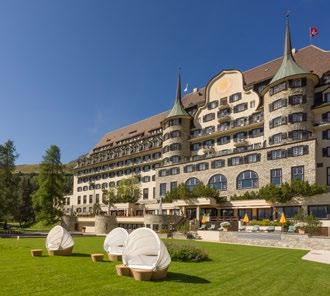
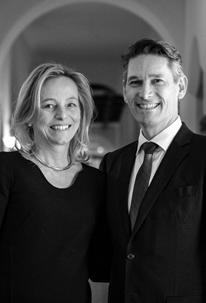
Peter & Esther Egli, General Managers suvrettahouse.ch
T +41 (0) 81 836 36 36
LUCERNE
MANDARIN ORIENTAL PALACE, LUZERN
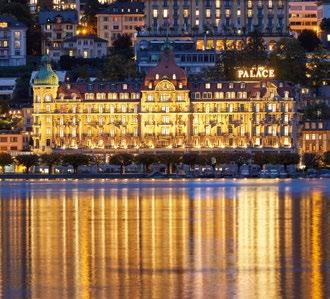
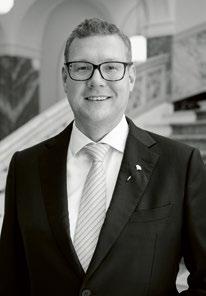
Matthias Kindl, General Manager mandarinoriental.com/luzern
T +41 (0) 41 588 18 88
GRAND HOTEL KRONENHOF
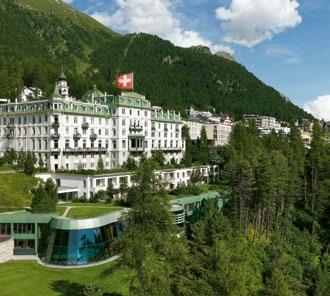
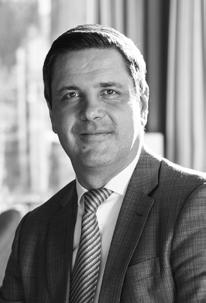
Claudio Laager, General Manager kronenhof.com
T +41 (0) 81 830 30 30
ST. MORITZ
CARLTON HOTEL ST. MORITZ
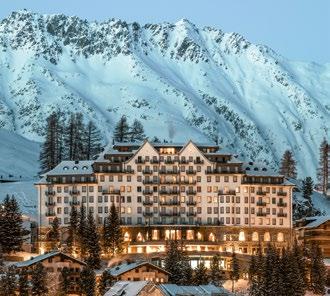
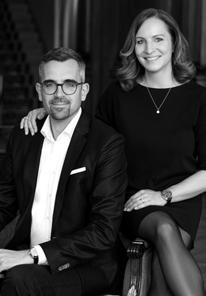
Michael & Stephanie Lehnort, General Managers carlton-stmoritz.ch
T +41 (0) 81 836 70 00
VEVEY
GRAND HÔTEL DU LAC
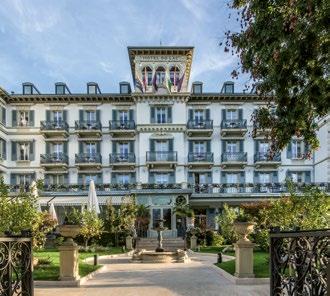

Luc Califano, General Manager grandhoteldulac.ch
T +41 (0) 21 925 06 06
MONTREUX
FAIRMONT LE MONTREUX PALACE
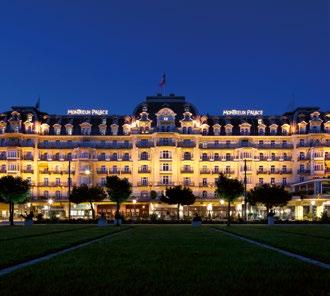
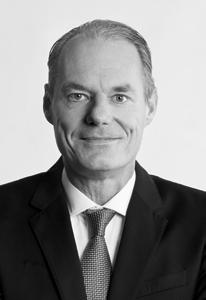
Michael Smithuis, General Manager fairmont.com/montreux
T +41 (0) 21 962 12 12
SAAS-FEE THE CAPRA
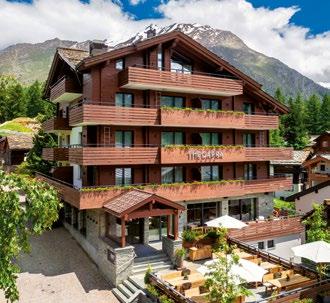

Cornelia Destouches, Group Hospitality Director capra.ch
T +41 (0) 27 958 13 58
ST. MORITZ
KULM HOTEL ST. MORITZ
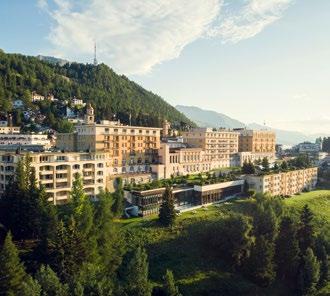
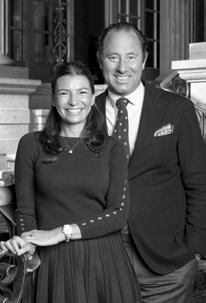
Heinz E. & Jenny Hunkeler, General Managers kulm.com
T +41 (0) 81 836 80 00
VILLARS-SUR-OLLON
VILLARS PALACE
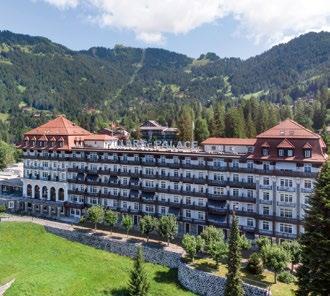
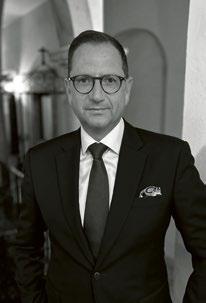
Stephan Post, General Manager villarspalace.ch
T +41 (0) 24 496 22 96
VITZNAU
PARK HOTEL VITZNAU
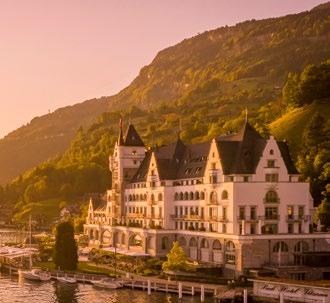
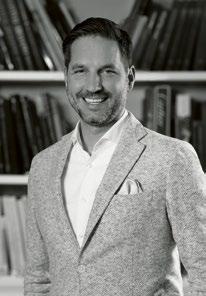
Mathias Rohner, Managing Director parkhotel-vitznau.ch
T +41 (0) 41 399 60 60
ZERMATT
RIFFELALP RESORT 2222 M
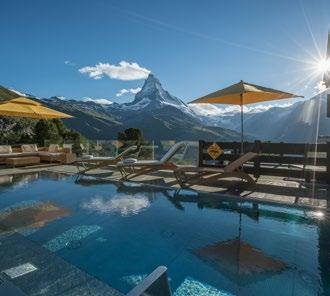
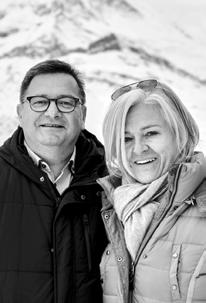
Hans-Jörg & Claudia Walther, Keepers of the Hut riffelalp.com
T +41 (0) 27 966 05 55
ZURICH
MANDARIN ORIENTAL SAVOY, ZURICH
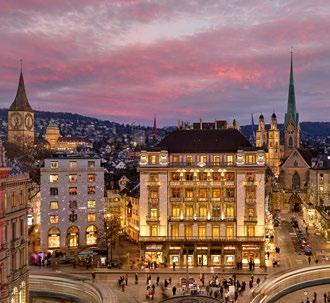
Dominik G. Reiner, General Manager mandarinoriental.com/en/zurich/savoy
T +41 (0) 43 588 38 88
ZERMATT GRAND HOTEL ZERMATTERHOF
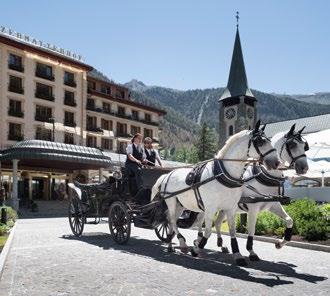
Markus Marti, General Manager zermatterhof.ch
T +41 (0) 27 966 66 00
BAUR AU LAC
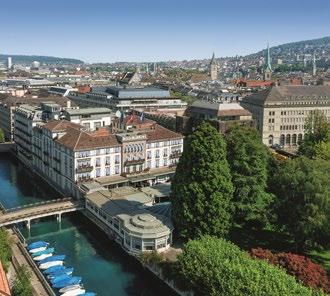
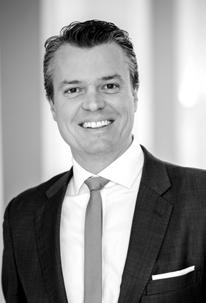
Christian von Rechenberg, General Manager bauraulac.ch
T +41 (0) 44 220 50 20
ZURICH THE DOLDER GRAND
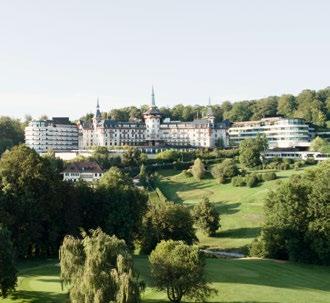
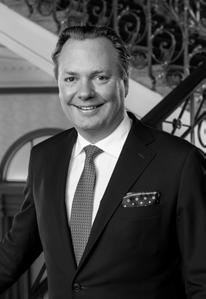
Markus Granelli, General Manager thedoldergrand.com
T +41 (0) 44 456 60 00
ZERMATT MONT CERVIN PALACE
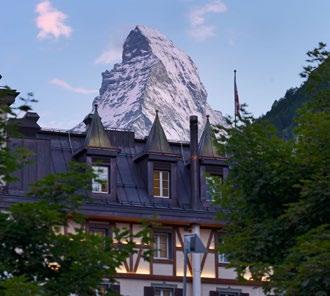
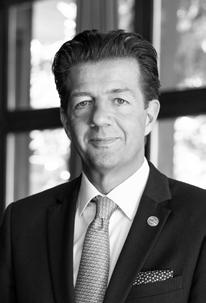
Rafael Biner, General Manager montcervinpalace.ch
T +41 (0) 27 966 88 88
ZURICH LA RÉSERVE EDEN AU LAC
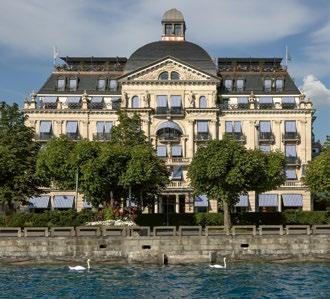

Nicole Zandt, General Manager lareserve-zurich.com
T +41 (0) 44 266 25 25
ZURICH WIDDER HOTEL
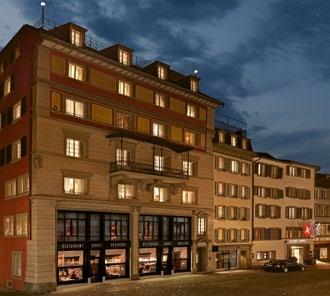
Benjamin Dietsche, General Manager widderhotel.com
T +41 (0) 44 224 25 26








aleno AG
AlpExcursion Switzerland
Alpha Pflanzen AG
Andros (Suisse) SA
Baur au Lac Vins
Berndorf Luzern AG
Biologique Recherche Switzerland
b&n Service AG
Brack.ch AG
Brauerei Schützengarten AG
Caratello Weine
Cash Hôtel Service SA
Caviar Consortium Switzerland AG
CeCo Ltd.
sknife
Cellcosmet
Coca-Cola HBC Schweiz AG
Fusetea
Nestea
Sprite
Valser
Dettling & Marmot AG
Hendrick’s Gin
The Macallan
Diversey Europe B.V. Utrecht Taski
DynaSphere – DEM GmbH
Ecolab (Schweiz) GmbH
Edel & Stark AG
EHG
EHL
Elite SA
Esprit Gourmand
Eva.J Swiss Natural Skin Care
E. Weber & Cie AG / Webstar
FACES Media Group
Falstaff Schweiz AG
Fashion Collective X.V. Swienty
Fredy’s AG
G. Bianchi AG
Geberit Vertriebs AG
Globalwine AG
GLM General Limousine
Management
Chauffeur-Limousine-Academy
Grohe Switzerland SA
Groupe GM Exklusive Amenities
Hotelis SA
Hotela
Hotelfachschule Thun
Hotel MSSNGR GmbH
Hugo Dubno AG
IBA – made virtual, live real
Iconia Group
Igeeks AG
Institute for Service &
Leadership Excellence AG
101 Best Hotels in Switzerland
IRF Reputation AG
Kahn Corporate Wear
KERNenergie GmbH
Kessler & Co AG
Marsh
Kukui créateur d’ambiance
La Bottega Collective
Lactalis Suisse SA
Laurent-Perrier
Leading Swiss Events
Léguriviera SA
LG Business Creation
Lusini Schweiz GmbH
Lyreco Switzerland AG
marmite verlags AG
Materialist Media Switzerland SAGL
Mérat & Cie AG
Cher-Mignon SA
MK Group
MK Illumination AG
moomenti SA
Musketier Blumen GmbH
Nectaflor AG
Nestlé Nespresso Suisse SA
Newby Teas (Suisse) SA
Nourison
Orakei Ltd
Pakka AG
P.F. Timmermans AG
PIO O’KAN
Positioner SA
QoQa Services AG
Ramseier Suisse AG
Reust Gastro AG
Reuter CH AG
Ringier Axel Springer Schweiz AG
GaultMillau – Channel
Schenker Storen AG
Schweiz Tourismus
Schwob AG
smARTec Veranstaltungstechnik AG
Smith & Smith Wine Company
Suter Viandes SA
Boucherie du Palais
Swisscard AECS
Swiss Hotel Supply
Swissliss
Sygama SA
Swiss Mountain Spring
Tectona SA
Terravigna AG
The Music Architect
TOP-ALLIANCE AG
Limousine Management
Transgourmet Schweiz AG
Transgourmet
Prodega
Casa del Vino SA
Transgourmet Valentin
Traveller’s World Verlag GmbH
vality GmbH
Weinkellereien Aarau AG
Edvin Weine
Weita AG
Worldline Schweiz AG
YOURCAREERGROUP Schweiz GmbH
Zamba Fruchtsäfte AG
Zermatt IT AG
Zweifel Pomy-Chips AG
OFFICIAL PARTNERS


TOURISM AND EVENT PARTNERS

EDUCATION PARTNER
MEDIA PARTNERS



Explore our programs designed to support your team in building the skills needed to drive transformation with empathy, strengthen relationships with clients and colleagues, and cultivate a culture of service excellence. Contact us to discuss your needs at info.execed@ehl.ch

Scan to learn more
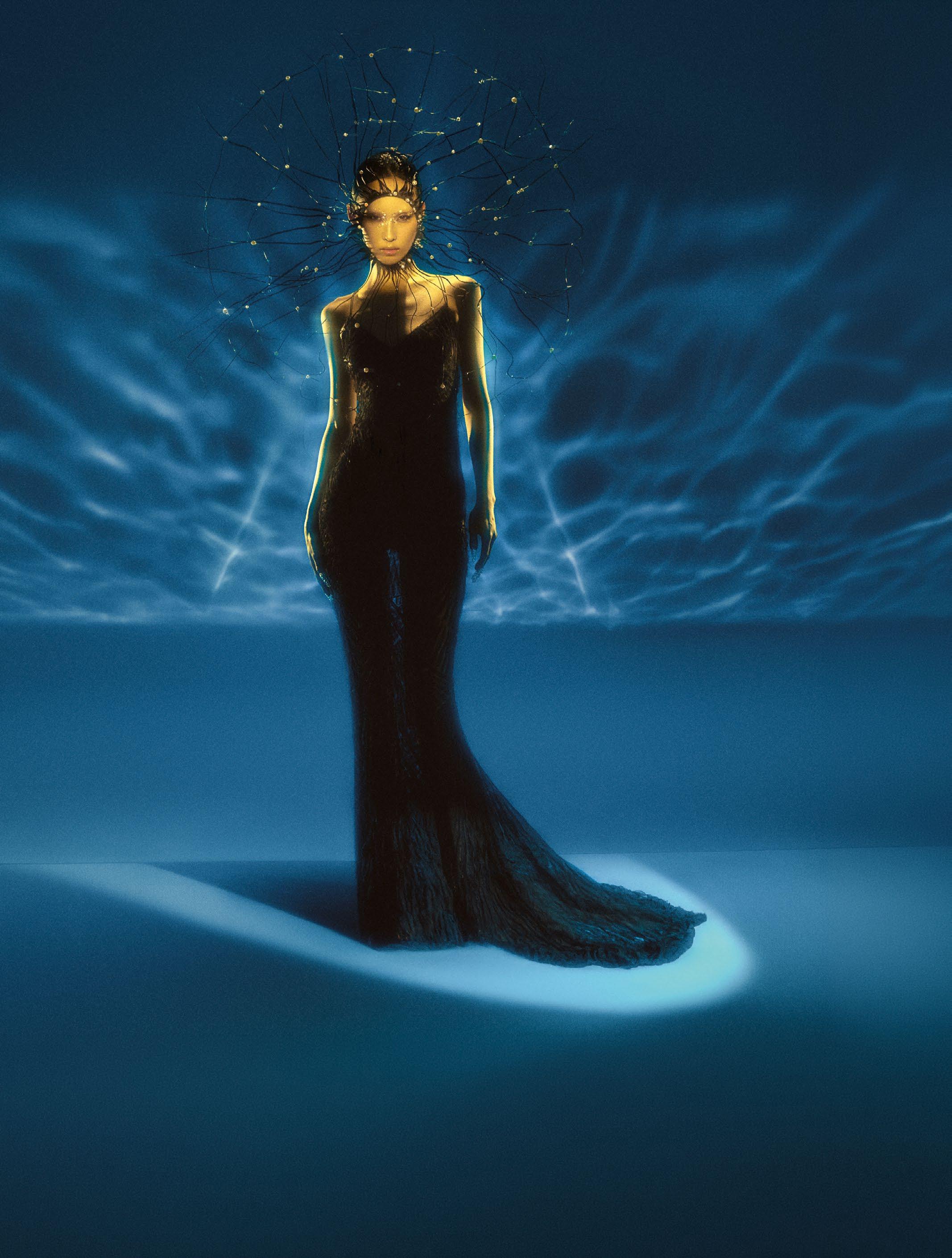
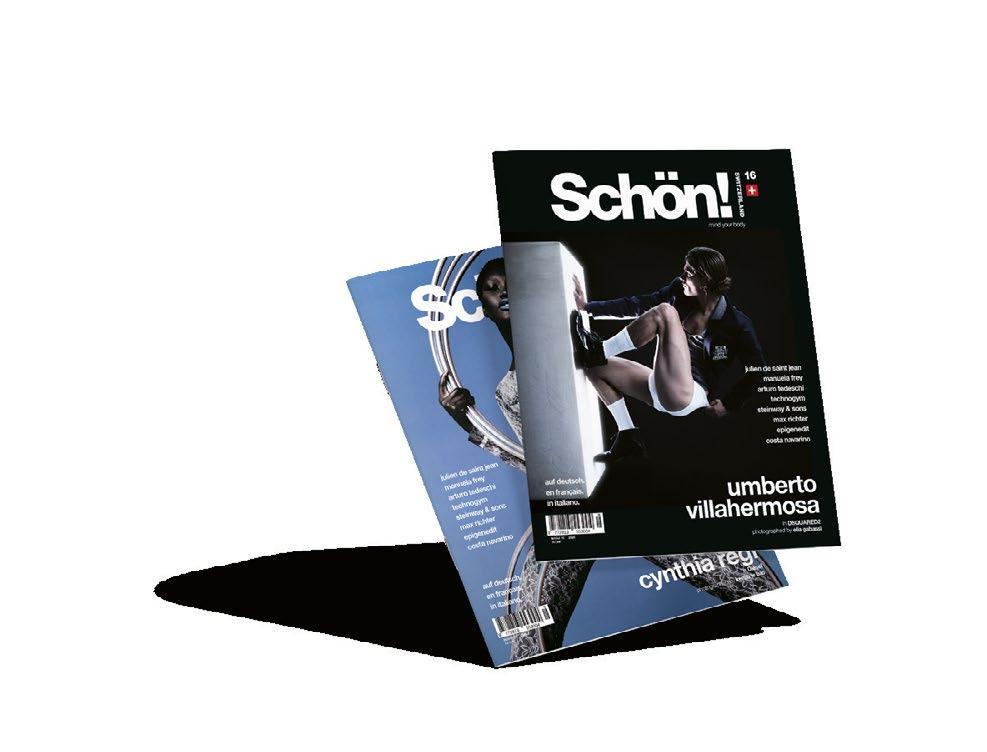
»True quality in hospitality goes beyond luxury. It lies in a singular sense of place, deeply rooted culture, and the emotional intelligence to make guests feel they truly belong — qualities embodied by The 101 Best Hotels.«
Benjamin Chemoul, General Manager Beau-Rivage Palace Lausanne




We are pleased to present our relevant hotel ranking: 101 best hotels 2026. In addition to our established ranking of the 101 best hotels in Germany, the 101 best hotels in Switzerland were honored for the first time in April 2025, in partnership with the leading newspapers SonntagsZeitung and Le Matin Dimanche.




Our aim is to provide our readers with objective and transparent guidance. In spring, we also release our new coffee table book and accompanying website, featuring the finest hotel addresses in Switzerland.


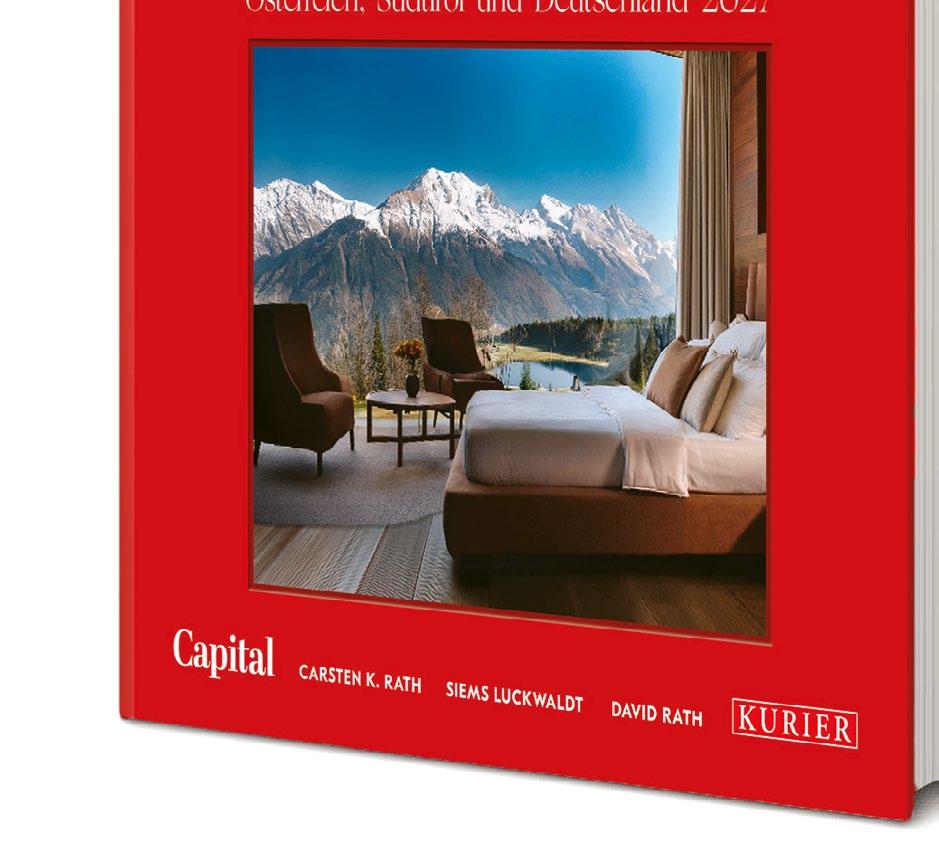







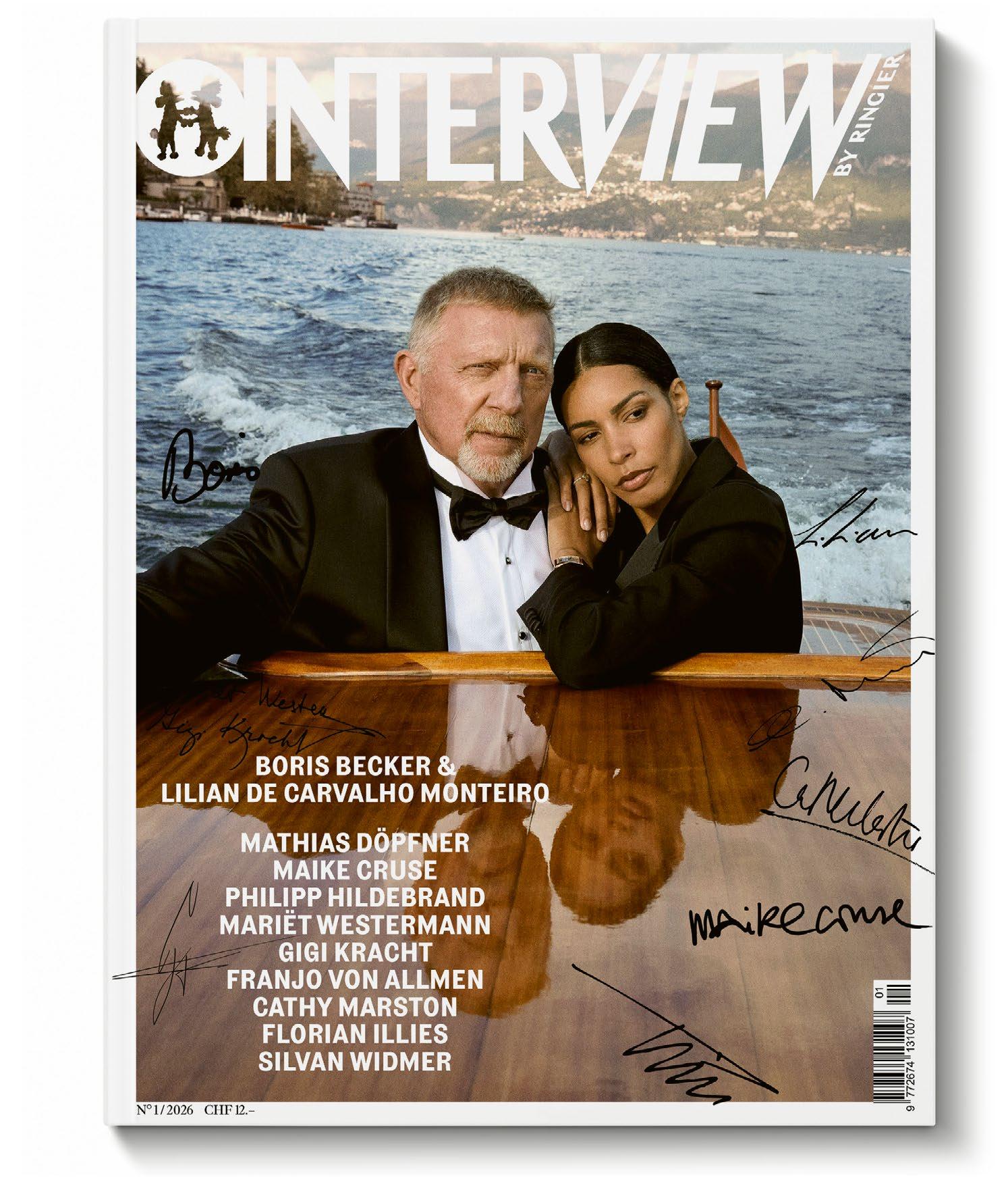
JETZT ENTDECKEN
Das Magazin für gute Gespräche.
Jahresabo (zwei Ausgaben) für nur CHF 20.- statt CHF 24.- bestellen und eintauchen in Gespräche mit beeindruckenden Persönlichkeiten. Ohne Skript, aber gut zum Druck.
Tauchen Sie ein in die Welt von Andreas Caminada. Der Kultchef von Schloss Schauenstein gibt sein eigenes Magazin heraus.
JETZT ABONNIEREN!
Die Highlights aus der aktuellen Ausgabe «Caminada. Das Magazin»
Citytrip Stockholm. Die besten Adressen.
Interview. Andreas Caminada trifft Murat Yakin. Im Atelier von Bildhauerin Claudia Comte.
Die besten Rezepte der Starchefs.
JETZT ABONNIEREN!
shop.caminadamagazin.ch .

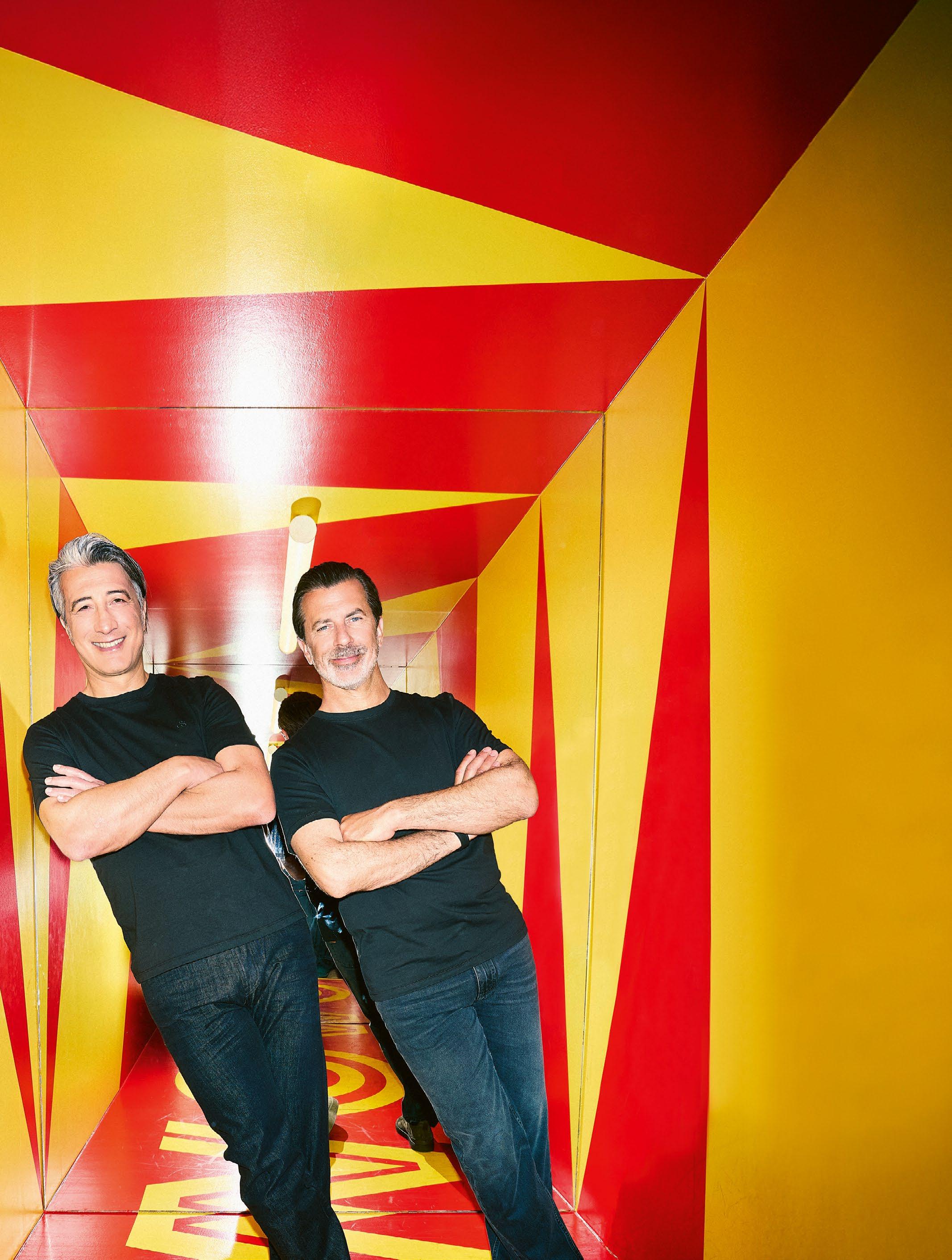


















worldline.com/ch/swiss-deluxe-hotels



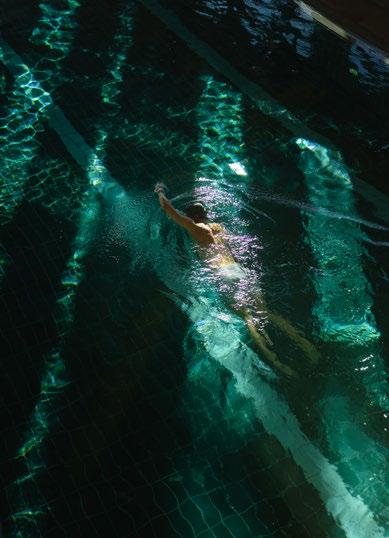
Opened for the 2025/2026 winter season, the new Suvretta Spa at Suvretta House, St. Moritz, invites guests to lose themselves in stillness and sensation, high above the Engadin valley. At its heart: an outdoor infinity pool that dissolves seamlessly into the mountain landscape below.
Welcome to H Magazine, where Swiss flair, savoir-vivre, and the world of Swiss Deluxe Hotels come alive. Within these pages, youʼll find captivating stories, exclusive interviews, and themed features celebrating luxury, gastronomy, and lifestyle. As the official publication of Swiss Deluxe Hotels, we have access to stories and personalities that no one else does – offering readers a truly behind-the-scenes perspective on the world of Swiss luxury hospitality. Our contributors introduce the passionate individuals shaping this world with vision and care. H caters to readers who appreciate exceptional service and want to discover the stories behind it. We aim to surprise and fascinate, with elegance.
THE OFFICIAL MAGAZINE OF SWISS DELUXE HOTELS
DISTRIBUTION
H Magazine is distributed across the Swiss Deluxe Hotels member network, reaching 1.5 million guests per year.
PUBLICATION
H Magazine is published twice a year, in July and December.
PUBLISHER
Swiss Deluxe Hotels | Augustinergasse 30 | 8001 Zurich
EDITOR
ego communications sagl I Evelyn Gorgos | eg@egocommunications.com
DESIGN
Outline-Graphix UG I outline-graphix.de I info@o-graphix.de
ADVERTISING MANAGEMENT
ego communications | eg@egocommunications.com
TRANSLATIONS
Annelies Cook
PROOFREADING
Belinda Grace Fischer
CONTRIBUTORS
Beatrice Lessi | beatrice@askthemonsters.com
Claudio del Principe | claudio@delprincipe.ch
Elena & Tim Steness | elena@elenasteness.com
Felix Pal I felix.pal@bluewin.ch
Gaudenz Valentin Looser I gaudenz.looser@advsry.ch
Ilona Marx I mail@ilonamarx.de
Michael Tulgay I hi@michaeltulgay.com
Oliver Schmuki | oschmuki@gmail.com
Patricia Bröhm | patricia.broehm@t-online.de
Peter Keller | peter.keller@nzz.ch
Reto Wilhelm I r.wilhelm@pantarhei.ch
Stephanie Füssenich I info@stephaniefuessenich.de
Swenja Willms I willmsswenja@gmail.com
Steffi Hidber | steffi@heypretty.ch
Thomas Hauer I thomashauer@web.de
PHOTOGRAPHS
Photos were made available by Swiss Deluxe Hotels, the contributors mentioned above, Switzerland Tourism, and other sources.
PRINTED BY
Fontana Print SA I Via Giovanni Maraini 23 I 6963 Pregassona
WEBSITE swissdeluxehotels.com
H MAGAZINE ONLINE swissdeluxehotels.com/magazine
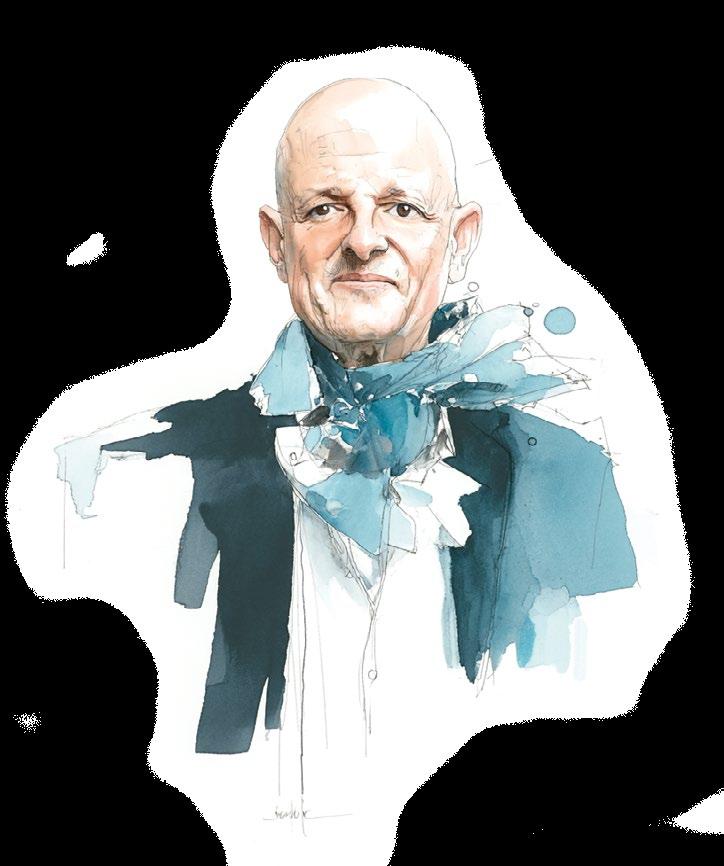
I have had a new tax advisor since last year. His name is Sepp, and he was a serendipitous find. Meeting him electrified me. Not because he charges about a tenth of what I used to pay for having my tax return completed, but because he is someone who has found his calling: he loves what he does. And it is exactly what gets him out of bed in the morning.
Sepp is actually retired. The only reason I met him (luckily for me) is that my usual tax advisor was on vacation when I needed him, and the former owner, Sepp, was filling in.
And he has perfected the art of tax returns. He understands that completing a tax return is not about accounting, or finding loopholes in the law, but primarily about helping you overcome psychological blocks. It’s therapeutic support.
But instead of exploiting this, as most other tax advisors do, Sepp makes it as easy as possible for his ‘patients’: You bring everything to his office for an appointment (he sends a detailed list beforehand). Then you sit down together and fill it out. It takes a maximum of one hour, and the ordeal is over – clever de
ductions included. That’s why Sepp can be so unbeatably affordable. But his price isn’t the point – it’s the joy that Sepp radiates. He’s so proud of his humane little system that he’d love to work fulltime. And the joy with which he types in the numbers, the care with which he places the processed documents on the pile, and the satisfaction with which he finally seals the signed envelope, even taking it to the post office for his relieved client, are so contagious that I still draw strength from it when I think of him. It’s almost tax season again, and I’m still not sure how to ask my regular tax advisor when he’s going on holiday.
I don’t know many people like Sepp, but there are a few in my life. Many years ago, there was a master hairdresser named Öslem, and there’s an electrician named Roger – they approach their work with the same conscientious joy as Sepp. They’re where they want to be, and therefore always give their very best – and then some. Every interaction with this kind of professional feels so wonderfully grounded and correct that you never even consider looking for another provider.
Now, I’m pretty sure none of the three of them have ever read a book about Japanese principles of living and thinking for everyday life. And yet, at least four of these virtues shine through in everything they do: ikigai, that which makes life worth living – the daily activity that gives you meaning, independent of the market or added value; shoshin, the ‘beginner’s mind’ maintaining openness and curiosity even when you’re already an expert in a field; kaizen, the principle of small, continuous improvement, step by step; and finally, ganbaru, the spirit of perseverance and endurance and giving your best even when tasks are difficult.
As a leader, I’m still driven by the question of how to create conditions for employees that allow them to find such complete fulfilment in their work. And as a customer and guest, I know that trying to train such radiance into someone, whether on command or by example, produces the exact opposite of the intended effect. To be contagious, ikigai must come from within. And that’s precisely what makes Sepp, Öslem, and Roger such small miracles.