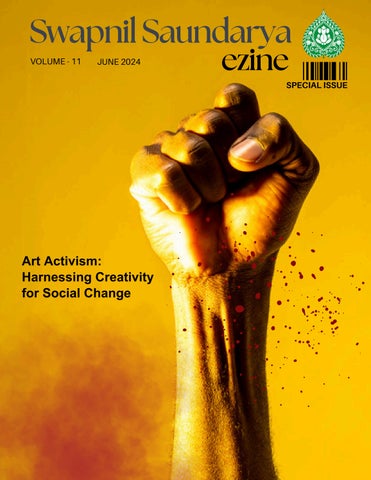
Art Activism: Harnessing Creativity for Social Change


SPECIAL ISSUE
JUNE 2024
ezine
SwapnilSaundarya VOLUME - 11

Since 2013 Since 2013
Art,
Sustainable Development Sustainable Development 1
Preserving Art, Empowering Artisans, and Promoting Preserving
Empowering Artisans, and Promoting

FromtheEditor ArtandStorytelling CatalystsforSocial JusticeRevolutioninIndia
Art activism and storytelling play a pivotal role in the fight for social justice in India, serving as powerful tools to challenge oppressive systems and amplify marginalized voices. In a country marked by vast socio-economic disparities, caste discrimination, genderbased violence, and political corruption, art and stories transcend traditional forms of protest by engaging hearts and minds, fostering empathy, and driving social change.
Art activism, through mediums such as street art, theatre, and digital platforms, creates visual and emotional impacts that provoke thought and inspire action. For instance, the #MeToo movement in India was significantly bolstered by powerful visual art and performances that highlighted the prevalence of sexual harassment and abuse. Similarly, Dalit artists have used graffiti and installations to confront caste-based violence and discrimination, transforming public spaces into arenas of resistance and dialogue.


Storytelling, whether through literature, cinema, or digital narratives, captures the complexities of social issues and human experiences, making them accessible and relatable. Films like "Article 15" and "Chhapaak" have brought critical social justice issues to the forefront of public discourse, challenging societal norms and sparking conversations about caste inequality and acid attacks, respectively On digital platforms, grassroots storytelling initiatives like Video Volunteers empower marginalized communities to document and share their struggles, fostering a bottom-up approach to social justice
Both art activism and storytelling bridge the gap between personal experiences and collective consciousness, creating solidarity among diverse groups. They not only highlight injustices but also celebrate resilience and resistance, offering alternative narratives to mainstream discourse often dominated by privileged voices. By humanizing abstract issues, they mobilize public support and pressure policymakers to enact meaningful reforms
In the digital age, the reach and influence of art and storytelling have expanded exponentially, breaking geographical barriers and connecting global audiences to local struggles
As India continues to grapple with deep-seated inequalities, the role of art activism and storytelling in advocating for social justice becomes increasingly crucial
They are not mere expressions of creativity but vital instruments of change, capable of shaping a more equitable and just society.
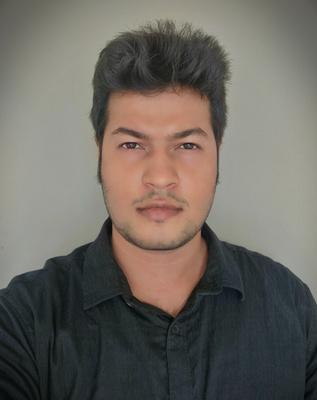
Rishabh Shukla Editor






3
Namaste Readers!
Swapnil Saundarya, June 24
•ArtActi HarnessingC y SocialChange
Art activism, also known as artivism, is the practice of using artistic expression to promote social, political, and environmental change. By merging art with activism, artists create compelling works that challenge societal norms, raise awareness about injustices, and inspire action.
This powerful form of communication transcends traditional barriers, engaging diverse audiences through visual arts, music, literature, performance, and digital media.
Using Art Activism to Avail Rights and Raise Voices
Art activism can be a potent tool for advocating for rights and opposing atrocities. Through art, marginalized communities can amplify their voices and highlight issues often overlooked by mainstream media.




4
Swapnil Saundarya, June 24
FORMS OF ART ACTIVISM
1. Visual Arts: Murals, graffiti, and installations in public spaces confront viewers with powerful messages Shepard Fairey's "Hope" poster for Barack Obama's 2008 presidential campaign is an iconic example
2. Performance Art: Live performances, such as theater, dance, and spoken word poetry, engage audiences directly. "The Vagina Monologues" by Eve Ensler raises awareness about women ' s rights and issues of violence
3. Digital Media: Social media campaigns, digital art, and video projects spread messages rapidly and widely. Hashtag movements like #MeToo use digital platforms to expose and discuss sexual harassment and assault.
4. Literature and Poetry: Written works can deeply influence thoughts and emotions, promptin to reflect on socie Maya Angelou's p inspired many to civil rights and equ

ADDRESSED BY ART ACTIVISM IN INDIA:
1 Caste Discrimination: Art can highlight the ongoing issues of caste-based discrimination and violence. Murals, street plays, and digital art can portray the struggles and resilience of Dalit communities, promoting equality and social justice.
ART ACTIVISM IN INDIA
Art activism in India plays a crucial role in addressing the country's unique socio-political and cultural issues. India, with its diverse and complex social fabric, faces challenges such as caste discrimination, gender inequality, environmental degradation, and political
2 Gender Inequality: Through visual arts, literature, and theater, artists can challenge patriarchal norms and advocate for women ' s rights and gender equality. Projects like "Blank Noise" use performance art to combat street harassment.
3 Environmental Issues: Art activism can raise awareness about environmental degradation, pollution, and climate change Installations made from recycled materials and eco-friendly street art can emphasize the importance of sustainability
4 P li i l C i S i i l
5
Swapnil Saun
PROJECTS USI ACTIVISM METHODOLOGY
1. Community Murals Against Caste Discrimination:
- Objective: To raise awareness and promote equality.
- Method: Collaborate with local artists and communities to create murals that depict stories of resilience and the fight against caste oppression. Engage local residents in the painting process to foster community ownership and dialogue.
2. Street Theater for Gender Equality:
- Objective: To challenge gender norms and advocate for women ' s rights.
- Method: Organize street theater performances that address issues like domestic violence, dowry, and women ' s education. These performances can be staged in public spaces, markets, and villages to reach a wide audience.
Swapnil Saundarya, June 24
3. Environmental Art Installations:
- Objective: To highlight environmental issues and promote sustainability.
- Method: Create art installations using recycled materials to depict the impact of pollution and climate change. Host workshops where participants can create their own eco-friendly art pieces.
4. Digital Campaigns Against Political Corruption:
- Objective: To expose corruption and demand accountability.
- Method: Use social media platforms to share satirical cartoons, videos, and memes that highlight instances of corruption. Encourage people to share their stories and experiences, creating a digital movement for transparency.
6
AND SOCIAL ACTION AND SOCIAL ACTION
Participatory communication involves engaging communities in the creative process, ensuring their voices and experiences are integral to the final artistic output This approach empowers individuals, builds solidarity, and encourages collective action.
Social action refers to activities aimed at promoting social change. In the context of art activism, social action involves using art to mobilize communities, create awareness, and drive advocacy.
2. Pratham Education Foundation:
- Description: Pratham focuses on improving education for underprivileged children in India. They employ a participatory approach by involving the community in assessing the quality of education and mobilizing volunteers to teach and support learning.
- Impact: The Annual Status of Education Report (ASER) by Pratham, created through community participation, has become a significant tool for understanding and addressing gaps in rural education
3. Digital Green:
- Description: Digital Green collaborates with rural communities to create and disseminate agricultural training videos. Farmers participate in both the creation and the sharing of these videos, ensuring the content is relevant and accessible.
- Impact: The initiative has improved agricultural practices and productivity among smallholder farmers, leading to increased incomes and enhanced curity

munity Radio Stations (CRS): mples:
Radio Bundelkhand focuses on rural issues in a Pradesh, engaging local communities in creation and broadcasting programs on education, and agriculture.
- Kalanjiam Samuga Vanoli, run by the pment of Humane Action (DHAN) Foundation il Nadu, empowers women and marginalized by involving them in the production of ms that address local issues
mpact: Community radio has amplified the of marginalized groups, facilitated local e, and provided vital information tailored to nity needs
7 PARTICIPATORY COMMUNICATION PARTICIPATORY COMMUNICATION
Swapnil Saundarya, June 24
5 Swachh Bharat Abhiyan (Clean India Mission):
- Description: This nationwide campaign aimed at eliminating open defecation and improving solid waste management involves significant community participation Local communities are encouraged to take part in cleanliness drives, awareness campaigns, and the construction of toilets
- Impact: The campaign has led to the construction of millions of toilets, increased awareness about sanitation, and improved public health outcomes.
6. Barefoot College:
- Description: Founded in Rajasthan, Barefoot College trains rural women, often grandmothers, to become solar engineers, educators, and health workers The training is participatory, ensuring that knowledge and skills are transferred within the community
- Impact: The initiative has empowered women, promoted sustainable energy, and improved education and healthcare in remote villages.
These projects demonstrate the power of participatory communication in driving social action and achieving sustainable development in various sectors across India

SAUNDARYA'S ROLEINSOCIAL JUSTICE THROUGHART AND STORYTELLING
Raising Awareness:
Swapnil Saundarya uses storytelling to highlight social issues, making complex problems more relatable. By sharing personal narratives, the platform fosters empathy and understanding, encouraging people to reflect on societal challenges.
Visual Campaigns:
Through art exhibitions and digital campaigns, Swapnil Saundarya visually represents critical issues like gender inequality, mental health, and environmental sustainability These campaigns create a visual dialogue that can reach a broad audience.
Community Engagement:
Swapnil Saundarya organizes workshops and participatory art projects, involving local communities in the creative process. This engagement not only raises awareness but also empowers individuals to become advocates for change.
Collaborations:
By partnering with other activists, NGOs, and artists, Swapnil Saundarya amplifies its impact. Collaborative projects bring together diverse perspectives and resources, creating a stronger, united front for social justice.
8 Swapnil Saundarya, June 24
Subscribeto

Swapnil Saundarya




Never miss an issue! India's first Hindi-English lifestyle & social ezine that focuses on Arts, Lifestyle, Activism, protest art, participatory communication & social action.
Know more about us 1 9 Swapnil Saundarya, June 24