TRAILS PARKS + OPEN SPACE SYSTEMS
TRAILS PARKS + OPEN SPACE SYSTEMS
OPENED IN 1983, THE SWA DALLAS STUDIO HAS BEEN A CREATIVE FORCE IN THE REGION FOR OVER FOUR DECADES, PARTNERING WITH PUBLIC + PRIVATE STAKEHOLDERS
We view landscape as essential infrastructure—as critical to a city’s function as its transportation networks or utility grids. This perspective drives our approach to complex urban transformations, where we seek to convert physical barriers into seamless community connectors.
Our practice focuses on the intersection of mobility, development, and placemaking. We specialize in unlocking the potential of complex sites, including rights-of-way and district edges, by designing public space networks that are legible, accessible, and responsive. We understand that successful urban design must produce desirable development outcomes. By integrating soft infrastructure with rigorous spatial planning, we help clients visualize opportunities that maximize both social activity and economic value.
As landscape architects and urban designers who plan to build, we ground our visionary work in technical and financial reality. We believe the best solutions emerge from collaboration, listening closely to agency goals and the needs of residents and business owners, and grounding every idea in market realities to ensure that bold concepts are also implementable. From strategic district frameworks to detailed streetscape design, SWA offers the local experience and global perspective to deliver enduring, high-performance urban environments.
TODD STRAWN Managing Principal
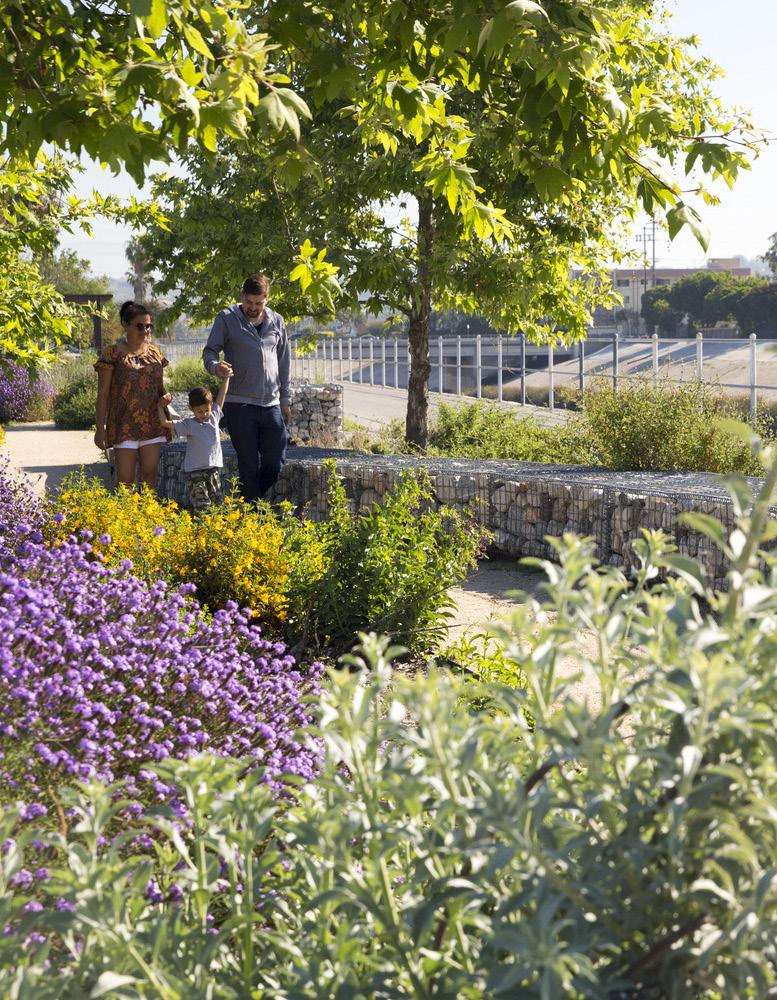
TABLE OF CONTENTS
TRAIL SYSTEMS
Katy Trail
Hi Line Connector
Buffalo Bayou Park + Trails
CREEK CORRIDORS + MISSING LINKS
Ballona Creek Vision Plan
Milton Street Park
Oso Creek Landscape Concept
LINEAR PARKS + COMMUNITY ACCESS
Ricardo Lara Linear Park
Santa Monica North Beach Trail
Culver Boulevard Median
Dallas, Texas
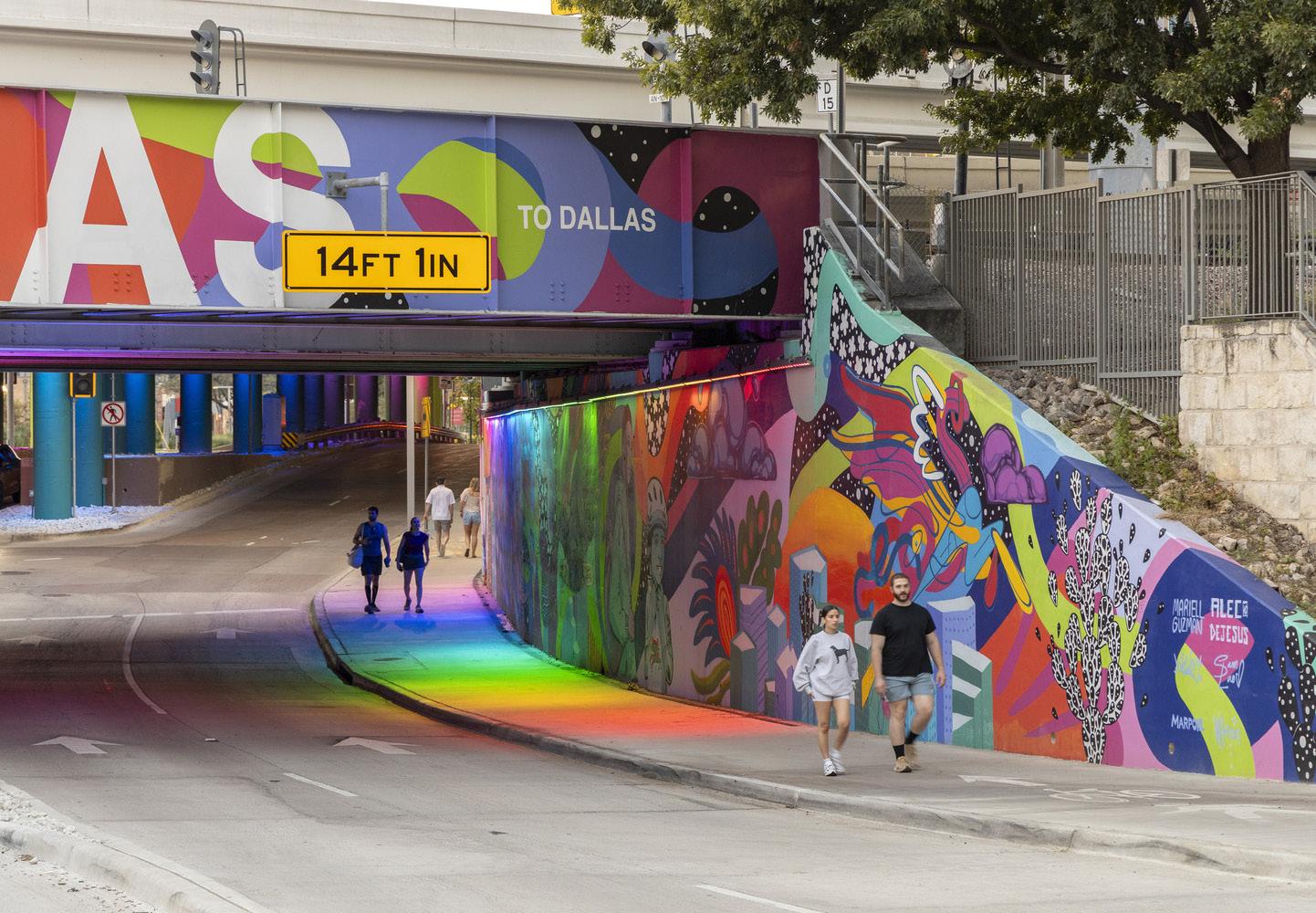
The Hi Line Connector links the Katy Trail and Trinity Strand Trail through the Dallas Design District. The one mile corridor improves existing roadways and pedestrian rights of way with raised bike lanes, widened walks, public art, native planting, and coordinated street, safety, and access improvements.
Dallas, Texas
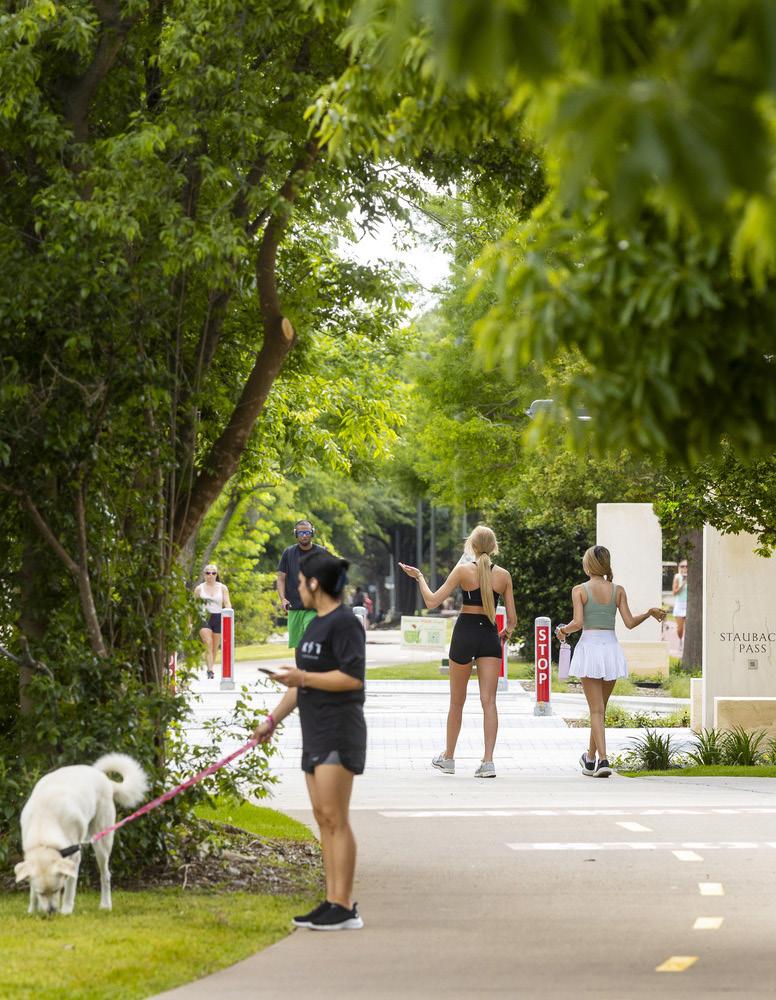
An abandoned rail corridor in the heart of Dallas was transformed into a 3.5 mile linear park with multi use trails, restorative planting, pedestrian plazas, and neighborhood access. The trail added 30 acres of parkland, connected 125 acres of previously separated parks, and became a daily mobility and recreation spine for thousands of users.
Houston, Texas
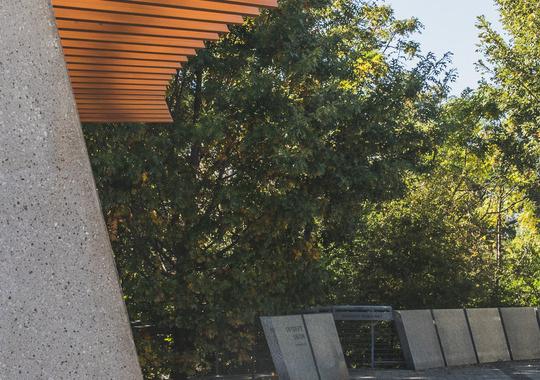
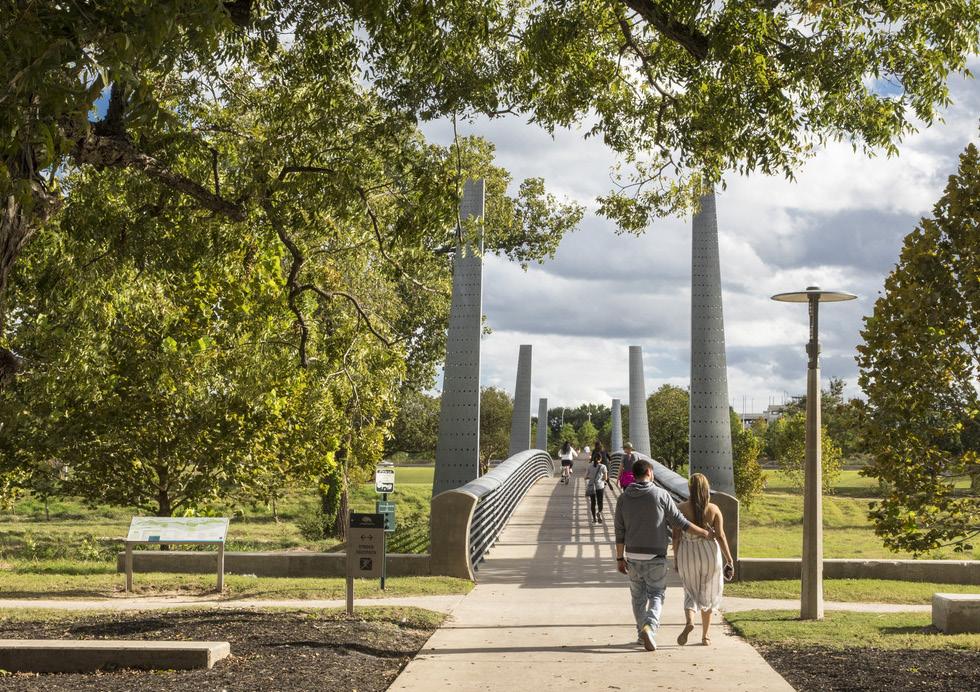
Buffalo Bayou Park reimagines 160 acres along Houston’s primary drainage corridor as a connected public landscape. More than 15 miles of pedestrian and bike paths, four pedestrian bridges, restored ecology, lawns, gardens, and flexible gathering spaces balance flood control, recreation, and year round public use.
Los Angeles, California
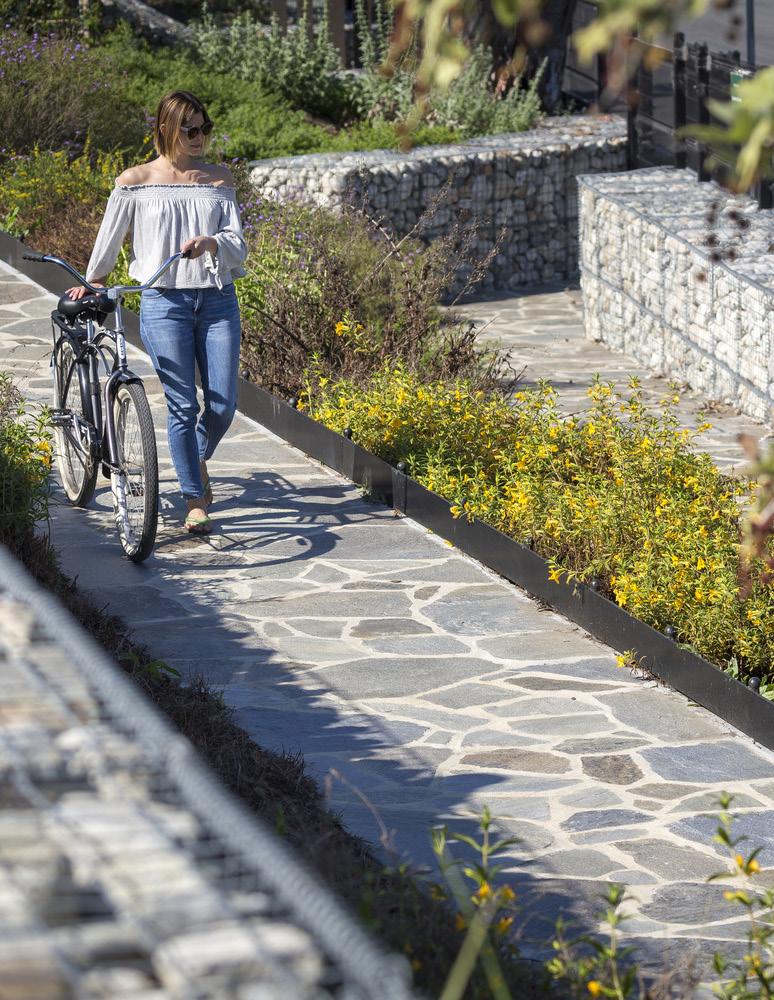
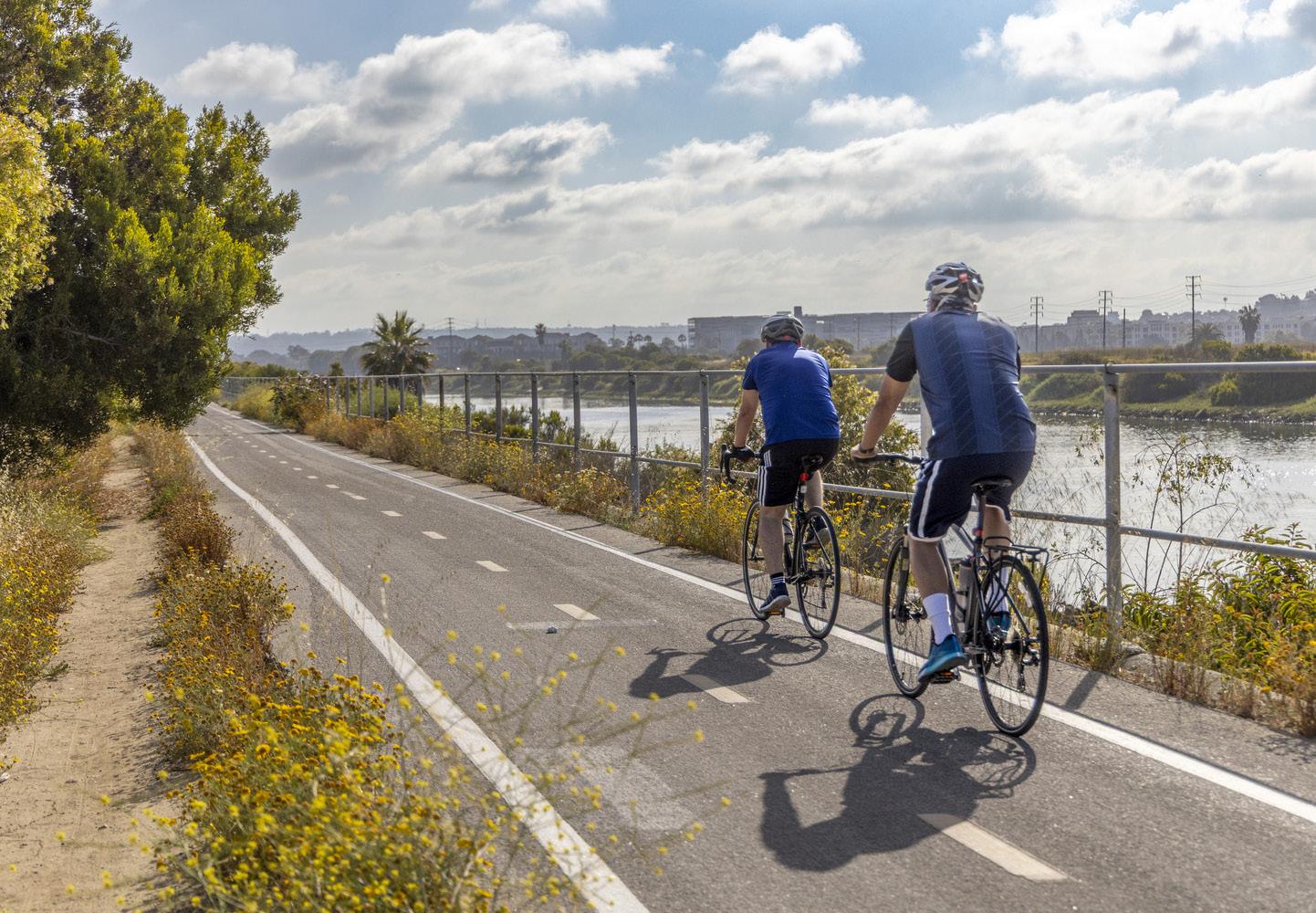
SWA partnered with local organizations and non-profit entities to study the final two mile gap of the Ballona Creek path. The plan focuses on completing a long envisioned regional bikeway, improving access for underserved communities, and coordinating with agencies including Streets for All, Culver City Forward, LA County Public Works, LA Metro, and USACE.
Los Angeles, California
Milton Street Park transforms a narrow parcel along the Ballona Creek Bike Trail into a 1.2 acre linear park. The design includes native planting, seating, shade, interpretive ecology, bird watching platforms, habitat enhancements, and bike trail improvements shaped through community consensus and coordination with MRCA.
Mission Viejo, California
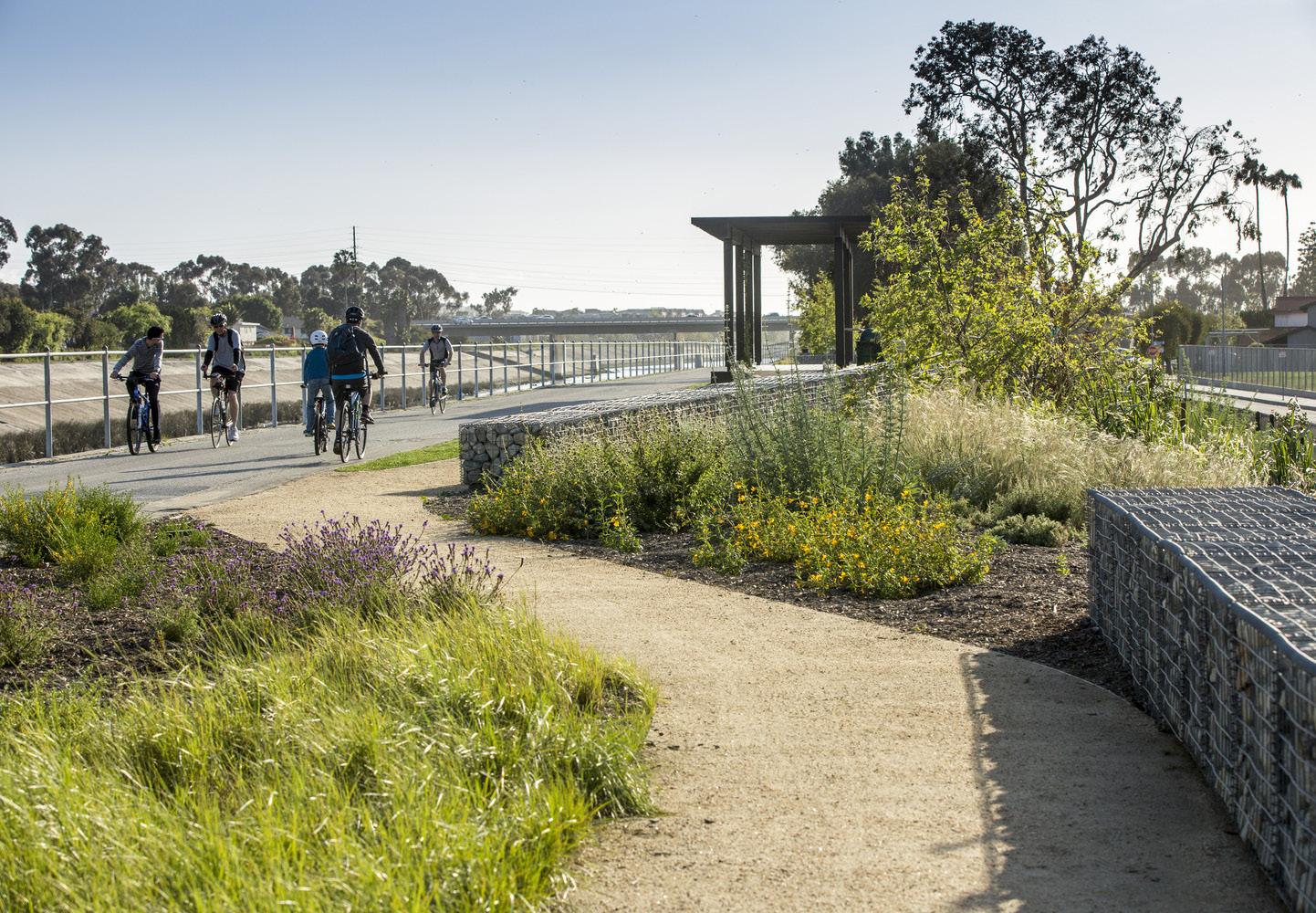
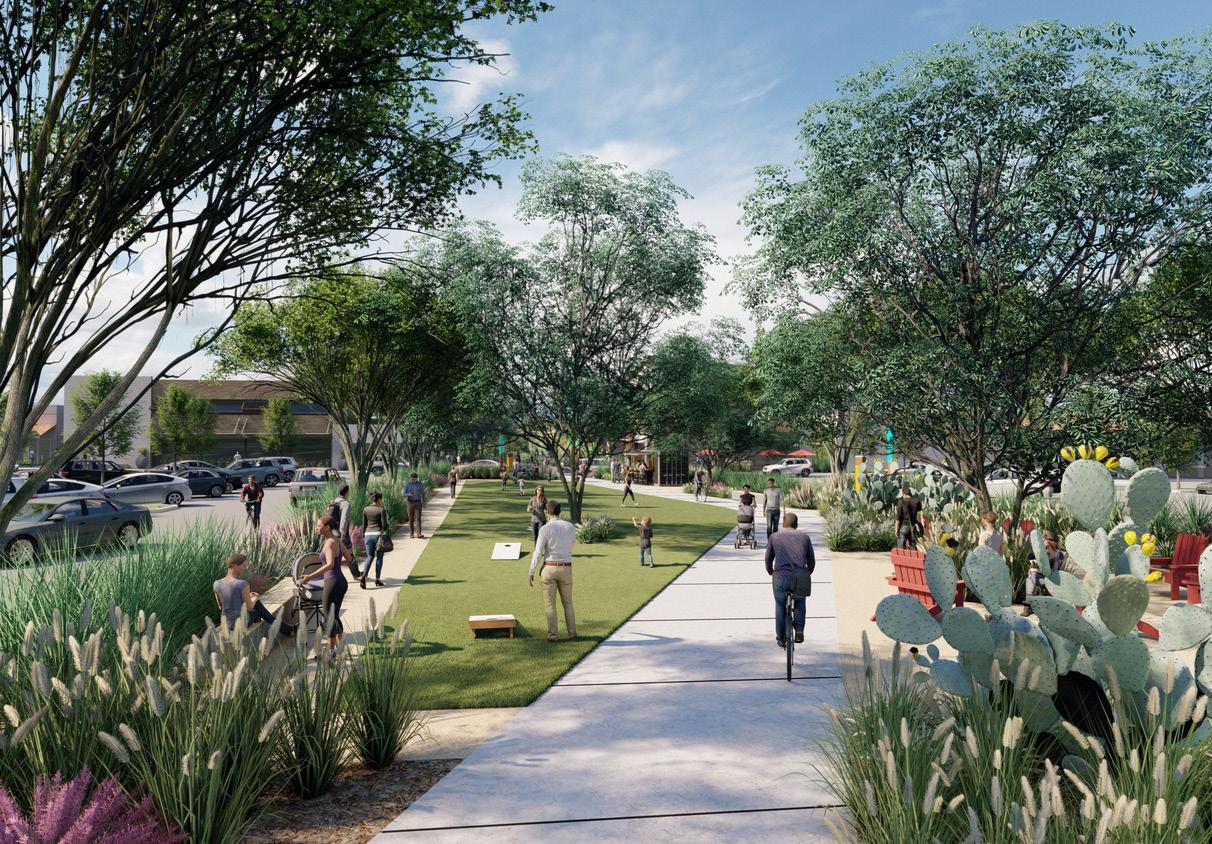
The Oso Creek Landscape Concept reimagines an underutilized creek corridor as the first phase of a larger 5.5 mile trail system. The plan reconnects the civic core to the creek with pedestrian and retail experiences, native planting, gathering spaces, and educational activities that strengthen links to the broader northern trail network.
Lynwood, California
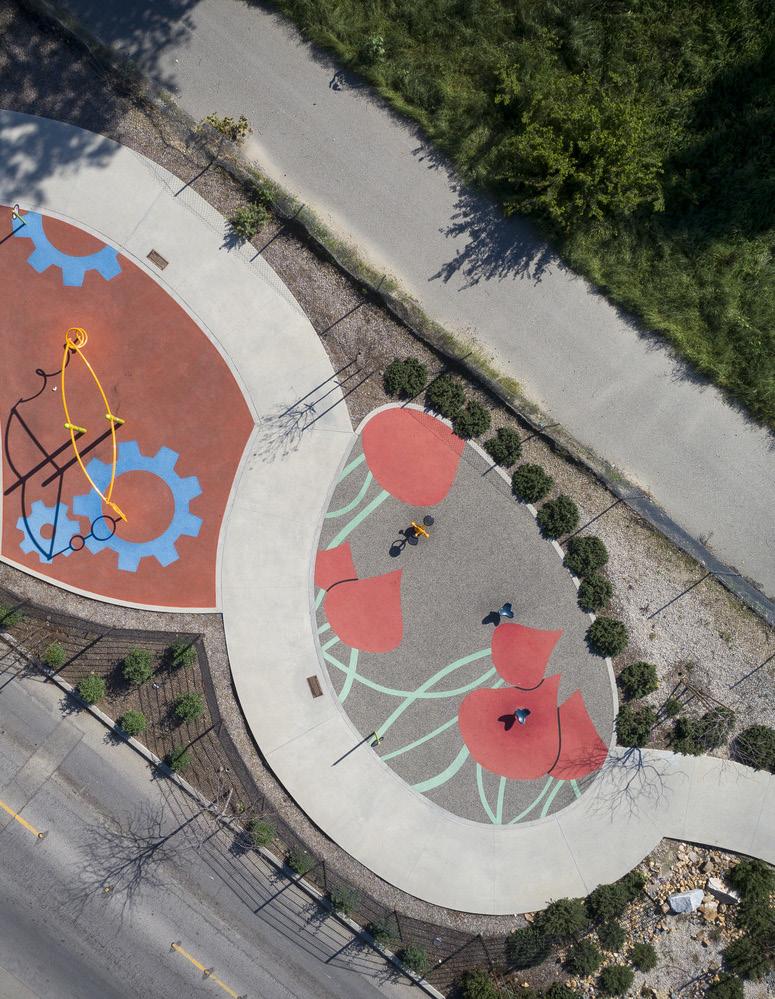
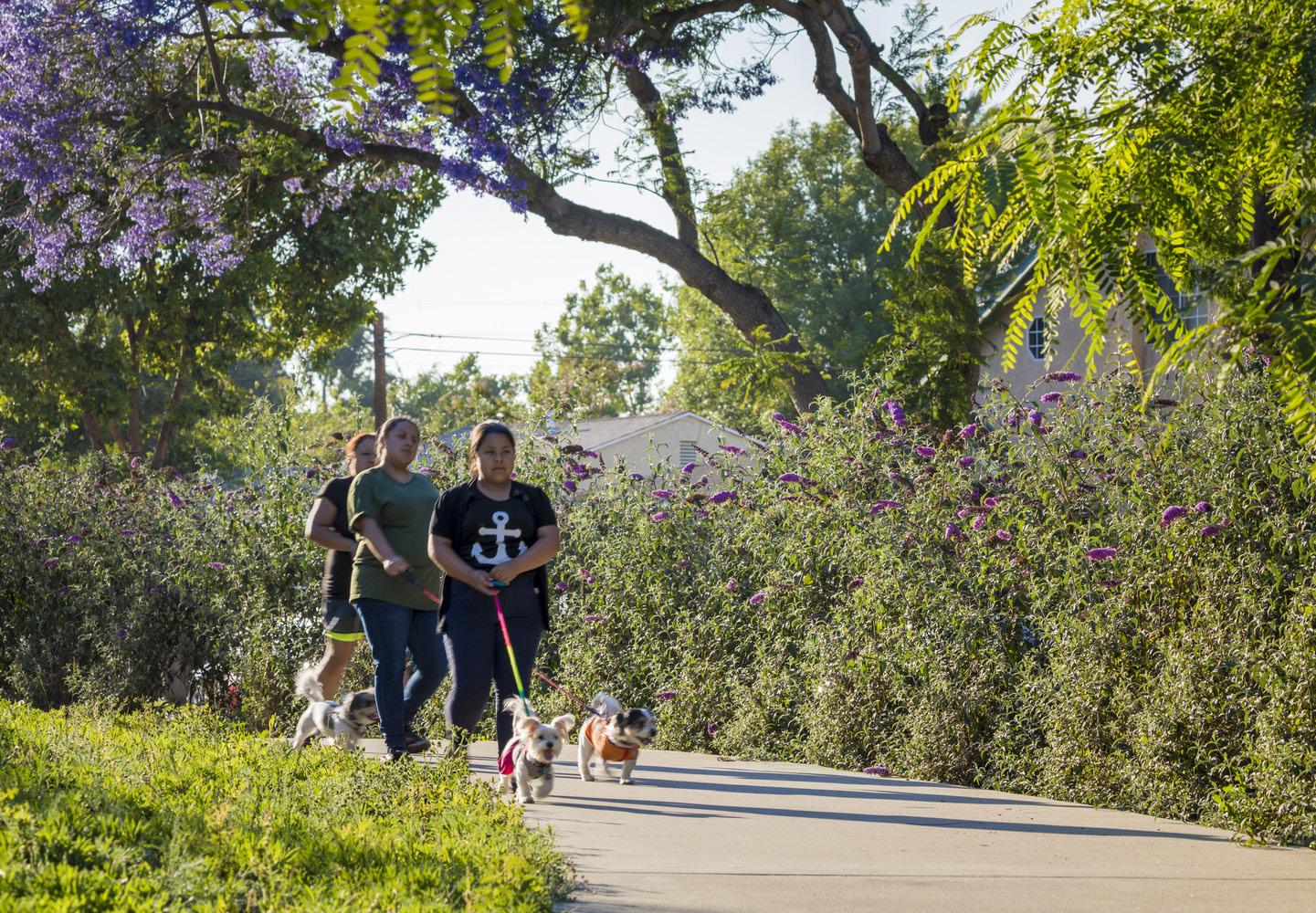
Ricardo Lara Linear Park turns a disused rail right of way into an everyday public space for a dense, park poor neighborhood. Located between I-105 and nearby homes, the one mile park introduces walking trails, a dog park, play areas, planting, and gathering spaces that support recreation, movement, and neighborhood connection.
Santa Monica, California
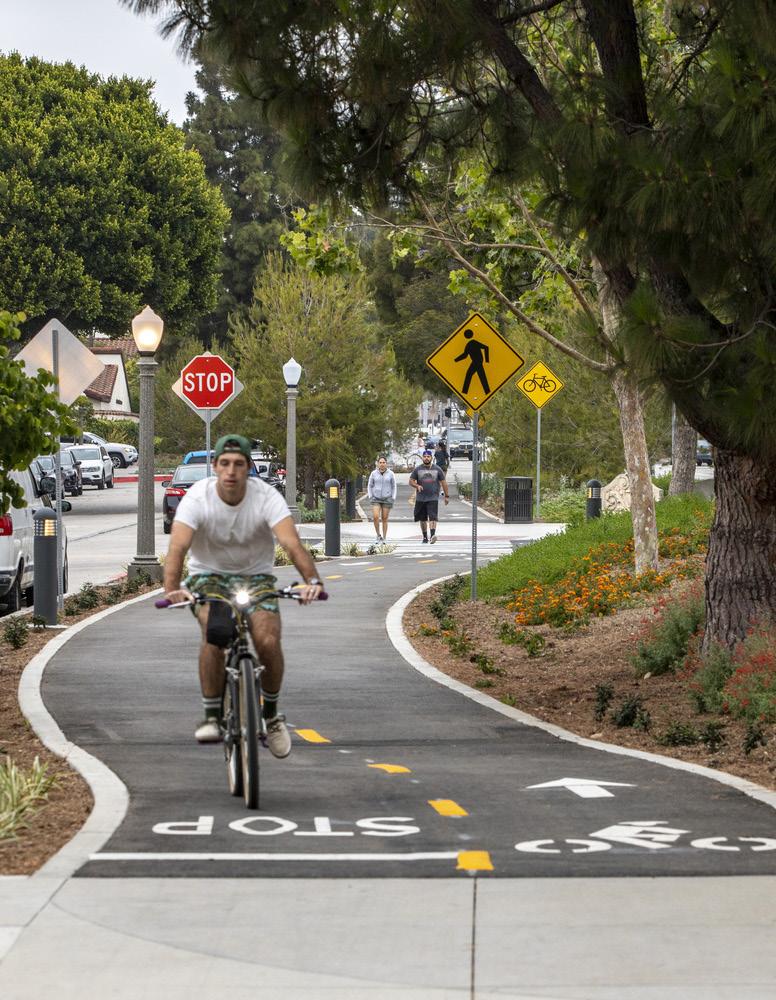
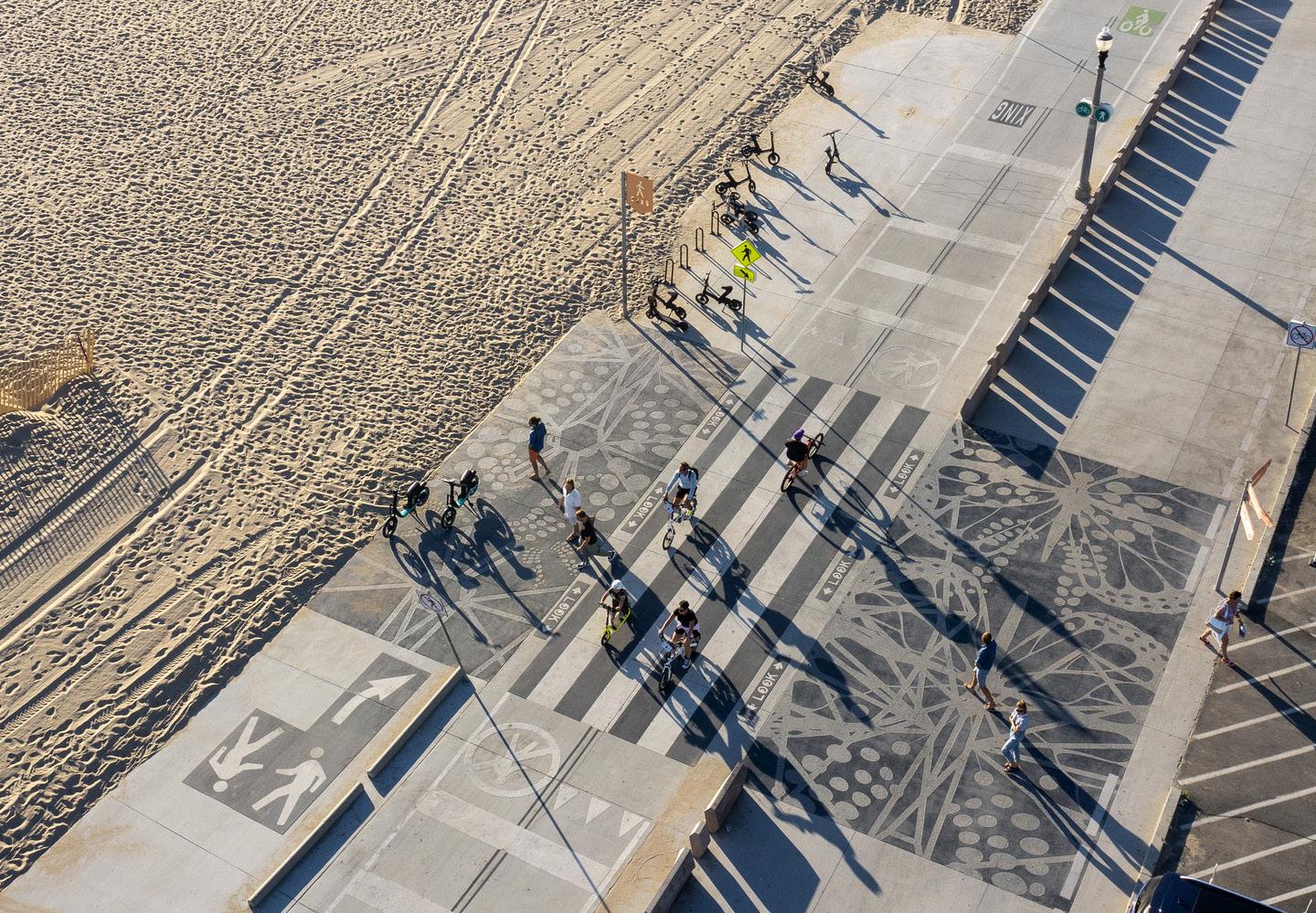
SWA updated a heavily used segment of the Marvin Braude Bike Trail to improve safety, comfort, and shared use along Santa Monica’s beachfront. The design clarifies movement for cyclists, pedestrians, and recreational users while maintaining access to one of Southern California’s most active public landscapes.
Culver City, California
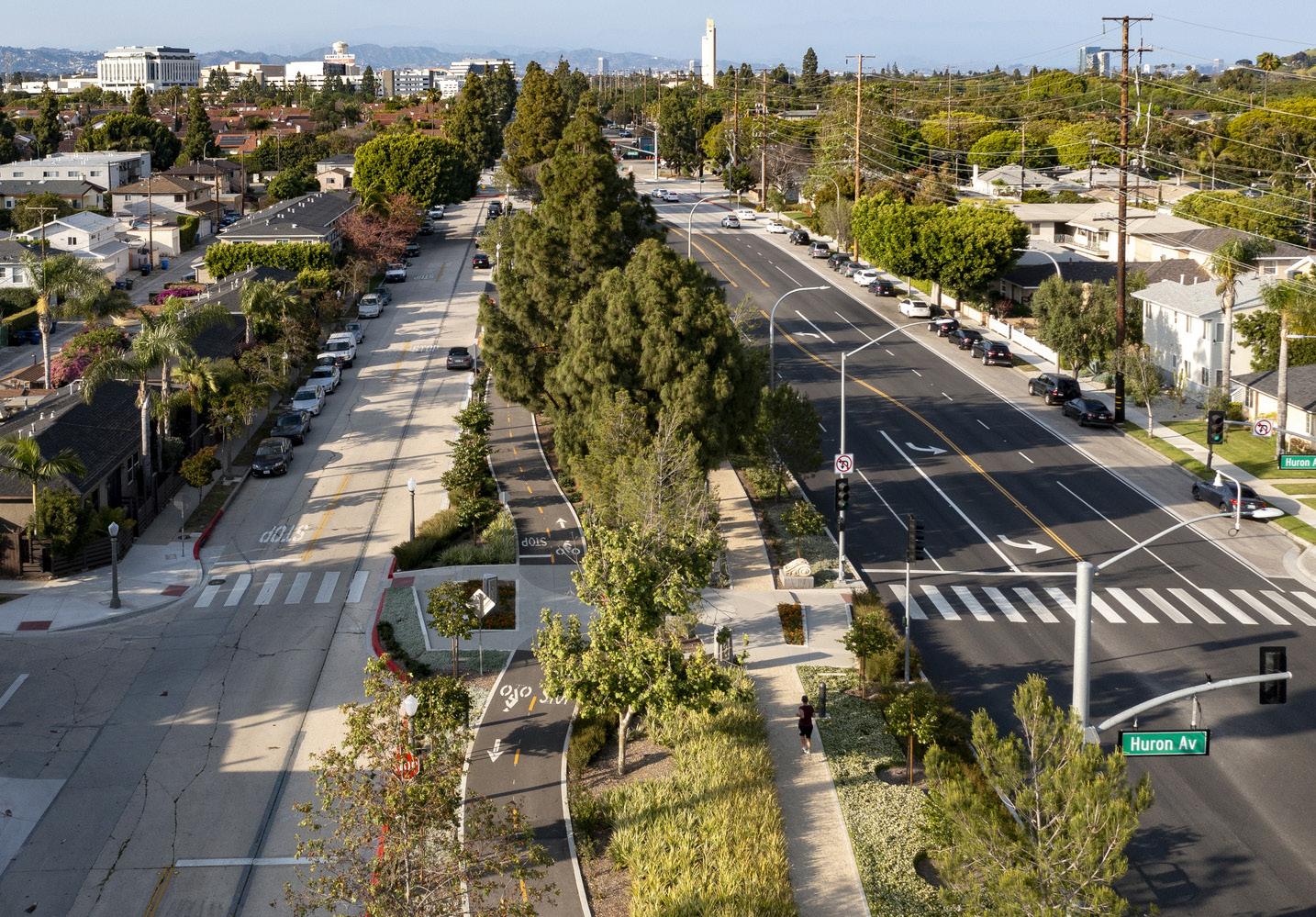
Culver Boulevard Median transforms a constrained roadway corridor into a greener, safer, and more connected public landscape. The project combines raised bike and pedestrian paths, improved crossings, stormwater infrastructure, low water planting, cultural markers, and public space improvements within an active urban right of way.