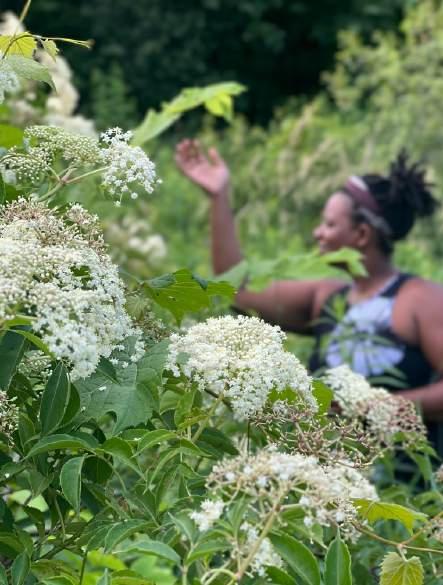
shared vision + intentionality (cont.) why this work is purposeful the legacy of traditional foods the science of epigenetics cultural reclamation
meet
meet
program
csa
grief garden & youth to
yoga & food as medicine
farmily dinner & juneteenth
introducing patreon!
who we are
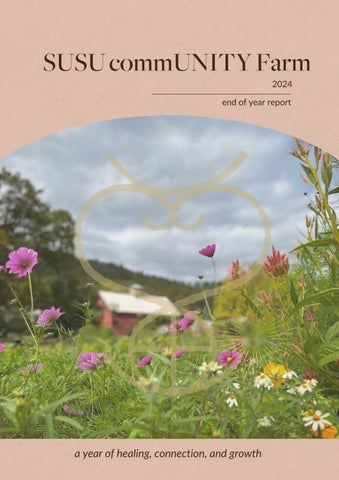
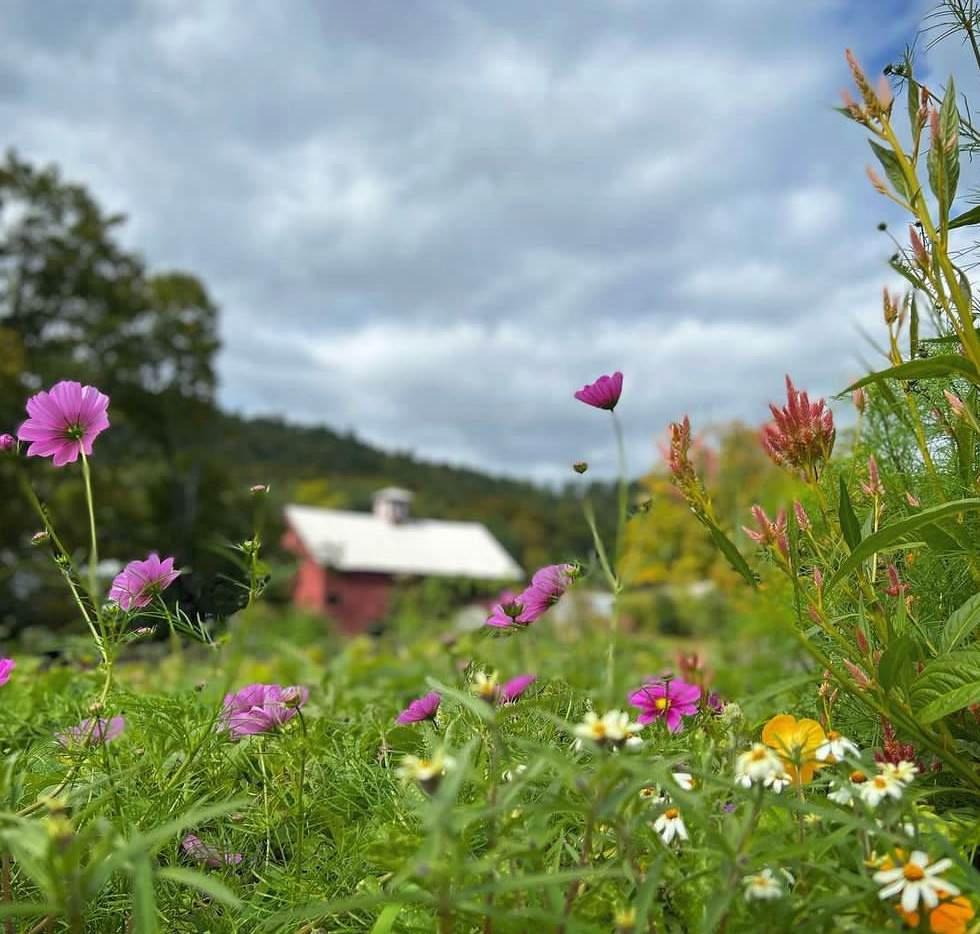
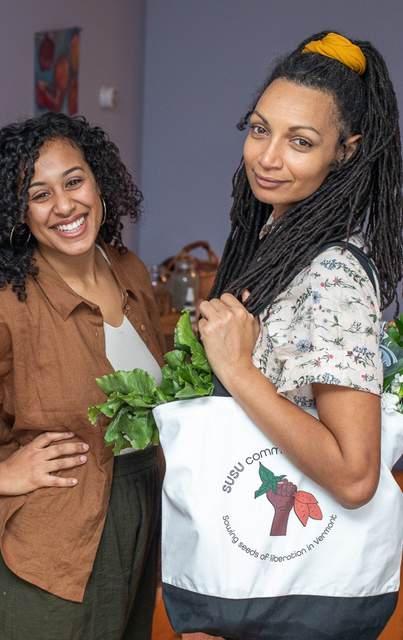
SUSU commUNITY Farm is a 37-acre AfroIndigenous farm and cultural reclamation project located on the ancestral homelands of the wabanaki peoples, in so-called newfane, vermont. we are an Afro-Indigenous farm rooted in the Black womanist beliefs of our collective ancestors and are committed to existing as a homemade field of love for people of the global majority to gather, heal, and thrive in safety, dignity, and belonging. we do this in honor of our elders and ancestors, connecting us across time and space to those who come before and after us. SUSU is a verb; it moves in reciprocity and rhythm, much like the land we steward.
vision
our commitment to cultural reclamation is not only an antidote to colonialism and racial capitalism but serves as a path to climate resilience. We embody this work by practicing food + land sovereignty, offering land-based connections, and ancestral healing.
SUSU's mission has recently evolved into a daily invitation to reconnect with our identity, heritage, and purpose. We aspire to create a practice space where staff, volunteers, program participants, and the broader community can cultivate skills for personal healing and contribute to a sustainable, multiracial community through cultural reclamation and wellness. by adopting an indigenous and afrofuturistic perspective, we recognize that the present moment shapes our future. our actions today will leave a lasting impact on SUSU and our community for generations to come. to ensure this, we are focusing on creating intimate program structures, engaging deeply with our collaborators, and fostering open dialogues with key stakeholders and funders to guide the evolution of our work sustainably.
our shared vision + intentionality
1
food soverignty ensuring access to culturally relevant, nourishing, and medicinal food for our community.
3 cultural healing & community wellbeing offering educational and healing spaces for ancestral reconnection, cultural reclamation, healing from racialized trauma, and collective liberation rooted in reciprocity. is centered around {5} core pillars:
2
land & climate resilience building a sustainable farm landscape and farming practices rooted in Afro-Indigenous ecological knowledge.
our shared vision + intentionality
4
no rushed solutions we recognize the necessity of space for exploration and experimentation. Our commitment lies in fostering an environment where patience, learning, reflection, curiosity, wonder, and openness can thrive in safety and community. Our process to develop a genuine collective healing and reclamation requires discovering, uncovering, and recovering practices and solutions with deep, reliable roots.
5
liberatory organizational culture & practices we seek to set new precedents for what it means to care for and center the people who work for SUSU. we intend to create internal structures that interrupt the conventional extractive concepts and practices of labor and instead create internal systems that support and nurture the thrivance of those sharing our efforts most directly.
why
this work is meaningful & purposeful
the legacy of traditional foods
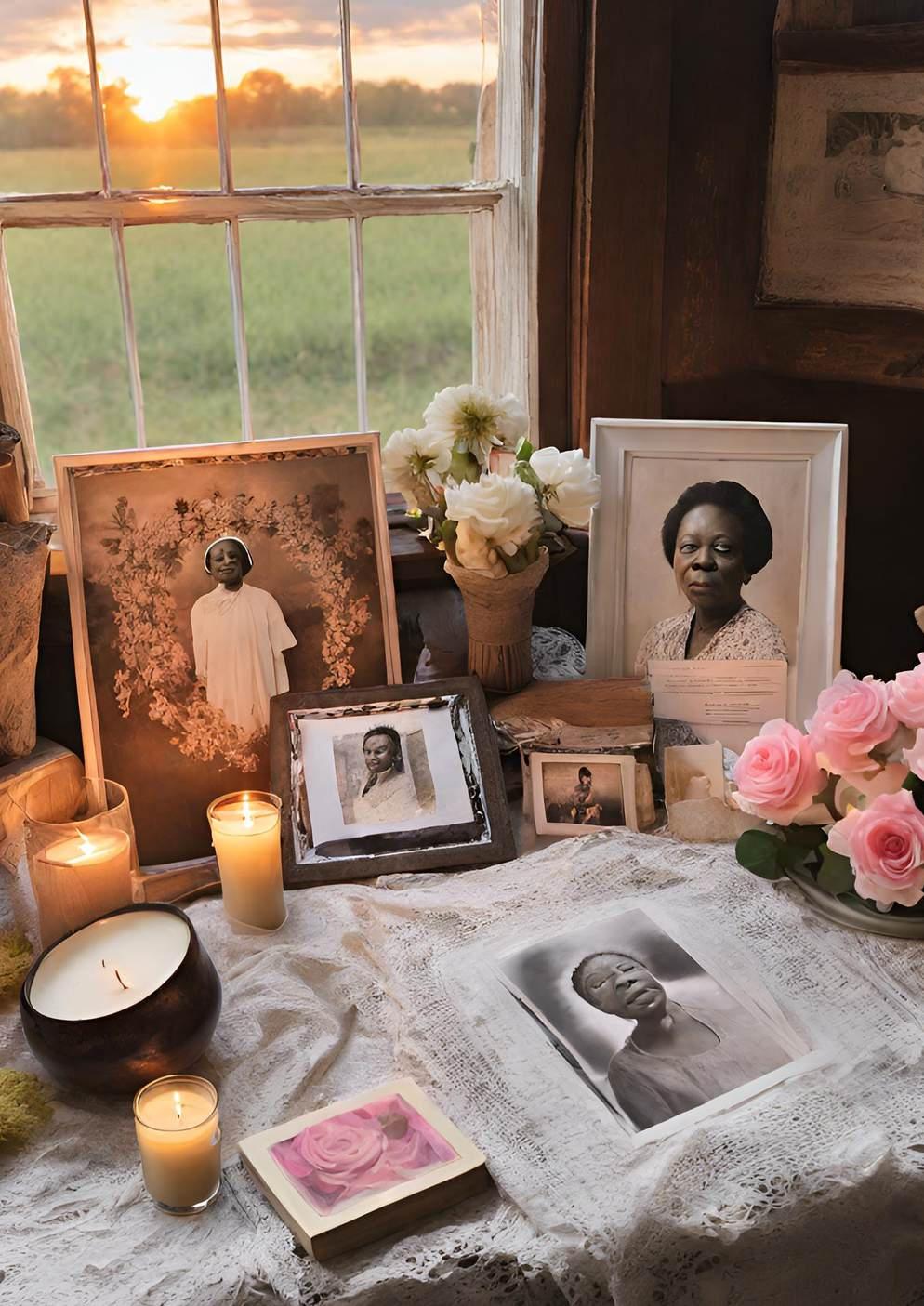
SUSU commUNITY Farm draws from the wisdom of our Black women and femme revolutionary elders and ancestors that remind us, our freedom is directly connected to our ability to nourish ourselves, as reflected in the words of fannie lou hamer, who said,
“if you have four hundred quarts of greens and gumbo soup canned for the winter, no one can push you around or tell you what to do.” when we grow our food, care for our community, and honor our cultural knowledge, we don’t just feed our bodies we cultivate liberation, autonomy, and resilience as leah penniman reminds us,
“to free ourselves, we must feed ourselves.”
yet, our modern world has drifted far from these sustaining roots before industrial diets, the traditional foods of our ancestors provided four times the mineral content and ten times more fat-soluble vitamins than typical Western diets do today. these diets led to healthier bones, resilient bodies, and vibrant vision a legacy of health largely lost with industrialized food systems the Dogon people of Mali, for example, mapped the stars long before telescopes, an ability attributed to their thriving health, grounded in traditional lifeways. but now, our communities face illnesses like diabetes, heart disease, and asthma at disproportionate rates due to centuries of colonization, environmental harm, and neglect
today, we see these harms reflected in health disparities across turtle island. for instance, Black individuals are 30% more likely to die from heart disease than their non-hispanic white counterparts and more likely to face severe asthma complications, with Black women and children at particular risk. part of this inequity stems from environmental racism, as studies show people of color in the U.S. are exposed to higher levels of fine particulate matter (PM2.5) pollution, causing chronic health issues that disproportionately affect Black communities and other people of color. environmental pollutants, industrial foods, and trauma from state-sanctioned violence impact not just our present health but the health of future generations.
the science of epigenetics
this leads us to epigenetics a powerful link between environment and health that shows how our genetic expression is shaped by the world around us. epigenetics tells us that while we inherit certain traits from our ancestors, how our genes express themselves is largely determined by environmental factors like the quality of our food, the air we breathe, and even the collective and personal traumas we experience. this “tagging” process on our DNA can either strengthen our resilience or expose us to greater health risks.
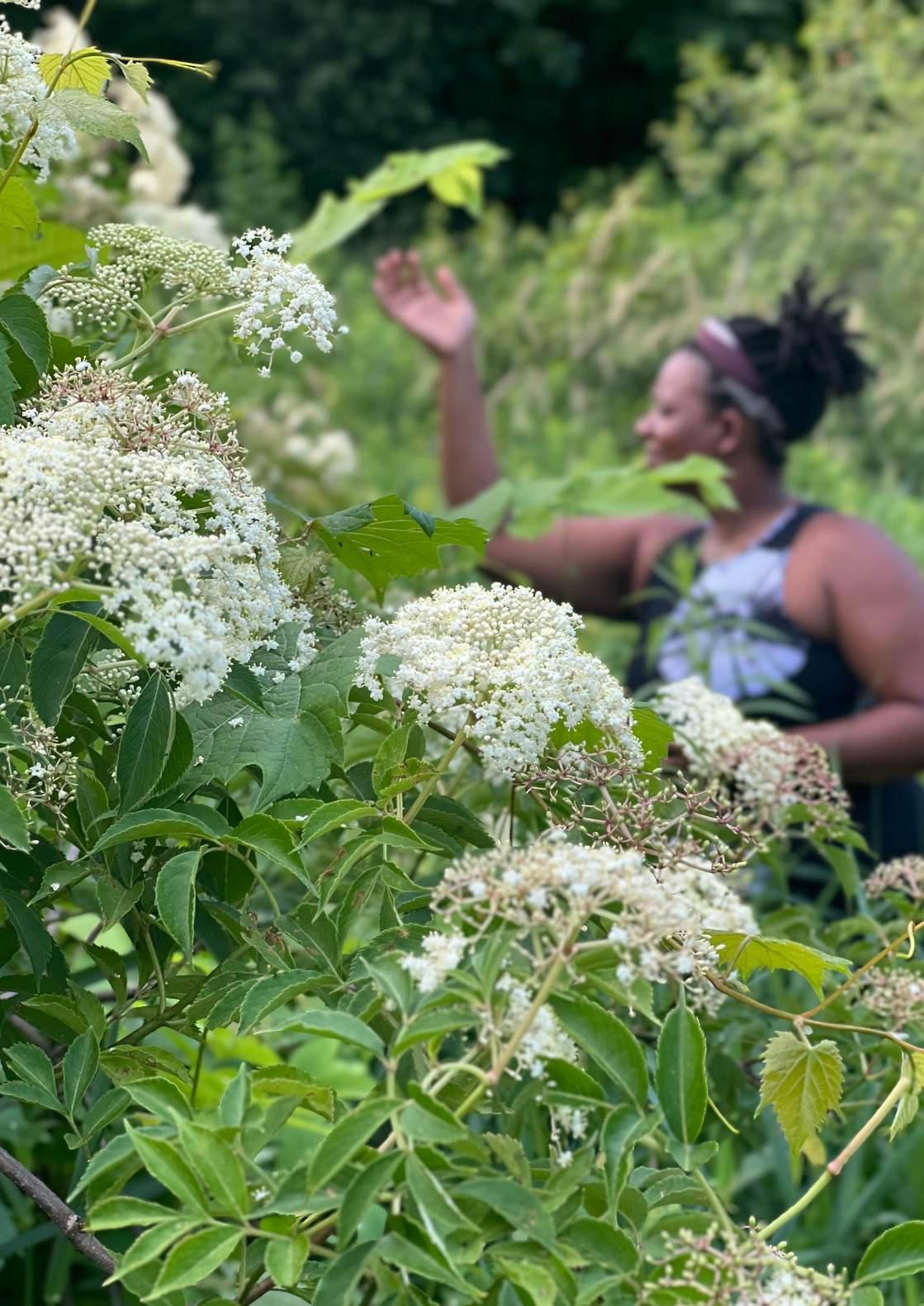
for instance, foods grown in nutrient-rich soil are packed with minerals, vitamins, and fatty acids that communicate robustly with our DNA, “tagging” it in a way that promotes health and resilience. these nutritious foods come from plants that thrive in soil ecosystems full of beneficial microbes, which help them grow to their full potential and pass on these benefits to us. but foods from depleted soils, modified by pesticides, and stripped of nutrients through industrial processing send unclear and disruptive signals to our DNA this miscommunication results in weakened health and increases our susceptibility to degenerative diseases and food-related illnesses.
the impact of epigenetics extends beyond food. trauma whether personal, communal, or institutional also leaves lasting marks on our genes. studies have revealed that high levels of violence and stress experienced by a pregnant individual can influence the gene expression of their child, potentially leading to poorer health outcomes. however, the science of epigenetics also shows us that healing and resilience can be cultivated. by reclaiming culturally relevant care, kinship networks, and access to traditional foods, we can reshape how genes are expressed not only in ourselves but in our children and future generations, breaking cycles of trauma and fostering health.
cultural reclamation
this is why reclaiming folk medicine, traditional foods, and cultural practices is fundamental to liberation. When we restore these traditions, we’re not just preserving knowledge; we’re rebuilding the community-based health systems that uplift us. folk medicine is inseparable from its connection to land, kinship, and local ecosystems. It recognizes that healing happens within the context of relationships relationships with each other, with the land, and with the plants and animals around us. Folk medicine and traditional knowledge are inherently adaptive, flexible, and rooted in deep local understanding that centralized Western medicine cannot replicate.
at SUSU commUNITY Farm, we work to restore these interconnections. Through land sovereignty, food sovereignty, and culturally-rooted programs, we support a return to holistic health that’s grounded in Afro-Indigenous wisdom. By bringing back these practices, we’re not only addressing the immediate impacts of food-related illnesses, environmental harm, and racialized trauma but creating a pathway for future generations to thrive.
SUSU is a testament to the truth that systemic change begins with community care and collective action. through traditional foodways, embodied cultural practices, and folk medicine, we’re helping to heal the impacts of colonization and build resilient, thriving communities for the next seven generations and beyond. This reclamation is not just a choice it’s a vital, revolutionary path forward to dismantle harmful systems of oppression and truly create the sustainable, liberated future we envision.
we prioritize this work by centering the needs of those most impacted by systems of oppression, so that we may all live beautifully and have access to meeting our most humanistic needs: food and wellness.
meet our farmily
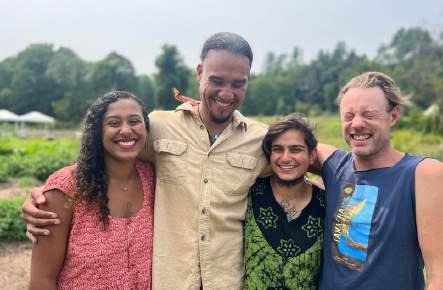
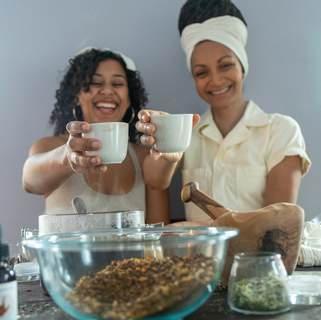
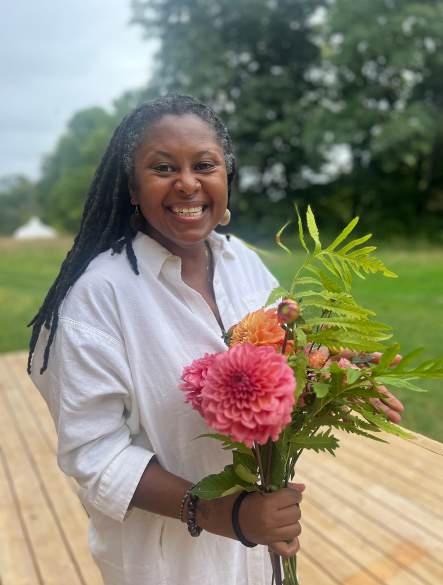
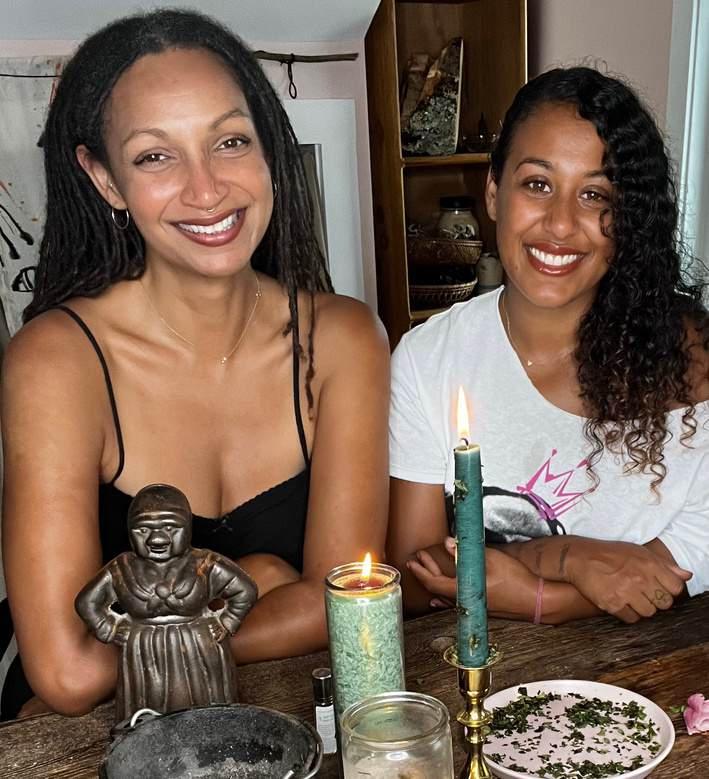
amber arnold & naomi moody co-executive directors: amber and naomi oversee the project's overall management, including human resources, payroll, financial sustainability, strategic planning, and operations support. they are integral in coordinating programs, facilitating community outreach, and supporting farm operations and botanica management.
krista mcClure, fire tender:
krista leads development and fundraising efforts, including grant writing, to secure financial resources for the project’s sustainability and growth
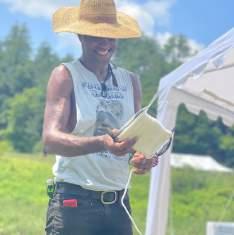
khalif williams, farm weaver:
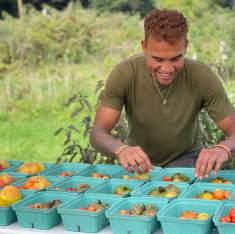
khalif serves as the Operations and Farm Manager, ensuring day-to-day farm activities are well-coordinated and align with organizational goals.
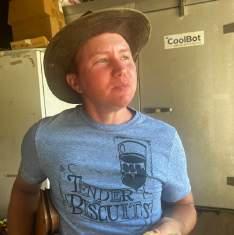
nate moody, mycelial architect:
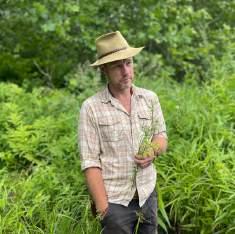
nate specializes in farming and regenerative agricultural systems. he coordinates the CSA program, tracks nutrient density data, and designs and maintains crop planning and regenerative systems.
meet our farmily (cont.)
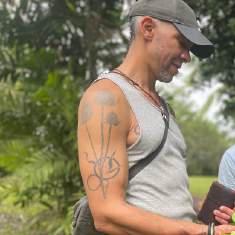
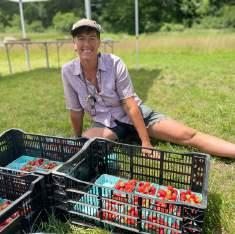
jarmal arnold, mycelial architect: jarmal focuses on farming, infrastructure and land maintenance, farm equipment upkeep, and youth engagement. he assists with CSA operations and data tracking, ensuring smooth farm operations.
kegan refalo, mycelial architect: kegan manages value-added product packing and distribution, CSA management, farm data tracking, and on-farm compost systems. additionally, he supports volunteers and oversees youth volunteer engagement.
julie mcNeal, bookkeeper:
julie serves as both bookkeeper and accountant for the organization. she holds an advisory role in SUSU’s financial management and supports the co-directors with systems development
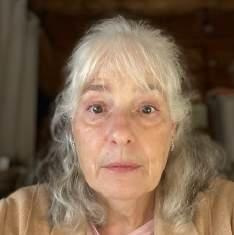
amy frost, farm consultant:
amy is the founder of Circle mountain farm and supports SUSU farm staff in growing annual and perennial plants for the CSA box of resilience. amy’s mentoring includes production techniques for low-till systems, hoop house management and adaptations for climate change.
saturn milner, construction consultant:
saturn is responsible for building and repairing infrastructure on the farm. he oversees the larger construction projects and manages additional contract builders when needed.
our program highlights
our box of resilience (CSA)
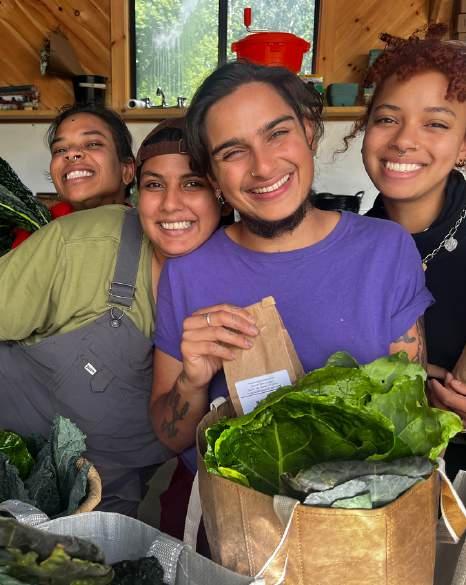
engaged just shy of sixty {60} memberhouseholds in the 2024 Season, totaling 16,370 pounds in fresh produce, dairy, meat, locally grown beans, bread, eggs, culinary herbs, etc. this program not only supports households with added value food options, but with saving on indirect expenses (such as transportation, child and/ or elderly care). we are capable of doing this work through the support of aligned-partners within the community who understand the value of closing the gap in food apartheid.
our unbodying supremacy, weaving connection
was much more intentionally than it had been in the prior years. When we initially imagined this program, it was intended for white-peers, who work in spaces of repair within BIPOC communities who sought for additional resources to engage in social justice and liberation work. However, we were deeply moved by the connection we made with a much smaller, more intimate, group that allowed for us to go deep. this program allowed for courageous conversations around the ways in which we are taught about vicarious trauma in terms of the impact on health care professionals, police officers, and others who work with traumatized community members, but we often aren’t looking at the vicarious trauma that has severe impacts and consequences on communities of color thru state sanctioned violence, lack of culturally affirming and harmful health care practices, and the ways that the trauma of white supremacy vicariously harms communities of color.
our grief garden
held safe space for a small group of individuals to honor and dignify our sorrow through deep, intentional practices rooted in Afro-Indigenous traditions. This program is designed to provide a dedicated space for both individual and collective grieving, allowing for the reconciliation and healing necessary to lead more harmonious and integrated lives.
our youth to liberation pipeline
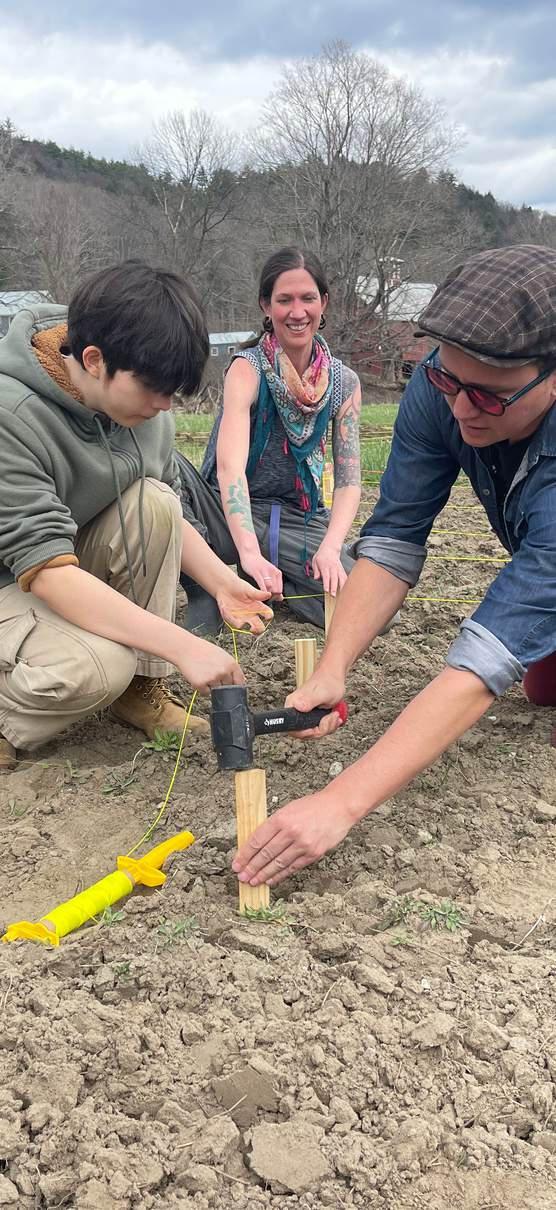
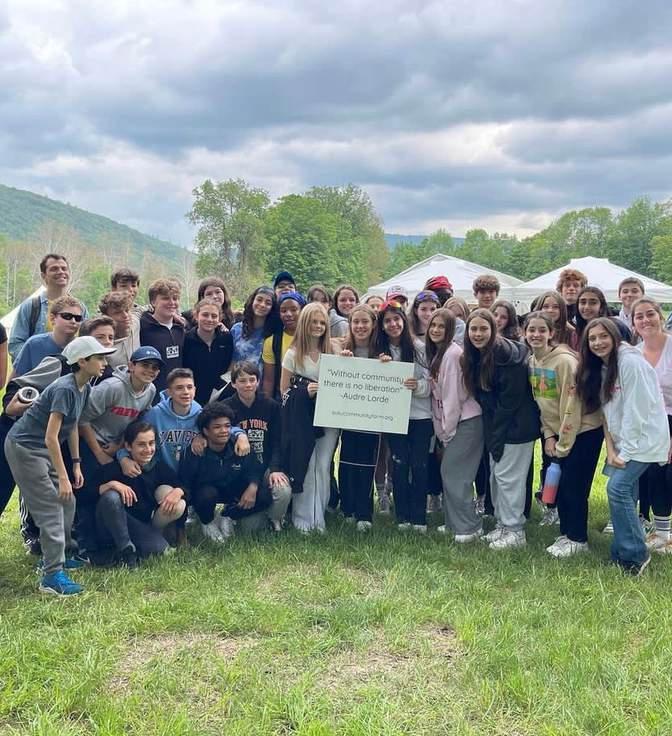
brought students to the land at SUSU commUNITY Farm, where they engaged deeply with our work, connected to the land, and explored the transformative power of growing food. through hands-on learning and cultural teachings, youth participants built a relationship with the natural world, gained skills in food sovereignty, and connected to Afro-Indigenous traditions. these engagements provided meaningful opportunities for young people to understand their role in caring for the earth and building resilient, self-sustaining communities.
our sangha yoga pilot
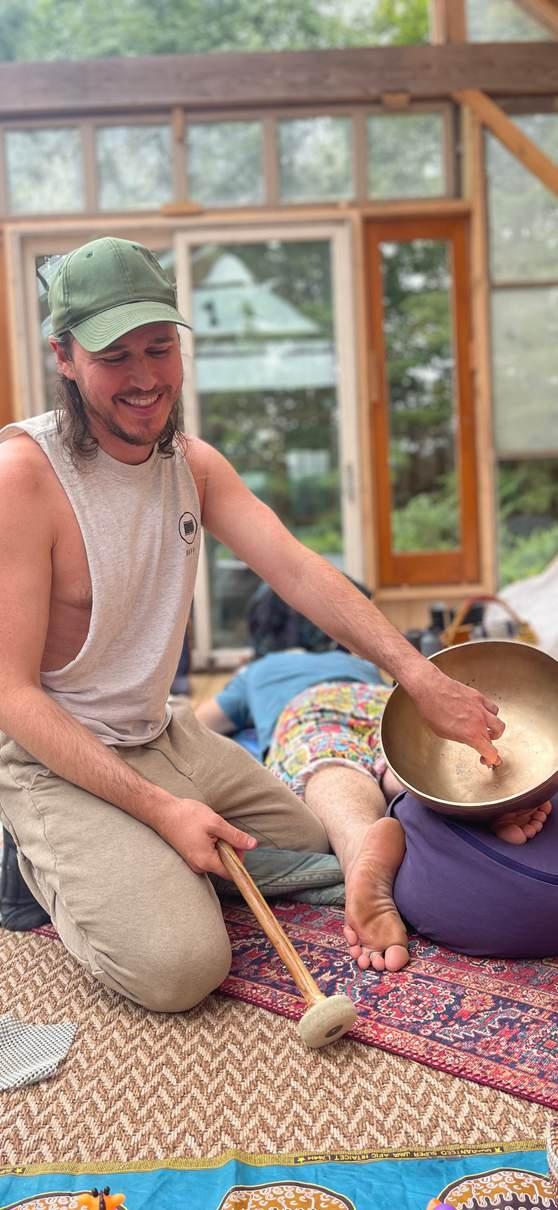
held twice weekly in our recycled glass greenhouse. Rooted in Indigenous animist wisdom and somatic practices, these restorative sessions offer an accessible space for attendees to reconnect with themselves and the land. Participants find solace, renewal, and a unique communal spirit that reflects our Afro-Indigenous values. this practice has become a vital resource for community members seeking healing, grounding, and shared support. the SUSU Sangha Yoga series continues to embody our commitment to holistic well-being, offering a deeply nourishing space that fosters resilience and interconnectedness among all who join.
our food as medicine
held two powerful indigo dyeing workshops on the land, welcoming participants from our grief garden program and CSA members. these workshops offered a unique space for healing and connection, honoring the deep cultural heritage of indigo in the African diaspora. SUSU’s reclamation of this sacred plant on our farm is an act of cultural remembrance and restoration. by growing and working with indigo, we create a bridge between ancestral practices and our current needs for healing and self-expression. this space is particularly meaningful for people of the global majority in our community, who experience indigo dyeing as a hands-on way to connect with cultural practices, honor grief, and find solace in communal artistry. the workshops became a profound space for us to tend to our spirits, carry forward traditions, and envision a vibrant future rooted in ancestral knowledge.
our farmily dinners
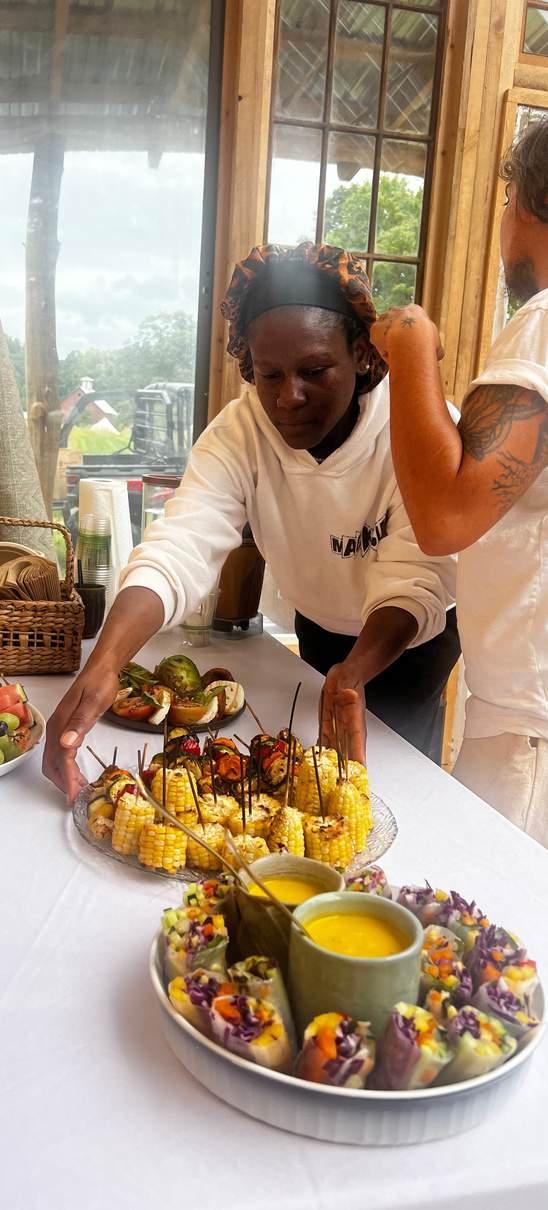
where we organize dinners where staff and community members gather on the farm to share meals prepared with vegetables grown on-site, fostering deeper relationships.
our juneteenth
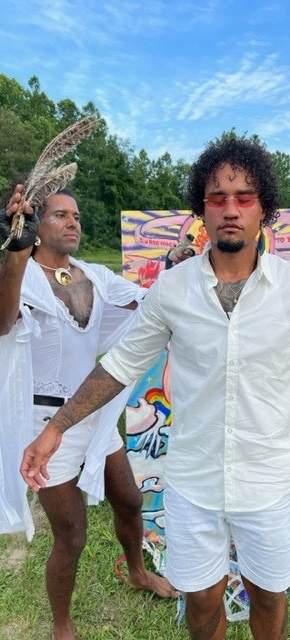
celebration brought together community members for a powerful day of connection, honoring, and joy. centered on celebrating Black liberation in safety, dignity, and belonging, the event included sacred ceremonies, song, nourishing food, and opportunities to gather as a collective. this gathering allowed participants to experience the richness of our Afro-Indigenous traditions, connect to the land, and celebrate resilience together. our on-farm events, like Juneteenth, are vital to building a community rooted in love, healing, and mutual support
introducing patreon
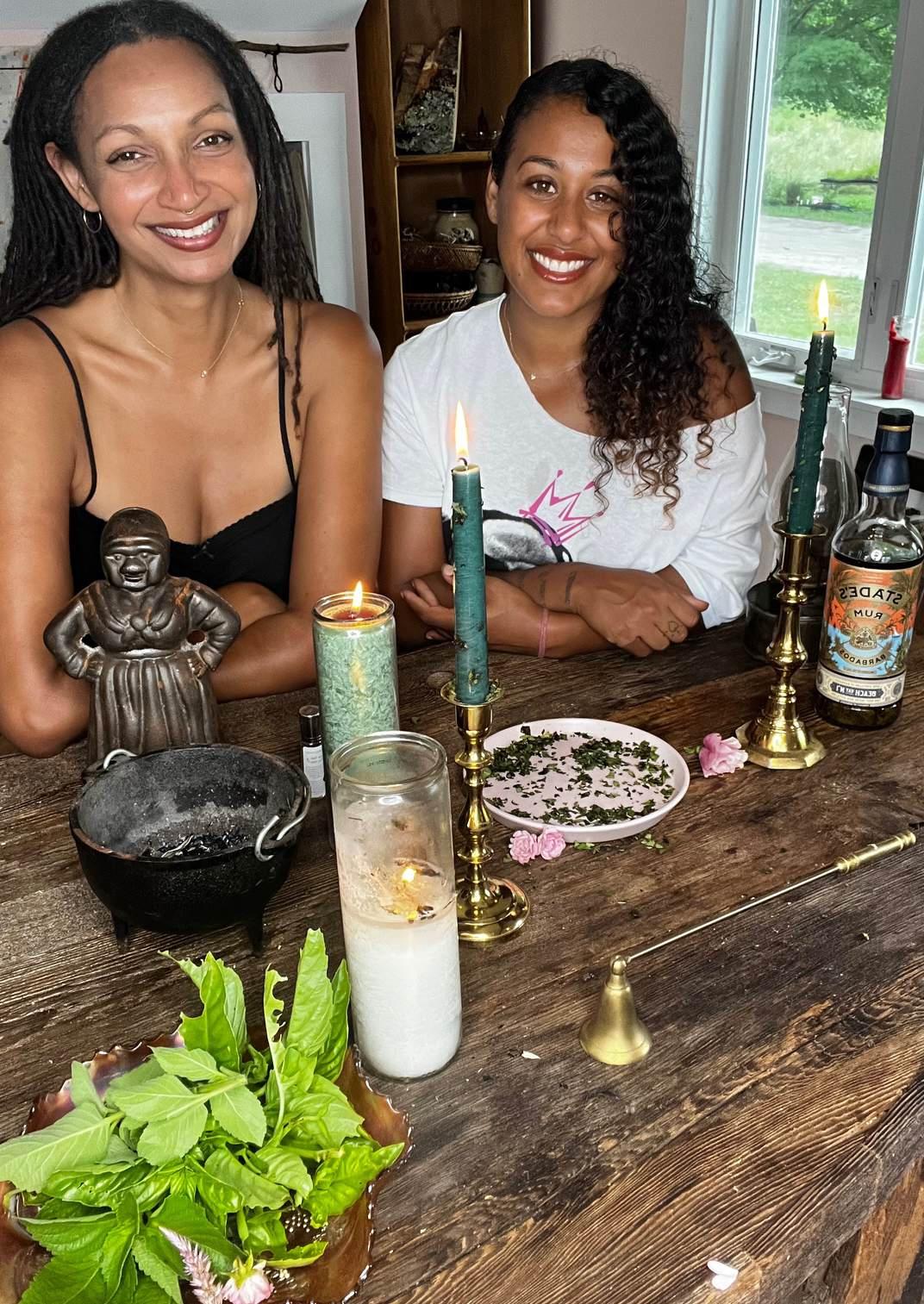
as we transition into a darker season, one where we often find solace among family and friends; an effort to ignite ourselves, our community towards a more suitable– an intentional and purposeful future– we invite you to join our founding member(s), naomi and amber, on a captivating journey that explores our ancestral wisdom through a myriad of virtual programs via our patreon. our patreon serves as a pilot for our virtual trauma conscious school of liberation, a sacred space that centers healing, cultural reclamation, and ancestral knowledge. through this program, we invite participants to reconnect with the earth’s wisdom and honor traditions that nourish the body, mind, and spirit. members will gain access to curated offerings that include folk herbalism explored rooted in kinship and belonging, somatic practices grounded in ancestral knowledge, afro-indigenous spiritual teachings explored through a practical contemporary lens and intimate connections to the day-to day workings of the farm. joining our patreon is an opportunity for our commUNITY to engage in the sou-sou of SUSU: supporting our work from a place of deep reverence and solidarity and receiving from a place of love and connection.
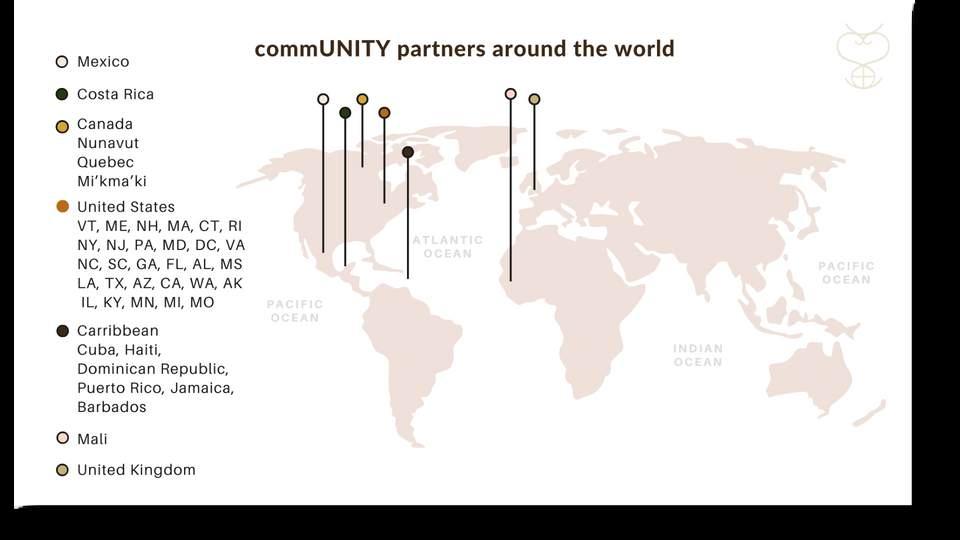
engagement map of impact
“SUSU is a verb; we moves in reciprocity and rhythm, much like the land we tend to.”
looking forward 2025
strategic vision
our strategic vision for the long term sustainability of SUSU centers on building resilience, sustainability, and well-being for our community and the next seven {7} generations. we are focusing on growing nutrient-dense food and climate-resilient gardens that reflect our indigenous traditional diets, empowering our community to collectively combat health disparities. we aim to build a culture of local collectivism through the cultural reclamation of our politically and liberatory rooted somatic and embodied based programs that will transform our community on an epigenetic and cellular level through these initiatives, we aim to support our communities by modeling ways to cultivate thriving localized food, land, and cultural systems that resist the impacts of global racial capitalism and colonization and offer old ways infused with afrofuturism-forward.
a vital aspect of our plan includes sharing our learnings to help others build healthy, community-driven ecosystems by stewarding our own land and program development, we provide hands-on education, workshops, and CSA shares with nutrient dense, culturally relevant foods for Black, Indigenous, and People of the Global Majority in windham county, fostering interconnected, self-sustaining communities.
we are equally dedicated to nurturing our internal team, deepening our practices, and strengthening systems that align with our values of liberation, collectivism, and care our approach prioritizes team member support, role clarity, collaborative goals, and sustainable work streams that advance our organizational health.
to ensure that our mission has lasting impact, we are creating financial and operational resilience through a values-based economic model, anchoring our practices in cooperative economics rooted in our ancestors’ legacy.
through our trauma conscious school of liberation, youth to liberation pipeline, box of resilience CSA, and seasonal botanica offerings, we are focused on building sustainable income streams to strengthen our agency and reduce reliance on philanthropic funding. this includes implementing a member-driven sliding scale for our CSA, offering paid solidarity shares for white supporters, developing self-paced online programming, and monetizing in-person offerings. our Botanica deepens in its scope to intentionally and thoughtfully provide specialized, bioregional, locally grown slow medicines and herbs for sale, grounding our work in Afro-Indigenous traditions while creating new avenues for community-driven support and economic resilience. our landbased education centers Afro-Indigenous ways of being, and we remain steadfast in our commitment to embody hope and possibility, reviving traditional folk medicine and holistic land stewardship. as a sanctuary for healing and connection, we strive to pass forward ancestral knowledge and practices that positively impact the next seven generations, offering pathways for all to return to caring for each other and the land. These initiatives reflect our commitment to both community health and autonomy, sustaining our mission for future generations
by focusing on reflective, values-driven growth, we’re building a sustainable, regenerative system that supports our collective liberation and the flourishing of future generations, ensuring that our work remains a beacon of resilience, belonging, and community care
1,079,030.0
we ate a family tremulous but fortified by turnips/okra/handpicked like the lilies
filled to the very living full one solid gospel (sanctified) one gospel (peace)
one
full Black lily luminescent in a homemade field of love