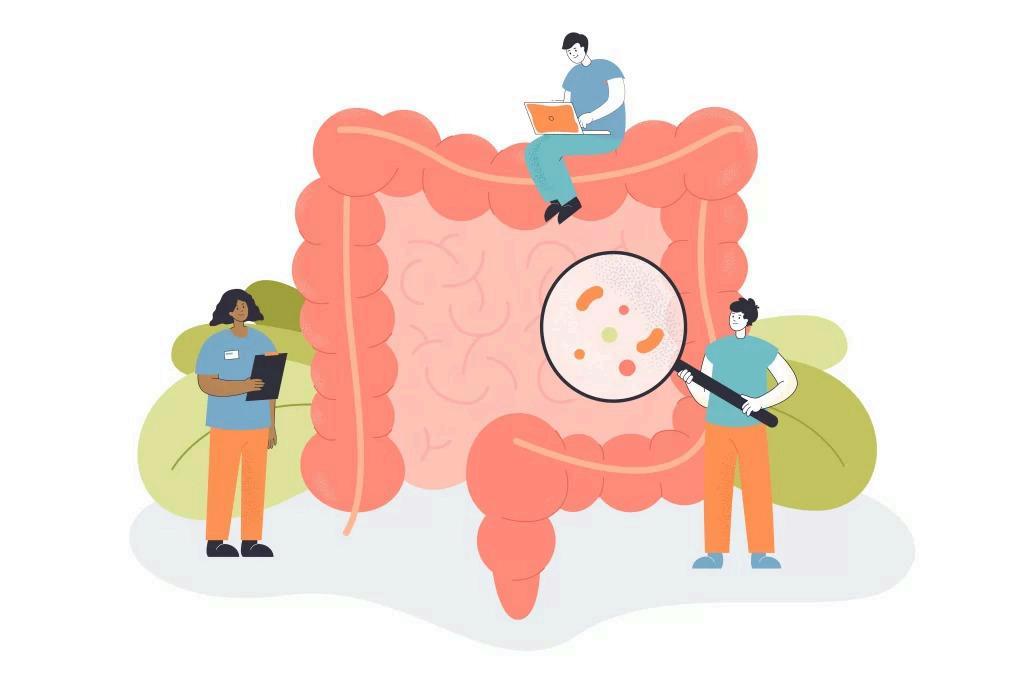
Piles Unveiled: Know the Symptoms and Causes
Piles, also known as hemorrhoids, are a common condition that affects many individuals worldwide. In this comprehensive guide, we will delve into the various aspects of piles, from understanding the symptoms and causes to exploring the diagnosis and treatment options available.
What are Piles?
Piles, also known as hemorrhoids, refer to enlarged blood vessels situated in the rectal or anal region. They can cause discomfort, pain, and sometimes bleeding, impacting the quality of life for those affected.
https://sushrutpileshospital.com/piles/
Piles Symptoms
Common symptoms of piles include itching, pain, and bleeding during bowel movements. Recognizing these indicators is vital for swift and timely intervention.
When to Consult a Doctor?
If you experience persistent symptoms like bleeding, pain, or discomfort during bowel movements, it is essential to consult a doctor. Timely identification and proactive intervention can avert the progression of the condition.
Prevention
Several lifestyle changes can help prevent piles. Adequate fibre intake, staying hydrated, and avoiding prolonged sitting are key preventive measures.
Piles Causes
Piles can be caused by various factors, including straining during bowel movements, obesity, and a sedentary lifestyle. Understanding the underlying causes is crucial for effective management.
Types of Piles
https://sushrutpileshospital.com/piles/
Piles exist in two primary forms: internal and external varieties. Internal piles are located inside the rectum, while external piles develop outside the anal opening.
Piles Diagnosis & Treatment Options
Diagnosing piles often involves a physical examination and, in some cases, additional tests. Treatment options range from lifestyle changes and medications to surgical interventions, depending on the severity
Comparison Table
Lifestyle
Modifications
Medications
Non-invasive, cost-effective
May not provide relief for advanced cases
Relieves symptoms Temporary relief, not a permanent solution
Minimally Invasive Procedures
Quick recovery, less pain Limited to specific types of piles
Surgical Intervention Effective for severe cases Involves recovery time, potential for complications
https://sushrutpileshospital.com/piles/
Best Option of All
The best treatment option varies based on the individual’s condition. Seeking guidance from a medical expert will assist in identifying the most appropriate course of action.
Pre and Post Operative Care Instructions
Pre-Operative Care
Preparing for piles surgery involves lifestyle adjustments, dietary changes, and following your doctor’s instructions. This ensures a smoother surgical experience.
Post Operative Care
After surgery, adherence to post-operative care instructions is crucial for optimal recovery This includes proper wound care, pain management, and gradually resuming daily activities.
Piles Diagnosis/How are Piles Diagnosed?
Diagnosing piles typically involves a physical examination, digital rectal examination, and sometimes additional tests such as a colonoscopy or anoscopy.
The recuperation journey fluctuates based on the selected treatment modality Minimally invasive procedures generally offer quicker recovery times compared to traditional surgical interventions.
Severity/Piles Grade
Piles are graded based on severity, ranging from Grade I (mild) to Grade IV (severe). The grade determines the appropriate treatment approach.
Complications/Risk of Piles
Complications of untreated piles may include anaemia, thrombosis, and infection. Understanding these risks emphasises the importance of timely intervention.
Is Piles Surgery Covered Under Insurance?
Many insurance plans cover piles surgery, but coverage may vary It is recommended to consult your insurance provider to ascertain the scope of coverage available.
Do’s and Don’ts for Piles
Dos:
● Maintain a high-fibre diet: Promotes regular bowel movements.
● Stay hydrated: Adequate water intake aids digestion.
● Exercise regularly: Promotes overall health and prevents constipation.
https://sushrutpileshospital.com/piles/
Don’ts:
● Maintain a high-fibre diet: Promotes regular bowel movements.
● Stay hydrated: Adequate water intake aids digestion.
● Exercise regularly: Promotes overall health and prevents constipation.
FAQs
Can piles be cured without surgery?
Yes, milder cases can often be managed with lifestyle changes and medications. How long is the recovery period after piles surgery?
Recovery time varies but is generally shorter for minimally invasive procedures compared to traditional surgery.
https://sushrutpileshospital.com/piles/