Survey Skills: How Platforms Like TPS
Build Soft Skills
In the digital age, earning opportunities are no longer limited to traditional jobs or internships. Platforms like The Panel Station (TPS) are giving people especially students and young professionals a chance to earn rewards through paid surveys. But beyond the points and payouts, there’s something even more valuable being earned: soft skills.
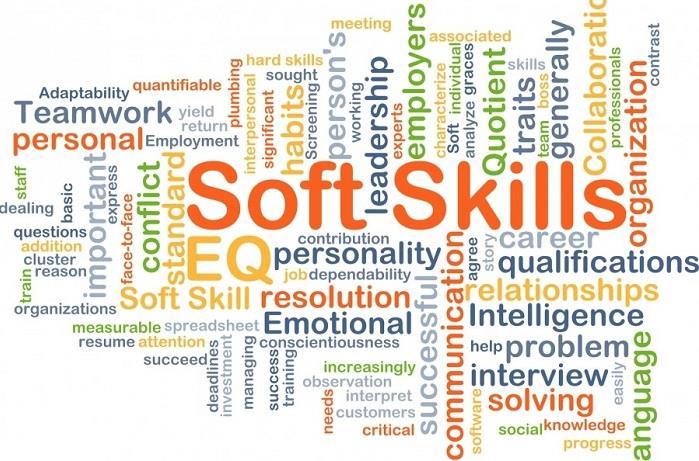
Soft skills such as communication, time management, adaptability, and critical thinking are often underrated, yet they play a vital role in personal and professional success. Surprisingly, platforms like TPS, which are typically seen as side-earning tools, are also becoming training grounds for essential life skills.
This article explores how simply participating in surveys on TPS can help users develop and strengthen soft skills in a low-pressure, accessible, and flexible environment.
What Is The Panel Station?
The Panel Station (TPS) is a global online survey community that rewards users for sharing their opinions. Members receive surveys based on their demographics and interests, and upon completion, they earn TPS points. These points can be redeemed for:
Gift cards (Amazon, Flipkart, etc.)
Grocery vouchers (like Blinkit)
PayPal cash
Other region-specific digital rewards
Available in over 30 countries, TPS connects users with major global brands seeking real-time consumer feedback. It’s a win-win: users get rewards, and companies get insights.
What Are Soft Skills And Why Do They Matter?
Soft skills refer to personal attributes that enable someone to interact effectively with others and adapt to various work environments. These skills are not taught through textbooks but developed over time through real-world experiences.
Some essential soft skills include:
Communication
Time management
Critical thinking
Problem-solving
Adaptability
Digital literacy
Accountability
Emotional intelligence
These skills are valued across all careers and are often the deciding factor in hiring, promotions, and leadership opportunities.
How Platforms Like TPS Help Build Soft Skills
Though TPS isn’t a classroom or a job, it offers real opportunities to practice and develop soft skills naturally. Here’s how:
1. Communication and Clarity
Every survey on TPS asks users to express their thoughts clearly and honestly. Some may include open-ended questions, while others present detailed scenarios for evaluation.
By completing these surveys regularly, users develop:
Clear articulation of opinions
Awareness of tone and word choice
Confidence in expressing feedback
Practice in structured communication
These are the same communication skills used in meetings, interviews, and team projects.
2. Time Management
Most surveys on TPS mention an estimated completion time usually between 5 to 20 minutes. Users who regularly take surveys learn to:
Allocate small time blocks efficiently
Avoid distractions and stay focused
Set aside daily time for micro-tasks
Meet deadlines (some surveys expire quickly)
This nurtures time awareness, an essential skill in both academics and work environments.
3. Critical Thinking and Evaluation
Many TPS surveys go beyond simple questions and ask users to compare products, assess experiences, or choose preferences from complex options.
Users learn to:
Read and interpret information quickly
Think critically about choices
Evaluate based on context or need
Justify preferences (especially in brand comparison questions)
This mirrors the decision-making processes used in real-life problem-solving.
4. Digital Literacy
TPS is a 100% online platform. By using it consistently, users become more comfortable with:
Navigating web portals and apps
Managing digital profiles
Tracking point systems and redemptions
Using e-wallets like PayPal
These experiences improve digital confidence, a skill that’s essential in nearly every job today.
5. Patience and Goal Setting
TPS requires users to accumulate a minimum number of points before redeeming rewards. This builds:
Patience in waiting for outcomes
Goal-setting ability (targeting a specific reward)
Consistency in effort
Delayed gratification valuable in managing finances and long-term planning
Soft skills often grow from small, repeated actions and TPS supports that naturally.
6. Accountability and Honesty
TPS surveys rely on authentic input. Users who provide inconsistent answers are flagged or disqualified from certain surveys. This promotes:
Accountability for one's responses
Ethical digital behaviour
Understanding that honest input has value
In real-world work or academics, integrity and reliability are essential and TPS subtly encourages both.
7. Adaptability
Each TPS survey is different new formats, changing topics, varying lengths. Users adapt to:
Shifting survey themes (e.g., tech, health, retail)
Different question types (sliders, ratings, open text)
Evolving user interfaces and app updates
Frequent participation builds mental flexibility and adaptability, which is essential in today’s fast-changing job market.
8. Self-Motivation
There are no reminders or pressure to take surveys on TPS. Users who regularly engage do so because they are:
Internally motivated to earn or learn
Curious about market trends
Interested in contributing to product development
This level of self-discipline and intrinsic motivation is exactly what employers and educators look for.
Why These Soft Skills Matter to Gen Z
Gen Z is entering a workforce where automation is rising, but human-centered skills are becoming more important than ever. Soft skills are what make individuals stand out in interviews, internships, group projects, and leadership roles.
Platforms like TPS support the development of these skills in ways that are:
Low-pressure (no grades, no supervisors)
Flexible (anytime, anywhere access)
Inclusive (no skill barriers)
Rewarding (small but tangible incentives)
This makes TPS an ideal digital playground for personal growth.
Real-Life Examples of Soft Skill Growth Through TPS
Here are a few examples of how users benefit from soft skill development on TPS:
�� A college student uses TPS during commutes, building discipline in using free time productively.
�� A user improves their ability to express ideas clearly through hundreds of feedback-based surveys.
�� A working professional manages short TPS sessions daily, strengthening timeblocking habits.
�� A teen gains confidence in managing digital tools by using TPS alongside online wallets and apps.
Each of these moments adds up and contributes to the long-term development of transferable skills.
Final Thoughts: Learn While You Earn
The true value of The Panel Station goes beyond points and gift cards. Every time users respond to a survey, they’re not just helping brands they're helping themselves develop skills that will last a lifetime.
In a world where soft skills define career growth and personal development, platforms like TPS offer an unexpected but effective way to grow. By participating thoughtfully, users build communication skills, time discipline, digital fluency, and more all while earning along the way.
So, the next time you open a TPS survey, remember: You’re not just sharing opinions you’re sharpening skills.