Engineering a Circular Economy


Welcome to the Surrey Circular Economy Group We are a young research group jointly led by six academics across various engineering and science disciplines with the common vision to create new circular economy solutions for society.
Circular Economy is a fast-developing emerging area where Surrey has a huge potential to be the leader in the UK and globally. Our group has already taken national and international leadership in circular economy research, previously leading the award winning £4 5M National Circular Chemical Economy Centre and more recently, coleading the £14M Engineering Biology Hub for circular economy and the £15M UK Energy Demand Research Centre. Our research outputs are published in most prestigious journals including Nature and Nature and Science sister journals. We also have a strong innovation profile, with one start up company, R3V Tech, recently receiving more than £500k in grants and investment, and another spin-out in the pipeline with ICURe funding already secured.
The group is based at the Faculty of Engineering and Physical Sciences. We aim to demonstrate our strength and excellence in engineering and science for circular economy research that can feed into the pan-university Institute for Sustainability We put interdisciplinarity at the heart of our research, and our expertise ranges from fundamental research to applied solutions. We also engage with a wide range of stakeholders including industry, academics, policymakers, third sectors and the wider public
We welcome the opportunity to working with a wider network of partners and supporting the UK’s transition to a circular economy.

“We are a unique, inclusive, interdisciplinary team who combines systems thinking with engineering and digital innovations to create new circular value chains for an equitable society.”

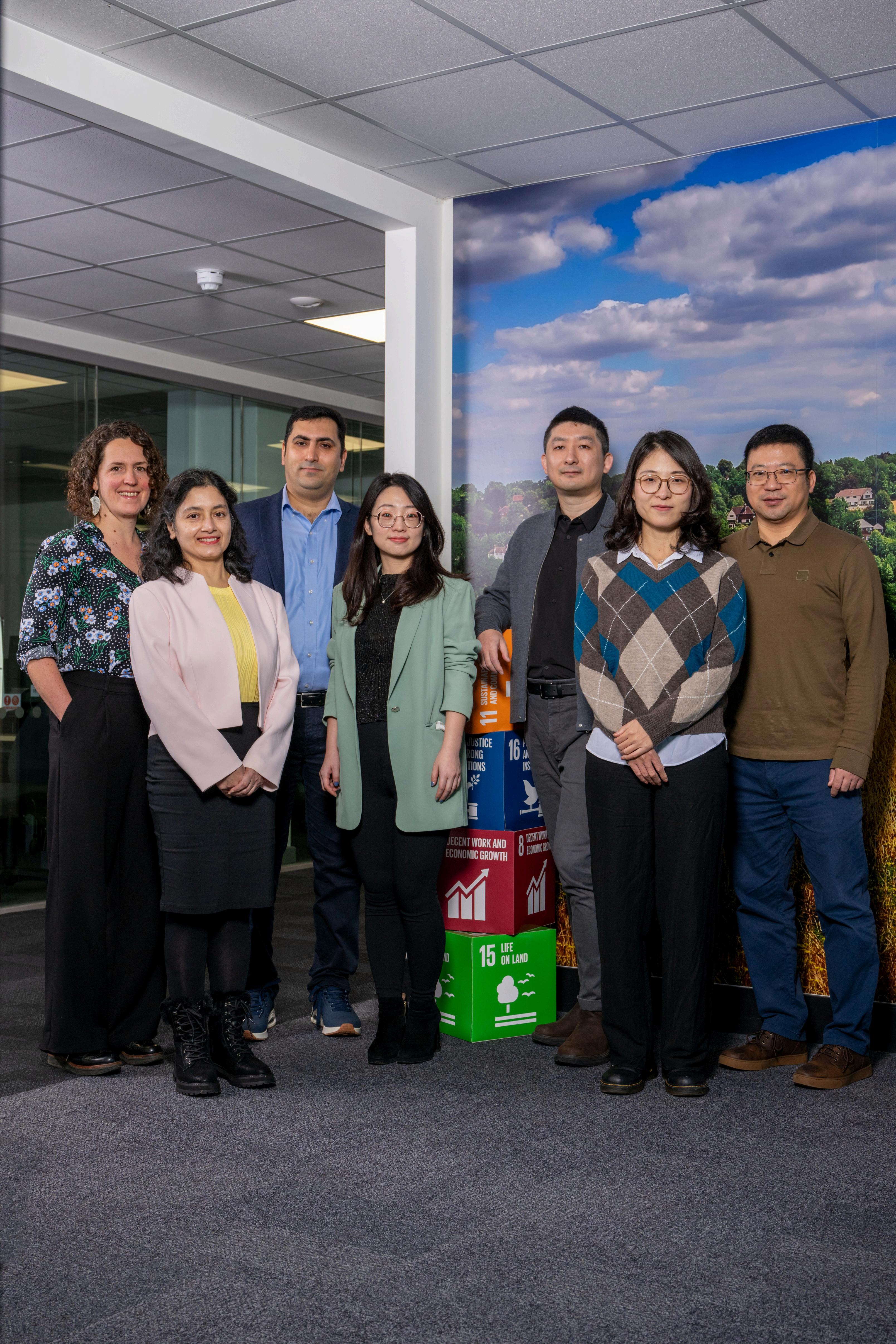

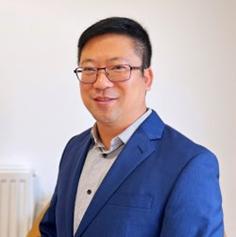
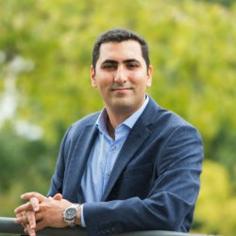
Professor Jin Xuan
Professor of Sustainable Processes
My focus is the digital transformation of complex chemical and energy processes via integrated smart sensing, advanced modelling and data-centric deep learning A vision to deliver a paradigm-shi in future systems design
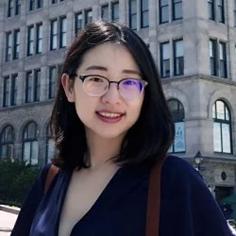
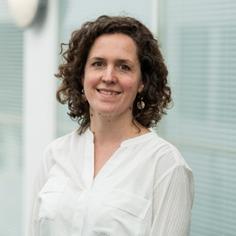
Dr Lirong Liu
Associate Professor (Reader) in the Centre for Environment and Sustainability
I work on the development and application of systematic models for supporting sustainability, with a focus on climate change mitigation.
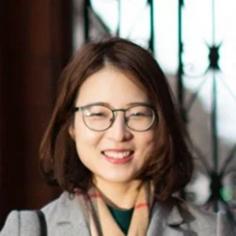
Dr Lei Xing
Lecturer in Digital Chemical Engineering
I work on the development of a sustainable growth of chemical and energy industries via industrial defossilisation and AI-based digitalisation within the context of circular economy.
Dr Hui Luo
Royal Academy of Engineering Research Fellow
My research focusses on developing and up-scaling efficient electrolysis technologies to convert biomass, CO₂ and plastic wastes into green hydrogen and high-value commodity chemicals
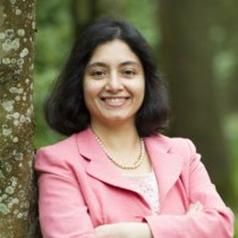
Professor Jhuma Sadhukhan
Professor of Environmental Energy and Chemical Engineering
My research includes circularity in energy materials such as Li & other critical metals for energy devices, CO₂ valorisation in consumer products and waste resources into materials/chemicals.
Dr Iman Mohagheghian
Associate Professor (Reader) in Mechanics of Materials
My team’s mission is to push the frontiers of engineering by designing lightweight, multifunctional, and sustainable materials and structures and using this knowledge to tackle societal challenges for net zero
Dr Lucy Elphick
Research Programme Manager
I oversee a portfolio of research projects and guide the strategic direction of the Surrey Circular Economy Group, with a focus on delivering impactful projects and supporting the development of our team.
Angie Bywater
Global Centre for Sustainable Bioproducts (GCSB) Specialist
My interests include anaerobic digestion in sustainable agriculture to produce food, fuel and chemicals. I am particularly interested in how policy can affect aspects of the uptake of such technologies


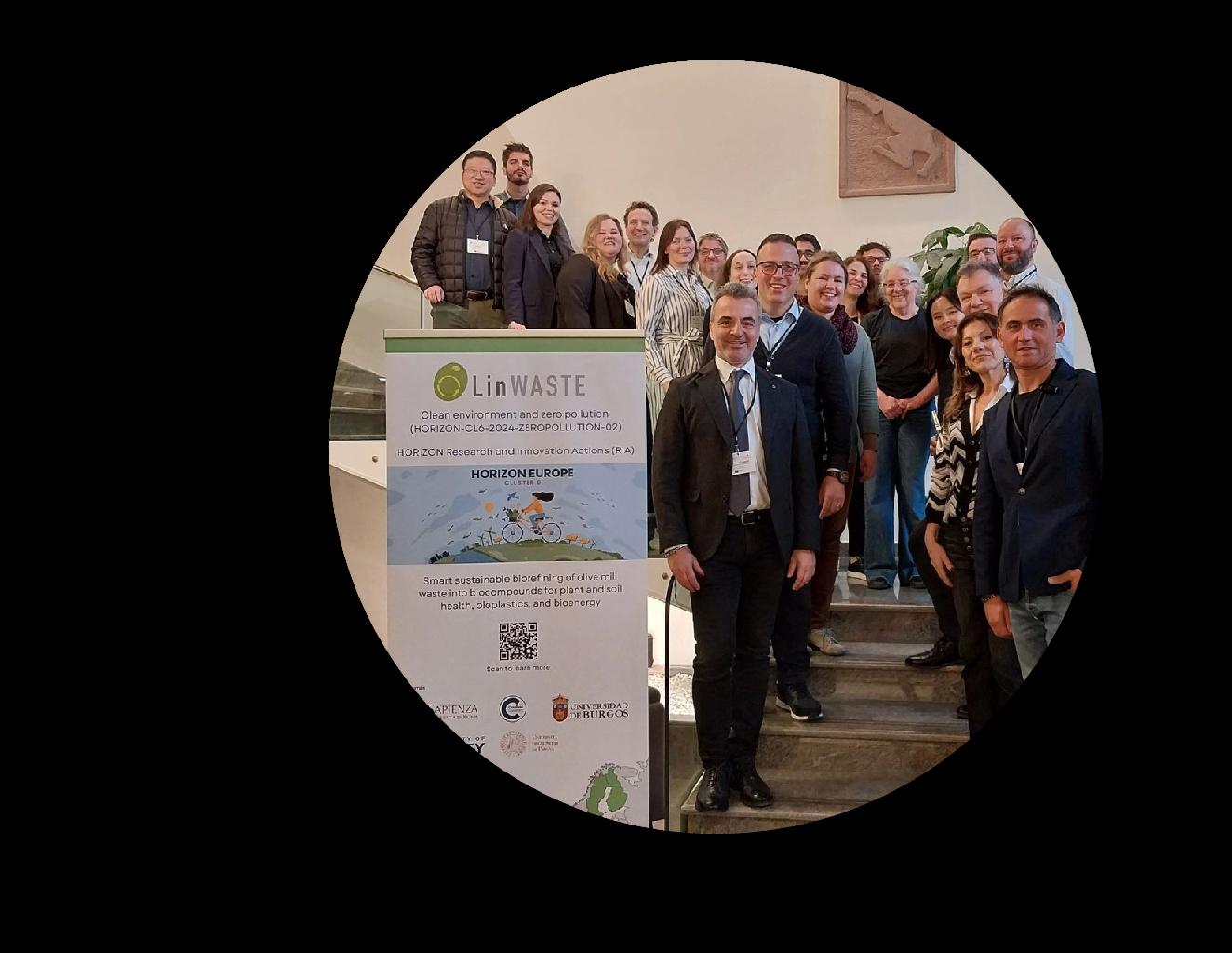
The Surrey Circular Economy Group brings together world-leading researchers, industry partners, and national innovation hubs to drive transformative solutions for a more sustainable future. We actively collaborate with major UK centres and research networks, contributing to and leading multi-million-pound programmes such as Carbon Loop and CircularChem, where our members play key roles in shaping cutting-edge research agendas. Our strong partnerships with industry ensure that our work delivers real-world impact, enabling the translation of advanced research into scalable technologies, processes, and business models that support resource efficiency and decarbonisation. The innovation and excellence of our research community are further recognised through prestigious fellowships and awards, reflecting our commitment to pioneering solutions at the forefront of circular economy thinking







EcoShift.ai was born out of pioneering research at the University of Surrey, with a focus on helping industrial teams understand and improve real plant performance.
We build explainable AI for industrial processes, turning complex operational data into clear insight engineers can trust and act on, especially during process optimisation, plant scale-up and troubleshooting.

R3VTech Ltd. is a cutting-edge spinout born from innovative research at Loughborough University, UK Our mission is to create new revenue streams for industry via circular economy approaches by

Our interdisciplinary research is organised around three interconnected themes: Circular Technologies, where we develop a range of key engineering solutions for resource efficiency and waste valorisation; Circular Systems, where we champion systems thinking and develop advance methodologies to understand complex systems of circularity; and AI and Digitalisation, where we harness the power of AI and digital tools to design, optimise and discover circular economy solutions.
Development of a range of key engineering solutions for resource efficiency, waste valorisation and adaptive circular design.
Systematic analysis of the environmental impacts of products or services during their entire life cycle Integration of techno and socio-economic impacts.
Harnessing the power of AI and digital technologies to design, model and predict the most efficient use of energy and materials
The Circular Economy group is funded by EPSRC, Innovate UK, Royal Society, Royal Academy of Engineering, EU and Industry. We are part of £70M worth portfolio of projects ranging from national centre, hubs, fellowship and standard projects. In total we currently bring £10 million of research funding to the University of Surrey.*

Designing efficient and cost-effective catalysts to transform waste streams into high value materials. Our work focuses on unlocking new pathways for waste valorisation, reducing environmental impact, and enabling sustainable production processes across a range of industrial applications
Utilising advanced carbon capture & utilisation technologies to capture and convert CO₂ emissions into valuable chemicals Our work enables the transformation of emissions into resources, reducing environmental impact while creating sustainable value across industrial sectors.
Converting discarded plastic products or waste into new materials or products, reducing the consumption of virgin resources and mitigating environmental impact
Developing materials to be reused, recycled, or repurposed within a closed-loop system, reducing waste and maximising efficiency. Our research includes designing with existing waste materials to increase circularity.
We engineer sustainable and efficient processes to convert and store renewable energy in the form of chemical energy, enabling greater flexibility and resilience in low carbon systems
Net zero chemicals and hydrogen via plastic waste upcycling and electrolysis
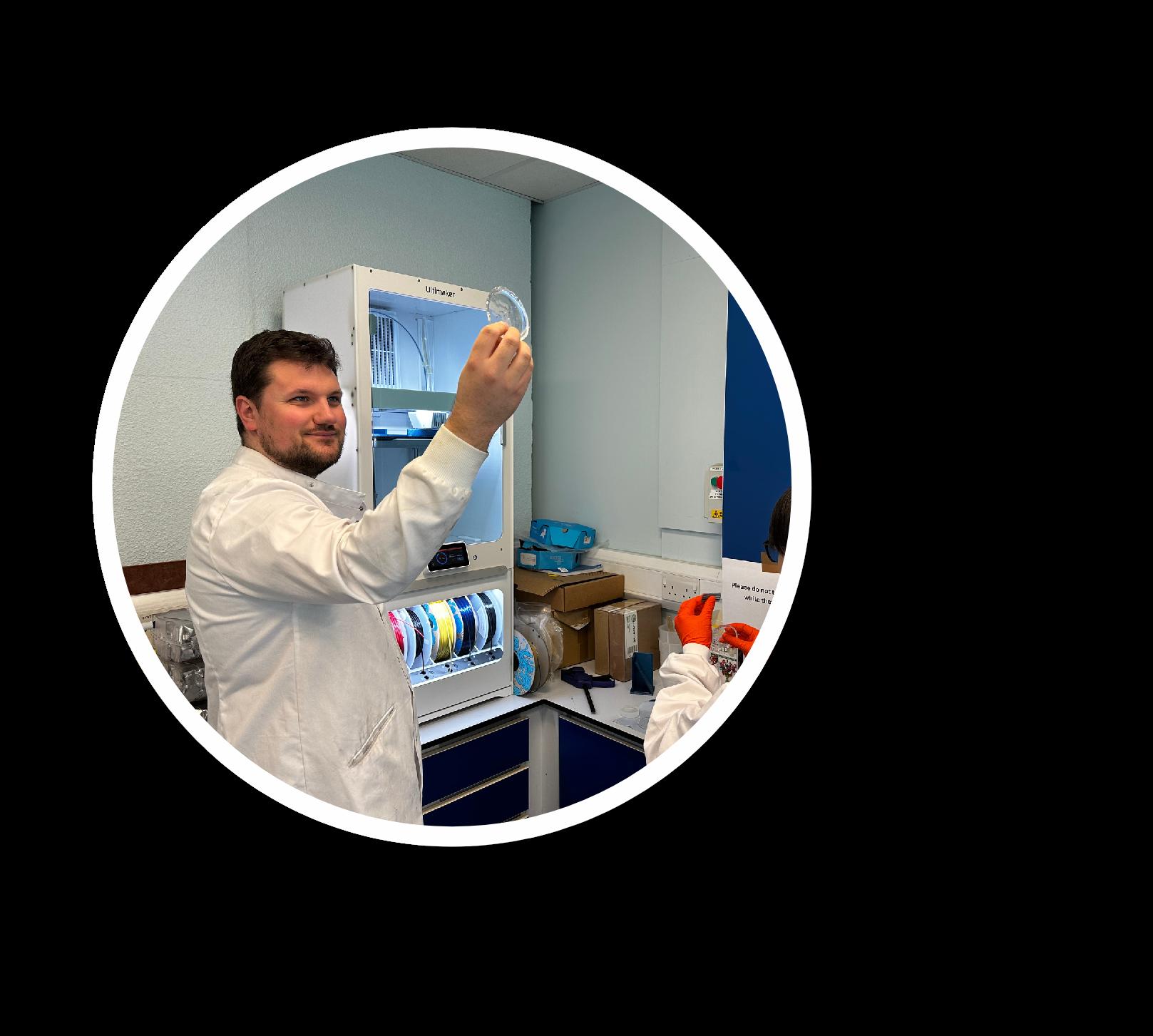
Dr Hui Luo’s RAEng Research Fellowship is developing a catalytic mechanochemical plastic upcycling process that can effectively cleave long-chain polymers. This project aims to develop a catalytic mechanochemical reaction protocol with rationally designed zeolite catalysts to effectively break down PET into monomer terephthalic acid and byproduct ethylene glycol.
Improving the sustainability of advanced materials
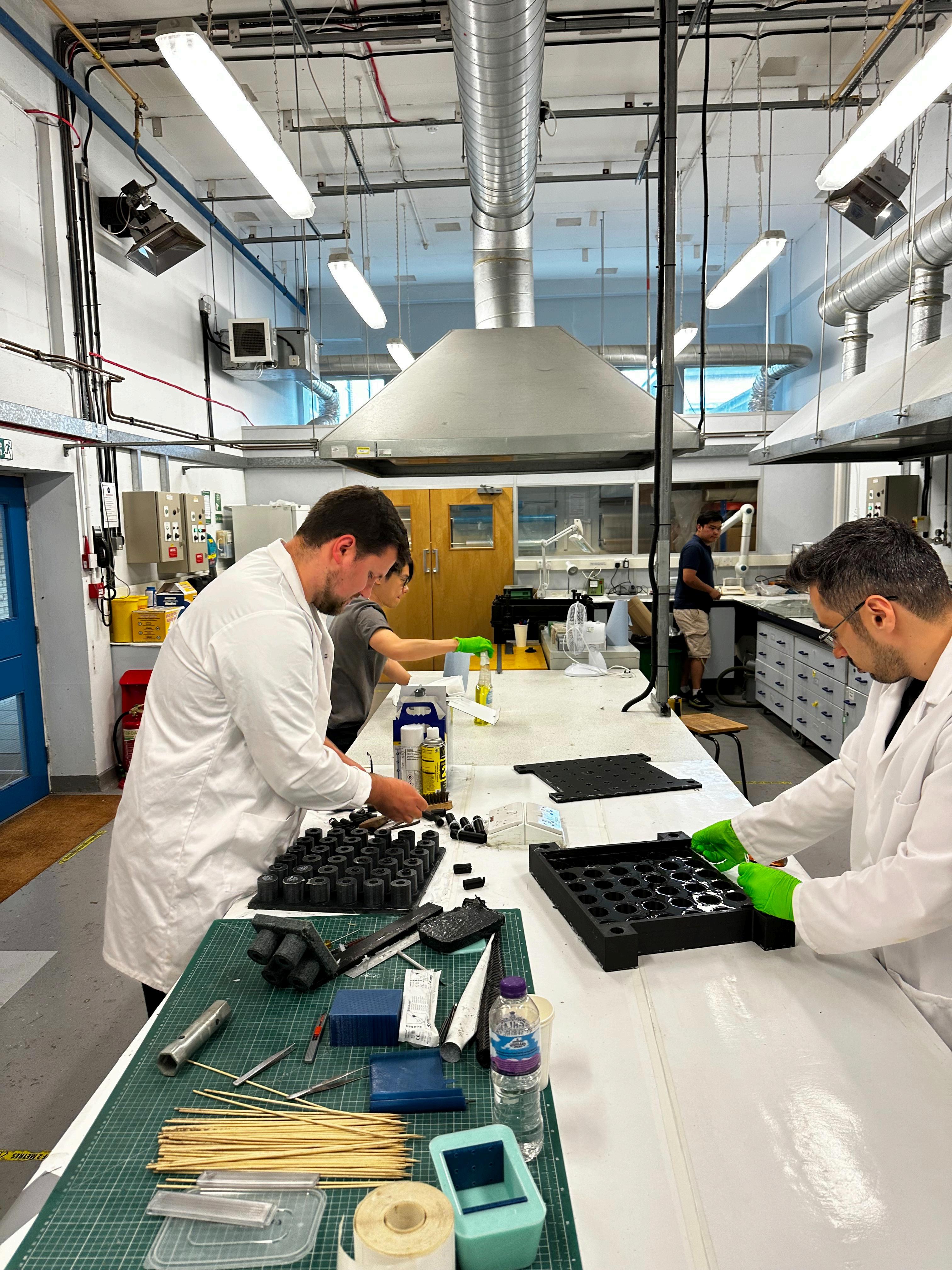
Dr Iman Mohagheghian leads the University of Surrey’s MASS lab which includes research addressing the accumulation of carbon fibre reinforced polymers (CRFP) waste His group are designing for multi-functionality in second-life applications, with the aim of creating demand for CFRP recyclates, and achieving circularity in the CFRP life cycle. This project is supported by EPSRC, the National Composites Centre and High value-Manufacturing Catapult.
Engineering Biology Hub for environmental processing of metals; from contaminated land to industrial biotechnology in a circular economy
Professor Jhuma Sadhukhan is a co-investigator on a £14million UKRI project The environmental engineering biology mission hub will harness and develop living systems to process environmental and waste metals and thereby address the environmental challenges posed by metal contamination and scarcity, while minimising the potential risks associated with the use of engineered microorganisms in the environment

LCA is a core "systems thinking" tool to evaluate the sustainability, resource efficiency, and feasibility of circular economy strategies, ensuring that proposed innovations actually reduce environmental impact rather than shifting it elsewhere
Evaluating the technological and economic performances of circular economy technologies. We combine technical analysis with economic analysis to assess the overall feasibility of circular economy enabled technology or project, helping stakeholders gain a better understanding from both perspectives
Optimising the system configuration and operation to improve the circularity. This is used to find the best possible solution for a complex system (e.g., energy system or industrial cluster), under the objective of maximise the circularity and certain constraints, allowing decision-makers to explore different scenarios and trade-offs
Macroeconomic modelling (e.g., input-output analysis, computable general equilibrium model) to reveal how changes in technology, policy, and other factors can affect economy and society. This work reveals the environmental and socioeconomic impacts in the wider system

Biomanufacturing with carbon capture and utilisation: A Zero Carbon Loss System
Professor Jin Xuan is leading a £1.3million project to create the first-of-its-kind Zero Carbon Loss biomanufacturing system, developing sustainable chemical products with integrated carbon capture and utilization. It creates a new approach in which the lifecycle sustainability assessments will serve as an interactive decision-making tool fully embedded in the early-stage technology developments, rather than traditional retrospective assessment
Professor Jhuma Sadhukhan is the UK lead for this global centre supported by Angie Bywater as Centre Manager/specialist. GCSB aims to create sustainable bio-derived materials through innovative bioprocessing. The program approach is guided by life cycle assessment (LCA) and techno-economic analysis (TEA) which validate the biorefinery platform approach.
The Carbon-Loop Sustainable Biomanufacturing Hub (C-Loop) will use microorganisms to convert carbon-rich industrial waste – usually destined for landfill – into next-generation materials such as pharmaceuticals, cosmetics and bio-based chemicals. Professor Jhuma Sadhukhan, and Professor Jin Xuan will apply physics-informed AI integrated with LCSA tools to map and improve every stage, from raw material acquisition to resource recirculation. The novel digital twin framework will not only model processes; it will make them smarter, enabling real-time optimisation across interconnected supply chains

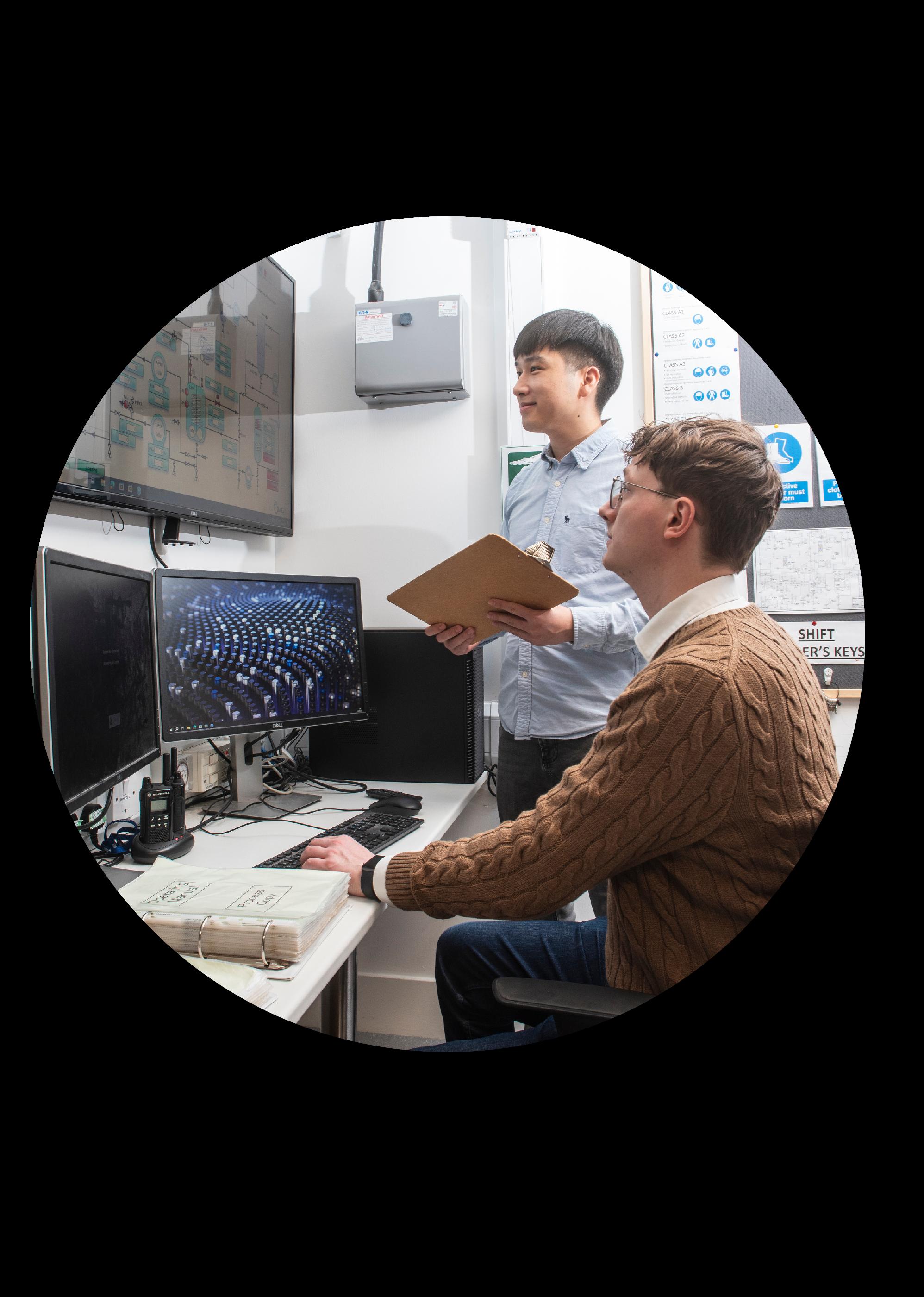

Using AI as a tool for circular economy materials, processes and systems design Advanced models are used to identify novel solutions, and uncover complex patterns in data, accelerating innovation while reducing development time and resource use.
Developing novel methodology that can combine physics with data driven techniques to enhance the design of circular systems. Combining mechanistic understanding with machine learning and real world data, enables faster optimisation, improved prediction accuracy, and more resilient performance.
A structured, model-based approach for identifying the best design and operational decisions across interconnected subsystems by optimising systemlevel performance metrics (e.g. cost, efficiency, sustainability) using digital tools.
AI has already been applied to energy systems to optimise energy consumption in combination with CO2 capture. This approach can be applied to further systems where energy production can be optimized from green energy sources. AI optimises the process and system, leading to reduced energy consumption and enhanced efficiency
This EPSRC Open Fellowship is held by Professor Jin Xuan, the vision is to make a paradigm-shift in how future electrochemical interfaces can be designed, optimised and self-evolved throughout their entire life cycle. The research uses novel Explainable AI (XAI) and digital solutions to create an inverse design framework
Dr Lirong Liu is a co-lead on the DICE network+ Grant. The network aims to drive a transformative shift in the sustainability and circularity of digital and communication technologies. DICE focuses on overcoming challenges such as the lack of circular economy principles in digital technology design and manufacture, and the poor understanding and coordination of digital advancements
Dr Lei Xing is the University of Surrey’s Co-I leading the design and implement the System Digital Twin (SDT) – a virtual model of the biorefinery’s waste treatment and energy flows. Researchers will input data from other parts of the project and use machine learning, validated against real-world experiments and physics-based models, to ensure accuracy
Our team consistently receives recognition for individual merit, projects and team efforts.
Vice Chancellors Award for Public and Community Engagement 2025: The Circular Economy Group
UK National Winner of the 2025 Net-Zero Industries Award: Flue2Chem (Co-Is Jin Xuan and Jhuma Sadhukhan):
RSC Environment, Sustainability and Energy Horizon Prize 2025: CircularChem (Jin Xuan PI, Lei Xing Co-I, Lucy Elphick Centre Manager)
University of Surrey Researcher of the Year 2024: Professor Jhuma Sadhukhan
University of Surrey Researcher of the Year 2023: Dr Lirong Liu
Philip Leverhulme Prize winner 2023: Professor Jin Xuan
IChemE Sustainability Award 2023: CircularChem (Jin Xuan PI, Lei Xing Co-I)
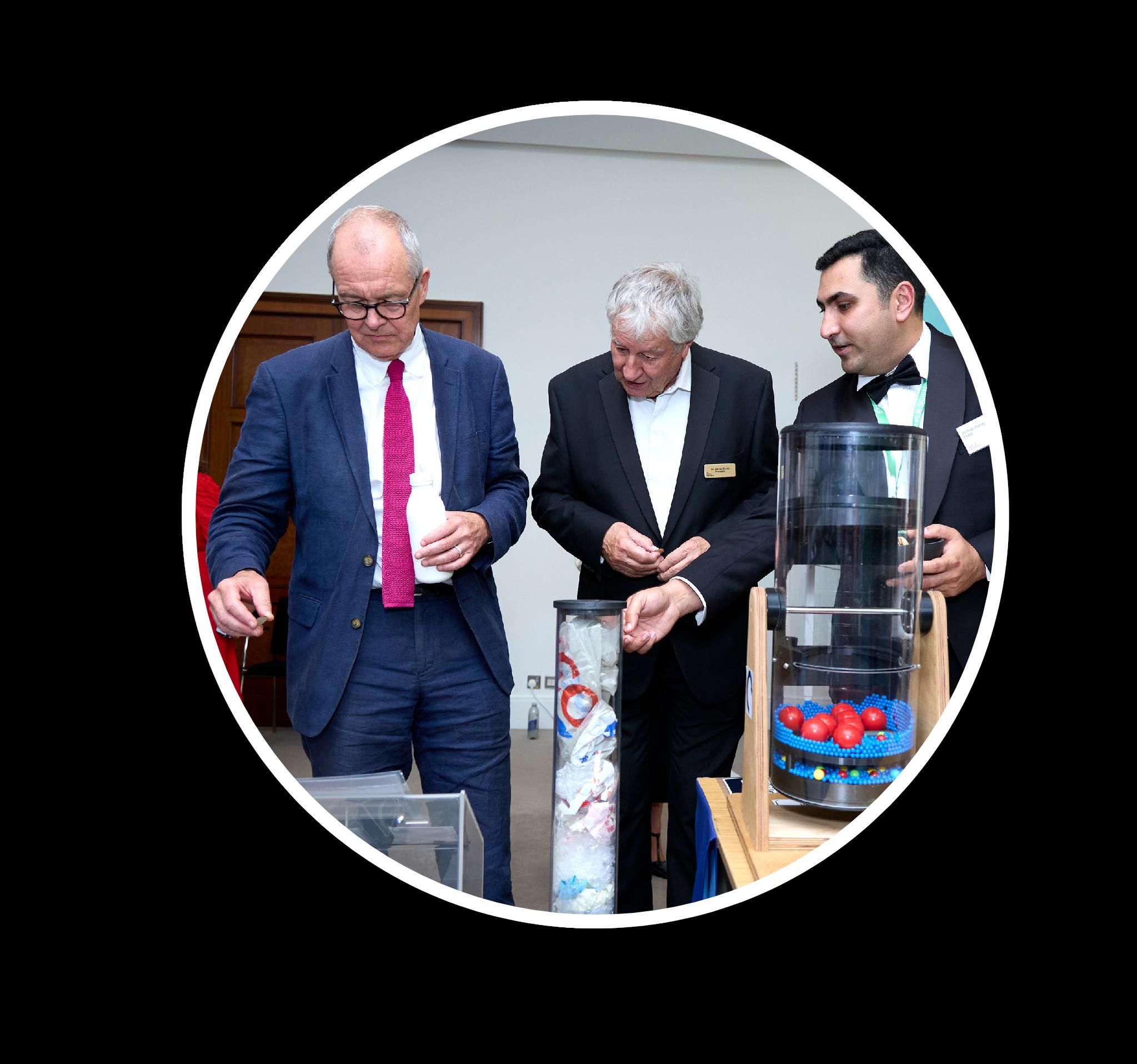

The Plastic Alchemy Outreach project was launched at the 2024 New Scientist Live exhibition led by Dr Hui Luo. The exhibit focused on the ‘Journey of Plastic Recycling’, showcasing projects such as the Plastecowood and Pulpex collaborations.
The circular economy group followed this by being selected as one of 13 research exhibits at the 2025 Royal Society Summer Science Exhibition Lead by Dr Iman Mohagheghian & Dr Lucy Elphick, the exhibit expanded to include more interactive pieces, showcasing sustainable plastics research across themes of replace, recover and recycle to over 11,000 visitors.
If you would like to know more about the group or are interested in collaborating with us please contact us:
Email: Lucy.Elphick@Surrey.ac.uk