Managing Risk in Modern Warehousing

Warehousing and logistics operations are being asked to move more product, more quickly, and with less room for delay than ever before. Faster turnaround times, tighter delivery windows, labour shortages and rising freight expectations are all reshaping how distribution centres operate. But when speed starts overriding process, workplace safety becomes vulnerable.
Forklift and moving machinery incidents remain a serious issue across New Zealand workplaces. WorkSafe has repeatedly highlighted the risks associated with forklifts, particularly where pedestrians and machinery operate within the same environments. Recent years have seen multiple fatalities and serious injuries linked to forklifts, reversing vehicles, unstable loads and poor separation systems. (worksafe.govt.nz)
For many warehouse operators, the danger is not always dramatic. Often it is routine behaviour becoming normalised. A shortcut taken during a busy shift. A pallet moved without a spotter. A reversing forklift in a congested loading zone. A staff member distracted for two seconds too long. The warehousing sector relies heavily on movement, repetition and timing. Forklifts have become such an everyday part of operations that familiarity can dull awareness. Yet these machines carry significant weight, limited visibility and
little margin for error. One mistake can permanently alter lives, businesses and teams.
What makes workplace safety particularly important right now is the growing operational demand many facilities are facing. Warehouses are processing higher product volumes, e-commerce expectations continue to rise, and businesses are demanding more productivity from leaner teams. In that environment, safety systems can quietly drift into compliance exercises rather than active operational disciplines.
Good operators know safety is not separate from productivity. It is part of productivity.
Well-structured warehouse layouts, clear pedestrian separation, ongoing operator training, fatigue management and maintenance programmes are not simply regulatory obligations. They protect staff confidence, reduce disruption, limit downtime and strengthen long-term operational resilience.
There is also a commercial reality here. Serious workplace incidents carry financial consequences well beyond fines. Lost productivity, investigations, insurance pressure, reputational damage and staff retention challenges can all follow a major event.
New Zealand workplaces have improved significantly over the past decade, but serious harm statistics show there is still work to do. Workplace safety cannot become background noise or a poster on a lunchroom wall. In fast-moving warehouse environments, attention to detail matters every single day.
Because no delivery target, production schedule or dispatch deadline is worth somebody not going home safely.
Publisher
Tania Walters
General Manager Kieran Mitchell
Editor-in-Chief Caitlan Mitchell
Content Managers
Caroline Boe Pam Vasquez-Gutierrez
Editorial Associates
Jenelle Sequeira Sam Francks
Graphic Designer
Raymund Santos
Contact Us
Retail 6, Heards Building, 2 Ruskin Street, Parnell, Auckland, New Zealand
+64 9 304 0142 info@reviewmags.com
ISSN 2744-3566 (ONLINE) ISSN 2744-5895 (PRINT)
F&B TECHNOLOGY launched to facilitate the connection between food and beverage suppliers of technology, ingredients and packaging across the food and beverage manufacturing sectors for fmcg and foodservice. Copyright 2026 food
Our Partners:
&















Our team will help you do it right
The Ministry for Primary Industries’ Exporter Help team supports new and established New Zealand exporters with advice and ongoing support on regulation and certifications. We make it easier to understand exporting requirements so you can reach more markets overseas and grow your sales with confidence.
Scion Funding for Continued NASA Water, Wildfire Research Collaboration
Two Scion programmes have received a second round of government funding for collaborative research with the National Aeronautics and Space Administration (NASA) - aimed at increasing water flow and wildfire knowledge and preparedness in New Zealand.
The $2.35 million (excluding GST) from the government’s Catalyst fund will enable Scion to undertake three-year research programmes into observing water flows through forests and investigating wildfire and drought risks. Both programmes are based on feasibility studies completed thanks to the first stage of Catalyst funding.
The water flows research builds on results from Scion’s Ministry of Business, Innovation and Employment-funded Forest Flows programme, which researched forest hydrology in study sites around New Zealand, including an 1800ha catchment in Northland’s Te Hiku Forest. The new programme, a collaboration with NASA’s Jet Propulsion Laboratory and the University of Massachusetts at Amherst, will focus on the Aupōuri Peninsula’s Te Hiku region (Northland). This project has $1.07m in funding.
It will use data from multiple NASA satellite missions to generate a new way to accurately measure water use for different land uses and how it varies across the region. The programme will also monitor how water moves across the region above and below ground.
Scion research lead Dean Meason says this research could provide new insights for freshwater management at scales previously not thought possible. “This gives us the opportunity to address concerns about water use and availability and increase understanding of water use and water flow throughout Te Hiku.”
The wildfire and drought risk study, which has $1.28m in funding, aims to build a publicly accessible near-real-time fuel moisture and fuel type system. Programme lead and Scion fire ecologist Shana Gross says accurate data on the moisture content within living vegetation can provide information on how fire could spread through vegetation and identify areas where insects and disease pose a risk to drought-stressed vegetation.
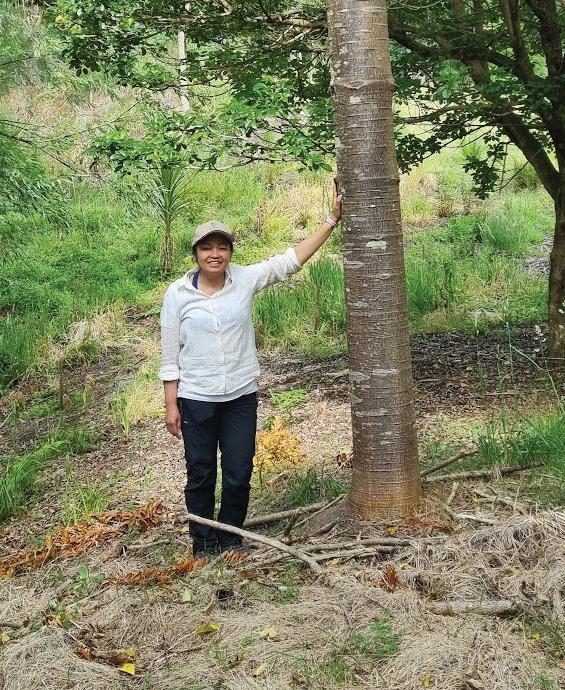
“This can lead to more accurate wildfire predictions improving warning systems and reducing economic and environmental loss due to wildfire and drought.”
Scion is partnering with NASA’s Ames Research Center, the Australian National University, the US Forest Service, Fire and Emergency NZ and the University of Canterbury on this programme.
Both research programmes will now collect field and remotely sensed data to build models for development of the near-realtime systems.
The partnership with NASA on both programmes gives Scion’s teams access to state-of-the art technology and expertise to develop their research and build partnerships with a world leader in space research – and to help with solutions to climate changedriven challenges.
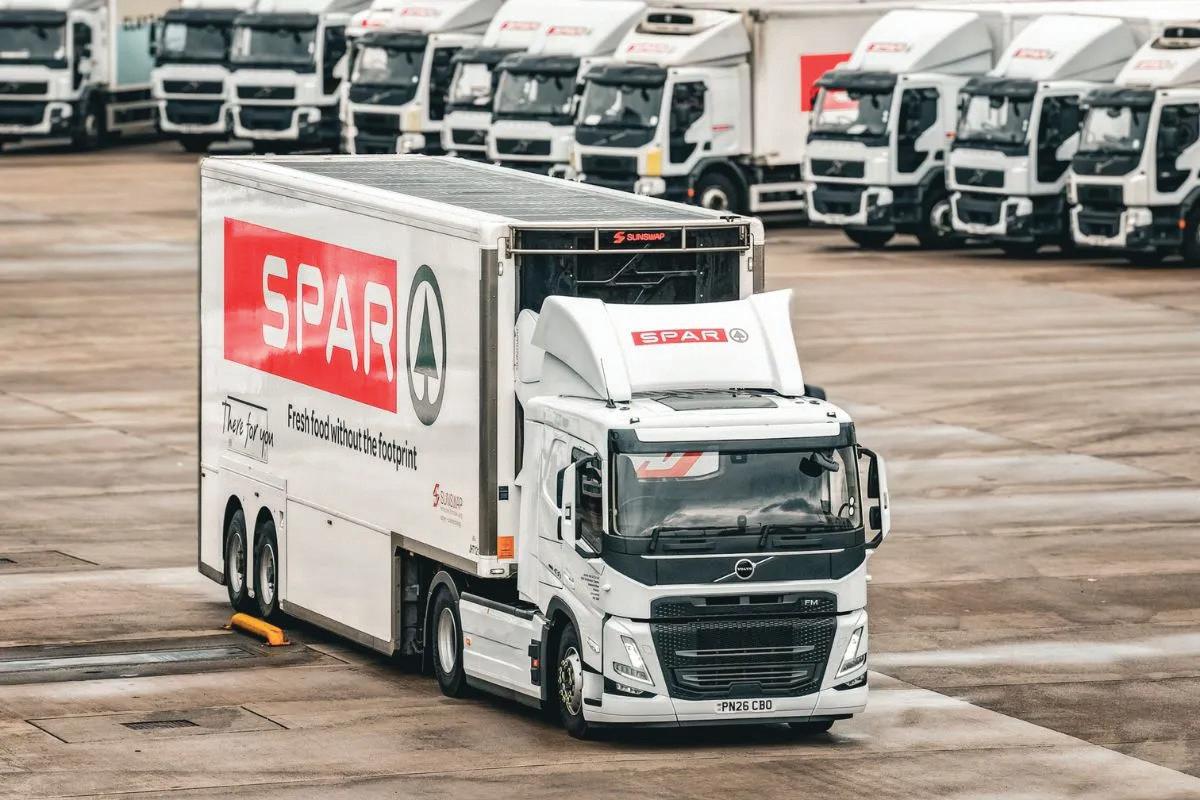
James Hall & Co. Ltd Scales Sunswap Fleet
James Hall & Co. Ltd, the primary retailer, wholesaler, and distributor for SPAR UK in the North of England, has placed a second order for Sunswap’s Endurance electric transport refrigeration units, bringing its total to eight across the fleet.
The family-owned wholesaler, founded in 1863, first deployed Endurance across its double-deck trailer fleet in the summer of 2025 across ambient, chilled and frozen operations. The repeat order reflects the performance of those units in daily commercial operation.
PVR Act Amendments Strengthen Kiwifruit Sector
Zespri has welcomed the Government’s proposal to make targeted amendments to the Plant Variety Rights (PVR) Act 2022.
Zespri CEO Jason Te Brake said the changes will deliver real benefits for New Zealand by protecting growers, backing innovation, growing exports and supporting regional jobs and communities
“Innovation is critical to protecting and growing value for New Zealand. In 2024/25, kiwifruit returned more than NZD three billion directly to growers and their communities and supported tens of thousands of regional jobs,” said Te Brake.
Around 75 percent of kiwifruit export sales come from Zespri’s PVR-protected varieties, sold under the Zespri SunGold and Zespri RubyRed trademarks, highlighting the importance of a strong and effective IP framework.

Te Brake mentioned that through the Kiwifruit Breeding Centre, in partnership with the Bioeconomy Science Institute, Zespri has invested for decades in developing high-value new varieties to grow market demand and help growers respond to rising costs and climate change.
These varieties, he said, alongside continued investment in the brand, the supply chain, and demand-building, have delivered significant value back to New Zealand.
“Stronger plant variety rights would
help the industry invest with confidence, protect value, and bring more high-value varieties to market. They would also support our goal of growing sales revenue by two to three times by 2035 and support returns for shareholders.”
⮞ READ MORE ONLINE
Complete Beverage Manufacturing & Packaging Facility
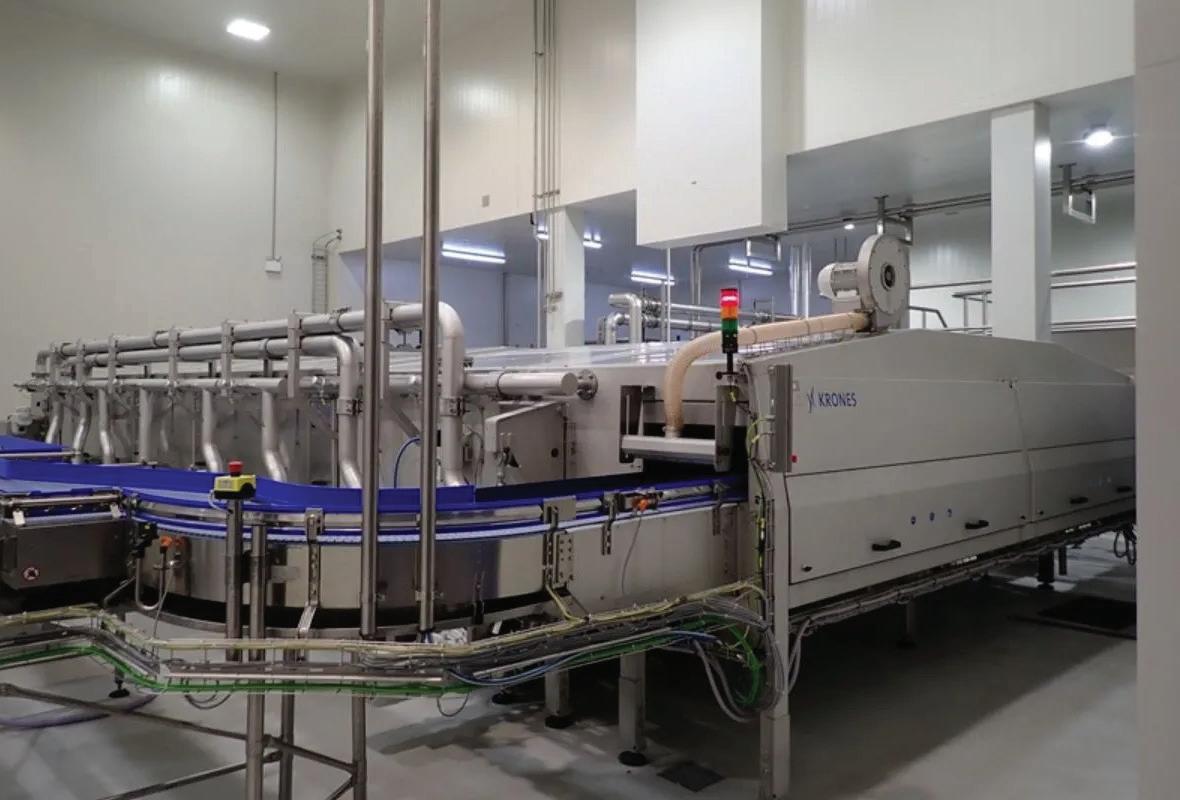
Gordon Brothers is offering for sale by private treaty a late-model European beverage manufacturing, filling and packaging plant, presenting a compelling opportunity for food and beverage producers, contract packers and investors looking to scale or establish production capability.
Located in Auckland, New Zealand, the facility is available as a complete in-situ plant to enable continuity of operations, or alternatively as individual asset packages for relocation or integration into existing operations.
Packaging for Good
Born from an idea to make things simpler, Revo has challenged the status quo in the flexible packaging sector.
According to managing director Steffan Pedersen, the industry had a transparency problem. Brands were making packaging decisions based on price points they couldn’t fully question; they were buying on trust and assumptions rather than a real understanding of cost, all due to the mystery created.
There was also a disconnect between procurement and sustainability goals, and Revo aimed to bridge that gap by bringing genuine category expertise and honest commercial conversations to an industry that had become quite transactional.
With a model that centres on a “lifecycle partnership”, Revo is involved well before a purchase order and well after delivery.
In practice, Pedersen said it looked like sitting down with a brand’s team early in a product development cycle, working through substrate choices, print specifications, and end-of-life considerations together.
Revo also help clients track cost exposure over time, so when input costs shift due to resin pricing or freight volatility, they’re not caught off guard.
“It’s a more consultative model that attracts clients who see packaging as a strategic asset rather than a commodity input,” he said.
As cost pressures have risen, the conversation has changed significantly, and packaging can no longer be treated as a fixed line item that gets reviewed once a year at renewal. Brands have begun to engage with their packaging costs in a much more dynamic way, finding room they didn’t know existed.
“Lightweighting, when technically appropriate, delivers real savings without compromising performance, and it’s an area that was underexplored when input costs were more stable or when the incumbent didn’t have a different offer,” said Pedersen.
There has also been a shift in how brands think about supplier relationships. The transactional model, go to market on price, switch when something cheaper appears, has increasingly been recognised as a liability when supply chains are volatile.
Having a packaging partner who can provide genuine visibility into cost exposure and who will flag changes before they hit the invoice is genuinely valuable.
The silver lining is that cost pressure and sustainability often pull in the same direction. Reducing packaging weight, simplifying material structures, and eliminating unnecessary complexity are
moves that simultaneously cut costs and improve end-of-life outcomes.
“The brands navigating this environment best are the ones who’ve stopped treating those as separate conversations. Sustainability in flexible does not have to cost you more; we prove this at REVO, and this idea needs to be debunked.”
Material science has been advancing toward the ambition of combining sustainability with performance through advances in barrier technology, achieving the oxygen and moisture transmission rates needed for food safety in simpler, lighter, and more recyclable structures.
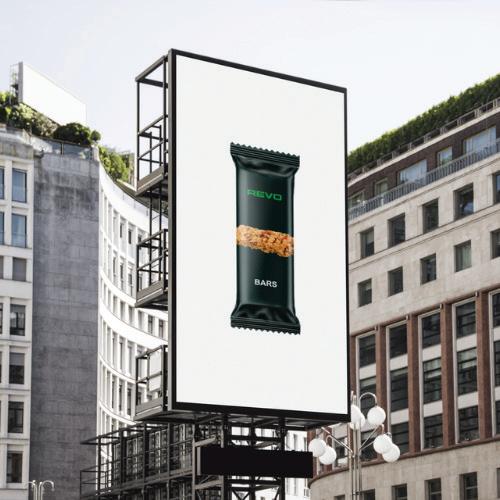
The brands navigating this environment best are the ones who’ve stopped treating those as separate conversations. Sustainability in flexible does not have to cost you more; we prove this at REVO, and this idea needs to be debunked.
Seal integrity at thinner gauges is another area of genuine progress.
On the design side, there has been a maturation in how brand owners think about packaging architecture, recognising that a well-designed mono-material structure, when properly communicated to consumers, can actually build brand equity around sustainability credentials.
Pederson added that although the tension still exists, it’s increasingly solvable.
Globally, mono-material flexible structures, particularly recyclable polyethene laminates that can match the performance of traditional multilayer films, have come a long way and are now viable for a much broader range of applications than even two years ago. High-barrier mono-materials have also been closing the gap with mixedmaterial structures in terms of shelf-life performance, removing one of the last major objections to switching.
In New Zealand, reclosable formats have gained ground, particularly in the protein and fresh produce categories, where convenience is becoming as important as protection. On the format side, the standup pouch remains the dominant flexible packaging format and shows no signs of losing that position. It’s versatile, retailerfriendly, and consumers understand it.
Pedersen has also observed genuine, growing momentum behind box-bottom pouches. They offer a strong shelf
presence, a premium aesthetic, and a real estate point of difference to tell the brand story and stand out at retail. They’re well-suited to multiple applications, and as more New Zealand brands encounter them through their international competitors, adoption is accelerating.
At the same time, he mentioned that New Zealand still does a significant amount of manual packing, so formats need to be practical and operator-friendly at that level, not just optimised for fully automated environments, but always think of the future too.
From a commercial standpoint, digital print technology has continued to enable shorter runs and faster turnarounds, opening up what’s possible for smaller New Zealand producers who couldn’t previously justify the setup costs of conventional print.
If he could change one thing about how brands approach packaging today, Pedersen said it would be “Brief later, think earlier.”
He mentioned that most packaging briefs arrive with the structure and substrate already assumed. However, real value comes from getting into the conversation at the product development stage, when there’s still genuine flexibility to make choices that affect cost, performance, and sustainability outcomes simultaneously.
Brands that involve their packaging partners early consistently deliver better
solutions than those who treat packaging as the last step before launch.
Looking ahead, Pedersen believed the direction of flexible packaging is clear: less complexity, more accountability, and greater circularity. He said there would be a continued shift toward monomaterial, easily recyclable structures as infrastructure and collection systems improve, along with a significant increase in packaging-as-a-service models, where brands outsource more of the technical and sustainability-compliance work to specialist partners, like REVO, rather than managing it in-house.
Traceability will become a bigger part of the conversation, with the ability to demonstrate the provenance of materials and the end-of-life pathway for packaging, not just claim it. Cost pressure will continue to drive lightweighting and format optimisation that align with commercial and sustainability interests.
This also aligned with Revo’s Packaging for Good Fund (a non-negotiable two percent margin on every packaging order directed to a dedicated fund), which aims to displace plastic, support sustainability scholarships, and reduce the carbon footprint of flexible packaging in New Zealand.
“It’s not hidden; it sits as its own line on every invoice, so customers can see exactly what they’ve contributed and watch that figure grow throughout the year. The philosophy behind it is straightforward: you pay to play. If we’re going to talk about circular economies, we actually have to invest in them,” concluded Pedersen.
“Two percent sounds small, but compounded across a customer base, it becomes a meaningful vehicle for systemic change, and it keeps the conversation honest about what it really costs to do business with plastic responsibly.”
Physical Barriers, Practical Safety
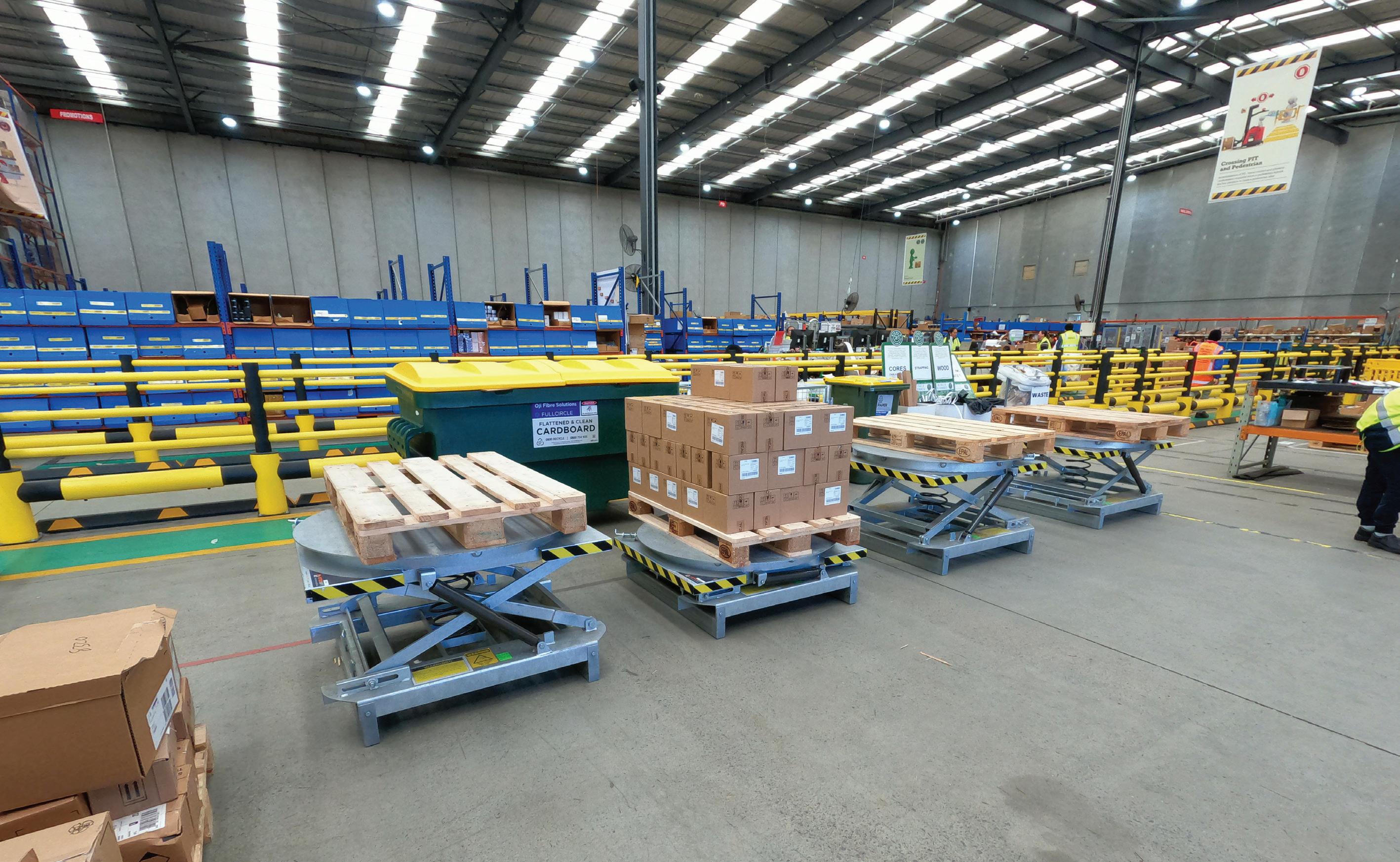
Nobody comes to work expecting to get hurt. But in a busy warehouse or industrial facility, the gap between a normal day and a serious incident can be smaller than most people realise, especially where forklifts and people share the same space.
That’s where pedestrian barriers come in. And if you’re trying to figure out what you actually need, Astrolift can help you work through it.
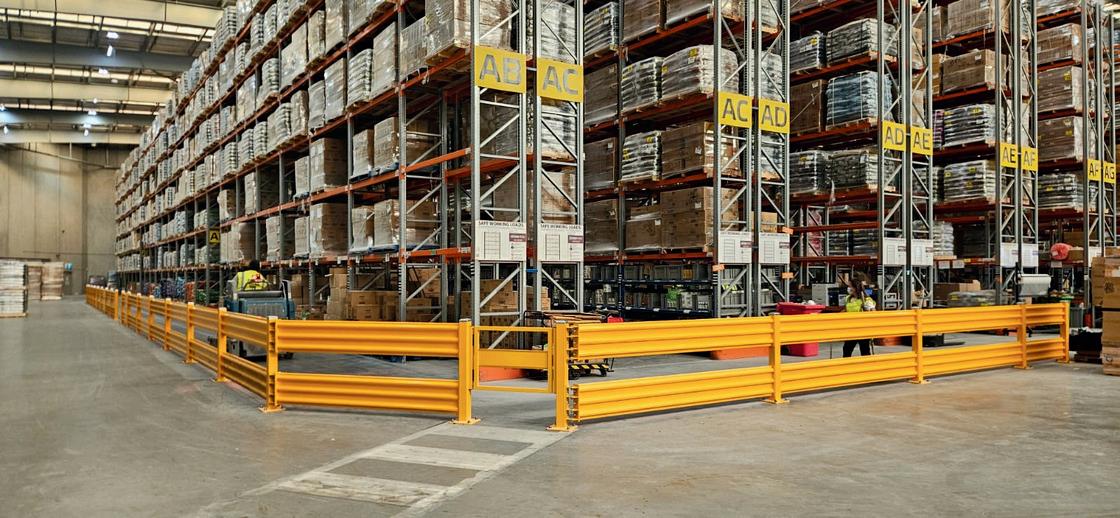
At their core, pedestrian safety barriers are physical structures that separate pedestrians from vehicles, machinery, and hazardous areas. In a warehouse setting, that usually means creating clearly defined walkways so your team isn’t sharing the same path as a forklift travelling at speed.
But they do more than just block things off. A well-planned
barrier system organises your entire facility; it tells people where to walk, tells vehicles where to go, and removes the guesswork that leads to near-misses. Done right, it also shows your team that safety isn’t just a poster on the wall. It’s built into the place they work.
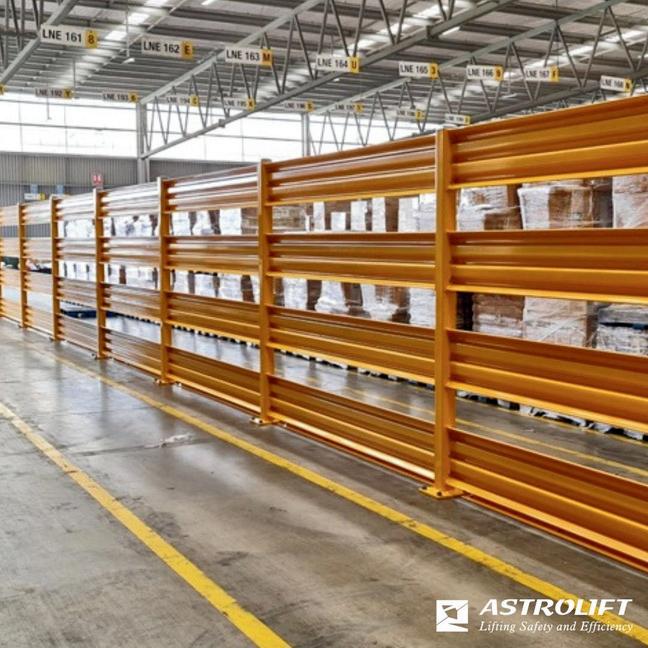
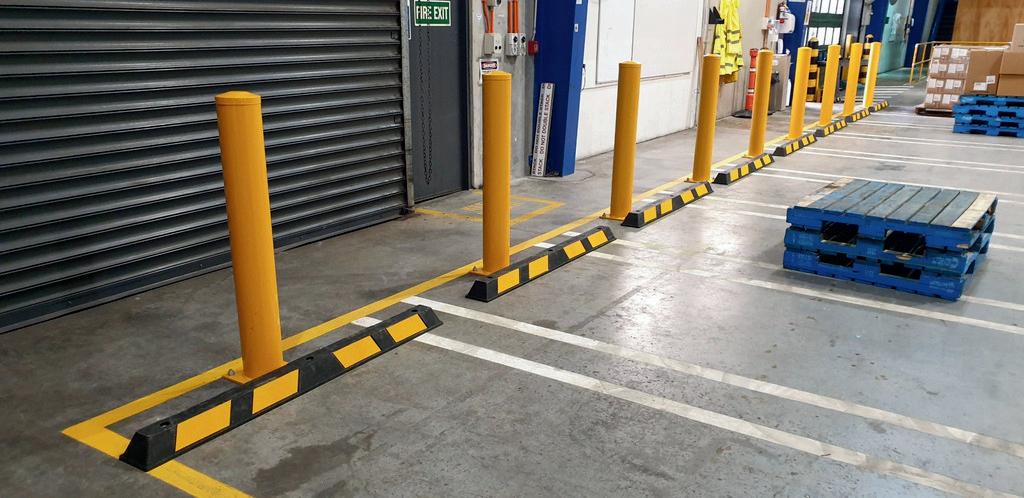
Barriers come in a few different materials: steel tubing, flexible polymer, and galvanised steel, and can be permanent or temporary, depending on your site’s needs.
The question that trips most people up is where to install them. It’s not just about ticking a compliance box; it’s about genuinely thinking through where the risk is in your facility. The most common areas include forklift and vehicle routes, entry and exit points, loading docks, blind corners, aisle intersections, around machinery and designated walkways.
There’s a useful reference point here, too. PAS 13:2017, a safety standard recognised in New Zealand, specifically states that barriers should be used to separate pedestrians from vehicles, control entry points, prevent shortcuts through hazardous areas, and protect critical equipment. It’s a solid checklist if you’re not sure where to start.
It’s not just about ticking a compliance box; it’s about genuinely thinking through where the risk is in your facility. The most common


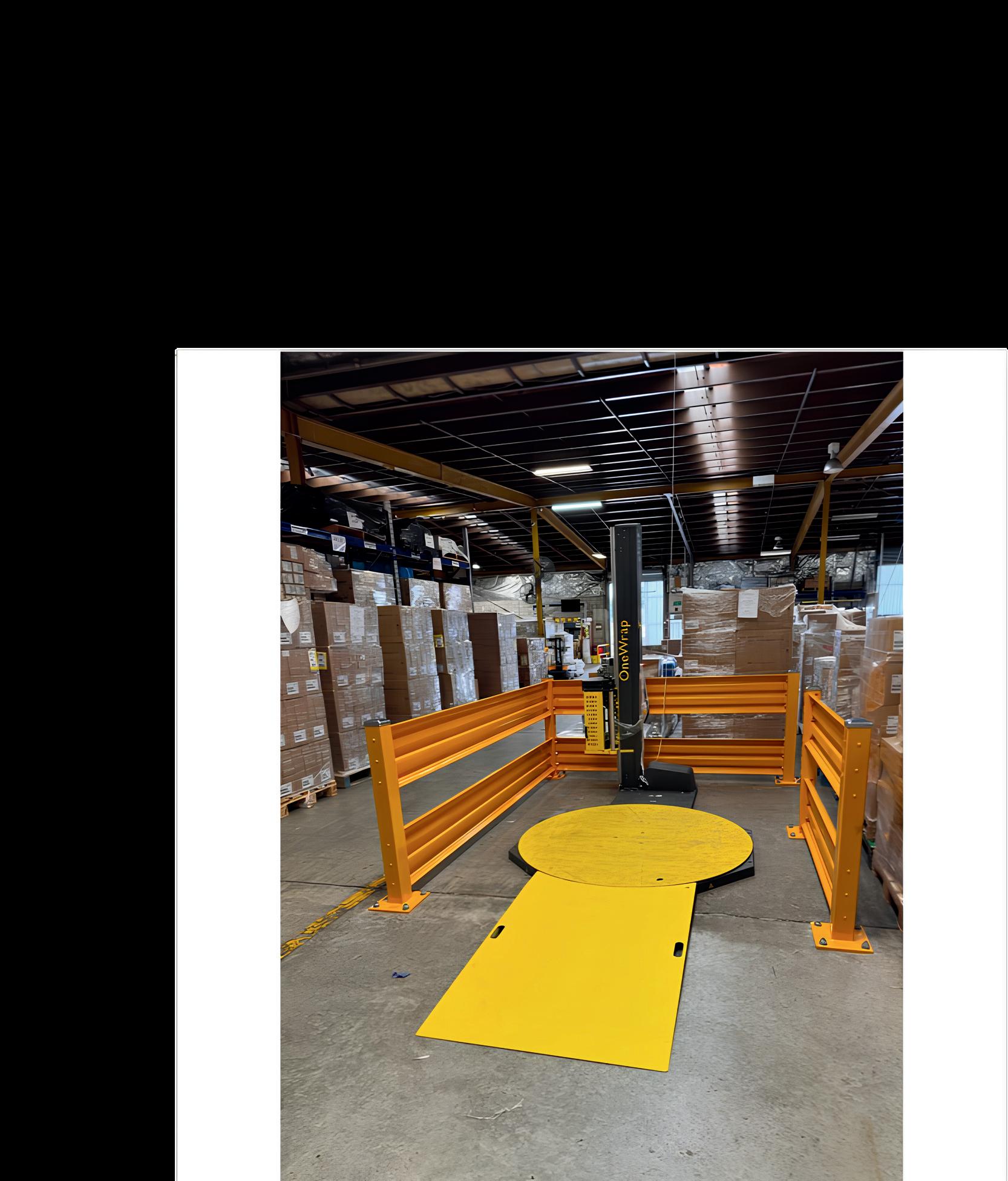
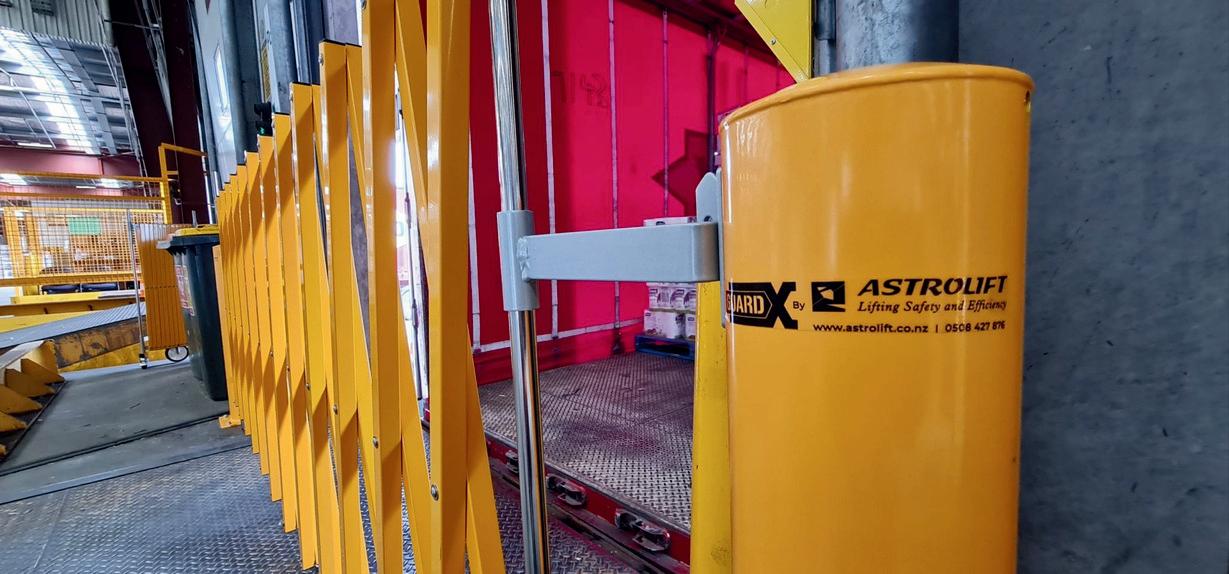
The trick is matching the right barrier to the right situation, rather than just going with whatever’s cheapest or easiest to install. And the good news is there’s no shortage of options from steel tubing and flexible polymer barriers to expandable, temporarily galvanised and those with retractable belts.
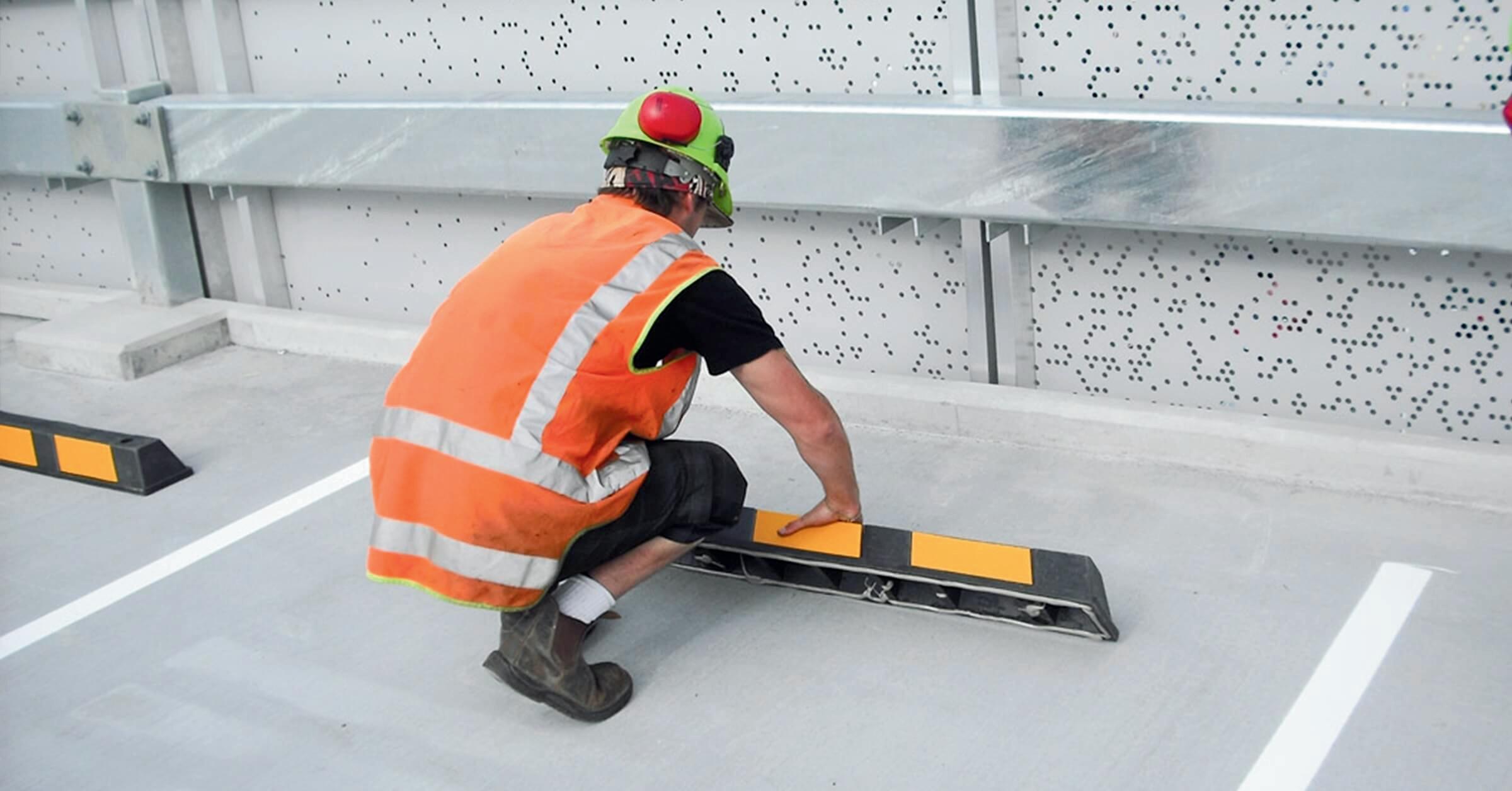
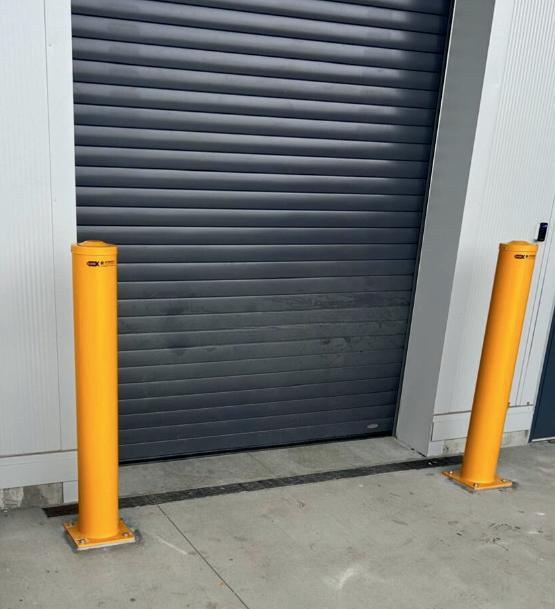
Sometimes, you don’t need a full barrier run; you just need to protect a corner, a column, or a piece of machinery from getting taken out by a slow-moving vehicle. That’s where bollards earn their keep. At the same time, if you have elevated storage, mezzanine gates are non-negotiable. They allow your team to safely load and

Use of Laser Technology in Manufacturing, Engineering Industries, and the Legal Domain
By Ruth Nicholson - Director of NZ Laser Training Institute Ltd
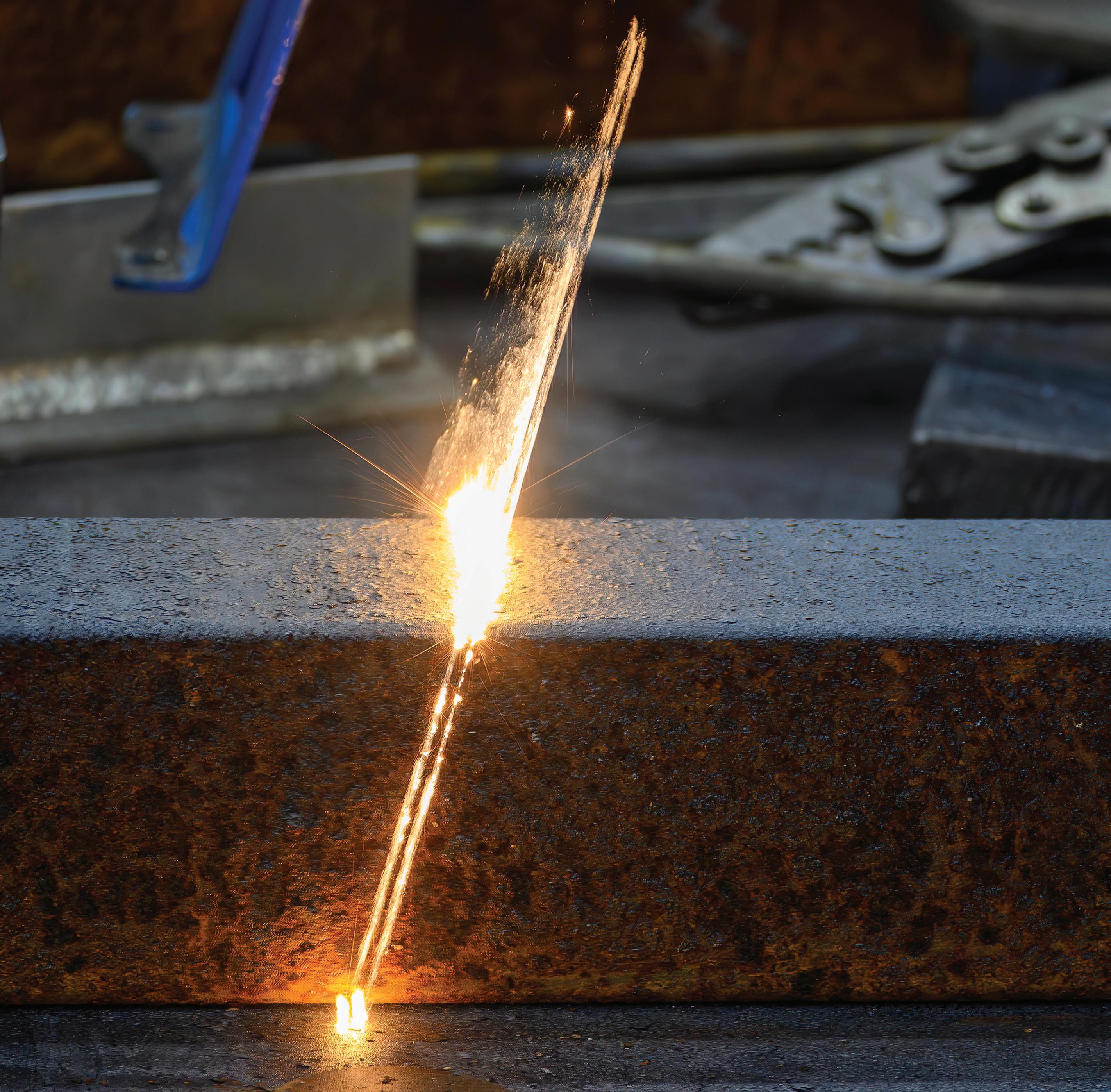
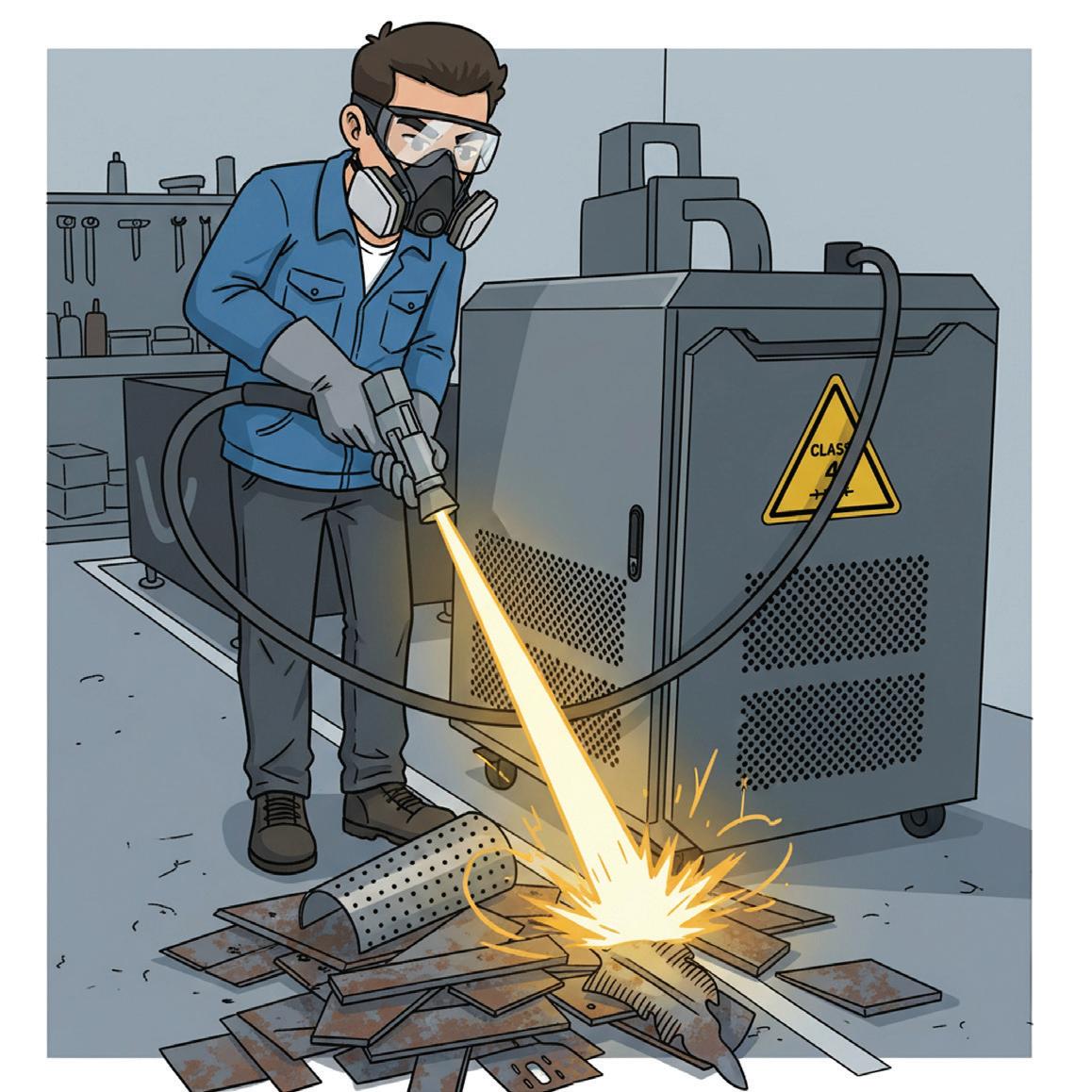
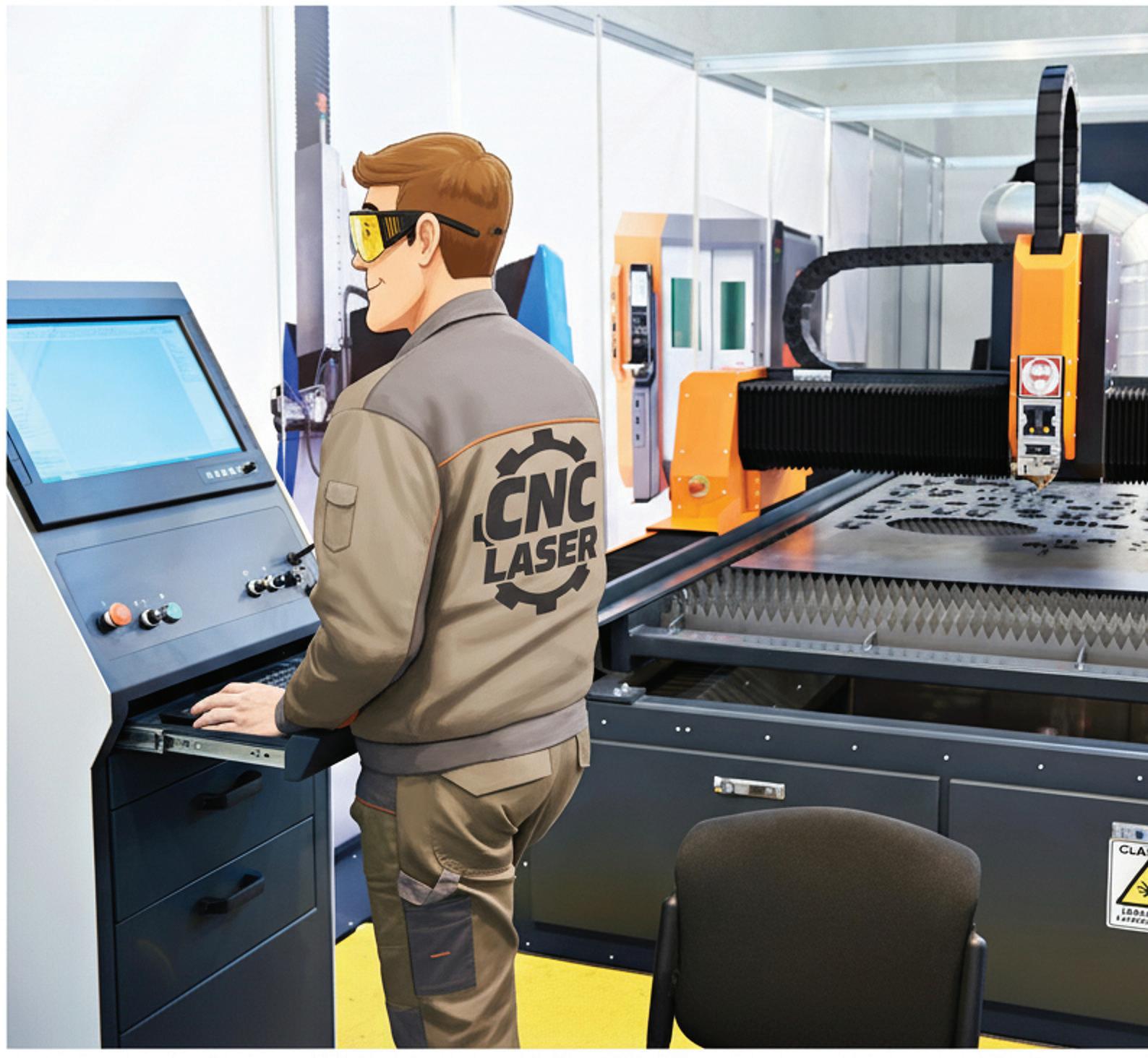
Lasers are clever devices that reduce manual labour costs and ease the pressures of physical and menial tasks in the manufacturing, fabrication, engineering, and quality control sectors. A laser can also cause significant injury to your workers, and that is where I’d like to begin this informative piece.
Paying particular attention to the Class 4 laser types being used, and even closer scrutiny of handheld lasers as the riskiest to operate and to have in your workplace. Most business owners can be swept up in the latest tech and implement these devices with naivety about the legal requirements related to health and safety laws in New Zealand. Although there are best practice documents such as the Australian and New Zealand Laser Safety standards (ASA/NZS) series to follow, most technical references are circular and refer to other standards that require purchase, when what you may prefer is a plain-language guide on what you need to have in place, what to be aware of, and how to ensure you are compliant with the legal enforcers, as the risk posed by lasers now raises.
Lasers are cool, and we Kiwis are innovative, but we do require a safety culture shift to keep our workers safe when using high-powered lasers, and to ensure that a regulatory knee-jerk reaction isn’t implemented, which could halt innovation and creative use of lasers in your workplace.
YOUR MAIN RESPONSIBILITIES AS A PCBU (PERSON IN CHARGE OF BUSINESS OR UNDERTAKING) ARE AS FOLLOWS:
• Train your workers in laser safety so they understand the ways their specific role poses a risk to them in their work with the laser type they will be using. This includes being able to answer basic questions about what makes it risky to use, what safeguards are in place, how to use them, how to protect themselves, and who to report to.
• Provide correct and adequate PPE specific to the laser in use and the way it will be used. This varies greatly depending on the laser design, mode of operation, and specifics such as whether it generates an airborne plume or poses a higher risk of beam hazards.
• Adapt your standard operating procedures to include the specifics of your laser, have monitoring in place, and train a laser safety officer (a requirement when a workplace has a Class 4 laser according to AS/NZS laser safety standards).
• Upskill Health & Safety Managers and/or the nominated Laser Safety Officer (LSO) to be aware of the actions to take should an eye injury occur and/or any other laser event that might require different actions than your usual first aid response. Report writing differs slightly for laser incidents, as there are some specifics that should be noted. This is covered in LSO training.
In New Zealand, there is no regulatory body or overseeing body specific to lasers as a workplace hazard; it falls to the industry to self-regulate. However, compliance with the Health & Safety at Work Act does relate specifically to lasers as a recognised hazard, and ignorance is not a defence.
At EMEX26, NZ Laser Training Institute and Laser Safety Training will exhibit and present on operating a compliant laser business, featuring a panel of Laser/Health & Safety experts, including Ruth Nicholson, a Certified Laser Safety Officer and qualified educator. The main message is that employers often don’t know what they need to know and may continue unsafe practices. If worker health issues, such as occupational asthma or injuries, occur, prosecution is possible. Taking simple steps now can prevent hazards.
Lasers are cool, and we Kiwis are innovative, but we do require a safety culture shift to keep our workers safe when using highpowered lasers, and to ensure that a regulatory knee-jerk reaction isn’t implemented, which could halt innovation and creative use of lasers in your workplace.
We invite you to a two-way kōrero to help us learn more about your laser workplace and to help you learn how to keep your laser workers safe. Together, we can continue improving services required to further develop a world-class laser safety culture in New Zealand.
Not All Bollards Are Safety Bollards
Why Industrial Sites Need to Think Beyond Traffic Control
In many commercial and industrial environments, impact protection is only seriously considered after something has already gone wrong.
Aforklift clips a service pipe.
A truck reverses into a roller door. A vehicle crosses into a pedestrian area. Suddenly, a damaged warehouse frontage stops operations for days. In some cases, the incident is deliberate. More often, it comes down to busy sites, tight manoeuvring areas, fatigue, distraction, or poor separation between vehicles, assets, and people.
One of the most common mistakes seen across industrial and warehouse environments is the assumption that all bollards provide the same level of protection.
They do not. Many bollards installed around commercial sites are really only intended to guide traffic or separate vehicles from pedestrian areas. They may look substantial, but lightweight or shallow-mounted systems can offer very limited resistance under real vehicle impact conditions.
This becomes especially important in warehouses, logistics facilities,
manufacturing sites, and loading bays where vehicle movement is constant and operational space is often tight. In these environments, even low-speed impacts can still result in costly downtime, damaged infrastructure, and serious safety risks.
A modern industrial site contains far more vulnerable infrastructure than many people realise. Roller doors, refrigeration systems, electrical services, data equipment, charging infrastructure, fire services, racking systems, and pedestrian walkways can all sit within metres of moving vehicles.
Effective impact protection requires more than simply placing steel posts around a building.
The real question is: what is the protection system actually expected to withstand?
Vehicle weight, speed, angle of approach, stopping distance, mounting method, spacing, and substrate strength all matter.
A bollard protecting a pedestrian crossing may require a very different specification
from one intended to protect a warehouse entrance, shopfront, or critical plant infrastructure.
This is where many sites unintentionally develop a false sense of security. A site may appear protected visually while still remaining vulnerable mechanically.
Mounting depth is one example. Boltdown systems can be suitable in some situations, but they are not equivalent to properly engineered in-ground protection systems designed to resist meaningful impact loads. In retrofit warehouse environments, deeply embedded bollards are not always practical due to slab construction, existing services beneath the floor, or waterproofing and floor membrane systems that cannot easily be disturbed, particularly in clean or specialised facilities.
This is where alternative protection strategies become important.
In many industrial applications, continuous impact barriers or heavyduty steel ram beams can provide better
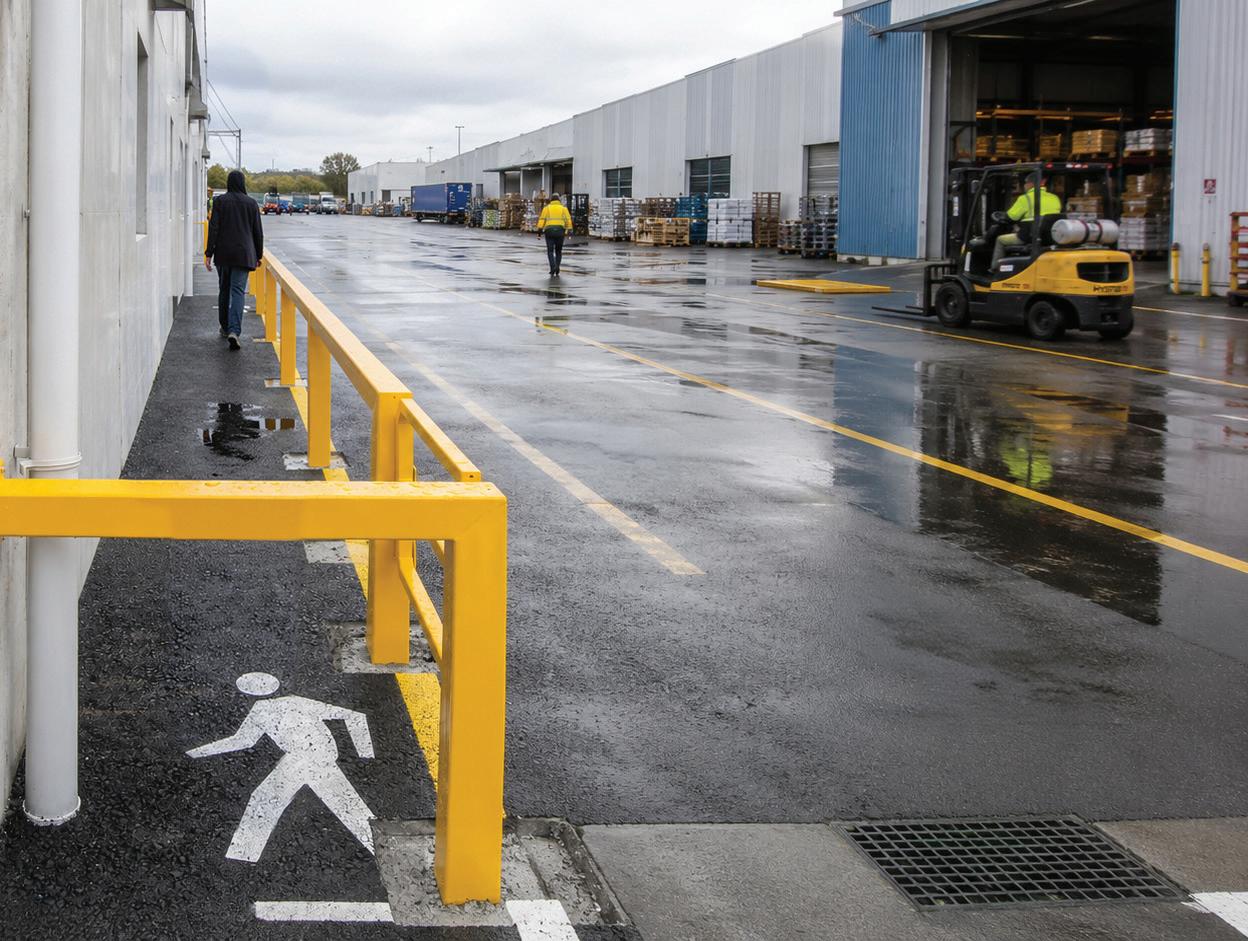
real-world protection than isolated bollards alone. Long rail systems help keep vehicles away from pedestrian walkways, roller doors, plant equipment, and other vulnerable areas that are easily damaged in busy warehouse environments. These systems are often powder-coated in highvisibility colours such as safety yellow so drivers and forklift operators can clearly see separation zones throughout the site.
Sites also still need to function day to day. Machinery needs to move, pallets need to pass through, and service access still has to be maintained. In these situations, expanding or openable barrier systems can allow controlled access while still providing physical protection when closed.
The most effective industrial protection systems are rarely built around a single product. The strongest outcomes come from viewing the site as a complete operational system, combining fixed barriers, impact rails, bollards, pedestrian separation, controlled access points, and flexible
protection measures that suit how the environment actually functions day to day.
Interestingly, many of the protection systems now being specified in warehouse and industrial environments have evolved from the physical security sector. Products originally designed to resist forced entry, vehicle attack, and sustained impact are increasingly being adopted for operational safety applications because of their inherent strength, durability, and realworld resilience.
Recent retrofit projects across warehousing and fuel infrastructure sectors have increasingly combined pedestrian separation barriers, ram beams, and controlled-access systems to improve both operational safety and impact resilience.
is almost always more disruptive and expensive than designing it into the site layout from the outset.
In industrial environments especially, impact protection should never be treated as decorative infrastructure. When specified correctly, it becomes part of the site’s operational resilience, protecting staff, assets, buildings, and business continuity long before an incident occurs.

From Auckland logistics hubs to regional manufacturing plants, there is a growing awareness across New Zealand that physical protection measures need to be considered earlier in the planning process rather than added after incidents occur. Retrofitting protection after damage Technical Sales Manager

Marking the Way: A Practical Guide to Line Marking for New Zealand’s Supply Chain
Walk into any busy warehouse, distribution centre, or food manufacturing site in New Zealand and you will find one thing they all have in common: painted lines on the floor.
Those lines do a lot of heavy lifting. They separate people from forklifts, guide truck drivers safely to loading docks, and tell workers where they can and cannot stand. Done well, they save lives. Done poorly, they are an accident waiting to happen.
ShopCare Charitable Trust has developed standardised line marking guidance for commercial and industrial sites across New Zealand, in partnership with WorkSafe NZ and funded by ACC. For food and beverage sites — where heavy vehicles, powered mobile plant, and pedestrians regularly share the same spaces — it is directly relevant.
WHY LINE MARKING MATTERS
Line marking sits at the engineering end of the hierarchy of controls. Unlike training or signage alone, well-designed floor markings create a visible, consistent system that communicates at a glance: this is where people walk; that is where vehicles operate; here is where you stop.
The evidence supports this. WorkSafe New Zealand has identified the failure to exclude workers from areas where forklifts are operating as a key issue found during site inspections, noting that forklifts have been killing and maiming people for many years with little evidence the risk is being appropriately managed. WorkSafe’s position is clear: pedestrians and moving plant need to be segregated to avoid fatalities. Line marking is the foundational tool for doing that. (WorkSafe, 2023; WorkSafe, Fatal interactions between forklifts and people)
Inconsistency has been a persistent challenge across New Zealand’s supply chain. Different sites use different colours, symbols and layouts, so workers who move between sites are constantly interpreting an unfamiliar system. Standardisation reduces that risk.
WHAT GOOD LINE MARKING LOOKS LIKE
The ShopCare guidance covers pedestrian walkways, vehicle parks, operational areas, driveway markings, and symbols. Each has specific recommendations for colour, line thickness, and dimensions.
Pedestrian walkways use yellow border lines (100mm thick, minimum 1000mm wide). Protected walkways — those physically separated from vehicle areas by barriers — add a green infill. At crossings, the risk level drives the design: black and white zebra markings where pedestrians have right of way; red and white where vehicles have priority.
In operational areas, truck loading and unloading zones are marked in yellow, with a red-hatched exclusion zone maintained on all sides during operations. Driver safe zones — where truck drivers stand while their vehicle is loaded — use green hatching inside a yellow border and should be separated by a physical barrier.
COLOUR DOES THE TALKING
The guidance uses a consistent colour system: yellow for walkways, truck parks and stop lines; white for standard parking and give-way lines; red for high-risk
exclusion zones; green for driver safe zones and EV charging parks. It is a system workers can read immediately, regardless of language or literacy level.
Colour deficiency affects around 4.5% of New Zealanders. The guidance recommends using high-contrast colours, text labels, patterns and shapes together — never relying on colour alone.
GETTING STARTED
Start with a site assessment: map your traffic flows, identify where pedestrians and vehicles interact, and look for blind spots or faded markings. Design a layout that minimises cross-traffic, defines pedestrian routes clearly, and establishes exclusion zones around mobile plant. Engage your workers — they know the site best.
Surface preparation matters too. Paint on a dirty or greasy surface will not last. A clear protective coating can significantly extend the life of your markings and reduce repainting costs.
The ShopCare line marking guidance is free to download at shopcare.org.nz/ resources — a practical, standards-based framework for making your site safer.
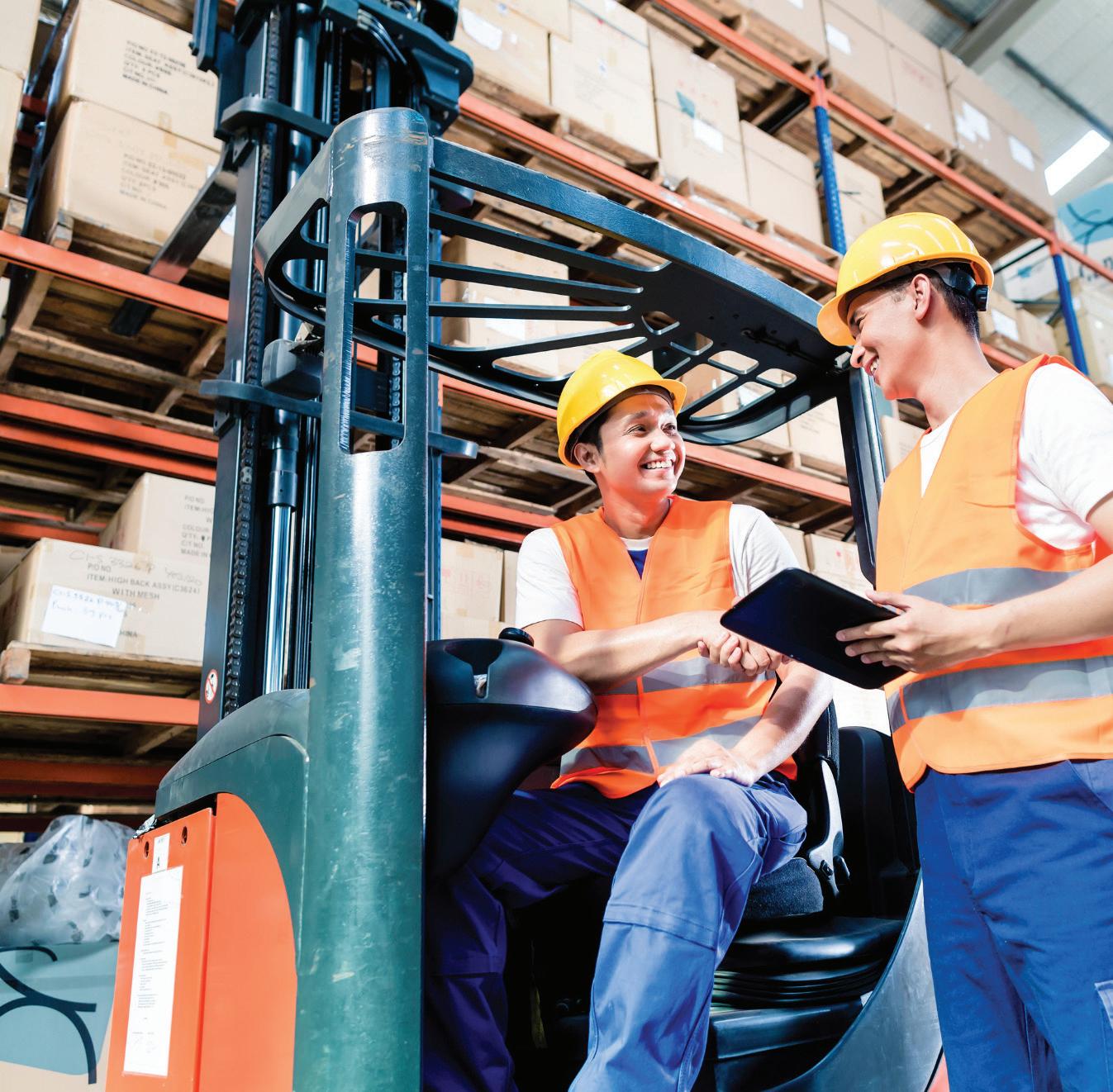
Training is Only the Beginning
Warehouses and industrial sites can be incredibly fast-moving environments. Forklifts, pedestrians, trucks, racking, noise, deadlines, and constant movement all combine into a workplace where things can go wrong very quickly if the right systems are not in place.
One thing I’ve noticed through training operators over the years is that incidents are not always caused by a lack of driving ability. In many cases, the operator may actually be competent and experienced, but the environment around them and their response to hazards has created unnecessary risk.
At ASWEFA, we train people across a range of machinery and industries, and one of the biggest conversations we continue to have is around the importance
of workplace systems, not just operator skill. Good operators still need good systems around them to succeed safely, and a system is only effective if it is practicable and actually followed.
In warehouse environments especially, traffic management plays a massive role in reducing risk. Something as simple as unclear line-marking, blocked walkways, poor visibility around corners, or pedestrians walking through operational areas can quickly create a dangerous situation.
People become familiar with their environment over time, and familiarity can sometimes lead to shortcuts or complacency. A painted line on the ground may not seem important after seeing it every day for years, but those controls exist for a reason. Line-marking helps create separation, structure, and predictability in busy workplaces. It gives both pedestrians and operators a clearer understanding of where they should and should not be.
Physical controls such as bollards and barriers are just as important. In safety, we often talk about reducing reliance on human behaviour alone. Even good people make mistakes, especially when under pressure, distracted, tired, doing a task outside of their standard role, or rushing to meet deadlines. Physical barriers help protect people when human error occurs and provide another layer of defence between pedestrians and moving machinery.
One of the things I’ve been pushing more in training recently is implementation.
For me, the forklift training & licensing or pedestrian course we offer is only one part of the journey. Anyone can sit in a room, complete the theory, and walk away with a certificate. The real question is what happens next?
I want people leaving training not just knowing the content but understanding how it applies when they’re back on the
job, under pressure, and making real decisions. Safety and best practice cannot just live in the training room. It must show up in the day-to-day conversations, the way teams plan work, the way people speak up about risks, and the way procedures are followed even when nobody is watching.
That is where safety culture is built.
Training should never be the finish line. It should be the starting point for how people work better and safer every day.
Technology and safety systems continue to improve, which is fantastic to see, but culture still remains one of the biggest factors in workplace safety. You can install barriers, cameras, warning systems, and signage, but people still need to buy into the idea that safety matters and that everyone has a role to play in it.
At the end of the day, nobody comes to work expecting to be injured. Most workplace incidents are not caused by people deliberately trying to do the wrong thing. Often, it is a combination of rushed environments, poor systems, complacency, or communication breakdowns that create the conditions for something serious to happen.
Creating safer workplaces is never just about having good operators. It is about creating good systems, good habits, and A Safe Working Environment For All.
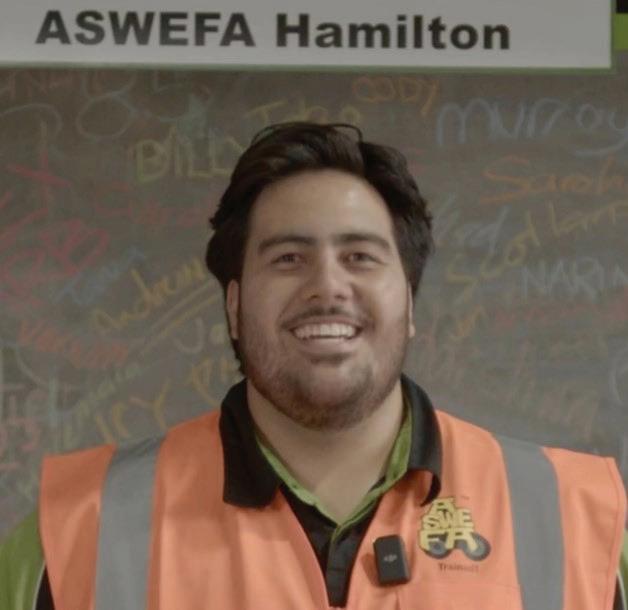
ASWEFA Chief Operating Officer / Instructor & Assessor
TRYSEN MYERS
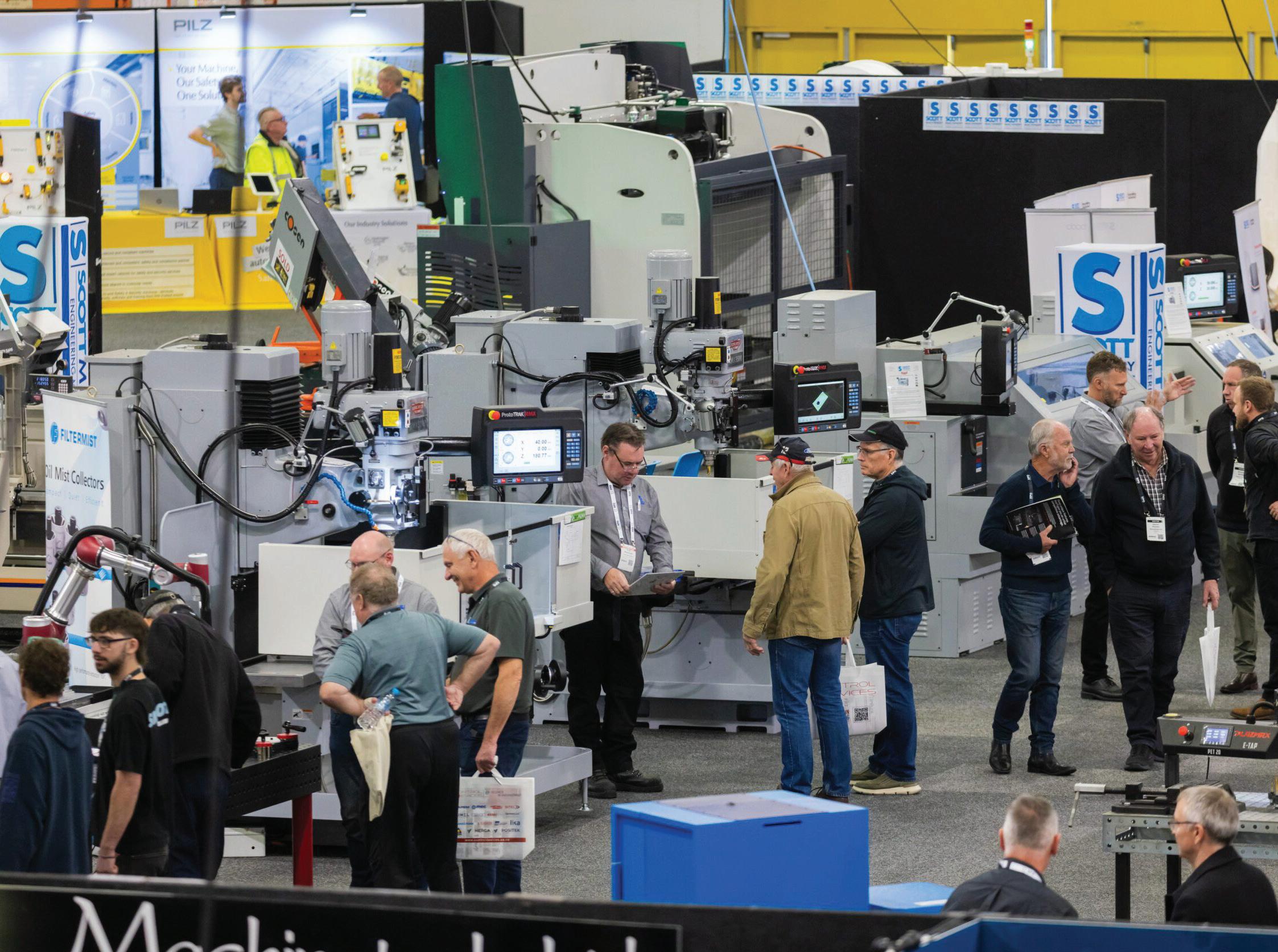
EMEX Returns to Drive Industry Forward
EMEX has established itself as New Zealand’s leading trade event for the engineering, manufacturing, and technology sectors.
For more than 40 years, the exhibition has brought together the people, products, and ideas shaping the future of industry in New Zealand. From advanced manufacturing solutions and automation technology to machinery, robotics, and industrial innovation, EMEX remains a key meeting point for the sector.
With hundreds of exhibitors and thousands of industry professionals attending, the event offers businesses the opportunity to explore new technologies, connect with suppliers, and stay informed on the latest industry developments.
Visitors can explore the latest equipment, services, and technologies, compare solutions side-by-side and
identify new opportunities. EMEX also provides valuable networking opportunities with manufacturers, engineers, suppliers, technology providers, and decision-makers from across New Zealand and beyond.
Featuring industry leaders and experts, the sessions at the Epicor Knowledge Theatre delve into the latest advancements, trends, and best practices shaping the industry’s future.
Whether businesses are looking to improve efficiency, adopt new technologies, strengthen supply chains, or connect with industry leaders, EMEX remains a key platform for innovation, collaboration, and growth within New Zealand’s engineering and manufacturing industries.
At the heart of EMEX 2026 is the Advancing Manufacturing Aotearoa (AMA) Showcase, bringing together leading manufacturers to demonstrate how practical innovation and deep engineering expertise are shaping what comes next.
The showcase will feature Hamilton Jet, ENI Engineering, Oasis Engineering, and Argus Manutech, highlighting the breadth of capability across New Zealand’s manufacturing sector.
ENI Engineering will have hands-on technology on display, including an Expleco glass-to-sand unit that crushes a glass bottle into sand, showcasing circular manufacturing in action, alongside
Advancing Manufacturing Aotearoa (AMA) Showcase Operating a Compliant Laser Business
If you already use high-powered, higher-risk lasers in your workplace, you should have certain measures in place. You should also be aware of the six minimum benchmarks required by both regulatory and laserindustry best-practice standards.
Ruth Nicholson from NZ Laser Training Institute / Laser Safety Training will discuss these briefly on the 26th of May 26th at 11 am, Epicor Knowledge and give you the opportunity to visit
Wayfinder digital display units that demonstrate modern, connected digital solutions for industry.
Argus Manutech will showcase the Mars Bioimaging unit, developed in collaboration with Mars Bioimaging. This cutting-edge technology enables ultra-high-resolution 3D imaging using Medipix detector technology, supporting advanced research in medical, materials, and biological science, and demonstrating how New Zealand manufacturing contributes to globally significant innovation.
HamiltonJet will be presenting Saucy Jane, a replica of the original jet boat developed by William Hamilton. This iconic vessel marked the birth of
the modern jet boat and the start of a world-leading New Zealand marine technology success story. HamiltonJet draws on deep New Zealand engineering, tight in-house manufacturing, and decades of field learning; its propulsion systems deliver performance, control, durability, and confidence where it matters most.
Visit the AMA Showcase at EMEX to see innovation made practical, heritage brought to life, and the next chapter of New Zealand manufacturing unfolding.
their exhibition stand to talk to our laser education team and laser safety officer. At the conclusion of this 30-minute presentation, there will be the opportunity to ask your questions of the expert panel, which includes some of New Zealand’s most highly qualified laser and health and safety experts, giving you a chance to network and build your plans to either get started in laser, increase the scope you have now, or reach out for the right advice.

Recognising Local Innovation
Manufacturers have been responding to a challenging global environment and ongoing workforce pressures with innovation, adaptability, and determination.
The finalists of the annual Minister for Manufacturing Awards reflect the industry’s innovation, creativity and tenacity. In its second year, the awards recognise outstanding businesses and individuals in the manufacturing industry.
Minister of Small Business and Manufacturing Cameron Brewer said the industry has played a vital role in the economy and reflects some of New Zealand’s best talent.
“The sector is filled with hardworking, skilled, and resourceful Kiwis. The industry employs 250,000 people, generates eight percent of GDP, and contributes 60 percent of exports, so it is fantastic to celebrate the people behind it today,” said Brewer.
“These finalists are setting the benchmark of excellence for industry, contributing to the ongoing growth and development of New Zealand’s
manufacturing. They are driving productivity, creating high-value jobs, and positioning themselves on the global stage.”
Brewer added that in a challenging global environment, it’s even more important to recognise the sector’s strength and adaptability.
The Government is committed to ensuring the right settings are in place, so the world-class manufacturers continue to thrive. That includes equipping manufacturers with the skills they need and supporting the practical adoption of new tools, systems, and technologies.
The 2026 awards herald three new categories, including one specifically for businesses with fewer than 50 full-time equivalent employees.
With around 97 percent of manufacturers falling into this group, this change ensures small businesses, which are so vitally important to New Zealand’s economy, get the recognition they deserve.
The other new categories shine a spotlight on the next generation of innovators and trailblazers.
Advancing Manufacturing Aotearoa was proud to recognise the exceptional strength of entries in this year’s programme. The calibre of finalists reflected a sector that continues to deliver, even under sustained and extraordinary pressure.
This year’s line-up also celebrated the people behind the progress, from apprentices taking their first steps in the industry, through to emerging leaders shaping the future, and senior manufacturing leaders driving strategy and transformation across the sector. Their contribution highlighted the depth of talent and the strength of the leadership pipeline within New Zealand manufacturing.
Winners will be announced at an awards ceremony as part of the New Zealand Manufacturing and Engineering Expo (EMEX) at Auckland Showgrounds.
Regional Business on a National Stage
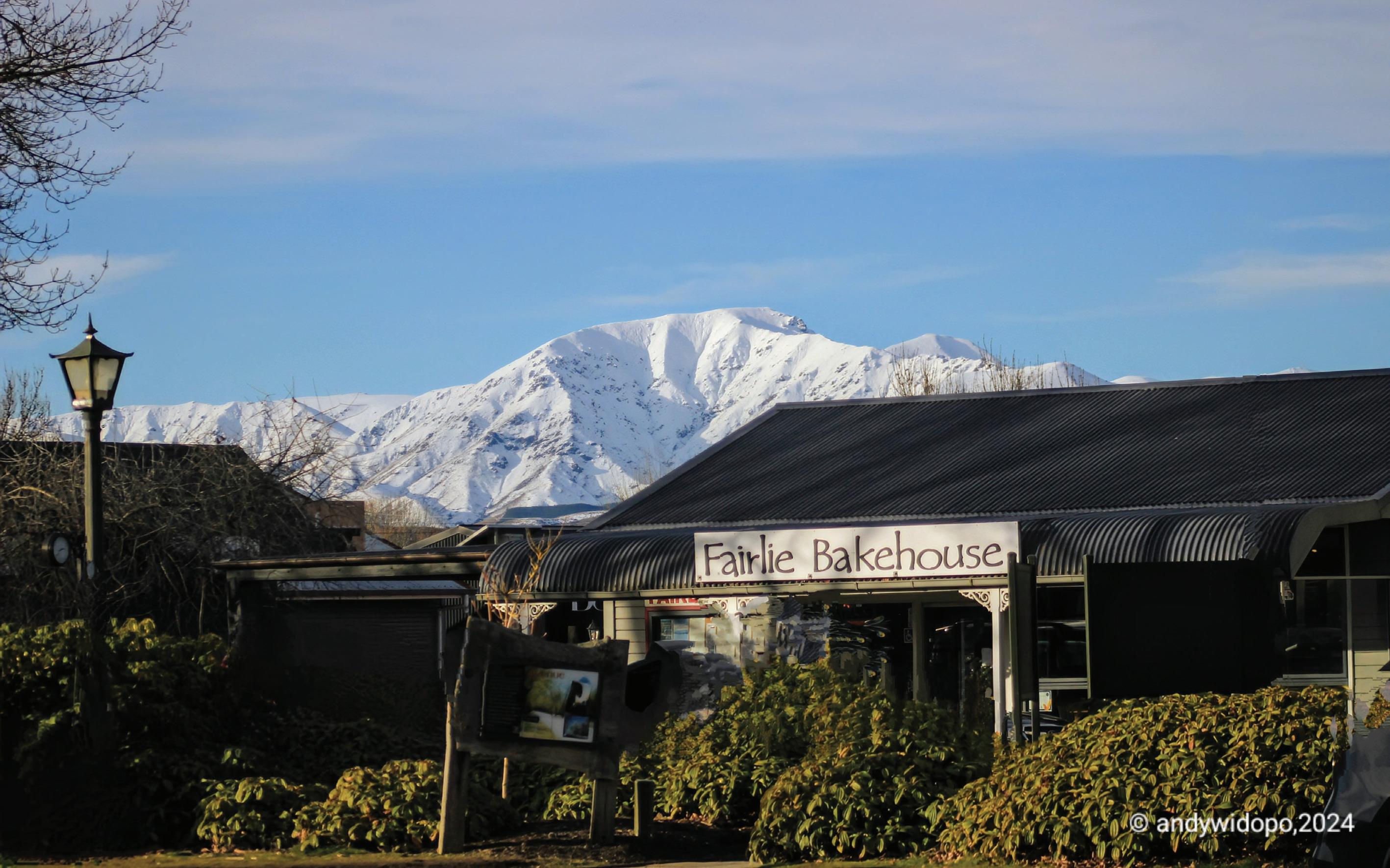
Fairlie Bakehouse was named a finalist in the Manufacturer of the Year Awards, which the team said was a huge honour for a small, family-owned business in a rural South Canterbury town. It highlighted that it wasn’t necessary to be based in a major city to build a successful manufacturing business with nationwide reach.
Receiving national recognition alongside some of New Zealand’s leading manufacturers has been incredibly rewarding. It reflected not only the hard work of the staff but also the investment in growing the business while staying true to its values and product quality.
Operating from a regional town brings both opportunities and challenges.
Staffing and recruitment can be difficult, particularly when trying to attract skilled workers to a smaller community. Freight and distribution also incur higher costs and longer lead times than in larger centres.
However, being based in Fairlie, the team has built a strong sense of
community, loyalty and a connection to customers that is very important to the brand. This also provided the opportunity to showcase the incredible produce available within the region through its famous Fairlie pies.
Additionally, investment in systems and processes has been critical to the business’ growth. As demand for Fairie’s products has increased across New Zealand, the team has had to continually improve efficiency, consistency, food safety, and production capability, focusing heavily on modernising equipment and streamlining processes while maintaining the handmade quality and standards customers expect.
The team has also continued to work on
product development, whether it’s creating new pie flavours, improving shelf life and packaging, or finding ways to make production more efficient.
A major focus has been on using technology to support the workforce rather than replace it, which has improved efficiencies, reduced manual pressure on staff, and maintained the quality.
Looking ahead, the team was excited about continuing to grow while representing regional New Zealand manufacturing on a national stage, as regional businesses are often incredibly resourceful and community-driven, and they play a significant role in local employment and the wider economy.
Ingenious Kiwi Innovation: How Motion Design Helps you do what you do Better
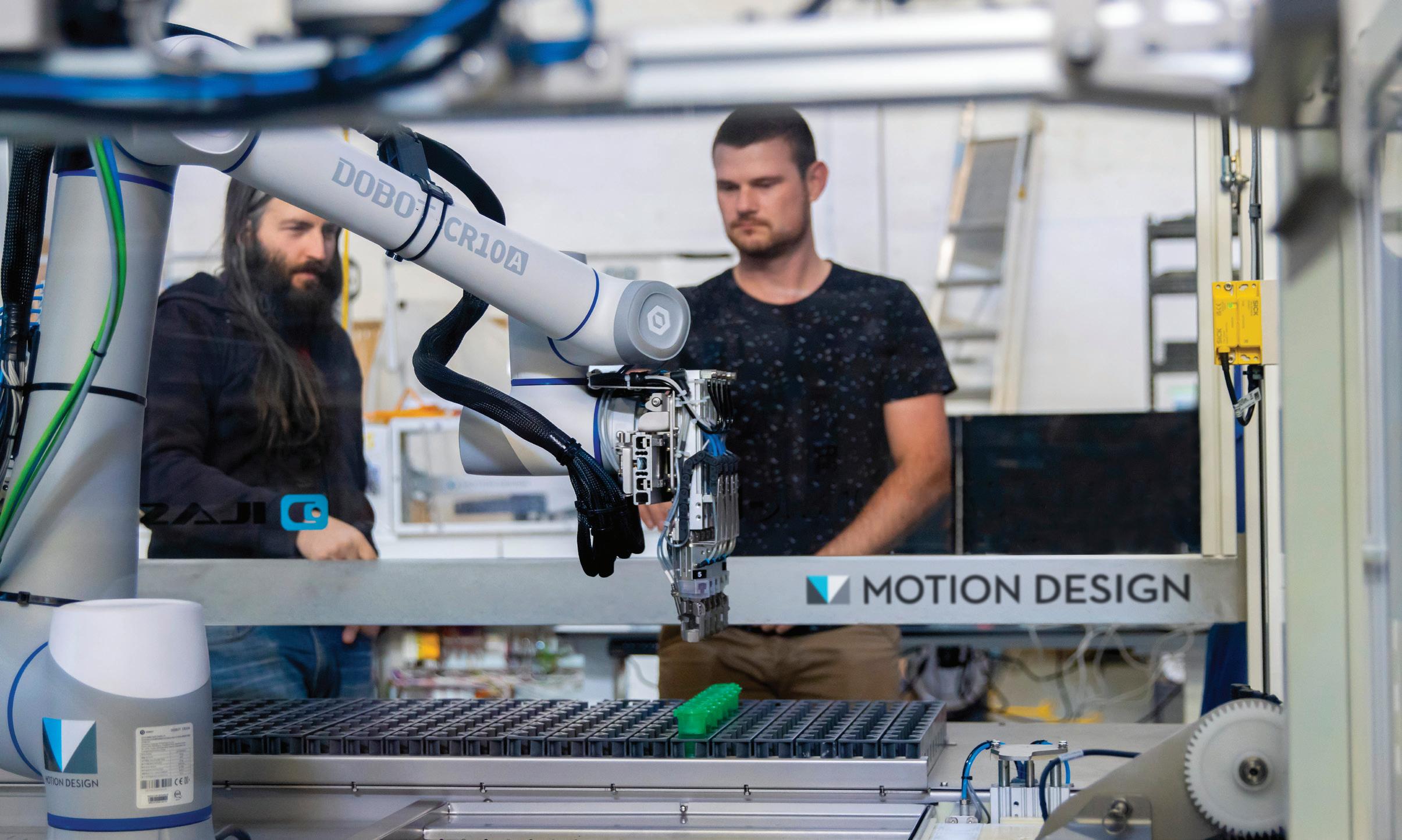
Motion Design has spent nearly 30 years “Helping manufacturers and laboratories improve the way they work through practical automation, custom machinery, software, and machine vision solutions”.
Founded in 1996 by Frank and Mark in a small tractor shed in Muriwai, the company was built on a true Kiwi “number 8 wire” approach to engineering - practical thinking, hands-on problem solving, and finding smarter ways to get the job done. That same mindset still drives the business today.
Over the years, Motion Design has become a trusted automation partner for manufacturers, industrial businesses, and laboratories across New Zealand and internationally. Designing and manufacturing everything in-house, the team specialises in custom-built automation systems tailored to real production challenges. When there is nothing suitable off the shelf, Motion Design works alongside customers to develop practical solutions that fit their process, workflow, and goals.
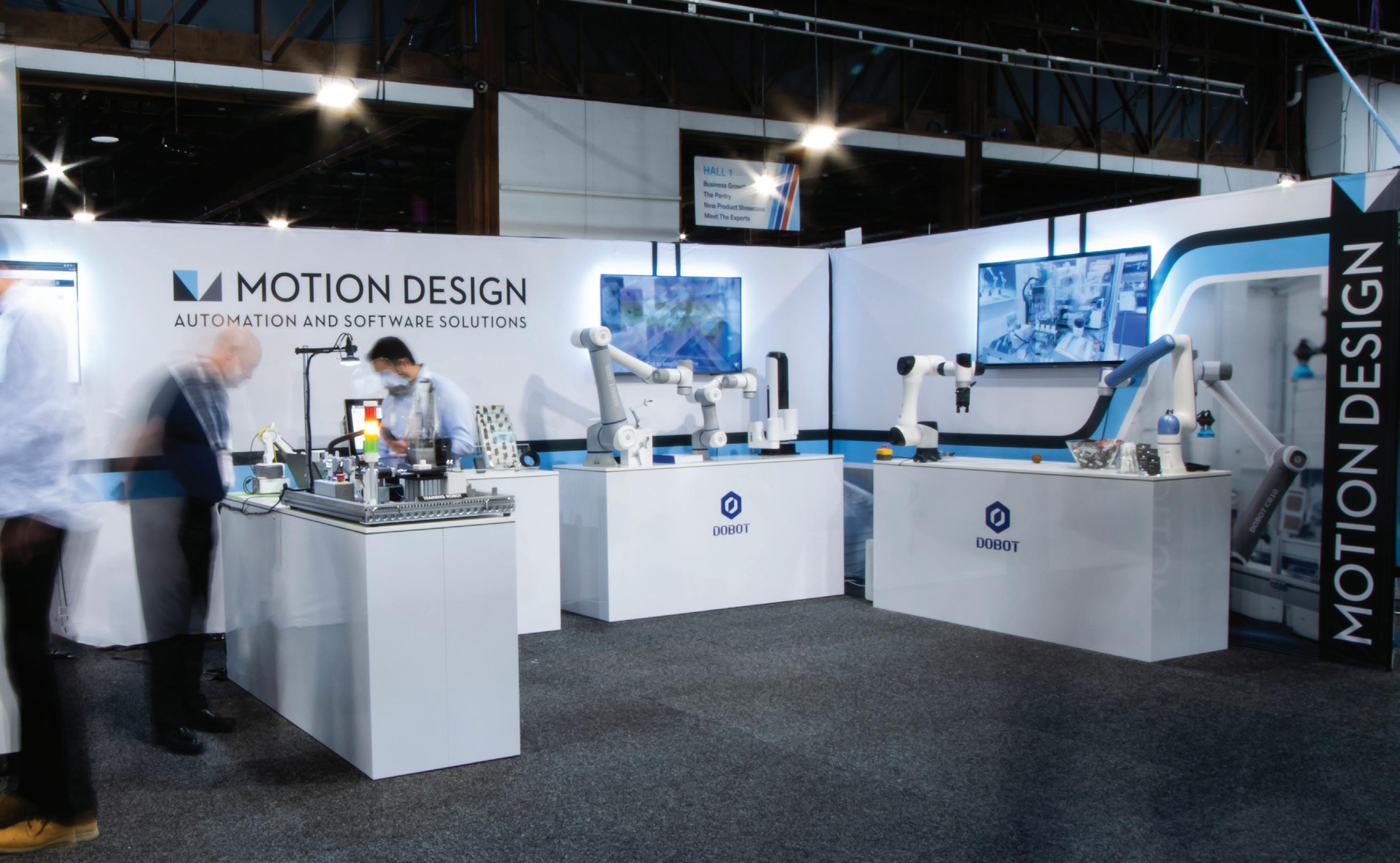
At EMEX 2026, Motion Design will be showcasing industrial robots alongside live machine vision demonstrations, highlighting
how intelligent automation technologies can be applied to realworld manufacturing challenges. Visitors to the stand will be able to speak with the team about custom automation projects, machine upgrades, intelligent inspection systems, software integration, and proof-of-concept development.
That practical, customer-focused approach has helped Motion Design build long-term relationships across a wide range of industries, with many partnerships spanning decades, as systems continue to evolve as businesses grow and production requirements change. Rather than acting as just an outside supplier, Motion Design sees itself as an innovation partnerworking closely alongside operators, engineers, and production teams to understand challenges properly and develop practical solutions that deliver real improvements. As the company puts it, “We’ll help you do what you do, better.”
For some businesses, that means designing and building custom
To help reduce risk for customers, where needed, Motion Design also carries out in-house research and development, including proof-of-concept testing and vision feasibility studies using real production samples before full systems are built.
automation machinery. For others, it involves upgrading and modernising existing equipment. Many companies already have strong mechanical foundations in place, and Motion Design helps modernise older machinery with advanced control systems, smart sensors, machine vision, and software integration - for data collection and traceability. The team also works to improve machine safety, helping bring older equipment up to modern safety standards through its in-house safety experts. It is often a more practical and cost-effective way to improve efficiency, traceability, and production visibility without replacing complete production lines.
Machine vision is another area where the company has developed significant expertise. Rather than relying solely on standard off-the-shelf AI vision tools, Motion Design combines advanced vision systems with its own in-house software knowledge and real-world automation experience to achieve higher levels
of reliability and accuracy. Through this approach the team has achieved vision inspection accuracies of over 99%, particularly where consistency and precision are critical.
To help reduce risk for customers, where needed, Motion Design also carries out in-house research and development, including proof-of-concept testing and vision feasibility studies using real production samples before full systems are built.
For Motion Design, automation is about improving consistency and safety, reducing repetitive manual processes, increasing visibility of production data, and helping businesses operate more efficiently as they grow. It is a practical approach to innovation that continues to help companies stay competitive through smart engineering and genuine Kiwi ingenuity.
Visit Motion Design at Stand 1042 during EMEX 2026 to see how their team can bring ingenious problem-solving to your manufacturing challenges.
The Metrology Tech Saving F&B Plants from Costly Downtime
In food and beverage manufacturing, the parts that fail at the worst possible moment are usually the ones nobody has a drawing for.
Acustom gear on a packaging line. A stainless fitting from a supplier who no longer exists. A one-off bracket someone fabricated in 2009. When these go down, the lead time on a replacement is often longer than the production schedule can absorb.
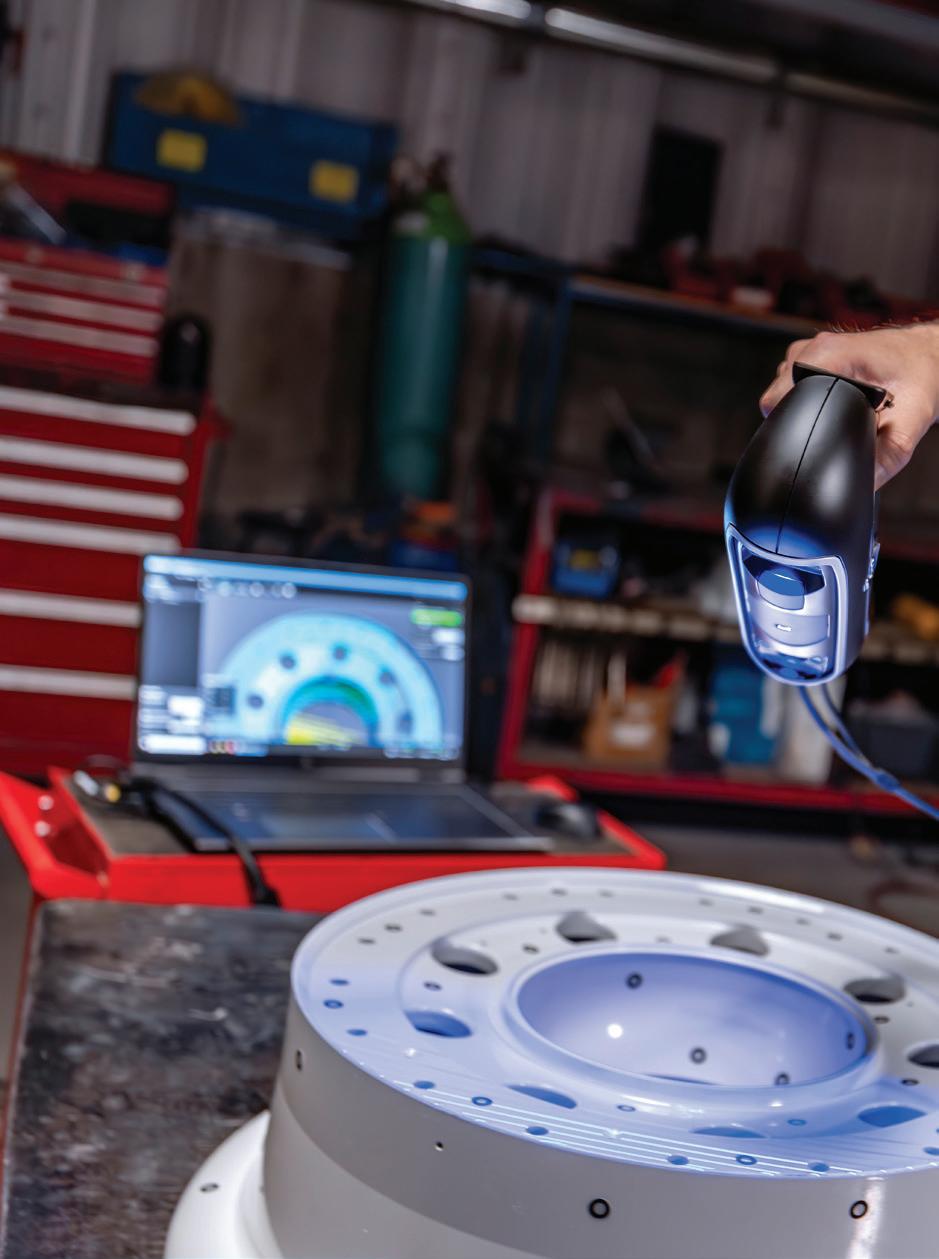
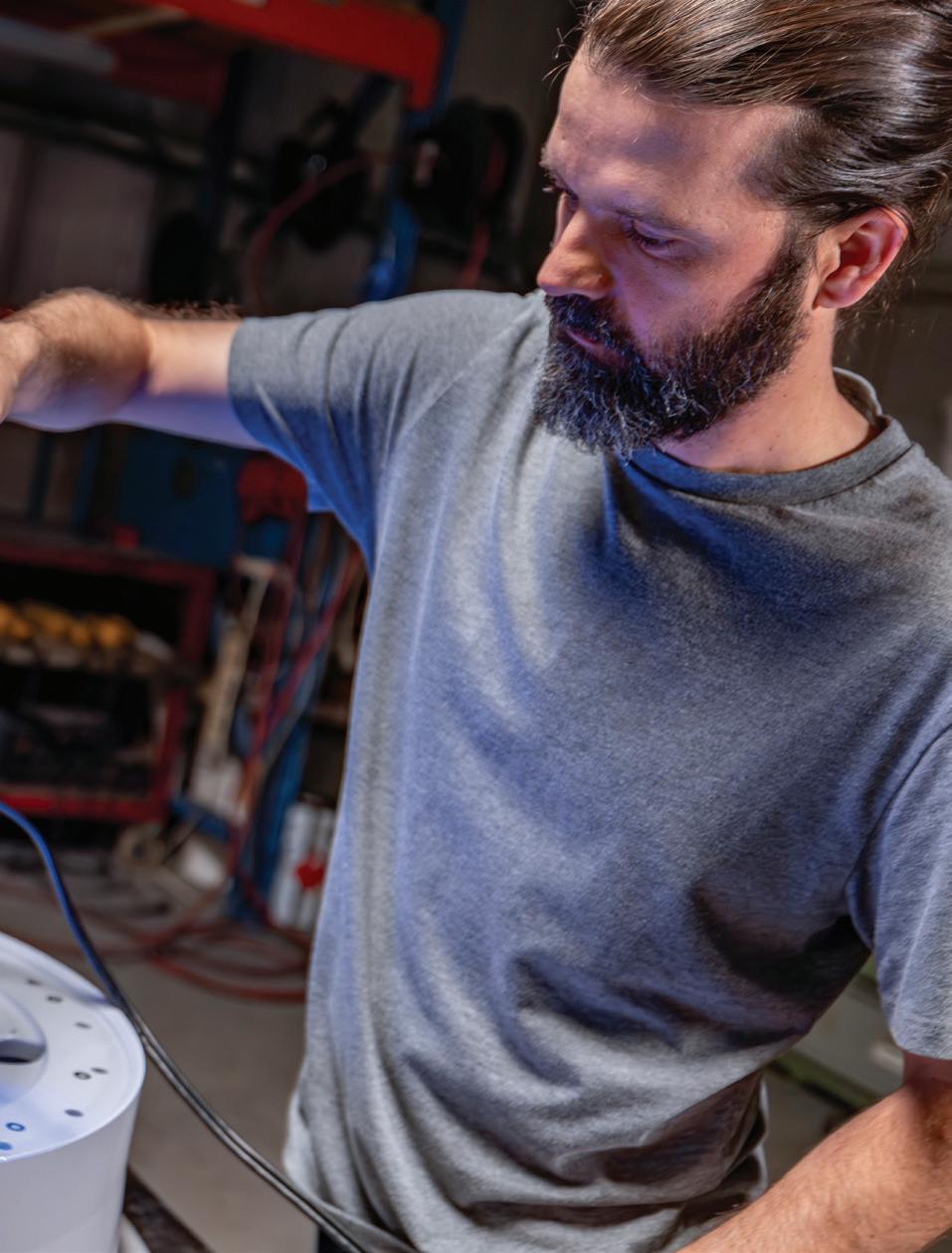
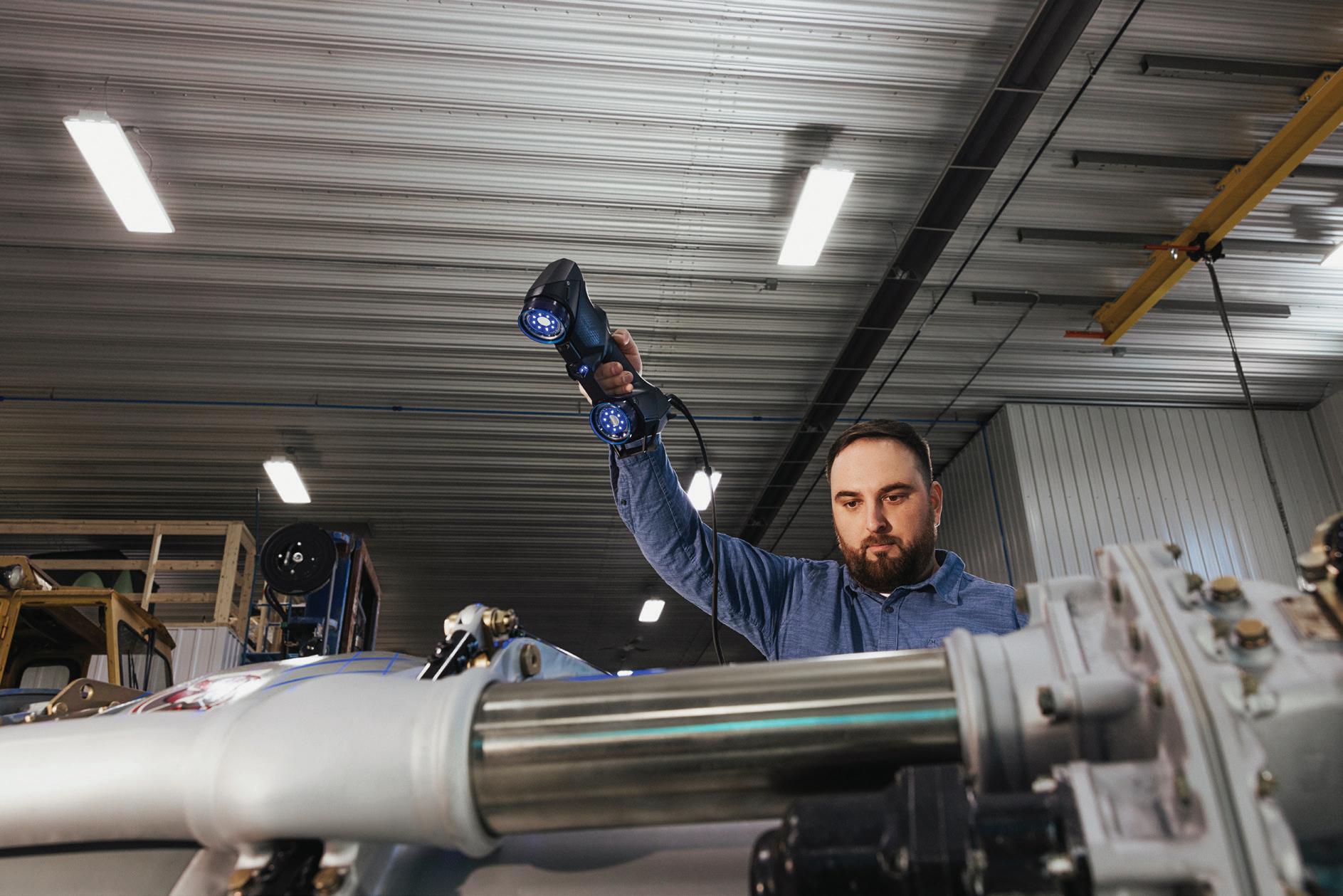
That is the problem Professional CAD Systems Ltd is putting on display at EMEX 2026. At Stand 2038, the company will be running live demonstrations of the portable 3D scanning equipment that has been deployed in Kiwi plants for years, the same gear its customers use to capture an obsolete component in minutes and have a CAD-ready model on its way to a machinist before the shift ends.
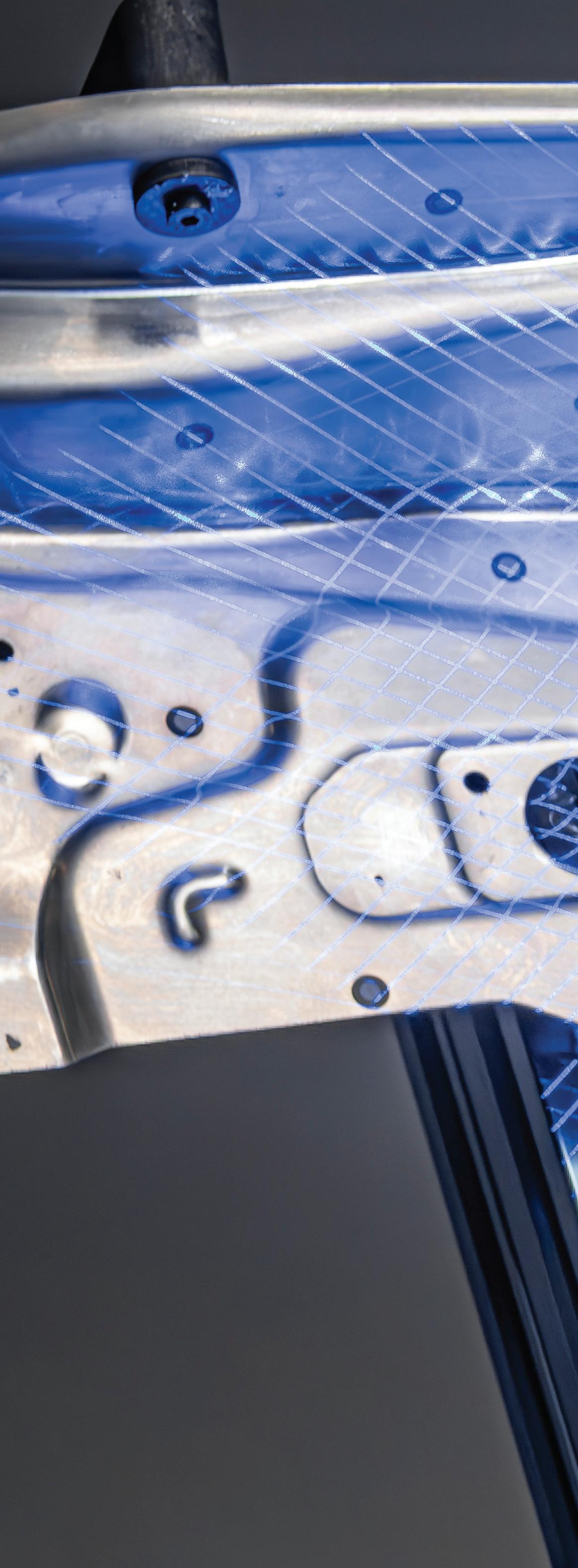
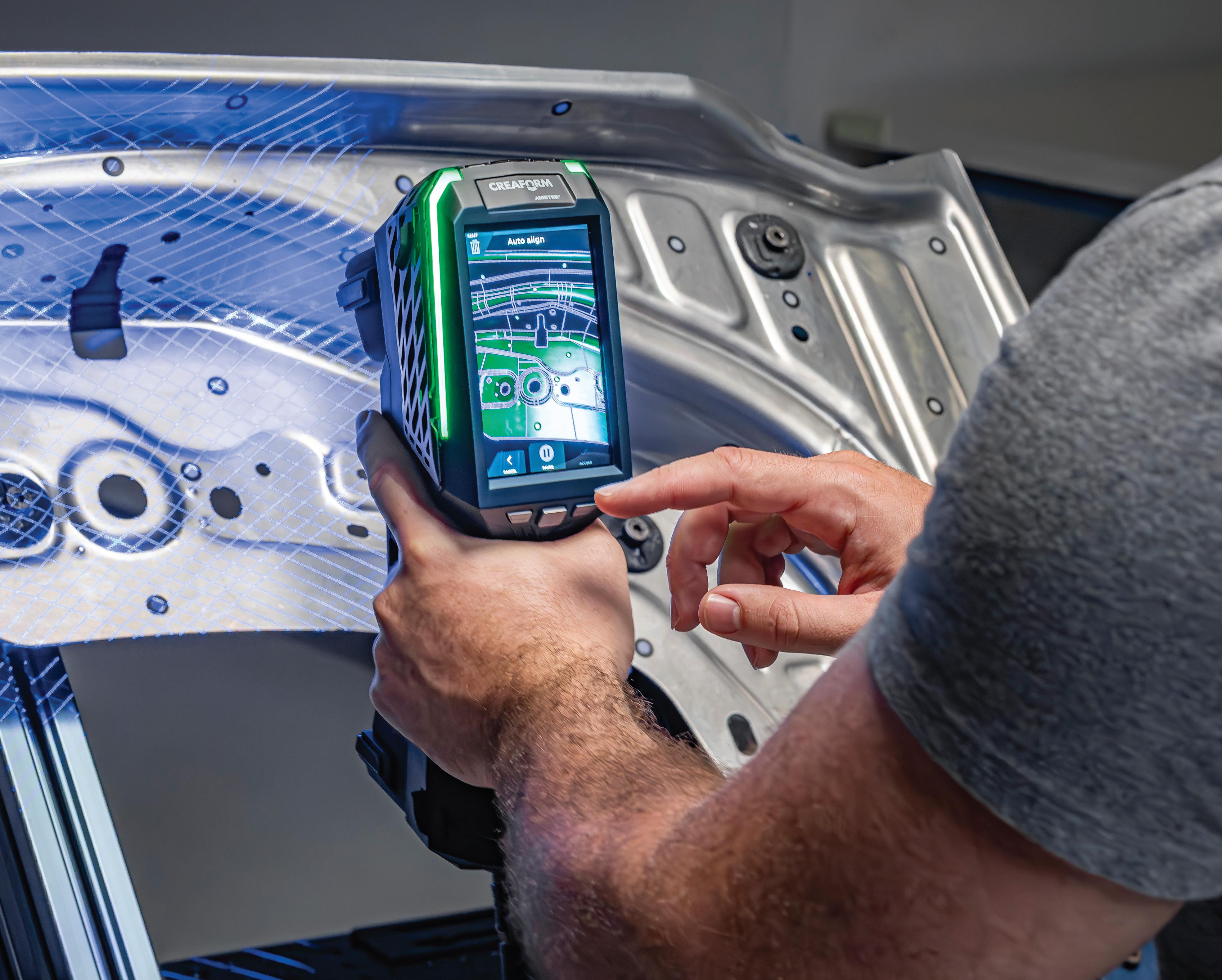
At the heart of the PCS showcase is the Faro|Creaform Portable 3D Scanners lineup, featuring tools engineered to thrive in the demanding environments of modern production plants:
• HandySCAN 3D | EVO Series: Making a massive impression with its integrated on-scanner screen, this unit allows plant engineers to view real-time data capture directly on the device. With an astounding accuracy of 0.015mm, it ensures that even the most complex, high-hygiene valve or custom fitting is mapped flawlessly.
• HandySCAN 3D | BLACK Series: Renowned as the fastest portable metrology-grade laser scanner available, this is the ultimate tool for rapid quality
control. It effortlessly captures intricate geometries on any surface material, even highly reflective stainless steel, without skipping a beat.
• Creaform Metrology Suite: This intelligent software unlocks the hardware’s capabilities. PCS is demonstrating how the Scan-to-CAD module seamlessly translates physical scans into clean, editable CAD files, while the Dimensional Inspection module automatically analyses deviations against the CAD file from which it was produced.
What does this mean for an F&B plant manager? It means complete immunity to factory instability. Traditional scanning requires rigid setups, but Creaform’s TruAccuracy technology uses advanced algorithms that actively ignore floor vibrations, loud machinery, or shaky operator hands.
If a legacy component fails, your team can bring these lightweight, suitcase-sized scanners directly to the production line. Within five minutes of setup, you have an accurate digital twin, and with Scan-ToCAD PRO, you can convert the scan data to machinable solid models that can be sent to a local CNC machinist or 3D printer.
PCS combines over three decades of Kiwi industrial expertise with world-class technology. If your objective this year is to secure your supply chain, digitise your spare parts inventory, and eliminate unexpected downtime, a visit to Stand 2038 is a mandatory stop.
University Initiative to Help Small Manufacturers go Digital
A University of Auckland initiative that helps manufacturers adopt low-cost digital technologies is set to expand under a new three-year Government funding commitment.
From April 2026, funding of up to NZD 475,000 per year will support the expansion of the University-led Digital Manufacturing Light programme, enabling more small and medium-sized enterprises (SMEs) to increase their digitalisation.
The programme will continue in Auckland and expand into parts of Waikato, Northland and the Bay of Plenty, reaching around 55 percent of New Zealand’s manufacturing businesses.
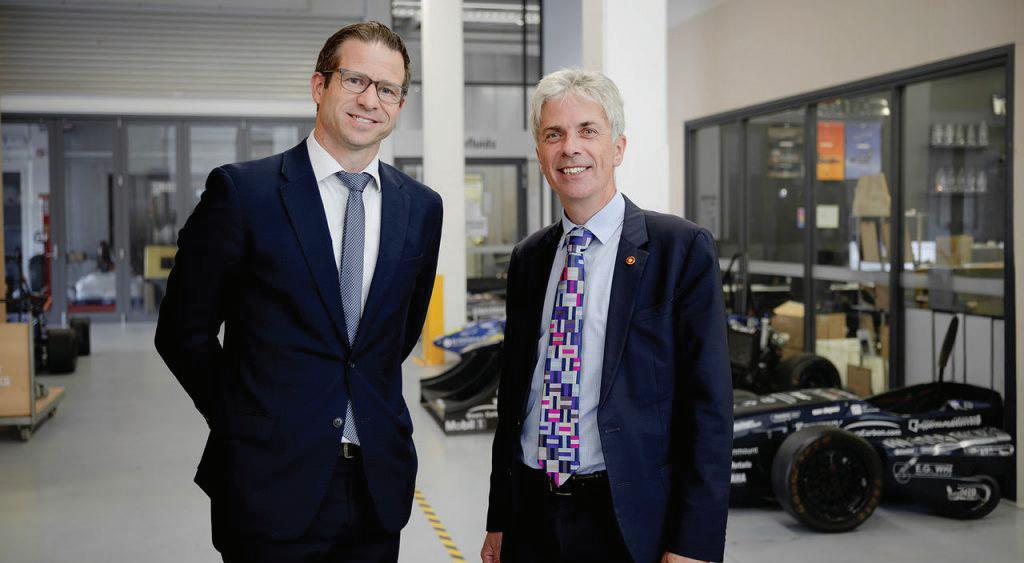
Digital Manufacturing Light is led by Dr Jan Polzer and Professor Xun Xu from the Faculty of Engineering and Design’s Laboratory for Industry 4.0 Smart Manufacturing Systems (LISMS).
It builds on the Digital Manufacturing on a Shoestring framework developed by the team led by Professor Duncan McFarlane from the Institute for Manufacturing at the University of Cambridge.
Xu said the pilot demonstrated how the University’s engineering expertise could translate international best practice into practical solutions for New Zealand SMEs.
“Most manufacturing firms are small, operating with limited capital and older machinery. Our Auckland pilot showed that accessible, low-cost digital tools can quickly improve productivity, operational visibility and product quality.”
Dr Polzer added that Digital Manufacturing Light can help SMEs take their first steps into digital tools without the high costs or complex systems that often hold them back.
“Our focus is on helping New Zealand manufacturers develop practical digital capability and apply proven technologies to improve operations. This programme is a clear example of how we can work directly with industry to solve real problems and strengthen technical capability across the sector.”
Between 2022 and 2025, LISMS worked in partnership with the Auckland Council to test and adapt the Shoestring programme for the New Zealand market, launching a 12-month Digital Manufacturing Light pilot in July 2025 with 12 Auckland companies.
The work drew the attention of Small Business and Manufacturing Minister Hon Chris Penk, who visited the Faculty of Engineering and Design in July 2025 to meet the researchers and learn more about the programme. According to him, backing programmes like Digital Manufacturing Light is a smart, targeted investment that helps smaller firms grow, innovate, and contribute to our economy and communities.
The programme development has also involved Advanced Manufacturing Aotearoa and the Employers and Manufacturers Association.
Minister Hon Chris Penk and Deputy Vice-Chancellor Research and Innovation, Professor Frank Bloomfield. Photos: Chris Loufte
Northern Territory Farm Tops Industry
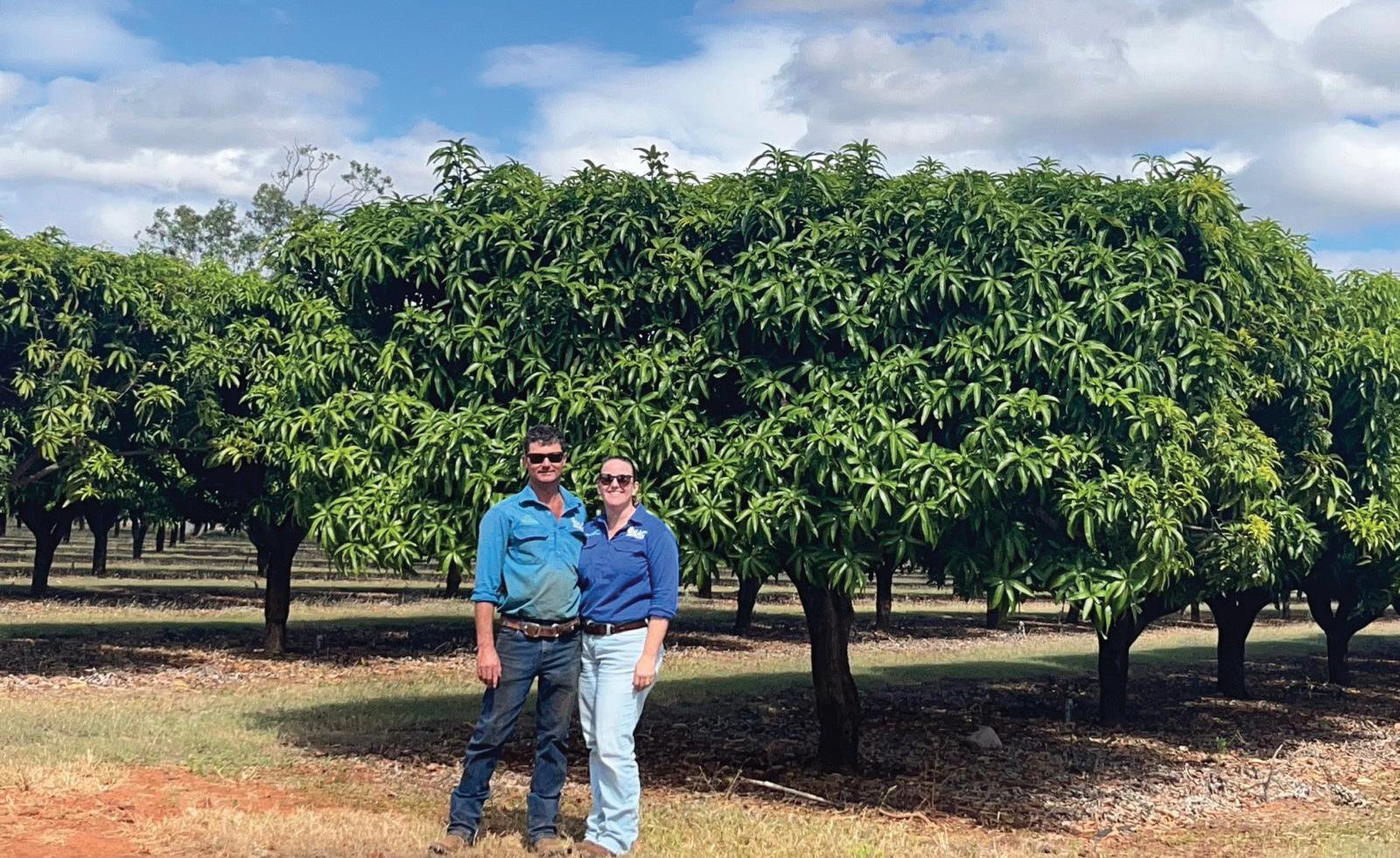
Razor Rock Farms of Katherine, Northern Territory, was named Piñata Farms’ Honey Gold Grower of the Year at its annual mango congress in Yeppoon, Central Queensland.
Nick Ormsby and Whitney Dollemore of Razor Rock Farms have 30 hectares of Honey Gold trees under production and have grown the premium variety since 2017. The farm has a total of 7000 trees, including 3600 that will come into production at the end of the year.
For Ormsby, winning the award was an honour, given the depth of knowledge in the grower group.
“The grower group is made up of some of the best mango growers in Australia. There’s a lot of knowledge, understanding and sharing there, and everyone strives to deliver quality fruit to the market,” he said.
“To be recognised in this way means our farm is producing great quality fruit. This benefits both the mango industry as a whole and the consumer.”
As a mango grower, Ormsby said there were no points for
volume alone and getting the quality right was essential.
He added that the Honey Gold is a high-quality mango; it’s orange as a mango should be, and it has a great taste and shelf life. Ideal, cool, dry conditions leading up to last season positively impacted flowering last winter, and although the November harvest was slightly delayed, everything else ran smoothly.
Razor Rock Farm produced 17,328 trays of mangoes during the 10day harvest last season, an increase of 4,992 on the previous season.
Ormsby added that they strive each year to achieve a good packout, as quality over yield is their main goal. Last year, Razor Rock Farm achieved a 91 percent premium packout and a high yield.
“I’m not sure how we got the forecasting right, it’s a little bit of calculating and a bit of black magic,” he said.
Razor Rock Farms was also named Honey Gold Grower of the Year in 2021.
interpack’s Next Manufacturing Era
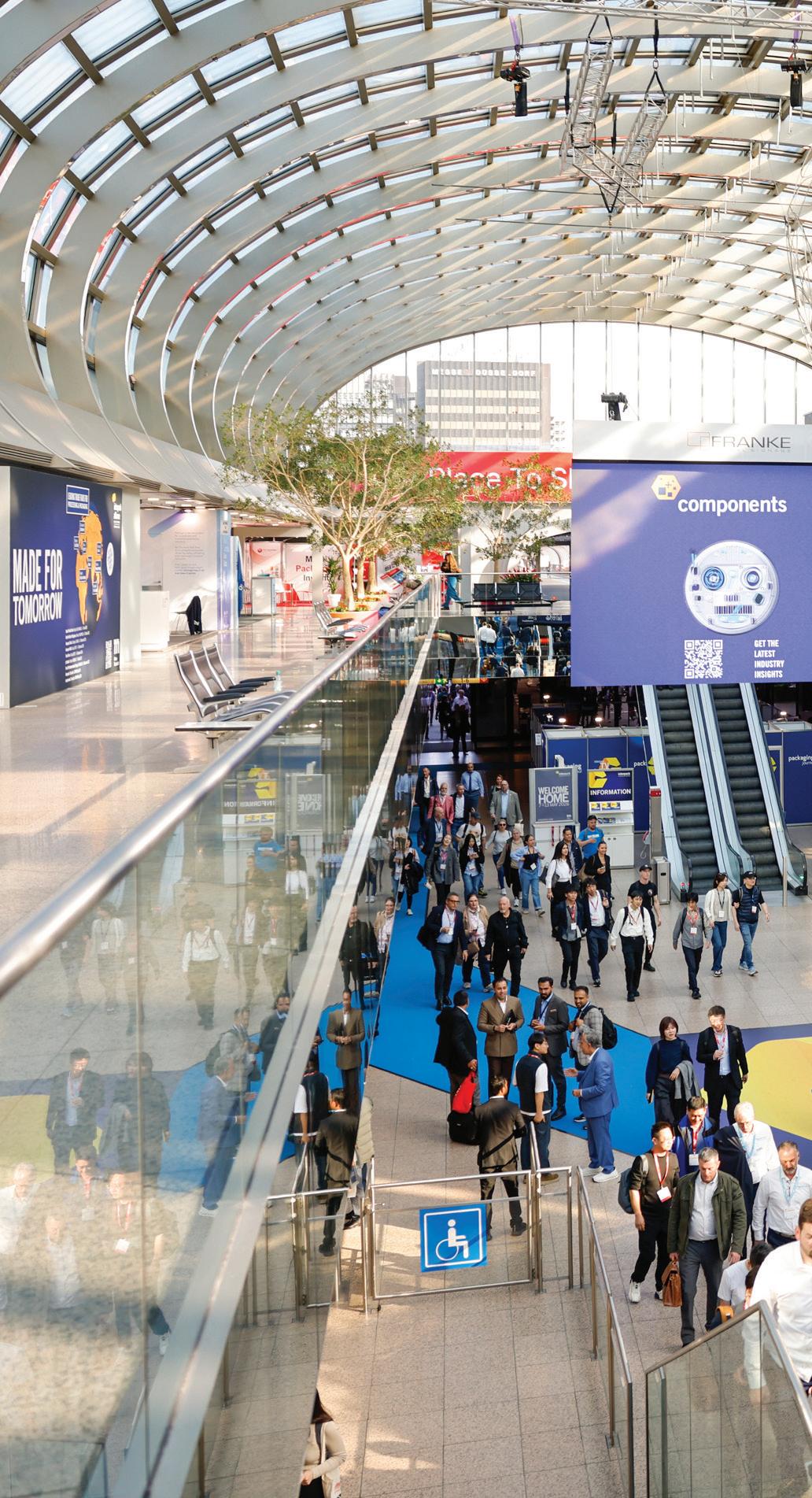
Earlier this month, interpack opened its doors in Düsseldorf, and the global processing and packaging industry met to discuss AI, automation, innovative materials and new skills.
Around 2,800 exhibitors from all over the world presented their latest developments and provided impetus for the future of a globally networked industry.
A look at the big picture revealed that the industry’s framework conditions have become complex. Population growth, urbanisation and changing consumer behaviour have increased the demand for efficient processing and packaging solutions.
At the same time, raw material shortages, regulations, supply chain risks, and a shortage of skilled labour have put pressure on companies.
Against this backdrop, interpack 2026 focused on specific themes with its Hot Topics Smart Manufacturing, Innovative Materials and Future Skills. Smart Manufacturing is synonymous with databased, resource-efficient production, from AI to robotics.
Innovative Materials focused on new packaging materials, functionalities and design-for-recycling concept, while
Future Skills examined the changing world of work and the skills required for increasingly digitalised and automated production.
interpack also underscored its international significance with numerous national pavilions. Many exhibitors made a joint appearance under one national flag, pooling their expertise in clearly demarcated areas. Among others, joint stands from India, USA, China, Taiwan, Korea, Turkey, Malaysia and several European countries will be represented.
Numerous specials accompanied the trade fair. At the interpack Spotlight Forum by the North Entrance, experts discussed current developments and strategic issues in the industry.
The Start-up Zone provided a platform for young companies. One special item on the programme was the presentation of the WorldStar Global Packaging Awards on the exhibition grounds.
With its accompanying trade fair components, interpack also focused on the expertise of the supplier industry. Here,
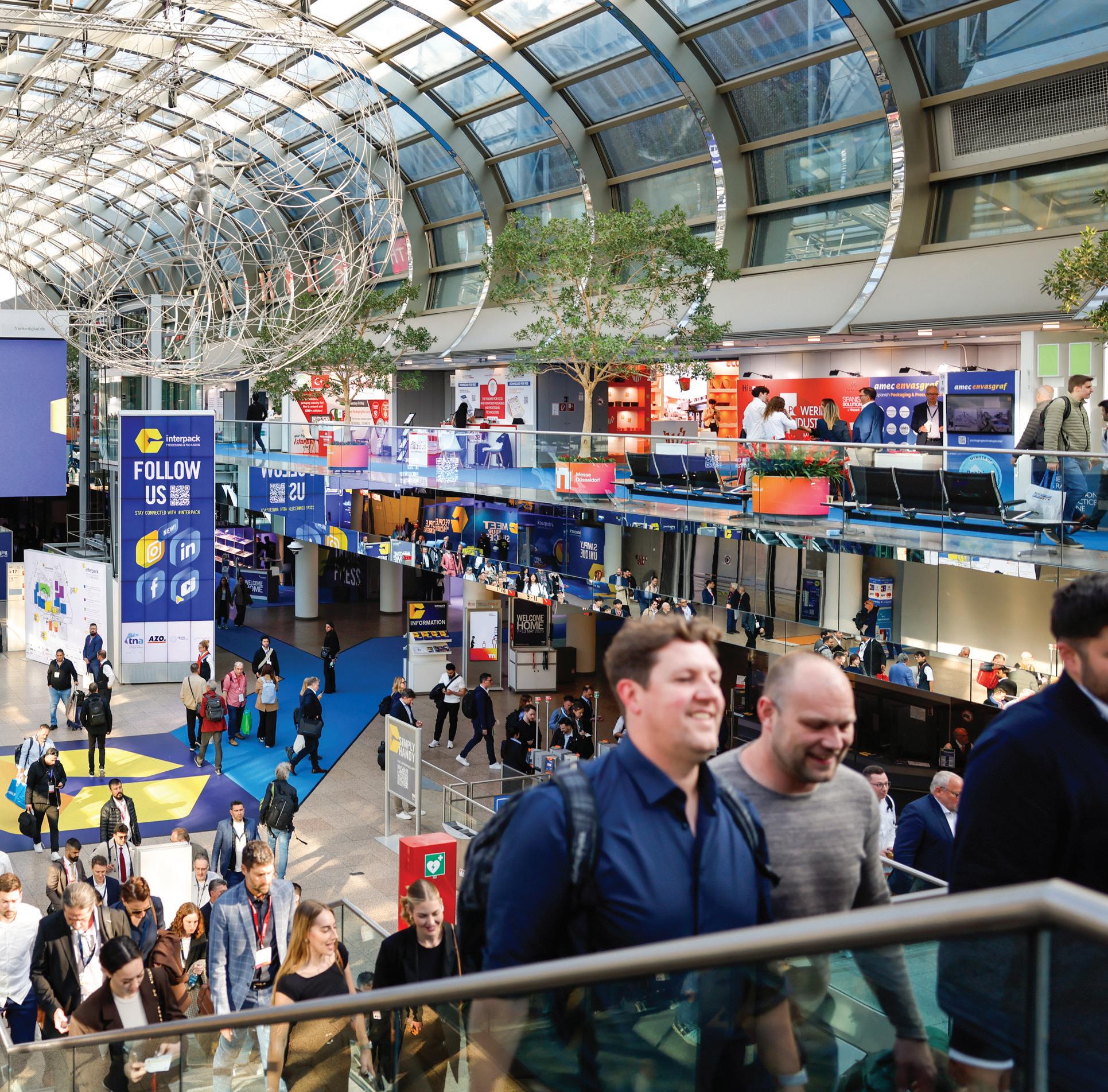
companies presented solutions from the fields of drive technology, control systems, sensor technology, robotics, machine parts and industrial software, thereby visualising the technological basis of modern processing and packaging solutions.
With the SAVE FOOD Expert Talks, the SAVE FOOD Highlight Route, the SAVE FOOD Awards and the SAVE FOOD Project Competition, the focus was also on preventing food waste and losses.
Every three years, interpack gathers together the world’s processing and packaging sector in Düsseldorf for one week. Its focus: packaging solutions and packaging materials; packaging machines and the related process technology for the food, beverages, confectionery, baked goods, pharmaceuticals, cosmetics, nonfood and industrial goods sectors.
As an internationally leading trade fair, interpack draws experts from across the world to exchange ideas about the latest technologies and solutions and provides impetus for the sector’s future topics.
Images by Messe Düsseldorf / Tillmann
One-Stop Shop End-of-Line Packaging Automation
Vention and Universal Robots, a Teradyne Robotics company, showcased integrated endof-line packaging automation solutions side by side at Interpack 2026, demonstrating how collaborative robotics and modular automation accelerate deployment for manufacturers.
As the creator of the world’s only full-stack automation platform and hardware ecosystem, Vention announced the European debut of its third-generation Rapid Series Palletiser (RSP), alongside the expansion of its modular conveyor ecosystem.
Following its North American launch earlier this year, the Rapid Series Palletiser is now available to EMEA manufacturers as part of Vention’s platform-powered approach to end-of-line automation, enabling the deployment of complete systems, from case packing and conveying to palletising, through a single, unified environment.
“Manufacturers are under increasing pressure to modernise packaging operations quickly while maintaining flexibility,” said Andrea Alboni, General Manager for the EMEA region.
“Our platform simplifies automation by enabling customers to design, deploy, and operate complete end-of-line systems without the complexity of traditional integration, while delivering payback periods as short as 1.3 years and up to 25 percent lower capital costs compared to traditional automation approaches.”
The company co-exhibited with Universal Robots to demonstrate how collaborative robots and modular automation systems can deliver flexible packaging automation.
The booth featured a robotic case packing cell powered by a UR10e, Vention’s modular conveyor ecosystem for product transfer and accumulation, and a palletising system powered by a UR20, illustrating a complete workflow
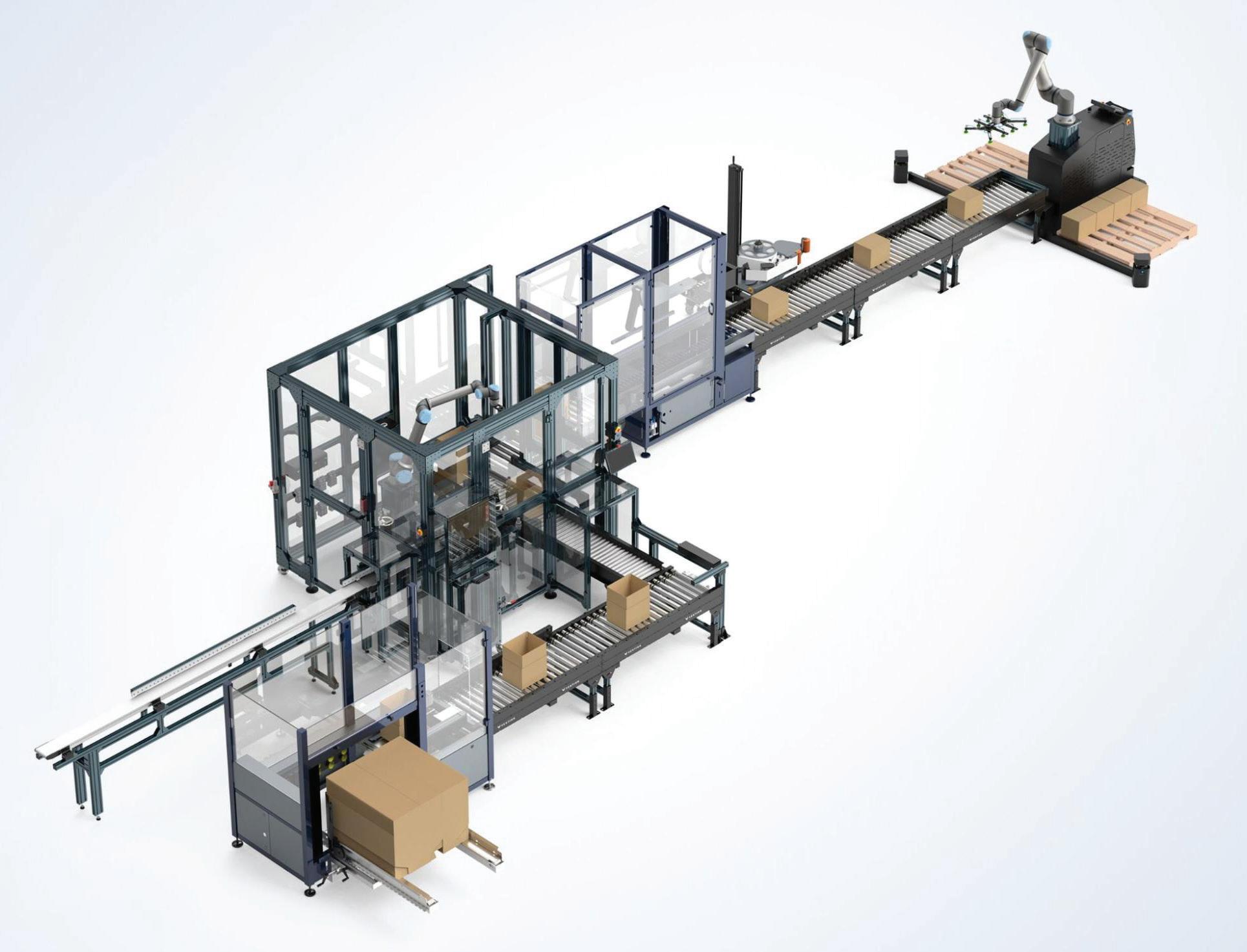
from case packing to palletising.
Powered by Vention’s modular hardware ecosystem and MachineMotion AI, the third-generation Rapid Series Palletiser can be deployed in as little as four weeks, while a complete end-of-line packaging system can be delivered in 12 weeks, representing a faster deployment timeline than traditional automation approaches.
The integrated conveyor ecosystem includes modular O-Ring and Poly-V conveyors, Vention-designed motors, and plug-and-play controls powered by MachineMotion AI.
Programmed through MachineLogic and the Conveyor App, the system enabled synchronised product flow, zero-
pressure accumulation, and rapid line reconfiguration while reducing integration complexity through built-in motor connectivity and EtherCAT communication.
The solution is particularly relevant for manufacturers operating in highmix, high-variability environments, where flexibility and speed are critical to maintaining competitiveness, and where automation can replace up to 10 fulltime operators per shift, helping address ongoing labour shortages.
Vention’s third-generation Rapid Series Palletizer and new modular conveyor ecosystem combine modular hardware, intelligent software, and rapid deployment to simplify end-of-line automation.
Mono-Material Innovation to Accelerate Shift in Packaging Films
Vention and Universal Robots, a Teradyne Robotics company, showcased integrated endof-line packaging automation solutions side by side at Interpack 2026, demonstrating how collaborative robotics and modular automation accelerate deployment for manufacturers.
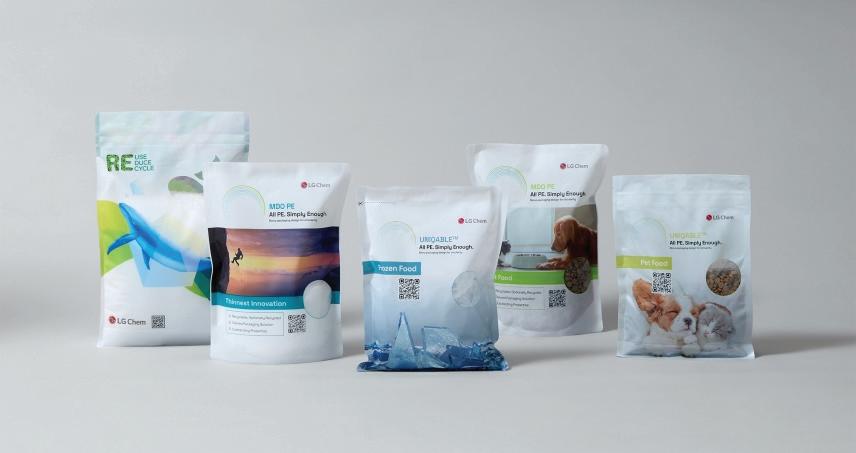
The company showcased the technological capabilities of the ultra-thin packaging film. This material has achieved a worldleading thickness of just 12 micrometres for a mono-material structure while maintaining high-performance characteristics such as strength, sealability and moisture barrier protection.
UNIQABLE is a packaging solution that enables customer-tailored optimisation of properties such as processability, strength, sealing stability and moisture barrier performance from the material development stage to align with each customer’s packaging requirements. It is currently used in a wide range of consumer packaging applications, including food, pet food and household products.
As the importance of the circular economy continues to grow, UNIQABLE stood out as an innovative material that delivered both sustainability and high functionality. It improves recyclability through a single polyethene (PE) structure while maintaining performance equivalent to conventional multimaterial packaging films.
Mono-materials are generally easier to recycle, but they often must be thicker to achieve performance comparable to multi-material structures. LG Chem’s UNIQABLE has addressed this limitation through downgauging technology, which reduces material thickness by 2 micrometres to achieve lightweighting, making it an increasingly practical alternative for the packaging industry.
“Packaging innovation that begins
with material technology is expanding into a wider range of industries through proven commercial applications,” said Lee Choong-hoon, Vice President and Head of LG Chem’s NCC/PO Business Unit.
“We will continue to lead innovation and advance sustainable value in the nextgeneration packaging film market.”
LG Chem also presented commercialised applications of UNIQABLE, including a kitchen detergent pouch used by LG H&H (Household & Health Care) and packaging materials for flagship food products from major domestic companies.
Based on these examples, the company plans to expand its collaboration with global customers across a wider range of packaging applications, including packaging films.

Moulded Fibre Solution
The Packaging and Packaging Waste Regulation (PPWR) has established harmonised packaging requirements across the European Union, accelerating the shift towards recyclable packaging.
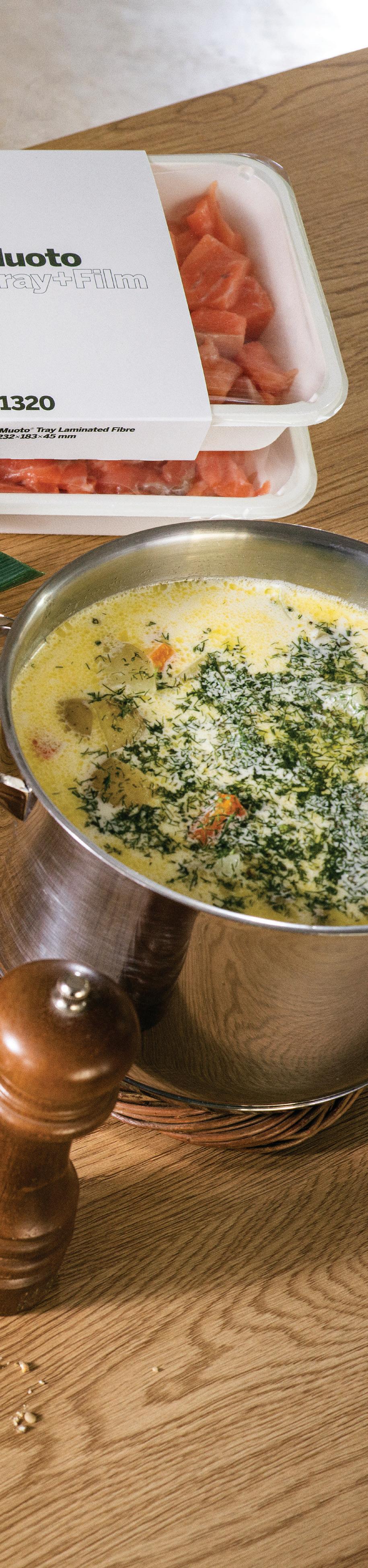
Fibre-based innovation has become essential in translating these regulatory requirements into scalable solutions, such as Muoto, which extends fibre into applications previously dominated by plastic.
Metsä Board, part of Metsä Group, showcased Muoto at Interpack 2026, highlighting how fibre-based materials can be applied in new packaging concepts designed to meet demanding performance requirements.
Muoto is a three-dimensional moulded fibre technology, formed directly from wet wood pulp without intermediate converting steps. This enables lightweight yet rigid packaging with design freedom for complex shapes.
Muoto has combined strength, rigidity and low weight, making it suitable for demanding food service and food packaging applications. The structure is designed to support grease- and moisture-resistant performance and food-contact requirements across a wide range of food types.
Where higher barrier performance is required, Muoto’s renewable moulded wood fibre structures can be combined with barrier film, supporting applications
such as meat, fish, poultry and ready meals.
When combined with paperboard, for example, branded sleeves and corrugated shelf-ready packaging, Muoto enables integrated fibre-based packaging solutions that strengthen branding, shelf impact and functionality.
Antti Valtonen, VP, Muoto projects at Metsä Group’s innovation arm, Metsä Spring, said that Muoto has advanced fibre-based materials into more demanding applications.
“The current portfolio focuses on foodservice and selected industrial food packaging, and together with premium paperboard components, it enables future fibre-based concepts across a wide range of end uses,” said Valtonen.
“We are now inviting customers to test Muoto Uncoated and Laminated Fibre solutions, such as takeaway packaging, punnets and trays.”
Muoto is currently in a demo and pre-commercial sales phase, where customer and partner feedback helps refine performance, manufacturability and end-use fit. Metsä Board is actively engaging with brand owners and converters to explore new formats for future fibre-based packaging concepts.