STORAGE SOLUTIONS BY VOLUME

Every commercial space has a measure that decides whether it’s working for the business or against it. How much it can hold. How well it moves. How much it sells. That measure is volume.
Engineering the Aquaculture Chain

Aquaculture is not a new conversation in New Zealand food production, but it is one that continues to deserve close attention.
For those working across food processing, packaging, engineering, logistics and technology, the sector remains a useful reminder of how closely production, environment and supply chain performance are now connected. Growth in aquaculture is never simply about more product in the water. It also depends on the systems around it, from monitoring and harvesting through to chilling, handling, processing, export logistics and traceability.
Most in the industry already understand the opportunity. New Zealand has built strong recognition for seafood, and aquaculture has long been seen as one of the primary sectors with room to develop further. Mussels, salmon and oysters all sit within a broader food story that links provenance, quality and export value.
What is worth reiterating is that the next stage is likely to be more complex than the last.
Climate variability, spat supply, water temperatures, consent settings, labour availability and market expectations all directly affect how the sector performs. These pressures are not separate from the factory floor. They influence throughput, scheduling, plant utilisation, cold chain planning, packaging demand and customer commitments.
That is why aquaculture remains relevant to the wider f&b sector. The sector does not operate in isolation. It draws on many of the same disciplines shaping food and beverage manufacturing more broadly: automation, food safety, environmental monitoring, energy use, waste reduction, ingredient handling, shelf life and data-led decision-making.
There is also a practical commercial point here. As the sector develops, suppliers will need to understand the operating conditions aquaculture businesses work within. A generic solution will not always fit a production environment where harvest timing, temperature, biological variation and export standards can all shift the pressure quickly.
This is not about overstating the opportunity or suggesting aquaculture is suddenly the answer to every growth question in New Zealand food production. It is about recognising that the sector sits at the intersection of several issues already facing manufacturers: resilience, efficiency, proof of quality and better use of resources. It also raises a wider question for technology and equipment suppliers. Where can they help operators reduce friction? Where can they improve consistency? Where can they support better visibility across the chain? And where can they help protect value once product leaves the farm?
Aquaculture will continue to be shaped by natural conditions as much as market ambition. That reality makes the supporting systems even more important. For New Zealand, the commercial value will not only come from what is farmed, but from how well it is handled, processed and delivered. That is the useful part of the story. Aquaculture gives us another lens on the same pressures facing the wider food and beverage sector: how to produce well, control cost, manage risk and keep quality intact from source to customer.
Publisher
Tania Walters
General Manager Kieran Mitchell
Editor-in-Chief Caitlan Mitchell
Content Managers
Caroline Boe Pam Vasquez-Gutierrez
Editorial Associates
Jenelle Sequeira Sam Francks
Graphic Designer
Raymund Santos
Contact Us
Retail 6, Heards Building, 2 Ruskin Street, Parnell, Auckland, New Zealand
+64 9 304 0142 info@reviewmags.com
ISSN 2744-3566 (ONLINE) ISSN 2744-5895 (PRINT)
F&B TECHNOLOGY launched to facilitate the connection between food and beverage suppliers of technology, ingredients and packaging across the food and beverage manufacturing sectors for fmcg and foodservice. Copyright 2026
Our Partners:
&














A
Preparing for WorkSafe Assessments
Manufacturing businesses in the food products subsector are being encouraged to take a fresh look at their health and safety systems ahead of WorkSafe’s planned assessment programme from July to September 2026.
The proactive assessments will focus on how businesses are managing health and safety risks, including machinery safety, hazardous substances, worker health risks and worker participation.
For manufacturers, now is a good opportunity to engage with workers, review existing controls and ensure they remain fit for purpose and are working as intended on the frontline.
ShopCare Charitable Trust has a range of free resources available to support businesses, leaders and health and safety representatives to strengthen their health and safety practices, including:
• Fully funded ergonomic programmes to identify high-risk activities and implement interventions to manage musculoskeletal harm
• The 4Ds learning modules, designed to help leaders, practitioners and HSRs build their capability and have better conversations about how work is really done.
• An eight-part machine safety series, providing practical guidance on identifying and managing machinery risks.
• Free online training modules that support cultural awareness, leadership capability and safer, more inclusive workplaces.
• A dedicated eLearning pathway for Health and Safety Representatives and safety champions, to help build capability and improve worker engagement in health and safety.
To access the free resources, visit www.shopcare.org.nz. Businesses can also find information from WorkSafe about what to expect during an assessment visit.
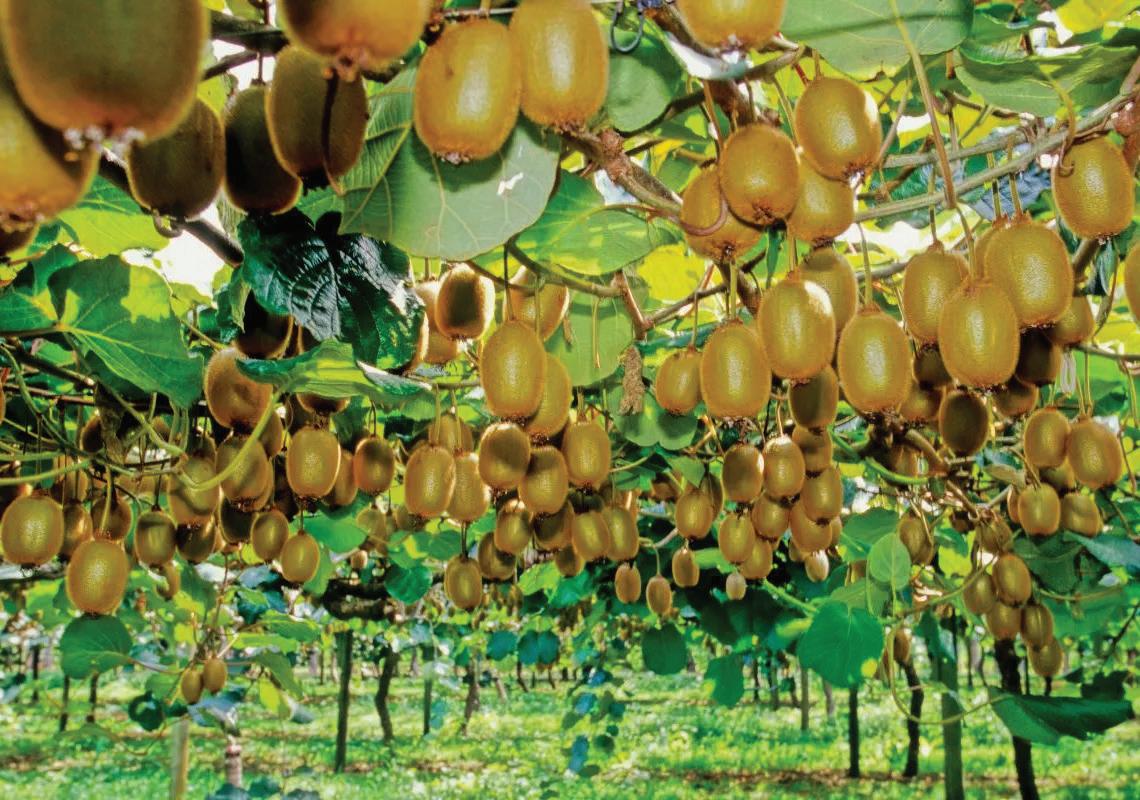
NZ’s Largest Kiwifruit Harvest Completed
New Zealand’s largest-ever kiwifruit harvest is now complete. After three months of intensive picking, consumers in New Zealand and around the world are able to enjoy green, gold and red fruit from supermarket shelves.
Approximately 225 million trays of kiwifruit have been harvested, with only small volumes remaining on orchards. On average, each tray contains around 30 individual fruits. This year’s bumper season beats 2025’s record harvest of 216 million trays, which generated NZD 3.56 billion in fruit and service payments, supporting regional economies across the country.

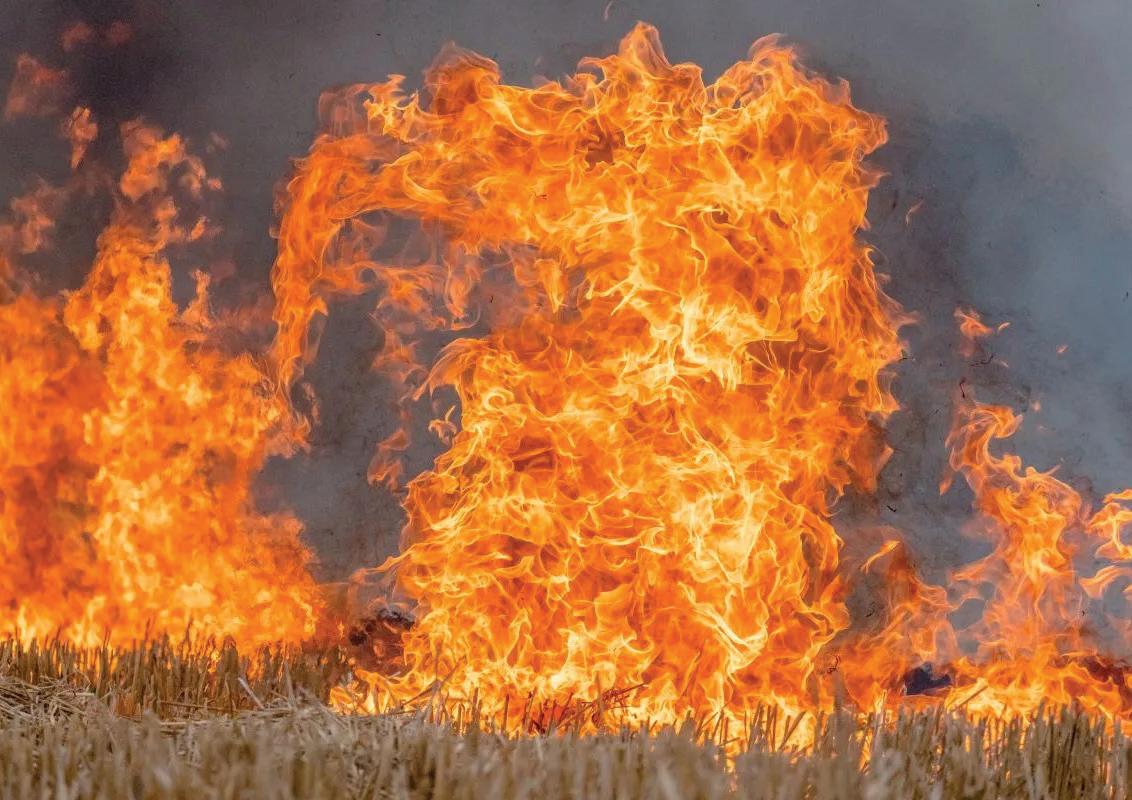
Opportunities For Wildfire Hazard Analysis
New research from the Bioeconomy Science Institute Maiangi Taiao aims to improve New Zealand’s wildfire preparedness and response.
The institute has developed nationalscale wildfire hazard potential data layers to help communities, businesses, and wildfire managers better understand areas more likely to burn under highrisk conditions and the severity of fire behaviour.
⮞ READ MORE ONLINE

NZCE x Fonterra
NZ Clean Energy (NZCE) and Fonterra have announced a long-term Virtual Power Purchase Agreement (PPA) under which the Co-operative will purchase electricity generated by NZCE’s Darfield Solar and Energy Storage Project.
The agreement represents one of New Zealand’s first large-scale solar PPAs between a major industrial energy user and an independent renewable energy developer.
⮞ READ MORE ONLINE
Unlocking Warehouse Potential
Pallet racking is the backbone of any warehouse, and the right system depends on stock profile, throughput, lane depth, and how the warehouse is loaded and picked.
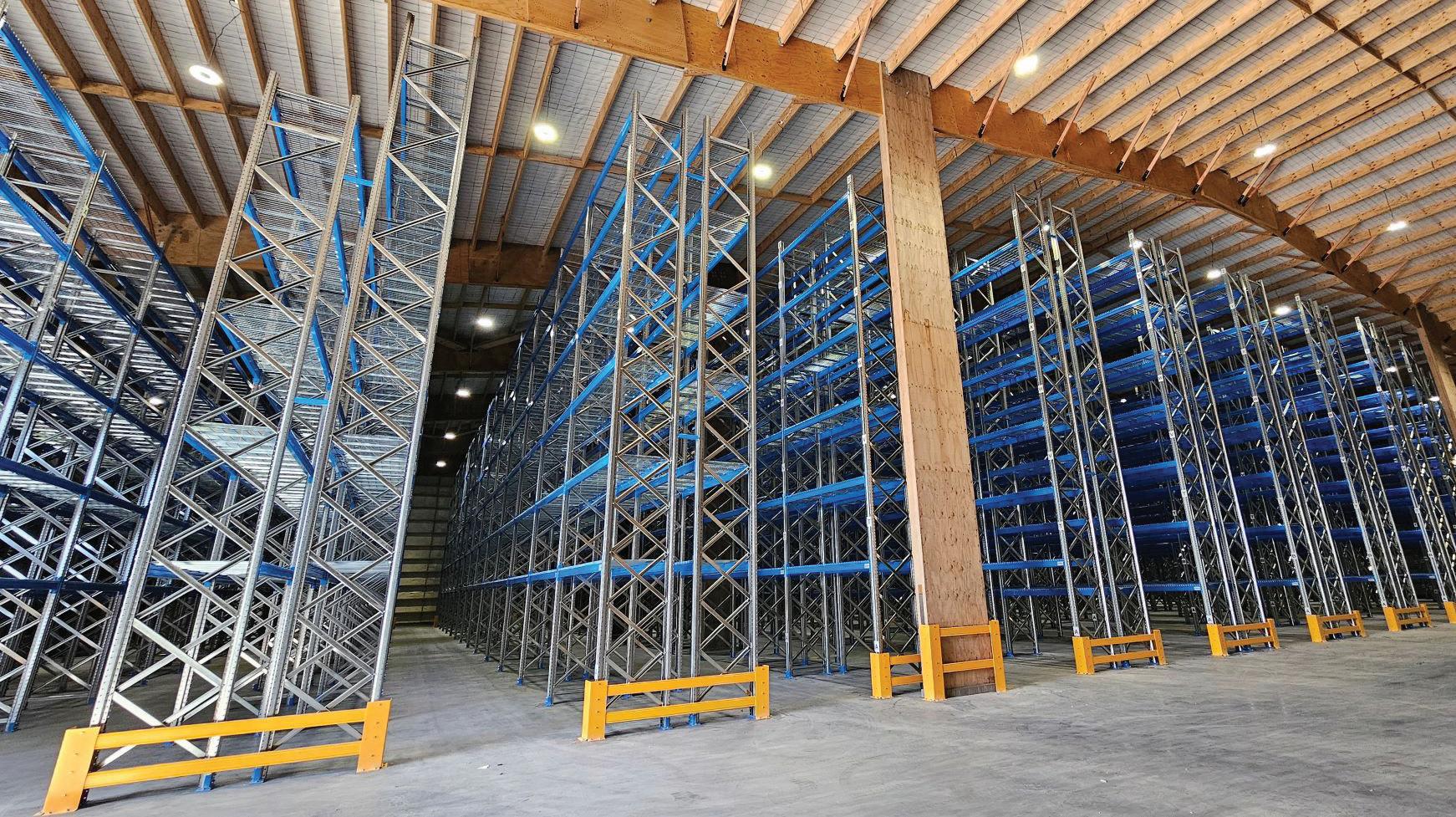
Shelving Shop Group and Novalok have now joined forces, relaunching as Volume. As two businesses with long histories, they have shared their capabilities and learnings to improve each other’s work and aim to deliver measurably better outcomes for warehouse operations.
Volume designs, supplies and installs storage and racking systems for every scale of warehouse operation, from selective pallet racking and longspan pick shelving through to high-density compactor and semi-automated shuttle systems.
Its pick shelving range covers everything from light-duty boltless systems through to heavy-duty longspan and high-density compactor, while its automation systems can be specified to suit the way the operation actually flows, not bolted on for the sake of it.
“Where we used to specify from a catalogue, we now design for the space. This means clients have direct access to engineering and in-house product design that didn’t sit inside the business before,”
said Lance Krogseter-Wagg, head of marketing.
“The capability was always there, just spread across two businesses. Volume is what it looks like when it’s pulled into one team working on every project.”
The 29 months between acquiring Novalok and launching Volume weren’t just spent on the rebrand; they were also spent on integration. Novalok brought engineering rigour and in-house product design, while Shelving Shop Group brought speed and consultative problemsolving.
Having supplied New Zealand’s cold stores, packhouses, manufacturers, importers, and wholesalers since 1993, another priority was protecting longstanding relationships during the transition, as both businesses had clients with decades-long relationships.
Therefore, in practical terms, most things have stayed the same from the project managers and contracts to the suppliers, installers, and partners.
“Clients haven’t had to lift a finger.”
However, what does change is what Volume can be offered. Clients now have direct access to Novalok’s engineering and in-house product design, allowing them to go beyond the catalogue.
“We design our own products and manufacture key lines in New Zealand, which means we can engineer to fit a client’s actual space, product mix, and ambitions. That’s the part we wanted to make obvious. We build around your space, not our catalogue.”
Volume manages the project from the first site visit through to the last pallet position commissioned, from warehouse measurements and layout design around the stock profile, throughput, and pick paths to end-to-end installation management.
A recent example was Acme’s new 10,000 m² warehouse. Volume designed the racking as a two-stage build. Stage one ran tightly compressed narrow aisles to maximise pallet density from day one, fitting 5,000 pallet positions into the initial layout. Stage two was specified and scoped alongside it, ready to be installed as Acme grows into the space.
“Where standard products don’t quite fit, we customise, design and manufacture to suit the operation. One supplier, one point of contact, every step of the way.”
Whether fitting out a new warehouse, refreshing an existing one, or solving a specific problem, visit volume.co.nz or email hello@volume.co.nz.

BY VOLUME

Volume design racking and shelving systems around how your operation actually works. And then supply and install them across New Zealand. We ask the right questions. Get the details right. And take responsibility for the outcome.
How LCA Helps Beverage Brands Make Better Packaging Choices
Demand for more sustainable beverage packaging keeps growing. For beverage brands, this creates pressure to act. A packaging change can affect cost, shelf life, transport, production, recycling, brand trust and market access. So, decisions aren’t too be taken lightly.
WHY ASSUMPTIONS ARE NOT ENOUGH
The tricky part is that environmental impacts of packaging are not always obvious. Glass can look premium, reusable and can be recycled. Paper-based packaging can feel more natural. Compostable packaging can sound like the best answer. Plastic is often judged harshly because it is visible in waste streams. But the option that looks “greener” is not always the one with the lowest impact.
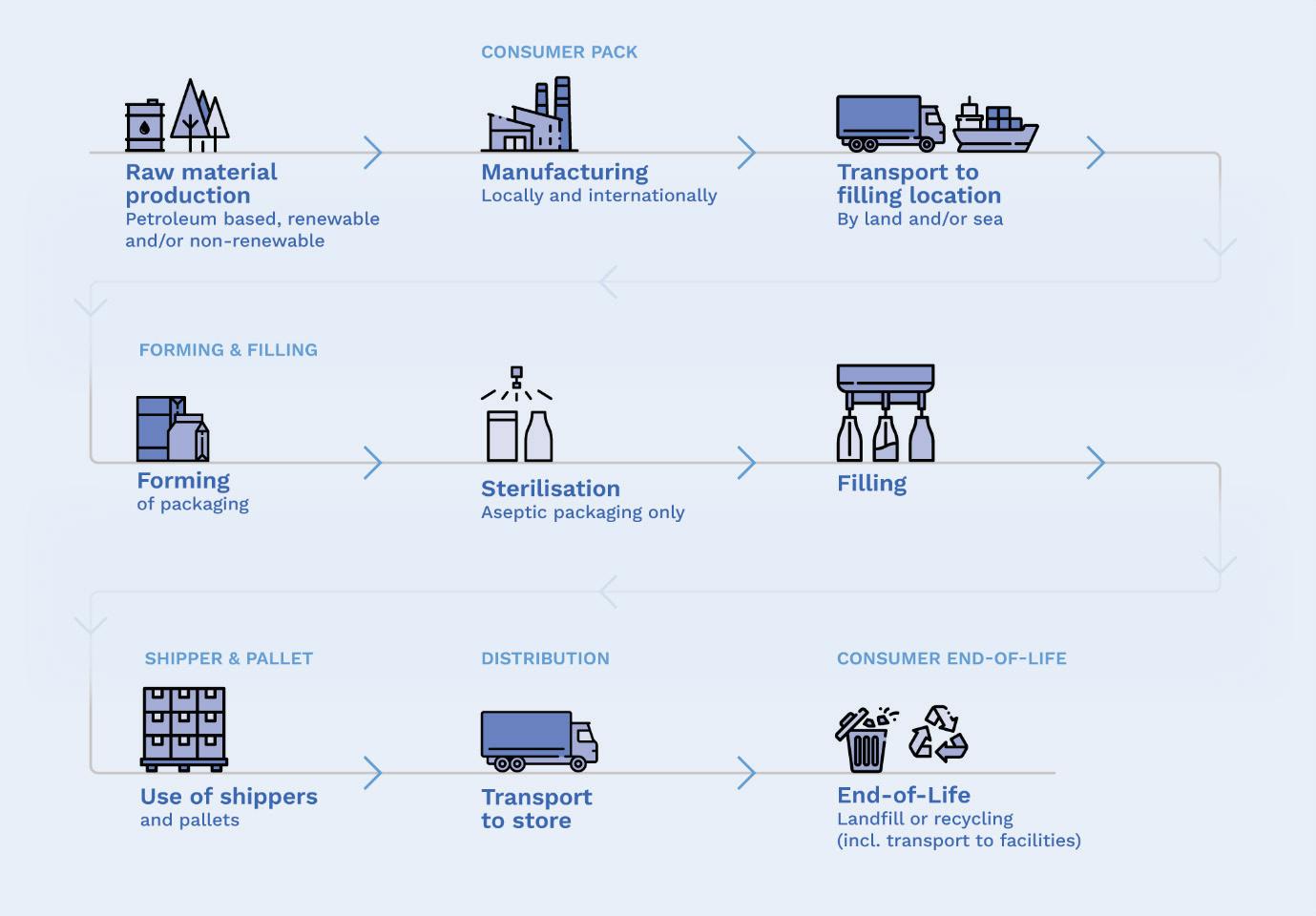
That is where Life Cycle Assessment, or LCA, comes in. LCA is a scientific method for measuring environmental impacts across a product’s life cycle. For packaging, this means looking from raw materials and manufacturing through to filling,
transport, use and end-of-life.
Instead of focusing on one issue, such as whether packaging can be recycled, LCA looks at the whole system. It measures inputs such as energy, water, materials and transport, as well as outputs such as greenhouse gas emissions, waste and pollution.
This matters because packaging does several jobs. It protects the product, keeps beverages safe, supports shelf life and helps products move efficiently through the supply chain. If a packaging change increases product loss, requires more refrigeration or adds weight to transport, the environmental gains may be smaller than expected.
In our experience at thinkstep-anz, LCA is most useful when it cuts through
Article by Barbara Nebel, CEO thinkstep-anz
The packaging life cycle investigated in Tetra Pak’s LCA Source: Tetra Pak Nutshell
assumptions. It can show where the biggest impacts sit, where design changes will make the greatest difference and gives robust evidence to communicate the true impact.
For New Zealand beverage brands, this is especially important. Many products travel long distances. Packaging weight, shape and durability can affect transport emissions and product damage. End-oflife systems also vary across regions, so a packaging option that works well in one market may not deliver the same result everywhere.
LCA does not give a simple “good” or “bad” answer. What it gives is a clearer view of trade-offs. That makes it easier to make credible packaging decisions and explain them to customers, retailers and regulators.
WHAT THE TETRA PAK STUDY FOUND
A useful example is Tetra Pak Oceania. Tetra Pak invested in a comparative LCA to better understand how its cartons performed against other beverage packaging options in Australia and New Zealand.
The study compared beverage packaging systems available in the New Zealand and Australian markets. It looked at packaging sizes from 200 millilitres to 2 litres across milk, juice, ready-to-drink coffee and protein drinks. Cartons were compared with PET and recycled PET bottles, HDPE bottles, aluminium cans, glass containers and pouches.
The assessment covered the full life cycle of each option: raw material production, packaging manufacture, filling, transport and end-of-life management. The team also tested scenarios including end-oflife outcomes, recycled content in glass and aluminium, recycling impacts and transport distances.
The findings challenged common assumptions. In New Zealand, cartons had one of the lowest carbon footprints of all packaging options assessed. In Australia, they had the lowest carbon footprint of all beverage packaging options assessed. This difference reflects the carbon intensity of each country’s electricity grid. Australia’s grid has a higher carbon intensity than New Zealand’s largely renewable grid, so packaging manufactured or filled in Australia generally carries higher carbon emissions than the same packaging manufactured or filled in New Zealand.
HOW TETRA PAK IS USING THE RESULTS
The results also showed where action matters most. Most of the carbon impact happens before the package reaches the customer. This means the biggest opportunities are often in raw materials, packaging production and filling, not only in what happens at end-of-life.
The company can use the results to
identify hotspots and guide decisions about material choices, lightweighting, recycled or bio-based content and transport efficiency. It can also use the findings to support stronger conversations with customers and retailers.
The study also helps future-proof the business. As regulation and compliance expectations change in Australia and New Zealand, robust data gives Tetra Pak a more proactive way to respond. It supports accountability and helps customers meet retailer sustainability requirements.
LCA helps brands move past assumptions and focus on performance. It supports better design decisions, stronger environmental claims and clearer conversations with customers. In a market where claims are under scrutiny, that evidence is part of doing business well.

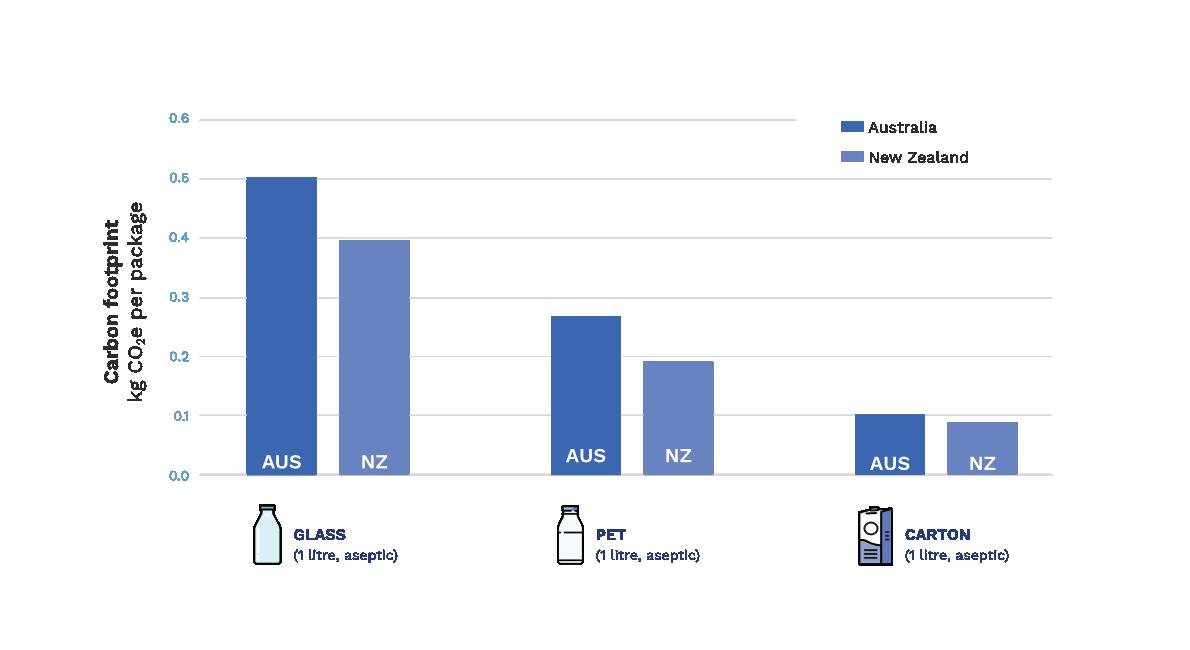
Comparison of carbon footprints for 1 L aseptic juice packs in Australia and New Zealand, benchmarked against the Tetra Brik® Aseptic 1 L Edge LightCap 30 carton. Source: Tetra Pak Nutshell
Matching Format to Occasion
Over the past year, demand for contract bottling and canning has shifted toward more flexible, multi-format manufacturing.
Brands increasingly want partners who can support both glass and can formats across carbonated and non-carbonated beverages, rather than single-format specialists.
Michael Tutty, acting CEO of Brix & Co, highlighted that growth has been driven by RTDs, particularly spirit-based formats, as well as functional beverages and premium non-alcoholic categories.
“What’s changed is the pace. Brands are launching faster, testing more SKUs, and requiring shorter, more agile production runs,” said Tutty.
When choosing between cans, glass, or other formats, Tutty said producers have to balance several key factors, including channel, brand positioning, cost, logistics, and sustainability.
Although cans dominate convenience and volume channels due to efficiency and portability, Tutty added that glass continued to play an important role in premium positioning and hospitality.
“Increasingly, brands are using both, matching format to occasion rather than taking a one-size approach.”
At Brix & Co, Tutty has invested heavily in multi-format capability to support this shift. The site operates across both glass
and cans, with three production lines capable of running carbonated and noncarbonated beverages.
Investment in infrastructure, such as canning lines, pasteurisation, and multiformat labelling, has allowed the business to scale production while maintaining quality and cost efficiency.
Tutty added that automation has now become a core part of packaging operations. From filling lines to cleaning systems and process control, it delivers consistent quality, improved throughput, and faster changeovers, as brands demand greater flexibility and speed.
Sustainability has also reshaped decision-making, with increased focus on recyclability, reduced material use, and improved packaging efficiency across both primary and secondary formats. Manufacturers have been working more closely with brands to balance environmental outcomes with commercial realities.
Looking ahead, Tutty said that the biggest shift will be continued convergence across product categories, formats, and manufacturing capabilities. Those who can combine flexibility, quality and commercial discipline will be best placed to support the next wave of beverage innovation.
What’s changed is the pace. Brands are launching faster, testing more SKUs, and requiring shorter,
more agile production runs,

Shelf-ready Packaging Redefining Retail Execution
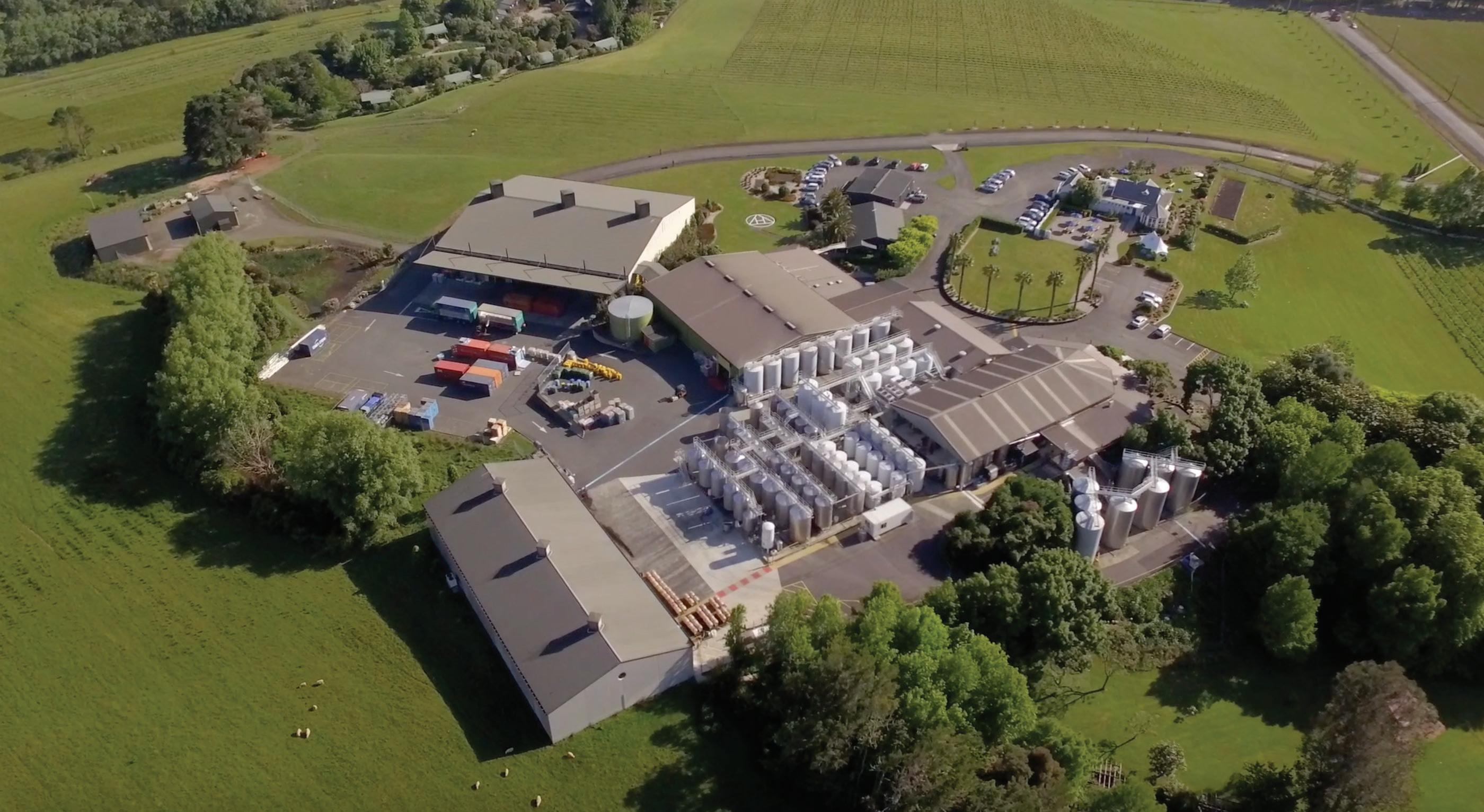
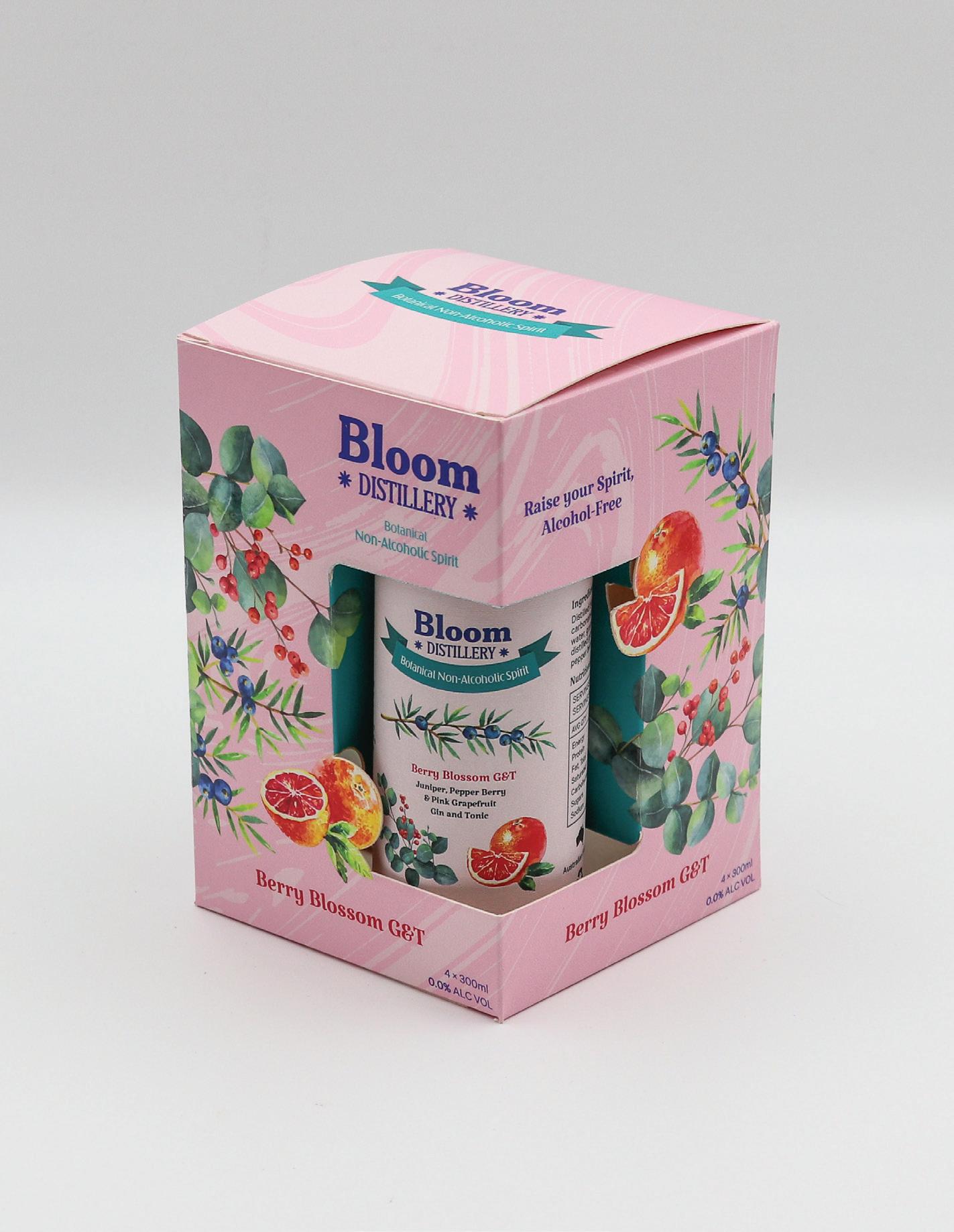
From functional beverages, including high-protein and sugar-free drinks, to craft beer, premium spirits and energy drinks, brand owners have been responding to shifting consumer preferences, intensifying retail competition and growing expectations around packaging performance, efficiency and recyclability across Australia and New Zealand.
Brad Hinds, Chief Executive, Packaging at Opal, said that beverage packaging is no longer a single-purpose function for brands.
“Customers are looking for packaging solutions that protect their product, support efficiency through supply chains, present well at retail and support circular packaging systems. The exciting challenge is how to bring all of those needs together,” said Hinds.
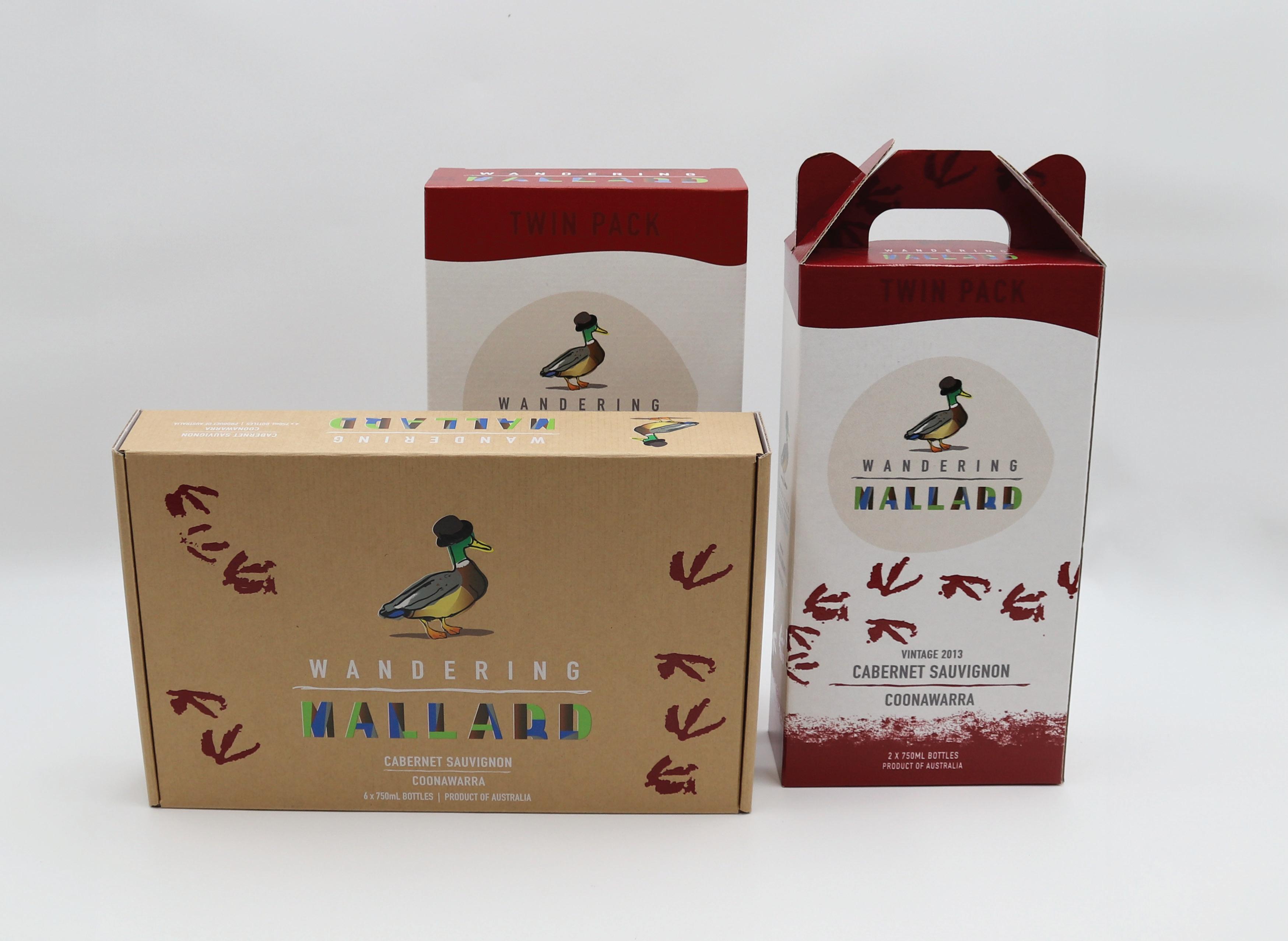
One of the most visible shifts has occurred in-store, where shelf and retailready packaging formats have been adopted to streamline how products move from distribution into retail environments.
Rather than unpacking individual units, retailers can place pre-packed shippers directly on shelves, improving replenishment speed and helping maintain product availability in fastmoving beverage categories.
For beverage manufacturers, this shift is less about retail operations and more about commercial performance. It’s about ensuring their products capture shoppers’ attention through clever printing that showcases their brand and product attributes.
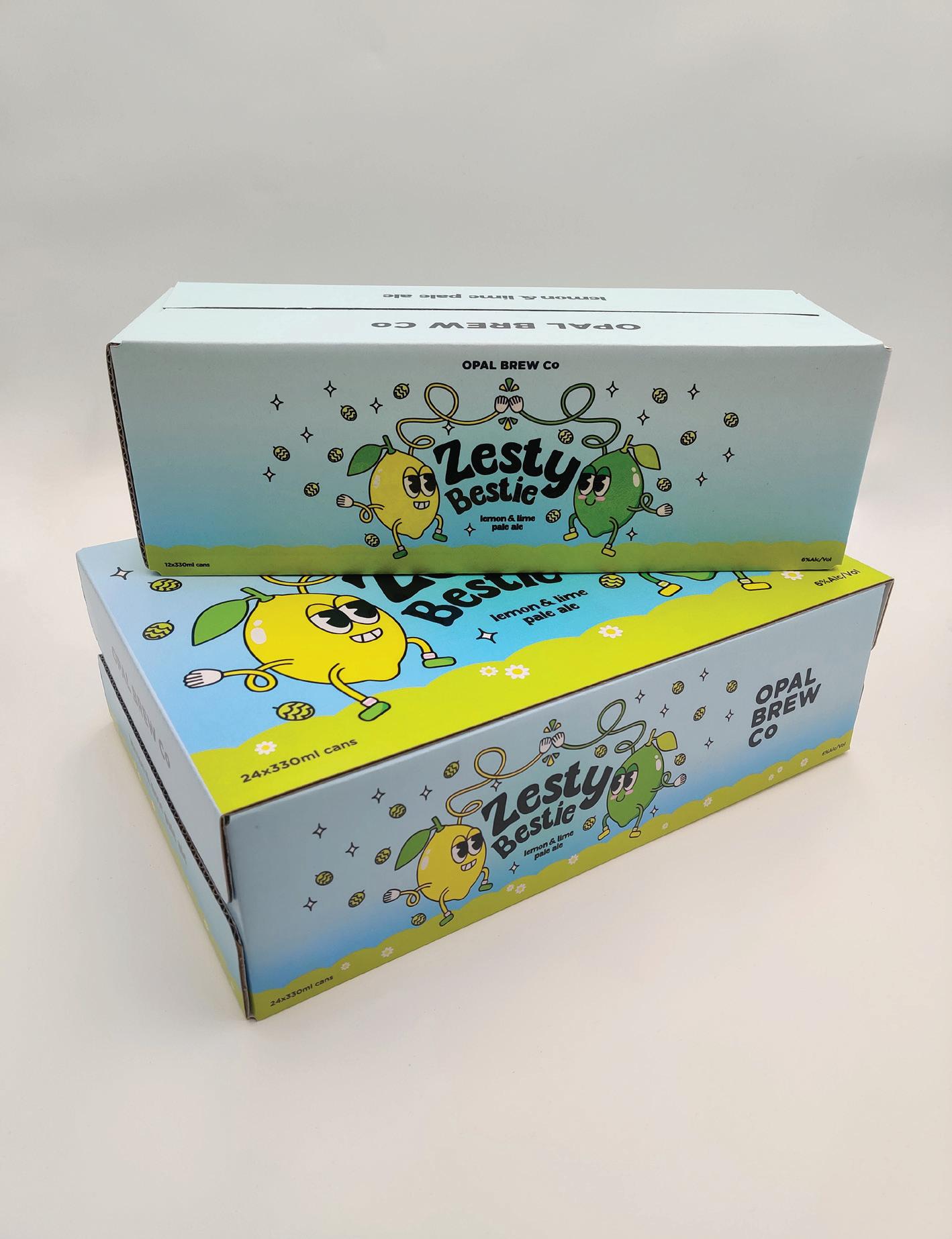
Another shift playing out is multipack formats, where beverage packaging is increasingly acting as a core brand asset rather than just a functional bundle. Across beverage categories, brands have moved away from plastic-based multipack packaging, such as shrink wrap, toward cardboard carton alternatives that offer greater flexibility in structure, branding, and retail impact.
“The combination of print quality, product engineering and finish has an impact on how a product stands out and performs in-store. We know that consumers increasingly expect brands to incorporate sustainable packaging solutions - the added advantage is that cardboard packaging has a long history of being kerbside recyclable,” said Hinds.
For spirits and high-end beverages, packaging is often the first physical interaction with the product, and the design and finishing details are integral to conveying the product’s premium quality.
Hinds added that in this segment, consistency isn’t a preference; it’s a requirement.
“Quality is non-negotiable in premium packaging. Brands expect consistency in colour, structure and finish every time,
because packaging is a direct reflection of the product itself.”
Additionally, decisions have been shaped by cost pressures, a desire to reduce emissions, and the realities of long, complex export supply chains.
Products often travel through multiple handling points, ports and climate conditions before reaching their destination. Packaging performance has become a critical factor in protecting product integrity and thereby reducing spoilage and breakages, which impact costs.
Across the sector, packaging is increasingly viewed as an integrated system that connects production, logistics, retail execution, and recyclability. This is driving greater adoption of cardboardbased solutions that combine structural performance, high-quality on-pack branding and recyclability within a single format, allowing brands to balance commercial, operational and sustainability demands through a single design approach.
“For Opal, this shift is shaping how packaging is developed, with a focus on helping customers improve efficiency, strengthen brand execution and deliver more circular packaging outcomes across Australia and New Zealand.”
Rethinking Beverage Equipment Value Through Lifecycle Performance
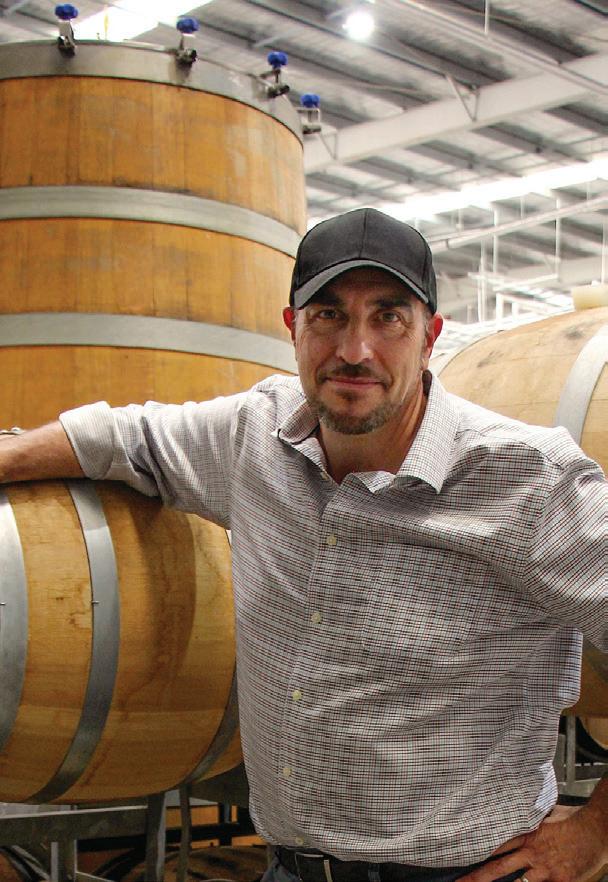
Across Australia and New Zealand, several trends have reshaped beverage packaging, yet the most significant has been the shift from standalone packaging equipment to fully integrated, data-driven production systems.
According to Paul Baggio, managing director at FB*PROPAK, beverage manufacturers have been under increasing pressure to improve efficiency, manage labour shortages and control costs while supporting a growing range of packaging formats.
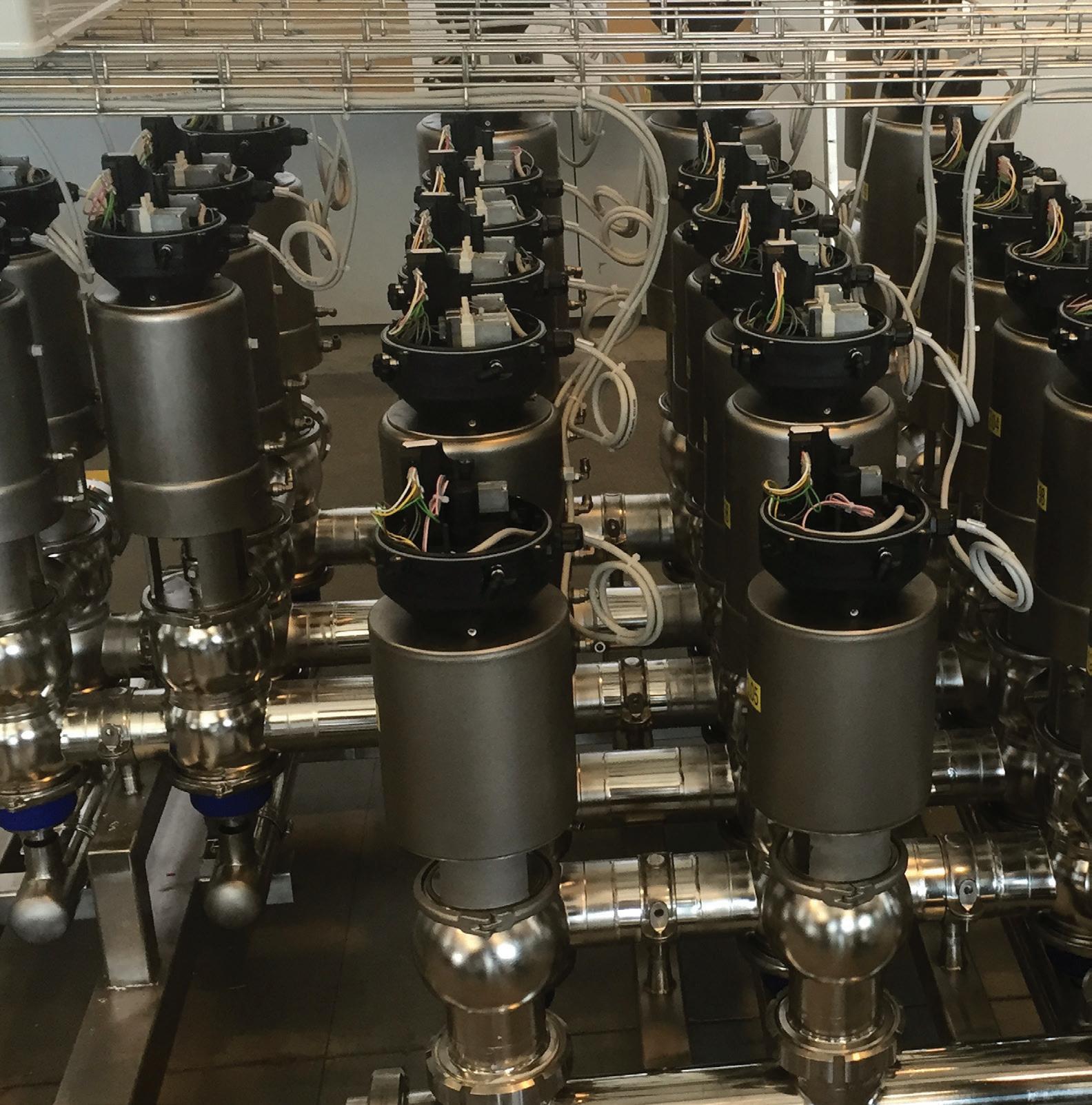
As a result, there is greater focus on automation, real-time production reporting, inline quality control and system integration rather than simply increasing line speed.
Manufacturers have also been seeking greater flexibility. Product portfolios continue to expand across bottles, cans, pouches, bag-in-box and other emerging
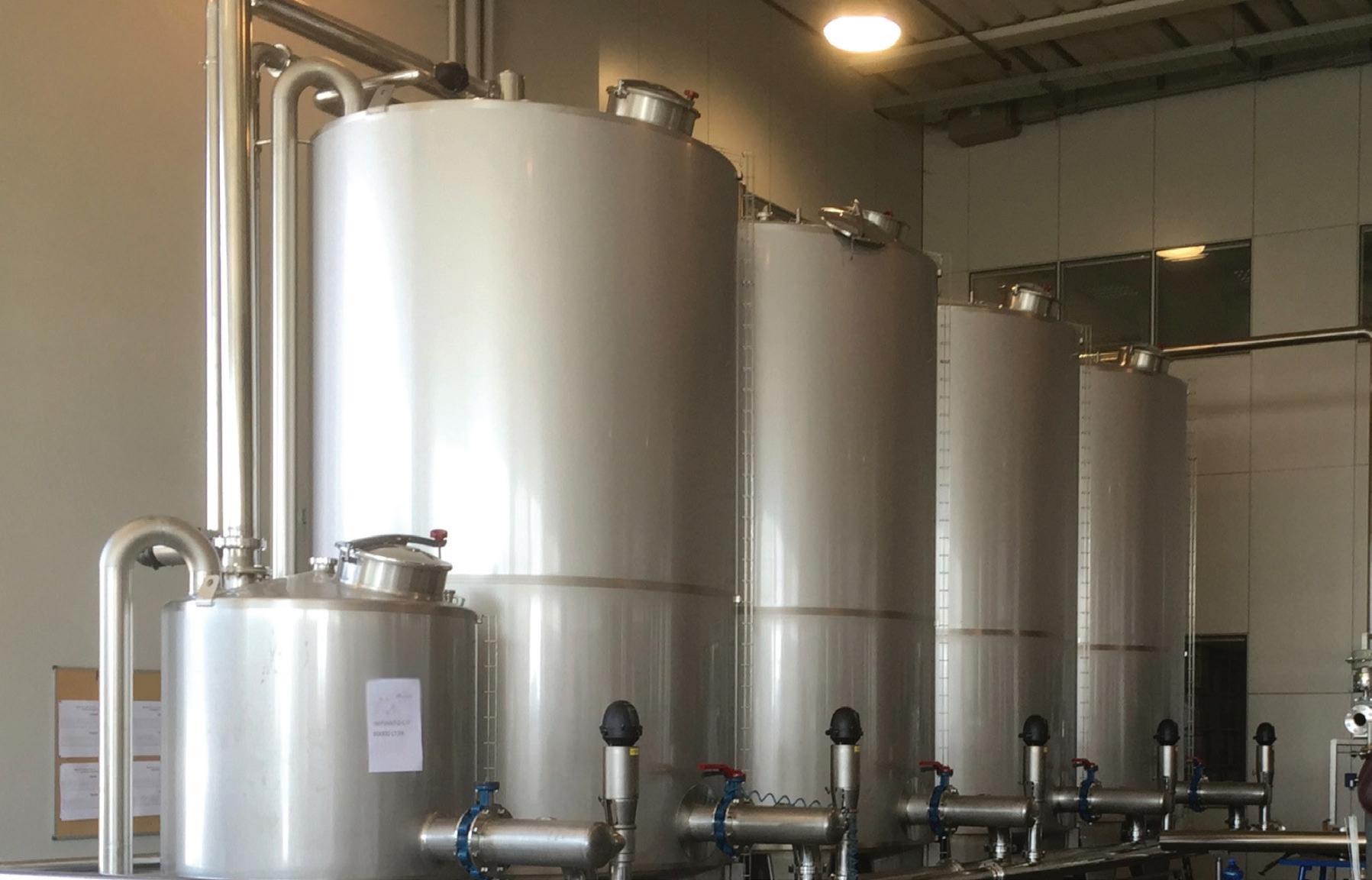
formats, requiring equipment and production systems that can adapt quickly without compromising efficiency.
At the same time, sustainability remains a key driver. However, the conversation is increasingly shifting beyond packaging materials alone and towards operational efficiency.
“Reducing waste, minimising product loss, lowering energy consumption, and optimising production performance deliver both environmental and commercial benefits,” said Baggio.
“Sustainability is becoming a core business consideration. Beverage producers are exploring lightweight materials, improved recyclability and production technologies that reduce water, energy and product waste. Increasingly, manufacturers recognise that the most efficient operations are often the most sustainable.”
He added that consumer expectations have continued to influence both packaging design and production strategy, with convenience being a major driver, creating demand for portable, easy-touse formats suited to a wider range of consumption occasions.
At the same time, consumers expect premiumisation, placing greater emphasis on packaging performance, shelf life and product integrity.
Therefore, producers have invested in technologies such as inline inspection, automated quality control and real-time monitoring to ensure products consistently meet brand and consumer expectations while reducing costly rework and waste.
Managing these complexities has become one of the biggest challenges
facing beverage manufacturers today. As businesses operate across more SKUs with different packaging formats and shorter production runs than ever before, Baggio noted there is additional pressure on production systems, logistics, and inventory management.
Labour availability and technical skills shortages have also affected manufacturers across Australia and New Zealand, underscoring the importance of automation and streamlined operations.
“Minimising downtime has become a critical priority. When packaging lines stop, costs escalate quickly due to lost production, wasted product, and delayed deliveries,” said Baggio.
Consequently, manufacturers have begun to look beyond equipment purchase price and focus on lifecycle performance. Fast service response, remote diagnostics, real-time performance reporting and predictive maintenance capabilities can significantly reduce downtime and
improve overall equipment effectiveness.
“The ability to identify issues quickly, maintain product quality and keep production moving is becoming just as important as the equipment itself.”
Looking ahead, Baggio saw the greatest opportunity to be in agility. He said that as consumer preferences evolve rapidly, it has created opportunities for brands that can respond quickly with new products, formats, and consumption experiences.
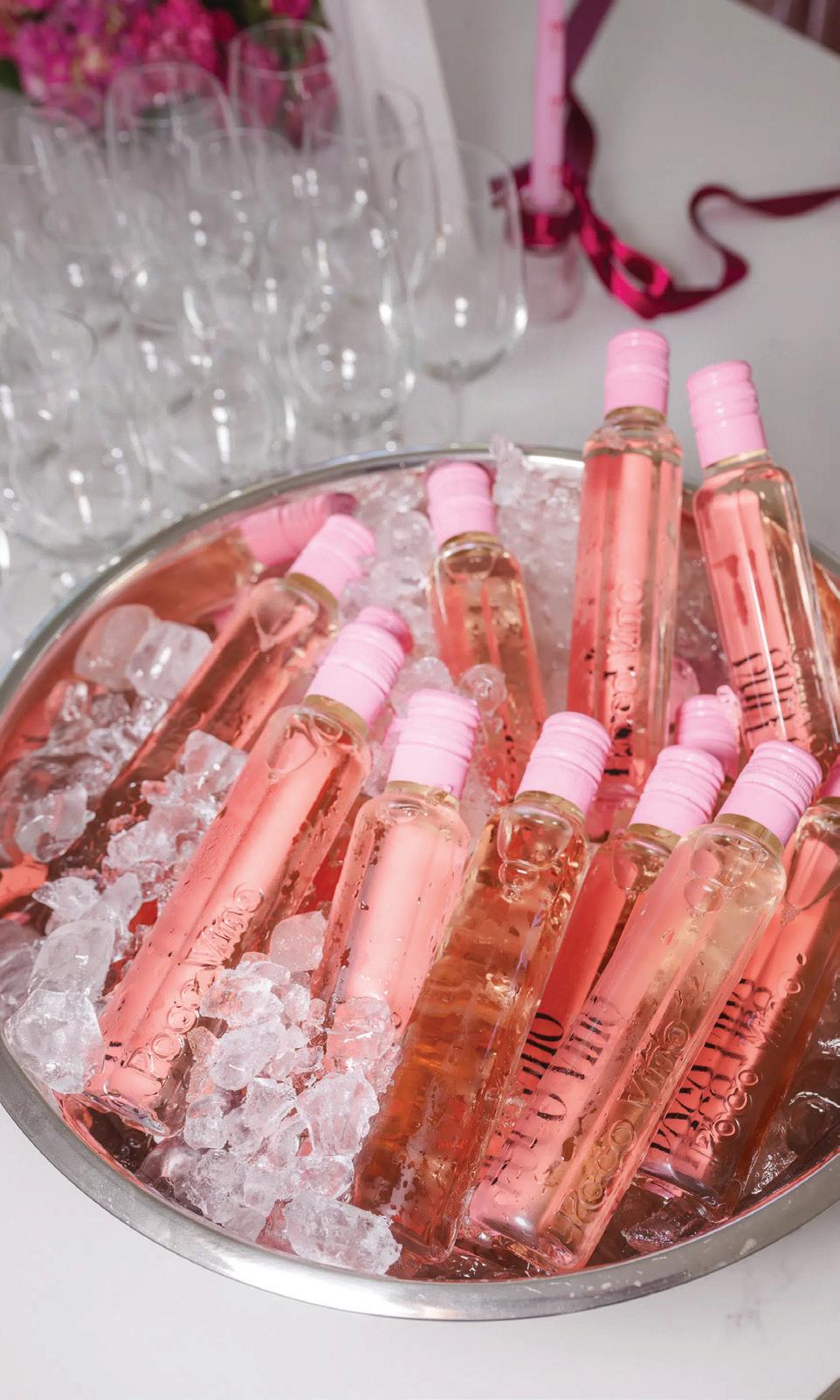
Growth will continue across categories such as low- and no-alcohol beverages, functional drinks, ready-to-drink products, and alternative packaging formats, and Baggio has also observed innovative formats, such as single-serve wine products like Poco Vino, creating entirely new consumption occasions and channels.
He added that these formats allow brands to reach consumers in situations where traditional packaging may not be practical, but they also place greater demands on filling accuracy, oxygen
management and quality control.
“Packaging will play a central role in enabling this growth. Flexible production systems, automated changeovers, and multi-format capabilities will enable manufacturers to respond more quickly to market opportunities while maintaining efficiency,” he said.
The most successful beverage businesses, according to Baggio, will increasingly leverage automation, inline quality control, real-time reporting and connected production systems to improve decisionmaking, reduce waste and maximise uptime.
Remote diagnostics and faster technical support will further reduce downtime and help manufacturers maintain consistent production performance.
“Packaging will no longer be viewed simply as a container, but as a strategic tool that supports innovation, operational performance, sustainability and long-term profitability.”
Rounding the Corner
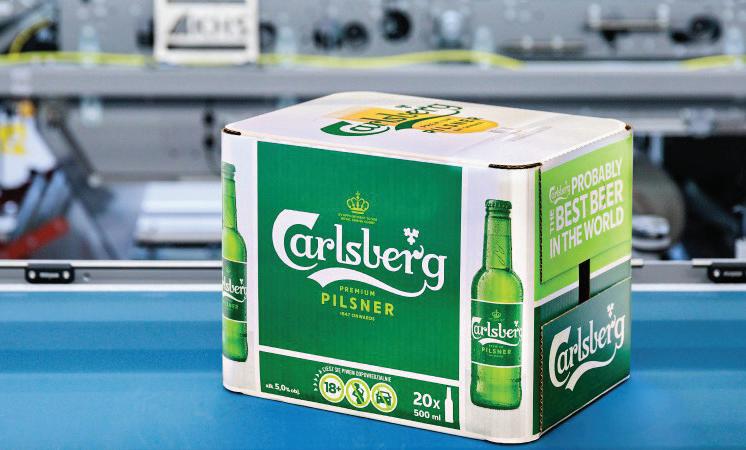
Together with DS Smith and KHS and based on SCA’s patented Arcwise technology, Carlsberg has launched an eye-catching premium multipack with rounded corners to market, starting with Poland, with further projects in the pipeline.
Carlsberg’s packaging innovation director, Marine Andre, said that consumer experience was the top priority.
“After all, in a store, we have less than two seconds for our products to be noticed on the shelf. If you’re not conspicuous, you’re not there.”
Research has discovered that sustainability is something consumers expect, but don’t actively reward, making it important that sustainable packaging is both functional and gets brands noticed.
“We’re consciously trying to break down the barriers between sustainable packaging, optimised costs and the perfect
consumer experience. If a system doesn’t score with at least two of these criteria, it’s doomed to fail.”
Carlsberg’s DS Smith Round Wrap, a cardboard multipack with curved edges for beer bottles, provided added value on three counts.
Firstly, it gave the brand a greater visual presence, upgraded the pack and boosted its impact on the shelf, as scientific studies conducted by Harvard Medical School, among others, showed that objects with round shapes are perceived as more attractive than those with square corners and edges.
Secondly, this new style of secondary
packaging uses less material, has a smaller carbon footprint and is better protected against damage during transportation. Lastly, as the pack can be produced on existing packaging machines, no large investments are needed, and consumers do not have to pay a higher price.
Before the new multipack made it onto the shelf, the concept underwent a lengthy learning process with the first trials in Sweden back in 2020.
Senior packaging implementation and optimisation manager Bogdan Volkotrub, Carlsberg, said the team first wanted to prove on a small scale that the solution could be implemented.
“At first, we weren’t successful because we couldn’t produce constant quality.”
The breakthrough ultimately came in 2022 with the right partners: DS Smith provided sufficient material and demonstrated the necessary perseverance in testing, learning, and validation, working in a team with Dortmund systems supplier KHS.
“It’s like playing with LEGO. One piece represents the material, one the machine, and a third teamwork. If just one bit doesn’t fit, you can’t build anything decent from the pieces.”
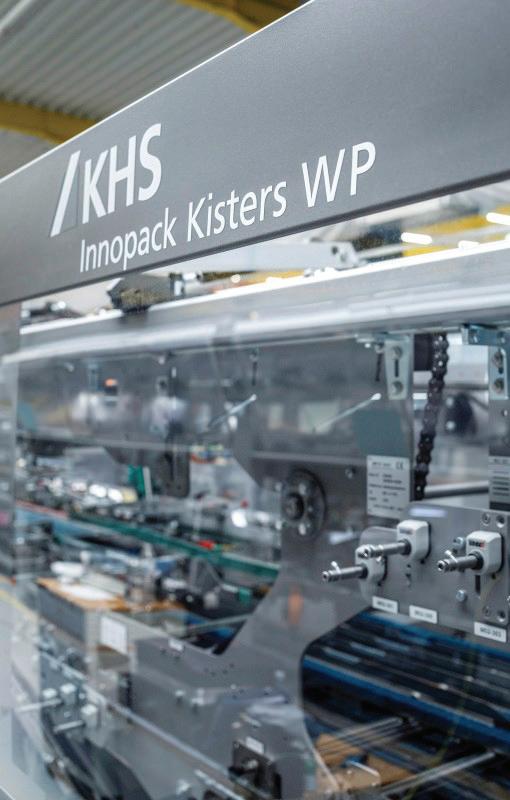
Carlsberg Poland was identified as a suitable test market as the production site already had a packer capable of producing the new multipack, namely a KHS Innopack Kisters WP Advanced. In 2024, the first packs with rounded corners began to appear on the shelves of Polish supermarkets.
Jonathan Carter, Head of Innovation Product Management at DS Smith, explained that the outer liner must be robust enough to stabilise the curve, whereas the inner liner must be much
lighter to enable the fluting to form perfectly. This was the only way to produce a smooth curve without the material creasing or tearing.
To ensure quality, DS Smith tested countless combinations of paper, corrugation types, adhesives, and machine parameters in a laborious, iterative process before dispatching the material to the customer.
During the final phase of the project, DS Smith sent 13 pallets, representing a limited selection of material variants, to KHS in Kleve. Here, they underwent rigorous machine testing by the packaging experts.
Tobias Kersten from KHS added that, in practice, this called for only minor adjustments.
“Our specialists set up the system with the utmost precision so that the new format can be seamlessly integrated into modern wrap-around packers,” he said.
“This enables the machines to provide excellent process stability and fabricate the new type of packaging without any notable loss in performance.”
The finished secondary packaging
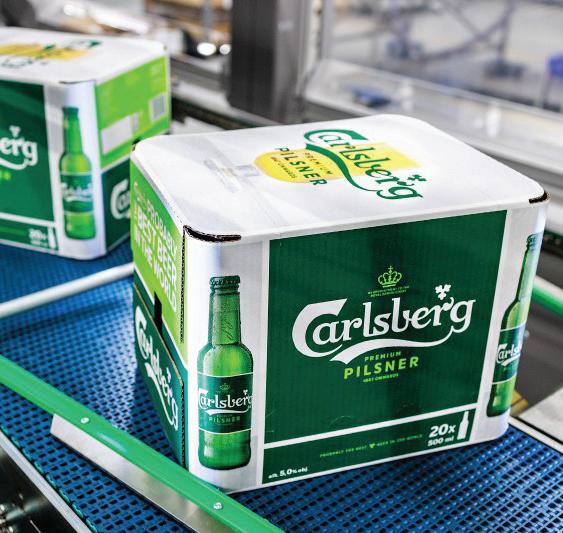
has been well-received by retailers and consumers. The rounded corners are less susceptible to damage during transportation, in the warehouse and at the POS, and the curved design already appears to be enhancing sales, even if no concrete figures are available.
A consumer study commissioned by DS Smith showed that, on average, 77 percent of those surveyed would be more willing to purchase a product with the improved rounded wrap-around design than with another type of packaging.
This may stem from the fact that the rounded corners provide additional space for brand communication. Plus, the box lid, printed with its advertising motif, can be opened and propped up vertically for the sale of single bottles, just like a miniature display.
Besides design and function, the new premium pack scores further points for its ecological footprint. The DS Smith Round Wrap is now fully developed and ready for use in further markets, having been successfully tested in numerous key locations across EMEA.
Beverage Packaging Trends at interpack 2026
As the world’s leading trade fair for processing and packaging solutions, interpack once again brought together international players in the bottling, canning, and packaging of beverages in 2026.
This sector has been driven by regulatory requirements such as the European Packaging and Packaging Waste Regulation, manufacturers’ ambitious sustainability targets, and changes in consumer behaviour.
Traditional beverage packaging, such as glass or PET bottles, aluminium cans, and drinks cartons, has changed. Today, a maximum reduction in material use, intelligent barrier functions, digital process control, and improved recyclability have become among the requirements for new generations of beverage packaging systems.
Weight reduction has become a major topic. Interpack exhibitor KHS, for example, pursued a “premium lightweight” approach and presented Premium Lite, a bottle for still mineral water made of 100 per cent recycled PET, weighing just 6.2 grams for 0.25 litres.
The new bottle was designed to combine minimal material use with high-quality aesthetics and has been specifically tailored to the requirements of modern high-speed production lines.
This lightweight was produced on the advanced KHS InnoPET Blomax Series V stretch blow-moulding machine, which ensured process stability and high precision for large quantities.
When it comes to product protection and the circular economy, KHS took things even further with its new Supreme PET bottle. Here, the company employed its own Plasmax technology, which applies a silicon oxide coating that is less than 100 nanometres thick to the bottle’s inner wall.
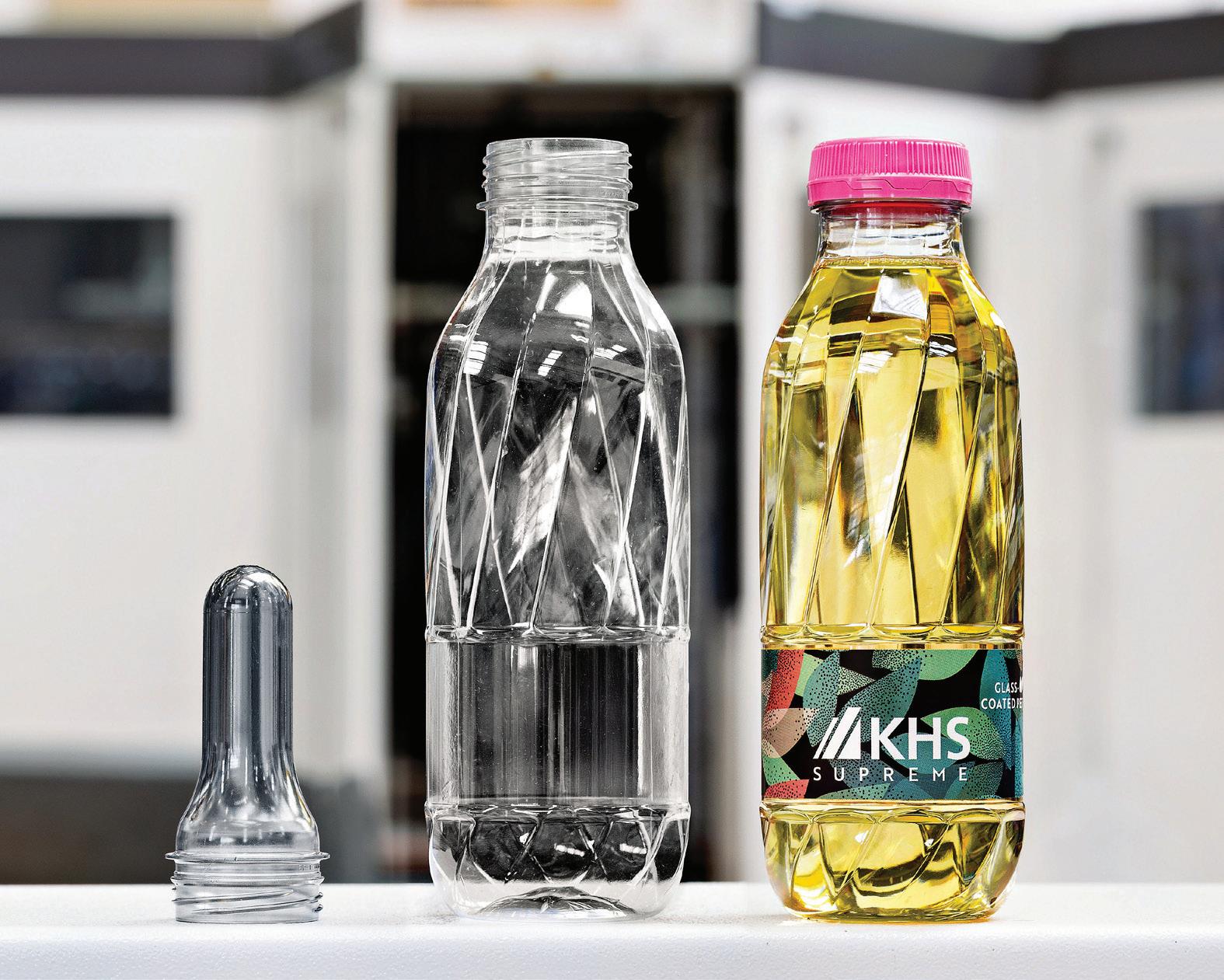
The coating acted like glass, protecting oxygen-sensitive drinks, such as highquality green tea, from oxidation and extending their shelf lives many times over.
At the same time, the bottle is still fully recyclable, as the glass layer was removed in an alkaline solution without contaminating the PET during the recycling process. The combination of maximum product protection, rPET compatibility and industrial production speeds of up to 60,000 bottles per hour illustrates the extent to which barrier technologies have now evolved towards a circular economy.
KHS Supreme combines PET with a wafer-thin glass inner coating.
Image: KHS

The EcoFloat White option allows bottlers to switch from opaque HDPE or PET packaging to clear PET bottles. Image: CCL Label
EASILY RECYCLABLE LABELS
Along with reduced material use, the recyclability of individual components is becoming increasingly important. As an exhibitor at interpack 2026, CCL Label focused on innovations in the circular economy and showed how packaging design can actively support recycling systems.
In the area of label and sleeve technology, the company opted for concepts that support recycling. EcoFloat, for example, is a shrink sleeve solution based on low-density polyolefin.
During the sink-float PET recycling process, the sleeve material floats while the PET flakes sink; this physical separation was crucial for high-quality bottle-tobottle recycling.
Another new feature was the EcoFloat White option for light-sensitive products, which allows bottlers to switch from opaque HDPE or PET packaging to clear PET bottles.
With its WashOff labels, CCL also addressed the requirements of industrial washing processes in the reuse and refill sector. These pressure-sensitive labels can be removed in a lye bath without leaving any residue, thereby supporting reusable glass and PET systems.
In addition, the new EcoShear adhesive technology improved the recyclability of single-use glass bottles, as self-adhesive film labels are almost completely removable.
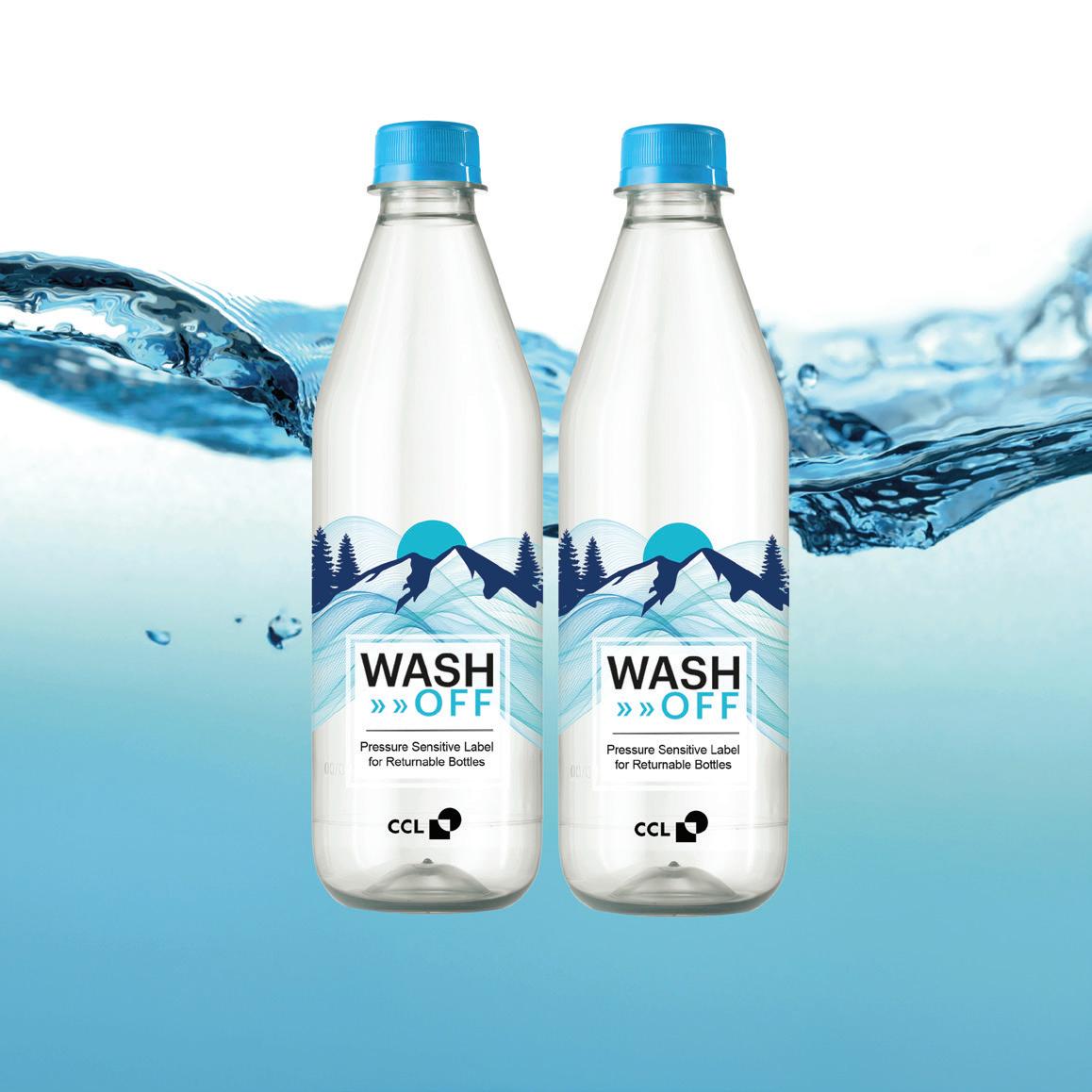
The WashOff labels can be removed from reusable bottles without leaving any residue. Image: CCL Label
Technomelt EM 335 RE contains no mineral oil, is almost completely removable in the recycling process and is PETCYCLE-approved. Image: Henkel
AN ADHESIVE FOR HIGH-SPEED LABELLING
Finally, the composition of supposedly minor components also gained importance. With a new hot-melt adhesive that does not contain mineral oil, Henkel Adhesive Technologies offers a solution with a removal rate of up to 98 per cent in the recycling process. The residue was separated from the
material flow, along with the remaining labels. The hot-melt adhesive solution is compatible with both paper and plastic labels and ensures smooth operation at up to 40,000 bottles per hour while maintaining low processing temperatures of 110 to 140°C. This protects equipment, saves energy and increases operational reliability.
Continued on pg. 16
beverage manufacturing
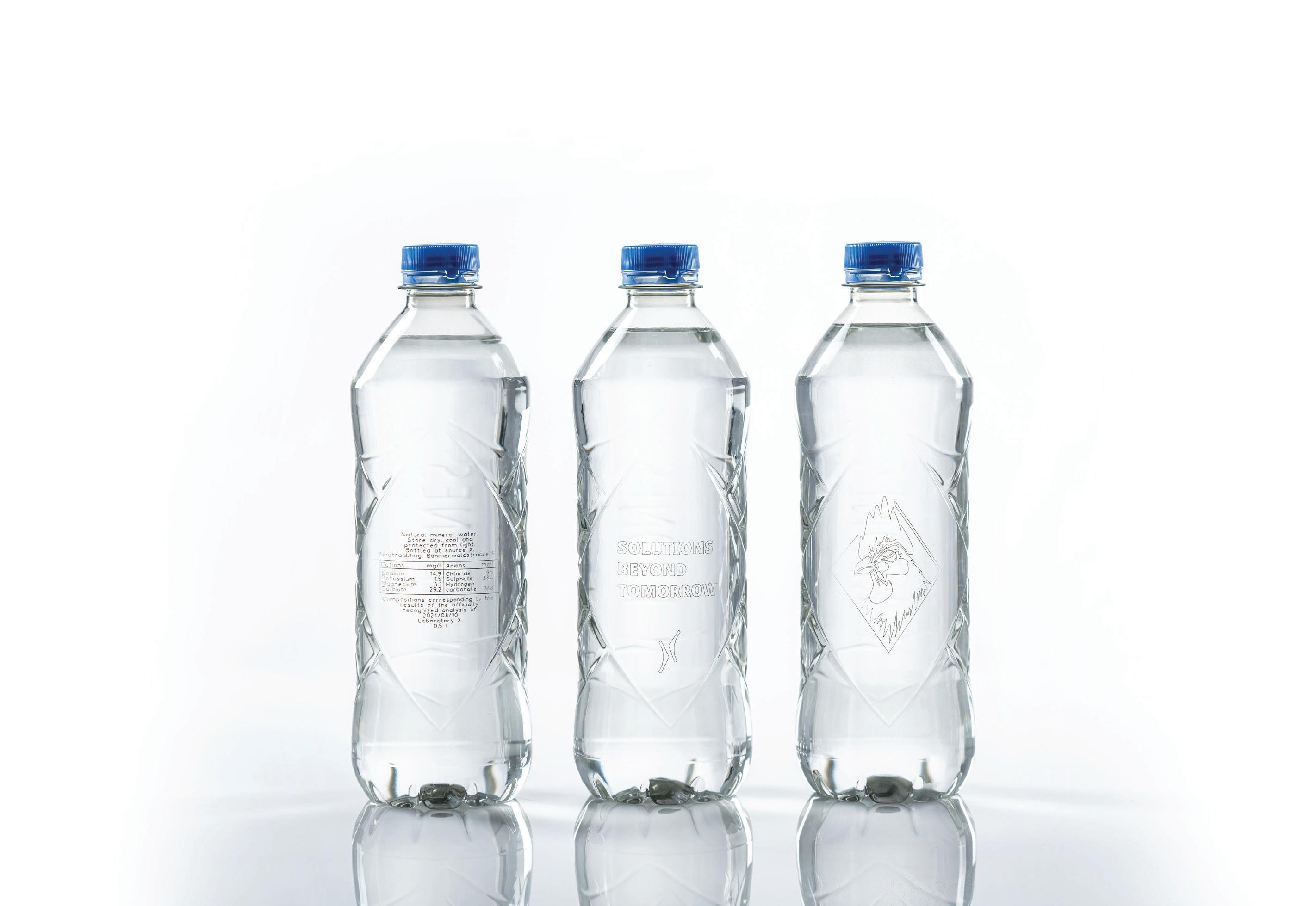
Relevant information is laser marked directly onto the bottle. Image: Krones
Continued from pg. 15
REPLACING LABELS WITH LASER MARKS
However, packaging can also do without labels. Last year, Krones developed DecoBeam, a solution for directly marking PET and rPET bottles.
Relevant information, such as the product’s net quantity, ingredients, bestbefore date, and design elements, is lasermarked directly onto the bottles, saving material and making packaging easier to recycle.
Two laser marking methods are available: CO2 lasers result in a more white-ish colour, while fibre lasers produce black lettering. Logos, graphics and design elements can also be depicted alongside the text.
Krones also offered an alternative to classic labels for glass containers. INKpression transfers ink directly onto the containers themselves. What made this application so special was that the ink was not applied through a traditional printing process: the finished design is peeled from the backing material and transferred to the container as a whole.
BOOM IN CANS CONTINUES
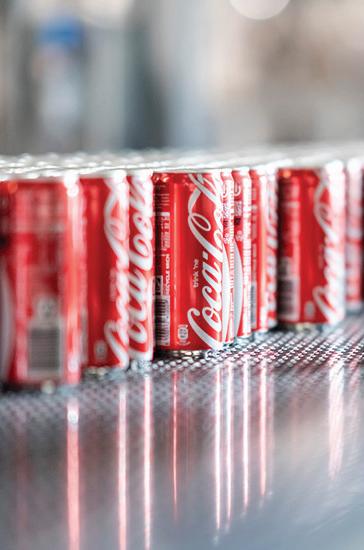
The drinks can has also gained popularity for years. For example, sales of canned soft and energy drinks have boomed, particularly among younger target groups.
In Europe, drinks cans also have a good recycling rate: over 76 per cent in 2023 and rising, according to figures from two European associations, namely Metal Packaging Europe (MPE) and European Aluminium (EA).
Deposit systems have a significant effect here: countries with deposit-return systems achieve recycling rates of up to 90 percent.
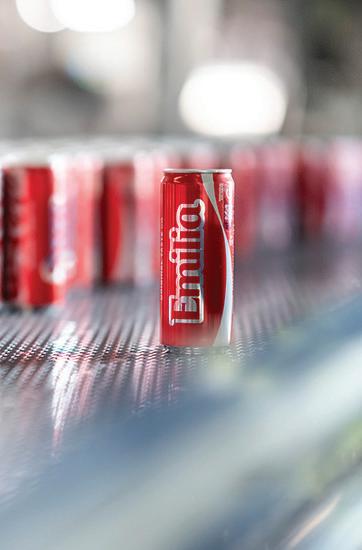
Many beverage manufacturers have expanded their can offerings. This year, for example, Coca-Cola Europacific Partners Germany has invested in a new canning line at its Halle location and will supplement its two existing non-carbonated beverage bottling lines in PET bottles.
The demand for beverages in cans is increasing.
Image: Coca-Cola / Uli Deck
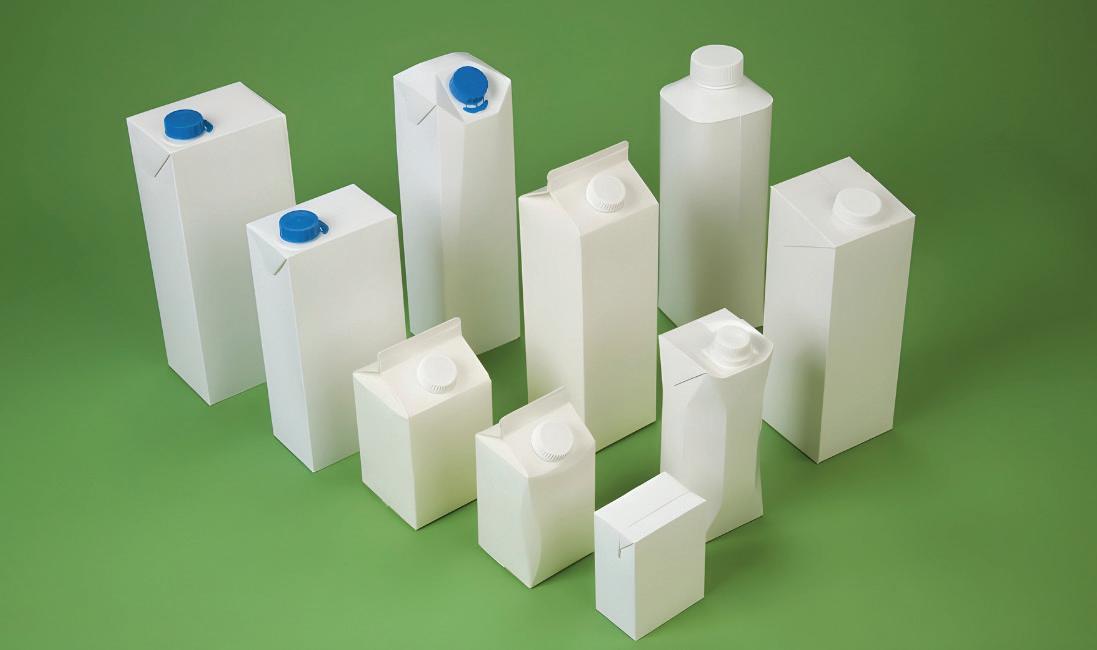
More eco-friendly than their reputation would have you believe: drinks cartons. Image: FKN
DRINKS CARTONS WITH A GOOD LCA
When it comes to drinks cartons, opinions often differ, despite the fact that this form of packaging combines stateof-the-art technology: it is lightweight, opaque, recyclable, and around threequarters of its material consists of cardboard fibre, supplemented by barriers that protect the product and help extend shelf life.
According to the German Association of Manufacturers of Carton Packaging for Liquid Foods, the industry has advanced more than many believe when it comes to recycling.
The drinks carton has long been part of a functioning cycle, thanks to association companies Tetra Pak, SIG Combibloc and Elopak, as well as the Palurec recycling plant at Knapsack Chemical Park.
TETHERED CAPS UNPOPULAR
A study by the Nuremberg Institute for Market Decisions (NIM) showed that a majority of consumers find tethered caps impractical. Since mid-2024, single-use
beverage packaging must be fitted with these tops, which remain attached after opening. The aim is to reduce plastic waste and facilitate recycling. However, two-thirds of respondents criticised the cumbersome handling, especially when drinking and pouring.
Numerous international exhibitors demonstrated how to package beverages safely, appealingly and sustainably at interpack in Düsseldorf in May 2026. The next interpack will be held in May 2029.

Meeting Shopper Expectations with SPCA Certified
While animal welfare may not always be the first thing that shoppers say they are looking for when making a purchase decision, it increasingly influences what products end up in their baskets.
Consumer research consistently shows animal welfare is a growing influence on purchasing decisions. And with four out of five shoppers surveyed being more likely to purchase products that are SPCA Certified*, highlighting animal welfare in supermarkets is increasingly a commercial consideration, albeit one that retailers and shoppers alike can feel good about.
WHAT IS SPCA CERTIFIED
SPCA Certified is New Zealand’s largest independent animal welfare certification programme. Working directly with farmers and producers to support continuous improvement over time ensures the animals in their care are given opportunities for a better life, raising the bar for animal welfare on farms. This means allowing animals to range in areas with natural shade and shelter, and for those housed in barns, ensuring they have environmental enrichment and can express natural behaviours. This is done through evidence-based welfare standards that go beyond minimum legal requirements. For retailers and supermarkets, this provides reassurance that animal welfare claims are supported
by independent auditing, including annual and unannounced audits. This creates a pathway for continued improvement and sustainable, meaningful, and positive animal welfare outcomes.
HELPING SHOPPERS CHOOSE WITH CONFIDENCE
For shoppers, this assurance of higher animal welfare is communicated through the SPCA Certified blue badge, an easily identifiable signal on pack that represents a trusted brand. This clear visibility at shelf drives purchase confidence, allowing values-driven shoppers an option to align their choices without slowing down their shopping experience. It also provides reassurance that animal welfare claims are credible, verified and consistently applied, helping reduce confusion in categories where on-pack claims can vary.
BENEFITS FOR BRANDS AND RETAILERS
For both brands and retailers, a move towards SPCA Certified products meets evolving consumer preferences – with an expectation from shoppers that eggs, chicken and pork, along with dairy items such as cheese and yoghurt, should carry the SPCA Certified blue badge*. Joining SPCA Certified enables brands to clearly communicate their commitment to higher animal welfare across packaging, marketing and customer channels.
In store, delivering this consumer demand creates opportunities to drive trade-up and support cross-category story telling. Grouping SPCA Certified products together can strengthen animal welfare associations, while pairing with other values-driven brands improves transparency and traceability for shoppers, increasing engagement and encouraging
cross-shop.
Simultaneously, visibility of SPCA Certified products in store supports continuous improvement across grocery animal welfare policies, while mitigating the reputational risk for retailers associated with unsubstantiated claims. Animal welfare is also increasingly linked to broader environmental, social and governance goals. Aligning with an independent certification programme with strong brand recognition can support supplier due diligence, reinforce social licence, and future-proof categories likely to be of interest in future.
THE OPPORTUNITY
Leveraging the SPCA’s strong brand reputation, SPCA Certified should be on the radar for brands and retailers as the next step in advancing animal welfare standards in New Zealand and responding to shopper demand. While SPCA Certified products are already available across chilled, frozen and ambient categories, the opportunities for brands and retailers are clear as shoppers seek broader availability of products backed by credible, independently verified, animal welfare standards.
As pressure grows on retailers to demonstrate responsible sourcing, SPCA Certified provides a practical, credible option that benefits consumers, retailers, brands and supermarkets alike – delivering clarity on shelf, confidence in claims and alignment with shopper expectations.
Find out how to join SPCA Certified and what it could mean for your brand: www.spcacertified.nz/join. Contact SPCA Certified – certified@spca.nz
*Source: Insights HQ SPCA Certified Food Labelling Research, July 2025
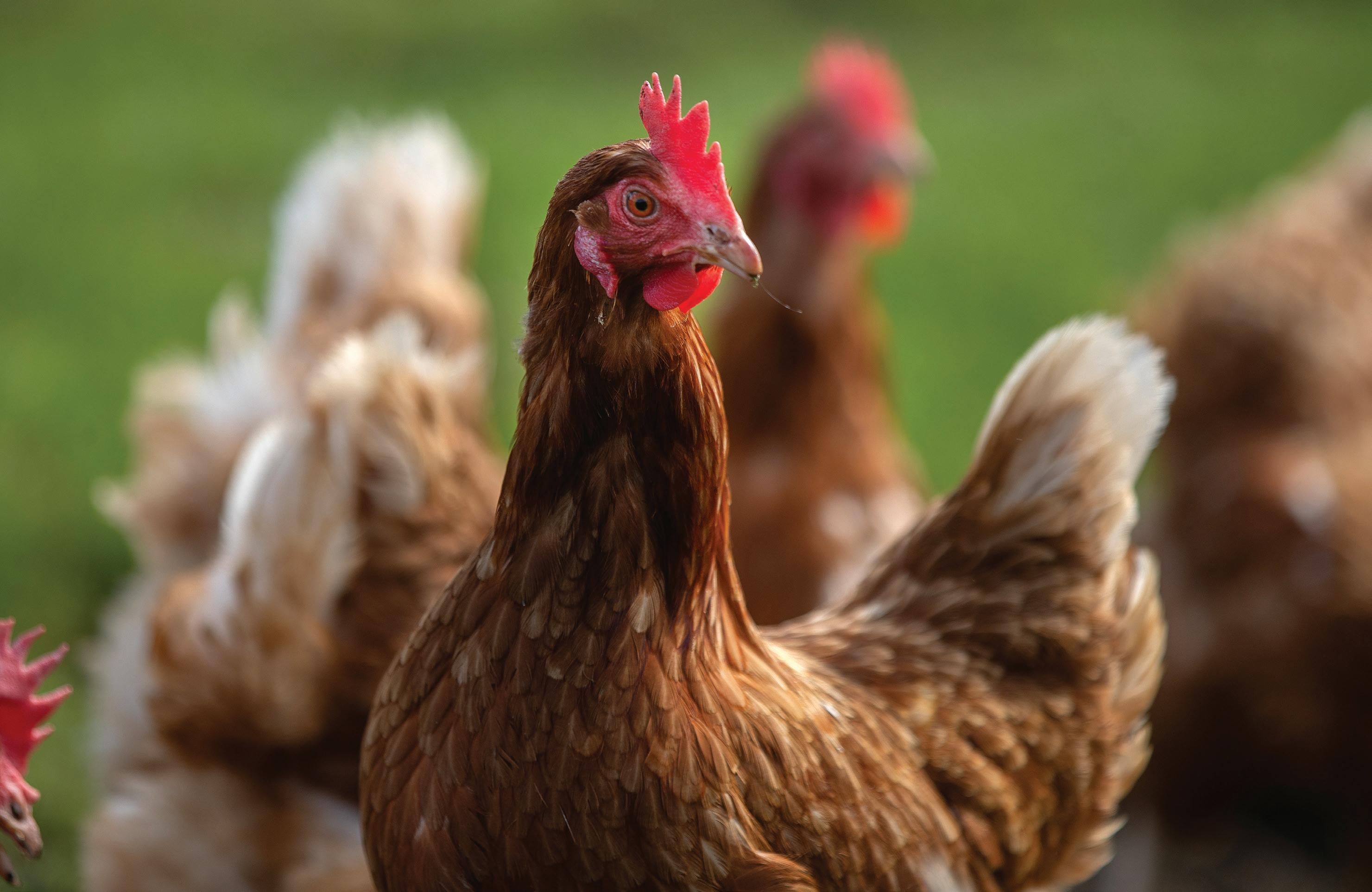
SPCA Certified helps brands and retailers meet growing shopper expectations around animal welfare – while strengthening trust on shelf.
The blue badge provides clear, independent verification that products meet higher animal welfare standards. Trusted by shoppers. Valuable for brands.
Sustainability Beneath the Surface
Celebrated annually on the 8th of June, World Ocean Day has continued to raise awareness about the critical role the oceans play in sustaining life on Earth and to promote individual and collective action to protect marine environments.
The official World Oceans Day theme for 2026 was “REIMAGINE: Beyond the world we know, a new relationship with our ocean.” It highlighted the urgent need for strong Marine Protected Areas (MPAs) to safeguard marine ecosystems, restore biodiversity, and build resilience in the face of climate change.
When effectively managed and properly supported, MPAs can become among the most powerful tools for protecting ocean life and preserving essential ecosystems. Sustainable fishing has become critical to ensuring that the ocean has healthy fish populations, that marine ecosystems are protected, and that people around the world have access to healthy seafood for generations to come.
In the UK, retailers enjoyed rapid growth in sales of certified sustainable seafood last year (2024-25), thanks to almost two-thirds of wild-caught fish and seafood products now carrying the Marine Stewardship Council (MSC) ecolabel.
Eight of the ten leading UK supermarkets increased the percentage of their wild seafood range sold as MSCcertified in 2024-25. Sainsbury’s had the largest range of MSC labelled products
with 208 (21 more than the previous year), and increased to 81 percent of its wild seafood range bearing an MSC ecolabel.
Meanwhile, Iceland expanded its range of MSC-labelled products in 2024-25 and, more recently, made further progress in late 2025, becoming the first frozen food retailer globally to source all of its ownbrand wild fish and seafood from MSCcertified fisheries.
Sustainable Scottish mussel production received a boost in April 2026 as Asda launched a new premium product that uses rope-grown mussels in the Shetland Islands and around the Scottish mainland, which have been certified to the Marine Stewardship Council Standard since 2012.
Waitrose also suspended sourcing of fresh, chilled, and frozen mackerel from the 29th of April 2026, as the International Council for the Exploration of the Sea (ICES) recommended in September 2025 that North-east Atlantic mackerel catches should be cut by 70 percent to help rebuild the stock to a sustainable level.
All Waitrose North East Atlantic mackerel is now sourced from Scottish waters. The remaining tinned mackerel stock will be available until it sells out.
Closer to home, ALDI Australia had
announced the transition of its entire canned tuna range to MSC certification. The rollout of MSC-certified tuna in stores, across the Portview and Oceanrise exclusive brands, began in October 2025 and is on track to be completed this year.
Earlier this month, Foodstuffs New Zealand’s private label Pams, also announced a major milestone, with 100 percent of its seafood now responsibly and ethically sourced.
The achievement marked the completion of a commitment made in 2020 as part of Foodstuffs’ HereforNZ social promise, which set a goal for all private label seafood to meet responsible sourcing standards by the end of 2025.
While all actively ranged products met the policy requirements by the end of 2025, one discontinued legacy product, Pams Mackerel, remained in the supply chain due to its long shelf life, following a 2024 decision to stop ranging the product because of overfishing concerns.
While the availability of MSC-labelled products has grown significantly globally, there are still opportunities to introduce the well-recognised ecolabel in other categories, such as pet food and supplements, which rely heavily on marine ingredients.
Realising the Vision
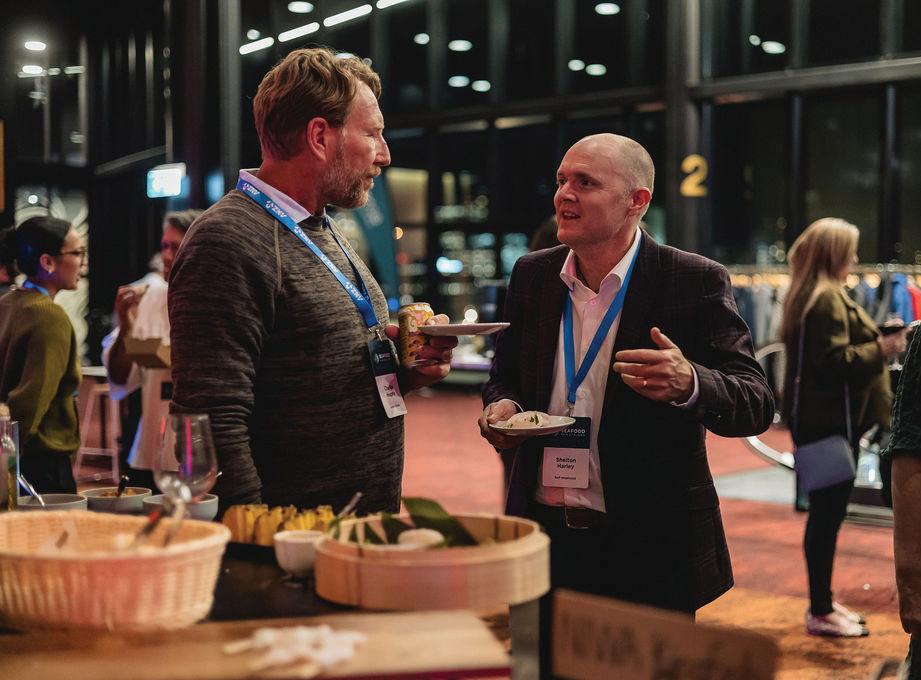
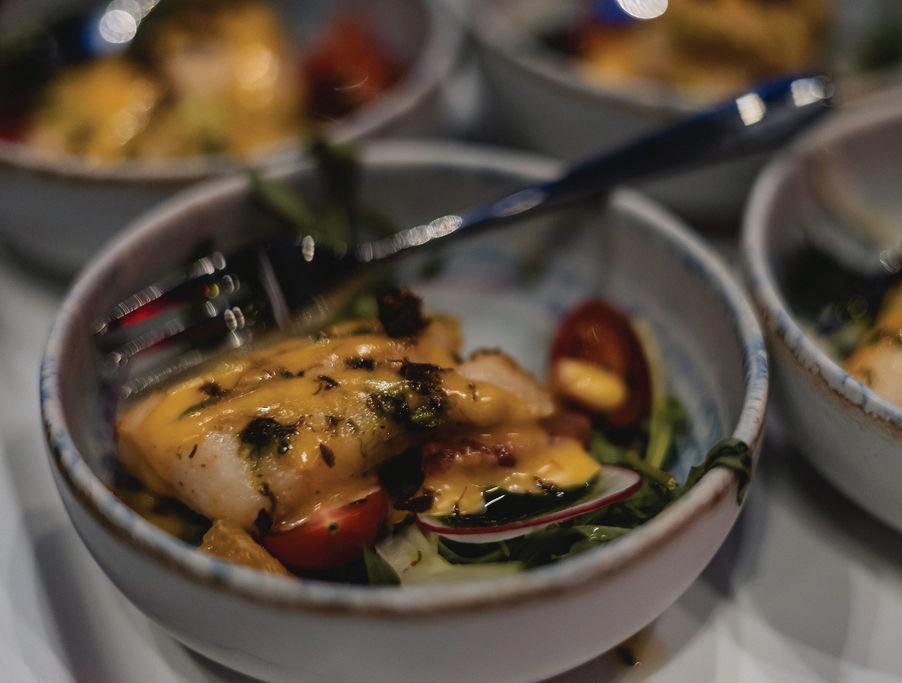
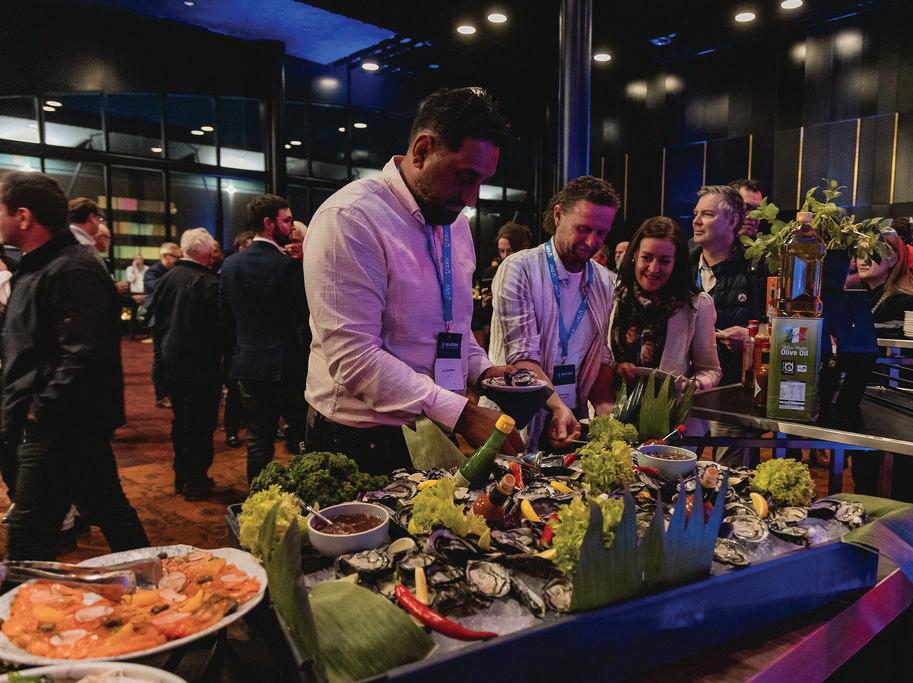
At Wellington last month, The Seafood New Zealand conference, Realising the Vision, brought together industry leaders, fishers, policymakers and stakeholders for two days of engaging discussion, learning and connection.
The programme covered a wide range of topics, from technological innovation and artificial intelligence to the future workforce and the recognition of the next generation of industry leaders.
Delegates also heard from a range of expert panels, including a lively political discussion focused on fisheries policy and the upcoming election. Most importantly, the conference provided an opportunity for the industry to come together, share ideas, celebrate successes and tackle challenges collectively.
The strong attendance and engagement throughout the event reflected the passion
and commitment that exists across New Zealand’s seafood sector.
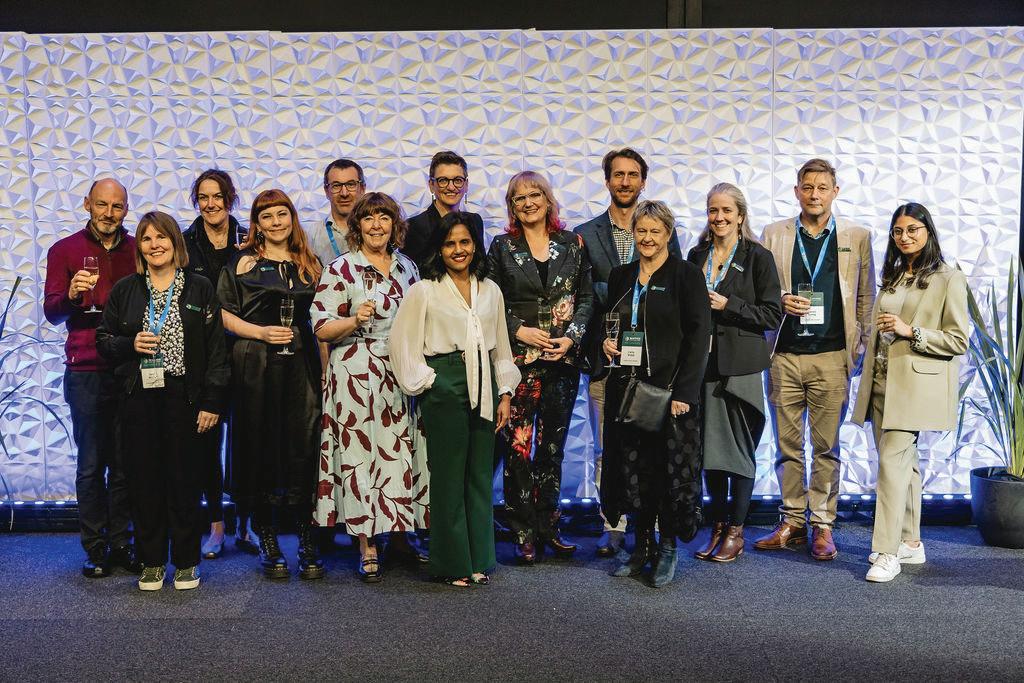
Since 2016, the Seafood New Zealand Conference has celebrated the outstanding people behind New Zealand’s seafood industry.
Moana New Zealand received the Future Adaptation Award for the development and delivery of its Responsible Fisher Workshops for its contract fishers, combining sustainability education, operational innovation, technology adoption, and environmental stewardship.
The workshops created a collaborative platform to engage with initiatives such as lighter fishing gear, onboard

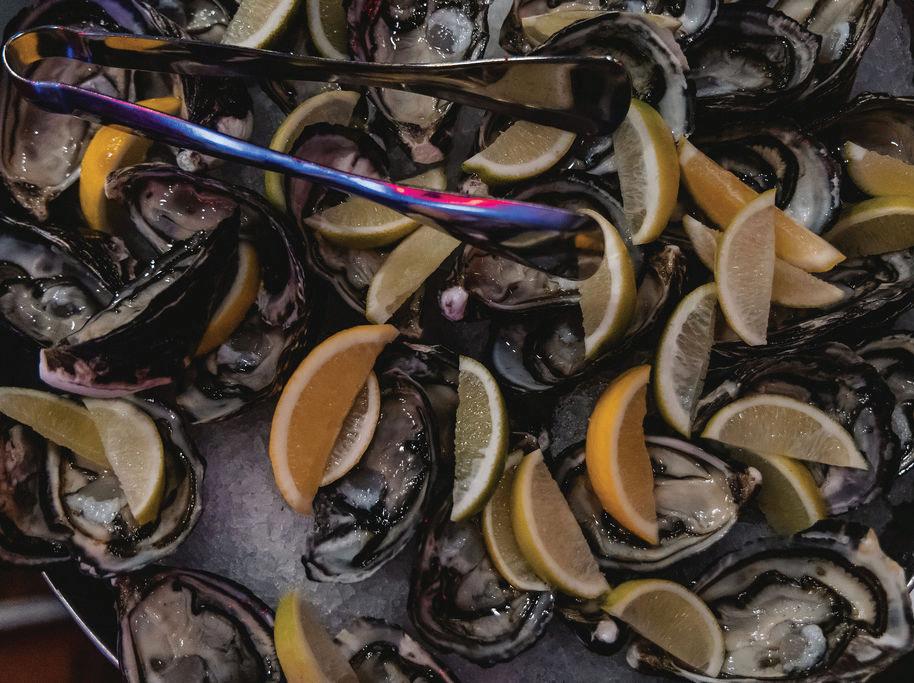
cameras, and the integration of electronic monitoring, and have supported fishers in adapting their practices, with positive environmental results.
Operations manager at Leigh Fish, Jake Dikstaal, was chosen for theYoung Achiever Award. Since joining Leigh Fish, Dikstaal has overseen the company’s seabird mitigation efforts and contributed to scientific research initiatives, including bottom longline snapper sampling and kingfish genetic studies.
WISA Champions of Women in Seafood Award was awarded to Donna Wells, who has built a thriving quota brokerage business, Finestkind, from the ground up, at a time when independent fishers often had limited access to export markets and industry support.
Sealord Captain Rex Chapman was awarded the Telling Our Story Award for his contributions as an industry spokesperson, countering misinformation with clear explanations of commercial fishing and his natural passion for it.
Two Life Membership Awards were also presented this year, one to Dr Paul Breen, a marine scientist whose work has had a profound impact on rock lobster science and management; and to Dr Pamela Mace for her dedicated over 30 years to fisheries science, contributing to the scientific foundations of the Quota Management System as well as the the Harvest Strategy Standard, that help ensure the fisheries management system remains sustainable, transparent and accountable.
Seafood New Zealand Chief Executive
Lisa Futschek said that a significant part of the conference programme this year was reflecting on the 40th anniversary of New Zealand’s Quota Management System, the QMS.
“It was a holistic look at how far we’ve come technologically, scientifically and administratively over the decades,” she said.
“But many things since the QMS was founded have not changed. One of these is the vision itself: to sustainably catch fresh, healthy kaimoana in a system that ensures evidence-based decision-making, strong accountability and healthy fish populations for the future. And another is the dedication and love of the people who make realising this vision possible in the first place.”
Certified Seafood on the Rise
Demand for certified sustainable seafood in New Zealand supermarkets is on a clear upward trajectory, driven from the top down.

Oceania & Singapore, Marine Stewardship Council
Supermarkets and brands have increasingly anchored their seafood commitments in formal sourcing policies, and those policies have done real work.
When a retailer puts an independent third-party certification like the MSC at the centre of its procurement standards, it creates a pull through the entire supply chain.
“We’ve seen this play out positively with Foodstuffs and Woolworths New Zealand, both of which have made meaningful progress in stocking MSC-certified products,” said Anne Gabriel, Program Director, Oceania & Singapore, Marine Stewardship Council (MSC).
“That kind of institutional commitment is one of the most powerful levers for change we have. Today, in New Zealand,
consumers have choices when shopping for ambient seafood, frozen seafood, pet food, and supplements.”
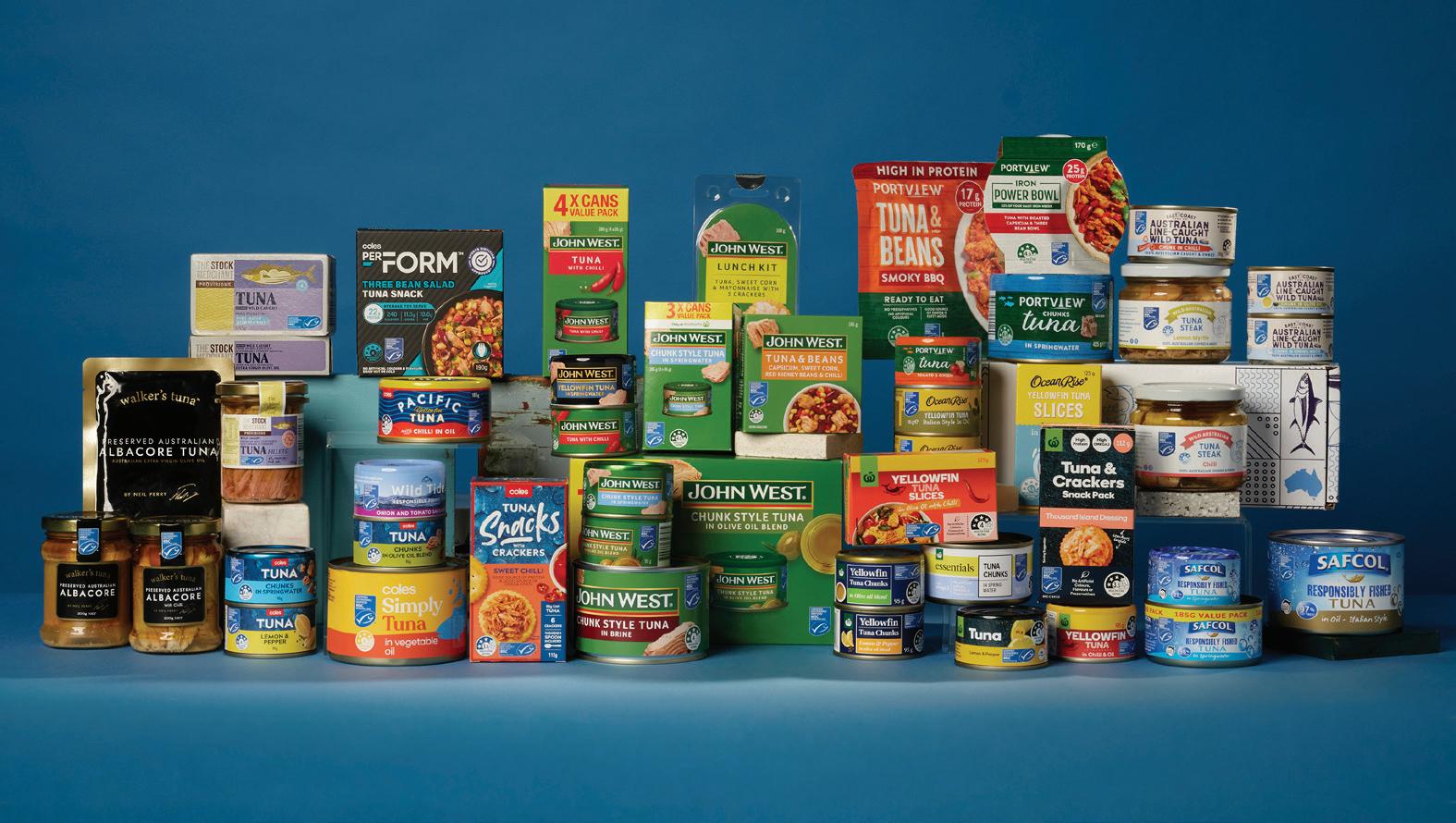
Gabriel observed products carrying the MSC blue fish tick across key categories such as canned tuna, frozen seafood, and ready meals. Household brand names such as John West, Pams, and Sealord, as well as Mars for pet food, have all helped make certified sustainable seafood more accessible to New Zealand shoppers.
She added that beyond ethics or risk management, retailers have recognised that certified sustainable seafood is also a quality and provenance story that resonates with consumers.
New Zealand shoppers have become sophisticated about where their food comes from, and certification can give them a credible, independently verified answer.
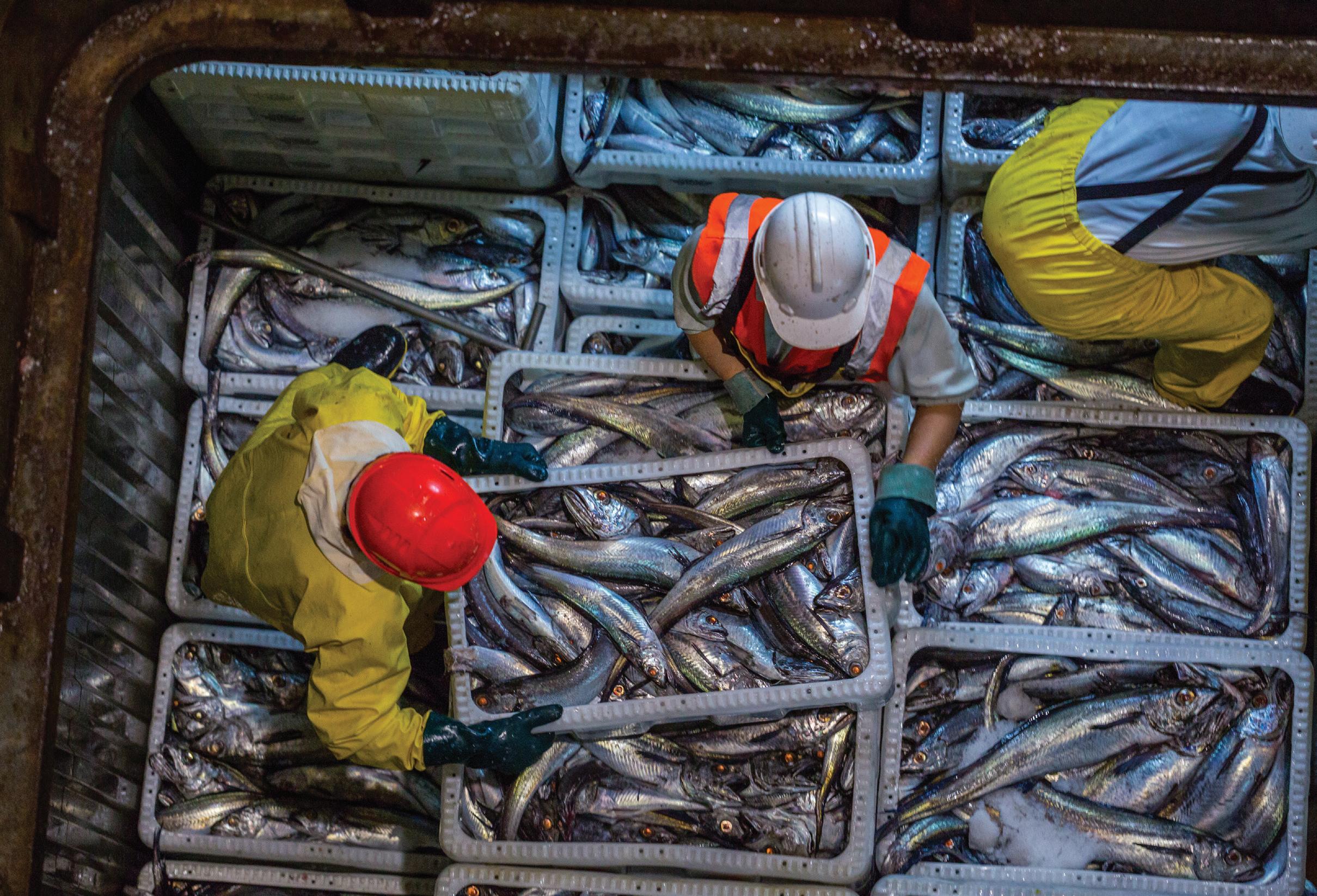
New Zealand has outstanding MSC-certified fisheries, including hoki, hake, ling, southern blue whiting, albacore tuna, orange roughy and toothfish, and much of this catch is exported to international markets, reflecting strong global demand for seafood from well-managed New Zealand fisheries.
Although the trajectory is positive, there’s still significant headroom for growth.
Consumer sentiment has further reinforced this shift. According to the 2024 MSC-GlobeScan consumer research, New Zealand consumers are among the most environmentally conscious seafood shoppers globally, with 92 percent of them concerned about the health of the world’s oceans.
68 percent said that sustainability claims should be clearly labelled by an independent organisation, while 61 percent would like to hear more from companies about the sustainability of their seafood products.
At the same time, 67 percent mentioned that sustainability is important to them, but they did not always notice ecolabelled products when shopping.
According to Gabriel, seafood sustainability can be complex and difficult for consumers to assess independently, as they face a wide range of positive claims, which may not always be clear or verified.
The MSC blue fish tick can give consumers a simple shortcut, showing that the seafood comes from a fishery that has been independently assessed against a science-based standard covering three key areas: healthy fish stocks, protection of the wider marine environment, and effective fisheries management.
Every business handling MSC-certified seafood must also meet the MSC Chain of Custody Standard, which ensures the product can be tracked throughout the supply chain.
Additionally, when mainstream retailers such as Woolworths and Foodstuffs outlets include certified sustainable seafood in their sourcing policies, suppliers and brands respond.
“Certification is helping turn retailer commitments into real products on the shelf and giving shoppers more trusted options every time they buy seafood.”
One of the biggest opportunities for certified seafood in New Zealand was giving consumers more choice, regardless of where the seafood comes from.
Gabriel said that New Zealand has outstanding MSC-certified fisheries, including hoki, hake, ling, southern blue whiting, albacore tuna, orange roughy and toothfish, and much of this catch is exported to international markets, reflecting strong global demand for seafood from well-managed New Zealand fisheries. Many of these species are also available domestically.
Pursuing MSC certification can be a rigorous process due to the scientific data requirements, assessment costs, and the time involved. Maintaining certification also requires an ongoing commitment. Fisheries undergo annual audits and
full reassessments every five years, while continuing to meet requirements related to stock health, fishing practices, and impacts on the wider marine environment.
A recent example of what that longterm commitment looks like was the 25 years of MSC certification for hoki, one of the world’s longest-running certified fisheries and the first major whitefish fishery to achieve MSC certification.
Gabriel added that New Zealand punches well above its weight in the global sustainability conversation. With a population of just five million, it is a relatively small market, yet its influence on how sustainable seafood is defined, certified and traded globally is large.
Sourcing commitments from retailers and brands, combined with growing consumer demand, can help create a strong foundation for continued growth in certified sustainable seafood across New Zealand supermarkets.
Consumer Awareness of ASC Reaches New Heights
Demand for certified sustainable seafood in Australia supermarkets is on a clear upward trajectory, driven from the top down.
As consumers become more conscious of the environmental and social impacts of their purchasing decisions, there has been increasing interest in sustainability labels and greater awareness of how seafood products are sourced and produced.
This shift in consumer behaviour has encouraged brands and retailers alike to place greater emphasis on transparent and independently certified seafood.
In Australia, adoption of the ASC-label has been strongly driven by brands and seafood suppliers, while retailer ownbrand uptake has continued to evolve as sustainability commitments across the sector mature.
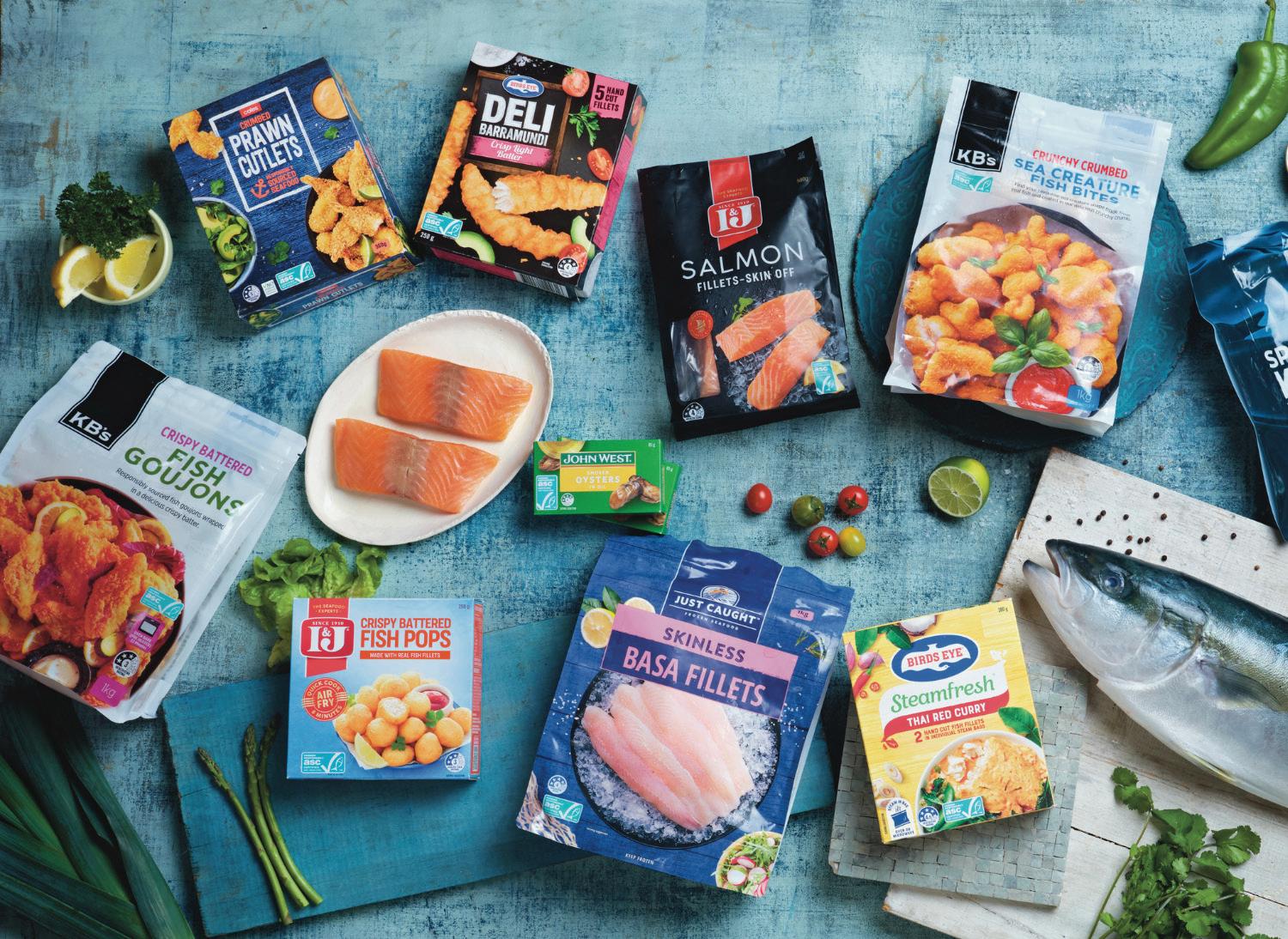
Consumer recognition of the ASClabel sits at approximately 40 percent, indicating a strong and growing level of awareness in-market. At present, there are more than 100 ASC-certified seafood products in the Australian market, with much of the most recent growth driven by branded suppliers expanding their certified product portfolios and increasing the number of labelled products available to consumers.
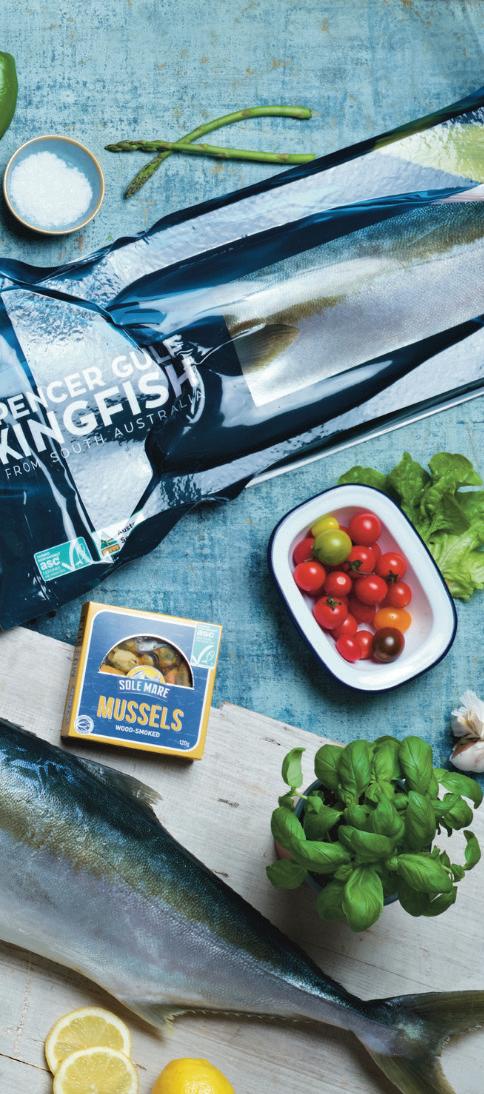
Brands such as I&J and Birds Eye have played a significant role in increasing the availability of ASC-certified seafood. This growth has been particularly evident in the frozen and value-added seafood categories, where the ASC label provides a clear, trusted signal at the point of purchase.
At the same time, increasing regulatory and public scrutiny around environmental marketing claims has placed greater pressure to substantiate sustainability commitments with credible evidence.
Recent guidance and enforcement activity from the Australian Competition and Consumer Commission (ACCC) on greenwashing further highlighted the importance of clear, accurate and verifiable claims.
Similar developments have also emerged internationally, including in Europe through the Empowering Consumers for the Green Transition Directive (EmpCo) framework, which seeks to strengthen rules around environmental claims and labelling.
As a result, independent third-party certification has become increasingly important for companies to demonstrate the credibility of their sourcing and sustainability claims, while providing consumers and retail partners with greater confidence and transparency.
Overall, demand has been shaped by both growing consumer awareness,
Seafood is a complex category. A common misconception is that all farmed seafood is inherently less sustainable than wild-caught seafood.
increasing anti-greenwashing regulation and brand-led product innovation. While retailer private-label adoption continues to develop, the expansion of certified branded offerings shows how ASC will be embedded in mainstream seafood categories.
“Seafood is a complex category. A common misconception is that all farmed seafood is inherently less sustainable than wild-caught seafood.”
“In reality, what matters is whether seafood is raised or harvested according to robust standards for environmental responsibility, giving retailers and consumers confidence in the seafood they choose and trust,” said an ASC spokesperson.
“Another misconception is that sustainability labels are primarily marketing claims. In ASC’s case, certification is based on independent third-party audits and full chain-ofcustody requirements, meaning products carrying the label can be traced through verified, certified supply chains. This level of assurance is particularly important in seafood, one of the most globally traded food commodities, where supply chains are often complex and multi-layered.”
Sustainability certification has increasingly shaped how seafood is sourced, produced, and presented in retail environments as retailers respond to rising expectations for transparency and responsible sourcing.
Rather than being a niche attribute, certification has become a practical tool that helps define supplier requirements, inform procurement decisions, and simplify how sustainability is communicated to consumers.
In product development, ASC
certification also influenced how seafood products have been formulated and positioned, particularly in frozen and value-added categories where branded innovation plays a strong role.
While implementation varies by market and retailer, certification has become more embedded in ranging decisions and category storytelling, particularly where responsible sourcing goals are a priority.
“Certification is shifting from a compliance expectation toward a strategic enabler, helping retailers and suppliers meet demand for credible, independently verified sustainability claims.”
Looking ahead, ASC has seen strong momentum in international markets, where major retailers have made explicit commitments to ASC certification as part of their seafood sourcing strategies.
For example, in the UK, retailers such as Sainsbury’s and Co-op, in Spain, El Corte Inglés have committed to sourcing 100 percent ASC for their own-label fresh and frozen seafood. Similar commitments across other European retailers have helped accelerate ASC uptake and embed certification more deeply into procurement requirements.
As expectations around transparency and responsible sourcing continue to rise, retailers and brands are increasingly prioritising strong sustainability credentials during tender processes and supplier selection, alongside traditional considerations such as cost, quality, and supply reliability.
Overall, the opportunity is to scale ASC-certified seafood across both branded and private-label portfolios to support accessibility, affordability, and consistency, ensuring sustainable seafood becomes a standard part of everyday grocery retail.
25 Years of Careful Stewardship
New Zealand’s hoki fishery has reached a global milestone, marking 25 years of independent certification under the Marine Stewardship Council (MSC) standard.
The longest-running certified whitefish fishery in the world, it has now been recertified for a further five years.
Almost 20 percent of the world’s wildcaught marine catch is now engaged in the MSC program, with that figure more than double in New Zealand at 45 percent, reflecting a growing shift toward independent certification.
The hoki fishery is one of New Zealand’s largest and most valuable commercial fisheries, contributing significantly to global whitefish supply and food security.
Supplying export markets across Europe, Australia and Asia, the fishery generates around NZD 230 million annually and supports hundreds of jobs across harvesting, processing and research.
In the 2023-24 fishing year, over 100,000 tonnes of hoki were landed, equivalent to 250 million standard fish
servings, enough to provide around eight sustainable seafood meals for every New Zealander and Australian.
The hoki fishery operates within New Zealand’s Quota Management System, with catch limits informed by ongoing stock assessments and monitoring. Hoki is managed across the eastern and western stocks, enabling harvest decisions to respond to changing environmental conditions.
In 2018, fishers observed fewer hoki than expected. Industry responded by requesting that catch limits be cut by more than 10 percent for two consecutive years, resulting in an overall reduction of 35,000 tonnes of West Coast hoki and helping to accelerate the stock’s full recovery.
Rupert Howes, Chief Executive of the Marine Stewardship Council, an international non-profit with a mission to end overfishing, said reaching the 25-year
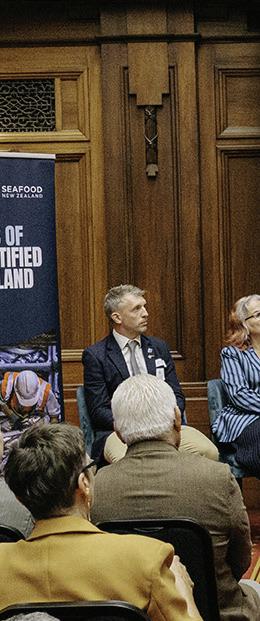
milestone demonstrates what sustained commitment to science-based fisheries management can achieve.
“Reaching 25 years of certification is a remarkable achievement and something truly worth celebrating,” he said.
“It reflects decades of dedication from fishers, scientists and fisheries management agencies in New Zealand who have worked together to manage this fishery responsibly and ensure hoki stocks remain healthy for the future.”
Seafood New Zealand Chief Executive Lisa Futschek added that the anniversary reflected collaboration between the seafood sector and the scientific community.
“This milestone is really about the people behind the fishery - the skippers and

It reflects years of hard work and care. Achieving this milestone hasn’t been easy - it’s been earned, and it helps keep confidence strong in our hoki and its place on dinner plates in New Zealand and around the world.
crews out on the water and the scientific community guiding their efforts,” she said.
“It reflects years of hard work and care. Achieving this milestone hasn’t been easy - it’s been earned, and it helps keep confidence strong in our hoki and its place on dinner plates in New Zealand and around the world.”
The fishery has been recertified under version 3.1 of the MSC Fisheries Standard, following an independent assessment by third-party auditors that examined stock health, ecosystem impacts, and fisheries management.
Richard O’Driscoll, Chief Scientist, Fisheries at Earth Sciences New Zealand, said long-term monitoring and modelling help managers understand how hoki
populations respond to environmental variability and fishing pressure.
“Combining survey data with information from the fishery informs evidence-based decisions that support the long-term resilience of hoki stocks. This is supported by extensive monitoring, including independent observers, satellite tracking, and digital catch recording.”
Looking ahead, the Marine Stewardship Council expects the New Zealand hoki fishery to build on its 25-year track record by strengthening ecosystem understanding, expanding digital monitoring and integrating climate considerations into management, ensuring it continues to meet rising global expectations for sustainable fishing.
Waikato Aquaculture Forum Outlines Industry Future
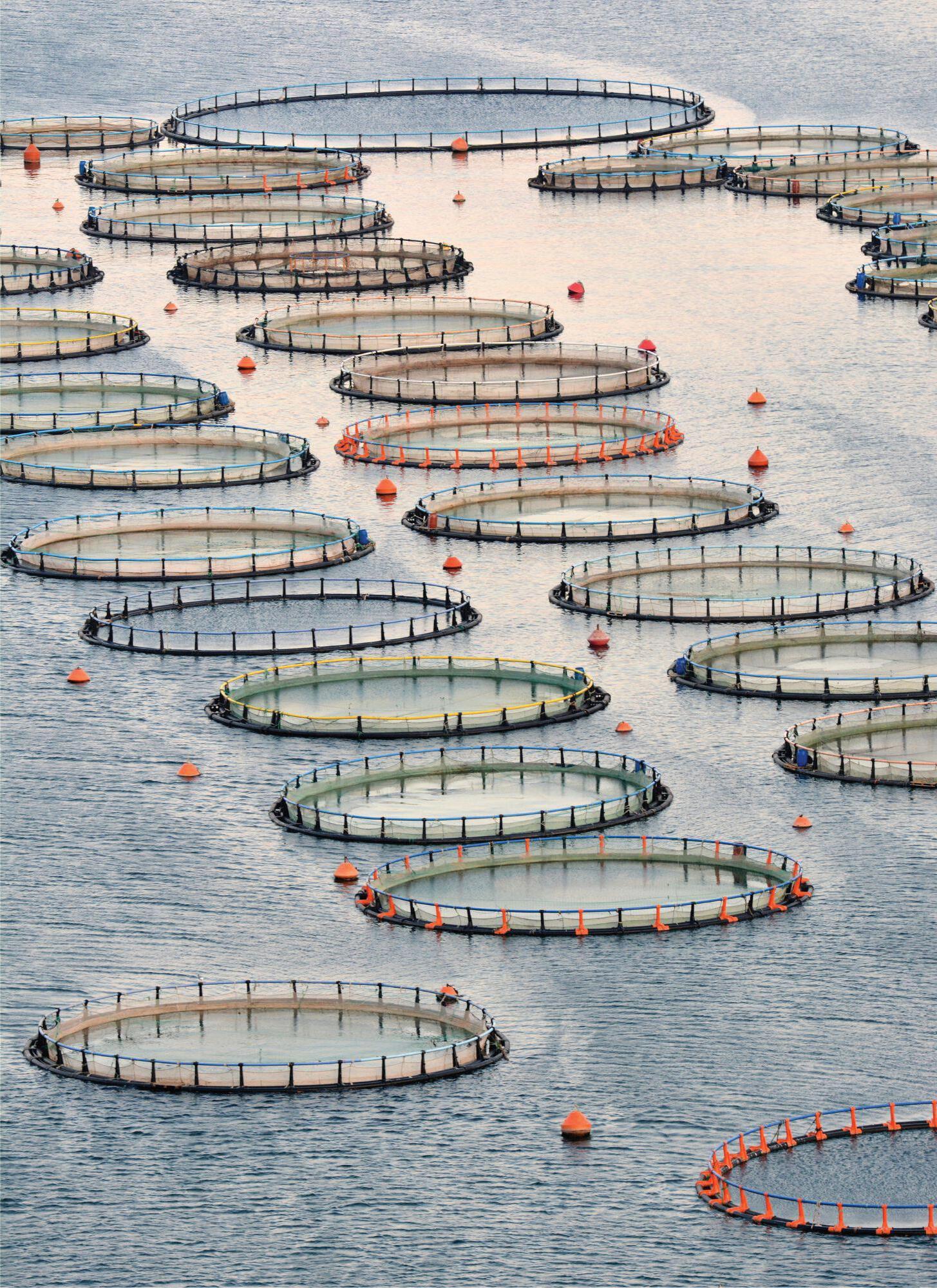
Key players from the aquaculture industry, iwi, research organisations and local and central government gathered in Thames to map out the future of the sector in the Waikato region.
Thames-Coromandel District Council and the Waikato Regional Council played key roles in bringing the event together. WRAG Chair Rebecca Clarkson led the day’s proceedings, which focused on turning the Waikato Regional Aquaculture Strategy into concrete actions.
The strategy sets an ambitious target: doubling the value of aquaculture exports to $180 million by 2044.
Thames-Coromandel District Mayor Peter Revell welcomed attendees, emphasising the district’s deep connection to the industry.
“Here in Thames and across the Coromandel, we have a strong connection to the aquaculture industry, it’s part of our history, our identity, and our future,” Mayor Revell said. “For our communities, this is about jobs, resilience, and keeping our towns thriving year-round.”
Thames-Coromandel District produces 26 percent of New Zealand’s mussels and 23 percent of our oysters, both sources of sustainable food protein. The sector directly employs 400 people in the Coromandel.
“Aquaculture matters to the Waikato. Our coastal and marine environment offers significant opportunity to grow a thriving blue economy, and if we get it
right, aquaculture can be a cornerstone of regional prosperity for generations to come,” said Waikato Regional Council Chair Warren Maher.
The forum brought together voices from across the sector, including UnderSecretary for Oceans and Fisheries Jenny Marcroft, representatives from Aquaculture New Zealand, the Coromandel Marine Farming Association, and local operators Gulf Mussels and Moana New Zealand.
Presentations throughout the day examined barriers to growth, regulatory changes, and how local infrastructure can better support the industry. Jake Bartrom highlighted the importance of continued investment in marine infrastructure to unlock future industry growth.
“Infrastructure like Ariki Tahi Sugarloaf Wharf is critical to the future of aquaculture in the Waikato,” Bartrom said.
“If we want to grow the industry, we need infrastructure that can support that growth.”
Researchers from the University of Auckland and University of Waikato also outlined science priorities for the sector, including work on spat supply reliability and new species pathways.
The forum built on momentum from
a 2022 event that led to the formation of WRAG and the development of the regional aquaculture strategy. This time, the focus was on delivery; identifying priority actions for the next three years. A key theme that emerged was the need to enable adaptation and growth by reducing water space consenting challenges. With upcoming changes to the Resource Management Act and ongoing local government reform, participants identified the importance of collaborating strategically to ensure the new system supports responsible growth and longterm industry resilience.
WRAG Chair Rebecca Clarkson set out the next steps.
“We heard enthusiasm for the future of the industry in Waikato despite a range of challenges and are now collating feedback from participants on priority barriers, opportunities and pragmatic solutions.
The WRAG will take this into account in setting out its action plan for the next few years,” said Clarkson.
“One thing that’s clear, no one group can deliver this on their own,” Mayor Revell noted.
“It’s going to take iwi, industry, and government all pulling in the same direction.”
High Stakes, Shifting Tides
Seafood Expo Global/Seafood Processing Global, the world’s largest and most diverse seafood trade event, concluded its 32nd edition with more than 35,500 seafood professionals in attendance.
Over the course of three days, suppliers, buyers and industry stakeholders from around the globe gathered to exchange insights, explore innovations and address the key opportunities and challenges shaping the future of the sector.
This year’s edition was the largest in the event’s history, with more than 2,290 exhibiting companies from 85 countries and 65 national and regional pavilions, covering more than 52,980 net square meters of exhibit space.
Held at Fira de Barcelona’s Gran Vía venue, the strong international presence underscored the expo’s global reach, with diverse country representation and delegation visits from around the world.
“The energy and high level of engagement across the exhibition floor at this year’s edition clearly highlighted the value of in-person connections for the industry as a whole,” said Wynter Courmont, Group Vice President, Seafood at Diversified.
“Participants from across the value chain took advantage of the event to
reinforce existing relationships, explore new business opportunities and stay ahead of the trends shaping the future of the seafood industry.”
Exhibitors at Seafood Expo Global presented a wide range of seafood products, including fresh, frozen, canned, value-added, processed and packaged offerings, highlighting innovation across all categories.
Meanwhile, Seafood Processing Global brought together companies covering the full spectrum of processing solutions,
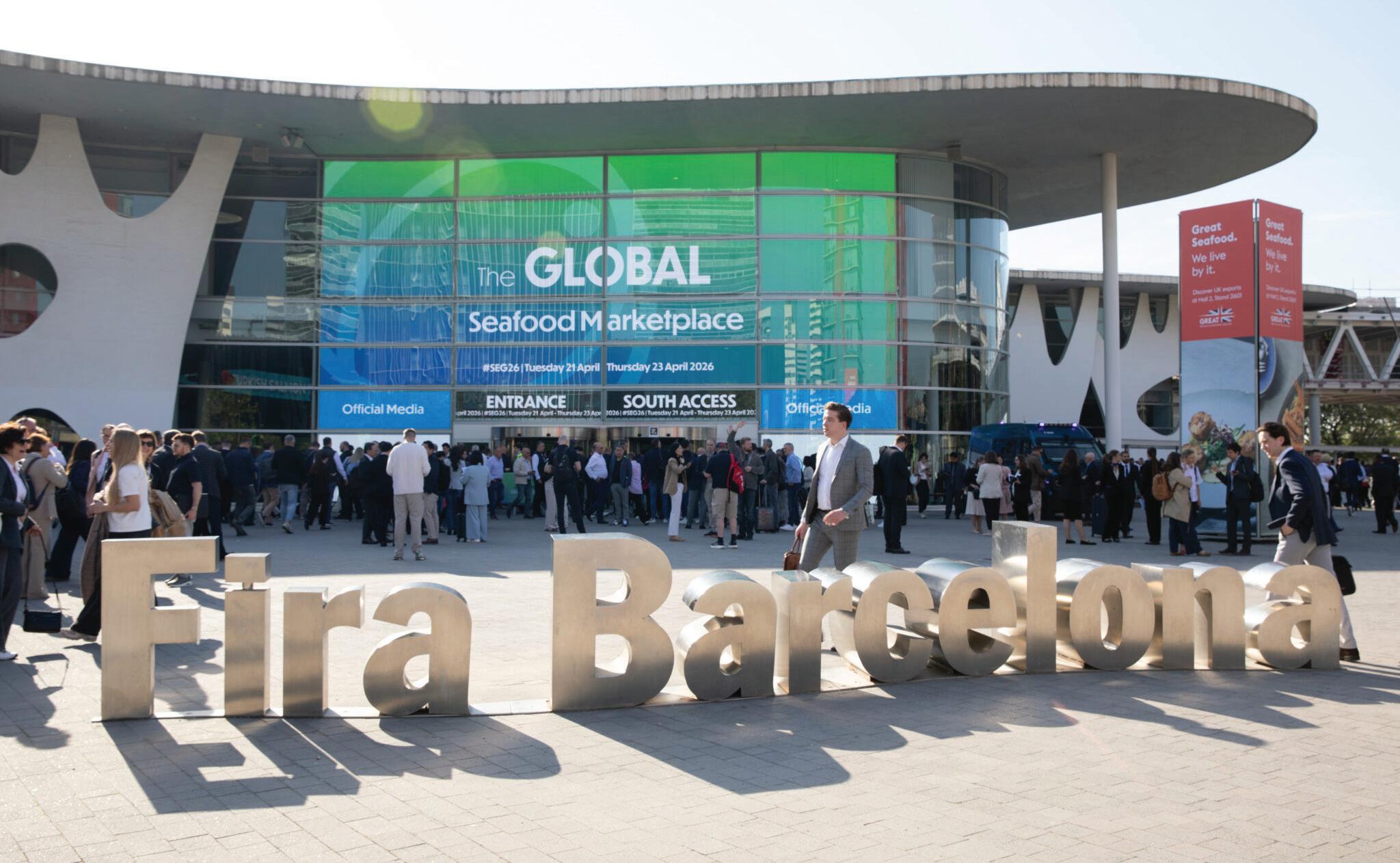

from packaging materials and machinery to refrigeration systems, processing equipment, sanitation technologies, transport and logistics, quality control services, and more.
INDUSTRY TRENDS, INNOVATION AND KNOWLEDGE EXCHANGE
The conference program offered seafood professionals a comprehensive look at the industry from every angle, spanning sustainable sourcing and supply chain transparency, responsible aquaculture and fisheries innovation, worker welfare and brand-driven business growth, among others.
Sessions ranged from expert discussions on responsible marine ingredient sourcing, ESG-driven innovation in blue food systems, meaningful worker engagement across seafood supply chains, and how strategic branding and category creation are redefining commercial growth beyond commodities, among others.
A highlight of the program was the keynote address, “High Stakes, Shifting Tides: The Global Outlook on Seafood, Trade, Economic Pressure Points and Opportunities,” delivered by Dr Nomi Prins, economist and geopolitical strategist.
Her presentation provided a forwardlooking analysis of the economic forces influencing the global seafood market and how companies can capitalise on new trade paths and product diversification to meet robust demand in 2026.
A major new feature of this year’s edition was the inclusion of the Aquaculture Innovation Zone, a dedicated space focused on the future of aquaculture. The zone included an Innovation Theatre with product pitches, programming and networking opportunities.
The new area brought together companies, startups and researchers working on solutions in areas such as fish health, water quality monitoring, AI-driven analytics and sustainable production systems.
AWARDS, NETWORKING AND EVENT HIGHLIGHTS
The Seafood Excellence Global Awards celebrated the best products represented at the expo, with 35 finalists from 16 countries. Vičiūnai Group (Lithuania) and Frais Embal (France) received the top distinctions. Vičiūnai Group was awarded Best Retail Product for Smoked Herring Slices – Natural Flavour, while
Frais Embal earned Best HORECA Product for its Salmon Roll.
The networking events “Connecting Women in Seafood” and “Aquaculture Meet-Up” brought together professionals from across the sector to exchange experiences, foster inclusion and build stronger industry connections.
Among the event highlights was the culinary demonstration “The Mediterranean Sea, Our Pantry,” led by Michelin-starred Barcelona chef Albert Raurich, who presented a unique fusion of Mediterranean and Japanese culinary techniques.
Attendees also enjoyed the lively oyster shucking competition, as well as daily product showcases and tastings, including the Seafood Excellence Global Awards display.
In line with its commitment to sustainability and community support, Seafood Expo Global/Seafood Processing Global partnered with el Banc dels Aliments (the Barcelona Food Bank) to collect seafood donations from exhibitors.
Looking ahead, the next Seafood Expo Global/Seafood Processing Global will take place in Barcelona from 20-22 April 2027, at Fira de Barcelona’s Gran Vía venue.
Courtesy of Seafood Expo Global