The Northern New Yorker
Arts and Literature of North Country Community College
Arts and Literature of North Country Community College
Caydence Alguire 17, 60, 65
Arlinda Allen 69
Logan Baker 58
Rebecca Becker 25
Ryan Boisvert 26
Mindy Bowles 41, 68
BP 45
Ariah Brown 43
Carleigh Buell 6
Olivia Burke 18, 21, 34, 42, 65
Michael Campbell 29
Alida Carlson 56, 59
Odysseus Castor 35, 67
Eris Cecunjanin 8
Chris Cook 6, 40, 44, 56, 57, 61
Giniqua Crawford 11
Claudius Curtis 14
Chloe Debyah 71
Dawson Dorsett 10, 15
Mya Gerstenberger 23
Amy Hall 12, 48, 69
Jasper Harvey 5, 71
Samantha Hayes 5, 6, 7, 10, 32
Isaac Hernandez 20, 61
Jacque Hooker 51
Henry Hubbard 49
Sarah Huffines 54, 55
Aislyn Hungerford 45
Trinity Jeror 49, 66
Dorien Kellson 4
Brandon Laduc 21, 28, 46
Rece LaFountain 54
Kate Laymon 18, 59, 66
Kimberly LeClaire 19
Raegan Lubbers 61
Kinzie MacDonald 48
Mack 53
Madison Marshall 28
Joshua Monette 5
Emily Muncil 20, 24
Brayden Munn 29
Haven Niblett 11, 20, 47, 61
Elizabeth Niles 50
Phoenyx Patrick 42
Mason Pearson 36
Jessica Peckham 44
Ella Pridell 22
Athena Rabideau 17, 62
Urzula Rodriguez 9
Adrian Roth 17, 22
Kallen Ryan 33
S. Astrid Saint-Pierre 6
Thompson Sloan 70
Gabriel Stearns 47
Colin Sunday 64
Latawndra Thompson 16
Cora Turcotte 56
Corey Waldron 26, 52
Macguire Ward 5, 39
Damon Whitford 20, 27, 60
Justin Williams 28
John Woodard 30
Chase Woznack 64

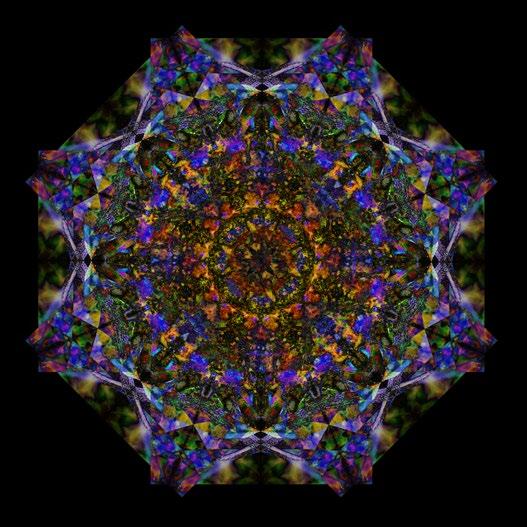
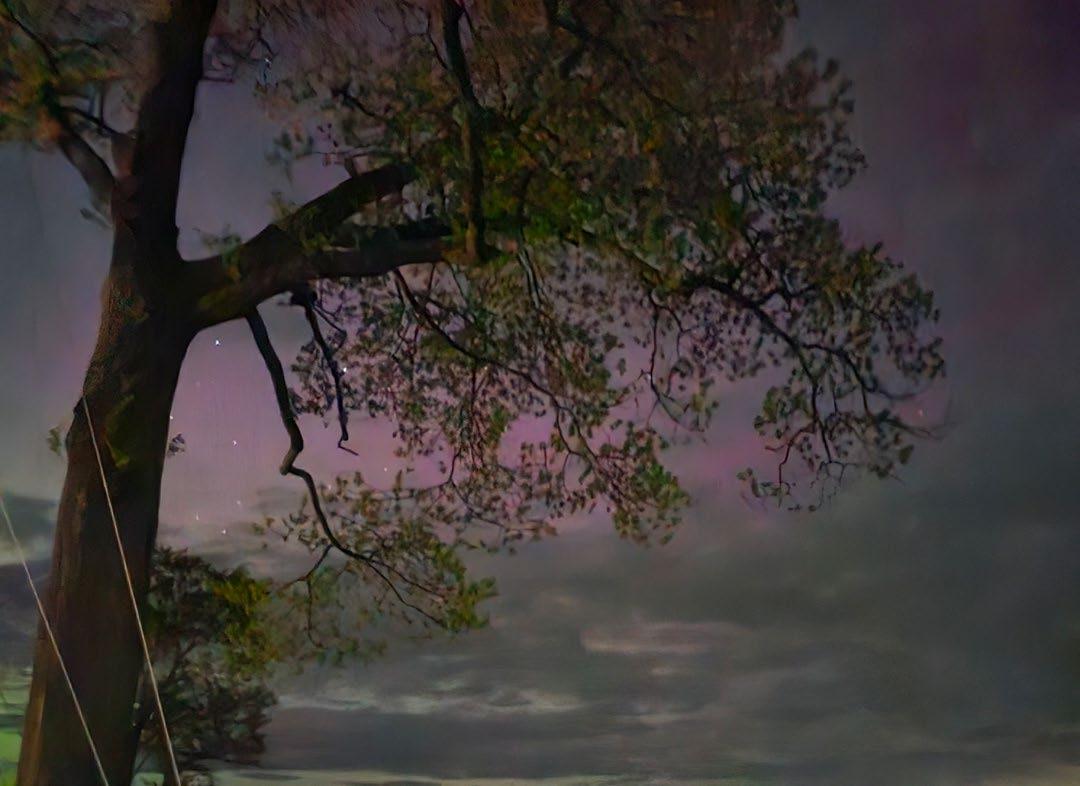
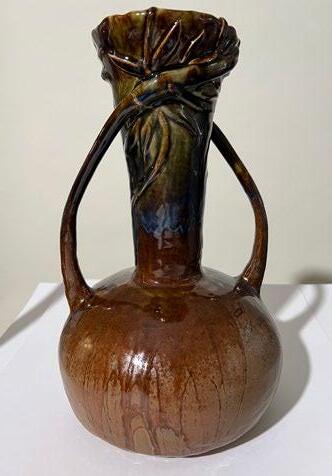
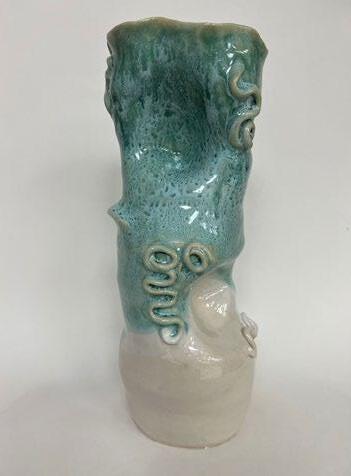
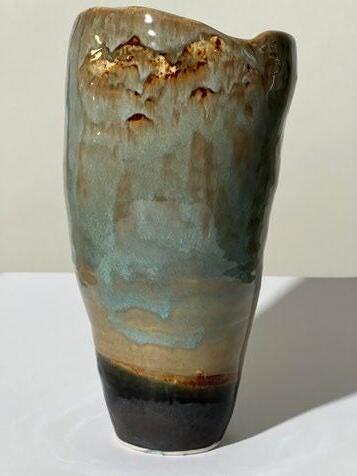
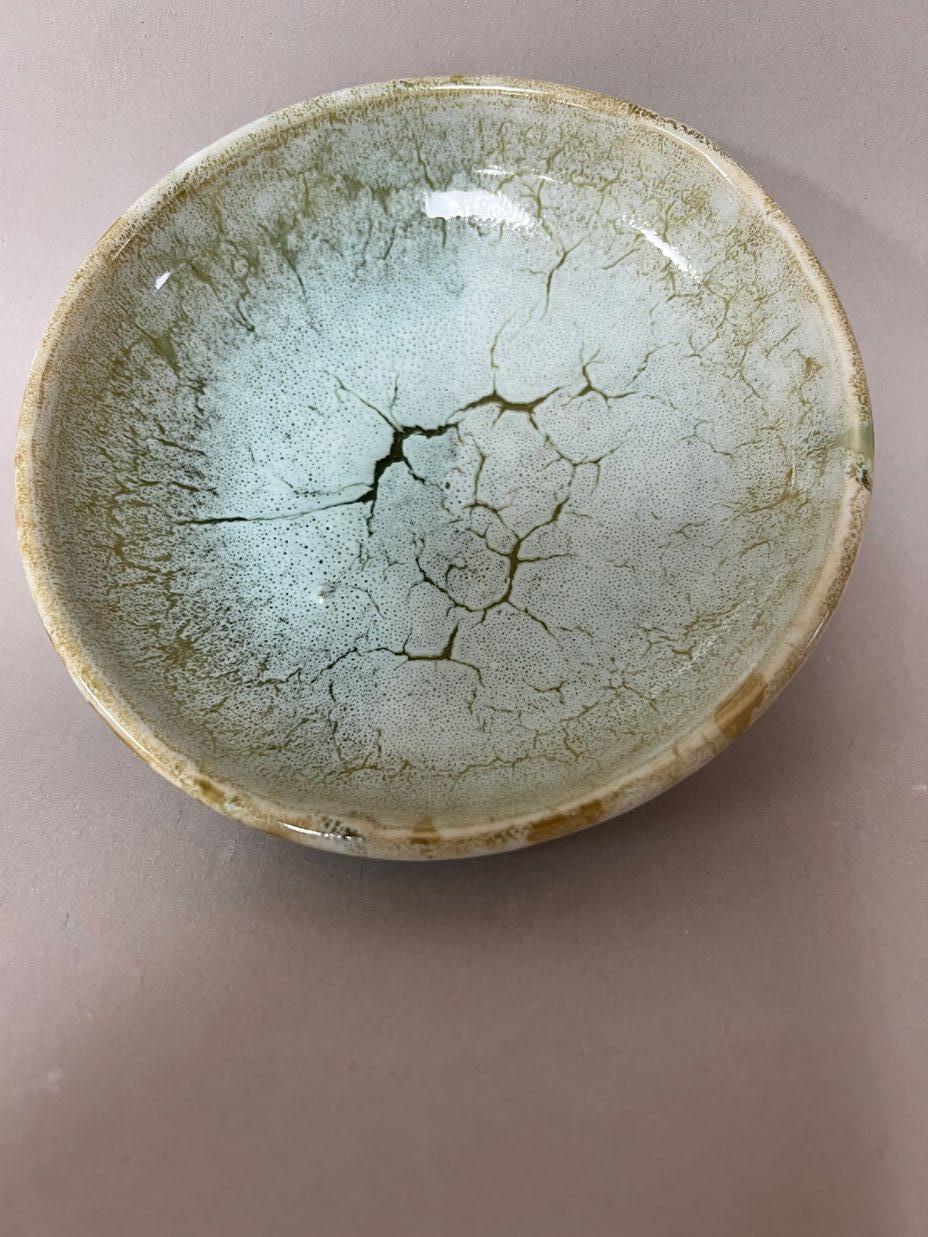
Eternal story
Eris Cecunjanin
As I walk up to the DOORBELL I PICKED up a SUNFLOWER
I notice BLACKBIRDS SWEEPING above
As I press the button, I hear INCREASED footsteps
My GRANDMOTHER opened the door
She LIKED that I came, Bringing me through EMPTY halls I could smell a DELICIOUS scent
As I Sat down, she SCOOPED me a bowl of LUXURY soup
Once I looked at it, I could tell nothing FROZEN was used
It was PINK and shining like a PENNY
She had a SKATED in her past
Doing it was easy, like at any moment
she was 20, gliding like a MOTORCYCLE
she must have felt like the LUCKIEST woman in the world
As I finished the SOUP, I got up to get a DESSERT
She stopped me before I got a MONSTER-SIZED scoop of BLUEBERRY ice cream
She had a BASKETBALL GAME on the TELEVISION
She told me to sit on the sofa
As I sat down, she began to tell me a story
The story began with her being 16 years old
Her mind was WHIRLED and WRAPPED at SCHOOL
As she CHECKED her locker, her pages fell out
Again, she felt the LUCKIEST because A boy came to help her pick up her papers
Once the pages were picked up
He had called her WEIRD
She WONDERED why He meant her love for ROLLER SKATING
They laughed it off, and he got her number
Many days later, they STOPPED at a RESTAURANT
They order the TALLEST Slide of CHOCOLATE cake
As they giggled with CHOCOLATE COVERED on their faces
They stayed there for hours
After they left, she realized she liked him
The thought of him made her heat up like a THERMOMETER
Her brain JUMPED UP and down
She wanted to be tied to him like a SHOELACE
6 years later, she was with him in a GARDEN
This GARDEN was WEIRD it had MUSHROOMS and CRAWLED with FROGS AND TURTLES
It was a MIRROR of their relationship, WEIRD yet settling she was caught up in her thoughts until he pulled her out
As time STOPPED, he got on his knees
Pulled out a THIN ring
And said, “Will you marry me”
Her mind was ZOOMING in on one thought
Unfortunately, the story stopped abruptly because
My grandfather appeared through the door
Hugging his Wonderful wife with his ring finger hand
The THIN ring, still shining like a diamond
He brought a PEPPERONI pizza
It had cost 12 DOLLARS and smelled like MONEY
Though I was a little full
We sat down at the dining room table and Enjoyed it like it had lasted a lifetime.

Urzula Rodriguez Digital Photography
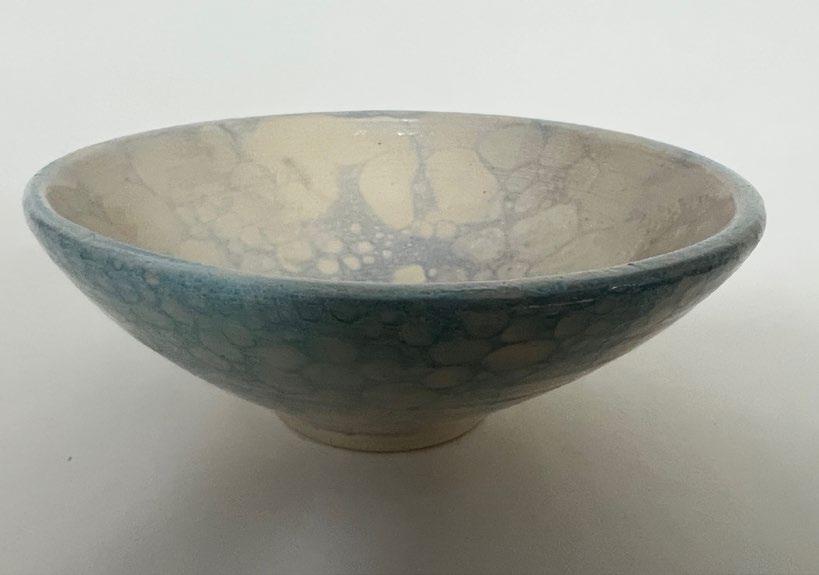
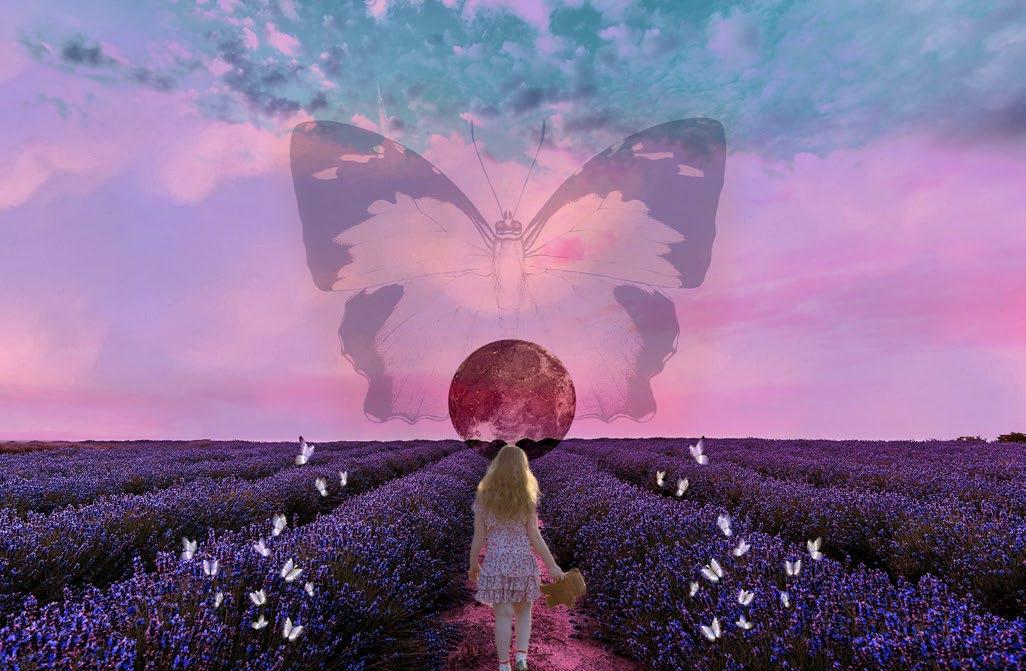
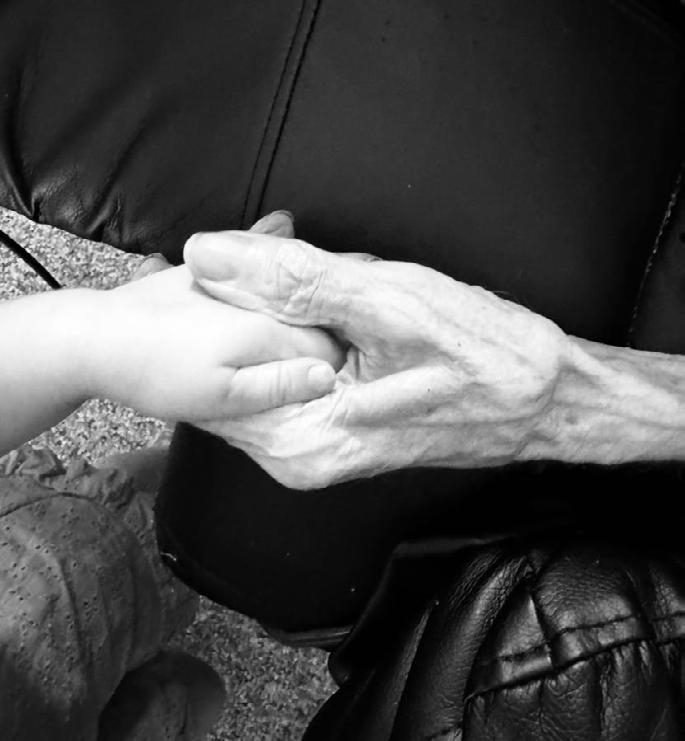
Papa Amy Hall
Papa
Always being the nervous type I shake.
I begin the job, but I am very still.
I am entering my Papas old home.
Leaving him every day with no sad tears,
I can always sense he can feel some pain.
All he cares about are what are our dreams.
Our discussions ended with hopes and dreams.
Old fragile, wrinkly hands always shake.
Each day I go to work, he says no pain.
I love the moments that we sat so still.
His jokes could sometimes bring my eyes to tears.
May be work, but always felt like I'm home.
Stories filled with joy about our old home.
He would tell to me his accomplished dreams.
The jobs he had to take, that cost blood and tears, winter days he'd work, so cold he'd shake.
The long days helped keep life stable and still, pushing through with his heart filled with aching pain.
It only made him stronger to have this pain.
His wife left but he had to make a home.
Nights alone with his two boys were so still, making sure they have support and good dreams.
Raising those kids, strong no reason to shake.
Life happens, children grow - smiles and tears.
Time is coming, my eyes can’t fight the tears.
To see him be strong, but knowing his pain, my bottom lip can only tremble and shake.
May have been my job, but he was my home.
No longer thinking of my hopes and dreams.
The air is so thick, quiet, and so still.
There's his lifeless once moving body, still. Only thing that makes sense is flowing tears.
Hoping one day he will visit my dreams,
I know now he has no more pain.
So, I leave his once filled, now empty home. The reality takes over- I shake.
Will my heart ever be free of this pain?
I do know now he is truly at home.
I now breathe deep and will no longer shake. S E S T I N A
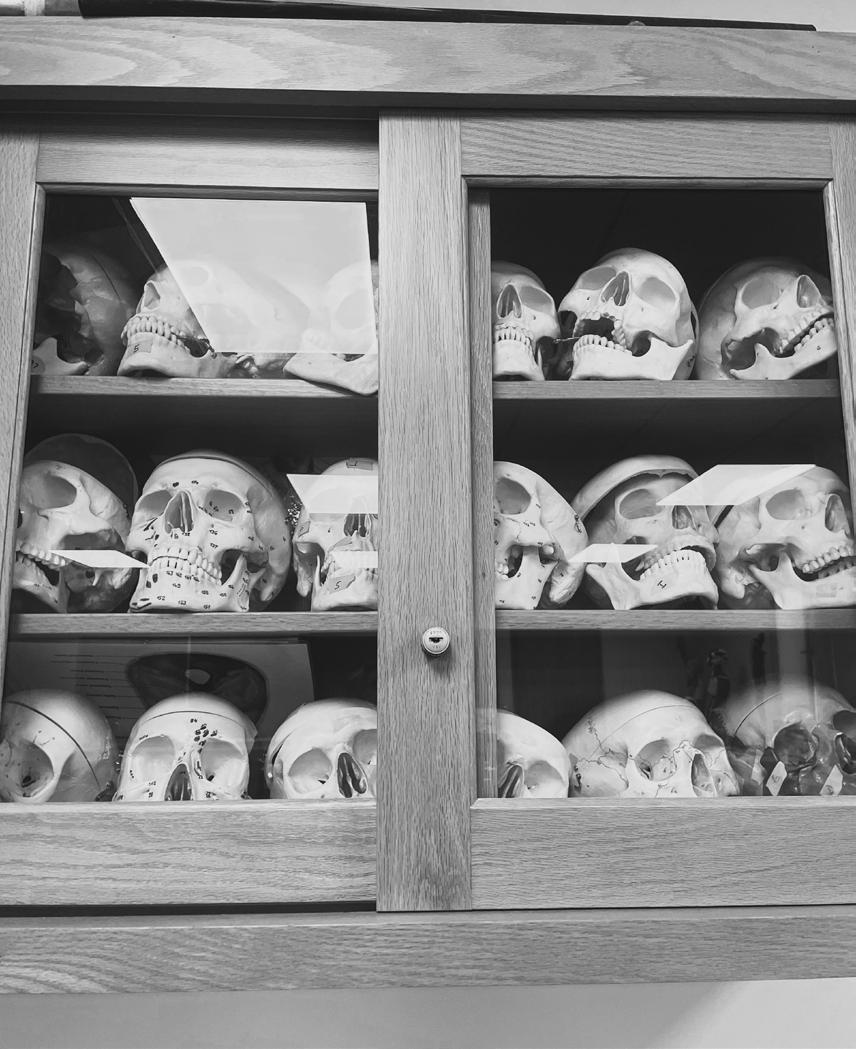
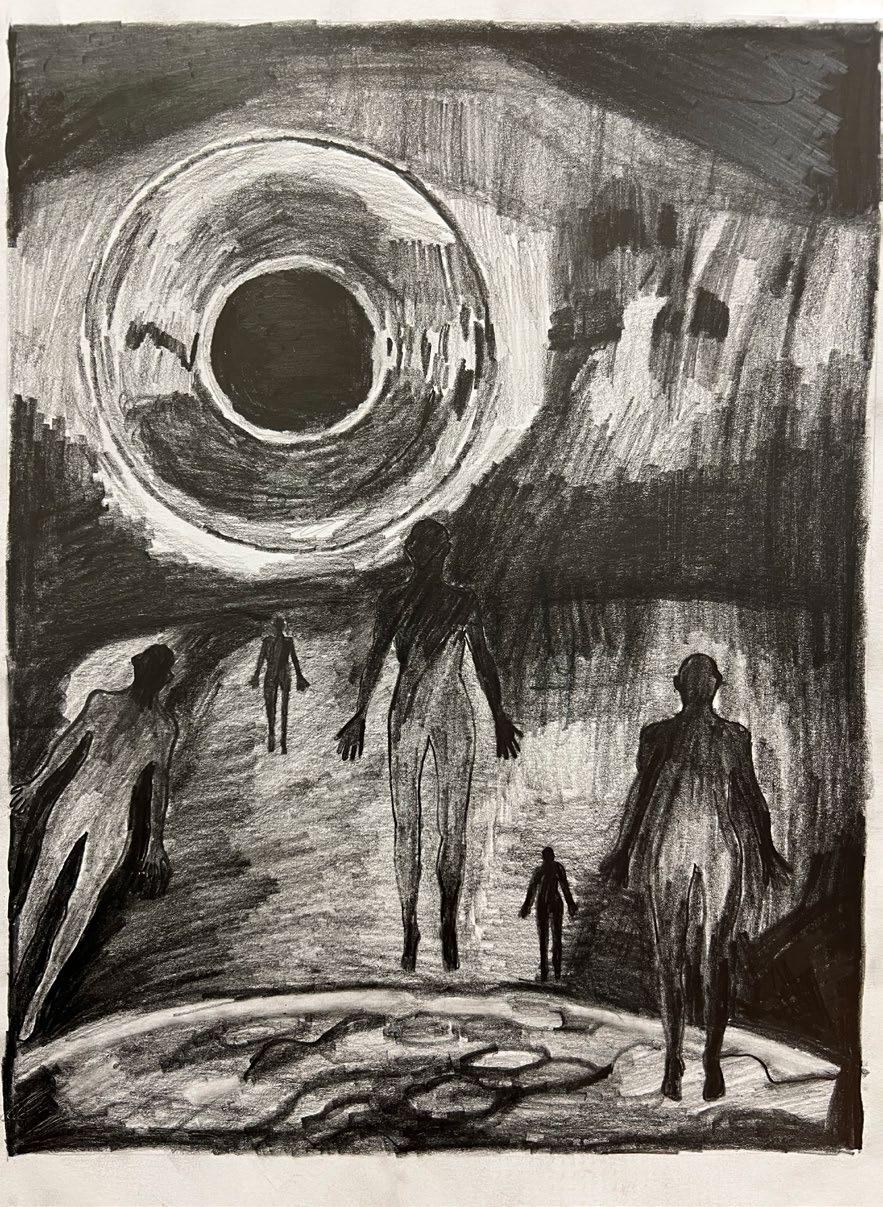
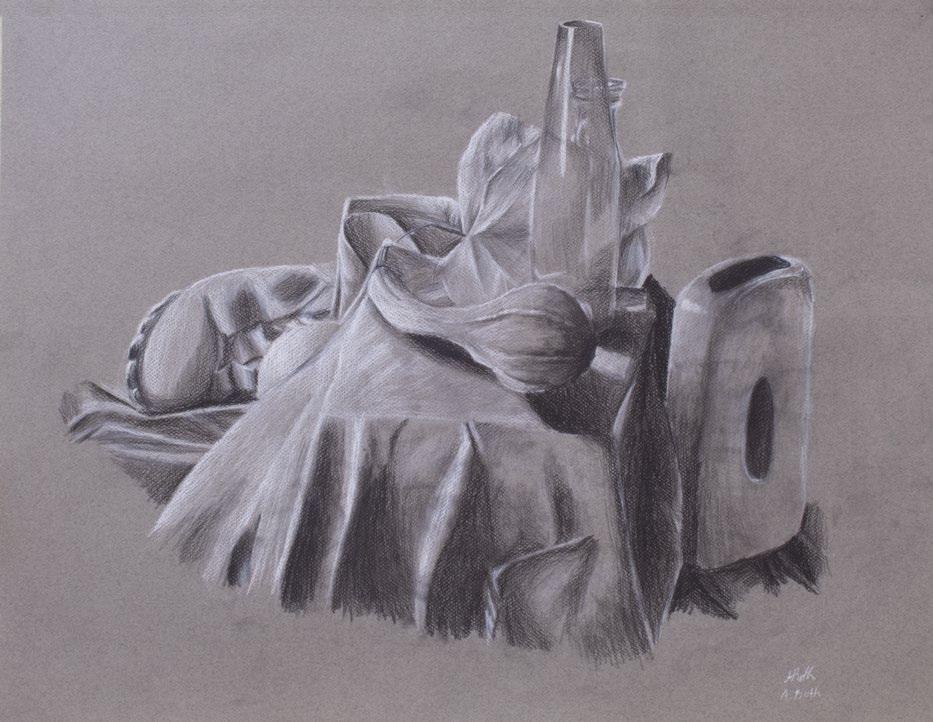
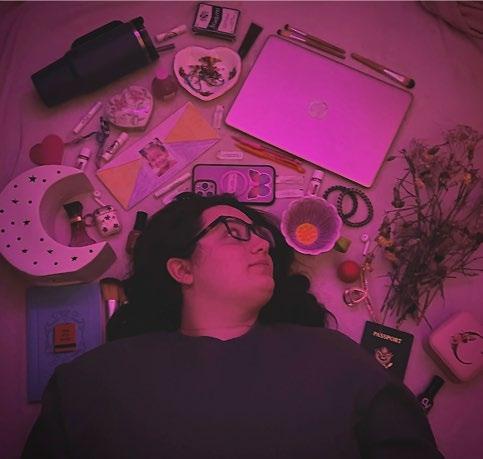
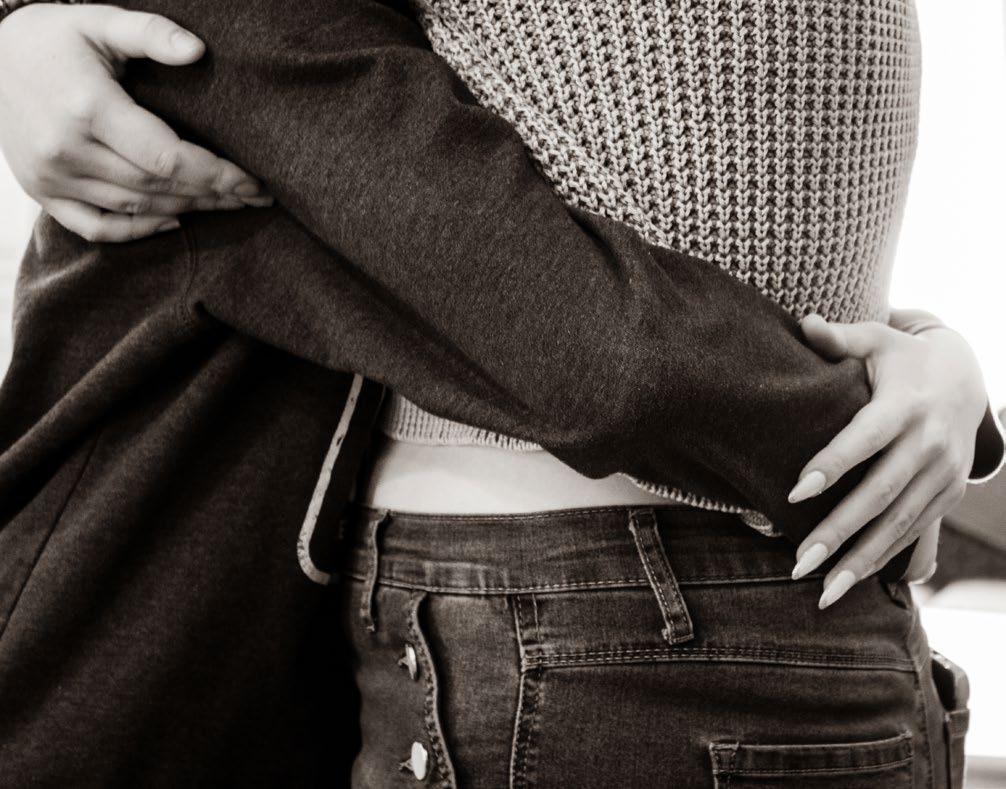
Kimberly LeClaire
Love people, Cook them Tasty Food” was the bumper sticker on my 2013 Honda Element. I remember buying it in a local downtown shop, feeling pleased to drive around sharing this simple message to my community. I was younger then; I was only in my first decade working at the North Country Food Coop and growing organic food on my farm, the Quarry Garden. At the time, the purchase of the bumper sticker seemed sweet, fun, and supported my hope that bringing people healthy organic food would help change the world for the better. As the years have passed, the word love has made its way to the forefront; I realize more, now, how sharing food and drink has the power to evoke deep feelings of care and a sense of belonging.
My mom Audrey, Aunt Lorraine, and Grandmother Dorthy enjoyed drinking and sharing coffee. It was a morning ritual, something they looked forward to at the beginning of each day. The smell of the fresh coffee grinds, robust earthy sweetness, and warm herbal scents filled their house. As a young girl I did not like coffee, but I remember this time well: the sight of them sharing drinks but also the love between them.
I first experienced it with my grandmother when she took care of me on the farm. We woke at 5 a.m. and got ready for the day. I sat at the table; my grandmother started the coffee first and moved on to the fire to warm up the house. There were no take out mugs then; we sat in silence waiting for the day to fully take shape, she would pour her coffee in a white mug with the delicate inlay of flowers around the rim and tap her first sip.
As I grew older and was able to drive, I spent more time with my Aunt Lorraine, who was born blind. Aunt Lorrain experienced her whole life through her senses. She drank coffee at any time of the day. I visited and watched her measure out
the coffee grinds through touch, take a big sniff of the aroma, and always comment on how she appreciated its smell. She even authored a poem about it once, “Coffee in My Cup.” She asked if I wanted a cup of my own, I said yes, and she poured it in a white cup with a delicate inlay of flowers around the rim. I had the privilege of taking care of my mom in the last year of her life. Every morning, I woke up to start the pot of coffee; she was not quite awake yet; the aroma moved through the log cabin; it was now the small things that had the most impact for her. She stayed in bed, I brought her coffee, I sat on the couch, and we shared our mornings together. I can see her now, drinking out of the white mug with the delicate flower inlay all around the rim.
My Mom Audrey, Aunt Lorraine, and Grandmother Dorothy have all passed now and all I have are memories. Time has a way of going by fast, and things that were once so clear begin to fade. I love coffee, I drink it every morning, one black cup, the smell can bring me back in a second, but it feels different. The love lives within the sharing, the sharing they did with each other, and with me.
It had been 18 months (about 1 and a half years) since my mom’s passing, and the garden season was starting to begin. The weather was warm this day, I missed them, the garden was one of our favorite places to be. Every day I can see a little more how they are a part of me. Pulling myself out of reminiscing, and into the present moment, I saw my seasonal gardener come down the driveway. We had met by chance in February of that year, he came to a yoga class, and we ended up practicing music and talking gardening. Something was set into motion that evening. He got out of his car, came to the picnic table, and said “I made you some Chai tea, I learned the recipe while I was in India.” The smell was amazing, a blend of black tea and spices, cinnamon, cardamom, ginger, cloves, and black peppercorns. I felt grateful, loved, noticed, and thought of. He pulled a mug out of his bag; it was white with flower inlay around the rim.
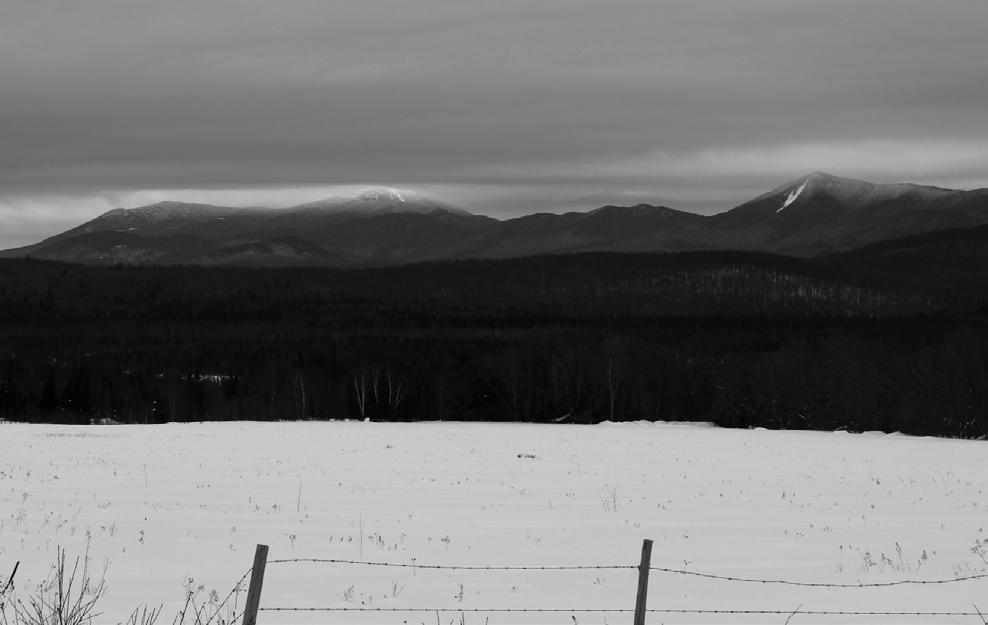
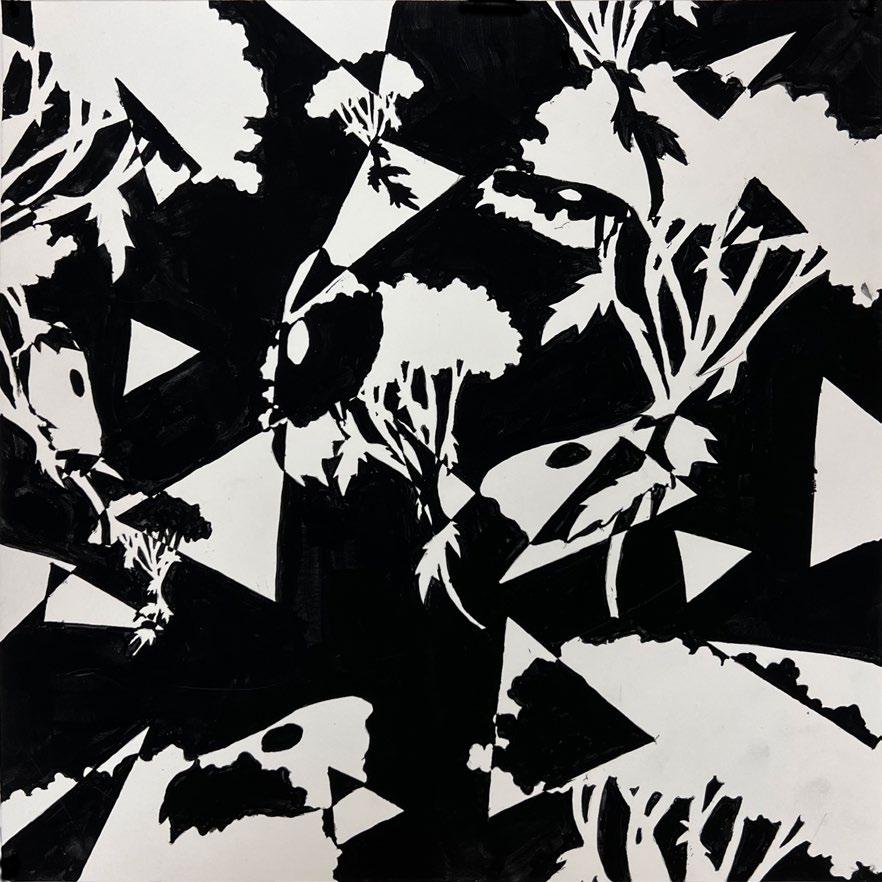
Friendship
In life’s garden, at the meeting of ways, friendship is like the rose, tender, fine, and pleasant. Unspoken bond, deep as comprehended, a shelter in storms, a heart’s neighborhood. Side by side in laughter and in tears, through silent nights or on a sunlit sandy shore. We discover that love is so powerful in friendship, which is why this tapestry is so intricately weaved from threads of trust. The gentle nudge where bravery is lacking, shared aspirations that fuel our inner fire, a mirror that allows us to view our true selves, is a treasure that is far more valuable than any material gain. The presence of friends makes the soul shine brightly, and a friend writes lines in the book of life. Friendship is more than just a word; they are the most beautiful song anyone has ever heard.
Mya Gerstenberger
Once I felt lost; now I am living. All my life I have never understood the real purpose or meaning of life. I did not know there was a much deeper and fulfilling meaning than just simply existing. Throughout my teenage years, I tried to cope with my depression and unhealthy habits by myself and hide them from everyone, even my parents. I lost every ounce of confidence left in me and lost complete control.
Eventually, I met someone who would help me through some of the most challenging times in my life. In my junior year, I spent most of my time with this person. For months, I sat in a room and talked for hours to this person, and sometimes I would just sit there in silence. I just needed the time to escape. This would help me tremendously through the school year. However, it only built a small barrier, and sometimes I would still feel some of those problems seep through. No matter what I did to distract myself, I always felt this emptiness deep inside. I did not know how to find meaning in my life, and I felt completely alone. Until one night when I received the call that would change my whole perspective.
I lay restlessly in my bed. Something disturbed me and I could not justify the strange feeling that was making me feel this way. I forced my heavy eyelids to shut and attempted to fall asleep one last time. I managed to drift off, but that time ended when I heard a loud vibration coming from beside my bed. I quickly realized the sound was coming from my phone. Someone was calling me. I was immediately filled with confusion and fear because it was my grandfather. Without any hesitation, I answered the call, and with a tired and unsteady tone, I greeted him. His voice was urgent, and I could feel the fear trying to be hidden beneath his words. He explained that he had been trying to get ahold of my parents, but no one had responded.
Instantly, I knew it was bad news. My body felt weak and shaky as I made my way down the long dark hallway to my parents’ bedroom. I opened the door, unsure about what was going to happen. I did not know then that what would happen next would change my life.
After I urgently woke my parents up, they sat there confused. I told them that grandpa was on the phone and needed to speak to them right away. I gave my mom the phone and after a few seconds her whole demeanor immediately changed, and I felt my heart sink to my stomach. Before I could even ask what was going on, my mother was jumping out of bed in complete distress. After some final words were said, the call was over. I remained standing in the room, and although I wanted answers, I remained silent. However, my mother broke the silence and stated that she needed to go to the hospital because her mother, my grandmother, was in the hospital. My father’s eyes widened, and he said that she should go, and that he would stay at home with my brother and me. I remember my mother leaving, and me walking back down the hallway to my room.
My grandmother had suffered a blood clot in her head that resulted in her having emergency surgery and staying in the hospital for weeks. I remember being told to pray for her because the doctors were not sure if she was going to make it through one of the nights. I was up all night praying to someone I never really believed in, but when that morning came, something completely changed in me. Not only did my grandmother make it through the night, but she had also significantly improved and after a week or so in the hospital, she was back home with her family. Her recovery was difficult, but she is now back to her normal self and continuing to do the things she loves.
This experience changed me as a person. I was ignorant and took everything for granted. Moreover, I never looked at the positive aspects of
my life; I was always too focused on the negative. However, experiencing this opened my eyes spiritually and showed me that life is too short to be anything but happy; life is too short to waste your time being angry and hurt when you can be content and thankful.
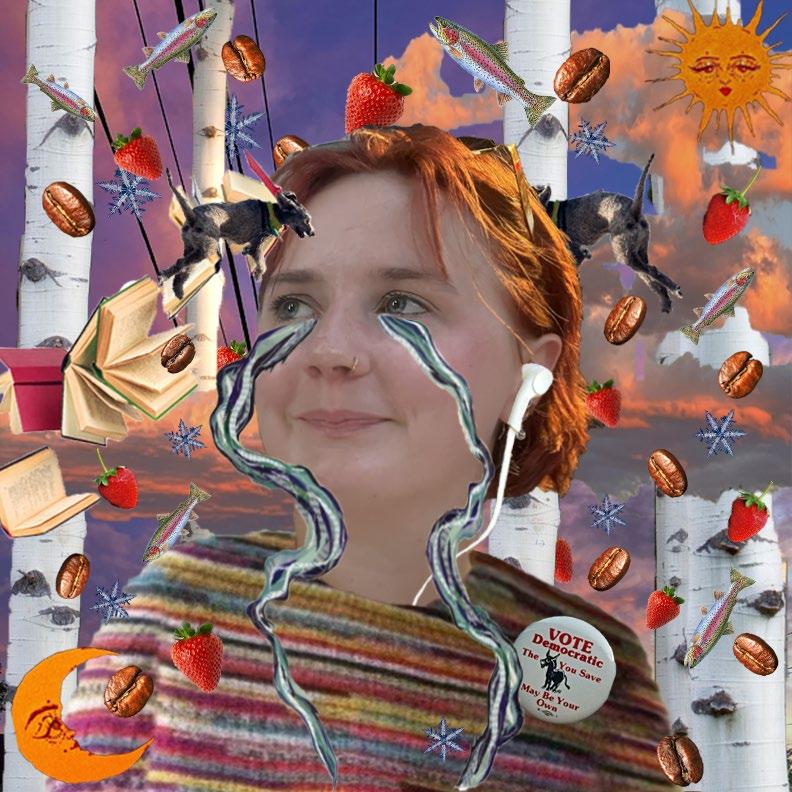
Intro to Computer Graphics
Sisters Rebecca Becker
When I think of a best friend, my mind first goes to the friends I met in grade school and high school. I often neglect to think about the one I have had my whole life. My little sister, a year and a half younger than I am, has been by my side since she was born. I mean this literally because most of our childhood and adolescence have been spent together.
Unlike our older sister, we share the same parents and were stuck together even after they split up. Throughout our childhood, we shared rooms at both of our homes and had the pleasure of switching back and forth between our mom’s and dad’s together. We went to the same daycares, had the same friends, and shared many of the same interests: biking, tennis, watching Nickelodeon and playing in the sand outside of our house. Anything we went through, we went through together, whether it was good or bad. Together, we watched as my dad’s girlfriends and wife came and went, and were there to keep each other company when we missed them.
Together, we played outside any day we could and met up with our friends up the street to bike and scooter down the hills, play hide and seek or go sledding. We were each other’s best friends; neither of us was ever alone because most of our time was spent together.
At some point, I began to pull away from my sister, and our lives became separated.
Since she was a year younger and was in a different grade than me, our friends and I did not see her as much when we switched schools. I made new friends as well and so did she, which
led us to do our own thing without each other’s company. After the COVID-19 pandemic, we were stuck in the same house together and started to get close again. We would go on walks on the nature trail at the school across from our house and play basketball on the court. On days it was not so nice out, we played Roblox together and started many new TV shows in the comfort of our home. This was short-lived because when things went back to normal, the way they were preCOVID, we went back to doing our own thing.
In my junior and senior years, I spent most of my time with my friends, while my sister spent more time alone. During the COVID pandemic, she discovered she had a passion for video games and TikTok, which would overshadow the activities she used to love. This led to her spending excessive amounts of time alone in her room and also pulling away from people.
She still loved the activities she participated in preCOVID but just lacked the motivation to try them again because of the habits she made during the pandemic. She was not depressed, but just learned that she was content being away from people and not talking to them as often. I would try to talk to her, but whenever I did, she did not want to talk. Then, when she was ready, I was always out doing something with my friends or busy with work. Our time together was very limited because most of the time I only came home to eat and sleep. This cycle continued when I started going to North Country for school.
One day after school, I noticed she was visibly upset, but no matter what I said she would not talk to me. She just asked: “Are you sure you have time?” For years, I had always felt like I was pushing my sister away, but I blamed it on the fact that she would not talk to me, rather than the fact that I was never around. I never realized my sister
was under the impression that I did not have time for her when I was always working or hanging out with my friends. My sister is the most important person in my life, but I didn’t treat her as such. Now, I spend much more time with her, as I should, because my best friend should never question if I have time for them.
This topic represents something human because the relationship between sisters is different from that of friends. For example, my sister is unlike any of my friends because she knows me better than anyone since she has known me her entire life. Friends can get to know you well, but someone who has been around you almost all the time will inevitably know you better. There is also a stronger sense of responsibility towards my sister because she is my family and has always been there by my side. She is also the person I can always rely on and trust the most out of anybody. I think this topic represents something human because I do not think AI could understand the difference between a friendship with a sister and a relationship with friends.

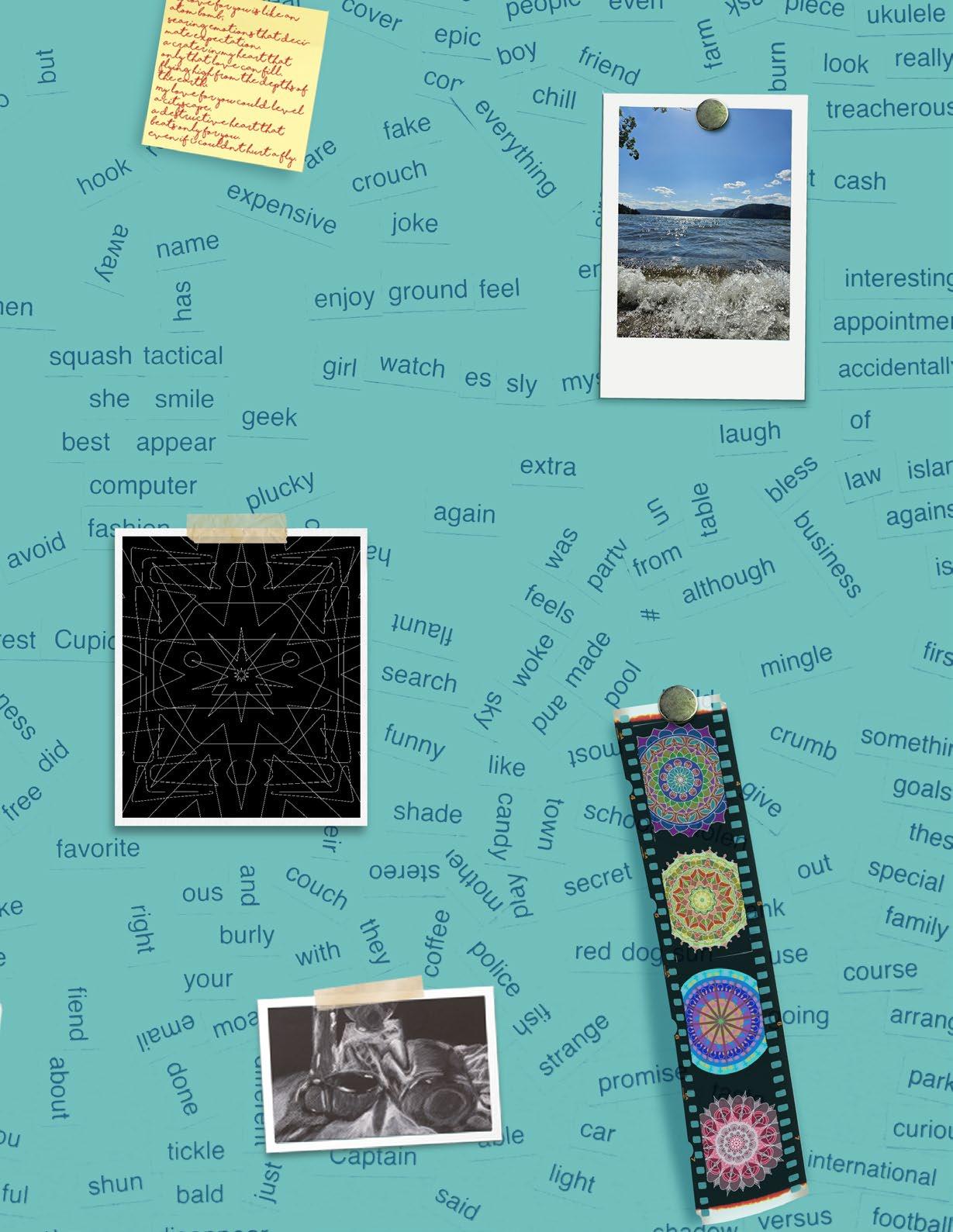
My love for you is like an atom bomb; Searing emotions that decimate expectation. A crater in my heart that only that love can fill. Flying high from the depths of the Earth. My love for you could level a cityscape. A destructive heart that beats only for you. Even if I couldn’t hurt a fly.
Where the Sea Meets the Bear: A Love Letter to Two Northeastern Landscapes
Damon Whitford
There are places that enter the soul not with pompous yelling, but with a whisper. They do not demand our attention; they earn it, slowly, like a lover’s gaze held just a moment too long. Rhode Island and the Adirondacks are two such places. One, a sun-kissed sliver of salty coastline where the Atlantic breathes in and out like a sleeping giant. The other, a vast cathedral of stone and spruce, where silence is not absence but presence. To compare them is not to rank or reduce, but to listen, to let each speak in its own tongue, and to feel how they echo in the heart.
Rhode Island is a place of edges, of shifting tides, of wind tracing the contours of the beaches, and of gulls wheeling over salt marshes that shimmer like diamonds. Here, nature is intimate. The land does not tower; it leans in. The ocean is never far, its brine-laced breath curling through cedar groves and over granite outcrops. In the early morning, the world is quiet but alive with the hush of fog, the hush of oars dipping into still water, or the hush of a heron lifting into the sky.
There is romance in the rhythm of the tides, in the way the sea returns again and again to kiss the shore. The salt marshes, with their golden grasses and hidden channels, like secret letters passed between lovers, are ephemeral, intimate, and essential. Even the rocks seem softened by the sea’s touch, worn smooth by centuries of longing. In Rhode Island, nature is a companion. It walks beside you on coastal trails, it lingers in the scent of low tide, it sings in the clatter of shells and the hush of waves. It is a place where humans and the wild are not so far apart. The sea does not judge your presence; it simply consumes you in its eternal conversation.
The Adirondacks are a different kind of love, something my parents called “tough love”. They do not offer themselves easily. They require
effort, patience, and reverence. To walk into the Adirondacks is to step into a world that does not need you. And yet, if you are quiet, if you listen, you may find yourself welcomed.
Here, the air is different. It smells like pine and old mud, like moss and lost memories. The forests are deep and dark and stitched with the songs of the birds. You hear the occasional rustle of many unseen creatures. Lakes lie like mirrors between the hills, reflecting not just the sky but the soul. And the mountains, the mountains rise like ancient gods, their shoulders draped in mist, or snow, given the season. Their silence is a kind of wisdom. There is romance here too, but it is wilder, even stricter. It is the romance of solitude, of standing at the peak, the wind in your hair and the world spread out below like a lover’s outstretched hand. It is the romance of firelight and snowfall, of loons calling across the valley, of stars so bright they seem to pierce the skin. In the Adirondacks, nature is not a companion, it’s a presence. It does not walk beside you; it surrounds you. It demands you to be small, to be humble, and to be still. In that stillness, something opens. Something ancient, tender and true.
I have walked the beaches of Rhode Island at dusk, the sky painted in lavender and gold, the sand cool beneath my feet but still warm from the summer sun. I have stood on an Adirondack peak at dawn, the world below wrapped in fog, the air sharp with pine and the fulfillment of the climb. In both places, I have felt something stir, something wordless and wild.
Maybe that is the true romance of nature. Not its beauty, but its ability to awaken beauty in us. To remind us that we are not separate from the world, but part of it. That we, too, are shaped by wind and water and silence and song. And so, I carry both places with me. The sea and the mountain. The whisper and the roar. The intimacy of Rhode Island and the vastness of the Adirondacks. They are not just landscapes; they are love letters. And I, the grateful reader.
Too Quiet
A tired groan from a tired throat dark windows behind drawn curtains
A familiar creaking floor to the corner of the kitchen by the stove
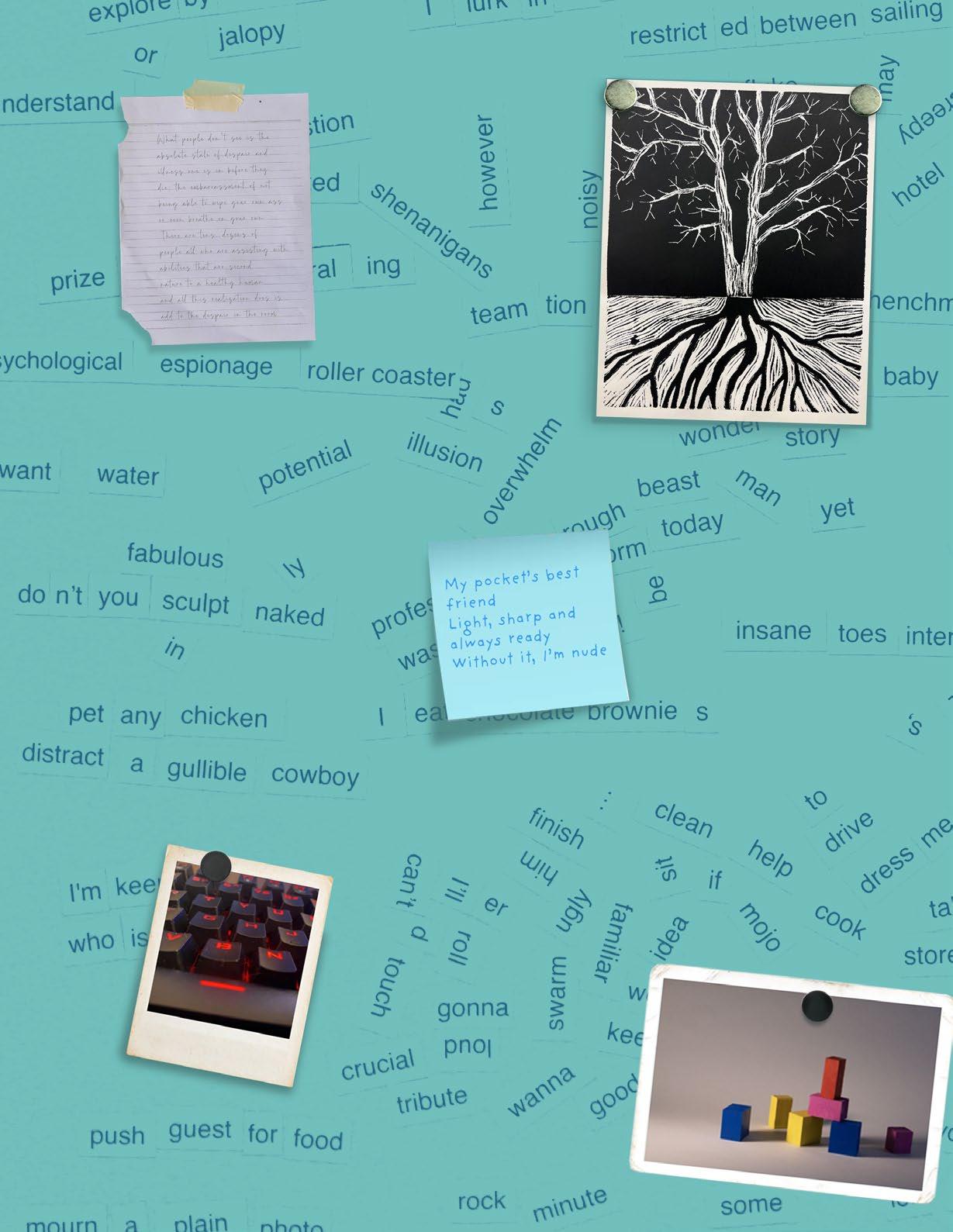
My pocket’s best friend Light, sharp and always ready Without it, I’m nude
Just an inch across Bright metal drawn into a ring Carries my whole heart

I spent some time in Flander’s Field by John McCrae to try and get a feel for a Rondeau. I think I have a hard time with the more complex closed forms until I get into an actual example. This form felt clunky to me until I reread the poem several times and got the rhythm of the rhymes. The poem itself has a lot of good imagery and tugs my mind’s eye from the fields to the sky and kind of rises in tempo as a rally cry. The refrains are powerful short statements that help to ground the whole poem. I think that closed forms are really good at grounding a poem, and allowing some constraints might pull out creativity.
The sleeping dog side-eyes her passing waiting his turn without wagging
She blends her breakfast smoothie she won’t worry about waking
Dressing in dawn’s diffuse light
Slipping her slippers between shoes two pairs too heavy to move
Piles of pointless papers rise every envelope ebbs her hold countless cards and caring words Not today either, not now knowing not all are nice
Normally nagging neighbors nod nervously mailbox bulging with many bills
Her mother misses her, she says the message makes her more miserable Missing hits missile hard
Another fucking tray of baked ziti can kindness kill?
No one thinks about how she hates pasta no one remembers But I did.
Two Haiku, and What Scares You Too
Michael Campbell
From the Stand to the Pan John Woodard
Whether you’ve hunted a bit or never have before, I’m here to give you the step-by-step guide of how to go from cold in the stand to a warm stew in the pan. The American Whitetail deer is the most popular and famously hunted animal in the United States due to its great tasting meat and its high population. Now, enough of the Steven Rinella talk and let us get to the hunt.
When it comes to hunting, it all comes down to smell. Your stench could make or break a hunt. There are all types of scent-free and odor-free soaps and detergents, and that is all good, but if a deer smells your tracks on their way to you, it’s as good as over. Kiss that 8-point buck goodbye! So, you want to get some scent-eliminator, and before you even head into the woods, spray your boots down. A whitetail deer has three-hundred million scent receptors in their nose, but a human has between four to five hundred. That is how important your scent is in hunting. Now that your scent is taken care of, find a place to sit; one of the best places will be near bedding, food, or water sources. I recommend bedding because, when in the rut, bucks generally starve themselves because they are just looking to impregnate does. Look for leaves kicked up into a circle and exposed dirt in the center. It will mostly be under thick trees to help provide them with wind and rain protection.
Now that you have found bedding, look around at the surrounding trees; if you see bark scraped off (also known as a rub) then that means there has been a buck there rubbing their antlers. This is good because you know where the buck sleeps! So now, go and post up downwind of the bedding and find a good seat with a wide range of views.
When waiting for deer, you could be sitting out there from sunrise to sunset. This is good because you will catch the deer coming and going from their bedding. You must stay still and move your eyes, not your body; be a tree. You must also be quiet, no noise. Everything you do, be slow and quiet. Deer might stay still when a huge car is coming at them, but in the woods, one twig snap could send them running. I have hunted a lot, and I have learned tricks to staying silent and still. That is, be warm; if you are cold, you will move. So, what I learned is to get a neck gaiter. You would be surprised at what a warm neck can do. Now, while you could sit and wait, it never hurts to try calling in the bucks. When in the rut, bucks are looking to impregnate all the does in the area, and any other buck that is nearby is competition, so that buck will try to remove the other buck. This brings me to the first method of calling in bucks called “Rattling.” Rattling is when you use two antlers to simulate the sound of two bucks fighting: locking antlers, kicking up leaves, and just a pure fight of dominance for the doe herd. Lock the antlers together and “rattle” them moving them back and forth like bucks would do. Don’t forget to kick up some leaves, making it as realistic as possible.
A second method is the “Deer call.” There are two main types of deer calls, electric and vocal. The electric one is a kind of tube shape you blow into, and your call will have a slide with a setting. The buck grunt is a buck saying, “Hey,” and, since deer are very curious creatures, they will eventually come to a grunt due to their territorial and curious nature. And then there is a doe “Estrus bleat,” which is a doe saying,
“Here I am” to a buck, which makes the horny buck come running. Or, if you are scared that you do not want to mess up with the calls, there are manufacturers that make pocket-sized electric deer call devices with calls as said above and more. Now don’t get jumpy! They will not just run in. Even though deer are curious, they are also cautious, so they might circle your area two or three times to make sure it is safe. So, every fifteen to thirty minutes give out a call and wait.
Boom! You have drawn in that big buck! Now what? The shot placement on a deer is especially important, but before you even get there, you will want to slowly bring up that rifle. Trust me, I know it can be tempting to jerk that rifle fast before they run away, but if you move slowly, you will not scare the deer and will be able to get that perfect shot off. When you finally get your rifle up, put the crosshair (where the two lines in the scope intersect) just behind the deer’s shoulder in the armpit area. Behind the shoulder are the lungs and heart. Now calm your breathing, and on the release of your breath, slowly squeeze the trigger. A rule of thumb is if you hit the deer, you might see the hind legs kicking. That is great; you hit the deer!
Now comes the fun part: even if you hit a perfect shot, deer do not always go down right away, so you need to wait five minutes, and then it is time to track. Start by going to where you shot at the deer. If there’s snow on the ground, great! Your job will not be as hard. If there is no snow, then start following the path of where the deer was running. Then look down and start looking for blood. It will stand out. If you do not see blood right away, look for broken sticks or brushed-up leaves. What I like to do is take toilet paper and hang it on a tree branch every twenty-five feet of blood, so if you lose track, you can look back and pick up where you left off. And if you really injured the deer, it would not go far. When injured, they usually run a little then lay down and die.
Great, you found your deer! Fun’s over, time to gut. You will want to gut the deer as fast as you can, because when they die, their stomach will slowly start to bloat making it harder to gut. This also makes a higher chance of cutting open the stomach or intestines resulting in spoiled meat. Now, take your knife and cut around the anus, making sure you do not cut into the anus. Then leave that alone and start carefully making an incision up around his penis and up through to the sternum. The sternum is the “v” where his ribs meet. You will not want to cut past the sternum if you are mounting the head. If you’re not you can make your job easier by sawing in the middle of his rib and then breaking open his chest. Now you’ll want to cut out his windpipe, lungs, and diaphragm in the rib section past the sternum. Now, reach in and pull the anus through the deer where the guts are, making sure not to let any shit come out and pull all the guts out. They should be loose by now, but if not, take your knife and cut where it isn’t loose. Now you can clean your hands if you aren’t wearing gloves. All you have left to do is drag the carcass back home or to your wheeler and load it up. When you get back home, if it is cold you can let it hang for a night or two. Doing so makes the deer less stiff and easier to butcher. If it is warm out, you will want to start butchering.
It’s butchering time, so you are almost there for that delicious venison dinner. If you’re not mounting, start at the back legs and cut the hide around the deer’s knee. Do that on both sides and start cutting up towards the thigh. Start pulling the hide down and keep cutting and pulling it down. It will be the
same process on the front legs. Once you’re at the head as far as you can, you can either do what my papa does and break the neck in two ways and yank it off or take a saw and cut off the head. You can now set the head and hide aside. You can damn near get meat everywhere off the deer, but here is the dumbed-down version. Cut off the neck meat, then the front legs which will be stew or roast meat. Then, there are the back, ribs, the rump, and finally the back legs. Get all the really tough white fat off that’s no good. Cut the meat off the bone, and depending on how big you want the meat (I hunt in a group sometimes), cut the meat to share and split evenly. The stew goes into small pieces no bigger than an inch in diameter. Keep the steaks big or cut them down to small bite-sized pieces. Lastly, bag it up and put him in the freezer.
When it comes to cooking deer, there are many different recipes: you can make hamburgers, meat bites, stew, sausage, jerky, canned, or hashed. Really, the possibilities are endless. There are hundreds or thousands of things to do with venison. I am going to give you my newly found recipe for venison stew where it will fall apart in your mouth and keep you coming back for more.
Grab your Dutch oven, Put your meat in the pot, then about five potatoes, and a whole bag of those small carrots. Then take one packet of beef stew and three to four cups of beef bone broth to add and bring out more flavor. Add a bit of Worcestershire sauce to help tenderize your meat. Preheat the oven to 150-degrees and slowly roast the stew for 50 minutes. Then, take the Dutch oven out, stir the stew, and repeat. It will take hours, but when the meat looks cooked, cut it in half to know for sure, and taste it. Repeat every 50 minutes until the meat is nice and tender. The last steps are to get your favorite drink, grab a bowl of stew, and enjoy your hard work.
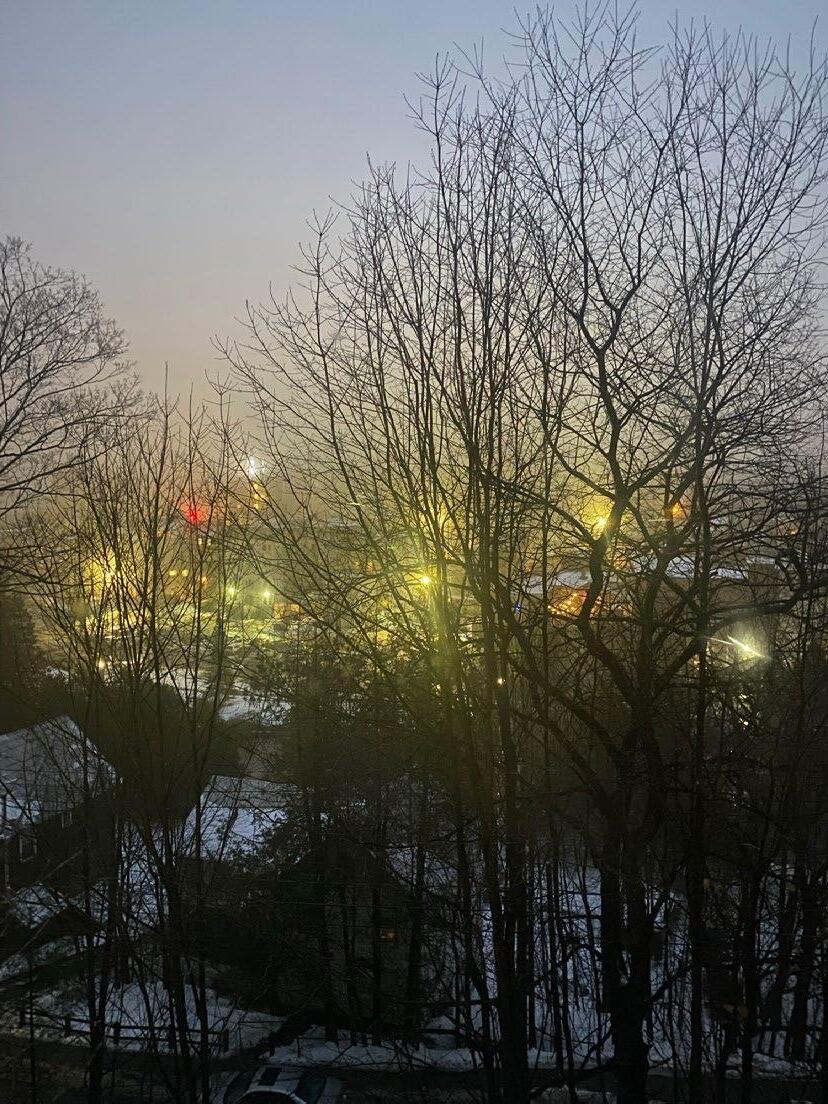
Odysseus Castor
Digital Photography
Lungin’
Mason Pearson
Once I was a pumpkinseed, but now I am a musky. When I was younger, maybe around age seven or eight, my granddad introduced me to fishing. Throughout the duration of his life, his favorite hobby was fishing from the bank, particularly for panfish. He grew up in the Massena-Lowville area in the fifties and sixties, where several flooded backwaters had just emerged as a result of the completion of the St. Lawrence Seaway and Moses-Saunders Project. These backwaters provided perfect habitat for crappies and bass, as well plentiful fishing opportunities for my granddad to enjoy. Even after serving three tours in the Vietnam War, which had changed him drastically according to people who knew him before, and after his years of service, he retained his love for the aquatic sport. He had taught my mother to fish when she was younger, and now it was my turn.
I can’t remember exactly how our first trip played out, but in a sort of military fashion, they were all uniform. He would show up to take me fishing (sometimes unannounced) at five o’clock in the morning on days that I didn’t have school or during the summer, waking my mother up in the process as well. I’d quickly get dressed, usually wearing a pair of jeans and a T-shirt, and we’d leave as soon as possible to avoid my mother’s pre-coffee wrath. My granddad’s outfit was the exact same every time we’d go fishing (and every time I’ve ever seen him for that matter): white New Balance shoes, faded blue jeans, a light-colored long-sleeved shirt with the sleeves rolled up halfway, one of his Navy hats, broad lensed glasses, and a dark green jacket for when it got rainy or chilly. On top of all these accessories, he has always rocked a thick, cigarette-stained mustache, with the rest of his face being completely cleanshaven.
From my house, we’d scoot to the bait shop to get the “tried and true” perch minnows. My granddad refused to use any other method of fishing besides using a minnow, Eagle Claw snelled hook, two split shot sinkers, and an orange Styrofoam bobber. When we would arrive at the bait shop, I’d go to the hatchback and grab my granddad’s minnow bucket to bring in. The shop didn’t look like too much from the outside, with it being just a completely brown shed in a yard of a nice house with a small “open” sign and doorbell on the locked shed door. When we would ring the doorbell, the shop owner would appear from his house, greet us, and unlock the shed door. The shop owner was an older, heavy-set man with a warbling “Ogdensburg” dialect. Inside the shed, the walls were lined with various pieces of tackle, including the owner’s own hand-tied bucktail jigs. Towards the back lay the huge minnow troughs, each divided up between minnow sizes. The shop owner would fill the minnow bucket, talk with my granddad for a quick minute, carry out the sale, and we’d be on our way to my granddad’s all-time favorite backwater bay, Coles Creek.
Coles Creek was, at one time, just a creek that flowed into the St. Lawrence River. After the flooding occurred, nearly seven decades ago, the creek turned into a vast expanse of stagnant water with three causeways dividing it up into different sections. The section directly connected to the big river is deep and clear, while the section towards inland is more murky and weedy. Additionally, there are large pipes
underneath the causeways that allow fish to move throughout the entire water body. These pipes were my granddad’s go-to spots because of fish traffic that occurs in them. At every stop, we’d unload our Zebco rods, tackle boxes, five-gallon buckets (for seating), and the minnow bucket. He would always bait my hook because I never wanted to touch the minnows, let alone any fish that I caught. Then we would sit down on our pails, and he would light a cigarette, cast out, and wait. He taught me the importance of patience, because when I moved my bobber too much, he would be the only one to catch fish. Once I did learn the technique, we’d both catch decent amounts of fish. Bluegills, bullhead, white and yellow perch, pumpkinseeds, the occasional largemouth bass and northern pike were always a guaranteed possibility, but no matter how many of each species I hooked up to, I was always thrilled. Today, I have amplified my love for catching fish by expanding my overall ability to catch several species in different areas. Much like putting tickets in paper bags for a chance to win a prize basket, I have tapped into chasing a few different target species. Although I do not like to classify any one species as being the “grand prize”, one fish to catch that is tremendously special is the muskellunge, or “musky” for short. What makes catching a musky so unique is the fact that they are considered the “fish of 10,000 casts” because they are difficult to come in contact with while out on the water. From talking with my father and grandfathers, all of which are or were fishermen (including my granddad), none of them ever laid eyes on the elusive beast. During the COVID-19 pandemic, all I did with my free time is research about fishing, including how to catch a musky. In 2021, I managed to catch my first musky out of a tenfoot jon boat on my “last cast”. Though the fish itself was unhooked and let go, I don’t think I was ever unhooked from the fish. Ever since then, I have been dedicated indefinitely to the pursuit of the toothy critters whenever the opportunity presents itself.
On one of my relatively recent successful musky hunts (which I will admit are few and far between), I brought along my mother’s good friend, Steven. Steven was my mother’s co-worker from Charlotte, North Carolina. After retiring, he and his wife remained close with our family. Roughly every other year for a few years, we would take turns visiting each other. So, when they came up on their last visit, I decided to take him fishing on my 14-foot V-bottom boat across the road from my house. This is how the trip went:
I loaded up my leaky 1970s Sears boat with all the necessary items: two buoyant cushioned seats, a 30lb thrust Minn Kota electric trolling motor, a battery to power said motor, two paddles for if the battery ran out of power, heavy-duty rods, a large net, a homemade bump board to measure any fish, a tackle box with absurdly large lures, and an anchor with a rope. The boat sat on my trailer with a broken taillight, and the trailer was hitched to my red Polaris four-wheeler. We dressed up for the occasion due to the crisp October air, with me wearing a neon orange toque and Muck boots. I had to gather some warmer clothes for Steven because the extended outdoors trip was an unplanned one. Once I got the boat secured with bungee cords and prayers that it wouldn’t fall off, we got on the ATV and sped on down the road.
The spot where we would unload belongs to my neighbor, who lets me use his land for recreational purposes. It is a well-kept plot of land, scattered with bare trees and dead leaves lying on trimmed grass. Right next to it, the Raquette River flows slowly but flows nonetheless. I backed up the boat close to
the water, and we hauled the rickety vessel to the bank. We organized the equipment, Steven situated himself towards the bow, and then I pushed us off the shore. We were now on our way upriver in search of monsters.
The technique I proposed for this trip was to use large, slow moving lures because fall is the time when muskies eat big for the winter but are more lethargic due to colder water temperatures. I gave Steven some big deep-diving jerkbaits, while I used a Tackle Industries Regular Super D in the “gold walleye” color. Both of these types of lures are meant to get down to eye-level with the predators while also “hanging” in their faces, meant to entice strikes. We drifted down river three times, equalizing to a few solid hours of non-stop casting. Towards the end of the third drift, we figured we should get going. However, much like my first musky, my last cast was what turned calm to crazy. I cast towards where we put in the boat, let the lure sink to the bottom, jigged it three times, then, as if I hooked up to a brick wall, I was battling a freshwater sea monster. For reference, I was using my XXL heavy rod, which is basically like an iron pole, and it was completely bent.
Steven grabbed the net, and after about two minutes of downwards pounding, I was able to bring the fish up to see it. It was not a happy camper that day, to say the very least. Another unique thing about muskies is their ability to splash an unfathomable amount of water when thrashing about the surface, and this one was no exception to that trait. By the time we got it on the net, both of us were absolutely soaked. The netting job would have gone off without a hitch, if the fish had gotten all the way into it and if the hooks hadn’t gotten caught on the netting. Luckily, I was able to grab the fish by the gill plates with a death grip, so it wouldn’t injure itself from wrapping itself with the caught hooks. Finally, the fish was in the boat. I unhooked it, measured it on the bump board, where it measured 41.5 inches, I got a quick photo with it, then I released it. It appeared to be just as powerful when I released it as it was when I was fighting it, indicating that it was a healthy release. While doing all of this, Steven was in absolute awe. For the rest of the evening, he was completely mesmerized because it was the largest fish that he had ever seen. This was the same feeling that I felt when I would fish with my granddad when I was younger, and I was glad to be able to share that sort of experience with someone else.
“hanging” in their faces, meant to entice strikes. We drifted down river three times, equalizing to a few solid hours of non-stop casting. Towards the end of the third drift, we figured we should get going. However, much like my first musky, my last cast was what turned calm to crazy. I cast towards where we put in the boat, let the lure sink to the bottom, jigged it three times, then, as if I hooked up to a brick wall, I was battling a freshwater sea monster. For reference, I was using my XXL heavy rod, which is basically like an iron pole, and it was completely bent.
Steven grabbed the net, and after about two minutes of downwards pounding, I was able to bring the fish up to see it. It was not a happy camper that day, to say the very least. Another unique thing about muskies is their ability to splash an unfathomable amount of water when thrashing about the surface, and this one was no exception to that trait. By the time we got it on the net, both of us were absolutely soaked. The netting job would have gone off without a hitch, if the fish had gotten all the way into it and
if the hooks hadn’t gotten caught on the netting. Luckily, I was able to grab the fish by the gill plates with a death grip, so it wouldn’t injure itself from wrapping itself with the caught hooks. Finally, the fish was in the boat. I unhooked it, measured it on the bump board, where it measured 41.5 inches, I got a quick photo with it, then I released it. It appeared to be just as powerful when I released it as it was when I was fighting it, indicating that it was a healthy release. While doing all of this, Steven was in absolute awe. For the rest of the evening, he was completely mesmerized because it was the largest fish that he had ever seen. This was the same feeling that I felt when I would fish with my granddad when I was younger, and I was glad to be able to share that sort of experience with someone else.
Ward 2D Design
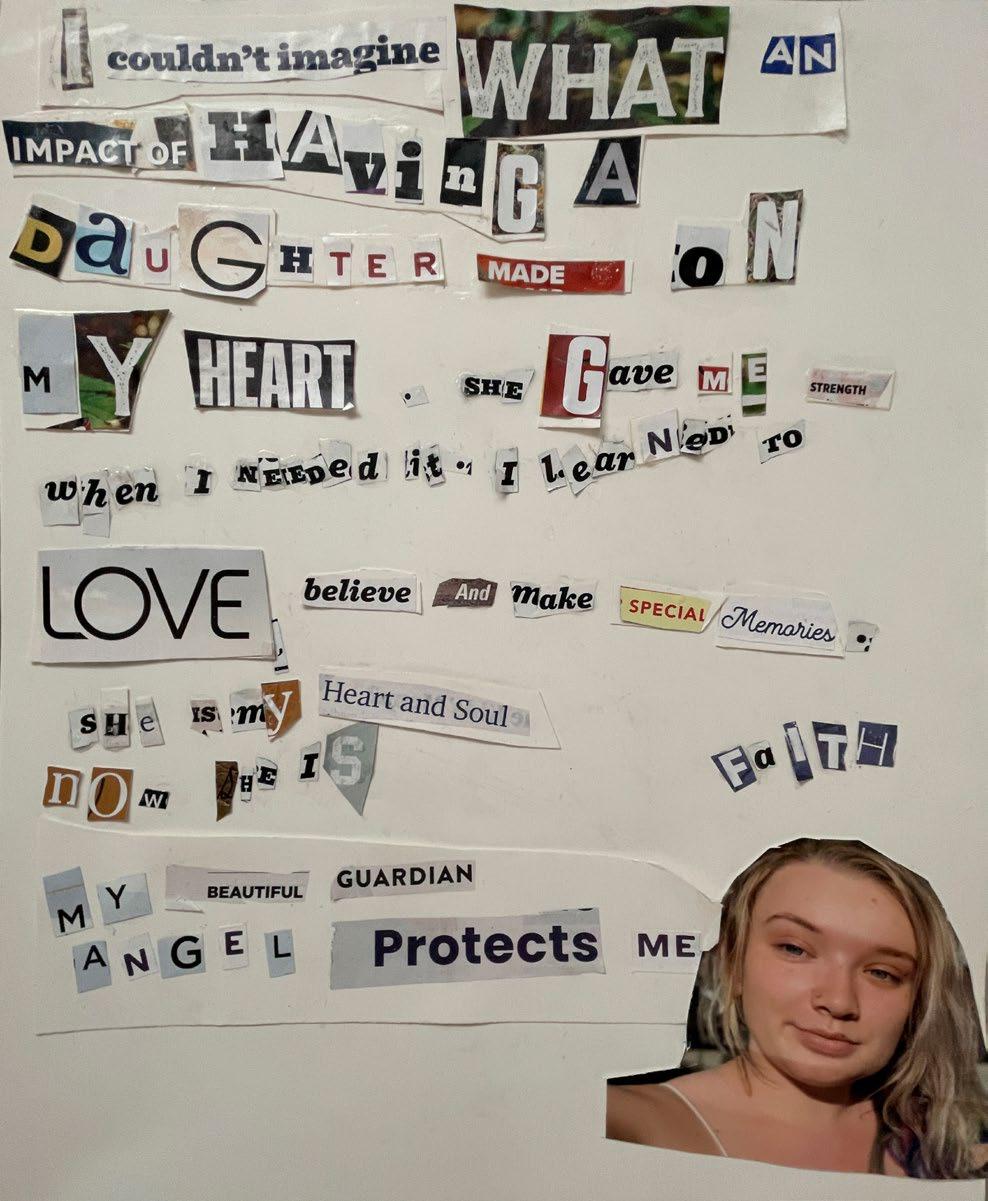
Phoenyx Patrick
In the workshop provided this past Wednesday by Mary Miller, we learned about fake news and ways to identify and combat the spread of it. Fake news can spread like wildfire, but luckily it can be just as easy to identify via fact checking, verification, and a few other methods. Much like the game “telephone”, news gets passed along person to person. In this passing, it is common to get other information sprinkled in that was not originally part of the message. At times, this is what is intended when it comes to news that is banking on making a high impact and to receive a lot of coverage. More often times, these fake news sellers are sell-outs themselves, hoping for a quick buck by doing cheap advertising that makes a topic skewed to a certain side/bias in order to illicit debate, therefor more sharing, therefore more coverage.
Some good ways to check if the information is accurate is to check for yourself! Luckily there are many tools available to do so. One example is by checking through multiple searches to see if the information present lines up with each other, another is to simply look up through Google with the key word hoax to see if it’ll pull up a scam article. Some examples I prefer the most are by going through widely available fact-checking websites, or by using Google’s reverse image search function. Another good one is to look for the topic information by professional journalists who follow a code of ethics, and to look at the direct source of the topic of choice. A really good point to keep in mind though – is to identify your personal biases and to try to see the overall picture for what it actually is, not what you wish it to be.
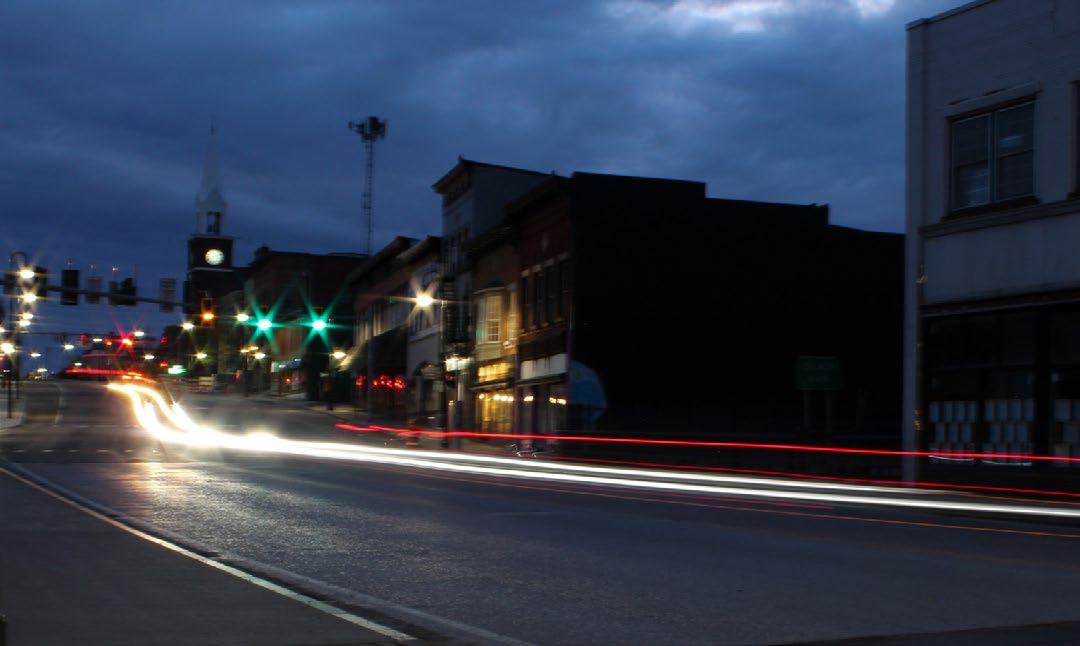
Olivia Burke
Photography
Ink of Art
Jessica Peckham
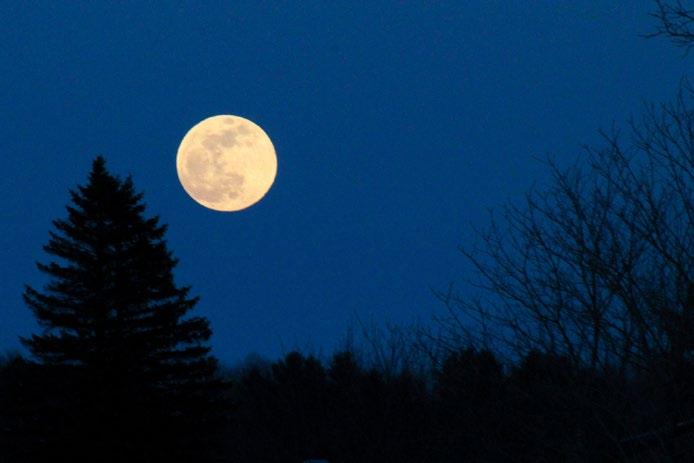
I fumbled over my own feet, running with my arm and eyes up to the sky. “We can get it Dad!” I say as I point up toward the moon. I didn’t know any better, I was just a little girl with brown curly pigtails. I’ve always admired the beauty of the moon. The tiny sliver in the sky that grew bigger, and bigger. The big yellow ball in the sky that differs from dark to light. I have always been reminded by my family that I was “their little moon chaser”.
Now I sit looking at the moon
With the ink of its beauty on my body
Forever a moon chaser
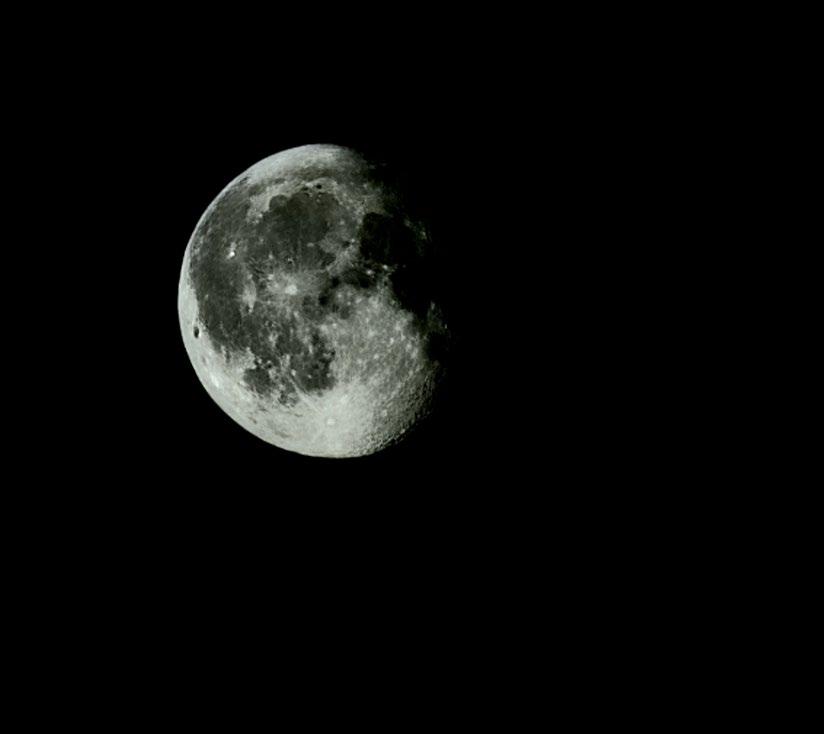
Chris Cook
Yard Sales
Aislyn Hungerford
Looking back on the years when my grandmother held an annual yard sale or garage sale, it makes me think about all the memories a single item can hold, such as childhood toys. When I’m thinking about just the memories, though, it makes me realize that they have some sort of emotional attachment to them and can even make me recall what age I was when I picked up those certain items I had owned. What I realize, though, is that something so important to someone, such as a toy from their childhood, may just be something else that another person desires to have in life, even whilst continuing to give meaning to the object.
A few months after I turned 17, my grandmother shared the news with us that she would be having one of her annual yard sales but would be including more belongings from when we grandchildren were younger. The yard sale was typical of those in the past. There were clothes laid out neatly on dusty card tables, a few antique plates and cups, and some old furniture that was once used for the casual living room. There were a few items I had a hard time getting myself to put onto my crooked card table: various dolls I had played with when I used to hang out in my grandmother’s chilly basement. Most importantly, though, was a Barbie with a teal-colored jumpsuit and her hair in a notably 1980s workout-styled ponytail, named “Felicity.”
A sandy-haired and paler younger girl, who happened to look like I had looked when I was younger, was seemingly in love with Barbie at my grandmother’s yard sale and ended up
picking her up. I was reluctant at first, but the sandy-haired girl ended up buying Felicity with her mom’s permission, resulting in a smile and a small “thank you” whilst maintaining a newfound happiness in both me and her when she found out she was given Barbie, who needed more love from another girl who was once as innocent as her.
Kinzie MacDonald
Rough wind blowing against branches. Clouds covering sky, patches of sunrise showing. Grey clouds carrying rain. Birds singing, filling silence.
Radiant sky and sparse clouds scattered. From time to time, the breeze shakes flowers. Sun in the middle of the sky lighting up the world, not a drop of rain.
Purple, red, orange filling the horizon. Gigantic clouds dispersed. Trees and clouds shielding the sunset, a storm rolling opposite the sun.
Wind overpowering, not a star visible. Only the waxing gibbous, shining beyond the clouds. Crickets chirping from the tree line. The scent of the rain overpowering.
Amy Hall
The dark night falls upon us, you close your eyes and you can feel. The wind rustling the leaves, and the smell of the trees in your lungs. You can only use the light of the big white moon, only till the clouds roll upon it. The next leading lights are the bright shining stars. You can feel the wet damp grass between your toes. You wiggle them and find your way to the swing up on the hill. The swing that has seen so many years, it creaks like the crickets as you go back and forth.
These are the best nights, the best nights to reflect upon the years. All the years you have been blessed to be given these moments. These silent nights. Up on the hill.
Dawn Trinity Jeror
I wish I could describe your death as something beautiful, and meaningful. Like when it is fall and dawn is arriving, everything feels empty but good empty and you can feel the cold wind on your face after the months of warmth, you feel as though you have the entire world just to yourself, the blue hues take over your vision and you can see yourself living for another day. I wish I could describe it like a great poet, lovely and all-consuming. It was cold, it was not blue, but a muddled gray, wishing for that warmth of the sun at the very least to cover the empty feeling, and I was shaking, not because of the weather but the sobs racking my body as I watched you get lowered into the ground, it was not beautiful but at that moment I felt like I did have the entire world to myself, complete isolation, just me and what used to be you.
Henry Hubbard
Photography
Jacque Hooker
Riding in the passenger seat of my dad’s car on the way to Plattsburgh, talk radio plays in the background. It’s nothing I want to listen to, so I tune it out and look out the window to analyze the scenery outside. When doing so, I slip into my thoughts. In What It Is by Lynda Barry, she examines many questions, but I chose to explore “What are thoughts?” (69). A series of questions and images on the page ironically provoke a lot of thought.
Icebergs are notorious for seeming small on top, but being masked by the water which hides a much larger portion that isn’t observable from the surface. People often use icebergs as a metaphor for things that seem small but are only the beginning of something large; they call this the “tip of the iceberg.” Barry incorporates this idea with the question, “How is a thought like an iceberg?” Going back to my dad’s car, I hear him swear. I look out the windshield, and a car is almost in the same lane as us, drifting from the other side. The surface thought I have is, “That could’ve been bad,” but as my dad keeps driving, the thought grows. What if the accident resulted in our deaths? What would happen if we died? Would we still know each other? It is weird to think about someone you know and love, especially your mother or father, being a complete stranger to you. After being raised by this man, it seems very cruel to have such a sudden ending.
A rabbit hole seems like a maze of thoughts that is hard to escape from. The thoughts I was having in the car are thoughts I believe are a common occurrence. Perhaps Barry’s illustration of a white rabbit with red eyes, reflected with a black rabbit with red eyes, represents good thoughts and bad thoughts. Barry’s choice of animal also seems to acknowledge the existence of rabbit holes. Even the iceberg metaphor and the image of an iceberg on the page had a dark reference associated with it. “Hundreds of passengers stood on the decks. There were not enough lifeboats for them all” (69). This statement is a direct reference to the Titanic tragedy. This infamous accident that claimed many lives was due to the ship striking an iceberg. By including these sentences, Barry brings to mind images of tragedy and death.
Riding in the car isn’t the only time I have pondered death. Lying in bed is another time when thoughts race through my mind. Every living being ultimately faces death, which is a harsh reality. Knowing this, it is no surprise that people’s thoughts can wander there. Death is a scary thought that most people prefer not to talk about; maybe it is the silence that causes it to pop up in my thoughts.
The page addressing “What are thoughts?” in Lynda Barry’s What It Is illustrates how a simple surface thought like an iceberg can morph into much deeper thoughts. These mind journeys can wander to places that aren’t comfortable to talk about. These thoughts arise during quiet times or when there are no other distractions to keep people from examining the tough parts of their own lives.
Mack
I took the job for money, benefits & the brotherhood. The reality is, I made a deal with the devil & bargained far more than I should.
You call it P.T.S.D. but having a name doesn’t fix it for those of us who suffer. It only satiates the masses, like a wound that can finally be covered.
Wrap it all up nice and tightly. Set it aside with all the other nightmares with names. No one likes the unknown, so be sure to keep it sightly.
RAD, OCD, ODD, BPD, Depression, Addiction, and Anxiety. Don’t forget insomnia and all the phobia varieties.
Although phobias are fears no matter how substantiated. Time and retraining your gray matter have been proven effective methods of leaving behind what you have created.
We are functioning with the actual Grim Reaper in our dome. He scrolls the rolodex of nightmares often. To remind us that we’re still alone.
It’s not fear he sends boiling hot through your veins. It’s reality. You were there. You saw it. You were a participant. It is like a memory stain.
You thought for sure that it didn’t affect you but look at you now. Leaning over a sink staring into your soul again. Trying so hard to remember how to put the pieces back together. Before anyone notices that you have come apart again.
Grab the cold metal and turn it.
Exhale…
Put your brave face on and return. Smile big & talk nice. Do it…
You aren’t “crazy” or irrational” anymore. It’s just a touch of P.T.S.D. right? It can’t be so bad right?
Rece LaFountain 2D Design
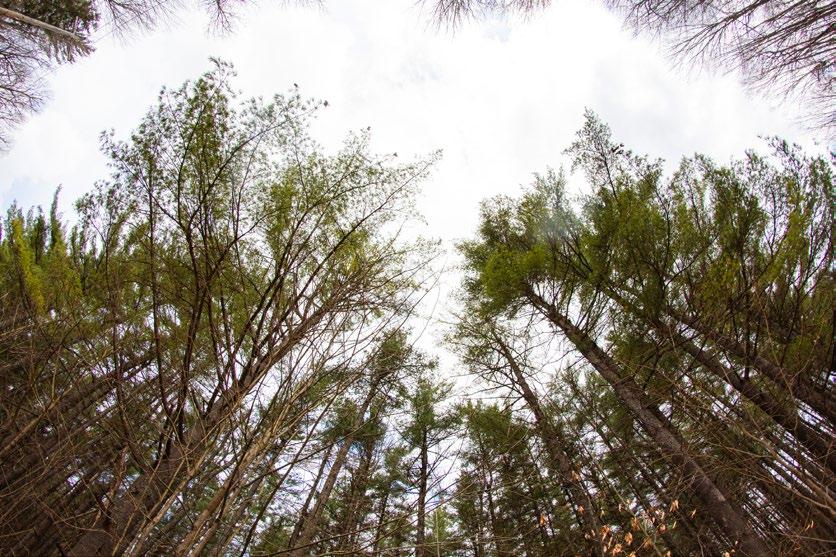
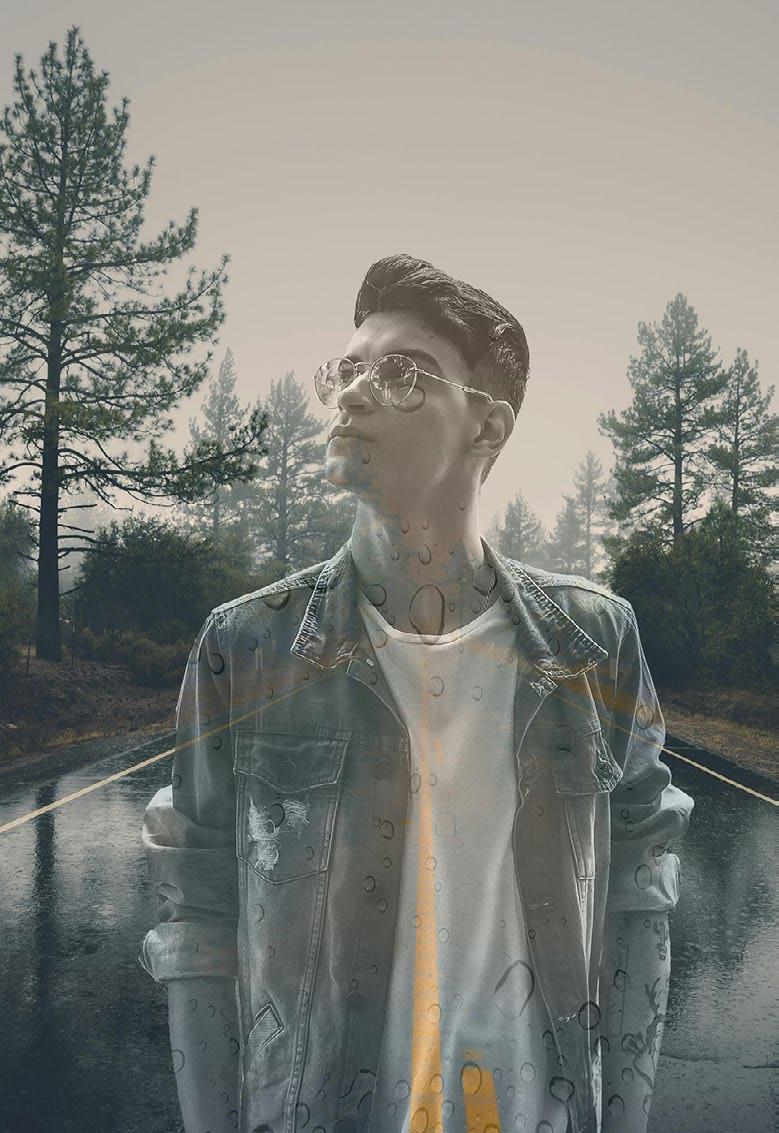
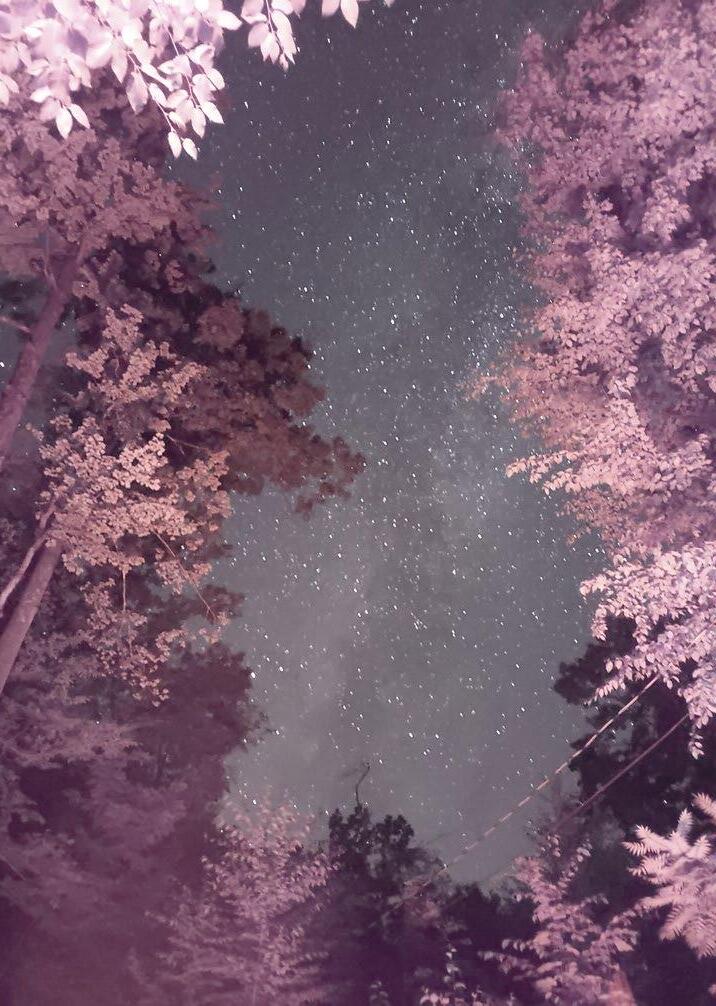
BANG. The loud slam of the ICU interrupted a good session of daydreaming and made me realize I had to check the blood sugar of the man in room 5. I roll back in my chair and stand up, stepping on the bottom of my scrub pants that are too big for me as I go to read a patient’s blood sugar, which I was ordered to do every 30 minutes. It was a hot summer day in the ICU with sweat lining the inside of my scrubs, which probably showed through the armpits of my shirt, but I had no time to care. There were many tasks to juggle that day, with one of them being to check blood glucose level every thirty minutes of the patient in bed 5. I worked as a monitor tech, so for most of the day I sat at a desk with three monitors on it and steadily watched the heart rhythm of every patient in the ICU. Usually, I would do homework or draw something and tell any nurses if an alarm went off, but with today being this busy my role was more like a nurse’s aide. I had to clean rooms, give patients their food and whatever else they wanted, and be a verbal punching bag for any grumpy nurse in the ICU for twelve hours that day. I eventually make my way to bed 5 and see an older gentleman laying down in his hospital bed with dozens of wires wrapped around his body and multiple tubes coming out of his mouth. The man was in rough shape, missing both of his legs, scars and sores all around his body, and the smell of body odor wafted in the air. “Hey, it’s that time where I poke your finger again!” I say in a cheery voice. However, I begin to ponder why I said anything because the man obviously cannot respond. I then grabbed his arm and began “milking” his finger to bring blood to the tip of his finger. I then begin to poke his hard and callused fingers with a small little needle with a purple top. I try multiple times to break through the wall of his
finger, but with no use. I poke the man several times with the same needle, which must hurt, until I feel a snap beneath my fingers and all tension breaks. A pool of crimson blood comes out from his finger, and I begin to extract it into the machine that tells me his blood level. “This is the lowest it’s been all day man,” I say, but still no response. I stare at the man, his half shaven grey scruffy beard and saliva dripping from the left side of his mouth makes me sympathize for him. I’d be pissed if I lived my whole life just for it to end with some dorky kid waltzing into my room and poking my finger and seeing me in a state like this. I continue to think and wonder if death isn’t as romantic as it’s always chalked up to be. Usually, the stereotypical death is surrounded by family, and you begin to see the light as all your dead relatives call you closer towards the light. What people don’t see is the absolute state of despair and illness one is in before the die, the embarrassment of not being able to wipe your own ass, or even breathe on your own. There’re tens, dozens of people all who are assisting with abilities that are second nature to a healthy human, and all this realization does is add to the despair in the room.
I sit down next to the man, as I never see anyone stay in his room for more than 2 minutes and begin to form a conversation with the man in my head. The beep of his monitor above becomes faint as I ponder existence itself and wonder what life this man lived before this moment. I think about how I never see anyone enter his room, nurses don’t even speak to him, and when they do speak in his room it’s usually with other nurses to gossip. I stare at the white wall in front of me with the grey light from the other room jut through the crack in the door. I this our fate as humans? Are we only to be blessed with this beautiful life, be one of the universe’s
most advanced creatures, only to die with no one caring? I begin to think about the man when he was a child. Loving parents, playing with the dog in the front yard as dad fires up the grill to barbeque. The smell of fresh cut grass, the sun beaming up above as blue skies swallow the landscape. I wonder if that kid ever thought that life would end up like this, because I sure didn’t. But now I’m faced with this exact situation, as an overwhelming feeling of nihilism grows. I stare at his chart on the wall that hangs by a magnetic clip, just like the hundreds of other charts I’ve clipped to the same magnet. I usually only see patients as names on a chart, but now I see this man not only as a patient, but as a human. I wonder if this is my fate, to live a life with family, only for them to pass away and me to die alone, with no legs, half shaven beard, can’t even breathe by myself, and no one to give me a shred of humanity, only to see me as another annoyance at work.
“Logan! Logan!” I hear a frighteningly screechy voice yell from the other room. I take a deep sigh, look at the man one more time and say, “Pull through for me man, I wanna hear your voice one day.” I leave the room, only to get yelled at by a nurse for not sitting at the monitor. I drove home that evening with the orange sun reflecting off the calm blue waters of Lake Colby. Once I got home, I spoke to my mother about my day. I wanted to see her perspective on the situation since she’s been a nurse for 15 years and knows way more than I could ever know about patient care. “It’s not that we try to be bad people, we know these are humans, but at a certain point you learn to have to only see them as patients to be able to provide care to everyone,” my mother responded after I told her about my day. “I get that, but that’s just not me.” “You’ll learn one day,” my mother said. I wondered if I ever would
learn, I mean how could you just not care about human life like that? Aren’t we taught to teach others the way we want to be treated? I didn’t work for days after that, about a week to be exact since I was very part time and liked hanging out with my friends more that work, obviously. I swung the heavy to the ICU open, wondering if the man was still there. The door was closed and couldn’t see through, so I asked one of the nurses if he still was. “Oh, the guy without the legs, right? He went into hospice a few days later and died, but I mean I don’t think I had to tell you that you saw the state he was in.” All I could think was, “Damn, never got to talk to him.”
Alida Carlson 2D Design
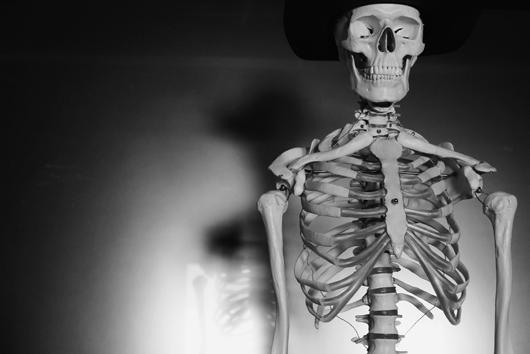
Laymon Digital Photography
Privacy Is Not Promised Caydence Alguire
Privacy has always been a lost treasure for me. I am the oldest and only daughter out of five children. From birth to age three, the spotlight was on me, but I had no independence yet. From age three and on, I was no longer alone—sharing a room, a bathroom, a snack, the TV, and almost every single moment. There was rarely such a thing as personal space.
My mother is a single parent, so for as long as I can remember, I’ve stepped up and traded my alone time to help raise my siblings. I never really minded because it felt natural, but at the same time, I never truly understood what it meant to be alone. I never got the chance to figure out what silence or privacy even felt like.
A quiet moment behind a closed bedroom door always ended with a knock asking for help or company. One bathroom for six people always meant someone knocking to call dibs on who’s next. There was always movement, always noise, and always someone nearby.
Flash forward to now—I’m in college. You might expect more space and freedom, but privacy is still a challenge. The walls are thin, and the windows don’t seal properly, so little is left to the imagination. I can hear four different conversations through the walls, four different playlists, and four different TV shows, intertwining into one. It’s like living inside a circus sometimes.
We’re four girls with one bathroom, plus all of our friends and guests. Four girls sharing one common area, which means sharing noise, space, and chaos—again. Not to mention I can hear my lovely
i.c.e always
melts Ningún humano es ilegal Ningún humano es ilegal Ningún humano es ilegal Ningún humano es ilegal Ningún humano es ilegal Ningún humano es ilegal Ningún humano es ilegal Ningún humano es ilegal Ningún humano es ilegal Ningún humano es ilegal Ningún humano es ilegal Ningún humano es ilegal Ningún humano es ilegal
Damon Whitford Intro to Computer Graphics
upstairs neighbors’ every move, and I am positive they can hear mine.
If it’s not my privacy compromised it’s someone else’s. I work in a small office with up to five people at a time, and we can almost feel each other breathe. I work in a hotel, and I see exactly how guests spend their weekends down to the amount of toilet paper they use. I work in fast food where I can hear your conversations on the intercom before you can hear me, and memorize exactly how you like your coffee. For me there is no personal space in the work field. There is no personal space at school. There is no personal space at home. There is no personal space.
Athena Rabideau
In the article Creativity’s Big Bang Moment author Ernie Schenck argues that technological advancement is pushing human creativity into a new age. While Mr. Schenck unquestionably possesses an aptitude for the written word- and a tendency towards pleonasm- he is certainly not a scientist. My reactions reading this article were: a.) skepticism of the depth of research into the topics to which he speaks, and b.) mild concern about this man’s mental well-being. However, my inclination is to amend his argument rather than take his mis-notions as proof of wrongness of his thesis statement. Despite disagreeing with Ernie Schenck at just about every turn, often being unable to hide my disdain, I somehow still find myself siding with him.
He begins by waxing poetic about the idea of the Big Bang, although he fully admits that the notion of “something from nothing” baffles him. Which it should, as this is probably due to his misunderstanding of the concept of the Big Bang fails to grasp the idea that there was something before... energy (Wolchover). Ironically, correcting this Big Bang misunderstanding makes it function better as an allegory for the genesis of human creativity. Rather than focusing on the idea of “nothing and then something”, it would acknowledge the potential energy that was already present in early hominids in the form of problem-solving capabilities and the development of reason. He is quick to abandon this literal cosmic riff to focus on his musings of human creativity.
Though, Schenck doesn’t seem to grasp these ideas either, as he shifts into this discussion with yet another mis-notion of prehistoric understanding. He states: “While no one can say for sure, I think 2001: A Space Odyssey got it exactly right”. No. While his use of the “for
sure” grants him an epistemological “out”, we have a rather decent understanding of how brain development across species happens, ours especially so. We also have physical data (i.e. ontological evidence) for relevant theories in the form of neurological imaging of brain areas associated with creative tasks. “Kounios examined the relationship between creative insight and the brain’s reward system by asking participants to solve anagrams in the lab. [...] That neural reward may explain, from an evolutionary standpoint, why humans seem driven to create, he said. “We seem wired to take pleasure in creative thoughts. There are neural rewards for thinking in a creative fashion, and that may be adaptive for our species.”" (Weir). That reward center helps us find food, and shelter, as well as effectively socialize. So, almost certainly our creative drive developed as an evolution of food and shelter finding. The latter involves figuring out how to live together without bashing each other with clubs. We’re still figuring that part out, so I won’t discredit Mr. Schenck’s lamentations at our species’s failure to abandon violence.
His use of the introduction of 2001: A Space Odyssey is reductive and somewhat concerning, despite being a literal allegory for Mr. Schenck’s exact point. Actually, I believe that he has not even seen the film. “For some inexplicable reason, a lone neuron will fire a moment too soon. And in that solitary moment, where before there was a bone, there is now a tool. A killing machine.” His notions that our development of tools is a) derived primarily for killing purposes, and b) inexplicable, are both wrong, as well as completely misunderstand the opening sequence of the film. Although the bone is literally used as a weapon in the film, that is not really the point of the opening. I am genuinely concerned by how Mr. Schenck fixates on objects of violence, even when directly comparing “good” and “bad” creativity. His comparisons feel unbalanced and weighted to emphasize the “bad” creativity.
The film was about how we navigate our environment and social situations (yes, sometimes with violence), as well as humanity’s relationship with technology. Technology used as a weapon was never the point. The first tool probably arose for that purpose, true, but like us, technology grows and changes over time. This is why the bone-club turns into the spaceship in the famous transition, a completely different type of object used for a completely different purpose. In this new context, technology forms the environment. It’s meant to imply that what was being invented was primitive society. By learning how to control the environment, early man surpassed the need for brute force. This is why Dave tries to reason with HAL later-on in the film, only resorting to “violence” when necessary.
The famous transition scene also leaves us with a bunch of people navigating a multinational space operation to Jupiter to find the origin of the monolith. Their spats form the main source of tension until they conflict with another conscious being, one created by humans. Throughout the film, we see consciousness/sentience as the major theme. We see humans, artificial intelligence, the star-child, and the monolith. This is ironic given that he seems to completely ignore the presence of the monolith in the opening, the object which bestowed consciousness onto man. The monolith serves as the literal allegory of the very idea that Mr. Schenck attempts to convey in the article. HAL ends up later becoming the monolith. Thus, forming a perpetuating loop of man creating machine and machine creating man. This is where the true allegory for the genesis of consciousness/ sentience/creativity lay.
Humanity is unquestionably on the eve of, if not already embroiled in, a neo-renaissance, thanks in no small part to technological advancements made nth years ago. These advancements tend to compound upon each other inseparably. Thats just how technological advancement works. The
advent of A.I. art (~5 years ago) would never have happened outside the “smart age”, marked by the release of the iPhone (~15 years ago). This would not have happened without the global invention of the internet (~40 years ago), which also facilitates my discourse with Mr. Schenck. The film itself was created prior to the internet (~60 years ago). None of these would have happened without the transistor (~80 years ago) or the invention of the telephone (~150 years ago). Like the supercomputer-turned-god, technology grows and evolves alongside man, both so intertwined that each now shapes the other equally.
These technologies have always shaped the way we interact with the world, this chain going back all the way to the first time some early hominid picked up a bone. Personally, I fall into the camp that believes that our creativity was stimulated the first time a tasty leaf fell into someone's water and tea was invented. Speaking as a child of the internet age, I can say for absolute certain that the way that I perceive my world, and the way Mr. Schenck sees his, have acute similarities and differences. Learning how to reconcile those sorts of differences is the true marker of the evolution of man. Given the subject, it seems only right to leave off on a point of agreement. Both the technological “evangelists” and the “doomsayers” need to chill out.
Works Cited:
Schenck, Ernie. “Creativity’s Big Bang Moment.” Communication Arts, 5 Feb. 2024, www. commarts.com/columns/creativity-s-big-bangmoment.
Weir, Kirsten. “The Science Behind Creativity.” https://www.apa.org, www.apa.org/ monitor/2022/04/cover-science-creativity. Wolchover, Natalie. “What Is a Particle?” Quanta Magazine, 12 Nov. 2020, www.quantamagazine. org/what-is-a-particle-20201112.
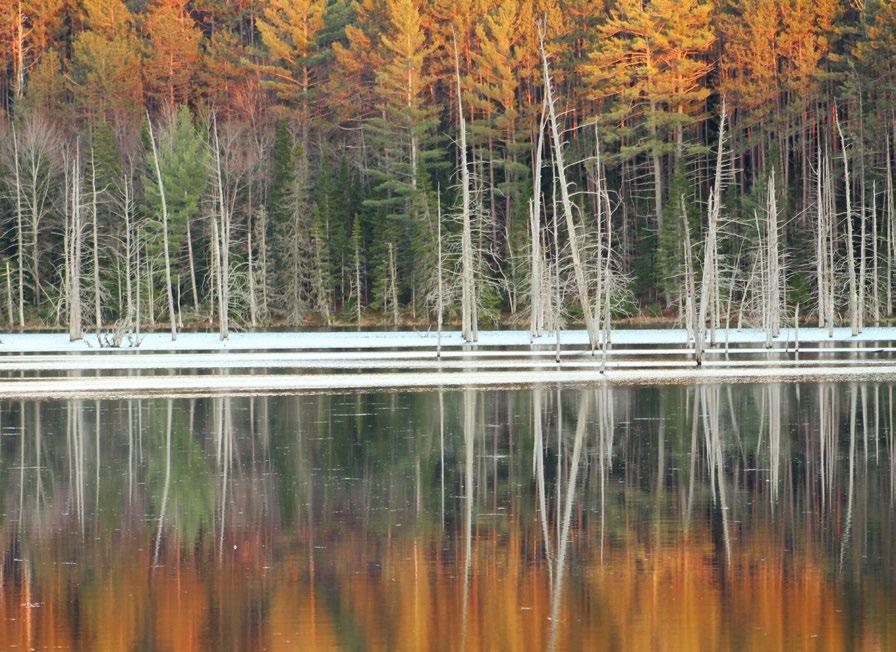
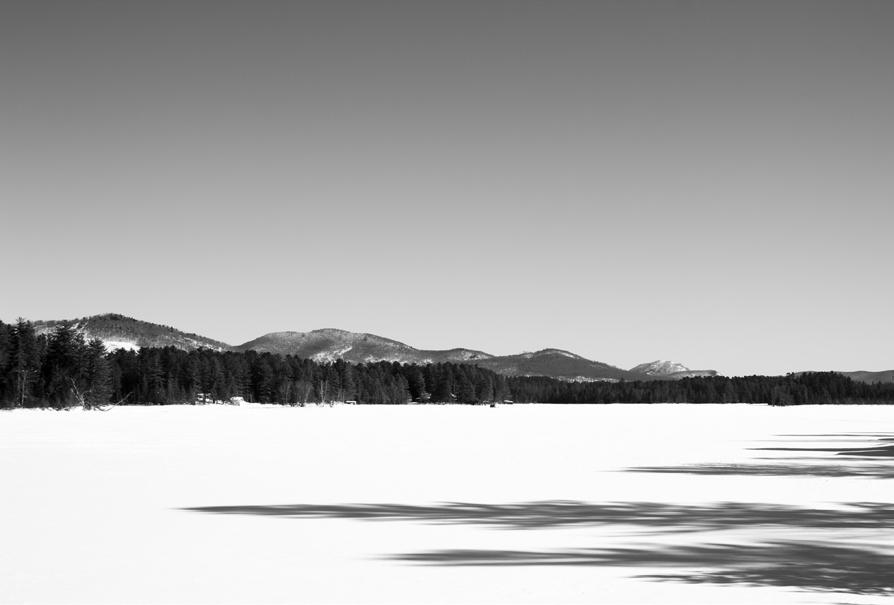
Digital Photography
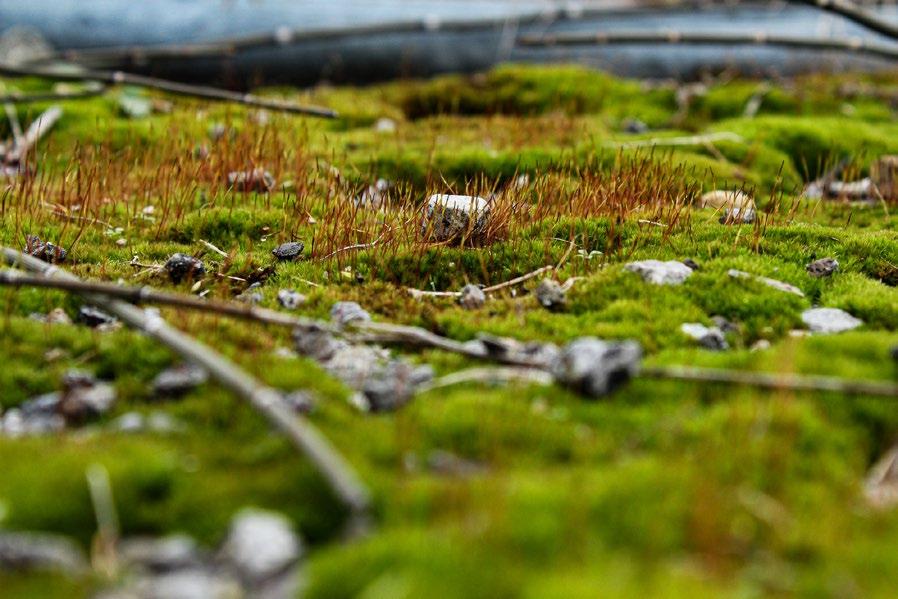
Digital Photography
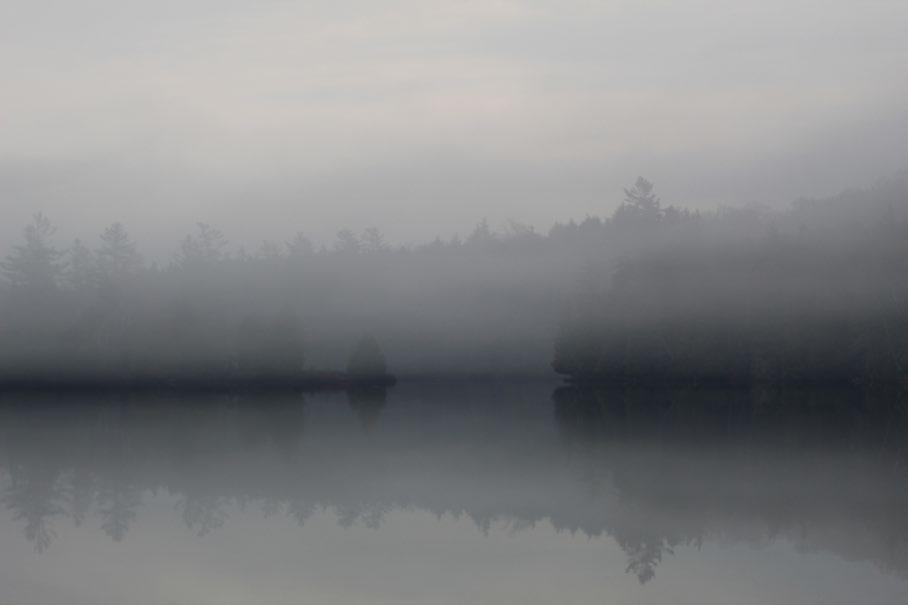
Digital Photography
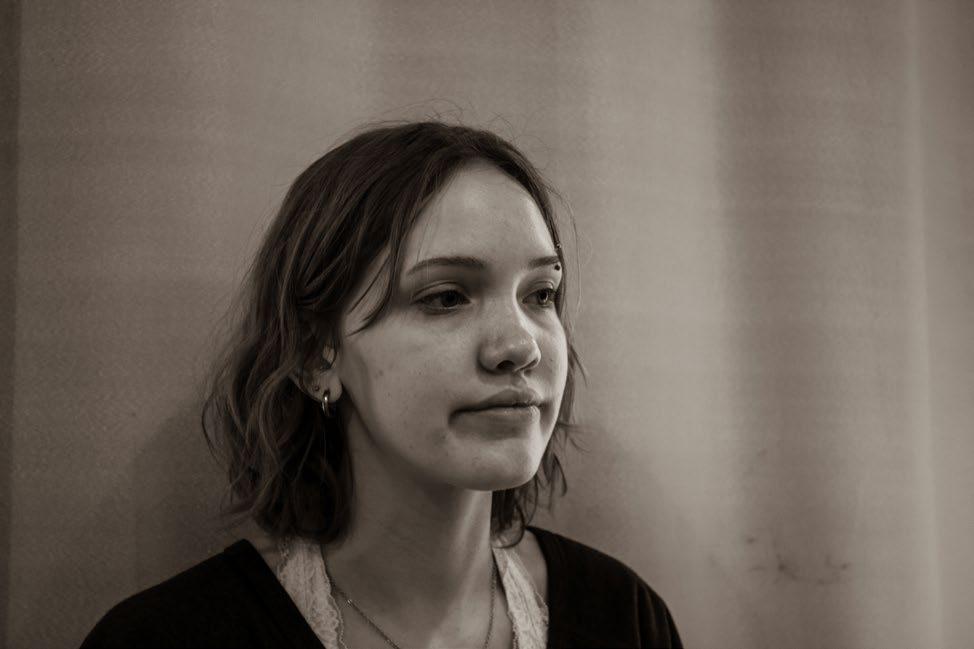
Kate Laymon Digital Photography
Trinity Jeror
So many people have written about grief, it is such a personal thing. I could tell you that grief is the pit in your stomach or the feeling of knowing you’re never going to see that person again. To me it’s so much more, it’s having to take care of yourself, the act of cleaning my room, taking a shower, taking care of my cats, and the ache that follows with those actions. To me it’s like being cold and feeling like you’ll never be warm again, it’s the irreparably draining thoughts that take over my mind every morning and every night, the memories that no longer quite fit and I’m losing over time. I could not save you, I could only love you, I could not save you, I could only watch as you got lowered into the ground and beg that I could be with you.
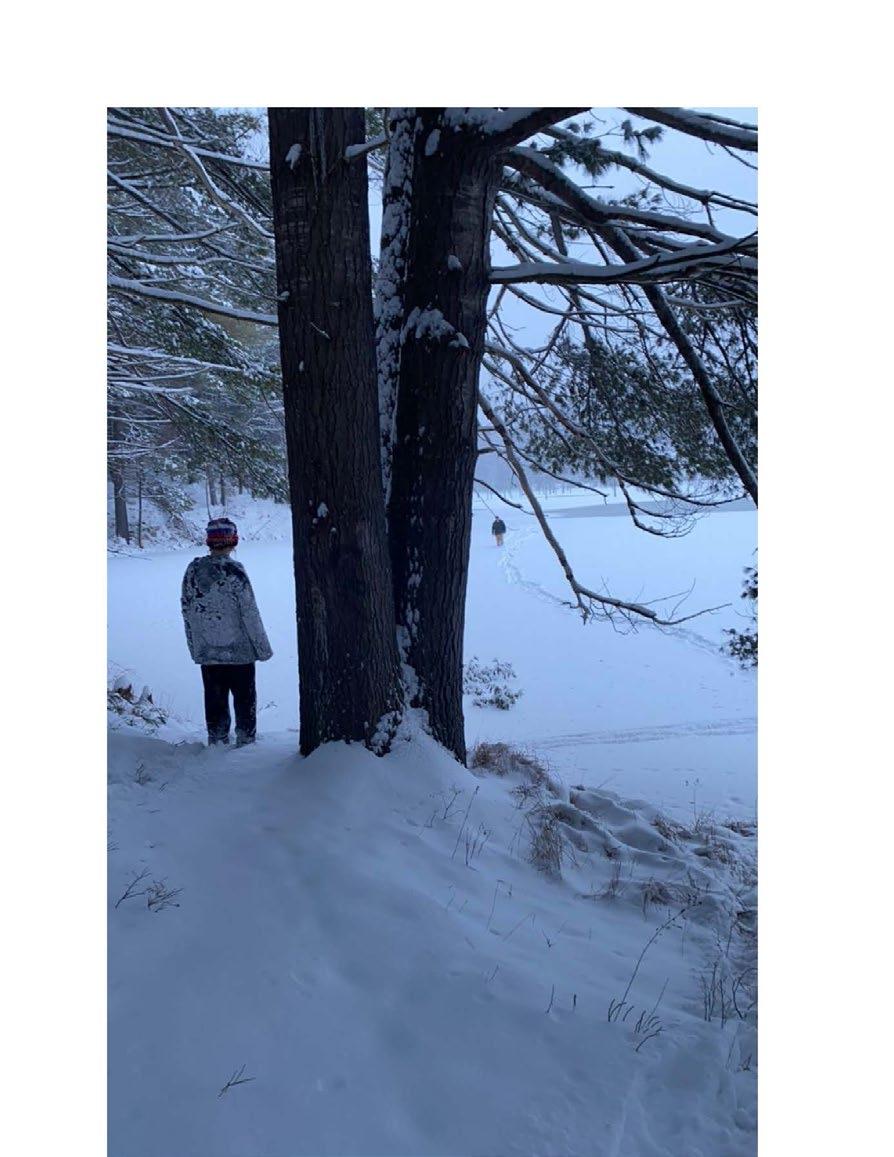
Odysseus Castor
Digital Photography
Winter snow falls to the ground
The hills are covered with glistening snowflakes
The white sparkles on the Christmas trees
Forests are blanketed with frost
Families gather around the fireplace
Nature’s animals hibernate through winter tide
All prepare to settle in for winter tide
Ice crystals have formed on the ground
Crackling wood is burning in the fireplace
Miles of fields are filled with snowflakes
Picture windows are lined with frost
Children are decorating the Christmas trees
Lights glimmer on the snow from Christmas trees
Whispers are echoed through homes about winter tide
Under the moonlight is the shimmering frost
Freezing footsteps in the ground
The lakeside view layered with snowflakes
Sipping marshmallow cocoa beside the fireplace
Telling stories of its own, “Oh, that fireplace”
Aligned are carolers in the street with the Christmas trees
Snowmen dance with all the falling snowflakes
Bells are ringing celebrating winter tide
Another snowstorm covers the ground
Trees are canvased with white frost
A sweet kiss as you breathe in the chill of the frost
Ending the night embracing next to the fireplace
Snuggled up in a cozy bathrobe as feet hit the ground
Standing by the ornamented Christmas trees
Gazing out the window at the beauty of winter tide
In twilights glow, see entwining snowflakes
Vibrant spring flowers replace the glistening snowflakes
Sweet green grass has no distant frost
Winter solstice replaces winter tide
Outdoor camping next to the fireplace
Emerald greens adorn the Christmas trees
Autumn leaves suddenly fall to the ground
Out goes the winter tide and the fireplace
The snowflakes disappeared with the frost
And the Christmas trees fell to the ground
Amy Hall
The dark night falls upon us, you close your eyes and you can feel.
The wind rustling the leaves, and the smell of the trees in your lungs.
You can only use the light of the big white moon, only till the clouds roll upon it.
The next leading lights are the bright shining stars.
You can feel the wet damp grass between your toes. You wiggle them and find your way to the swing up on the hill.
The swing that has seen so many years, it creaks like the crickets as you go back and forth.
These are the best nights, the best nights to reflect upon the years.
All the years you have been blessed to be given these moments.
These silent nights.
Up on the hill.
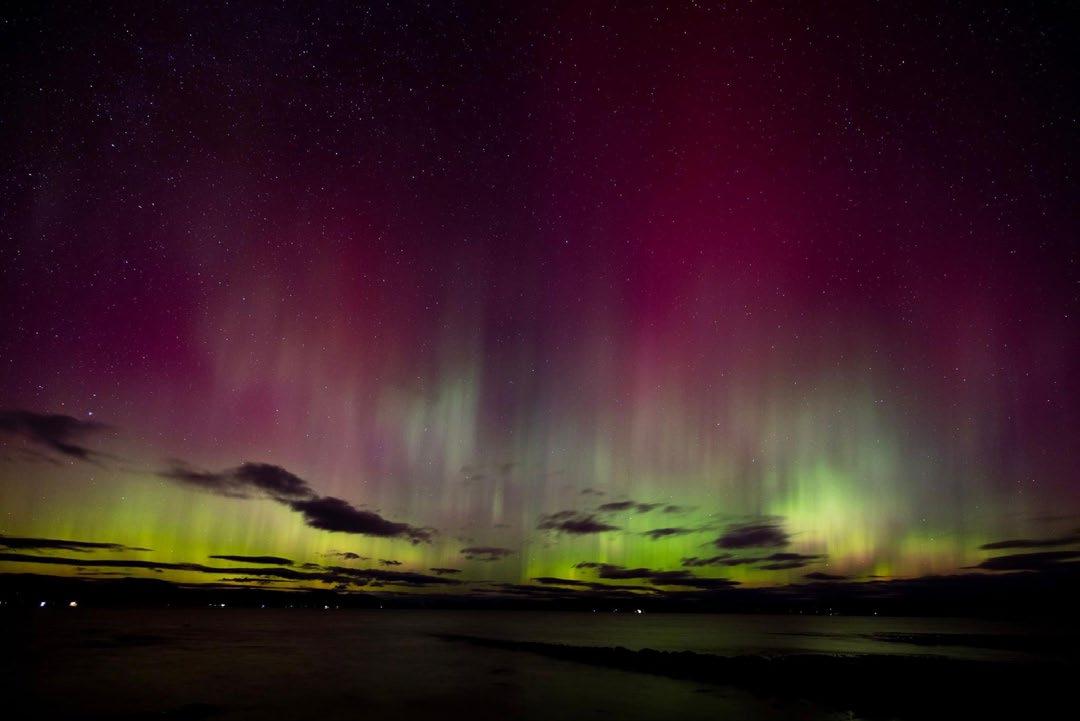
Arlinda Allen
Digital Photography
I Am
Thompson Sloan
I am from tall grass and fresh soil
From homestead and a long driveway
I am from fresh honey, tapped maple syrup, fresh apple cider and home-grown vegetables
From riding bikes and shooting cans
I am from dirt jumps and snow forts
From the axe sharpener to the toolshed, pine needles covered the pathway, the long driveway leading to my grandfather’s cabin
A tree house held high in the trees halfway up the long gravel driveway, as high as the pines
I am from “go outside and play” where there are top secret forts with codenames
From slow to fast and hot to cold
I am from waiting for the bus at the end of the driveway at 6am
From the top to the bottom
Where “speed up” and “slow down” mean the same thing
The red paint on my red mongoose glistened in the hot July sun like fresh snow in the bitter cold of February
When my snowshoes were strapped tight to my feet, being dragged along into the woods
I am from “the well up in the woods”
From the four-wheeler trail that led deeper and deeper
Where my father’s rifle broke the silence of the crunchy white glistening forest floor
I am from the smell of peanut soup hitting my nostrils walking in the door after school
From home packe d lunches with a note from my mother telling me how much she loves me
Where the bus ride to school took 3 times as long as my parents driving
I am from bouncing on the trampoline, kicking around the soccer ball and learning skate tricks on my indoor skateboard
From widdling and sharpening
I am from quiet and far away